Saint Blaise

A bishop the record barely holds onto
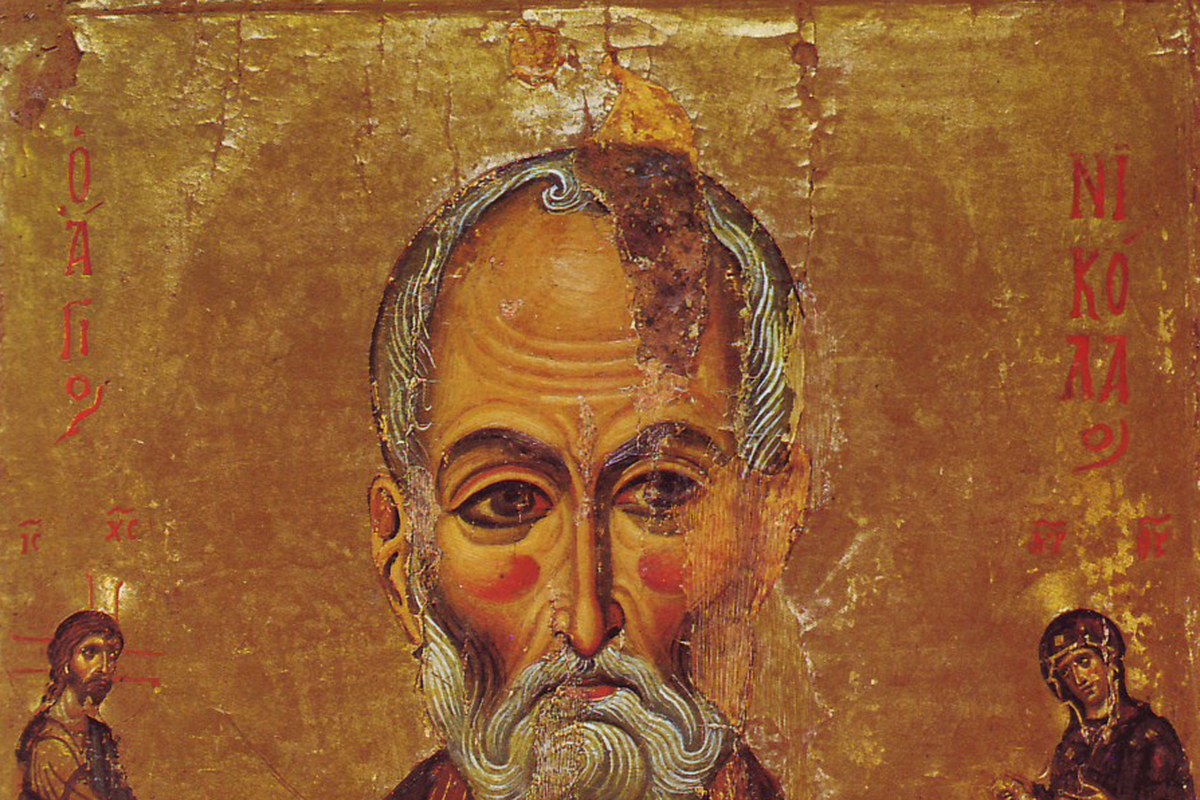
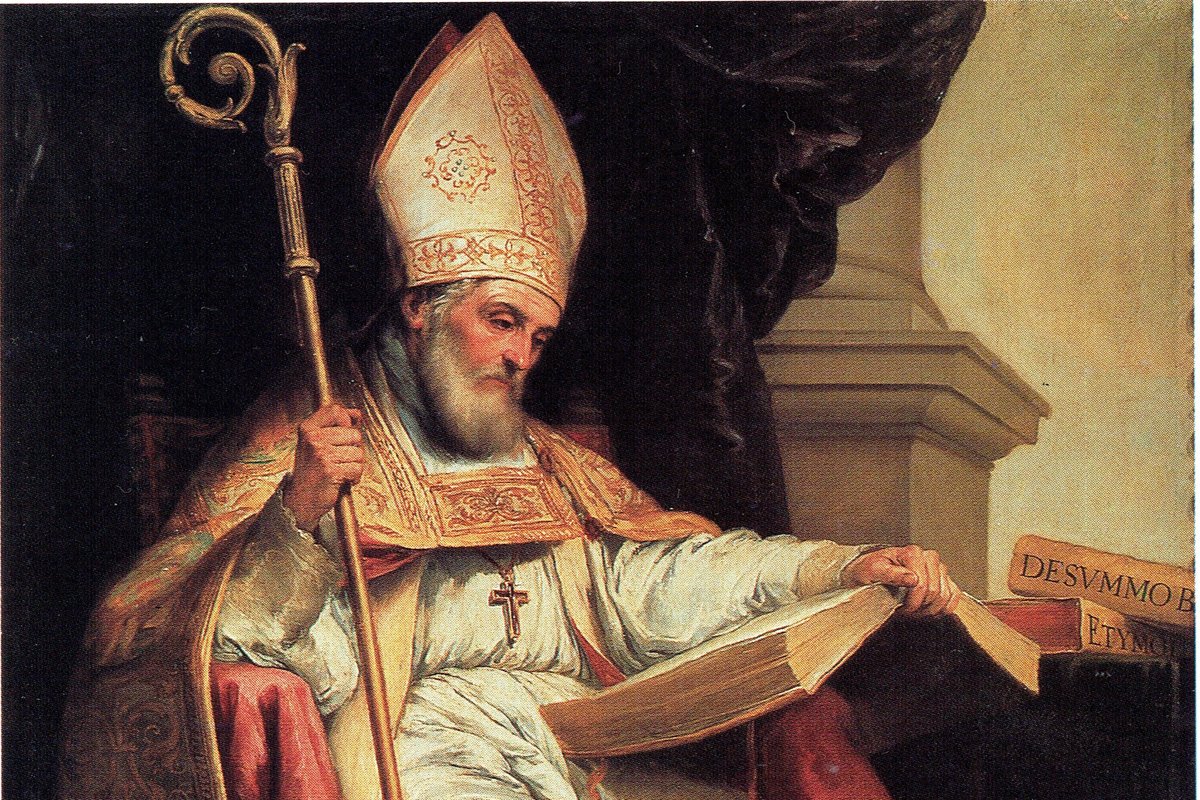
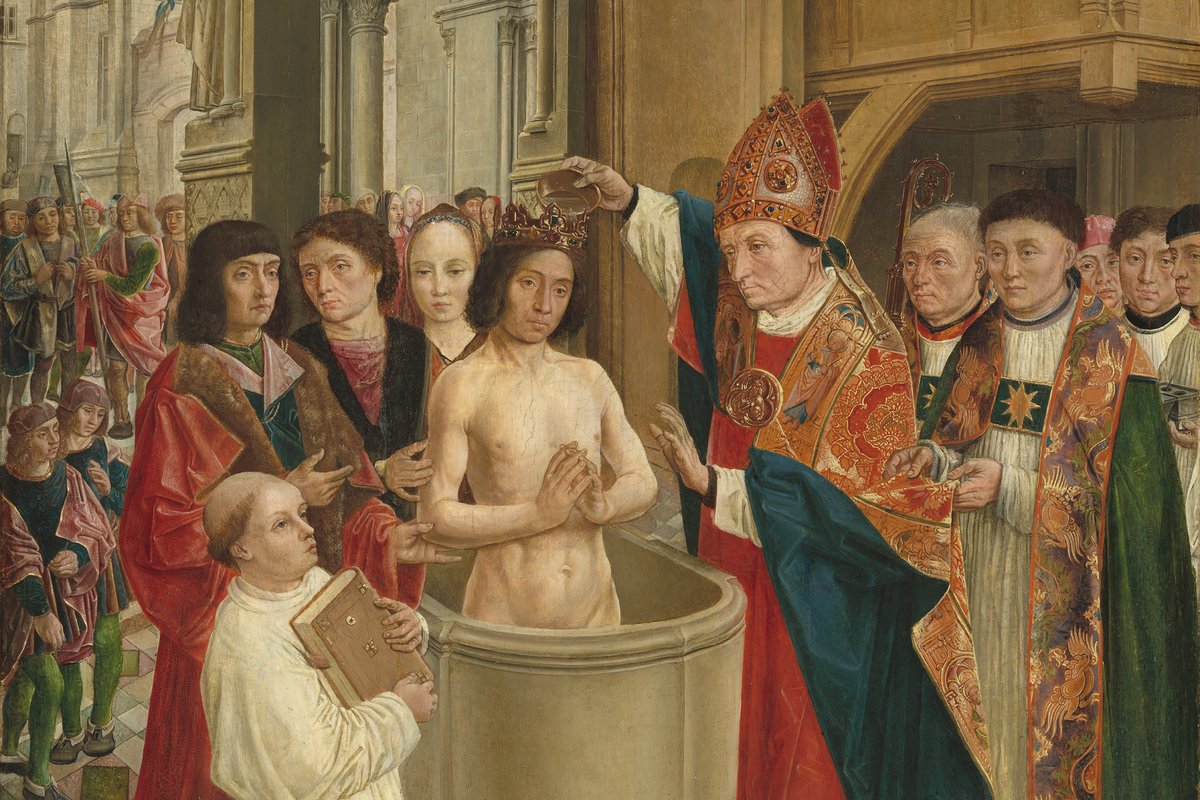
Strip away the legend, and what remains of Blaise's story is a short, plausible outline: a bishop of Sebaste, a city in the Roman province of Armenia Minor, in what's now Sivas, Turkey, reportedly martyred around 316 AD during the reign of Emperor Licinius, under the authority of a governor named Agricolaus. The Catholic Encyclopedia is direct about the limits of that record, calling his surviving Acts "purely legendary" and conceding only that a real bishop by that name was likely martyred in the early 4th century. Everything more specific — the details of his ministry, his arrest, his torture, and above all the story that made him famous — belongs to a later legendary tradition rather than to any account that can be traced back to his own lifetime.
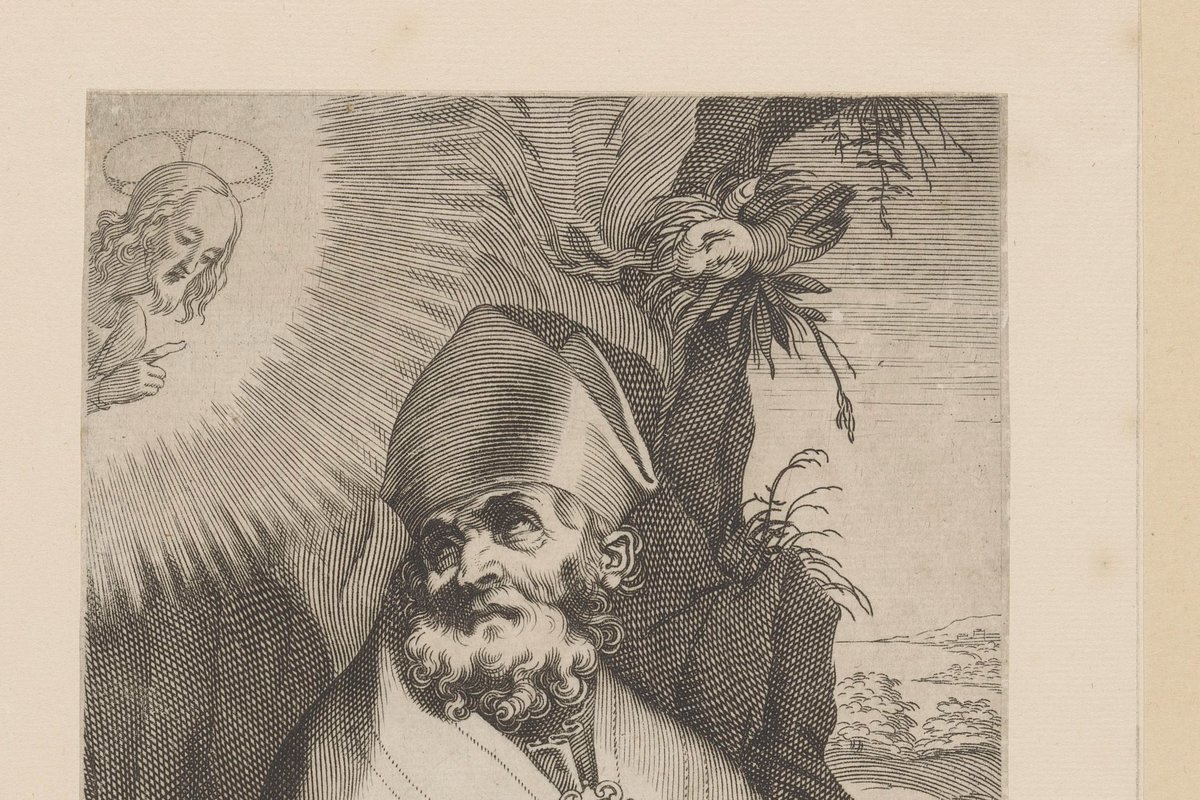
Francesco Villamena (after Francesco Vanni), "S. Blasius," 1598, Rijksmuseum — public domain.
Licinius, the emperor under whom Blaise is said to have died, ruled the eastern half of the Roman Empire during a genuinely turbulent period for Christians: he had co-signed the Edict of Milan in 313, which granted religious toleration across the empire, but later turned against Christians in his own territory as his rivalry with Constantine sharpened. That larger political context makes it entirely plausible that a bishop in Armenia Minor could have been executed in this period, even though the specific narrative details recorded about Blaise's own arrest and death read more like the standardized martyrdom stories common to many saints' Acts from this era than like an eyewitness account.
According to the legendary tradition, Blaise had withdrawn to live as a hermit in a cave on Mount Argeus before his arrest, where local legend says wild animals came to him peaceably and he healed sick creatures that found their way to him — a detail echoed in the iconography of several other early desert saints, and one more sign that his surviving story draws heavily on familiar hagiographic patterns rather than on documented specifics of his own life.
Iron combs and a wool-comber's patron
The tradition holds that before his execution, Blaise was tortured with iron combs of the kind used in wool-carding, an agonizing method that left its mark on how he came to be remembered and depicted in religious art. That detail, legendary as it is, gave rise directly to his patronage over wool-combers — a trade whose own tools became permanently associated with his suffering. It's a good example of how a saint's popular patronage can take root and last for centuries even when the underlying historical claim behind it can't be independently verified.
The choking boy, and the blessing it created
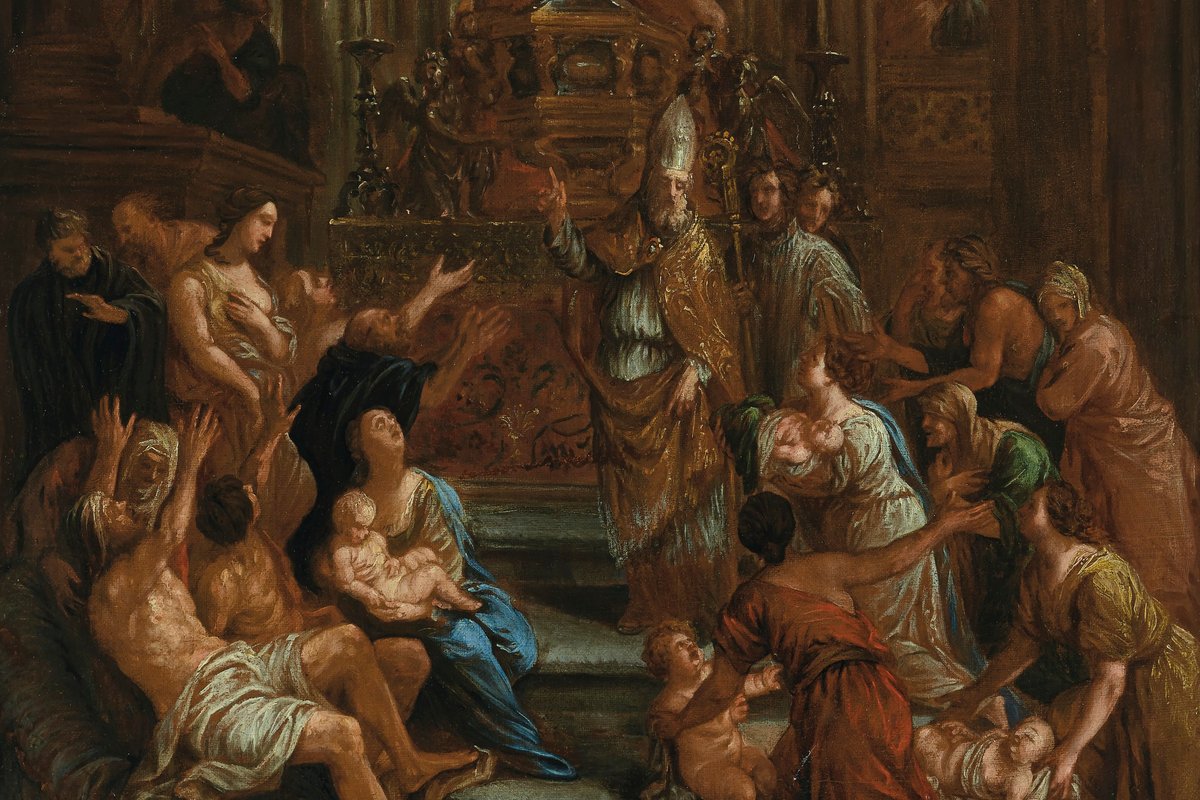
The story most people actually know Blaise for has nothing to do with his martyrdom at all. According to a legend that developed well after his death, a distraught mother brought her young son to Blaise, choking on a fishbone lodged in his throat, and the bishop miraculously saved the boy's life. Like the rest of his surviving Acts, this account has no solid historical foundation — it's legend, not documented biography. But its effect on Catholic devotion has been enormous and lasting. Out of that story grew the Blessing of Throats, a ceremony still performed in churches on or near his February 3 feast day, in which a priest holds two crossed candles near a parishioner's throat while praying for protection from illnesses of that kind. The devotion doesn't require the underlying legend to be historically verified to remain meaningful to the people who practice it — it's a case where a story's spiritual and pastoral usefulness has outlasted any question about its historical accuracy.
The traditional prayer said during the blessing asks for deliverance "from ailments of the throat and from every other evil," and the crossed candles themselves are usually blessed the day before, on the Feast of the Presentation on February 2, tying Blaise's February 3 commemoration directly to the liturgical calendar surrounding it. The ceremony survived the Protestant Reformation's general skepticism toward saints' legends and blessings in most Catholic regions, and it remains one of the more widely attended optional blessings on the calendar in many parishes — a striking contrast to how thin the underlying historical record actually is.
One of the Fourteen Holy Helpers
Blaise's popularity in the medieval Church was significant enough that he was counted among the Fourteen Holy Helpers, a grouping of saints that became especially popular across medieval Europe as intercessors against specific diseases, dangers, and sudden deaths. His particular association with throat ailments made him a natural fit for that company. His feast is kept on February 3, and his enduring popularity is a reminder that a saint's devotional importance and the historical solidity of his biography can be two entirely separate things — Blaise is venerated today almost entirely on the strength of a legend the Church's own scholarship declines to treat as fact.
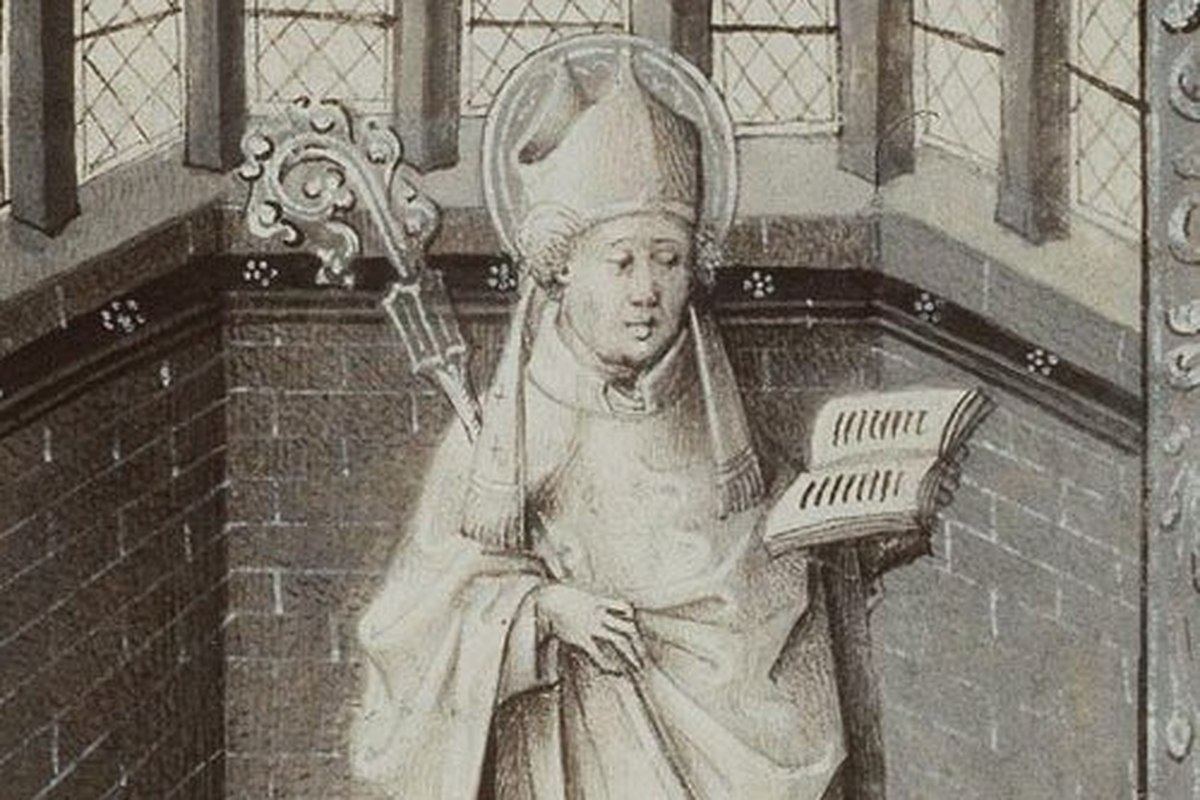
Devotion to Blaise spread widely across both the Eastern and Western Christian traditions, and he is honored as a patron in places as far apart as Dubrovnik, Croatia — where he's the city's principal patron saint and his feast is a major civic holiday — and rural parishes across Latin America and the Philippines, where the throat blessing remains a well-attended winter tradition. In art, he's most often shown as a bishop in full vestments, holding the wool-comb of his legendary torture or a pair of crossed candles, sometimes with a small pig at his side, a reference to another local legend in which a pig helped shelter him during his time as a hermit. Readers interested in other saints whose enduring popular devotion outpaces the certainty of their historical record may also want to look at Saint Kilian, another early bishop- martyr whose cult grew from a similarly thin documentary foundation.
Trivia
Who was Saint Blaise?
Is the story of Saint Blaise and the choking boy historically true?
What is the Blessing of Throats, and why is it linked to Saint Blaise?
Why is Saint Blaise the patron of wool-combers?
What are the Fourteen Holy Helpers, and is Saint Blaise one of them?
You May Also Like
Related Reading