Saint Germanus of Paris


Educated by a cousin, ordained an abbot
Germanus was born around 496 near Autun in Gaul, in the Merovingian kingdom that had emerged from the collapse of Roman authority in western Europe, to parents named Eleutherius and Eusebia. He was educated under the care of his cousin Scapilion, a priest, in the towns of Avalon and Luzy, and by most accounts showed an early inclination toward austerity and prayer that set him apart from other young men of his class. In 530, at thirty-four, he was ordained a priest by Agrippinus, bishop of Autun, and shortly afterward appointed abbot of the Monastery of St. Symphorien near Autun, where he governed a community of monks while living a life of hard manual work and generous almsgiving that would define his reputation for the rest of his life.
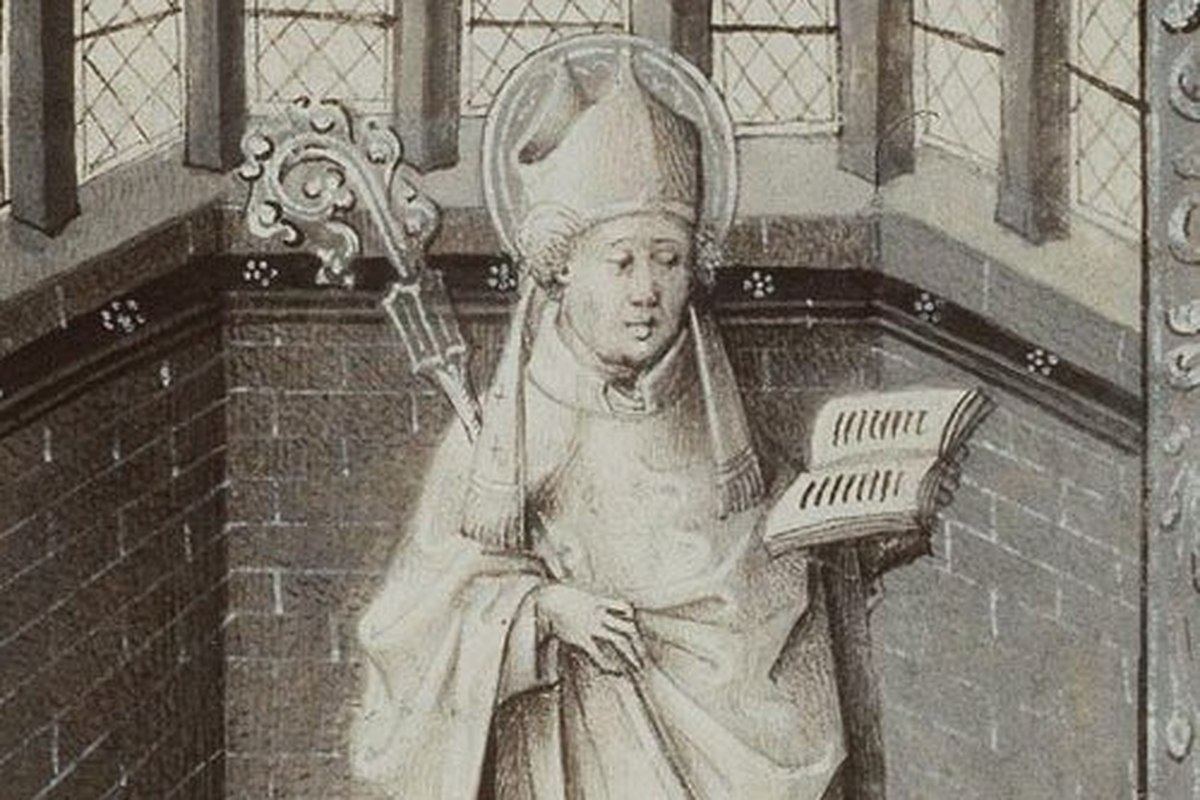
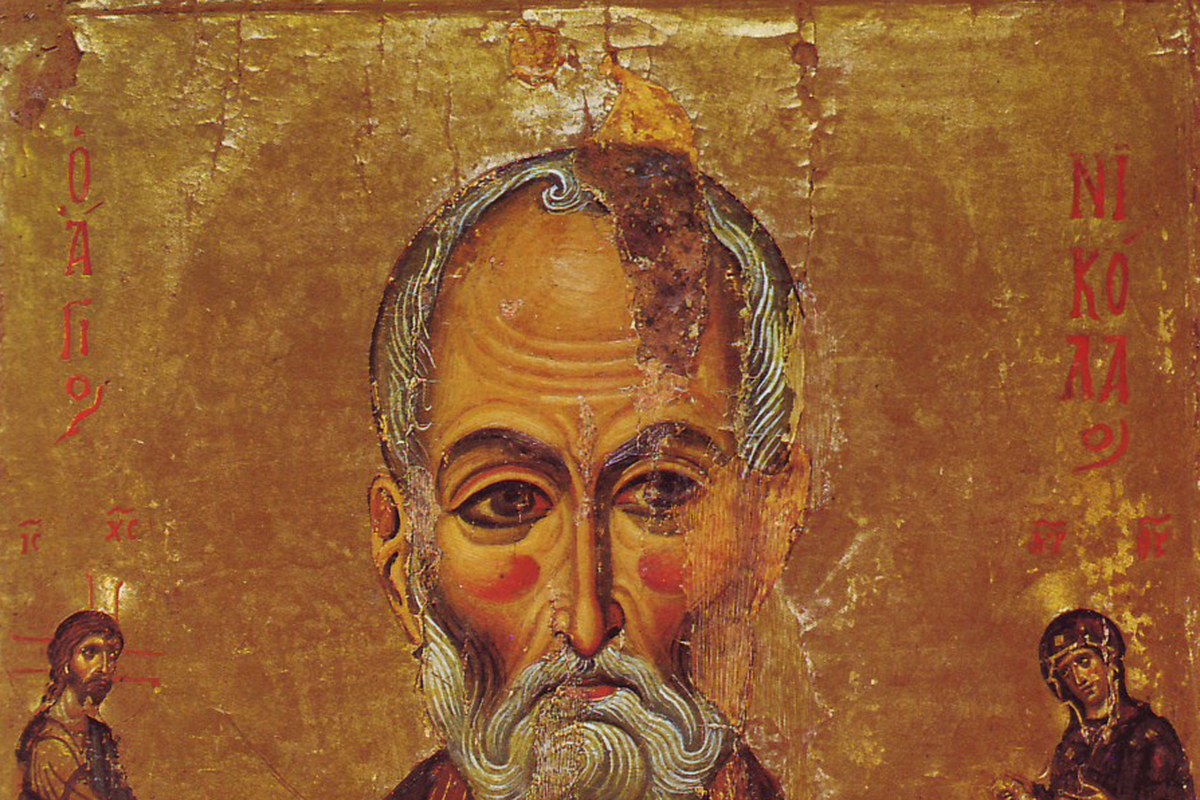
Traditional depiction of Saint Germanus of Paris, public domain.
Forty years as Bishop of Paris
Germanus served as Bishop of Paris from 536 until his death in 576 — a tenure of forty years spanning some of the most turbulent decades of Merovingian France, the kingdom of the Franks that had converted to Christianity under King Clovis a generation earlier. During that time, he founded a monastery just outside the city walls dedicated to Saint Vincent, later renamed Saint-Germain-des-Prés in his own honor after his death — still today one of Paris's oldest and most historically significant religious foundations, its Romanesque tower one of the oldest standing structures in the city. Germanus continued as bishop the same austere, charitable pattern of life that had marked his years as abbot, earning him the title "Father of the Poor" among the people of Paris, who could count on him for food and shelter in times of famine and hardship.
A largely unsuccessful peacemaker
Much of his episcopate was spent trying to restrain the Frankish kings of his era — the grandsons of Clovis, who had divided his kingdom among themselves and spent decades warring over territory, often with shocking brutality toward their own relatives. Germanus took part in numerous church councils toward the goal of ending this strife, including the Third and Fourth Councils of Paris in 557 and 573 and the Second Council of Tours in 566, using the moral authority of his office to plead publicly for reconciliation between brothers who repeatedly betrayed and murdered one another. He is remembered for personally confronting King Charibert I over his conduct, and for interceding on behalf of prisoners and refugees caught in the various conflicts. These efforts at peace were, by most historical accounts, largely unsuccessful against the ambitions of the warring brothers and their wives — the chronicler Gregory of Tours, writing not long after Germanus's death, records the era's violence in vivid and often grim detail.
A liturgy preserved in writing
Among Germanus's lasting contributions is his "Exposition of the Liturgy," a genuine record of the Gallican rite, the distinctive form of the Mass and other sacraments used in Gaul before the Roman rite was later introduced there under Charlemagne's descendants. The text gives historians one of the clearest surviving windows into how the early medieval Church in France actually worshipped, including details of processions, chants, and ceremonial gestures that would otherwise have been lost entirely. Germanus died on May 28, 576, and was buried in the monastery he had founded, which grew over the following centuries into a major center of learning and manuscript production. He is remembered today as much for his charity toward the poor and his patient effort at peacemaking as for the political reconciliation that, in his own lifetime, never fully came — a legacy not unlike that of Pope Gregory the Great, another bishop of the same turbulent century known equally for his governance and his care for the poor.
An abbey that became a center of learning
Saint-Germain-des-Pres grew, over the centuries following Germanus's death, into one of the most significant monastic and intellectual centers in France, housing an important scriptorium where monks copied and preserved manuscripts that might otherwise have been lost during the unstable centuries that followed the Merovingian era. The abbey survived Viking raids along the Seine in the ninth century, though not without damage, and was rebuilt and fortified in the centuries afterward, eventually becoming closely tied to the French monarchy and to later intellectual movements centered in Paris. Its Romanesque bell tower, largely dating from the eleventh century, still stands today in the heart of the Left Bank neighborhood that carries Germanus's name, a rare architectural survivor connecting modern Paris directly back to the bishop who once walked its much smaller, early-medieval predecessor.
Germanus's feast day, May 28, continues to be observed in the Archdiocese of Paris, and he is remembered in French Catholic tradition alongside other early bishops who guided the fragile Frankish Church through its formative, often violent first centuries — a period when the survival of Christian institutions in Gaul was never guaranteed, and depended heavily on individual bishops willing to stand between warring rulers and the ordinary people caught between them.
Trivia
Who was Saint Germanus of Paris?
What monastery is associated with him?
What was his relationship with the Frankish kings of his era?
What written work is he known for?
Related Reading