
Saints
Explore the lives, legends, and feast days of Catholic saints — from early martyrs to modern miracle-workers — with the real history behind each one.
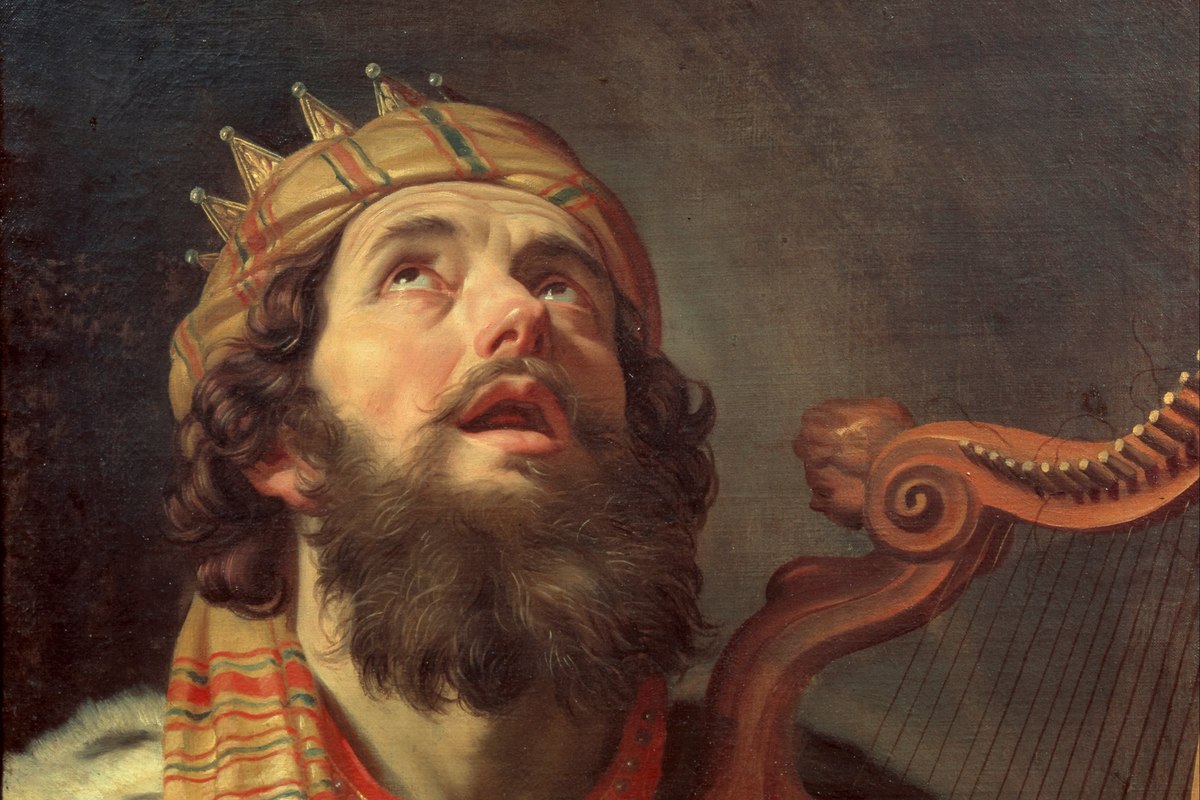
King David
The shepherd who became Israel's king, the psalms attributed to him, his affair with Bathsheba, and why the Gospels trace Jesus's ancestry back to his line.
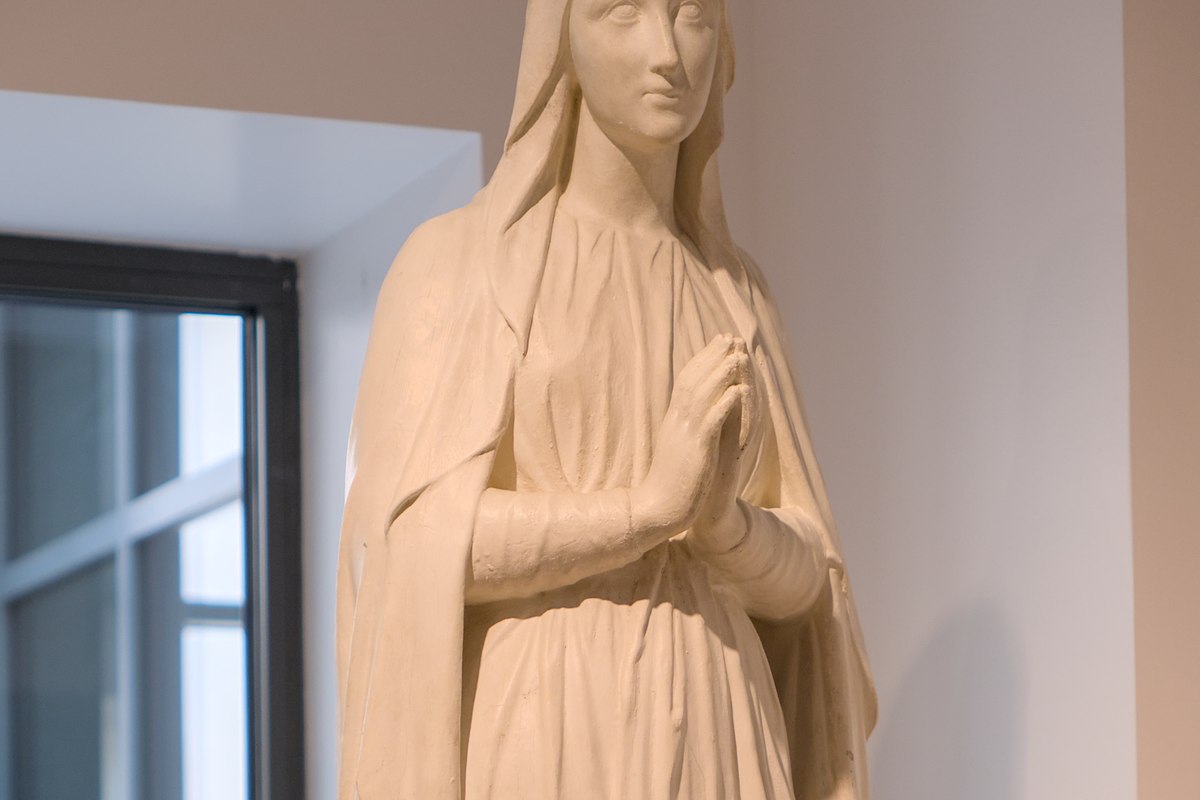
Our Lady of Lourdes
The 18 apparitions a 14-year-old girl reported at a grotto in southern France, how the Church investigated them, and why Lourdes became a place of pilgrimage.
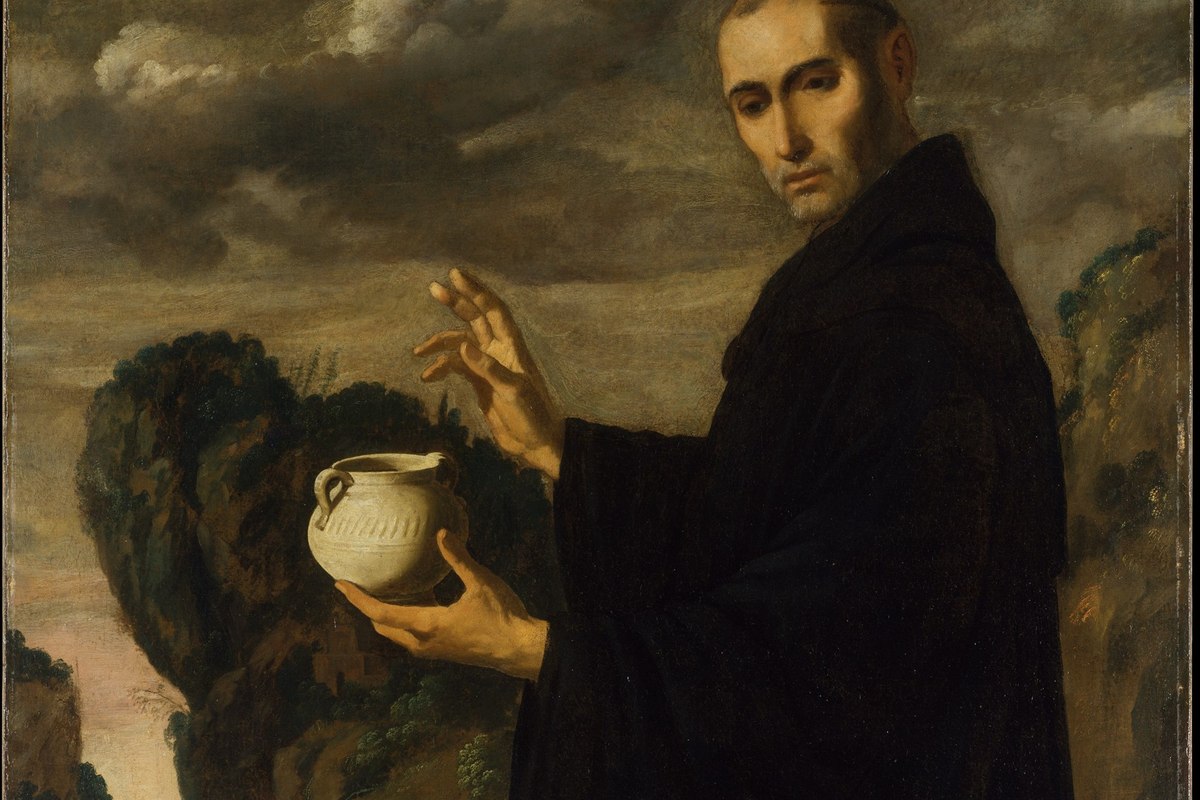
Saint Benedict of Nursia
How a rule written for one monastery in Italy became the foundation of Western monasticism, and why Benedict is now patron saint of all Europe.
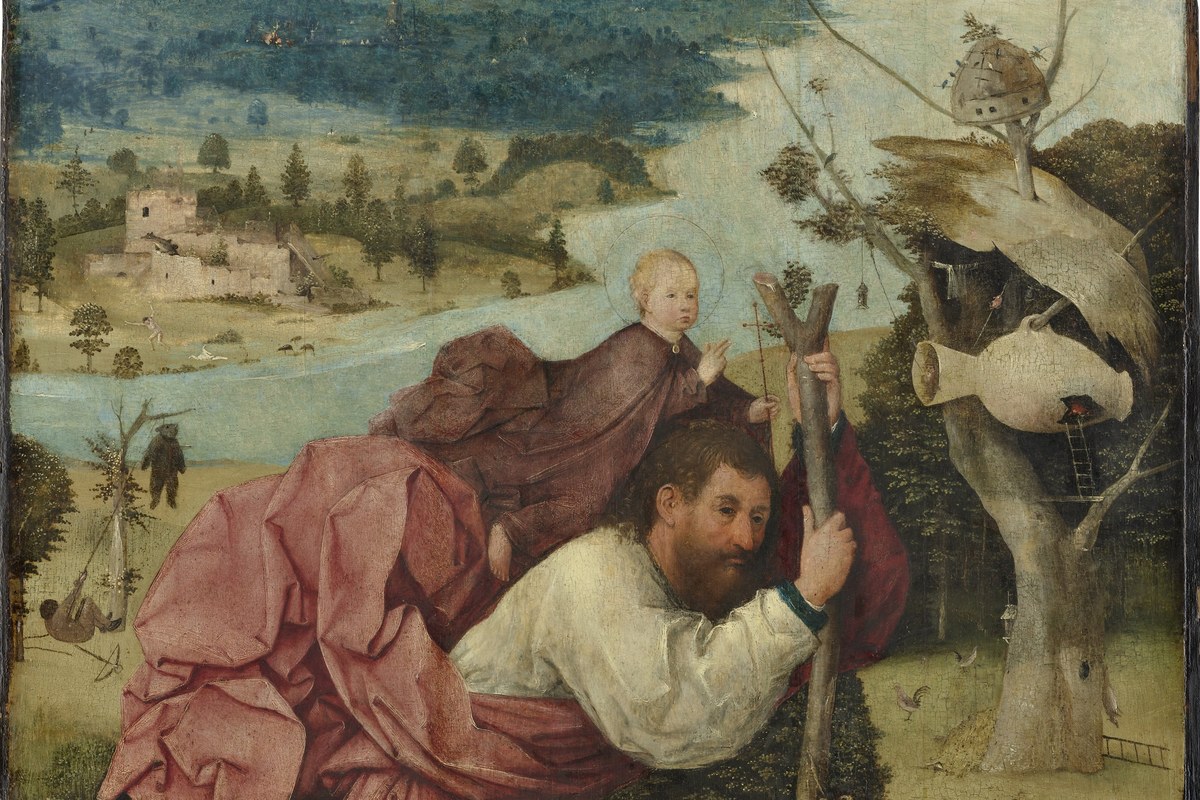
Saint Christopher
The legend of the giant who carried travelers across a dangerous river, why his name means "Christ-bearer," and why Rome dropped him from its calendar.
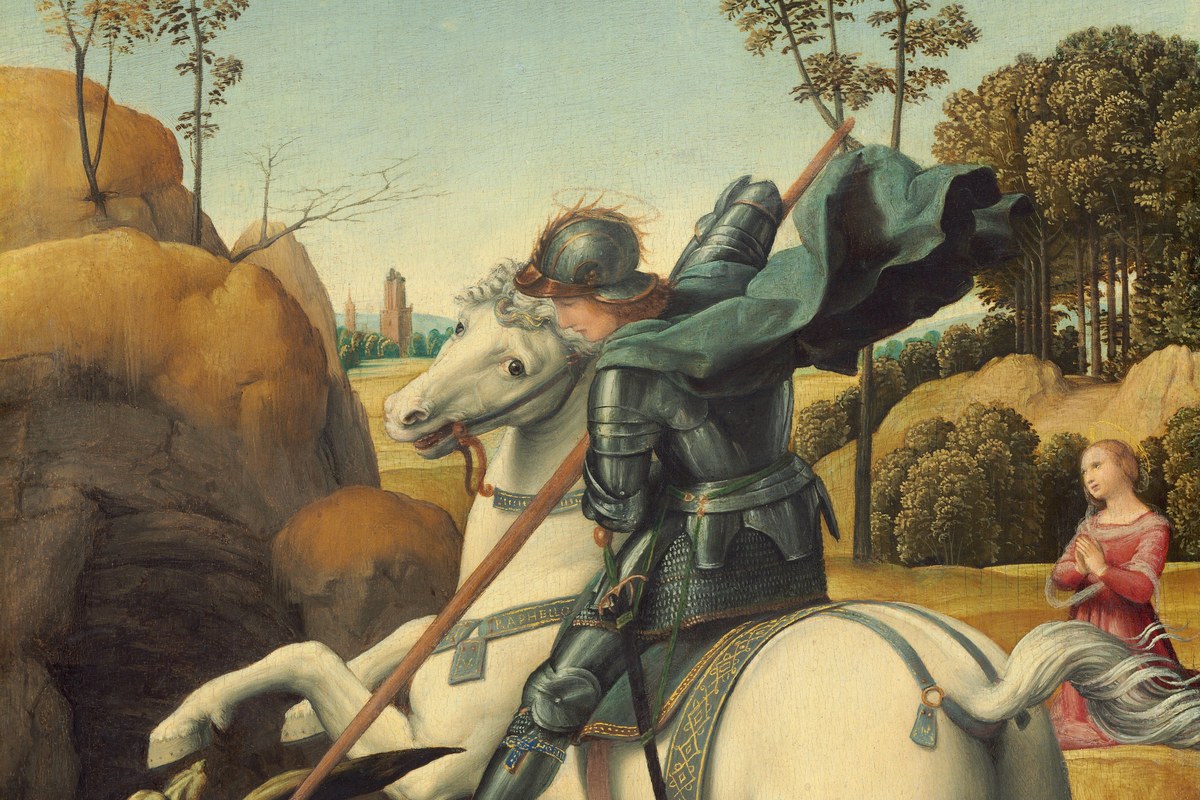
Saint George
The real Roman soldier behind the dragon legend, why he was martyred, and how he became patron saint of England and a dozen other nations.
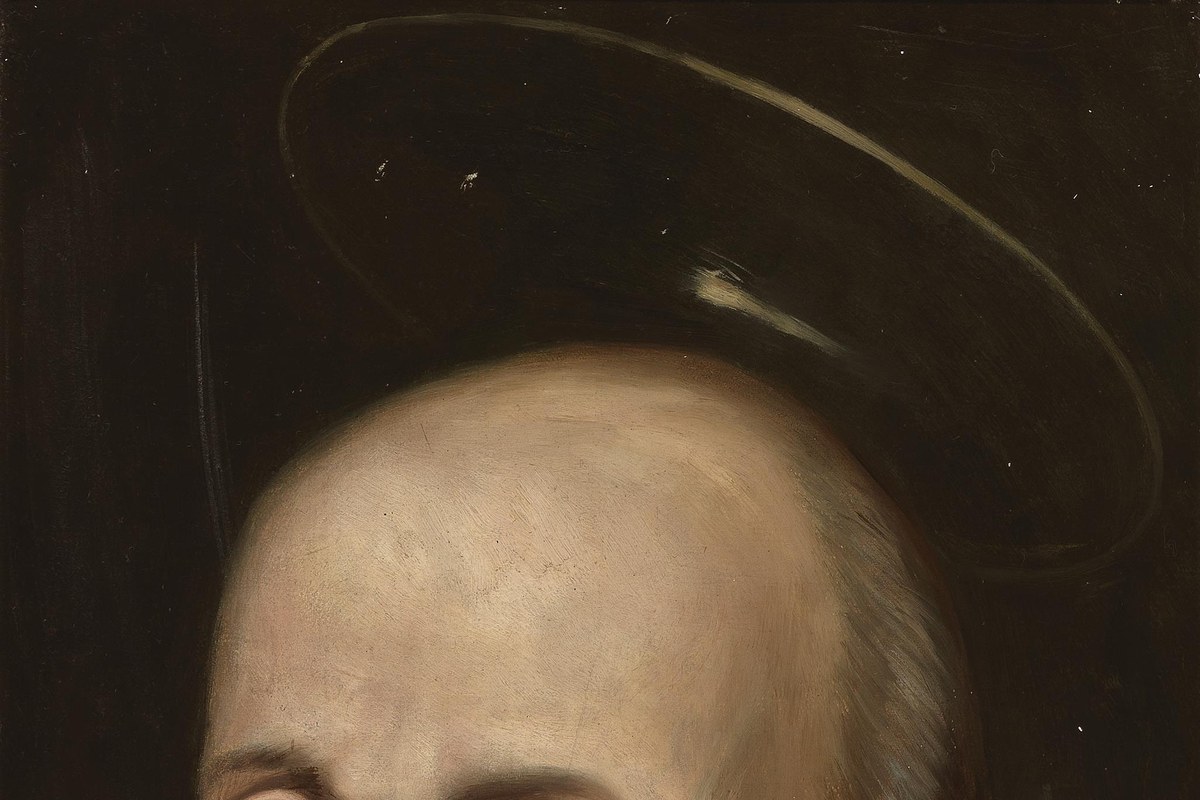
Saint Ignatius of Loyola
How a wounded soldier's convalescence turned into a spiritual conversion, why he wrote the Spiritual Exercises, and how the Jesuits began.
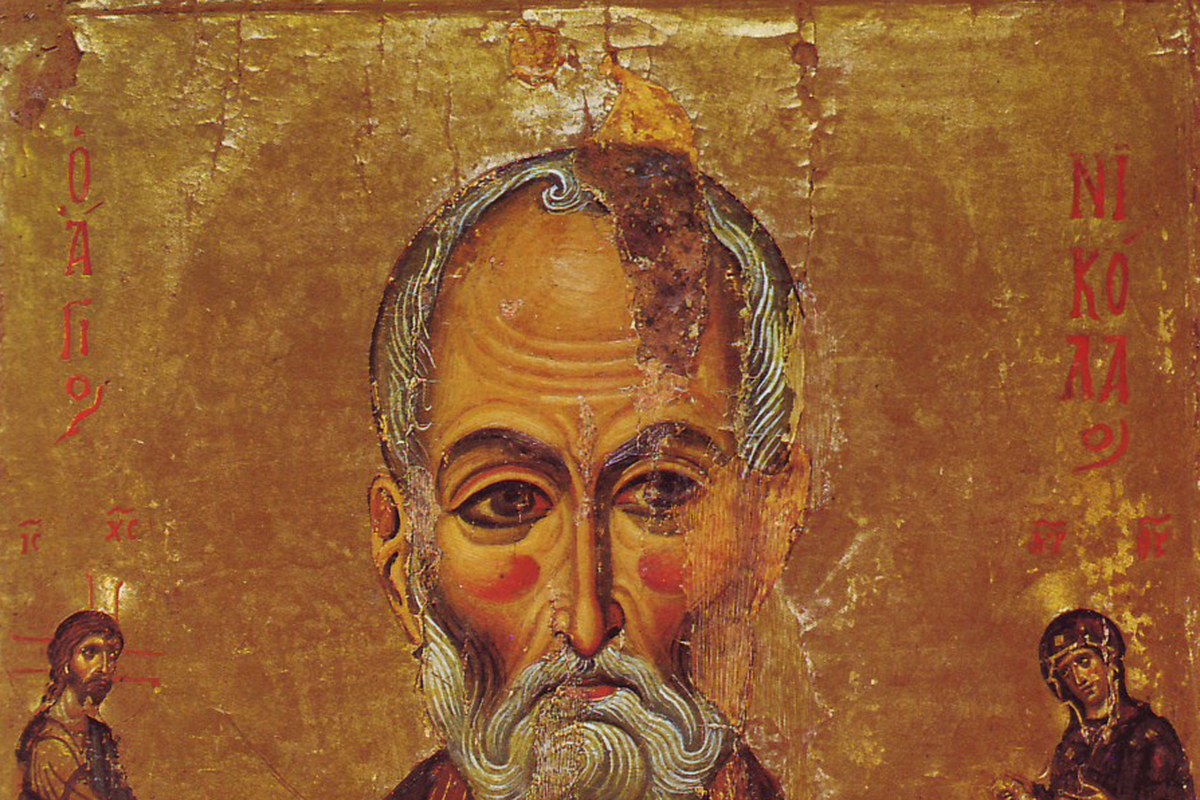
Saint Nicholas of Myra
The real bishop behind Santa Claus, the legend of the three bags of gold, and how a 4th-century act of quiet generosity became a global gift-giving tradition.
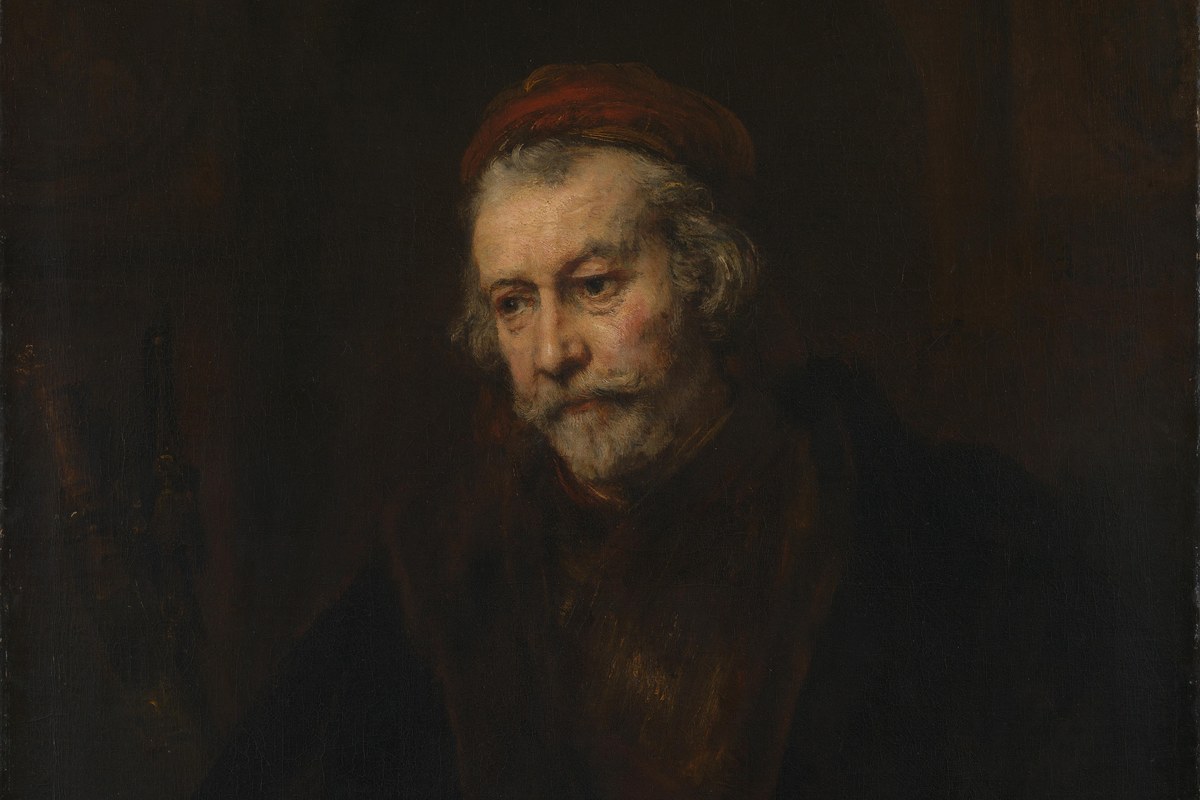
Saint Paul the Apostle
How a persecutor of Christians became one of Christianity's greatest missionaries, what happened on the road to Damascus, and why it still surprises people.
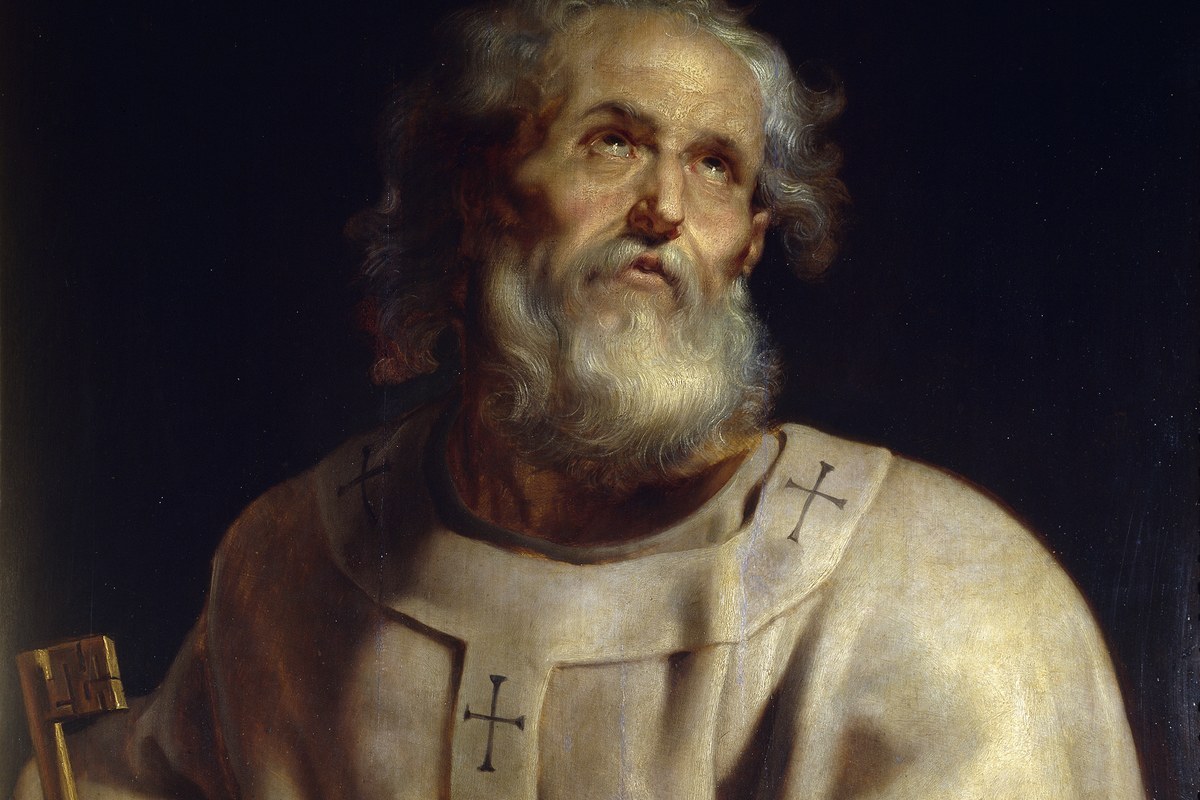
Saint Peter the Apostle
Who Peter was before he became the rock of the Church, why he denied Jesus three times, and how he was restored afterward.
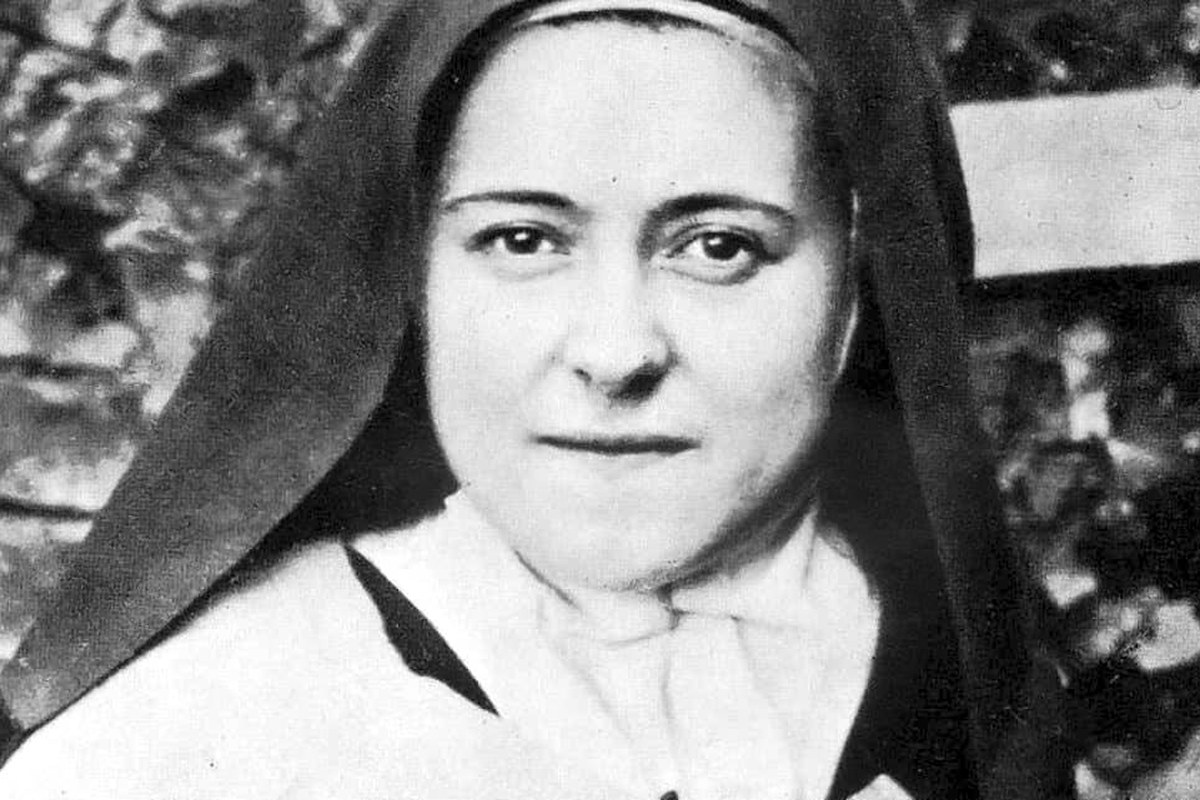
Saint Thérèse of Lisieux
Why a nun who died at 24 without leaving the convent became a Doctor of the Church, and what her "Little Way" actually means.
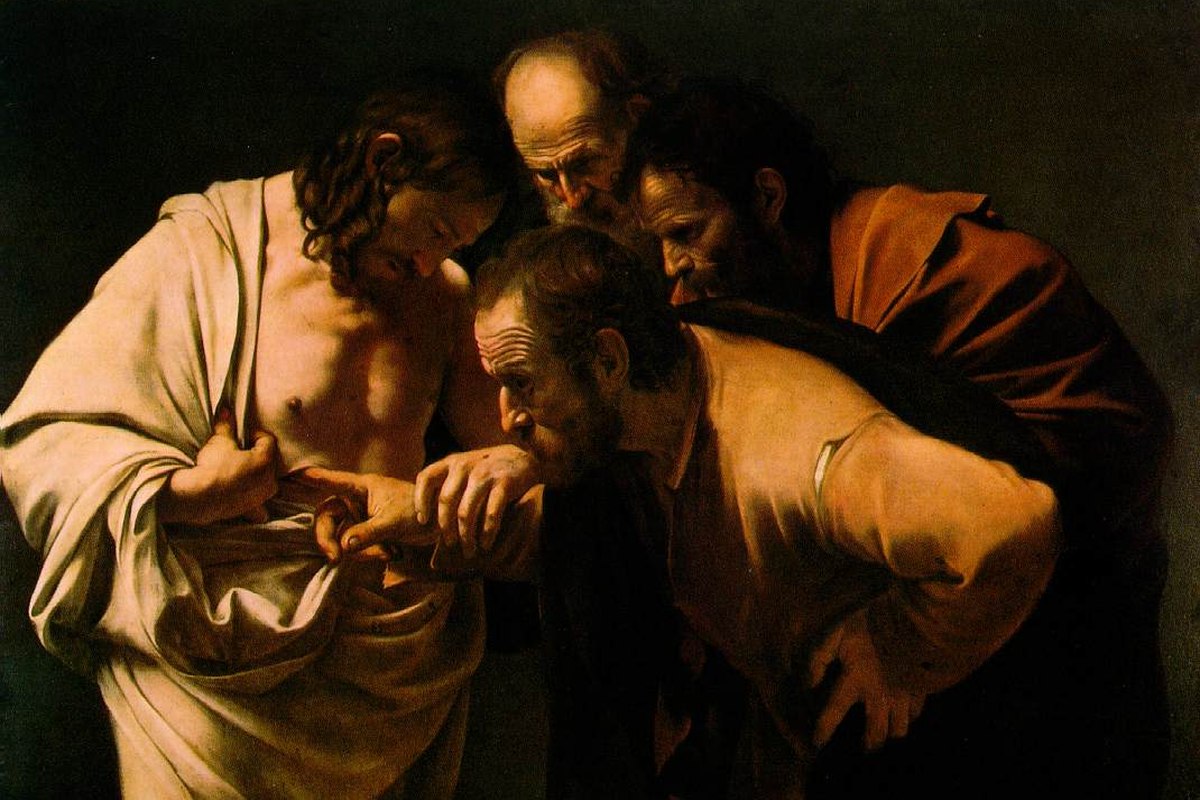
Saint Thomas the Apostle
Why Thomas refused to believe the resurrection at first, what he said the moment his doubt broke, and how "doubting Thomas" ended up preaching as far as India.
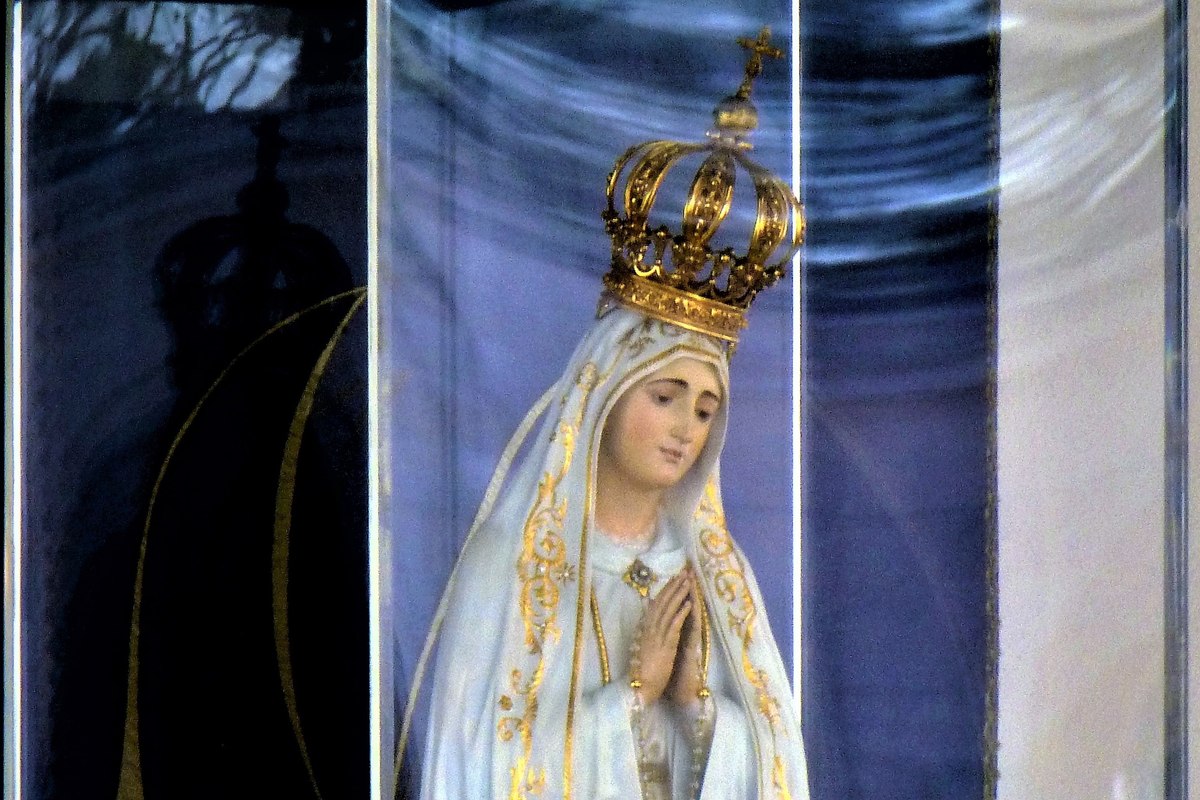
Our Lady of Fatima
What three shepherd children reported seeing over six months in rural Portugal, why 70,000 people gathered to watch the sun, and how the Church investigated it.
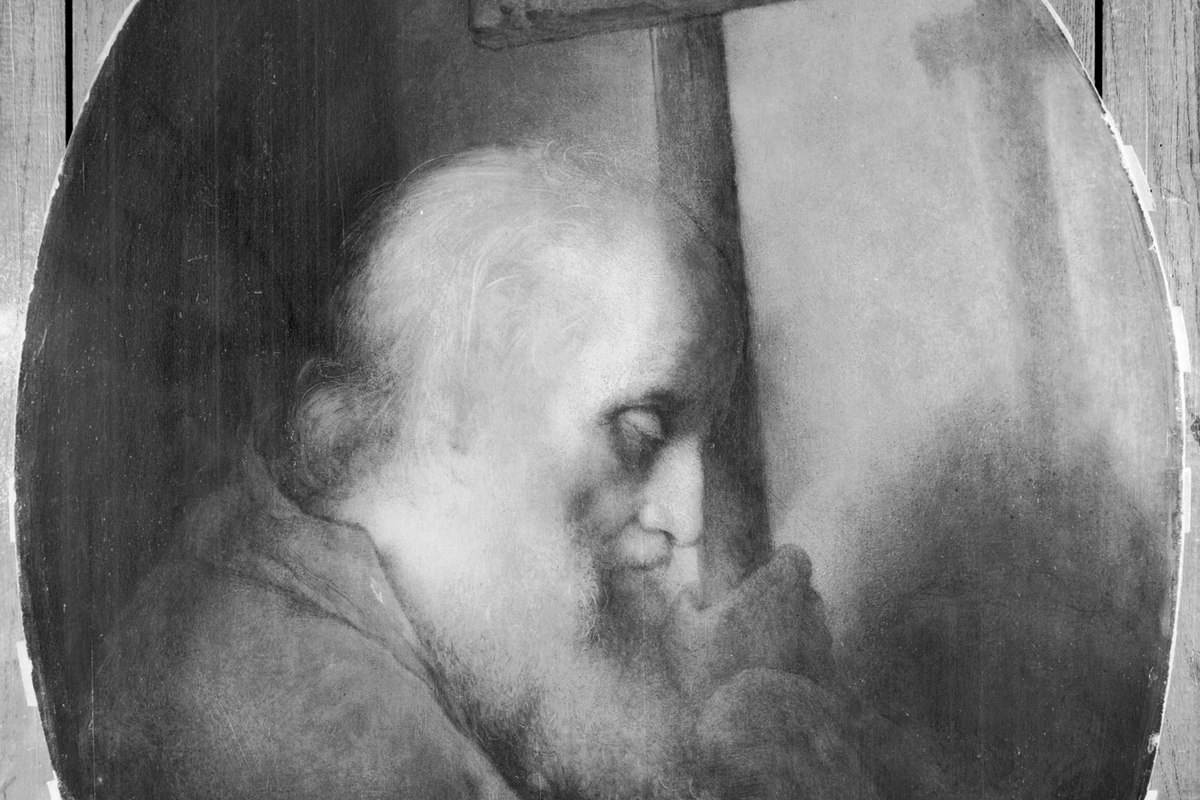
Saint Andrew the Apostle
How a fisherman became the first apostle called, why he introduced his brother Peter to Jesus, and why tradition holds he chose an X-shaped cross for his own death.
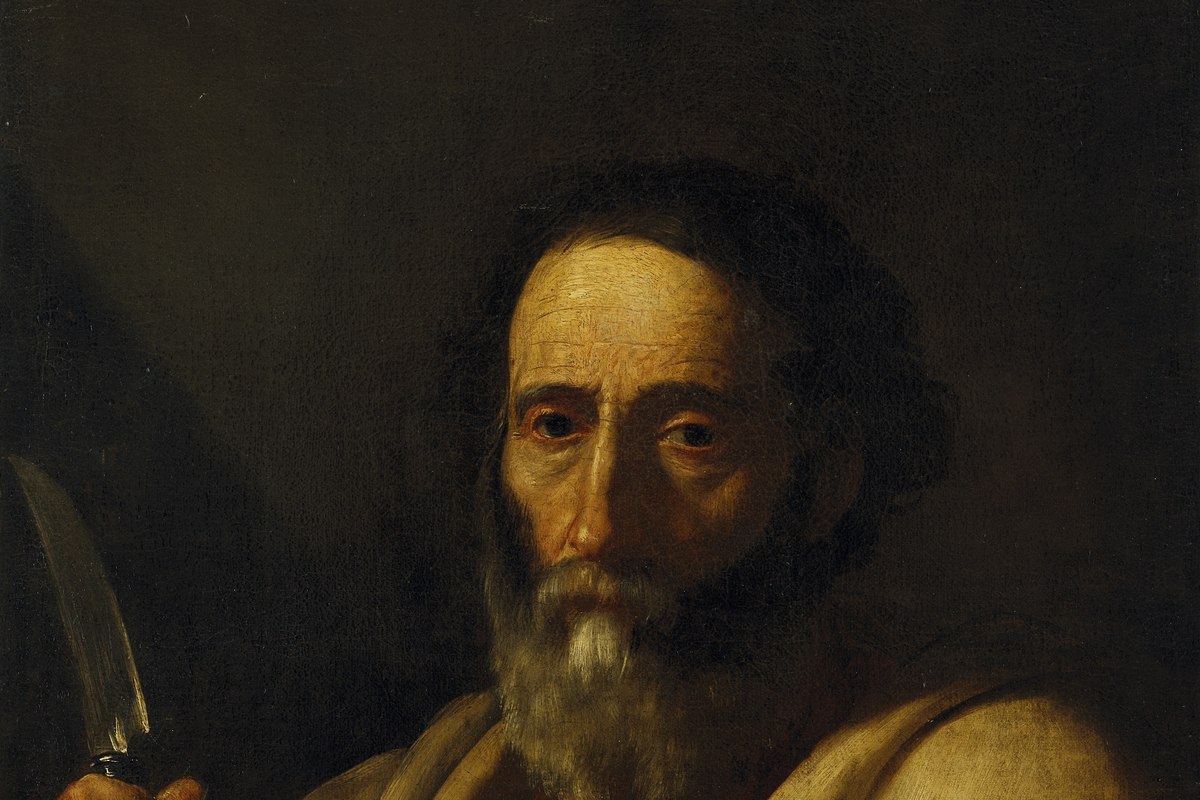
Saint Bartholomew the Apostle
Why Bartholomew is likely the man Jesus called "a true Israelite" before they'd even met, and the brutal martyrdom Christian tradition remembers him for.
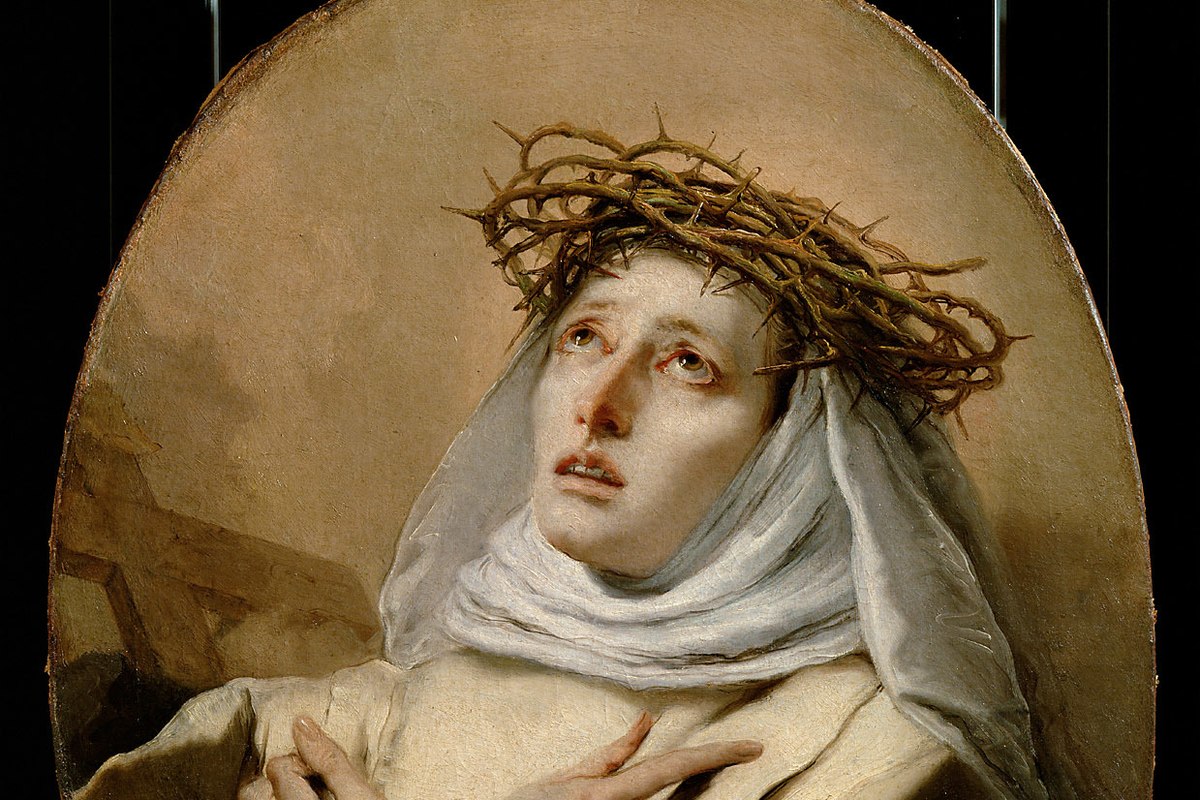
Saint Catherine of Siena
How a young woman with no formal authority convinced a pope to end 70 years of papal exile, and why she became a Doctor of the Church.
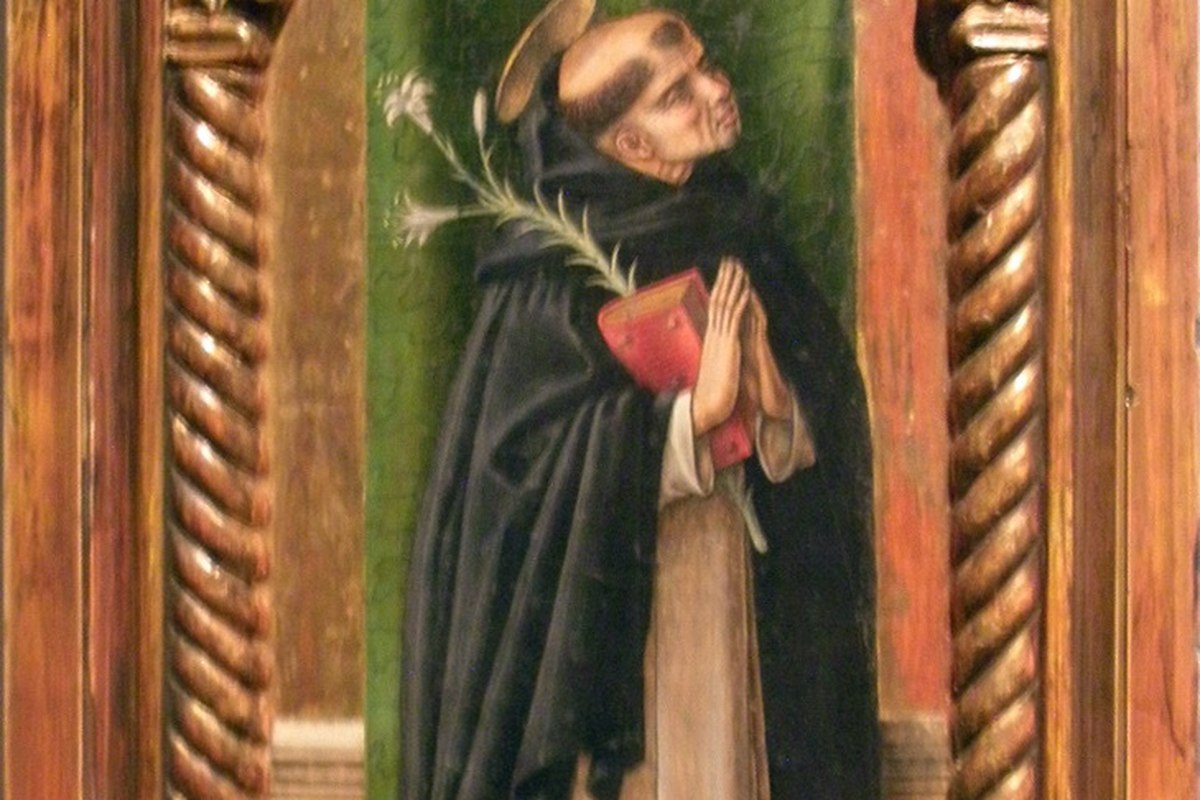
Saint Dominic de Guzman
How a Spanish priest who sold his own books to feed the poor founded an order built to fight heresy with argument, and why tradition credits him with the rosary.
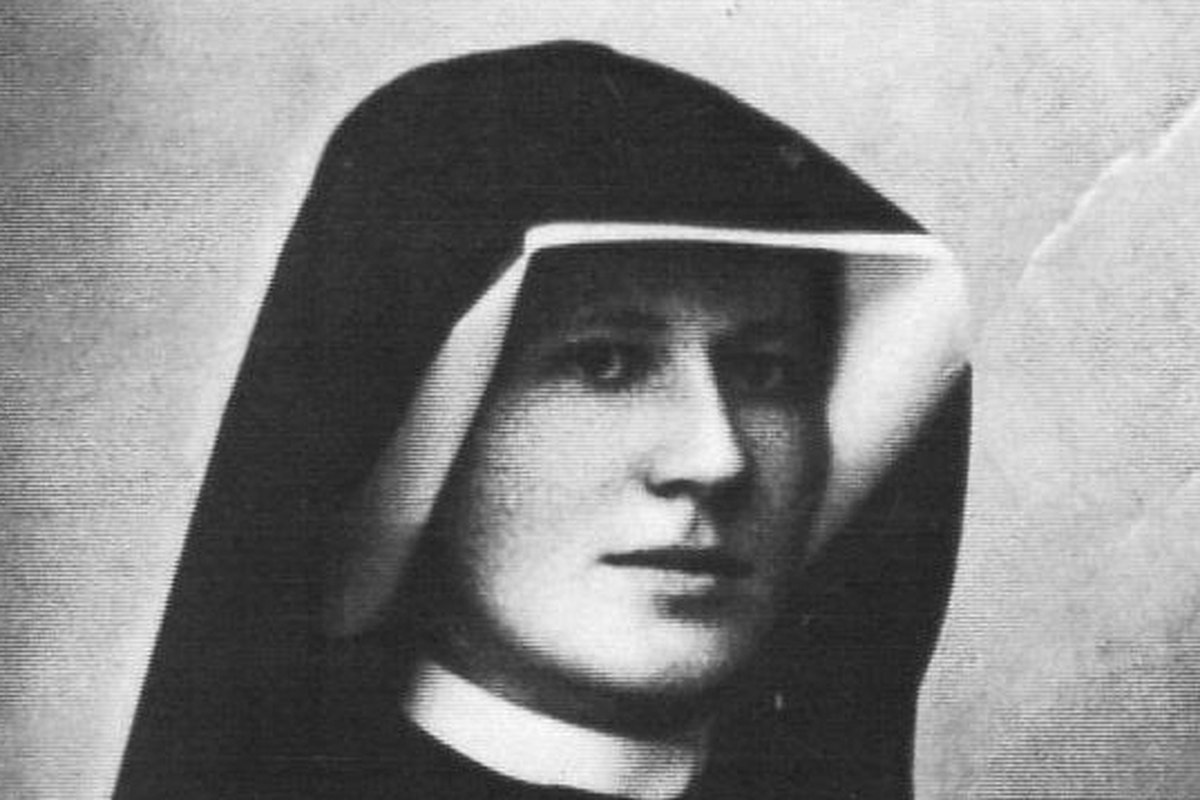
Saint Faustina Kowalska
How a barely educated Polish nun's private visions of Christ became the Divine Mercy devotion practiced worldwide, and why she wrote it all down in a diary.
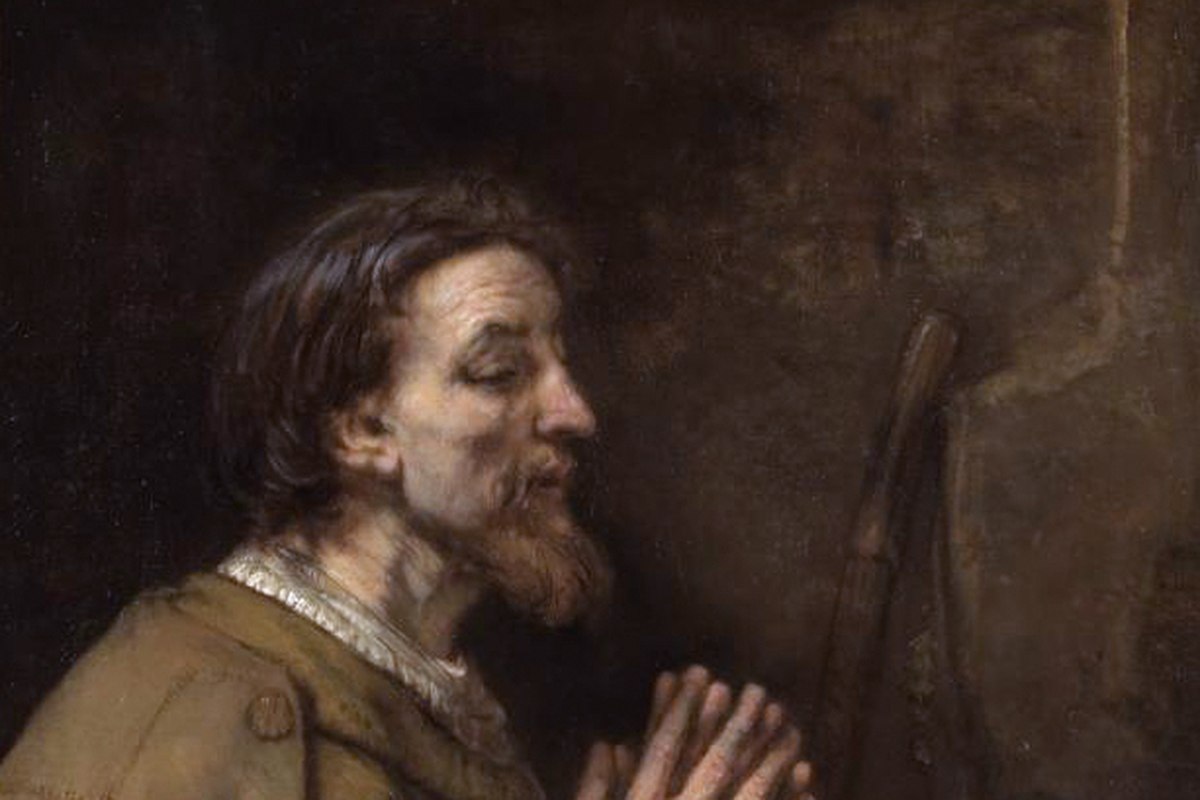
Saint James the Greater
Why Jesus nicknamed him a "Son of Thunder," how he became the first apostle martyred, and how his tomb turned a Spanish field into a great Christian pilgrimage.
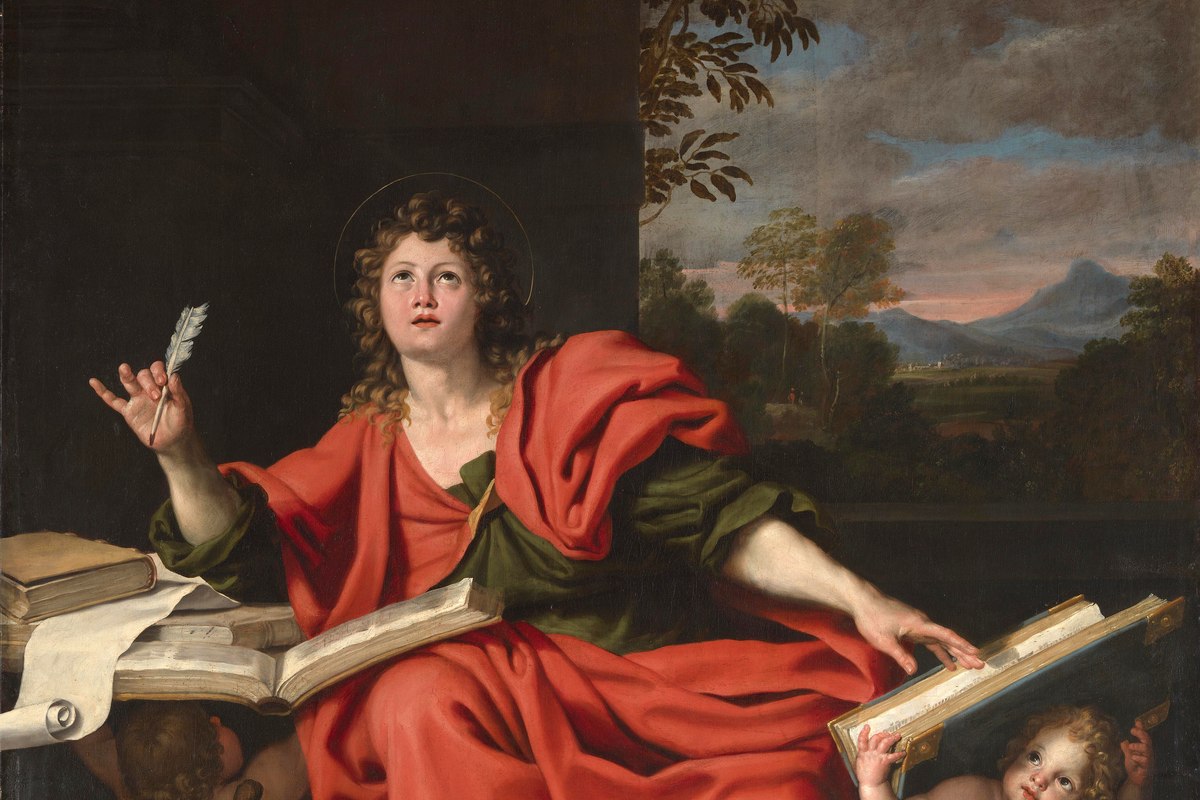
Saint John the Apostle
Why John is called "the beloved disciple," what Jesus asked of him from the cross, and how he ended up exiled to a remote island writing Revelation.
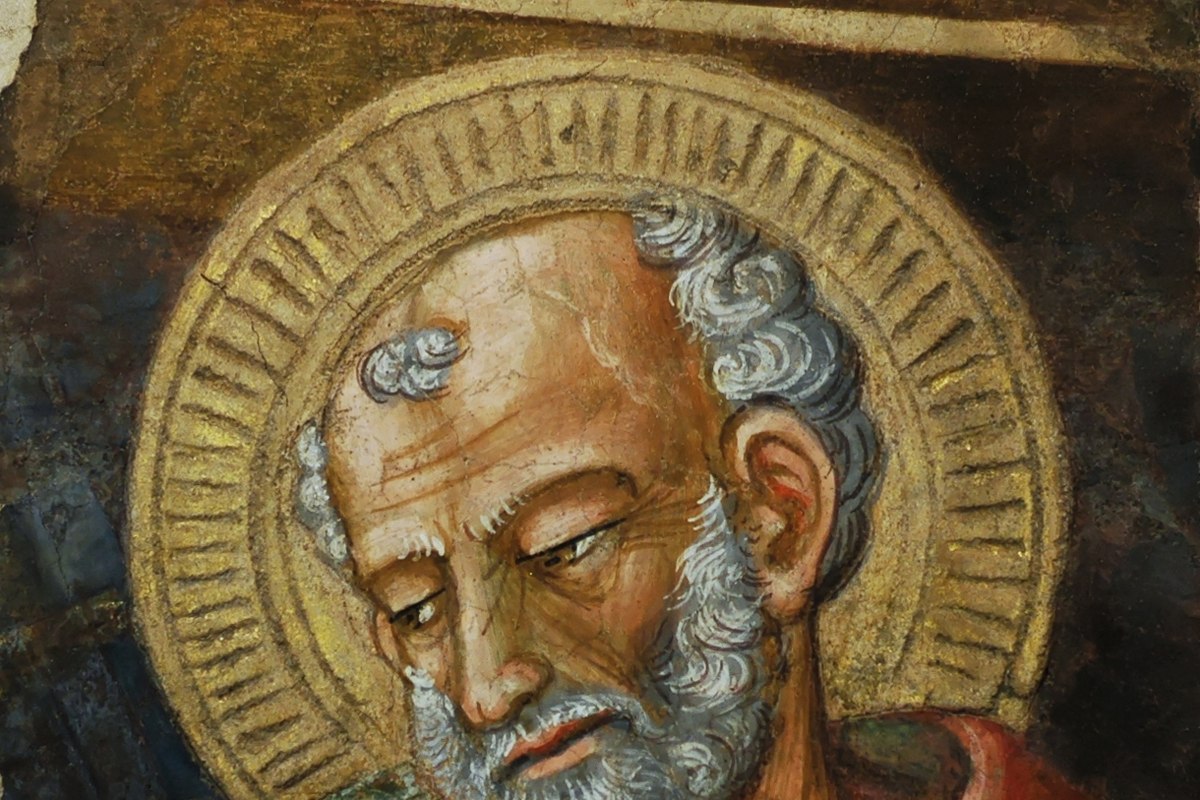
Saint Jude Thaddaeus
Why Jude asks Jesus an unusually direct question at the Last Supper, why he became patron saint of hopeless causes, and how mistaken identity shaped his cult.
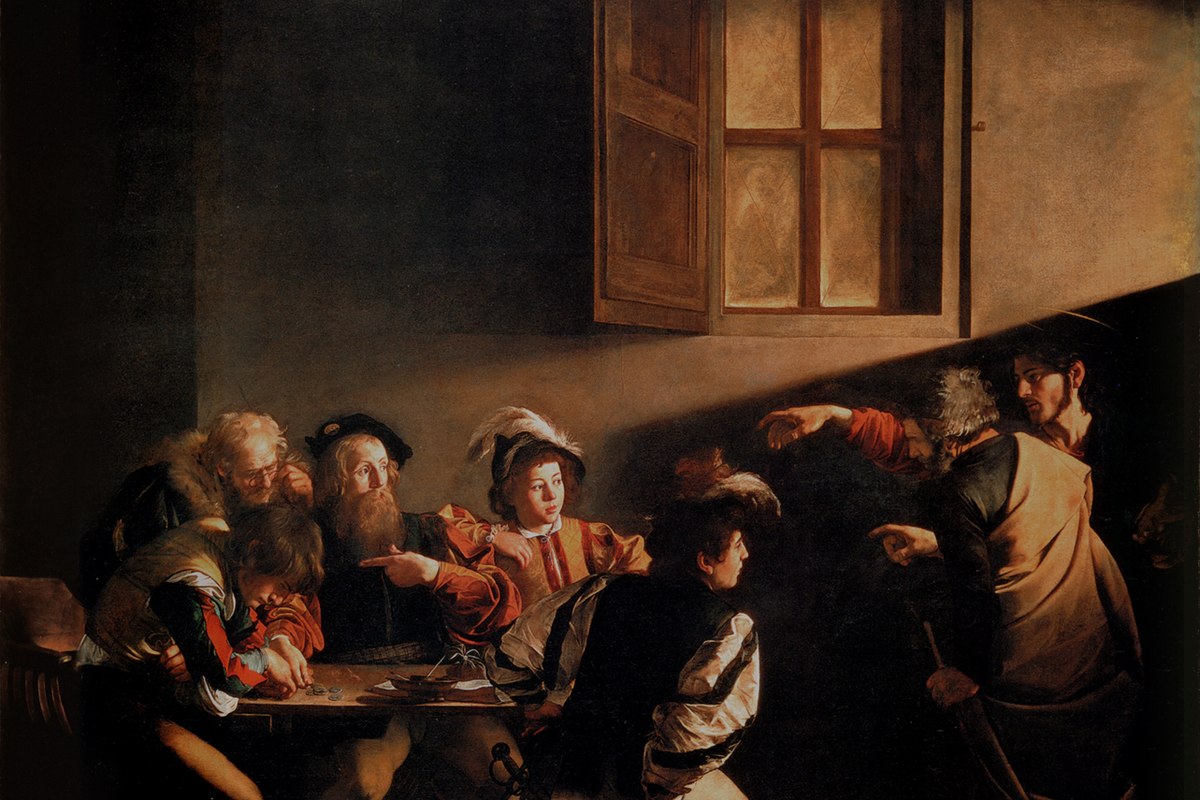
Saint Matthew the Apostle
How a despised tax collector became one of the twelve apostles, why Jewish crowds would have seen his calling as scandalous, and what he left behind.
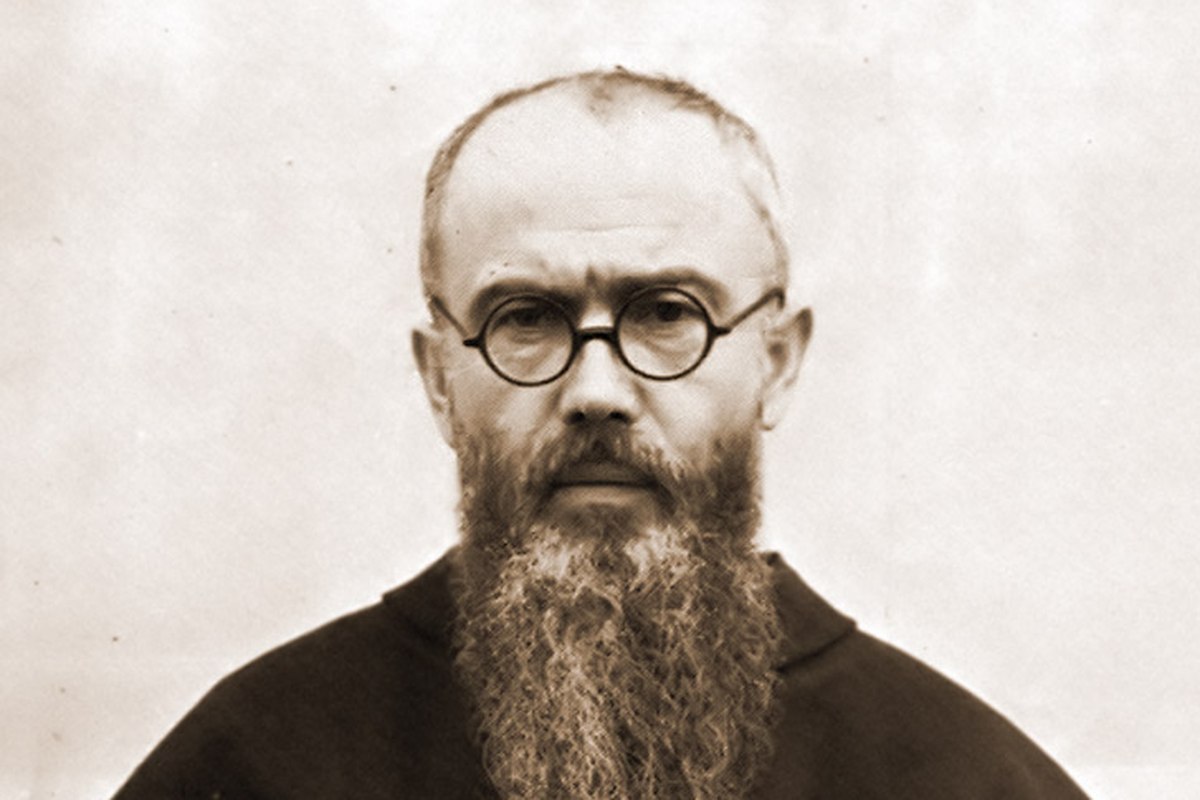
Saint Maximilian Kolbe
Why a Polish friar volunteered to die in another man's place at Auschwitz, what happened in the starvation bunker afterward, and how he became a modern martyr.
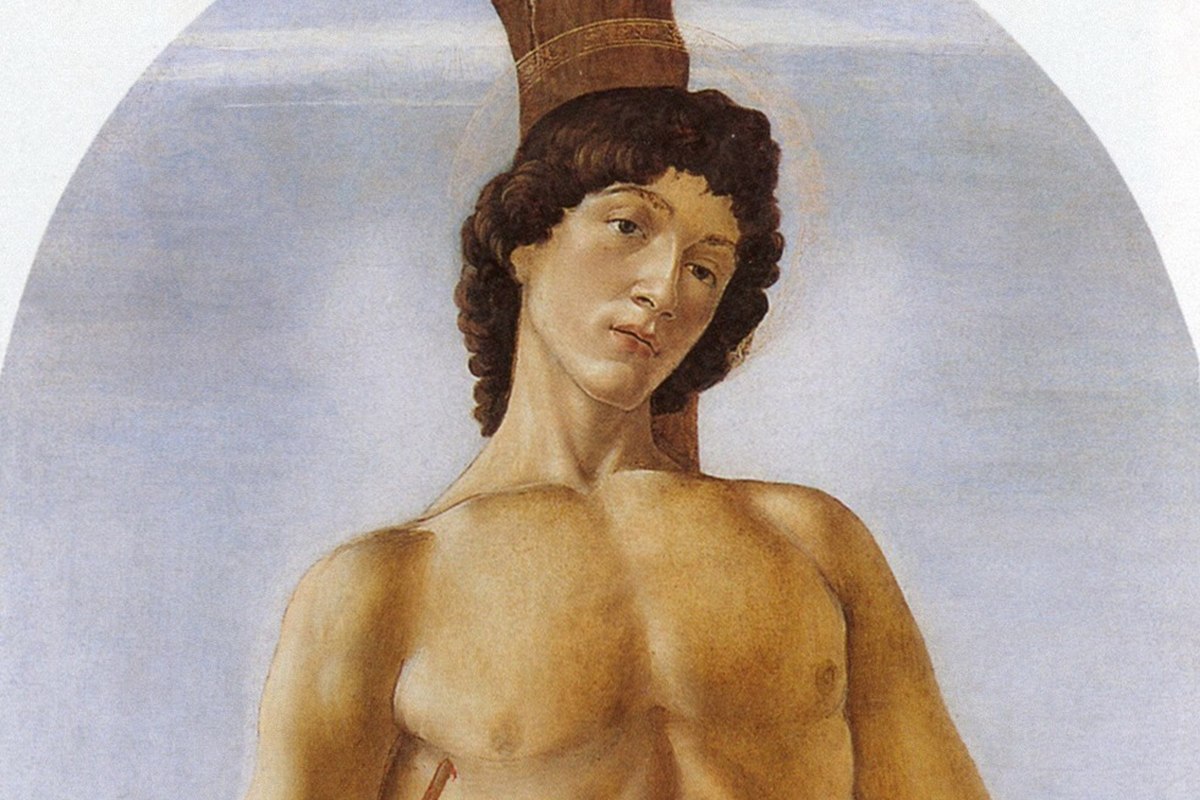
Saint Sebastian
How a Roman army captain secretly protecting Christians survived being shot full of arrows, confronted the emperor anyway, and became patron of plague victims.
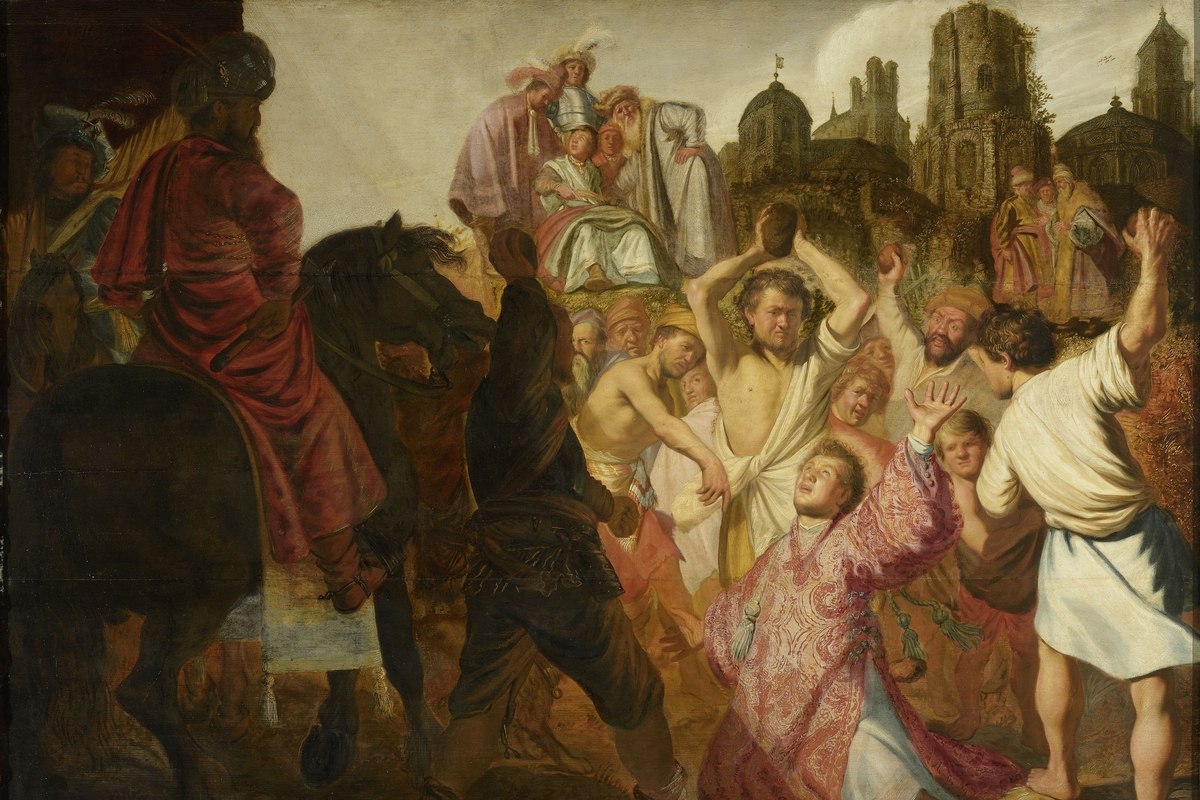
Saint Stephen, the First Martyr
How a deacon appointed to distribute food became the first Christian executed for his faith, what he said as he was being stoned, and who stood by watching.
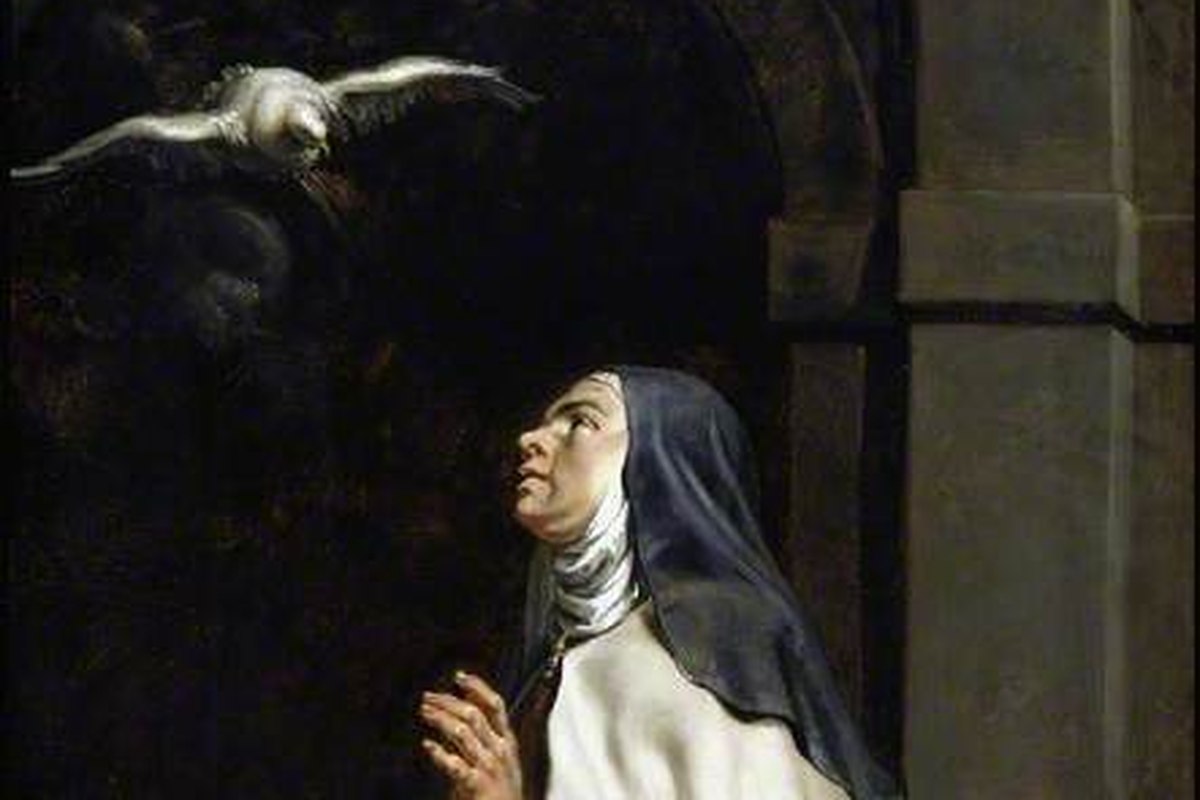
Saint Teresa of Avila
How a Spanish nun became one of the first women ever named a Doctor of the Church, why she reformed the Carmelite order, and what she said an angel did to her heart.
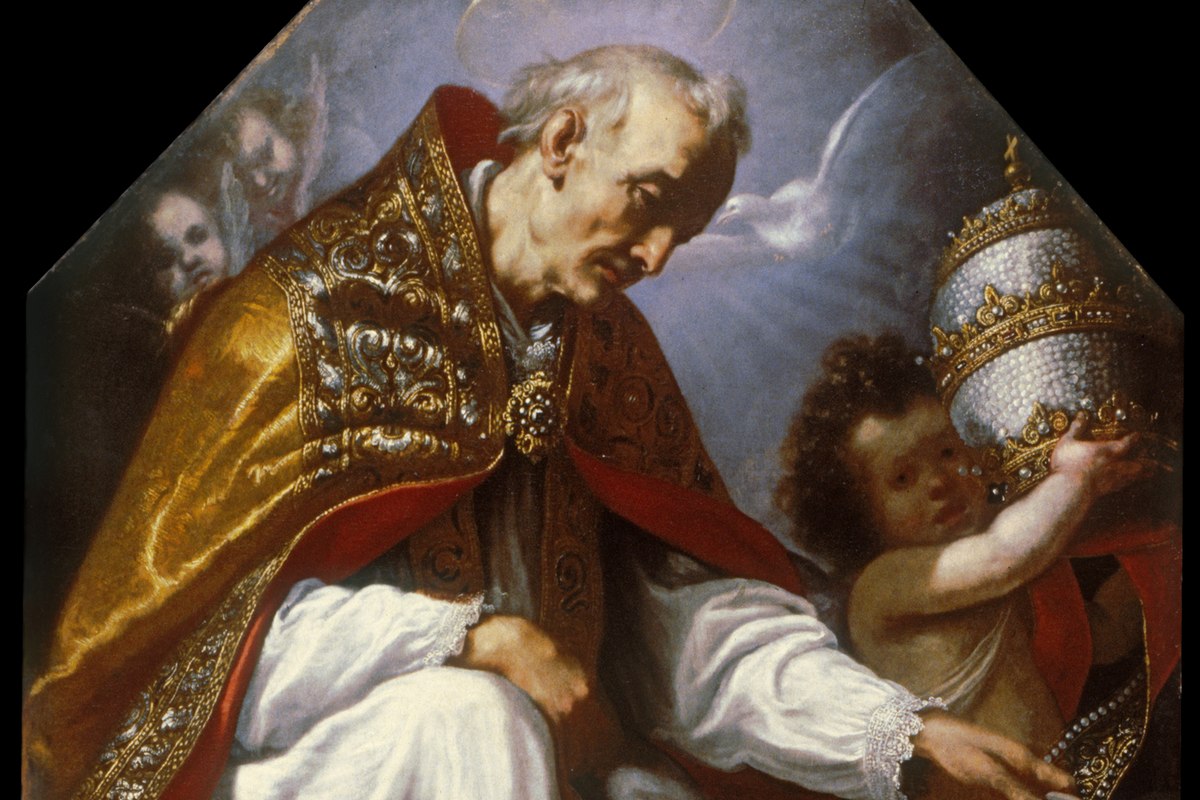
Pope Gregory the Great
How a reluctant Roman prefect became pope, sent missionaries to convert England, and gave his name to a form of chant still sung today.
Pope John Paul II
How a Polish pope survived an assassin's bullets, forgave the man who shot him in person, and helped hasten the fall of communism in Eastern Europe.
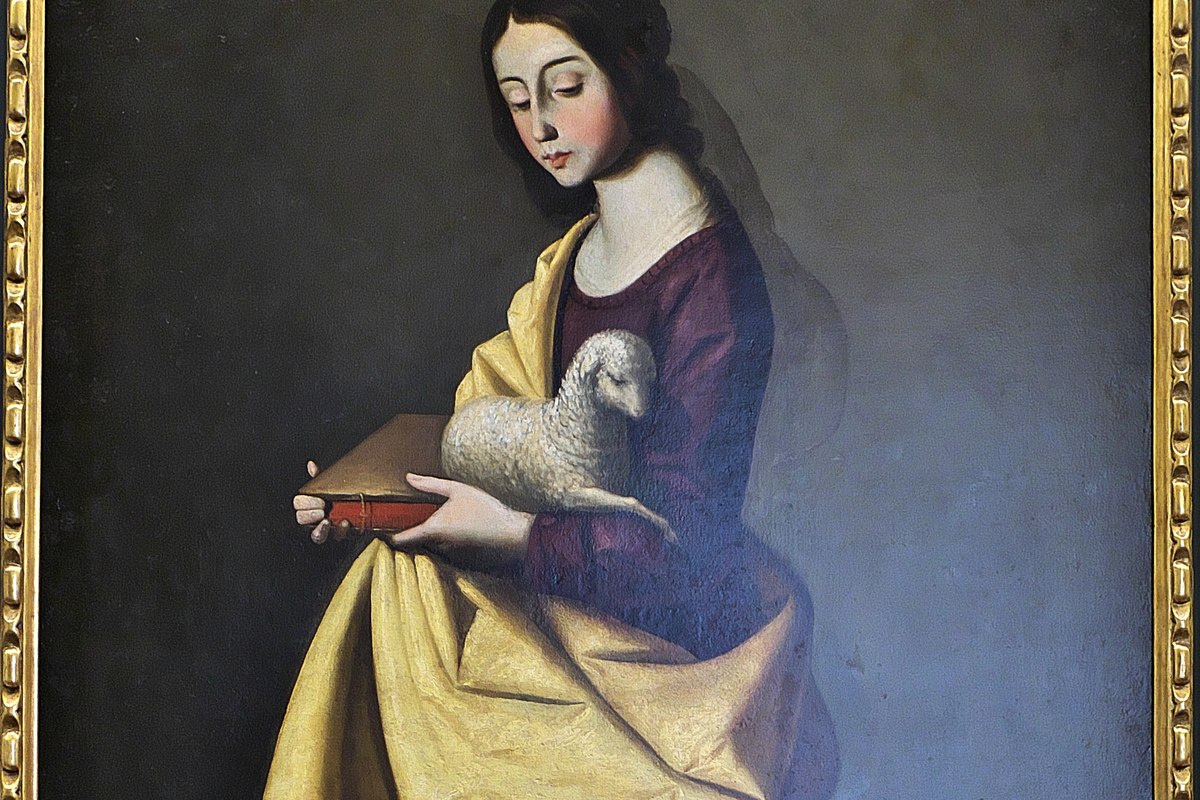
Saint Agnes of Rome
The story of a twelve-year-old girl who chose execution over betraying her faith, and why she's remembered every year with two blessed lambs.
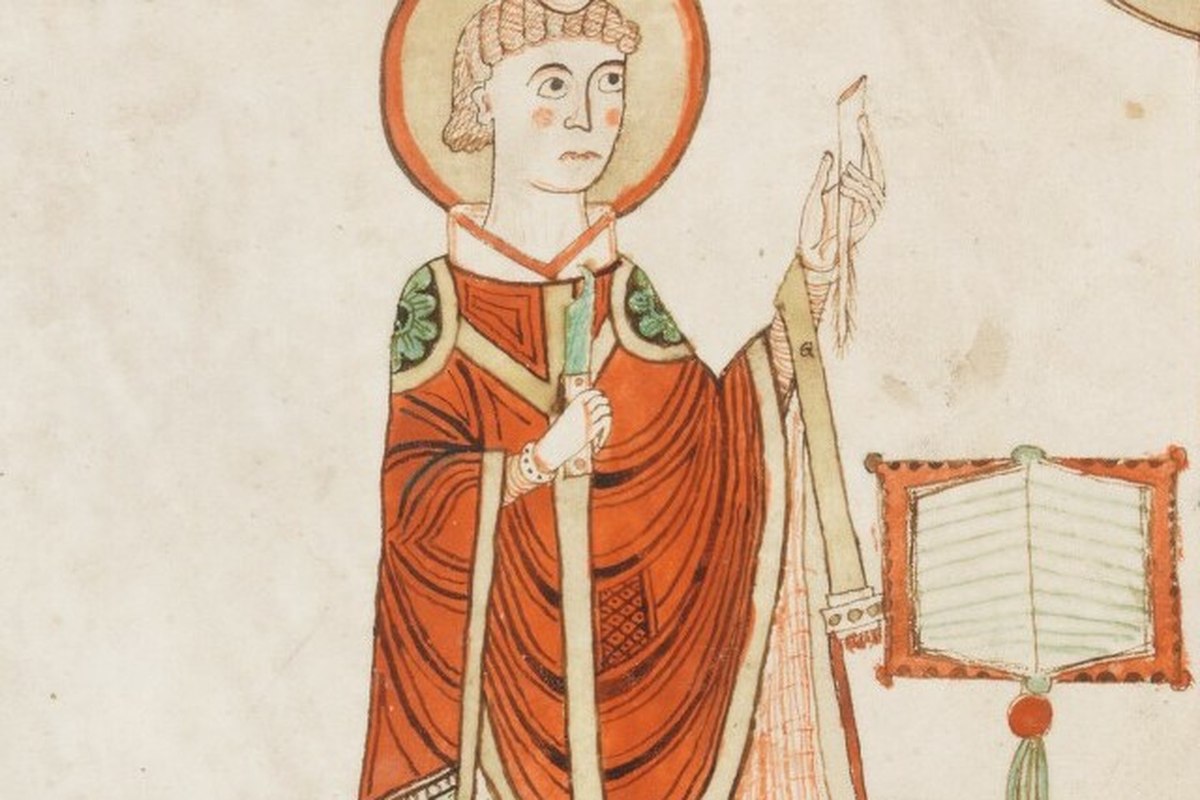
Saint Bede the Venerable
How a monk who rarely left his monastery became "the Father of English History," and why he's still credited with popularizing the way we date years today.
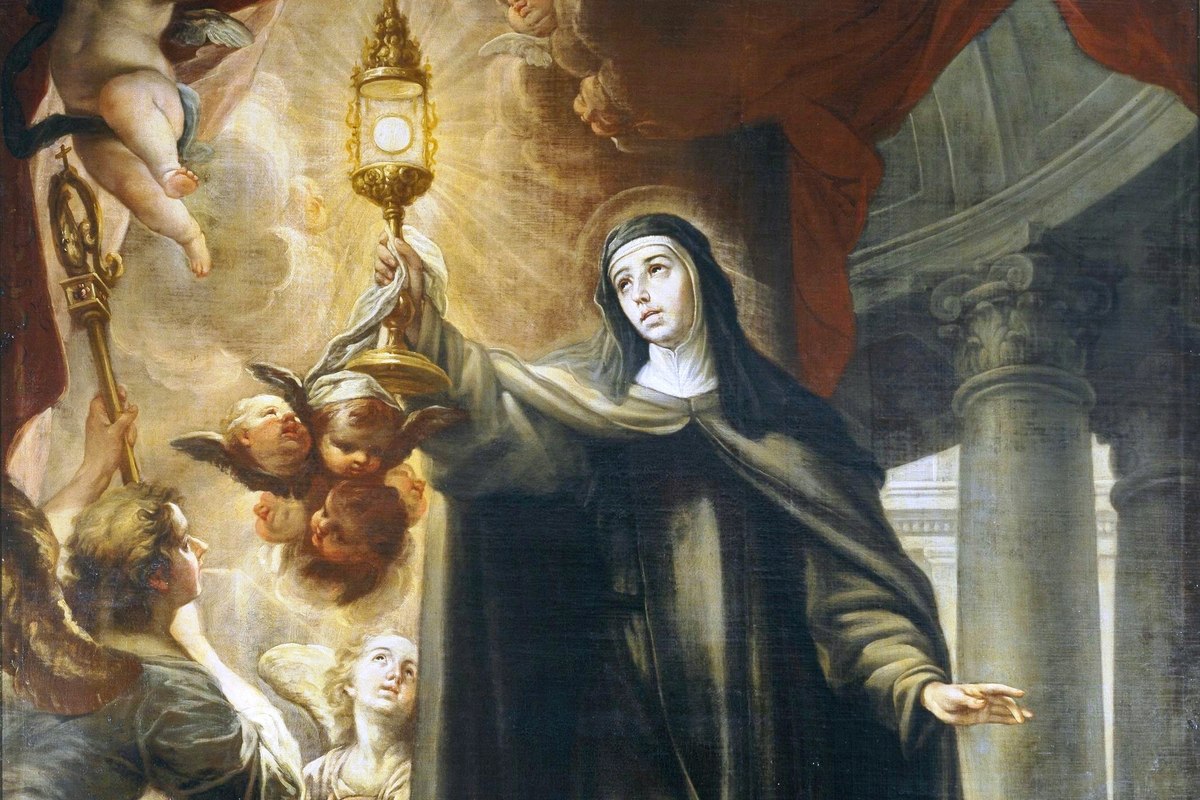
Saint Clare of Assisi
How a teenage noblewoman fled her own family to follow Francis of Assisi, and the legend of how she saved her city holding nothing but the Eucharist.
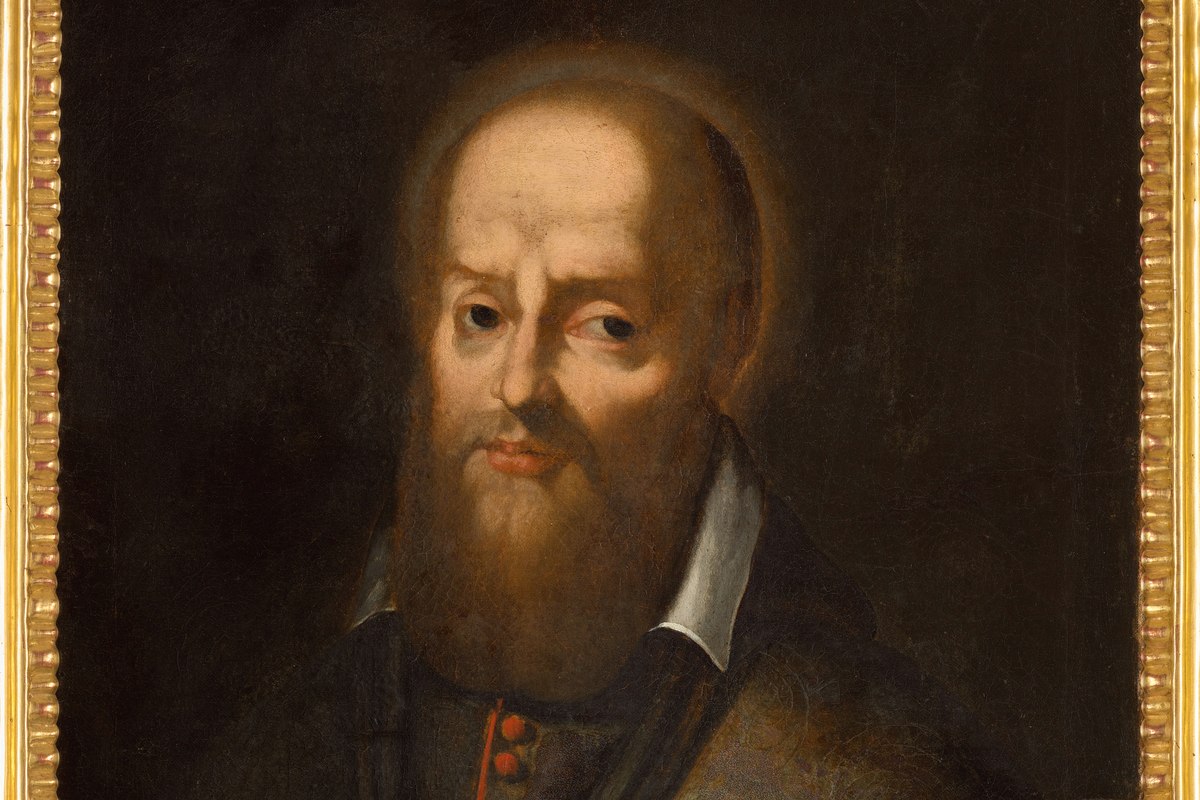
Saint Francis de Sales
How a Bishop of Geneva converted tens of thousands during the Counter-Reformation, and why his approach to holiness insisted it wasn't only for monks and nuns.
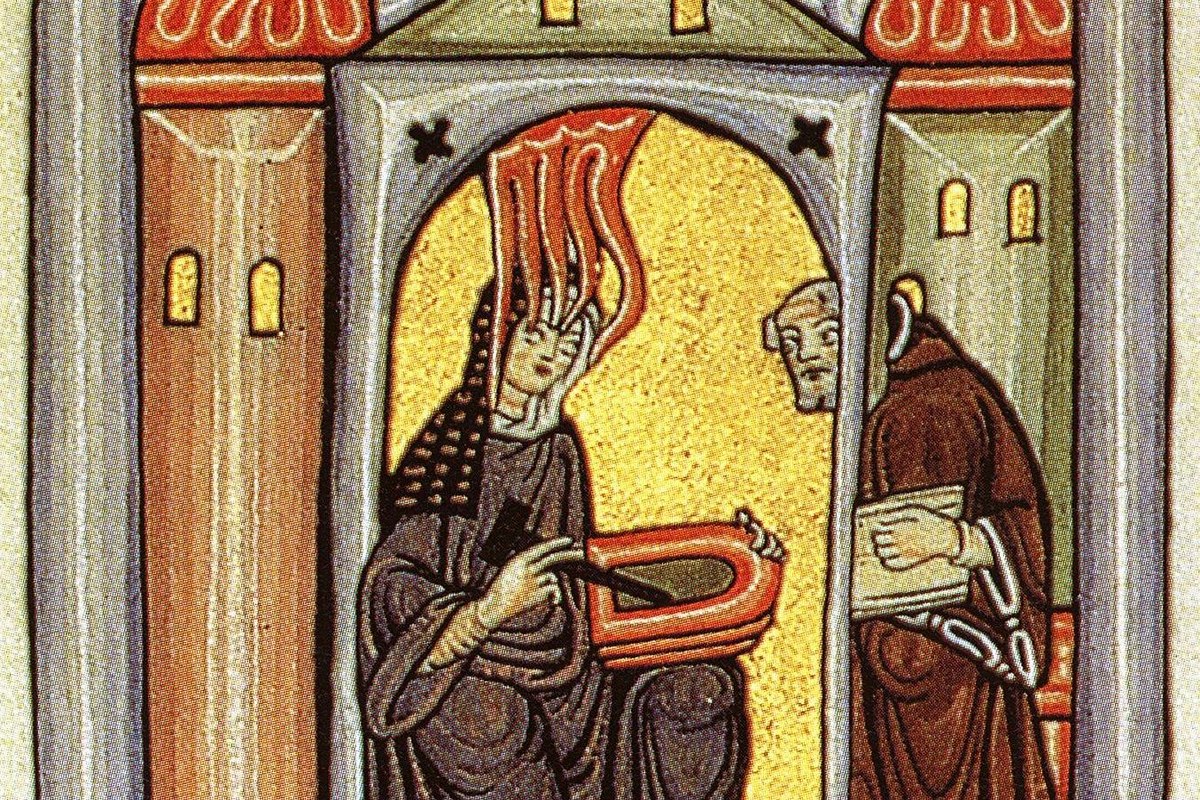
Saint Hildegard of Bingen
How a medieval abbess's childhood visions became a validated theological work, and why she's remembered as composer, scientist, and Doctor of the Church.
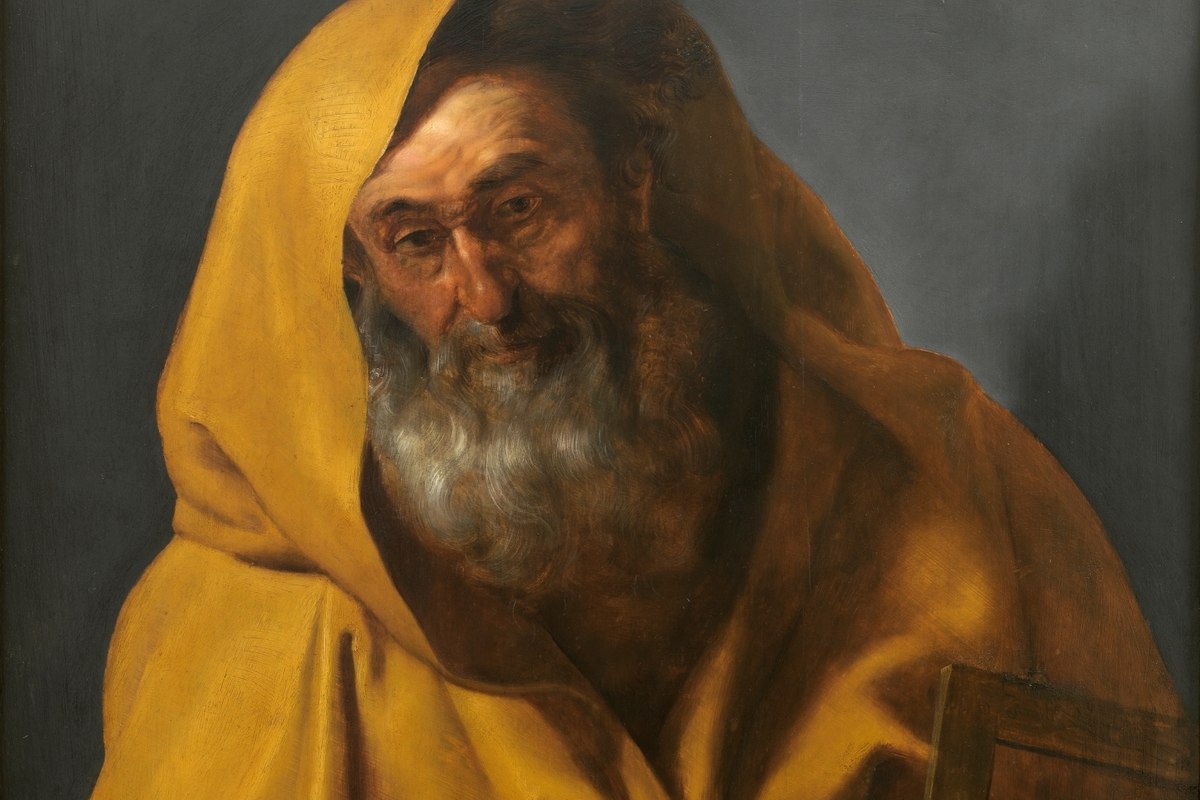
Saint James the Lesser
Why one of the twelve apostles is called "the Lesser," how little the Gospels actually say about him, and what tradition claims about his death.
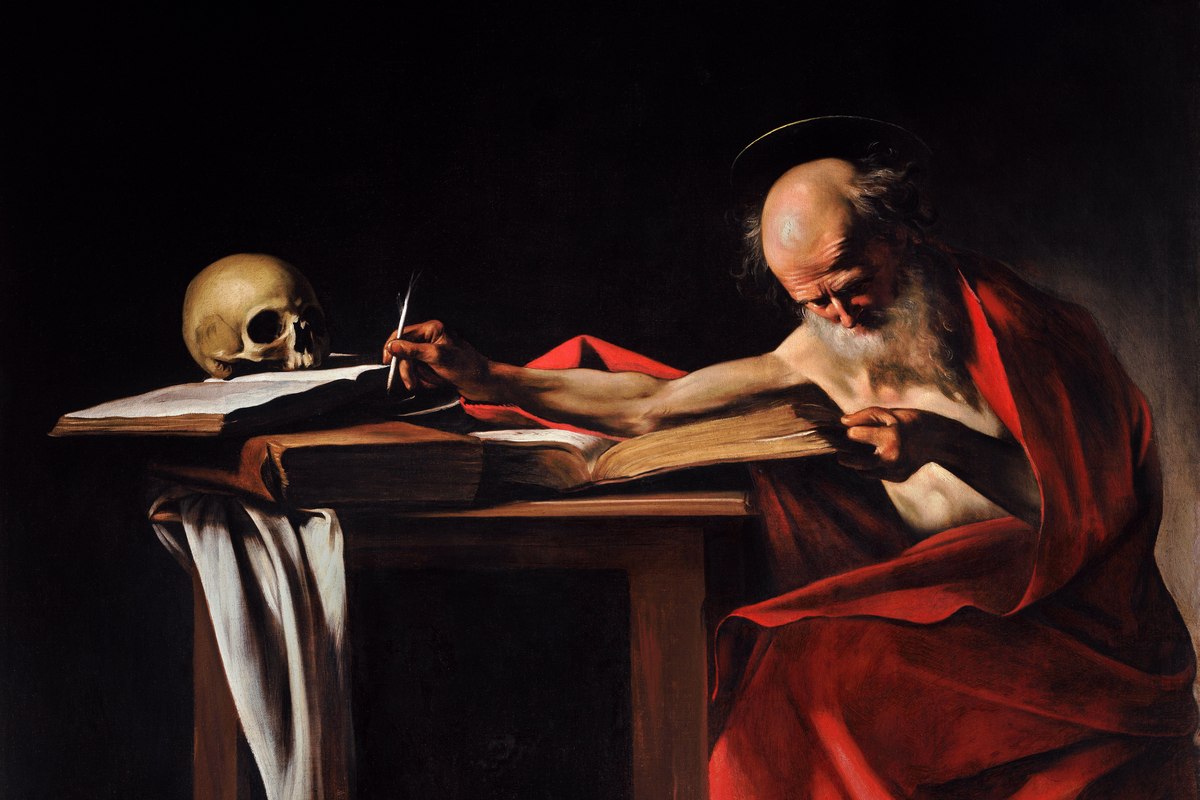
Saint Jerome
How a hermit-scholar spent decades translating the entire Bible into Latin, and why his Vulgate became the standard Bible of Western Christianity for centuries.
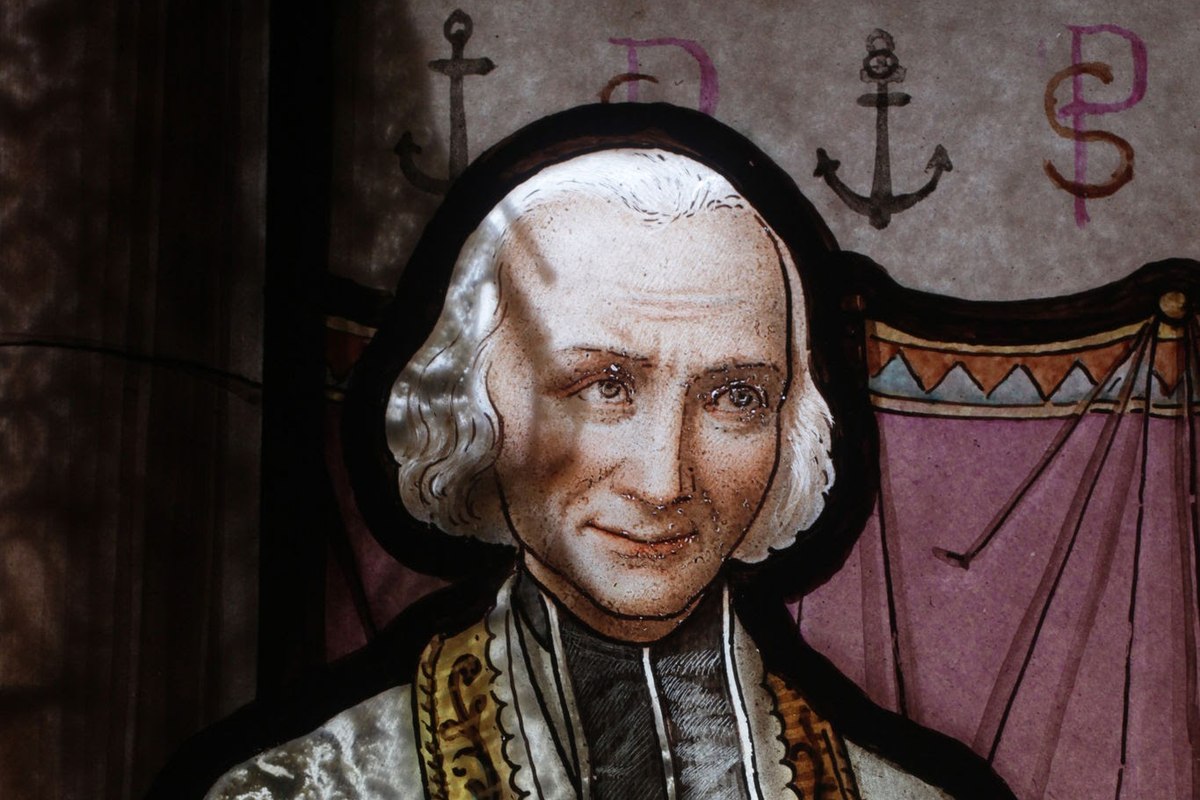
Saint John Vianney
How a farm boy who nearly failed at seminary became the patron saint of parish priests, spending up to sixteen hours a day hearing confessions.
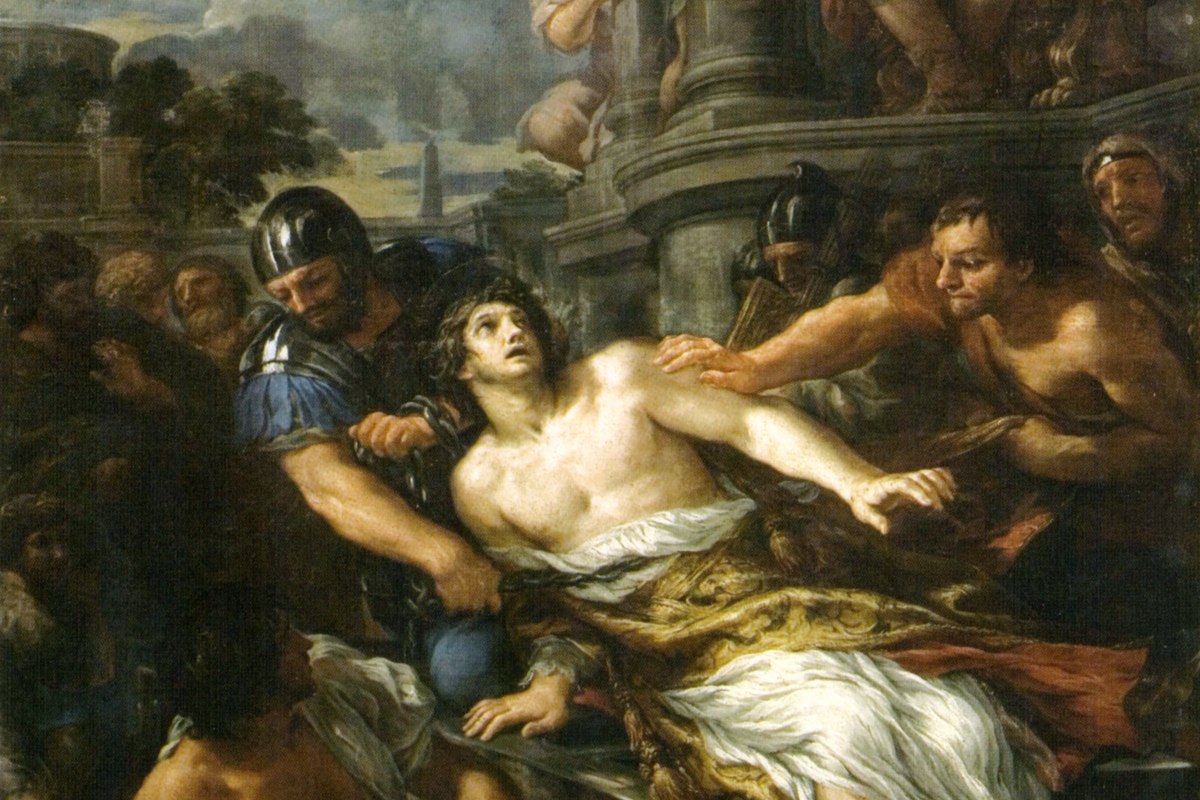
Saint Lawrence
Why a Roman deacon showed the emperor beggars instead of gold, and the legendary last words that made his martyrdom famous for centuries.
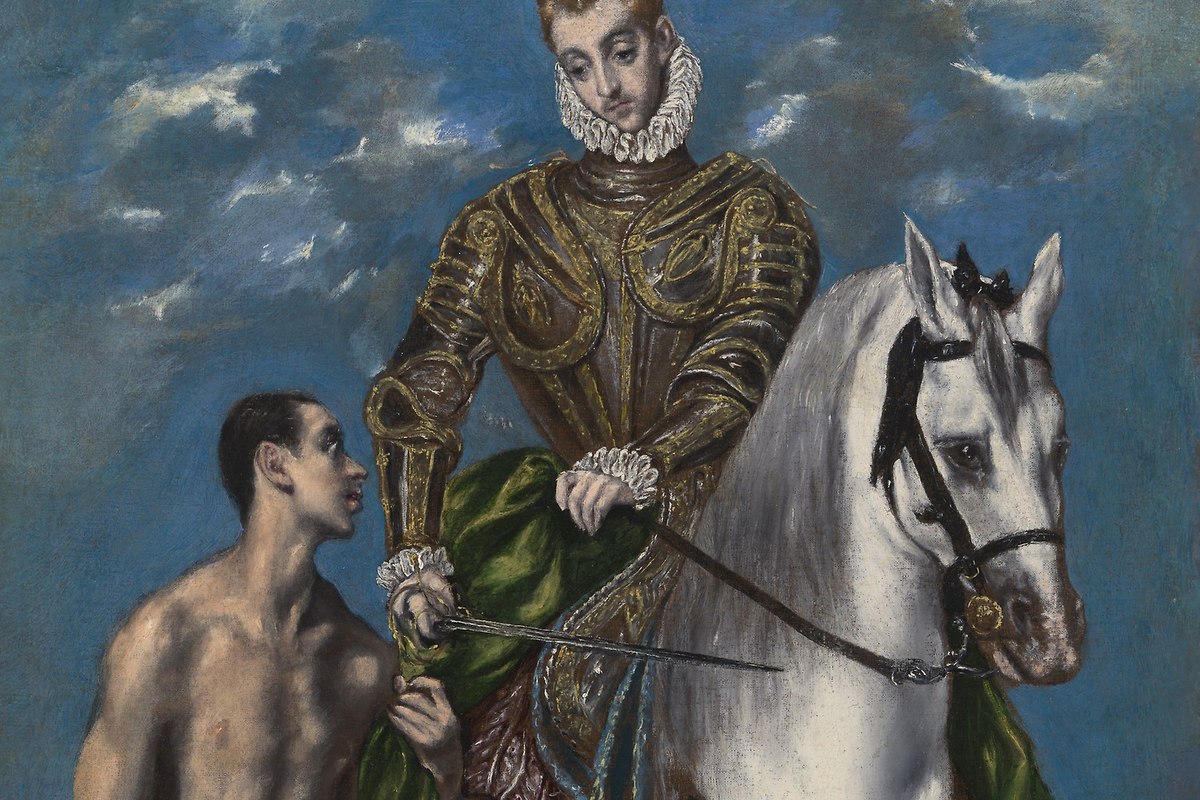
Saint Martin of Tours
The story of the Roman soldier who cut his cloak in half for a freezing beggar, and the dream that followed that changed the rest of his life.
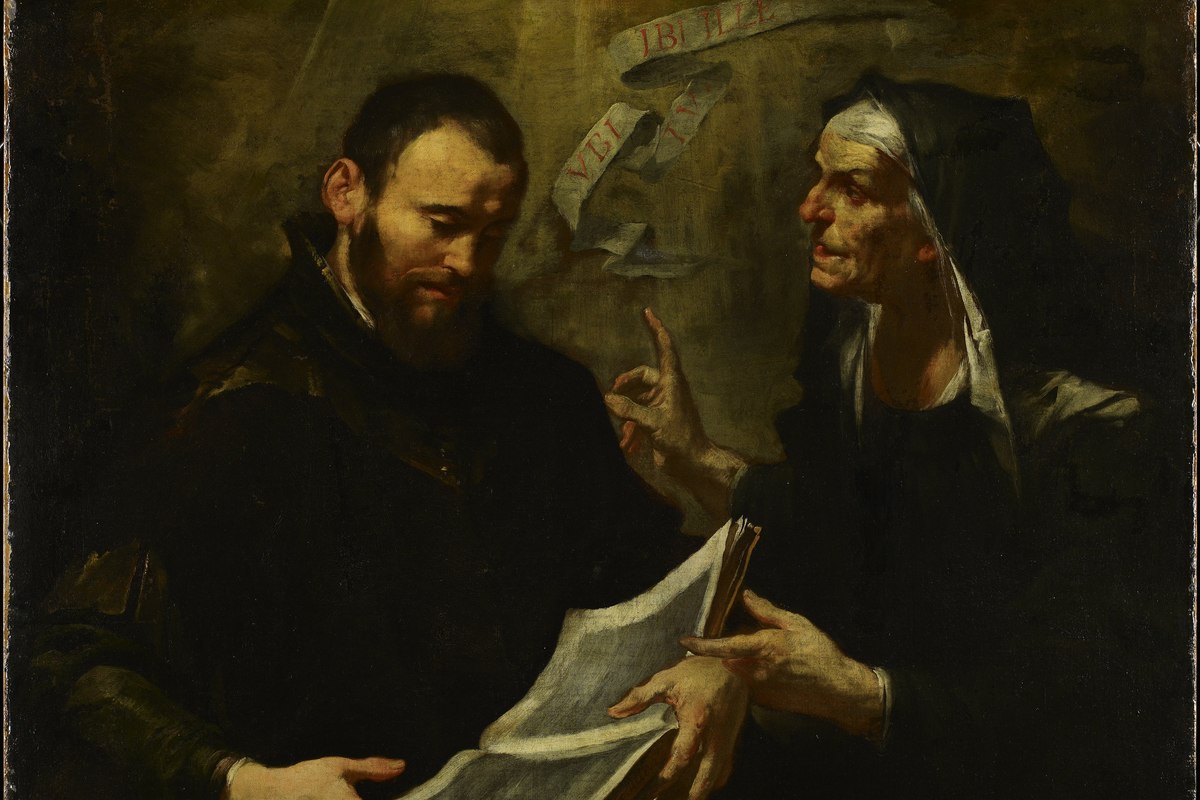
Saint Monica — Tears for Augustine
How a mother prayed for seventeen years for her son's conversion, and what a bishop told her when she'd nearly given up hope.
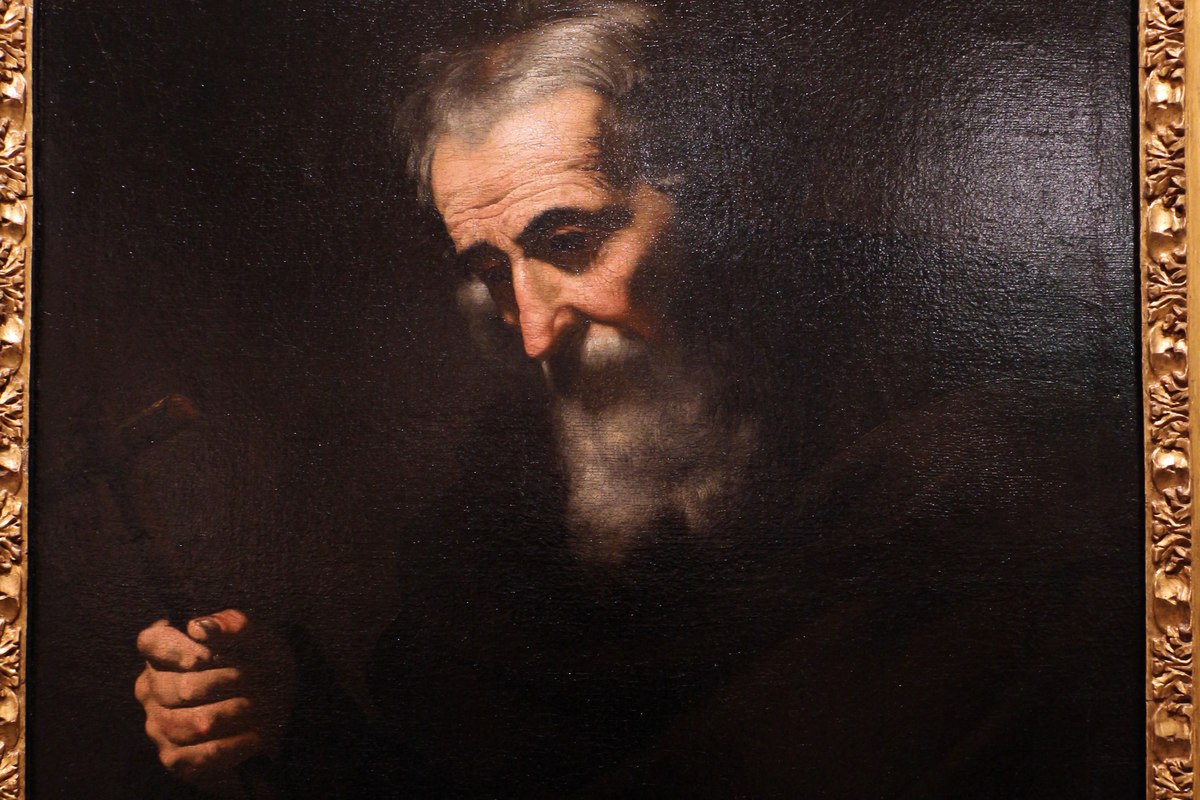
Saint Philip the Apostle
Why Philip asked Jesus a question that revealed he still didn't fully understand him, and what tradition says happened to him in Hierapolis.
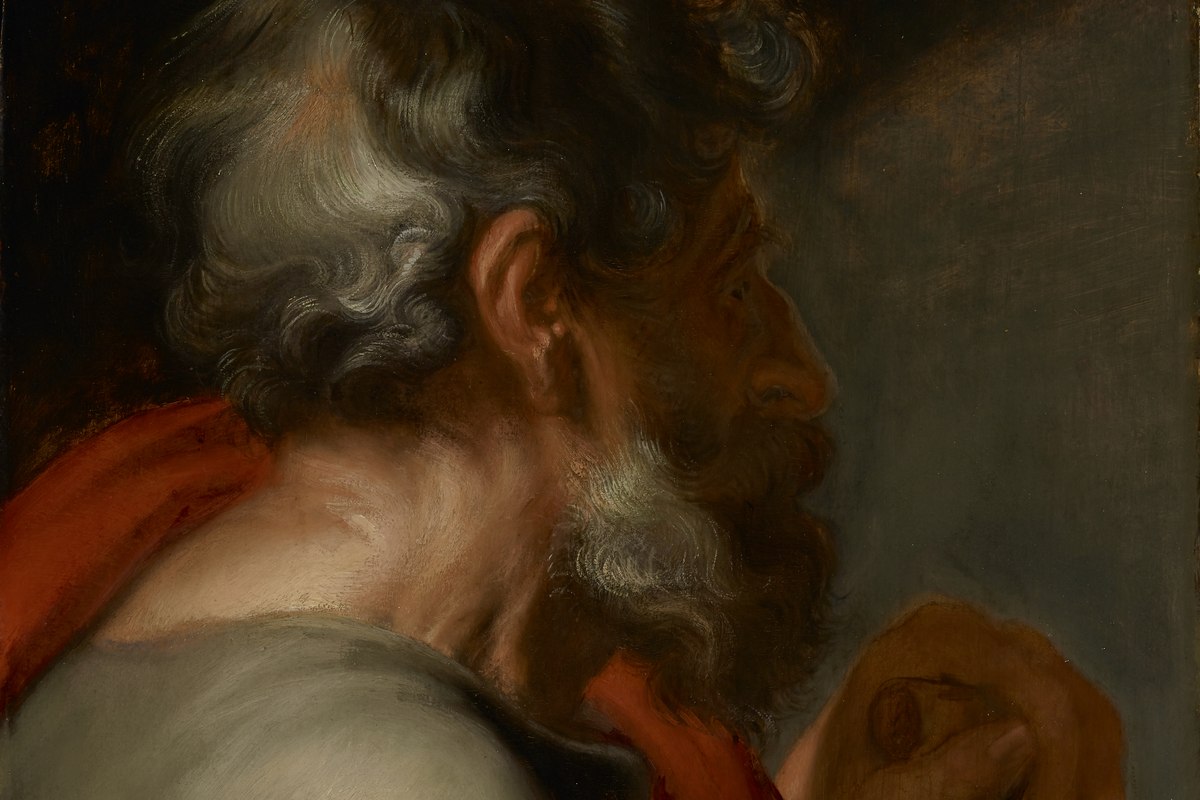
Saint Simon the Zealot
What "the Zealot" actually meant as a title for one of the twelve apostles, and why almost nothing else is known about his life.
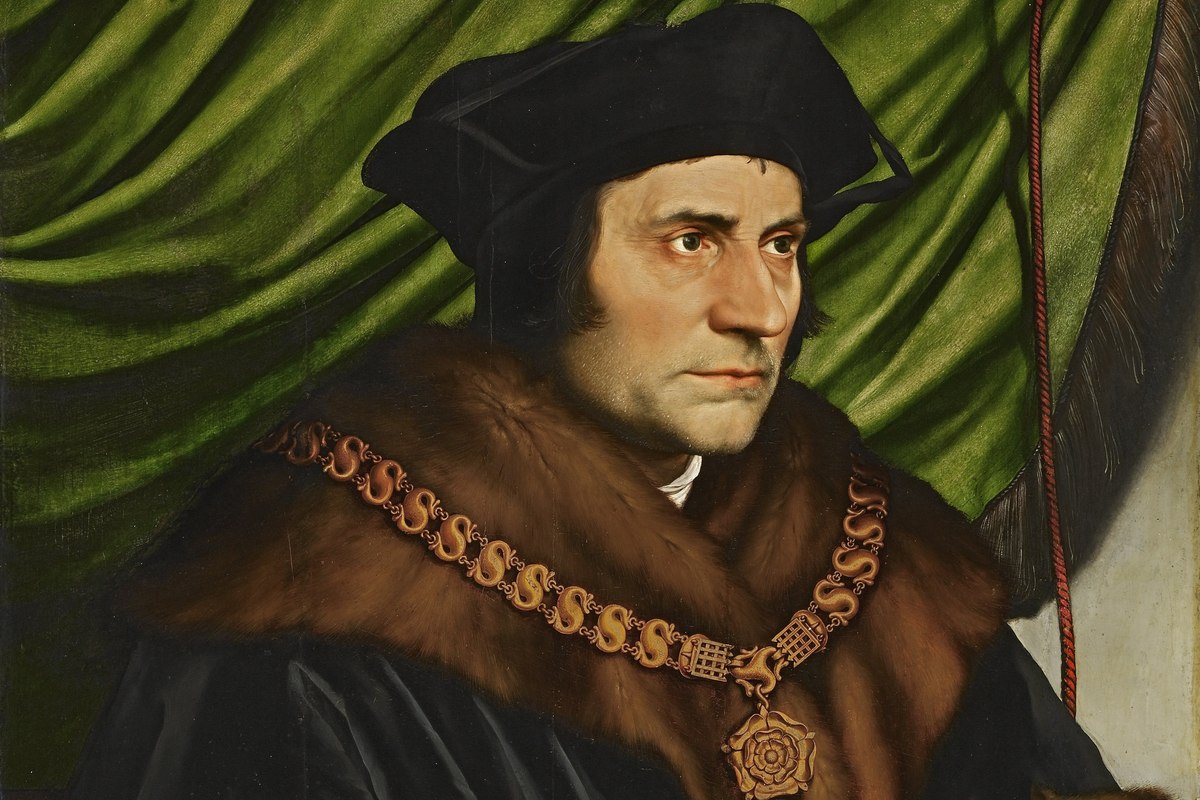
Saint Thomas More
How Henry VIII's own Lord Chancellor refused to bend on a single point of conscience, and what he said moments before his own execution.
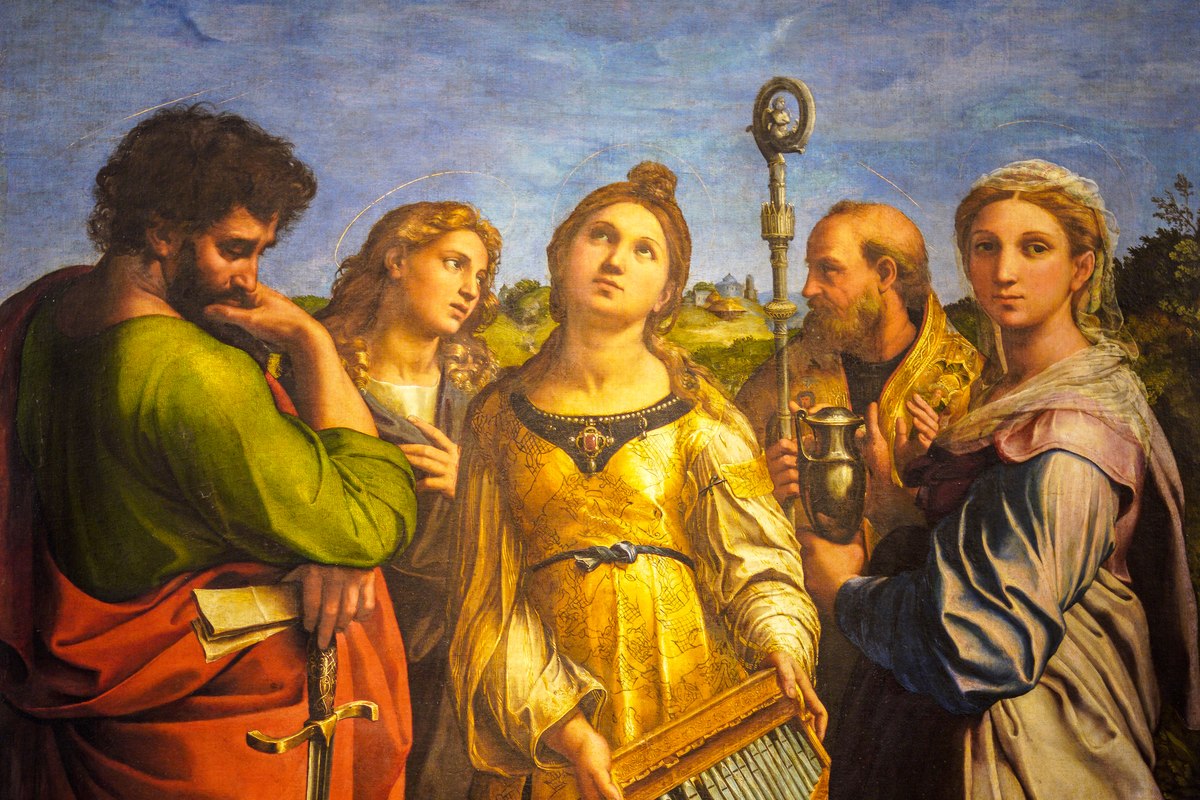
Saint Cecilia — Heavenly Music
How a Roman noblewoman forced into marriage sang to God in her heart during her own wedding, and became, ever since, the patron saint of music and musicians.
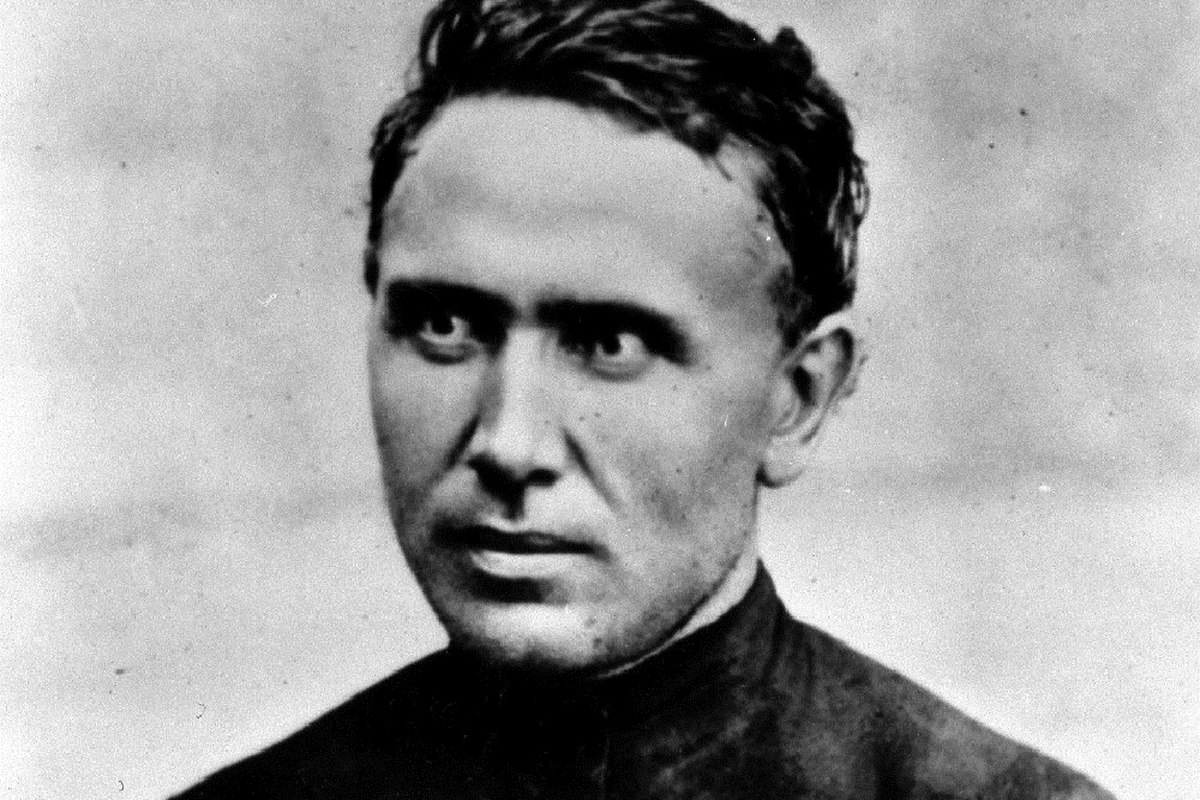
Saint Damien of Molokai
How a Belgian missionary priest volunteered to live among Hawaii's exiled leprosy patients, and eventually contracted the same disease he had come to serve.
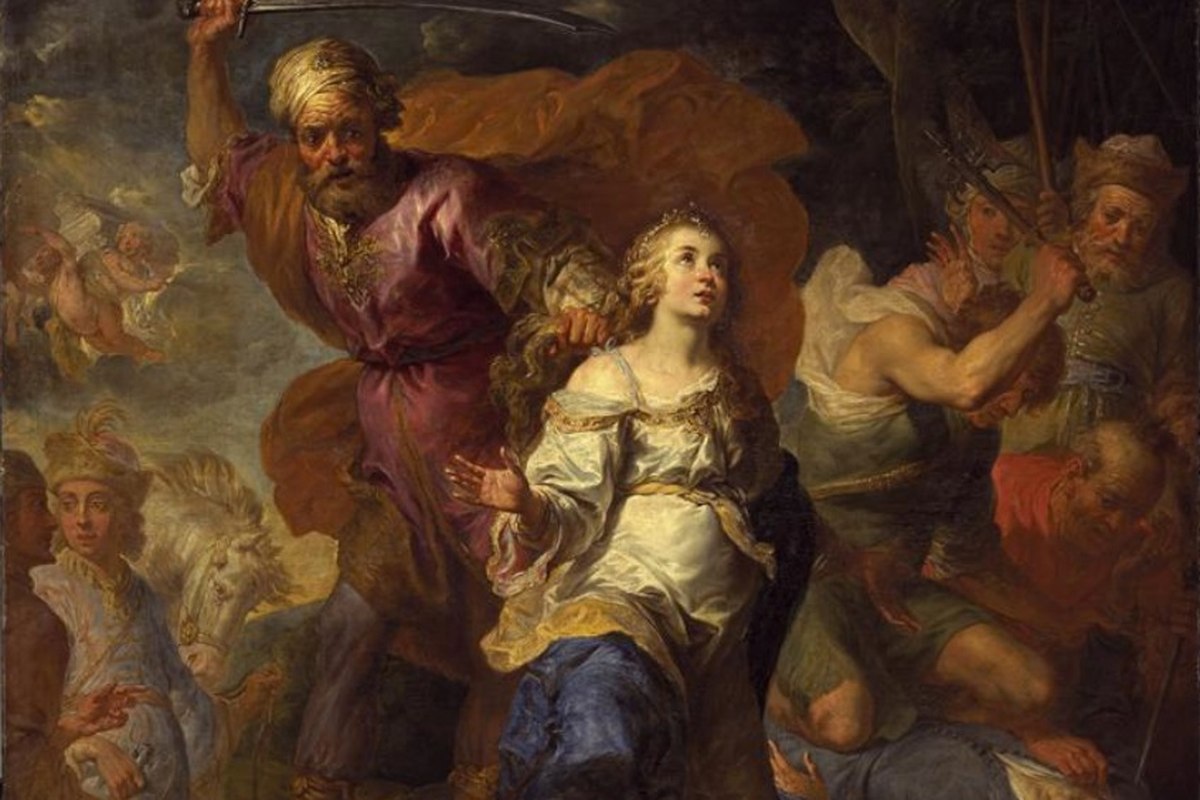
Saint Dymphna
How the legend of a 7th-century Irish princess fleeing her own father gave rise to Geel, Belgium's centuries-old tradition of fostering people with mental illness.
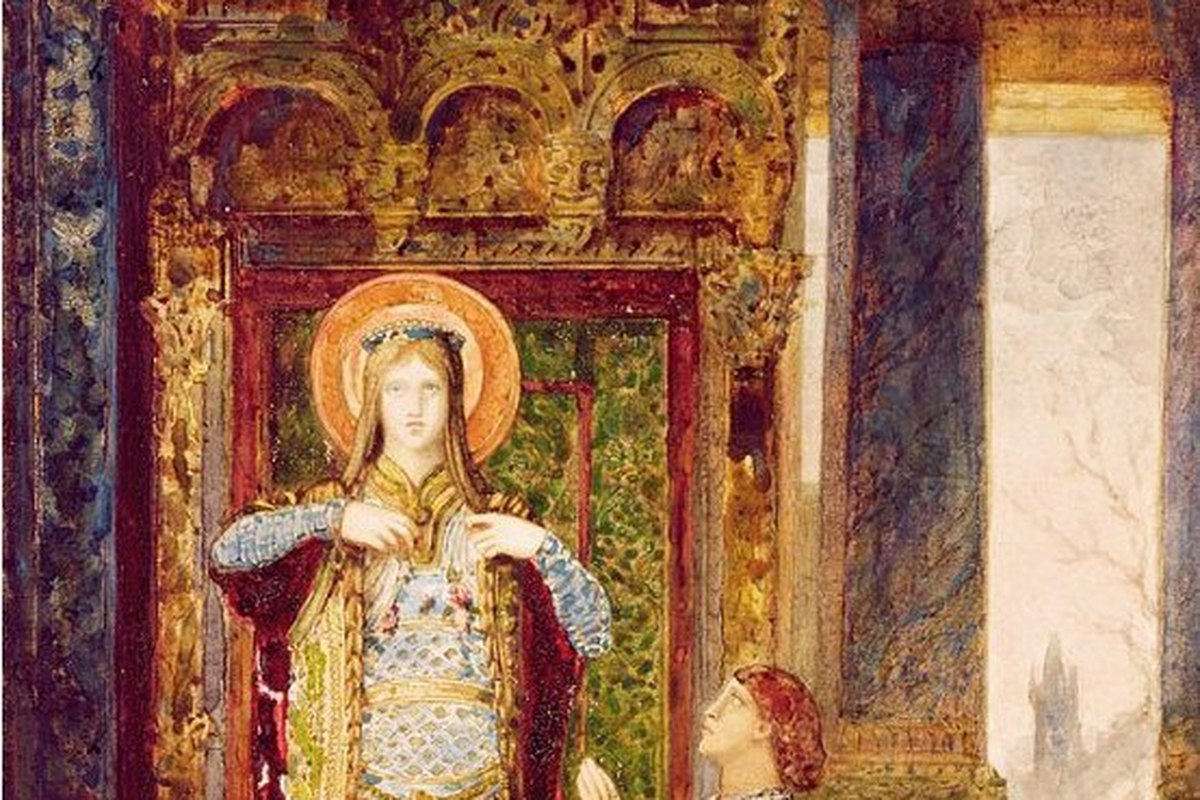
Saint Elizabeth of Hungary
How a Hungarian princess widowed at twenty gave up her wealth and title to build a hospice and spend the rest of her short life serving the sick and poor.
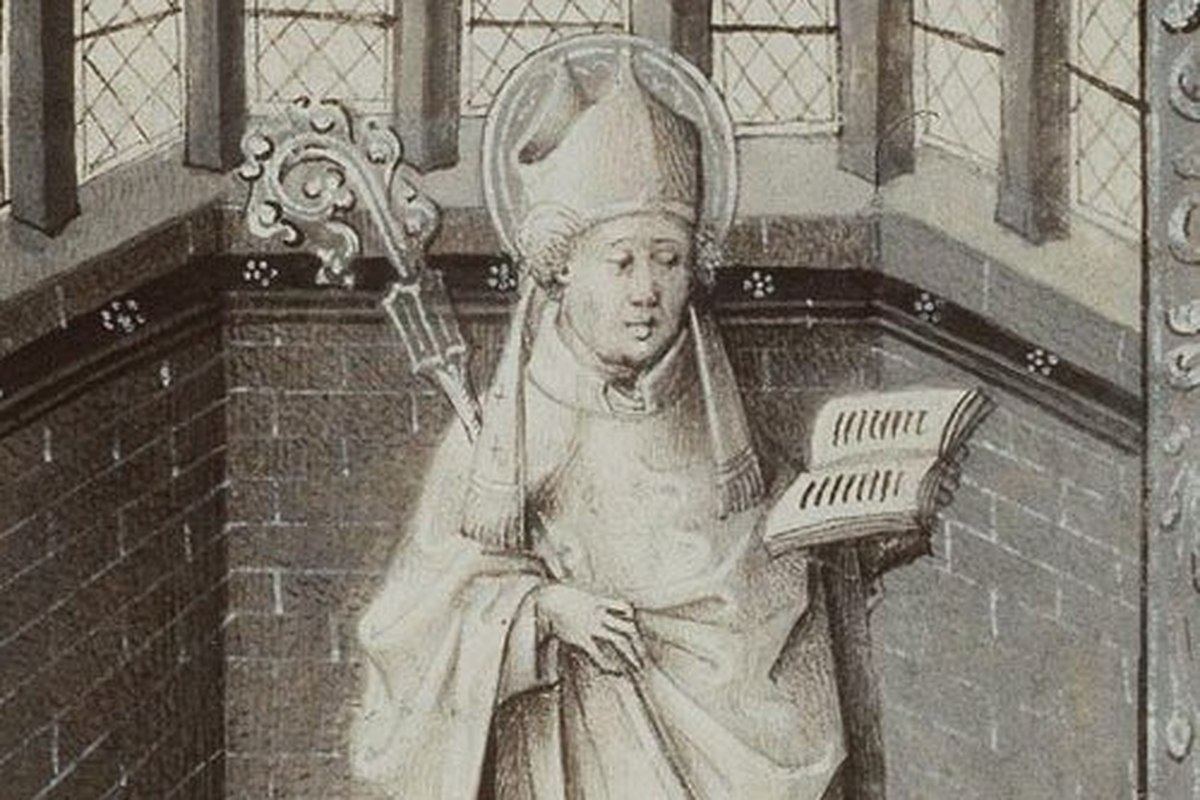
Saint Germanus of Paris
How a monk from Gaul became the "Father of the Poor," spending forty years as Bishop of Paris trying, mostly in vain, to restrain warring Frankish kings.
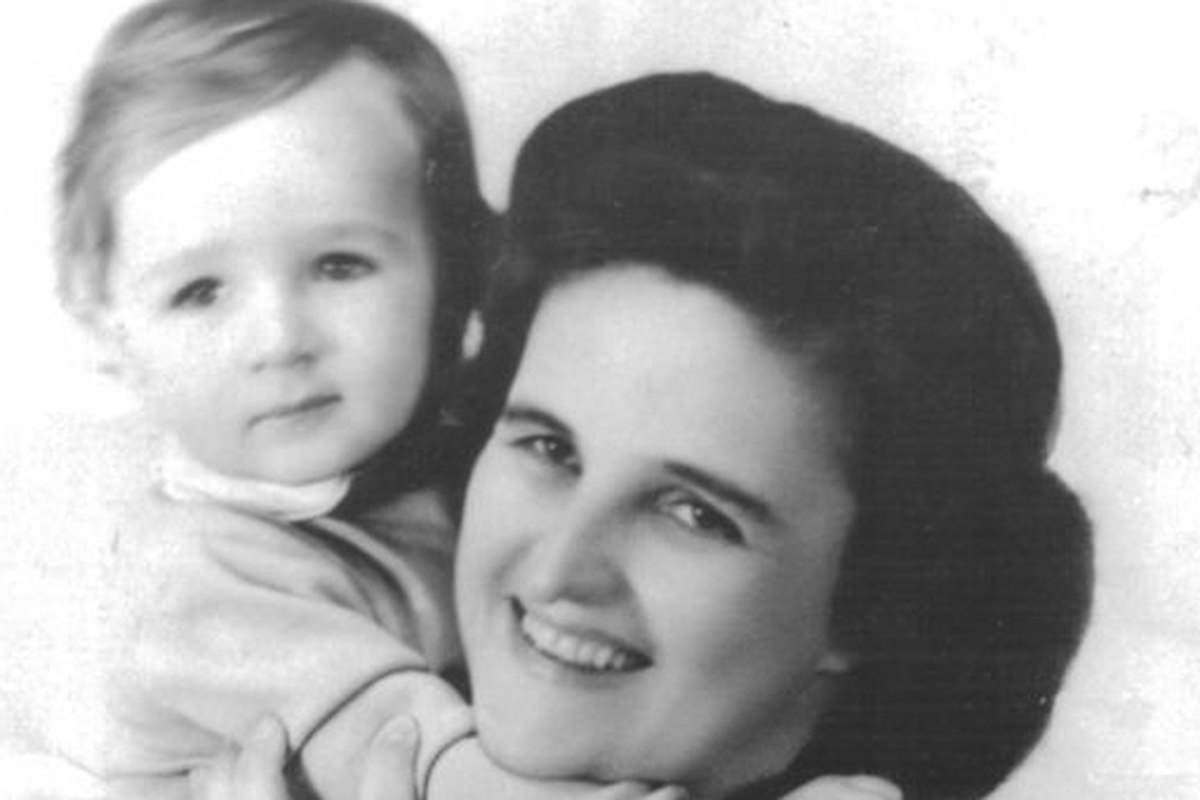
Saint Gianna Molla
How a 20th-century Italian pediatrician's decision during her own final pregnancy turned an ordinary working mother into a modern icon of maternal sacrifice.
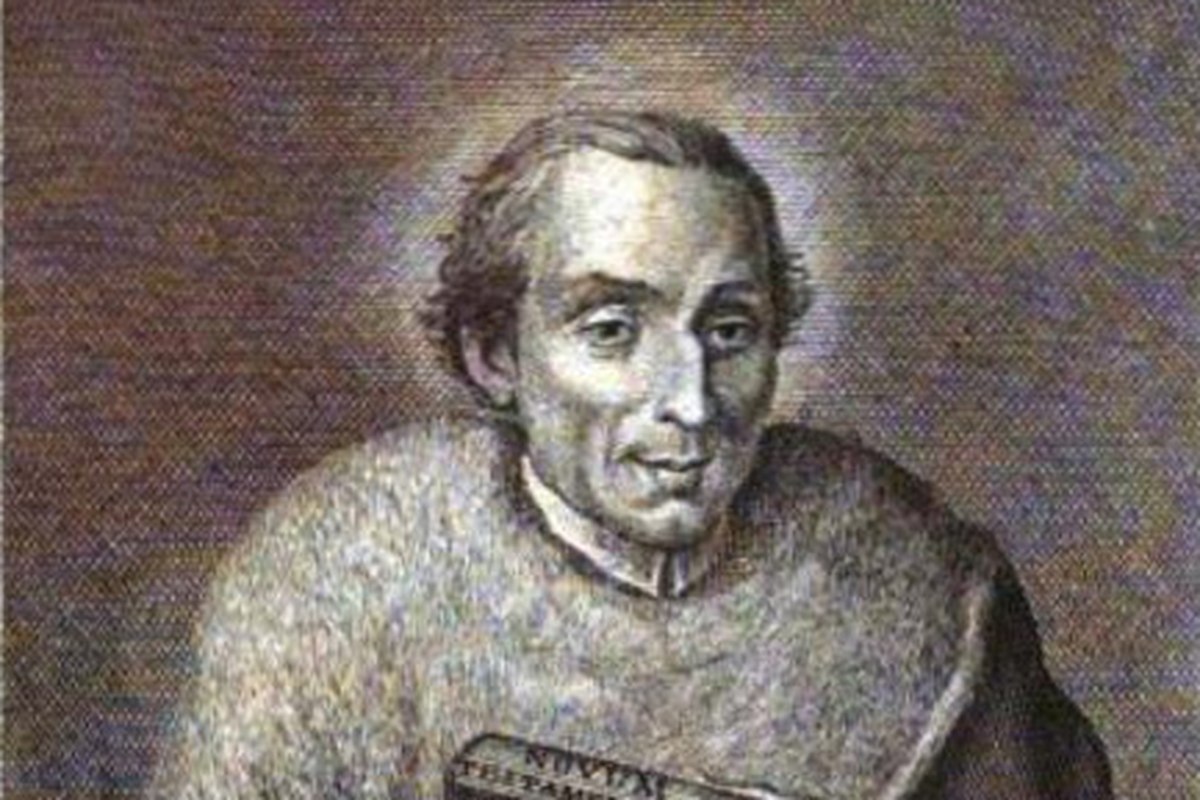
Saint John Baptist de Rossi
How a Roman priest who feared his own health would disqualify him from ministry became one of the city's most devoted confessors to the poor and forgotten.
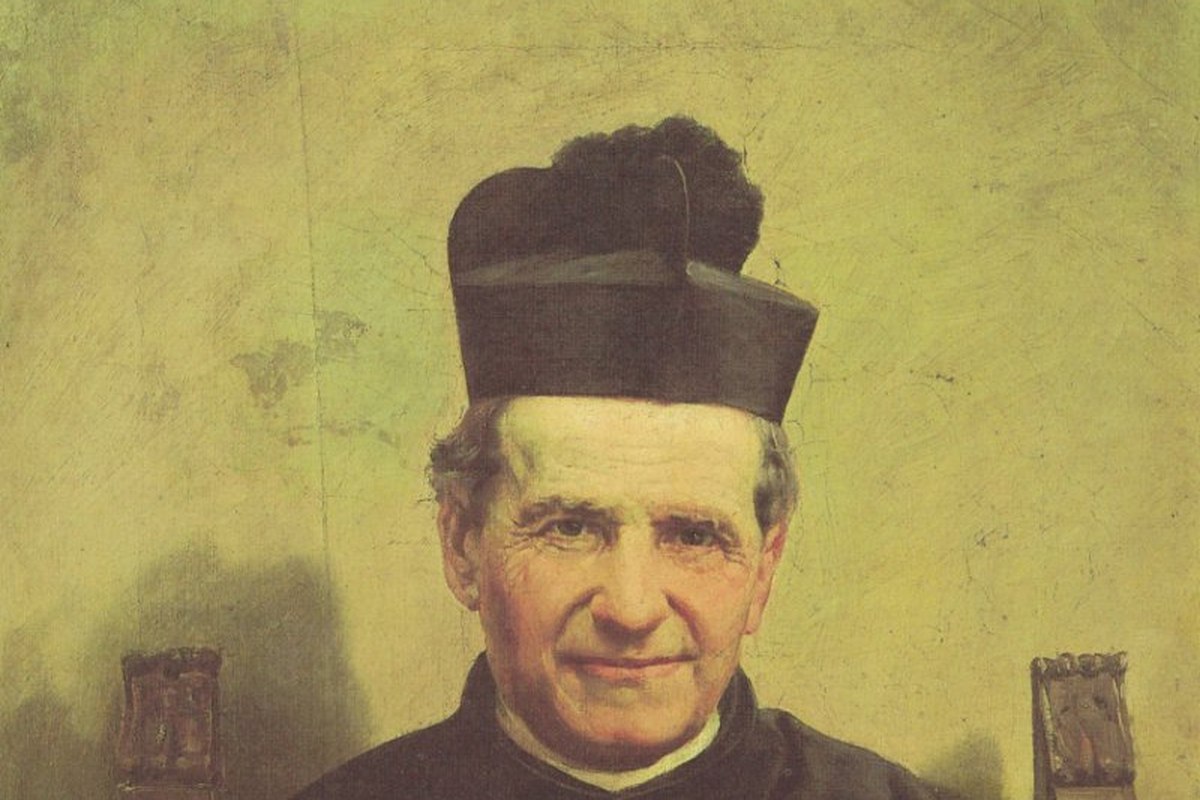
Saint John Bosco
How a poor farm boy who once entertained children with magic tricks built an entire movement dedicated to rescuing the abandoned working boys of industrial Turin.
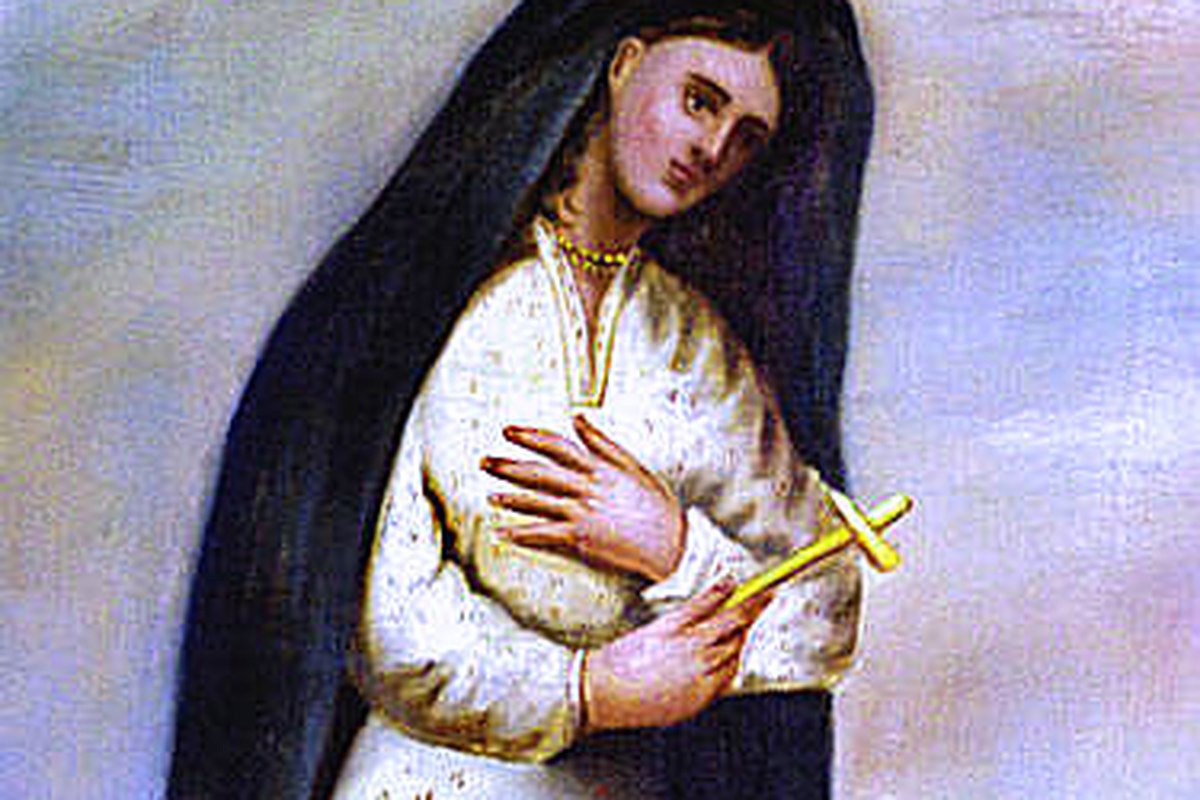
Saint Kateri Tekakwitha
How a young Mohawk woman scarred by smallpox and threatened for her faith fled two hundred miles to practice it freely, becoming the first Indigenous American saint.
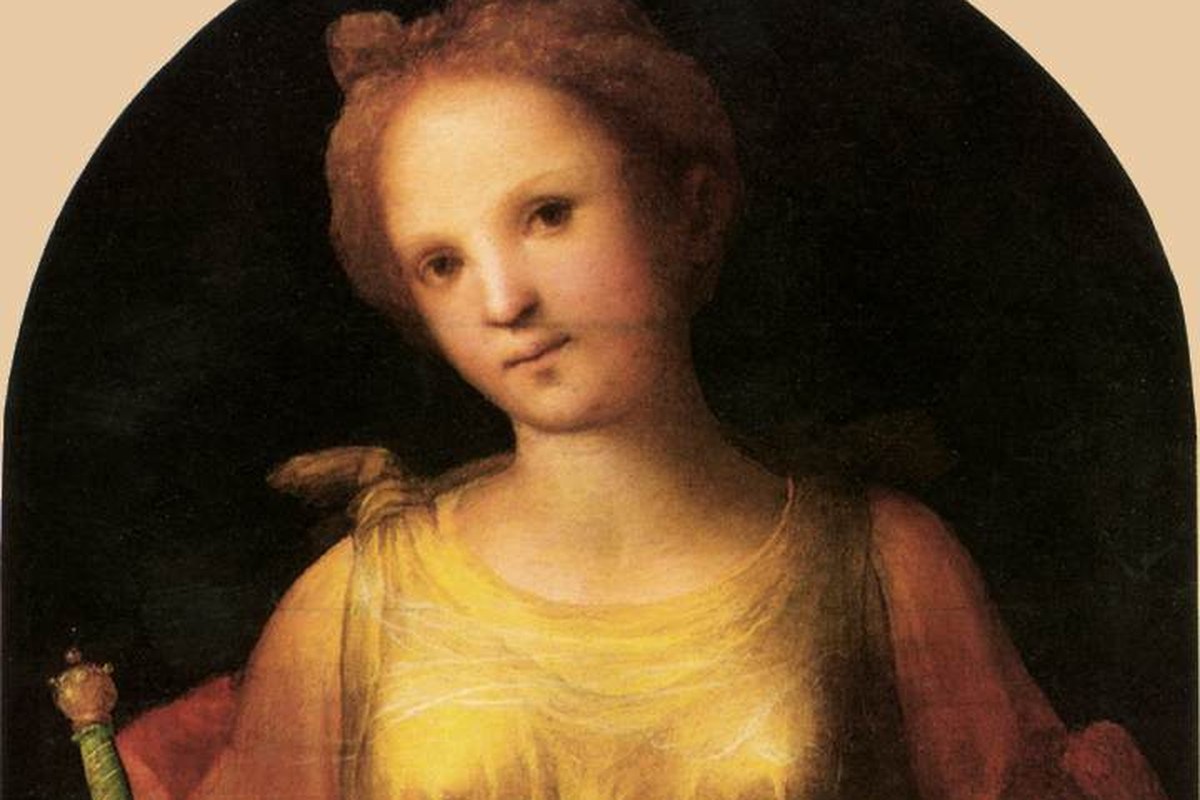
Saint Lucy of Syracuse
A young Sicilian martyr, whose name comes from the Latin word for light, became patroness of the blind and one of only eight women in the Canon of the Mass.
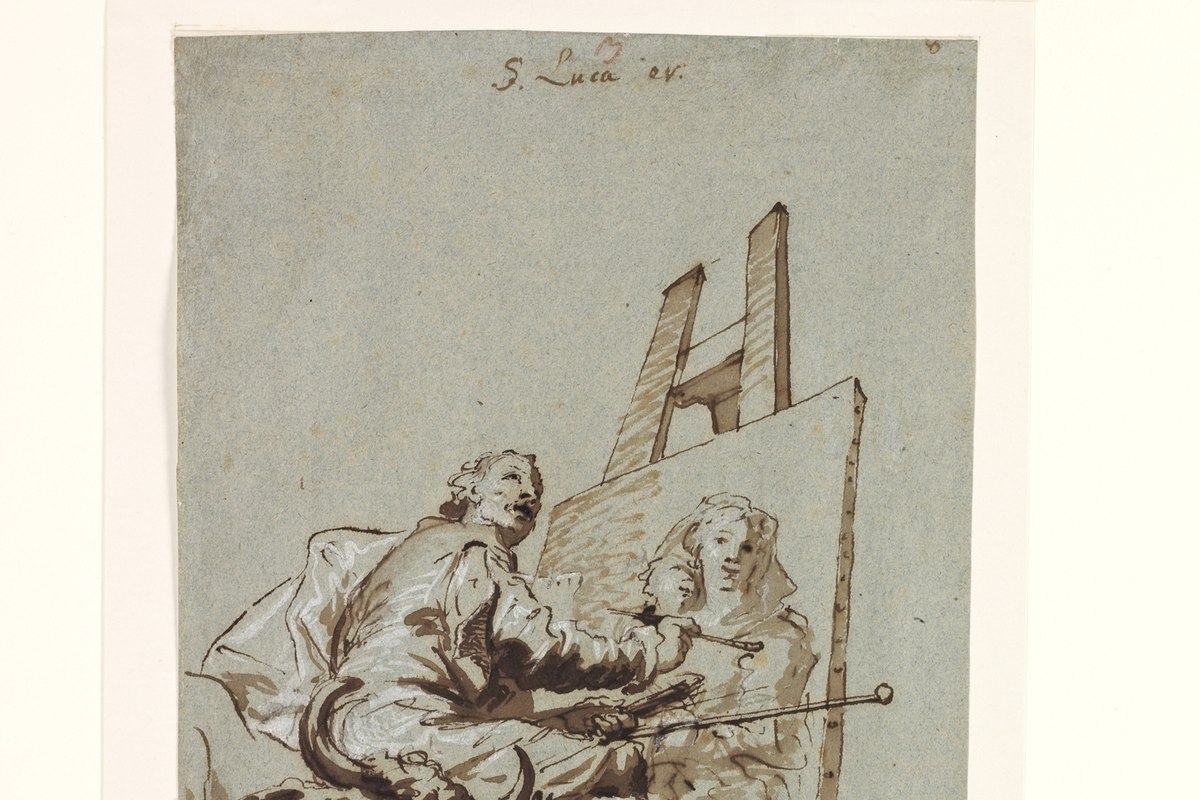
Saint Luke the Evangelist — Painter
How a Gentile physician who never met Jesus in person wrote one of the four Gospels, and became, through a much later tradition, the patron saint of painters.
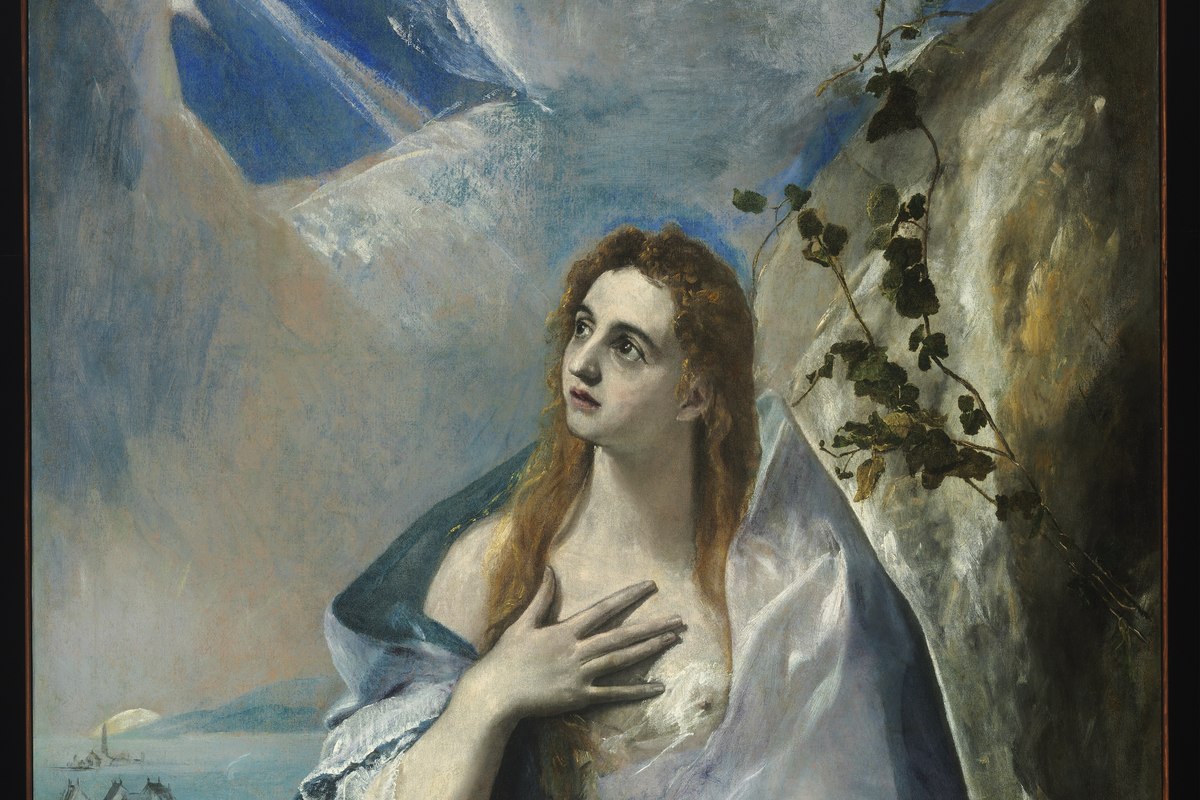
Saint Mary Magdalene
How a woman healed of seven demons stayed at the cross when nearly everyone else had fled, and became the first person entrusted with news of the resurrection.
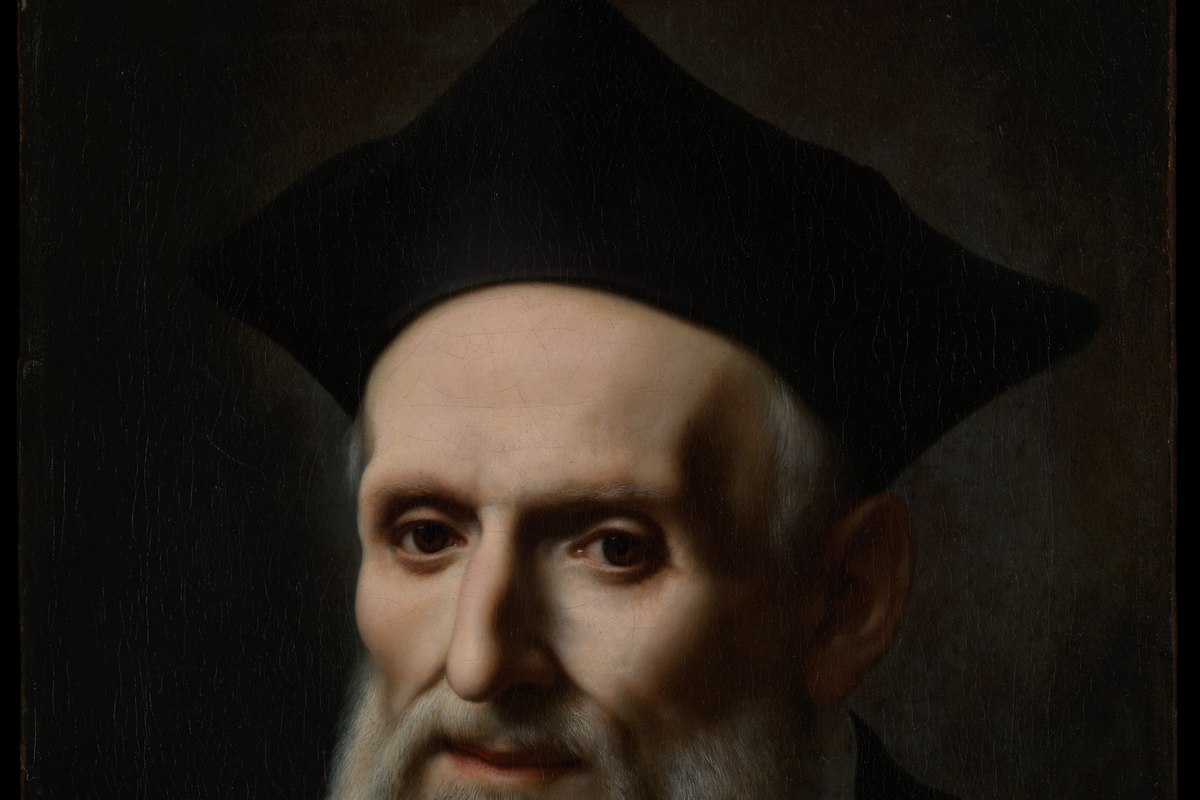
Saint Philip Neri
How a Florentine priest known for playful practical jokes became the "Apostle of Rome," insisting that a joyful heart was more Christian than a downcast one.
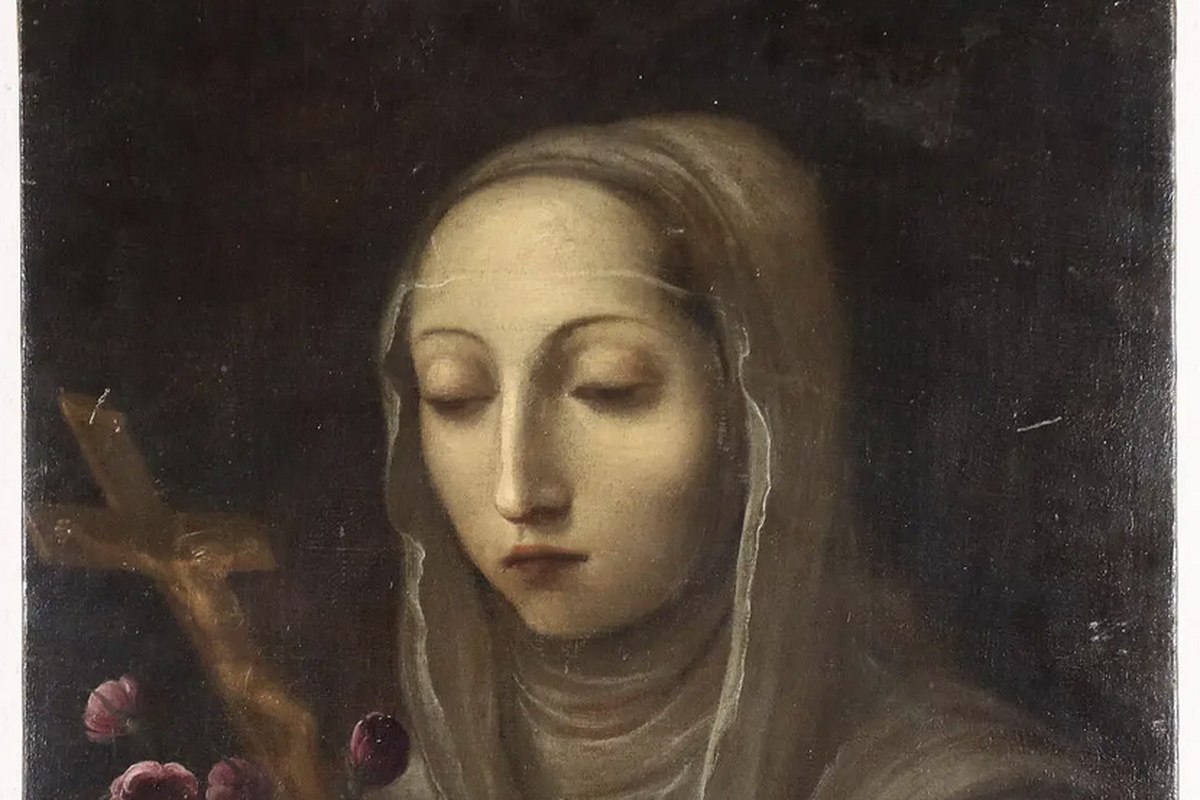
Saint Rita of Cascia
A widow who lost her husband to murder and both sons to illness within a year found her way into an Augustinian convent and patroness of impossible causes.
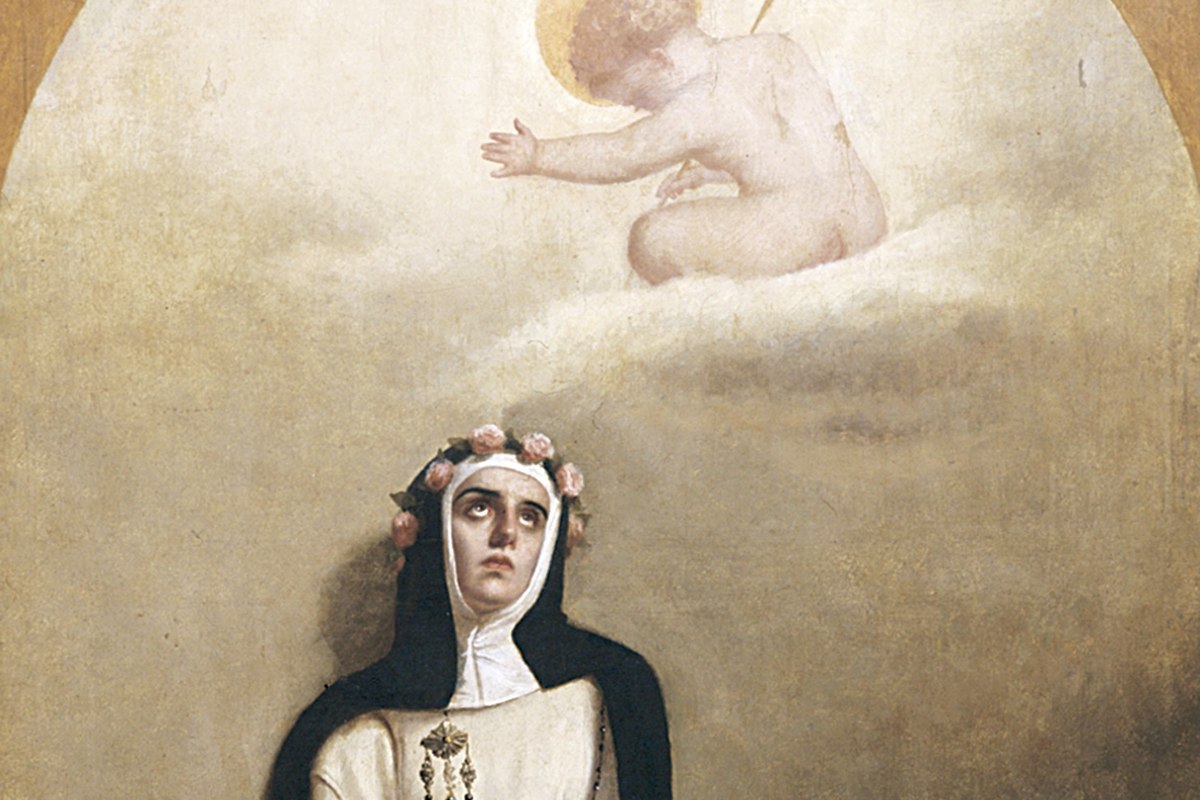
Saint Rose of Lima
How a young noblewoman who disfigured her own beauty to avoid marriage became the first person born in the Americas ever canonized a saint.
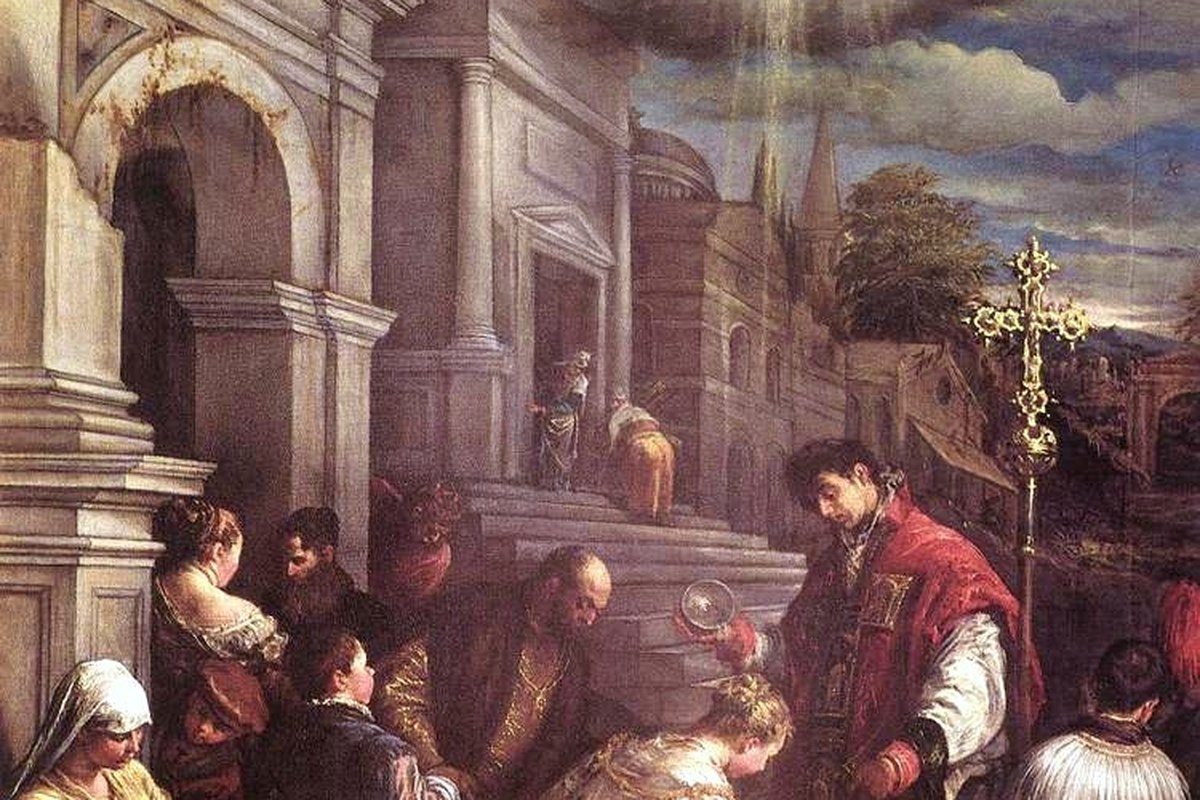
Saint Valentine of Rome
How a little-known 3rd-century Roman martyr, executed under Claudius II, grew into the figure behind the world's most romanticized feast day.
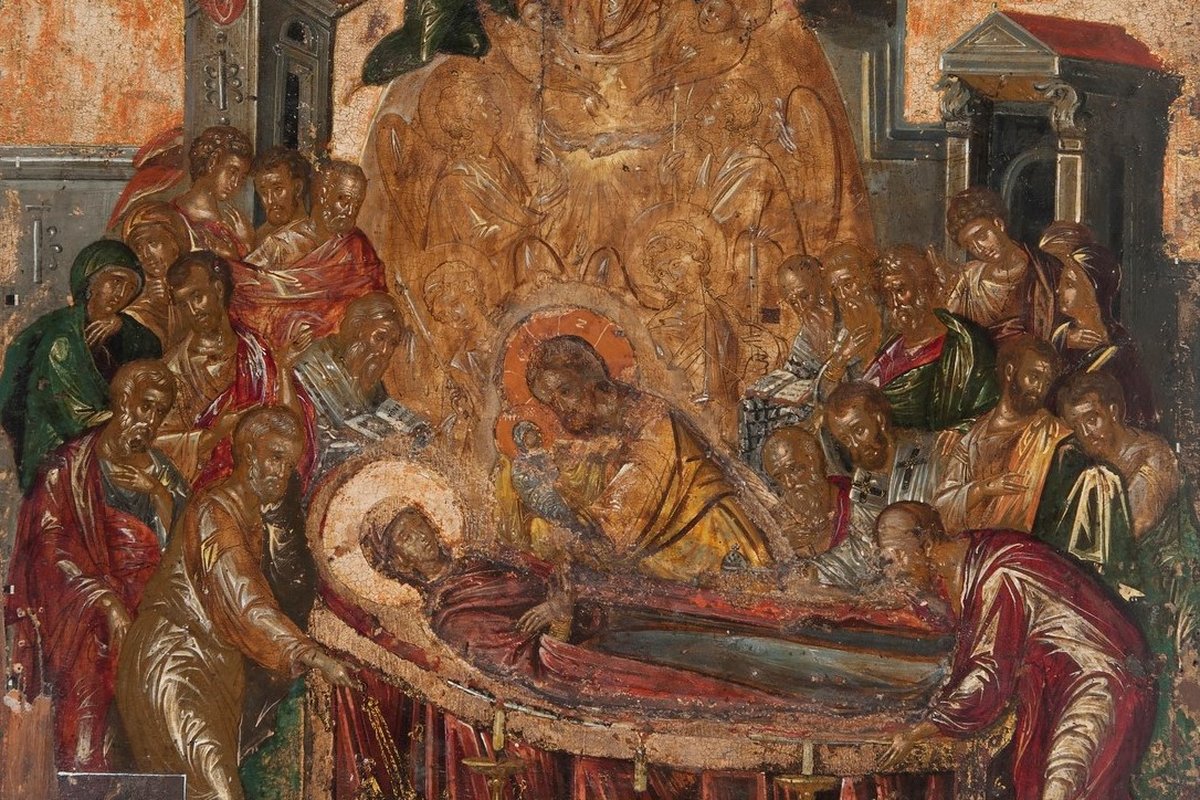
The Dormition of the Virgin Mary
Two names for how Mary's earthly life ended, why one avoids the word "died," and the old story of an apostle who arrived too late to find an empty tomb.
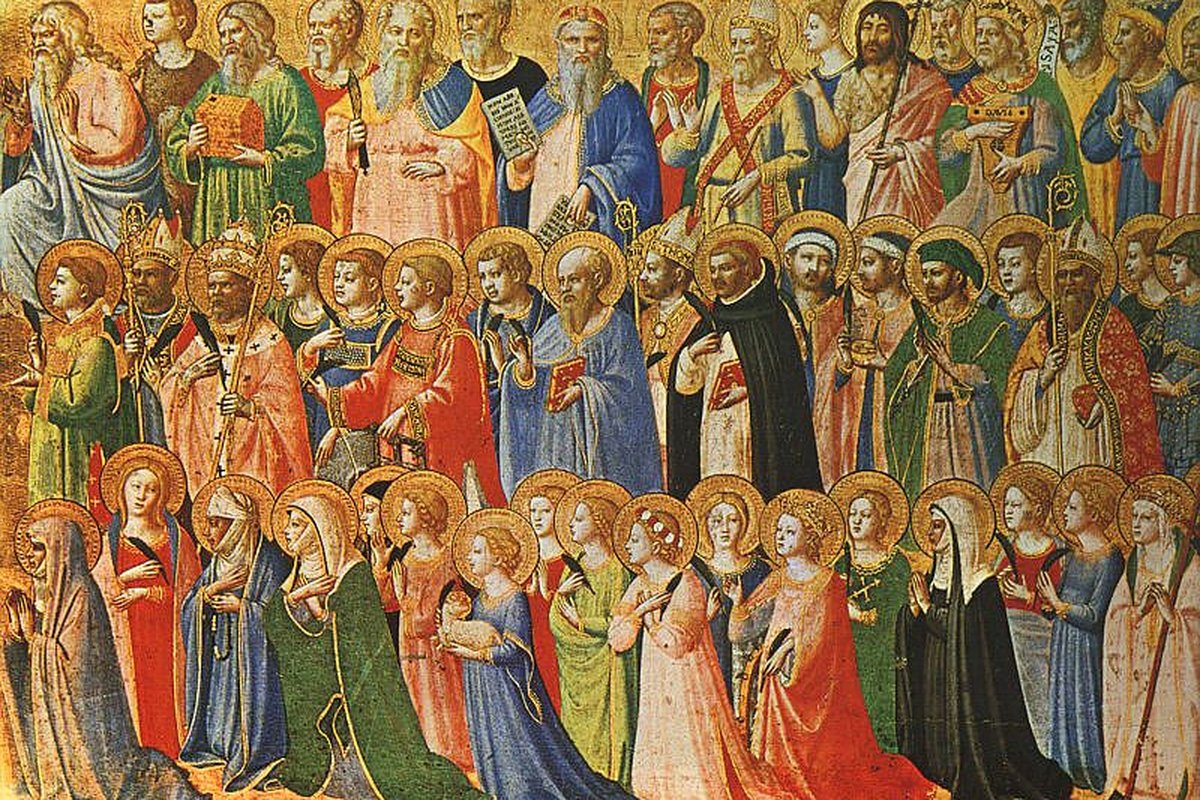
Patron Saints Directory — Who's the Patron Saint of...?
A categorized directory of the patron saints covered on this blog — by trade, life situation, health, and country — with the real story behind each patronage.
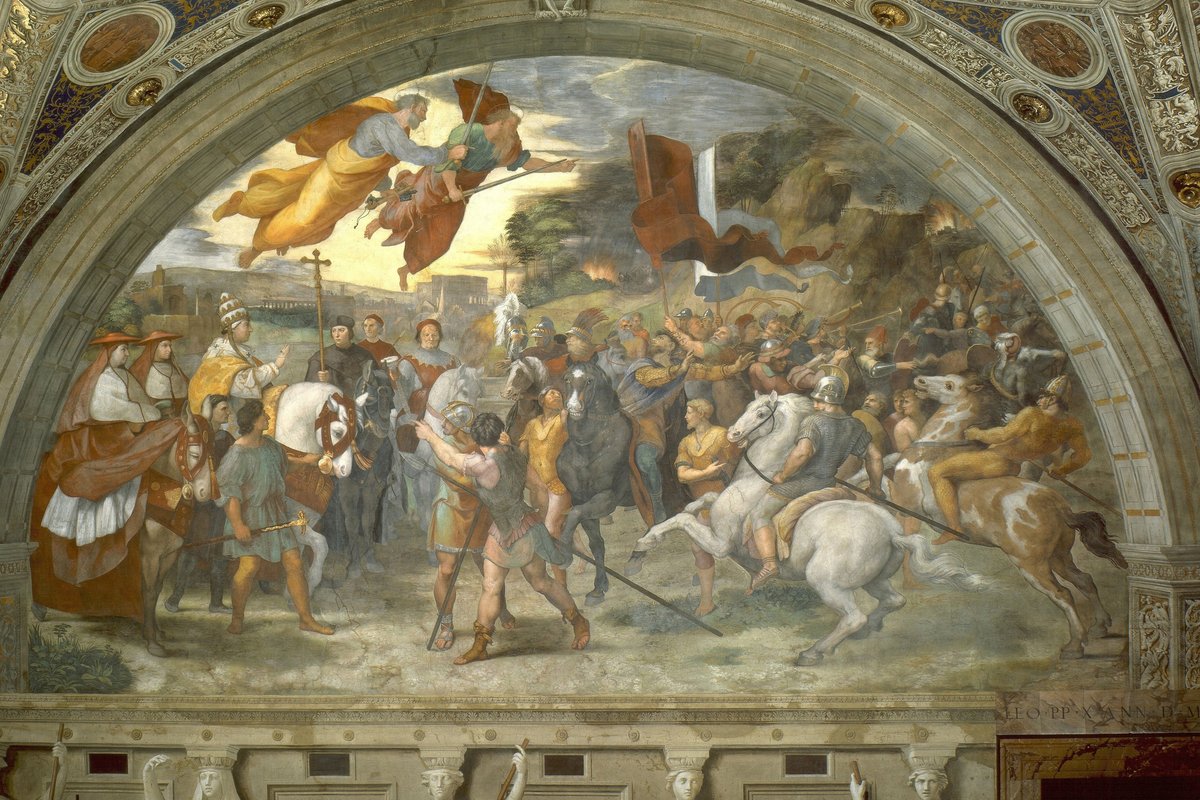
Pope Leo the Great
How a pope met Attila the Hun face to face in 452, persuaded him to turn his army back from Rome, and helped settle Christian teaching on who Christ is.
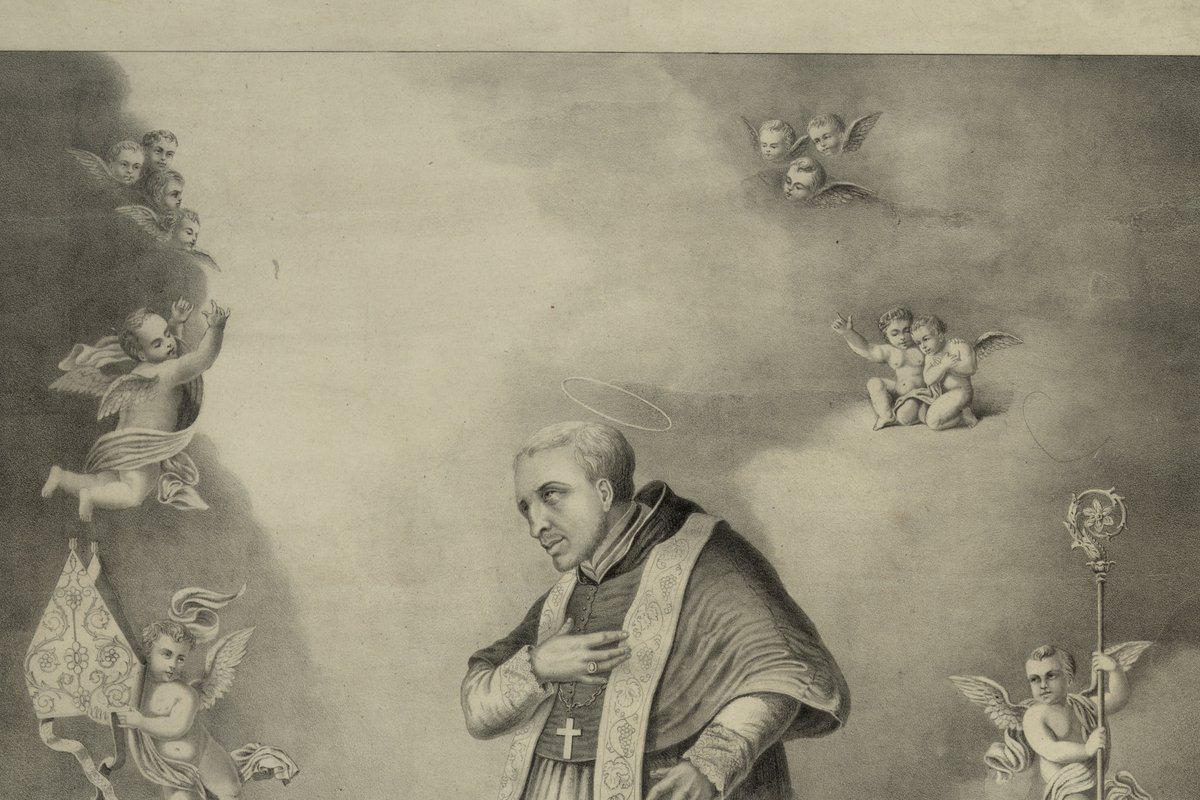
Saint Alphonsus Liguori
How a star lawyer walked away from law after losing a case to an oversight he discovered too late, and became the Church's Doctor of Moral Theology.
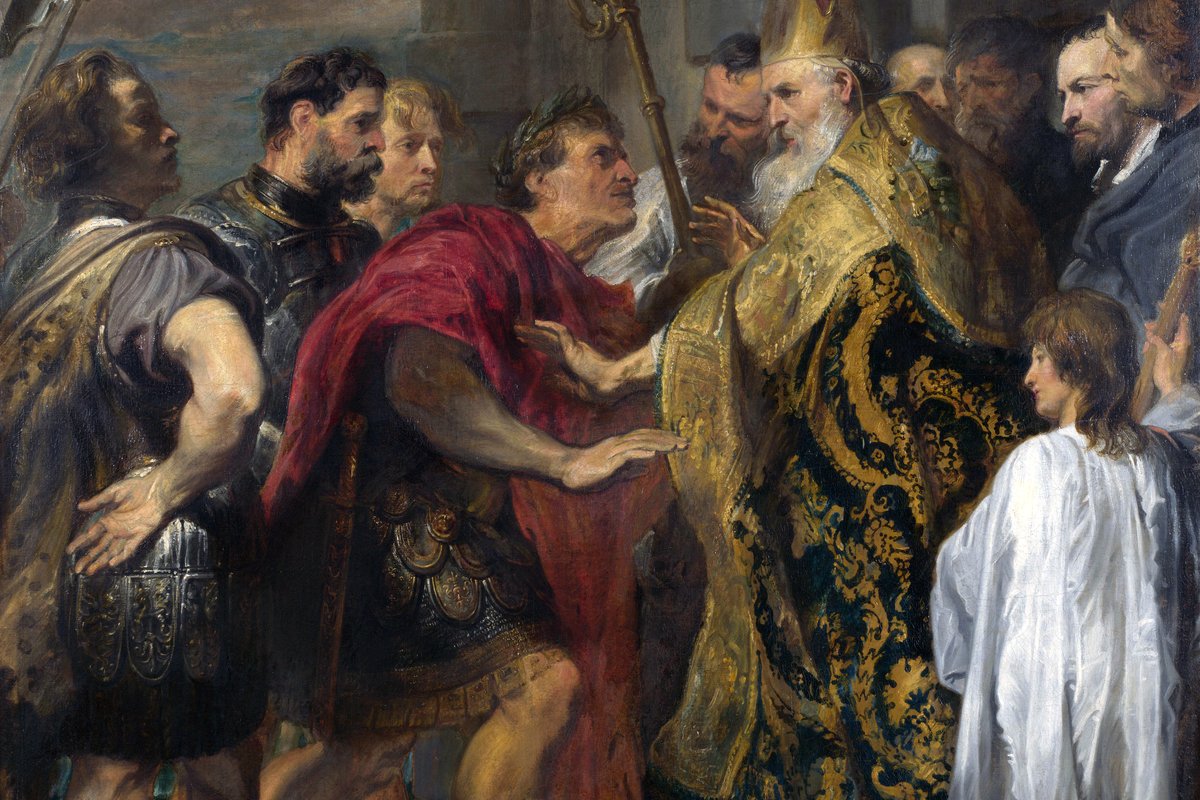
Saint Ambrose of Milan
A Roman governor was made bishop within a week of his baptism, then years later refused an emperor Communion until he did what no emperor had ever done.
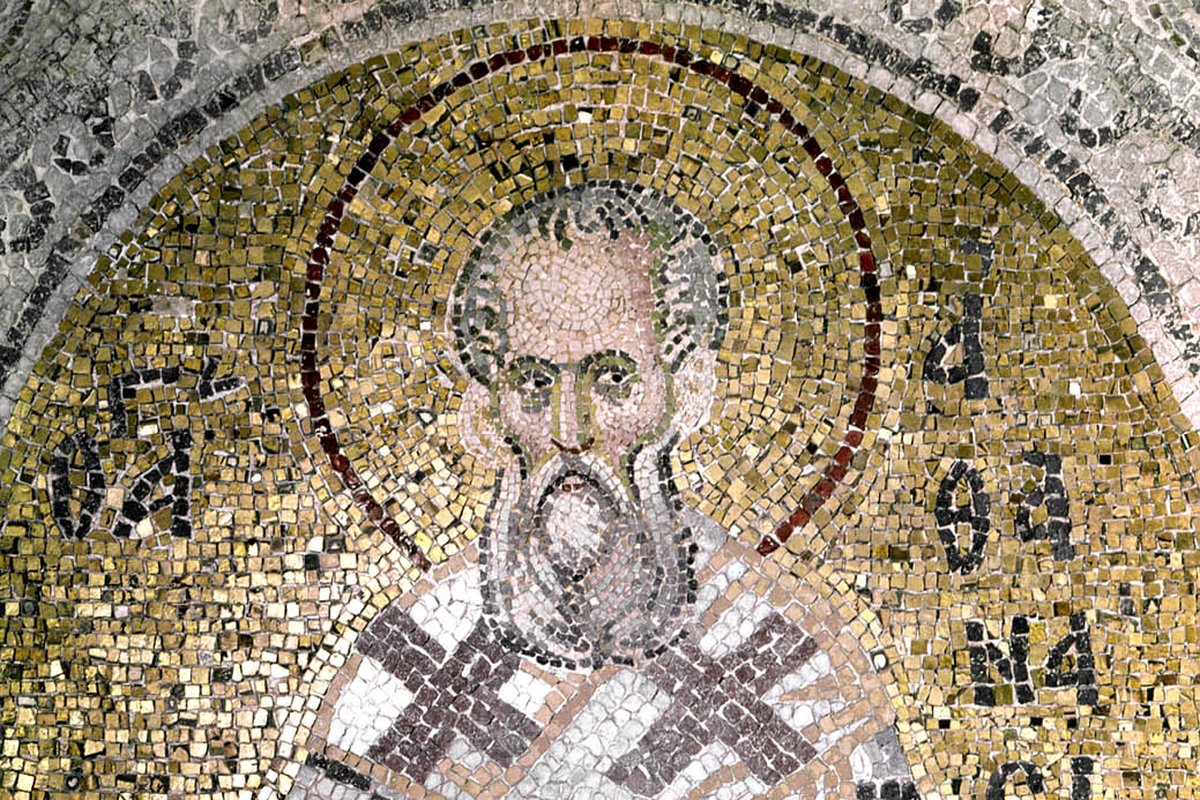
Saint Athanasius of Alexandria
Exiled five times by four different emperors for refusing to compromise on Christ's divinity, this bishop outlasted every ruler who tried to silence him.
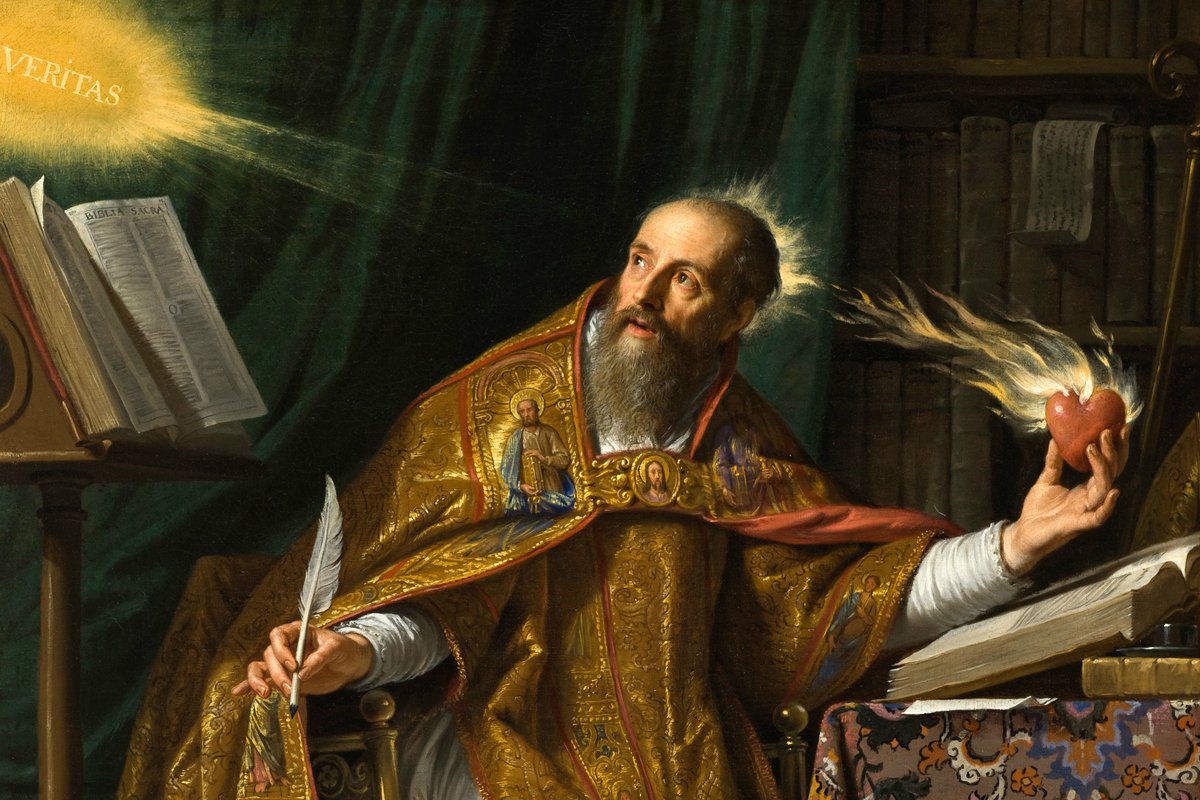
Saint Augustine of Hippo
How a wandering rhetoric teacher heard a child's voice in a garden, opened Scripture at random, and became one of Christianity's most influential minds.
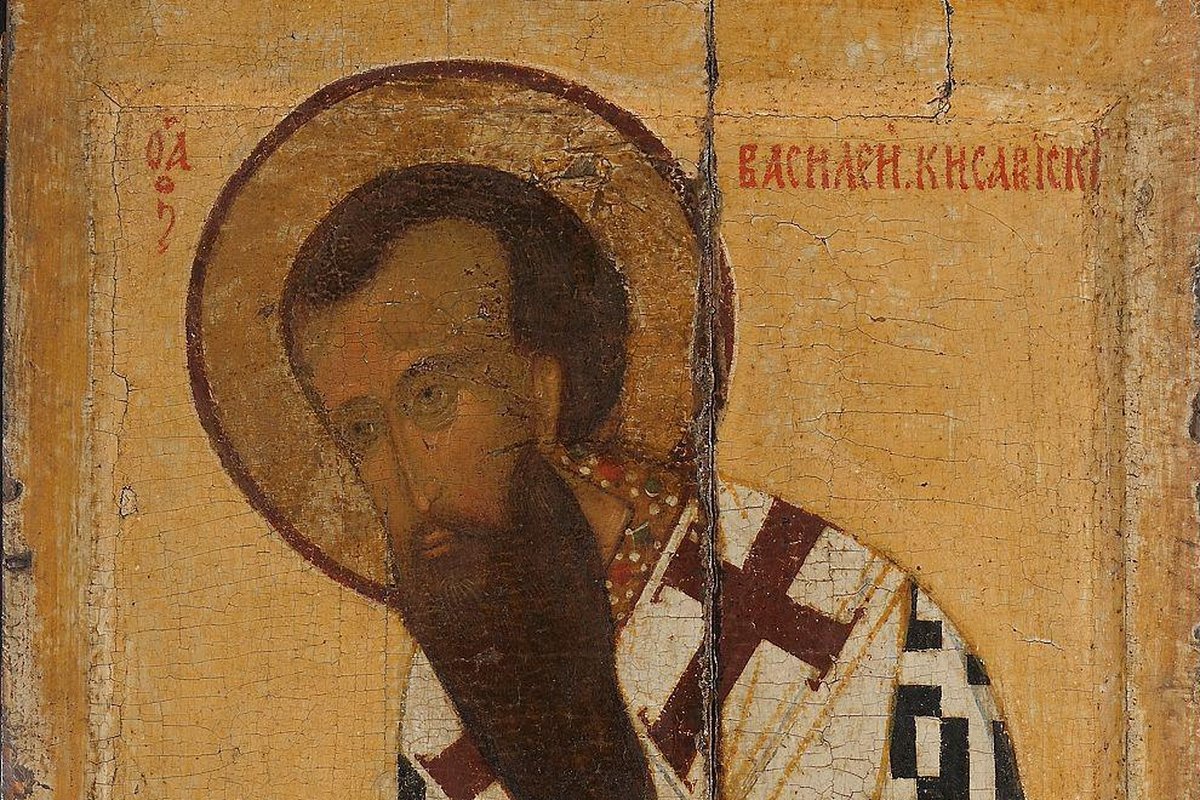
Saint Basil the Great
How a 4th-century bishop built an entire complex of hospitals and hospices outside his city, and why his monastic rule still shapes Eastern Christianity today.
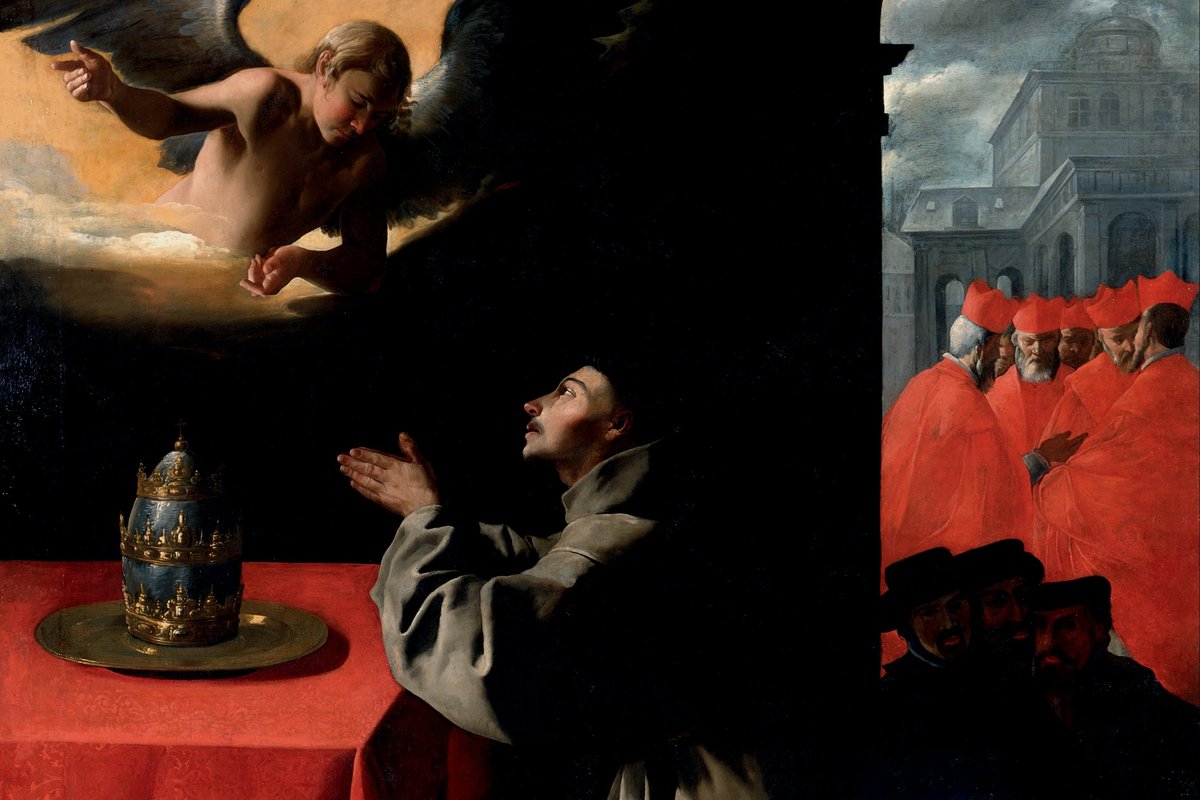
Saint Bonaventure
How a Franciscan Minister General and close friend of Thomas Aquinas died mid-council while working to reunite the Western and Eastern Churches at Lyons.
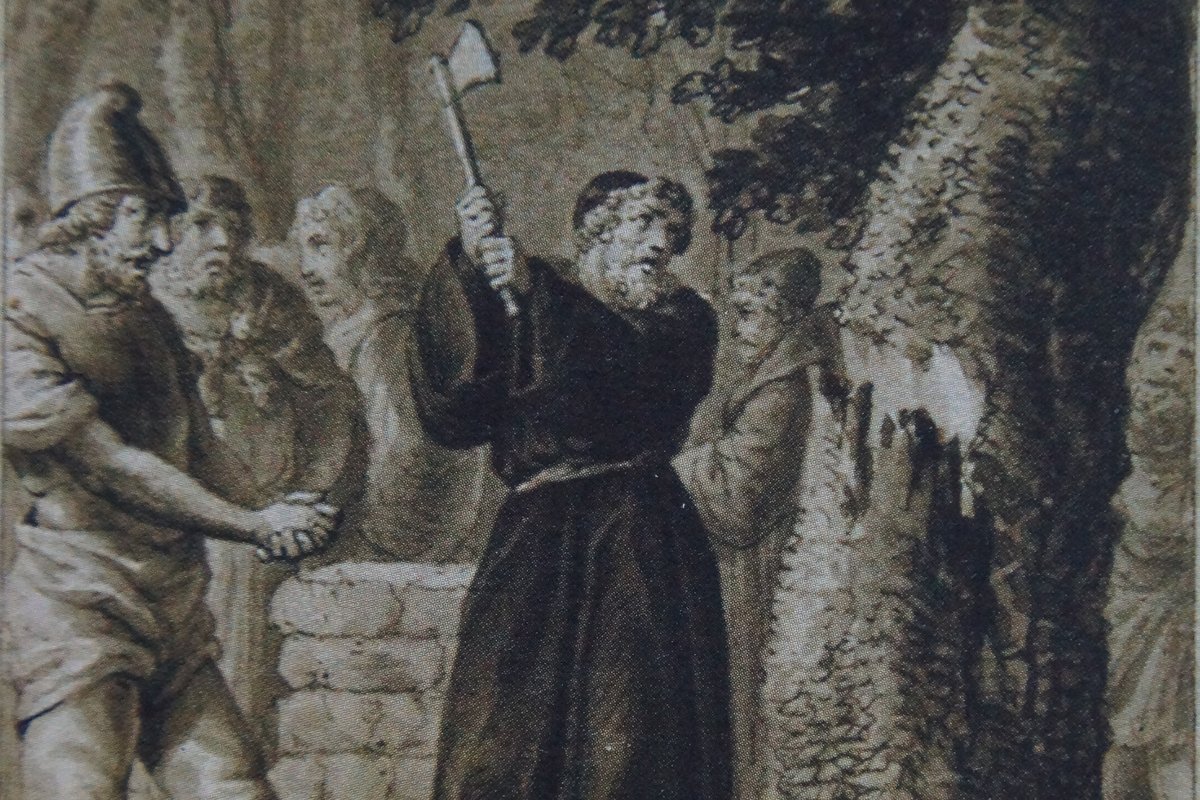
Saint Boniface
An English monk swung an axe into a tree sacred to Thor before a crowd expecting him to be struck dead on the spot — then built a chapel from the wood.
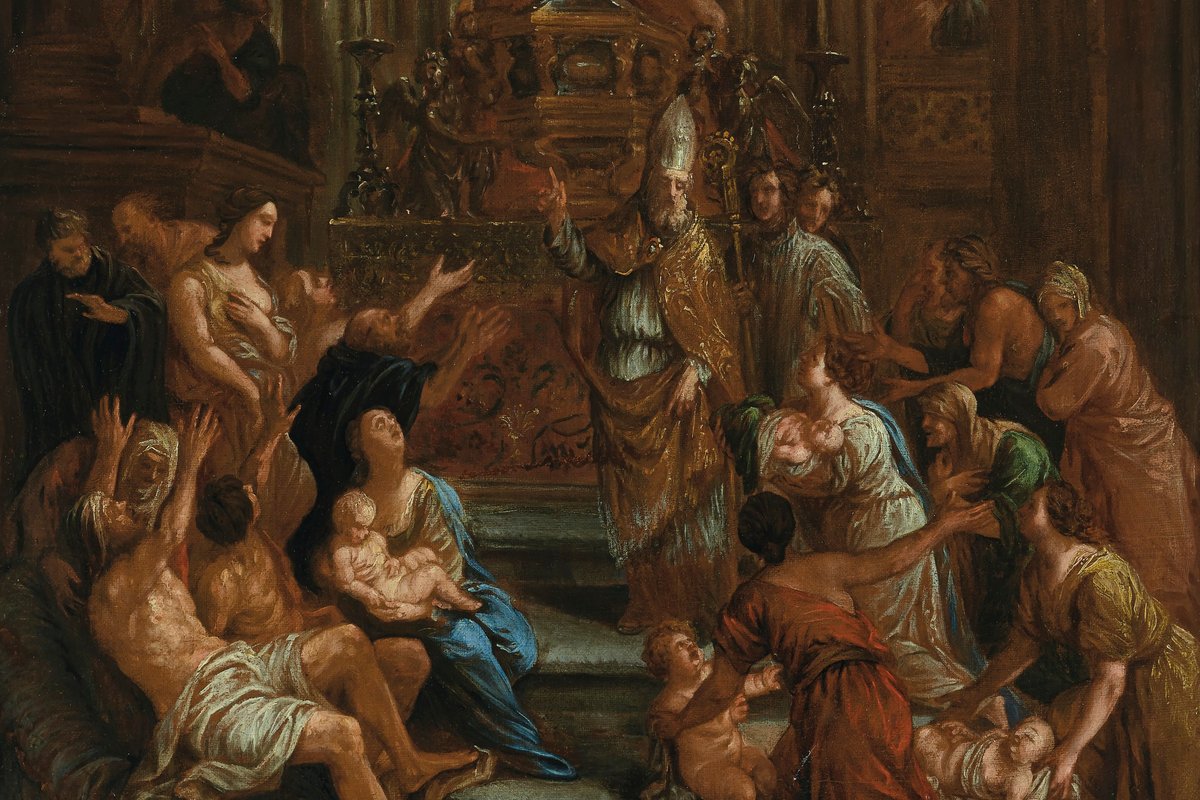
Saint Charles Borromeo
The cardinal-archbishop who helped close the Council of Trent, then walked into plague-stricken Milan while the wealthy fled the other way.
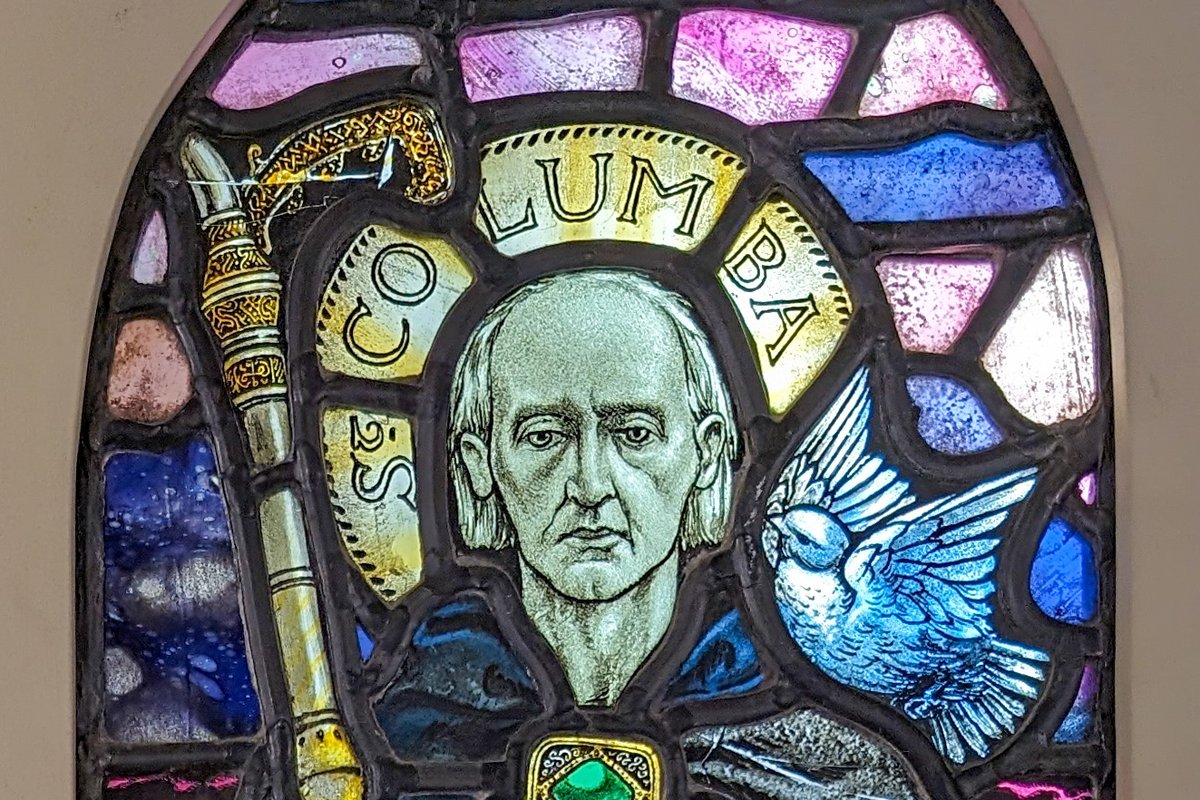
Saint Columba of Iona
An Irish prince who might have inherited a kingdom instead founded a tiny island monastery that became the launchpad for converting Scotland.
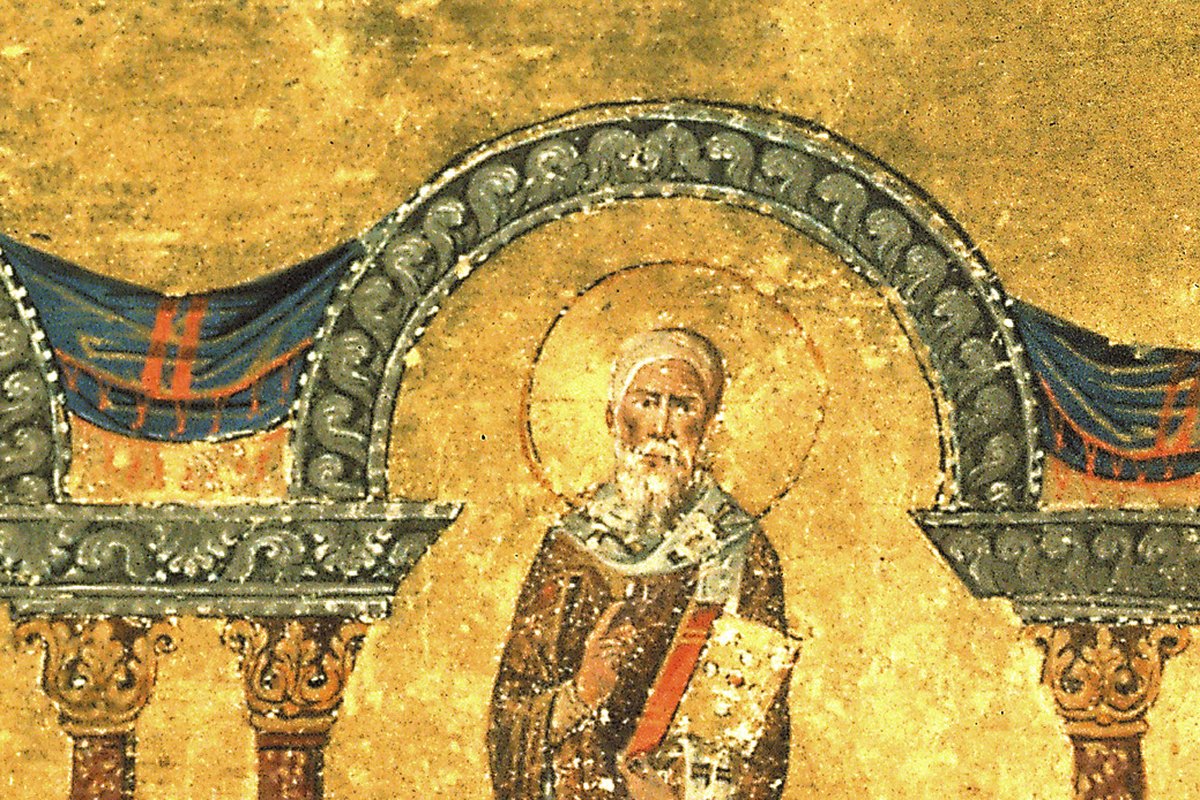
Saint Cyril of Alexandria
How a bishop opened an ecumenical council before his opposition arrived, condemned a heresy in a single day, and became the Doctor of the Incarnation.
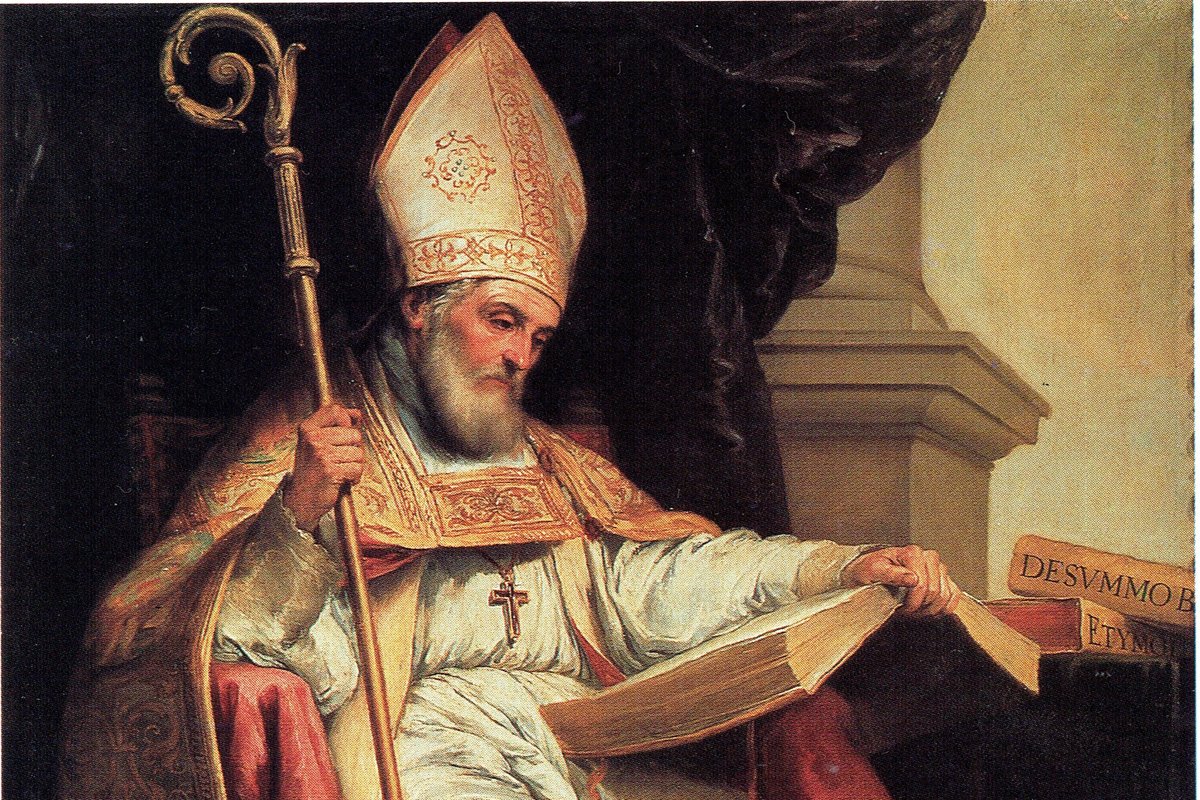
Saint Isidore of Seville
How a 7th-century bishop's attempt to compress all human knowledge into one book earned him, much later, an unofficial reputation as patron of the internet.
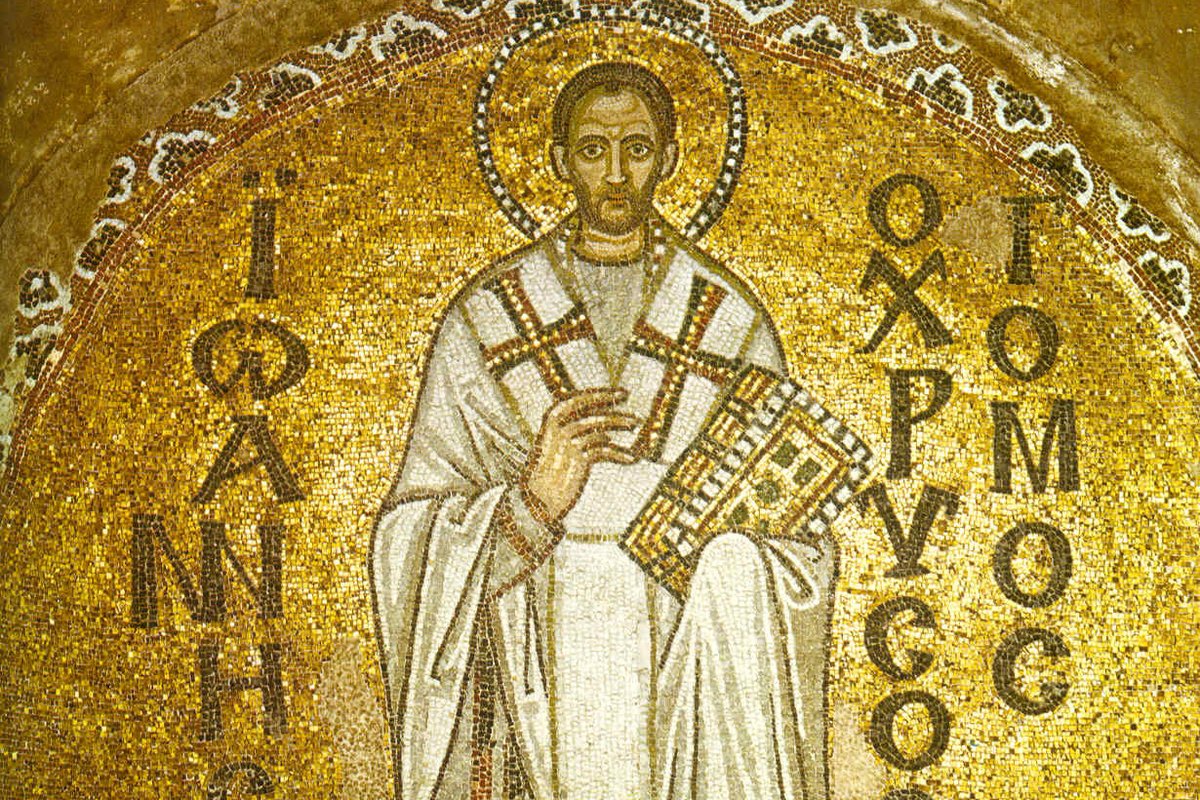
Saint John Chrysostom
How the greatest preacher of the early Church earned the nickname "golden-mouthed," then died from a forced march ordered by an empress he'd offended.
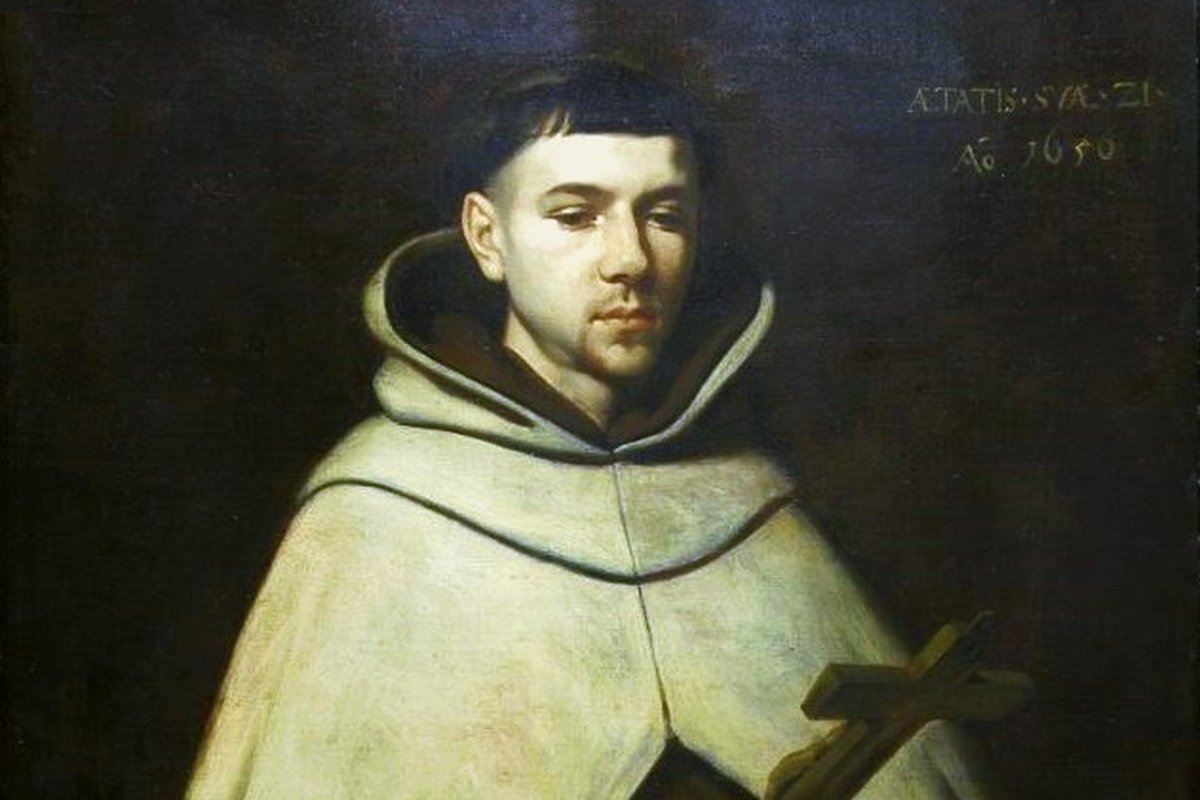
Saint John of the Cross
How a friar barely five feet tall survived nine months in a Toledo prison, escaped by rope in the dark, and wrote some of the Church's finest mystical poetry.
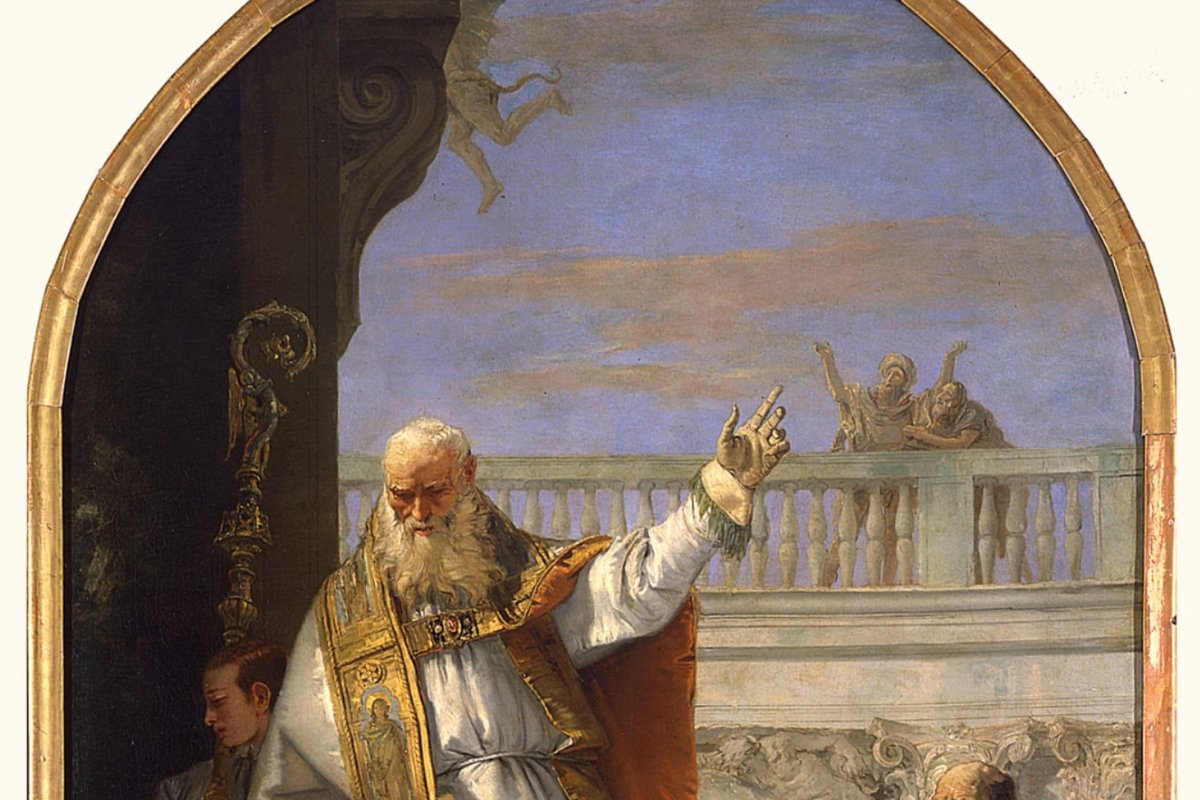
Saint Patrick of Ireland
How a kidnapped teenager enslaved for six years herding sheep in Ireland returned decades later as the missionary bishop who became its beloved patron saint.
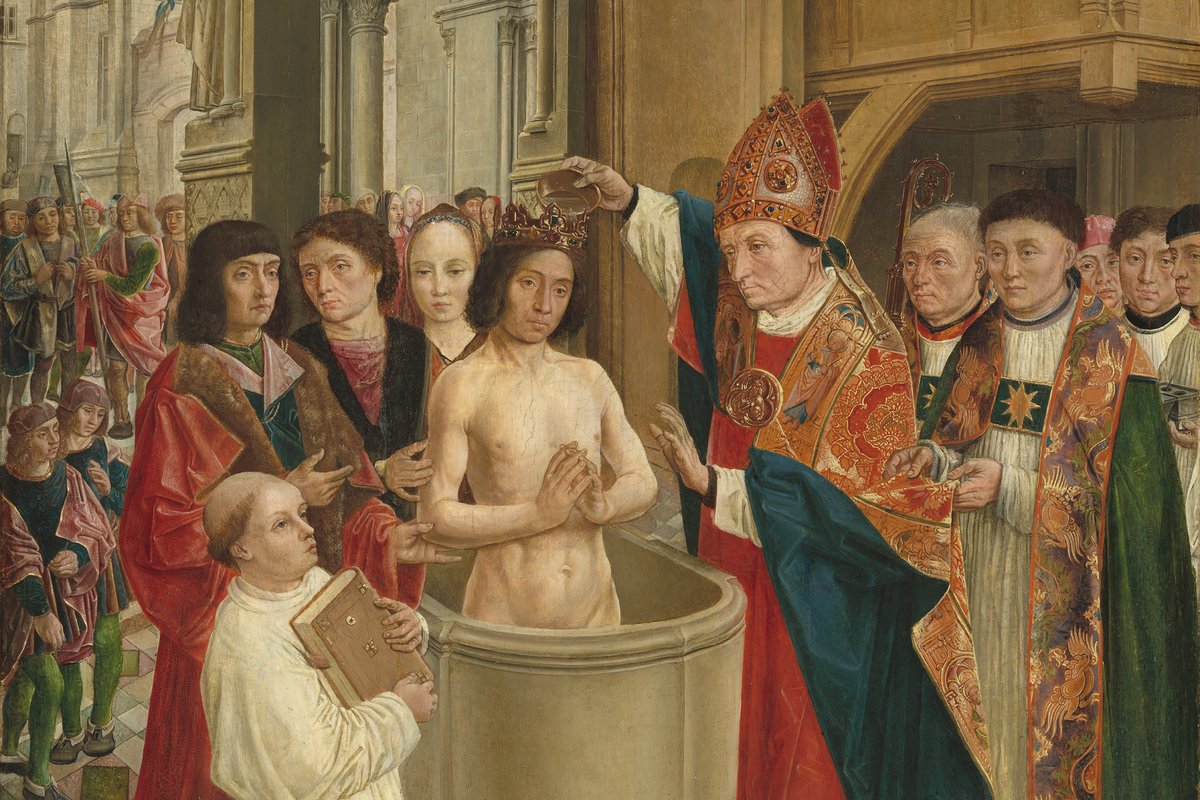
Saint Remigius of Reims
On Christmas Day, a Frankish king knelt in the water at Reims and a bishop poured a single baptism that would turn France Catholic for a thousand years.
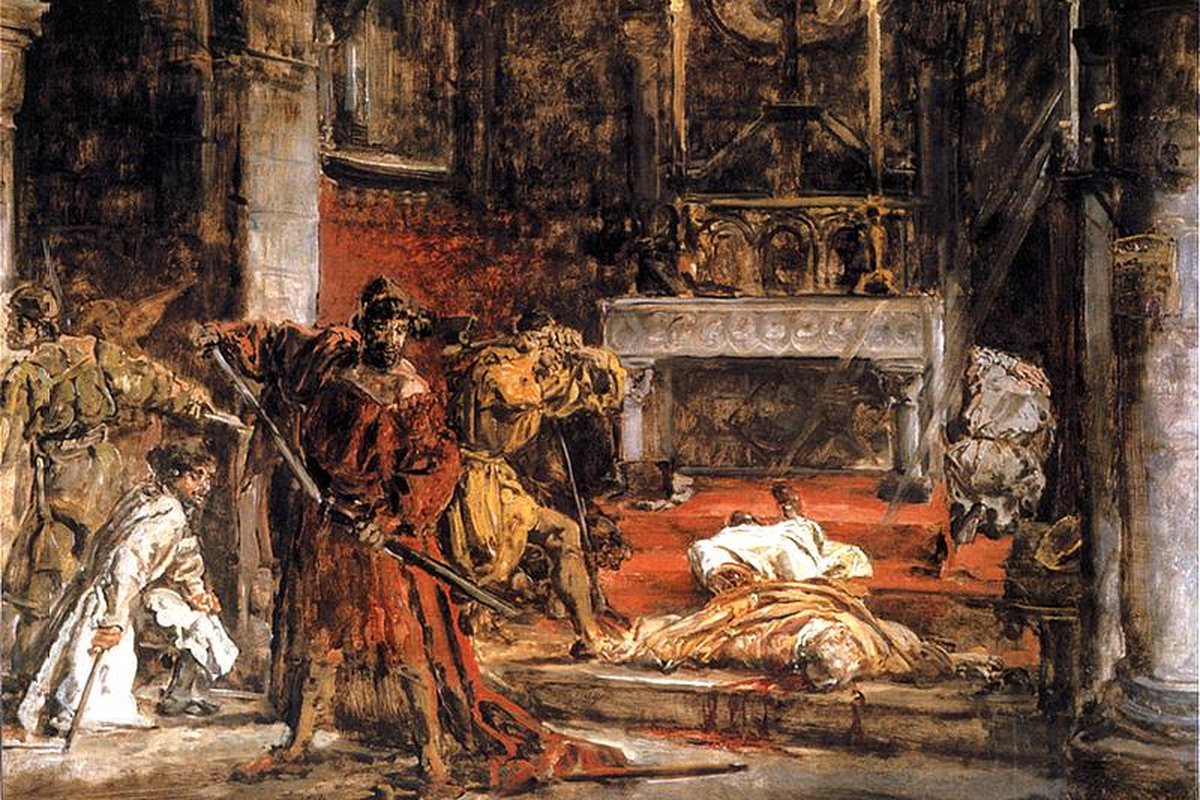
Saint Stanislaus of Krakow
A bishop excommunicated his own king for injustice — and paid for it with his life when the king's soldiers, and then the king himself, turned on him.
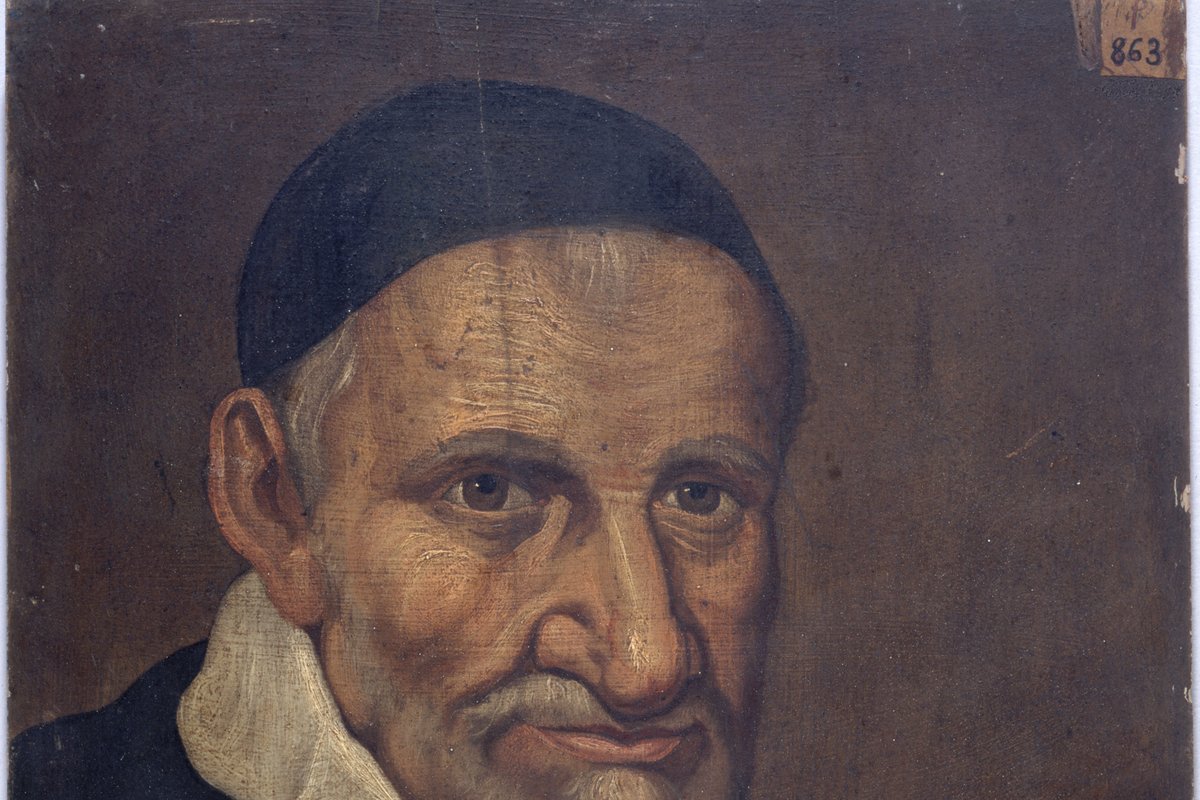
Saint Vincent de Paul
How a peasant-born priest organized ordinary laywomen into door-to-door charity workers, then built an entirely new kind of religious community around them.
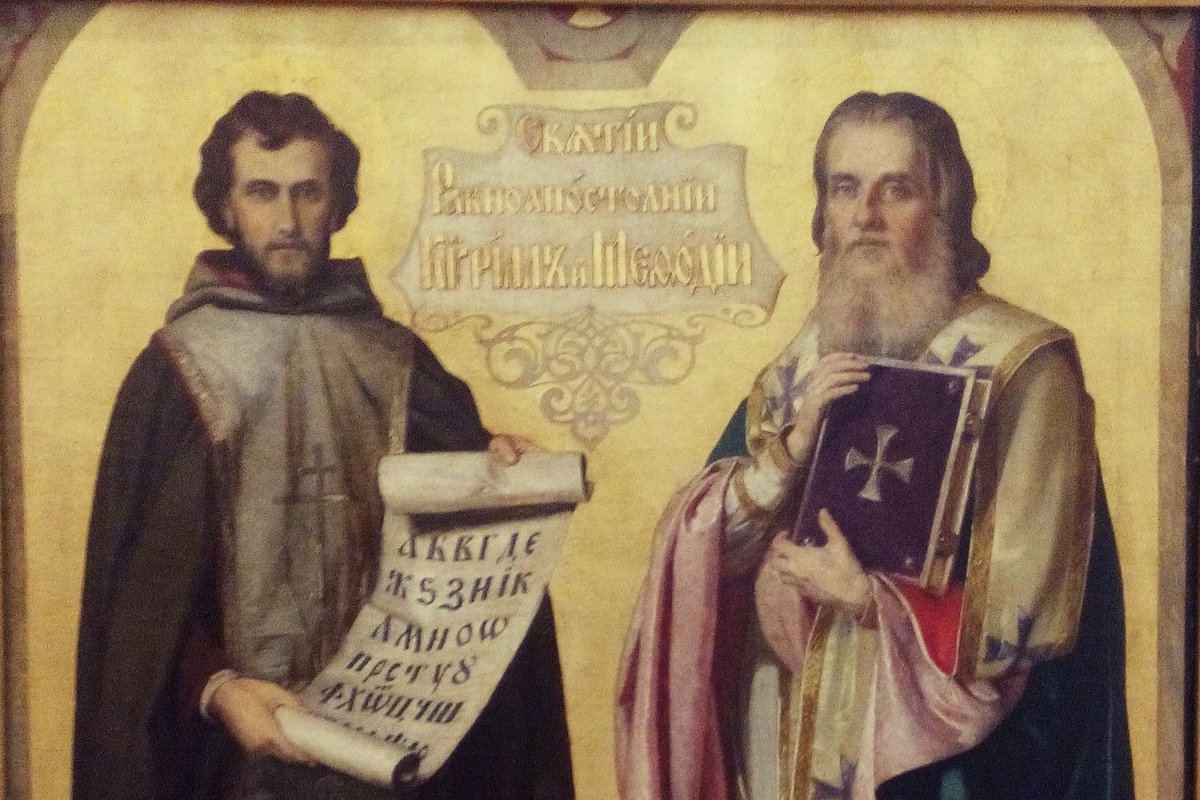
Saints Cyril and Methodius
Two Byzantine brothers built an entire alphabet to translate the Bible for the Slavs, then defended their right to use it in a Rome that wanted Latin only.
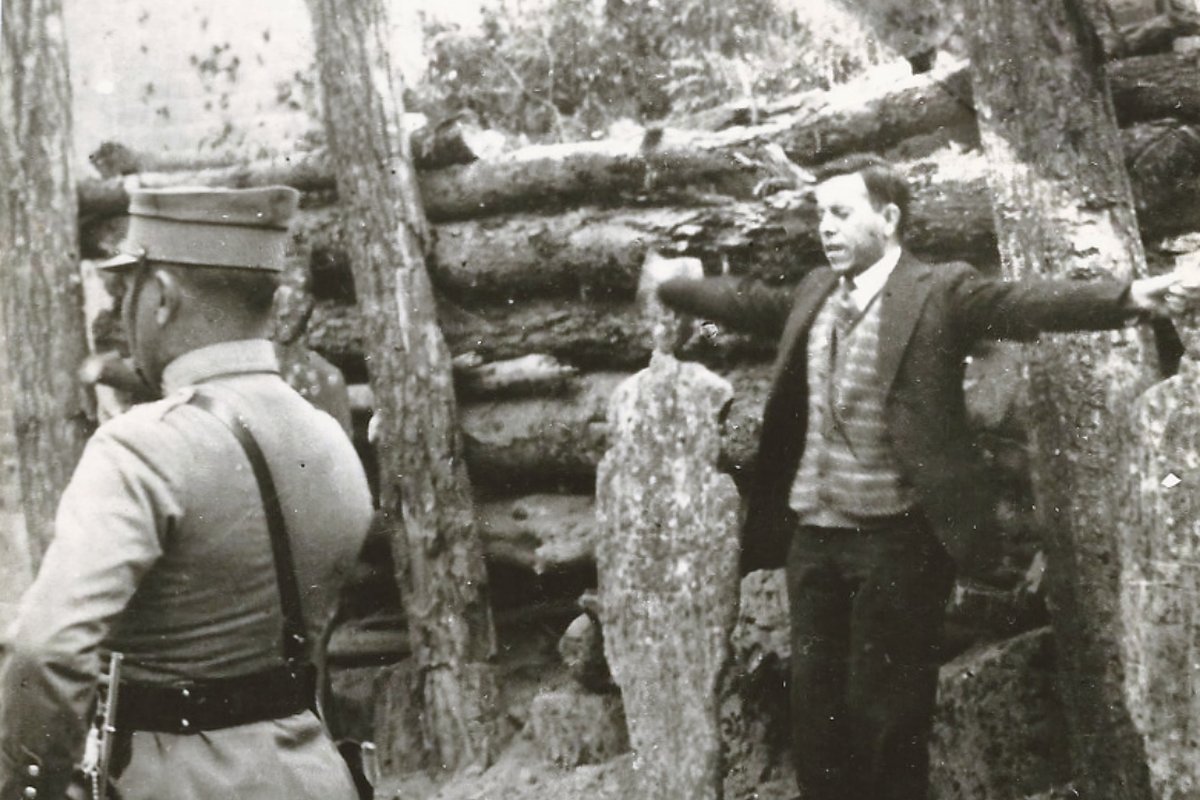
Blessed Miguel Pro
Mexico photographed his execution to frighten Catholics into submission — instead, images of his final moments turned him into a symbol of resistance.
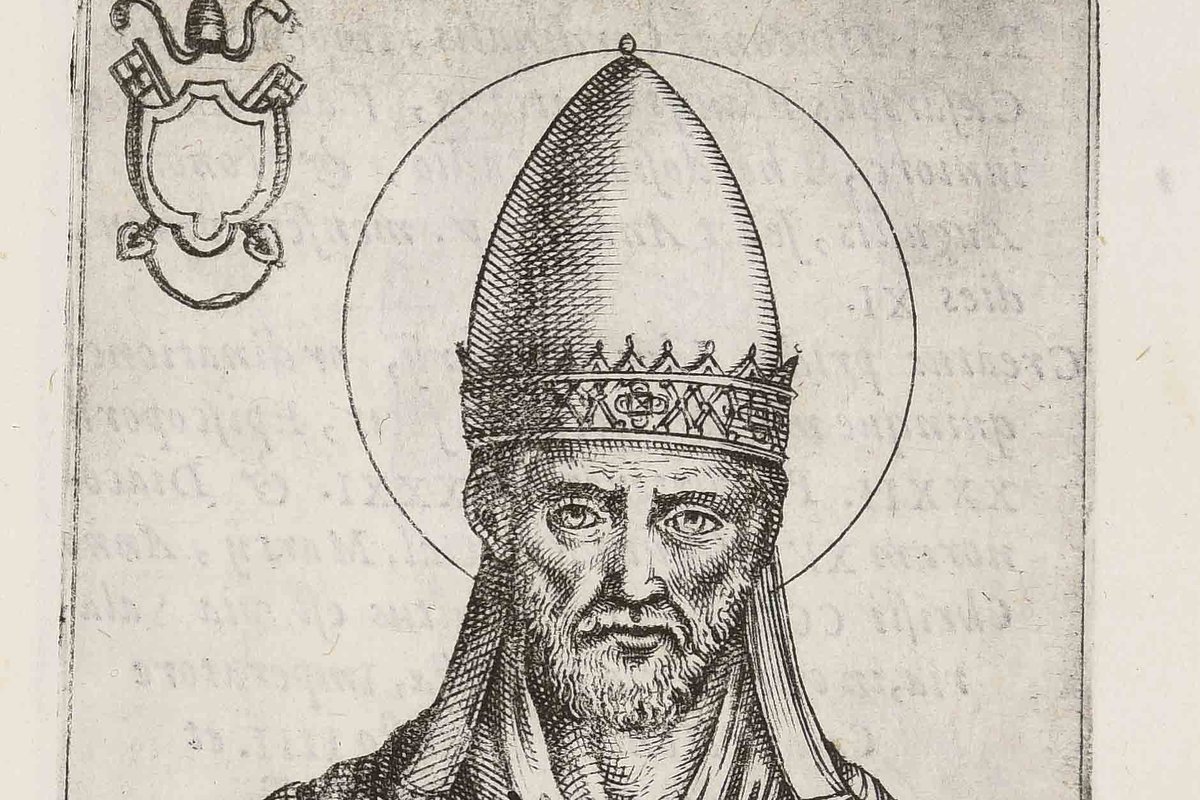
Pope Saint Damasus I
How a pope who survived a violent, disputed election went on to commission the Vulgate Bible and mark Rome's catacombs with poetry honoring its martyrs.
Pope Saint Fabian
A layman visiting Rome on business had a dove land on his head during a papal election in 236 AD — and the startled assembly made him pope on the spot.
Pope Saint Pius X
An emperor vetoed his rival's election to keep him off the papal throne — so his first act as pope was abolishing the power that put him there.
Saint Adalbert of Prague
A Bohemian bishop fled his own diocese twice before dying on a Baltic beach, then was declared a saint two years later, remarkably fast for medieval times.
Saint Aidan of Lindisfarne
An Irish monk arrived in Northumbria unable to speak the local language, so the king himself stood beside him and translated his sermons word for word.
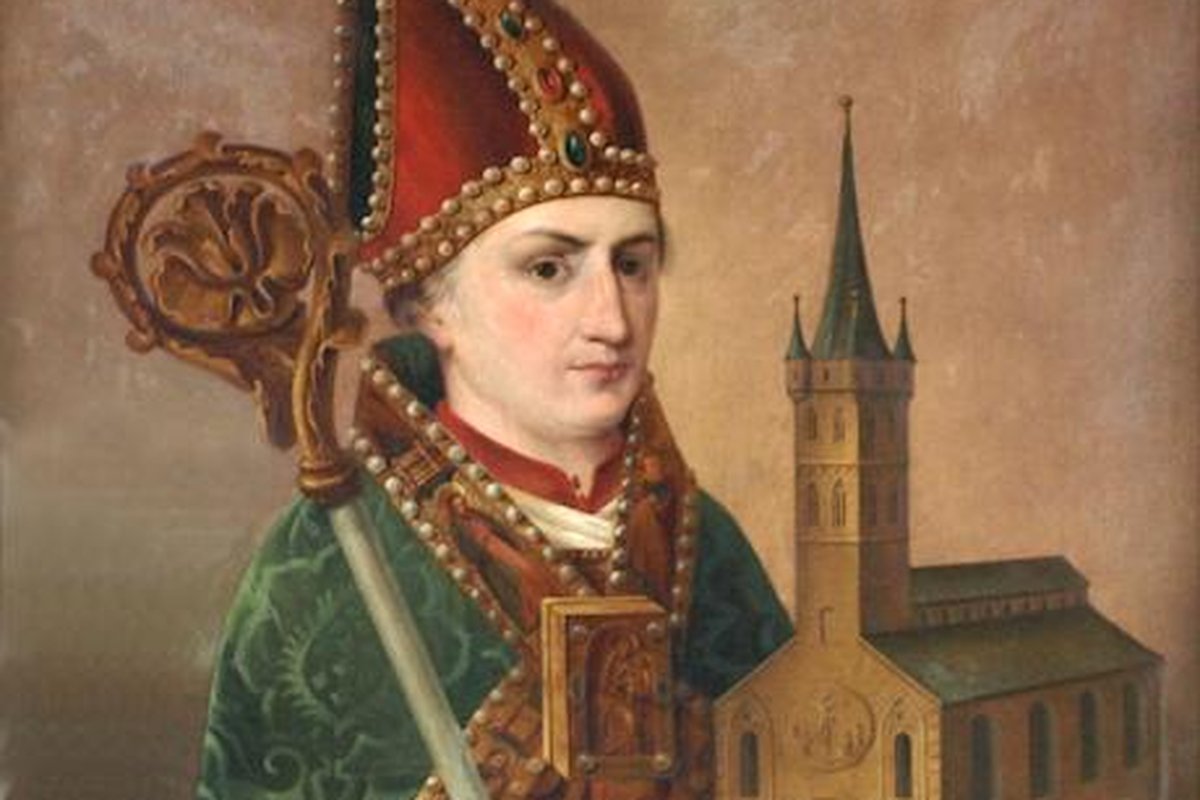
Saint Ansgar
A Frankish monk introduced church bells to pagan Scandinavia, where the ringing was taken for magic — a detail from a life spent opening the North to Christ.
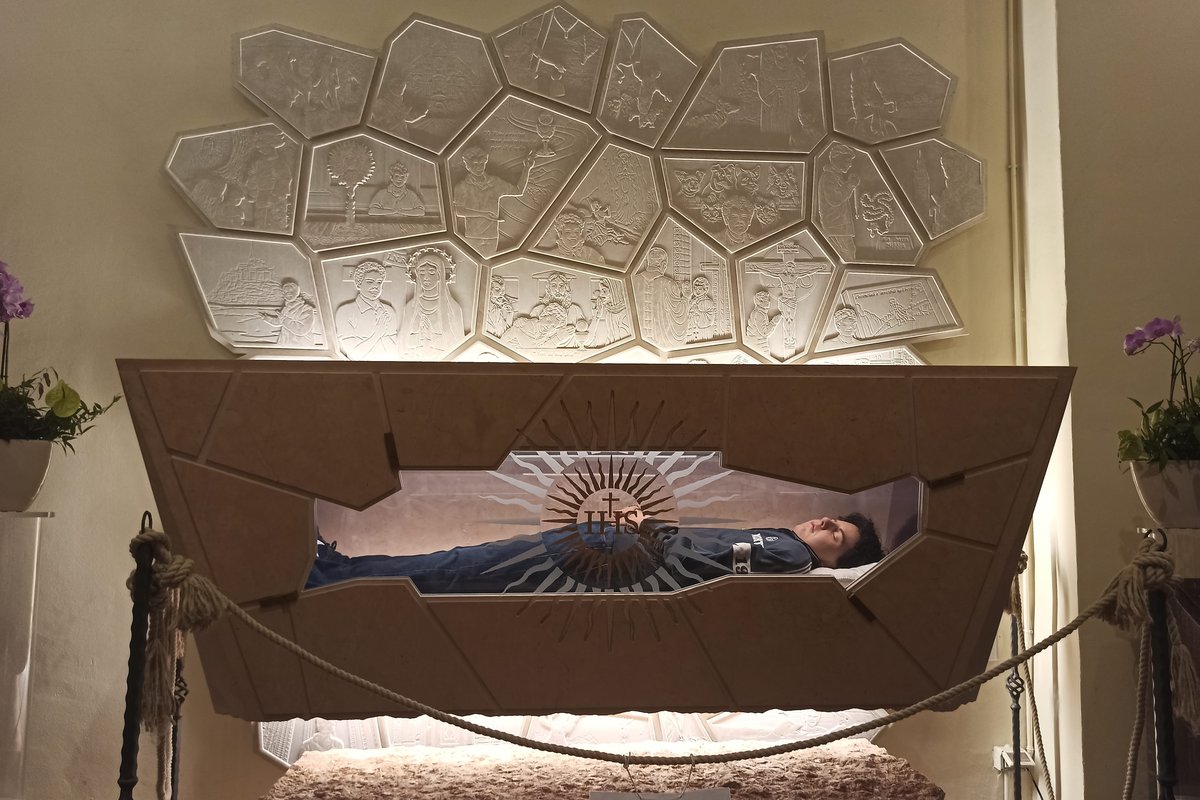
Saint Carlo Acutis
A self-taught teenage coder built a website cataloguing Eucharistic miracles before leukemia took his life at 15 — now young pilgrims flock to his tomb in Assisi.
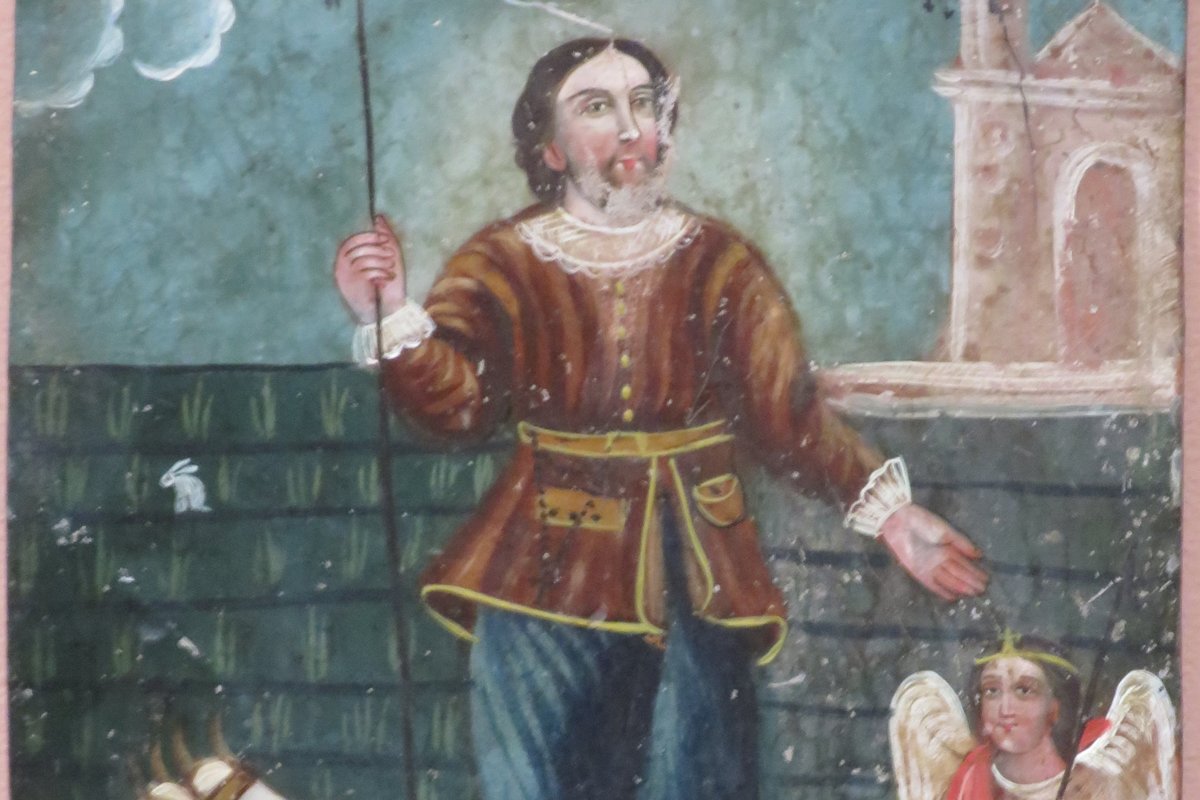
Saint Isidore the Farmer
The medieval day-laborer near Madrid whose employer once found an angel plowing his field in his place — and why devotion, not biography, carries his story.
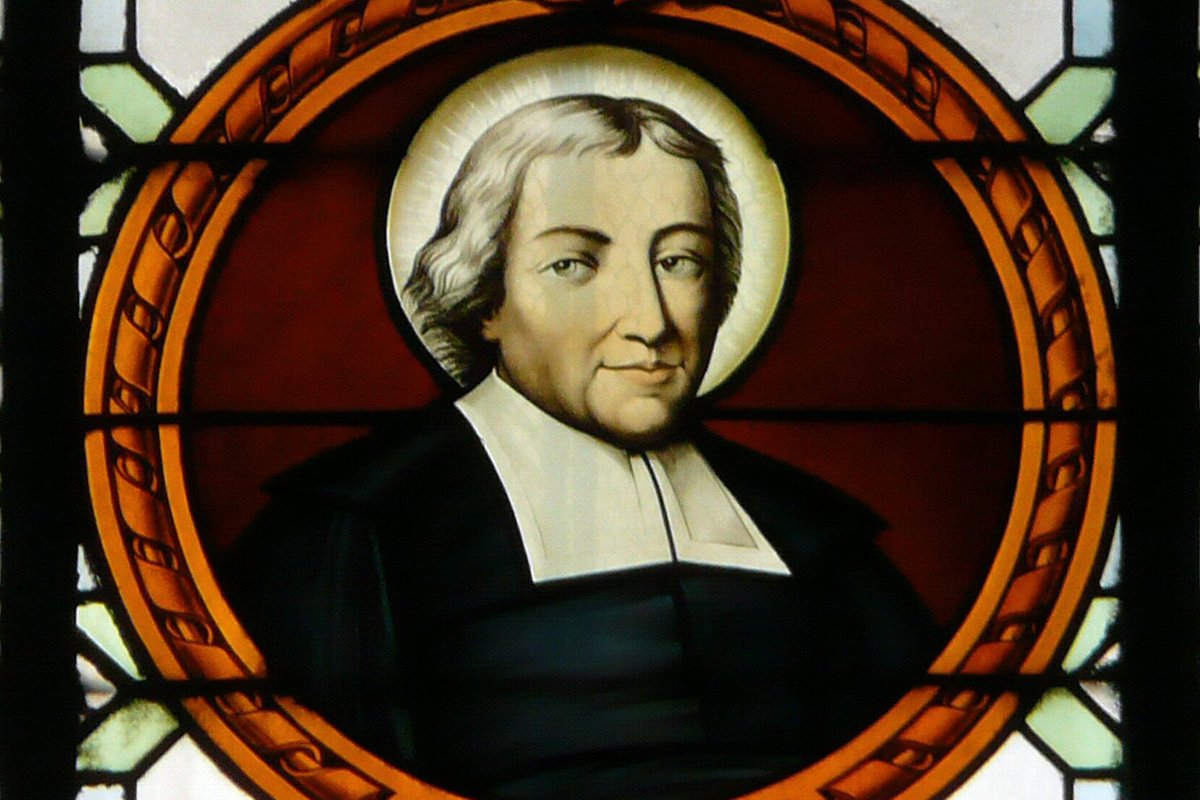
Saint Jean-Baptiste de La Salle
How a wealthy cathedral canon gave up his fortune to teach poor children in French instead of Latin, pioneering the classroom model still used today.
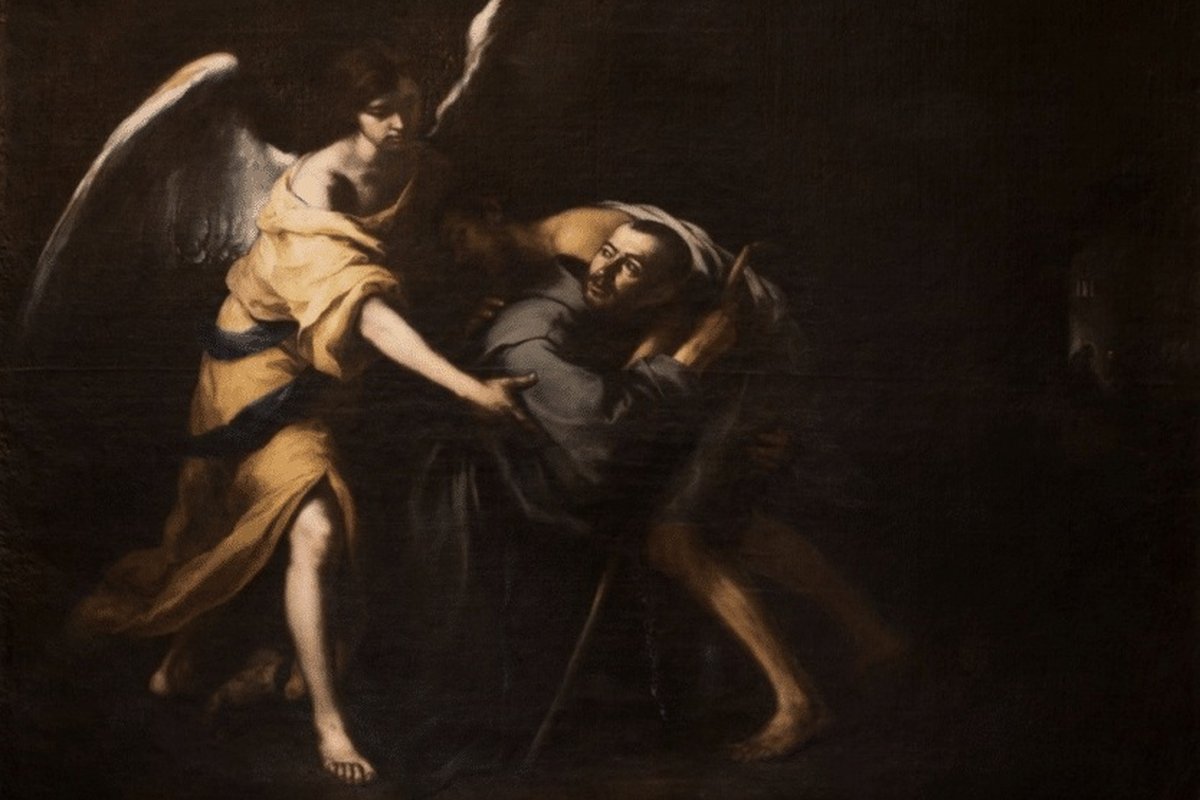
Saint John of God
A former soldier's dramatic conversion led him to found a hospital order — and he died after jumping into a freezing river to save a drowning stranger.
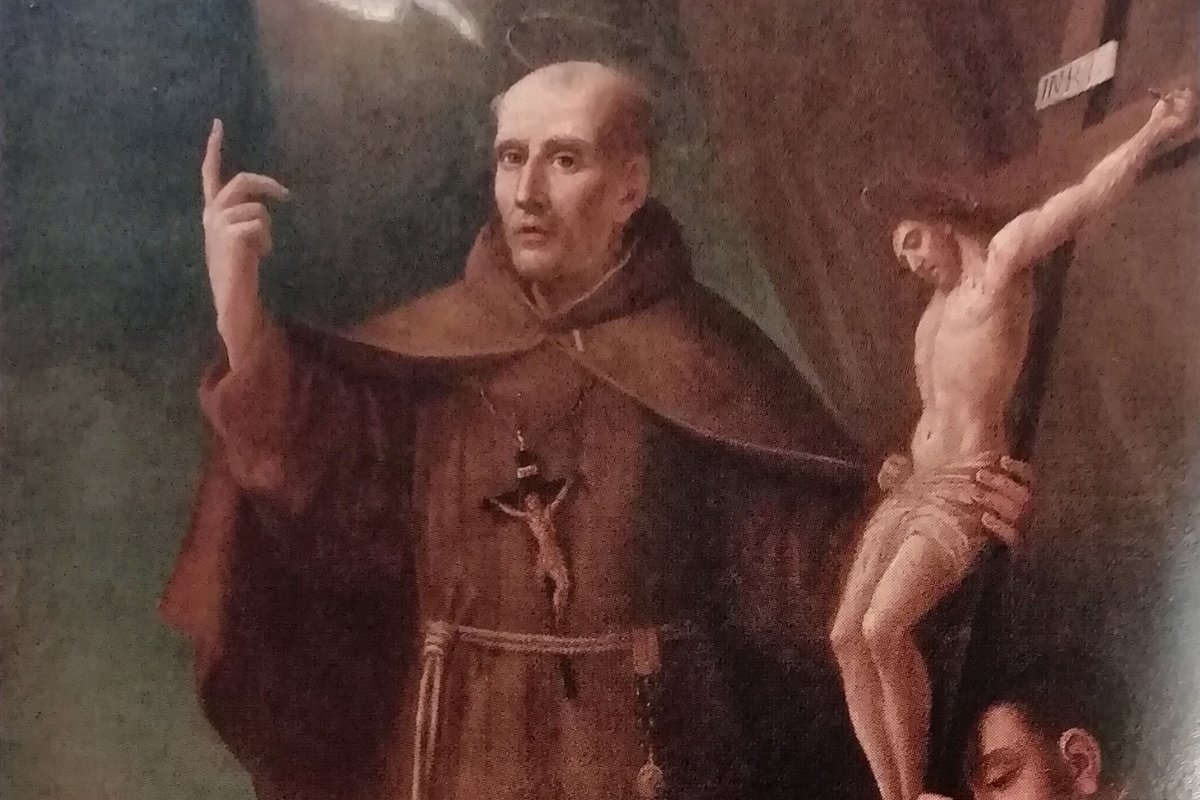
Saint Leonard of Port Maurice
The Franciscan preacher who erected Stations of the Cross in over 500 locations, including the Colosseum, standardizing the devotion still used today.
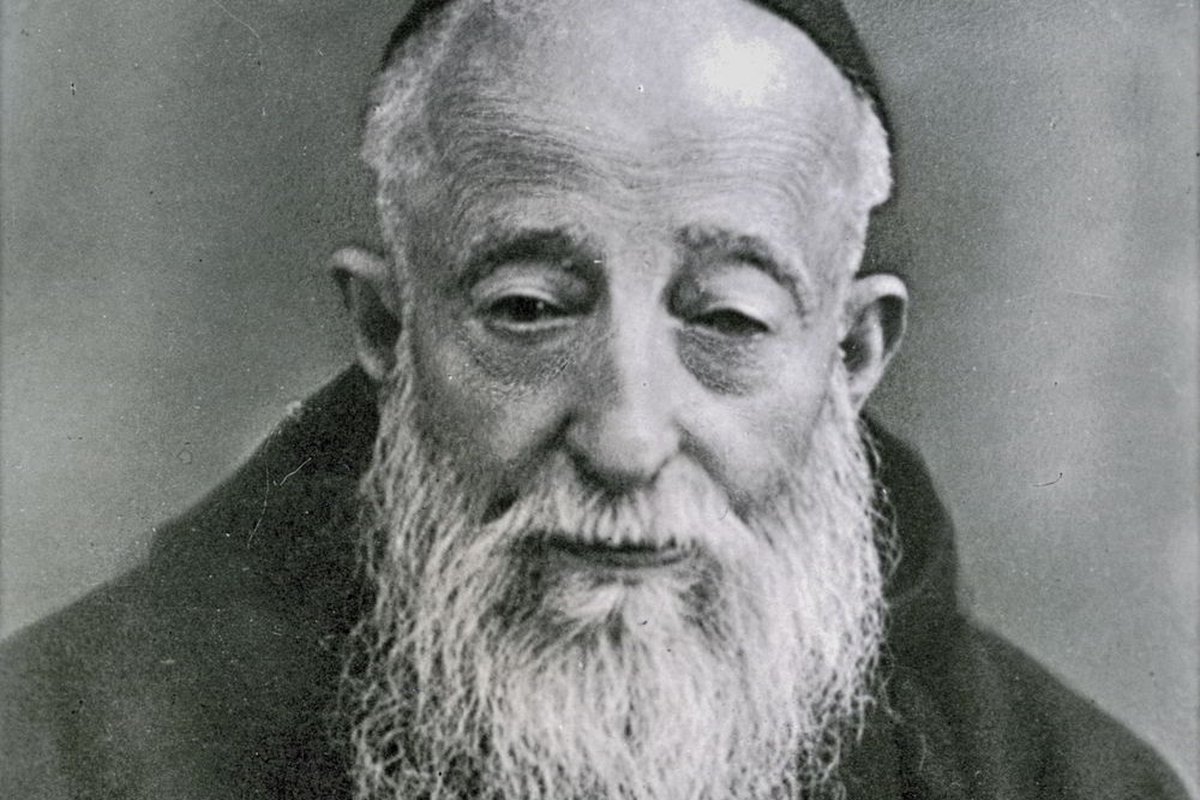
Saint Leopold Mandić
A small, stuttering Capuchin friar spent decades hearing confessions up to 15 hours a day in Padua, earning the popular title "Apostle of Confession."
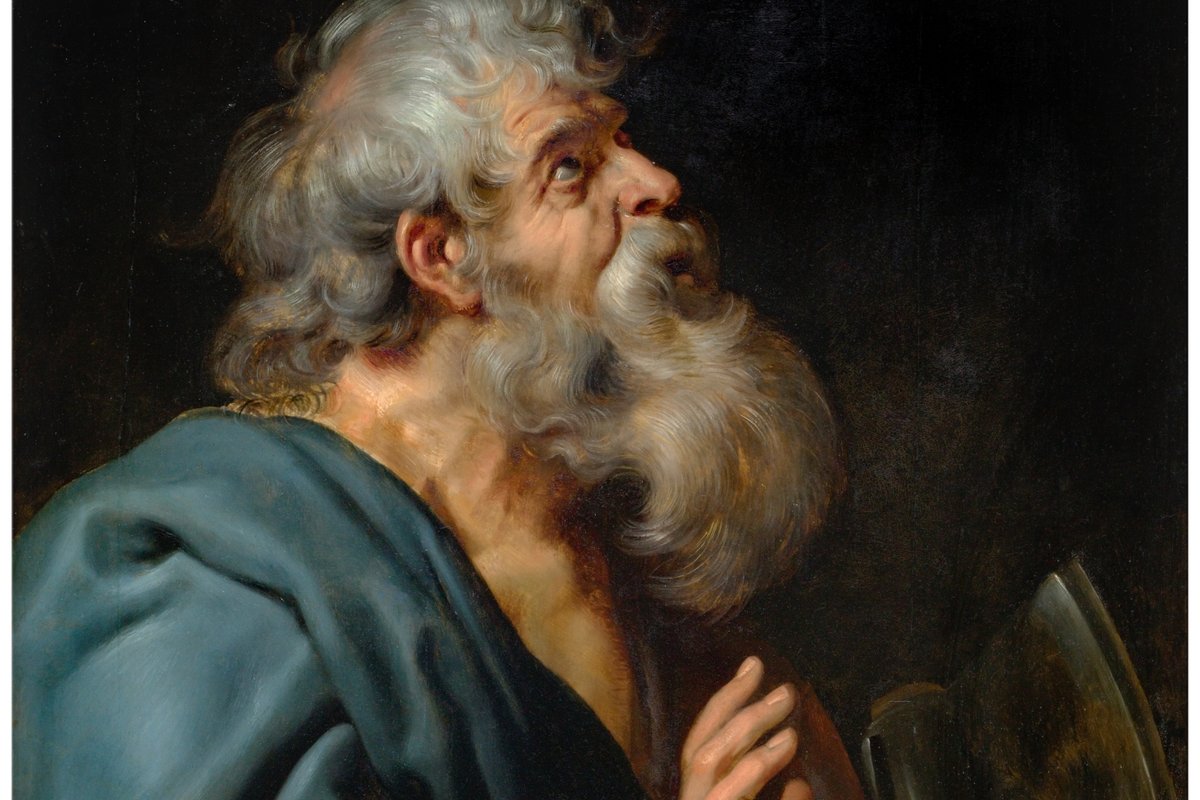
Saint Matthias the Apostle
How the apostles replaced Judas Iscariot by casting lots between two candidates — and why almost nothing else about Matthias's life is verifiable history.
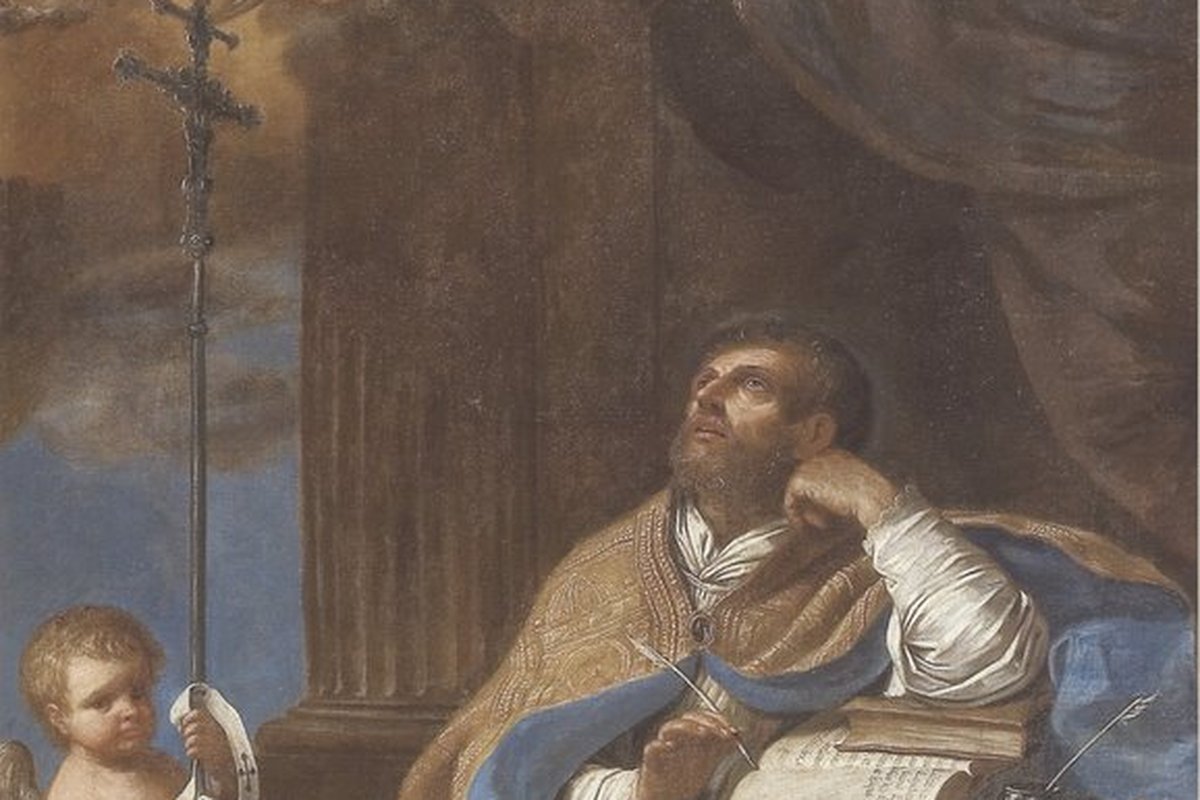
Saint Peter Chrysologus
How a newly appointed bishop's very first sermon in Ravenna reportedly earned him a nickname that stuck for sixteen centuries — "the golden-worded."
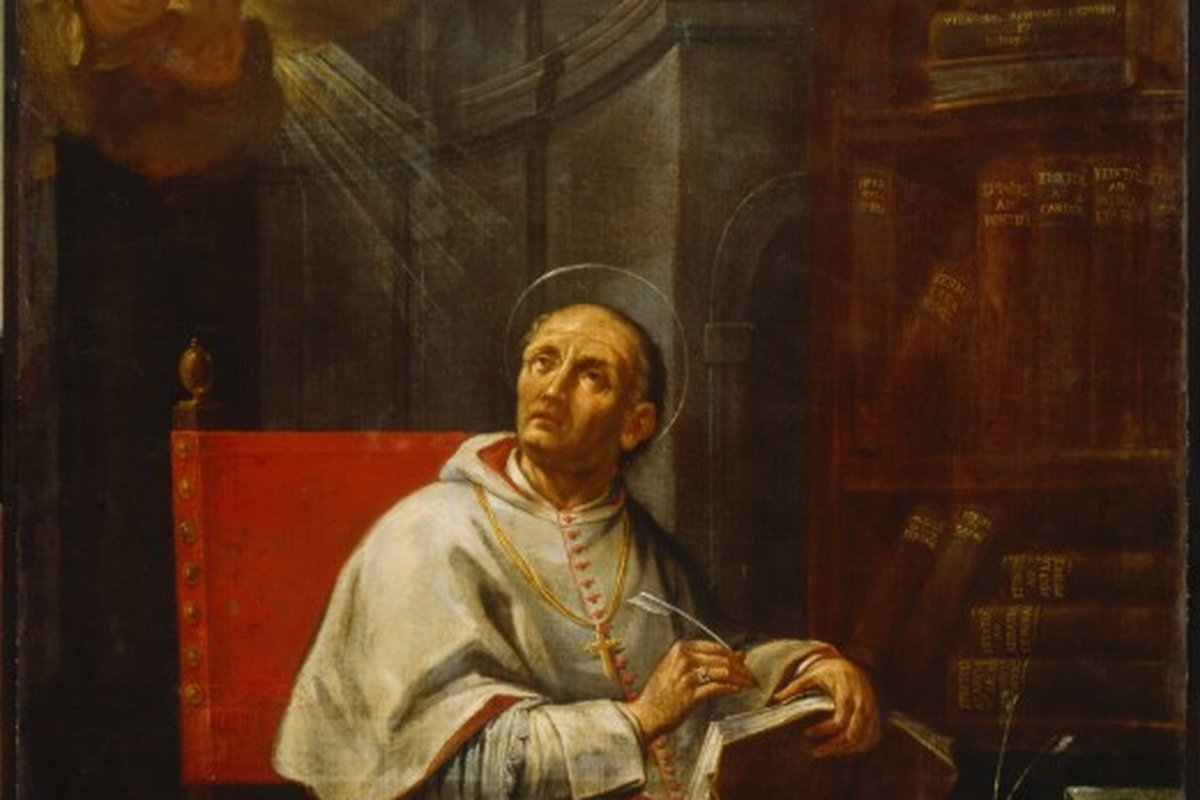
Saint Peter Damian
How an unwanted infant nearly refused nursing by his own mother, then sent to herd swine, became one of the most influential reformers of the medieval Church.
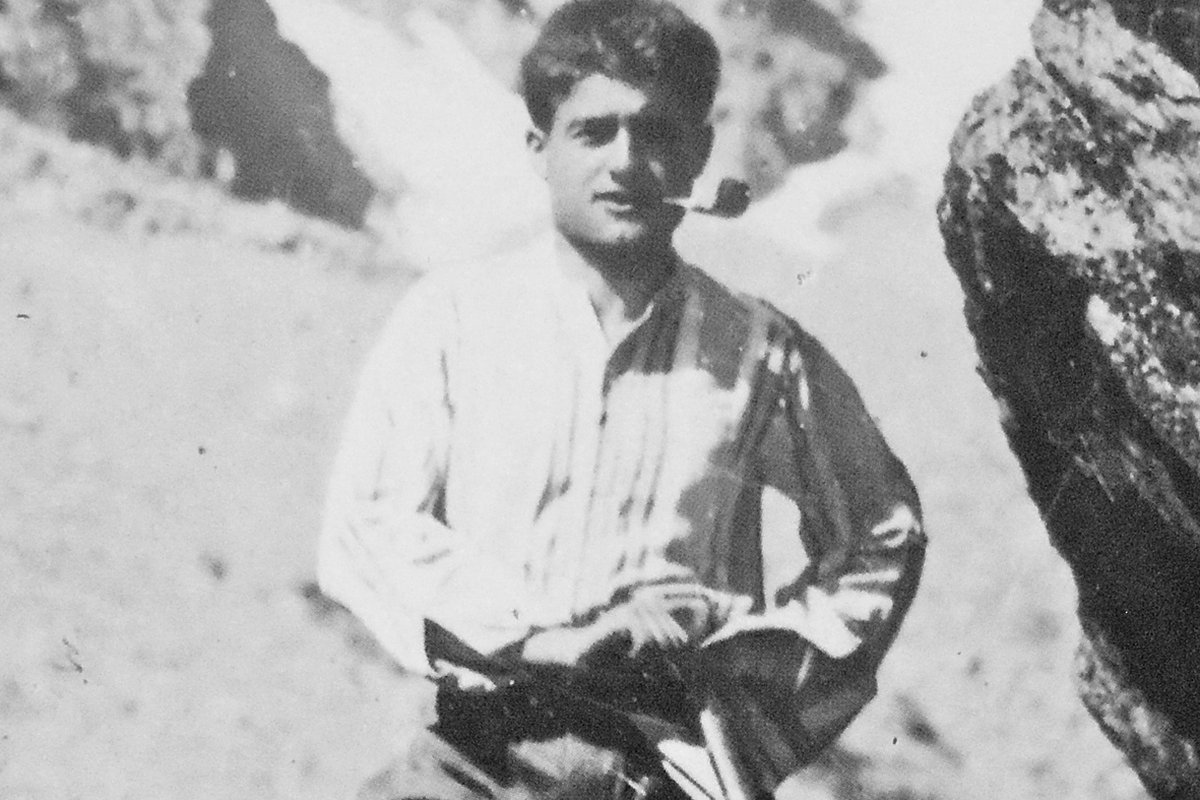
Saint Pier Giorgio Frassati
His wealthy Turin family had no idea how much money he'd quietly given away to the poor — until a huge crowd of grieving strangers showed up at his funeral.
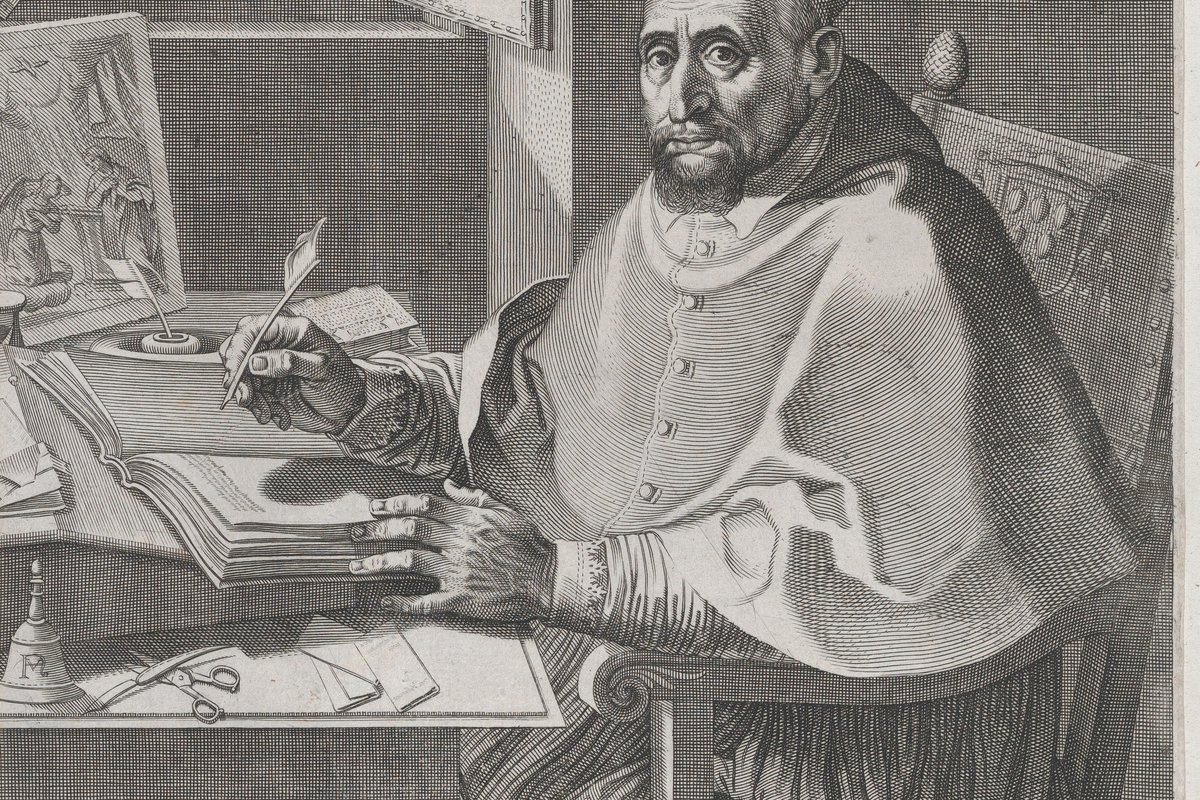
Saint Robert Bellarmine
How the Jesuit scholar who defended Catholic doctrine against the Reformation later delivered the Church's formal warning to Galileo about heliocentrism.
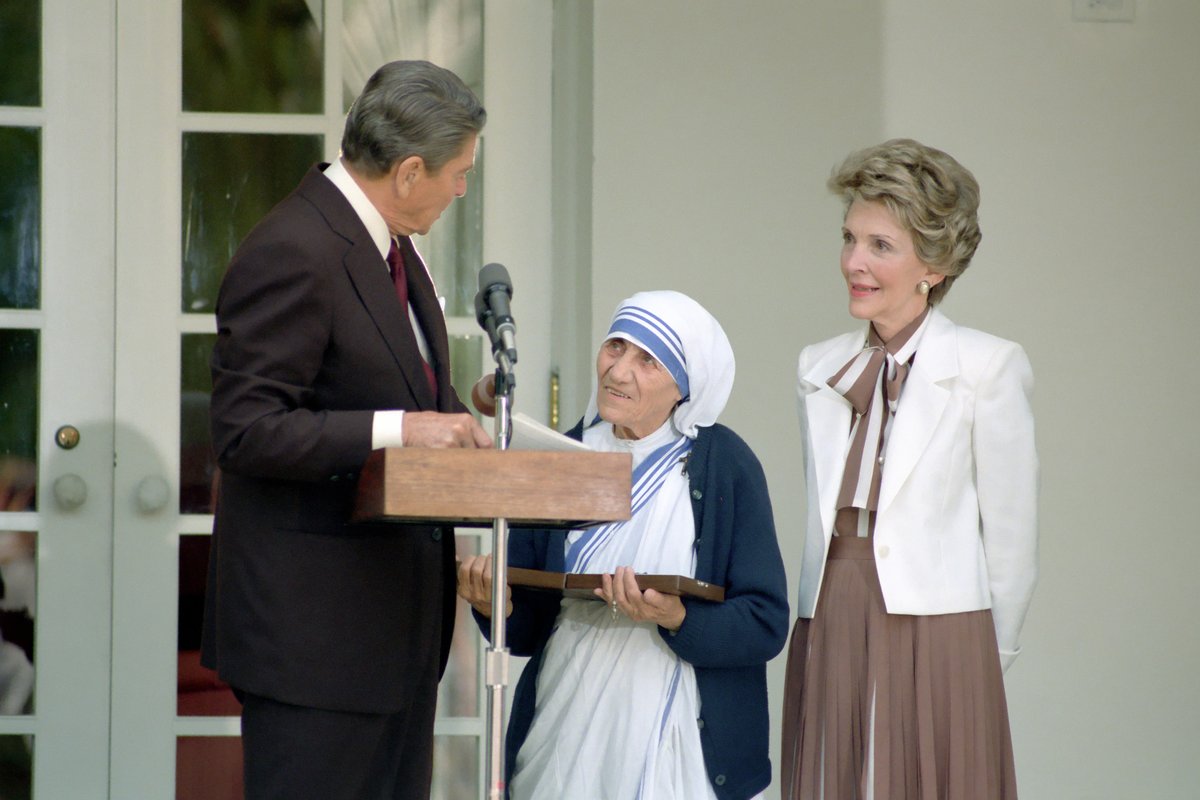
Saint Teresa of Calcutta
She left a comfortable teaching post to live among the dying in Calcutta's slums with a handful of rupees, and built a religious order spanning the globe.
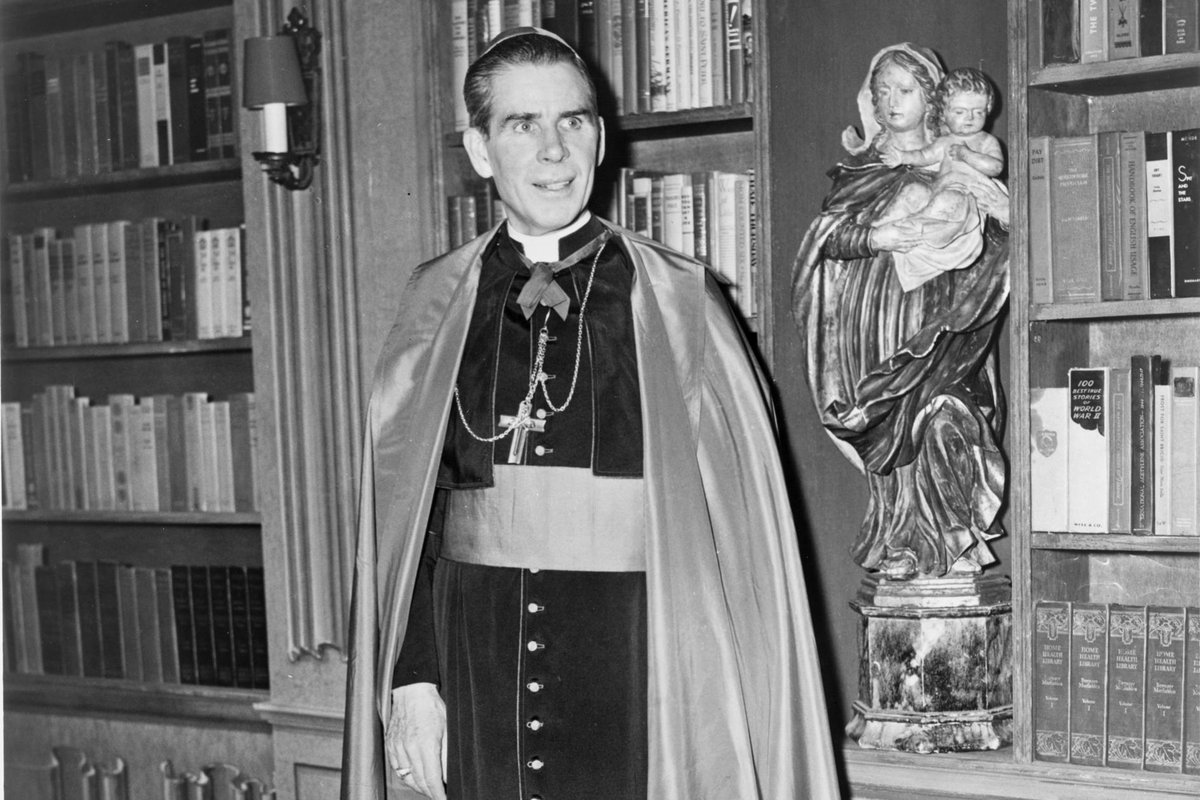
Venerable Fulton Sheen
Thirty million Americans tuned in weekly to watch a Catholic bishop talk about God on primetime television, decades before religious broadcasting existed.
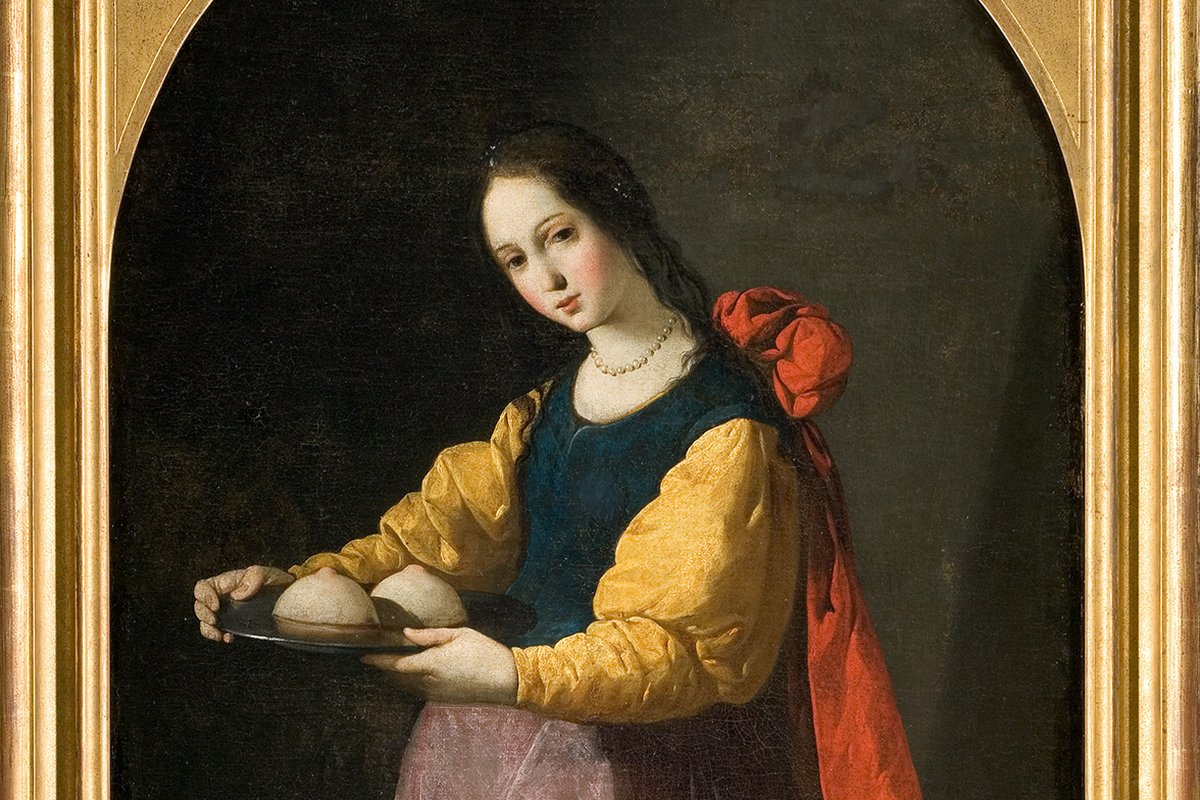
Saint Agatha of Sicily
Ancient Sicily venerated her as a martyr centuries before anyone wrote down what happened to her — and what got written down later is where the trouble starts.
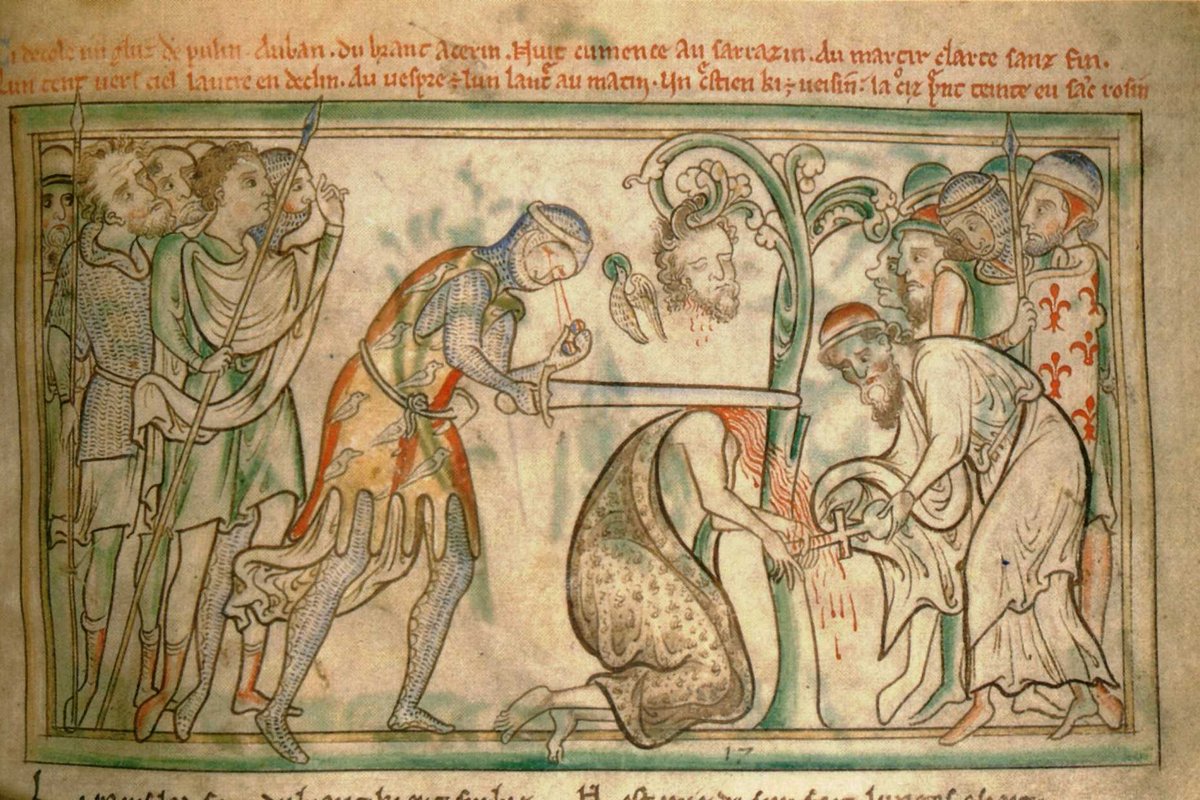
Saint Alban of Britain
A pagan Roman citizen swapped cloaks with a fugitive priest, walked out to face the soldiers in his place, and became Britain's first recorded Christian martyr.
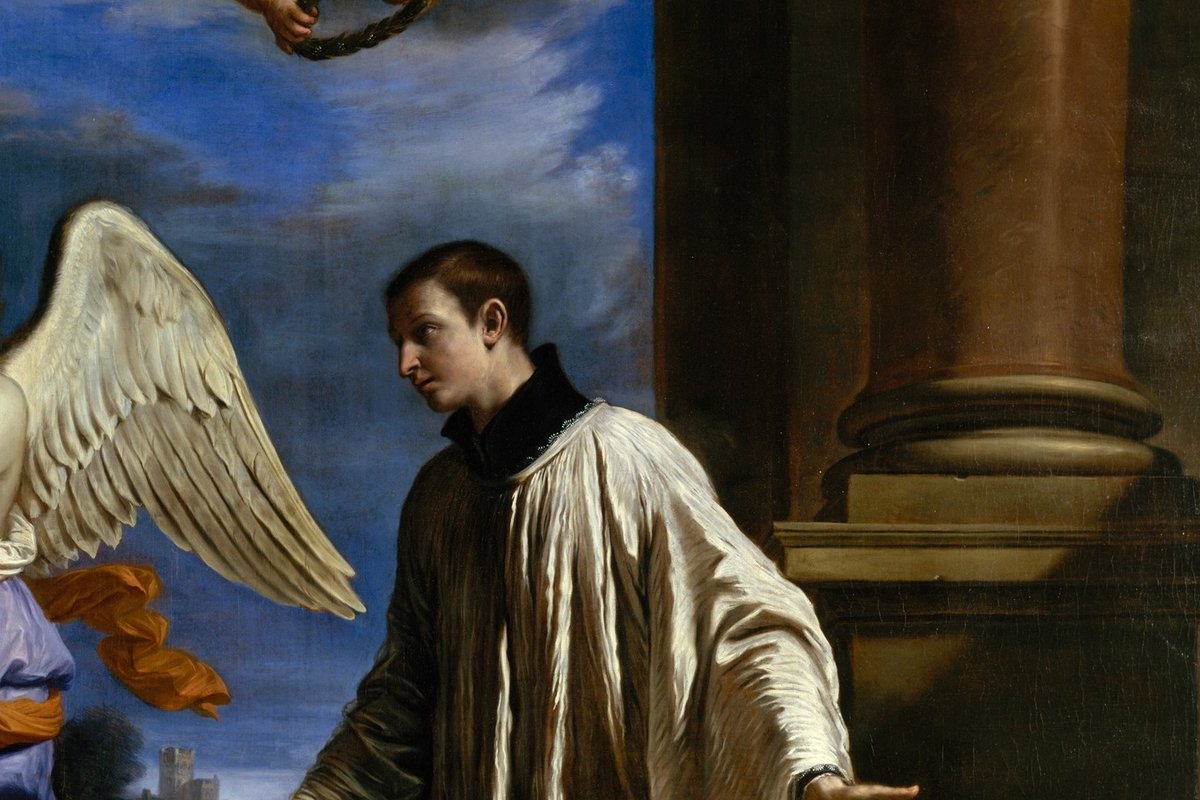
Saint Aloysius Gonzaga
An Italian nobleman gave up his inheritance to become a Jesuit, then died at 23 after nursing plague victims by hand during Rome's 1591 outbreak.
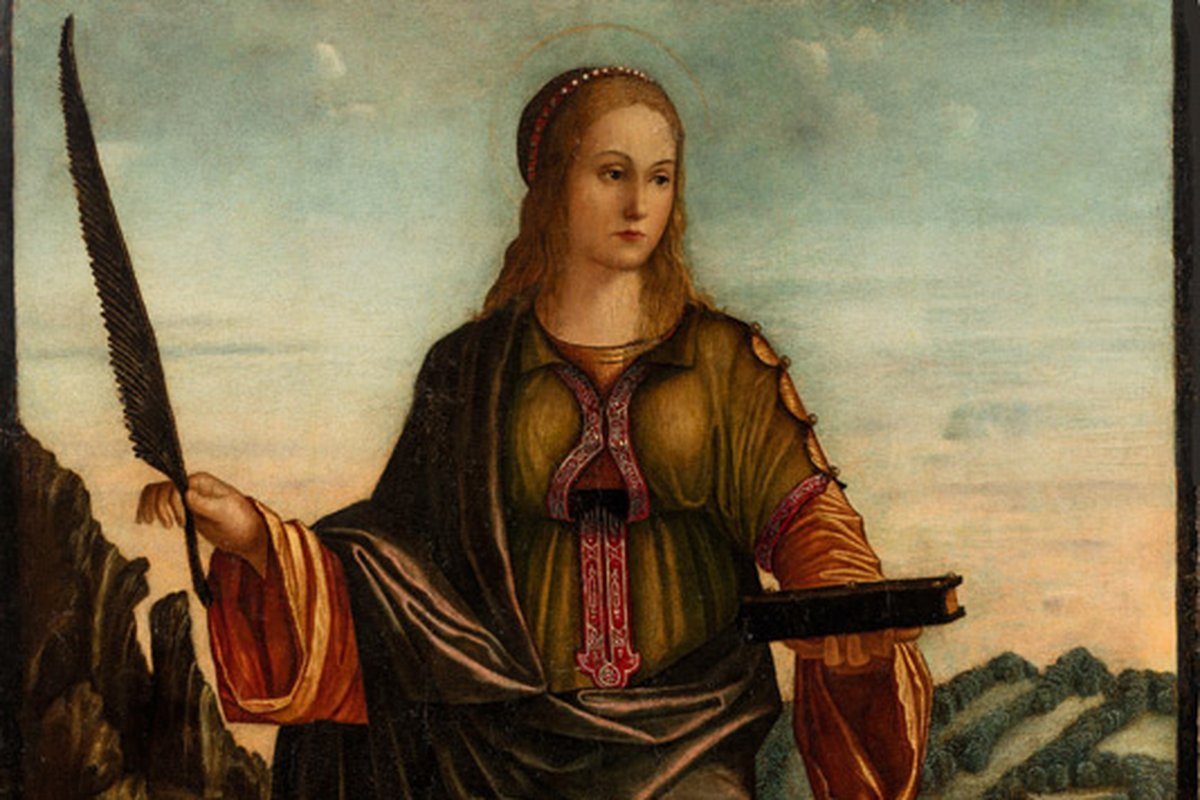
Saint Anastasia
The Church gives her a Mass all her own on Christmas morning, yet its own encyclopedia admits the story told about her life rests on no historical foundation.
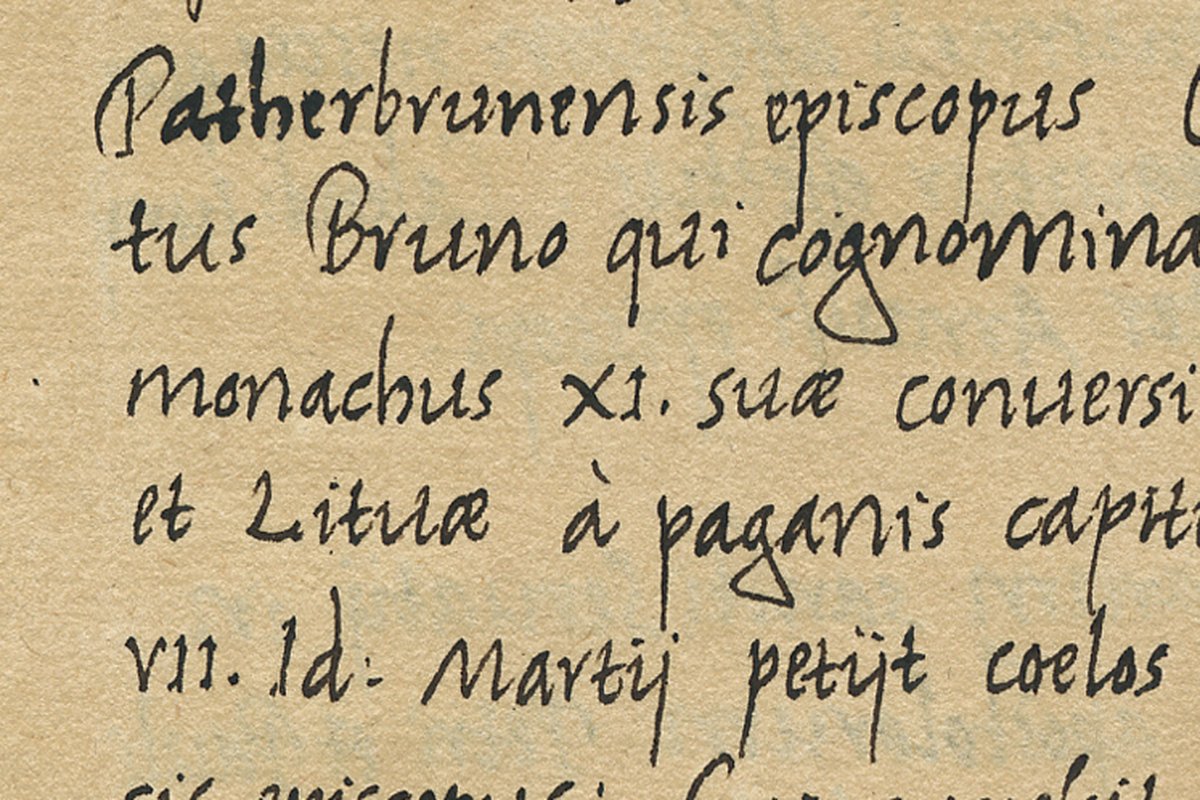
Saint Bruno of Querfurt
This missionary bishop's brutal 1009 martyrdom, recorded in an old monastery chronicle, also gave us the earliest known written record of the name Lithuania.
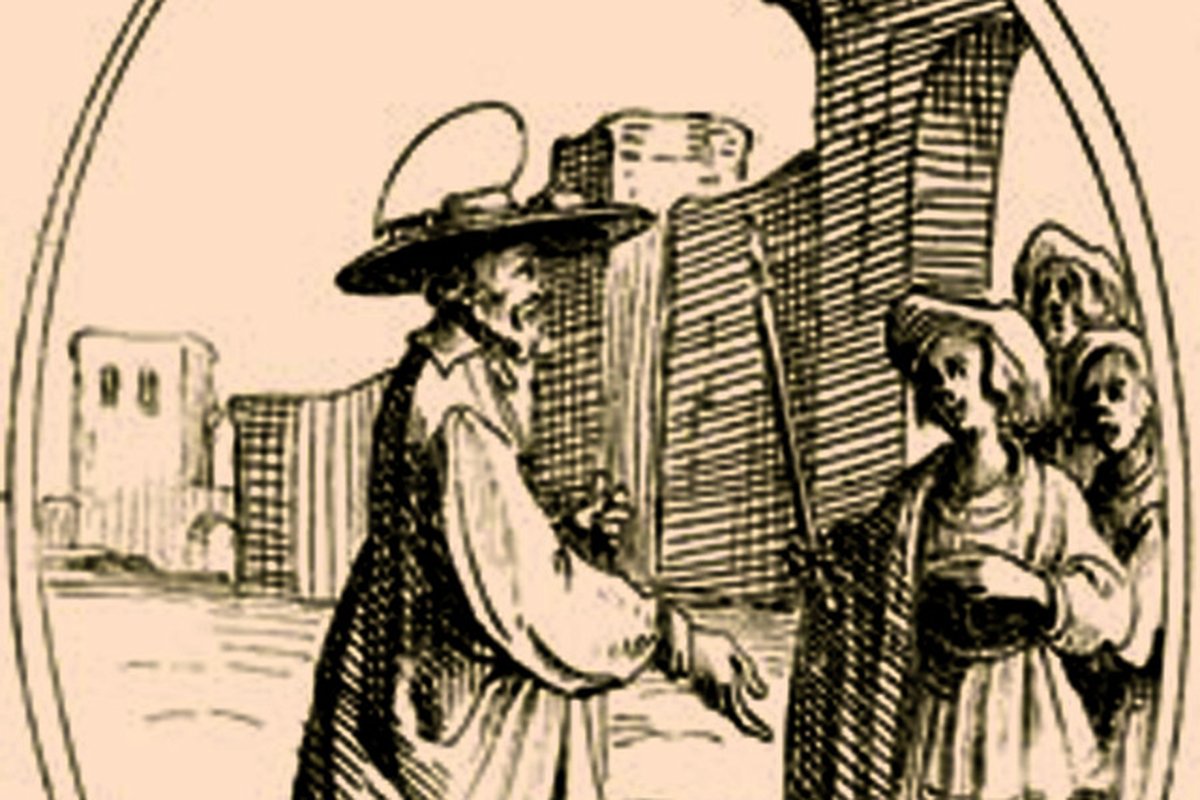
Saint Caesarius of Arles
A single Gallic bishop's forty years in one city helped settle a doctrinal dispute over grace and free will that had divided Western Christianity for over a century.
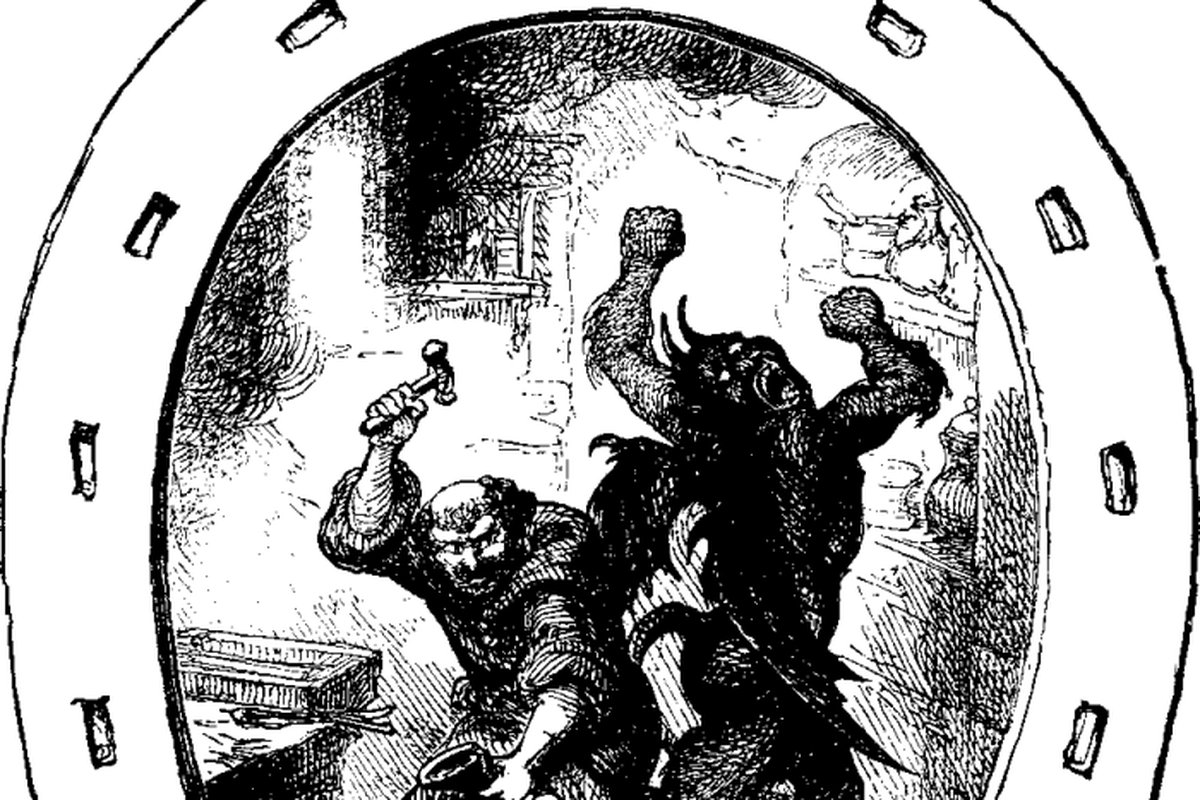
Saint Dunstan of Canterbury
Legend remembers him gripping the Devil's nose with a blacksmith's tongs. History remembers him rebuilding English monastic life almost from scratch.
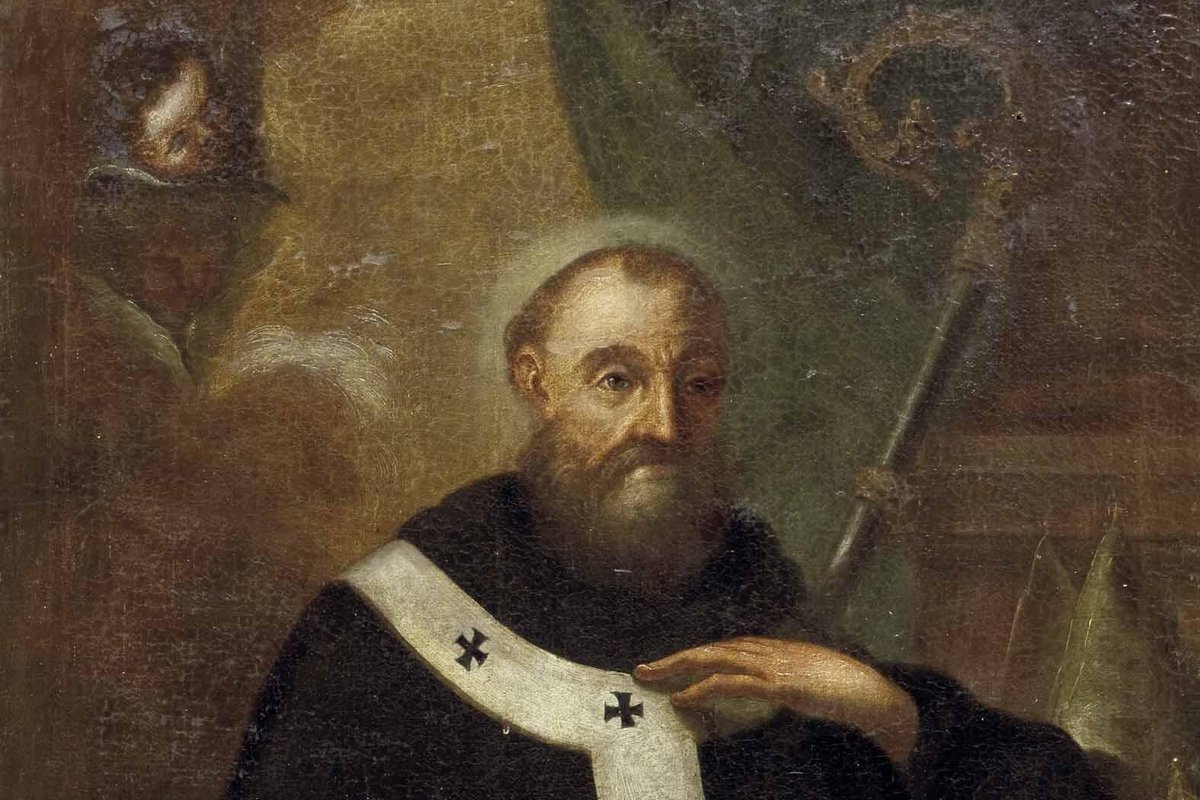
Saint Fulgentius of Ruspe
Exiled to Sardinia by an Arian king along with sixty fellow bishops, this North African bishop became their spokesman and Augustine's closest theological heir.
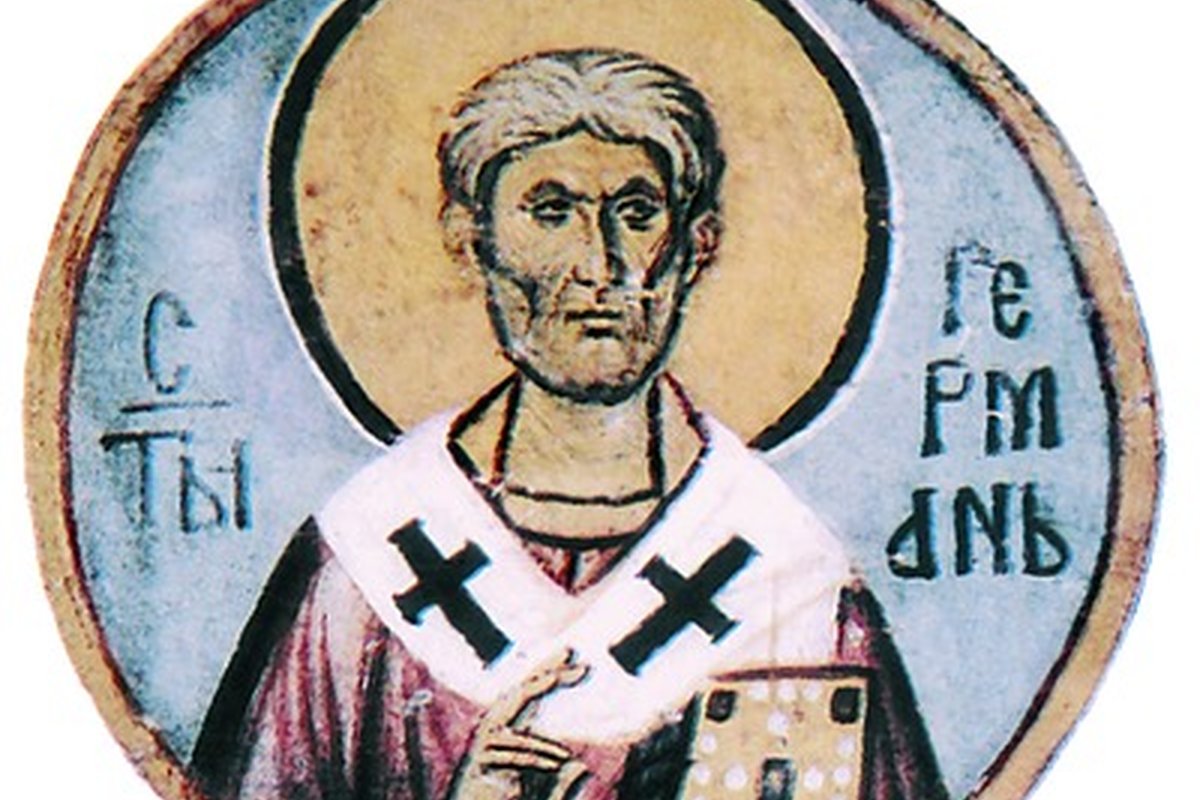
Saint Germanus of Constantinople
An aging patriarch refused to sign an emperor's order banning icons, gave up his throne rather than comply, and was vindicated decades after his death.
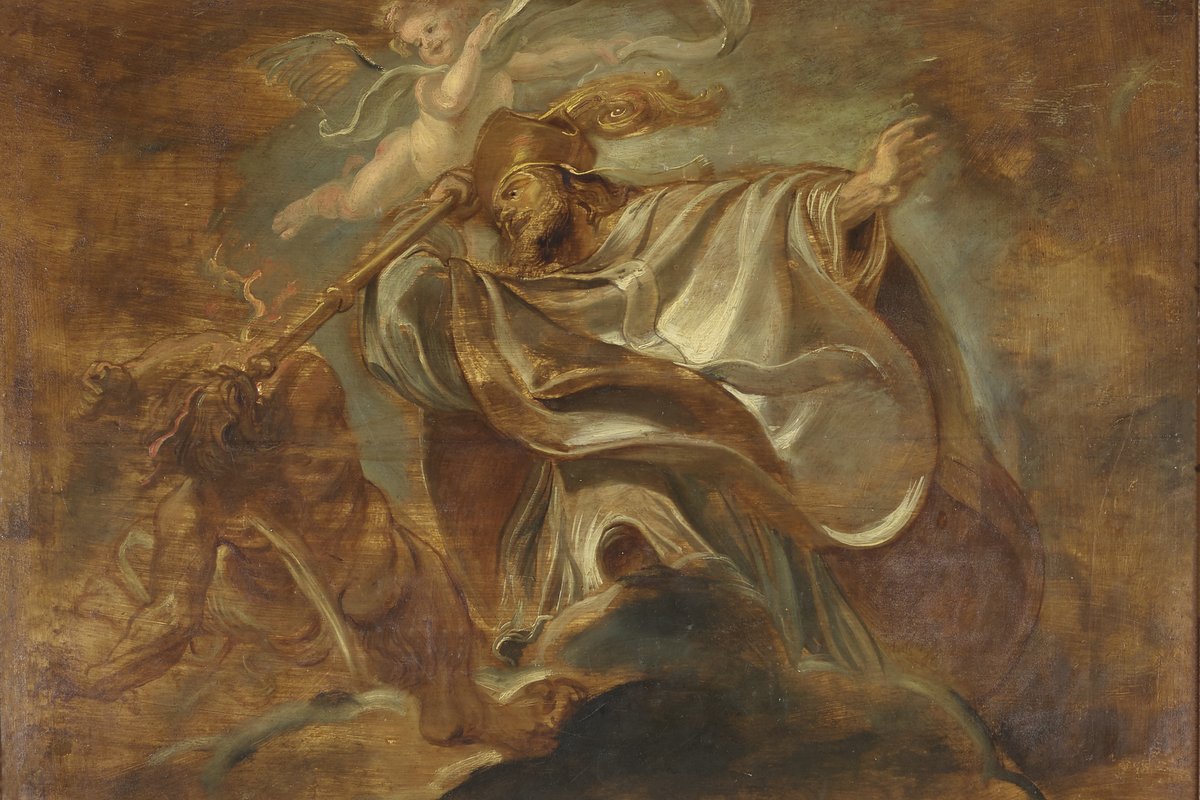
Saint Gregory of Nazianzus
The only theologian besides the Apostle John given the title "the Theologian" preached Trinitarian doctrine from a small chapel in a city run by his rivals.
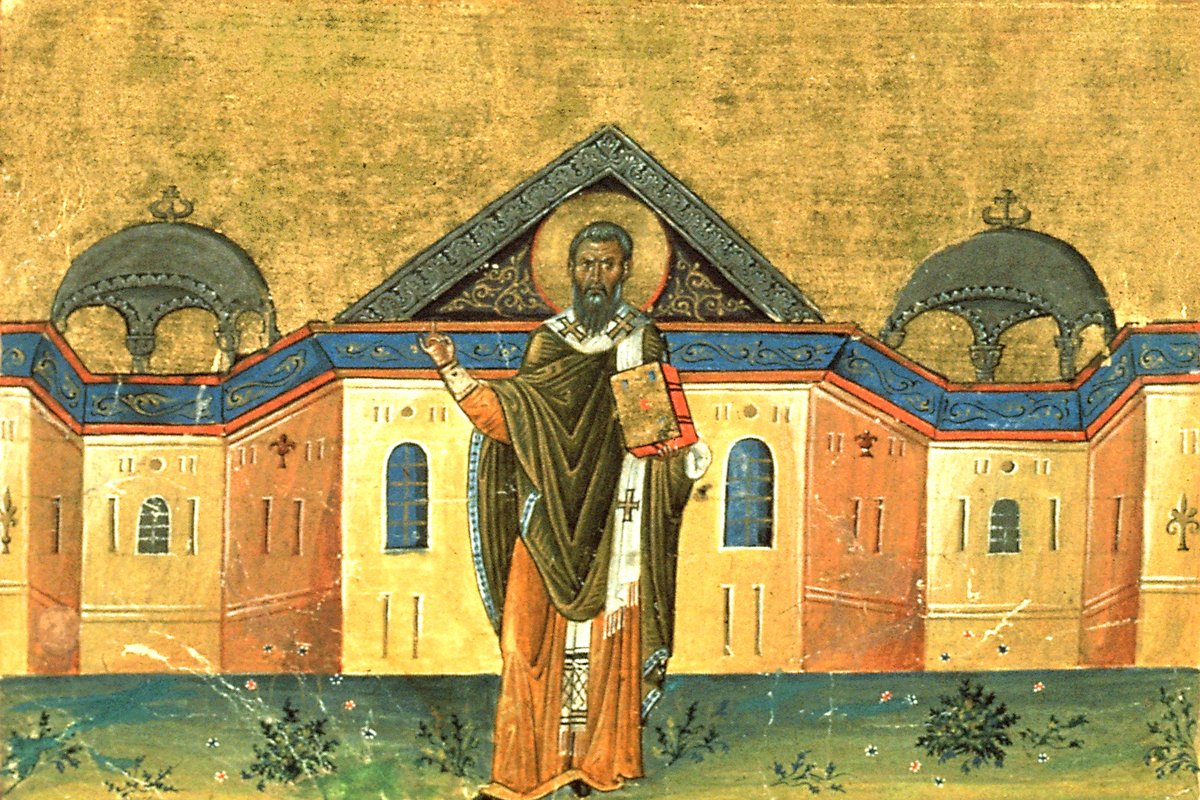
Saint Gregory of Nyssa
Basil the Great's younger brother mapped the soul's ascent to God through a final stage he called "luminous darkness," earning him the title Father of Mysticism.
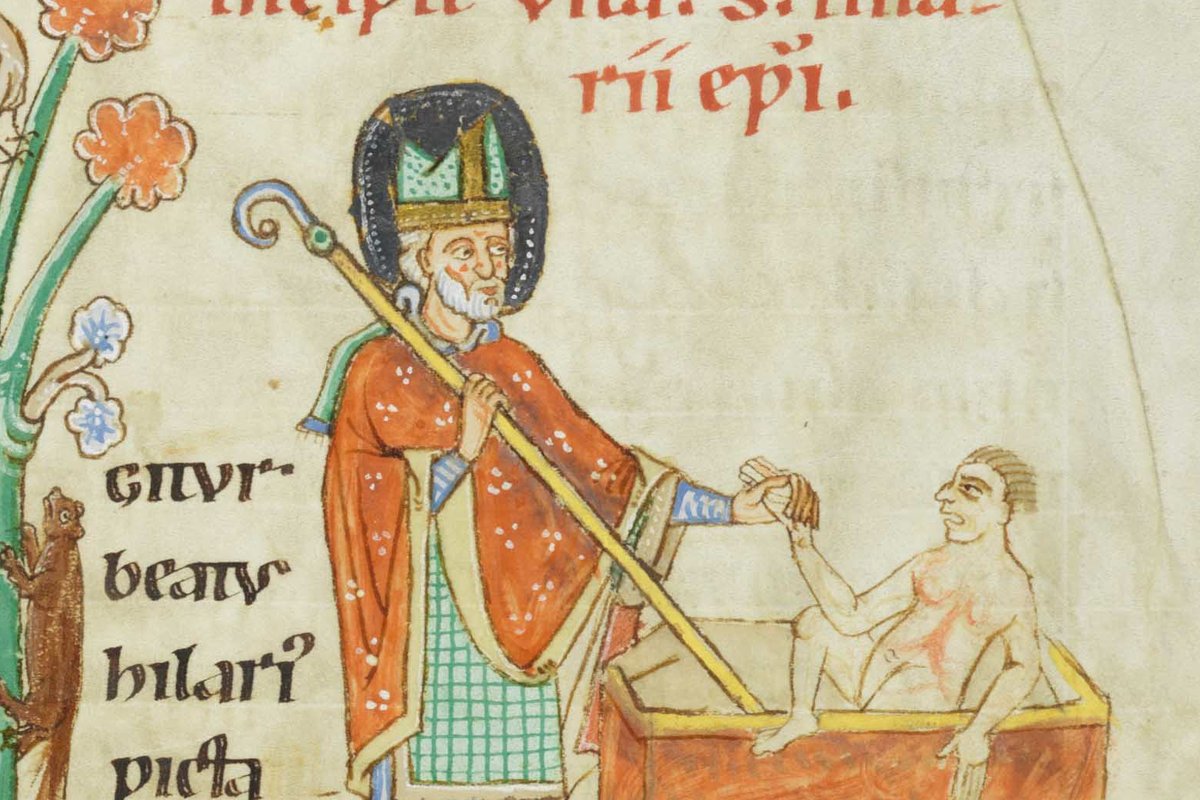
Saint Hilary of Poitiers
Exiled to Asia Minor for defying an Arian emperor, this Gallic bishop wrote the first great Latin treatise on the Trinity and earned the name "Hammer of the Arians."
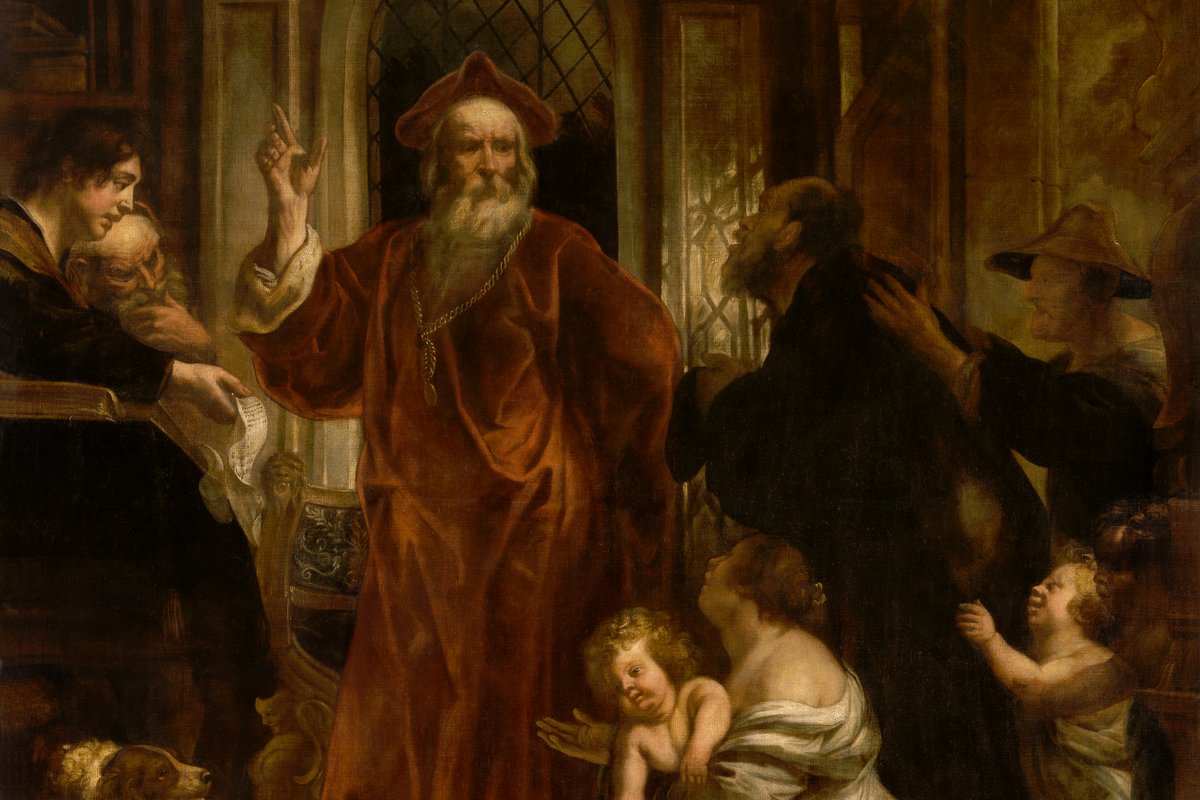
Saint Ivo of Kermartin
A trained lawyer who represented the poor for free instead of charging fees became the only judge or attorney the Catholic Church has ever canonized.
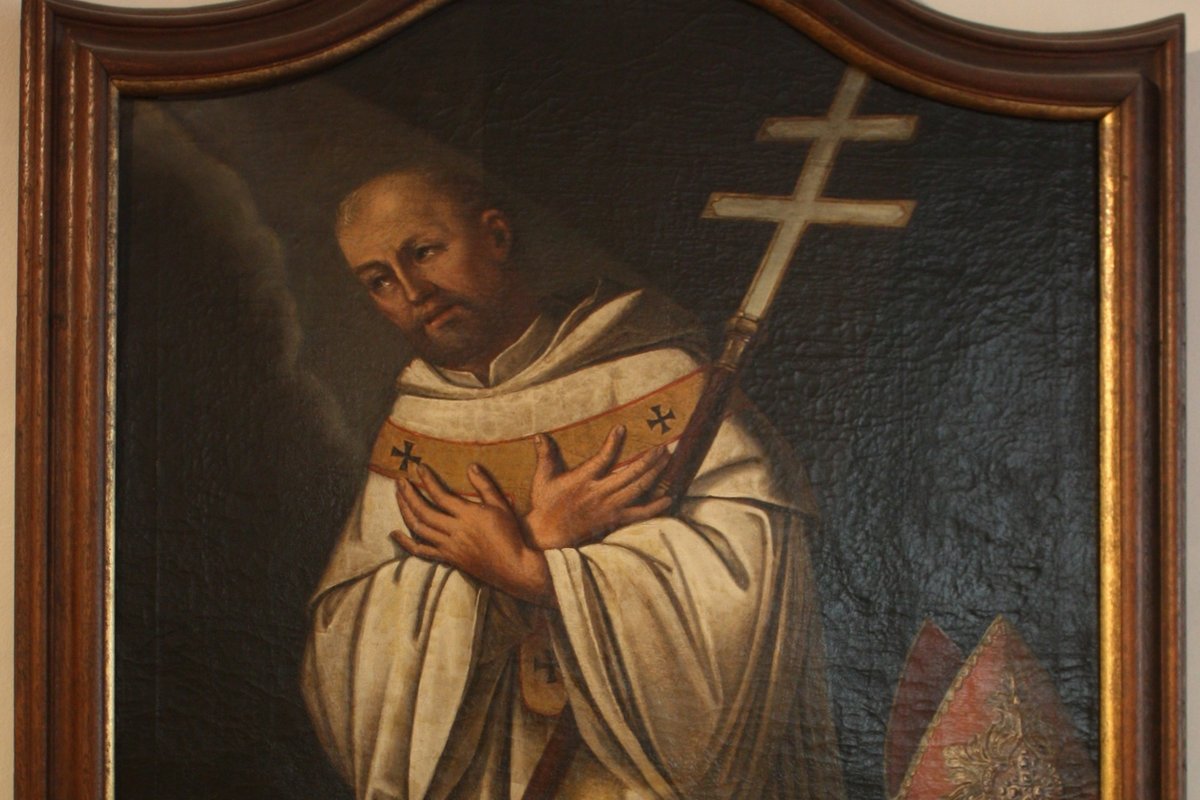
Saint Malachy of Armagh
Ireland's first saint formally canonized by Rome died in the arms of his friend Bernard of Clairvaux, long before a false "papal prophecy" bore his name.
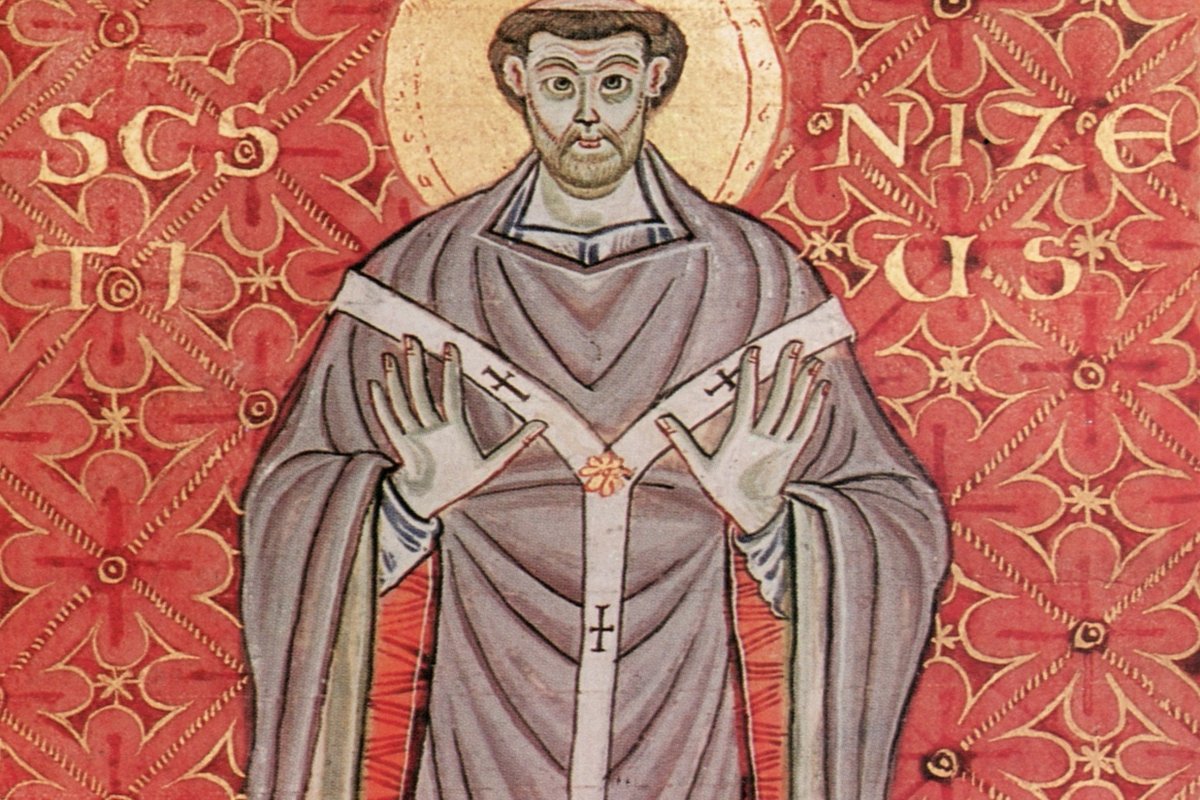
Saint Nicetius of Trier
A monastery abbot turned bishop who rebuked a Frankish king to his face for wrongdoing — and somehow kept the king's favor rather than losing his head.
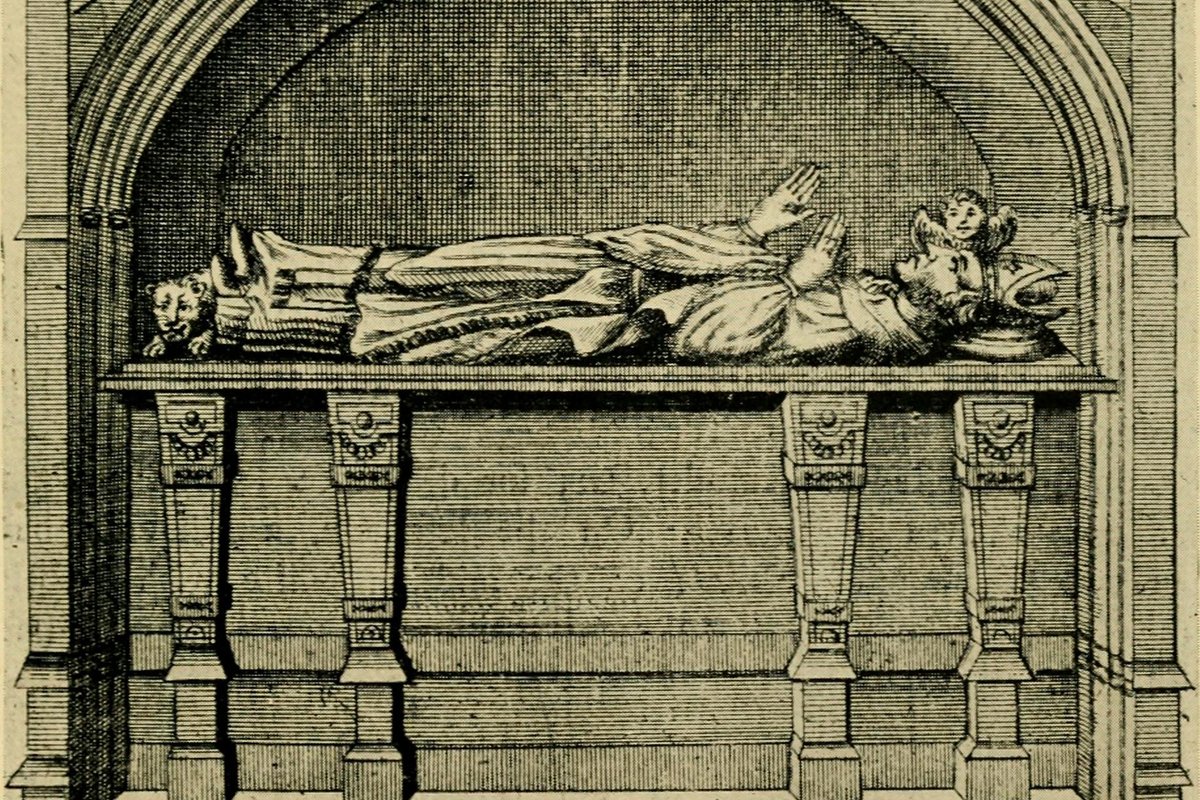
Saint Oswald of Worcester
He died as he had lived every Lent, kneeling to wash the feet of the poor — collapsing among them mid-service after decades rebuilding English monastic life.
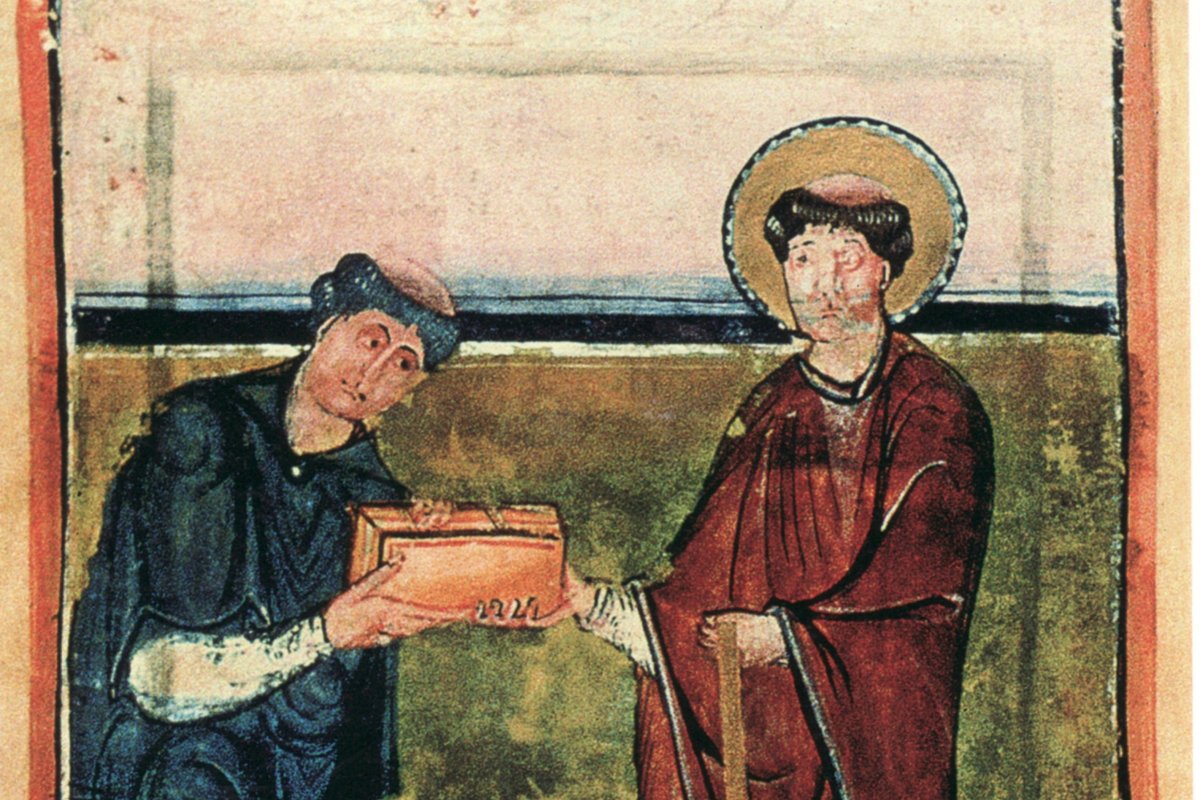
Saint Pirmin of Reichenau
A wandering missionary-bishop founded an island monastery on Lake Constance that became a great center of medieval learning — though much of his life is legend.
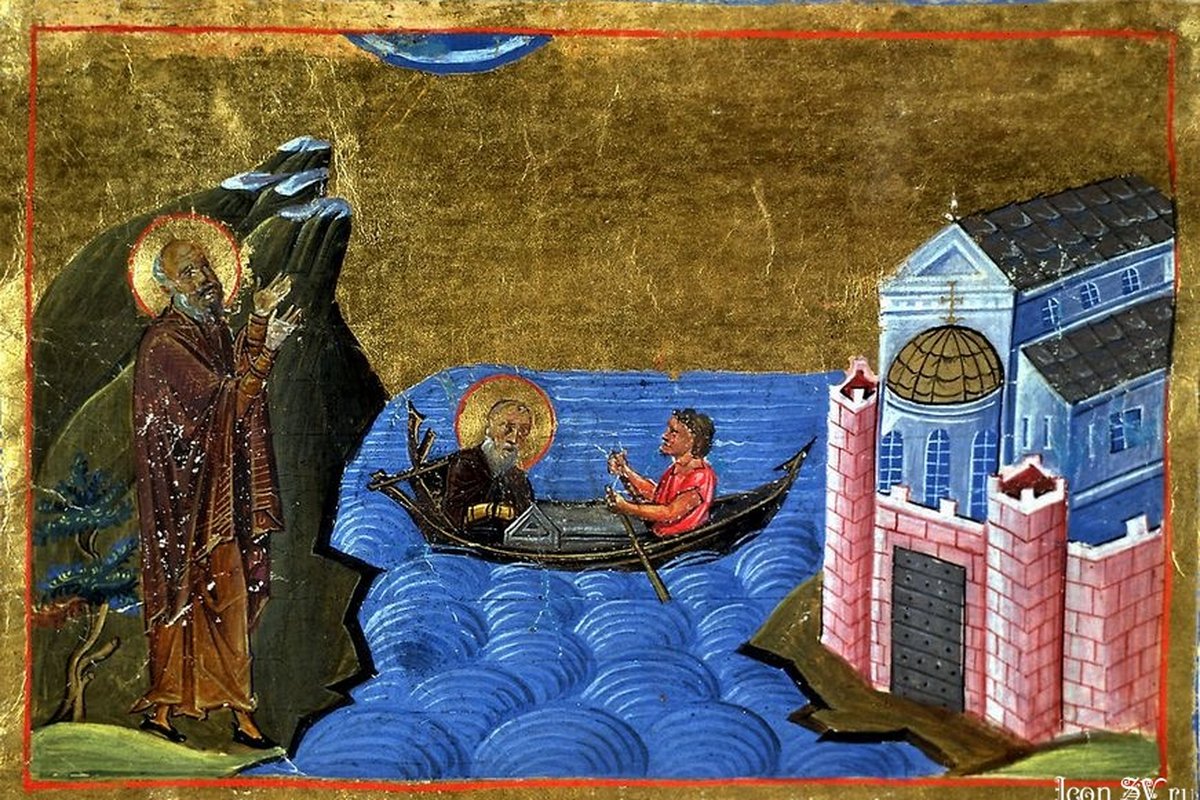
Saint Theodore the Studite
An abbot exiled and mistreated again and again by a Byzantine emperor for refusing to let imperial power dictate how the Church honored sacred images.
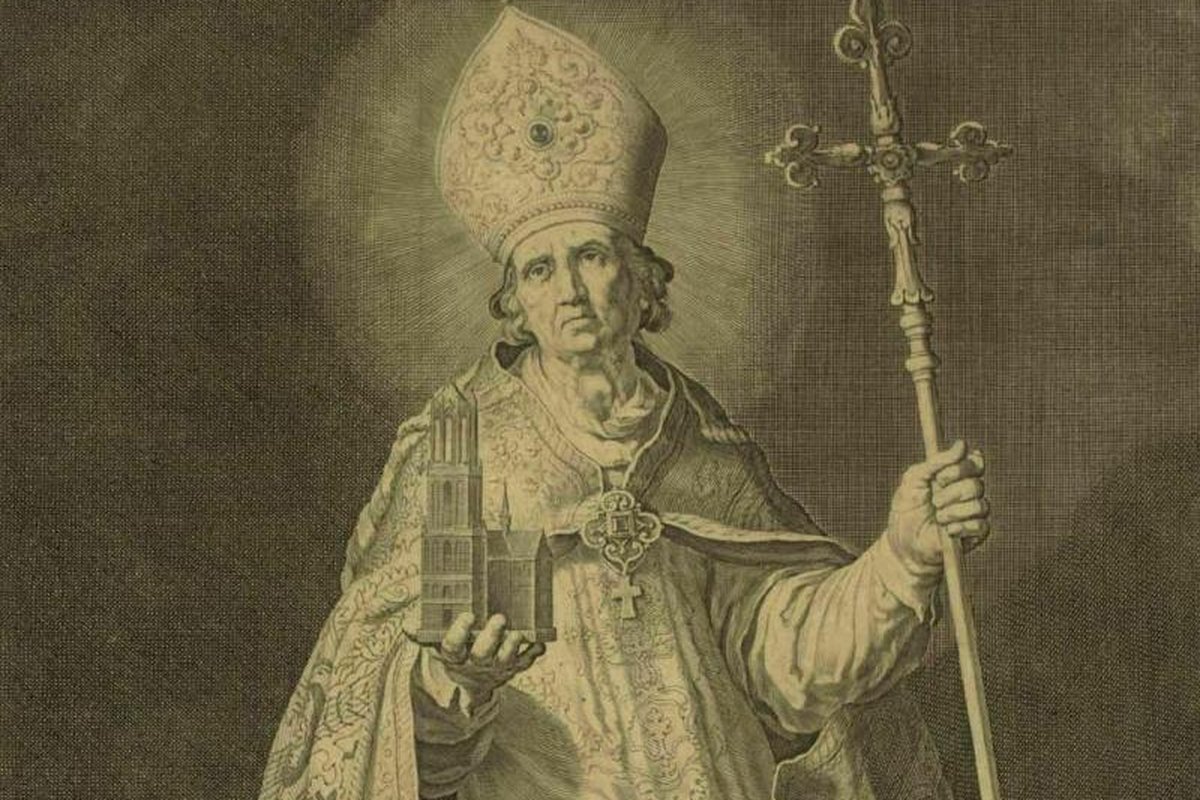
Saint Willibrord
A pope renamed him "Clement" at his consecration, then sent him to convert a people so resistant to Christianity that his own protégé Boniface later died among them.
Theodulf of Orléans
Charlemagne's chief theological adviser wrote a hymn still sung 1,200 years later, then fell from power on a conspiracy charge and died in exile.
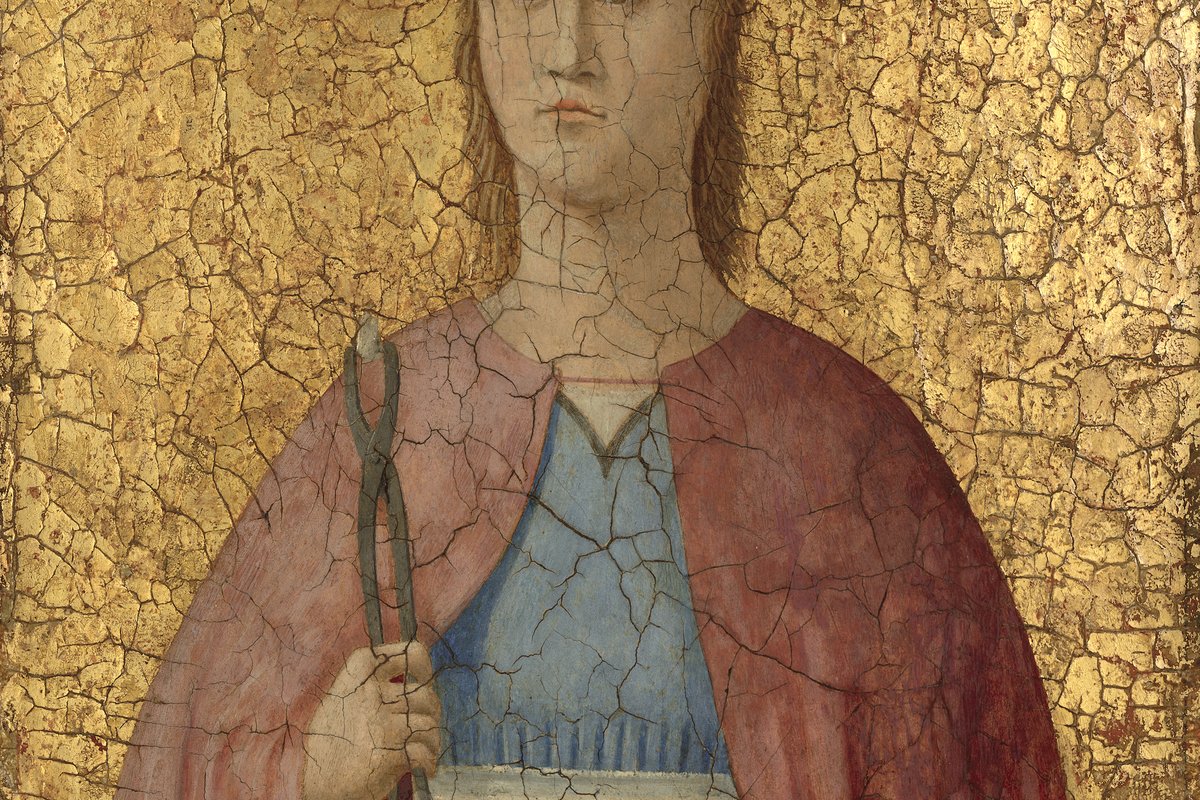
Saint Apollonia
An elderly deaconess in Alexandria had her teeth violently knocked out by a mob, then chose the fire herself rather than renounce her faith under threat of it.
Saint Bibiana
A Roman basilica built over her relics in the 5th century is essentially all that history can confirm about her — everything else is later, unverifiable legend.
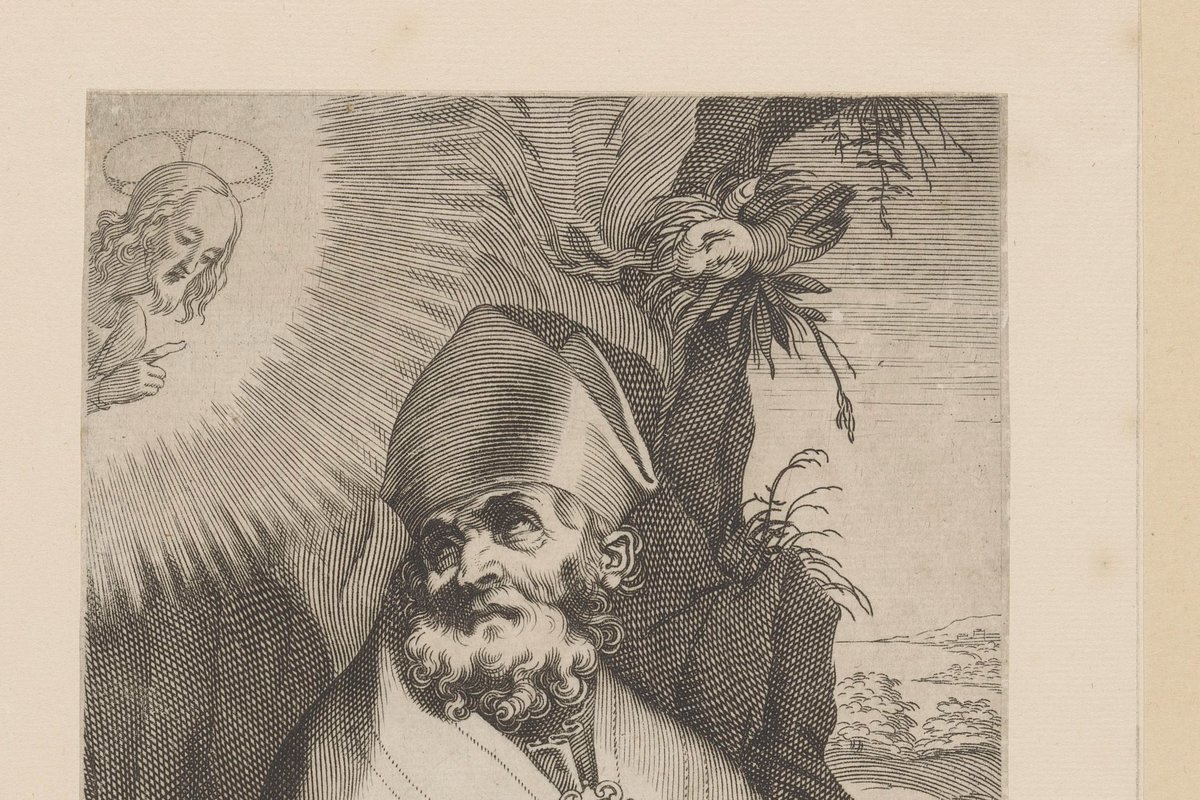
Saint Blaise
Almost everything told about this Armenian bishop, including the choking boy he's famous for saving, is later legend — yet the throat blessing built on it endures.
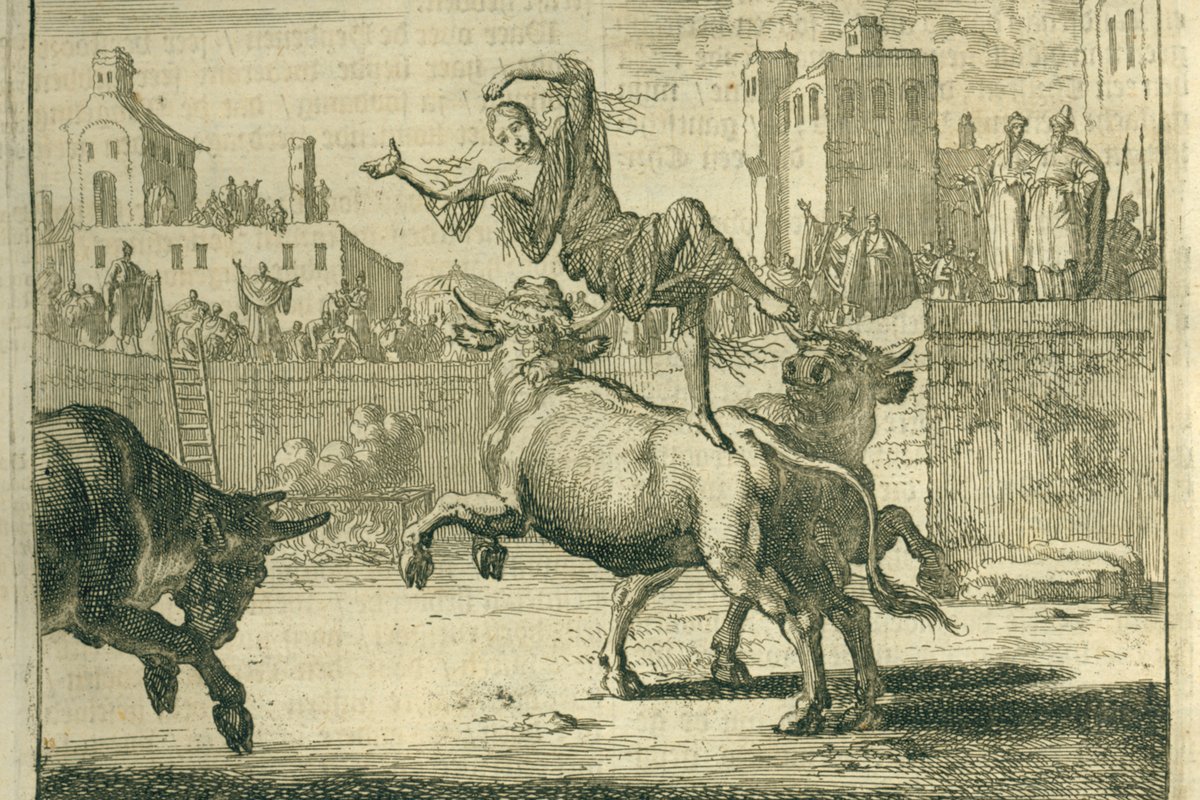
Saint Blandina
A young slave girl outlasted her torturers for days with one repeated line, then died in the Lyon arena in a pose witnesses said echoed the crucifixion.
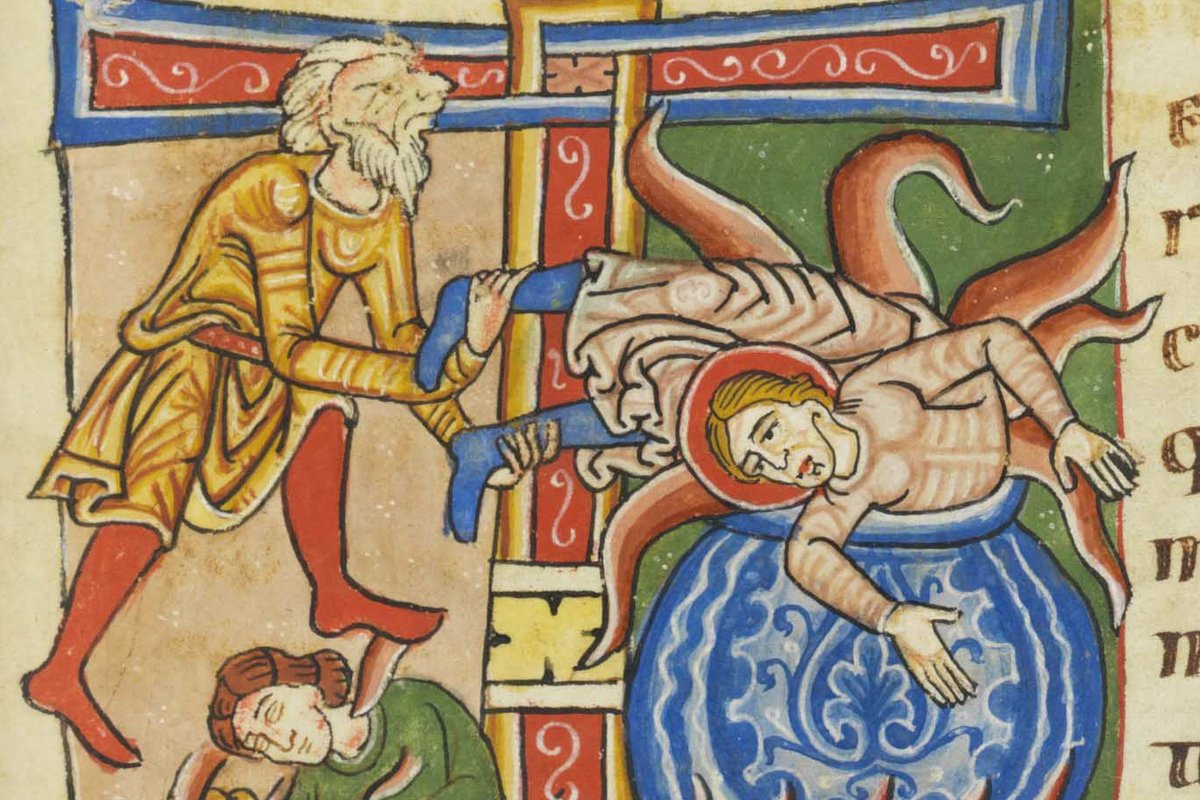
Saint Boniface of Tarsus
A Roman servant sent to Tarsus for holy relics converted at the sight of Christian suffering — then the Church struck his feast from the calendar in 1969.
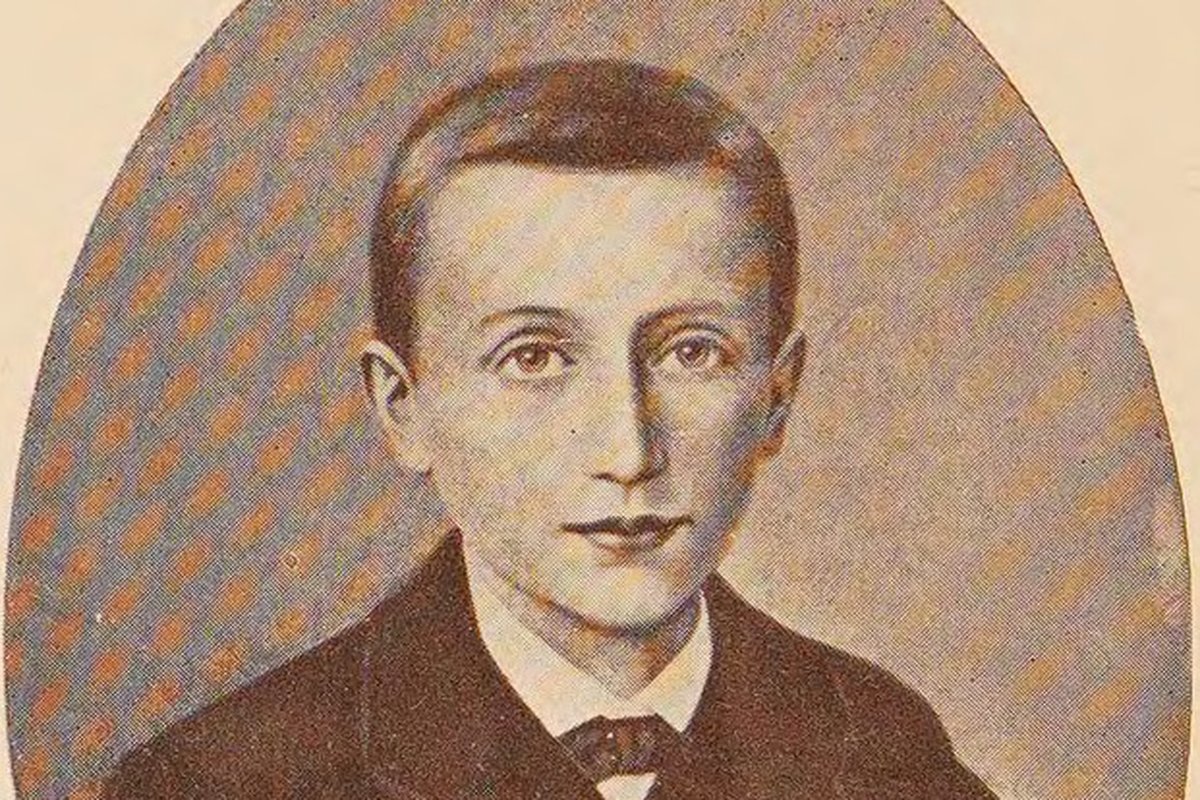
Saint Dominic Savio
A 12-year-old joined Don Bosco's Turin oratory, organized his own small club to help friends stay faithful, and was dead of illness within two short years.
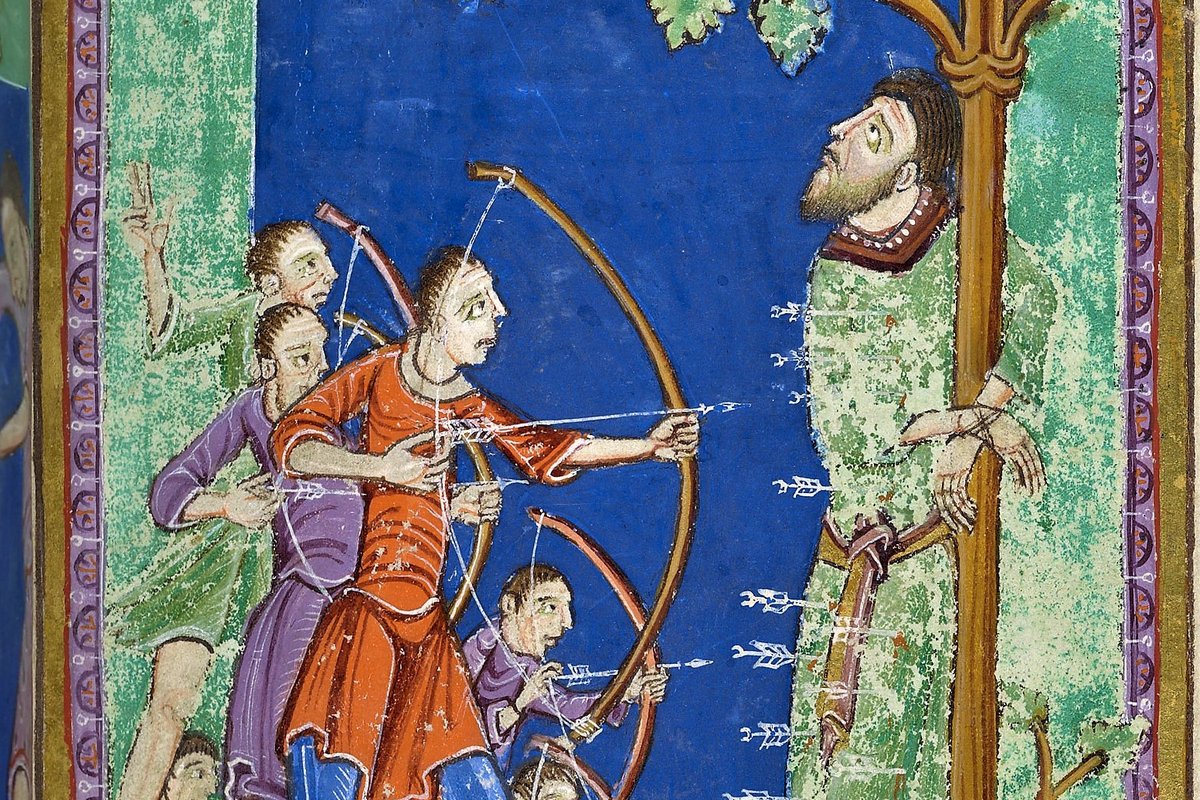
Saint Edmund the King
A teenage king refused to share England with Viking invaders and was shot full of arrows — though the earliest source says only that he died in battle.
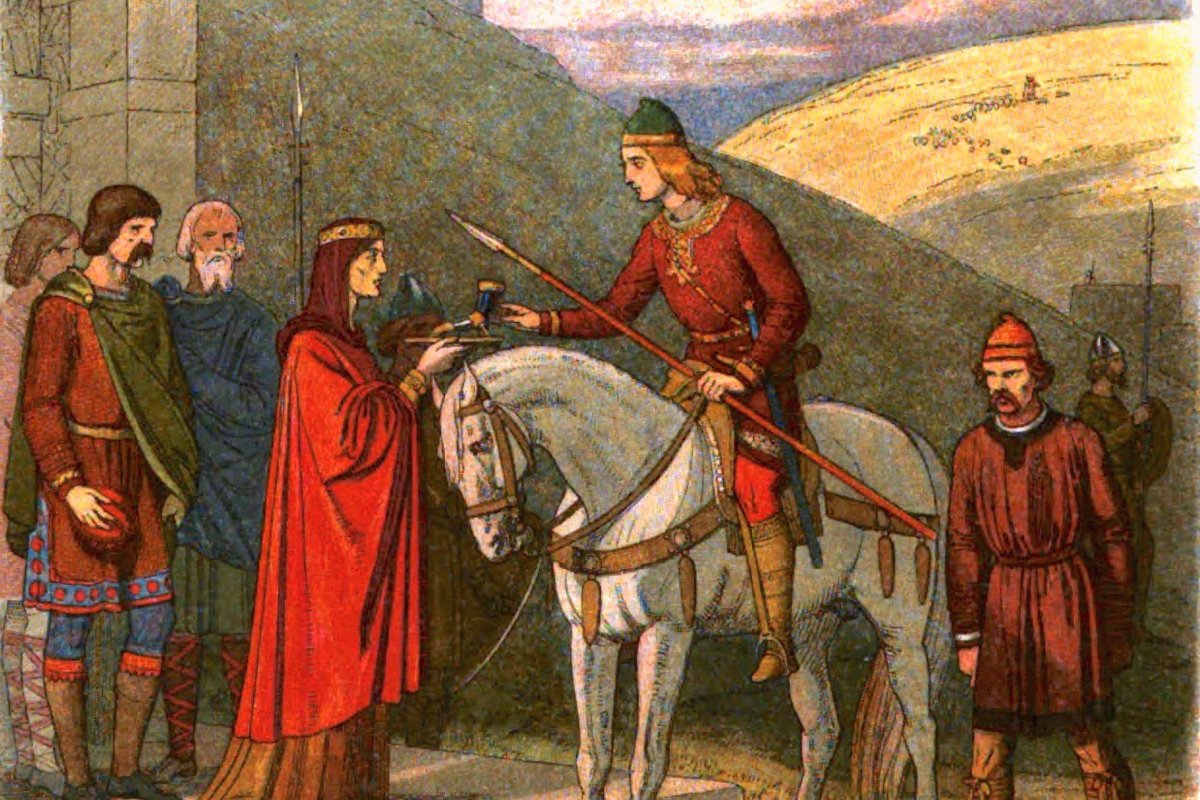
Saint Edward the Martyr
A teenage king was stabbed to death on horseback at Corfe Castle, and centuries of chroniclers blamed his stepmother — though historians argue about it.
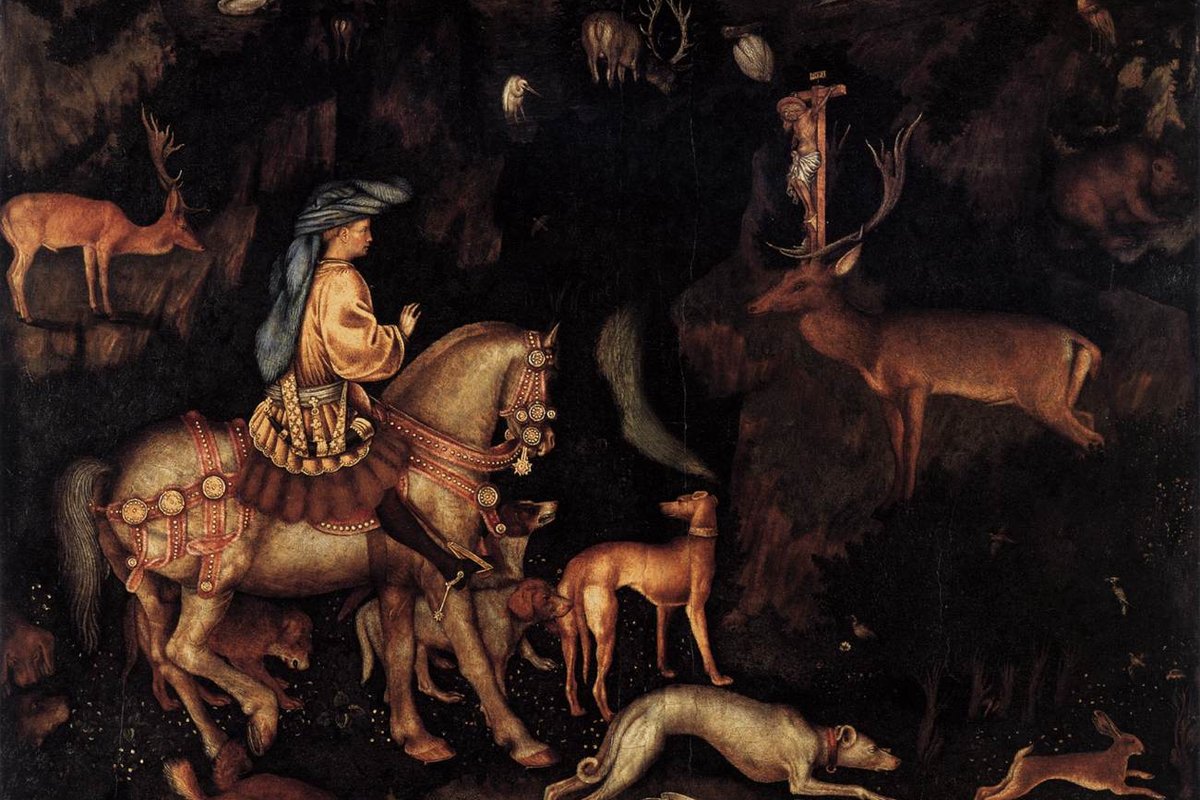
Saint Eustace
A Roman general chased a stag through the woods and found a glowing crucifix between its antlers, in a legend whose own historical basis is uncertain.
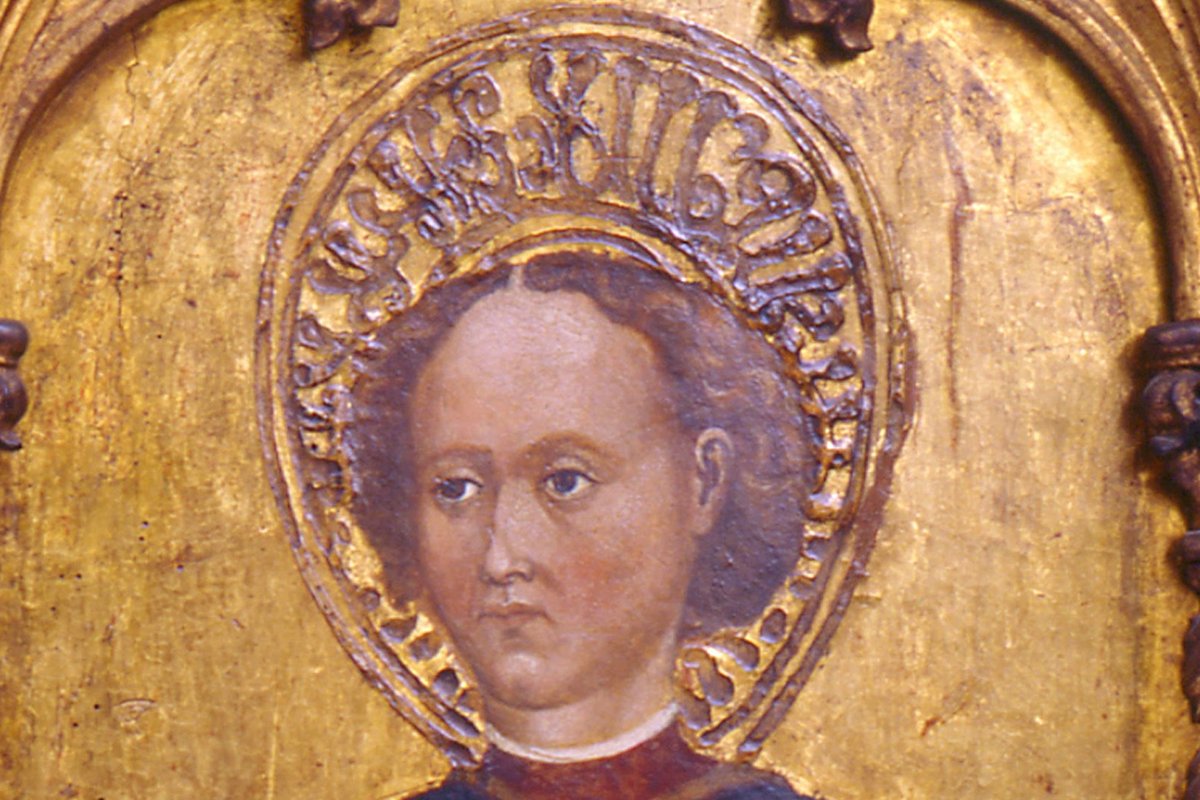
Saint Genesius of Rome
A comic actor mocking Christian baptism on stage for Diocletian had a real conversion mid-performance, refused to recant, and never left the stage alive.
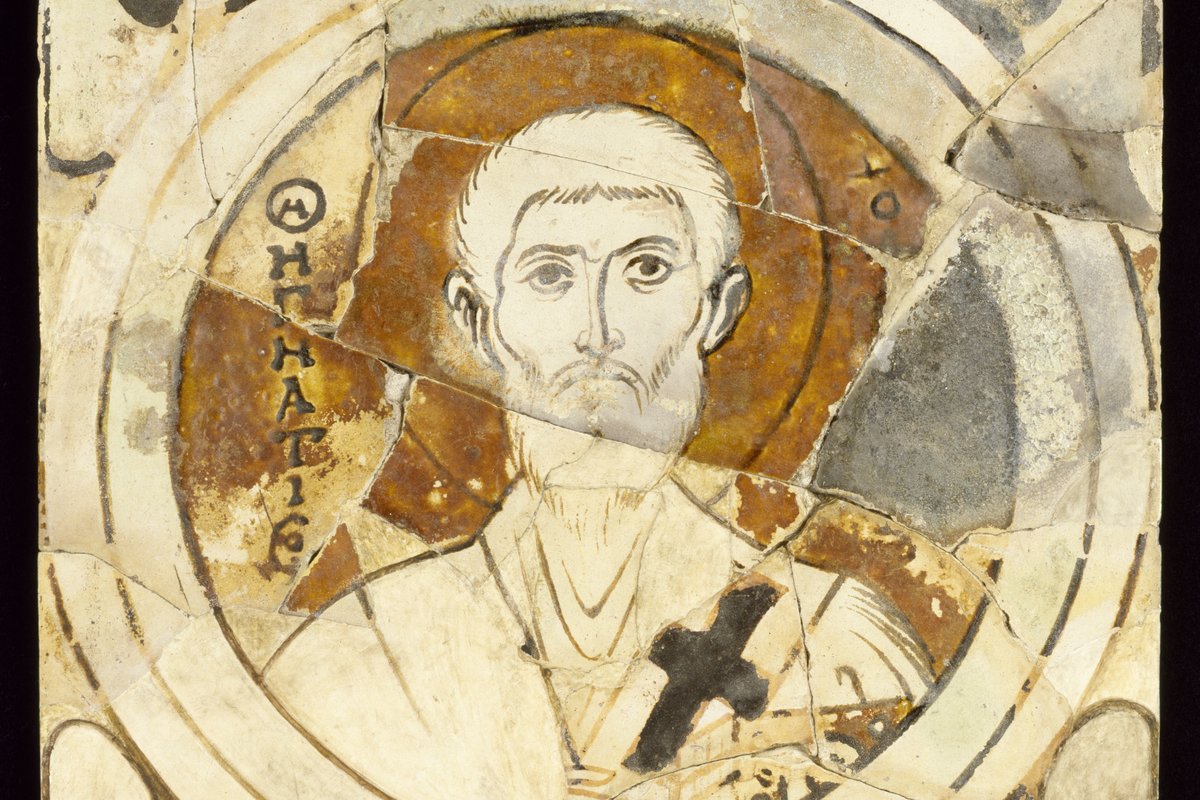
Saint Ignatius of Antioch
Under armed guard on the road to execution, this bishop wrote seven letters that survive today as some of the earliest Christian writing outside the Bible.
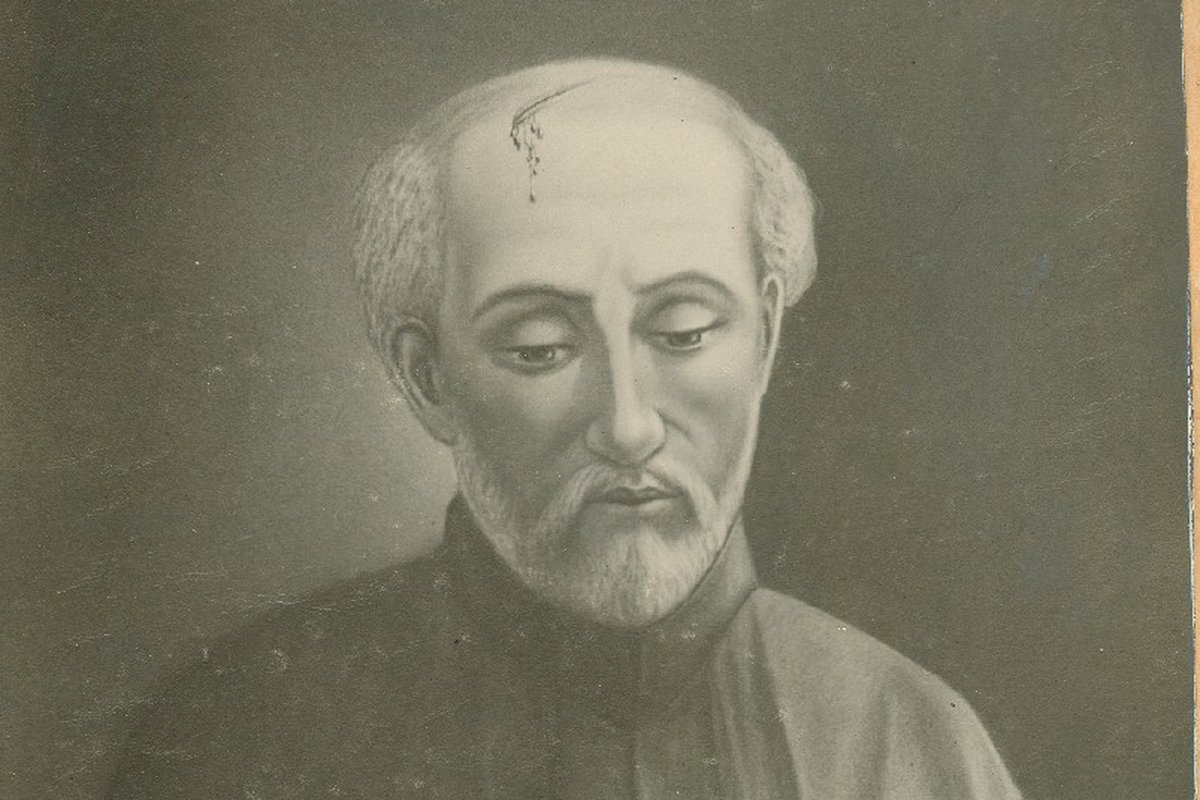
Saint Isaac Jogues
Mohawk captors cut off his thumbs so he could never hold the Host again. He got papal leave to say Mass anyway, then went back to the mission that killed him.
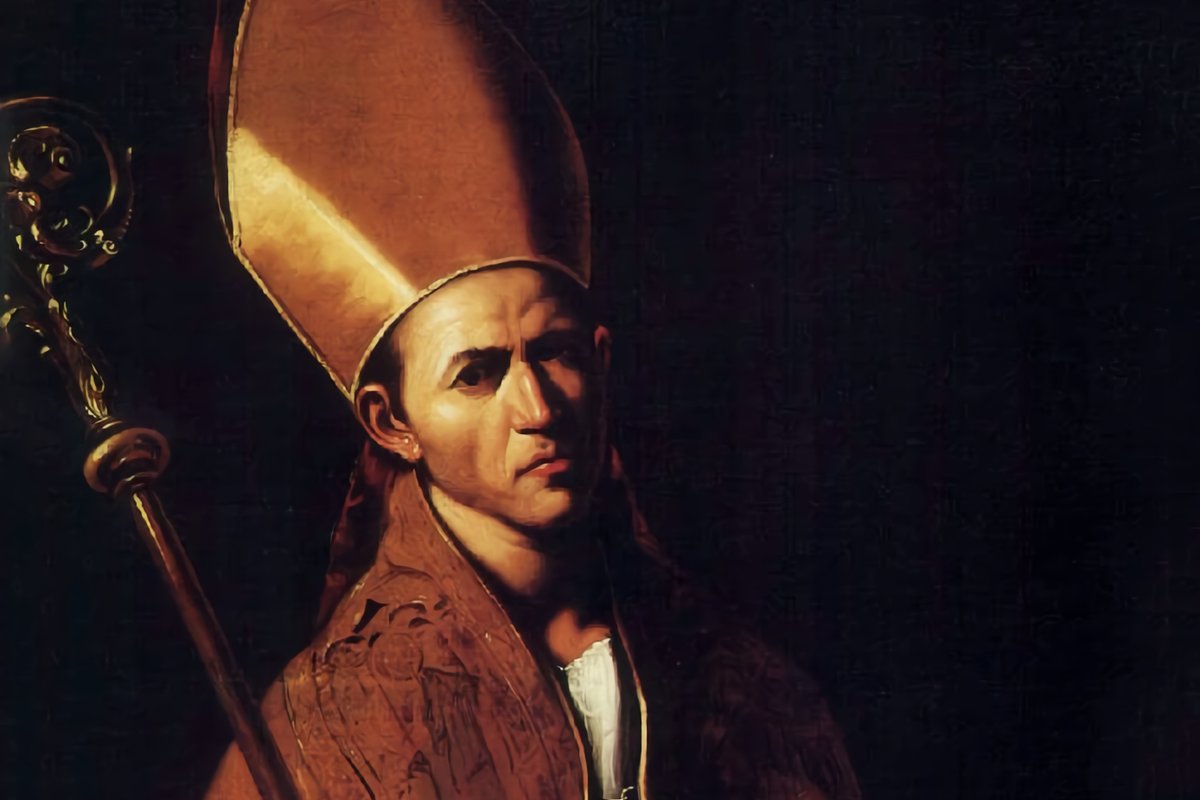
Saint Januarius
A vial of his dried blood has liquefied in public, on and off, for six centuries. Naples still gathers to watch it happen — no one claims to know why.
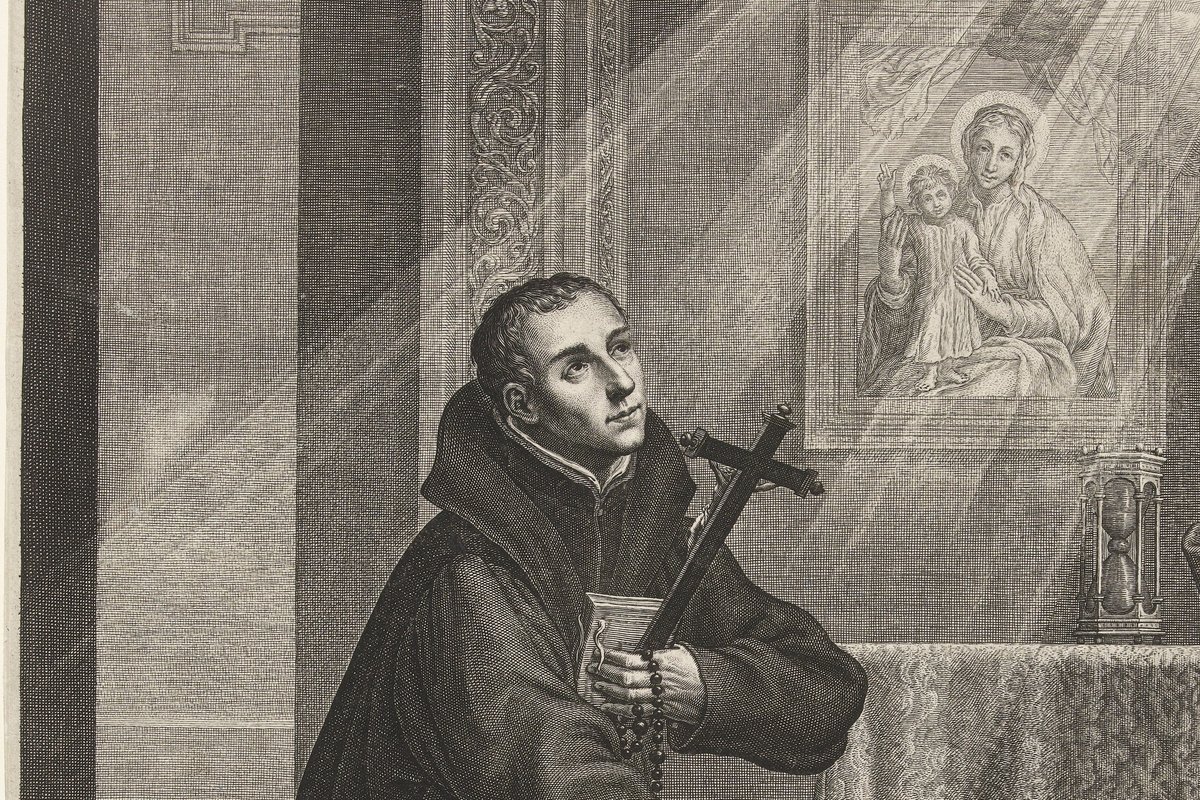
Saint John Berchmans
He never worked a miracle, never left seminary, and died at 22 of an ordinary fever. His whole path to sainthood was refusing to skip the boring parts.
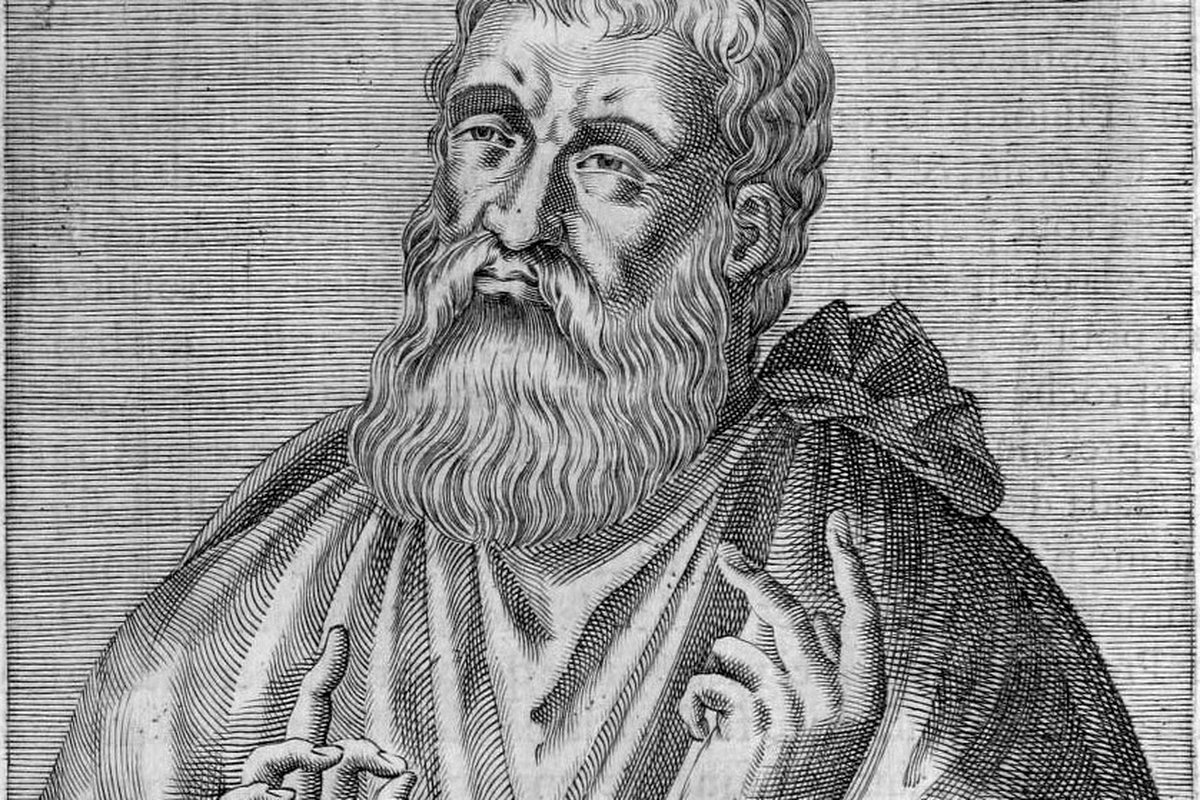
Saint Justin Martyr
A pagan philosopher who tried Stoicism, Aristotle, and Plato before an old man on a beach pointed him toward Christ — and he never took off the philosopher's cloak.
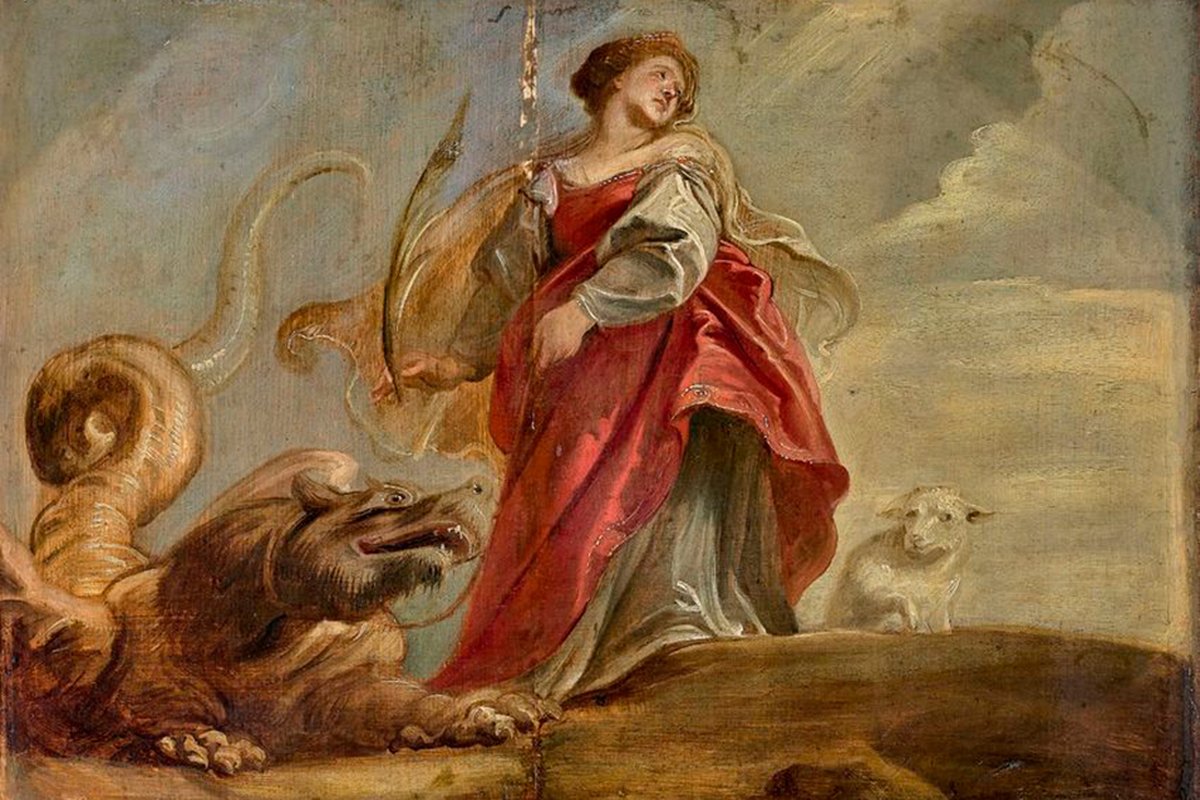
Saint Margaret of Antioch
Legend says a dragon swallowed her whole in a prison cell and she burst out unharmed. The Church calls her Acts "entirely fabulous" — and removed her feast in 1969.
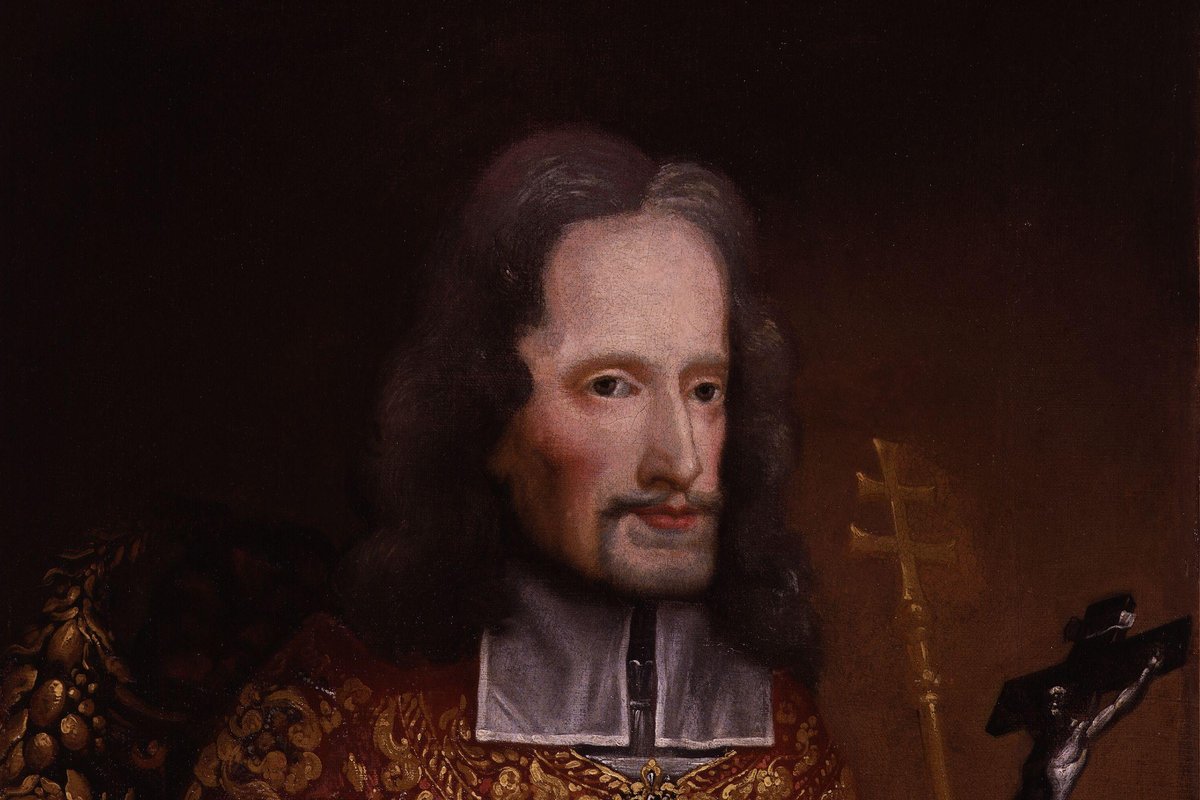
Saint Oliver Plunkett
Archbishop Oliver Plunkett was hanged, drawn, and quartered at London's Tyburn on perjured testimony during England's Popish Plot — its last Catholic martyr.
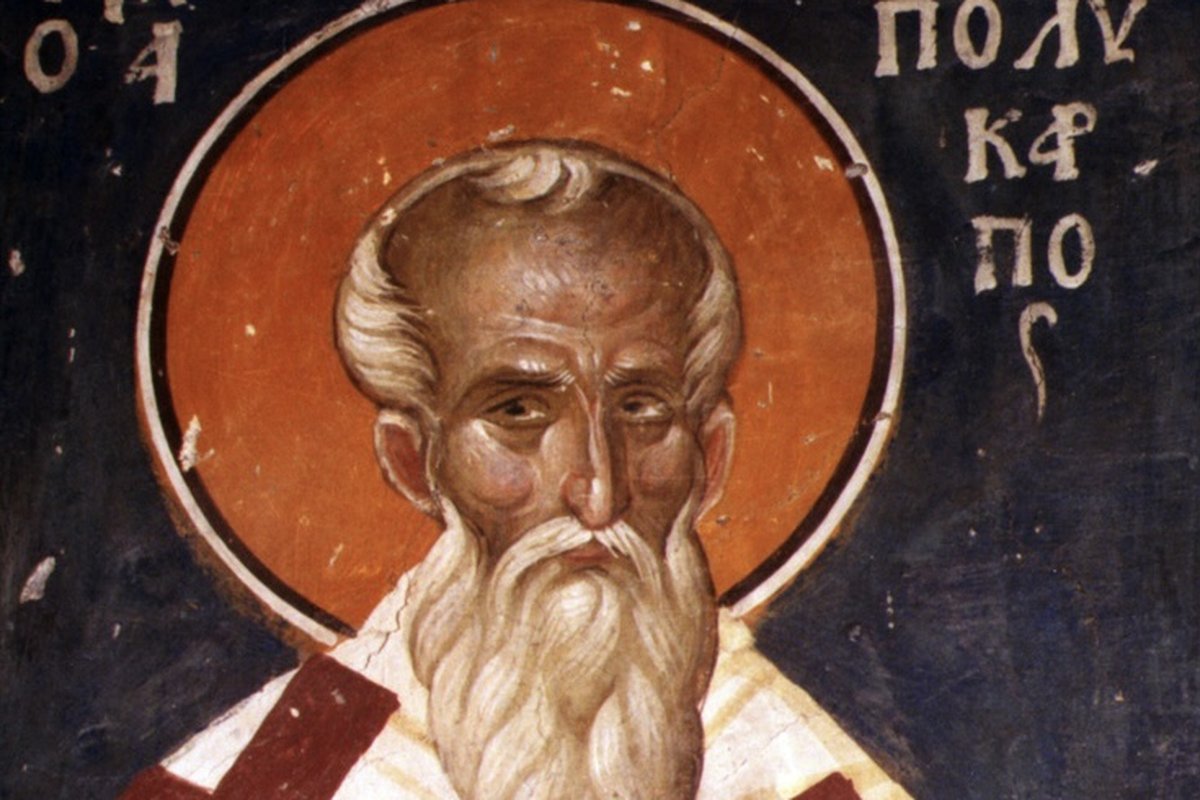
Saint Polycarp
Roman officials begged an 86-year-old bishop to save his life with one sentence. His answer became one of the earliest, most reliable martyr accounts on record.
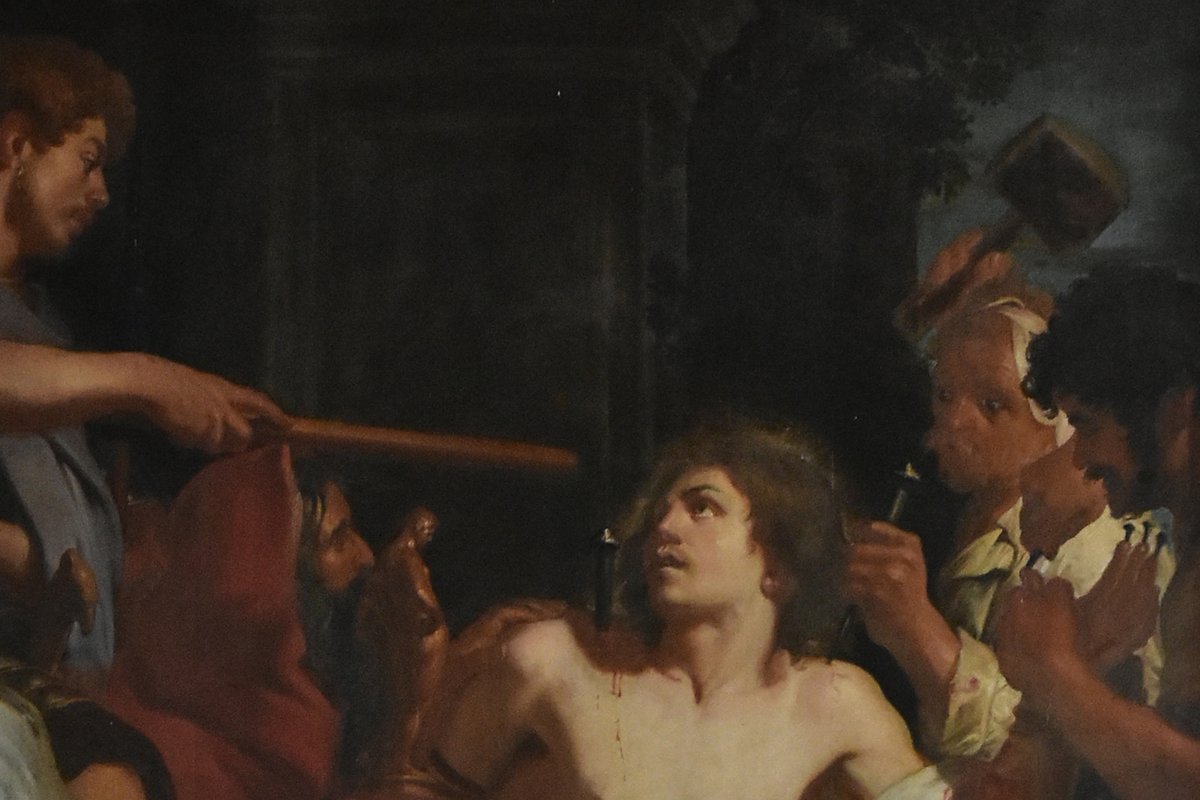
Saint Quentin of Amiens
A Roman senator's son was tortured with iron spikes and boiling oil before his legendary beheading in Gaul, an account modern scholars view with skepticism.
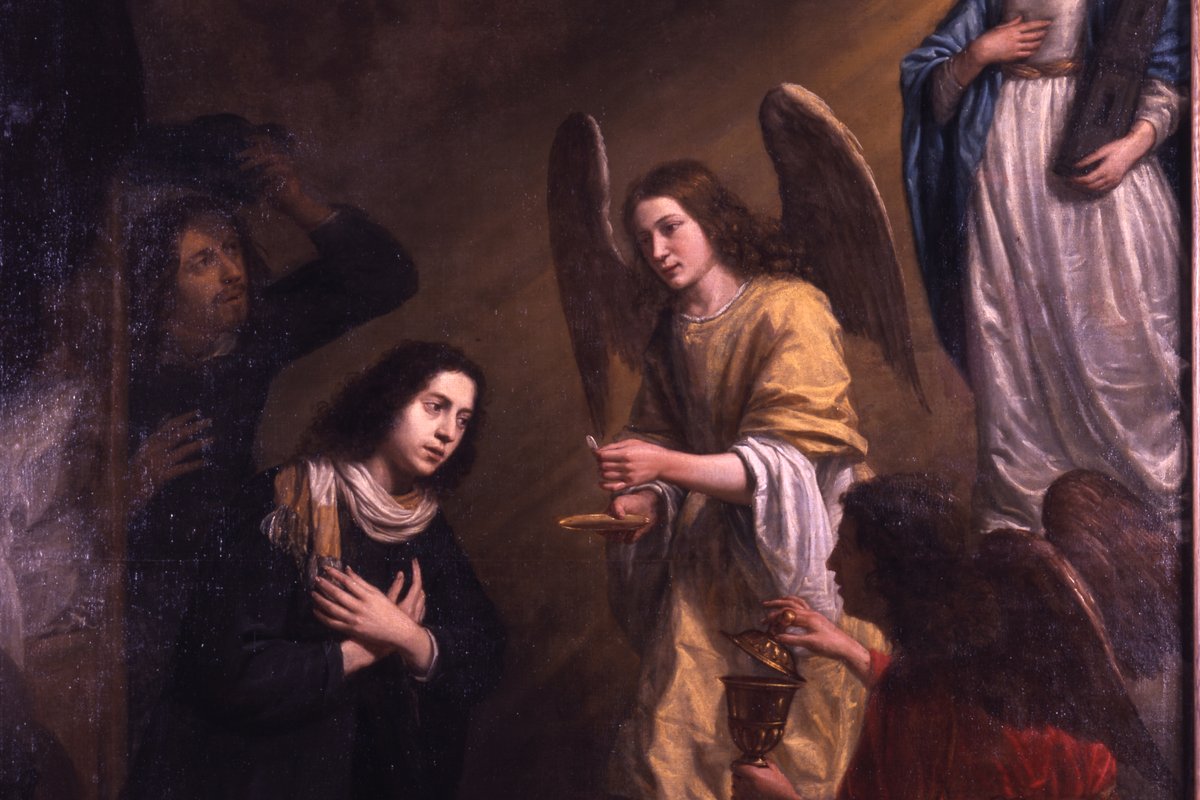
Saint Stanislaus Kostka
A Polish nobleman's son walked roughly 450 miles disguised as a beggar to join the Jesuits after his own brother beat him for wanting a religious vocation.
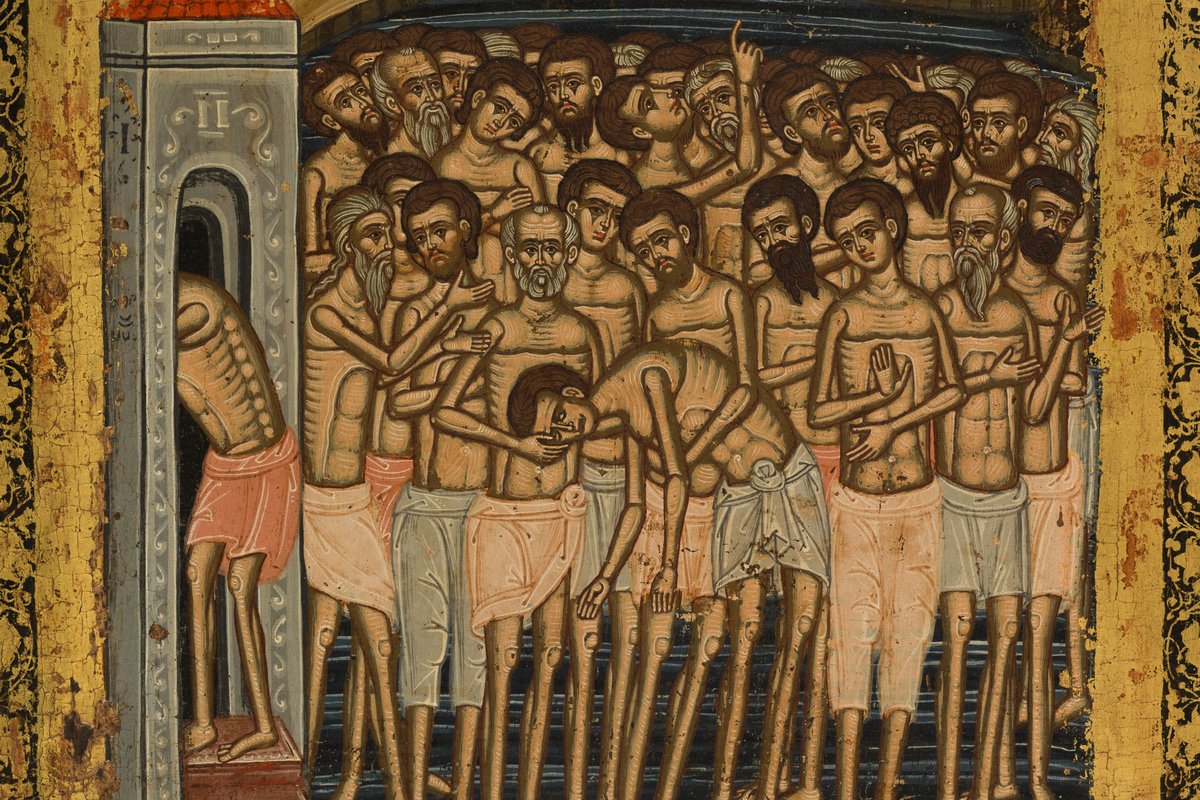
Forty Martyrs of Sebaste
Forty Roman soldiers were left naked on a frozen lake overnight, with a heated bath in sight to tempt them into recanting their faith. All forty held firm.
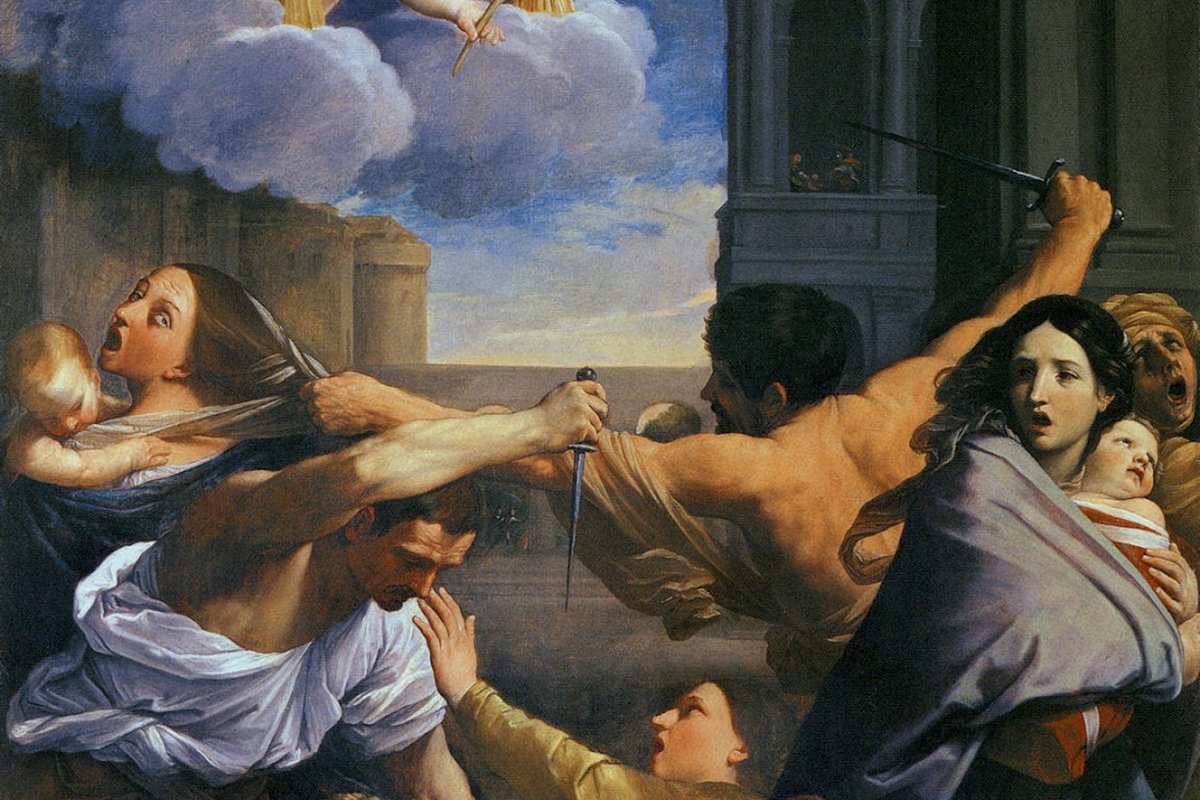
The Holy Innocents
Herod ordered every baby boy under two in Bethlehem killed to eliminate a rival he'd never seen. Matthew's Gospel records it — Christ had already escaped.
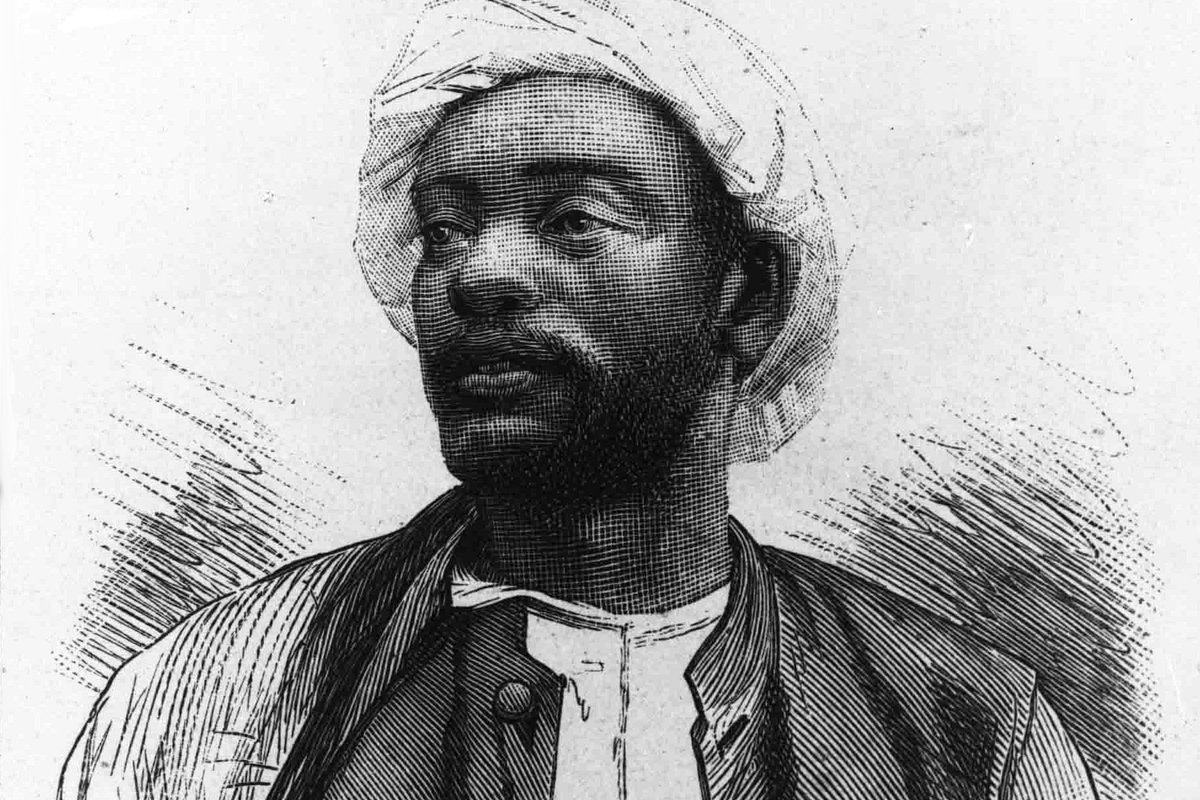
Saint Charles Lwanga
A royal page in a Ugandan king's court shielded younger boys from the king's demands and led them in refusing to renounce their new faith. He was burned alive.
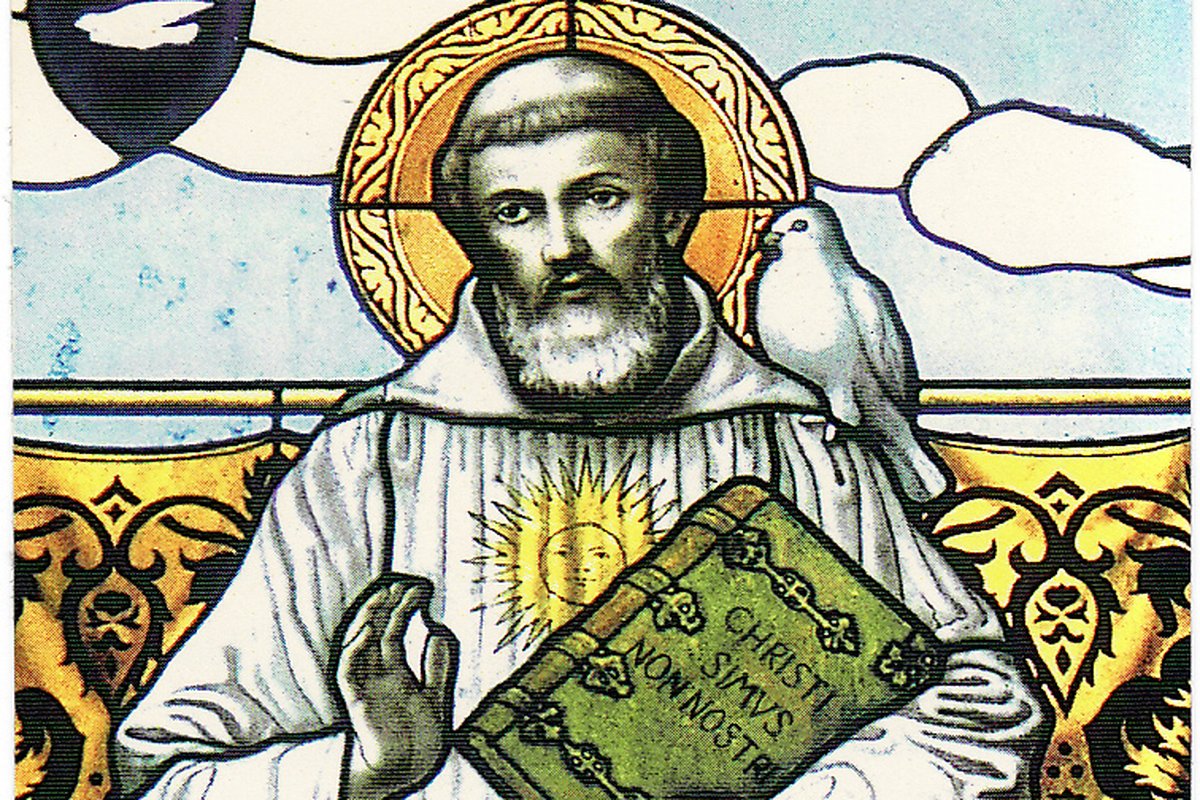
Saint Columban
An Irish monk told a Frankish king his mistresses disqualified him from ruling, got expelled for it, and went on founding monasteries across Europe anyway.
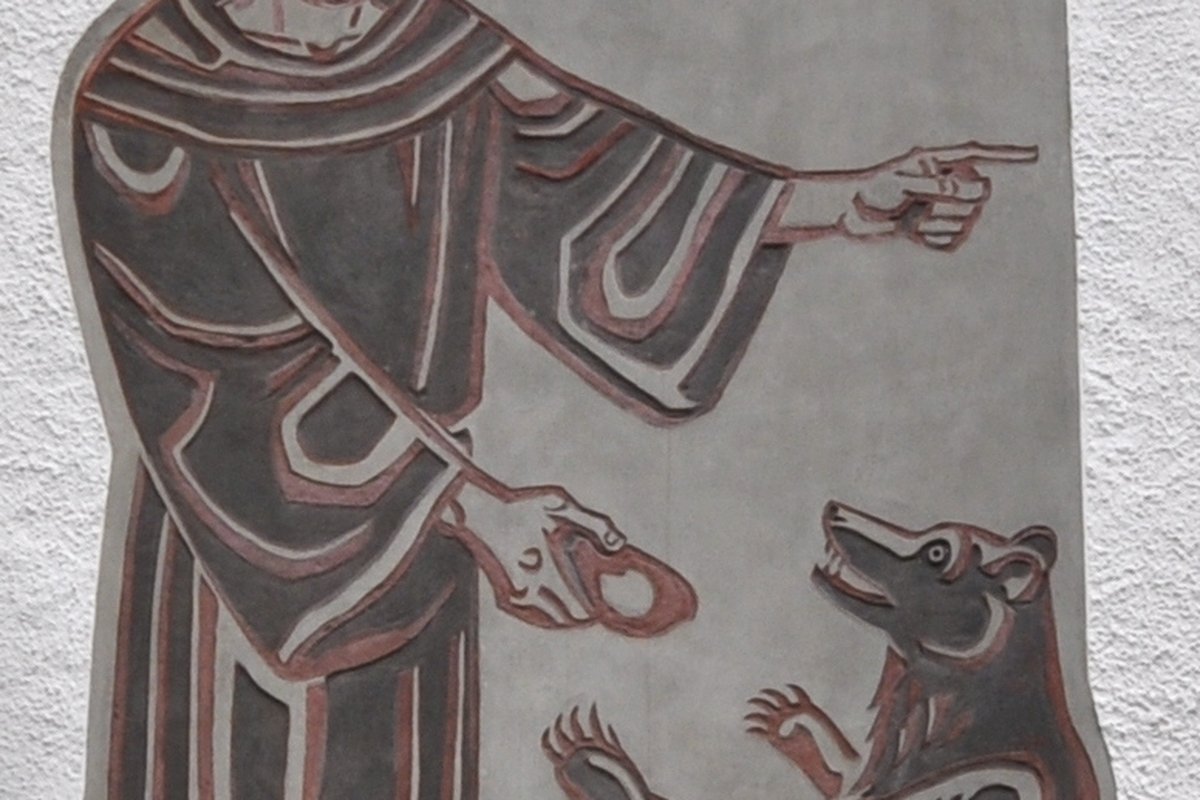
Saint Gall
Too sick to keep traveling with Columbanus, an Irish monk stayed behind by a Swiss lake and founded a hermitage that grew into one of Europe's great libraries.
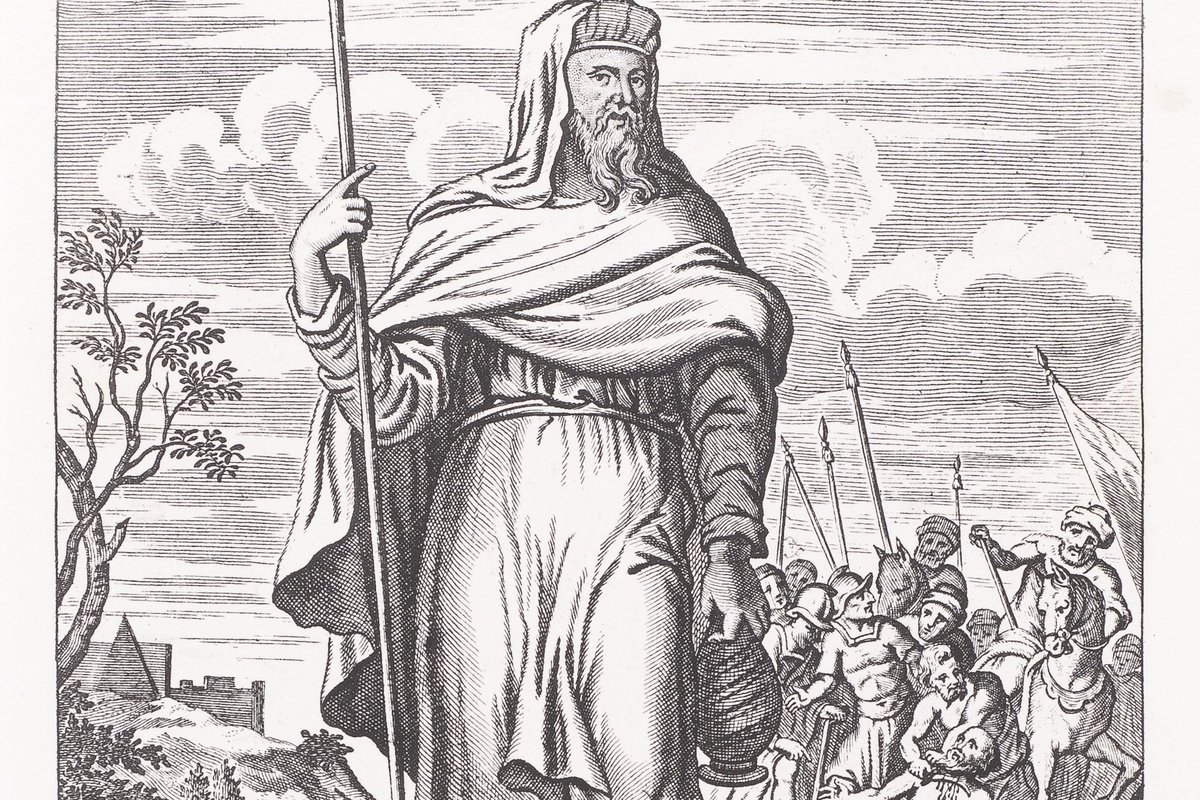
Saint John de Britto
A Portuguese Jesuit missionary lived as a Tamil holy man rather than a European priest — until a convert's discarded wife's angry family had him beheaded.
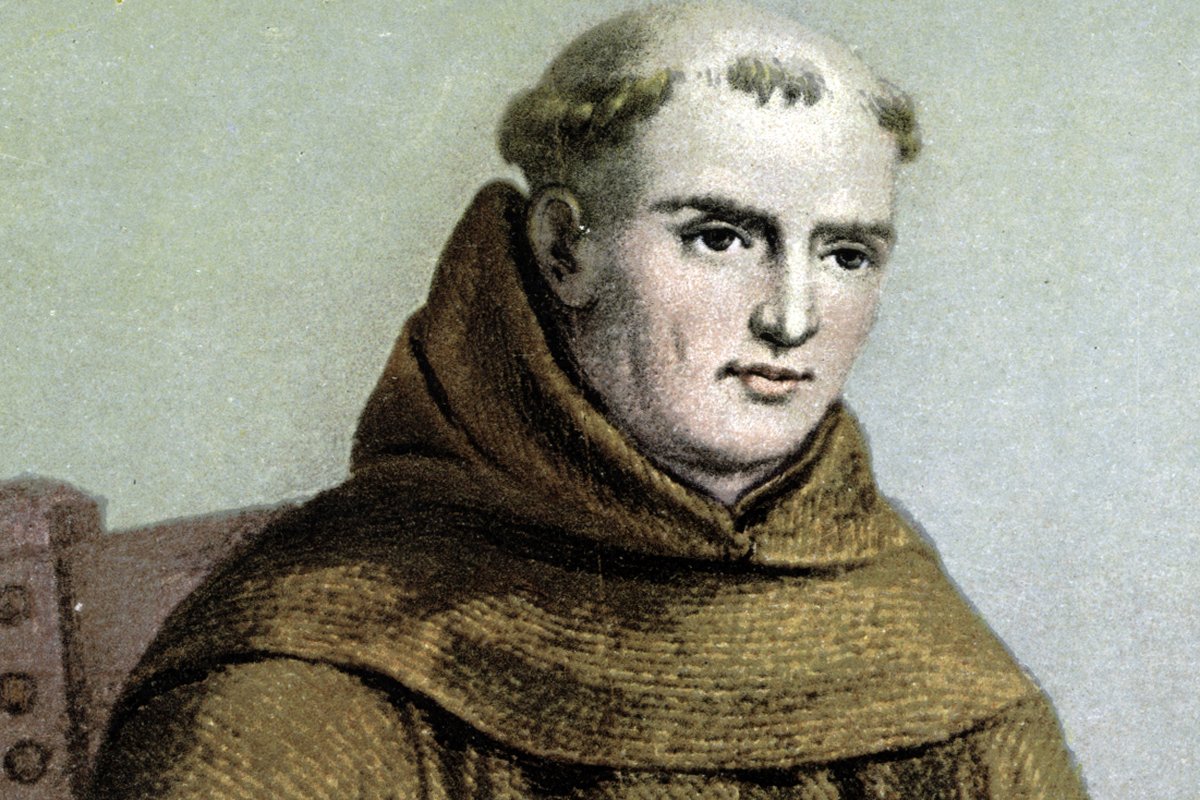
Saint Junípero Serra
A Franciscan friar founded nine of California's 21 missions and became a canonized saint in 2015 — one of the most contested figures in US religious history.
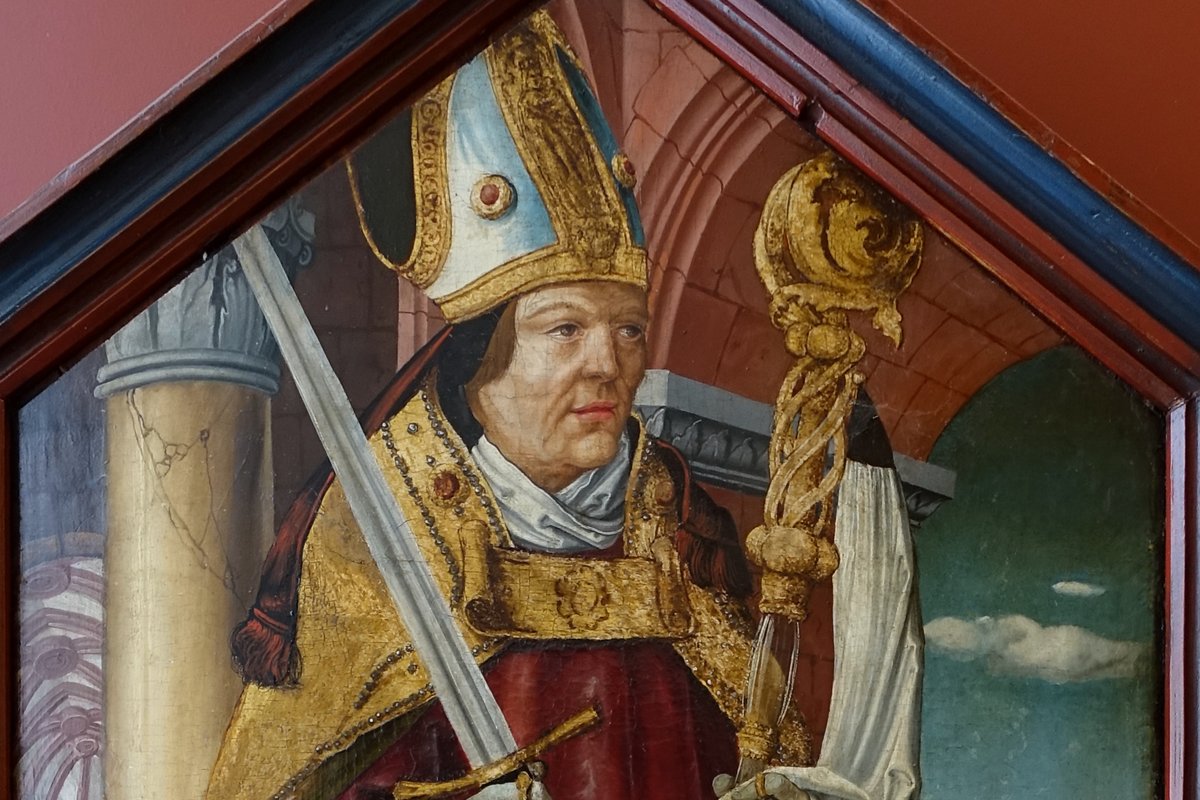
Saint Kilian
An Irish missionary bishop told a Franconian duke his marriage broke canon law. The duke's furious wife had him murdered while her husband was away at war.
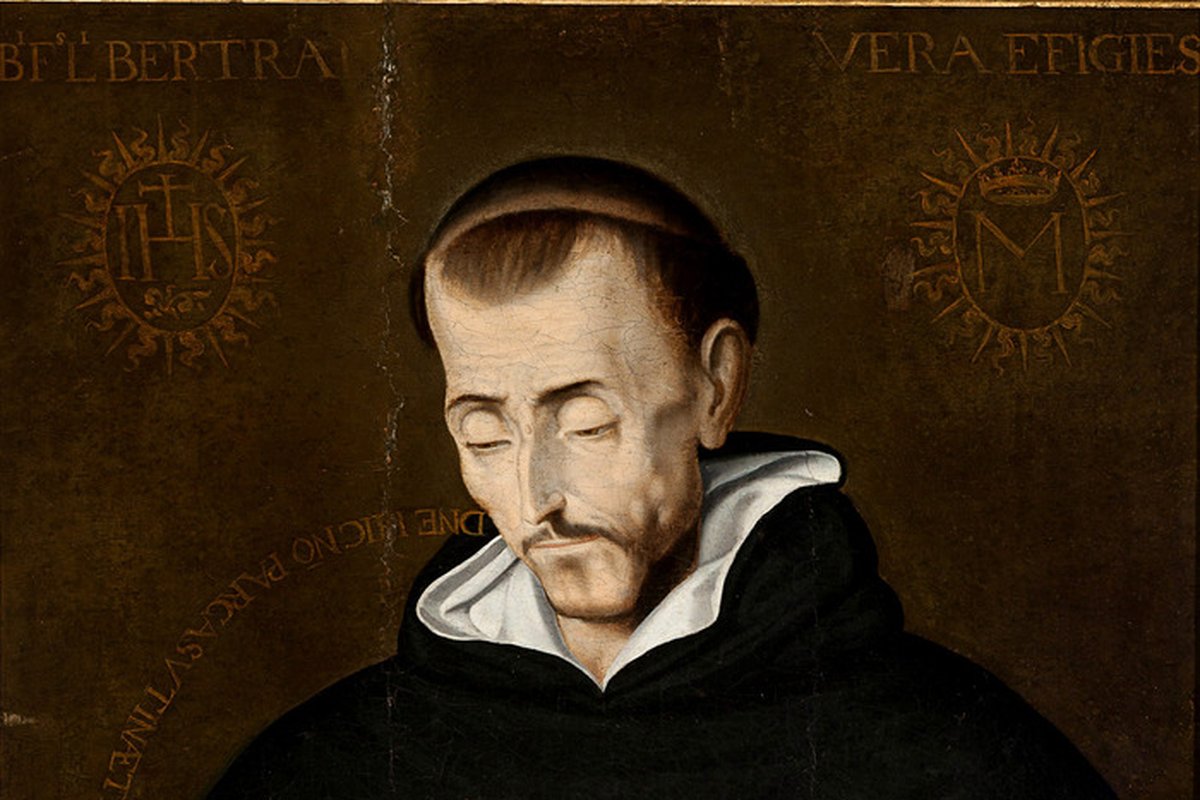
Saint Louis Bertrand
A Spanish Dominican preached to South Americans across a language barrier and spent seven years openly opposing colonial abuse of the people he converted.
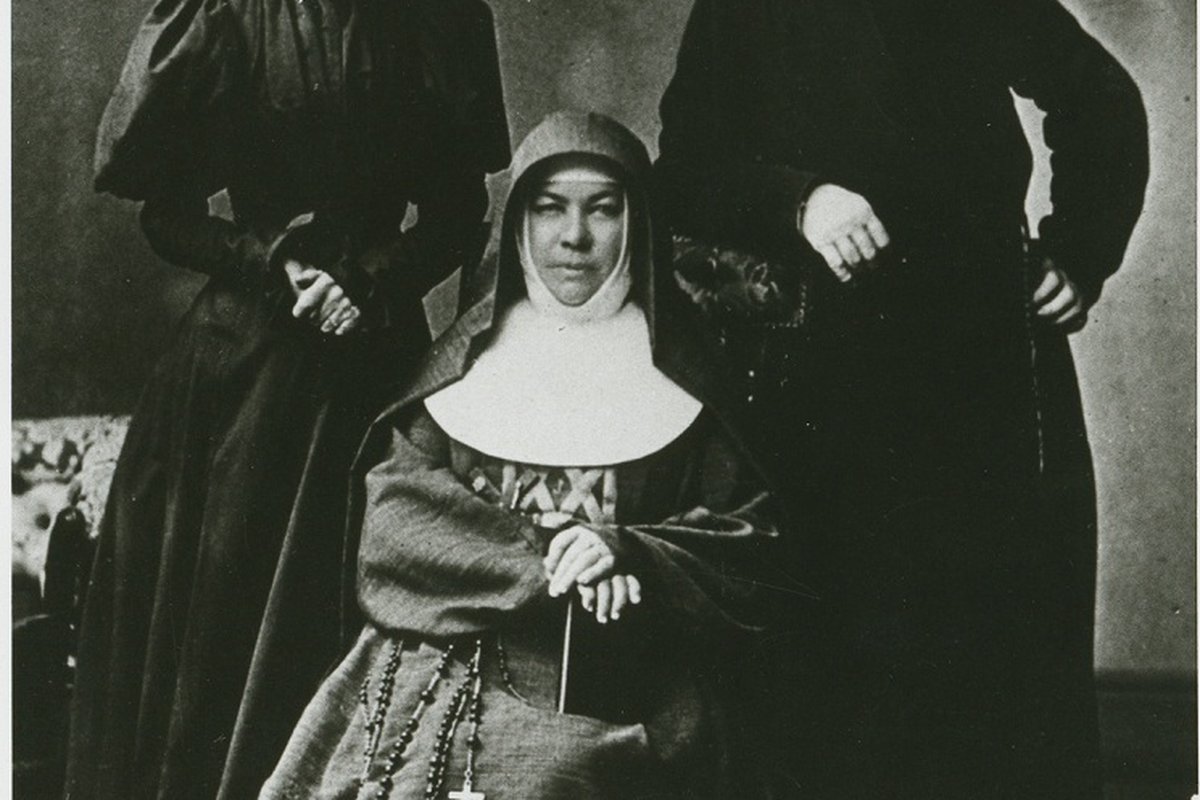
Saint Mary MacKillop
Australia's first canonized saint was briefly excommunicated by her bishop in 1871 — and later cleared, after her order reported a priest's abuse of a child.
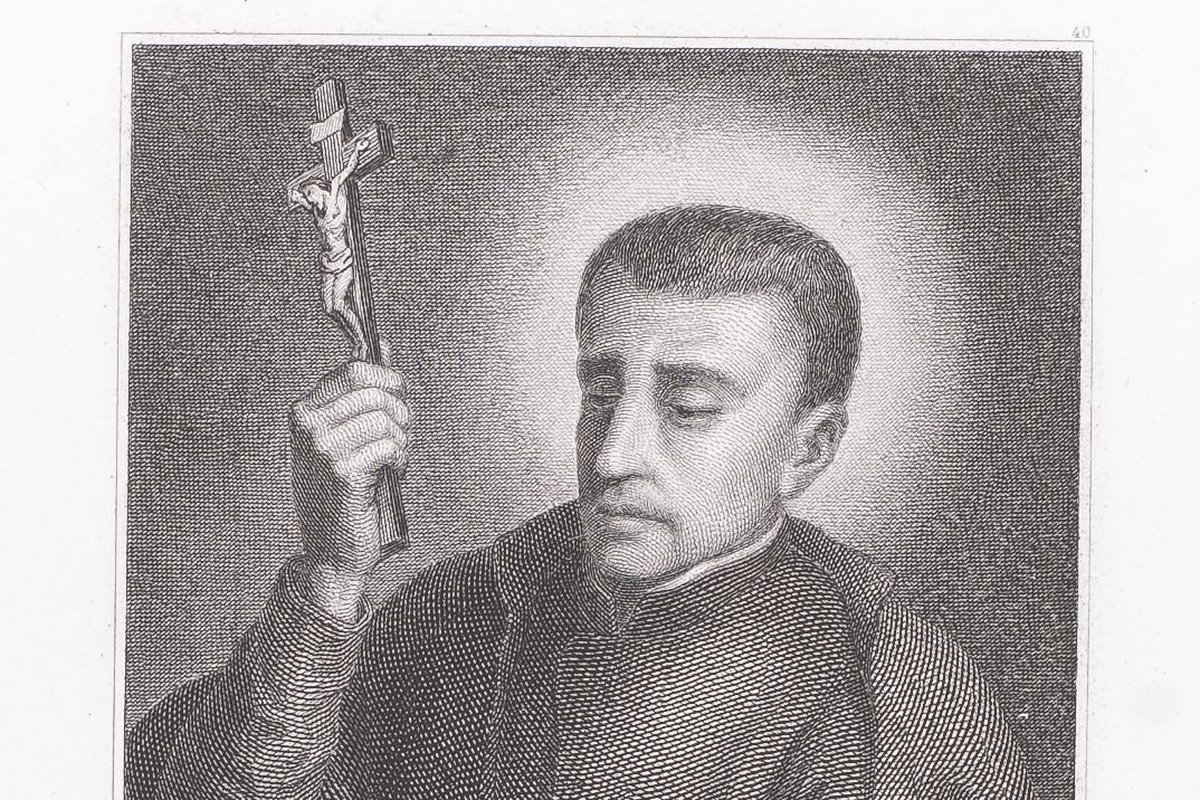
Saint Peter Claver
A Spanish Jesuit boarded incoming slave ships in Cartagena for 40 years, climbing into the hold to bring water and medicine before the enslaved were sold.
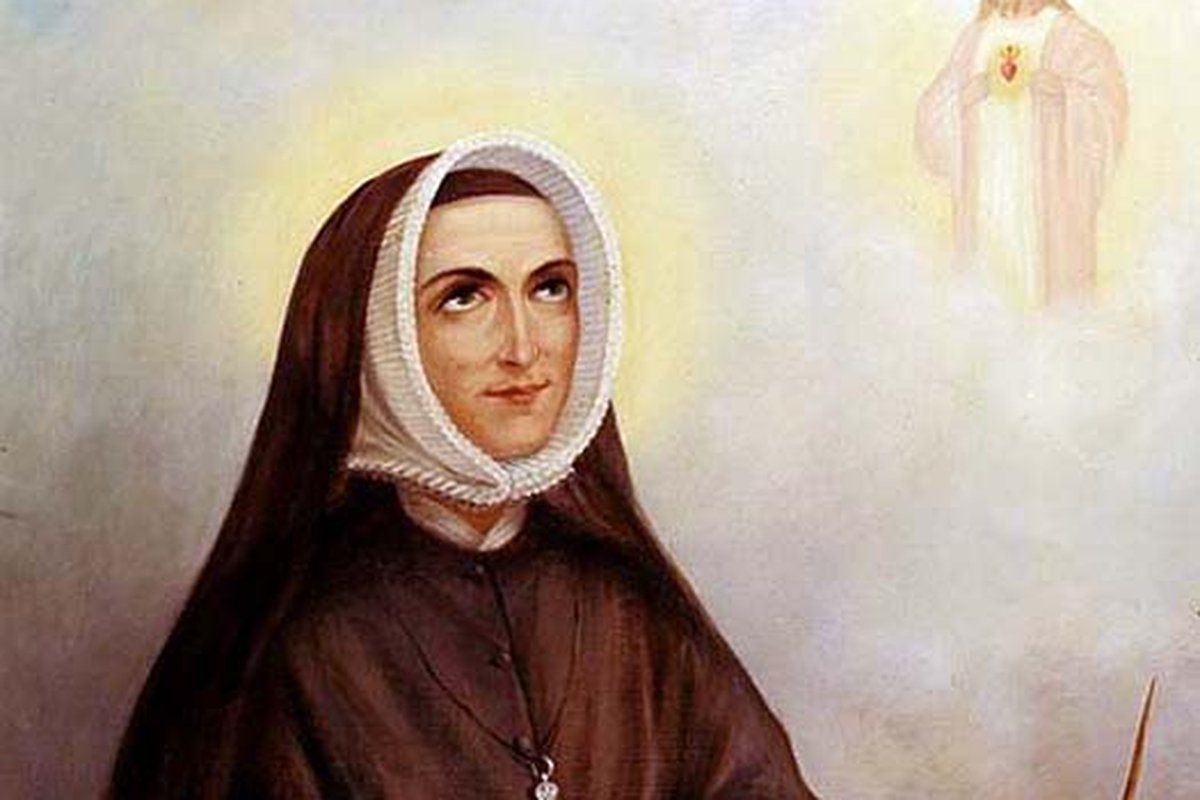
Saint Rose Philippine Duchesne
At nearly 49, a French nun who survived the Revolution sailed to the Missouri frontier and opened the first free school west of the Mississippi River.
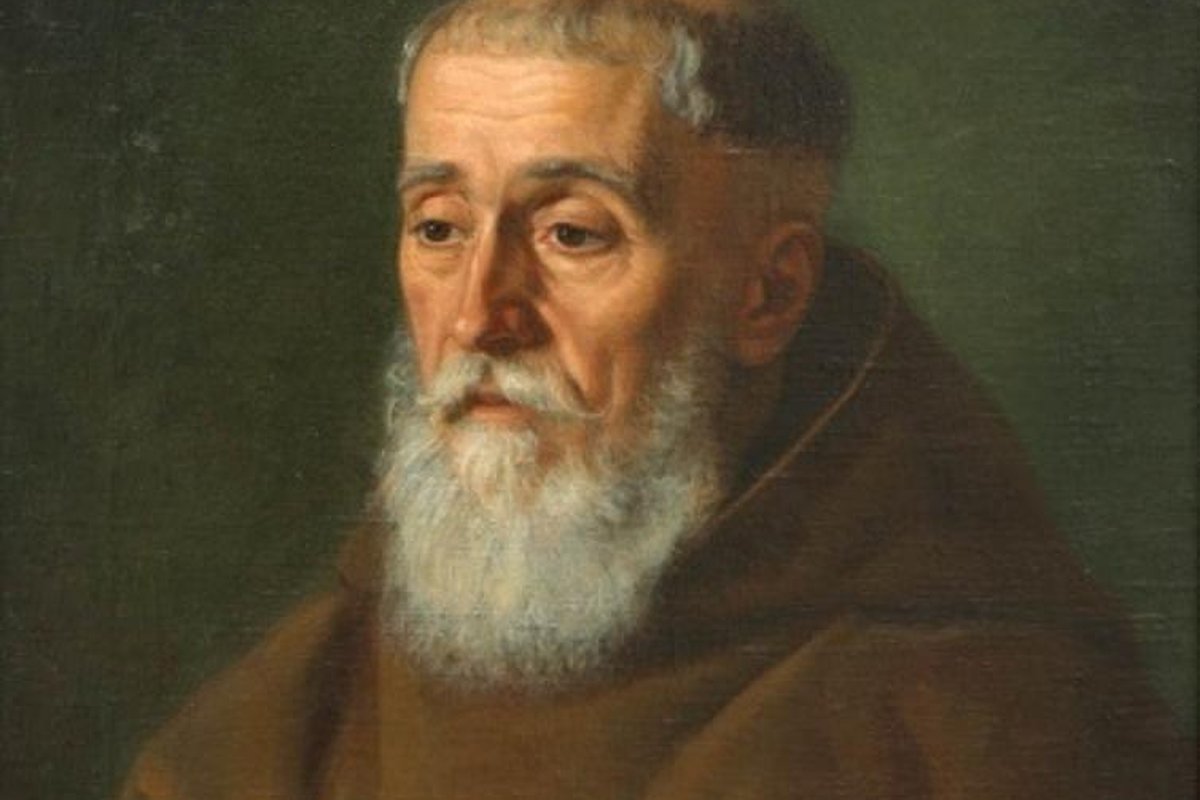
Blessed Solanus Casey
Ordained a priest barred from hearing confessions or preaching, he spent decades answering a friary door in Detroit. Thousands came looking for him anyway.
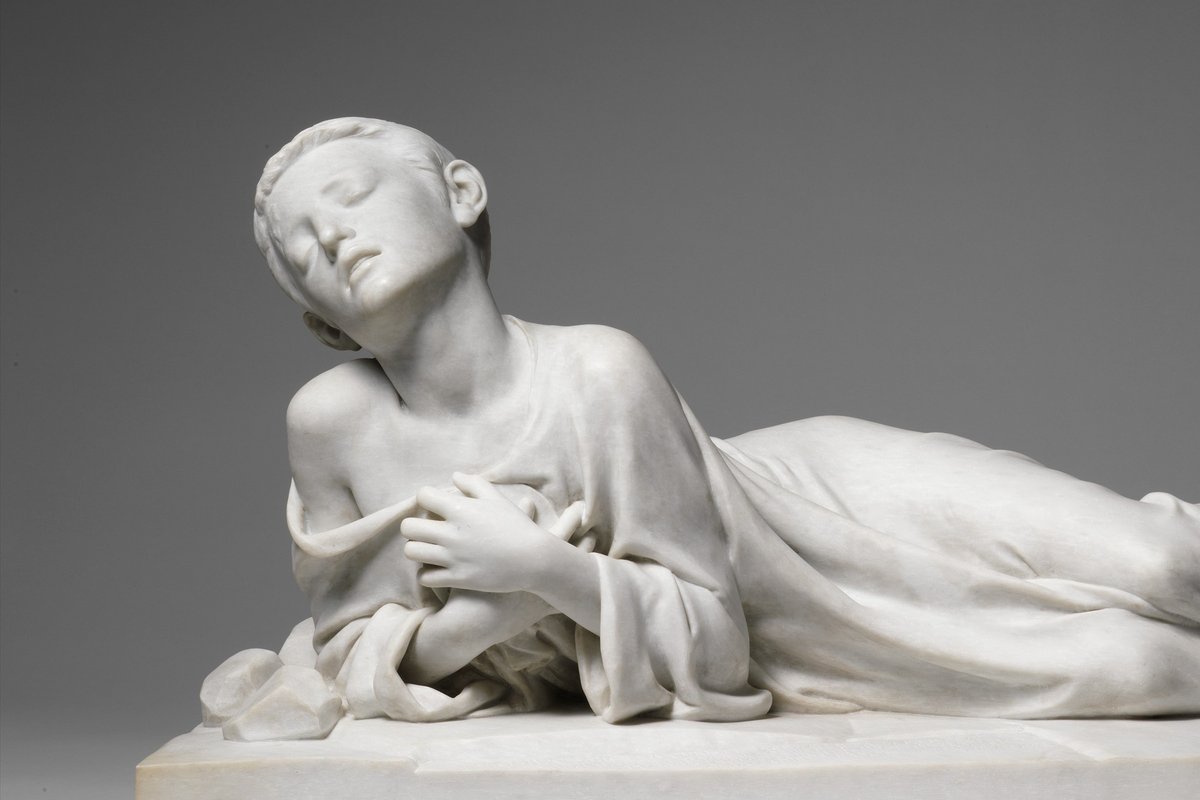
Saint Tarcisius
A young Roman carrying the Eucharist to imprisoned Christians died protecting it from a mob — a beloved story resting on a few lines of ancient poetry.
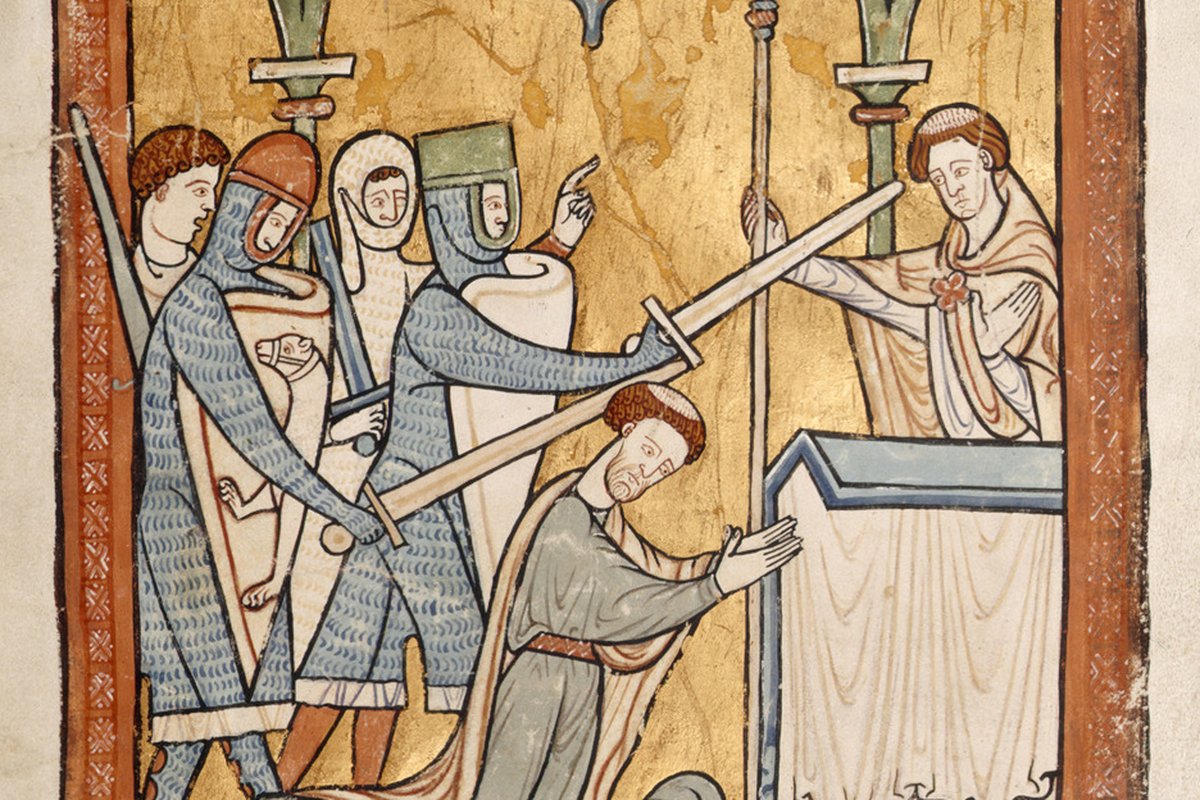
Saint Thomas Becket
Four knights heard an English king's furious outburst as a command and killed Archbishop Thomas Becket inside Canterbury Cathedral — a well-documented murder.
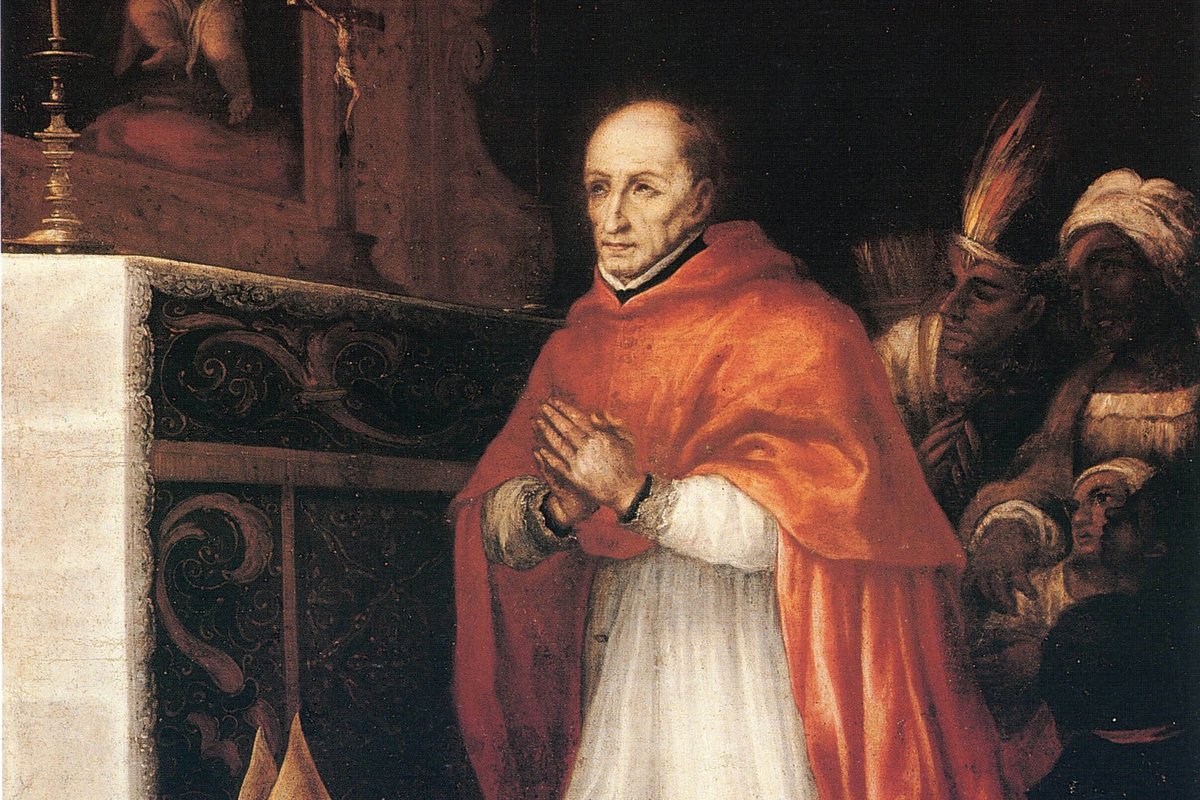
Saint Toribio de Mogrovejo
A Spanish judge who had never been ordained was named Archbishop of Lima by royal decree — and had to become a priest and a bishop within weeks of each other.
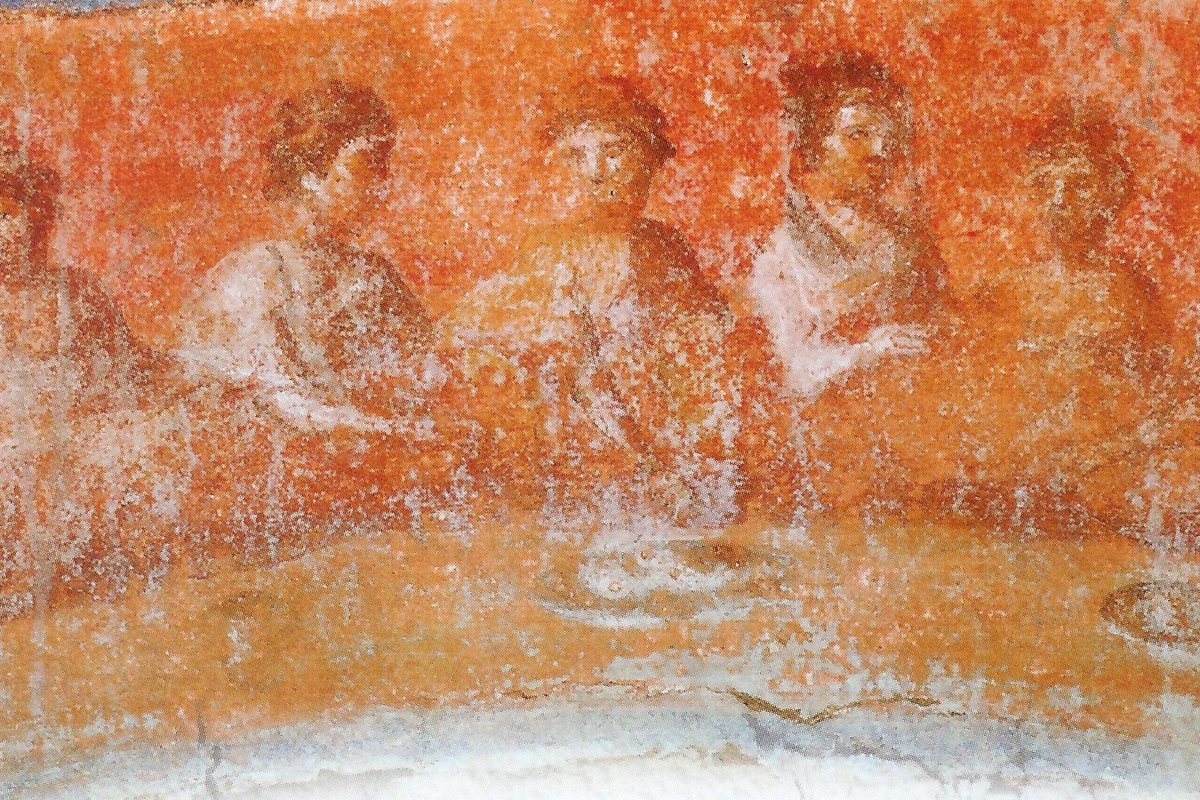
Saint Victoria of Albitina
A young North African noblewoman jumped from a window to escape an arranged marriage, then joined 48 others arrested for celebrating the Sunday Eucharist.
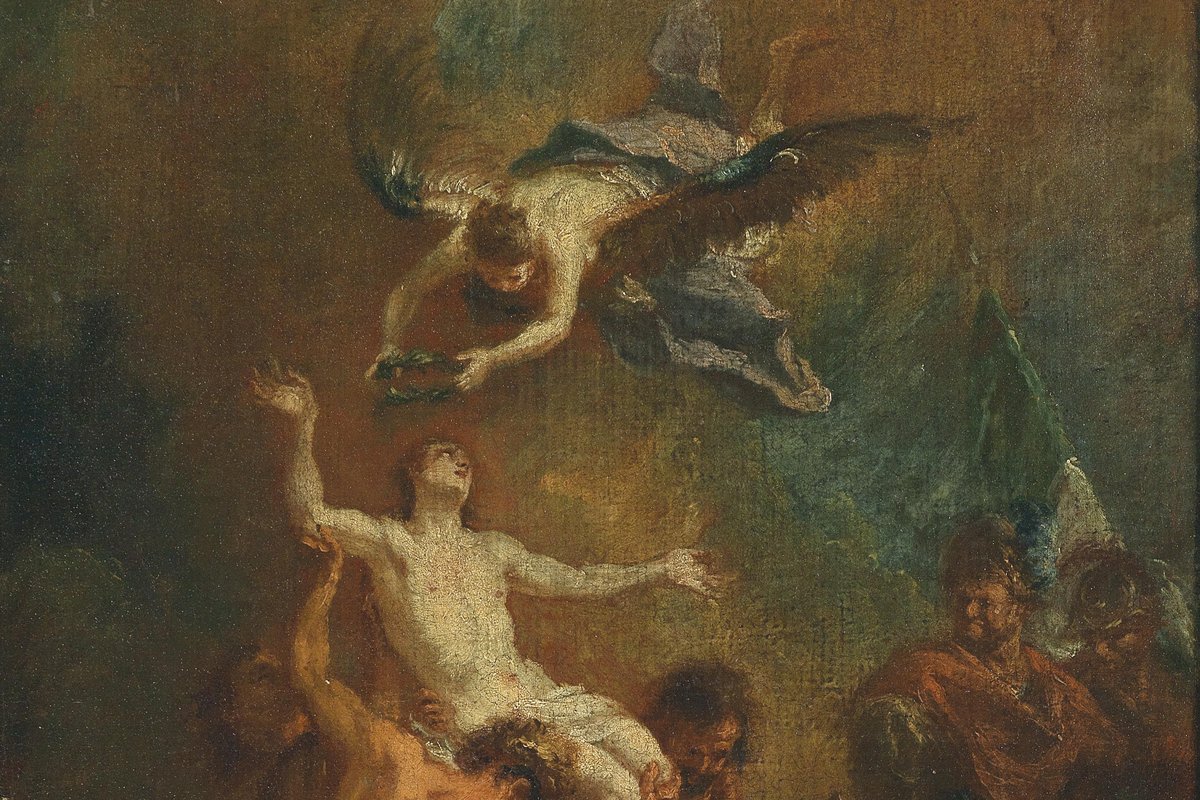
Saint Vitus
A boy martyr's legend gave a real neurological disorder its name, Saint Vitus's Dance, through a strange medieval custom of dancing before his statue.
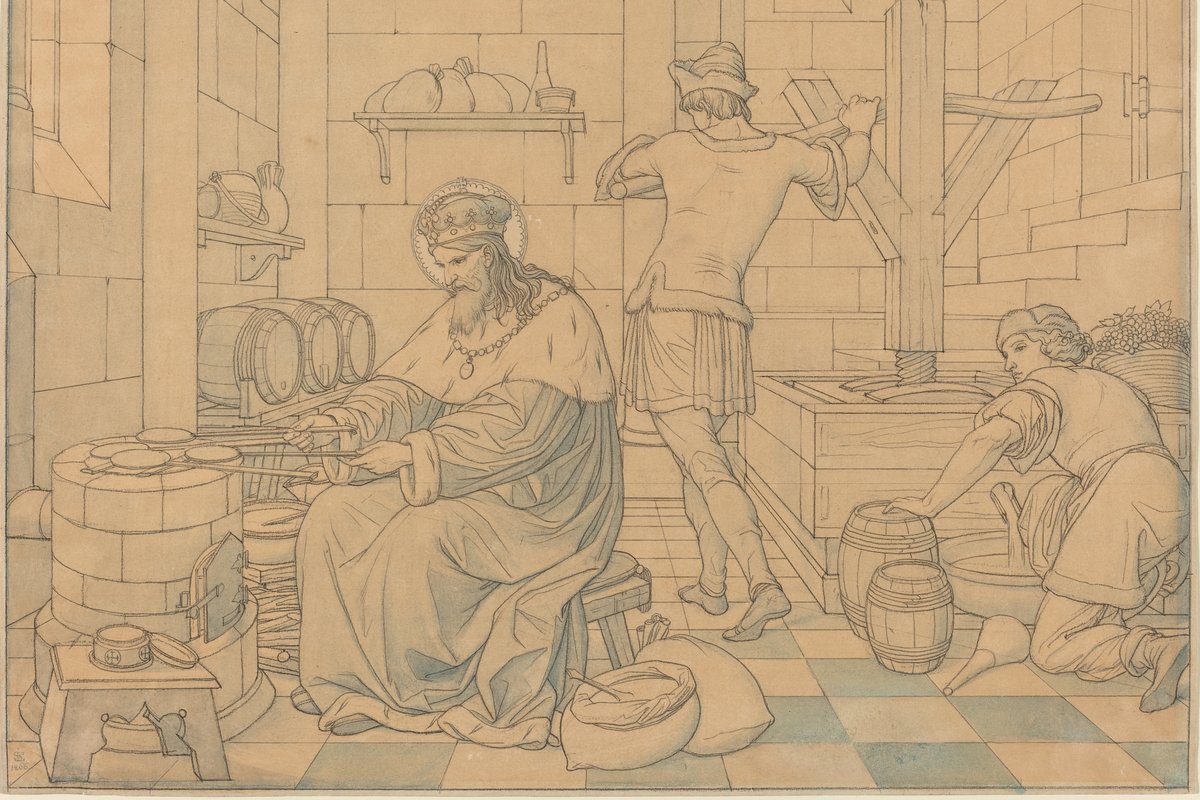
Saint Wenceslaus
A Bohemian duke was murdered by his own younger brother's men in 935, then became the "Good King" of a carol describing charity that never actually happened.
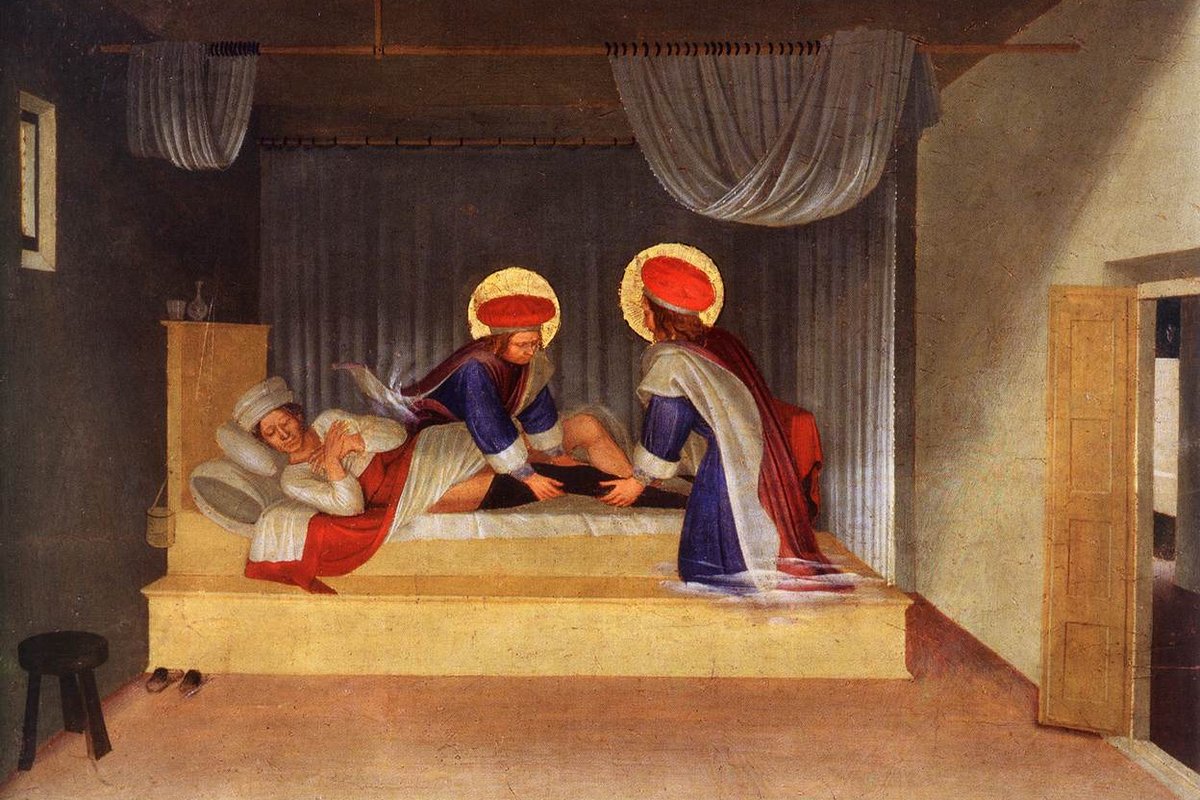
Saints Cosmas and Damian
Twin physicians who treated the sick free of charge were later said to graft a dead man's leg onto a living patient — a legend arriving centuries later.
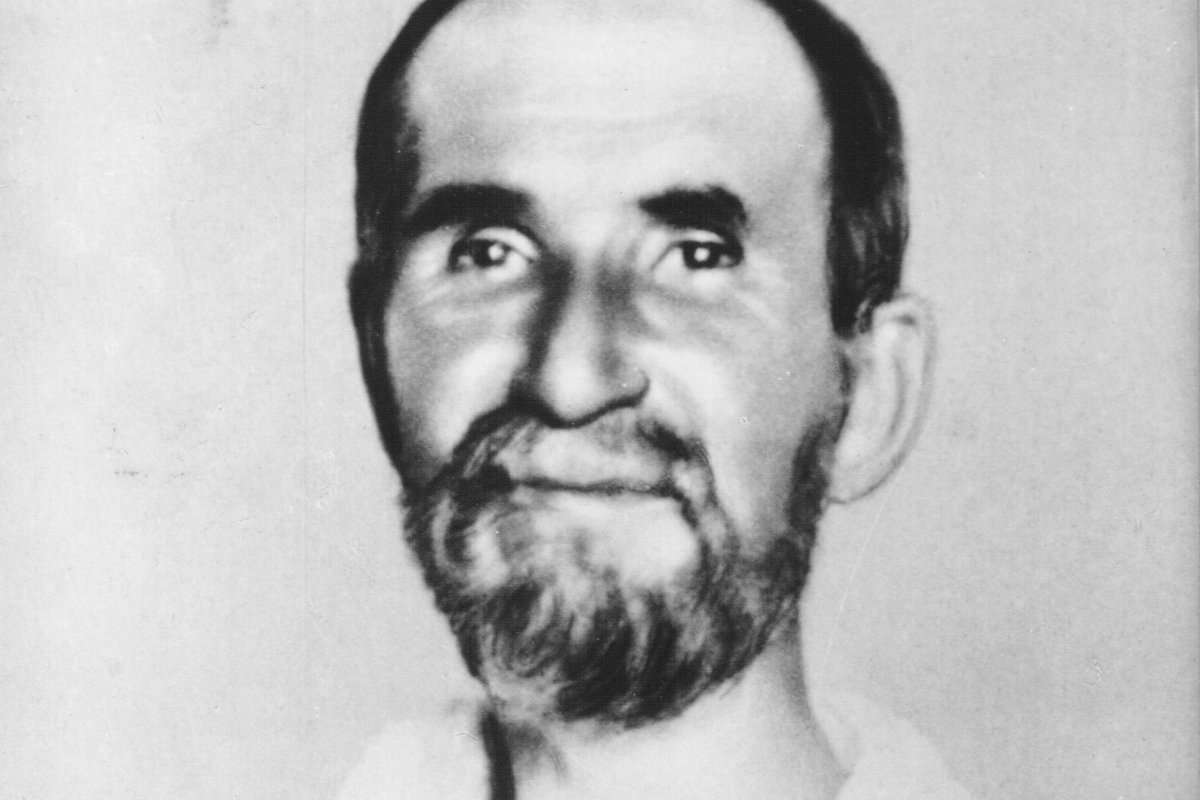
Blessed Charles de Foucauld
A cavalry officer who lived for pleasure and food became a Sahara hermit who prayed alone at a desert fort — until raiders shot him dead at his own door.
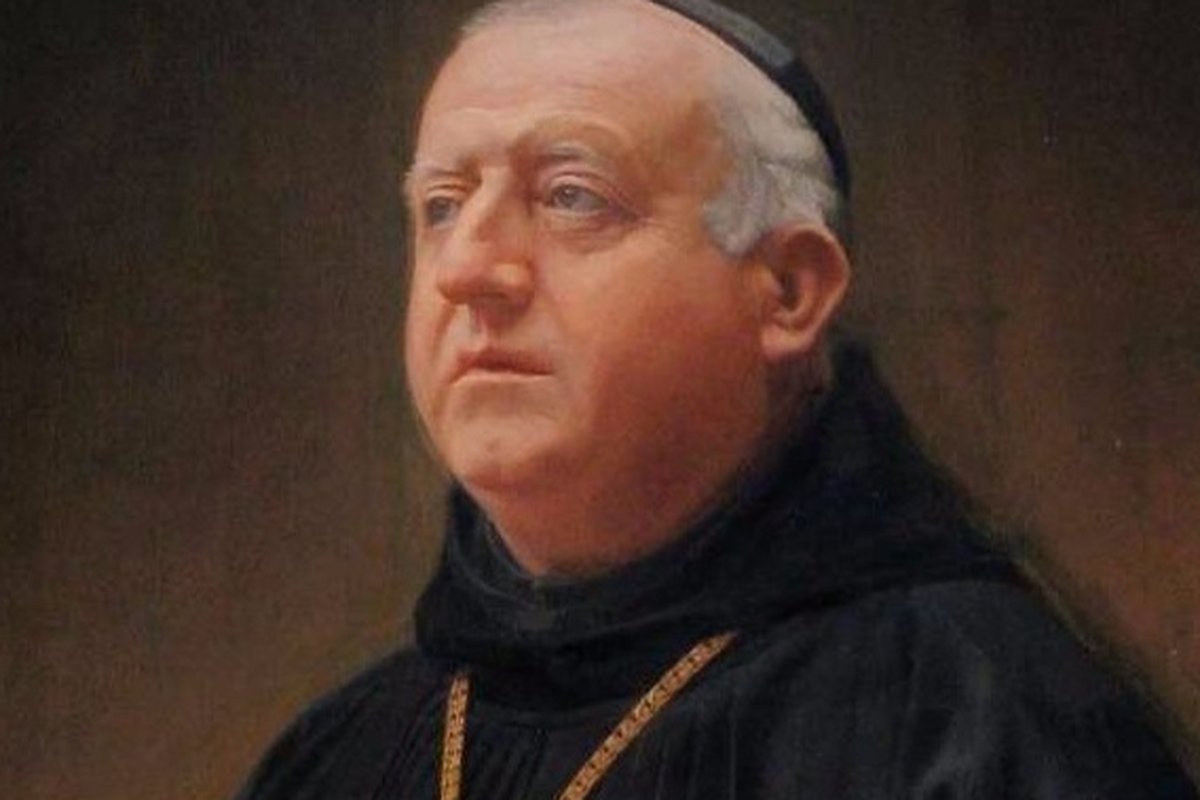
Blessed Columba Marmion
A Dublin priest dreamed of mission work in Australia. He never got there — instead, from a Belgian abbey, he became one of the century's most read spiritual writers.
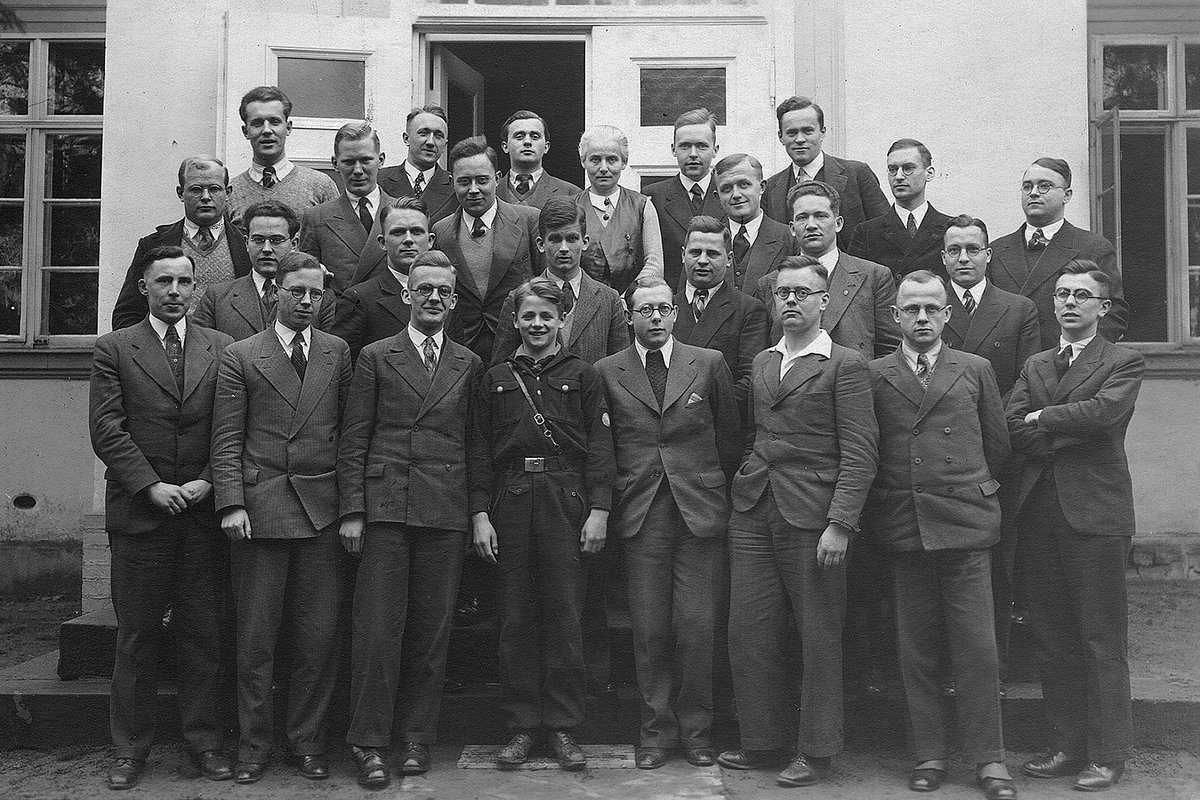
Dietrich Bonhoeffer
A Lutheran pastor hanged at Flossenbürg weeks before Germany's surrender is honored across denominations as a modern martyr — though not as a Catholic saint.
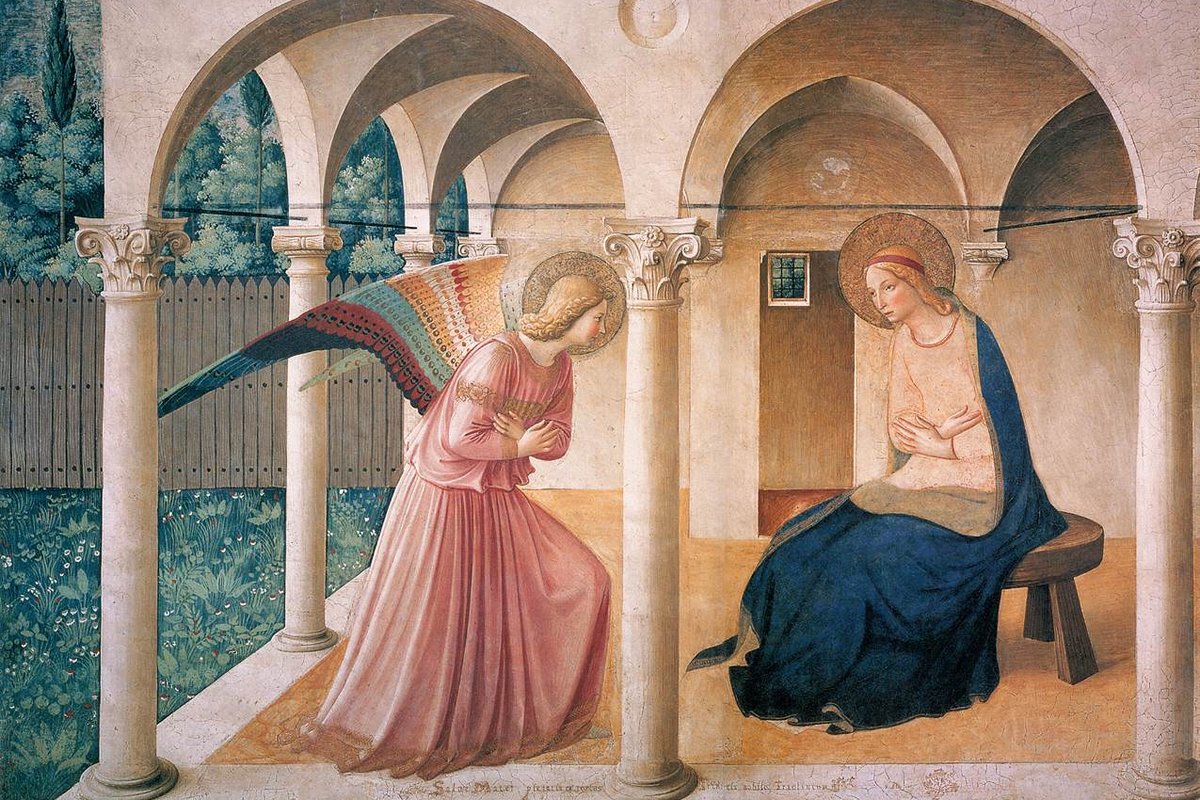
Blessed Fra Angelico
A Dominican friar painted some of the Renaissance's finest frescoes where almost no one would ever see them — inside his brothers' private prayer cells.
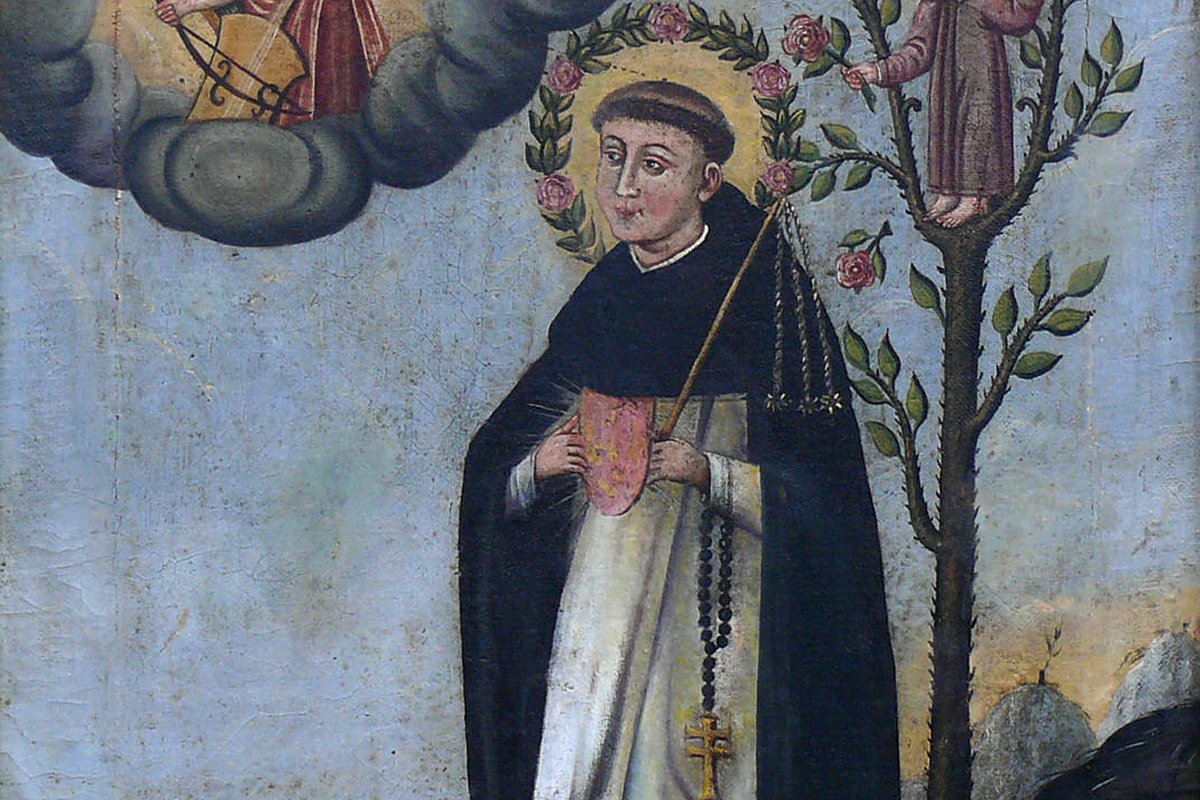
Blessed Henry Suso
A teenage friar fell in love with what he called Eternal Wisdom, personified as a bride, and wrote a medieval bestseller second only to The Imitation of Christ.
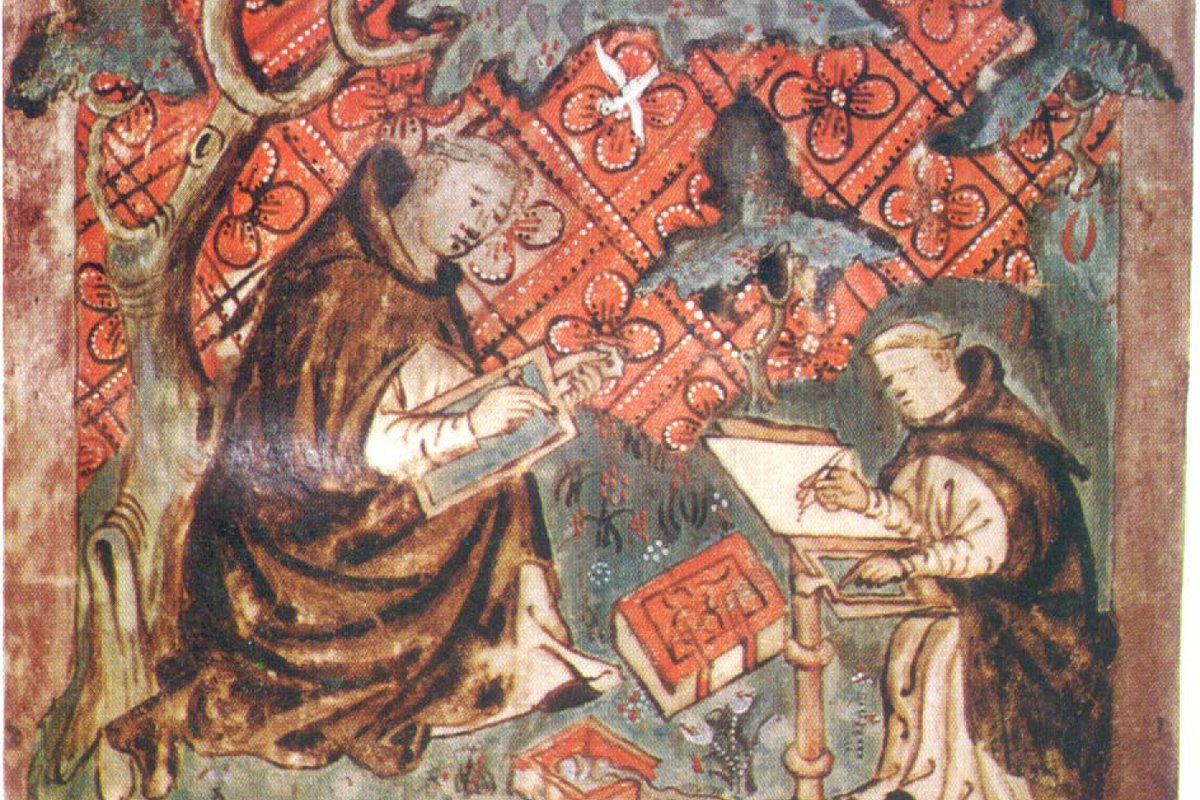
Blessed Jan van Ruusbroec
A Paris theologian accused his mystical writing of pantheism; Ruusbroec insisted he meant union in love, not of essence — a real medieval dispute, not folklore.
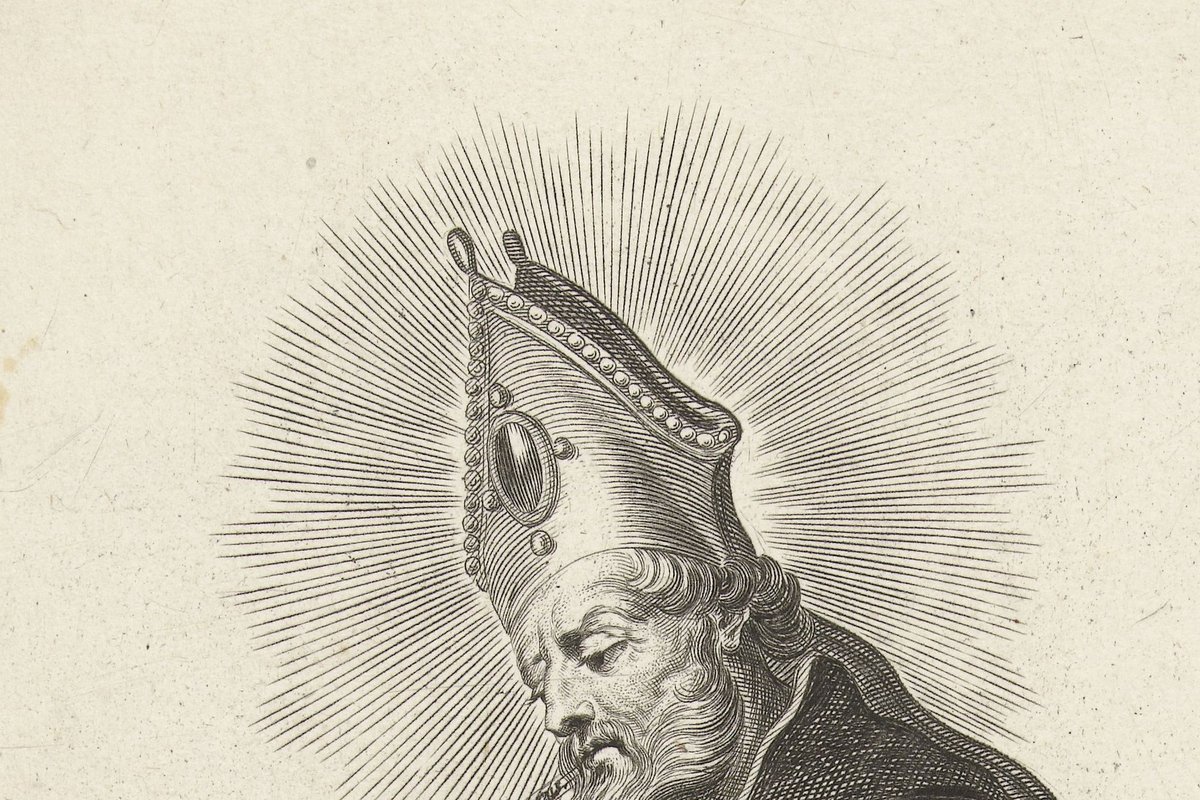
Saint Albert the Great
A Dominican teacher predicted his silent, mocked student would "bellow so loud" his teaching filled the world — the student was Thomas Aquinas.
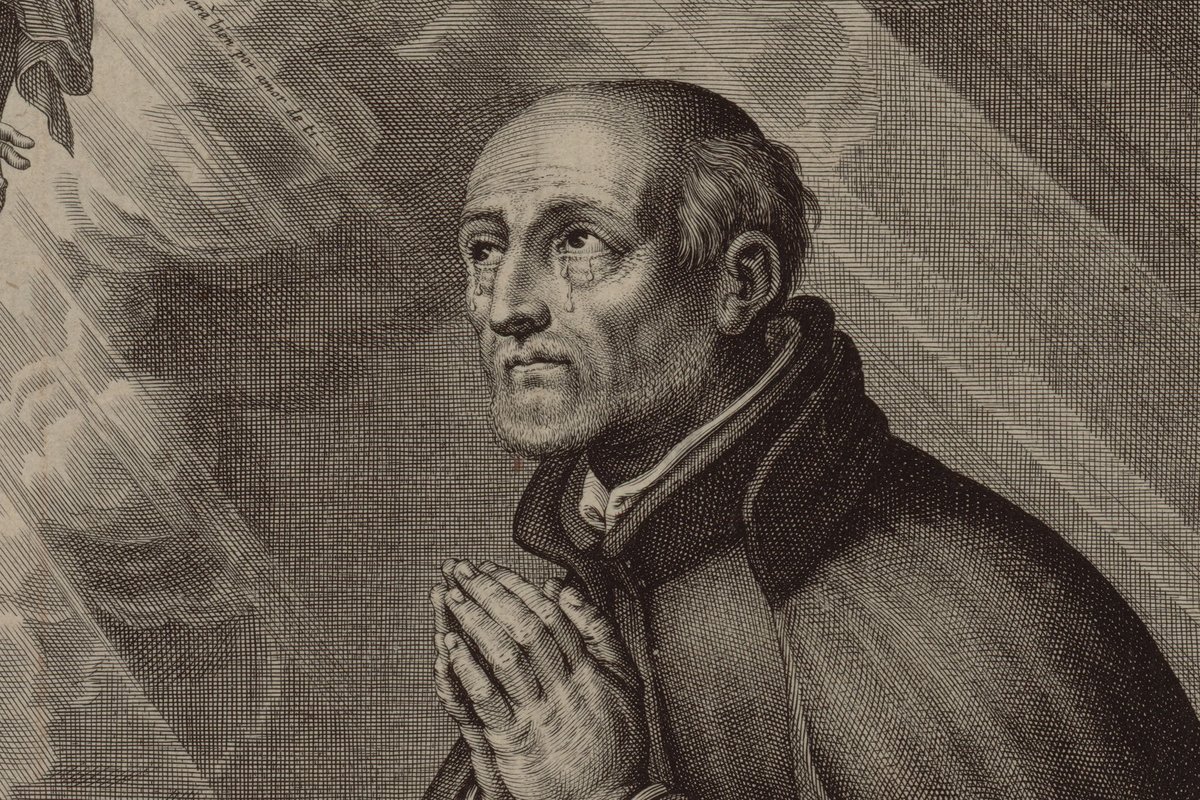
Saint Alphonsus Rodriguez
A ruined widower joined the Jesuits at 40 as a lay brother and spent 46 years answering the monastery door — believing every knock might be Christ.
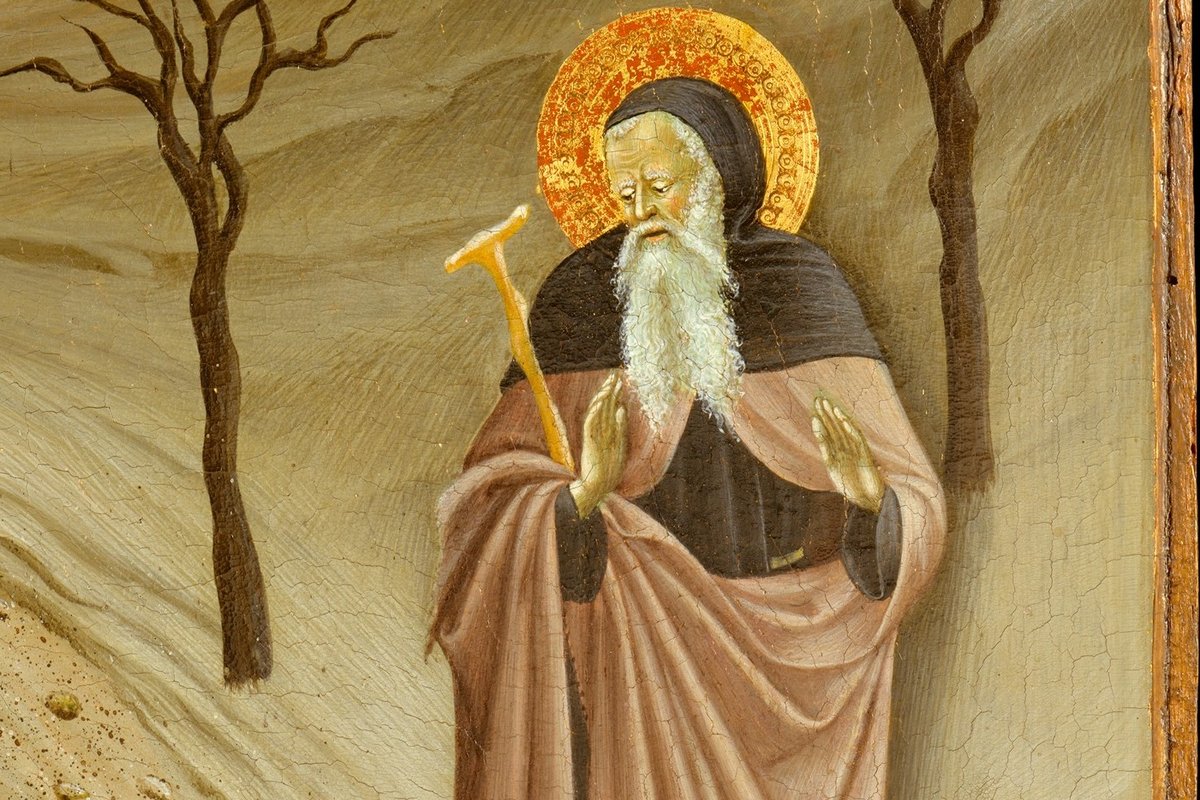
Saint Anthony the Great
A rich young Egyptian heard one Gospel line read aloud, took it literally, and walked into the desert — becoming the reason monasticism exists at all.
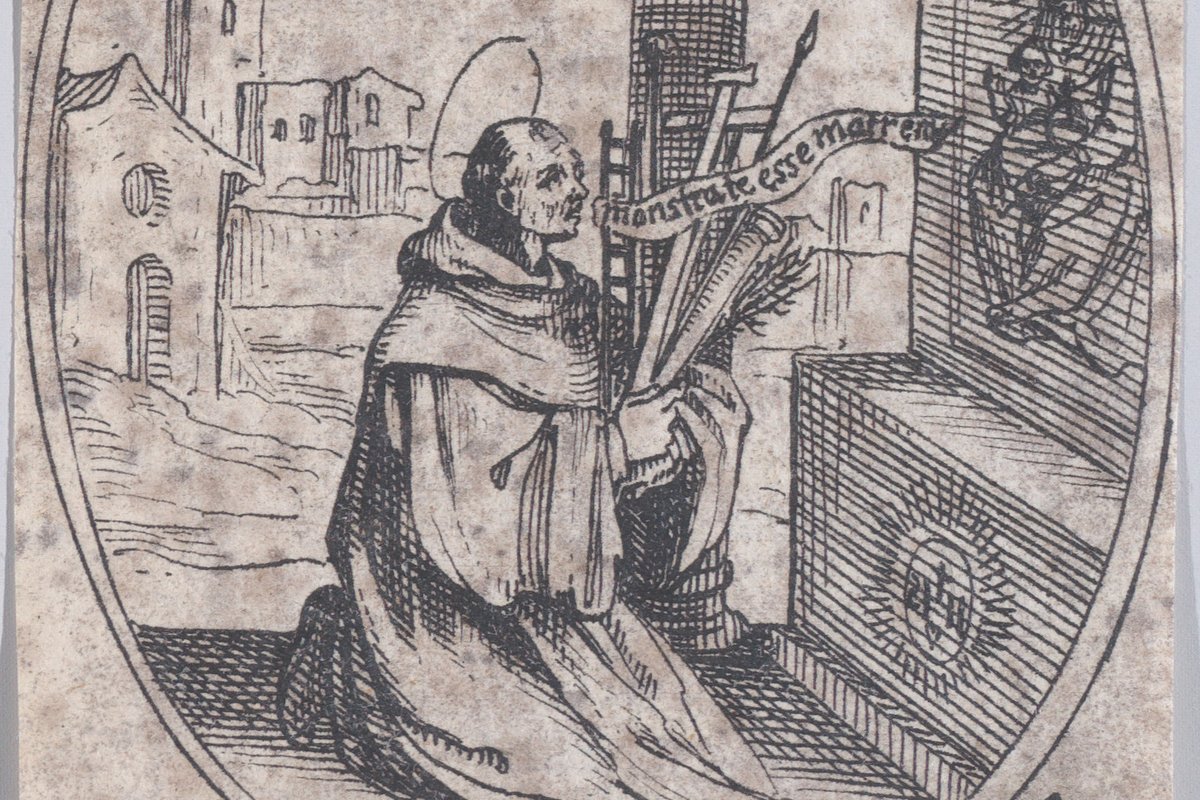
Saint Bernard of Clairvaux
A 22-year-old talked 30 friends and relatives into a struggling new monastery — and 33 years later preached a crusade so effectively the cloth ran out.
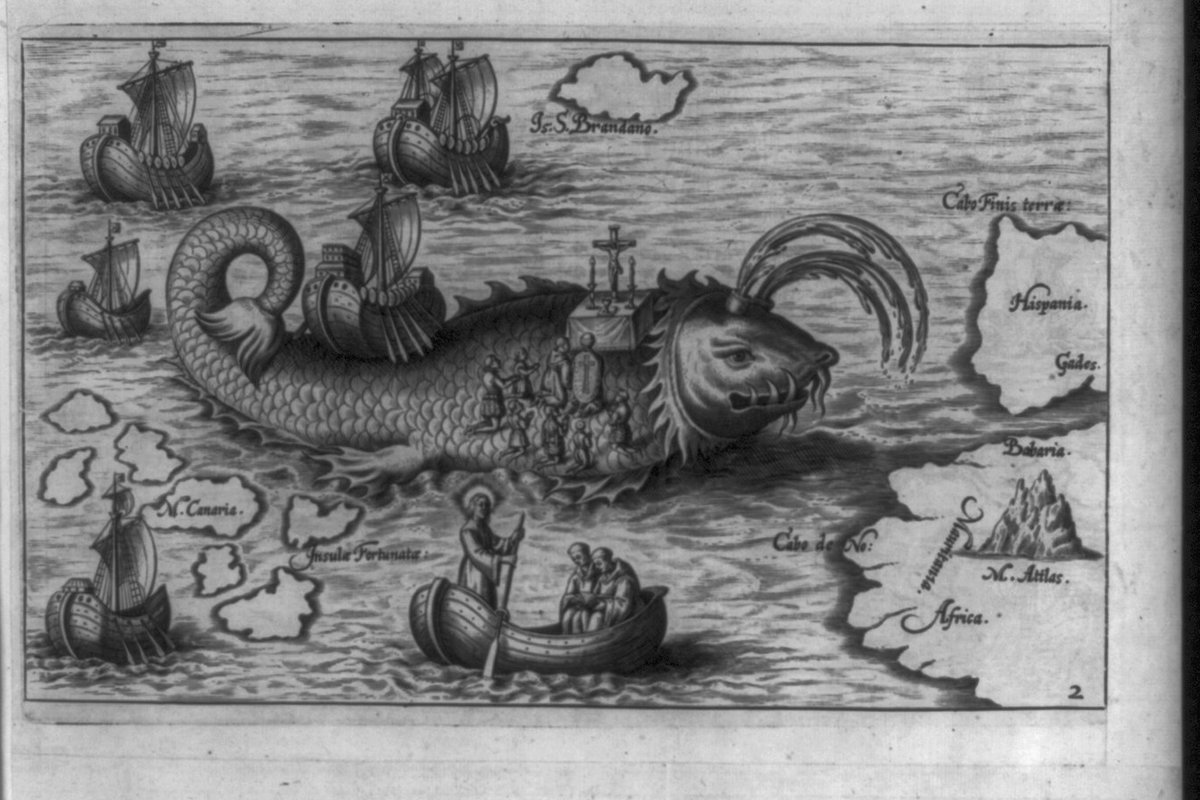
Saint Brendan the Navigator
Irish monks told of Brendan sailing the Atlantic in a leather boat and saying Mass on an island that turned out to be a whale — legend, not history.
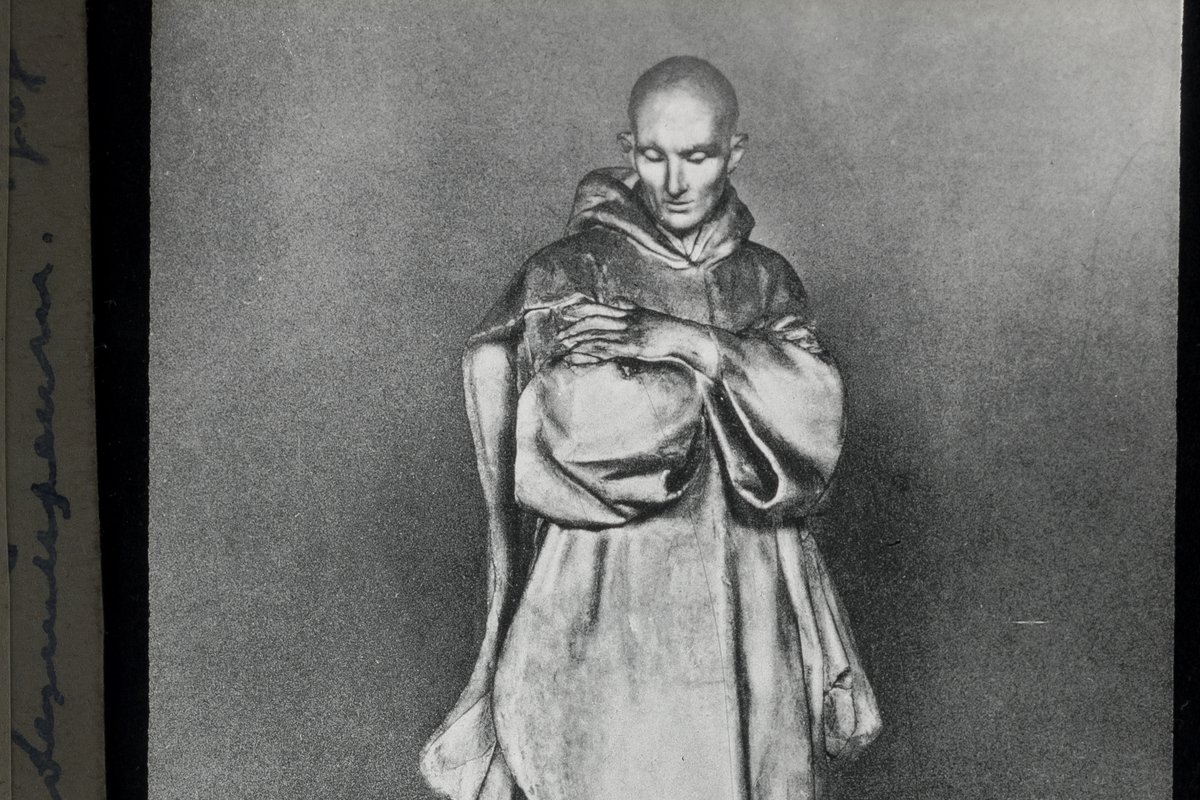
Saint Bruno of Cologne
A renowned theology teacher quit over his archbishop's corruption, then led six companions into an Alpine valley to found an order that still exists today.
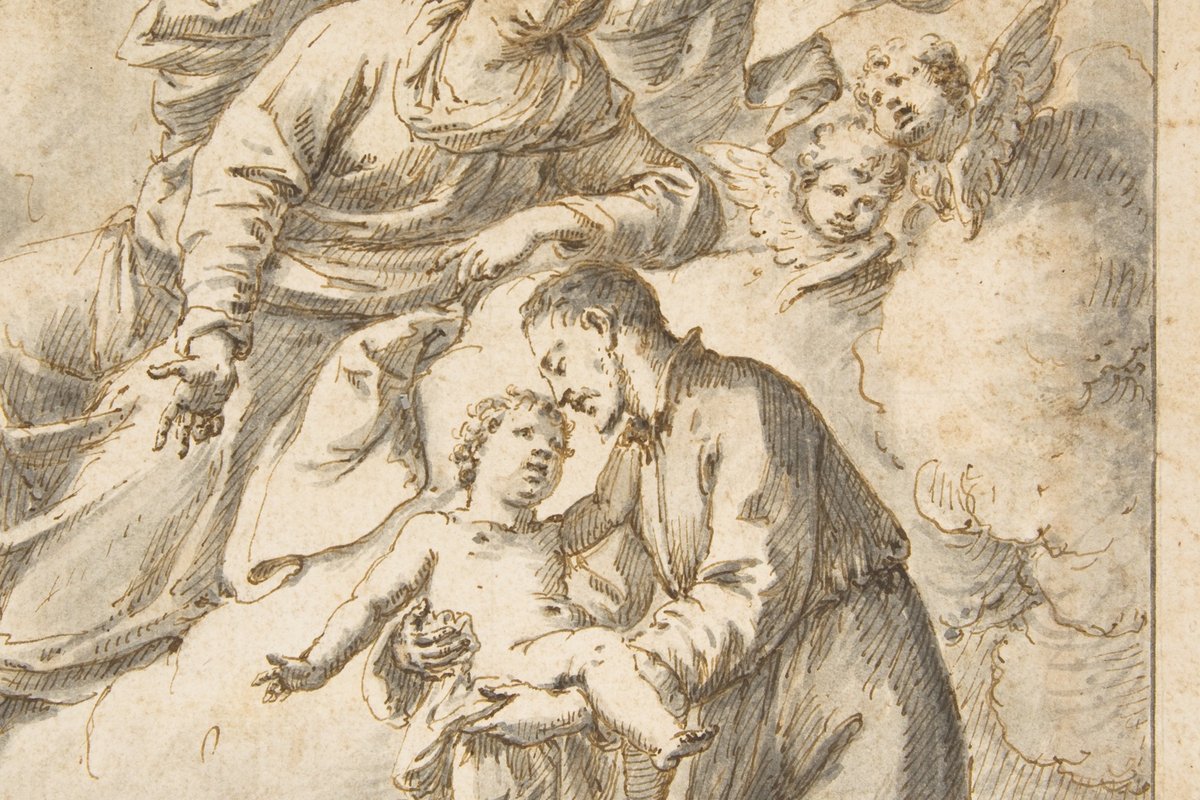
Saint Cajetan
A nobleman-turned-priest in famine-stricken Naples built an interest-free lending fund to fight loan sharks preying on the poor — it became the Bank of Naples.
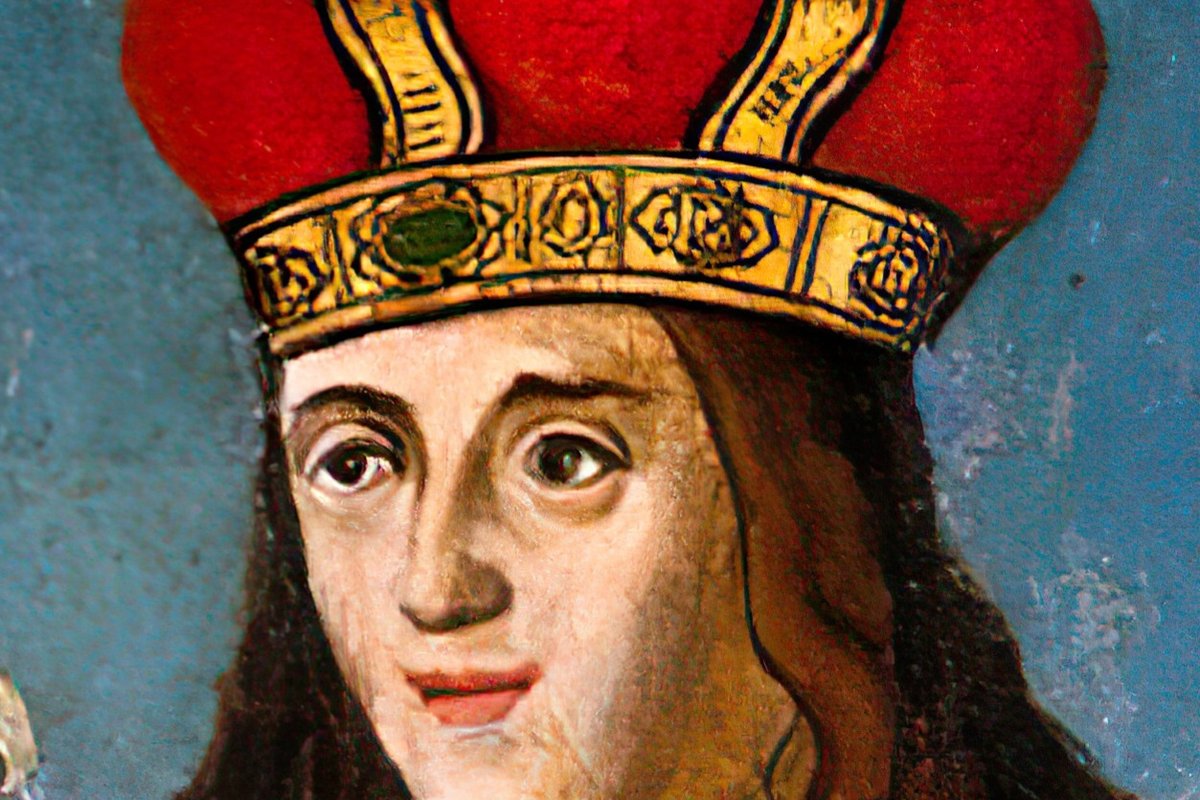
Saint Casimir of Poland
At 13, a Polish prince marched off to seize a foreign throne for his father. The campaign collapsed in disgrace, and he never took up arms or a crown again.
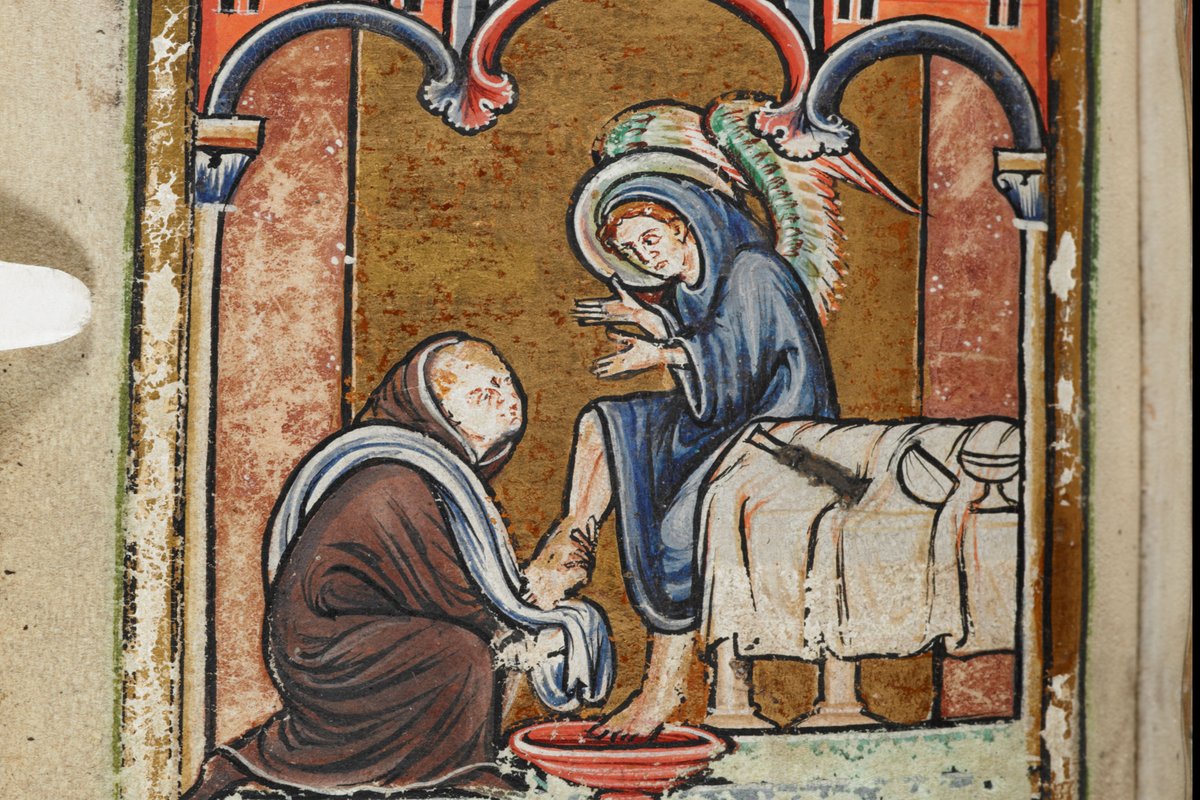
Saint Cuthbert of Lindisfarne
A hermit-bishop so devoted to seabirds a duck still carries his name — and whose reportedly incorrupt body became the reason Durham Cathedral exists.
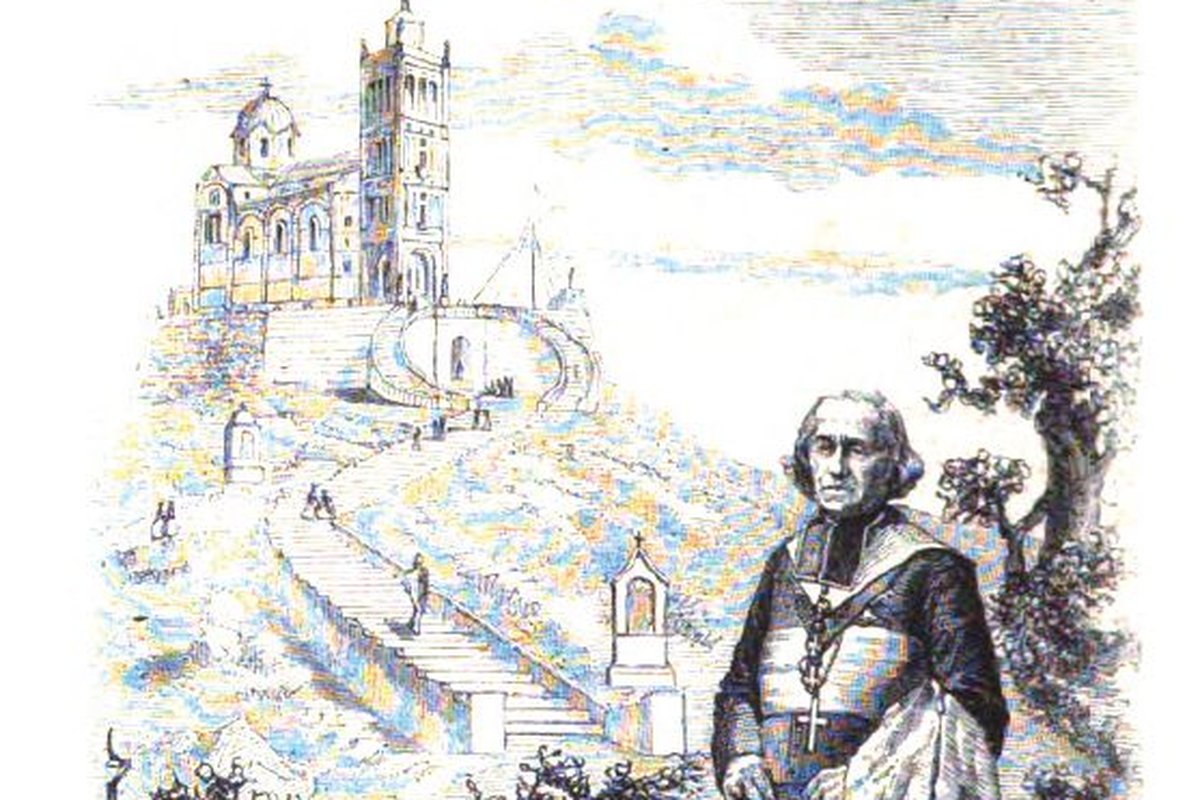
Saint Eugene de Mazenod
An aristocratic child fled the French Revolution and grew up poor in exile. He grew up to found a missionary order for society's most abandoned people.
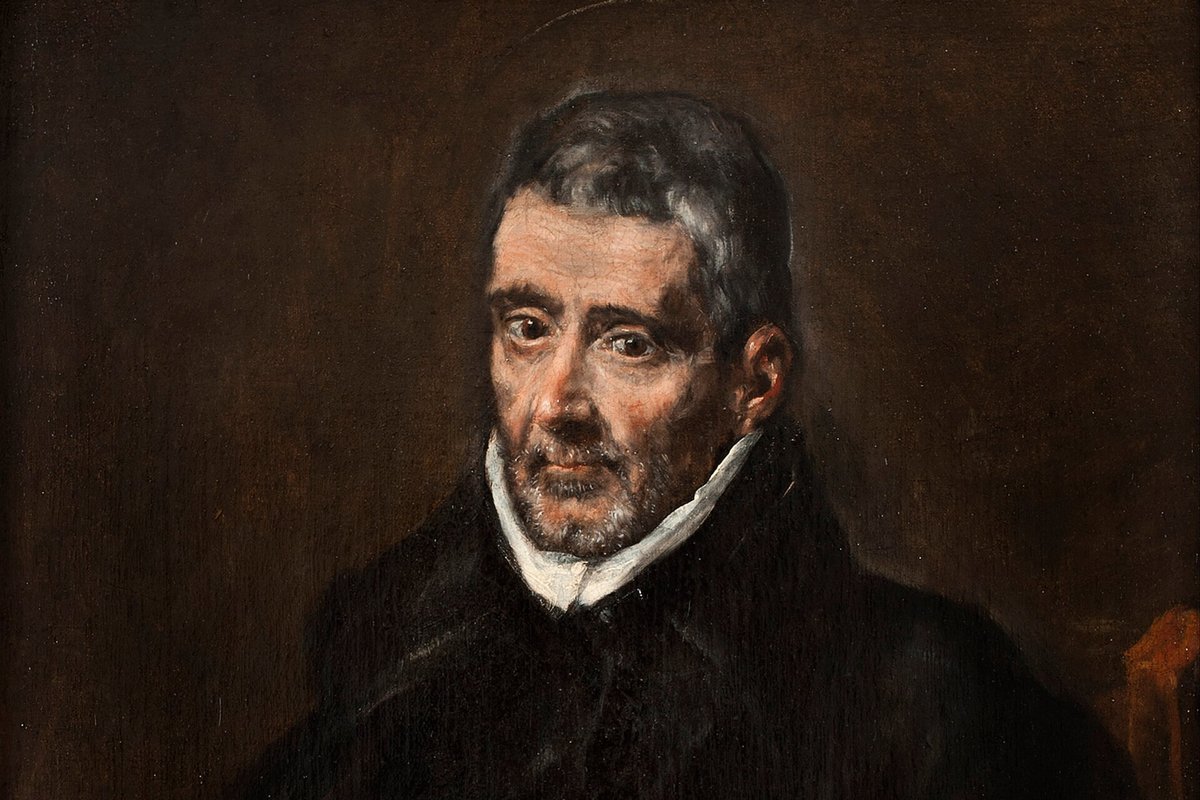
Saint John of Avila
A descendant of Jewish converts became the Counter-Reformation's great spiritual director — personally advising both Ignatius of Loyola and Teresa of Ávila.
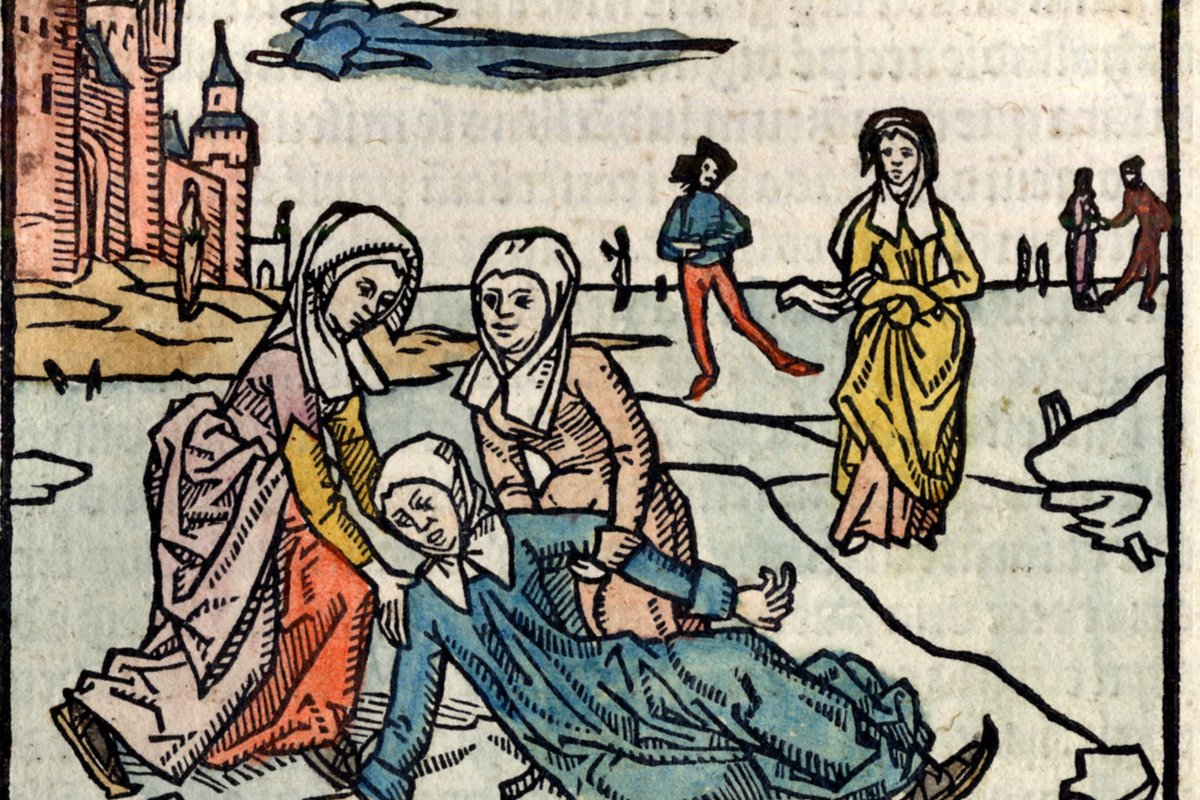
Saint Lydwine of Schiedam
A single skating accident at 15 left a Dutch teenager disabled for 37 years. The Church later named her patron saint of the very sport that broke her.
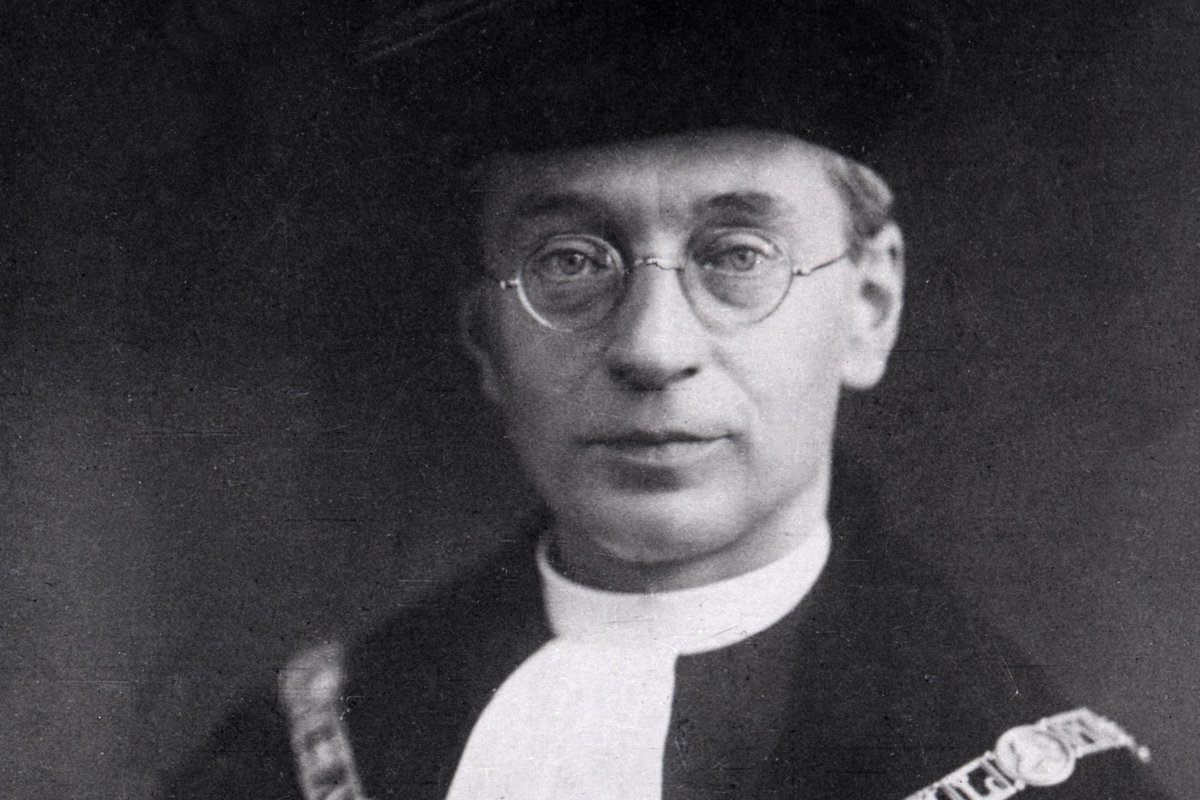
Saint Titus Brandsma
At 60, a Carmelite priest hand-delivered a letter ordering Catholic newspapers to defy Nazi propaganda orders. He was dead within five months.
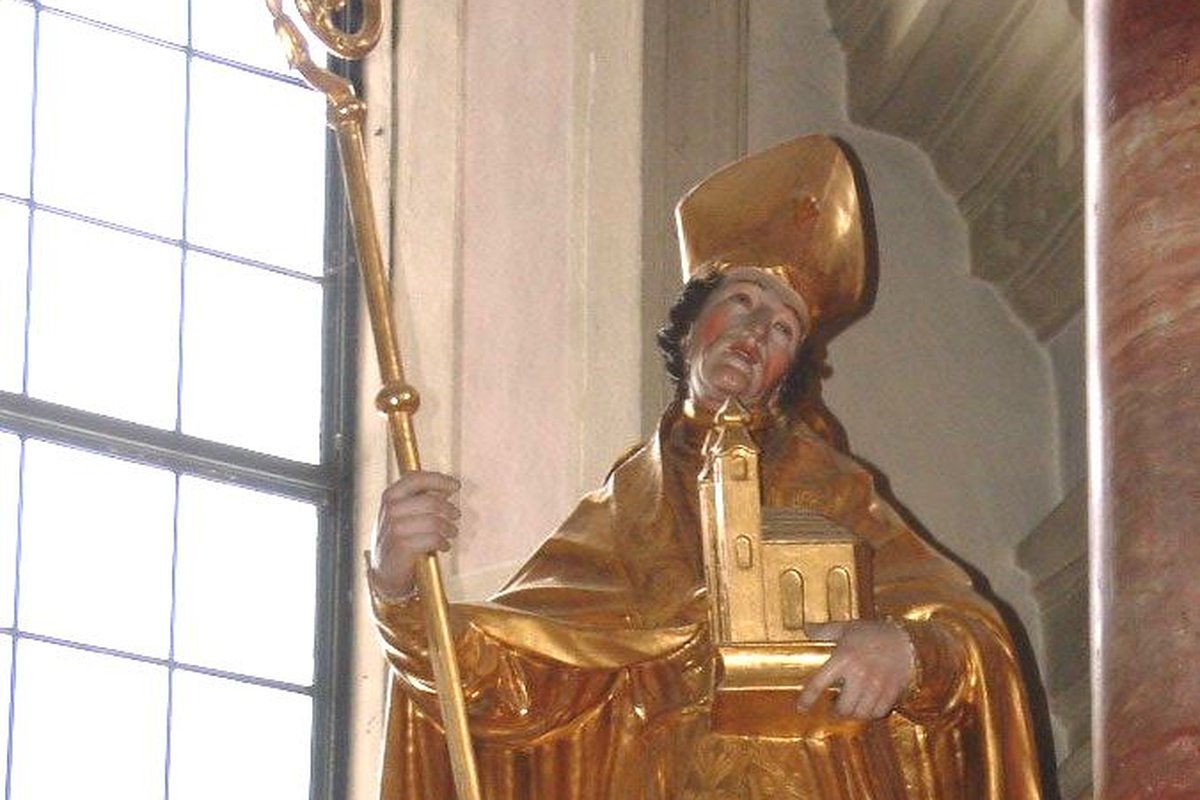
Saint Virgil of Salzburg
Popular legend says he was tried for heresy over a round Earth. The real dispute was far stranger — whether people on its far side could ever be saved.
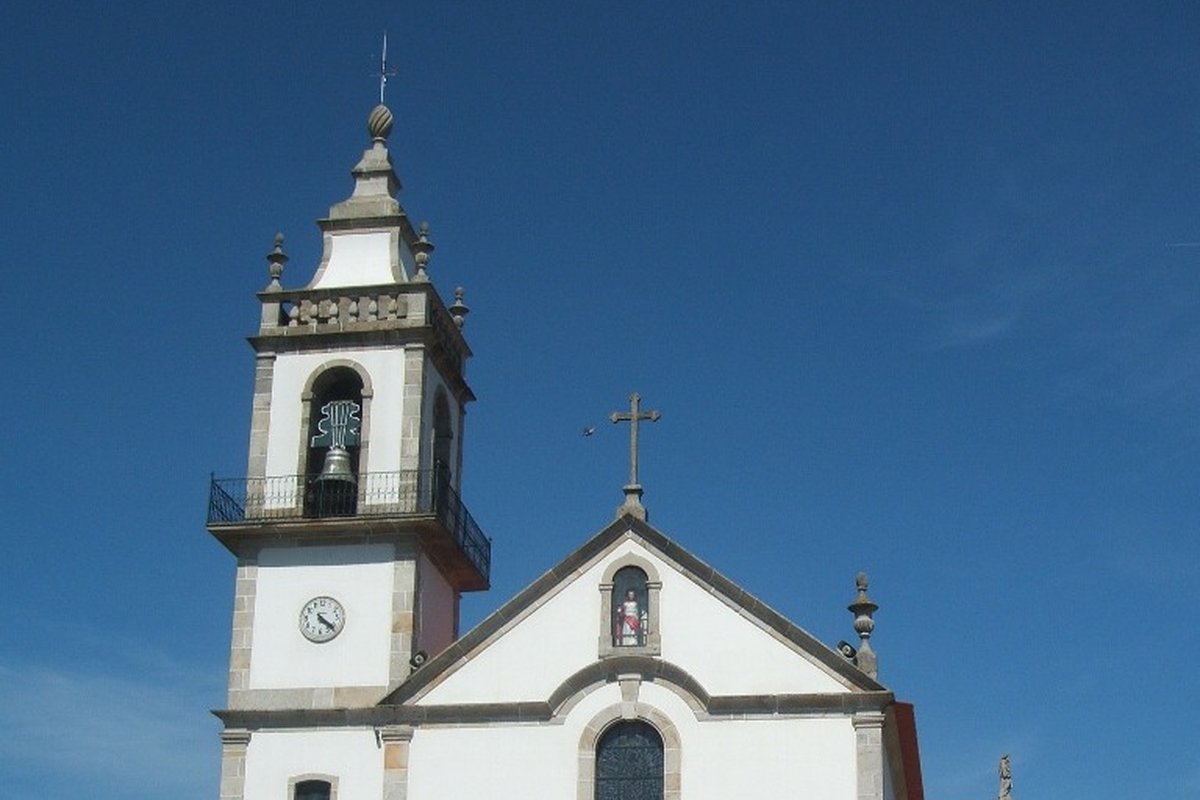
Blessed Alexandrina of Balazar
A fourteen-year-old jumped from a window to escape assault, paralyzed for life — then spent thirteen years under Church watch, living on only the Eucharist.
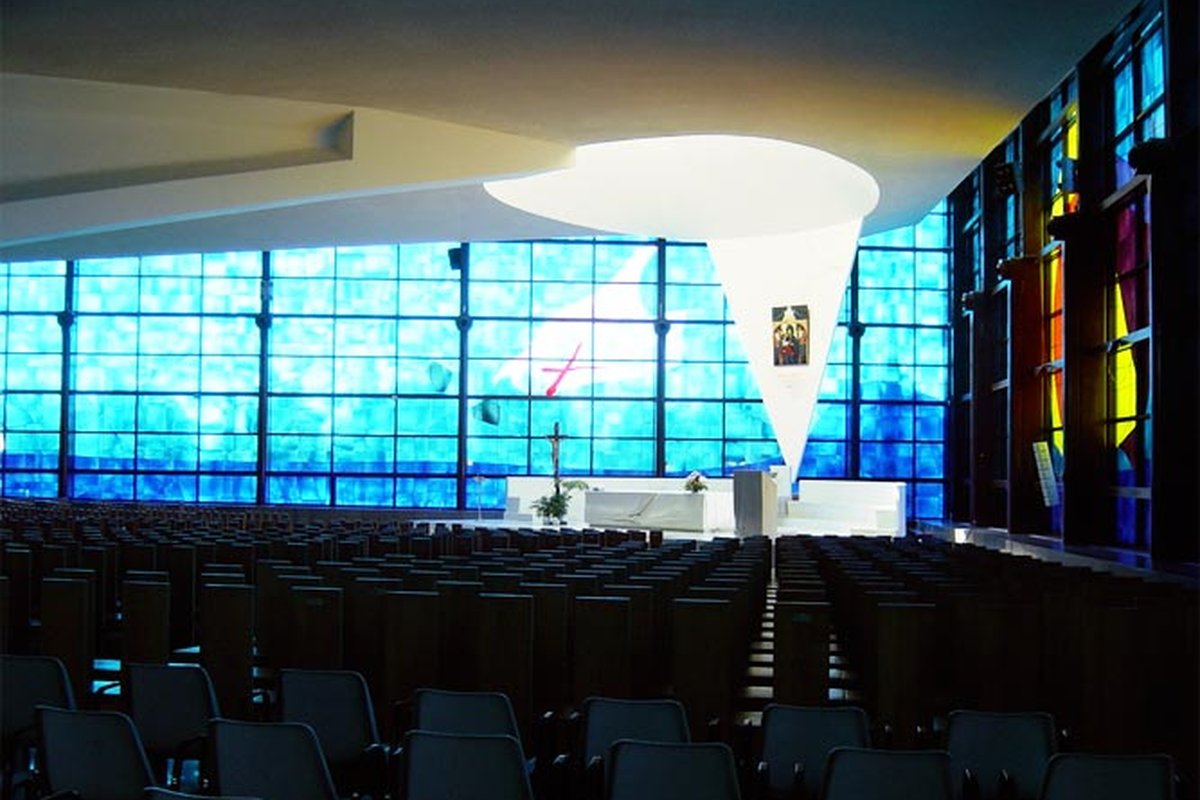
Blessed Chiara "Luce" Badano
An Italian teenager who loved tennis and pop music was diagnosed with bone cancer at sixteen, and refused painkillers that would dull the mind she offered God.
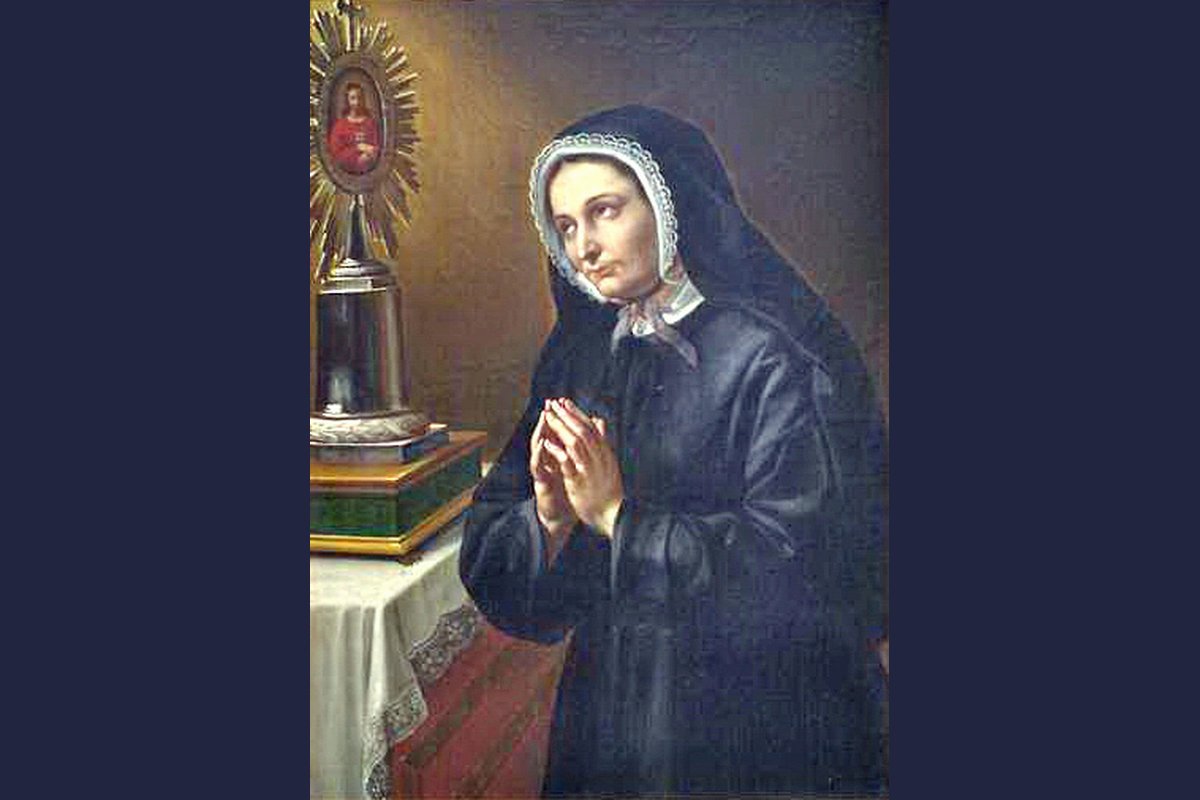
Blessed Elisabetta Canori Mora
A Roman bride watched her husband's ambition curdle into control, infidelity, and ruin — she answered it by scrubbing floors to feed her daughters, not leaving.
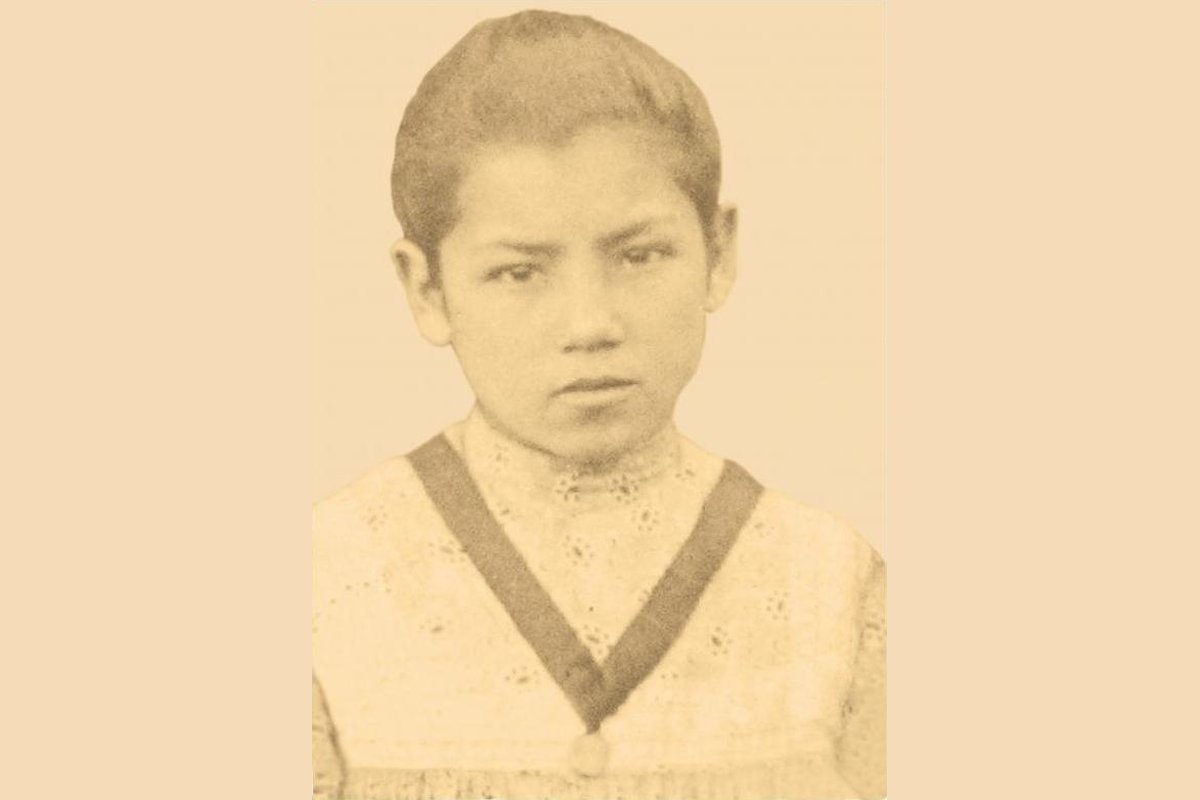
Blessed Laura Vicuña
A Salesian schoolgirl learned her mother was trapped in a coercive relationship, and around age ten decided to offer her own life for her mother's freedom.
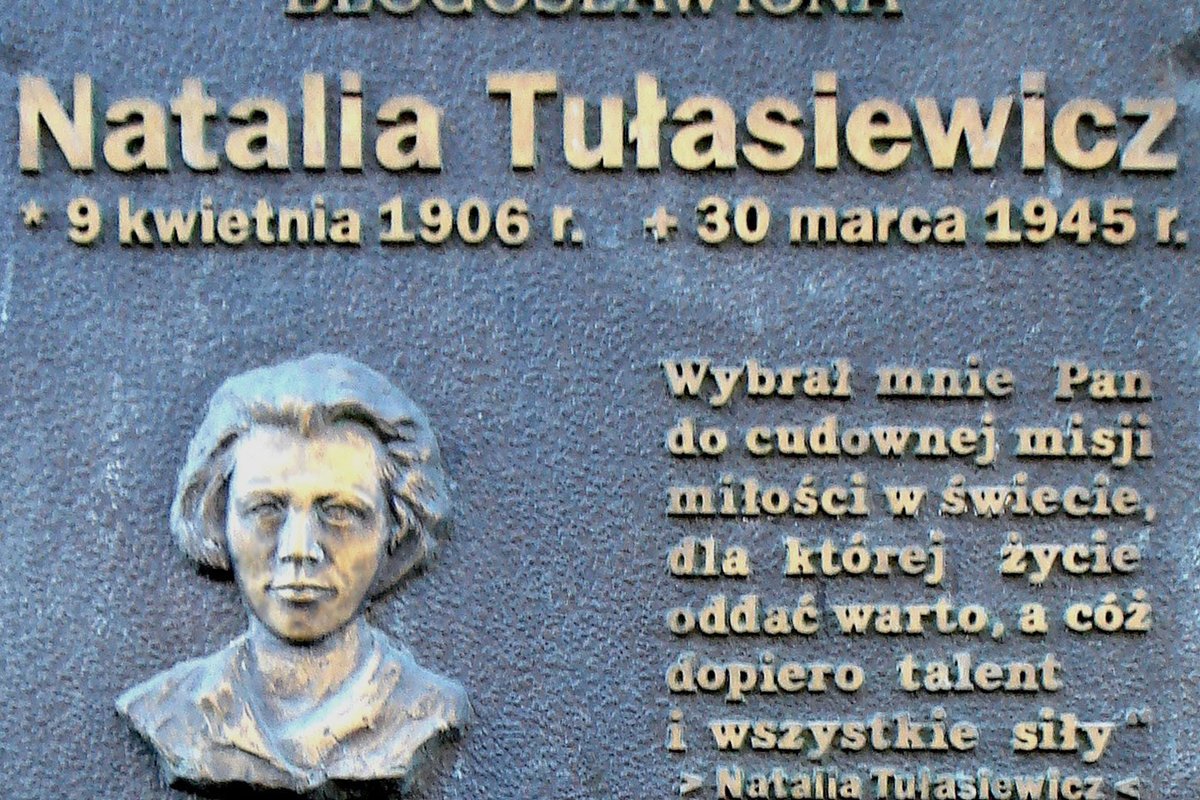
Blessed Natalia Tułasiewicz
A Polish literature graduate volunteered for Nazi forced labor to secretly minister to deported women, and was gassed at Ravensbrück on Easter Sunday, 1945.
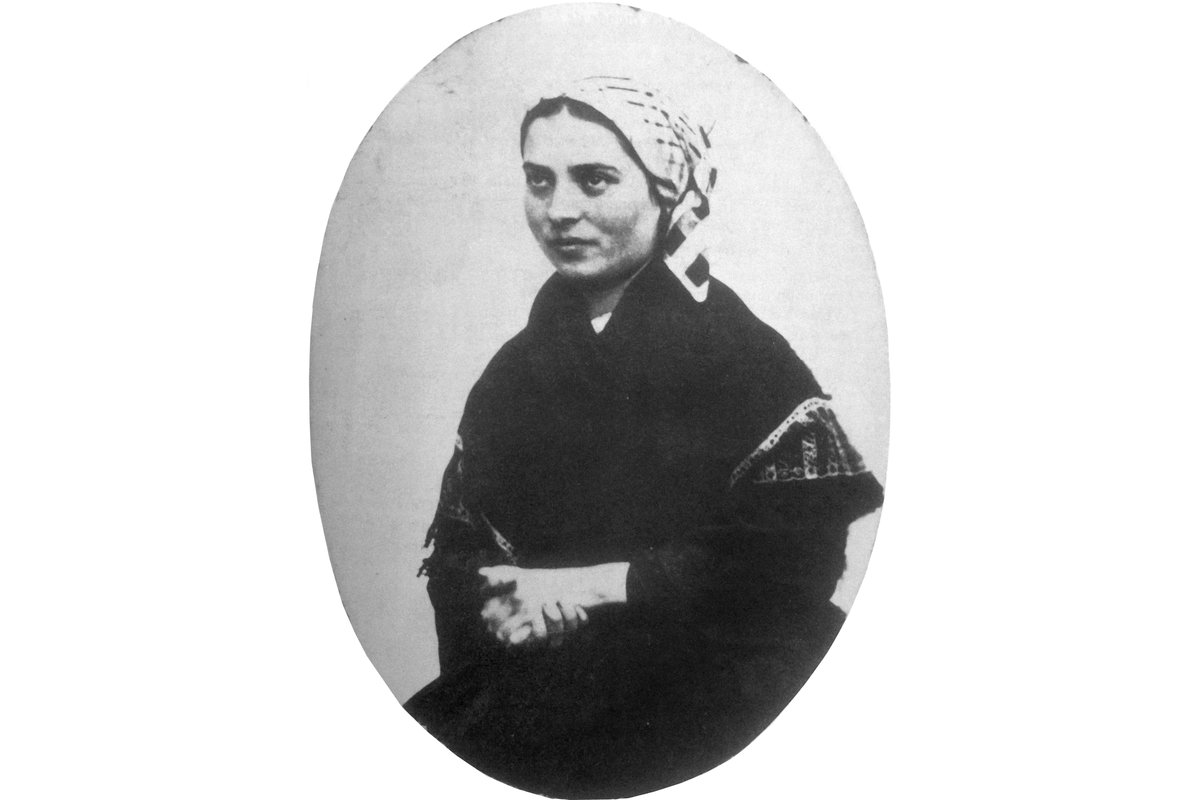
Saint Bernadette Soubirous
A sickly fourteen-year-old gathering firewood saw "something white in the shape of a woman" in a rock niche, and kept returning despite threats of the asylum.
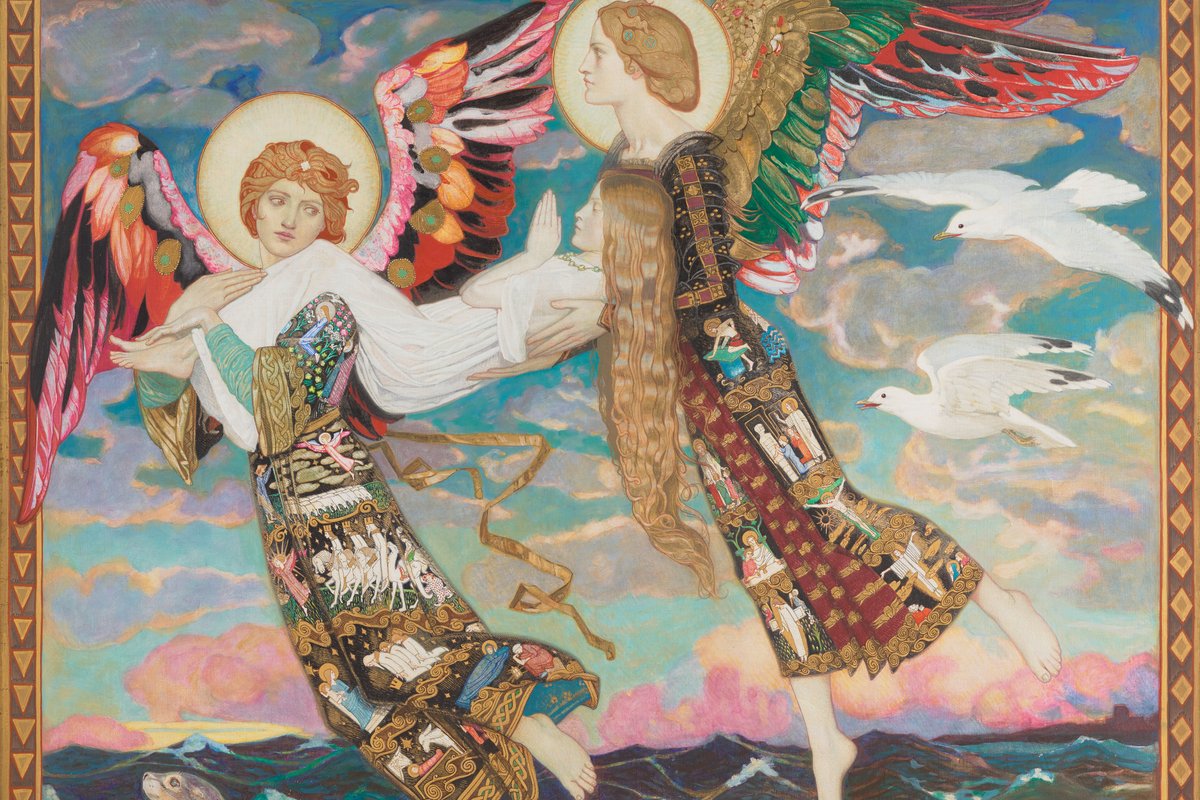
Saint Brigid of Ireland
For centuries, nuns at Kildare tended a flame in her honor that tradition says never went out — nineteen women took a night each, the last left to Brigid.
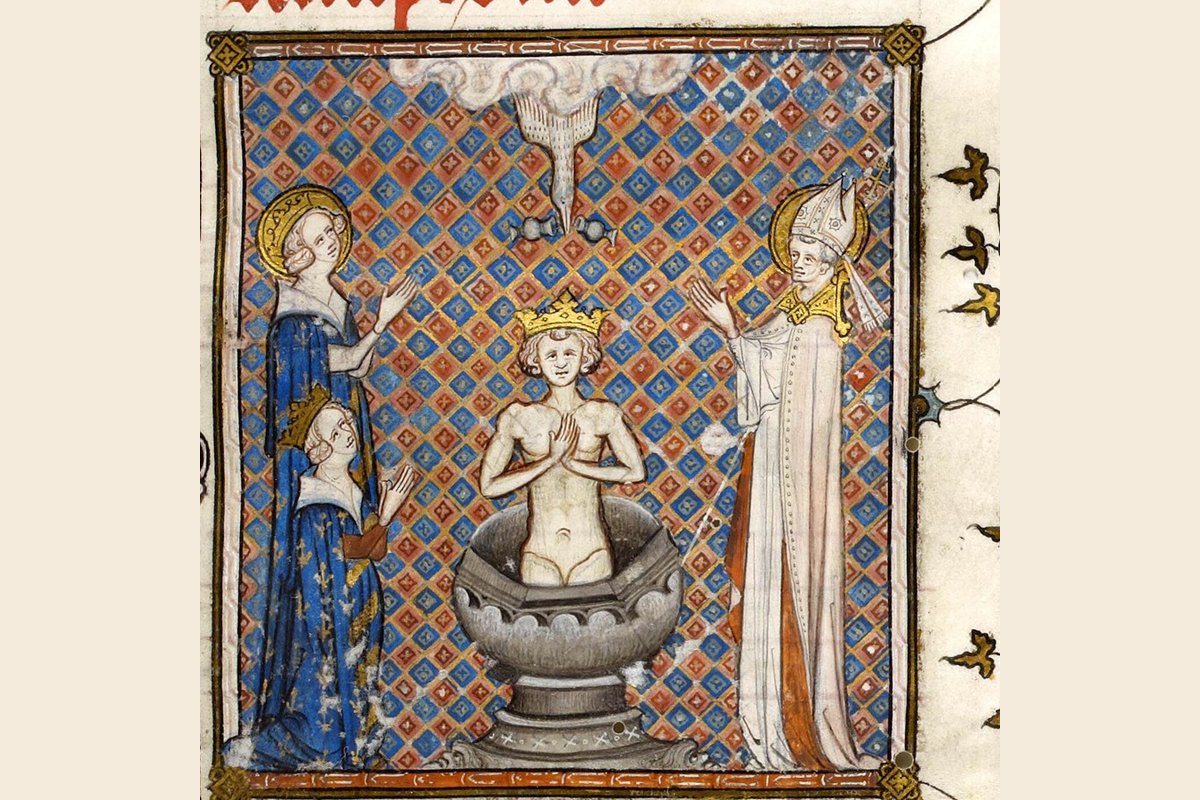
Saint Clotilde
She married a pagan Frankish warlord with one long-term project in mind — his conversion. Decades later, her own sons murdered her grandsons in a scramble for power.
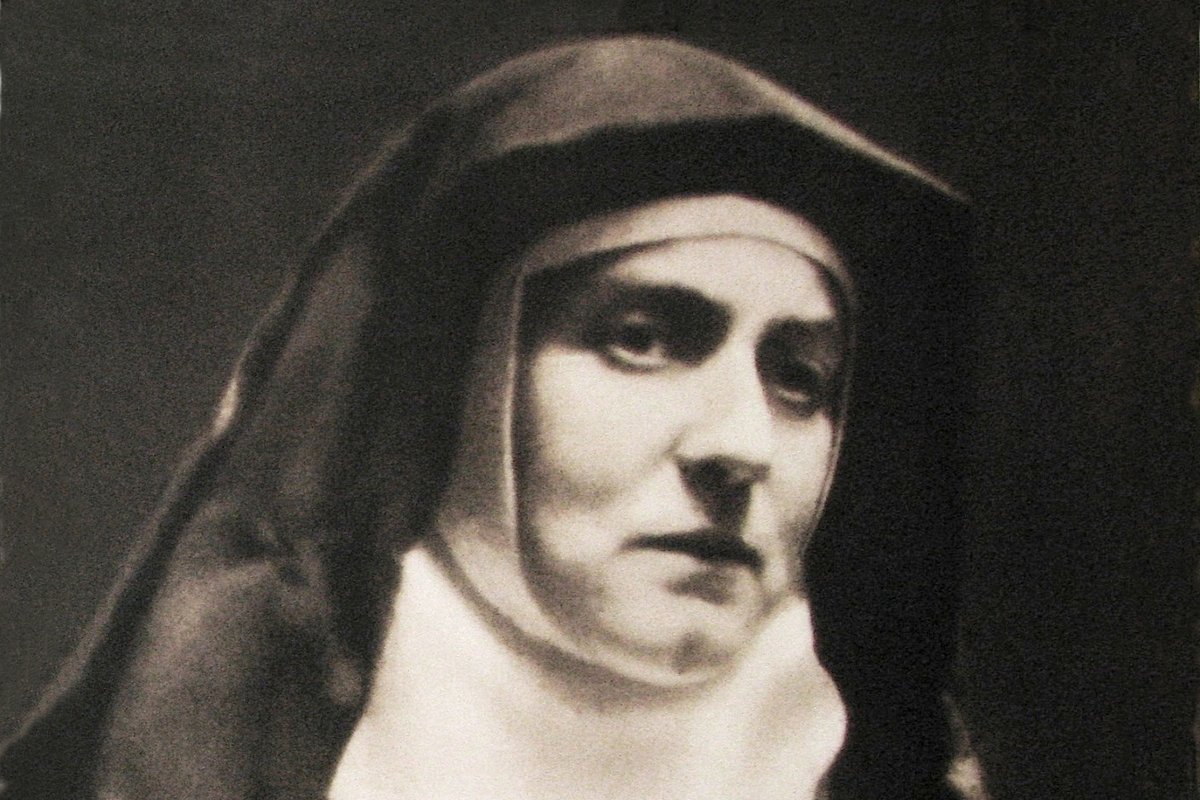
Saint Edith Stein — Teresa Benedicta of the Cross
A brilliant philosopher converted to Catholicism and became a Carmelite nun — then was killed at Auschwitz in 1942 specifically because she had been born Jewish.
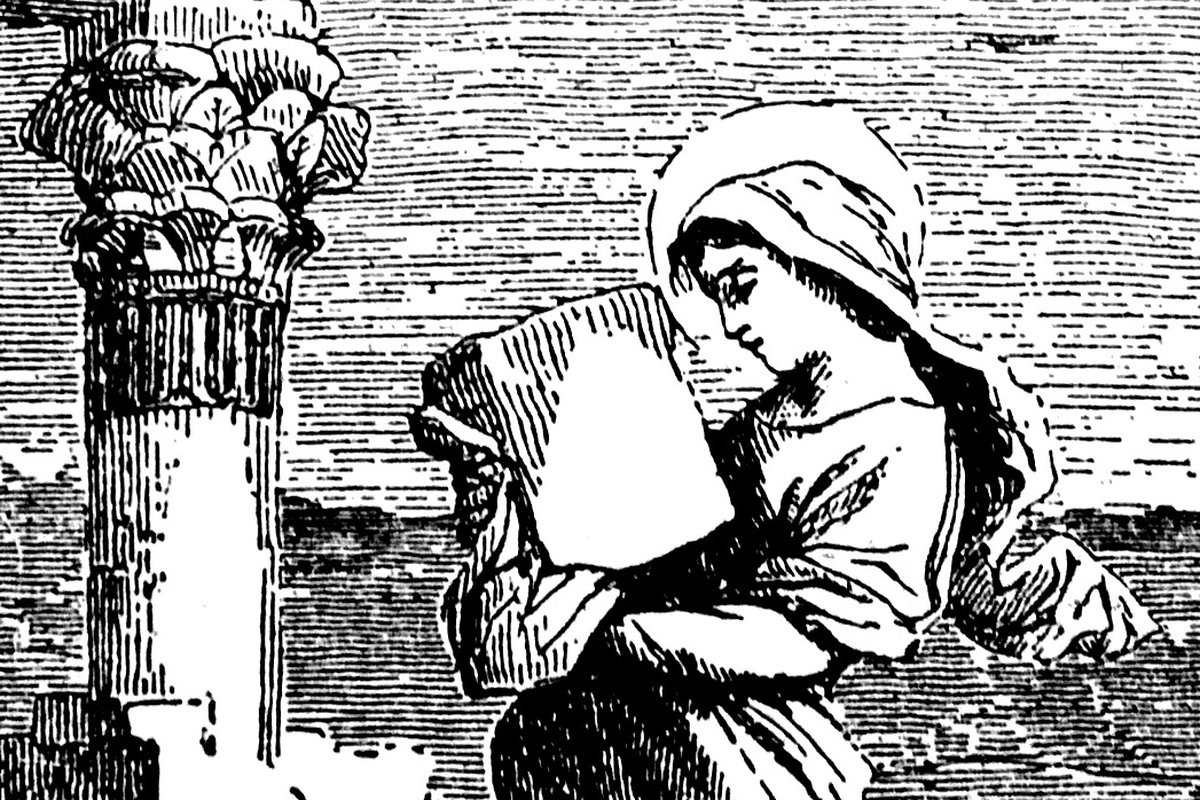
Saint Euphrasia of Constantinople
A child promised in marriage by the Byzantine imperial court begged to join a desert monastery instead — then, grown and free to claim her fortune, gave it away.
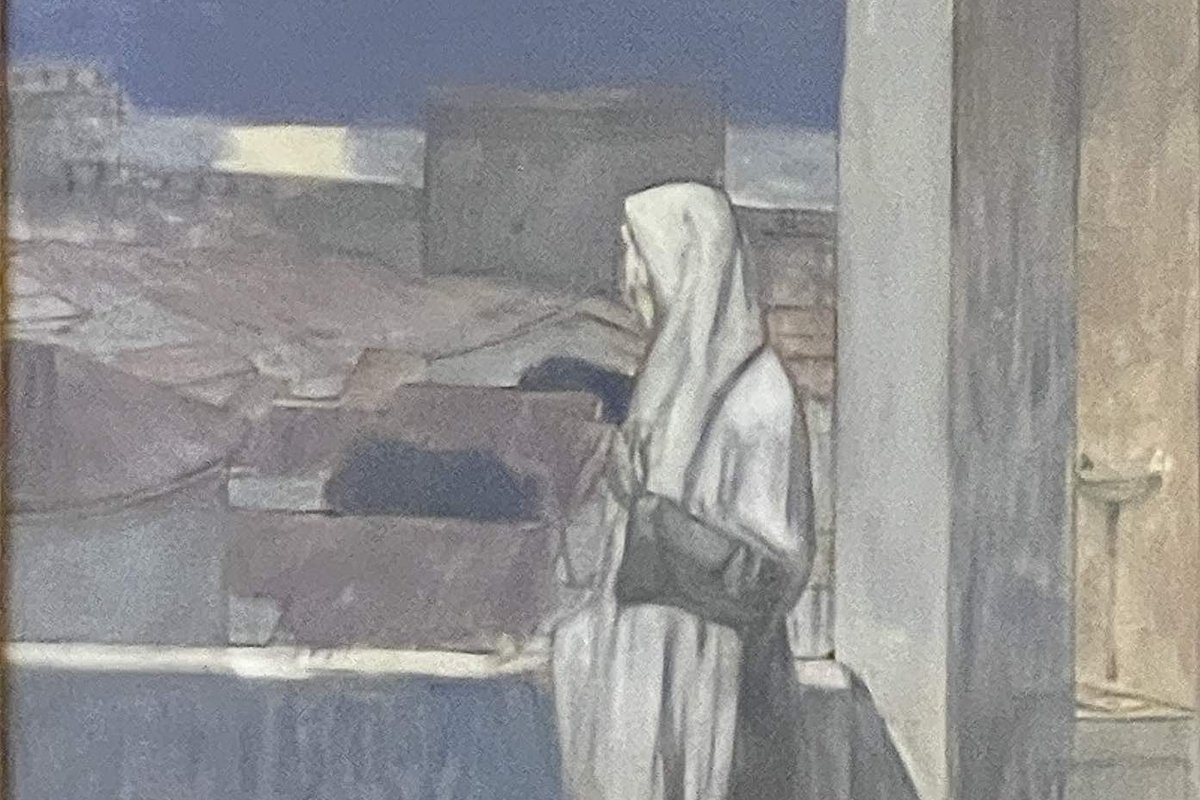
Saint Geneviève of Paris
As Attila the Hun advanced in 451, panicked Parisians prepared to flee — until a laywoman not yet thirty told them to stay and pray instead. Paris never forgot it.
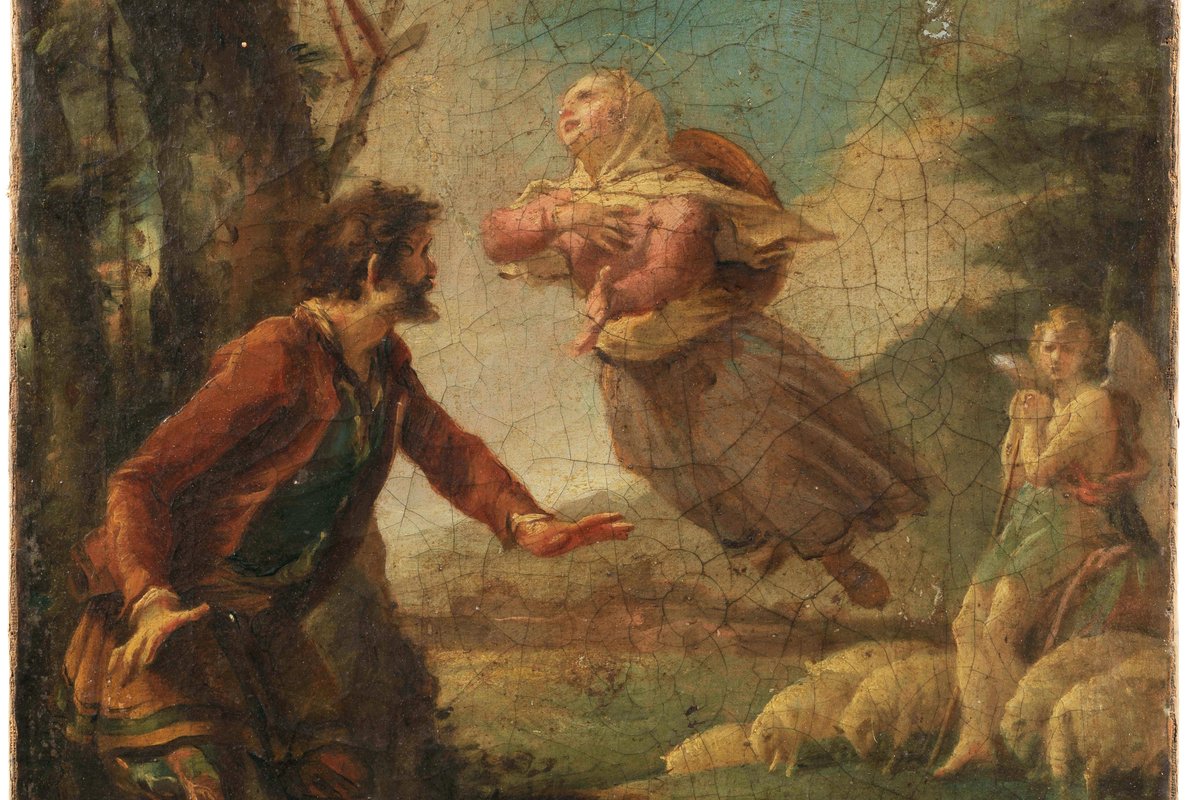
Saint Germaine Cousin
Made to sleep in a shed and eat from the dog's bowl by her stepmother, a disabled shepherdess still slipped away daily to Mass — and, by tradition, lost no sheep.
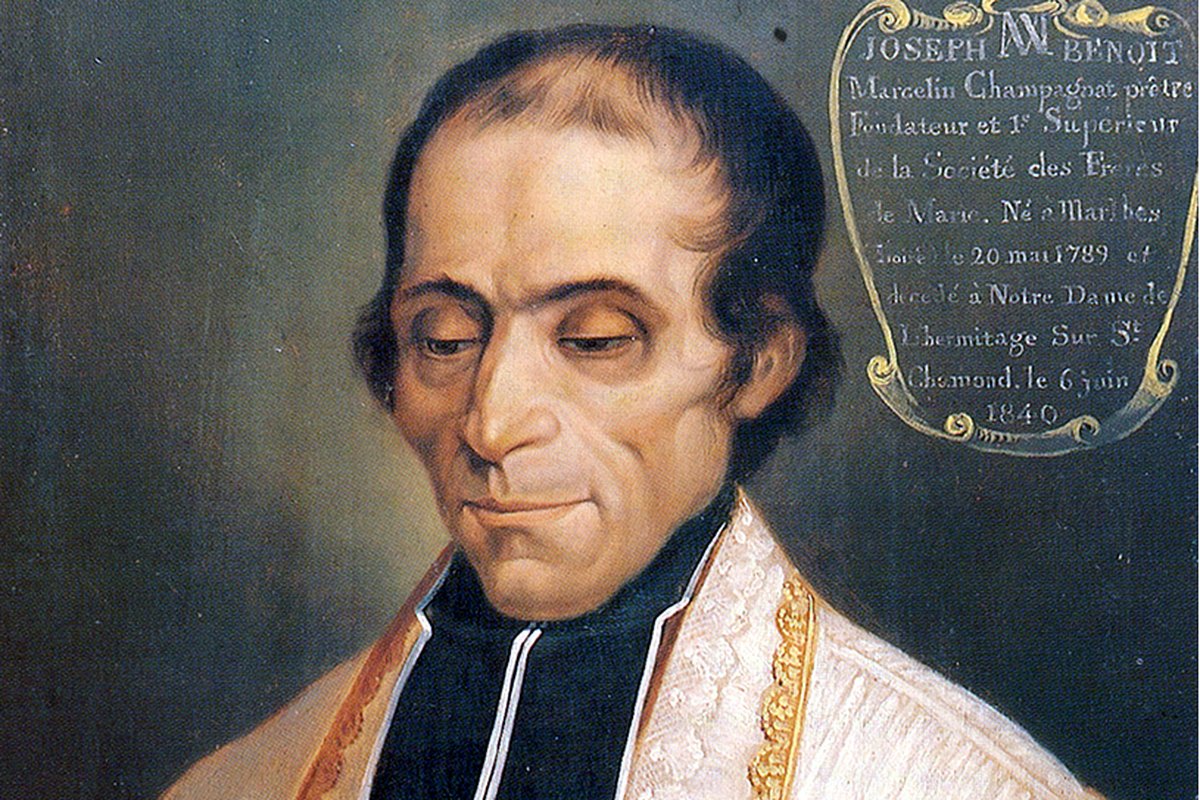
Saint Marcellin Champagnat
A dying teenager who knew nothing of the Catholic faith convinced a young French priest to found an entire teaching order, starting with two disciples.
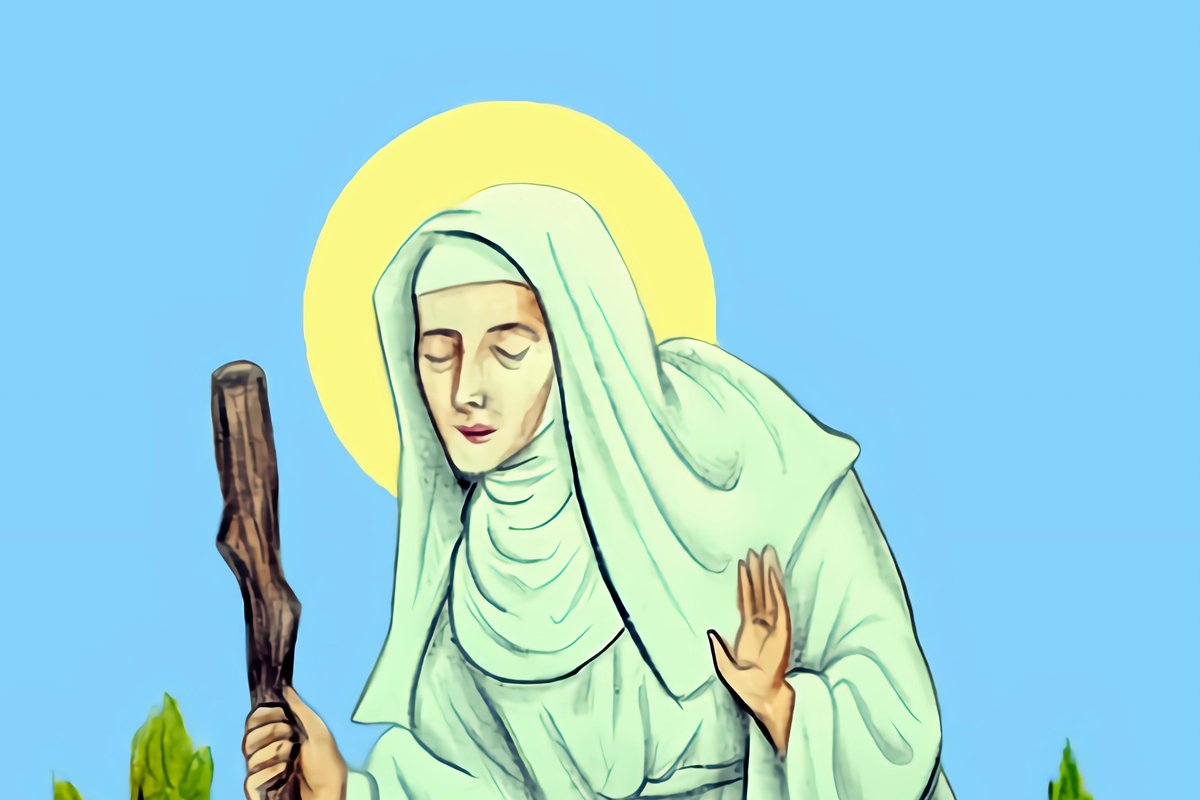
Saint Margaret of Castello
Born blind with a curved spine, she was hidden by her noble parents for a decade, then abandoned at a shrine at sixteen when the miracle cure they wanted never came.
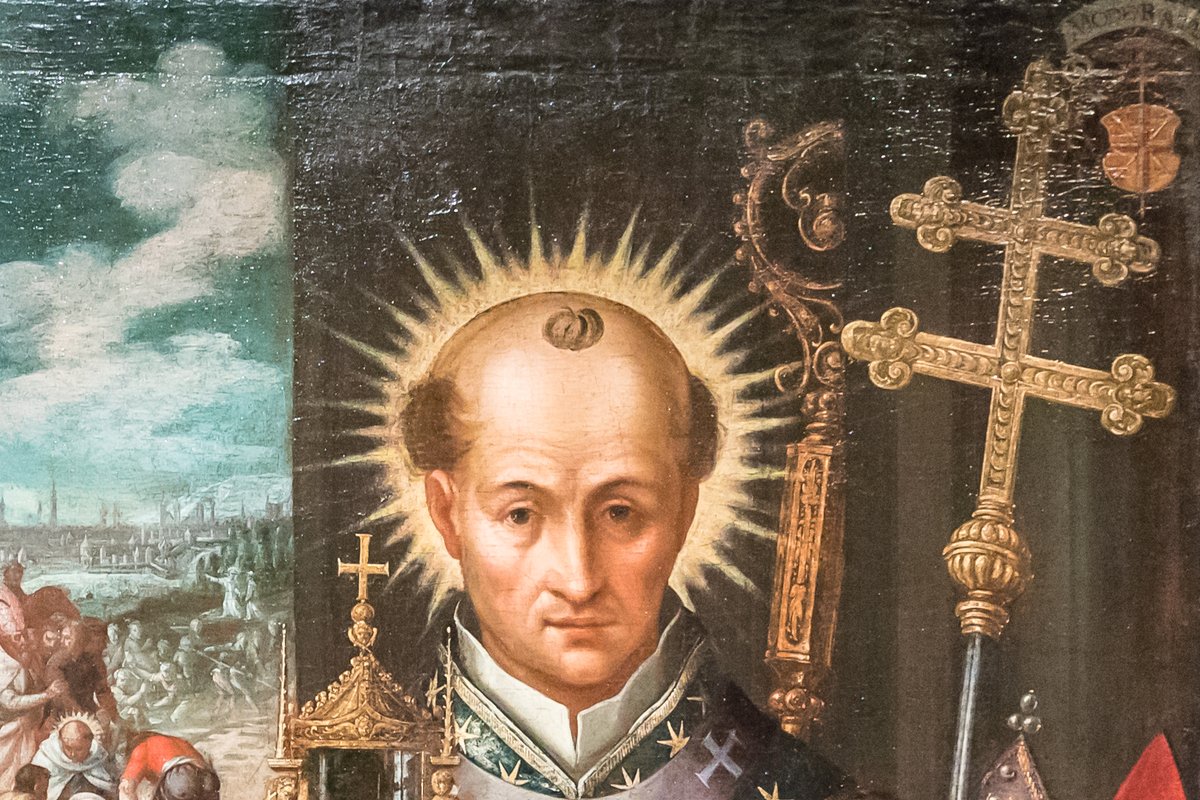
Saint Norbert of Xanten
A wealthy courtier who paid someone to pray for him was thrown by lightning — and turned into a reformer so uncompromising his own clergy tried to kill him.
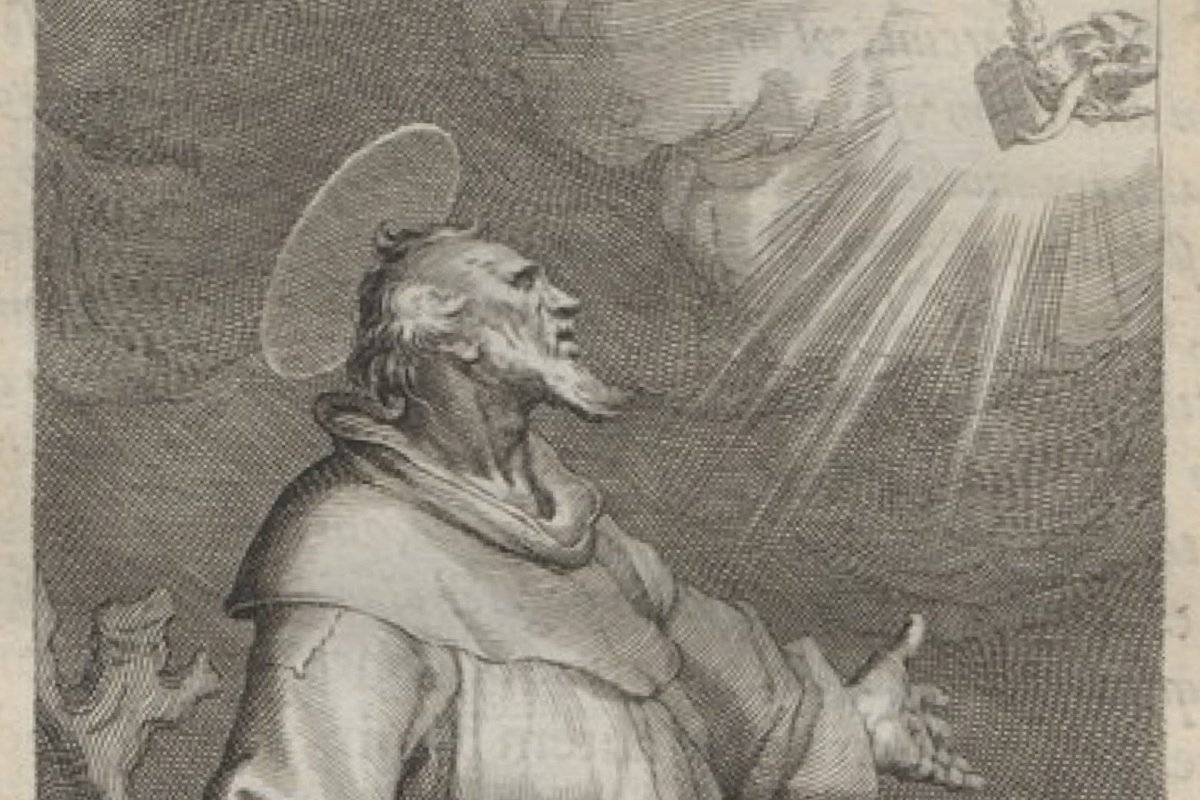
Saint Pachomius the Great
A pagan army conscript, fed by strangers out of pure charity in a Roman barracks, went on to invent the model of communal monastic life still followed today.
Saint Peter Julian Eymard
A French priest, troubled by empty churches in Paris's slums, left the religious order that formed him to found a congregation built on the Eucharist.
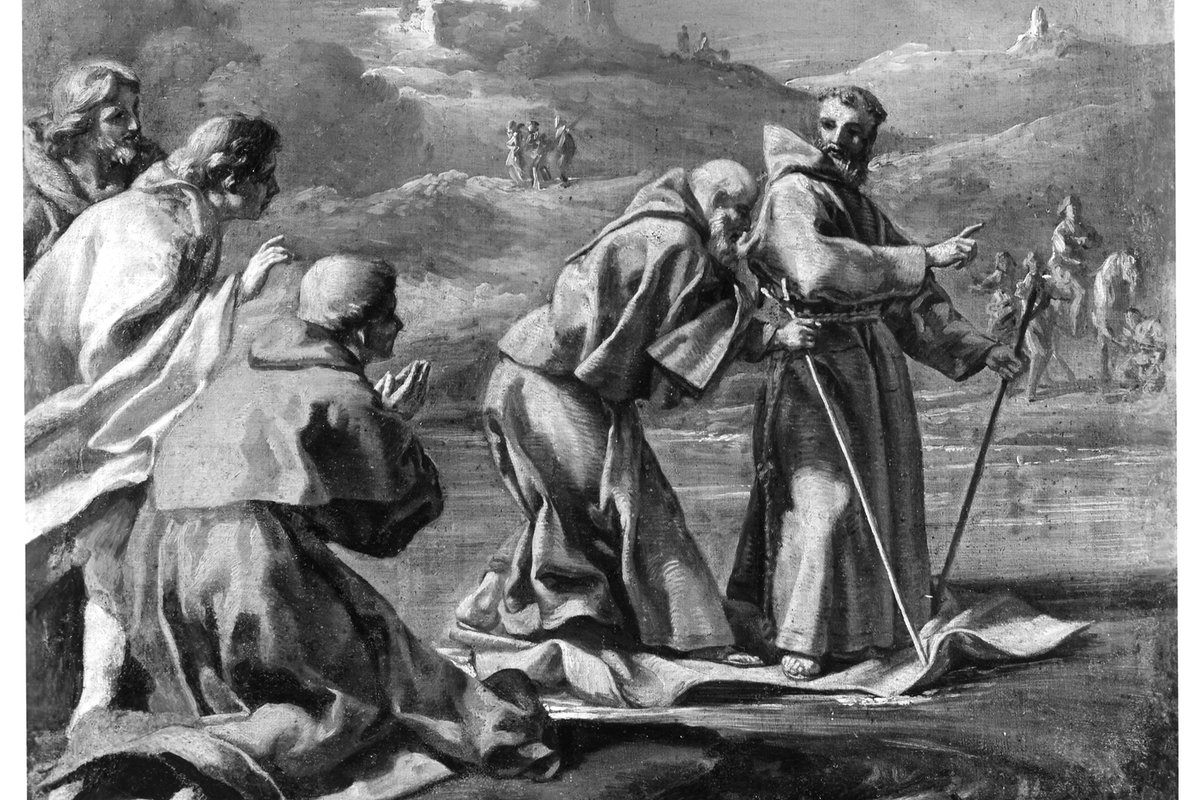
Saint Peter of Alcantara
A friar who reportedly slept 90 minutes a night once told Teresa of Ávila, almost in passing, about the time a snowstorm's falling snow refused to bury him alive.
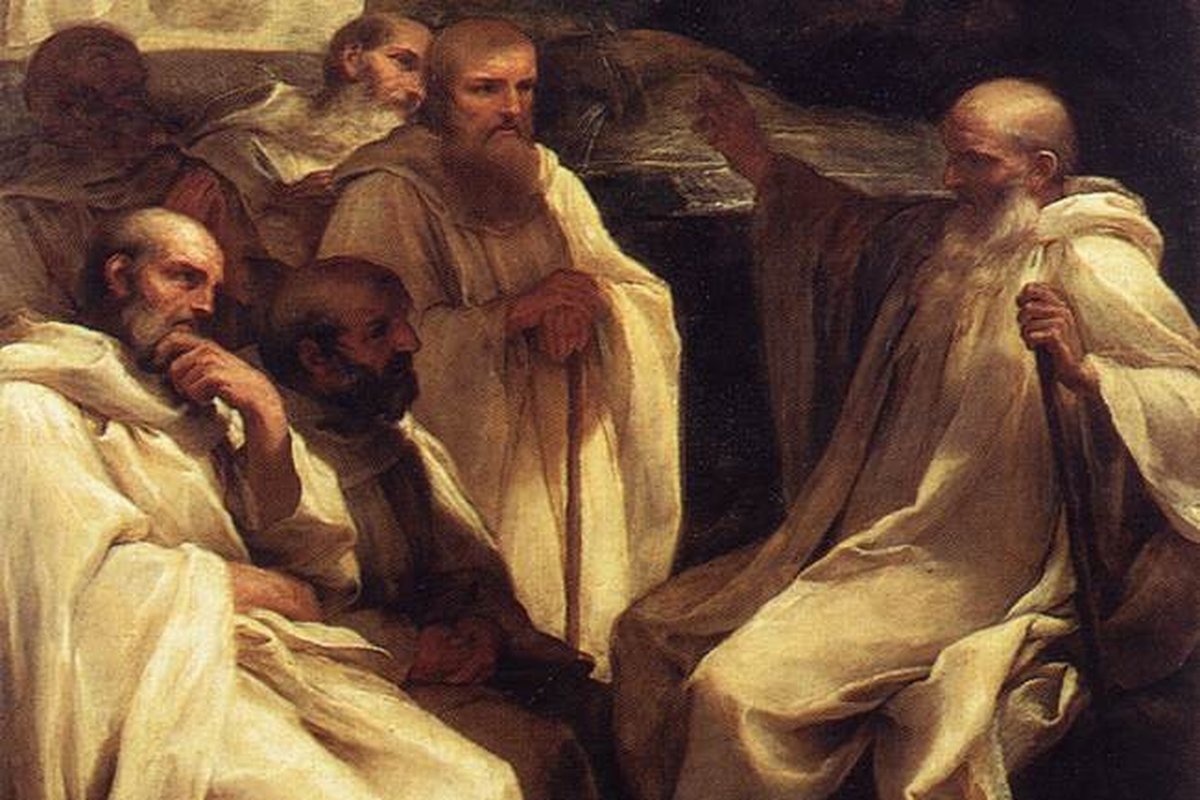
Saint Romuald
A nobleman spent forty days doing penance for his father's crime, then couldn't stop founding stricter monasteries — including one still followed today.
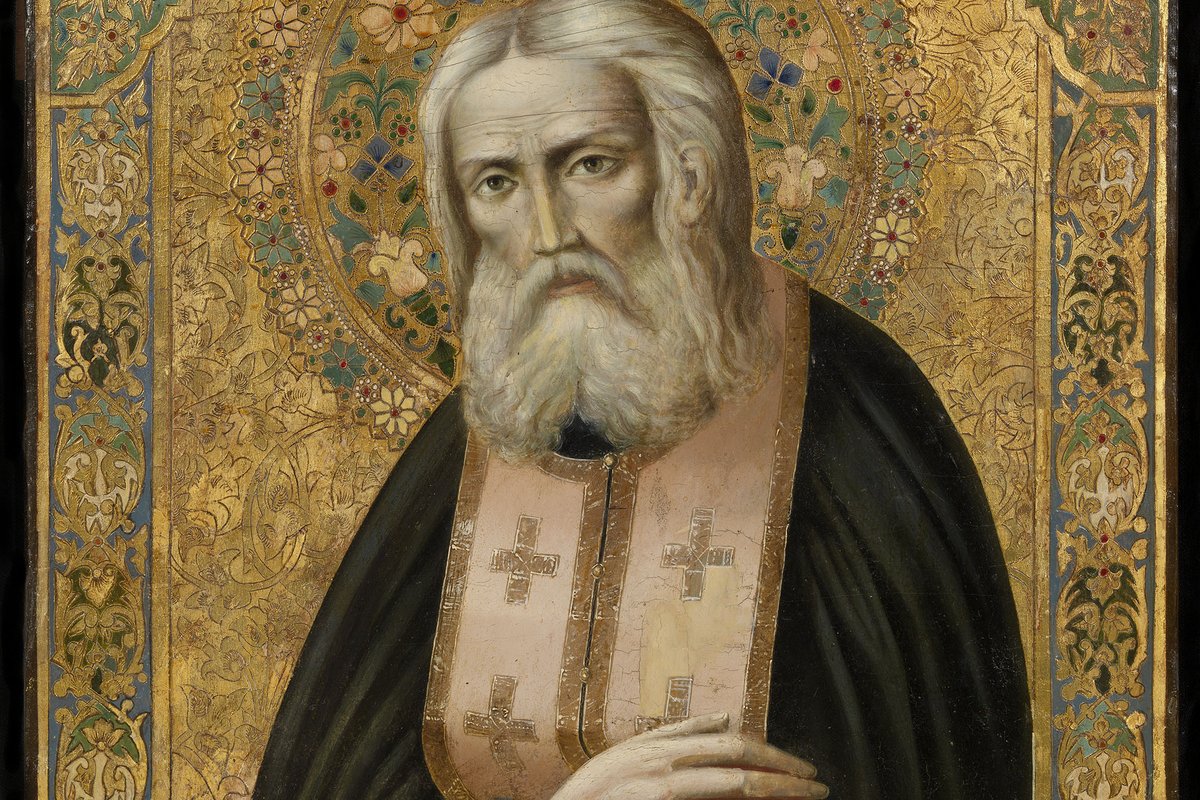
Saint Seraphim of Sarov
In a snow-covered Russian forest in 1831, a monk took his disciple by the shoulders and, by that disciple's own sworn account, became too bright to look at.
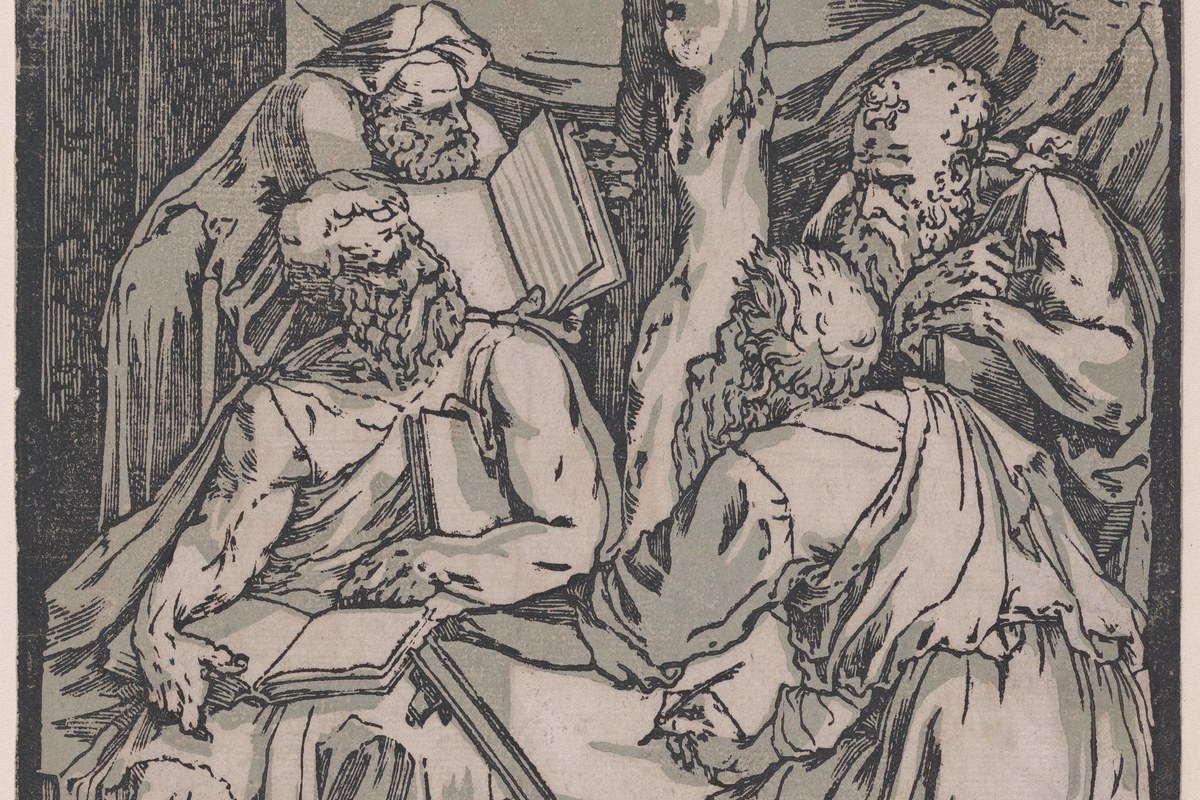
Doctors of the Church — The Full List, and Why Each One Earned the Title
A directory of the 37 Doctors of the Church, the rare title for saints whose writing shaped Catholic doctrine, linking to each one covered on this blog.
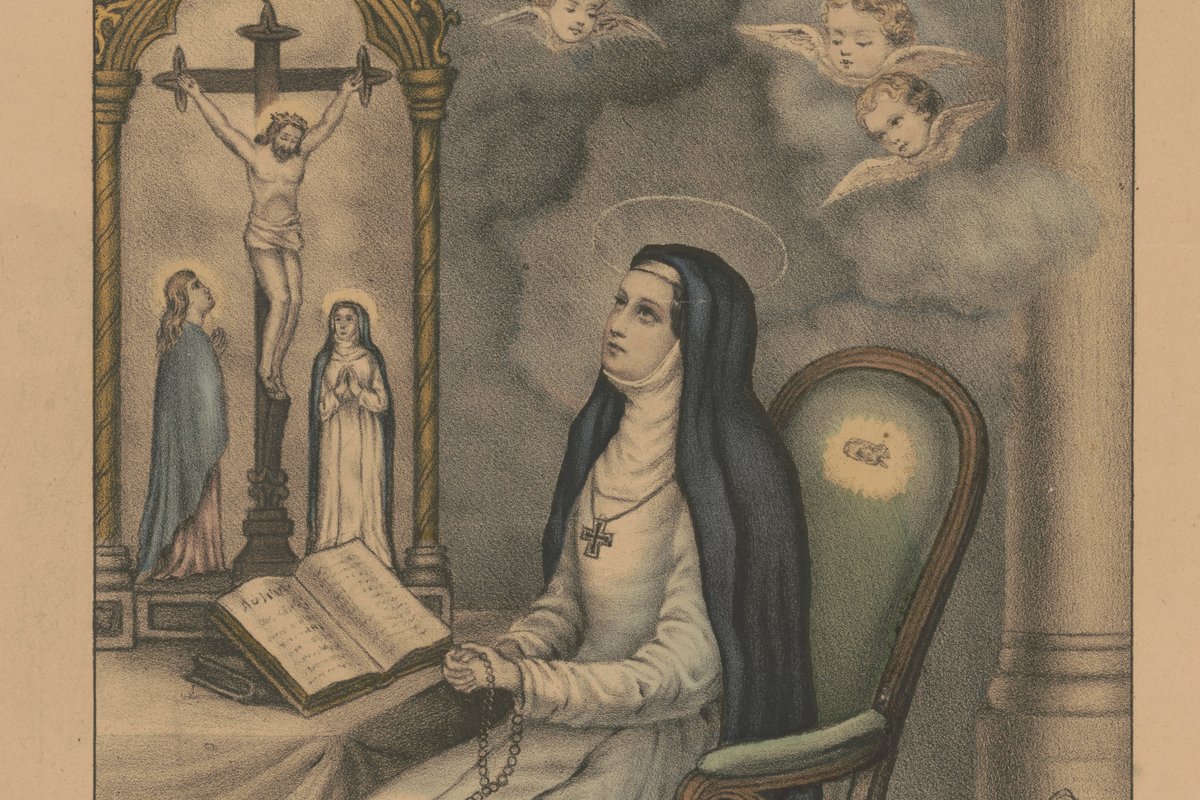
Saint Bridget of Sweden
A Swedish noblewoman raised eight children, buried her husband, then moved to Rome to found an order and spend her final decades badgering popes to come home.
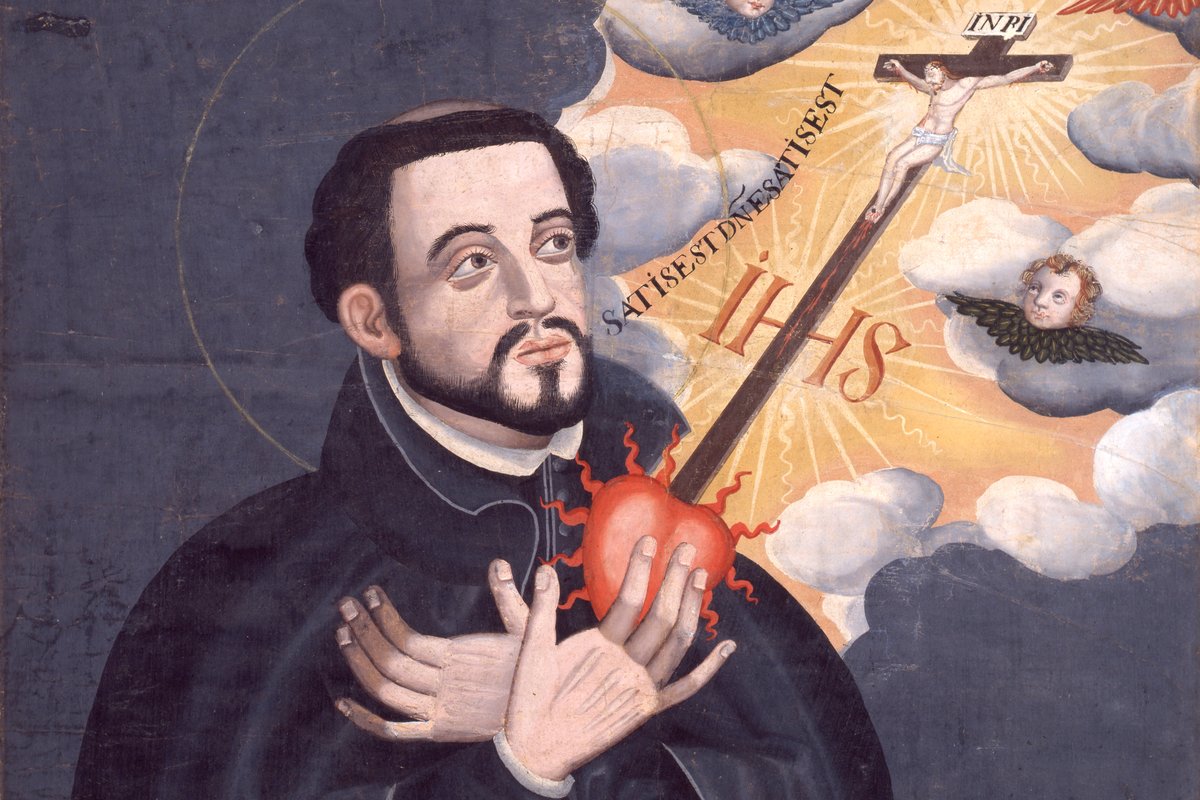
Saint Francis Xavier
A Basque nobleman gave up a promising career in Paris to spend a decade evangelizing India, the Malay Archipelago, and Japan for the newborn Jesuit order.
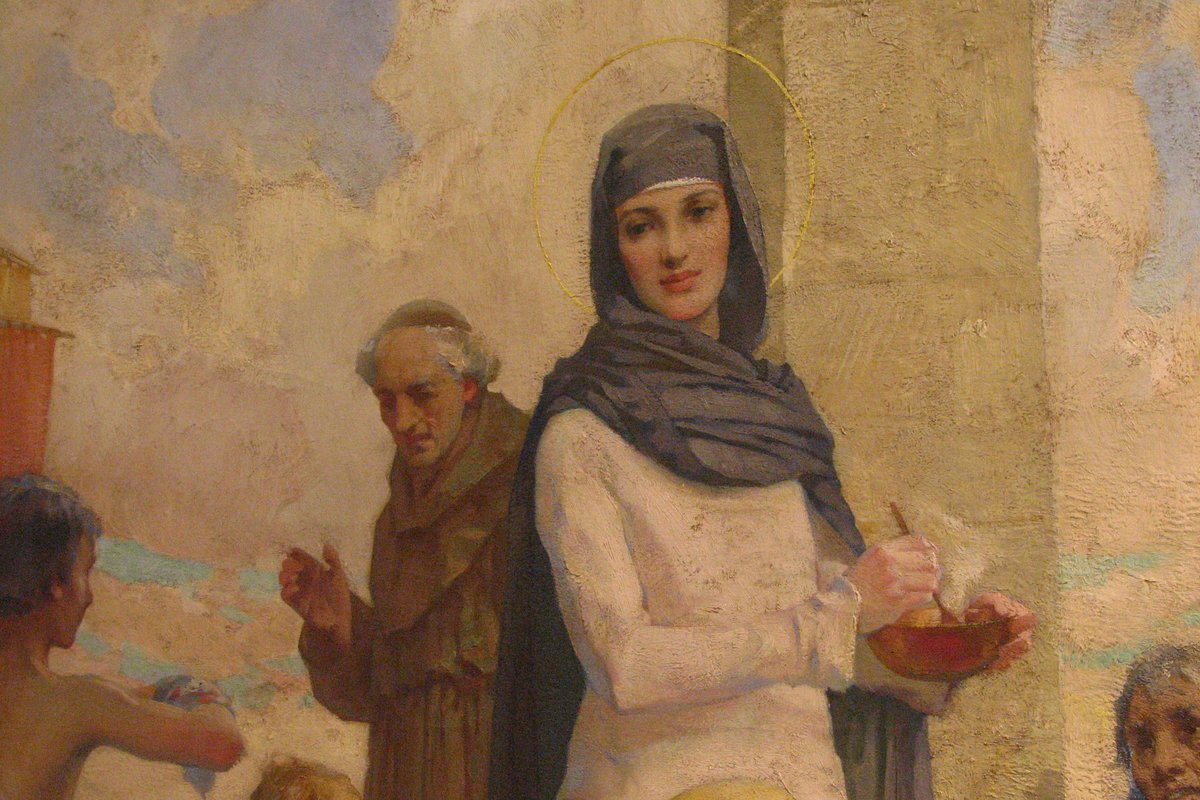
Saint Hilda of Whitby
An abbess who personally favored Celtic customs hosted the 664 synod that decided England would follow Rome instead — then enforced that ruling in her own house.
Saint Juliana of Liège
At sixteen, a cloistered nun began seeing a moon marked with a dark stripe. She kept it private for twenty years before it became the feast of Corpus Christi.
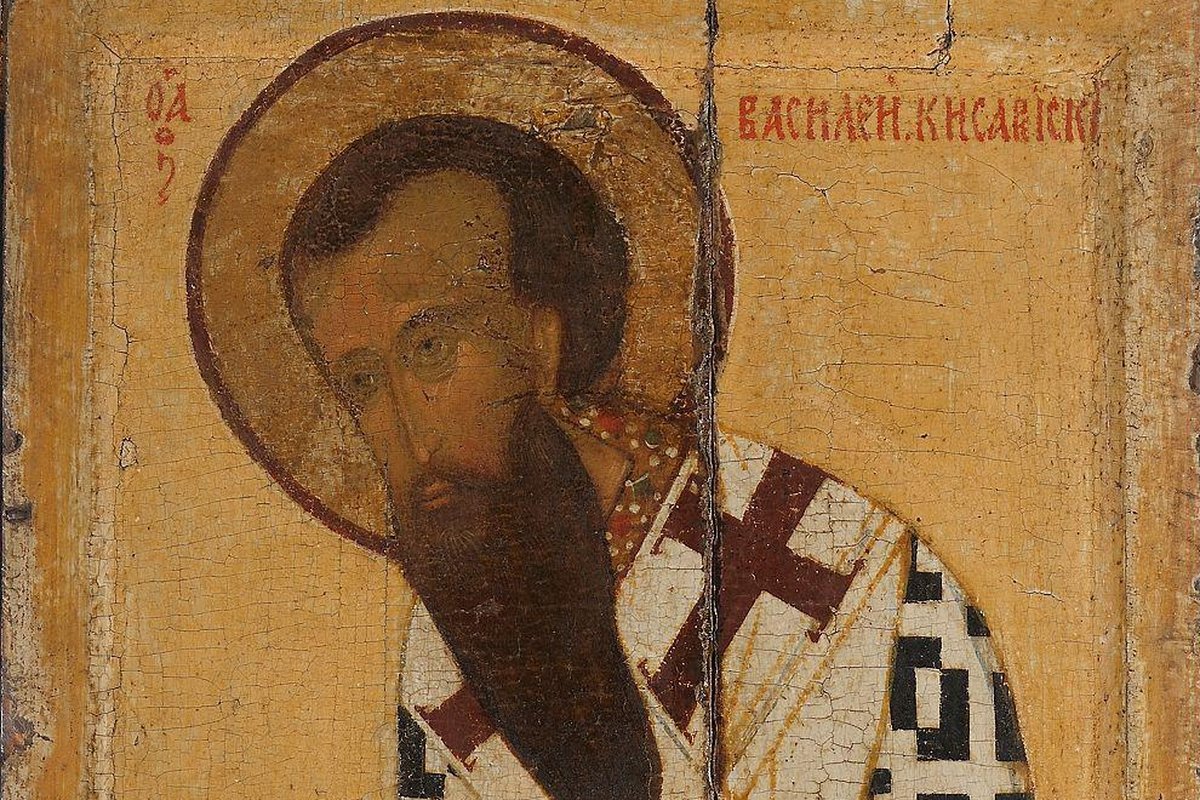
Saint Macrina the Elder
A grandmother survived Diocletian's persecution hiding seven years in the wilderness, then taught her grandsons the faith — two became giants of Christian theology.
Saint Macrina the Younger
At twelve, her fiancé died before their wedding. She called herself already married — then spent her deathbed dictating philosophy to Gregory of Nyssa.
Saint Margaret Mary Alacoque
An obscure French nun reported that Christ showed her his own wounded heart in prayer. That private vision became the Sacred Heart devotion millions know today.
Saint Marguerite Bourgeoys
She crossed the Atlantic to a frontier fort and built a teaching order of unwalled, unveiled sisters — becoming the first female Canadian Catholic saint.
Saint Marguerite d'Youville
Widowed at 29 with crushing debt, she opened her door to Montreal's poorest. Neighbors mocked her with an insulting nickname — the Grey Nuns kept it forever.
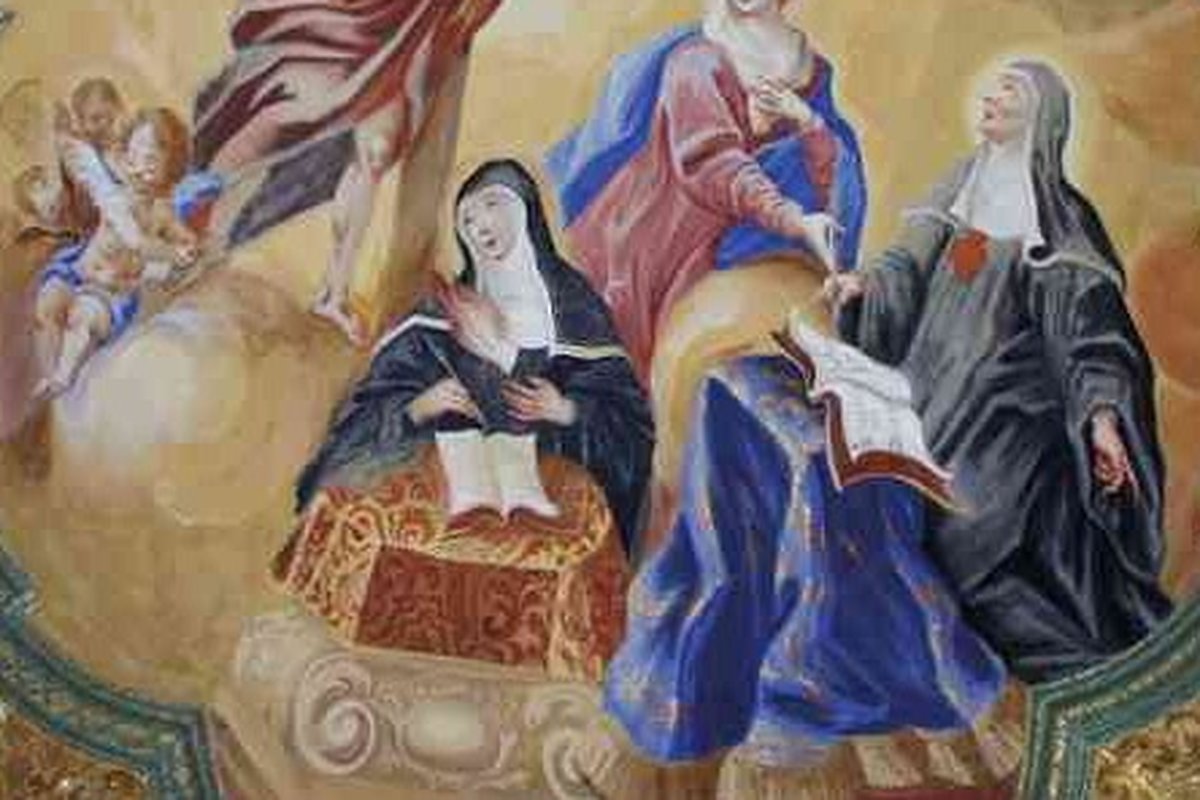
Saint Mechtild of Hackeborn
For years, two fellow nuns secretly wrote down everything she said about her visions. When she found out, she reported being distressed, not flattered.
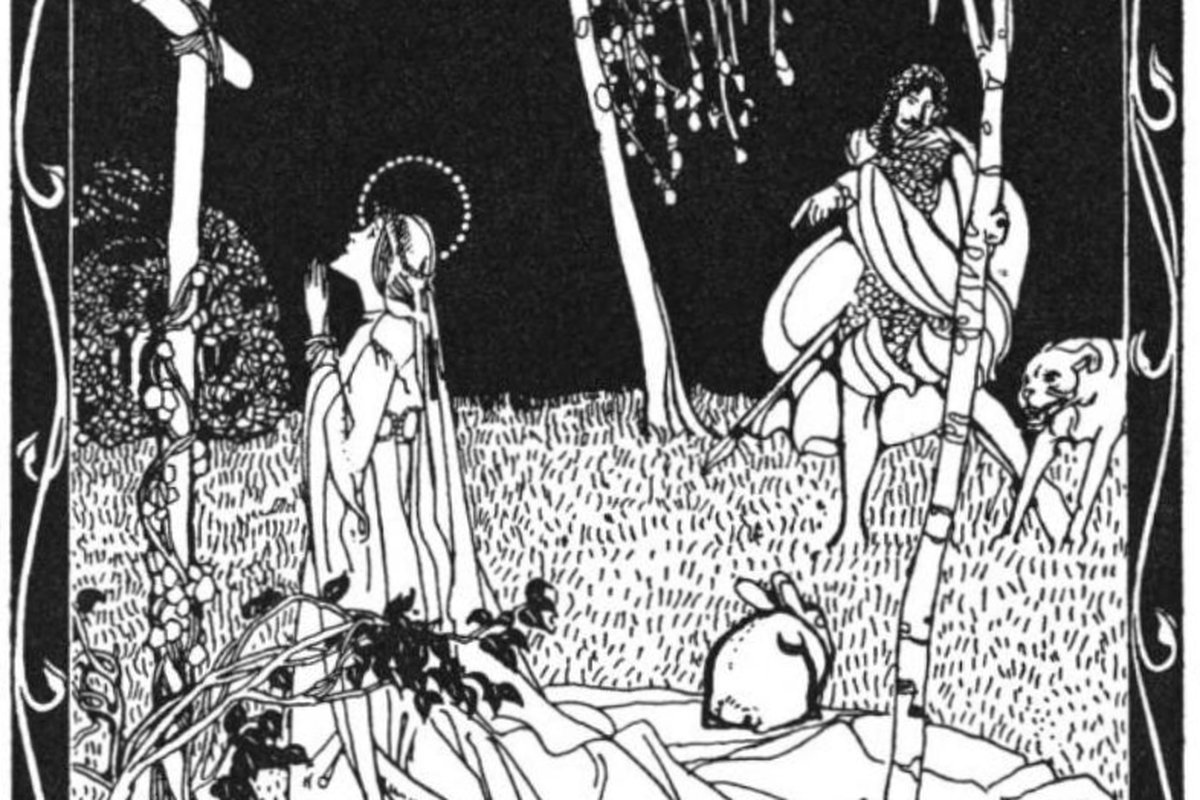
Saint Melangell
A prince chasing a hare found it sheltering in a hermit's cloak — and gave her the whole valley. The tale is charming; it's also almost entirely unverifiable.
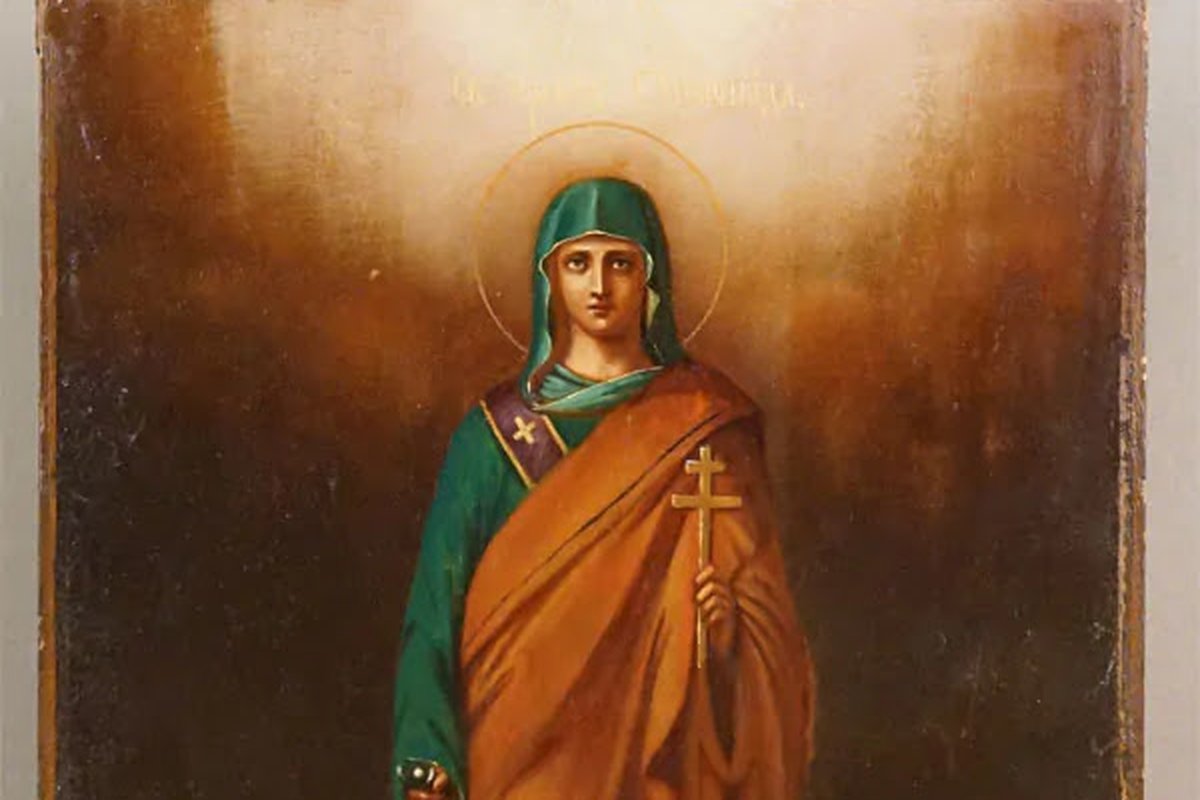
Saint Olympias of Constantinople
She inherited one of the largest fortunes in the Eastern Roman Empire, gave nearly all of it away, and was exiled for refusing to abandon John Chrysostom.
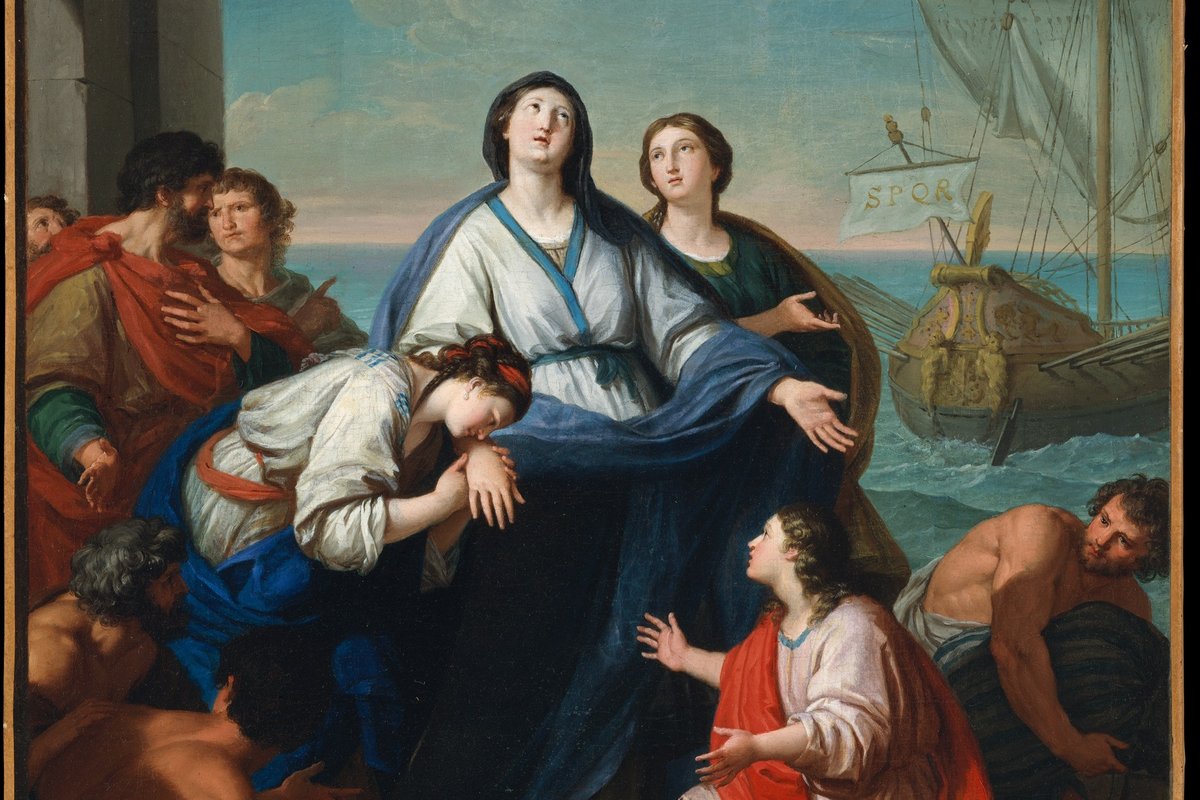
Saint Paula of Rome
A Roman senator's daughter left the Aventine Hill for a cave town in Judea, funding the priest she had recruited there to translate the Bible into Latin.
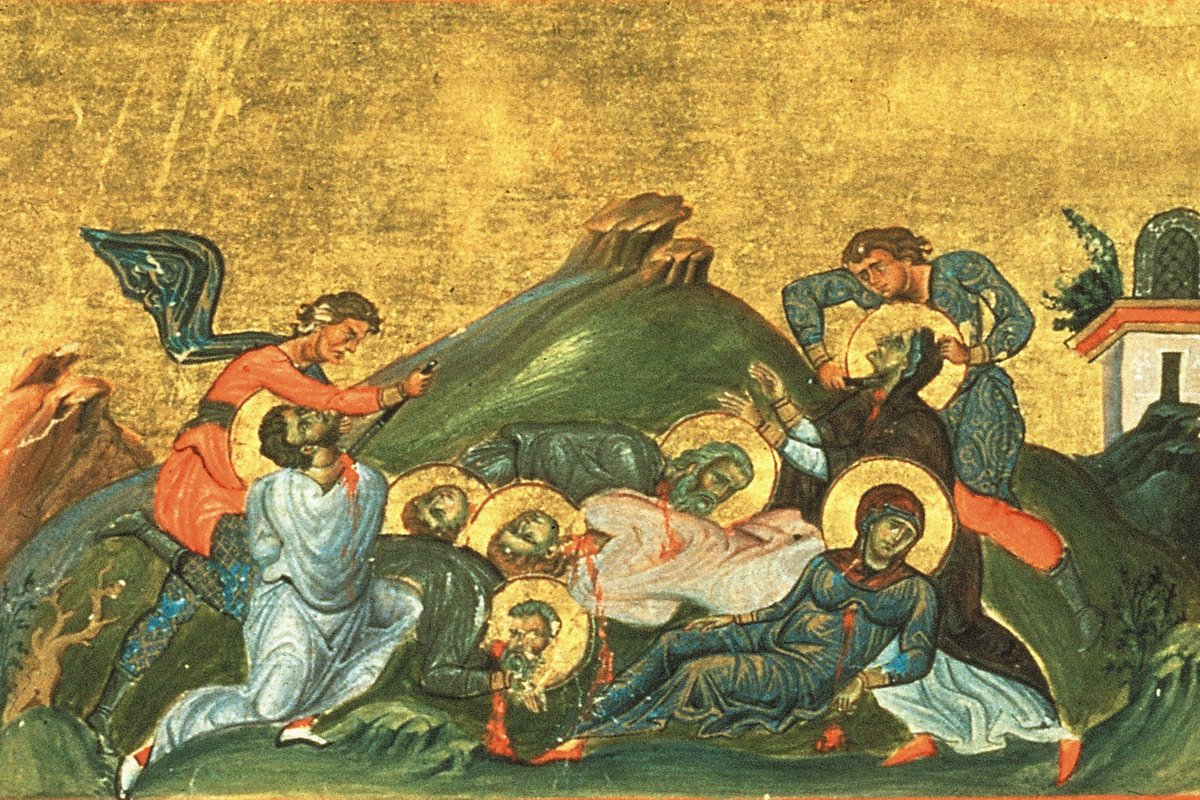
Saints Perpetua and Felicity
A 22-year-old noblewoman kept a prison diary before her 203 AD execution, and it survives — among the earliest surviving writing by a Christian woman.
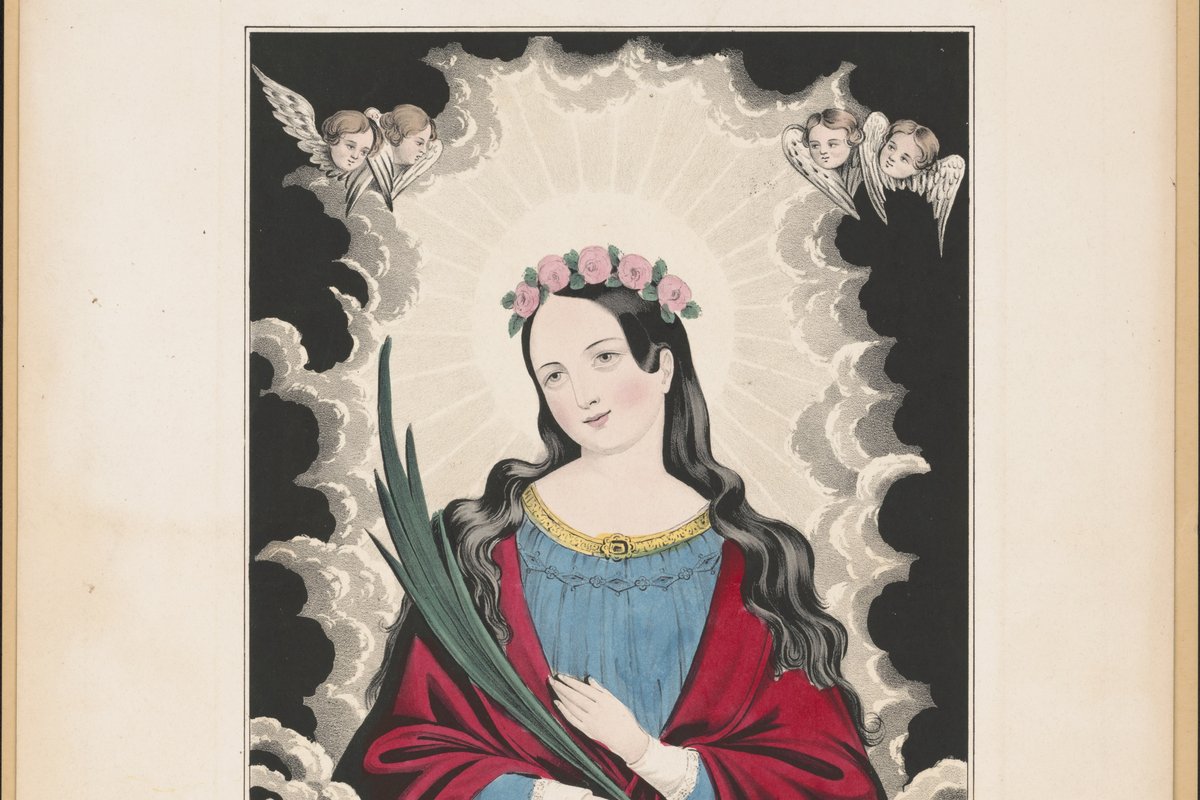
Saint Philomena
In 1802, workers found a sealed Roman tomb with broken tiles spelling a name — her entire life story came decades later, from one nun's reported visions.
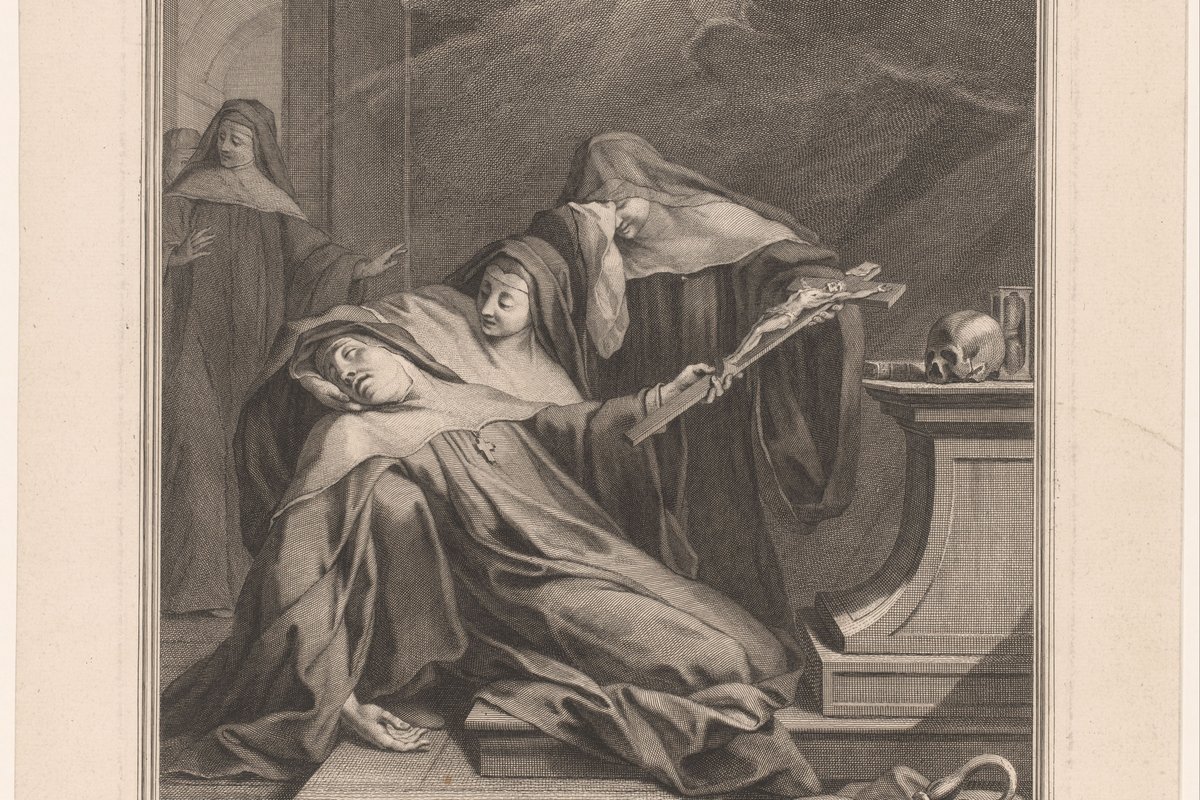
Saint Scholastica
When her brother Benedict refused to stay one more night, she put her head down and prayed — and the clear sky broke into a storm too violent to leave in.
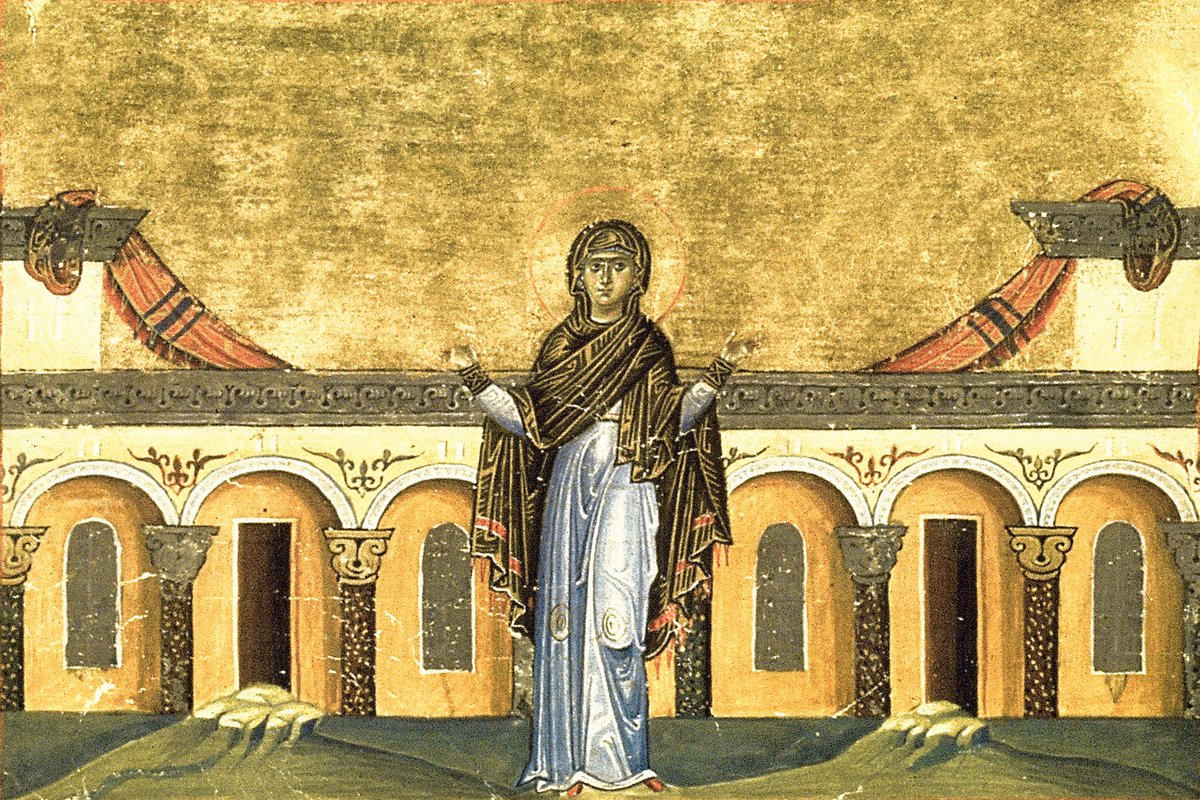
Saint Syncletica of Alexandria
A wealthy, beautiful young woman gave away her fortune and walled herself into a tomb with her blind sister — then found students showing up at her door.
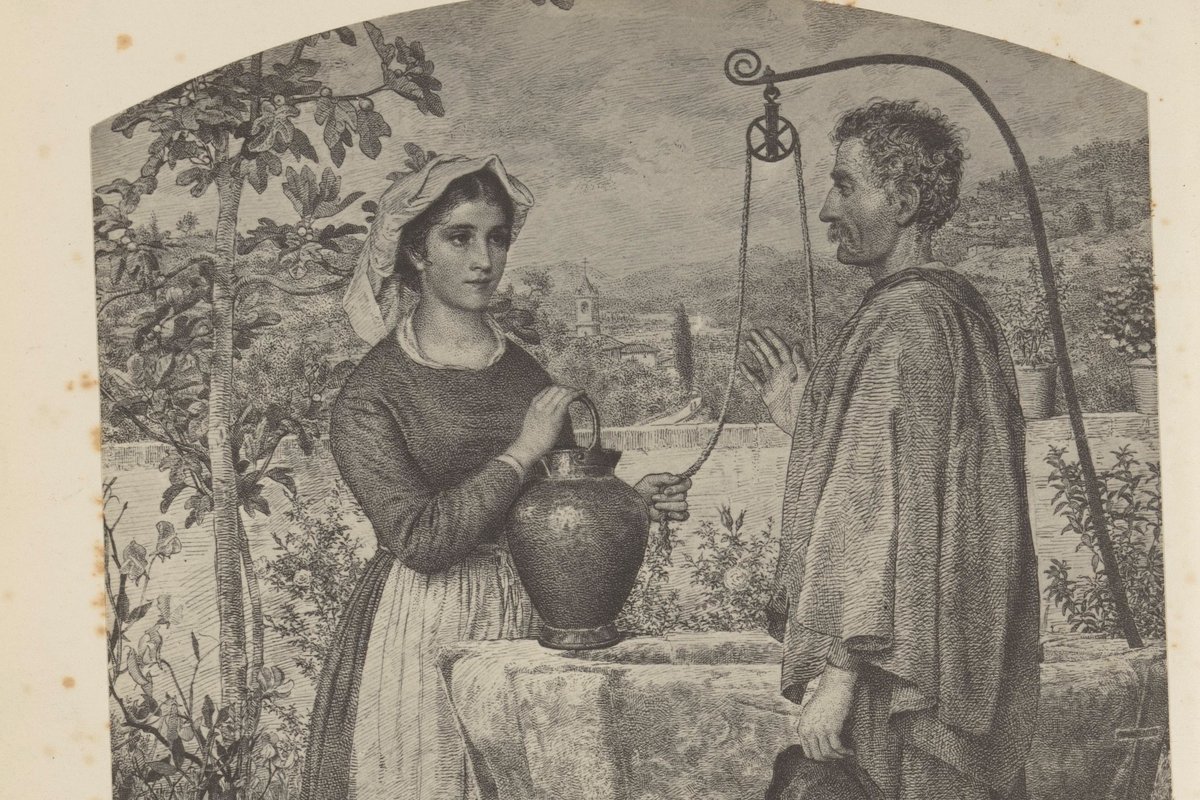
Saint Zita of Lucca
At twelve, she took a job as a maid in a Tuscan household — and stayed forty-eight years, giving away a third of her pay, until Lucca called her a saint.
Founders of Catholic Religious Orders — A Directory
From Benedict's monastery at Monte Cassino to Mother Teresa's Missionaries of Charity, a directory of the saints who founded orders covered on this blog.
Groups of Christian Martyrs — A Directory
From forty soldiers on a frozen lake to eight Jesuit missionaries in New France, a directory of saints martyred together in groups, with real history.
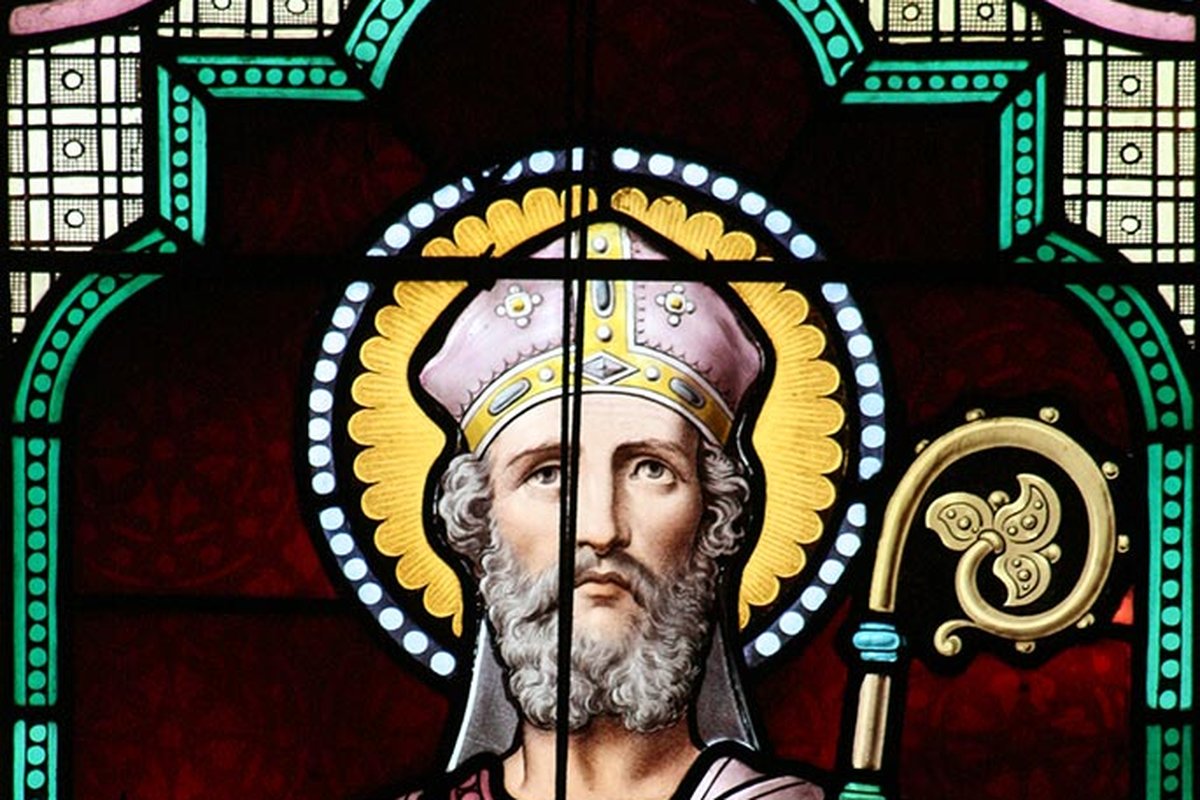
Saint Anselm of Canterbury
An Italian monk became England's archbishop, clashed with two kings over the Church's independence, and tried to prove God's existence with logic alone.
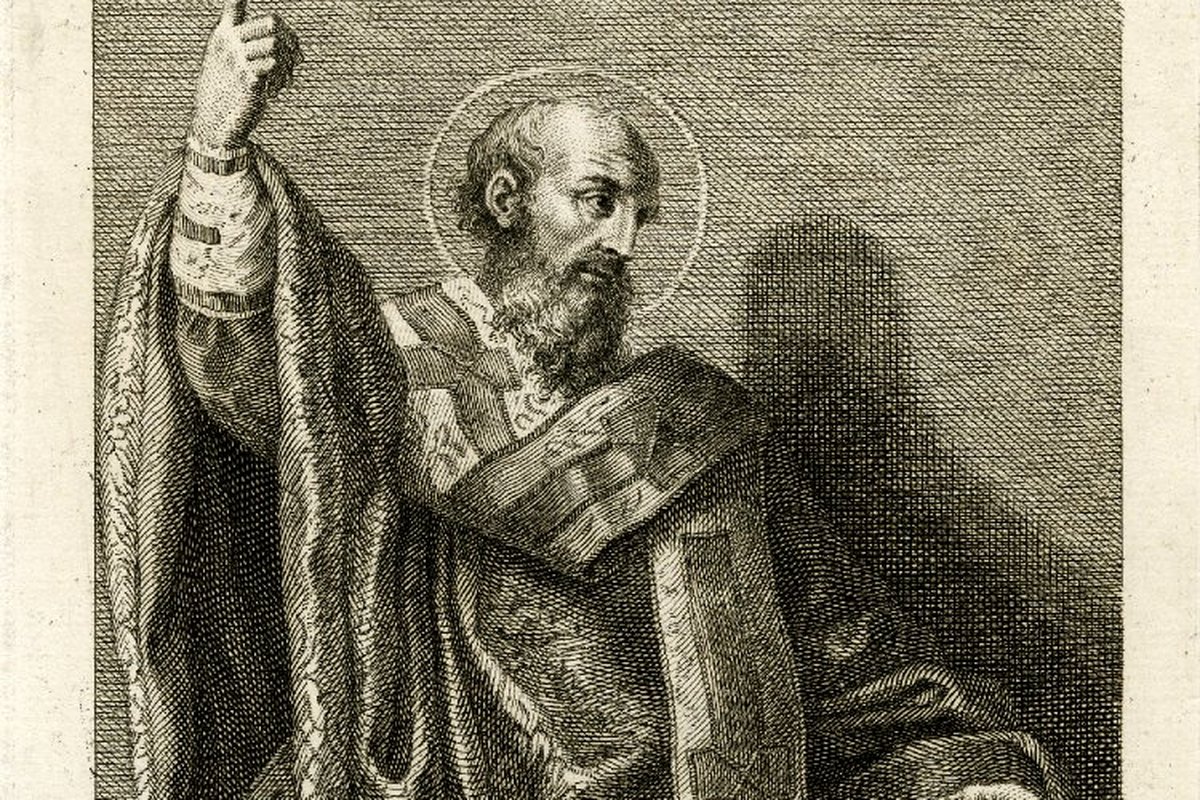
Saint Cyril of Jerusalem
A bishop deposed three times by Arian rivals still found time to write the Church's earliest surviving guide to preparing new Christians for baptism.
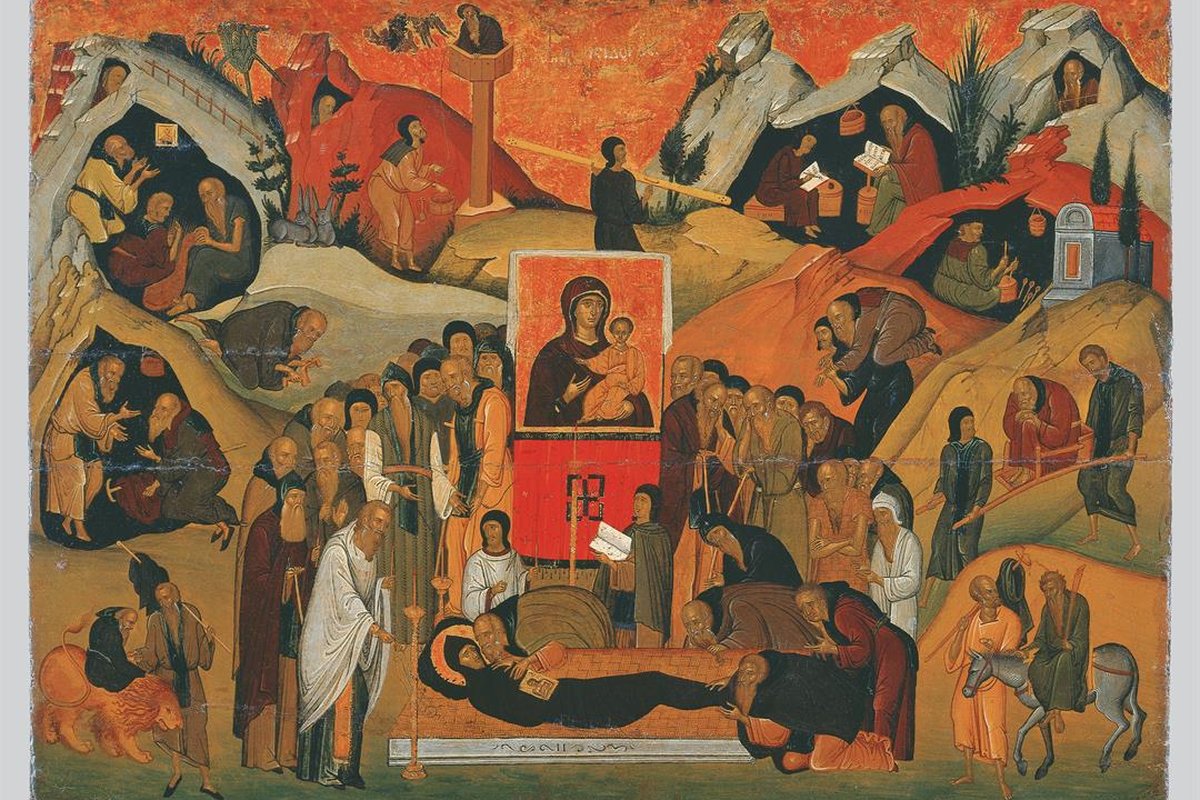
Saint Ephrem the Syrian
A deacon who never sought the priesthood wrote hundreds of hymns so rich and widely sung the Syriac tradition still calls him the Harp of the Holy Spirit.
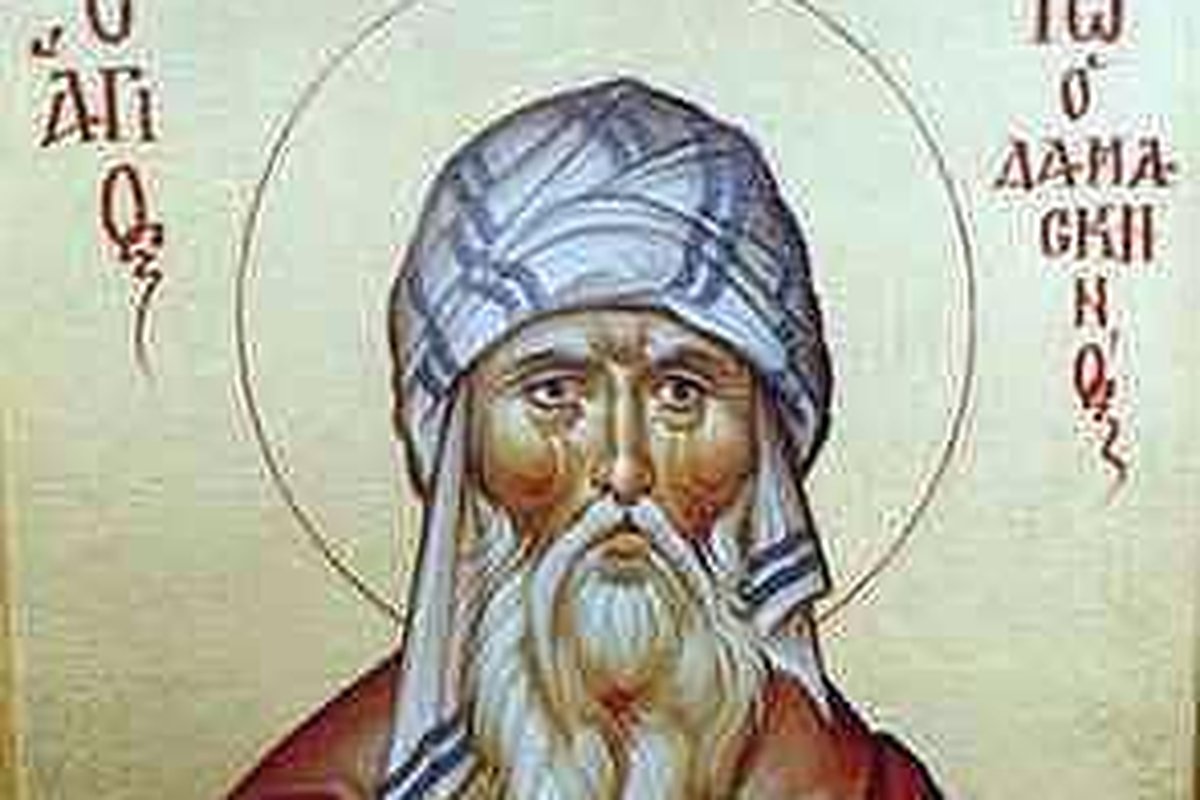
Saint John Damascene
Writing from a monastery outside imperial reach, this Damascus-born monk built the theological case for icons that later saved them from destruction.
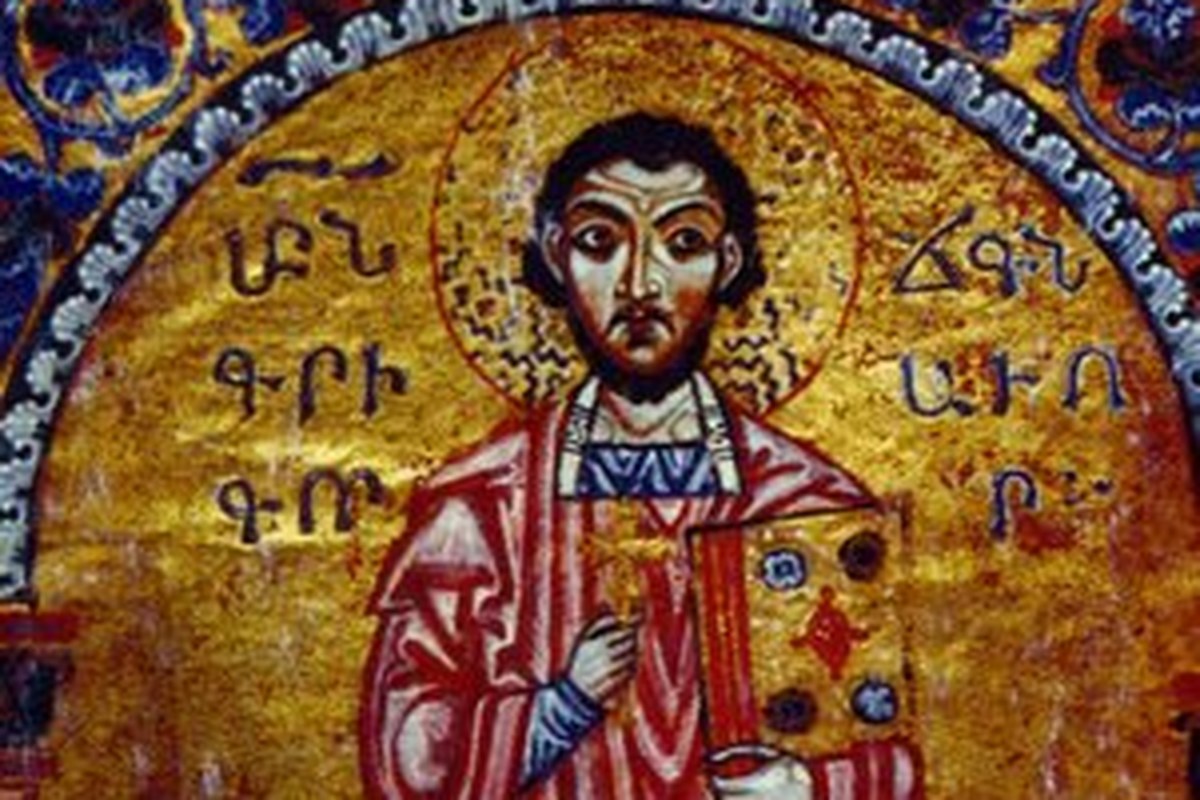
Saint Gregory of Narek
An Armenian monk who never set foot in Rome, and whose church wasn't in communion with the Pope, became a Doctor of the Church nearly 900 years after his death.
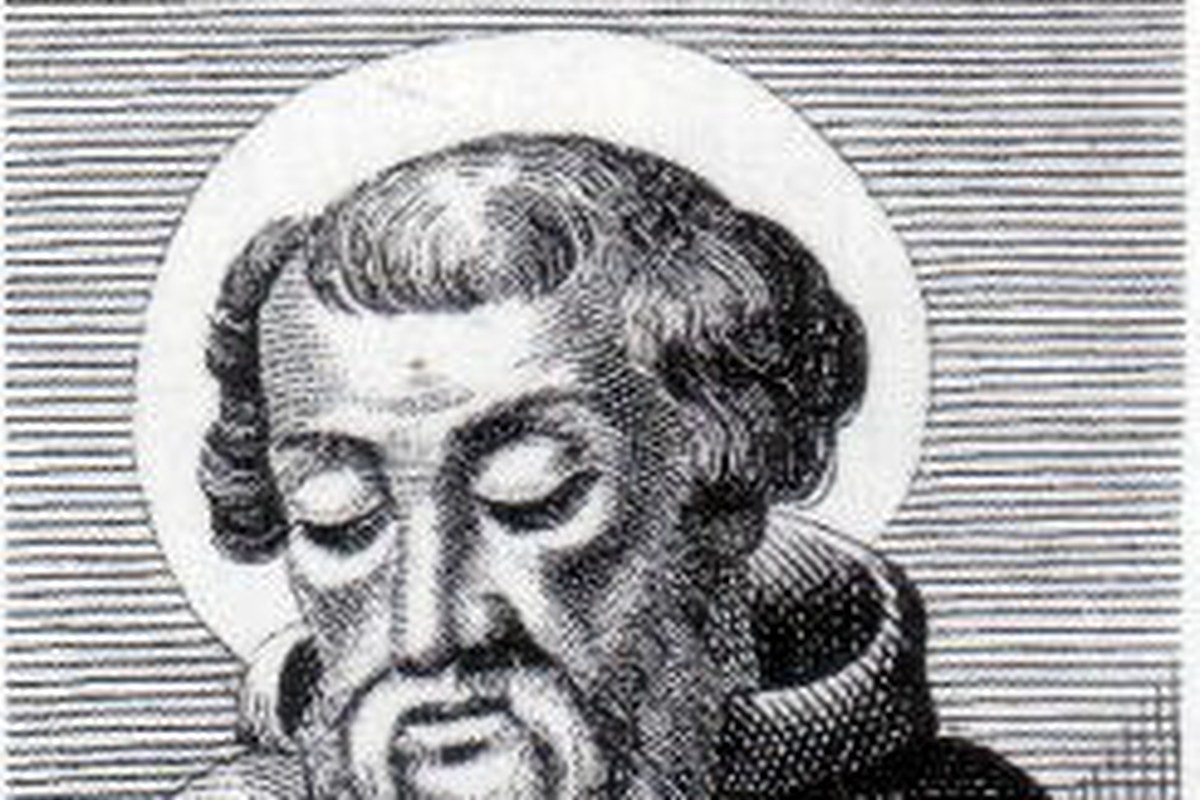
Saint Irenaeus of Lyon
A student of a student of the Apostle John, this bishop wrote the book that gave Gnostic heresies their name — and became the Church's newest Doctor in 2022.
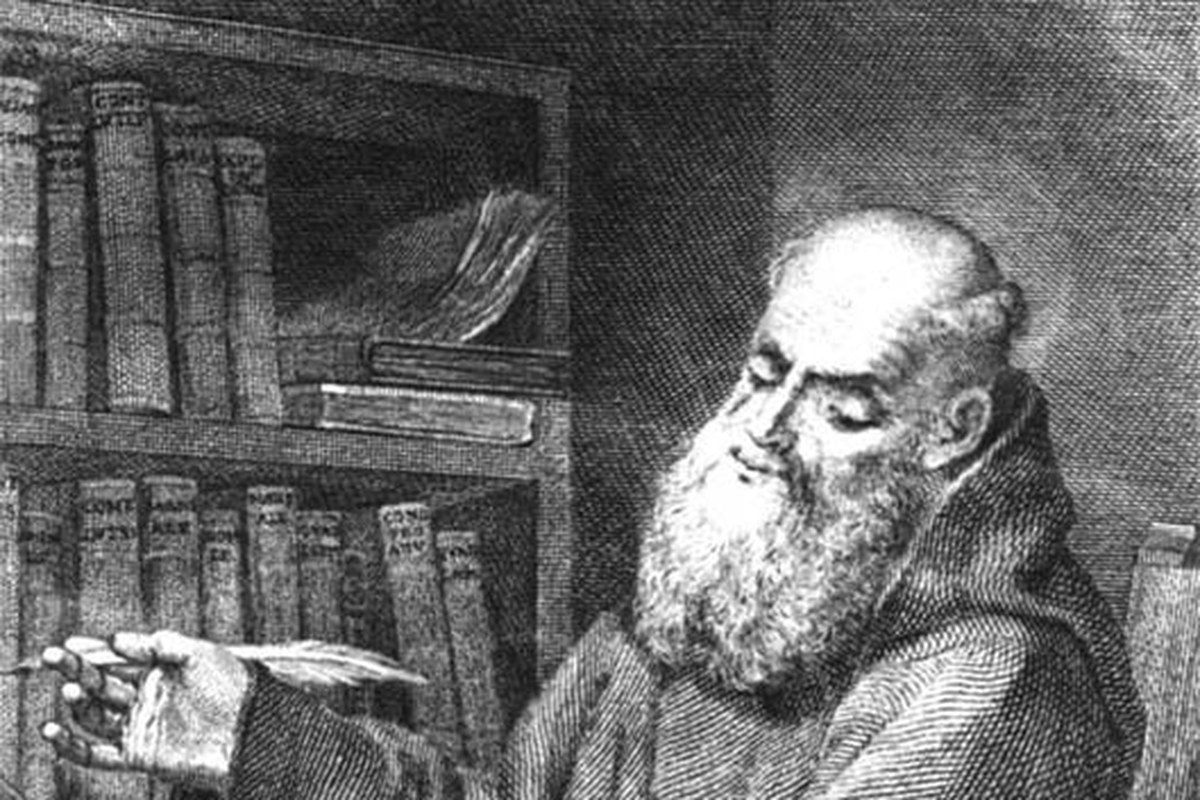
Saint Lawrence of Brindisi
A Capuchin friar who reportedly knew several biblical languages fluently rode into battle against the Ottomans carrying only a crucifix, and won.
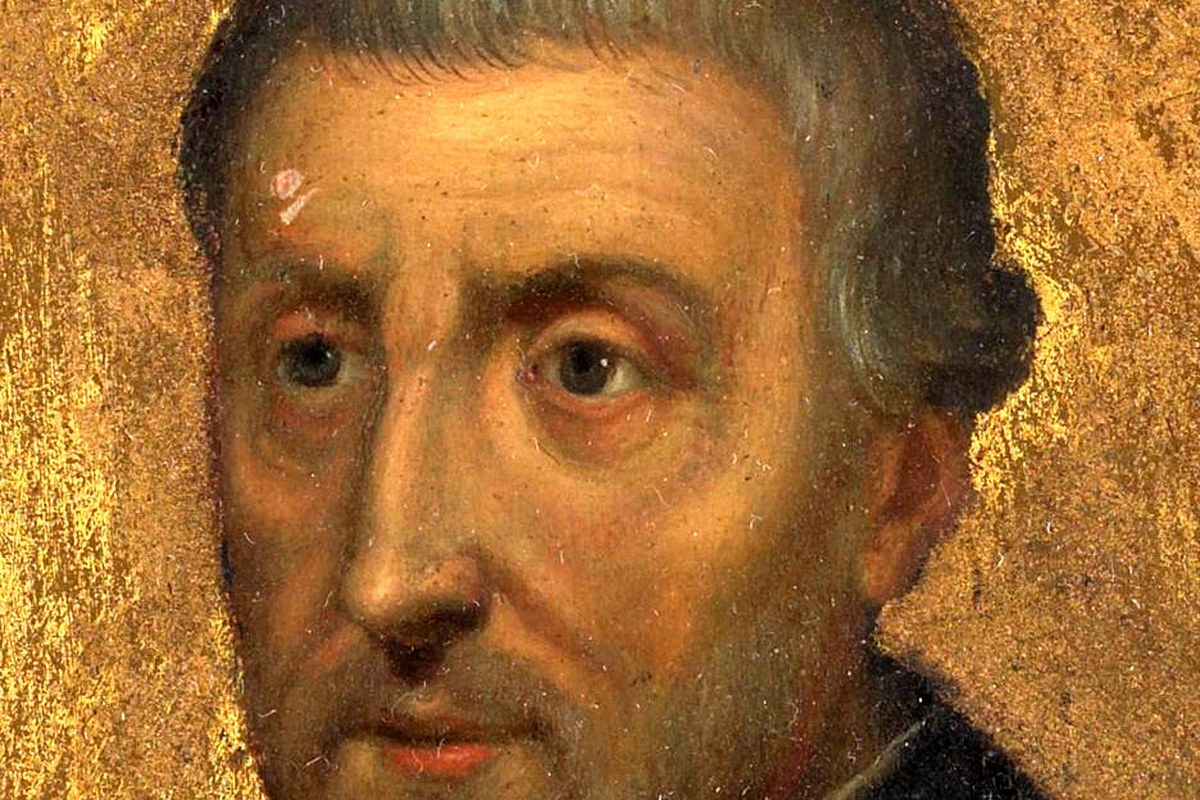
Saint Peter Canisius
A Dutch Jesuit's catechism ran through 200 editions in his own lifetime and made "Canisius" a byword for catechism itself across German-speaking Europe.
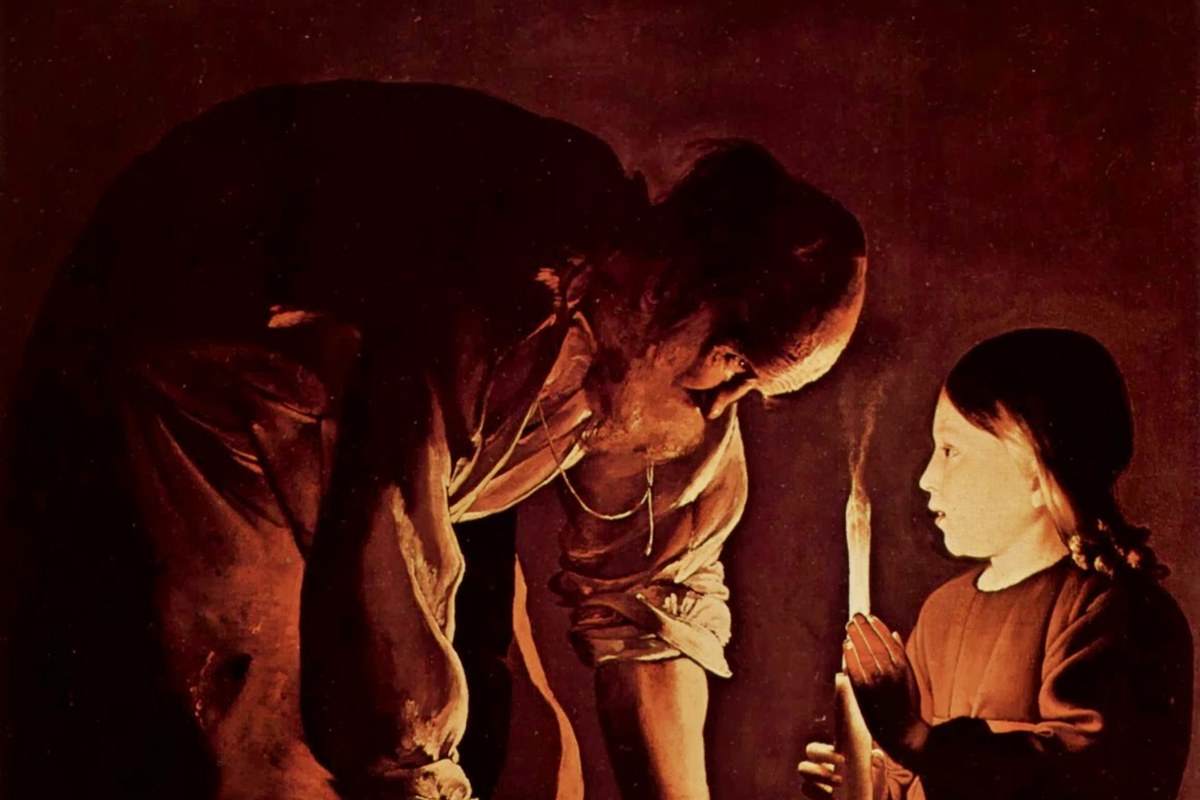
Saint Joseph
Who Saint Joseph was, why he never speaks a single word in Scripture, and why the Church still calls him patron of the universal Church.
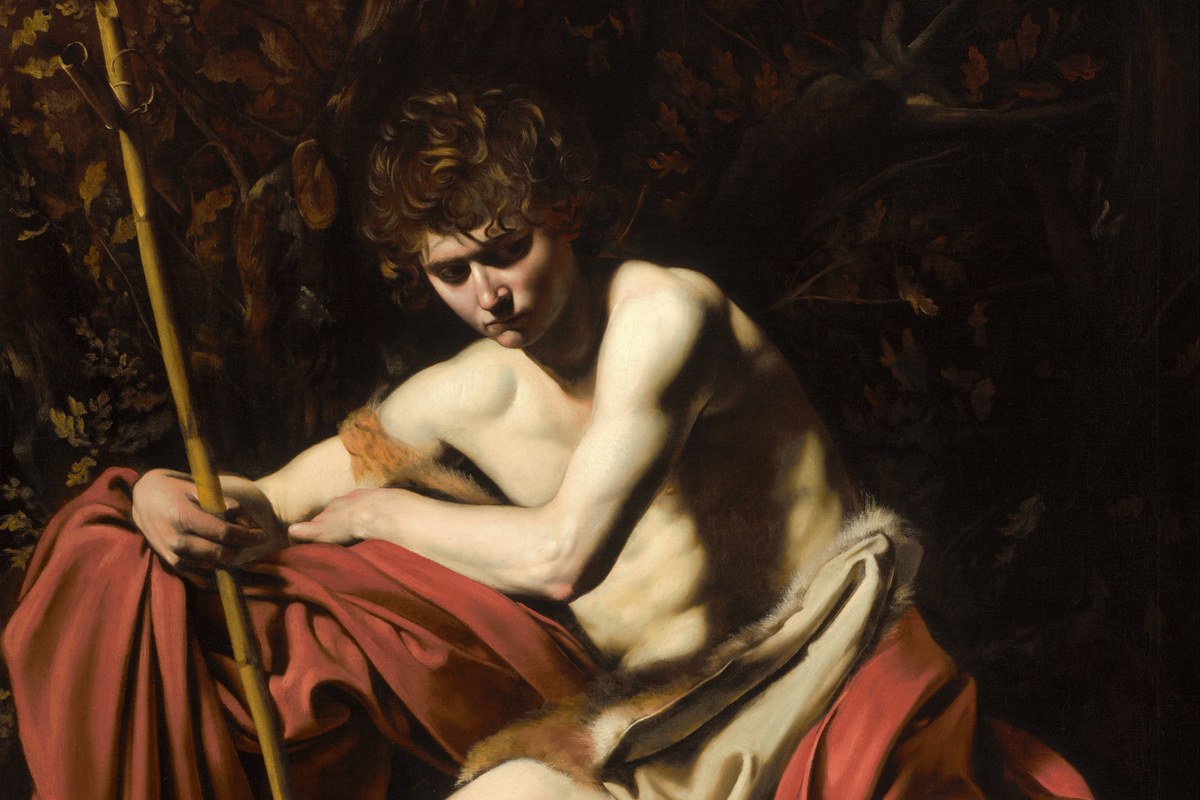
Saint John the Baptist
Who John the Baptist was, why he lived alone in the wilderness before his ministry began, and why he called himself unworthy of the one he baptized.
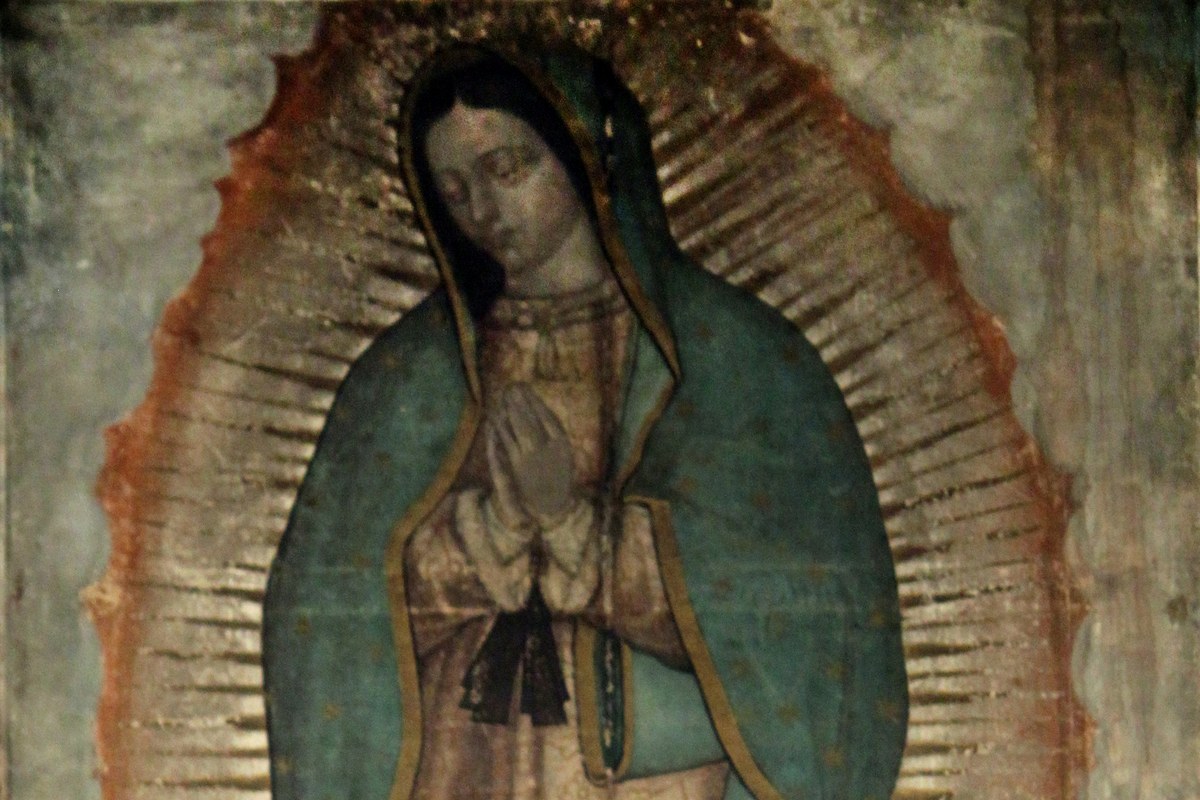
Our Lady of Guadalupe
The story of the 1531 apparitions to Juan Diego, the image left on his cloak, and why Our Lady of Guadalupe became patroness of the Americas.
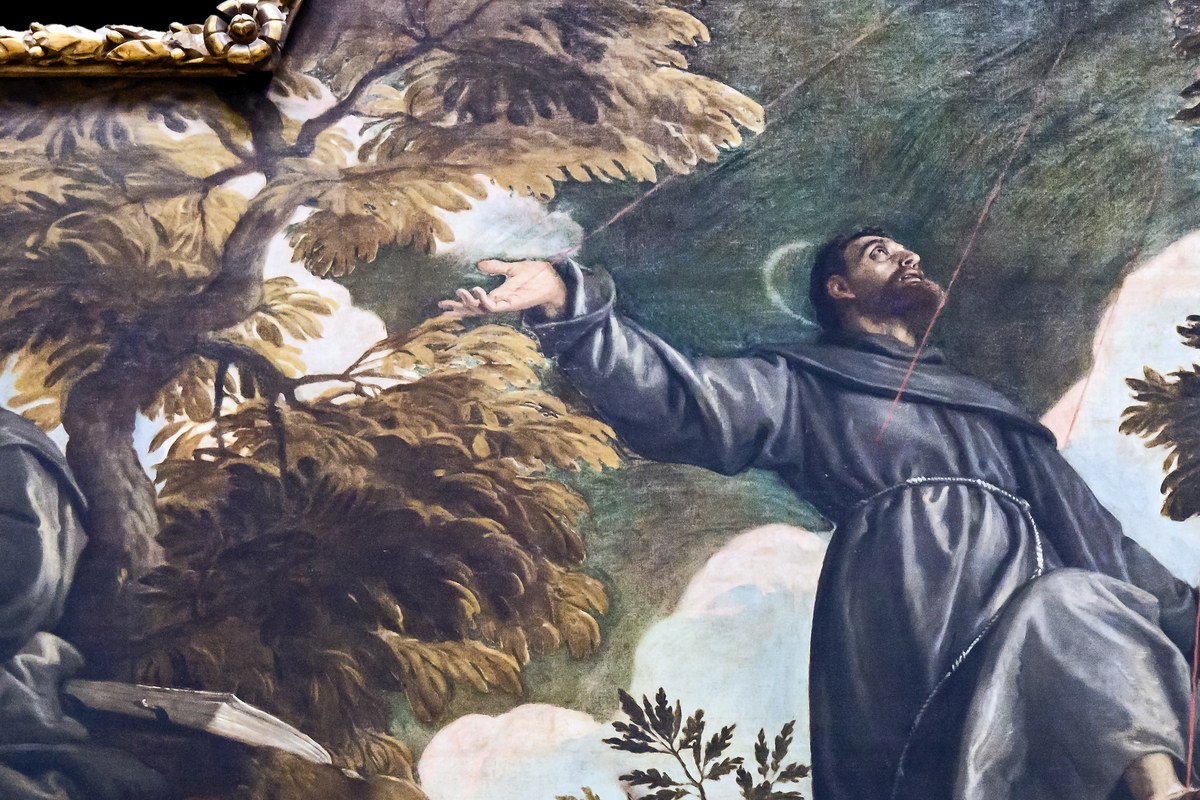
Saint Francis of Assisi
How a wealthy merchant's son gave up everything to found the Franciscans, and what happened to him on Mount La Verna in 1224.
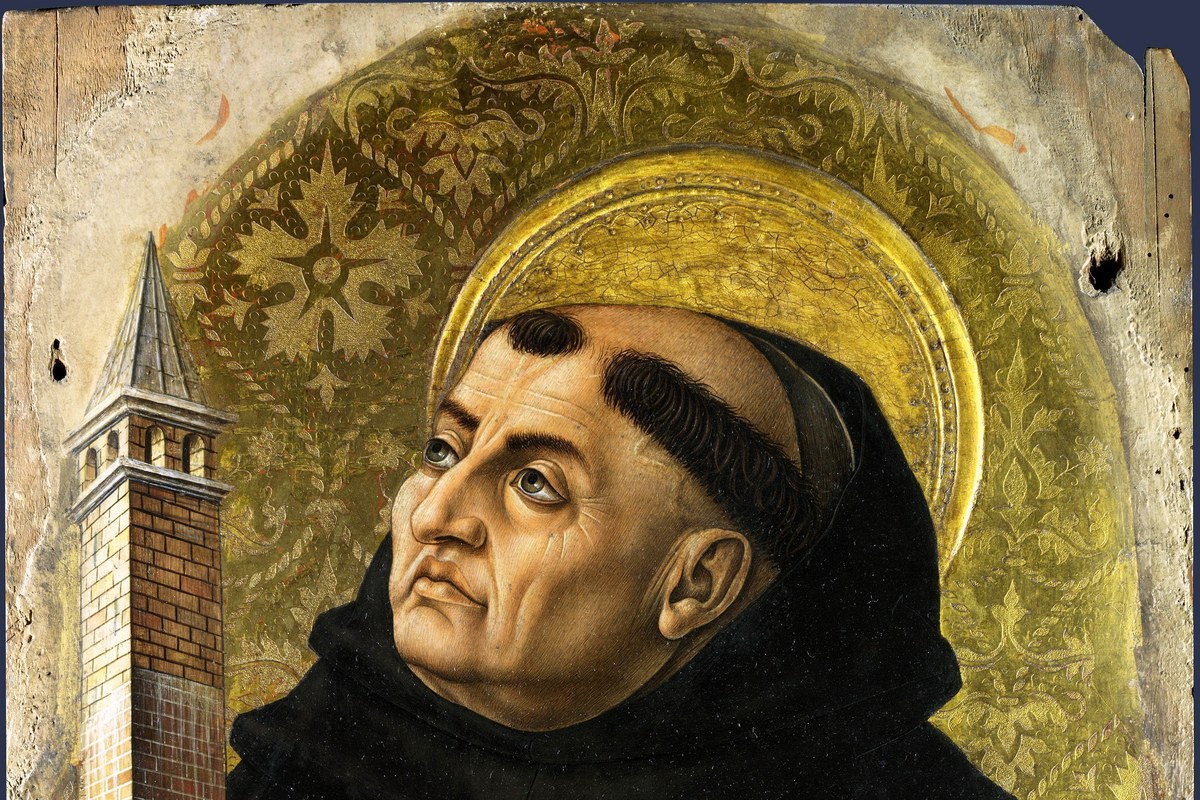
Saint Thomas Aquinas
How the "Dumb Ox" became the Angelic Doctor of the Church, what the Summa Theologica actually set out to do, and why he stopped writing it.
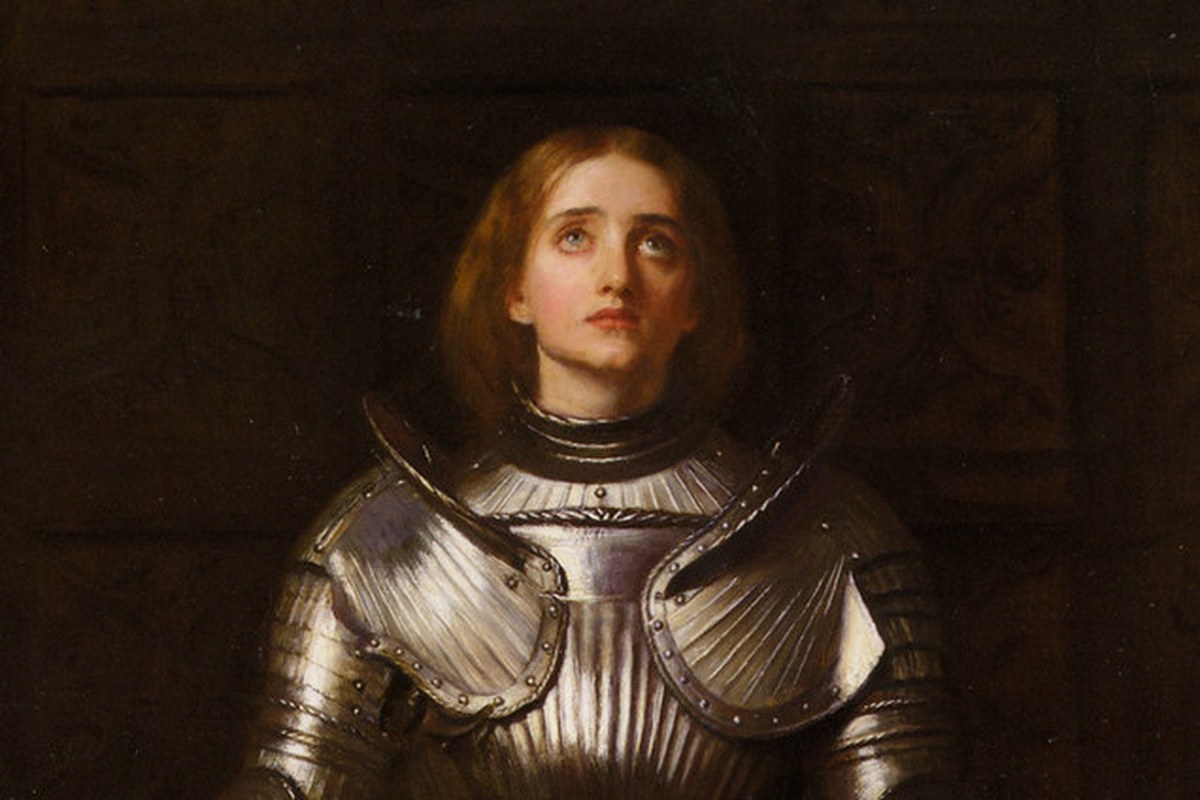
Saint Joan of Arc
How a teenage peasant girl came to lead the French army, why she was executed at nineteen, and how the Church came to canonize her nearly 500 years later.
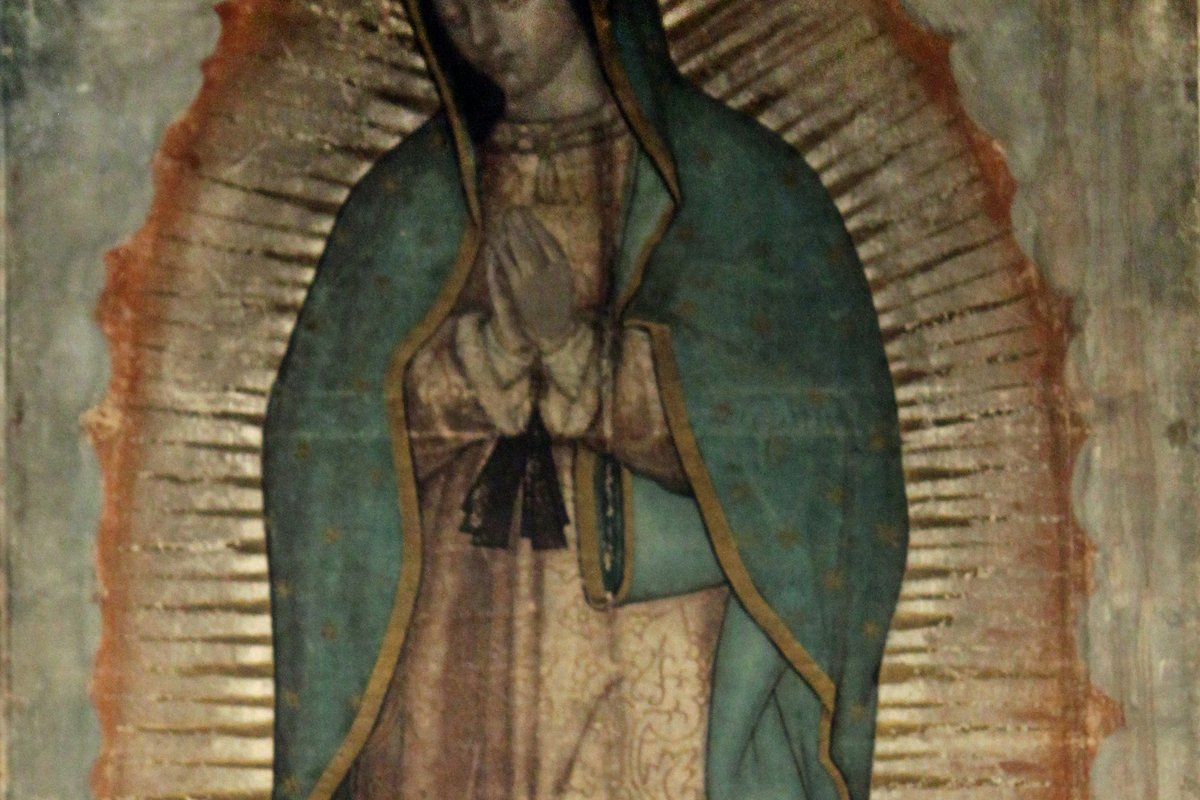
Marian Apparitions Recognized by the Church
Guadalupe, Lourdes, and Fátima are the famous ones, but other apparitions have also received formal Church approval — here's how that process actually works.
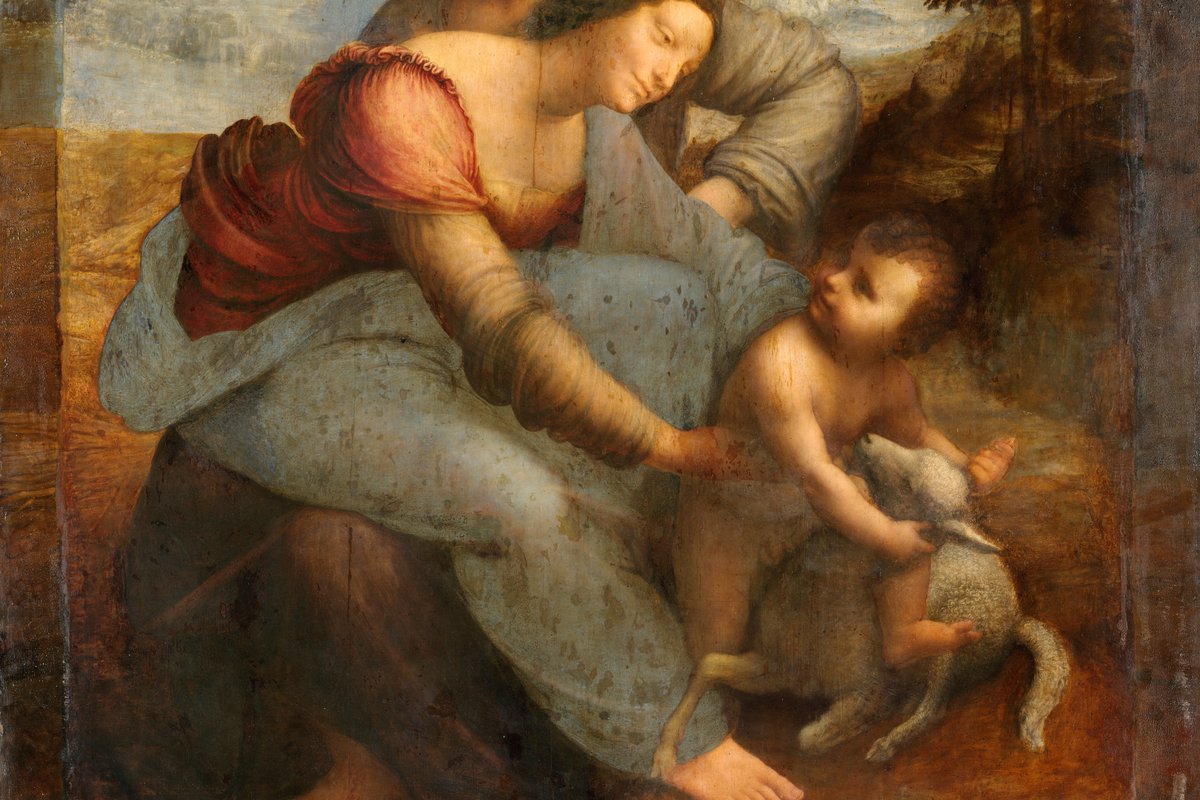
Saint Anne, Mother of the Virgin Mary
Why the woman honored as Mary's mother is never named in Scripture, and how an ancient tradition gave her the name Anne and a story of her own.
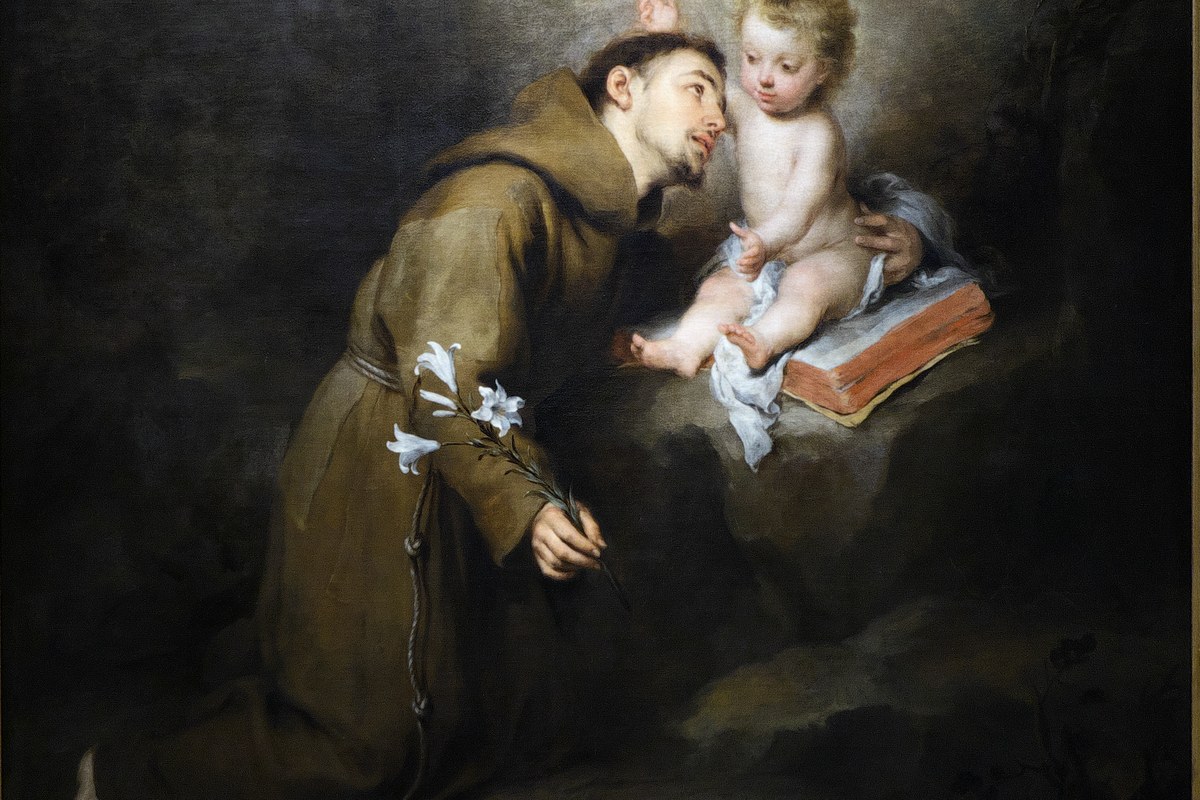
Saint Anthony of Padua
How a Portuguese-born Franciscan became one of the great preachers of his century, and why he's the saint people ask for help finding lost things.
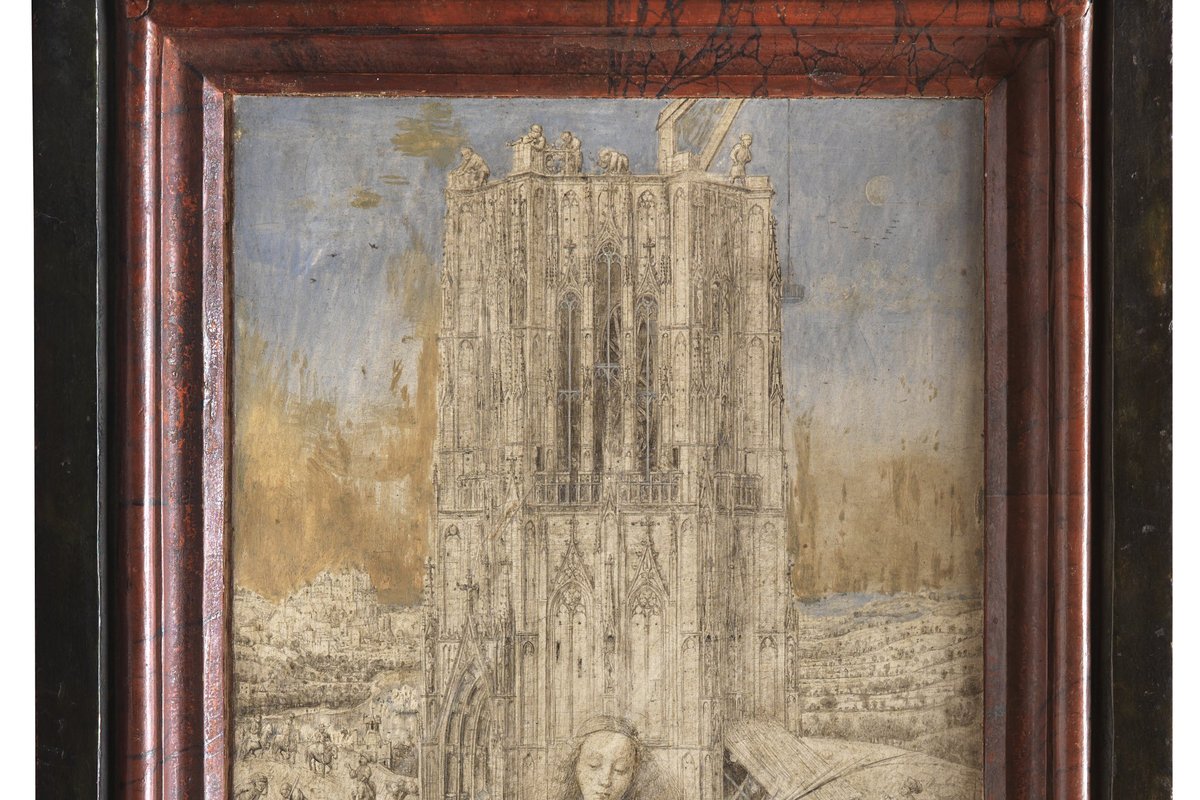
Saint Barbara, Virgin Martyr
Who Saint Barbara was, why she is shown with a three-windowed tower, and why the Church removed her feast from its universal calendar in 1969.
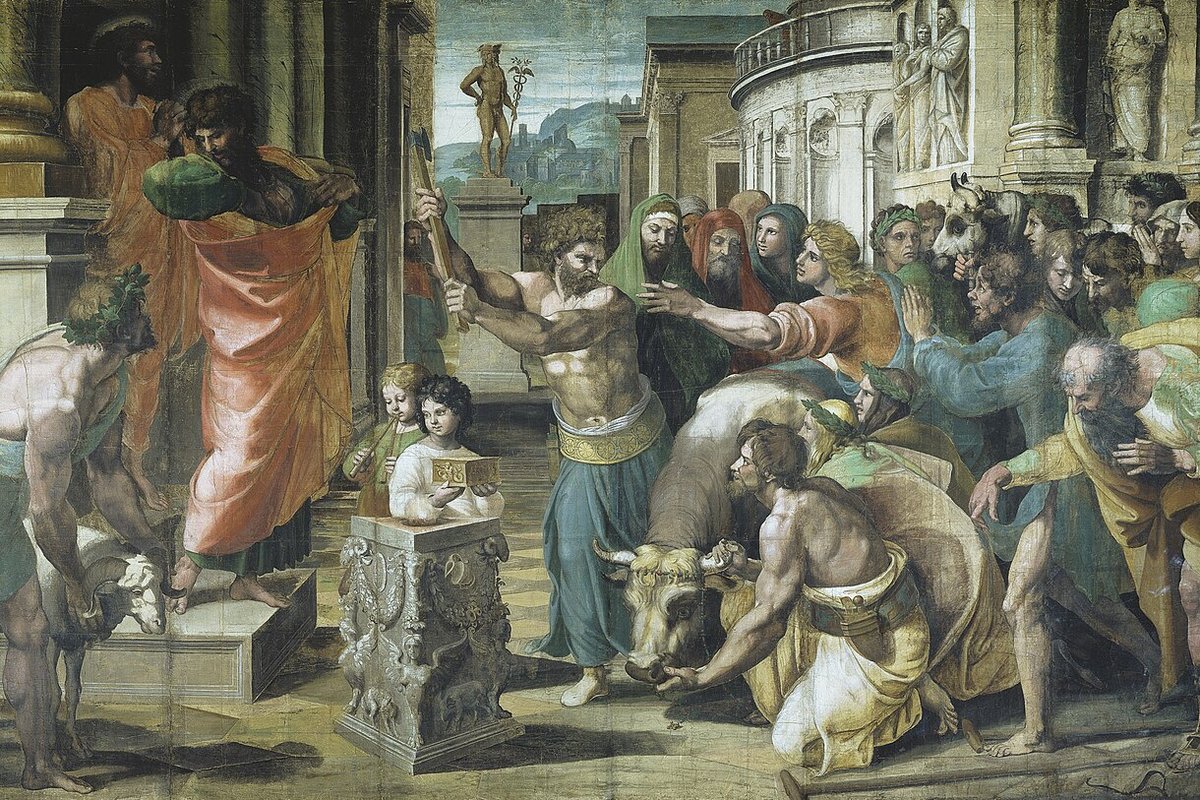
Saint Barnabas the Apostle
The "son of encouragement" who vouched for Saul when no one else in Jerusalem would go near him, and became an apostle without ever meeting Jesus in the flesh.
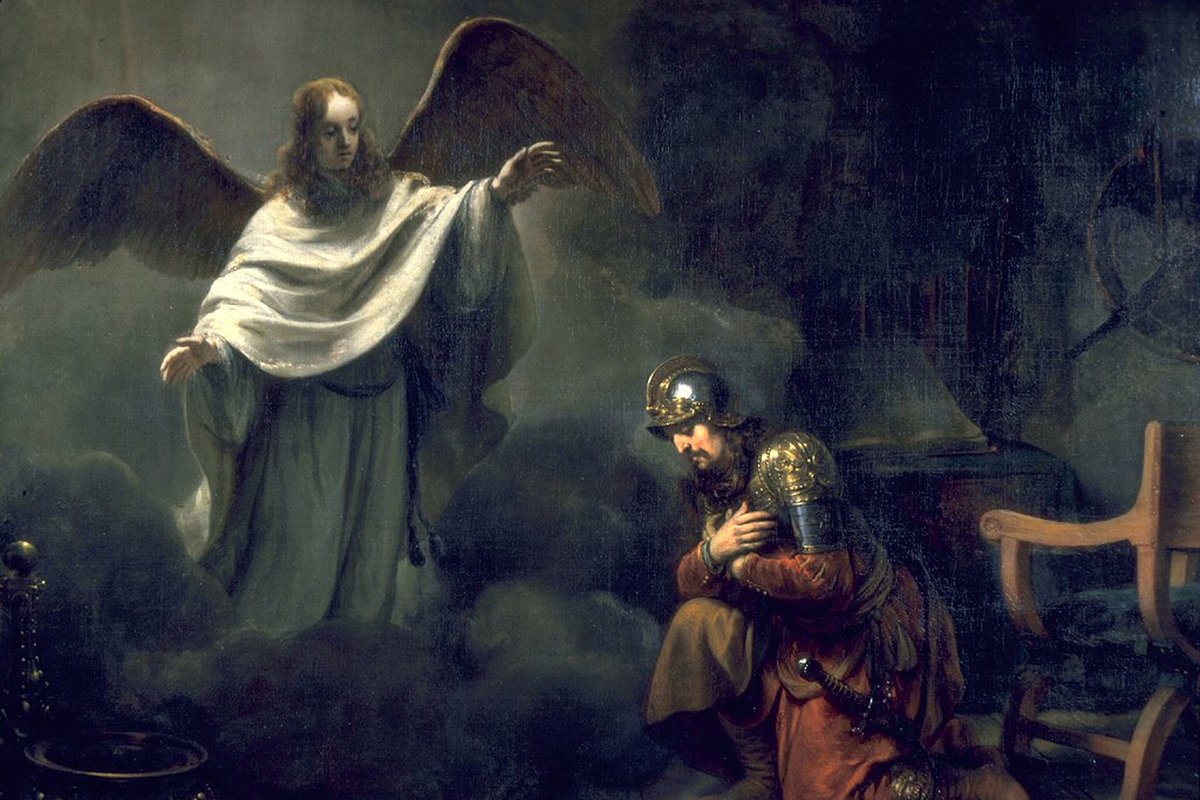
Saint Cornelius the Centurion
The story of Cornelius, the Roman officer whose vision and conversion in Acts 10 opened the Christian faith to the Gentile world.
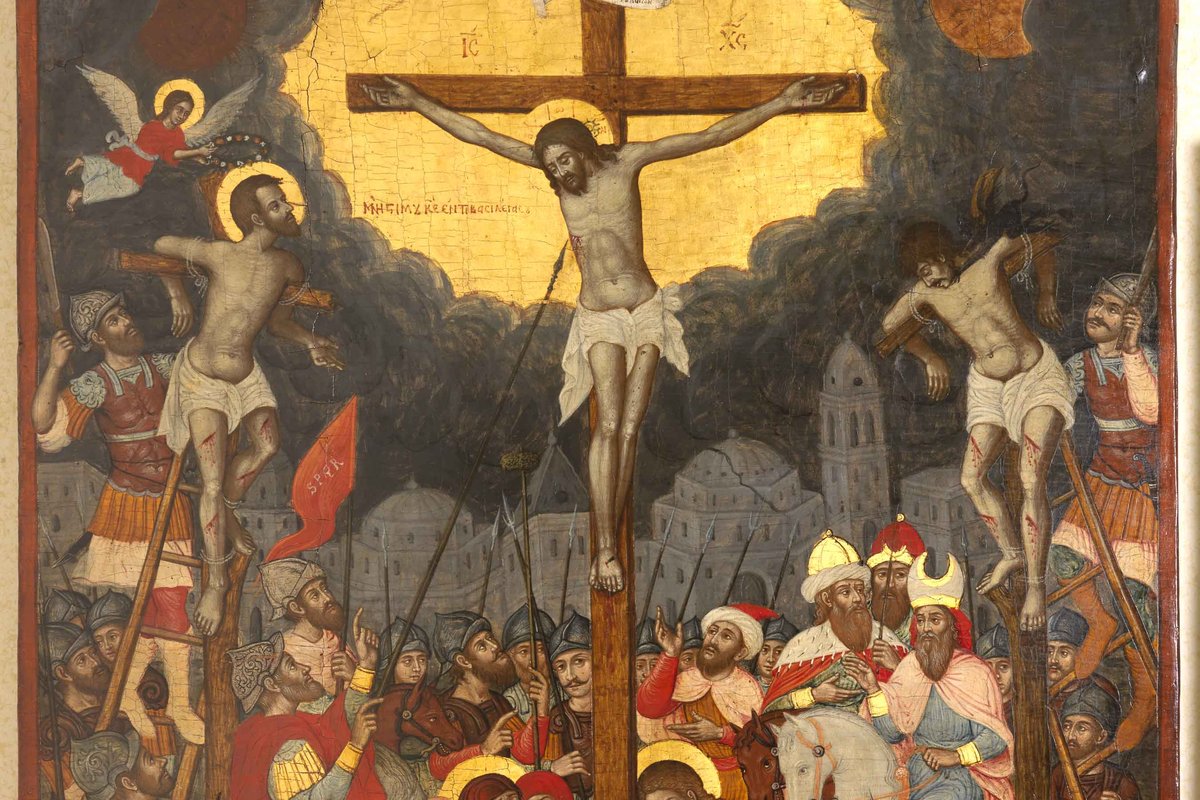
Saint Dismas — The Good Thief Promised Paradise
Who Saint Dismas is, what he actually said to Jesus while dying on the cross beside him, and why his last-minute conversion became a model of Christian hope.
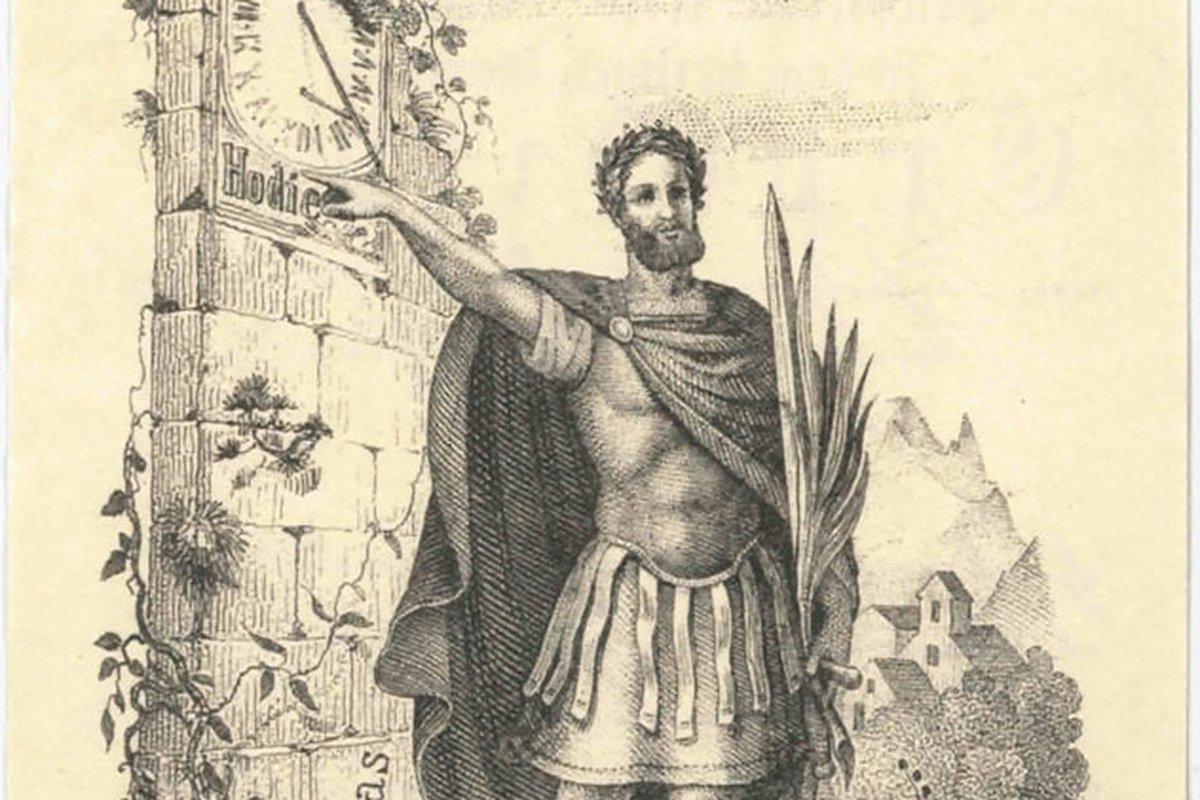
Saint Expeditus, Patron of Urgent Causes
Who Saint Expeditus is said to have been, why he is invoked against procrastination, and why his very existence is a matter of scholarly debate.
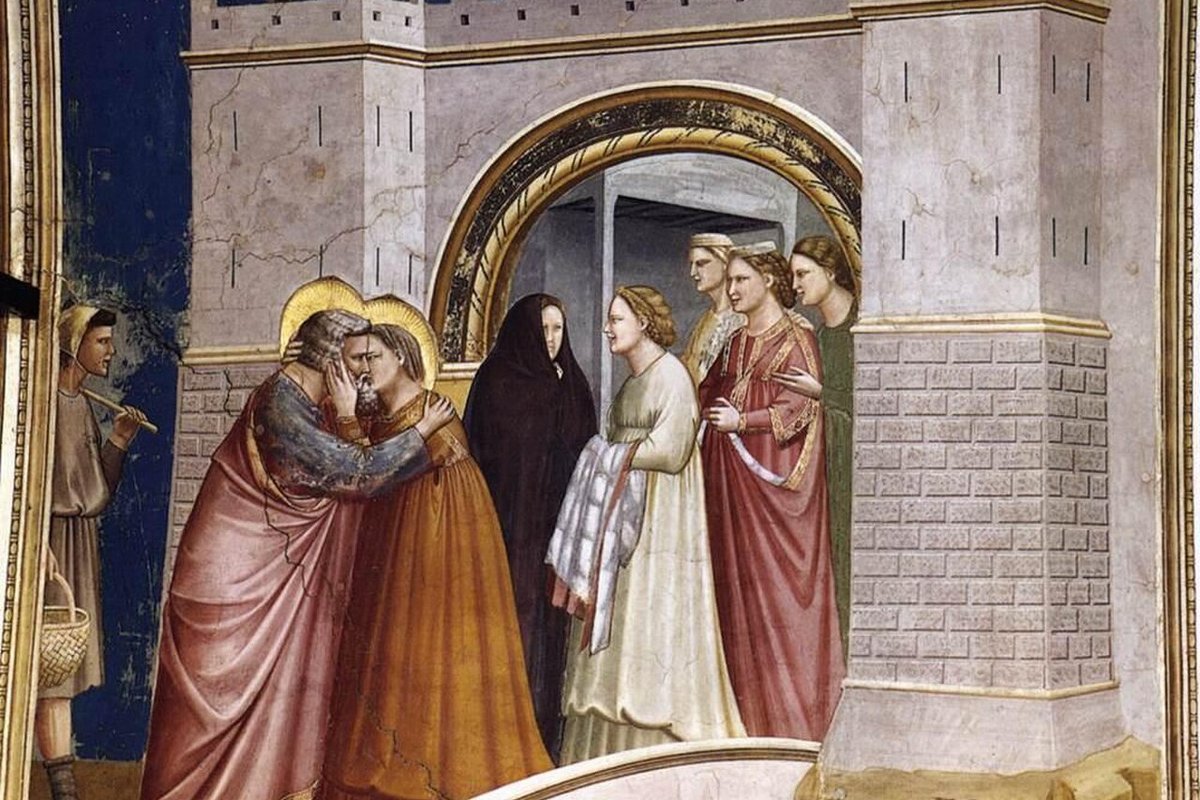
Saint Joachim, Traditional Father of the Virgin Mary
Who Joachim was according to ancient Christian tradition, why his name never appears in the Bible, and what the Church actually affirms about him.
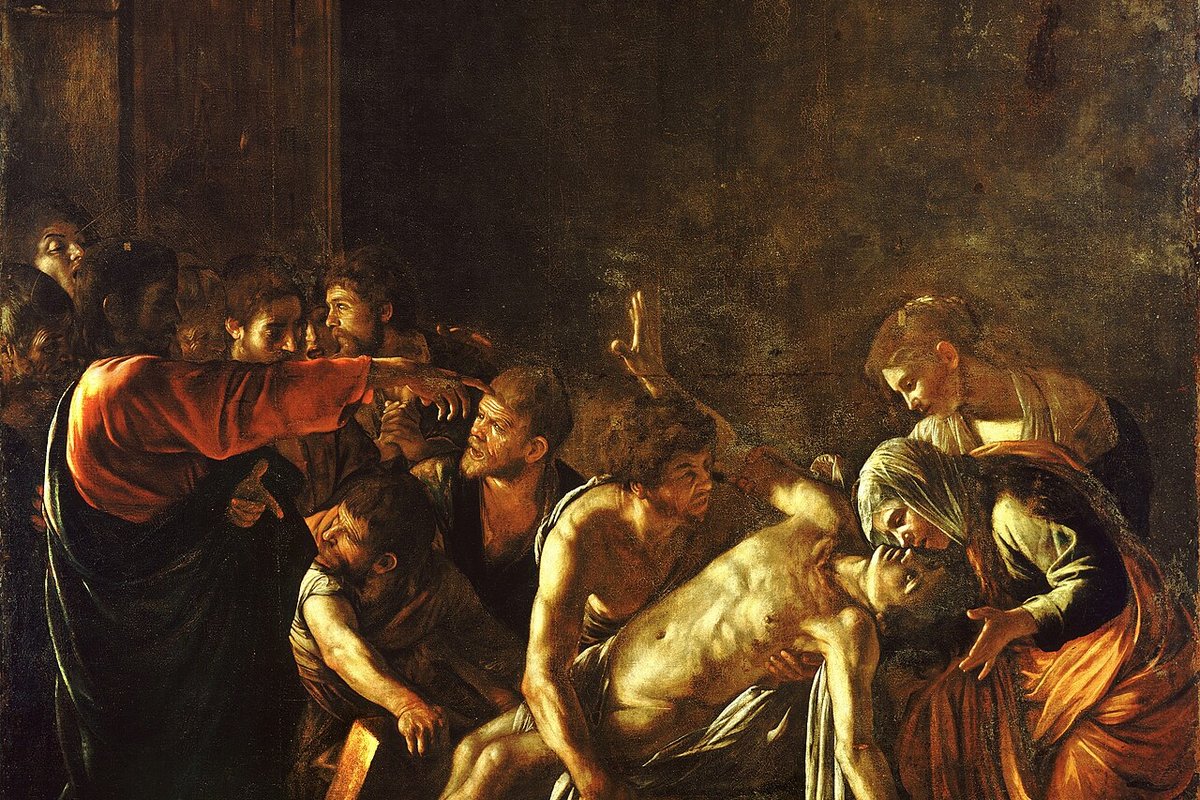
Saint Lazarus of Bethany
The man Jesus called out of his own tomb after four days dead — and why he is often confused with a different Lazarus in one of Jesus's parables.
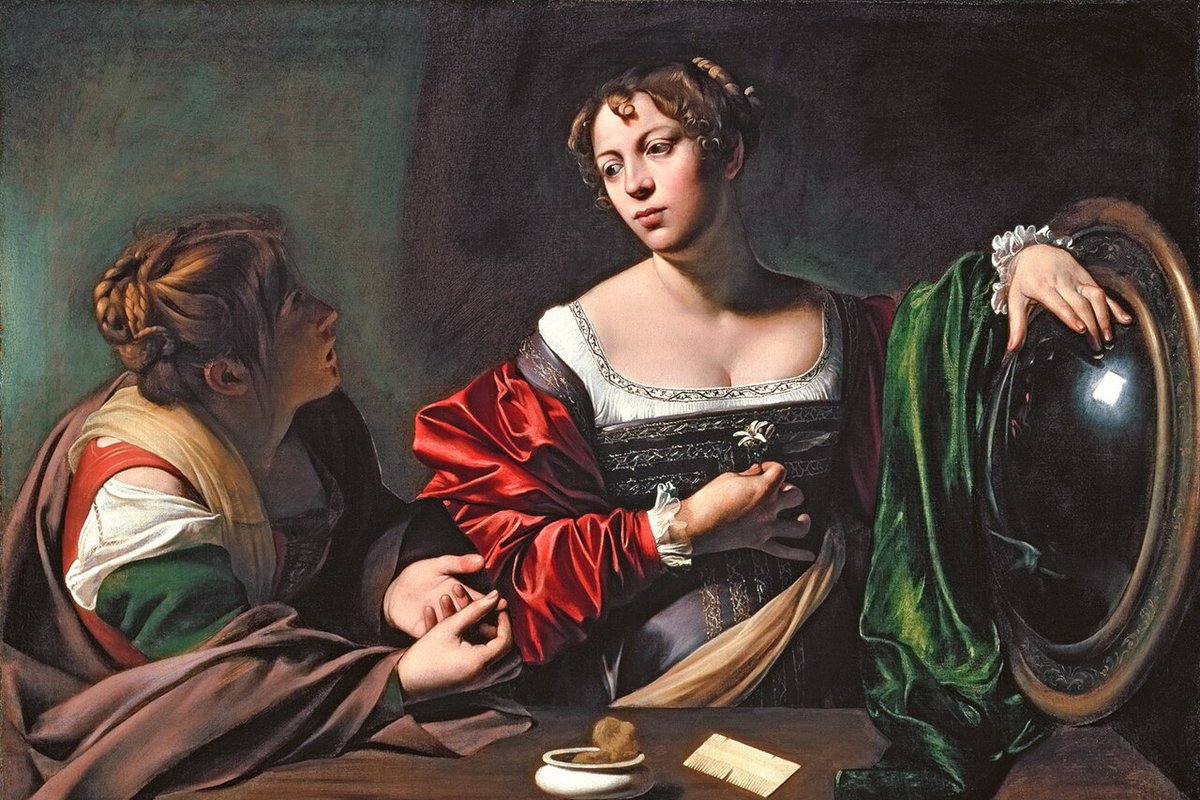
Saint Martha of Bethany
The story of Martha of Bethany, sister of Mary and Lazarus, from the "Martha, Martha" episode in Luke's Gospel to her plea to Jesus at Lazarus's tomb in John 11.
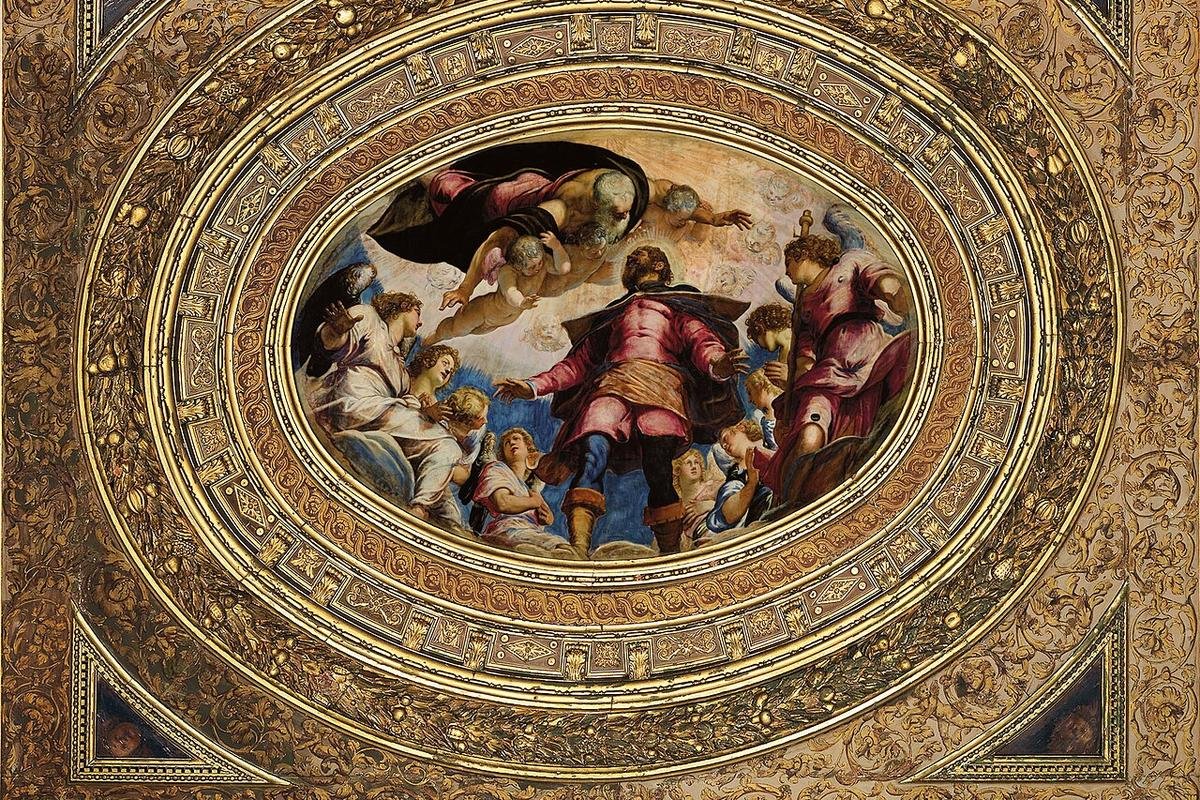
Saint Roch — The Pilgrim Who Healed the Plague-Stricken
Who Saint Roch was, why he's shown with a dog and a wound on his leg, and how a nobleman turned pilgrim became one of the most invoked saints against plague.
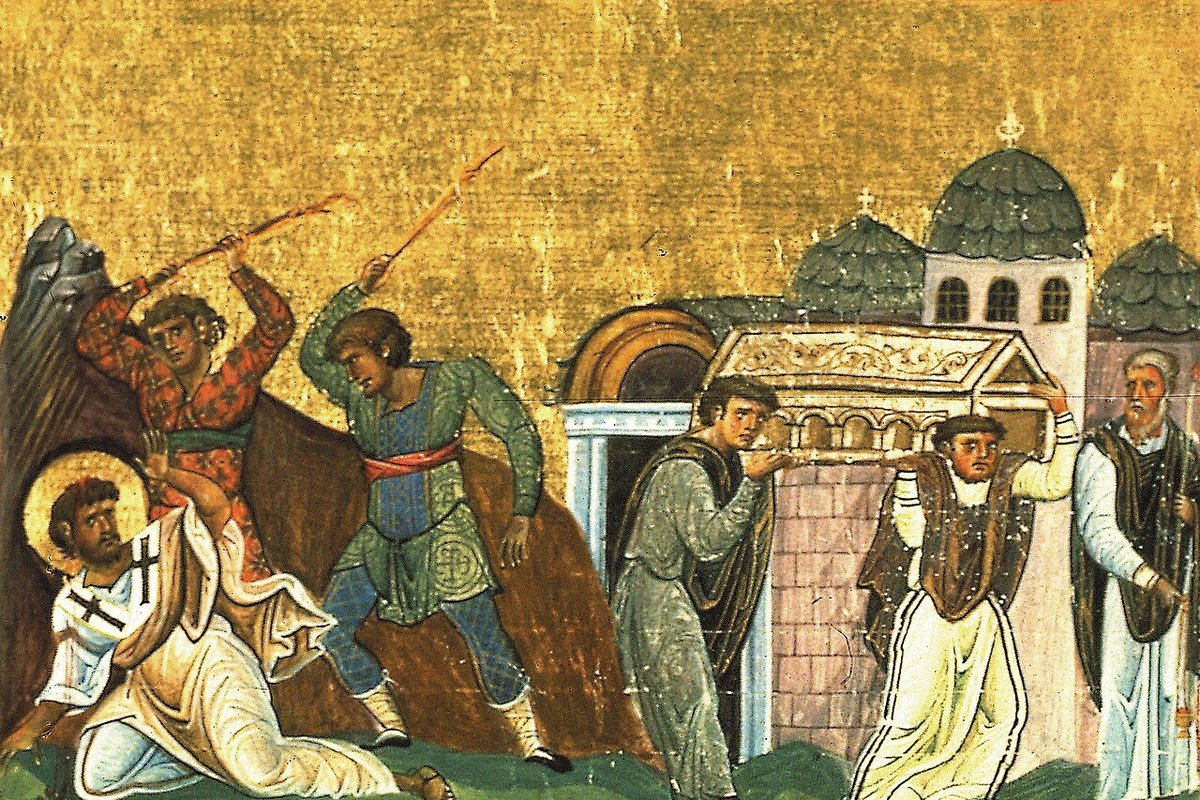
Saint Timothy — Paul's Beloved Disciple
Who Saint Timothy was, why Paul called him his "true child in the faith," and what the two epistles addressed to him reveal about his life and death.
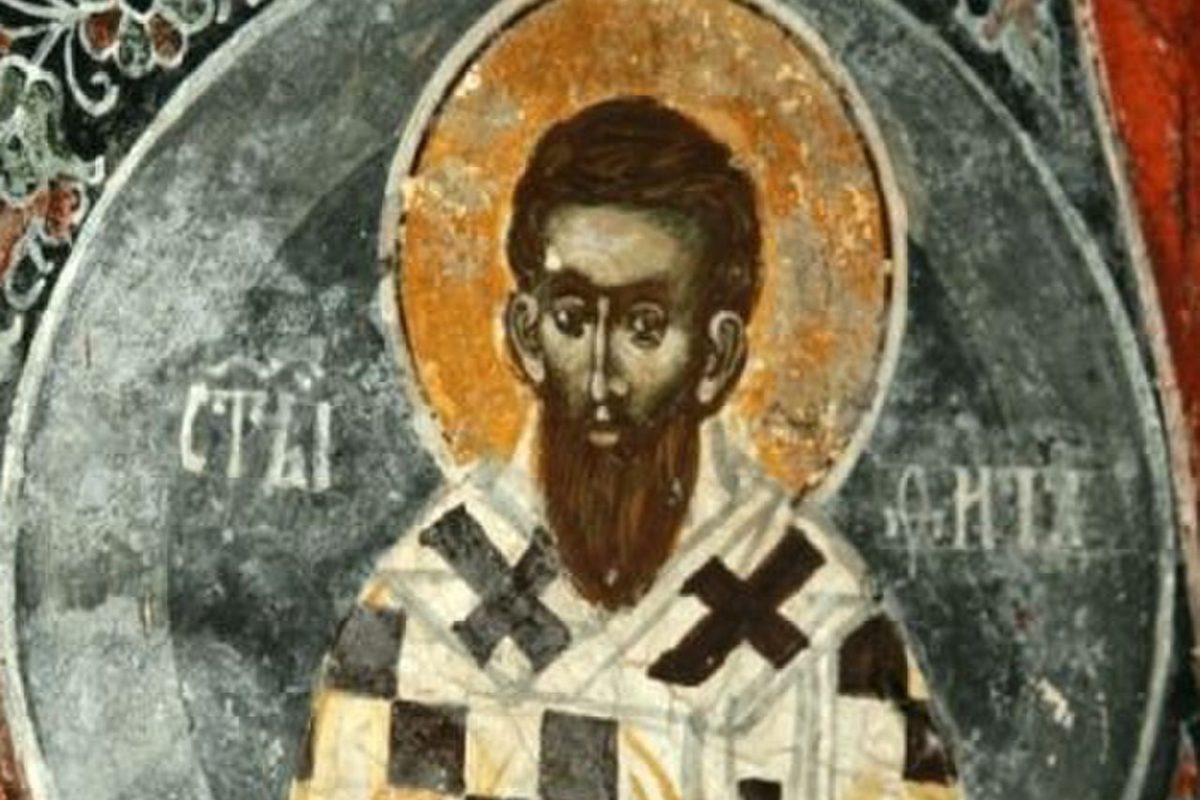
Saint Titus — The Gentile Paul Refused to Circumcise
Who Saint Titus was, why his uncircumcised presence became a turning point at the Council of Jerusalem, and what tradition says about his life as bishop of Crete.
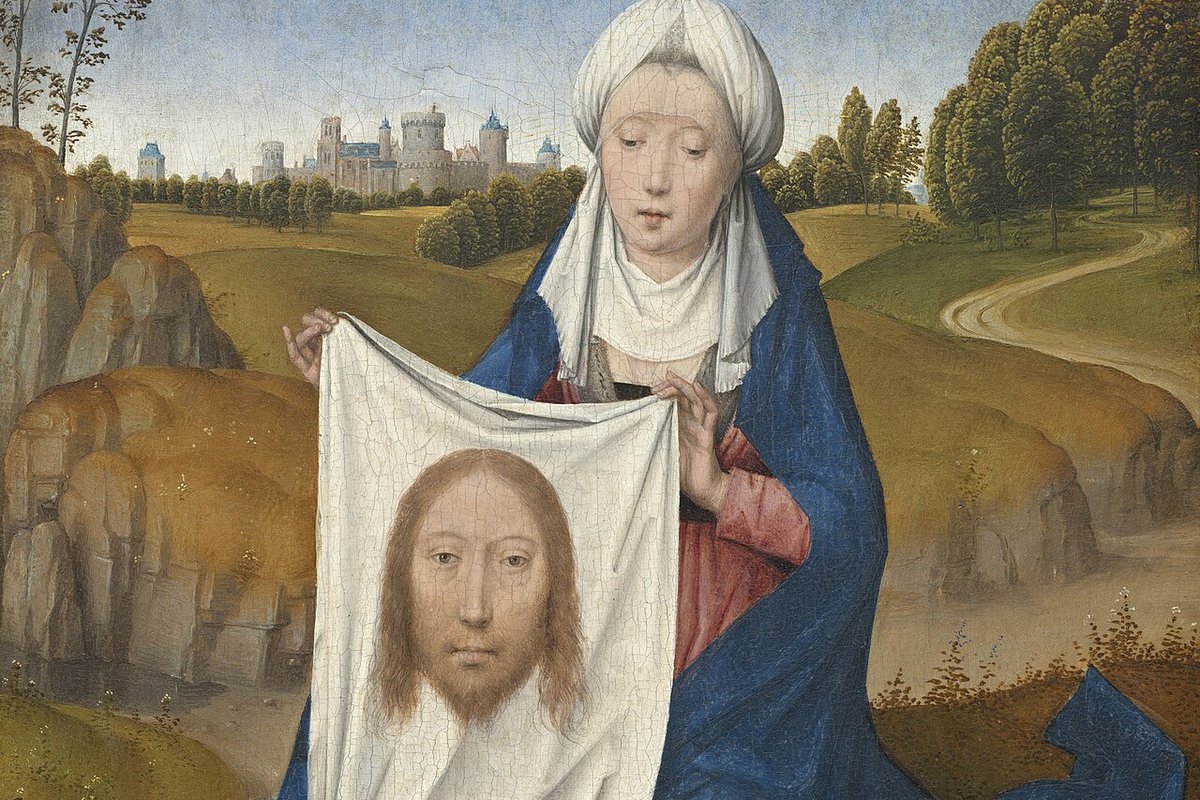
Saint Veronica and the Veil of Christ's Face
The story of Veronica, who wiped Christ's face on the road to Calvary, why her veil became the sixth Station of the Cross, and why she isn't named in Scripture.
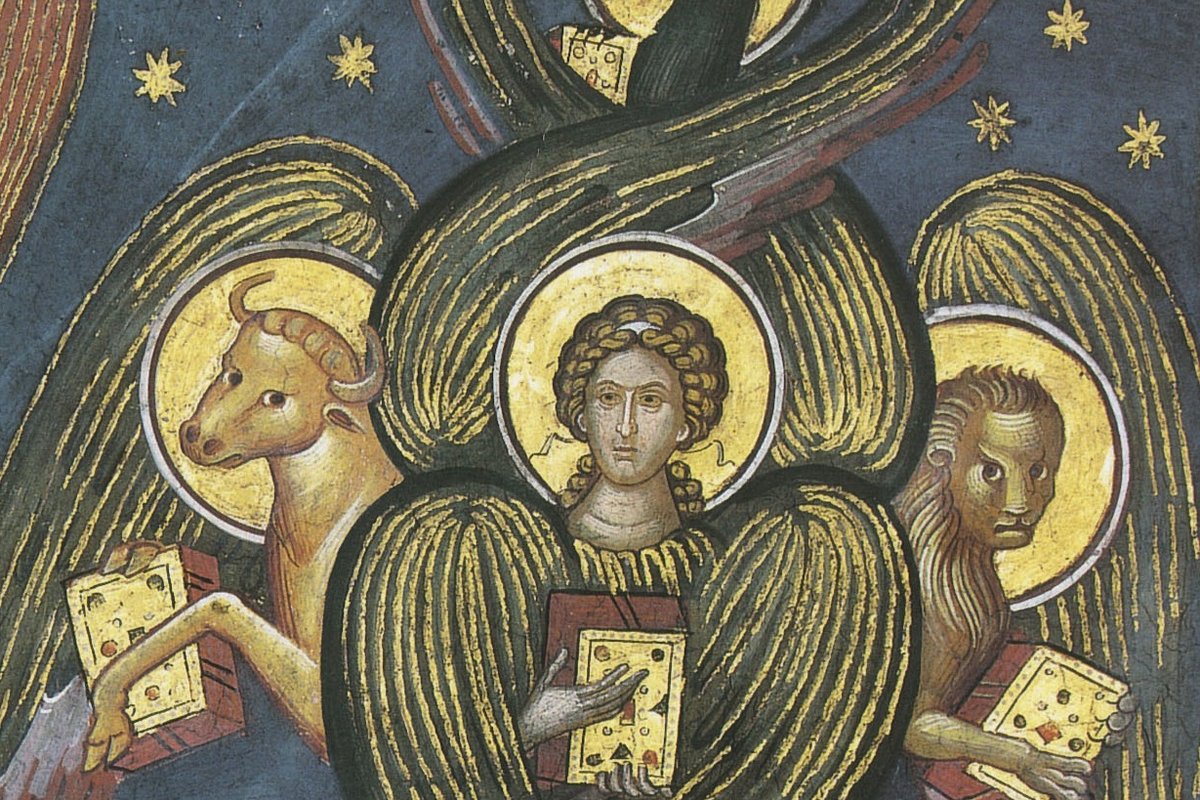
The Four Evangelists and Their Symbols
Why Matthew, Mark, Luke, and John are traditionally shown as a man, a lion, an ox, and an eagle — and where that ancient symbolism actually comes from.
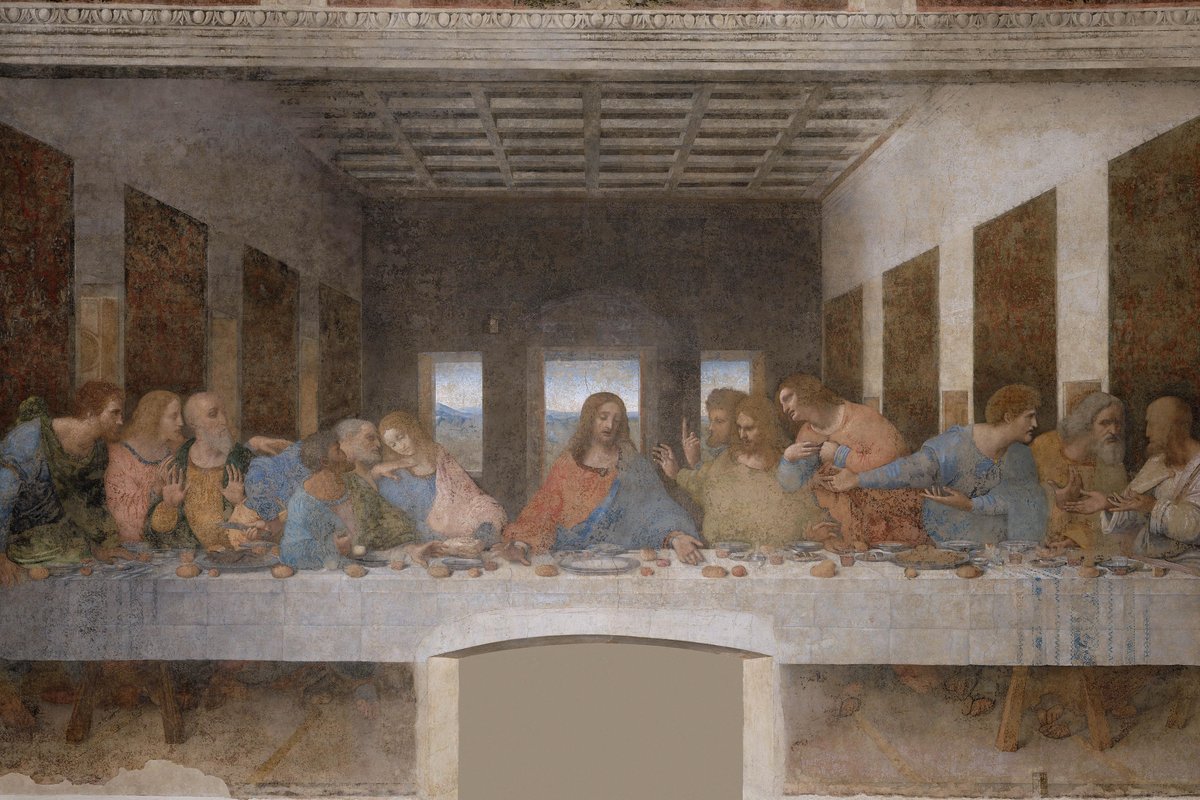
The Twelve Apostles — The Full List, at a Glance
Who the twelve men Jesus chose as his closest followers actually were, how each is remembered, and where to read the full story behind each name.
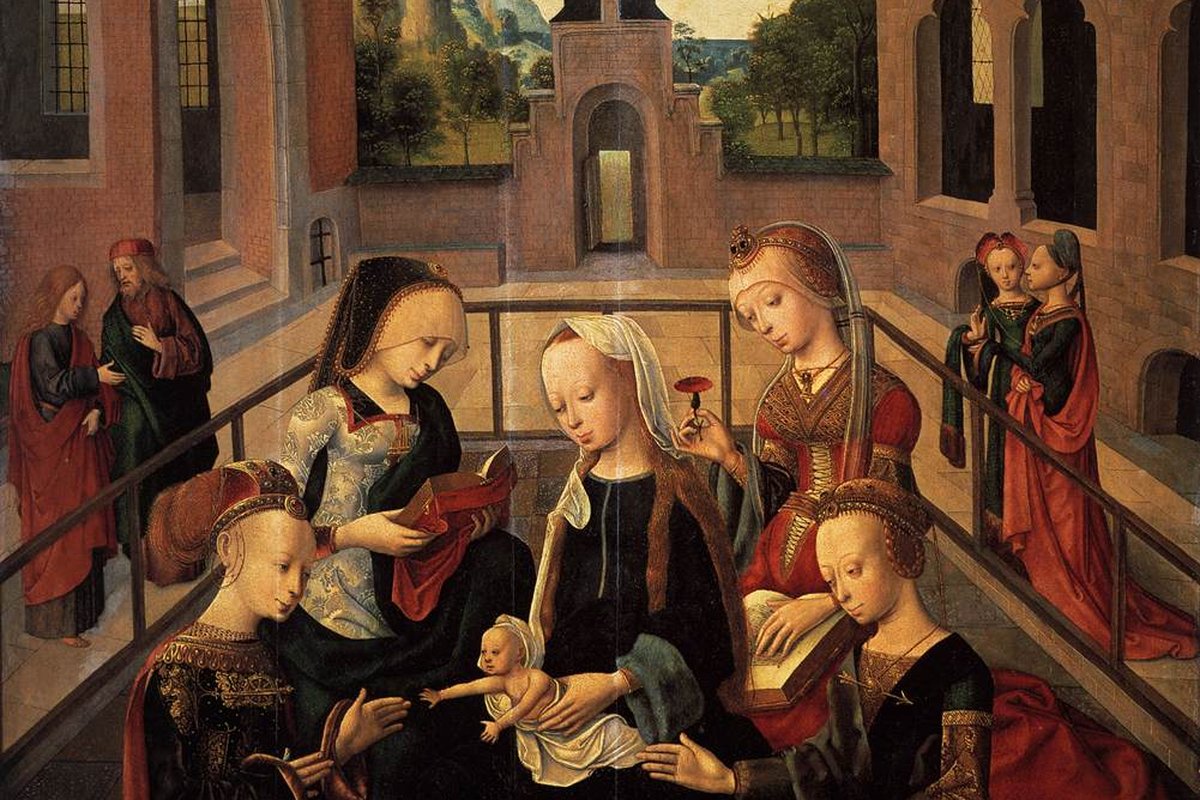
Virgin Martyrs of the Early Church
Agnes, Agatha, Lucy, Cecilia, Perpetua, and Felicity — young women who chose death over compromise, and whose names are still spoken every day at Mass.
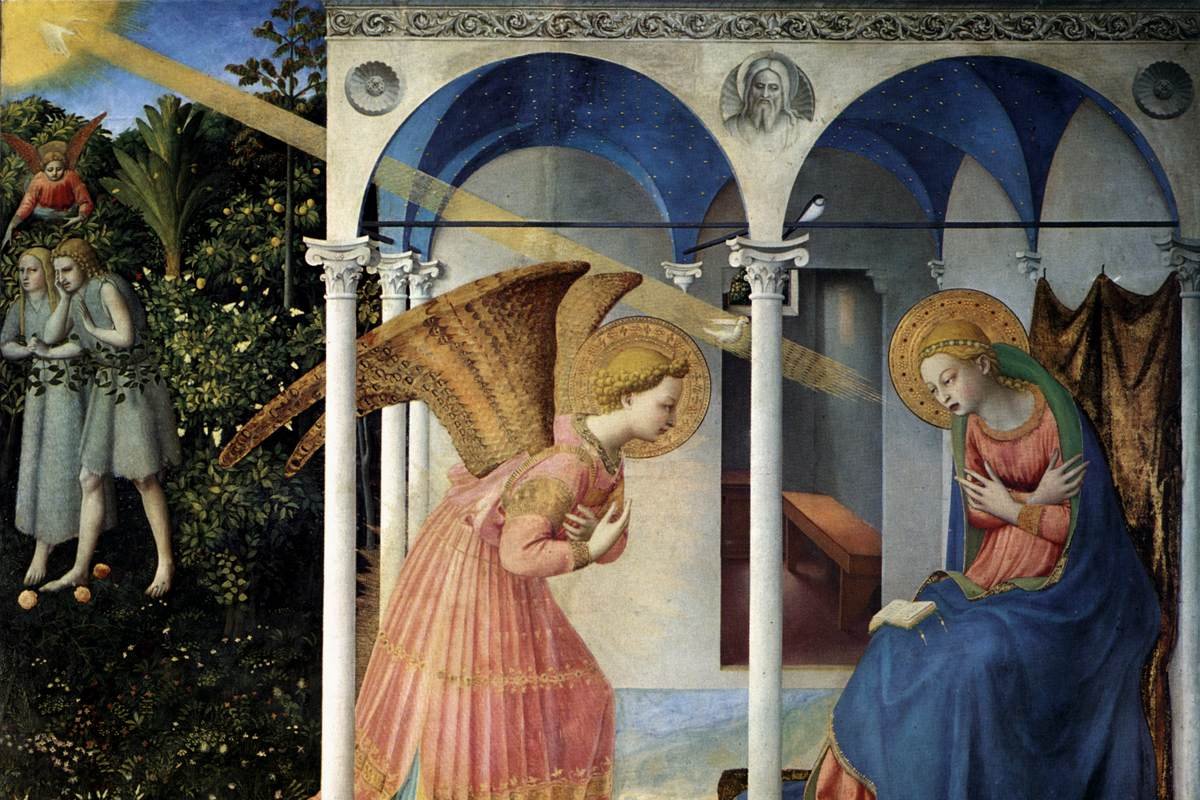
Advent Explained: The Season of Waiting Before Christmas
What is Advent? Learn the meaning of the season, the Advent wreath tradition, its length, and why the Church wears violet and rose during these weeks.
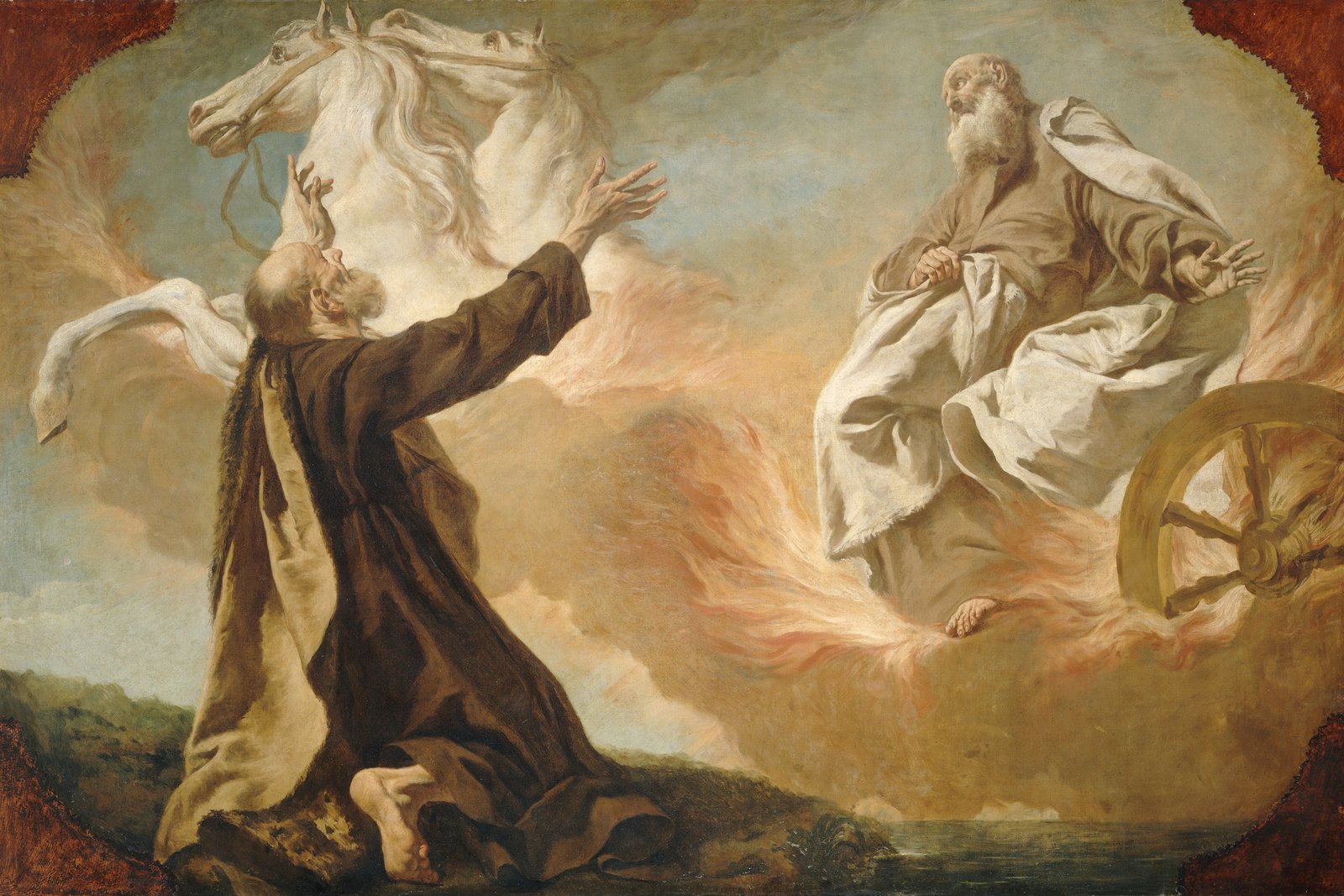
Elijah: Fire on Carmel and a Whisper at Horeb
The prophet Elijah called down fire on Mount Carmel, then fled into the desert to hear God not in the storm, but in a still small voice.
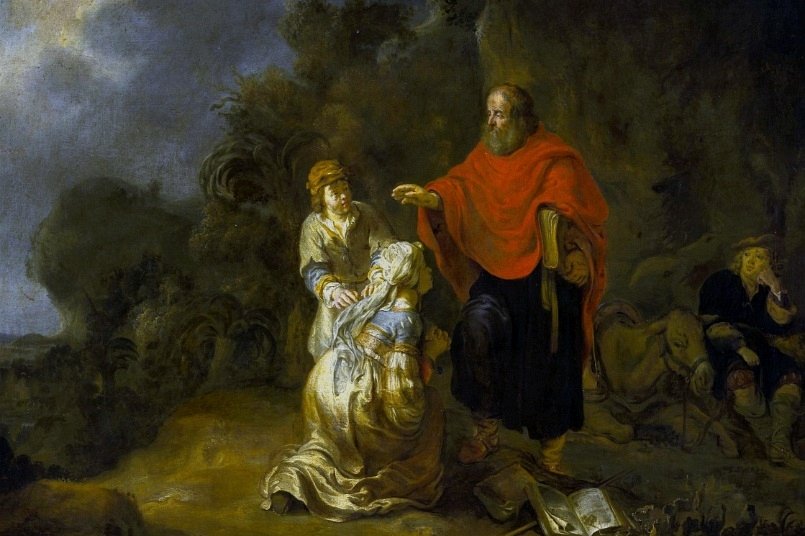
Elisha: The Double Portion of Elijah's Spirit
Elisha inherited Elijah's mantle and spent it healing a foreign general, refilling a widow's empty jars, and raising a child from death.
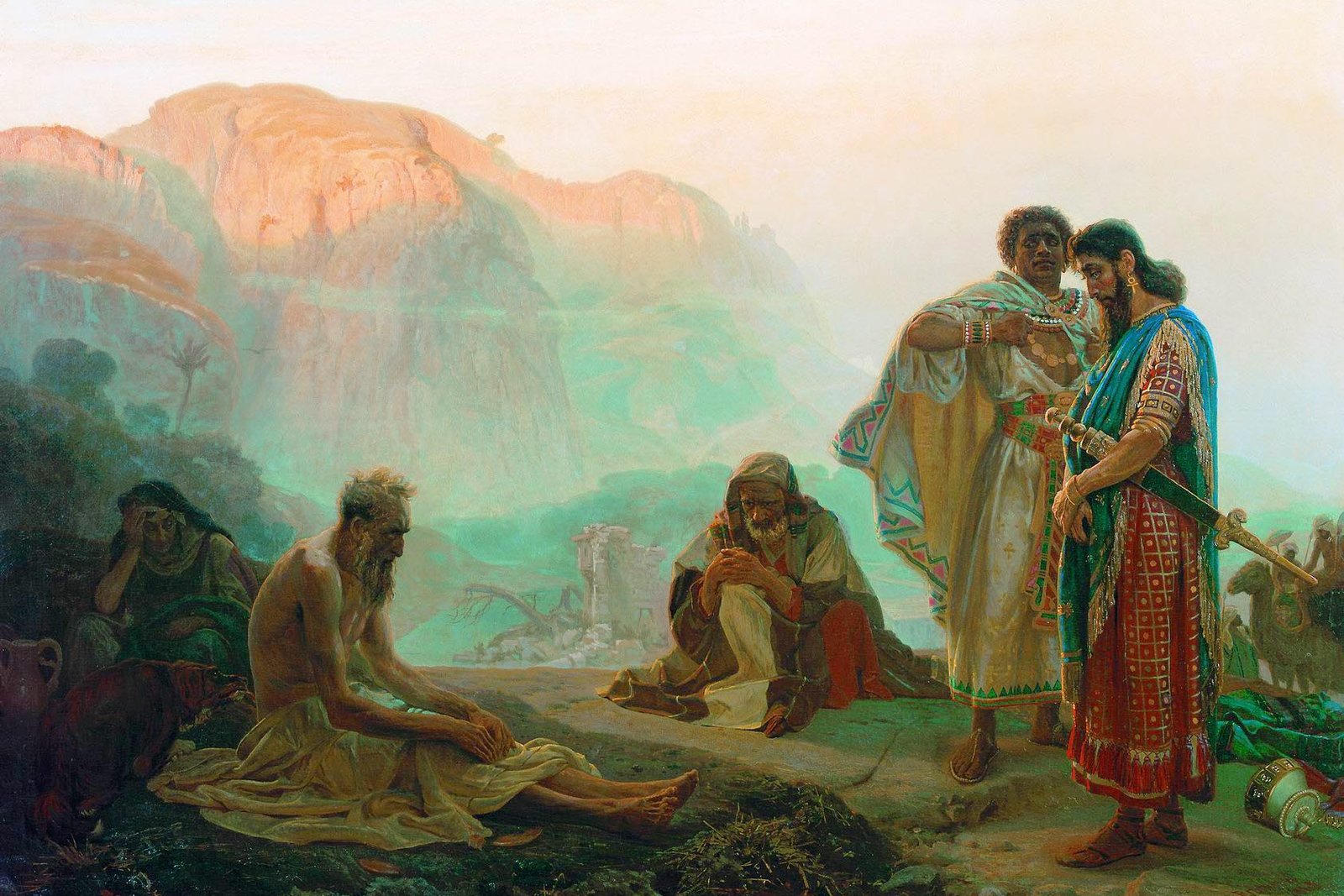
Job: The Man Who Argued with the Whirlwind
Job lost everything without explanation, rejected his friends' easy answers, and demanded a hearing with God — who answered him from a storm.
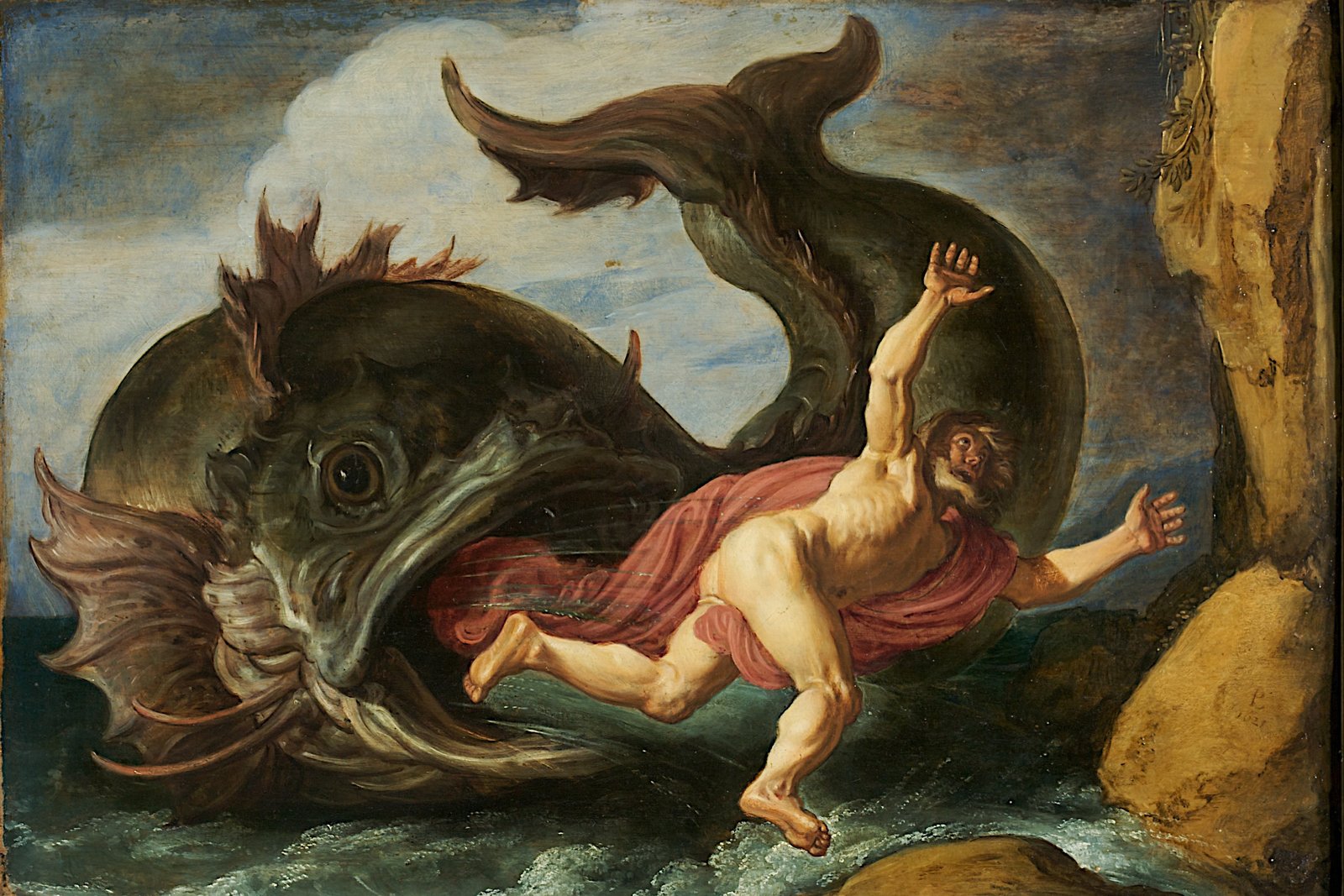
Jonah: The Prophet Who Ran From Mercy
Jonah fled his mission to Nineveh, survived three days inside a great fish, and then got angry when God forgave the city he'd been sent to warn.
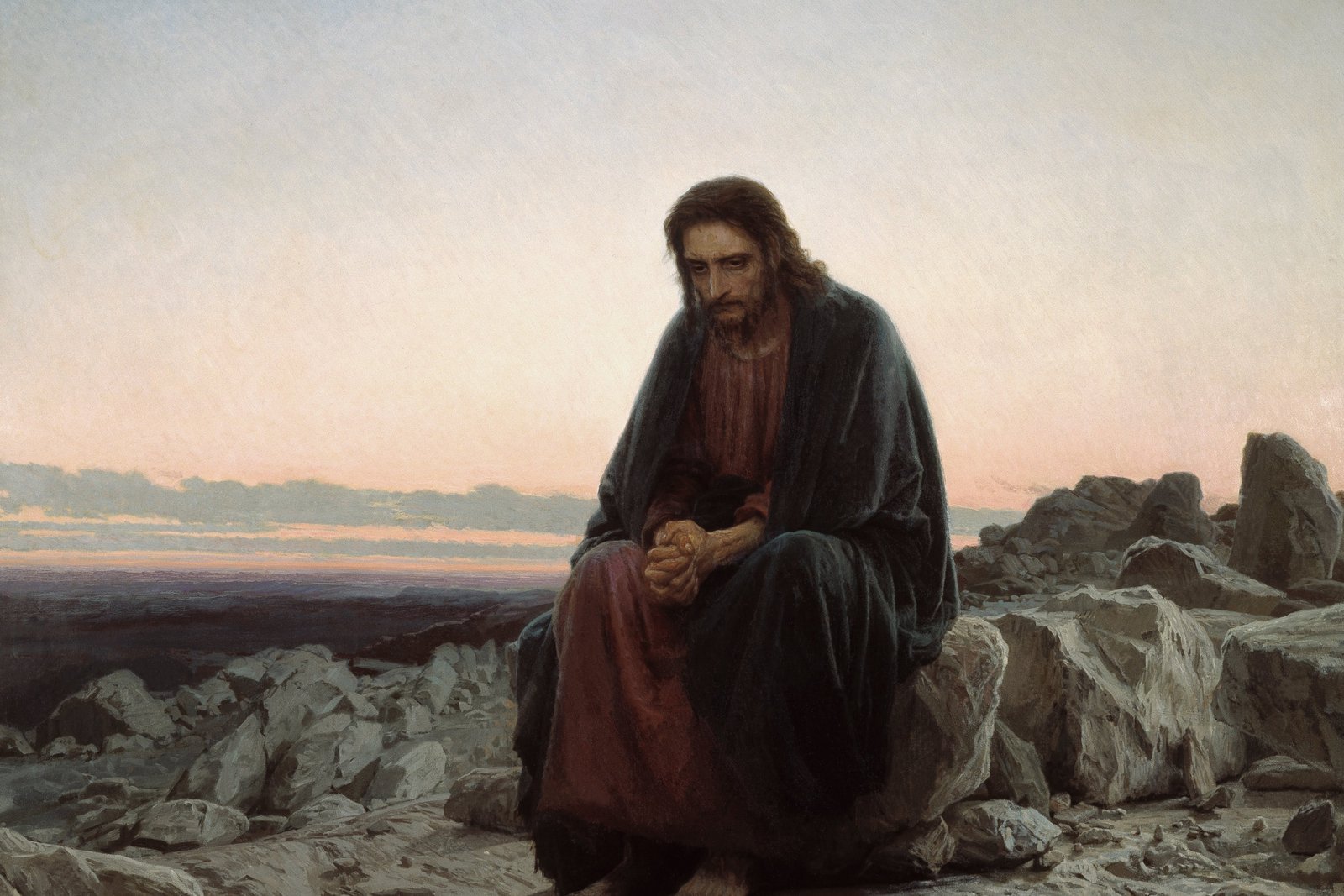
Lent Explained: Forty Days of Fasting, Prayer, and Preparation
What is Lent and why does it last 40 days? Learn the biblical roots of Lent, Ash Wednesday, fasting and abstinence rules, and the season's purpose.
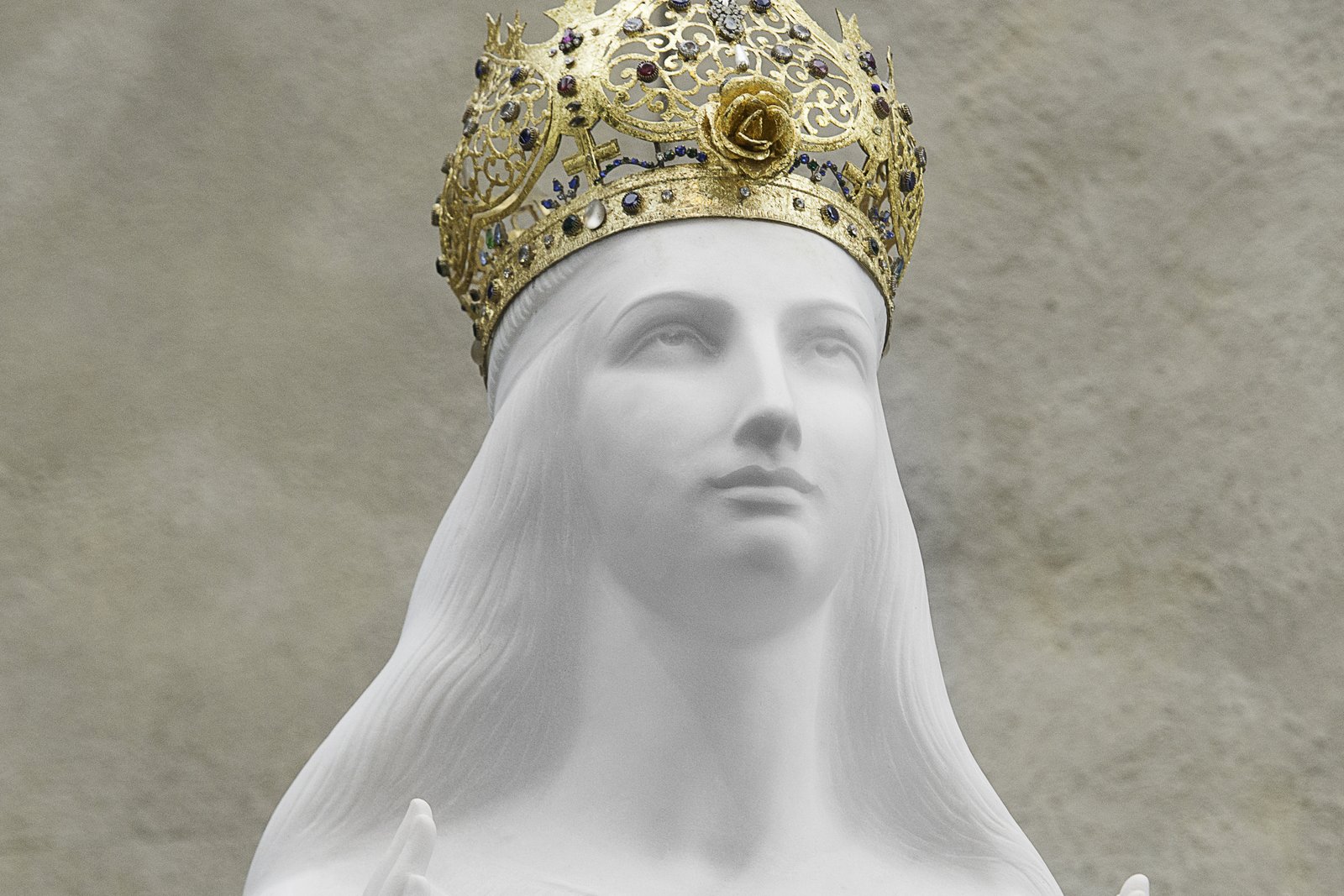
Our Lady of Knock: The Silent Apparition in the Rain
In 1879, fifteen witnesses in Knock, Ireland, watched a silent apparition of Mary, Joseph, John the Evangelist, and a lamb on an altar for two hours in pouring rain.
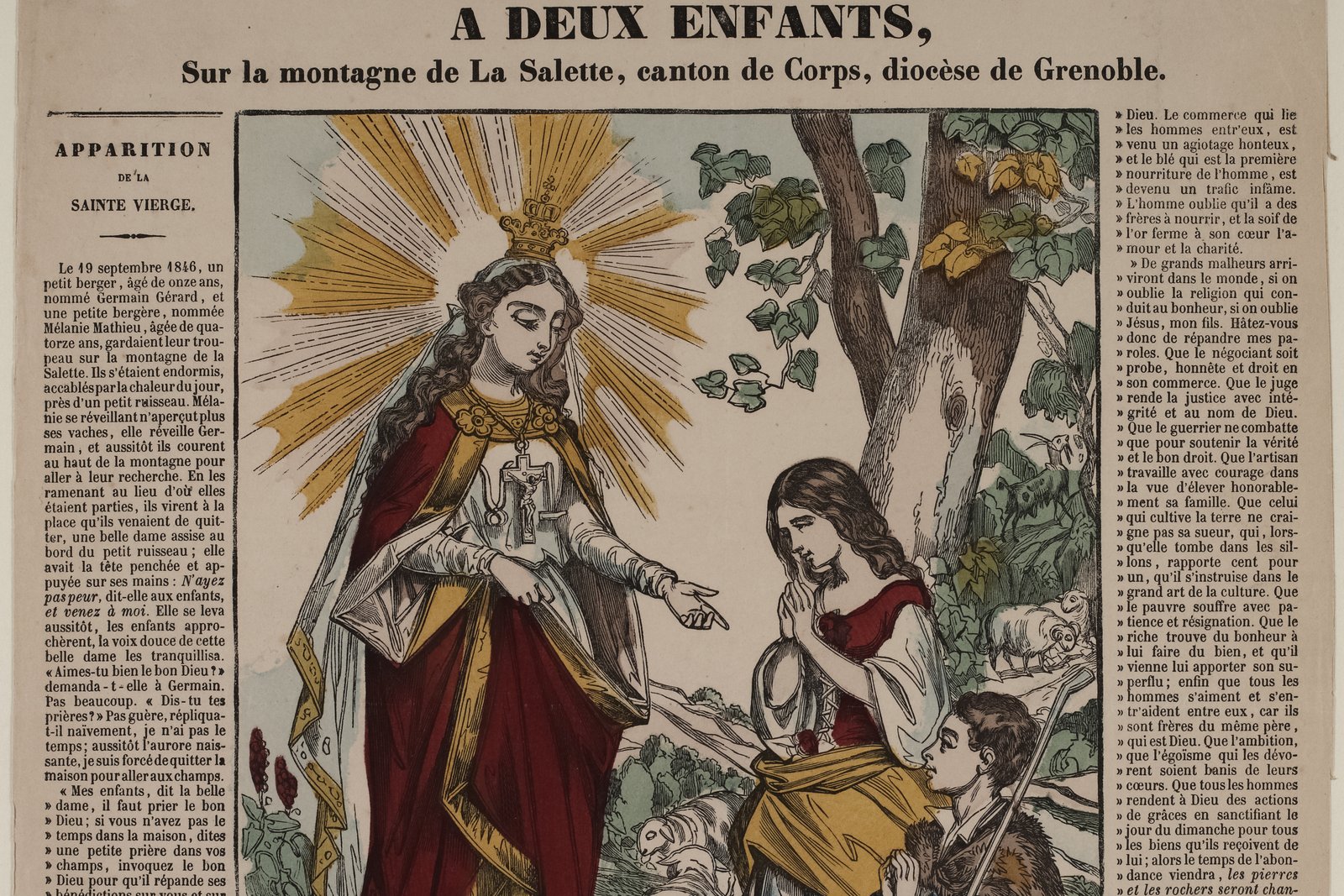
Our Lady of La Salette: Tears on a Mountainside
In 1846 two shepherd children met a weeping lady on a French mountain; the Church approved the apparition in 1851, though later 'secrets' remain disputed.
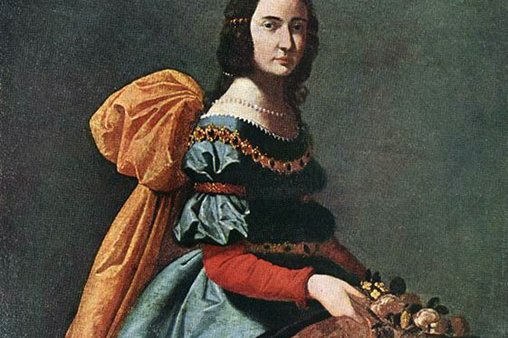
Saint Elizabeth of Portugal: The Queen Who Made Peace Her Life's Work
The story of Saint Elizabeth of Portugal (1271-1336), the peacemaking queen, her charity to the poor, and the legend of the Miracle of the Roses.
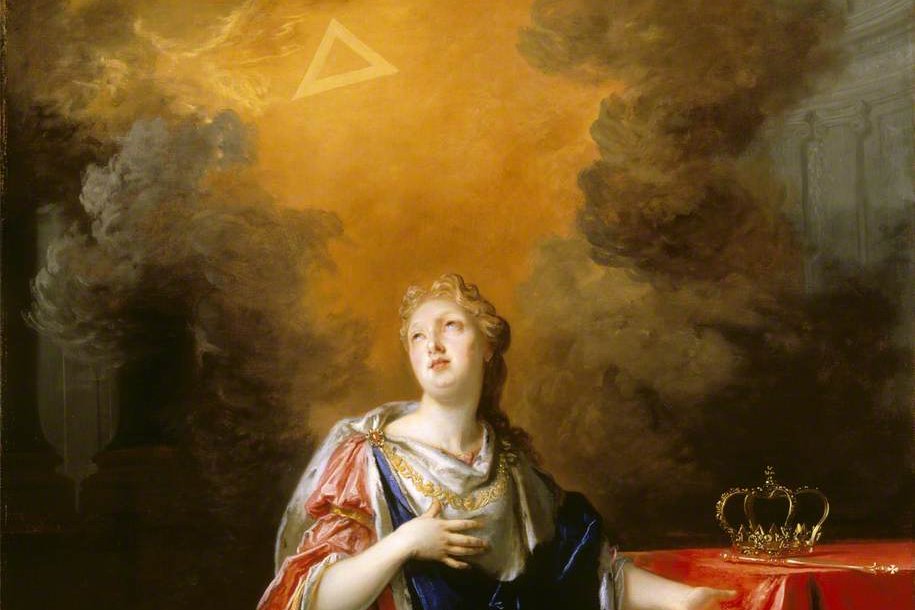
Saint Margaret of Scotland: The Exiled Princess Who Reformed a Kingdom
The story of Saint Margaret of Scotland (c. 1045-1093), the English-born queen known for piety, charity, and reforming the Scottish Church.
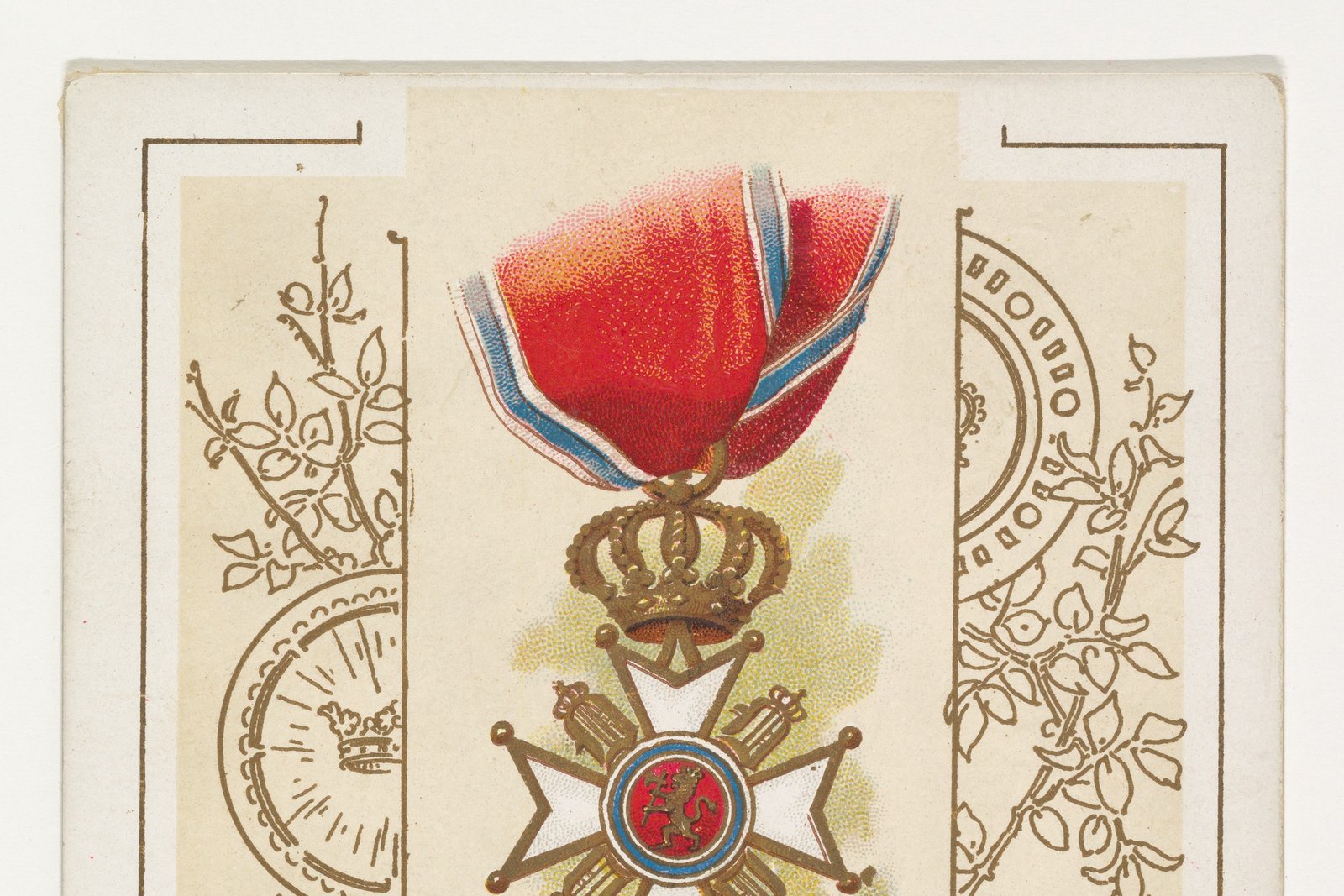
Saint Olaf of Norway: The Viking King Who Became a Saint
The story of Saint Olaf II of Norway (995-1030), the Eternal King, his role Christianizing Norway, and his death at the Battle of Stiklestad.
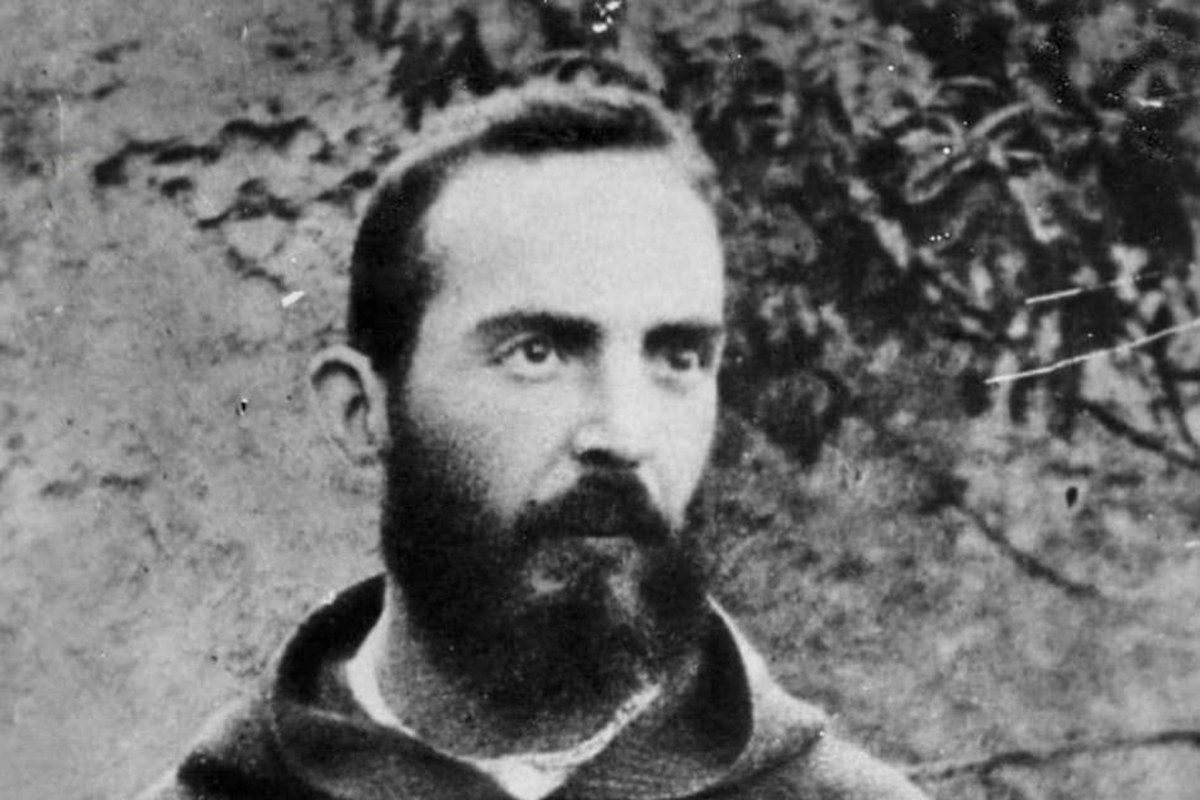
Saint Padre Pio
How a 20th-century Capuchin friar came to bear the stigmata for fifty years, and how San Giovanni Rotondo became a major pilgrimage site.
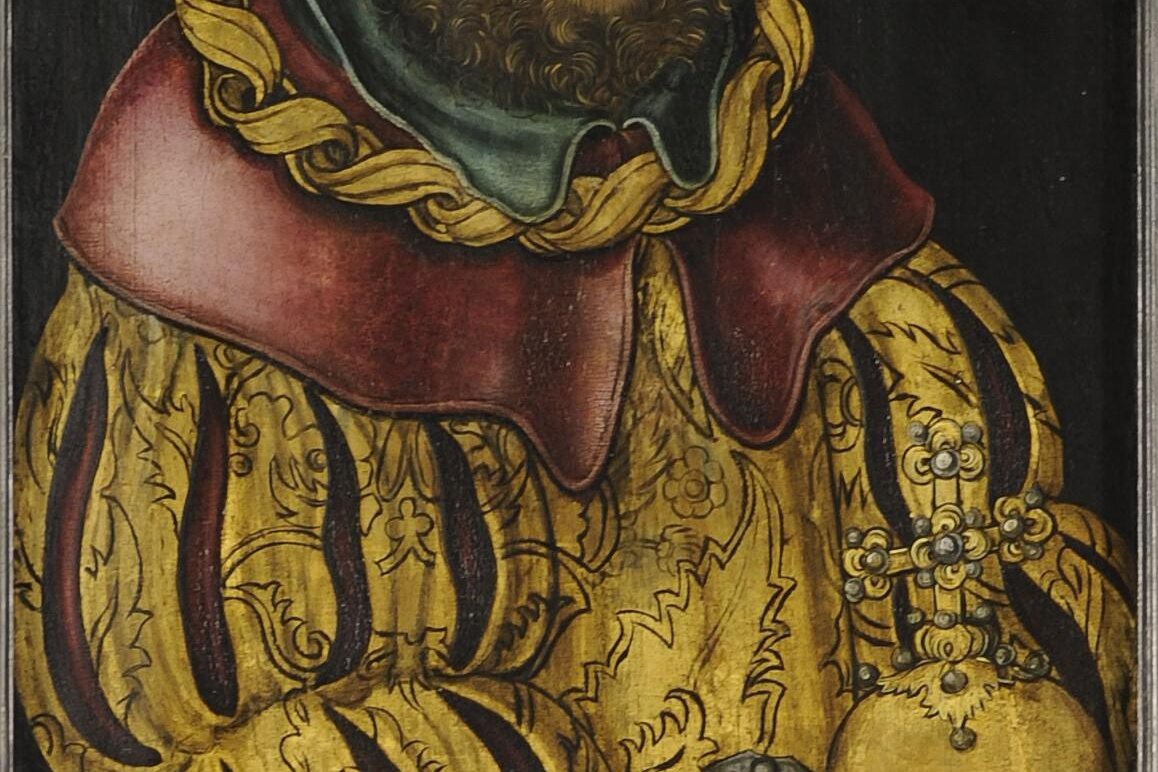
Saint Stephen of Hungary: The Pagan Prince Who Built a Christian Kingdom
The story of Saint Stephen I of Hungary (c. 975-1038), first King of Hungary, his role Christianizing the Magyars, and the Holy Crown of Hungary.
Samuel: The Boy Who Answered in the Dark
Born to a woman who prayed for a child, Samuel heard God call his name as a boy and grew up to anoint both Israel's first king and its greatest.
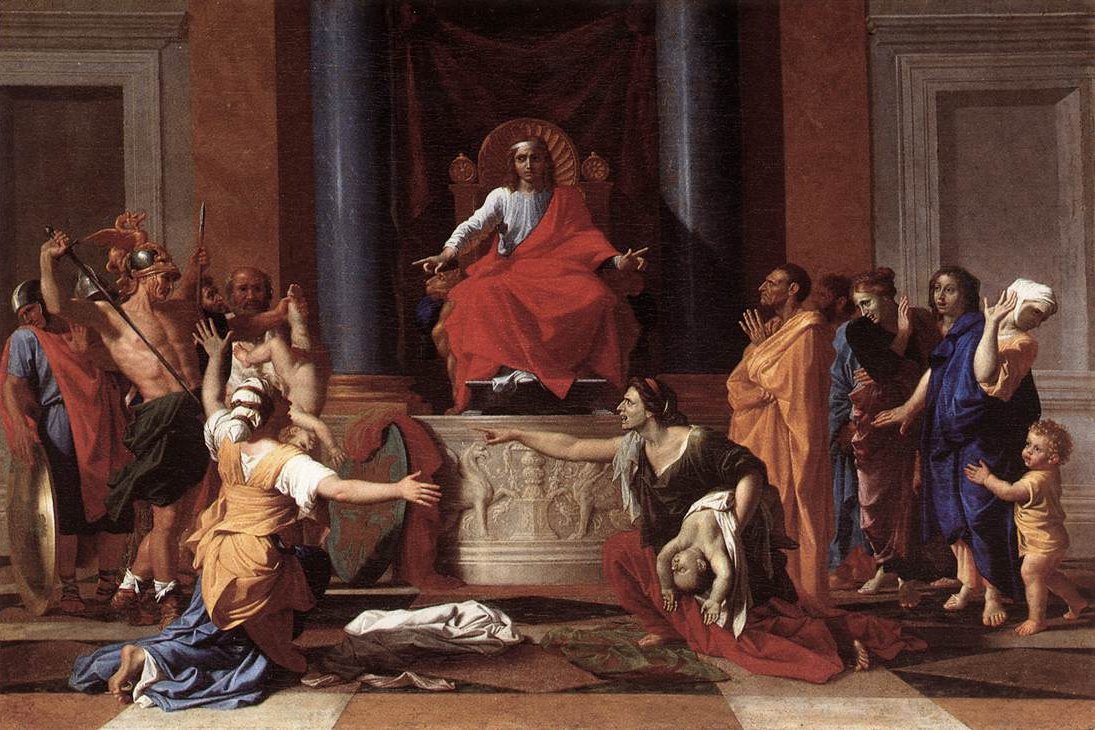
King Solomon: The Wisdom, the Wealth, and the Fall
King Solomon's wisdom judged a stolen child, built the First Temple, and drew the world to Jerusalem — until his own heart turned away.
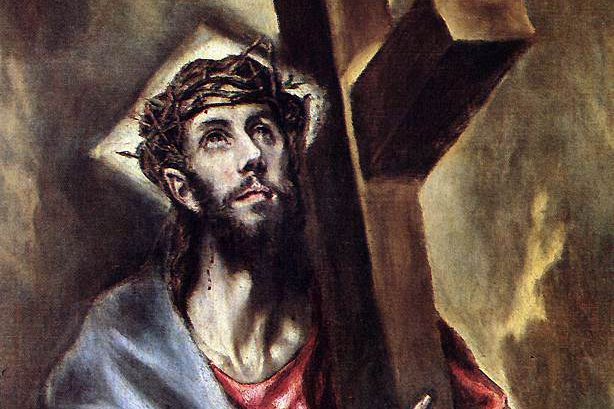
The 14 Stations of the Cross, Explained
A guide to the traditional 14 Stations of the Cross, which scenes come from Scripture and which from pious tradition, plus John Paul II's Scriptural Way.
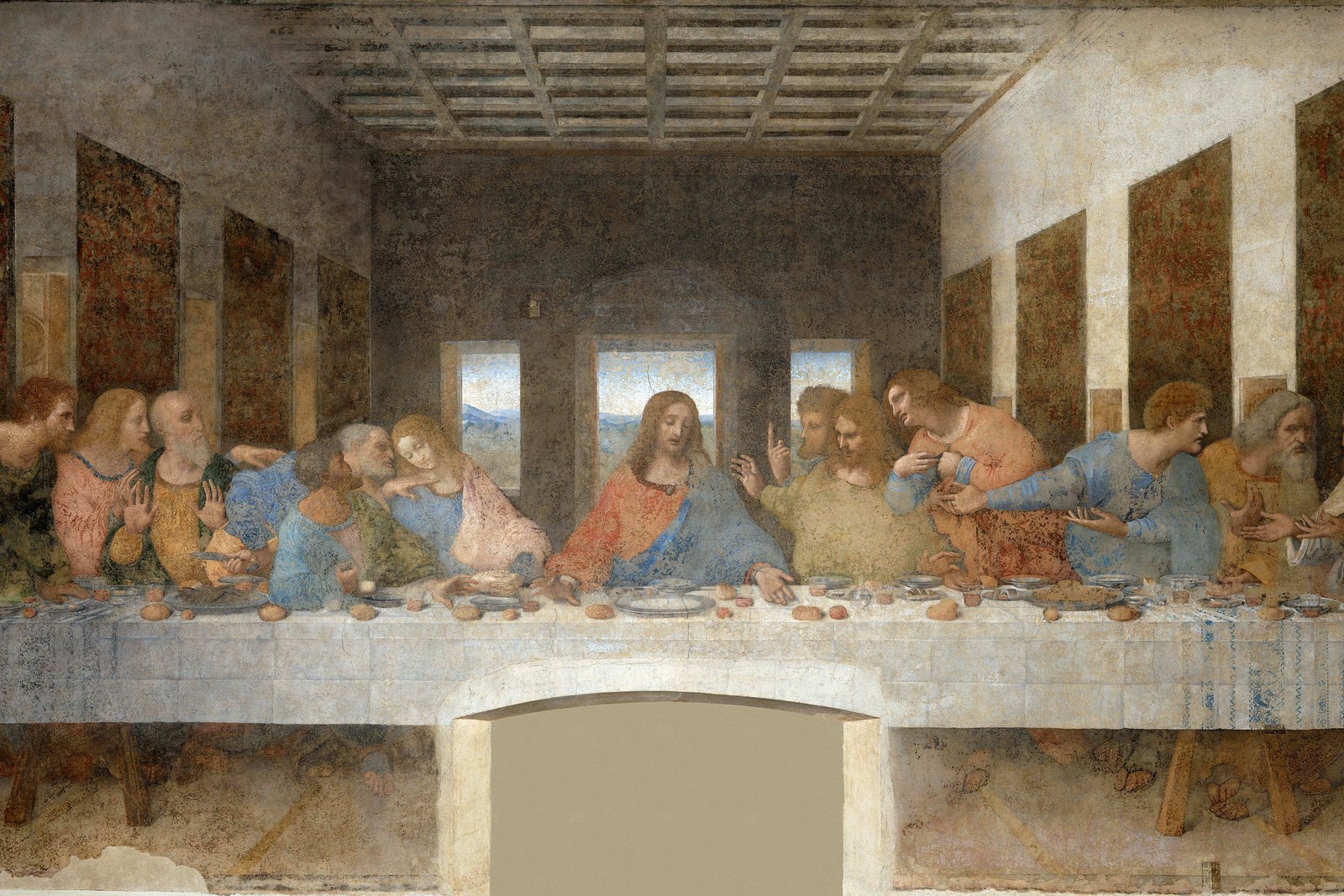
The Apostles' Creed — Origins, Meaning, and Its Place in Catholic Prayer
The story behind the Apostles' Creed, its legendary link to the Twelve Apostles, and its role in baptism and the Rosary.
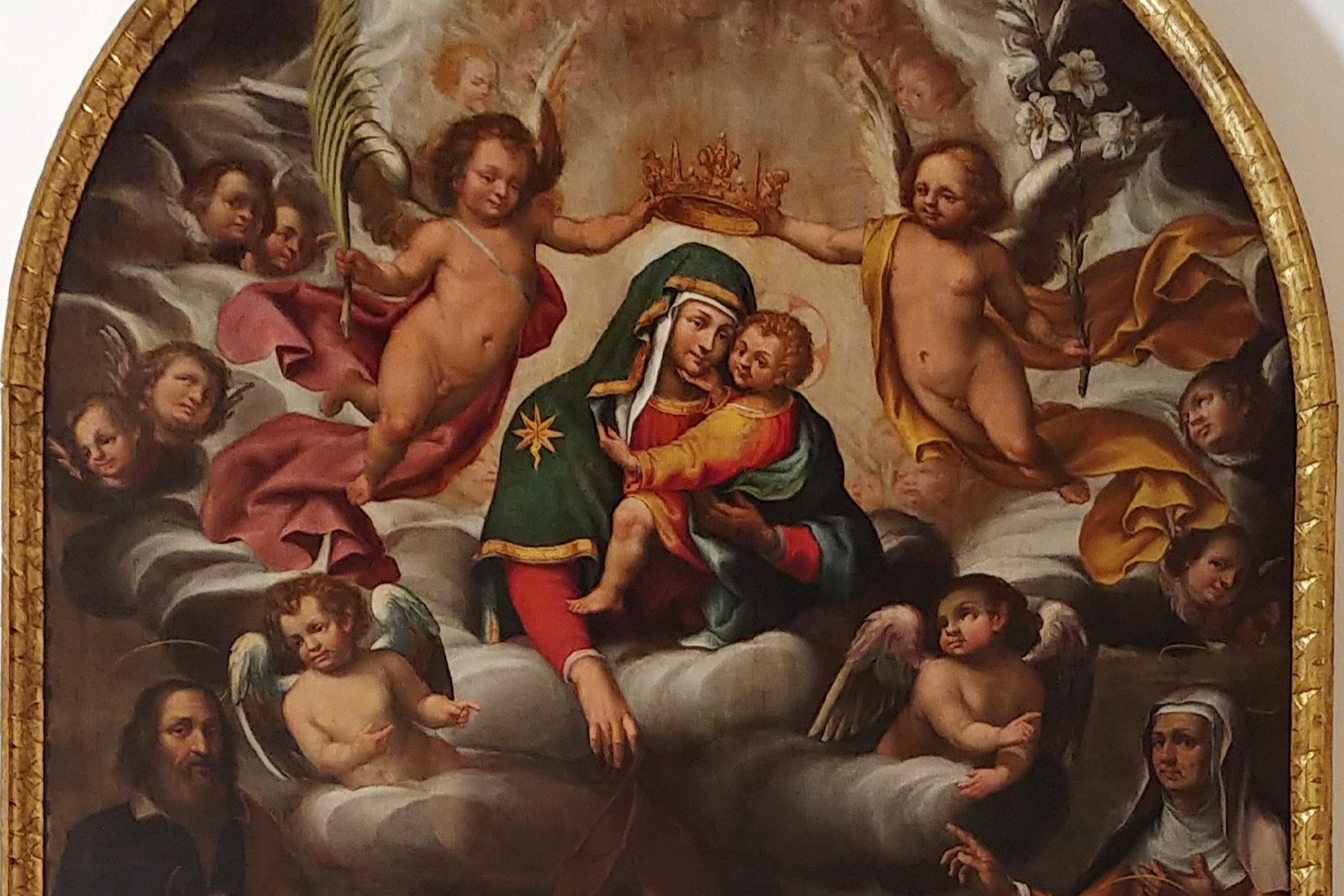
The Brown Scapular of Our Lady of Mount Carmel: History and Meaning
The origin and meaning of the Brown Scapular, its traditional roots in a 1251 vision to Saint Simon Stock, and how Catholics wear and understand it today.
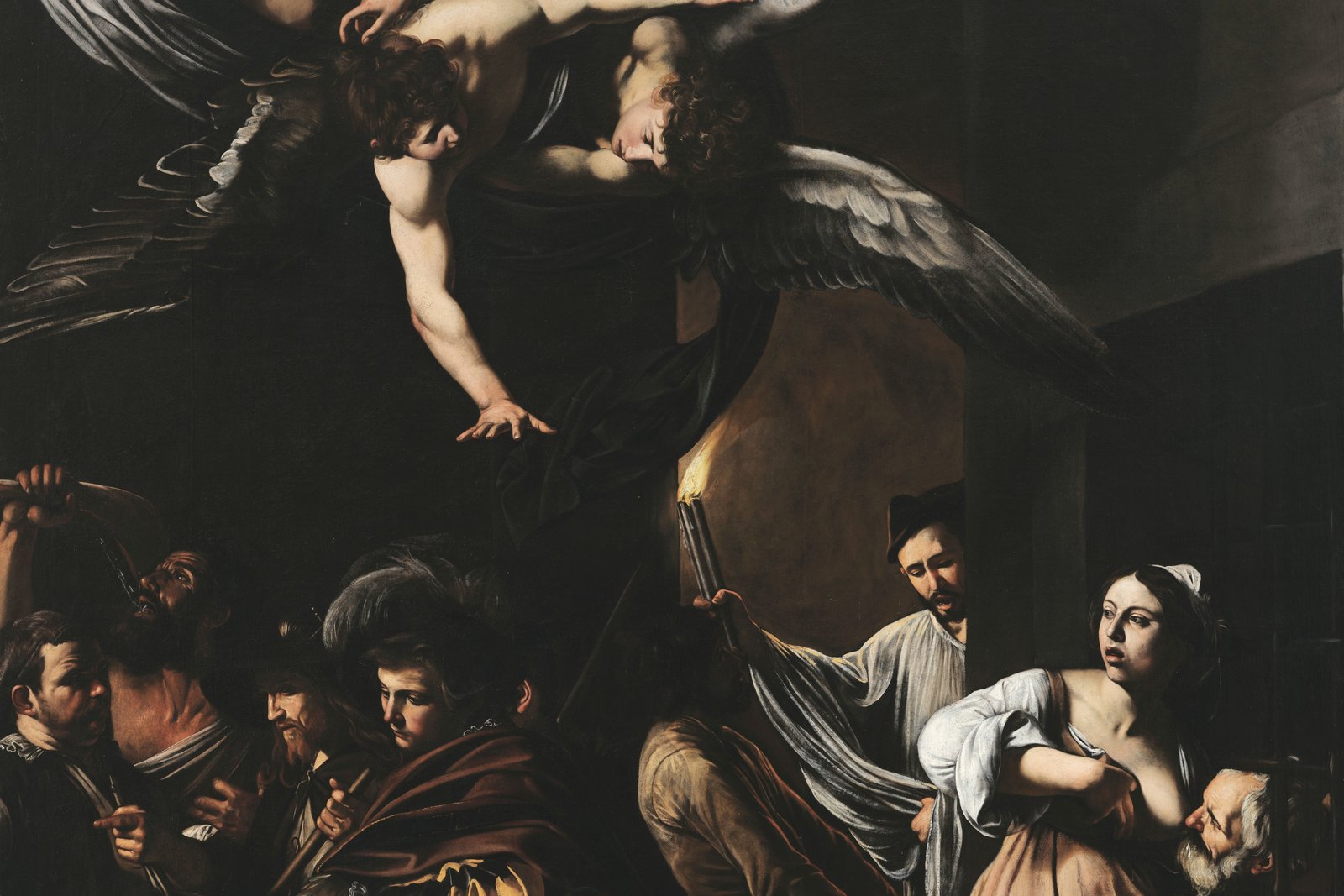
The Seven Corporal Works of Mercy, Rooted in Matthew 25
A guide to the seven Corporal Works of Mercy — feeding the hungry, sheltering the homeless, visiting the imprisoned, and more — and their basis in Matthew 25:31-46.
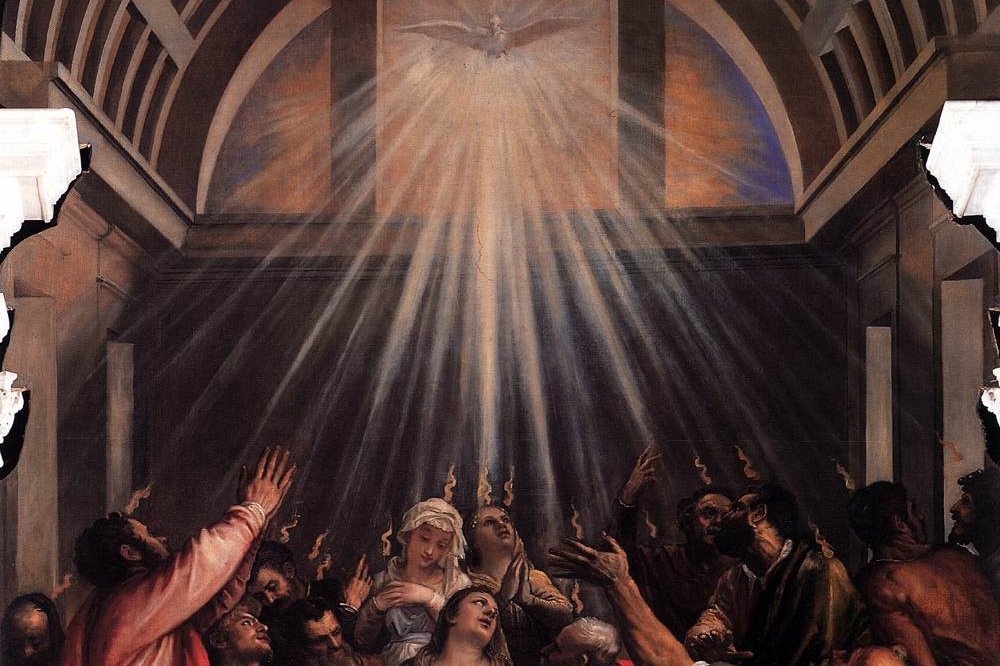
The Twelve Fruits of the Holy Spirit, and How They Differ From the Seven Gifts
A guide to the twelve traditional fruits of the Holy Spirit in Catholic teaching, rooted in Galatians 5:22-23, and how they differ from the seven gifts.
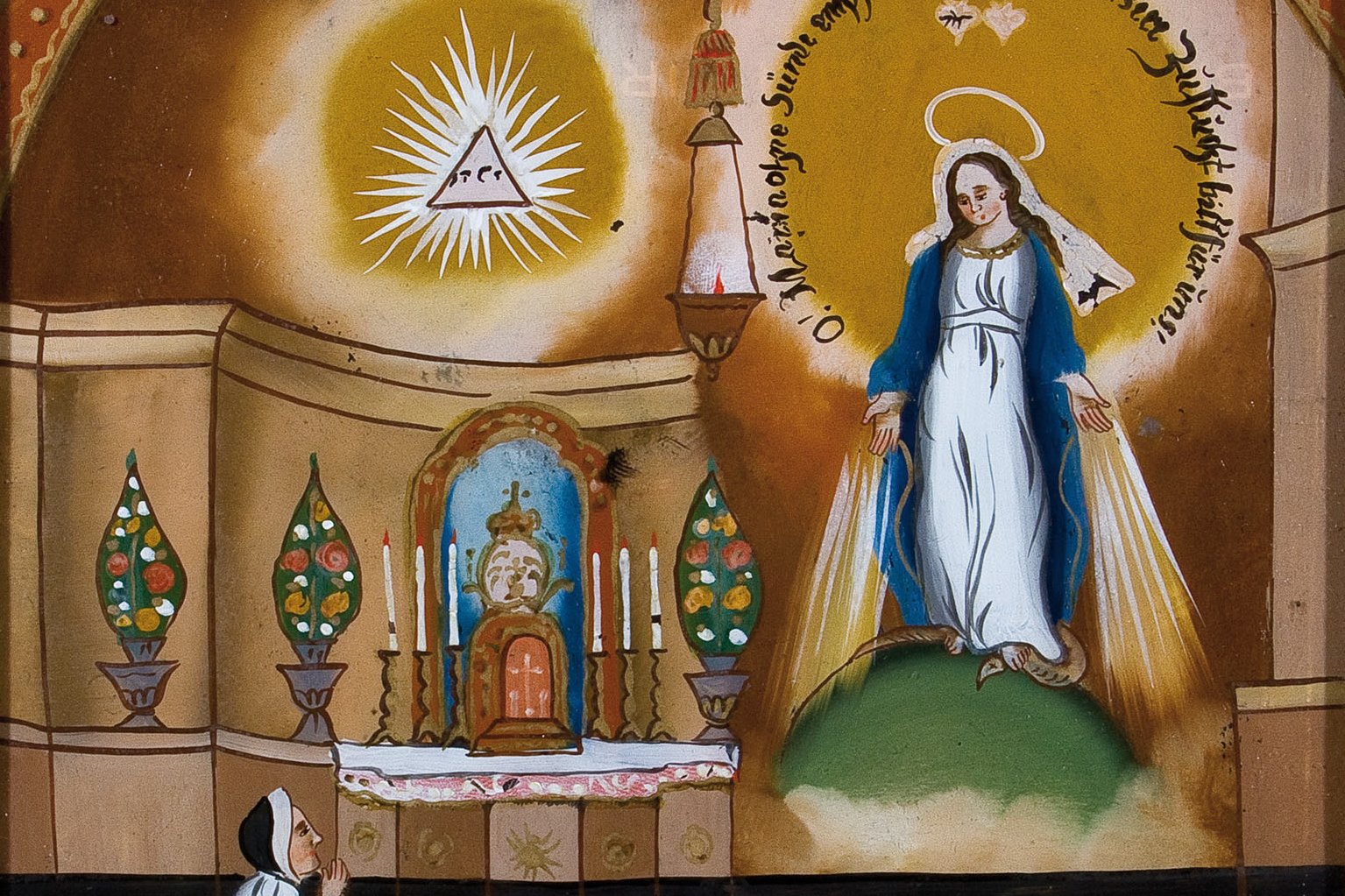
The Miraculous Medal: Origin and Meaning of a Marian Devotion
The story of the Miraculous Medal, born from Saint Catherine Labouré's 1830 apparition at Rue du Bac in Paris, and what its symbols mean.
The Nicene Creed — Origins and Meaning of the Church's Central Profession of Faith
The story of the Nicene Creed, written at the Councils of Nicaea and Constantinople, and why it remains the Catholic Church's central statement of belief.
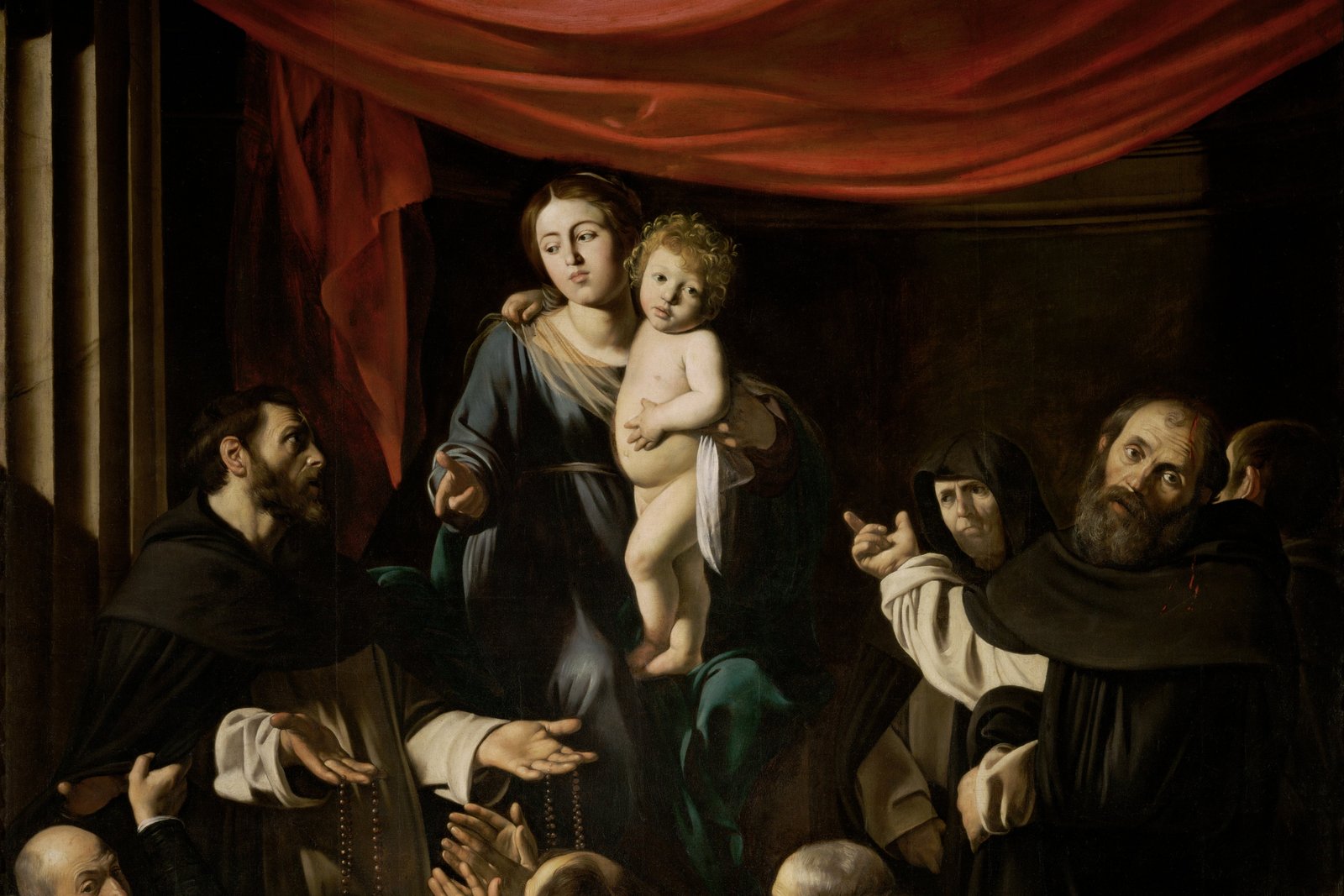
The Mysteries of the Rosary — Joyful, Sorrowful, Glorious, and Luminous
A guide to the four sets of Rosary mysteries, including the Luminous Mysteries added by Pope John Paul II in 2002, and what each meditates on.
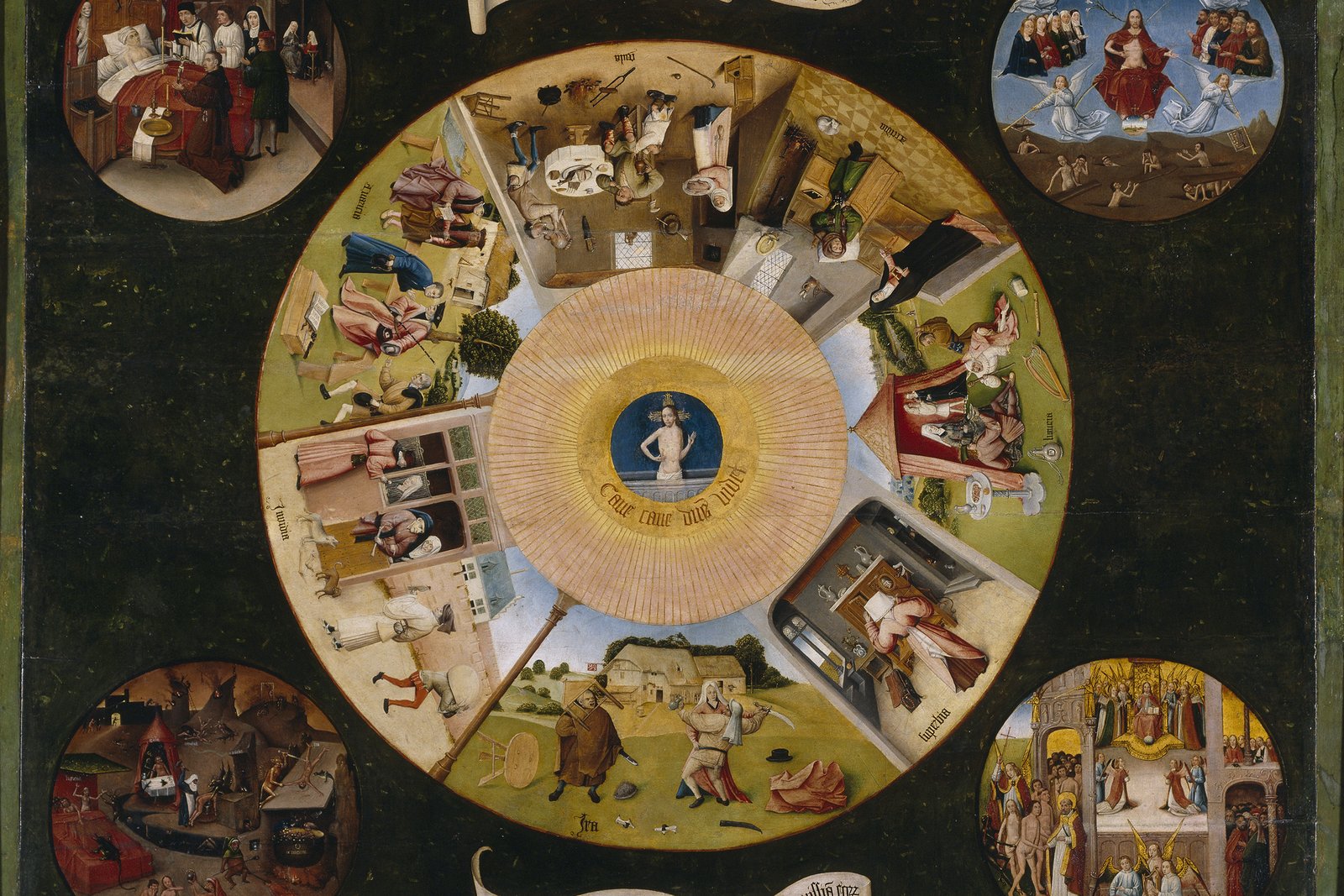
The Seven Deadly Sins and Their Opposing Virtues
A guide to the seven deadly (capital) sins — pride, greed, wrath, envy, lust, gluttony, and sloth — their history, and the virtues traditionally opposed to them.
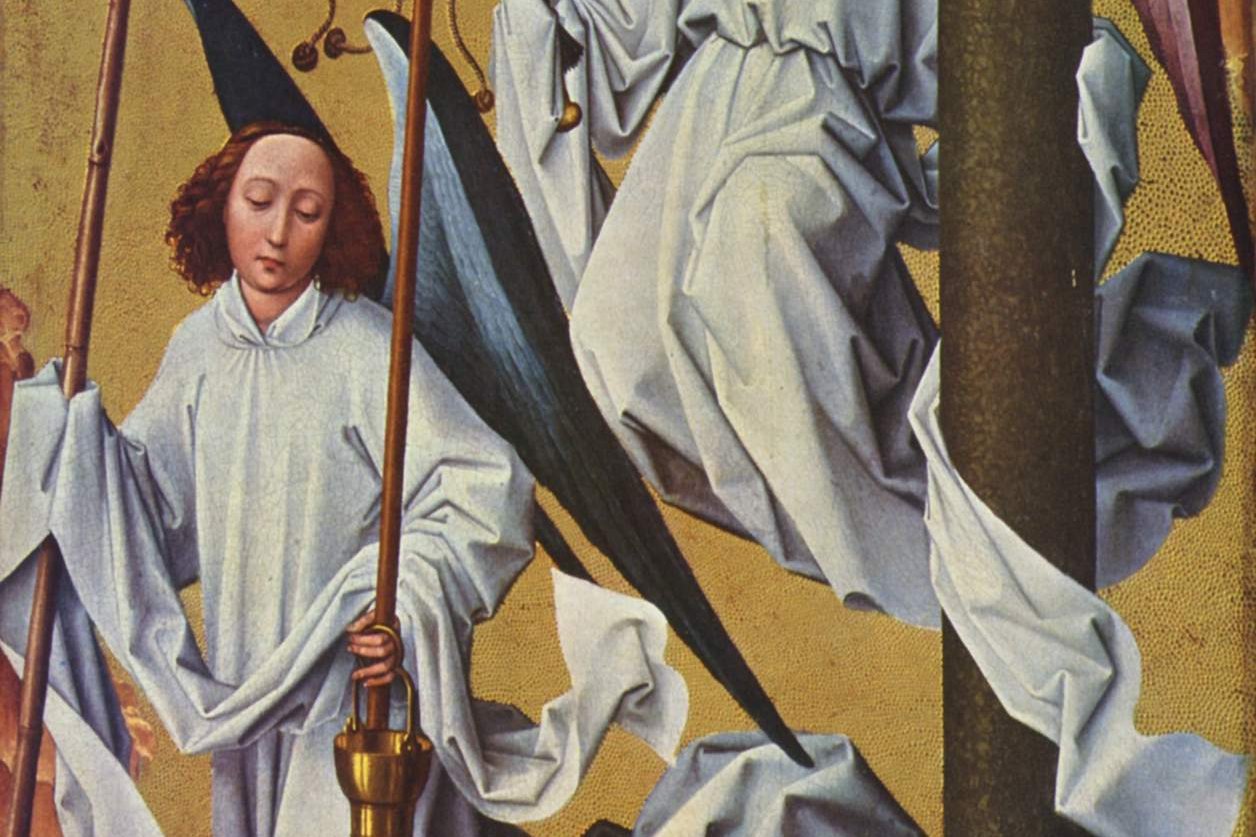
The Seven Sacraments of the Catholic Church, Explained
A clear guide to the seven Catholic sacraments — Baptism, Confirmation, Eucharist, Reconciliation, Anointing, Holy Orders, Matrimony — and how they're grouped.
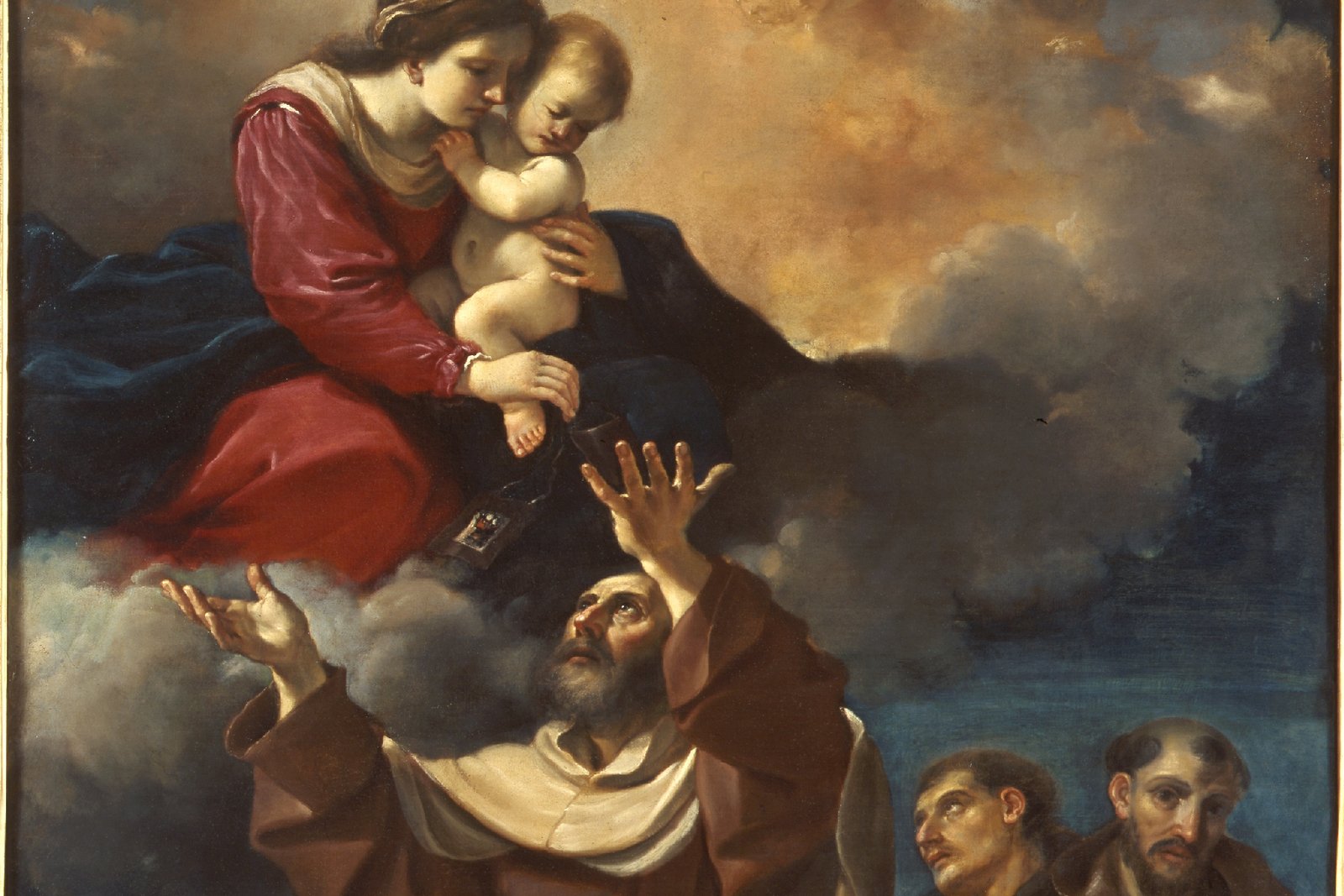
Our Lady of Mount Carmel
A title rooted in a mountain where the prophet Elijah once challenged false gods, later attached to a devotion and a scapular still worn by Catholics today.
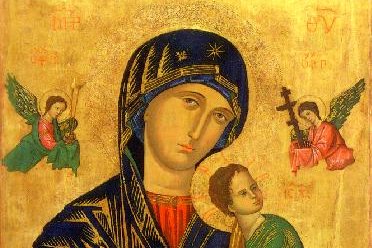
Our Lady of Perpetual Help
A centuries-old icon disappeared from public view for decades after being stolen from a Roman church, until a dying child's dream helped bring it back to light.
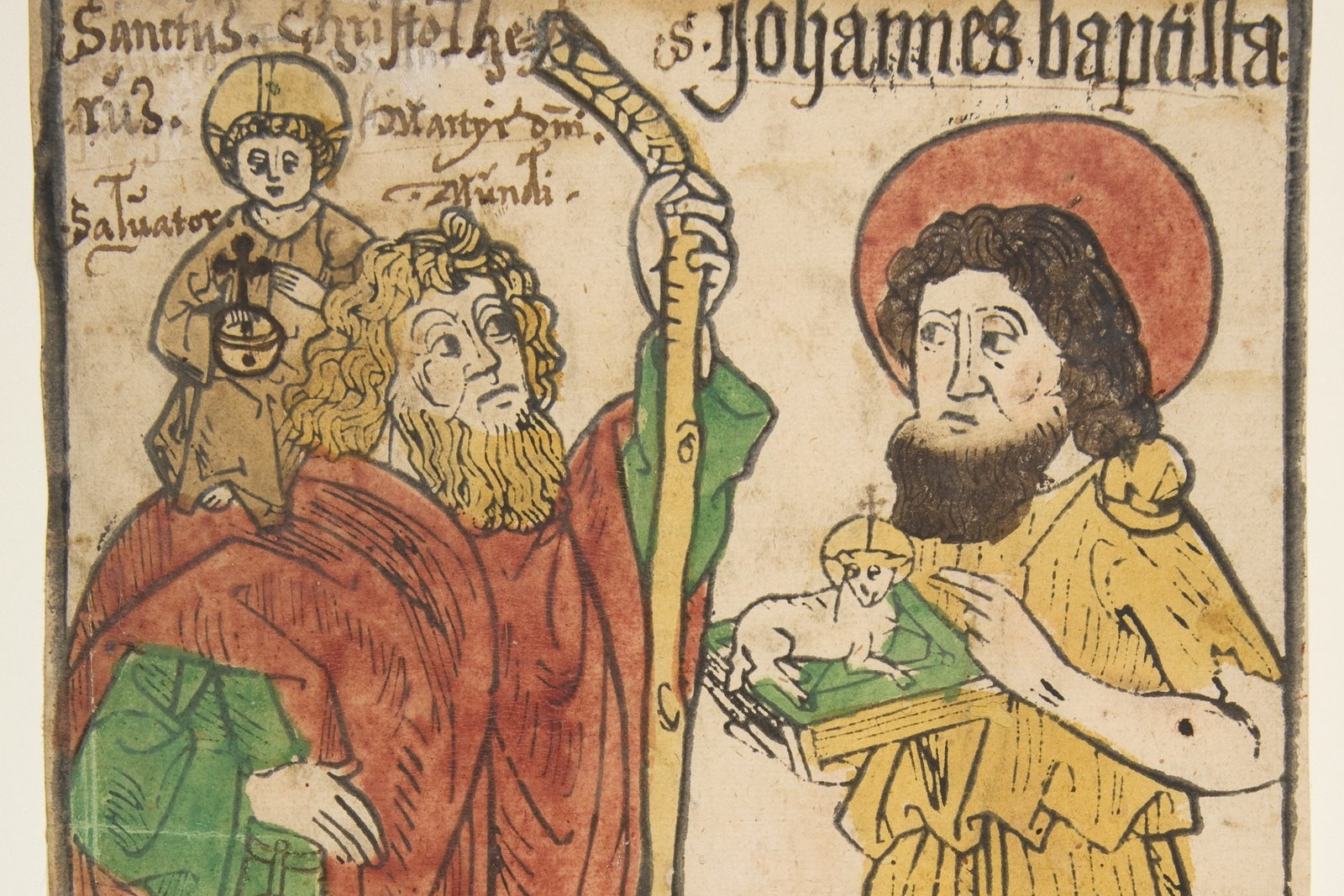
Patron Saints for Travelers and Pilgrims
From a giant who carried Christ across a river to a monk who may have sailed the Atlantic in a leather boat, the saints Catholics turned to before a journey.
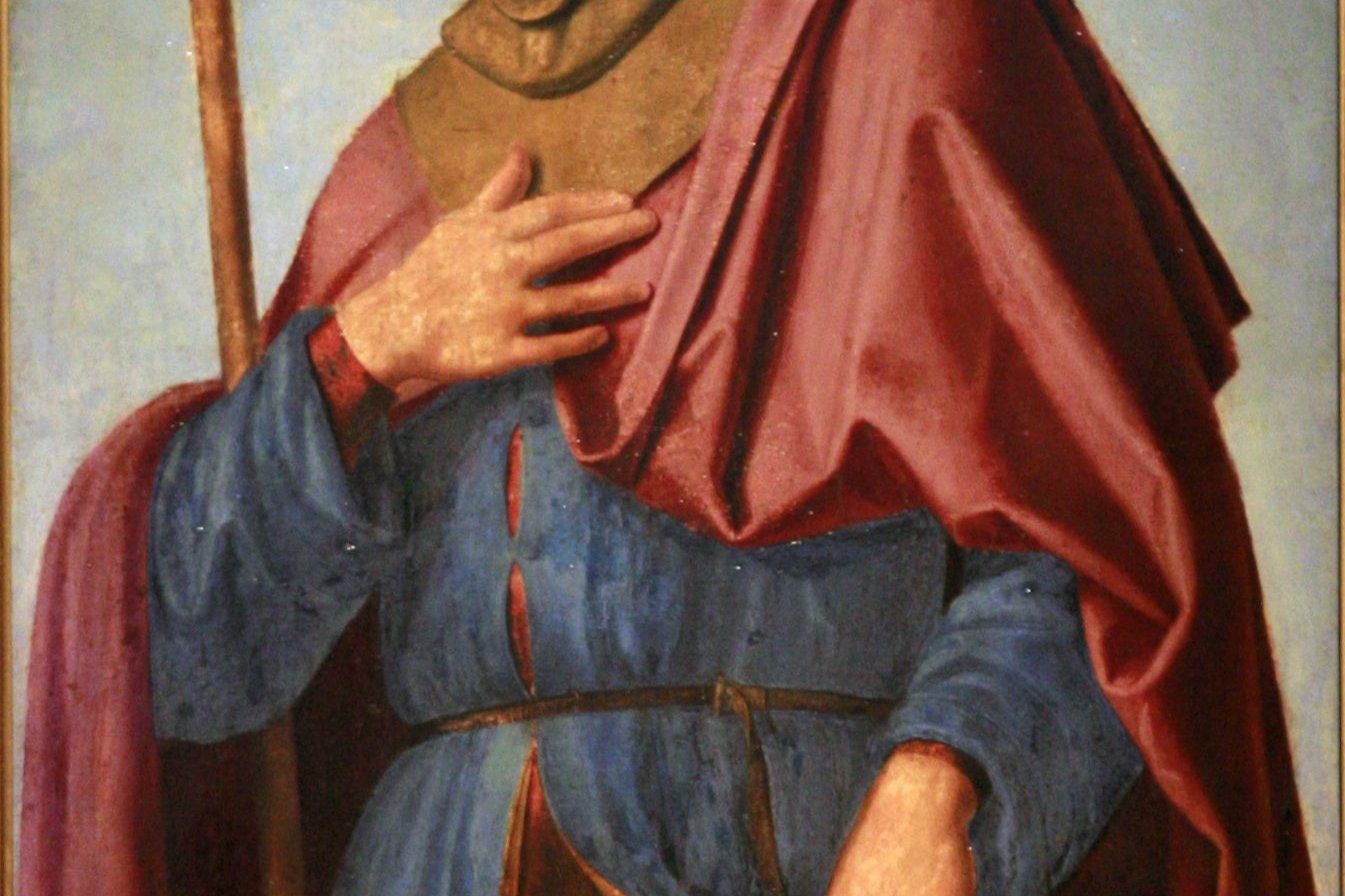
Patron Saints of Healing and Illness
A guide to the saints Catholics have turned to for centuries in sickness — from plague survivors to physician-martyrs to Our Lady's healing shrine at Lourdes.
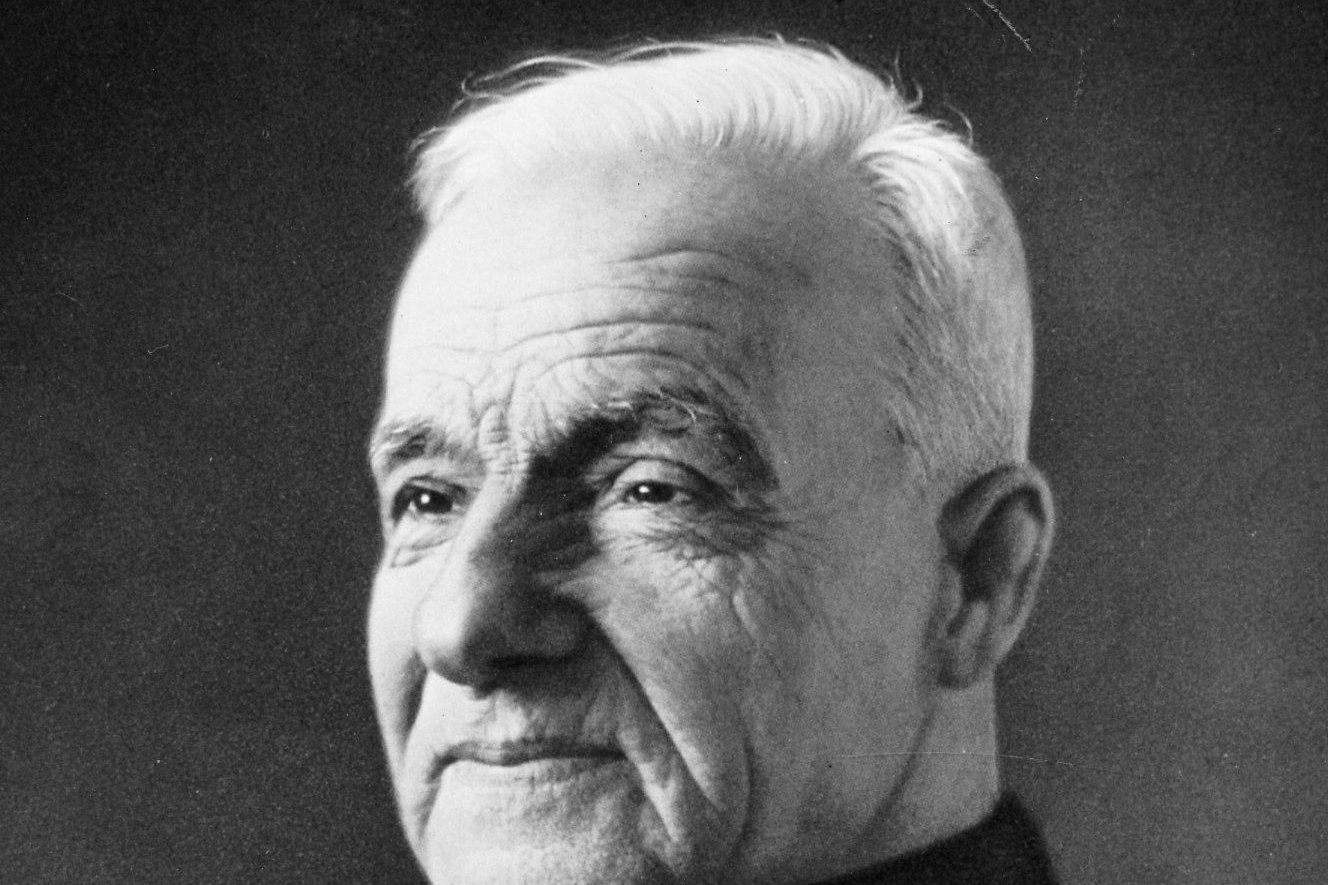
Saint André Bessette
A frail orphan rejected for poor health became a Montreal doorkeeper who built one of the world's largest shrines out of small donations and sheer persistence.
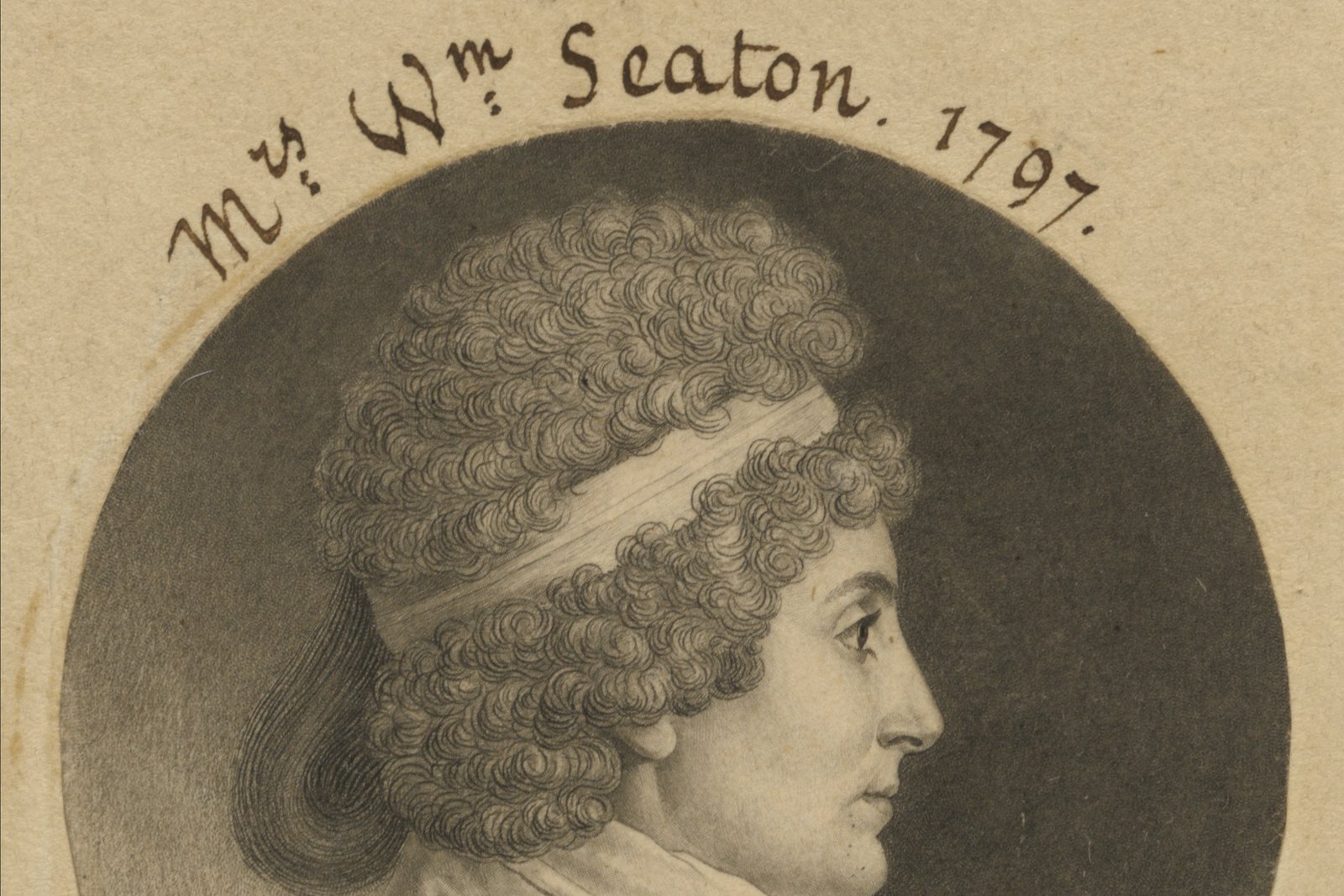
Saint Elizabeth Ann Seton
A wealthy New York widow converted to Catholicism, lost her social standing overnight, and went on to found the American parochial school system.
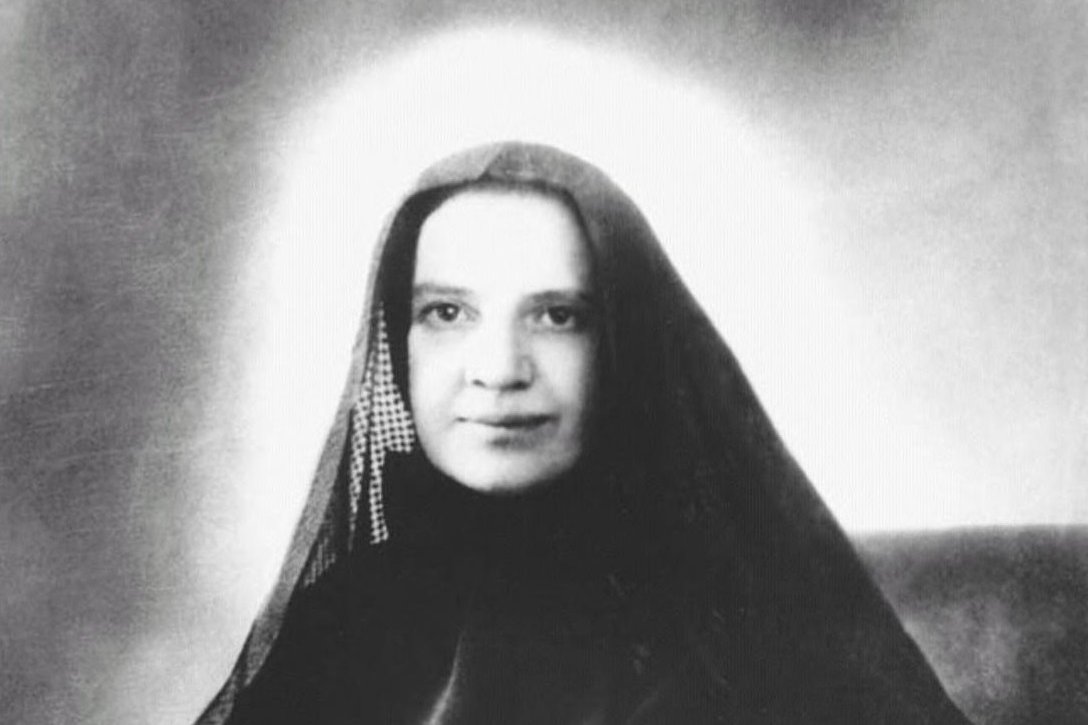
Saint Frances Xavier Cabrini
Rejected as too sickly for missionary work in Asia, Frances Cabrini crossed the Atlantic anyway and built a network of hospitals and schools across the Americas.
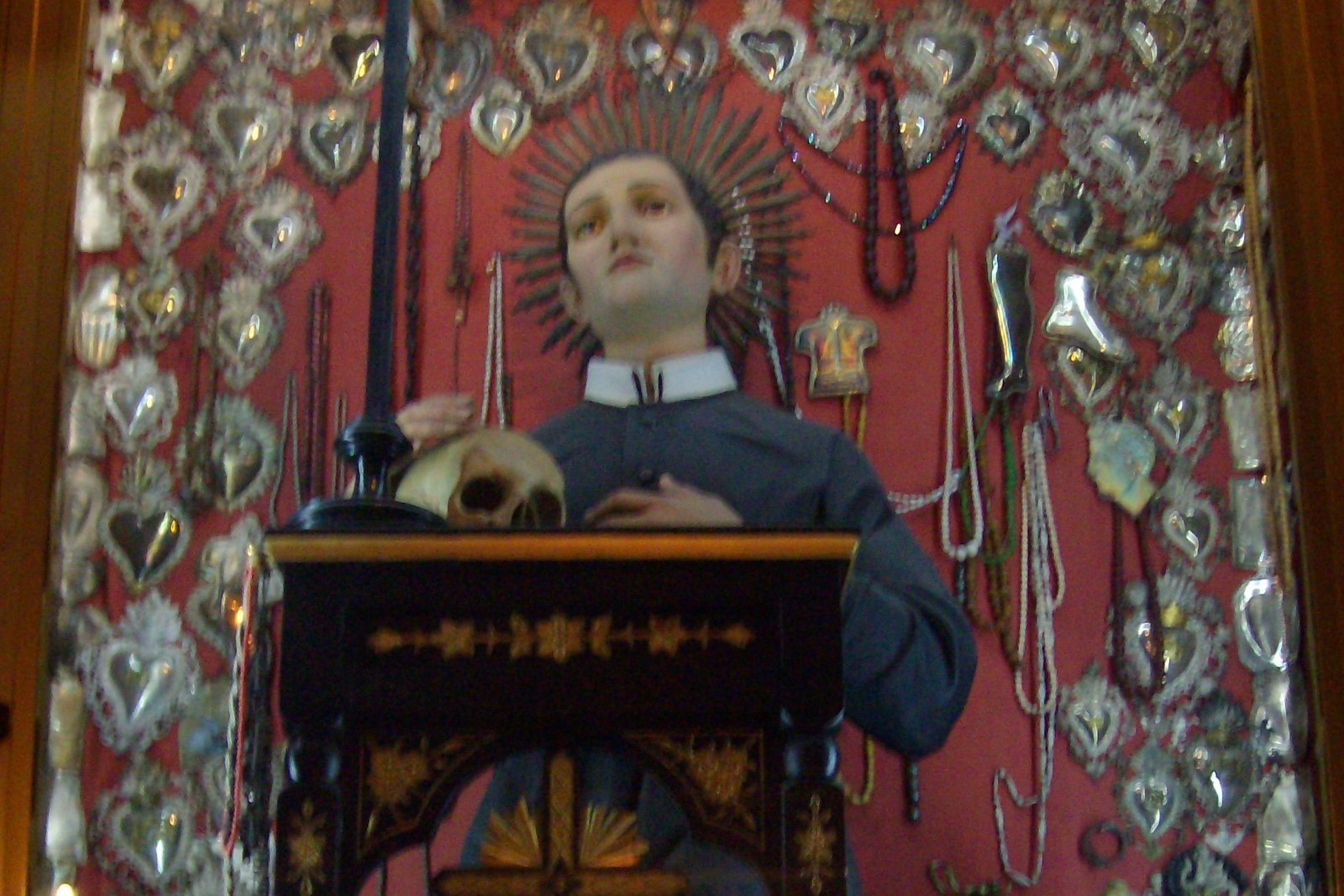
Saint Gerard Majella, Patron of Expectant Mothers
The story of Saint Gerard Majella, a Redemptorist lay brother falsely accused of a serious crime, who stayed silent rather than break a confidence.
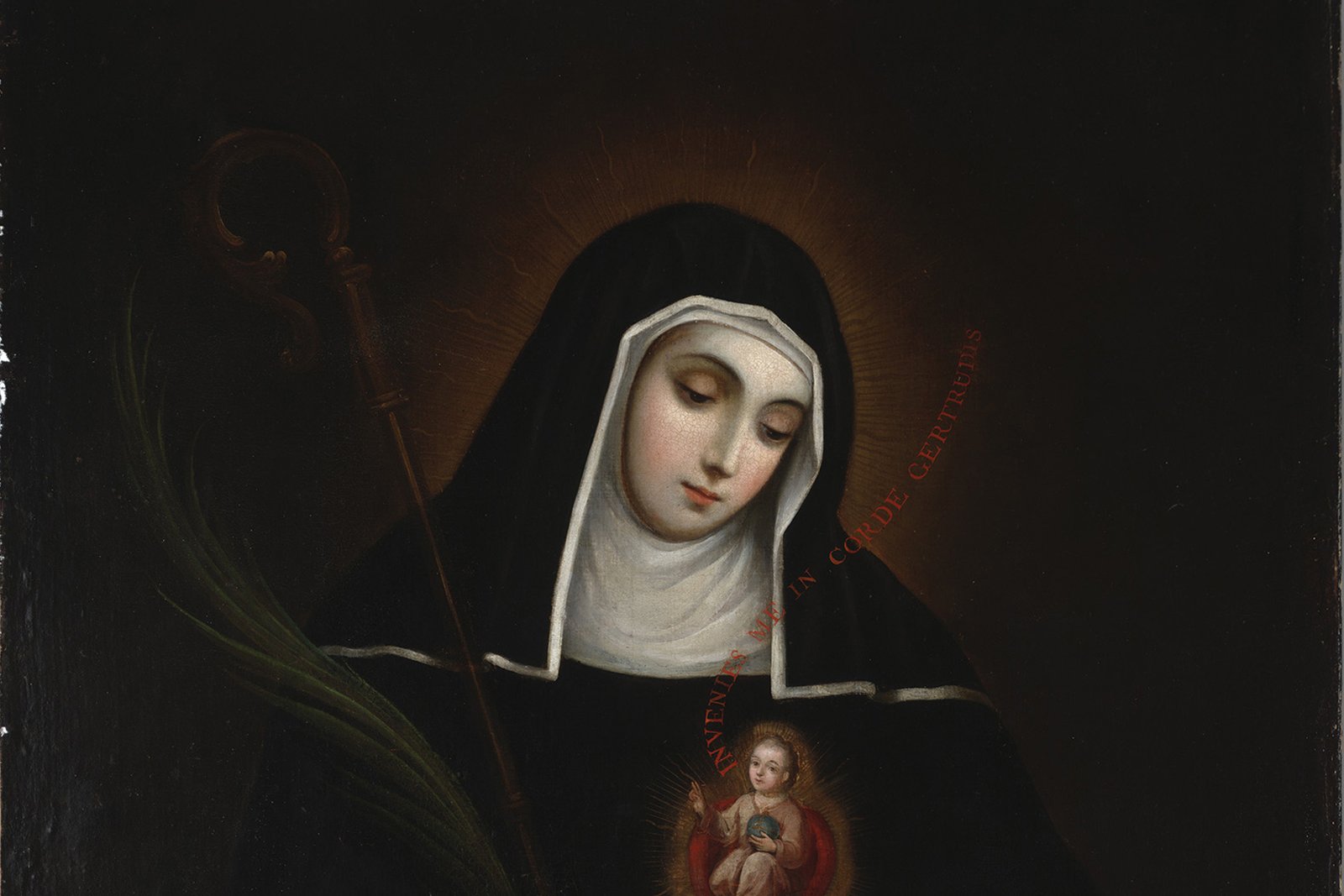
Saint Gertrude the Great, Mystic of the Sacred Heart
How a German Benedictine nun's private visions of Christ's heart, recorded in her Herald of Divine Love, shaped centuries of Sacred Heart devotion.
Saint Hedwig of Silesia, the Duchess Who Chose Bare Feet
How a Bavarian duchess who bore seven children became known for walking barefoot in the snow, funding hospitals, and outliving all but one of her sons.
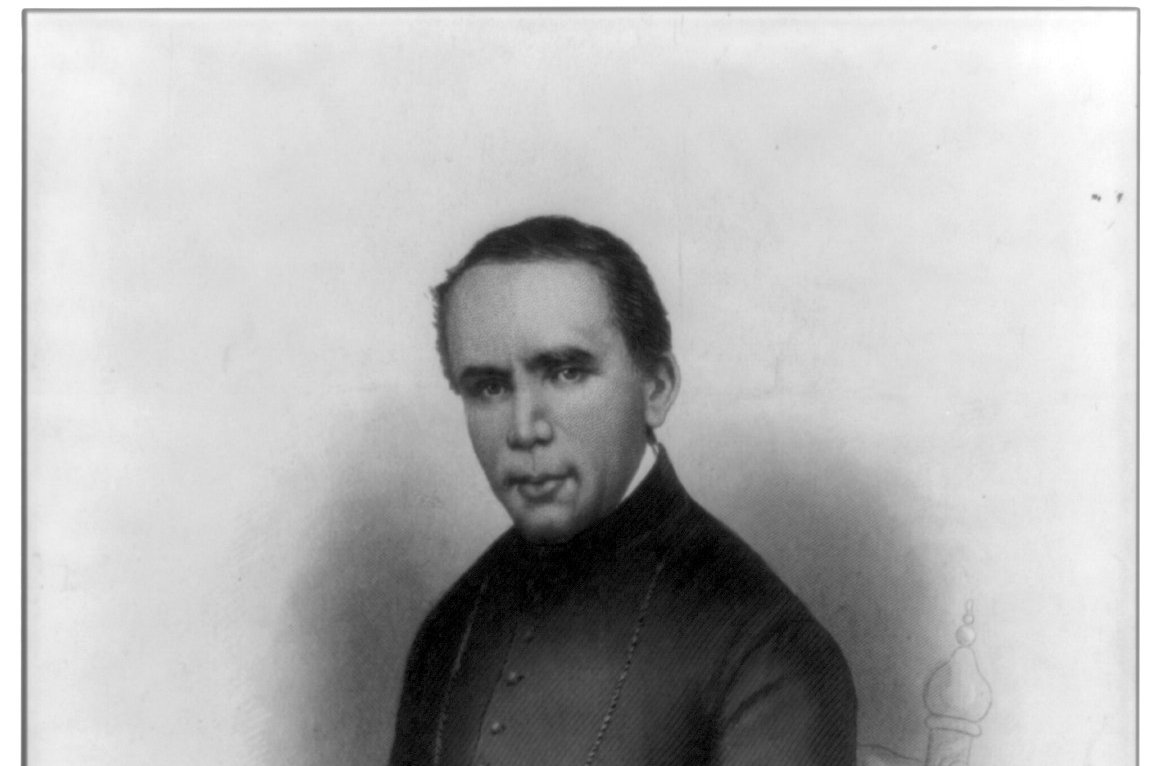
Saint John Neumann
A Bohemian seminarian arrived in New York with no money and no diocese willing to ordain him — and became the bishop who built America's first diocesan schools.
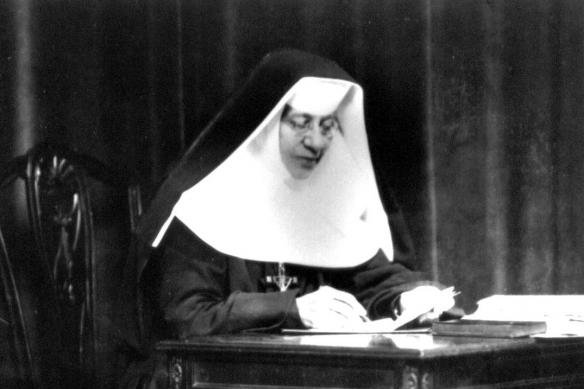
Saint Katharine Drexel
An heiress to one of America's great banking fortunes gave away nearly $20 million to found schools for Black and Native American children the country ignored.
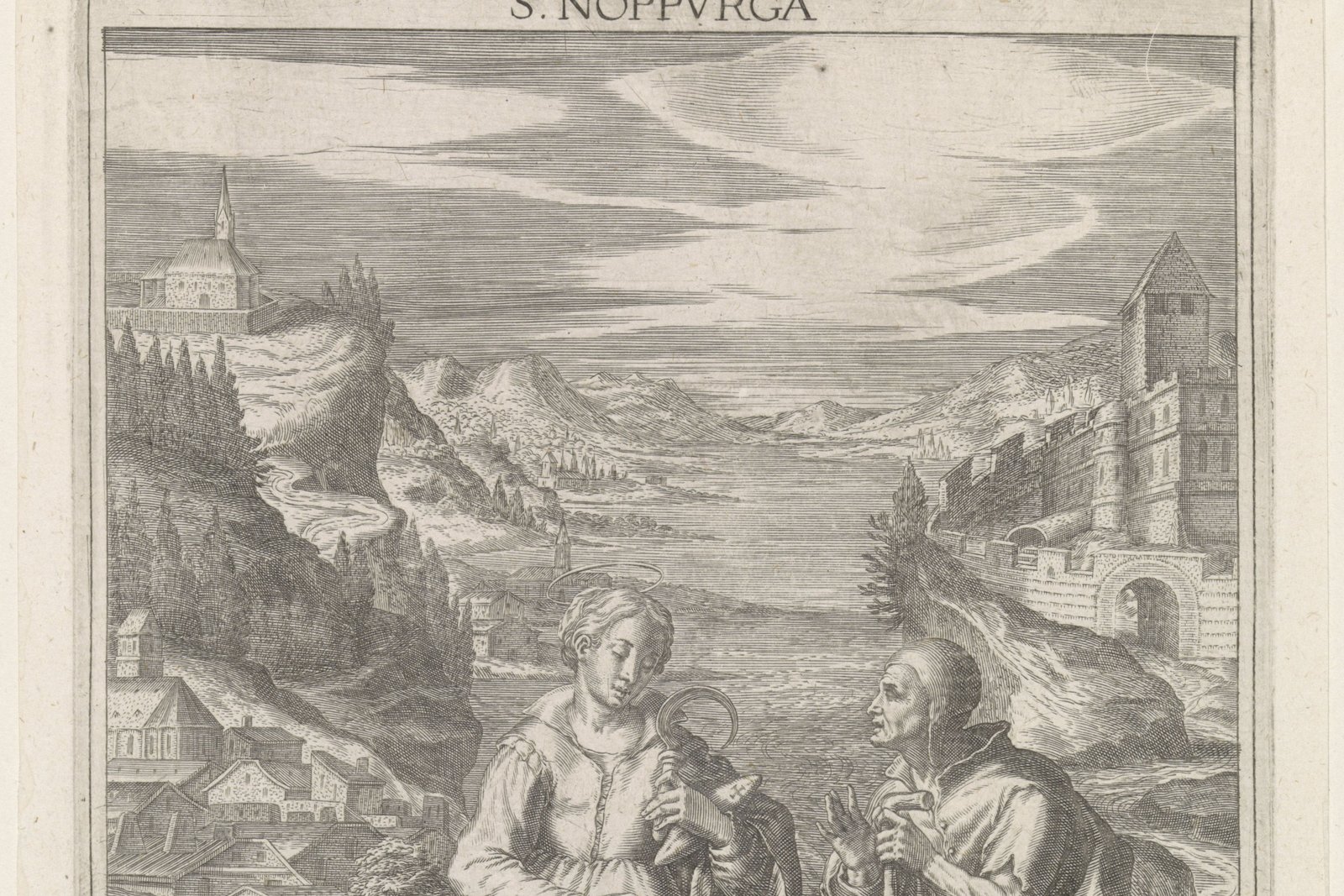
Saint Notburga, the Servant Who Left Work at Sunset
The Tyrolean peasant servant venerated as patron of farmhands and servants, remembered for refusing to work past the hour her sickle-shaped bread told her to stop.
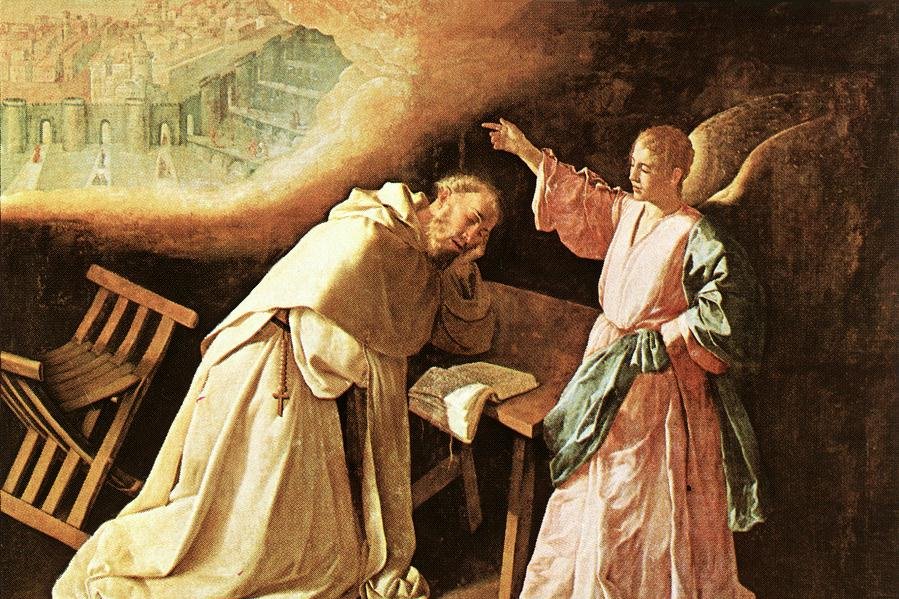
Saint Peter Nolasco and the Order Founded to Buy Back Captives
How Saint Peter Nolasco founded the Mercedarians to ransom Christian slaves from North African captivity, a mission built on a fourth vow.
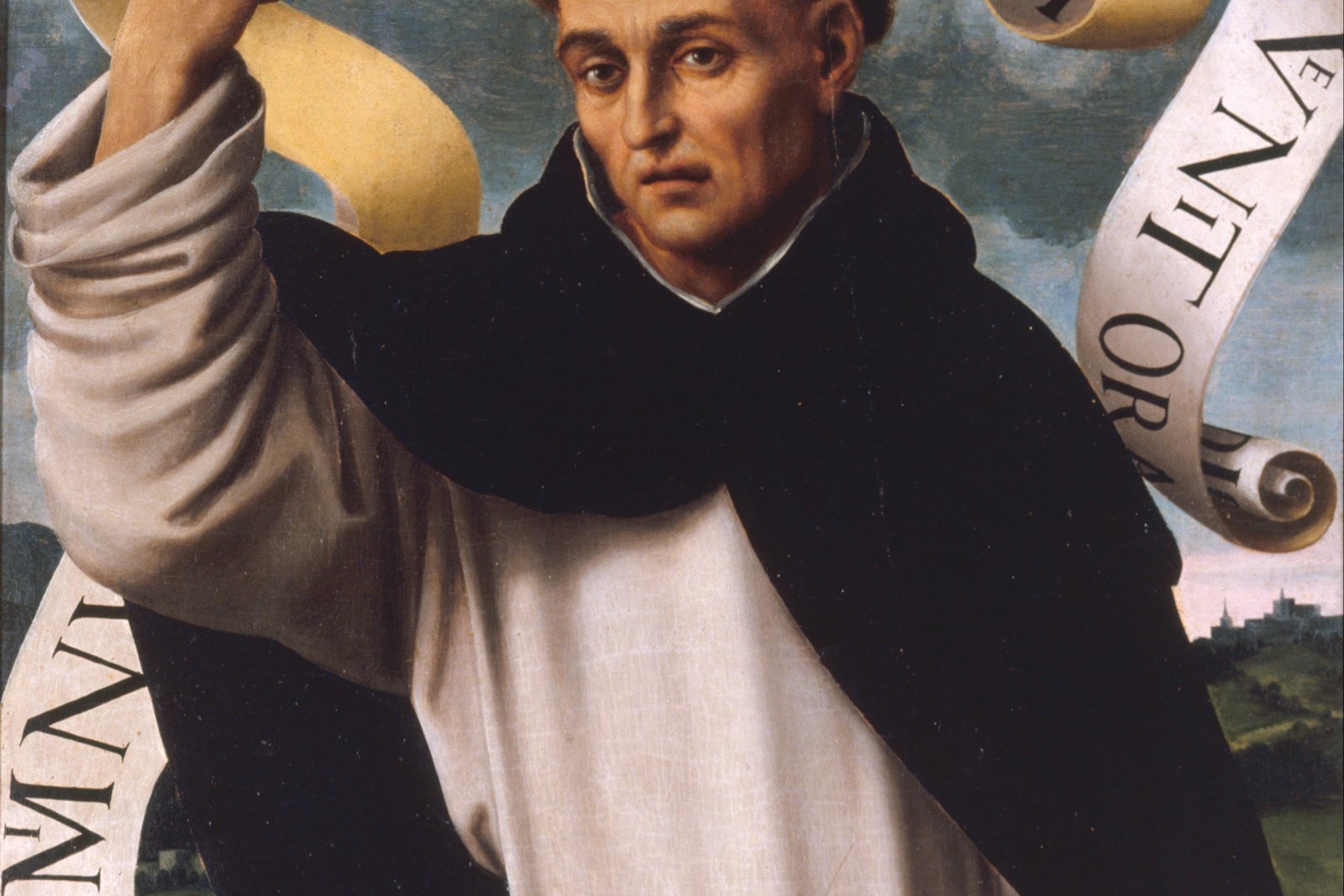
Saint Vincent Ferrer, the Preacher Kings Feared
How a Dominican friar became one of medieval Europe's most feared preachers, credited with mass conversions and helping end the Western Schism.
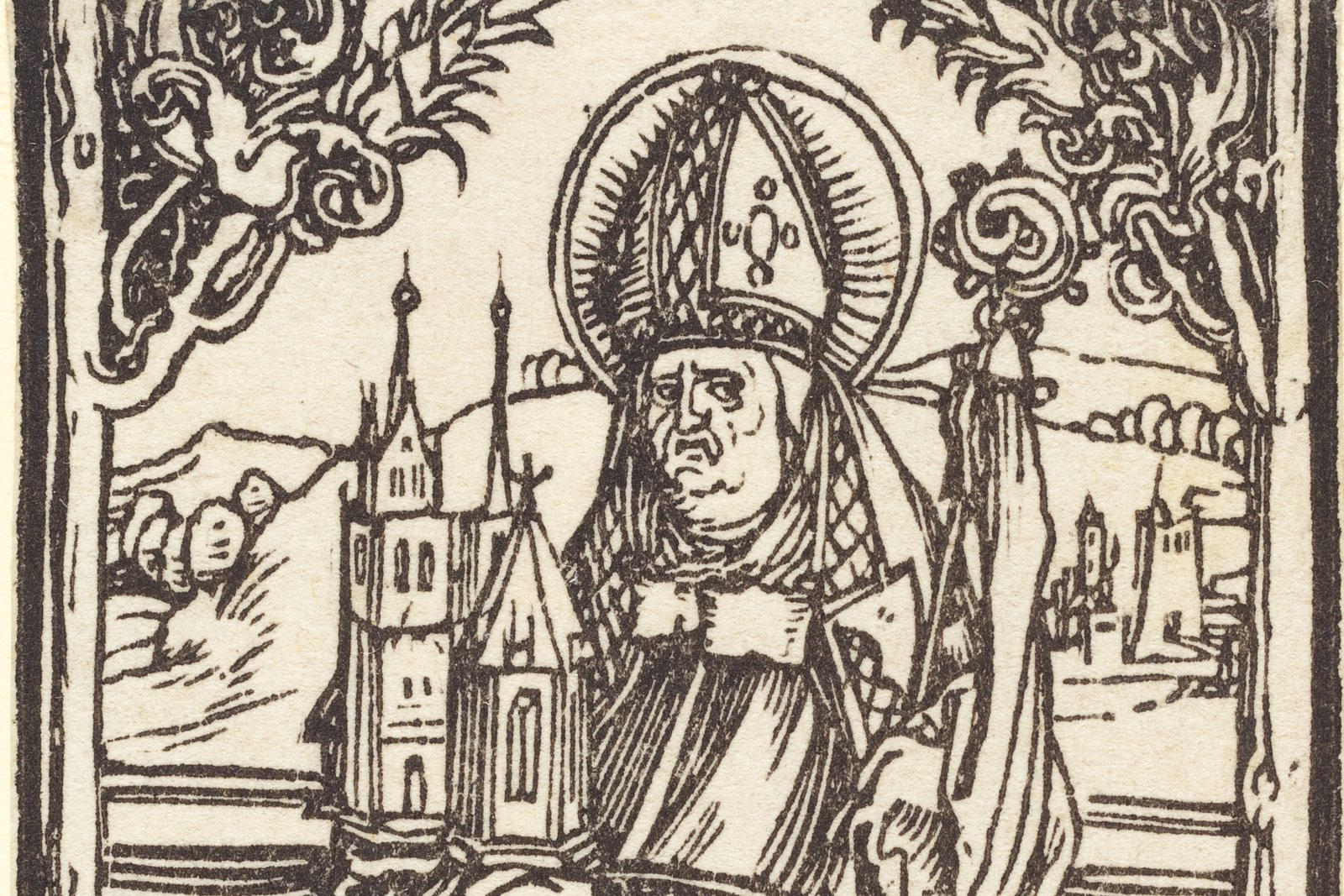
Saint Wolfgang of Regensburg, the Bishop Who Kept Resigning
How a reluctant tenth-century bishop of Regensburg became a hermit, a missionary, and a reformer who tried more than once to walk away from church leadership.
Saint John I, Pope and Martyr
Pope John I died in a Ravenna prison in 526 after an Arian Gothic king sent him on a diplomatic mission to Constantinople and grew suspicious of his loyalty.
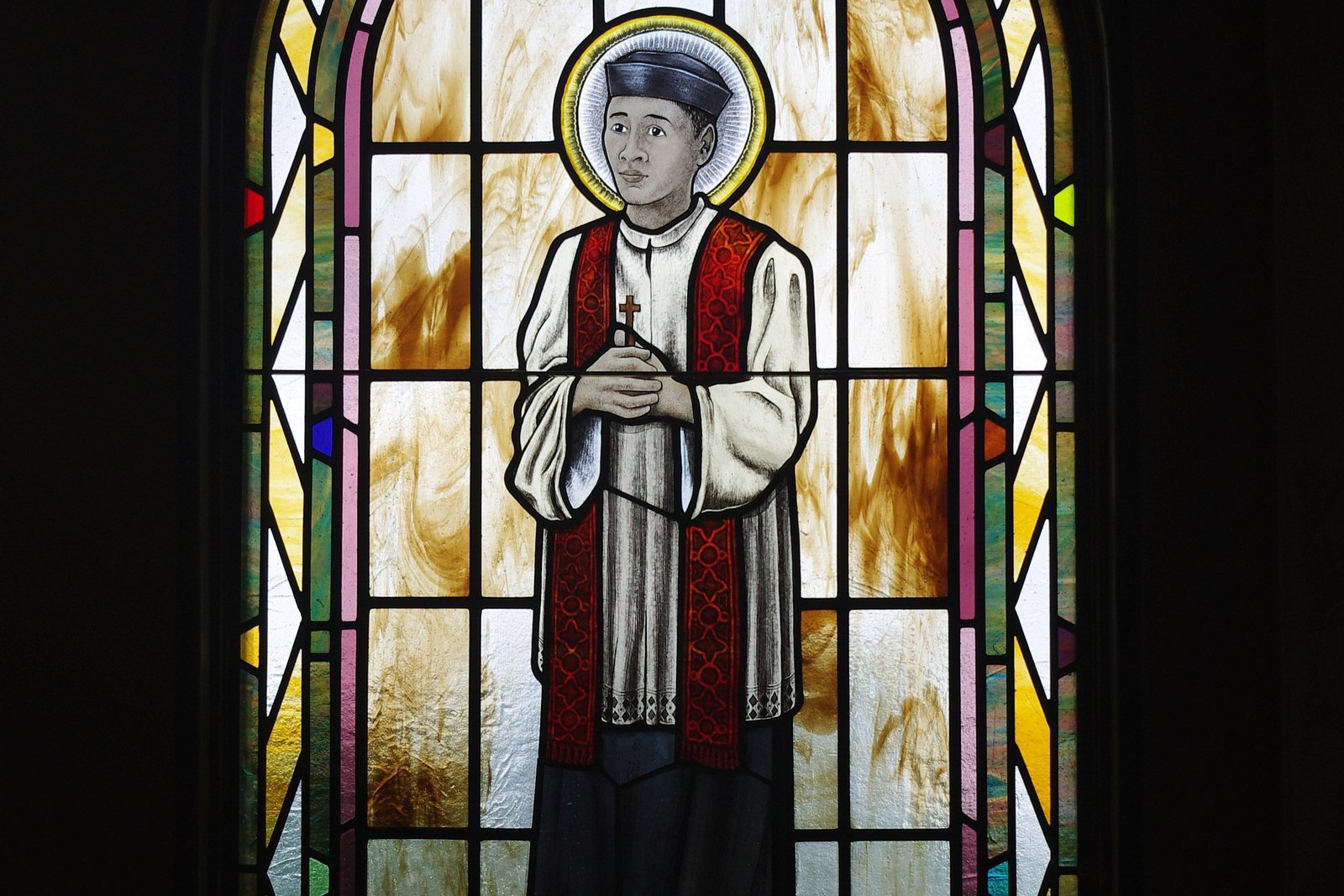
Saint Andrew Dũng-Lạc, Priest, and Companions, Martyrs
A ransomed Vietnamese priest kept returning to a field that had already tried to kill him — one of 117 martyrs canonized for a brutal century of persecution.
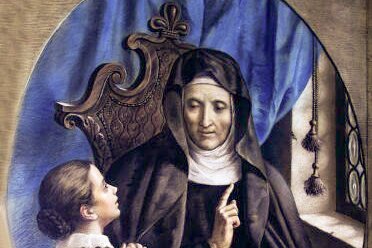
Saint Angela Merici — Founder of the Ursulines
How a farmer's daughter from Lombardy founded the first women's teaching order in the Church and reshaped Catholic education for centuries.
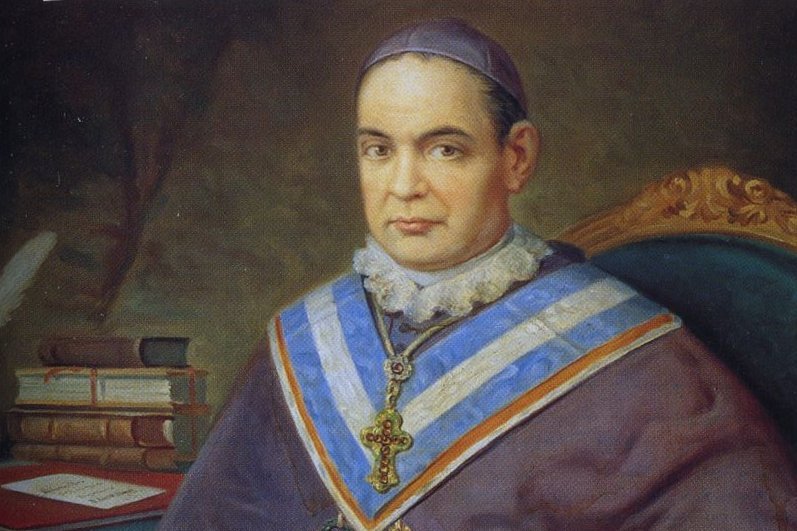
Saint Anthony Mary Claret, Bishop
A Spanish weaver's son survived over a dozen assassination attempts as archbishop of Cuba, then became confessor to a queen who couldn't save him from exile.
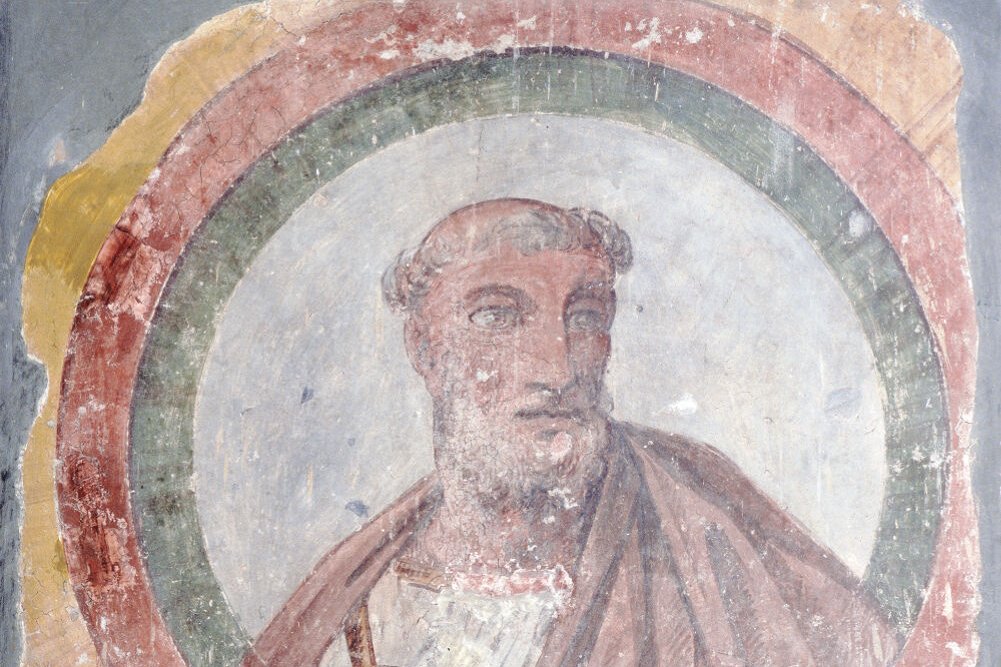
Saint Callistus I, Pope and Martyr
He was a slave, then a convict sentenced to the mines of Sardinia, then a pope whose mercy toward sinners outraged the strictest churchmen of Rome.
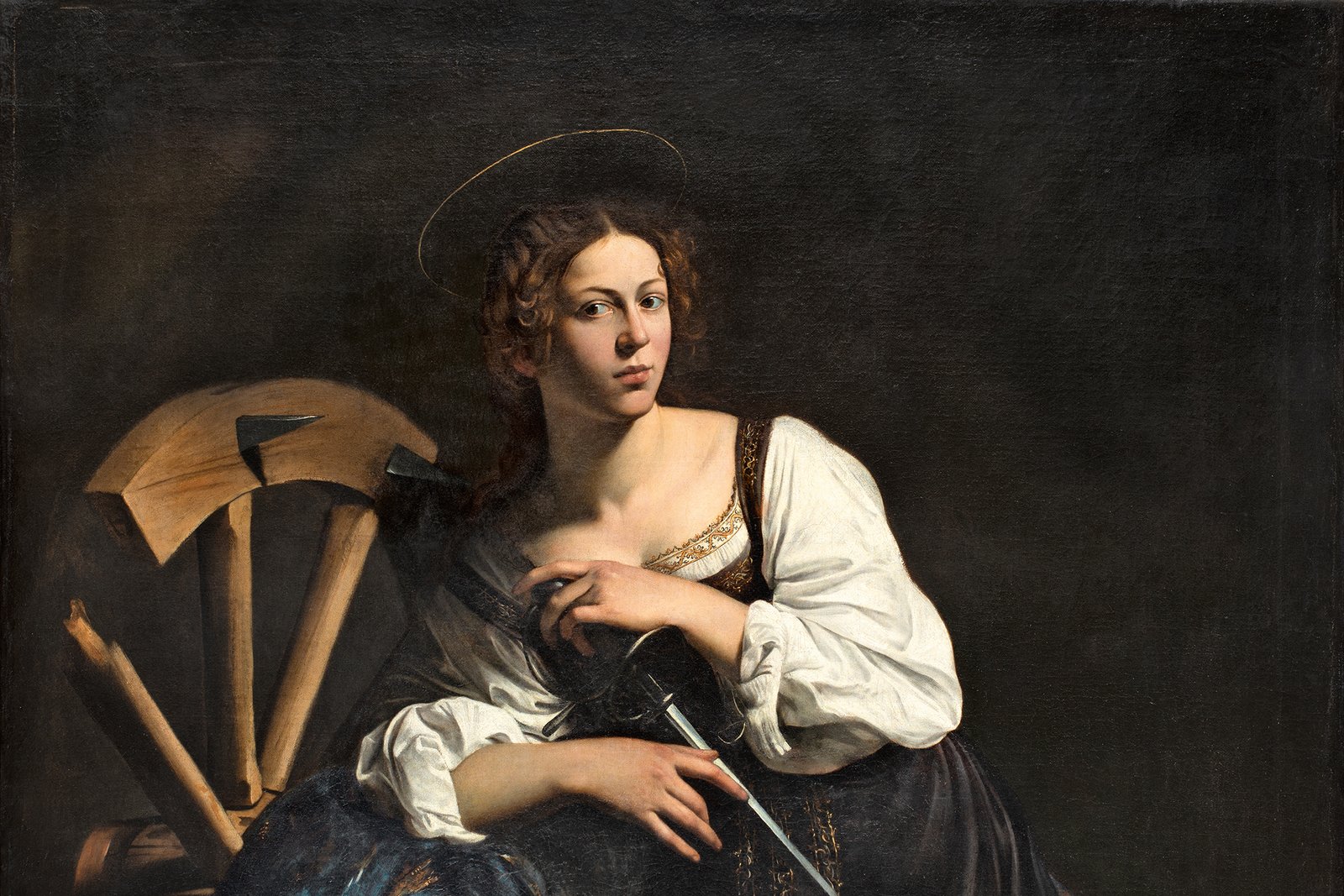
Saint Catherine of Alexandria, Virgin and Martyr
Legend says fifty of Egypt's finest philosophers set out to argue her out of her faith, and she converted them all instead, before the empire had her killed.
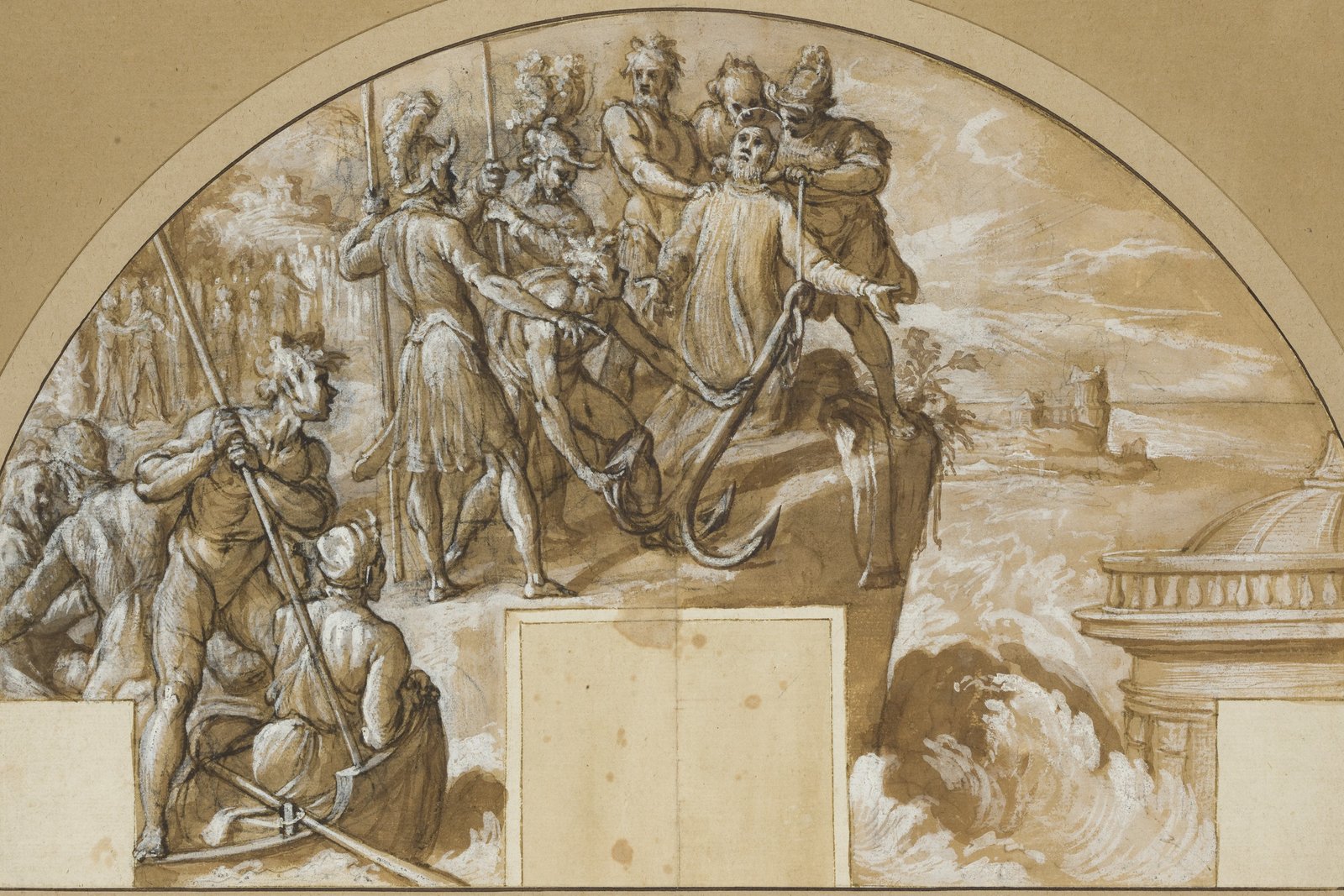
Saint Clement I, Pope and Martyr
An anchor around his neck, thrown into the Black Sea, gave sailors an unlikely patron and gave us one of the oldest Christian letters outside the New Testament.
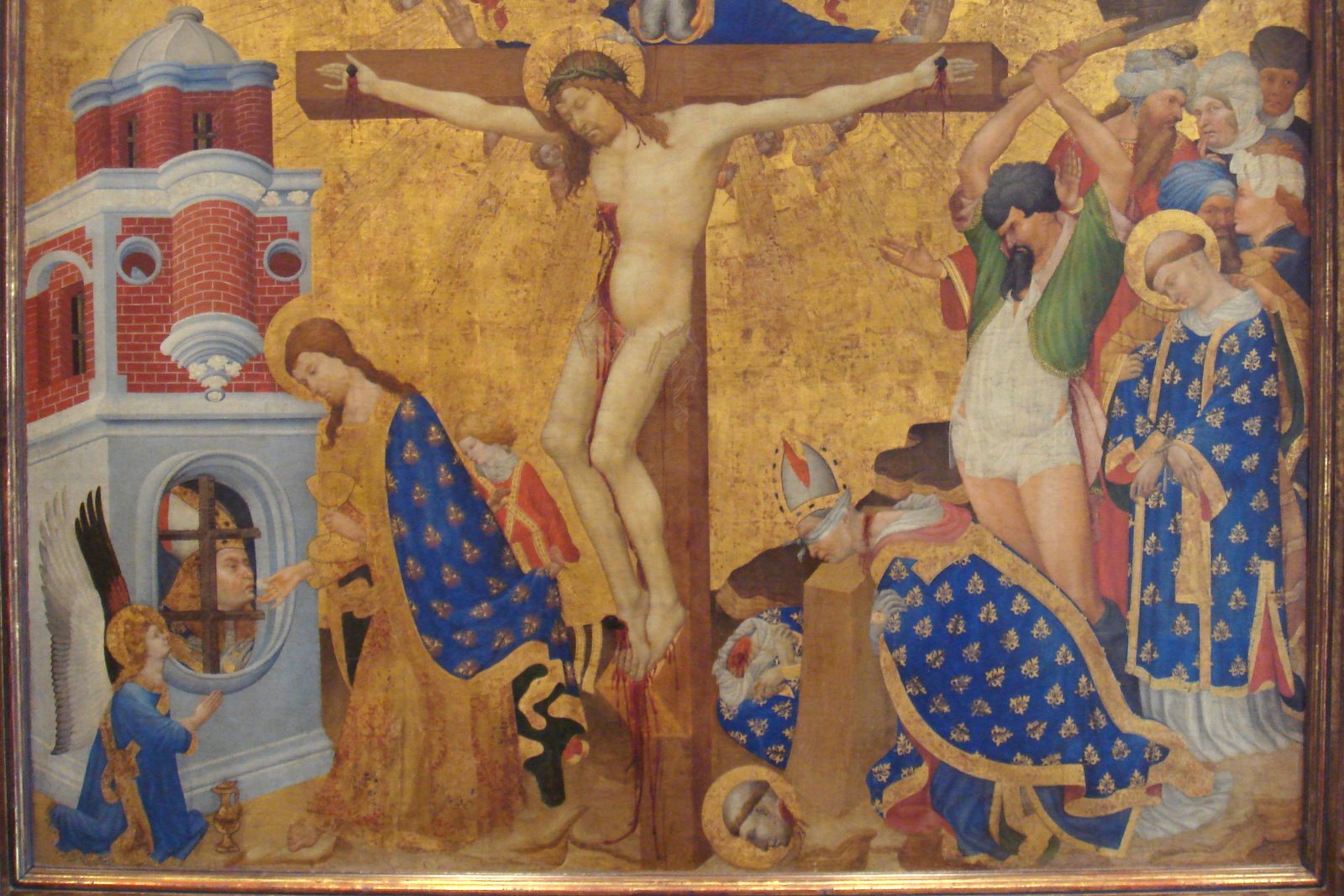
Saint Denis, Bishop, and Companions, Martyrs
The Roman soldiers cut off his head on a hill north of Paris, and tradition holds that he stood up, picked it up, and kept walking. Meet the patron of France.
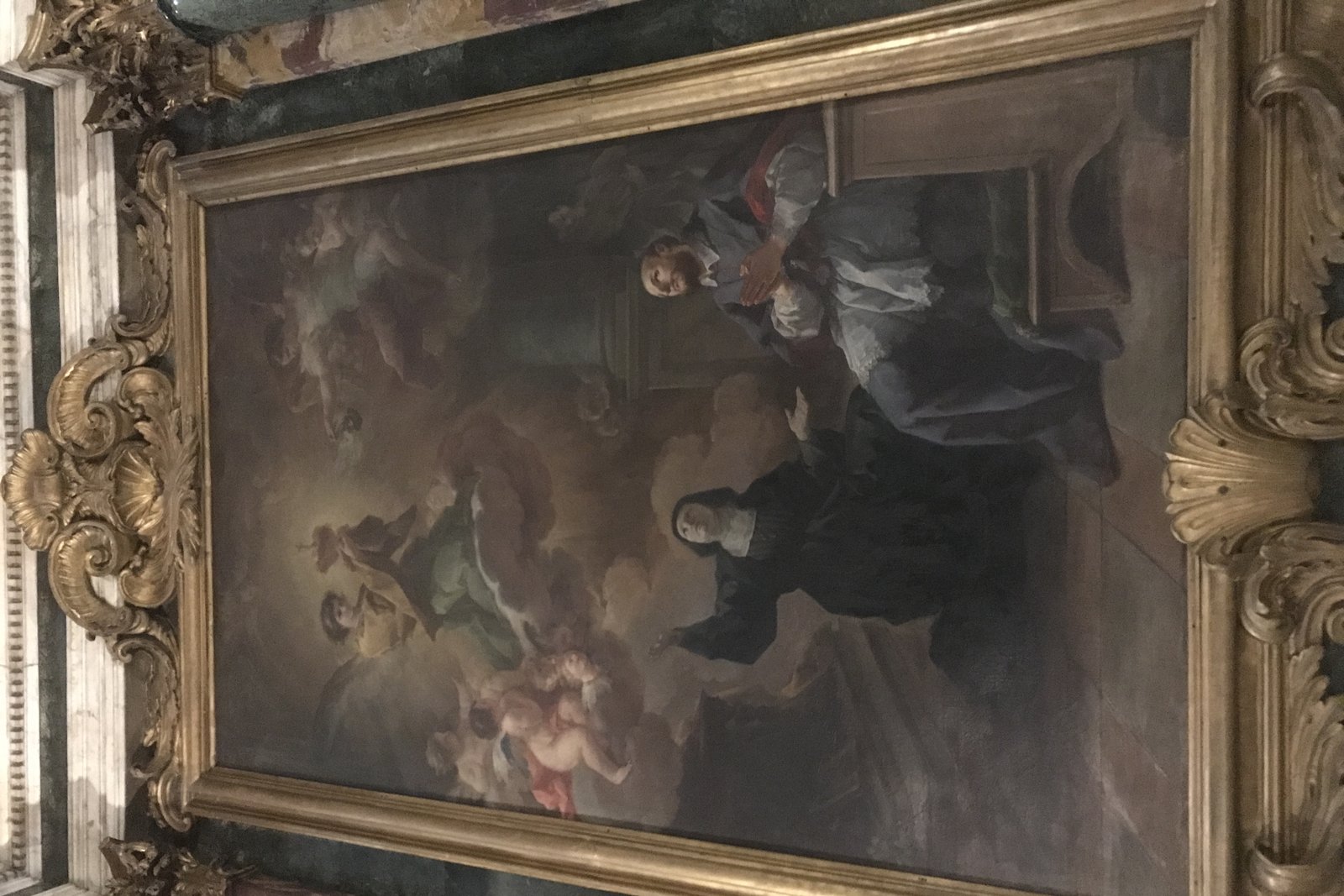
Saint Jane Frances de Chantal, Religious
A widowed mother of four stepped over her own son's body on the doorstep to answer a call to religious life, then founded an order for women others turned away.
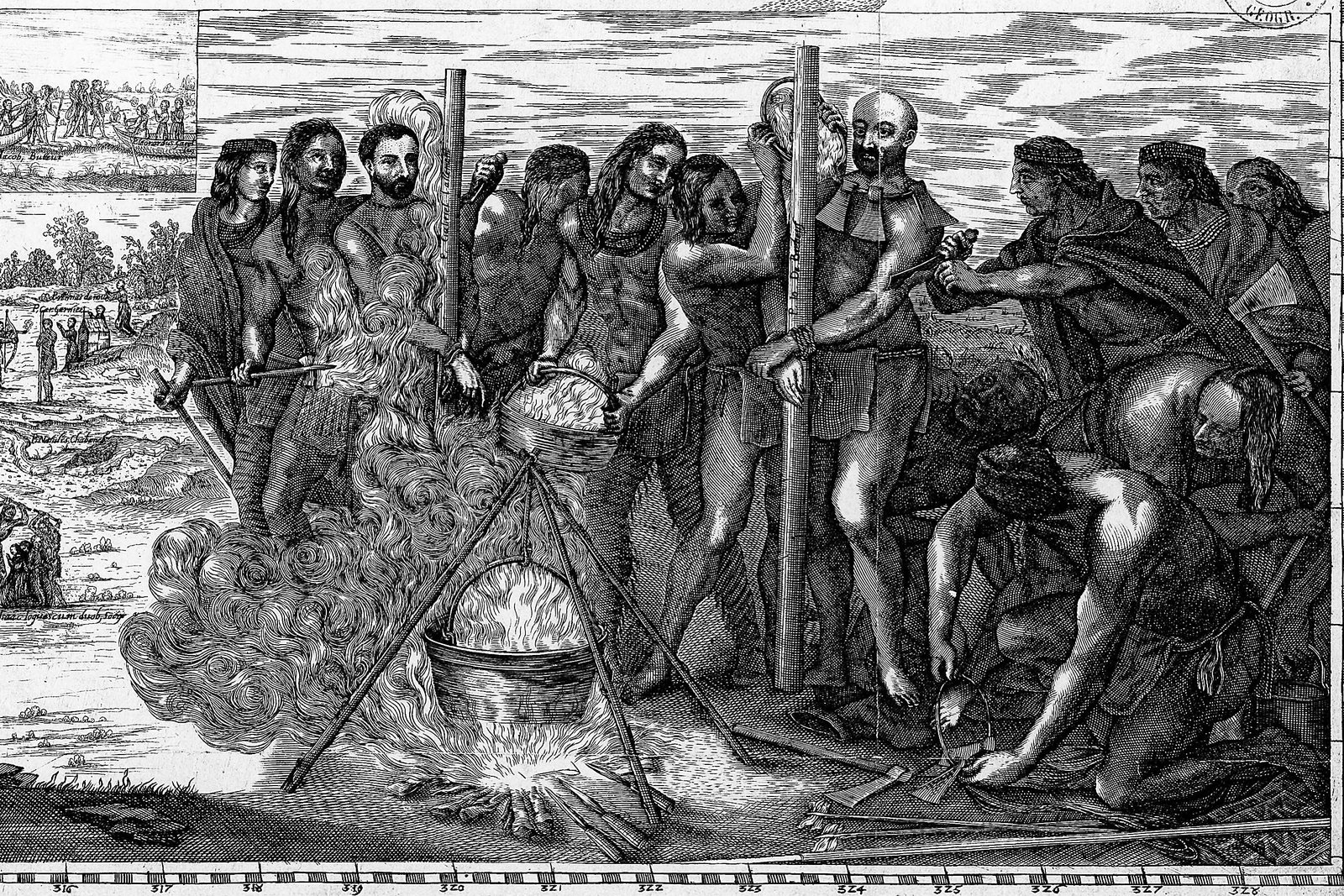
Saints John de Brébeuf and Isaac Jogues, Priests, and Companions, Martyrs
A giant of a Norman priest learned an entire language spoken by no European before him, then died for it beside the people he had spent twenty years trying to serve.
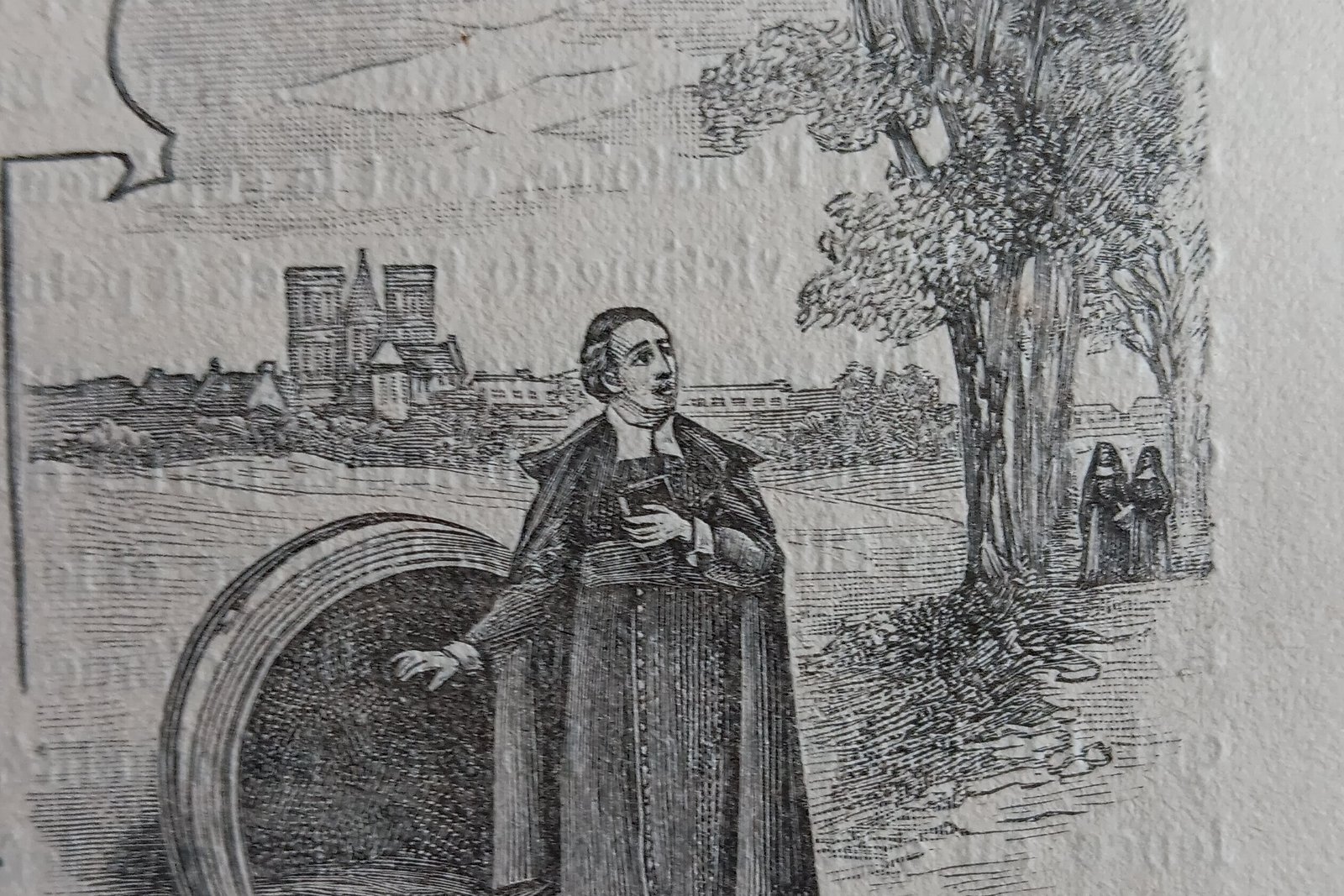
Saint John Eudes, Priest
A missionary who nursed plague victims twice and rebuilt a life for former prostitutes went on to found the devotions to the Sacred Heart and Immaculate Heart.
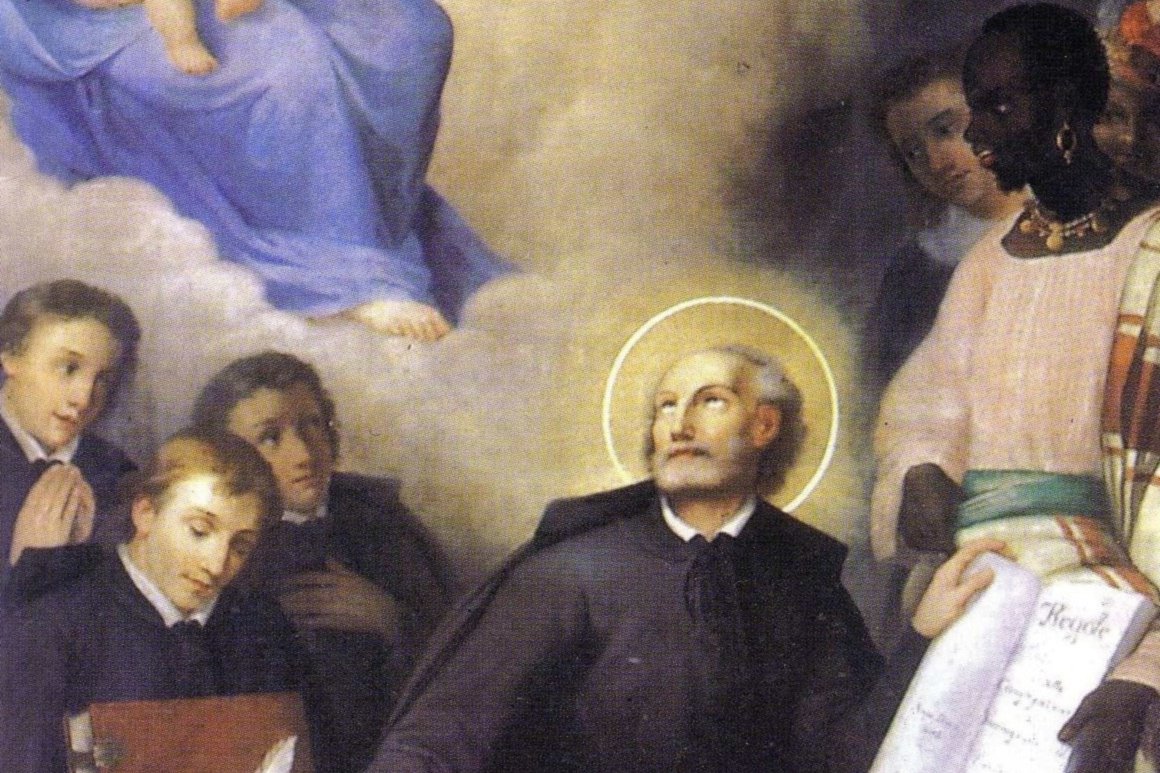
Saint John Leonardi, Priest
A pharmacist's apprentice from Tuscany got so far under his city's skin that its leaders exiled him twice — then he helped found the Vatican's mission office.
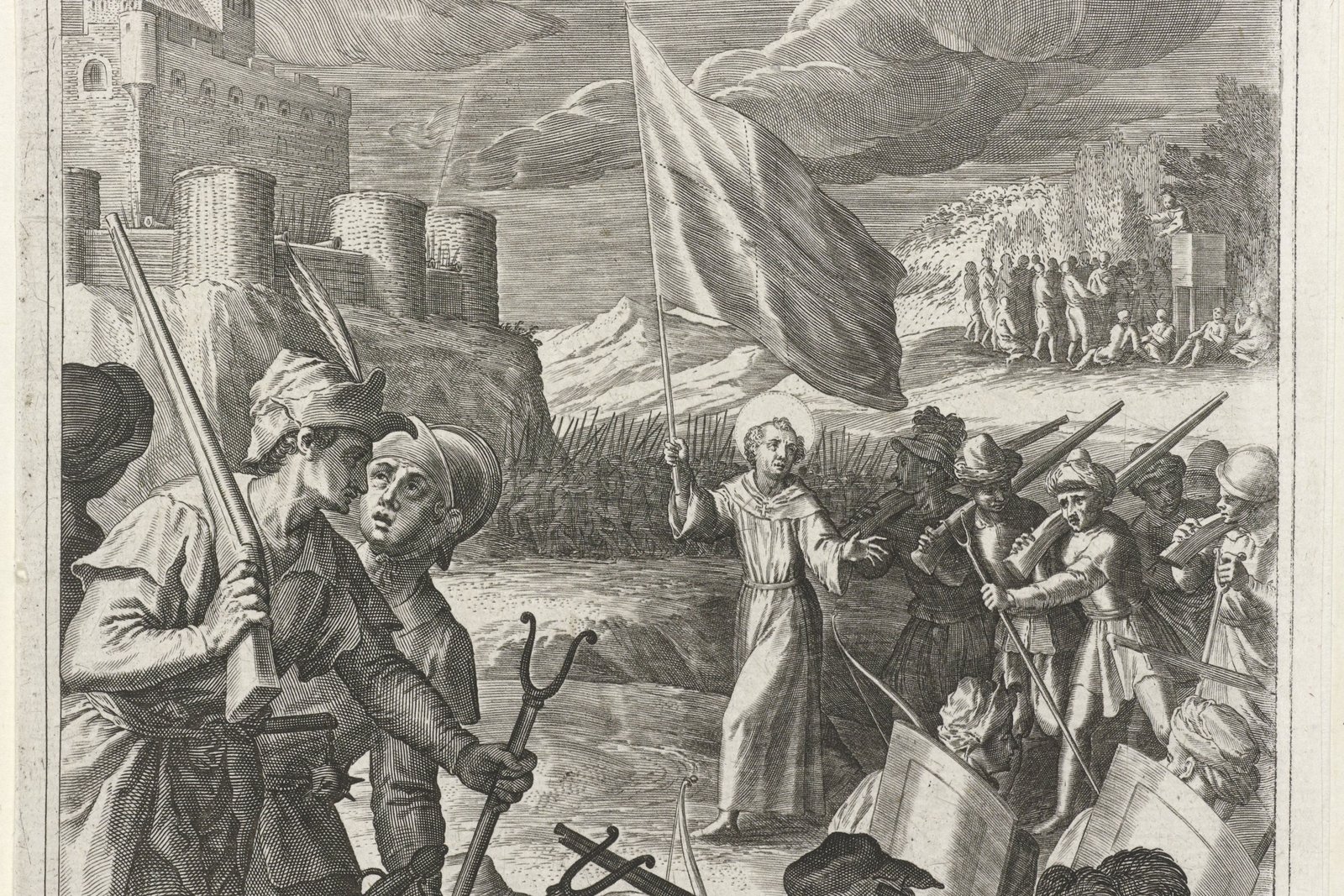
Saint John of Capistrano, Priest
A former judge turned Franciscan friar stood on the walls of a besieged fortress at seventy, crucifix raised, urging exhausted defenders into one last charge.
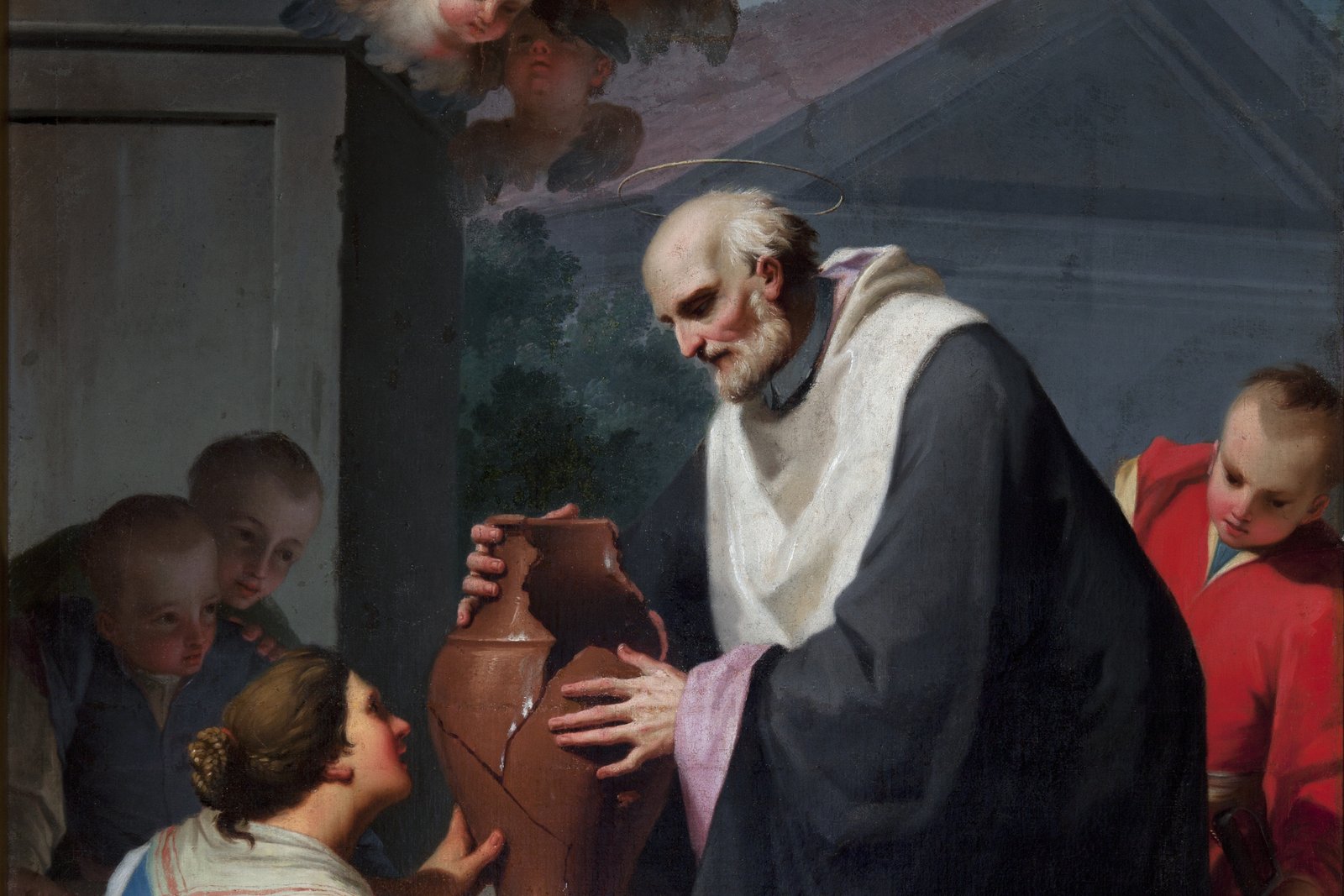
Saint John of Kanty
The Polish professor famous for giving away his shoes and dinner, and a private rule of conduct so gentle it still guides how Catholics handle conflict.
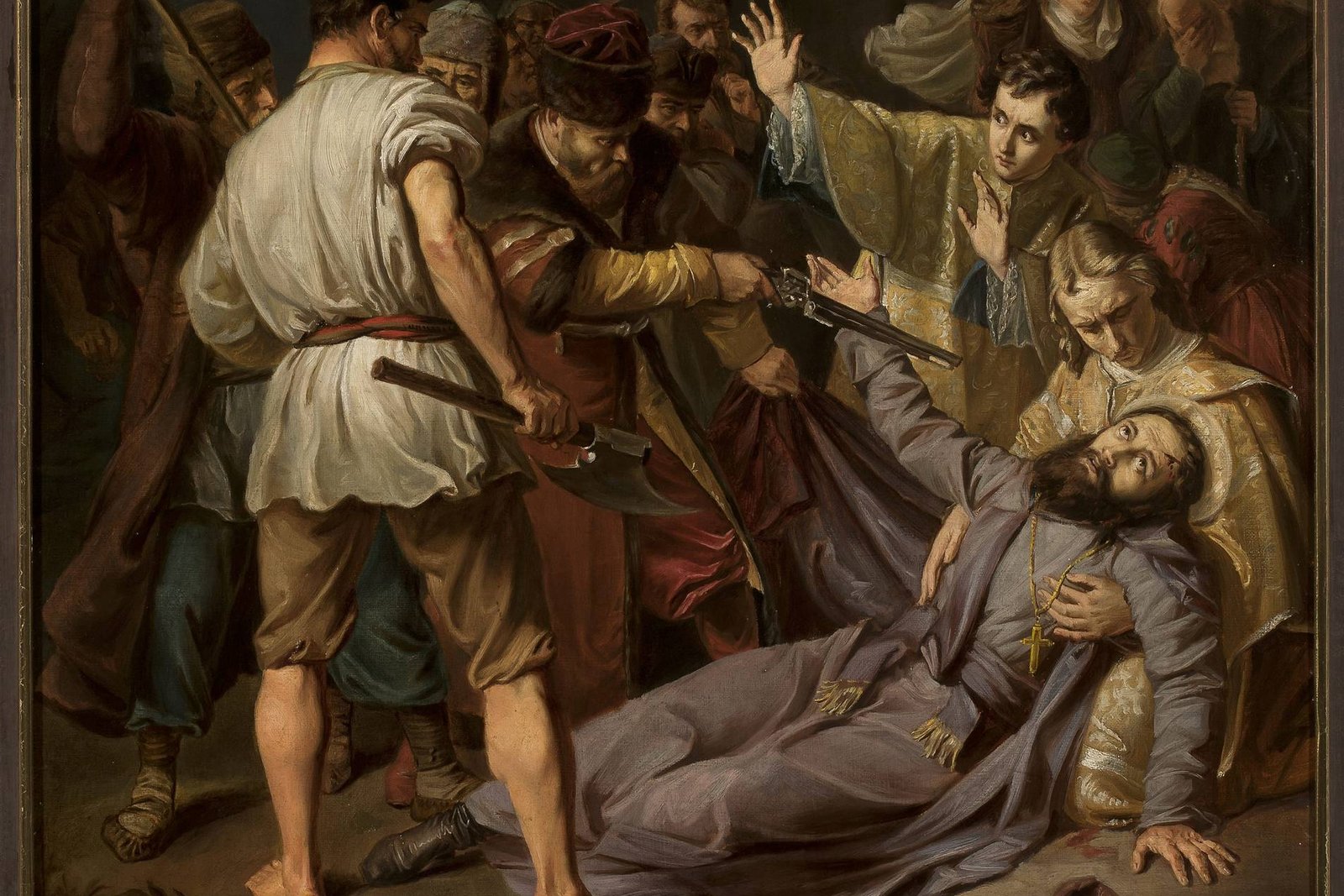
Saint Josaphat, Bishop and Martyr
A mob that wanted him dead for reuniting their church with Rome got its wish — then felt, by his own bishop's account, remorse strong enough to change history.
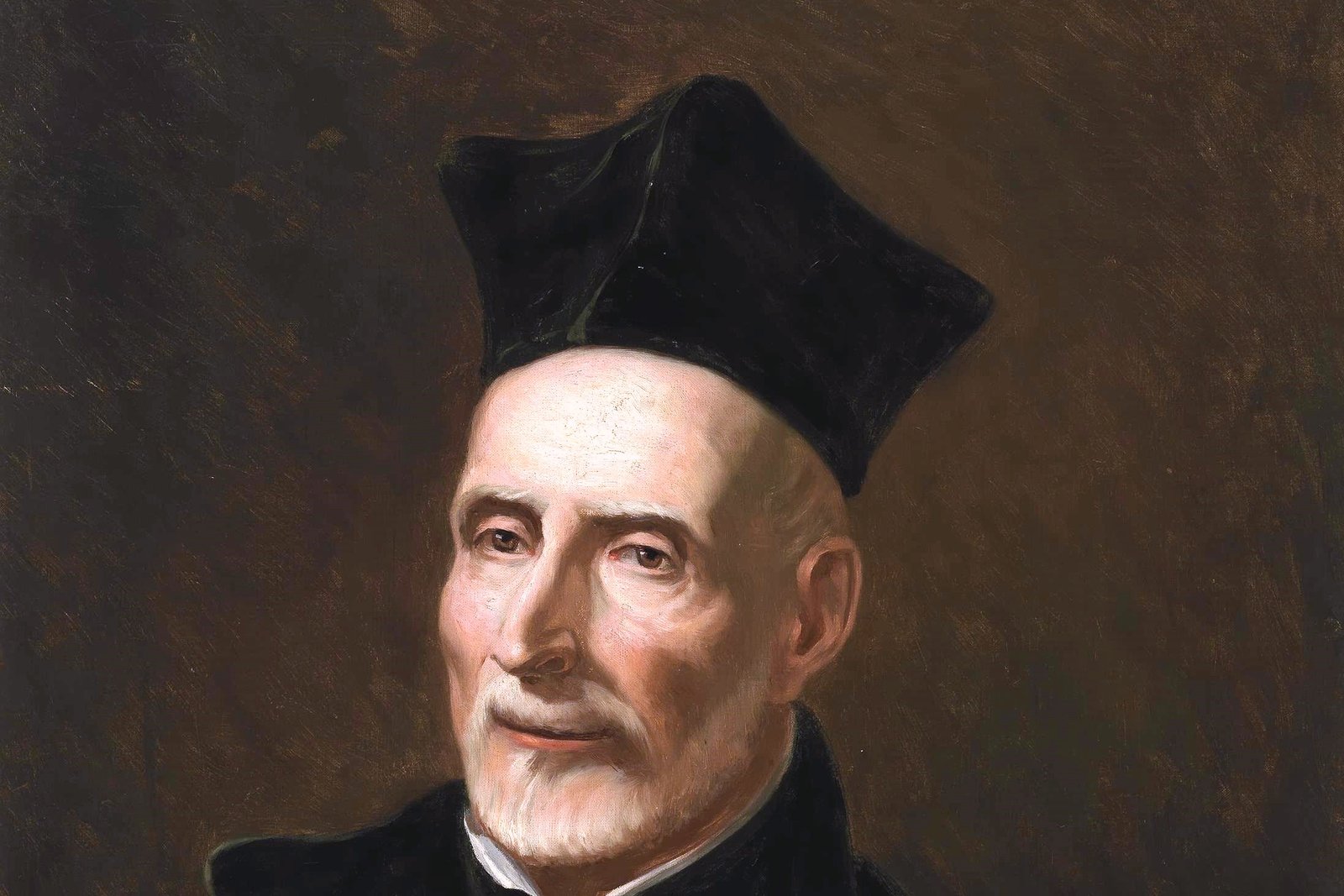
Saint Joseph Calasanz, Priest
A Spanish priest opened Europe's first free public school in a Roman slum, convinced that poor children deserved an education as much as anyone else's.
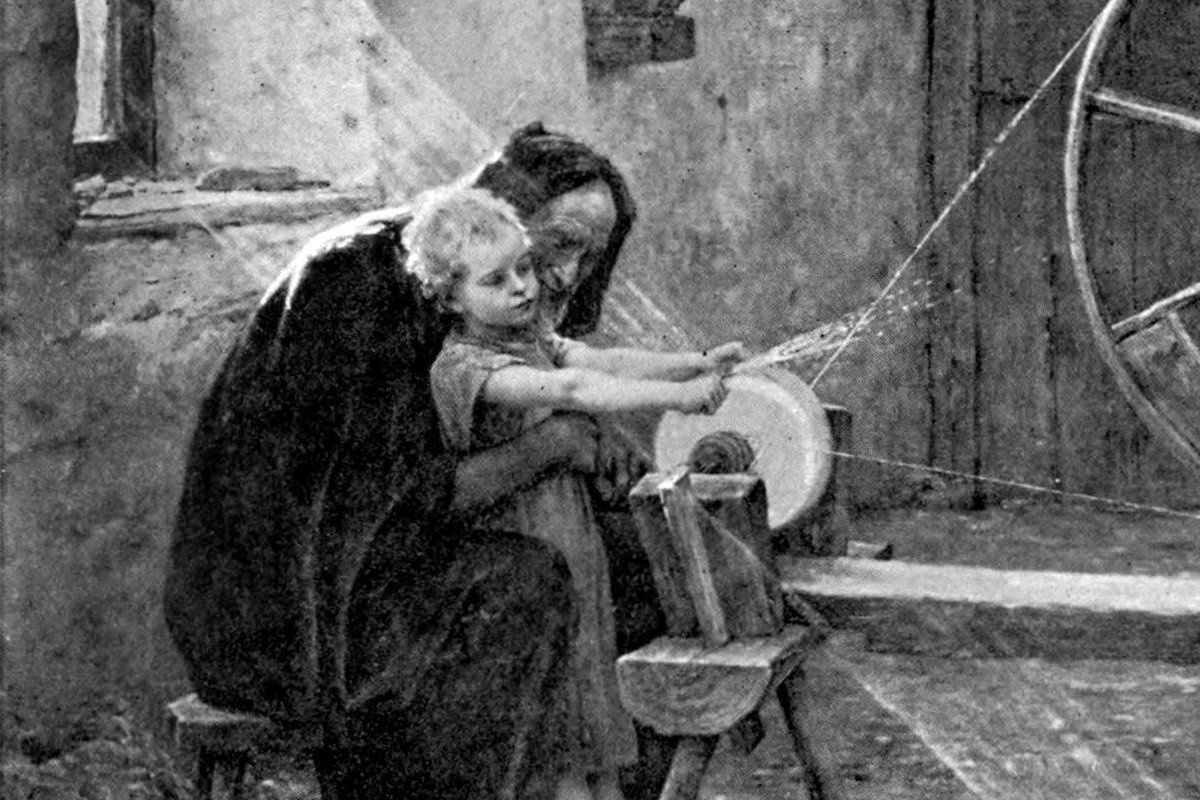
Saint Joseph the Worker
Why Pope Pius XII gave Saint Joseph a second feast day on May 1, 1955, and what the Church teaches about the dignity of human labor through him.
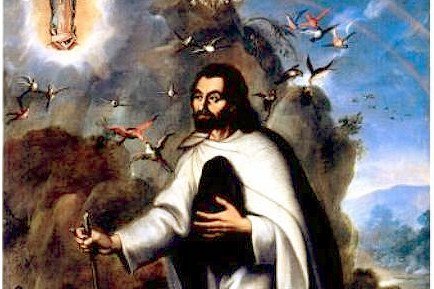
Saint Juan Diego Cuauhtlatoatzin
How a widowed Aztec convert became the visionary of Guadalupe, why his tilma still hangs above the altar, and how he became the Americas' first Indigenous saint.
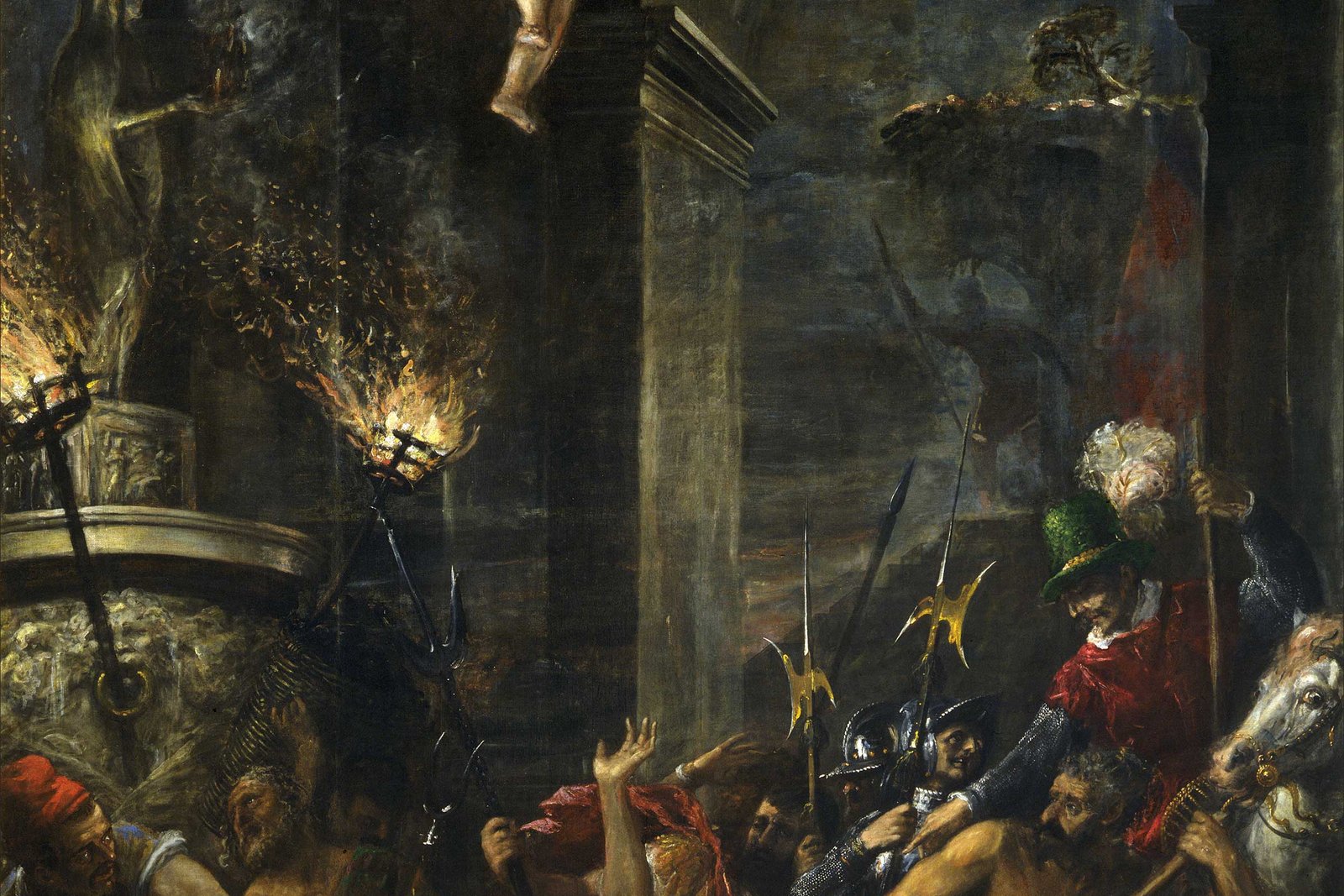
Saint Lawrence, Deacon and Martyr
Given three days to hand over the Church's treasures, a Roman deacon presented the city's poor instead, and was martyred for it on a gridiron.
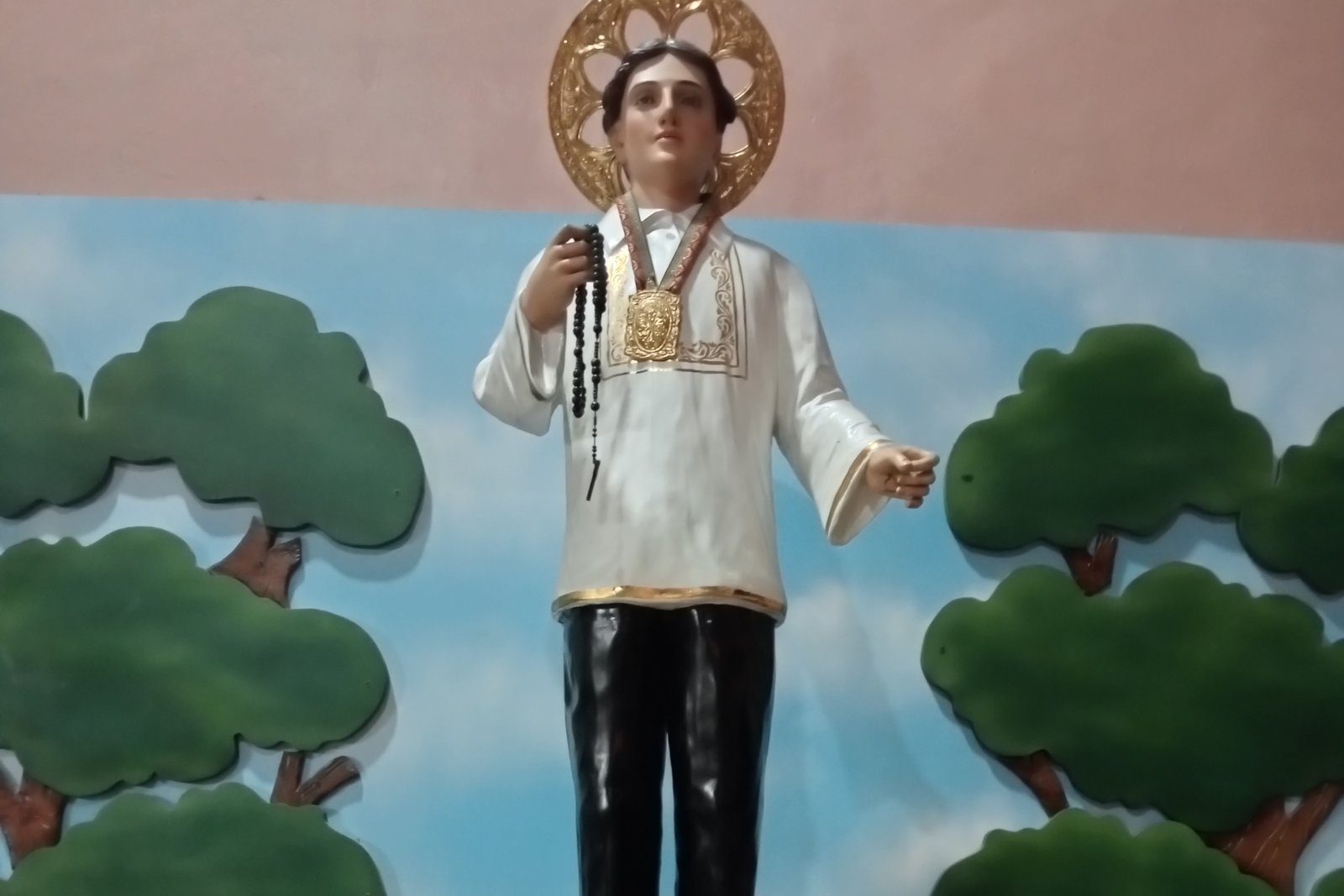
Saint Lawrence Ruiz and Companions, Martyrs
A Filipino father boarded a ship to dodge a false accusation at home, sailing unknowingly into one of history's deadliest anti-Christian persecutions.
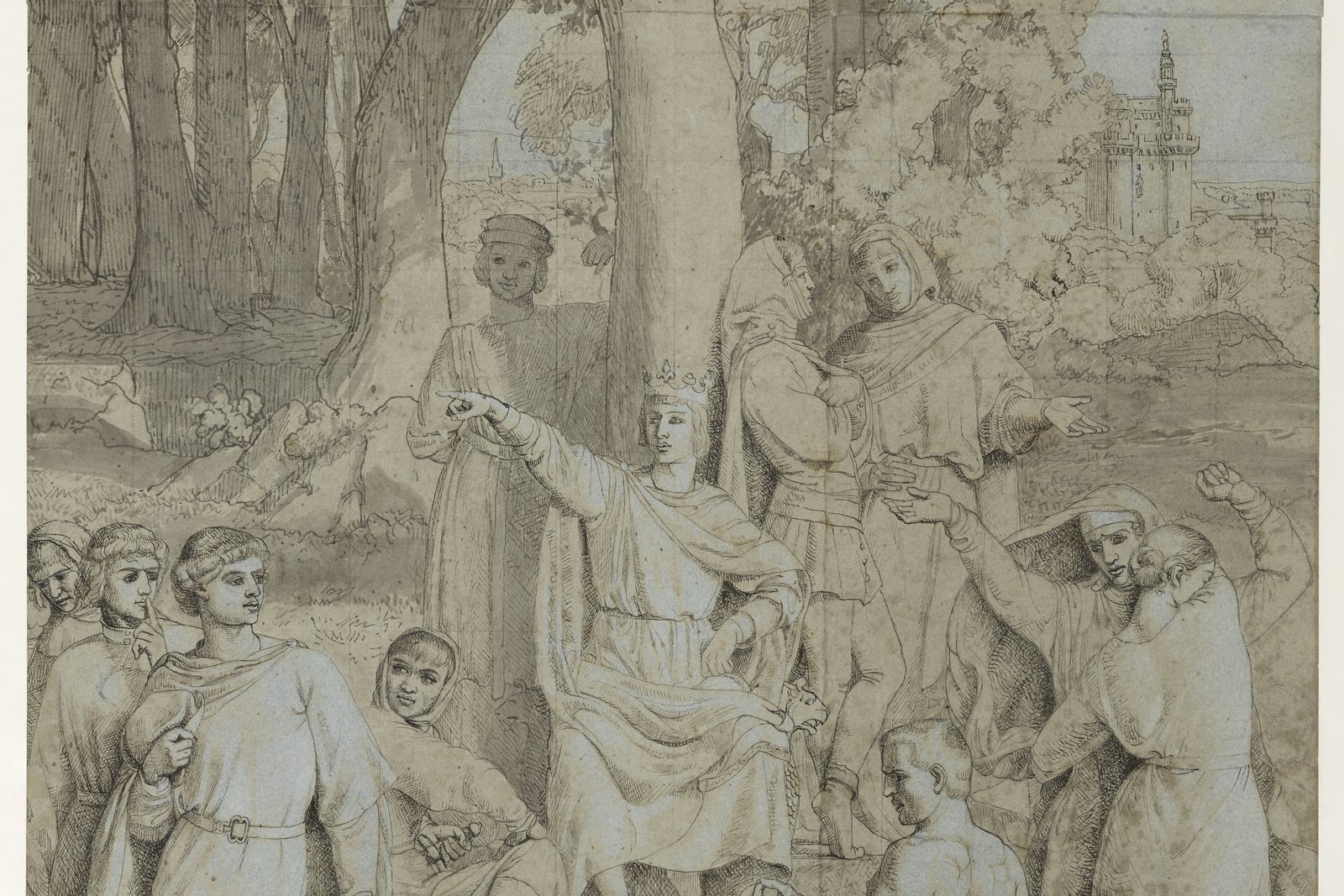
Saint Louis
A medieval king who personally heard the legal grievances of his poorest subjects under an oak tree became the only French monarch the Church ever canonized.
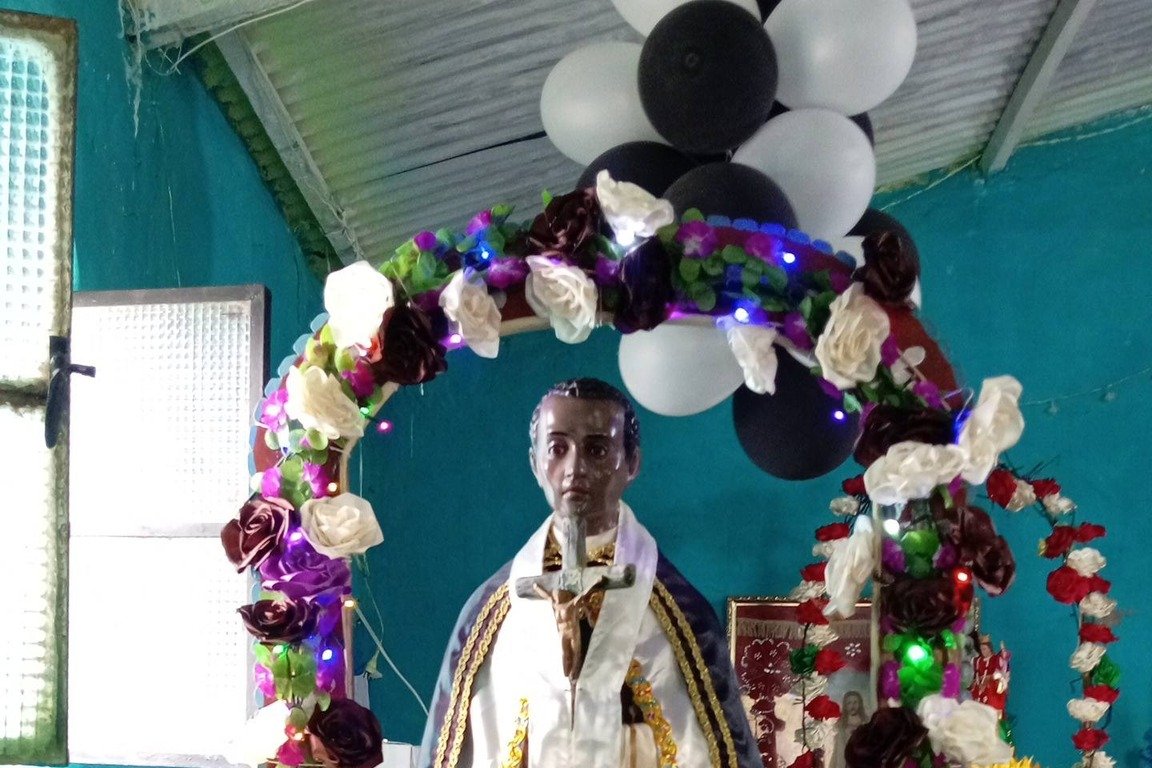
Saint Martin de Porres, Religious
Lima's Dominican priory almost refused to admit him over his mixed race — he ended up feeding the whole city, animals included, from its kitchen scraps.
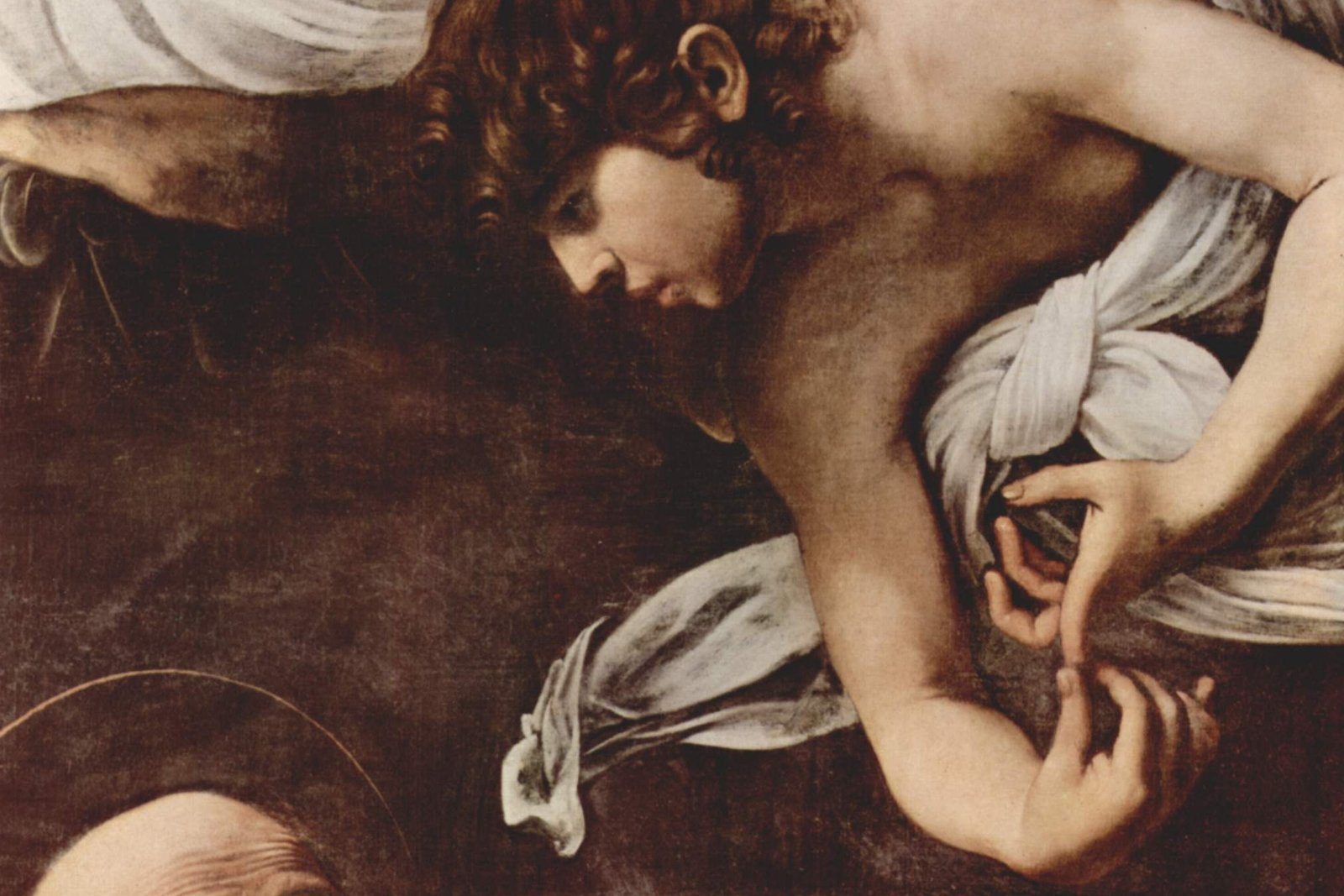
Saint Matthew, Apostle and Evangelist
A tax collector despised by his own countrymen for working with the occupying power got up from his booth and followed a stranger who said only two words to him.
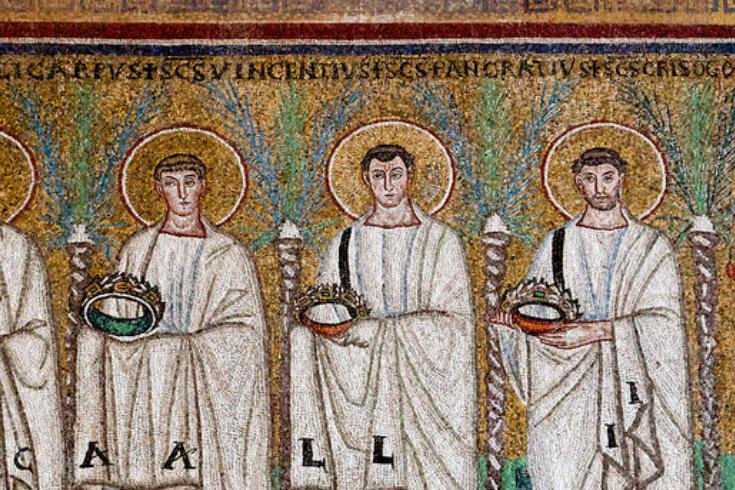
Saint Pancras, Martyr
Saint Pancras was executed in Rome at around fourteen years old for refusing to renounce Christ, and his name became attached to one of England's oldest churches.
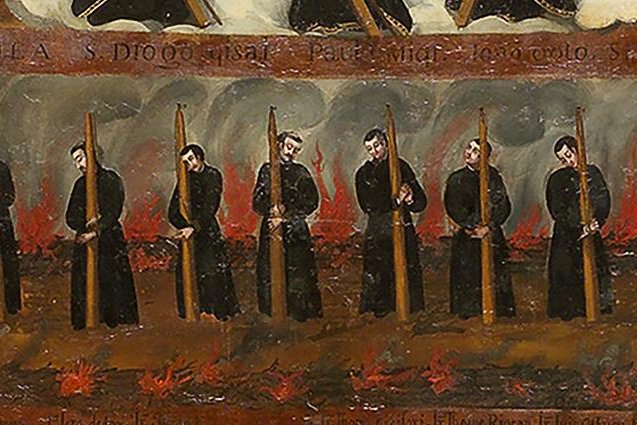
Saint Paul Miki and Companions — The Martyrs of Nagasaki
The story of the twenty-six Christians crucified in Nagasaki in 1597, and how Paul Miki's final sermon from the cross became a striking martyr account.
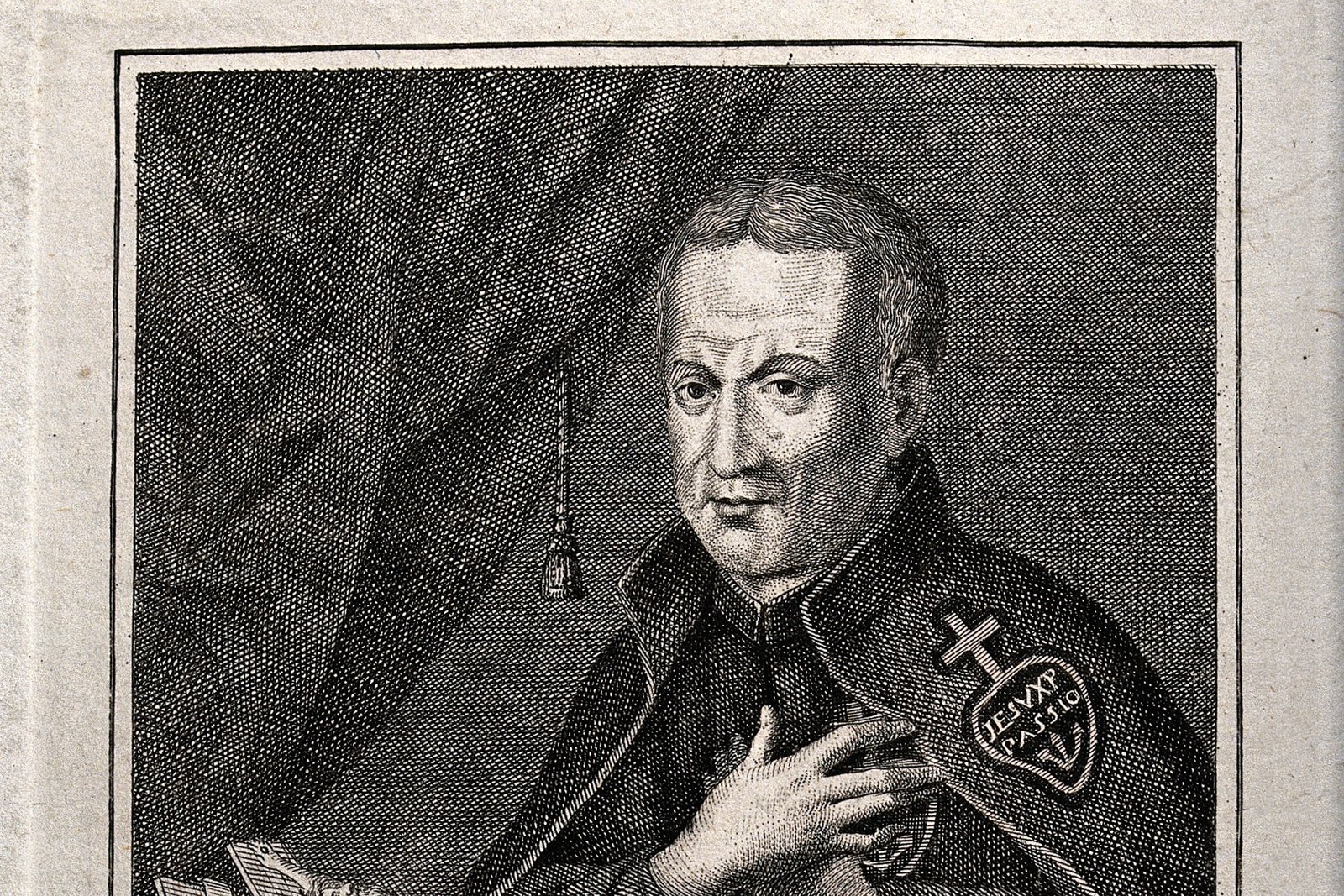
Saint Paul of the Cross, Priest
An Italian layman spent forty days alone in a cave until a vision convinced him to found an order built entirely around meditating on Christ's suffering.
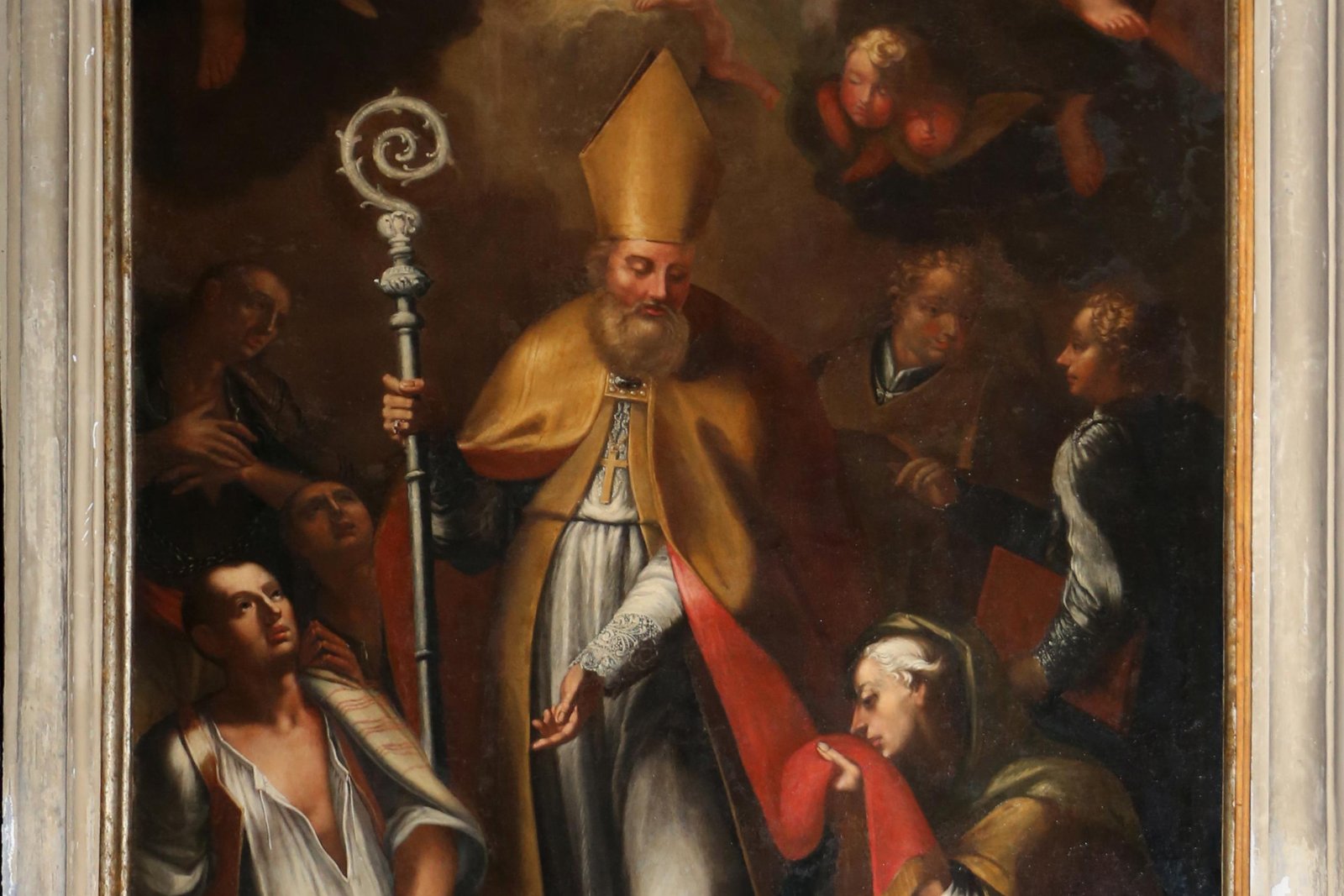
Saint Paulinus of Nola
Saint Paulinus of Nola gave up a senator's fortune for a bishop's simplicity. His feast, June 22, honors a poet who chose poverty over prestige.
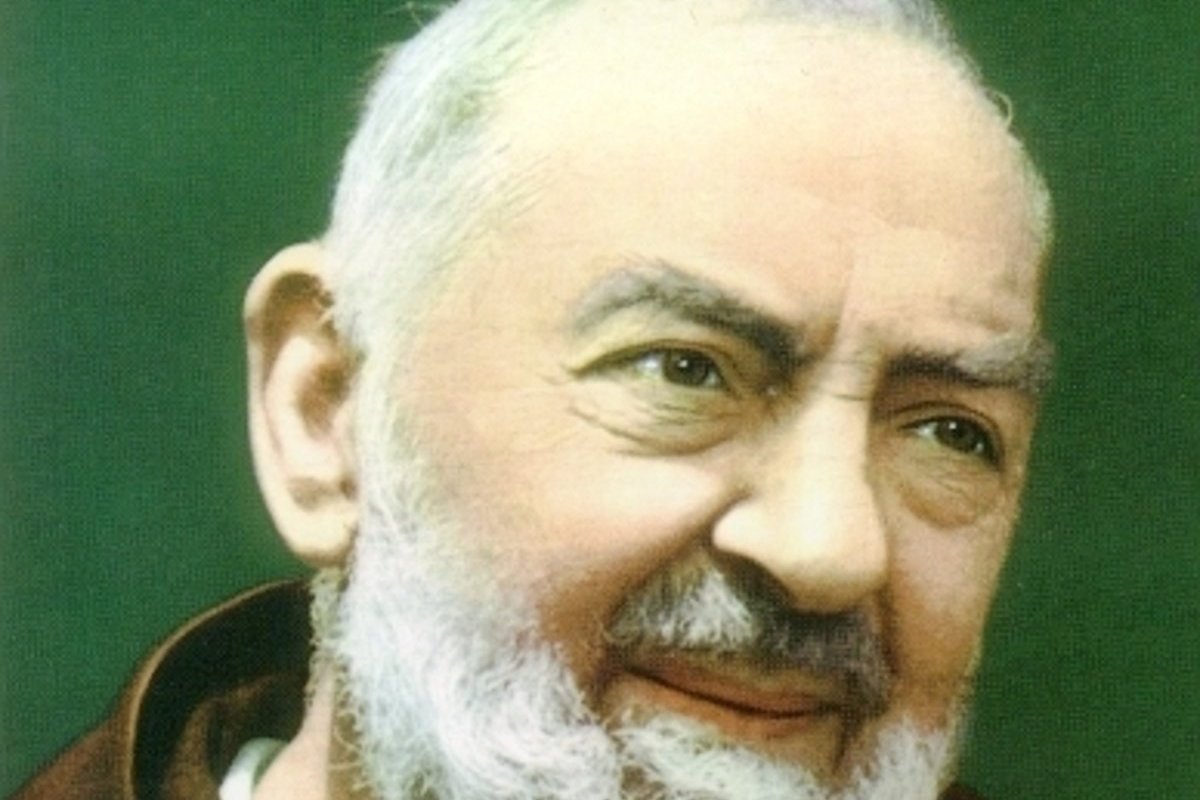
Saint Pius of Pietrelcina, Priest
A friar in a small Italian mountain town bore the wounds of the crucifixion on his body for fifty years, while doctors and skeptics tried to explain it away.
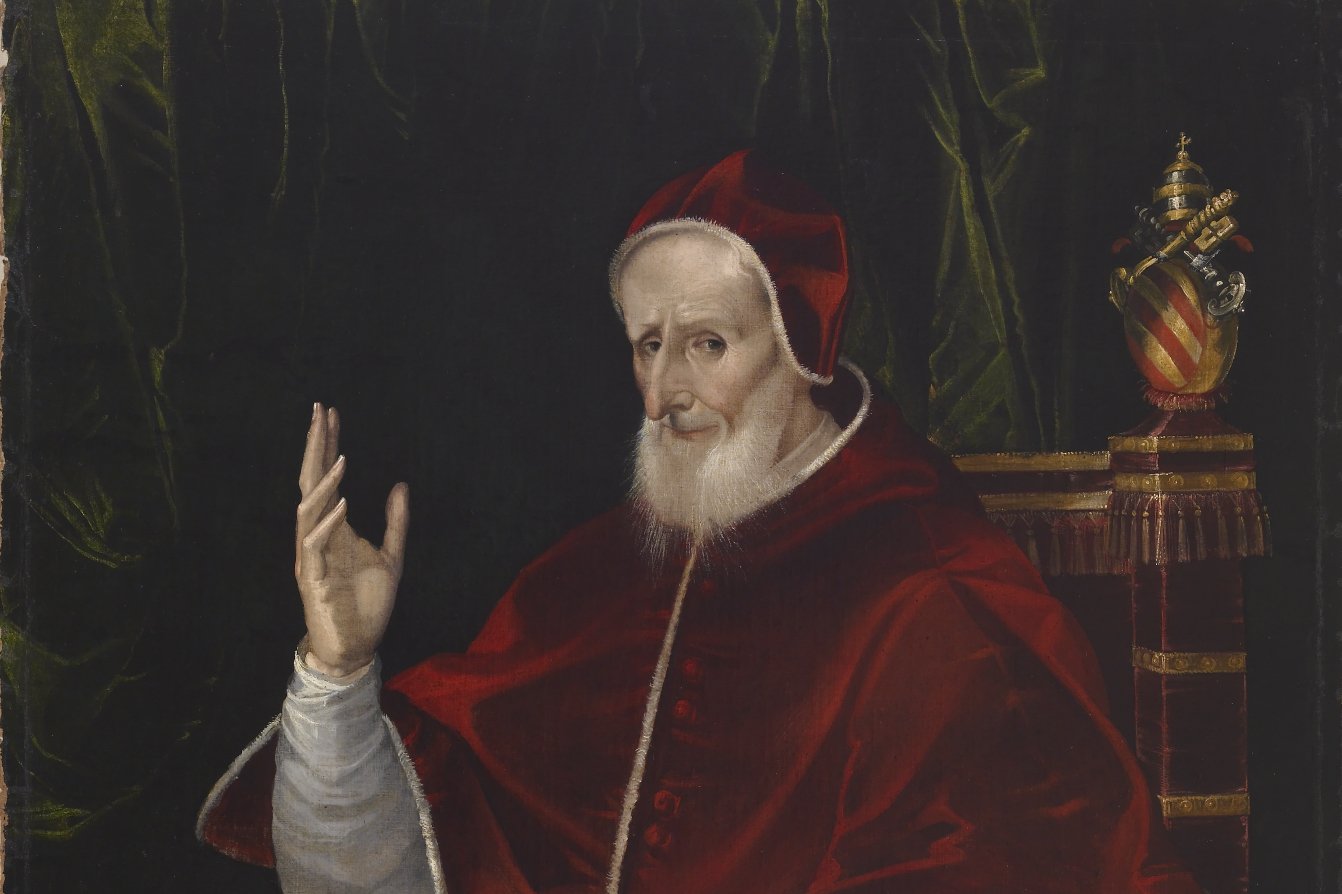
Saint Pius V, Pope
Saint Pius V was the Dominican friar-pope who reformed the Roman Missal, codified the Catechism of Trent, and rallied Christendom against invasion at Lepanto.
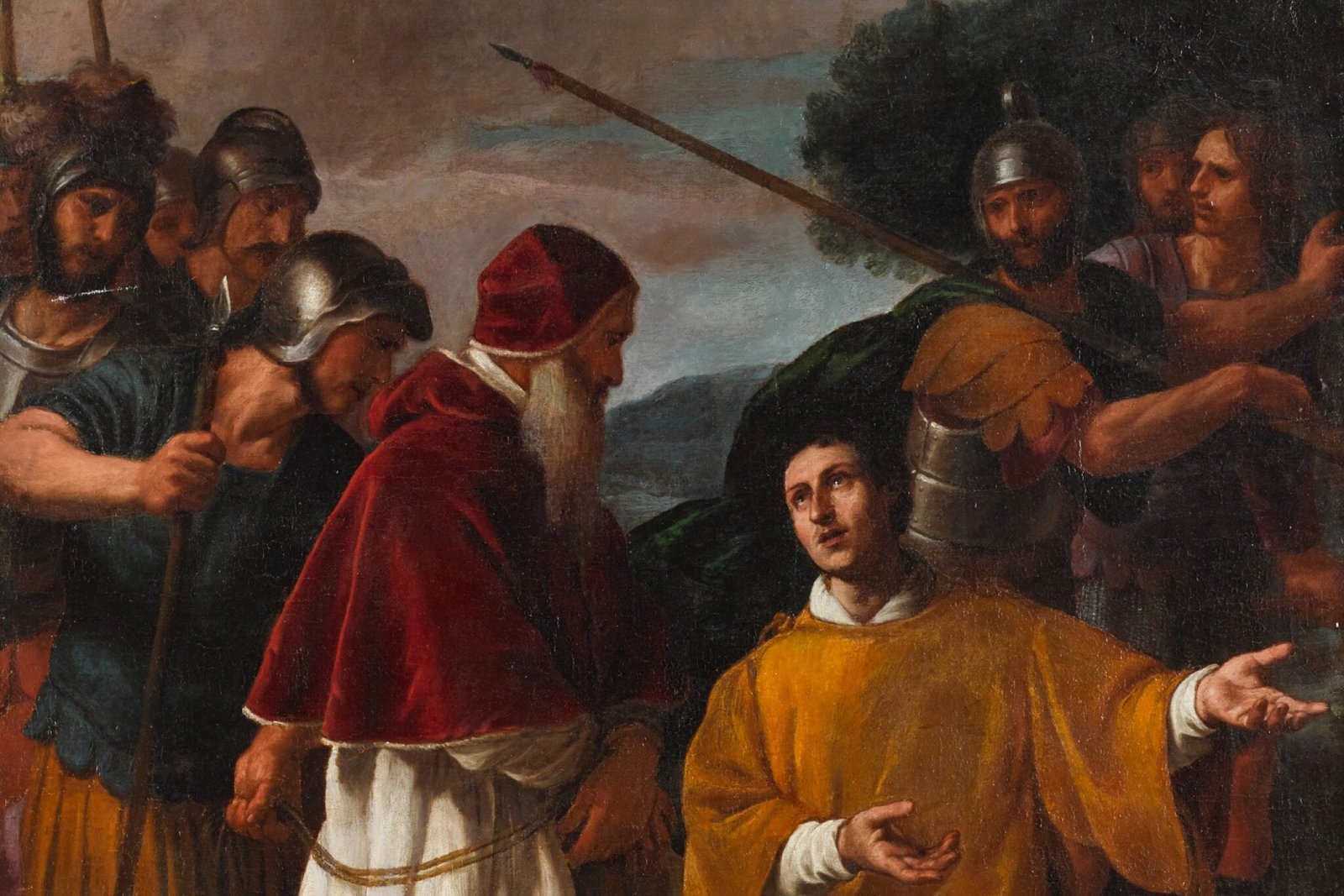
Saint Sixtus II, Pope, and Companions, Martyrs
Seized mid-sermon in a Roman catacomb and beheaded on his papal chair, Sixtus II died at the opening of one of Rome's fiercest anti-Christian purges.
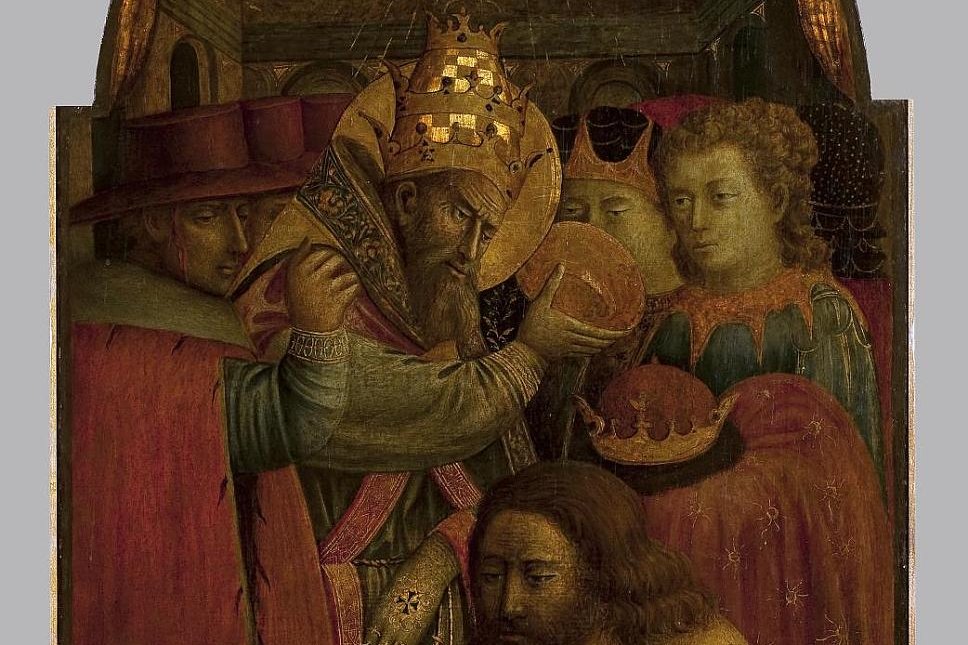
Saint Sylvester I, Pope
The pope who reigned through Christianity's turn from persecuted sect to imperial religion, and why New Year's Eve still carries his name across much of Europe.
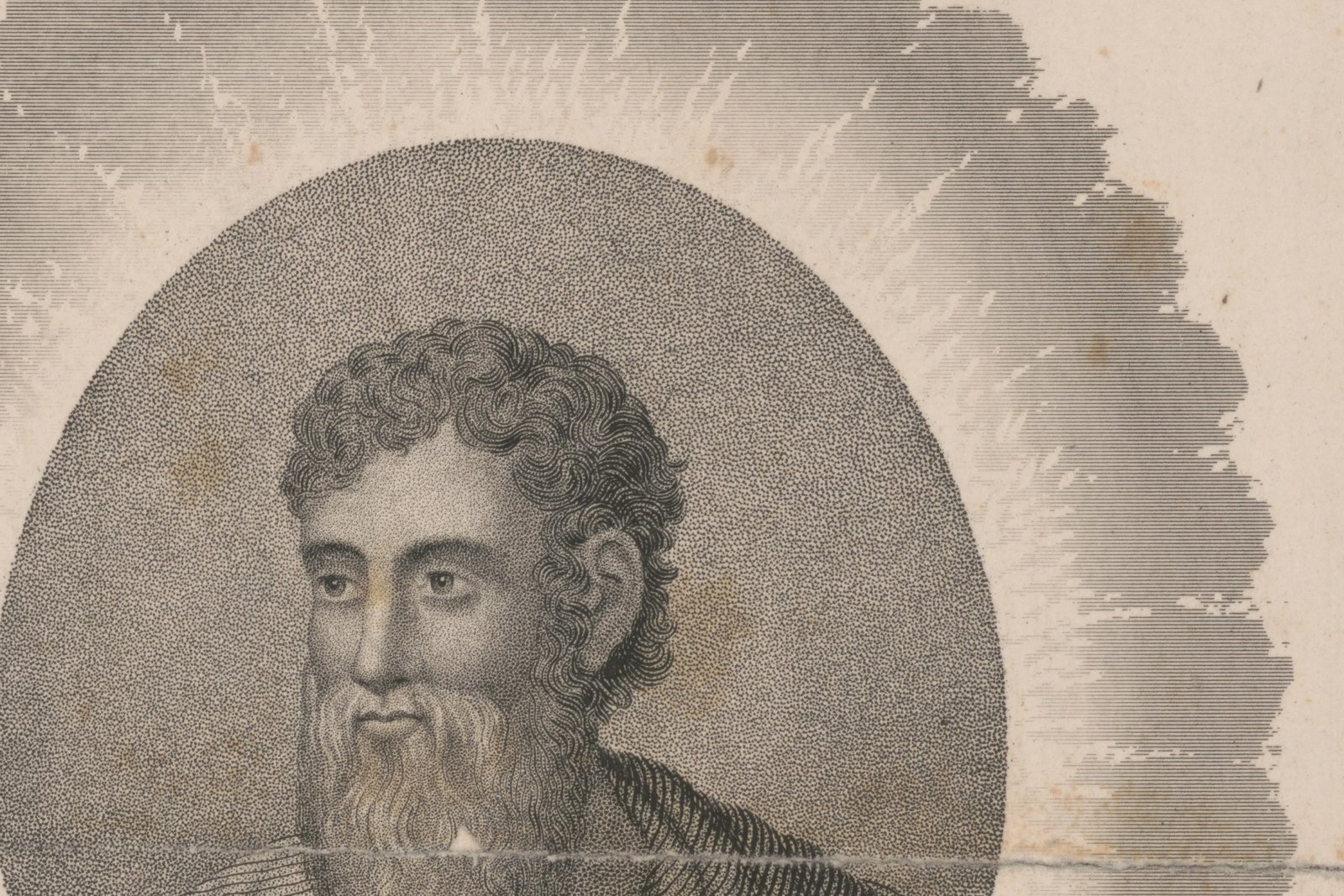
Saints Cornelius, Pope, and Cyprian, Bishop, Martyrs
A pope and a North African bishop who nearly split the Church over how to treat lapsed Christians became close allies, and died within a year of each other.
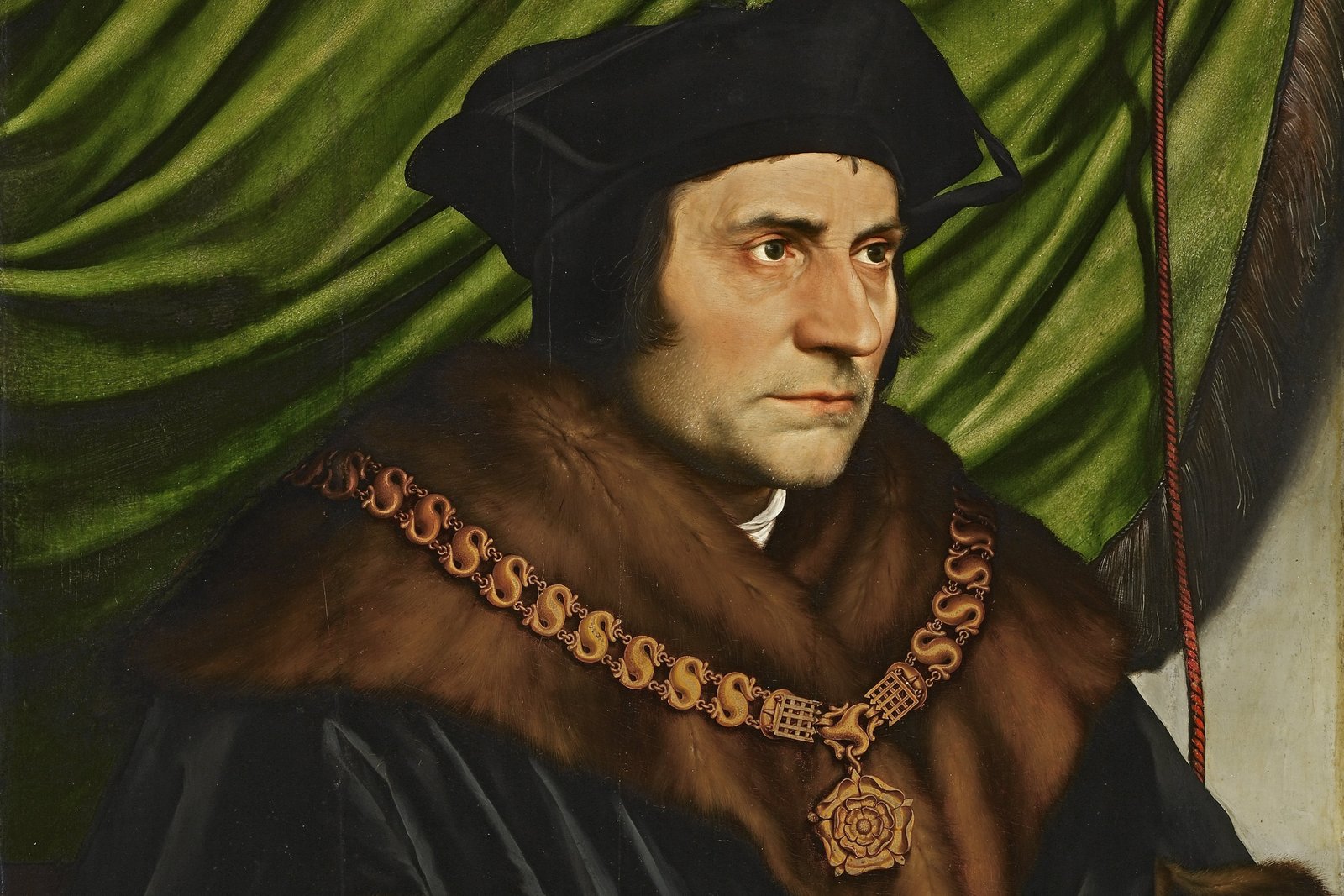
Saints John Fisher and Thomas More
Bishop John Fisher and Thomas More both refused to accept Henry VIII as head of the Church. They died within weeks of each other in 1535.
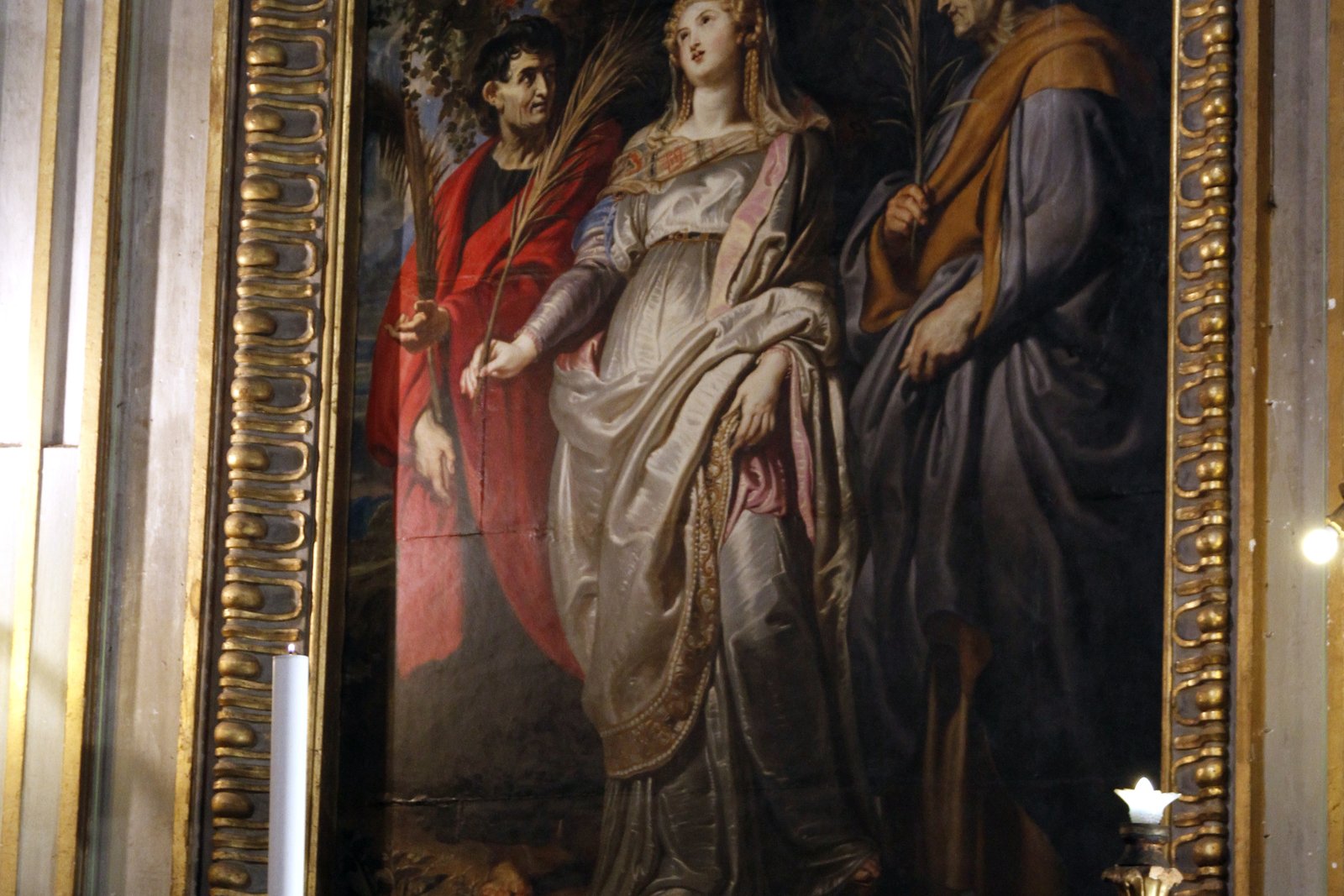
Saints Nereus and Achilleus, Martyrs
Nereus and Achilleus were Roman soldiers who abandoned military service after baptism and were martyred for it, their memory kept in an ancient catacomb.
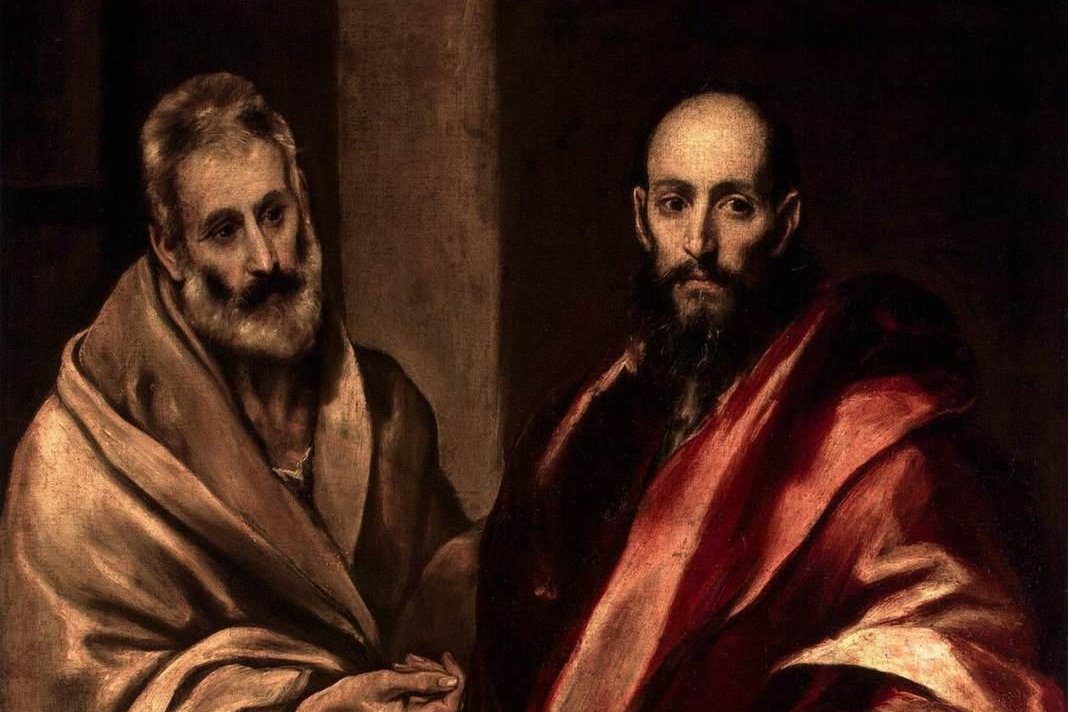
Saints Peter and Paul, Apostles
Why does the Church honor Peter and Paul on one feast day? Their shared June 29 solemnity marks two very different apostles bound by Rome.
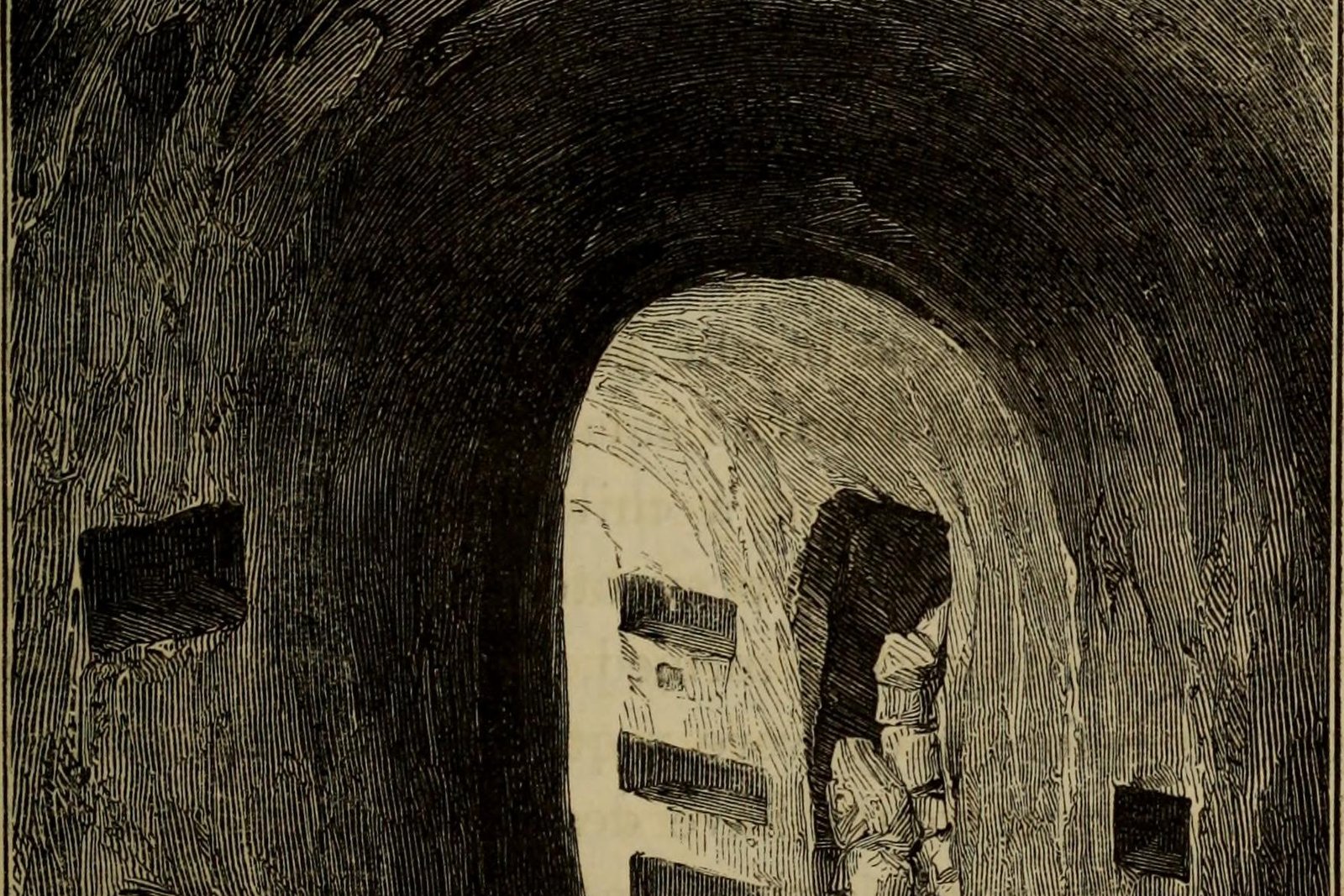
Saints Pontian, Pope, and Hippolytus, Priest, Martyrs
A pope and the rival priest who had broken from him were shipped to the same brutal mines in exile, and reconciled there before they both died as martyrs.
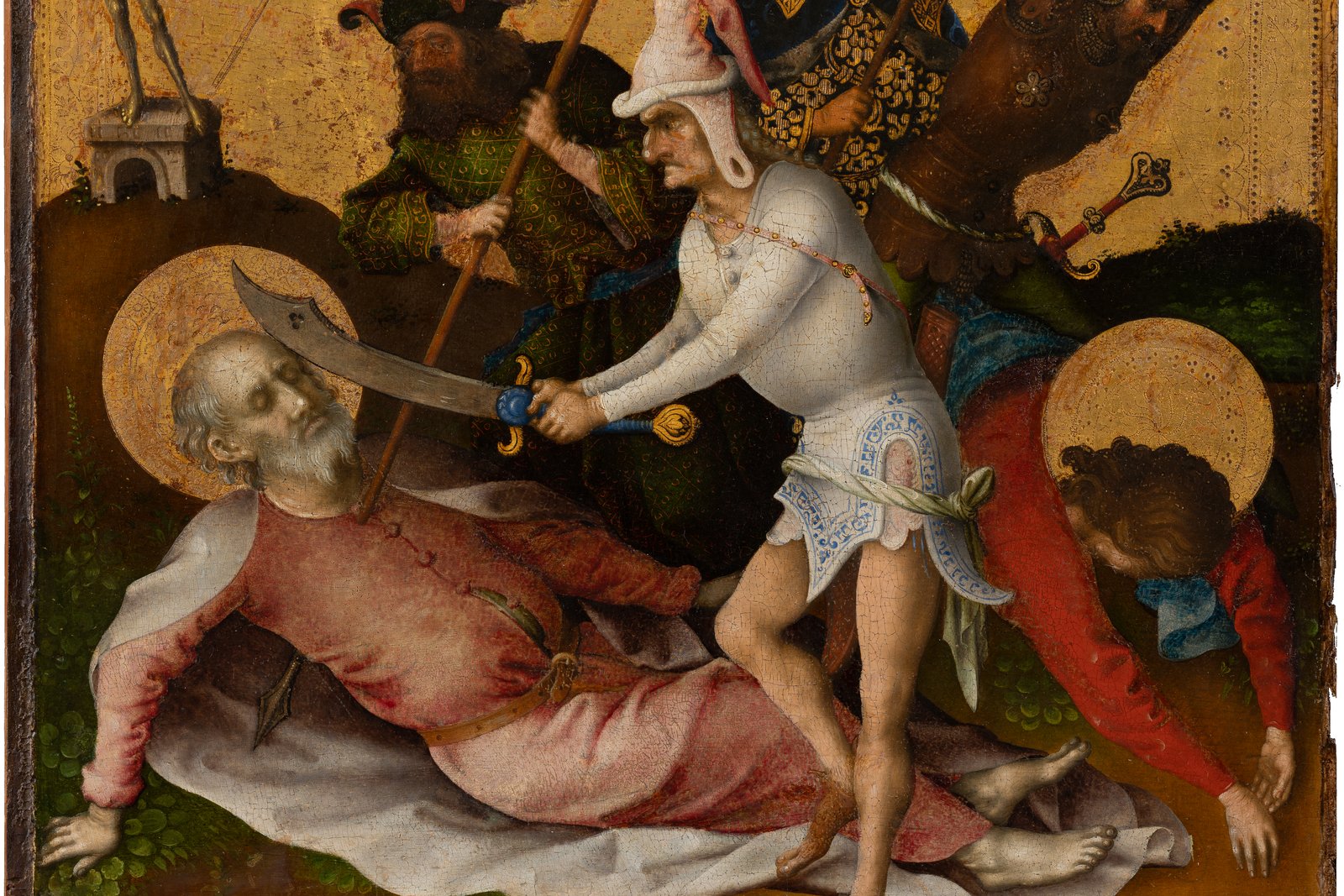
Saints Simon and Jude, Apostles
One was a zealot who once dreamed of armed revolt against Rome. The other became patron of hopeless causes because his name sounded too much like a traitor's.
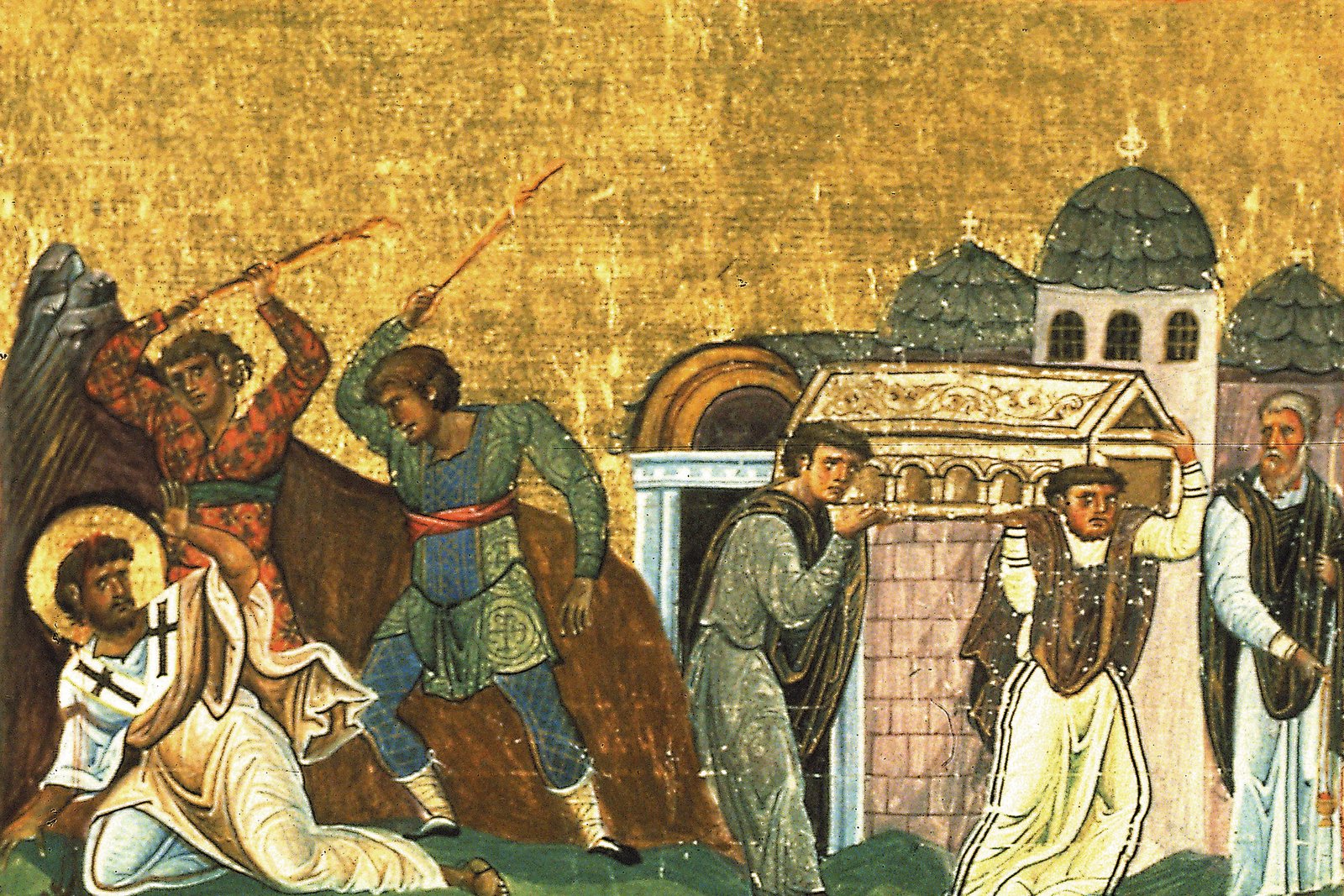
Saints Timothy and Titus — Why the Church Remembers Them Together
Why the Catholic Church pairs Timothy and Titus on a single feast day, and what their shared role as Paul's trusted delegates reveals about the early Church.
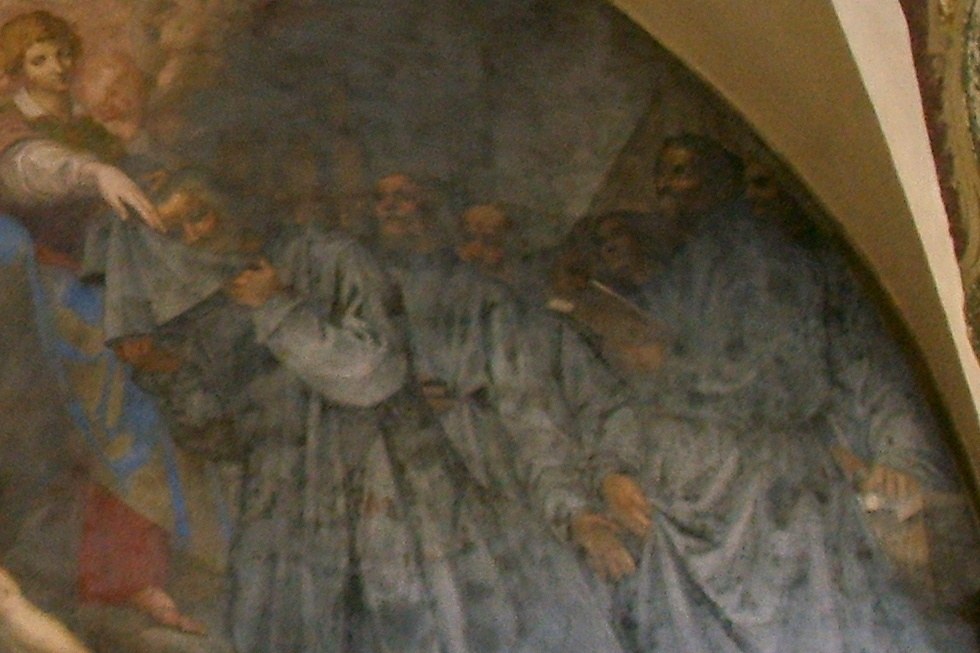
The Seven Holy Founders of the Servite Order
How seven wealthy Florentine merchants gave up their fortunes together on a hillside outside the city and founded the Servite Order in devotion to Mary's sorrows.
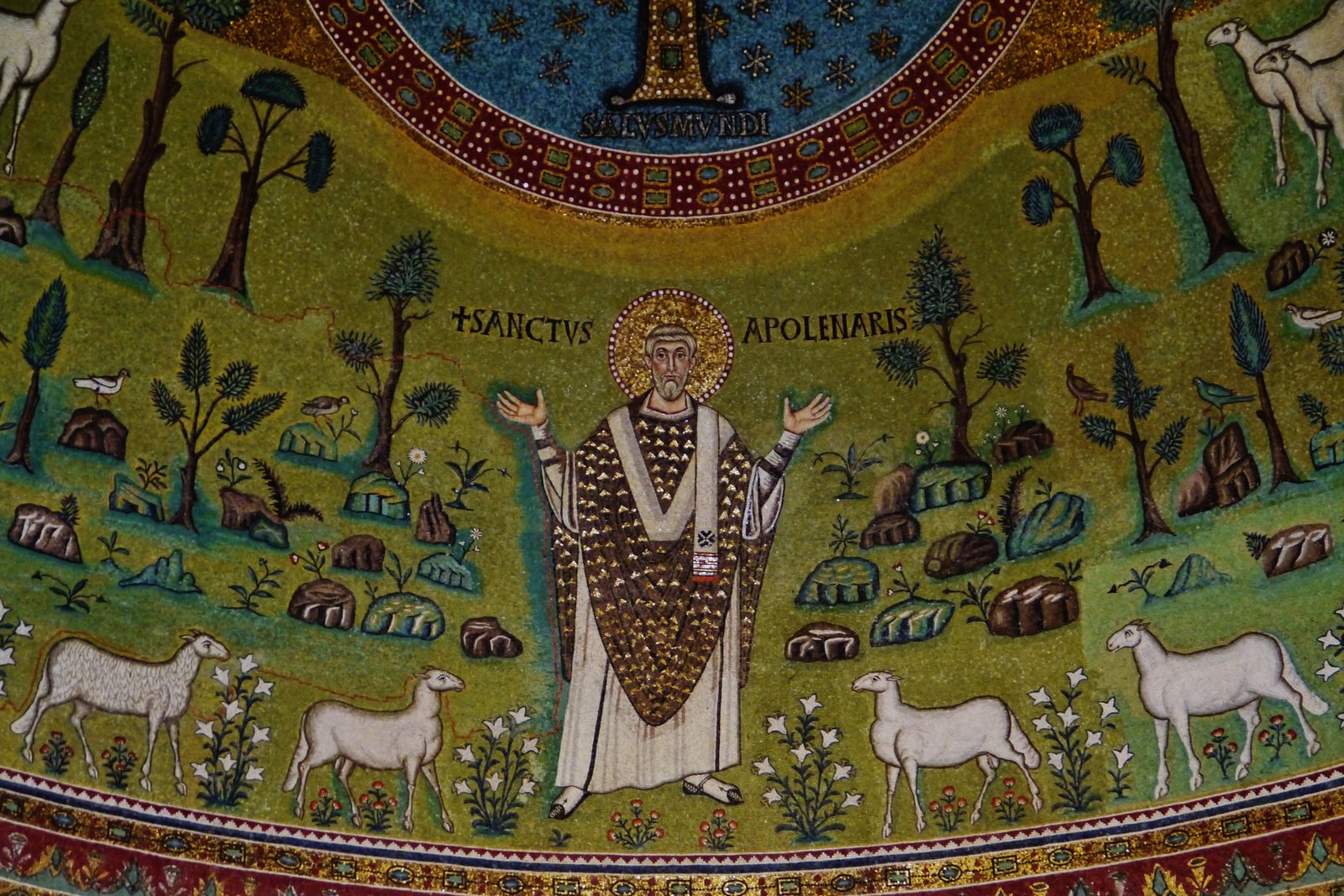
Saint Apollinaris, Bishop and Martyr
The story of Apollinaris of Ravenna, an early bishop and martyr whose relics and basilica made his city one of early Christianity's great artistic centers.
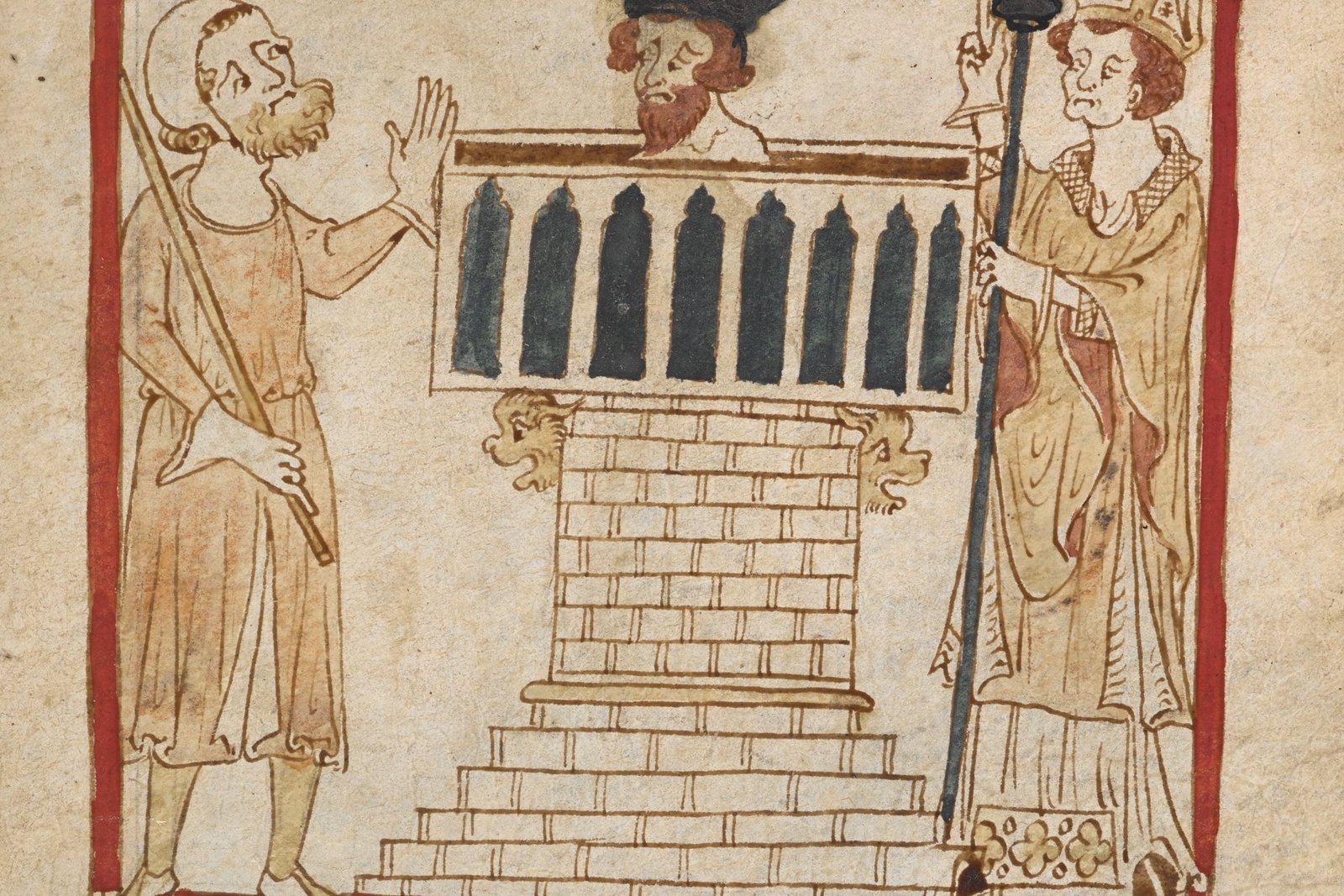
Saint Augustine of Canterbury, Bishop
Sent by a pope to a kingdom he had never seen, Saint Augustine of Canterbury became the first Archbishop of Canterbury and founder of English Christianity.
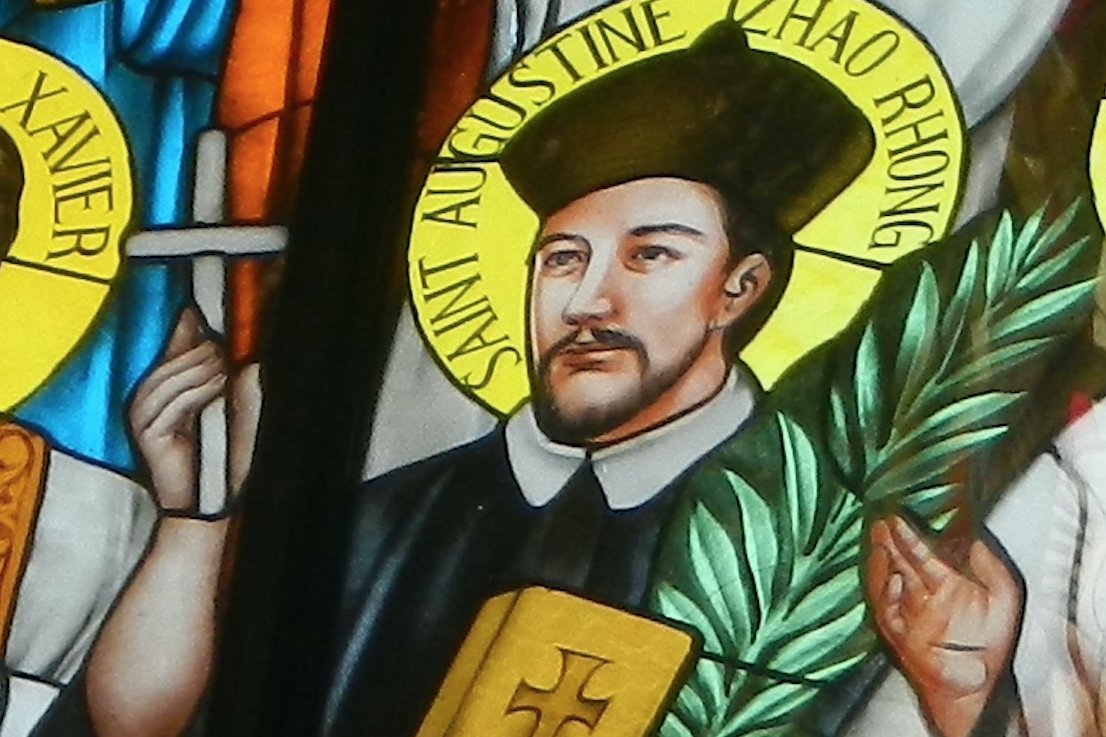
Saint Augustine Zhao Rong, Priest, and Companions, Martyrs
The story of Augustine Zhao Rong and the 120 Chinese martyrs canonized together in 2000, spanning centuries of persecution against Christians in China.
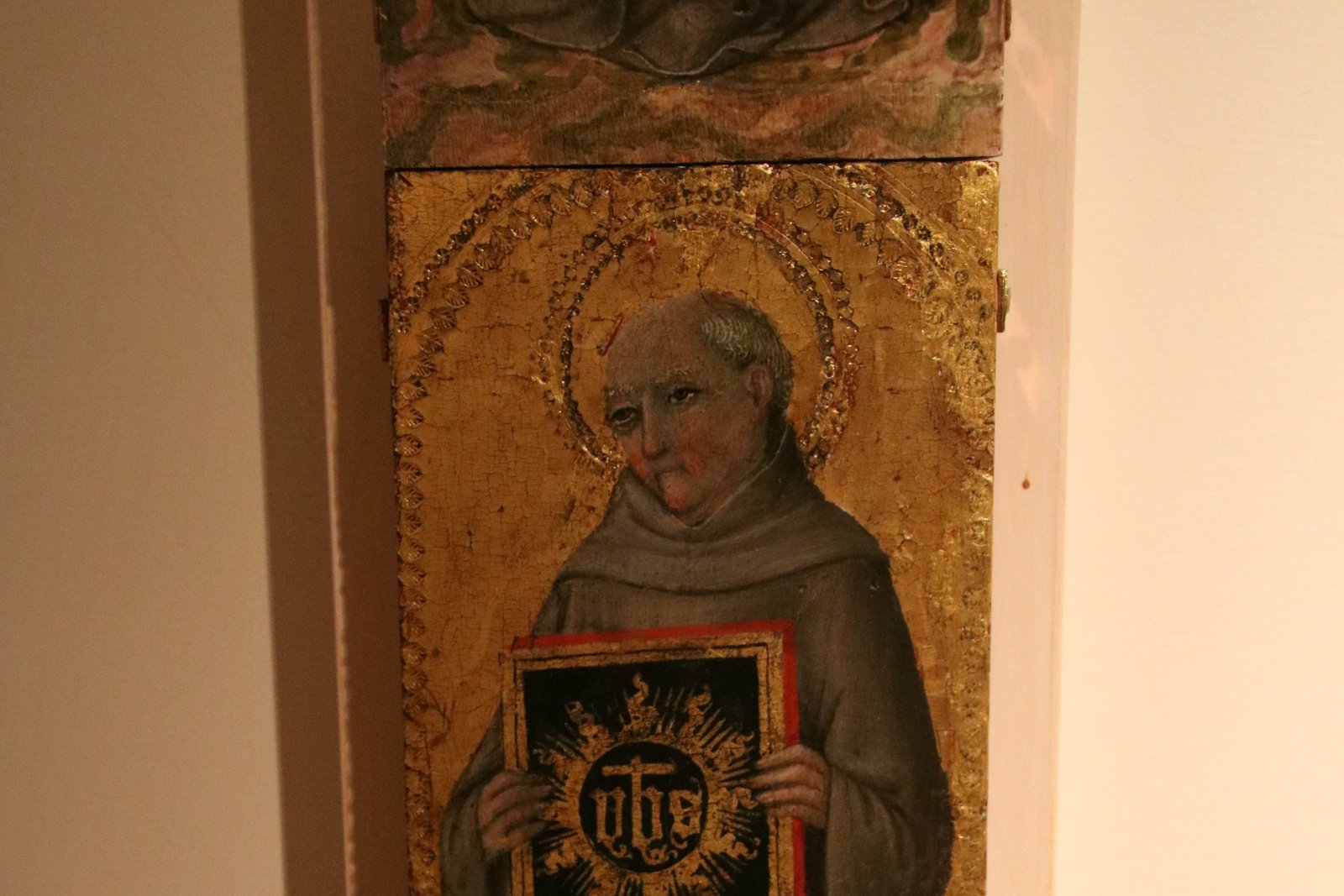
Saint Bernardine of Siena, Priest
Saint Bernardine of Siena preached with a wooden tablet bearing Christ's monogram — discover the Franciscan friar who reformed Italian preaching and devotion.
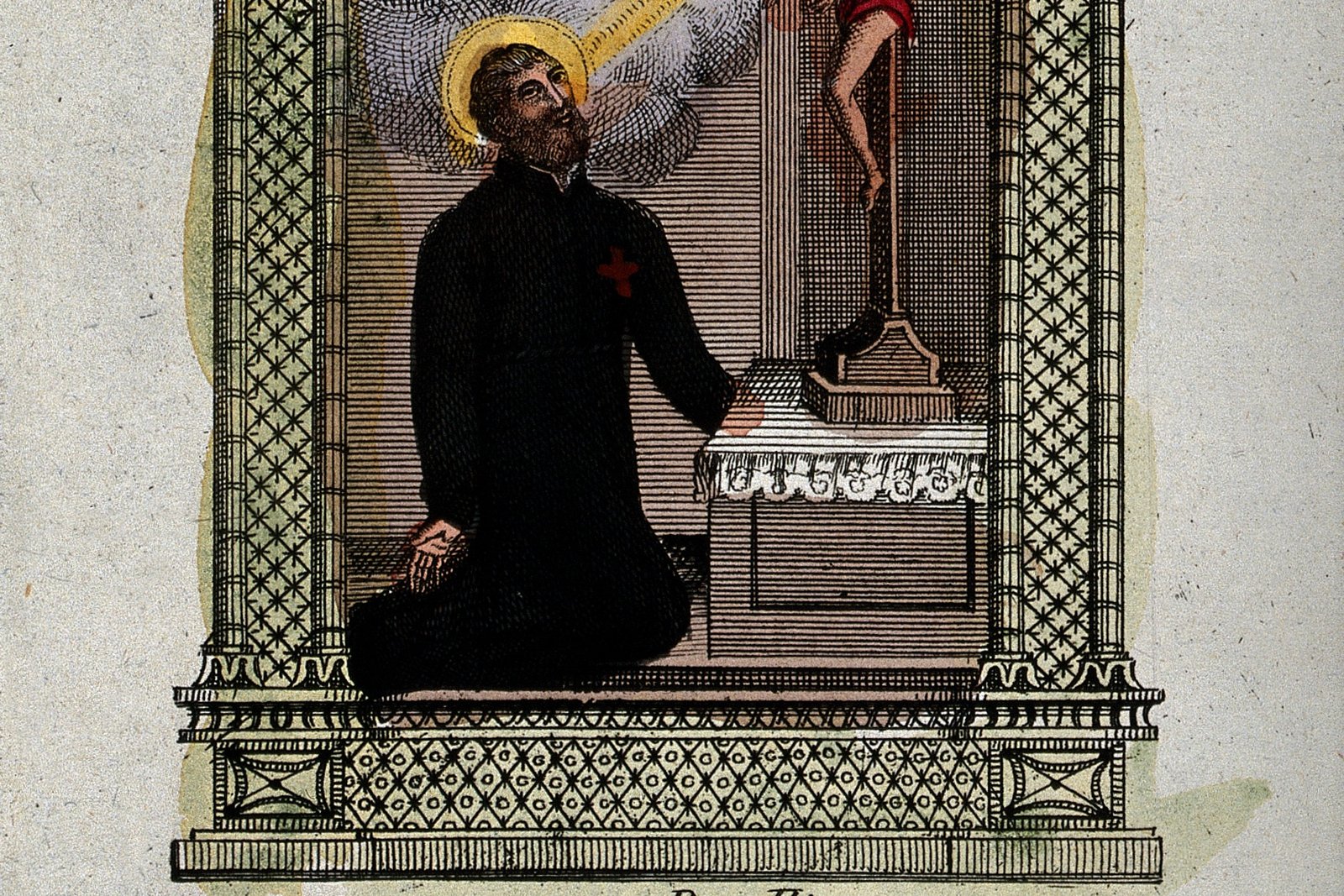
Saint Camillus de Lellis, Priest
The story of Camillus de Lellis, a former soldier and gambler who founded a religious order for the sick and became patron saint of hospitals and nurses.
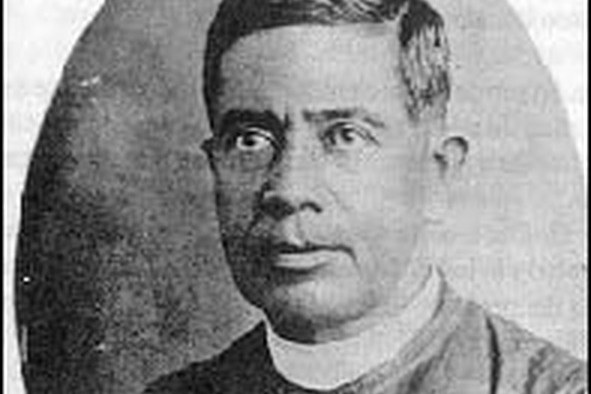
Saint Christopher Magallanes, Priest, and Companions, Martyrs
Saint Christopher Magallanes was executed in Mexico's religious persecution for the crime of being a priest — a shepherd of souls shot on his way to say Mass.
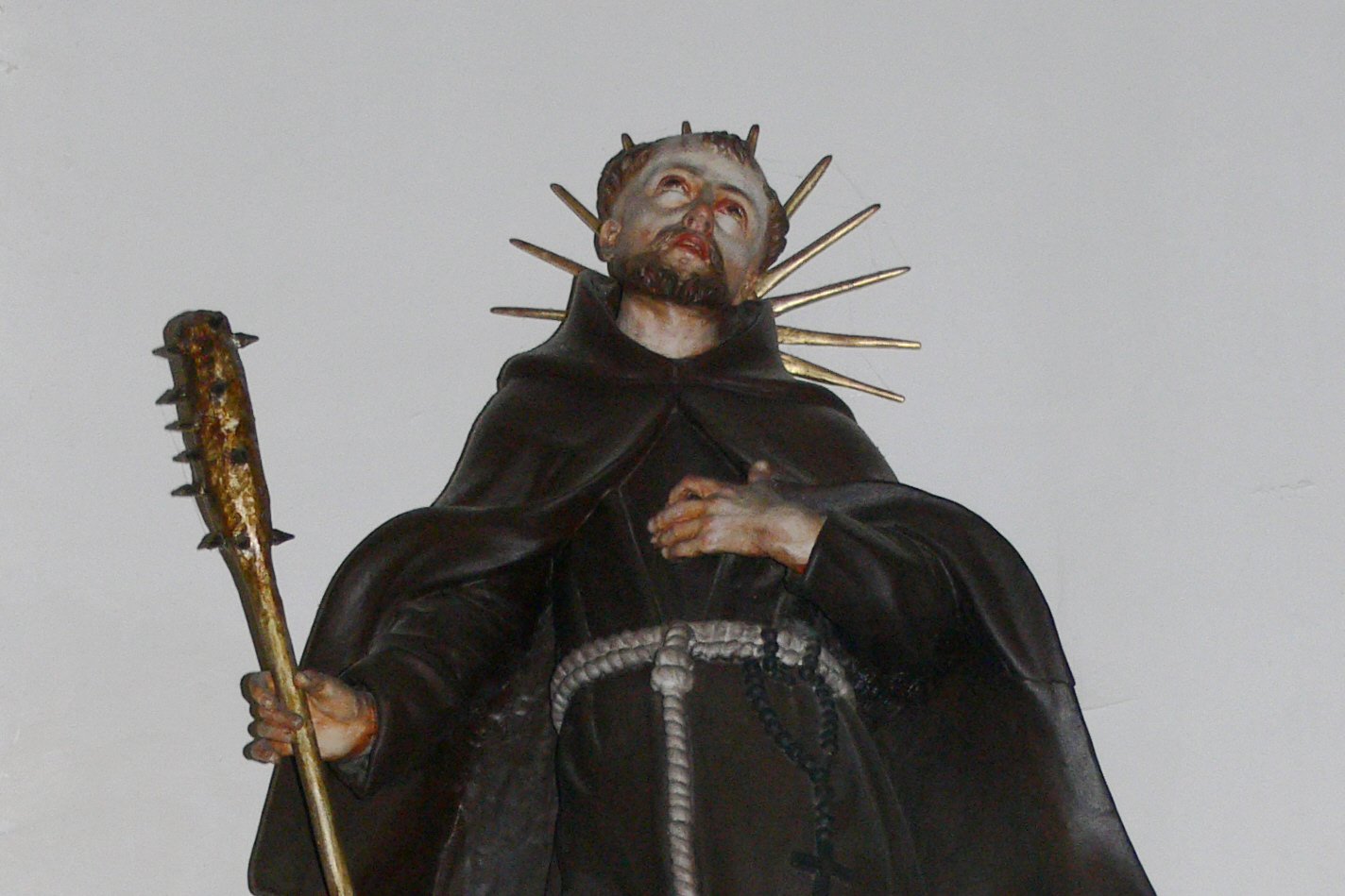
Saint Fidelis of Sigmaringen, Priest and Martyr
A successful lawyer who gave up his practice for the priesthood, then walked into a Swiss valley of Calvinist militants knowing he likely would not walk out.
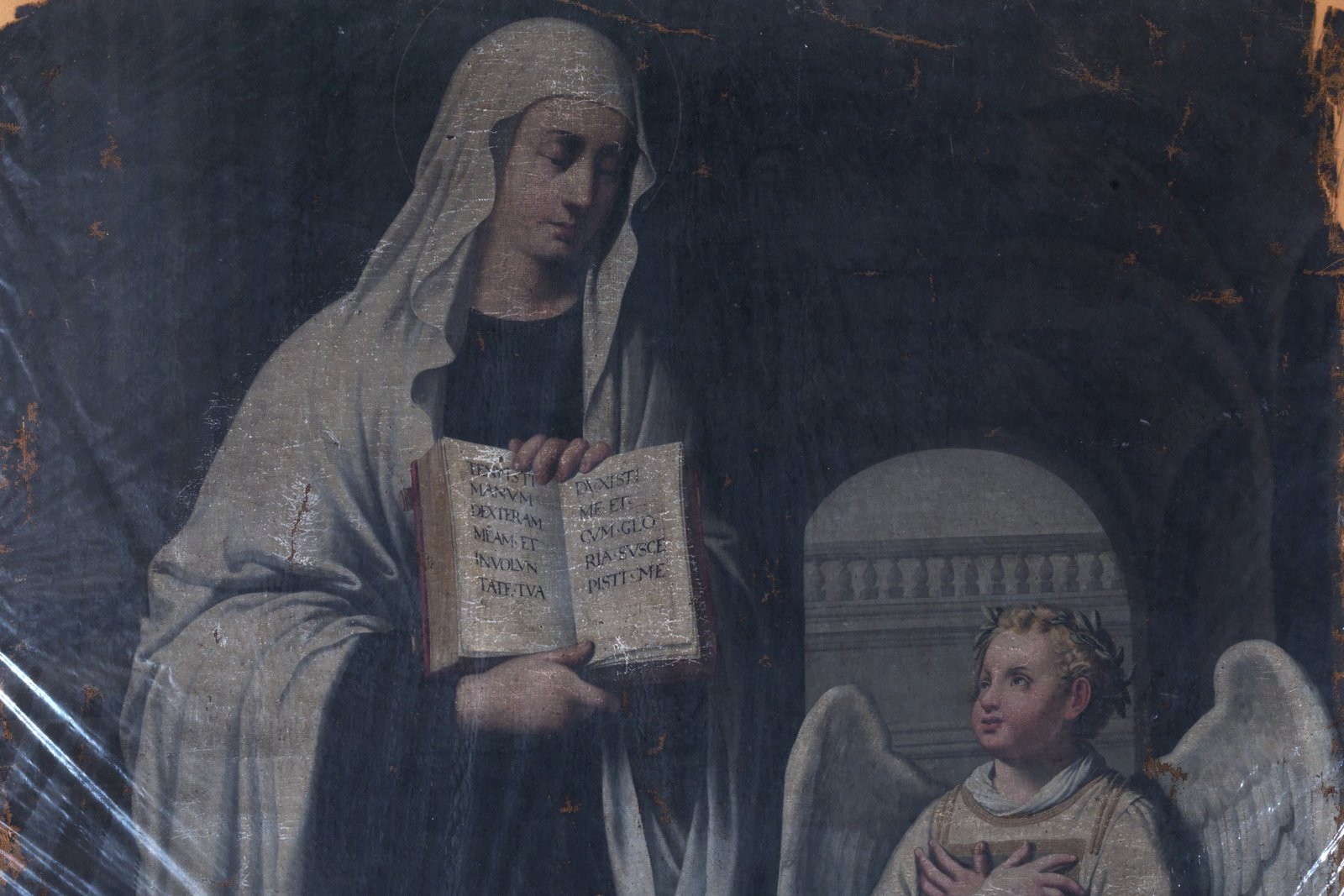
Saint Frances of Rome, Religious
The Roman noblewoman who ran a household by day, served plague victims by night, and founded a community of women living in the world.
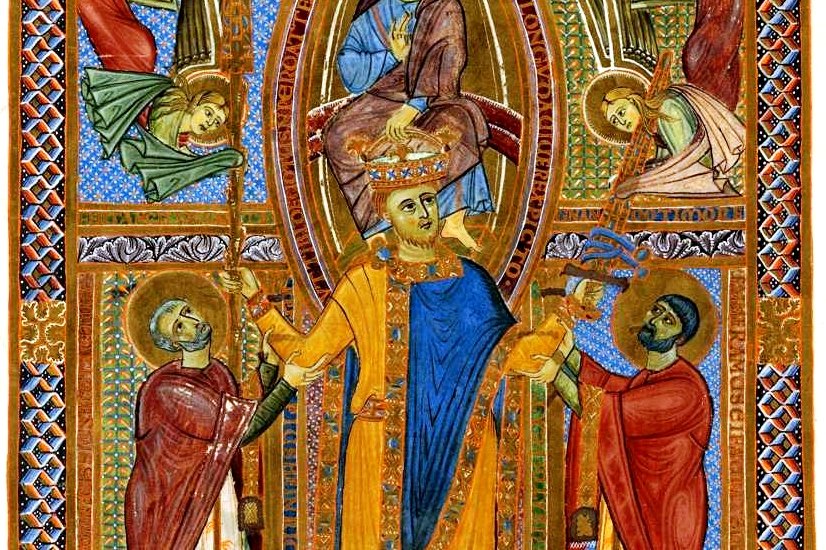
Saint Henry: Henry II, Holy Roman Emperor
The story of Henry II, the Holy Roman Emperor canonized in 1146, remembered for founding dioceses, reforming the Church, and a marriage lived in mutual consecration.
Saint Louis Grignion de Montfort, Priest
The wandering French missionary priest whose small, nearly lost book on Marian devotion later shaped Pope John Paul II's own spirituality and papal motto.
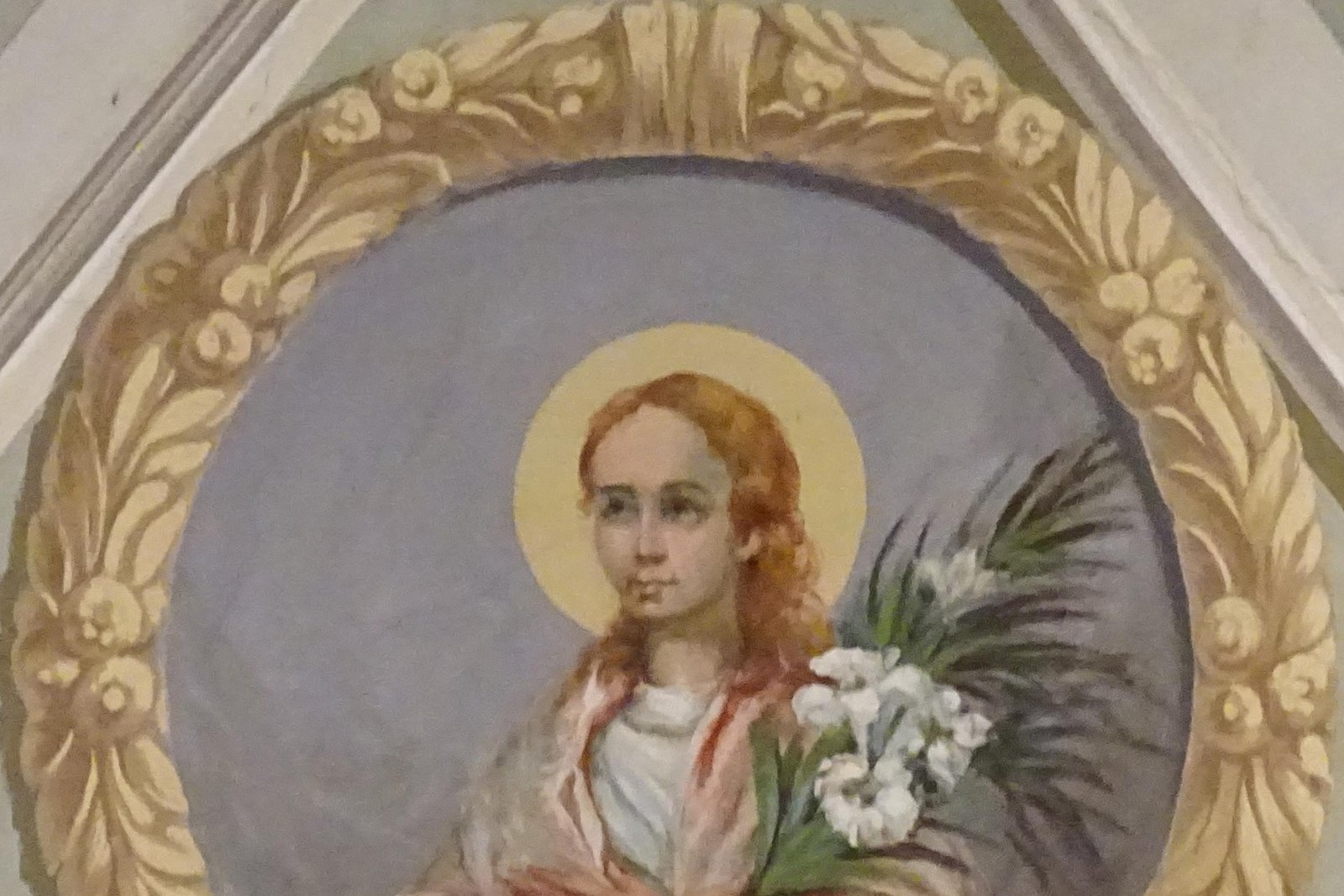
Saint Maria Goretti, Virgin and Martyr
The story of Maria Goretti, an eleven-year-old Italian girl martyred in 1902, canonized in 1950 as one of the Church's youngest saints.
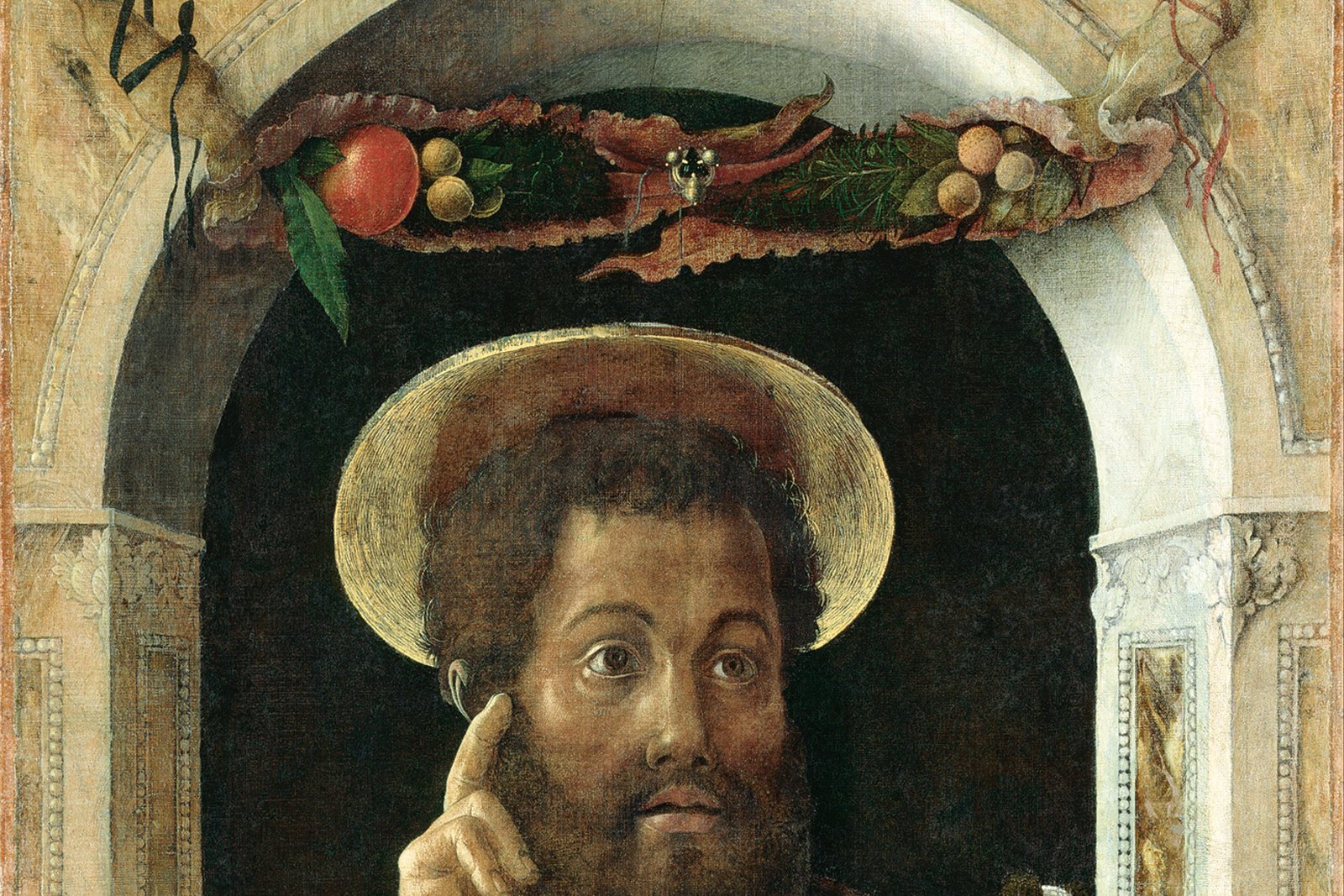
Saint Mark the Evangelist
The Gospel writer said to have fled naked from Gethsemane, then recorded Peter's own preaching and became patron of a city built around his relics.
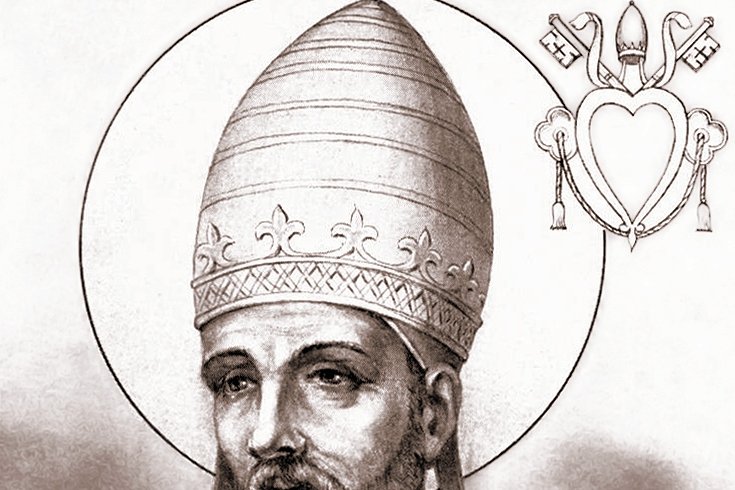
Saint Martin I, Pope and Martyr
The last pope venerated as a martyr, arrested by imperial troops and worked to death in Crimean exile for defying an emperor's theology.
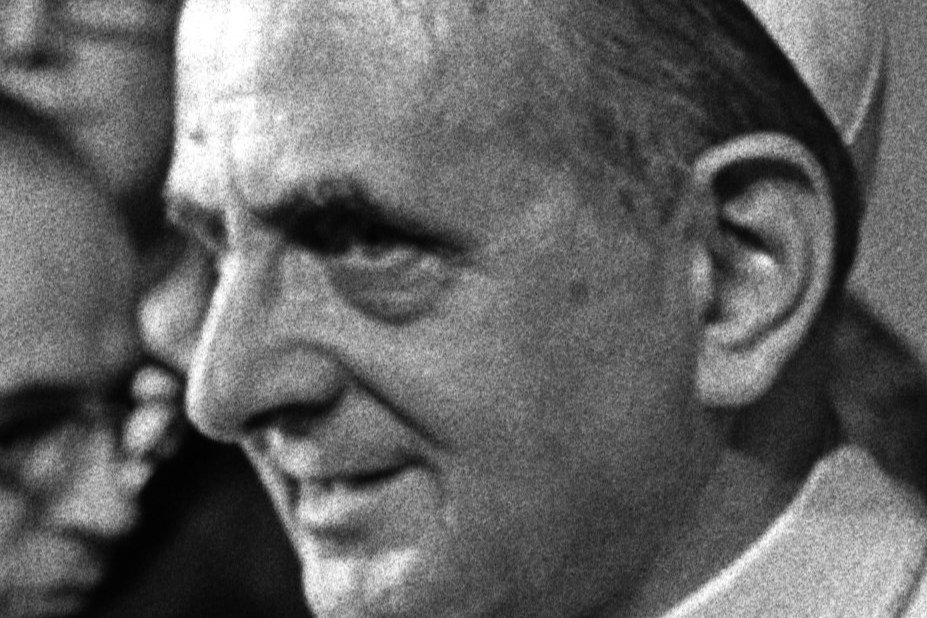
Saint Paul VI, Pope
Saint Paul VI guided the Church through the closing sessions of Vatican II and its turbulent aftermath — the pope who steered reform without losing the center.
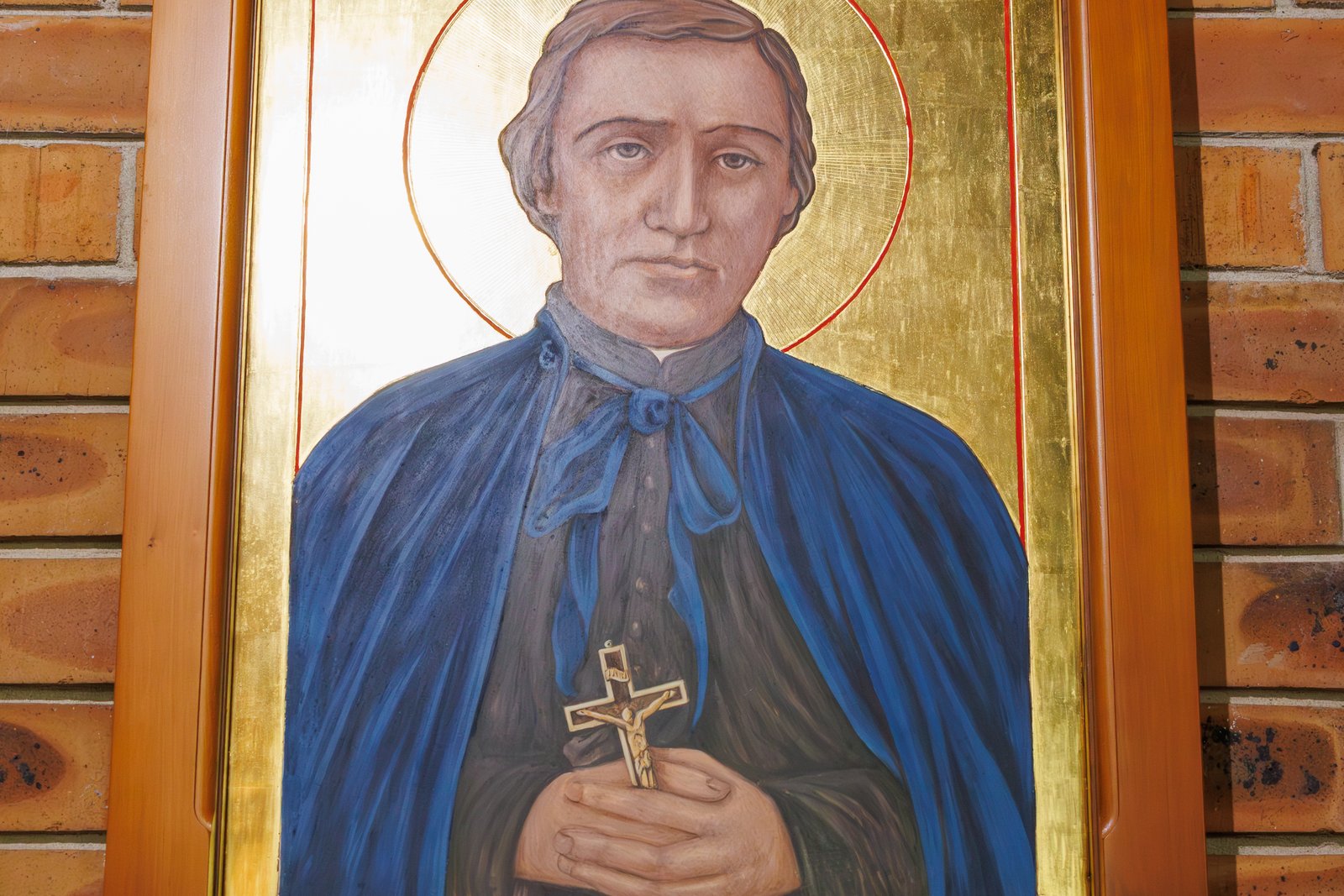
Saint Peter Chanel, Priest and Martyr
The first martyr of Oceania, killed by the chief who had welcomed him, on an island where his death, not his preaching, finally opened the way for the Gospel.
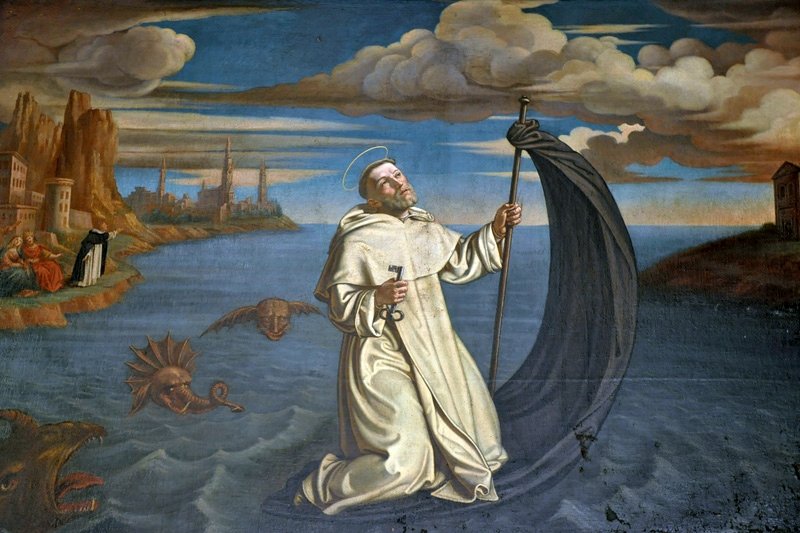
Saint Raymond of Penyafort, Priest
How a Catalan canon lawyer organized centuries of scattered Church law into one usable code — and became the patron saint of lawyers along the way.
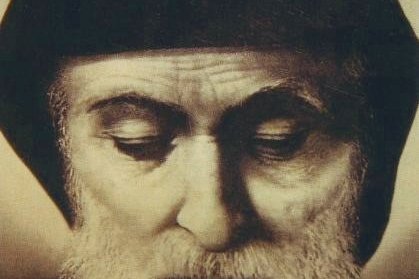
Saint Sharbel Makhluf, Hermit
The story of Sharbel Makhluf, a Lebanese Maronite monk and hermit whose body remained incorrupt after death and whose tomb became a modern site of reported healings.
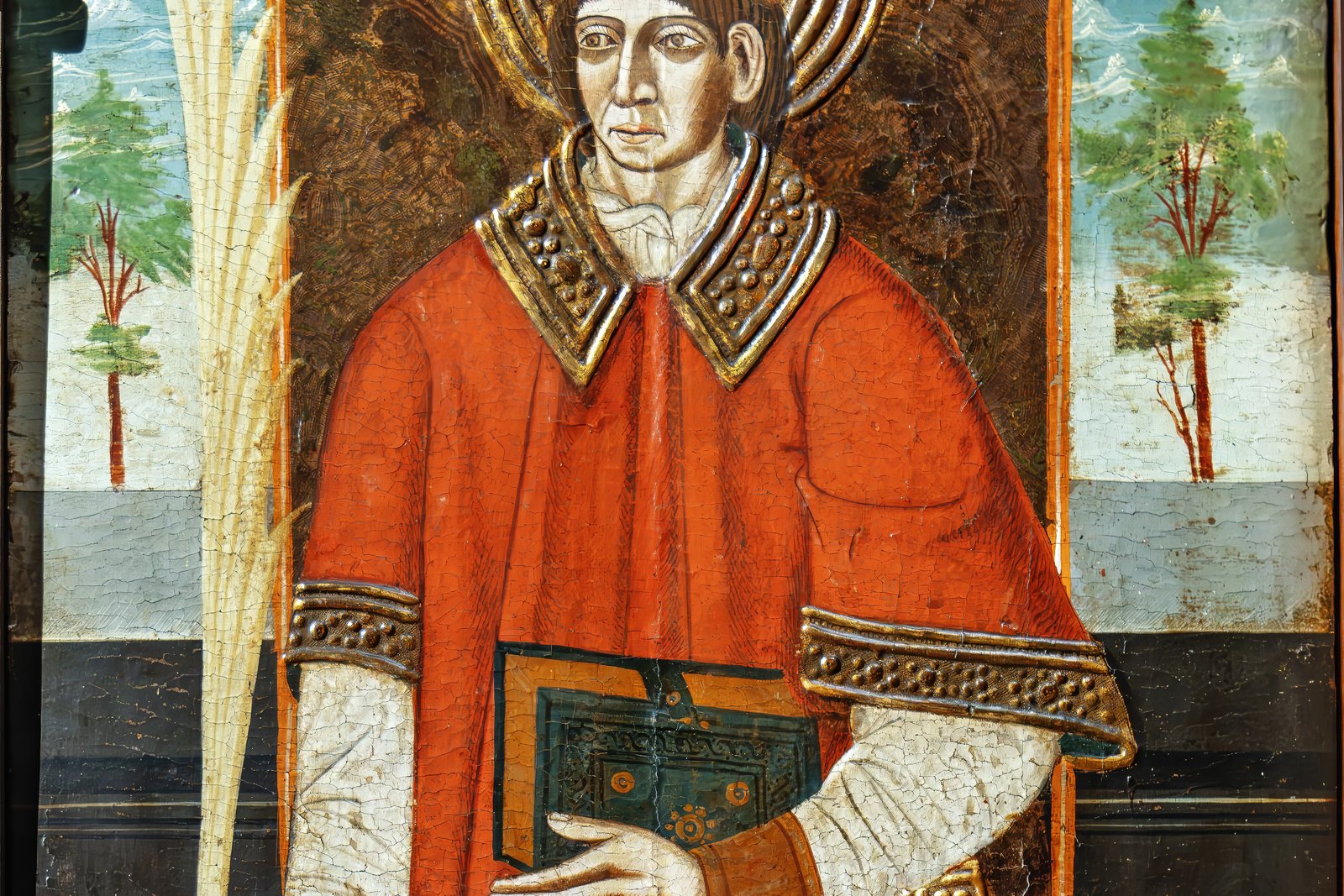
Saint Vincent, Deacon and Martyr
How a deacon's calm defiance under Roman torture made him one of the most widely venerated martyrs of the early Church, praised by name from Augustine to Prudentius.
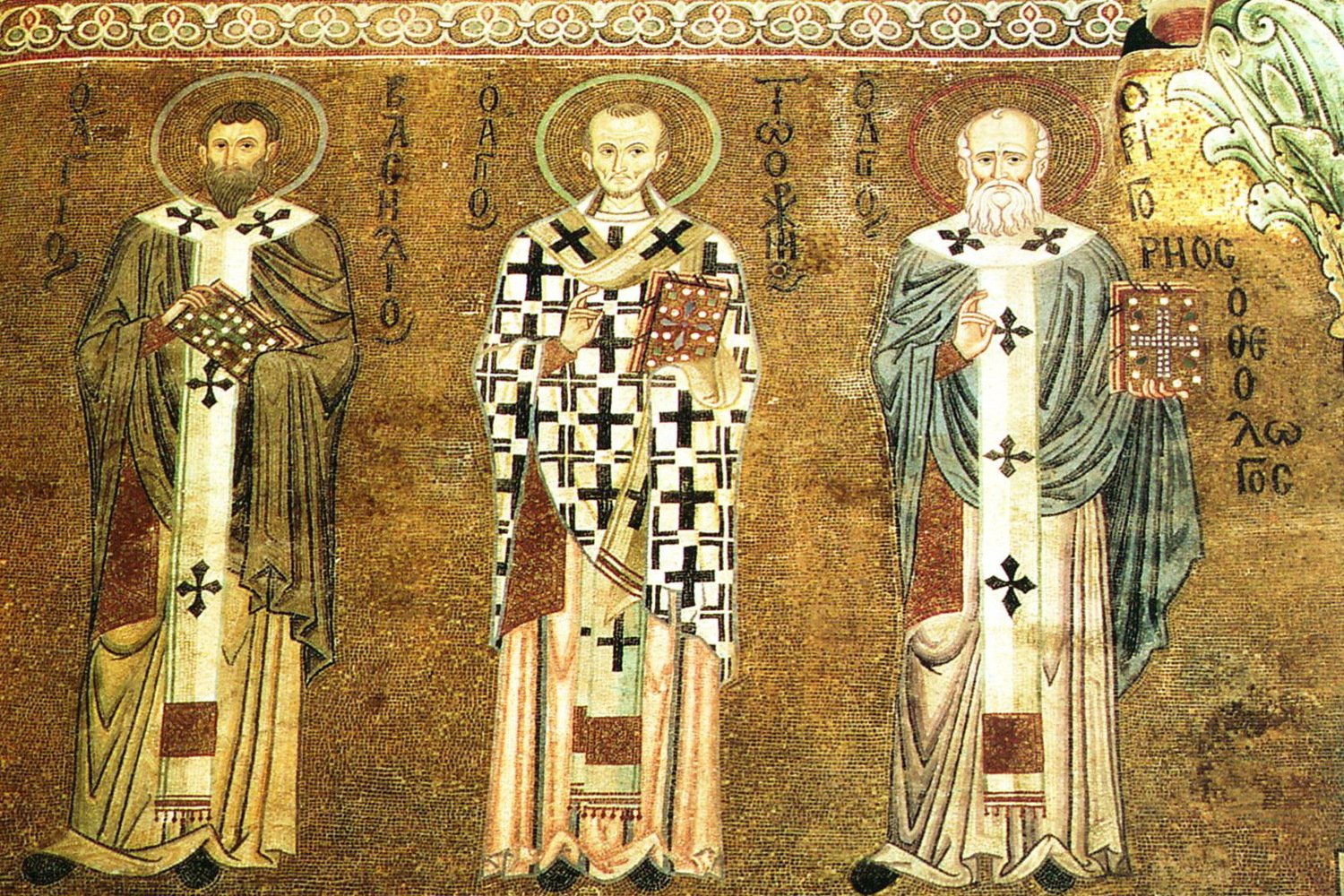
Saints Basil the Great and Gregory Nazianzen
Two friends from a classroom in Athens who became bishops and Doctors of the Church — why the Church keeps them on one shared feast day, not two separate ones.
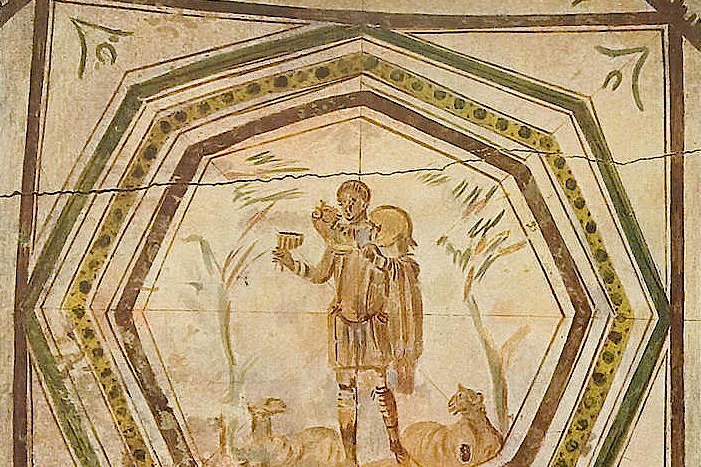
Saints Marcellinus and Peter, Martyrs
Two Roman martyrs so revered that Charlemagne's own biographer sent monks to claim their relics — an ancient name still spoken today in the Roman Canon.
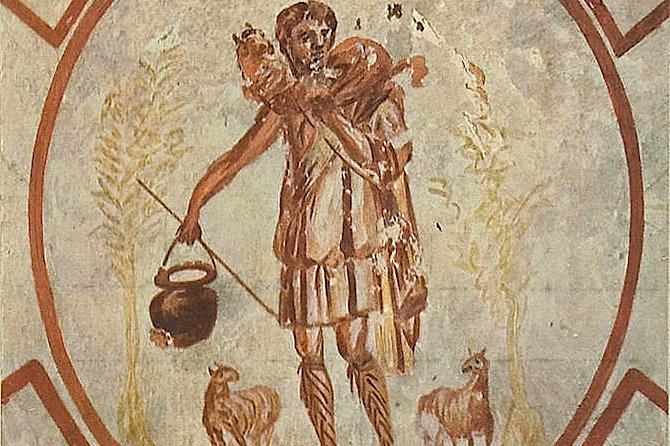
The First Martyrs of the Holy Roman Church
The story of the Roman Christians executed under Nero after the fire of 64 AD, remembered on June 30 as the first martyrs of the Church of Rome.
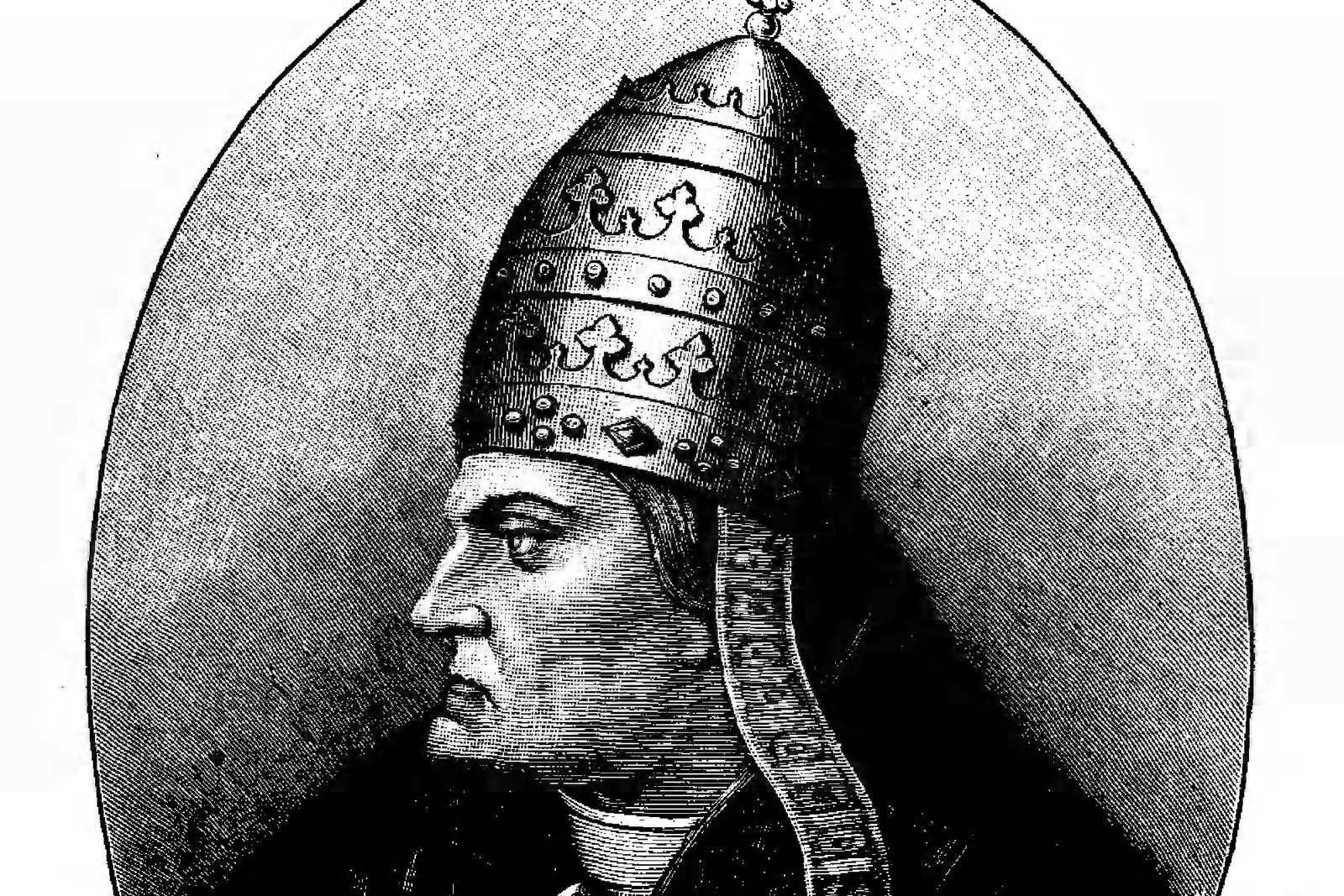
Saint Gregory VII, Pope
The reforming pope who faced down Emperor Henry IV at Canossa, fought to free the Church from secular control, and permanently reshaped the medieval papacy.
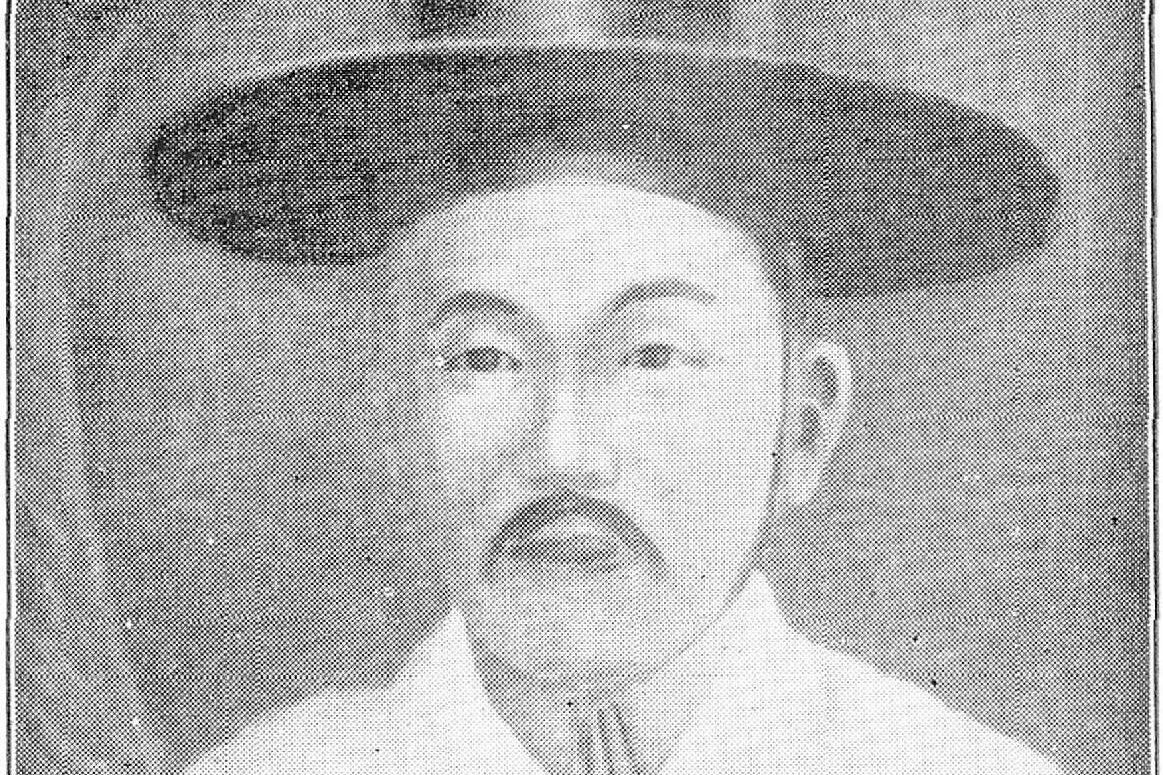
Saint Andrew Kim Taegon, Priest, and Companions, Martyrs
How a fisherman's son crossed a closed border to become Korea's first native priest, and why September 20 honors him alongside 102 other Korean martyrs.
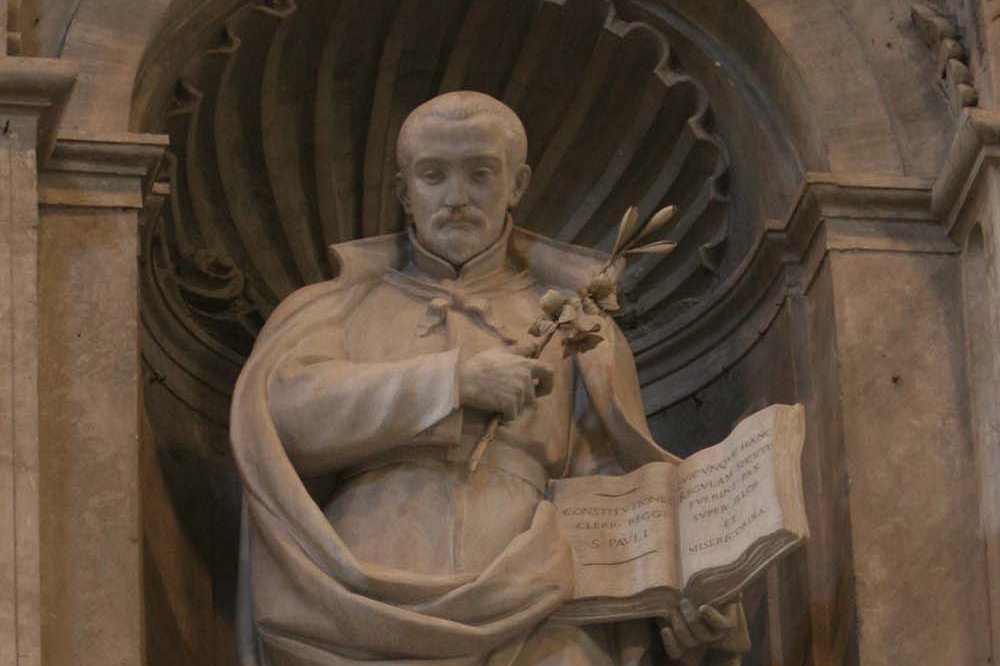
Saint Anthony Zaccaria, Priest
The physician-turned-priest who founded the Barnabites, preached in Renaissance Milan's streets, and pushed for frequent, reverent reception of the Eucharist.
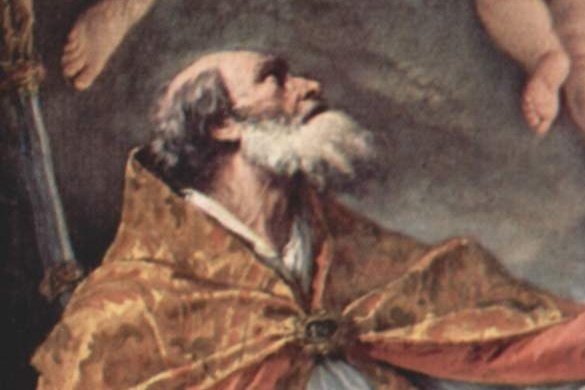
Saint Eusebius of Vercelli, Bishop
How a 4th-century bishop pioneered communal life for parish clergy, defied an emperor's demand to condemn Athanasius, and paid for it with years of exile.
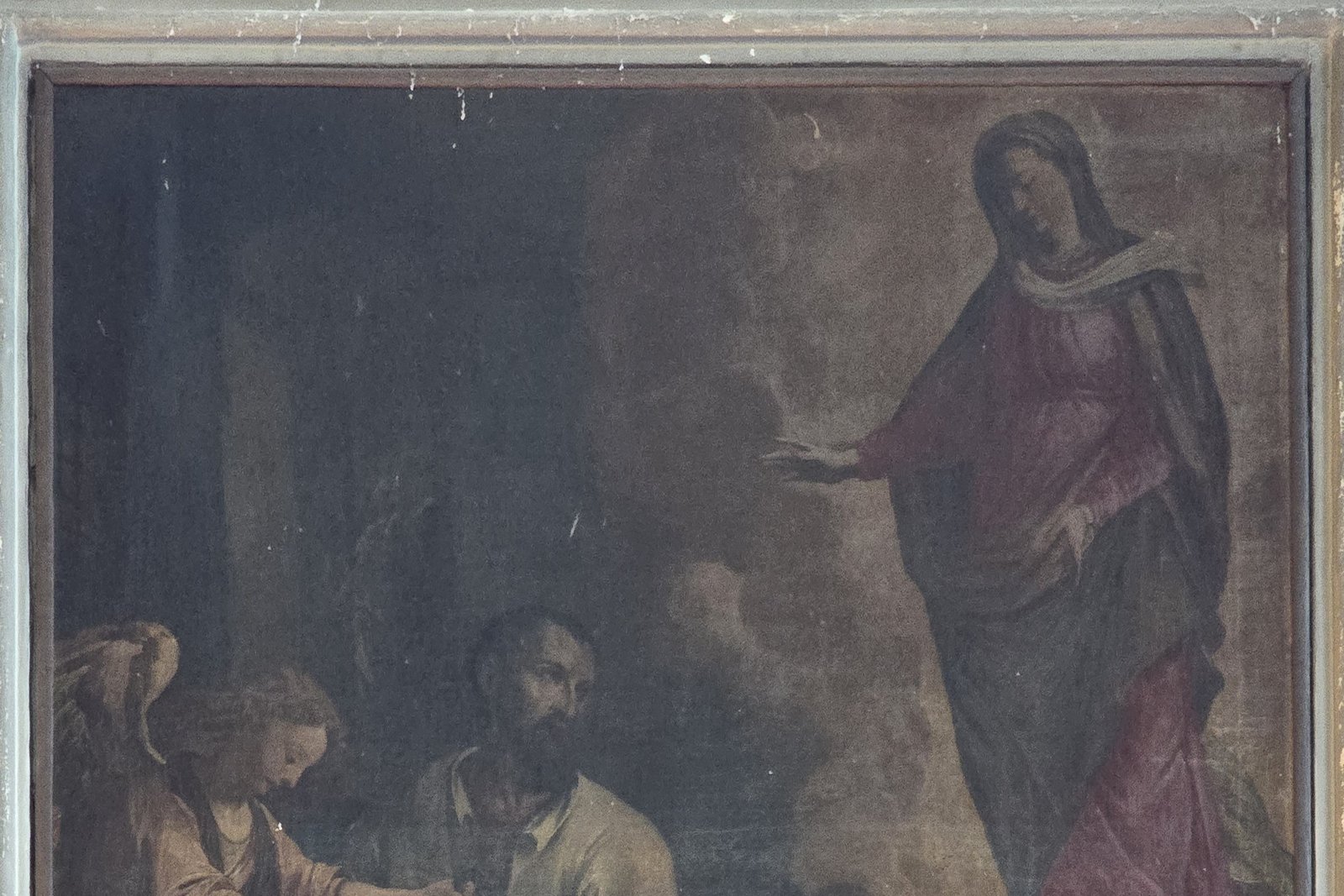
Saint Jerome Emiliani, Priest
How a Venetian soldier chained in a dungeon during a losing war became the priest who built a network of orphanages and founded the Somaschi Fathers.
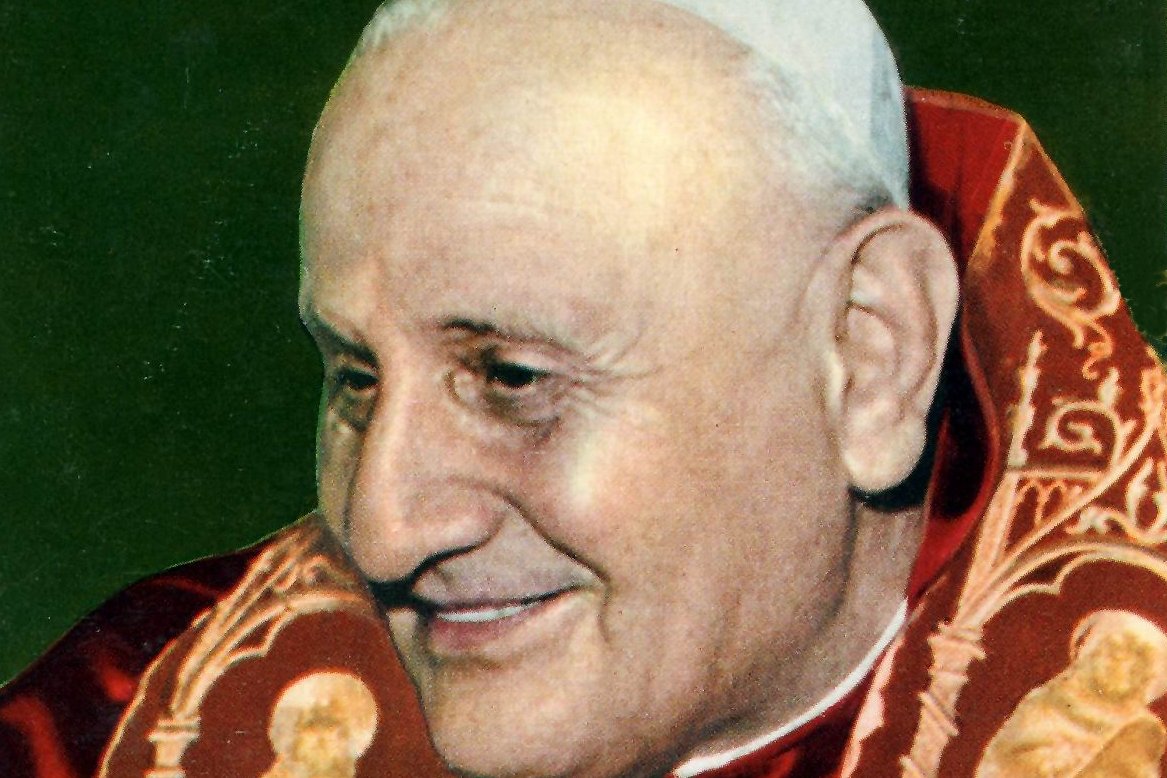
Saint John XXIII, Pope
How a 76-year-old "caretaker" pope elected as a safe compromise ended up calling the council that reshaped the modern Catholic Church.
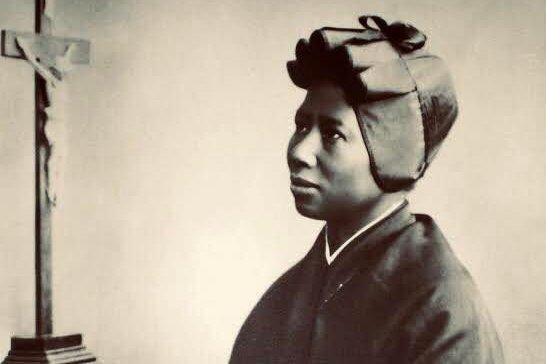
Saint Josephine Bakhita, Virgin
A Sudanese girl kidnapped into slavery and renamed by her captors found freedom in an Italian convent and became the Church's patron for trafficking victims.
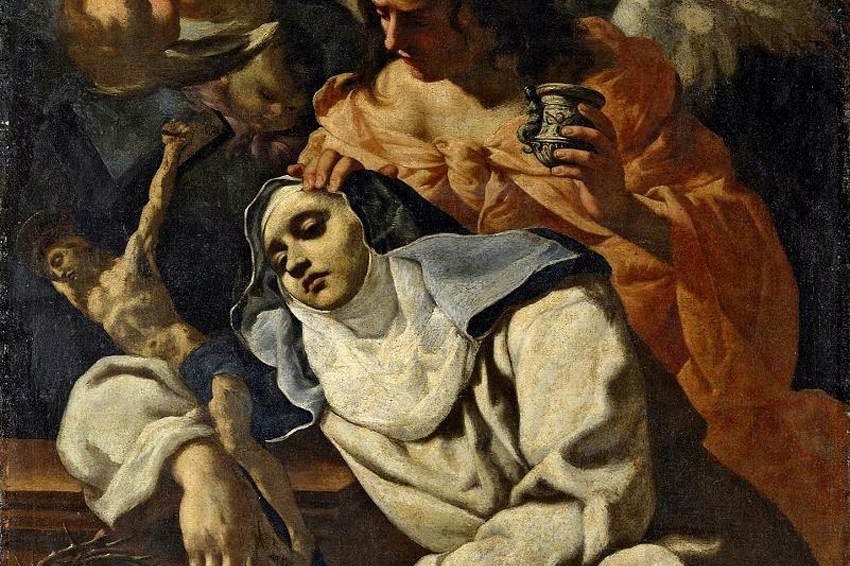
Saint Mary Magdalene de' Pazzi, Virgin
A Florentine noblewoman entered a Carmelite convent seeking silence and had ecstasies so vivid her sisters wrote down her words for forty nights straight.
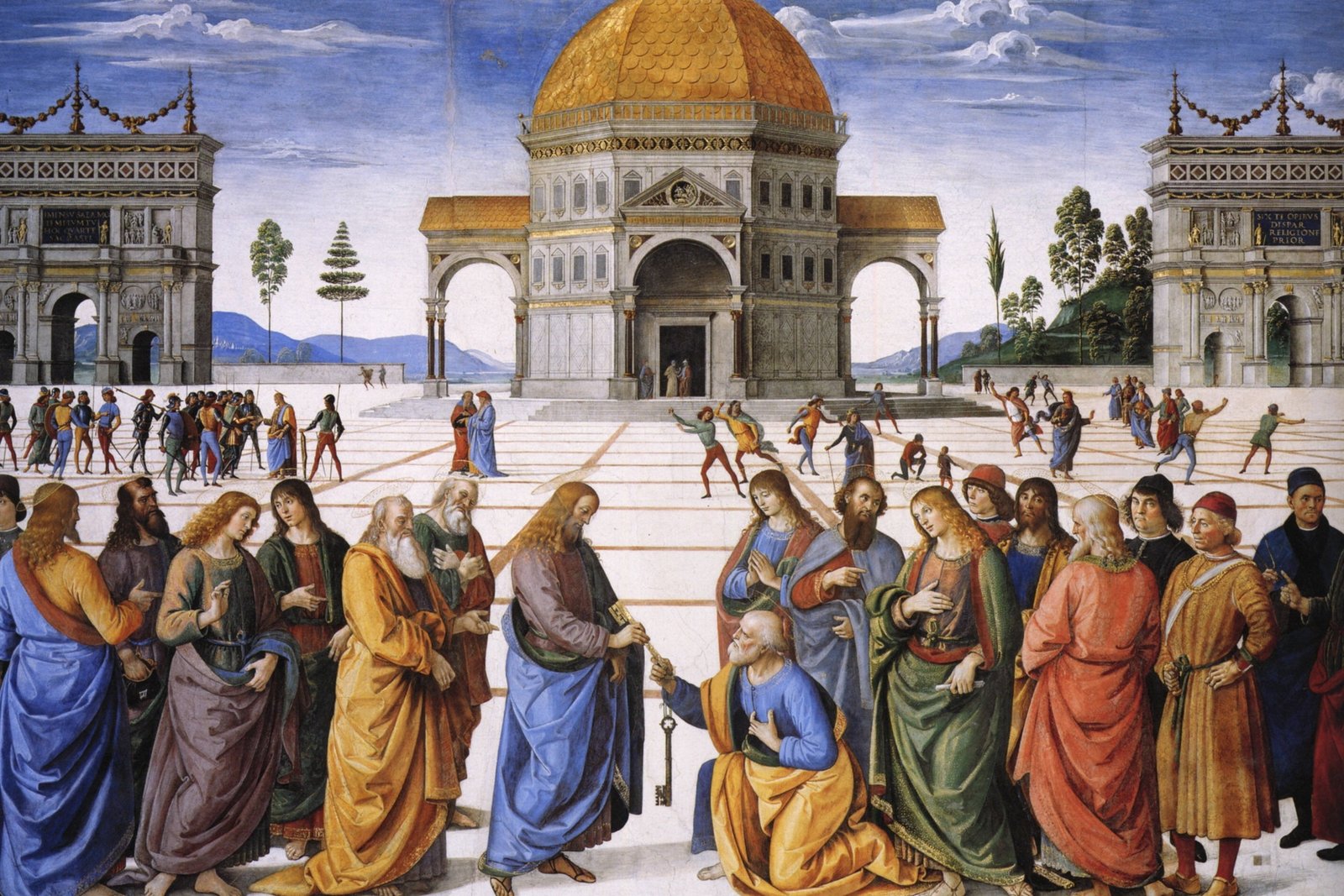
The Chair of Saint Peter, Apostle
What the Feast of the Chair of Saint Peter actually celebrates, why it isn't about a piece of furniture, and how Bernini's bronze reliquary came to be.
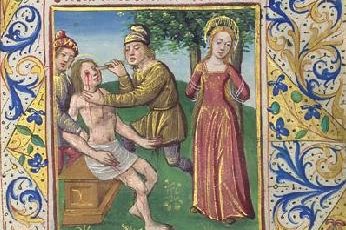
Saint Corona, the Martyr Whose Name Means Crown
Saint Corona was an early Christian martyr venerated across Central Europe for centuries; her name means crown, and it long predates the modern virus.
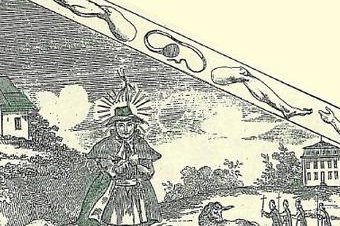
Saint Drogo, the Hermit Who Watched Mass Through a Wall
Saint Drogo lived forty years walled into a cell after a disfiguring illness, becoming patron of unattractive people, shepherds, and coffeehouse keepers.
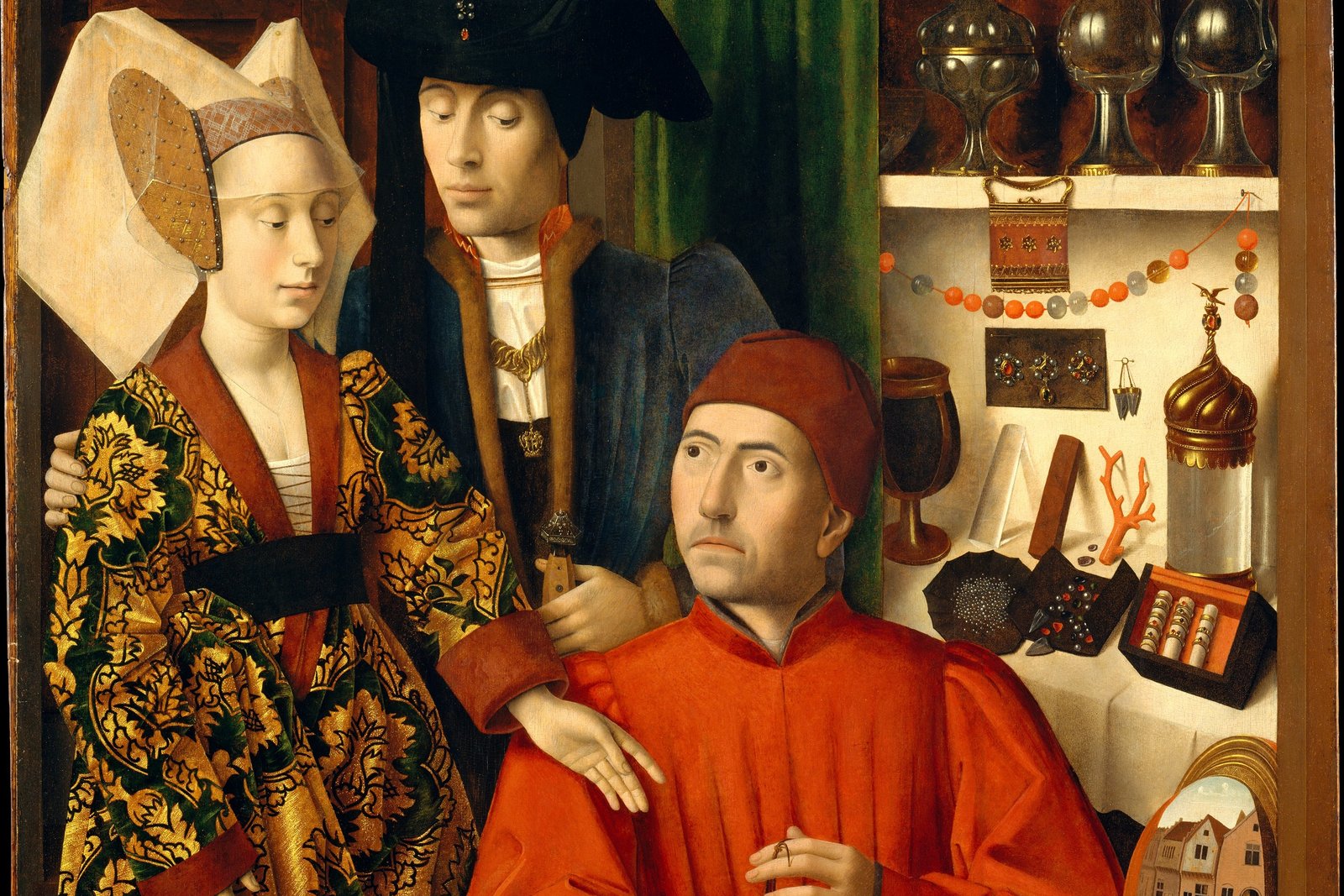
Saint Eligius, Patron of Goldsmiths
A goldsmith so skilled he made two royal thrones from the gold meant for one, then gave away his fortune to become a bishop who ransomed slaves.
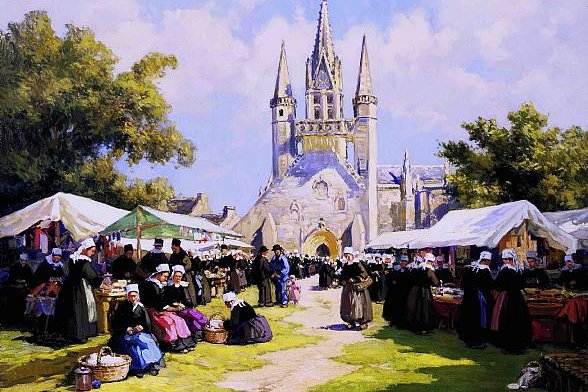
Saint Fiacre, Patron Saint of Gardeners
The story of Saint Fiacre, the 7th-century Irish-born hermit who settled in France and became one of the Church's most beloved patron saints of gardeners.
Saint Homobonus, the Merchant Canonized in Record Time
Saint Homobonus was a Cremona tailor and merchant canonized within two years of his death, patron of businesspeople who prove trade and holiness aren't opposites.
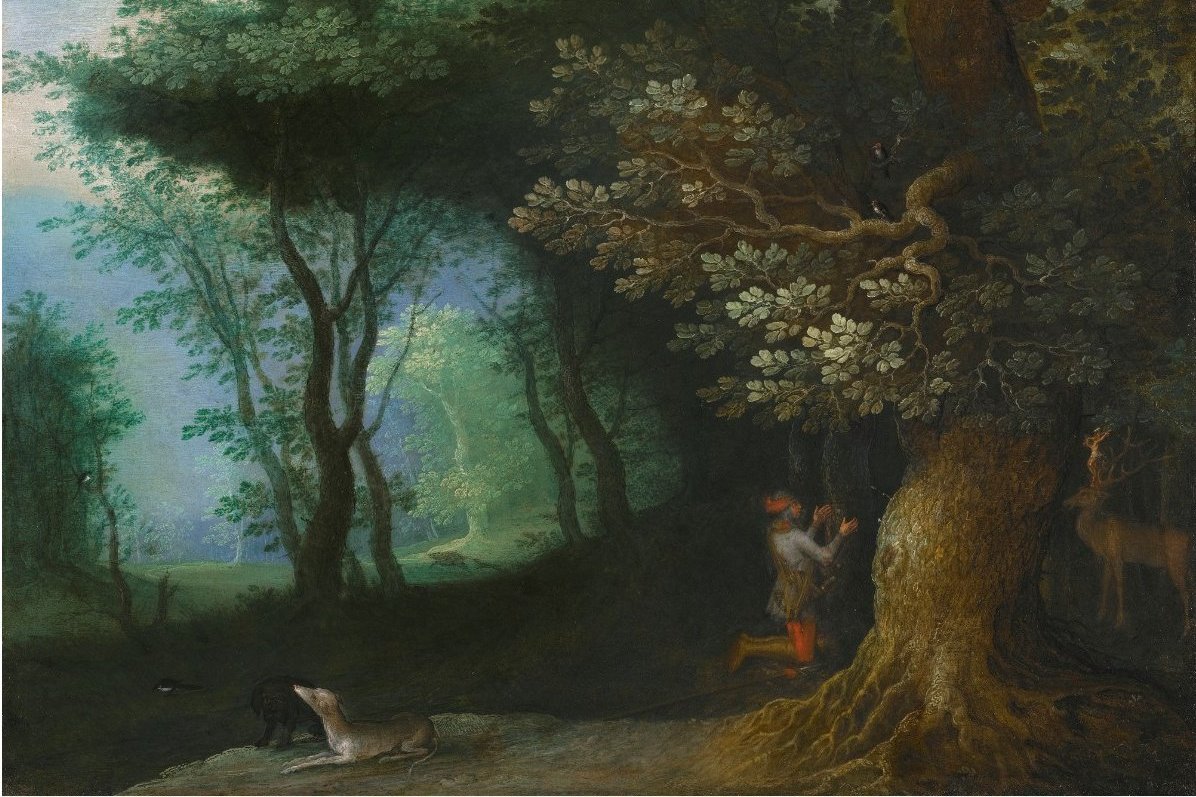
Saint Hubert of Liège, Patron of Hunters
A nobleman hunted straight through Good Friday until a stag stopped and turned to face him, a crucifix glowing between its antlers.
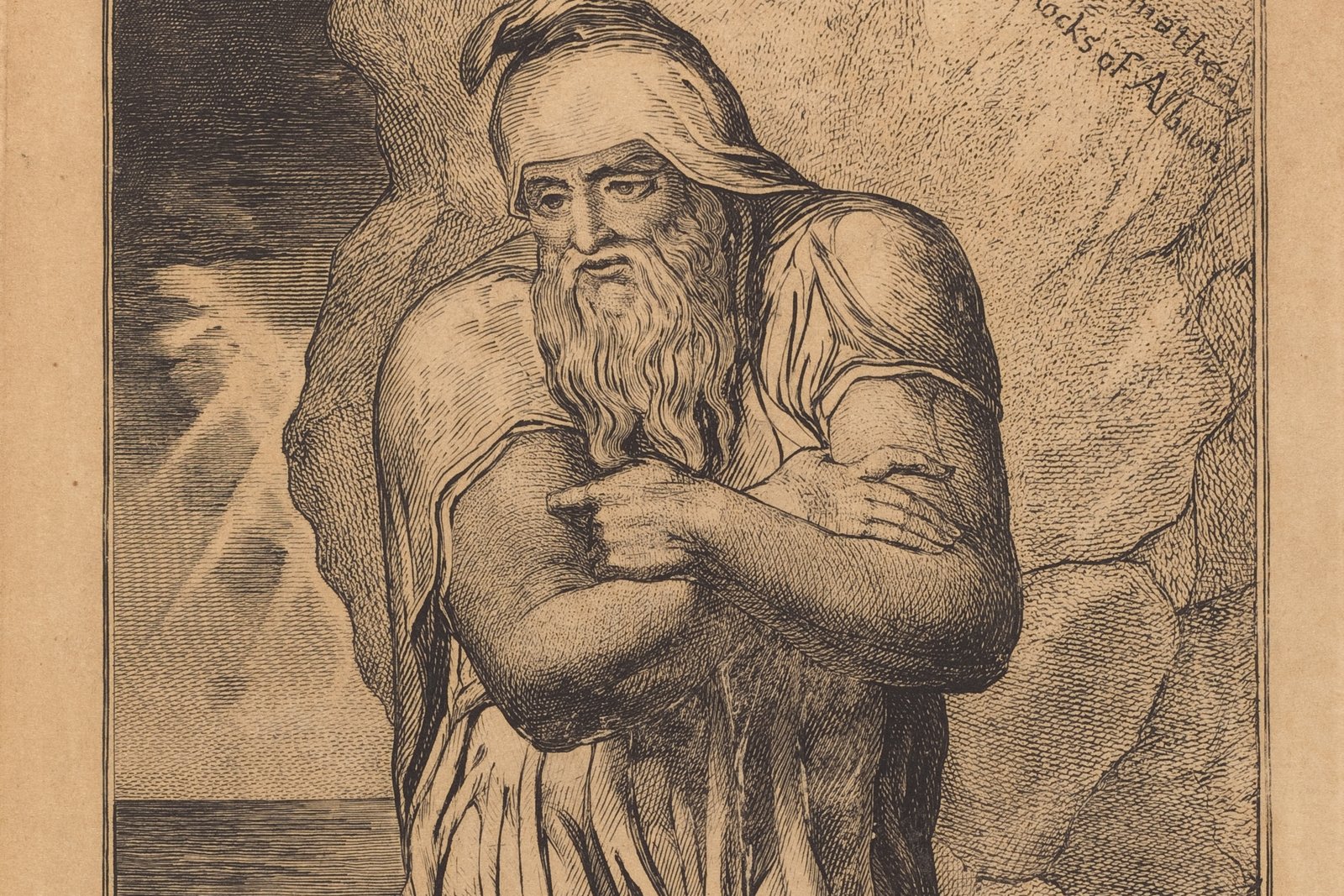
Saint Joseph of Arimathea and His Tomb
Who Saint Joseph of Arimathea was in the Gospels, why he gave up his own tomb for Jesus, and how later legend linked him to Glastonbury and the Holy Grail.
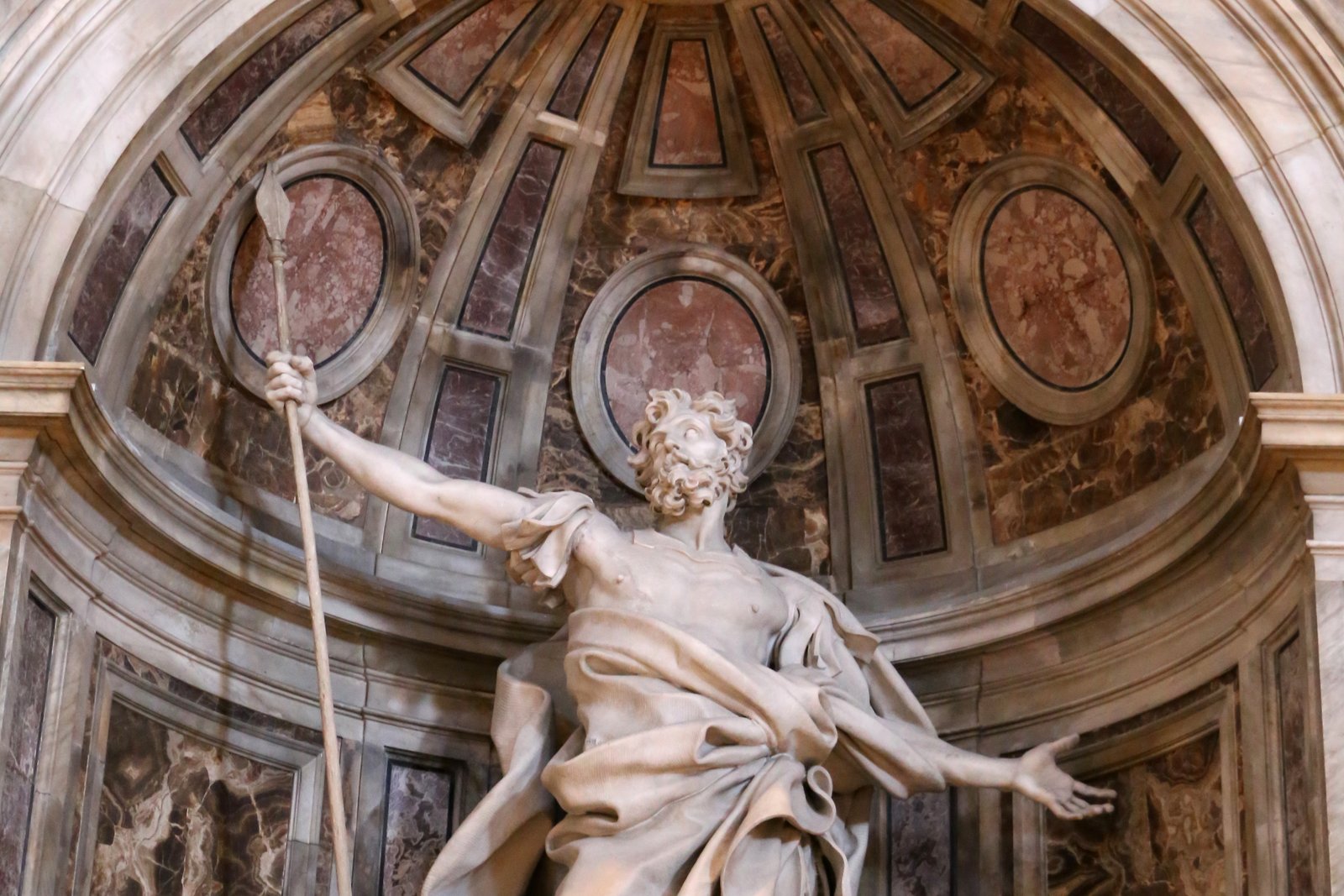
Saint Longinus, the Centurion at the Cross
Who Saint Longinus is, why later tradition names the soldier who pierced Christ's side, and how that legendary story differs from what Scripture actually records.
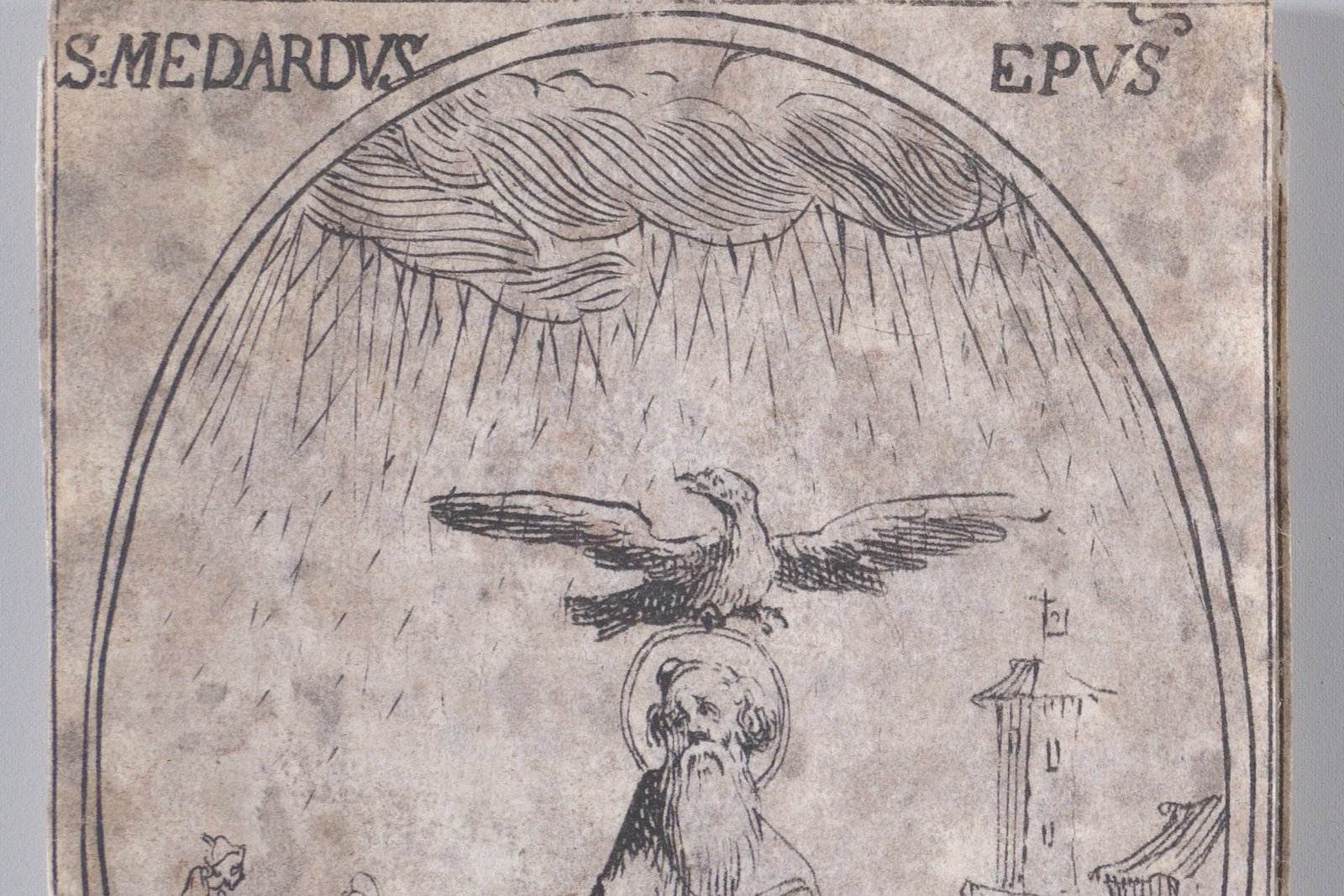
Saint Medard and the Forty Days of Rain
French farmers still watch the sky on June 8 — a 6th-century bishop's feast day that folk tradition insists sets the weather pattern for forty days after.
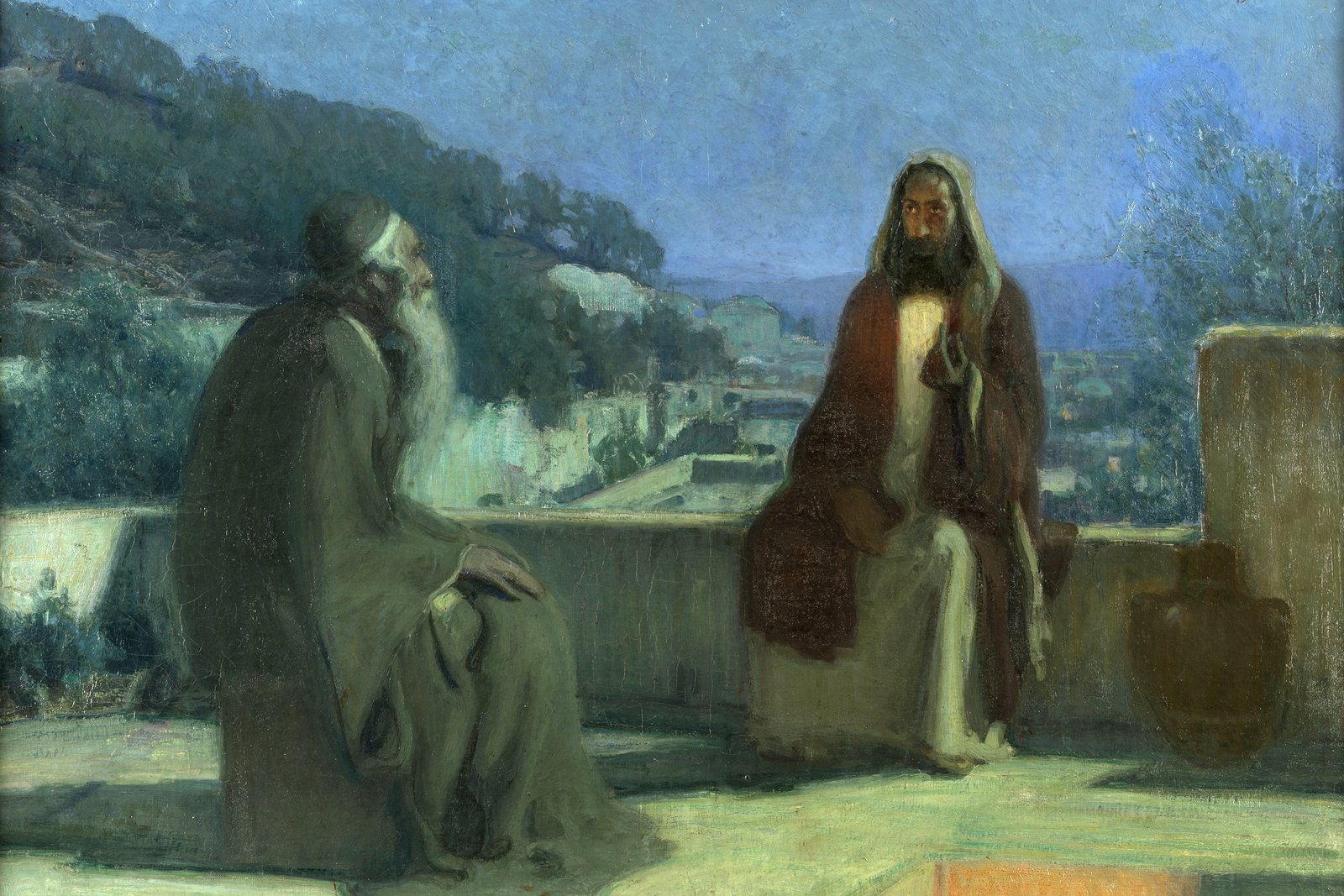
Saint Nicodemus, the Pharisee Who Came by Night
Who Saint Nicodemus is in Scripture, why he visited Jesus after dark, and what later Christian tradition adds to his brief but pivotal biblical story.
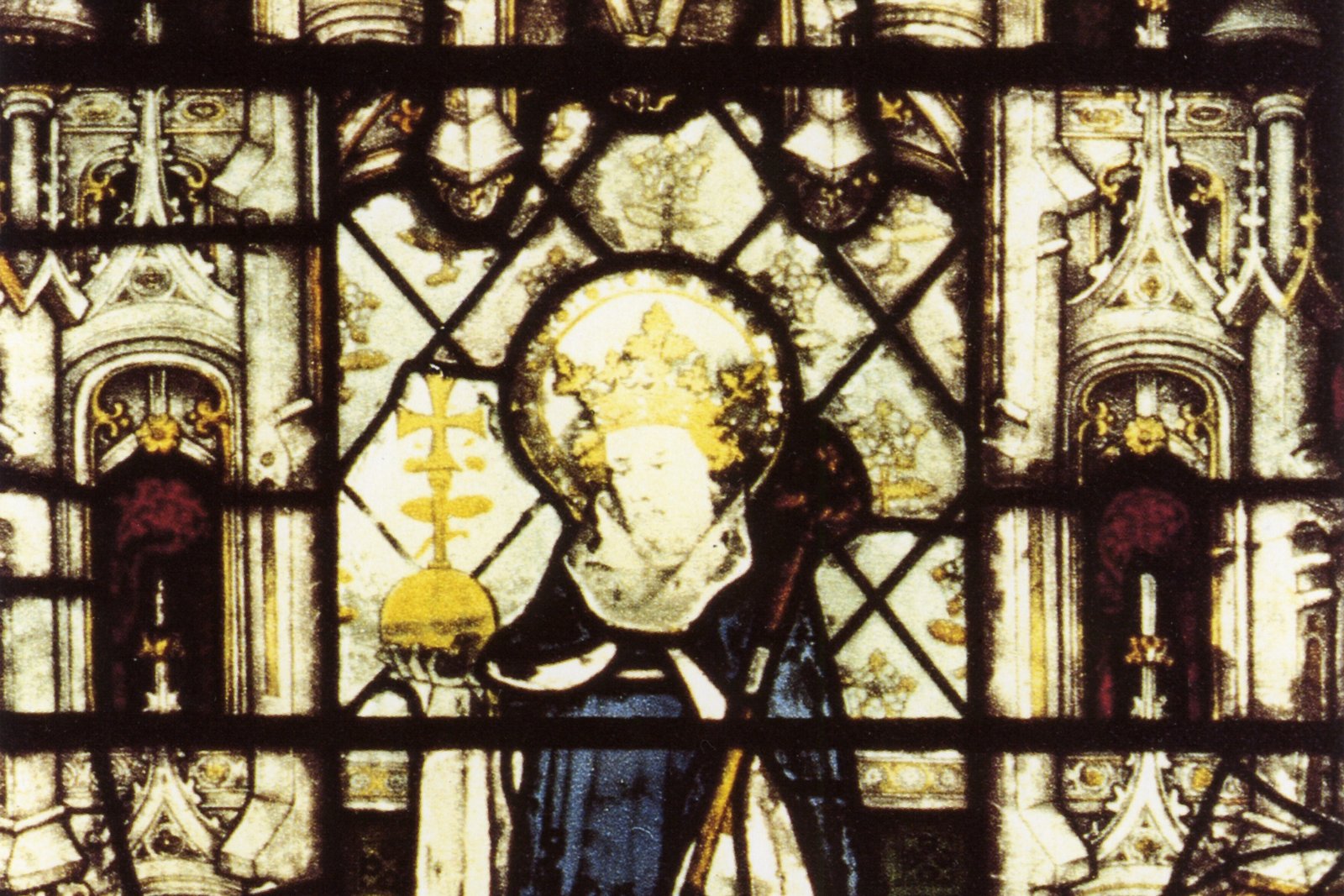
Saint Oswald of Northumbria
A king raised in exile reclaimed his throne with a wooden cross and a battle prayer, then spent his short reign rebuilding Christianity across northern England.
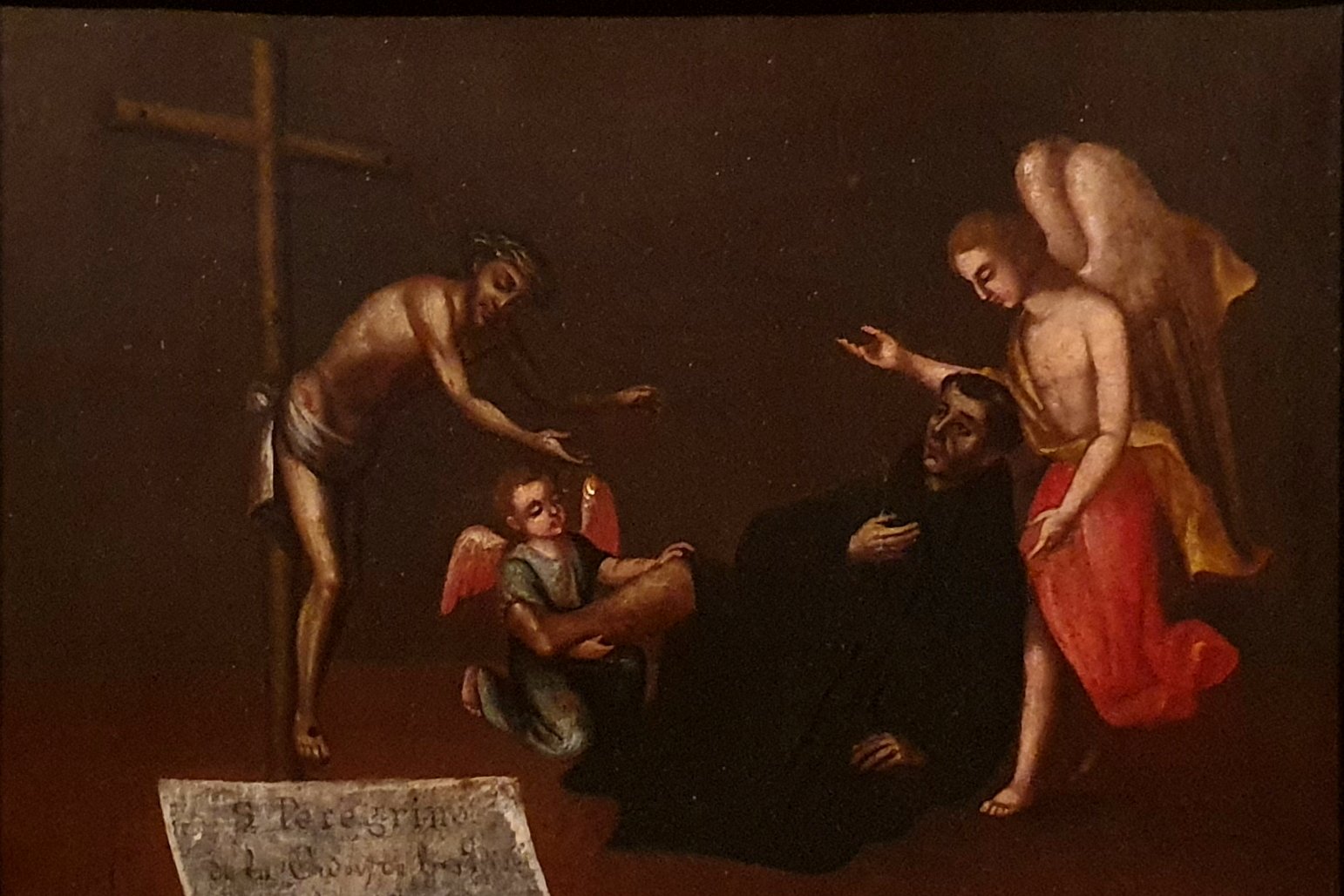
Saint Peregrine Laziosi, Patron of Cancer Patients
The story of Saint Peregrine Laziosi, the Italian friar honored as patron of cancer patients after tradition holds his leg was healed on the eve of amputation.
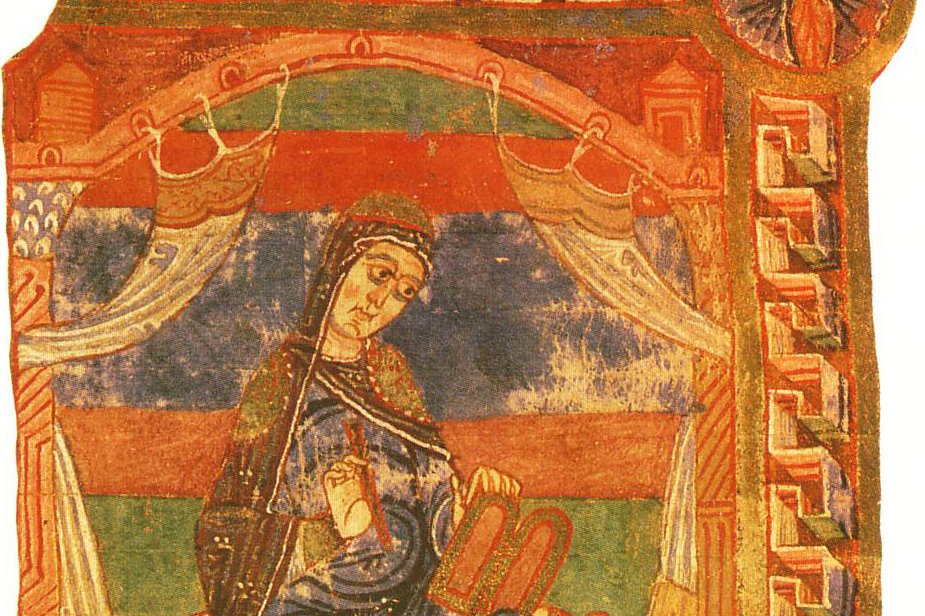
Saint Radegund of Poitiers
A Frankish queen who fled her husband's court to found a monastery, then spent decades quietly brokering peace among the very kings who might have hunted her down.
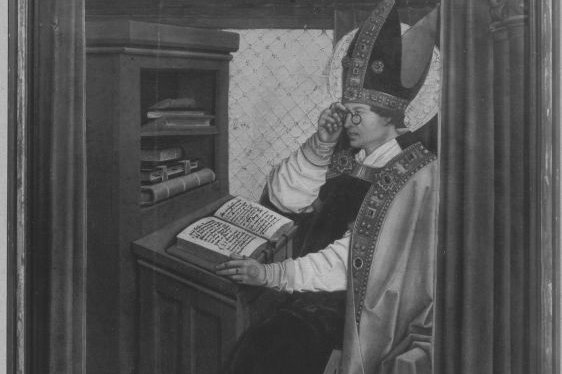
Saint Servatius, Bishop and Ice Saint of Old Europe
Saint Servatius, a 4th-century bishop of Tongeren, defended church orthodoxy at two major councils and became one of Europe's folk-tradition Ice Saints.
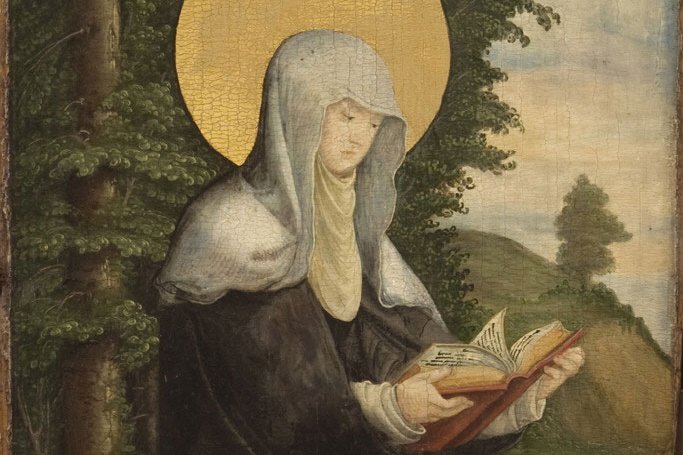
Saint Walburga, the Abbess and Her Healing Oil
Saint Walburga, an English-born Benedictine abbess who helped evangelize Germany, governed monks and nuns alike, remembered for her shrine's healing oil.
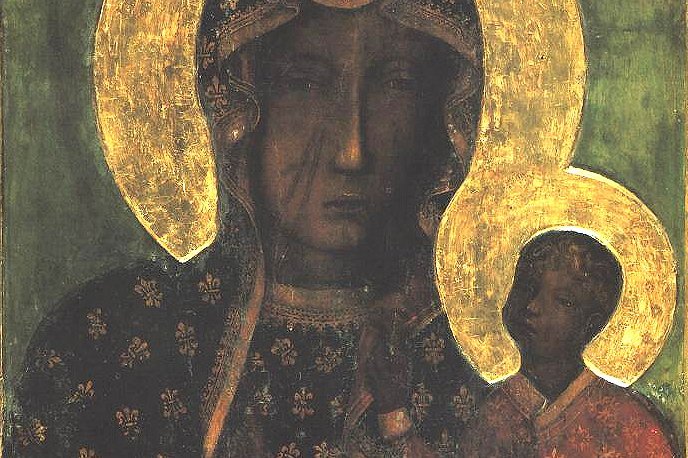
Our Lady of Częstochowa: The Black Madonna's Story
Our Lady of Częstochowa is a Byzantine-style icon of Mary and the Christ Child venerated at Jasna Góra, Poland — its dark tone, scars, and legend explained.
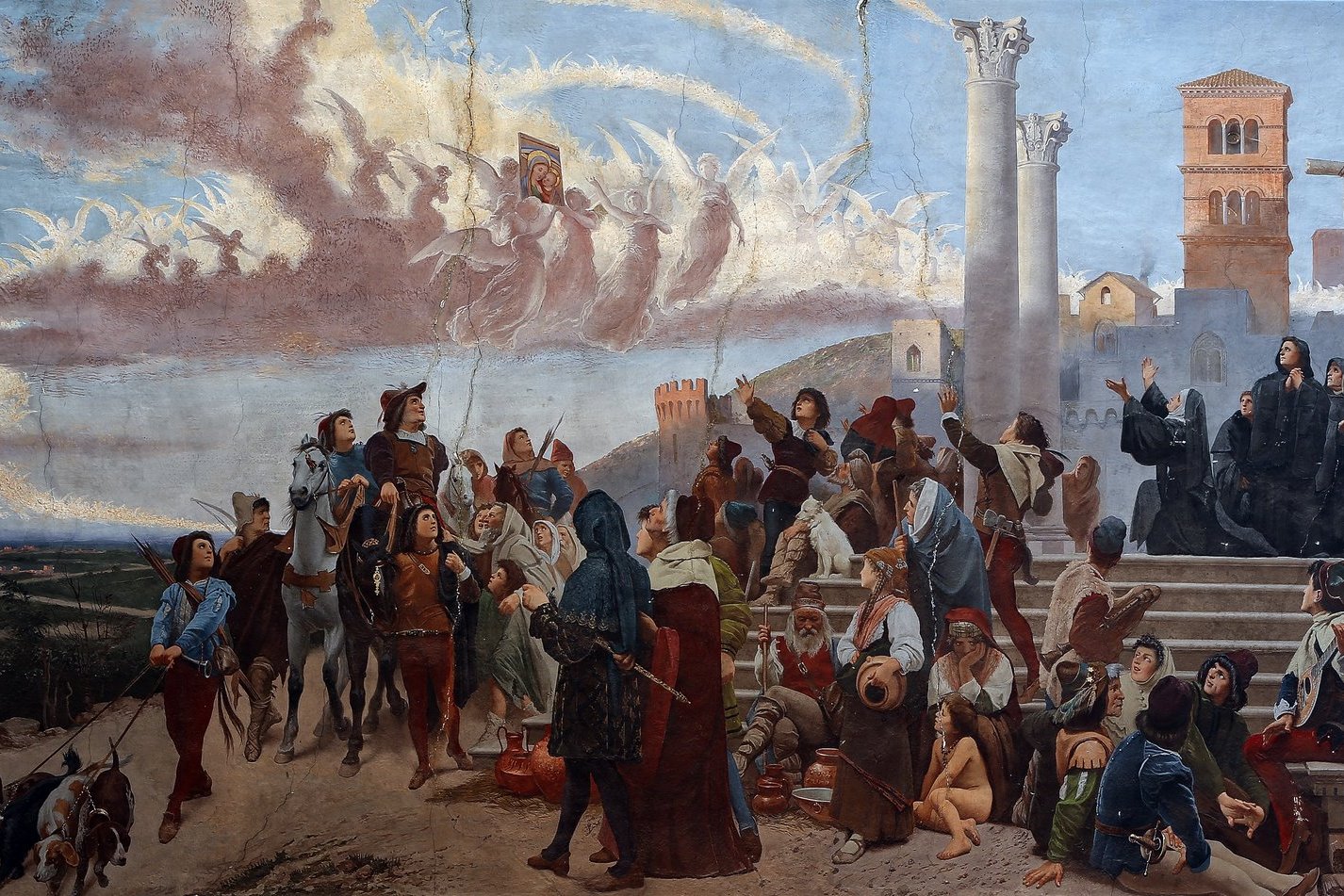
Our Lady of Good Counsel: The Genazzano Fresco Mystery
Our Lady of Good Counsel is a small fresco that appeared overnight in Genazzano, Italy in 1467 — its unexplained arrival, devotion, and legacy explained.
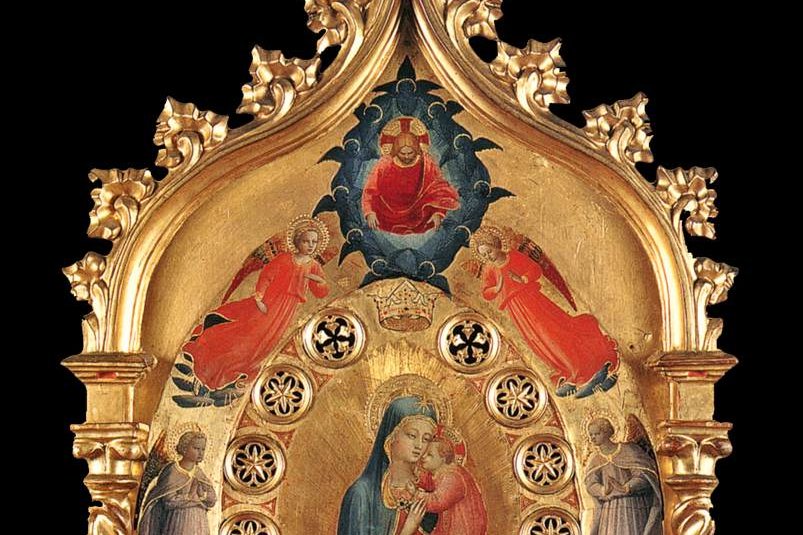
Our Lady Star of the Sea: The Ancient Title Stella Maris
Our Lady Star of the Sea, or Stella Maris, is an ancient Marian title born from a translator's error — its full history, meaning, and sailors' patronage explained.
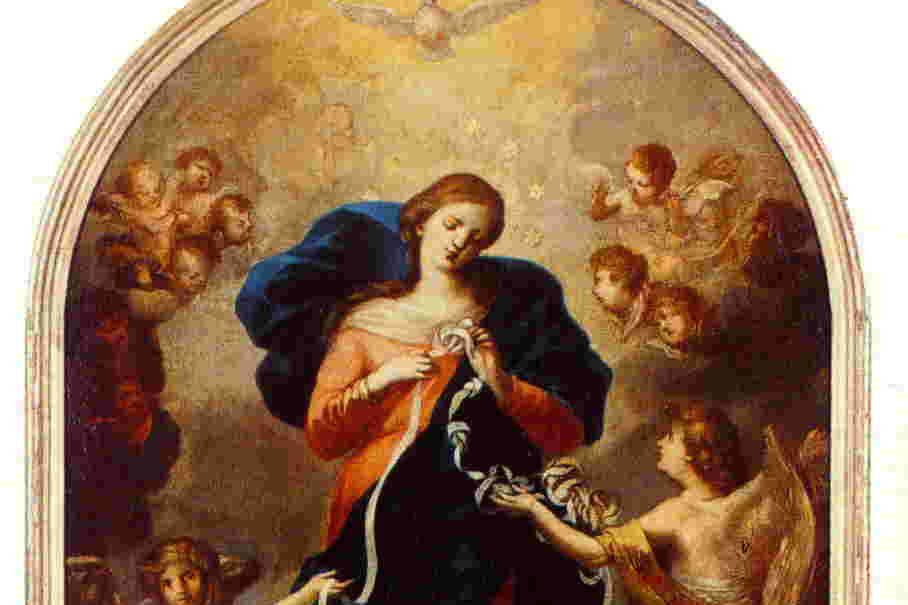
Our Lady Undoer of Knots: The Devotion Pope Francis Made Famous
Our Lady Undoer of Knots traces to a forgotten 1700 German painting — discover the devotion Pope Francis carried from Germany to Argentina and the world.
Saint Adalbert of Magdeburg, the Missionary Who Failed First
Saint Adalbert of Magdeburg (c. 910–981) survived a failed mission to Kievan Rus before becoming the first Archbishop of Magdeburg and a chronicler of his age.
Saint Erkenwald, London's Forgotten Patron Bishop
Saint Erkenwald (d. 693) founded two great Anglo-Saxon abbeys and became Bishop of London, his shrine drawing pilgrims to Old St Paul's for centuries.
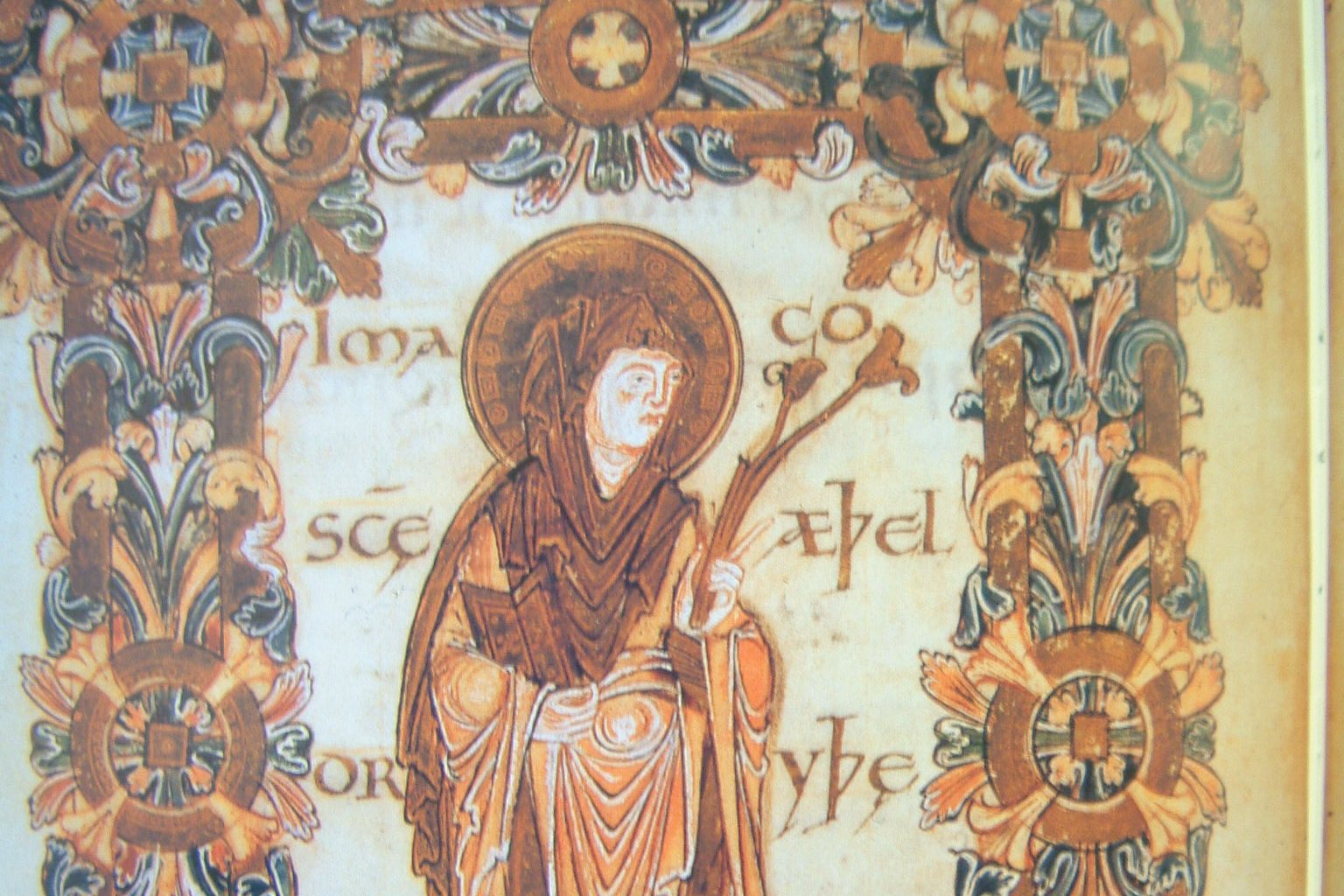
Saint Etheldreda of Ely: the Queen Who Chose the Convent Twice
Saint Etheldreda (c. 636–679), an East Anglian princess, survived two royal marriages as a consecrated virgin and founded the abbey that became Ely Cathedral.
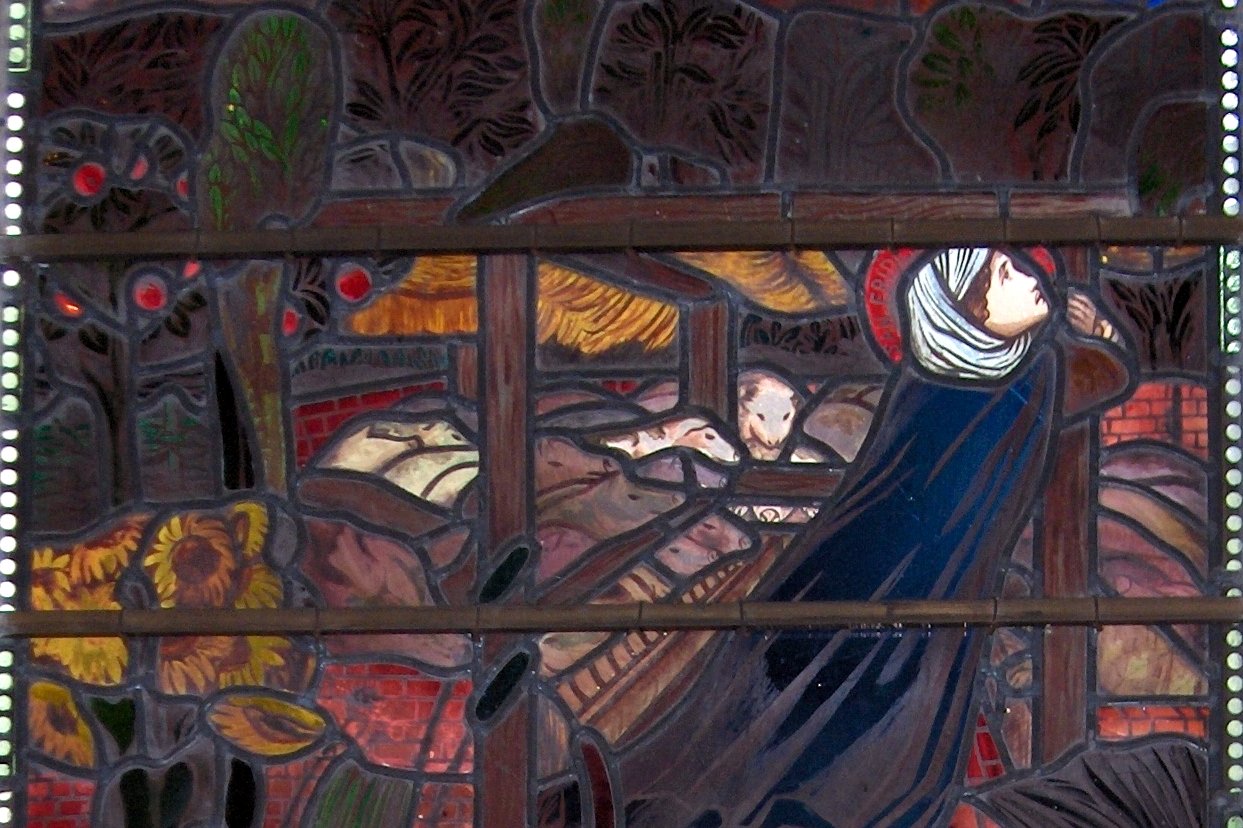
Saint Frideswide, the Princess Who Founded Oxford's First Church
Saint Frideswide (c. 650–727) fled an unwanted royal marriage and founded the priory that grew into Oxford, still remembered as the city's patron saint.
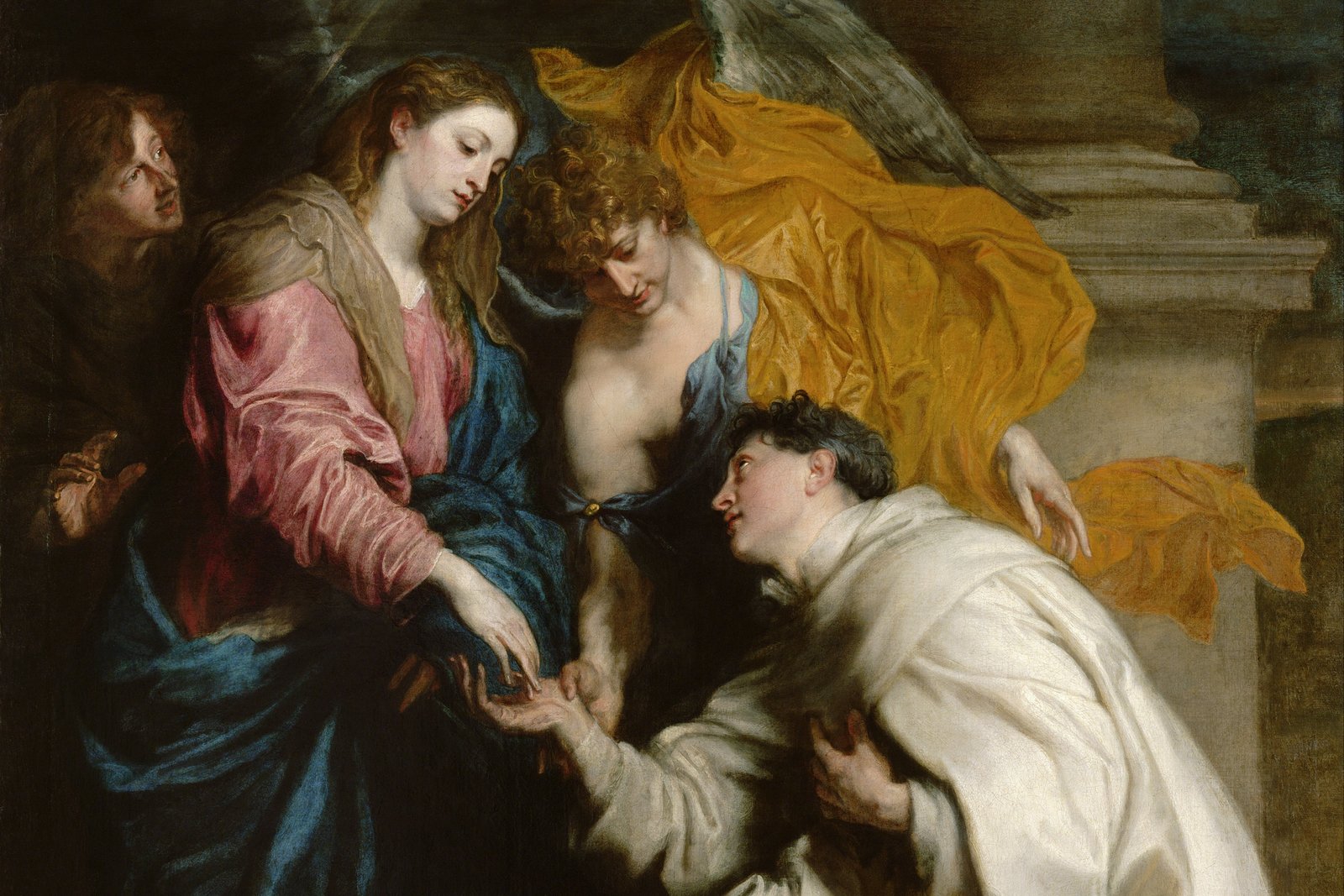
Saint Hermann Joseph, the Boy Who Offered Mary an Apple
Saint Hermann Joseph of Steinfeld (c. 1150–1241) grew from a poor boy who talked to a statue of Mary into one of medieval Germany's most beloved mystics.
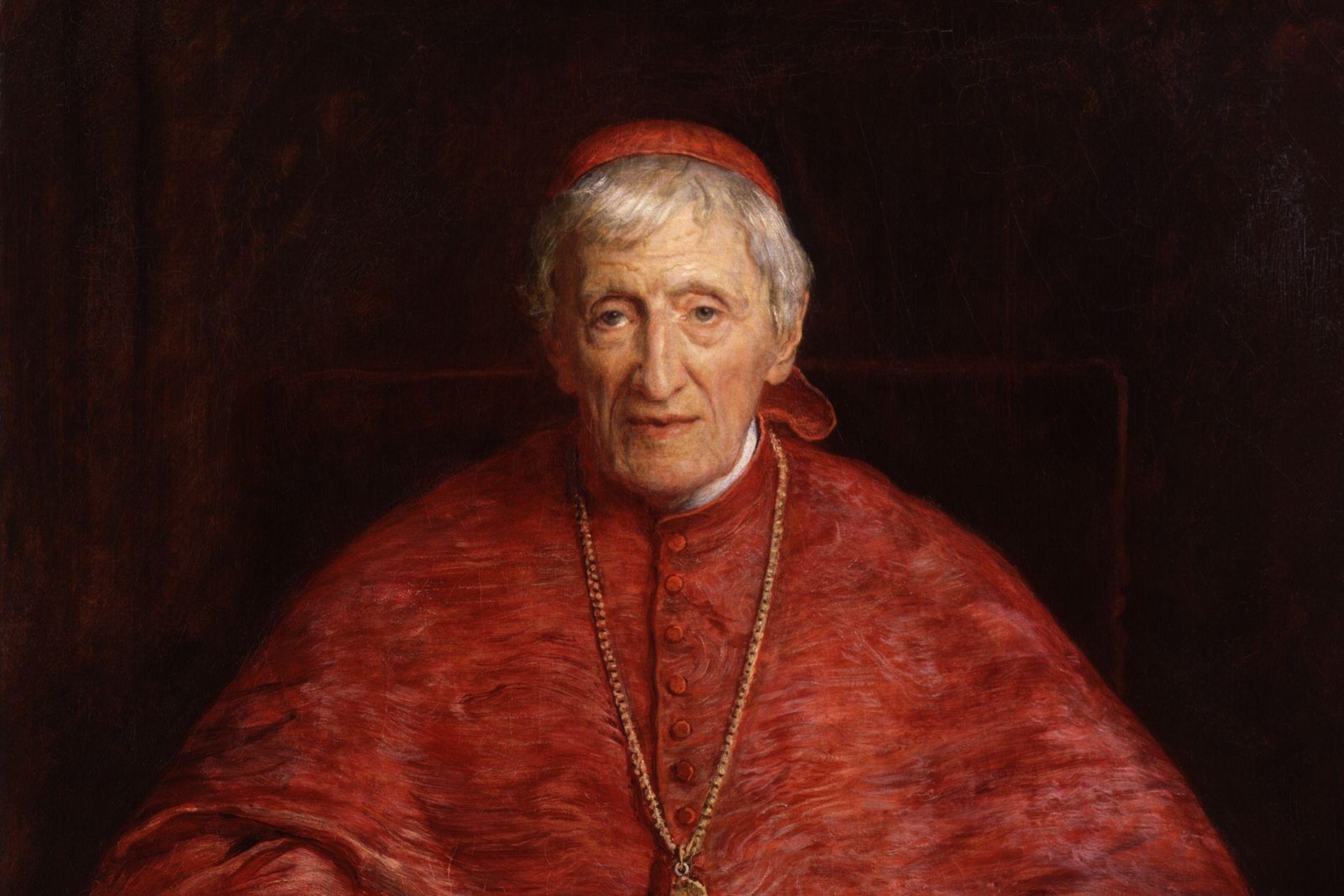
Saint John Henry Newman, the Cardinal Who Followed “Kindly Light”
Saint John Henry Newman (1801–1890) left the Church of England for Rome at 44, later became a cardinal, and was canonized in 2019 as England's newest saint.
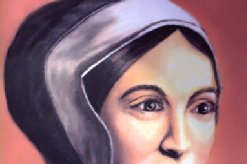
Saint Margaret Clitherow, the Pearl of York
Saint Margaret Clitherow (1556–1586) hid Catholic priests in her York home and chose to be crushed to death rather than let a trial endanger her own children.
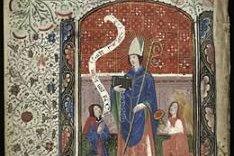
Saint Ninian, the Bishop Who Brought Christianity North
Saint Ninian (c. 360–432) founded Candida Casa at Whithorn, one of Scotland's earliest churches, and preached to the Picts long before Columba arrived.
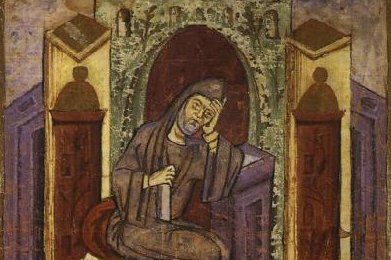
Saint Notker the Stammerer, the Monk Who Reshaped Church Music
Saint Notker the Stammerer (c. 840–912) turned a speech impediment and a Swiss monastery's music tradition into a new form of chant scholars still study.
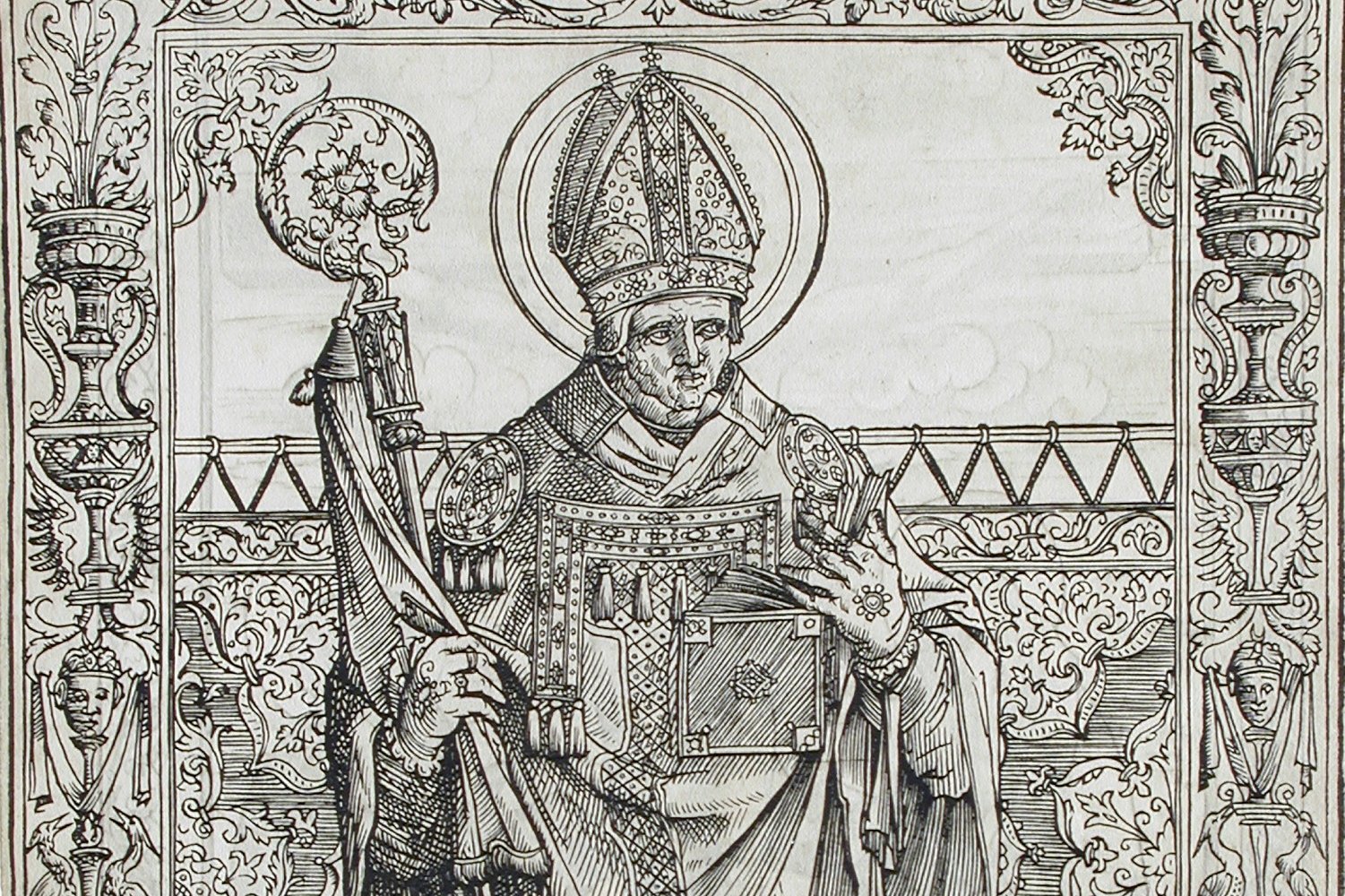
Saint Willibald: the Anglo-Saxon Monk Who Walked to Jerusalem
Saint Willibald (c. 700–787) became the first recorded Englishman to visit the Holy Land, then helped Boniface convert Germany as Eichstätt's first bishop.
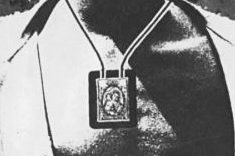
Blessed Isidore Bakanja
A Congolese laborer refused to remove the brown scapular around his neck when his colonial employer ordered him to — the beating that followed killed him.
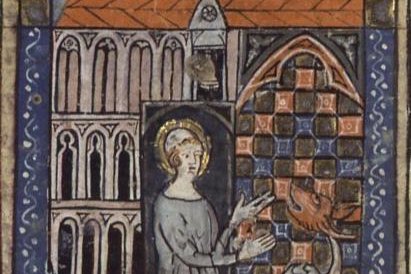
Saint Amand of Maastricht
A missionary bishop preached so aggressively against Frankish paganism that hostile locals once threw him in a river, and he simply went out and tried again.
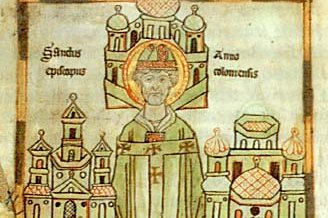
Saint Anno of Cologne
An archbishop lured a child king onto a boat to seize control of the empire from his own mother, then spent his final years atoning for that ambition.
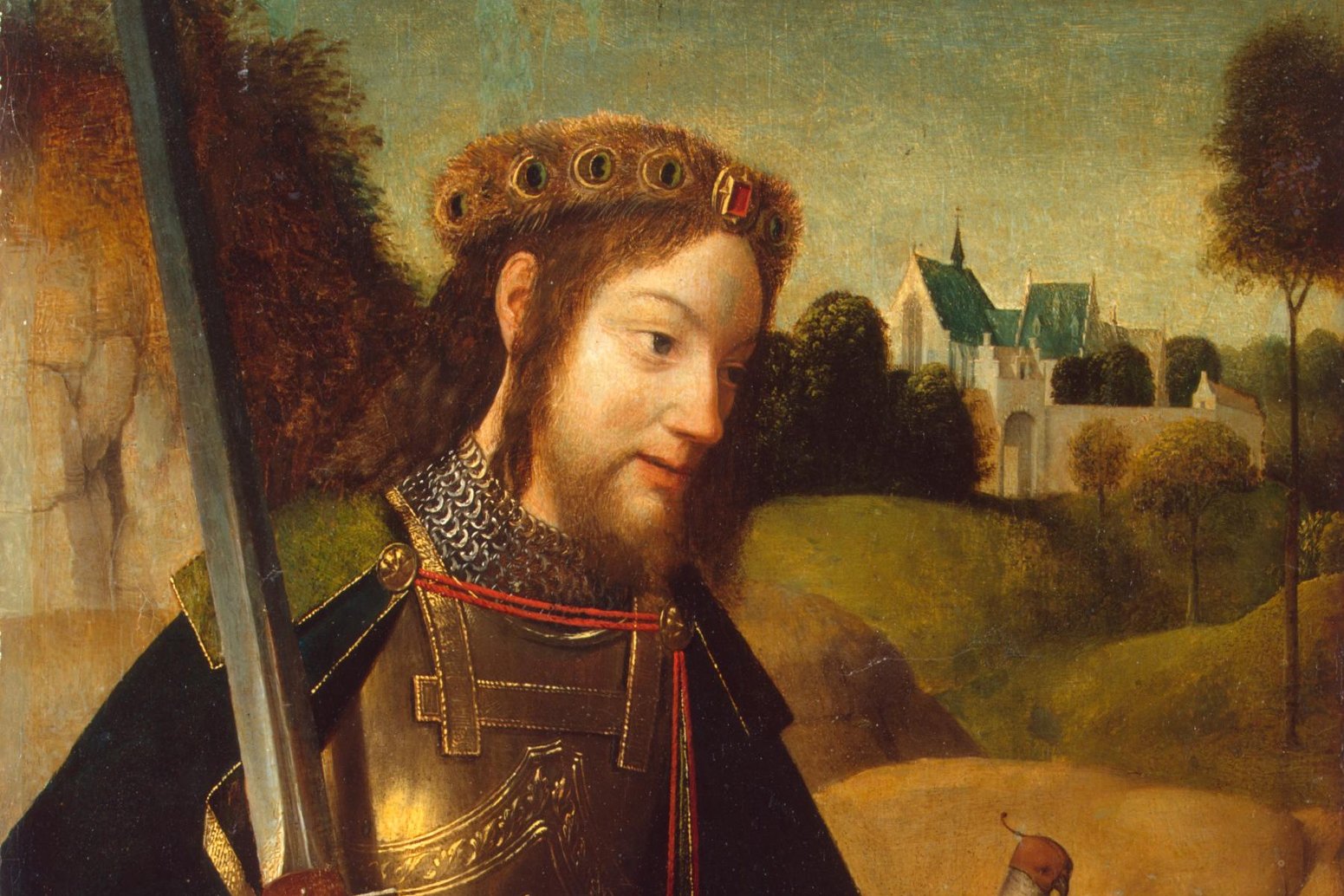
Saint Bavo of Ghent
A wealthy Frankish nobleman gave away his estate, offered himself into servitude to atone for old wrongs, and ended his days as a hermit living inside a hollow tree.
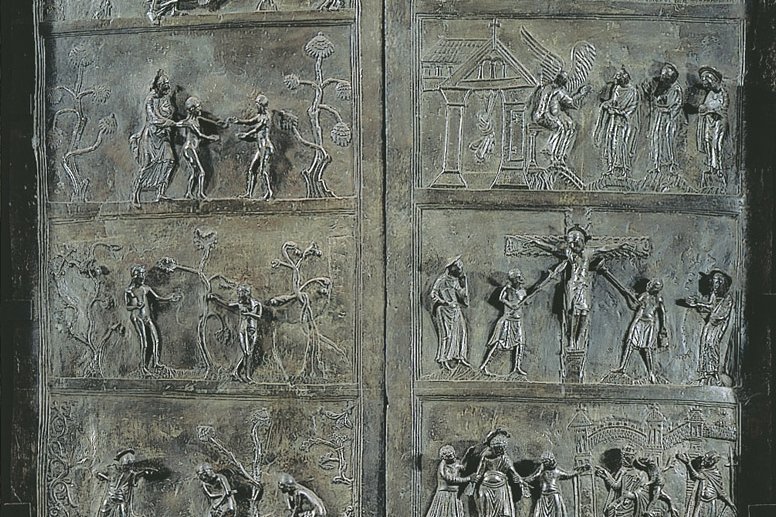
Saint Bernward of Hildesheim
A bishop who personally trained as a goldsmith and metalworker cast a set of bronze doors so ambitious that art historians still study them a thousand years later.
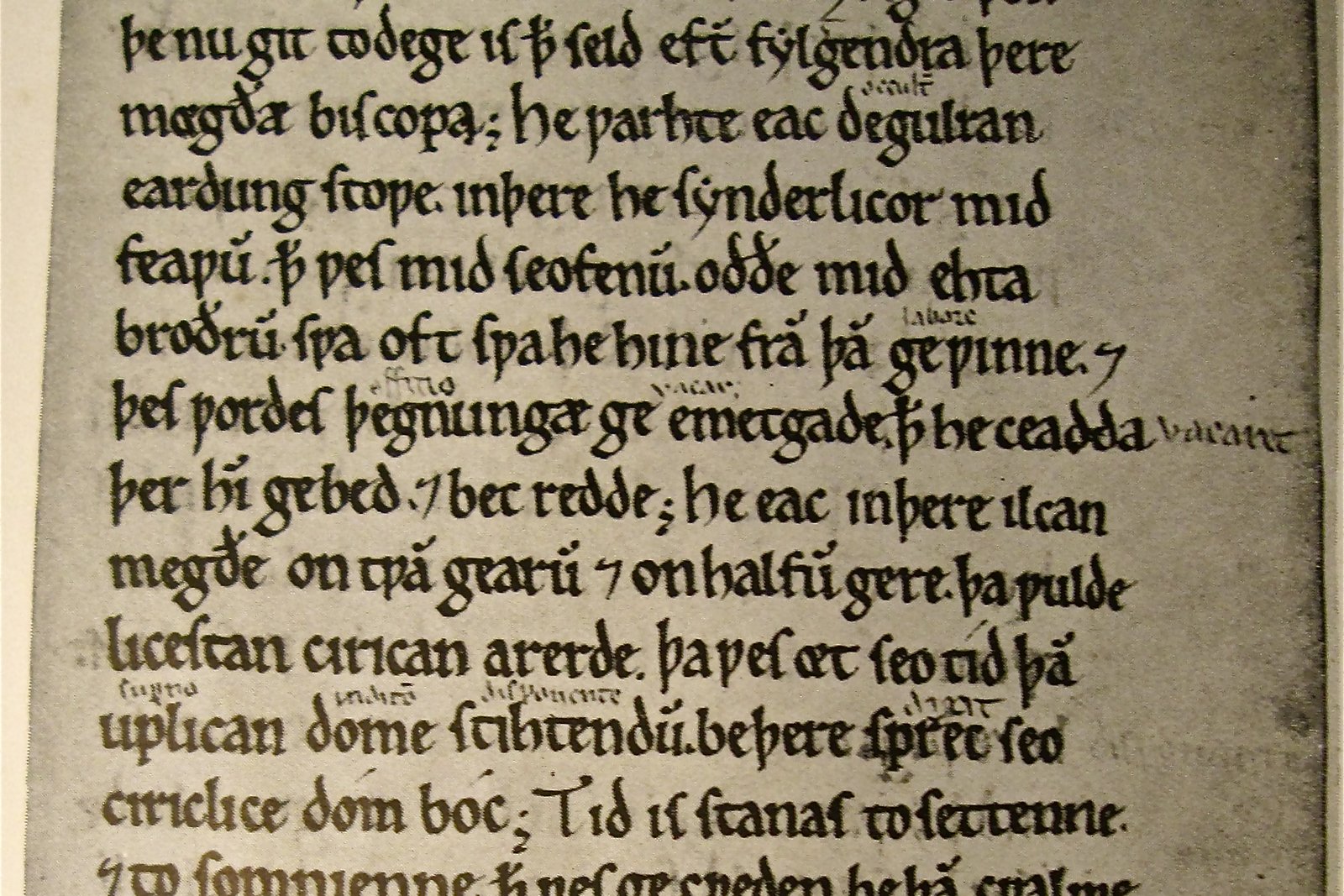
Saint Chad of Mercia
A bishop stepped down the instant he learned his consecration had been irregular, and the archbishop who objected was so moved he consecrated him bishop again.
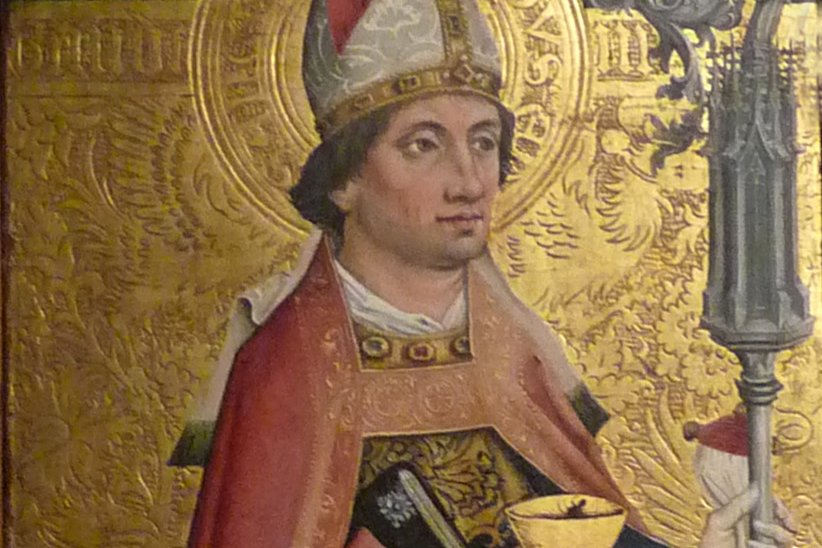
Saint Conrad of Constance
A bishop made repeated pilgrimages to Rome and Jerusalem over his decades in office, and legend credits him with a startling act of faith at his own altar.
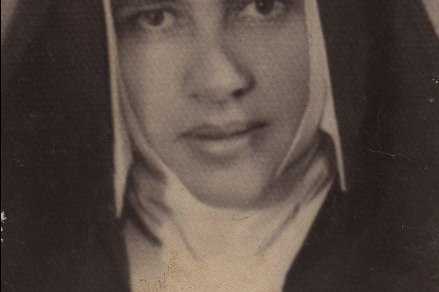
Saint Dulce Pontes
A Brazilian nun turned her convent's chicken coop into a hospital ward for the poor of Salvador — she was nominated for the Nobel Peace Prize decades later.
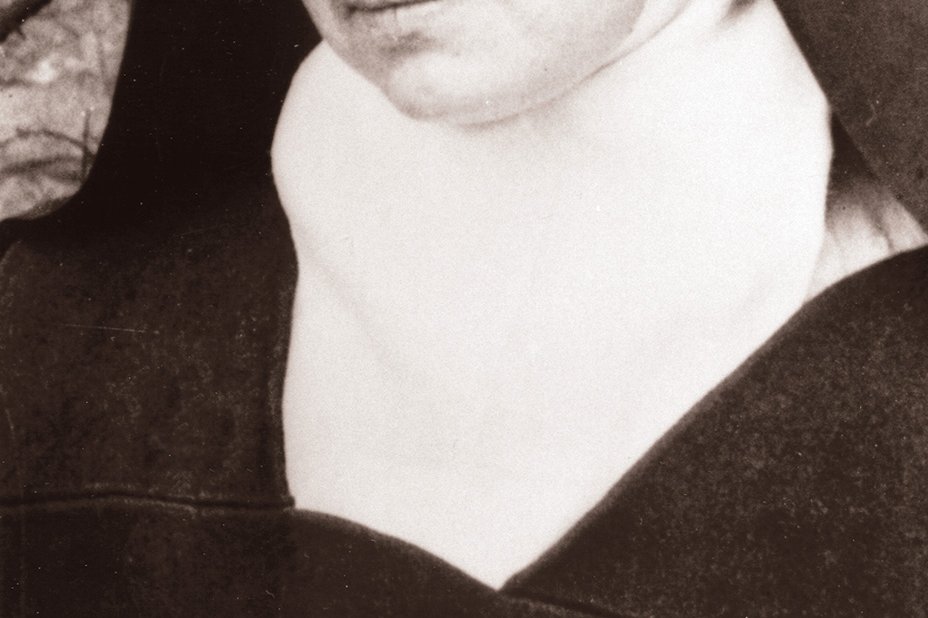
Saint Elizabeth of the Trinity
A gifted concert pianist gave up the stage at 21 to enter a cloistered convent — she died five years later, leaving behind a prayer still recited worldwide.
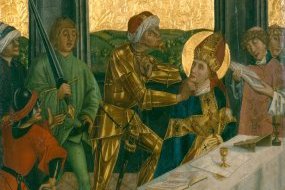
Saint Emmeram of Regensburg
A bishop-missionary took the blame for a nobleman's crime to protect a young woman's reputation, then was mutilated and killed by her outraged brother.
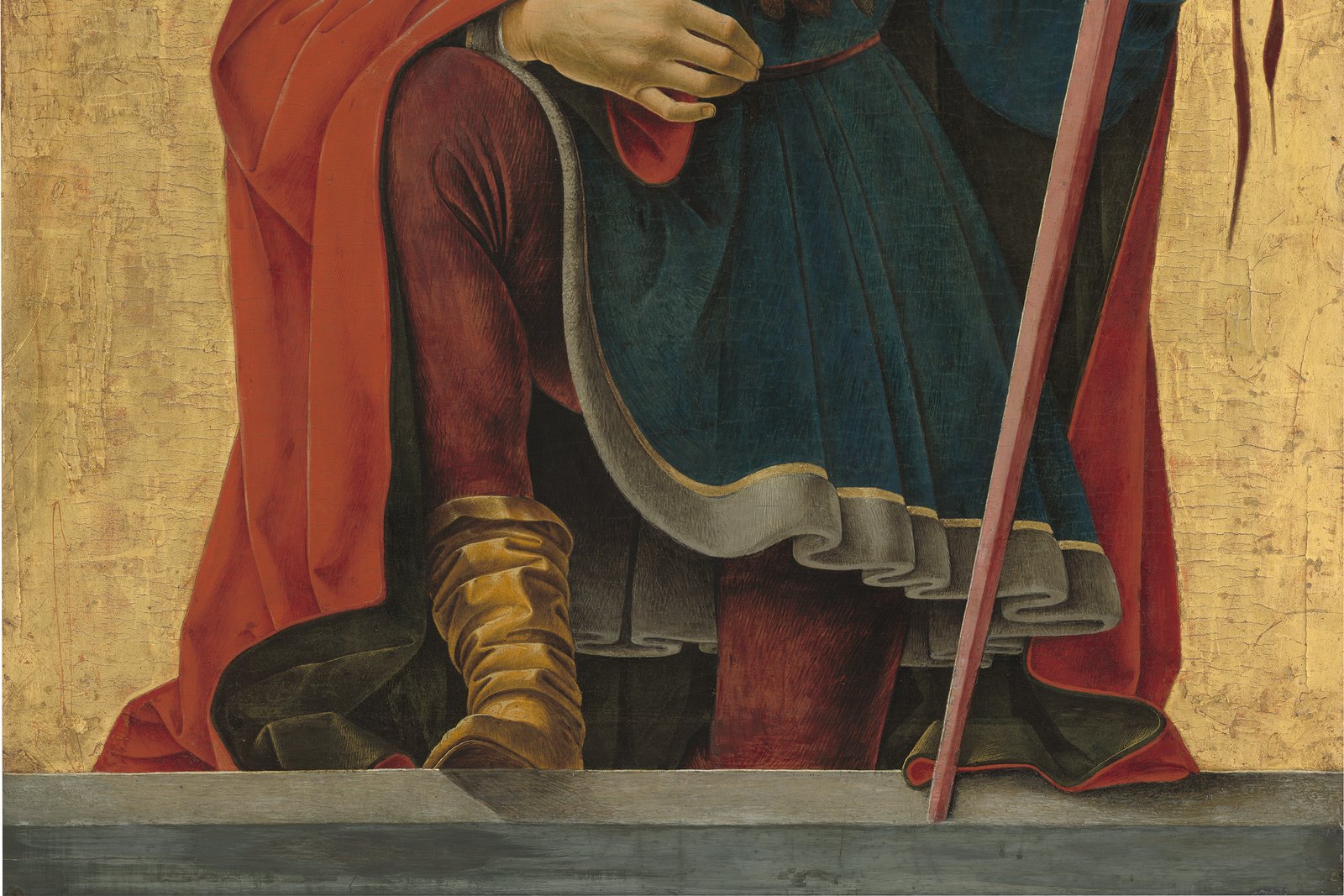
Saint Florian
A retired Roman officer confessed his faith to a persecutor voluntarily, was drowned with a millstone around his neck, and became firefighters' patron saint.
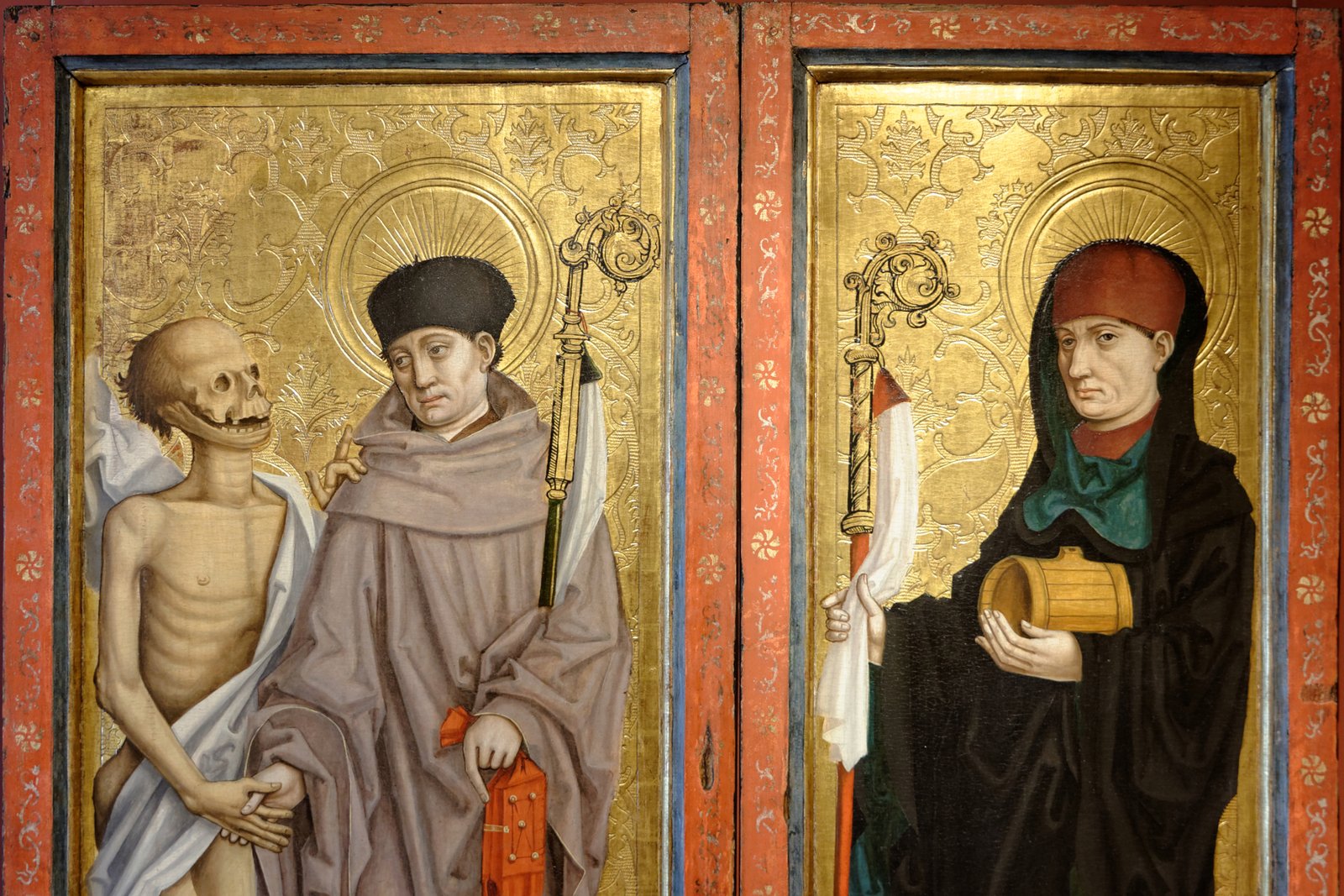
Saint Fridolin of Säckingen
An Irish monk searching for a bishop's lost relics founded a Rhine-island monastery, and legend says he once raised a dead man to testify in a land dispute.
Saint Gemma Galgani
Every Thursday afternoon, wounds opened in Gemma Galgani's hands, feet, and side and bled until Friday — she was orphaned, penniless, and dead by 25.
Saint Gertrude of Nivelles
A Frankish noblewoman refused a marriage proposed before the king, became a teen abbess instead, and ruled her monastery with an austerity that wrecked her health.
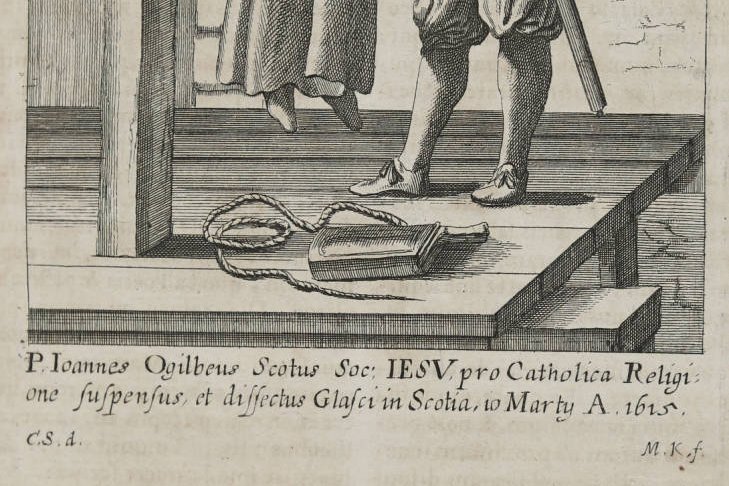
Saint John Ogilvie
A Scottish Calvinist nobleman converted to Catholicism at 17, became a secret priest, and was hanged in Glasgow for refusing to name the king head of the Church.
Saint Josemaria Escriva
In 1928, a 26-year-old Spanish priest said he saw, in a single flash of insight, an entire spiritual path built on ordinary work rather than the cloister.
Saint Joseph of Cupertino
Friars once dragged Joseph of Cupertino from choir to kitchen mid-service, terrified his ecstatic flights would disrupt Mass again — patron of pilots.
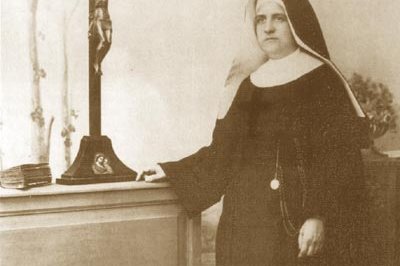
Saint Josephine Vannini
Orphaned by ten and rejected once by the convent she wanted most, Giuseppina Vannini went on to co-found an order that nurses the dying in over 20 countries.
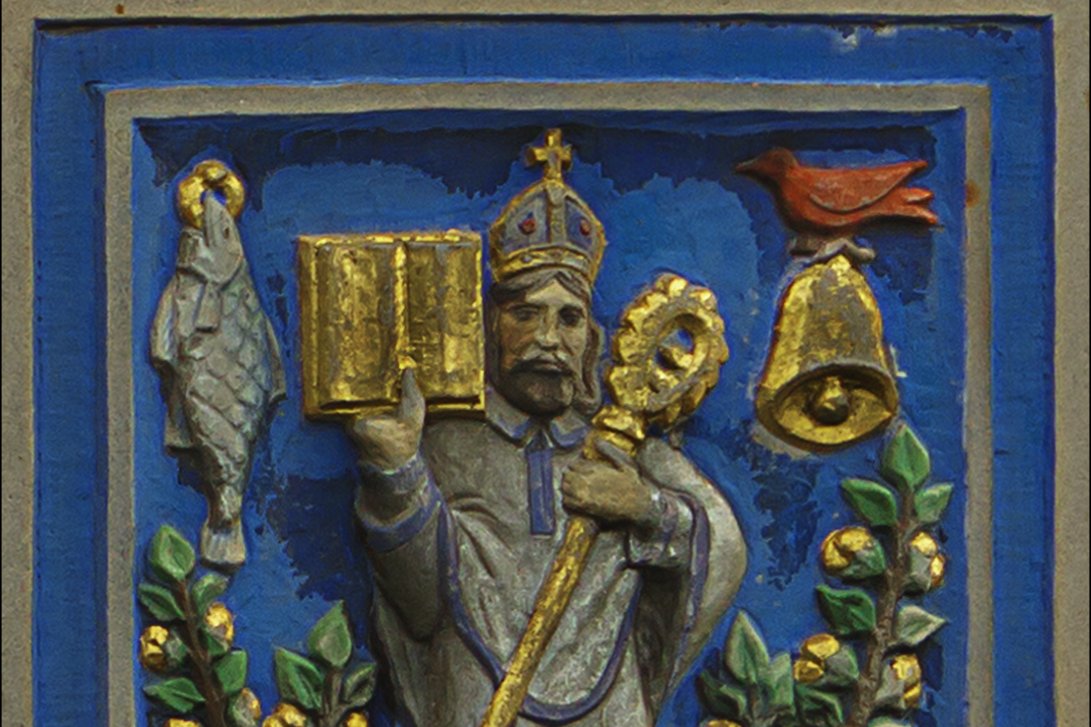
Saint Kentigern of Glasgow
A bishop nicknamed "dear friend" spent years exiled in Wales, then returned to found the city whose four founding legends still ring its own coat of arms.
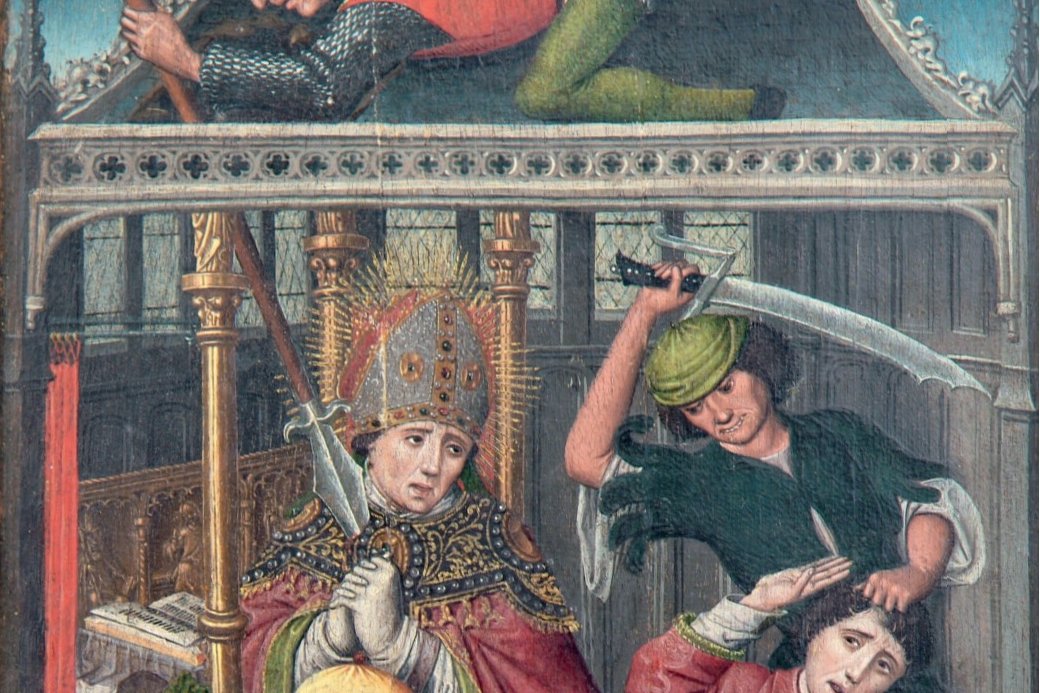
Saint Lambert of Maastricht
A bishop exiled for years after a palace coup he had no part in was restored to his see, then killed at prayer in a feud sparked by his own relatives.
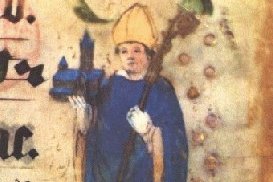
Saint Ludger of Münster
A Frisian monk who studied under the scholar Alcuin in York returned home to evangelize the region where his teacher's mentor, Boniface, had been martyred.
Saint Marianne Cope
A German-American nun answered a plea no one else would touch: nursing Hawaii's leprosy patients, exiled to Molokai — she worked there 30 years, never infected.
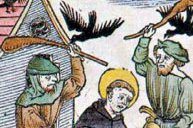
Saint Meinrad of Einsiedeln
A Benedictine monk chose to live completely alone in an Alpine forest known for wolves and bandits, and was murdered there by two men he had just fed and sheltered.
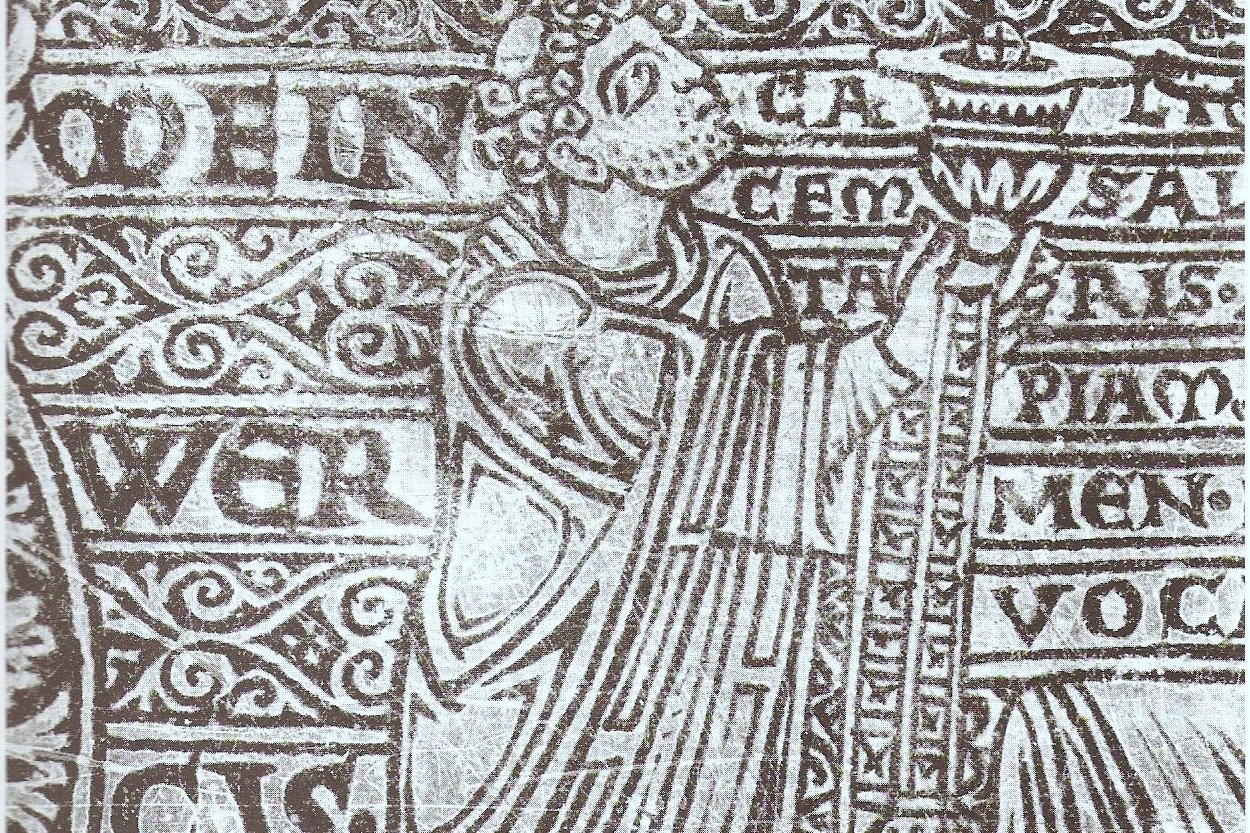
Saint Meinwerk of Paderborn
A former Ottonian courtier became bishop of Paderborn and poured his own inherited noble fortune into rebuilding the entire cathedral city almost from scratch.
Saint Oscar Romero
An archbishop who spent years publicly demanding an end to killings by his own government was shot dead mid-Mass, one day after a radio sermon calling for it.
Saint Otto of Bamberg
A wealthy German prince-bishop succeeded where an earlier missionary failed, converting tens of thousands along the Pomeranian coast within a single decade.
Saint Rafqa of Lebanon
A Lebanese nun asked God for a share in Christ's suffering, and within a year woke up blind — she lived three more decades never once regretting the prayer.
Saint Rose of Viterbo
At twelve, an Italian girl preached in the streets against an excommunicated emperor and was banished from her own city for it — she was dead by eighteen.
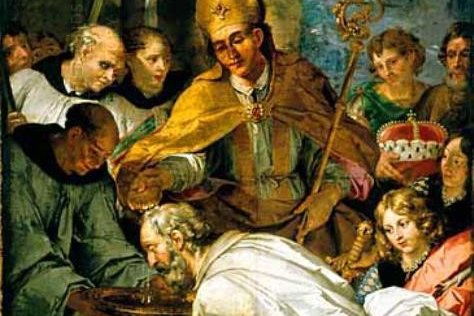
Saint Rupert of Salzburg
A Frankish bishop left his diocese around 696, journeyed deep into Bavaria, baptized a pagan duke, refounded a ruined Roman town, and gave rise to modern Salzburg.
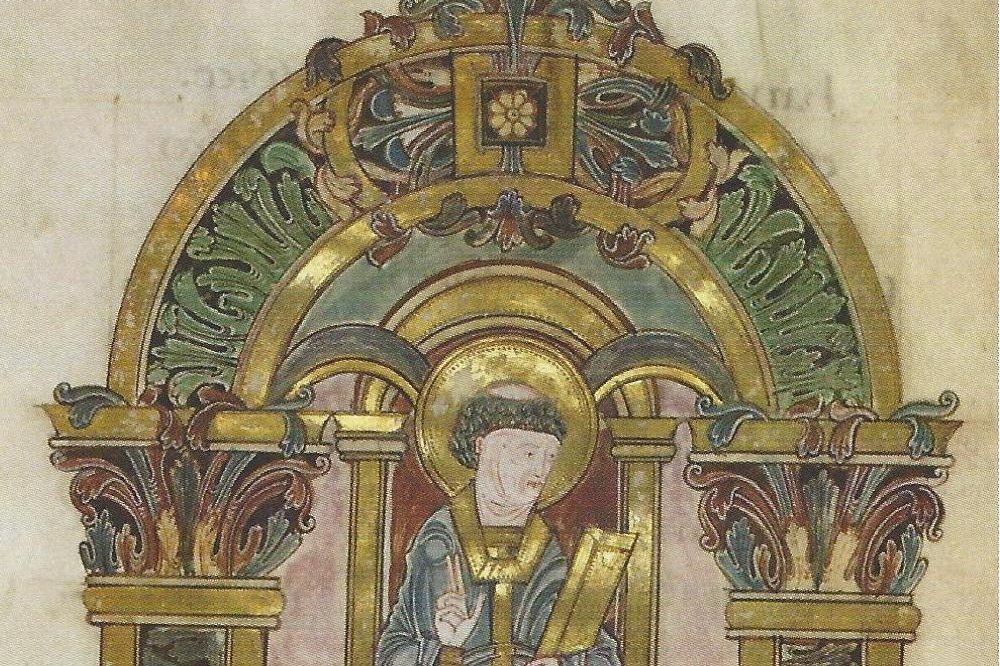
Saint Swithun of Winchester
An English bishop asked to be buried outside in the rain rather than inside his cathedral, and when monks moved his grave a century later, it stormed for weeks.
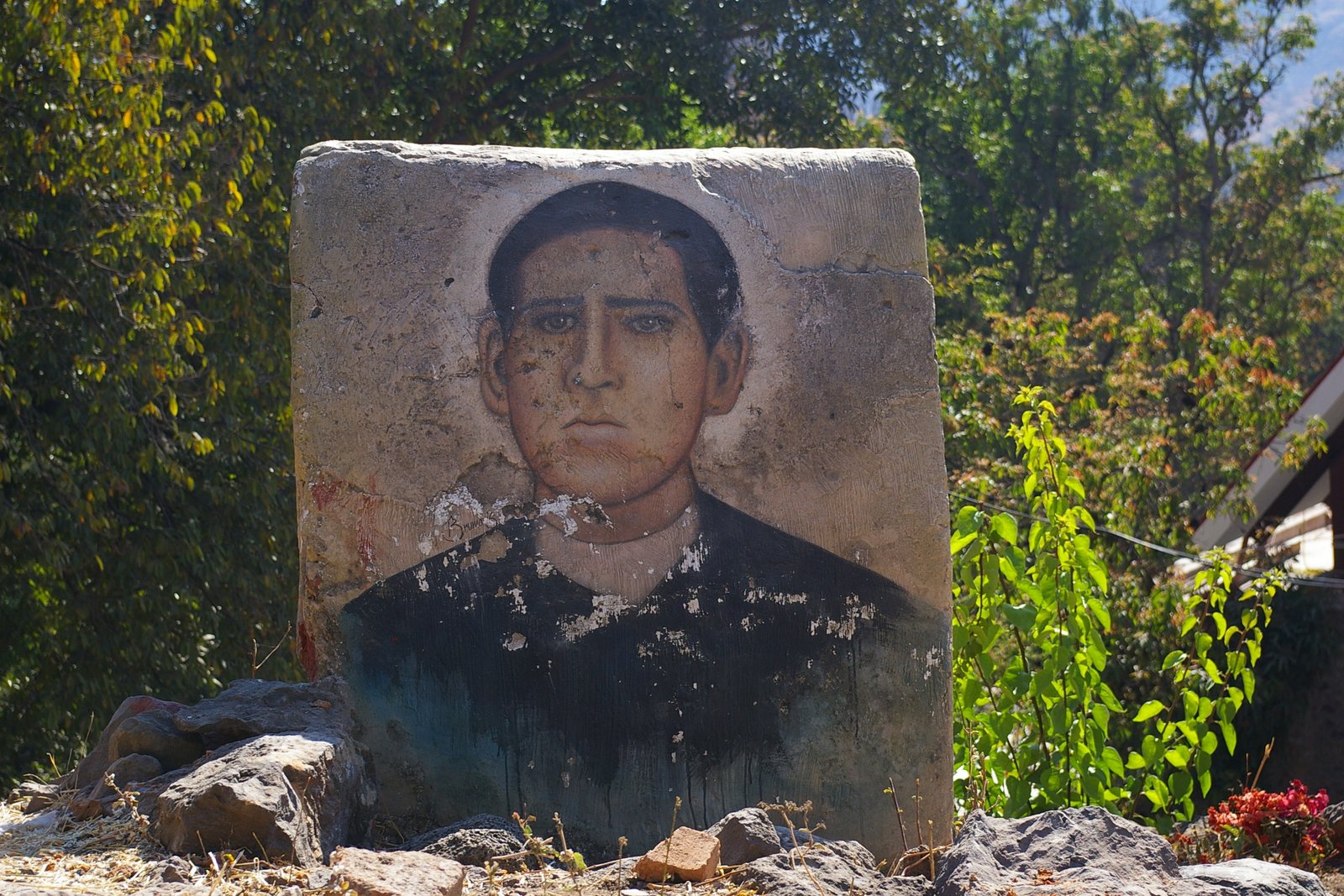
Saint Toribio Romo
On February 25, 1928, soldiers hunting a Cristero rebel priest shot Toribio Romo in his bed instead — he now appears in dreams to migrants crossing the desert.
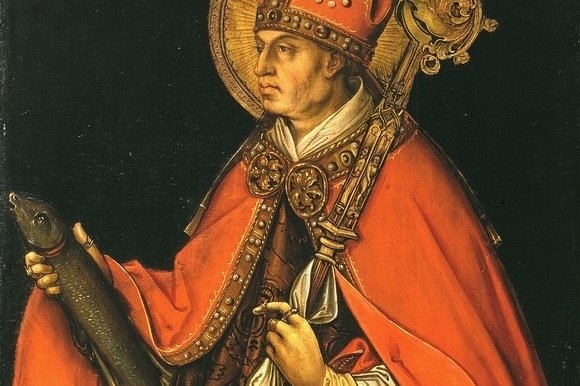
Saint Ulrich of Augsburg
A bishop in his sixties walked the walls of his besieged city to bless the defenders under Magyar arrows, days before a battle that reshaped Central Europe.
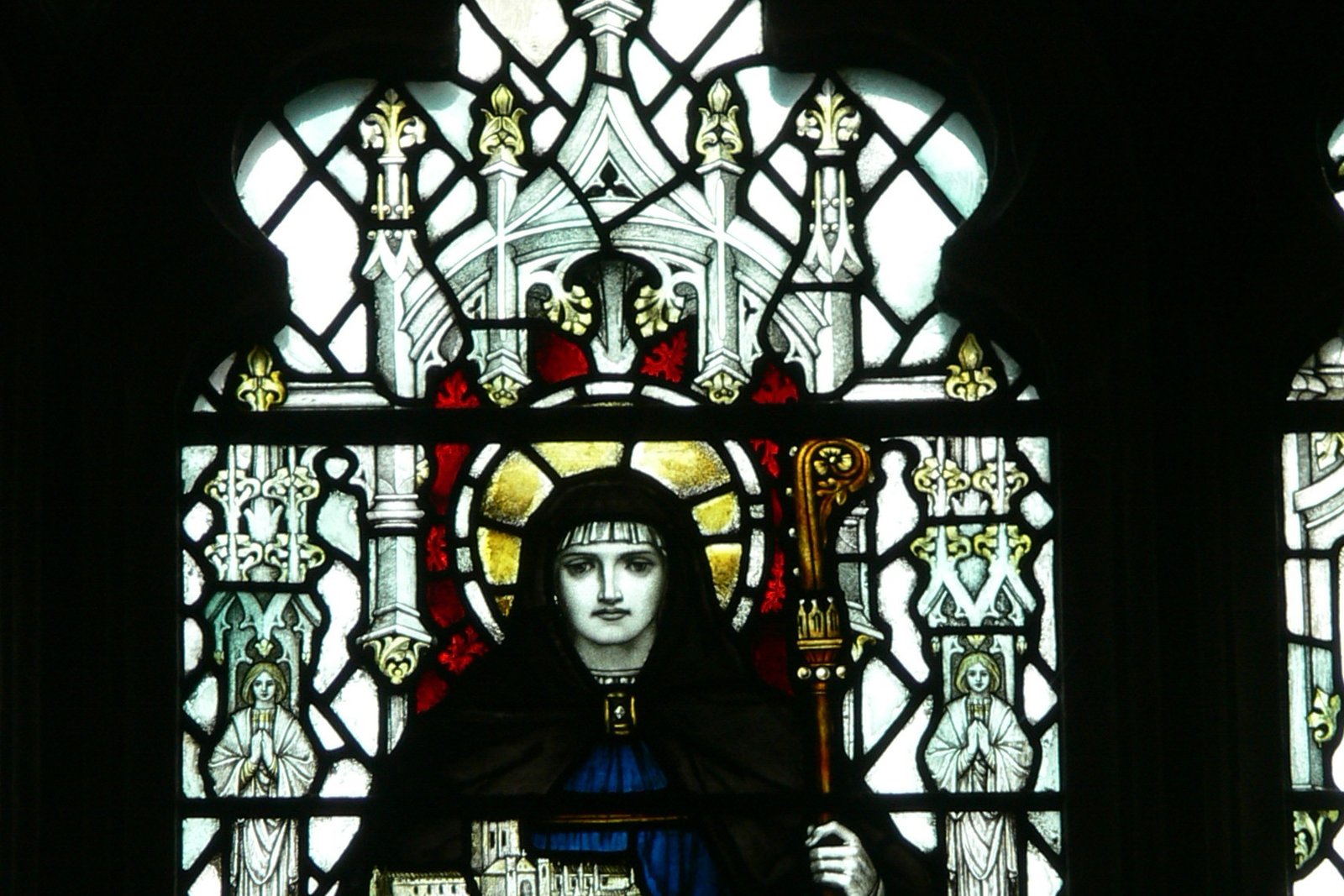
Saint Werburgh of Chester
A Mercian princess turned down marriage to rule convents instead, and centuries later monks fleeing Viking raids carried her body across England to safety.
Saint Wilfrid of York
A bishop exiled twice by kings he'd once served spent his forced retirement converting the last pagan kingdom in Anglo-Saxon England almost single-handedly.
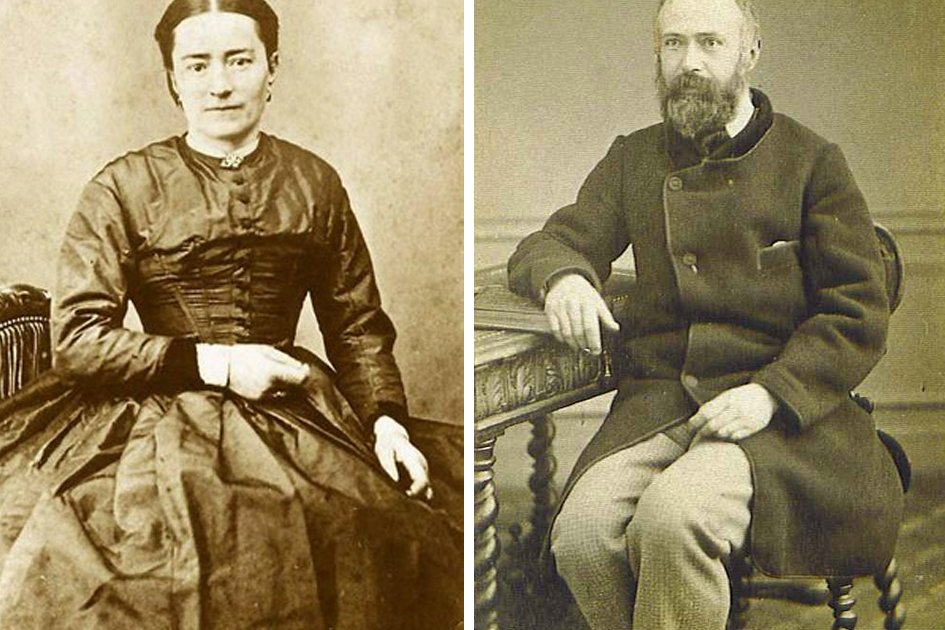
Saints Zelie and Louis Martin
Nine children, four dead in infancy, a lace business run from the kitchen table — Therese of Lisieux's parents became the first married couple canonized together.
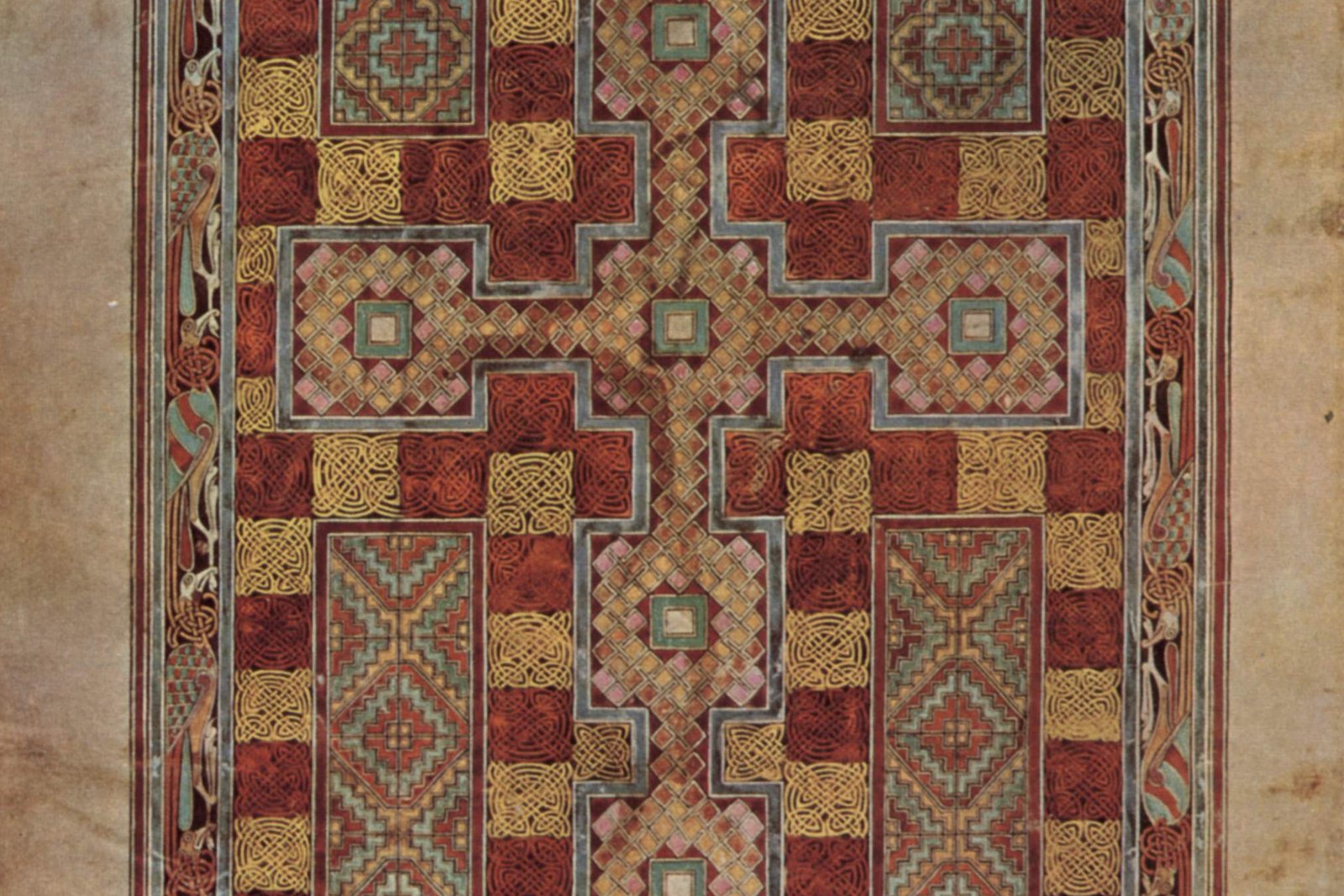
Anglo-Saxon Saints of England
A guided survey of the bishops, abbesses, and local patrons of Anglo-Saxon England, from Augustine of Canterbury's 597 mission through the Viking age.
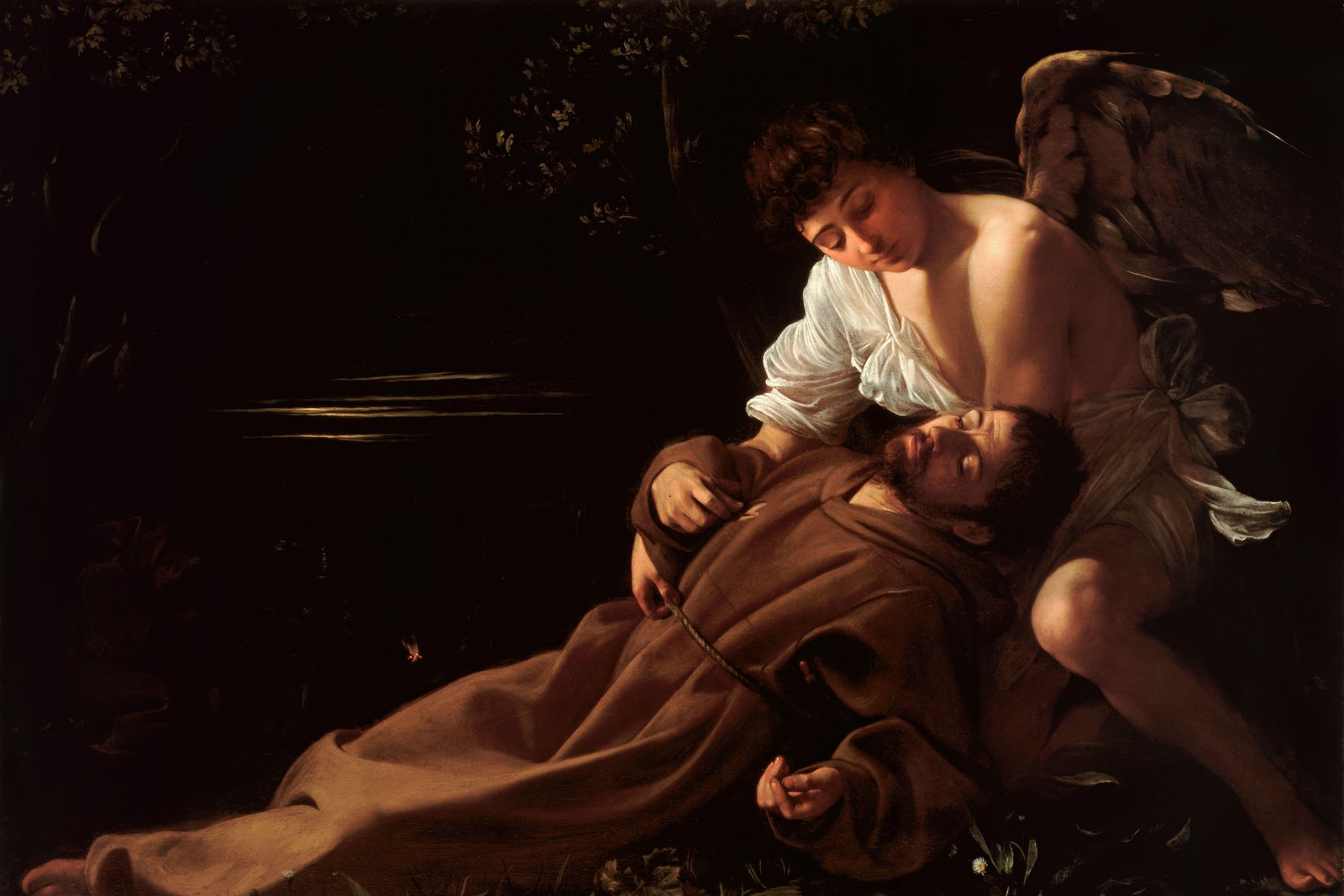
Christian Mystics, Visions, and the Interior Life
A guided survey of Christian mystics across the centuries — from desert Egypt to medieval Germany to Counter-Reformation Spain — and their reported visions of God.
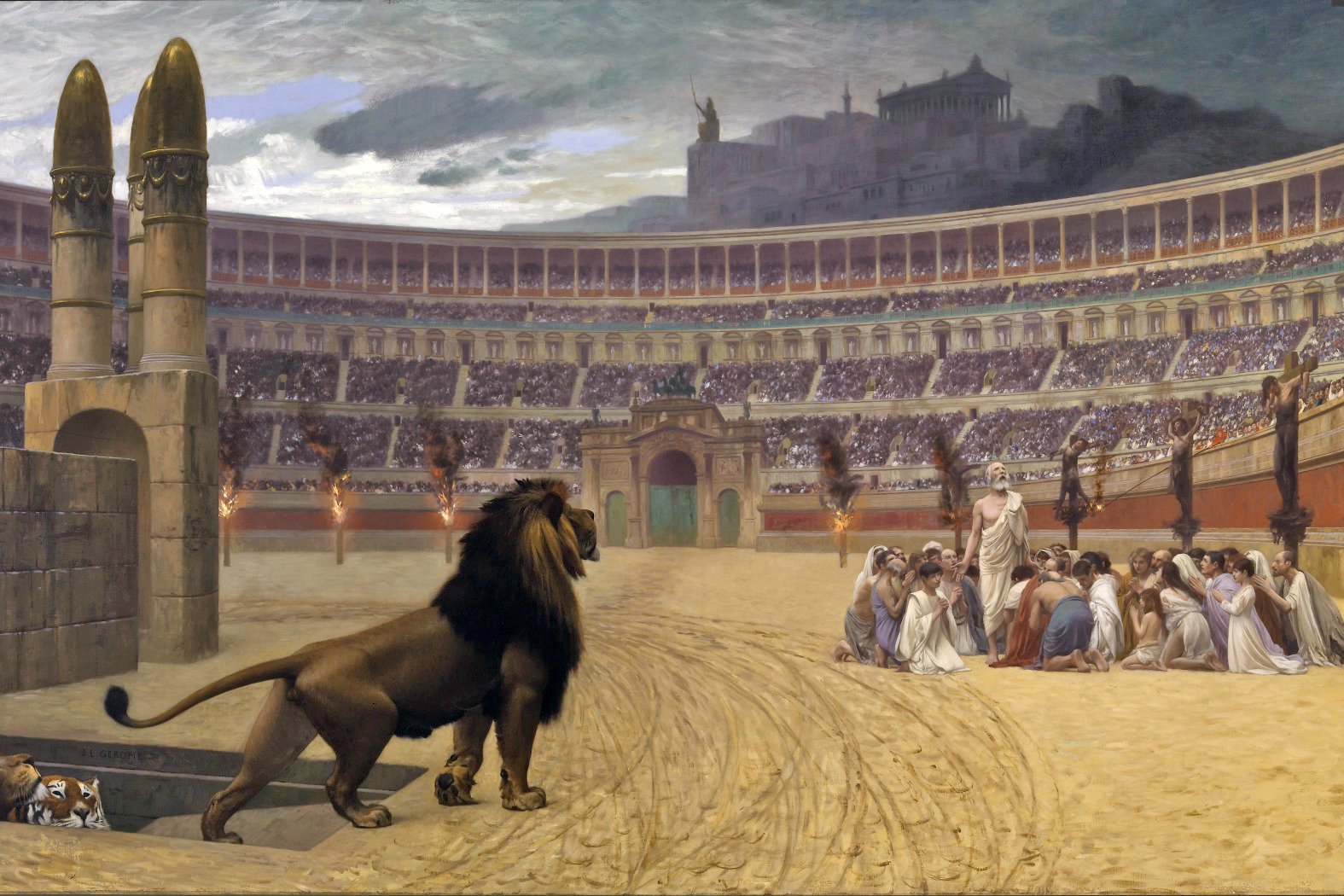
Early Popes and Martyrs of Rome
A guided survey of Rome's earliest popes, deacons, and lay martyrs — the men and women who led and died for the Church before Christianity was ever legal.
Founders of Catholic Religious Orders
A survey of the priests, laypeople, and widows who founded major Catholic teaching, missionary, and charitable religious orders between the 1500s and 1800s.
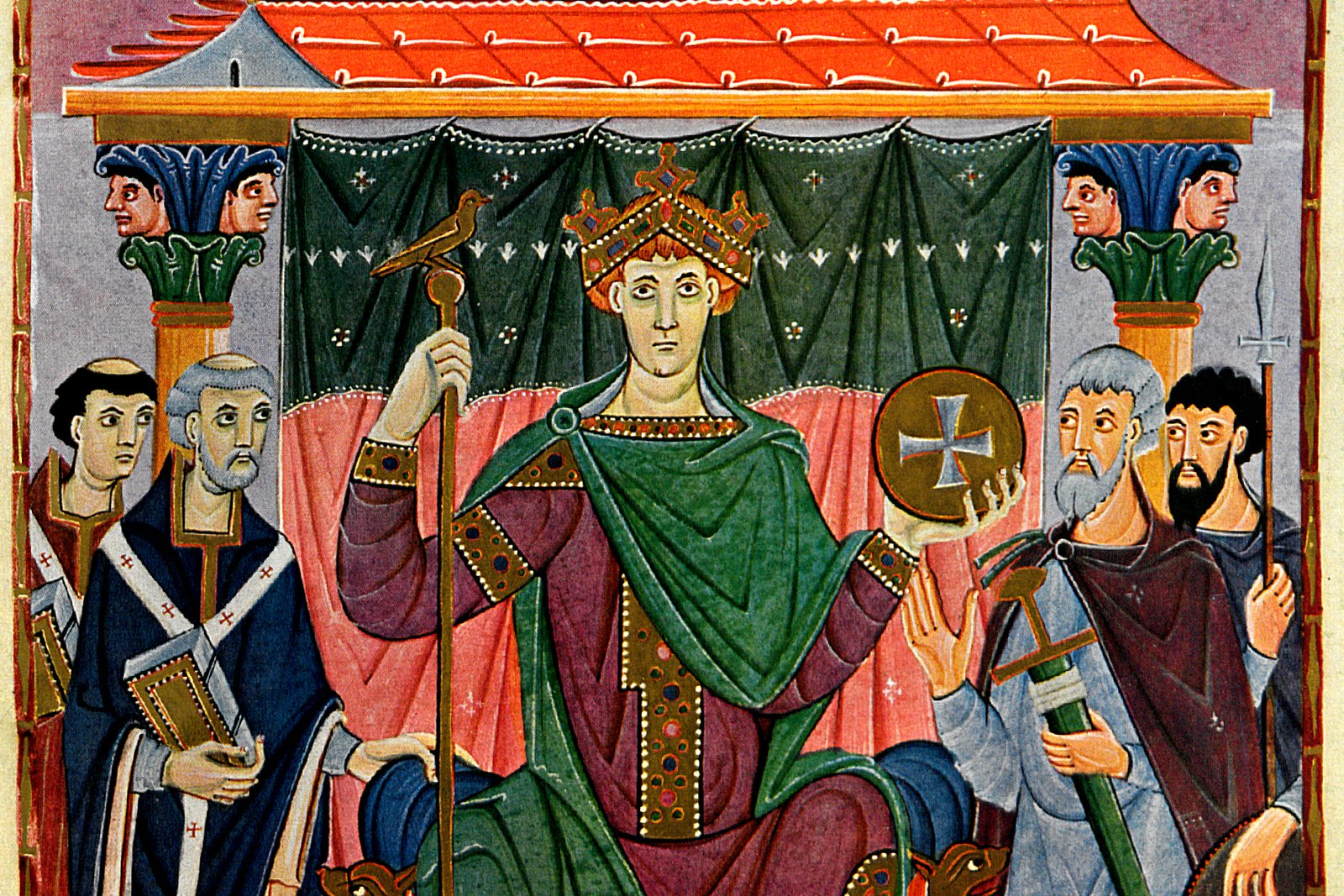
Medieval Missionary Bishops of the Carolingian and Ottonian Empire
A guided survey of missionary bishop-saints who built and Christianized the Carolingian and Ottonian empire, from the Rhineland to the Slavic and Baltic frontier.
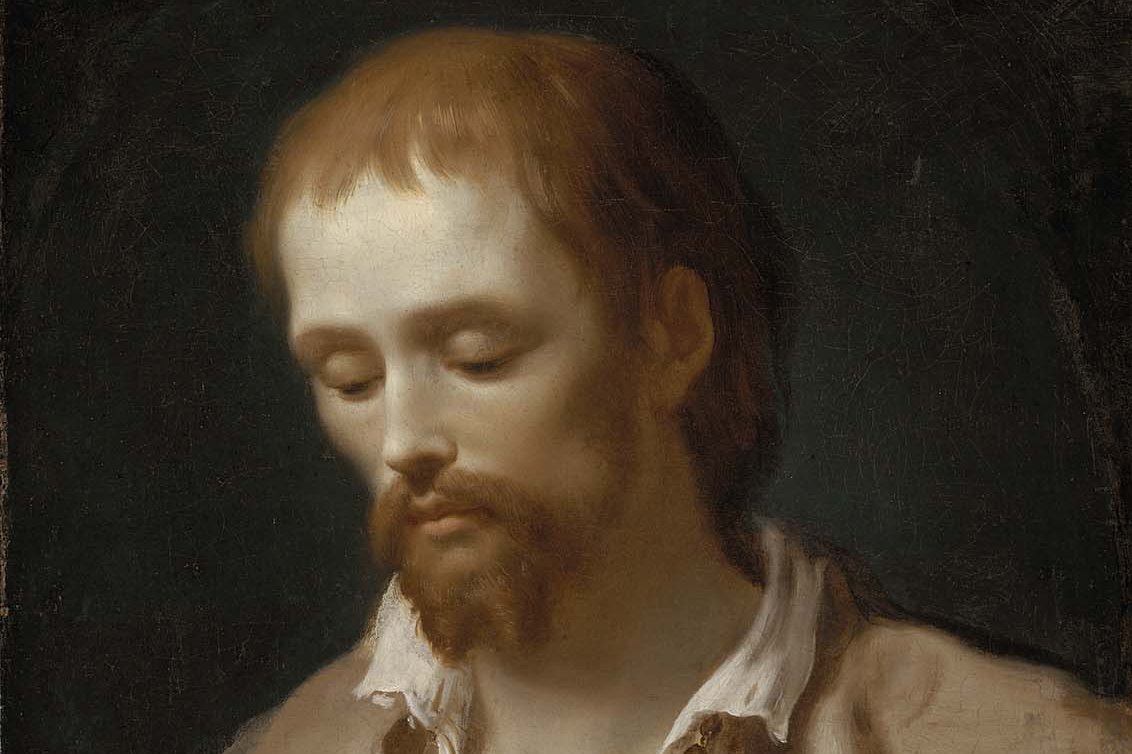
Saint Benedict Joseph Labre
A homeless beggar rejected by monastery after monastery died on a Roman street in 1783, and within a day the city's own children were calling him a saint.
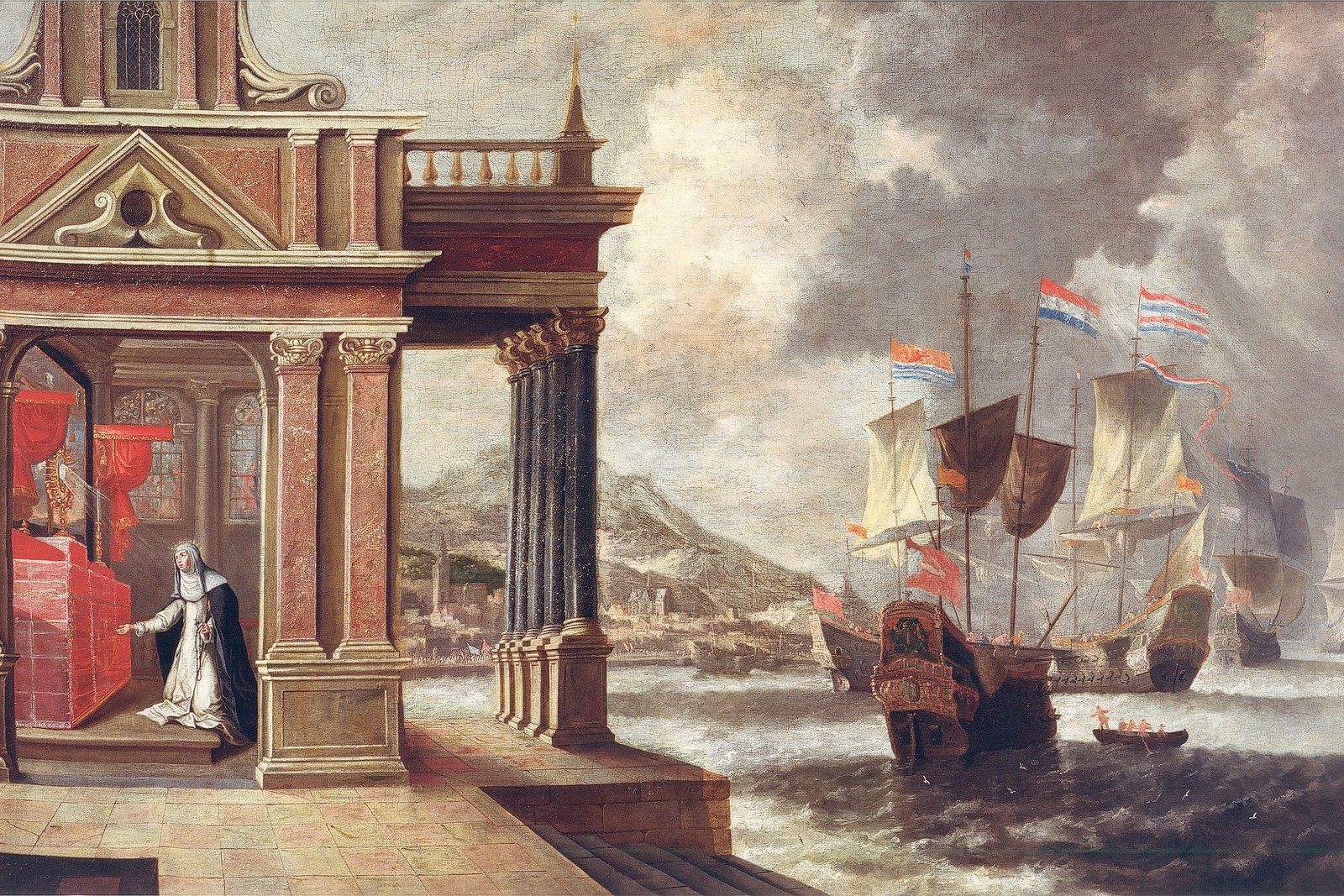
Saint Catherine de Ricci
A Florentine nun relived Christ's Passion in visible ecstasy every week for twelve years, and the crowds who came to watch eventually included a future pope.
Saint Catherine Laboure
A farm girl saw the Virgin Mary in a Paris convent chapel one night in 1830, and the medal she was told to strike has since been minted over a billion times.
Saint Clare of Montefalco
After an Augustinian abbess died in 1308, the nuns who prepared her body for burial found what they described as symbols of Christ's Passion inside her own heart.
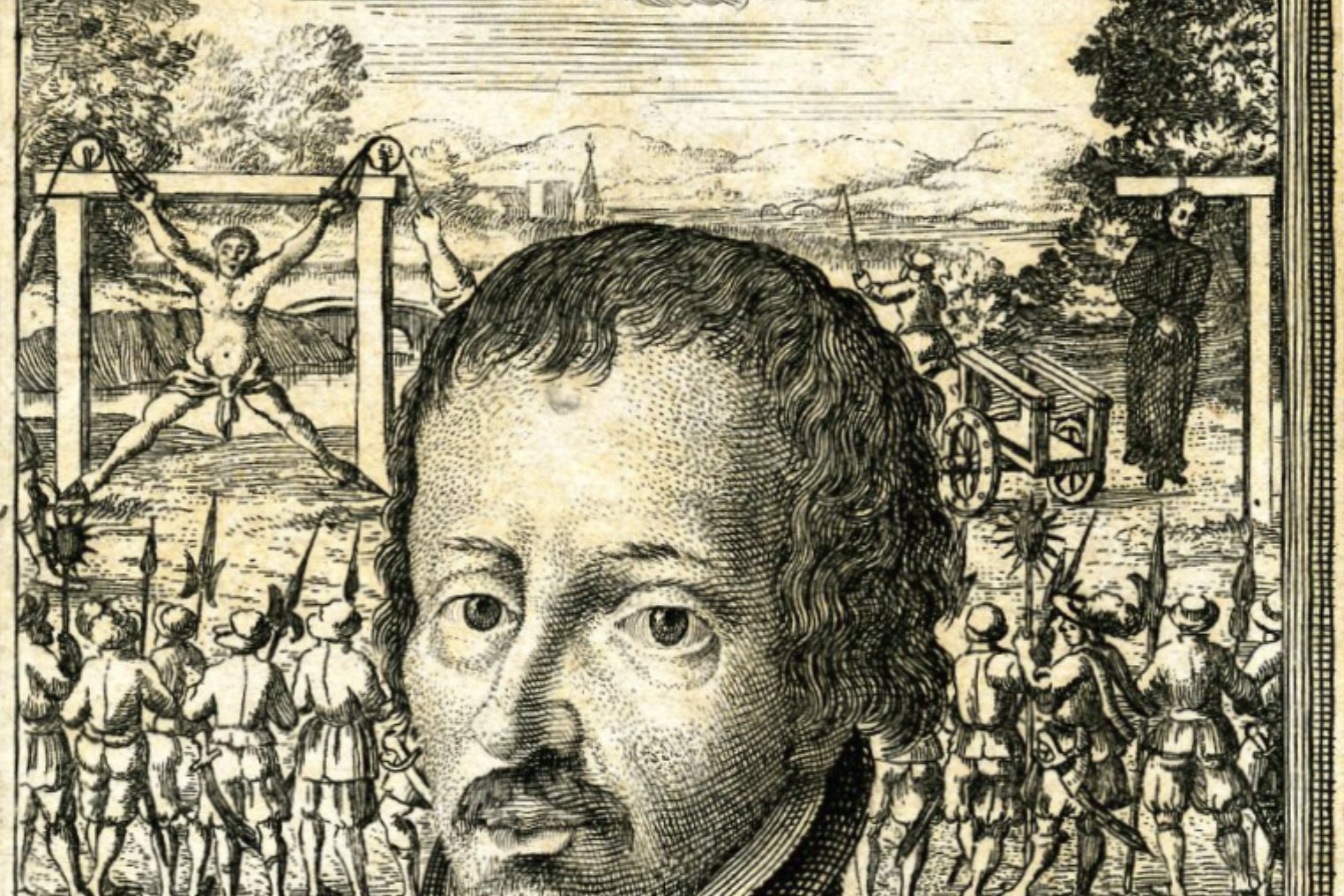
Saint Edmund Campion
A star Oxford scholar who could have had any career he wanted under Elizabeth I chose the secret priesthood instead, and paid for it at Tyburn in 1581.
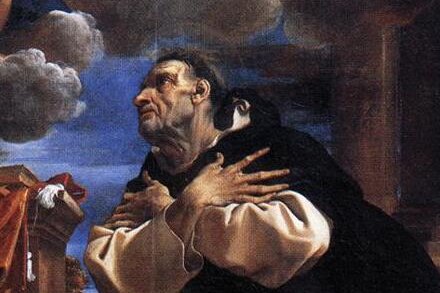
Saint Hyacinth of Poland
A Polish nobleman met Saint Dominic in Rome, joined his brand-new order on the spot, and then walked home to found it across an entire region of Europe.
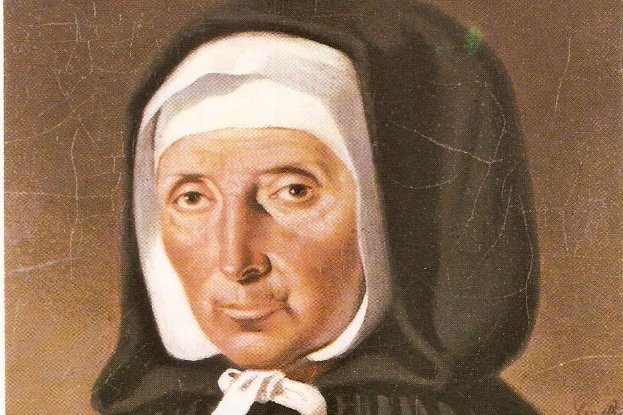
Saint Jeanne Jugan
A poor Breton servant carried a blind, elderly widow up the stairs to her own bed and slept in the attic instead, launching a worldwide order almost by accident.
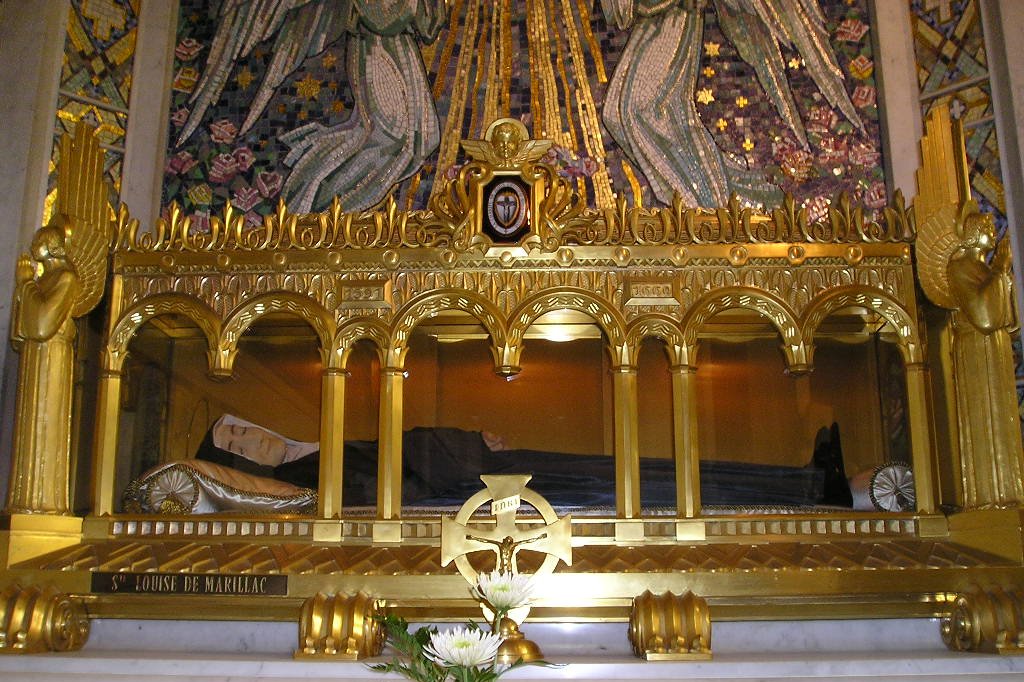
Saint Louise de Marillac
A widow with no religious training co-founded a community for poor girls who had nowhere else to go, and it grew into one of the largest orders serving the poor.
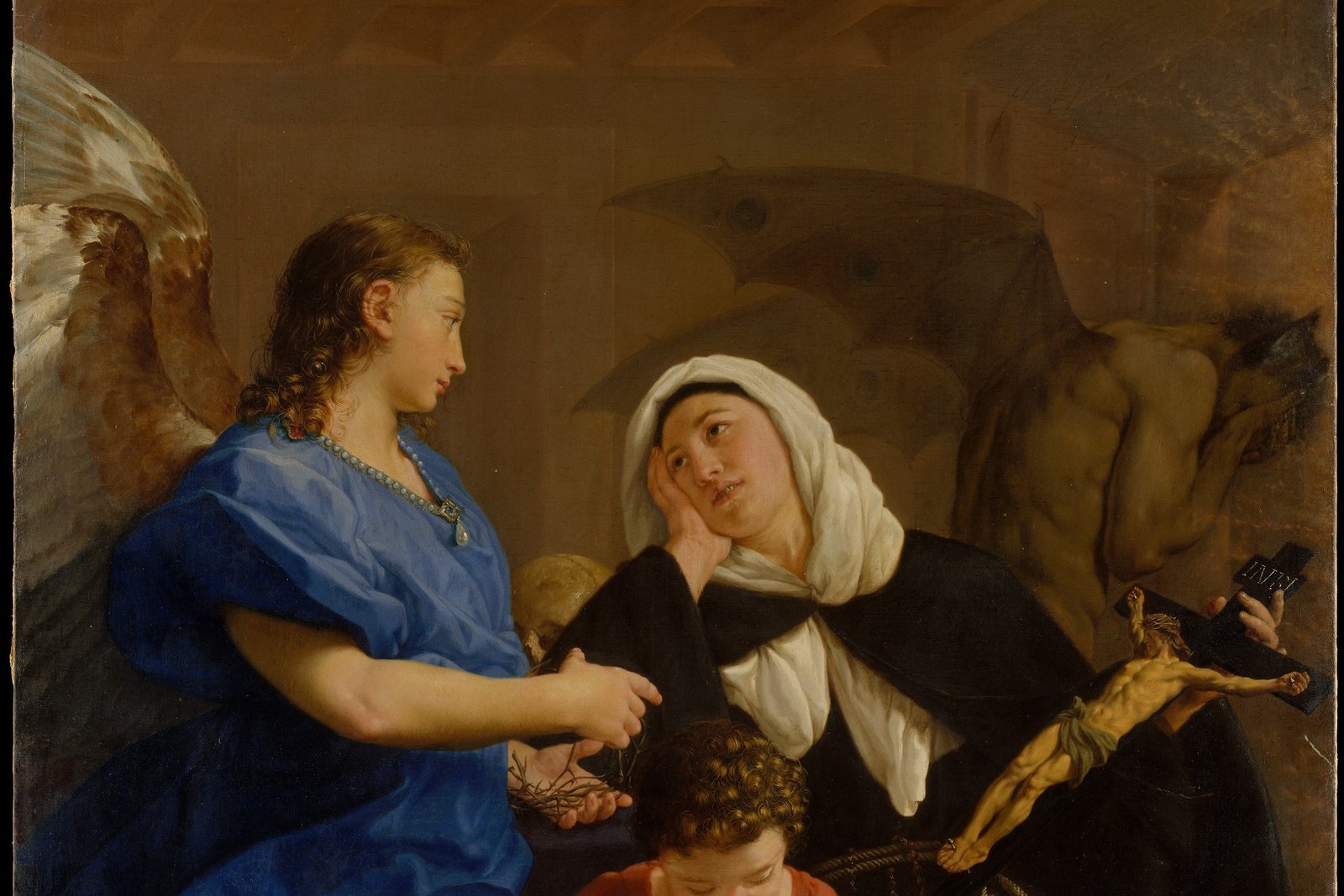
Saint Margaret of Cortona
A nobleman's mistress found her lover's murdered body in a forest, and instead of fleeing in grief she walked to the nearest church and refused to leave.
Saint Nicholas of Tolentino
An Augustinian friar spent 30 years hearing confessions in one Italian town, and by the time he died, crowds were already cutting pieces from his habit as relics.
Saint Pedro Poveda
A Spanish priest spent years teaching cave-dwelling miners' children before founding a movement for women's education, then was shot in Madrid's civil war terror.
Saint Raphael Kalinowski
A military engineer survived Siberian exile for joining an uprising against Russia, then became a Carmelite friar who heard confessions up to 12 hours a day.
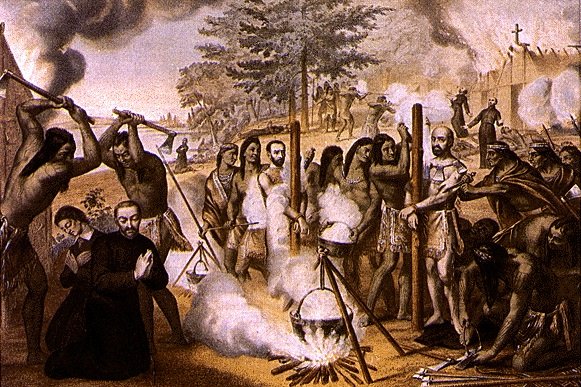
Saint Rene Goupil
A French surgeon crossed the Atlantic to serve Jesuit missionaries unpaid, and became the first North American Martyr to die, killed over the sign of the cross.
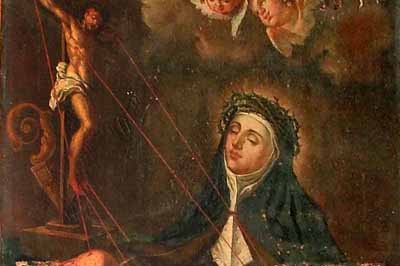
Saint Veronica Giuliani
A Capuchin nun kept a diary of her mystical life for 34 years on her superior's orders, and it became one of the largest surviving records of any Christian mystic.
Saint Vincent Pallotti
A Roman priest gave away his own coat, shoes, and dinner so often that his bishop had to intervene — then he built a movement out of that same restless generosity.
Saint Aelred of Rievaulx
A Scottish royal court official became a Cistercian abbot and wrote one of the medieval Church's most sympathetic treatises on the value of close friendship.
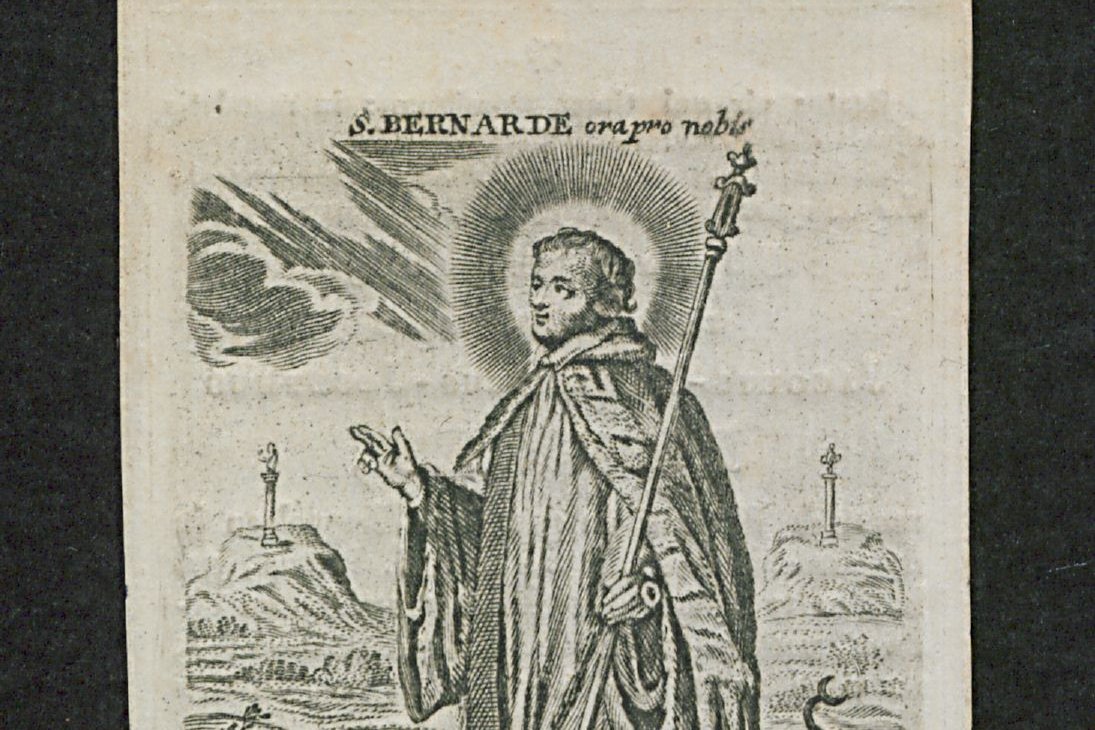
Saint Bernard of Menthon
An 11th-century Alpine archdeacon built two rescue hospices on deadly mountain passes, and centuries later a dog breed developed there was named after him.
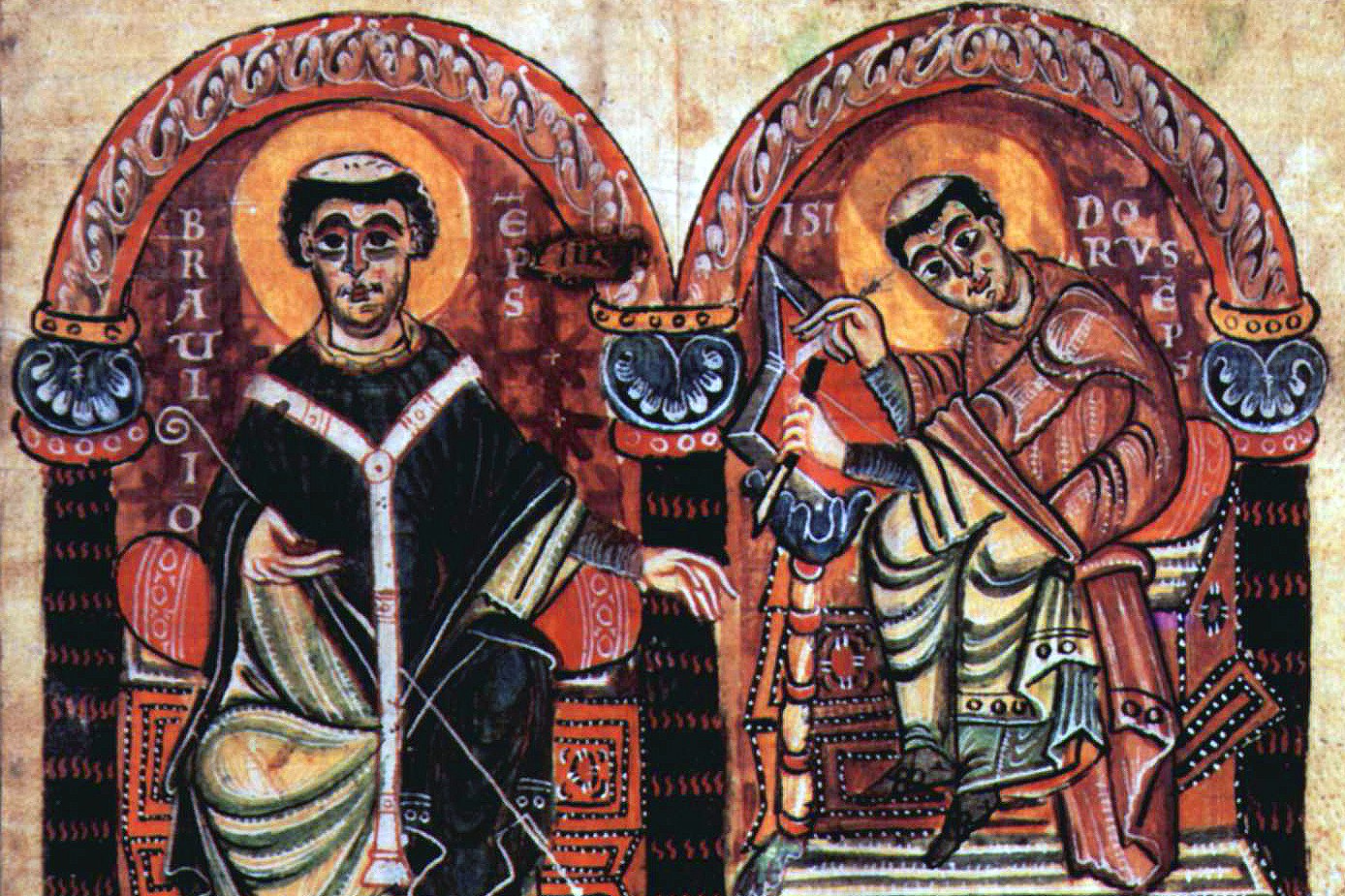
Saint Braulio of Zaragoza
A Visigothic bishop badgered his dying mentor for years to finish an encyclopedia — then edited and published it himself once Isidore of Seville was gone.
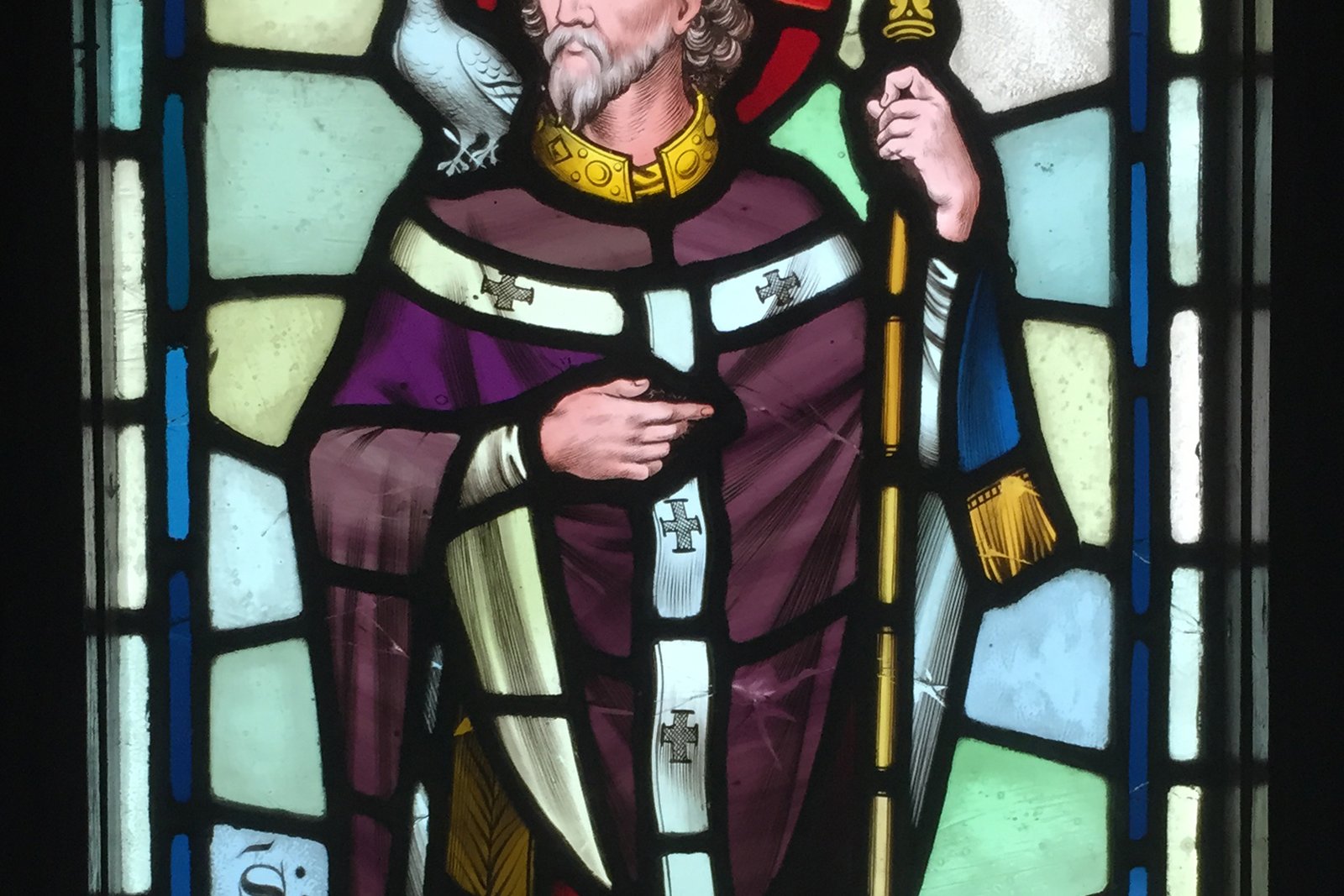
Saint David of Wales
A 6th-century Welsh monk supposedly made the ground rise beneath him mid-sermon so a crowd could see and hear him — his last words still shape a national motto.

Saint Edmund of Abingdon
An Oxford-trained archbishop clashed so badly with King Henry III over Church appointments that he left England and died in exile before reaching sixty.
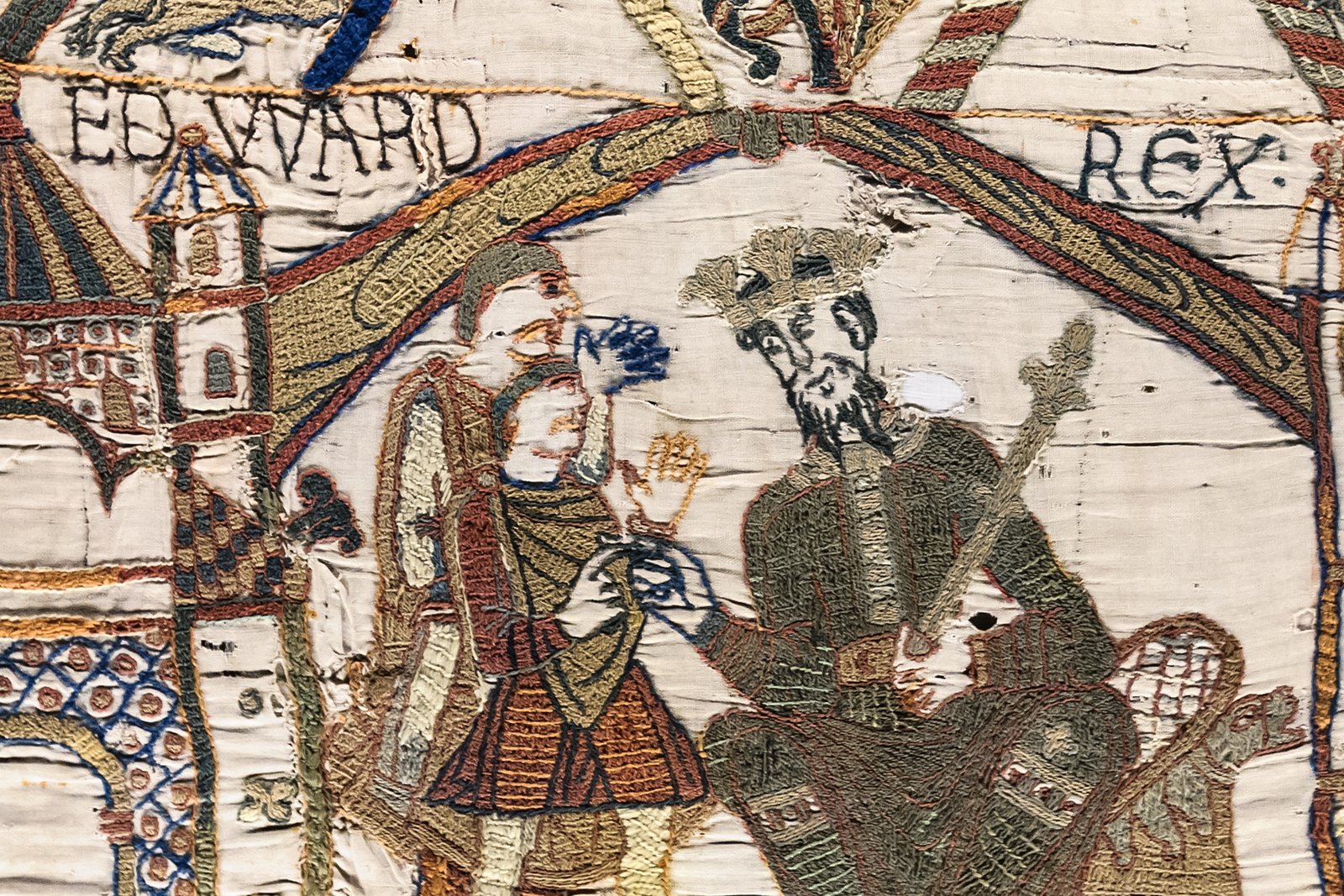
Saint Edward the Confessor
The last crowned Anglo-Saxon king of England built Westminster Abbey, died childless within days of its consecration, and triggered the Norman Conquest.
Saint Francisco Solano
A Spanish friar walked thousands of miles across South America playing a violin, converting entire indigenous communities through music rather than argument.
Saint Fructuosus of Braga
A Visigothic nobleman gave away an entire inheritance to found monasteries, then had to build one out in the wilderness just to escape the crowds following him.
Saint Gilbert of Sempringham
An English priest founded the only religious order to originate in medieval England, and lived past a hundred to defend it in court against his own lay brothers.
Saint Gregory Thaumaturgus
A 3rd-century bishop reportedly left a once mostly pagan Asia Minor city with just seventeen pagans remaining — his nickname literally means "wonder-worker."
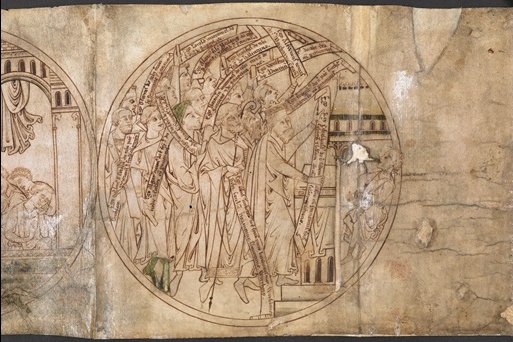
Saint Guthlac of Crowland
An Anglo-Saxon warrior gave up nine years of raiding to live alone in a Fenland burial mound, fighting demons instead of men for the rest of his life.
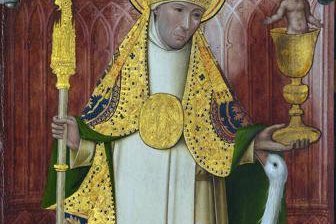
Saint Hugh of Lincoln
A French Carthusian monk told King Henry II to his face he had no right to seize Church property as bishop of Lincoln — and the king backed down, more than once.
Saint Illtud
A former soldier turned monk ran one of early Britain's great centers of learning — training a generation of Welsh saints who scattered across the Christian west.
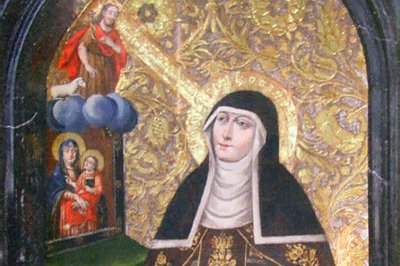
Saint Kinga of Poland
A Hungarian princess married a Polish duke, kept a lifelong vow of celibacy inside that marriage, and is still credited with discovering Poland's salt mines.
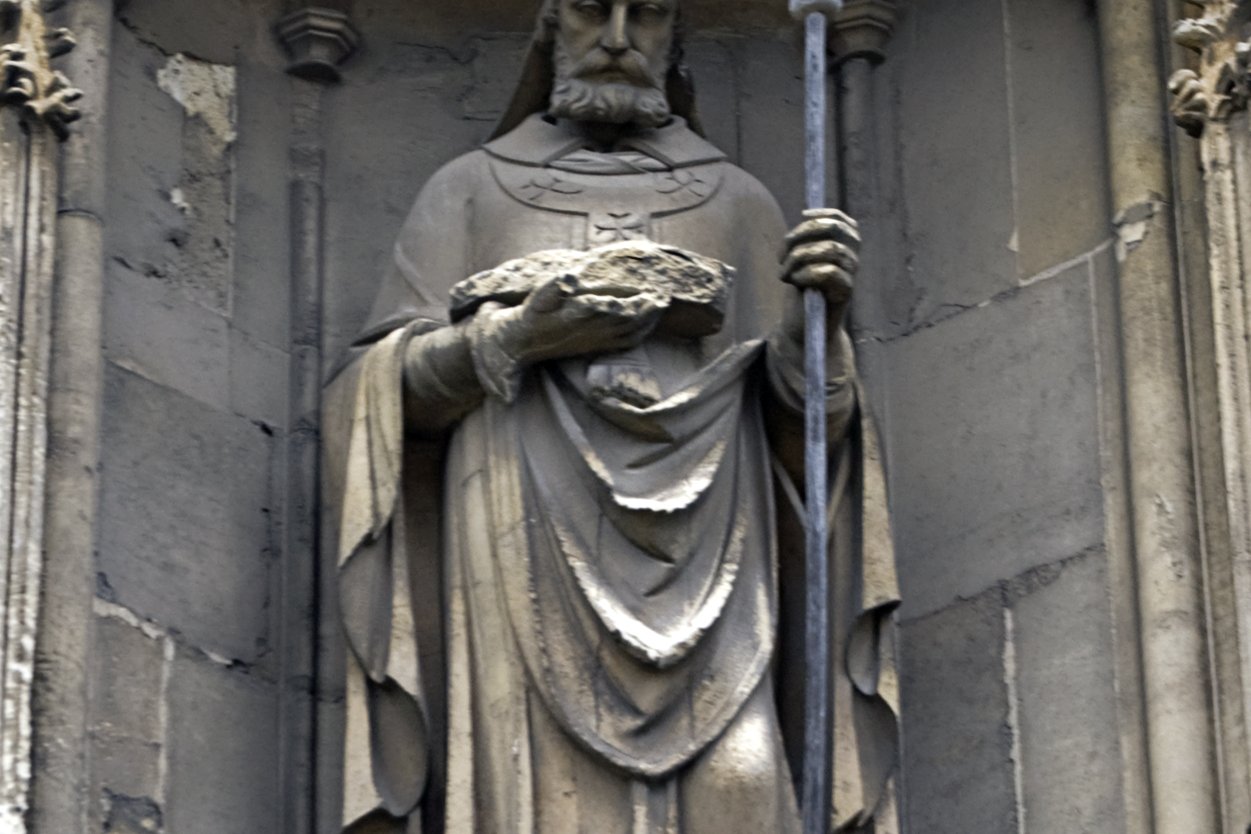
Saint Lanfranc of Canterbury
An Italian legal scholar became William the Conqueror's own archbishop of Canterbury, then rebuilt England's entire Church structure from the ground up after 1066.
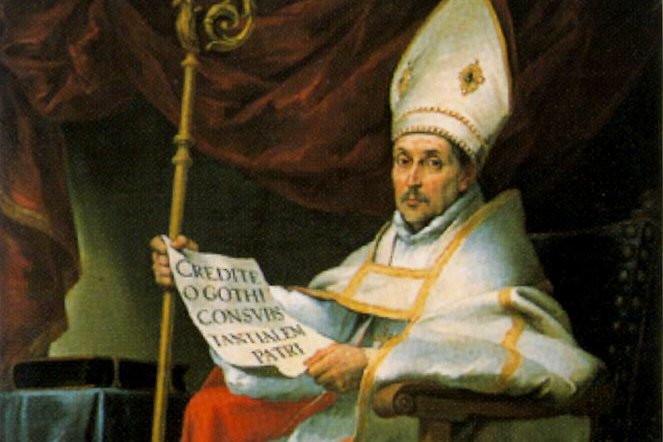
Saint Leander of Seville
A Spanish bishop personally converted a Visigothic prince who then died for his new Catholic faith — and helped talk an entire kingdom out of heresy soon after.
Saint Ludmila
A Bohemian duchess raised the boy who would become her country's greatest saint, then was strangled with her own veil by hired men sent by her daughter-in-law.
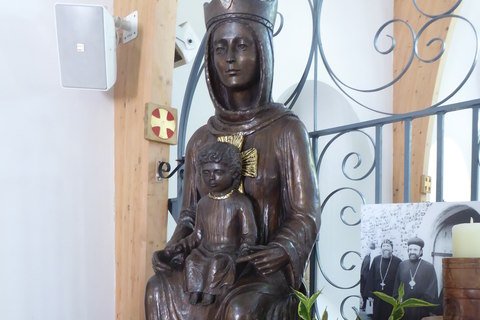
Saint Mildred of Thanet
An Anglo-Saxon princess ran one of early England's most important convents, and medieval Canterbury pilgrims stopped at her shrine on the way to Becket's.
Saint Nicholas Owen
A Jesuit lay brother built hidden priest holes across Elizabethan England for eighteen years, then died under torture in the Tower without giving one up.
Saint Odo of Cluny
A former court musician became abbot of a small Burgundian monastery and turned it into the reform movement that reshaped Western monasticism for centuries.
Saint Richard of Chichester
An English bishop's private deathbed prayer became a Broadway show tune centuries later, after Godspell set his words on seeing Christ "more clearly" to music.
Saint Robert of Molesme
A Benedictine abbot walked away from the wealthy monastery he'd led for years to found a stricter one, then was ordered back by the pope within months.
Saint Robert Southwell
A Jesuit poet hid in priest holes for six years, wrote verse that later shaped Shakespeare, then walked to the gallows at Tyburn in 1595 reciting Psalm 31 aloud.
Saint Samson of Dol
A Welsh-trained monk crossed the sea to Brittany and became one of its founding bishops, in a documented life unusually well-recorded for the 6th century.
Saint Stephen Harding
An English monk co-founded a struggling reform monastery so austere it nearly died out — then a young nobleman named Bernard arrived with thirty recruits.
Saint Ursula
A British princess supposedly sailed with eleven thousand virgin companions, massacred outside Cologne on the way home — a legend traced to a copying error.
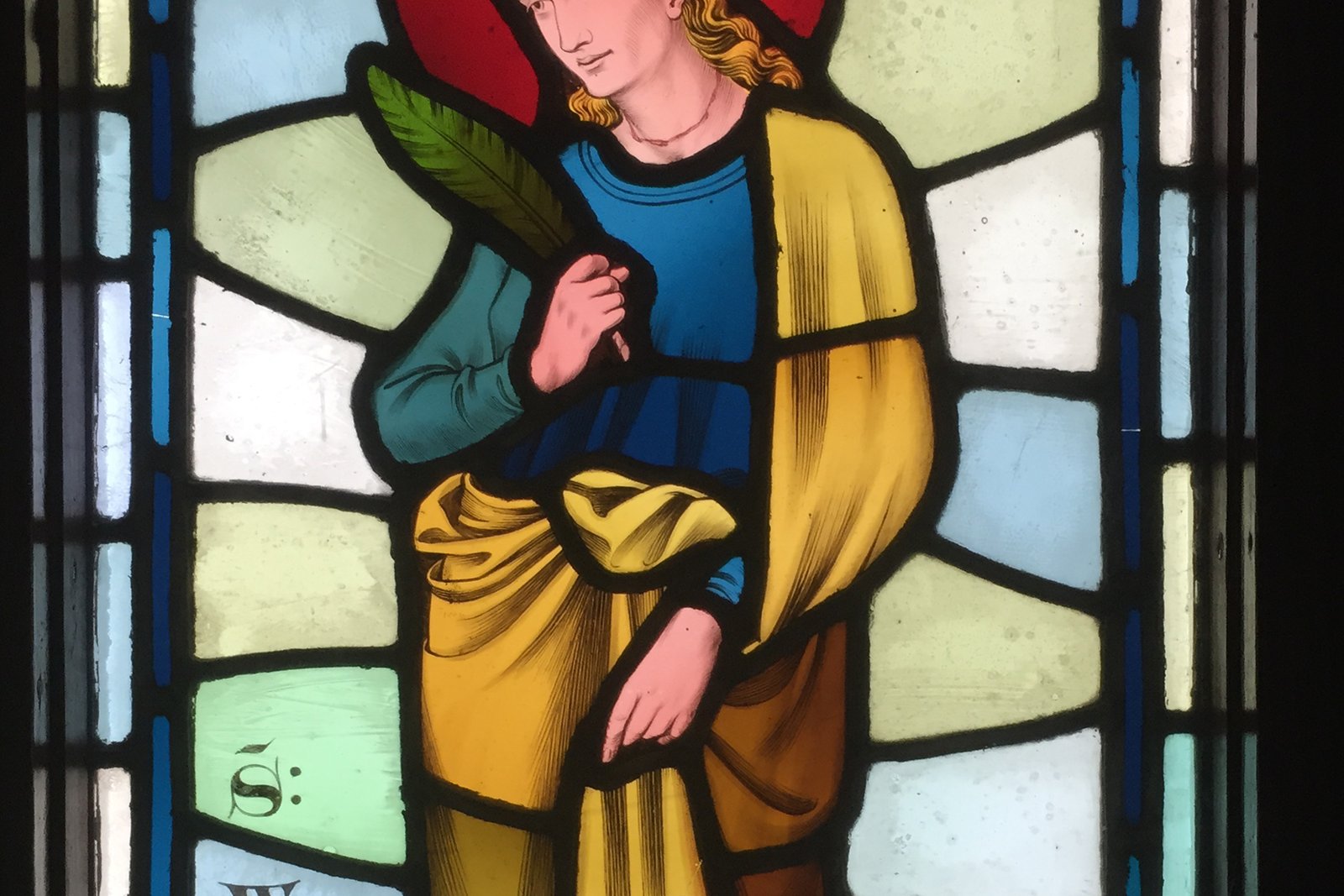
Saint Winifred
A Welsh noblewoman was beheaded by a rejected suitor and, according to enduring tradition, restored to life — the spring where her head fell still flows today.
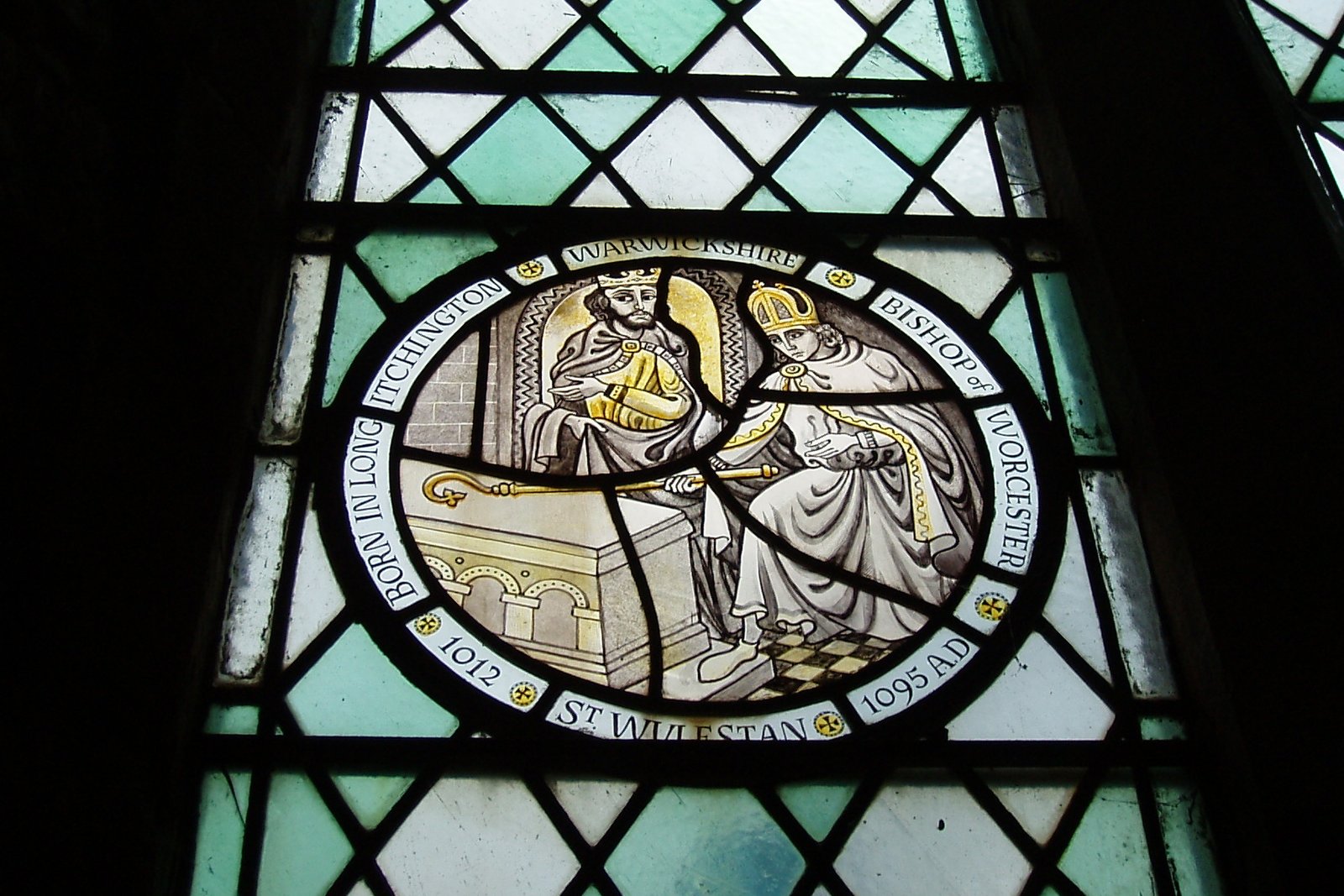
Saint Wulfstan of Worcester
Nearly alone among English-born bishops who kept their post after the Norman Conquest, he also led a decades-long campaign to end Bristol's slave trade.
Saint Angela of Foligno, the Mistress of Theologians
A wealthy Italian wife lost her husband and every one of her children within a single year, then wrote one of the most extreme mystical accounts in Church history.
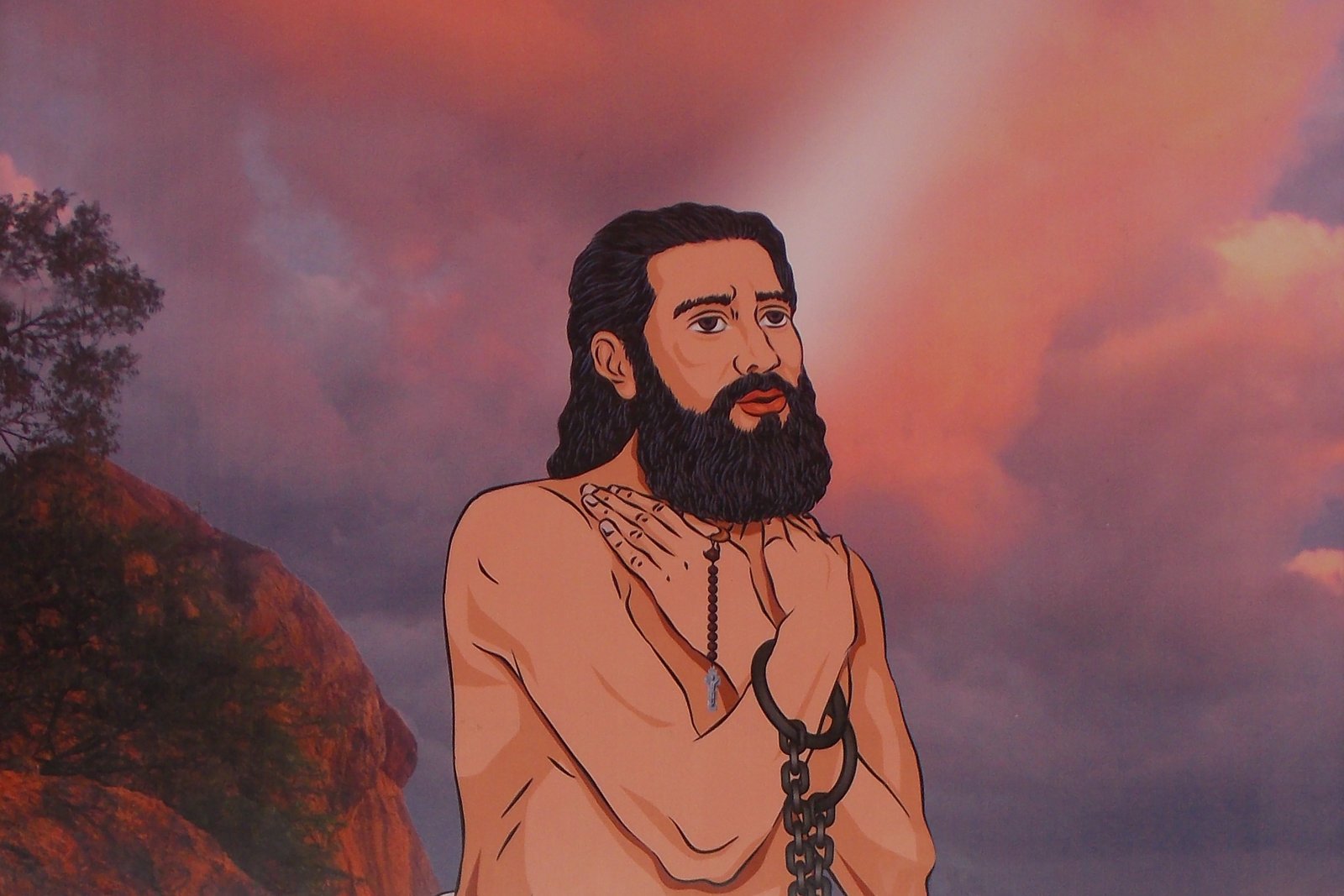
Saint Devasahayam Pillai, India's First Lay Martyr-Saint
A high-ranking Hindu court official converted to Christianity, was stripped of his rank and paraded through villages in chains, and refused every chance to recant.
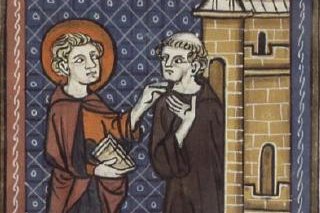
Saint Fursey
An Irish monk fell into a trance, saw visions of fire dividing the just from the wicked, and woke with a mark on his shoulder that reportedly never healed.
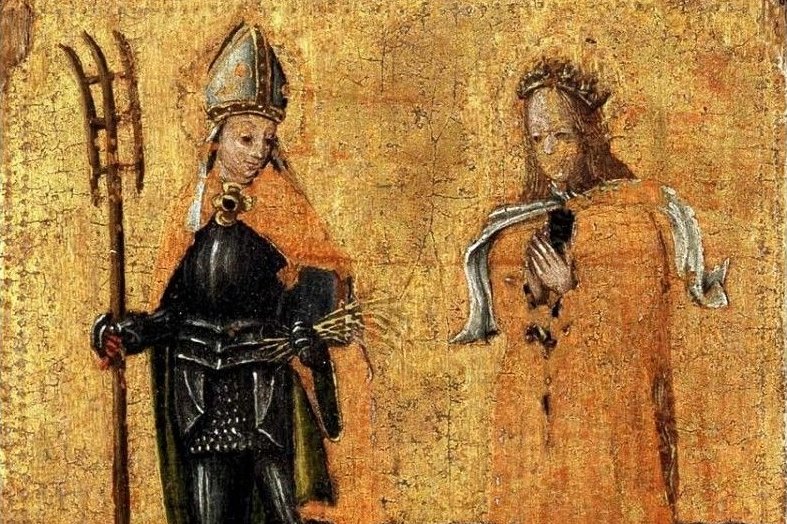
Saint Godelieve of Gistel
A young noblewoman's husband abandoned her at their own wedding feast, then had her strangled years later — and the Church canonized her within fourteen years.
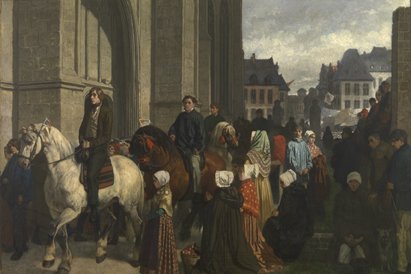
Saint Guy of Anderlecht
A poor sacristan gave away everything he owned, lost the rest in a shipwrecked business deal, and still became the saint Belgian farmers bring their horses to honor.
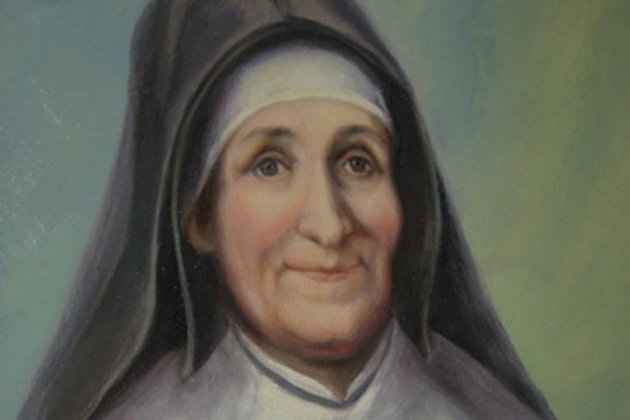
Saint Julie Billiart, Founder of Notre Dame de Namur
Paralyzed for twenty-two years after witnessing an attack on her father, a French farm girl was suddenly and inexplicably able to walk again on the day she prayed.
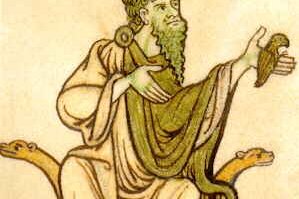
Saint Kevin of Glendalough
An Irish hermit once stood in prayer so long that a blackbird nested in his open hand — legend says he held still until the eggs hatched and the chicks flew away.
Saint Madeleine Sophie Barat, Founder of the Sacred Heart Sisters
A shopkeeper's daughter tutored by a strict older brother in a locked room founded a teaching order that spread to six continents before her death.
Saint Mariana de Jesus de Paredes, Lily of Quito
When an epidemic and an earthquake struck colonial Quito at once, a young mystic offered her own life in exchange for the city's, and the disasters stopped.
Saint Marie of the Incarnation, Mystic of New France
A widowed businesswoman who ran a shipping company left her only child behind in France to cross the Atlantic and build a school in the frozen wilderness of Quebec.
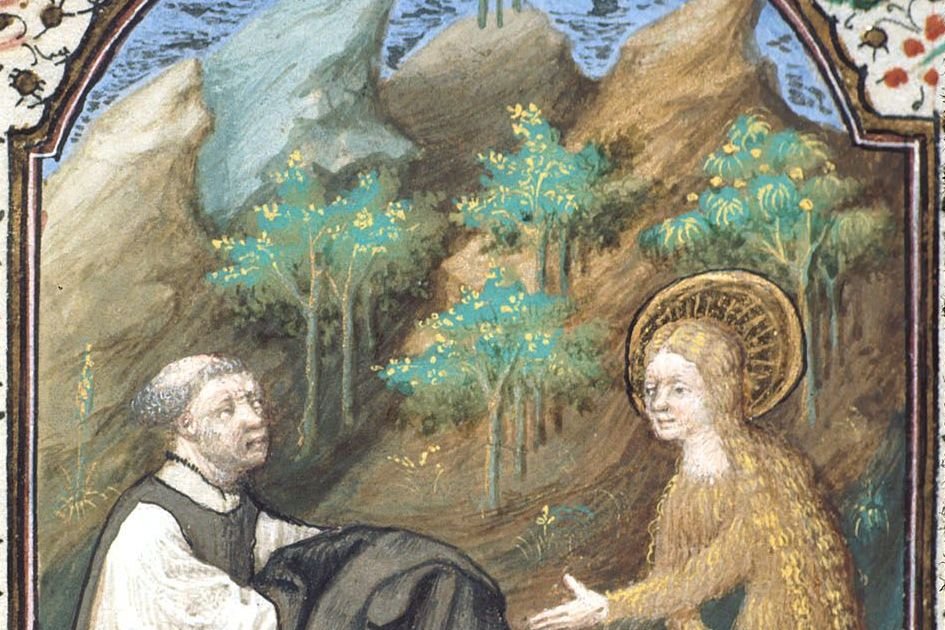
Saint Mary of Egypt
An invisible force stopped a woman at a church door in Jerusalem — and rather than fight it, she walked into the desert alone and never returned to a city again.
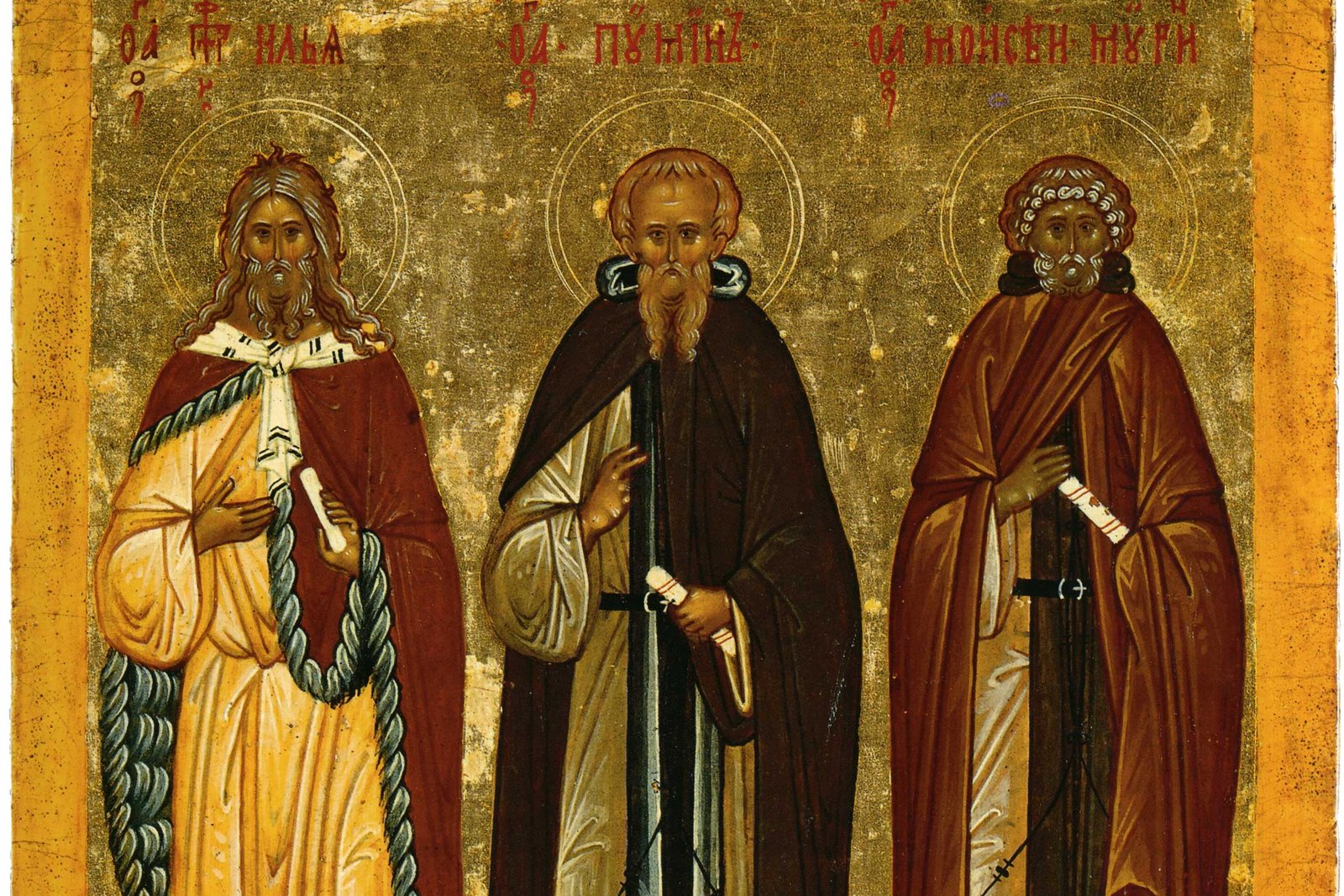
Saint Moses the Black, Desert Father
A gang leader feared across the Egyptian countryside walked into a monastery to hide from the law and never left, becoming one of the desert's fiercest ascetics.
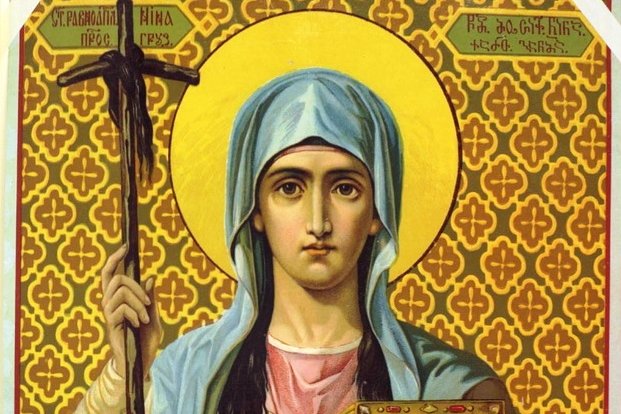
Saint Nino of Georgia
A young woman crossed into a pagan kingdom carrying nothing but a cross of grapevine bound with her own hair, and left it a Christian nation within a decade.
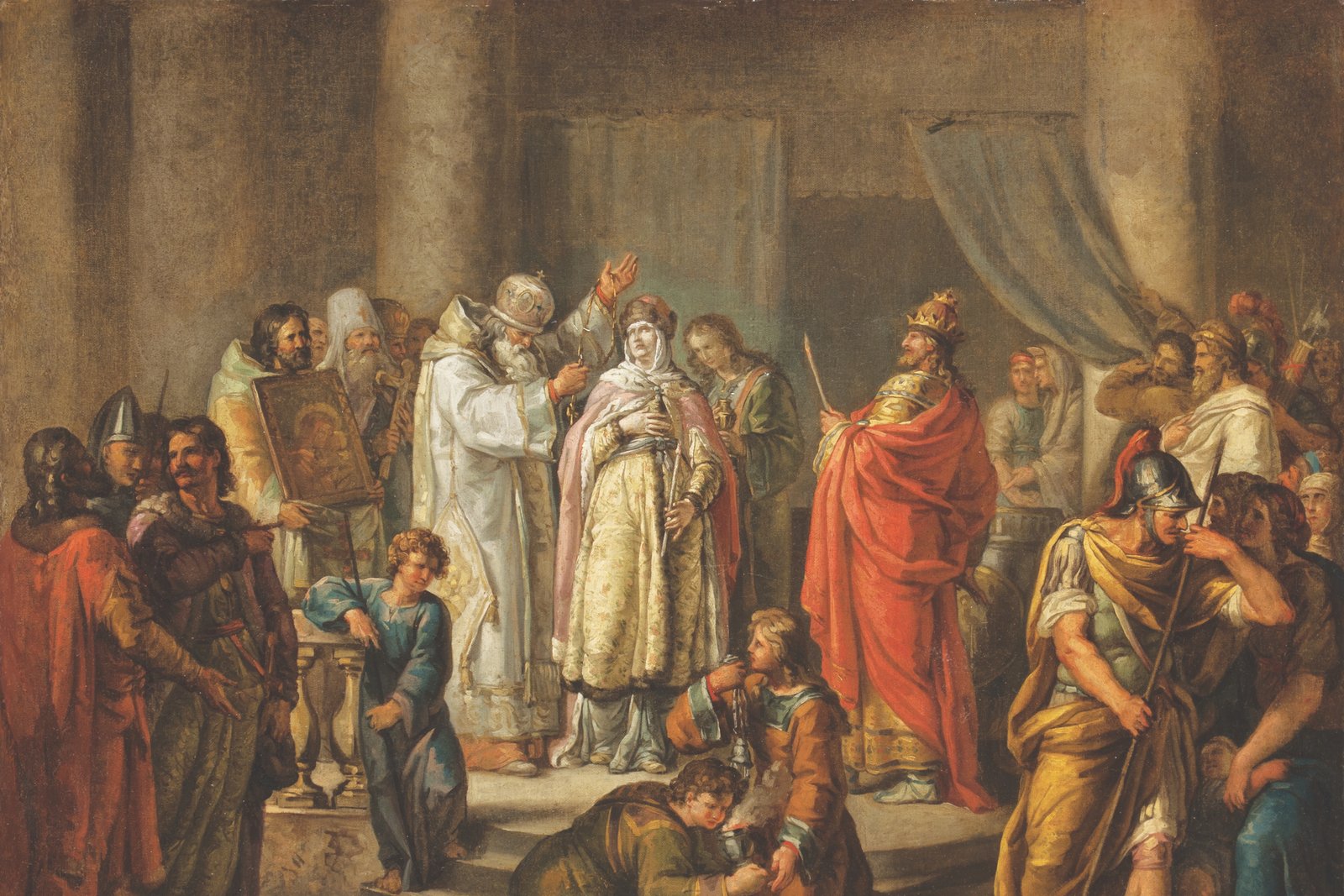
Saint Olga of Kiev
Before she became the first Christian ruler of Rus and a canonized saint, Olga of Kiev answered her husband's murder with three acts of calculated revenge.
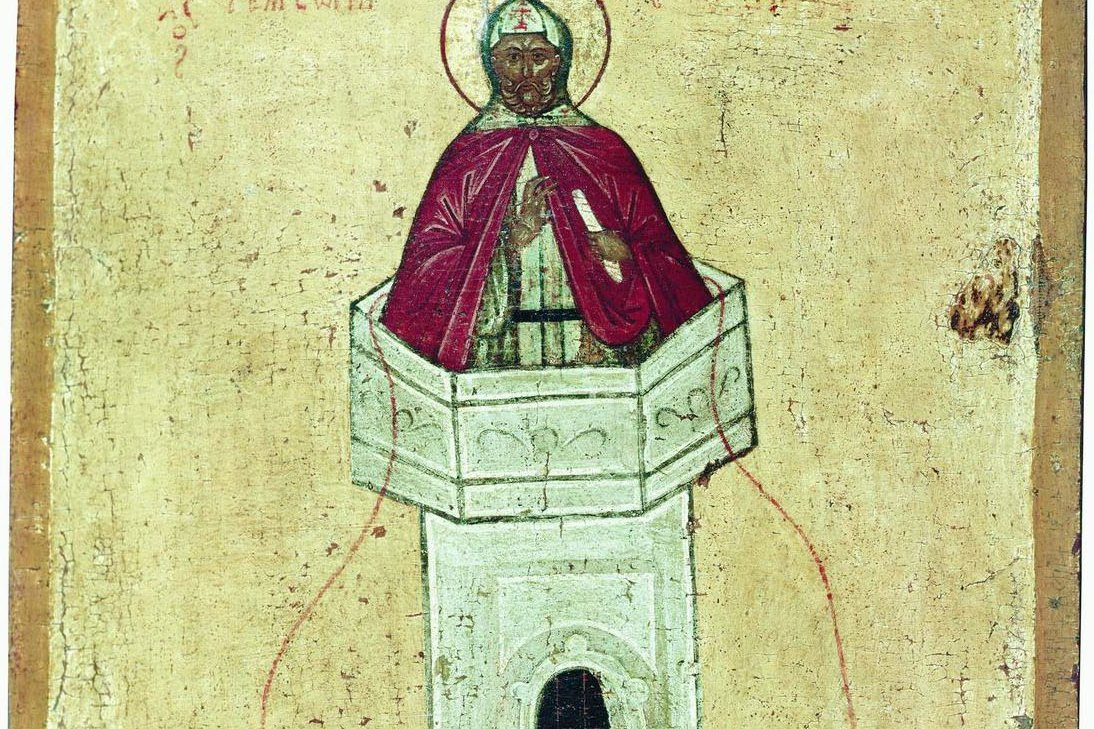
Saint Simeon Stylites
A Syrian monk climbed onto a stone pillar to escape the crowds chasing his holiness — then stayed up there, on ever-taller pillars, for thirty-seven years.
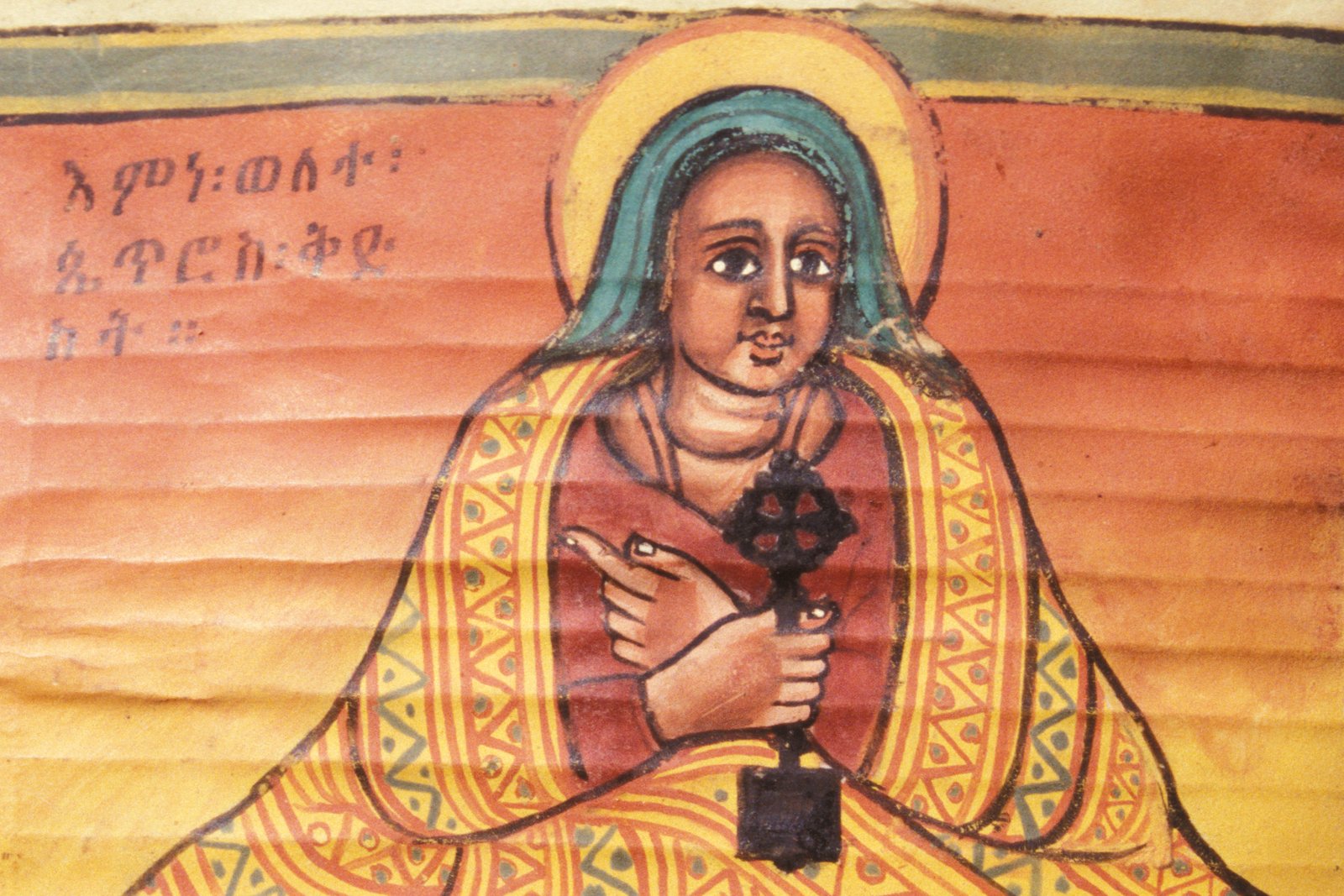
Saint Walatta Petros of Ethiopia
A noblewoman walked away from her marriage and wealth to lead a decade-long religious resistance movement across the highlands of 17th-century Ethiopia.
Blessed Stanley Rother
An Oklahoma farm boy who nearly flunked out of seminary over Latin became the Church's first US-born martyr, shot dead in his own Guatemalan rectory in 1981.
Fr. Vincent Capodanno, "The Grunt Padre"
A Maryknoll missionary who became a Marine chaplain in Vietnam, Vincent Capodanno died giving last rites to wounded men under enemy machine-gun fire in 1967.
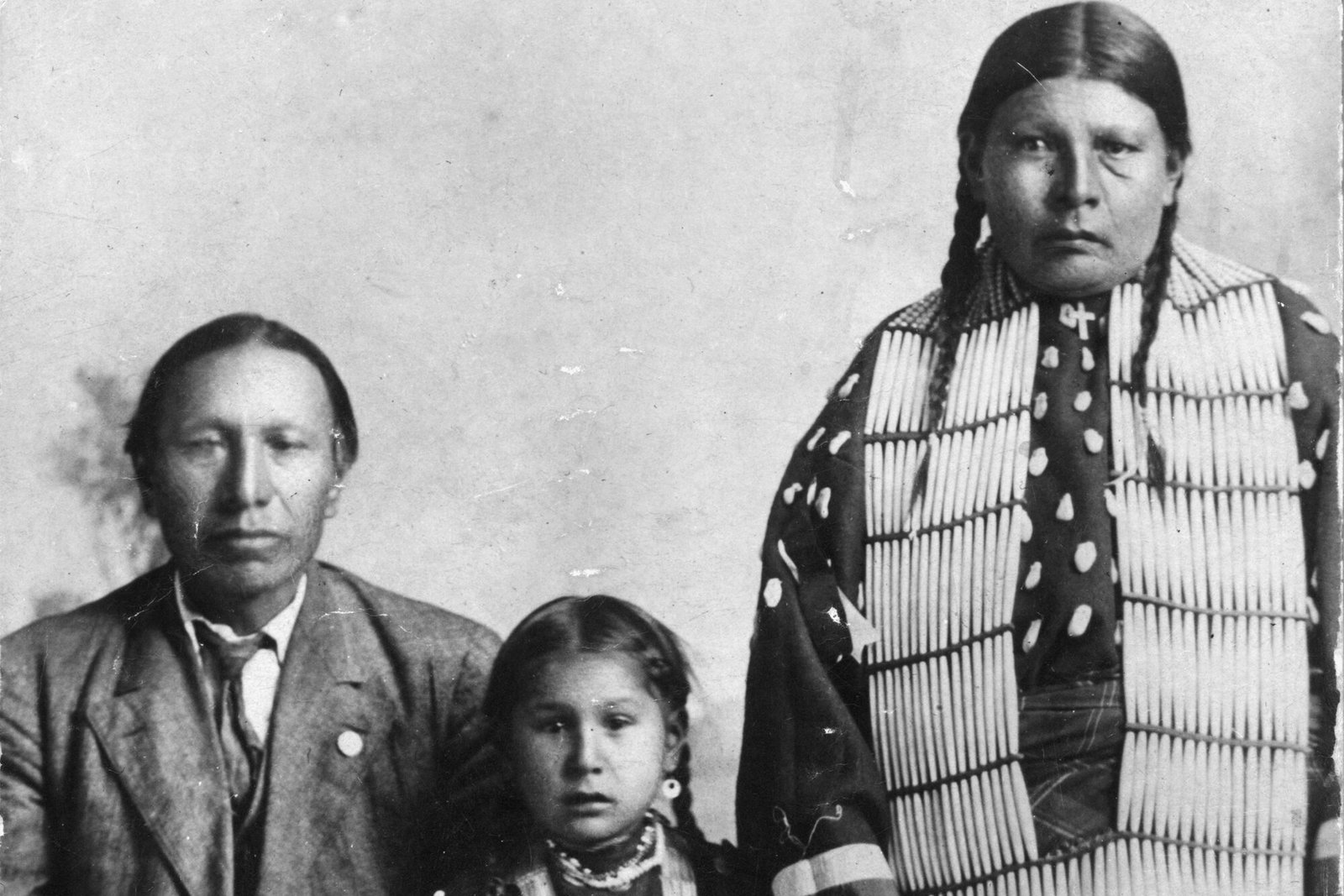
Servant of God Nicholas Black Elk
A Lakota holy man who survived Little Bighorn and Wounded Knee later spent fifty years as a Catholic catechist — his cause for sainthood opened in 2017.
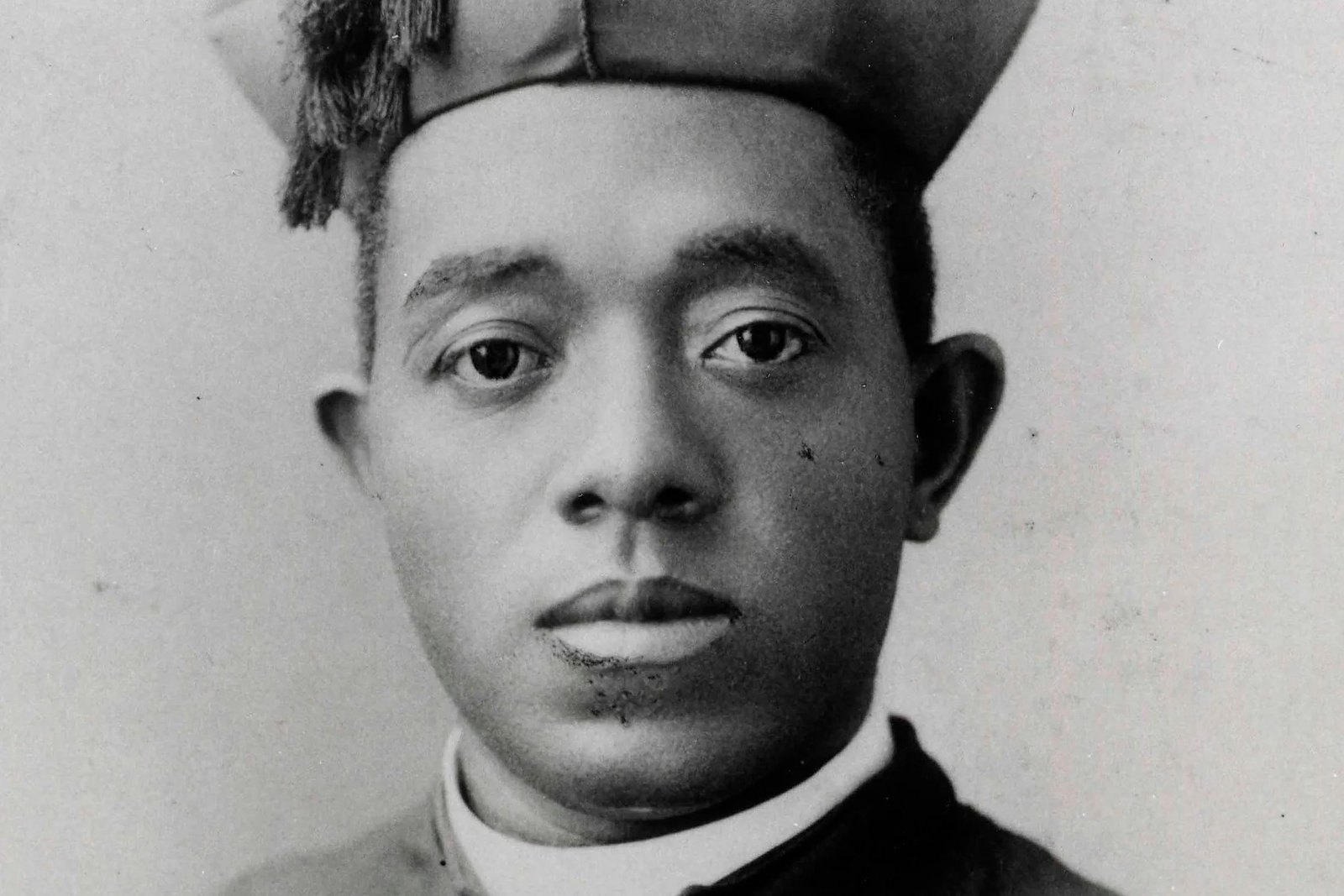
Venerable Augustus Tolton
Born enslaved in Missouri, rejected by every American seminary for his race, he had to cross the Atlantic to become the priest no U.S. diocese would train.
Venerable Michael McGivney, Founder of the Knights of Columbus
A 29-year-old parish priest in New Haven started a mutual-aid fund so Catholic immigrant widows weren't left destitute — it grew into the Knights of Columbus.