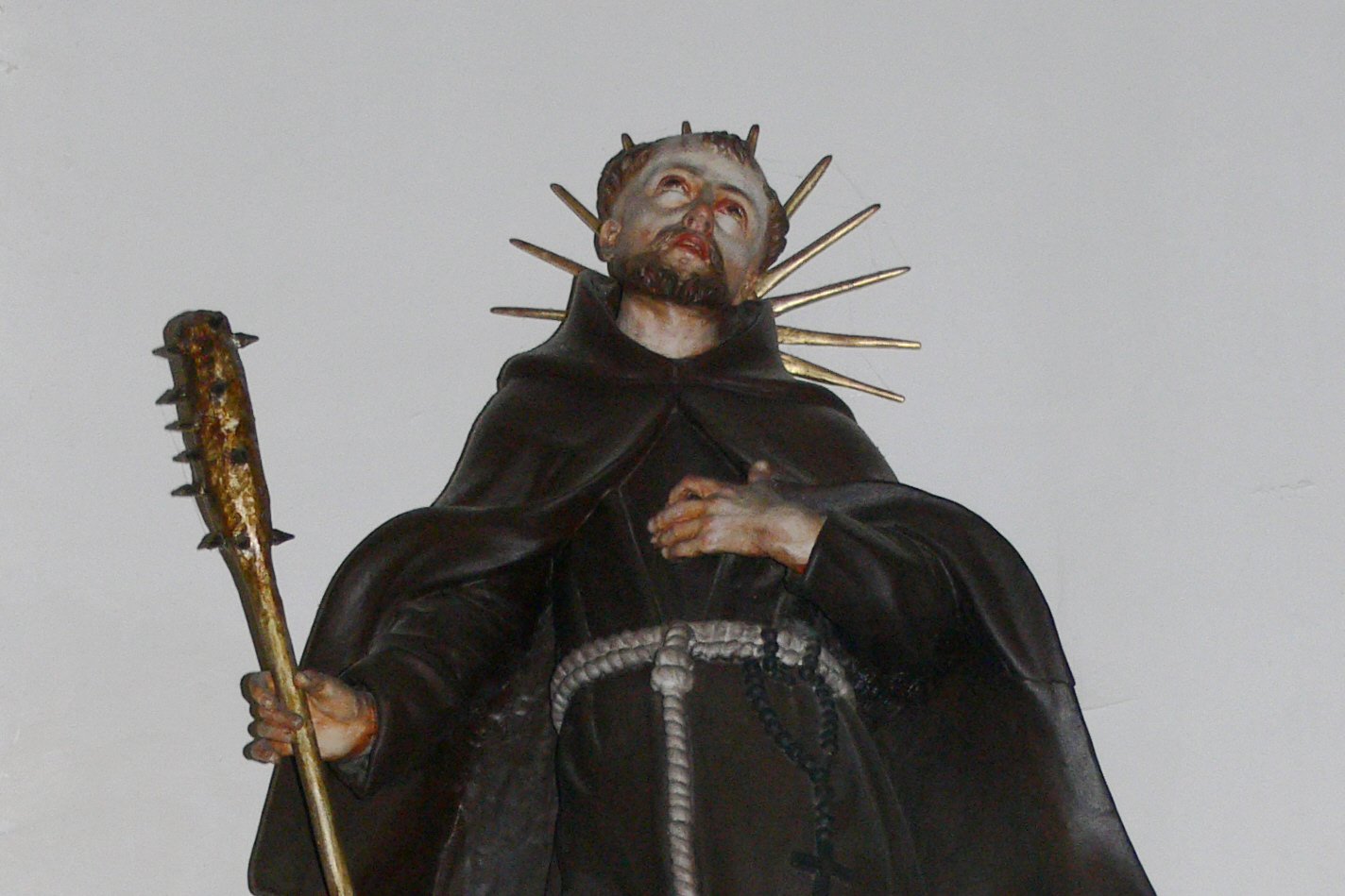
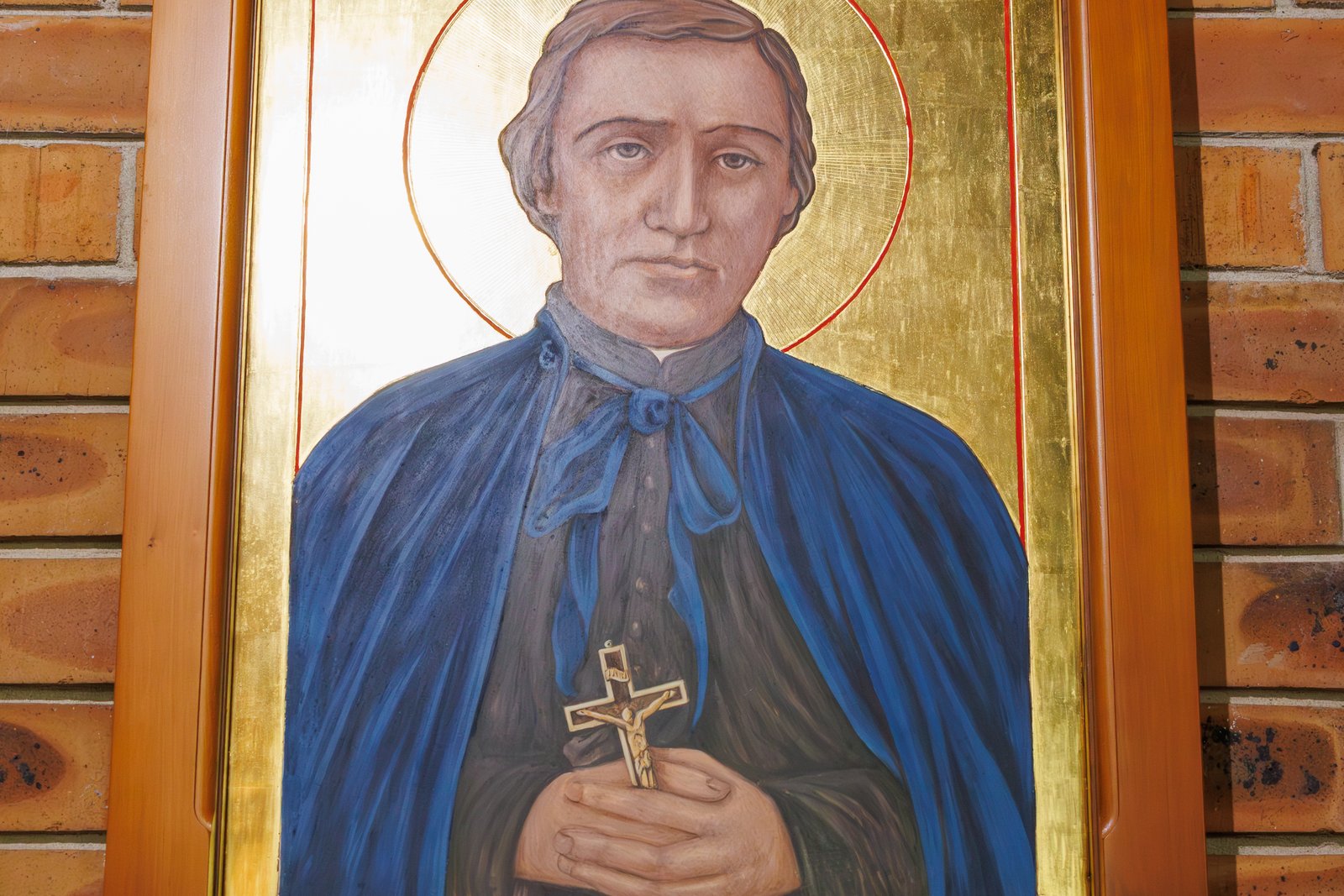
Saint Bruno of Querfurt

Following Adalbert's road
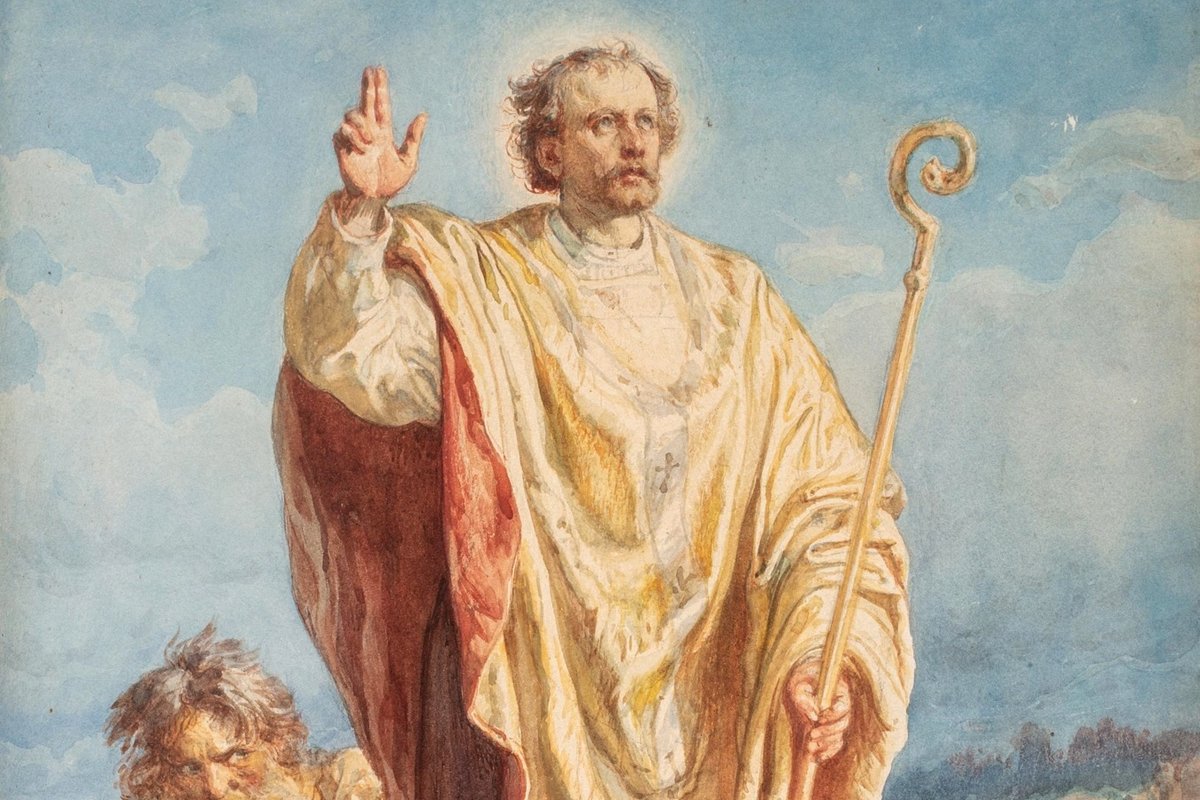
Bruno was born around 970 into a noble Saxon family with close ties to the imperial court — he was related to Emperor Otto III and spent part of his youth being educated at the cathedral school in Magdeburg, one of the leading centers of learning in the Ottonian Empire. That background gave him a path to an easy, comfortable ecclesiastical career, the kind many well-connected young clerics of his era pursued without ever leaving the German heartland. Bruno chose otherwise. He was drawn instead to the ascetic, missionary strand of religious life that was gaining ground in monastic circles at the time, eventually joining a community of hermit-monks in Italy under the influence of Saint Romuald, a reformer known for founding communities that combined strict solitary prayer with a readiness to be sent on dangerous missionary work at a moment's notice.
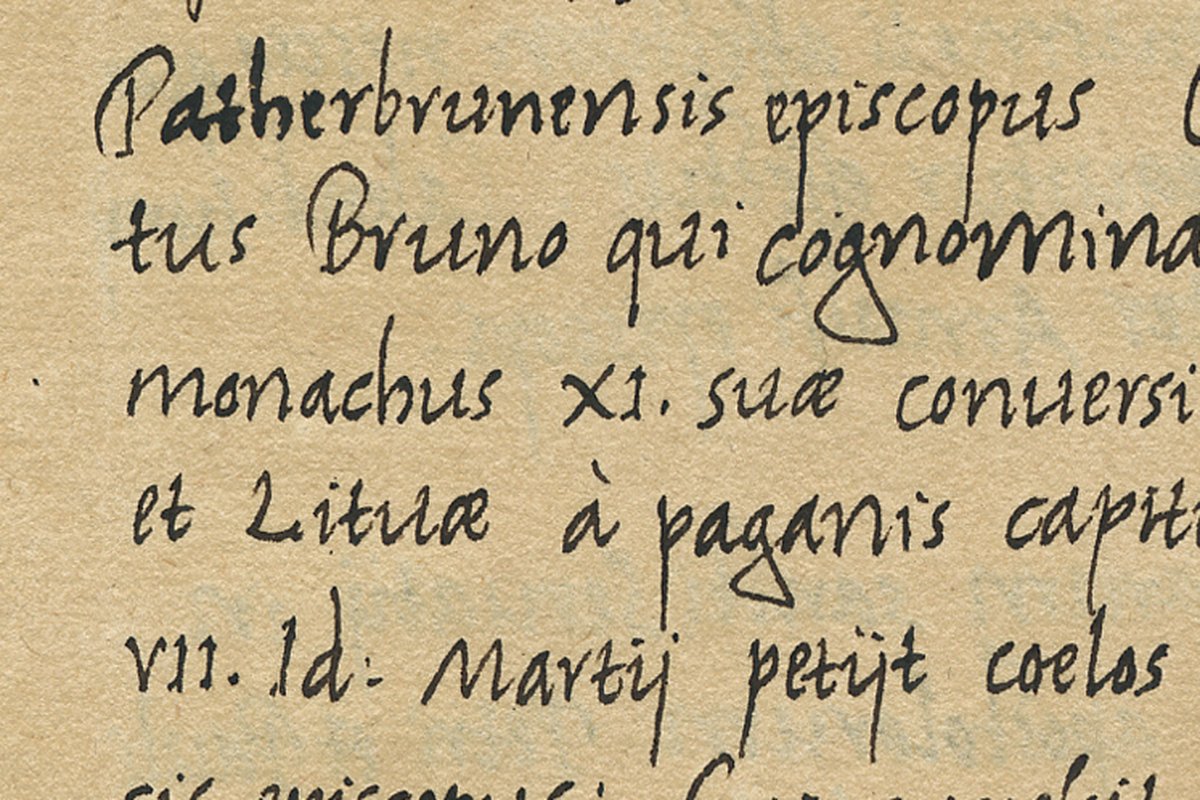
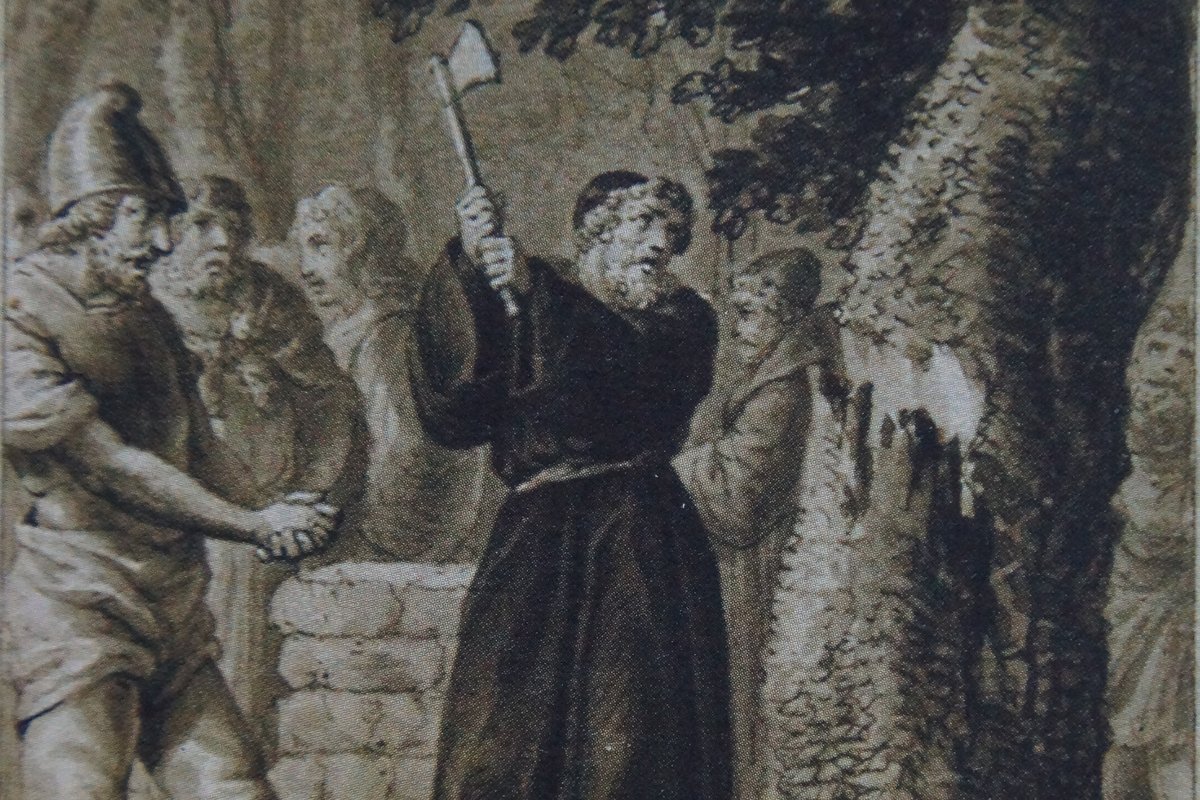
Annals of Quedlinburg, folio 31v (detail), 16th-century copy of an 11th-century original — public domain.
By every account of his life, one figure shaped his sense of vocation more than any other: Saint Adalbert of Prague, the bishop who had been killed in 997 while preaching to the pagan Prussians on the Baltic coast. Bruno didn't just admire Adalbert from a distance — he set out to continue the same work in the same mission field, a deliberate choice to walk back into the exact danger that had already killed the man he modeled himself on. That decision earned him the title later tradition gave him: the "Second Apostle of the Prussians," a name that only makes sense once you know whose apostleship came first. Before his final, fatal mission, Bruno had already spent years working as a missionary bishop among other pagan peoples along the eastern edges of Christian Europe, including the Pechenegs, a nomadic people on the Rus' steppe frontier, developing a reputation as one of the era's most persistent and physically fearless missionaries.
Death on a naming border
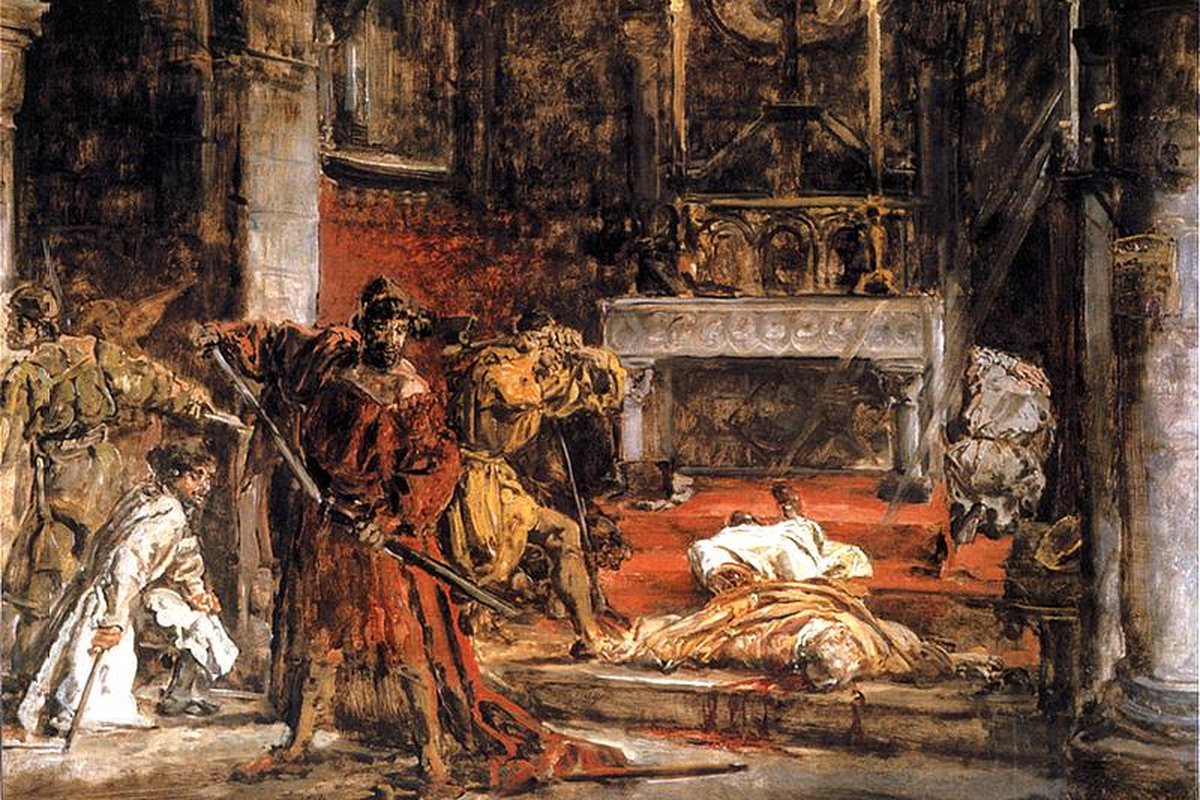
In 1009, Bruno set out with eighteen companions to evangelize the Prussians, traveling into the borderland between Rus' and Prussia. The mission ended the way Adalbert's had: violent resistance from the population he'd come to convert, and the deaths of everyone in his party. Bruno himself was killed by beheading on February 14, 1009. What makes the record of his death unusual isn't just that it survived — plenty of early medieval martyrdoms are known only through much later, less reliable accounts — but where it survived. The Annals of Quedlinburg, a chronicle kept at a Saxon monastery, recorded the killing as happening in confinio Rusciae et Lituae — "on the border of Rus' and Lithuania." That single phrase is the earliest known written appearance of the name Lithuania in any surviving historical document, centuries before the region became a recognizable political entity in its own right. Bruno's death, in other words, is inseparable from one of the more remarkable footnotes in the early history of Eastern Europe.
Ransomed for burial
The bodies of Bruno and his eighteen companions didn't remain in pagan hands. Duke Bolesław I of Poland, the same ruler who had supported Adalbert's mission a decade earlier, arranged to ransom the remains from the people who had killed them, securing proper Christian burial for the whole party. It's a detail that says as much about the political landscape of the frontier as it does about piety — a Christian duke paying to recover the bodies of missionaries killed just beyond the edge of territory he could actually control. The precise resting place of Bruno's relics after burial is not securely established in the historical record, unlike Adalbert's, whose remains became a major pilgrimage draw at Gniezno Cathedral in Poland — one of several respects in which Bruno's cult never grew to match the scale of the mentor he set out to emulate.
A writer as well as a missionary
Bruno's short life also produced a body of written work that historians still rely on today. He wrote a life of Saint Adalbert — one of the earliest and most important sources for Adalbert's own mission and martyrdom — along with letters to Emperor Henry II urging continued support for missionary work on the eastern frontier, and an account of five Polish hermit-brothers who were also martyred while pursuing the same kind of evangelizing work. These writings give modern historians a rare, close-up window into the missionary culture of the Ottonian and early Polish Christian world, written not by a distant chronicler but by a man who was living out the same calling he described. Bruno's letters in particular reveal a writer conscious that he might not survive his own mission, urging his patrons to keep supporting the wider missionary effort even if he personally did not return.
An ancient, quiet cultus
Bruno's veneration as a saint developed the way most early medieval sainthoods did: through ancient popular acclaim rather than any formal canonization process, with no single decree marking the moment he became "Saint" Bruno of Querfurt. His feast is kept on October 15 in most calendars, though some regional traditions observe it on June 19 instead. He was never given the title of Doctor of the Church, and no widely established patronage has ever attached itself to his name — his story remains, essentially, the story of a man who chose to finish what another martyred bishop had started, in the same unforgiving mission field, within the same short span of years.
Trivia
Who was Saint Bruno of Querfurt?
How did Saint Bruno of Querfurt die?
What is the connection between Bruno of Querfurt and the name 'Lithuania'?
Why is Bruno of Querfurt called the 'Second Apostle of the Prussians'?
What happened to Bruno's body after his death?
You May Also Like
Related Reading