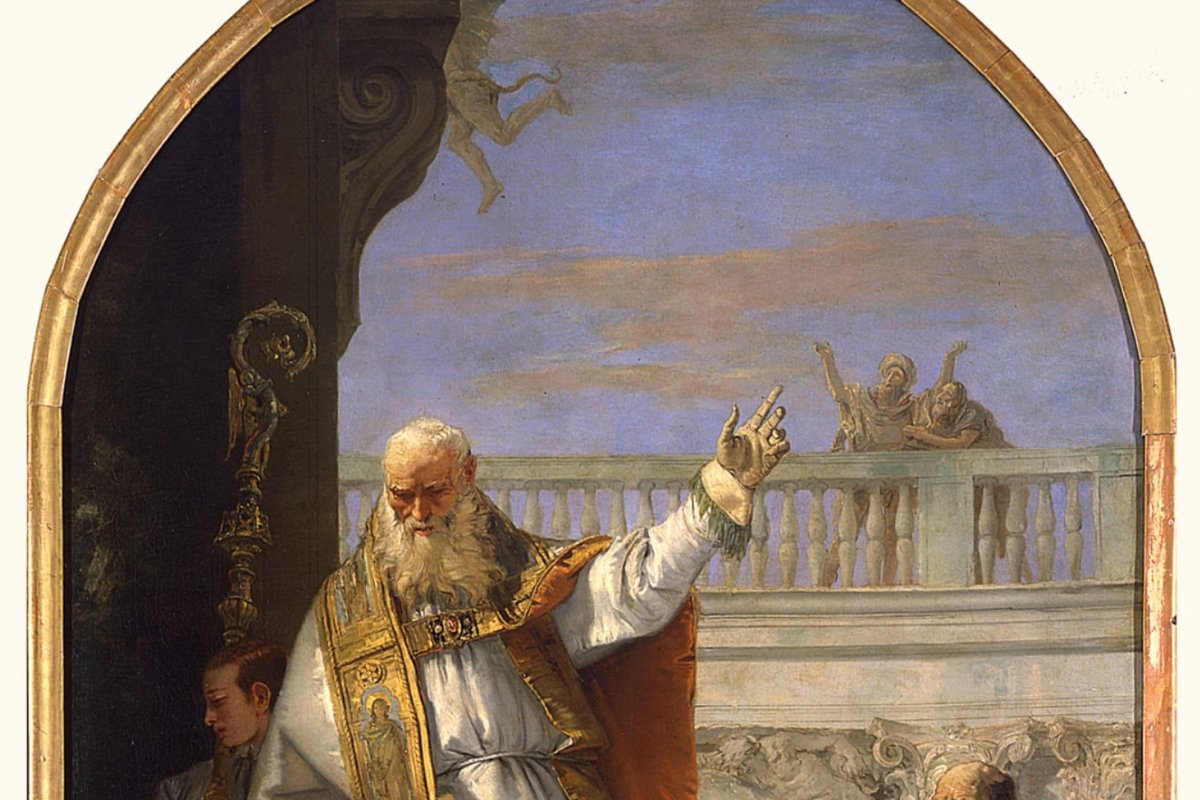
Saint Junípero Serra

From Mallorca to a mission field
Junípero Serra was born Miquel Josep Serra i Ferrer on November 24, 1713, in the small town of Petra on the Spanish island of Mallorca, and entered the Franciscan order as a young man, taking the name Junípero. He built a respected academic career in Spain, teaching philosophy at the Lullian University in Palma, before volunteering in his mid-thirties for missionary work in the Americas — a decision that took him first to Mexico, where he spent nearly two decades working among Indigenous communities before being assigned to a new and, at the time, largely unexplored frontier: Alta California.
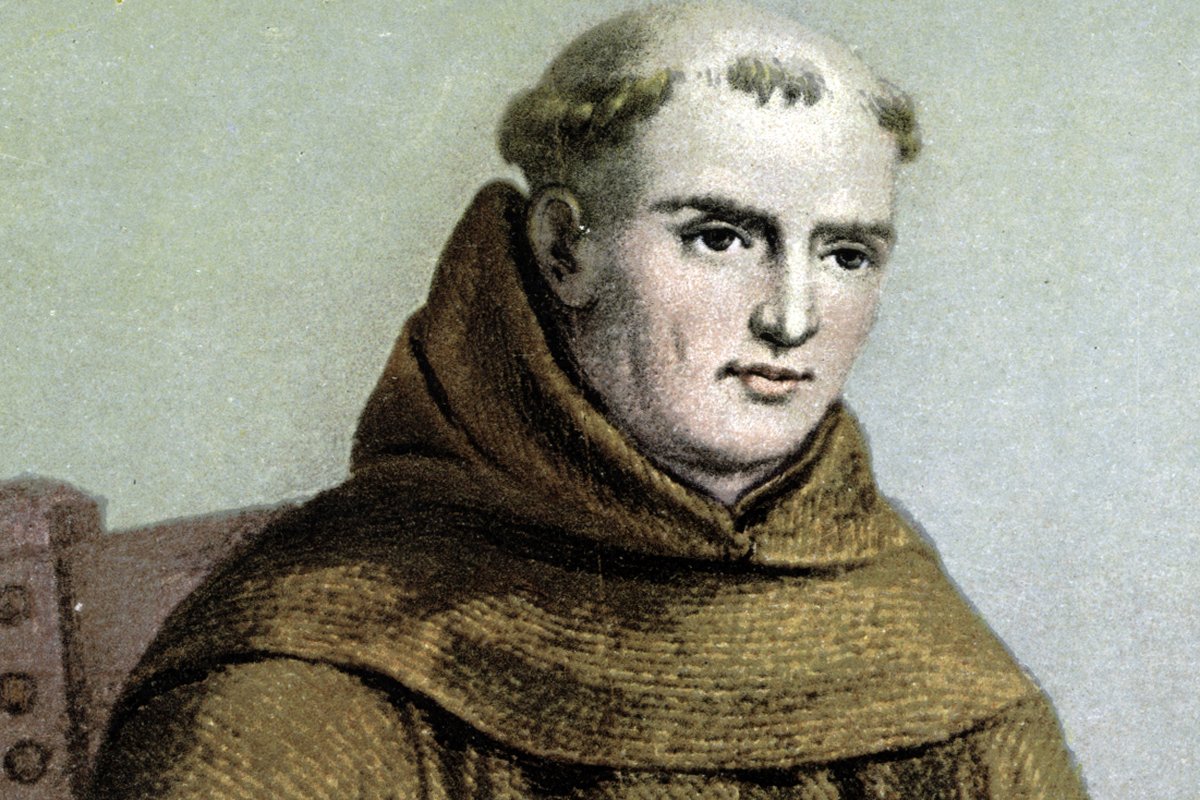
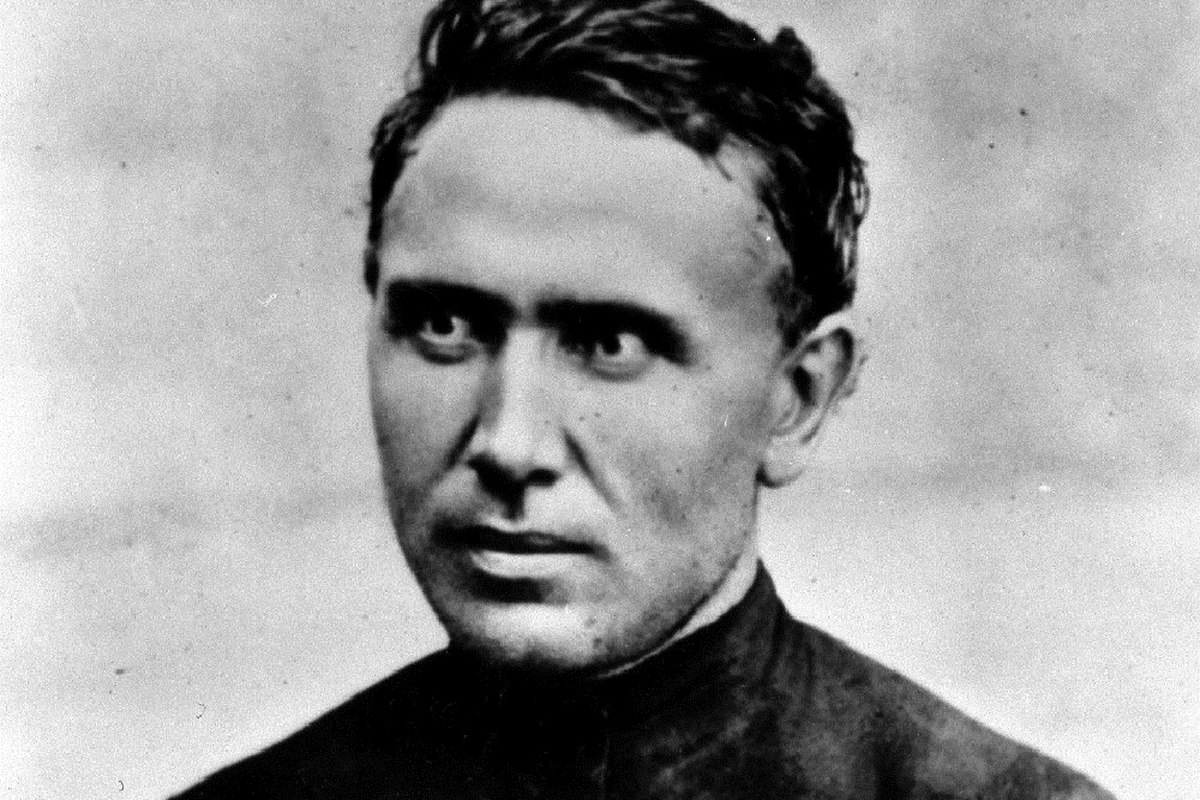
Detroit Publishing Company, detail of a portrait of Junípero Serra reproduced on a postcard, issued between 1913 and 1930 — public domain.
Walking north with a wounded leg
Serra arrived in California in 1769 as part of a joint Spanish military and religious expedition intended to establish a permanent Spanish and Catholic presence along the Pacific coast, largely to preempt Russian and British territorial ambitions in the region. He was in his mid-fifties by then, and suffered from a chronic leg wound and infection that never fully healed for the rest of his life, yet he covered much of California's coastline on foot over the following years, founding mission after mission as the expedition moved north. The first of these, Mission San Diego de Alcalá, was established in July 1769; by the time of his death in 1784, Serra had personally founded nine of what would eventually become a chain of 21 Spanish missions running from San Diego to just north of San Francisco Bay, the rest established after his death by his Franciscan successors.
What the missions actually meant for California
The mission system Serra helped build was central to Spain's colonization of California, combining religious conversion with the imposition of Spanish agricultural labor, social organization, and settlement patterns onto Native Californian communities. Serra died at Mission San Carlos Borromeo de Carmelo on August 28, 1784, having spent the final fifteen years of his life almost entirely absorbed in this work — a legacy that, more than two centuries later, remains one of the most actively debated in American religious history.
A canonization that didn't settle the debate
Pope Francis canonized Junípero Serra on September 23, 2015, during his first papal visit to the United States — a ceremony held at the Basilica of the National Shrine of the Immaculate Conception in Washington, D.C., making it the first canonization ever conducted on American soil. He is, today, a fully canonized saint of the Catholic Church, not merely a beatified or "venerable" candidate awaiting further steps. The canonization itself, however, took place amid open and vocal controversy rather than settling it. Critics, including many Native American advocacy groups and historians, point to well-documented harsh conditions endured by Indigenous Californians within the mission system: corporal punishment for those who tried to leave or resisted mission discipline, forced labor, active suppression of Native languages and religious practices, and catastrophic exposure to European diseases under crowded mission conditions that contributed to a severe population decline among Native Californians during the mission era. In the years since the canonization, several statues of Serra across California have been removed by local authorities or toppled by protesters citing this history.
Serra's defenders, including the case presented for his canonization, point to his own surviving writings, in which he argued for more humane treatment of Native peoples relative to the harsher norms common elsewhere in the Spanish colonial world, and to instances where he personally intervened against Spanish military abuses of Indigenous communities. They argue that Serra operated within — and in some documented instances actively pushed back against — a brutal colonial system he did not design and could not unilaterally reform, and that holding him personally responsible for the system's worst structural harms misreads both his individual actions and the historical context. This remains a genuine, unresolved historical debate rather than a settled question, and it's presented here descriptively, from both sides, rather than as a matter this article takes a position on.
The reasoning behind the canonization
It's worth understanding how the Church's canonization process actually evaluates a candidate, since Serra's case is often discussed as though sainthood were a verdict on an entire historical system rather than a specific, narrower judgment. Canonization declares that a person lived a life of heroic virtue and, through the Church's investigation, is now believed to be in heaven — it does not certify every policy or institution that person was associated with, and it has never been treated by the Church as an endorsement of Spanish colonial administration as a whole. The tribunal reviewing Serra's cause examined his personal writings, his documented interventions on behalf of Native individuals against Spanish soldiers, and testimony about his private austerity and evangelizing zeal, weighing those against the broader record of the mission system's harms. Supporters of the canonization argue this distinction — between a man's individual conduct and the colonial structure surrounding him — was properly maintained; critics argue the process didn't weigh the system's harms heavily enough given Serra's leadership role within it. Both readings can be found today among historians and Catholics alike, and this article aims to describe that disagreement rather than resolve it.
Patron of California
Junípero Serra is venerated today as a patron of California and, informally, of missionary vocations, with his feast kept on July 1 in the United States. The missions he founded — several of them still active parish churches, others preserved as historic sites and museums — remain among the most visited landmarks in California, physical reminders of a chapter of the state's founding that continues to be read in sharply different ways depending on whose history is centered in the telling.
Trivia
Who was Saint Junípero Serra?
Is Junípero Serra a canonized saint or still a candidate for sainthood?
Why is Junípero Serra a controversial figure today?
How many California missions did Junípero Serra found?
What is Saint Junípero Serra the patron saint of?
You May Also Like

Related Reading