Saint Peter Chrysologus

A bishop's first sermon, and the name that followed it
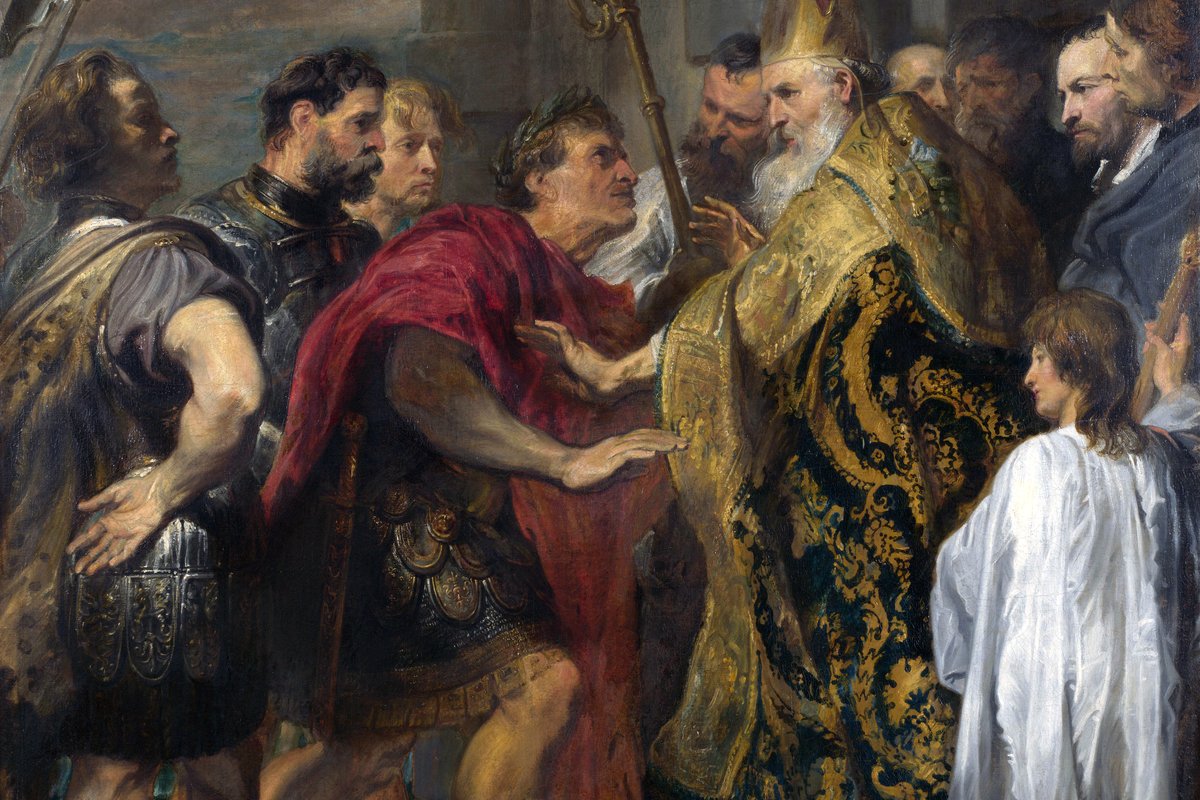
Peter was born around 380 in Imola, a town not far from Ravenna, and little is recorded of his early life before he became bishop there around 433. What tradition does preserve is the story of his very first homily in his new post — delivered, according to that same tradition, in front of Galla Placidia, the empress who governed the Western Empire in practice from her court in Ravenna after her son Valentinian III came of age too young to rule alone. Whatever Peter said that day supposedly impressed her enough that she gave him the nickname "Chrysologus," Greek for "golden-worded." It's worth treating this the way it deserves: as a well-preserved tradition rather than a document-verified fact, though it's one that stuck with him permanently, appearing in his title even in the Church's official liturgical calendar today.
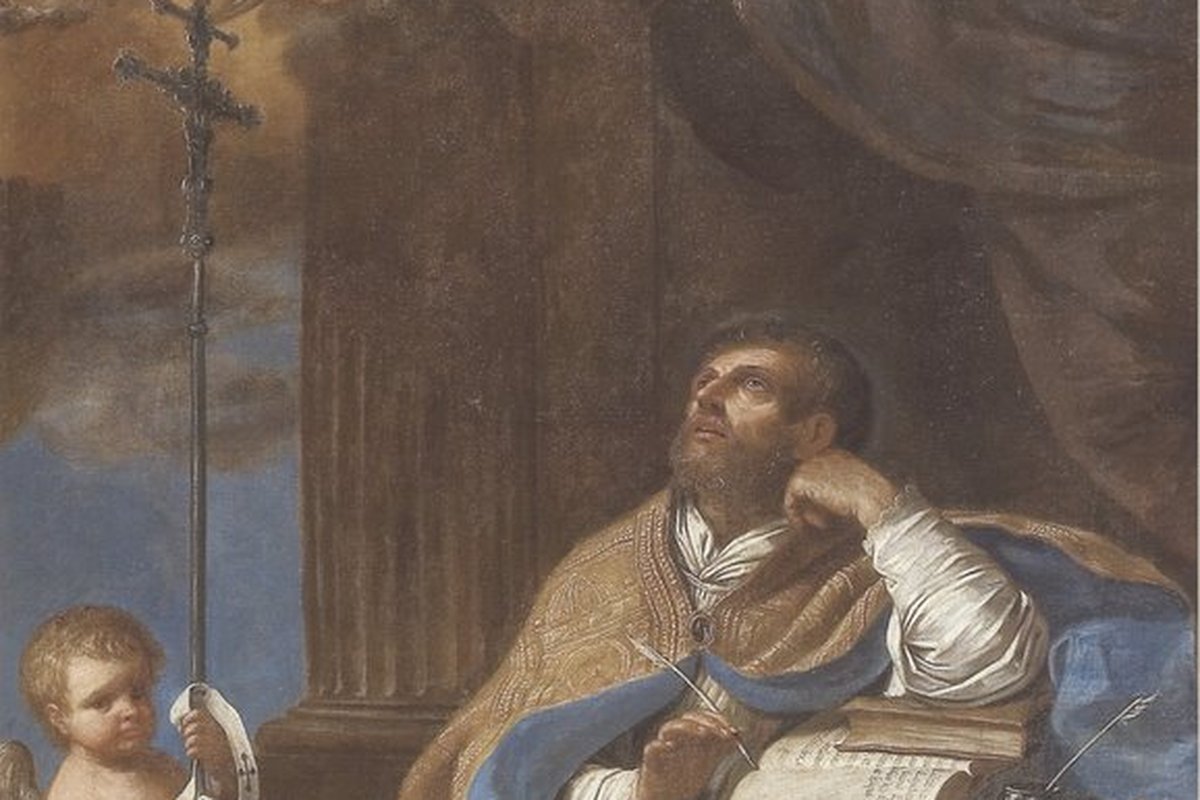
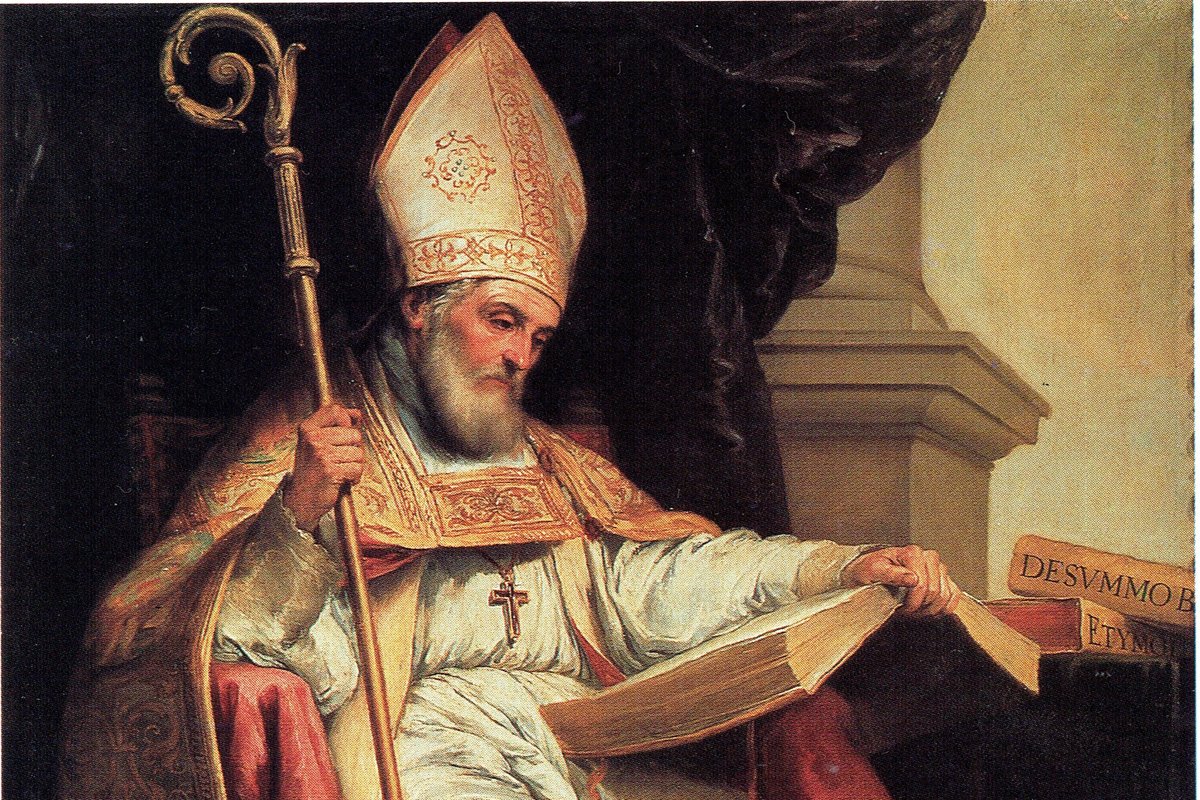
School of Guercino, Saint Peter Chrysologus, 17th century, Diocesan Museum Pius IX, Imola — public domain.
A preacher who valued brevity
What actually survives of Peter's preaching backs up the reputation, if not necessarily the exact origin story. 176 of his homilies have come down to us, a substantial collection for a bishop of this era, and they share a distinct quality: they're short. Peter said so himself, explaining in one surviving sermon that he deliberately kept his preaching brief out of concern for wearing out his listeners' patience — a fairly modern-sounding instinct for a man working sixteen centuries before anyone worried about attention spans. His sermons cover the Incarnation, the Apostles' Creed, and a recurring devotion to Mary and John the Baptist, but they also do real theological work: like many bishops of his generation, Peter used his pulpit to argue against Arianism, which denied that Christ was fully divine, and later against the opposite error of Monophysitism, which collapsed Christ's human and divine natures into one.
Ravenna at the center of an empire in decline
Peter's bishopric mattered partly because of where it was. By the time he took office, Ravenna functioned as the effective capital of what remained of the Western Roman Empire, a position it held largely because its marshes made it easier to defend than Rome itself — an invading army couldn't simply march up to the walls the way it could at an inland city. That put Peter's church, and Peter personally, in genuine proximity to imperial politics during years when the empire around him was visibly coming apart: Rome itself would be sacked by the Vandals only a few years after his death, and the last Western emperor would be deposed within a generation. It's worth noting, too, that Peter served the same years as his far better-known contemporary, Pope Leo the Great, who managed his own share of crises in Rome, including the famous meeting with Attila the Hun in 452 — Peter's Ravenna and Leo's Rome were, in effect, twin centers trying to hold a crumbling world together through preaching and diplomacy rather than armies.
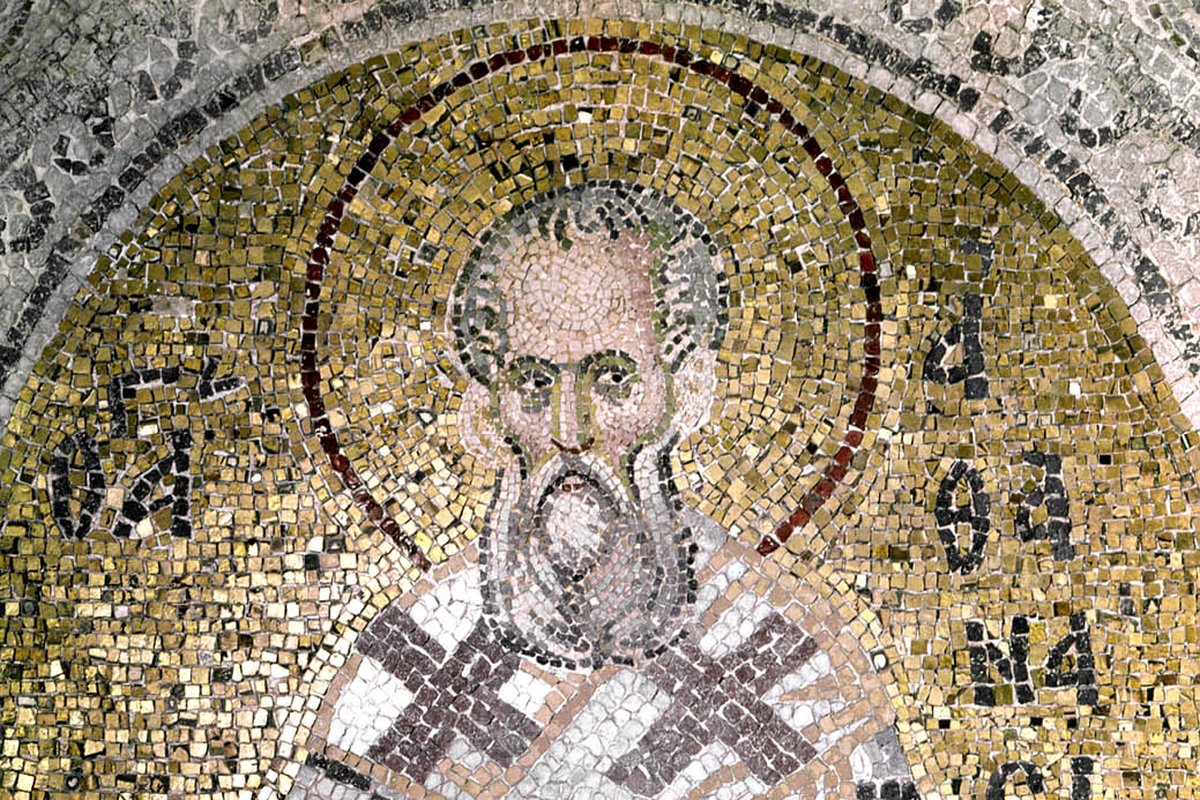
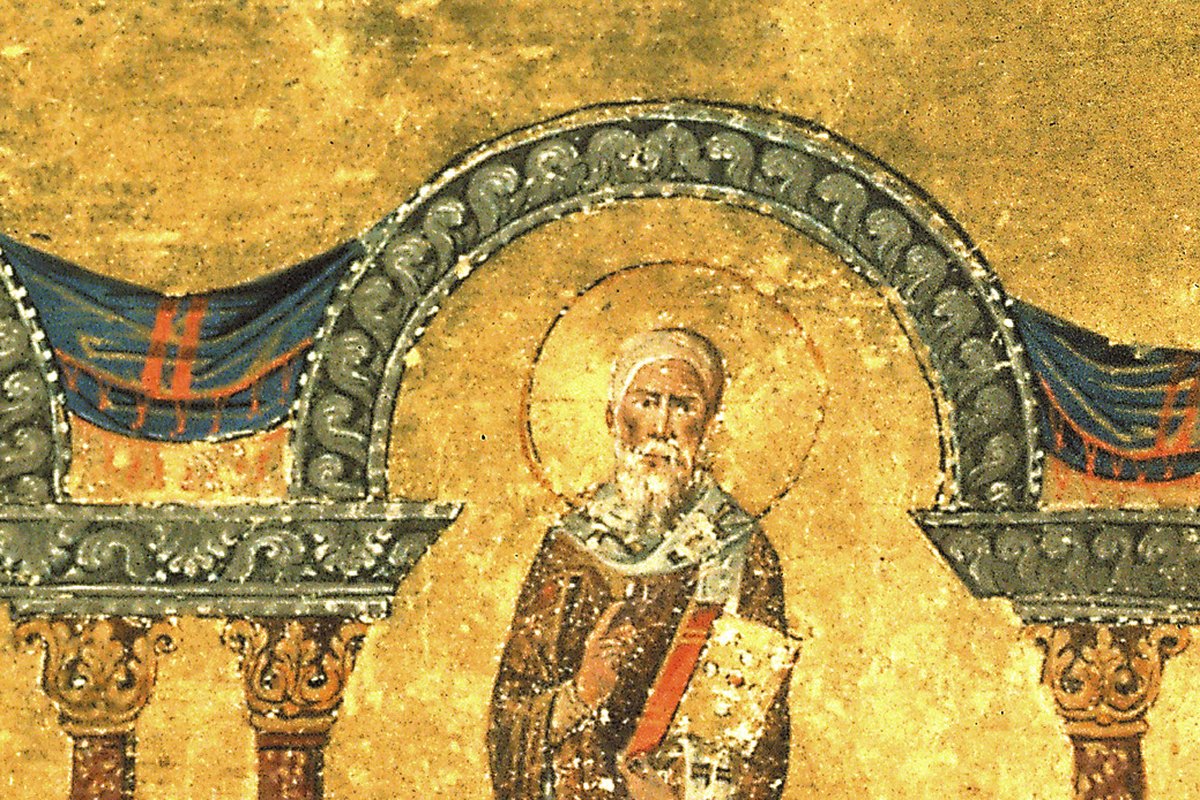
Ravenna's churches from this exact period still stand today, and their mosaics — most famously in the Basilica of San Vitale and the so-called Mausoleum of Galla Placidia — remain some of the best-preserved examples of Byzantine-influenced Christian art anywhere in the world, giving visitors a rare direct visual sense of the world Peter Chrysologus actually preached in, gold and glass images of Christ and the saints glowing in a city that otherwise had every reason to feel like it was ending.
What his sermons actually sound like
What sets Peter's surviving homilies apart from many of his contemporaries isn't length of argument but density of image. He favored short, vivid, almost proverbial lines over long theological arguments — a style suited to a bishop who explicitly said he was trying not to lose his audience's attention. In sermons on the Incarnation, he leaned on paradox: God taking on flesh, the infinite entering the finite, phrased in compact sentences meant to be remembered rather than parsed at length. That approach made him popular in his own time as a preacher people actually wanted to hear, and it's a large part of why the Church later gave him the specific title "Doctor of Homilies" rather than simply grouping him among the general Doctors of the Church — his contribution wasn't a systematic theological treatise like Saint Gregory of Nyssa's or Saint John Chrysostom's extensive body of commentary, but a distinctive, disciplined style of preaching itself.
Doctor of Homilies
Peter died around the year 450, and the Church still keeps his feast on July 30. In 1729, Pope Benedict XIII named him a Doctor of the Church, an honor that earned him the specific epithet "Doctor of Homilies" — a fitting title for a bishop whose entire surviving legacy is the sound of his own preaching, kept deliberately short enough that people kept listening all the way to the end. His name is often mentioned in the same breath as Saint John Chrysostom, the great preacher of Constantinople who earned an almost identical nickname — "Chrysostom" means "golden-mouthed" — a coincidence of epithets that has led some readers over the centuries to confuse the two men, even though they served in different corners of the Christian world and never met.
Trivia
Who was Saint Peter Chrysologus?
Where does the name 'Chrysologus' come from?
How many of Peter Chrysologus's sermons survive?
What did Peter Chrysologus preach against?
Why is Ravenna significant to Peter Chrysologus's story?
You May Also Like
Related Reading