Saint Dominic Savio

A farm boy who arrived at the oratory
Dominic Savio was born April 2, 1842, in Riva di Chieri, a village in the Piedmont region of northern Italy, and grew up in a family with modest means — his father worked as a blacksmith, and the household moved more than once in Dominic's early childhood as his father sought steadier work. Even before Turin, the parish priest in his home village had already noticed the boy's unusual seriousness about his faith; Dominic made his First Communion at seven, younger than the typical age at the time, after his priest judged him mature enough to understand what he was receiving.
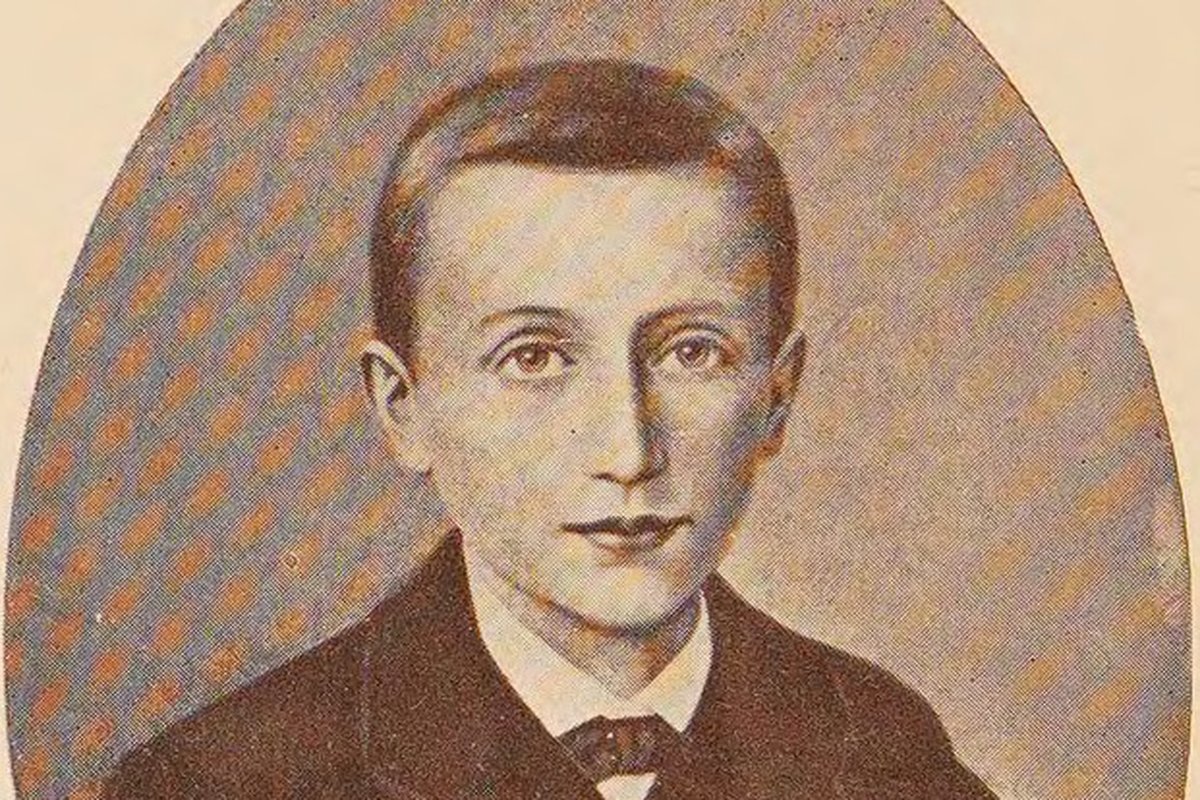
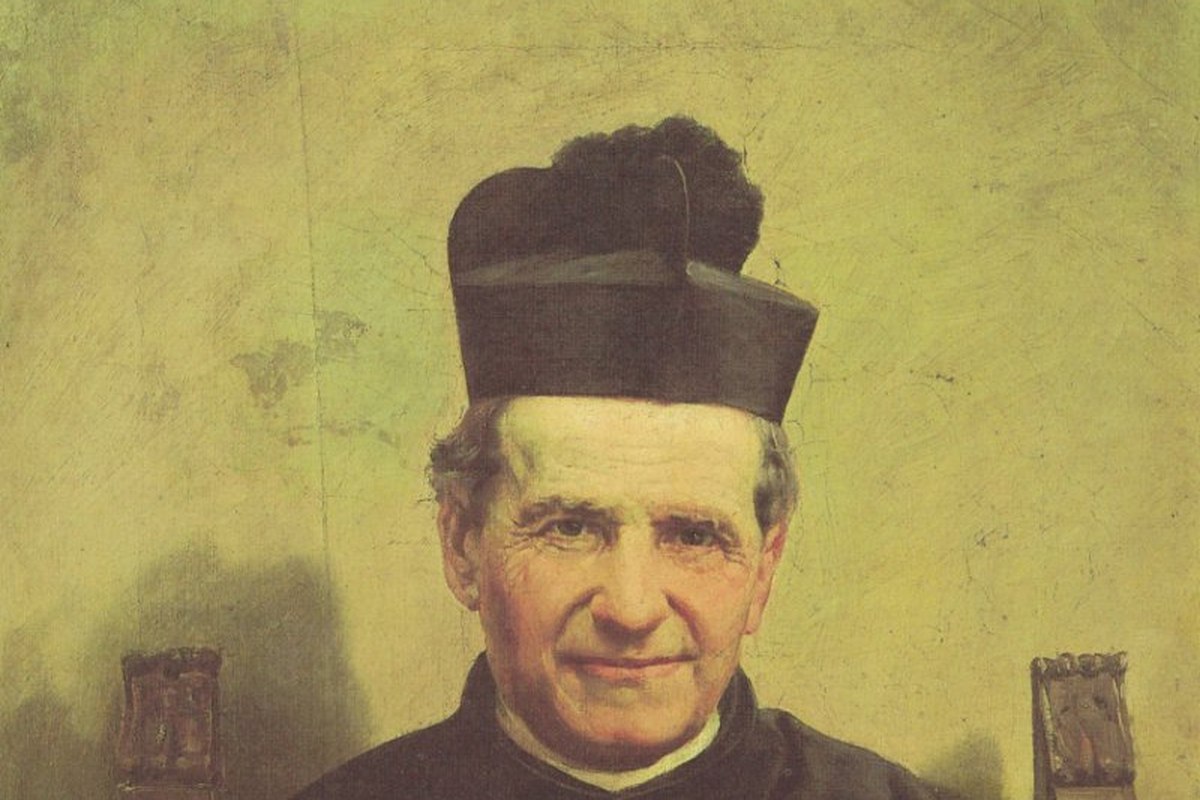
Portrait of Dominic Savio, from "The Life of Dominic Savio" by St. John Bosco, public domain scan via Internet Archive.
At age twelve, he became a student at the oratory in Turin run by Saint John Bosco — the priest better known today as Don Bosco, who had built an entire institution around rescuing poor and working-class boys from the streets and instability of an industrializing city, offering them schooling, a trade, and a stable, faith-centered community they might not otherwise have had. Don Bosco later wrote a biography of Dominic, and it's worth being upfront that this is essentially our primary window into the boy's life: a contemporary account written by someone who knew him personally, but also someone with an obvious interest in presenting his young student as a model of holiness. The core facts of Dominic's life are well documented; specific sayings attributed to him in Don Bosco's account, however, should be read as reported rather than treated as verbatim quotations.
A club built to keep faith from being a solo project
What set Dominic apart from other students at the oratory, according to Don Bosco's account, wasn't simply personal piety — plenty of the boys there were devout — but a specific instinct for organizing that piety into something durable. He founded a small group among his fellow students called the Company of the Immaculate Conception, built around a simple premise: living a genuinely faithful life is harder to sustain alone than it is with friends actively supporting the effort alongside you. It's a strikingly practical idea for a twelve- or thirteen-year-old to act on, and it says something about how Dominic approached his own faith — not as a private, interior matter only, but as something worth building structure and community around, even at that age.
An ordinary illness, not a martyrdom
Dominic's health had never been especially strong, and the demanding routine at the oratory — early rising, long hours of study, and Dominic's own tendency toward intense, prolonged prayer — likely wore further on a constitution already prone to illness. In early 1857 he was sent home to Mondonio to recover. He died there on March 9, 1857, at just fourteen years old, most likely from pleurisy or tuberculosis, both common and frequently fatal illnesses among children of that era, well before antibiotics existed to treat them. It's important to be clear about what kind of saint this makes him: unlike the ancient martyrs also covered on this blog, such as Saint Blandina or Saint Genesius of Rome, Dominic wasn't killed for his faith. He's recognized instead for the depth and consistency of an ordinary devotional life lived by a child who happened to die very young — a different, quieter kind of holiness that the Church has honored just as seriously, one built entirely out of daily choices rather than a single defining act of courage under persecution.
A model Don Bosco held up for the whole oratory
Don Bosco's larger educational philosophy, later carried forward through the religious order he founded, the Salesians of Don Bosco, emphasized reason, religion, and kindness over the harsher discipline common in institutions for poor and troubled youth at the time. Dominic became, within that system, something close to a living demonstration of what Don Bosco hoped his approach could produce: a boy who took ownership of his own formation rather than simply receiving it passively, and who turned outward to help form his peers rather than treating his own piety as a private accomplishment. That's part of why Don Bosco preserved his memory so carefully in writing soon after the boy's death — Dominic represented, in Don Bosco's own eyes, proof of concept for an entire pedagogical vision.
A canonization record, briefly held
Pope Pius XII beatified Dominic Savio in 1950 and then canonized him on June 12, 1954. At the time, he was the youngest person in Church history ever canonized who was not a martyr — a genuinely notable distinction, since most young saints on record reached sainthood through documented persecution and death, not through an ordinary life cut short by illness. That particular record didn't last forever: it later passed to Francisco and Jacinta Marto, the two younger visionaries from the 1917 Fátima apparitions, who were canonized in 2017. Dominic's feast is kept on March 9 in most calendars, though some local calendars observe it on May 6. He's remembered today as the patron of choirboys, of people falsely accused of wrongdoing, and — perhaps most fittingly, given how his own short life unfolded — of juvenile delinquents, a patronage rooted less in any single dramatic act than in a consistent, almost administrative kind of holiness rare enough in a young teenager to be remembered nearly two centuries later.
Trivia
Who was Saint Dominic Savio?
How did Dominic Savio meet Saint John Bosco?
What was the Company of the Immaculate Conception?
How did Dominic Savio die, and was he a martyr?
Was Dominic Savio the youngest saint ever canonized?
You May Also Like
Related Reading