Saint John Bosco

A childhood spent teaching himself to entertain
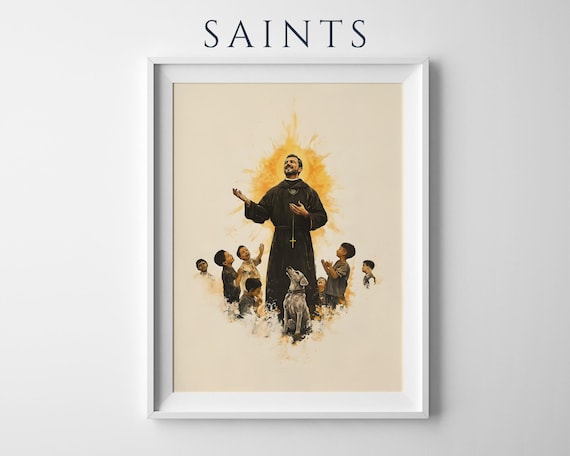
John Bosco was born on August 16, 1815, in Becchi, near Turin, into a poor farming family. His father died when John was only two, leaving his devout mother to raise three sons alone as subsistence farmers. As a boy, after watching a traveling circus perform, he taught himself magic tricks and acrobatics, gathering neighborhood children for his own little shows — always ending each performance by reciting a prayer, hymn, or homily he'd recently heard.
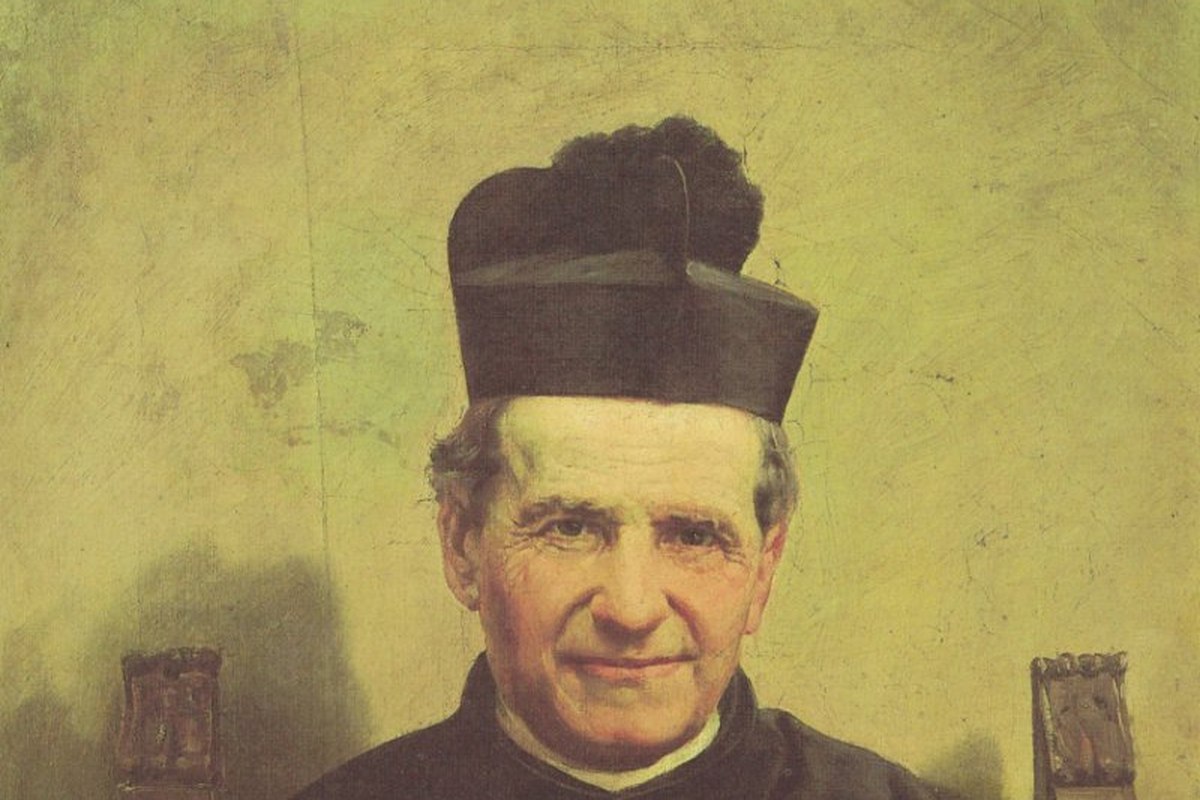
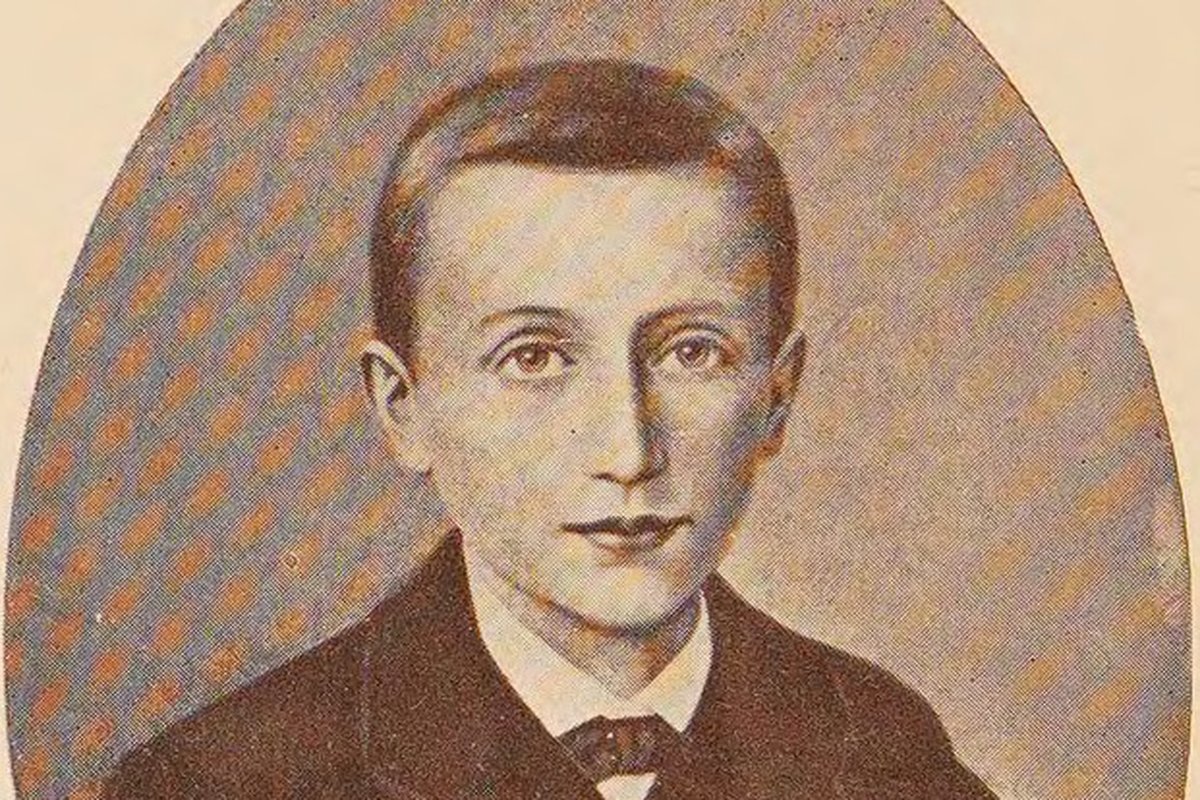
Portrait of Saint John Bosco, 19th-century photograph, public domain.
Even that early habit hints at what would define his entire life's work: entertainment was never the point in itself, only the means of holding a young audience's attention long enough to reach them with something more lasting. His mother, Margaret Occhiena, though illiterate herself, insisted on raising her sons in careful religious formation, and is remembered today, alongside her son, as a model of quiet Christian parenting — Pope Francis opened her cause for beatification in recognition of exactly that influence. John's path to the priesthood wasn't easy or guaranteed; his older half-brother resented the time he spent on schooling rather than farm labor, forcing John to leave home as a young teenager and support himself through years of odd jobs — tailor's apprentice, cobbler, baker, carpenter — skills that, decades later, would become the very trades he taught the abandoned boys of Turin.
An orphan who changed the direction of his priesthood
Bosco was ordained a priest in Turin in 1841. Influenced by his mentor, Father Cafasso, he turned his attention to the plight of poor and neglected boys who had come to the city seeking work. His ministry to young people began, specifically, with one poor orphan he met in Turin, whom he instructed in preparation for Holy Communion — a single encounter that grew into gathering apprentices for regular catechism lessons.
Turin at the time was in the middle of rapid, chaotic industrialization, drawing thousands of poor young men and boys from the surrounding countryside in search of factory work. Many arrived with no family connections in the city, no stable housing, and no protection from exploitative employers, and ended up sleeping in the streets, in prisons, or drifting into petty crime out of simple desperation. Bosco had personally witnessed conditions inside Turin's jails during visits with Father Cafasso, and was struck by how many of the young inmates he met there were essentially first-time offenders punished harshly for survival-driven theft, with no one advocating for any alternative. That firsthand experience of the prison system shaped his conviction that prevention — reaching boys before they ever reached that point — mattered far more than punishment after the fact.
An oratory that grew into a movement
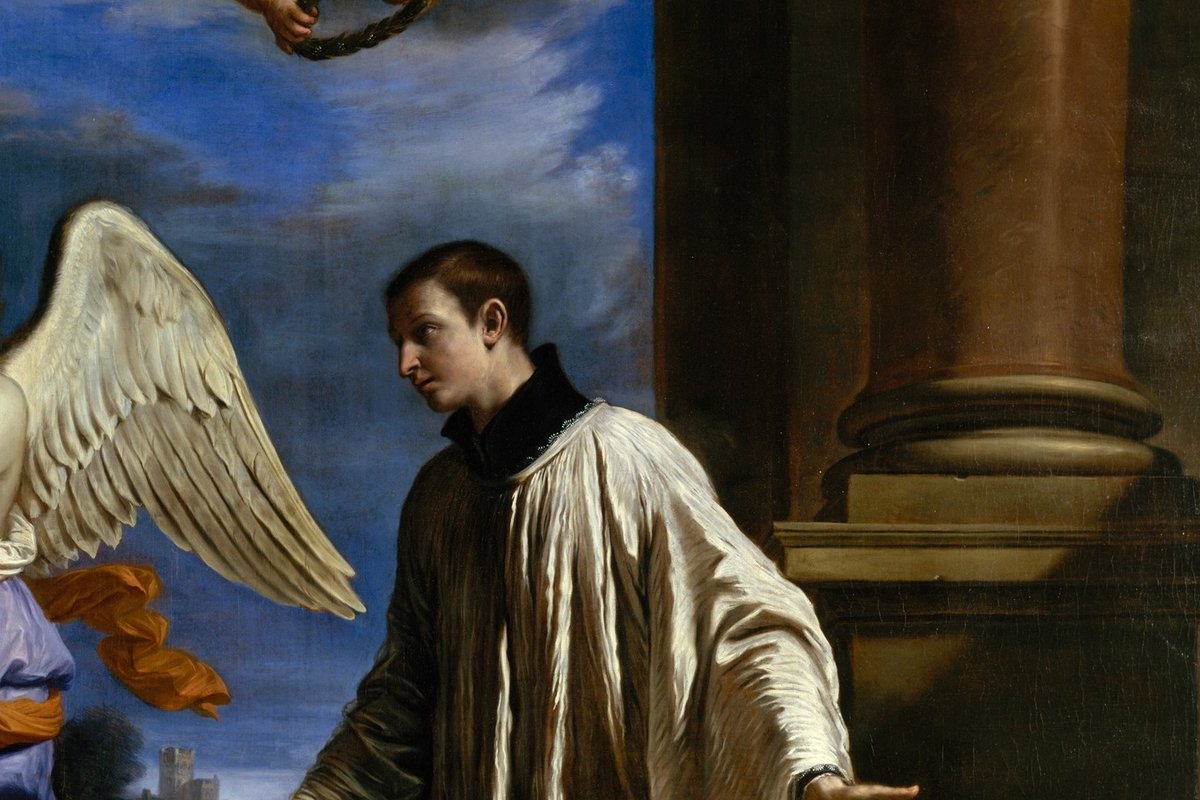
Don Bosco opened the Oratory of St. Francis de Sales for boys, and wealthy patrons eventually funded workshops teaching trades like shoemaking and tailoring. By 1856, the oratory had grown to 150 boys and added its own printing press for religious pamphlets. Every Sunday, he gathered the poor and abandoned youths of Turin, heard their confessions, celebrated Mass, preached in language they could understand, led games and hikes, and found them both housing and jobs with reputable employers. Among the boys at the oratory, one of the best known would later become Saint Dominic Savio.
Getting to that point wasn't smooth. Bosco was forced to move his growing oratory from location to location several times in its early years, as landlords and neighbors objected to the noise and disruption of dozens of rowdy, unsupervised boys gathering regularly, until he finally secured a permanent site in the Valdocco district of Turin in 1846. City and even some Church officials grew suspicious of the informal, fast-growing movement around him, and for a period some questioned Bosco's sanity or motives, going so far as to briefly investigate whether he needed to be confined. Bosco pressed on largely undeterred, financing the operation through a relentless combination of personal appeals to wealthy Turin families, his own modest earnings, and what his early biographers describe as a habit of simply trusting that funds would appear when genuinely needed — trust that, by his own account, was tested constantly but never entirely disappointed.
Reason, religion, and kindness
With Pope Pius IX's encouragement, Bosco gathered seventeen men and founded the Salesians in 1859; before his death the order had spread to England, France, Spain, and South America. With Saint Mary Mazzarello, he also founded the Daughters of Our Lady Help of Christians in 1872 for similar work among girls. When asked the secret behind an institution that transformed abandoned boys into a family, Don Bosco answered simply: reason, religion, and kindness — a philosophy of persuasion and love over fear.
Bosco called this approach the "Preventive System," and he deliberately defined it against what he saw as the dominant educational philosophy of his era, which relied heavily on strict discipline, physical punishment, and rigid, fear-based authority. Instead, Bosco argued for what he described as a loving presence among the boys rather than distant supervision over them — teachers and priests were expected to actually be present during recreation, to know each boy personally, and to earn trust and cooperation rather than simply compel obedience. It was, for its time, a genuinely progressive approach to education, and it became the foundation not only of the Salesian order's schools but of educational reform movements well beyond Catholic circles in the decades that followed.
Pope Pius XI beatified him in 1929 and canonized him on Easter Sunday 1934, naming him "Father and Teacher of Youth." Today the Salesians of Don Bosco operate in well over a hundred countries, running schools, vocational training centers, and youth programs that continue to focus specifically on poor and at-risk young people — making the movement that began with one orphan and a set of borrowed magic tricks among the largest religious orders dedicated to education in the world.
Trivia
Who was Saint John Bosco?
How did his work with poor boys begin?
What was the Oratory of St. Francis de Sales?
What was Don Bosco's educational philosophy?
Related Reading