The Virtues

The same root as dynamite
Start with the etymology, because it's genuinely surprising: "Virtues" comes from the Greek dynameis, meaning "powers" or "strengths" — the exact root that, filtered through centuries of language change, gives English the word "dynamite." The Latin translation, virtutes, is where the English name for this rank comes from, but that Latin word originally meant something closer to raw capability or strength than to moral goodness. It's a case where a word's meaning has quietly drifted so far that the modern English name for this angelic rank actively misleads most readers who encounter it for the first time.
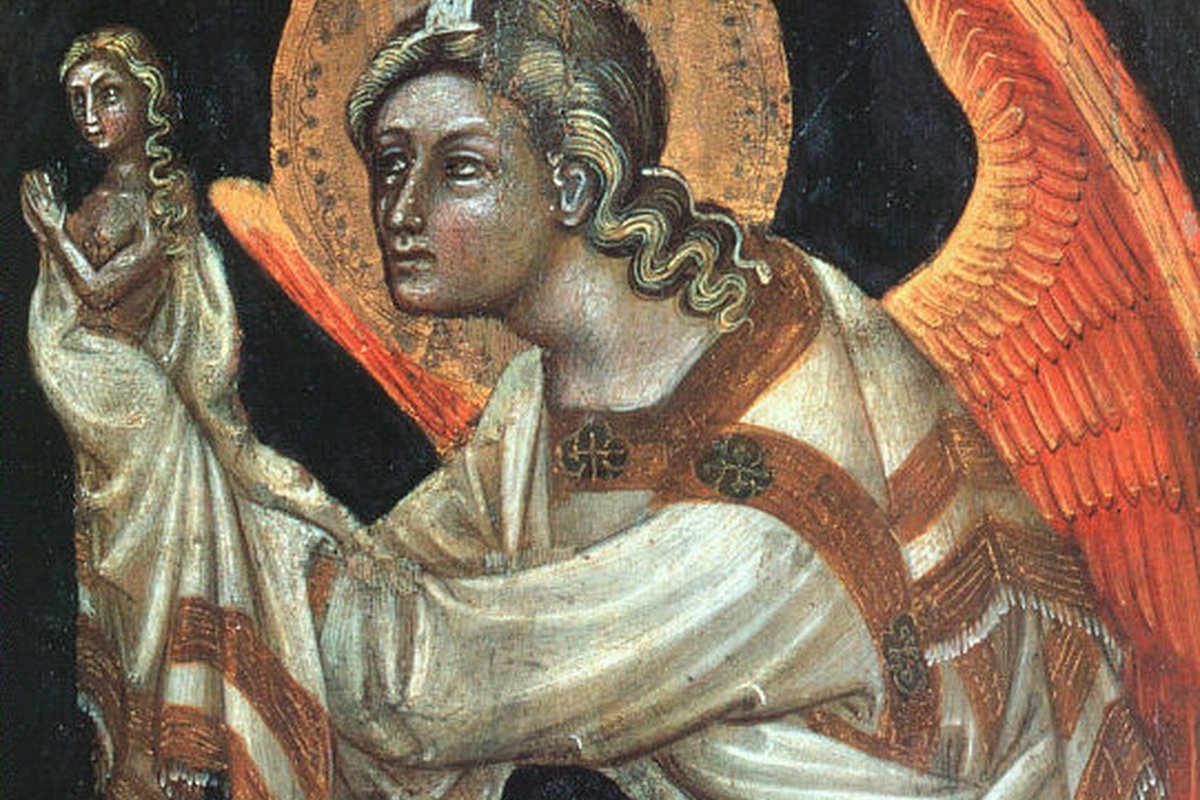
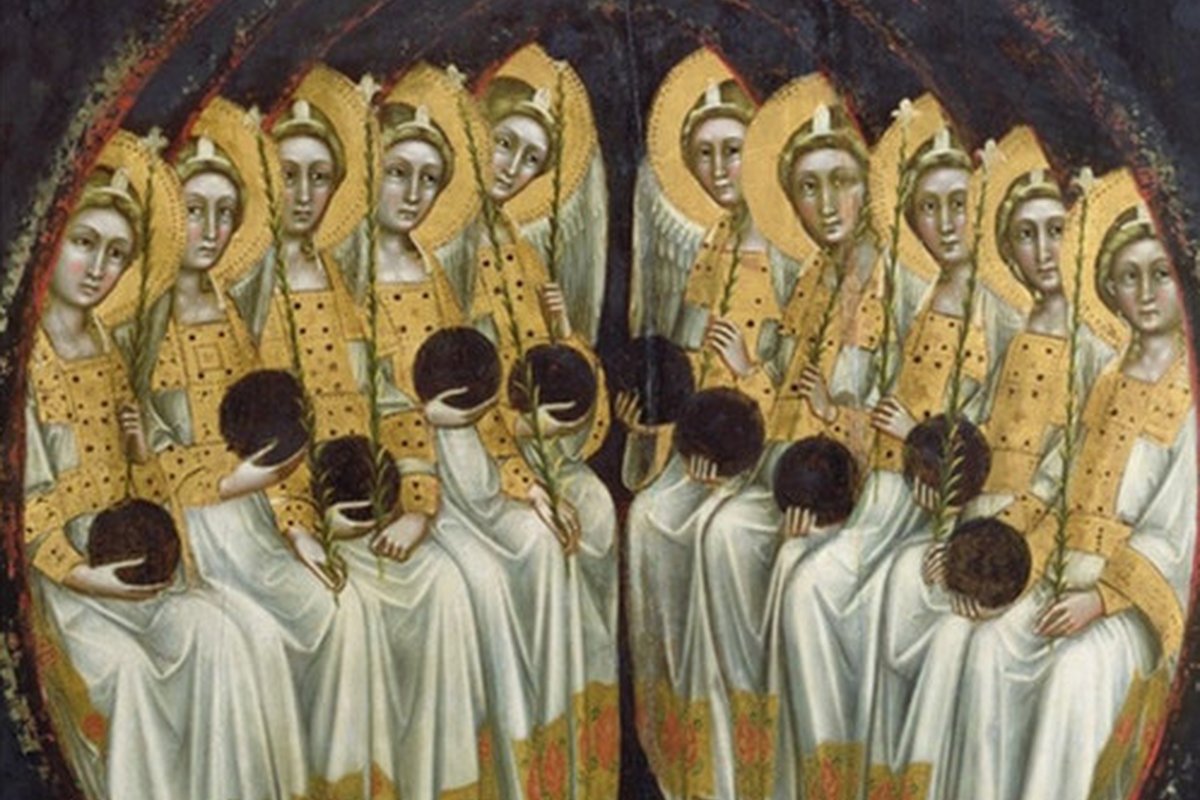
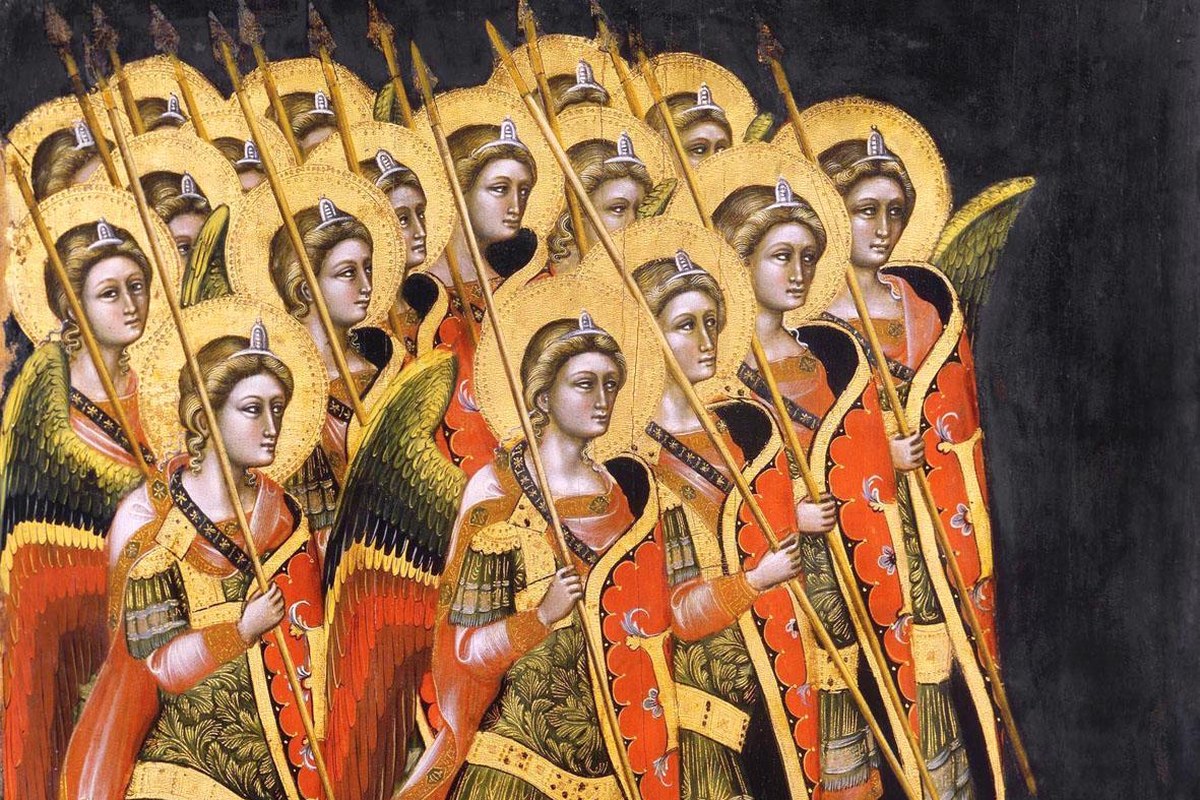
Guariento di Arpo, angel from the Nine Choirs of Angels cycle, c. 1354, Museo Civico, Padua. This particular panel is traditionally identified with the Angels (the ninth choir) rather than the Virtues specifically; it is used here as a representative image from the same historical series, since no Virtues-specific panel from the cycle survives in public-domain digitization — public domain.
Not the "virtue" you're thinking of
That drift is worth spelling out directly, because it's easy to hear "Virtues" and picture an angel embodying moral excellence — patience, humility, charity. That's not where the name comes from. The older sense of virtutes survives today in phrases like "by virtue of," which still carries the original meaning of power or capacity rather than ethical character. The angelic rank's name is a fossil of that older usage, not a claim that this particular choir specializes in moral instruction.
One system among a few competing ones
It's worth being upfront that the "nine choirs" framework, however familiar it has become in devotional art and popular teaching, is not itself a matter of Catholic dogma — it's a theological system, most fully worked out in Pseudo-Dionysius's Celestial Hierarchy, that later became the standard reference point in the West largely because Saint Thomas Aquinas adopted and refined it in the Summa Theologiae. Not every early writer agreed on where the Virtues belonged. Pope Gregory the Great, writing a few centuries after Pseudo-Dionysius, proposed a slightly different ordering of the nine ranks, placing the Virtues in a different position relative to the Principalities and Powers. The overall list of nine names stayed fairly consistent across these variations, but their internal ranking shifted depending on which theologian was doing the sorting — a useful reminder that this whole structure is the Church's traditional and reasoned effort to organize scattered scriptural hints, not a directly revealed blueprint of heaven. See our companion article on the Nine Choirs of Angels for how the full system fits together.
Paul's list, and one word inside it
Scripture never names a rank called the Virtues. What it offers is a single word, tucked into Paul's description of Christ's supremacy: "far above every principality, authority, power, and dominion, and every name that is named not only in this age but also in the one to come." (Ephesians 1:21, RSV-CE). The Greek word behind "power" here is dynamis — the same root later attached to this rank by systematic theology, chiefly Pseudo-Dionysius the Areopagite's 6th-century treatise The Celestial Hierarchy, which sorted every heavenly category mentioned in Scripture into nine ranks. Paul is making a point about Christ outranking every conceivable power; he isn't describing an order of angels with a defined job.
Miracles in the created world
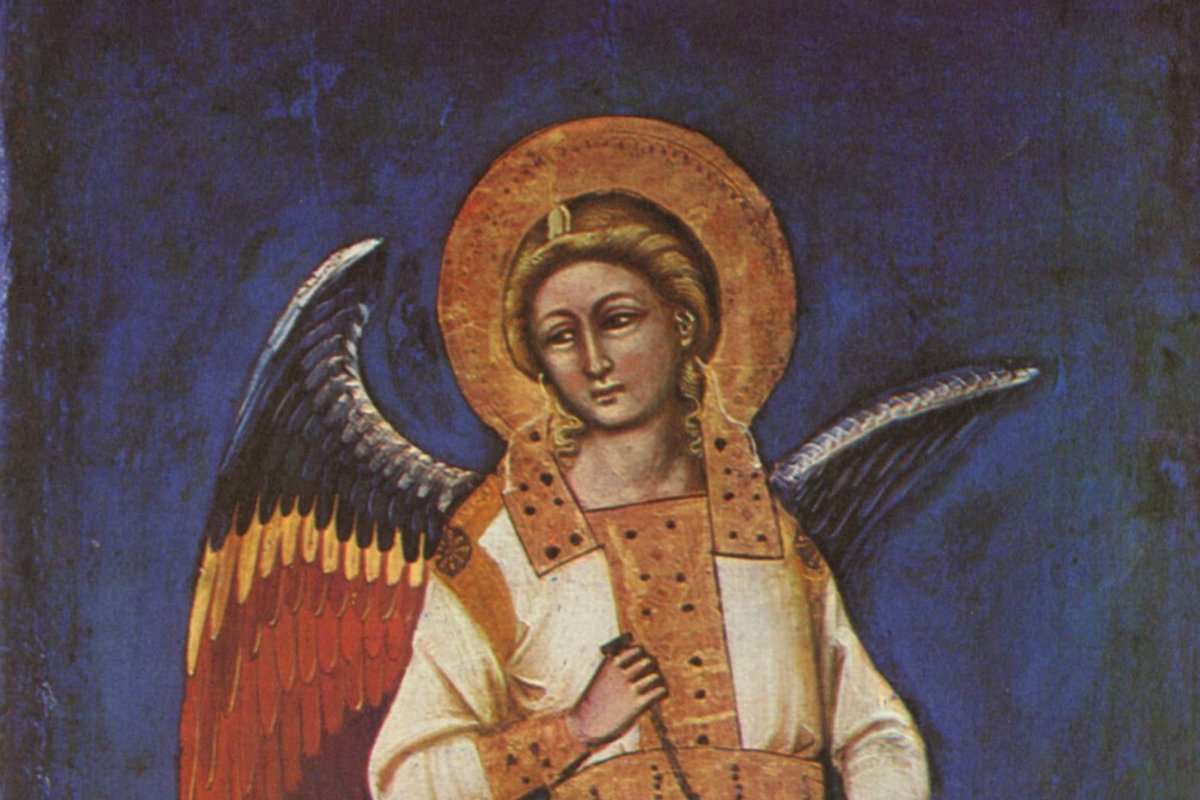
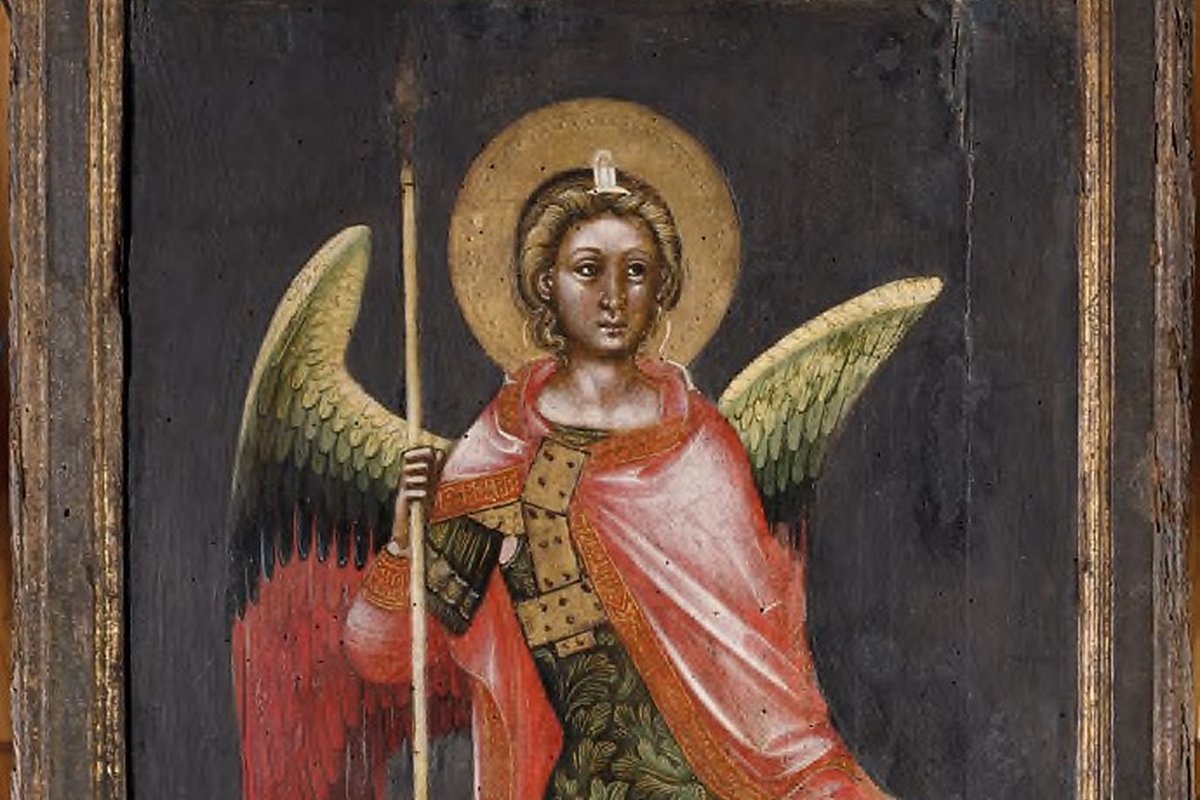
The job description came later, and it's a distinctive one. Tradition credits the Virtues with governing the physical, natural world, and with responsibility for miracles and signs occurring within it whenever God wills them — making this the rank most directly associated with the miraculous among all nine choirs. In depictions of Guariento di Arpo's 14th-century cycle of the Nine Choirs of Angels in Padua, the Virtues are traditionally shown holding a lily bent toward the earth below, a visual shorthand for attentiveness to the created, physical world rather than to the heavens above it.
Later devotional writers extended this "miracle-working" association in specific directions. Some medieval commentators connected the Virtues to the angels present at Christ's Ascension — the two "men in white" of Acts 1:10-11 who tell the apostles that Jesus will return in the same way he departed — reading their appearance at that particular miraculous, world-altering event as consistent with the Virtues' supposed role. That connection is speculative theology layered onto a bare scriptural episode, not something the text itself states, and it should be read with the same caution as the rest of this rank's job description: a plausible, traditional elaboration, not a settled fact about which specific angels appeared on that occasion.
A name worth double-checking
As with every rank in this system, it's worth being honest about the layers here: Scripture supplies one word in one sentence; later theology supplies the rank, the role, and the miracle-working reputation; and centuries of English usage supply a name that no longer means what it once did. The Virtues take their place alongside the Seraphim, Thrones, Dominions, Powers, Principalities, and Archangels as a rank in the same nine-choir framework — a reminder that even a name can carry a whole hidden history, if you bother to ask where it came from.
Trivia
What does 'Virtues' mean as the name of an angelic rank?
Are the angelic Virtues connected to the English word 'virtue,' as in moral goodness?
What are the Virtues traditionally responsible for?
Where does Scripture hint at a rank called 'power'?
Where do the Virtues rank among the nine choirs of angels?
Related Reading