
Angels
Meet the archangels and angelic choirs of Christian tradition, and the biblical moments where they appear.
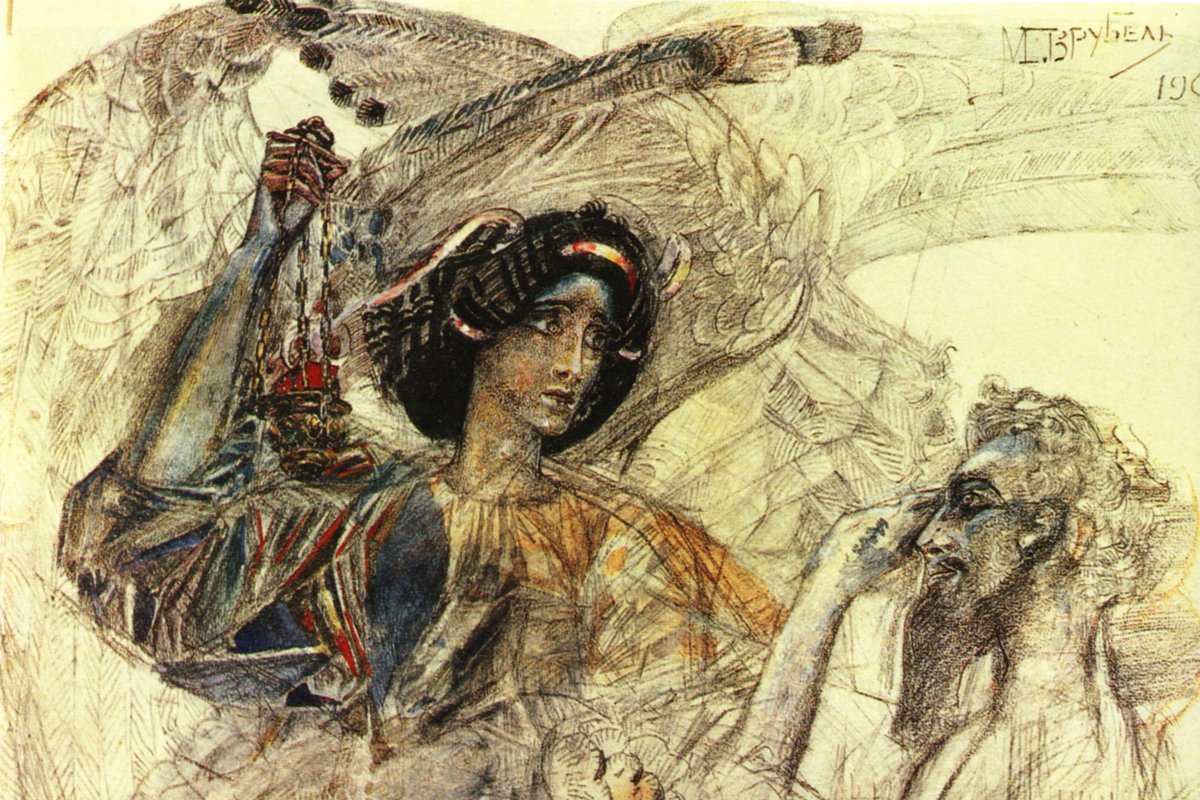
The Seraphim
What the Seraphim are in Scripture and tradition, why Isaiah saw them crying "Holy, holy, holy," and why they rank highest of the nine angelic choirs.
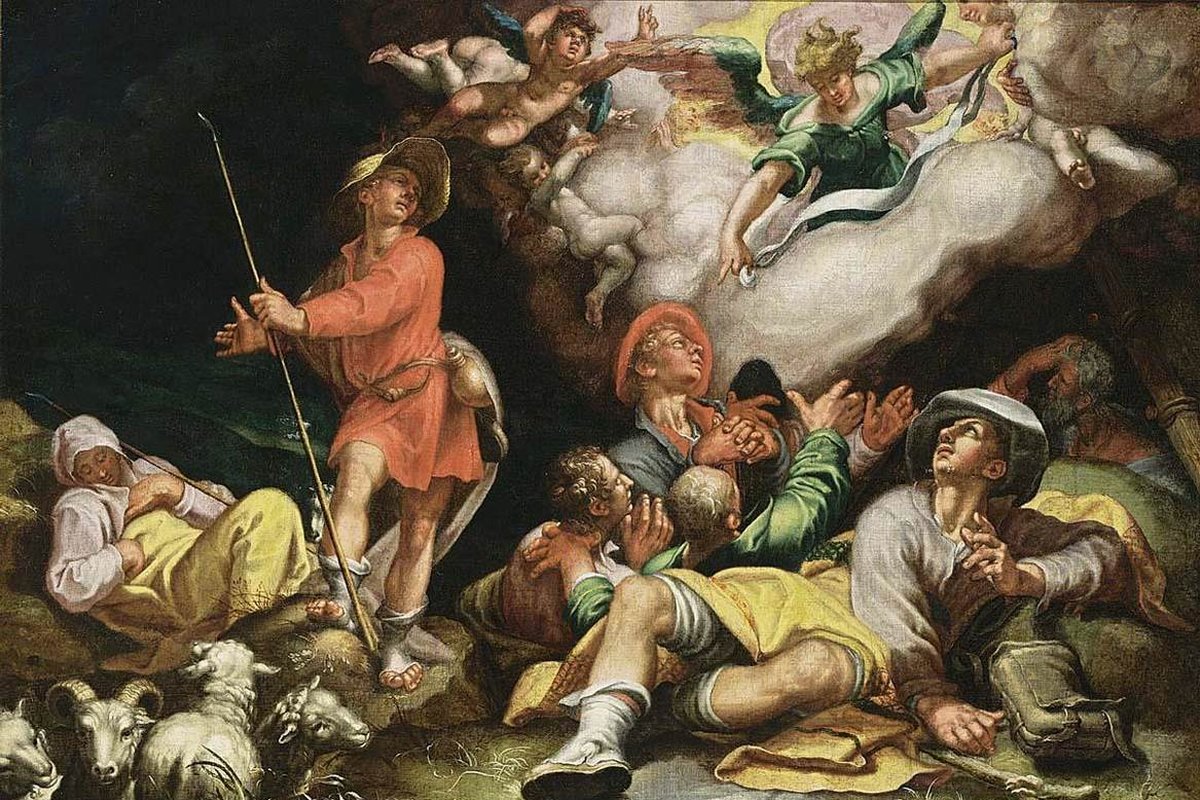
The Angel Appearing to the Shepherds
The angel who announced Christ's birth to shepherds outside Bethlehem, what he actually said in Luke's Gospel, and why the news reached them before kings.
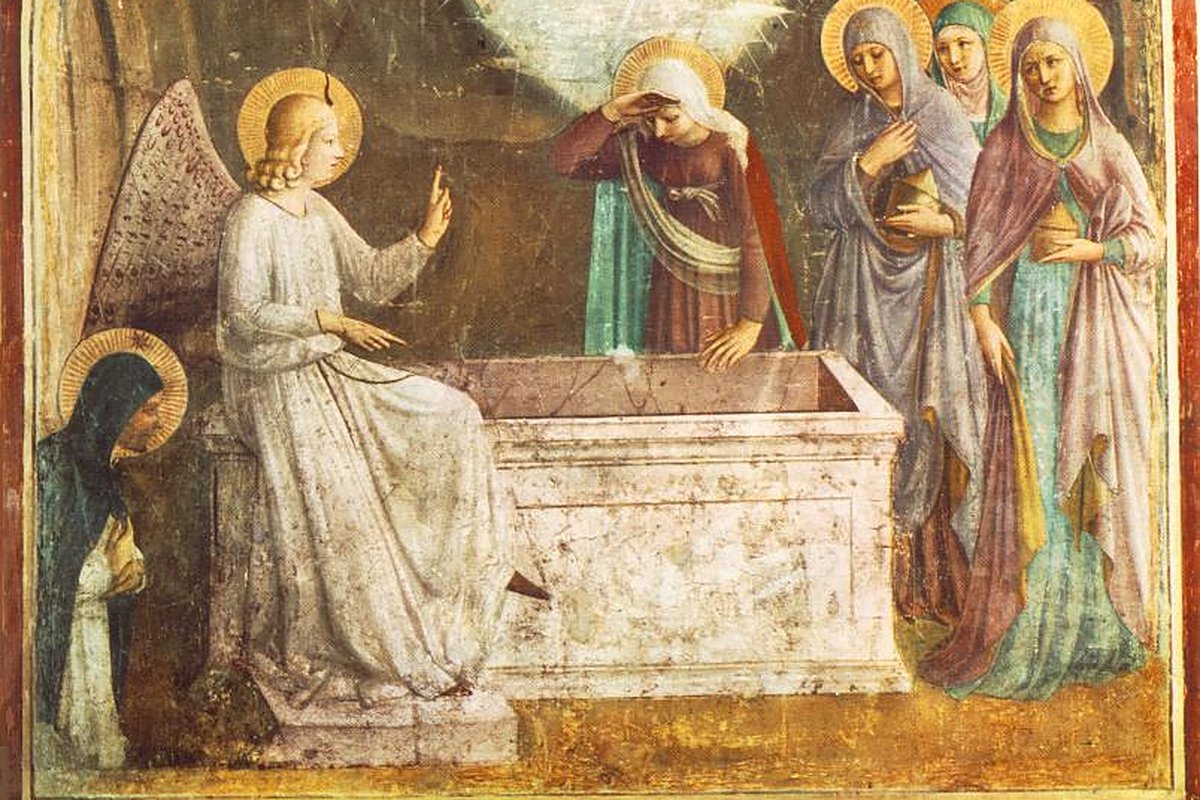
The Angel at the Empty Tomb
What the angel told the women who came to Christ's tomb on Easter morning — and an honest look at why the four Gospels don't describe the scene identically.
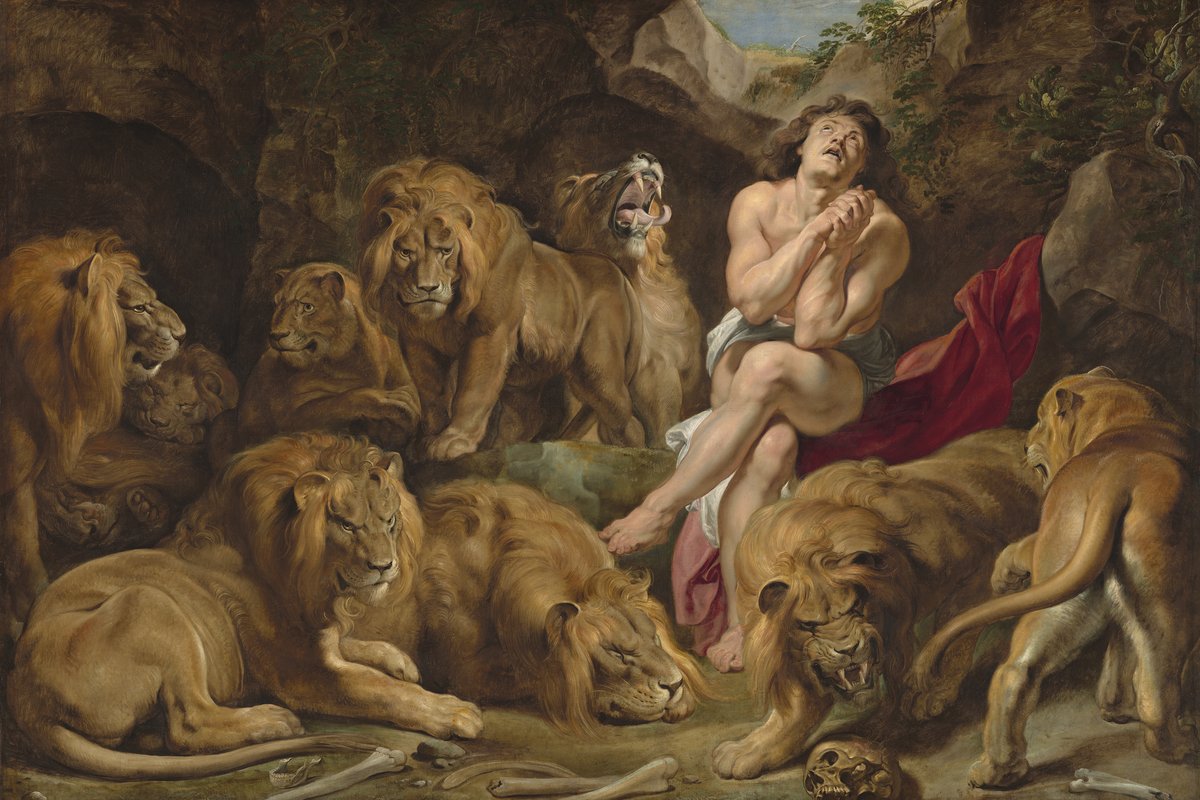
The Angel Closing the Lions' Mouths
How Daniel survived a whole night in the lions' den after political rivals trapped him through his own faith, and the angel he credited with saving him.
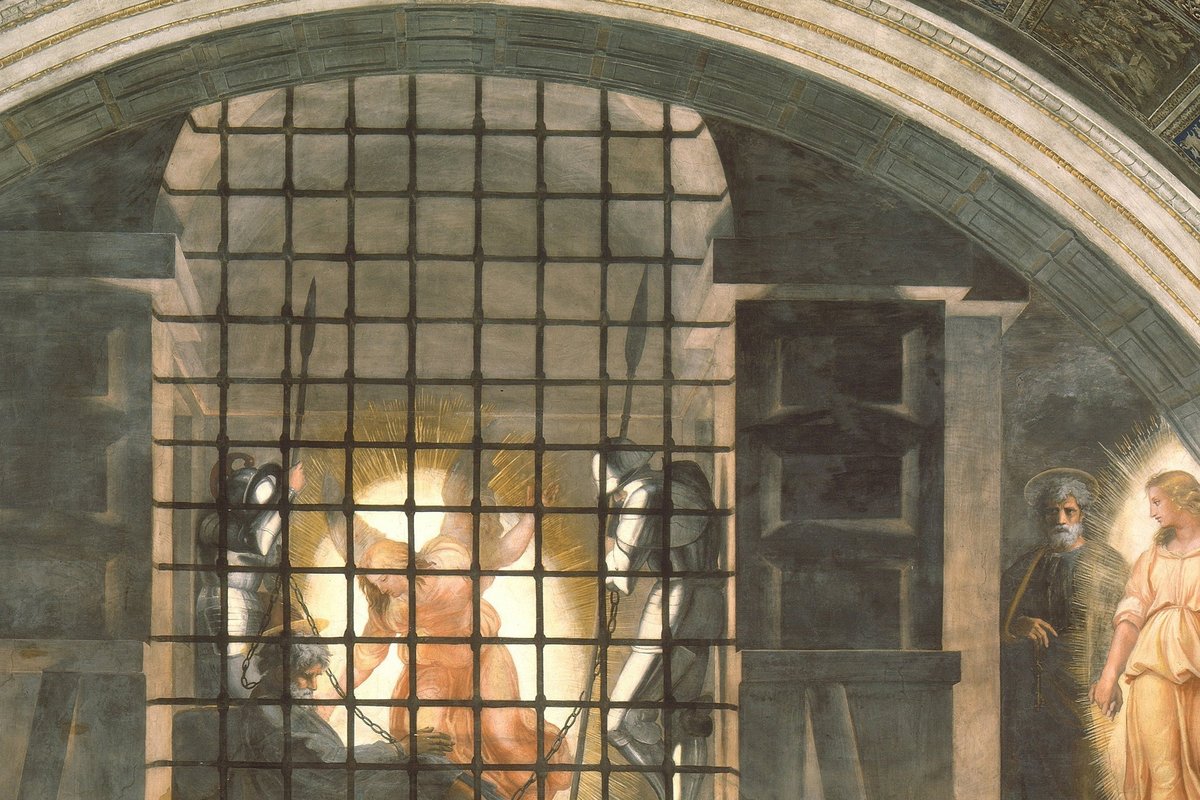
The Angel Freeing Peter from Prison
How Peter escaped a heavily guarded prison cell the night before his trial, and why he thought it was a vision until he found himself alone in the street.
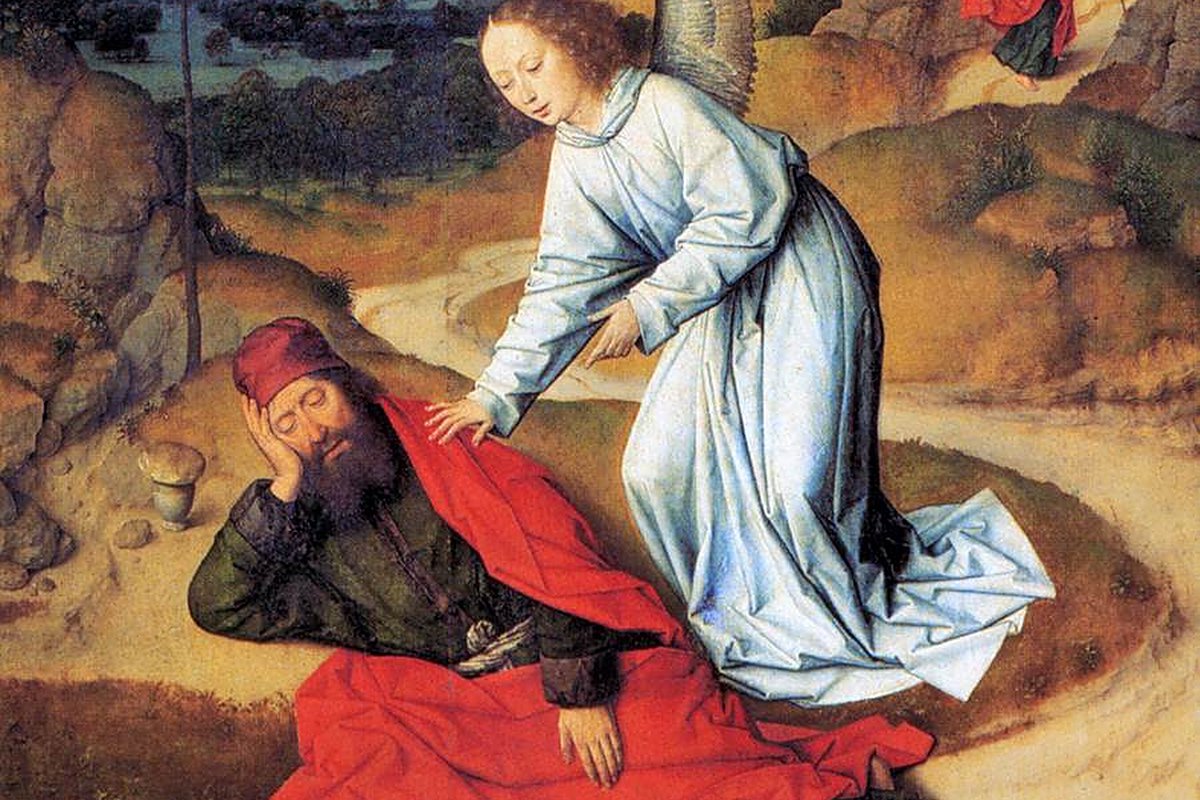
The Angel Strengthening Elijah
After his greatest victory, the exhausted prophet Elijah asked God to let him die. The angel who found him in the desert didn't argue — he simply fed him.
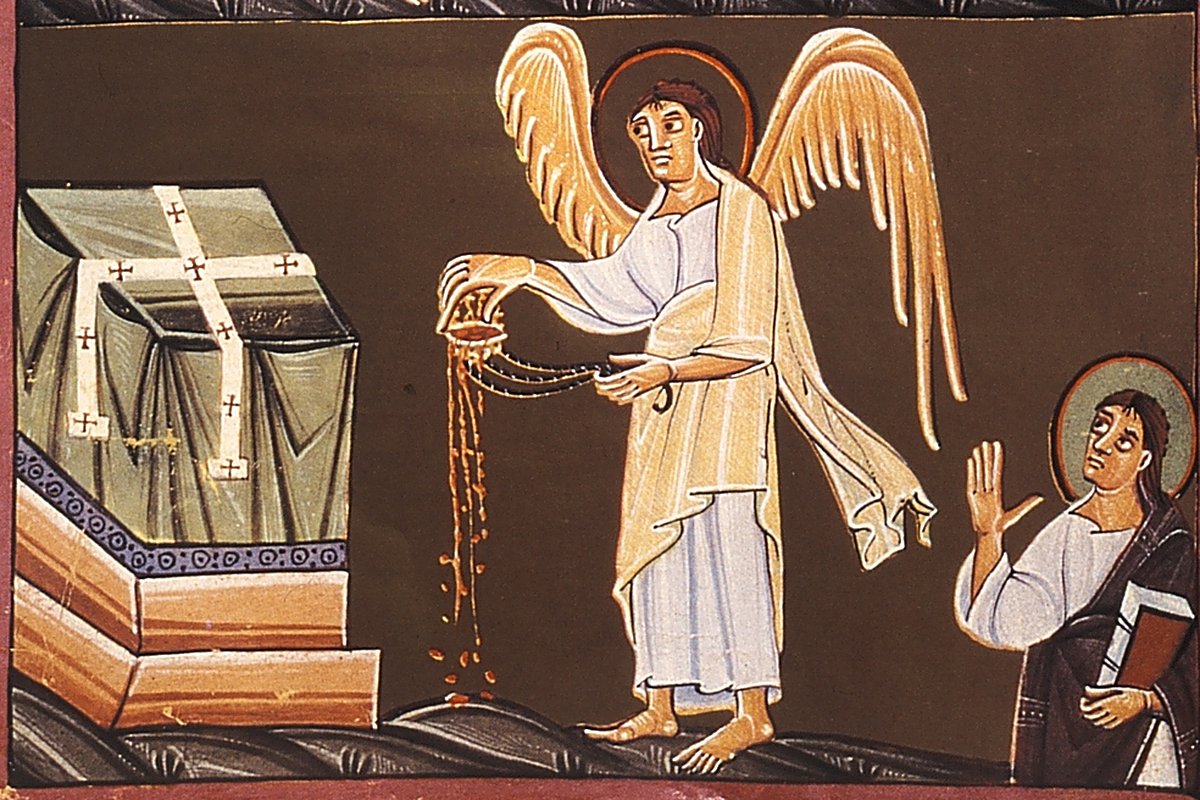
The Angel with the Golden Censer
In John's vision of heaven, an angel carries the prayers of believers up to God mixed with rising incense smoke, then hurls fire from the altar back to earth.
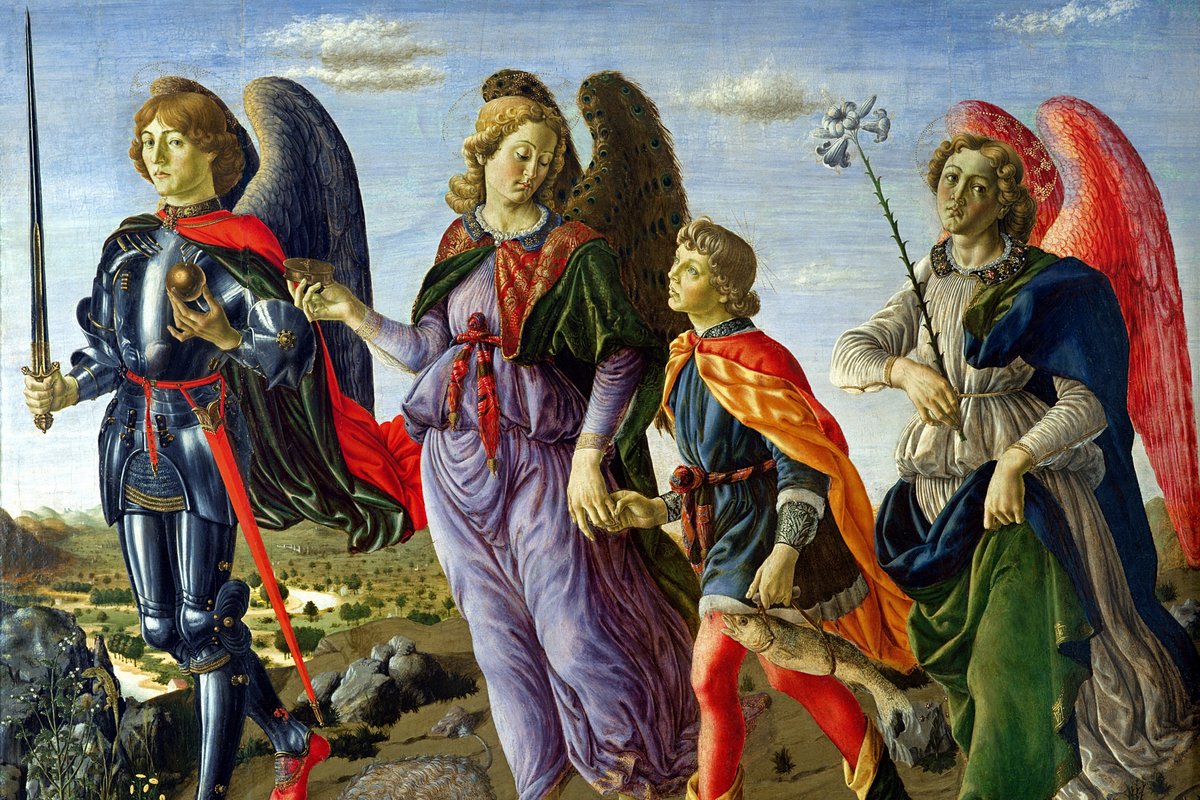
The Archangel Choir
Why the Archangels are the only one of the nine angelic choirs whose members are named individually in Scripture, and what this angelic rank truly means.
The Dominions
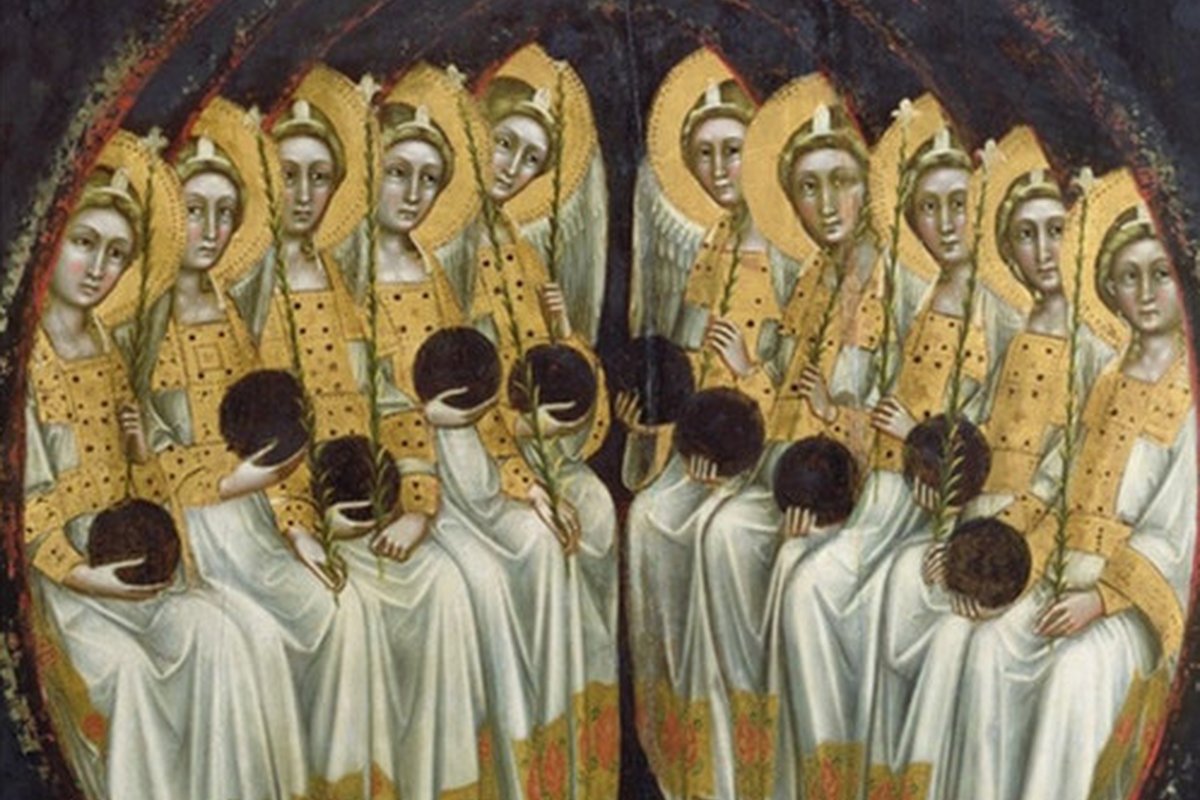
What the Dominions (or Dominations) are in Christian tradition, why Ephesians calls them "dominion," and their odd, distinctly middle-management role.
The Four Living Creatures
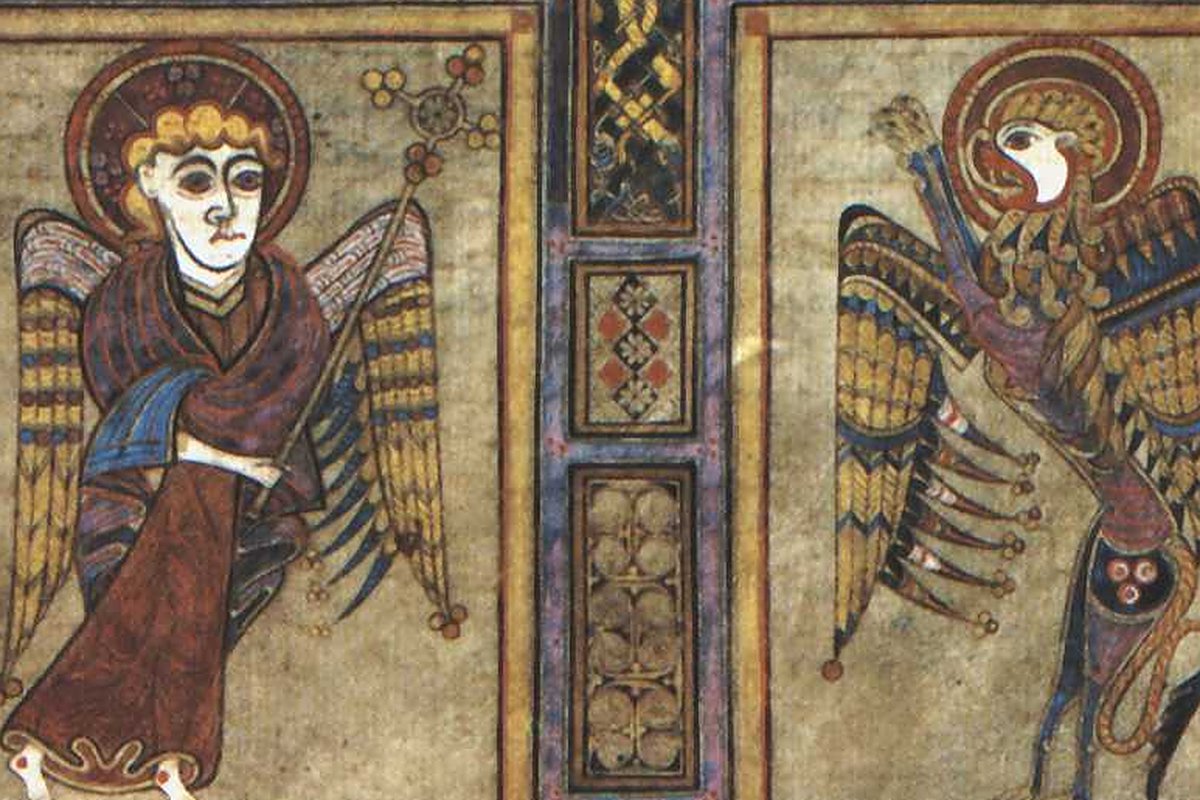
Part lion, part ox, part man, part eagle — the four creatures of Ezekiel and Revelation's visions, and how Christian tradition linked them to the Gospels.
The Nine Choirs of Angels — A Full Guide to the Angelic Hierarchy
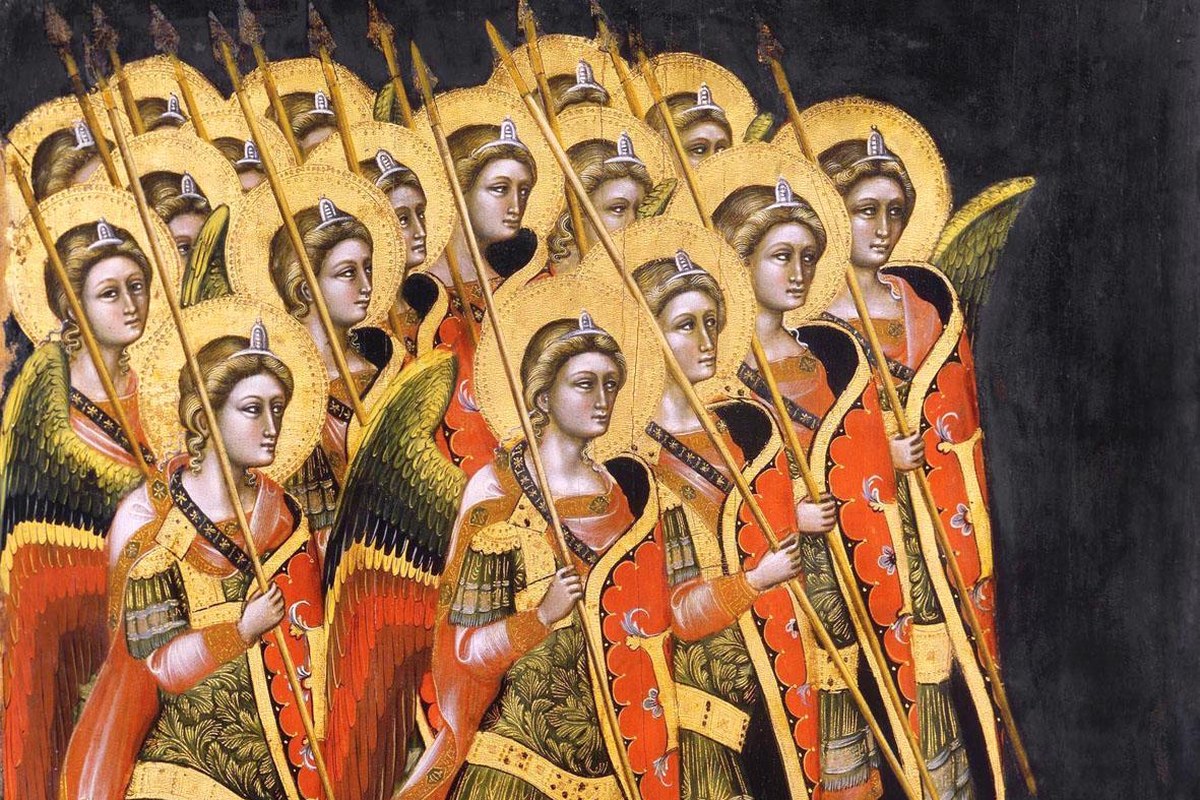
A 6th-century writer organized every angel named in Scripture into nine ranks in three triads. Here's the full hierarchy, with the story behind each rank.
The Powers
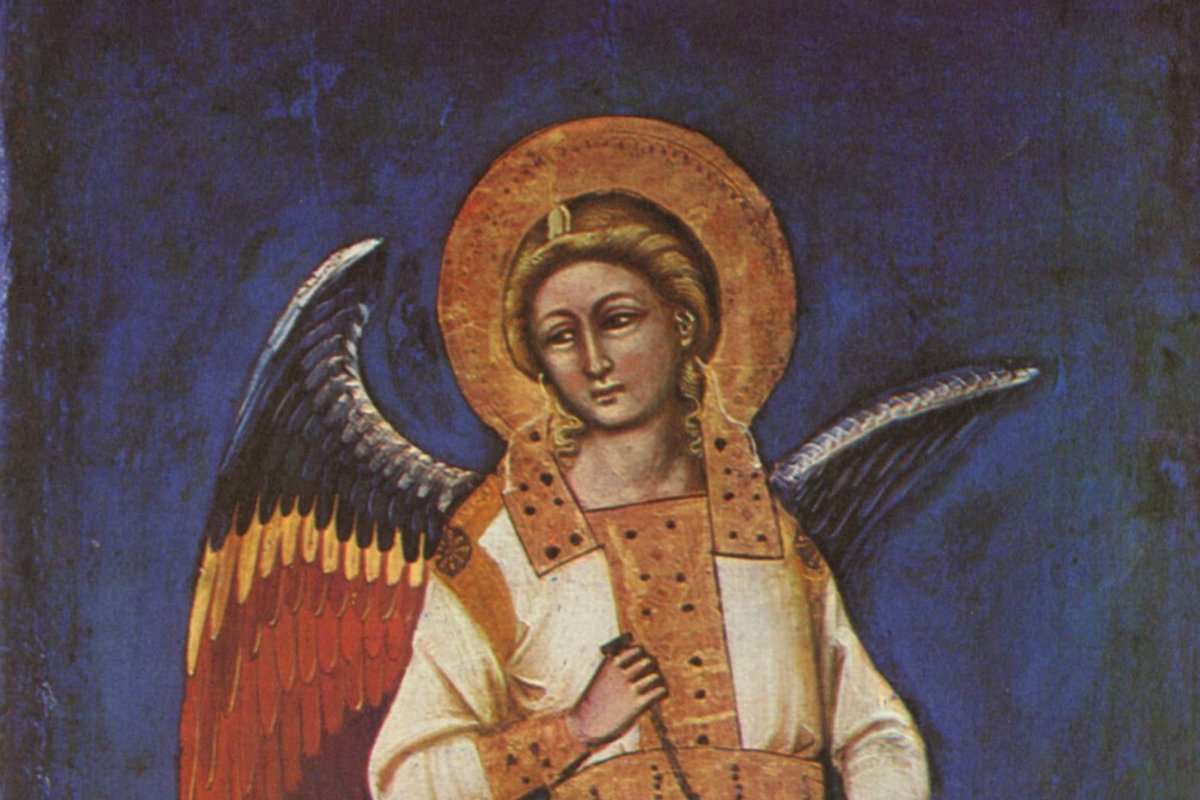
Why medieval Christian tradition holds that the Powers guard the border between heaven and evil, and how their name traces to the Greek word for authority.
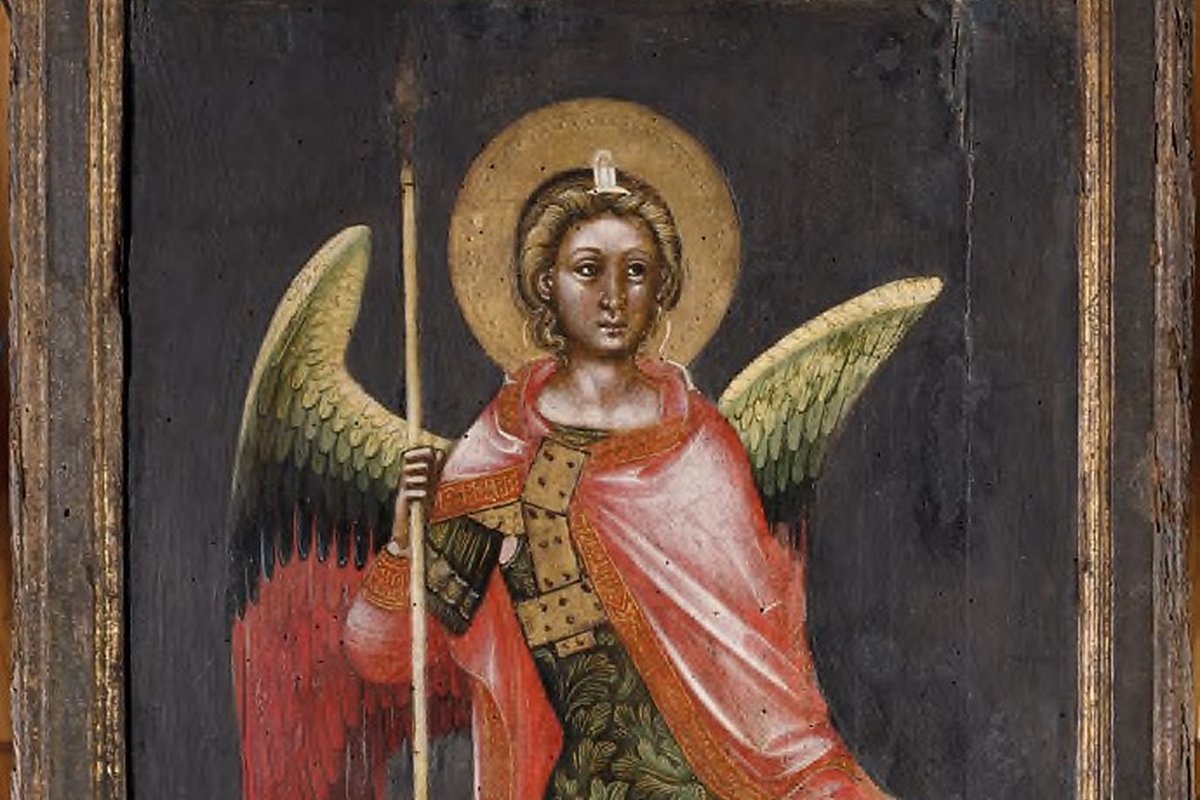
The Principalities: Angels Who Guard Nations
The Principalities are angels Christian tradition holds watch over whole nations and cities -- and how their name shares a root with the word "archangel."
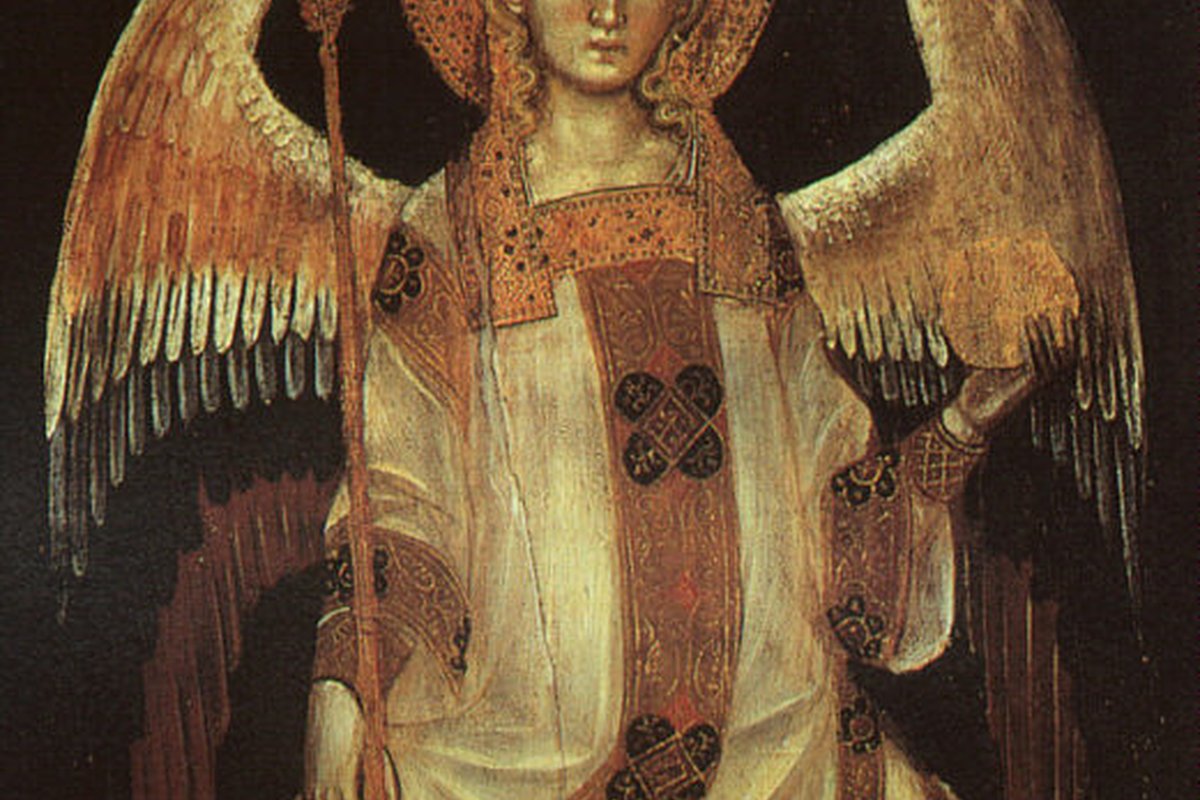
The Thrones
What Colossians 1:16 actually says about "thrones," how the word grew into a rank of celestial judges, and why medieval art painted them as wheels of eyes.
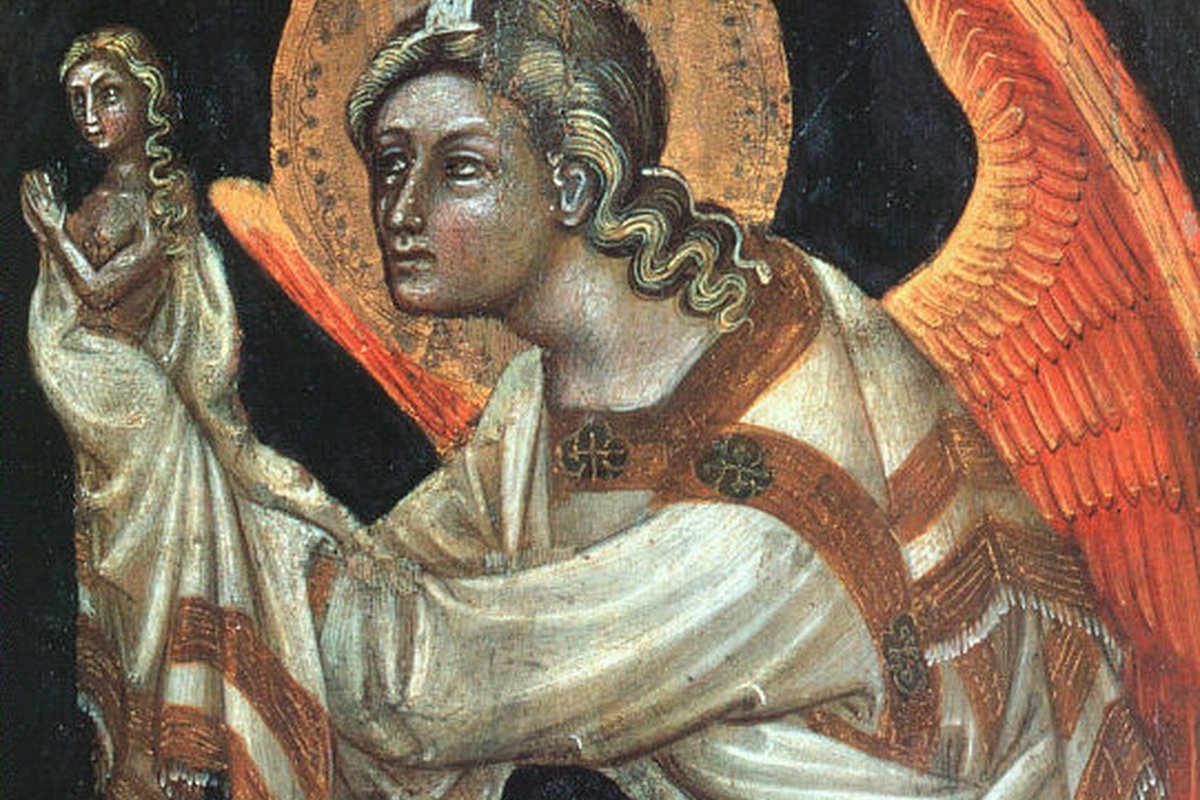
The Virtues
Why the Virtues' name literally means "powers" in Greek — the root behind "dynamite" — and why tradition ties this angelic rank to miracles in nature.
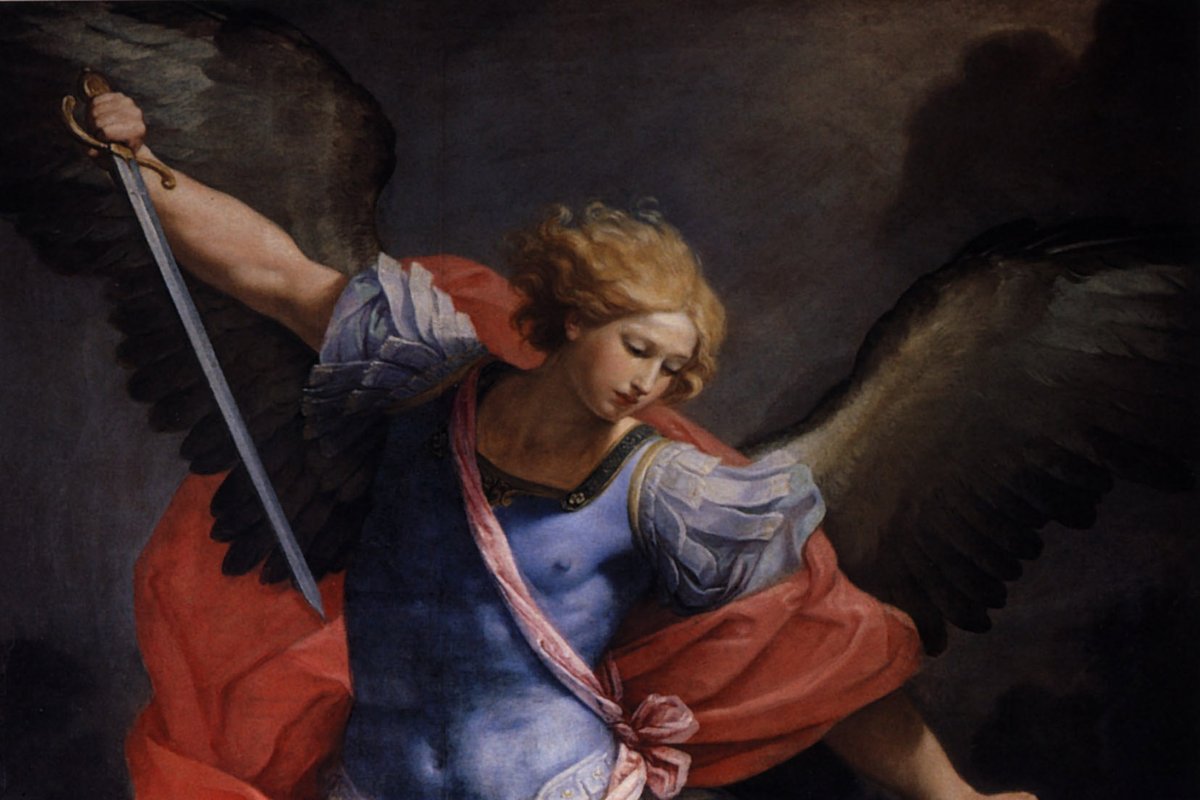
Saint Michael the Archangel
Who Saint Michael the Archangel is, why he is shown with a sword and scales, and what his story means in Christian tradition.
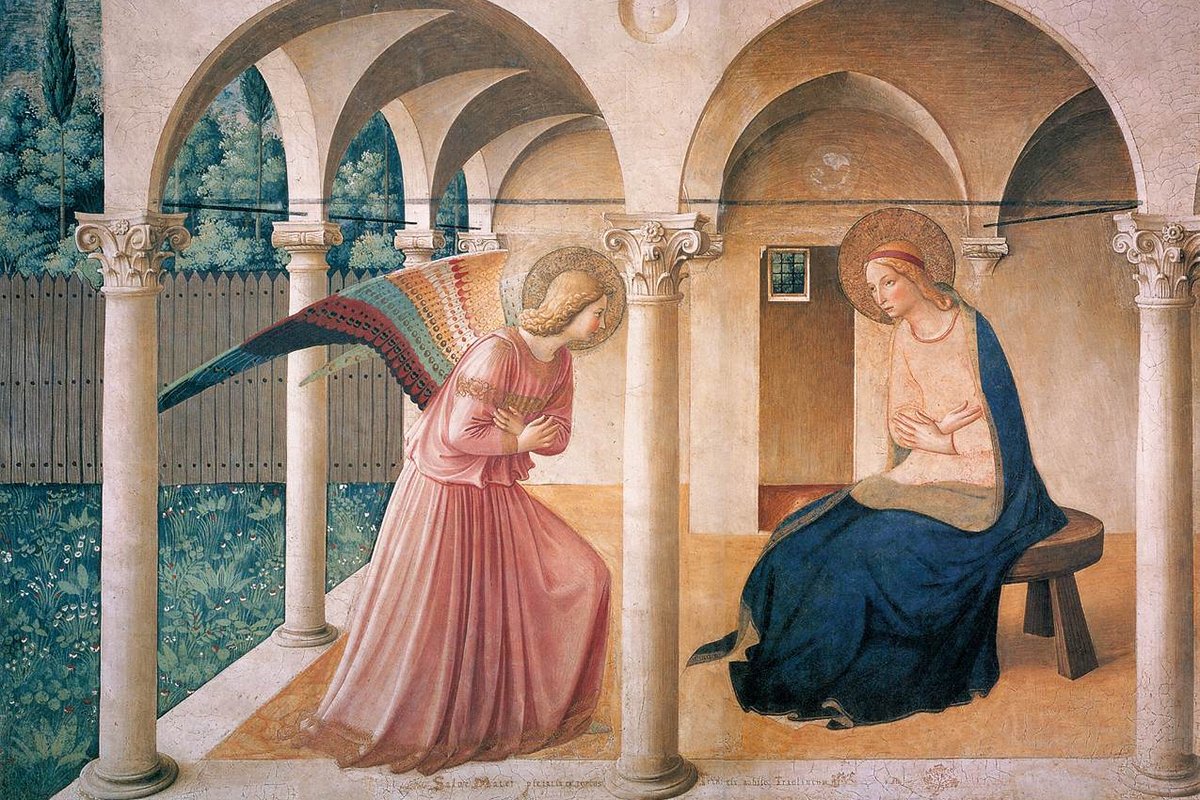
Saint Gabriel the Archangel
Who Gabriel the Archangel is, why he appears at the hinge points of salvation history, and what his story means in Christian tradition.
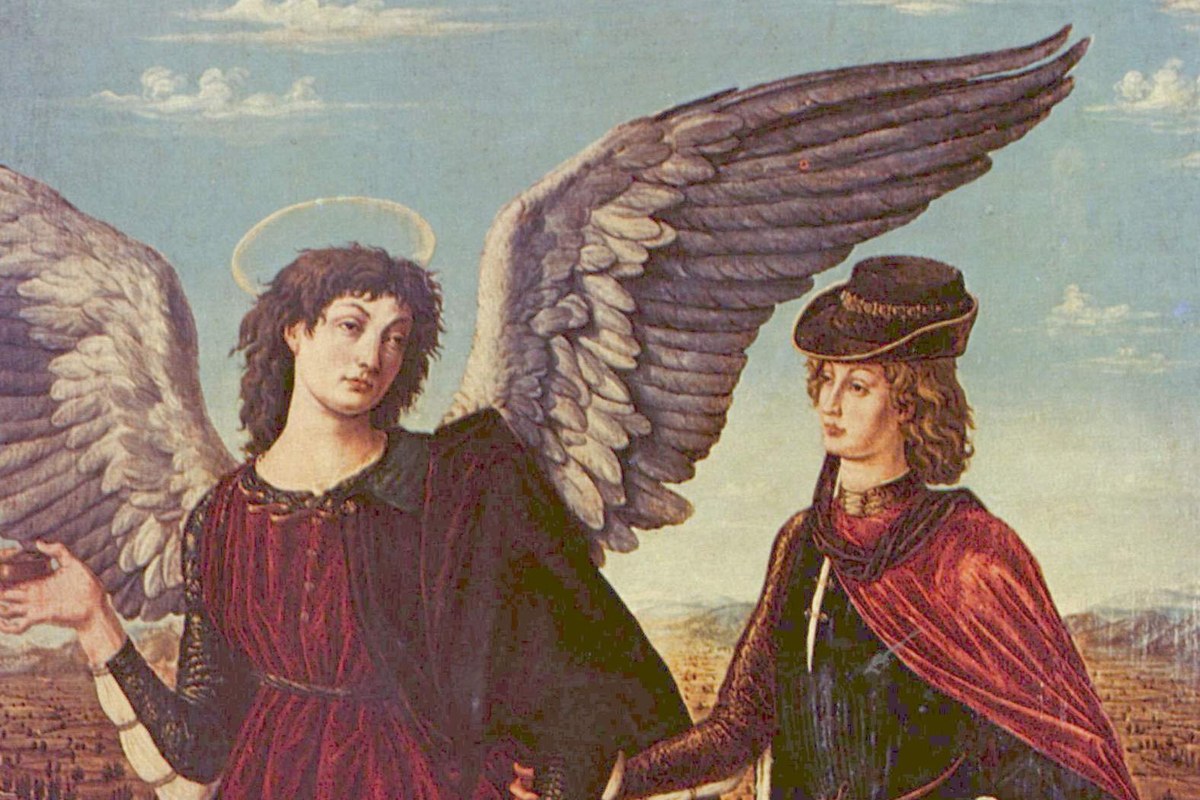
Saint Raphael the Archangel
Who Raphael the Archangel is, his story in the Book of Tobit, and why he became the patron of travelers, healers, and happy meetings.
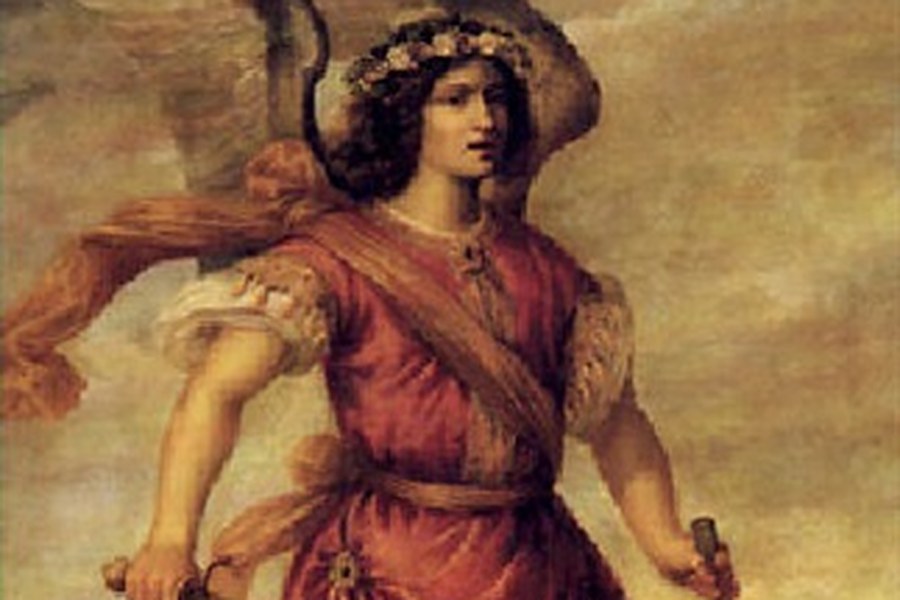
Saint Uriel the Archangel
Who Uriel is, why he is not officially recognized as an archangel by the Catholic Church, and what his long devotional tradition represents.
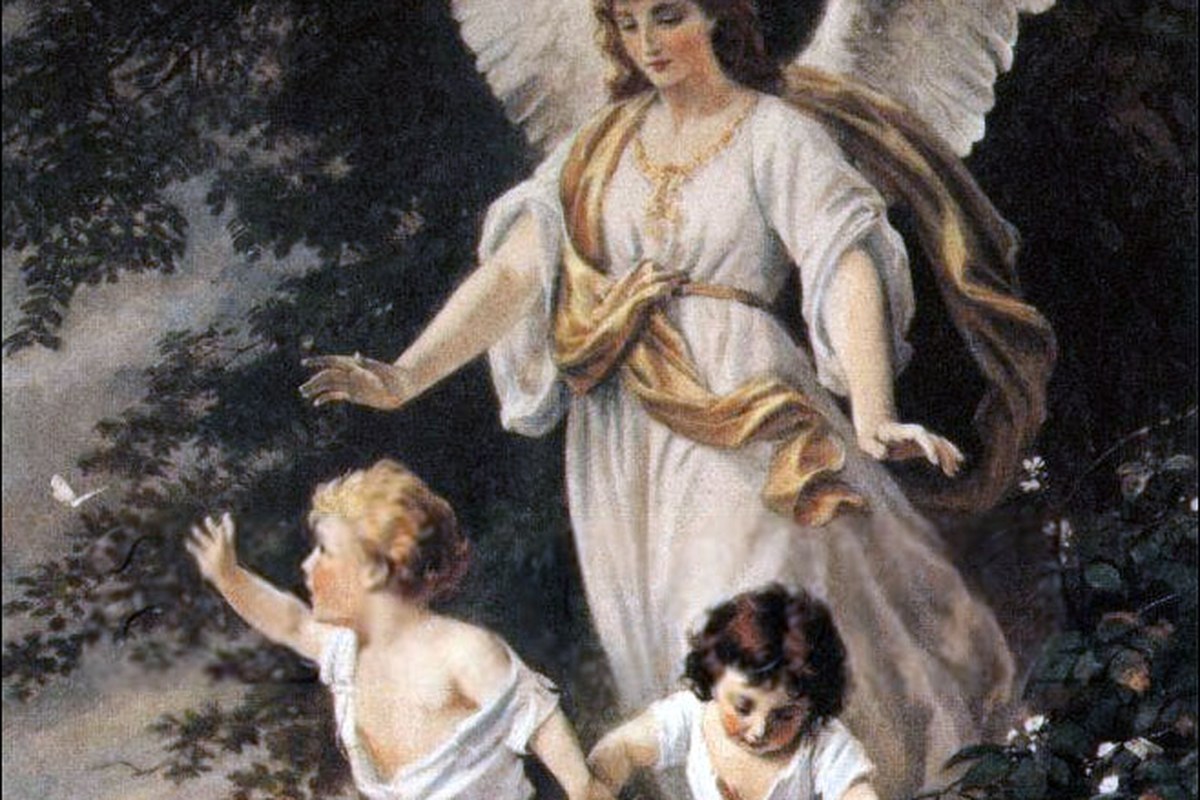
The Guardian Angel
What the Catholic Church actually teaches about guardian angels, where the belief comes from in Scripture, and why every person is said to have one.
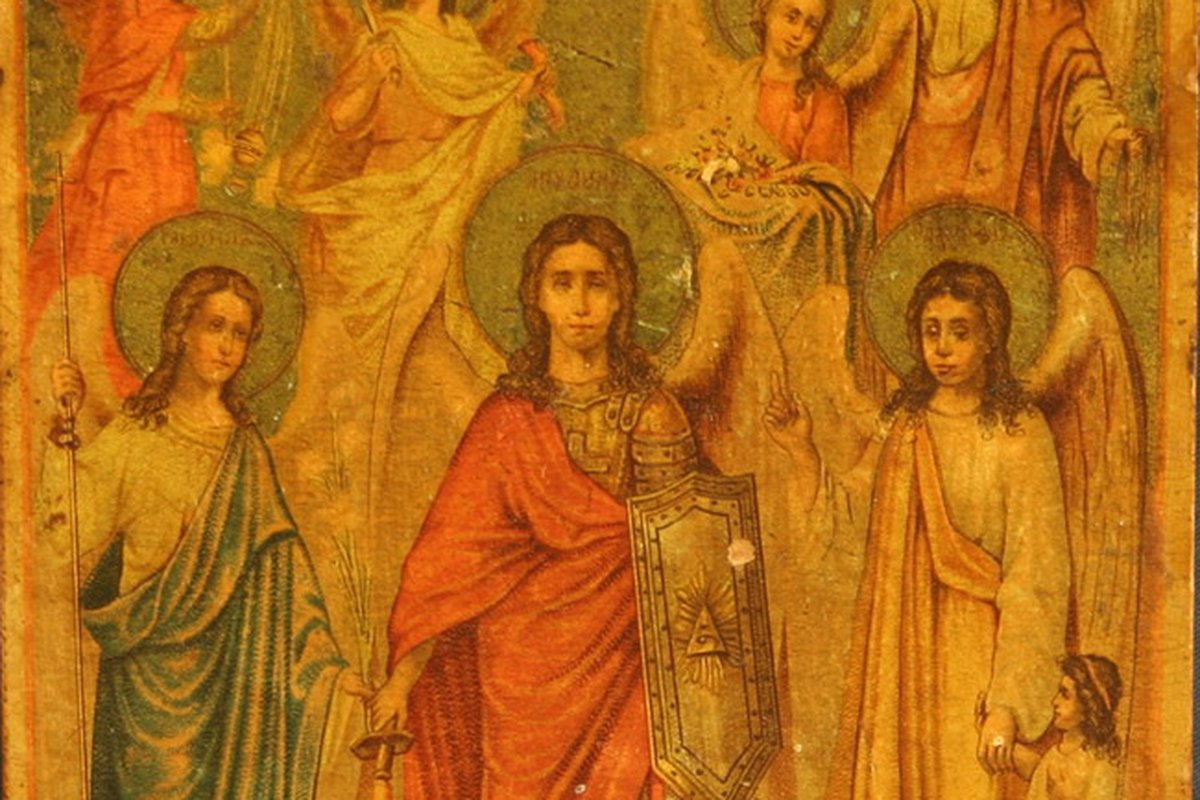
The Seven Archangels in Catholic Tradition
Why the Church officially names only three archangels — Michael, Gabriel, Raphael — while a wider tradition of seven comes from non-canonical sources.
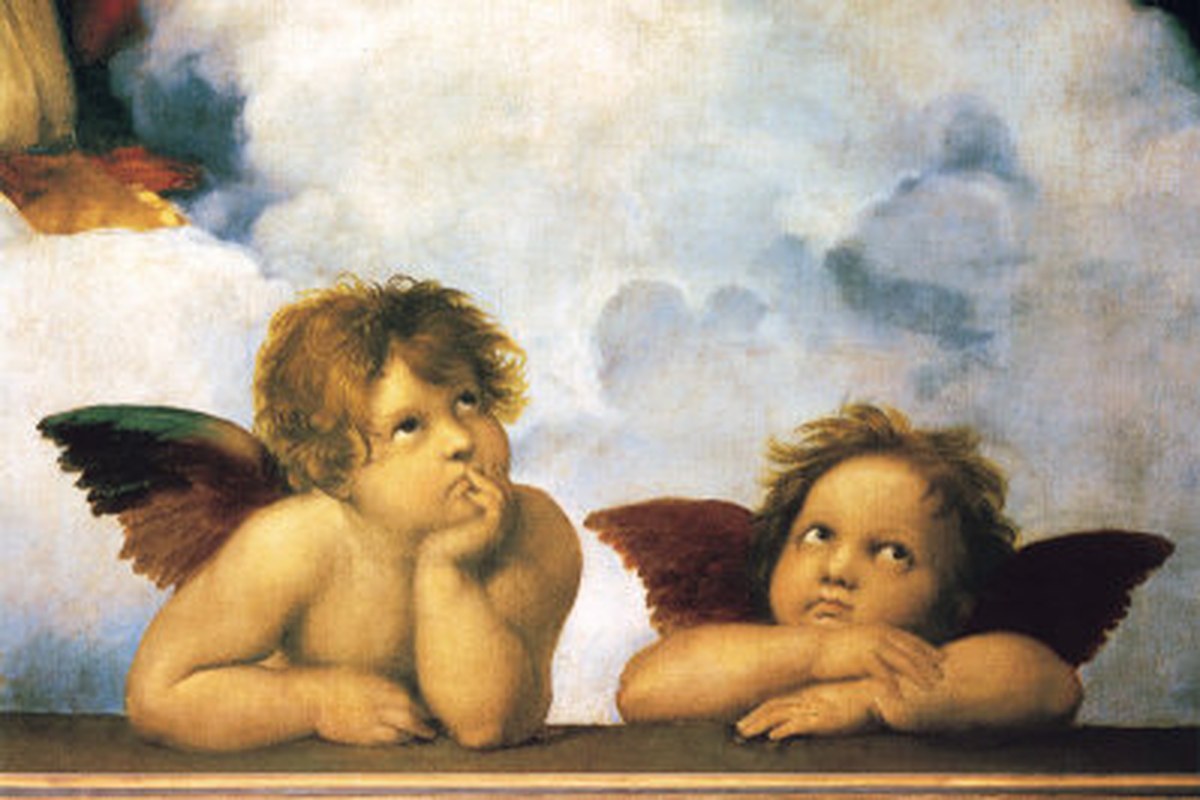
The Cherub
What cherubim actually are in Scripture, why they guard rather than deliver messages, and how they became the chubby infant angels of popular art.
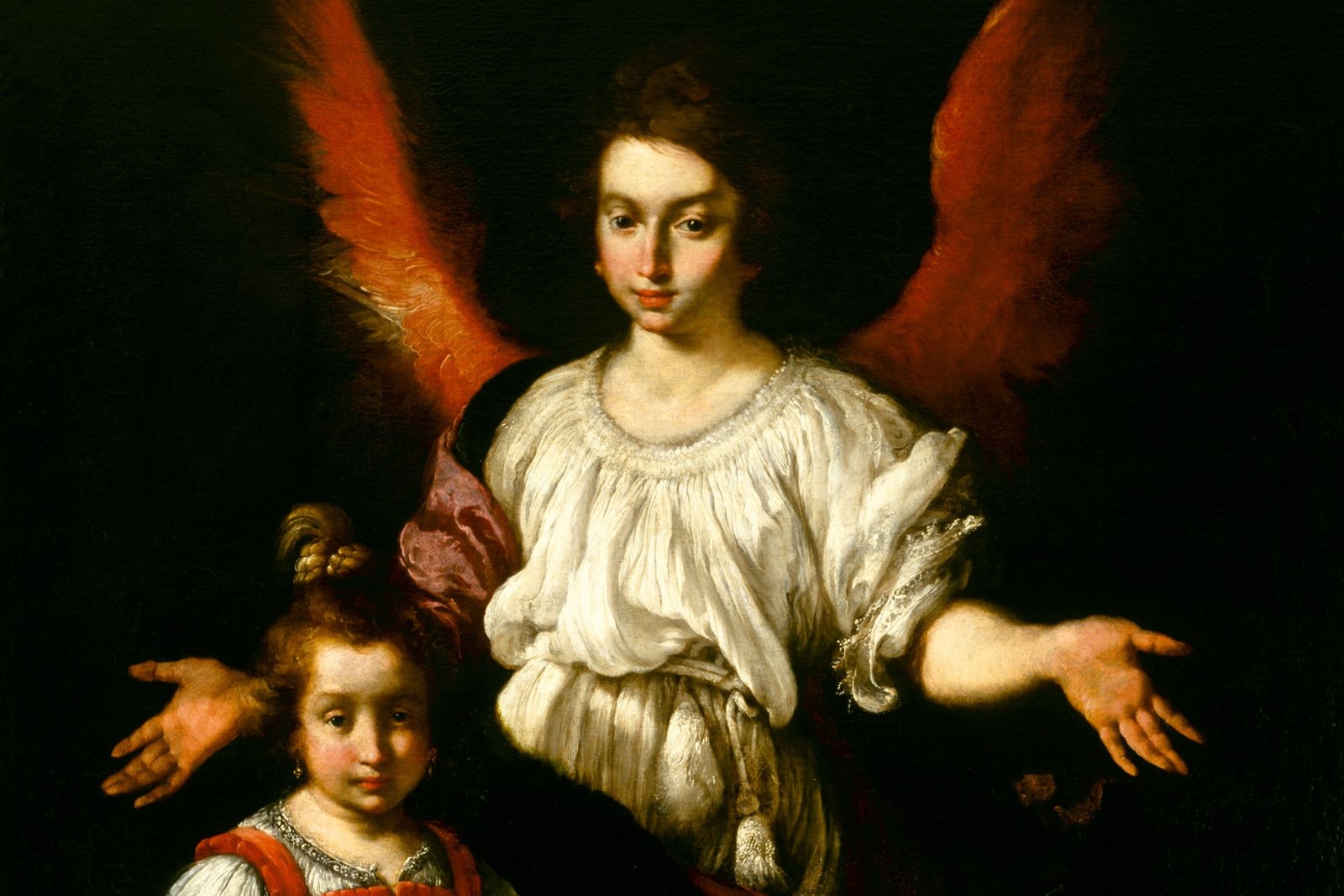
The Holy Guardian Angels
Jesus warns against causing a child to stumble, pointing to angels who "always behold the face of my Father" — biblical root of a belief the Church has held.
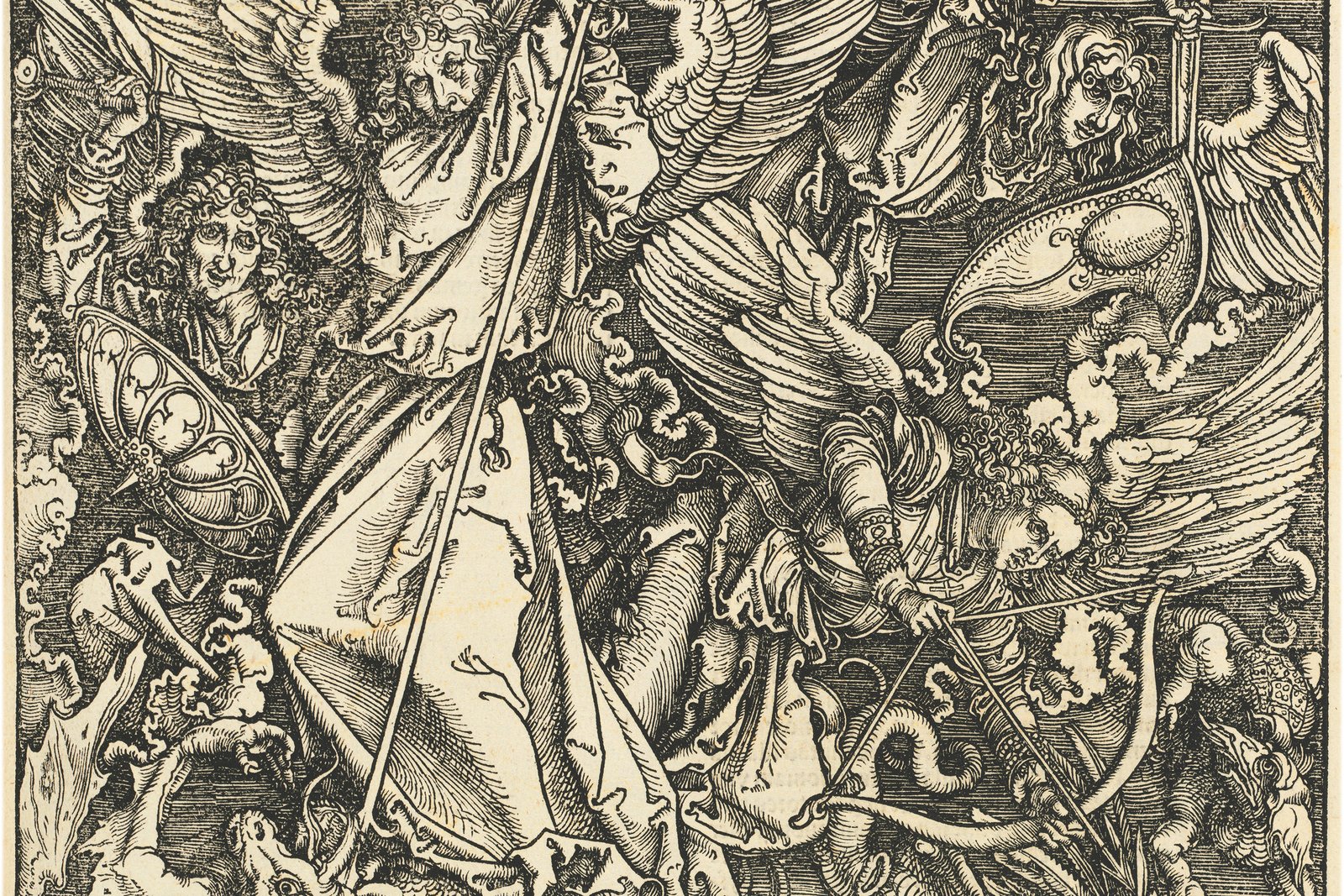
Angels in the Book of Revelation
From the seven angels of the seven churches to Michael's war against the dragon — how John's apocalyptic vision is crowded, page after page, with angels.
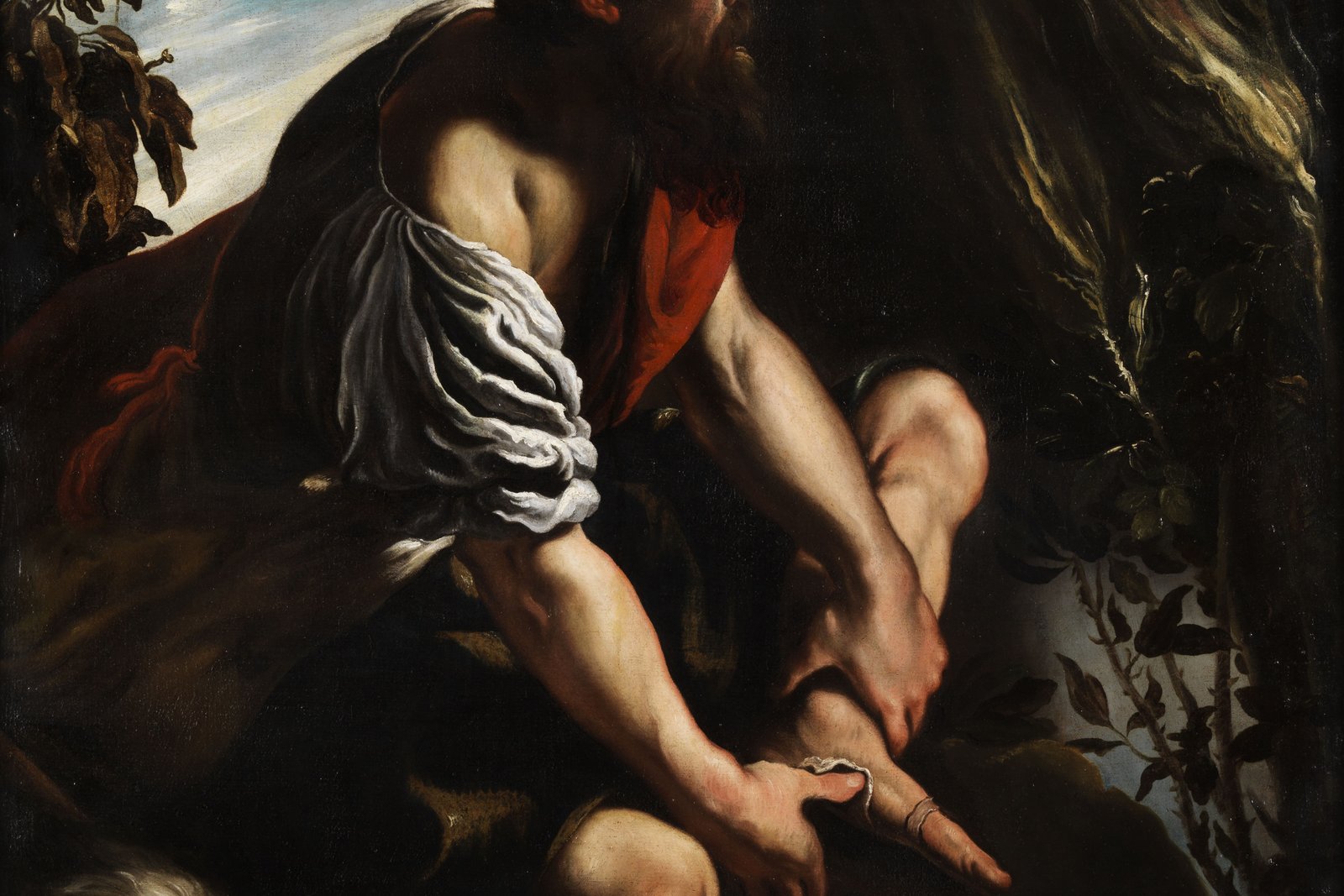
The Angel of the Lord in the Old Testament
A single mysterious figure who speaks with God's own voice — appearing to Abraham, Hagar, Moses at the burning bush, Balaam, and Gideon. Who — or what — is he?
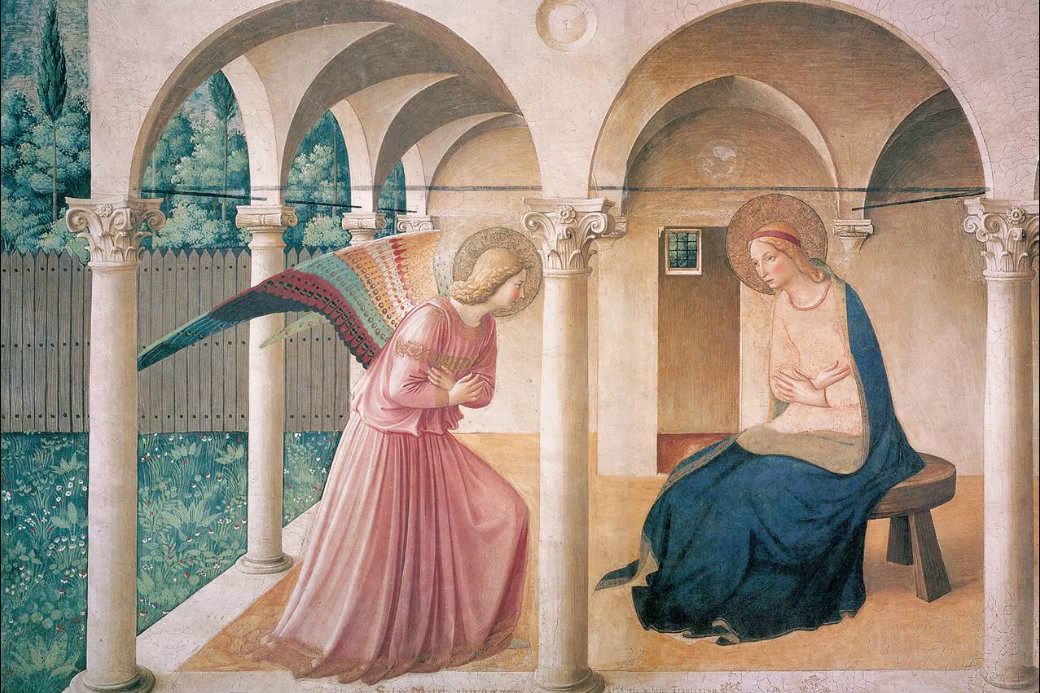
The Angel of the Annunciation
Gabriel's greeting to Mary in Nazareth is the only angelic appearance in the Gospels with a spoken dialogue this long — here is what happened and why.
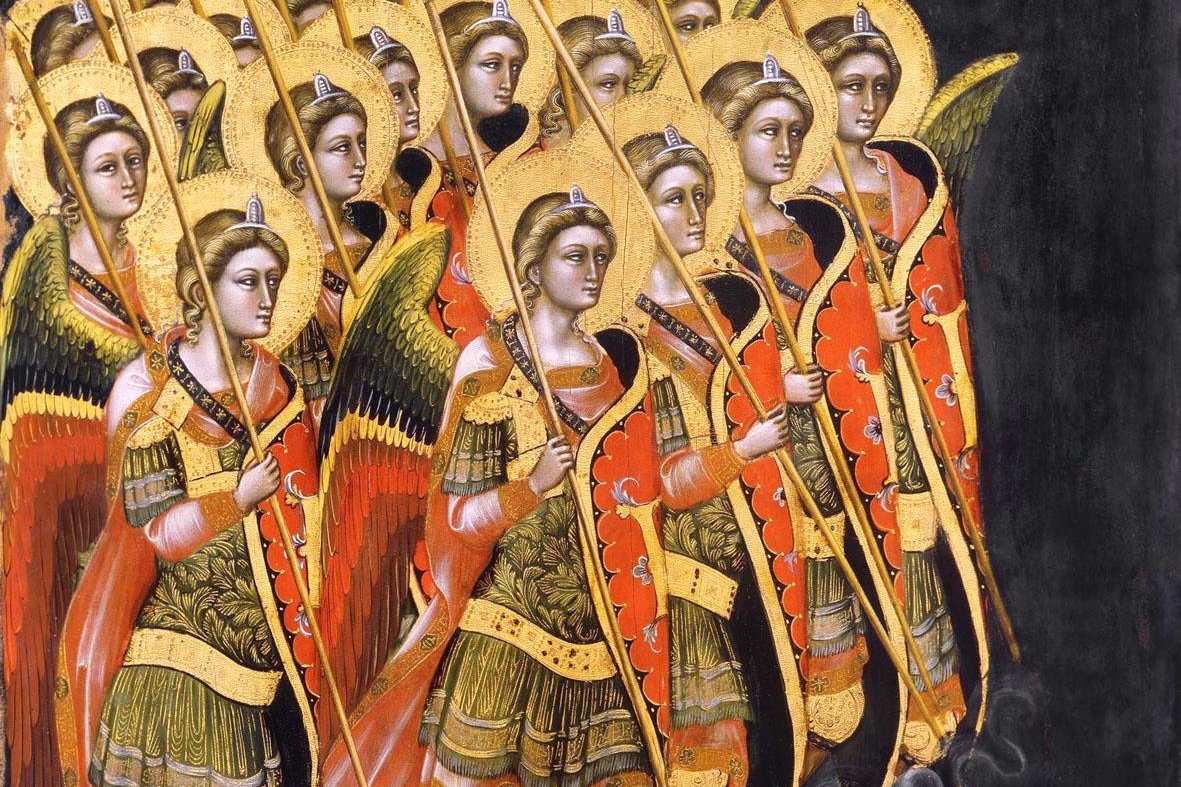
Do Angels Have Free Will?
Catholic theology teaches angels genuinely have free will, but a different kind than ours — a single choice, made once, with no possibility of changing their mind.
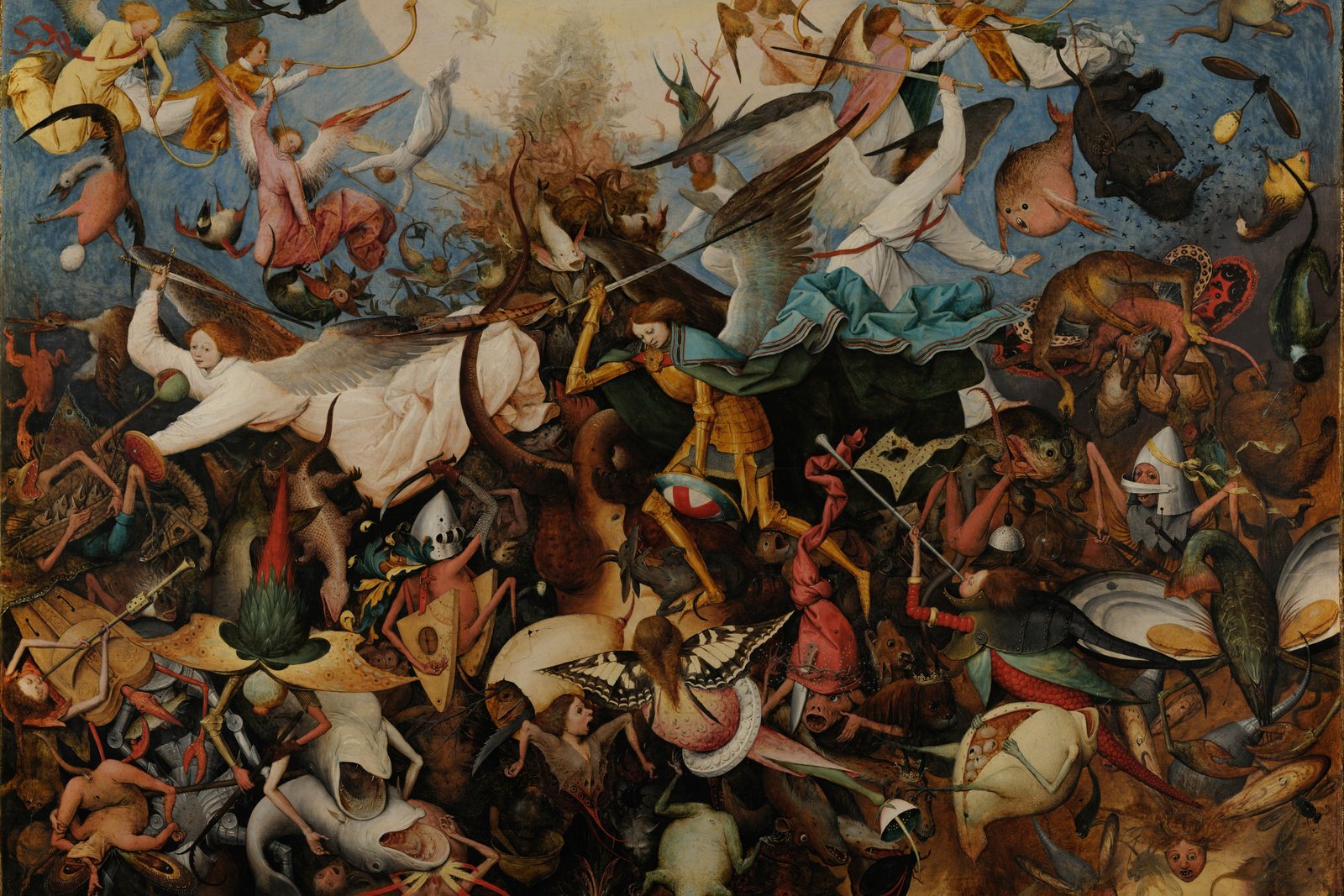
Fallen Angels and the War in Heaven
Revelation 12 describes a war in heaven where Michael casts down a dragon and a third of the stars — here is what the Church teaches this actually means.
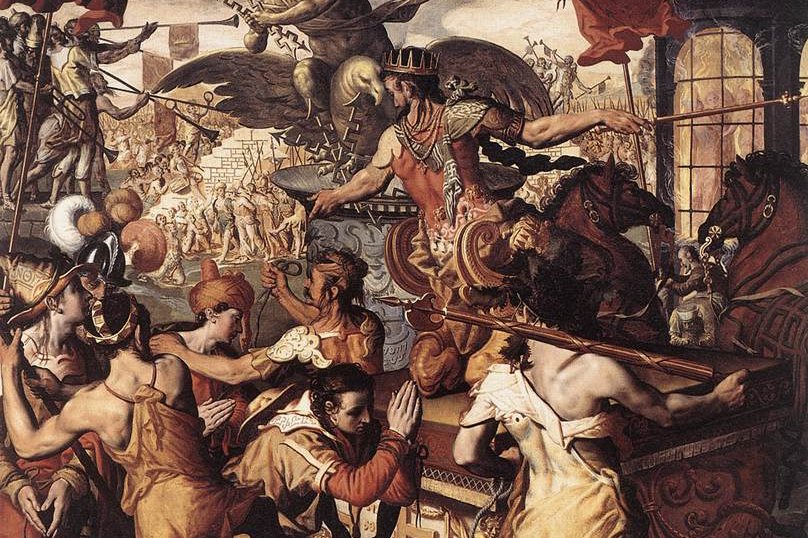
Angels in the Book of Daniel
Daniel is where two of the Bible's named angels first appear, an angel walks into a furnace, and Michael is first called the "prince" who guards God's people.
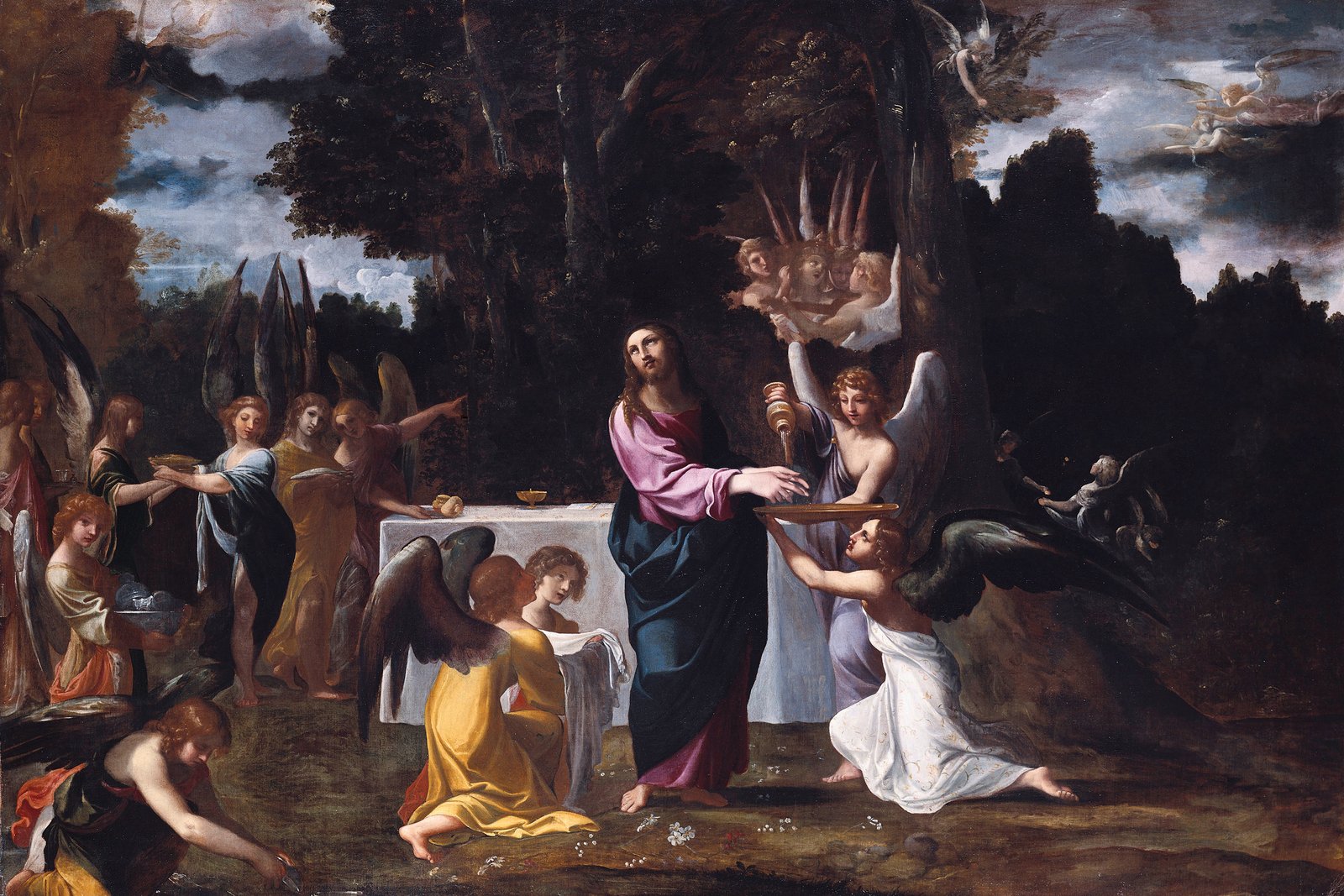
Angels Ministering to Jesus in the Wilderness
After forty days of fasting and temptation in the desert, the Gospels record a strikingly plain detail — angels came and cared for Jesus once the devil left.
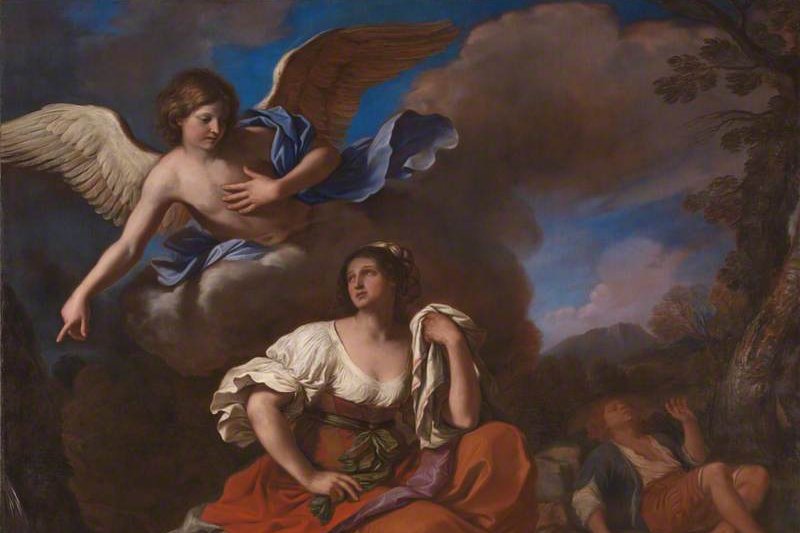
Hagar and the Angel in the Desert
An enslaved, pregnant woman fleeing into the wilderness alone becomes the first person in the Bible to give God a name — after an angel finds her by a spring.
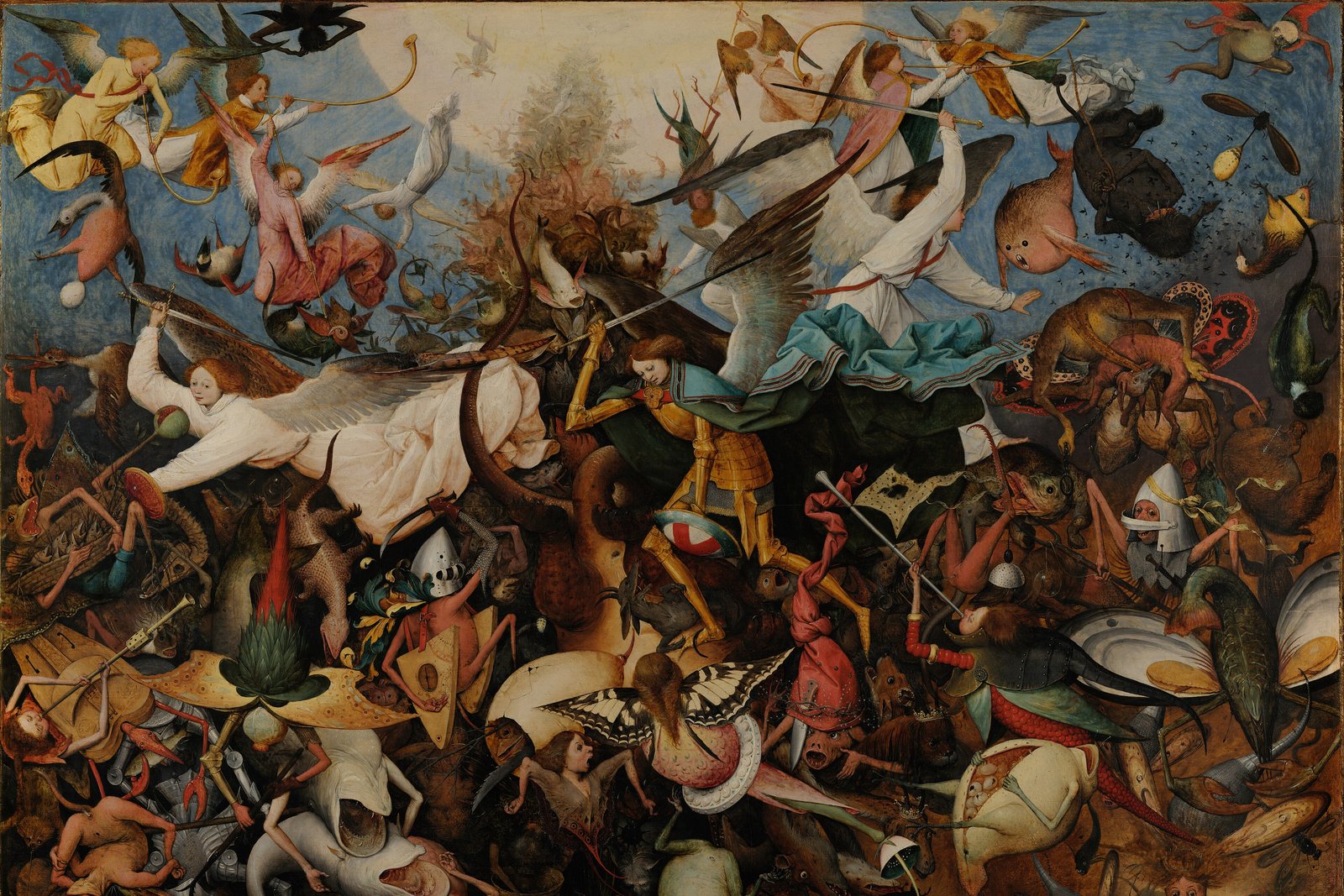
What the Catholic Church Actually Teaches About Angels and Demons
The Catechism treats angels and demons as real, personal, created beings, not metaphors — demons defined simply as angels who freely and permanently rejected God.
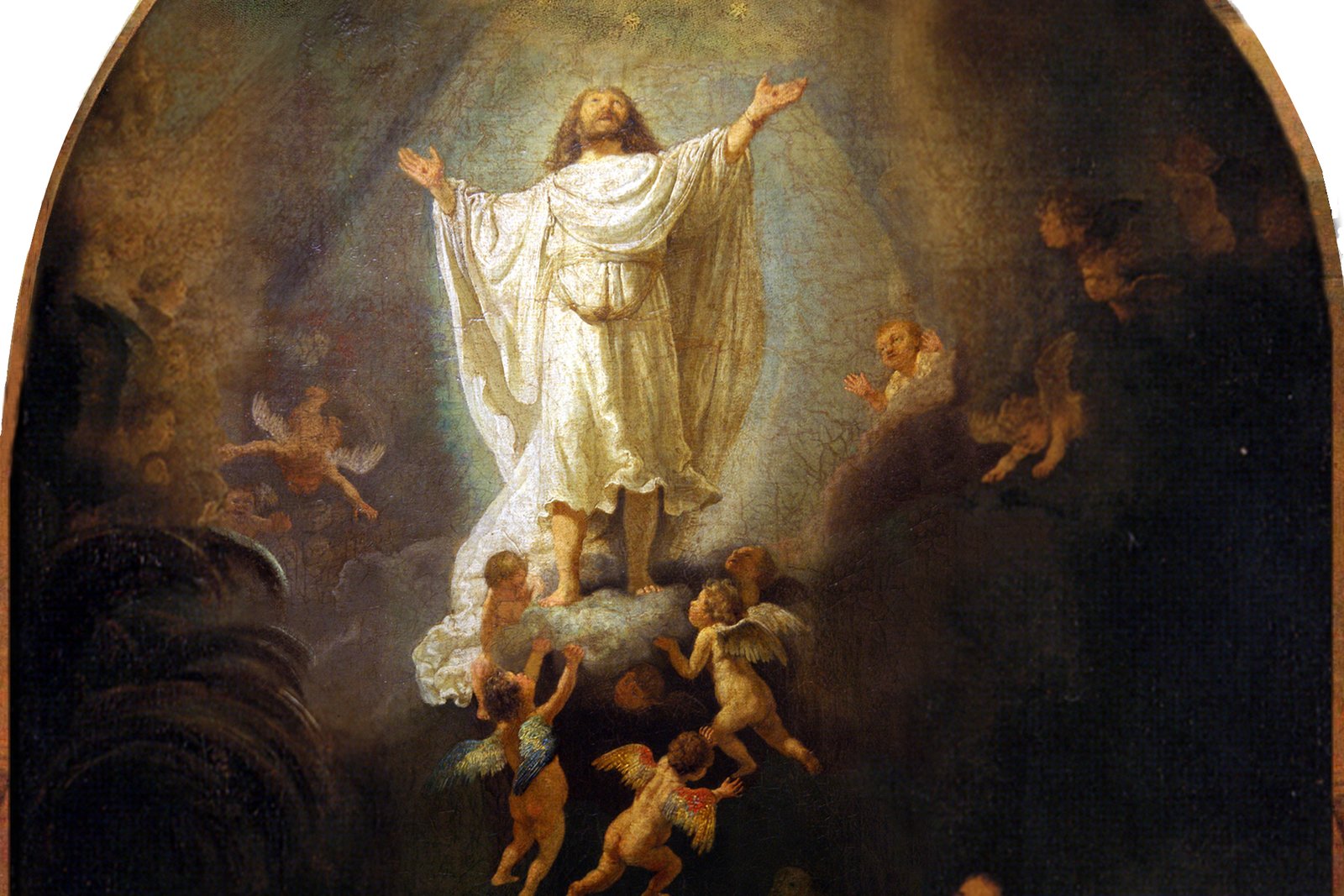
The Two Angels Who Appeared at the Ascension
As the disciples stared into the sky where Jesus had vanished, two men in white stood beside them, asking why they still looked up — and promising his return.
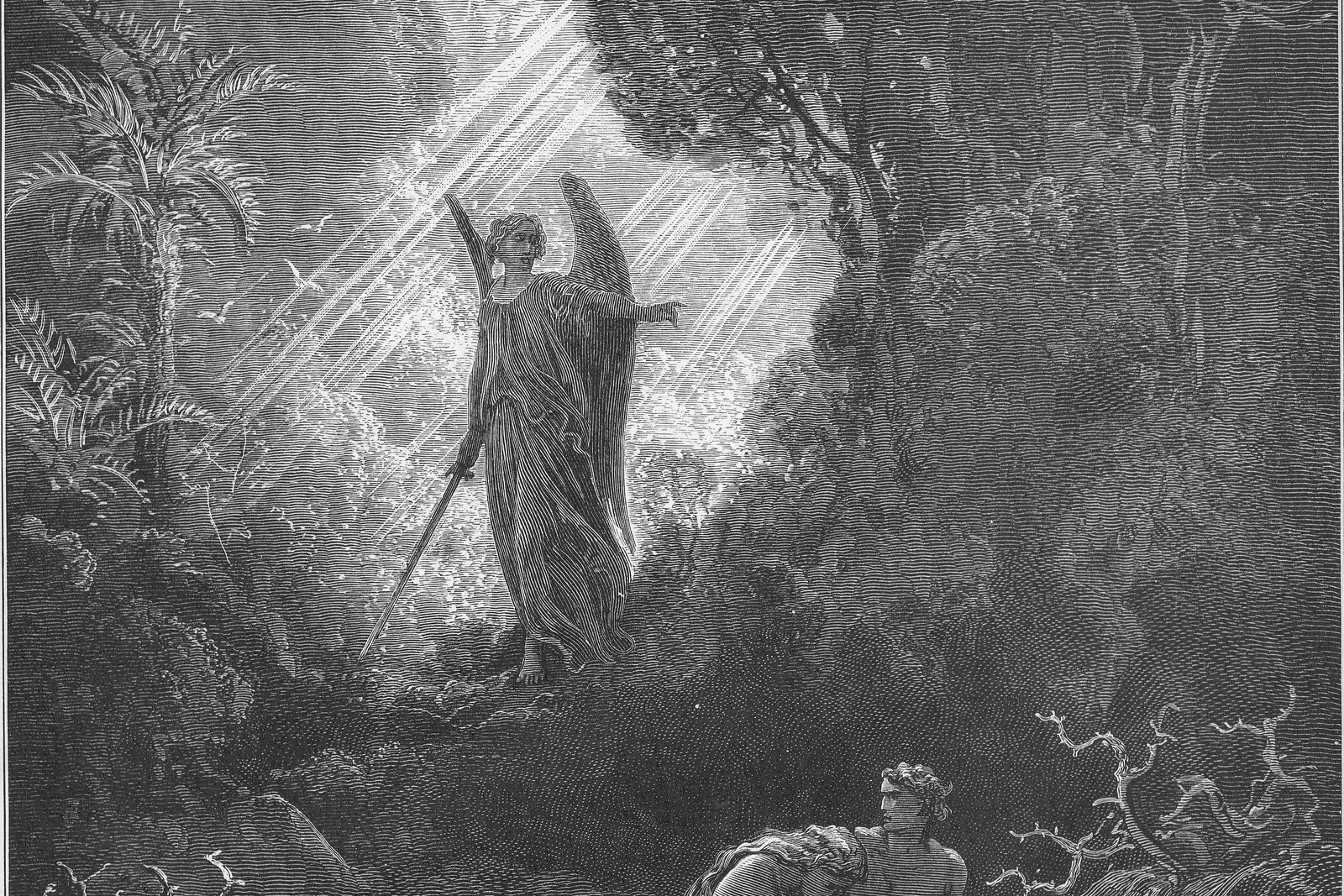
The Cherubim Who Guarded the Garden of Eden
After Adam and Eve were expelled from Eden, Genesis says God stationed cherubim and a flaming, turning sword at its entrance — the Bible's first mention of angels.
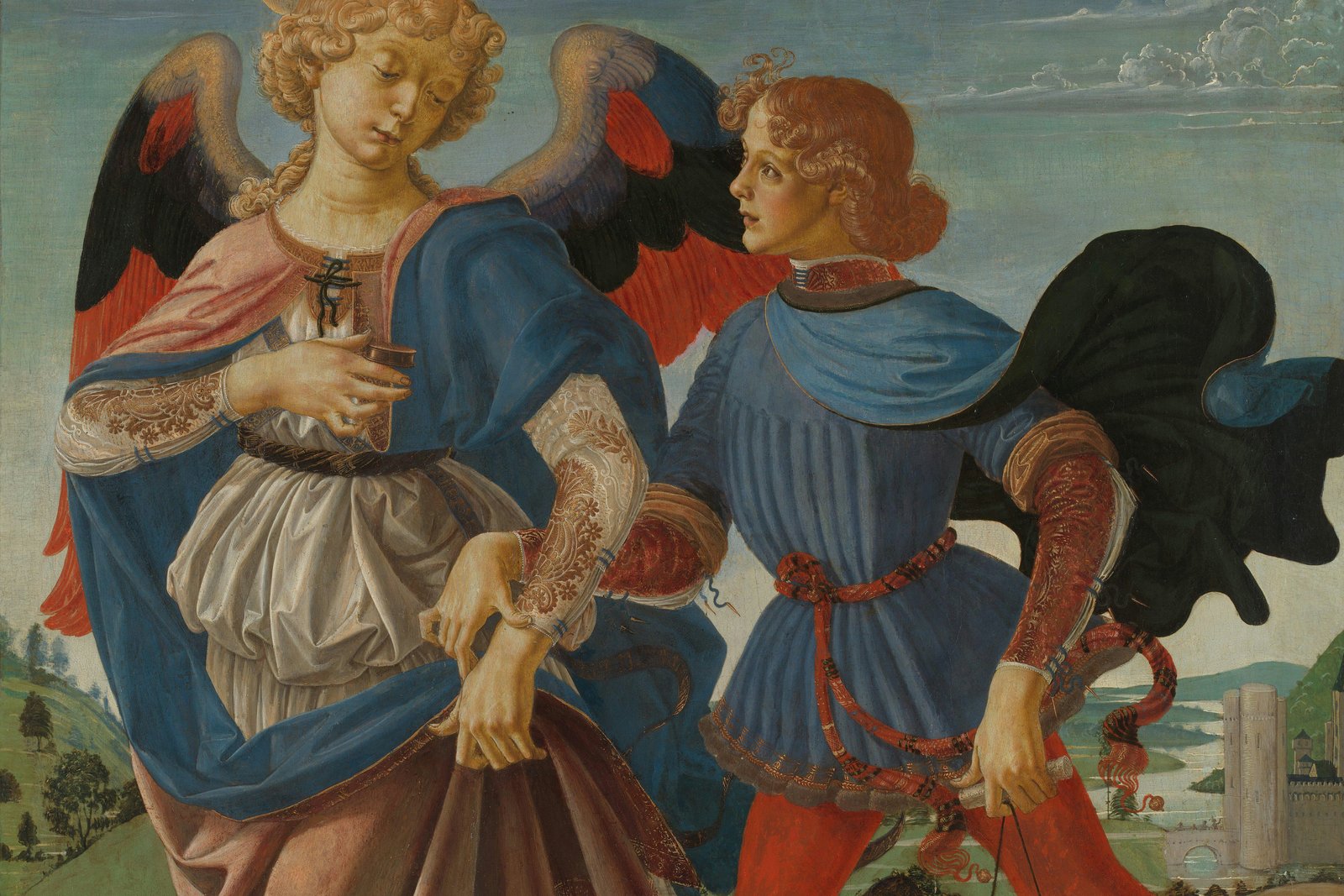
The Angel Raphael's Journey in the Book of Tobit
In the Book of Tobit, an angel travels disguised as a hired guide for weeks before revealing himself as Raphael, one of seven angels who stand before God's glory.
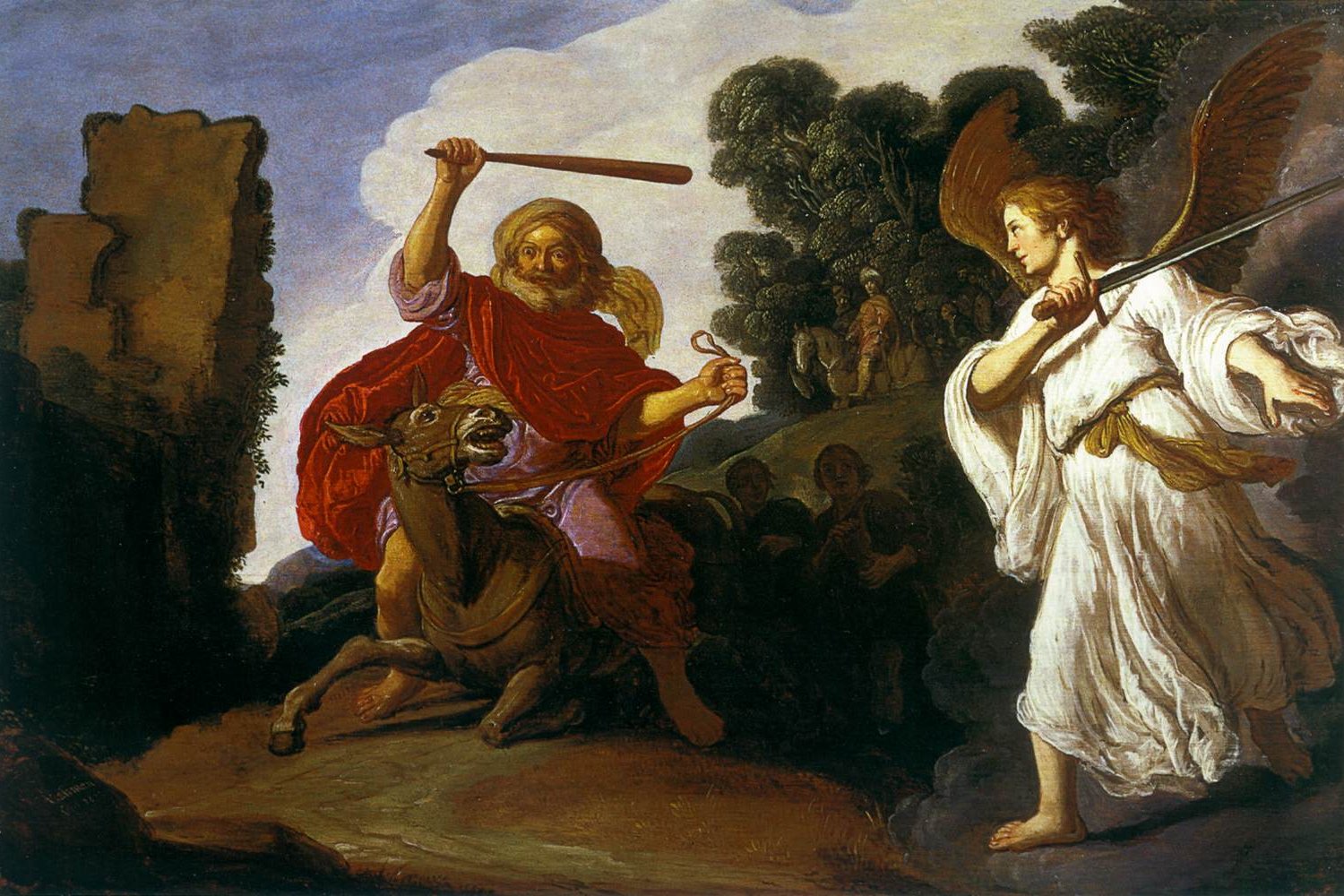
Balaam's Donkey and the Angel Only She Could See
A prophet beat his donkey three times for refusing to move — never realizing an armed angel stood blocking the road, visible to the animal but invisible to him.
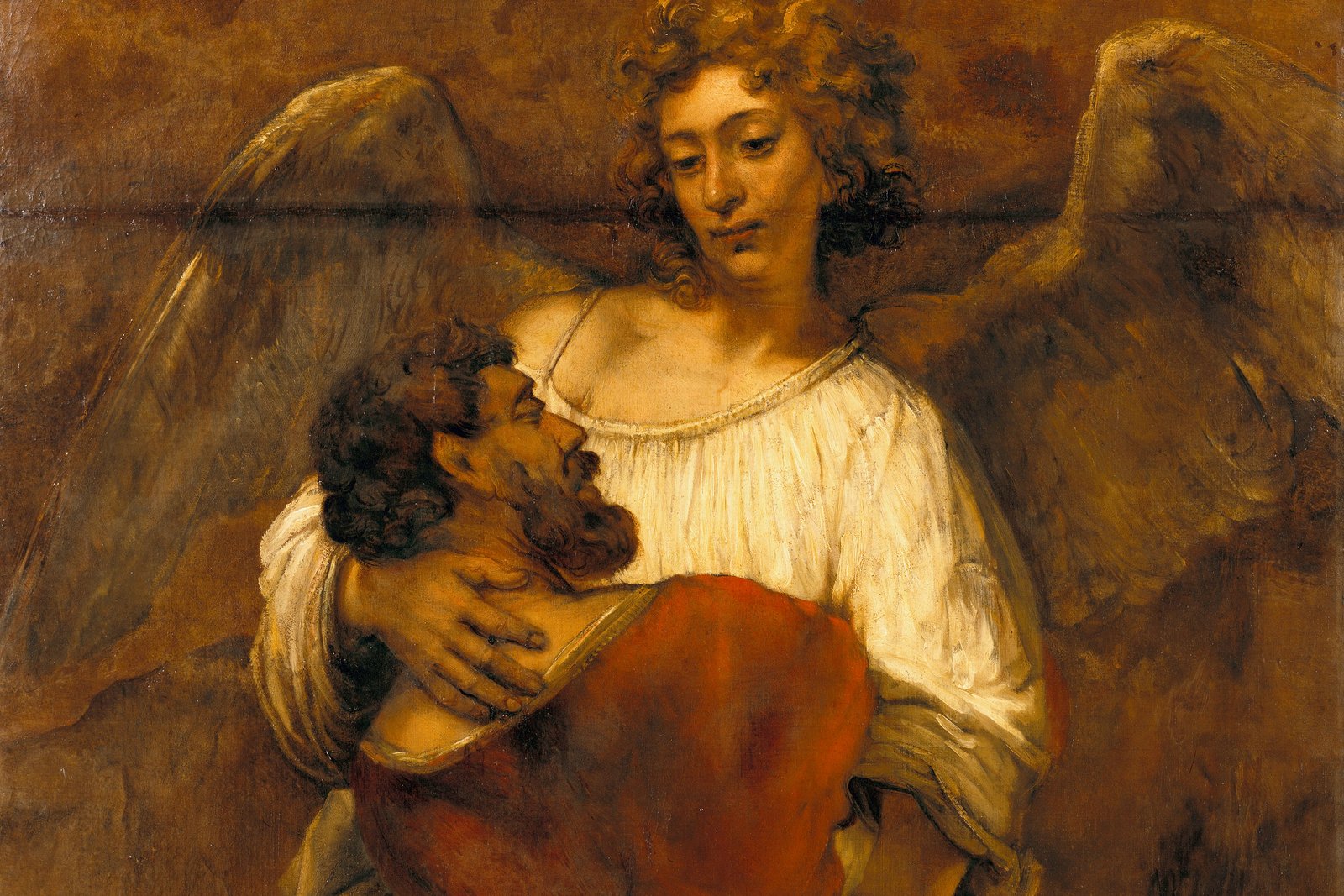
Jacob Wrestling with the Angel All Night Long
Alone before dawn, Jacob wrestled a stranger until sunrise and refused to let go without a blessing — an encounter that left him renamed Israel, and limping.
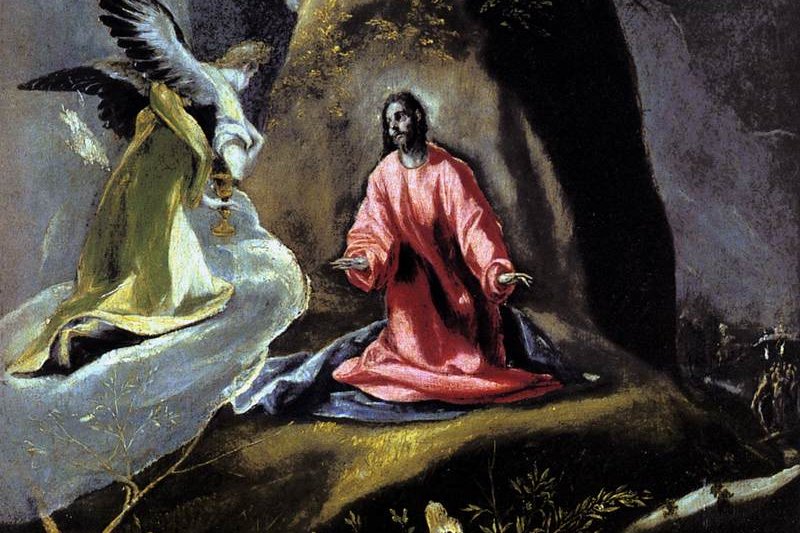
The Angel Who Strengthened Jesus at Gethsemane
Hours before his arrest, Jesus prayed in such agony his sweat fell like drops of blood — Luke says an angel came from heaven to strengthen him in that moment.
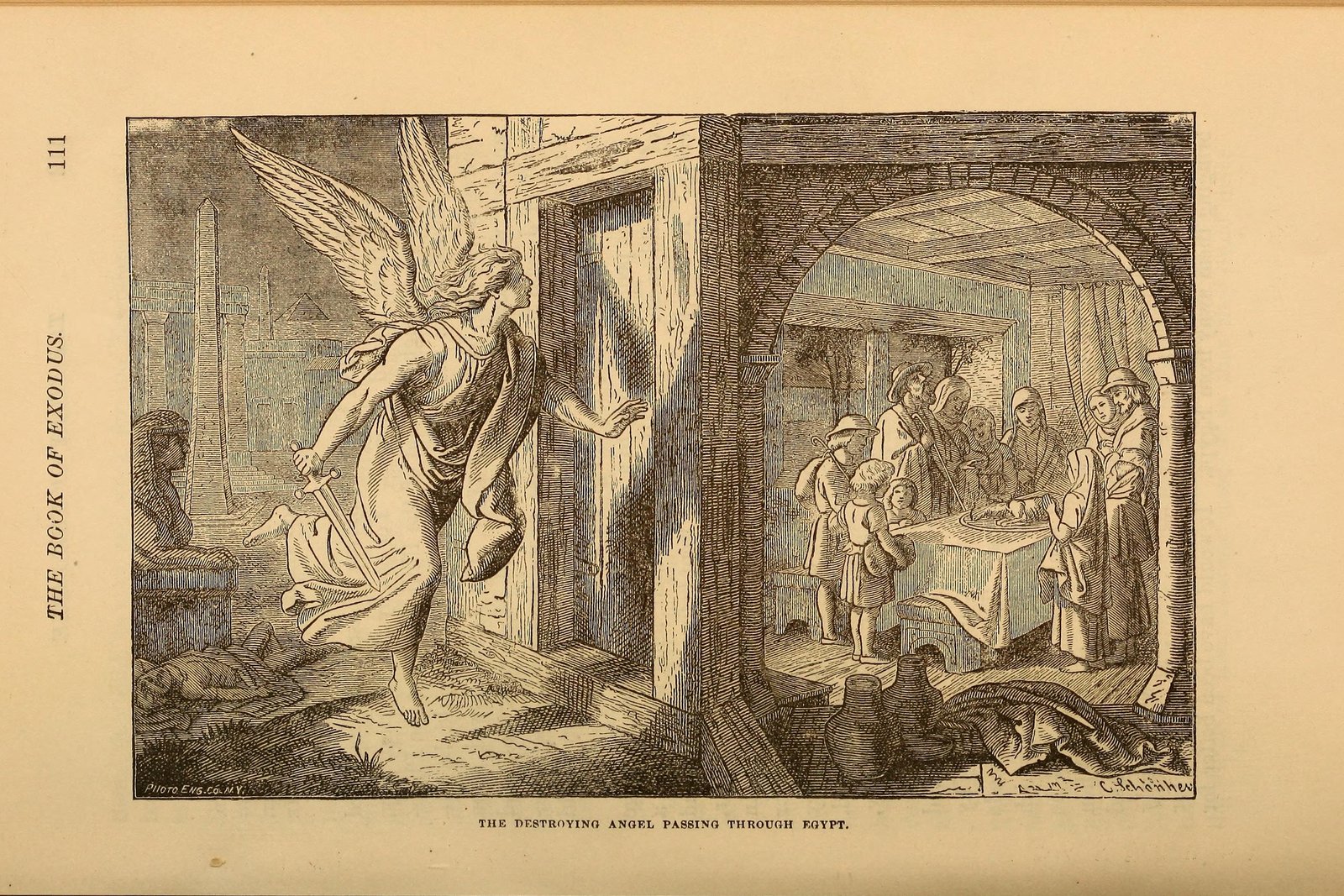
The Destroying Angel of the First Passover
On the night the Exodus began, the Lord struck down every firstborn in Egypt, and blood on a doorframe was the only thing that turned the destroyer away.
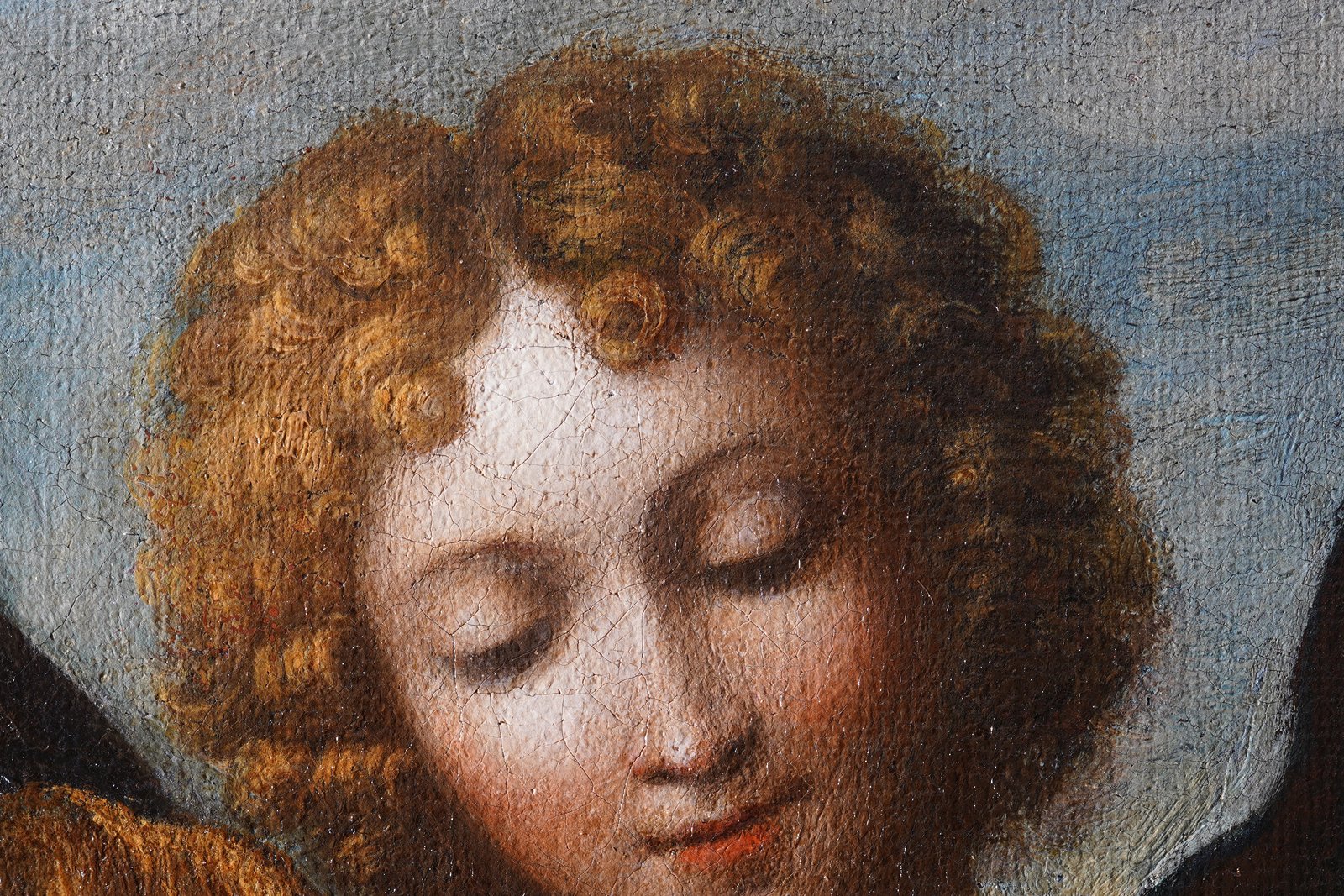
The Angel of Peace at Fátima
The three 1916 apparitions of the Angel of Peace to the young Fátima shepherd children, a full year before Our Lady's own first Marian appearance there.
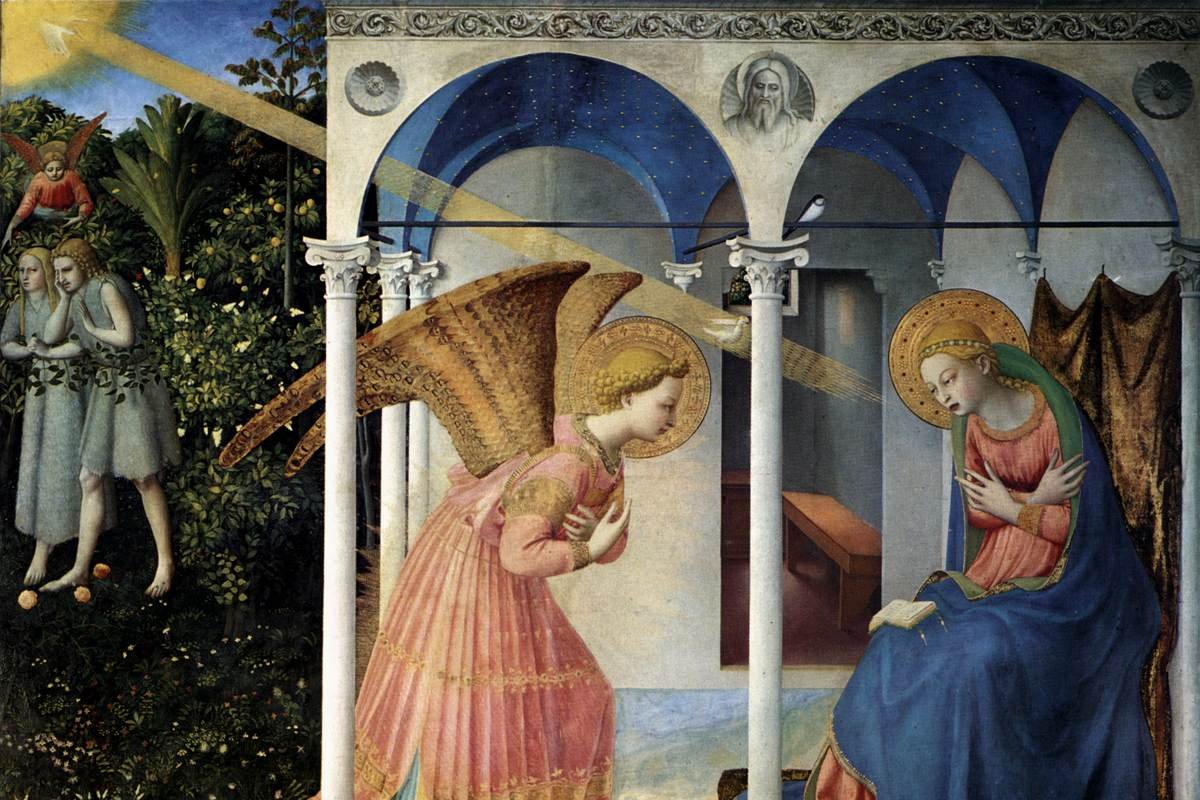
Angel Wings in Christian Art
Why do angels have wings at all, when Scripture rarely describes them that way? The surprising history behind Christian art's most familiar angelic feature.
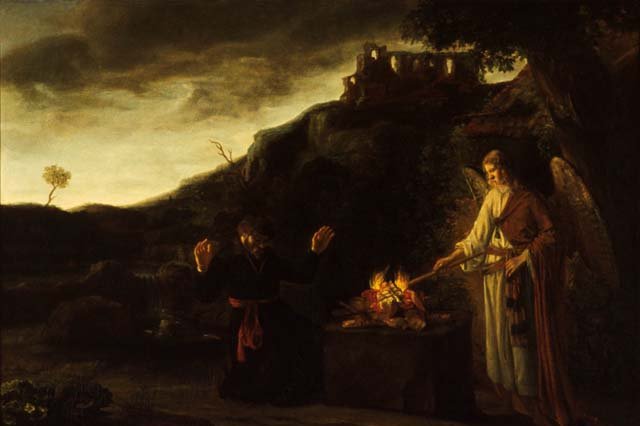
Gideon and the Angel of the Lord
A frightened farmer threshing wheat in secret is greeted as a mighty warrior — how one angelic visit at Ophrah turned Gideon into Israel's reluctant deliverer.
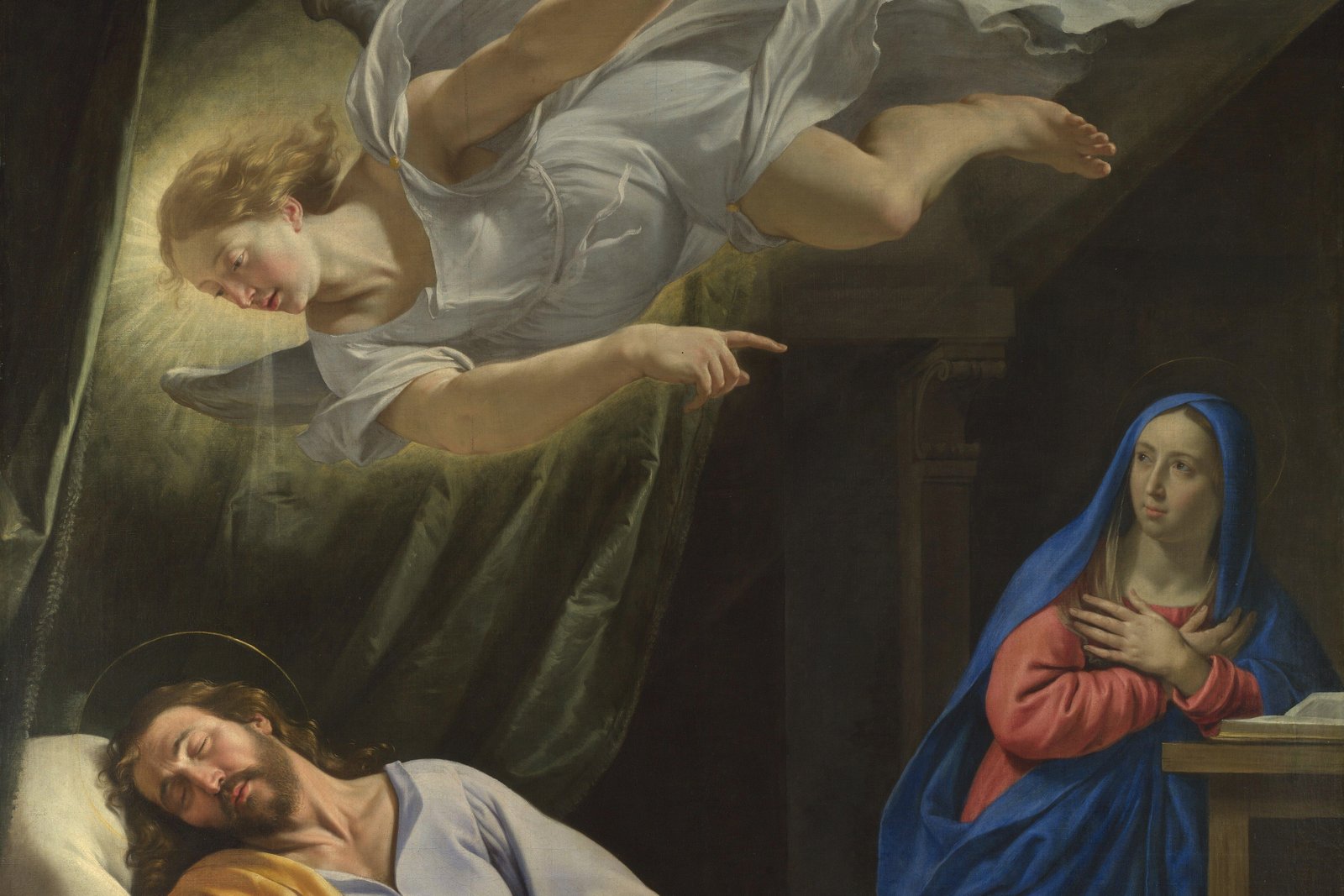
Saint Joseph and the Angel in His Dreams
Three separate dreams, three urgent warnings — how an angel's repeated visits to a carpenter named Joseph protected the child Jesus from Herod's soldiers.
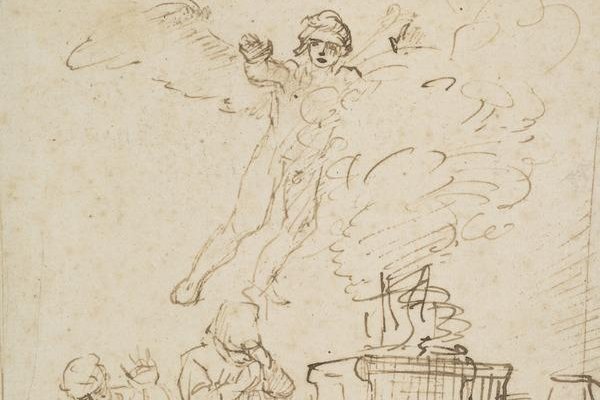
The Angel Appearing to Manoah
A childless couple in ancient Israel meets a stranger who ascends to heaven in the altar's flame — the strange angelic visit that foretold Samson's birth.
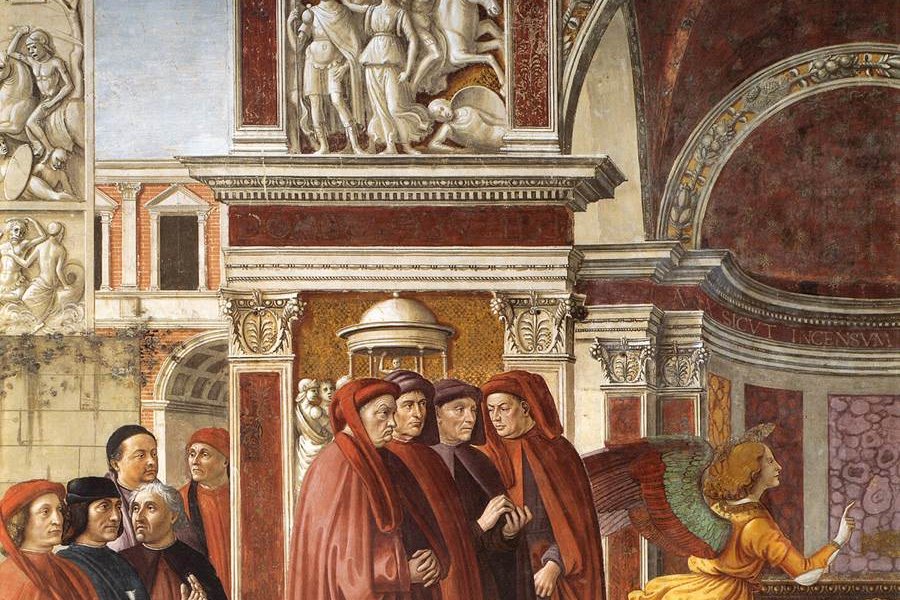
The Angel Appearing to Zechariah
An old priest burning incense alone in the sanctuary is struck speechless by a visitor who names himself Gabriel — the angel who announced John the Baptist.
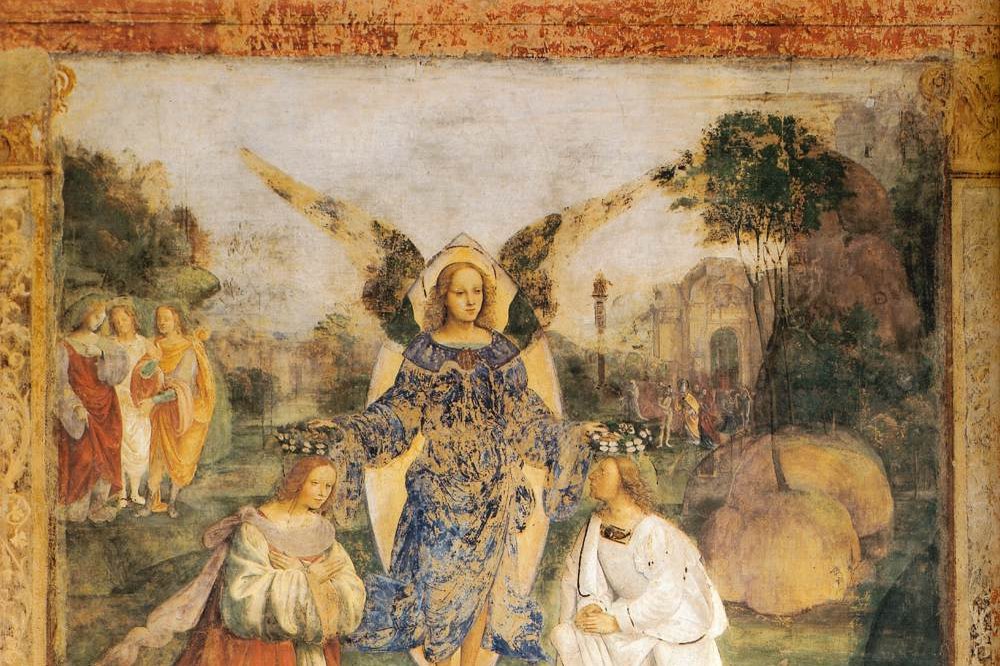
The Angel Crowning Saint Cecilia and Valerian
A bride tells her new husband she is guarded by an angel who will punish him if he touches her impurely — the strange, tender legend behind Cecilia's marriage.
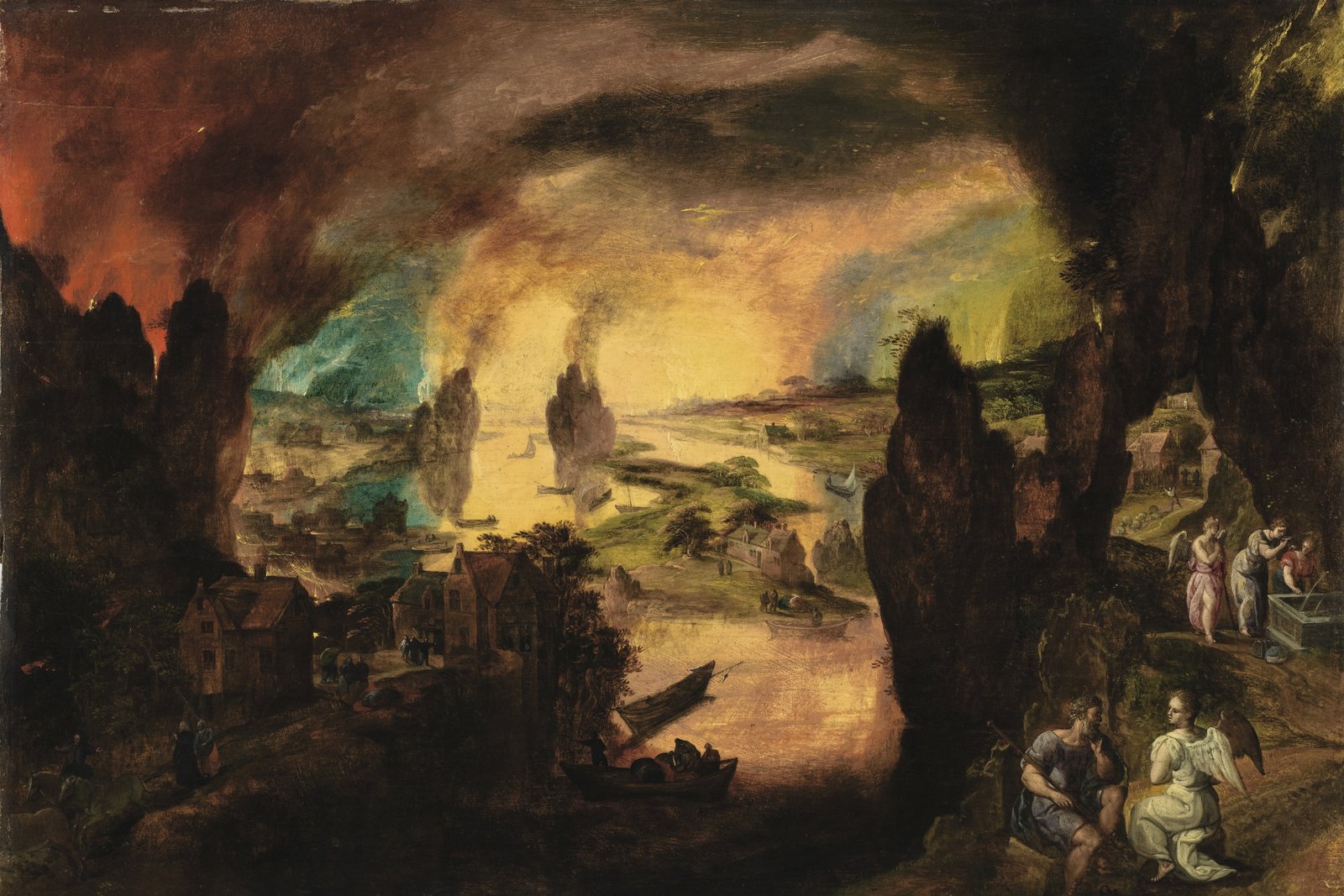
The Angels at Sodom
Two angels sit at the city gate at evening, and by dawn Sodom is ash — the rescue of Lot's family and the warning behind Genesis's most severe judgment.
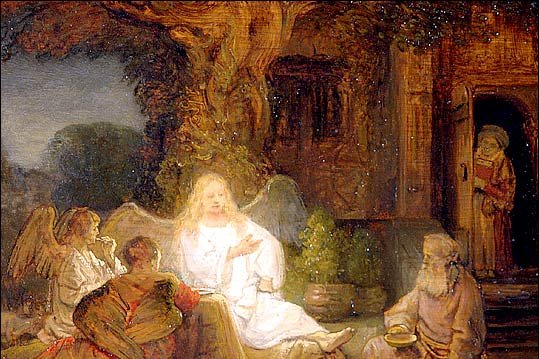
The Three Angels at Mamre
Three strangers rest at noon under an oak tree, and Abraham runs to serve them a meal — the visit that promised a barren, laughing Sarah a son within the year.
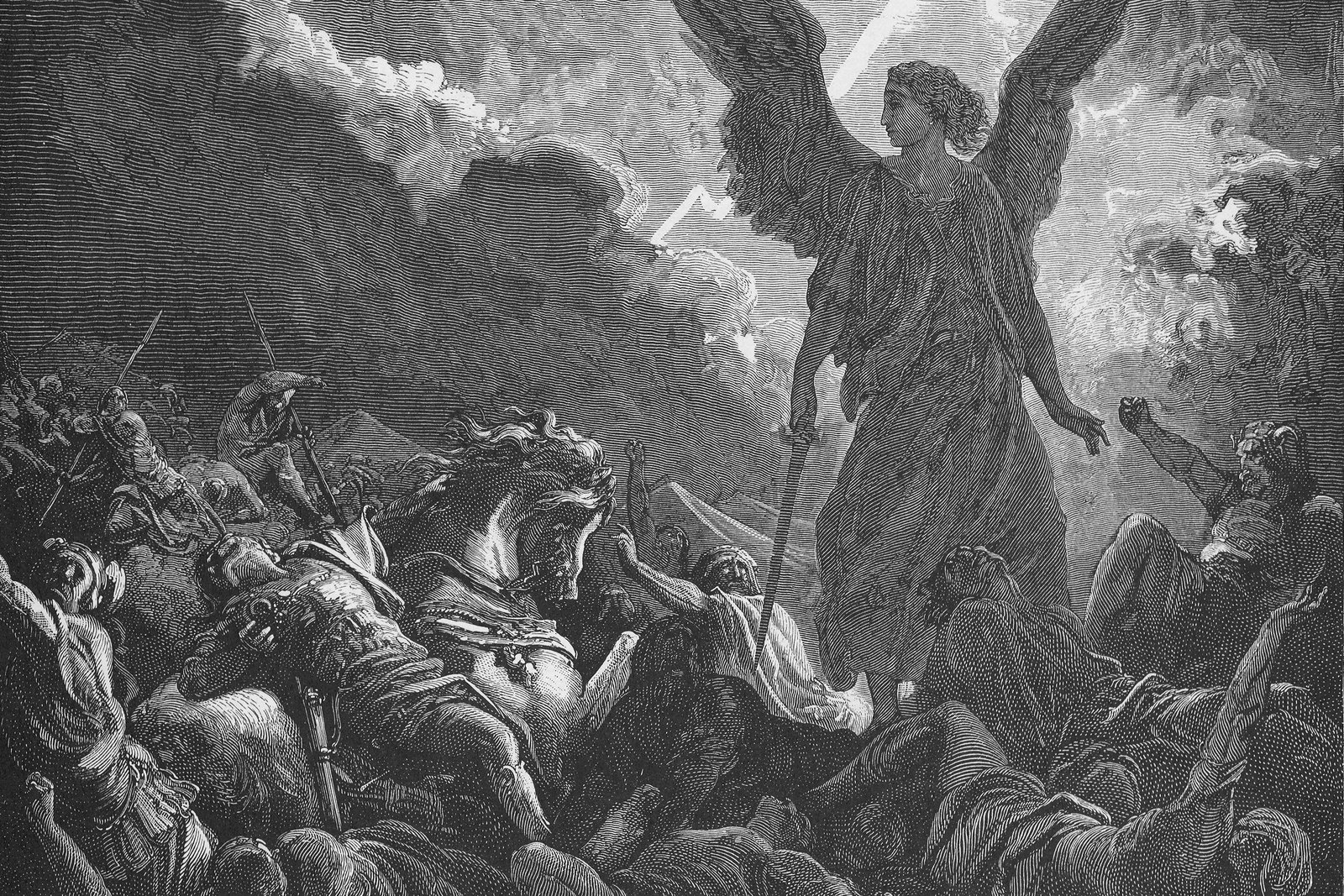
The Angel and the Army of Sennacherib
Assyria's army had already swallowed every fortified city in Judah, and Jerusalem itself stood next — until one night ended the siege without a single arrow fired.
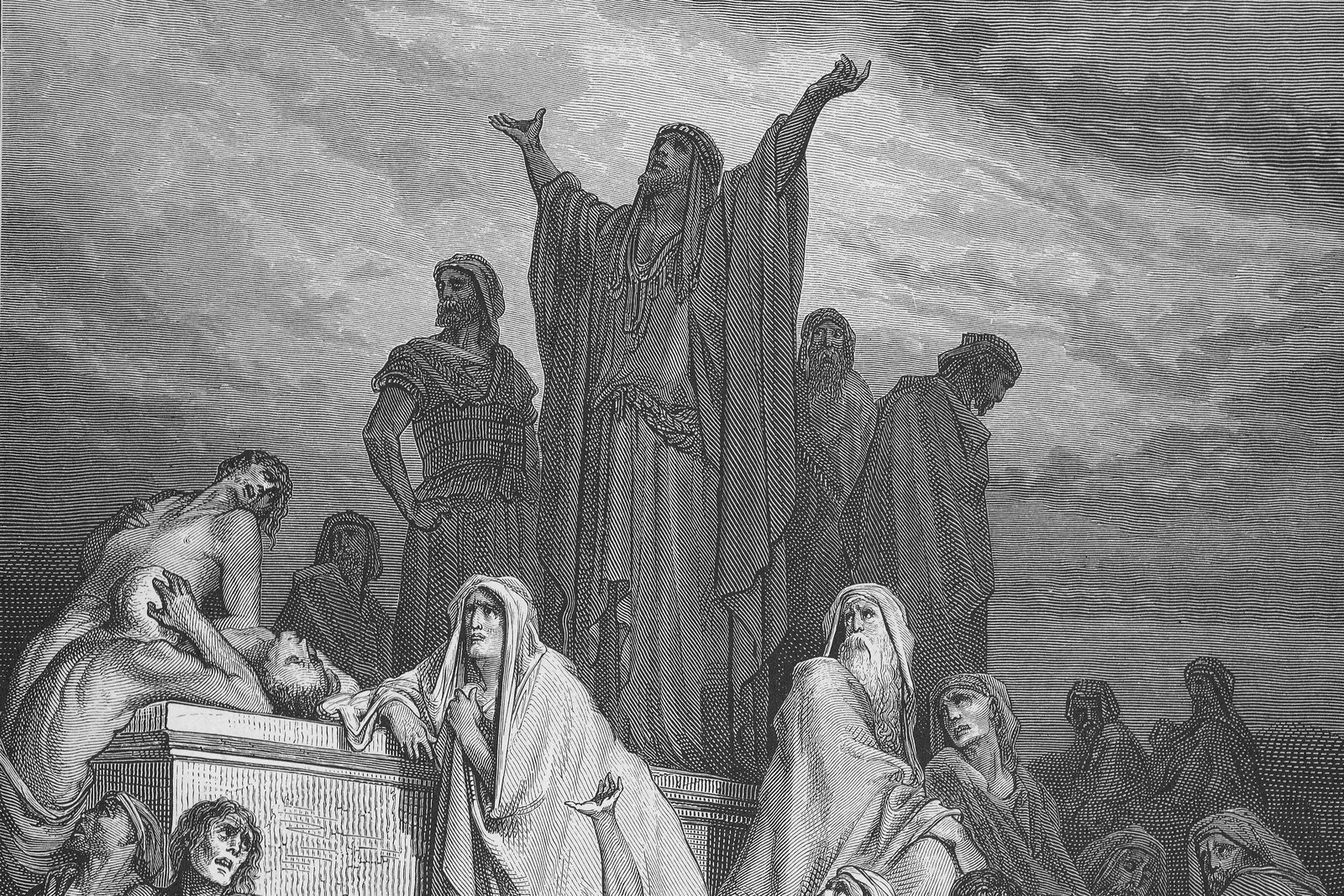
The Angel at the Threshing Floor of Ornan
David counted his army, a plague followed, and the killing stopped only when an angel's sword hung, drawn, over the site of Jerusalem's future Temple.
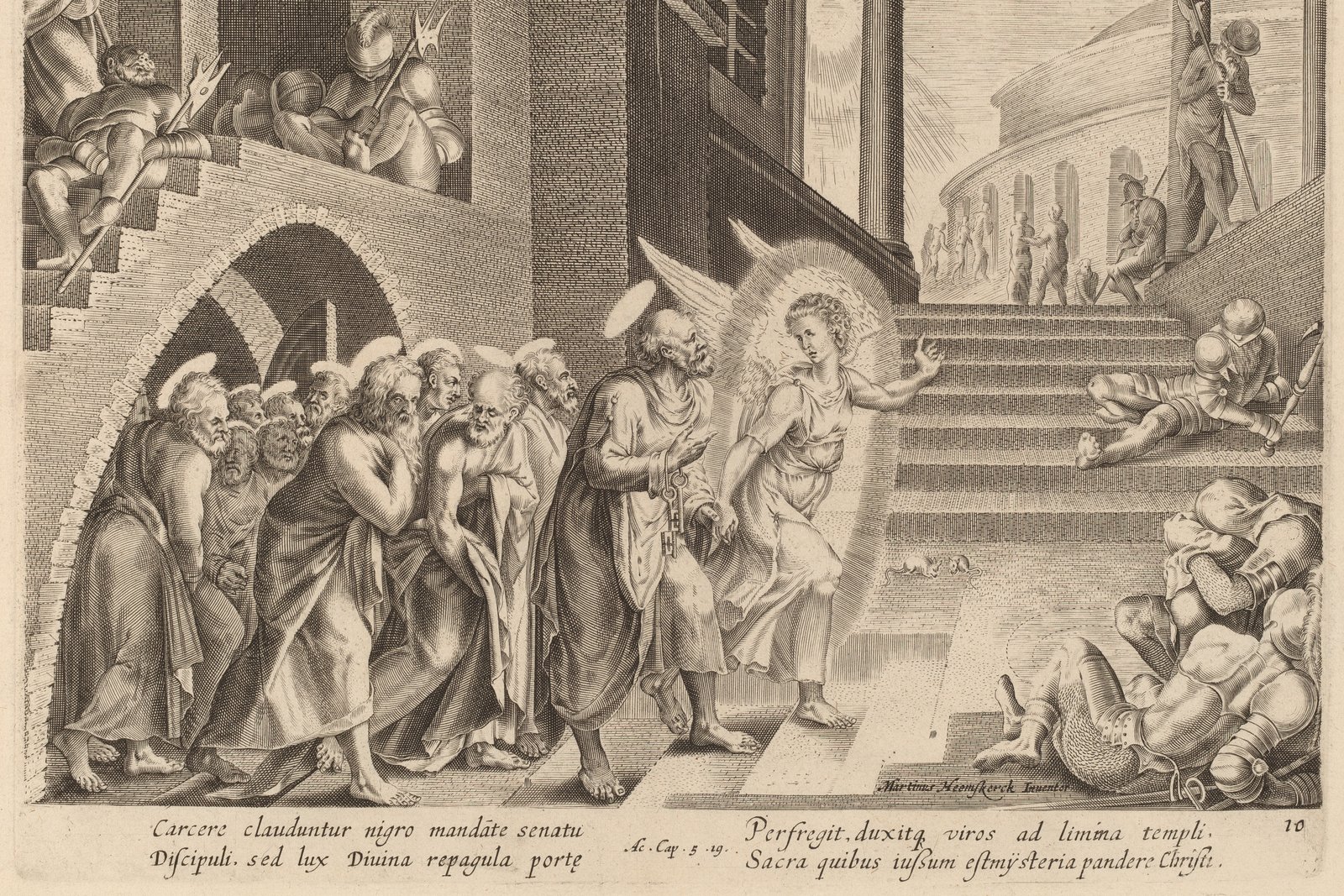
The Angel Freeing All the Apostles from Prison
Locked in a guarded public jail by a jealous Sanhedrin, all the apostles vanished overnight — and the sentries outside never even noticed the doors had opened.
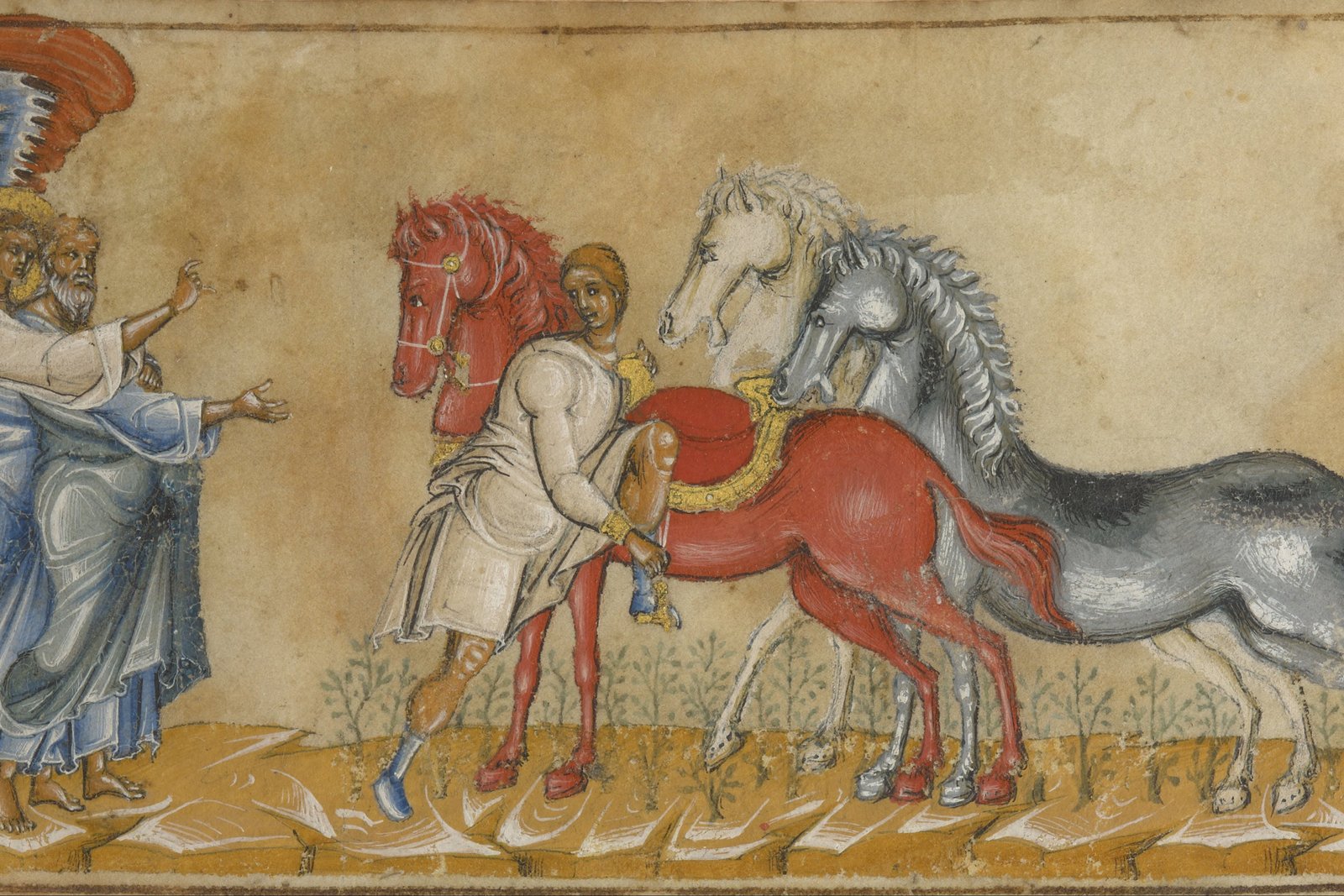
The Angel in Zechariah's Night Visions
In one night, the prophet Zechariah saw patrol riders on colored horses, an accuser silenced, and a filthy robe stripped from a high priest standing on trial.
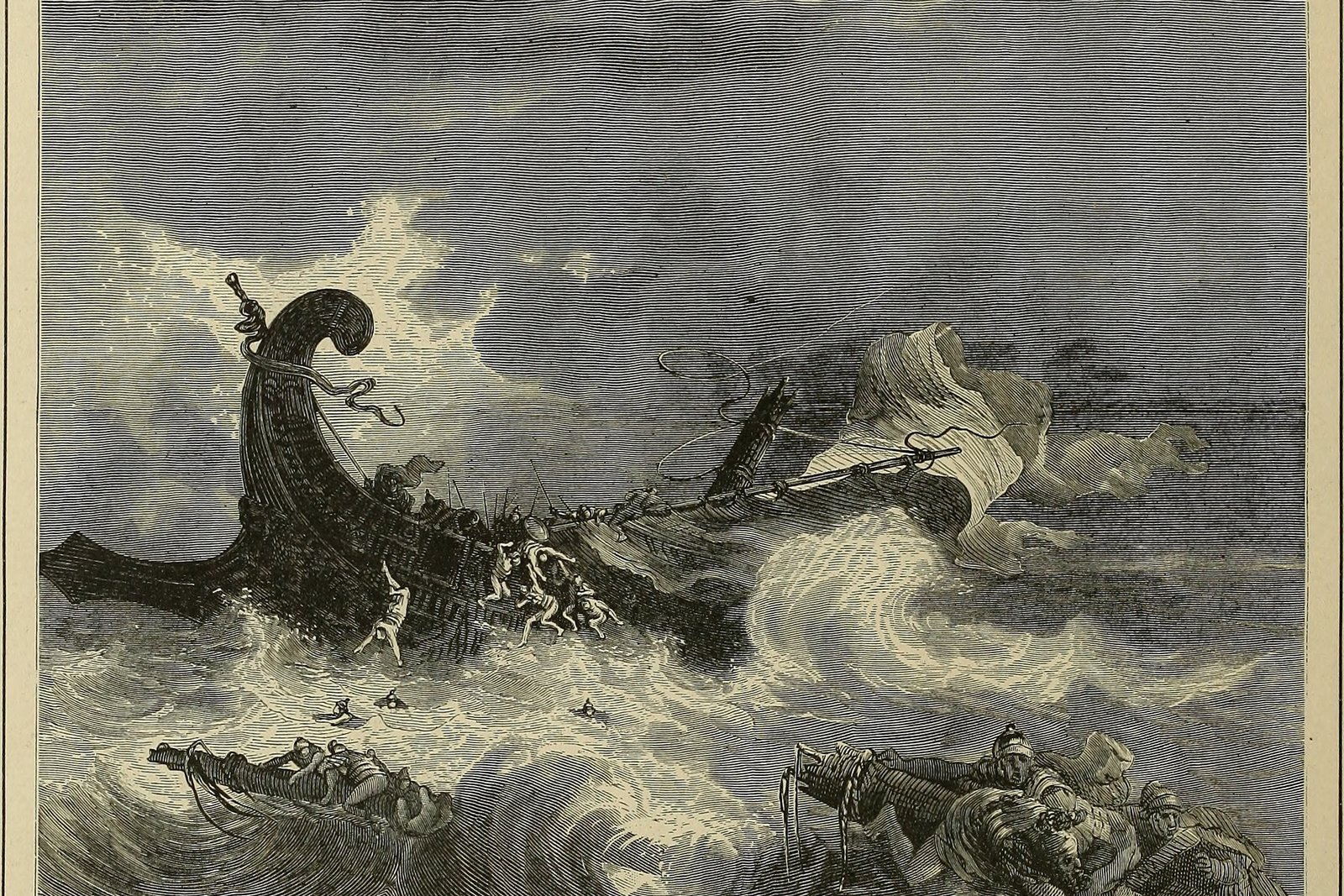
The Angel Who Calmed Paul in the Storm
Two weeks adrift, no sun or stars to steer by, and every man aboard had given up on surviving — until Paul stood up and said an angel had told him otherwise.
The Angel Who Led Israel Through the Wilderness
After the golden calf, God offered Israel a downgrade: an angel to lead them onward instead of his own presence — and Moses refused to accept the substitute.
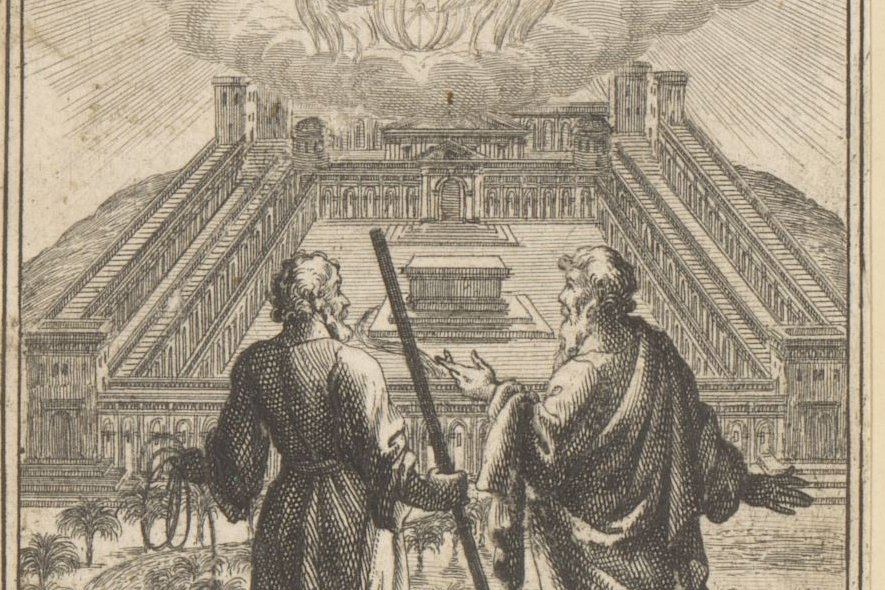
The Angelic Guide Who Measured Ezekiel's Temple
Ezekiel's temple had burned to rubble years earlier, yet a bronze-bright figure walked him through a new one room by room, measuring every gate and wall by hand.
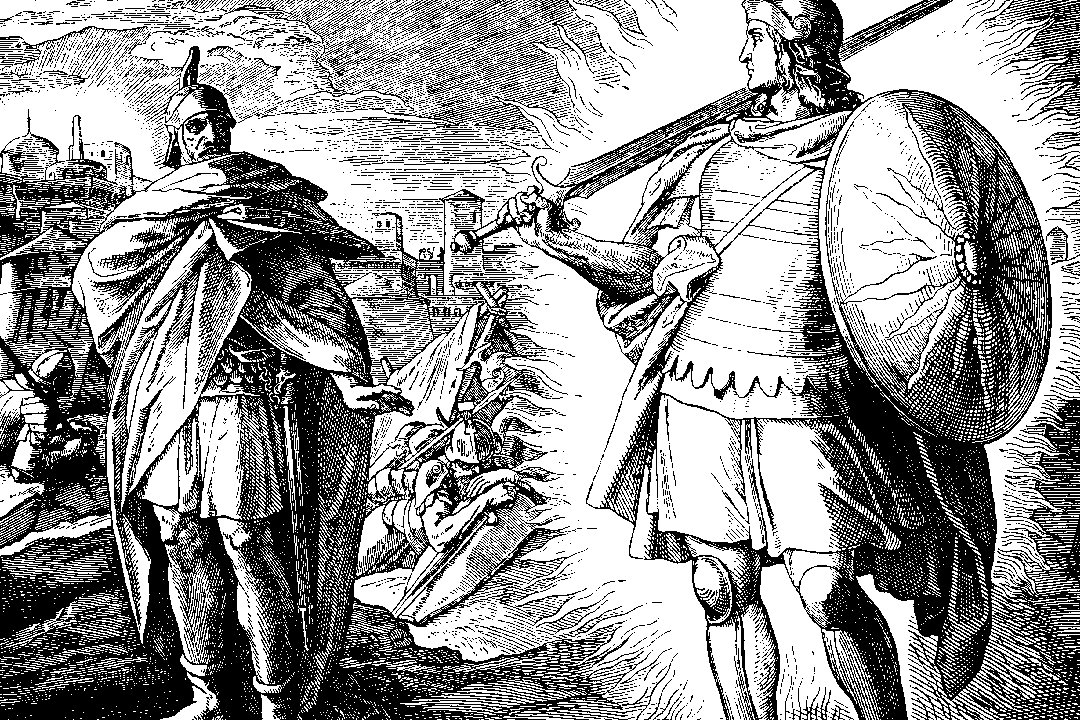
The Commander of the Lord's Army Appearing to Joshua
Before a single stone of Jericho's wall fell, Joshua met a stranger with a drawn sword outside the city — and the first thing he learned was whose side he was on.
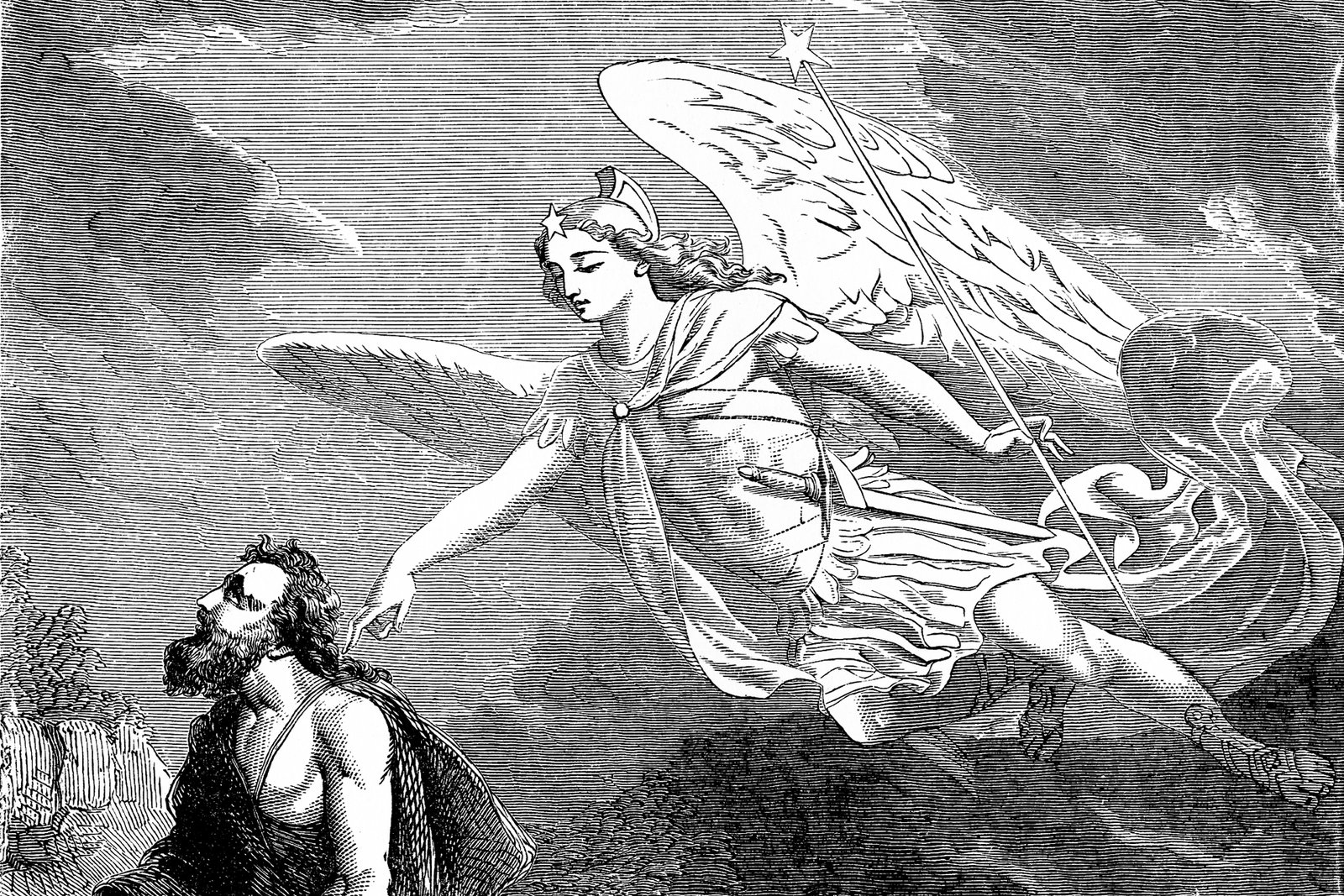
Gabriel Appears to Daniel
Named twice in one book, Gabriel explains a terrifying vision and delivers a 490-year prophecy — the Old Testament's clearest, most personal portrait of an angel.
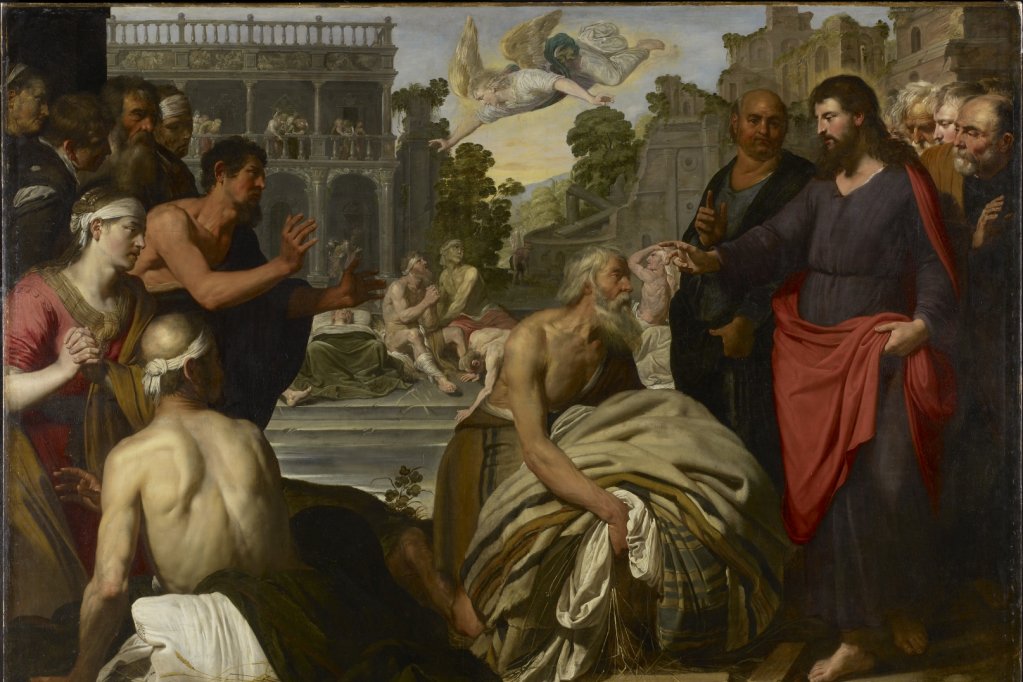
The Angel at the Pool of Bethesda
A man waited 38 years beside a Jerusalem pool for an angel to stir its healing water, but Jesus healed him instantly — and the water never even moved.
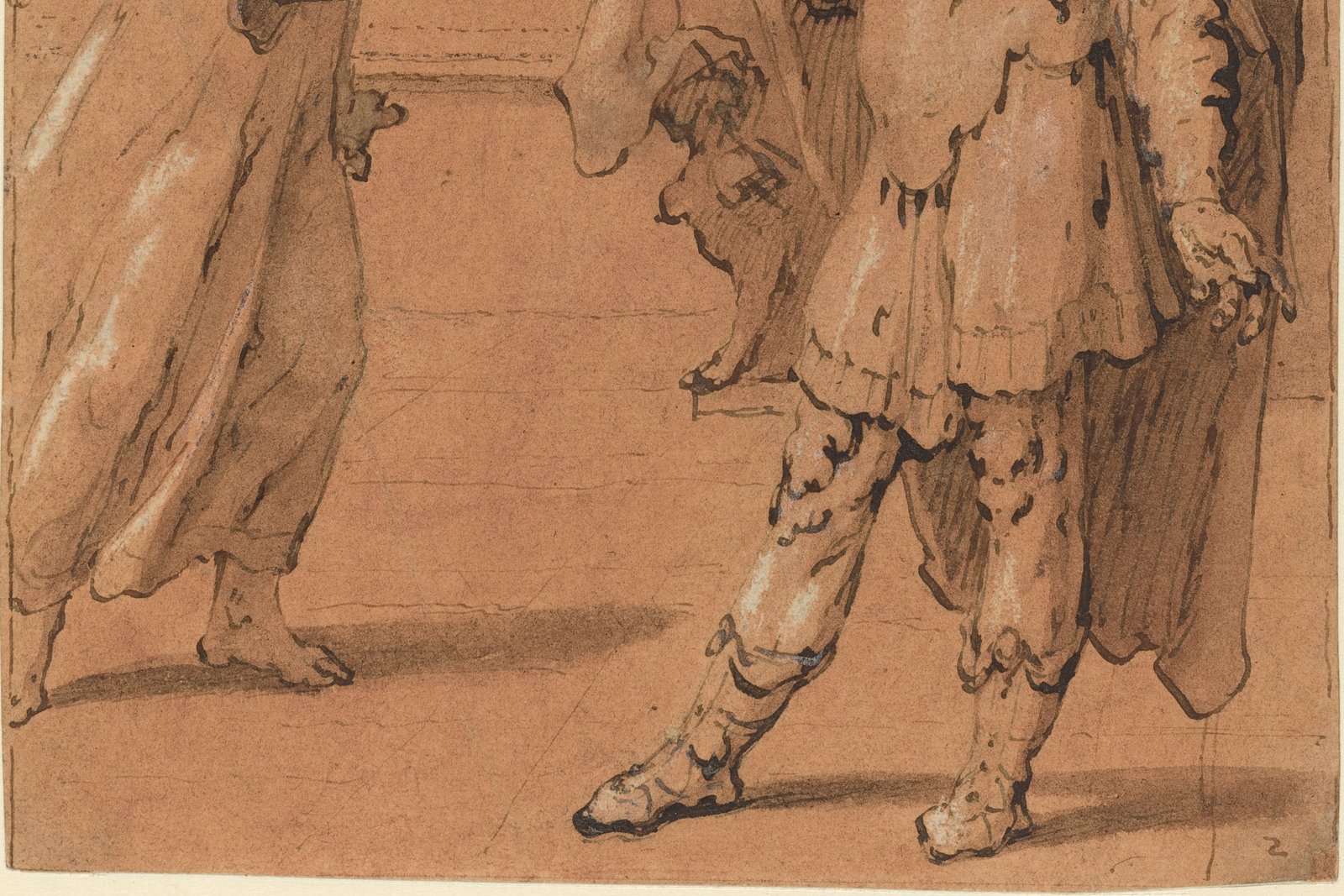
The Angel Who Appeared to Cornelius
A Roman officer's private prayer reached heaven, an angel told him so in person, and the answer he received reshaped who could belong to the early Church.
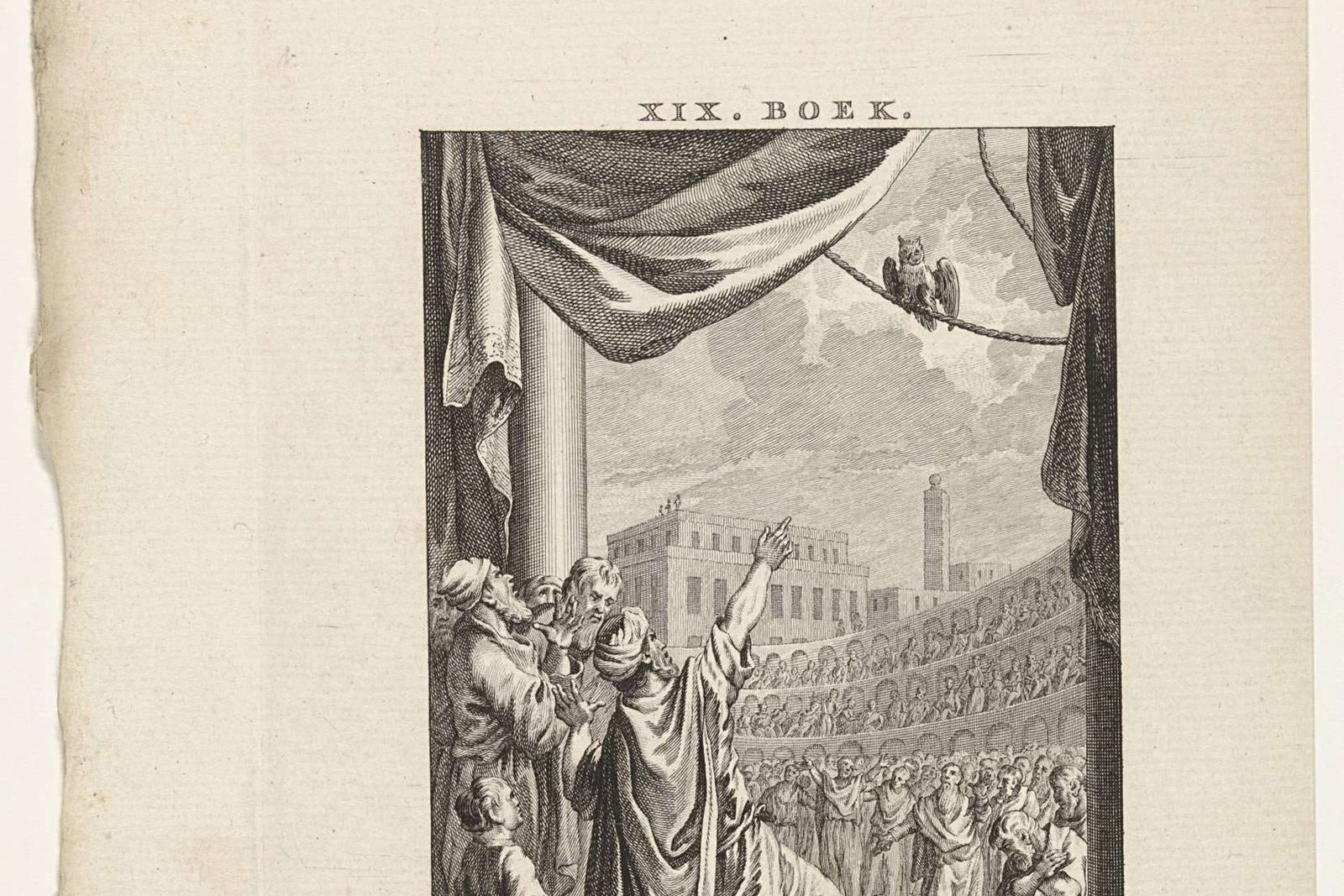
The Angel Who Struck Down Herod Agrippa
A king let a crowd call him a god instead of correcting them — and Luke records that an angel of the Lord struck him down for it, on the spot, before them.
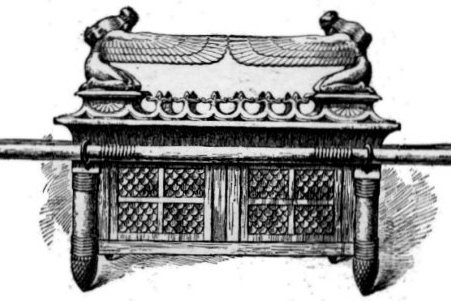
The Cherubim on the Ark of the Covenant
Two hammered-gold angels faced each other above the Ark of the Covenant, their wings spread over the exact spot where God said he would speak to Israel.