The Seraphim

A vision no one else in Scripture describes
"In the year King Uzziah died, I saw the Lord seated on a high and lofty throne, with the train of his garment filling the temple." (Isaiah 6:1, RSV-CE). What Isaiah saw next is one of the strangest and most specific images in the entire Bible: "Seraphim were stationed above; each of them had six wings: with two they covered their faces, with two they covered their feet, and with two they hovered." (Isaiah 6:2, RSV-CE). They call to one another in a cry so forceful "At the sound of that cry, the frame of the door shook and the house was filled with smoke." (Isaiah 6:4, RSV-CE): "Holy, holy, holy is the Lord of hosts! All the earth is filled with his glory!" (Isaiah 6:3, RSV-CE). For a fuller account of the whole scene, Isaiah's vision of the heavenly throne walks through it verse by verse — but for the seraphim themselves, this single chapter is the whole of their biblical résumé. No other book names them again.
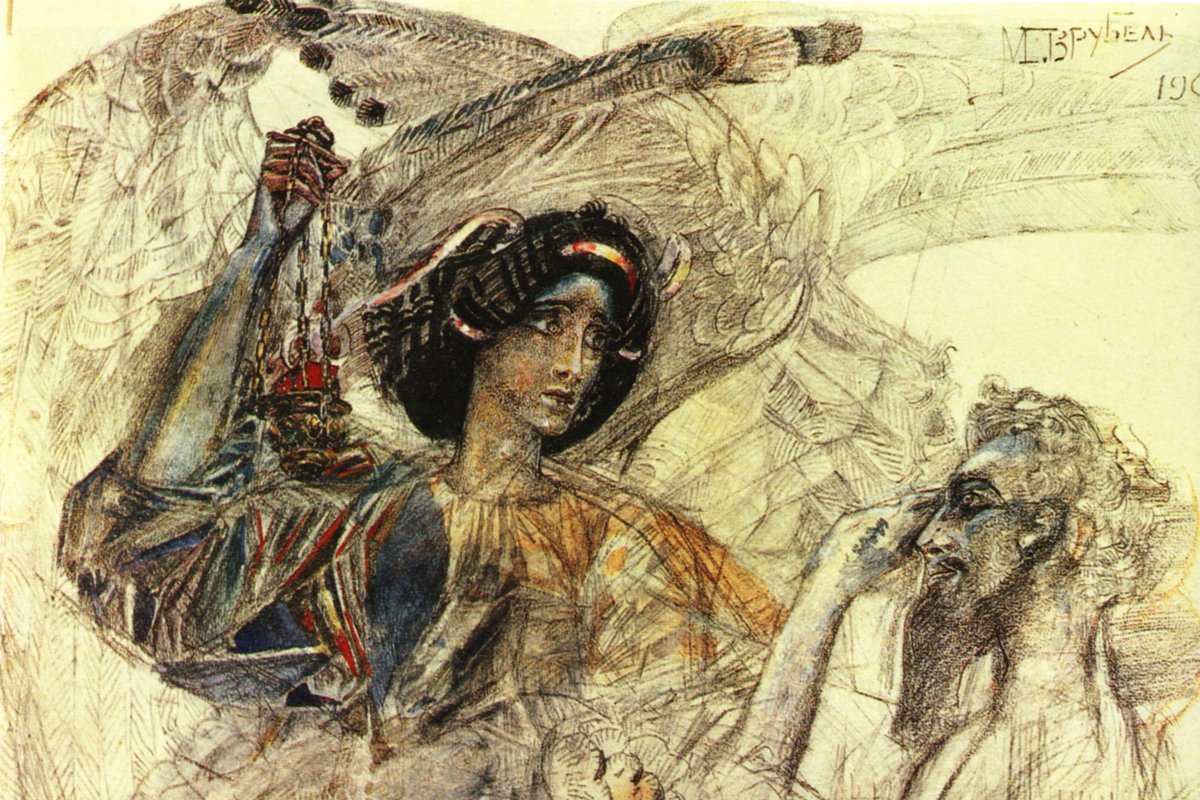
Mikhail Vrubel, "Six-Winged Seraph (after Pushkin's poem 'The Prophet')," 1905, Pushkin Museum, Saint Petersburg — public domain.
Why "burning ones"
The name comes from the Hebrew root saraph, meaning "to burn." Isaiah's seraphim are, in the plainest sense, the burning ones — and later Christian writers ran with that image, reading it as a picture of a love for God so intense it consumes everything unlike itself. That reading is tradition, not something Isaiah's text spells out directly; the prophet describes their wings and their voices, not their temperature or their inner life. But the association stuck, and it's a large part of why the Seraphim are remembered as the angels defined by nearness and ardor rather than by errand-running or guard duty.
Coal to the lips
Isaiah's vision doesn't stop at praise. Confronted with such holiness, he cries out in dread: "Woe is me, I am doomed! For I am a man of unclean lips, living among a people of unclean lips, and my eyes have seen the King, the Lord of hosts!" (Isaiah 6:5, RSV-CE). "He touched my mouth with it. “See,” he said, “now that this has touched your lips, your wickedness is removed, your sin purged." (Isaiah 6:6-7, RSV-CE). Only after that purification does Isaiah hear God ask, "Whom shall I send, and who will go for us?" and answer, "send me!" (Isaiah 6:8, RSV-CE). It's worth noting how different this role is from the cherubim, the other angelic order that appears earlier in Genesis and Exodus: cherubim in Scripture guard thresholds, while this seraph purifies a mouth for speech — two very different jobs that later tradition nonetheless filed into neighboring ranks of the same heavenly order.
The man who sorted heaven into nine ranks
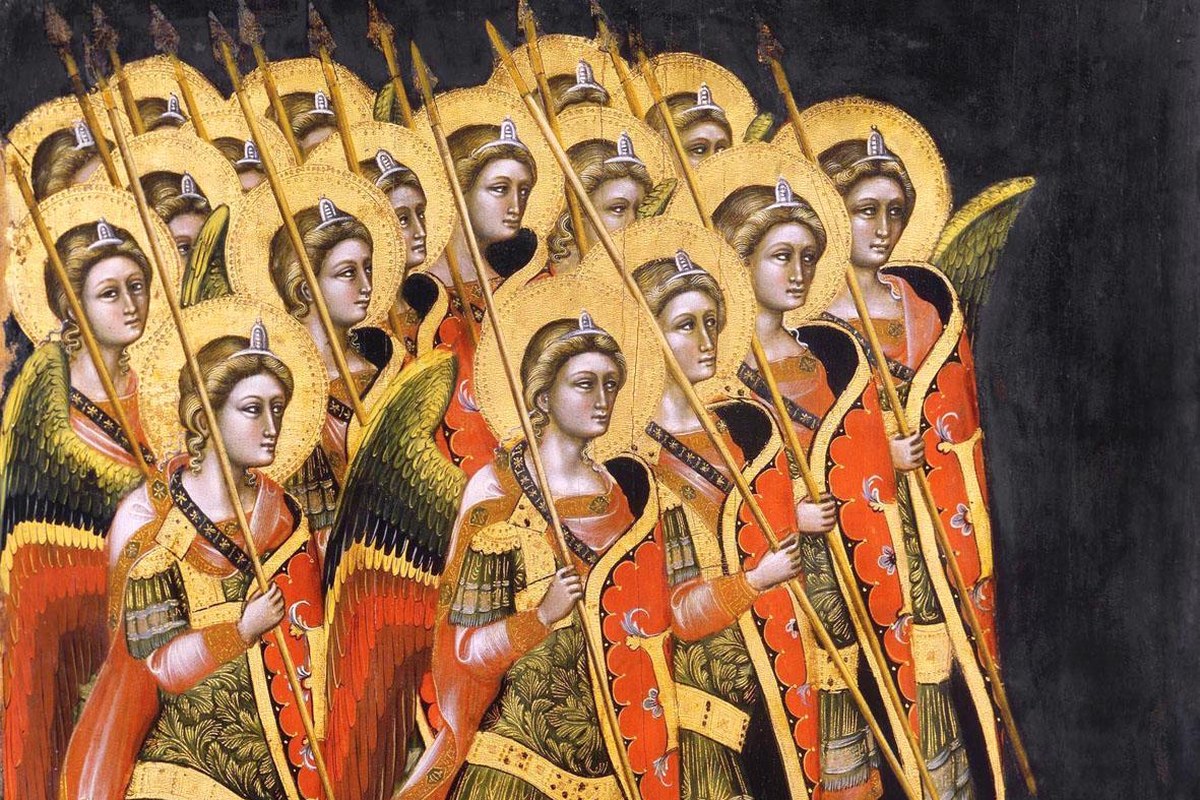
Isaiah never says the Seraphim outrank anyone. That claim comes from much later — from a Greek Christian writer of around the 6th century known today as Pseudo-Dionysius the Areopagite, who signed his treatise The Celestial Hierarchy as though he were the Dionysius converted by Saint Paul's preaching in Athens (Acts 17:34). Most scholars now agree he almost certainly wasn't; the "Pseudo-" prefix marks that honest uncertainty about authorship. What he wrote, regardless of who he was, became enormously influential: a systematic sorting of every heavenly being mentioned anywhere in the Bible into nine ranks, grouped into three tiers of three, later refined by Thomas Aquinas in the Summa Theologiae. The Seraphim, Cherubim, and Thrones make up the highest tier — the beings tradition associates with the closest contemplation of God, rather than with governing creation or ministering to humanity, which are the work assigned to the tiers below.
The Sanctus, from smoke-filled temple to ordinary Sunday
The seraphim's cry didn't stay locked inside Isaiah's vision. Almost word for word, "Holy, holy, holy" became the Sanctus, the acclamation sung or spoken near the heart of every Mass, positioned right after the preface prayer and just before the Eucharistic Prayer itself. It's one of the oldest continuously used texts in Christian worship, attested in liturgical use since at least the early centuries of the Church, and it survives essentially unchanged in wording across an enormous range of Christian traditions — Catholic, Orthodox, and many Protestant liturgies alike all preserve some version of it. Saying those words at Mass, ordinary parishioners are, in a real sense, joining their voices to the same cry Isaiah heard shouted by beings who cover their own faces in the presence of God's glory — a small but startling point of continuity between a prophet's overwhelming vision and a Sunday routine that can otherwise start to feel familiar and unremarkable.
Seraphim in Christian art and later mystical writing
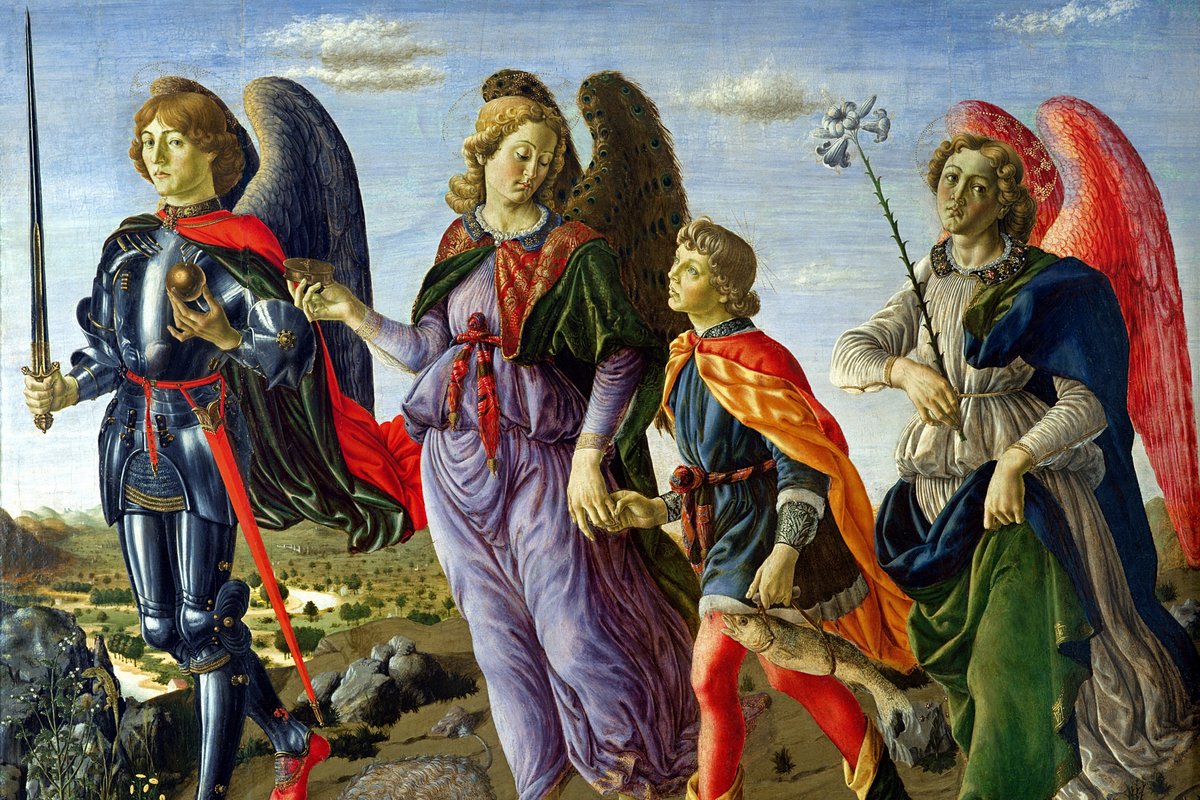
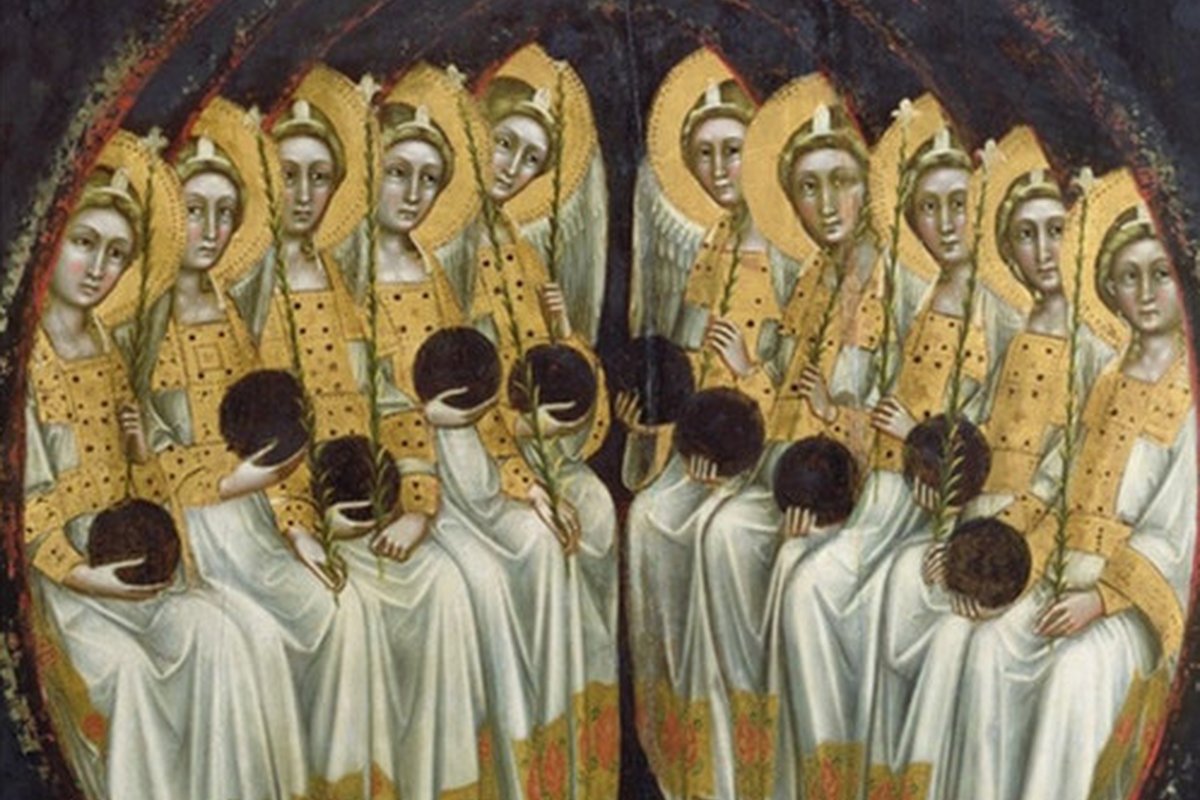
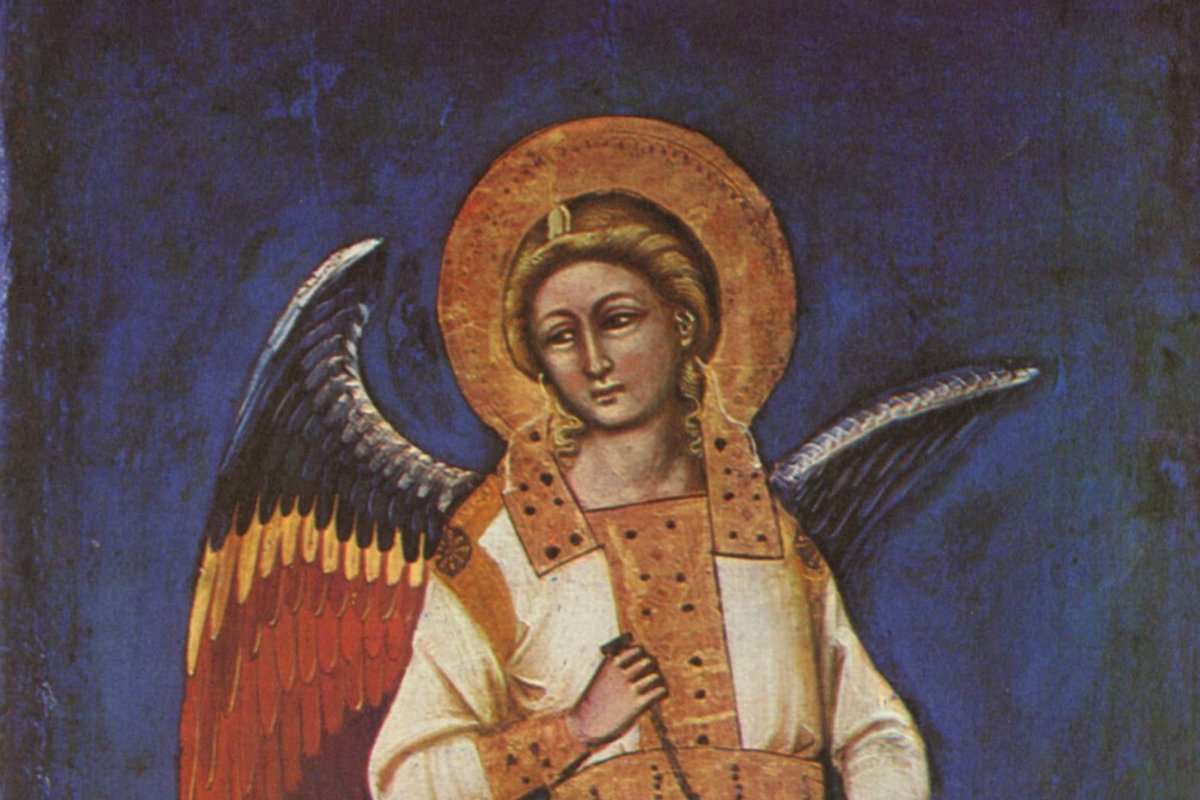
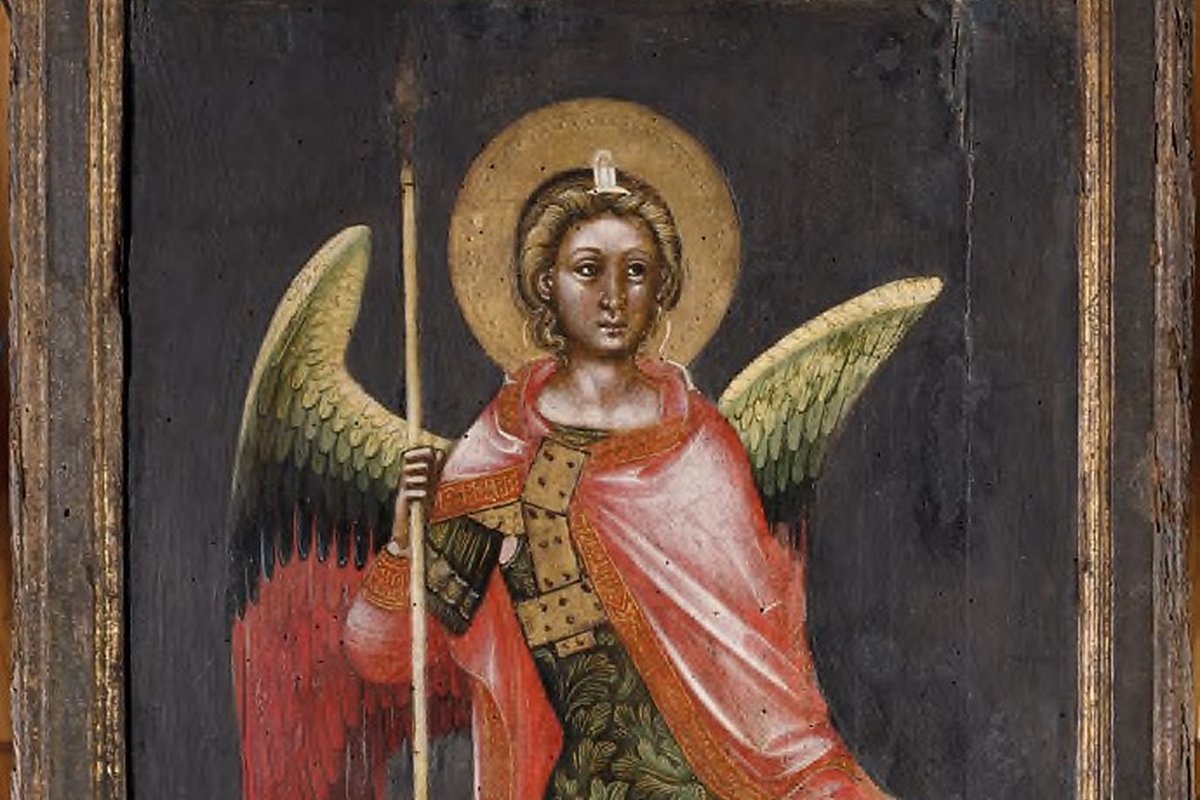
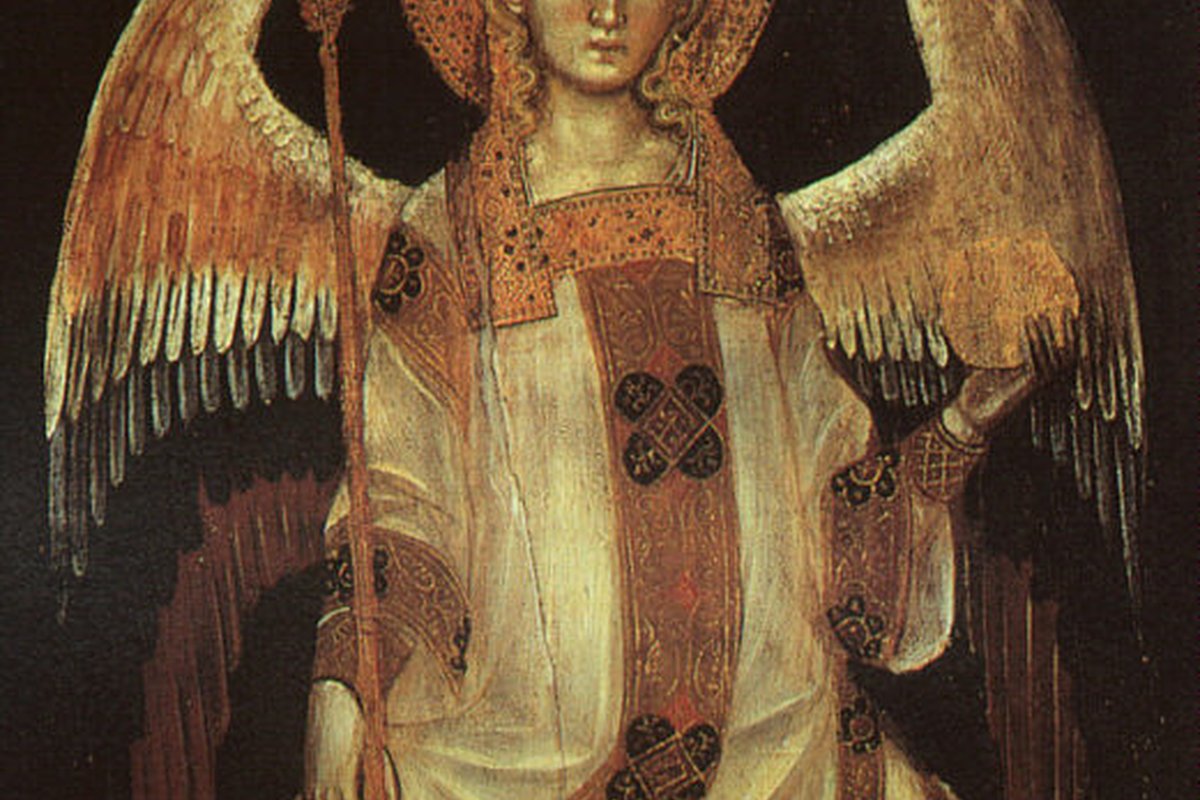
Because Scripture gives so little visual detail beyond the six wings, artists across the centuries have had wide latitude in depicting the Seraphim, and the results vary considerably. Byzantine and later Western art frequently renders them as faces surrounded entirely by wings, with no visible body at all — a stylistic choice meant to suggest a being defined almost entirely by wings and radiance rather than by any recognizably human form. Medieval and Renaissance painters sometimes colored seraphim red, playing on the "burning" etymology of their name, in deliberate visual contrast to cherubim, who were more often rendered in blue, a distinction without any scriptural basis but one that became a fairly consistent convention in Western sacred art. The image also entered mystical literature directly: Saint Teresa of Ávila, the 16th-century Spanish Carmelite mystic, famously described a seraph piercing her heart with a golden, fire-tipped spear in an experience she recorded in her autobiography — an episode later immortalized in Bernini's sculpture The Ecstasy of Saint Teresa, one of the most celebrated works of Baroque religious art, and a striking example of how Isaiah's brief, singular vision kept resurfacing in Christian devotional life more than two thousand years after it was first written down.
Scripture's scattered hints, and the tidy system built on them
It's worth being direct about what the Bible does and doesn't say here. Paul's letters mention categories like "thrones or dominions or rulers or powers" in passing (Colossians 1:16) without ranking them or explaining how they relate to seraphim, cherubim, or anything else. Isaiah names seraphim in one chapter and never returns to them. Nowhere does Scripture present a clean, numbered, nine-rank org chart of heaven. That chart is a later theological achievement — a real and long-respected one, still used in Catholic teaching and art to this day, but a human systematization built on top of scattered scriptural material rather than a hierarchy Scripture spells out itself. The Cherub, Thrones, Dominions, Virtues, Powers, Principalities, and Archangels as a rank each occupy their own place in that same nine-choir system — worth exploring together for anyone curious how a handful of biblical fragments became an entire architecture of heaven. See our companion article on the Nine Choirs of Angels for the full hierarchy laid out in one place.
Trivia
Where in the Bible do seraphim actually appear?
What does the word 'seraphim' mean?
Why does a seraph touch Isaiah's lips with a coal?
Are the Seraphim really the highest-ranking angels?
Is the 'Holy, holy, holy' from Isaiah's vision still used in worship today?
Related Reading