Blessed Chiara "Luce" Badano

Eleven years of waiting, then an only child
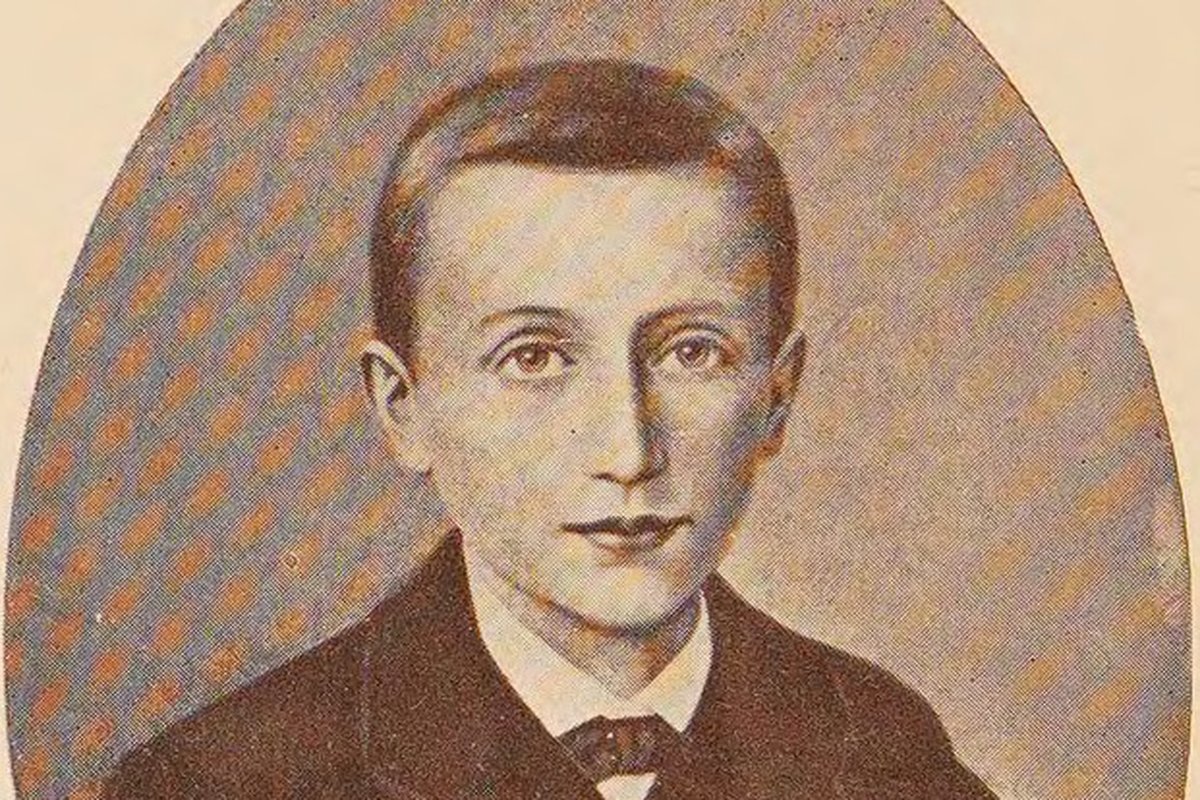
Chiara Badano was born October 29, 1971, in Sassello, a small town in northern Italy, the only child of parents who had prayed for a child for eleven years before she arrived. By every account of her childhood and early teens, she was an entirely ordinary girl — she played tennis, swam, hiked, and liked pop music, the kind of details that could describe almost any teenager of her generation. At nine years old, she joined the Focolare Movement, a Catholic lay movement centered on unity and community, a connection that would shape the rest of her short life.
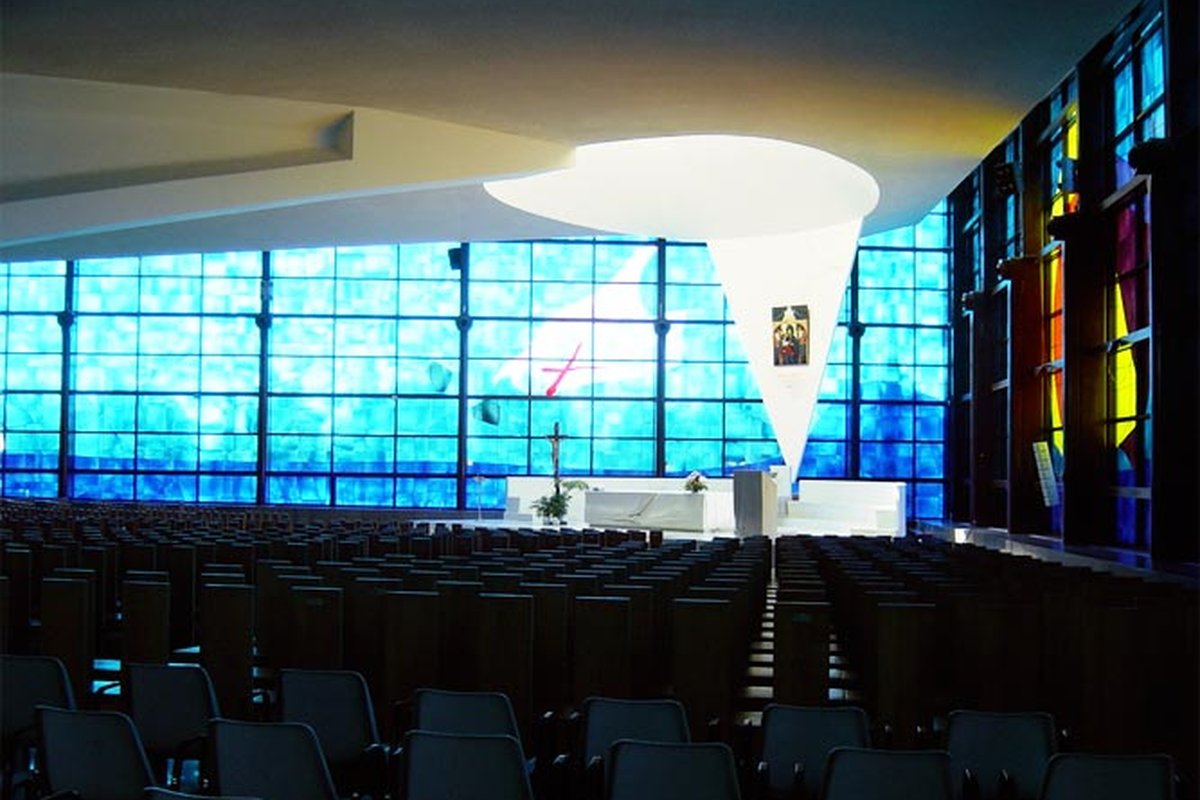
Photograph of the Sanctuary of Our Lady of Divine Love, Rome, site of Chiara Badano's 2010 beatification — used here as an honest substitute for a personal photograph of Chiara, whose copyright status could not be confirmed as public domain.
It was Chiara Lubich, the movement's founder, who later gave her the name "Luce" — Italian for "light" — attached alongside her given name in the title she carries today: Blessed Chiara "Luce" Badano.
The Focolare Movement itself had started only decades earlier, founded by Lubich in Trent during the bombing raids of the Second World War, built around the idea that ordinary people — not just clergy or those in religious orders — could live out the Gospel intensely in everyday life, through unity and mutual love within small communities called "focolares," an Italian word meaning "hearths." By the time Chiara joined as a nine-year-old in the early 1980s, the movement had spread well beyond Italy, drawing children, teenagers, and adults into what it called different "branches" suited to their age and state in life. Chiara belonged to the branch for teenage girls, known within the movement as the "Gen," short for "Generation New." It was an ordinary kind of religious formation for an ordinary Catholic girl in northern Italy — nothing in it predicted what would come at sixteen.
A diagnosis at sixteen
At sixteen, Chiara was diagnosed with osteosarcoma, one of the most painful forms of bone cancer. What followed was a two-year illness that took her from an active, sport-loving teenager to someone confronting her own death well before adulthood. There's nothing in her diagnosis or its course that sets her apart medically from any number of other teenagers who have faced the same disease — what set her apart, in the eyes of those who later pushed for her beatification, was how she chose to live through it.
By her own account, given to those close to her, the pain of the first symptoms — a sharp ache in her shoulder that wouldn't go away — first appeared while she was playing tennis, one of the sports she loved most. The diagnosis that followed ended, almost overnight, the physically active life she'd known: no more tennis, no more swimming, no more the long hikes in the hills around Sassello that she'd grown up with. Treatment involved rounds of chemotherapy that left her exhausted and, in time, unable to walk. Friends from her Focolare group and from school visited regularly, and later testimony from several of them describes a consistent pattern — that Chiara used the visits not to dwell on her own suffering but to ask about their lives, their exams, their own struggles, as though her illness were simply one more circumstance to live through rather than the only thing left to talk about.
Choosing to stay conscious
According to family members and others close to her within the Focolare community — near-contemporary testimony, not medieval legend, but testimony nonetheless, and worth describing as such rather than as flatly settled fact — Chiara refused strong pain medication late in her illness because it took away her lucidity. She wanted to remain aware of what she called her offering to Jesus, choosing clarity of mind over relief from pain in the final stretch of a terminal illness. It's a specific, documented kind of decision, distinct from more generalized claims of suffering borne well — a concrete choice, made by a specific eighteen-year-old, about how she wanted to experience her own dying.
She's remembered for repeating a phrase throughout her illness that captures the same posture: "Se lo vuoi tu, Gesù, lo voglio anch'io" — "If you want it, Jesus, I want it too." The line is consistently attributed to her across Focolare sources and the materials connected to her beatification cause, though it should be understood as something she's remembered for saying repeatedly during those two years, rather than a line tied to one precisely documented moment.
Death, and a birthday feast
Chiara Badano died on October 7, 1990, in Sassello, at eighteen years old. Pope Benedict XVI signed the decree recognizing the miracle attributed to her intercession on December 12, 2009, and she was beatified on September 25, 2010, at the Sanctuary of Our Lady of Divine Love near Rome.
Her feast day carries a detail worth pointing out explicitly, because it breaks from the Church's usual pattern: it's kept on October 29, her birthday, rather than October 7, her date of death. Most saints' feasts mark the day of death — traditionally called their "heavenly birthday," the day they entered eternal life — which makes the choice to instead mark Chiara's actual birthday a deliberate and unusual one.
How she's remembered
Chiara "Luce" Badano doesn't hold a formally assigned universal patronage, but she's increasingly regarded, in popular devotion rather than through any official Vatican title, as a model for young people, and particularly for those facing serious illness. World Youth Day gatherings and Focolare youth events have featured her story repeatedly since her beatification, and several schools and youth centers across Italy and beyond now carry her name. Pope Benedict XVI, in comments made around the time of her beatification, held her up specifically as an example for young Catholics of holiness lived out through the ordinary circumstances of a modern adolescence — sport, friendship, and eventually suffering — rather than through dramatic renunciation of the world.
What continues to draw attention to her story more than three decades after her death isn't a miracle in the traditional dramatic sense, but something plainer and, in its own way, harder to look away from: an ordinary teenage life, redirected in its final months by one deliberate choice about how to face the end of it. Readers curious about other young people recognized for holiness lived out in ordinary circumstances may also find it worth reading about Blessed Alexandrina of Balazar, another twentieth-century figure whose sanctity was shaped by years of physical suffering borne with a similar clarity of purpose.
Trivia
Who was Blessed Chiara "Luce" Badano?
Where did the name "Luce" come from?
Why did Chiara Badano refuse strong pain medication during her illness?
What did Chiara Badano mean by "Se lo vuoi tu, Gesù, lo voglio anch'io"?
Why is Chiara Badano's feast kept on her birthday instead of her death date?
You May Also Like
Related Reading