Blessed Laura Vicuña

A family already running from loss
Laura del Carmen Vicuña Pino was born April 5, 1891, in Santiago, Chile. Her early childhood was upended almost immediately: her family fled Chile in the wake of a revolution, and her father, an army officer, died suddenly not long after. That left her mother, Mercedes, a young widow, to figure out how to support Laura and her younger sister, Julia Amanda, alone. Mercedes relocated the family across the Andes into Argentina's Neuquén province, a frontier region far from any settled support system, and eventually found work — and lodging — at the Quilquihué Hostel, owned by a wealthy local landowner named Manuel Mora.
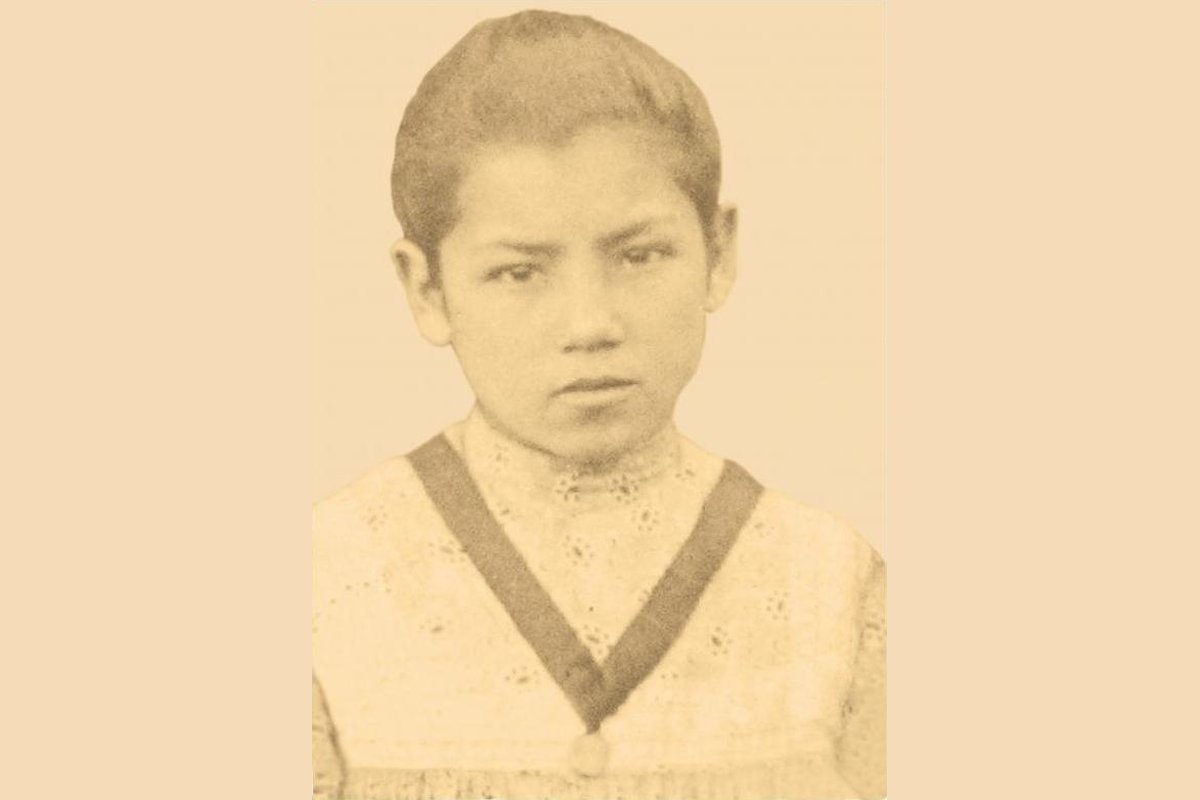
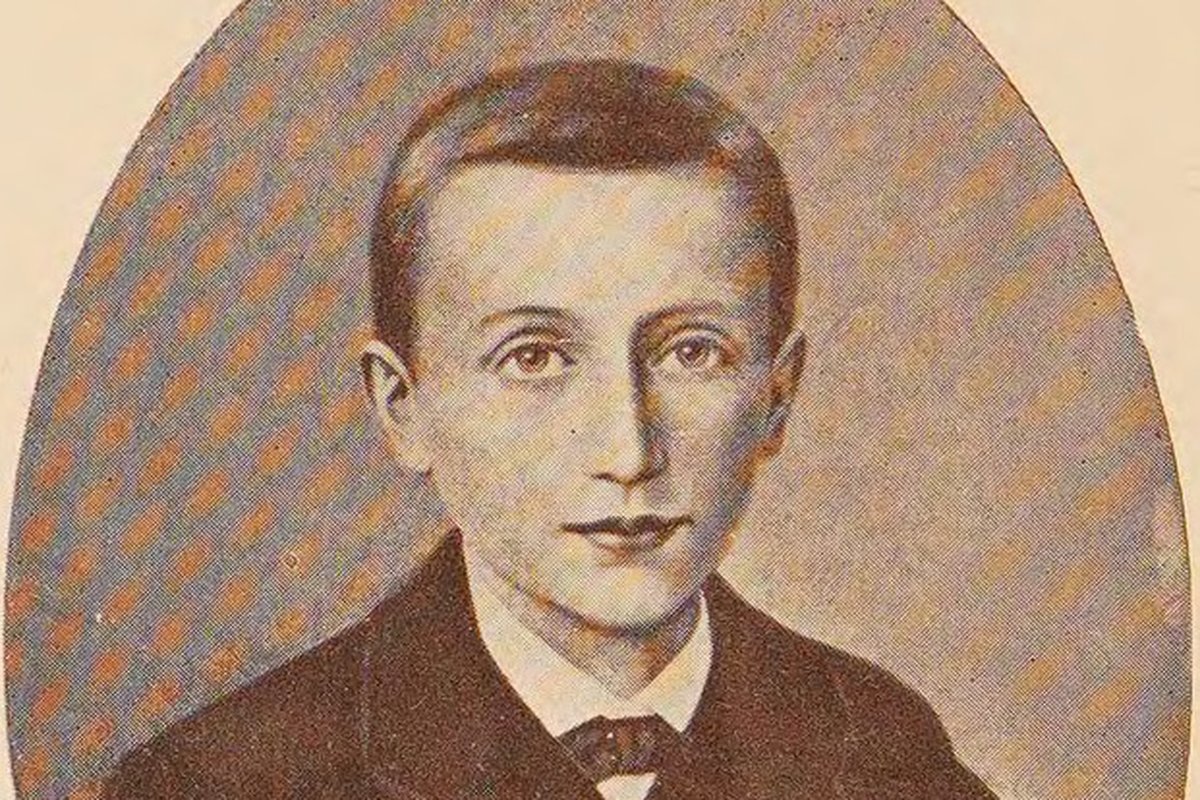
Photograph of Laura Vicuña, c. 1900, photographer unknown — public domain (Wikimedia Commons).
It was Mora who quietly changed the terms of that arrangement. He began pressuring Mercedes into a relationship, and part of what he offered in exchange was covering the cost of Laura's schooling — a detail that matters, because it means the education that would come to define the rest of Laura's short life was made possible by the same situation she would eventually give her life trying to end.
The frontier setting made Mercedes's position especially precarious. Neuquén in the 1890s was sparsely populated, recently opened to settlement after Argentina's military campaigns against its indigenous population, and offered a young widow with two small daughters few realistic alternatives for supporting her family. Mora's wealth and local standing gave him a degree of leverage over Mercedes that had nothing to do with affection and everything to do with economic dependency — the kind of imbalance that made resistance genuinely difficult, not simply a failure of will on Mercedes's part.
A different kind of home at school
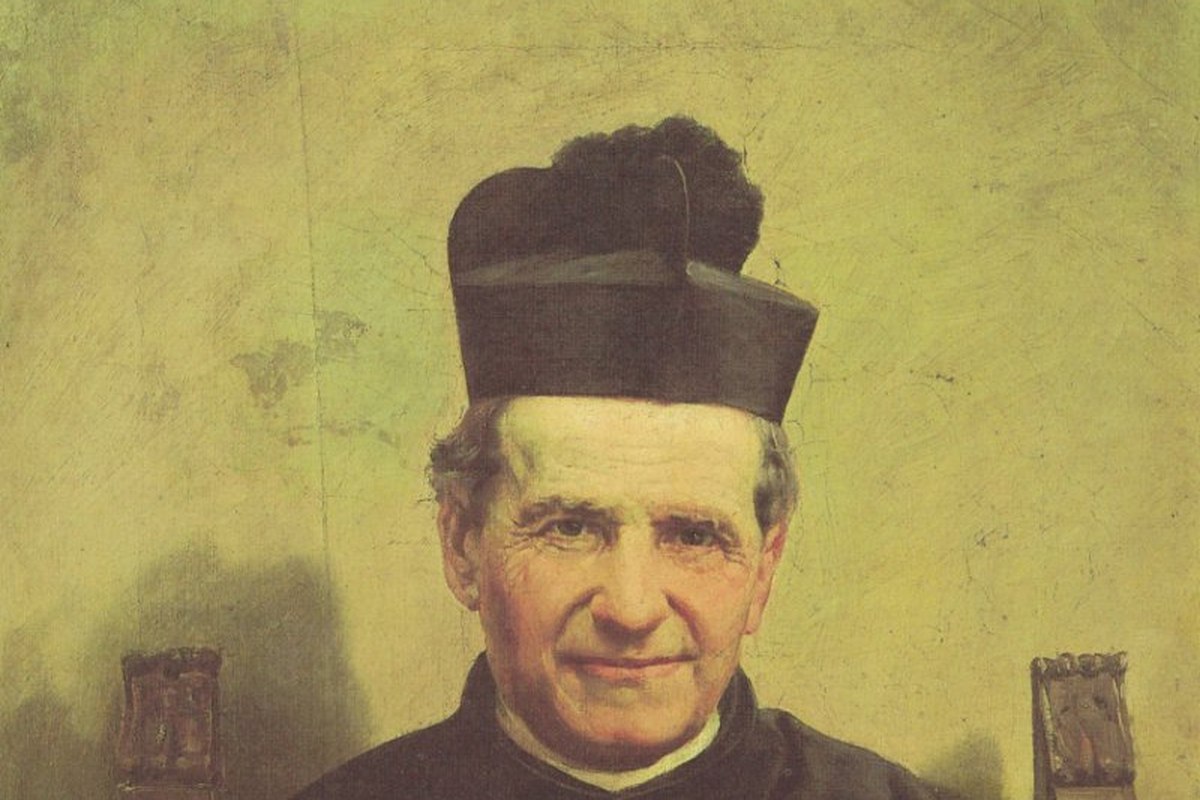
Laura was enrolled at a school run by the Daughters of Mary Help of Christians, the Salesian sisters' congregation founded to carry out Don Bosco's mission among girls the way his own oratories served boys. It became the steadiest place in her life — structured, safe, and organized around a faith she took to seriously and personally, not just as routine religious instruction.
It was there, around age ten, that Laura pieced together what her mother's arrangement with Manuel Mora actually was. She never confronted Mercedes about it directly, and she never treated the school as an escape route from a mother she'd given up on. What she did instead, according to the Salesian sisters' own account of her cause, was make a private decision: she would offer her own life to God specifically for her mother's moral and spiritual freedom — for Mercedes to get out from under the relationship altogether. It's a decision Laura apparently never fully explained even to those closest to her; it survives in the record because of what came after, not because she announced it in advance.
According to accounts preserved by the sisters who taught her, Laura made this offering at the age most children spend worrying about far smaller things, and she reportedly continued attending to her studies and daily religious practice with the same quiet consistency afterward, giving no outward sign to her classmates of the burden she'd taken on. That combination — an enormous private decision carried inside an otherwise ordinary schoolgirl's routine — is part of what makes her story feel less like a dramatic legend and more like an account of real, lived interior conviction.
Declining health and a documented intention
Laura's health began to decline in the years that followed, and she died at Junín de los Andes, Argentina, on January 22, 1904, at just twelve years old. The intention behind her offering — recorded and preserved by the sisters who knew her — is genuinely well documented. What's less certain, and worth being honest about, is the precise cause-and-effect some later devotional retellings draw a straight line between: the idea that Laura's death directly triggered her mother's reconciliation with the Church around the same period. That reconciliation is part of the traditional account of her story, but the causal connection belongs to pious interpretation rather than to anything that can be independently verified as historical fact. Laura's intention and her death are documented; the mechanism linking them to any specific change in her mother's life is a matter of faith, not record.
From a schoolgirl's private vow to a beatification
Pope John Paul II beatified Laura Vicuña on September 3, 1988. The miracle used in support of her cause was the reported 1955 cure of a religious sister, Ofelia del Carmen Lobos Arellano, from terminal lung cancer after praying for Laura's intercession — a case investigated and accepted well over half a century after Laura's own death, a reminder of how long these processes can run even for a cause built around a story as immediate and personal as hers.
Her feast is kept on January 22. In the last decade or so, her cult has taken on a newer emphasis: because her documented story is fundamentally about a child recognizing and responding to an adult's exploitation of her mother, she has increasingly been invoked as a patroness of abuse victims specifically — a devotional development still taking shape today, not an old or formally settled title, but one that fits naturally with what's actually known about her short life. Readers drawn to her story may also find resonance in Saint Dominic Savio, another young student from the same Salesian world whose holiness was likewise cut short by an early death.
Trivia
Who was Blessed Laura Vicuña?
Why did Laura Vicuña's family move from Chile to Argentina?
What did Laura Vicuña 'offer her life' for?
Is Laura Vicuña a patron saint of abuse victims?
When is Laura Vicuña's feast day?
You May Also Like
Related Reading