Saint Joseph


A man defined entirely by obedience
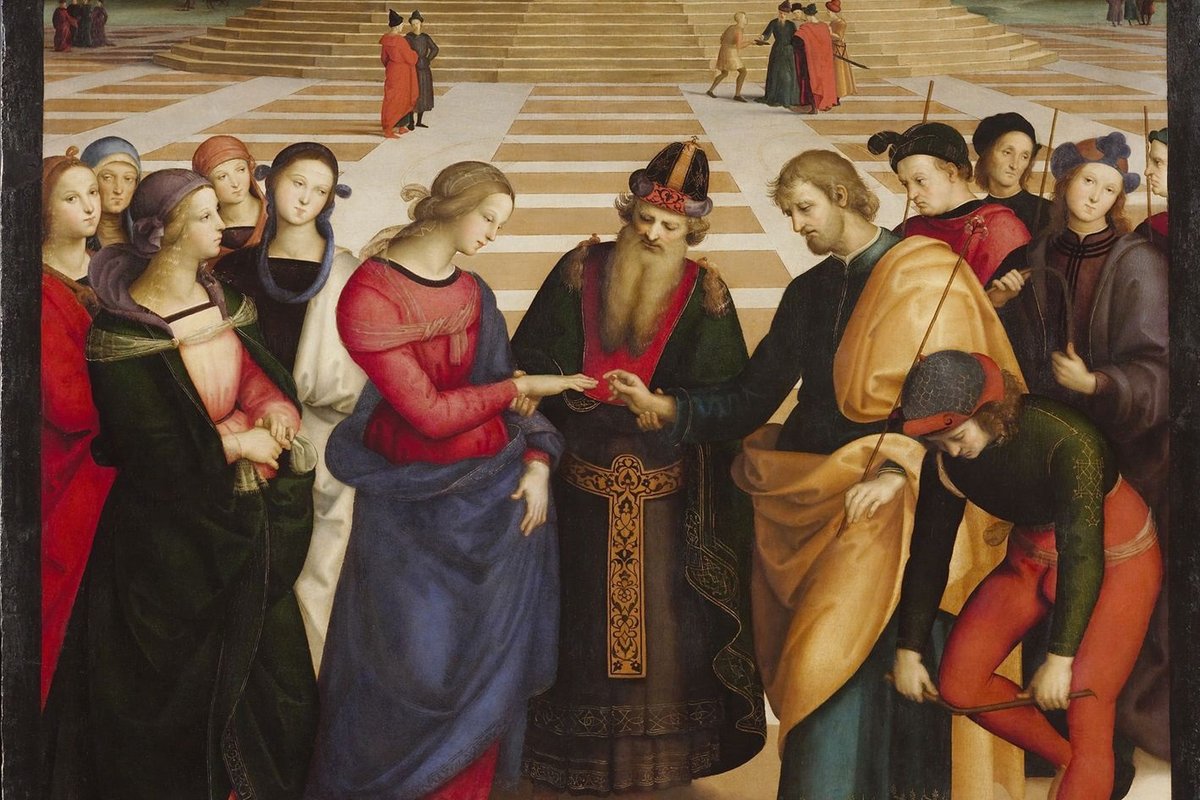
Joseph enters the Gospel story, told more fully in the account of his betrothal to Mary, already facing a decision that could have ended it before it began. Engaged to Mary and finding her pregnant through no apparent action of his own, Matthew describes him planning to quietly end the engagement rather than expose her to public disgrace — a reasonable, even merciful response, given what he knew at the time. Everything changes with a single dream: "For it is through the holy Spirit that this child has been conceived in her. She will bear a son and you are to name him Jesus, because he will save his people from their sins." (Matthew 1:20-21, RSV-CE). Joseph's response isn't recorded in words at all — only that he did what the angel commanded.
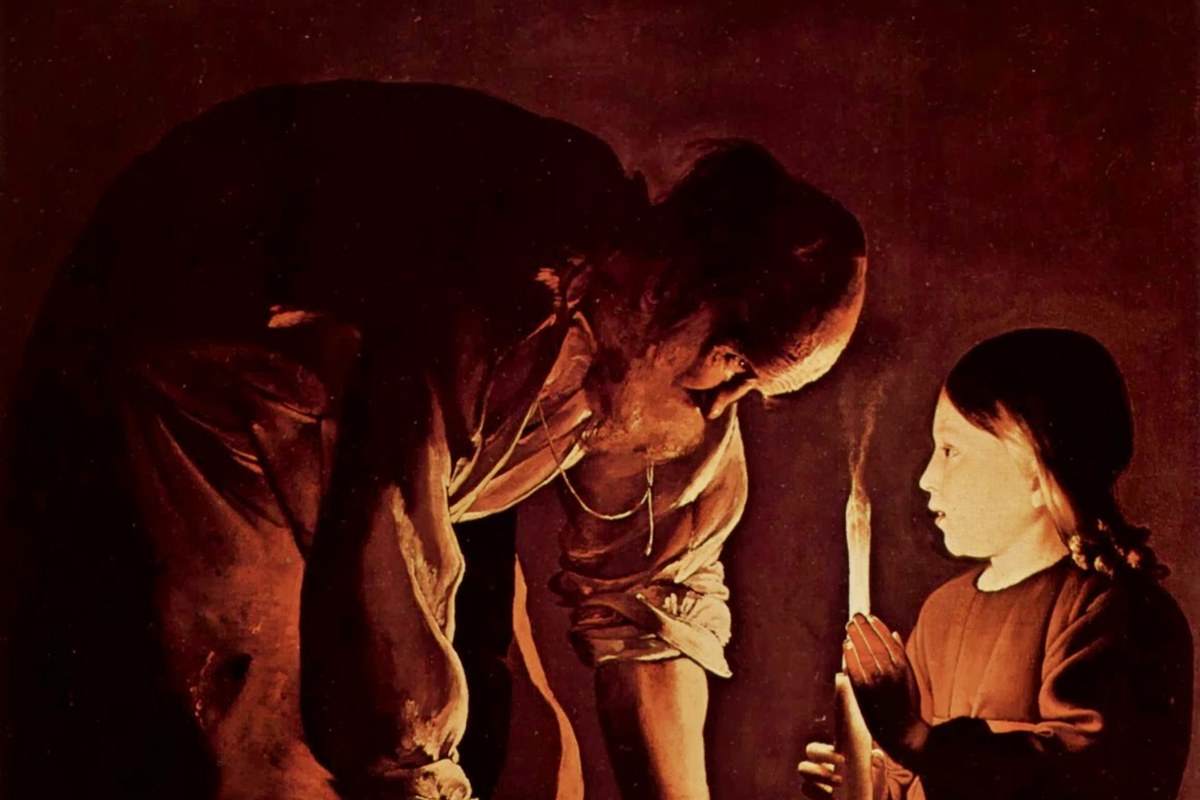
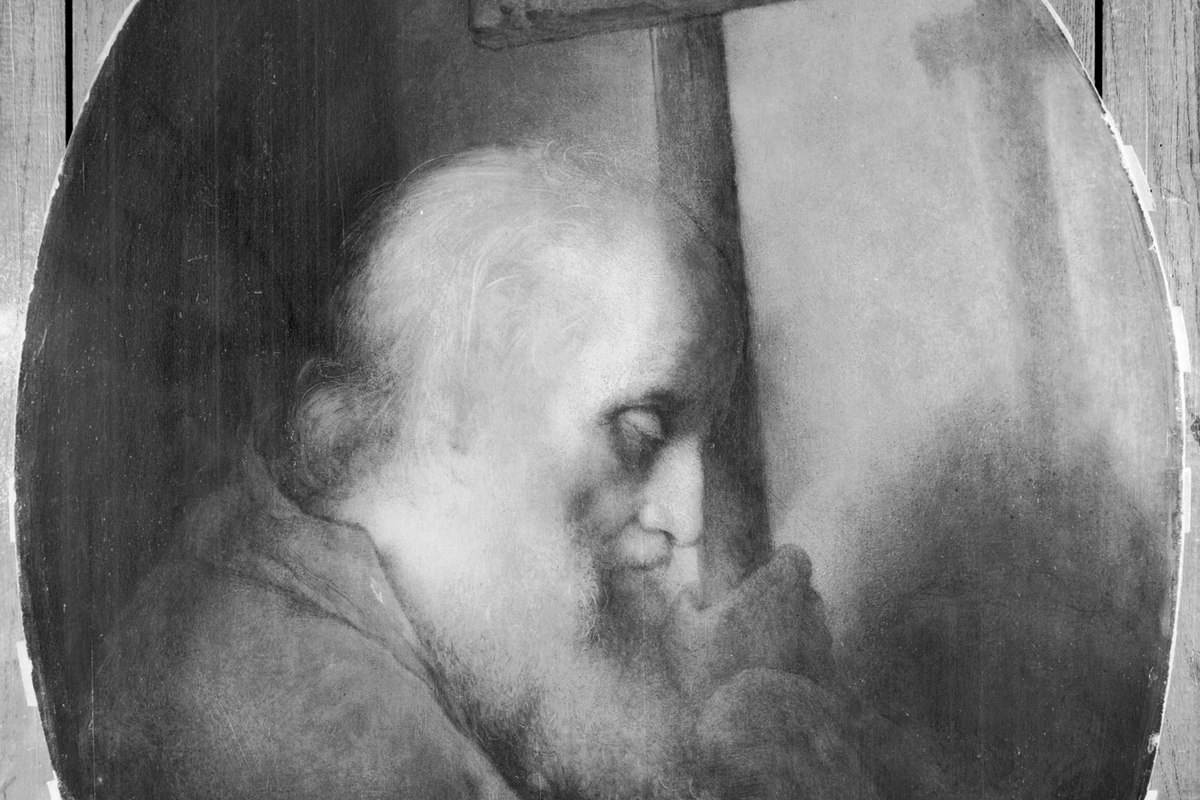
Georges de La Tour, "Saint Joseph the Carpenter," 1642 — public domain.
Matthew's Gospel traces Joseph's lineage back through David — the reason for the angel's specific greeting, "Joseph, son of David" — which mattered for a very concrete theological reason: it's through Joseph's legal fatherhood, rather than any blood claim, that Jesus is reckoned a descendant of David and heir to the promises made to David's royal line centuries earlier. Joseph's decision to take Mary as his wife and to name the child himself, which under Jewish custom was a father's prerogative, is what formally grafts Jesus into that genealogy. In other words, Joseph's quiet act of obedience carried genuine legal and theological weight, not just personal significance.
A craftsman, not a king
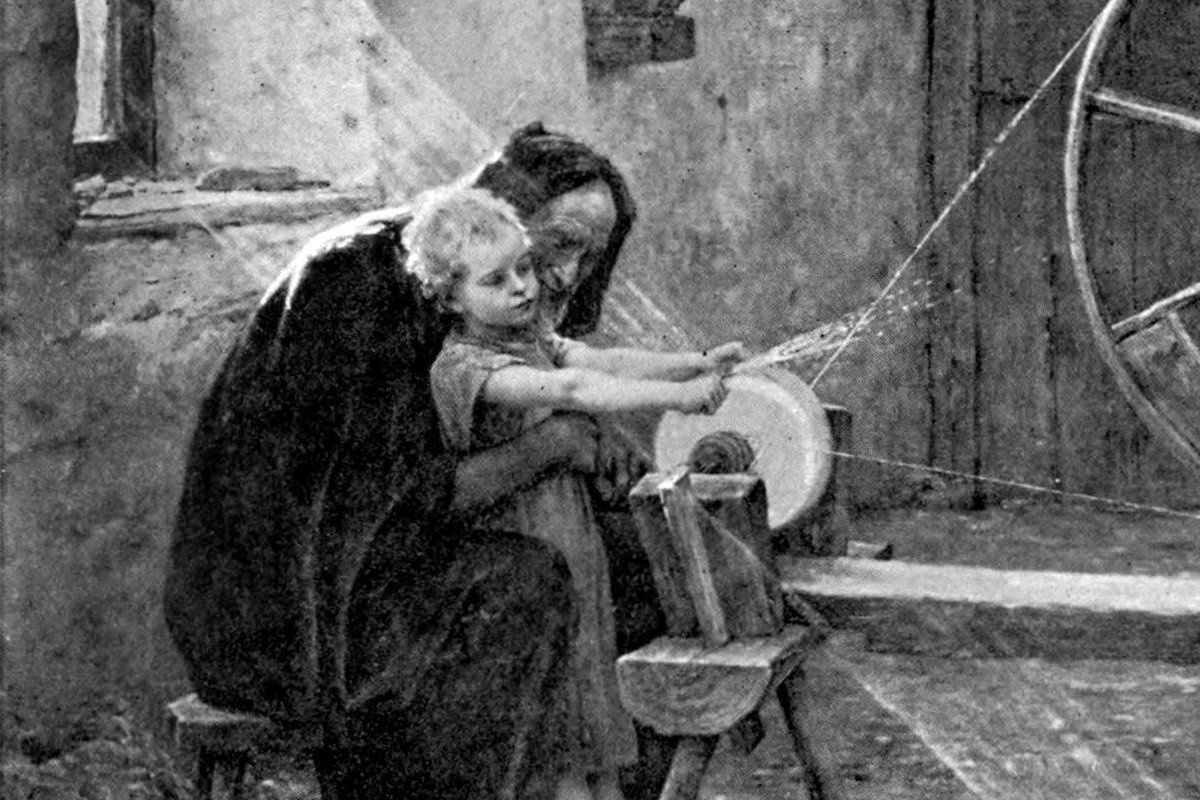
Scripture identifies Joseph's trade with a Greek word, "tekton," usually translated as carpenter, though it could just as easily describe a builder working in stone. Either way, Joseph raises the Son of God not from a position of wealth or status but from an ordinary trade, in an ordinary town, doing ordinary work — a detail the Gospels don't dwell on because, narratively, it isn't remarkable. It's simply the life Jesus grew up inside, under the guidance of a man skilled with his hands.
Nazareth itself was a small, unremarkable village in Galilee, and later in the New Testament one skeptical observer asks, "Can anything good come from Nazareth?" (John 1:46) — a throwaway line that captures just how insignificant the place seemed to outsiders. Joseph, working his trade in that small town, gave Jesus his first and most immediate experience of ordinary human labor: the Gospels describe Jesus himself later being identified in his hometown simply as "the carpenter's son," a title that stuck to him long after Joseph had likely already died, since Joseph disappears from the Gospel narrative before Jesus's public ministry begins and is presumed to have died sometime before it.
Guided by dreams, again and again
Joseph's obedience isn't a single moment — it's a pattern. Matthew records him receiving further angelic instructions in dreams: to flee to Egypt when Herod threatens the infant Jesus's life, and later to return once the danger has passed. Each time, the text simply notes that Joseph got up and did it, often at night, without hesitation recorded on the page. It's easy to read past this as a minor narrative device, but taken together, it paints a specific kind of portrait: a man whose entire recorded role in salvation history is protective action taken on trust, with nothing else asked of him and nothing else volunteered.
A father remembered for one more scene
Between the flight into Egypt and his disappearance from the Gospel record, Luke records one further episode: when Jesus, at twelve years old, stays behind in Jerusalem without his parents' knowledge and is found three days later teaching in the Temple, Mary and Joseph together, Luke says, had been searching for him "anxiously" (Luke 2:48). It's one of the only glimpses Scripture gives of Joseph as something closer to an ordinary, worried parent rather than simply an instrument of divine instruction — a brief, human moment folded into an otherwise silent role.
Why the Church still turns to him today
In 1870, Pope Pius IX formally declared Joseph patron of the universal Church, extending the same role he played for the household in Nazareth — provider, protector, quiet presence — to the whole of Christian life. That declaration built on centuries of prior devotion; Joseph's veneration had grown steadily through the medieval and early modern Church, championed by figures like Saint Teresa of Ávila, who credited him personally with helping her recover from a serious illness and promoted devotion to him energetically throughout her own reformed Carmelite convents. His feast is kept twice: March 19 as the primary solemnity, and May 1 as the Feast of Saint Joseph the Worker, added in 1955 to honor his trade alongside his fatherhood. Both dates point to the same underlying image: not a man remembered for what he said, but for what he was willing to do, without complaint, whenever he was asked.
Trivia
Does Joseph ever speak in the Gospels?
What was Joseph's occupation?
Why is Joseph called the patron of the universal Church?
What is Saint Joseph's feast day?
Related Reading