Saint Cajetan

A lawyer in the Roman Curia
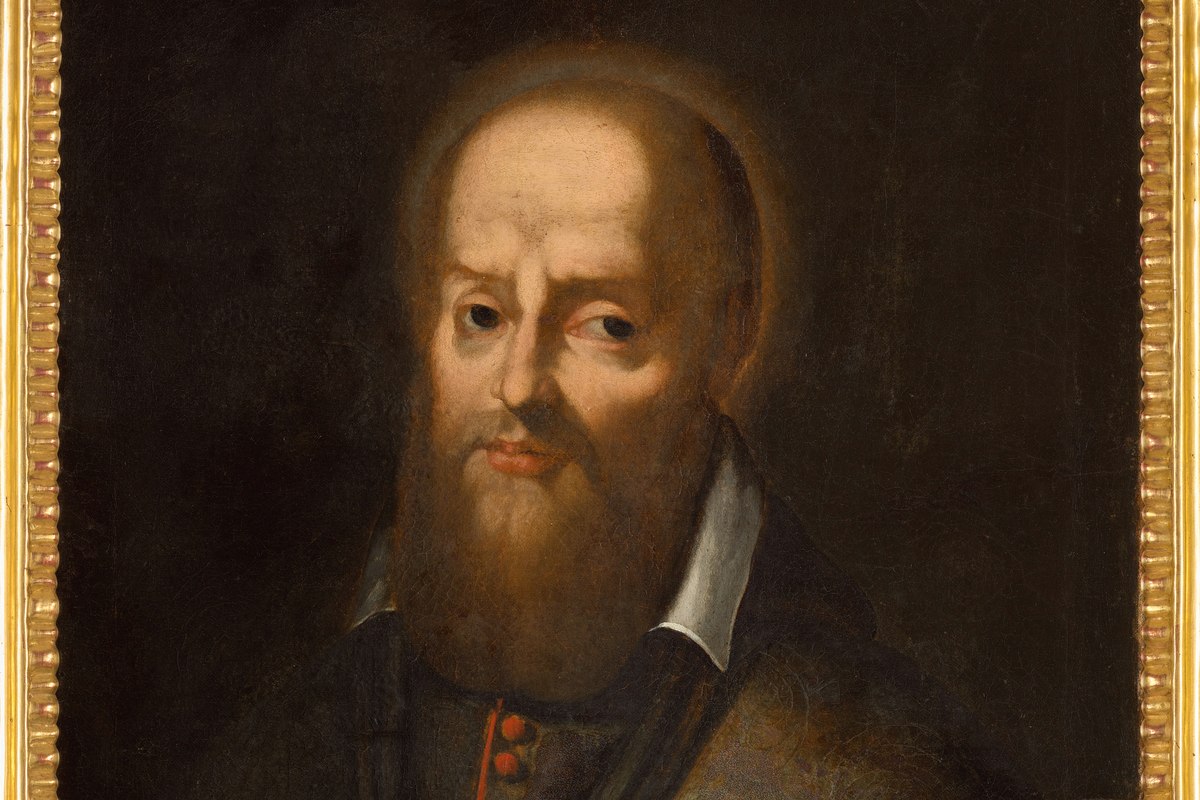
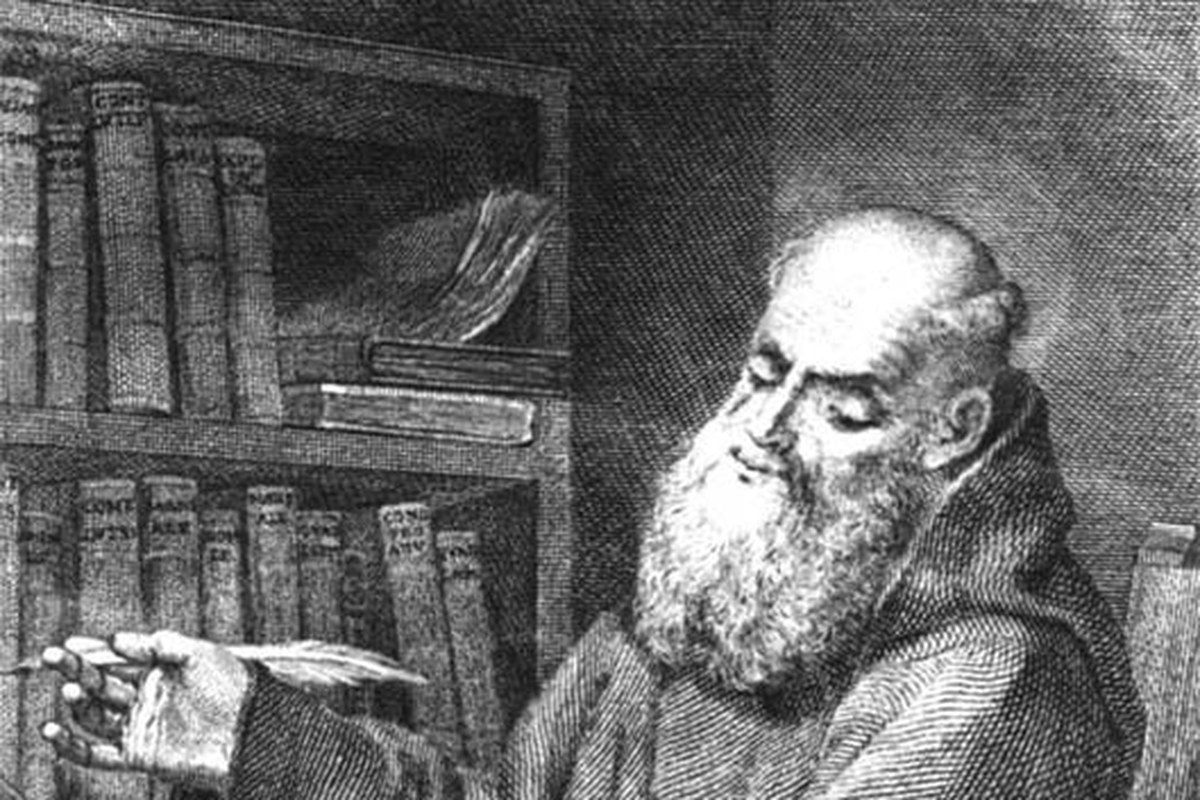
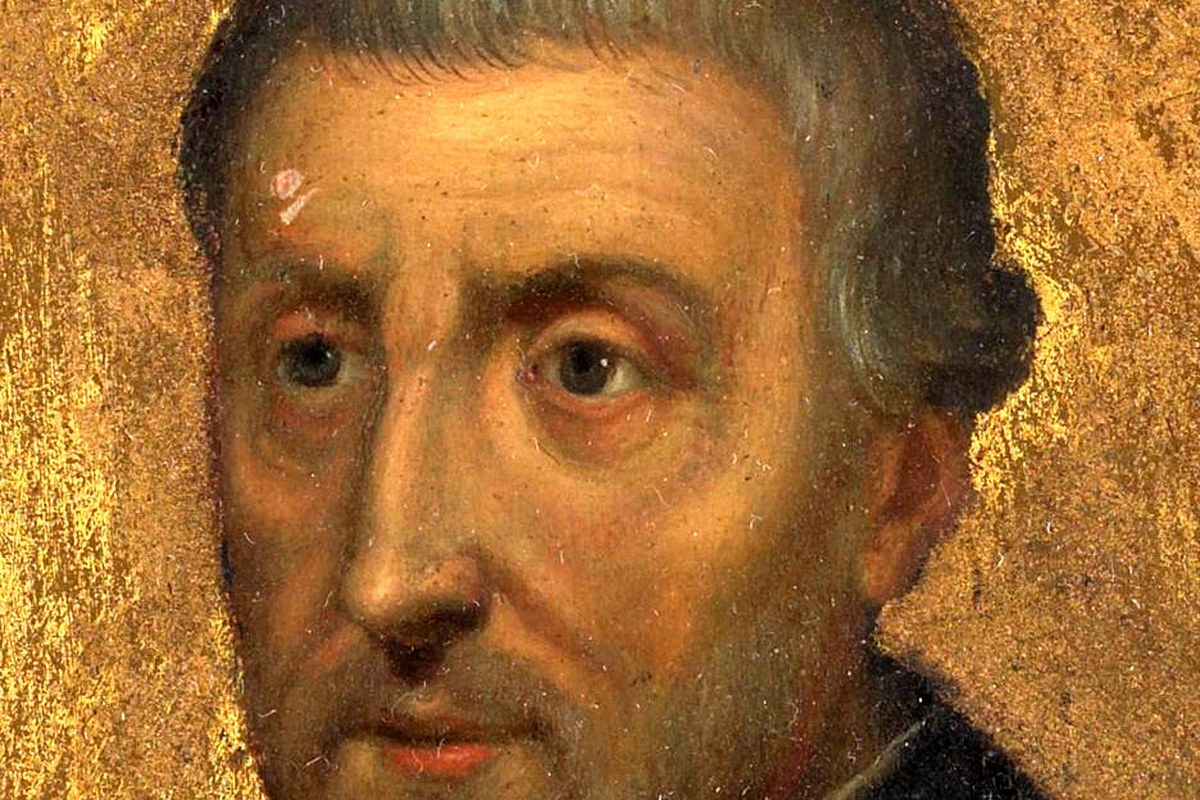
Cajetan — Gaetano da Thiene in Italian — was born in October 1480 in Vicenza, then part of the Republic of Venice, to a noble family, and earned a doctorate in law from the University of Padua before entering the service of the Church. Padua at the time was one of Europe's leading universities, and a law doctorate there marked Cajetan as a man positioned for a comfortable career in either Church or civil administration — precisely the kind of secure future he would later set aside for a much harder path. He worked as a protonotary in the Roman Curia under Pope Julius II, a senior administrative position that put him at the center of Church administration during a period when reform-minded clergy were becoming increasingly troubled by how far institutional practice had drifted from the ideals it was supposed to serve. Julius II's papacy, remembered chiefly for its political ambitions and its patronage of artists like Michelangelo, was not itself a period of notable spiritual renewal in Rome, and Cajetan's growing discomfort with the gap between clerical privilege and clerical holiness pushed him increasingly toward reform circles rather than further up the Curia's own ladder of advancement.
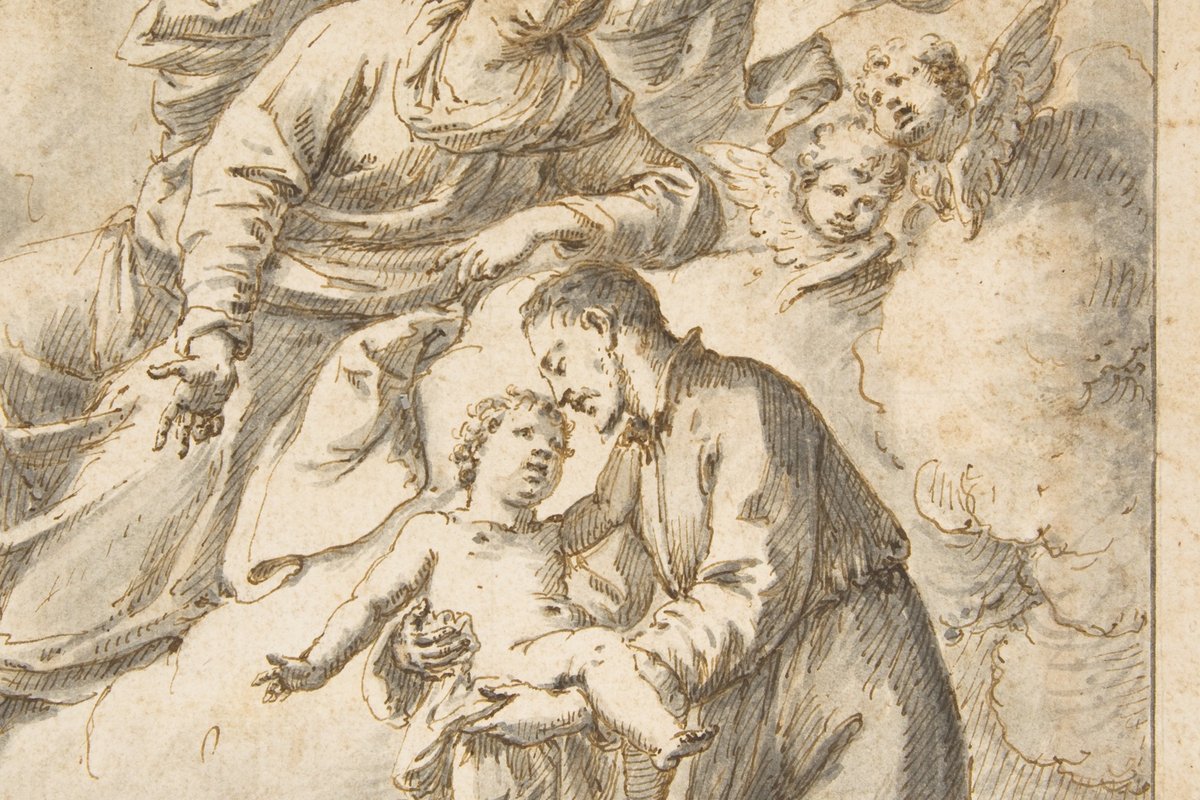
Gaetano Zompini, Saint Cajetan of Thiene Holding the Infant Jesus, drawing, 1730–40, Metropolitan Museum of Art — public domain (CC0).
The Oratory of Divine Love
Around 1516 or 1517, Cajetan co-founded the Oratory of Divine Love, a lay confraternity of clergy and laypeople committed to personal charity and to reforming religious life from within, working quietly rather than through public confrontation. Members met for prayer, frequent confession and communion — still relatively uncommon practices for laypeople in this period — and hands-on charitable work among the sick and poor, treating personal holiness and practical service as inseparable from one another. It was an early, grassroots expression of the reform impulse that would soon reshape large parts of the Catholic Church, predating by several years the more famous, confrontational reform movements associated with the Counter-Reformation, and it gave Cajetan both a network of like-minded reformers and a template for the more ambitious project he would take on a few years later.
Founding the Theatines
In 1524, Cajetan partnered with Gian Pietro Carafa — then Bishop of Chieti, whose Latin name Theate gave the new order its title, and who would later become Pope Paul IV — to found the Congregation of Clerks Regular, known ever since as the Theatines. Pope Clement VII canonically approved the new order that same year. Its purpose was direct: reform the clerical life of its own members through discipline and apostolic poverty, and put that reformed clergy directly to work in charity and pastoral care, rather than treating reform as an abstract ideal to be debated in Rome. Theatine priests took a vow renouncing fixed income and personal property entirely, relying instead on voluntary donations — an unusually strict standard of poverty for secular clergy at the time, meant to model, in their own persons, the kind of clerical integrity the order hoped to see spread more broadly. The Theatines were among the first of several new religious orders founded in this period to answer the same underlying crisis in clerical discipline, a wave that a decade later would also produce the Society of Jesus under Ignatius of Loyola, though the two orders took quite different approaches to achieving similar reforming goals.
An interest-free answer to loan sharks
Cajetan's most lasting practical achievement came later, in Naples, during a period of severe famine. The city's desperate poor had little recourse but predatory lenders charging whatever interest they could extract from people with no other options. Cajetan responded by founding hospitals for what were then called "incurables" and, more significantly, by setting up a lending institution that charged no interest at all — a direct, structural attempt to undercut the usury preying on Naples's hungriest residents rather than simply distributing charity after the fact. That institution didn't disappear after his death; it grew, over the following centuries, into the Bank of Naples, one of the oldest banking institutions in the world with a direct institutional lineage traceable back to Cajetan's famine-relief lending fund.
A related devotional custom — a specific tradition of "Cajetan bread" tied to almsgiving in his honor — circulates in some popular sources, but it isn't independently verifiable as a documented historical practice, so it's worth treating as folk or modern devotional framing rather than confirmed history. What is well documented is his broad, sustained reputation for feeding and aiding Naples's poor and unemployed during one of the hardest periods the city faced. This kind of institution, sometimes called a monte di pietà ("mount of piety"), was a distinctly Catholic Counter-Reformation response to poverty and usury, pioneered in various Italian cities from the fifteenth century onward specifically to give the poor an alternative to predatory lending without violating Church teaching against charging interest on loans; Cajetan's Naples foundation became one of the most enduring examples of the model anywhere in Italy.
Cajetan spent his final years dividing his time between Naples, Venice, and Rome, continuing to found new Theatine houses and hospitals even as his own health declined, reportedly working himself to exhaustion trying to calm unrest and aid the suffering during a period of civil disturbance in Naples shortly before his death.
Canonization and a modern patronage
Cajetan died in Naples on August 7, 1547. Pope Urban VIII beatified him in 1629, and Pope Clement X canonized him on April 12, 1671. His feast is kept on August 7, the anniversary of his death, and in modern popular devotion he's widely invoked as patron of the unemployed and job-seekers — a patronage with a strong novena tradition built directly on his historical work fighting usury and famine in Naples — as well as, in some traditions, of gamblers, and as a documented patron of Argentina.
Trivia
Who was Saint Cajetan?
What did Cajetan do to fight usury in Naples?
What were the Theatines, and why were they founded?
When was Cajetan canonized, and what came before that?
What is Saint Cajetan the patron saint of?
You May Also Like
Related Reading