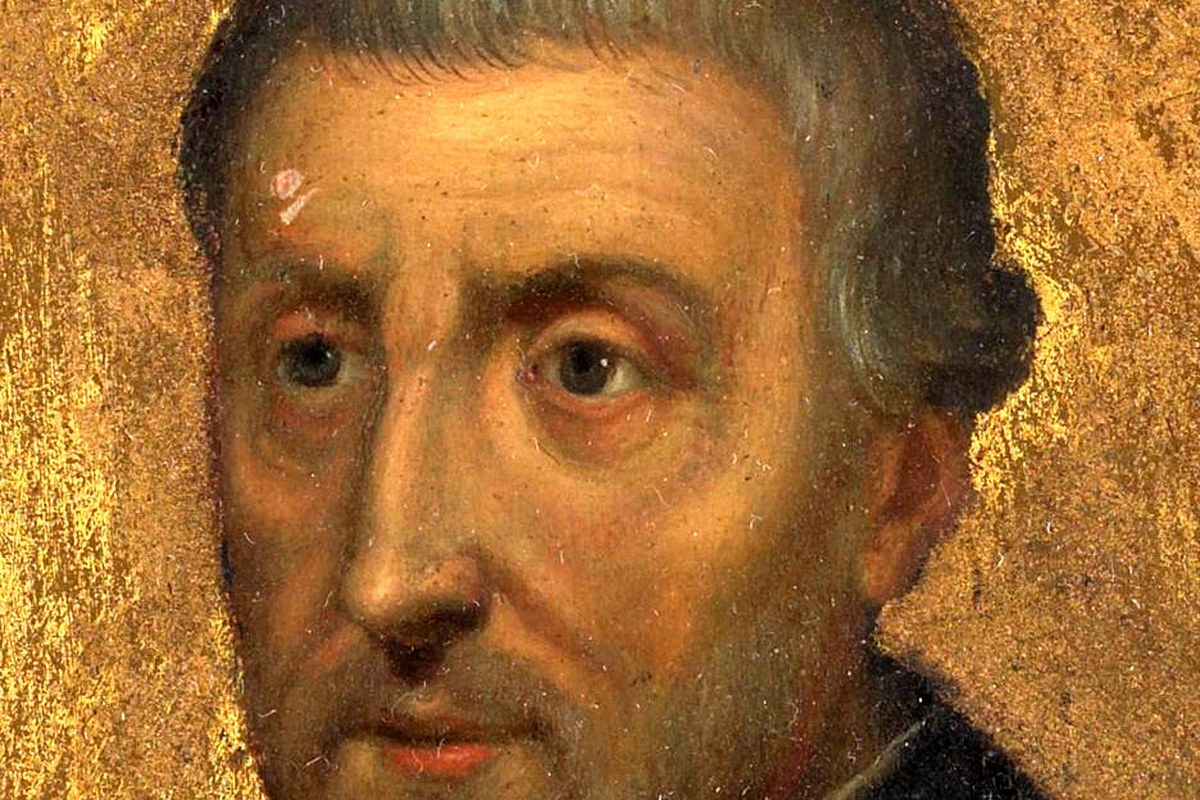
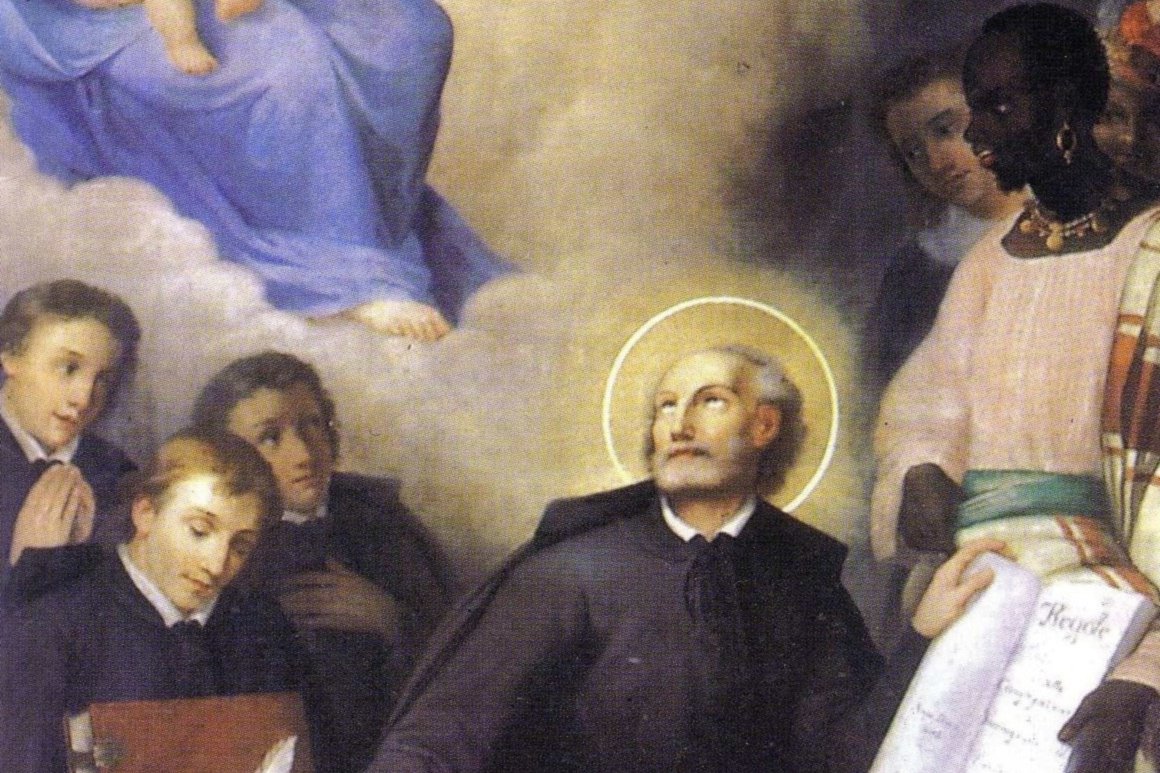
Saint Philip Neri


From Florence to Rome's streets
Philip Neri was born in Florence on July 21, 1515, one of four children in a notary's family. As a young man he was sent to work for a wealthy relative in business near Naples, a path that seemed to promise a comfortable, conventional future, but he abandoned it after what he later described as a religious conversion, choosing instead a life stripped of ambition and property. He moved to Rome in 1533 with almost no money and no clear plan beyond serving God, and there began the missionary work that would define the rest of his life, first supporting himself as a private tutor while spending long hours in prayer in the city's catacombs and churches. In 1548, he founded a society of laymen dedicated to caring for the poor, convalescents, and pilgrims — a first, informal step toward what would eventually become a lasting institution, and a striking early example of organized lay charity in a city more accustomed to clerical initiative.
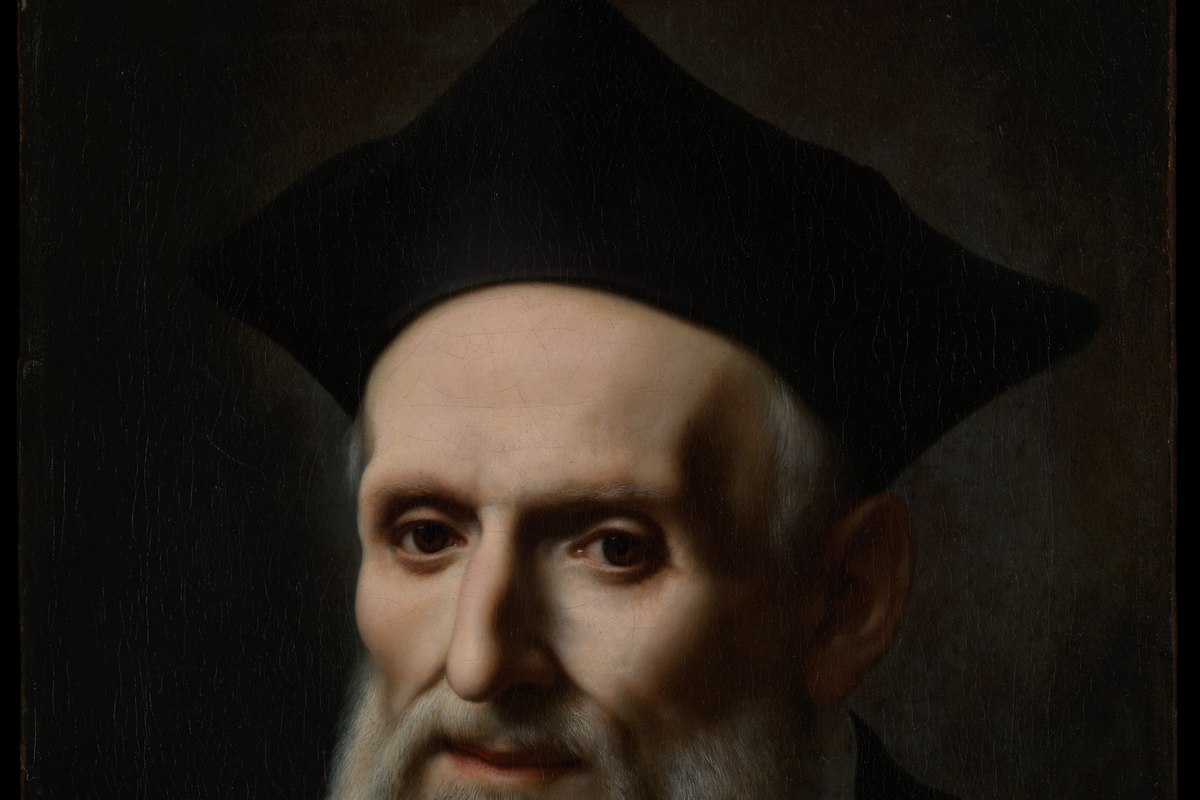
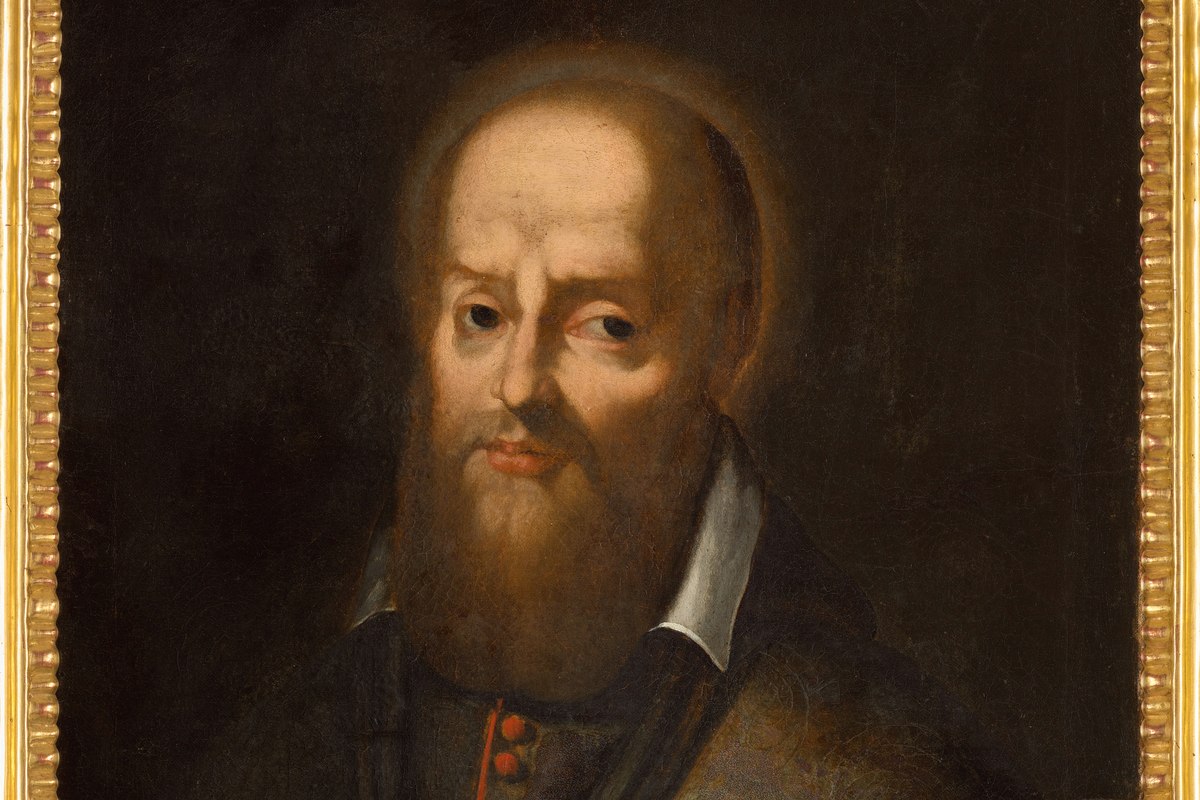
Portrait of Saint Philip Neri, 16th-century depiction, public domain.
A society built without formal vows
Ordained a priest in 1551, Philip moved into the ecclesiastical community at San Girolamo della Carità in Rome, where he began hearing confessions and gathering informal groups of laymen and clergy for prayer, spiritual reading, and conversation in a room above the church — gatherings so popular that they had to move several times to accommodate the crowds. Out of these informal meetings grew, in 1556, the Congregation of the Oratory, formally approved by papal bull in 1575: a society of secular priests and lay brothers living in community without taking formal vows, unlike the older religious orders such as the Dominicans or Franciscans. The Oratory focused on pastoral care, preaching, education, and charity, with prayer, music, and joyful community life at its center; its emphasis on accessible sermons and popular sacred music, including early oratorio compositions performed at its gatherings, gave the musical form later known as the "oratorio" its name.
Practical jokes as a spiritual discipline
Known as the "Apostle of Rome" for his tireless evangelization during the Counter-Reformation — the Catholic Church's broad effort to renew its own spiritual life and respond to the Protestant Reformation — Philip is venerated today as the patron saint of joy, humor, and laughter, a reputation he earned quite deliberately. He considered a cheerful temper more genuinely Christian than a melancholic one, once reportedly telling a visitor that "a joyful heart is more easily made perfect than a downcast one." He carried that conviction into eccentric practice: showing up to important meetings with half his beard shaved off, wearing mismatched or inside-out clothing, or giving his own disciples deliberately wrong directions — all calculated to puncture vanity and self-importance, his own included. He was famously suspicious of overly solemn displays of piety among his followers, believing that humility expressed through humor was far harder to fake than a somber face, and he used his wit as a tool to draw skeptical or indifferent Romans back toward the sacraments.
A heart enlarged by prayer
The most famous story associated with Philip concerns the vigil of Pentecost in 1544, nearly a decade before his ordination, while he was still praying in the catacombs of San Sebastiano outside Rome. According to tradition, while he was deep in meditative prayer, a ball of flame entered his mouth and engulfed his heart, causing it to expand so forcefully that it broke two of his ribs — an experience later confirmed, according to accounts from those who examined his body after death, by a visible physical deformation of his rib cage. This is treated by the Church as an extraordinary mystical grace rather than a formally defined dogma, but it became inseparable from how later generations remembered him, alongside the humor that made him so approachable in his own time. Philip died on May 25, 1595, having spent his final hours hearing confessions as he always had; he was canonized in 1622, and the community he founded, similar in spirit to the informal, joy-centered ministries of Saint John Vianney two centuries later, continues today in Oratory houses spread across the world.
A friendship network that reshaped Roman society
Philip's informal gatherings drew an unusually wide cross-section of Roman society, from cardinals and future popes to poor laborers, students, and street children, all treated with the same warmth and directness. Among the young men who passed through his circle of influence was Cesare Baronio, who later became a cardinal and a pioneering Church historian, and Philip is credited with quietly shaping the spiritual formation of numerous figures who went on to prominent roles within the Counter-Reformation Church. He was particularly attentive to young people at a time when Rome's streets held real dangers for the poor and unsupervised, organizing walking pilgrimages to the city's seven major basilicas that combined prayer with music, food, and conversation, outings that became so popular they are still echoed in devotional pilgrimages held in Rome today, centuries after Philip first organized them as a way of keeping restless young Romans out of trouble and closer to the sacraments.
Trivia
Who was Saint Philip Neri?
What was the Congregation of the Oratory?
Why is he associated with humor and joy?
What miracle is he most associated with?
Related Reading