Saint Thérèse of Lisieux, Doctor of the Church

A short life spent almost entirely indoors
Thérèse Martin was born in Alençon, France, in 1873 and entered the Carmelite convent in Lisieux at fifteen — young enough that she needed special permission from the local bishop and, eventually, the pope himself to be admitted so early. She lived there for the rest of her life, nine years in total, occupied with the quiet, repetitive work of enclosed religious life: prayer, chores, community life with the other sisters, and, toward the end, the tuberculosis that killed her in 1897 at twenty-four. Nothing about that biography looks, on its surface, like the résumé of a future Doctor of the Church. She held no teaching post, published no theological treatise in her lifetime, and had no formal training in philosophy or systematic theology beyond ordinary convent instruction.
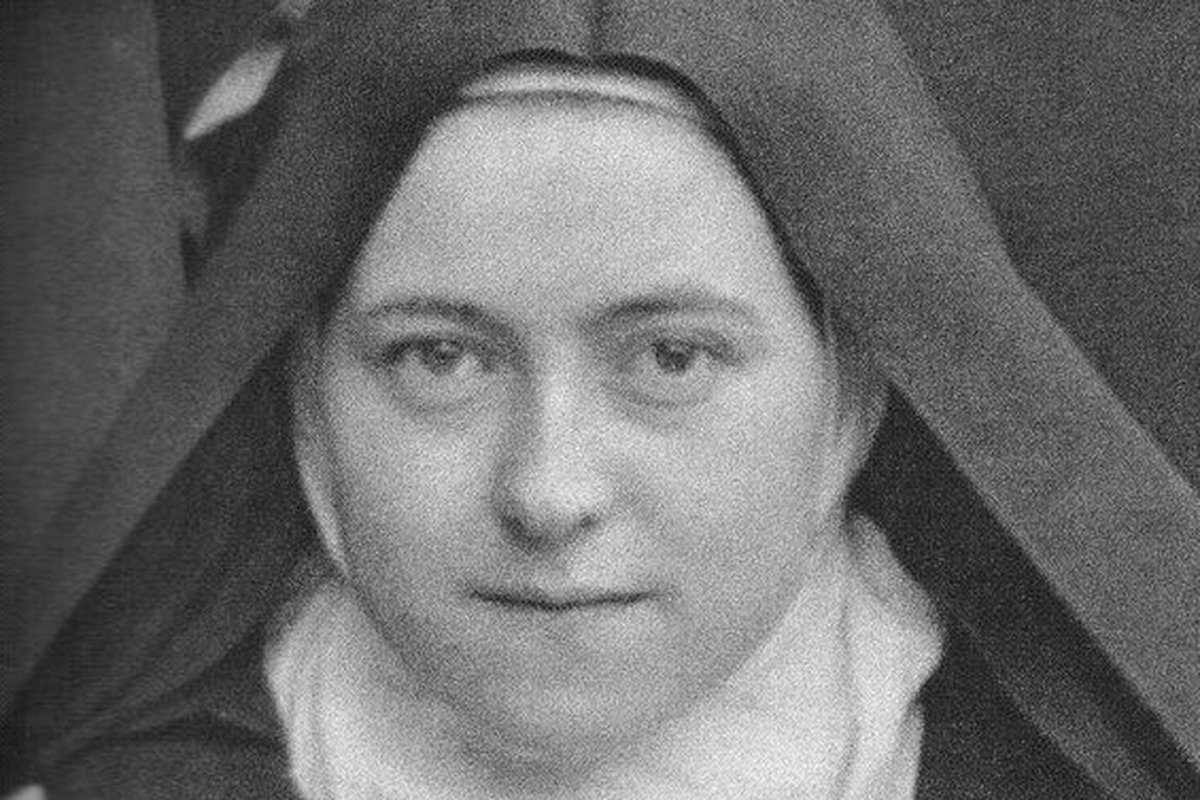
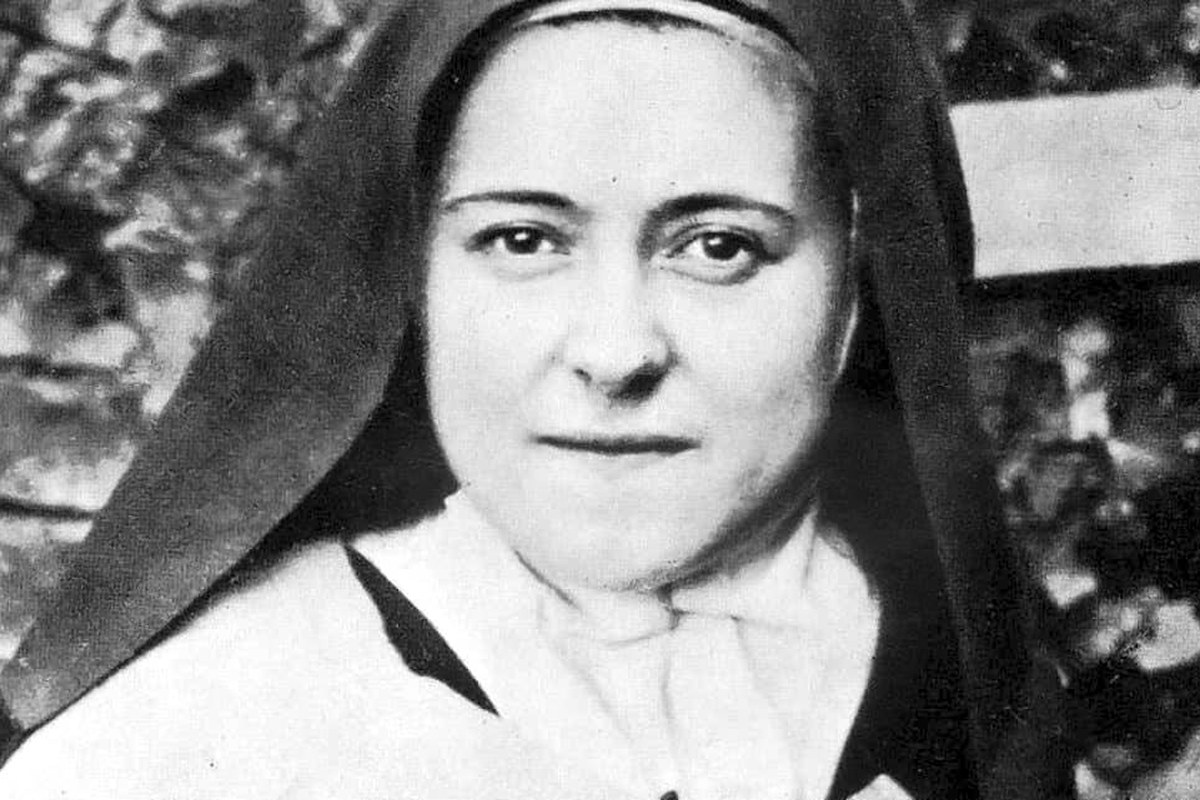
Céline Martin (Sister Geneviève of the Holy Face), photograph taken in the courtyard of the Carmel of Lisieux, Easter Monday, April 15, 1895 — public domain.
A theology built from small things
What Thérèse left behind instead was an autobiography, written at her prioress's request and published shortly after her death as Story of a Soul, along with a substantial collection of letters, poems, and prayers. Out of that material came what's now known as her "Little Way" — the idea that sanctity doesn't depend on extraordinary deeds, visions, or heroic sacrifice, but can be built entirely out of small, ordinary acts of love performed with total confidence in God's care. It's a deceptively simple teaching, and part of what later theologians found compelling about it was exactly that accessibility: a spiritual path that doesn't require the reader to be a mystic, a martyr, or a scholar to attempt it.
The case for a doctorate that shouldn't have worked on paper
Making Thérèse a Doctor of the Church required overcoming a real institutional problem. Every previous Doctor — figures like Augustine, Aquinas, and Ambrose — had produced substantial, systematic theological work, typically backed by formal education and often by decades spent teaching or governing within the Church. Thérèse had none of that. In March 1997, her bishop and the superior general of her Carmelite order formally petitioned Rome anyway, arguing that the depth and universal applicability of her "Little Way" constituted real doctrine, even though it arrived in the unconventional form of an autobiography and private letters rather than a treatise. Pope John Paul II agreed, and on October 19, 1997 — deliberately timed to the centenary of her death — he proclaimed her a Doctor of the Church through the apostolic letter Divini Amoris Scientia, "The Science of Divine Love." Toward the end of her life, according to her final recorded conversations, she told those around her, "I will spend my heaven doing good on earth" — a line that captures the same confident, unpretentious spirituality the doctorate was meant to recognize.
The youngest of only four women
Thérèse's doctorate made her, at 24, the youngest person the Church has ever given the title, and one of just four women among the roughly three dozen Doctors named across the Church's entire history. The other three are Catherine of Siena and Teresa of Ávila, both named Doctors together in 1970, and Hildegard of Bingen, added far more recently in 2012. Unlike those three, Thérèse never founded a religious order, reformed one, or advised popes and rulers directly — her influence traveled almost entirely through the written word, from a convent cell to the wider Church, which is arguably what makes her doctorate the most unusual of the four.
Trivia
When was Thérèse of Lisieux declared a Doctor of the Church?
What made Thérèse's case for Doctor of the Church unusual?
What is Thérèse's 'Little Way'?
Is Thérèse of Lisieux the only woman named a Doctor of the Church?
What is Thérèse of Lisieux the patron saint of?
Related Reading
You May Also Like