Blessed Elisabetta Canori Mora

A good marriage, on paper
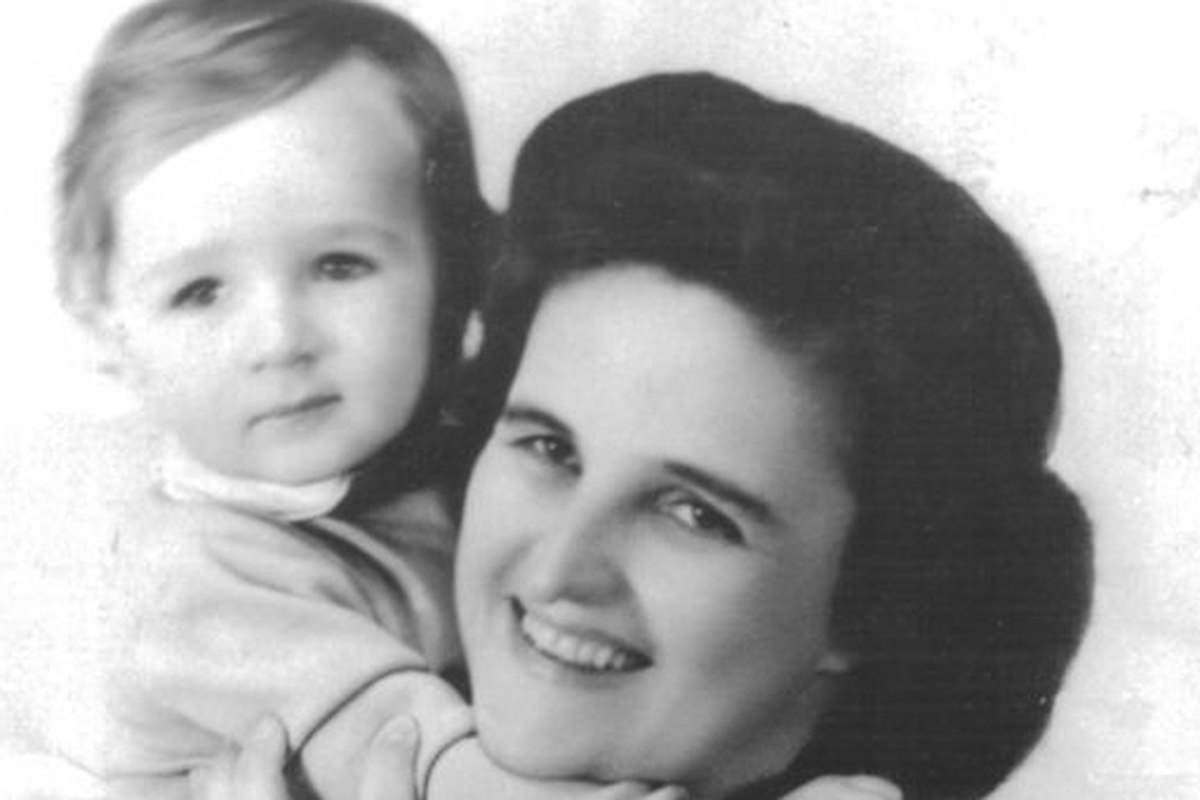
Elisabetta Canori Mora was born November 21, 1774, in Rome, into a family of comfortable means. On January 10, 1796, she married Cristoforo Mora, a young lawyer with every appearance of a promising career ahead of him — the kind of match a family of her standing would have considered a genuinely good one. They went on to have four children together, though only two daughters, Marianna and Luciana, survived to adulthood; the other two died in infancy, a loss common enough in the period but no less painful for being common.
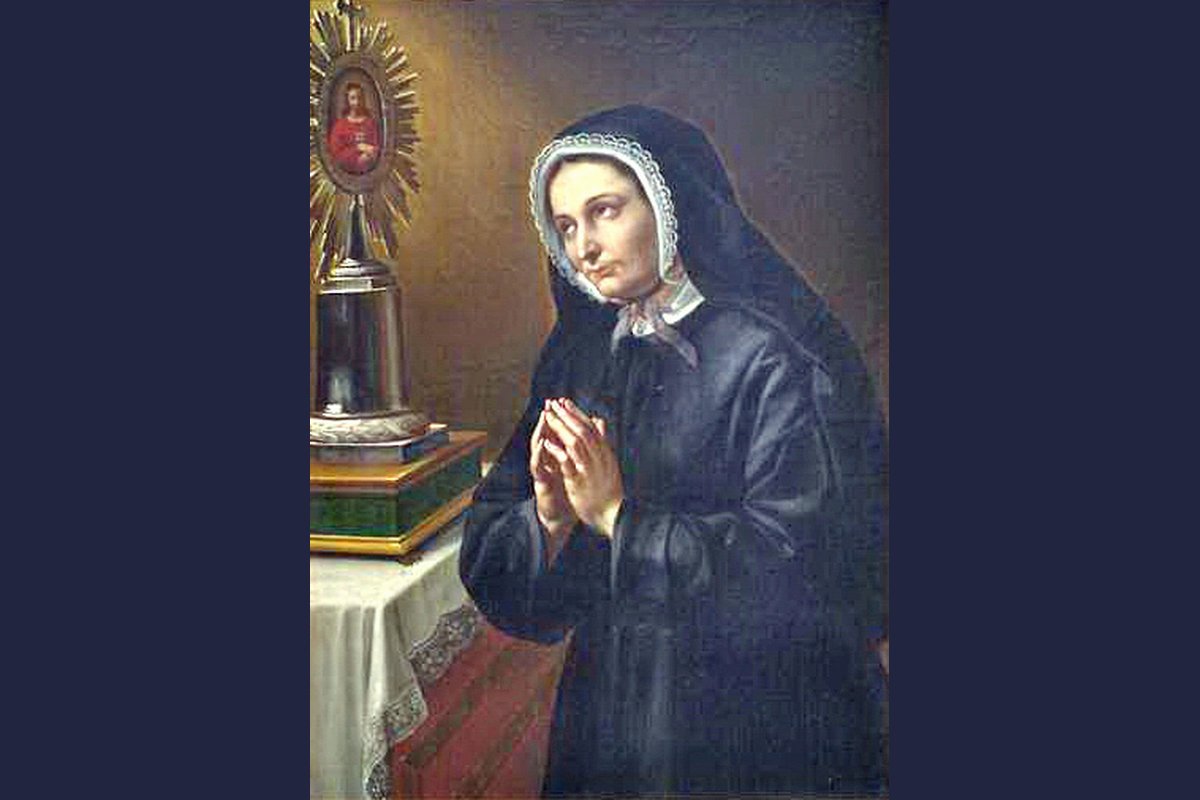
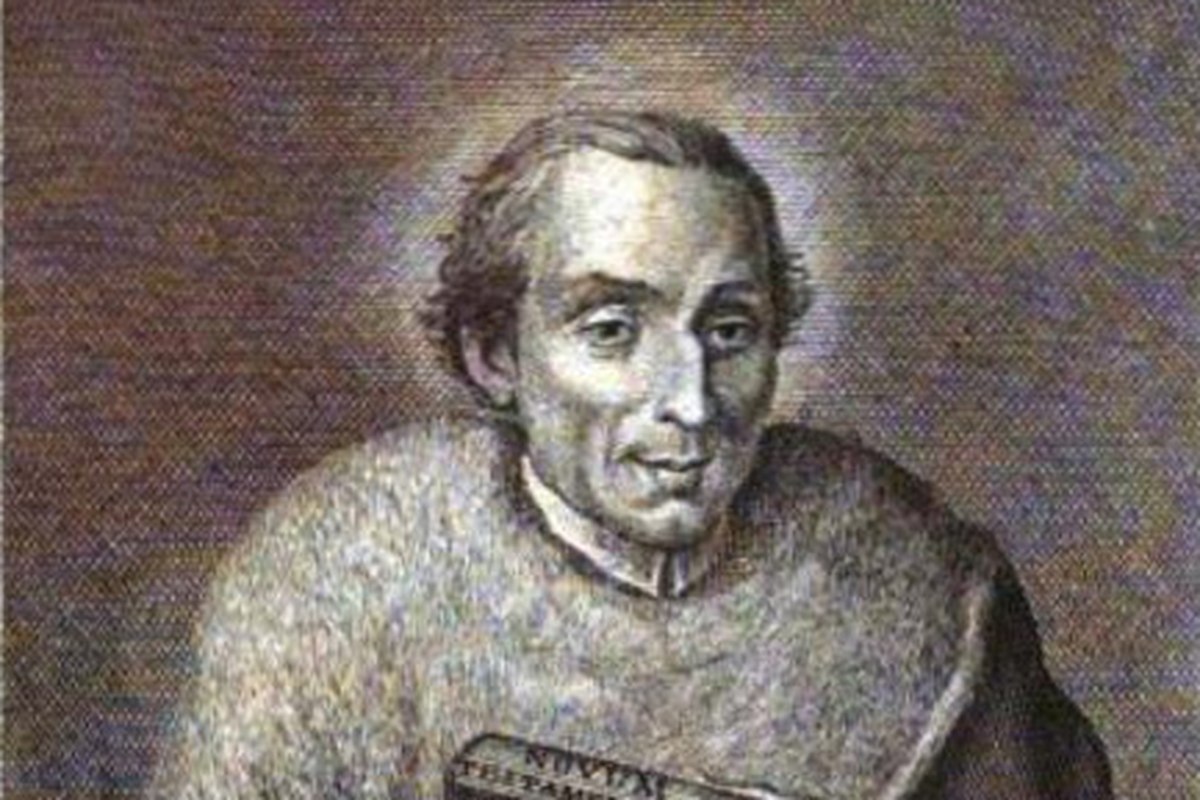
Anonymous devotional portrait of Elisabetta Canori Mora at prayer, c. 1850s, artist unidentified — public domain (Wikimedia Commons).
What followed wasn't the life either of them had presumably pictured at the wedding. Cristoforo's early ambition curdled, by degrees, into something harder to live with: a controlling temperament first, then infidelity, and finally a mistress he spent the family's resources on, leaving Elisabetta and their daughters in real poverty — though, notably, he never actually left the family home.
Supporting three lives on nothing
Elisabetta didn't respond by leaving, and she didn't respond by falling apart. She took in work as a maid, a laundress, and a seamstress — the manual trades available to a woman in her situation in early 19th-century Rome — and used it to keep herself and her two daughters fed and housed. It's worth sitting with how unglamorous that response actually was. There's no dramatic confrontation in the record, no public reckoning with her husband's behavior — just years of physical labor, absorbed quietly, so that two children wouldn't go hungry because their father had chosen someone else.
Through all of it, by every account of her life, she kept praying for Cristoforo's conversion. Not for his return to her specifically, or for some material improvement in her circumstances, but for the state of his soul — a distinction her later biographers make a point of drawing out, since it's the detail that turns a hard-luck story into the kind of holiness the Church eventually recognized.
Illness, visions, and the Trinitarian Third Order
In 1801, Elisabetta suffered a severe illness, and it was during and after that period that she began reporting mystical experiences — visions and interior locutions that she and her spiritual directors understood as communications from God. None of her recorded visions or writings survive today in a form that can be quoted with confidence in exact wording, so they're best treated as part of the devotional record surrounding her rather than as verified quotations — the substance of what she reported is well attested, even where the precise phrasing isn't.
In 1807, she formally joined the Trinitarian Third Order, a lay branch of the Order of the Most Holy Trinity — the same religious family that had spent centuries on a specific, concrete mission: ransoming Christian captives from slavery. Living out that order's charism as a laywoman, still supporting her daughters through manual work, gave shape to the second half of her life.
A husband's reported repentance
Elisabetta Canori Mora died in Rome on February 5, 1825. Pious tradition tied to her cause holds that Cristoforo, toward the end of his own life, finally repented of how he had treated his family — and that he was later ordained a priest. It's a striking detail, and it's the kind of ending that devotional biography naturally gravitates toward: the years of faithful prayer finally answered. But it belongs specifically to the tradition that grew up around her beatification process rather than to independently documented secular history, and it's worth being clear about that distinction rather than presenting it as settled fact.
Her cause opened in 1874 under Pope Pius IX. Pope Pius XI declared her Venerable on February 26, 1928, and Pope John Paul II beatified her on April 24, 1994, after a miracle attributed to her intercession was approved the previous year, on July 6, 1993.
A spiritual director who took her seriously
Part of what allowed Elisabetta's story to survive in such detail is that she didn't navigate her illness and visions alone. She had spiritual directors connected to the Trinitarian order who took her experiences seriously enough to record and preserve them, rather than dismissing a laywoman's reported mystical life out of hand — a real risk for women of her era, whose spiritual experiences were sometimes viewed with suspicion by Church authorities wary of exaggeration or self-deception. That documentation, however incomplete, is part of why her cause could eventually move forward: there was a paper trail of testimony from people who knew her, not just later hagiography assembled from nothing.
Her daughters, Marianna and Luciana, also matter to the story in a way that's easy to overlook. Raised in genuine poverty by a mother working multiple manual trades, both survived to adulthood and both are recorded as having lived lives of ordinary Catholic devotion themselves — a quiet detail, but a meaningful one, since it suggests that whatever else Cristoforo's abandonment cost the family, it didn't succeed in breaking the household's faith or stability. Elisabetta's holiness, in other words, wasn't only a private, interior matter between her and God; it visibly shaped the two people she was most directly responsible for.
A patroness for difficult marriages
Elisabetta Canori Mora holds no ancient, formally decreed patronage — her cult is a relatively recent one, built almost entirely in the decades following her beatification. But it's grown into a genuinely well-established devotional patronage: spouses enduring infidelity or abuse, troubled marriages generally, and family life under strain increasingly turn to her specifically because her own documented story matches what they're living through. Her feast is kept on February 5, the date of her death, and her example sits naturally alongside other saints on this blog who found holiness inside difficult marriages rather than outside ordinary family life, such as Saint Rita of Cascia.
Trivia
Who was Blessed Elisabetta Canori Mora?
Did Elisabetta Canori Mora's husband really abandon her and their daughters?
Did Elisabetta Canori Mora's husband ever repent?
What order did Elisabetta Canori Mora belong to?
What is Elisabetta Canori Mora the patron saint of?
You May Also Like
Related Reading