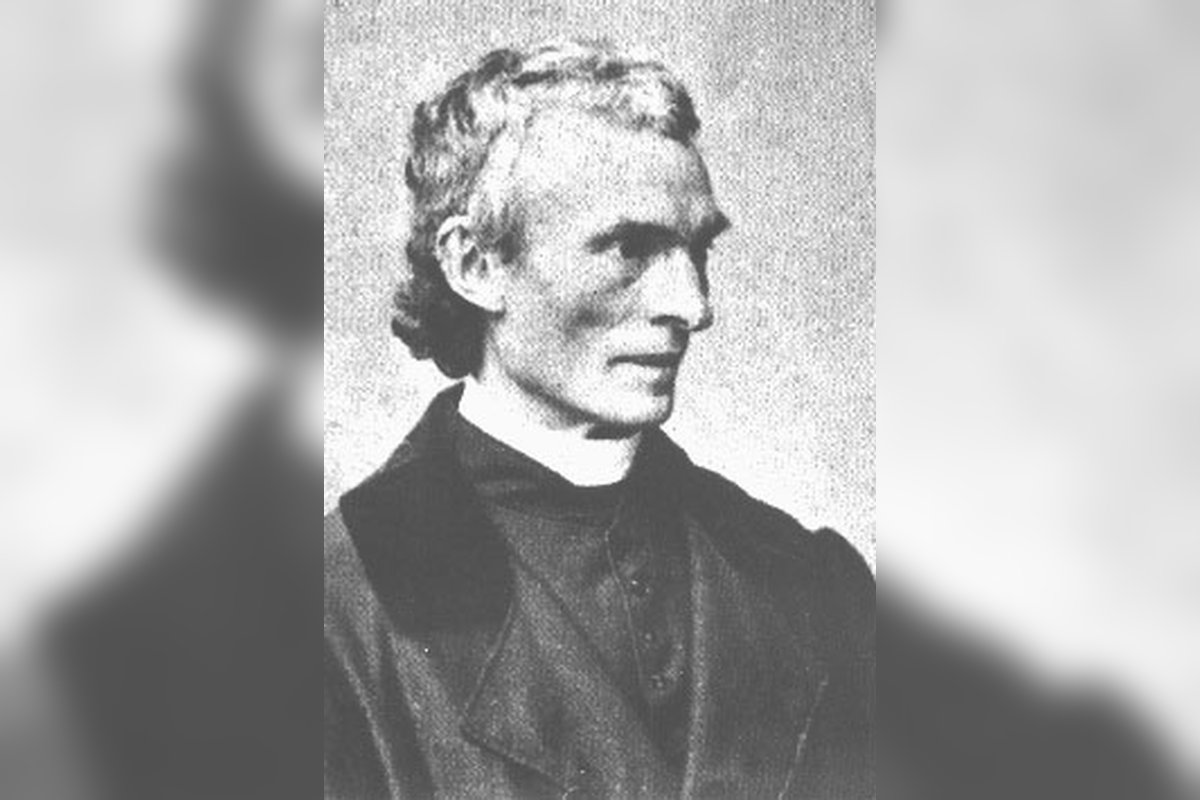
Saint John Baptist de Rossi

A poor family's son called to Rome
John Baptist de Rossi was born on February 22, 1698, in Voltaggio, a small town in Piedmont in northern Italy, to a devout but poor family who ran a modest grocery shop. As a boy he showed unusual intelligence and piety, and in 1711, at just thirteen, his cousin, Canon Lorenzo de Rossi, called him to Rome to further his education — a path that took a boy from a small provincial town straight into the heart of the Church's capital. He completed his studies at the Collegium Romanum, the Jesuit-run college that trained generations of Rome's clergy, excelling academically while also, by his own later account, pushing himself into fasting and physical penances well beyond what his young body could safely bear.
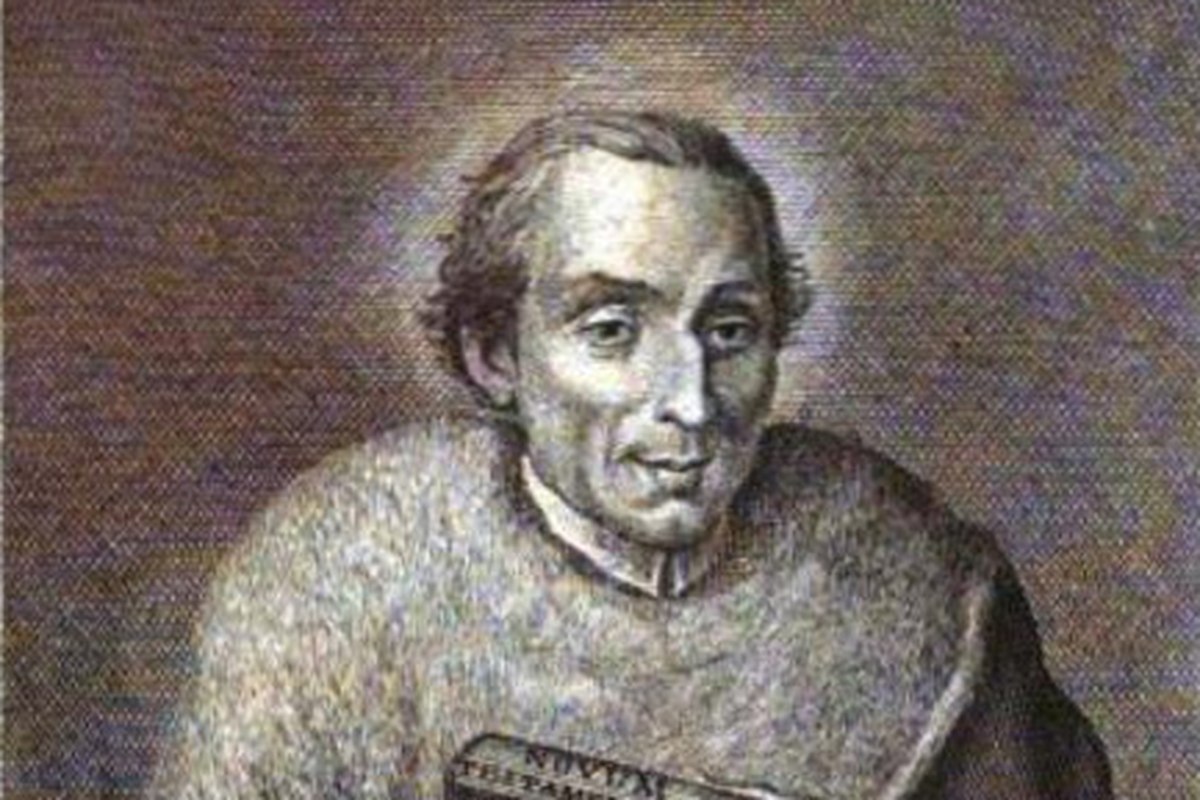
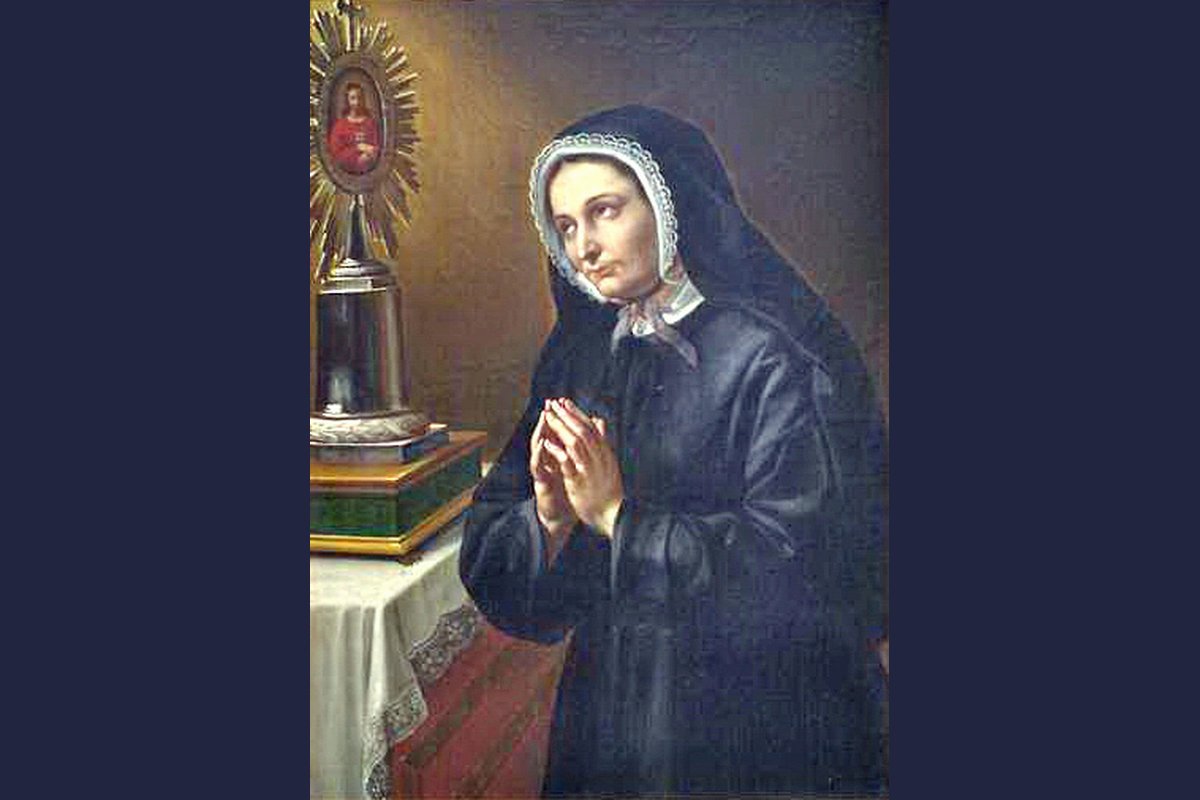
Portrait of Saint John Baptist de Rossi, 18th-century, public domain.
Ordained despite a condition that frightened him
Those early excesses of self-denial took a lasting toll. He began suffering from epileptic seizures, then poorly understood and widely stigmatized, which nearly derailed his path to the priesthood altogether — canon law of the period generally barred men with such conditions from ordination, out of concern that an attack during Mass could disrupt or even endanger the sacred rites. He was ordained a priest on March 8, 1721, only after receiving a special dispensation that took his evident holiness and academic promise into account. For years afterward, that same condition kept him away from one of a priest's central duties: he was too afraid of his own illness to sit in the confessional at all, worried that a seizure at the wrong moment might frighten or scandalize a penitent, or that his affliction disqualified him in some deeper spiritual sense he could not shake.
A ministry to Rome's forgotten
While he hesitated over confession, he found other ways to serve. He devoted himself to Rome's sick, homeless, and prostitutes, visiting hospitals by day and ministering to people living on the streets by night, often in the poorest and most dangerous quarters of the city, and he helped found a hospice for homeless women near the church of Saint Galla. It wasn't until 1738, when de Rossi was already forty, that his bishop finally persuaded him his epilepsy was no barrier to hearing confessions, granting him faculties to do so in any church in Rome. Once he began, he showed particular zeal in seeking out the confessions of the illiterate and the poor, the very people other, more sought-after confessors often overlooked in favor of Rome's wealthier penitents, finding them in hospitals, prisons, and modest homes rather than waiting behind a screen for them to come to him. He became known for extraordinary patience, willing to sit for hours with penitents who struggled to put their sins into words, treating their halting confessions with the same seriousness he gave to the learned and well-spoken.
A quiet death, a lasting recognition
John Baptist de Rossi died on May 23, 1764, in his room at the church of Trinita de' Pellegrini in Rome, where he had spent much of his priesthood, having become by the end of his life one of the city's most sought-after confessors despite the fear that had kept him from the confessional for nearly two decades. Pope Pius IX beatified him on May 13, 1860, and Pope Leo XIII canonized him on December 8, 1881 — recognition, more than a century later, for a man whose ministry had been built on precisely the fear he eventually overcame, and whose care for Rome's poor and overlooked echoes the same spirit found in the later ministry of Saint John Vianney, another priest renowned above all for his patience in the confessional.
A ministry that anticipated later social reforms
De Rossi's work among Rome's prostitutes and homeless women, decades before organized charitable institutions became common across Catholic Europe, is often cited as an early example of the kind of direct, dignity-focused social outreach that later religious congregations would formalize on a much larger scale. Rather than simply preaching from a distance, he spent time getting to know the women he served individually, helping several leave lives of poverty and exploitation by connecting them with the hospice near Saint Galla that he helped establish, and by finding some of them respectable employment or, in a number of cases, arranged marriages that offered real stability. His willingness to work directly and repeatedly with people Roman society of the eighteenth century treated as beyond help — combined with his own long private struggle with a stigmatized illness — gave his ministry an unusual credibility among the very people he was trying to reach, who recognized in him someone who understood being looked down upon.
His feast day, May 23, remains observed within the Diocese of Rome, and his story continues to be cited within the Church as an example of how a personal weakness, rather than disqualifying someone from ministry, can instead deepen their compassion for the people they are called to serve — a lesson his own bishop seems to have grasped years before de Rossi could fully accept it about himself.
Trivia
Who was Saint John Baptist de Rossi?
Why was he afraid to hear confessions?
What made his ministry as a confessor distinctive?
When was he canonized?
Related Reading