Isaiah's Vision of the Heavenly Throne

A vision framed by an earthly king's death
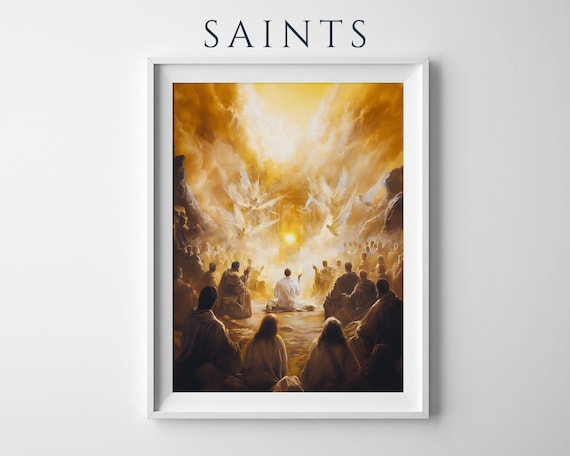
Isaiah dates his vision with unusual precision: "In the year King Uzziah died, I saw the Lord seated on a high and lofty throne, with the train of his garment filling the temple." (Isaiah 6:1, RSV-CE). The contrast is deliberate — Judah's earthly throne stood suddenly empty, while the heavenly one, Isaiah saw, had never for a moment been vacant.
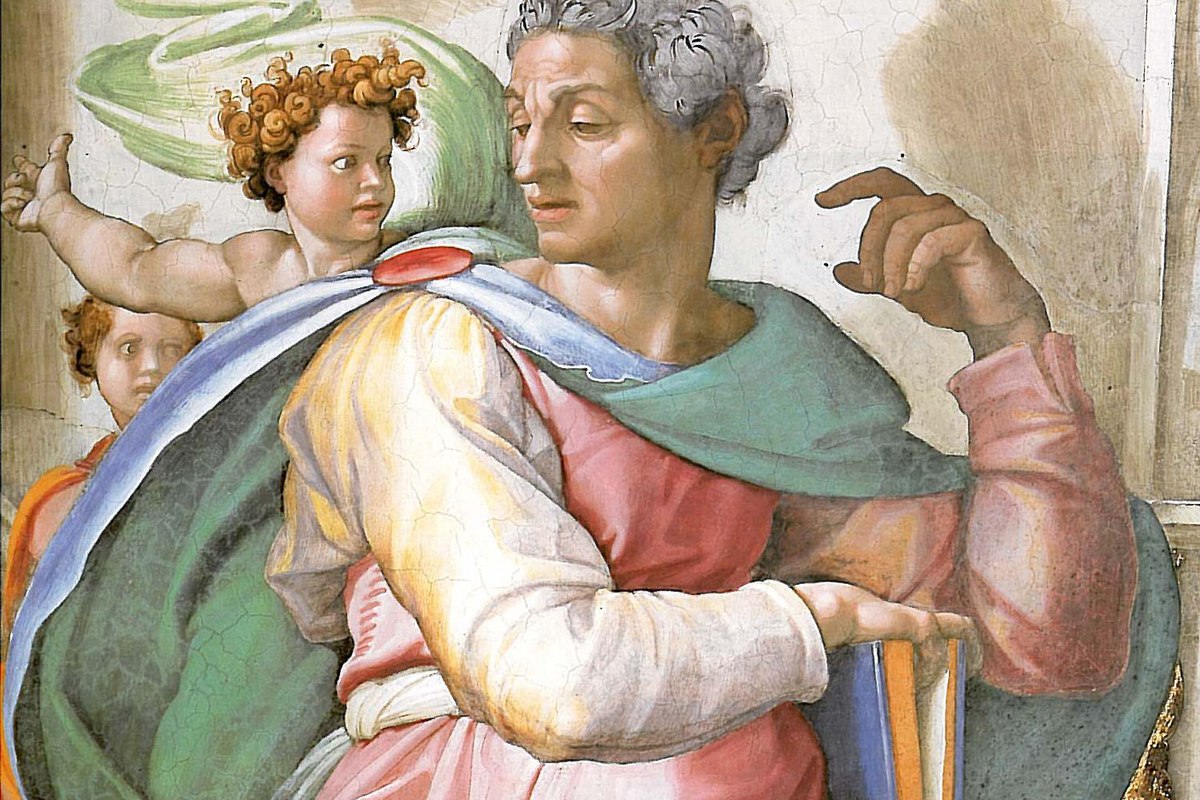
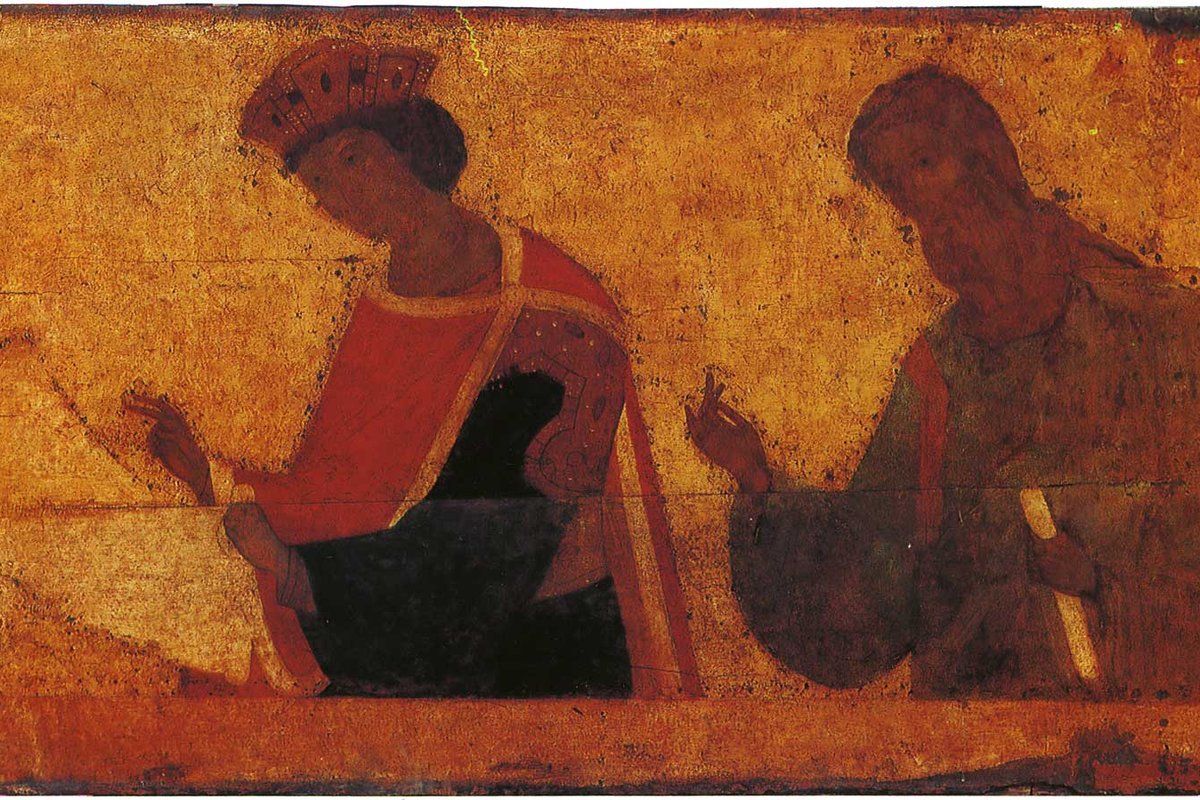
Traditional depiction of Isaiah's vision of the heavenly throne, public domain.
Six-winged creatures burning with reverence
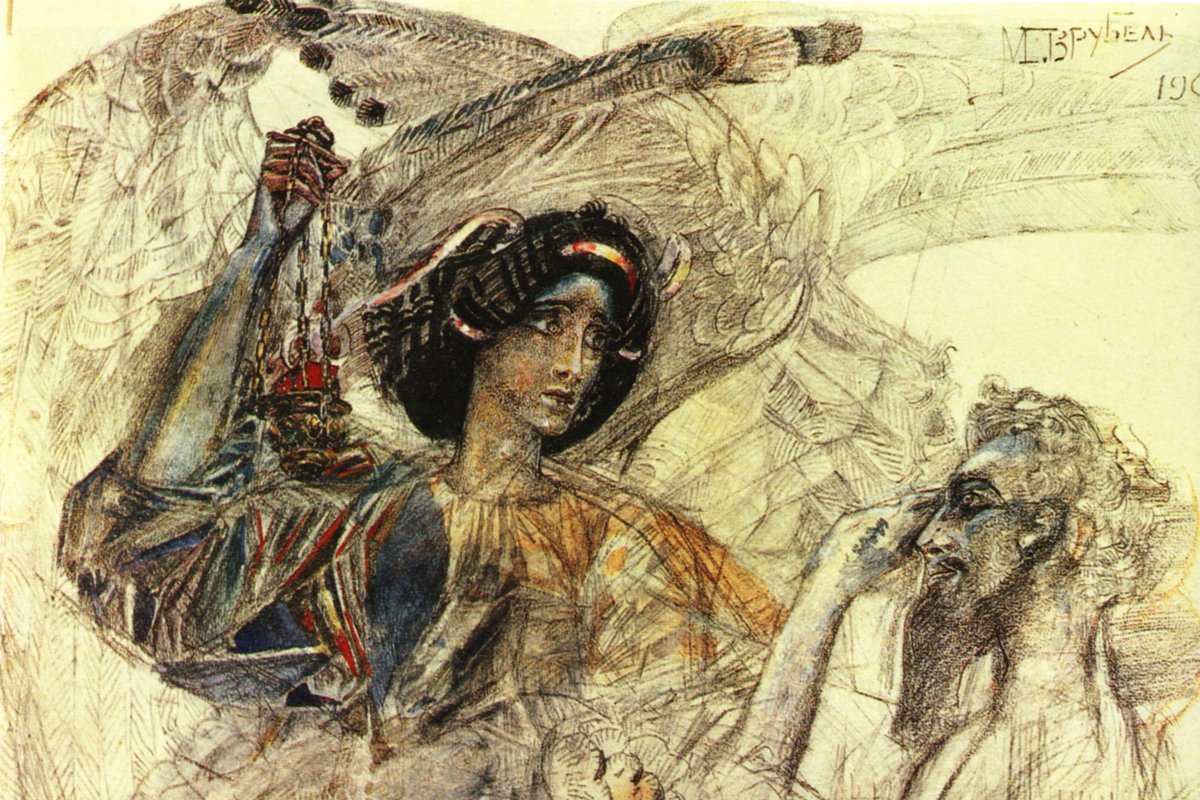
Surrounding the throne, Isaiah describes fiery beings unlike anything mentioned elsewhere in Scripture: "Seraphim were stationed above; each of them had six wings: with two they covered their faces, with two they covered their feet, and with two they hovered." (Isaiah 6:2, RSV-CE). The name "seraphim" comes from a Hebrew root meaning "to burn" — these are, quite literally, "the fiery ones," and their posture, wings covering both face and feet, expresses a humility appropriate even for angelic beings standing in God's direct presence.
Who was King Uzziah, and why does his death open the vision?
Uzziah reigned over Judah for over fifty years, one of the longer and more prosperous reigns in the kingdom's history. Records in 2 Chronicles 26 describe his strength as a builder and military organizer, but also his downfall: late in his reign he entered the Temple to burn incense on the altar, a priestly act reserved to the sons of Aaron, and was struck with leprosy for the presumption, living out his remaining years isolated from public life. Isaiah's vision arrives precisely at this transition — an earthly king who had overreached into the sanctuary and paid for it, giving way, in the prophet's sight, to the true King enthroned in the real Temple, approached properly and without presumption.
A threefold declaration still echoed in worship
The seraphim don't address God directly — they call out to one another: "Holy, holy, holy is the Lord of hosts! All the earth is filled with his glory!" (Isaiah 6:3, RSV-CE), a cry so forceful that "At the sound of that cry, the frame of the door shook and the house was filled with smoke." (Isaiah 6:4, RSV-CE). That triple declaration of holiness has echoed through Christian and Jewish liturgy for centuries since, a single verse from a single vision shaping worship across millennia.
Guilt confronted, and a mission accepted
Faced with such holiness, Isaiah's own reaction is immediate dread: "Woe is me, I am doomed! For I am a man of unclean lips, living among a people of unclean lips, and my eyes have seen the King, the Lord of hosts!" (Isaiah 6:5, RSV-CE). A seraph responds by touching his lips with a live coal taken from the altar: "now that this has touched your lips, your wickedness is removed, your sin purged." (Isaiah 6:7, RSV-CE). Only then does Isaiah hear God's question — "Whom shall I send, and who will go for us?" — and answer without hesitation: "send me!" (Isaiah 6:8, RSV-CE). Purification, in this vision, comes directly before the call to mission.
A hard commission: to be heard, and not understood
God's answer to Isaiah's "Send me" is startling, and rarely quoted alongside the more famous verses of the chapter. Isaiah is told to go and speak to a people who will listen but not understand, look but not perceive — "Make the heart of this people sluggish, dull their ears and close their eyes; lest they see with their eyes, and hear with their ears, and their heart understand, and they turn and be healed" (Isaiah 6:9-10, NABRE). When Isaiah asks how long this hardening will last, the answer is bleak: until the cities lie desolate and the land empty (Isaiah 6:11-12, NABRE). Even so, the chapter ends on a thread of hope — a "holy offspring," a stump that will one day put forth new growth (Isaiah 6:13, NABRE), a seed of the messianic promise that runs through the rest of the book. The commissioning scene, in other words, isn't a simple call-and-response; it pairs Isaiah's readiness to serve with a sober warning that his preaching will largely go unheeded in his own lifetime.
A vision that shaped Christian worship for two thousand years
The seraphim's cry has left a deeper mark on liturgy than almost any other single verse of prophecy. The Latin Mass's Sanctus — "Holy, Holy, Holy, Lord God of hosts" — draws directly on Isaiah 6:3, and Eastern Christian liturgies preserve a related hymn, the Trisagion ("Holy God, Holy Mighty, Holy Immortal"), chanted at nearly every service in the Byzantine tradition. Church Fathers, including Origen and later Augustine, read the seraphim's threefold cry of "Holy" as an early scriptural intimation of the Trinity, one God addressed in a triple acclamation centuries before the doctrine was formally articulated. Isaiah's throne vision is also traditionally read alongside Ezekiel's vision of the four living creatures and John's vision in Revelation 4, three prophetic glimpses of the same heavenly throne room separated by centuries, each emphasizing different details of the same reality — a detail that later theologians used to argue for the continuity of revelation across the Old and New Testaments.
Trivia
When did Isaiah receive this vision?
What are the seraphim, and what do they do in the vision?
What is the meaning of the word 'seraphim'?
How does Isaiah respond to the vision, and what happens next?
Why does the vision open with King Uzziah's death?
What does God tell Isaiah to preach after he volunteers?
How has Isaiah's vision shaped Christian worship?
Related Reading