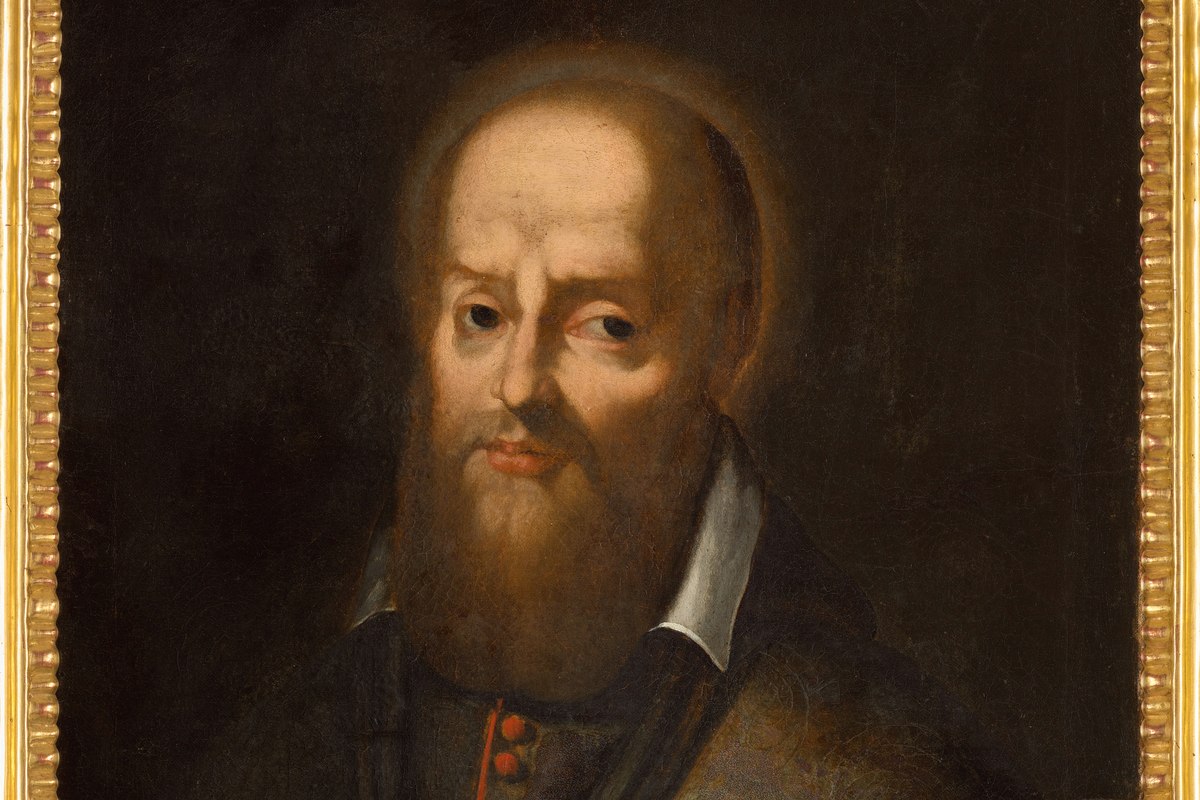
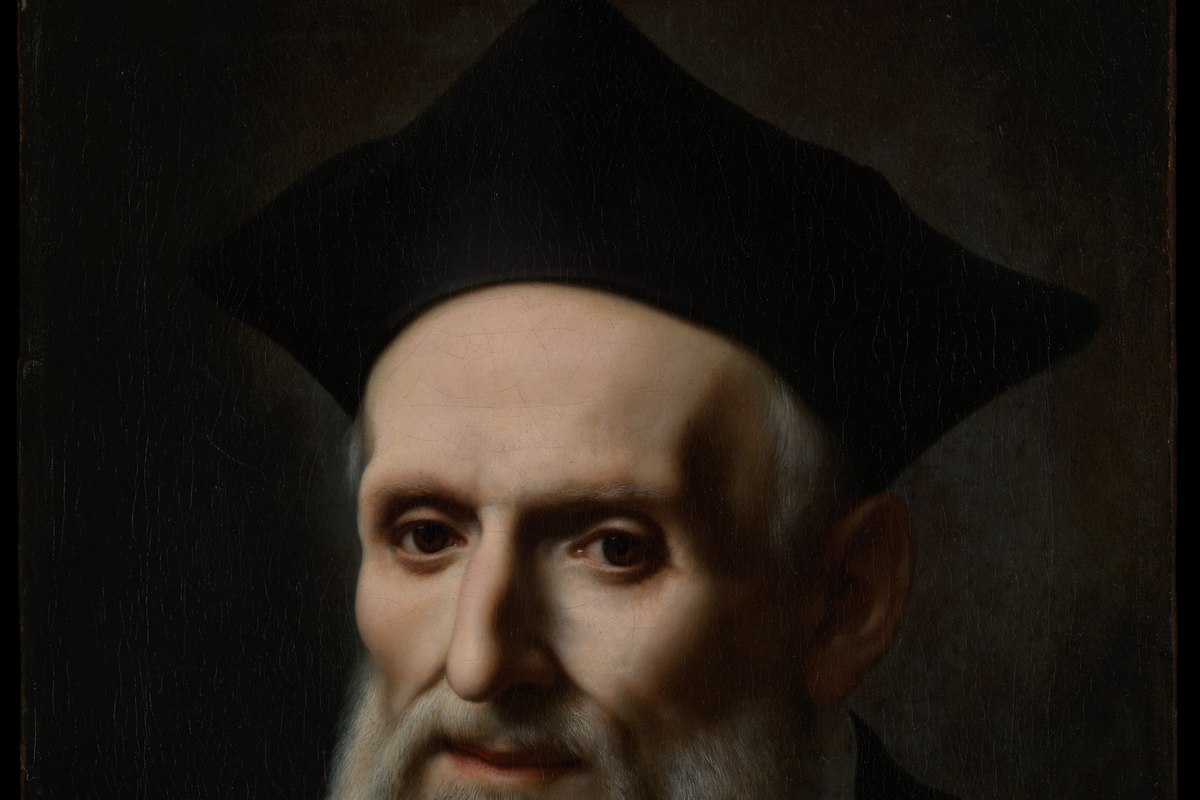
Saint Peter Canisius

A Dutchman drawn into the Society of Jesus
Peter Canisius was born Pieter Kanijs in 1521 in Nijmegen, a town in the Duchy of Guelders that today sits within the Netherlands. His father intended him for a conventional legal career and sent him to study at the University of Cologne, but a retreat under the guidance of one of Ignatius of Loyola's first companions redirected him entirely. In 1543, Canisius became one of the earliest members of the newly founded Society of Jesus — the Jesuits — joining an order that was still, at that point, only a few years old and had not yet built the vast network of schools and missions it would later become known for. He was ordained a priest in 1546, and almost immediately the Jesuit leadership began sending him into precisely the regions of Europe where Catholic practice was collapsing fastest under the pressure of the Reformation.
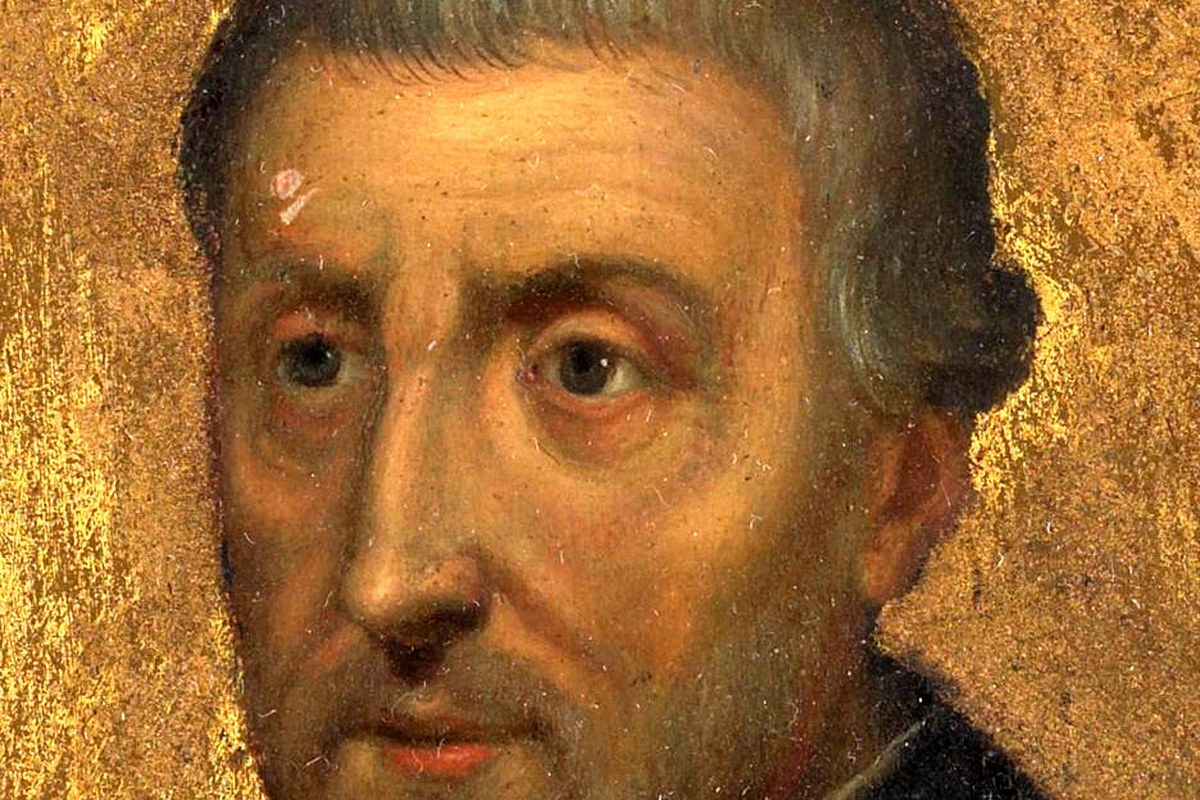
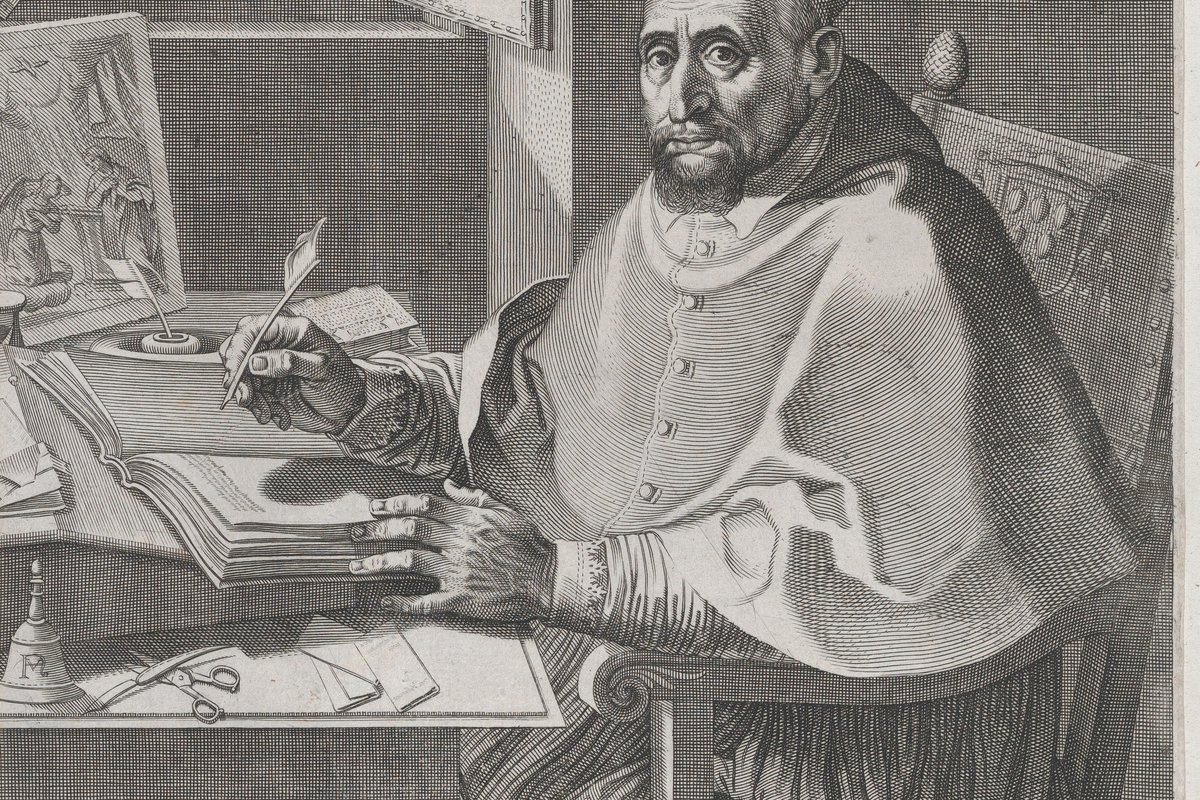
Unknown artist, portrait of Petrus Canisius, 1699 — public domain (Wikimedia Commons).
Cologne in the early 1540s was itself a battleground over the Reformation, with its own archbishop eventually attempting to convert the entire archdiocese to Protestantism — an effort Canisius, still a young Jesuit at the time, worked actively to oppose alongside older, more established Catholic clergy in the city. That early experience, fighting to keep a major German-speaking see Catholic from the inside, shaped the rest of his career: he came away convinced that clear, patient instruction in the actual content of Catholic teaching, rather than simple polemic against Protestant reformers, was the only durable way to hold Catholic populations together.
A one-man mission across German-speaking Europe
For the next four decades, Canisius worked across Germany, Austria, Bohemia, and Switzerland — preaching, founding Jesuit colleges, advising bishops and princes, and attending sessions of the Council of Trent, the Church's major doctrinal response to the Reformation. His central project, though, was catechesis: teaching ordinary Catholics, in plain language, what their own Church actually taught, at a moment when Protestant reformers were doing the same for their side with great success. His three catechisms — a larger one for educated readers and clergy, and two shorter ones for students and children — answered specific Protestant objections point by point while staying accessible enough for a schoolroom. They spread with extraordinary speed: around 200 editions appeared before Canisius died, and for German Catholics the word "Canisius" became, for generations afterward, simply another word for "catechism."
He worked closely with the Habsburg court in Vienna and with Duke Albert V of Bavaria, both of whom relied on him for guidance in holding their territories to Catholicism at a moment when large parts of the German-speaking nobility were converting to Lutheranism. He also preached regularly to enormous crowds — his sermons in Augsburg reportedly drew audiences too large for any single church to hold — and served for years as a kind of unofficial roving papal representative, sent wherever Rome judged the Catholic position in Central Europe to be most precarious. He traveled largely on foot or on horseback across a region convulsed by religious war for most of his adult life, an itinerant existence that left him with almost no settled home for decades at a stretch.
Doctor of the Catechism
Canisius died in Fribourg, Switzerland, on December 21, 1597, having spent his final years teaching at the Jesuit college there. His cause for sainthood moved slowly by the standards of the era, and it wasn't until May 21, 1925 that Pope Pius XI canonized him and declared him a Doctor of the Church in a single ceremony, giving him the specific title "Doctor of the Catechism." That title fits precisely: unlike many Doctors honored for original theological speculation, Canisius earned his largely through the patient, unglamorous work of explaining existing doctrine clearly enough that it survived a century of religious upheaval intact across a huge stretch of Europe.
Pius XI's decision to canonize Canisius during the interwar period carried its own contemporary resonance: he was held up explicitly as a model of patient, reasoned engagement with religious division at a time when Europe itself was once again deeply fractured, this time along national and ideological rather than confessional lines. The "Doctor of the Catechism" title had, in fact, no exact precedent among earlier Doctors of the Church, most of whom were honored for systematic theology, scriptural commentary, or mystical writing — Canisius stands out for being recognized specifically as a teacher of ordinary believers, a category the Church has honored only rarely at this level.
A legacy measured in schools and books, not battles
Canisius never held high office in the Church and never sought one, turning down at least one offer of a bishopric to keep working as a teacher and writer instead. His lasting mark is institutional and literary rather than political: Jesuit colleges he helped found or staff in cities like Ingolstadt, Vienna, and Fribourg became durable centers of Catholic education, and his catechisms kept being reprinted well into the 19th century, over a thousand editions by some counts. His feast is kept on December 21, and he's remembered today as a patron of the Catholic press — a fitting honor for a man whose primary weapon in a religious conflict was the printed page.
His story sits naturally alongside other figures who defended and explained Catholic teaching during periods of intense religious pressure, such as Saint Cyril of Jerusalem, whose own catechetical lectures, written some eleven centuries earlier, shared the same basic conviction Canisius held: that ordinary believers deserve a faith explained to them clearly, not merely defended over their heads by specialists. Few figures in Church history illustrate that conviction as thoroughly as Canisius, who spent an entire working life turning theological argument into schoolroom-ready instruction, one edition and one sermon at a time, across a region where the outcome was genuinely uncertain for most of his career.
Trivia
Who was Saint Peter Canisius?
What is Peter Canisius's most famous work?
When was Peter Canisius declared a Doctor of the Church?
Why was Peter Canisius important to the Counter-Reformation in Germany?
What is Saint Peter Canisius the patron saint of, and when is his feast day?
You May Also Like
Related Reading