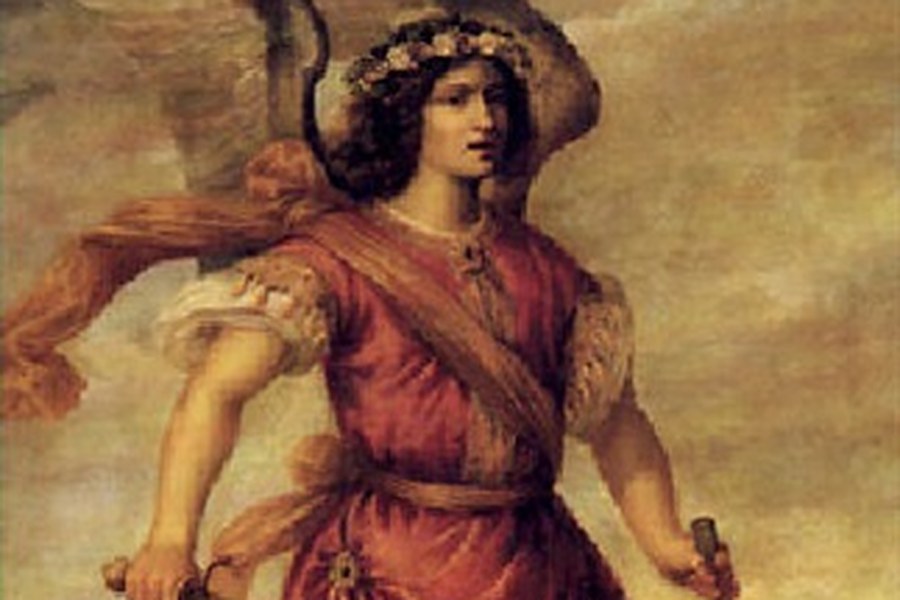
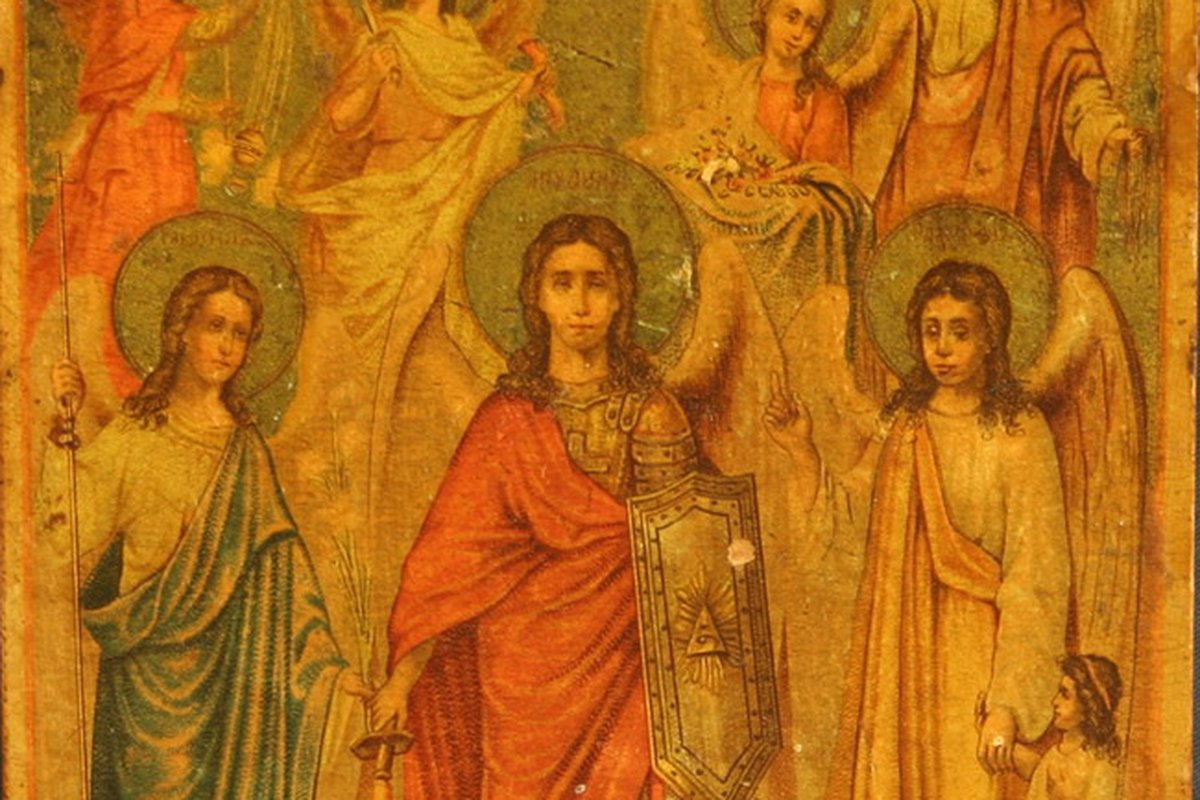
Saint Gabriel the Archangel

Who is Gabriel the Archangel?
Gabriel's name means "God is my strength" — a fitting title for the angel Scripture trusts with its most consequential announcements. He appears by name only a handful of times in the Bible, but each appearance marks a hinge point: a vision explained to a bewildered prophet, a barren priest's wife promised a son, and finally, a young woman in Nazareth asked to carry the Son of God.
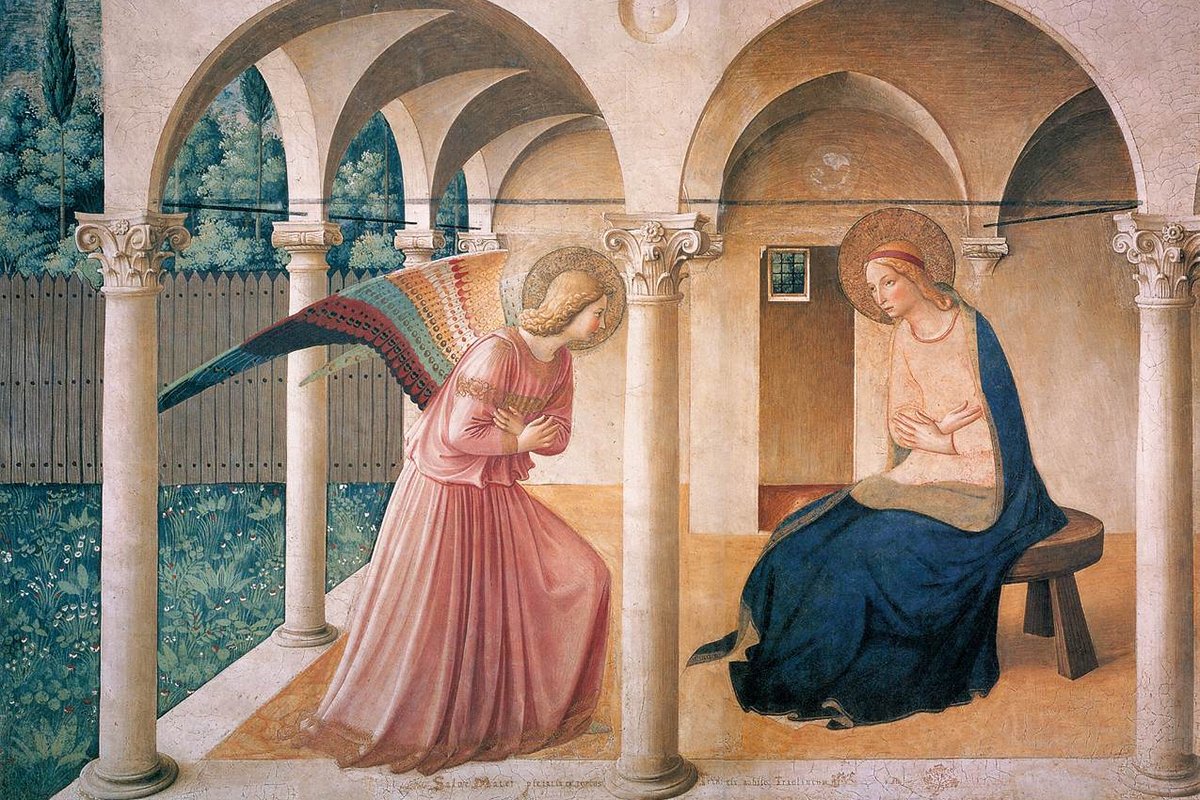
Fra Angelico, "The Annunciation," c. 1438–1445, Museo di San Marco, Florence — public domain.
His first appearances come in the Book of Daniel, where he arrives to interpret visions that had left the prophet shaken and searching for meaning (Daniel 8:16). In one of those visions, Gabriel also delivers the prophecy of the "seventy weeks" (Daniel 9:24-27), a notoriously complex passage that later Christian tradition read as pointing toward the coming of the Messiah — one more reason later readers came to see Gabriel as the angel specifically entrusted with announcing God's long-term plan of salvation, not just individual news.
Centuries later, he appears in the Temple to Zechariah, a priest who doubts the news that his elderly wife Elizabeth will bear a son — the child who will grow up to be John the Baptist. Gabriel's introduction of himself in that scene is unusually direct for an angel: he identifies himself by name, saying "I am Gabriel, who stand before God" (Luke 1:19, NABRE), as if to underline that this is no ordinary messenger. When Zechariah questions how this can happen, given his and Elizabeth's old age, Gabriel's response is sharp rather than gentle: Zechariah is struck mute until the child is born, a consequence that stands in pointed contrast to how patiently Gabriel later handles Mary's very similar question at the Annunciation.
The Annunciation
Gabriel's defining moment comes next. He travels to Nazareth to find Mary, a young woman "pledged to be married" to a carpenter named Joseph, and greets her with words that have echoed through twenty centuries of art, music, and prayer: "Hail, favored one! The Lord is with you." (Luke 1:28, RSV-CE). When Mary questions how she — a virgin — could bear a child, Gabriel answers with a line that has become one of the most quoted sentences in the entire Bible: "for nothing will be impossible for God." (Luke 1:37, RSV-CE).
That single exchange is why Gabriel occupies such a distinct place in Christian tradition. He isn't primarily remembered as a warrior, the way Michael is, or as a healer and guide, the way Raphael is in the Book of Tobit. Gabriel's role is communication itself — carrying the word of God across the distance between heaven and a specific, ordinary place on a specific, ordinary day, and trusting the person who receives it to respond.
It's worth noting what Gabriel does not do in that scene, since it says as much about his role as what he does say. He doesn't compel Mary's consent or explain away her freedom to refuse; he delivers the message, answers her honest question about how it could happen, and then waits. Mary's answer — "Behold, I am the handmaid of the Lord. May it be done to me according to your word." (Luke 1:38, RSV-CE) — is her own, not something Gabriel extracts from her. Catholic tradition has long treated that detail as theologically significant: the Incarnation unfolds through a genuine exchange, an angel's announcement met by a human being's free assent, rather than through force or inevitability.
Why Gabriel still matters today
That emphasis on message-bearing is exactly why Gabriel's patronage has aged so well. When Pope Pius XII named him the patron saint of telecommunications workers in 1951, it wasn't a stretch — postal workers, broadcasters, and radio operators are, in their own modest way, doing what Gabriel did: making sure a message actually arrives, intact, to the person who needs to hear it. It's part of why his image remains a natural choice for anyone who wants a quiet reminder that important news is worth delivering — and receiving — with full attention.
Iconography and how Gabriel is depicted
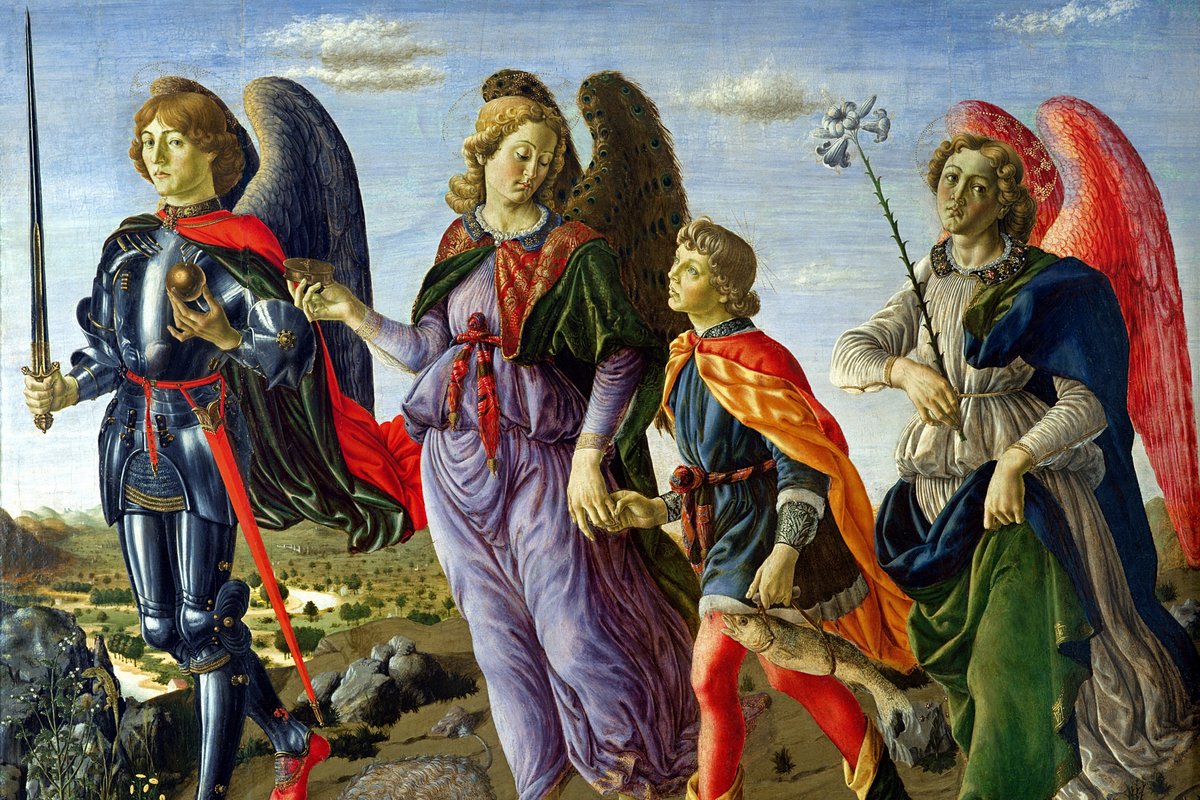
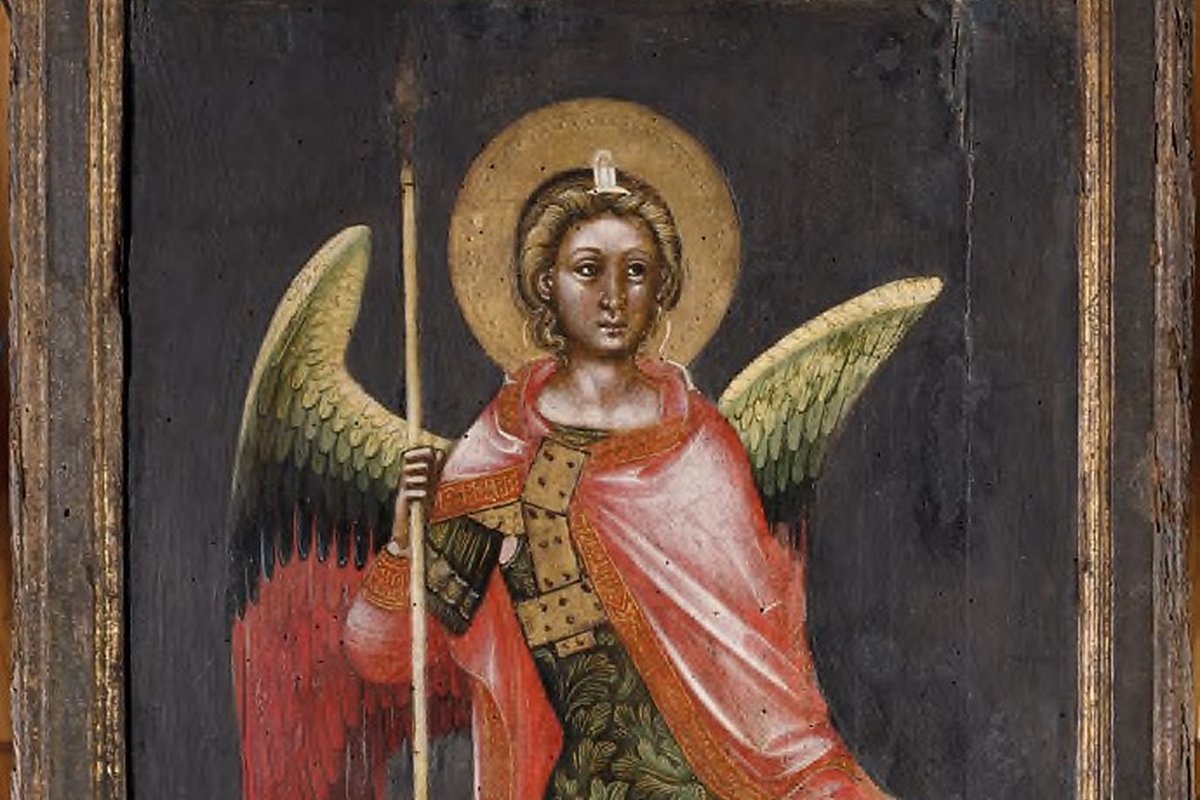
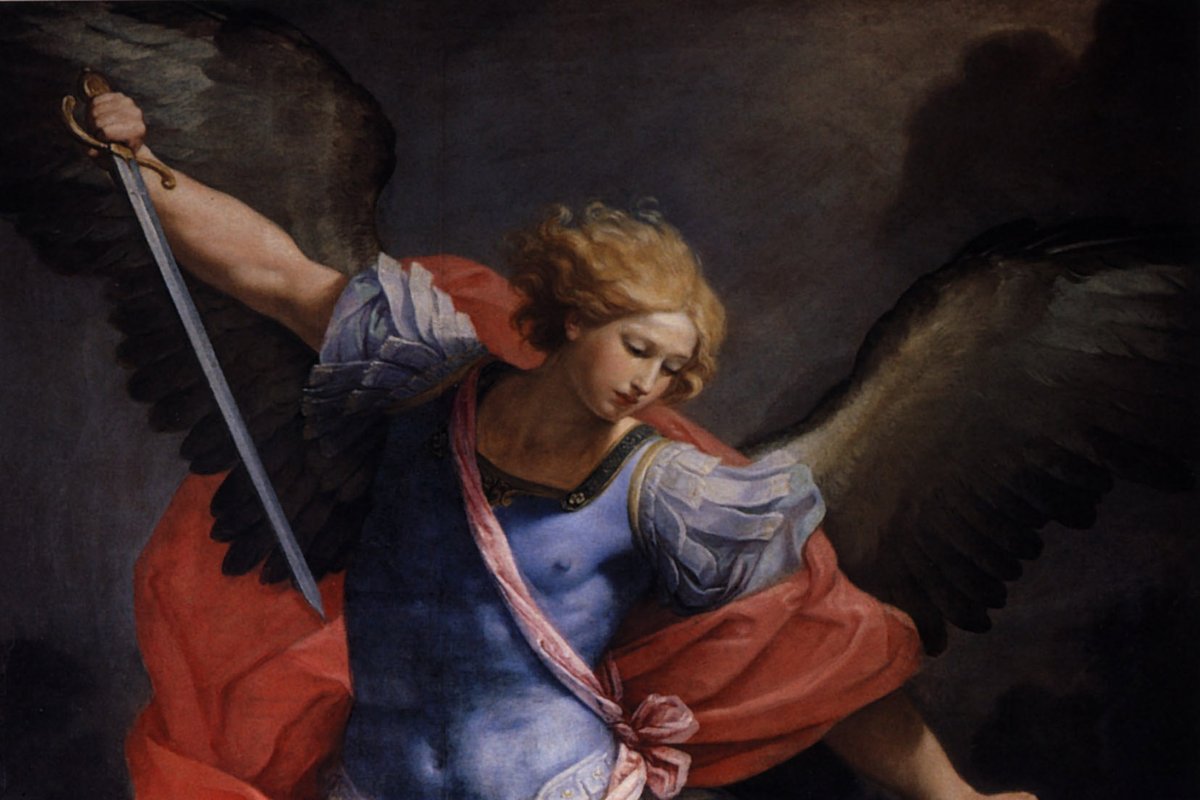
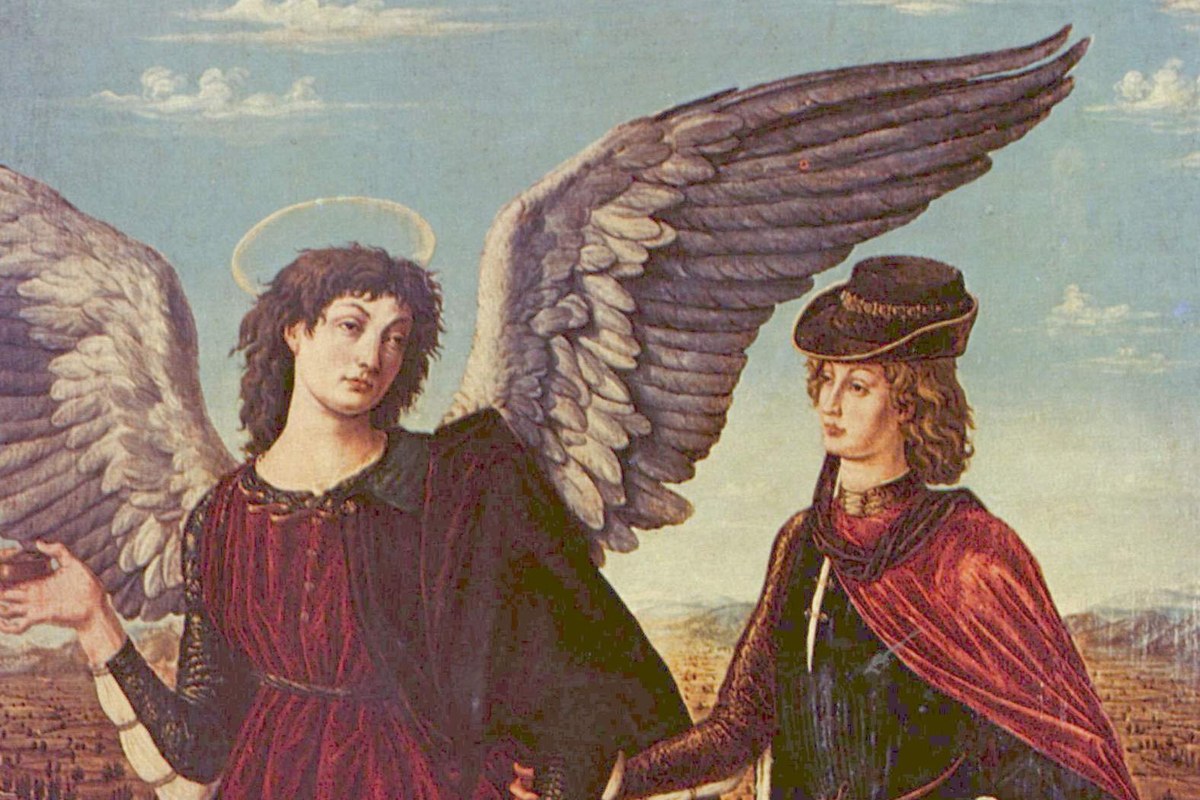
Christian art most often shows Gabriel mid-Annunciation: kneeling or standing before Mary, sometimes holding a lily (a symbol of her purity) or a scroll, caught in the exact moment of speech. Unlike Michael, who is almost always armed, Gabriel is rarely shown with a weapon — his authority in art comes from posture and gesture, not armor, a subtle visual reminder that his power lies in the word he carries rather than in force. The Annunciation became one of the single most painted scenes in all of Western art, depicted by artists from Fra Angelico and Leonardo da Vinci to countless anonymous medieval illuminators, precisely because it compresses an entire theology — divine initiative met by human freedom — into one still, quiet moment between two figures in a room.
Gabriel outside the Catholic tradition
Gabriel's importance isn't confined to Christianity. In Islamic tradition, he appears as Jibril, the angel through whom the Quran is believed to have been revealed to the prophet Muhammad, making him a central figure in Islamic belief as well as Christian. Jewish tradition, for its part, names Gabriel among a small number of angels associated with strength and divine judgment in later rabbinic writings, even though, as in the Christian Old Testament, only the Book of Daniel names him directly within the Hebrew Bible itself. That a single angelic figure carries this much weight across three major world religions is itself a testament to how central the idea of a trustworthy messenger between God and humanity has been across very different faith traditions — even as each tradition tells Gabriel's story in its own distinct way.
Trivia
Why is Gabriel called an archangel if the Bible never actually uses that title for him?
Did Gabriel appear to anyone besides Mary?
What is Gabriel the patron saint of?
What does the name Gabriel mean?
Related Reading