
Catholic Life
Prayers to start with, the sacraments explained in plain language, and practical guidance for bringing the Catholic faith into everyday life — for beginners and lifelong Catholics alike.
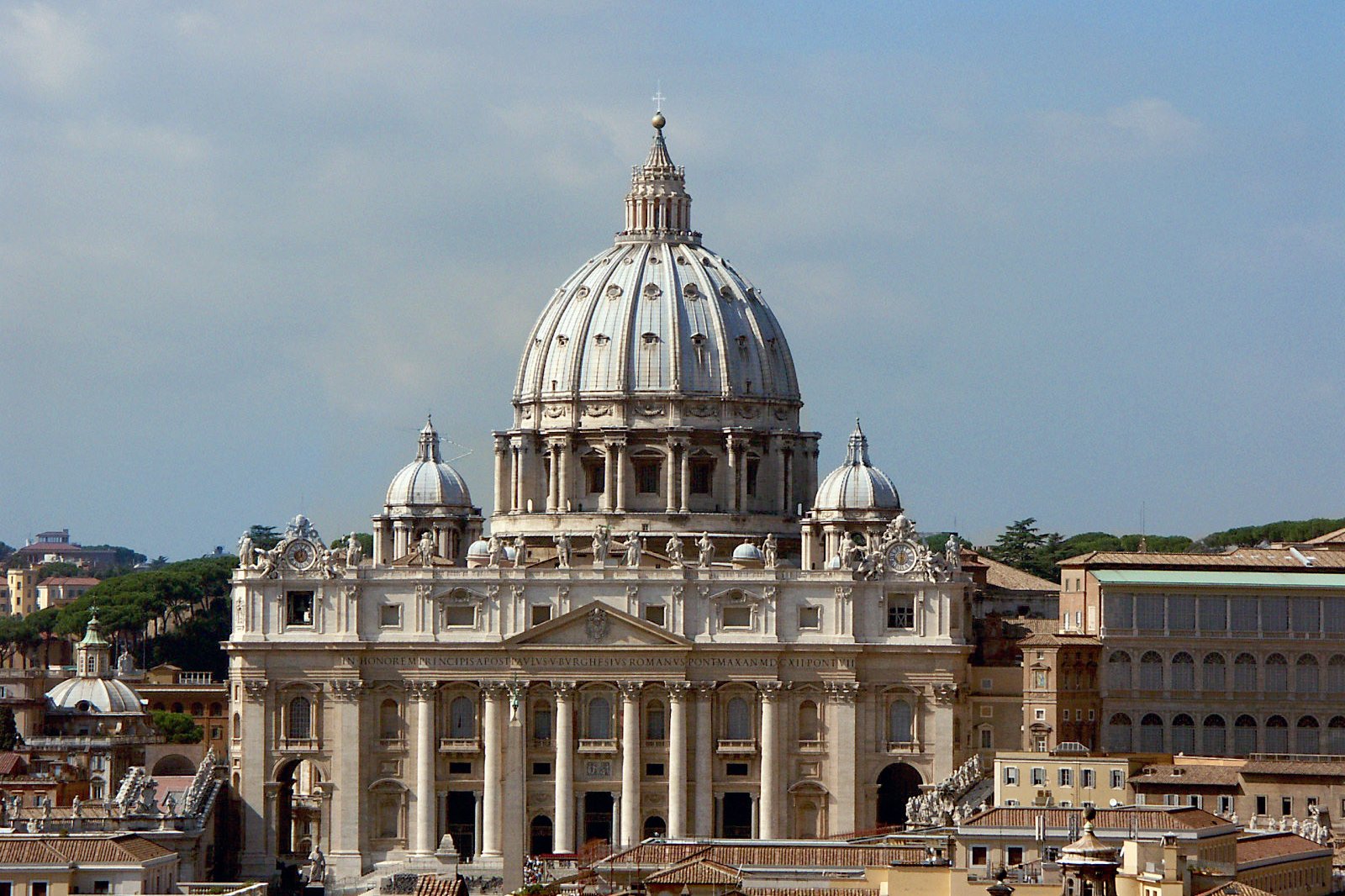
10 Catholic Churches Around the World Worth Knowing
A traveler's guide to ten historic Catholic churches and basilicas worldwide, from St. Peter's to Hagia Sophia, with the real history behind each one.
Getting Married in the Church: What Catholic Marriage Preparation Looks Like
A practical guide to what engaged Catholic couples actually go through — meeting the priest, Pre-Cana, paperwork, banns, and canonical requirements.
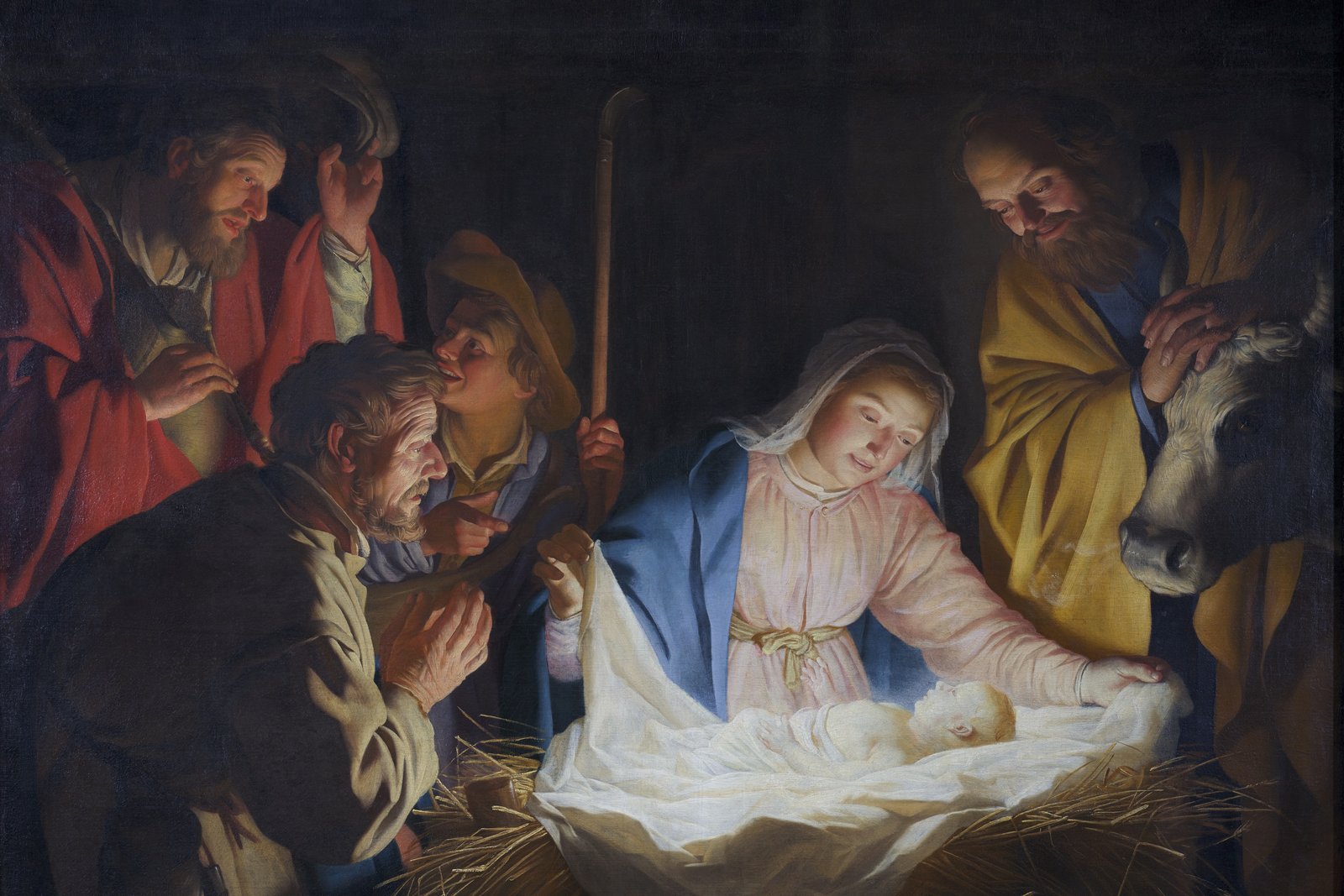
Christmas Through Catholic Eyes
Advent's spiritual preparation, the meaning behind the Nativity Masses, and the real history of the Christmas crib — the liturgy beneath the holiday.
Confession and Repentance: Making Peace, One Step at a Time
Repentance as an ongoing habit rather than a single event — why returning to Confession again and again is a sign of growth, not failure.
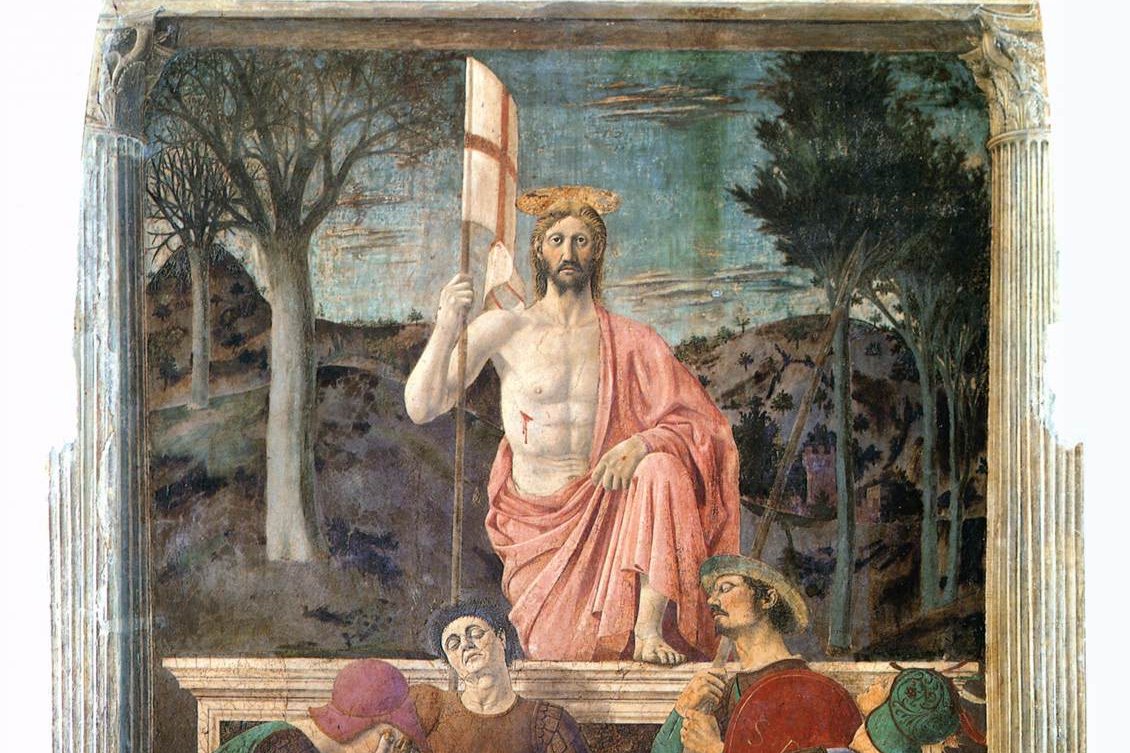
Easter and the Resurrection — What Are We Actually Celebrating?
The theological weight of the Resurrection, the structure of the Triduum, and why Saint Paul said the whole faith collapses without it.
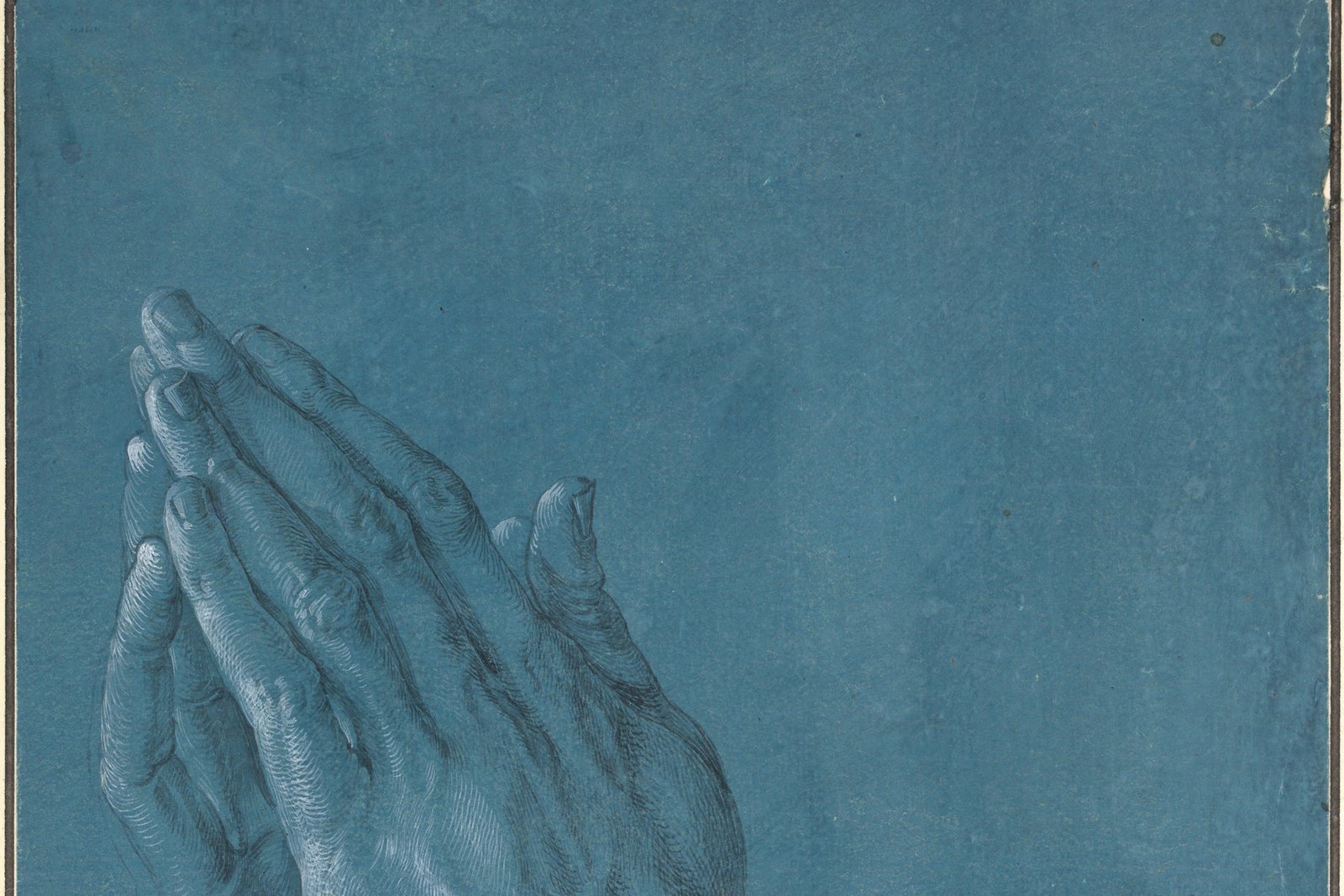
The Most Important Catholic Prayers and What They Mean
The full text of the Our Father, Hail Mary, Apostles' Creed, Glory Be, and Angel of God, with the theology and history behind each.
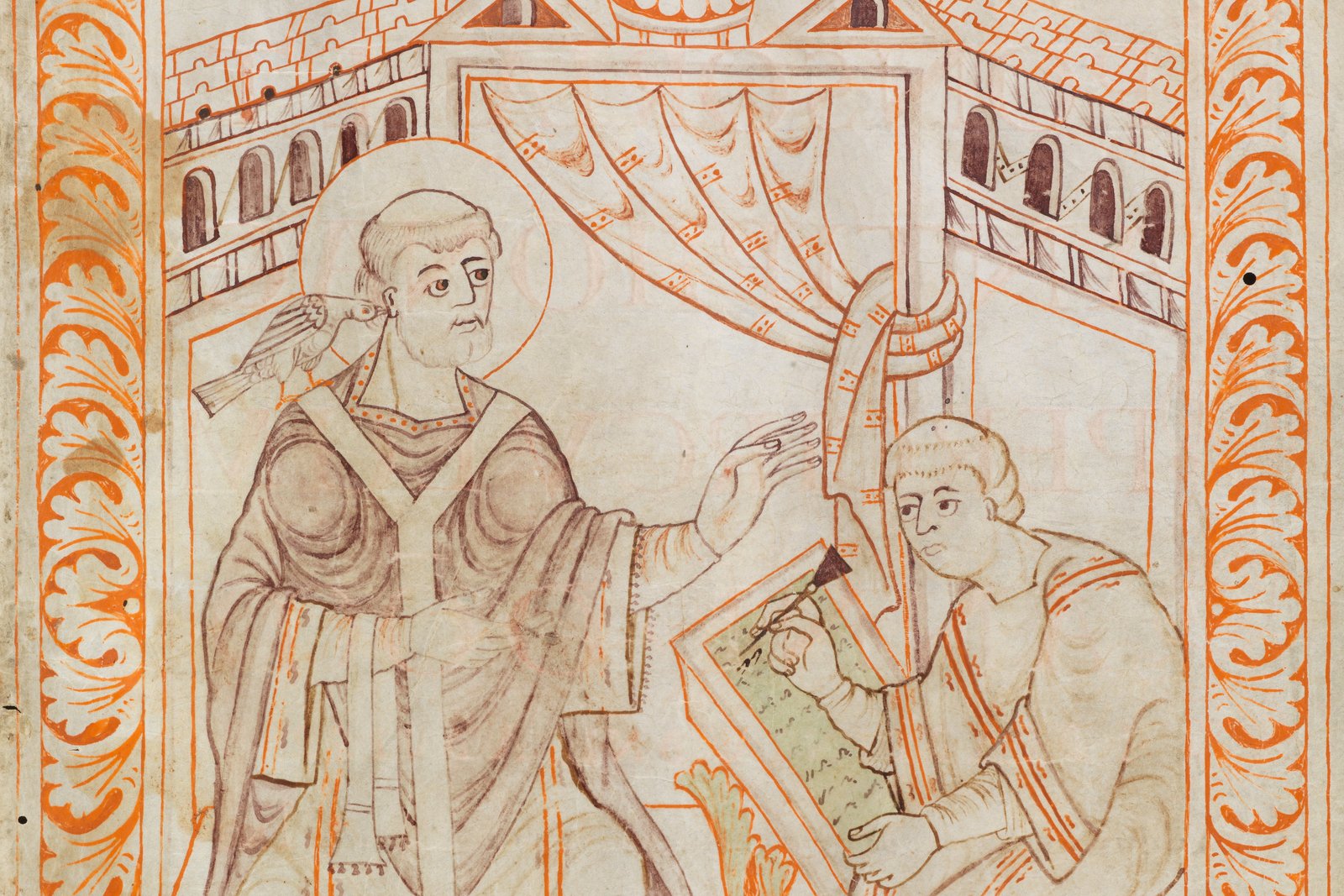
Gregorian Chant: What It Is and Why It Still Matters
The real history of Gregorian chant, why it holds a privileged place in Catholic liturgy according to Vatican II, and why it's seeing a revival today.
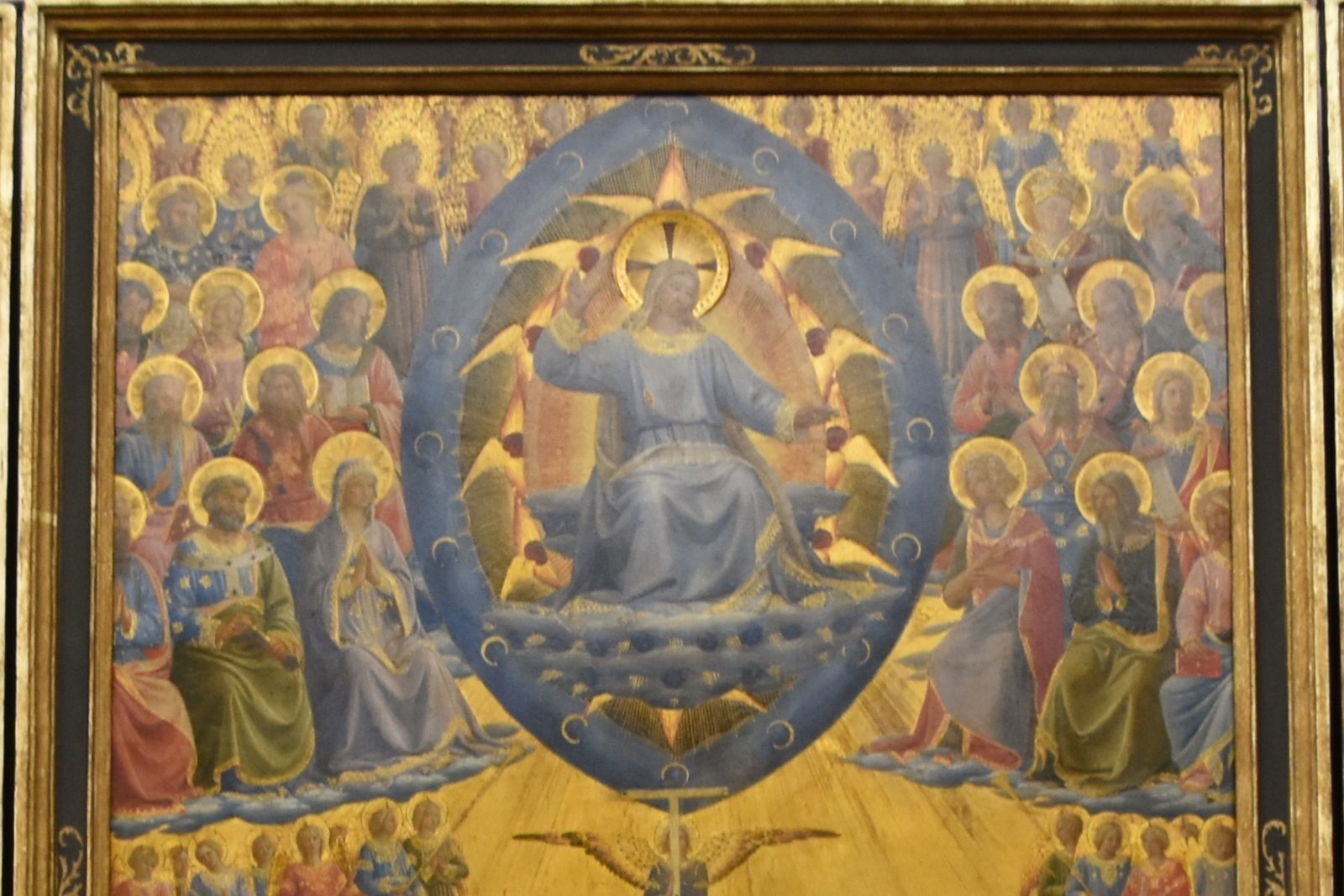
Heaven, Hell, and Purgatory: What the Church Actually Teaches
A clear guide to Catholic teaching on the Four Last Things, distinguishing defined doctrine from Saint Faustina's approved but non-binding Divine Mercy visions.
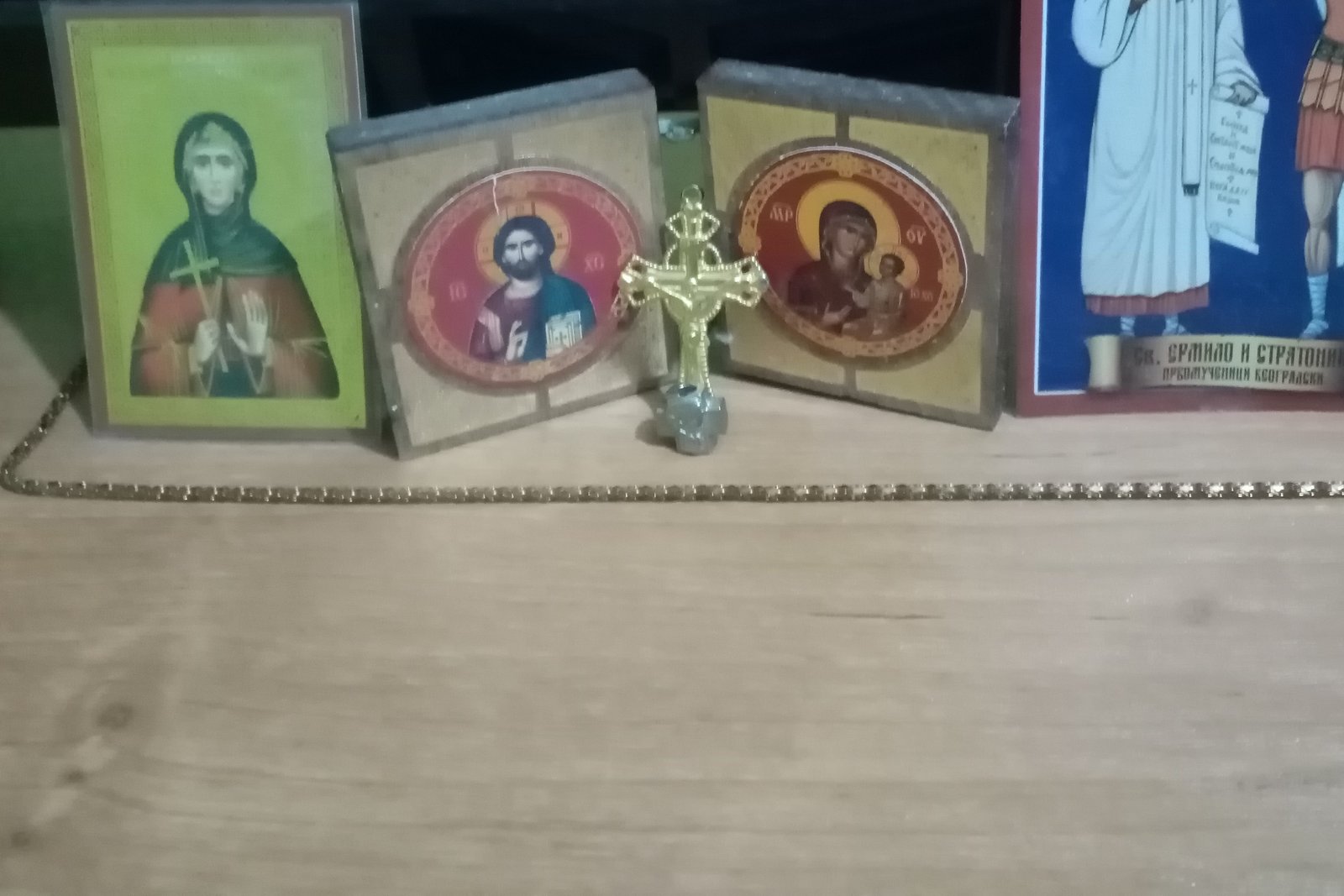
How to Build a Home Altar or Prayer Corner
Practical guidance for setting up a small home prayer space, grounded in Church teaching on sacramentals and the domestic church.
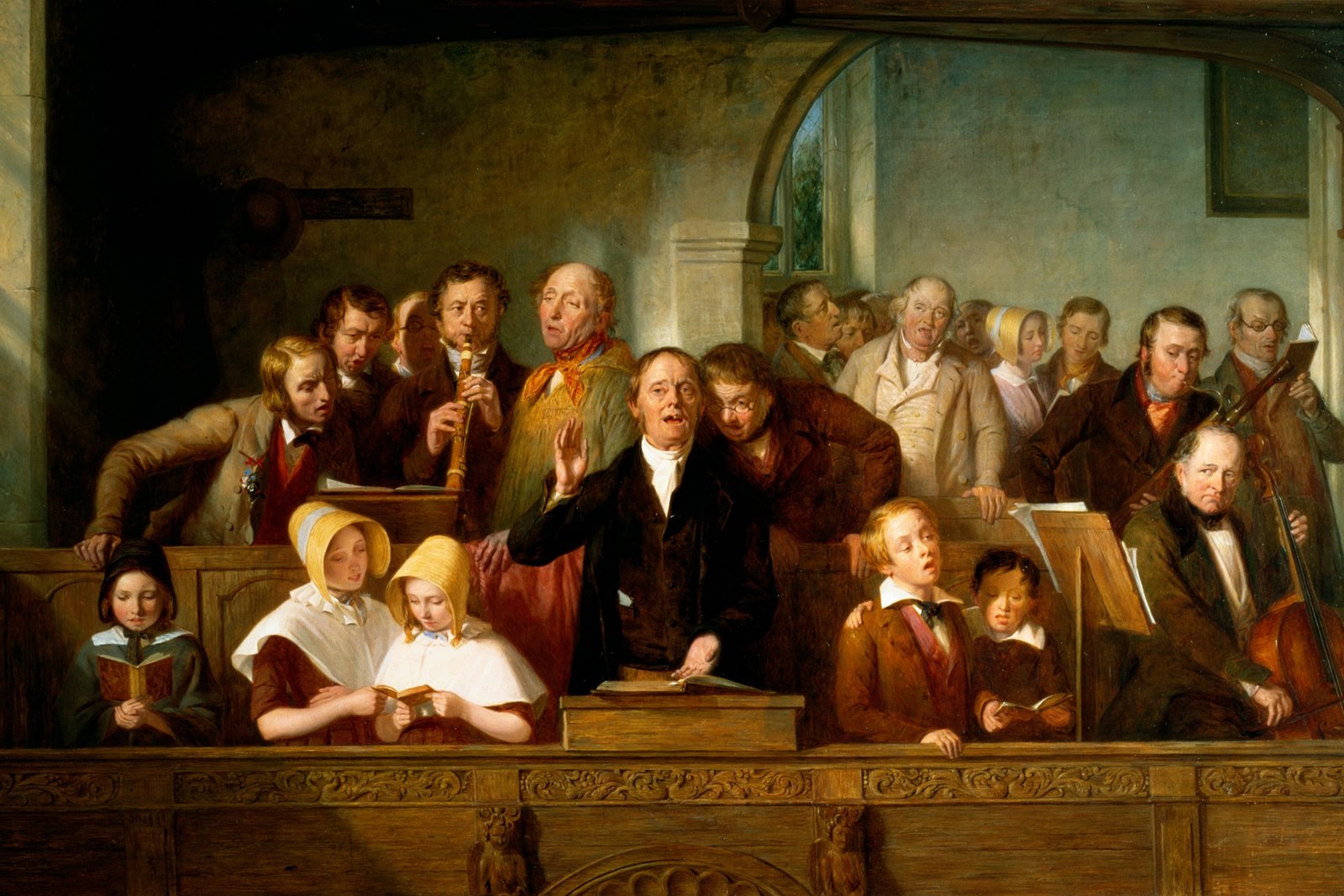
How to Get More Involved at Your Parish: 10 Practical Steps
A practical, no-guesswork guide to becoming an active part of your Catholic parish, from showing up regularly to joining a ministry and giving your time.
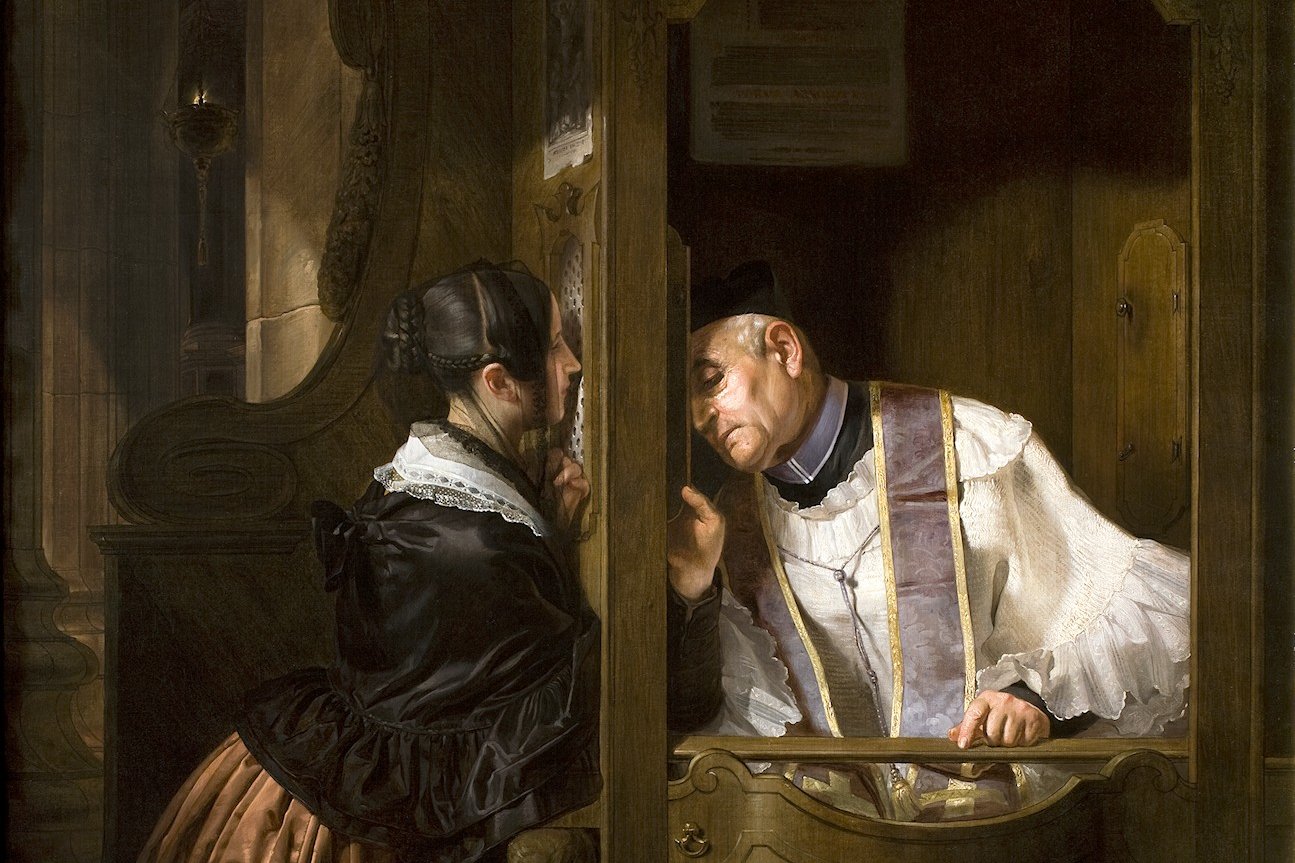
How to Go to Confession: A Practical Step-by-Step Guide
A clear, practical walkthrough of Confession — examination of conscience, what to say, absolution, and penance — written for anyone anxious or out of practice.
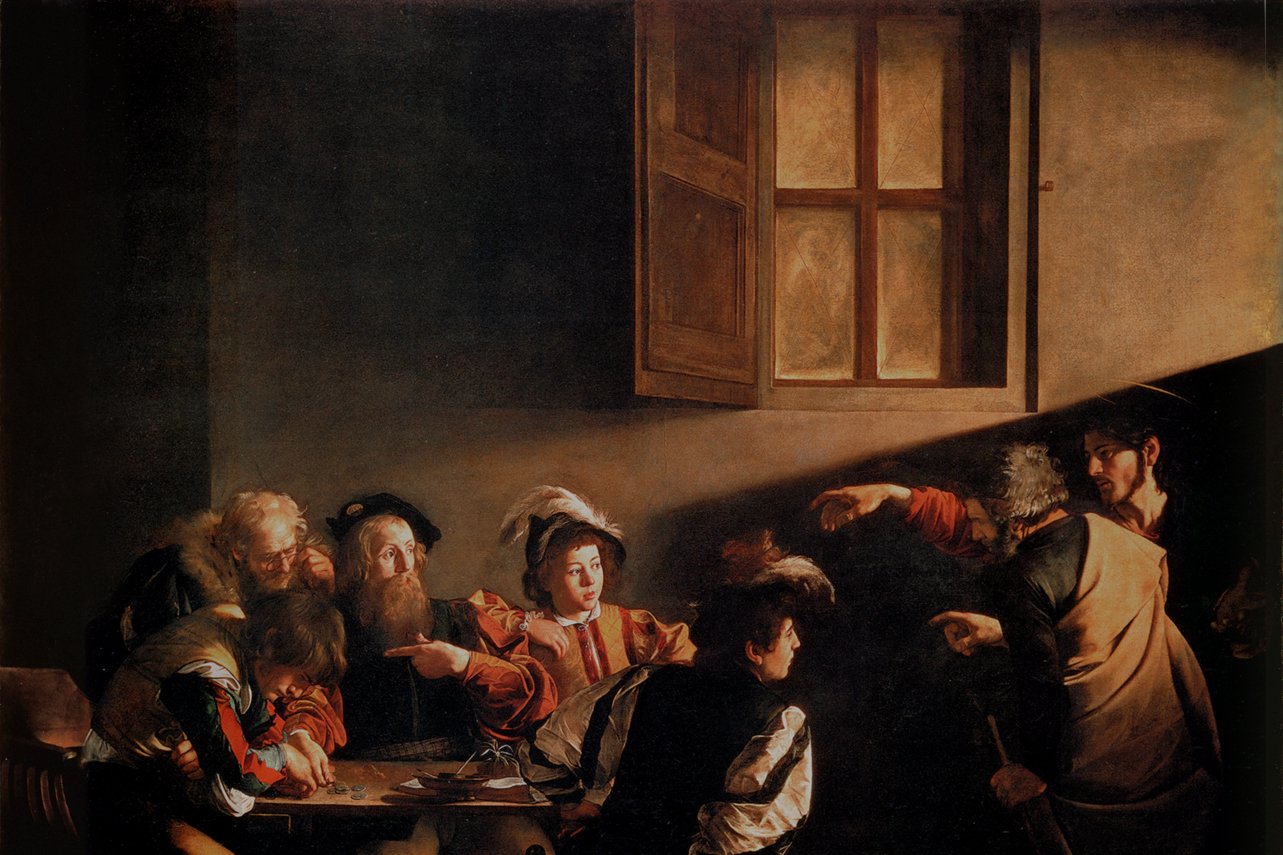
How to Know Your Vocation: Three Saints Who Actually Discerned One
Practical Catholic discernment through three real case studies — Ignatius of Loyola's rule of consolation and desolation, Thérèse of Lisieux, and Damien of Molokai.
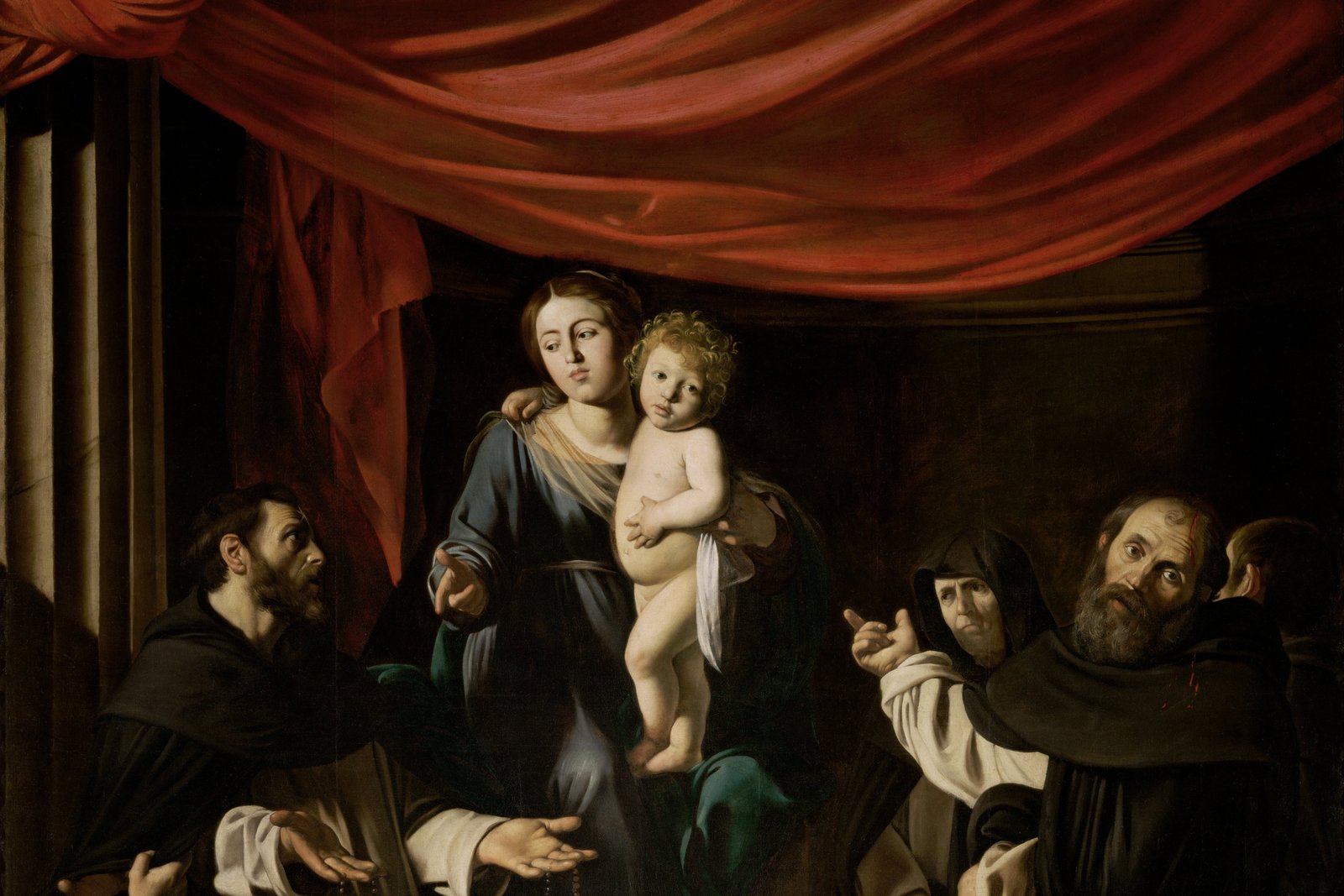
How to Pray the Rosary, Step by Step
A genuine beginner's walkthrough of the Rosary — the beads, the prayer sequence, the four Mysteries, and which days each is traditionally prayed.
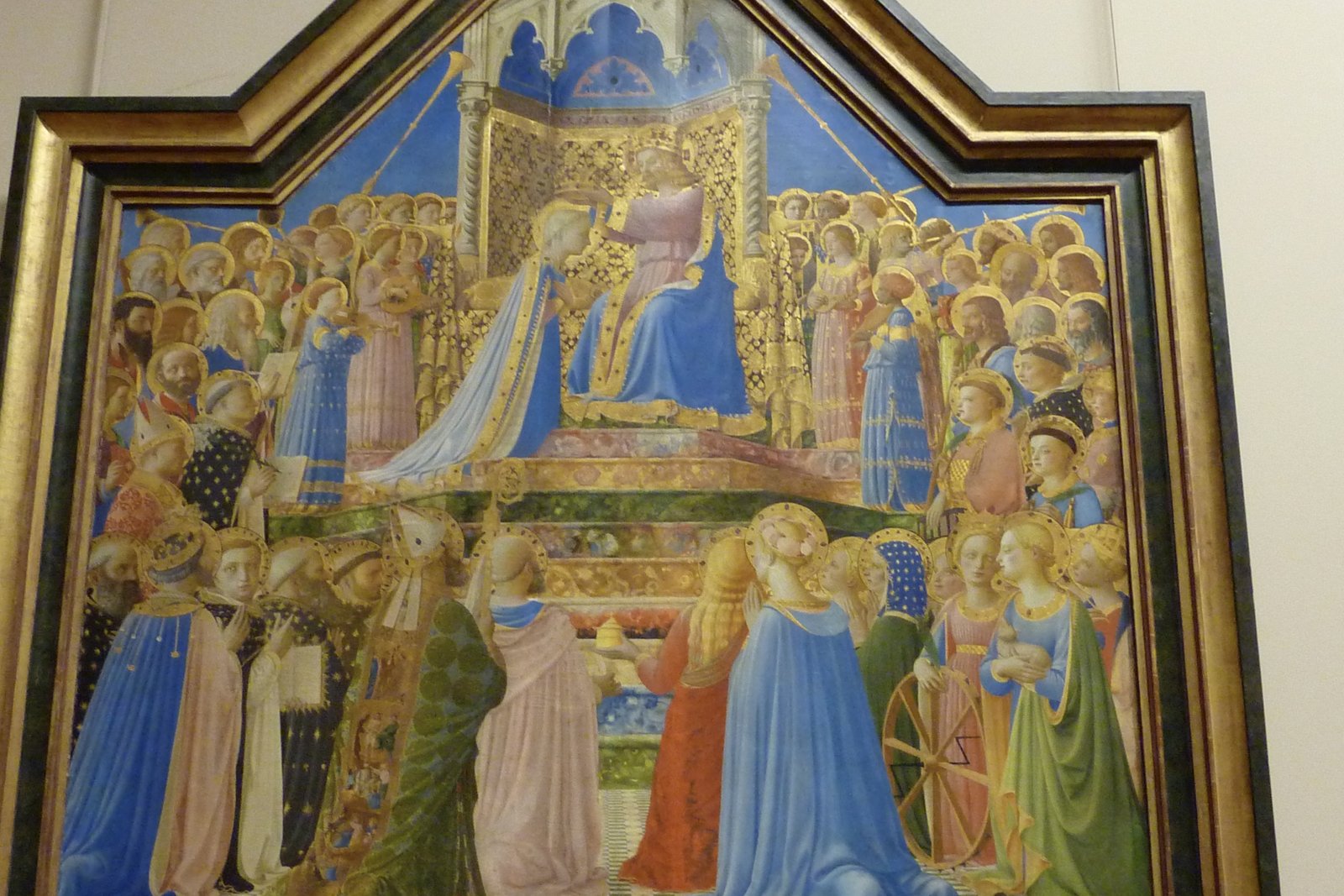
Marian Feasts Through the Year — A Guide
What each major Marian feast actually celebrates doctrinally, from the Immaculate Conception to Guadalupe, and how dogma differs from devotion.
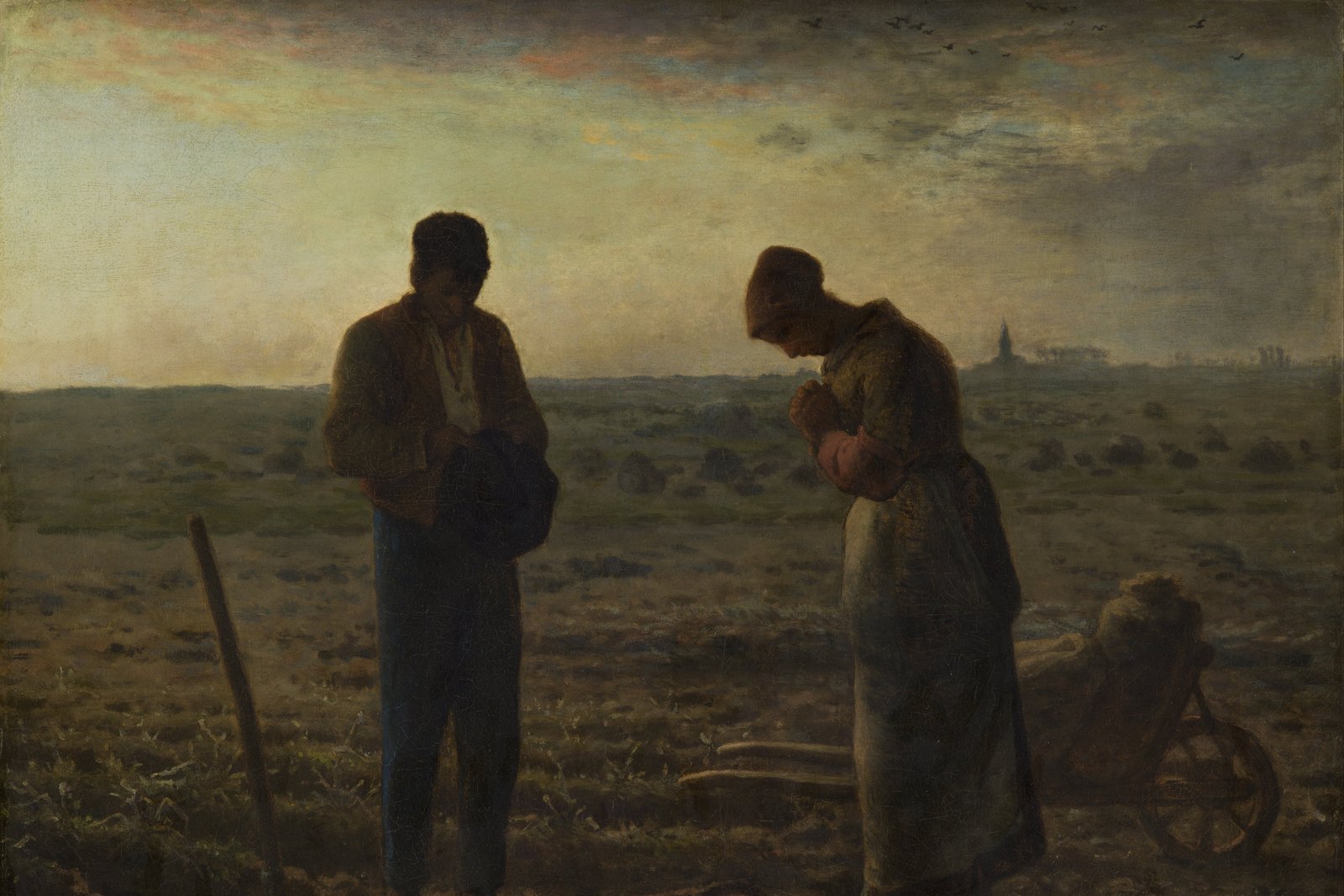
Morning and Evening Prayer: A Simple Routine for Beginners
A concrete, learnable morning-and-evening prayer routine for Catholics starting out, with specific prayers, a suggested order, and realistic timing.
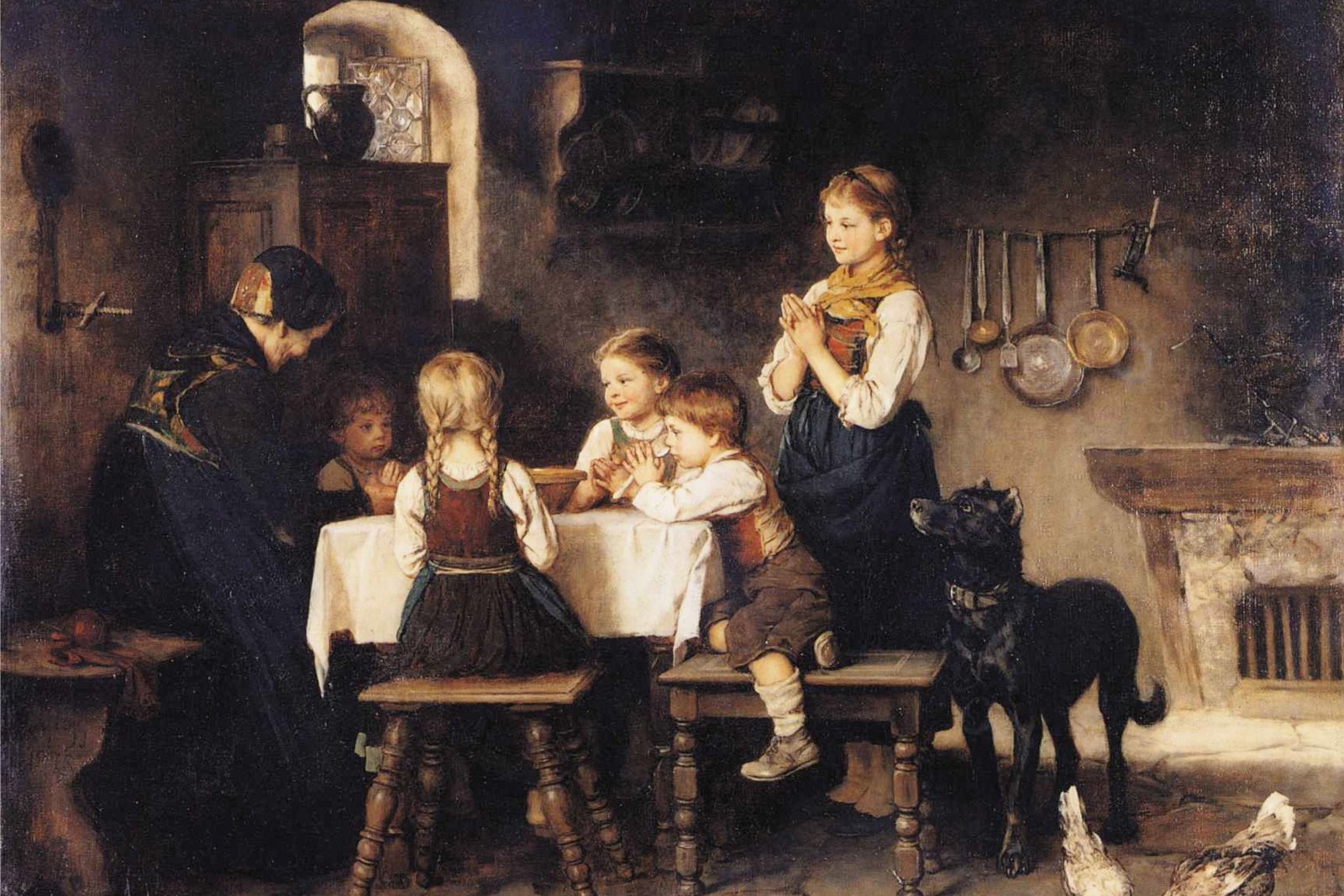
Prayers for the Family: Practical Prayers and Tips
Grace before meals, a simple family Rosary approach, and bedtime prayers for children, grounded in the Church's teaching on the family as the domestic church.
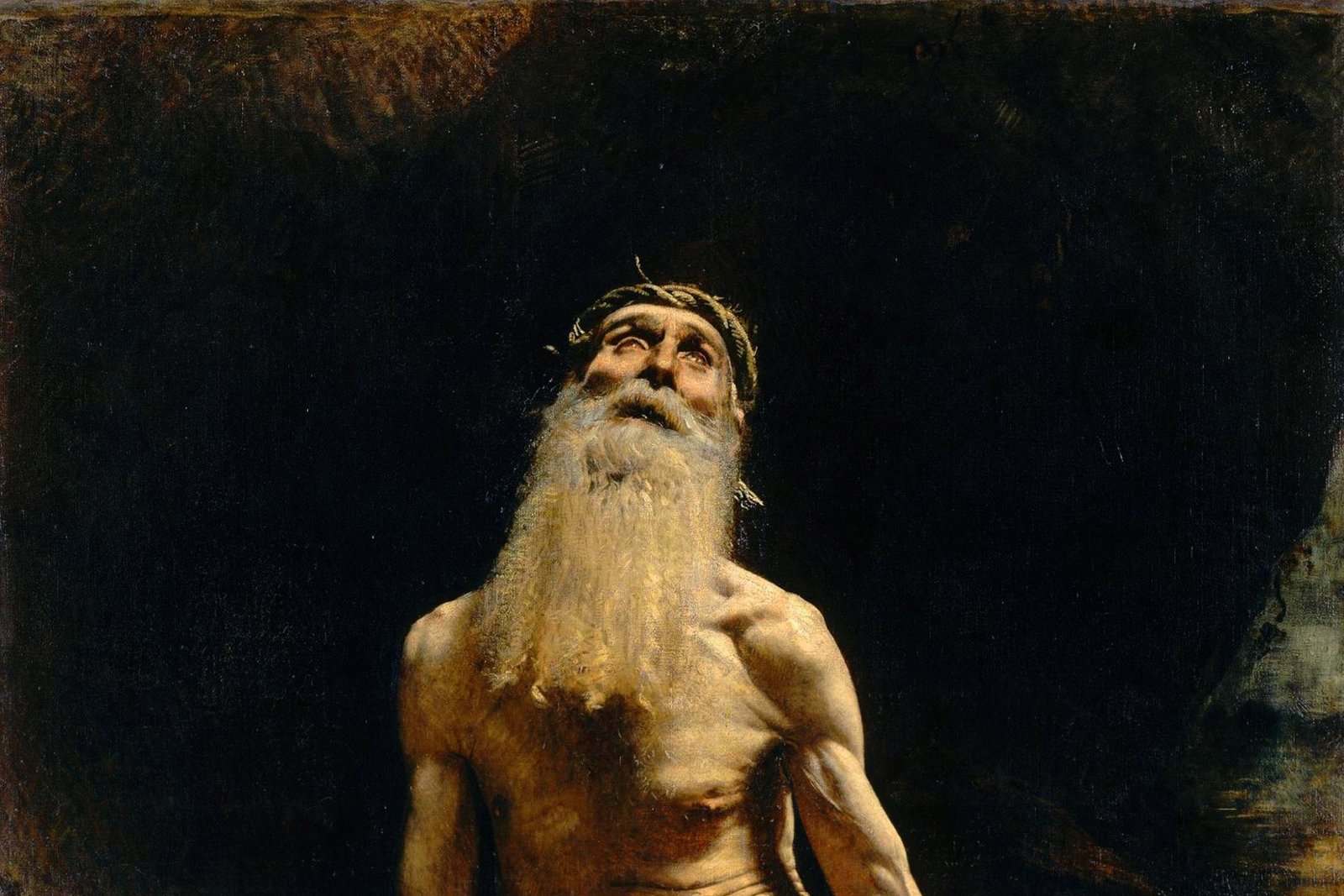
Praying in Hard Times: 7 Practical Steps
Pastoral, practical guidance for praying through grief, illness, or crisis, drawing on the Psalms of lament and the Church's teaching on suffering united to Christ.
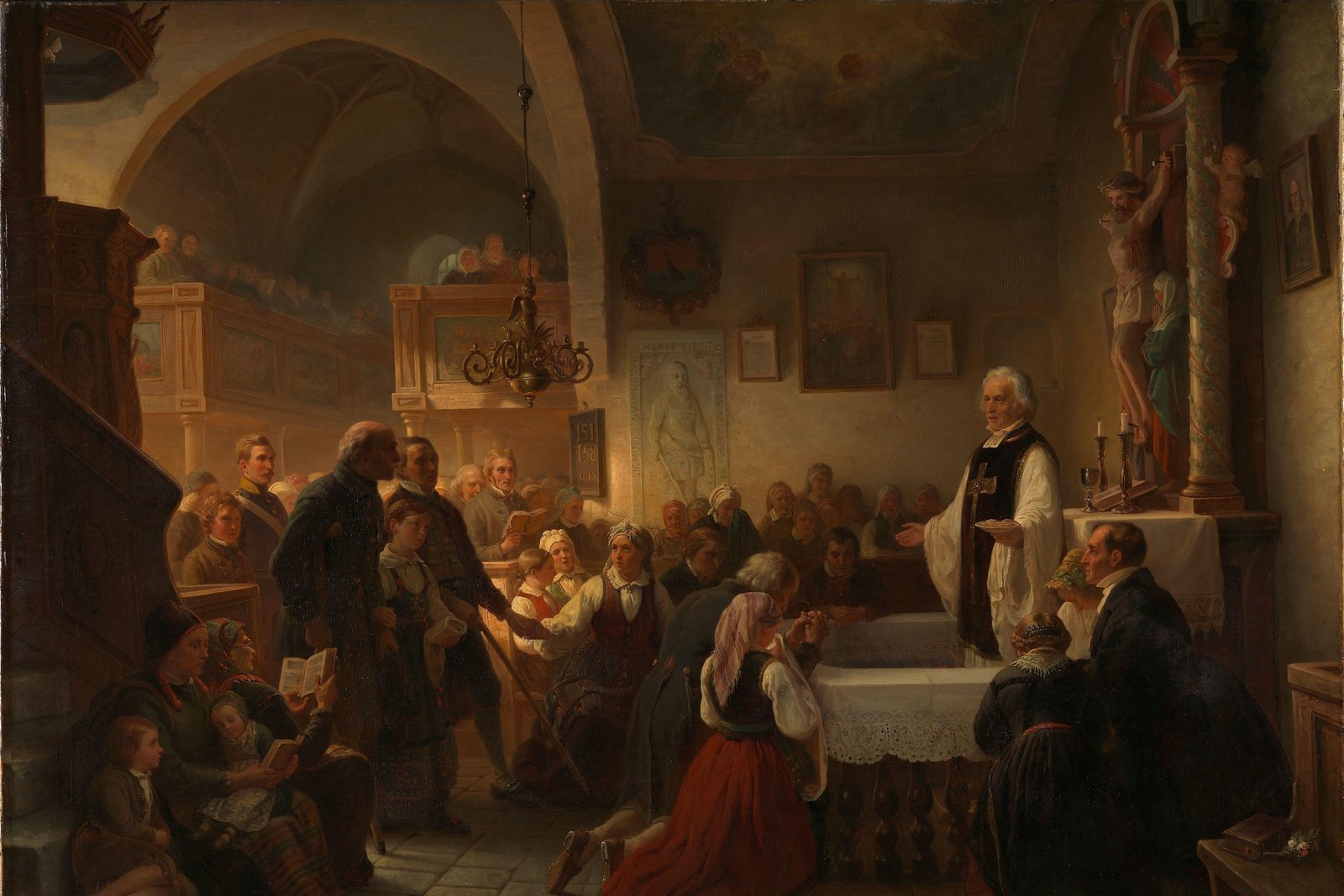
Preparing Spiritually Before Mass
Practical ways to prepare for Mass — arriving early, a short examination of conscience, looking up the readings, and the disposition the Church invites.
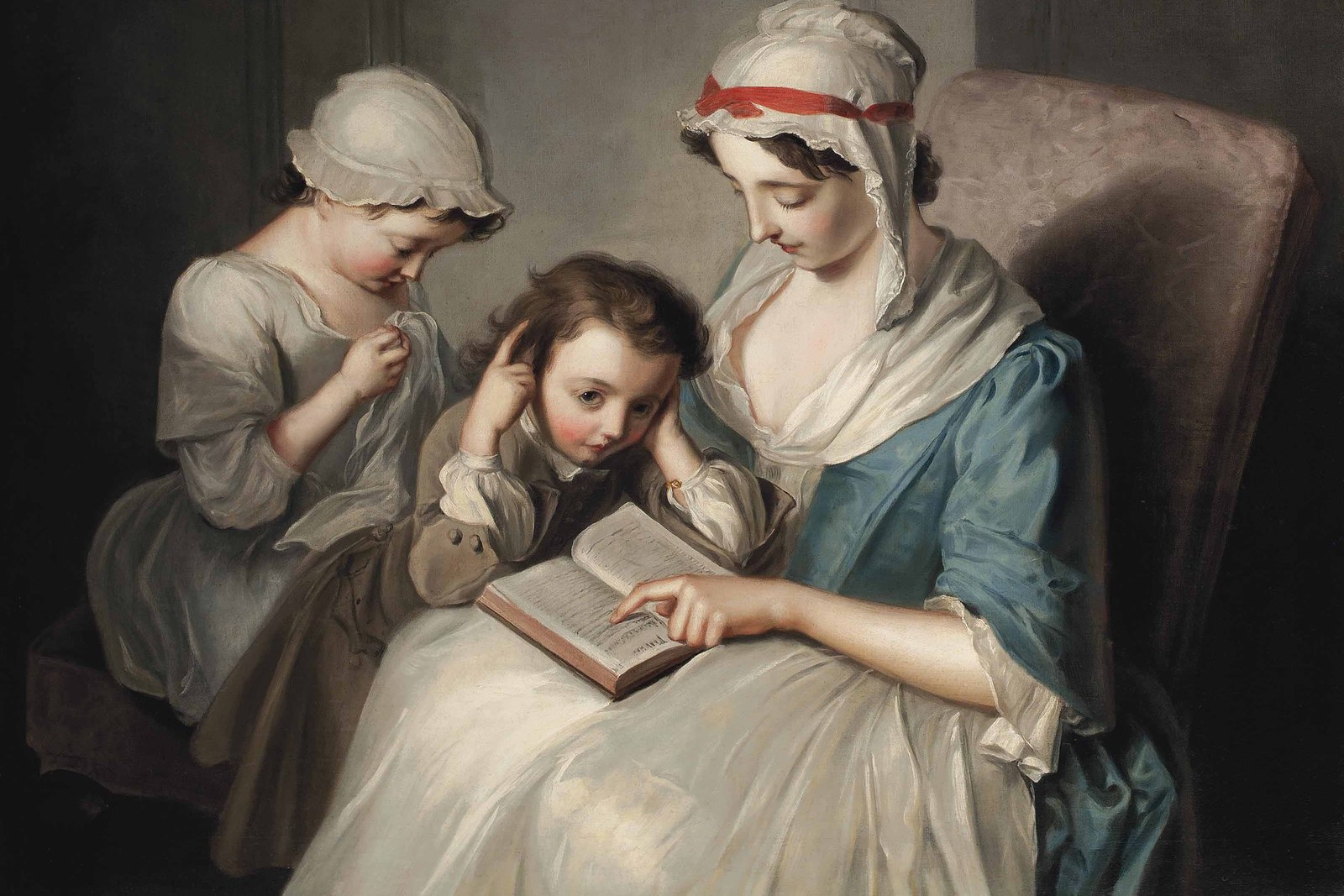
Raising Children in the Catholic Faith: Principles and Practical Tips
Concrete, age-appropriate ways Catholic parents pass on the faith at home — family prayer, sacramental prep, and answering kids' hard questions.
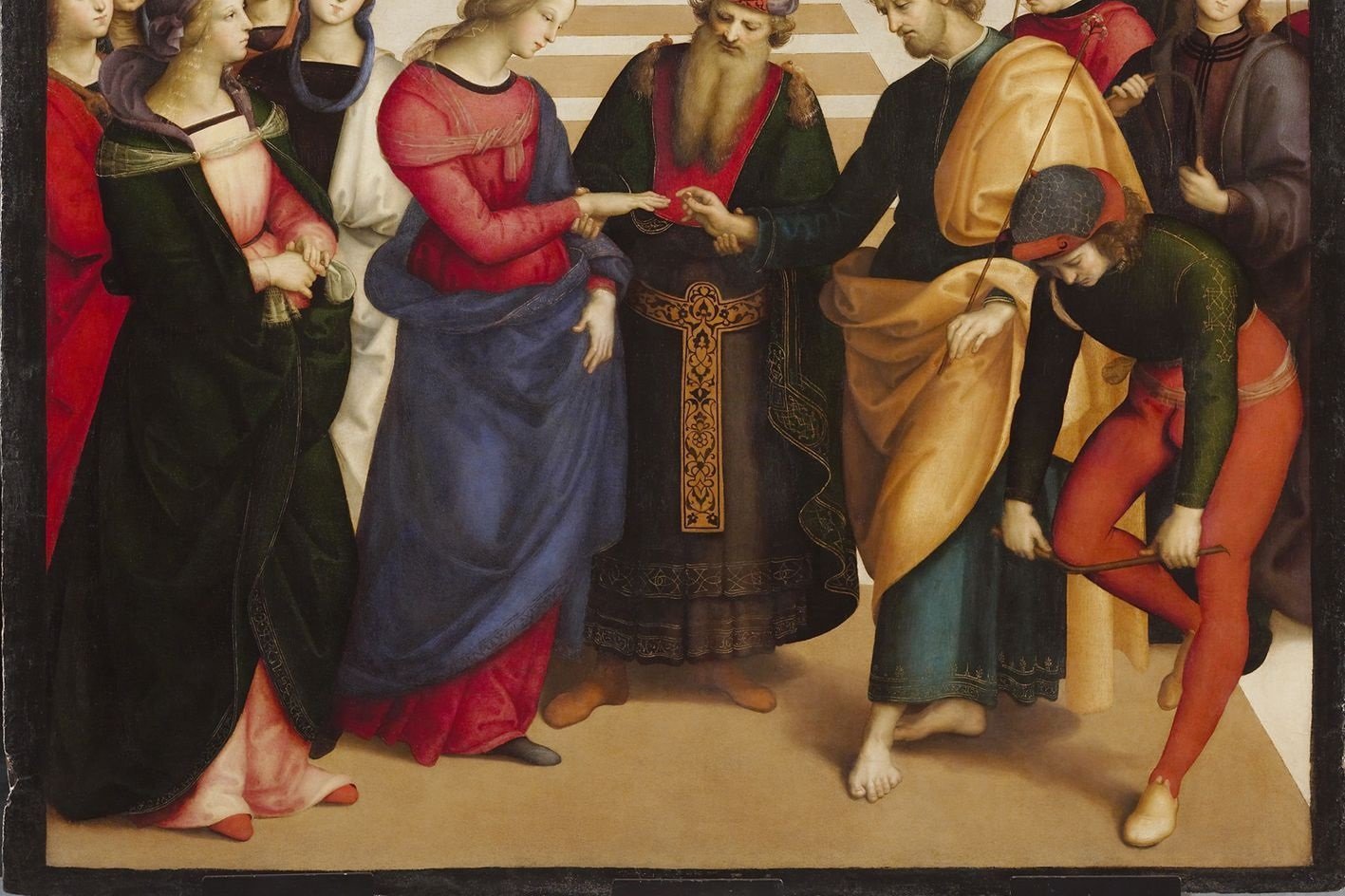
What Does the Sacrament of Marriage Mean?
What makes Catholic marriage a sacrament rather than just a wedding — grace, indissolubility, and spouses as ministers of the sacrament to each other.
How to Build Your Spiritual Life as a Busy Working Adult
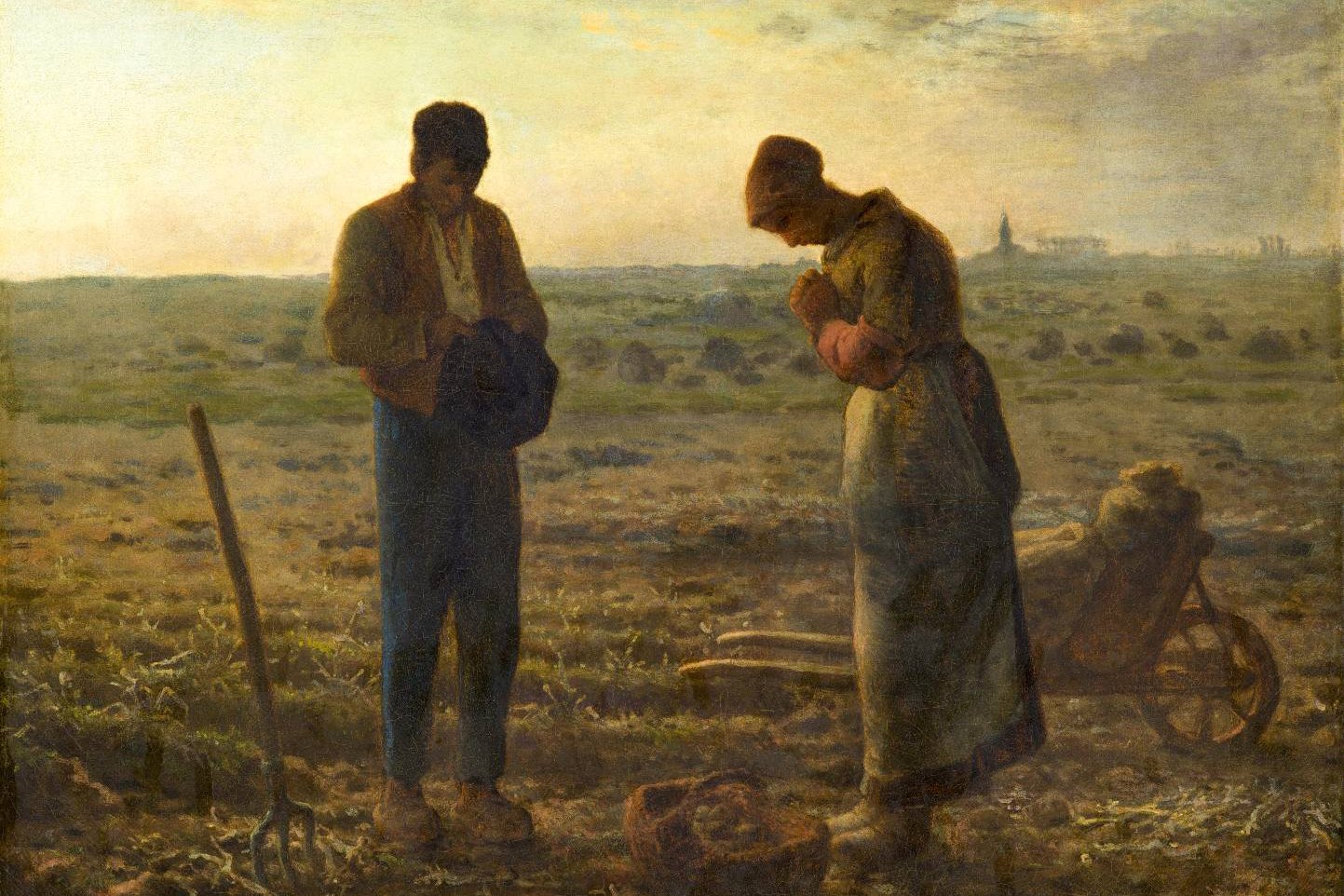
Realistic guidance for deepening your Catholic faith without hours of free time — short daily prayer, Mass around a packed schedule, and faith woven into work.
The Ten Commandments Today: What They Mean in Modern Life
Each of the Ten Commandments explained with a concrete modern-life application, grounded in the Catechism's treatment of the Decalogue.
The Catholic Calendar — How to Follow the Feasts and Saints All Year
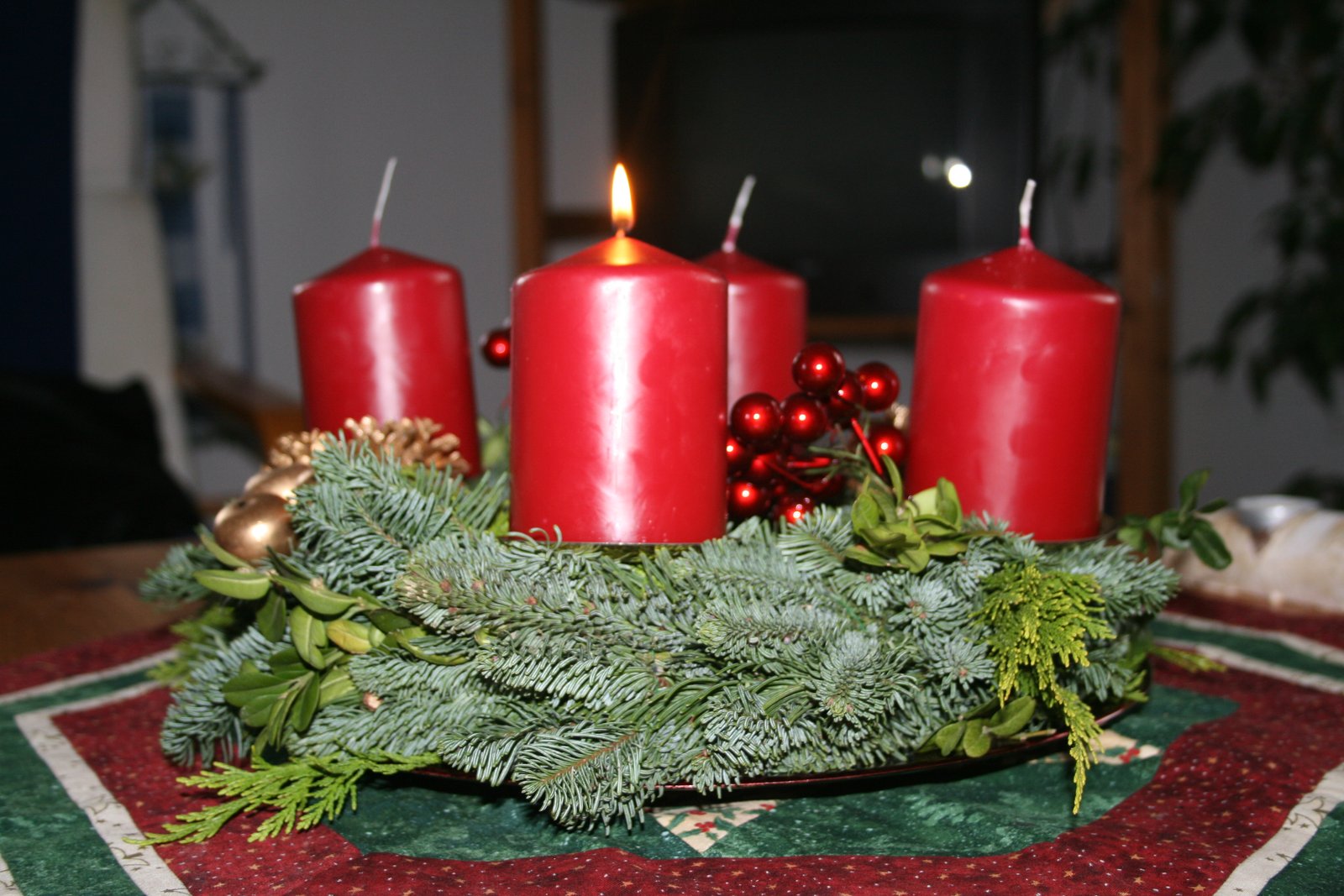
How the liturgical year is structured, what the changing colors mean, and how to actually track it day by day rather than just on major feasts.
The Holy Trinity, Explained Simply
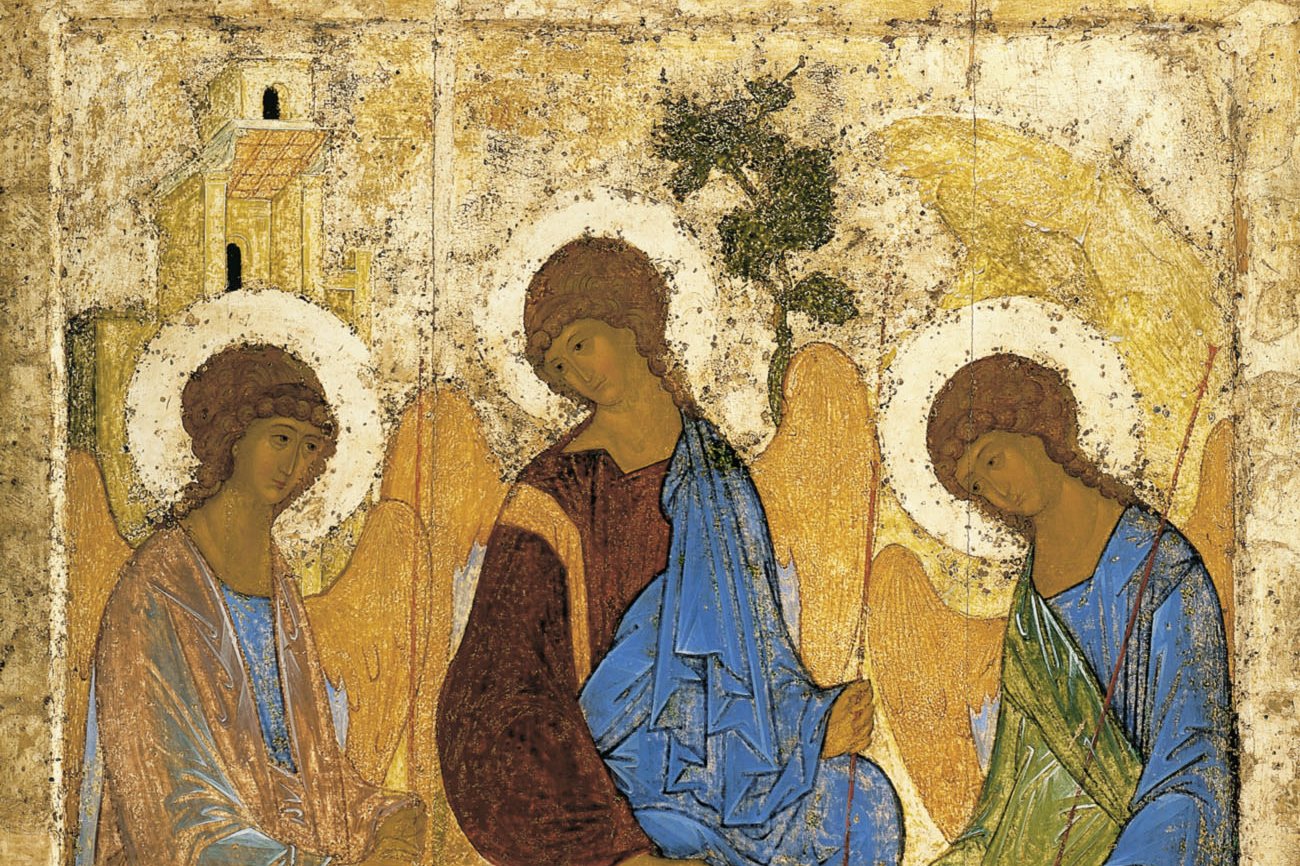
One God, three persons — what the Church actually teaches about the Trinity, why the shamrock and seashell stories help and where they mislead, per the Catechism.
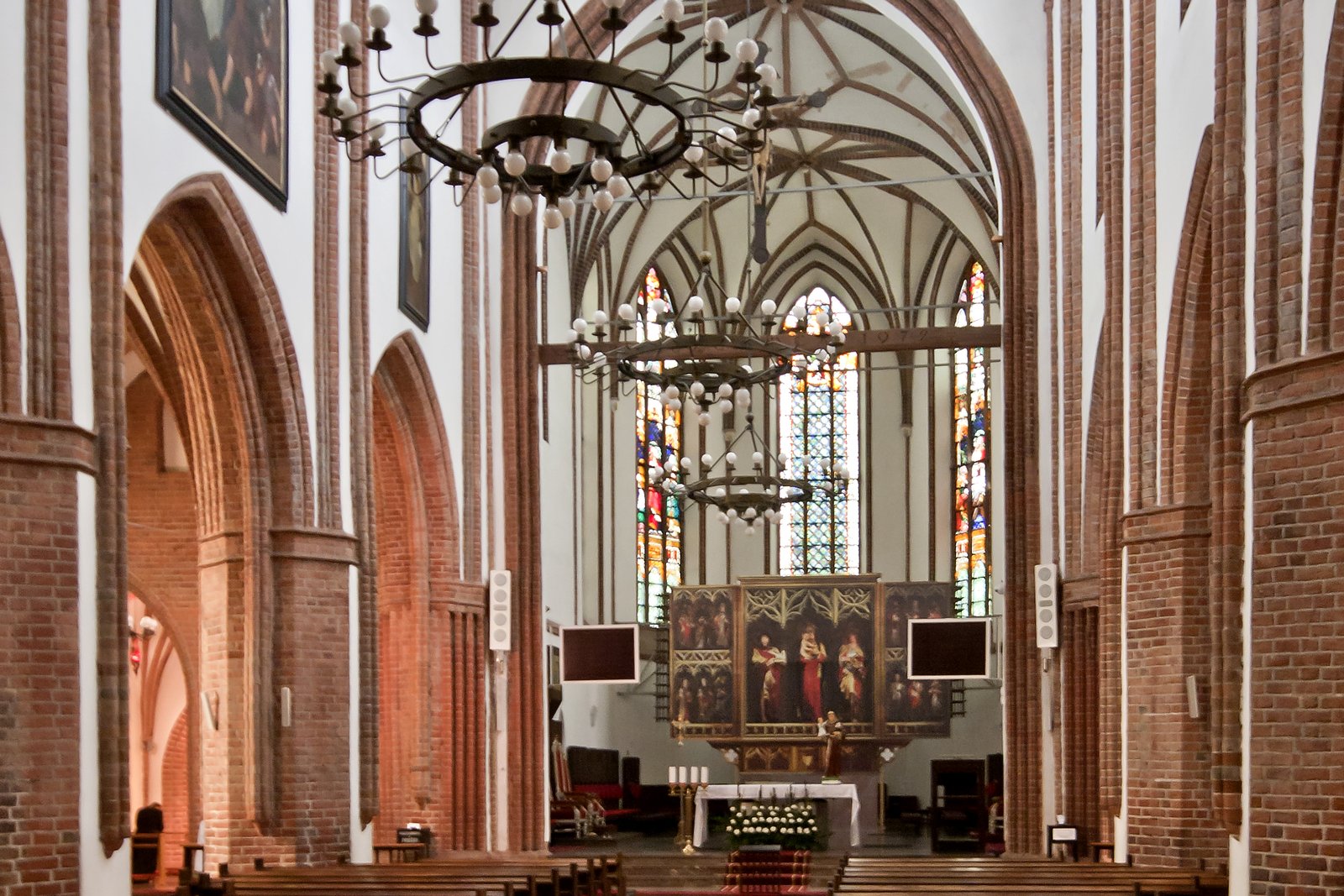
What Catholic Art Is Trying to Tell You
A practical guide to reading Catholic religious art — why saints hold specific objects, what stained glass and icons are actually for, and how to look.
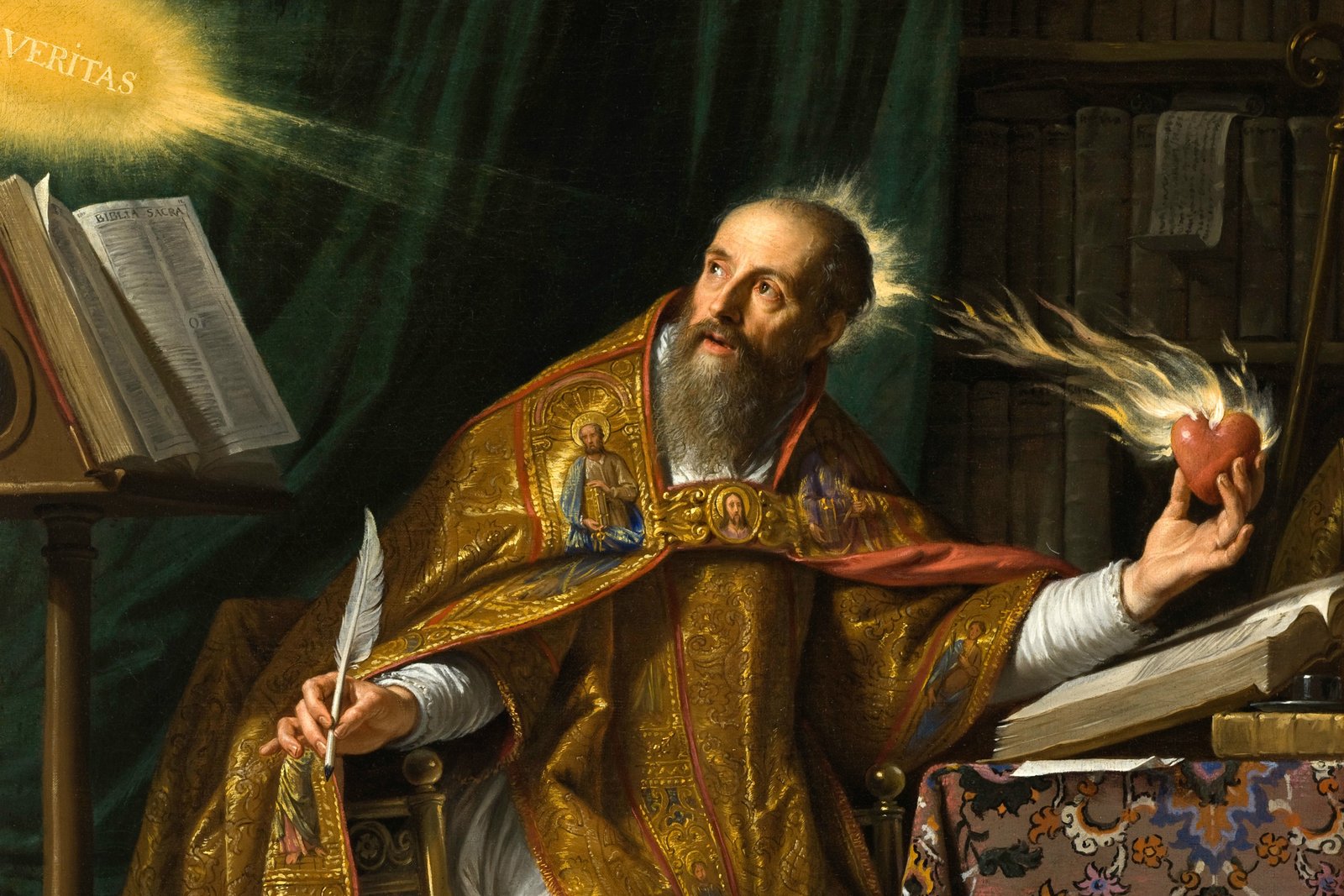
Why Believe in God? Five Arguments and Two Converts Who Lived Them
Five classic arguments for God's existence, grounded in the real conversions of Saint Augustine and Saint Edith Stein, two brilliant minds who came to believe.
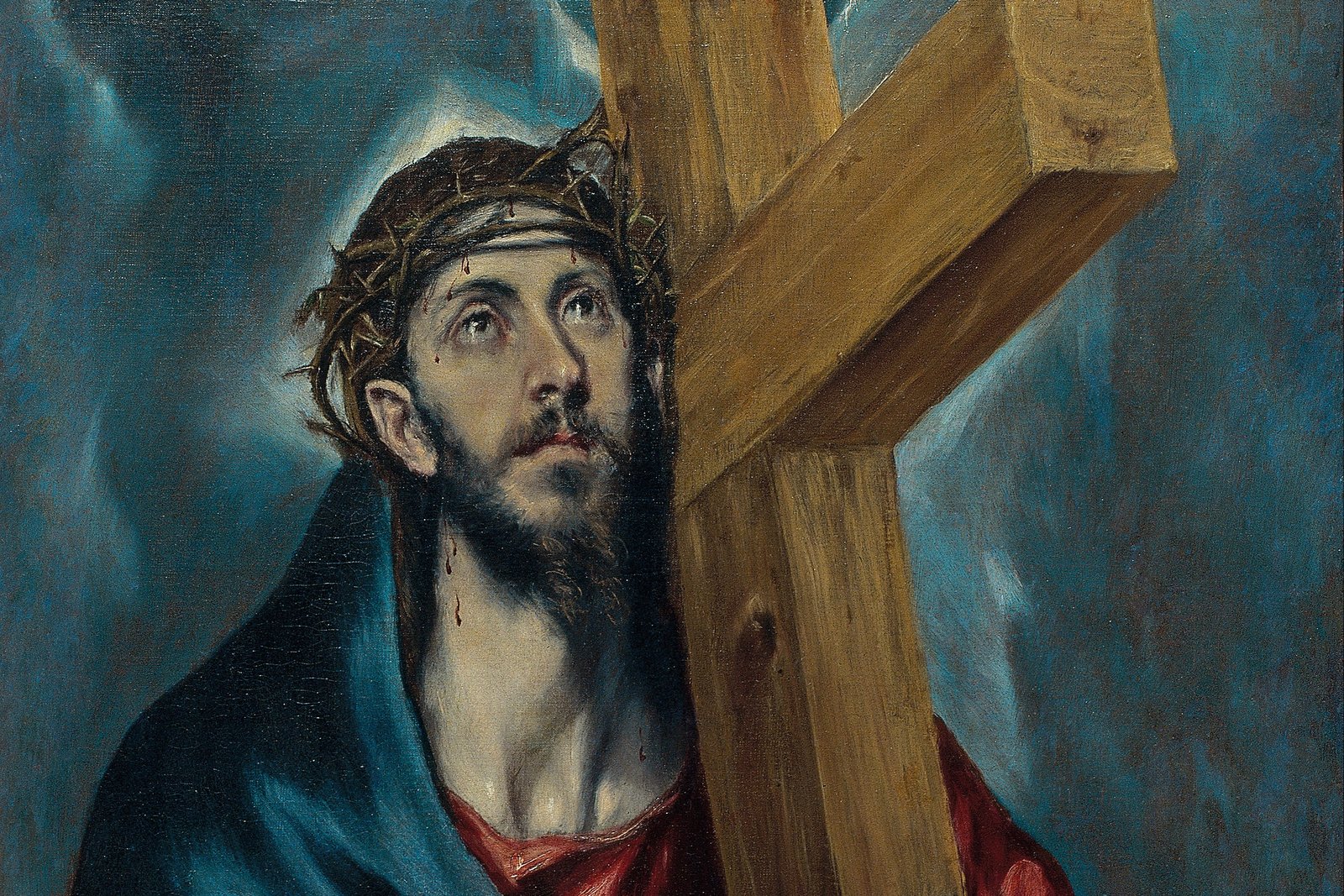
Why Does God Allow Suffering? What Three Saints Who Suffered Greatly Believed
The Catholic answer to suffering isn't a tidy formula — explored through Padre Pio's decades of pain, the North American Martyrs' torture, and the Catechism.
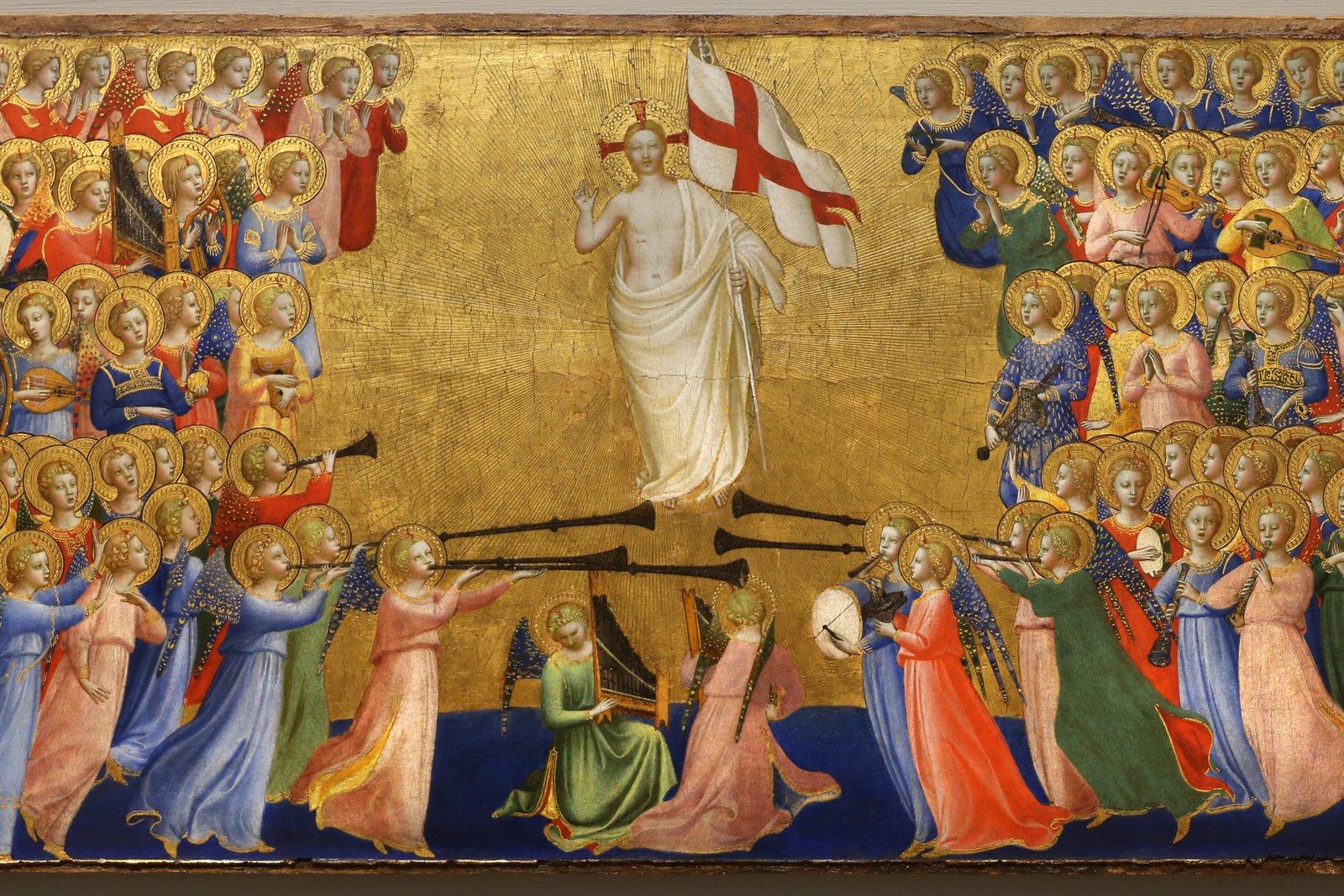
Why Get to Know a Saint Every Day?
The Church puts a saint on every date of the year for a reason — here's the theology behind the sanctoral cycle and how to actually use it.
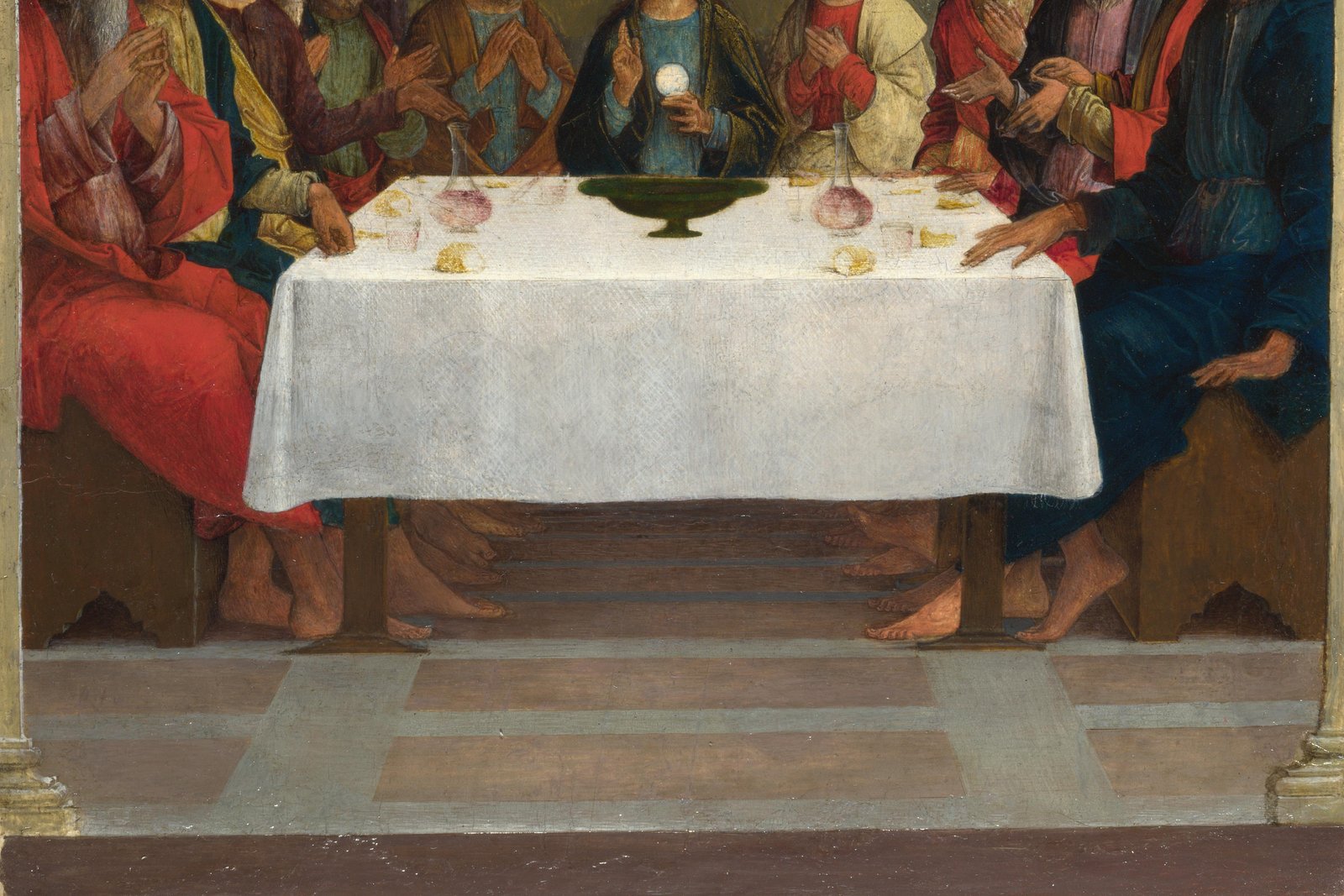
Why Go to Church? The Meaning of the Mass, Explained Simply
What the Mass actually is theologically — the Liturgy of the Word and Eucharist, sacrifice and meal, and the real presence — explained plainly.
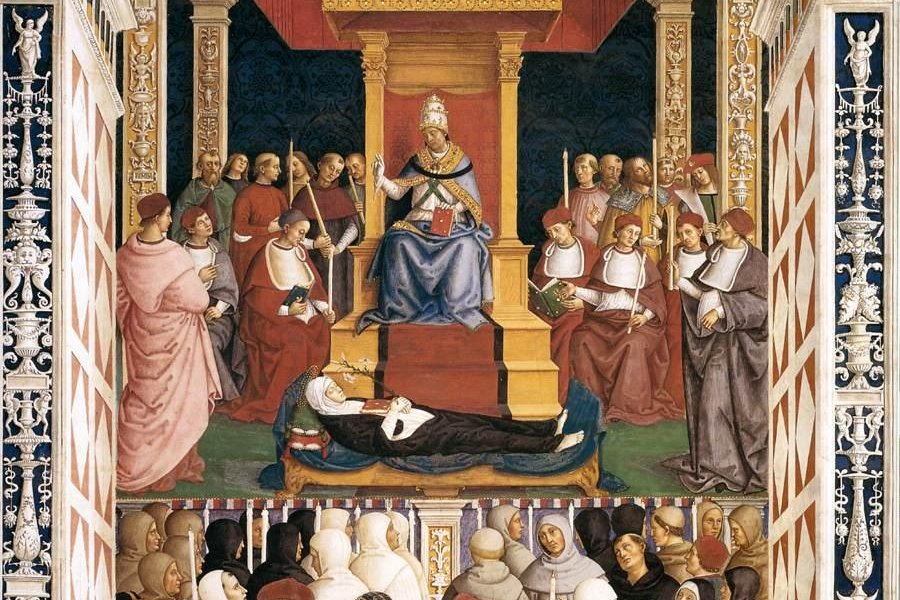
How the Church Recognizes a Saint — The Canonization Process
How the Catholic Church investigates a life, verifies miracles, and moves someone from Servant of God to Saint through the canonization process.
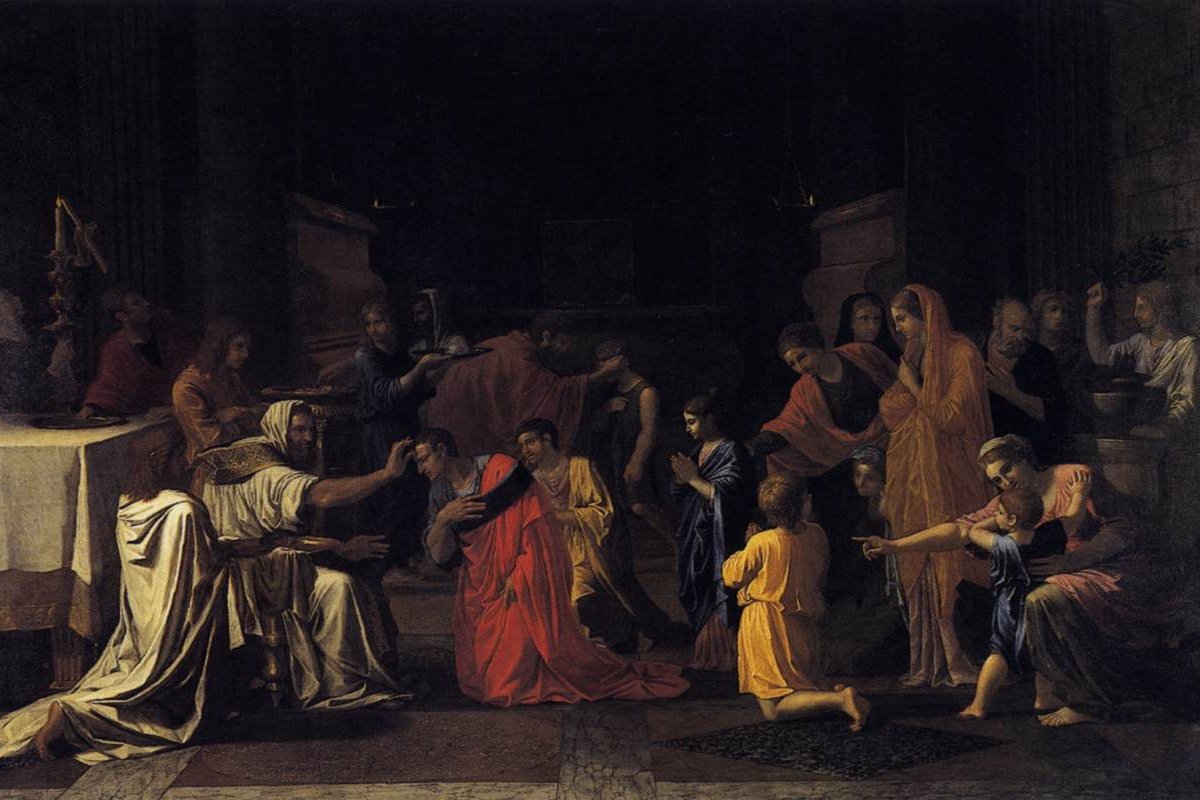
How to Choose a Confirmation Saint
A practical guide to choosing a confirmation saint — what the tradition means, how to narrow the list, and popular patrons confirmands often pick.
The Liturgical Seasons of the Church Year
A guide to the seasons of the Catholic liturgical year — Advent, Christmas, Ordinary Time, Lent, the Triduum, Easter, and Pentecost — and what each one means.
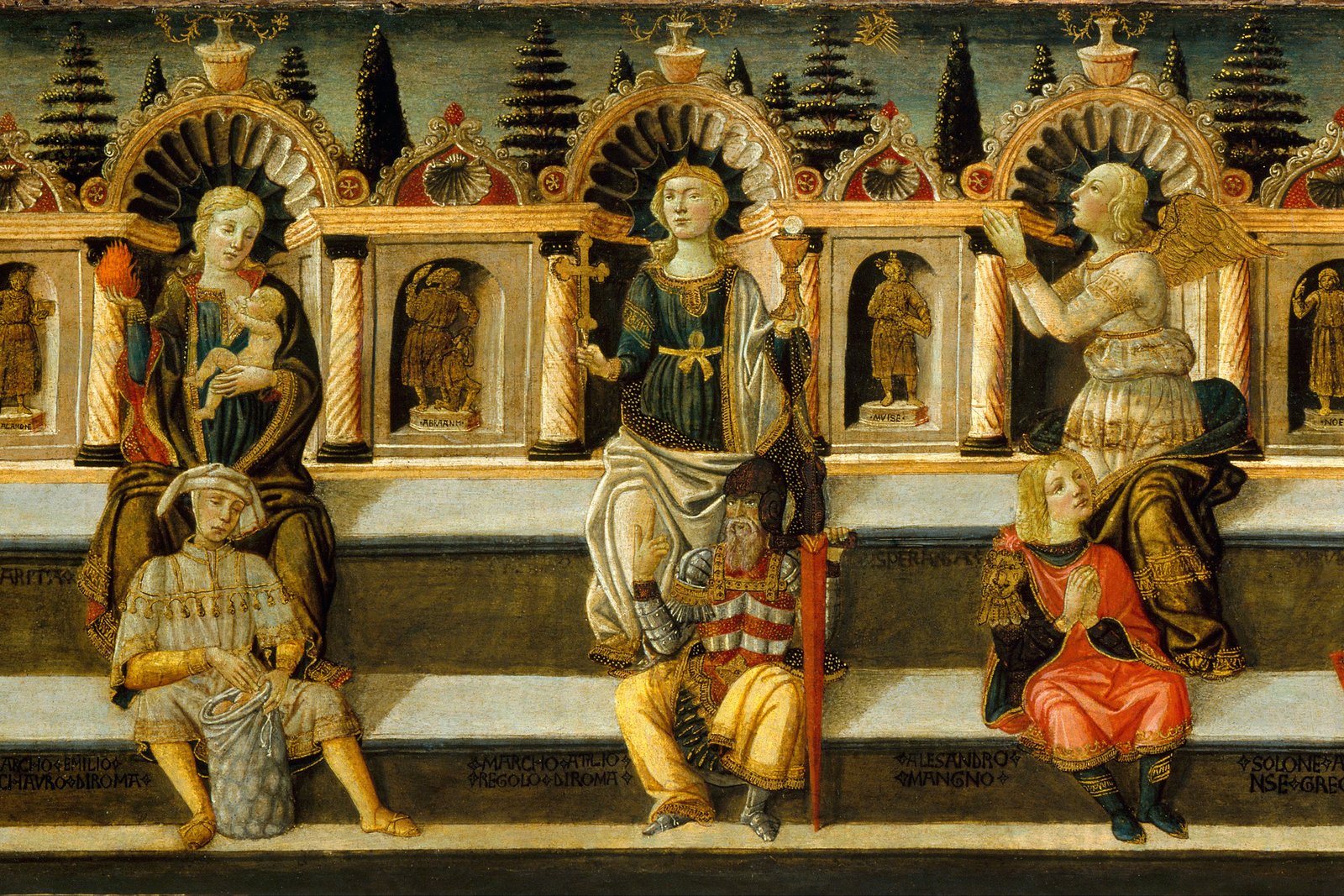
The Seven Heavenly Virtues Explained
The four cardinal virtues and three theological virtues that make up the seven heavenly virtues, and how they answer the seven deadly sins.
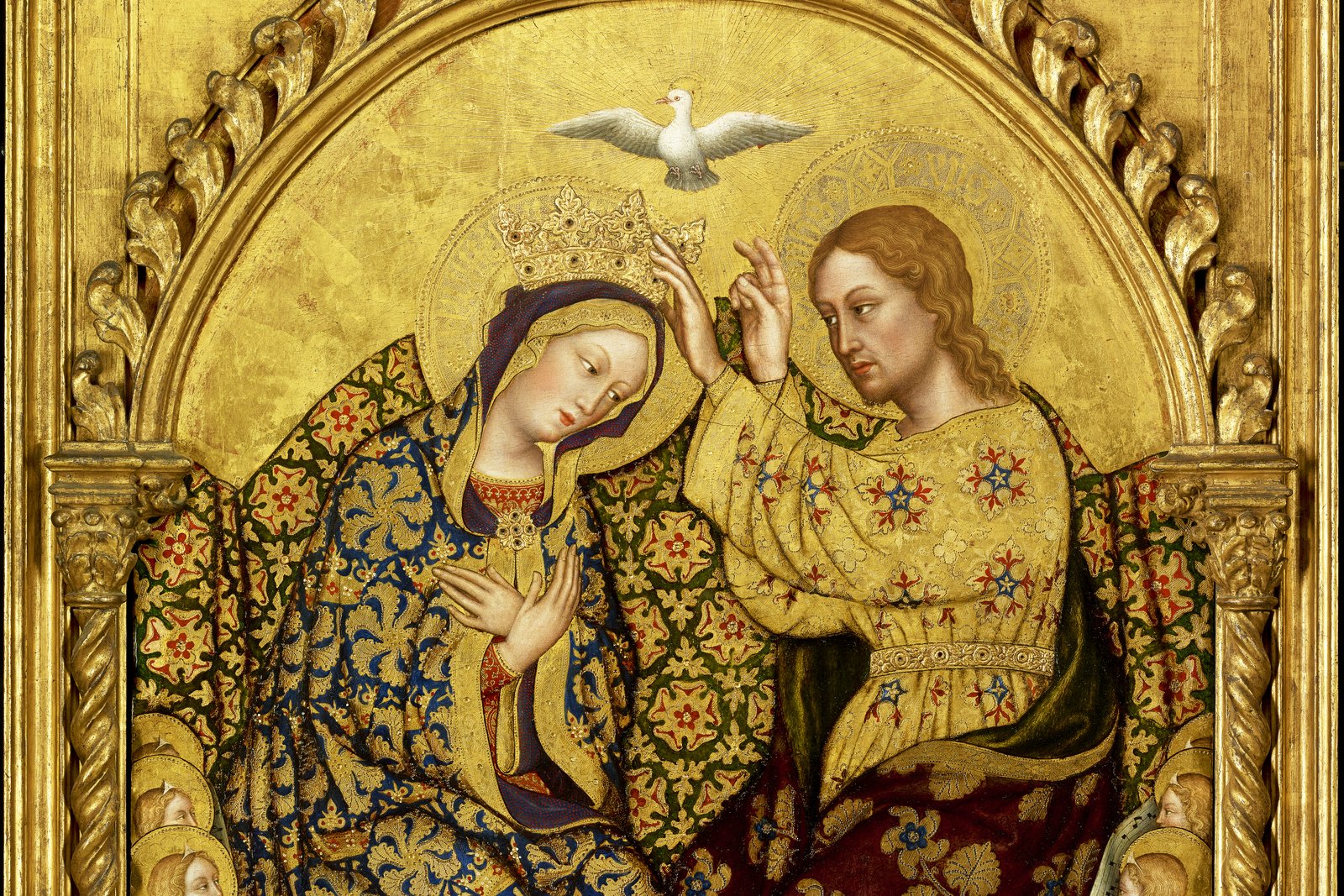
Titles of the Virgin Mary Explained
A guide to the major titles of the Virgin Mary — apparition names like Fatima and Lourdes, dogmas like the Immaculate Conception, and what each one means.
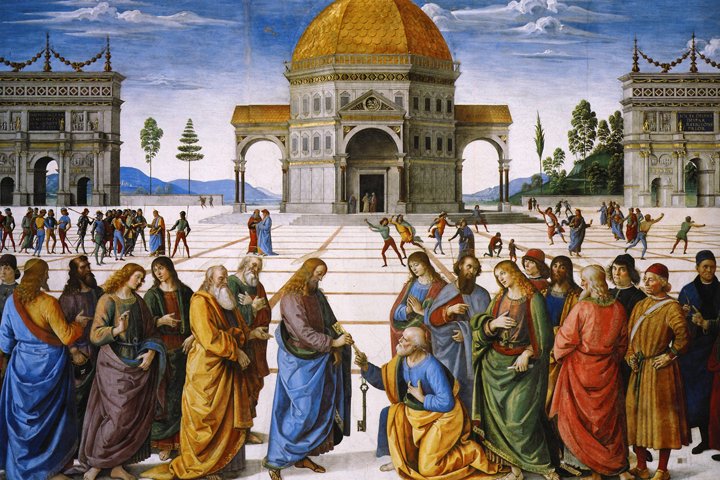
Apostolic Succession Explained: From Peter to Today's Bishops
Apostolic succession is the unbroken line of ordination linking today's Catholic bishops back to the apostles Christ himself commissioned. Here's how it works.
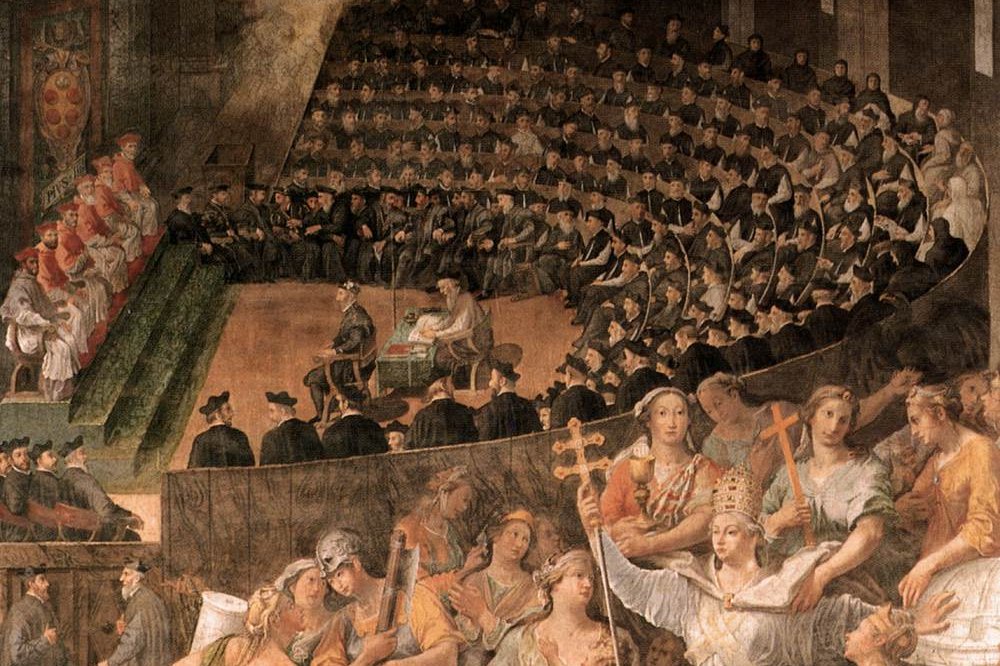
Catholic vs. Protestant: The Main Differences, Explained Fairly
A neutral overview of what actually separates Catholic and Protestant Christianity — Scripture and Tradition, the sacraments, church authority, and Mary.
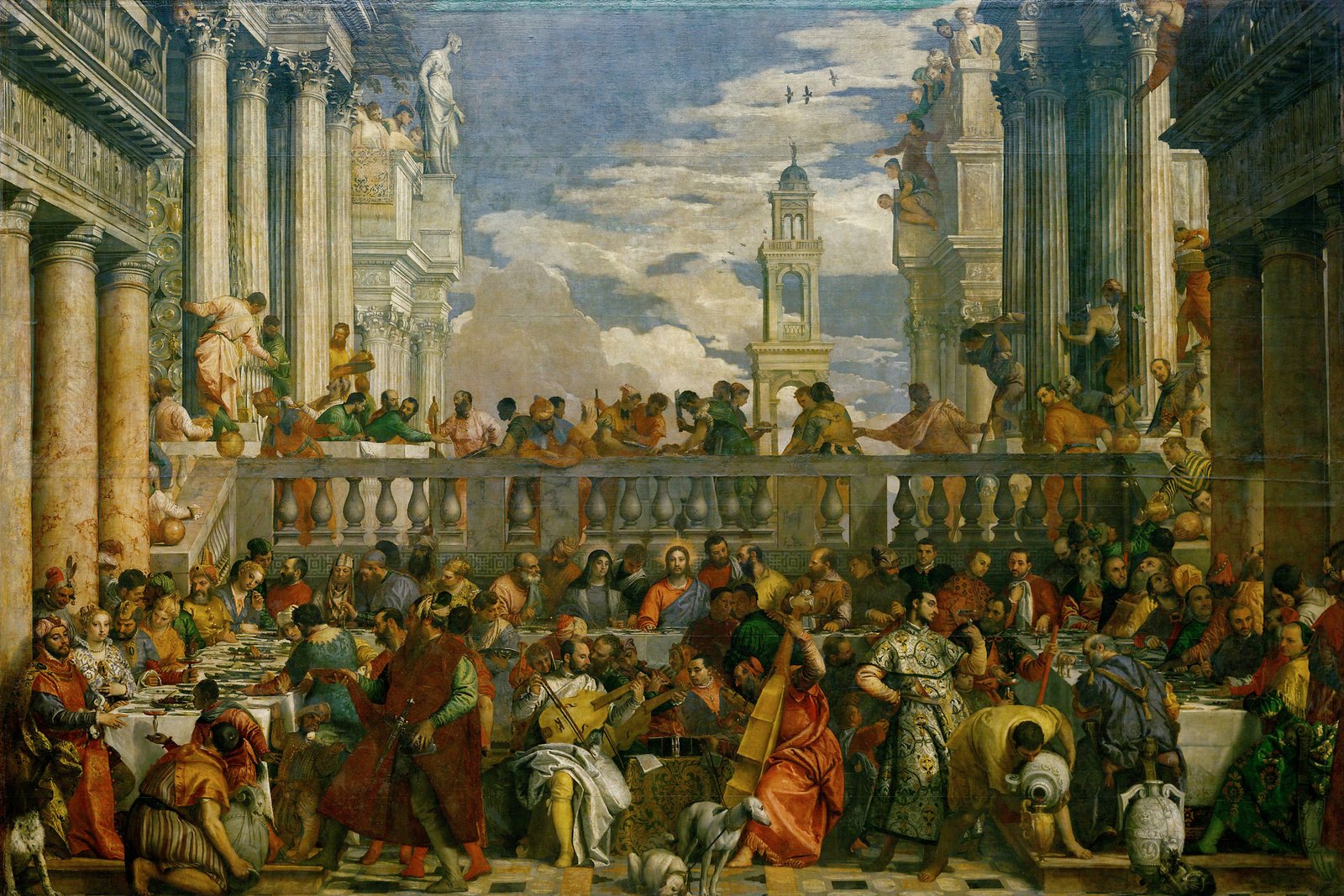
Catholic Wedding Customs and Traditions Explained
What actually happens at a Catholic wedding — the nuptial Mass, vows, unity candle, veiling, and other customs — and which are Church rite versus local tradition.
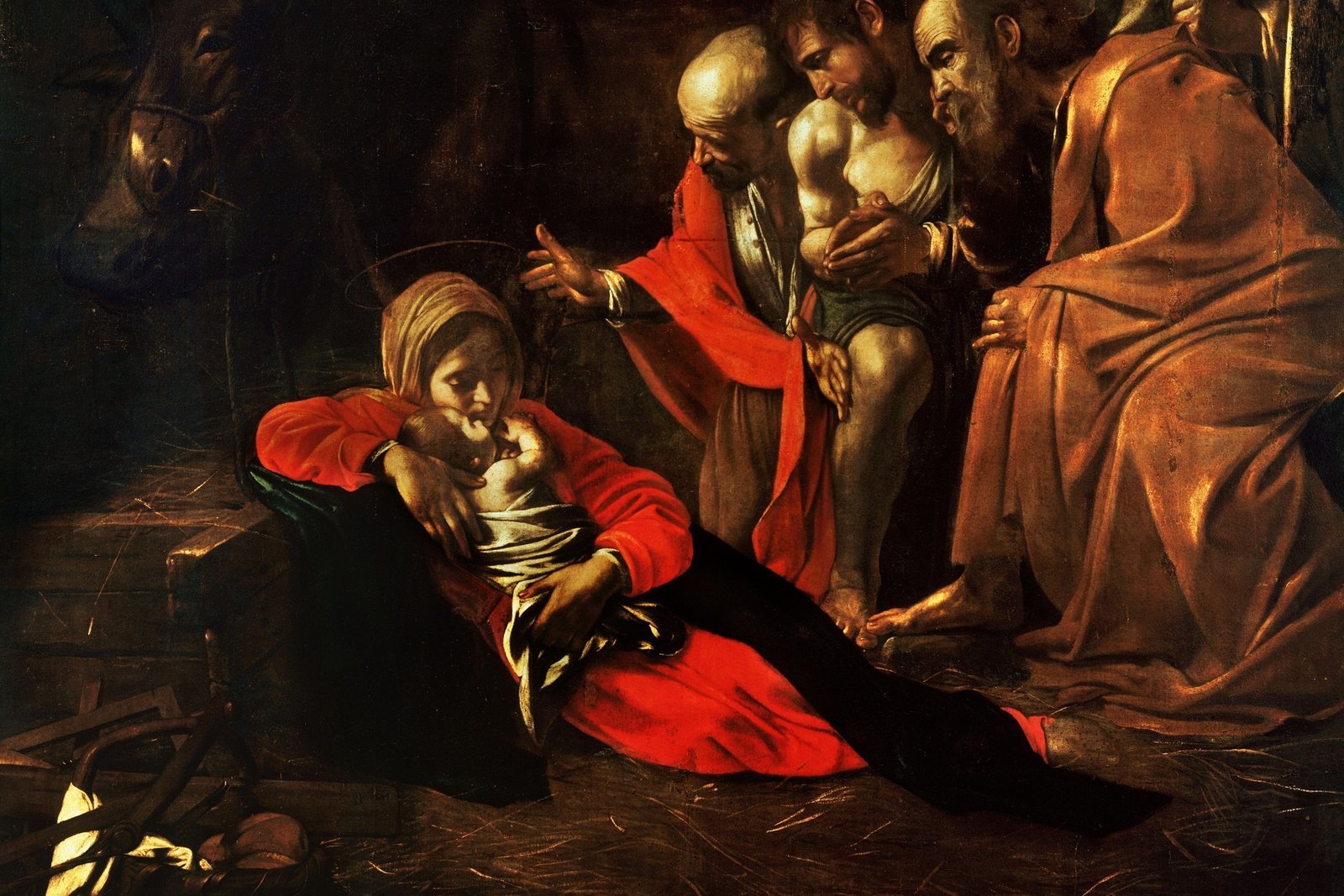
The Christmas Novena: Nine Days of Prayer Before December 25
The nine days before Christmas Catholics have prayed for centuries, tracing back to Naples, honoring the days Mary and Joseph awaited the Nativity in Bethlehem.
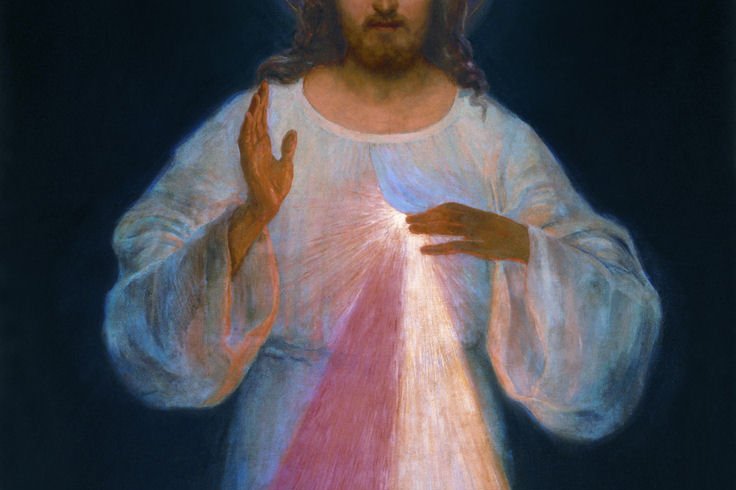
The Divine Mercy Novena: Nine Days Before Divine Mercy Sunday
The nine-day Divine Mercy Novena Christ reportedly asked Saint Faustina to pray, with its daily intentions and how it leads up to Divine Mercy Sunday.
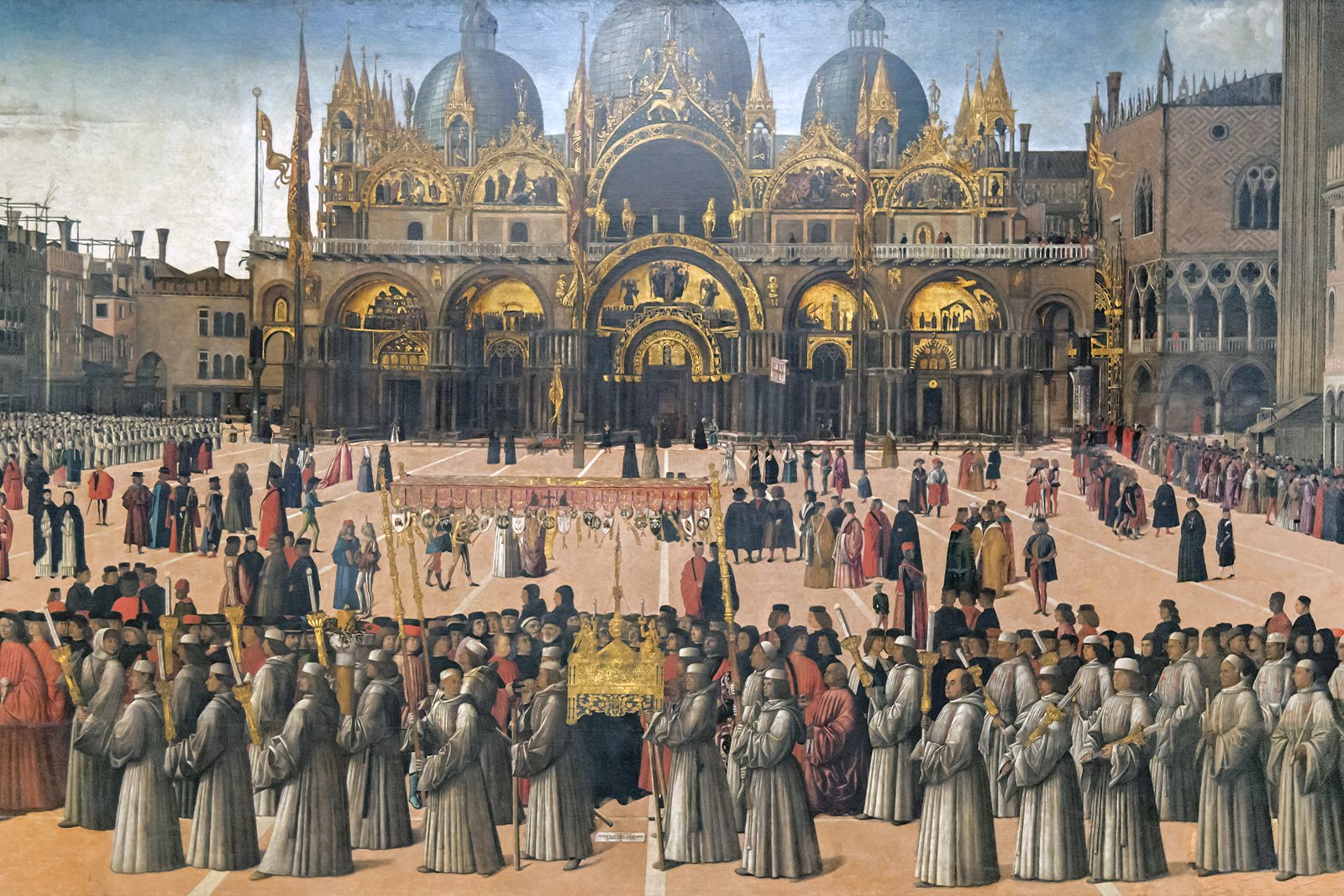
Eucharistic Adoration Explained — Sitting Before the Blessed Sacrament
What Eucharistic Adoration actually is, why Catholics kneel before a consecrated host outside of Mass, and how the practice of holy hours developed over time.
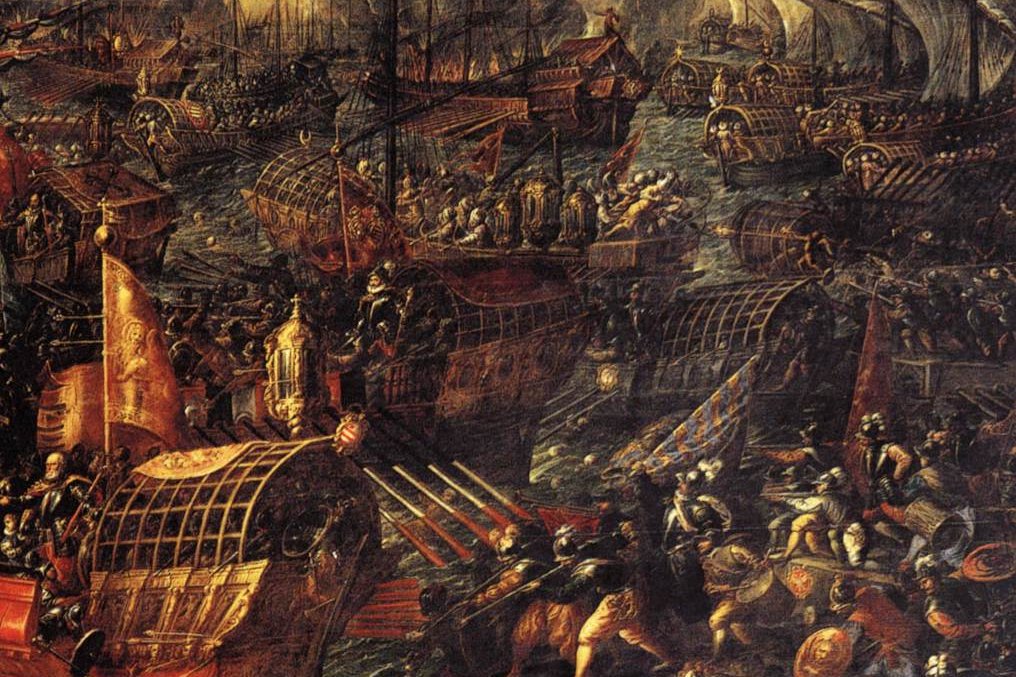
Feast of Our Lady of the Rosary: Its Lepanto Origin
The Feast of Our Lady of the Rosary, October 7, began as thanksgiving for the 1571 Battle of Lepanto — its history, meaning, and traditions explained.
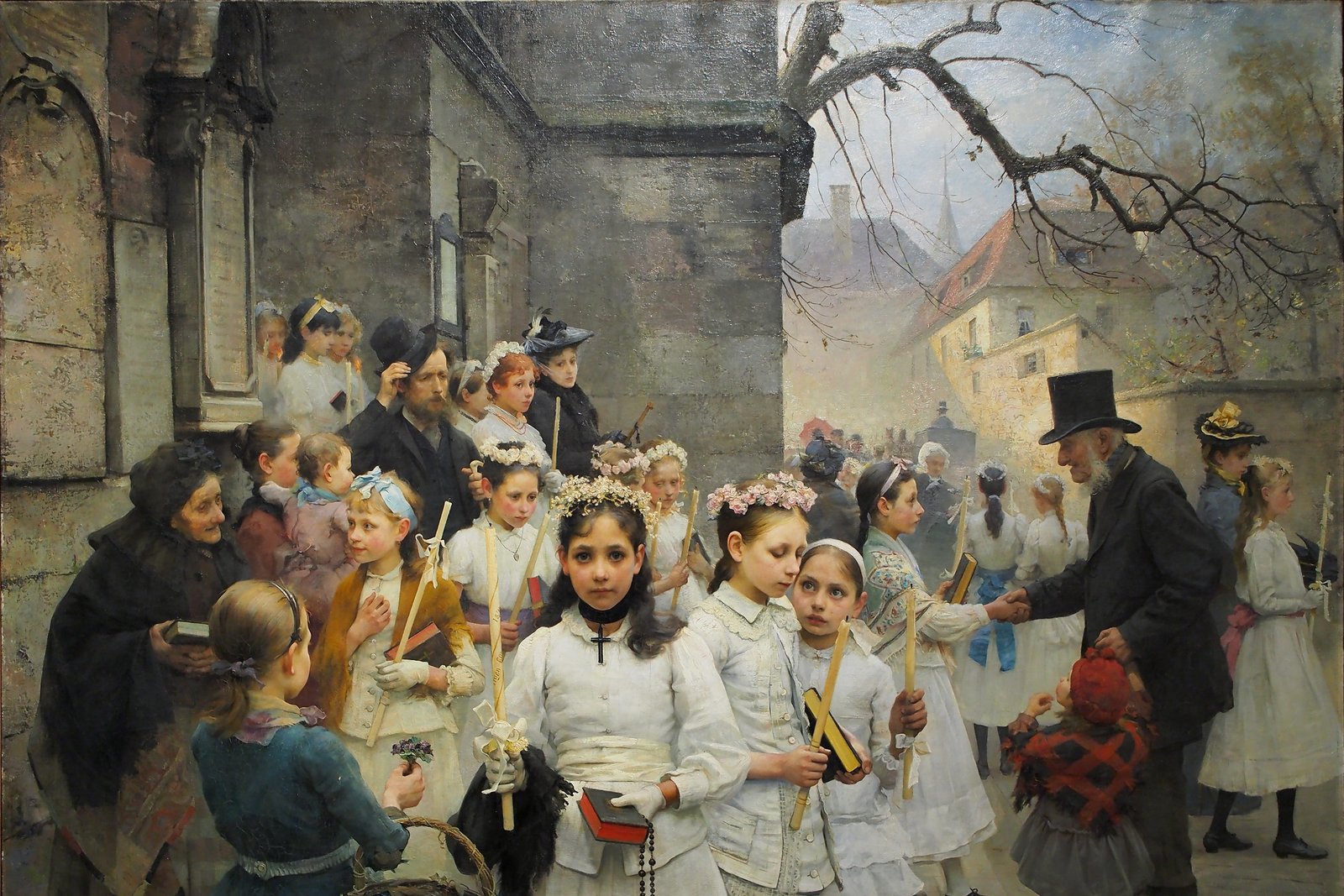
First Communion: Preparation and Traditions
How Catholic children prepare for First Communion, what happens at the Mass itself, and where customs like white dresses and gift missals actually come from.
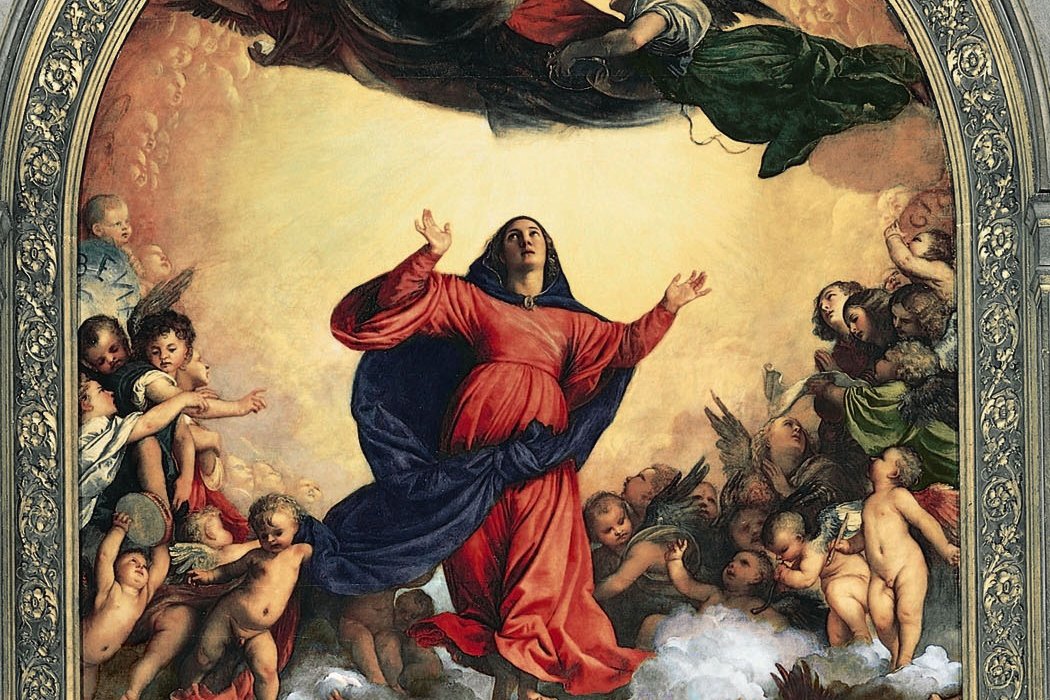
Holy Days of Obligation — The Full List and What They Mean
Which Catholic feast days carry the same Mass obligation as Sunday, why the observed list varies by country and even by year, and what each holy day commemorates.
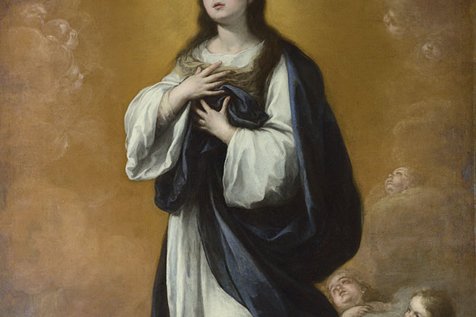
Immaculate Conception vs. Virgin Birth: What's the Difference?
The Immaculate Conception is about Mary's own conception free from original sin — not the virgin birth of Jesus. Here's the distinction, explained clearly.
Lectio Divina Explained — Praying With Scripture in Four Movements
How lectio divina works, its four traditional movements — lectio, meditatio, oratio, contemplatio — and how to begin praying Scripture this way today.
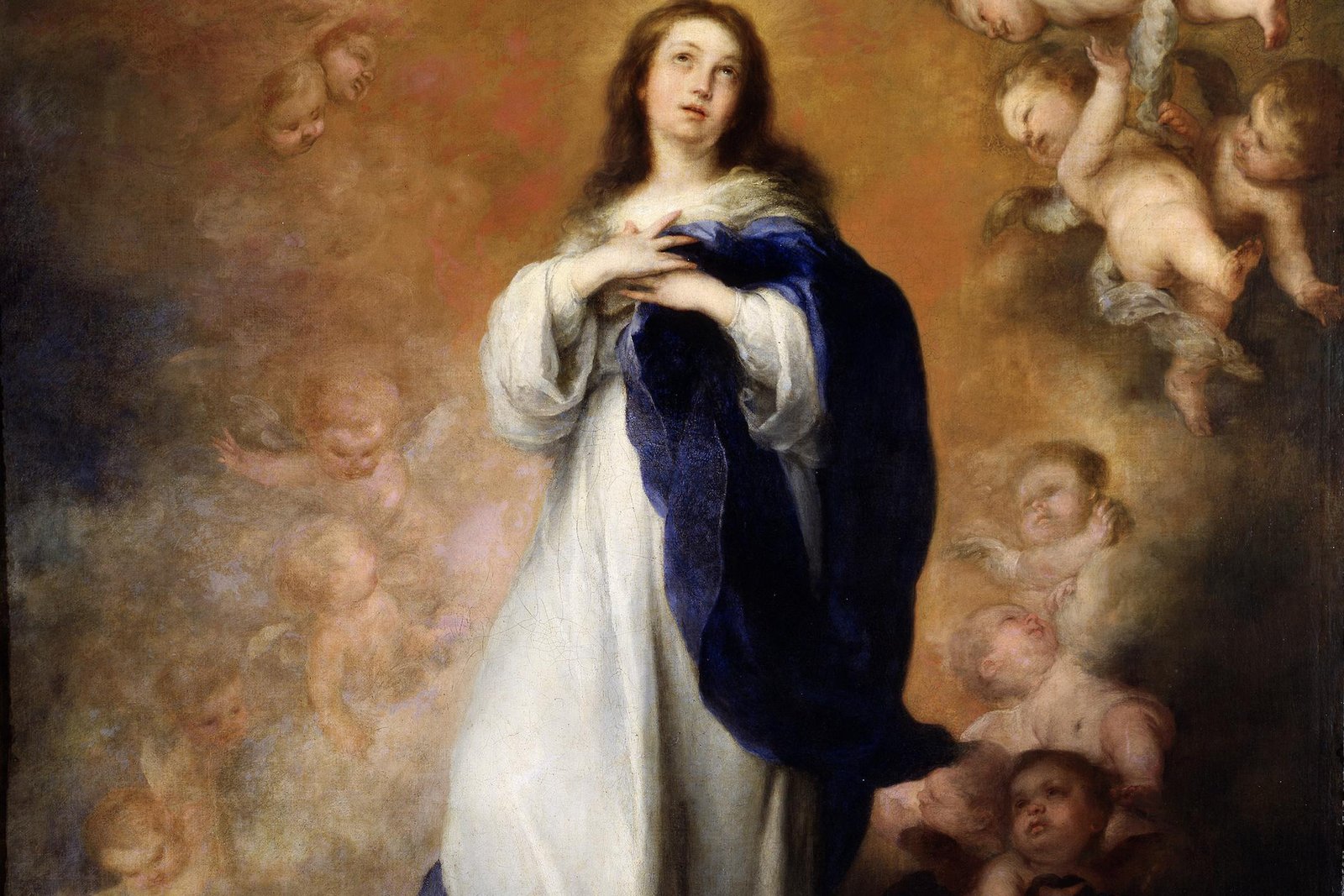
The Miraculous Medal Novena: Prayer and Origins
The nine-day Miraculous Medal Novena, its full traditional prayer text, and its roots in Saint Catherine Labouré's 1830 Marian apparitions in Paris, France.
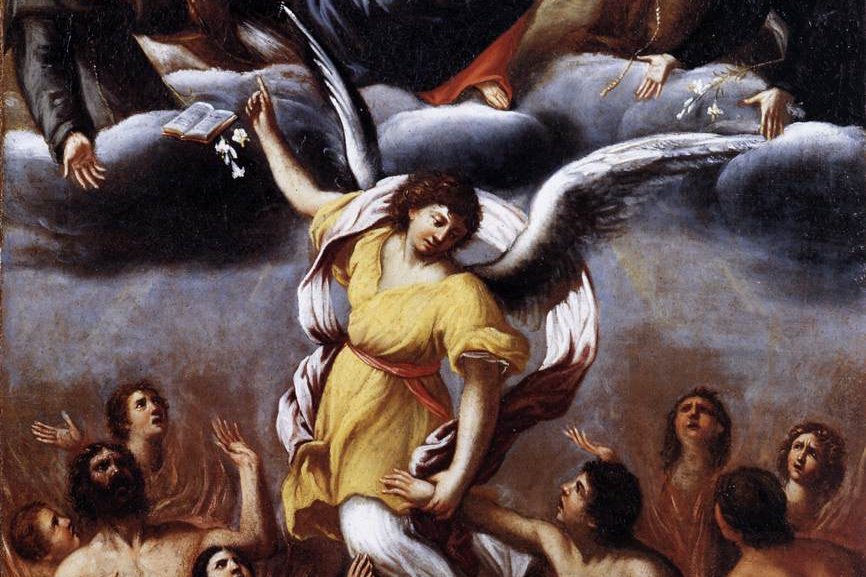
Novena for the Souls in Purgatory: A Nine-Day Prayer for the Dead
A nine-day Catholic novena praying for souls in purgatory, rooted in 2 Maccabees and Church teaching that the living can still help the dead through prayer.
Novena to Saint Jude: Prayer for Desperate, Impossible Situations
How to pray the Saint Jude Novena, the nine-day prayer Catholics turn to for hopeless, seemingly impossible situations, with its full traditional text.
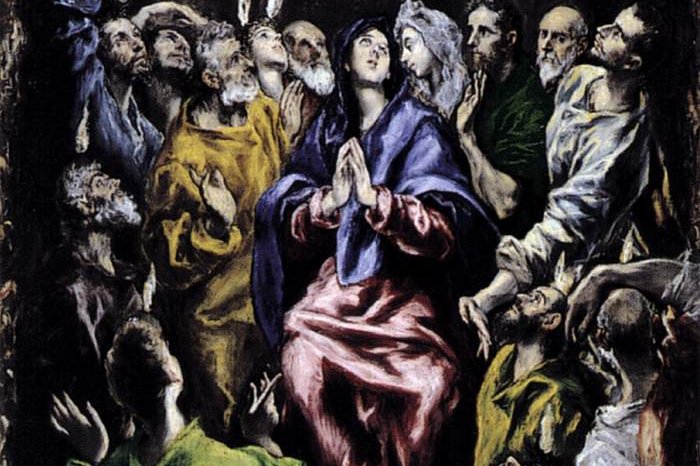
The Novena to the Holy Spirit: The Original Nine Days
The nine days the apostles and Mary spent together in prayer awaiting Pentecost, the historical origin of every Catholic novena, and how to pray it today.
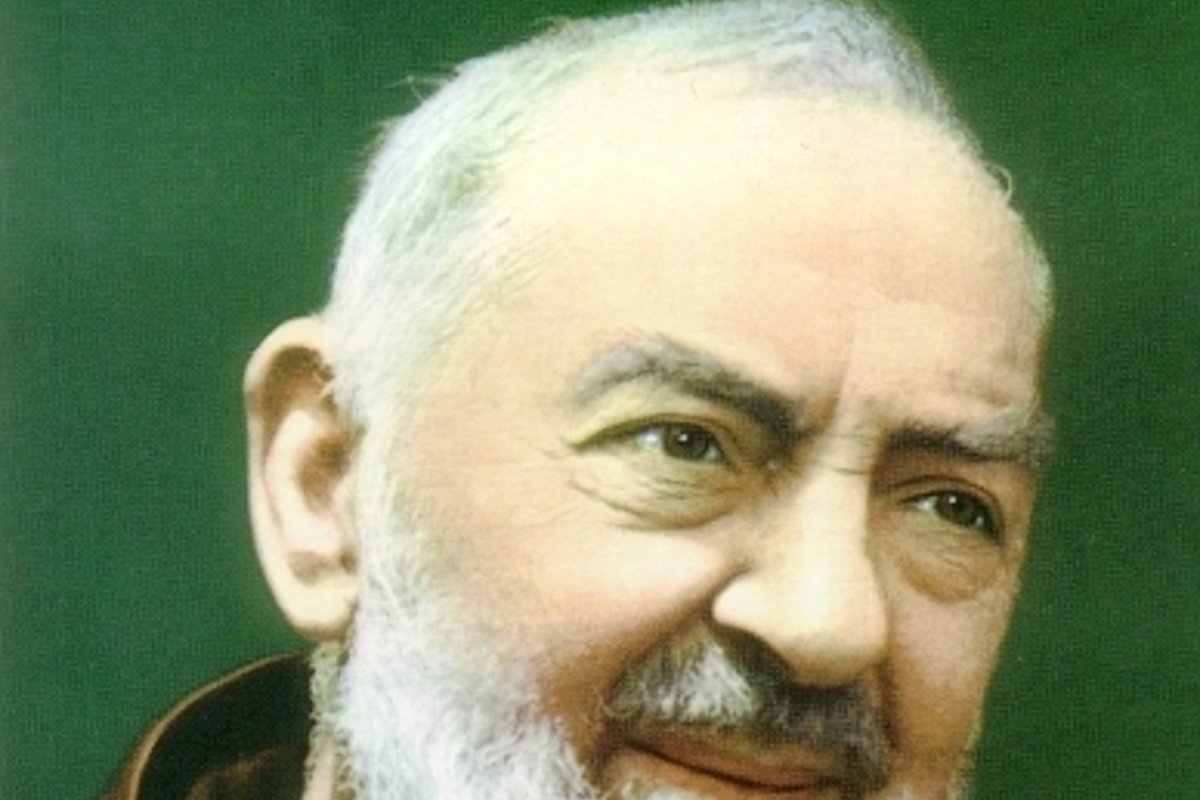
The Padre Pio Novena: Nine Days Before His September 23 Feast
How to pray the Padre Pio Novena, its nine daily petitions from suffering to Purgatory to healing, running each year September 15-23 to his feast.
Papal Infallibility Explained: What It Does and Doesn't Mean
Papal infallibility applies only under narrow, specific conditions — it doesn't mean the Pope is sinless or always right. Here's what the doctrine actually claims.
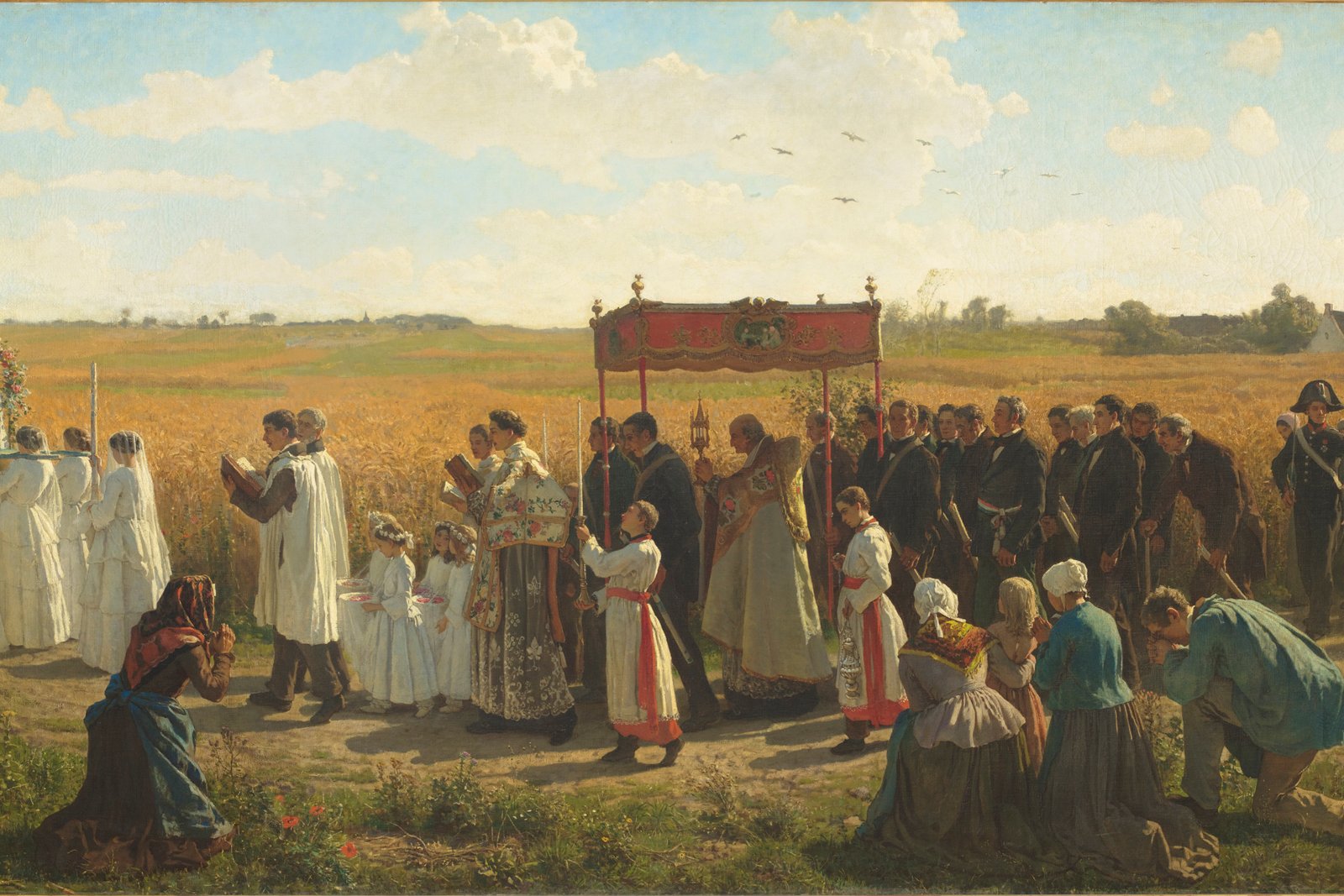
Sacramentals Explained — Holy Water, Medals, and Scapulars
What a sacramental is, how holy water, blessed medals, and scapulars differ from the seven sacraments, and why the Church uses ordinary objects this way.
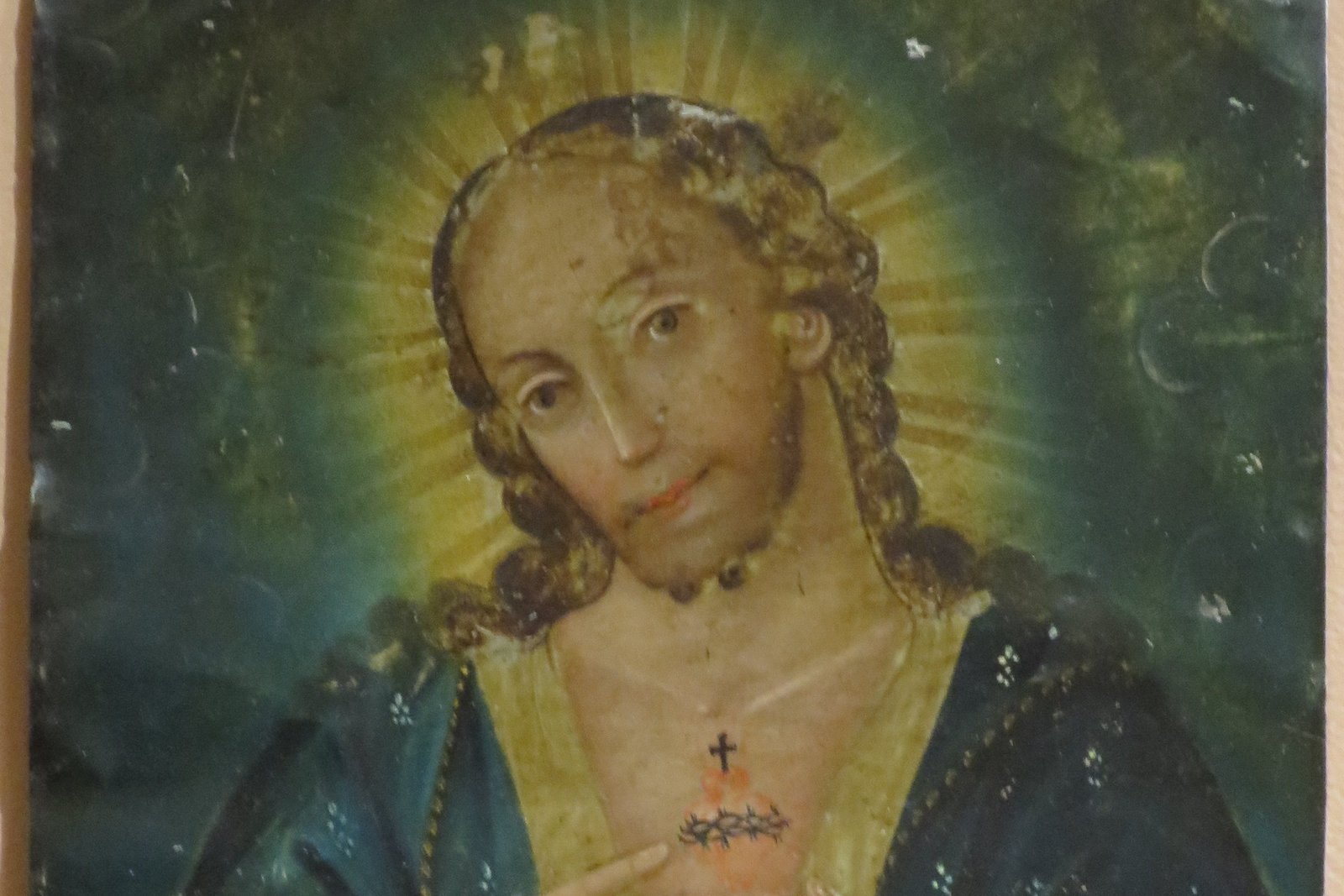
The Sacred Heart Novena: The Prayer Padre Pio Prayed Daily
The Efficacious Novena to the Sacred Heart of Jesus, attributed to Saint Margaret Mary Alacoque and prayed daily by Padre Pio, with its full traditional text.
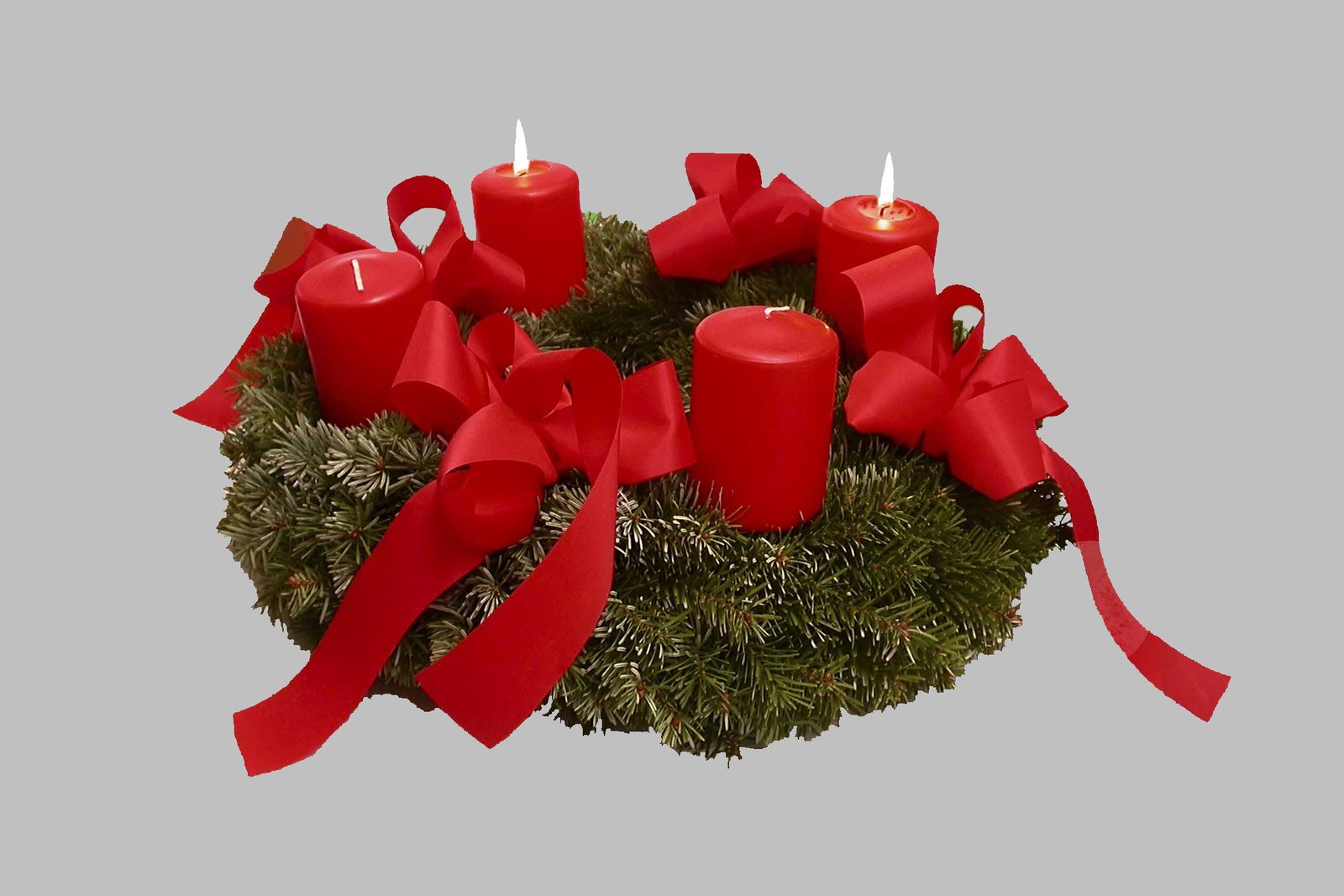
The Advent Wreath Explained: Candles, Colors, Meaning
Where the Advent wreath tradition began, what its four candles and evergreen circle symbolize, and how Catholic families use it to mark the weeks before Christmas.
The Anointing of the Sick Explained
What the Sacrament of the Anointing of the Sick actually is, how it differs from the old 'Last Rites,' who can receive it, and what happens during the rite.
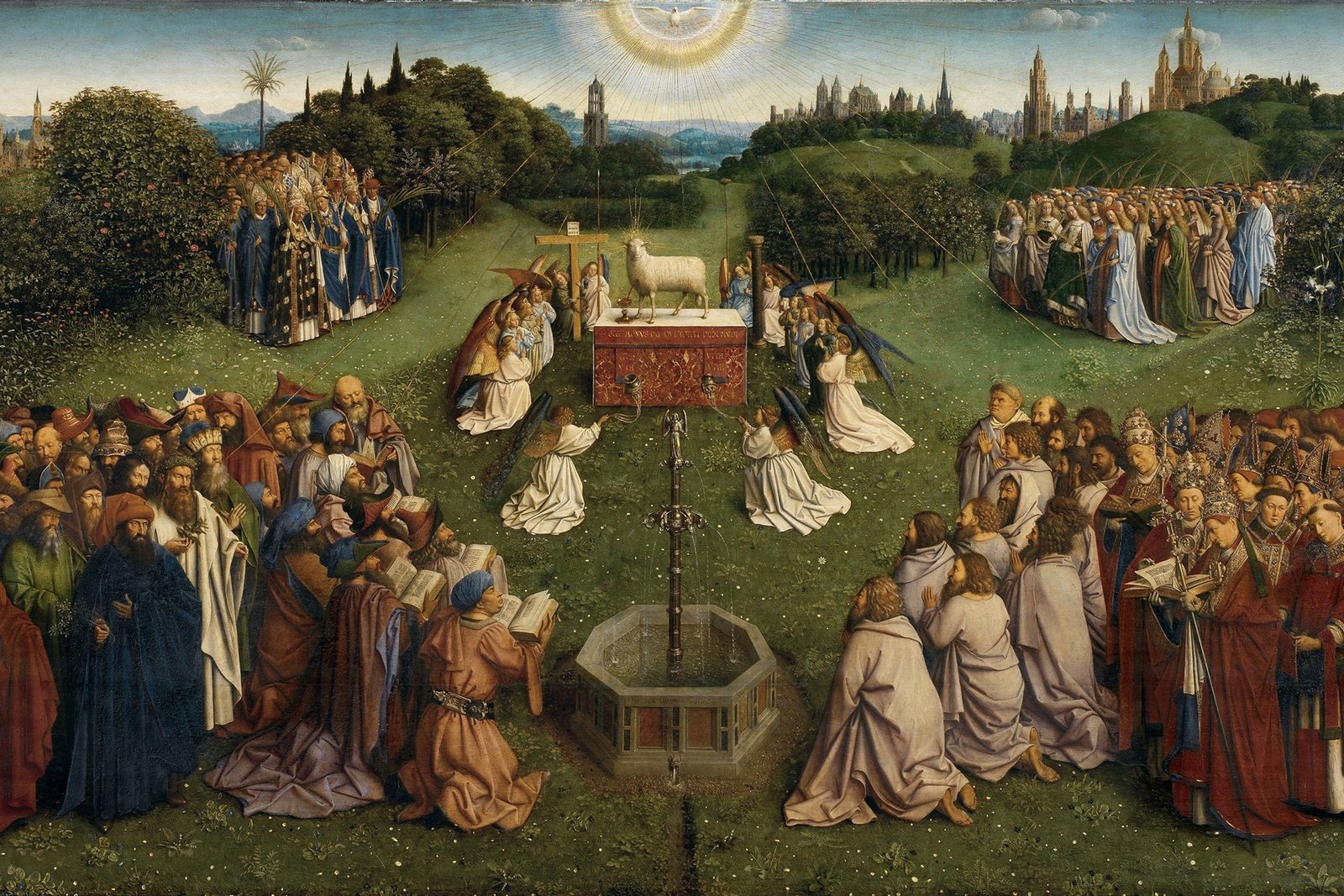
The Communion of Saints Explained
What Catholics mean when they profess belief in the communion of saints in the Creed — a bond linking believers on earth, in purgatory, and in heaven.
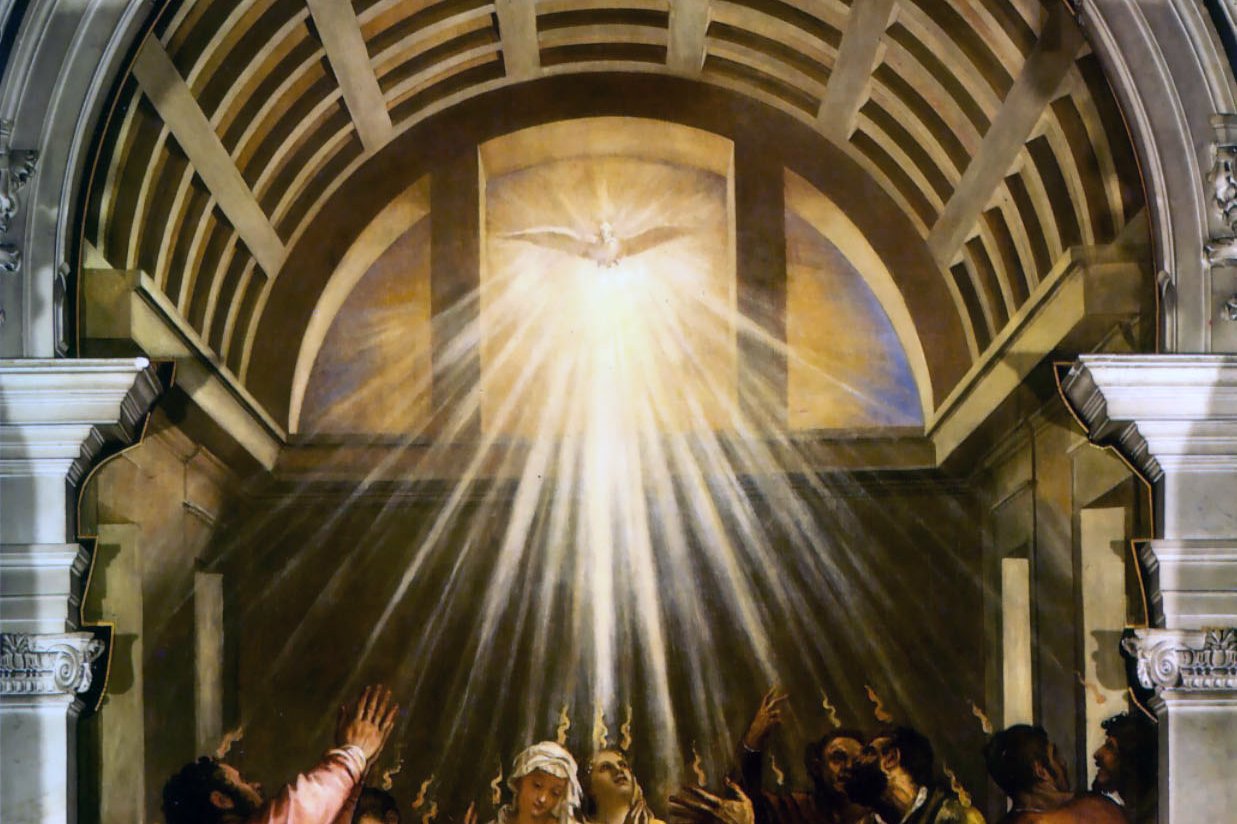
The Four Marks of the Church — One, Holy, Catholic, Apostolic
What Catholics mean by one, holy, catholic, and apostolic in the Nicene Creed, and why the Church treats these four marks as inseparably linked together.
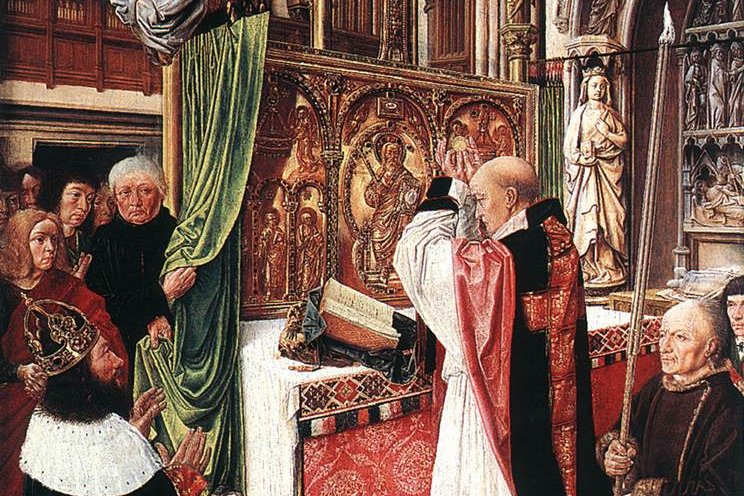
The Liturgical Colors Explained — What Each One Means
What white, red, green, violet, rose, and black mean on the altar, why priests change vestments through the year, and how the colors track the Church calendar.
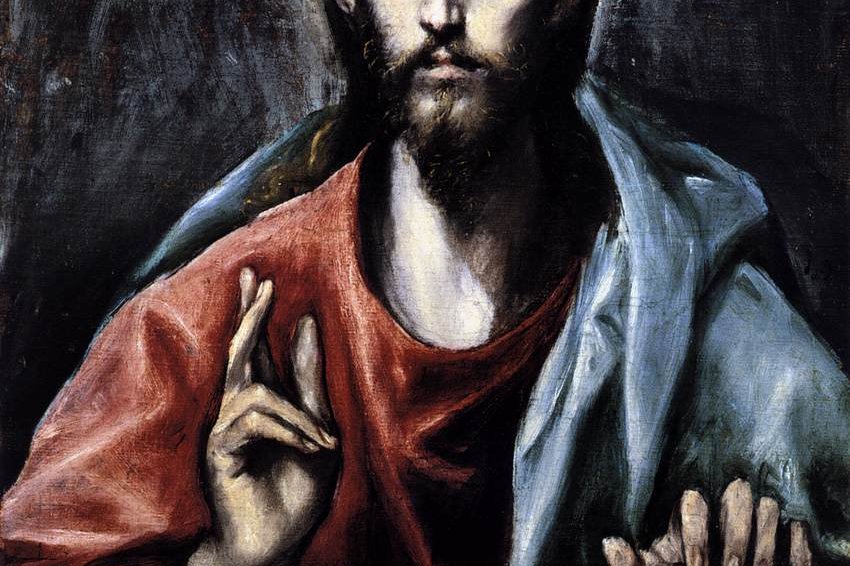
The Sign of the Cross Explained — History and Meaning
Why Catholics trace the cross from forehead to chest and shoulder to shoulder, where the gesture came from historically, and what it means every time it's made.
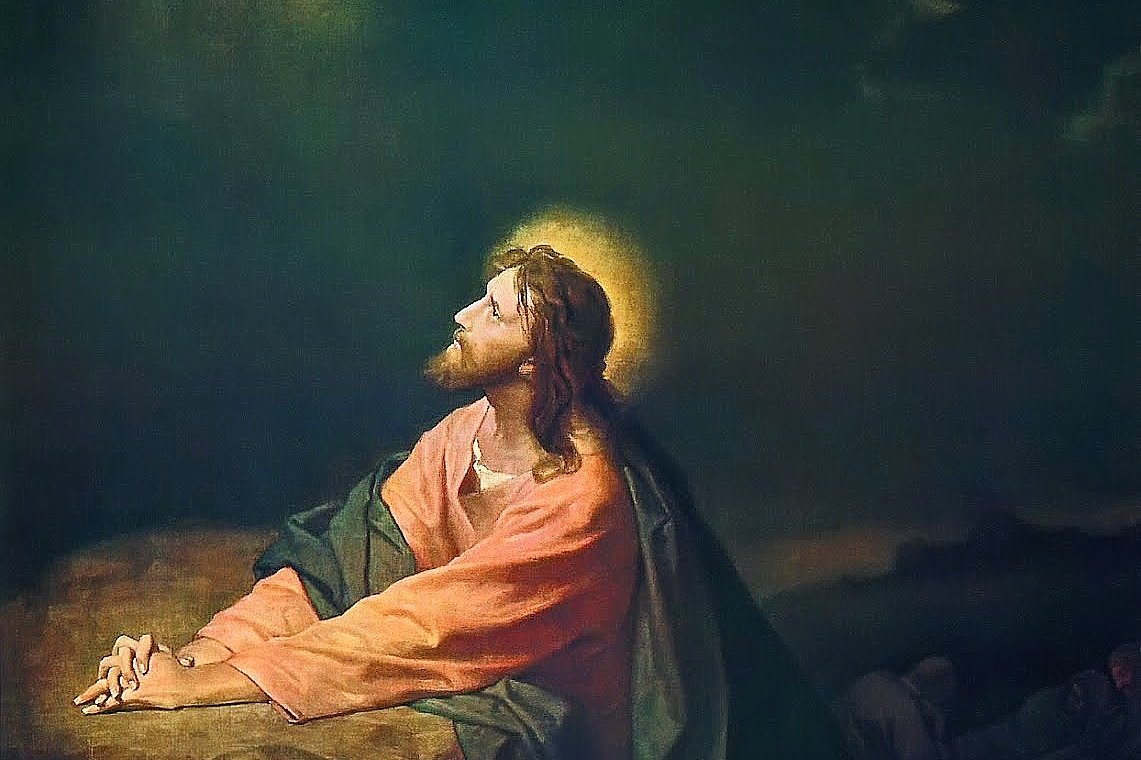
The Surrender Novena: “Jesus, You Take Care of It”
Father Dolindo Ruotolo's Surrender Novena, built on the repeated prayer “Jesus, I trust in you, you take care of it,” with its origin and daily structure.
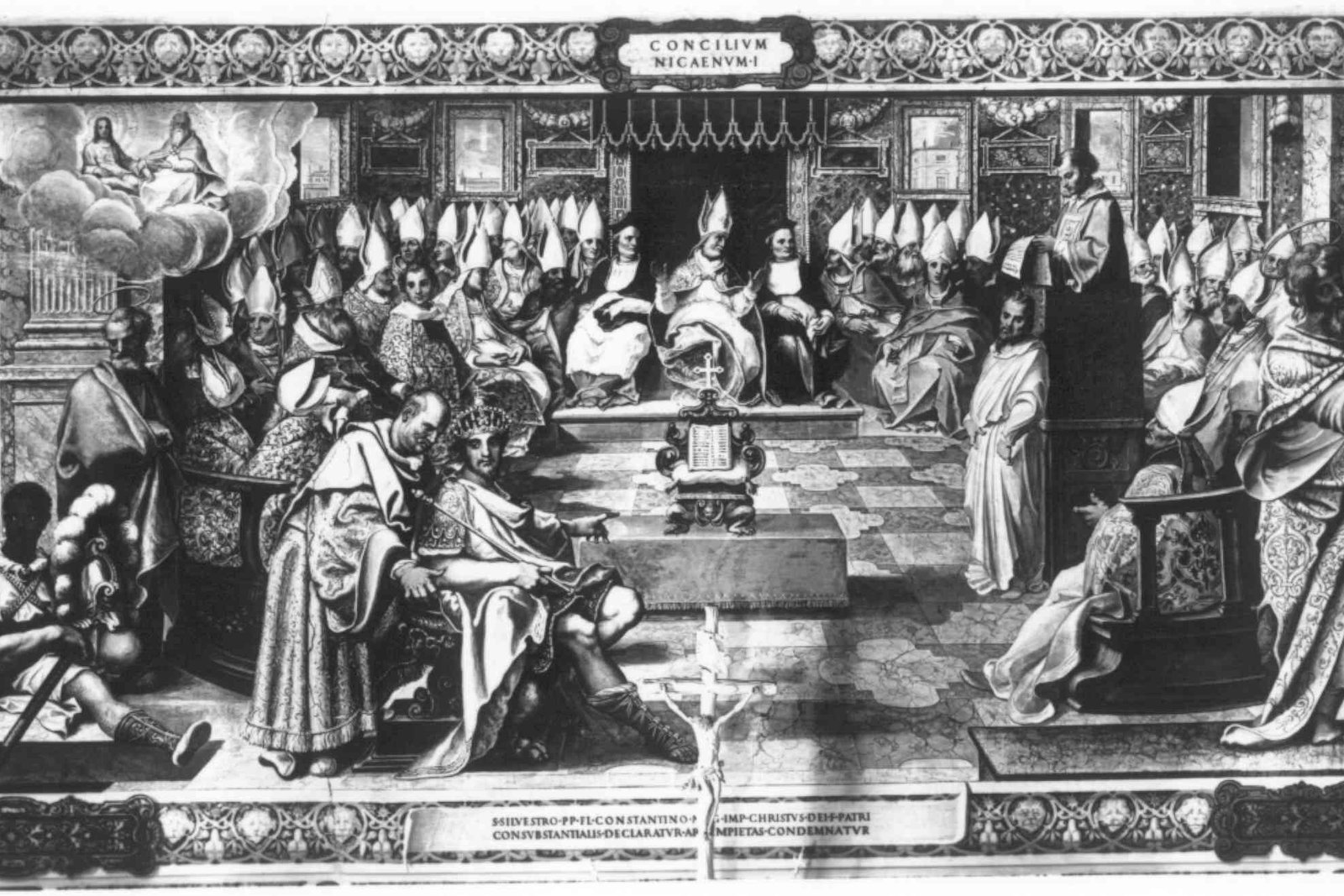
Tradition vs. Dogma: What Catholics Must Believe vs. May Believe
Not every Catholic legend is binding doctrine. Here's how to tell defined dogma, official Church teaching, and pious tradition apart — and why it matters.
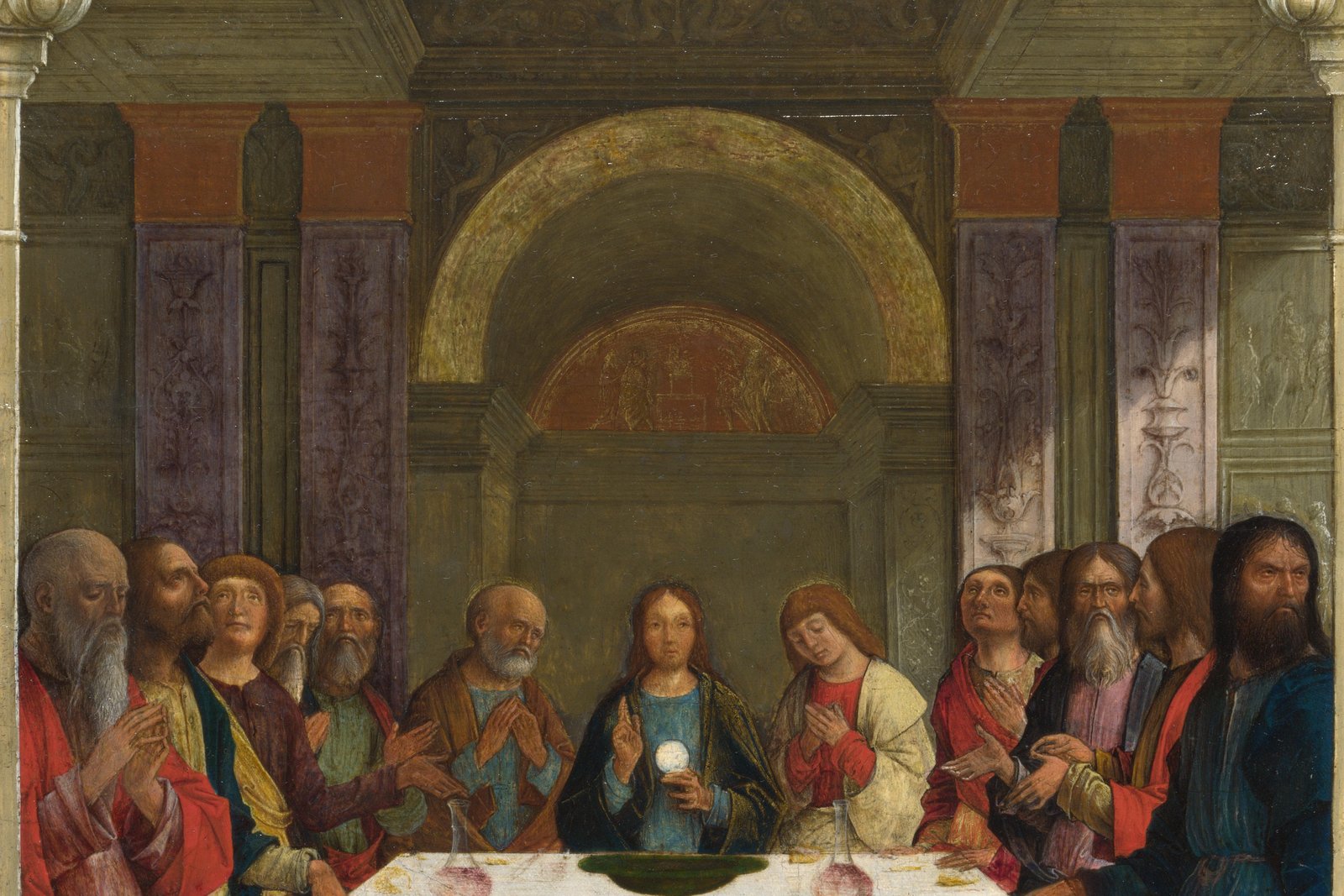
Transubstantiation Explained: What Catholics Believe About the Eucharist
Transubstantiation is the Catholic teaching that bread and wine become Christ's Body and Blood at Mass, while still looking, tasting, and acting like bread and wine.
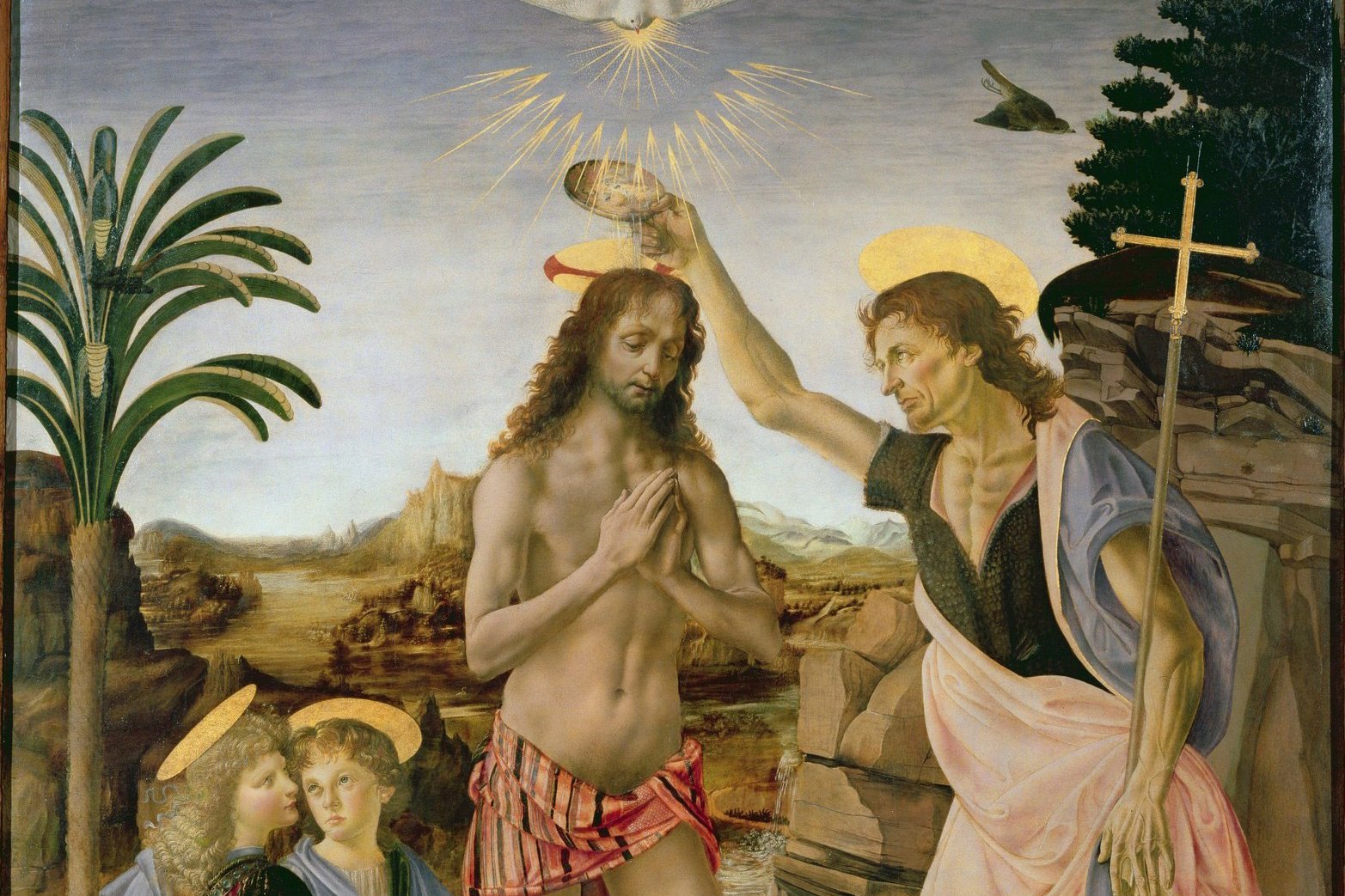
What Happens at a Catholic Baptism? The Rite Explained
From the sign of the cross at the door to water poured three times in the Trinity's name, here is a full, step-by-step walkthrough of a Catholic baptism.
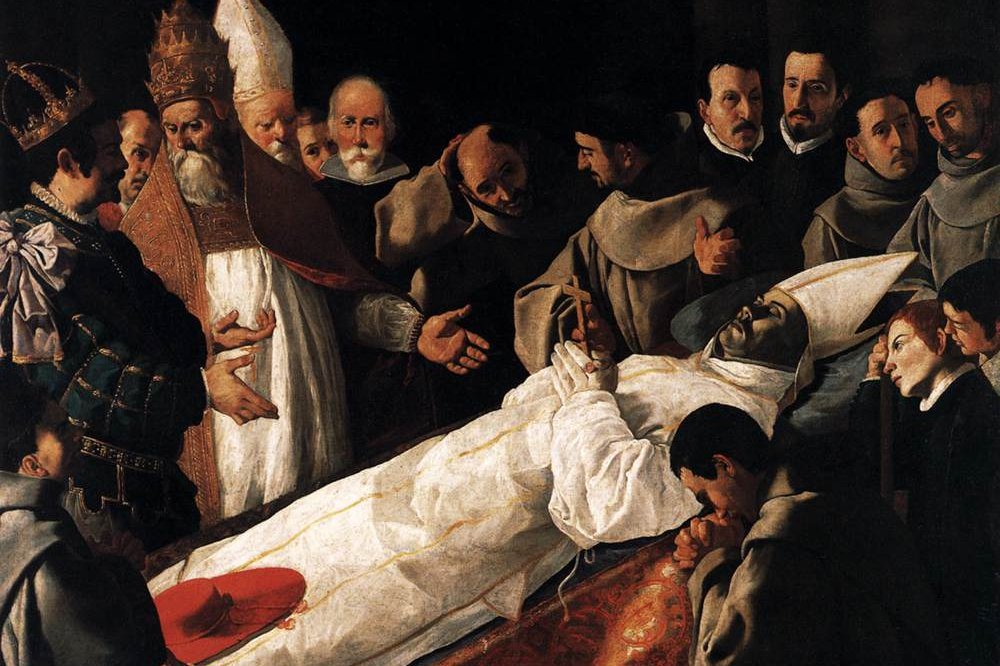
What Happens at a Catholic Funeral — A Walk Through the Rites
A plain walkthrough of the three stages of a Catholic funeral — vigil, funeral Mass, and rite of committal — and what each stage means for the faithful.
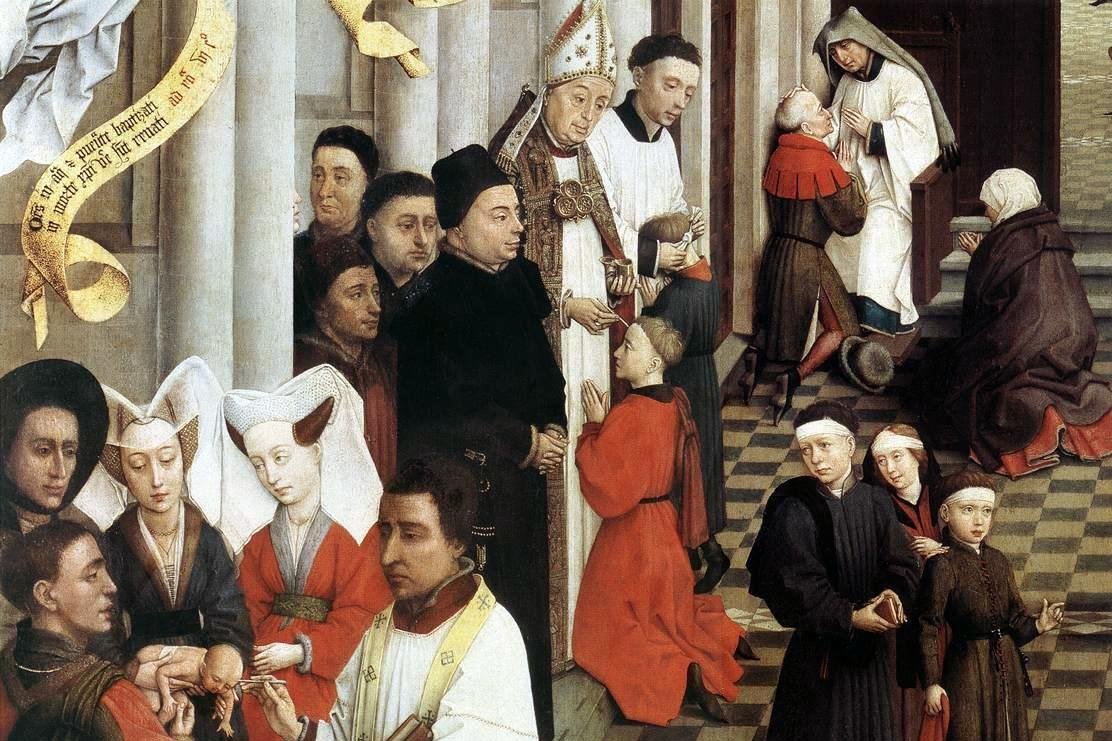
What Happens at Confirmation? The Rite Explained
A step-by-step look at the Catholic rite of Confirmation — the anointing with chrism, the bishop's role, the words spoken, and what the sacrament actually confers.
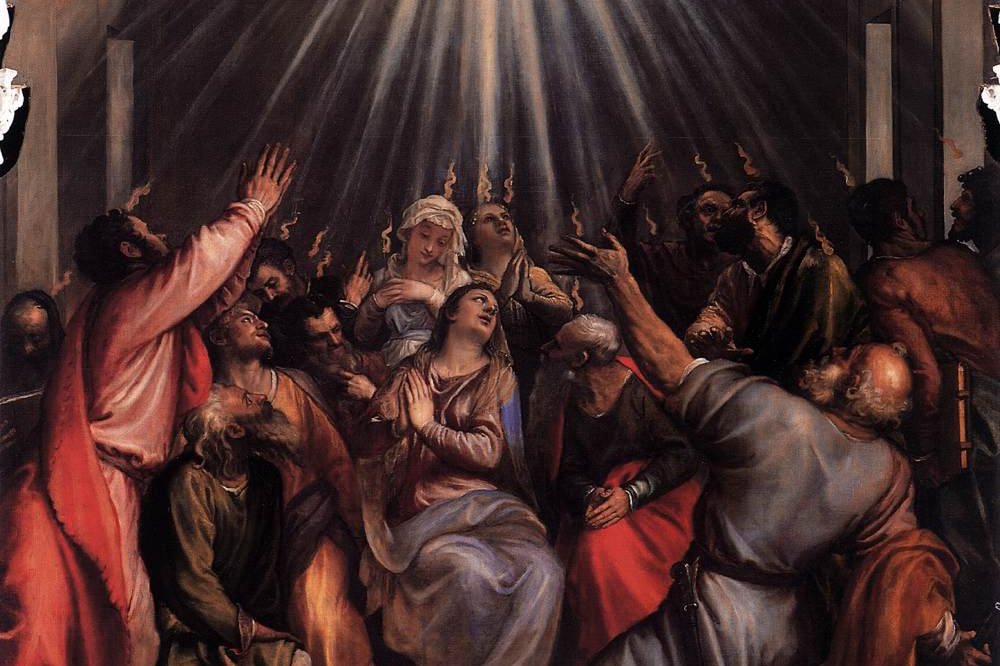
What Is a Novena? The Nine-Day Prayer, Explained
A novena is nine days of sustained prayer, rooted in the apostles' wait for Pentecost in Acts 1. Its origin, purpose, and how Catholics pray one today.
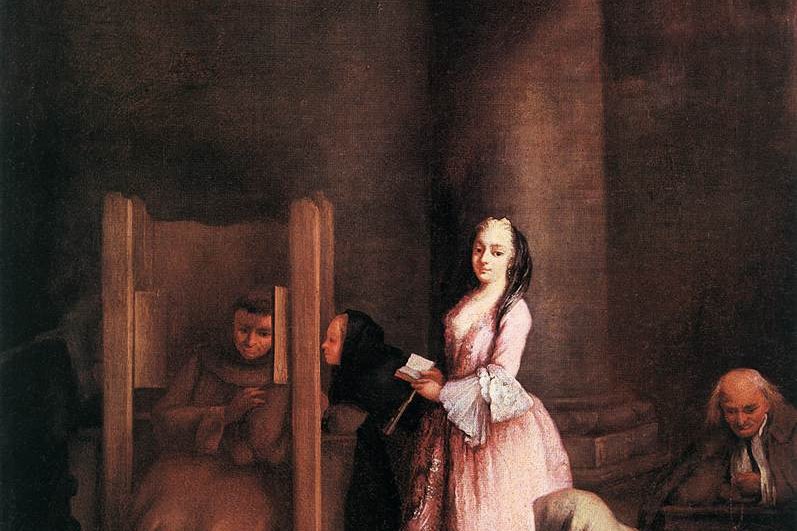
What Is an Indulgence? Plenary and Partial, Explained
What a Catholic indulgence actually is and isn't, the difference between plenary and partial, and why it isn't a purchase of forgiveness or salvation.
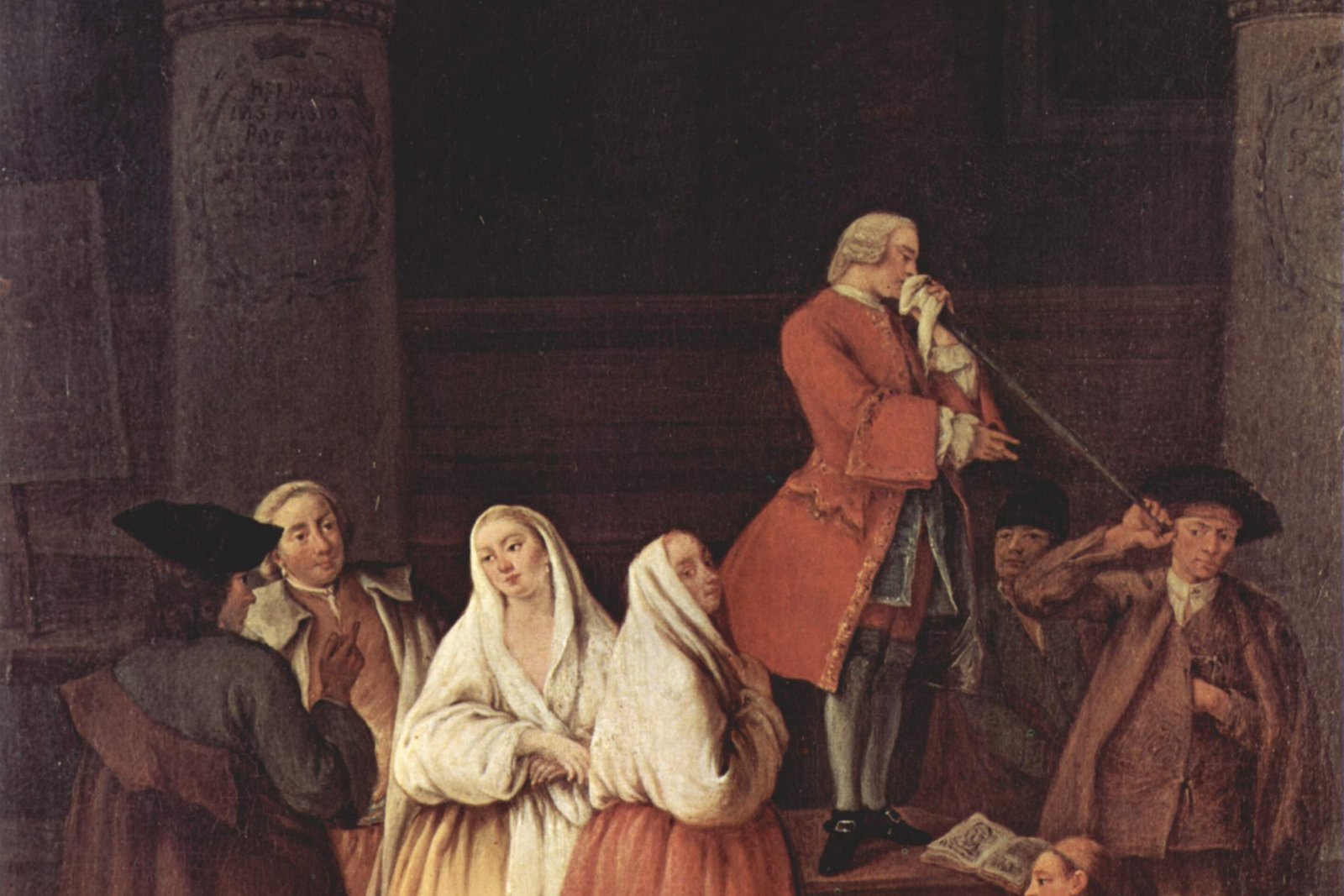
Why Do Catholics Confess Their Sins to a Priest?
Catholics confess to a priest because Christ gave the apostles authority to forgive sins in his name — a sacramental act, not a human substitute for God.
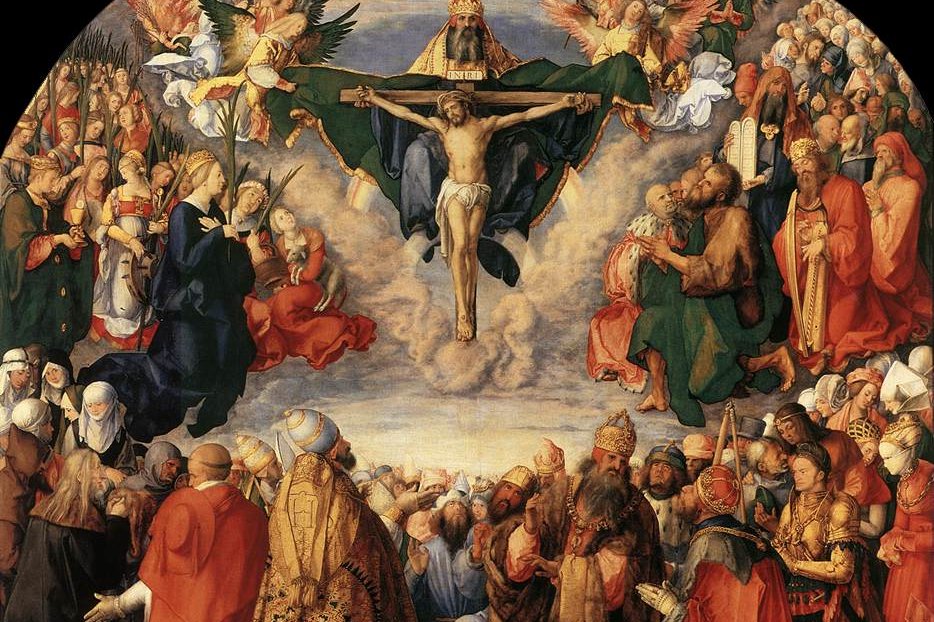
Why Do Catholics Pray to Saints? Intercession Explained
Catholics ask saints to pray for them, the way you'd ask a friend — it's intercession, not worship. Here's the Catechism's own explanation of the practice.
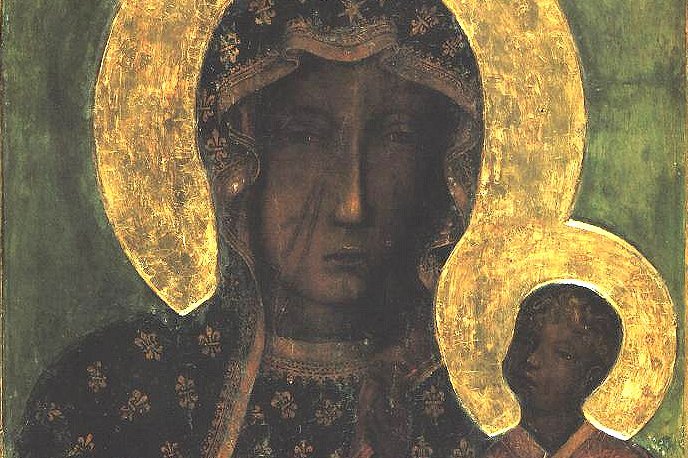
Why Do Catholics Venerate Statues? Isn't That Idolatry?
Catholics honor statues and icons the way you'd honor a photo of a loved one — the honor passes to the person depicted, not the object. Here's the distinction.
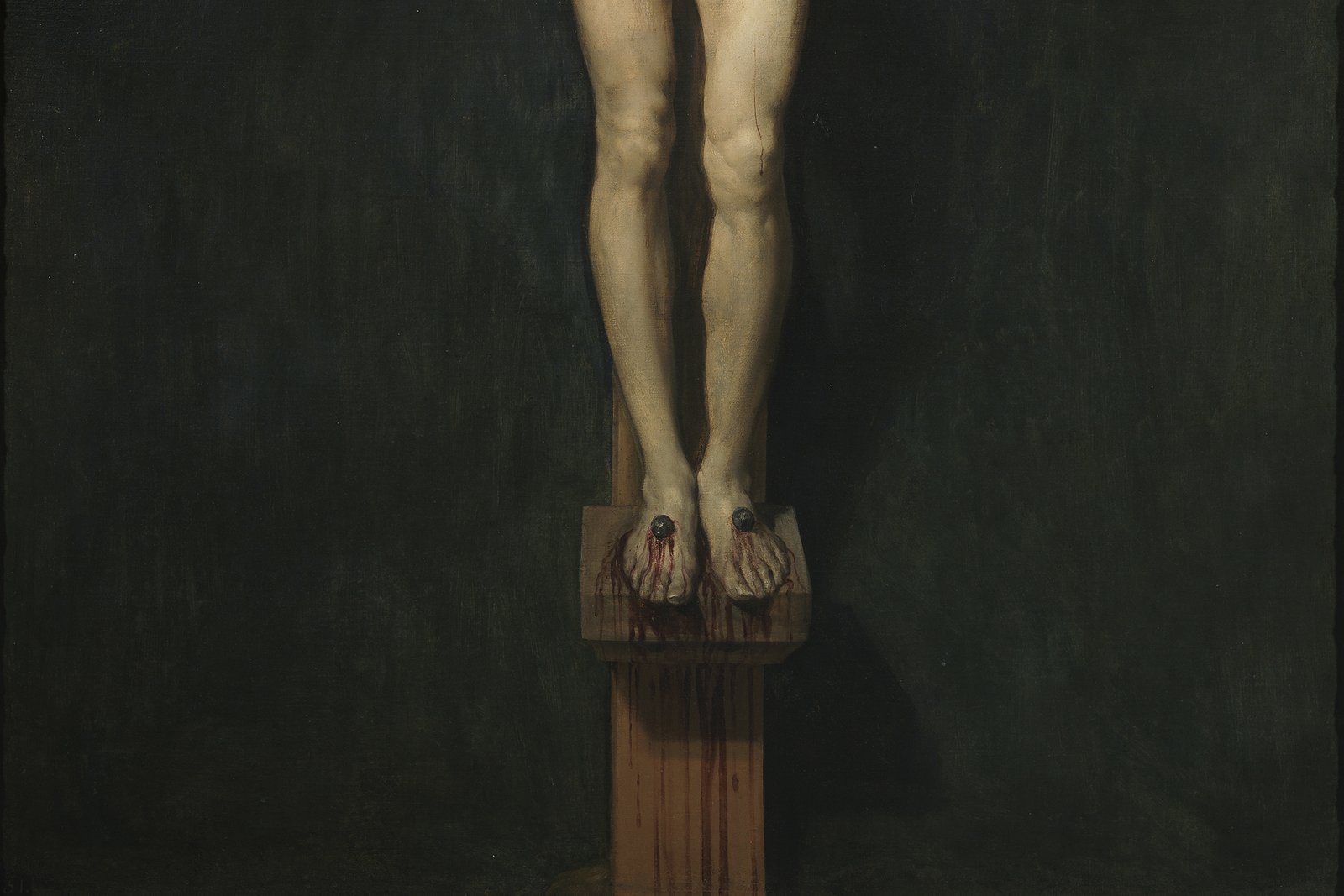
The Anima Christi Prayer Explained
A prayer once recited privately by priests at every Mass before Communion, and still prayed today after receiving the Eucharist — its text and history.
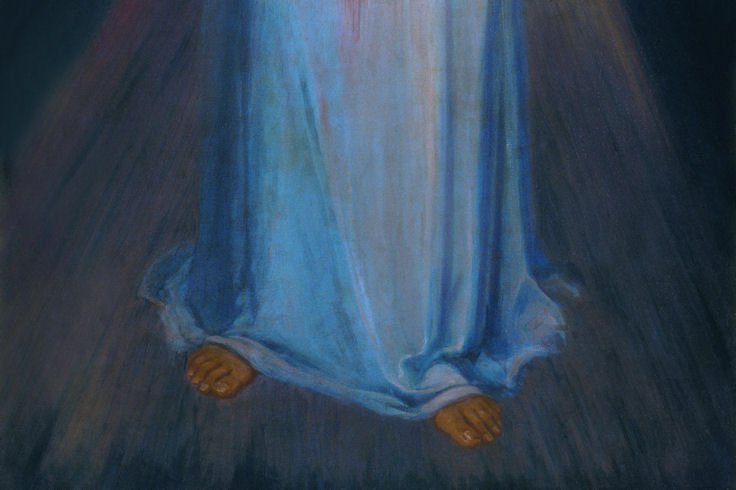
The Chaplet of Divine Mercy — How to Pray It
A devotion revealed to a Polish nun in the 1930s and prayed on ordinary rosary beads — its origin in Saint Faustina's diary, and how to pray it step by step.
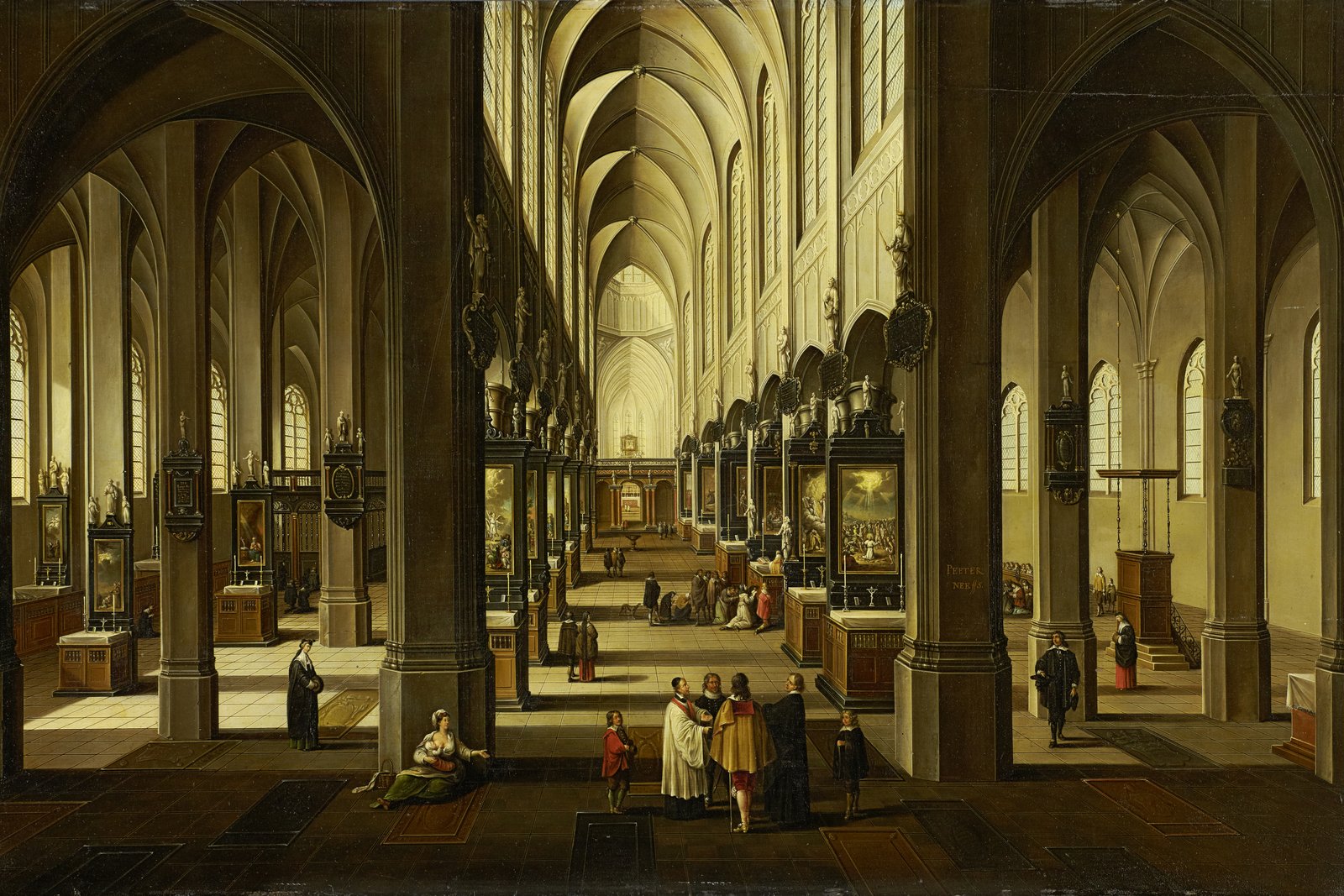
The Difference Between a Diocese and a Parish
Canon law defines both terms with precision — a diocese is a bishop's territory, a parish a smaller community within it — how the two relate, structurally.
The Examen Prayer of Saint Ignatius
A five-step daily review Ignatius of Loyola built into his Spiritual Exercises in the 1520s, still practiced today by Jesuits and lay Catholics alike.
The Jesus Prayer: History and Practice
An unbroken breath-prayer used by Eastern Christian monks for over a millennium: its roots in the desert fathers, its exact words, and how it is prayed.
The Meaning of Ash Wednesday
"Remember you are dust" — the exact words said while marking foreheads with ash, where the custom comes from, and why the day isn't a holy day of obligation.
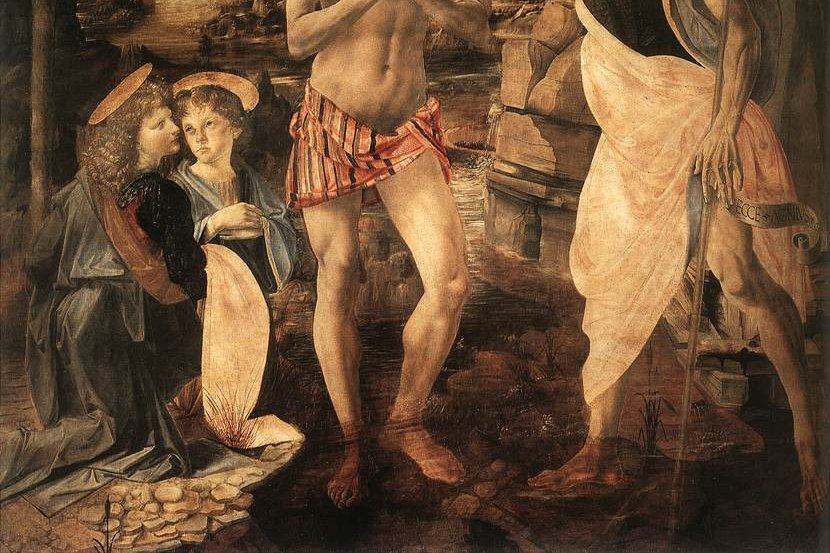
The Meaning of Holy Water
Blessed water sits at the entrance of every Catholic church for a specific theological reason — its scriptural roots, how it is blessed, and its everyday uses.
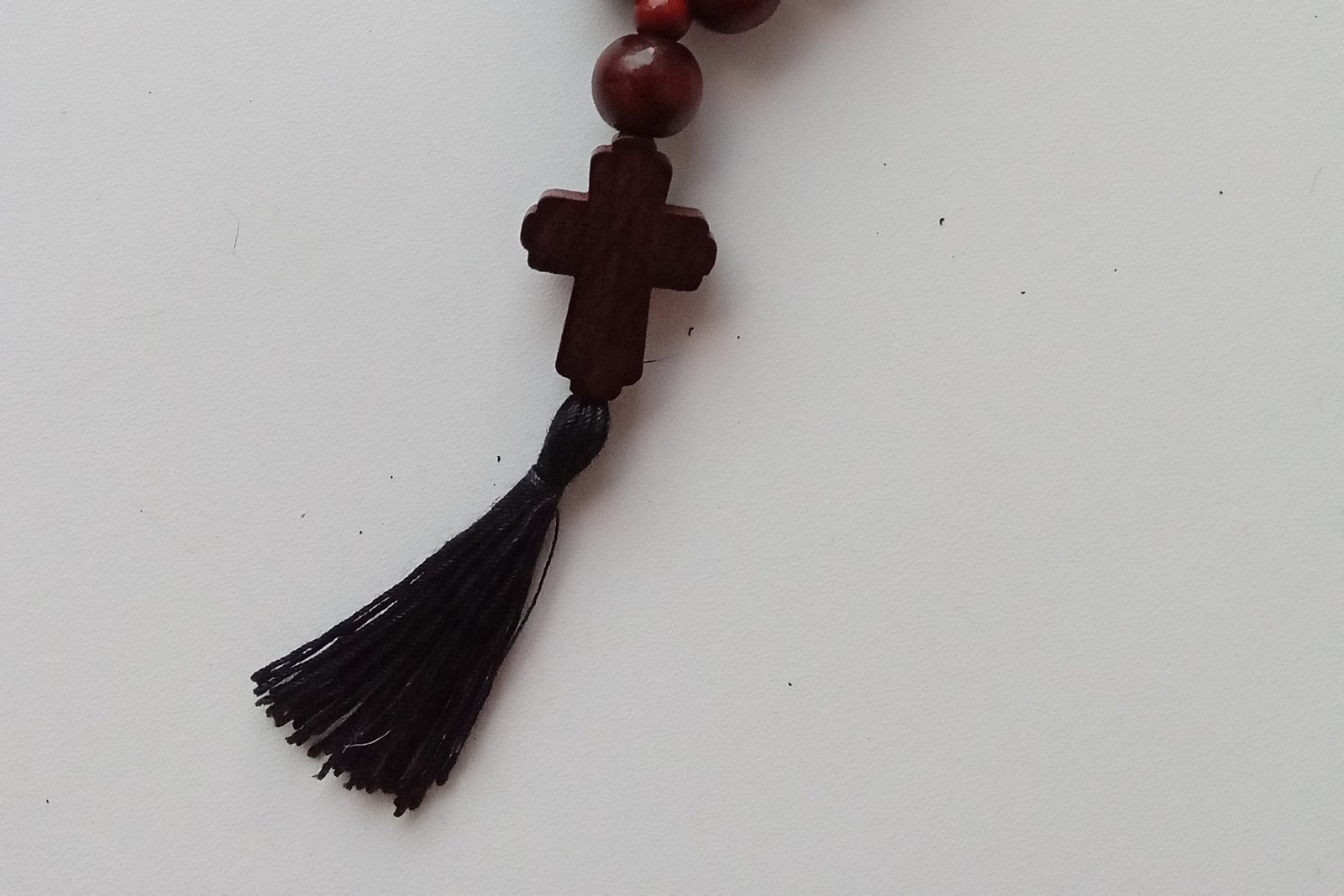
The Meaning of the Catholic Rosary Beads
Not the Rosary prayer itself, but the physical object in your hand — how the beads are laid out, why they are blessed, and what a broken rosary means.
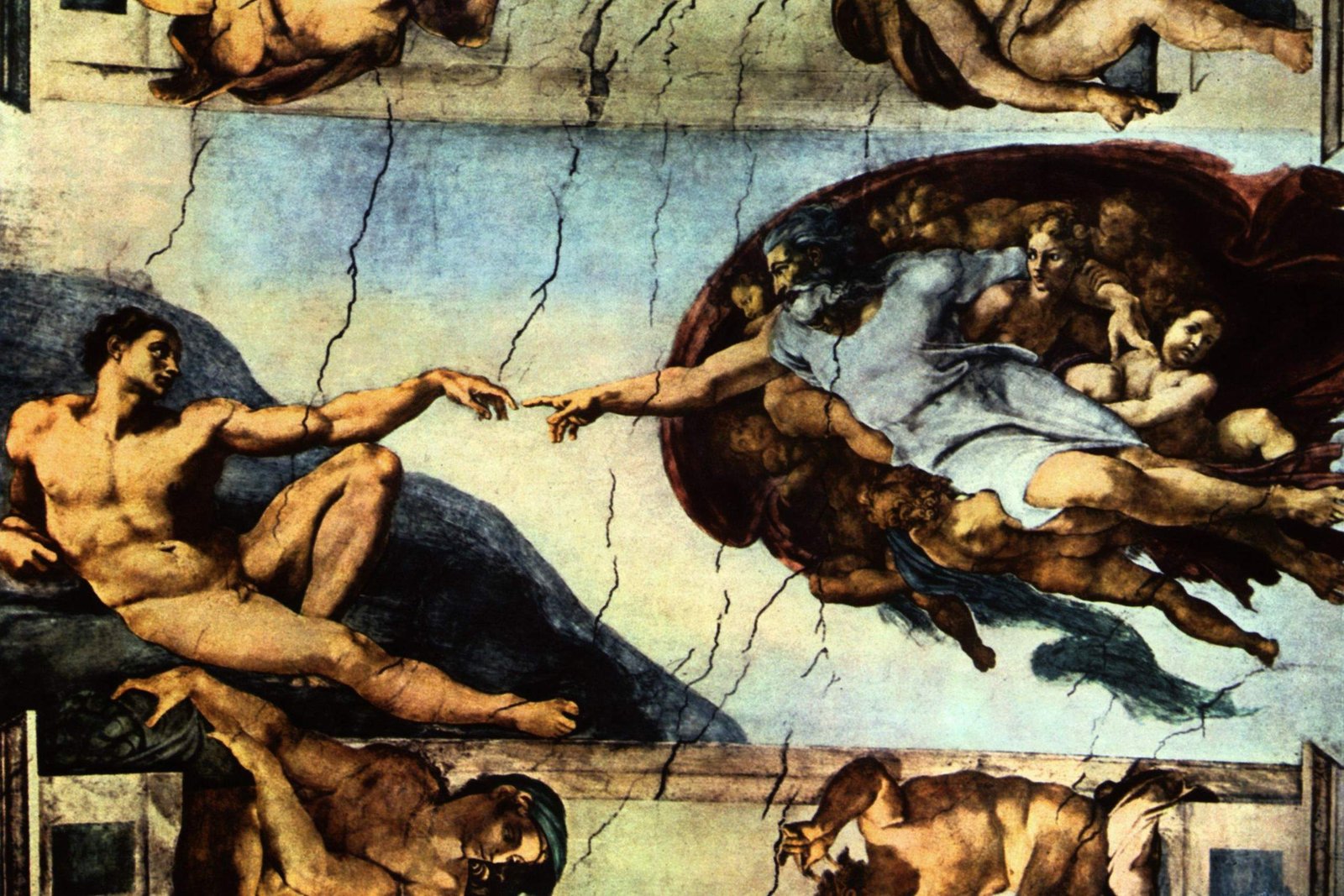
The Meaning of the Papal Conclave
Locked-in cardinals, burned ballots, and a chimney watched by the whole world — the exact rules governing how the Catholic Church actually chooses a new pope.
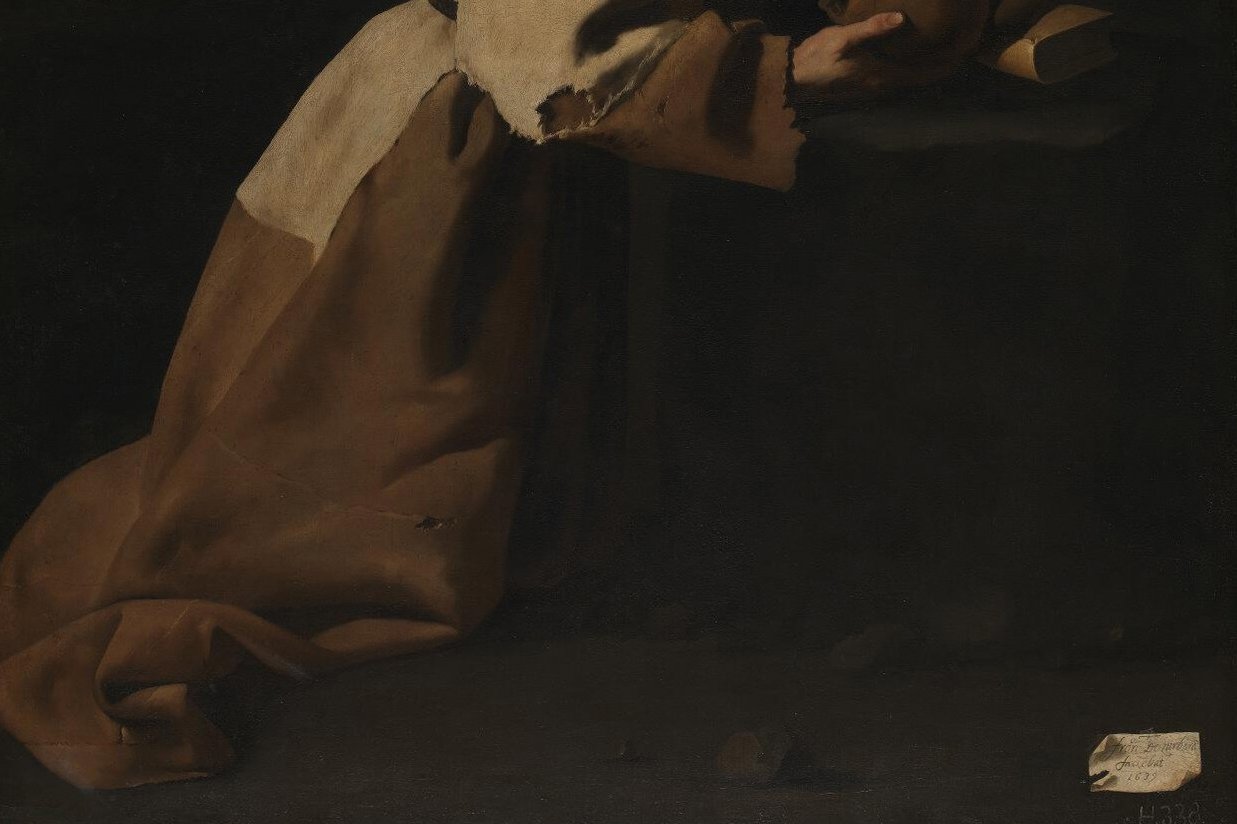
The Prayer of Saint Francis: Origins and Meaning
A Franciscan-attributed peace prayer first published in 1912, not written by Francis himself — its known history, exact text, and how Catholics pray it today.
The Stations of the Cross — How to Pray Them at Home
Fourteen fixed scenes retracing Christ's final walk to Calvary, adapted from a medieval pilgrimage route in Jerusalem, and easy to pray at home step by step.
What Happens at a Catholic Ordination
The laying on of hands that traces back to the apostles: what actually happens during a Catholic ordination Mass, and the three degrees of holy orders it confers.
What Is a Cardinal, and How Are They Chosen
The pope's closest advisors and, since 1059, his sole electors — how a man becomes a cardinal, what the office actually involves, and its scarlet symbolism.
What Is a Holy Year (Jubilee)
Rooted in the Old Testament Year of Jubilee, this centuries-old Catholic tradition opens designated Holy Doors and offers a plenary indulgence to pilgrims.
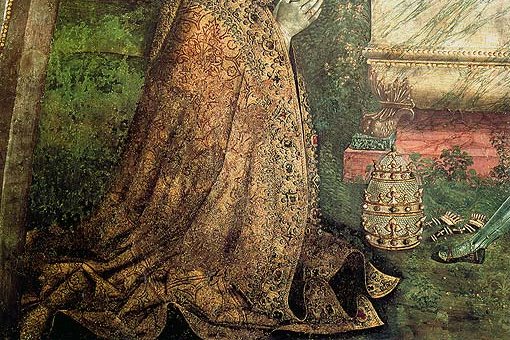
What Is a Papal Bull
The lead seal, not the animal, gives this document its name — how a papal bull differs from other Vatican documents, and famous examples through history.
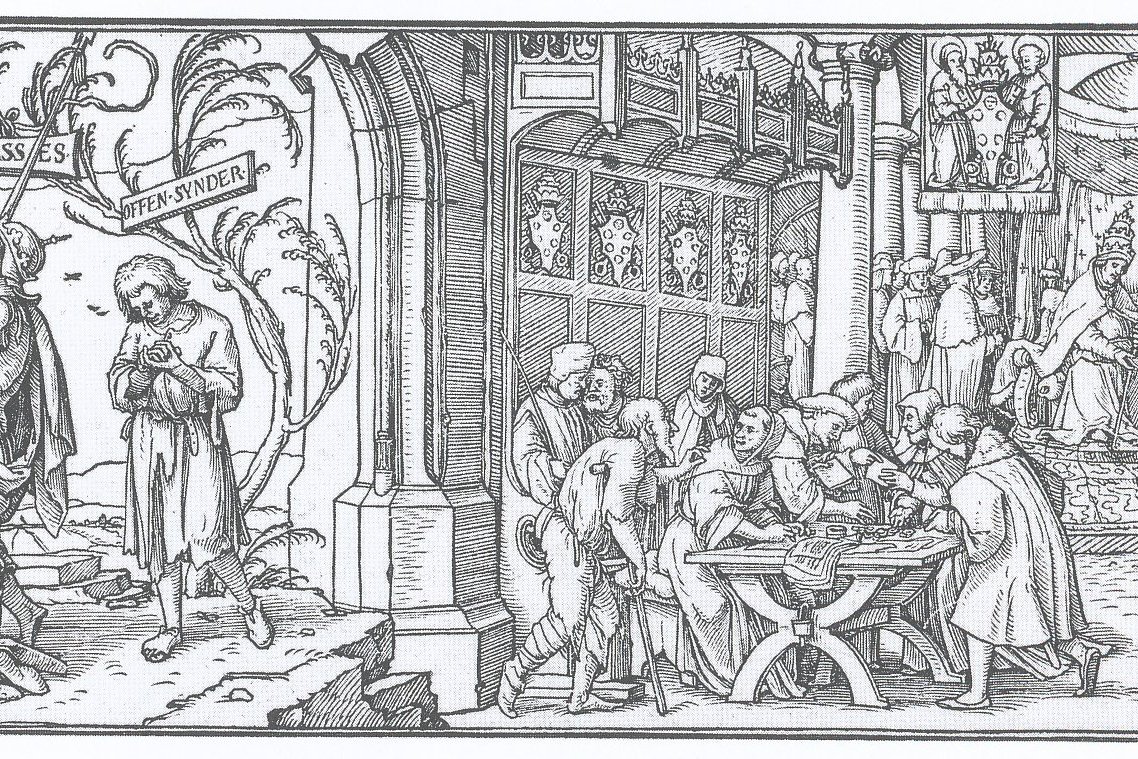
What Is a Plenary Indulgence, Specifically?
The Catechism's precise definition of a full remission of temporal punishment, the conditions required to receive one, and how it differs from a partial one.
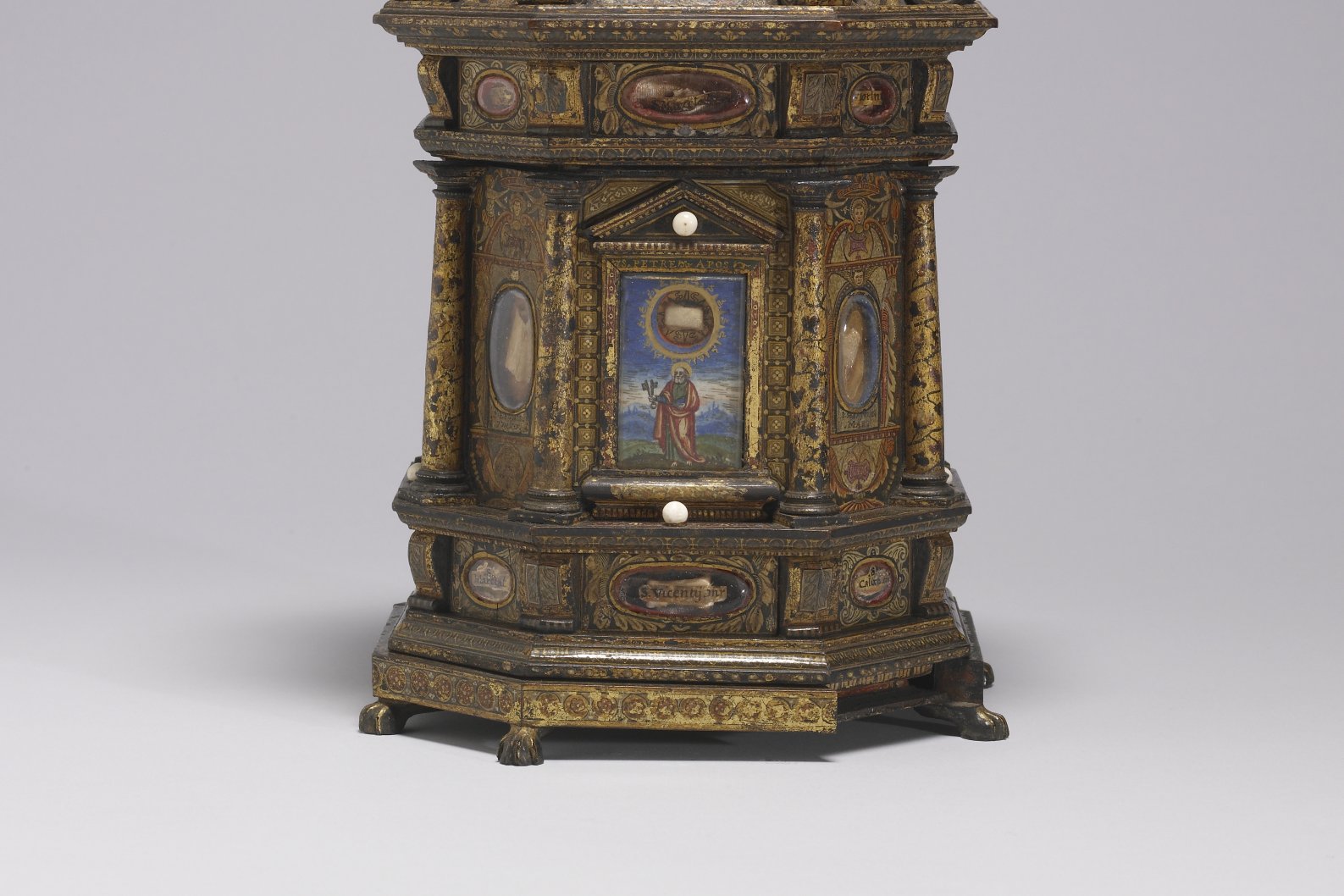
What Is a Relic, and Why Catholics Venerate Them
The Catholic Church sorts relics into three formal classes and has governed how they are venerated since an 8th-century church council — here is exactly how.
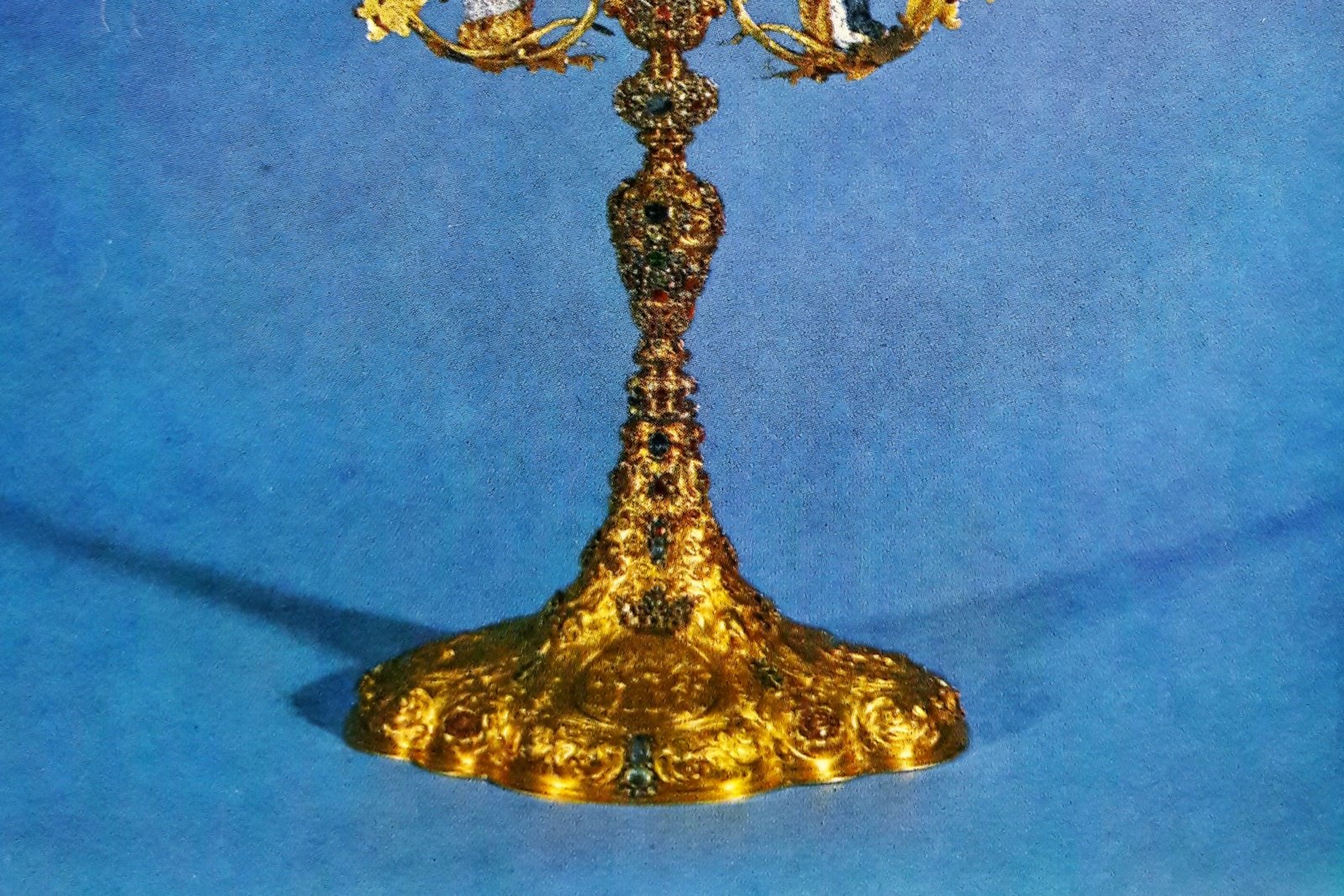
What Is Eucharistic Exposition and Benediction
A monstrance, a veiled priest, and a blessing given with the Eucharist itself instead of a hand — what happens at exposition and Benediction, step by step.
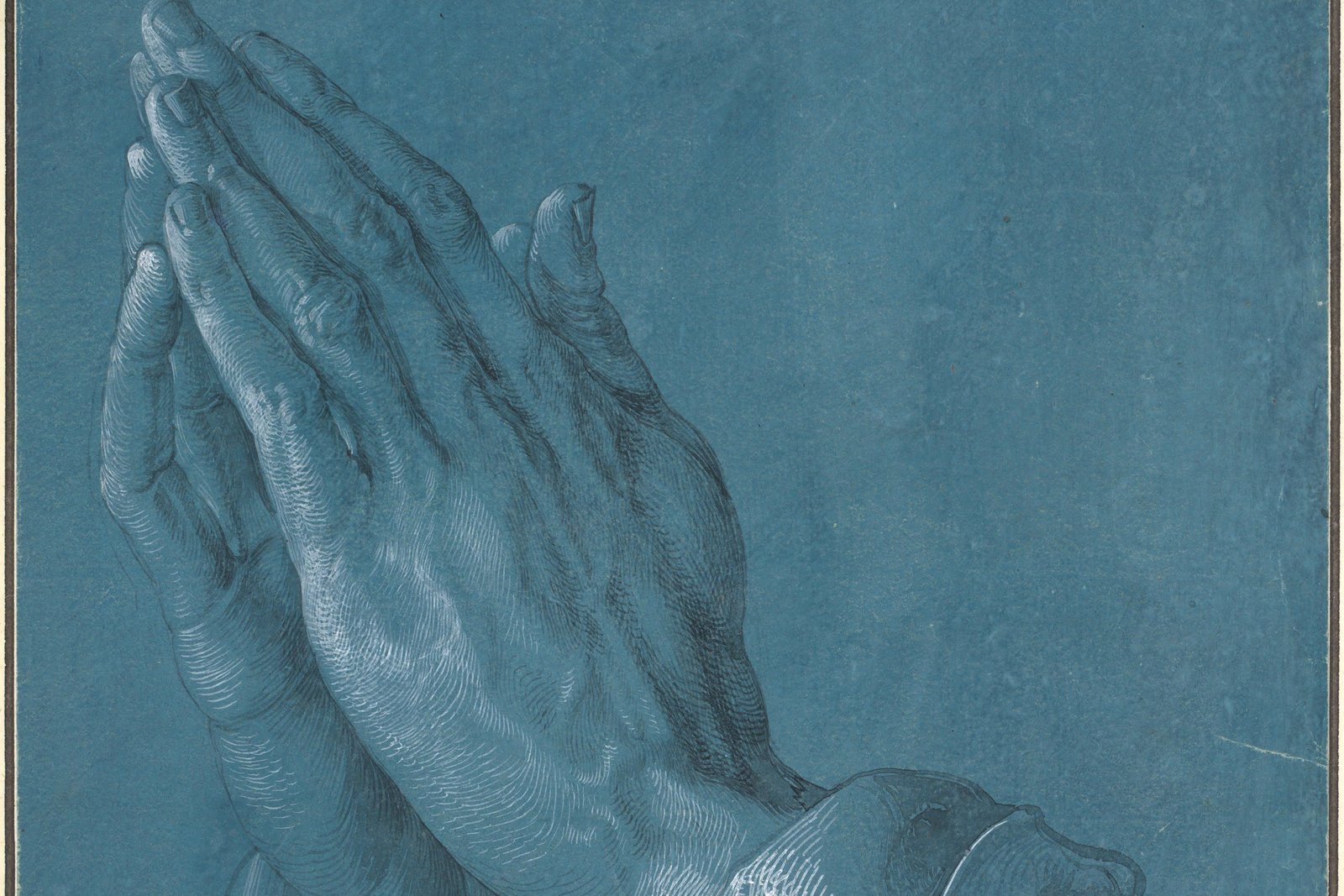
Catholic Prayer Guide — Devotions Through the Centuries
From ancient breath prayers to the Ignatian examen and family grace at the table — a guided tour of Catholic prayer forms and the devotions built around each one.
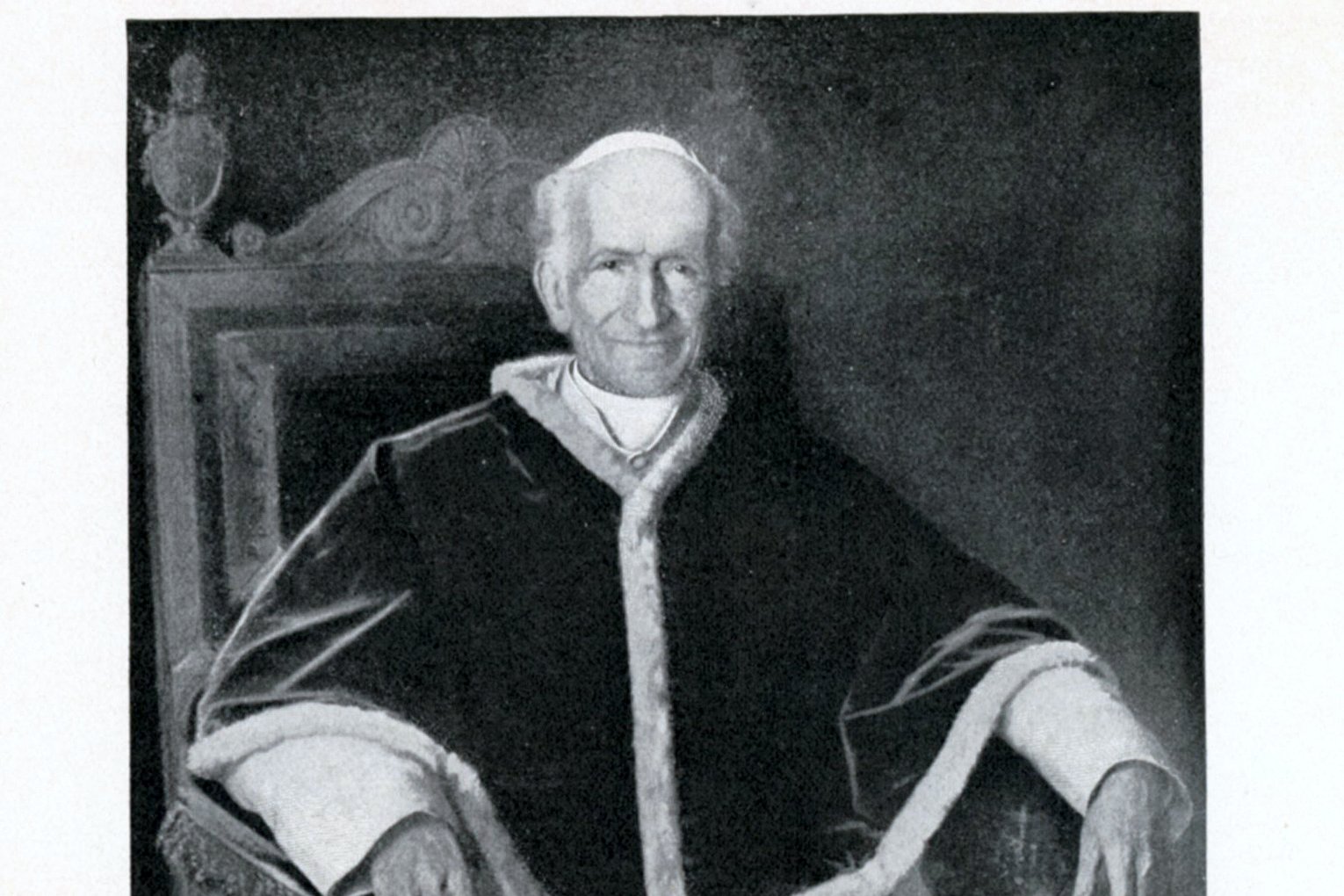
Catholic Social Teaching Explained
An 1891 letter on factory conditions launched a body of teaching the Church calls its "best-kept secret." Here are its core principles, from dignity to solidarity.
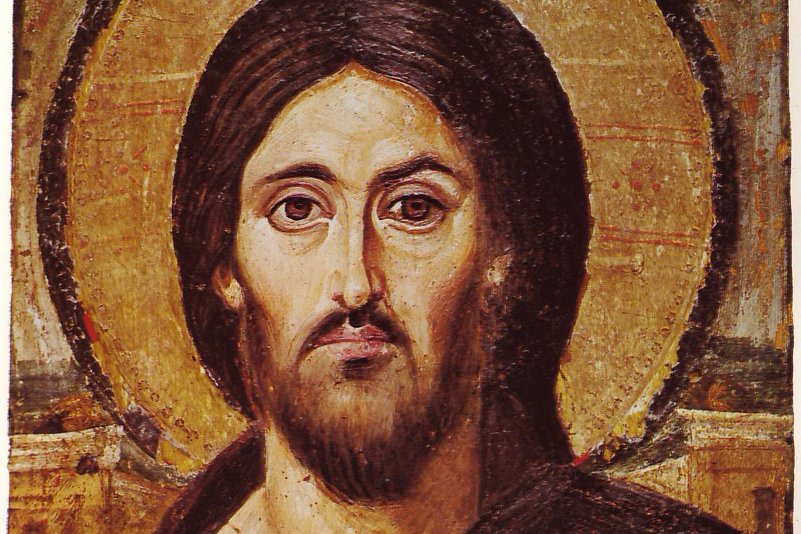
Eastern Catholic Churches Explained
Married priests, different calendars, liturgies chanted in ancient languages — all fully in communion with Rome. Here's what an Eastern Catholic Church actually is.
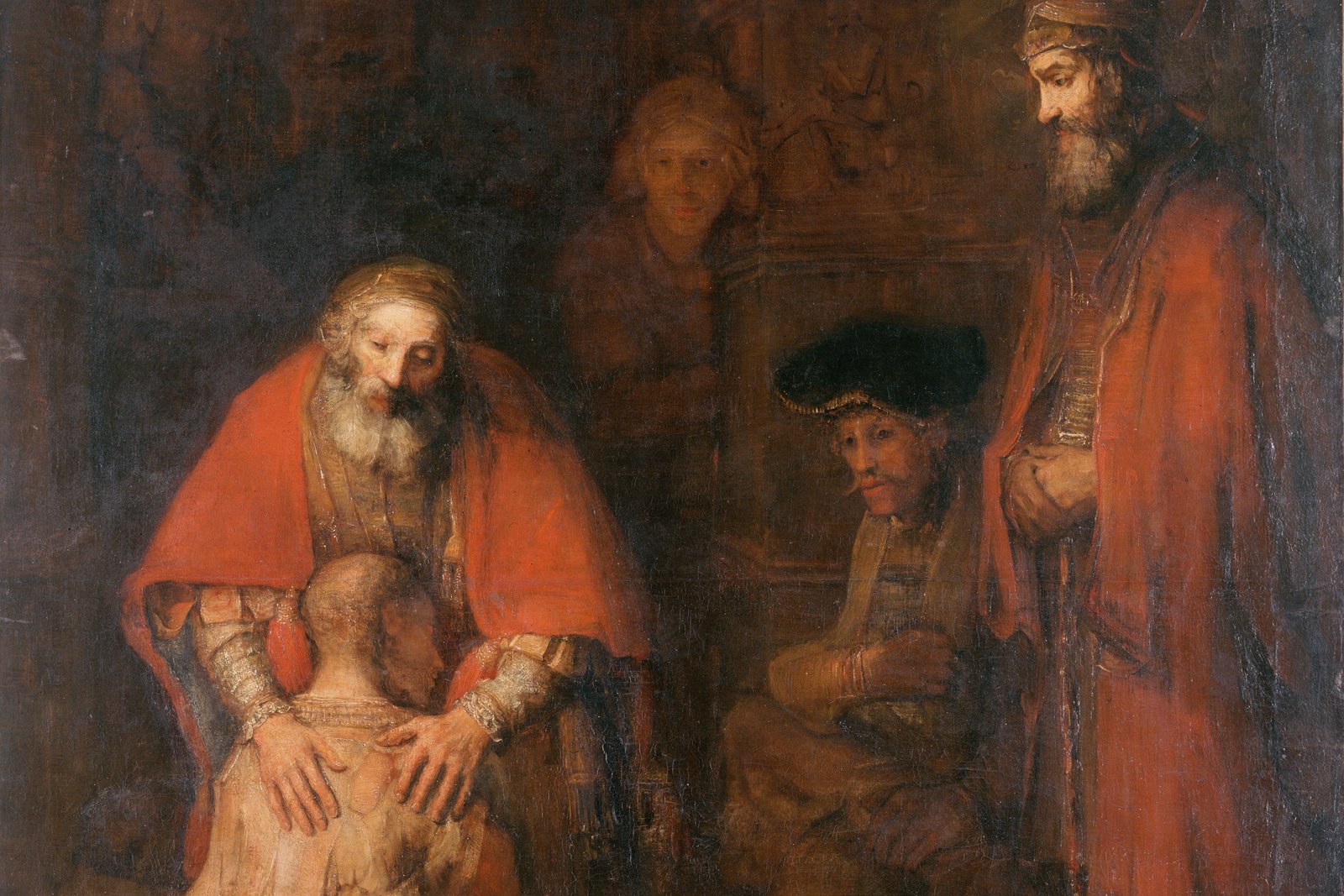
Mortal Sin vs. Venial Sin: What's the Difference?
Not every wrongdoing carries the same weight in Catholic teaching. Here's the Church's three-part test for what makes a sin mortal — and why the distinction matters.
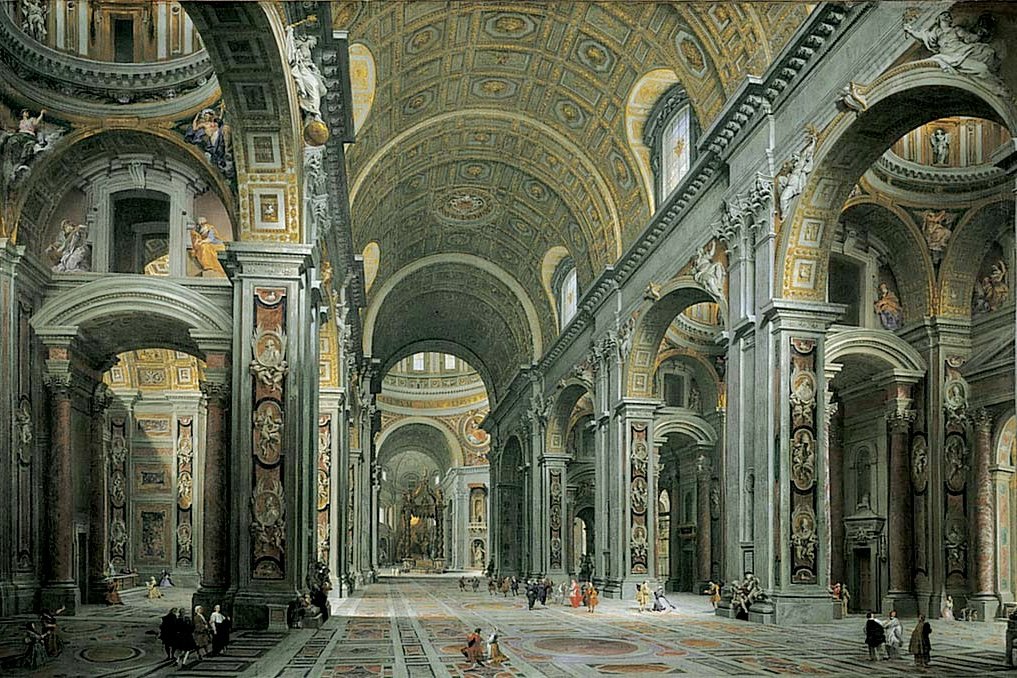
Basilica vs. Cathedral: What's the Difference?
A cathedral is defined by who sits in it — a bishop. A basilica is a Vatican honor. Here's why the two labels aren't opposites, and can overlap on one building.
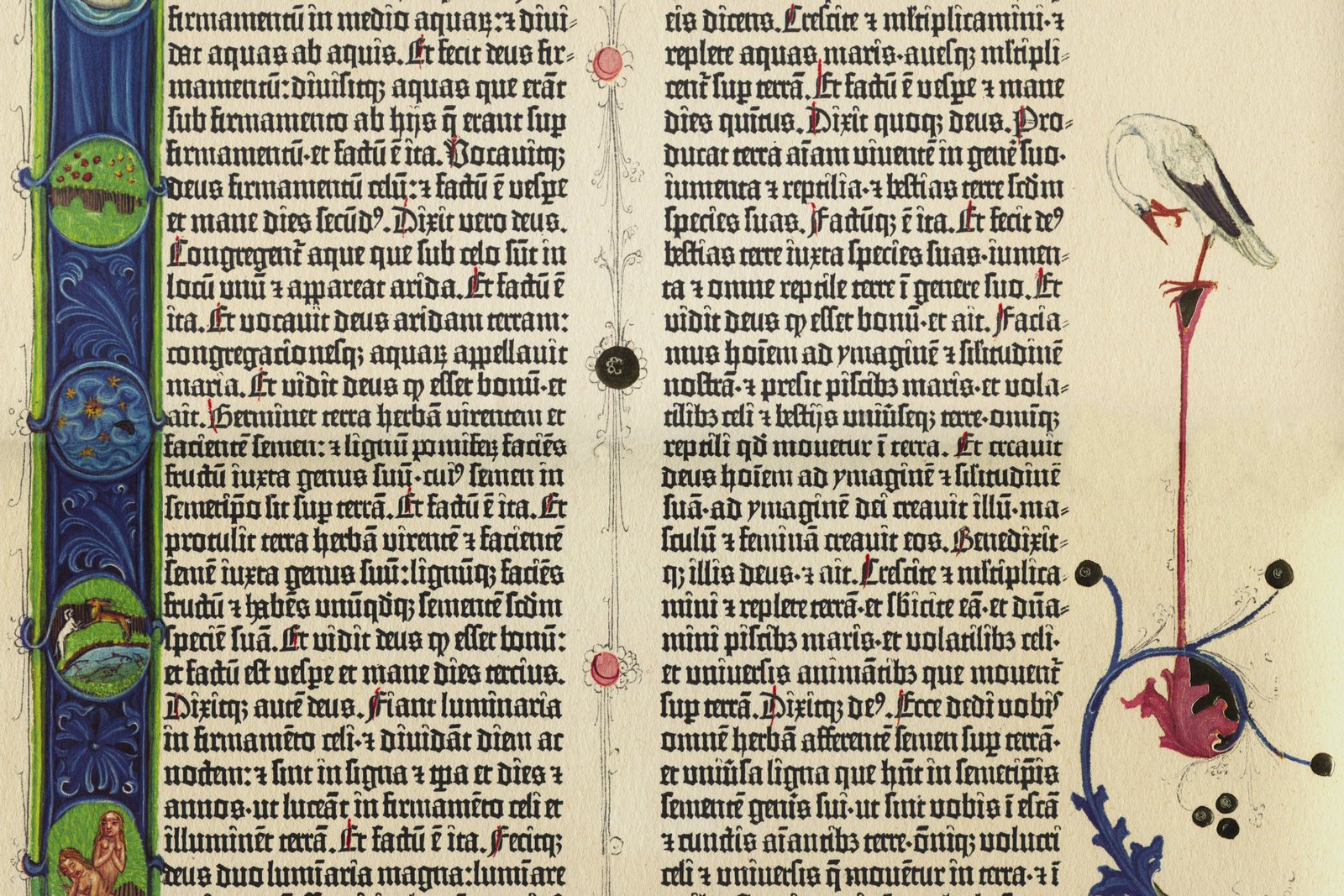
What Are a Nihil Obstat and Imprimatur?
Two Latin phrases on a Catholic Bible's copyright page aren't a papal endorsement — they're a narrow check that nothing in the text contradicts Church doctrine.
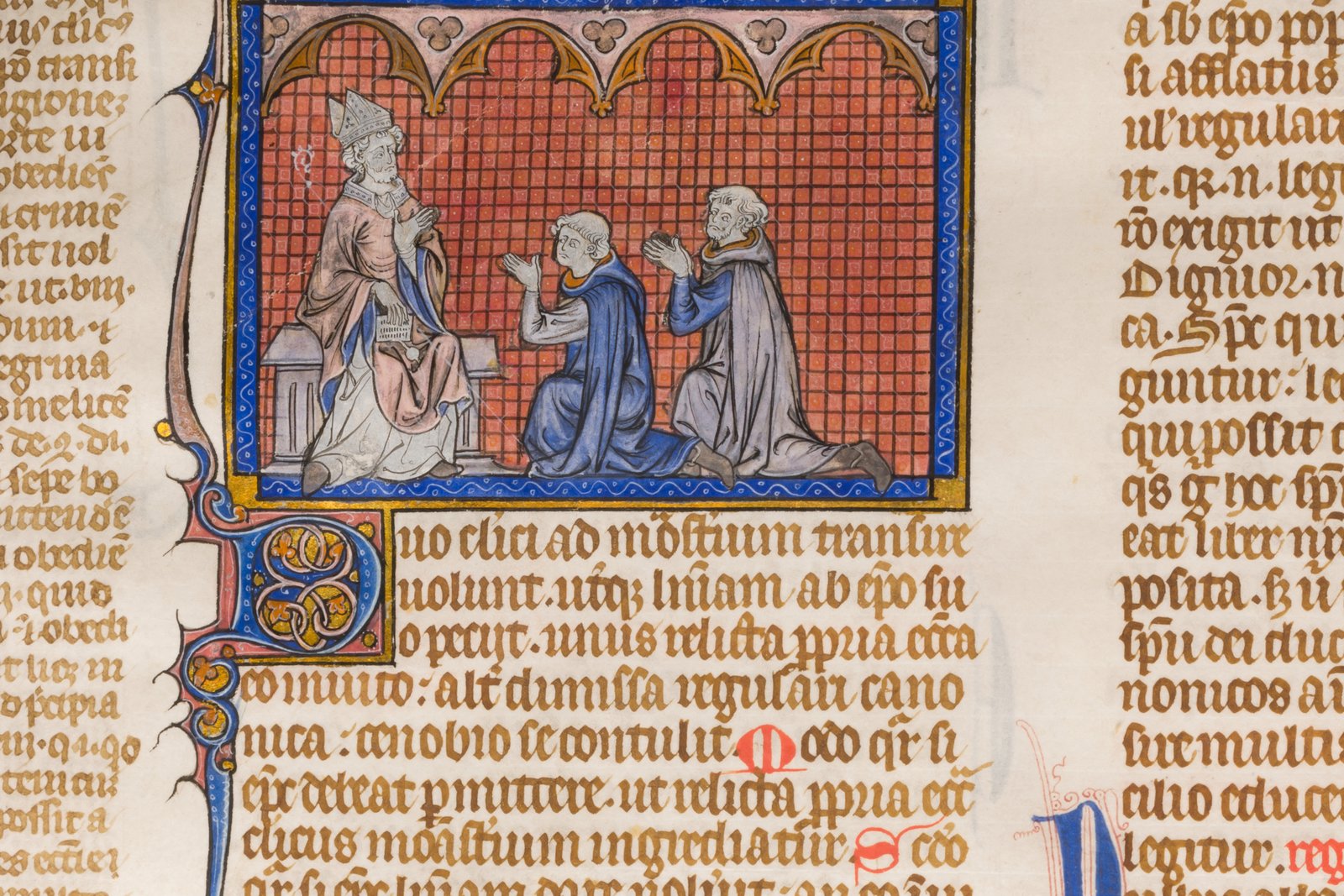
What Is Canon Law?
The Catholic Church runs on its own legal system, one older than most nations' constitutions. Here's what canon law actually governs, and what it doesn't.
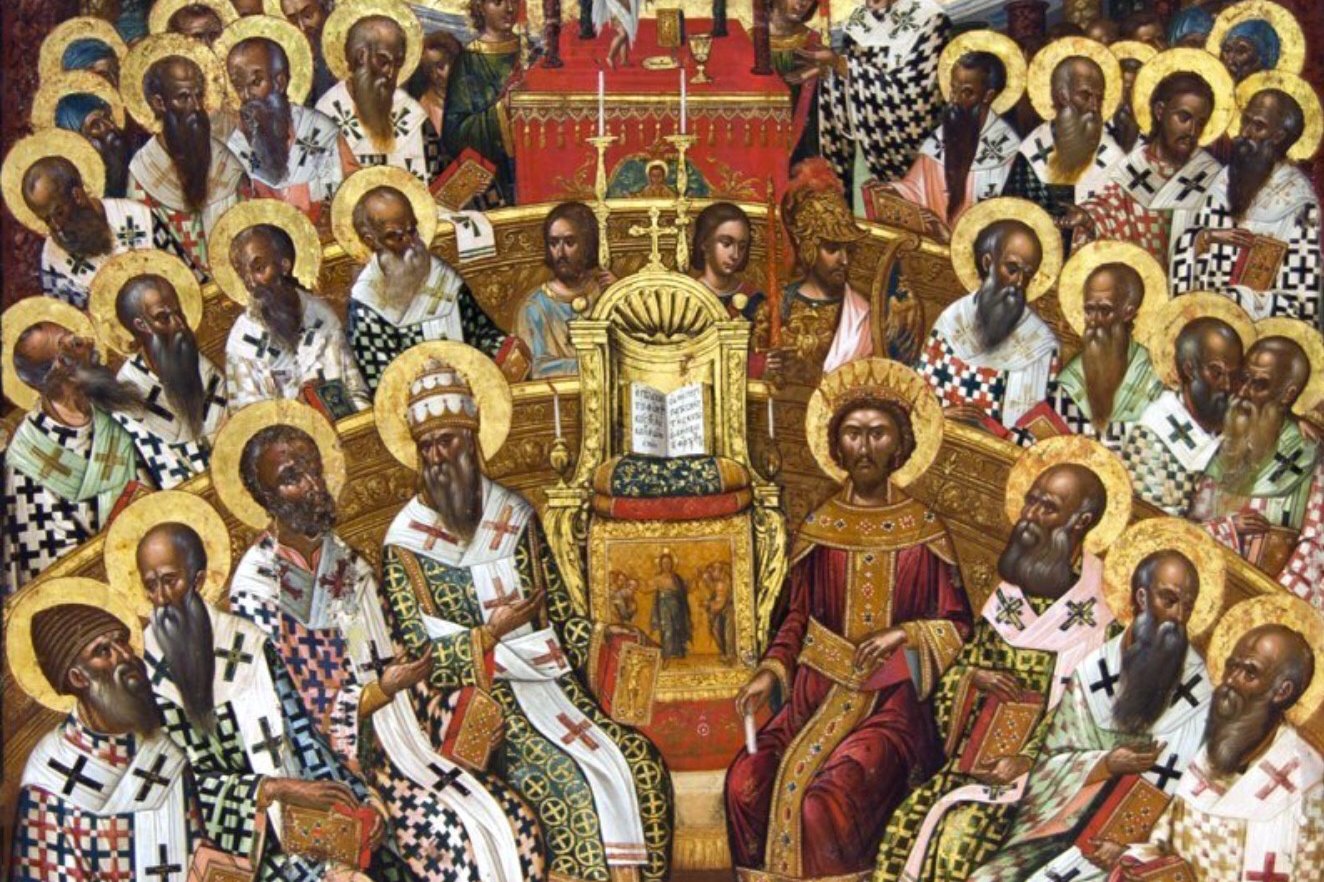
What Is the Deposit of Faith?
A phrase from 2 Timothy became the Church's name for revelation — the fixed inheritance of truth handed to the apostles and entrusted to every generation since.
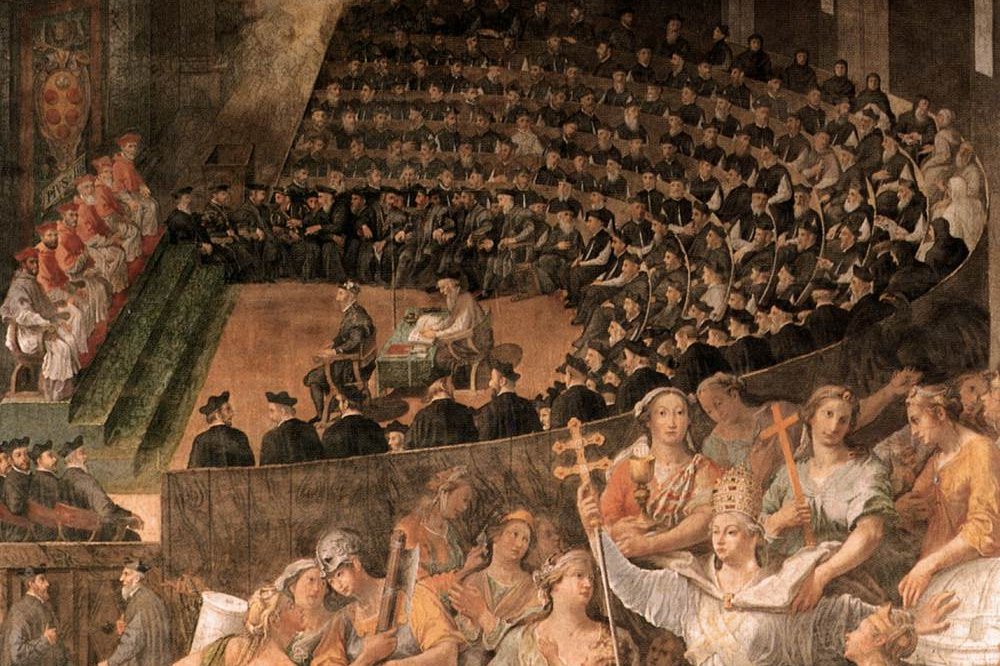
What Is the Magisterium?
The word means "teaching office" — the Church's living authority to interpret Scripture and Tradition. Here's who holds it, and what it can and can't declare.
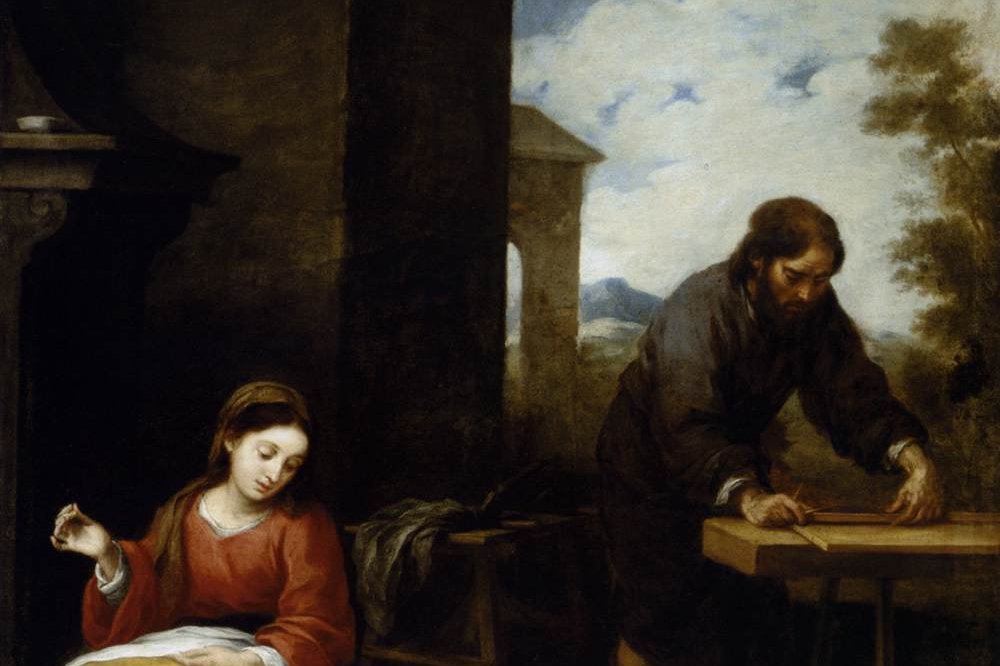
Catholic Teaching on Artificial Contraception, Explained
The Catholic Church teaches that artificial contraception is not morally permissible within marriage. Here's the reasoning behind that teaching, explained clearly.
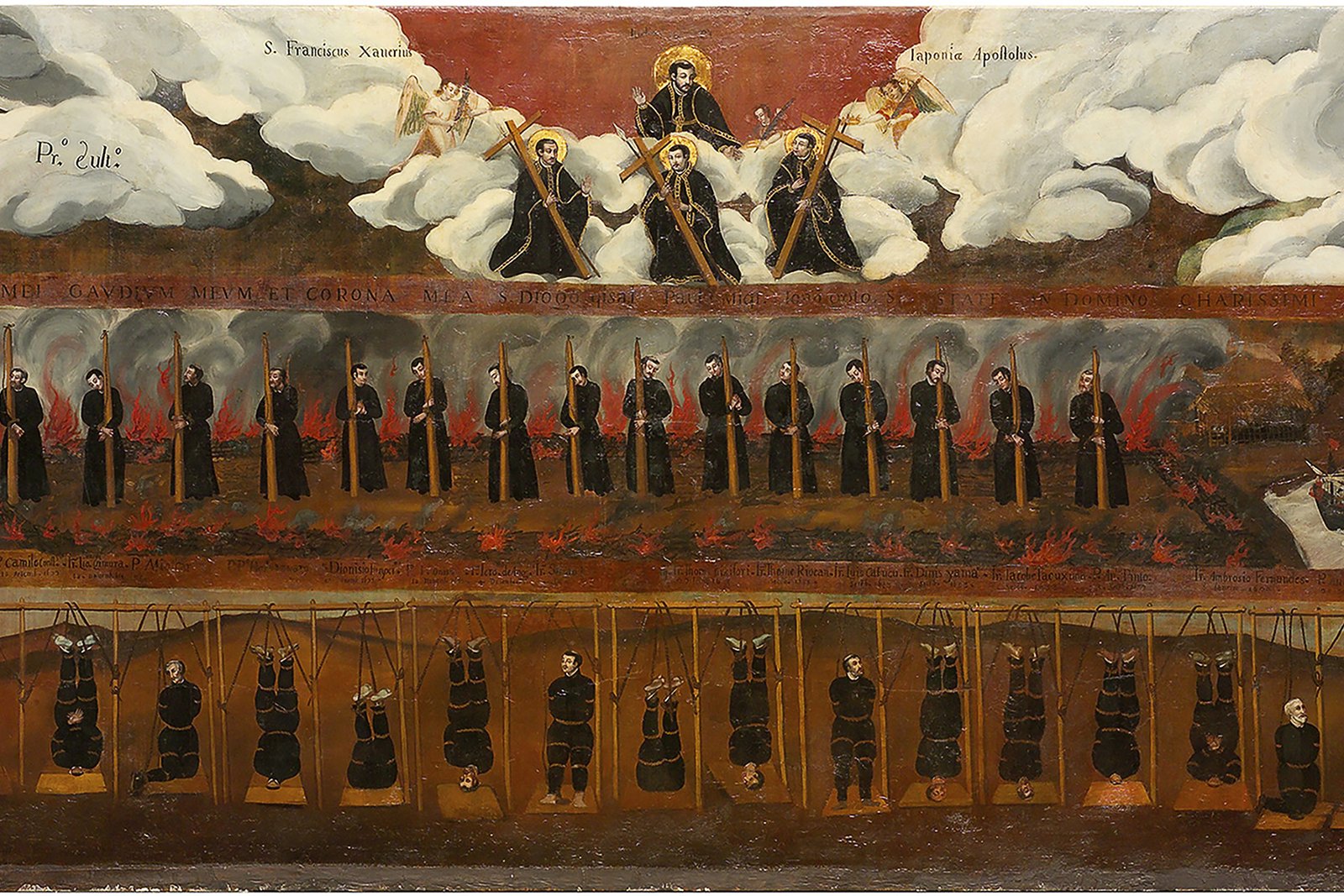
Catholic Teaching on Capital Punishment, Explained
In 2018, the Catechism was revised to call the death penalty inadmissible. Here's how Catholic teaching on capital punishment developed and changed over centuries.
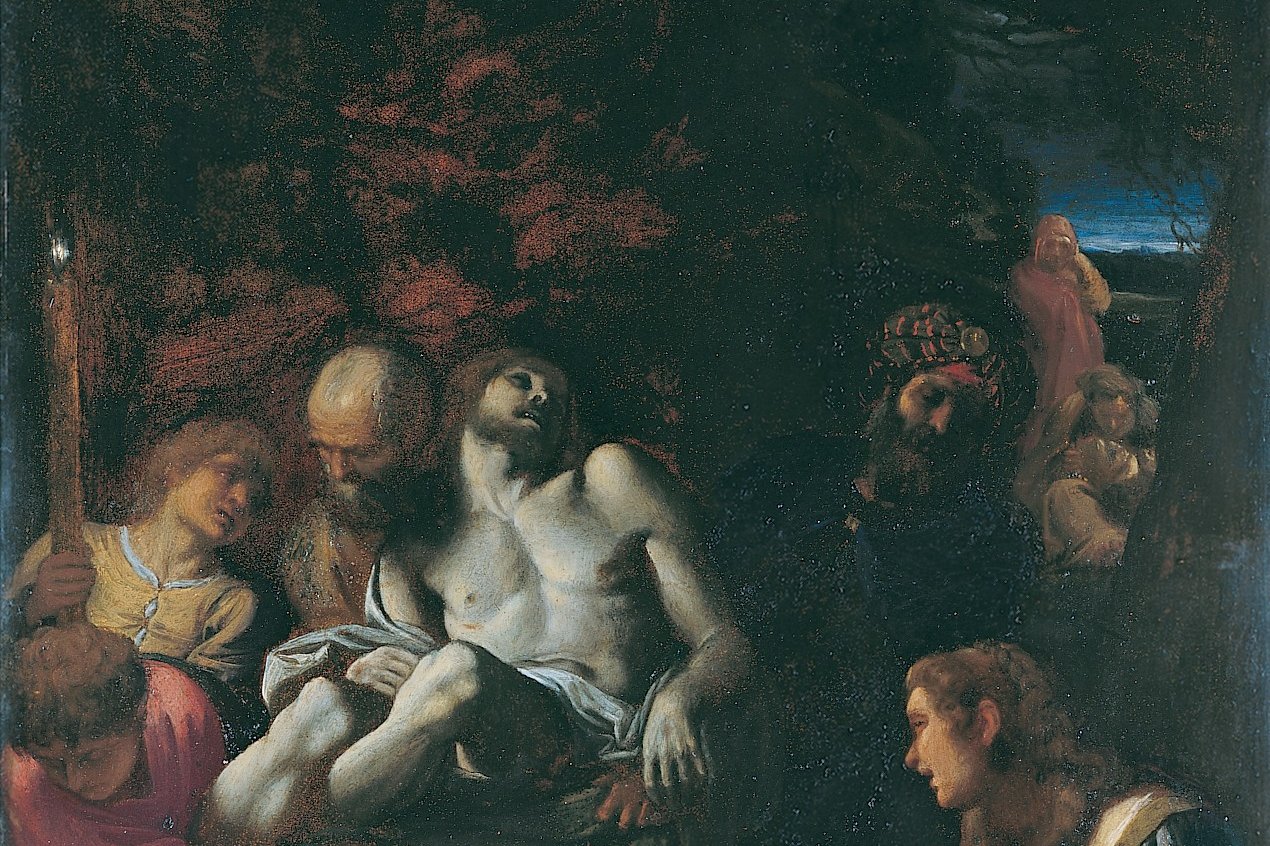
Catholic Teaching on Cremation: What Is and Isn't Allowed
The Catholic Church now permits cremation, but with specific conditions on belief and on handling the remains. Here's exactly what current teaching requires.
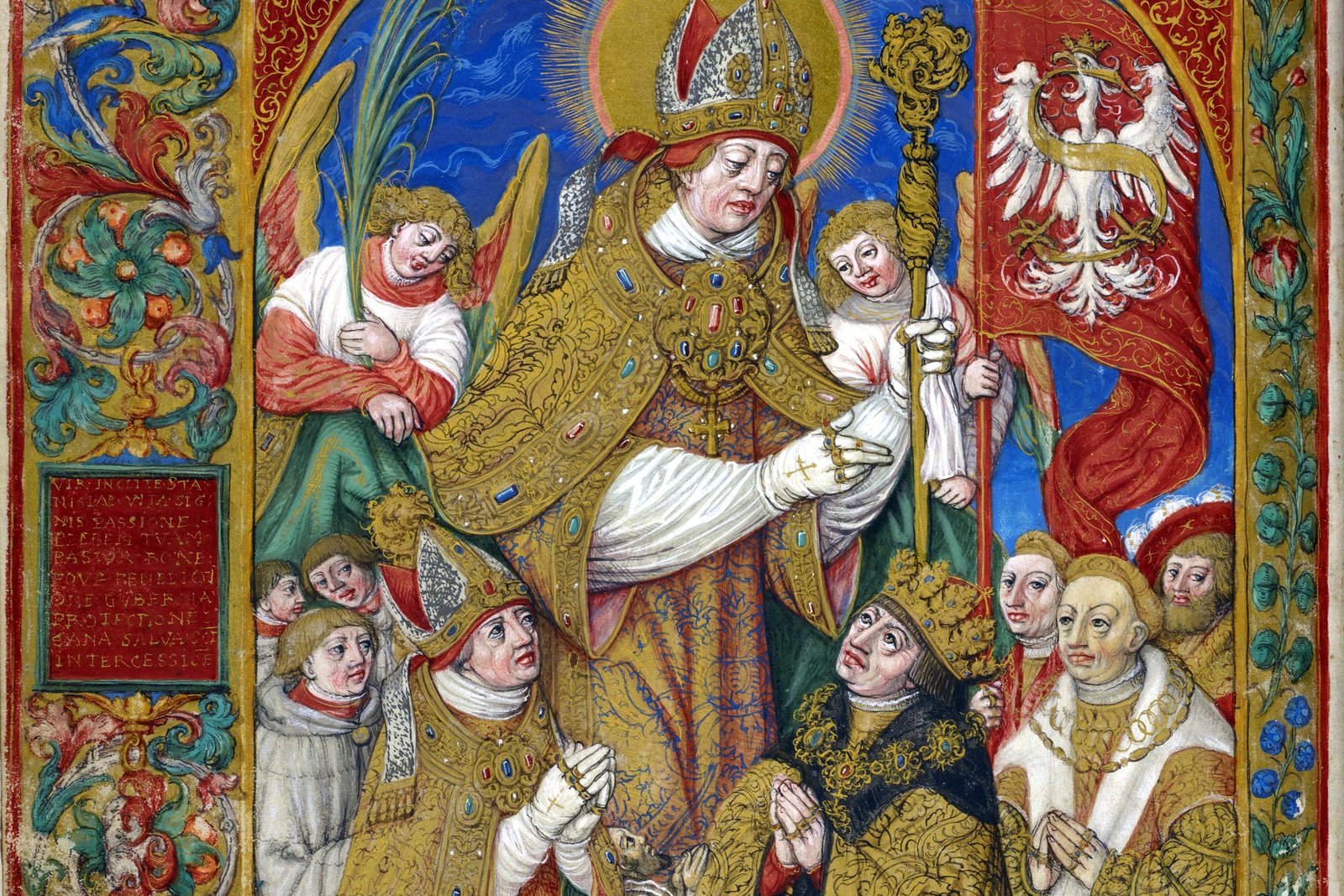
Catholic Vestments Explained: What the Priest Wears at Mass
Every piece of clothing a Catholic priest wears at Mass has a name and a meaning, from the alb to the chasuble. Here's what each vestment is, and why it matters.
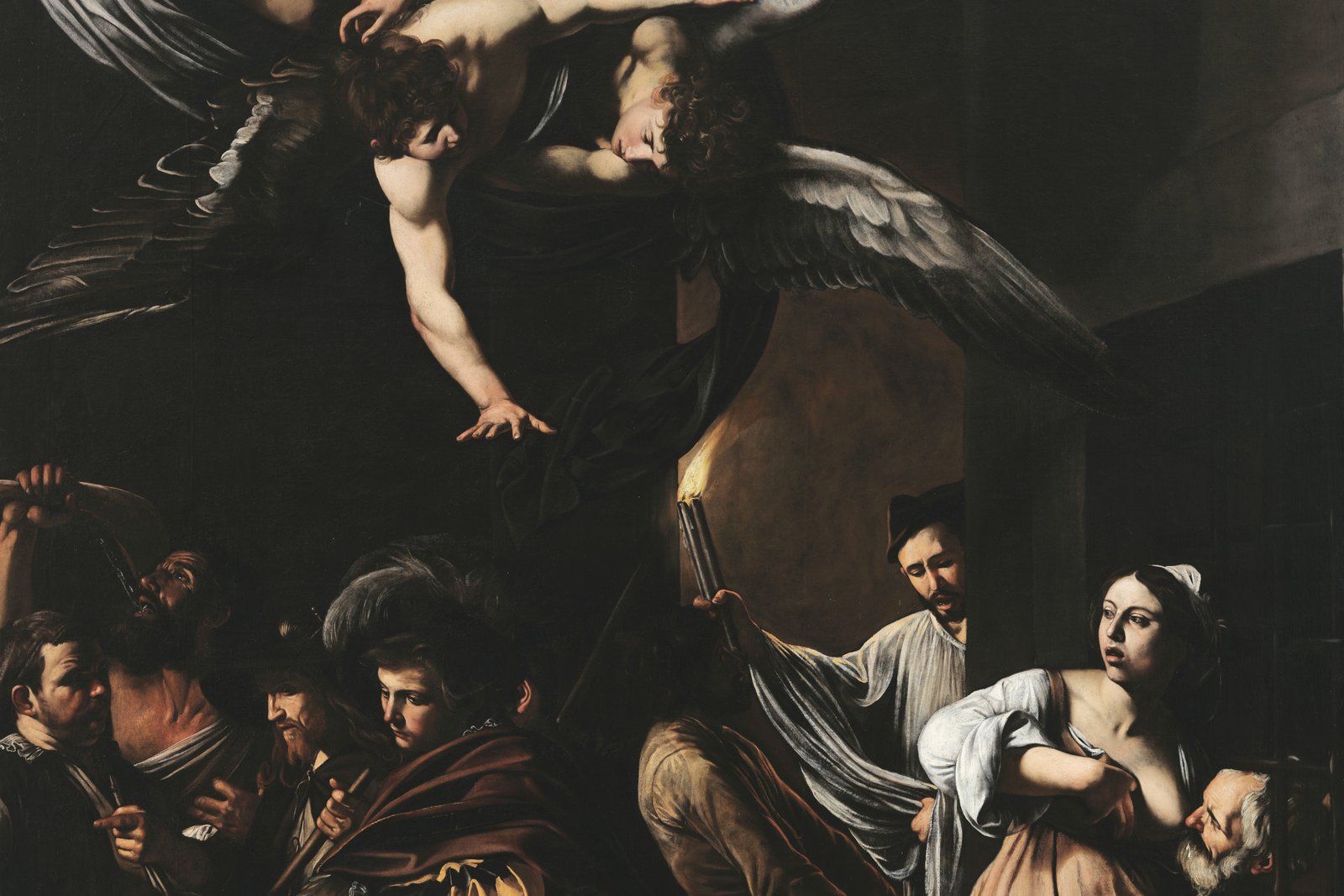
The Seven Corporal Works of Mercy Explained
The corporal works of mercy are concrete ways Catholics are called to care for others' physical needs, rooted directly in Christ's words in Matthew 25.
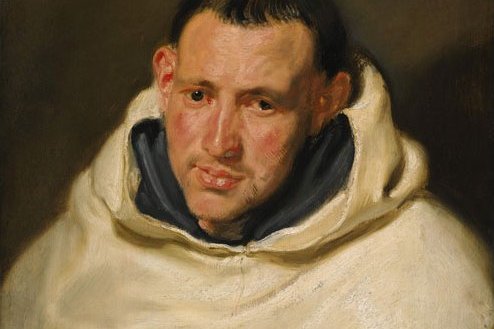
Friar vs. Monk: What's the Real Difference?
Friars and monks both take religious vows, but they live very different lives. Here's the real distinction between the two, and where each order fits.
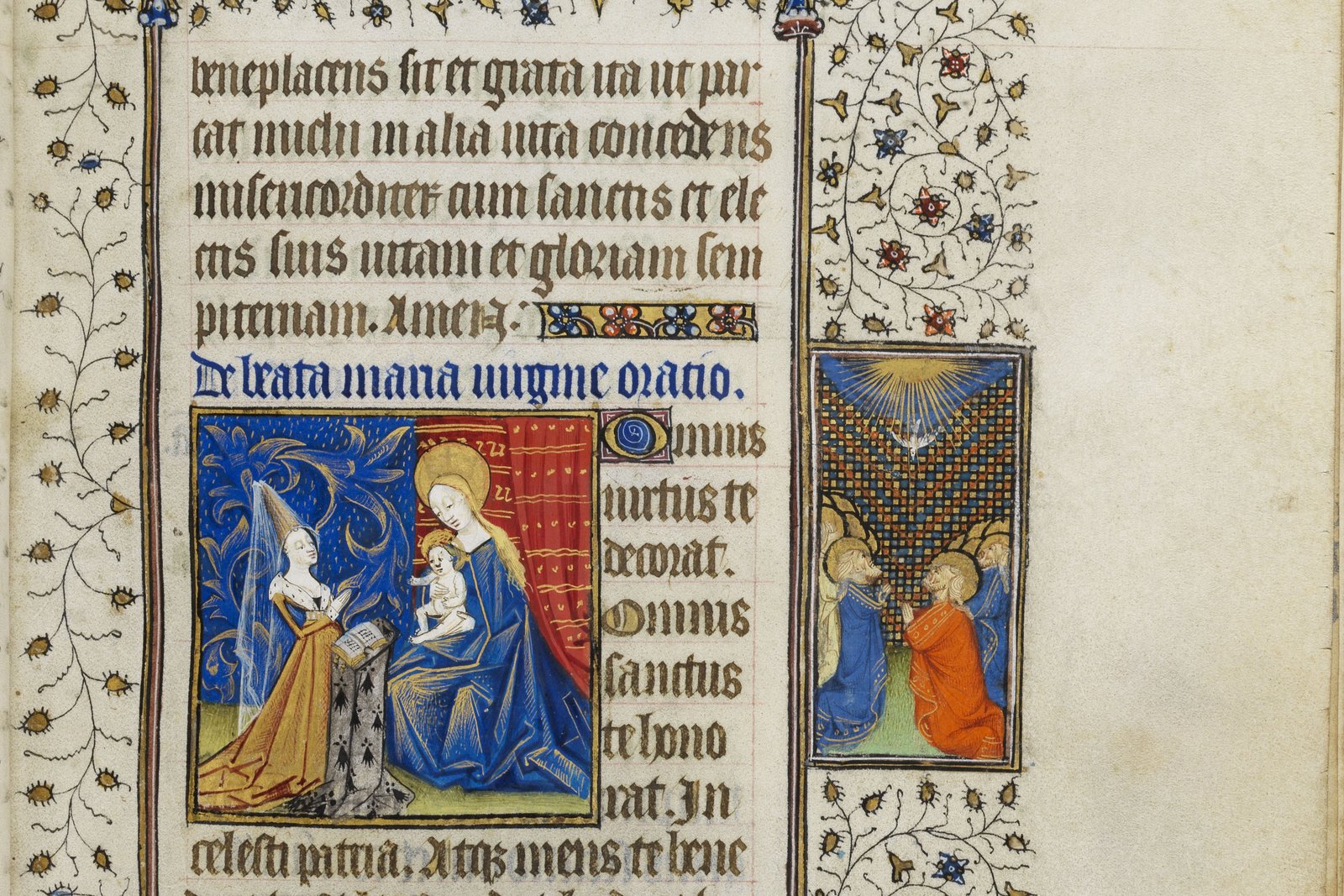
The Liturgy of the Hours Explained: Prayer Through the Day
The Liturgy of the Hours is the Church's official daily prayer cycle, prayed by priests, religious, and laypeople alike. Here's how it works and why it matters.
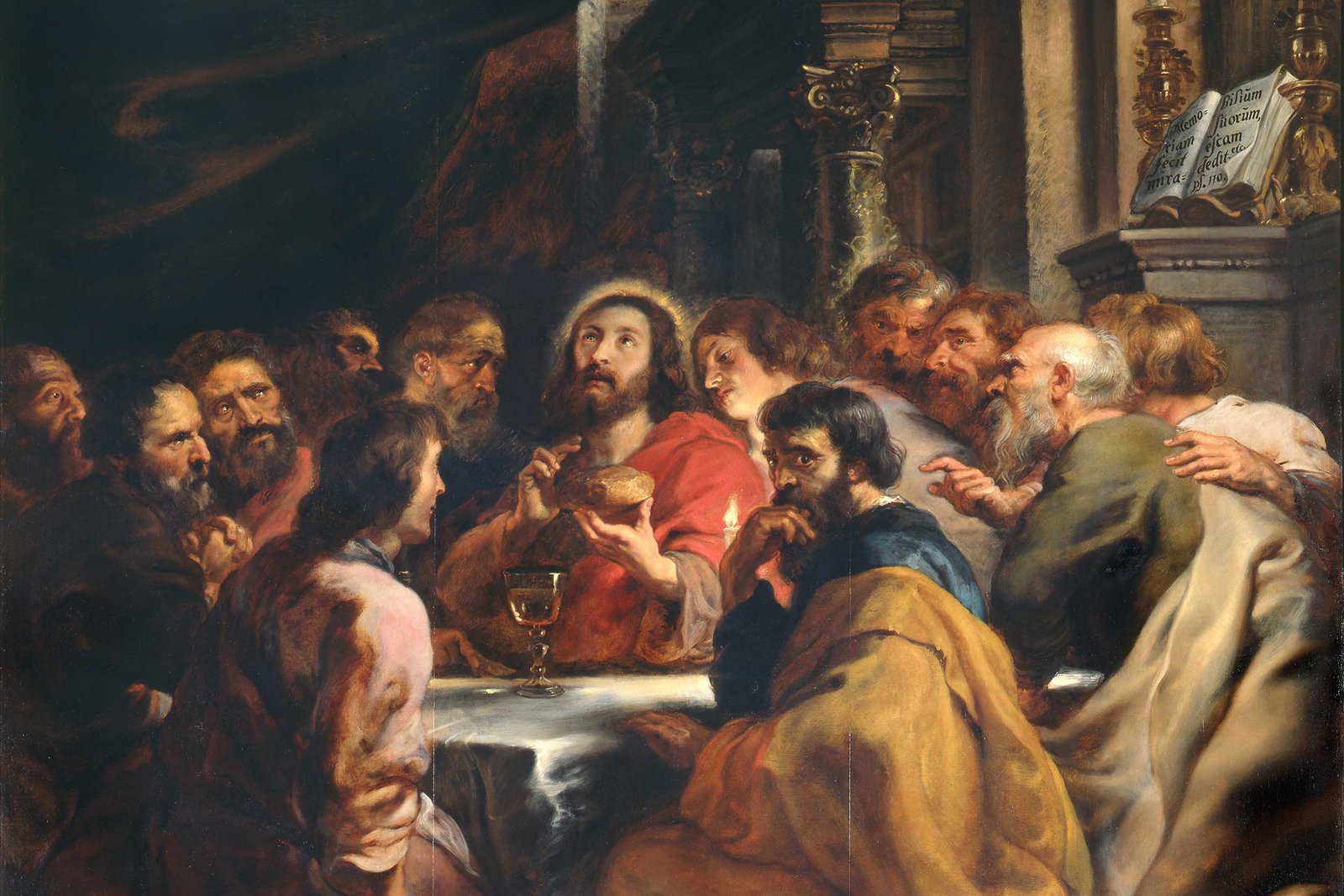
The Real Presence Explained: What Catholics Believe
Catholics believe the bread and wine of the Eucharist truly become Christ's Body and Blood. Here is what the Church teaches, and why, explained clearly.
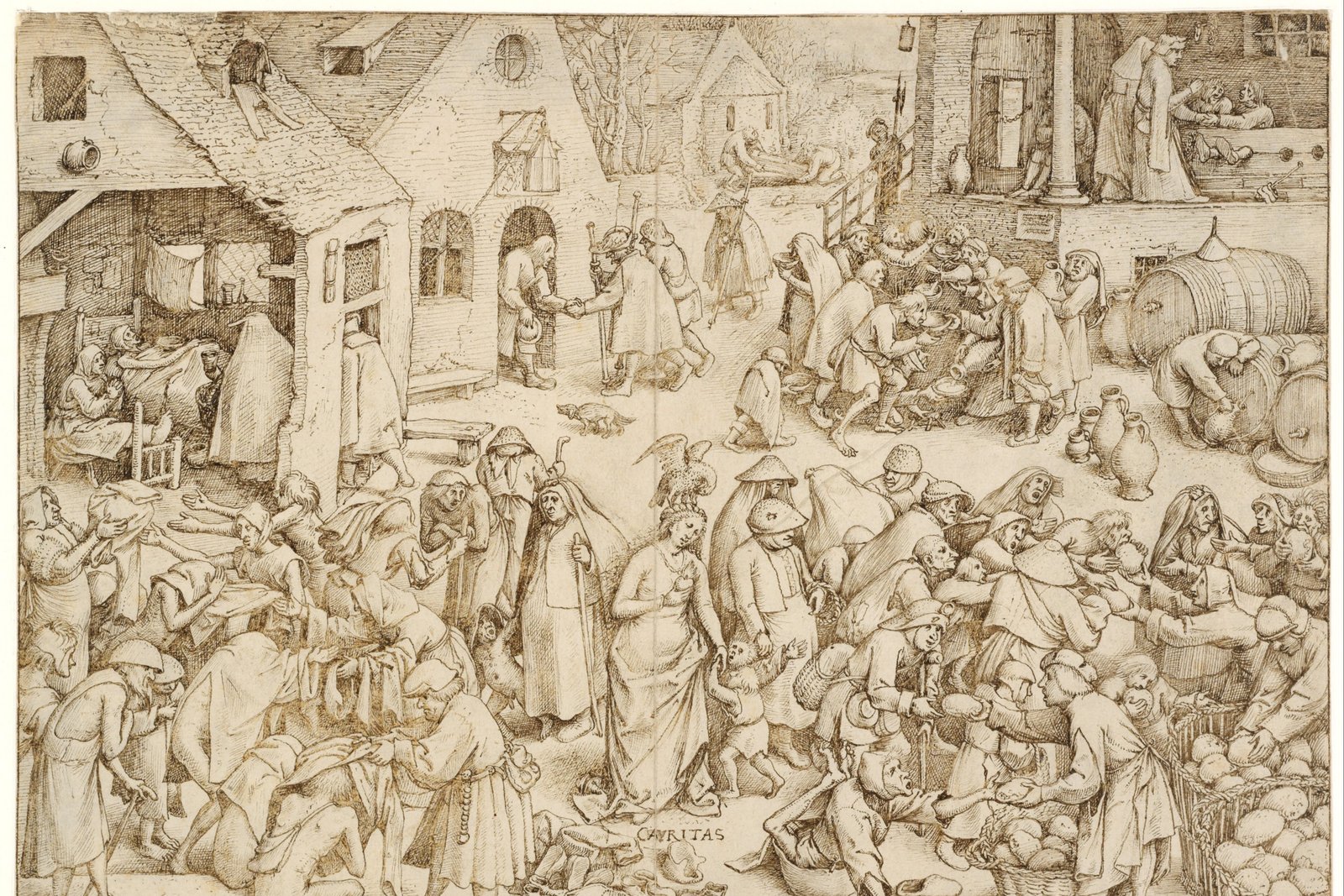
The Seven Spiritual Works of Mercy Explained
The spiritual works of mercy address needs of the soul, not the body — counseling doubters, comforting the sorrowful, and forgiving wrongs. Here's the list.
What Is a Catholic Annulment? A Clear Explanation
A Catholic annulment doesn't erase a marriage — it's a Church finding that a valid marriage bond never actually existed. Here's how the process really works.
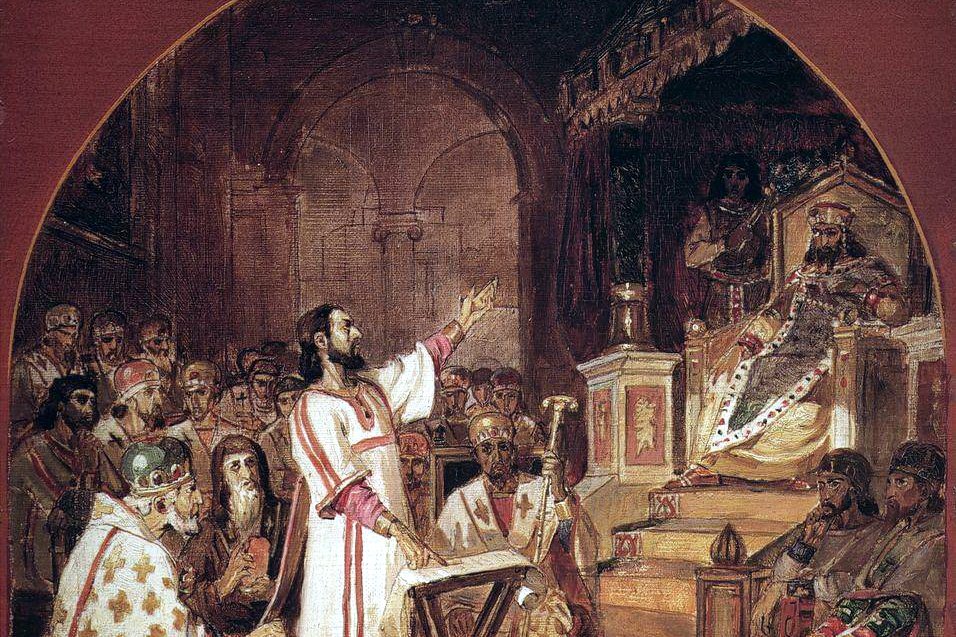
What Is a Plenary Council in the Catholic Church?
A plenary council is a formal gathering of a nation's bishops with real legislative power. Here's how it differs from an ecumenical council and a synod.
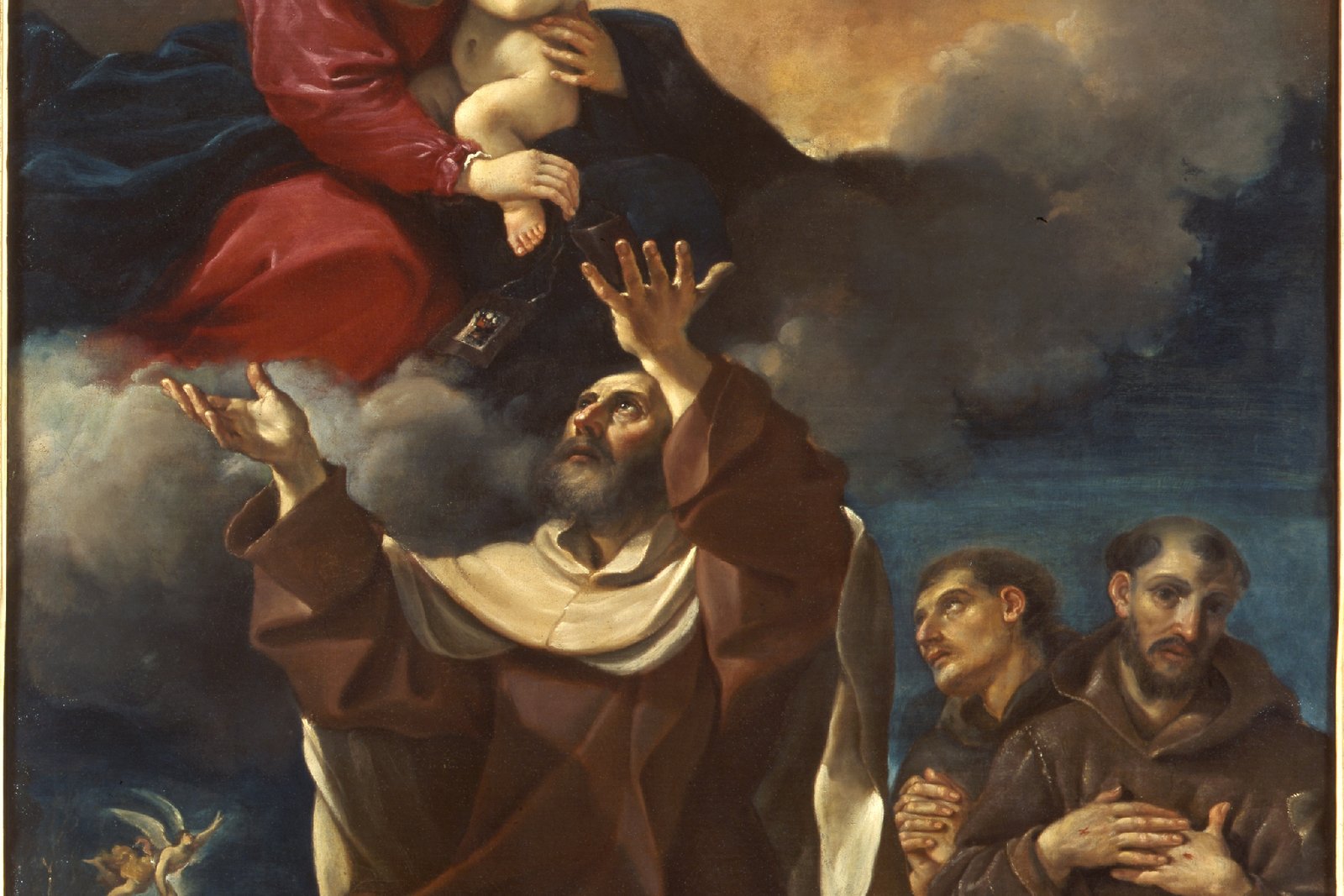
What Is a Scapular? The Brown Scapular Explained
A scapular is a small cloth garment worn as a sign of devotion, most famously the Brown Scapular of Our Lady of Mount Carmel. Here's what it means and how it began.
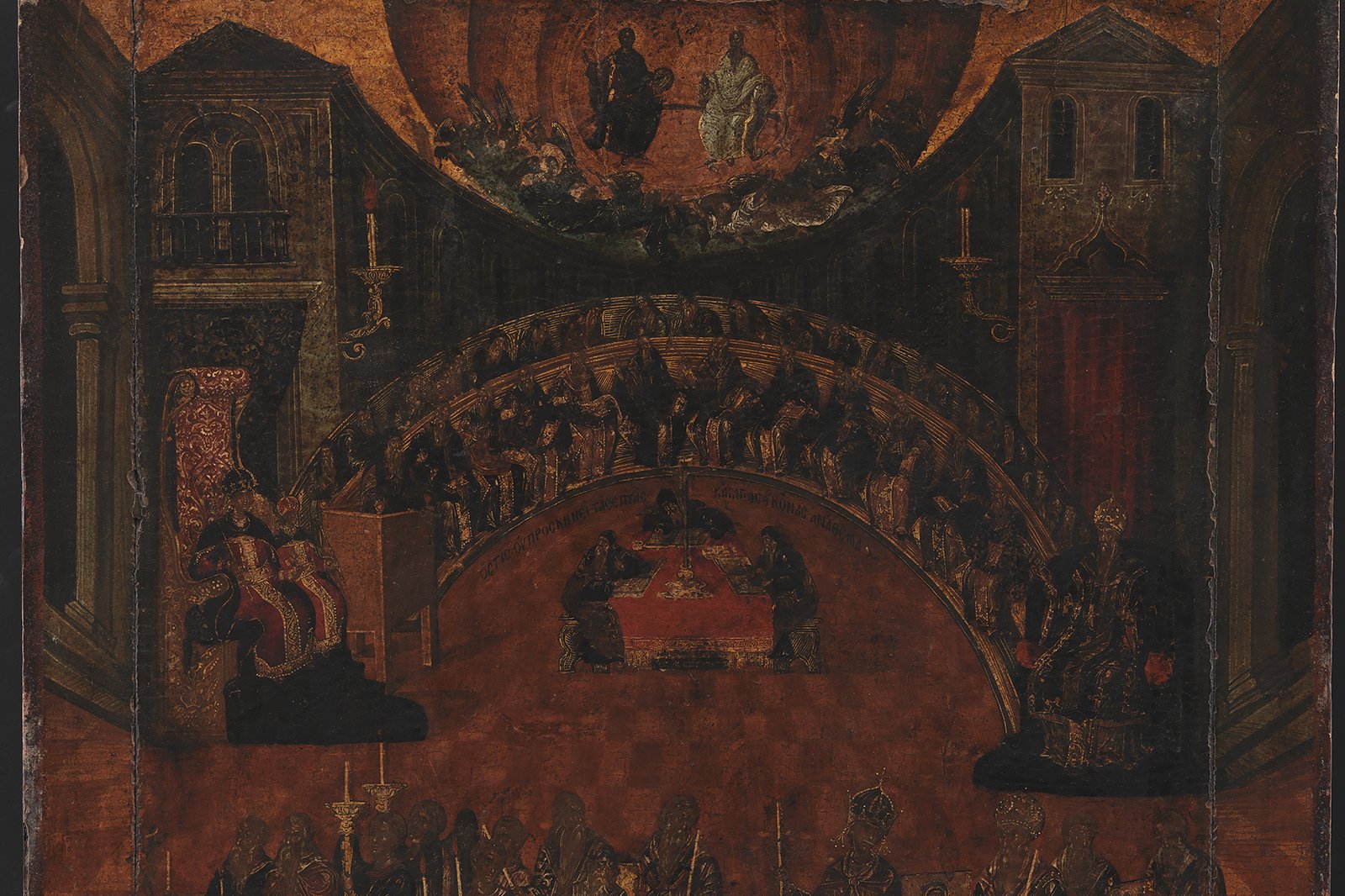
What Is Ecumenism? Catholic Teaching on Christian Unity
Ecumenism is the pursuit of unity among divided Christians. Here's what the Catholic Church actually teaches about it, and what it does and doesn't mean.
What Is Lectio Continua? Continuous Bible Reading Explained
Lectio continua is the practice of reading Scripture straight through, book by book. Here is how it shapes the Mass readings and daily Bible reading today.
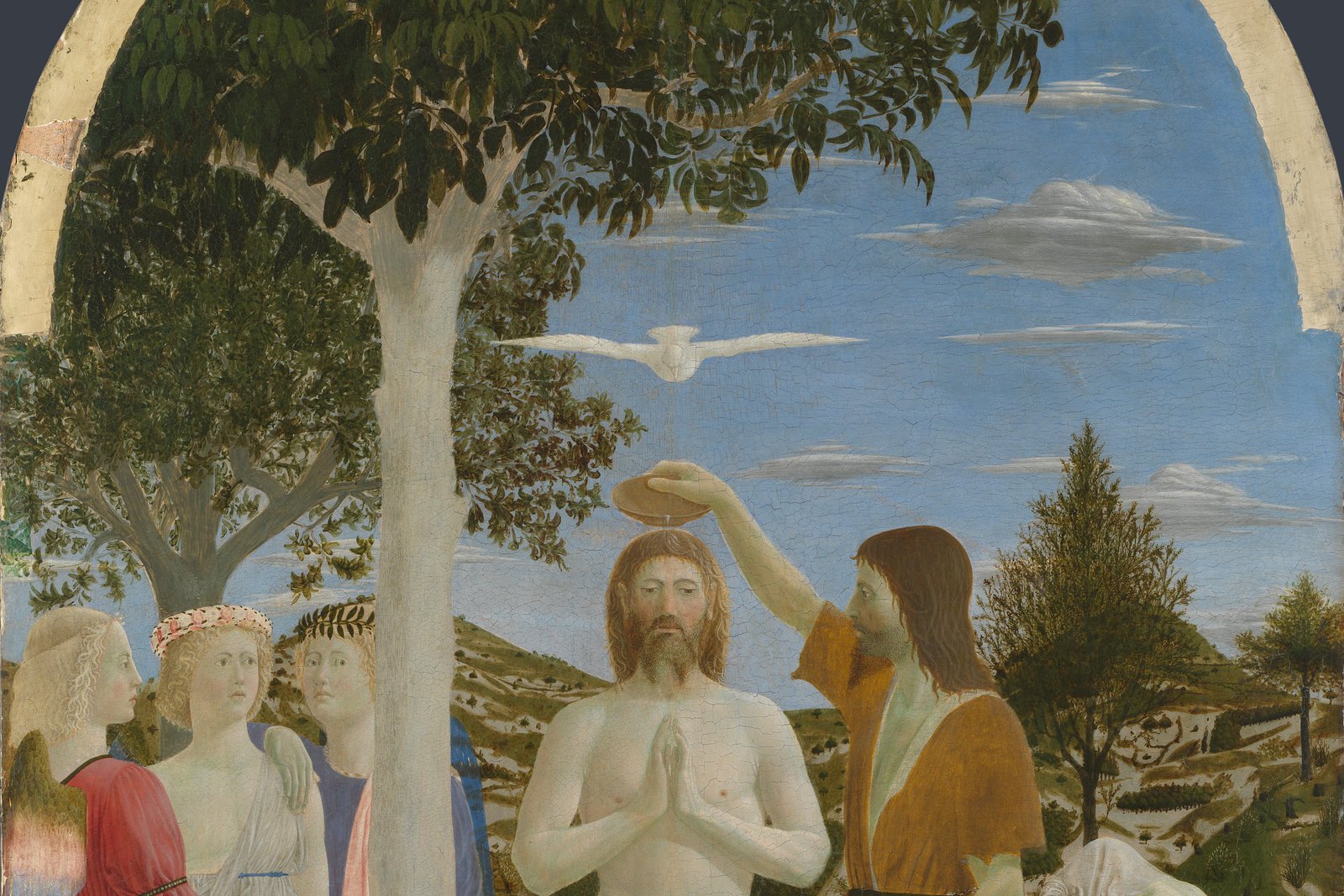
What Is RCIA? The Path Adults Take Into the Catholic Church
RCIA (now often called OCIA) is the process by which adults become Catholic. Here's how the journey works, stage by stage, from first inquiry to the Easter Vigil.
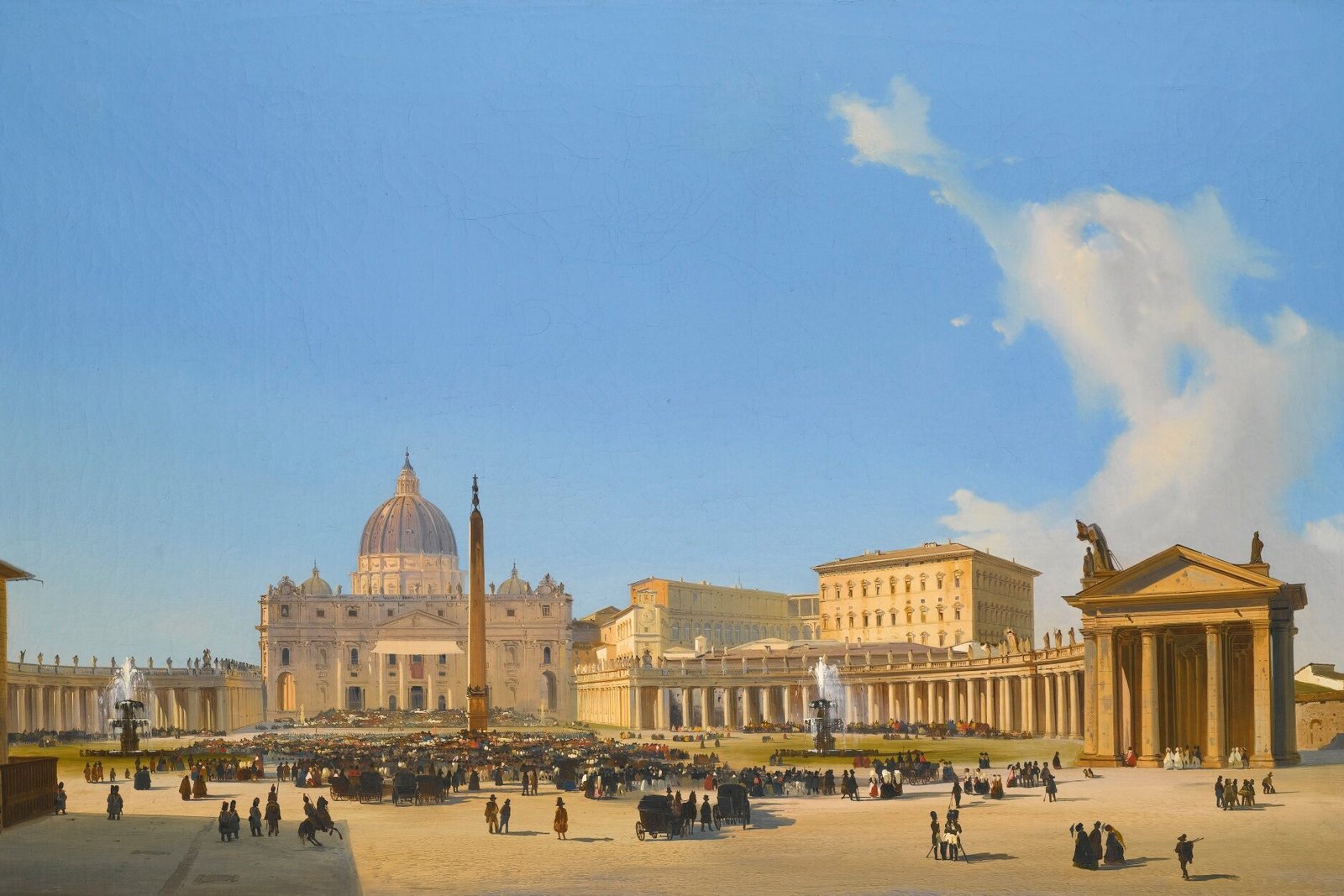
Basilica Major vs. Basilica Minor, Explained
The real difference between a basilica major and a basilica minor in Catholic canon law — and why only four churches on earth hold the higher rank today.
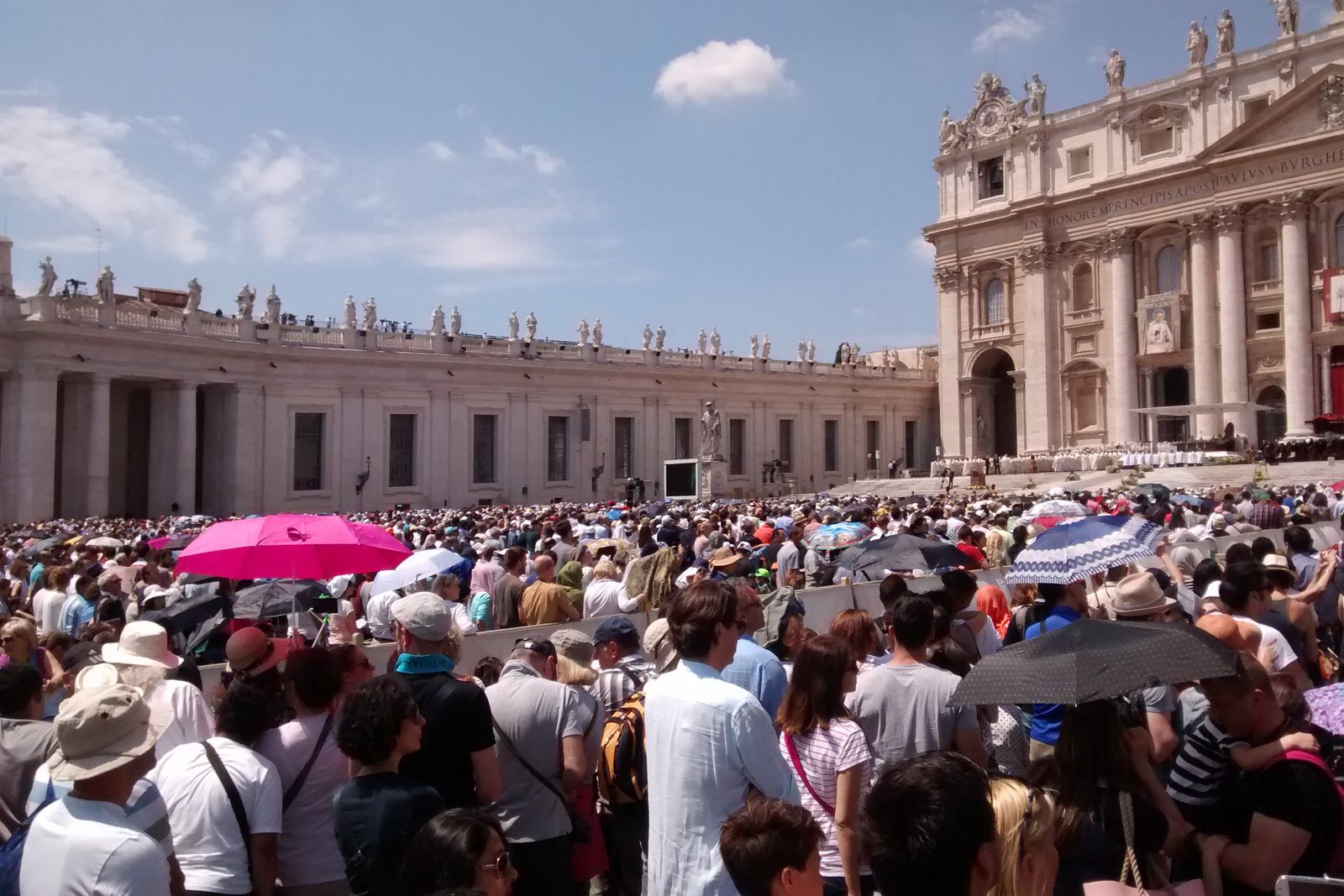
The World's Most-Visited Catholic Pilgrimage Sites
A tour of Catholicism's busiest pilgrimage destinations — Guadalupe, Lourdes, Fátima, the Vatican, Santiago, and Częstochowa — and why each draws crowds.
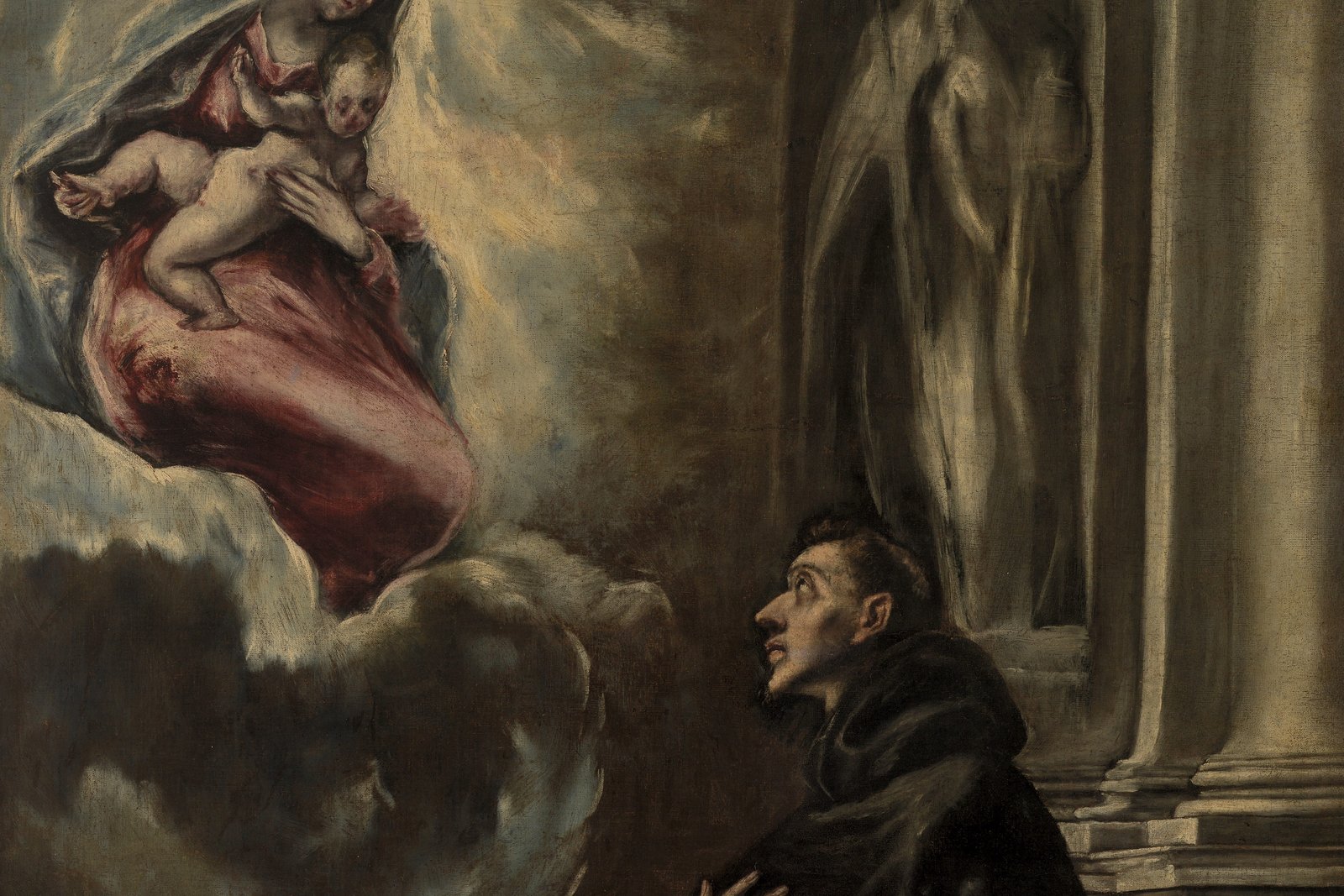
What Makes a Site a Marian Shrine?
How the Catholic Church investigates and formally approves Marian apparitions, and why a shrine's approved status stays separate from Catholic doctrine.
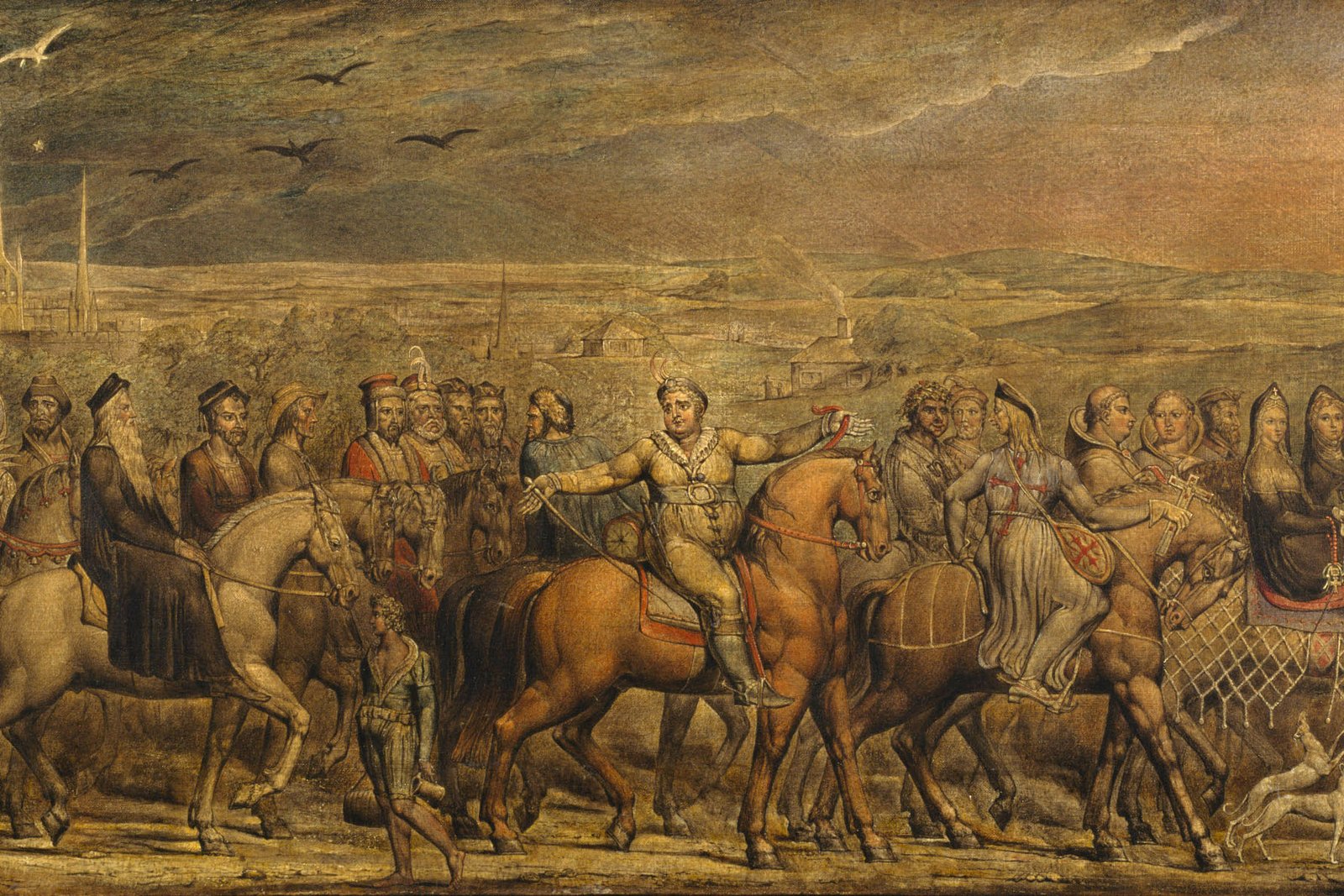
Why Do Catholics Go on Pilgrimage?
Why Catholics travel to sacred sites like Lourdes and Fátima — the biblical roots, medieval pilgrim routes, and spiritual meaning behind pilgrimage today.
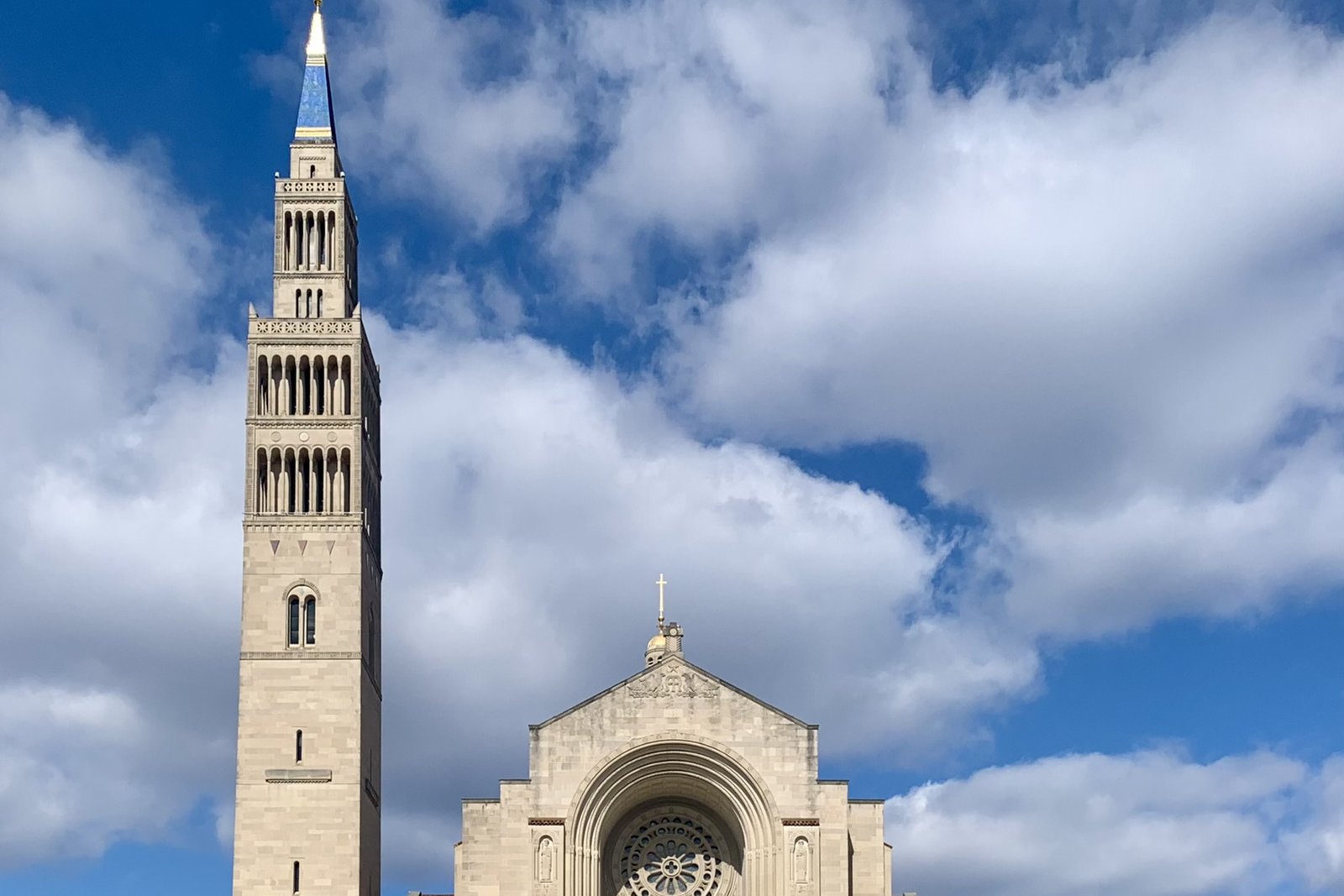
What Is a National Shrine? Explained
A national shrine is a Catholic church formally designated to draw pilgrims from an entire country, distinct from a basilica, cathedral, or ordinary parish.
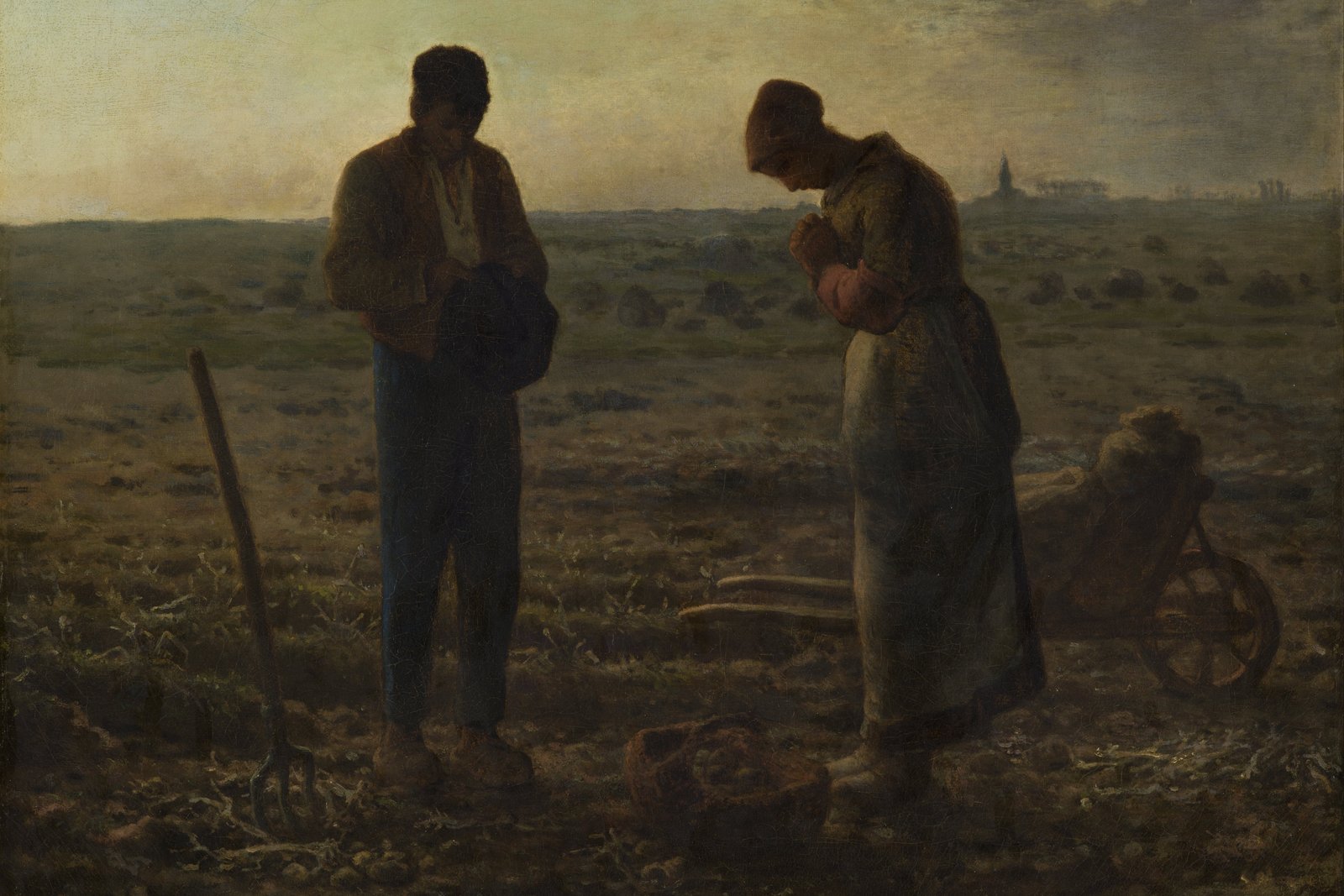
The Angelus Prayer Explained
The Angelus is a short prayer recalling the Annunciation, traditionally prayed three times daily at the sound of a bell. Here's its structure and history.
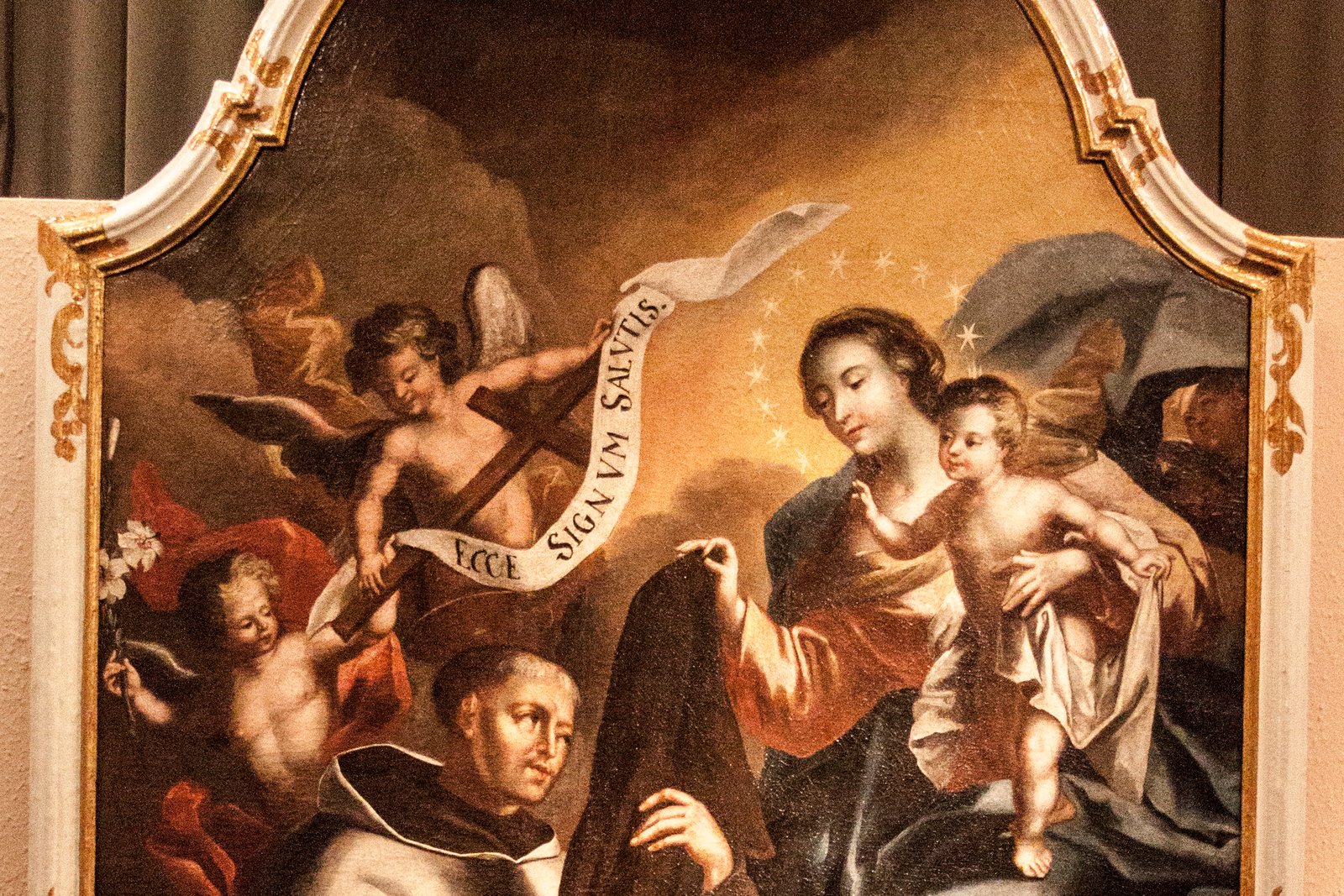
The Brown Scapular Explained: Promise, Tradition, and Enrollment
The Brown Scapular of Our Lady of Mount Carmel carries a famous promise tied to a 13th-century vision. Here's what's Church teaching and what's pious tradition.
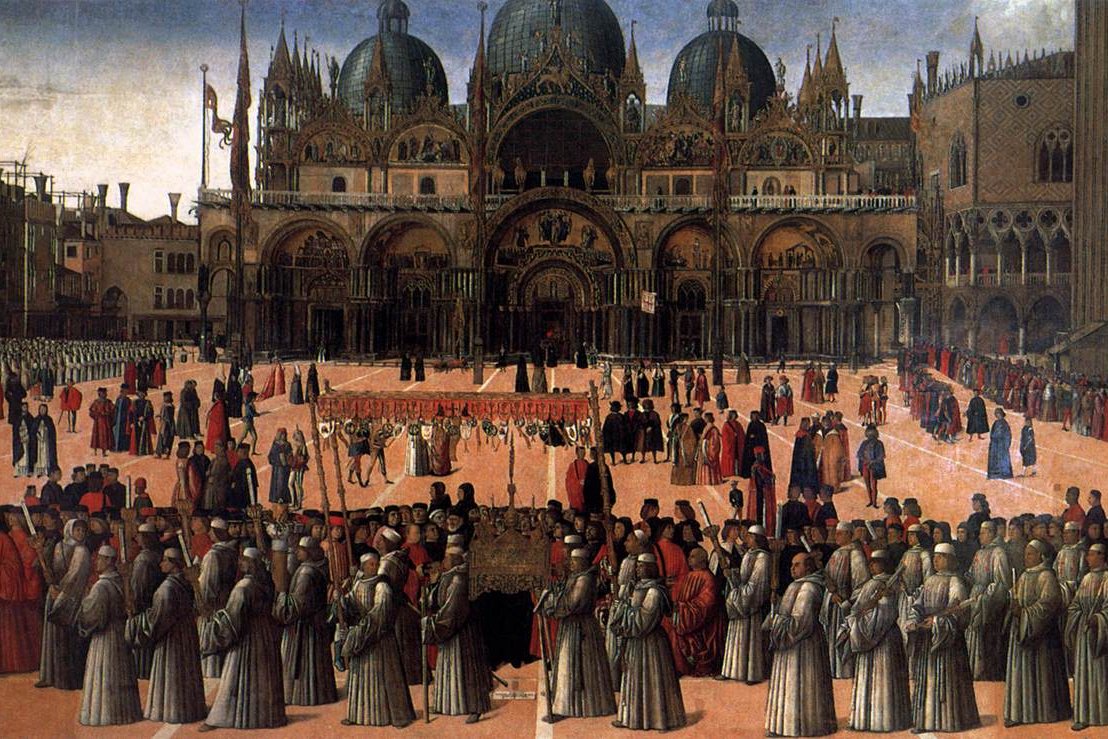
The Feast of Corpus Christi: History and the Eucharistic Procession
Corpus Christi began with a nun's vision and a reported Eucharistic miracle, growing into a feast defined by processions and Thomas Aquinas's own hymns.
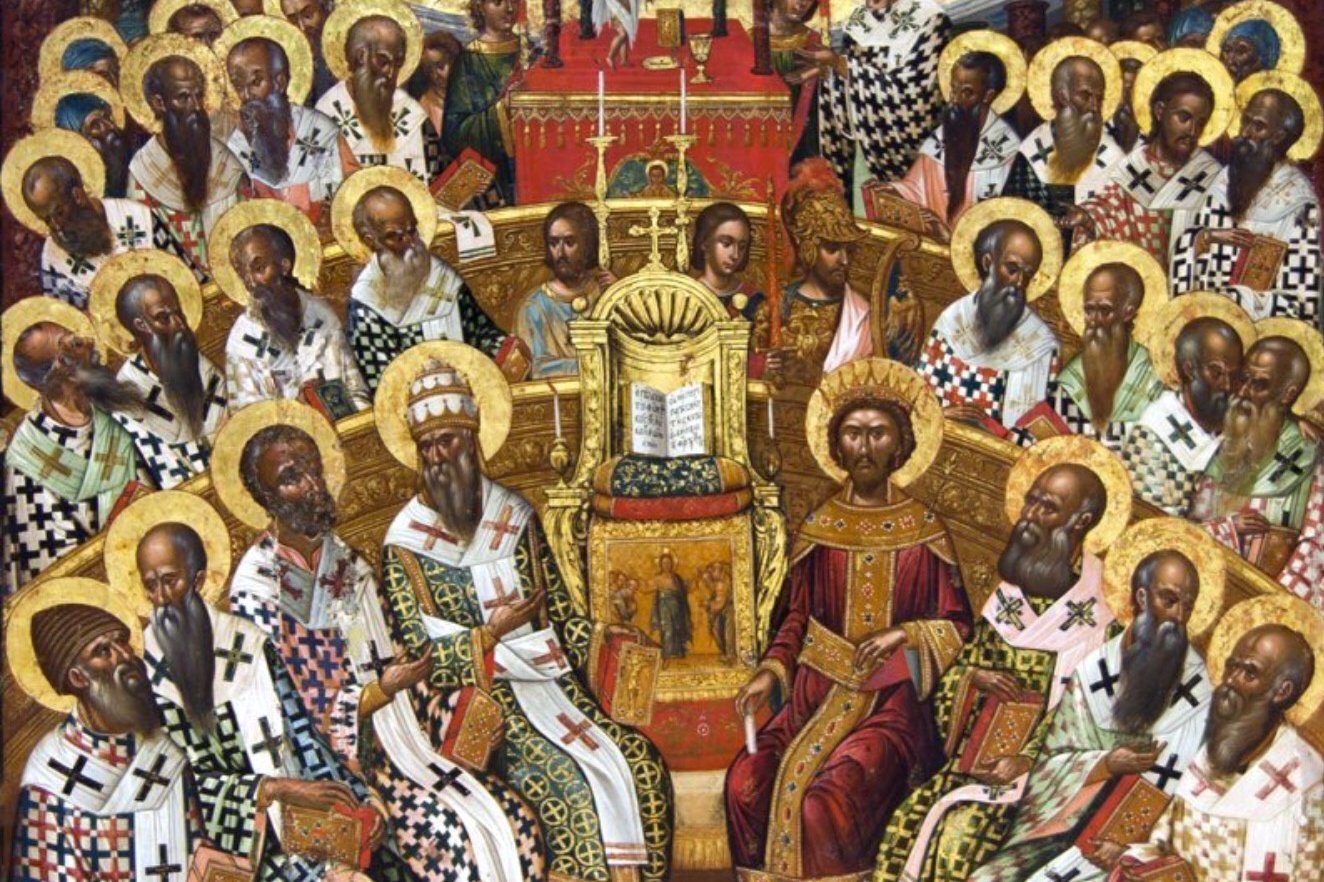
The Nicene Creed Explained, Line by Line
The Nicene Creed was hammered out at a council in 325 AD to settle a bitter dispute over who Christ is. Here's its history and what each line actually means.
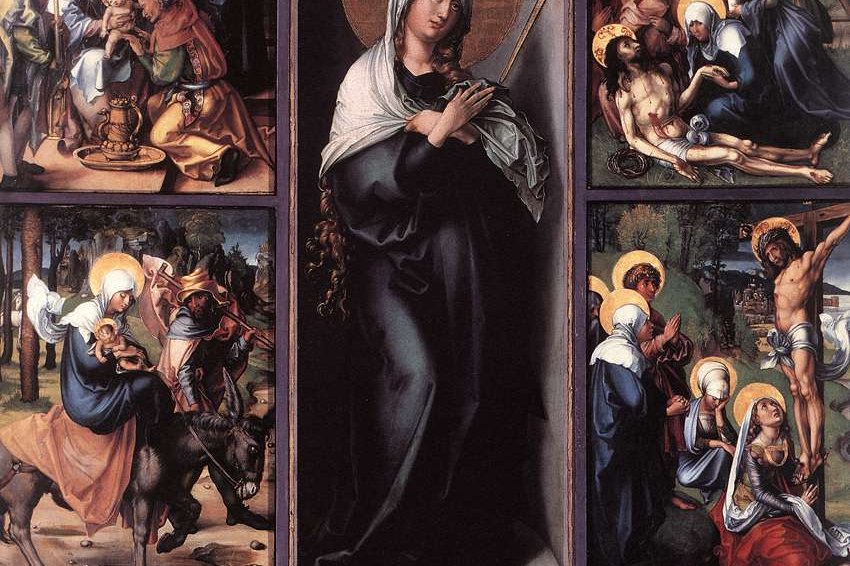
The Seven Sorrows of Mary — A Devotion in Seven Wounds
The Seven Sorrows of Mary trace her grief from Simeon's prophecy to the burial of Christ. Here's the devotion's medieval history and its own dedicated rosary.
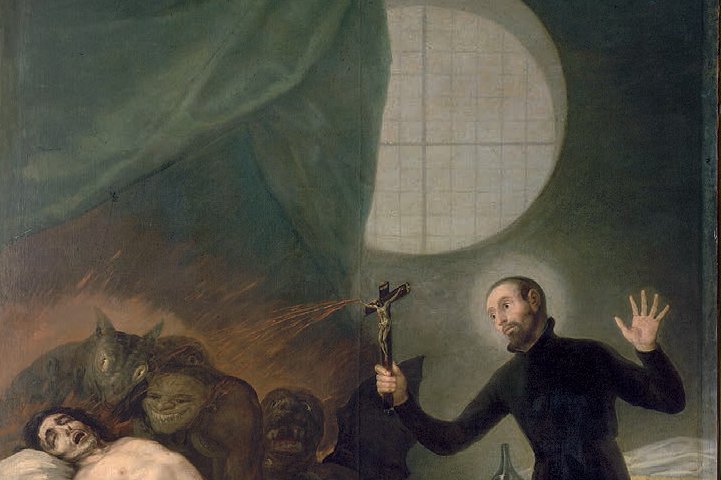
What Is a Catholic Exorcism? Rite, Role, and Real Practice
Catholic exorcism is a rare, carefully regulated rite, distinct from everyday deliverance prayer. Here's how the Church actually approaches it, step by step.
What Is a Holy Card? History of a Pocket-Sized Devotion
Holy cards are small devotional images of saints or sacred scenes, often kept in wallets, missals, or Bibles. Here's where the tradition began and why it endures.
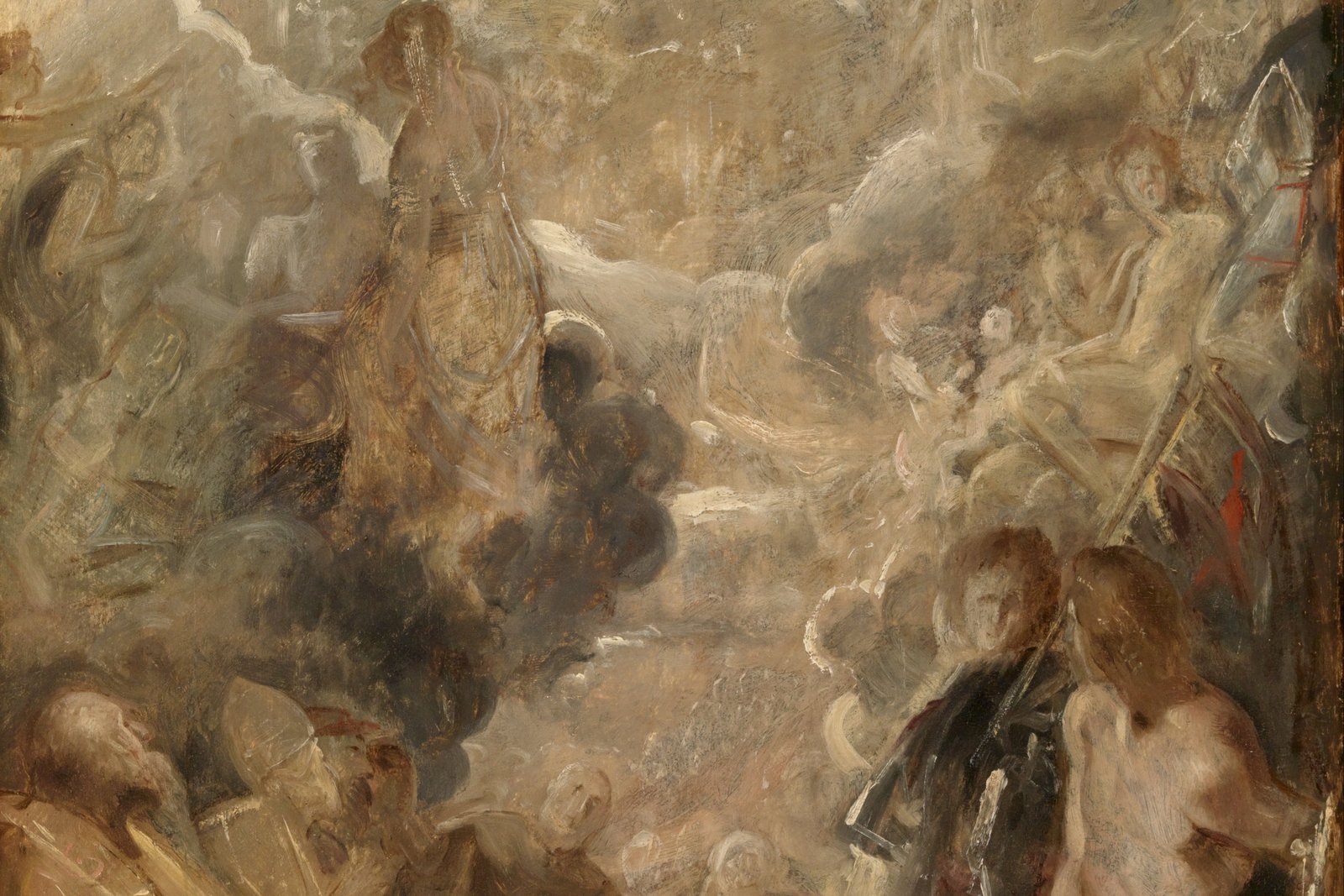
All Saints Day Traditions Explained
A former pagan temple, converted into a church, gave rise to a feast honoring every saint in heaven — named and unnamed alike — celebrated November 1st.
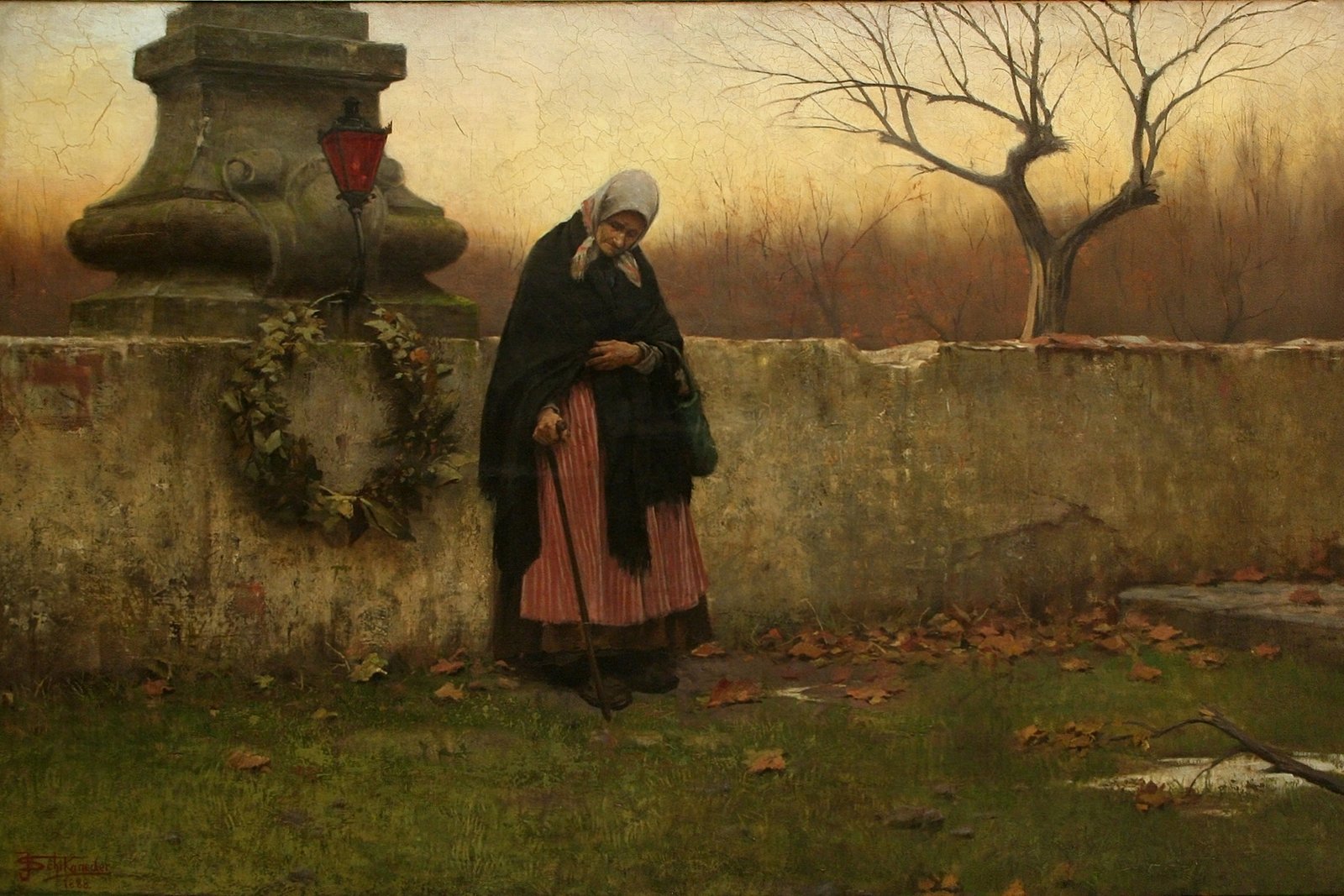
All Souls Day Traditions Explained
A single 10th-century abbot's instruction to his monks became a universal Church observance — one day a year devoted entirely to praying for the dead.
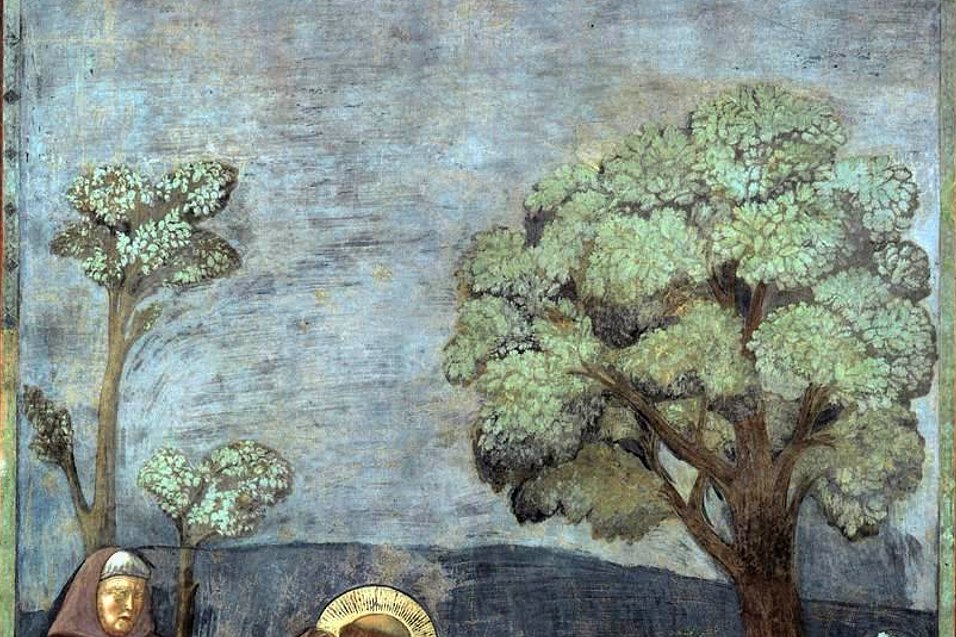
The Blessing of Animals on Saint Francis's Feast
A saint remembered for preaching to birds gave his name to a modern parish custom — pet owners lining up every October 4th for a simple, welcome blessing.
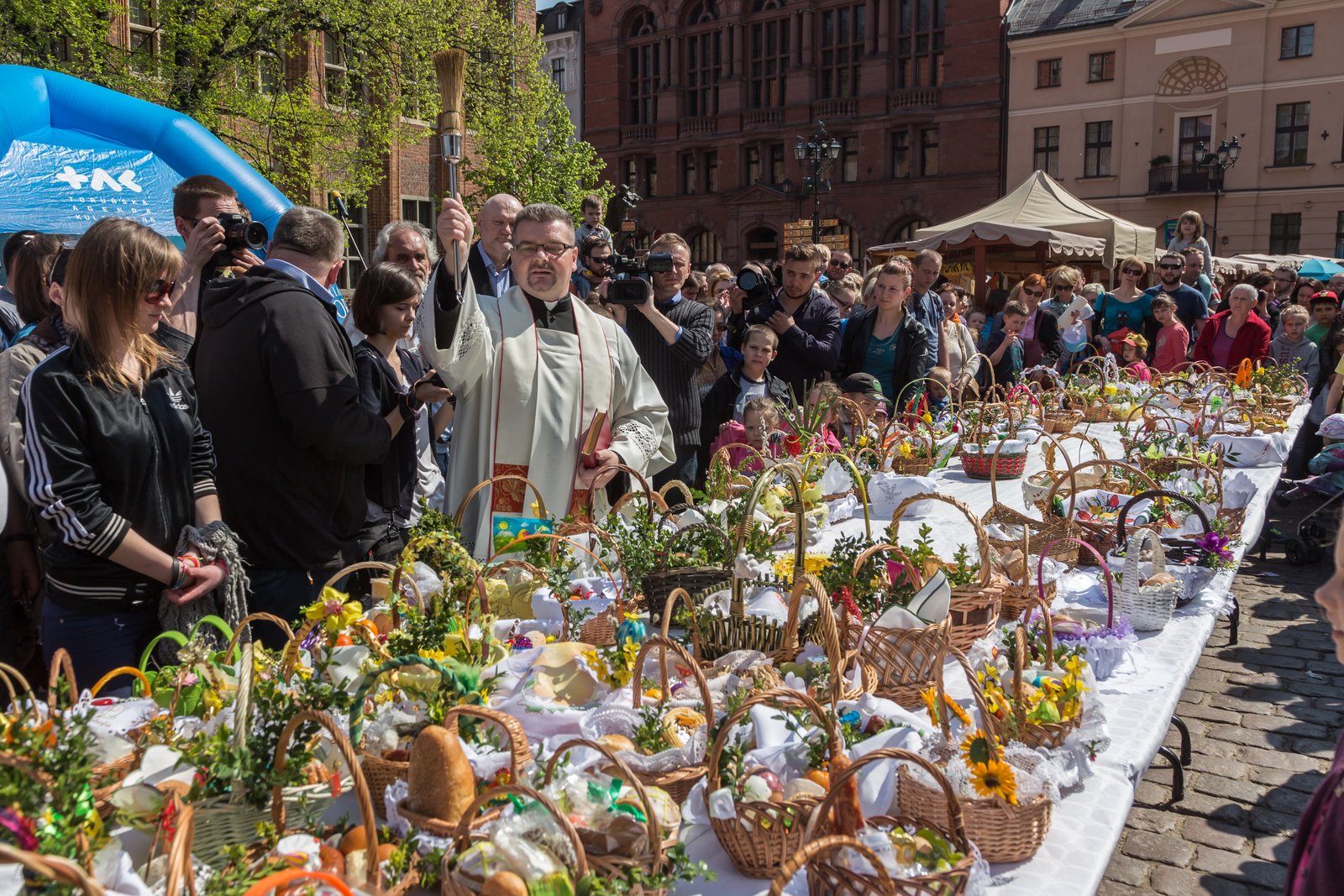
The Blessing of Easter Food Baskets
On Holy Saturday, families still bring linen-lined baskets of eggs, bread, and meat to church — each item chosen to carry its own piece of the Resurrection.
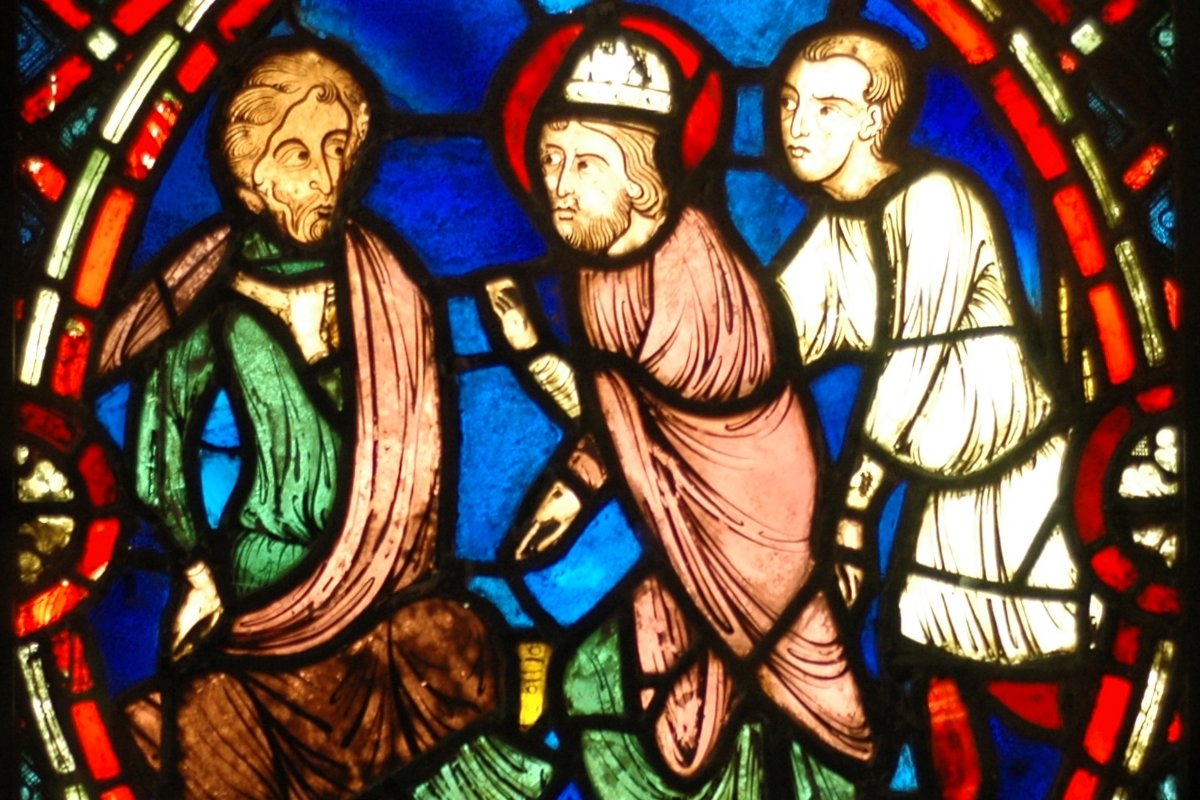
The Blessing of the Throats on Saint Blaise's Feast
Every February, Catholics line up as a priest holds two crossed candles to their throat — a sacramental rooted in a martyred bishop's prison-cell miracle.
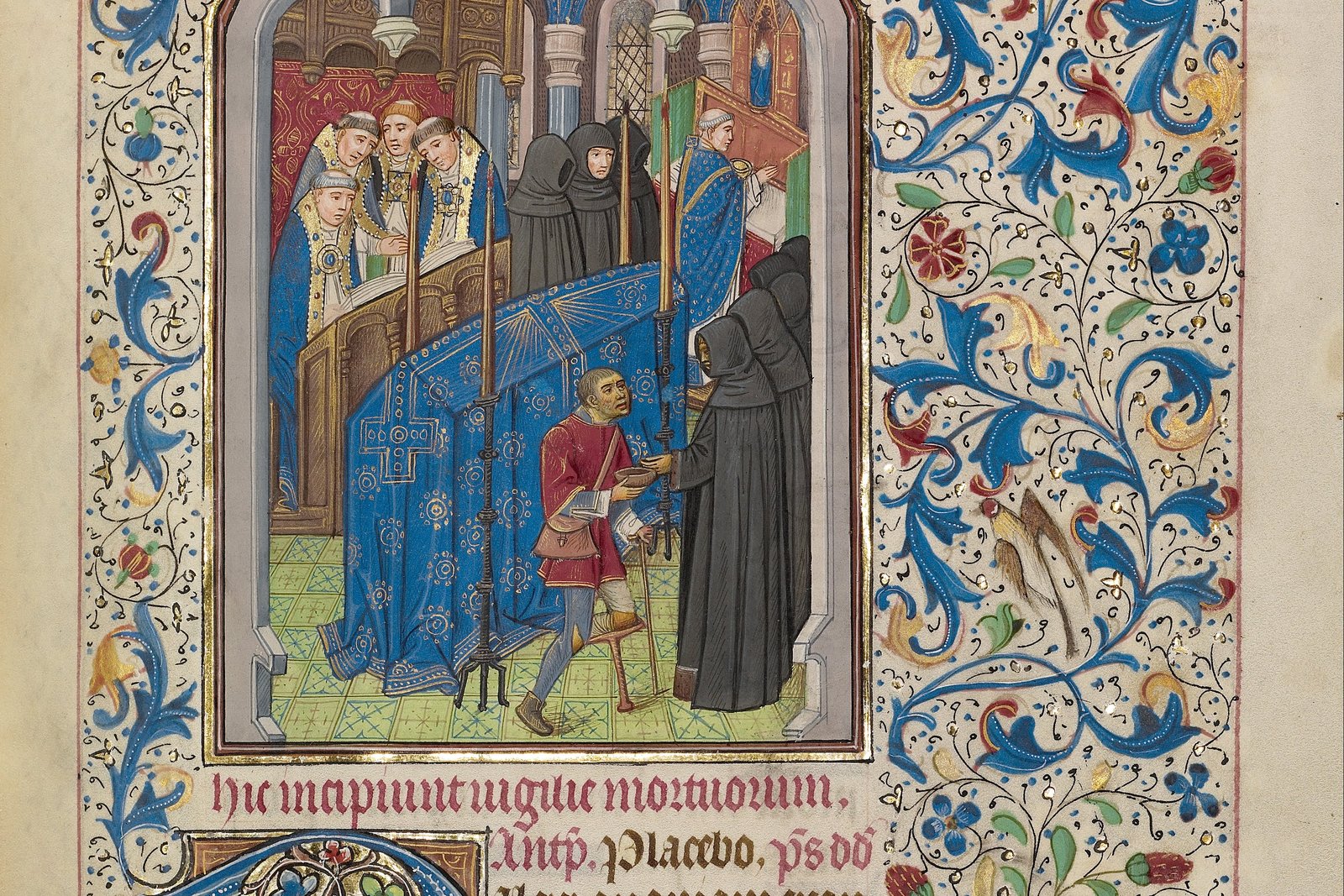
Catholic Mourning Customs and Traditions
A three-part rhythm — vigil, funeral Mass, committal — still shapes how Catholic families grieve, built to hold both sorrow and hope in the same rite.
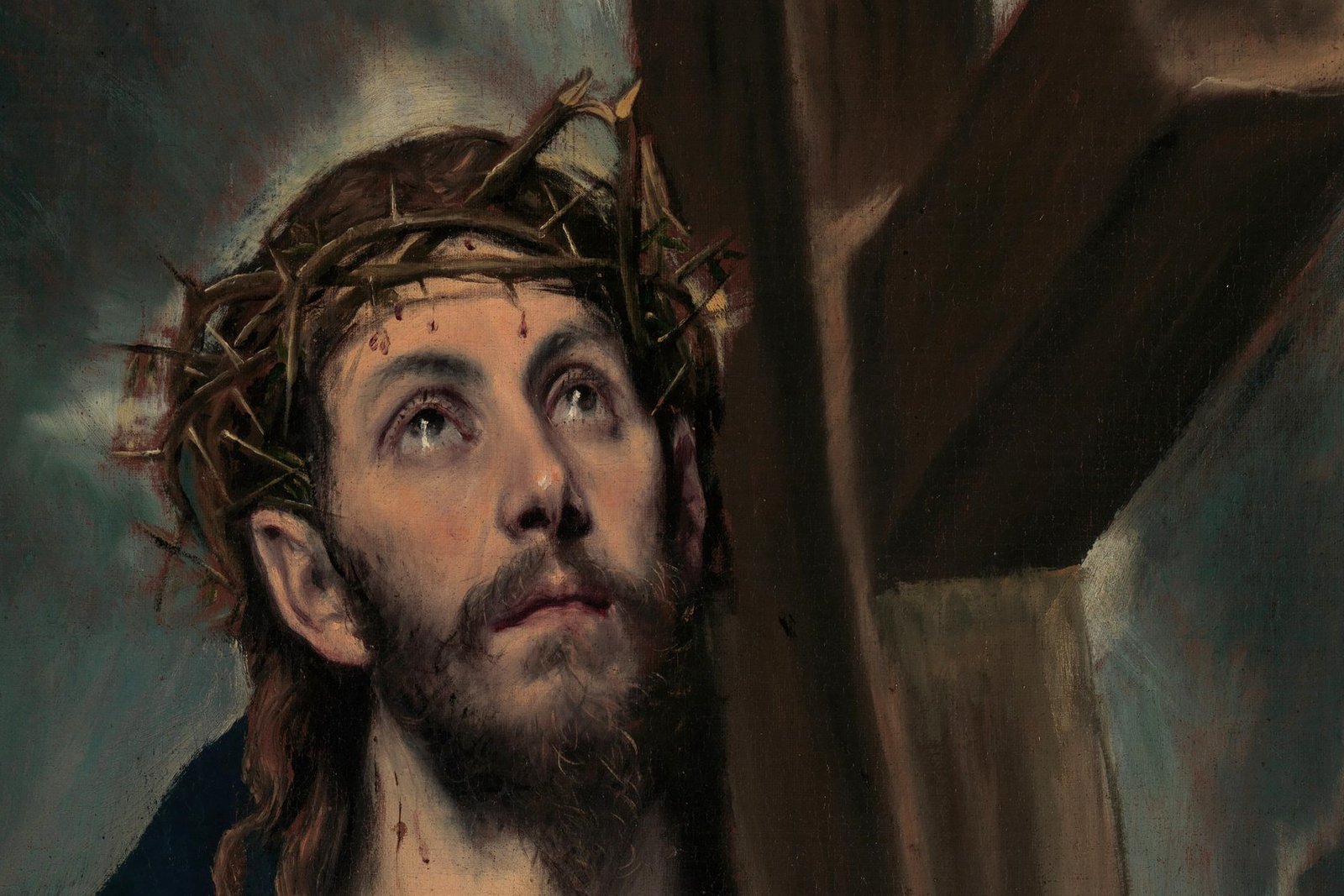
The Good Friday Veneration of the Cross
"Behold the wood of the Cross" — a fourth-century Jerusalem custom of venerating a relic became the moment Catholics kneel before a cross each Good Friday.
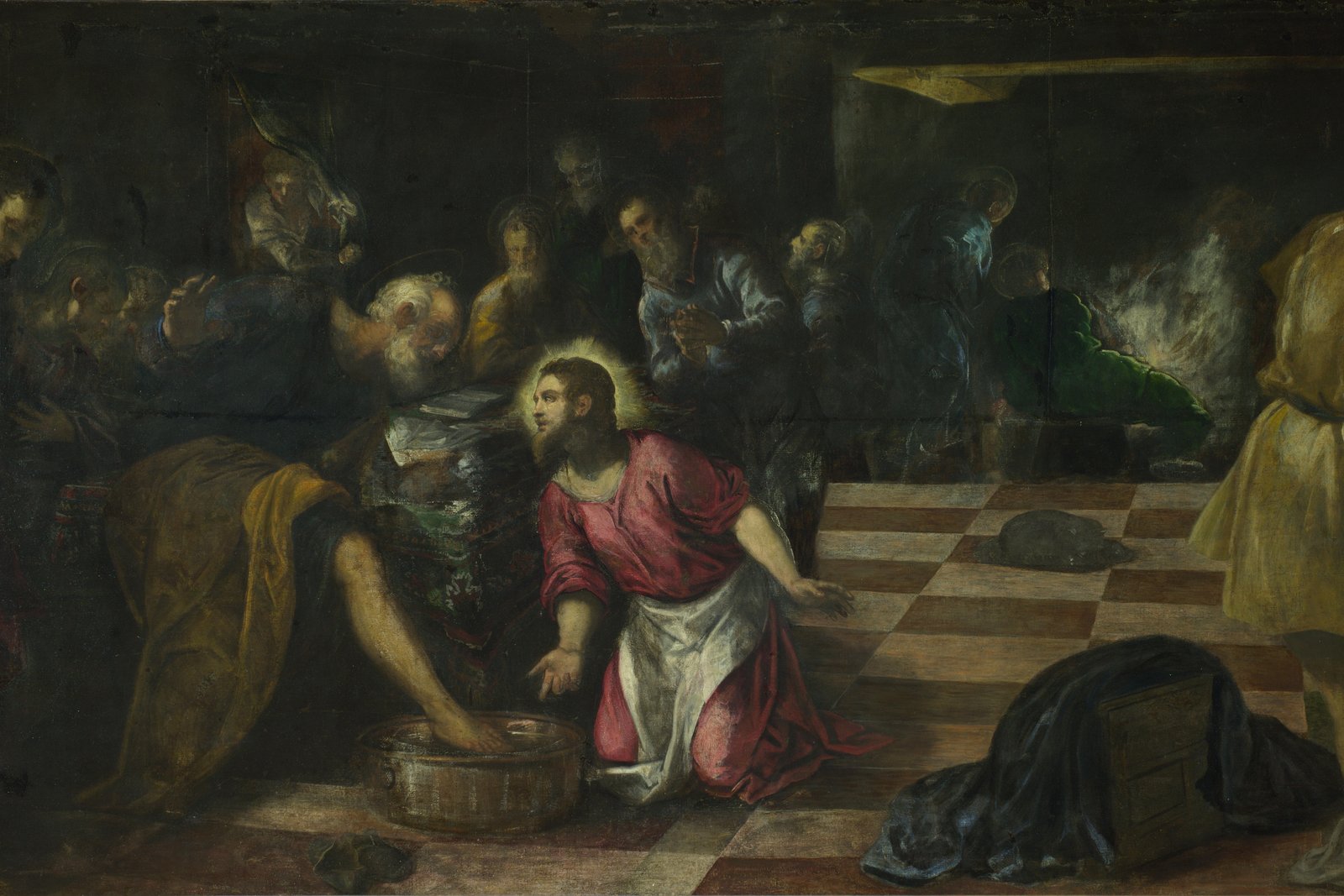
Holy Thursday and the Washing of the Feet
Jesus took off his outer garment, tied on a servant's towel, and washed his disciples' feet — a gesture the Church still reenacts every Holy Thursday.
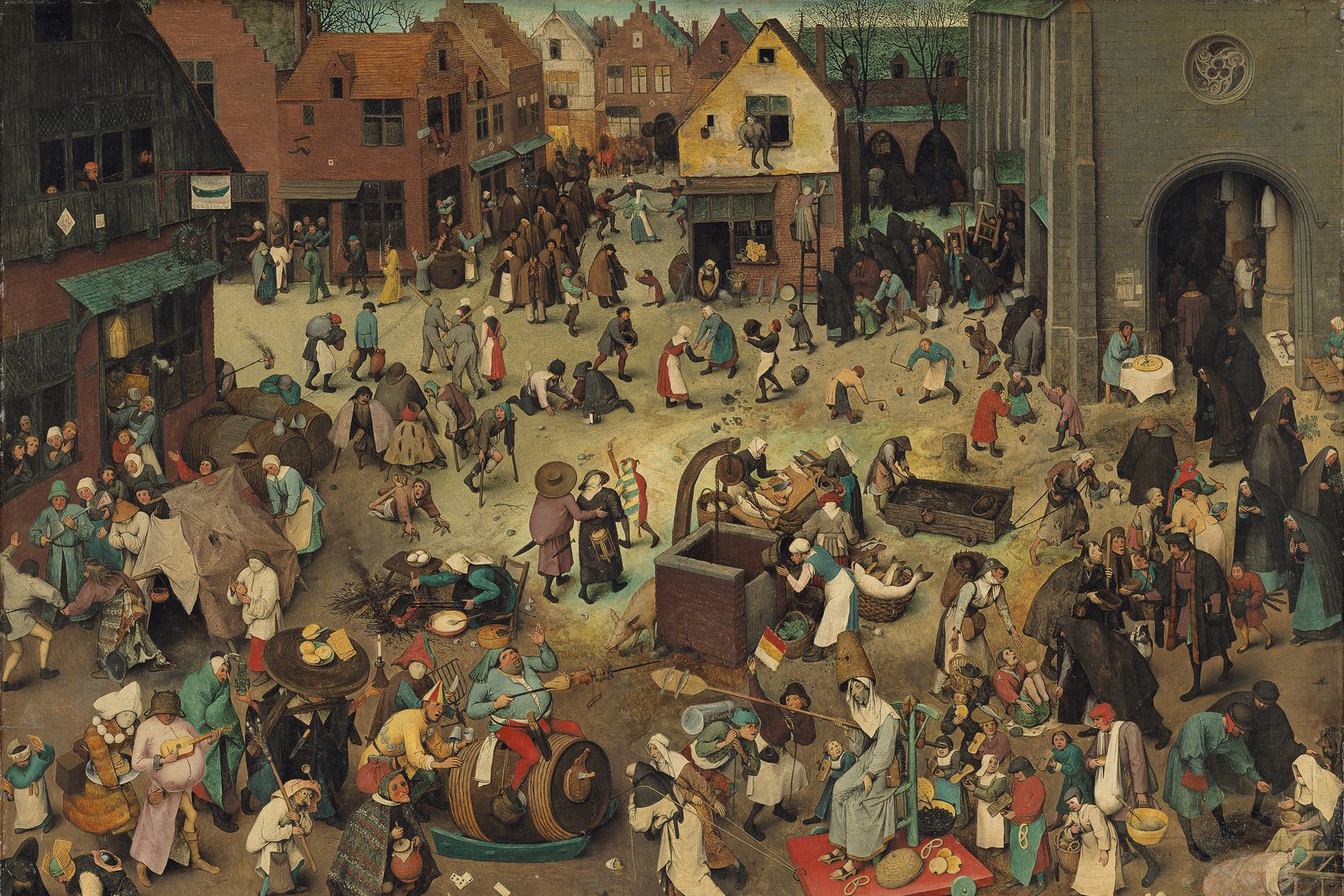
Lenten Fasting and Abstinence Rules Explained
One full meal, two smaller ones, no meat on Fridays — the Church's actual Lenten fasting rules are more modest, and more specific, than most people assume.
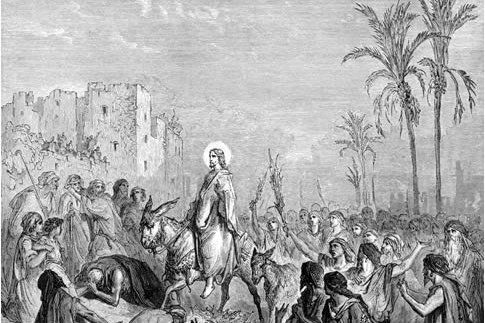
Palm Sunday Customs and Traditions
Palm branches blessed at Mass, woven into crosses, and kept behind a crucifix all year — Holy Week opens with a feast that reenacts a crowd's welcome.
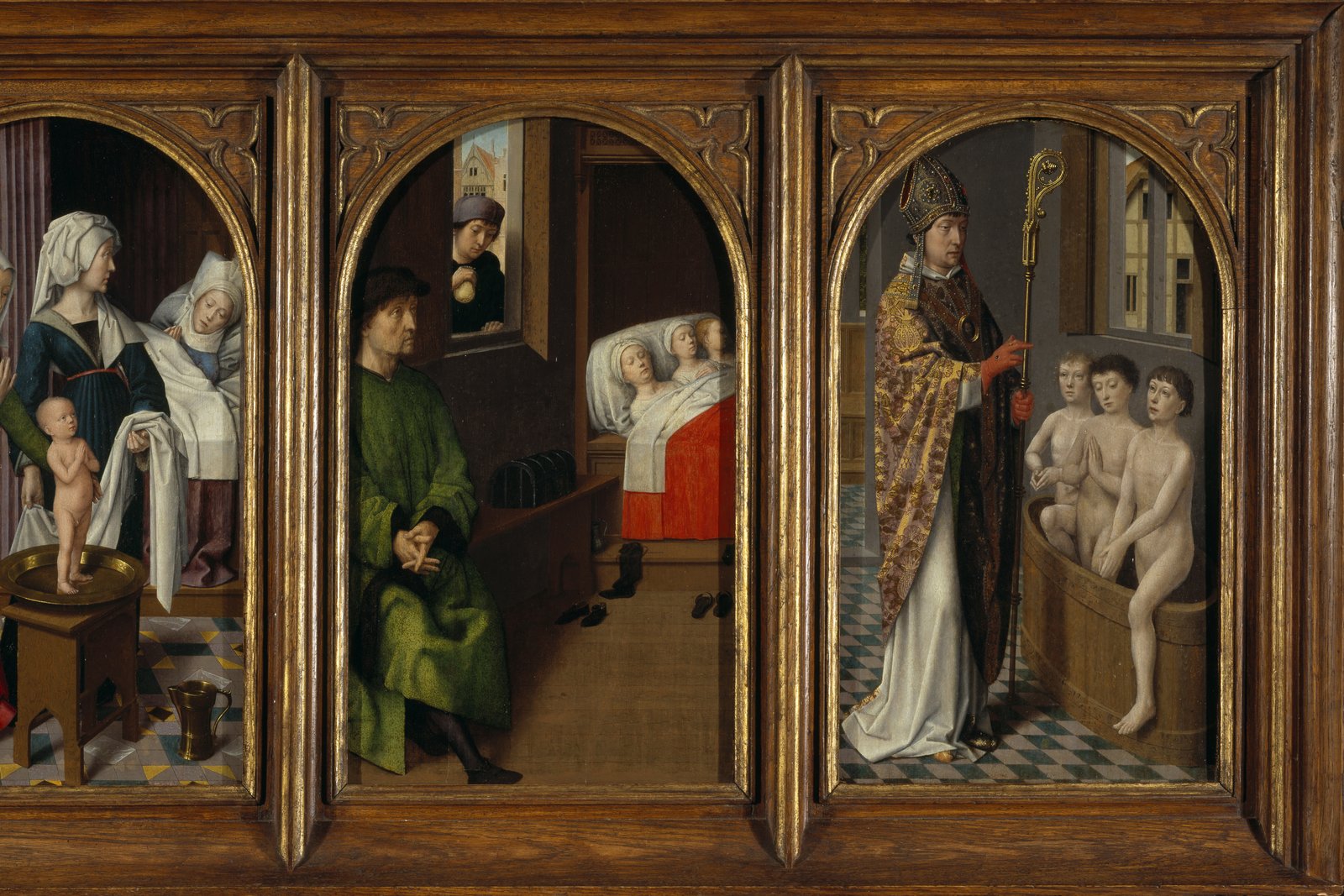
Saint Nicholas Day Customs Explained
Weeks before Santa Claus stories start, Catholic children leave shoes by the door on December 6 — a custom traced to a bishop's real, secret generosity.
The Divine Praises Prayer Explained
Written to answer blasphemy with blessing, this short litany of "Blessed be God" acclamations grew for over a century before reaching its final, familiar form.
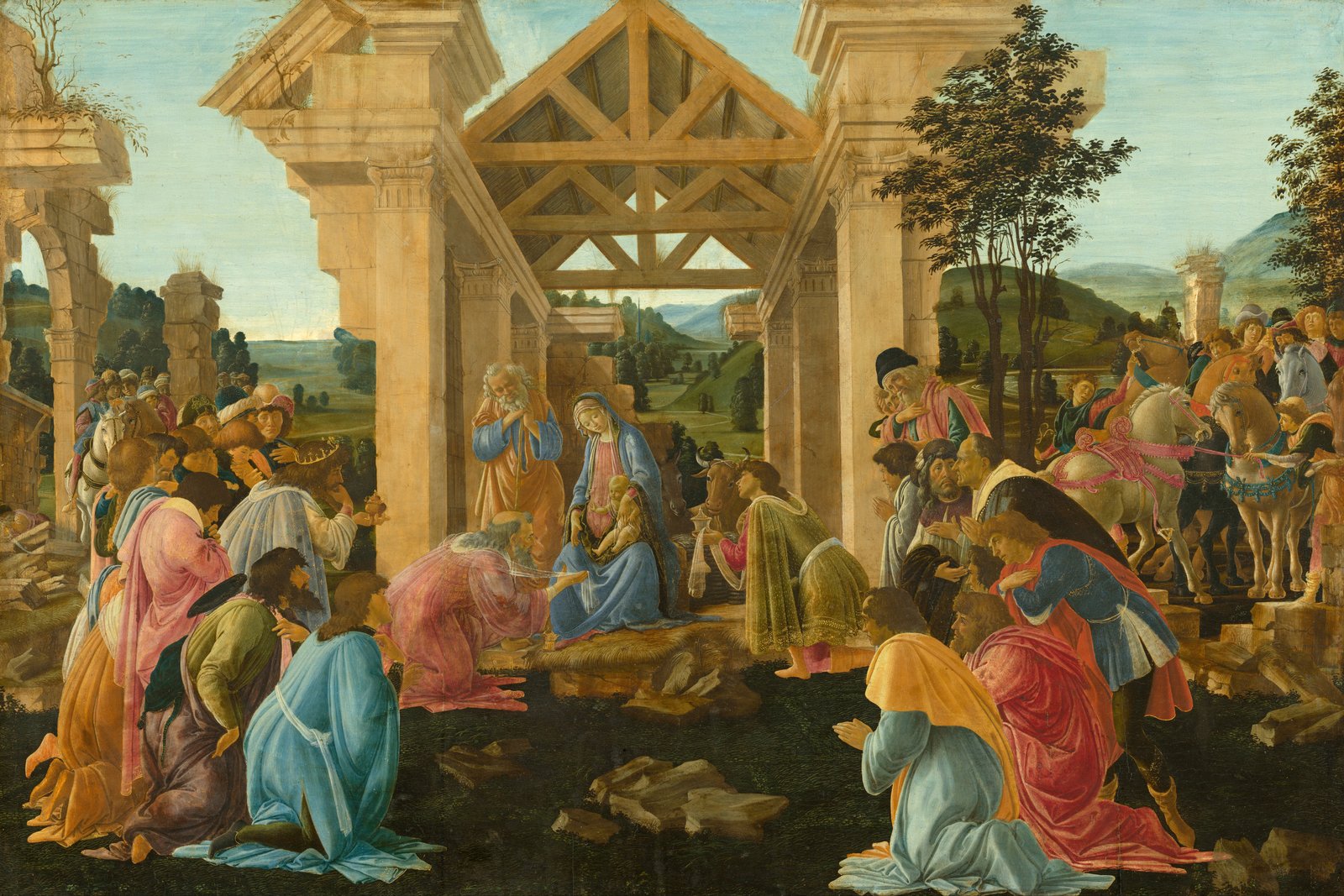
The Epiphany House Blessing, Chalk and All
Catholics still chalk 20+C+M+B+26 above their doorframes every January — an old custom naming the three Magi and asking Christ to bless the household.
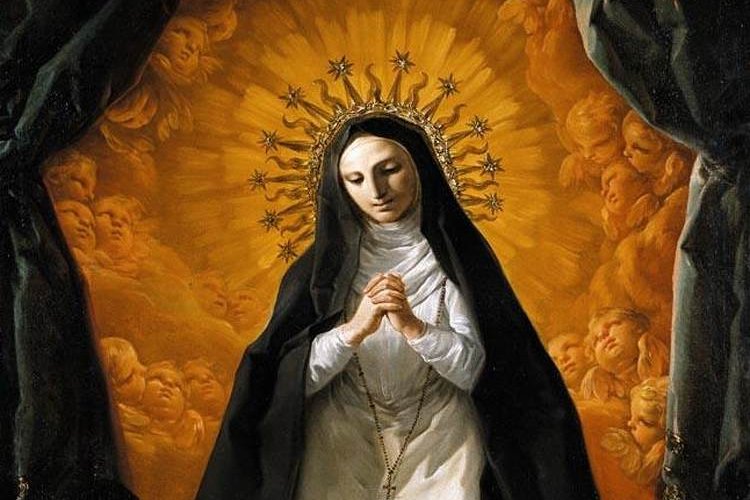
The First Friday Devotion Explained
A 17th-century nun's reported visions of Christ gave rise to a nine-month devotional promise Catholics still practice on the first Friday of each month.
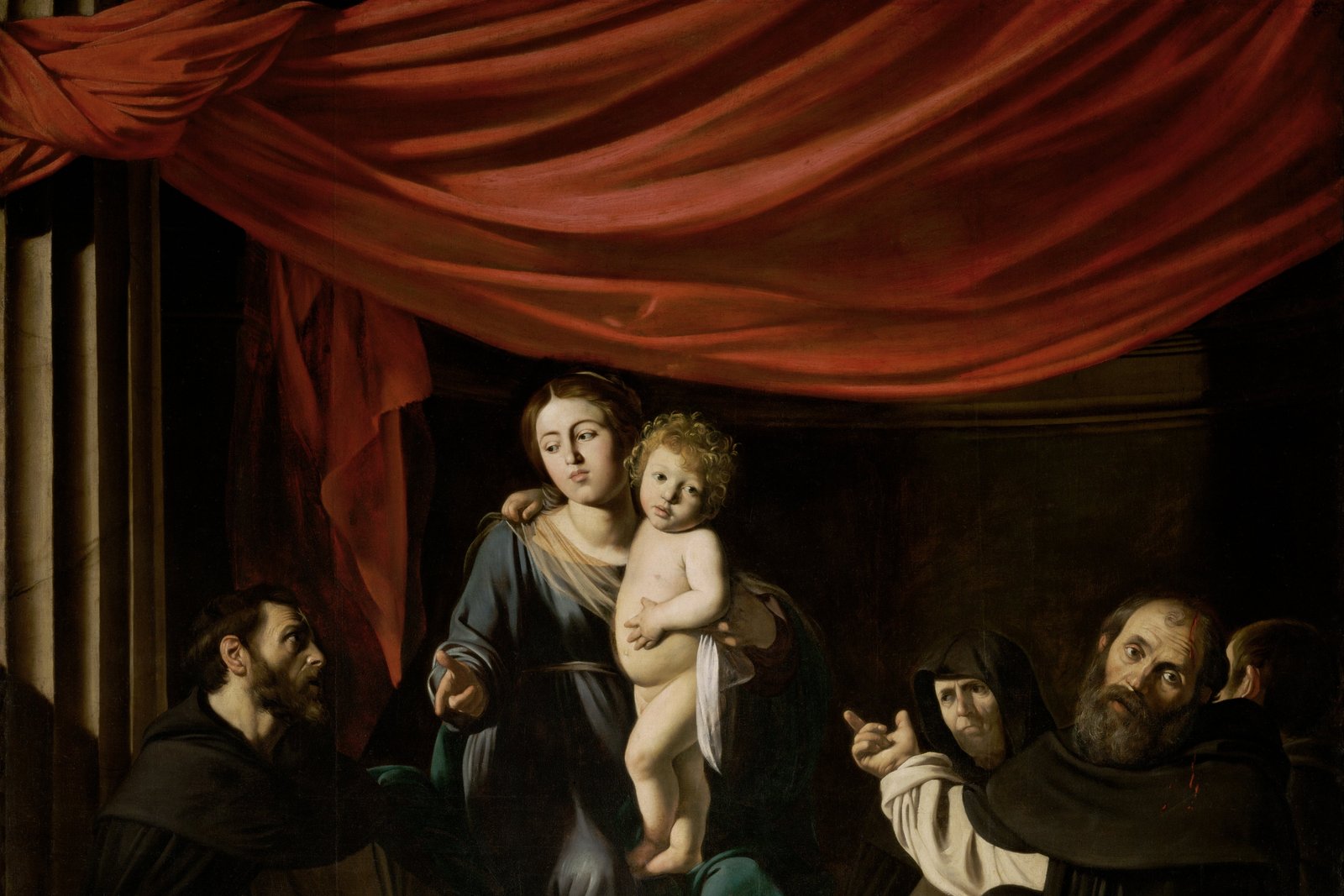
The Five First Saturdays Devotion Explained
One of the Fatima visionaries reported Mary asking for five months of Saturday devotion — a specific request Catholics still practice today, worldwide.
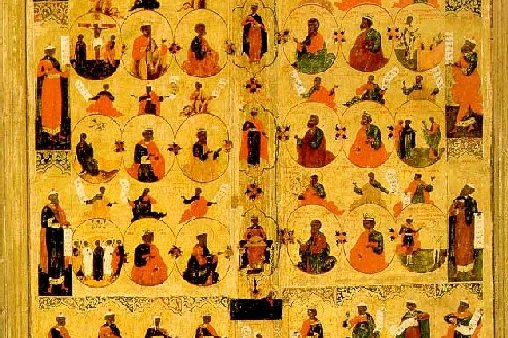
The Jesse Tree: An Advent Tradition Explained
A medieval church-window image of a prophecy became a family Advent devotion — one ornament a day, tracing Jesus's ancestry from Genesis to Bethlehem.
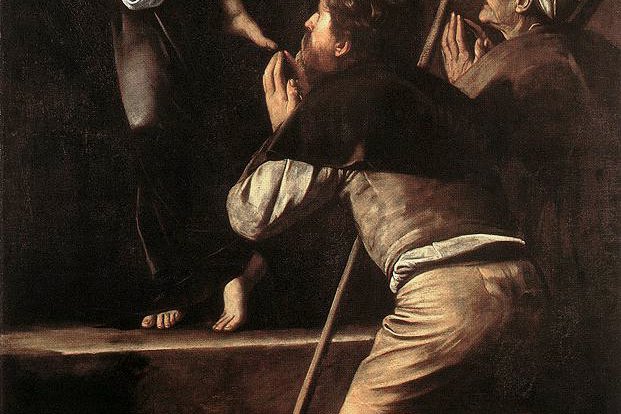
The Litany of Loreto Explained
A single Italian shrine gave its name to the litany Catholics still use to call Mary "Mystical Rose" and "Morning Star" — titles added one pope at a time.
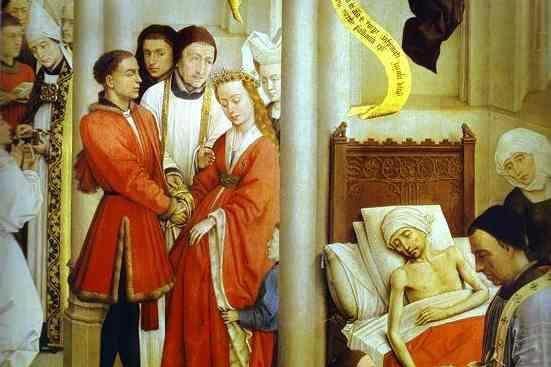
The Litany of the Saints Explained
One of the Church's oldest surviving prayers, chanted at ordinations and at the Easter Vigil, calls on saint after named saint to pray for the living.
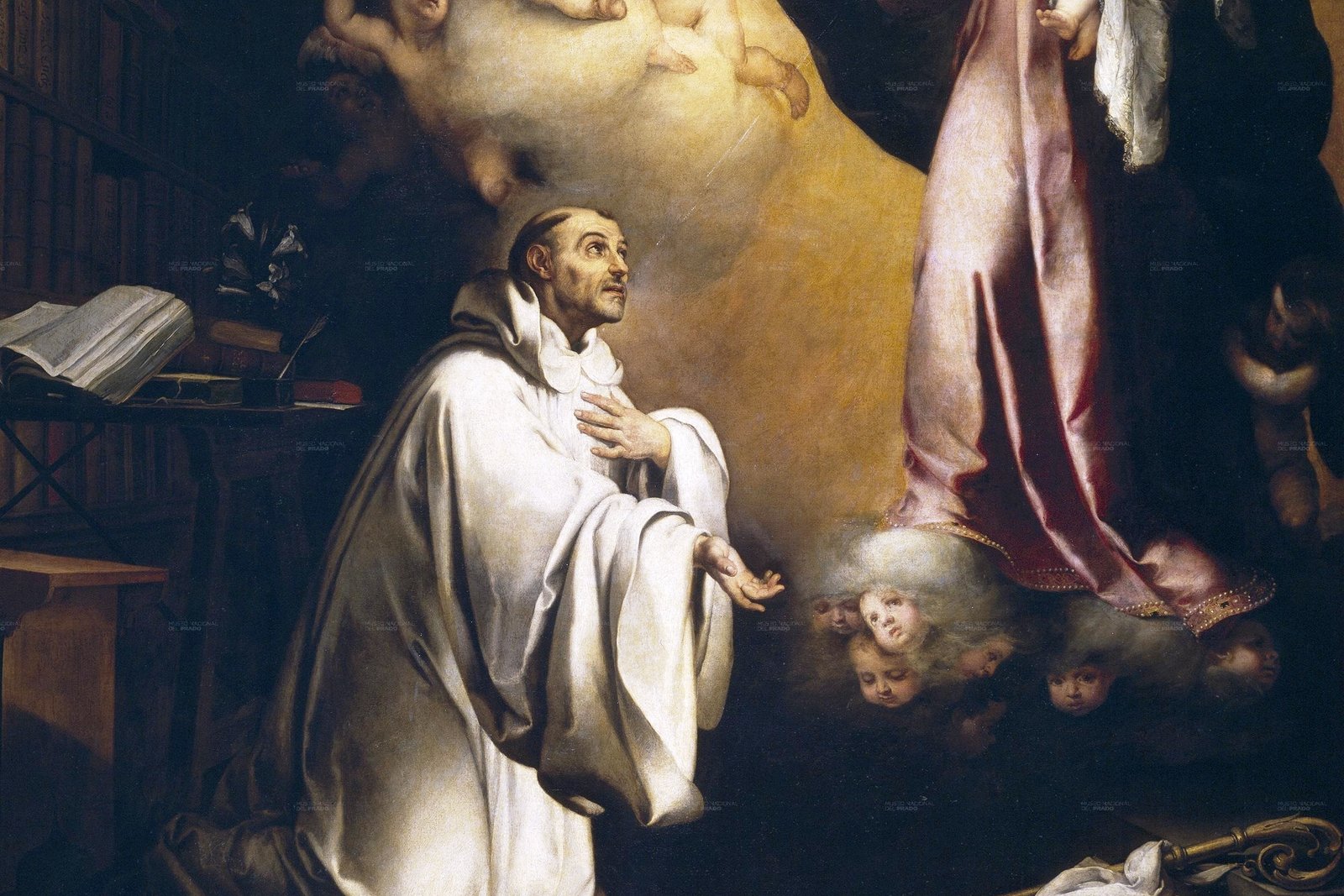
The Memorare Prayer Explained
A short, urgent appeal to Mary that opens "Remember" and ends "hear and answer me" — attributed for centuries to a saint who almost certainly didn't write it.
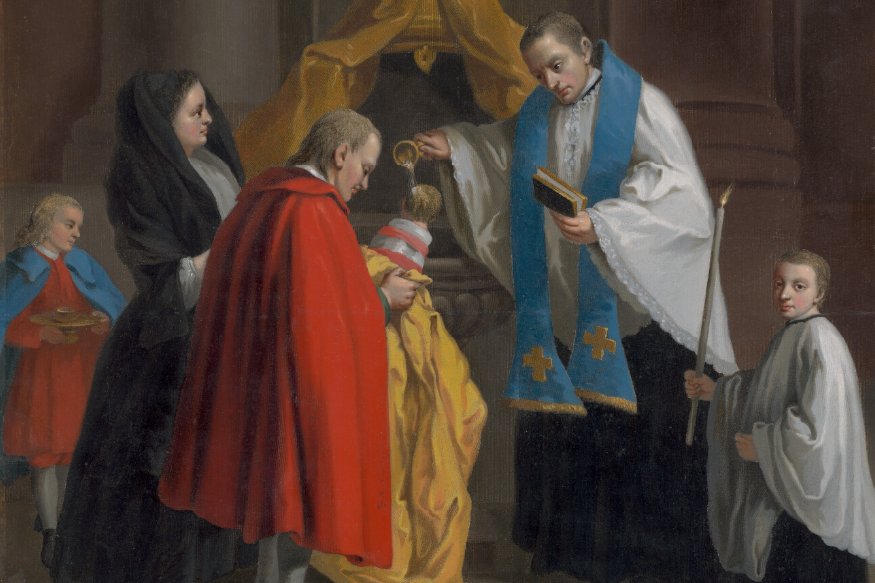
The Role of a Catholic Godparent
Standing at the font is only the beginning — the Catechism calls a godparent's task a real, lasting ecclesial function, not a one-day honor to accept.
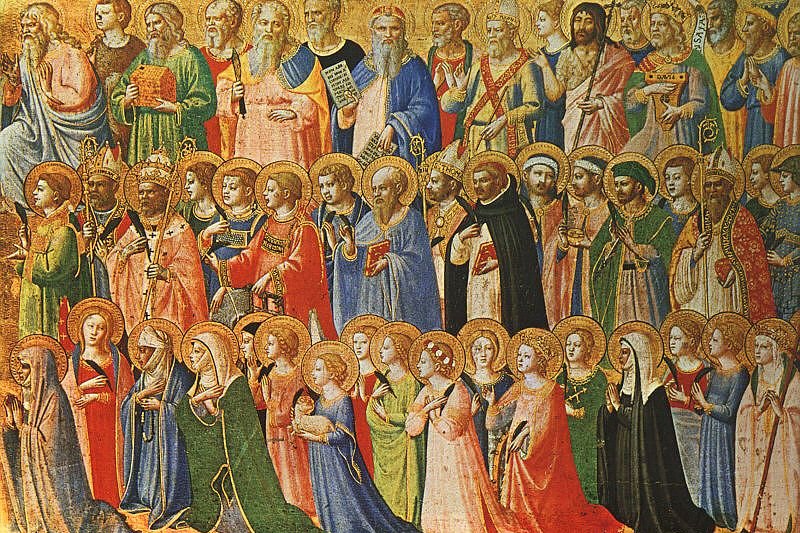
Is All Saints Day a Holy Day of Obligation in the US?
Yes, All Saints Day is a US Holy Day of Obligation under USCCB norms, with one exception. Here's the rule, this year's specific answer, and what it requires.
Ash Wednesday Fasting and Abstinence Rules in the US
Who fasts, who abstains, and what each actually means on Ash Wednesday under USCCB norms — with the ages, meal rules, and exemptions spelled out plainly.
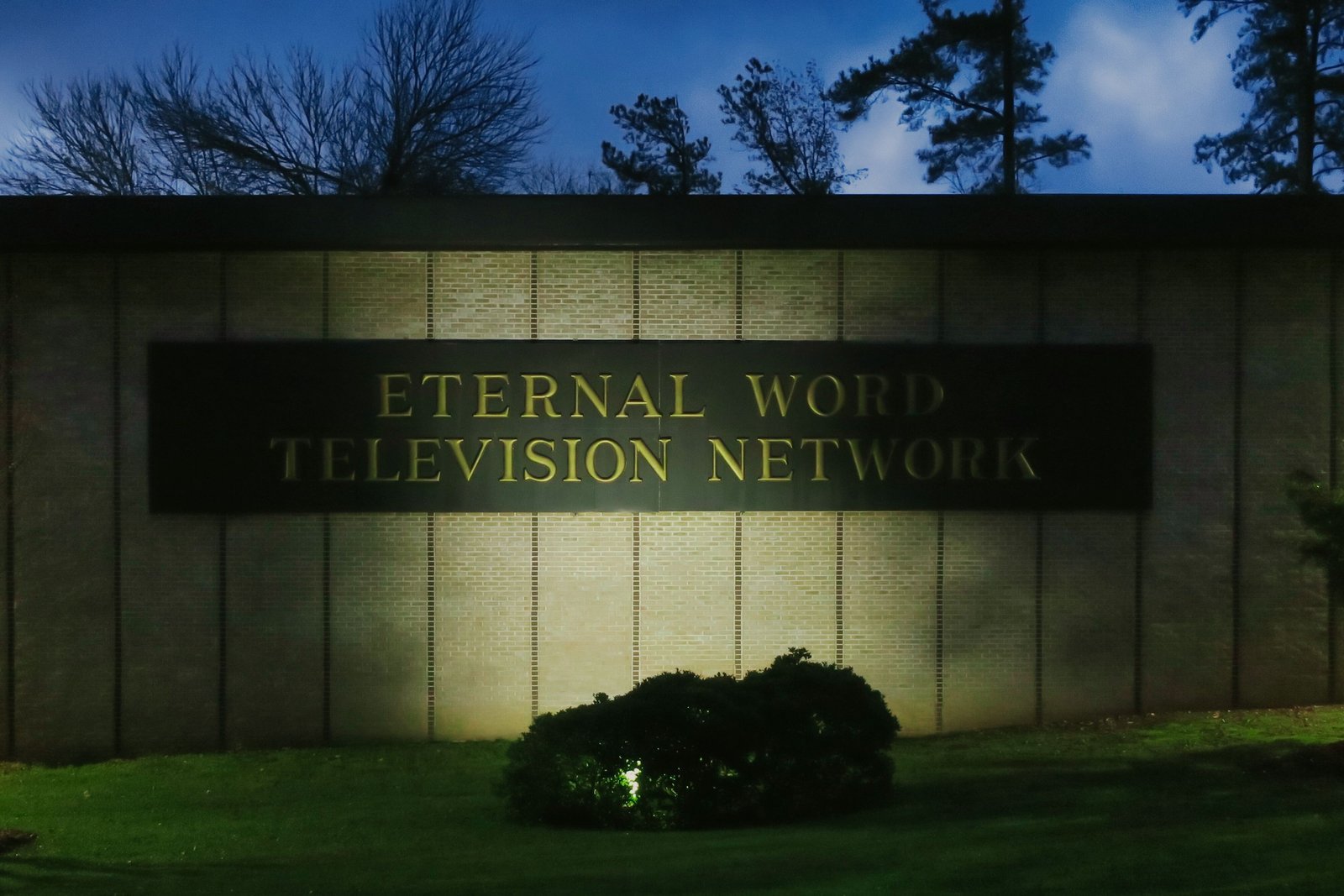
Mother Angelica: The Nun Who Built EWTN From a Garage
A cloistered Poor Clare nun with no money or TV experience built the world's largest religious media network from a garage in Alabama. Her remarkable story.
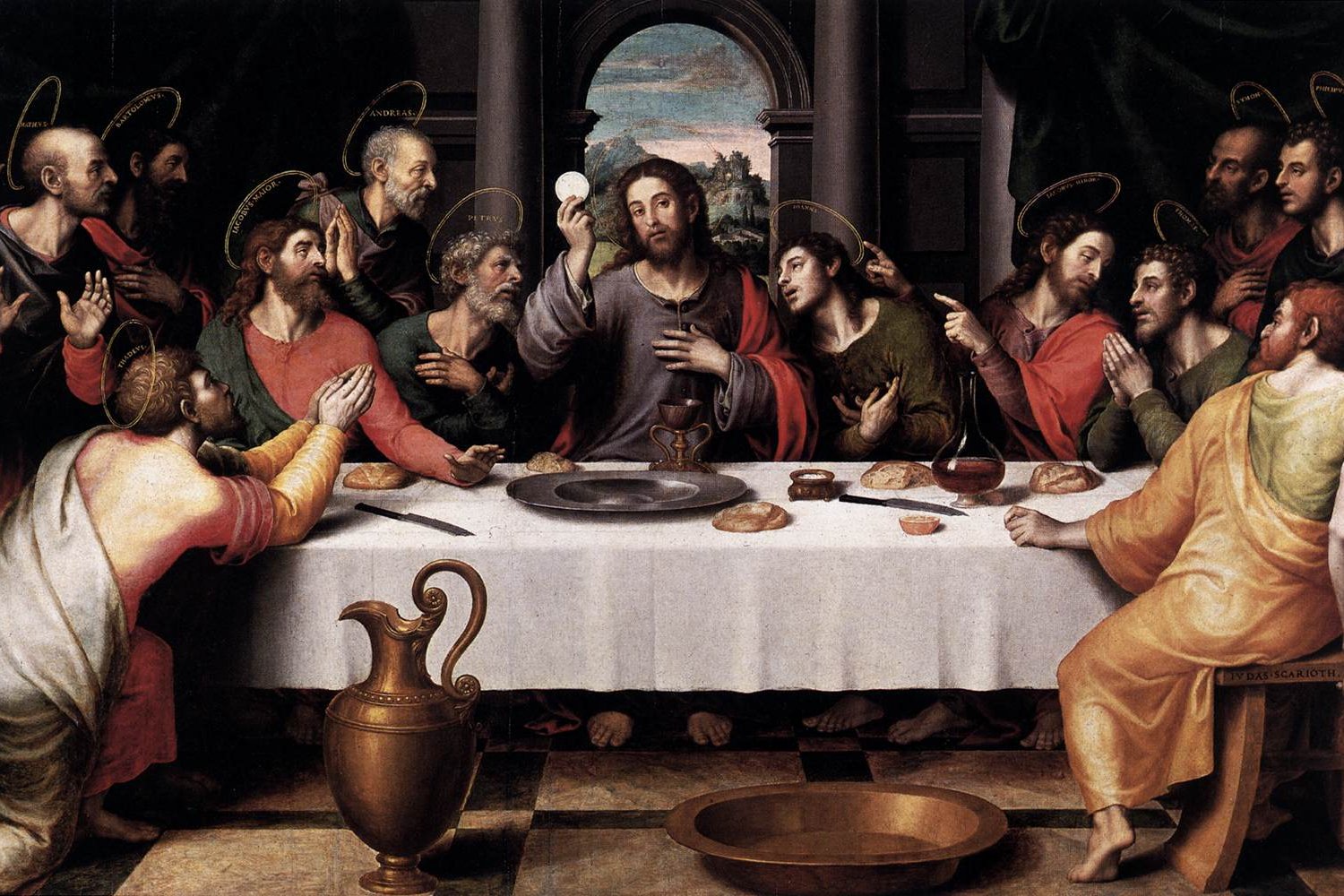
The National Eucharistic Revival: Why US Bishops Launched It
Why the USCCB launched a multi-year Eucharistic Revival in 2022, what Catholics actually teach about the Real Presence, and how it led to the Indianapolis Congress.
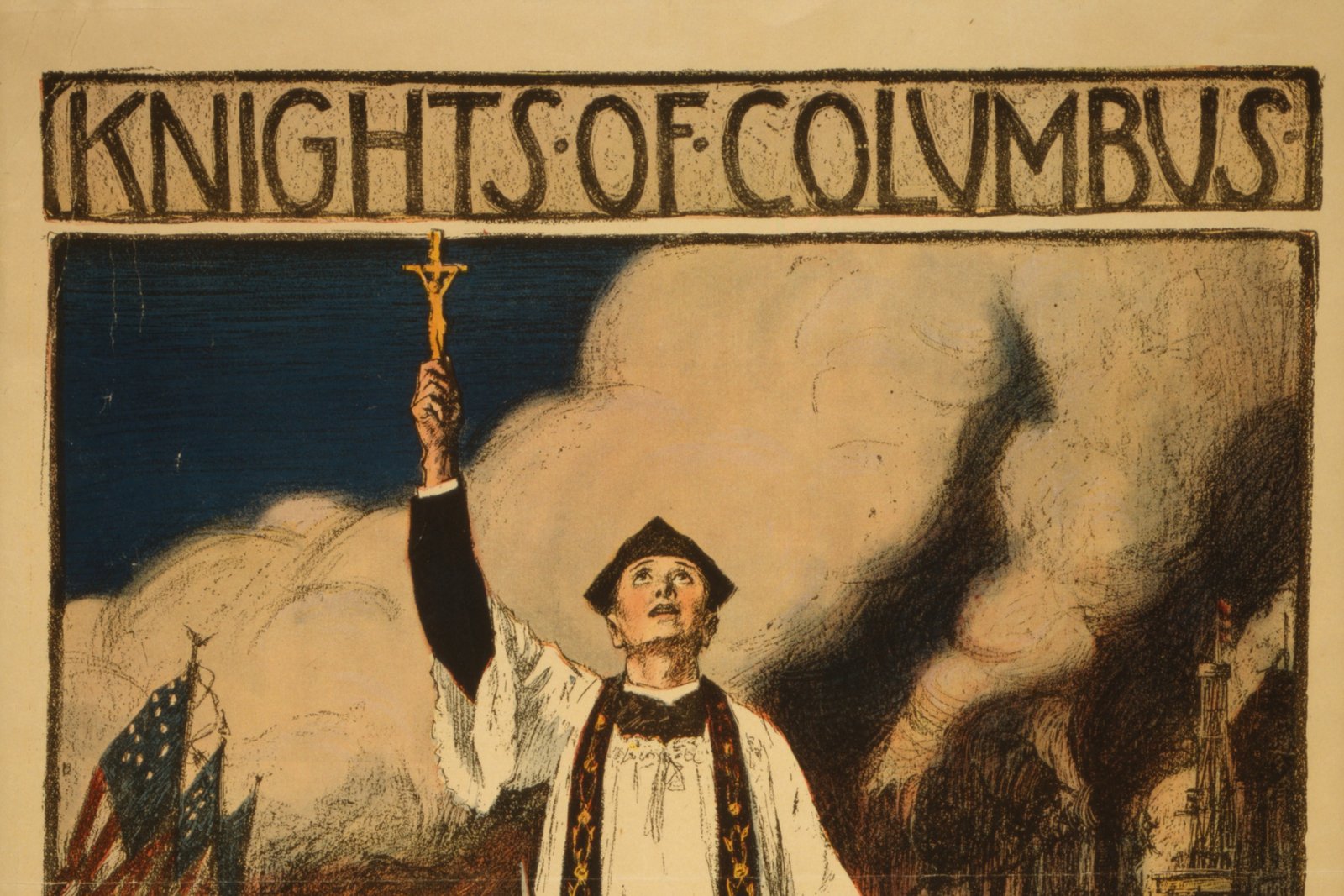
The Knights of Columbus: History and Mission Explained
Founded in 1882 to protect immigrant Catholic widows and orphans, the Knights of Columbus grew into the world's largest Catholic fraternal order. Here's how.