
Places & Buildings
The basilicas, shrines, and holy sites of the Catholic world, and the history that made each one sacred.
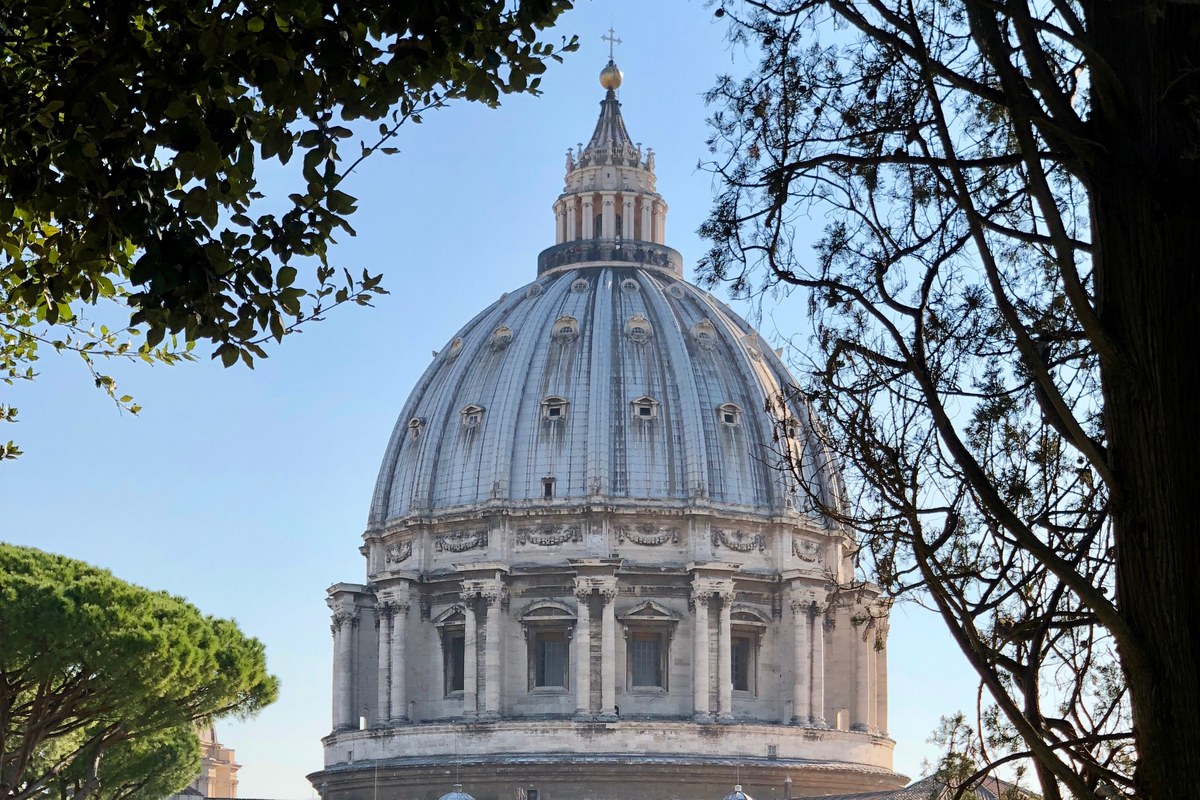
St. Peter's Basilica
The story behind St. Peter's Basilica, why it stands where it stands, and what it has to do with the apostle whose name it carries.
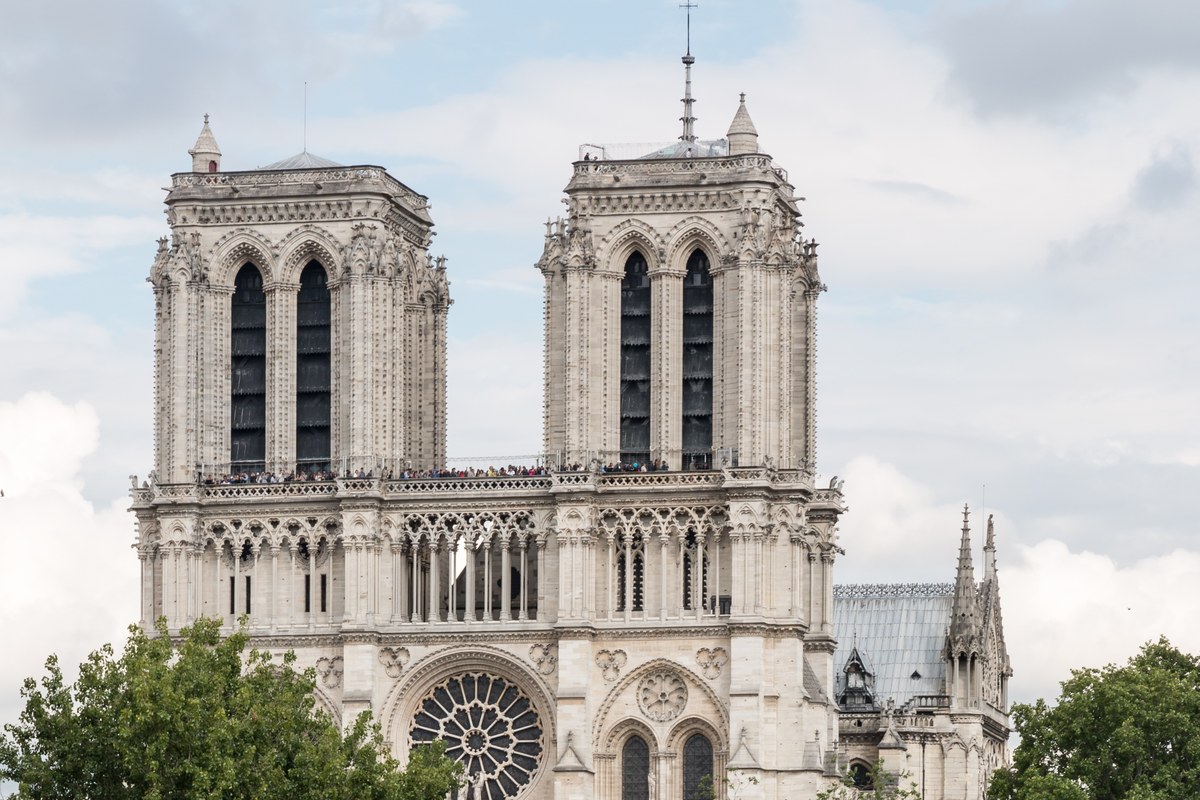
Notre-Dame de Paris
The history of Notre-Dame de Paris, from its 12th-century foundation stone to the 2019 fire and its 2024 reopening.
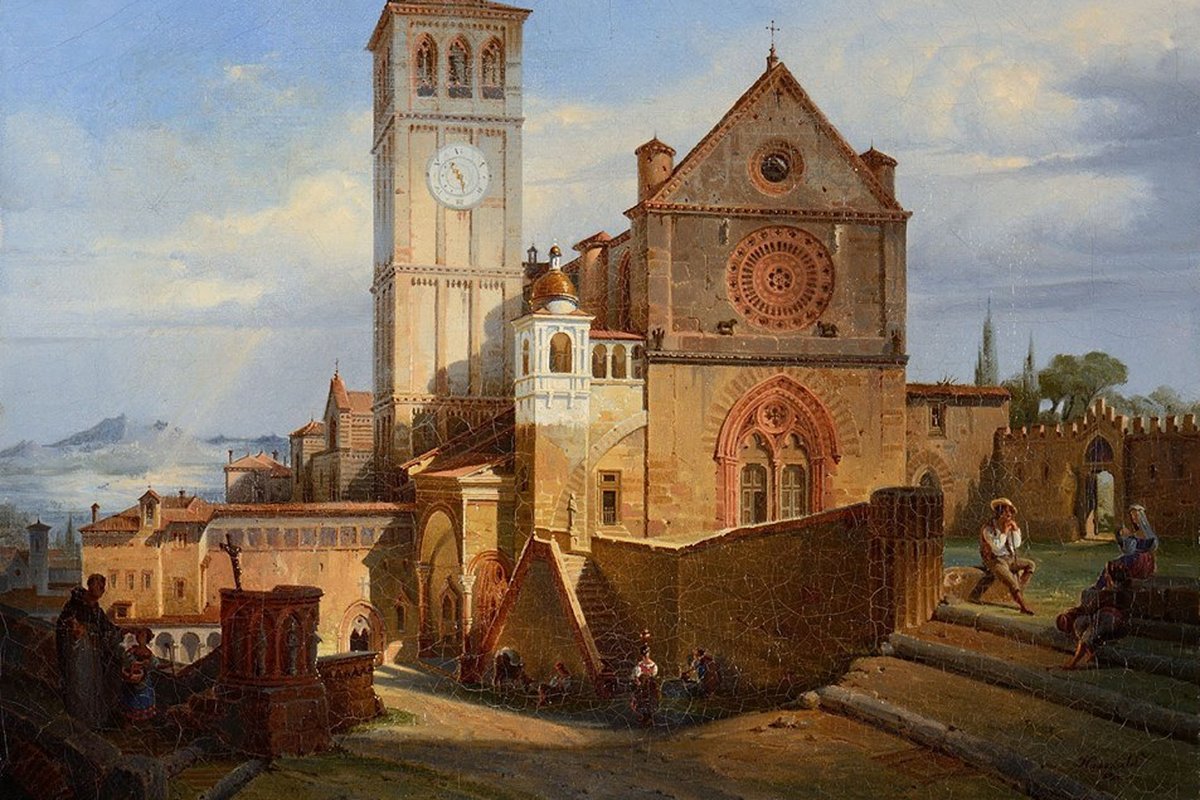
The Basilica of Saint Francis of Assisi
Inside the Upper and Lower Church built over Francis of Assisi's tomb, why it houses Giotto's famous fresco cycle, and how it became a major pilgrimage site.
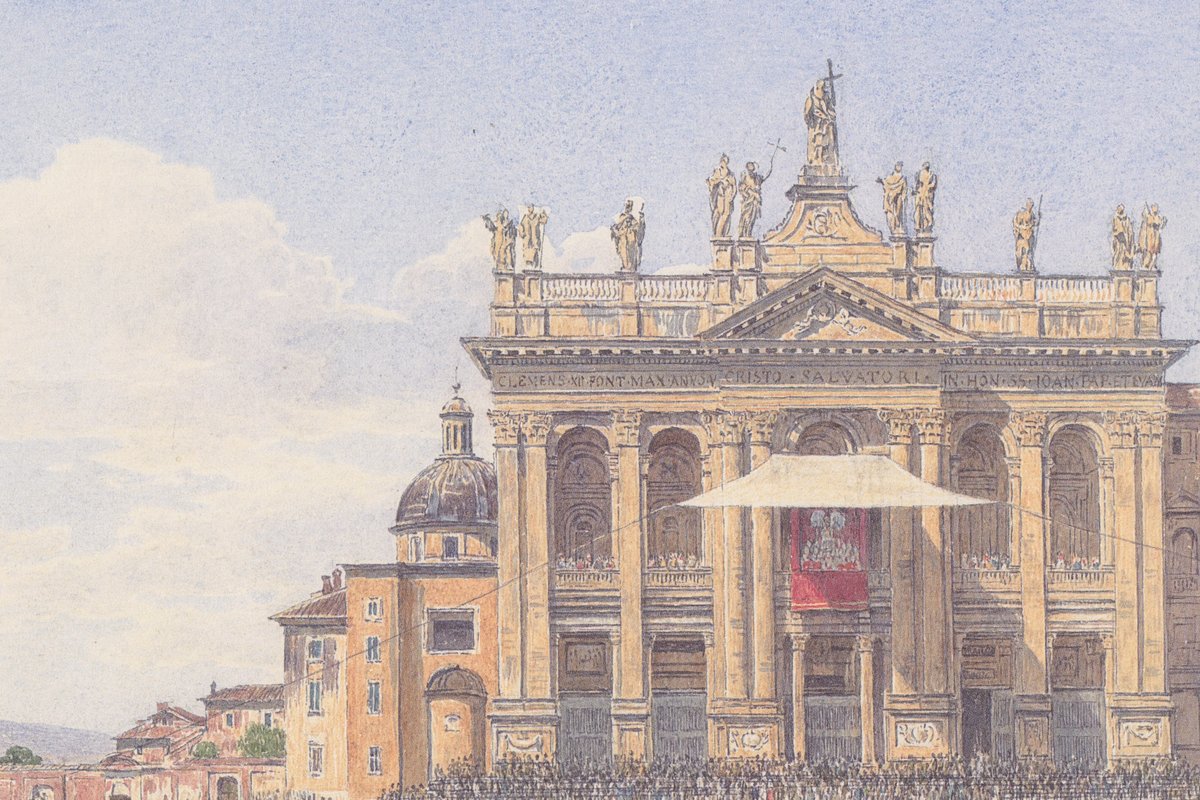
The Archbasilica of St. John Lateran
Why the Pope's actual cathedral in Rome isn't St. Peter's Basilica, and what makes St. John Lateran the "mother and head of all churches."
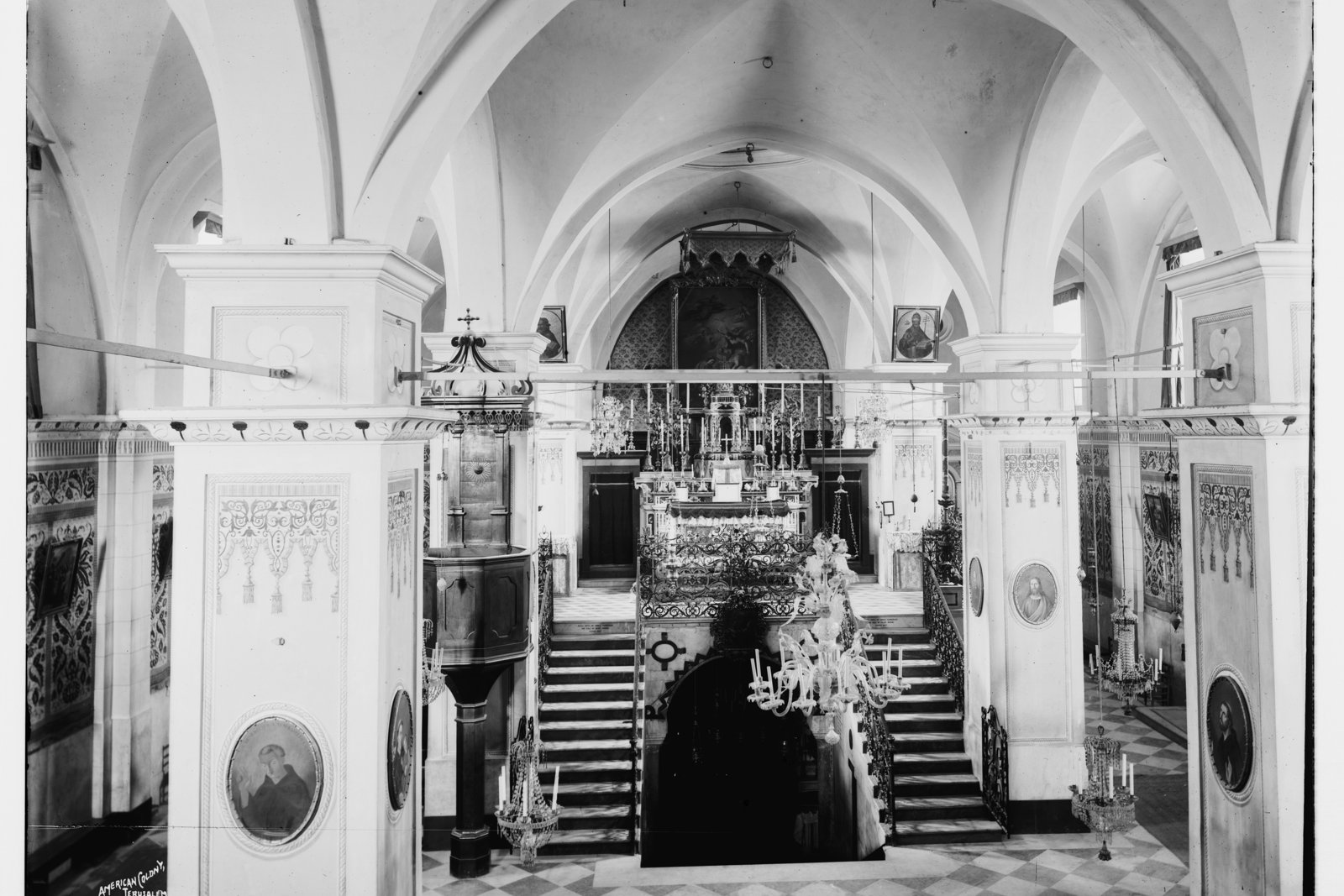
The Basilica of the Annunciation in Nazareth
Inside the church built over the traditional site of Gabriel's announcement to Mary, its 1969 design, and the courtyard's Marian mosaics from around the world.
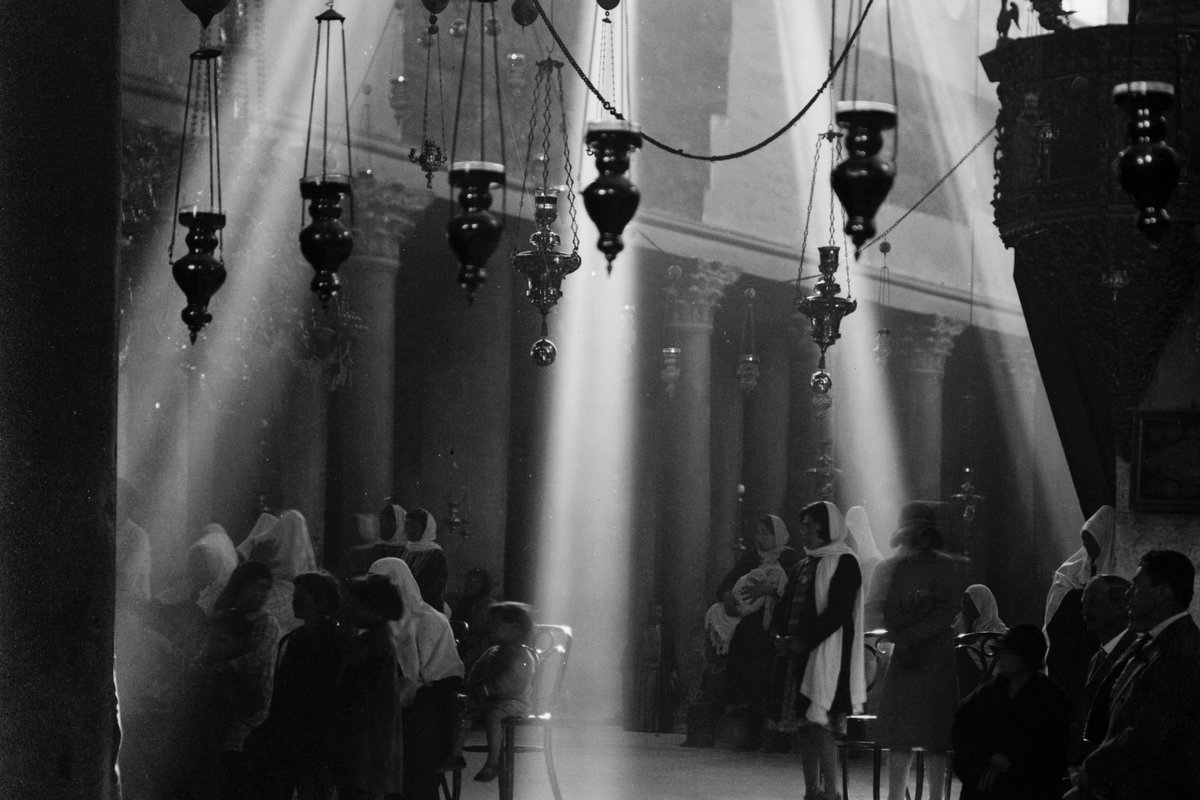
The Basilica of the Nativity, Bethlehem
How a church built by Constantine's mother survived war after war to become one of the oldest churches still in use, over the traditional site of Christ's birth.
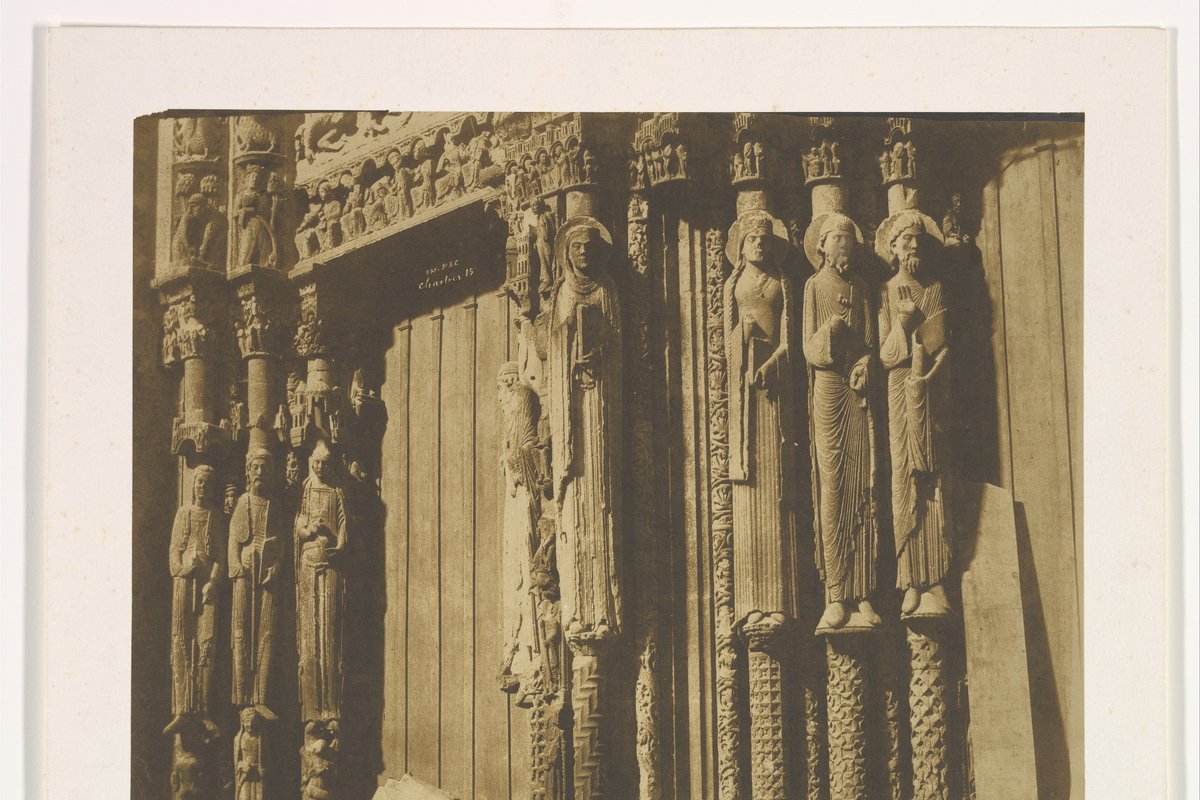
Chartres Cathedral
The history of Chartres Cathedral in France, its relic of Mary's veil, its famous blue stained glass, and the labyrinth set into its floor.
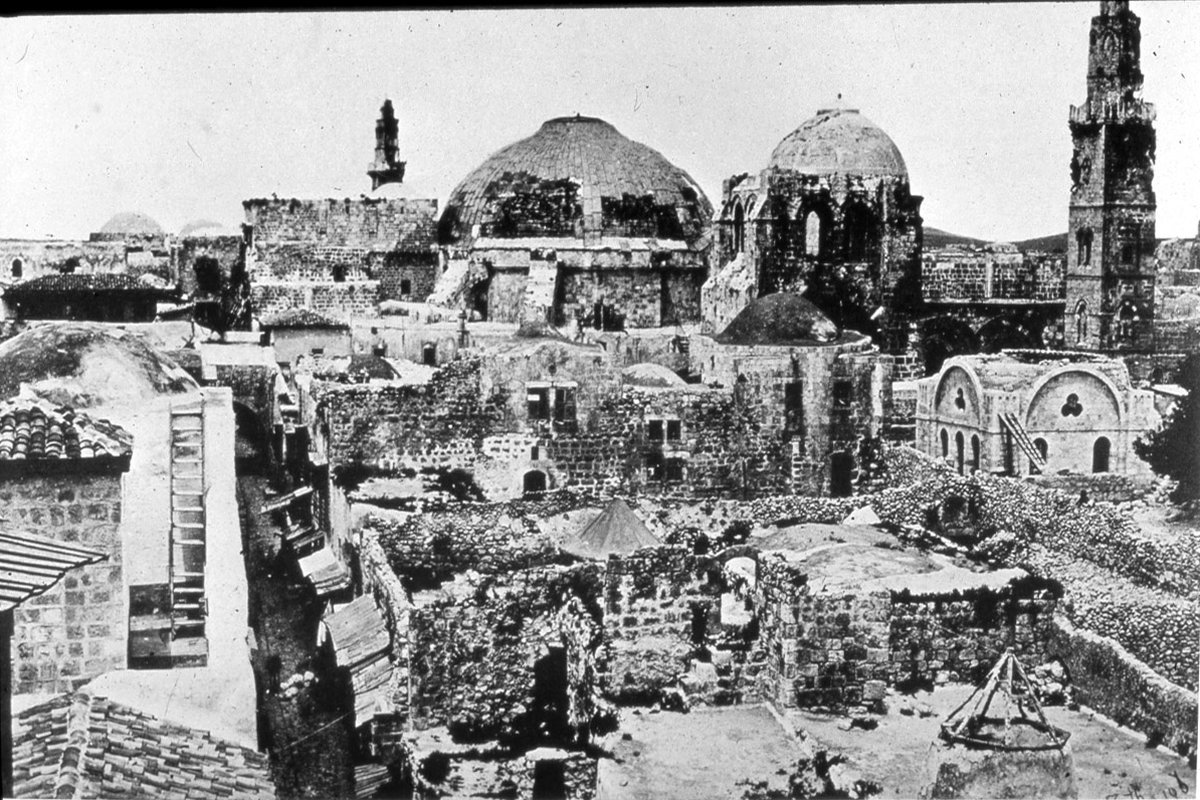
The Church of the Holy Sepulchre in Jerusalem
Inside the traditional site of Golgotha and Christ's tomb, and the centuries-old "Status Quo" agreement that governs who may touch what inside its walls.
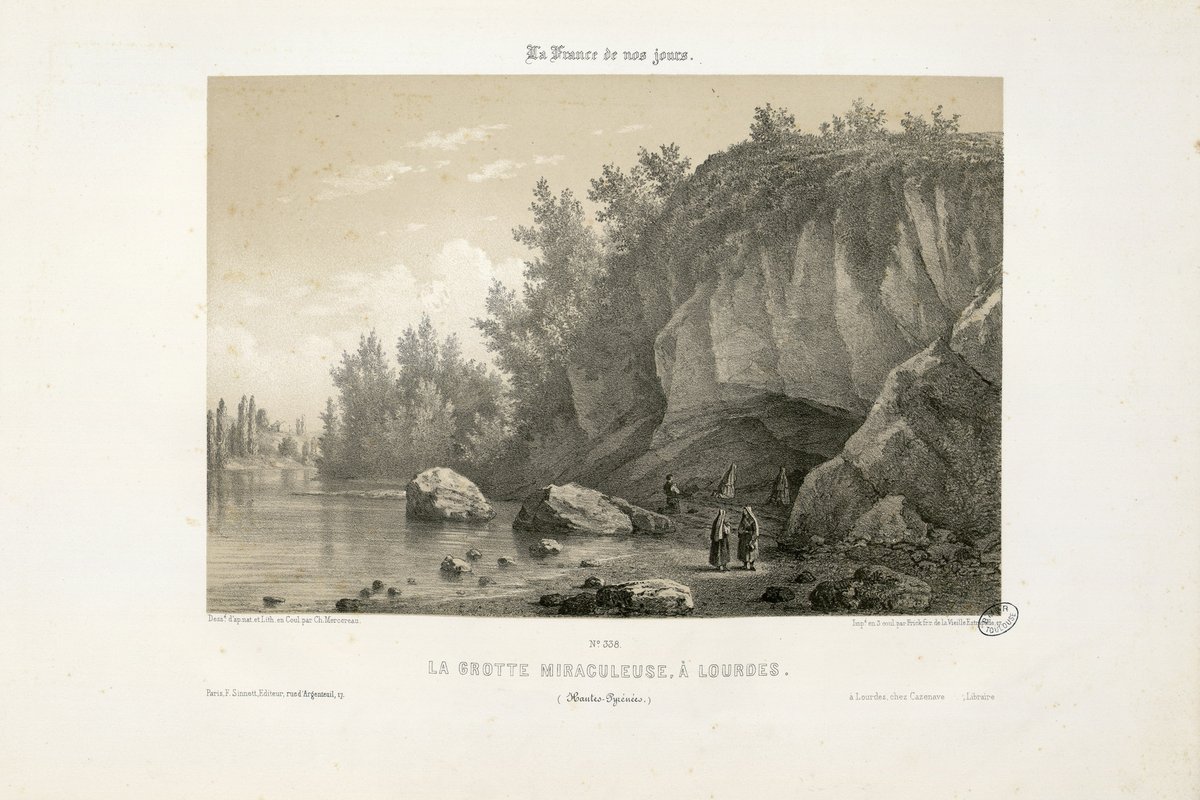
Grotto of Massabielle, Lourdes
A cave near the town garbage dump, so unremarkable no one had named it — until a spring appeared and a fourteen-year-old's visions made it a major pilgrimage site.
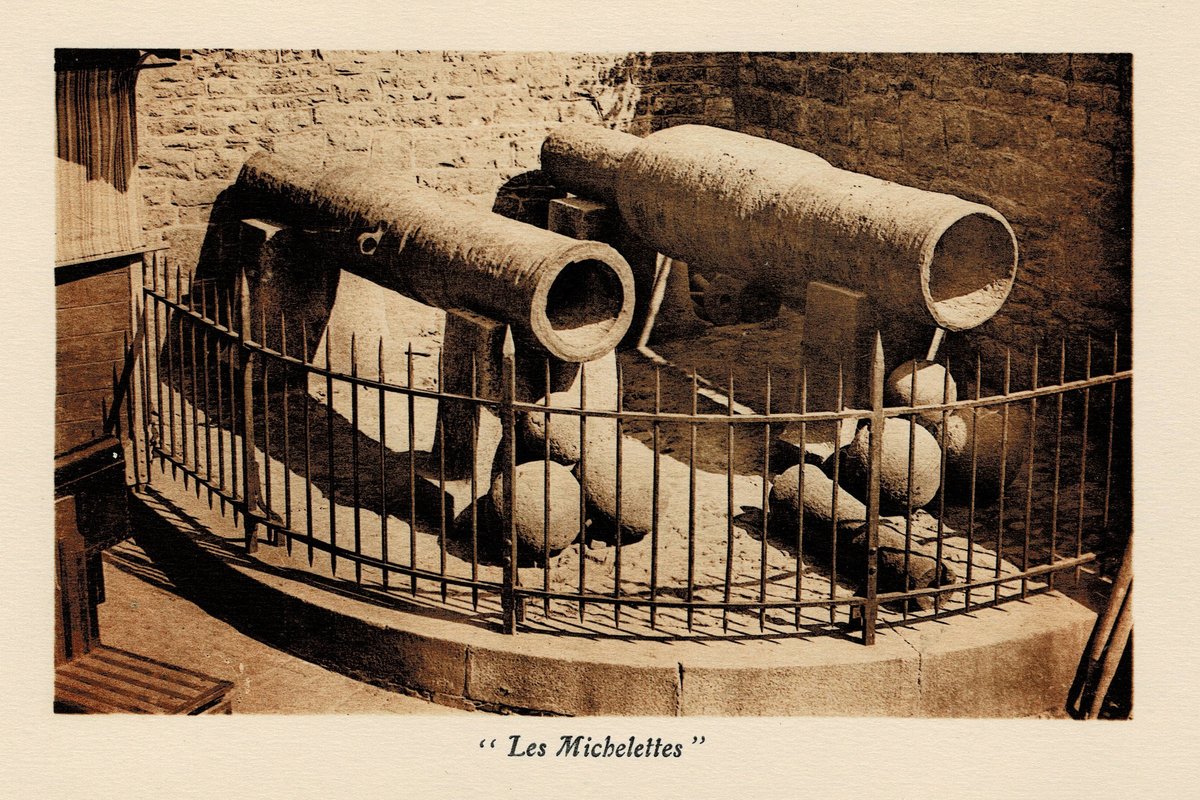
Mont-Saint-Michel Abbey
The history of Mont-Saint-Michel in Normandy, from a bishop's dream and a hole in his skull to a tidal island crowned by a medieval abbey.
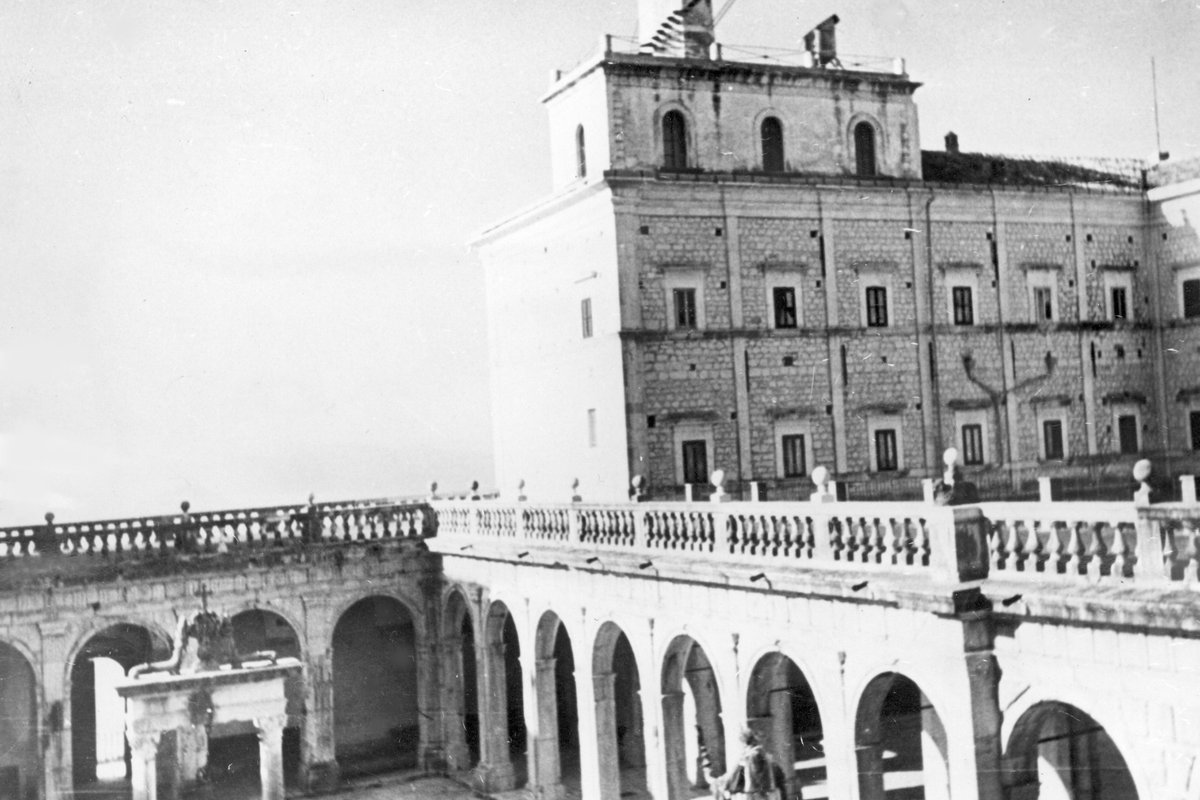
Monte Cassino Abbey — The Cradle of Western Monasticism
How Saint Benedict's hilltop monastery became the birthplace of Western monasticism, was destroyed four times across fifteen centuries, and rose again after 1944.
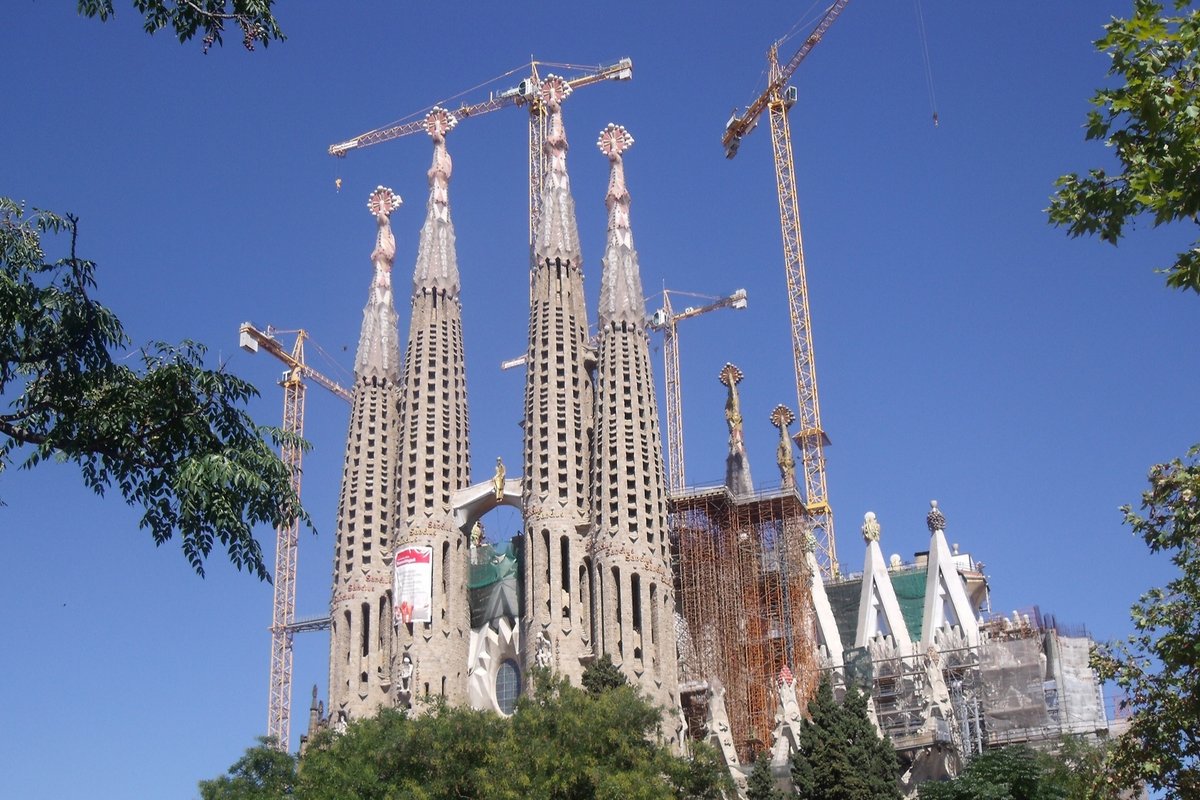
The Sagrada Família in Barcelona
How Antoni Gaudí's unfinished basilica in Barcelona became a working church, and what its soaring towers and forest-like columns actually symbolize.
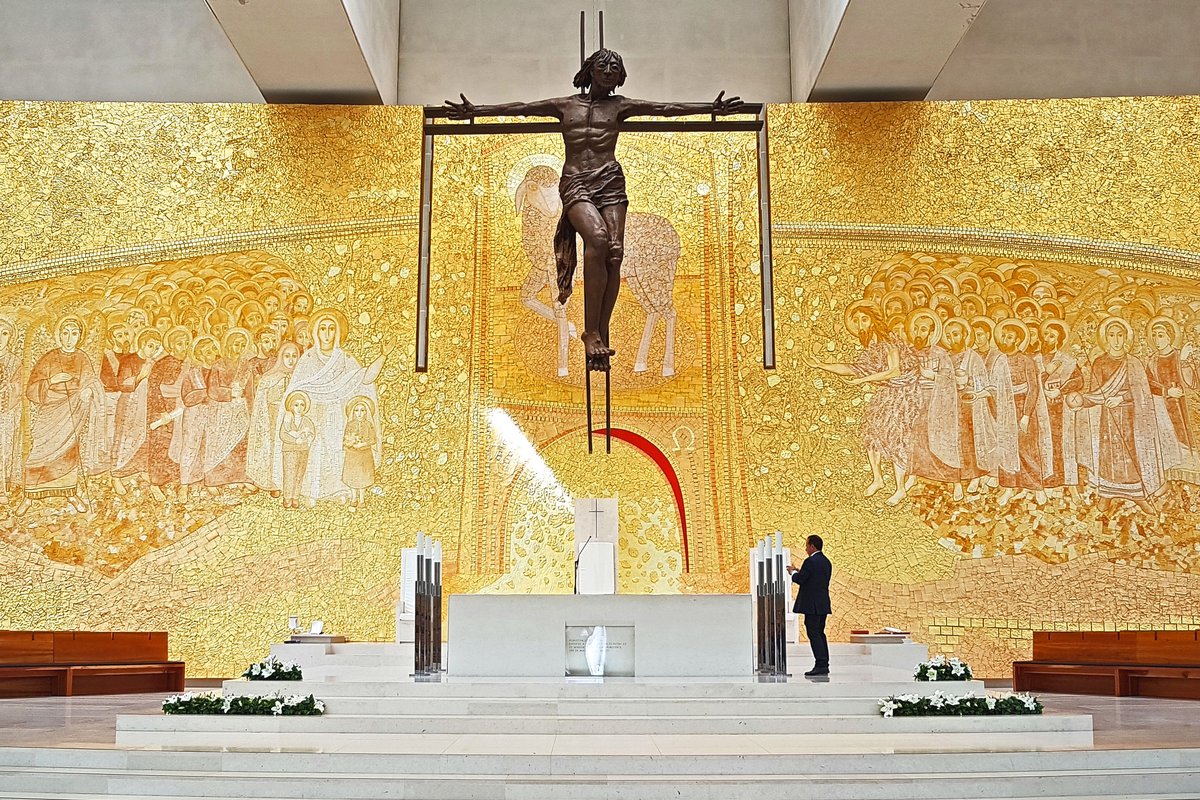
Sanctuary of Our Lady of Fátima
How a barren field where three shepherd children saw a "lady brighter than the sun" became one of the largest Marian pilgrimage sites on earth.
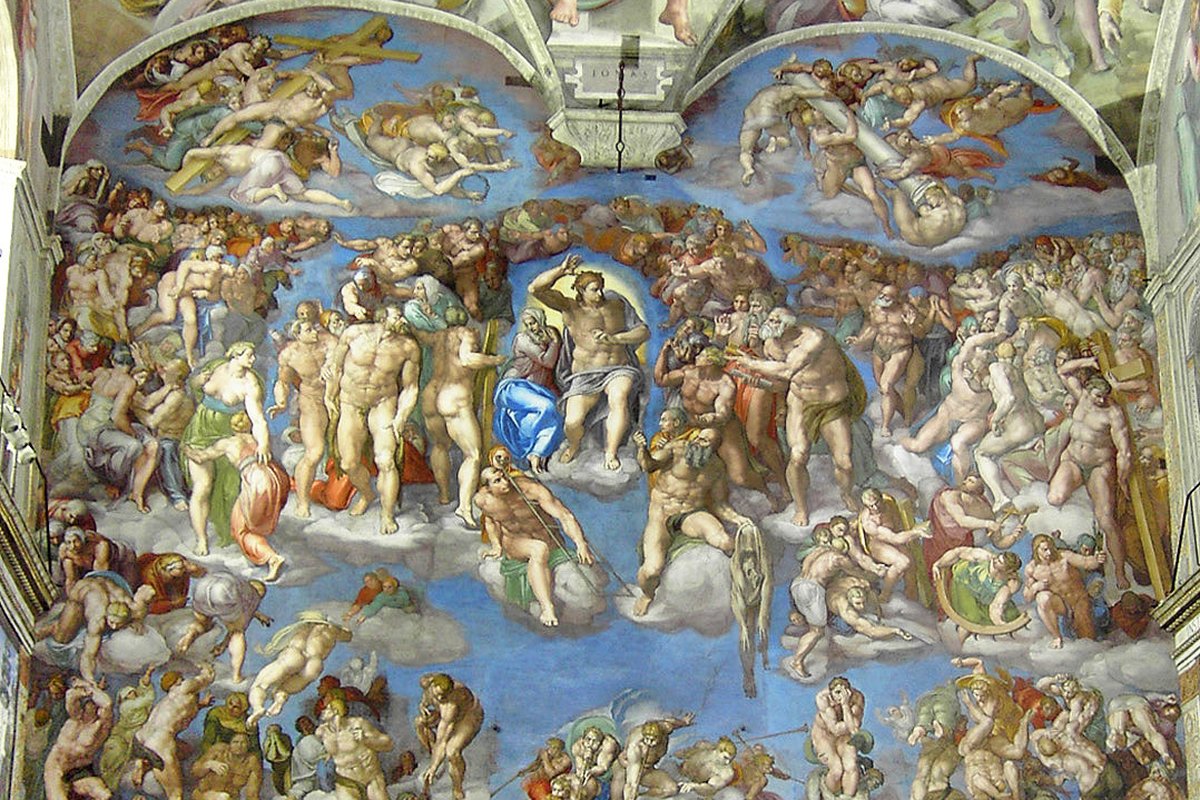
The Sistine Chapel
How a Renaissance pope's private chapel became home to Michelangelo's ceiling and Last Judgment, and why cardinals still lock themselves inside it to elect a pope.
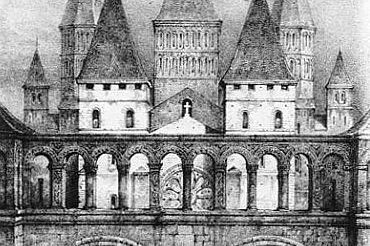
The Abbey of Cluny
For two centuries it was the largest church in Christendom and the head of a 10,000-monk empire — then the French Revolution left almost nothing standing.
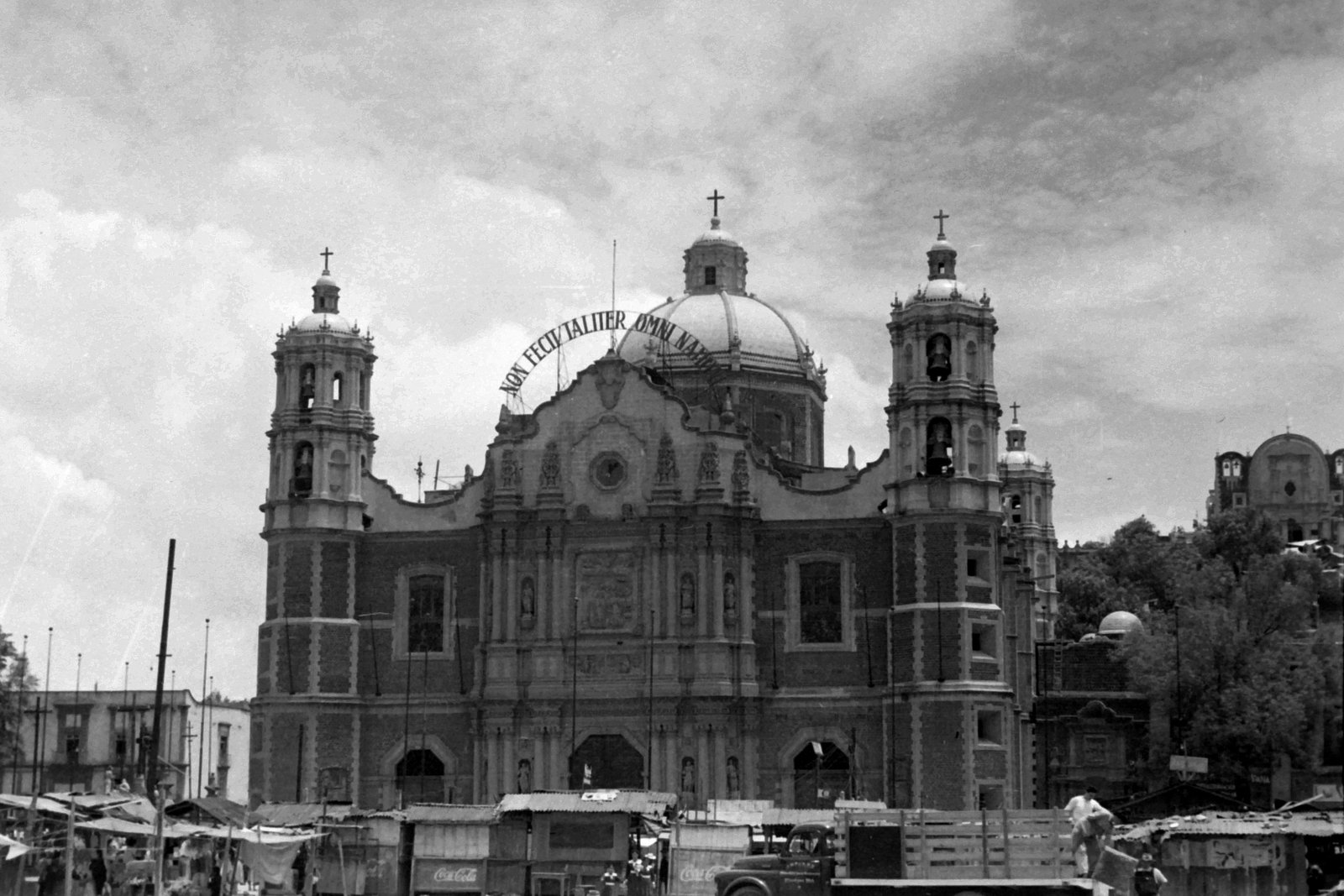
The Basilica of Our Lady of Guadalupe
A sinking colonial church, a circular modern replacement, and a 500-year-old cloth still on display — inside the world's most visited Marian shrine.
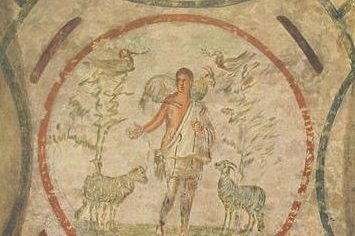
The Catacombs of Rome
Forty miles of tunnels, tens of thousands of burials, and a persistent myth about hiding from persecution that historians have largely put to rest.
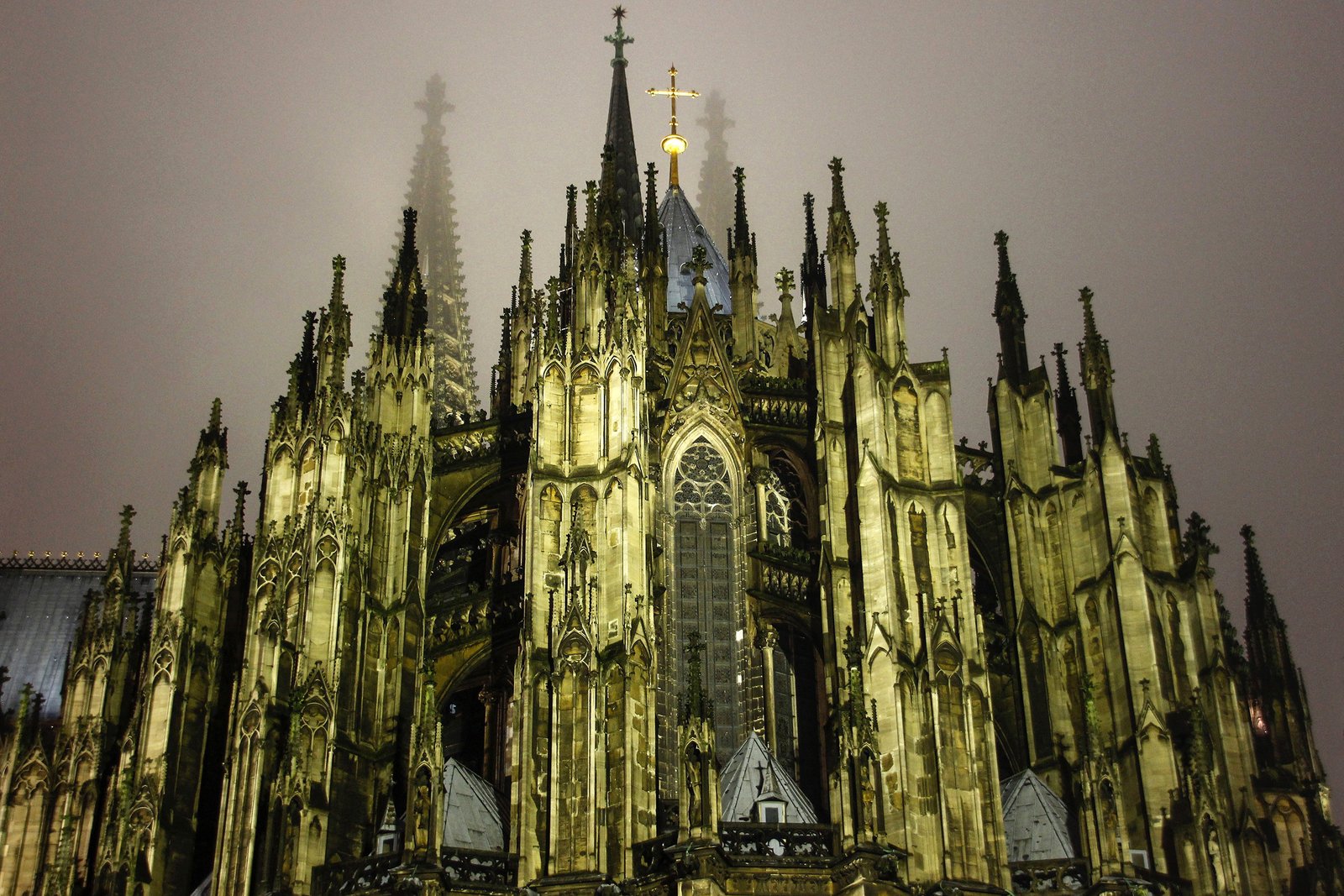
Cologne Cathedral
A Gothic giant that took 632 years to finish, built to house the bones of the Three Kings, and left standing in a city bombed almost flat.
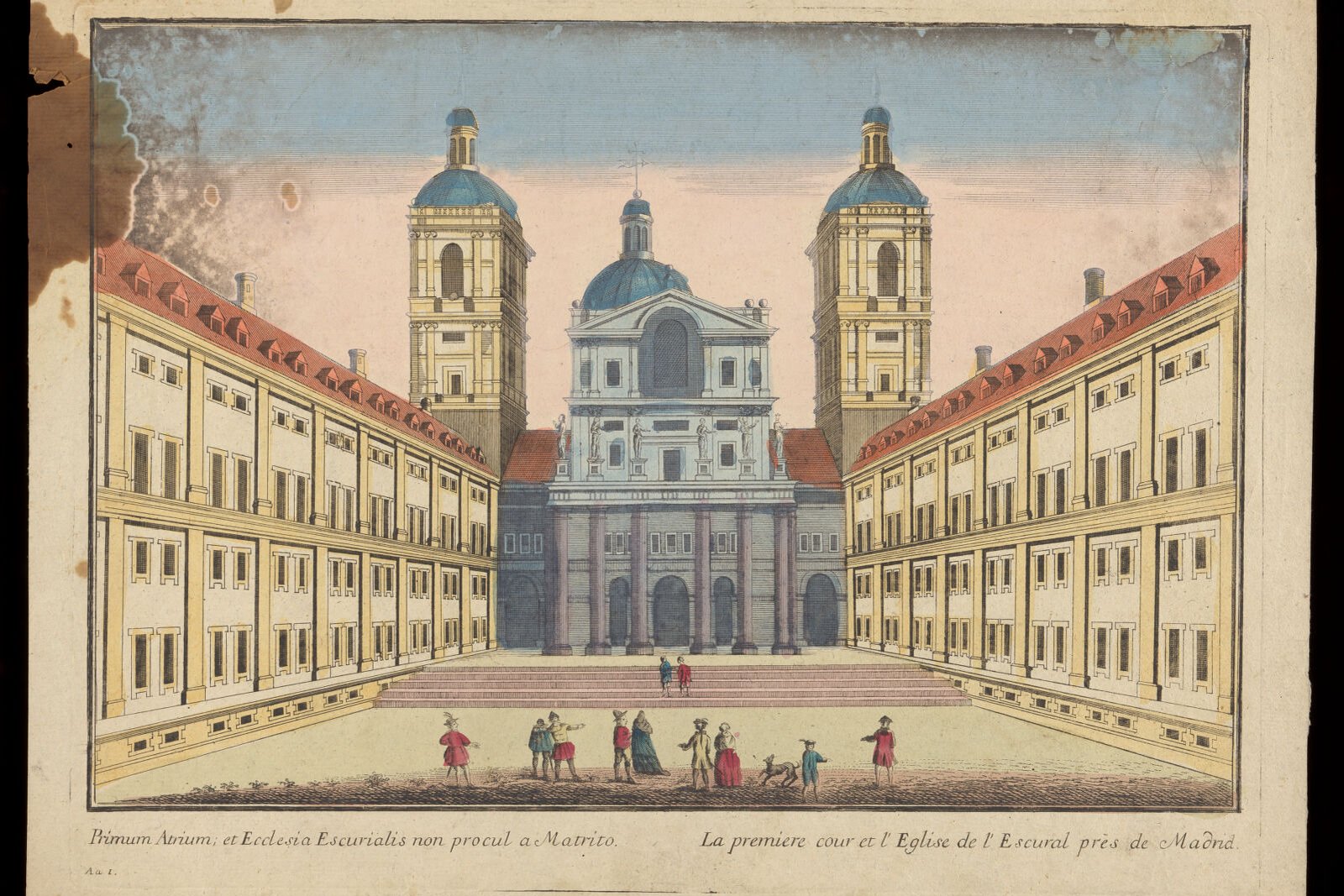
El Escorial
Philip II built a palace with his bedroom positioned directly above the high altar and royal tombs — a king sandwiched between heaven and his ancestors.
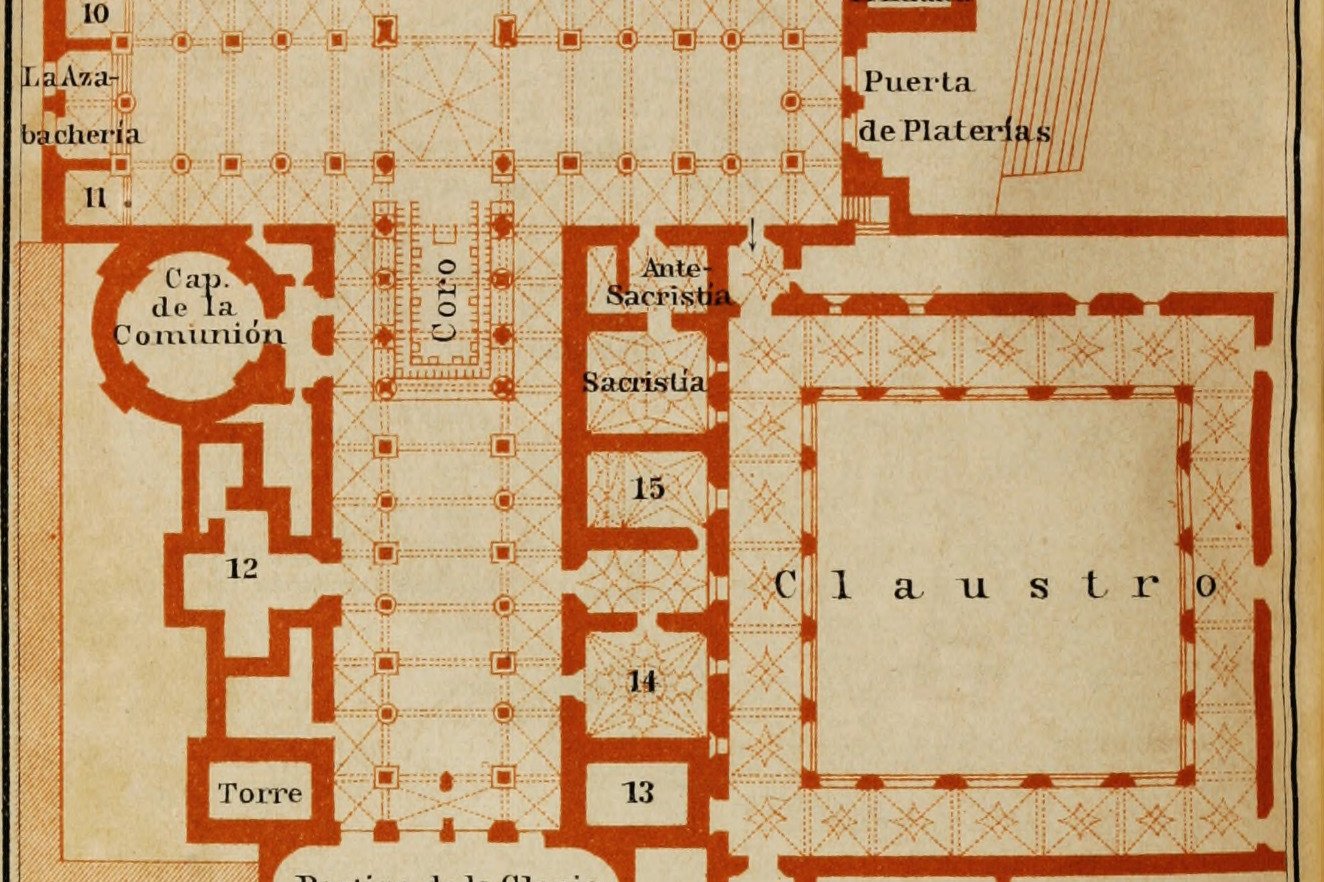
The Cathedral of Santiago de Compostela
A shepherd following a field of stars, a hermit king, and a thousand-year pilgrimage route that all end at the same silver urn beneath one Spanish cathedral.
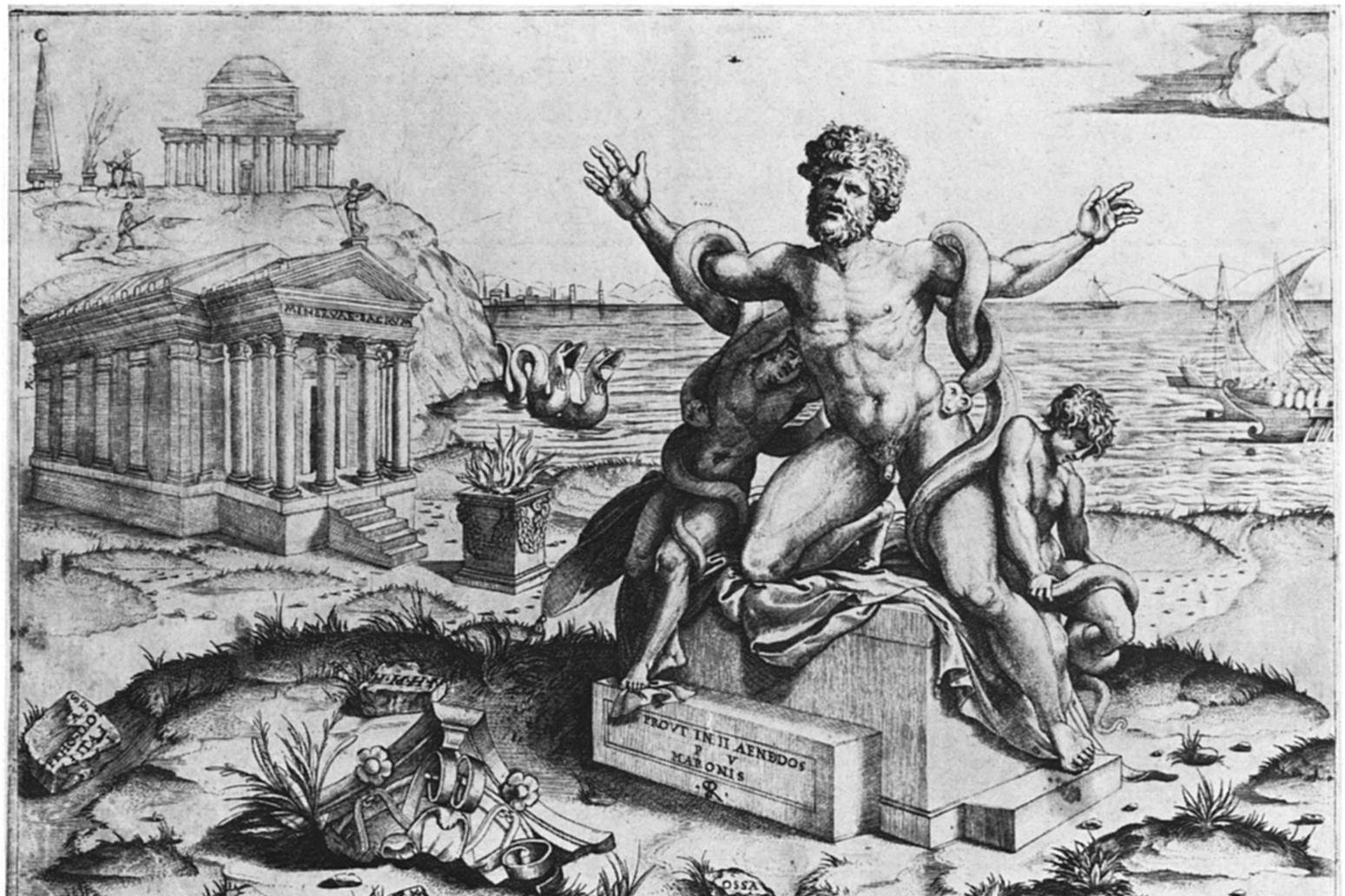
The Vatican Museums
A pope's private sculpture collection grew into a 54-gallery labyrinth housing some of the greatest art on earth — and the Sistine Chapel is only one room of it.
Westminster Cathedral
London's Catholic cathedral is not the abbey next to Parliament — it's a Byzantine-striped landmark half a mile away, built from 12.5 million bricks.
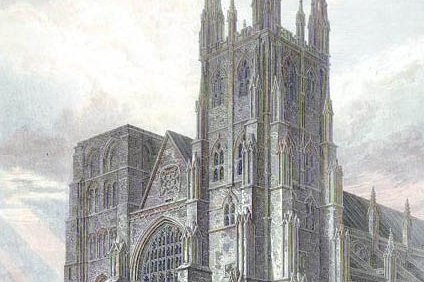
Canterbury Cathedral and the Murder That Made It Sacred
How the 1170 murder of Archbishop Thomas Becket inside Canterbury Cathedral turned it into medieval Christendom's greatest pilgrimage site.
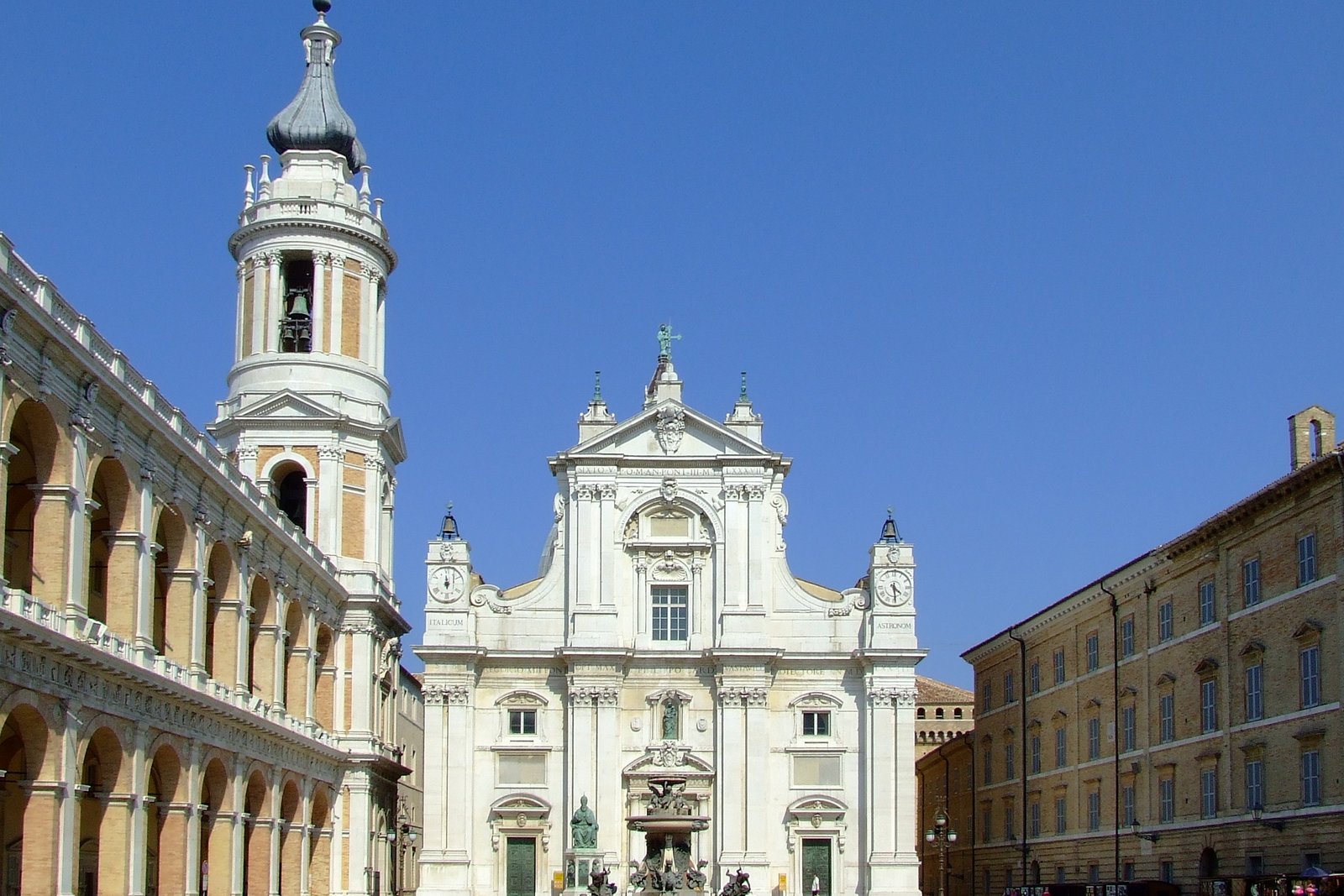
The Holy House of Loreto: A Cottage Said to Have Flown
The legend behind the Holy House of Loreto, said to be Mary's own home from Nazareth, and the tradition claiming angels carried it across the Mediterranean.
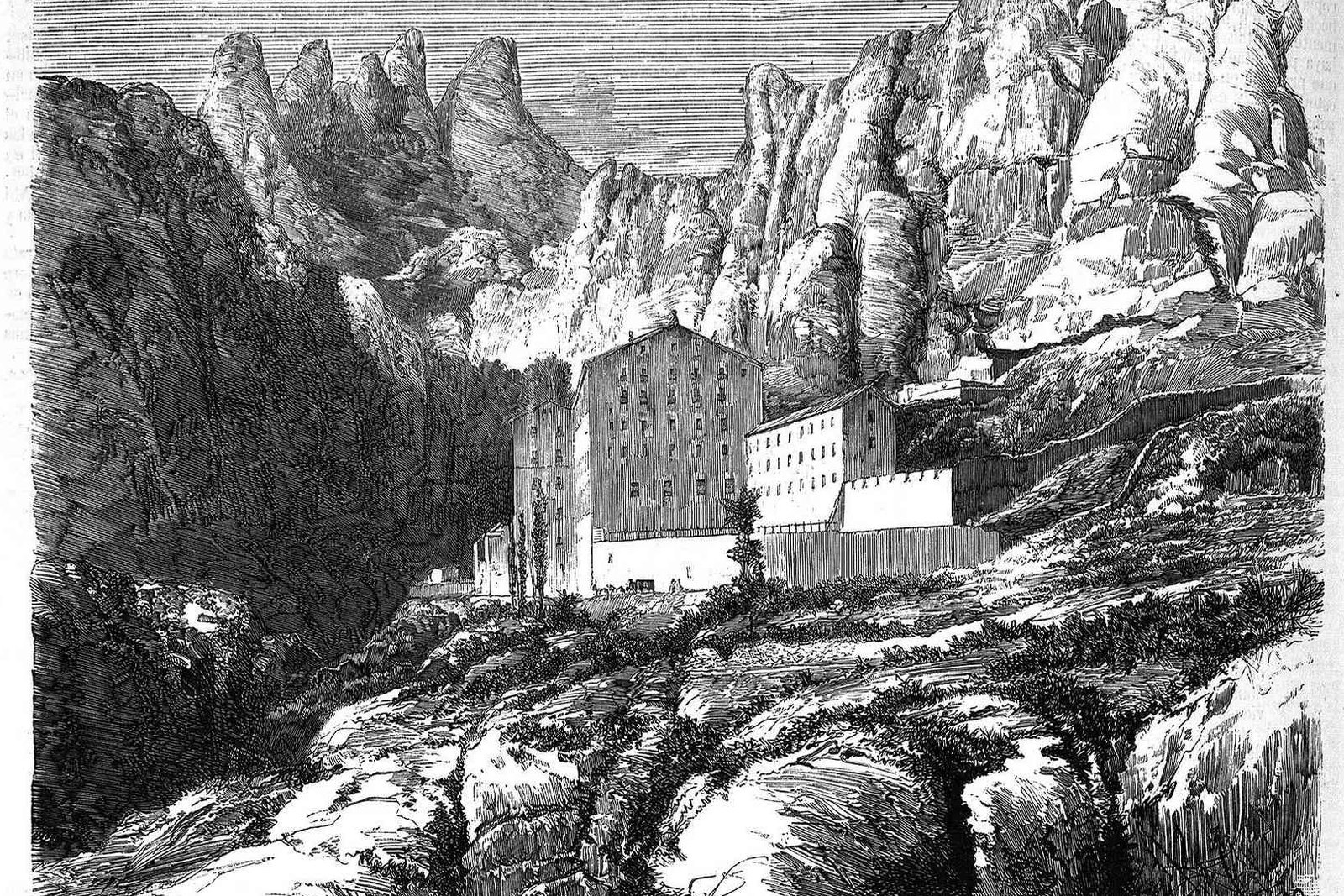
Montserrat Abbey
A Benedictine monastery built into the jagged cliffs above Barcelona, home to a centuries-old dark-wood statue of Mary that Catalonia has never stopped venerating.
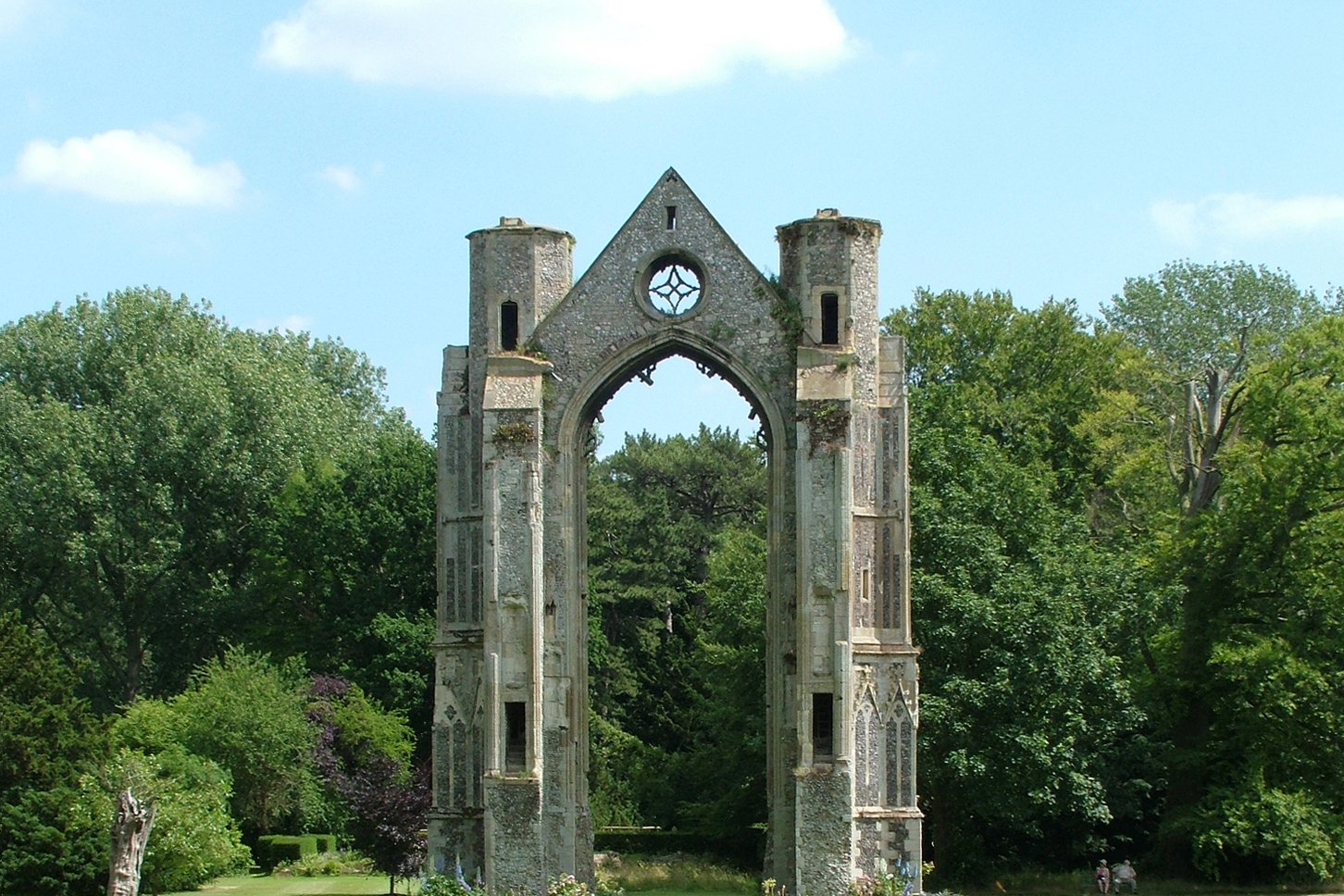
Shrine of Our Lady of Walsingham
A Saxon noblewoman's vision of Mary's house in Nazareth led to a replica in rural Norfolk — a shrine that survived the Reformation's fury only in fragments.
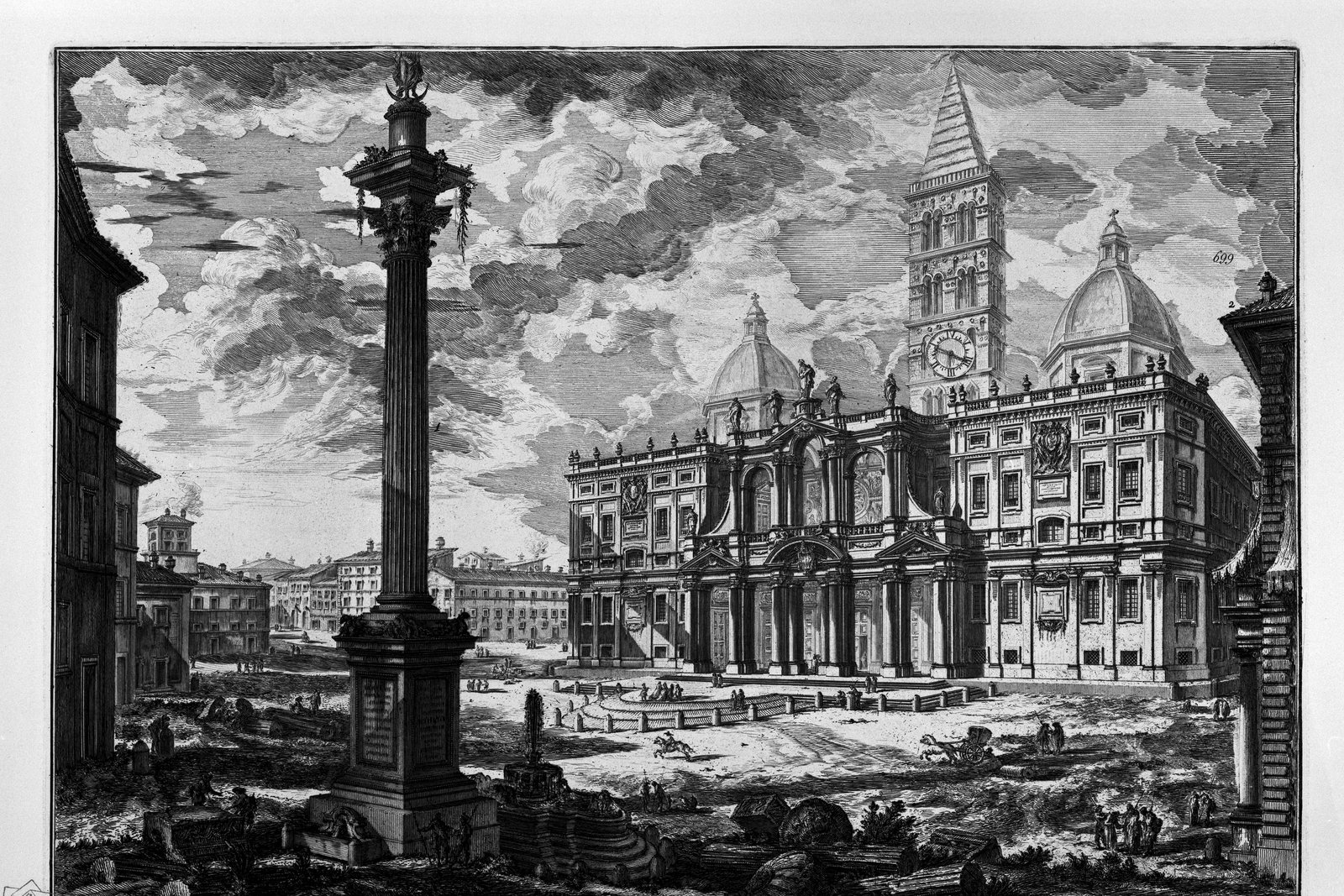
The Dedication of the Basilica of Saint Mary Major
A summer snowfall on Rome's Esquiline Hill, tradition says, marked the spot for the greatest of the city's Marian churches. The story behind it.
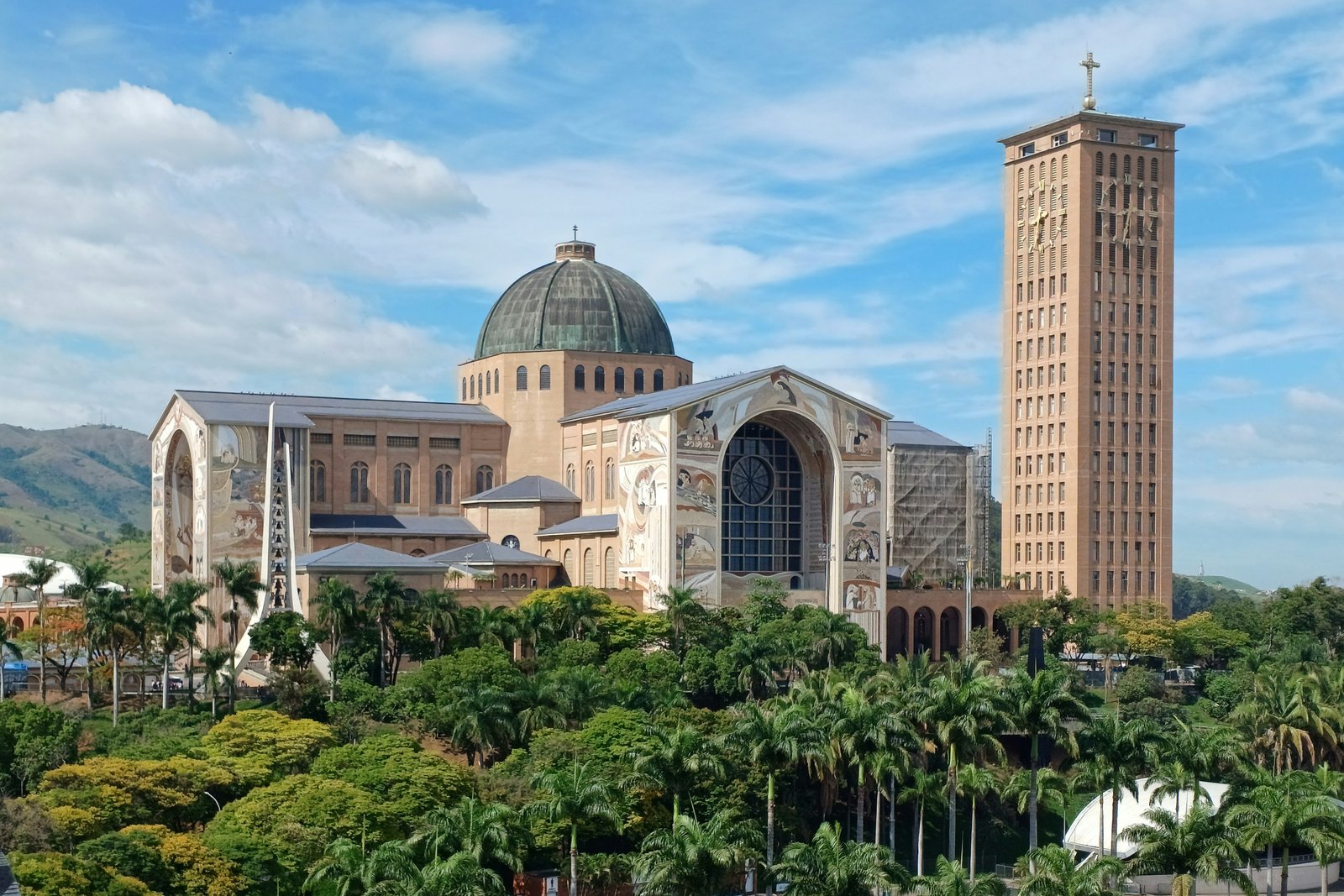
Basilica of Our Lady of Aparecida
How three fishermen's empty net near a river in colonial Brazil led to a broken clay statue and, centuries later, one of the largest Marian shrines on earth.
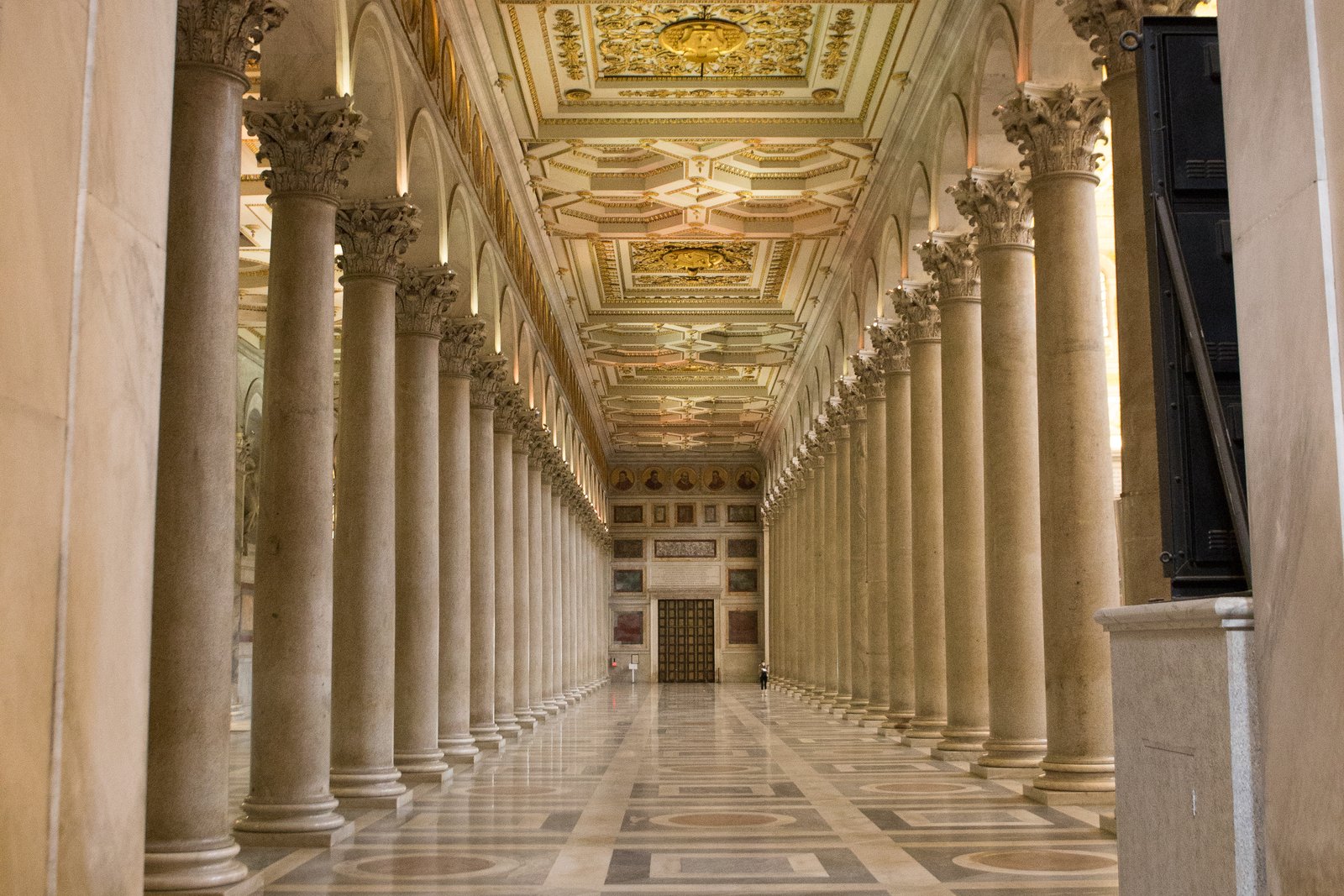
The Basilica of Saint Paul Outside the Walls
A fire nearly destroyed one of Rome's four papal basilicas in 1823. The story of how it rose again above the apostle Paul's traditional tomb.
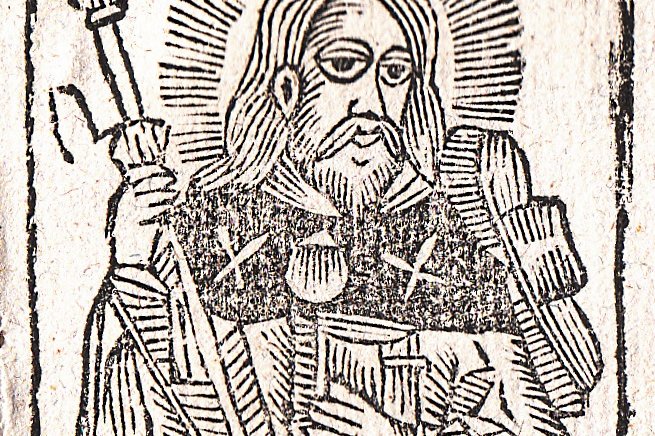
The Camino de Santiago, the Pilgrims' Way
How a hermit following mysterious lights in a field became the origin story for Europe's great pilgrimage route, still walked by hundreds of thousands each year.
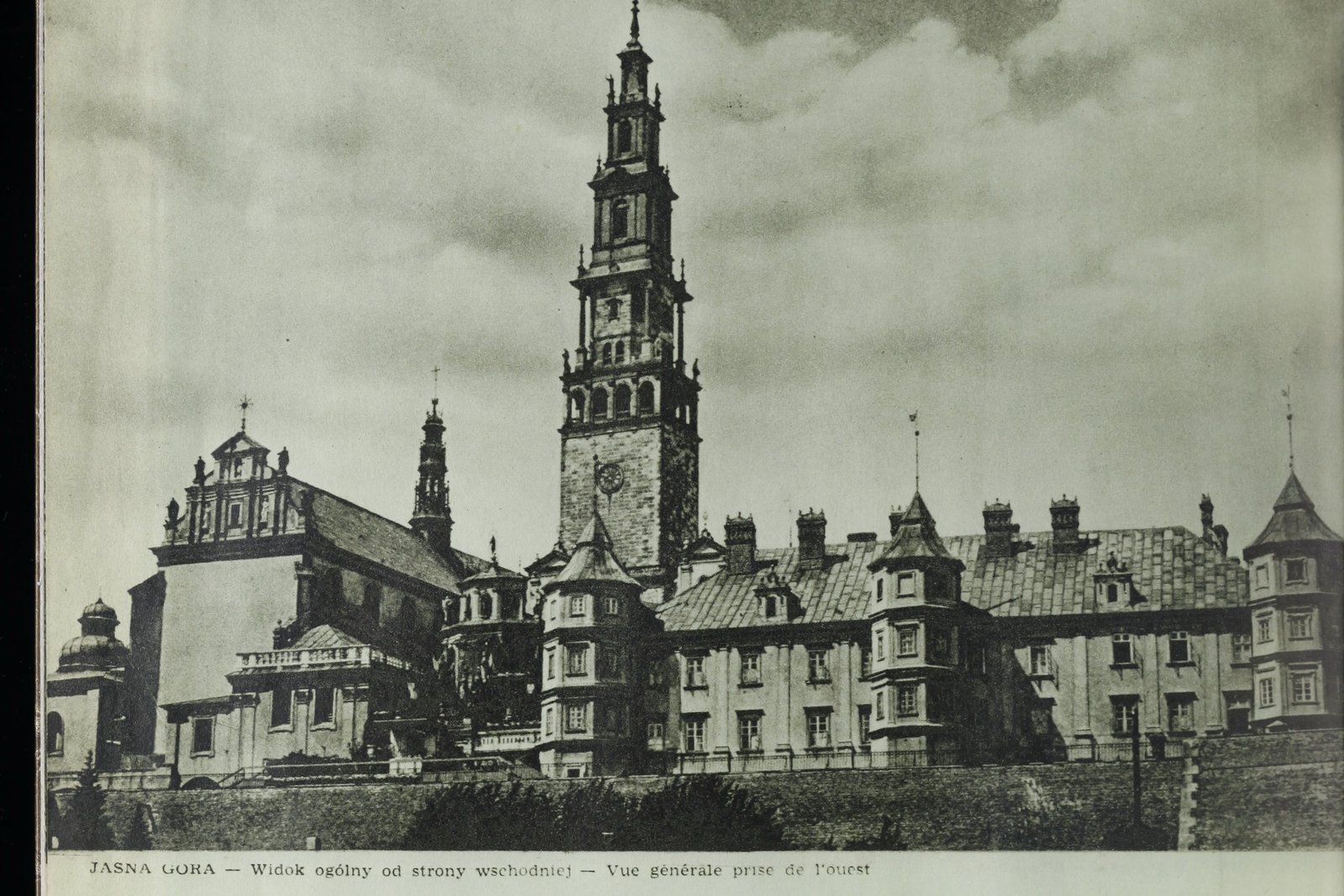
Jasna Góra Monastery, Częstochowa
A Byzantine icon, two sword slashes across her cheek, and a 17th-century siege that made a Polish hilltop monastery the soul of a nation.
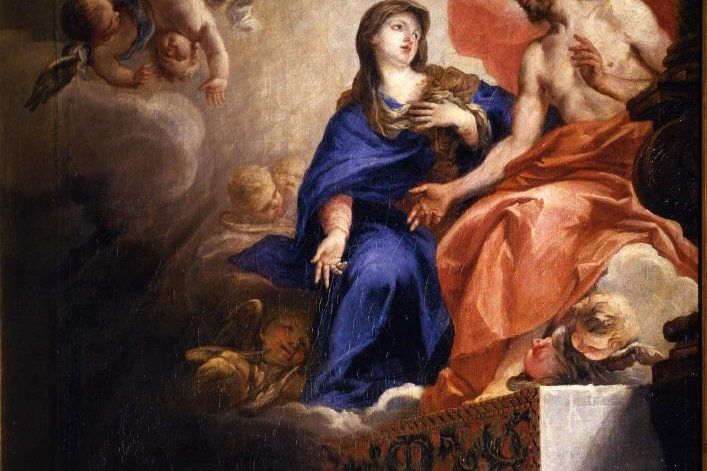
The Porziuncola, Assisi
Inside the tiny stone chapel where Francis of Assisi founded his order, wrote his rule, and died — now enclosed within a much larger basilica built to protect it.
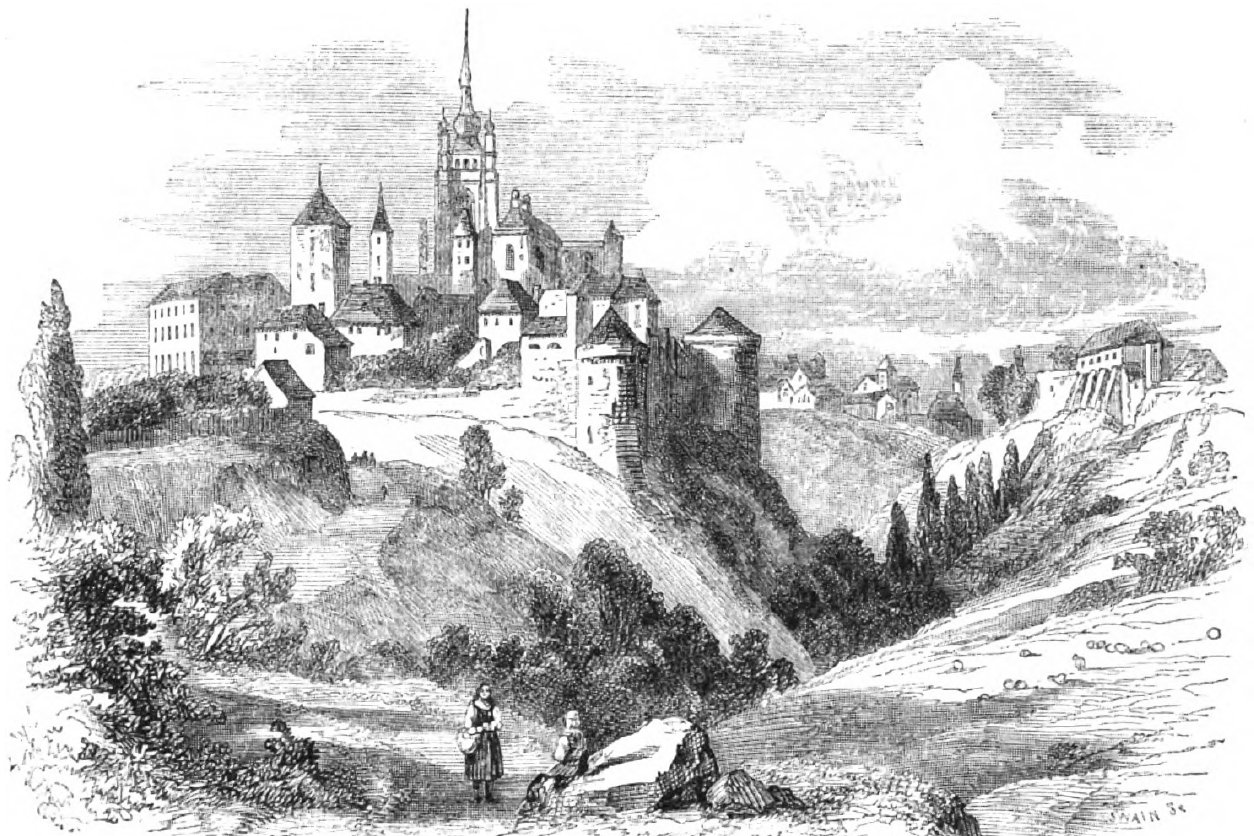
St. Vitus Cathedral, Prague
Nearly six centuries to finish, a murdered duke buried inside, and the Bohemian crown jewels locked behind seven keys — inside Prague Castle's Gothic cathedral.
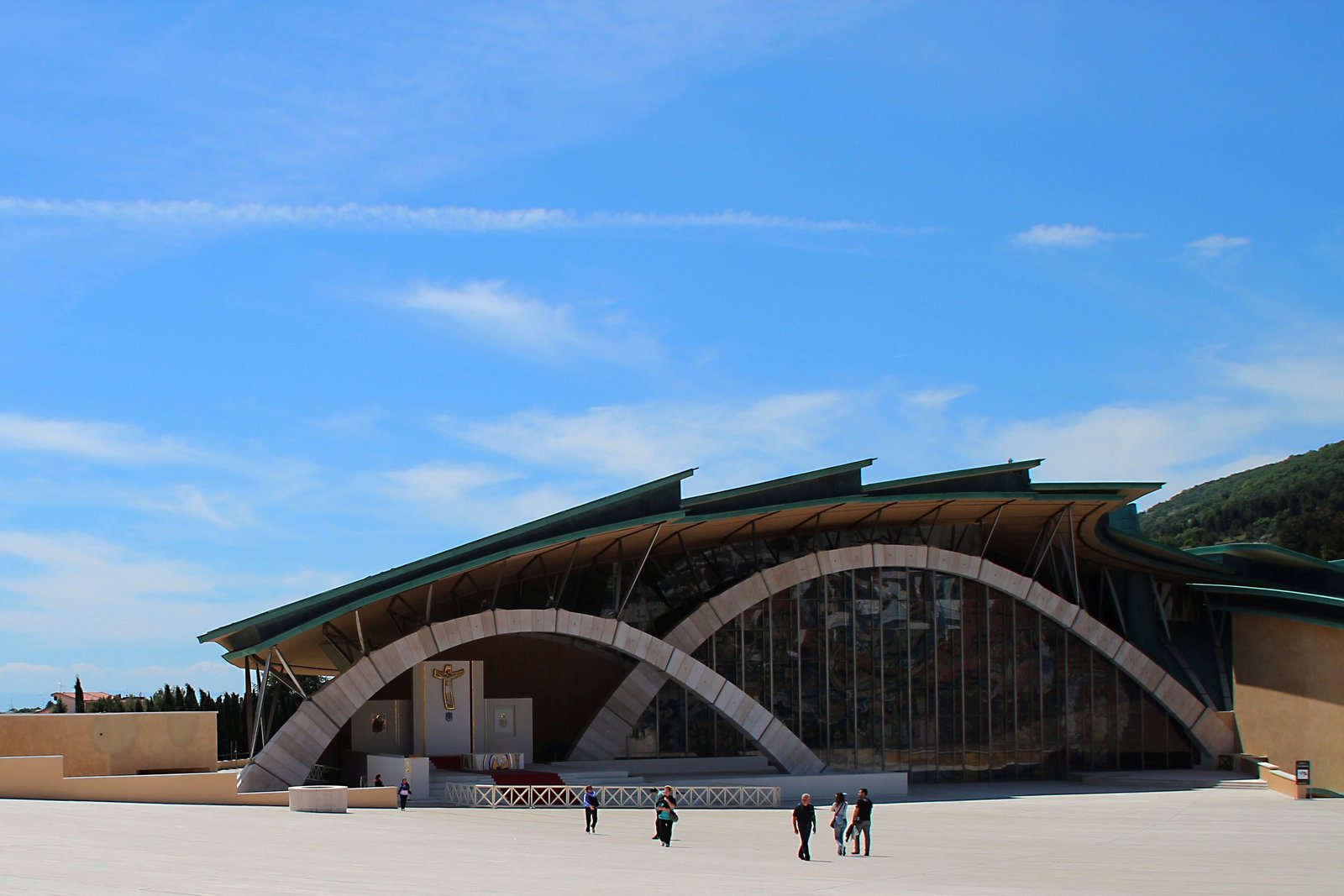
San Giovanni Rotondo, the Home of Padre Pio
A remote mountain town in southern Italy became one of the world's busiest pilgrimage sites, built around one Capuchin friar's fifty years there.
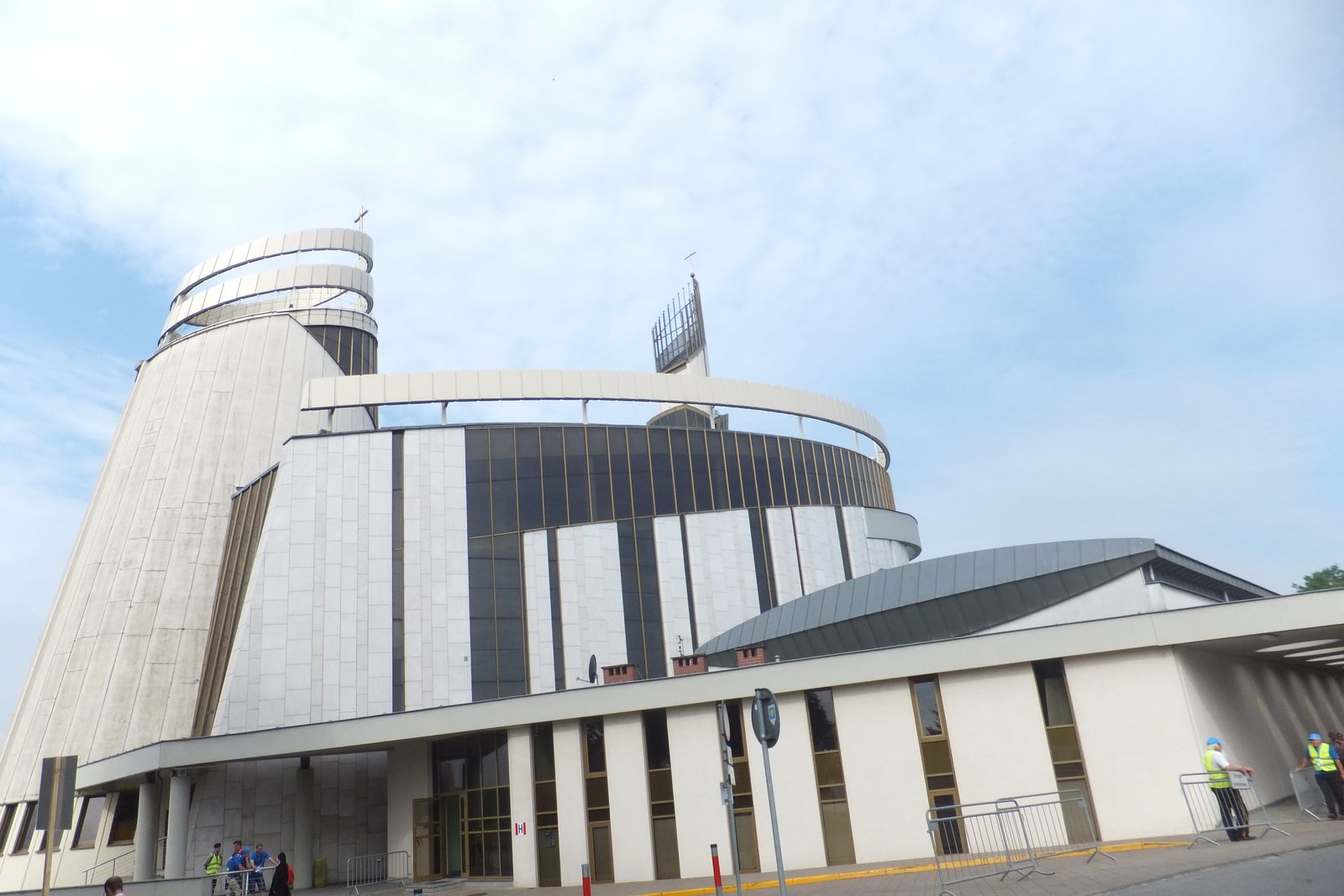
The Shrine of Divine Mercy, Kraków
In a quiet Kraków convent, a barely educated nun's diary became a worldwide devotion. Inside the Łagiewniki shrine built around her tomb.
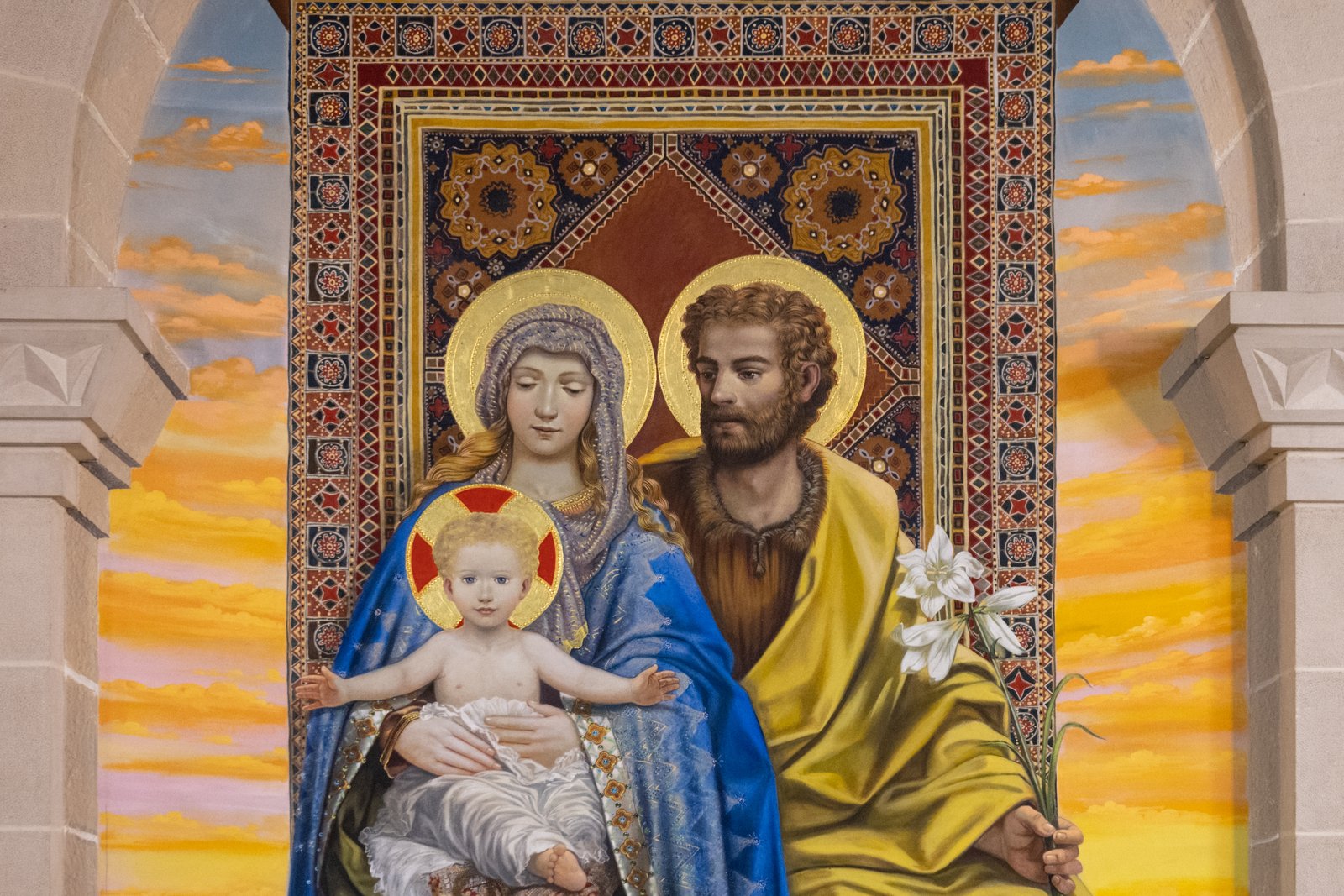
Shrine of Sainte-Anne-de-Beaupré
How a group of shipwrecked sailors' vow beside the St. Lawrence River in 1658 grew into Quebec's largest pilgrimage shrine and a reported site of healing.
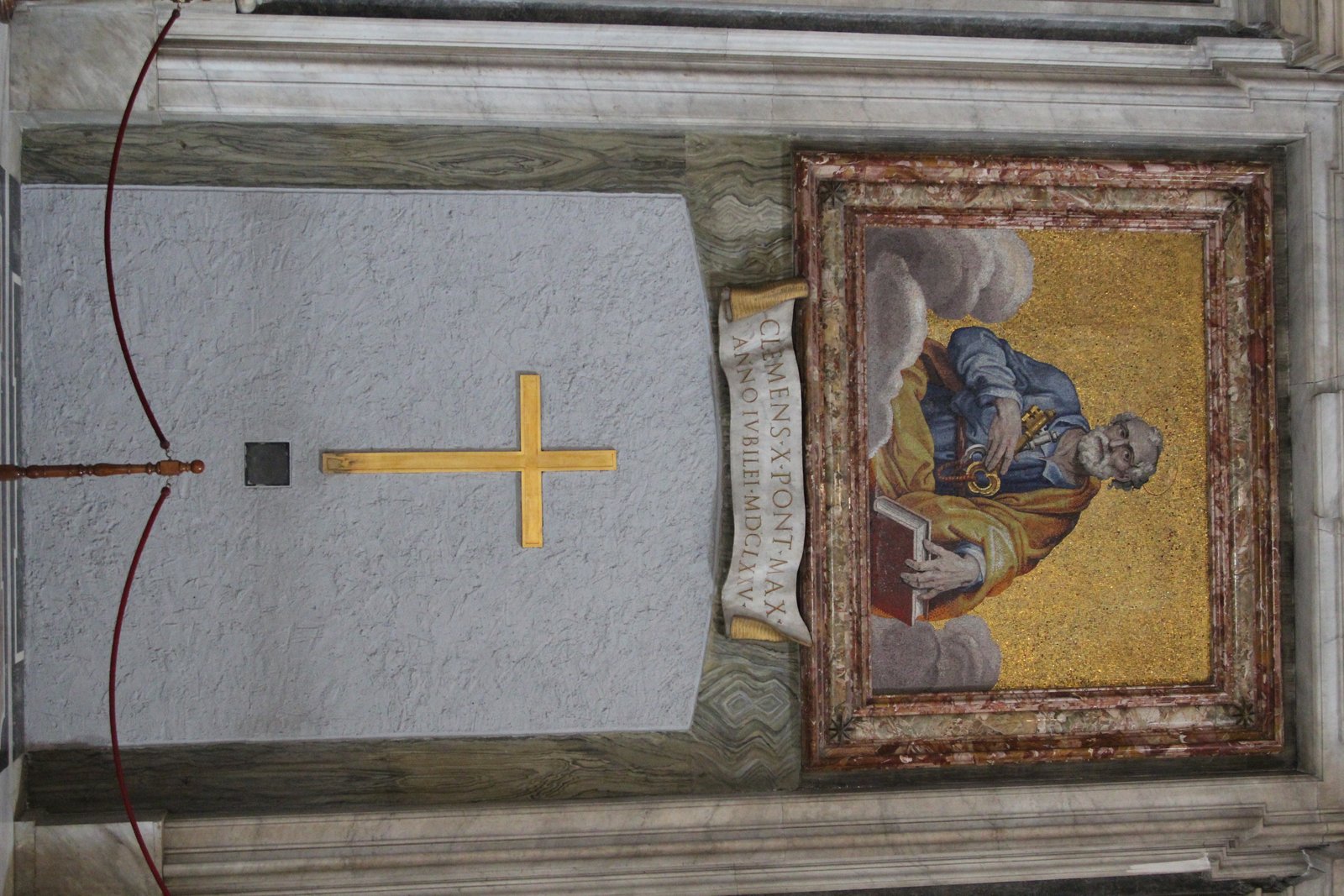
The Four Papal Basilicas of Rome
What makes St. Peter's, St. John Lateran, St. Mary Major, and St. Paul Outside the Walls a set of four, and what a Holy Door actually is.
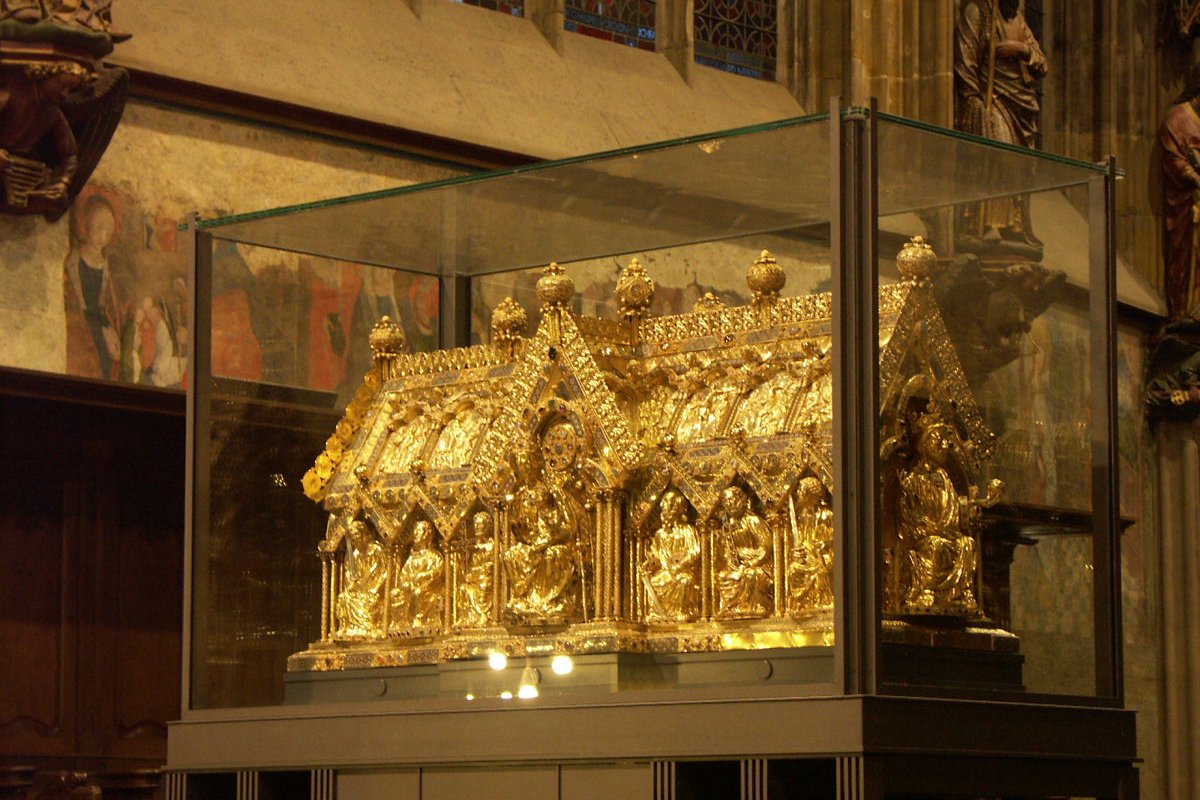
Aachen Cathedral
Charlemagne built his octagonal chapel at Aachen around the year 800 as a copy of a Byzantine church, then was buried inside it — Germany's oldest cathedral.
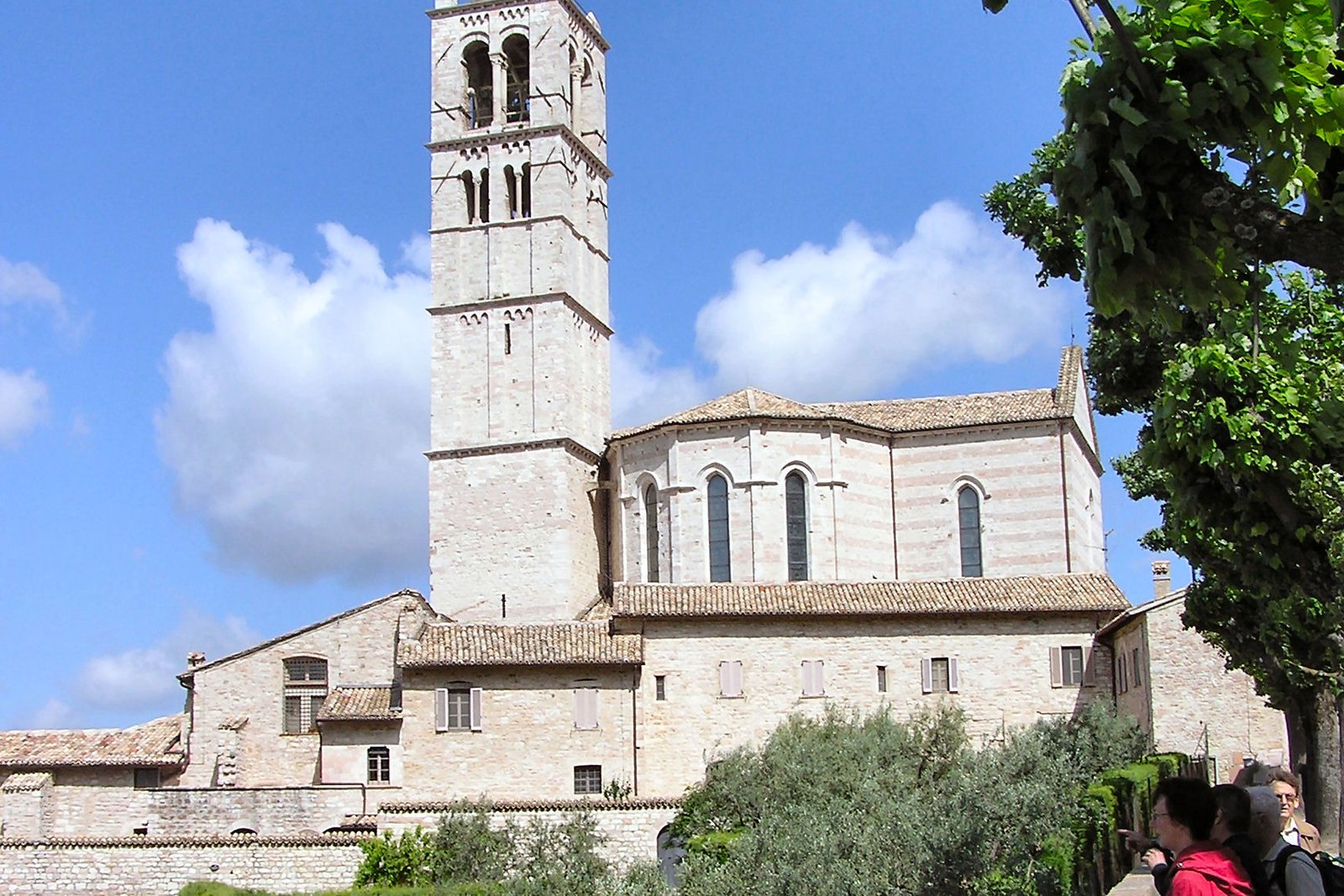
Assisi's Basilica of Santa Chiara
Behind a grille in this pink-and-white Assisi basilica rests the crucifix that spoke to Francis, and Saint Clare of Assisi's own body, on view since 1850.
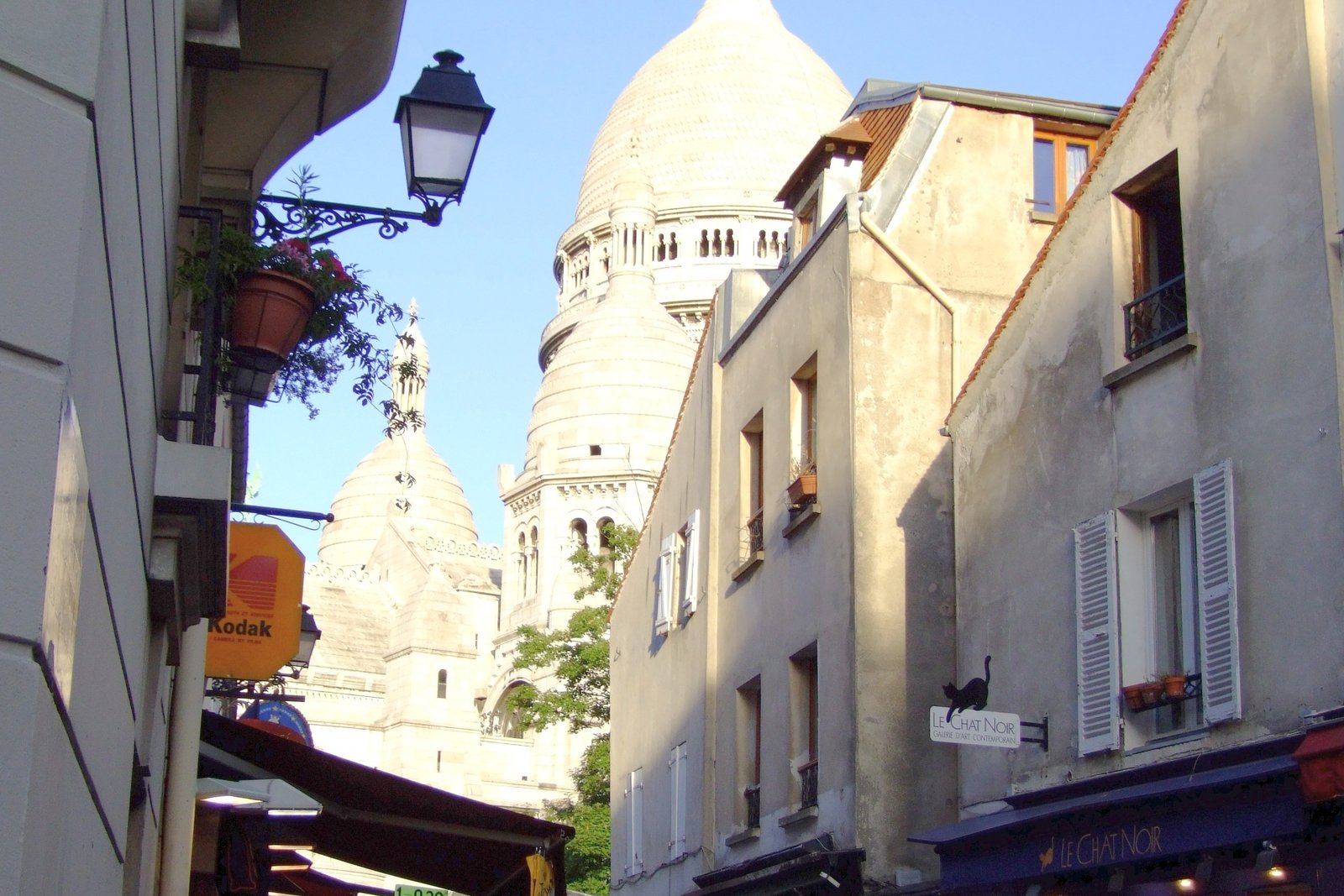
The Basilica of the Sacred Heart, Paray-le-Monial
A quiet Romanesque priory church in Burgundy, France, where a 17th-century nun's visions of Christ's Sacred Heart launched a devotion now practiced worldwide.
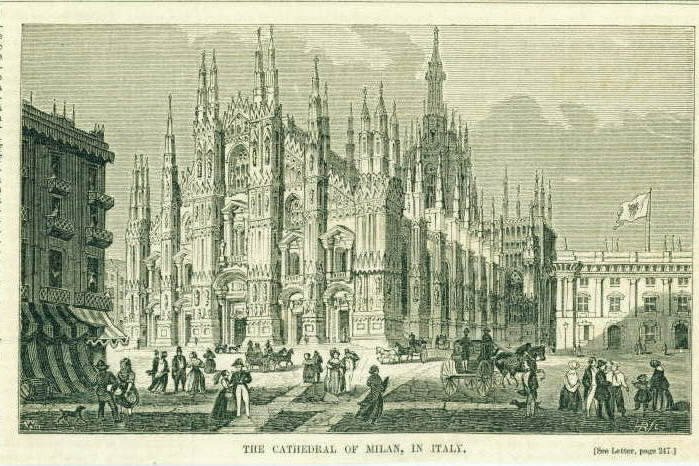
Milan Cathedral (Duomo di Milano)
Started in 1386 and only declared finished in 1965, Milan's cathedral holds more statues than any other building on earth and a relic of the Holy Nail.
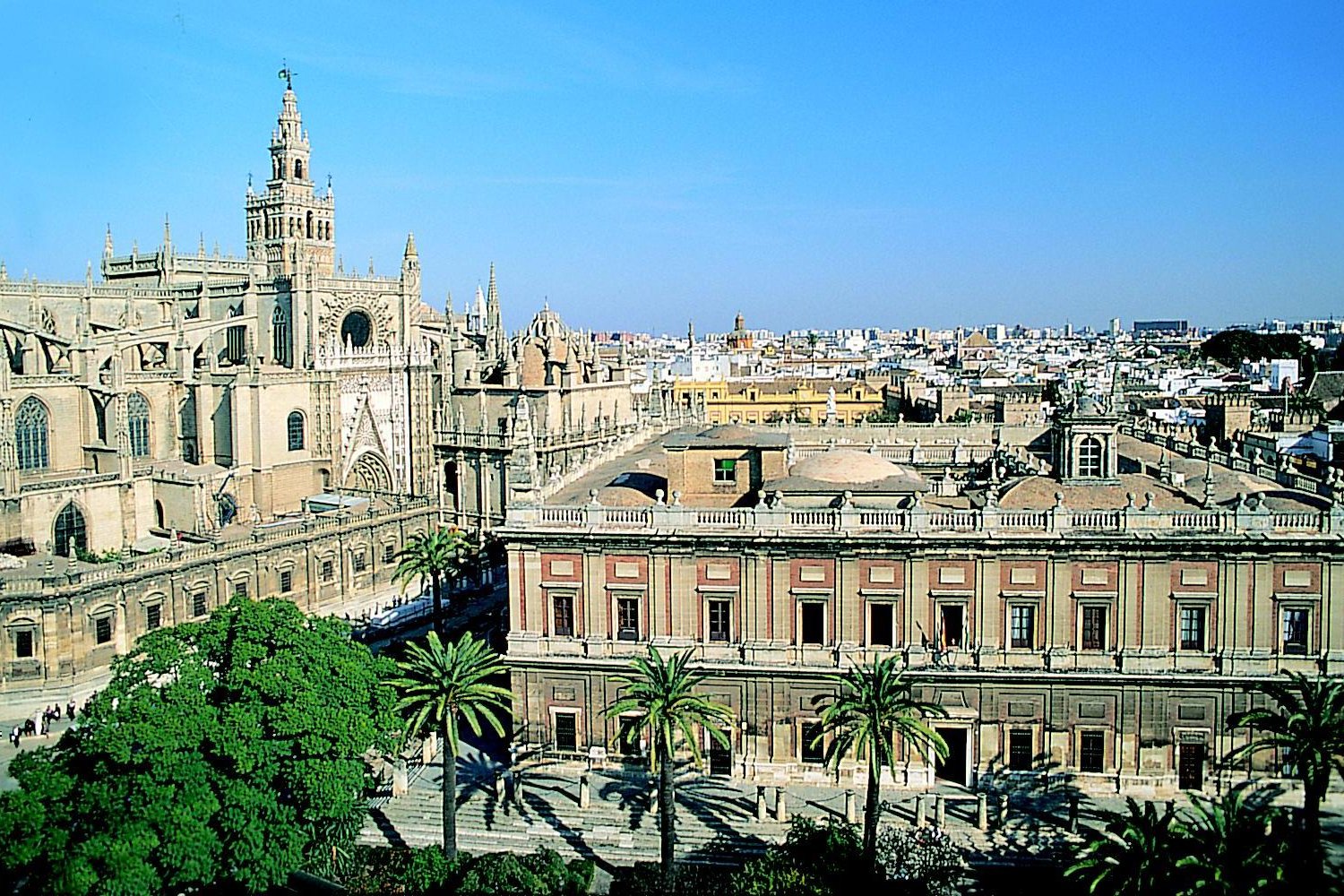
Seville Cathedral
Built over a mosque with the express goal of making later generations think its builders were mad, Seville Cathedral is still the largest Gothic church on earth.
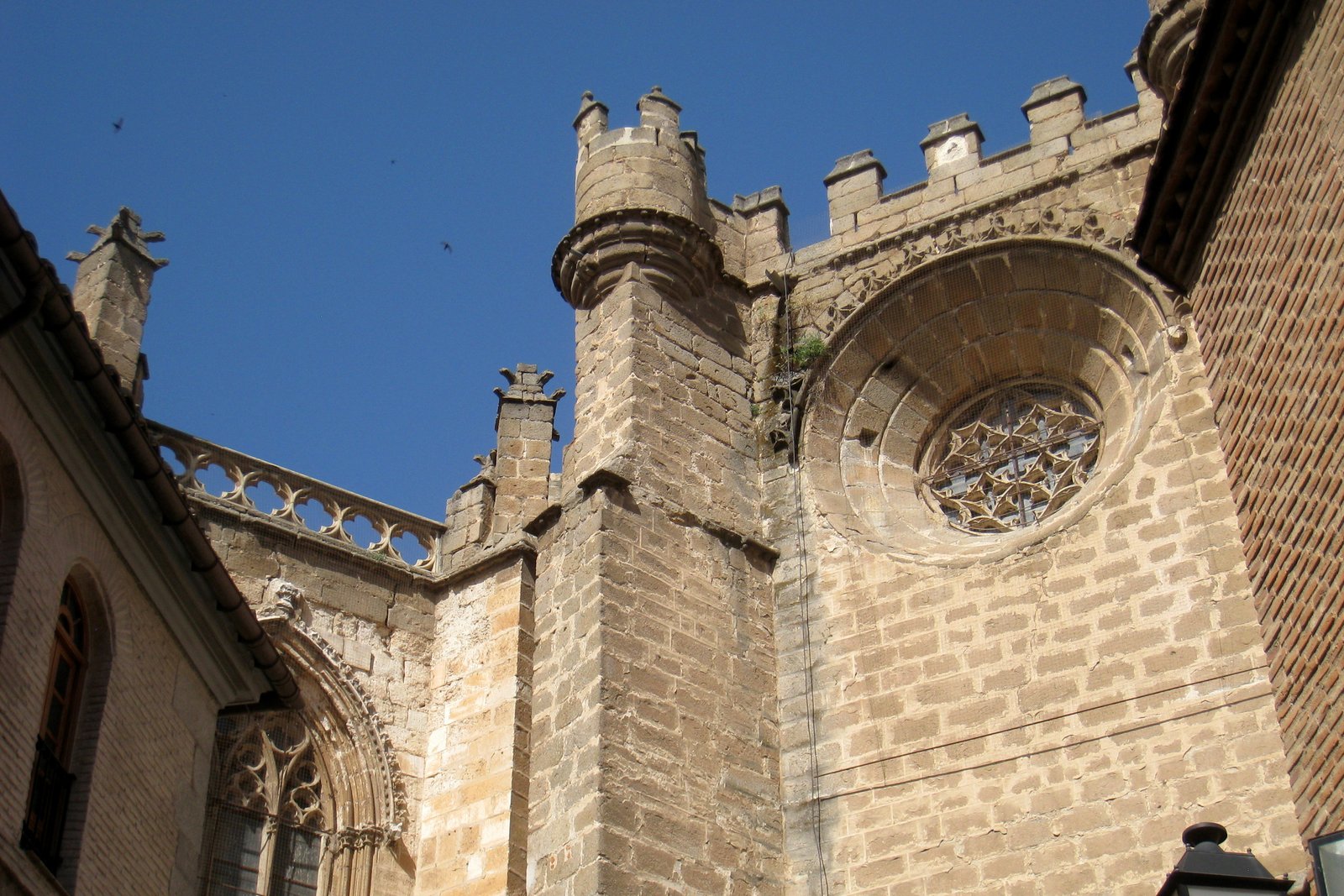
Toledo Cathedral, Spain
Built over Toledo's Great Mosque, which was built over a Visigothic church, Toledo Cathedral houses El Greco masterpieces and the seat of Spain's primate.
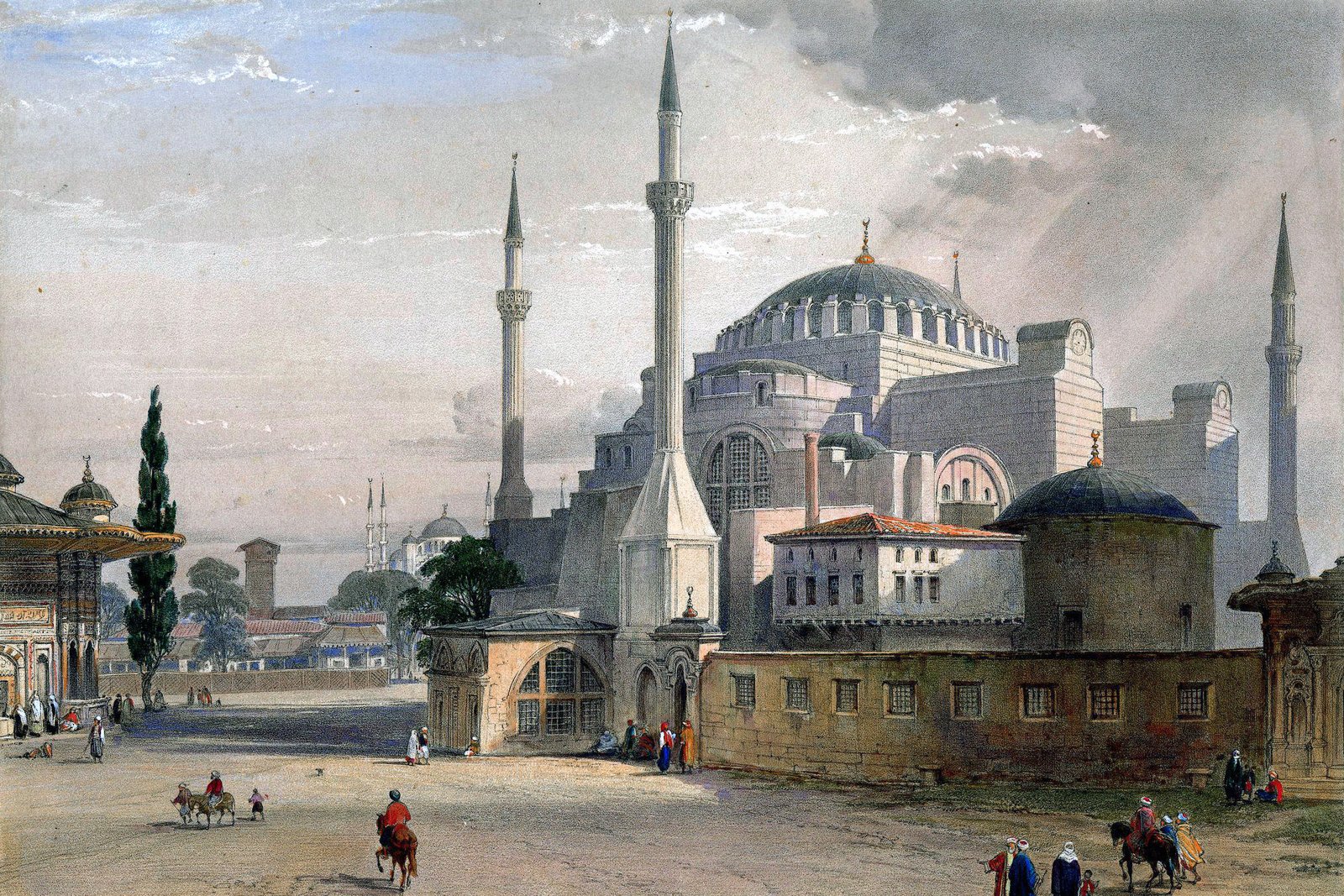
Hagia Sophia
A church built to outshine every building on earth, a mosque, a museum, and now a mosque again — how Hagia Sophia became Christianity's most contested landmark.
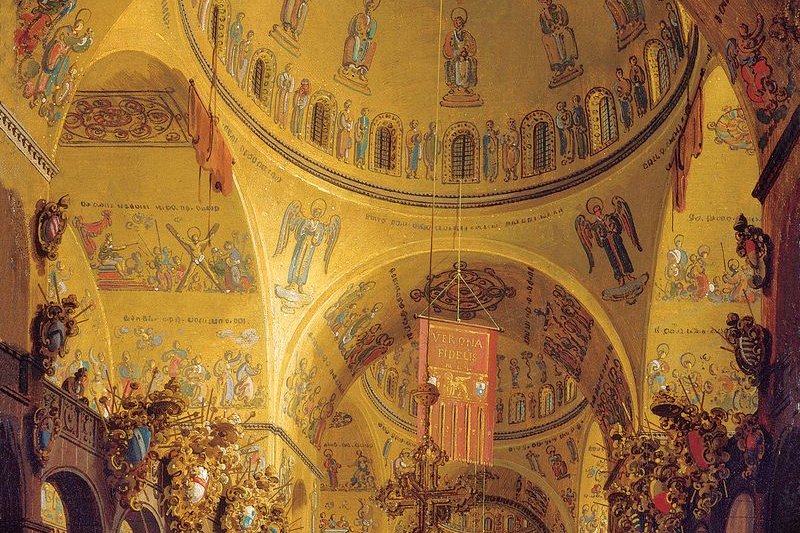
St. Mark's Basilica
Venetian merchants smuggled Saint Mark's body out of Egypt hidden under pork to avoid Muslim customs inspectors — and built this golden church to house it.
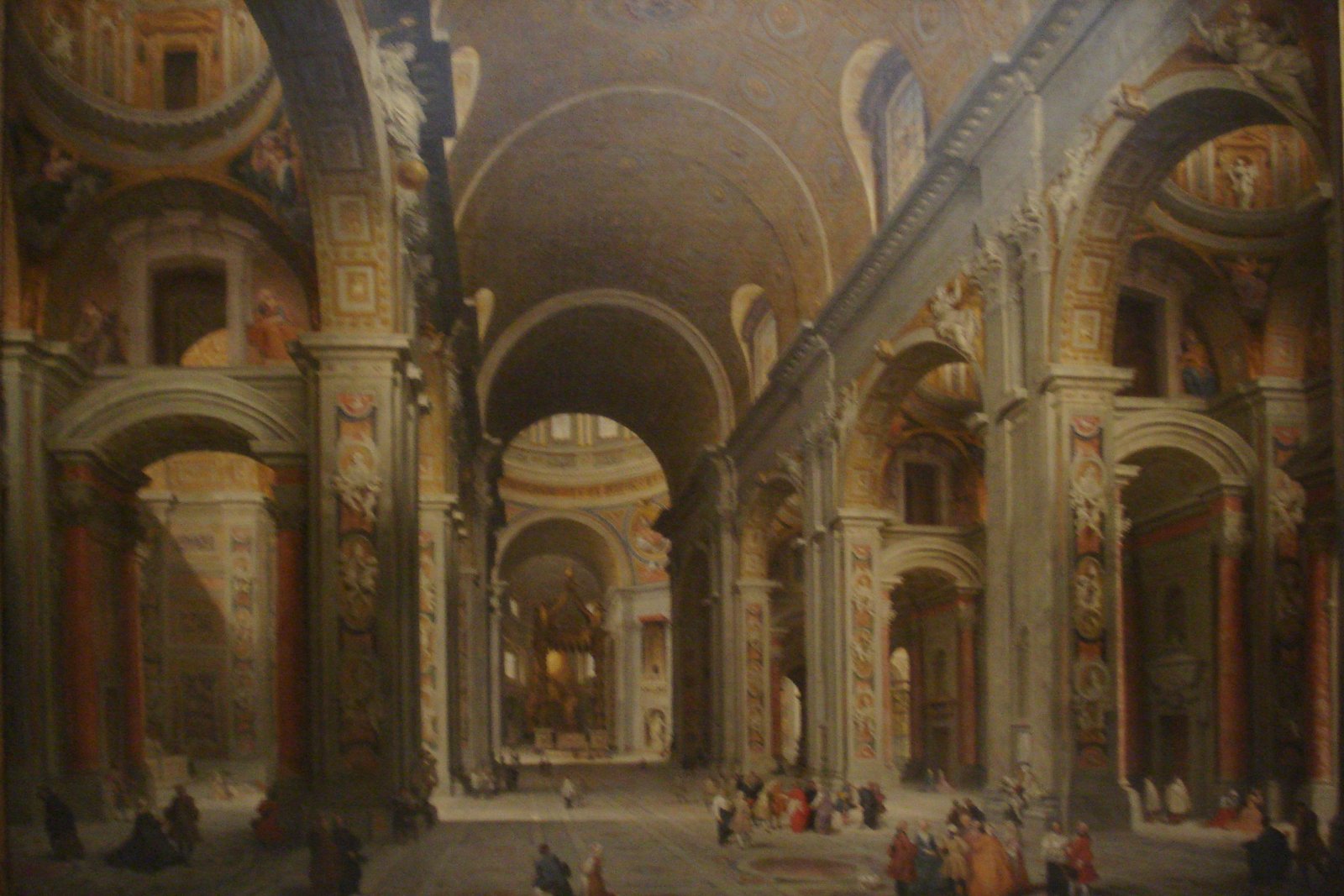
The Vatican Necropolis
Beneath St. Peter's Basilica lies a buried Roman burial ground, and inside it, archaeologists believe they found the actual bones of Saint Peter himself.
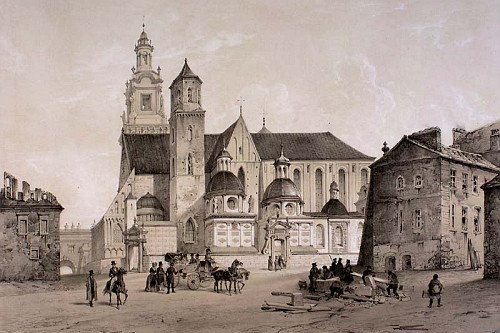
Wawel Cathedral
Polish kings were crowned here for 800 years, a martyred bishop is buried in its silver tomb, and a future pope once said his first Mass in its crypt.
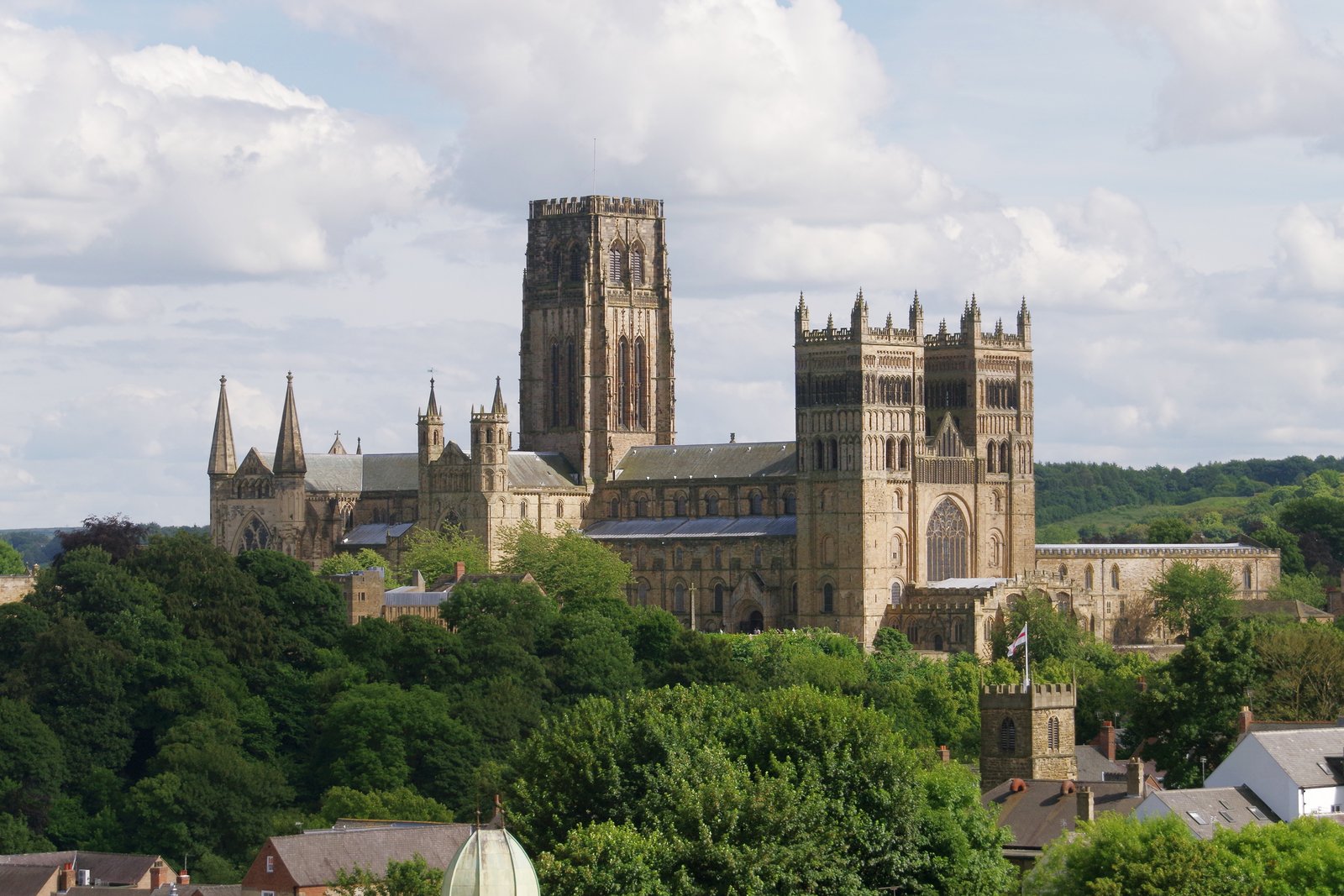
Durham Cathedral: Built to Guard Saint Cuthbert's Body
Durham Cathedral's massive Norman arches were raised to shelter a saint's body monks had carried across northern England for over a century, fleeing Viking raids.
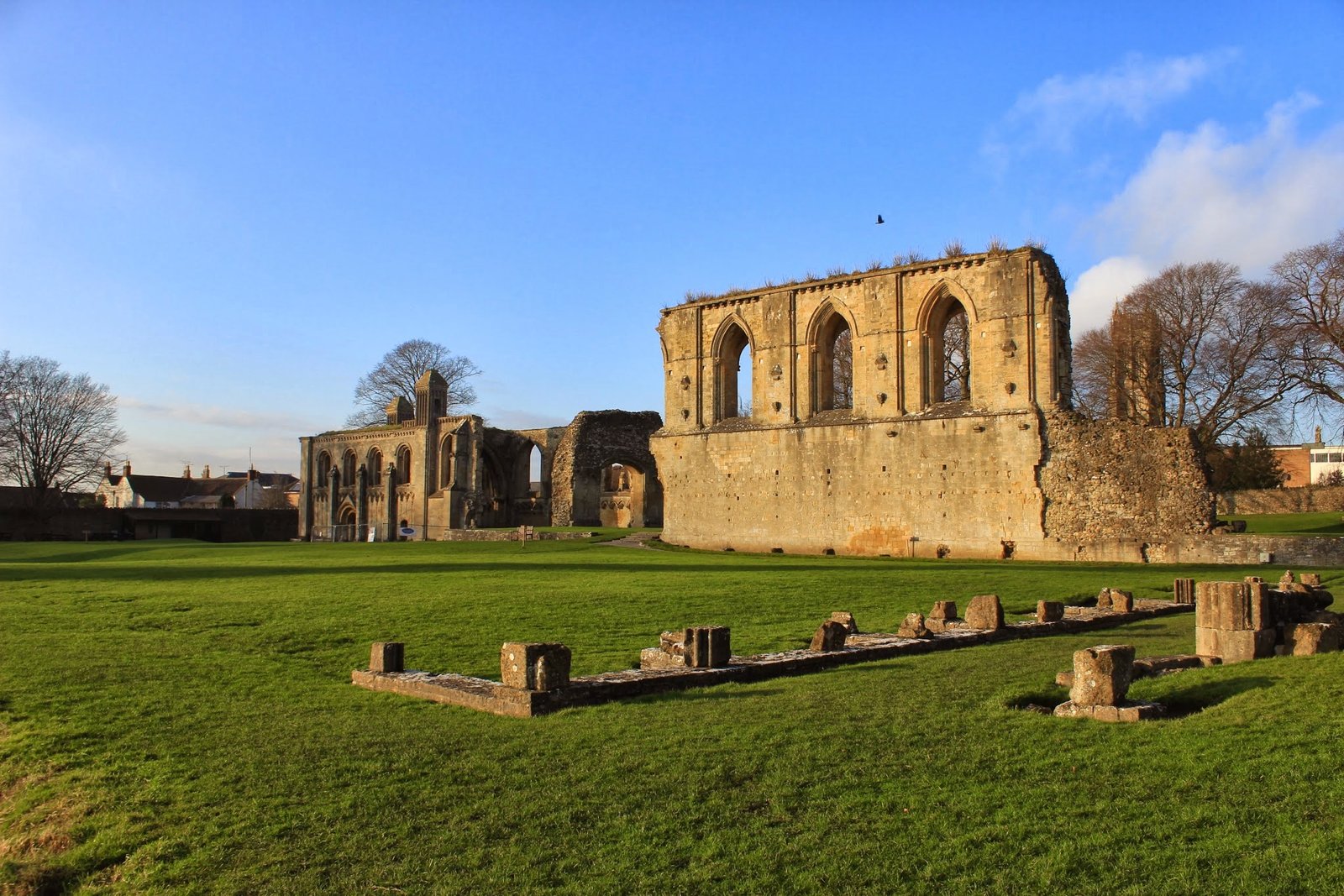
Glastonbury Abbey: Ruins Wrapped in England's Oldest Legends
Glastonbury Abbey's ruins hide a tangle of legend — Joseph of Arimathea, King Arthur's grave — on a site monks once called the holiest earth in England.
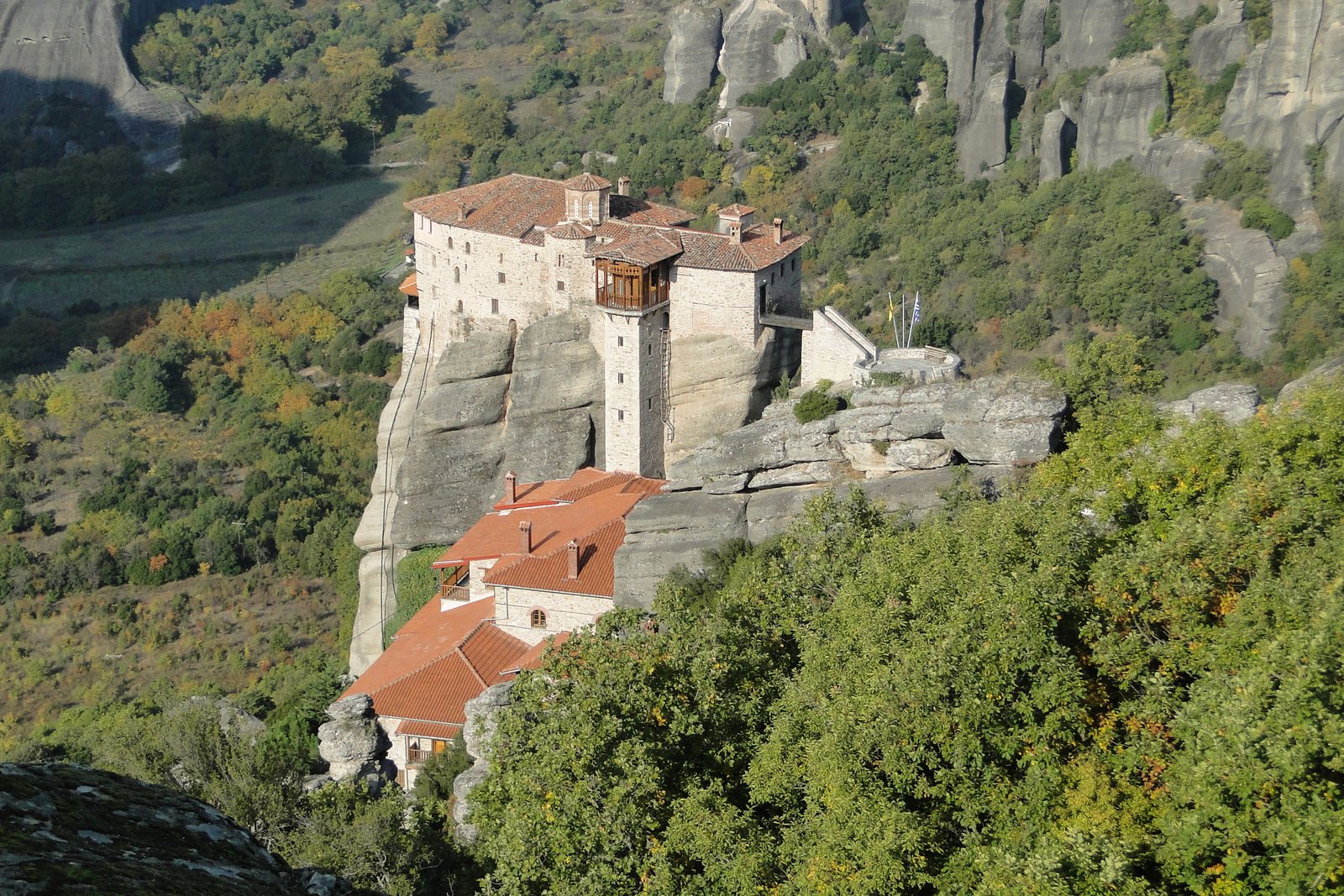
Meteora: The Monasteries Built Atop Sheer Rock Towers
Meteora's monks built onto sandstone pillars hundreds of feet high, reachable for centuries only by rope net and ladder, seeking distance from the world.
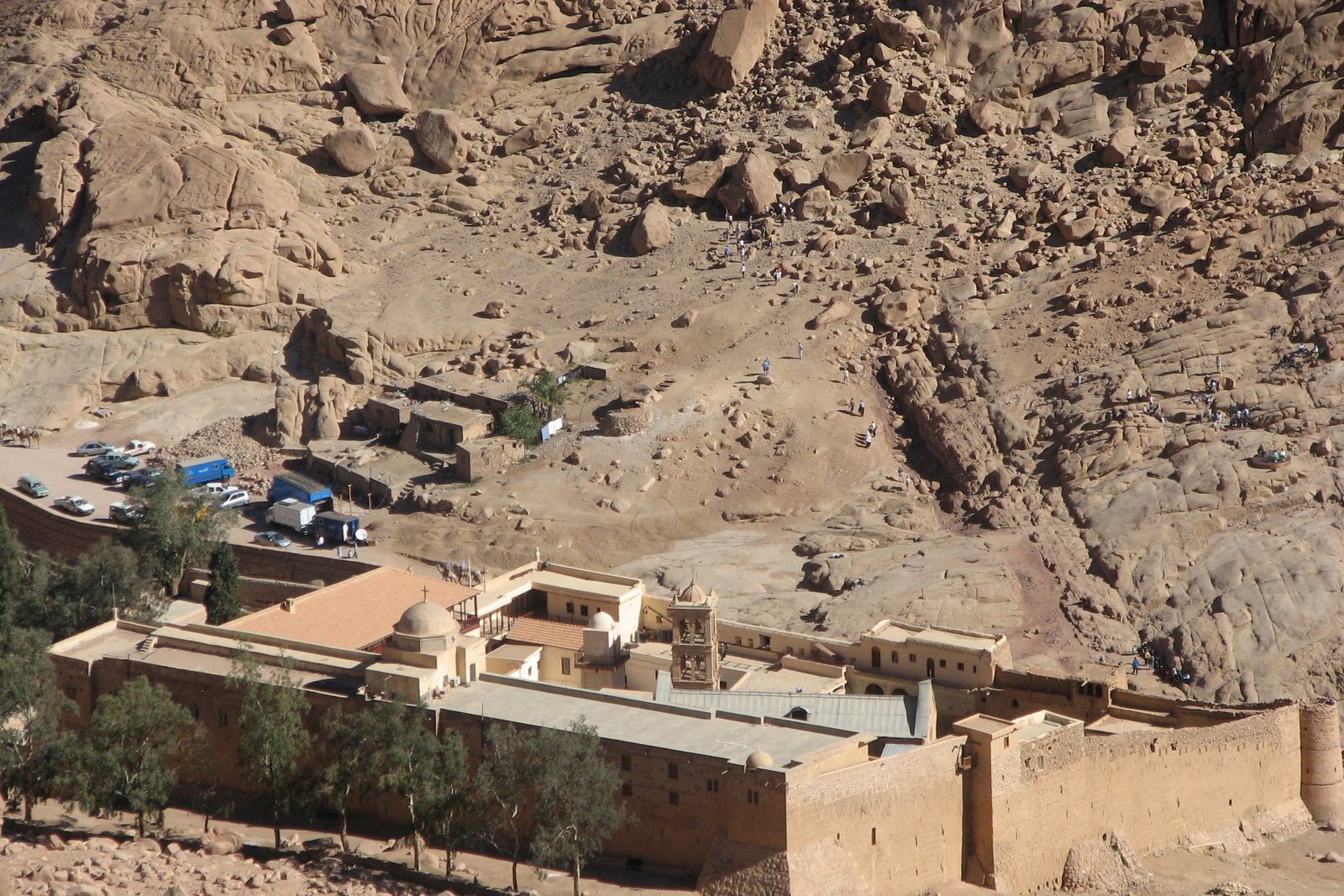
Saint Catherine's Monastery: The Oldest Monastery Still in Use
At the foot of Mount Sinai stands the oldest continuously inhabited Christian monastery on earth, built by Justinian around a bush monks still call the burning bush.
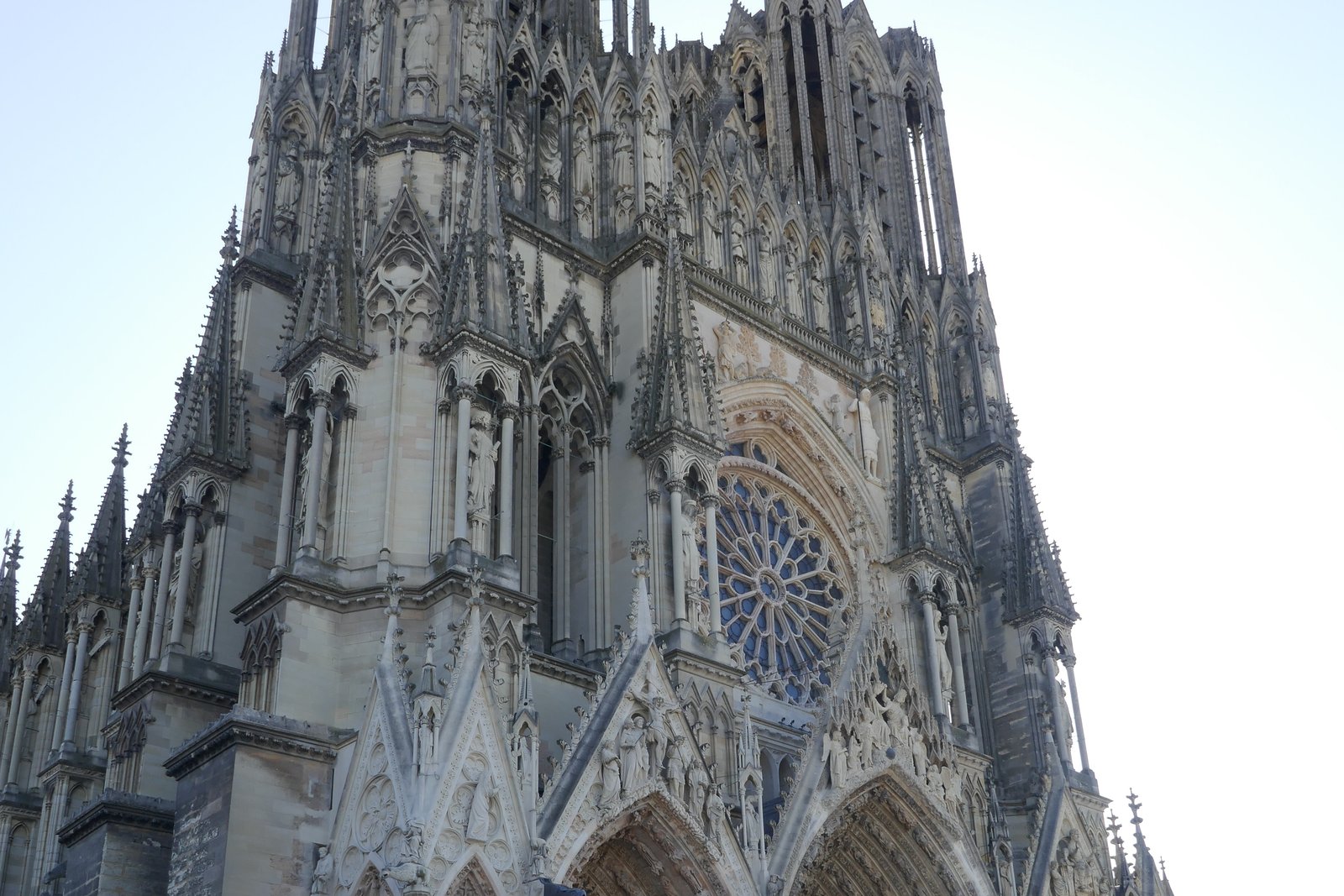
Reims Cathedral: Where France Crowned Its Kings
Reims Cathedral crowned nearly every French king for centuries, following Clovis's baptism there in 496 — a Gothic masterpiece rebuilt after World War I shelling.
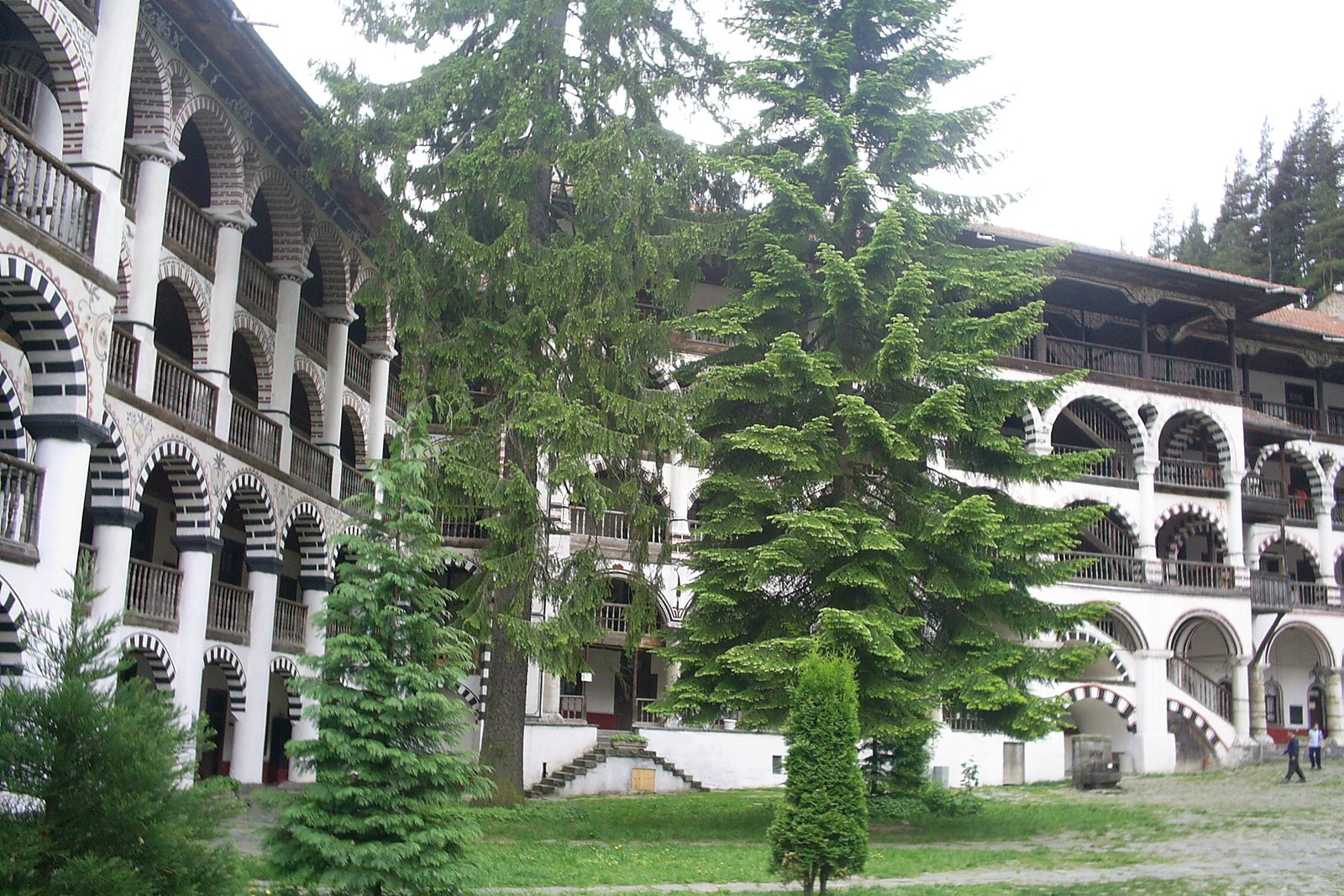
Rila Monastery: Bulgaria's Mountain Fortress of Faith
Rila Monastery survived centuries of Ottoman rule as a stronghold of Bulgarian culture, rebuilt after fire into the striped arches pilgrims see today.
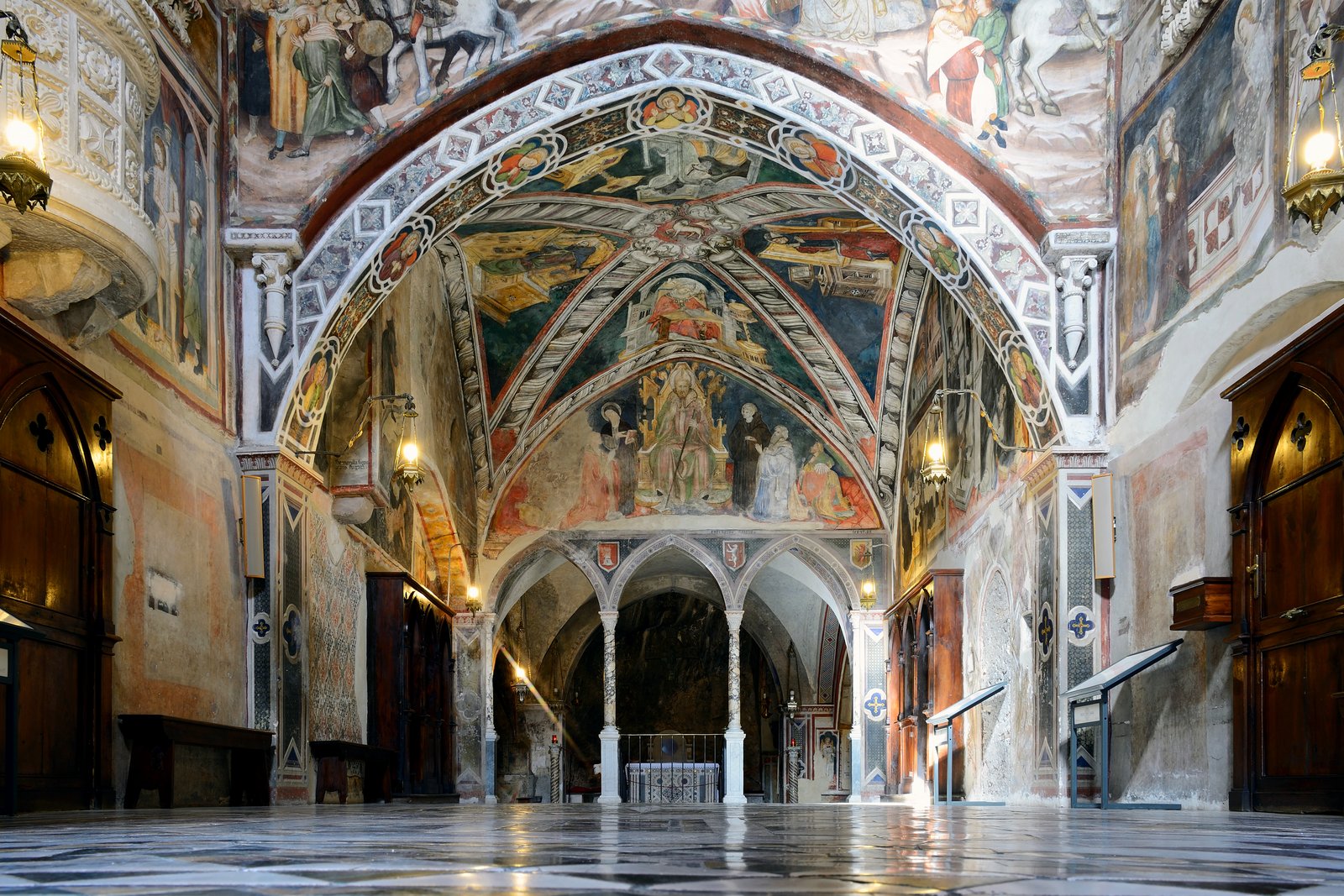
Subiaco: The Cave Where Benedictine Monasticism Began
Before he wrote the Rule that shaped Western monasticism, Benedict lived alone in a cave above Subiaco — now enclosed inside a monastery built into a cliff.
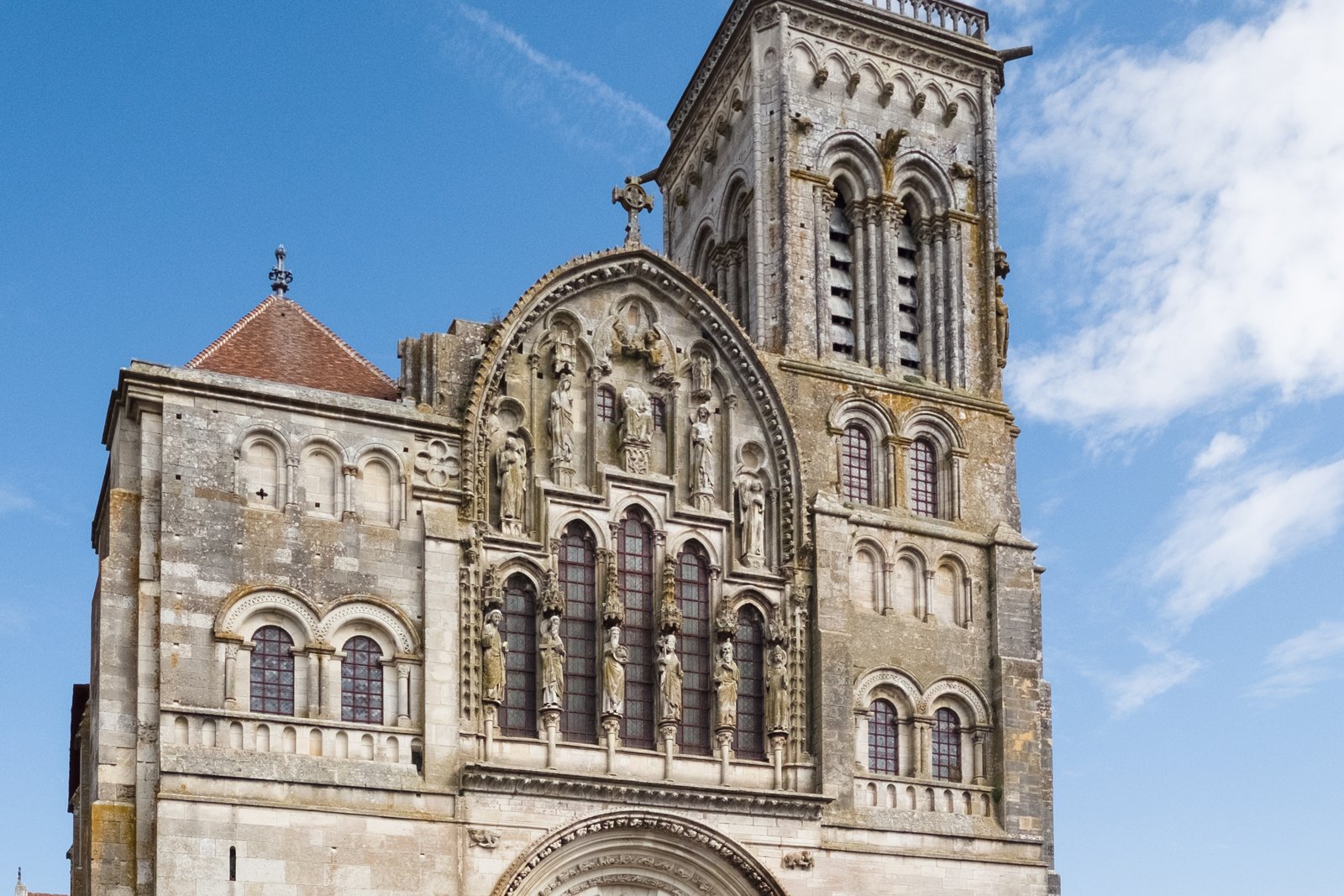
Vézelay Abbey: Where the Second Crusade Was Preached
Vézelay Abbey once claimed Mary Magdalene's relics and drew crowds so large that Bernard of Clairvaux preached the Second Crusade in an open field beside its walls.
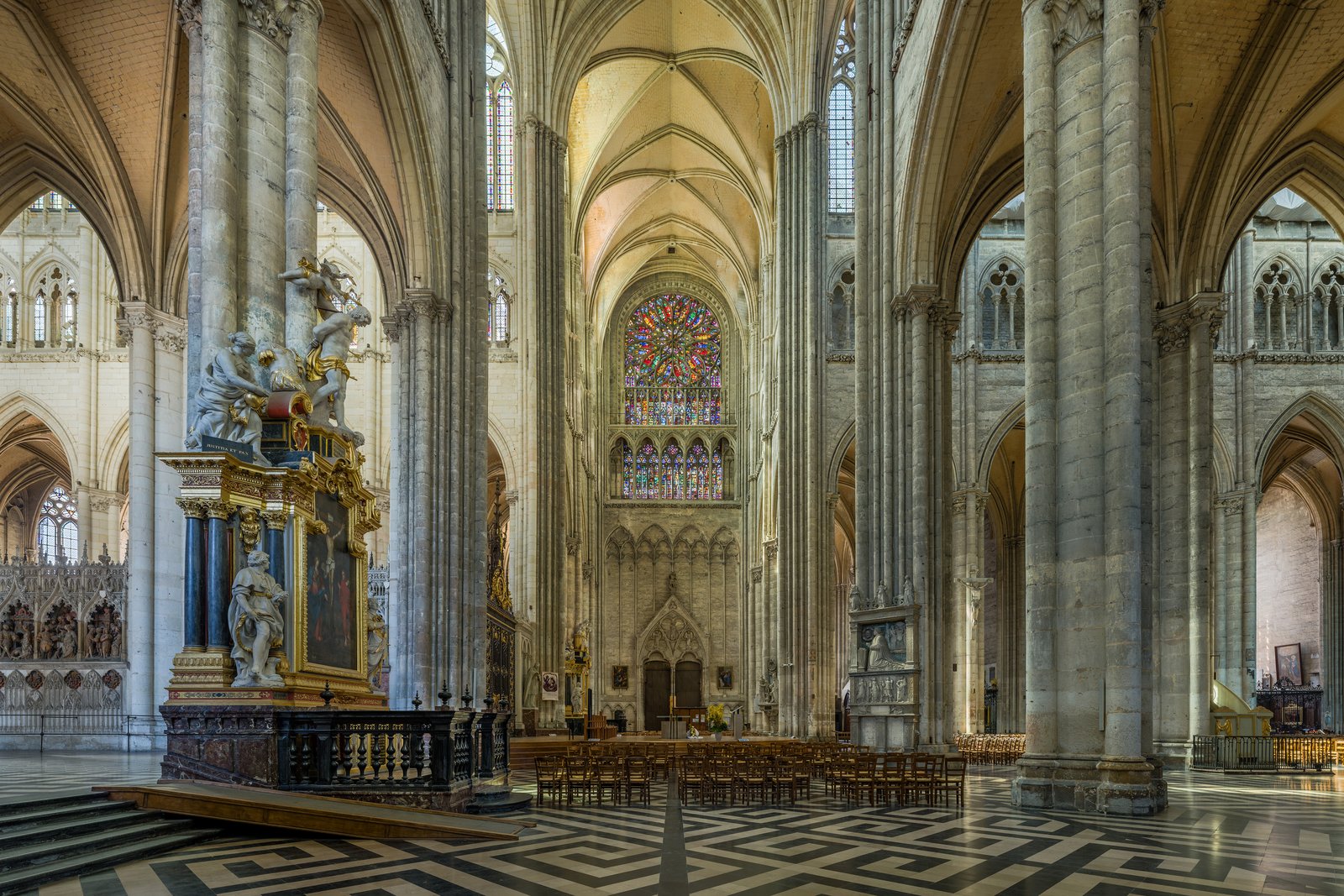
Amiens Cathedral: France's Largest Gothic Church
Amiens Cathedral is the largest Gothic cathedral in France by volume, built in just 50 years to house a relic believed to be John the Baptist's skull.
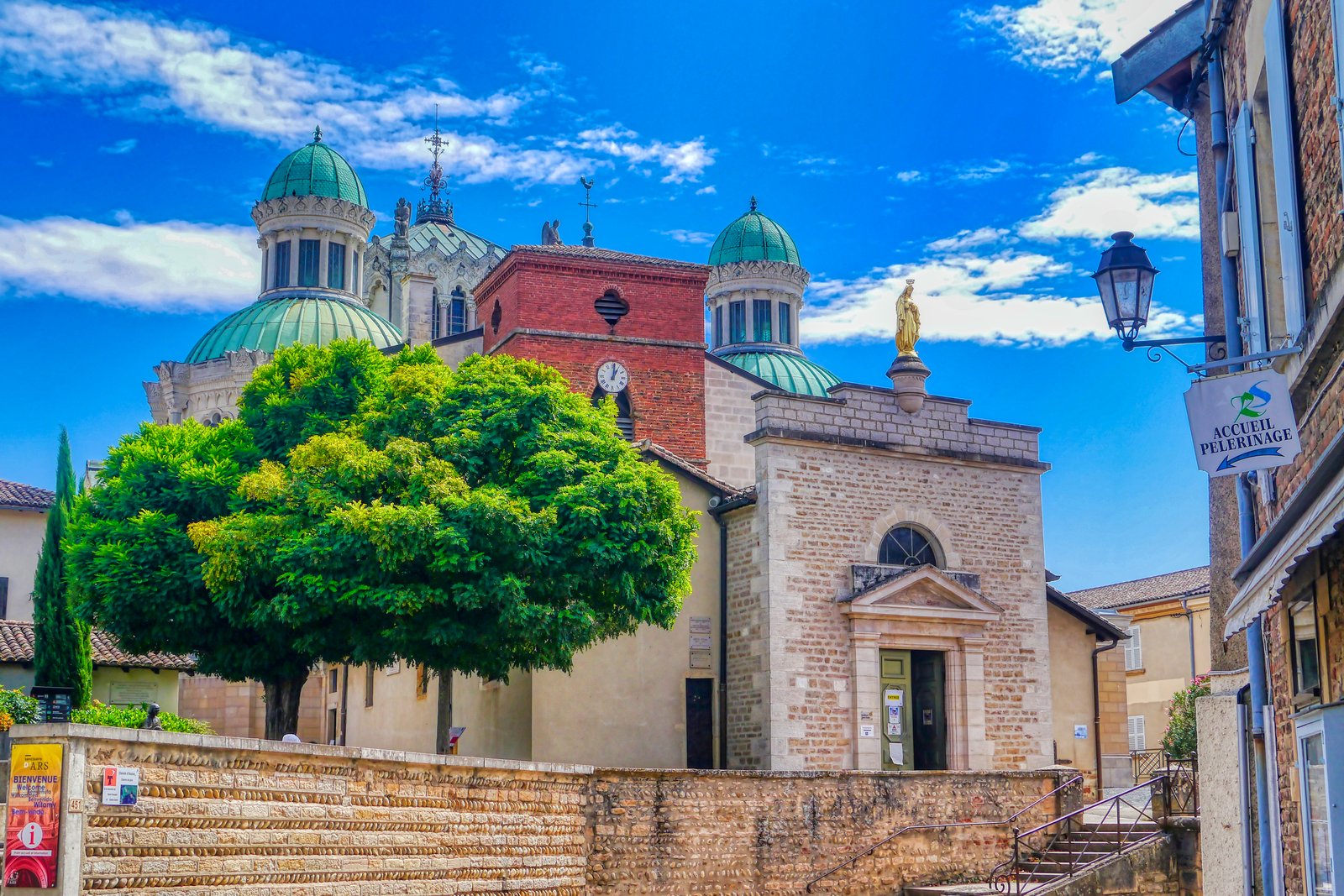
Ars-sur-Formans: The Shrine of Saint John Vianney
Ars-sur-Formans, once a village of 230 people, grew into a major pilgrimage site after Saint John Vianney spent up to 16 hours a day hearing confessions there.
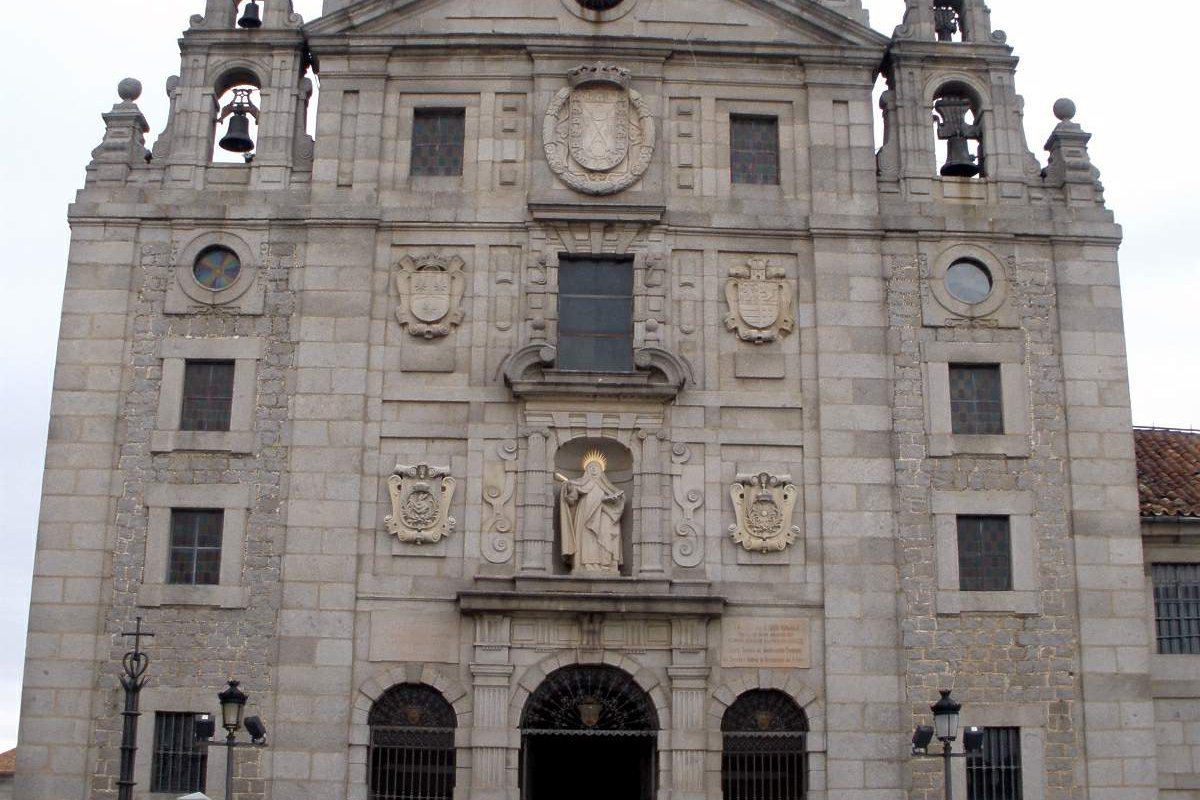
Ávila and the Convent of Saint Teresa
Teresa of Ávila was born in a house now enclosed inside a grand baroque convent, built on the spot where she later began her Carmelite reform movement.
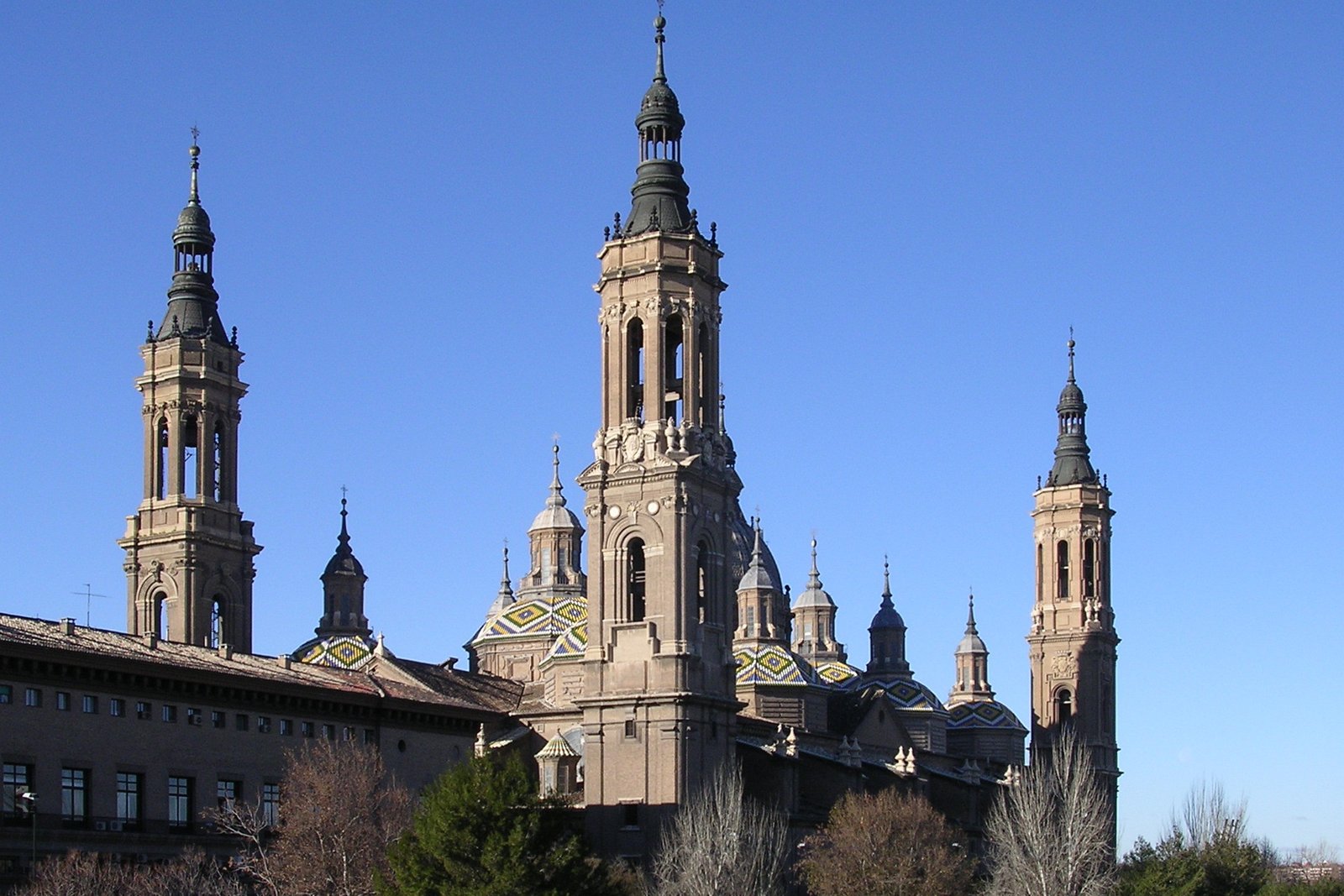
The Basilica of Our Lady of the Pillar, Zaragoza
The Basilica of the Pillar in Zaragoza marks Christianity's earliest Marian apparition tradition, said to have appeared to Saint James while Mary still lived.
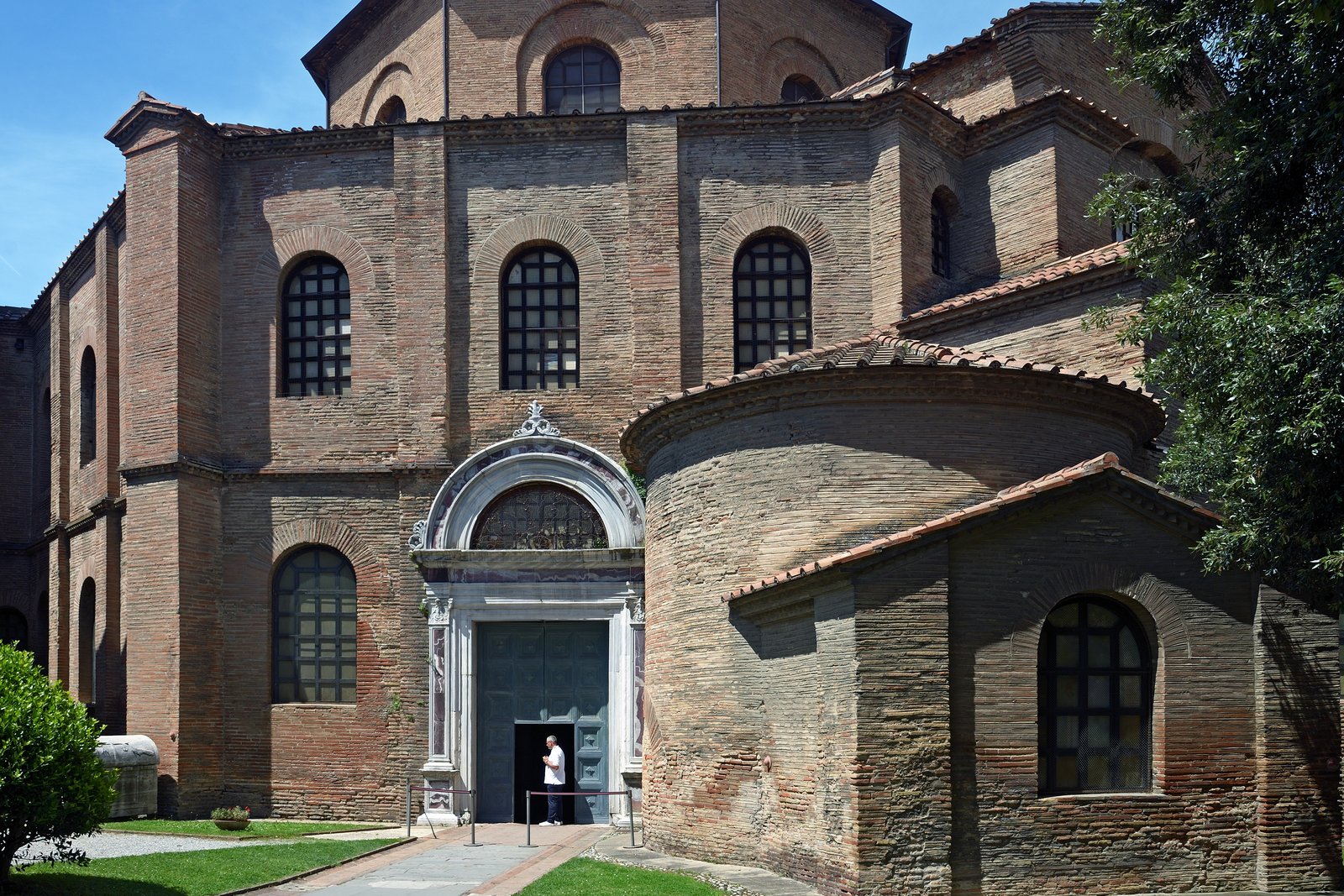
The Basilica of San Vitale, Ravenna
San Vitale in Ravenna preserves the finest surviving Byzantine mosaics outside Istanbul, including famous portraits of Emperor Justinian and Theodora.
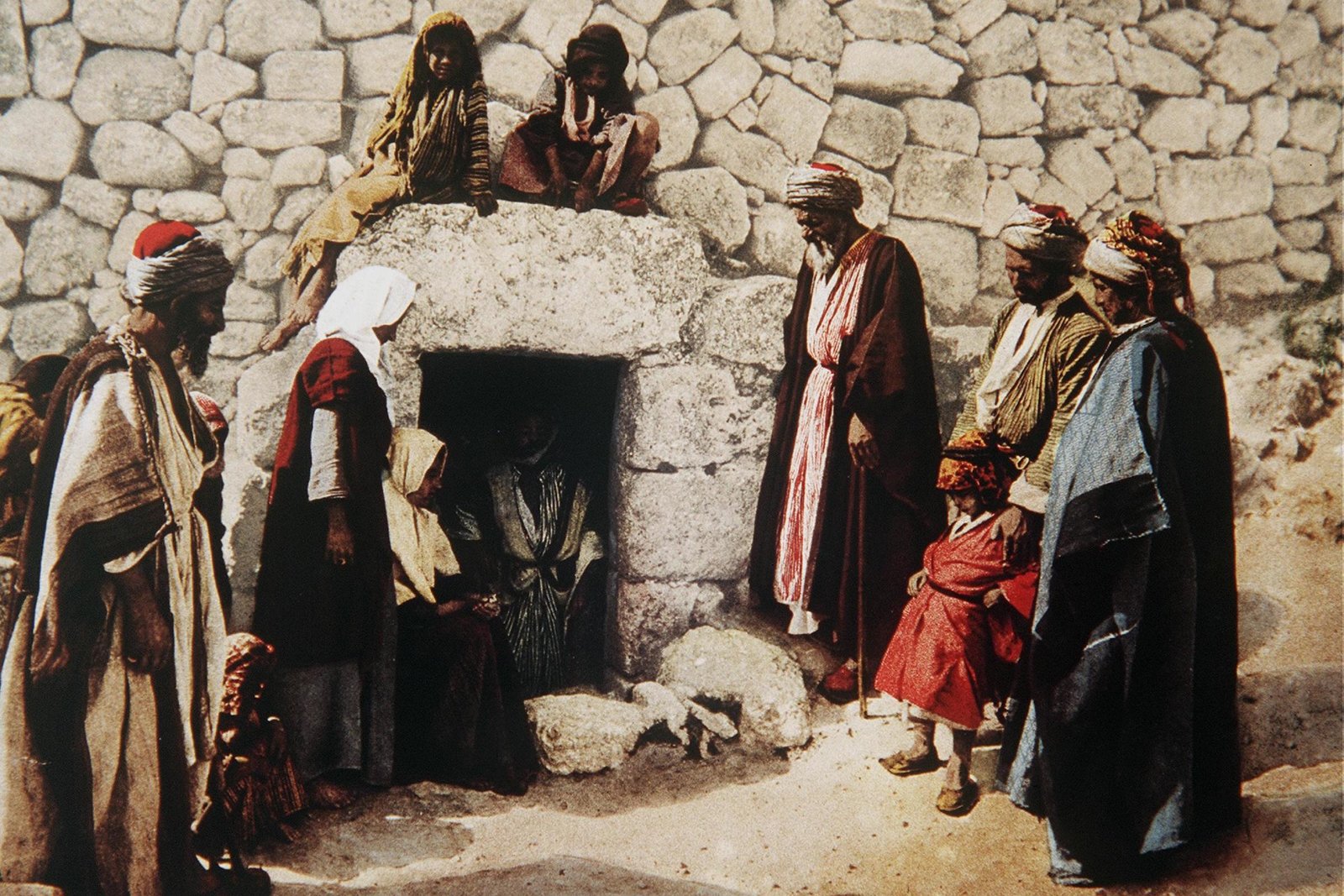
Bethany and the Tomb of Lazarus
Bethany near Jerusalem is where Jesus raised his friend Lazarus from the dead after four days in the tomb, one of the Gospels' most dramatic miracles.
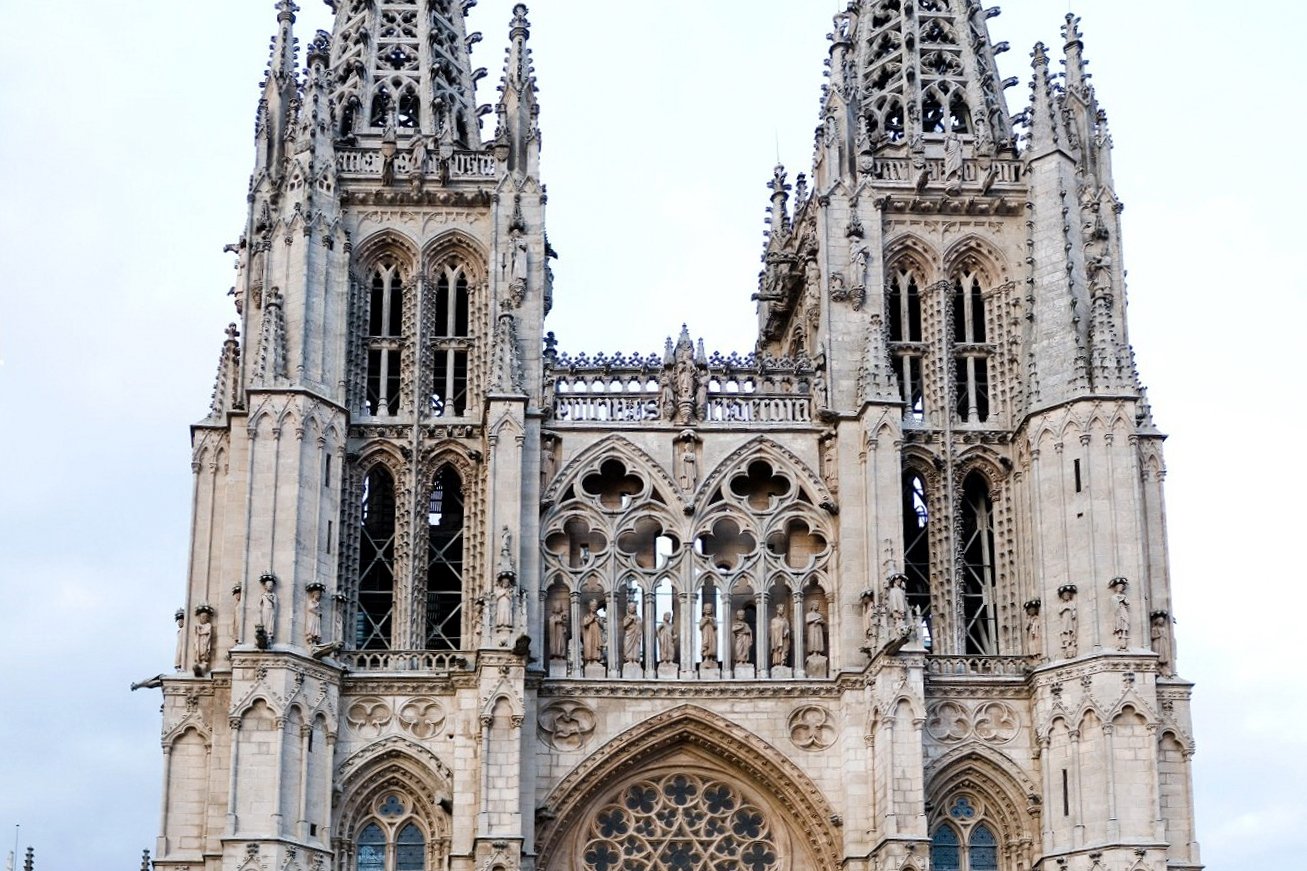
Burgos Cathedral: Spain's Filigree Gothic Masterpiece
Burgos Cathedral, a UNESCO World Heritage Site famed for its lace-like Gothic openwork spires, holds the tomb of Spain's legendary hero El Cid at its crossing.
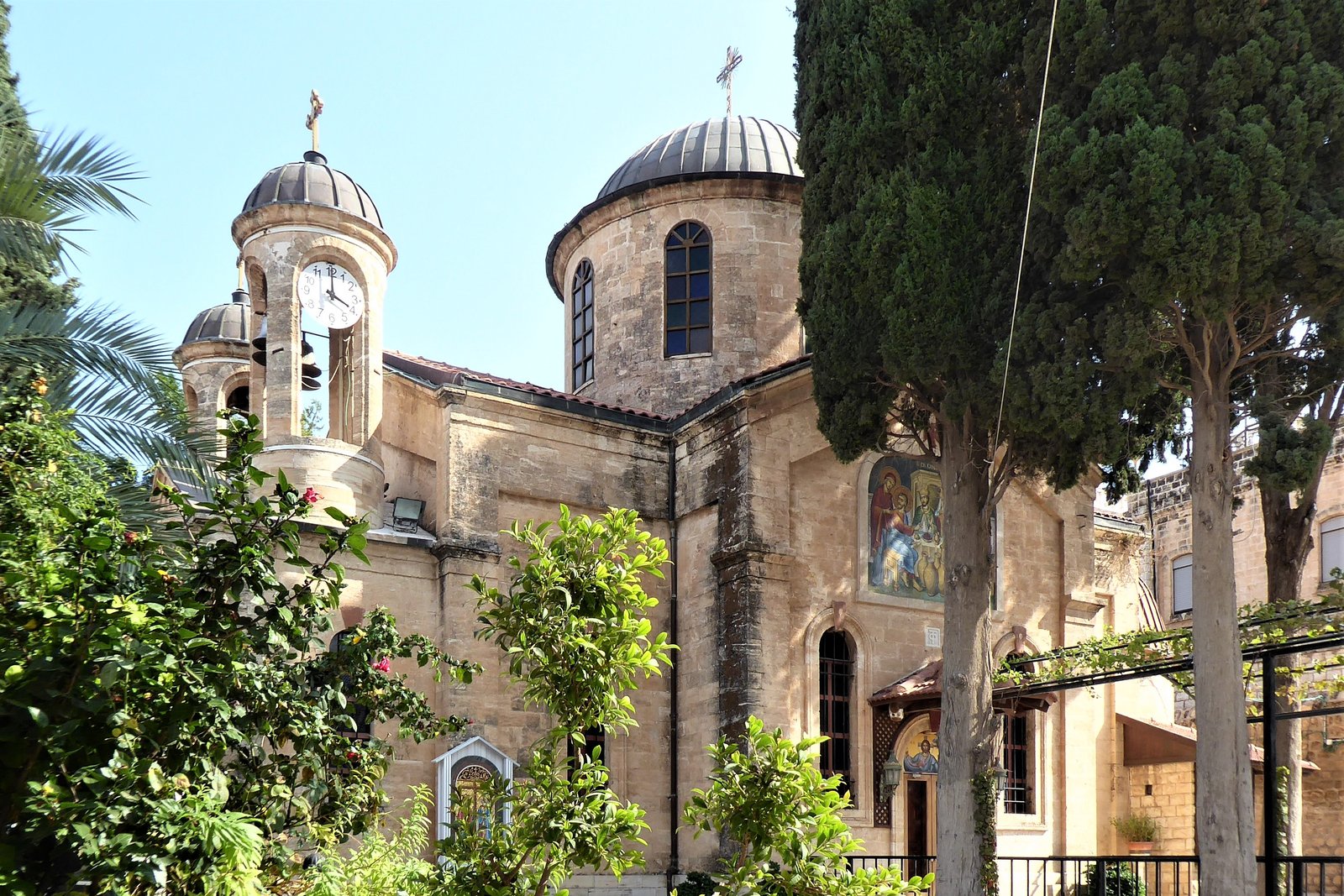
Cana: The Village of Jesus's First Miracle
Cana in Galilee is remembered as the small village where Jesus turned water into wine at a wedding feast, the first public sign recorded in John's Gospel.
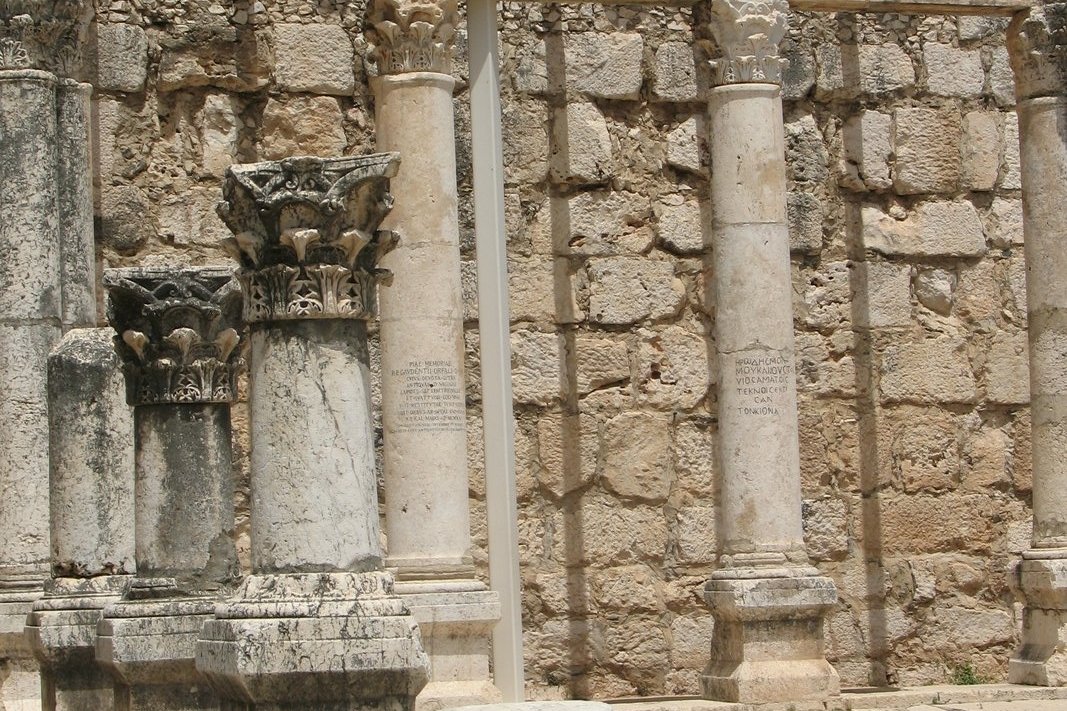
Capernaum: The Town Jesus Called Home
Capernaum on the Sea of Galilee's shore became Jesus's home base, the fishing town of Peter where he taught in the synagogue and worked many recorded miracles.
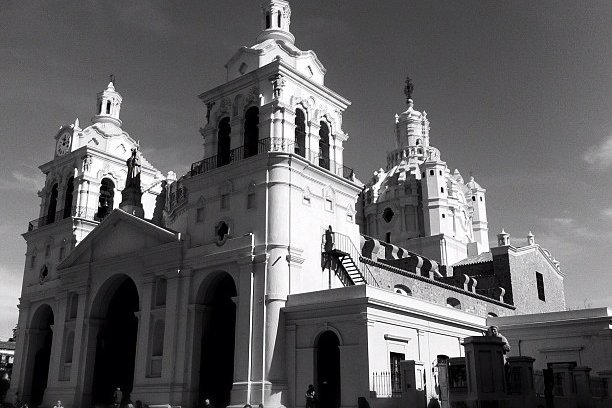
The Cathedral of Córdoba: A Church Built Inside a Mosque
The Cathedral of Córdoba, known as the Mezquita-Catedral, rises inside a vast 8th-century mosque, a UNESCO site layered with over a millennium of history.
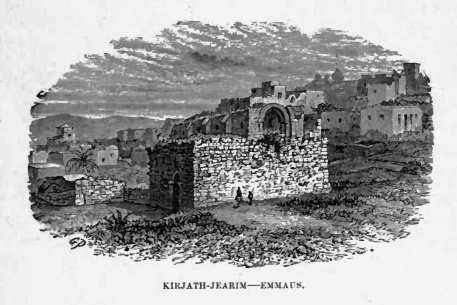
Emmaus: Where the Risen Christ Was Recognized
Emmaus is where two disciples recognized the risen Jesus in the breaking of bread, though the road's exact village location remains genuinely disputed.
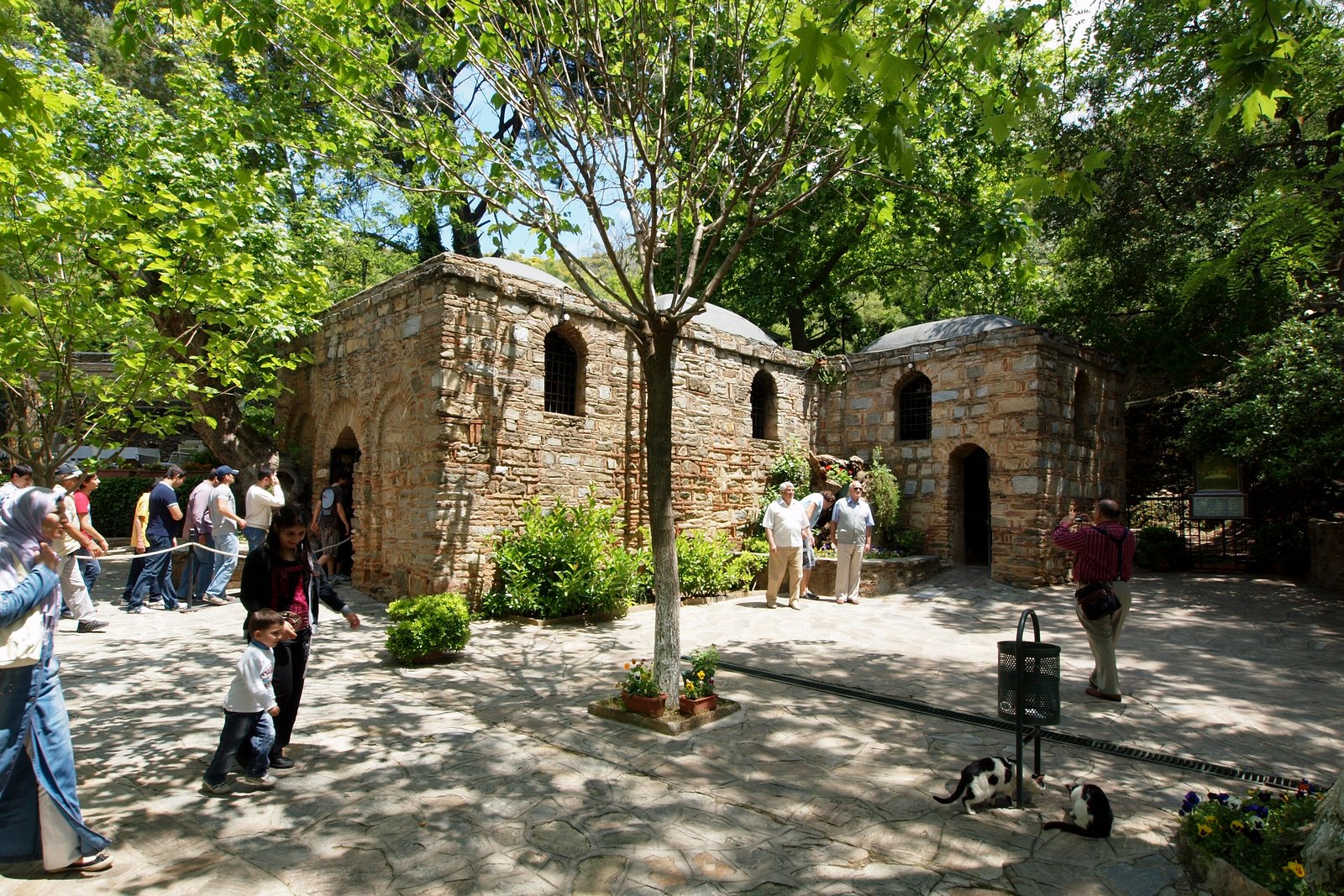
Ephesus and the House of the Virgin Mary
Ephesus in modern Turkey holds a small stone house tradition identifies as Mary's final home, discovered following a nineteenth-century visionary's account.
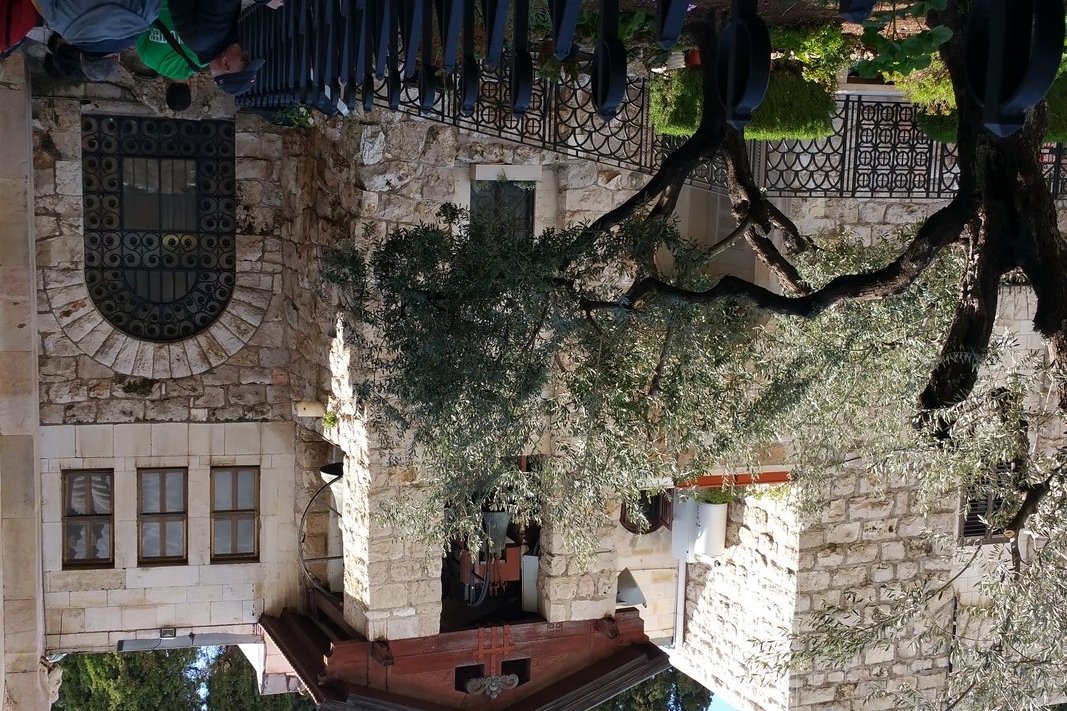
Gethsemane and the Church of All Nations
Gethsemane at the foot of Jerusalem's Mount of Olives is where Jesus prayed in agony the night before his death, now marked by the Church of All Nations.
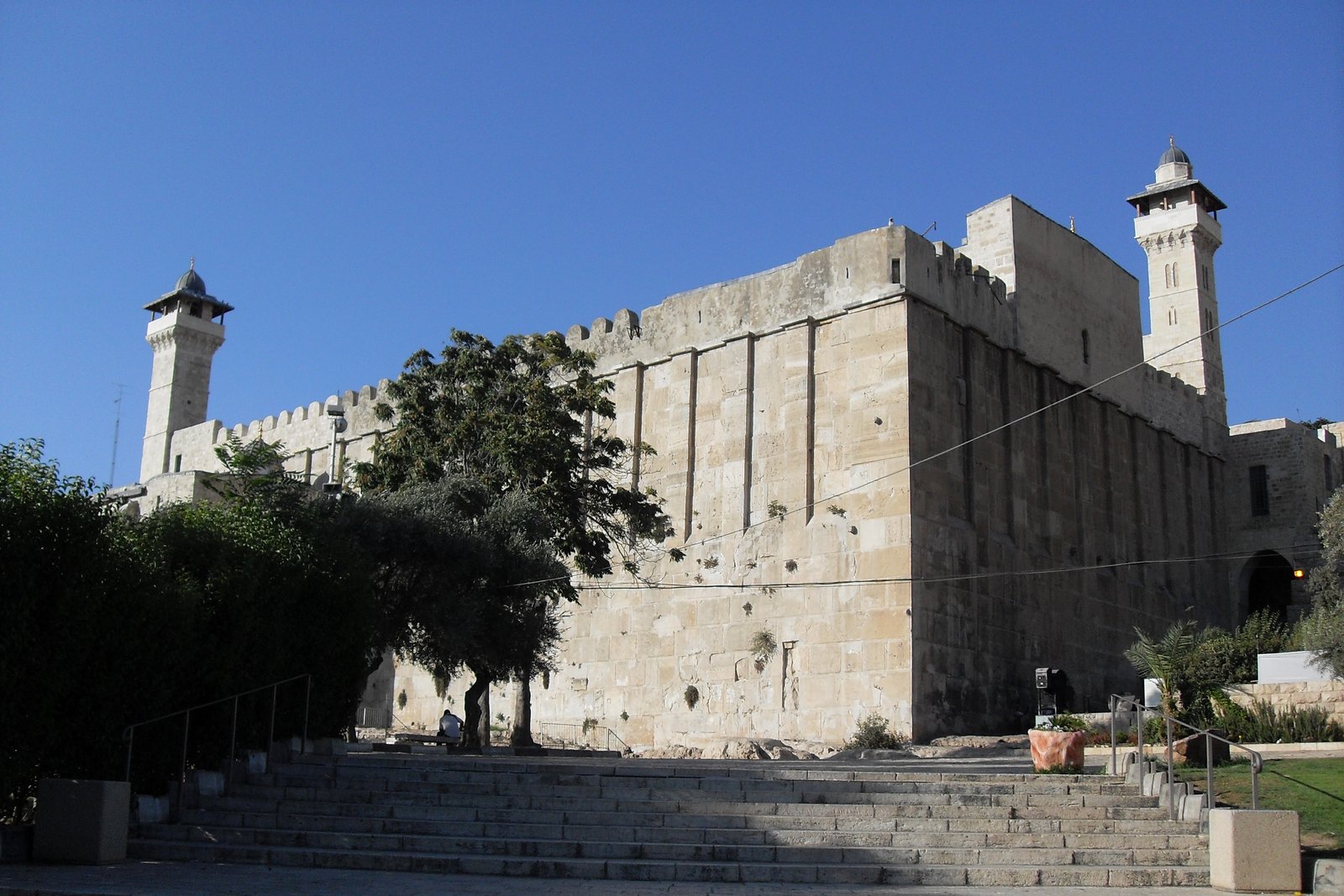
Hebron and the Cave of the Patriarchs
Hebron's Cave of the Patriarchs holds the traditional burial place of Abraham, Isaac, Jacob, and their wives, purchased by Abraham as recorded in Genesis.
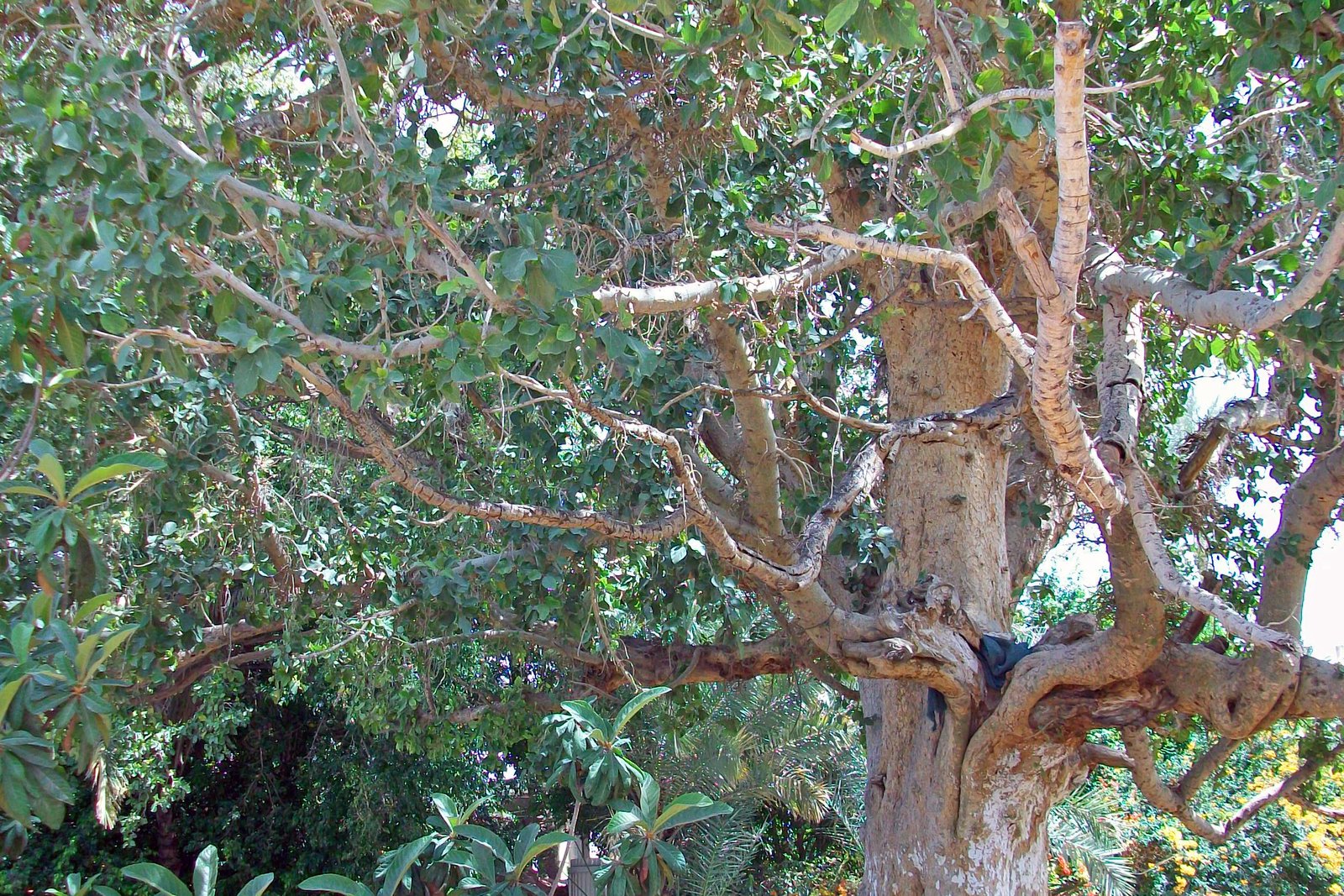
Jericho and Zacchaeus's Sycamore Tree
Jericho, one of the world's oldest cities, is where a short tax collector climbed a sycamore tree to see Jesus and found his life changed by the encounter.
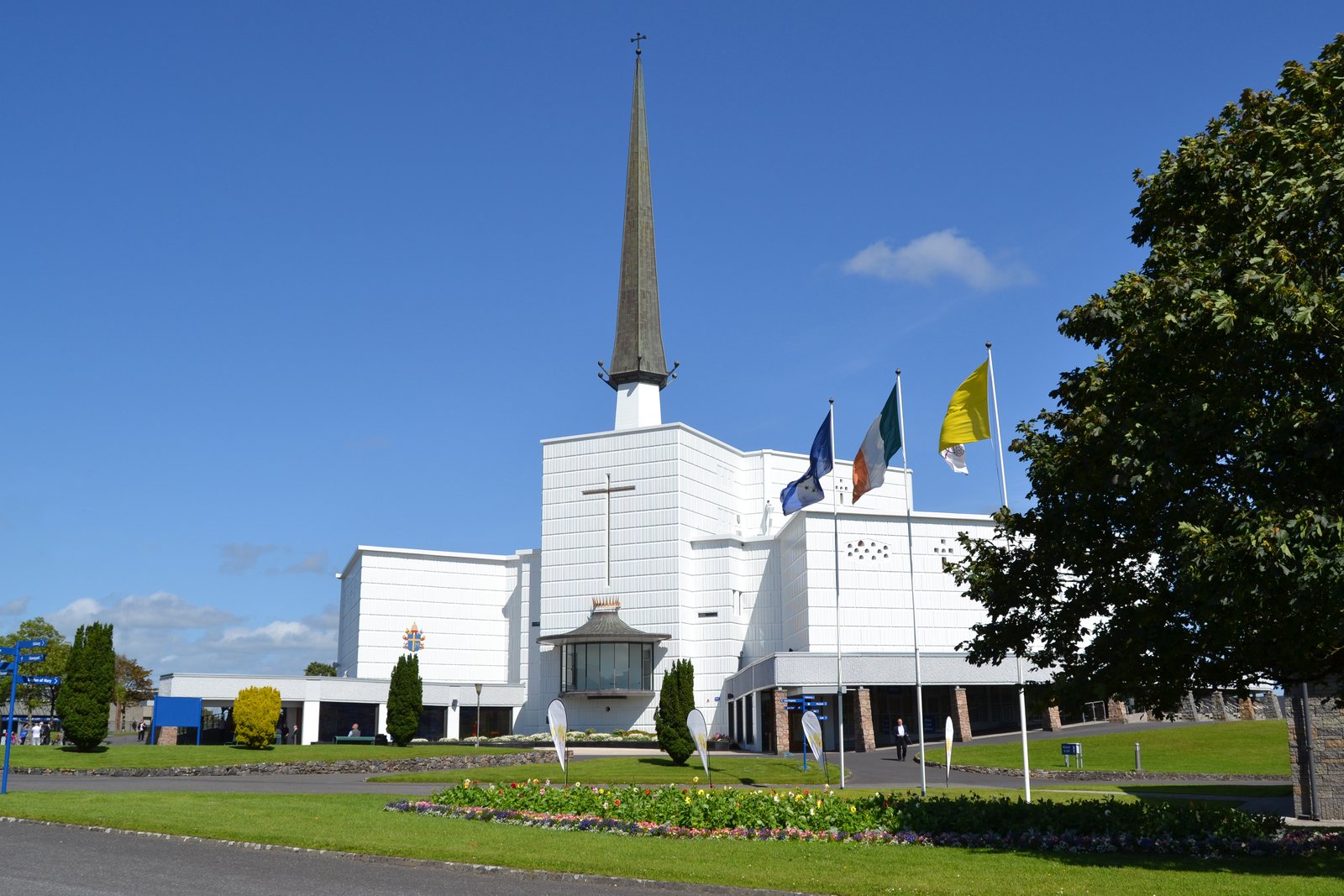
Knock Shrine, Ireland
In 1879, fifteen villagers in rural County Mayo watched a silent Marian apparition for two hours in the rain, turning a small parish church into Knock Shrine.
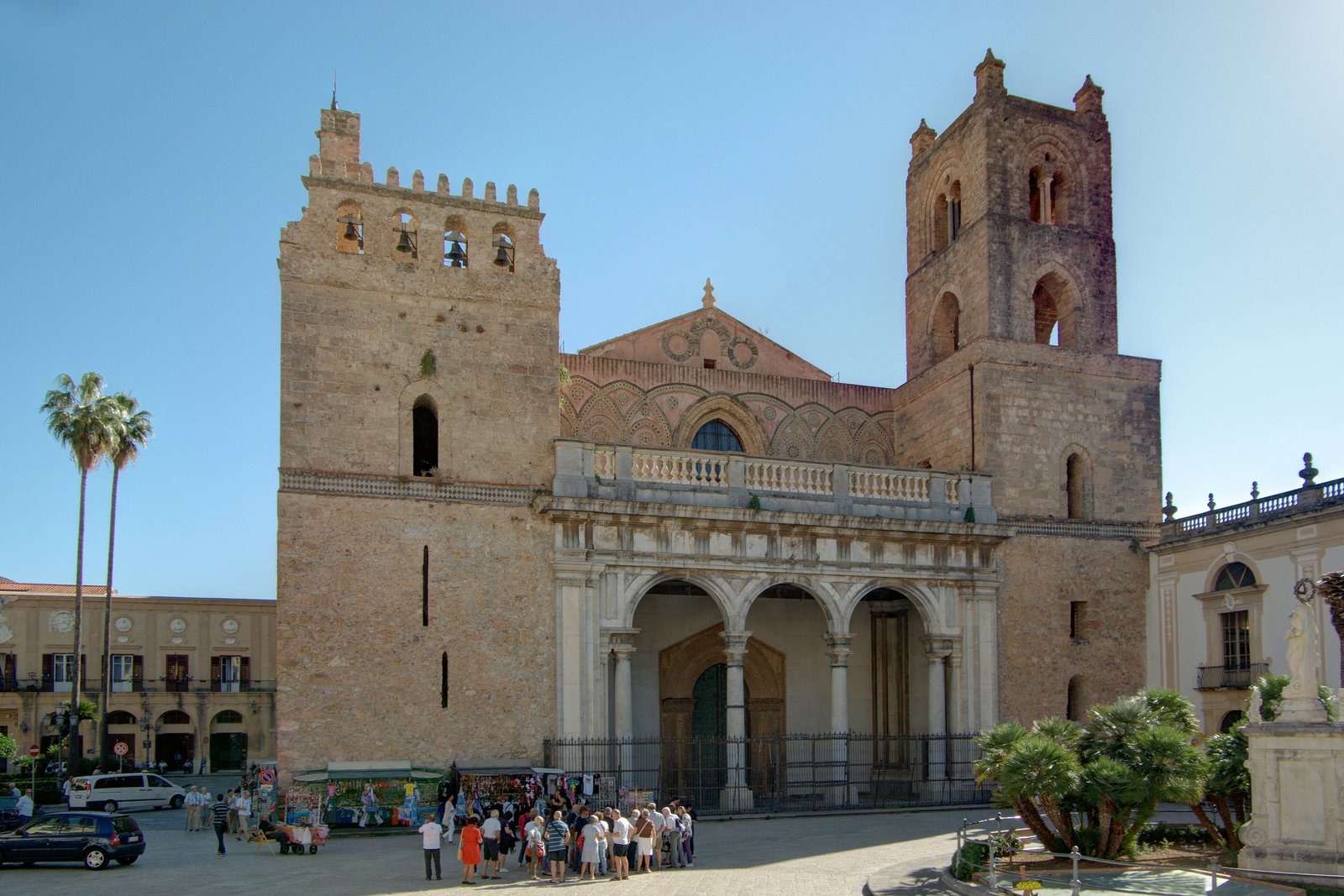
Monreale Cathedral, Sicily
Monreale Cathedral in Sicily blends Norman, Byzantine, and Islamic craftsmanship into an interior covered almost entirely in shimmering gold mosaic art.
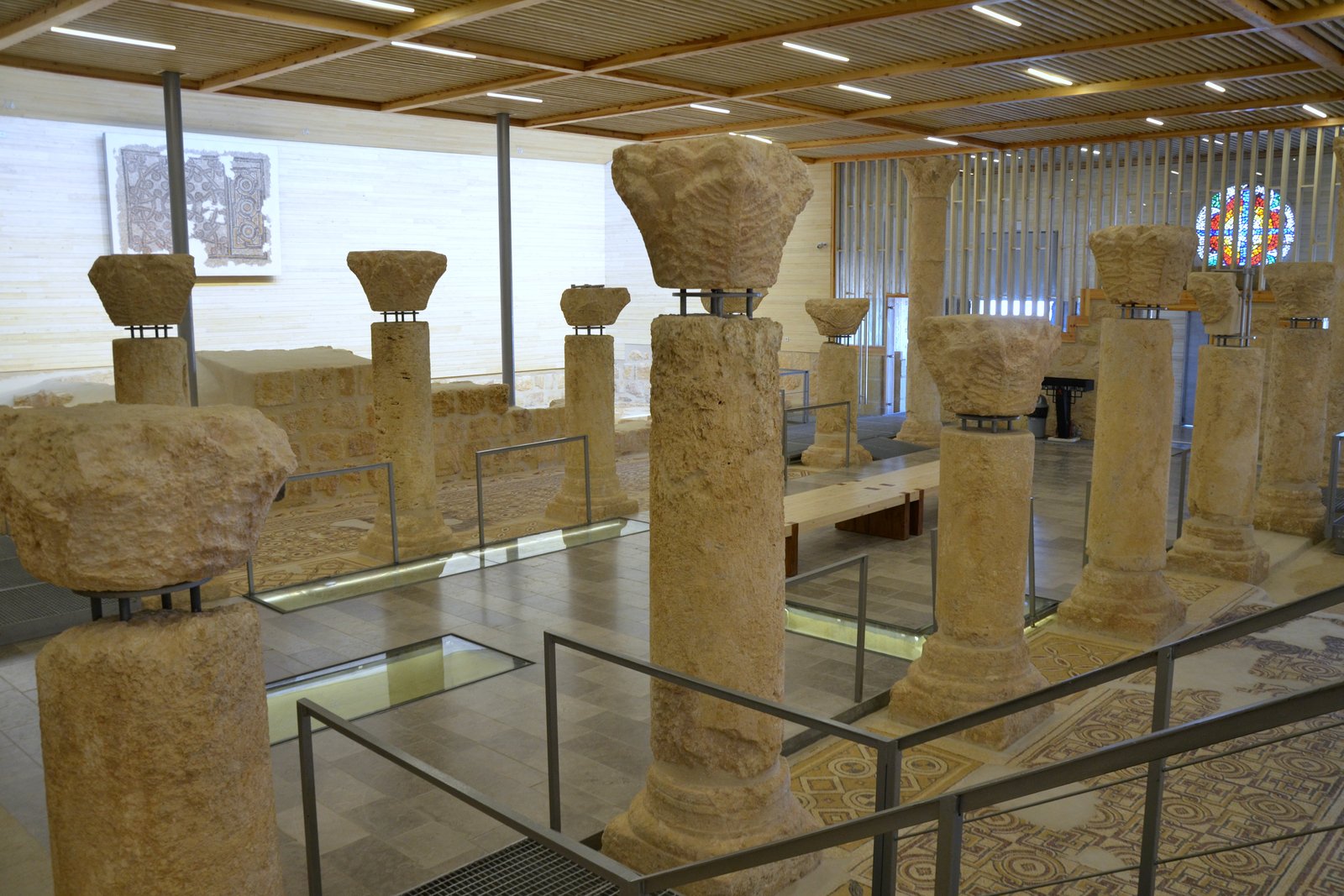
Mount Nebo: Where Moses Saw the Promised Land
Mount Nebo in modern Jordan is where Moses viewed the Promised Land he would never enter, dying nearby in a place Scripture says no one has ever found.
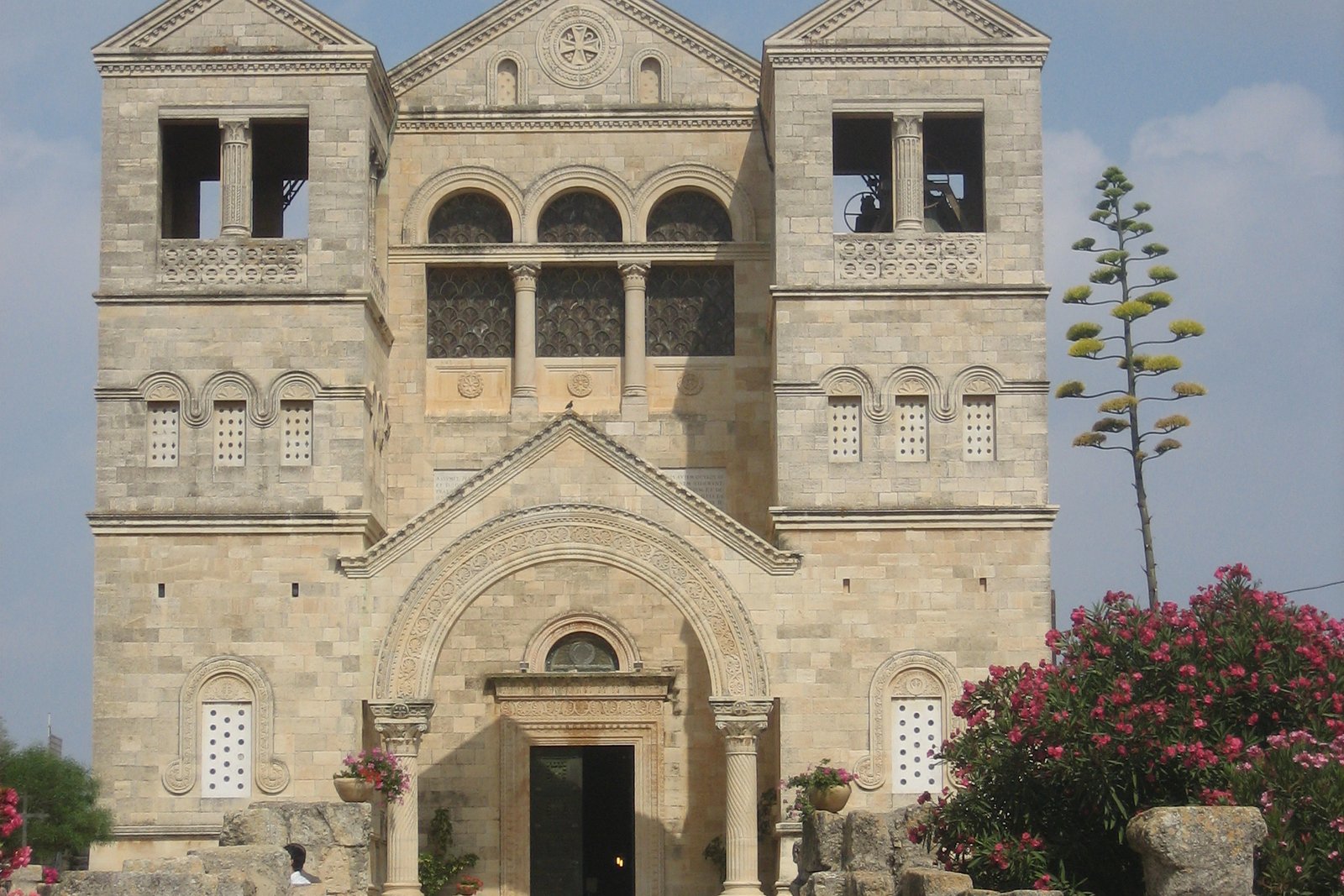
Mount Tabor: The Mountain of the Transfiguration
Mount Tabor rises alone above the Jezreel Valley in Galilee, the traditional site where Jesus was transfigured in dazzling light before Peter, James, and John.
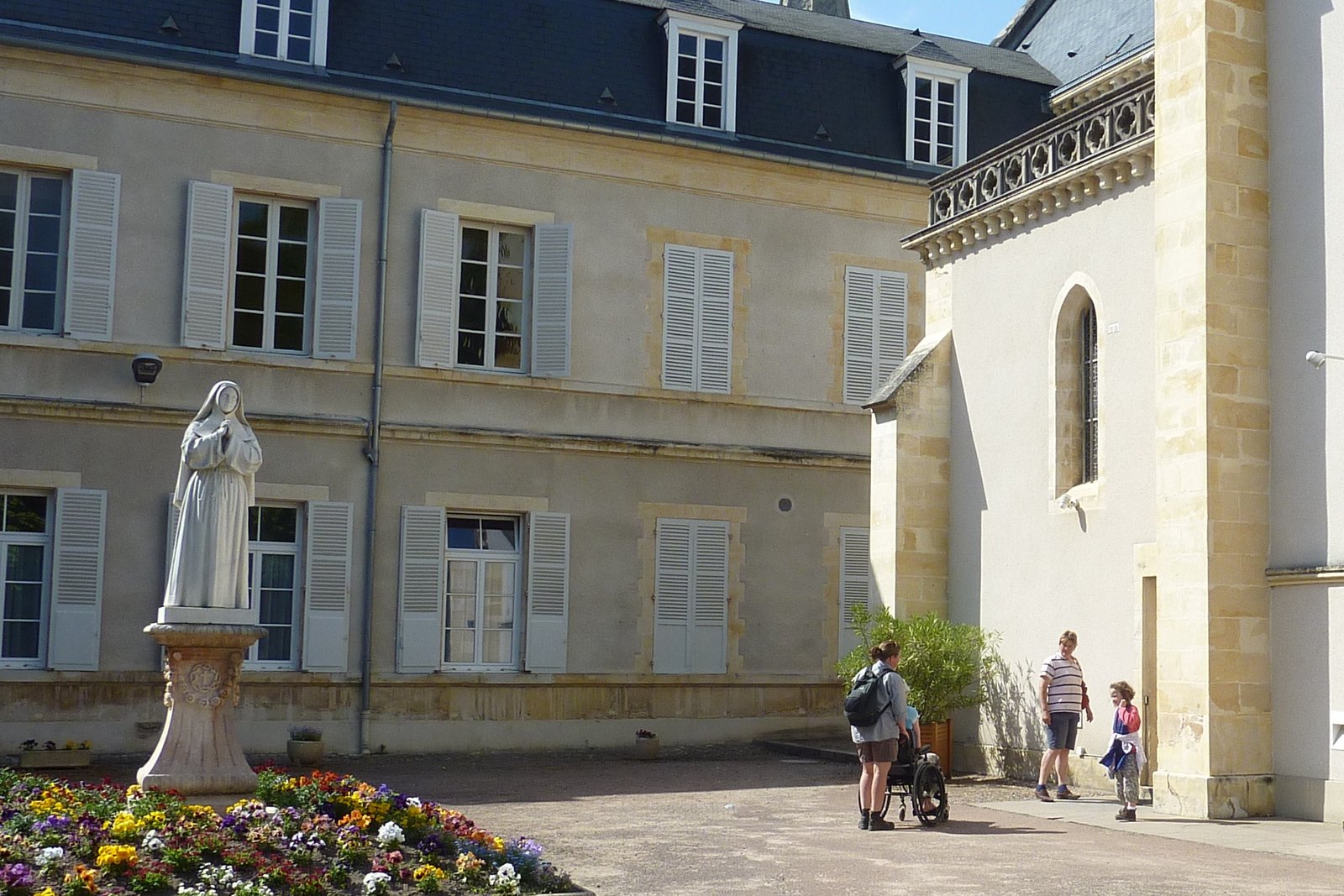
Nevers and the Shrine of Saint Bernadette
Bernadette Soubirous left the fame of Lourdes for a quiet convent in Nevers, France, where she died in 1879 and her body remains visibly incorrupt today.
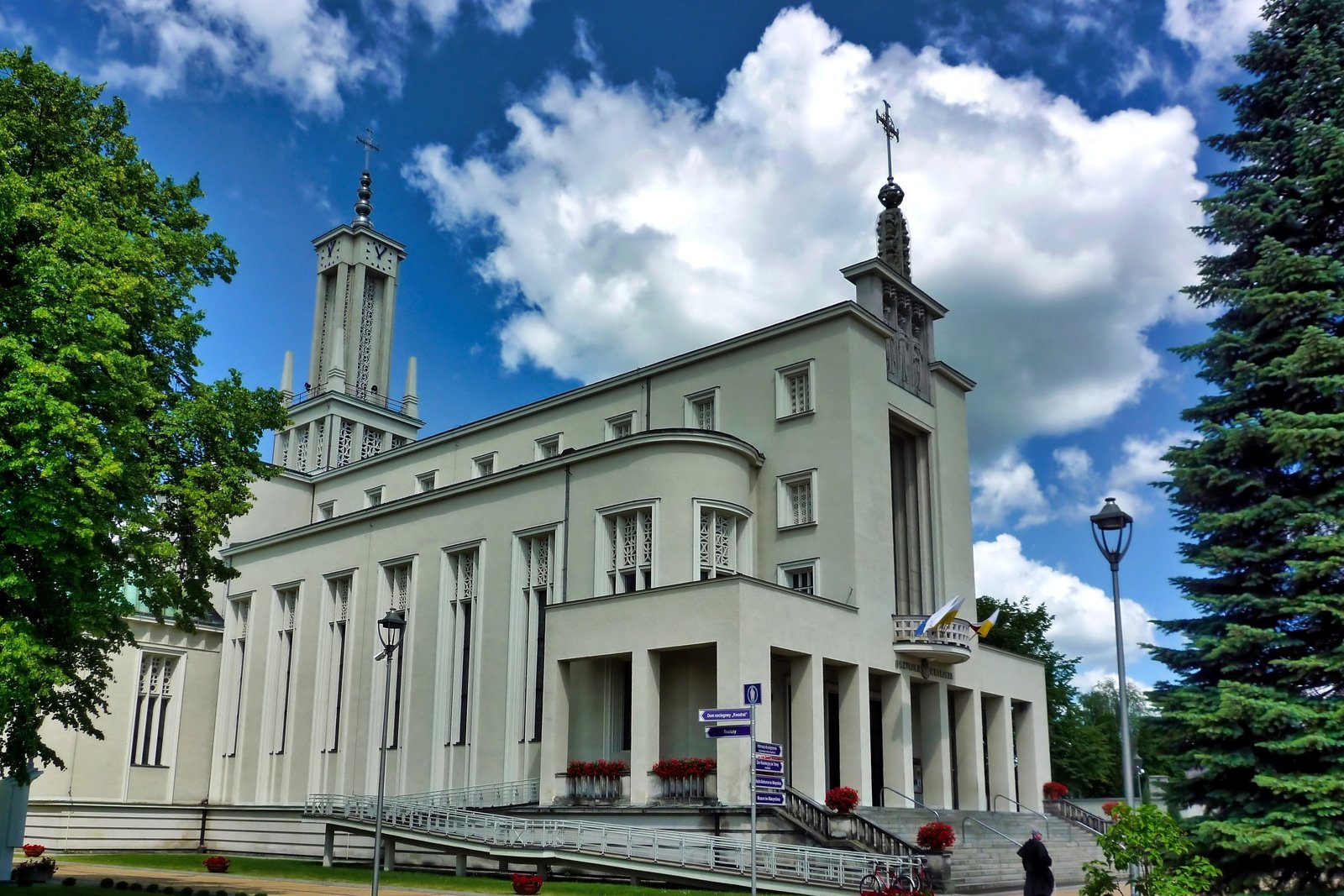
Niepokalanów: Saint Maximilian Kolbe's Friary
Maximilian Kolbe built Niepokalanów, near Warsaw, into one of the world's largest friaries and a mass-media operation, before Nazi Germany occupied Poland.
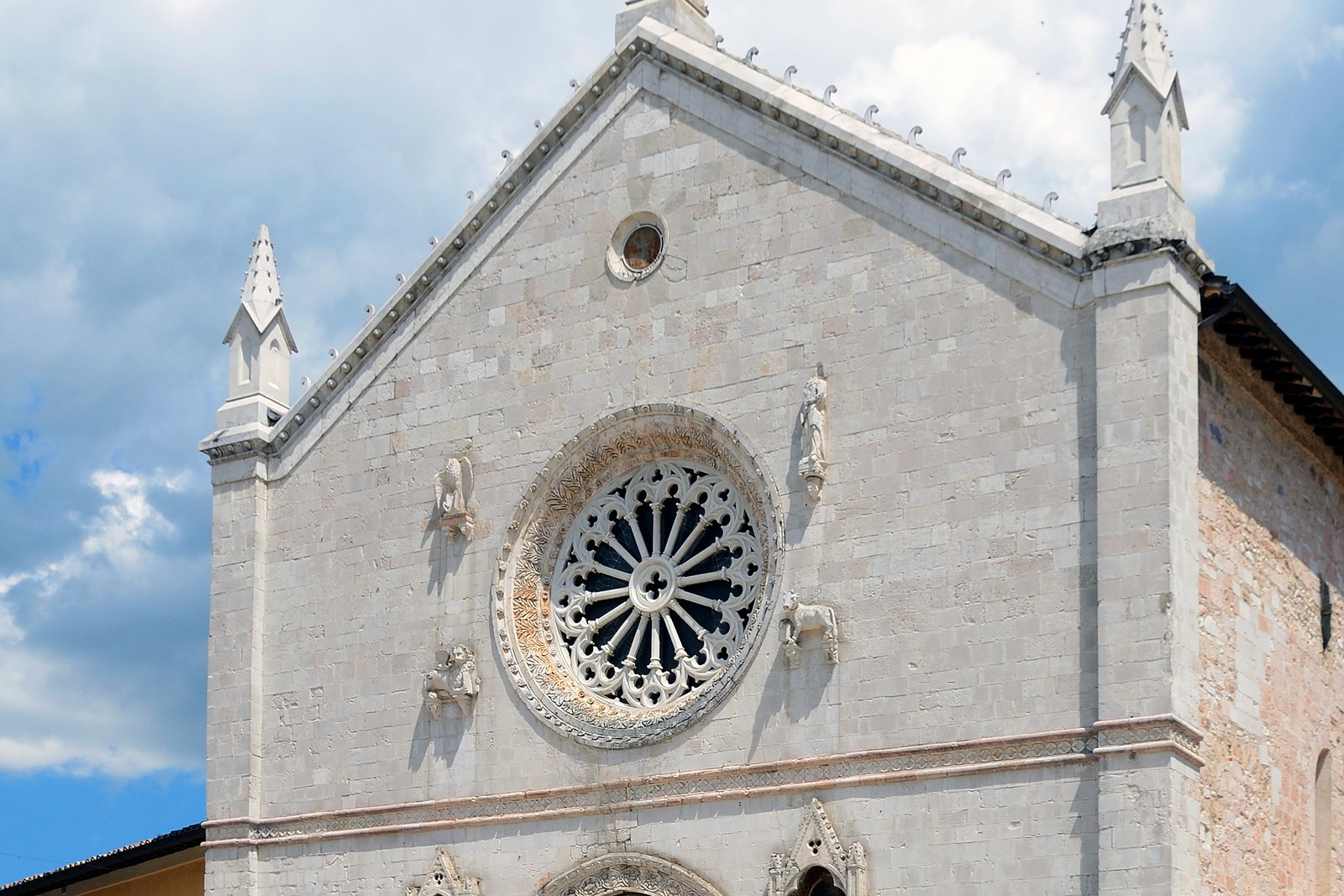
Norcia: Birthplace of Saint Benedict
Norcia, the mountain town in Italy where Benedict of Nursia was born, lost its basilica to a 2016 earthquake — but its facade and crypt still stand today.
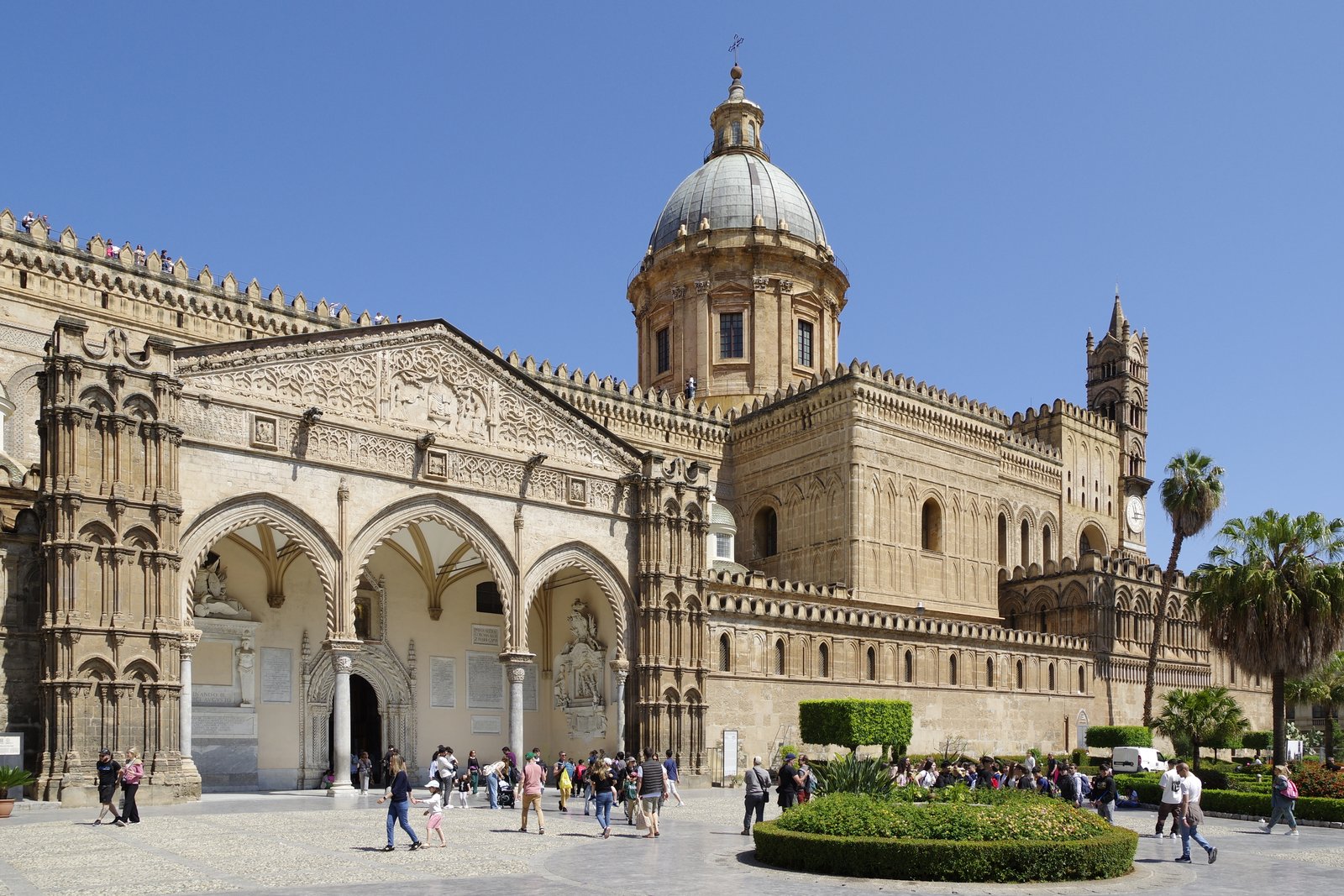
Palermo Cathedral: Eight Centuries of Sicilian History in Stone
Palermo Cathedral blends Norman, Gothic, Islamic, and Neoclassical styles across eight centuries, and holds the porphyry tombs of Sicily's medieval kings.
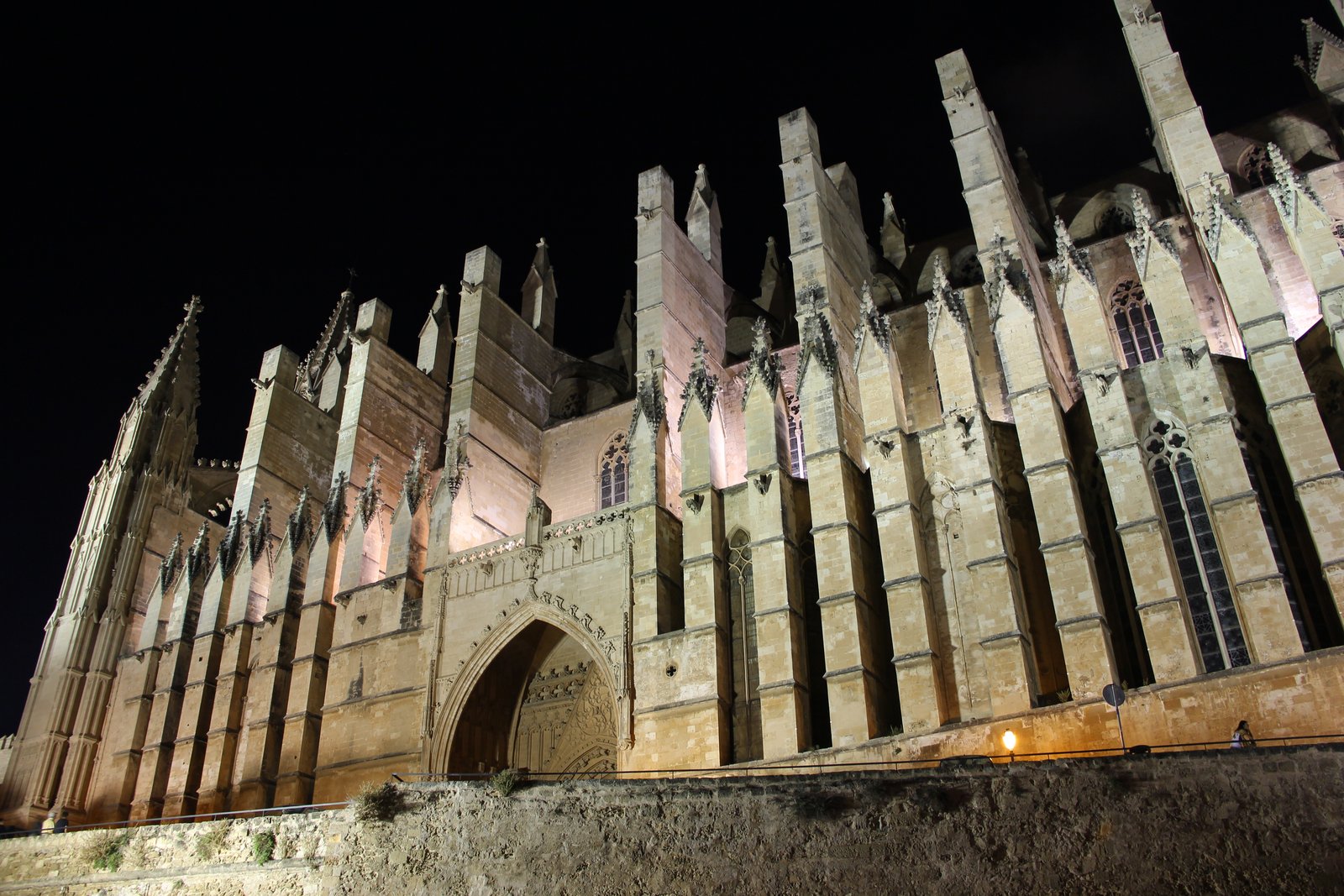
Palma de Mallorca Cathedral (La Seu)
La Seu, Palma de Mallorca's seaside Gothic cathedral, holds one of the world's largest rose windows and an interior later reshaped by architect Antoni Gaudí.
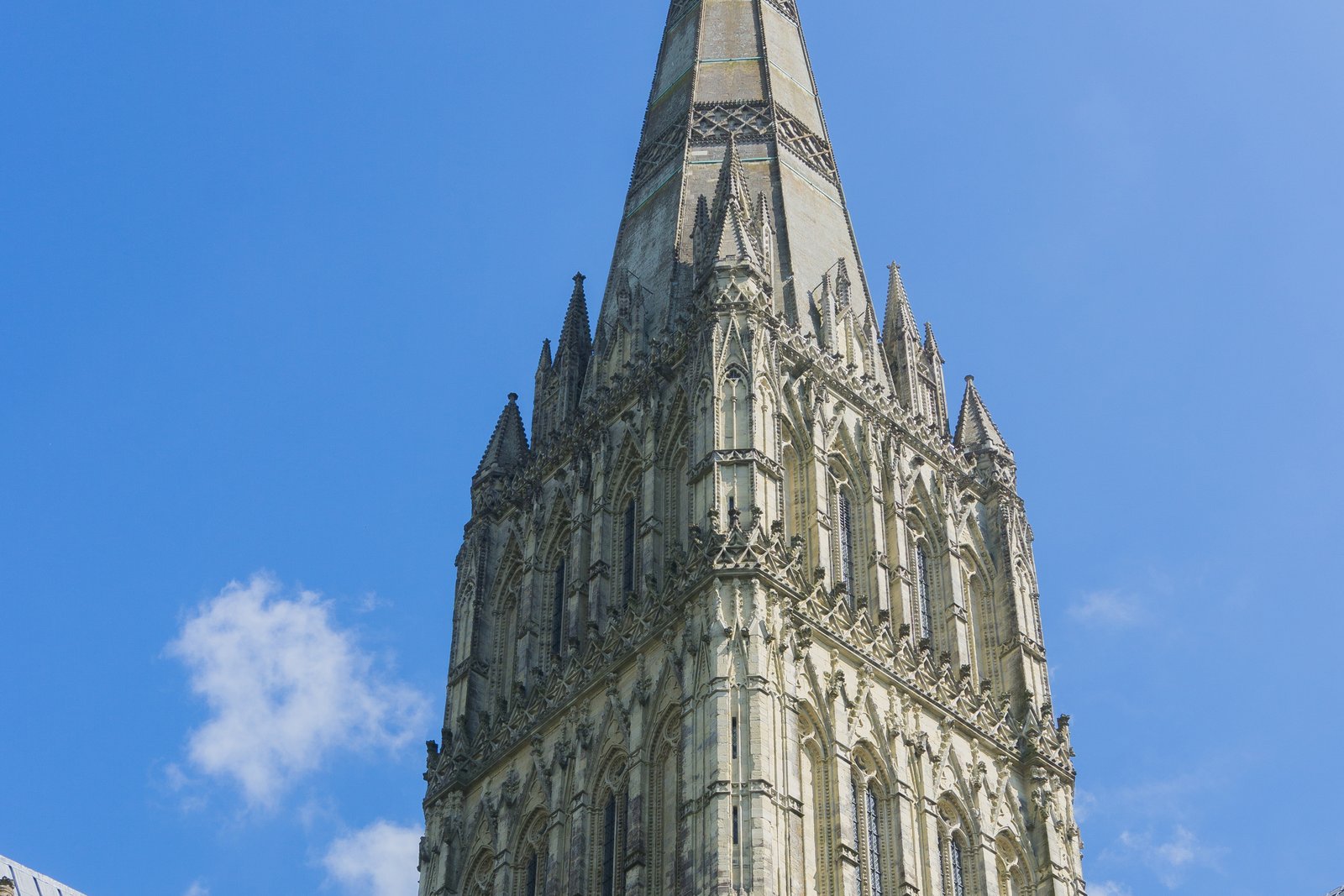
Salisbury Cathedral: Britain's Tallest Spire
Salisbury Cathedral holds an original 1215 Magna Carta and Europe's oldest working mechanical clock beneath Britain's tallest church spire, at 404 feet.
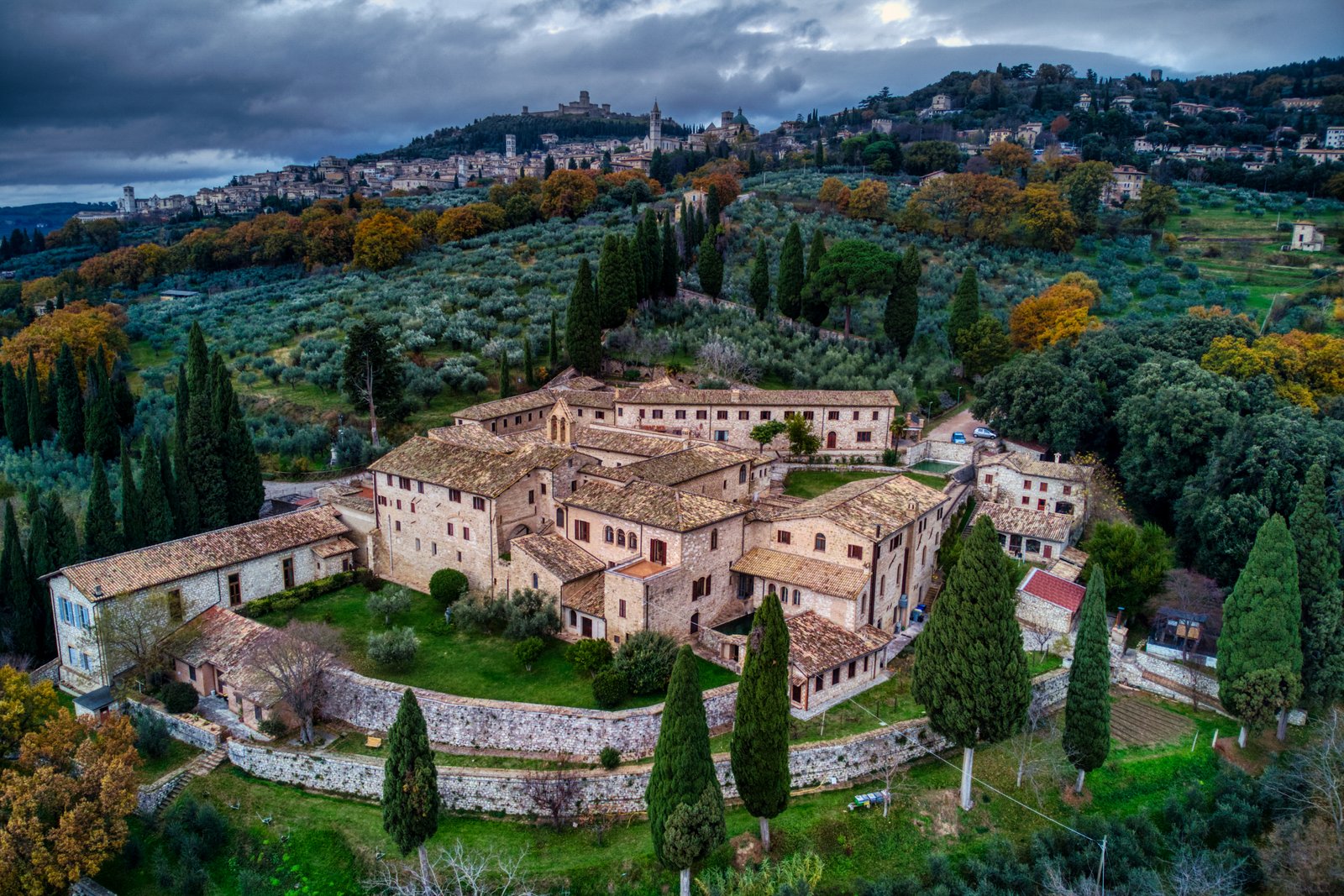
San Damiano, Assisi
A crumbling chapel outside Assisi is where a painted crucifix reportedly spoke to Francis, and where Clare later founded the Poor Clares among its ruins.
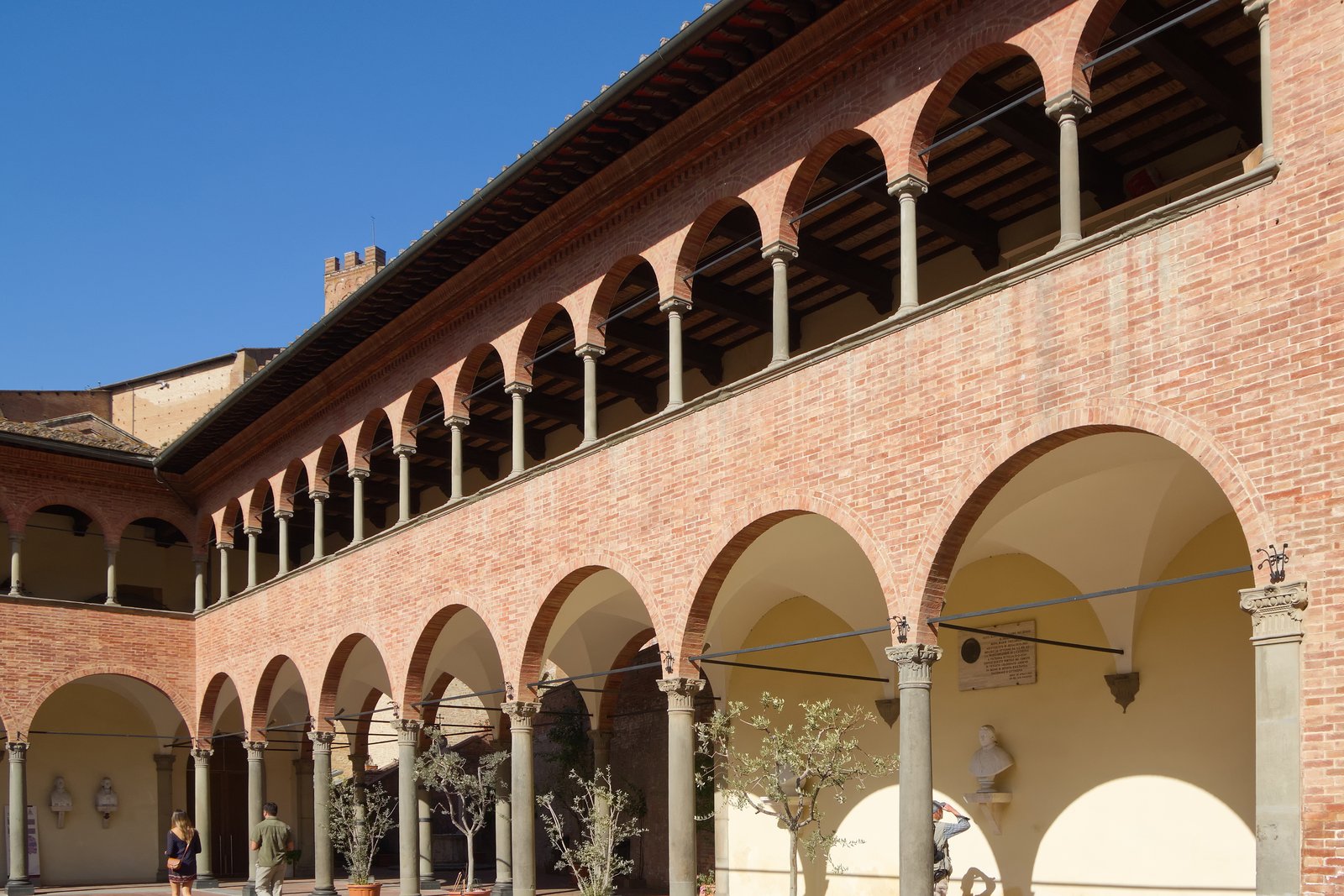
Siena and the Sanctuary of Saint Catherine
Catherine of Siena's childhood home in Tuscany became a sanctuary built over her actual rooms, while her severed head, kept separately, rests across the city.
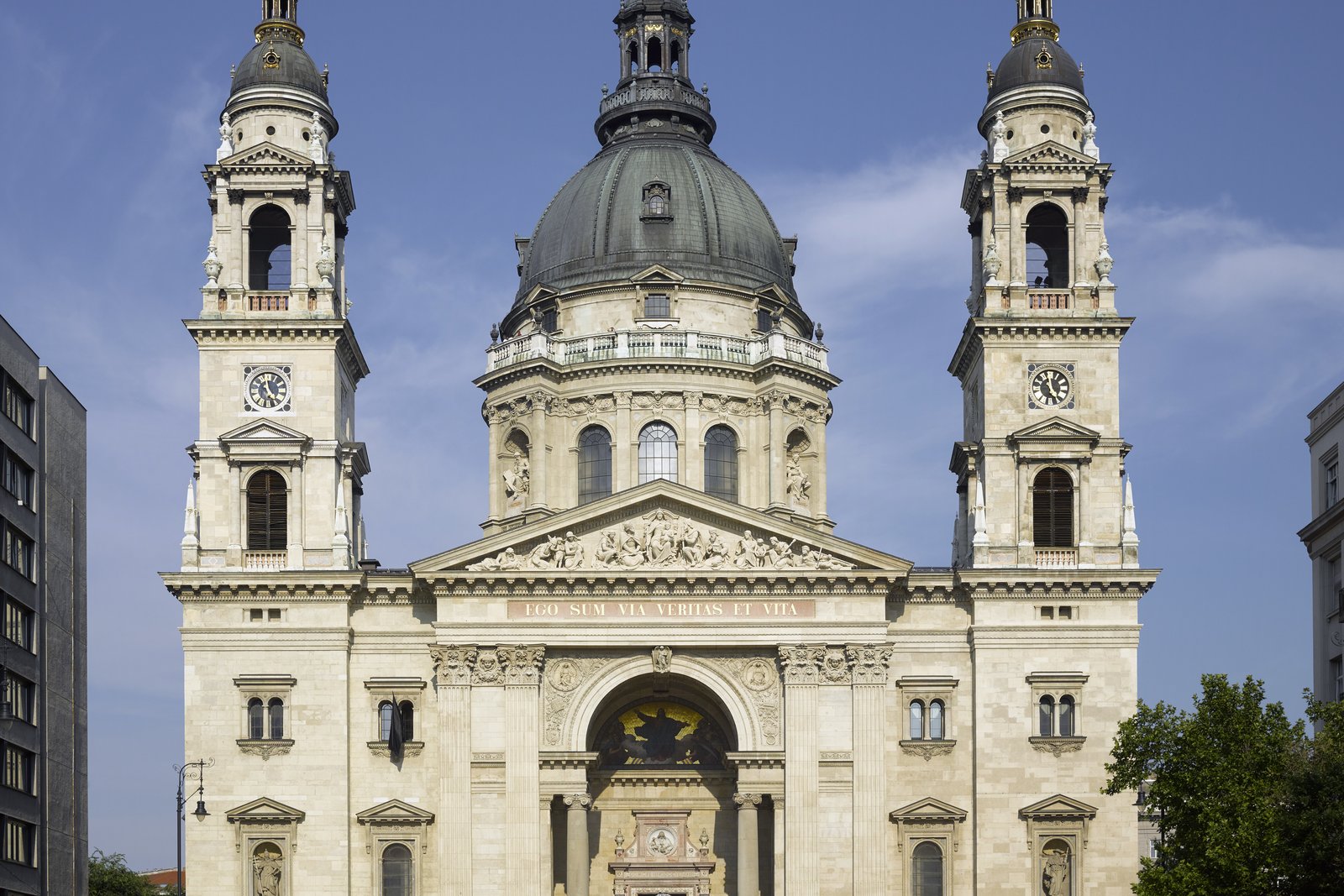
St. Stephen's Basilica, Budapest
St. Stephen's Basilica in Budapest houses the mummified right hand of King Stephen, Hungary's founding king and patron saint, inside a jeweled reliquary chapel.
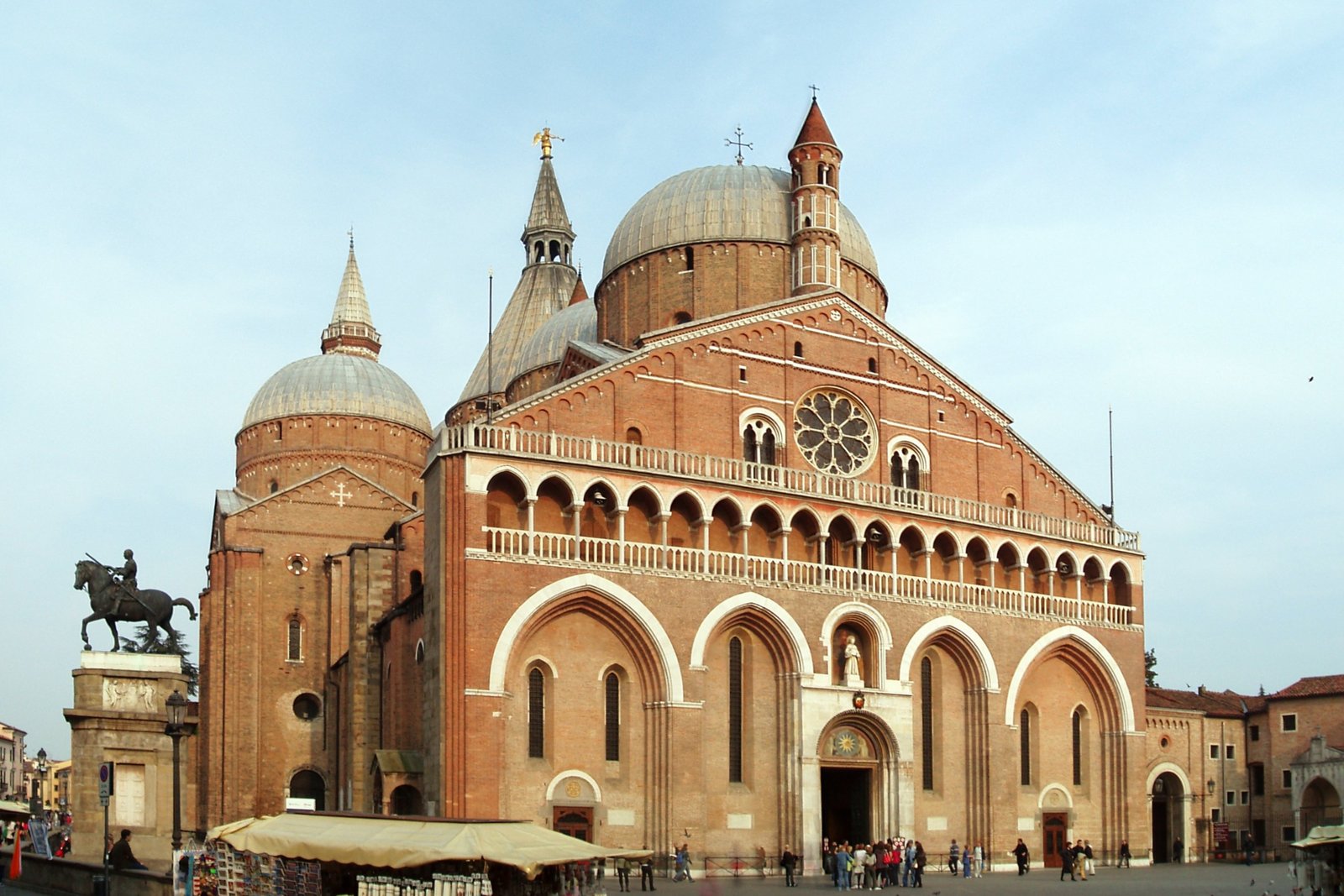
The Basilica of Saint Anthony, Padua
The Basilica of Saint Anthony in Padua houses the saint's incorrupt tongue and jaw relics, and draws millions of pilgrims each year to Italy's beloved Il Santo.
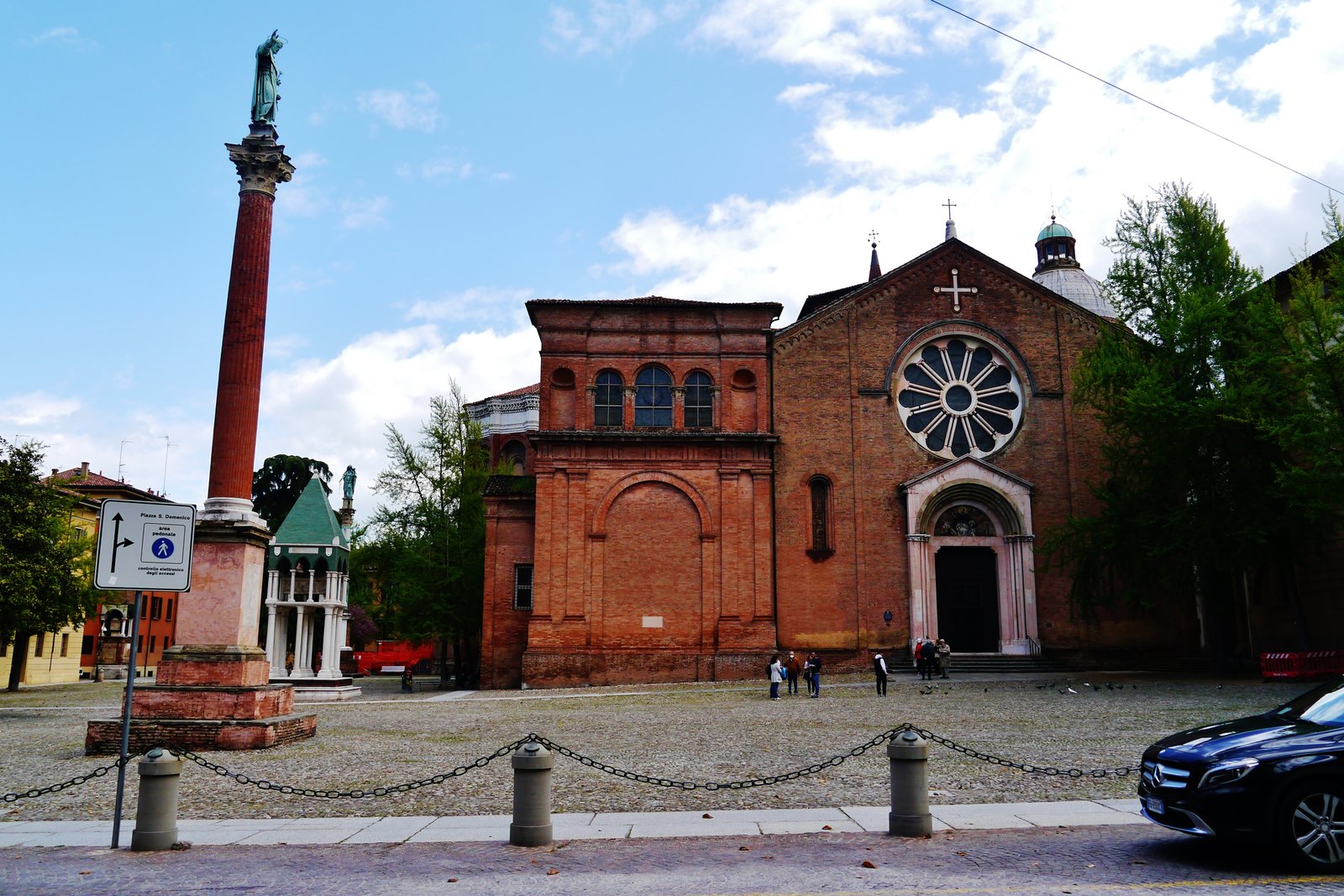
The Basilica of Saint Dominic, Bologna
The Basilica of Saint Dominic in Bologna holds the founder of the Dominican Order's tomb, its marble carved by Nicola Pisano and a teenage Michelangelo.
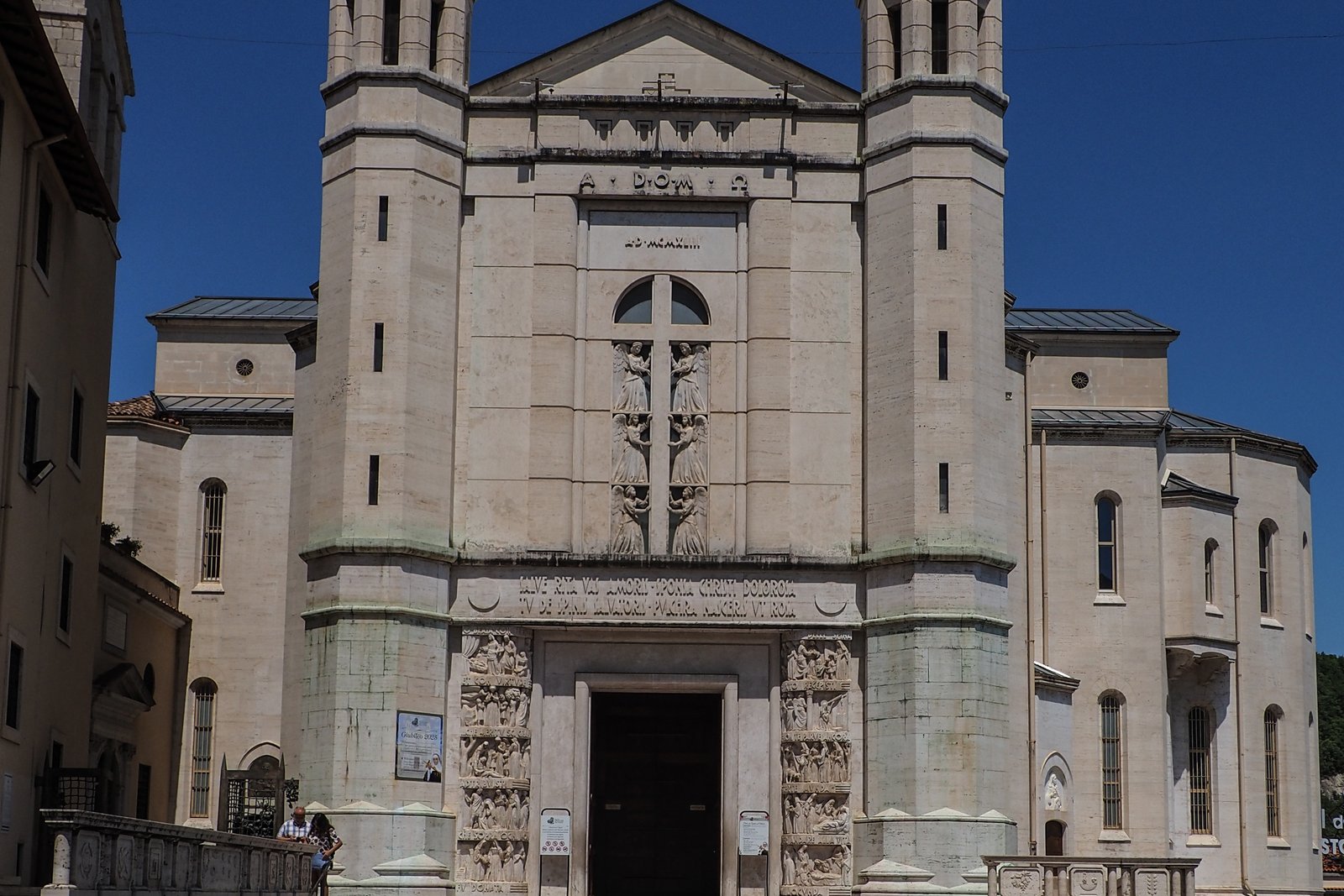
The Basilica of Saint Rita, Cascia
Saint Rita of Cascia bore a mysterious forehead wound for 15 years before her death, and her body still lies visible and unaltered in this Umbrian basilica.
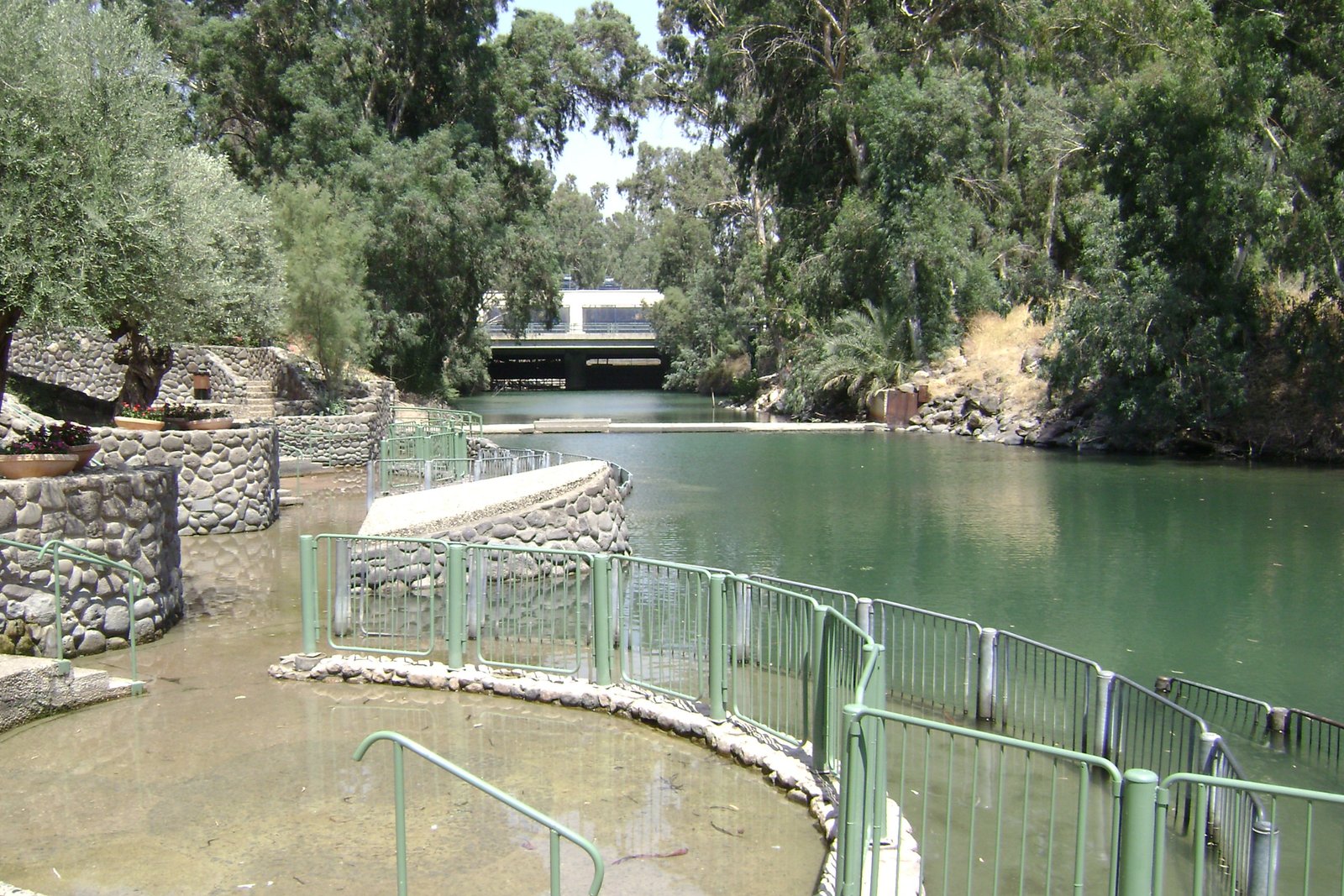
The Jordan River: Where Jesus Was Baptized
The Jordan River is where John the Baptist baptized Jesus, a moment marked by a voice from heaven and still commemorated by pilgrims at the river today.
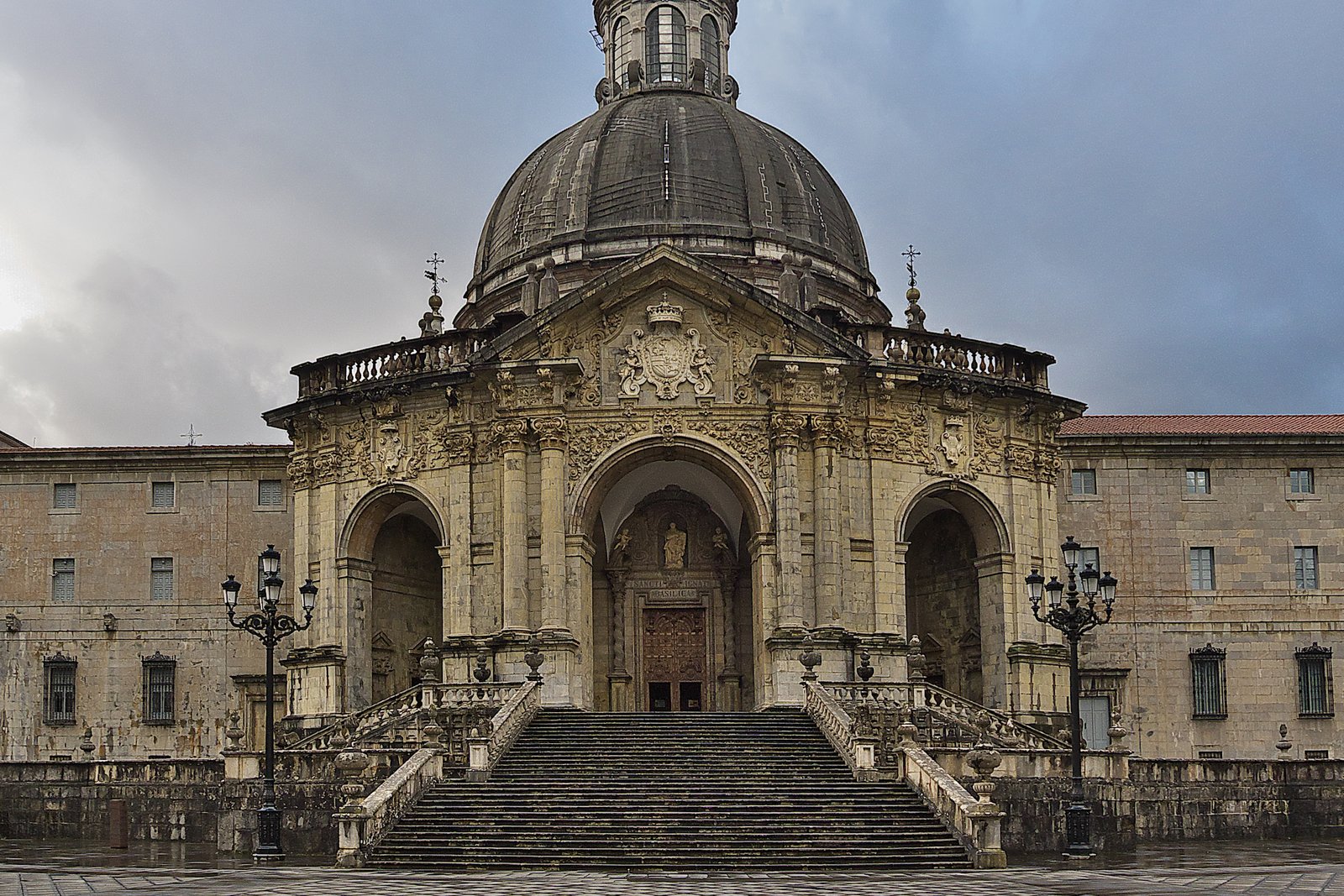
The Sanctuary of Loyola
A cannonball shattered Ignatius of Loyola's leg in 1521, and the Basque castle where he recovered is now a baroque basilica built around his birth room.
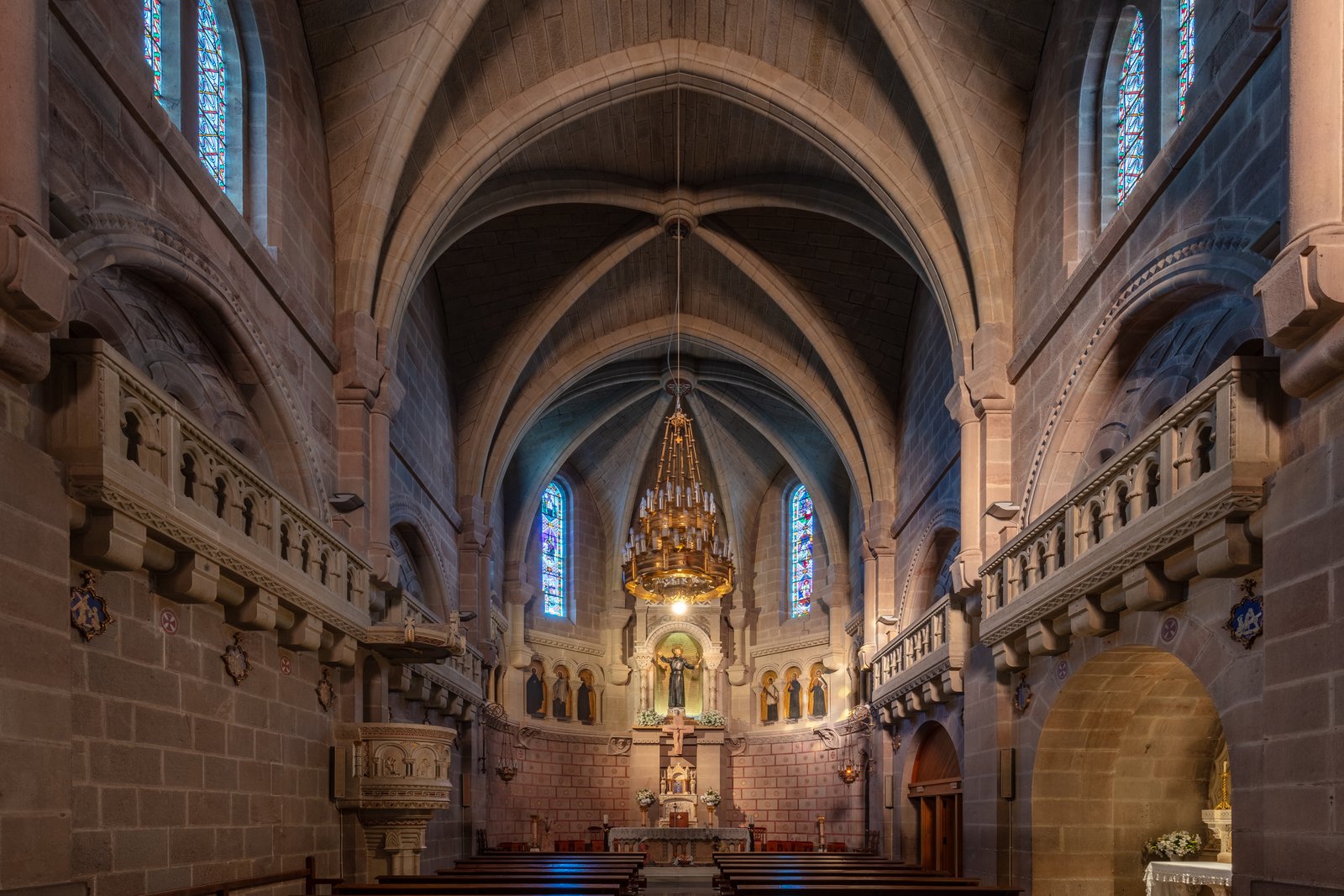
Xavier Castle: Birthplace of Saint Francis Xavier
Xavier Castle in Navarre, Spain, birthplace of the missionary who evangelized across Asia, was partly demolished by Spanish royal order in punishment.
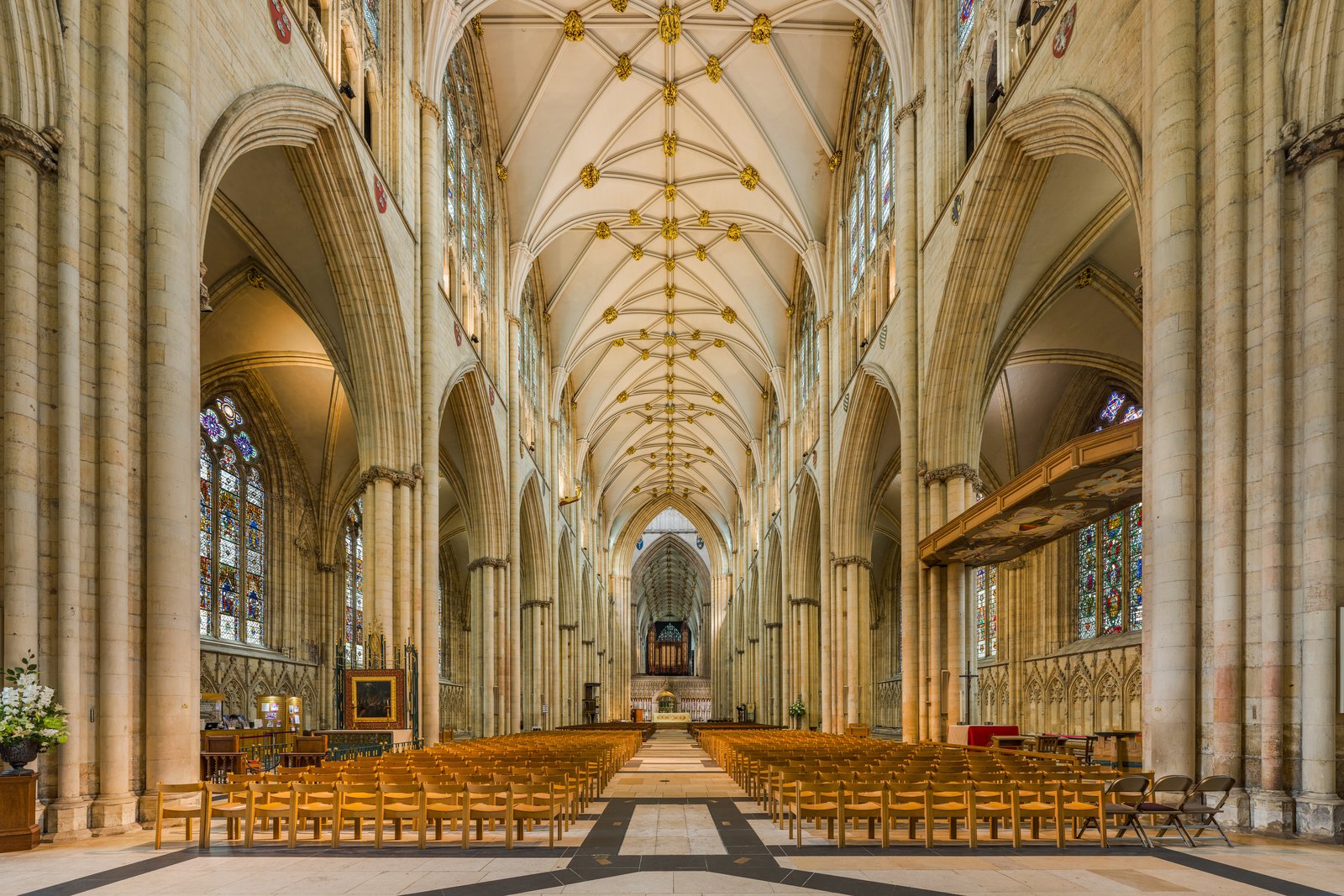
York Minster: Northern Europe's Largest Gothic Cathedral
York Minster, the largest Gothic cathedral in Northern Europe, holds the Great East Window — the world's largest surviving medieval stained-glass window.
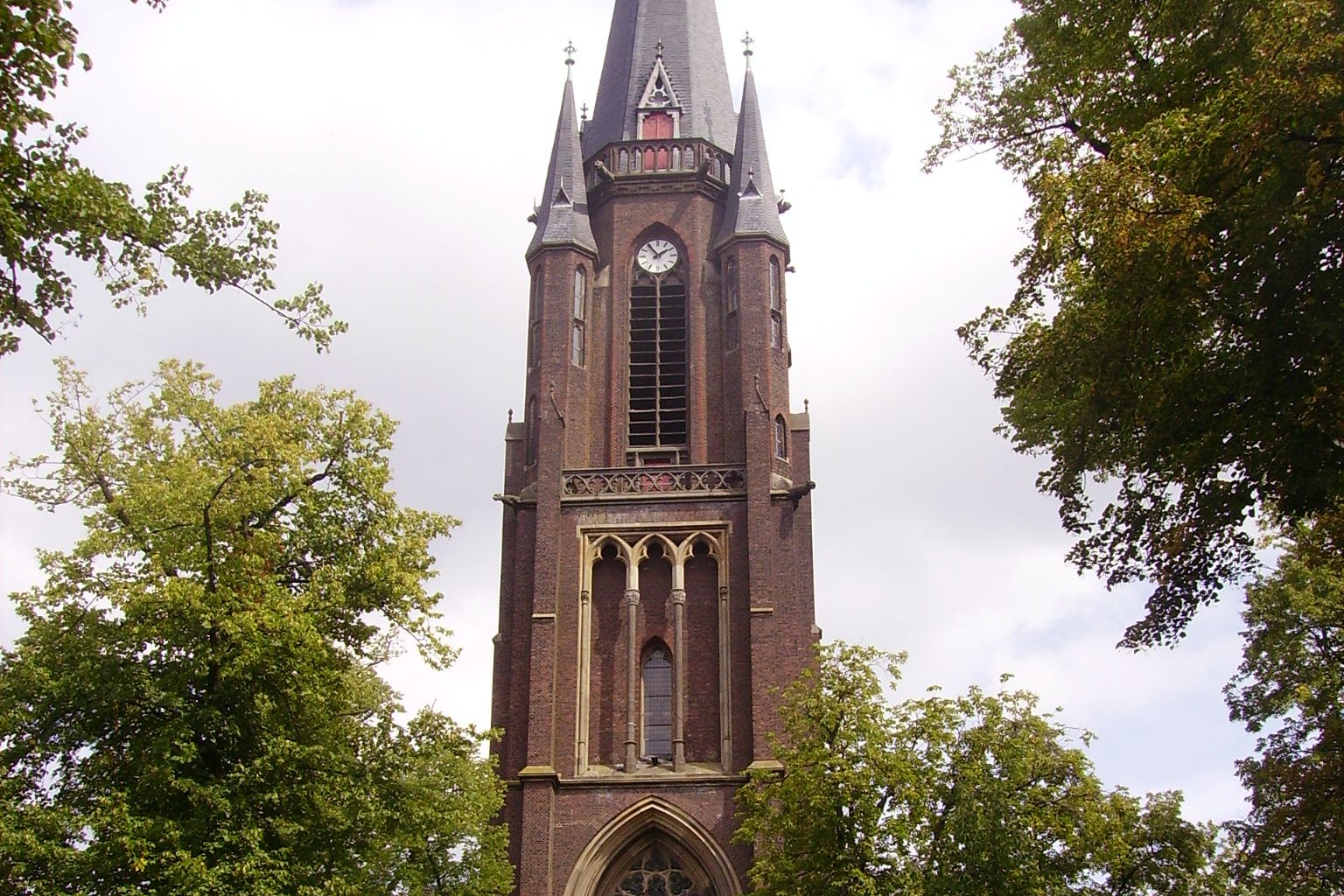
The Basilica of Kevelaer
Kevelaer became Germany's largest Marian pilgrimage site after a merchant reported a vision at a wayside cross in 1642, a story still central to its shrine today.
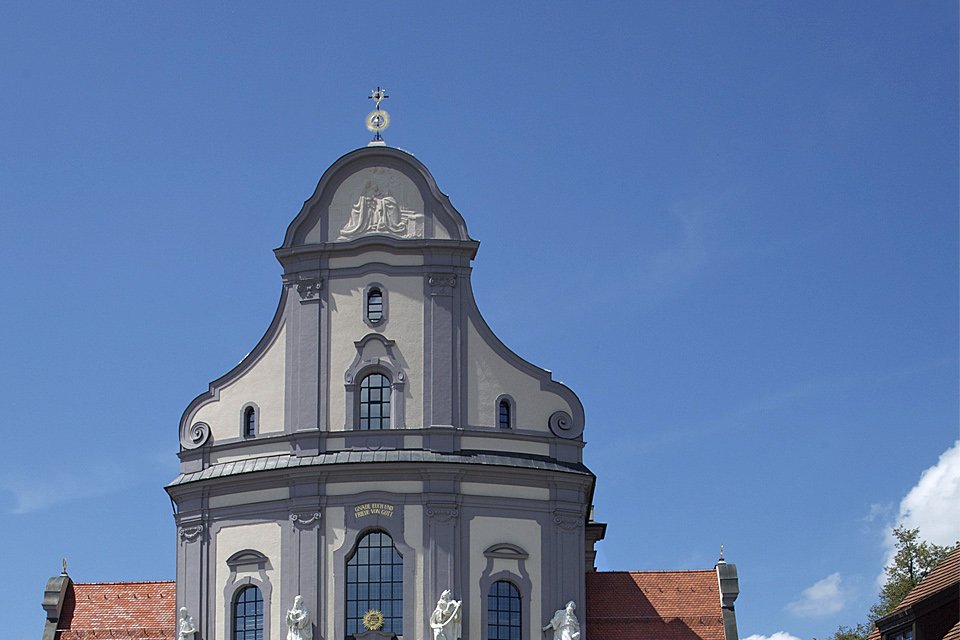
The Basilica of Our Lady of Altötting
Altötting in Bavaria houses a tiny octagonal chapel with a centuries-old Black Madonna, making it the most important Marian pilgrimage site in Germany.
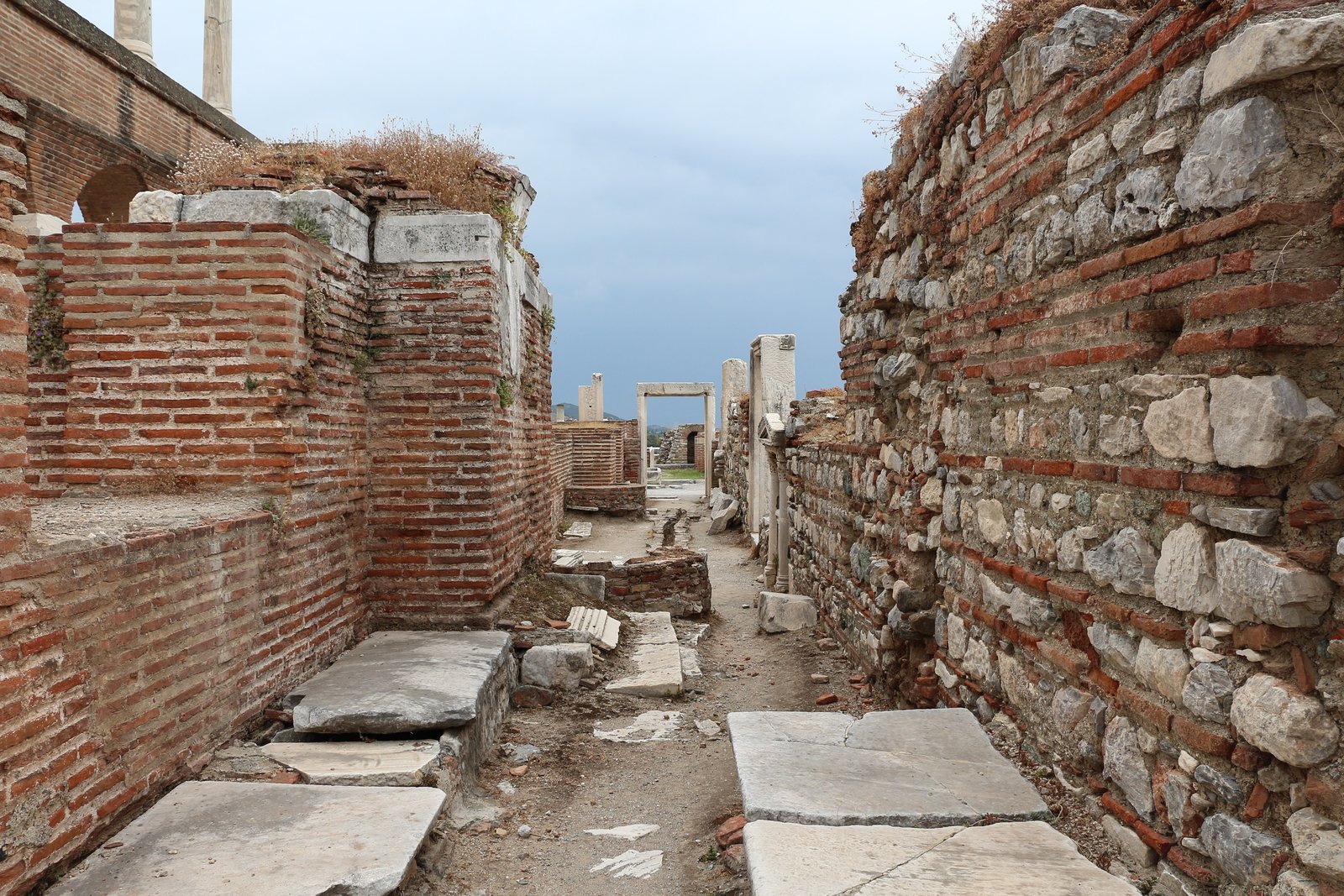
The Basilica of Saint John, Ephesus
A Byzantine emperor built a vast cross-shaped basilica over what tradition holds is the tomb of the Apostle John, near ancient Ephesus in modern Turkey.
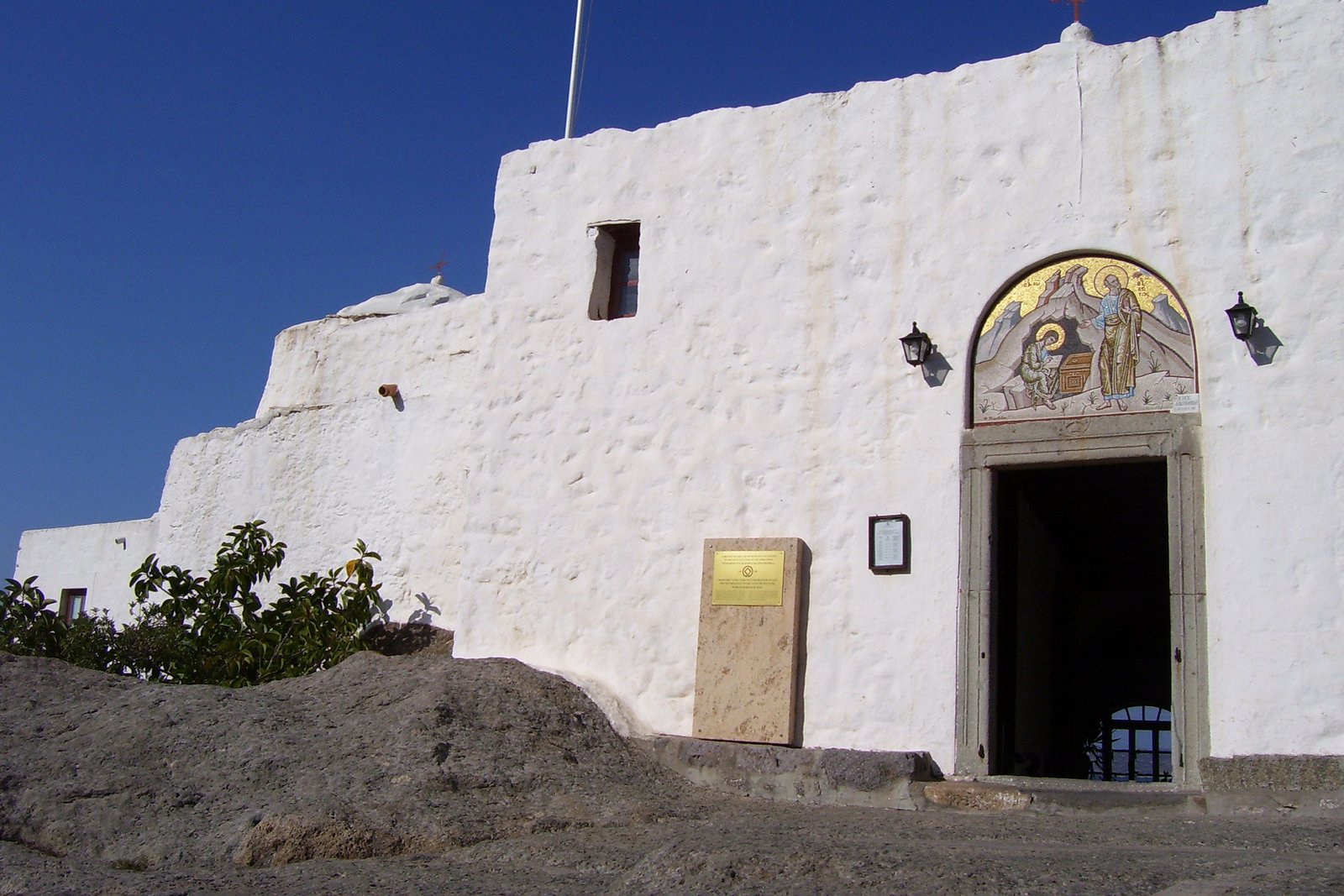
The Cave of the Apocalypse, Patmos
Exiled to a remote Greek island by Roman authorities, John is said to have received the visions of Revelation inside a small cave still venerated today.
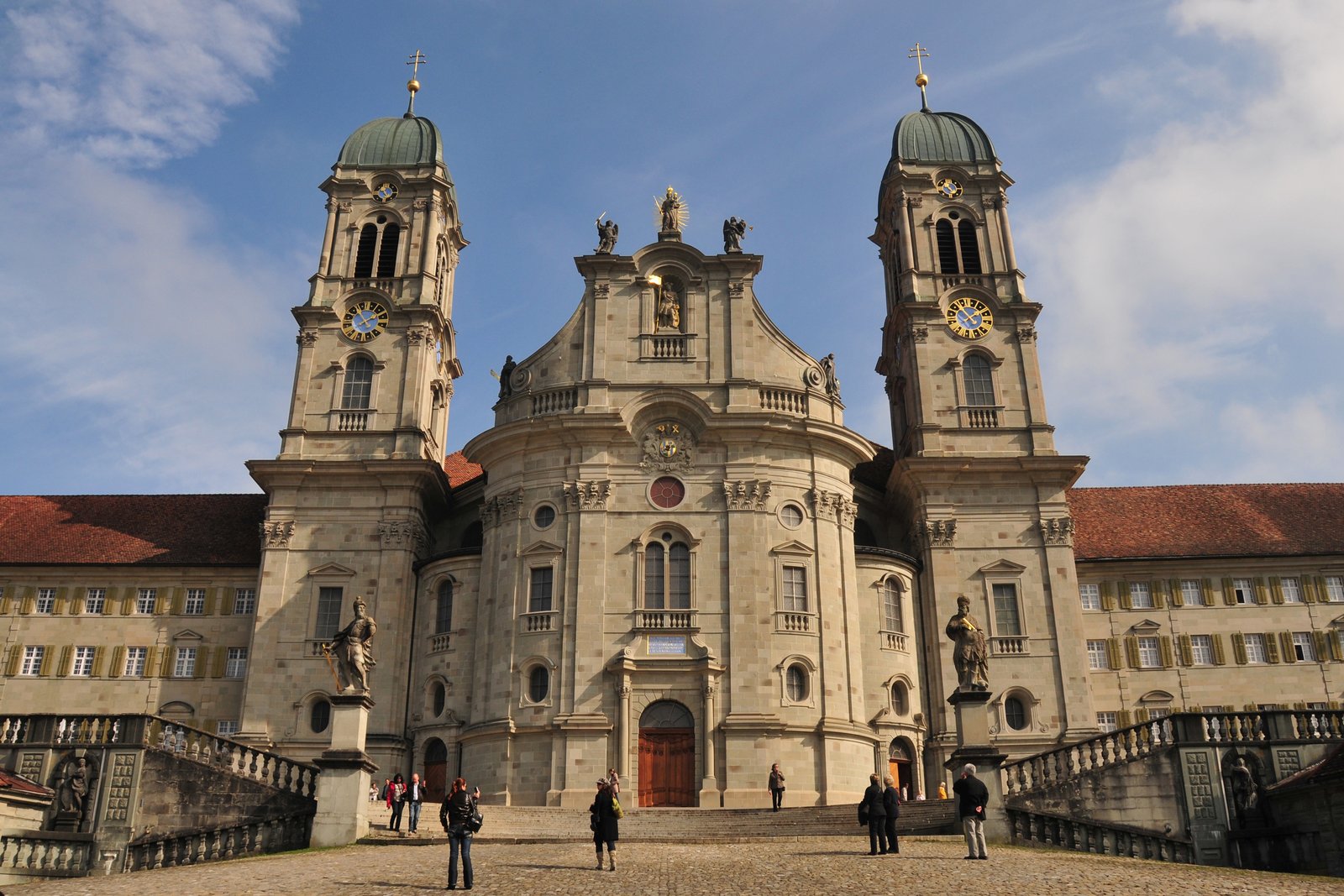
Einsiedeln Abbey and the Black Madonna
Einsiedeln Abbey in Switzerland grew from a hermit's cell into one of Europe's great pilgrimage sites, home to a revered Black Madonna venerated for centuries.
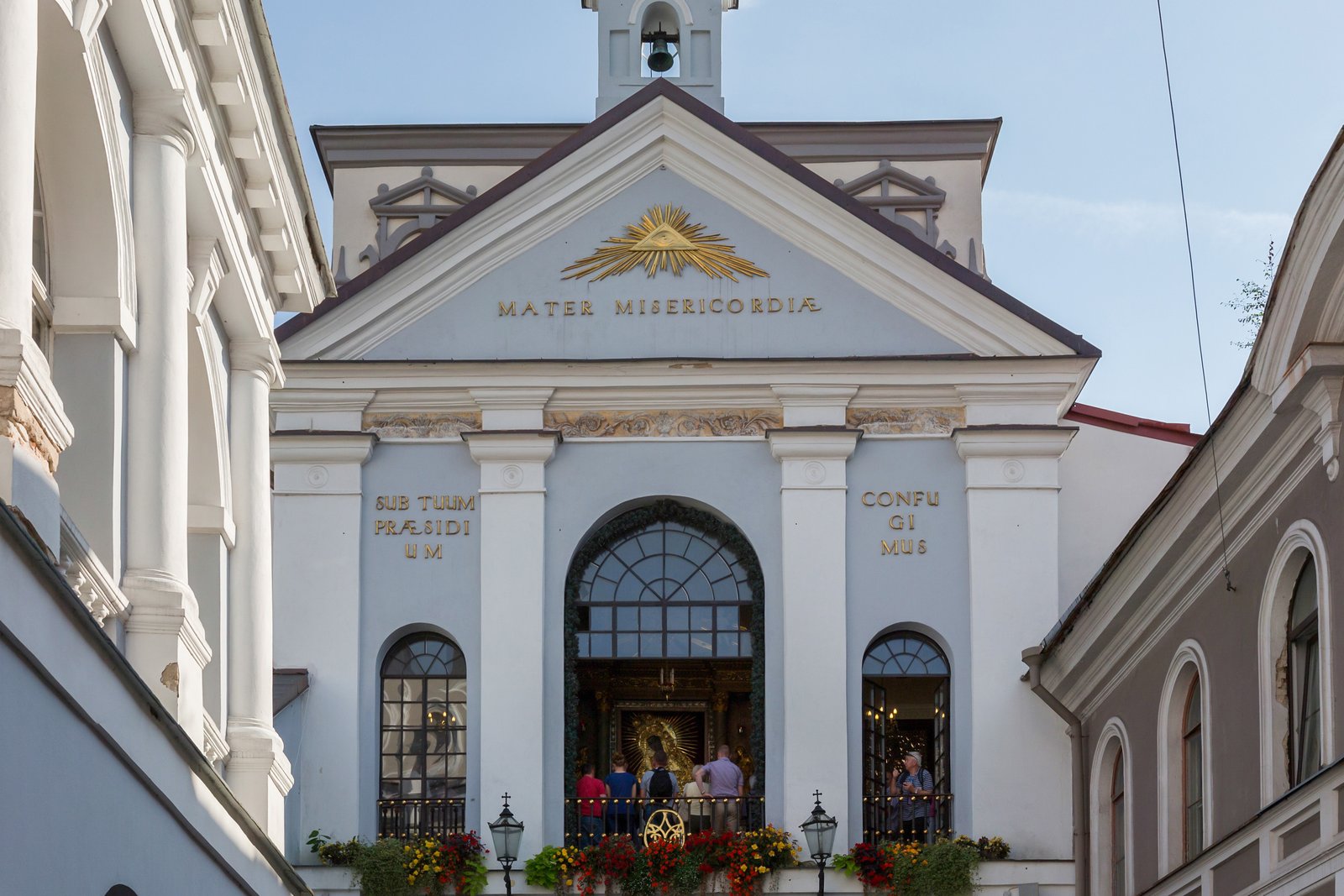
The Gate of Dawn, Vilnius: A Shrine Built Into a City Wall
The Gate of Dawn in Vilnius holds a revered icon of Mary set above a working city gate, drawing pilgrims of multiple faiths to a chapel built into the wall itself.
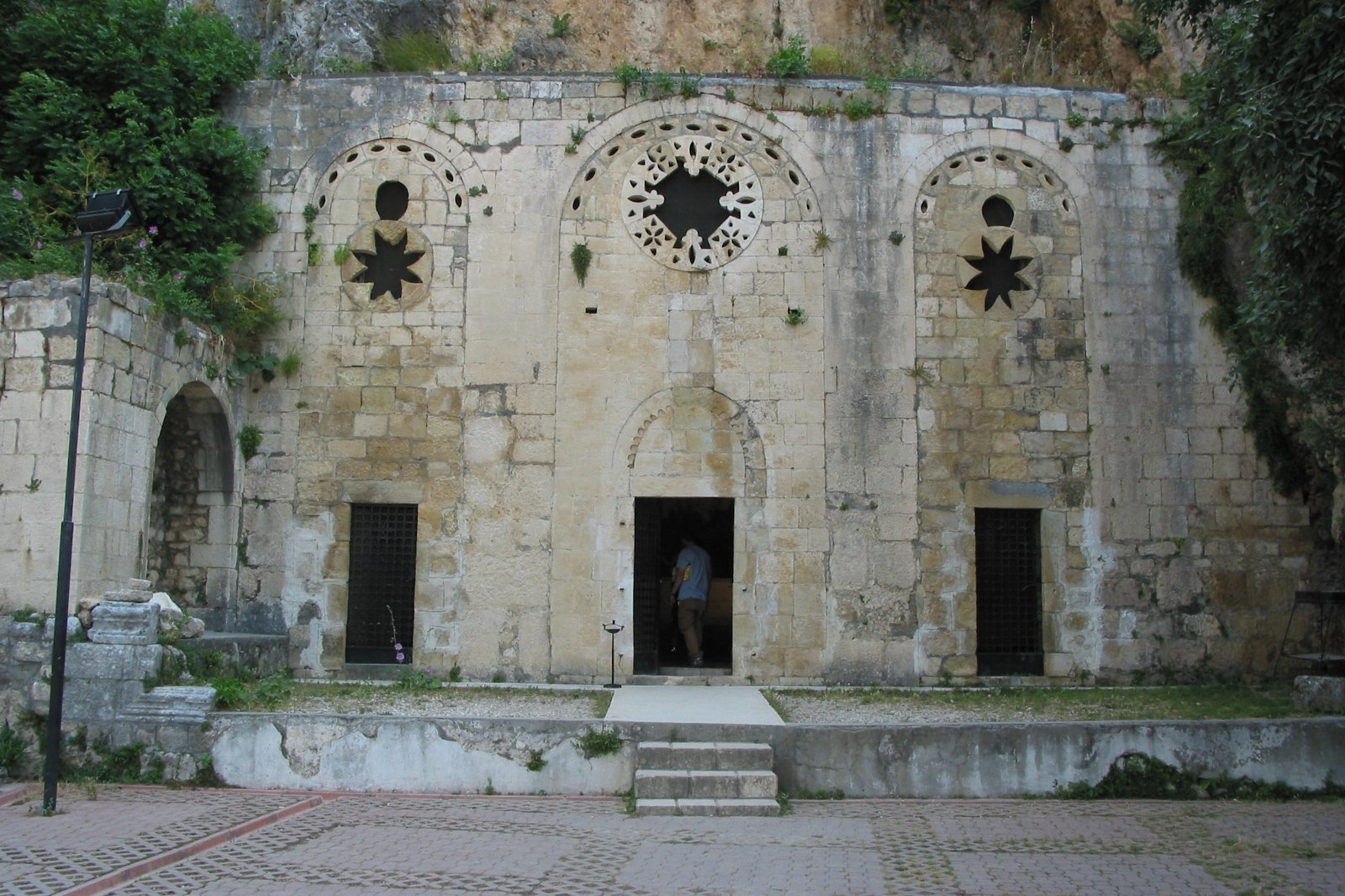
The Grotto of Saint Peter, Antioch
In this cave church near ancient Antioch, believers were first called Christians (Acts 11:26), and Peter is said to have led the community that named them.
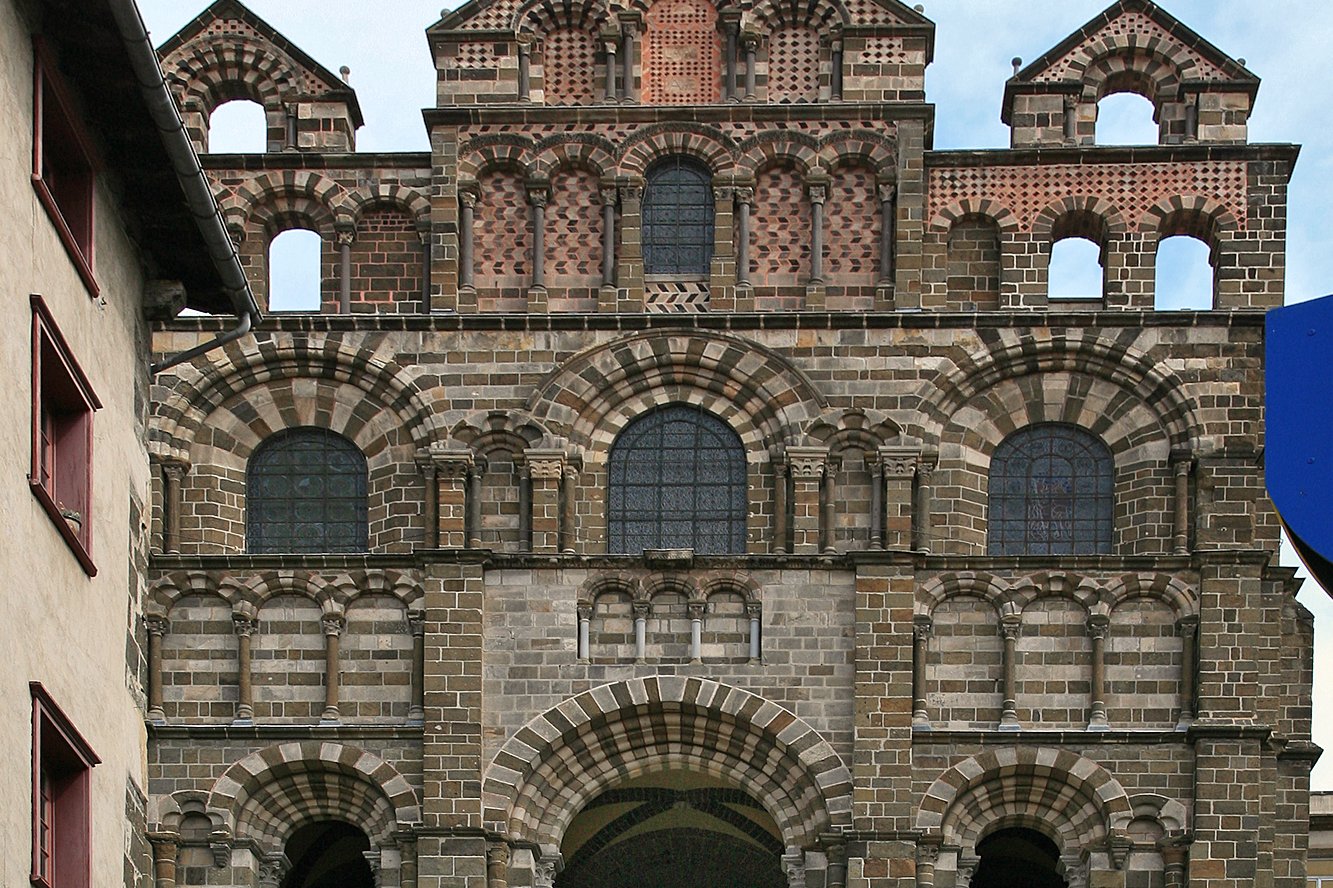
Le Puy-en-Velay Cathedral: Where the Camino Begins
Notre-Dame du Puy is where French pilgrims have gathered for a thousand years to begin the Via Podiensis, the historic walking route to Santiago de Compostela.
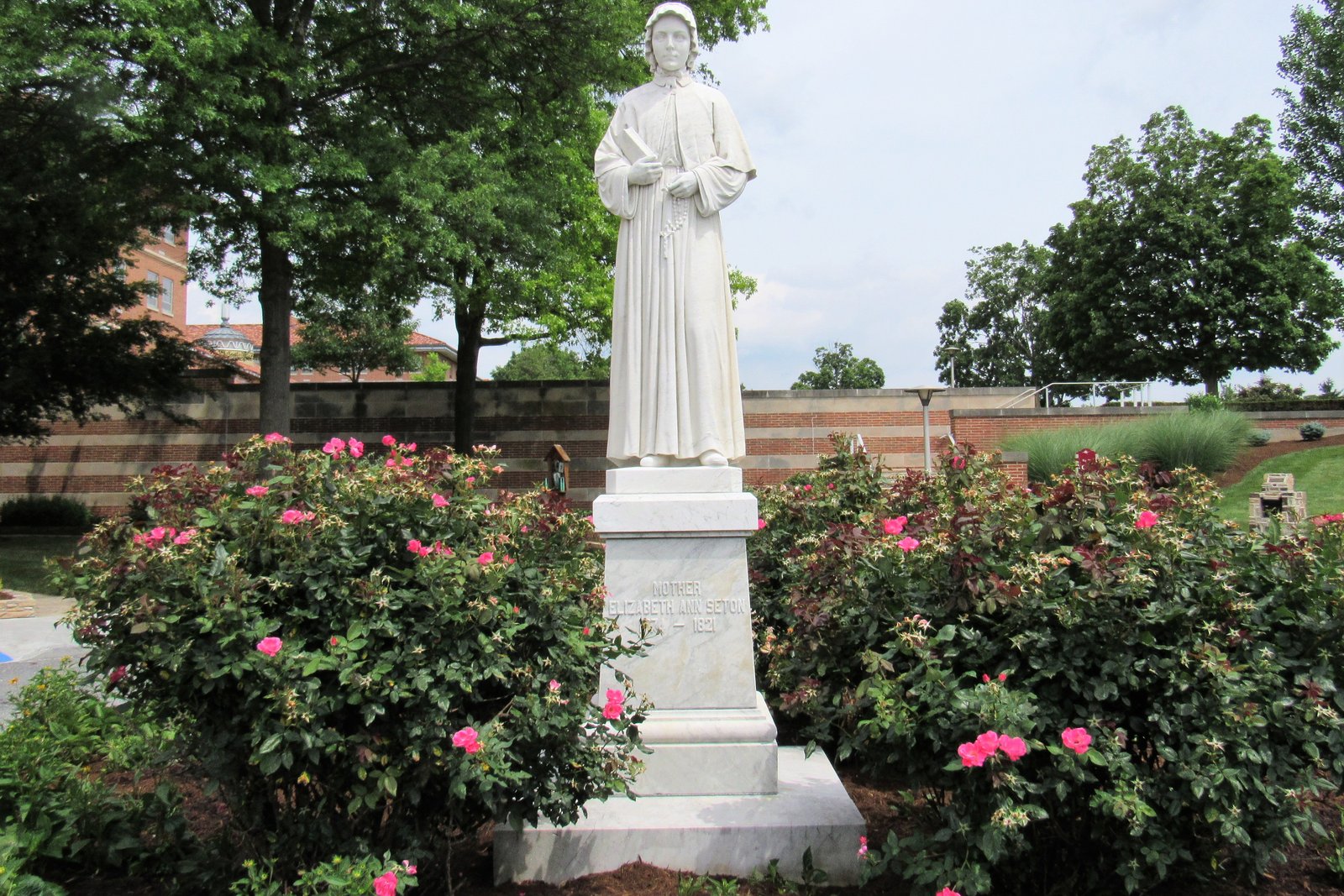
The National Shrine of Saint Elizabeth Ann Seton, Emmitsburg
A widowed mother of five became America's first native-born saint, and the Maryland farmhouse where she founded her religious order is now a national shrine.
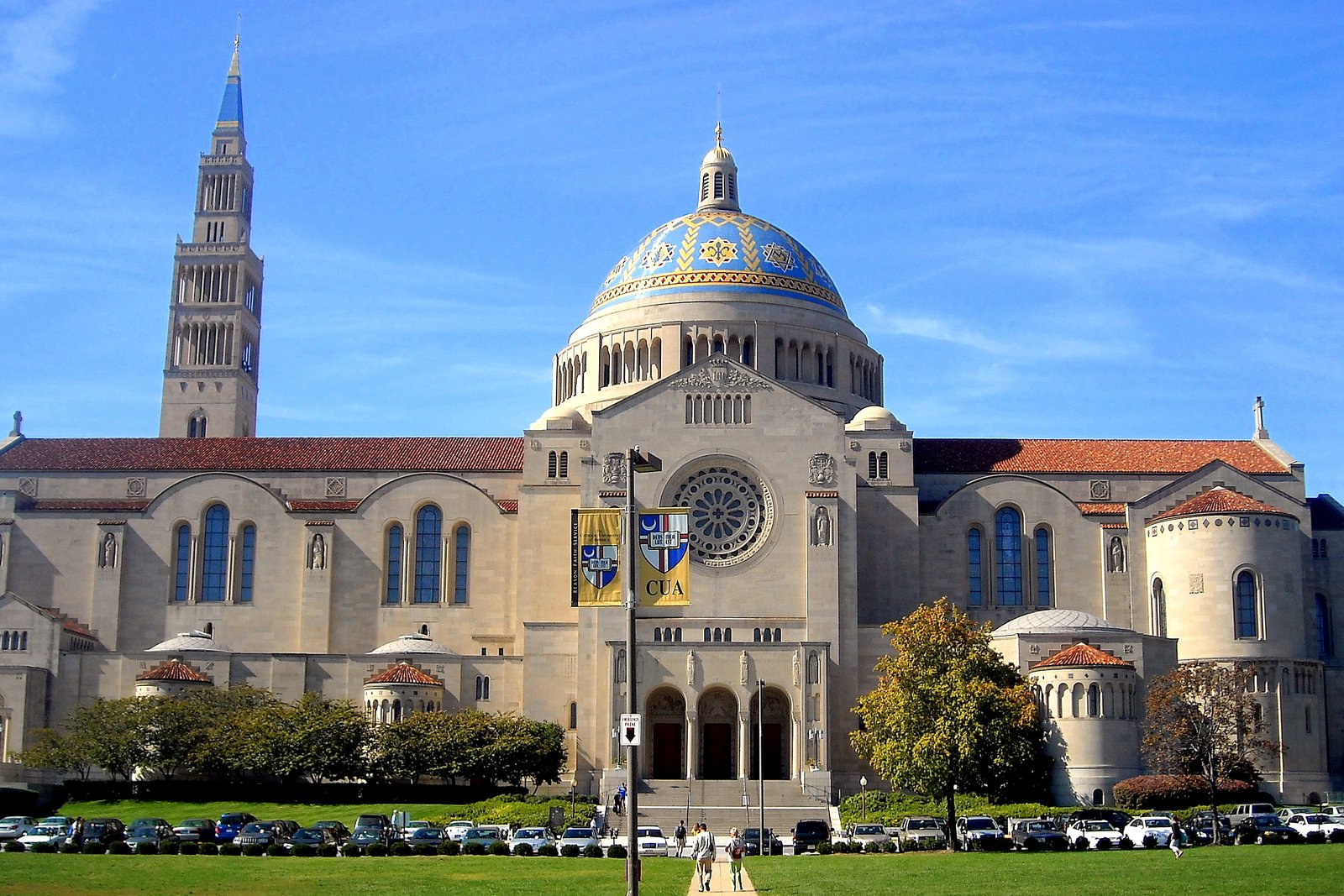
The National Shrine of the Immaculate Conception, Washington DC
The largest Catholic church in North America sits on a Washington DC hilltop, its Byzantine-Romanesque domes and mosaics visible for miles across the capital city.
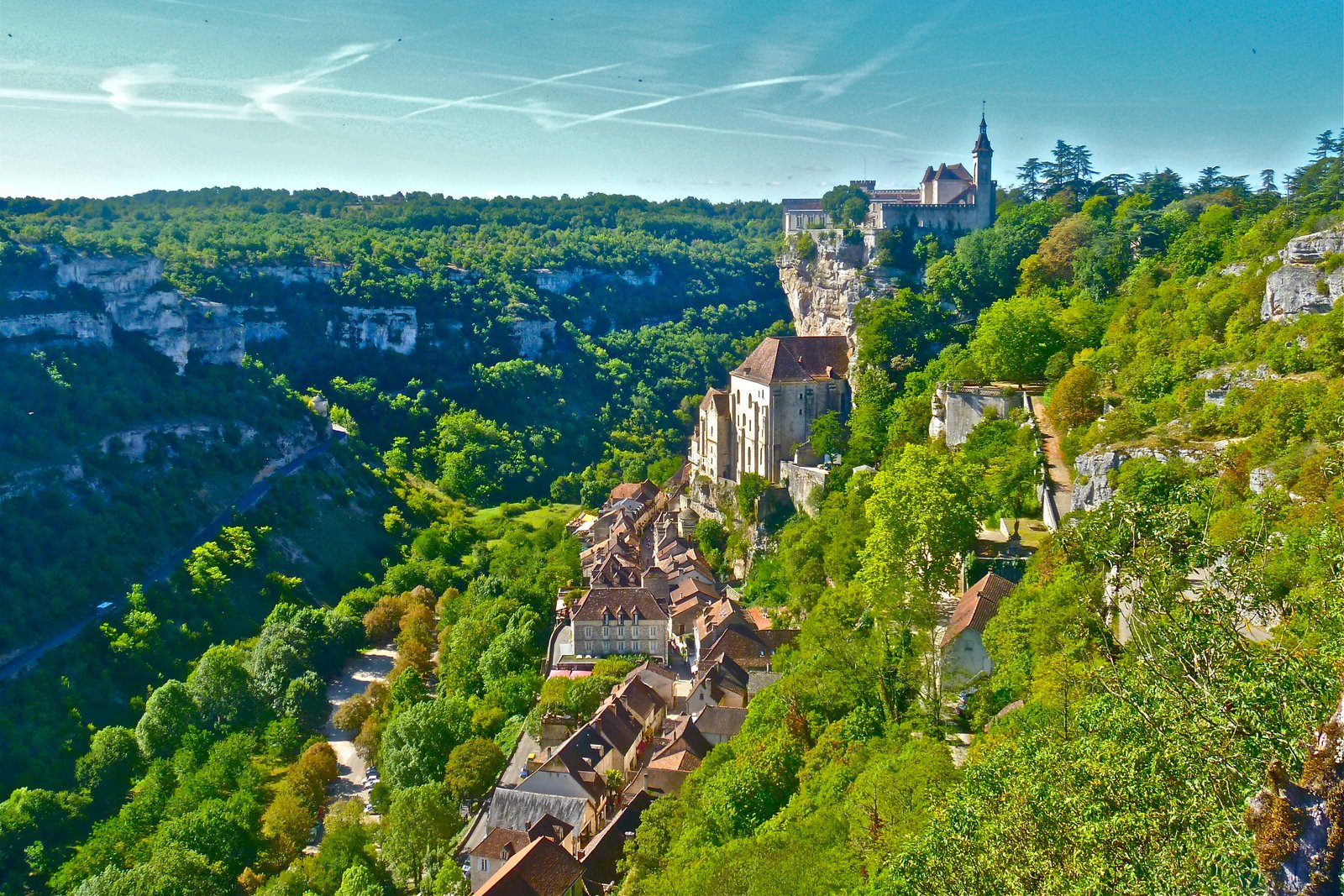
Rocamadour: The Cliffside Shrine of the Black Madonna
A village of chapels stacked into a sheer limestone cliff in southern France has drawn pilgrims to its Black Madonna since at least the twelfth century.
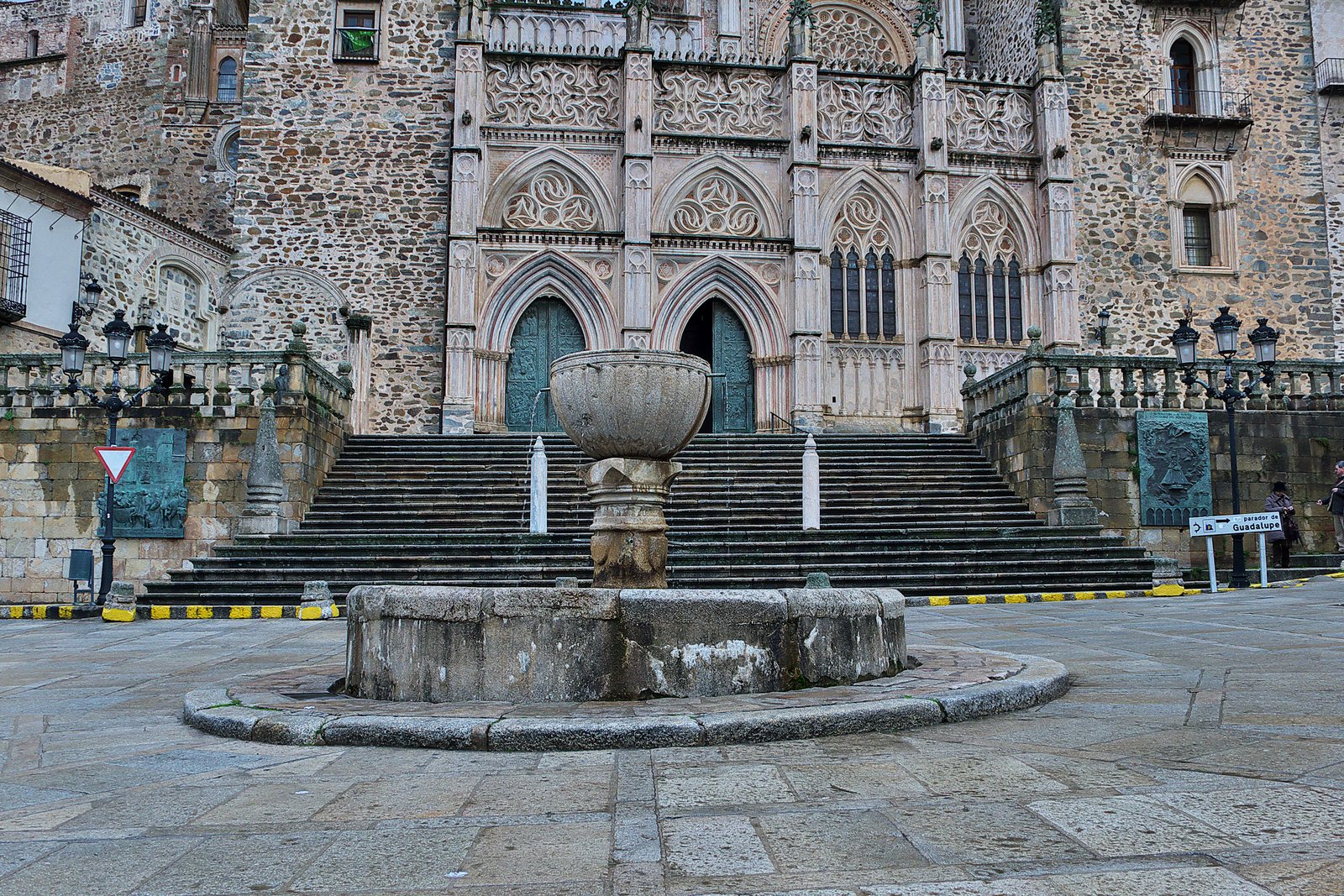
The Royal Monastery of Santa María de Guadalupe, Spain
Spain's Guadalupe monastery in Extremadura is the original shrine whose name and devotion later gave rise to Mexico City's far more famous Basilica of Guadalupe.
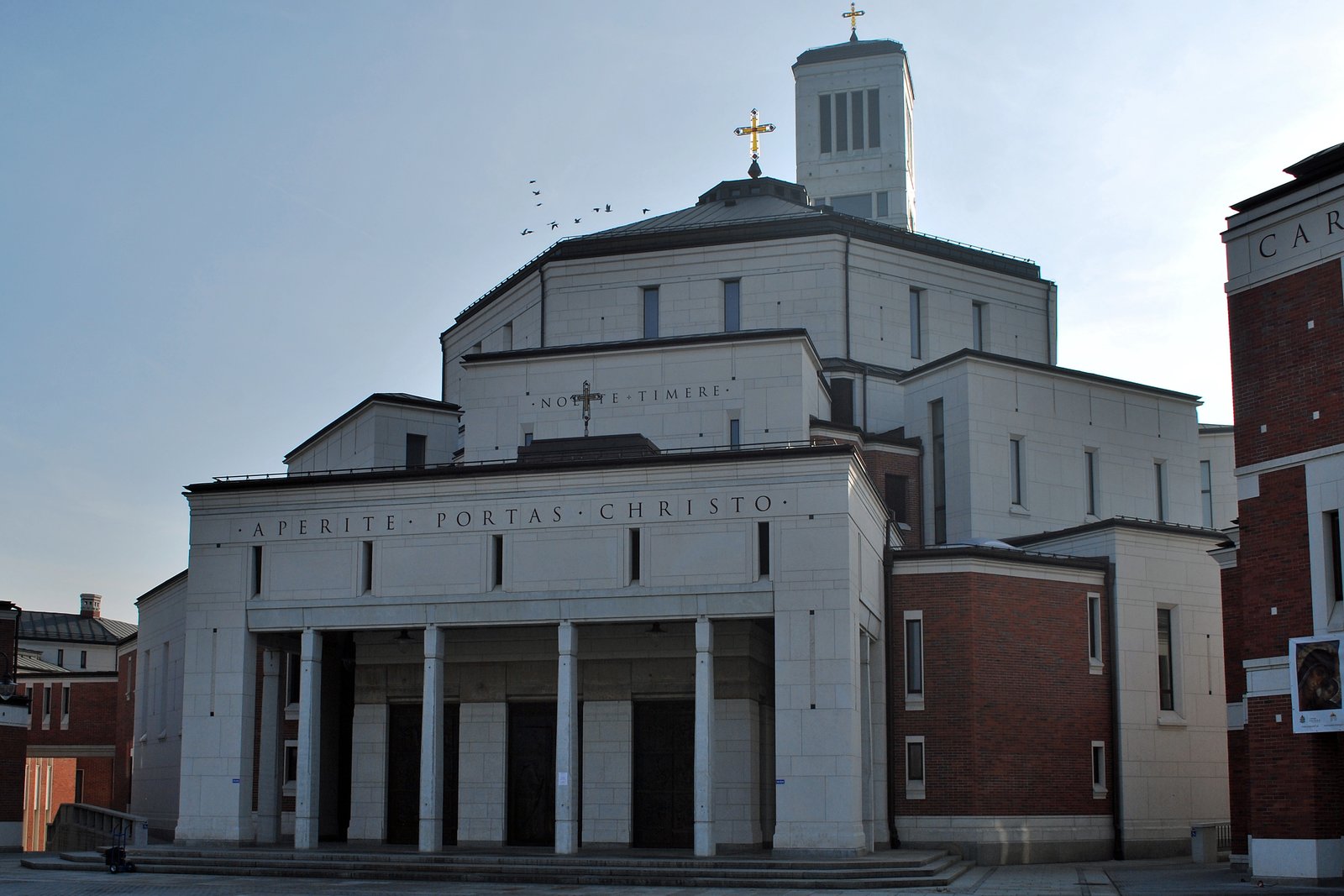
The Sanctuary of Saint John Paul II, Kraków
Built in the Kraków district where Karol Wojtyła lived, worked, and served as archbishop for decades, this modern sanctuary holds a relic of his own blood.
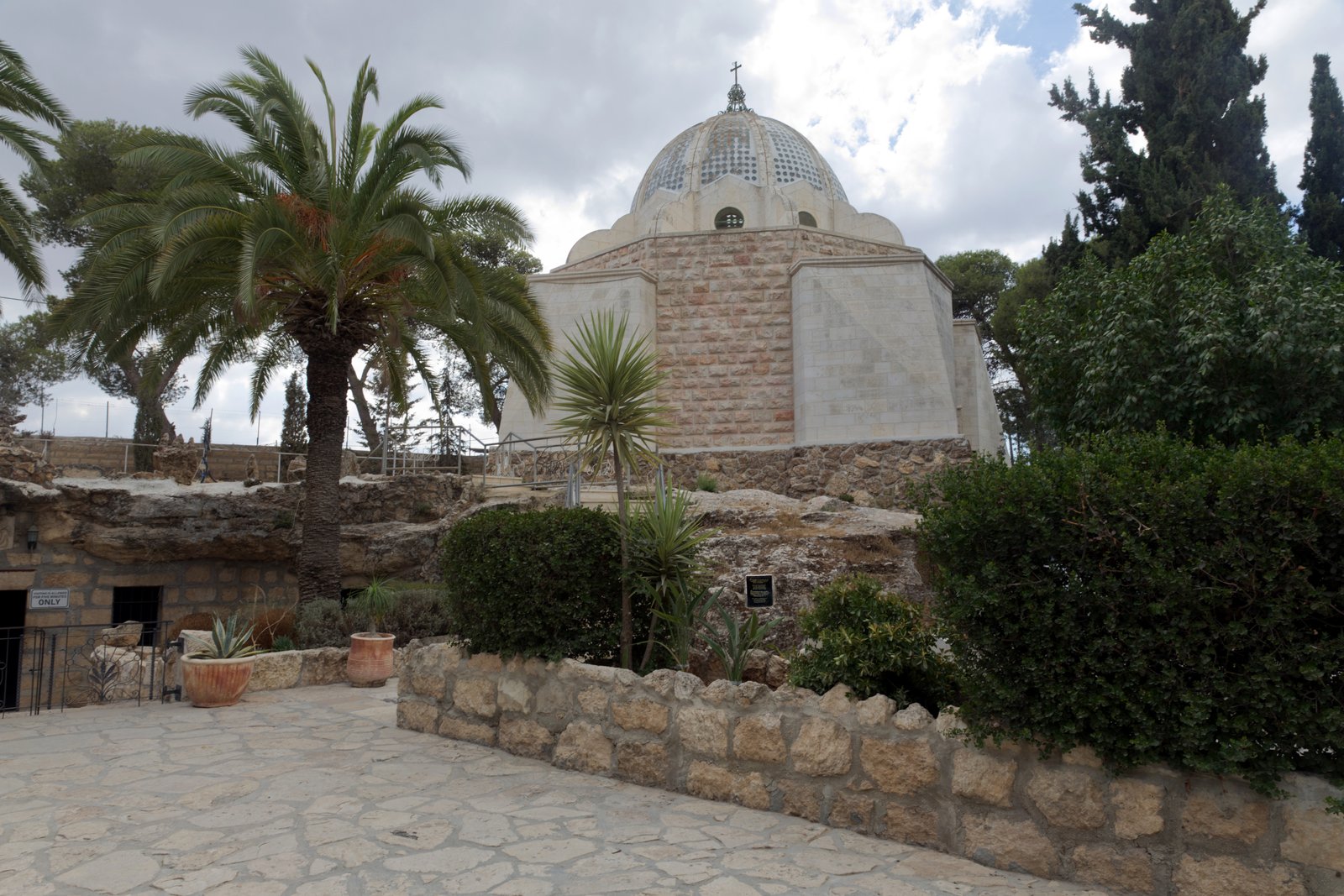
Shepherds' Field, Bethlehem
Just outside Bethlehem, ancient terraced hillsides mark where an angel is said to have announced Christ's birth to shepherds watching their flocks at night.
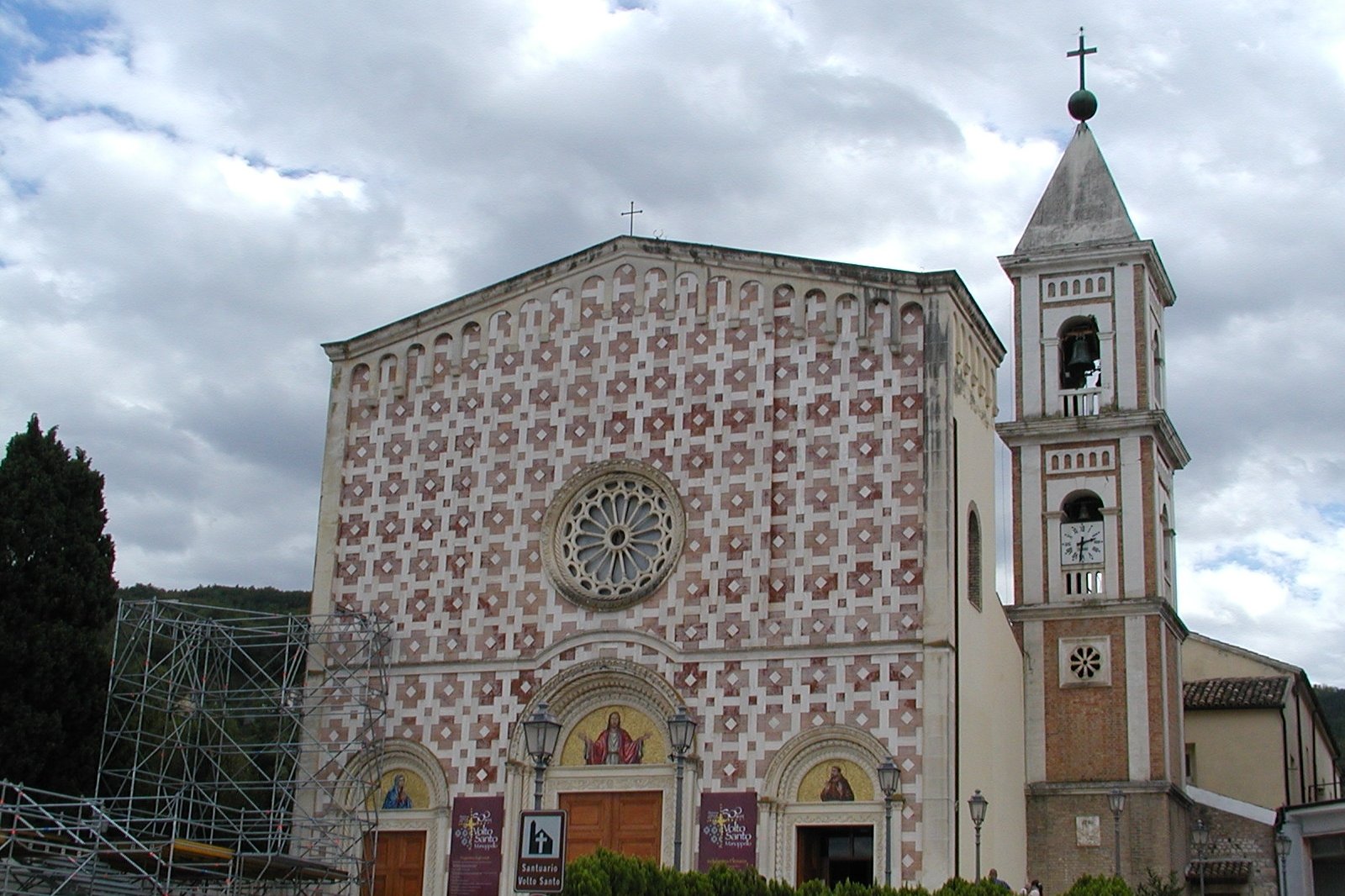
The Shrine of the Holy Face, Manoppello
A small Italian town holds a translucent cloth image of a face that some connect to Veronica's Veil, though historians genuinely dispute its exact origin.
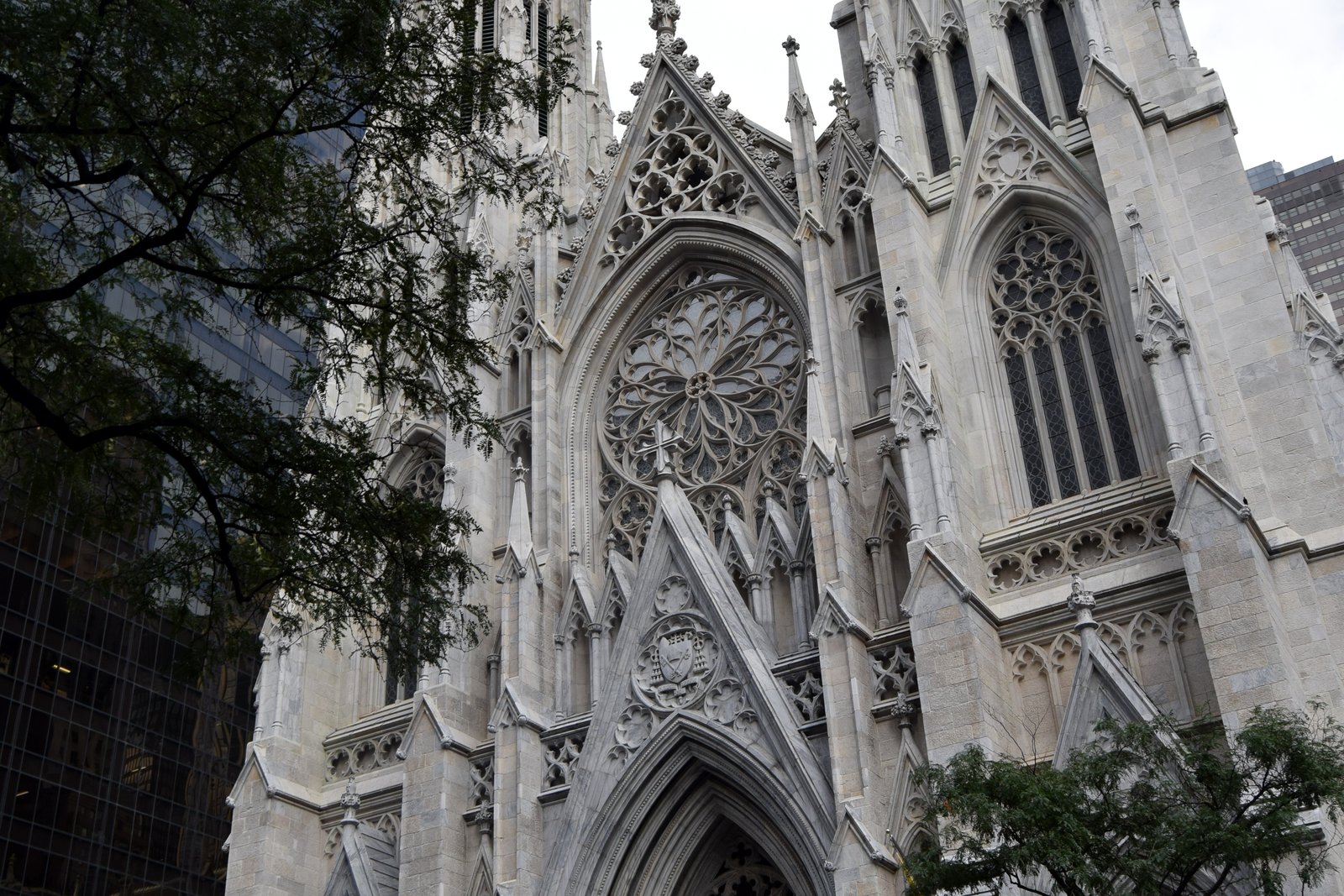
St. Patrick's Cathedral, New York City
Built by Irish immigrants far from Manhattan's center in the 1850s, St. Patrick's Cathedral now stands surrounded by the skyscrapers of Fifth Avenue in midtown.
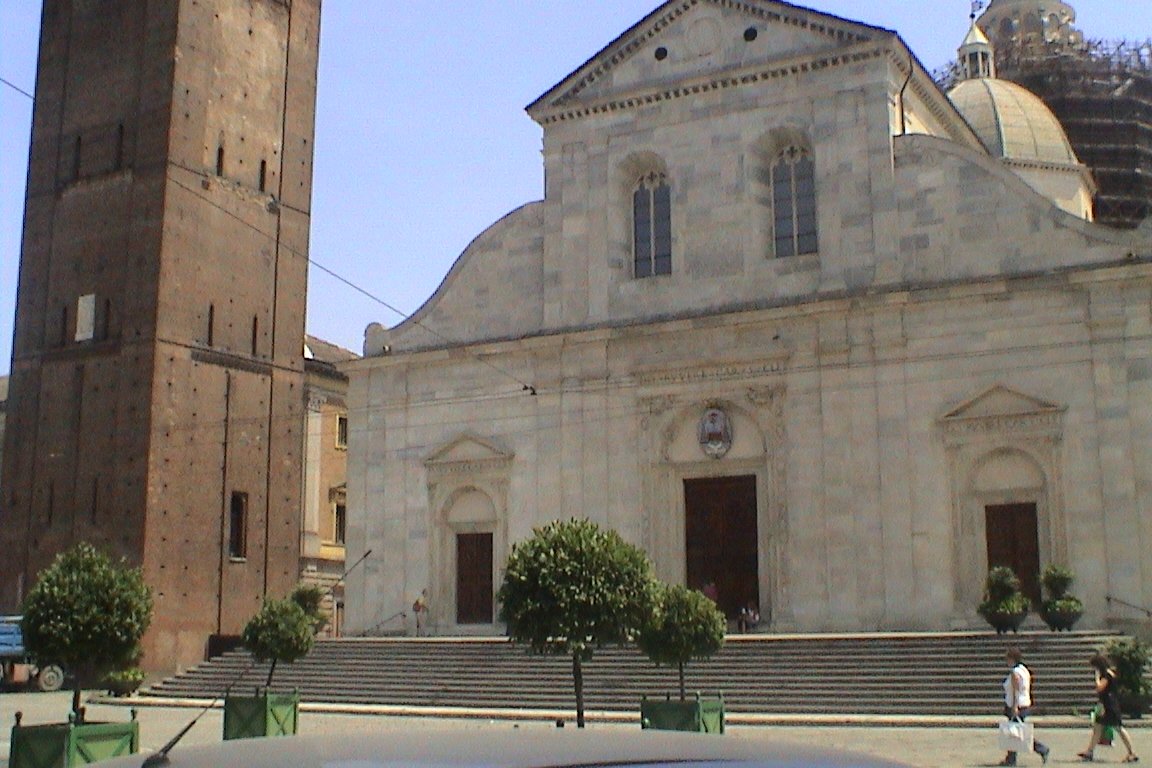
Turin Cathedral and the Chapel of the Holy Shroud
A Baroque architect-priest built a spiraling black-marble dome in Turin for one purpose: to house the linen cloth millions believe wrapped Christ's body.
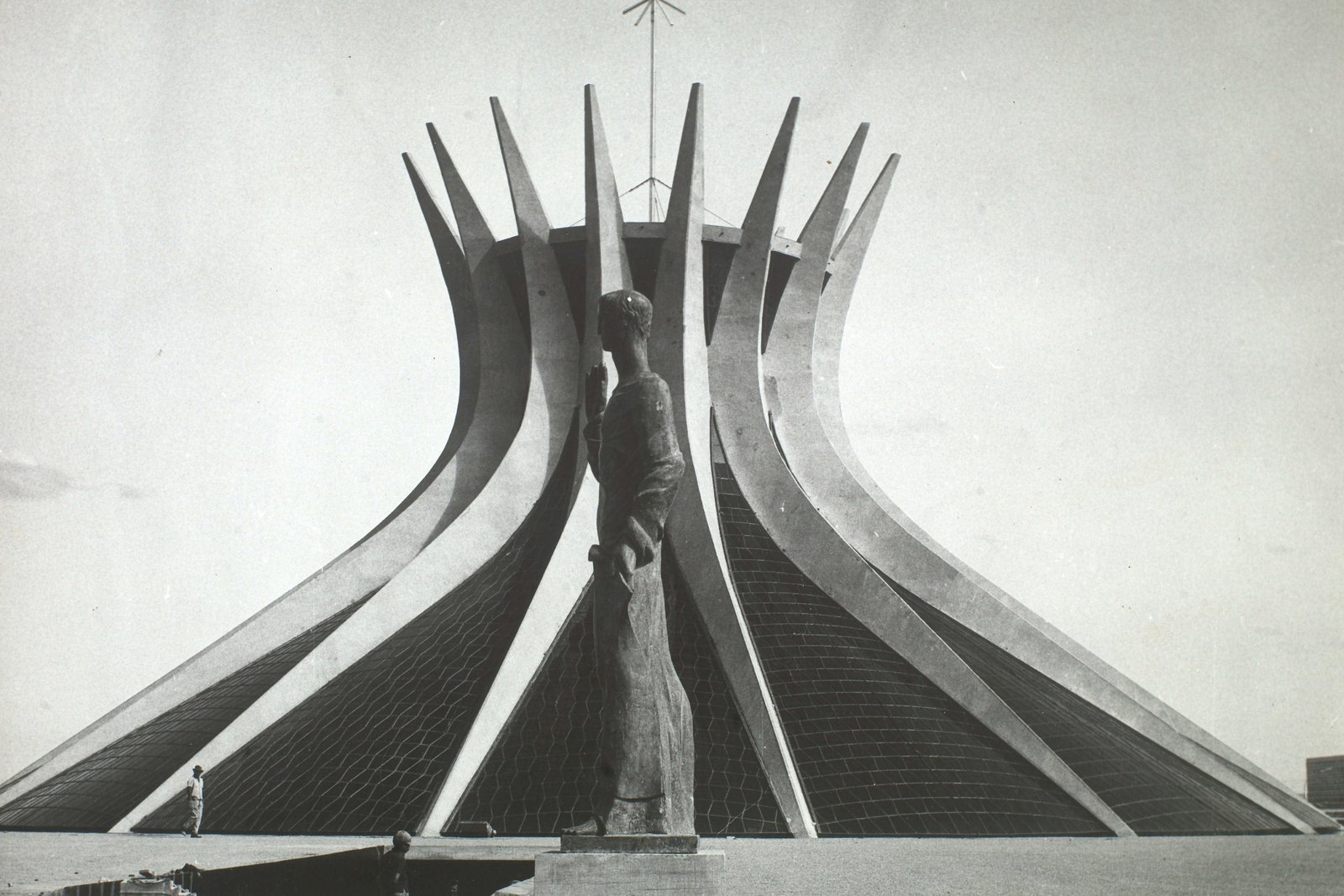
The Metropolitan Cathedral of Brasília
Oscar Niemeyer's hyperboloid crown-of-thorns cathedral, built almost entirely below ground level, and why it looks nothing like Europe's Gothic naves.
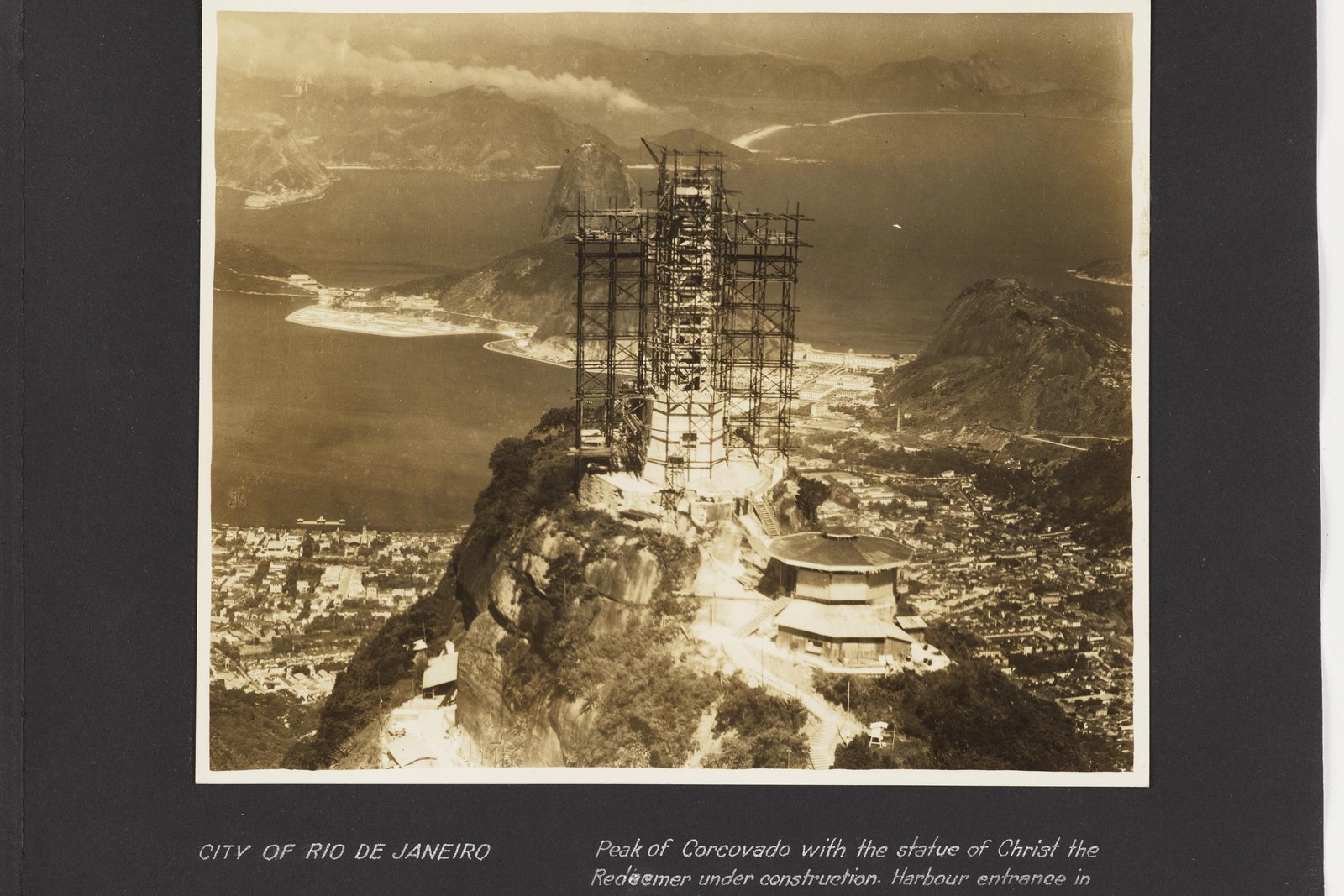
Christ the Redeemer, Rio de Janeiro
The engineering behind Rio's 98-foot Art Deco Christ, why it was built atop Corcovado's peak, and how the tourist icon still functions as a working pilgrimage site.
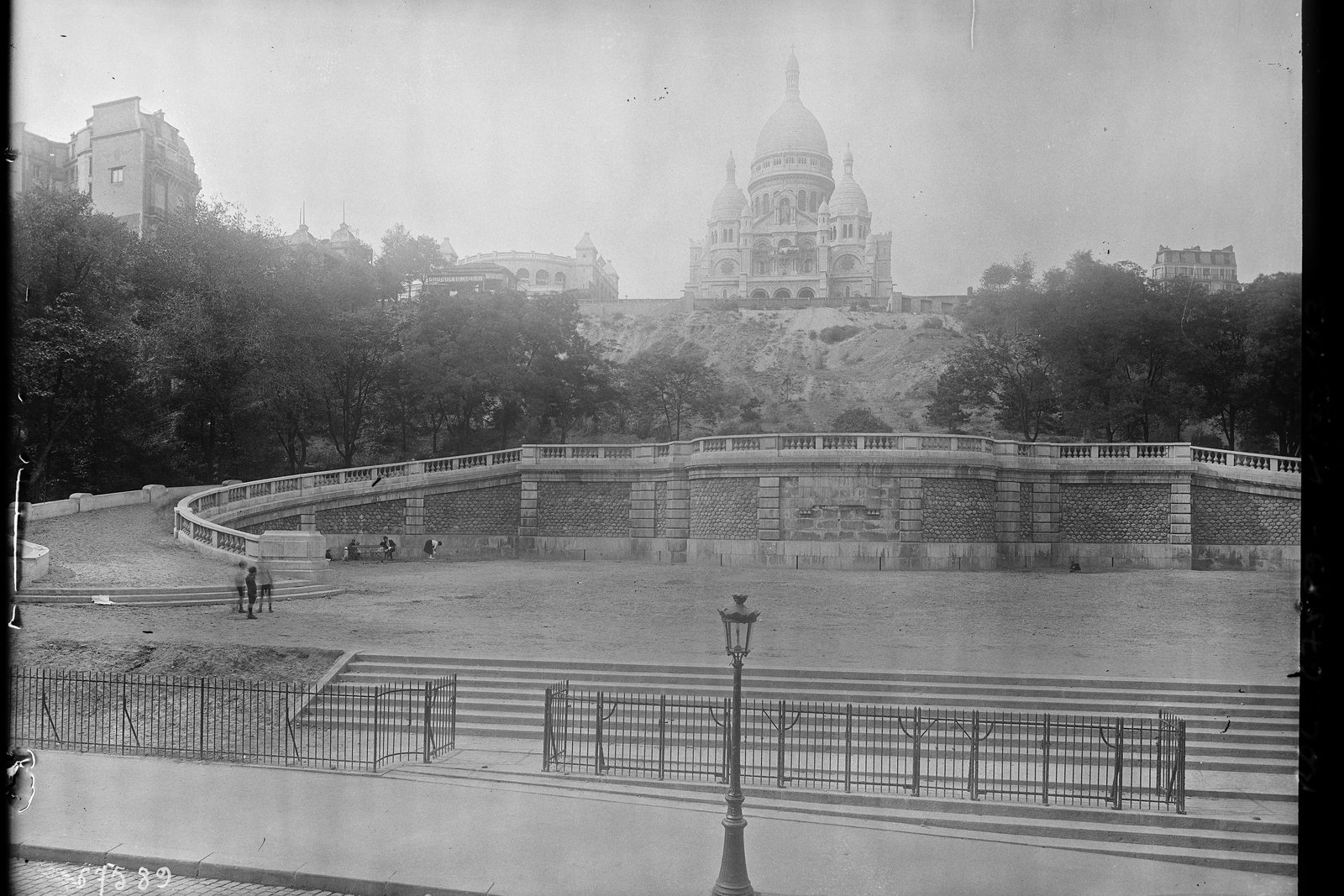
Sacré-Cœur Basilica, Paris
How a national vow of penance after France's crushing 1871 defeat built a white-domed basilica atop Montmartre, where prayer has continued unbroken since 1885.
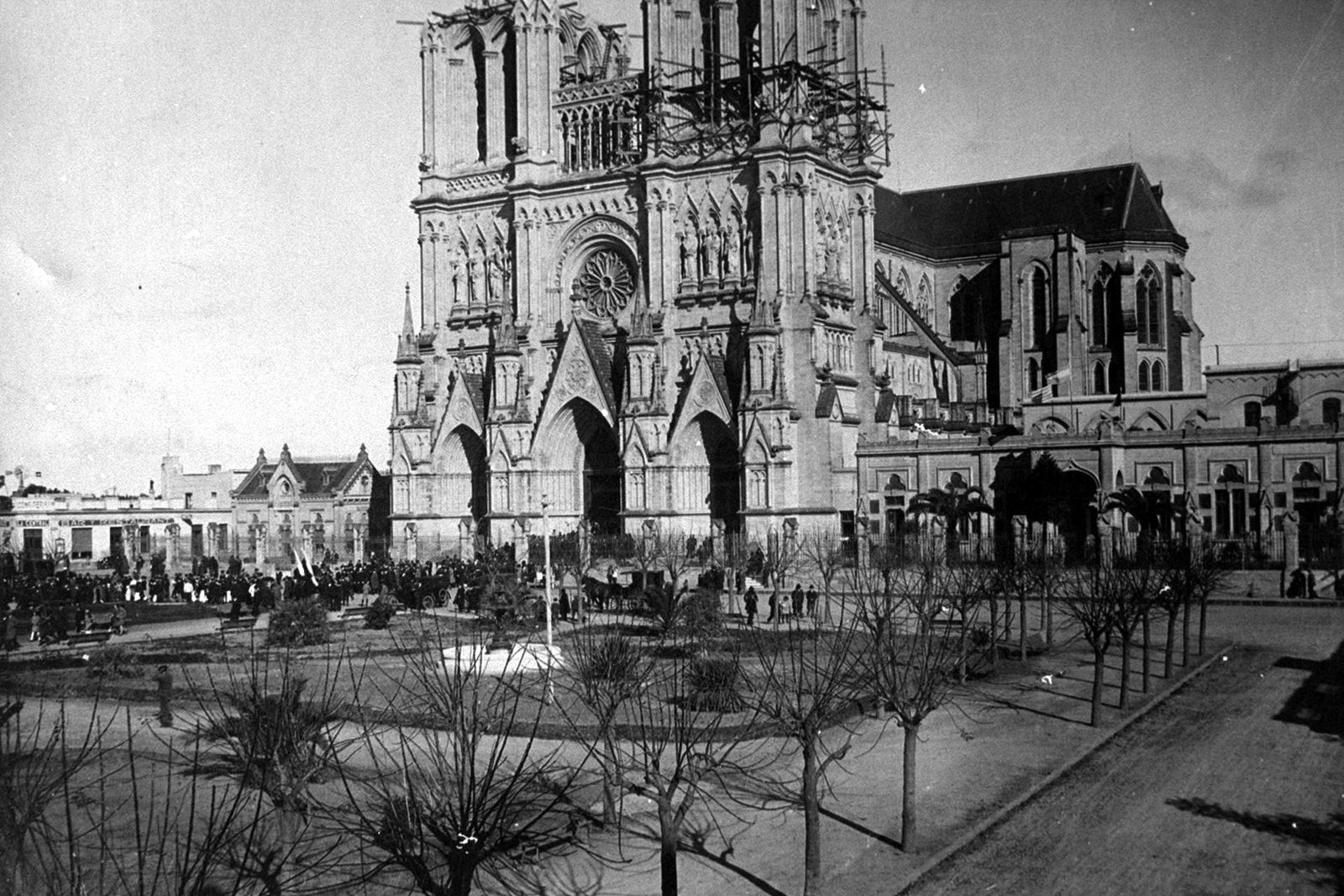
The Basilica of Our Lady of Luján, Argentina
The 1630 legend of a statue that refused to travel farther, how it made Our Lady of Luján patroness of three nations, and the huge youth pilgrimage held today.
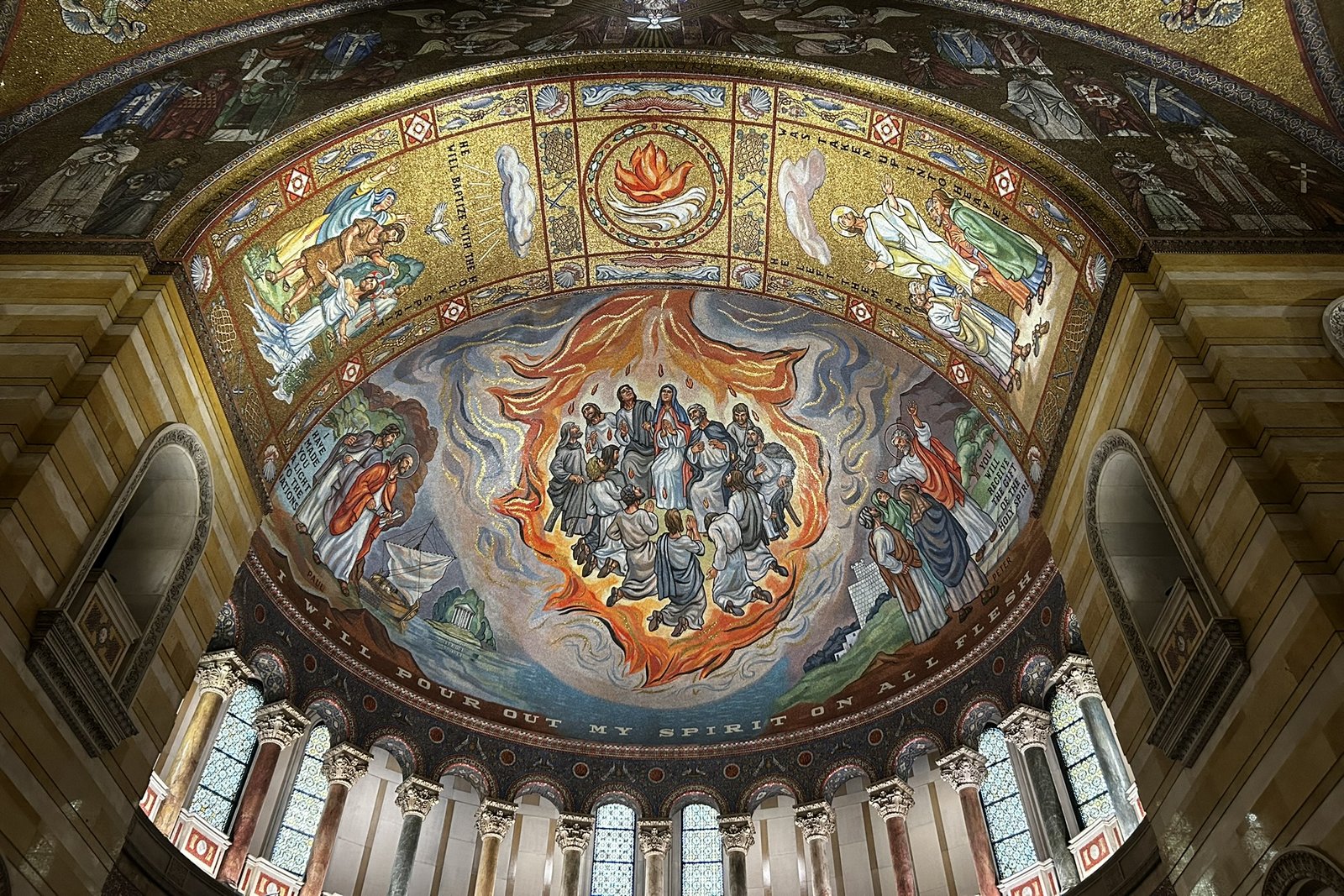
The Cathedral Basilica of Saint Louis
The Cathedral Basilica of Saint Louis holds 41.5 million glass mosaic tesserae, installed over 76 years in a Byzantine-Romanesque church named for Saint Louis IX.
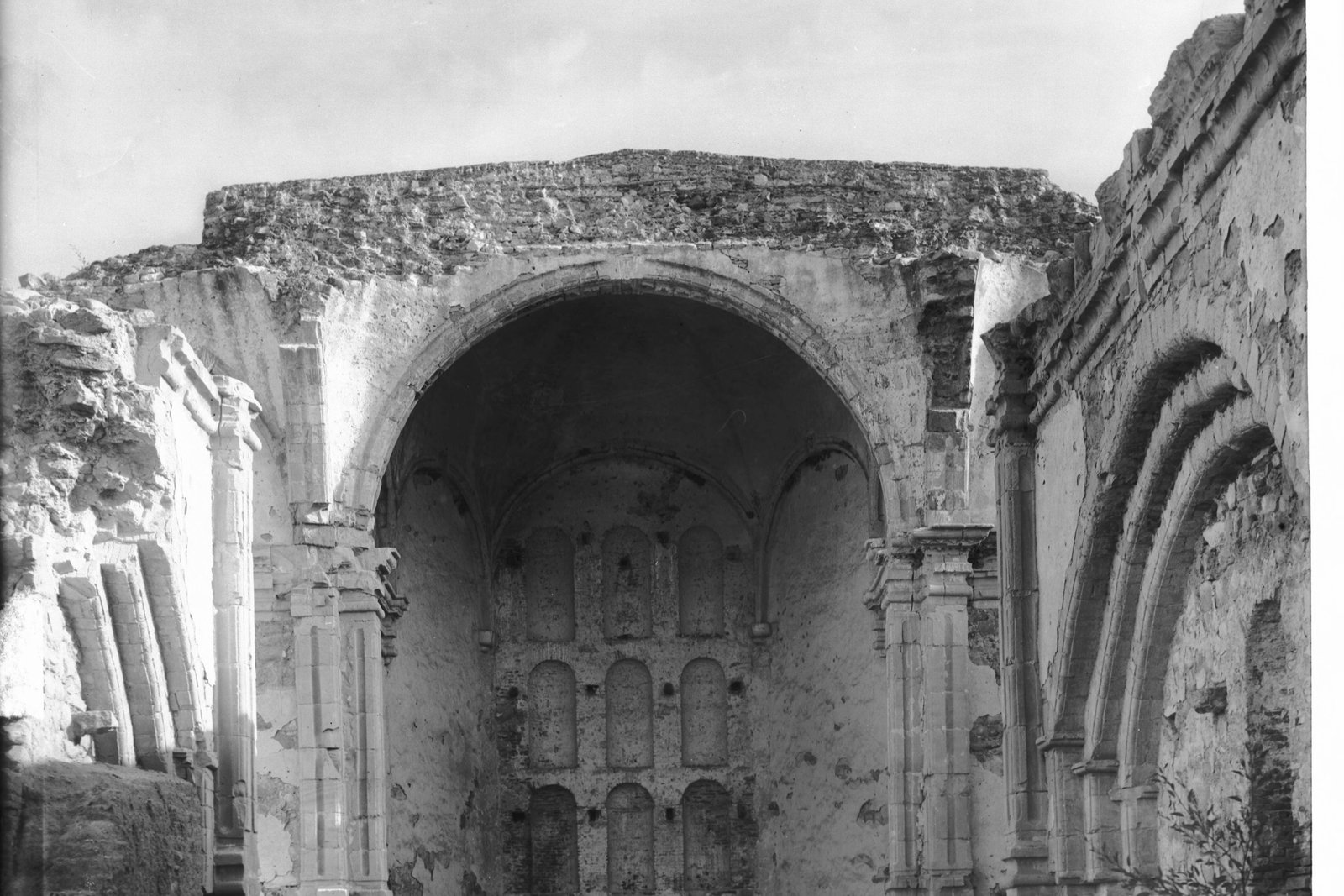
Mission San Juan Capistrano
Founded in 1776 by Junípero Serra, this California mission's Great Stone Church lies in earthquake ruins, while swallows and an older chapel keep its memory alive.
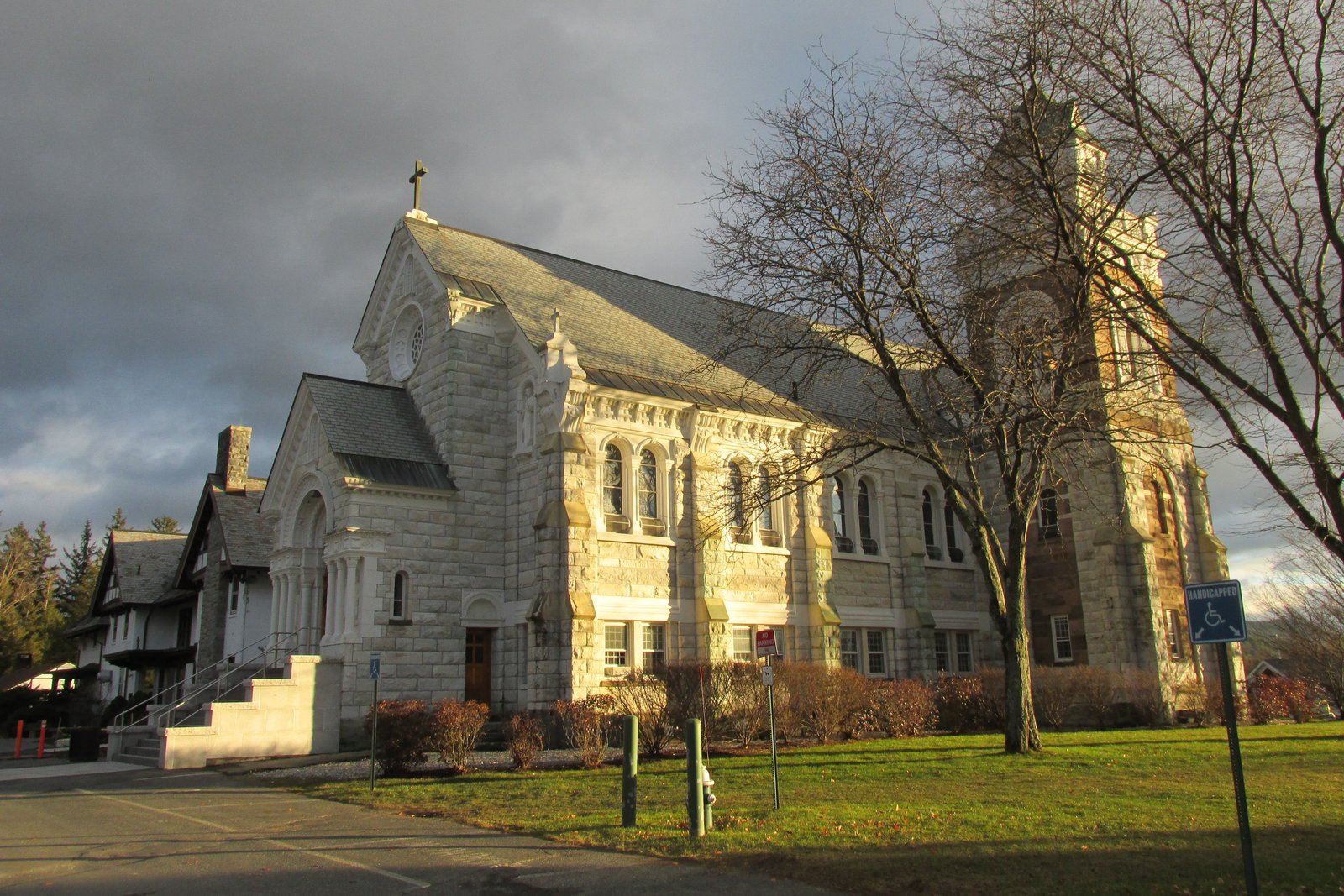
The National Shrine of The Divine Mercy, Stockbridge
In the Berkshire hills of Massachusetts, a Polish nun's visions found their North American home — the story of Eden Hill and its annual Divine Mercy Sunday crowds.
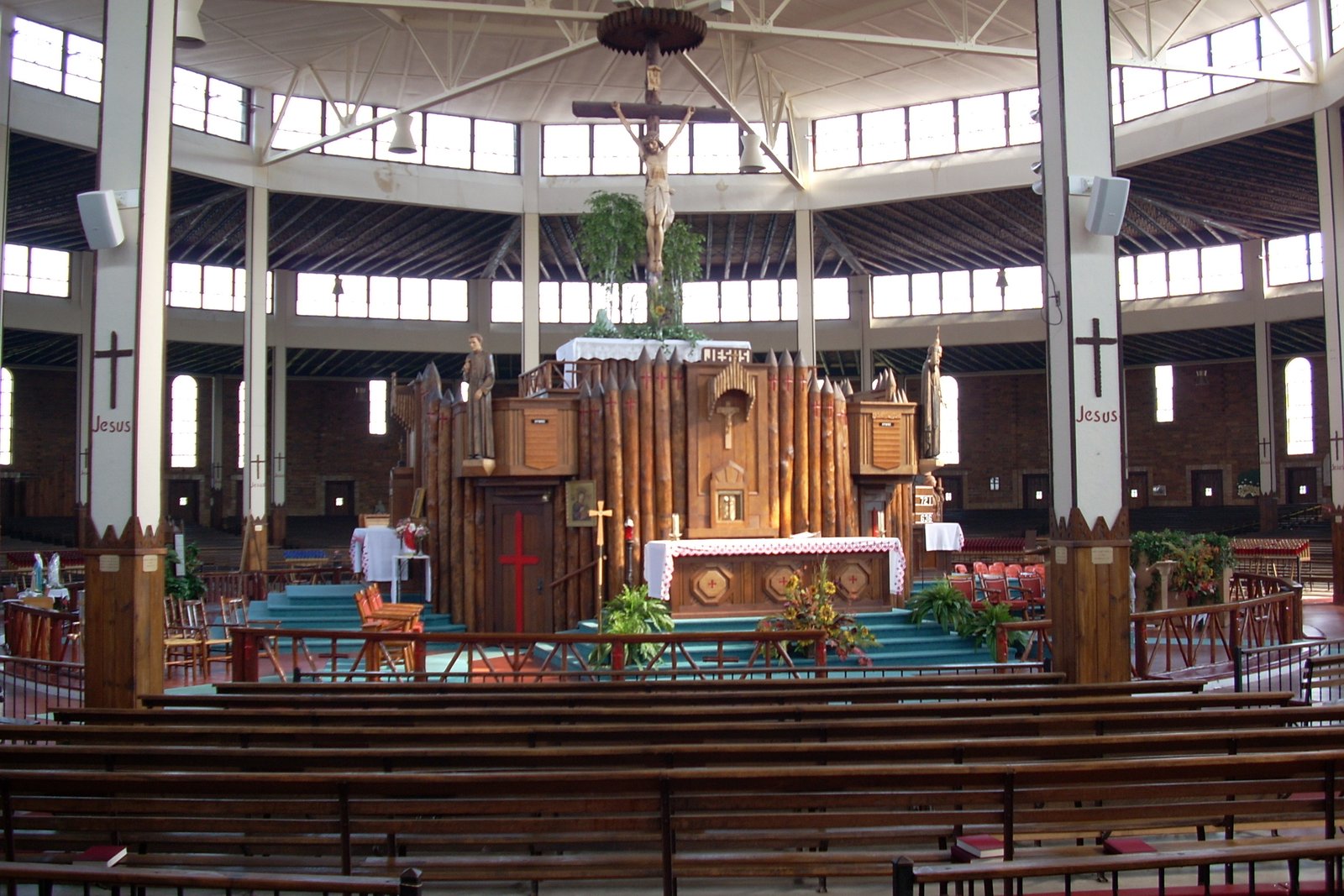
National Shrine of the North American Martyrs, Auriesville
On a hillside above the Mohawk River, pilgrims fill a round, 6,000-seat church built where three Jesuit missionaries were tortured and killed in the 1640s.