The Camino de Santiago, the Pilgrims' Way

A hermit, some lights in a field, and a bishop's investigation
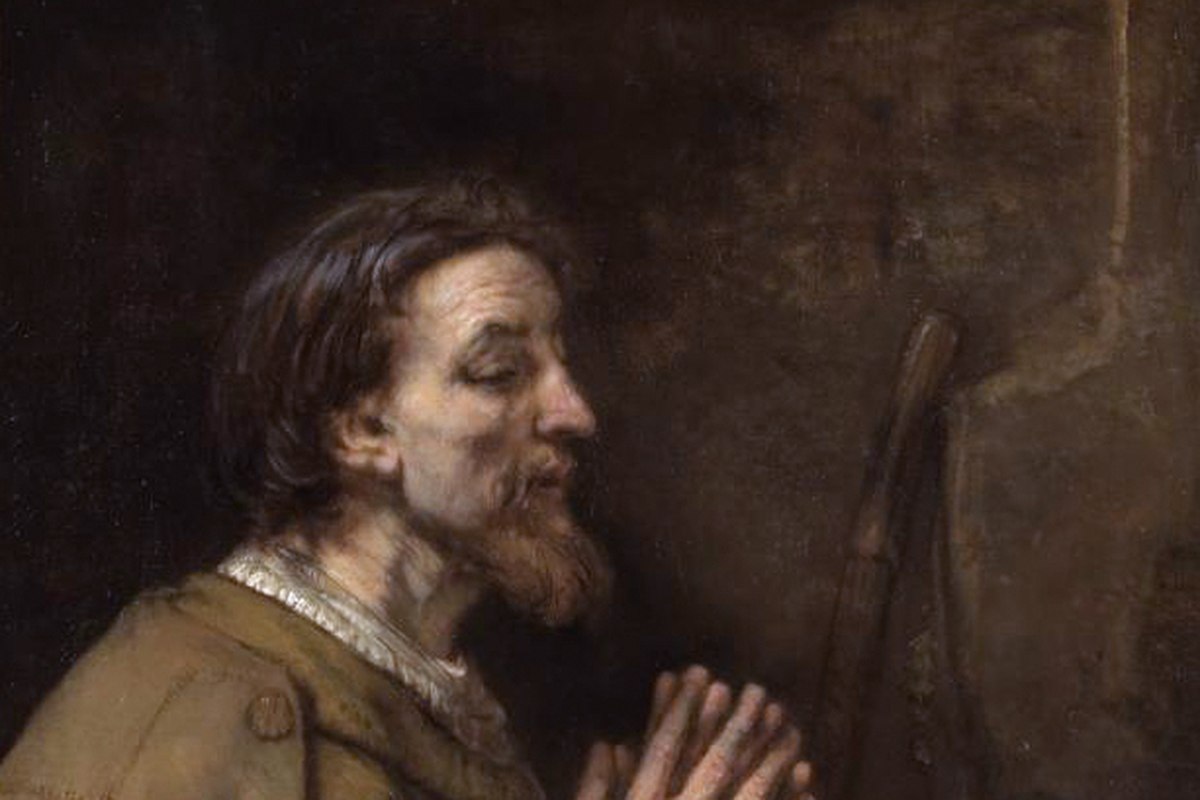
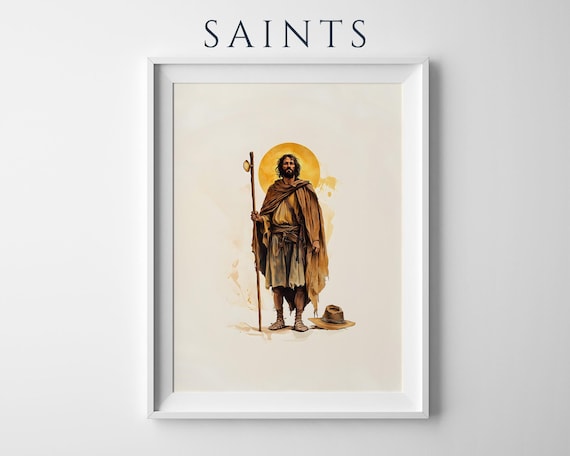
The traditional origin of the Camino de Santiago begins not with a pilgrim but with a hermit. Around the year 813, a man named Pelagius, living a solitary religious life in the sparsely populated region of Galicia in northwestern Spain, reported seeing unexplained lights hovering repeatedly over an isolated field at night. He brought word of what he'd seen to Theodemar, the bishop of the nearby town of Iria Flavia, who had the site investigated. According to the tradition that developed from this discovery, what they found was an ancient tomb, and the bishop concluded that it held the remains of the apostle James the Greater — one of the original twelve apostles, beheaded in Jerusalem around A.D. 44, whose body, legend held, had been miraculously transported to Spain by boat after his martyrdom and buried in this remote corner of the peninsula.
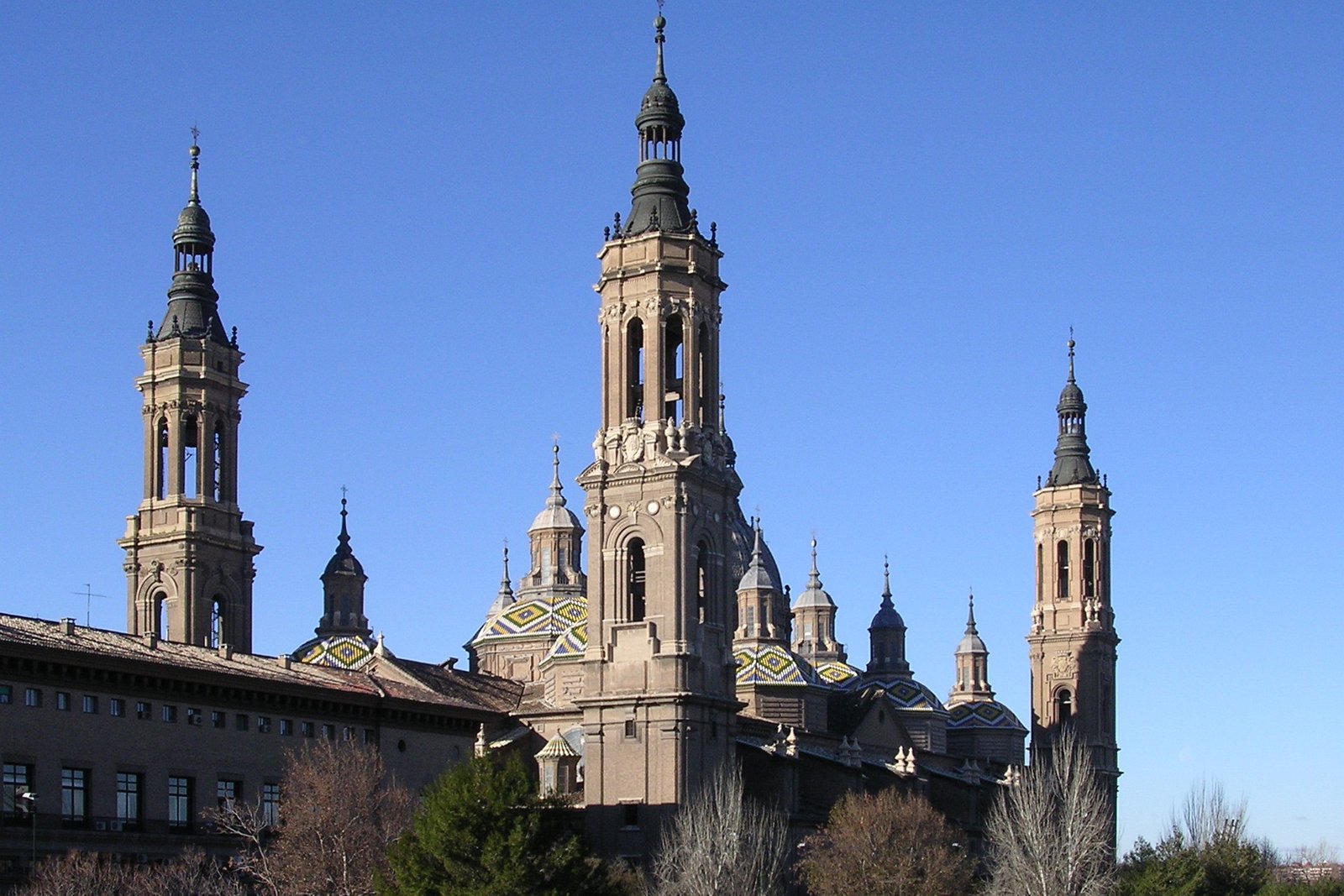
Photograph by José Antonio Gil Martínez, Camino de Santiago — CC BY 2.0, Wikimedia Commons.
King Alfonso II of Asturias, ruling the nearby Christian kingdom, traveled to the site himself once word reached him, and tradition credits him as the first official pilgrim to what would become Santiago de Compostela — "Santiago" being the Spanish rendering of "Saint James," and "Compostela" likely deriving from the Latin campus stellae, "field of stars," a name tied directly to the story of the lights Pelagius reported. Alfonso ordered a small church built over the tomb, the modest first version of what would eventually grow into the great Cathedral of Santiago de Compostela.
From a local shrine to a route across a continent
The discovery came at a strategically useful moment for the Christian kingdoms of northern Spain, then locked in a long, slow struggle against Muslim rule over most of the Iberian Peninsula. A shrine to an apostle — one who could be framed as a spiritual patron and even protector in battle — gave Christian Spain a powerful rallying point, and the cult of Santiago (sometimes invoked in later legend under the title Santiago Matamoros, "Saint James the Moor-slayer," a martial image that later centuries and modern scholarship have increasingly treated with more caution and historical qualification) grew alongside the broader project of Christian resettlement and expansion across the peninsula over the following centuries.
By the 11th and 12th centuries, pilgrimage to Santiago had become one of the three great pilgrimages of medieval Christendom, alongside journeys to Jerusalem and to Rome. Routes converged on the shrine from across France, Germany, and beyond, developing into a network of waymarked paths, way-stations, hospices, and monasteries built specifically to support the flow of travelers. The Codex Calixtinus, a 12th-century manuscript compiled in connection with the shrine, includes what is often described as the earliest pilgrim's guidebook in European history — detailing routes, hazards, and places to stay, evidence of just how organized and well-traveled the Camino had already become by that point.
The shell that pilgrims still wear
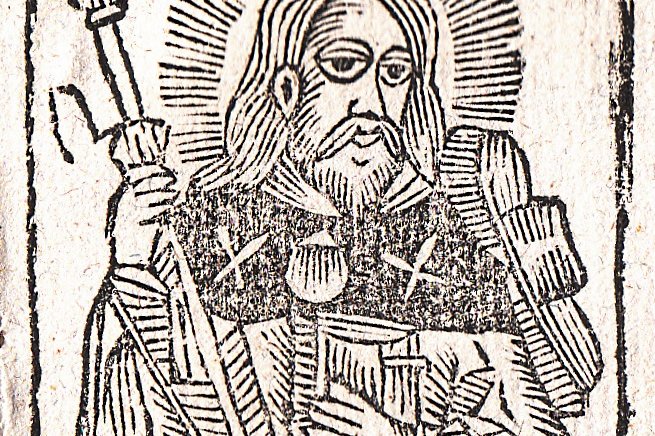
Somewhere in this medieval flowering of pilgrimage, the scallop shell became attached to the Camino as its defining symbol. By at least the 12th century, pilgrims returning from Santiago carried scallop shells, native to the Galician coast, as physical proof they had completed the journey — a badge sold by vendors near the cathedral and worn on hats or cloaks for the return trip home. The symbolism attached to the shell has been interpreted various ways over the centuries: its ridges, converging from many points to one, have been read as an image of the many pilgrim routes converging on a single destination, and the shell's association with the sea has connected it to older and looser symbolism of journey, guidance, and renewal. Whatever the exact original meaning, the shell has remained the Camino's most recognizable symbol for roughly nine hundred years, and modern pilgrims still carry it today, often tied to a backpack, exactly as their medieval predecessors did.
Many roads, one destination
There is no single Camino de Santiago; rather, it is a network of historic routes that converge on the cathedral from many directions. The most heavily walked today is the Camino Francés, the French Way, running roughly 780 kilometers from Saint-Jean-Pied-de- Port on the French side of the Pyrenees, across northern Spain, typically taking four to five weeks on foot. Other well-established routes include the Camino Portugués, running north from Portugal, and the Camino del Norte, tracing Spain's northern coastline. Each route developed its own network of hospices, churches, and market towns shaped by centuries of pilgrim traffic, and many of those towns still identify closely with their Camino heritage today.
A pilgrimage that nearly disappeared, then didn't
The Camino's popularity was not constant across the centuries. Wars, the Reformation's disruption of Catholic pilgrimage culture, and simple changing fashions in religious practice caused a long decline from the medieval peak, and by the mid-20th century only a few hundred pilgrims a year were recorded completing the route — a shadow of its medieval scale. The revival that followed was driven by a mix of factors: renewed Church promotion, UNESCO's 1993 recognition of the Camino Francés as a World Heritage route, and a broader modern interest in long-distance walking and secular as well as religious pilgrimage. The numbers have grown dramatically as a result; the cathedral's pilgrim office has recorded several hundred thousand people completing the walk annually in recent years, arriving for reasons ranging from deep Catholic devotion to purely personal or reflective ones, often walking side by side on the same stretch of trail.
Arriving at the cathedral
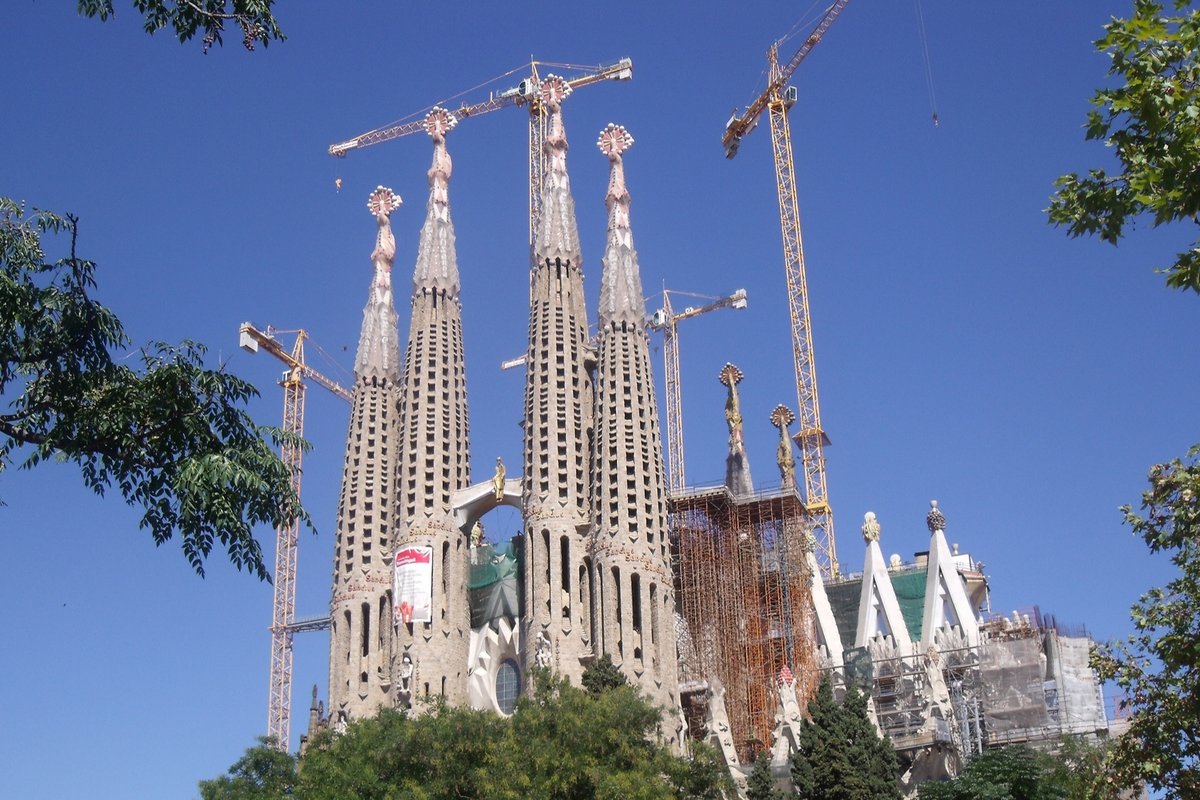
Whatever a pilgrim's route or reason for walking, the Camino still ends at the same place it always has: the Cathedral of Santiago de Compostela, built over the tomb that Pelagius's strange lights are said to have revealed twelve centuries ago. Pilgrims who complete a minimum distance and can document their journey with stamps collected along the way — the credencial, or pilgrim's passport — receive a Compostela, a certificate of completion issued by the cathedral, a modern echo of the same recognition medieval pilgrims sought when they carried their scallop shells home. Few pilgrimage routes anywhere in the world have managed both that continuity and that scale: a thousand-year network of paths across an entire corner of a continent, still walked today for essentially the same destination a hermit stumbled toward by firelight in the early 9th century.
Trivia
Why is the Camino de Santiago called that?
How did people find the tomb of Saint James?
What does the scallop shell symbolize on the Camino?
How long is the Camino de Santiago?
How many people walk the Camino de Santiago today?
Related Reading