Doctors of the Church — The Full List, and Why Each One Earned the Title

What actually earns the title
Being a canonized saint isn't enough to become a Doctor of the Church, and neither is being a skilled or popular writer. The Catholic Church applies three separate requirements before granting the title: eminentia doctrinae (outstanding, doctrinally significant learning), insignis vitae sanctitas (a genuinely holy life, already recognized through canonization), and a formal proclamation by a pope or an ecumenical council — not a grassroots devotional trend, and not an automatic honor for prolific theological writers. The first four Doctors, all Western — Ambrose of Milan, Augustine of Hippo, Jerome, and Gregory the Great — were named together by Pope Boniface VIII in 1298. Pope Pius V balanced the list in 1568 by adding four Greek-speaking Eastern Doctors: Athanasius of Alexandria, Basil the Great, Gregory Nazianzen, and John Chrysostom. From those original eight, the list has grown slowly across seven centuries, most recently with Pope Francis's declaration of Saint Irenaeus of Lyon in 2022, bringing the total to 37.
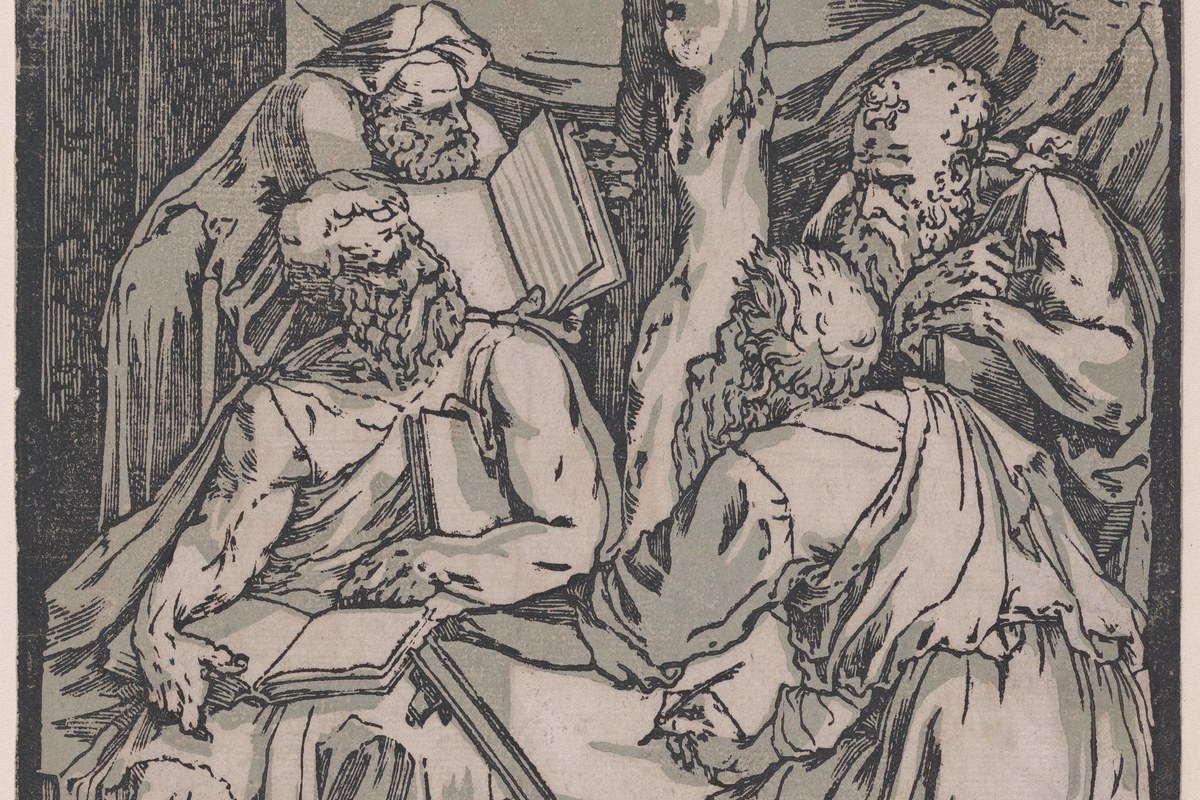
Domenico Beccafumi, Four Doctors of the Church, c. 1527–1530, The Metropolitan Museum of Art — CC0/public domain.
Every saint below already has a full article on this blog — this page just gathers them by era, so you can see the shape of the whole list rather than reading three dozen separate biographies end to end.
The Fathers of the Early Church (2nd–8th century)
- Irenaeus of Lyon — declared a Doctor in 2022 by Pope Francis, the most recently named Doctor, a student of a student of the Apostle John whose Against Heresies gave Gnosticism its lasting name.
- Ephrem the Syrian — declared a Doctor in 1920, a fourth-century deacon whose hymns shaped Syriac Christian worship and remain sung in Eastern liturgies today.
- Cyril of Jerusalem — declared a Doctor in 1883, a fourth-century bishop remembered for his Catechetical Lectures, instructing new converts preparing for baptism in Jerusalem itself.
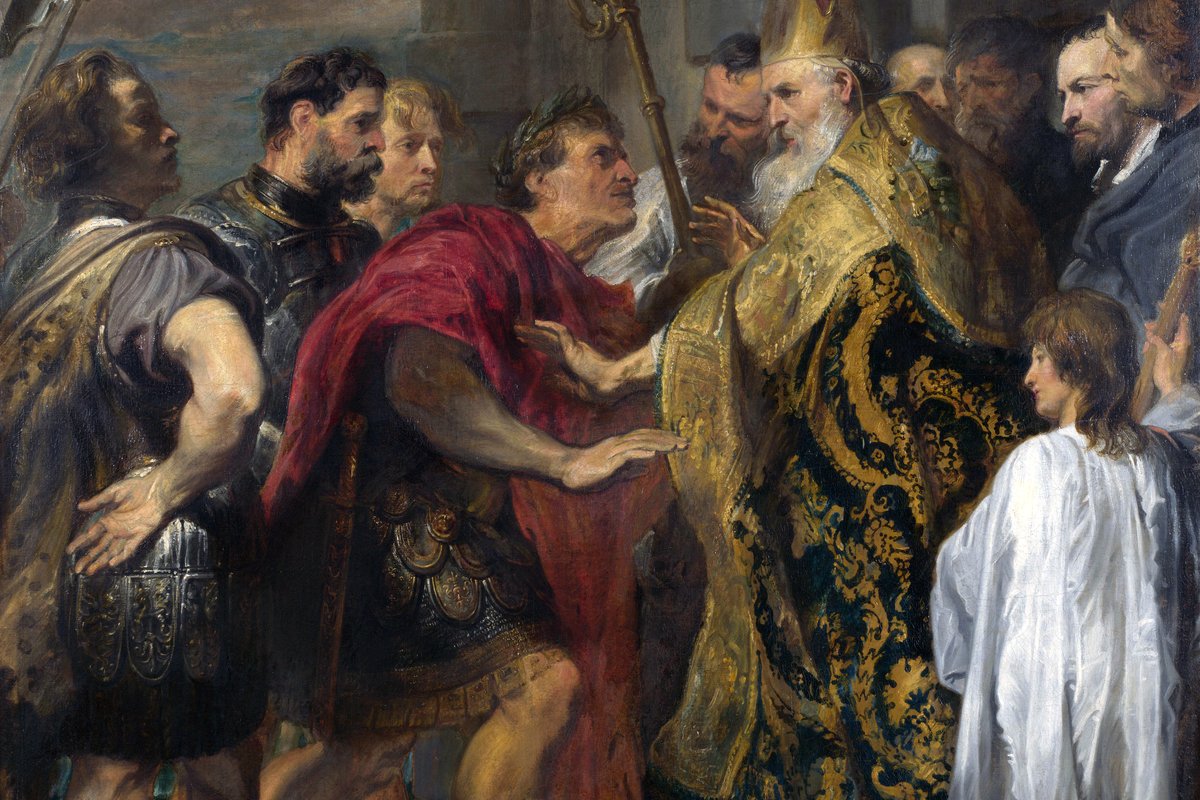
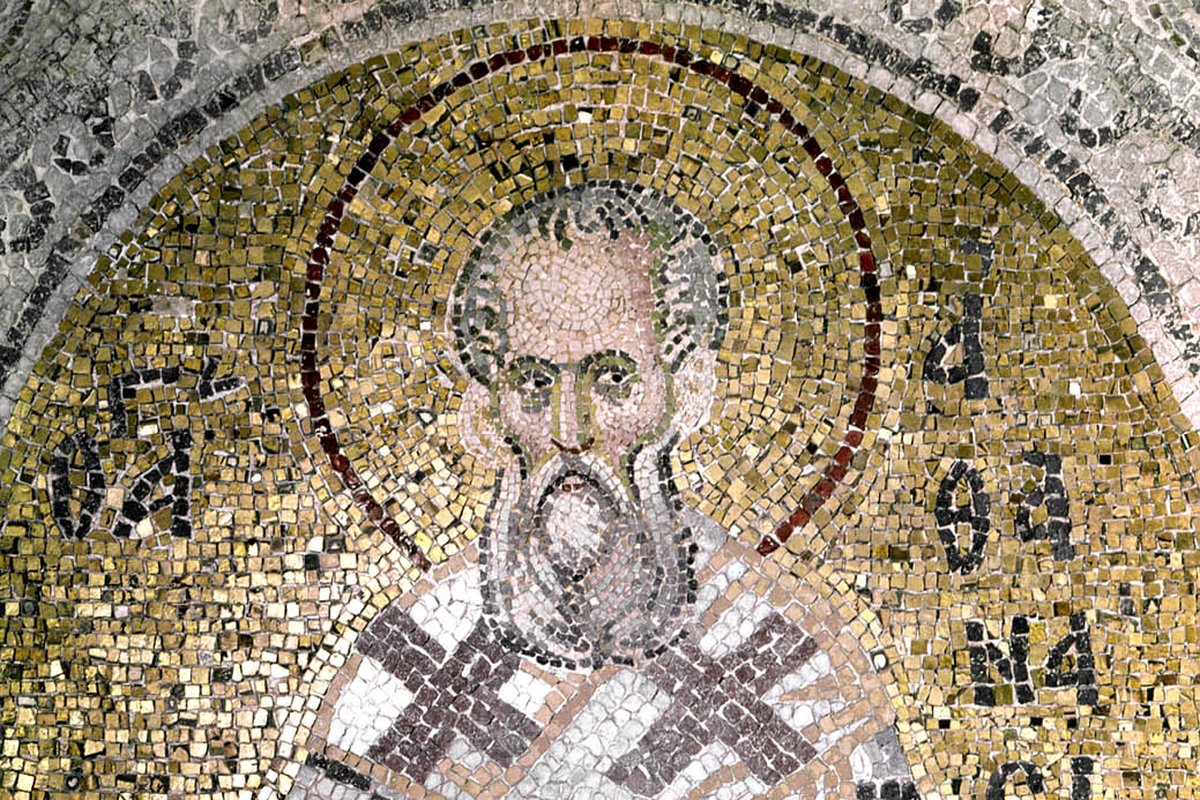
- Athanasius of Alexandria — one of the original 1568 Greek Doctors, honored for surviving five exiles without ever abandoning his defense of Christ's full divinity against Arianism.
- Ambrose of Milan — one of the original 1298 Latin Doctors, the bishop who baptized Augustine and shaped the Western Church's liturgy and preaching style.
- Jerome — one of the original 1298 Latin Doctors, translator of the Vulgate, the Latin Bible that would define Western Christian scholarship for over a thousand years.
- Augustine of Hippo — one of the original 1298 Latin Doctors, whose Confessions and City of God remain among the most influential works in the history of Western thought.
- Gregory the Great — one of the original 1298 Latin Doctors, the pope whose reforms to the liturgy and papacy shaped the medieval Church for centuries after his death.
- Basil the Great — one of the 1568 Greek Doctors, remembered for the monastic rule he wrote for Eastern communal life and the hospital complex he built outside Caesarea.
- Gregory Nazianzen — one of the 1568 Greek Doctors, given the rare title "the Theologian," shared only with the Apostle John, for his defense of the Trinity from a small chapel in a hostile Constantinople.
- John Chrysostom — one of the 1568 Greek Doctors, "Golden-Mouthed" for a body of sermons still studied as some of the finest preaching the early Church produced.
- Cyril of Alexandria — declared a Doctor in 1882, the theologian whose arguments at the Council of Ephesus defended Mary's title as Theotokos, Mother of God.
- Peter Chrysologus — declared a Doctor in 1729, a bishop of Ravenna remembered, like Chrysostom, for the eloquence of his surviving sermons.
- Leo the Great — declared a Doctor in 1754, the pope whose letter to Flavian shaped the Council of Chalcedon's definition of Christ's two natures.
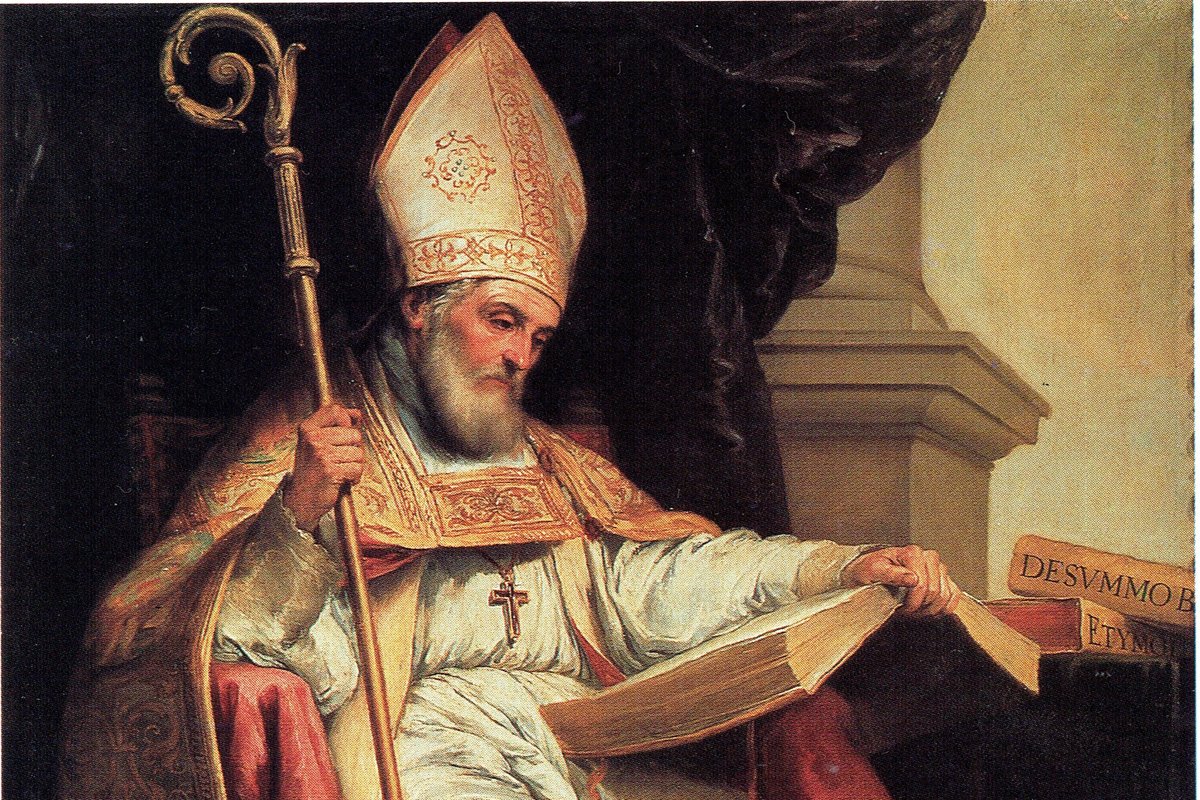
- Isidore of Seville — declared a Doctor in 1722, remembered for the Etymologiae, a 20-volume encyclopedia attempting to gather all available ancient and Christian knowledge.
- Bede the Venerable — declared a Doctor in 1899, the only Englishman on this list, author of the Ecclesiastical History of the English People.
- John Damascene — declared a Doctor in 1890, an eighth-century monk near Damascus whose defense of religious icons helped settle the Byzantine Iconoclasm controversy.
Medieval Doctors (9th–14th century)
- Gregory of Narek — declared a Doctor in 2015, a tenth-century Armenian monk and mystic poet, the first Doctor from a Church not in full communion with Rome at the time he lived.
- Peter Damian — declared a Doctor in 1828, an 11th-century monk and reformer known for blunt criticism of clerical corruption in his own time.
- Anselm of Canterbury — declared a Doctor in 1720, an Italian-born Archbishop of Canterbury remembered for the ontological argument for God's existence in his Proslogion.
- Anthony of Padua — declared a Doctor in 1946, a Franciscan famed as much for his preaching as for the popular devotion built around him as patron of lost things.
- Bernard of Clairvaux — declared a Doctor in 1830, the Cistercian abbot whose preaching and writing made him one of the single most influential churchmen of the 12th century.
- Hildegard of Bingen — declared a Doctor in 2012, a Benedictine abbess, composer, and visionary writer, and one of only four women to hold the title.
- Thomas Aquinas — declared a Doctor in 1567, author of the Summa Theologiae and the single largest body of systematic theology in the Church's history.
- Bonaventure — declared a Doctor in 1588, a Franciscan minister general and mystical theologian, a near-contemporary of Aquinas often studied alongside him.
- Albert the Great — declared a Doctor in 1931, a Dominican encyclopedist who wrote commentaries on nearly the whole of Aristotle and personally taught Thomas Aquinas.
- Catherine of Siena — declared a Doctor in 1970 alongside Teresa of Ávila, the first women ever given the title, remembered for the letters that helped persuade a pope to return to Rome.
Reformation-era and modern Doctors (16th–20th century)
- Teresa of Ávila — declared a Doctor in 1970 alongside Catherine of Siena, the Carmelite mystic and reformer whose autobiography and Interior Castle remain foundational texts of Christian mysticism.
- John of the Cross — declared a Doctor in 1926, Teresa of Ávila's collaborator in reforming the Carmelite order and author of Dark Night of the Soul.
- John of Ávila — declared a Doctor in 2012 on the same day as Hildegard of Bingen, a 16th-century Spanish priest and spiritual director who influenced both Teresa of Ávila and Ignatius of Loyola.
- Robert Bellarmine — declared a Doctor in 1931, a Jesuit cardinal remembered for plainly written catechism texts and rigorous defense of Church doctrine during the Counter-Reformation.
- Francis de Sales — declared a Doctor in 1877, bishop of Geneva and author of Introduction to the Devout Life, written specifically for laypeople rather than clergy or religious.
- Alphonsus Liguori — declared a Doctor in 1871, founder of the Redemptorists and one of the most prolific moral theologians in Church history.
- Peter Canisius — declared a Doctor in 1925, a Jesuit whose catechisms shaped Catholic religious instruction across German-speaking Europe for centuries.
- Lawrence of Brindisi — declared a Doctor in 1959 by John XXIII, an Italian Capuchin friar and gifted linguist known for his preaching across Counter-Reformation Europe.
- Thérèse of Lisieux — declared a Doctor in 1997 by Pope John Paul II, a Carmelite nun who died at 24 with no formal theological training, one of only four women to hold the title, honored for the "Little Way" spirituality of her autobiography.
Trivia
What exactly is a Doctor of the Church?
How many Doctors of the Church are there?
Who were the first Doctors of the Church?
Who are the female Doctors of the Church?
Can a Doctor of the Church also be a Church Father?
You May Also Like
Related Reading