Founders of Catholic Religious Orders — A Directory

Late Antiquity and the early monastic movement (4th–8th century)
The earliest Christian monasticism grew up in the Egyptian desert among hermits seeking solitude, but it was the shift toward organized, rule-governed community life in the West that produced the first "orders" in anything like the modern sense — stable institutions with a written rule, a common life, and a structure that could outlive their founder.
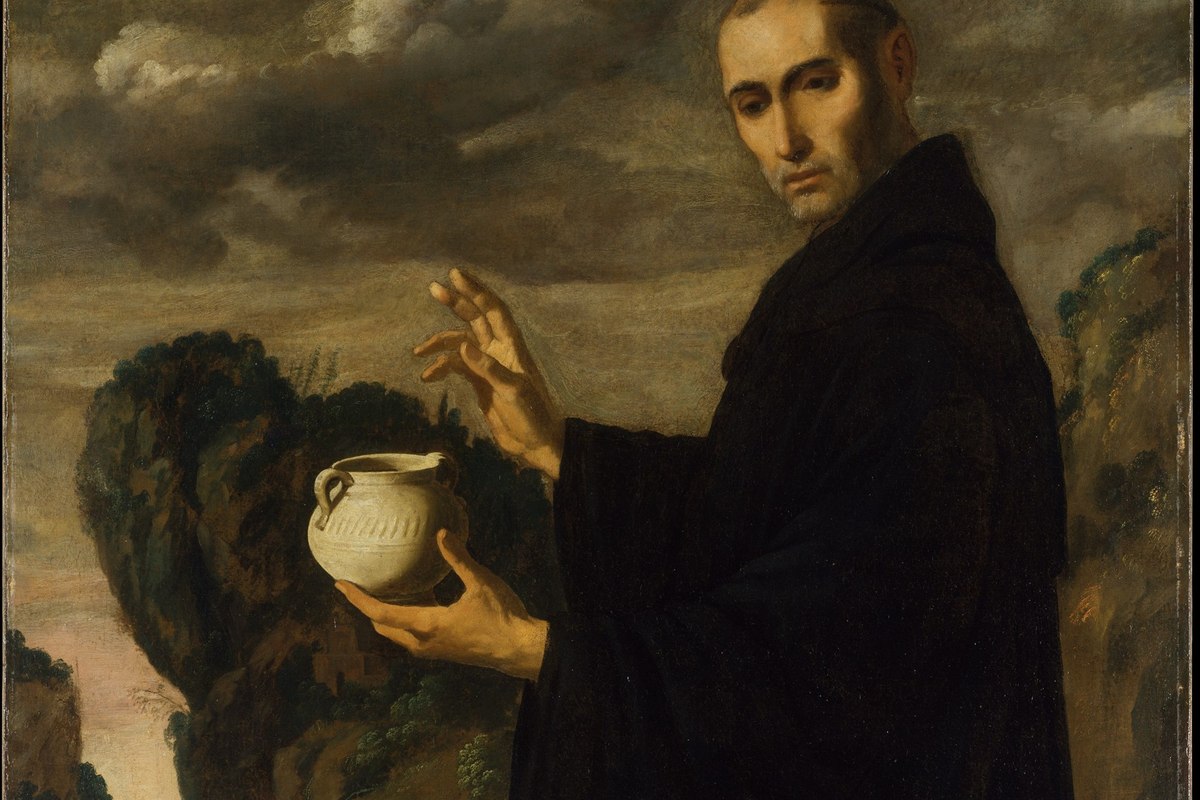
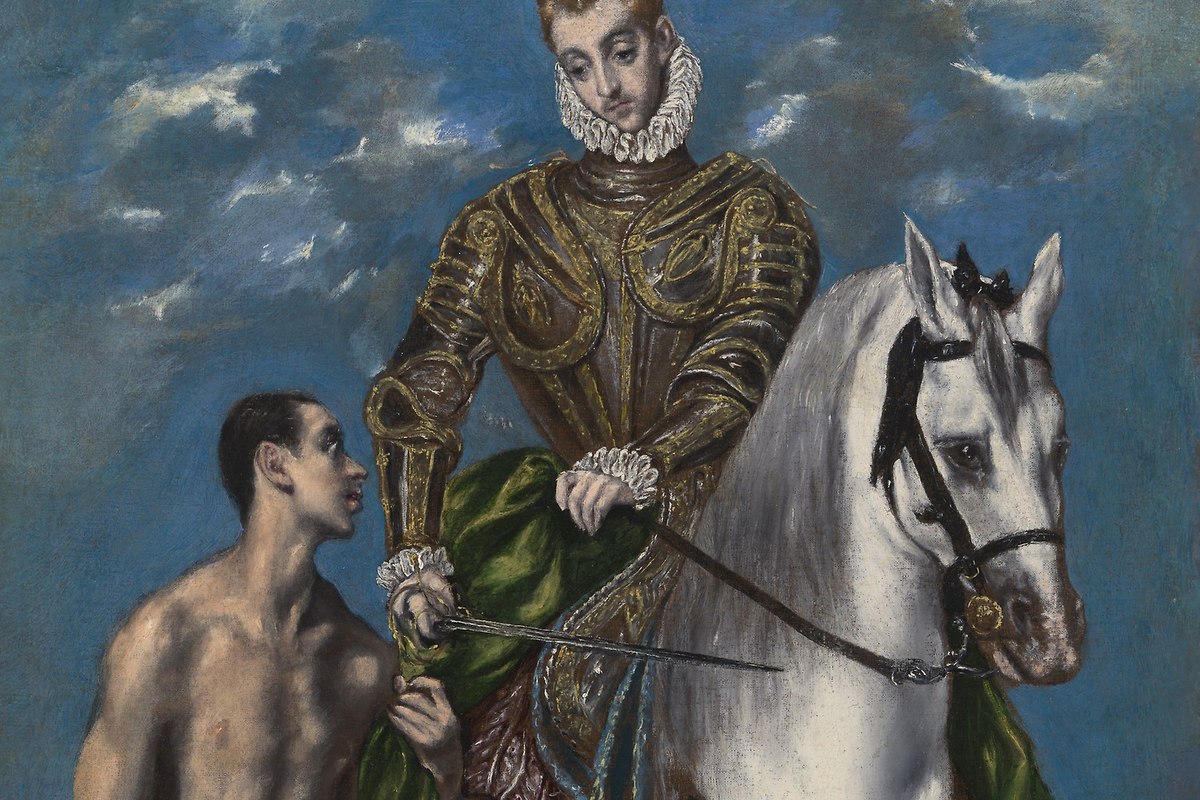
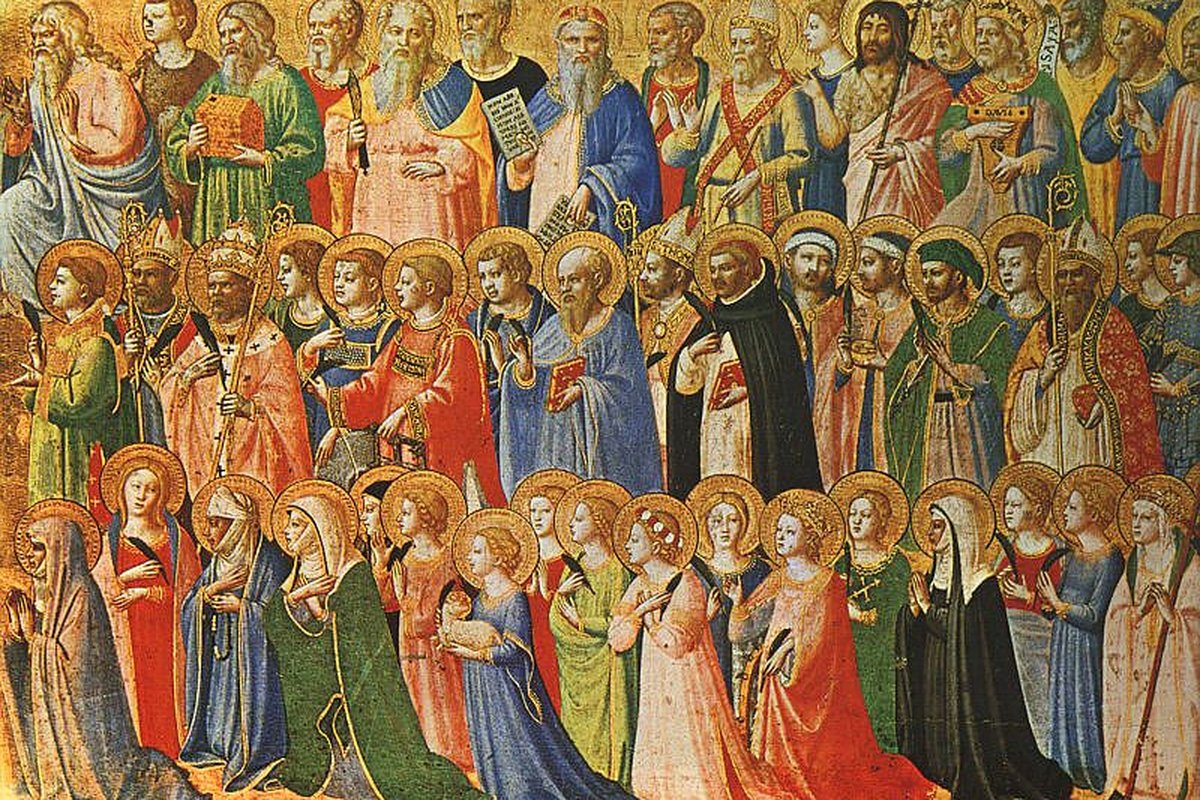
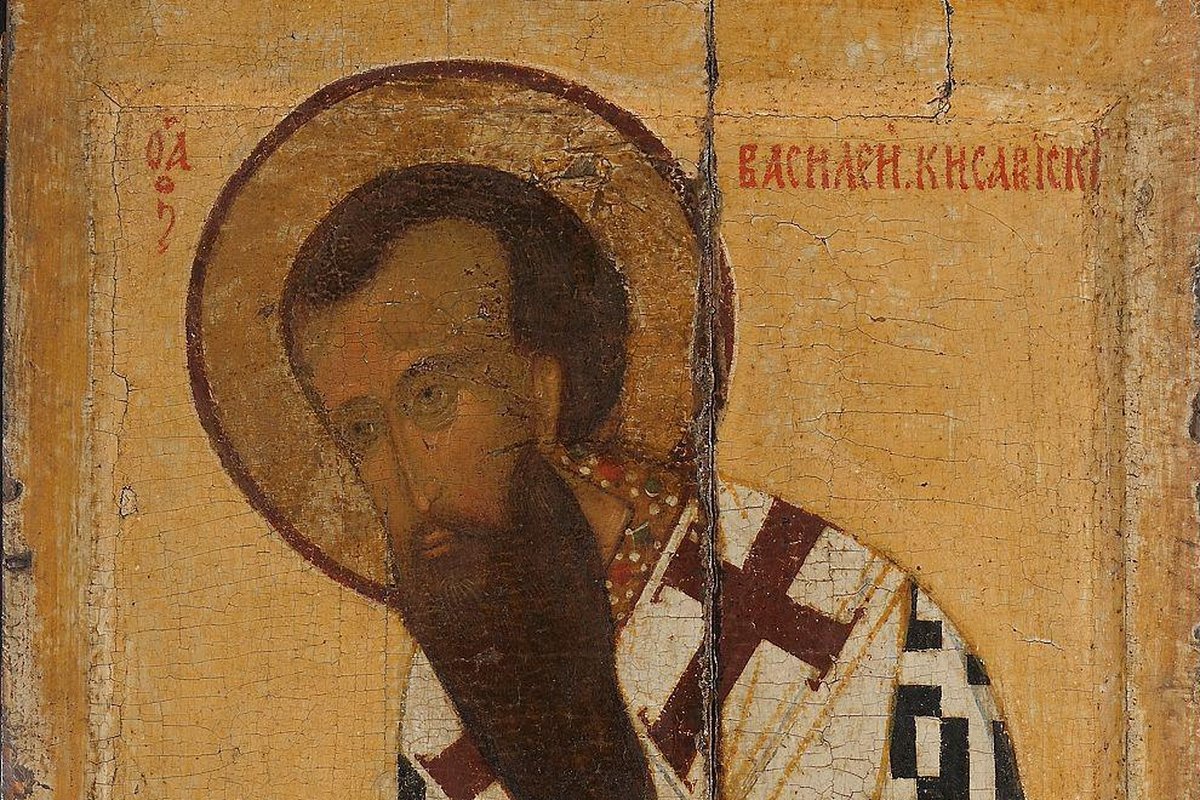
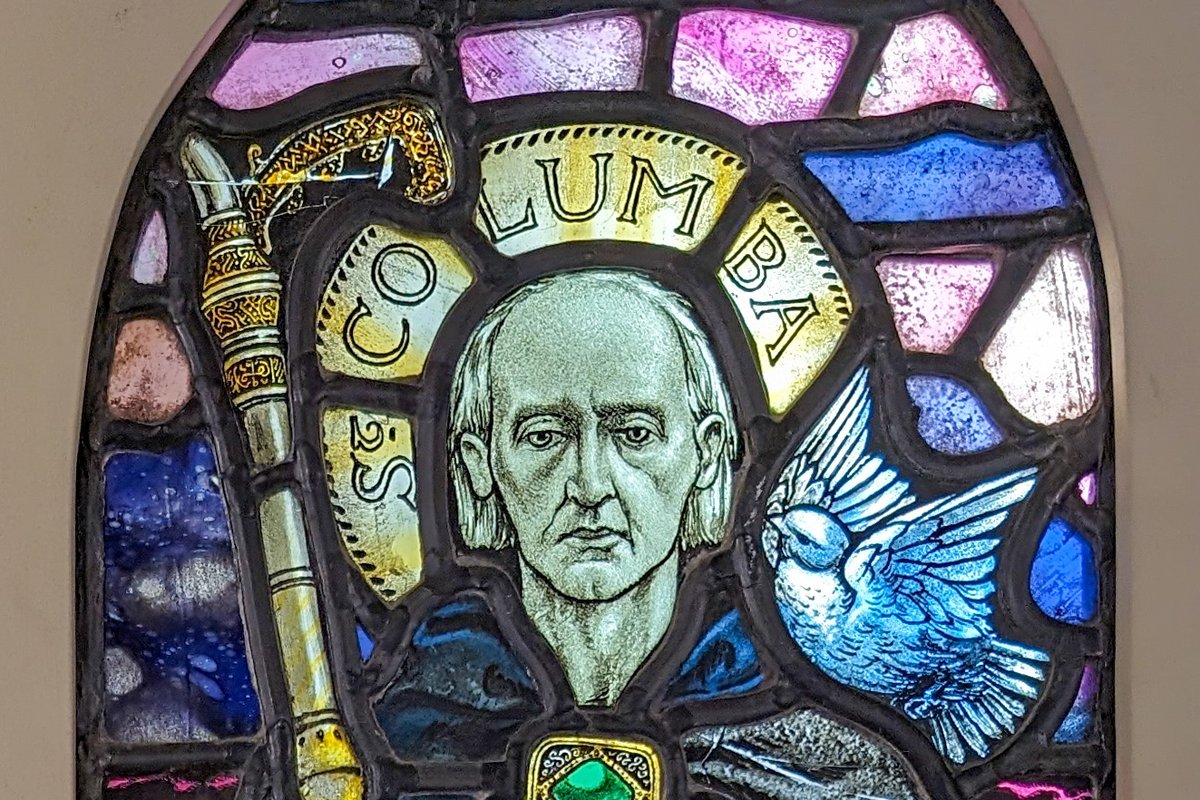
Francisco de Zurbarán, "Saint Benedict," c. 1640–1645, The Metropolitan Museum of Art — public domain. Used here as a representative image for this directory of founders, since no single public-domain composition depicts all the founders covered below together.
- Benedict of Nursia — founded the monastery of Monte Cassino around 529 and wrote the Rule that became the foundation of Western monasticism, giving his name to the Benedictine order.
The medieval mendicant and monastic founders (11th–13th century)
By the High Middle Ages, two distinct impulses were driving new foundations side by side: a hunger for stricter, more solitary contemplative life reacting against monasteries seen as too comfortable or too worldly, and an entirely new model — the mendicant orders — built around poverty, preaching, and active ministry in the growing towns and cities of medieval Europe, rather than withdrawal behind monastery walls.
- Bruno of Cologne — founded the Carthusians in 1084, an order built around silence and solitary contemplation inside a shared monastic enclosure.
- Romuald — founded Camaldoli around 1012, combining solitary hermit cells with a small communal monastery, the model that became the Camaldolese order.
- Norbert of Xanten — founded the Premonstratensians (Norbertine Canons) after a dramatic conversion, combining communal religious life with active pastoral ministry.
- Francis of Assisi — gave up his family's wealth to found the Franciscans, built around radical poverty and preaching.
- Clare of Assisi — founded the Order of Poor Ladies, now the Poor Clares, as the women's counterpart to Francis's movement.
- Dominic de Guzman — founded the Dominicans (Order of Preachers), built specifically to combat heresy through preaching and rigorous study.
Reformers of existing orders (16th century)
Not every founder started from nothing. Some of the most consequential figures in religious life didn't invent a new charism so much as insist that an existing order return to a stricter version of what it had originally promised — a pattern often called "reform," and one that could produce enough friction with the parent order to effectively create a new branch entirely.
- Teresa of Ávila — together with John of the Cross, founded the Discalced Carmelites, a stricter reform of the Carmelite order toward poverty and contemplative prayer.
- John of the Cross — co-founded the Discalced Carmelites alongside Teresa of Ávila.
- Peter of Alcantara — founded the Alcantarines, a stricter reform branch of the Observant Franciscans, formally established in 1561.
- Cajetan — co-founded the Theatines in 1524 alongside the future Pope Paul IV, a congregation dedicated to reforming clerical life.
The Counter-Reformation founders (16th century)
The upheaval of the Protestant Reformation reshaped religious life across Catholic Europe, and the orders founded in its shadow reflect a Church newly focused on disciplined formation, direct engagement with ordinary believers, and rapid, mobile deployment rather than the older monastic model of a fixed, enclosed community.
- Ignatius of Loyola — founded the Society of Jesus (the Jesuits) in 1540, built around disciplined spirituality and rapid deployment wherever the Church needed them.
- John of God — founded what became the Brothers Hospitallers (the Order of St. John of God), a hospital order still known today for medical care.
Founders of teaching orders (17th–19th century)
This stretch of history produced the largest single cluster of founders on this list, and it's not a coincidence. Widespread, formal education for poor and working-class children barely existed before the modern era, and the state provided almost none of it — so the gap was filled, community by community, by founders who saw specifically that the children nobody else would teach needed teachers of their own, whether in rural France, industrial Turin, or the parishes of colonial Canada.
- Jean-Baptiste de La Salle — founded the Brothers of the Christian Schools in 1680, the first religious congregation made up entirely of laymen dedicated to teaching.
- Vincent de Paul — founded the Congregation of the Mission in 1625, and with Louise de Marillac, the Daughters of Charity in 1633, the first uncloistered women's institute devoted to active charitable work.
- Alphonsus Liguori — founded the Redemptorists in 1732, dedicated to preaching missions among the rural poor.
- Marguerite Bourgeoys — founded the Congrégation de Notre-Dame de Montréal in 1658, Canada's first uncloistered teaching congregation.
- John Bosco — founded the Salesians to educate and care for poor and abandoned boys in industrializing Turin.
- Marcellin Champagnat — founded the Marist Brothers to serve as a teaching order across rural France.
- Eugene de Mazenod — founded the Missionary Oblates of Mary Immaculate in Marseille.
- Peter Julian Eymard — founded the Congregation of the Blessed Sacrament in 1856, and with Marguerite Guillot, its companion women's branch two years later.
Modern founders (19th–20th century)
The most recent founders on this list worked in a world of colonial frontiers and, later, global mass media — circumstances that let a single foundation grow, within a founder's own lifetime or shortly after, into a truly international congregation in a way earlier founders rarely saw happen so quickly.
- Mary MacKillop — co-founded the Sisters of St Joseph of the Sacred Heart with Father Julian Tenison Woods, dedicated to educating poor children in rural Australia.
- Teresa of Calcutta — founded the Missionaries of Charity in 1950, growing from a single house in Calcutta into a global congregation caring for the poorest of the poor.
What ties this list together
Look across seven centuries of this directory and one thing stays constant: every order here started with a single person's answer to a specific, unmet need — teaching children nobody else was teaching, nursing patients nobody else would touch, reforming a rule that had grown too loose, or simply building a stricter version of the life they were already living. The dates, countries, and charisms vary enormously; the basic pattern of "I saw a gap, and built something to fill it" doesn't.
It's also worth noticing how differently these institutions have aged. Some orders on this list, like the Benedictines and Franciscans, have survived essentially intact for the better part of a millennium or more, adapting their external ministries while keeping their founding rule largely unchanged. Others, like the Missionaries of Charity, are barely a lifetime old and still led by members who could plausibly have known their founder personally. A few — the Theatines and Camaldolese among them — remain comparatively small and little-known outside Catholic circles, even though their founders are venerated as saints in their own right. Longevity, in other words, has never been the measure the Church uses to judge whether a founder's original insight mattered.
Trivia
What's the difference between a religious order and a congregation?
Why did so many saints found new orders instead of joining existing ones?
Can a religious order be founded by more than one person?
Are all the founders on this list officially canonized saints?
You May Also Like
Related Reading