Saint Dominic de Guzman

Selling his books during a famine
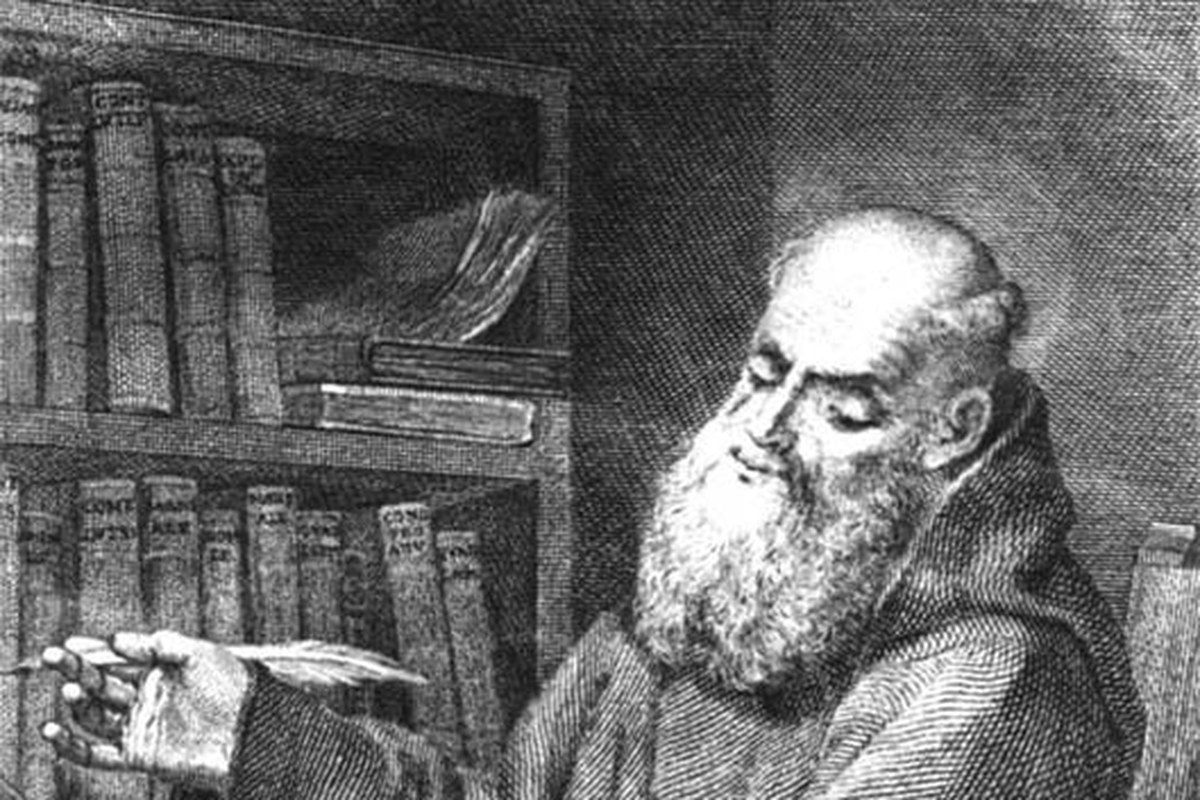
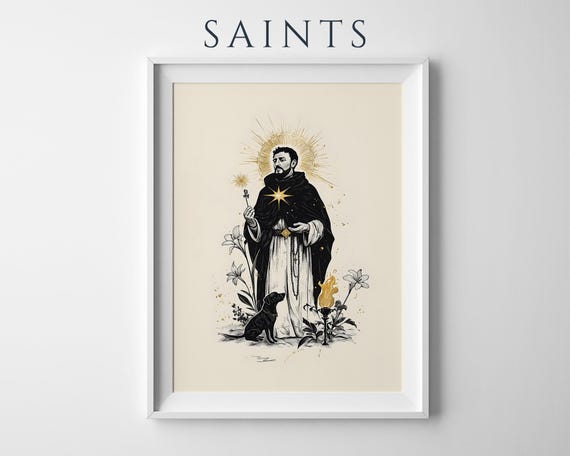
Long before he founded anything, Dominic showed the instinct that would define his later ministry. As a student in Palencia during a severe famine, he sold his own books — his primary tools for study, and no small expense to replace — and gave the money to feed the hungry. Questioned about it, he reportedly answered that he had no interest in "studying dead skin while men starve." It's a small episode, but it previews exactly the kind of practical, unsentimental faith that would later shape an entire religious order.
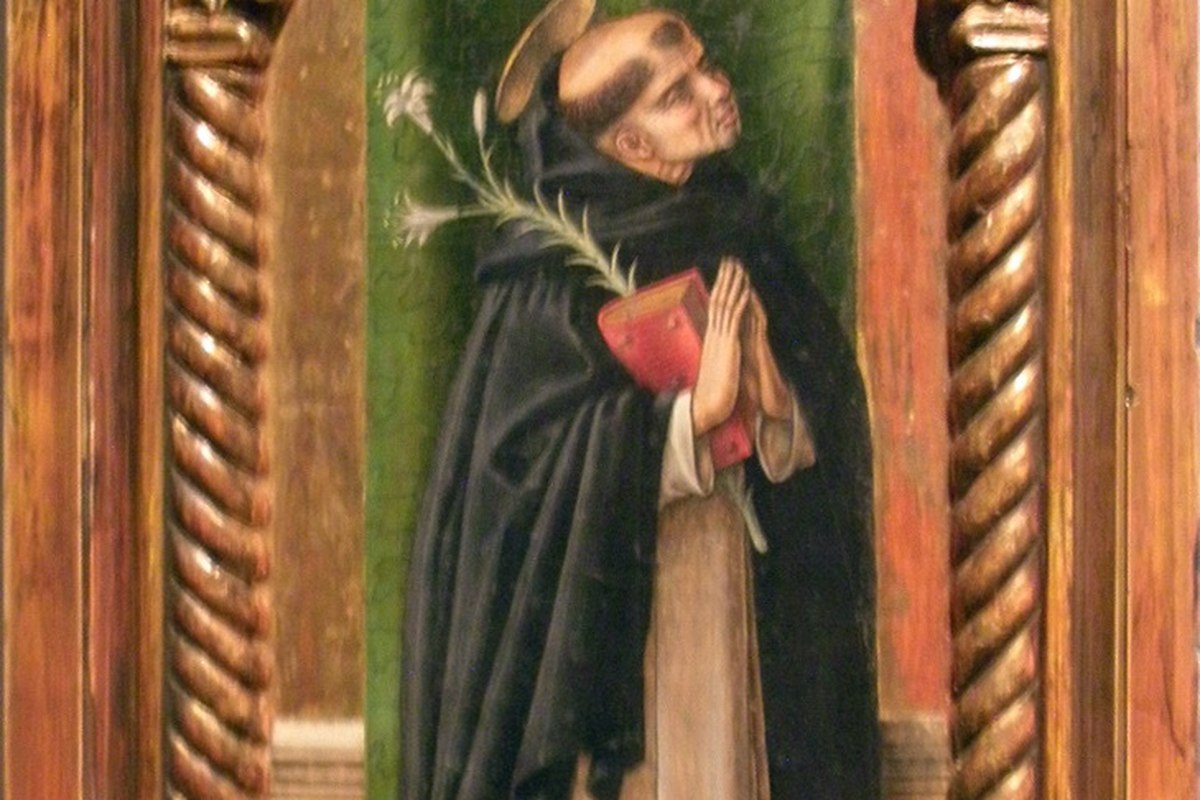
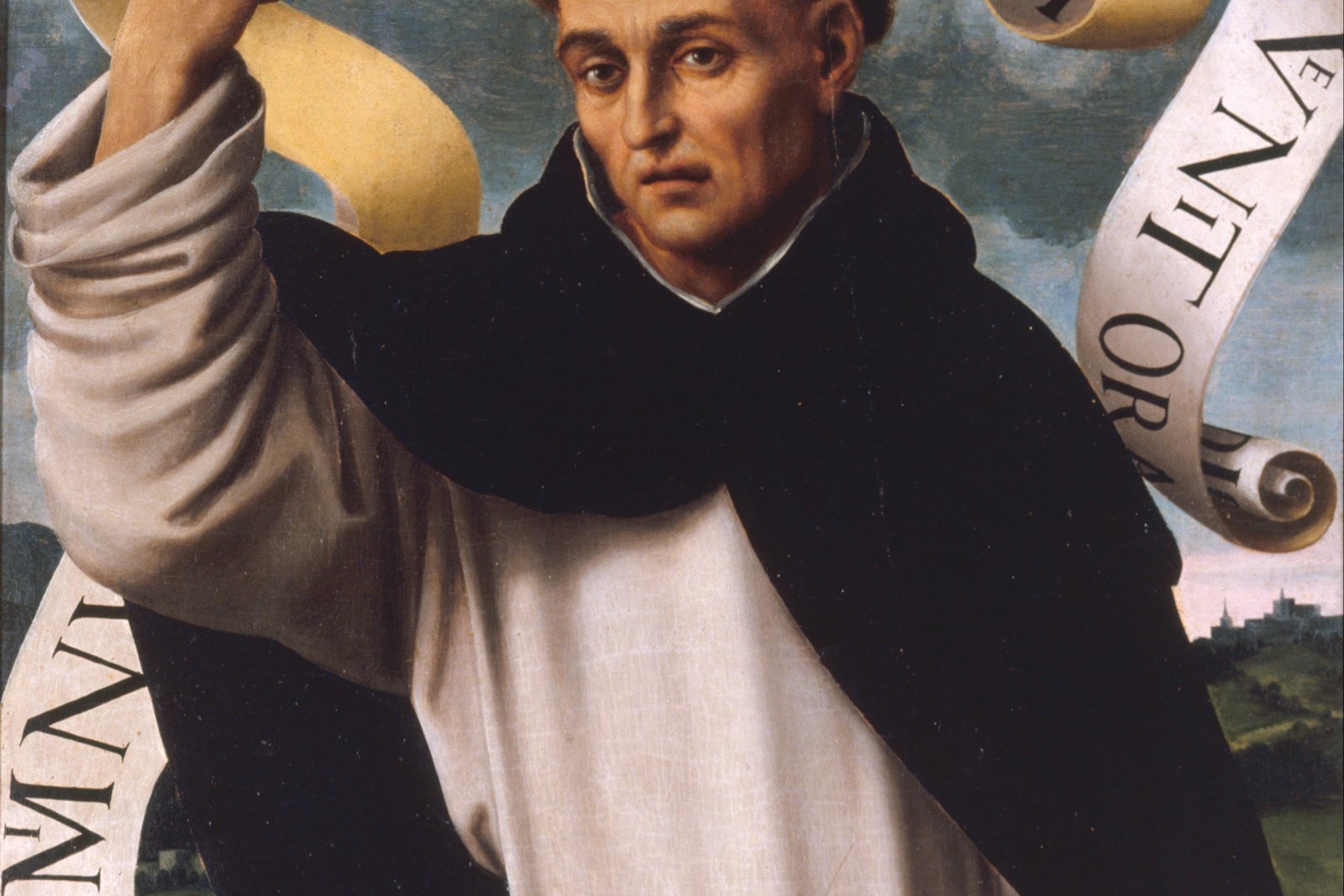
Carlo Crivelli, "Saint Dominic," c. 1485-1490 — public domain.
Dominic was born around 1170 in Caleruega, in the Castile region of Spain, to a noble family; his mother, later beatified herself as Blessed Jane of Aza, is said to have dreamed while pregnant with him of a dog carrying a torch in its mouth, setting the world alight — an image later Dominican tradition connected to a Latin pun on the order's own name, "Domini canes," or "hounds of the Lord." Whatever the truth of that particular legend, Dominic's formal education was thorough and lengthy: roughly a decade of study in the arts and theology at Palencia, followed by ordination as a canon of the cathedral chapter in Osma, where he lived for several years under the Rule of Saint Augustine before the turn toward southern France that would define the rest of his life.
An order built to argue, not just to withdraw
By 1216, Dominic had turned his attention to a specific problem: the spread of the Albigensian heresy across southern France, and the Church's largely ineffective response to it. That heresy, also called Catharism, held a dualistic view of the world as a battleground between a good spiritual realm and an evil material one, rejecting the goodness of the physical creation and much of mainstream Catholic sacramental life along with it. Dominic had first encountered Cathar communities while traveling with his bishop through southern France around 1203, and was struck by how poorly the existing Catholic clergy in the region were positioned to counter the movement's appeal — Cathar preachers often lived visibly simple, austere lives that made the wealth and comfort of some Catholic clergy look hollow by comparison.
His solution was the Order of Preachers — a new kind of religious community that combined the discipline of monastic life with active, engaged preaching and teaching among ordinary communities, rather than retreat from them. Crucially, Dominic insisted his own preachers match the Cathars' visible poverty, traveling on foot, begging for their food, and living without personal property, so that the contrast the Cathars had exploited against the wider Church could no longer be made against his own friars. Pope Honorius III formally approved the order in 1216, giving the Dominicans a mandate built specifically around persuasion and instruction, with a strong emphasis on rigorous theological education — Dominican houses were typically built near universities from the very start, a deliberate strategy that would later produce towering theological minds like Saint Thomas Aquinas.
A vision at Prouille
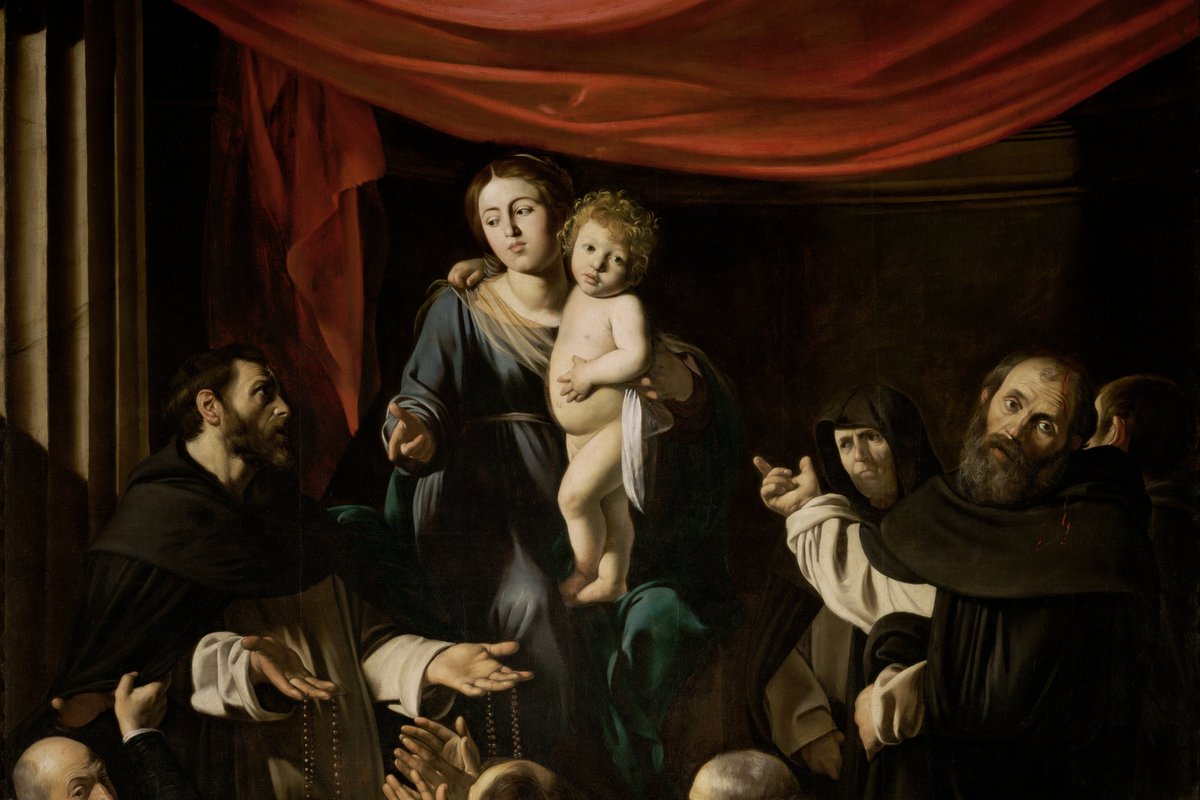
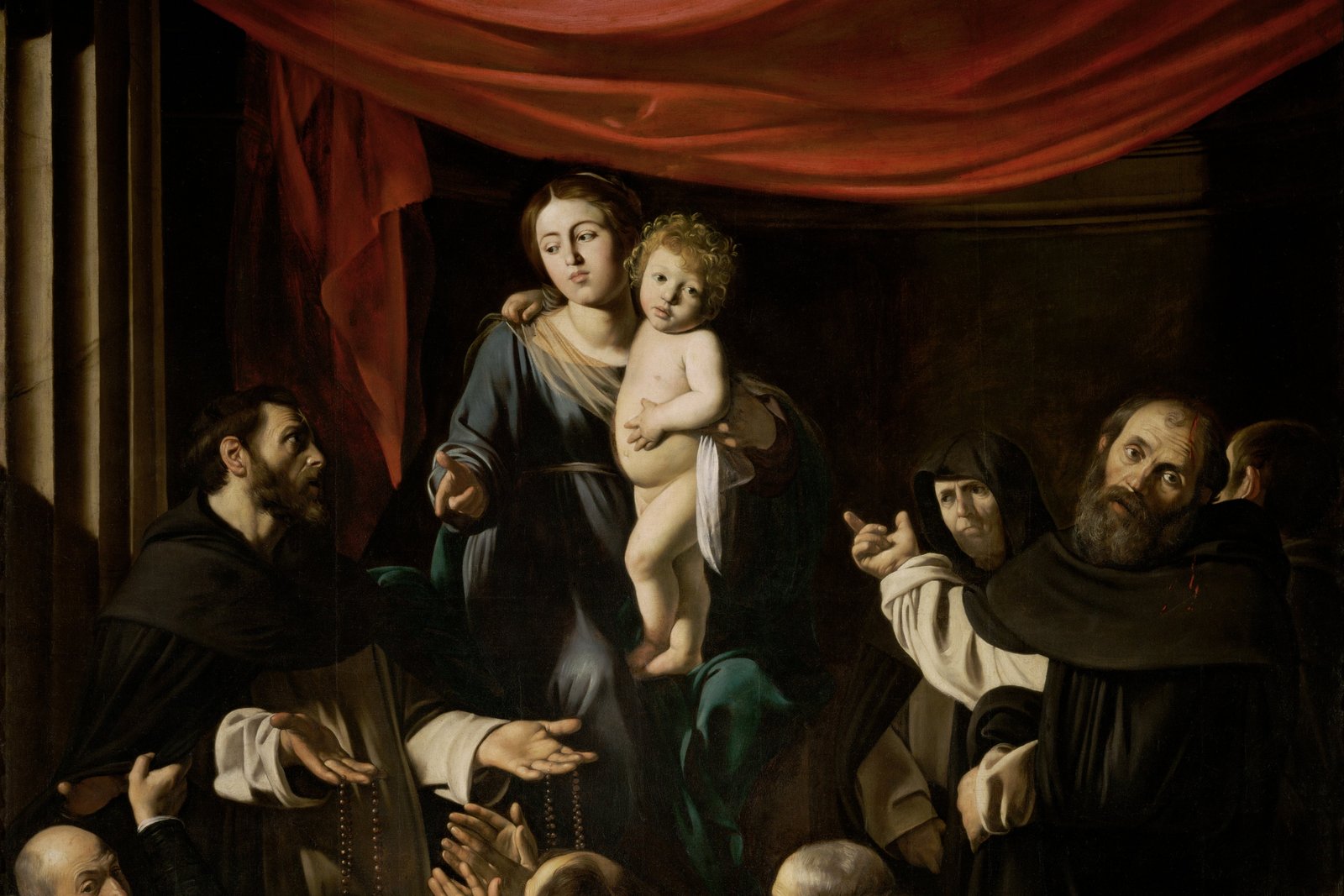
Dominican tradition attributes one of the order's most enduring practices to a vision Dominic experienced in 1208 at the church in Prouille, in which the Virgin Mary appeared to him and gave him the rosary. The prayer form itself existed in simpler versions before Dominic's time, but the Dominicans are widely credited with the sustained work of popularizing and spreading it — turning a devotional practice into one of the most recognizable forms of Catholic prayer worldwide. Historians of devotional practice generally treat the apparition story itself as pious legend rather than a documented historical event — it isn't mentioned in the earliest biographies of Dominic written soon after his death, and appears in Dominican sources only centuries later — while still acknowledging the real, well-attested historical role Dominican preachers played in spreading the rosary's use across medieval and early modern Europe. Prouille itself, the site of the vision, had already become significant earlier in Dominic's ministry as the location of the first religious house he founded, originally intended as a refuge for women converted away from Catharism.
Sainthood within a generation
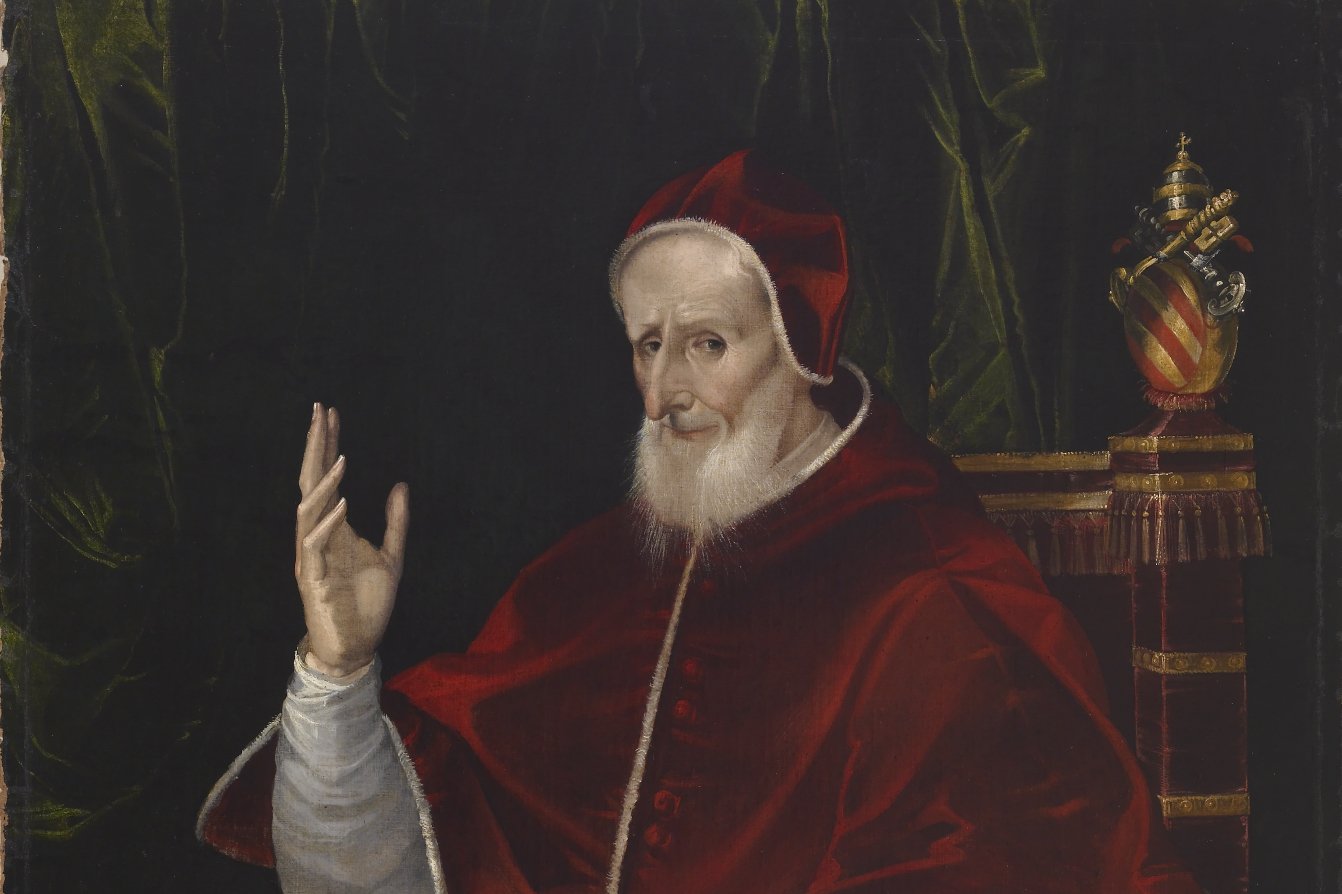
Dominic died in Bologna in 1221, only a few years after his order received papal approval. The Church moved unusually quickly to recognize him: Pope Gregory IX, who had known Dominic personally, canonized him just thirteen years later, in 1234. It was a rapid confirmation of a life defined less by singular dramatic miracles and more by a consistent, practical instinct toward action — the same instinct that had once led a student to sell his books rather than watch his neighbors go hungry.
A legacy carried forward by preachers and scholars
The Dominican order Dominic founded went on to produce some of the most significant theological minds in Church history, and its members became known by the Latin nickname "Domini canes" — "hounds of the Lord," a play on their own name that Dominicans themselves have embraced for centuries as a badge of their vigilant defense of orthodox teaching. Dominican friars would go on to staff many of medieval Europe's universities and to lead some of the Church's most significant theological developments over the following centuries, a legacy that traces back directly to Dominic's original insistence that effective preaching required serious, sustained study rather than passion alone. His feast day, August 8, and his enduring association with the rosary and with astronomers make him one of the more distinctively intellectual saints of the medieval Church — a founder remembered as much for his mind as for his zeal.
Trivia
What did Dominic do during his student years that revealed his character?
Why did Dominic found the Order of Preachers?
What is Dominic's connection to the rosary?
How quickly was Dominic canonized after his death?
What is Saint Dominic de Guzman the patron saint of, and when is his feast day?
Related Reading