
Blog
Stories of saints, biblical events, angels, and sacred places.
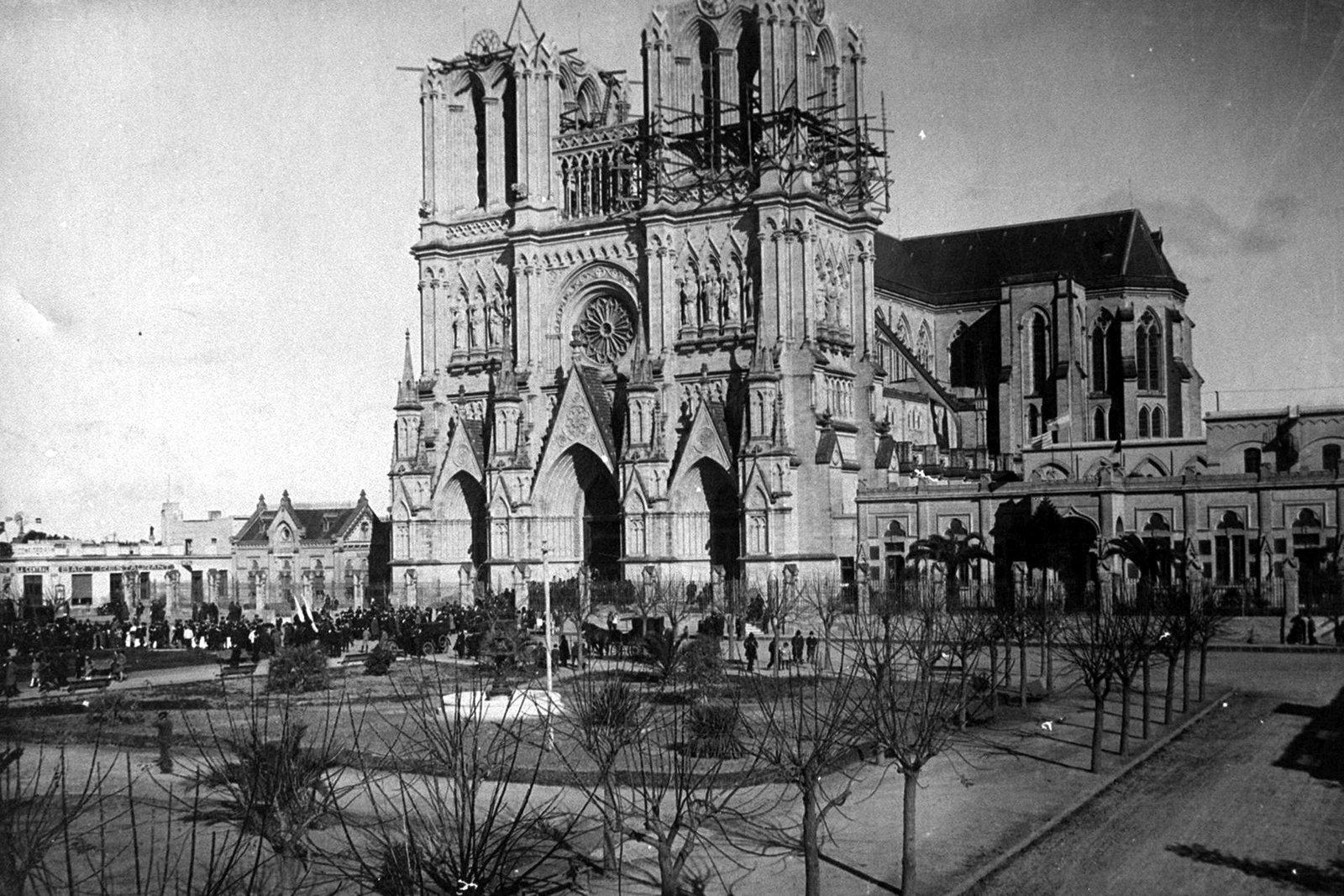
Our Lady of Luján: The Clay Statue That Would Not Be Moved
A small terracotta Virgin halted an ox-cart near the Luján river in 1630 and wouldn't move again — today she's Argentina's patroness, loved by Pope Francis.
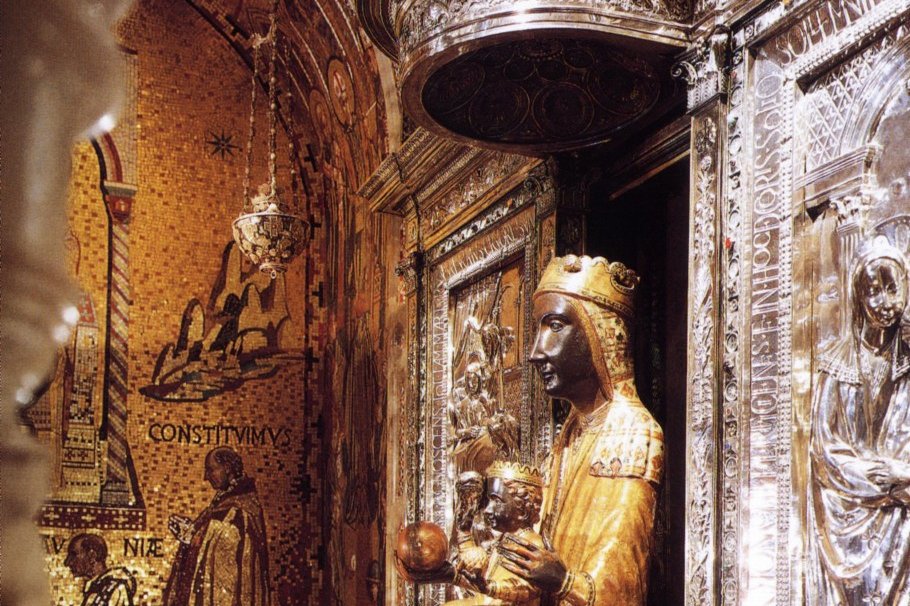
Our Lady of Montserrat: Catalonia's Black Madonna on the Mountain
The legend of La Moreneta, the Black Madonna statue found on a Catalan mountaintop, enshrined at the Benedictine Abbey of Montserrat since the Middle Ages.
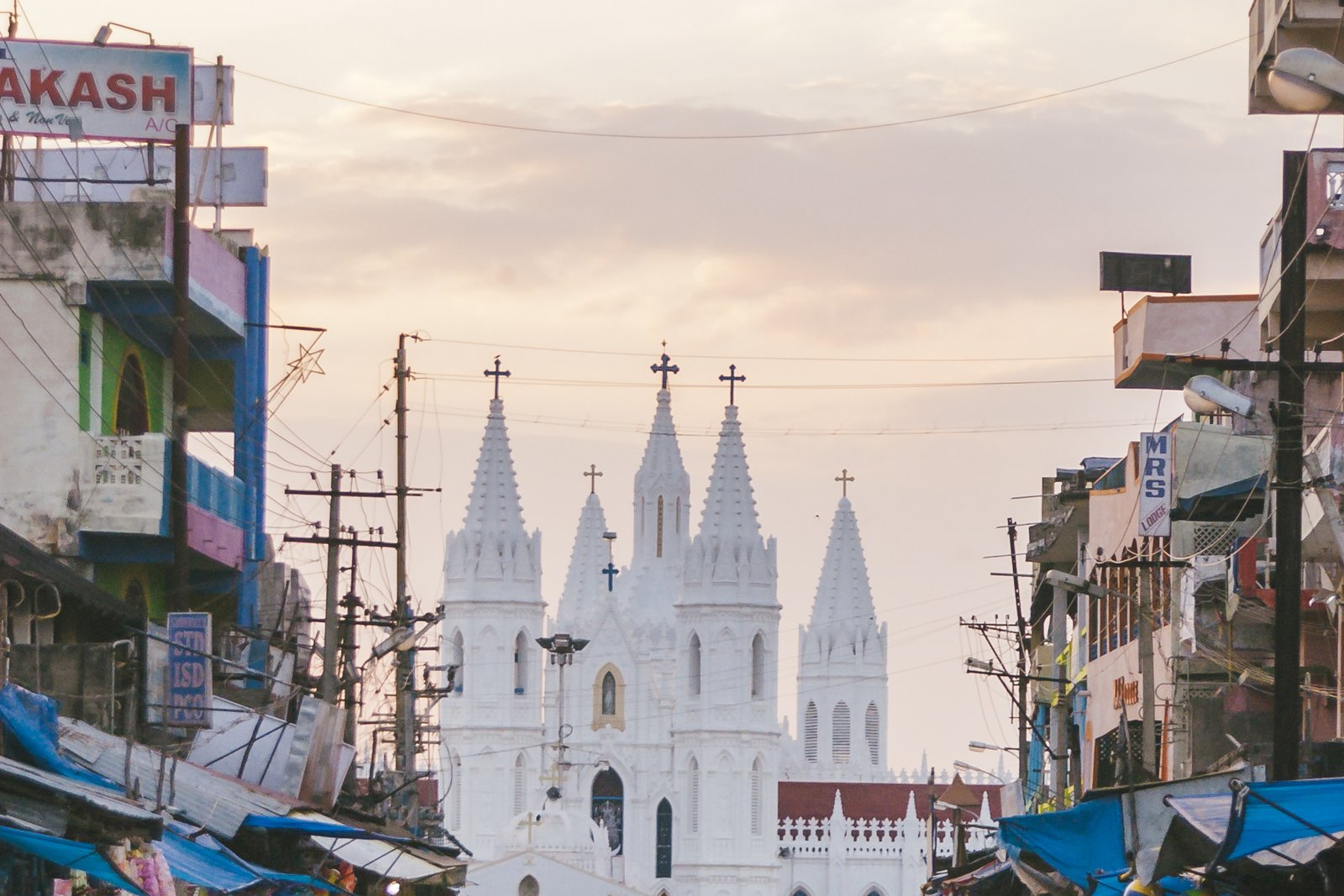
Our Lady of Vailankanni: The Lourdes of the East
A shepherd boy's vision, a cured buttermilk seller, and shipwrecked sailors built one shrine in Tamil Nadu, now among Asia's largest Christian gatherings.
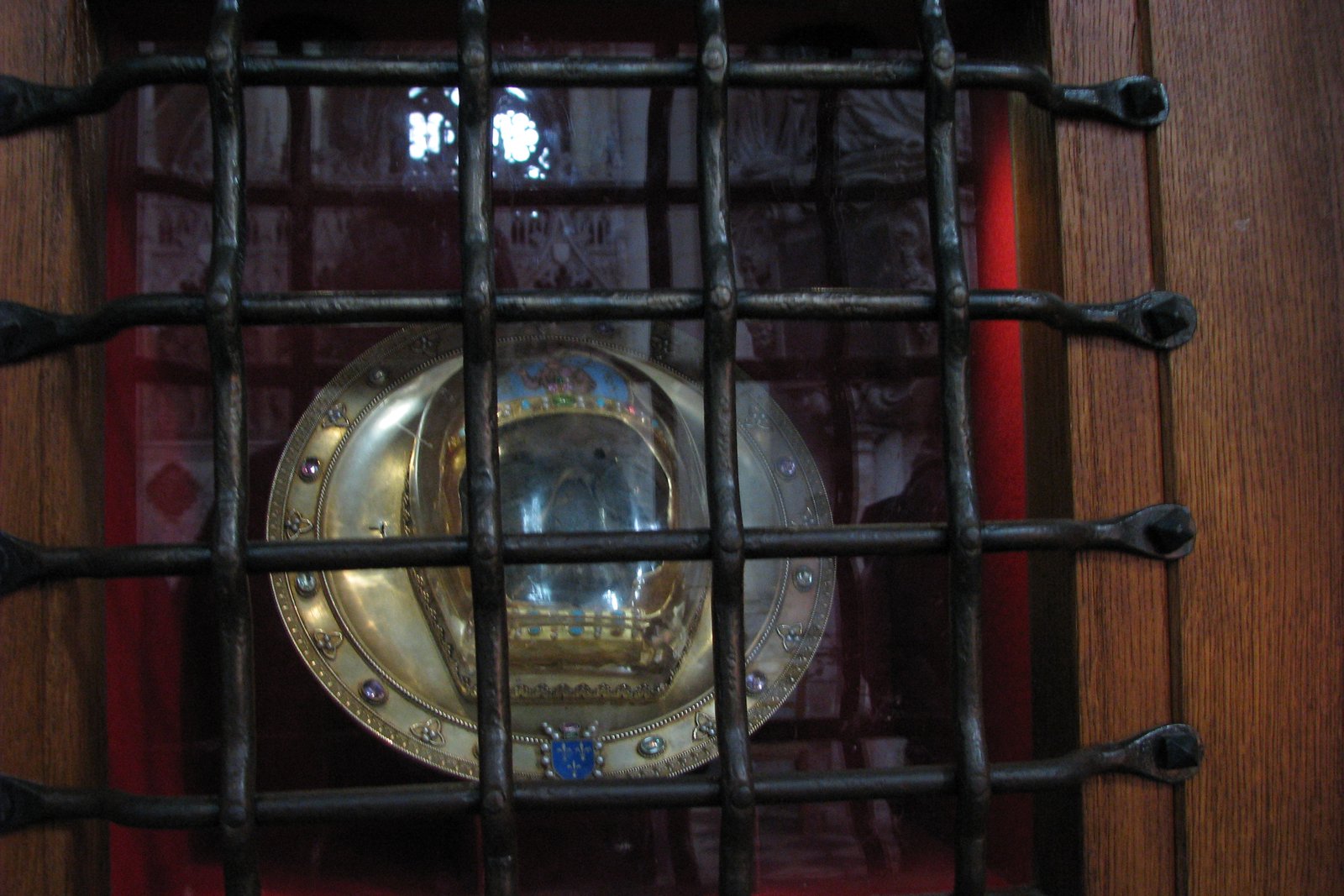
Relics of Saint John the Baptist: The Many Claims to His Head
Saint John the Baptist's beheading, and the multiple churches, including Amiens Cathedral and a Damascus mosque, that have long claimed relics of his head.
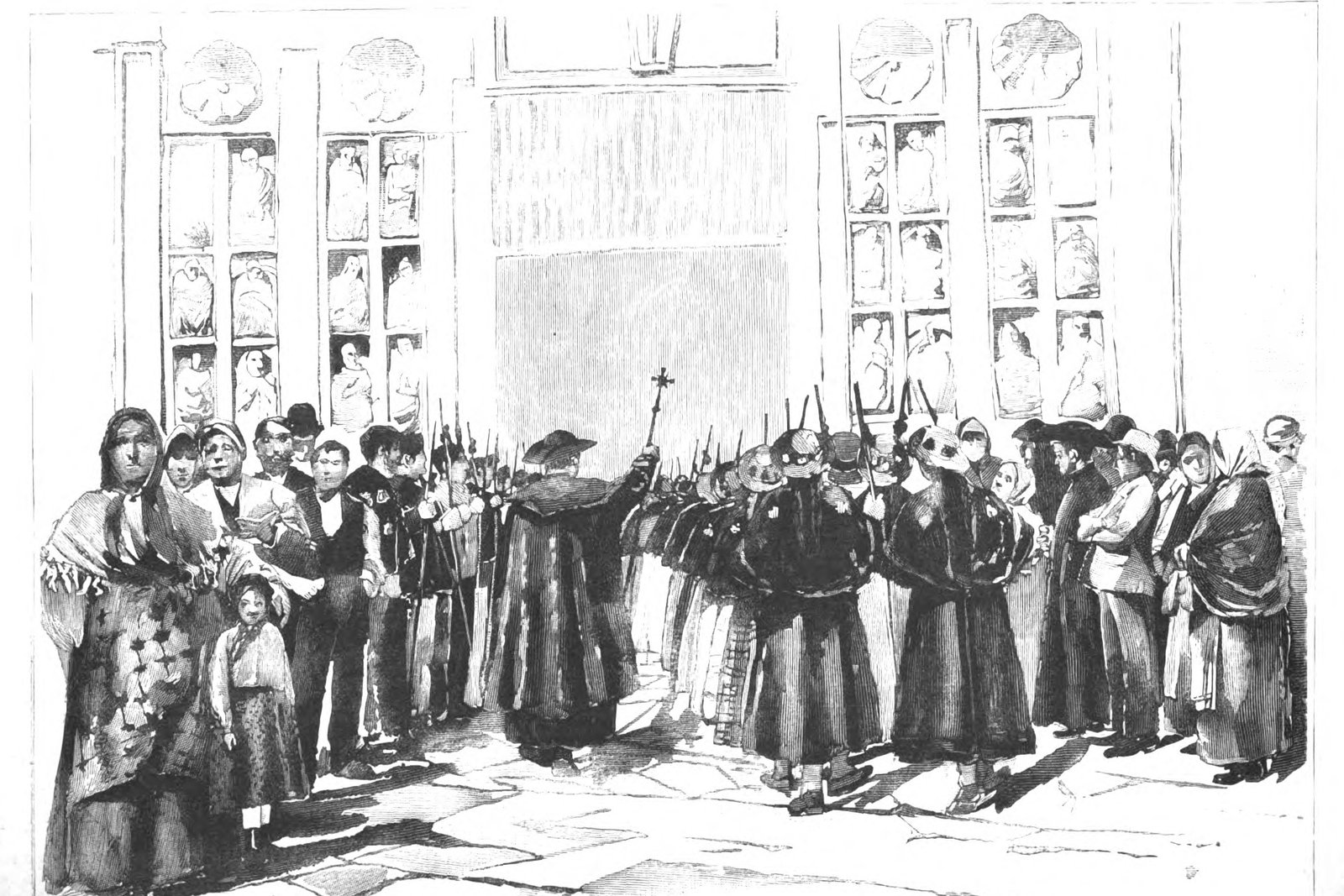
The Relics of Saint James at Santiago de Compostela
How a Galician cathedral came to hold the bones of the Apostle James, and why a medieval pilgrimage legend still draws millions of walkers there today.
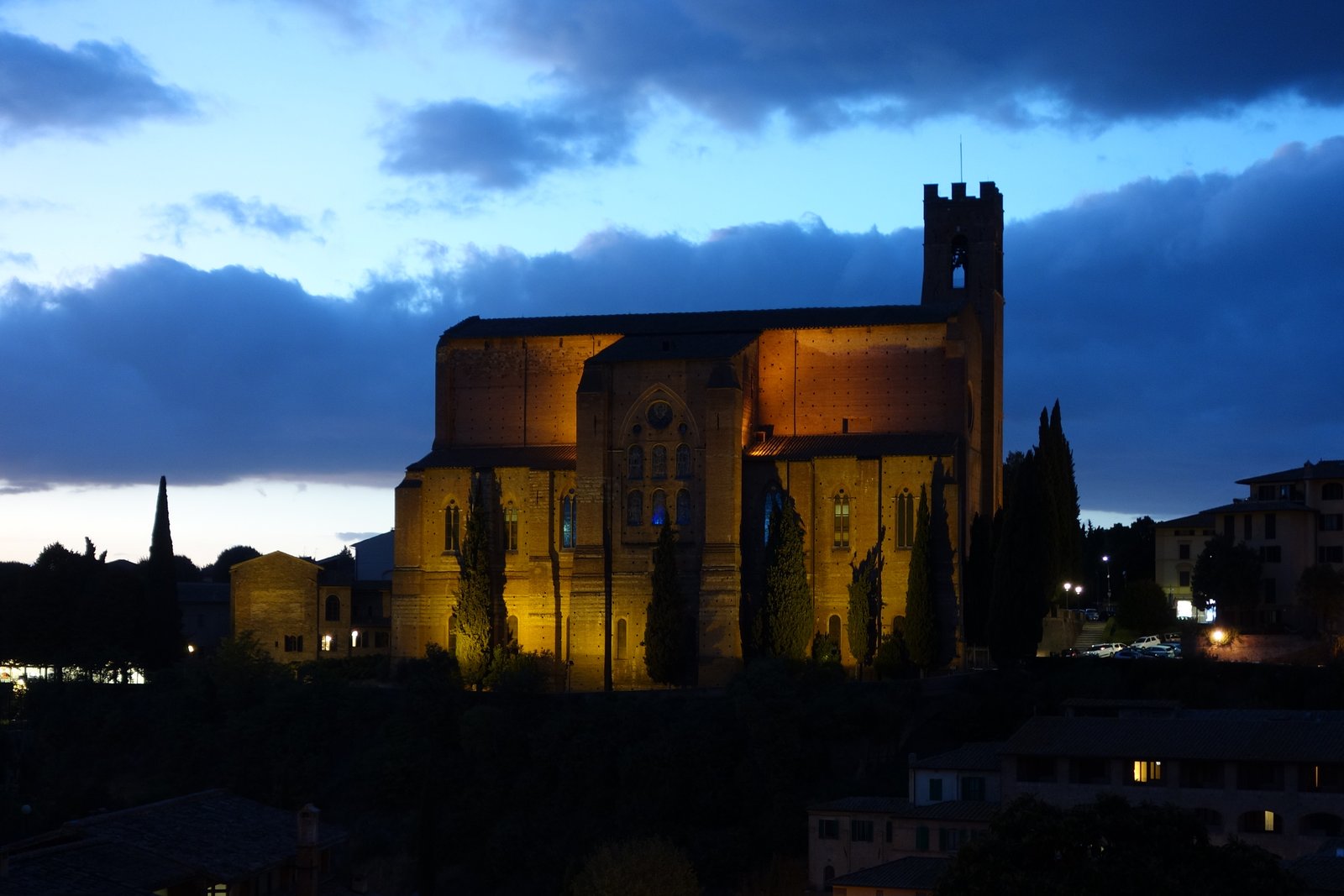
Saint Catherine of Siena's Head: A Relic Divided Between Two Cities
Catherine of Siena's body rests in Rome, but her head — and a thumb — were enshrined separately in Siena, a division tradition wraps in a smuggling legend.
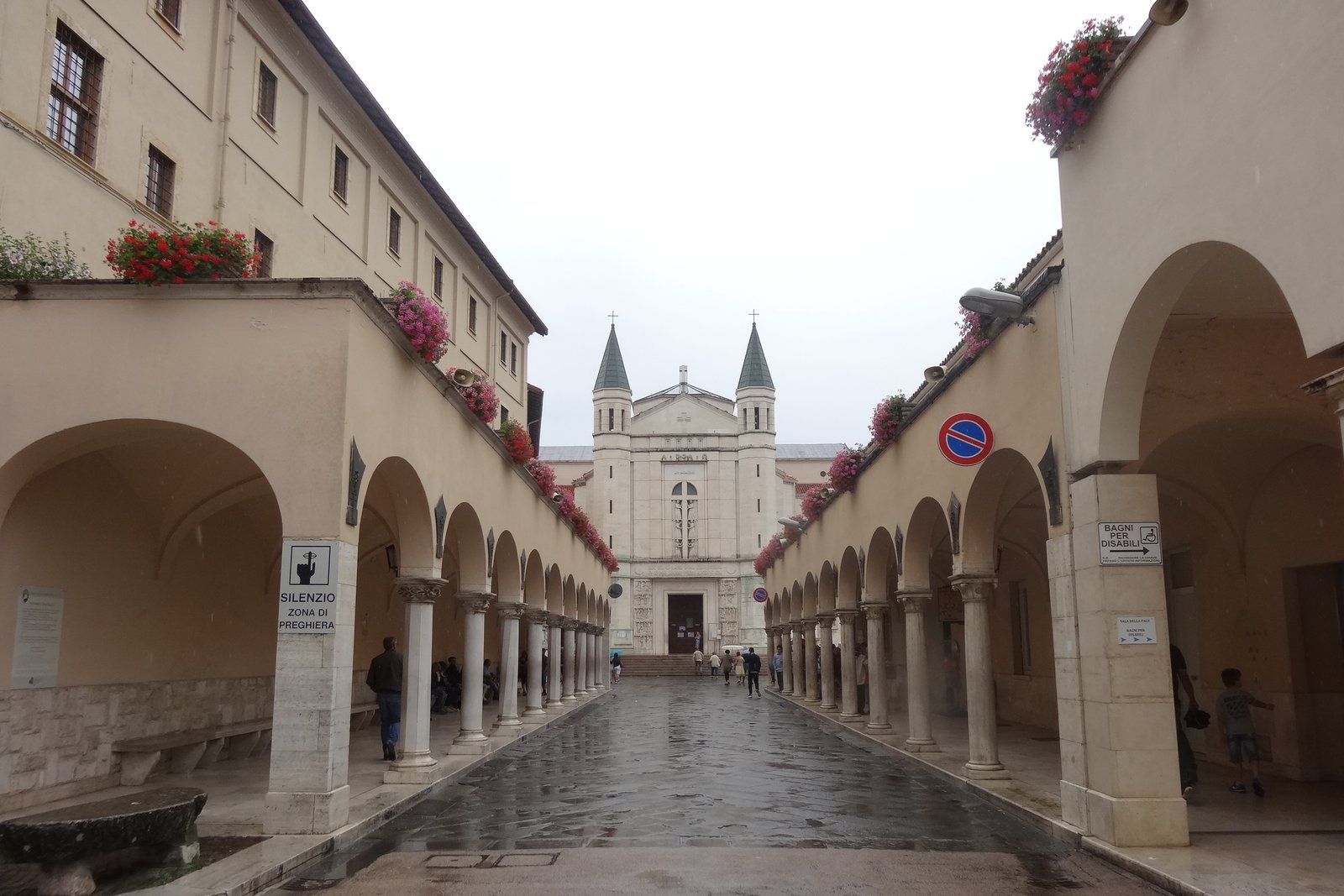
Saint Rita's Incorrupt Body: The Reliquary at Cascia
At the Basilica of Santa Rita in Cascia, a glass reliquary holds a body examined by doctors in 1743 and 1892 — and a forehead wound she bore for 15 years.
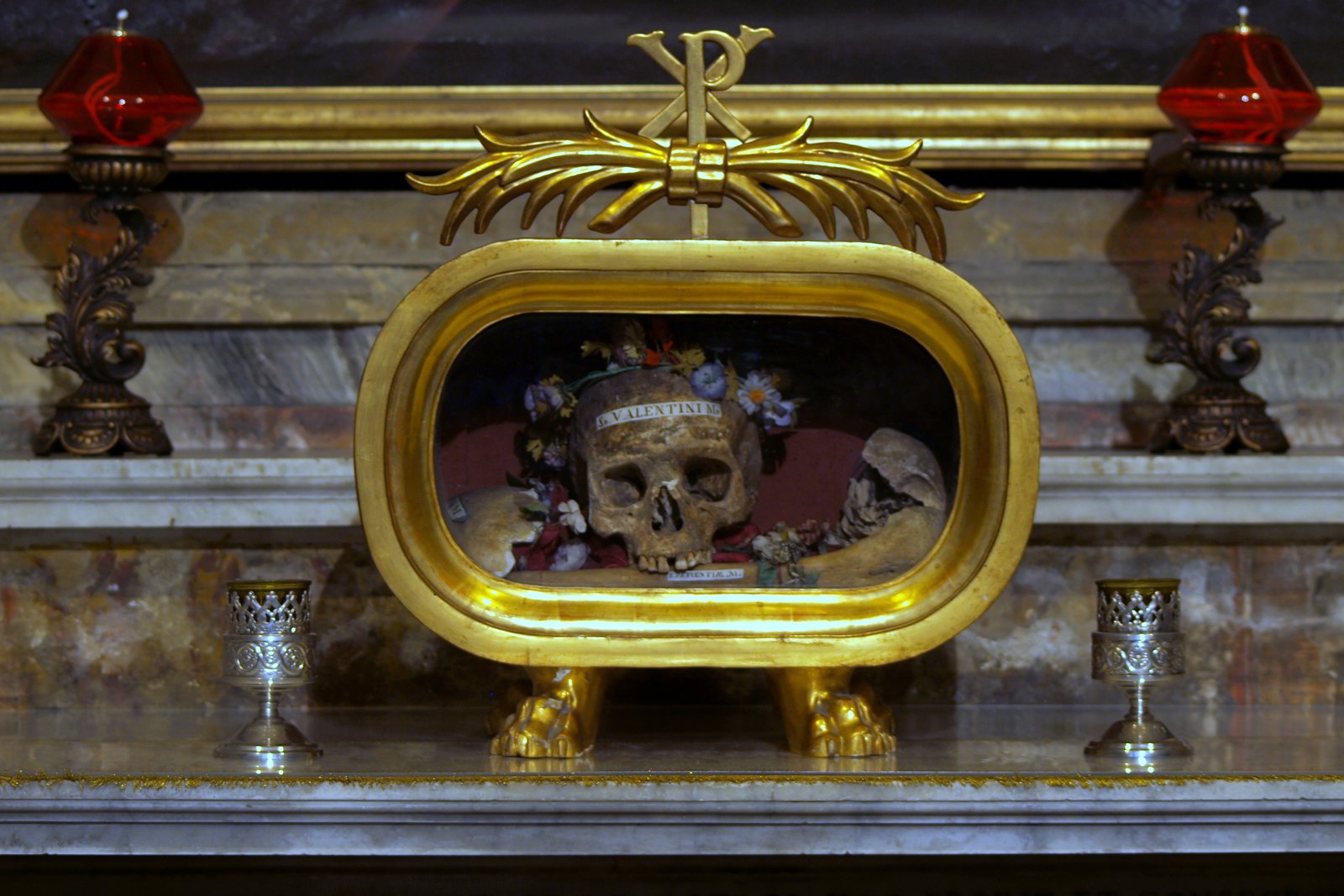
Saint Valentine's Relics: The Flower-Crowned Skull of Rome
A flower-crowned skull in Rome, a gift to Dublin in 1836, and a patron of lovers the Church itself admits may really be two or three different martyrs.
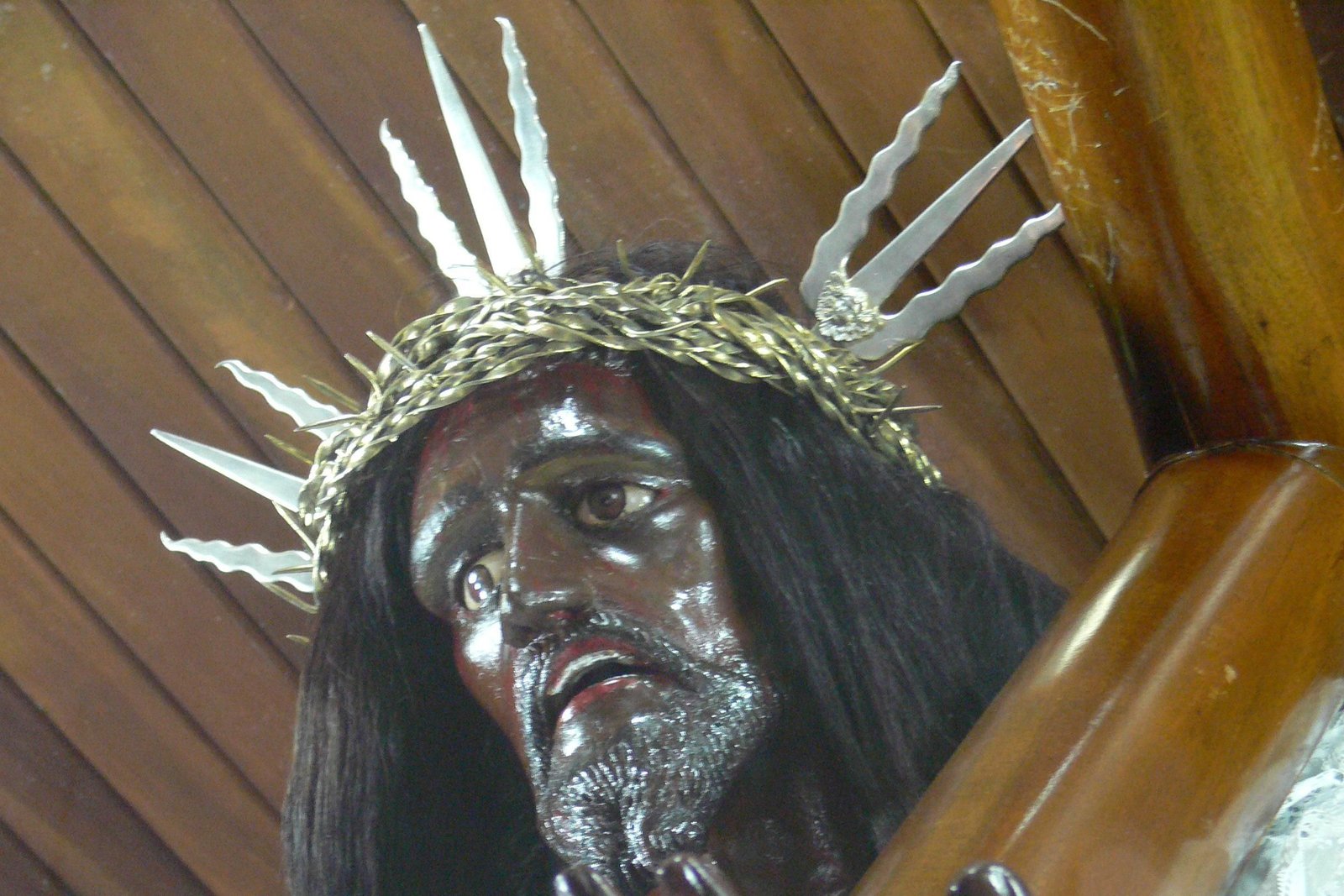
The Black Christ of Portobelo
A dark wooden Christ with an unresolved origin draws tens of thousands of pilgrims to a small Panamanian harbor town every October 21, many on their knees.
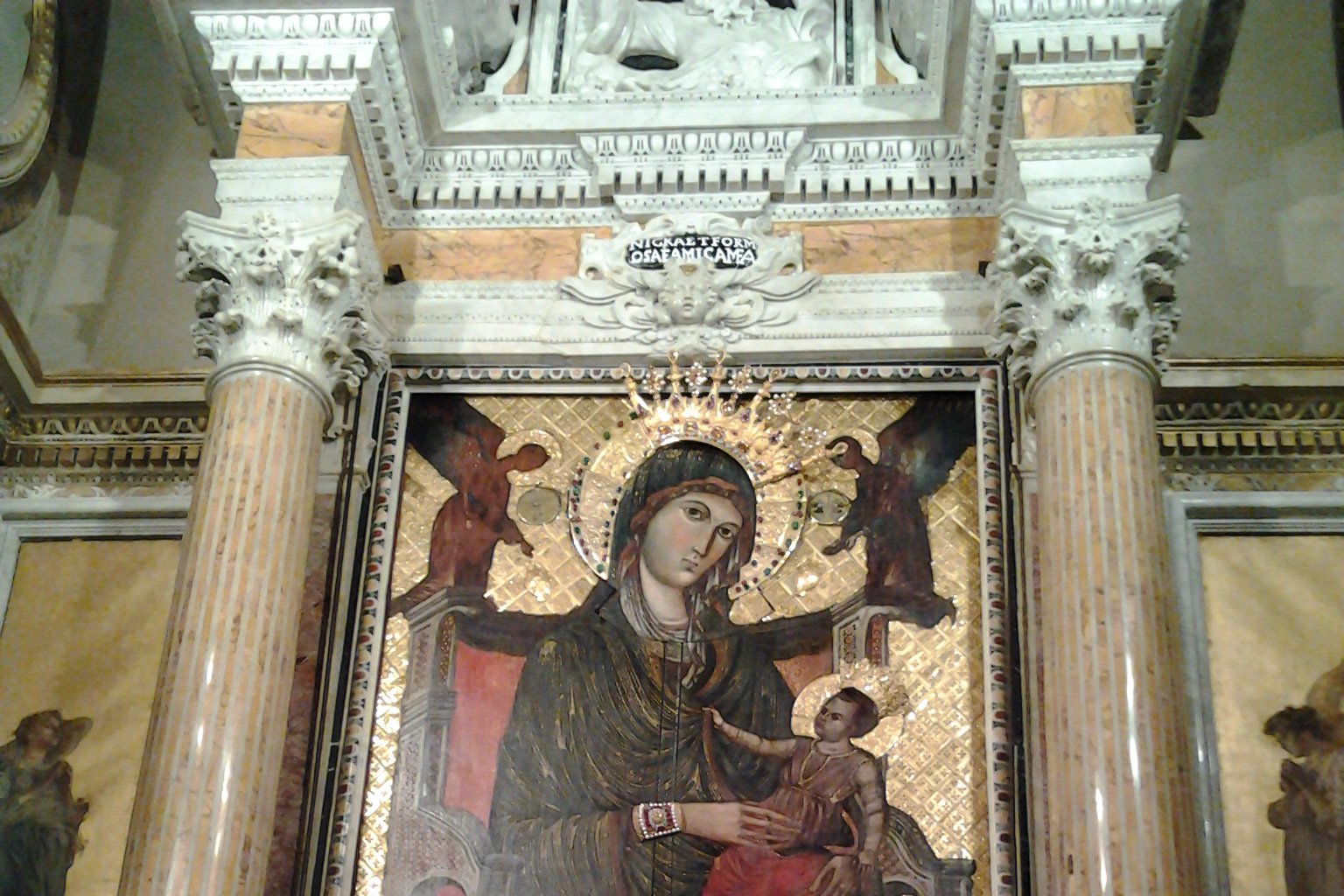
The Black Madonna of Montevergine: Mamma Schiavona
The Byzantine-style icon enshrined on Mount Partenio near Naples, its mountaintop sanctuary built over an ancient pagan temple, and its unique February devotion.
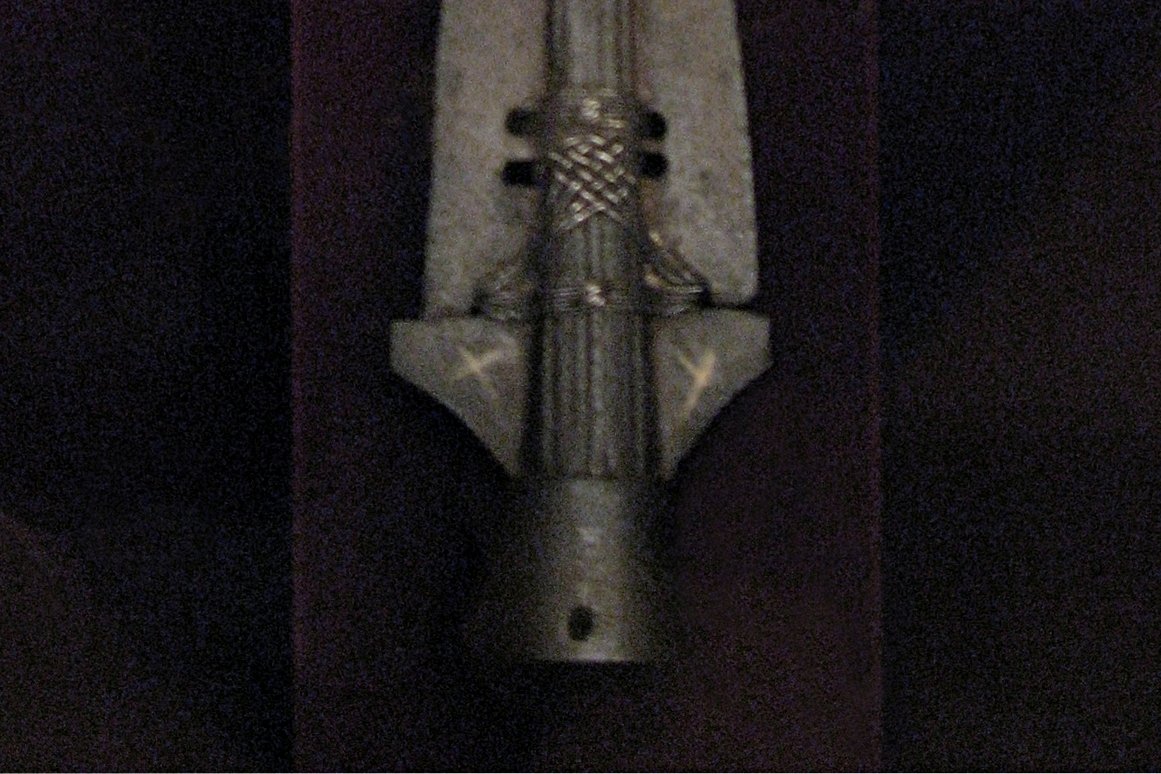
The Holy Lance of Vienna: Relic of the Holy Roman Emperors
Inside Vienna's Hofburg Treasury, a Carolingian lance tipped in gold once crowned Holy Roman Emperors — and was later seized by the Nazi regime for its legend.
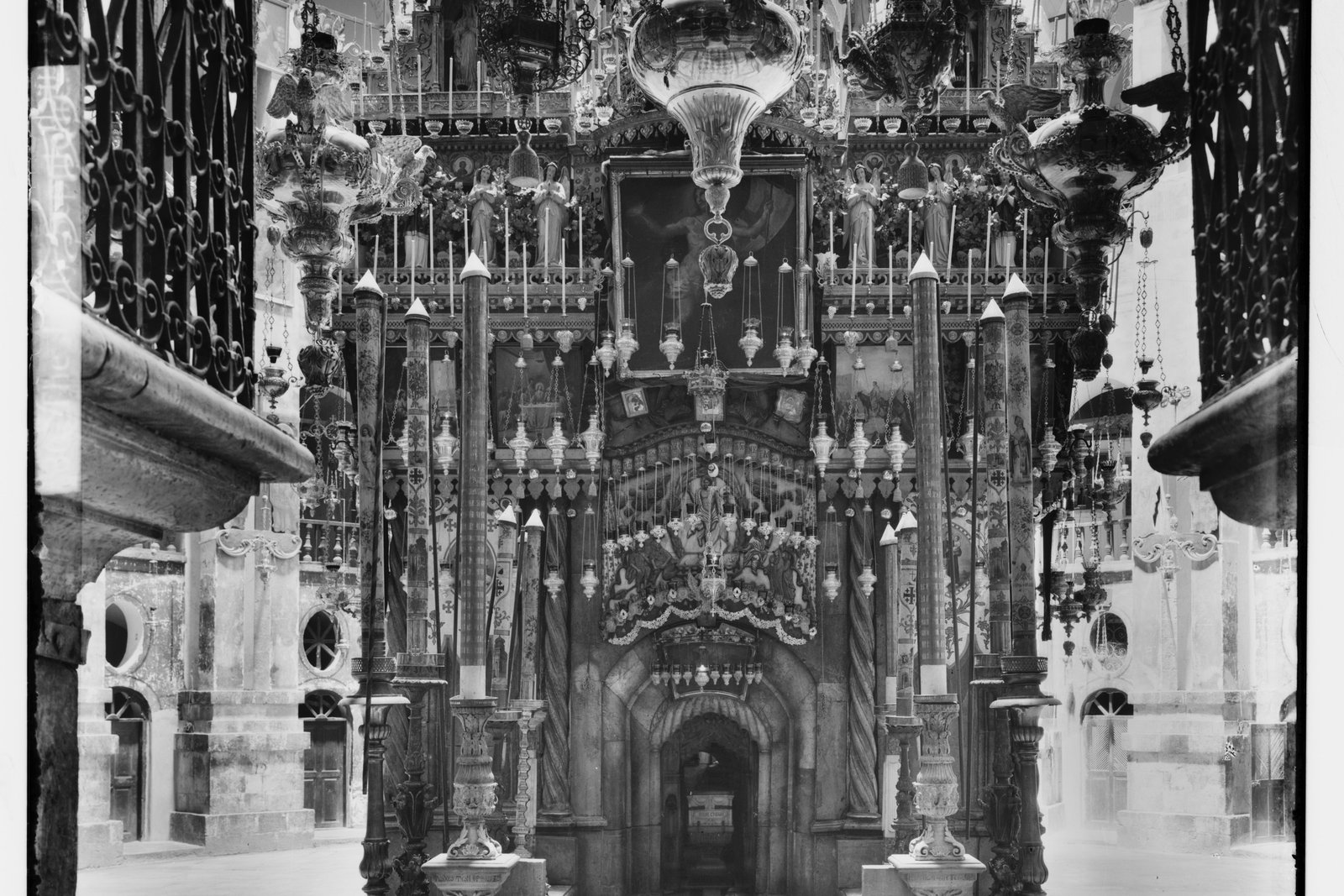
The Holy Sepulchre's Edicule: The Shrine Over Christ's Tomb
The Edicule shrine over the traditional tomb of Christ in Jerusalem, its long history of damage, and the landmark 2016-2017 restoration that reopened it.
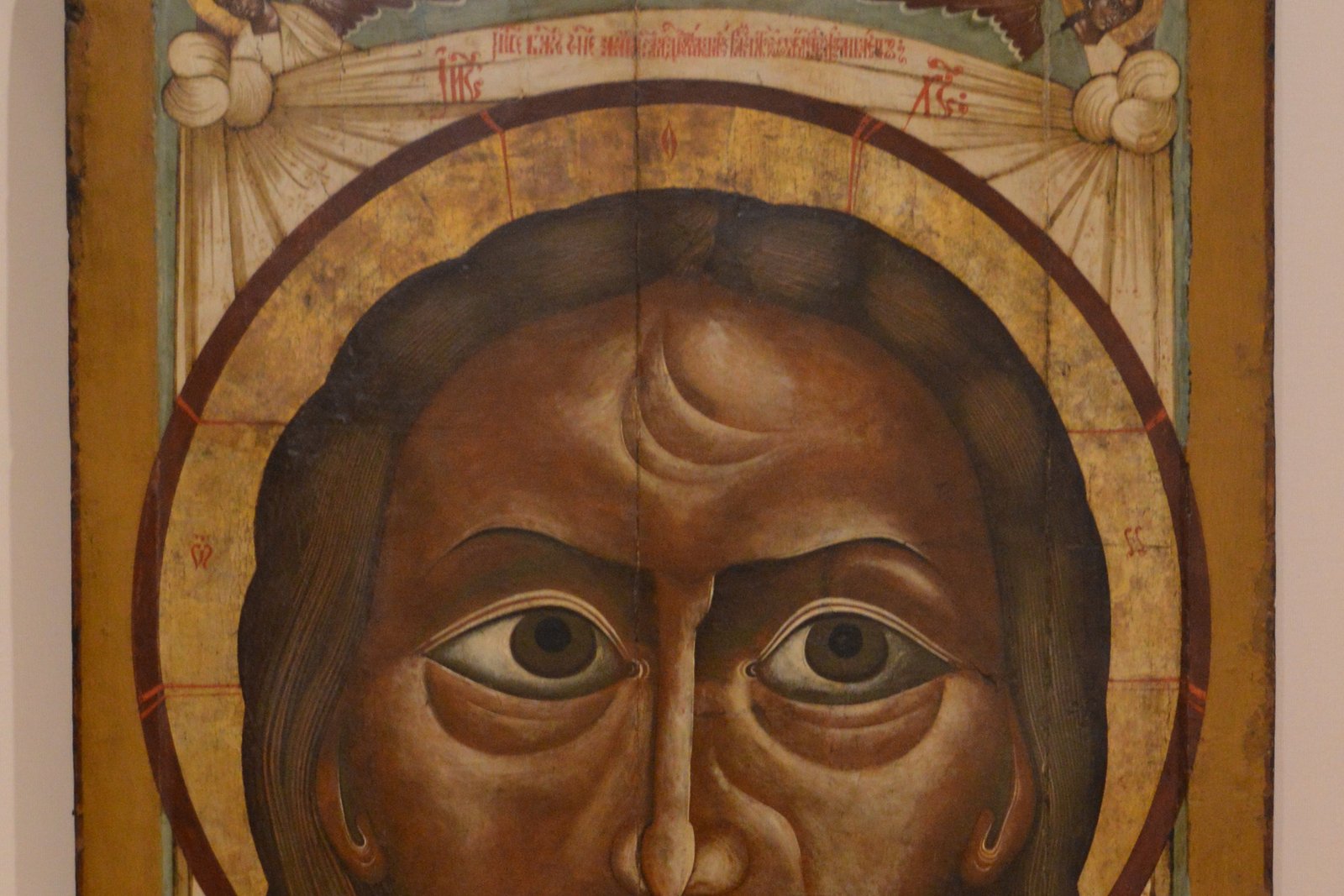
The Image of Edessa: Christianity's Oldest Miraculous Portrait
The legend of the Mandylion, the cloth bearing Christ's face sent to King Abgar of Edessa, its journey to Constantinople in 944, and its mysterious disappearance.
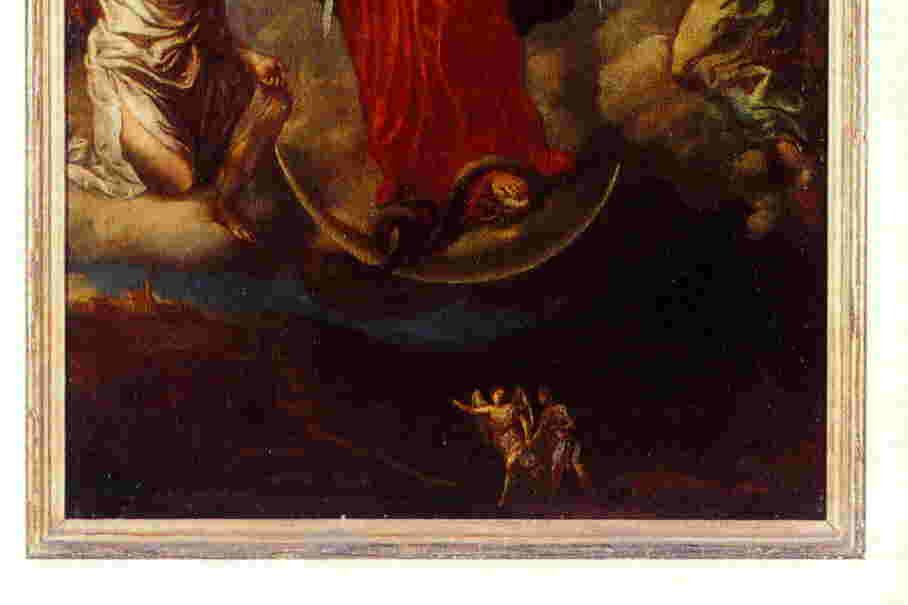
The Original Painting of Our Lady Undoer of Knots
How a quiet Baroque painting in a German church became one of the world's most beloved Marian images, carried to Argentina by a young Jesuit named Bergoglio.
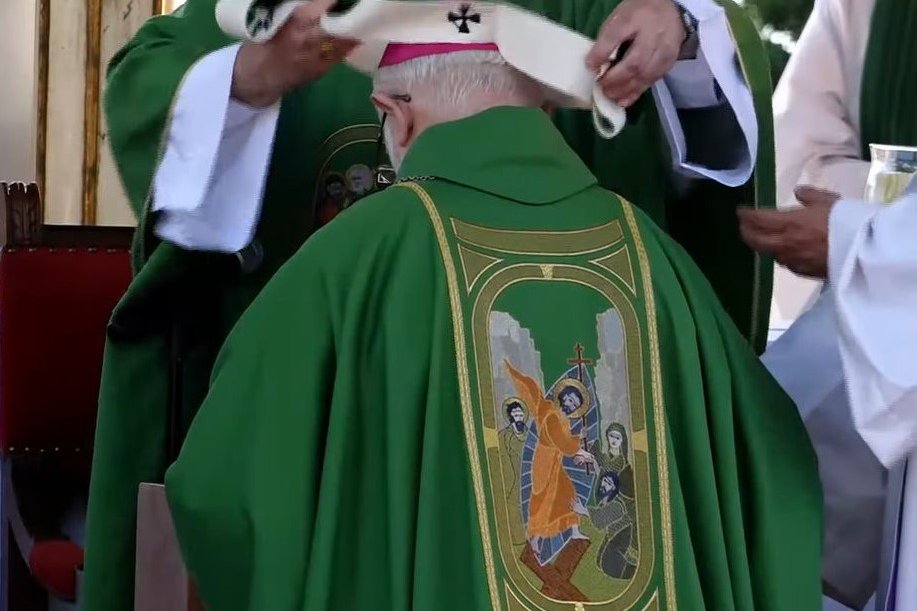
The Pallium: The Pope's Wool Band and What It Means
Woven from wool blessed on Saint Agnes's feast, the pallium marks an archbishop's bond with Rome — and in 2015, Pope Francis changed how it is conferred.
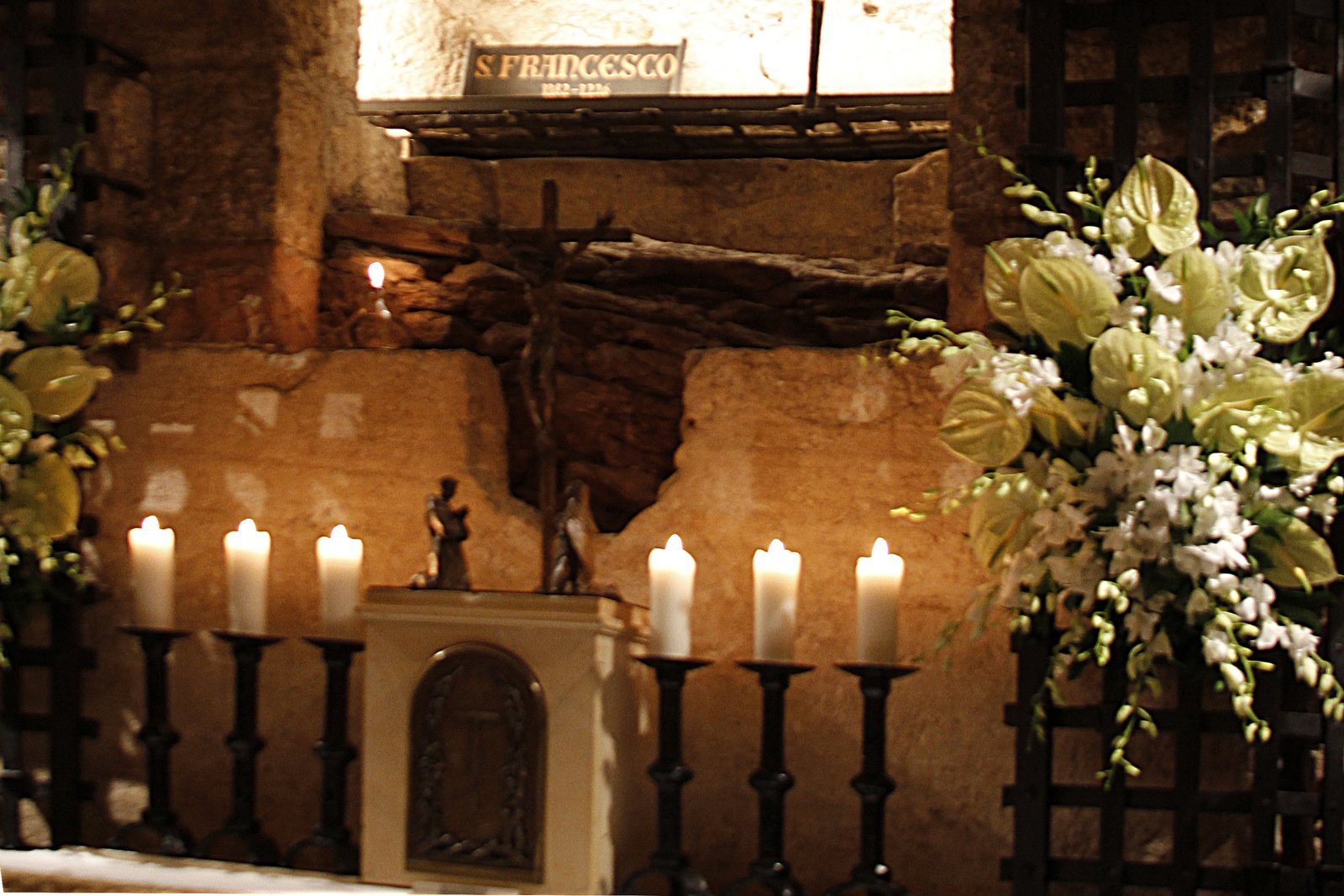
The Relics of Saint Francis of Assisi: Tunic, Tomb, and Stigmata
Saint Francis of Assisi's hidden tomb, rediscovered in 1818, and the tunic, cord, and stigmata relics kept in the Basilica of San Francesco in Assisi.
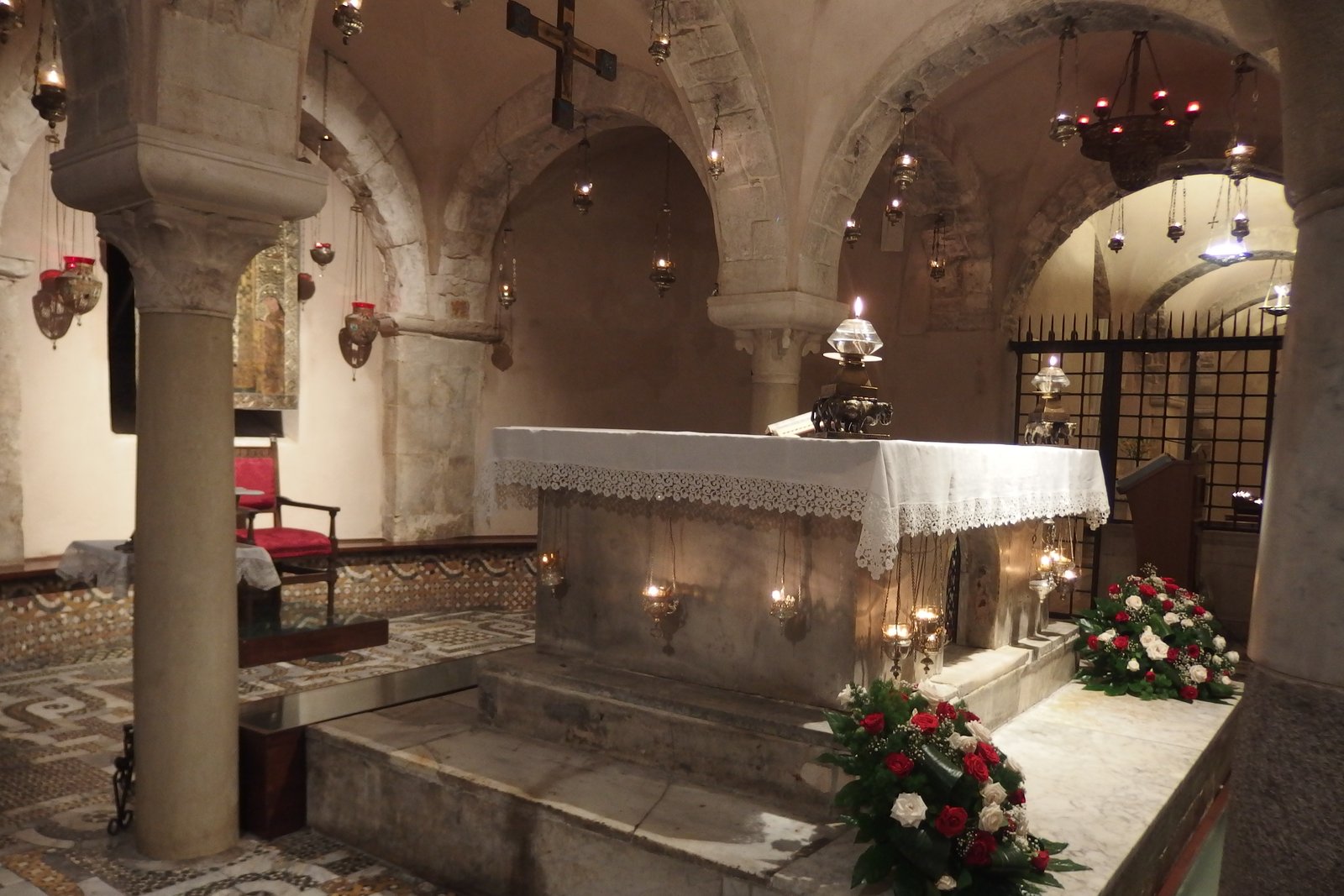
The Relics of Saint Nicholas of Bari and the Mystery of the Manna
How sailors from Bari took Saint Nicholas's bones from Myra in 1087, and the strange liquid still seeping from his tomb, venerated by Catholics and Orthodox alike.
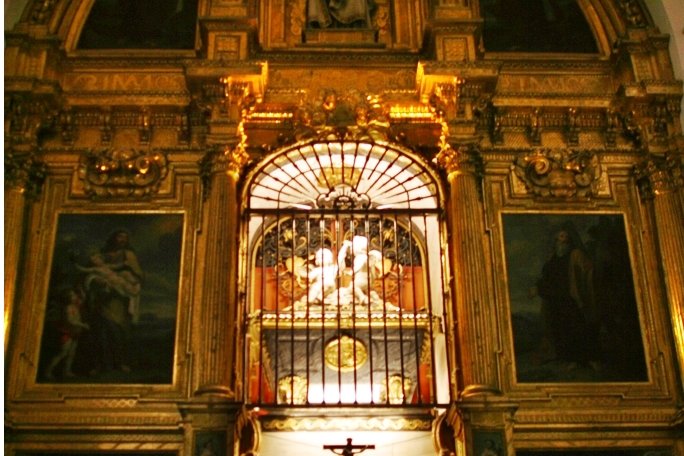
The Relics of Saint Teresa of Avila: A Body Divided Across Europe
Saint Teresa of Avila's body was unusually divided after death: heart and arm at Alba de Tormes, a hand once kept by Franco, and fragments scattered across Europe.
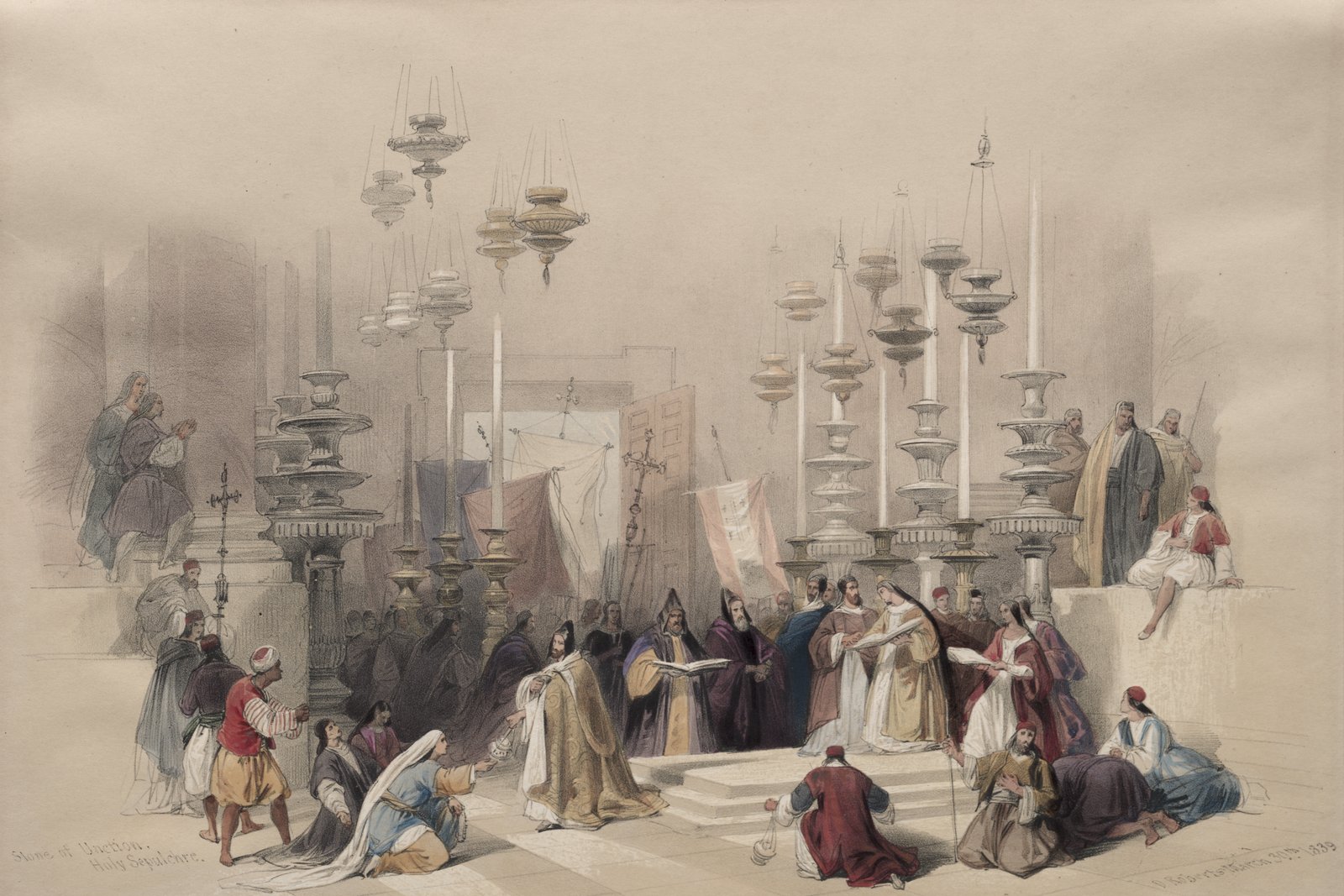
The Stone of Unction in the Church of the Holy Sepulchre
The pink limestone slab in Jerusalem venerated as the place Christ's body was anointed for burial, its 1810 restoration, and the Status Quo that protects it.
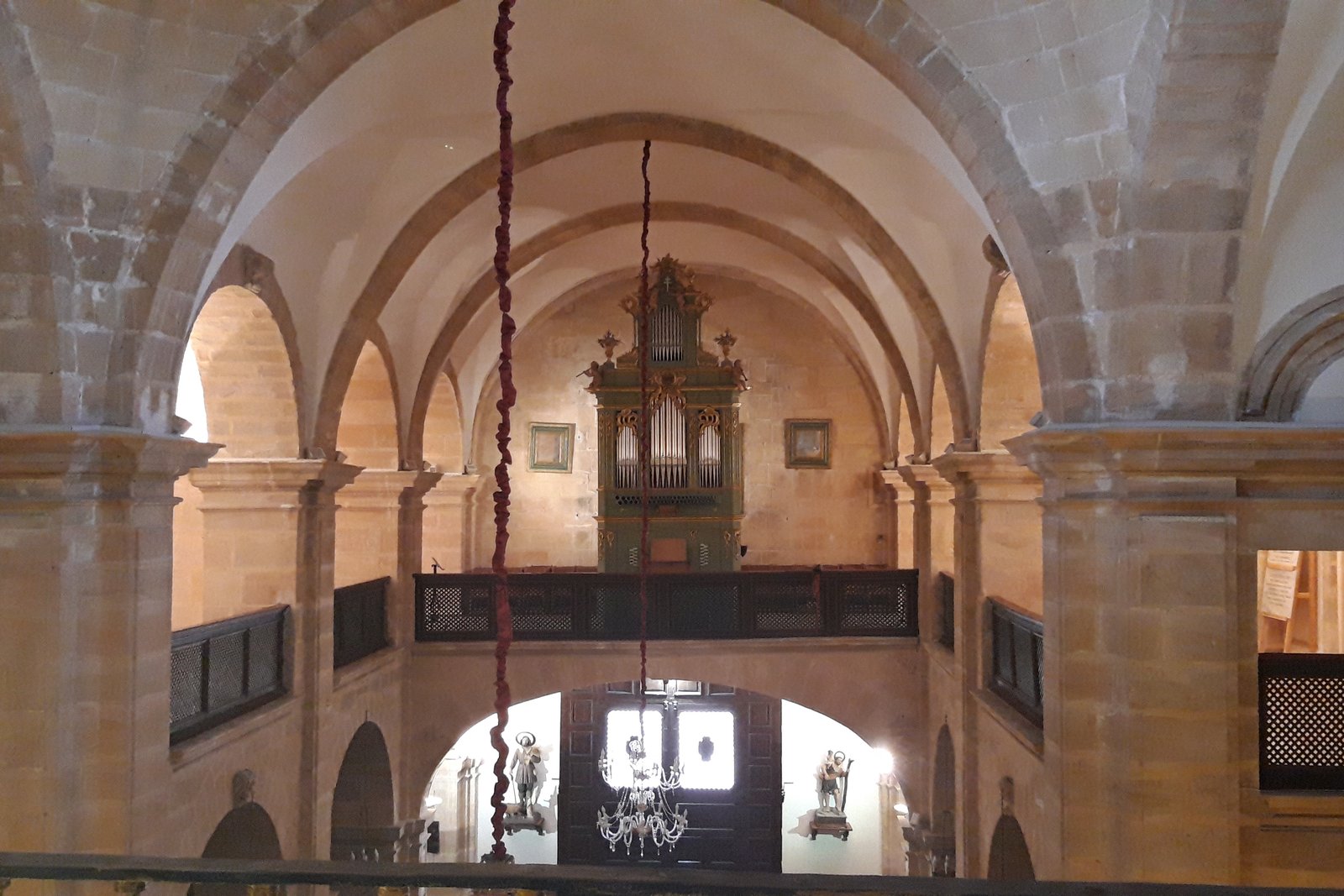
The True Cross of Caravaca: Spain's Double-Armed Relic
The legend of two angels, a captive priest, and a converted Moorish king behind the Vera Cruz de Caravaca — and the real story of its 1934 theft and replacement.