Titles of the Virgin Mary Explained

One person, many names
The Catechism sums up the underlying logic in a single line: the Church's devotion to Mary is "an intrinsic element of Christian worship," yet fundamentally different in kind from the worship owed to God alone (CCC 971). Catholic theology draws a careful distinction here using two Latin terms: latria, the worship due to God alone, and hyperdulia, the special, elevated veneration given to Mary specifically because of her unique role as the mother of Christ — higher than the honor given to other saints (dulia), but never confused with worship itself.
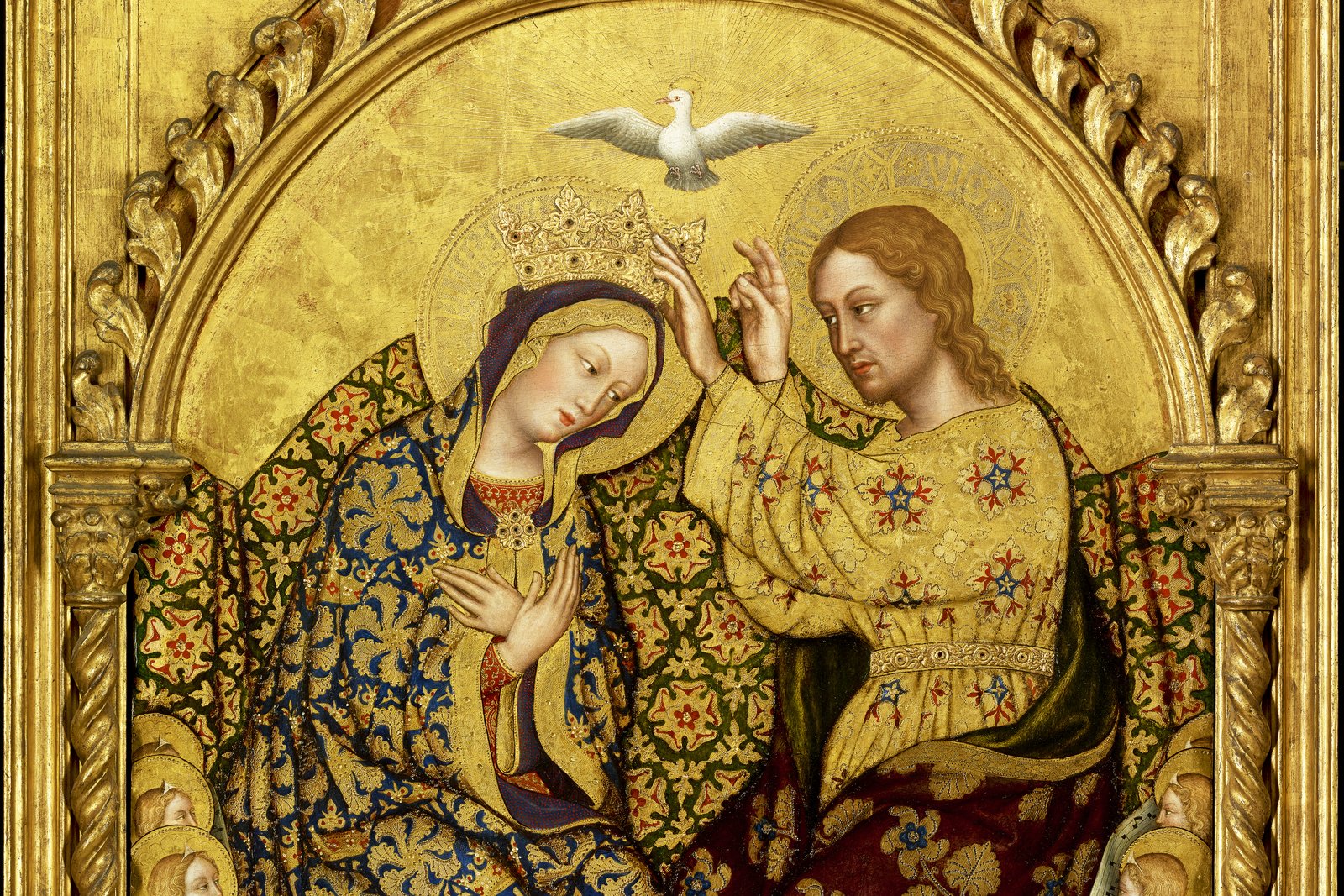
Gentile da Fabriano, The Coronation of the Virgin, circa 1420, J. Paul Getty Museum, Los Angeles - public domain.
Once that distinction is clear, the sheer number of Marian titles becomes much easier to sort — because nearly every one falls into one of three buckets: a reported apparition, a defined dogma, or a devotional title tied to a role, image, or historical moment rather than either of the first two.
Titles from reported apparitions
These are the titles most people encounter first, usually tied to a specific place where witnesses reported seeing Mary. The Church investigates these claims carefully — through a formal diocesan process, sometimes taking years — and can declare an apparition "worthy of belief," meaning Catholics may devoutly believe it happened, though never required to as an article of faith the way a dogma is.
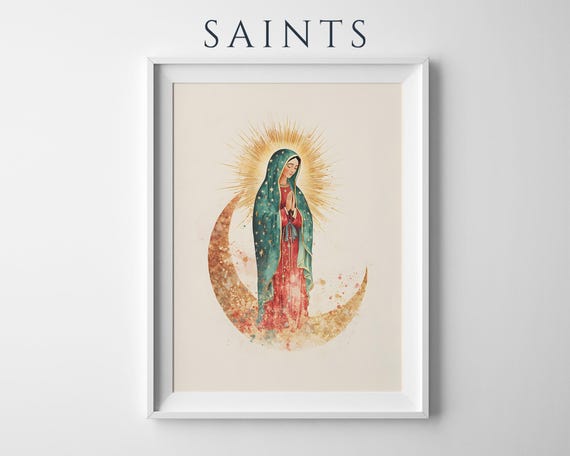
Our Lady of Guadalupe marks the 1531 apparitions to Juan Diego near Mexico City, and the image that appeared on his cloak afterward — she is honored today as patroness of the Americas. Our Lady of Lourdes recalls eighteen apparitions reported by a fourteen-year-old girl, Bernadette Soubirous, at a grotto in southern France in 1858, which turned Lourdes into one of the world's most visited pilgrimage and healing sites. Our Lady of Fátima commemorates apparitions reported by three shepherd children in rural Portugal in 1917, including a mass public event, witnessed by tens of thousands, that became known as the "Miracle of the Sun."
Beyond these three famous names, the Church has approved several other apparitions. Our Lady of Knock marks a silent 1879 apparition witnessed by fifteen people for two hours in the rain at a small parish church in Ireland. Our Lady of La Salette recalls a weeping figure reportedly encountered by two shepherd children on a French mountainside in 1846, approved by the Church in 1851 even as later reported "secrets" from the event remain a subject of ongoing debate among historians and theologians. For a broader overview of how the Church evaluates these claims and which ones have cleared that bar, see Marian apparitions recognized by the Church.
Titles from defined dogma
A smaller number of Marian titles aren't tied to an apparition at all — they describe doctrines the Church has formally defined as revealed truth, binding on the belief of every Catholic, arrived at through theological reflection on Scripture and tradition over centuries rather than through a reported vision.
The Immaculate Conception, defined as dogma by Pope Pius IX in 1854, holds that Mary was conceived free from original sin from the very first moment of her existence — a teaching easily confused with the Virgin Birth of Jesus but describing something entirely different: Mary's own conception, not her Son's. The Assumption of Mary, defined by Pope Pius XII in 1950, holds that at the end of her earthly life Mary was taken up, body and soul, into heavenly glory — closing a debate about her final end that had circulated in Christian tradition for well over a thousand years before receiving formal definition. The Queenship of Mary, proclaimed in a 1954 encyclical by Pius XII in the aftermath of the Second World War, draws on royal imagery found across the biblical text to describe Mary's exalted place following the Assumption.
Titles describing a role, image, or devotion
The remaining titles describe an aspect of Mary's spiritual role, a specific devotional image, or a place where devotion to her became especially rooted — without claiming either a discrete historical apparition or a formally defined dogma behind the name itself.
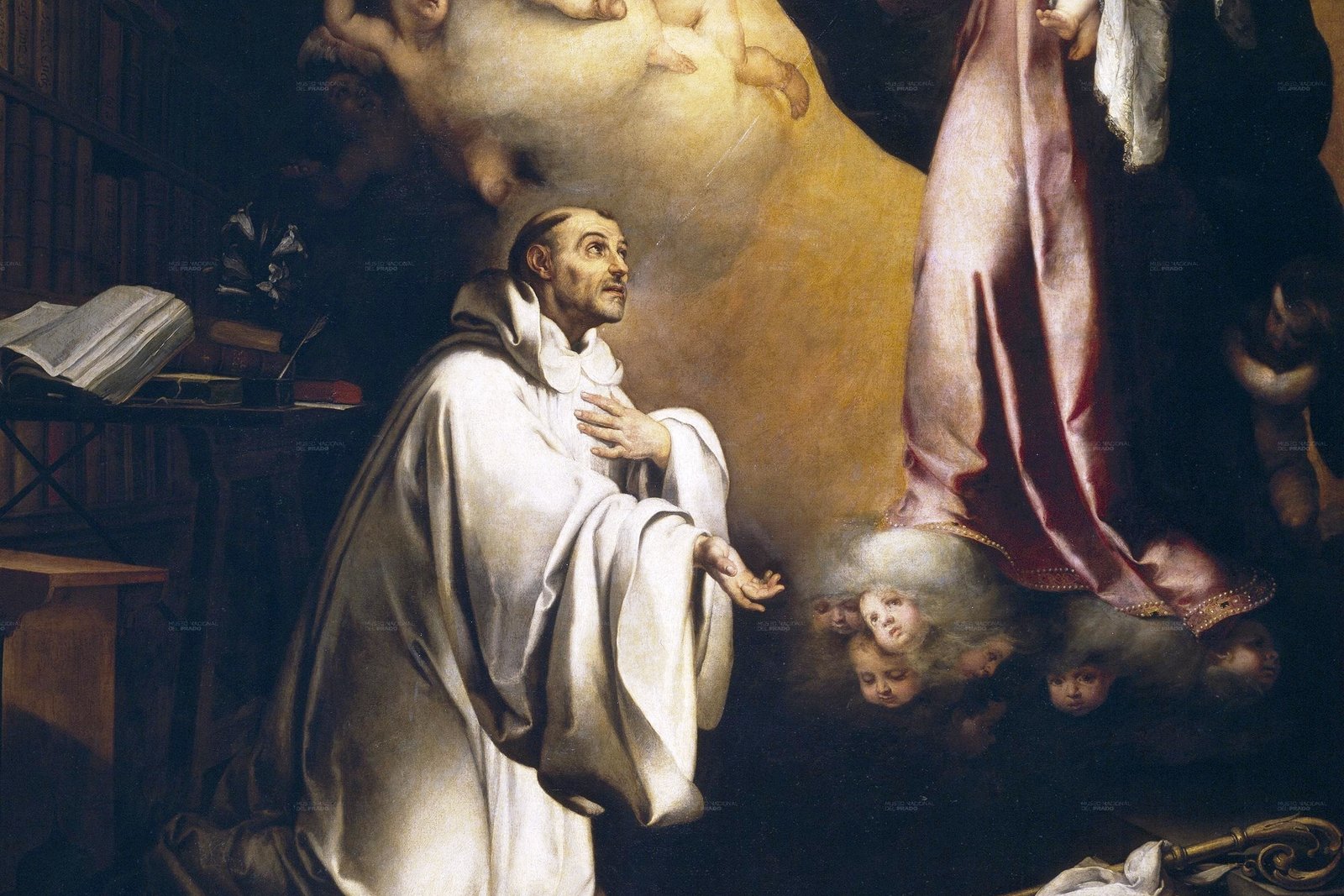
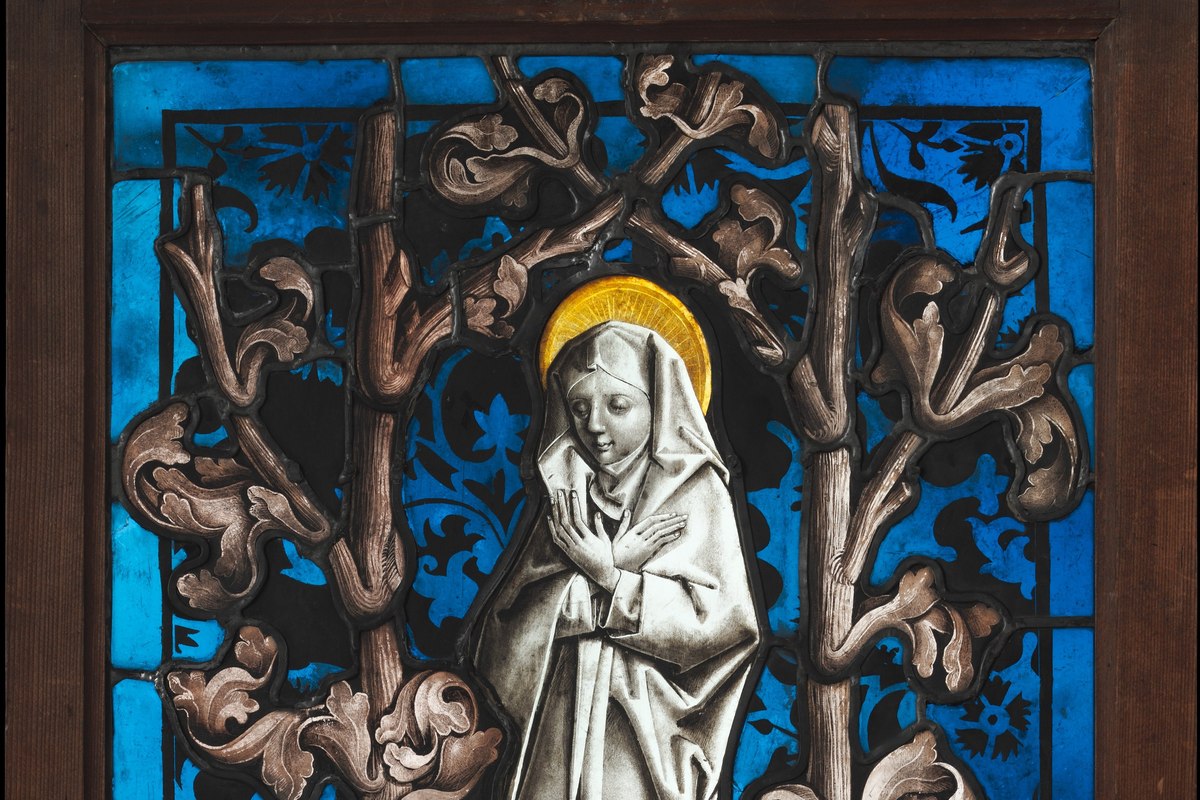
Our Lady of Sorrows grew out of a single prophetic line spoken to Mary at the Presentation of Jesus in the Temple — that a sword would pierce her own soul (Luke 2:35) — and developed over centuries into a devotion centered on seven traditional sorrows across her life. Immaculate Heart of Mary, kept as a feast on August 22, honors Mary's total, sinless love for God and is closely linked historically to the Fátima apparitions, where devotion to her Immaculate Heart featured prominently in the children's reported messages. Our Lady of Mount Carmel traces its roots to the mountain where the prophet Elijah confronted the prophets of Baal in the Old Testament, later adopted by the Carmelite religious order and attached to the brown scapular still worn by many Catholics today. Our Lady of Perpetual Help centers on a centuries-old icon with its own dramatic history of theft and rediscovery, now one of the most widely reproduced Marian images in Catholic churches worldwide.
Why the variety isn't a contradiction
For someone encountering Catholic devotion from outside, a wall of different Marian names can look almost like competing cults built around different figures. Catholic teaching is emphatic that this isn't the case: every title, whatever its origin, points back to the same historical woman — Mary of Nazareth, mother of Jesus — understood through a different lens each time. An apparition title preserves the memory of a specific reported encounter and the message associated with it. A dogmatic title states something the Church teaches as revealed truth about who Mary is. A devotional title usually preserves a role, an image, or a place where faith in her intercession became especially concentrated.
Read together rather than separately, the titles function less like a scattered list and more like a mosaic — each piece adding a specific, historically rooted detail to a single consistent picture that Catholic tradition has been assembling, place by place and century by century, since the earliest years of the Church.
Trivia
Are all the titles of Mary — Fatima, Lourdes, Guadalupe — different people, or the same person?
What's the difference between a Marian apparition and a Marian dogma?
Why does the Church use so many different titles for Mary instead of just one?
Is Mary worshipped in the Catholic Church?
Which Marian apparitions has the Catholic Church officially approved?
Related Reading