San Giovanni Rotondo, the Home of Padre Pio

A remote assignment that became a lifelong home
San Giovanni Rotondo sits high in the Gargano promontory of Puglia, the spur of land forming the "heel" of Italy's boot, a genuinely out-of-the-way mountain town even by the standards of rural southern Italy in the early 20th century. It had a small Capuchin friary, dedicated to Our Lady of Grace, but nothing about the town in 1916 suggested it would become one of the most visited religious sites on the planet within a single lifetime.
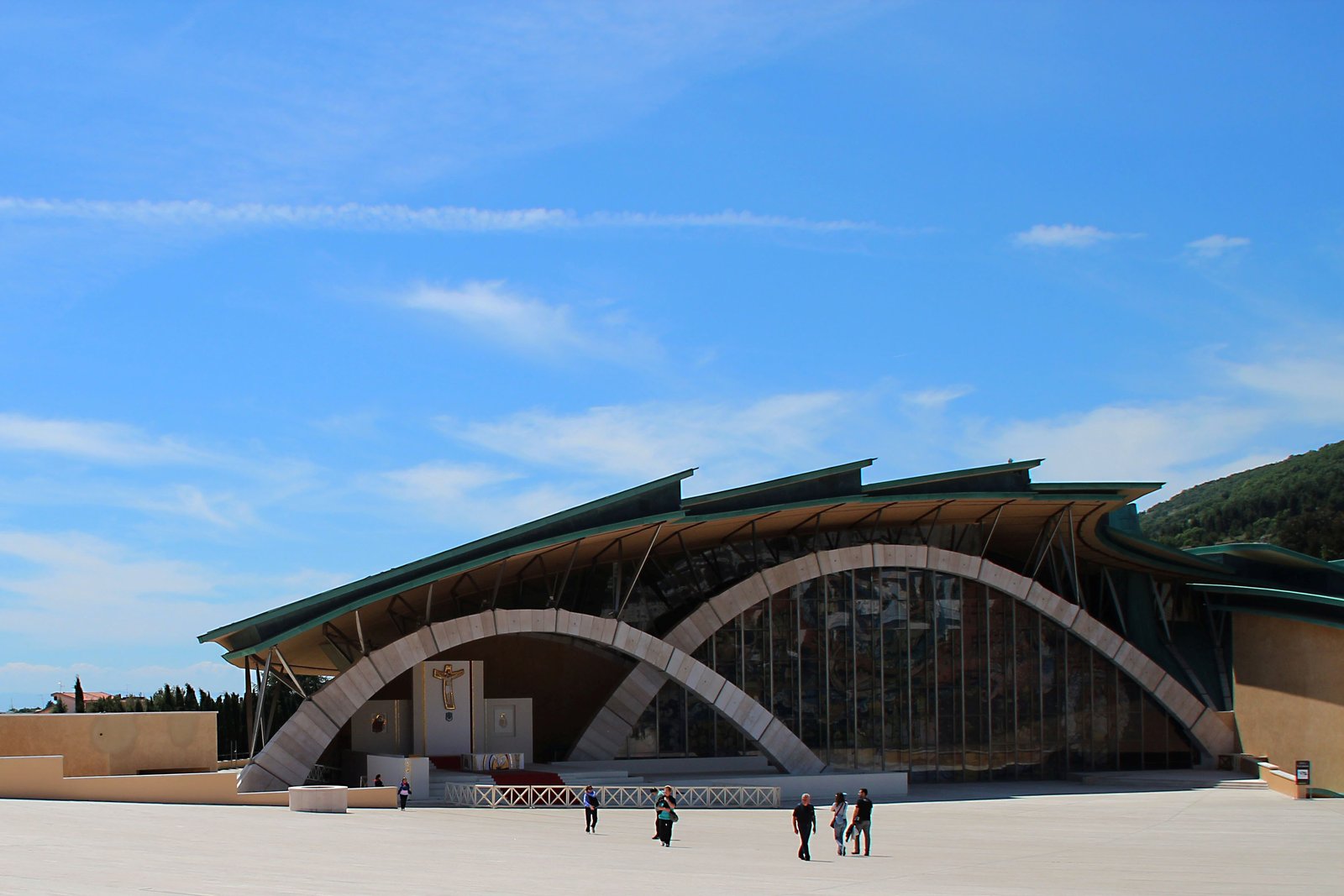
Photo by Marmeid 82, "San Giovanni rotondo Santuario e Chiesa San Pio," CC BY-SA 4.0, via Wikimedia Commons.
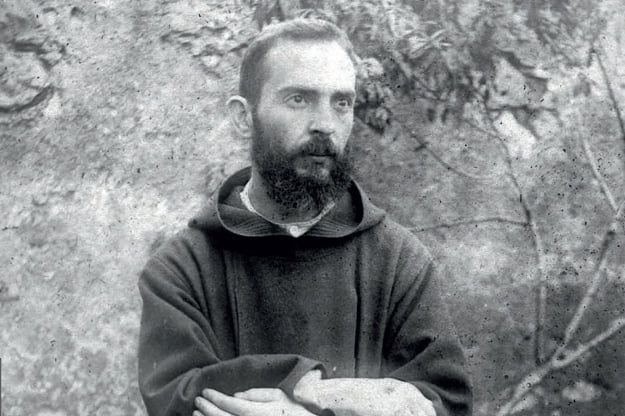
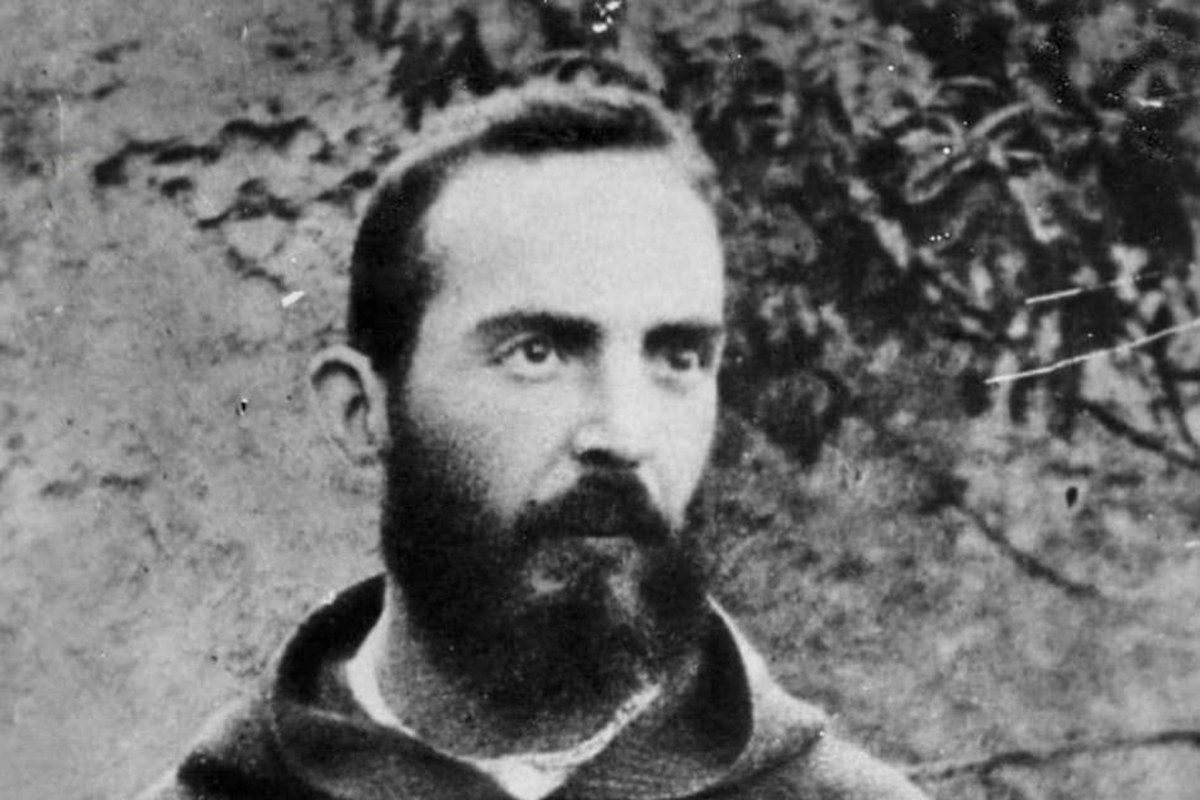
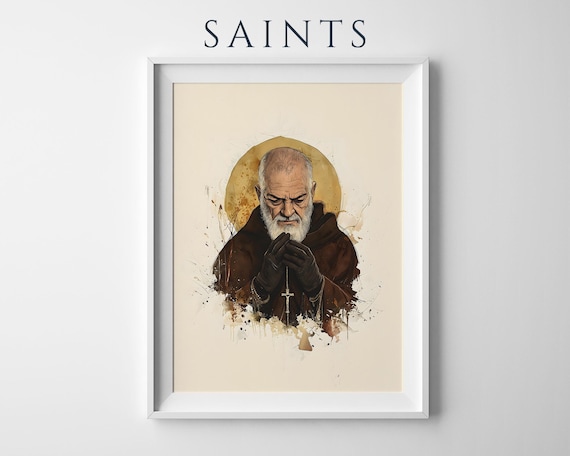
That changed with the arrival of a young friar named Pio, born Francesco Forgione in the nearby town of Pietrelcina in 1887. He had struggled with chronic ill health for years after entering the Capuchin order, forcing him to spend long stretches recovering at his family home rather than living in community with his fellow friars — a pattern of fragility that, ironically, led his superiors to finally assign him more permanently to the quiet air of San Giovanni Rotondo's mountain friary in 1916. He almost certainly did not expect, at the time, that he would remain there for the rest of his life, more than fifty years, or that the small town around the friary would eventually reshape itself entirely around his presence.
The wounds that drew the world's attention
Padre Pio's reputation began to spread beyond the Gargano region after September 20, 1918, when he reported receiving the stigmata — wounds corresponding to those Christ suffered during the crucifixion, appearing on his hands, feet, and side. Unlike many earlier reported cases of stigmata in Church history, which often occurred in relative isolation or were known only after death, Padre Pio's wounds persisted, visibly and by many accounts continuing to bleed periodically, for roughly fifty years, observed across that time by fellow friars, physicians who examined him at various points, and the hundreds of thousands of pilgrims who eventually traveled to see him.
That extraordinary and highly public claim, combined with reports of other unusual phenomena associated with him over the decades — including claims of bilocation and an apparent ability to perceive details of visitors' lives or sins before they spoke them — drew increasing numbers of the curious, the devout, and the skeptical alike to what had been, only a few years earlier, an obscure mountain town most Italians couldn't have located on a map. The Vatican itself investigated the stigmata and other reported phenomena repeatedly and over decades, with Church attitudes toward Padre Pio shifting considerably across different periods of his life — at points restricting his public ministry — before settling, well after his death, into the full recognition that led to his 2002 canonization by Pope John Paul II.
A confessor who reshaped the town around him
What ultimately built San Giovanni Rotondo into a major pilgrimage destination wasn't the stigmata alone but the sheer scale of Padre Pio's ordinary daily ministry, sustained for decades. He devoted extraordinary amounts of time each day, at times reportedly up to fifteen hours, to hearing confessions, and pilgrims traveled from across Italy and eventually from around the world specifically to confess to him rather than to any other priest, drawn by numerous accounts of his apparent insight into their unspoken struggles. Long lines and waiting periods of days became a routine feature of a visit to San Giovanni Rotondo throughout the middle decades of the 20th century, as the town's infrastructure gradually expanded to accommodate pilgrims who had nowhere to have arrived a generation earlier.
Padre Pio's influence on the town went well beyond the spiritual. He was instrumental in founding the Casa Sollievo della Sofferenza — "Home for the Relief of Suffering" — a major hospital built near the friary that opened in 1956 after years of fundraising Padre Pio personally championed, reportedly seeing it as an extension of his ministry rather than a separate charitable project. The hospital remains one of the largest in southern Italy today, still operating, and stands as a very practical, still-functioning piece of a legacy that might otherwise be remembered purely in terms of spiritual phenomena.
The shrine built after his death
Padre Pio died at San Giovanni Rotondo in 1968, and even in the years immediately following his death the town continued drawing pilgrims to his tomb in the crypt of the older friary church of Our Lady of Grace. But it was his 2002 canonization that prompted a dramatically larger building project: a new shrine church, the Church of Saint Pio of Pietrelcina, designed by the internationally acclaimed architect Renzo Piano and completed in 2004, built specifically to accommodate the enormous crowds the modest older church could no longer hold.
The new church's design departs sharply from the historic basilicas found elsewhere in Italy's pilgrimage landscape — its sweeping stone arches and shell-like roofline read as unmistakably modern rather than an attempt to imitate older ecclesiastical architecture, a deliberate choice reflecting both Piano's own architectural language and the shrine's identity as a genuinely contemporary pilgrimage site rather than a medieval or Renaissance one. Padre Pio's remains were transferred to a crypt beneath the new church, where they remain today, drawing a continuous flow of pilgrims alongside those who still visit the older friary church where he spent most of his working life as a confessor.
San Giovanni Rotondo today
The numbers alone mark how completely Padre Pio's presence transformed San Giovanni Rotondo: from an obscure mountain town of a few thousand residents in the early 20th century, it now ranks among the most visited pilgrimage sites in the Catholic world, with several million visitors arriving annually — a scale of religious tourism rivaling far older and more historically prominent shrines. The town's economy, infrastructure, and identity have all reorganized themselves around a single friar's fifty years of largely local ministry, a transformation few other 20th-century religious figures have produced in any comparable town.
For pilgrims devoted to Padre Pio, a visit typically includes both churches — the older friary chapel where he heard confessions for decades and the modern shrine holding his tomb — along with the hospital he helped found, still treating patients in the town he never really chose for himself but never left either, and which in turn never stopped growing around the memory of the fifty years he spent there.
Trivia
What is San Giovanni Rotondo, and why is it a pilgrimage site?
Why did Padre Pio settle in such a remote town?
What is the Casa Sollievo della Sofferenza?
What did Padre Pio spend most of his time doing at San Giovanni Rotondo?
Where is Padre Pio buried, and can pilgrims visit his tomb?
Related Reading