The Four Papal Basilicas of Rome

A rank held by only four churches
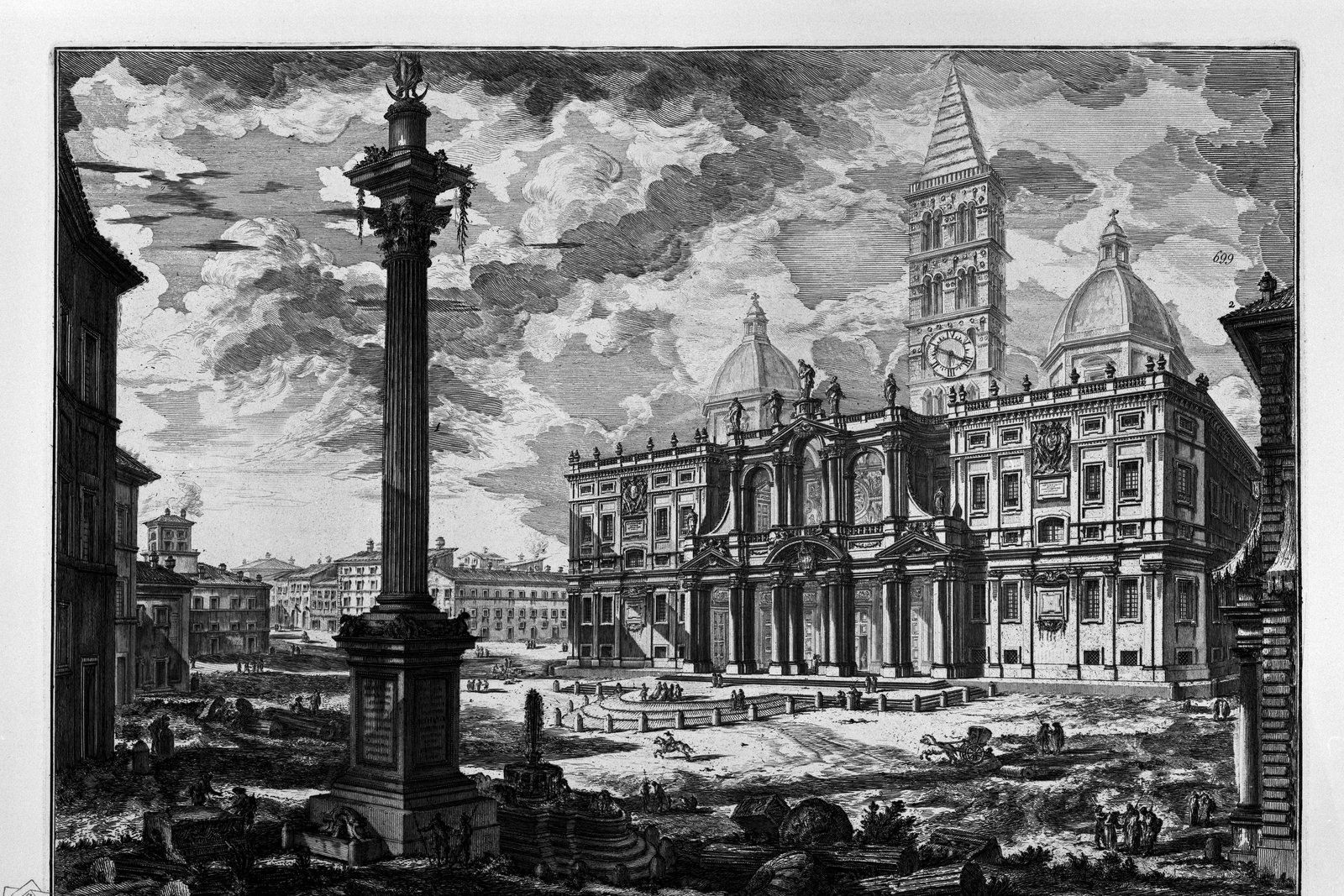
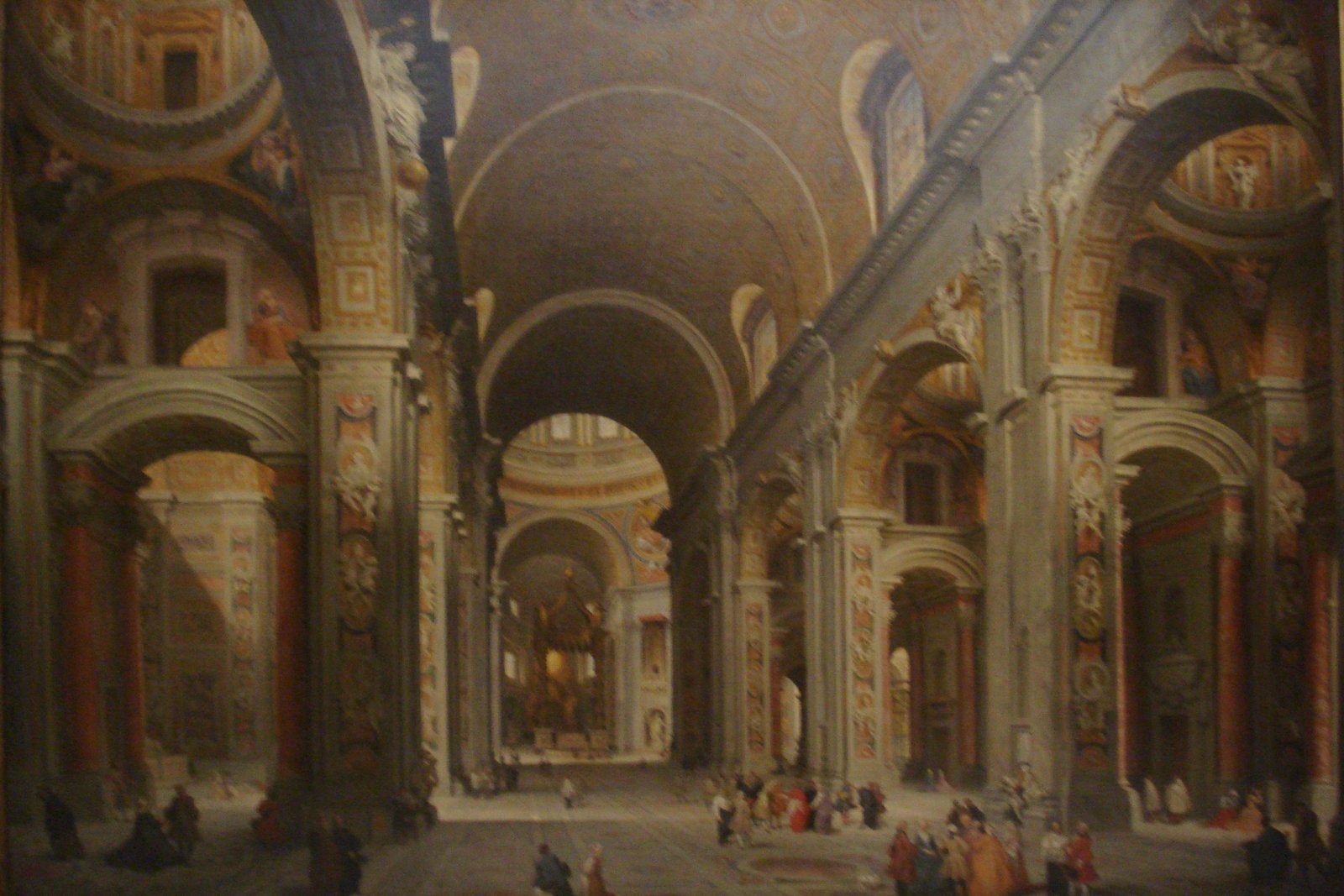
Rome has hundreds of churches, dozens of them ancient and architecturally significant, but only four hold the formal title of "papal major basilica" — sometimes called "papal basilica" for short. The four are St. Peter's Basilica in Vatican City, the Archbasilica of St. John Lateran, the Basilica of St. Mary Major, and the Basilica of St. Paul Outside the Walls. Together they form a set with roots stretching back to the earliest centuries of a legalized, publicly visible Christianity in Rome, and each carries privileges no other church building in the world holds in quite the same combination.
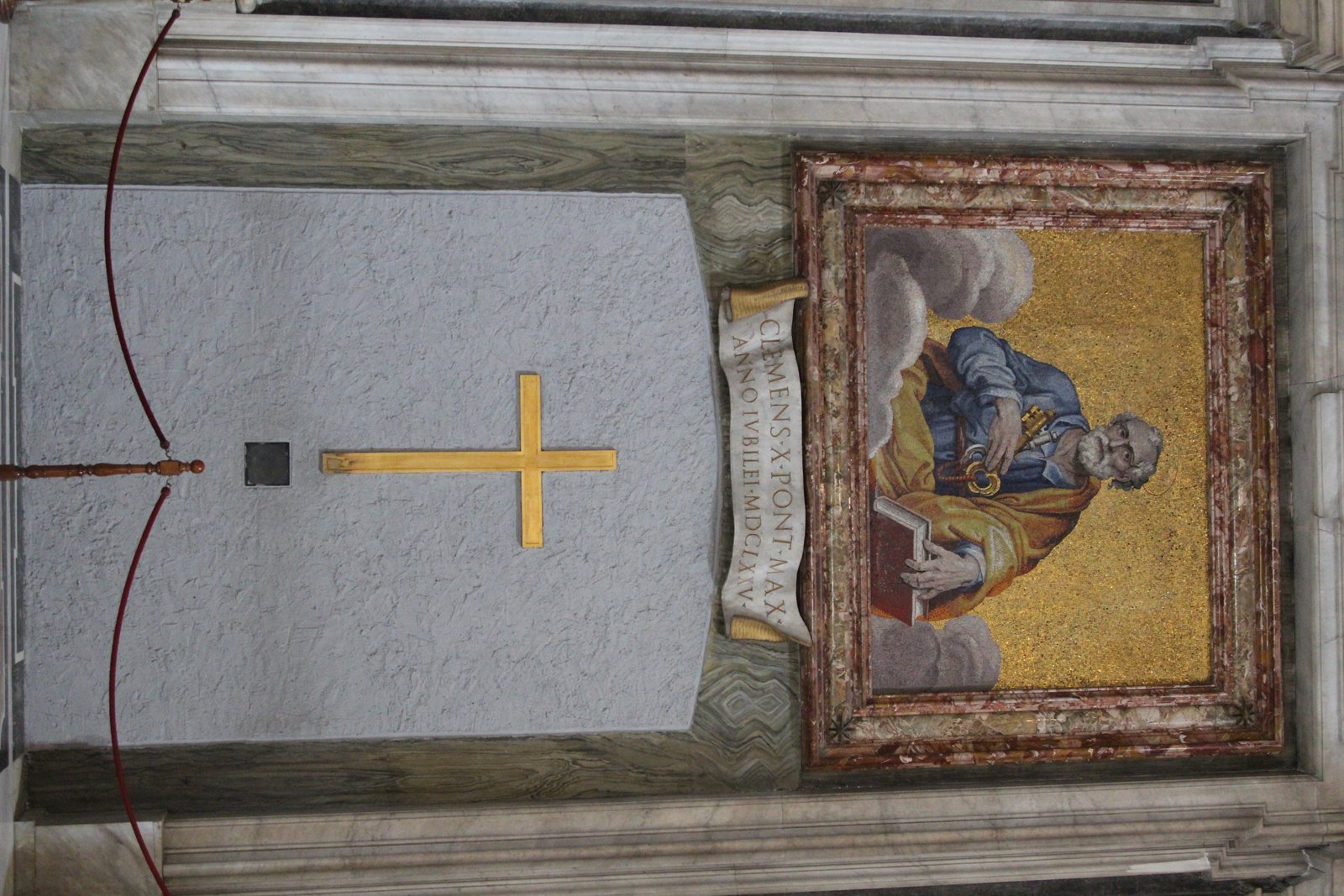
Photo by Fallaner, "Saint Peter's Basilica Holy door 2020 P01," CC BY-SA 4.0, via Wikimedia Commons.
The rank isn't primarily about size or fame, though all four are enormous and world-famous in their own right. It traces instead to each church's historic and continuing connection to the papacy itself: each of the four has, or historically had, its own papal throne and papal altar reserved for the pope's personal use, each is staffed by a college of canons responsible for its liturgical life, and — the detail most visitors actually notice — each has its own Holy Door.
What "papal" means here, and what it doesn't
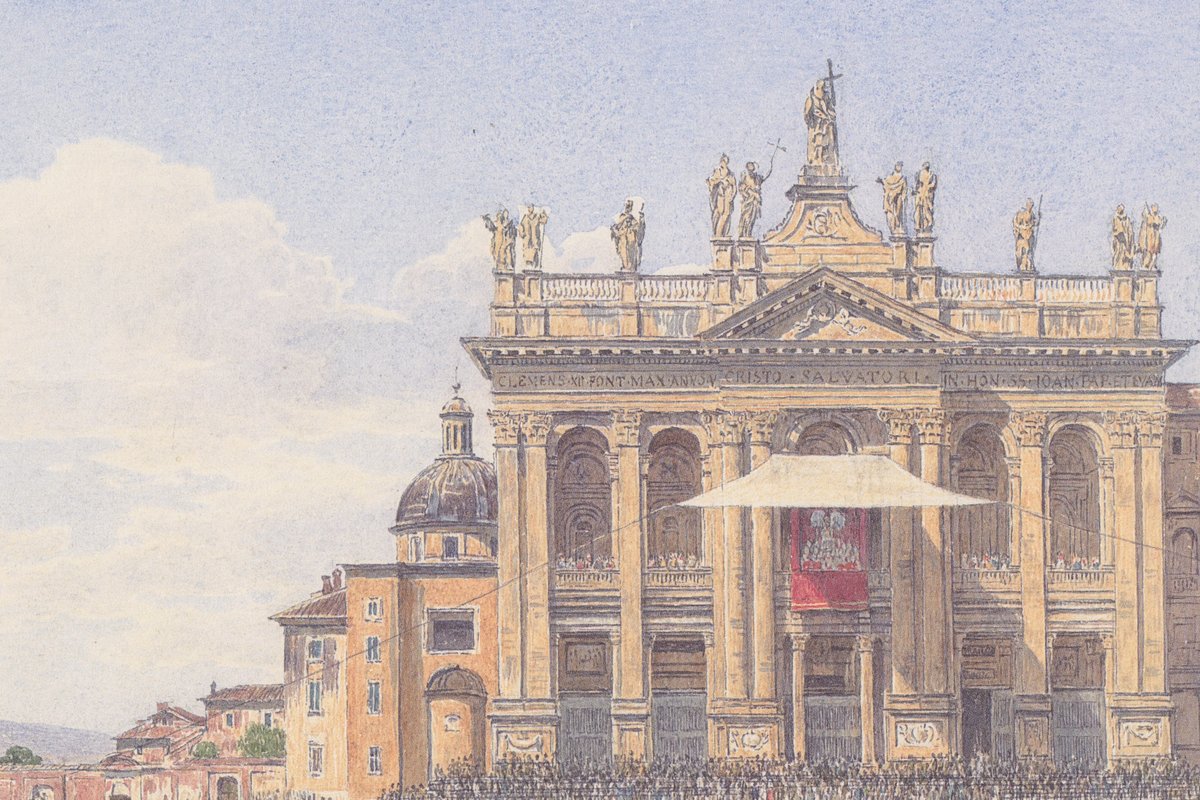
It's a common and understandable mix-up: many assume St. Peter's must be the pope's own cathedral, since it's the church most associated with the papacy in popular imagination and the site of most major papal ceremonies. That distinction actually belongs to St. John Lateran, which holds the pope's cathedra — his bishop's chair, the literal source of the word "cathedral" — because the pope's primary ecclesiastical role is as Bishop of Rome, and Rome's cathedral has always been the Lateran basilica, not St. Peter's. An inscription on the Lateran's facade calls it, in Latin, the "mother and head of all the churches of the city and the world," a claim to seniority over every other Catholic church on earth, St. Peter's included.
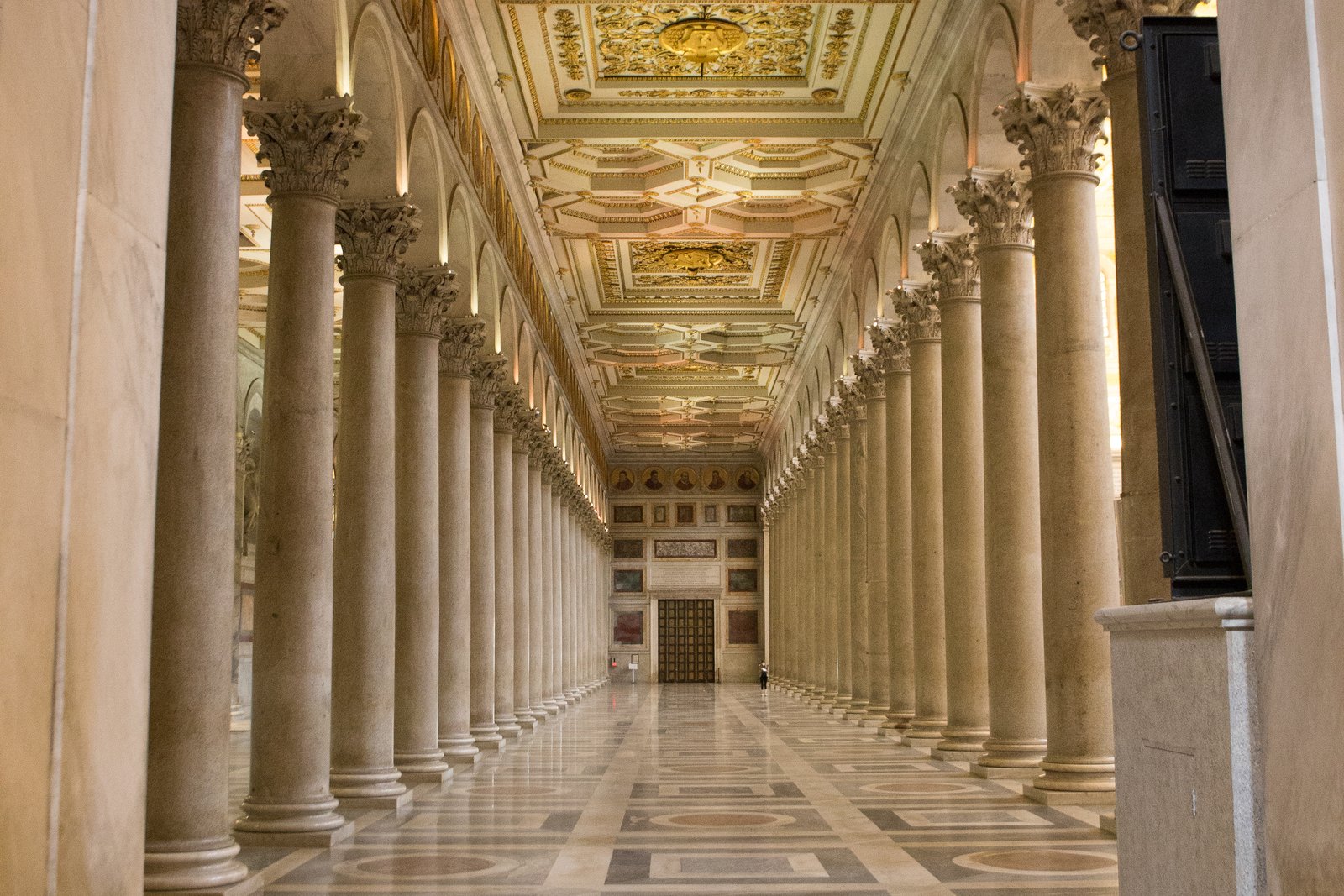
St. Peter's owes its towering prominence instead to its association with the apostle Peter's tomb and its role as the site of papal Masses, canonizations, and the conclave that elects each new pope — practical and symbolic weight that, in the popular mind, has largely eclipsed the Lateran's older formal seniority. St. Mary Major holds its place as Rome's principal Marian church, associated with a foundation legend involving a miraculous summer snowfall and a relic tradition tied to the manger of Bethlehem. St. Paul Outside the Walls marks the traditional tomb of the apostle Paul along the ancient road south of the city, rebuilt almost entirely after a catastrophic fire in 1823 destroyed the church that had stood, essentially unchanged, since the 4th century.
The Holy Door, explained
The single most distinctive shared feature of the four papal basilicas is the Holy Door — in Latin, Porta Sancta. Each basilica has one designated door, usually on the main facade, that stands permanently bricked shut behind its bronze or wooden panels for ordinary years. It is opened only during a Jubilee, a Holy Year the Church has traditionally observed roughly every twenty-five years since the practice was formalized in the 14th century, though popes can also call an "extraordinary" Jubilee outside that normal cycle, as Pope Francis did in 2015–2016.
Opening the door is itself a formal liturgical rite: the pope knocks on or strikes the sealed doorway, workers break through the masonry sealing it, and the pope becomes the first to walk through as the Jubilee year formally begins at St. Peter's, with the other three basilicas' doors opened in the days following by other officiating cardinals. Walking through a Holy Door during the Jubilee year is traditionally tied to receiving a plenary indulgence — under the conditions the Church attaches to it, a remission of the temporal consequences of sin — making the physical act of passage a devotional practice with real theological weight behind it, not simply a photo opportunity for pilgrims. At the close of the Jubilee, the door is ceremonially sealed shut again, and typically a small lead box containing coins and documents from that Jubilee is placed inside the wall before it's bricked over — a practice that means each Holy Door, when finally reopened decades later, sometimes yields a small time capsule from the pilgrims who walked through it last.
Why the number stayed at four
Historically, Roman pilgrimage tradition sometimes grouped these four with three additional churches — the Basilica of St. Lawrence Outside the Walls, the Basilica of the Holy Cross in Jerusalem, and the Sanctuary of Our Lady of Divine Love — into a longer circuit of "seven pilgrim churches" walked by the faithful, especially during Jubilee years, following a devotional route associated with St. Philip Neri in the 16th century. But the formal rank of "papal major basilica," with its own Holy Door and papal altar, has remained fixed at these same four churches for centuries, distinguishing them even from other historically significant Roman basilicas that carry the lesser (but still notable) title of "minor basilica."
For a pilgrim planning a Rome itinerary, the four papal basilicas make a natural, walkable-if-ambitious circuit across the city — from the Vatican's western edge to the Lateran on Rome's southeastern side, with St. Mary Major and St. Paul Outside the Walls each a short journey between them. Each has its own distinct character and history worth knowing on its own terms, but together they represent something larger than any single building: four physical, still-standing witnesses to nearly two thousand years of continuous Christian presence in one city, each one still capable, once every generation or so, of having its sealed door broken open again.
Trivia
What are the four papal basilicas of Rome?
What does 'papal major basilica' actually mean?
Which of the four is the Pope's actual cathedral?
What is a Holy Door, and why is it sealed most of the time?
Can any pilgrim visit all four basilicas in one trip?
Related Reading