The Shrine of Divine Mercy, Kraków

A convent on the edge of the city
Łagiewniki was, for most of its history, an unremarkable suburb southeast of central Kraków — the kind of place with a village name that meant nothing outside its own parish until a single religious community turned it into a destination visited by millions. In 1889, the Congregation of the Sisters of Our Lady of Mercy established a convent there, part of a religious order dedicated to caring for at-risk young women. It functioned quietly for decades as an ordinary working convent, home to a modest community of nuns living an unremarkable, disciplined religious life — until one of its members began recording something extraordinary.
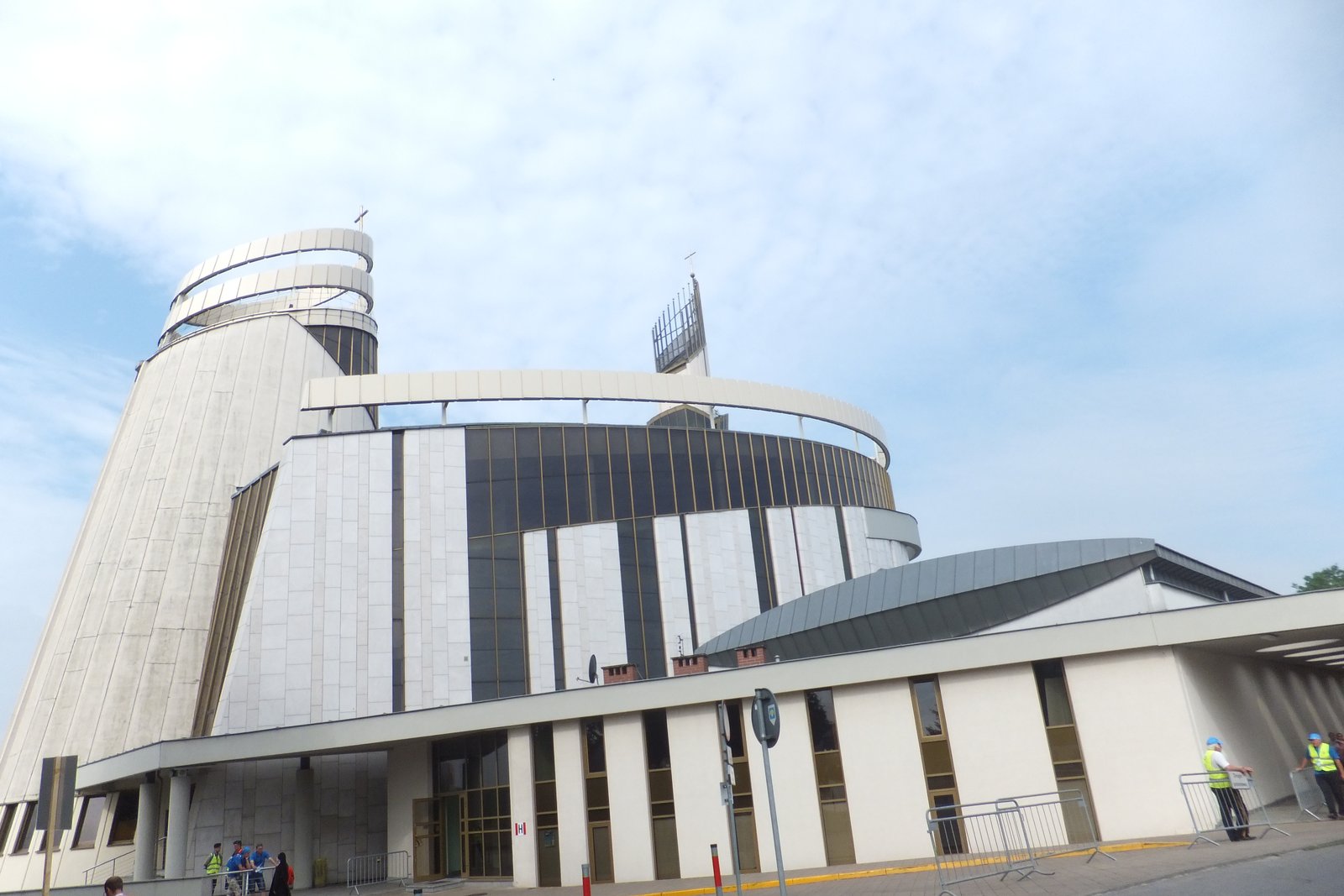
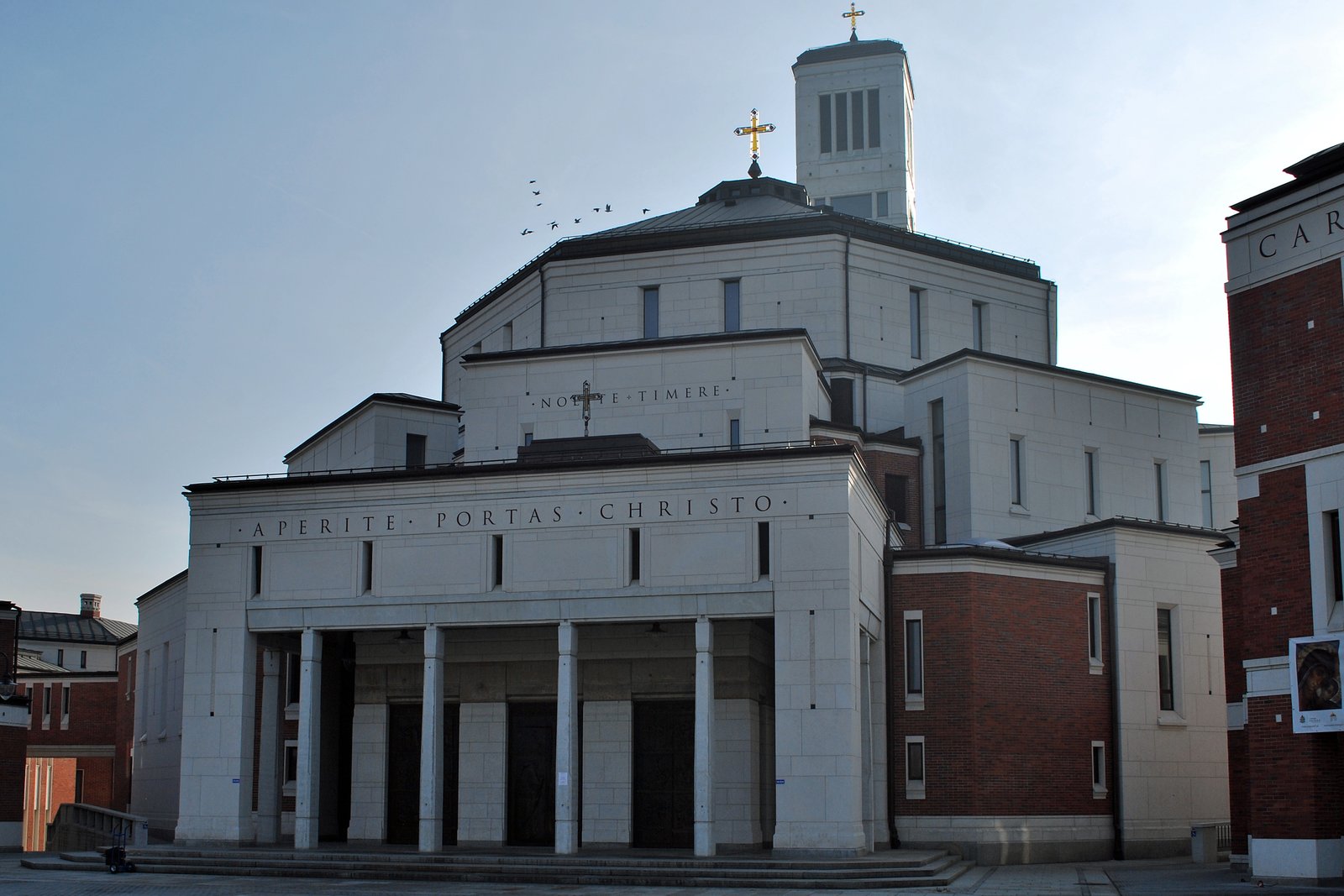
Photo by Syrio, "Cracow - Divine Mercy Sanctuary 01," CC BY-SA 4.0, via Wikimedia Commons.
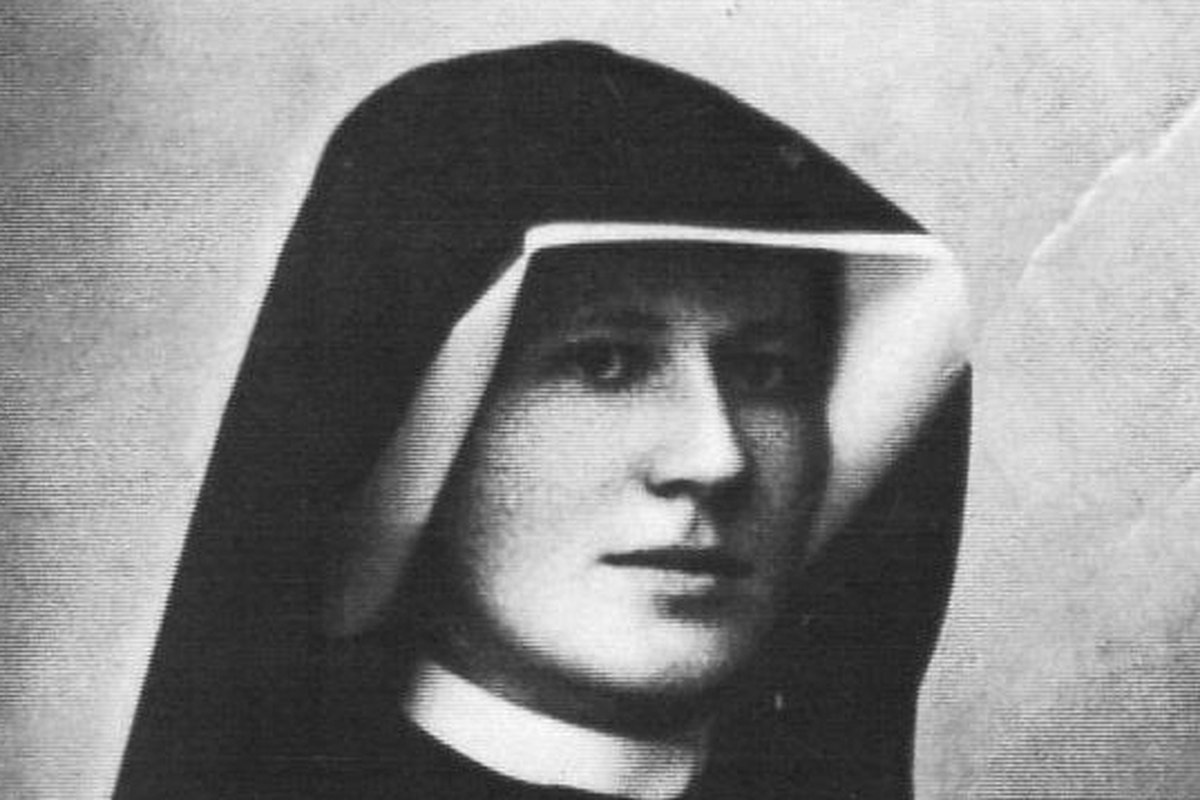
That sister was Faustina Kowalska, born Helena Kowalska in 1905 to a poor farming family, who entered religious life at twenty after working as a domestic servant with only three years of formal schooling behind her. Beginning in the 1930s, at the direction of her spiritual director, Faustina began keeping a diary recording what she described as a series of visions and locutions — an experience of hearing words interiorly attributed to Christ — centered overwhelmingly on the theme of divine mercy. She died at the Łagiewniki convent in 1938, at just thirty-three, of tuberculosis, her diary at that point known to only a small circle within her own religious community.
From a private diary to a global devotion
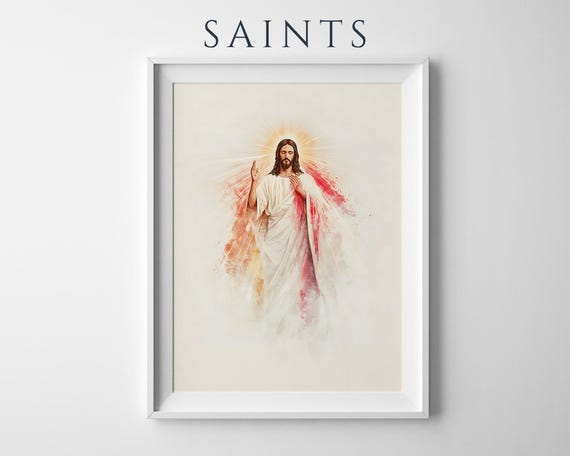
What happened over the following decades turned a barely known convent infirmary into one of the most consequential sites in modern Catholic devotional history. Faustina's diary, eventually published in full and translated into dozens of languages, describes a specific image she reported being asked to have painted: Christ in a white garment, one hand raised in blessing, with two rays — one red, one pale — streaming from his heart, representing blood and water, along with the inscription "Jesus, I trust in You." That image, painted according to her descriptions by artists working under her direction, became the visual center of what is now known worldwide as the Divine Mercy devotion.
The devotion includes the image itself, a specific chaplet of prayers said on ordinary rosary beads, and a feast day — Divine Mercy Sunday, observed on the Sunday following Easter — that Pope John Paul II formally established for the universal Church in 2000, the same year he canonized Faustina in St. Peter's Square. The Church's official recognition came only after a long and, for a period, complicated history: in the 1950s and 1960s, before the full context of her writings was properly understood by Roman authorities working from an imperfect early Italian translation, the Vatican had actually restricted the spread of Divine Mercy devotional materials, a restriction lifted only in 1978 after further examination of her original diary — a reminder, often cited in discussions of the case, that the Church's own investigative processes can take real time even with devotions later fully embraced at the highest level.
The pope who built the modern basilica
No figure did more to elevate Łagiewniki's status than John Paul II himself, and the connection ran deep and personal, not merely administrative. Karol Wojtyła grew up and served as a priest and later Archbishop of Kraków in the very city where Faustina had lived and died, and he personally advanced her cause for canonization during his papacy after having encountered her writings and reputation for holiness years earlier as a young priest in the same archdiocese.
As the popularity of the Divine Mercy devotion grew explosively worldwide through the late 20th century, the original convent chapel at Łagiewniki, however meaningful, became physically unable to accommodate the volume of pilgrims arriving to pray before Faustina's tomb and the miraculous image. A large modern basilica was constructed immediately next to the historic convent, and John Paul II personally consecrated it in 2002 during one of his final pastoral visits to his Polish homeland, using the occasion to formally entrust the entire world to Divine Mercy — a gesture that placed Łagiewniki, in the pope's own words at the dedication, at the heart of a devotion he hoped would spread "from this place" to every part of the globe.
What pilgrims find today
The shrine complex today comprises two connected but distinct spaces. The original convent chapel, modest by comparison to the modern basilica beside it, remains the more historically intimate site: Faustina's tomb rests here, beneath the same Divine Mercy image that has drawn pilgrim veneration since the 1940s, in the same building where she lived out her final years of religious life and recorded her diary. Beside it rises the much larger contemporary basilica, completed in 2002, an oval structure capable of holding thousands of worshippers, with an adjoining tower that offers panoramic views across Kraków for pilgrims willing to climb it.
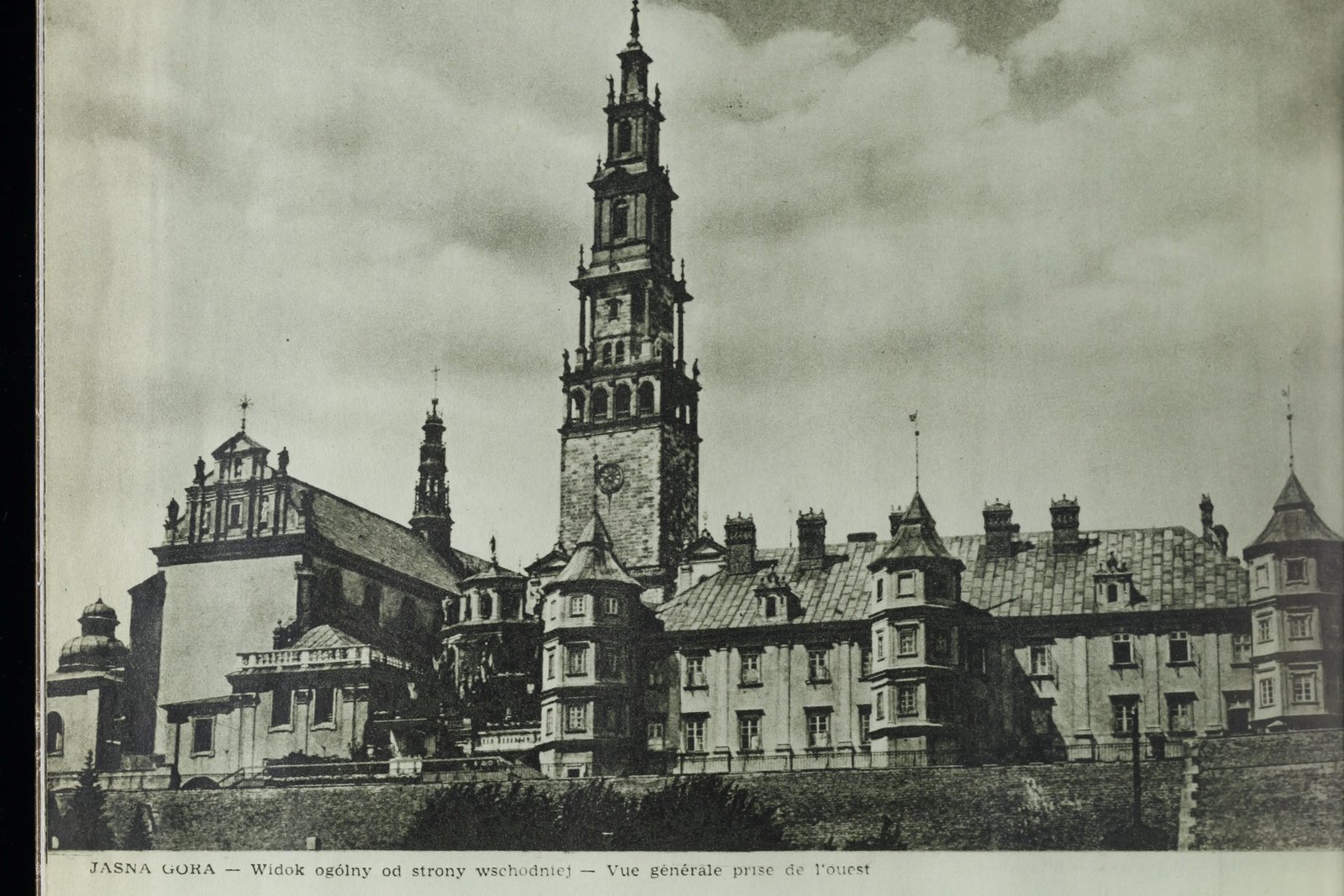
Łagiewniki now ranks among Poland's most visited religious sites, drawing millions of pilgrims annually, many of whom also travel the short distance to the nearby Sanctuary of Saint John Paul II, built specifically to honor the Kraków-born pope who did so much to bring Faustina's message to the wider Church. Together with Jasna Góra, Poland's national Marian shrine several hours to the north, Łagiewniki forms one half of the country's two great modern pilgrimage destinations — one centered on Mary's ancient icon, the other on a young nun's 20th-century diary, each in its own way carrying an outsized share of Polish Catholic identity into the present day.
Faustina's own words, recorded in that diary, capture the theme that still draws pilgrims to her tomb: she described Christ telling her that his mercy was "greater than your sins and those of the entire world," a message she spent the rest of her short life trying faithfully to record and pass on — and one that, by every measure of the shrine's continued growth, has clearly reached far beyond the walls of the convent where she first wrote it down.
Trivia
What is the Shrine of Divine Mercy, and where is it located?
Who was Saint Faustina Kowalska?
What is the Divine Mercy devotion?
Did Pope John Paul II have a personal connection to this shrine?
What can visitors see inside the shrine today?
Related Reading