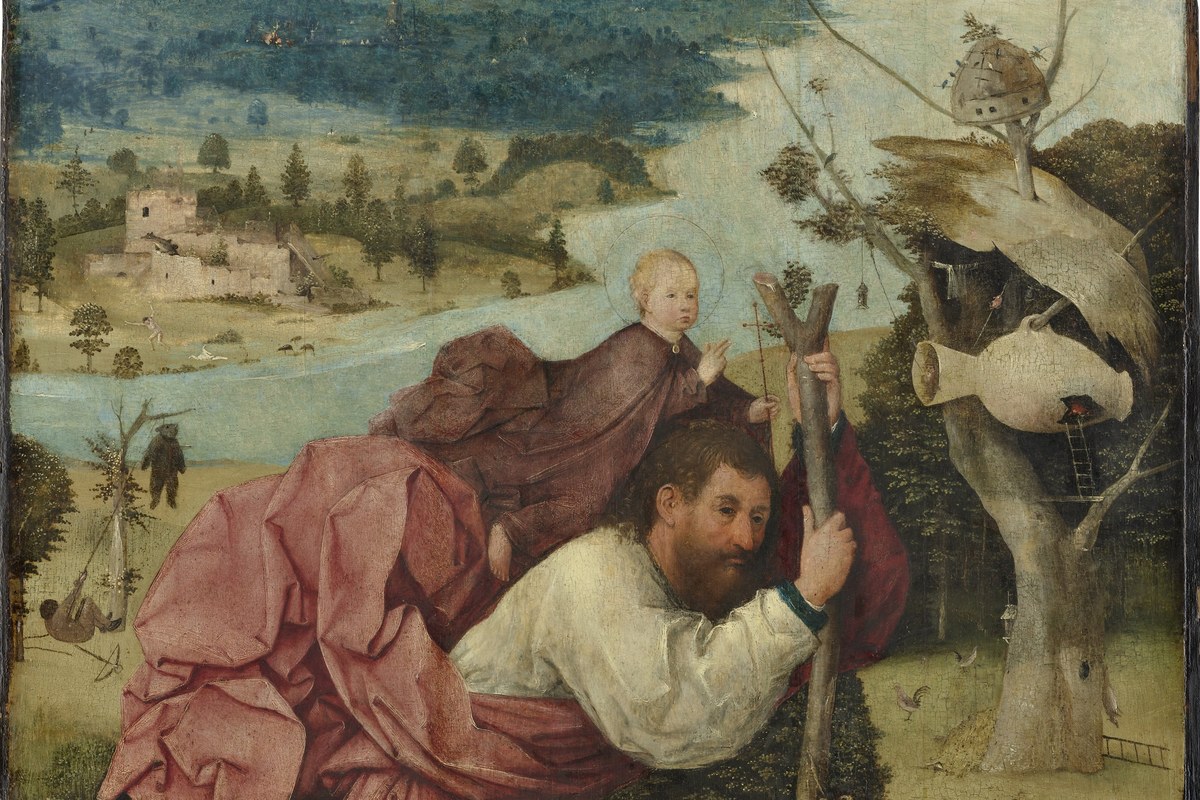
Saint Joseph the Worker

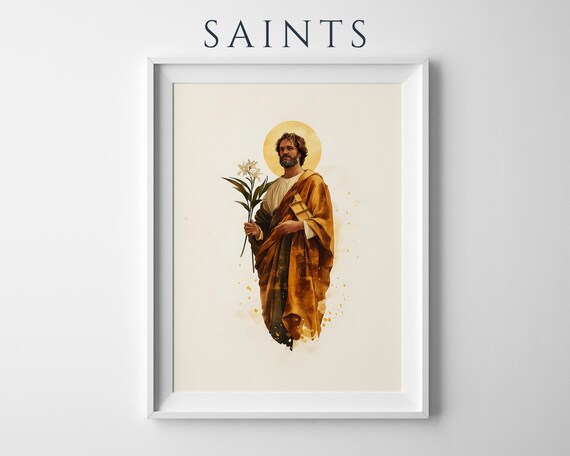
A feast built for a specific moment
To understand why the Church created a second feast for Saint Joseph, it helps to understand the calendar it was answering. May 1 had been claimed as International Workers' Day since 1889, when the Second International — a federation of socialist and labor parties — chose the date to commemorate an 1886 labor demonstration in Chicago. Over the following decades the date became closely associated with organized labor movements worldwide, and in Communist states it evolved into a major state holiday celebrating workers within an explicitly atheistic, materialist framework that had no room for religious meaning in the value of labor itself.
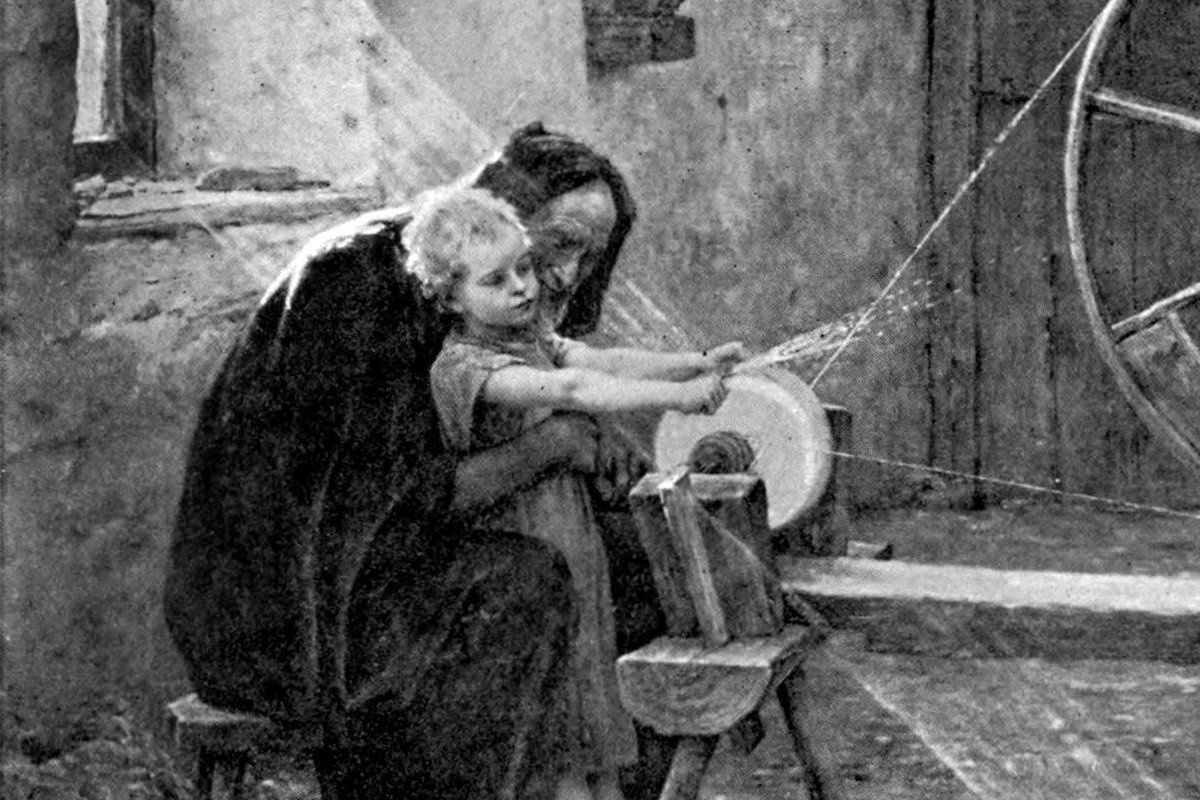
Virginie Demont-Breton, Le Divin Apprenti (The Divine Apprentice), circa 1897 — public domain.
By the mid-twentieth century, with Communist governments consolidating power across Eastern Europe and Catholic workers' movements searching for their own voice within that contest, Pope Pius XII moved. On May 1, 1955, he formally instituted the feast of Saint Joseph the Worker, addressing an assembly of Catholic labor associations directly. His decision to fold the Church's own workers' commemoration into the very same date, rather than compete with it or ignore it, was itself the point: it offered a distinctly Christian account of what work means, centered not on class struggle but on the dignity of the human person, standing on the same calendar square as the secular holiday.
For Joseph's full life story — his betrothal to Mary, the angel's message in his dreams, the flight into Egypt — see the fuller account of his biography. This feast asks a narrower, more specific question: not who Joseph was as a father, but what it meant that he was, first and plainly, a working man.
The dignity of ordinary labor
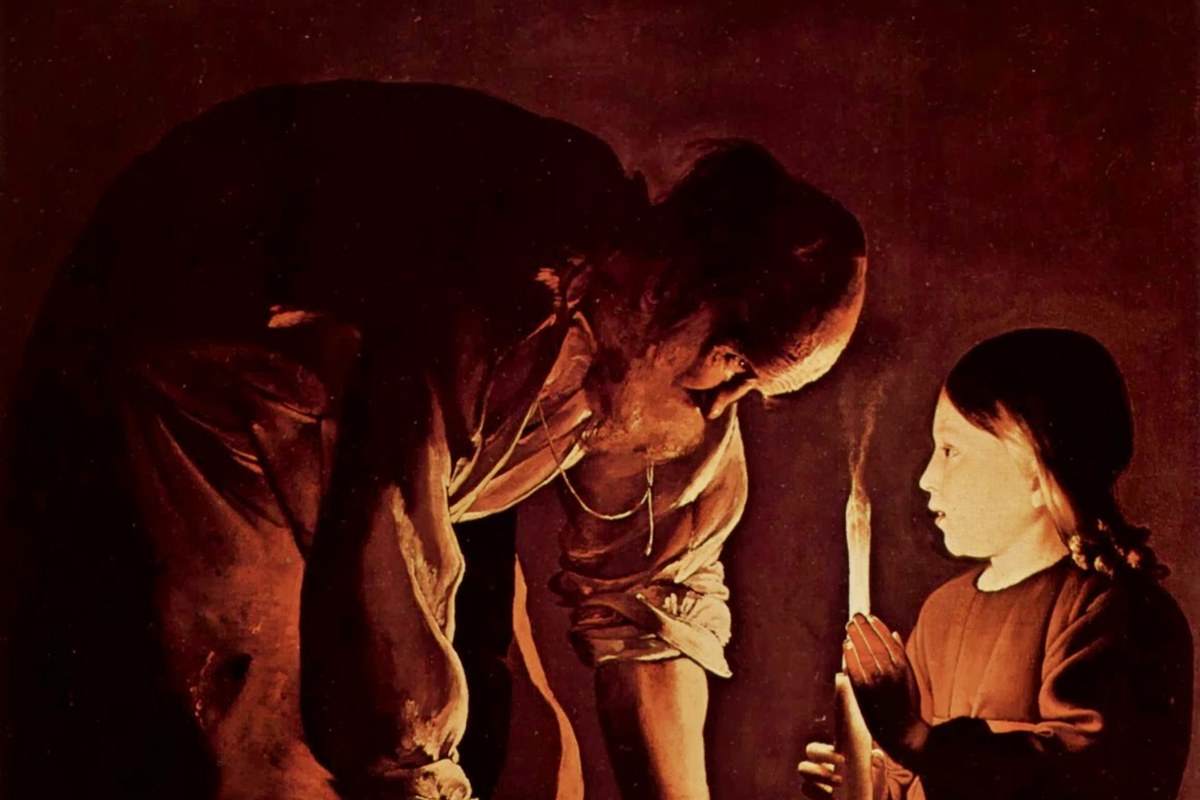
The Gospels are spare on detail about Joseph's trade, identifying him only through the Greek word tekton, usually rendered "carpenter" in English translations, though the term covers a wider range of manual craft, potentially including stonework and general building. What matters theologically is not the precise nature of the work but its ordinariness. Jesus himself grew up known in Nazareth as "the carpenter's son," raised inside a household that earned its bread through daily physical labor rather than inherited wealth or religious privilege.
That detail carries weight far beyond biography. If the Son of God spent roughly three decades of his earthly life in an obscure trade before ever preaching a public word, then manual work itself is not something to be endured on the way to something more meaningful — it is, in itself, a place where holiness is fully at home. The feast of Saint Joseph the Worker takes that implicit theology and makes it explicit, holding up a craftsman's workbench as a legitimate site of sanctity, not a lesser one than a monastery or a pulpit.
Catholic social teaching's deeper roots
The 1955 feast didn't appear out of nowhere theologically; it stood on decades of accumulated Catholic social teaching that had already been wrestling with the rights and dignity of workers in an industrial age. Pope Leo XIII's 1891 encyclical Rerum Novarum — Latin for "of new things" — is usually treated as the founding document of modern Catholic social teaching, addressing the harsh conditions of industrial labor and insisting that workers possessed rights to just wages, reasonable hours, and safe working conditions, against both unchecked capitalism and the emerging socialist alternative, which the encyclical also criticized for denying private property.
That line of thought continued well past Pius XII. In 1981, Pope John Paul II issued Laborem Exercens — "on human work" — timed to the ninetieth anniversary of Rerum Novarum, and in it he described work as an expression of the human person's participation in God's own creative activity, insisting on what he called the priority of labor over capital: that people are never merely instruments of production but the very purpose the economy exists to serve. The Catechism of the Catholic Church later folded these threads together, teaching in paragraph 2427 that human work proceeds directly from being made in the image of a Creator and, joined to the labor of Christ, can even become a means of sanctification. Joseph, in that light, isn't simply an example workers admire from a distance — he's presented as the pattern the whole tradition is describing.
A patron chosen deliberately, not by accident
It's worth being clear about what belongs to formal Church teaching here and what belongs to devotional tradition. The dignity of labor and the rights of workers are matters of settled Catholic social doctrine, drawn from Scripture and developed across more than a century of papal teaching. The specific choice of May 1, and of Joseph as the figure to anchor it, was a pastoral and historical decision by Pius XII — a wise and deliberate one, but a matter of Church discipline and devotion rather than dogma.
Since 1955, the feast has become a fixture particularly among Catholic trade associations, guilds, and workers' organizations, many of which hold Masses or blessings for tools and workplaces on the date. It sits alongside, rather than replaces, Joseph's principal solemnity on March 19, which honors him more broadly as husband of Mary and foster father of Jesus. The two feasts together give the Church two angles on the same man: one honoring his role in the household of the Holy Family, the other honoring the workbench where, for most of his life, nothing miraculous seemed to be happening at all — just a craftsman, doing honest work, day after ordinary day.
Trivia
Why did Pope Pius XII create the feast of Saint Joseph the Worker?
What does the Catholic Church teach about the dignity of work?
Is Saint Joseph the Worker a different feast from Joseph's main feast day?
What kind of work did Saint Joseph actually do?
Related Reading