Our Lady of Caacupé: Paraguay's Patroness Carved from a Tree

A promise made behind a tree
The story Paraguayans tell about their patroness begins not in a church, but in the forest. According to tradition passed down since the Spanish colonial period, a Guarani man named José was being pursued by hostile attackers and took shelter behind a tree, expecting it to be his final hiding place. In that moment, tradition holds, he made a vow: if he survived the night, he would carve a statue of the Virgin Mary from the very tree that had sheltered him. He survived, and true to his word, carved the image from its wood — the origin, as the legend is told, of the statue still venerated today.
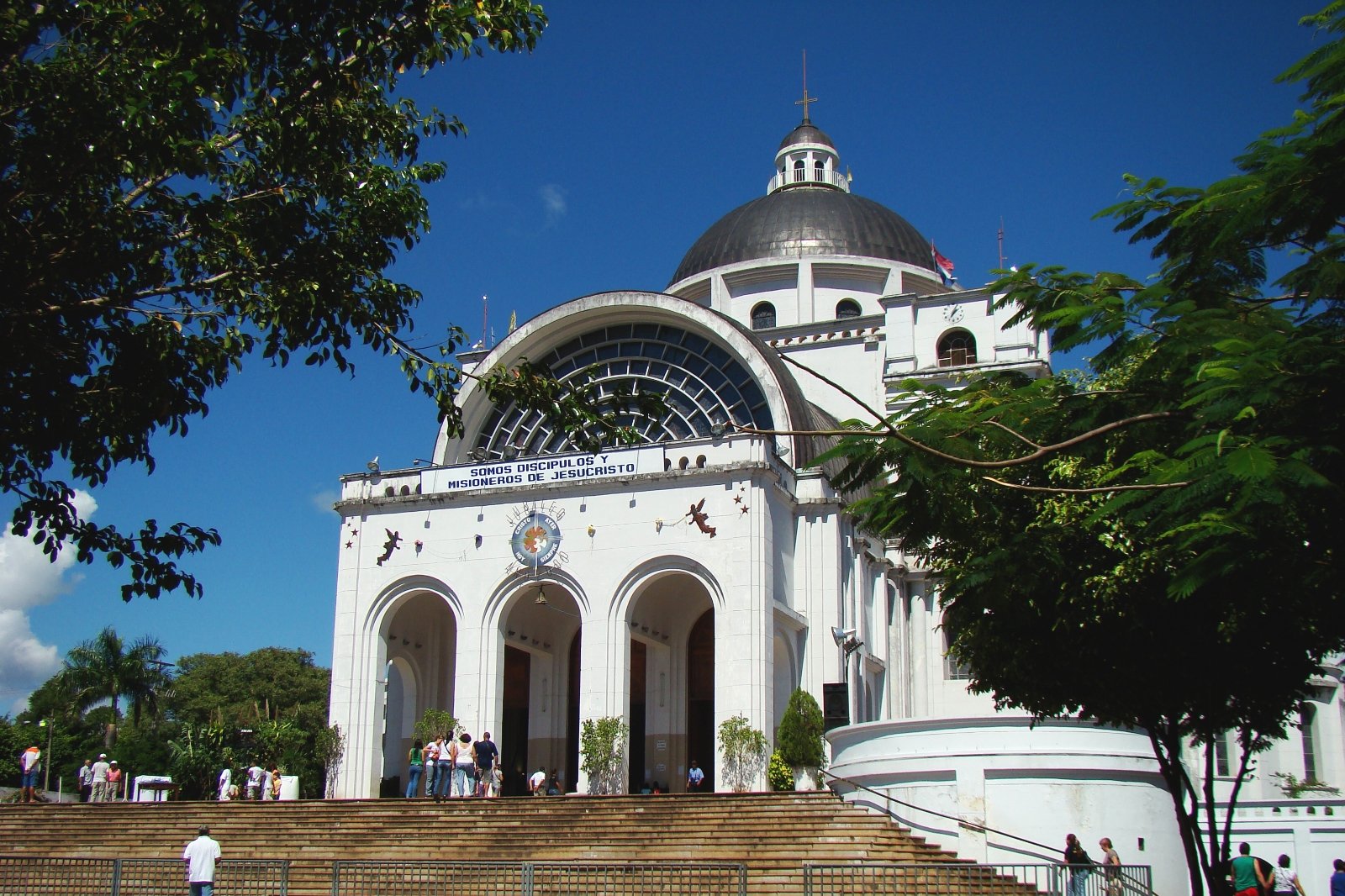
Signals, Caacupé basilica, photograph. CC BY-SA 4.0, via Wikimedia Commons.
Whatever can or cannot be independently verified about the specific details of that 16th-century story, the devotion it produced took root quickly and has never let go. The statue itself is a modest object — a small wooden carving, not an imposing monument — which makes its outsized place in Paraguayan national and religious identity all the more striking.
A name that belongs to two languages at once
The devotion's full title reflects exactly how it grew up: straddling Guarani, the indigenous language still spoken widely across Paraguay today, and the Spanish brought by colonization. Popular tradition calls her "Tupãsy Ka'akupe" — "Tupãsy" drawing on the Guarani word for "Mother of God," and "Ka'akupe" referring to the specific place, understood as meaning roughly "behind the grass" or "behind the jungle growth," describing the wooded spot where José's tree stood. Few Marian titles anywhere combine an indigenous and a colonial-era linguistic heritage quite so directly in a single name, and the combination itself speaks to how thoroughly the devotion took root among both Guarani and Spanish-descended communities in colonial Paraguay, rather than remaining identified with just one group.
December 8th: one of South America's largest pilgrimages
The feast most closely associated with Our Lady of Caacupé falls on December 8th, the Feast of the Immaculate Conception, and it has grown into one of the largest annual religious gatherings anywhere on the continent. Reports describe several hundred thousand pilgrims converging on the town of Caacupé for the occasion, many of them walking long distances — sometimes days on foot from distant parts of the country — as a deliberate act of devotion and penance rather than simple travel. Buses, trucks, and improvised campsites fill the town in the days leading up to the feast, and the celebration has drawn high-profile visits over the years, including a Mass celebrated there by Pope Francis during his 2015 visit to Paraguay, underscoring the devotion's significance well beyond the country's own borders.
For a nation whose modern history includes some of the most devastating wars fought anywhere in the Americas, the status of "patroness" carries real weight. Paraguayans have long turned to Our Lady of Caacupé not as a distant, abstract religious figure, but as a protector invoked through genuinely difficult national moments — a pattern common to many national Marian devotions, in which a single image becomes bound up with a country's sense of identity and survival as much as with formal doctrine.
The basilica built to hold the crowds
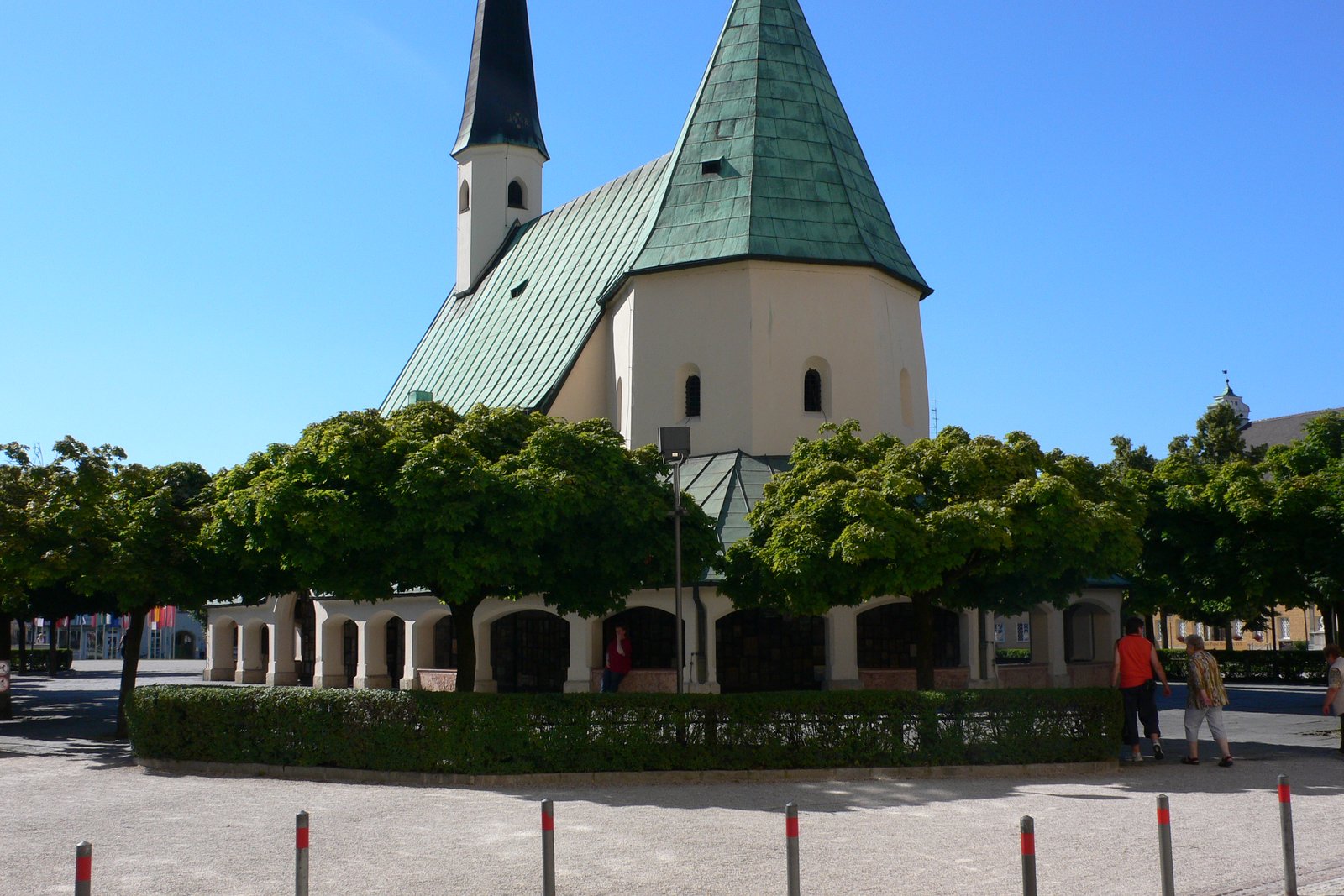
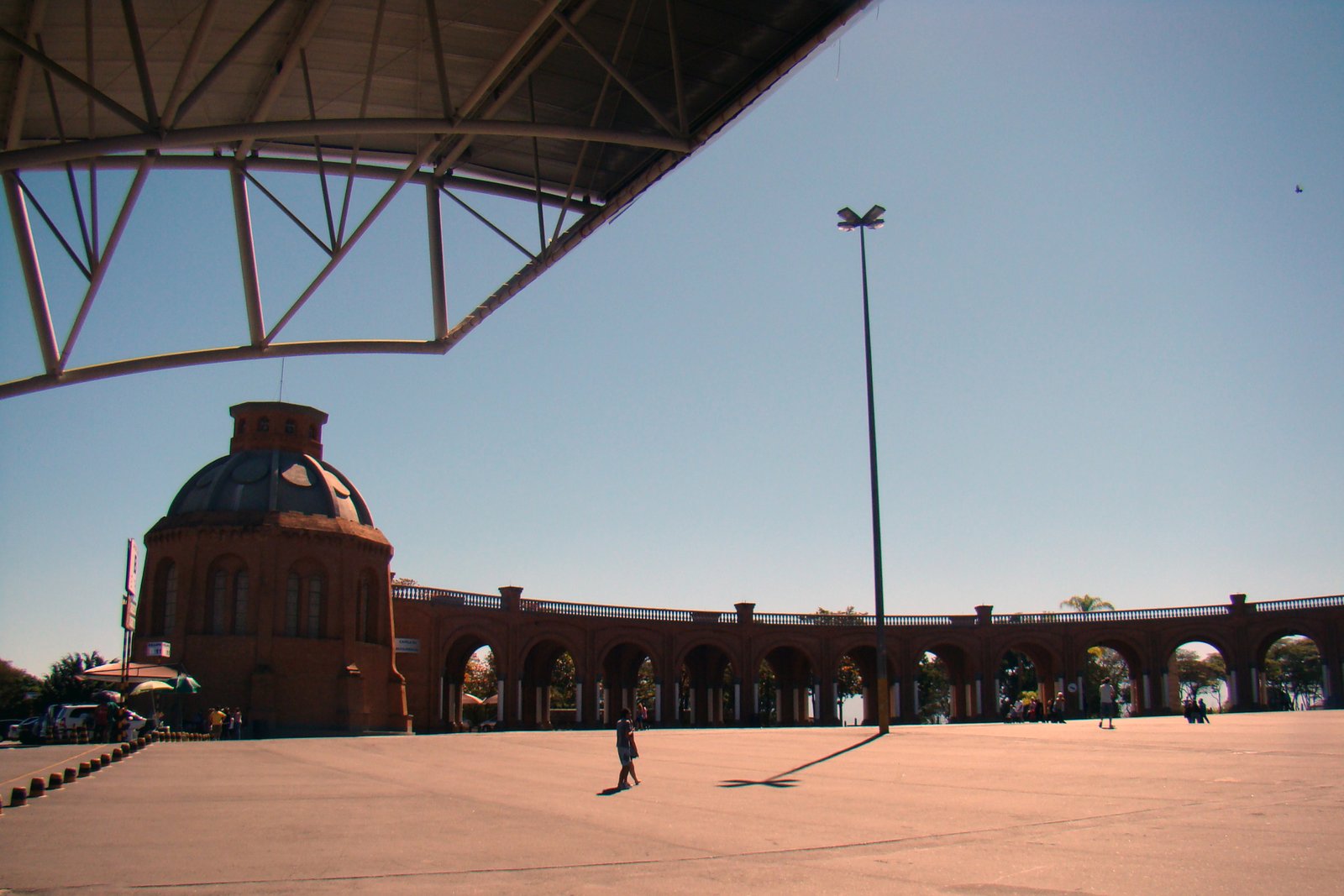
The devotion's growth eventually required architecture to match it. The Basilica of Our Lady of Miracles, the church that now houses the statue, is a 20th-century structure built in a distinctive modern style, incorporating domes and towers with a visibly Byzantine-influenced character rather than following a conventional Latin American colonial church design. Its scale reflects a practical reality as much as an aesthetic choice: a shrine that draws hundreds of thousands of pilgrims on a single feast day needs a building — and the surrounding plazas and approach roads — capable of actually holding that many people, something smaller, older chapels on the site could never have managed.
A statue the size of devotion, not display
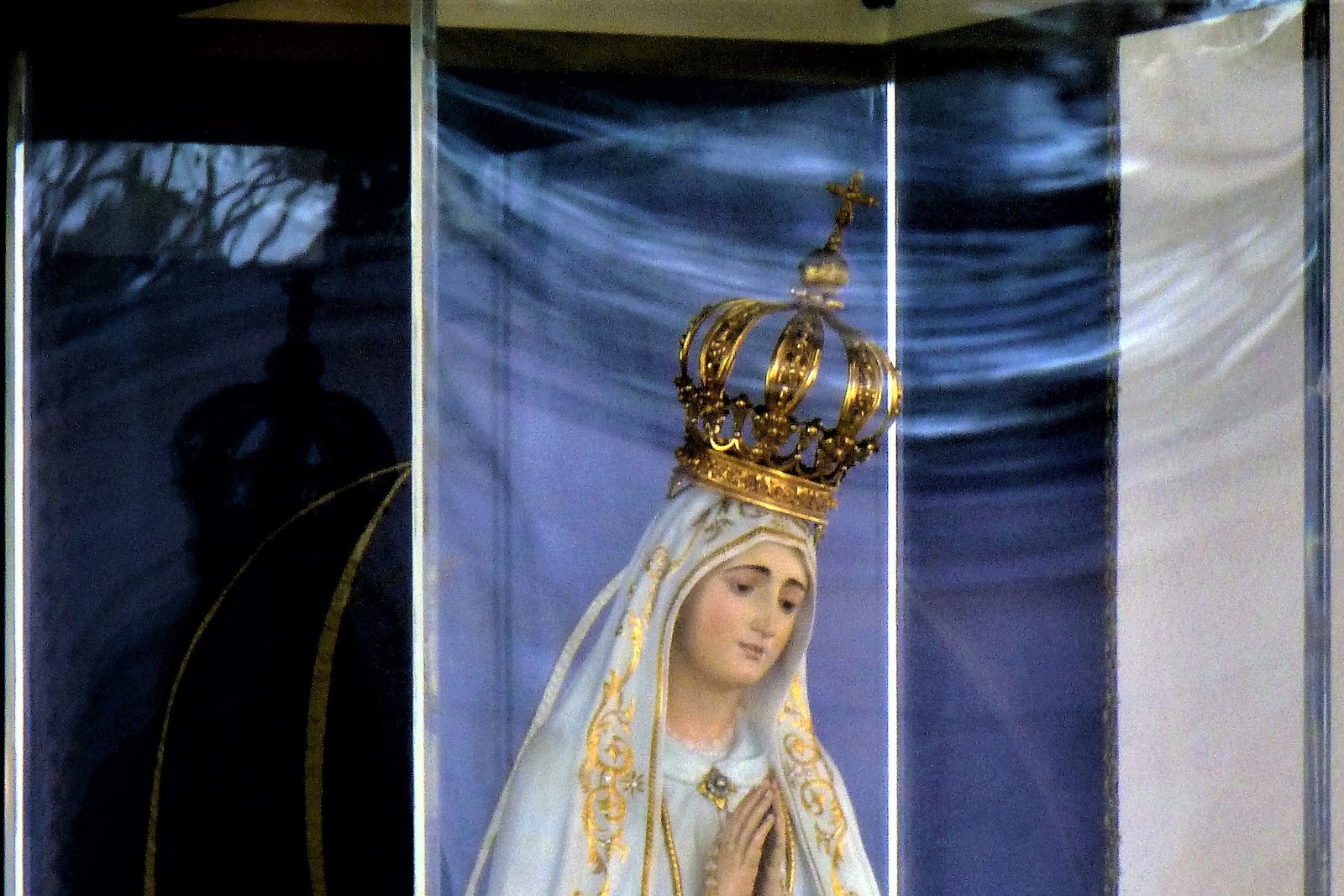
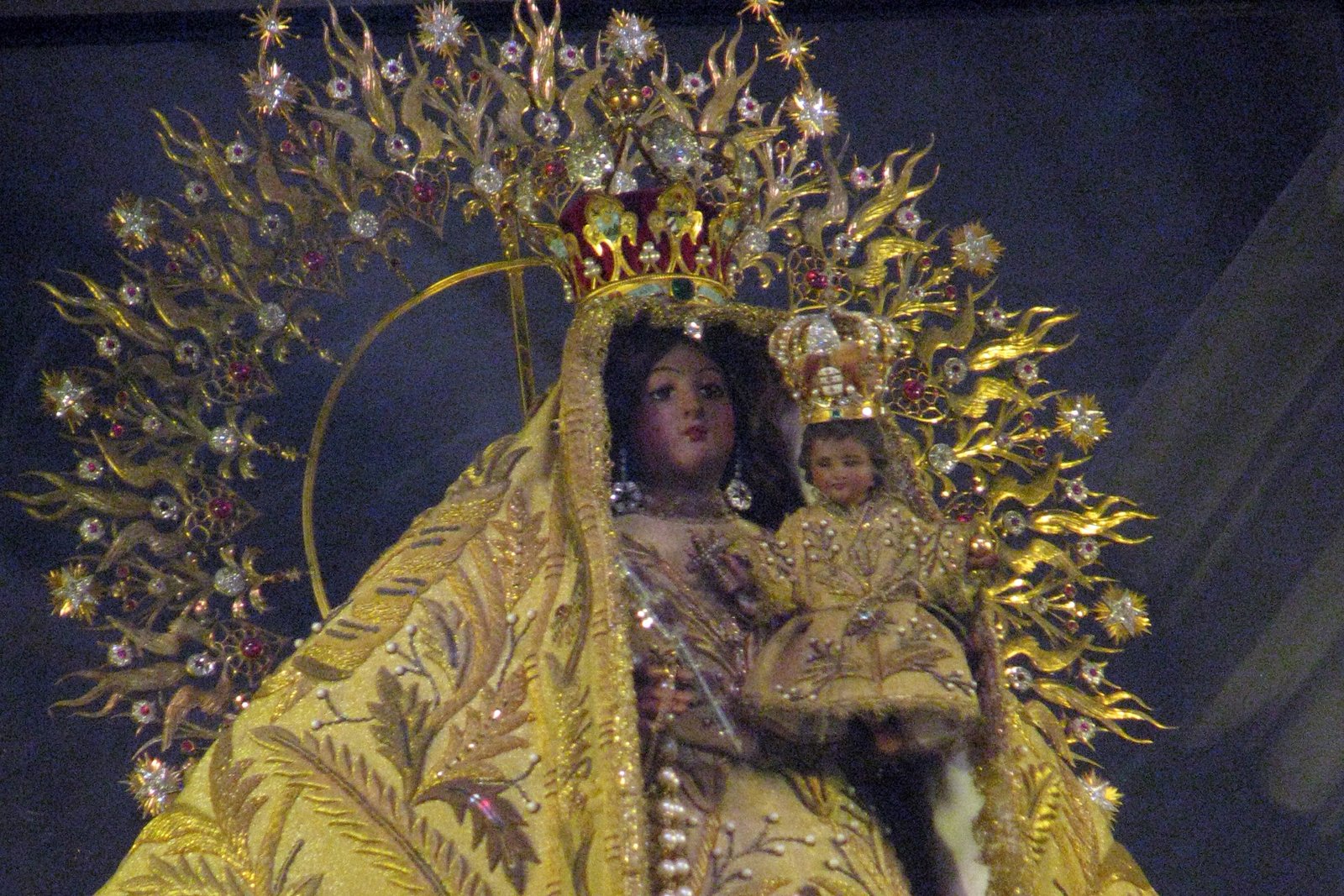
Visitors who finally reach the statue itself after a long day's walk often remark on how small it actually is — by most accounts, under a meter tall, dressed in cloth robes and a crown that are changed periodically by the sisters who care for it, rather than left as a bare carved figure. That modesty is, in its own way, part of the devotion's character: unlike grand gilded images built from the start to overwhelm a viewer, Our Lady of Caacupé has always been venerated as something closer to a family presence — a small wooden mother, carved out of desperate gratitude by one ordinary man, who has simply never stopped being visited.
A patroness tied to the nation's hardest chapters
Paraguay's history includes some of the most brutal conflicts fought anywhere in the Americas, including the War of the Triple Alliance in the 1860s and 1870s, a war so devastating that credible estimates place Paraguay's wartime population losses among the highest proportional losses any nation has suffered in a modern conflict. Devotion to Our Lady of Caacupé deepened through exactly this kind of national trauma — the sort of crisis in which a protective maternal religious figure tends to take on meaning well beyond ordinary piety. By the time Paraguay's bishops formally recognized her as the nation's patroness, the devotion already carried the weight of generations who had turned to her specifically in wartime and hardship, not only in ordinary annual observance.
A devotion still very much alive
Unlike some older Marian devotions whose pilgrimage traditions have faded with time, the devotion to Our Lady of Caacupé shows no sign of slowing. Each December, the roads leading into the small town fill once again with walkers carrying little more than water and resolve, continuing a practice tied, by tradition, all the way back to one man's promise behind a tree centuries ago — a promise that, as Paraguayans tell it, a whole nation has been keeping ever since.
Trivia
What is Our Lady of Caacupé?
What is the legend behind the statue's origin?
What does the name 'Tupãsy Ka'akupe' mean?
How large is the annual pilgrimage to Caacupé?
What does the Basilica of Our Lady of Miracles look like?
Related Reading