The National Shrine of The Divine Mercy, Stockbridge

A novitiate on a Berkshire hilltop
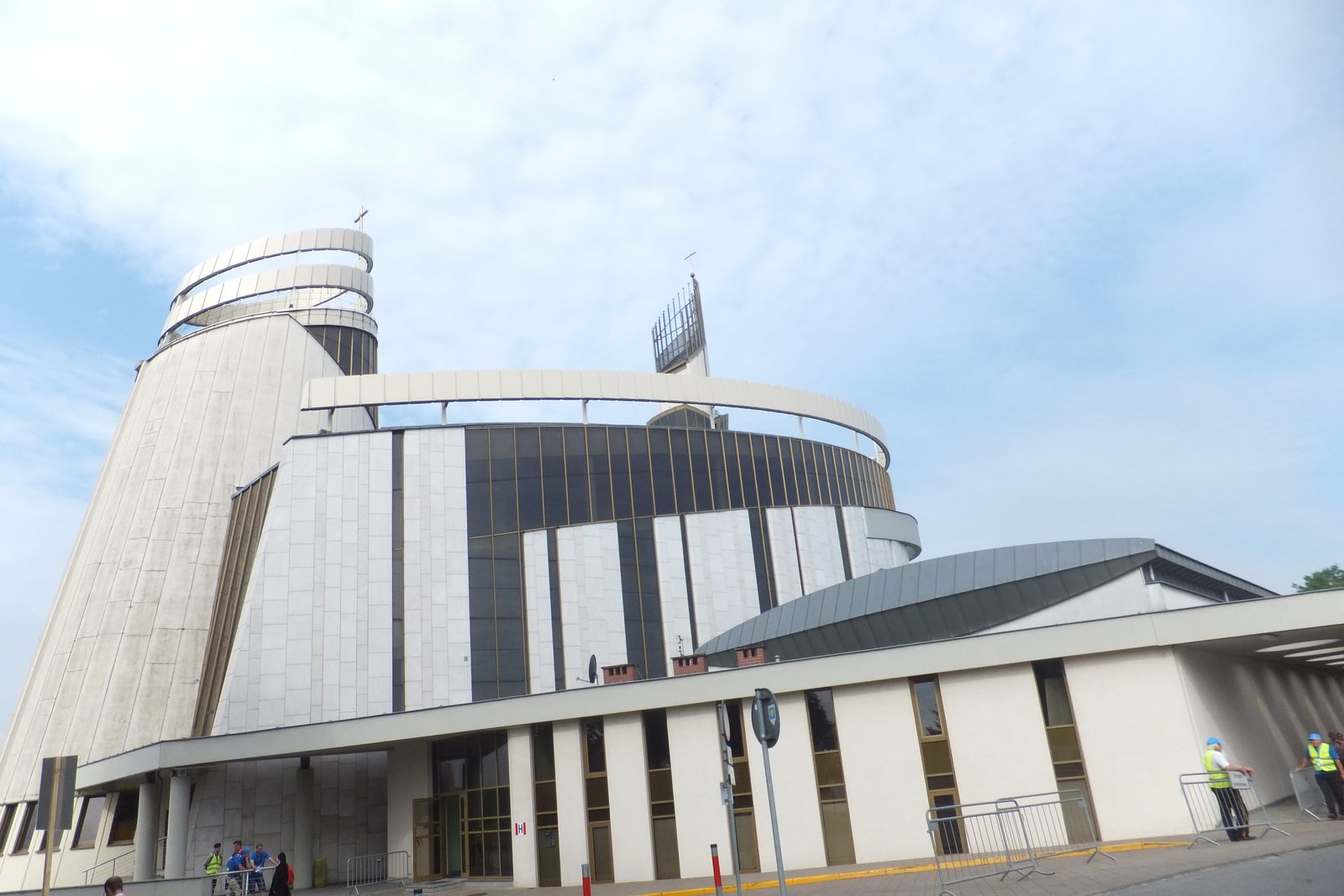
Eden Hill had already lived several lives before the Marian Fathers ever saw it. The land began as a Christian mission to the Stockbridge Indians run by the Reverend John Sergeant in the colonial era — his Mission House still stands a short distance away on Stockbridge's Main Street, moved there in 1927. By the early twentieth century the estate had become Eden Hall, a grand private residence, and by 1938 it was operating as St. Edmund's School, an Episcopalian boys' preparatory academy, according to the shrine's own published history.
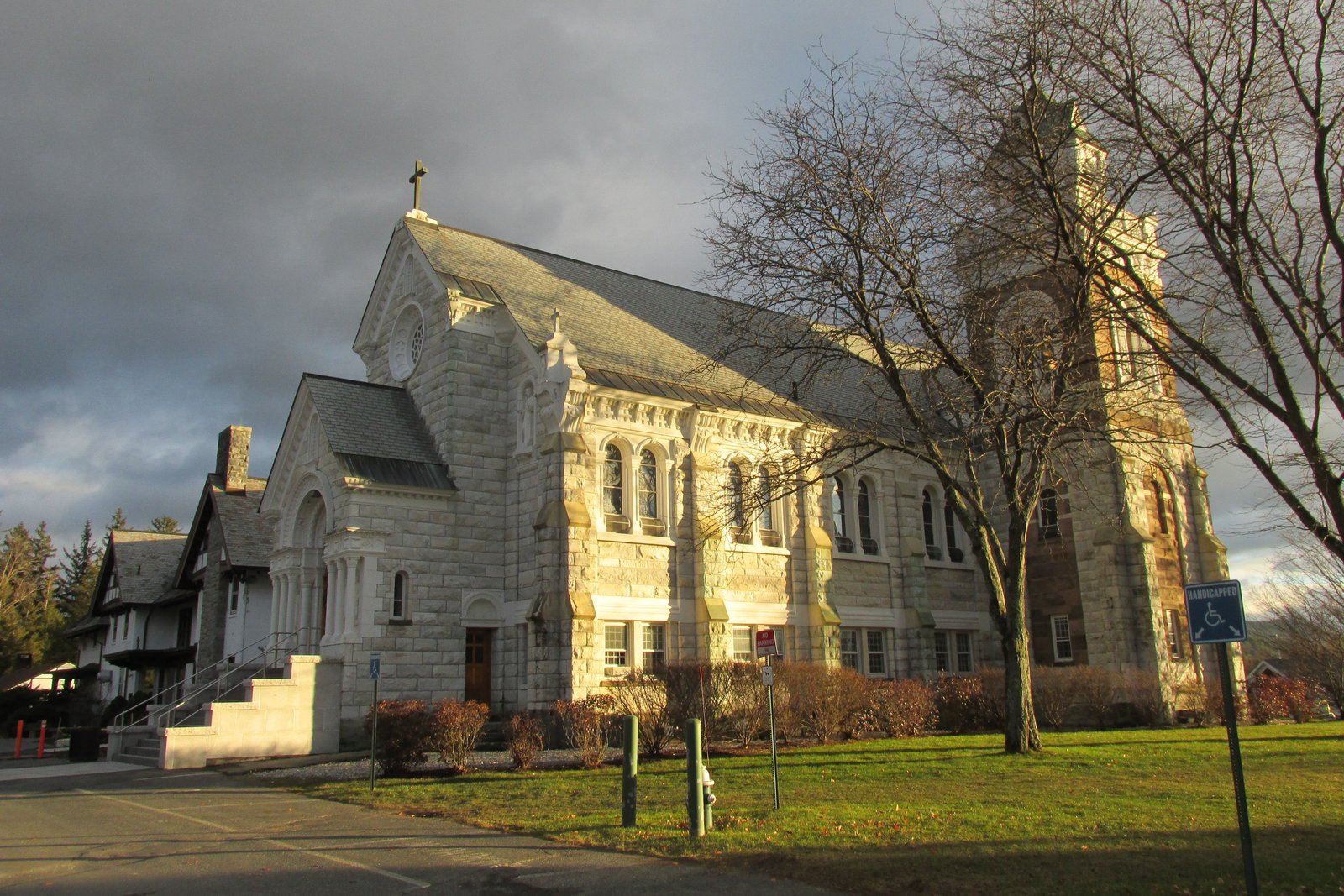
Photo by John Phelan, "National Shrine of The Divine Mercy, Stockbridge MA," CC BY-SA 3.0, via Wikimedia Commons.
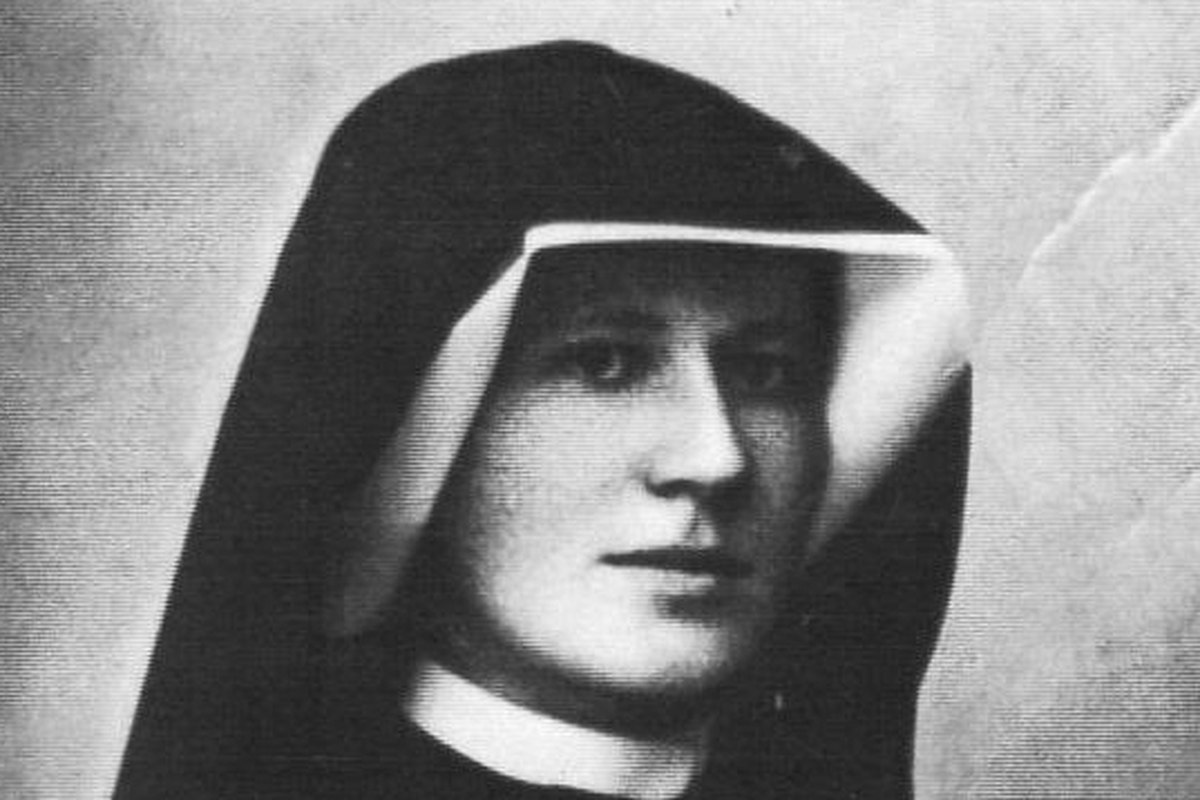
None of that history pointed toward what Eden Hill would become. In the fall of 1943, the superior of the Marian House in Washington, D.C. sent a young priest named Father Walter Pelczynski — a native of nearby Adams, Massachusetts — out to find a property that could serve as a novitiate, a residence for men preparing to enter religious life, for the Marian Fathers of the Immaculate Conception. With help from his home parish's pastor and from family and friends across the Berkshires, Pelczynski purchased Eden Hill on November 24, 1943. The community moved in the following June, and in their new chapel they placed a modest side altar dedicated to an image already close to their hearts: The Divine Mercy, the image of Christ described in the visions of a Polish nun named Faustina Kowalska.
Why this particular community believed first
The Marian Fathers were not casual latecomers to the Divine Mercy devotion — they had been promoting Faustina's message since 1941, years before her writings had anything like wide recognition, and well before the Vatican had fully worked through the complicated early history of her diary. That timing matters to understanding Stockbridge: the shrine exists not because an already-popular devotion needed a satellite location, but because a small group of priests believed in an unproven private revelation early enough, and acted on that belief by giving it a permanent home.
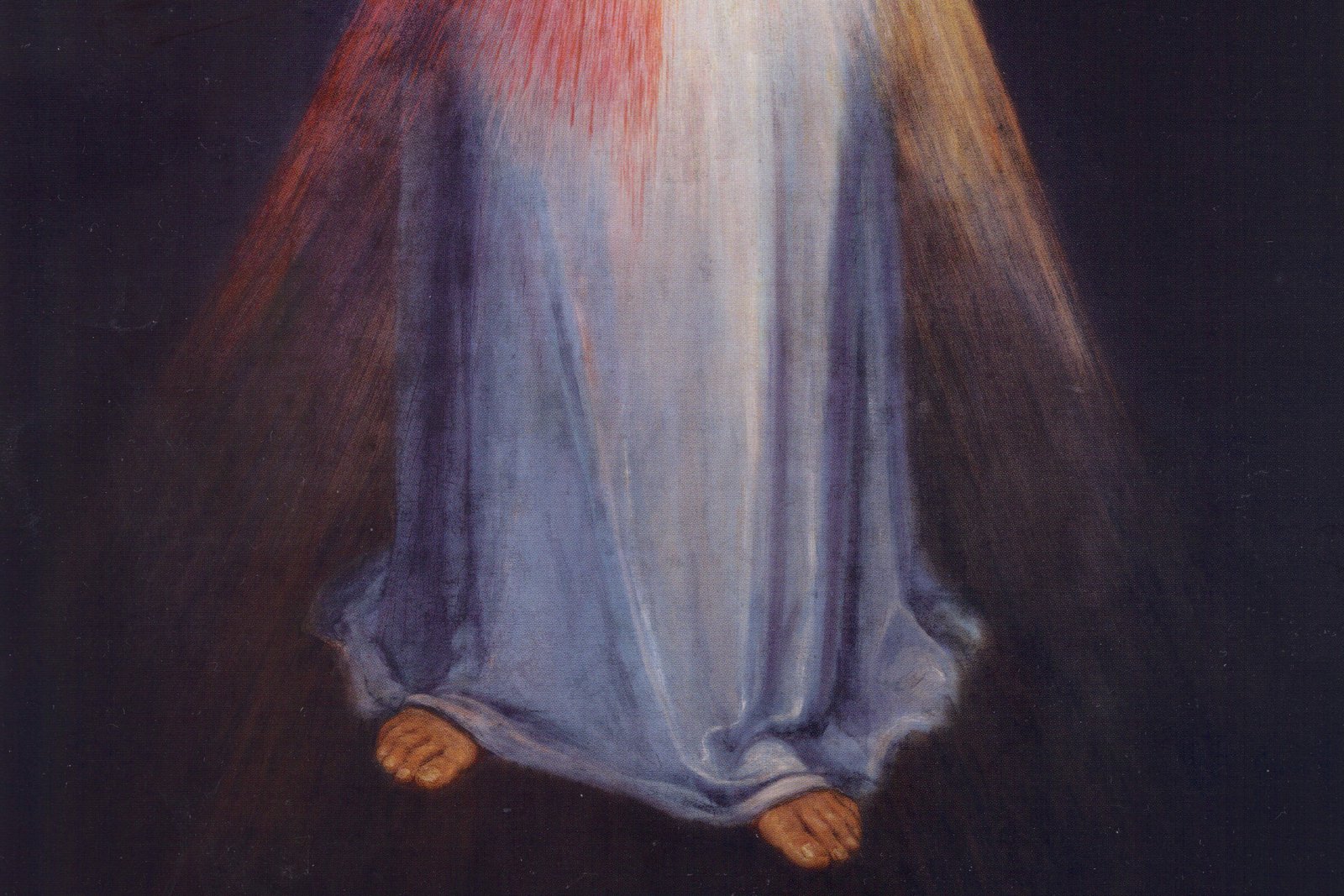
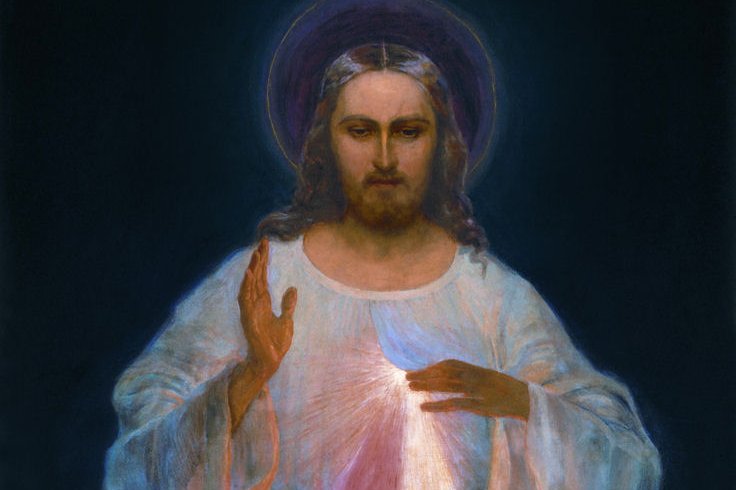
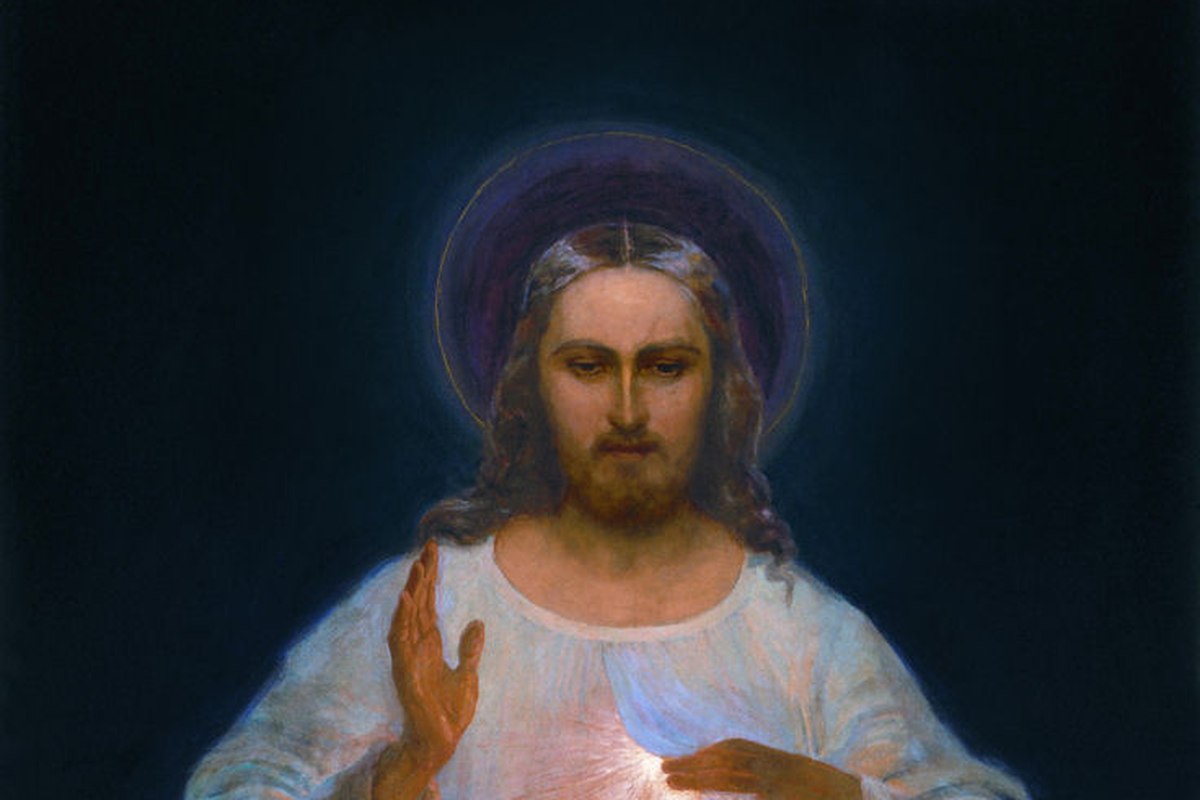
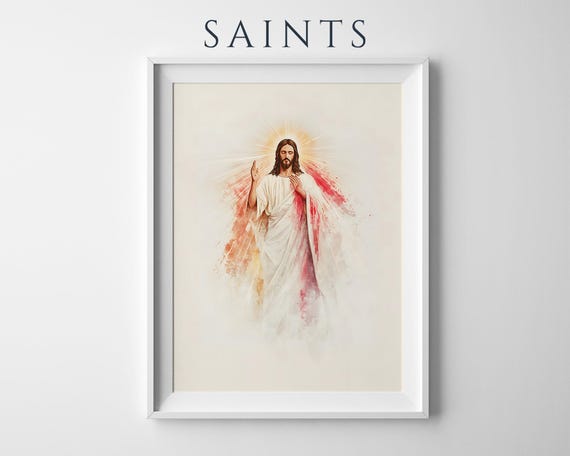
The devotion they were promoting centered on a specific image — Christ in a white garment, pale and red rays streaming from his heart, with the words "Jesus, I trust in You" beneath it — along with a chaplet of prayers and the hope, which Faustina recorded Christ expressing to her, for a feast of Divine Mercy on the Sunday after Easter. Pilgrims began showing up at Eden Hill as early as the spring after the Marians arrived, specifically to mark that feast, long before Rome had given it any universal recognition at all.
Building a shrine without blueprints
By the postwar years, the small community chapel could no longer hold the crowds, and the Marians decided to build a proper shrine church as a votive offering of thanks. Construction began in 1950, entrusted to Antonio Guerrieri, a Stockbridge woodcarver and furniture maker trained in his native Italy, who had recently finished restoring a local parish church. According to the shrine's history, Guerrieri worked without formal architectural plans at all, carrying the design in his head and directing his crew — which included Marian novices, visiting seminarians, and World War II refugees working alongside local volunteers — as construction proceeded. Stone for the building came from the grounds of the old Westinghouse estate in nearby Lenox and from the Williston Academy in Easthampton.
Ten years later, in 1960, Bishop Christopher Weldon of the Diocese of Springfield dedicated the finished church — built, notably, entirely debt-free. Inside, thirty-six stained-glass windows and two mosaics by the artist Fred Leuchs depict scenes of divine mercy from Scripture, a Vermont marble altar bears the emblem of the Sacred Heart, and apostles carved by the Italian sculptor Ferdinando Perathoner surround a central image of Christ, The Divine Mercy, above the altar. In 1996, the United States Conference of Catholic Bishops formally designated the church a National Shrine.
A hill that draws tens of thousands once a year
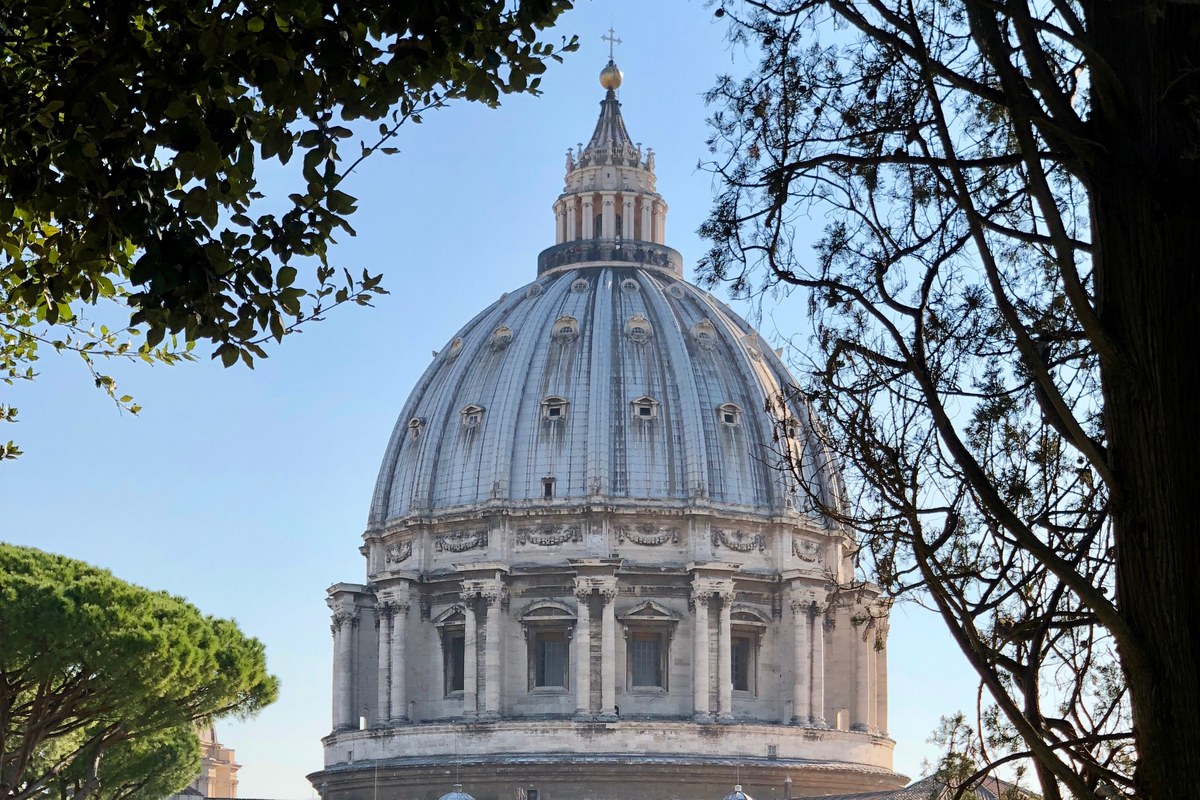
The devotion the Marians had quietly nurtured since the 1940s received its fullest vindication in 2000, when Pope John Paul II canonized Faustina Kowalska in St. Peter's Square and, that same day, established Divine Mercy Sunday — the Sunday after Easter — as a feast for the entire Catholic Church. Eden Hill now hosts the largest celebration of that feast in the northeastern United States: more than fifteen thousand pilgrims typically gather for an outdoor Mass at the shrine's Mother of Mercy Outdoor Shrine, an event regularly broadcast on EWTN, the Eternal Word Television Network.
The connection to John Paul II runs through more than that single day. A dedicated house and exhibit on the grounds now honors the pope who did more than any other churchman to carry Faustina's message into the mainstream of Catholic life, and Eden Hill today functions as the geographic and spiritual home of the Association of Marian Helpers, the lay apostolate that grew up around the devotion. As the Marians' own history records John Paul II saying during a 1997 visit to the sister shrine in Łagiewniki, Poland, where Faustina is buried: "There is nothing the world needs more than Divine Mercy."
What a visitor finds on the hill today
The shrine complex welcomes visitors daily, well beyond the one enormous Sunday each spring. Beyond the church itself, Eden Hill's grounds hold a Lourdes candle grotto, a Holy Family shrine, a memorial Shrine of the Holy Innocents for deceased children, and statues of Saint Thérèse and Saint Francis set along quiet walking paths meant for prayer rather than sightseeing. A gift shop and bookstore round out the campus, alongside the Marians' publishing and media work, which has carried the Divine Mercy message to a far wider audience than the hilltop itself could ever hold.
What makes Stockbridge worth knowing about, alongside the devotion's more famous center at Łagiewniki outside Kraków, is exactly that early, improbable act of trust: a handful of priests in wartime New England, with no blueprint and no guarantee the Church would ever formally embrace what they believed, built a side altar first and a national shrine second. Everything that followed — the debt-free church, the national designation, the fifteen thousand pilgrims who now climb the hill every spring — grew out of that one quiet decision to keep a candle burning before an image almost nobody outside a small Polish convent had yet heard of.
Trivia
Where is the National Shrine of The Divine Mercy, and who runs it?
How did the Marian Fathers end up on Eden Hill?
What is Divine Mercy Sunday, and why is it celebrated at Stockbridge?
Who built the shrine church, and when was it finished?
Is there a connection between this shrine and Saint Faustina Kowalska or Pope John Paul II?
Related Reading