
Sacred Relics
Explore the history, science, and veneration of the Church's most famous relics — from the Shroud of Turin to the instruments of the Passion.
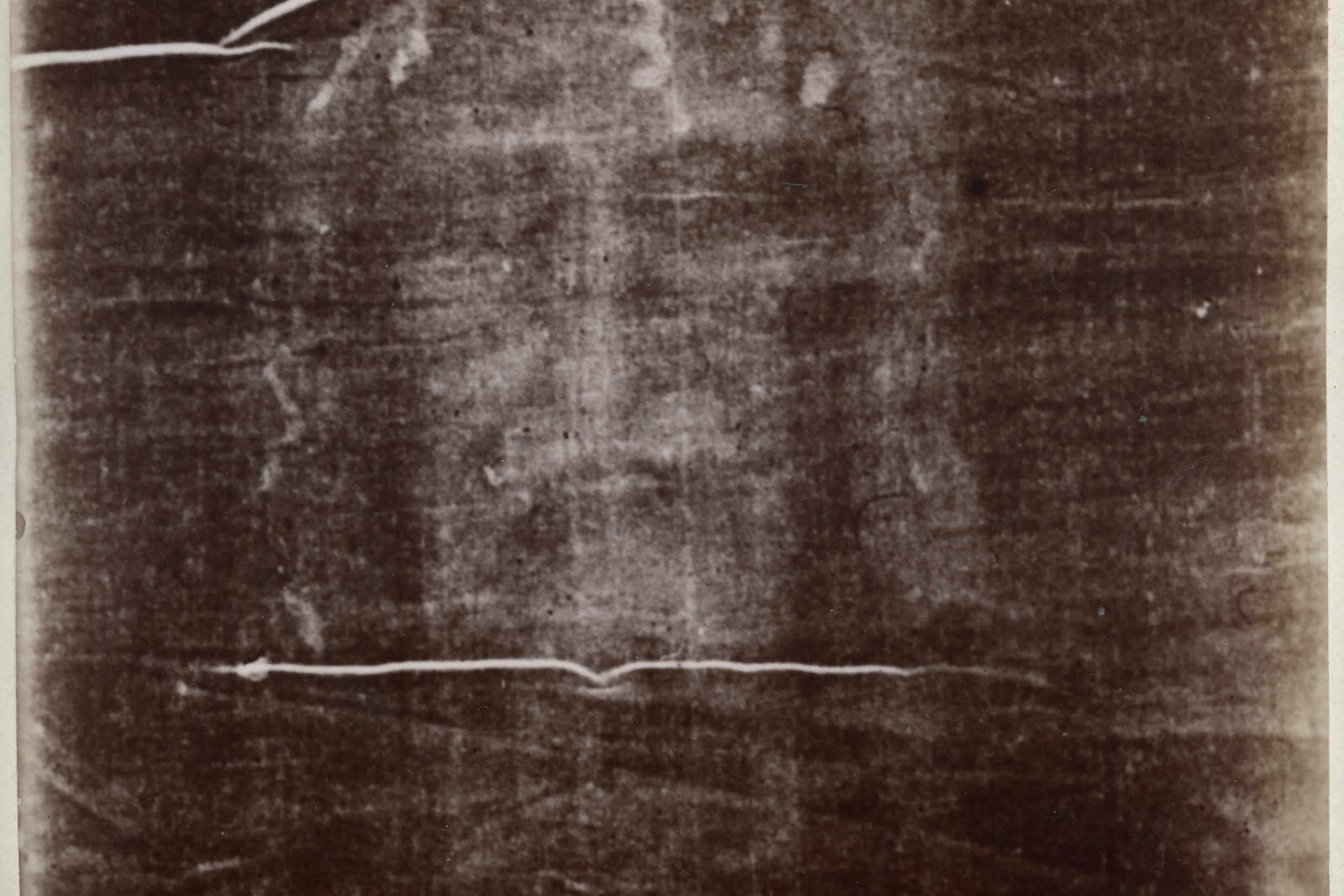
The Shroud of Turin: History, Science, and What the Church Actually Says
The story of the Shroud of Turin, the 1988 carbon dating controversy and its critics, and why the Church has never dogmatically ruled on its authenticity.
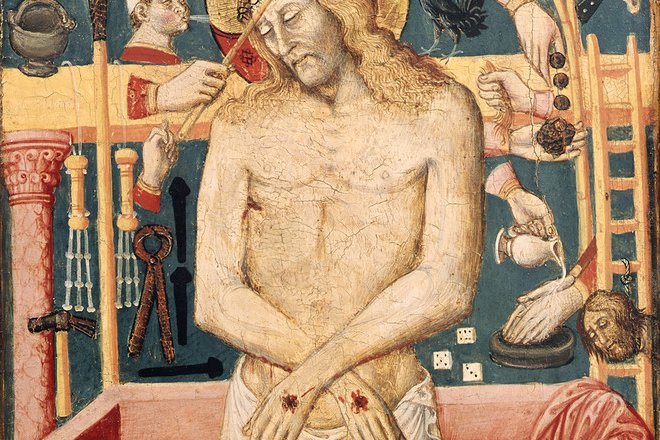
Arma Christi: The Instruments of the Passion in Medieval Art
The medieval devotional tradition of grouping the cross, nails, crown of thorns, spear, dice and other objects of Christ's Passion into a single image.
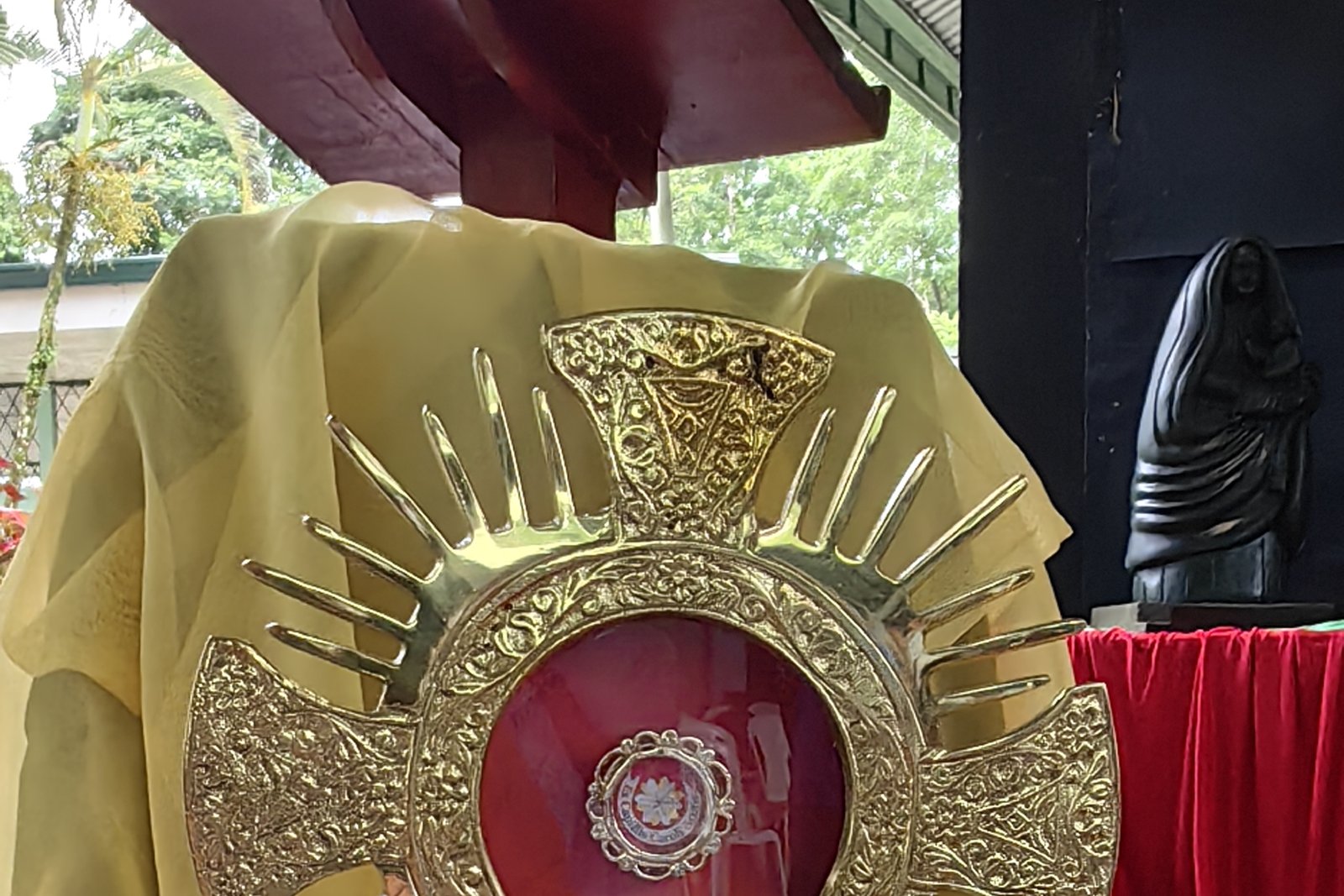
Carlo Acutis's Computer: A Modern Relic?
A teenage coder's laptop became part of his legend in Assisi. What the Church's three categories of relics actually say about venerating a 21st-century object.
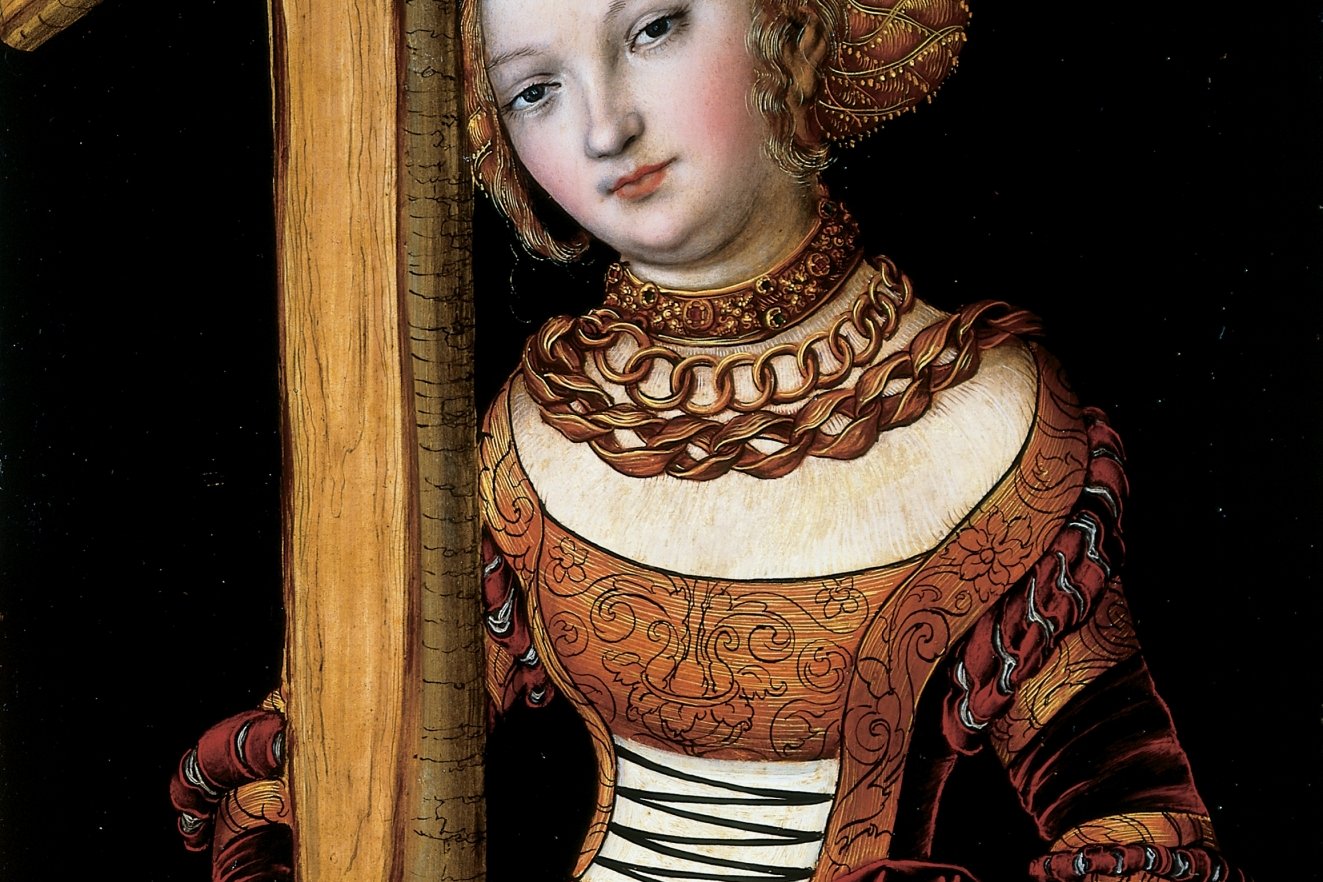
Fragments of the True Cross: Relics of the Crucifixion Across the World
How tiny splinters of wood, venerated as relics of Christ's cross since Saint Helena's 4th-century discovery, ended up scattered across churches from Rome to Paris.
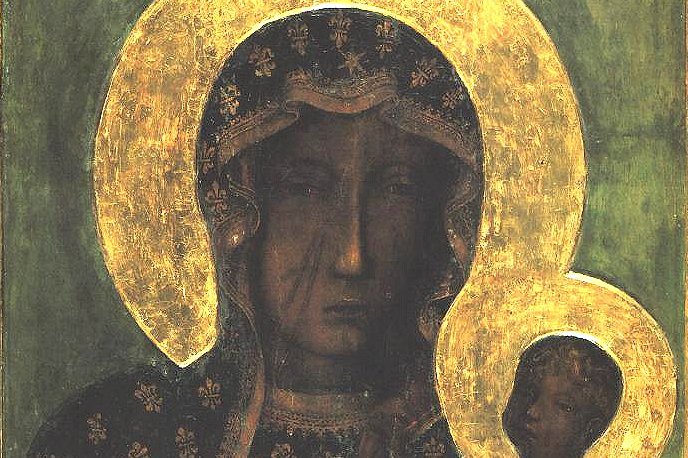
Our Lady of Czestochowa: The Black Madonna of Jasna Gora
The icon of Our Lady of Czestochowa carries sword scars from a 1430 raid and a legend of Saint Luke — and became Poland's enduring symbol of Marian protection.
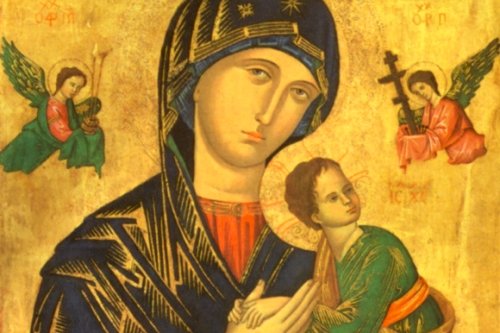
Our Lady of Perpetual Help: The Icon's Lost-and-Found Story
How a Byzantine icon of Mary vanished for sixty years after Napoleon's troops razed its church, then was rediscovered and enshrined in Rome by the Redemptorists.
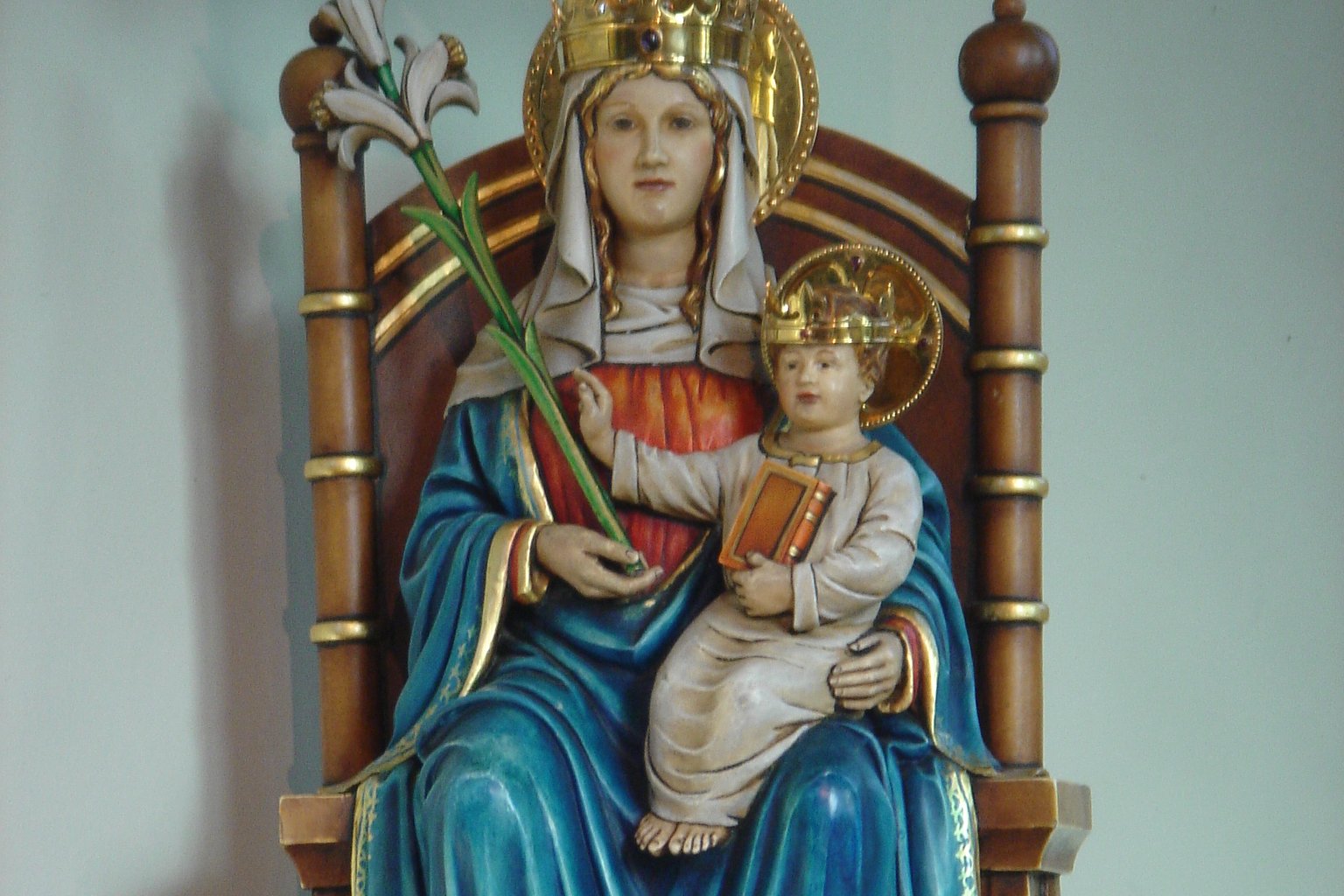
Our Lady of Walsingham: England's Nazareth
The medieval Norfolk shrine built from a noblewoman's vision, burned under Henry VIII in 1538, and revived by both Anglicans and Catholics in the 20th century.
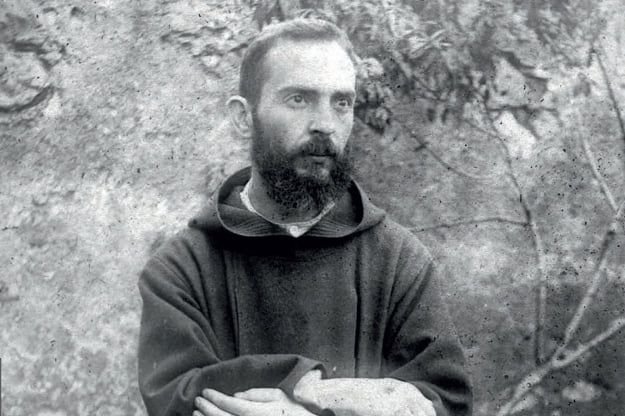
Padre Pio's Stigmata Relics: The Gloves and Bandages That Caught His Blood
For fifty years Padre Pio bled from wounds in his hands, feet, and side. The gloves and bandages he wore to manage them survive today as venerated relics.
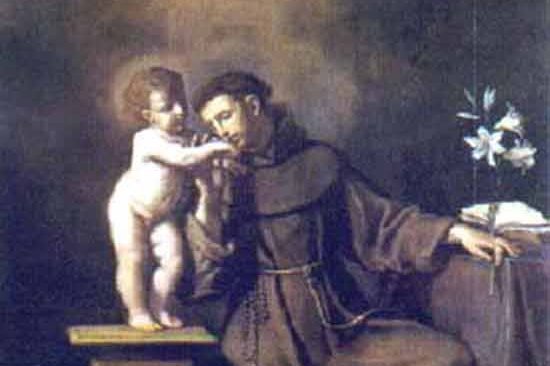
Saint Anthony's Tongue: The Relic of the Preacher's Gift
In 1263, Saint Anthony of Padua's exhumed body had decayed to bone — except his tongue, still found intact, a relic now venerated in Padua's basilica.
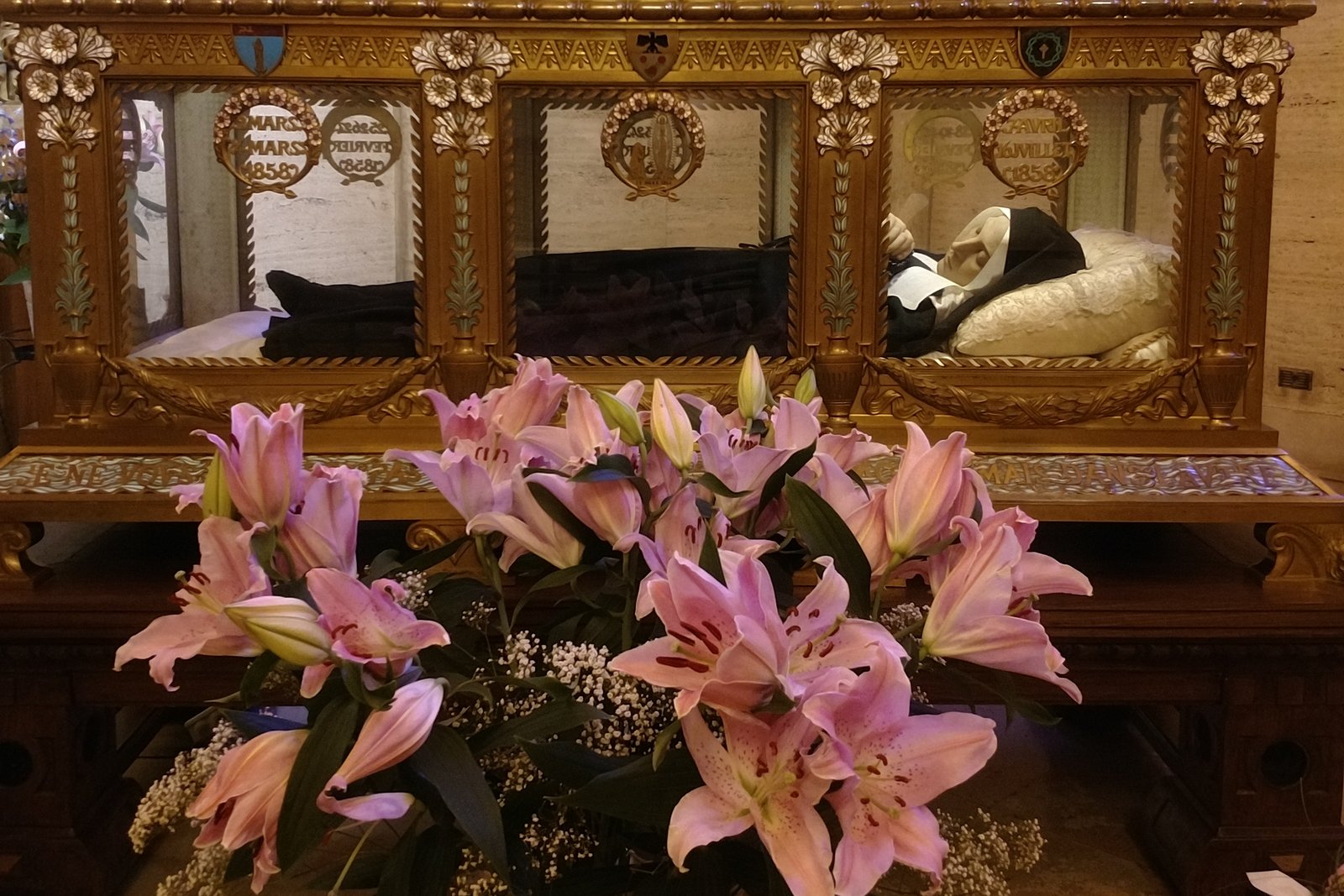
Saint Bernadette's Incorrupt Body: What the Exhumation Records Actually Say
The glass reliquary at Nevers holds a preserved body examined three times by doctors — and a wax mask the Church openly acknowledges was added in 1925.
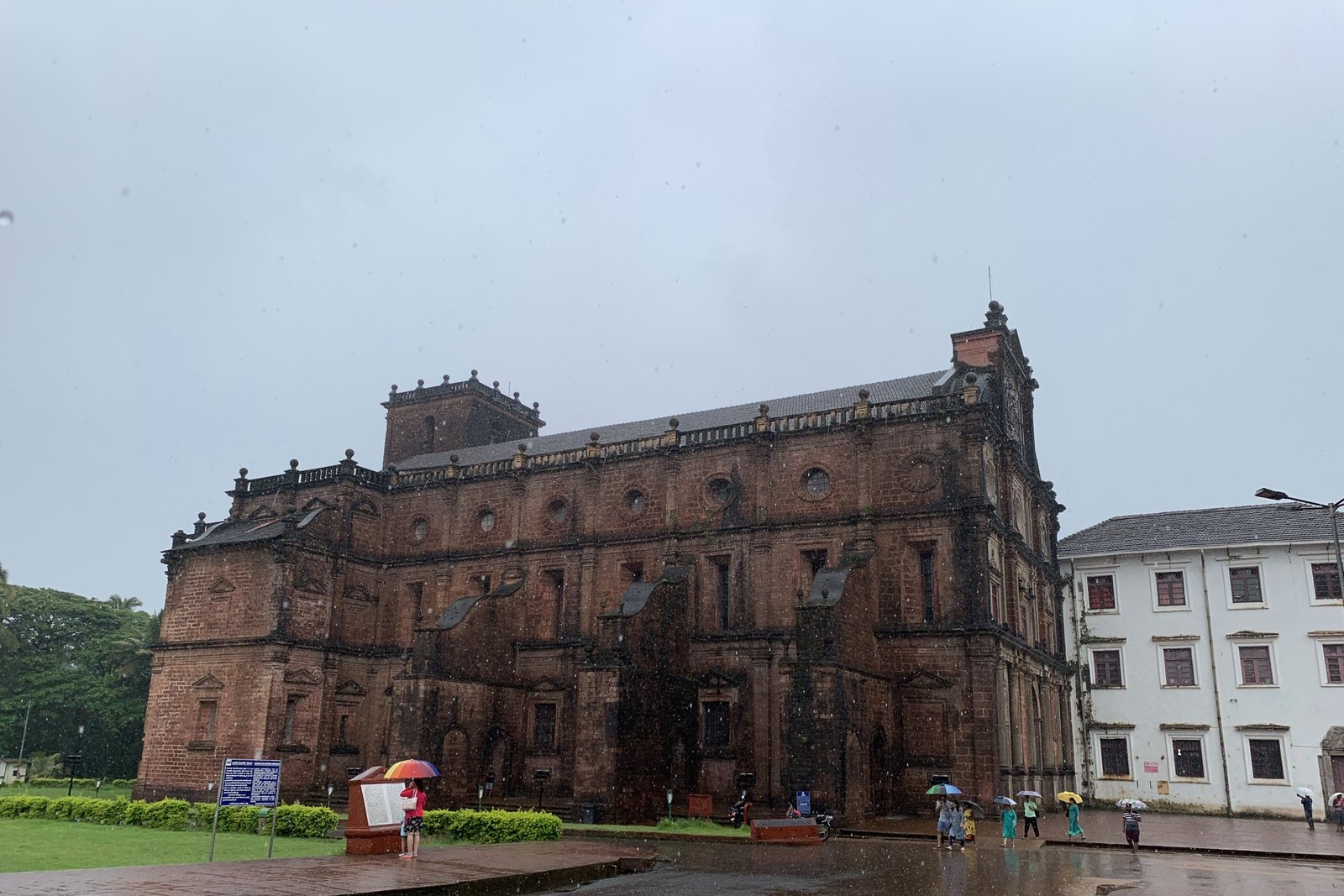
Saint Francis Xavier's Body at the Basilica of Bom Jesus, Goa
Buried in quicklime, exhumed twice still preserved, and missing a toe since 1554 — the documented history behind the relic enshrined at Goa's Bom Jesus.
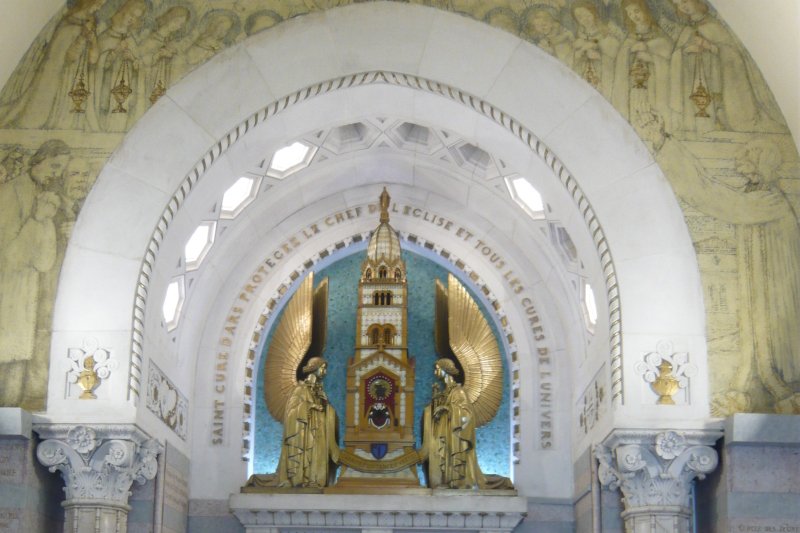
Saint John Vianney's Incorrupt Heart: A Relic Apart From His Body
At Ars, France, the Curé's preserved heart rests in its own reliquary, separate from his incorrupt body — and has toured the world since the Year for Priests.
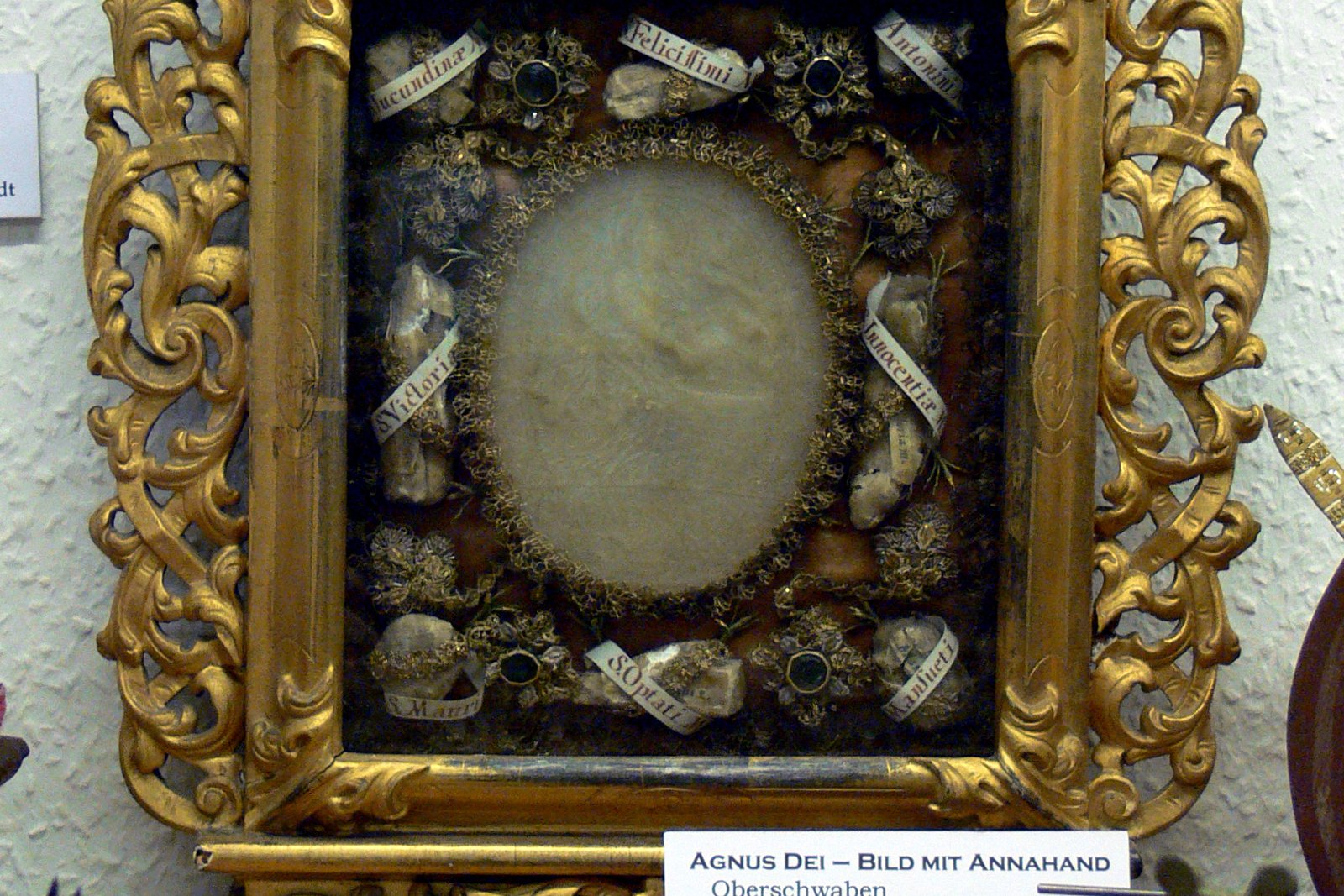
The Agnus Dei: The Pope's Wax Lamb of God Medallion
The Agnus Dei wax medallion, blessed by the Pope since at least the ninth century, its rare blessing ritual, and why it has faded behind newer sacramentals.
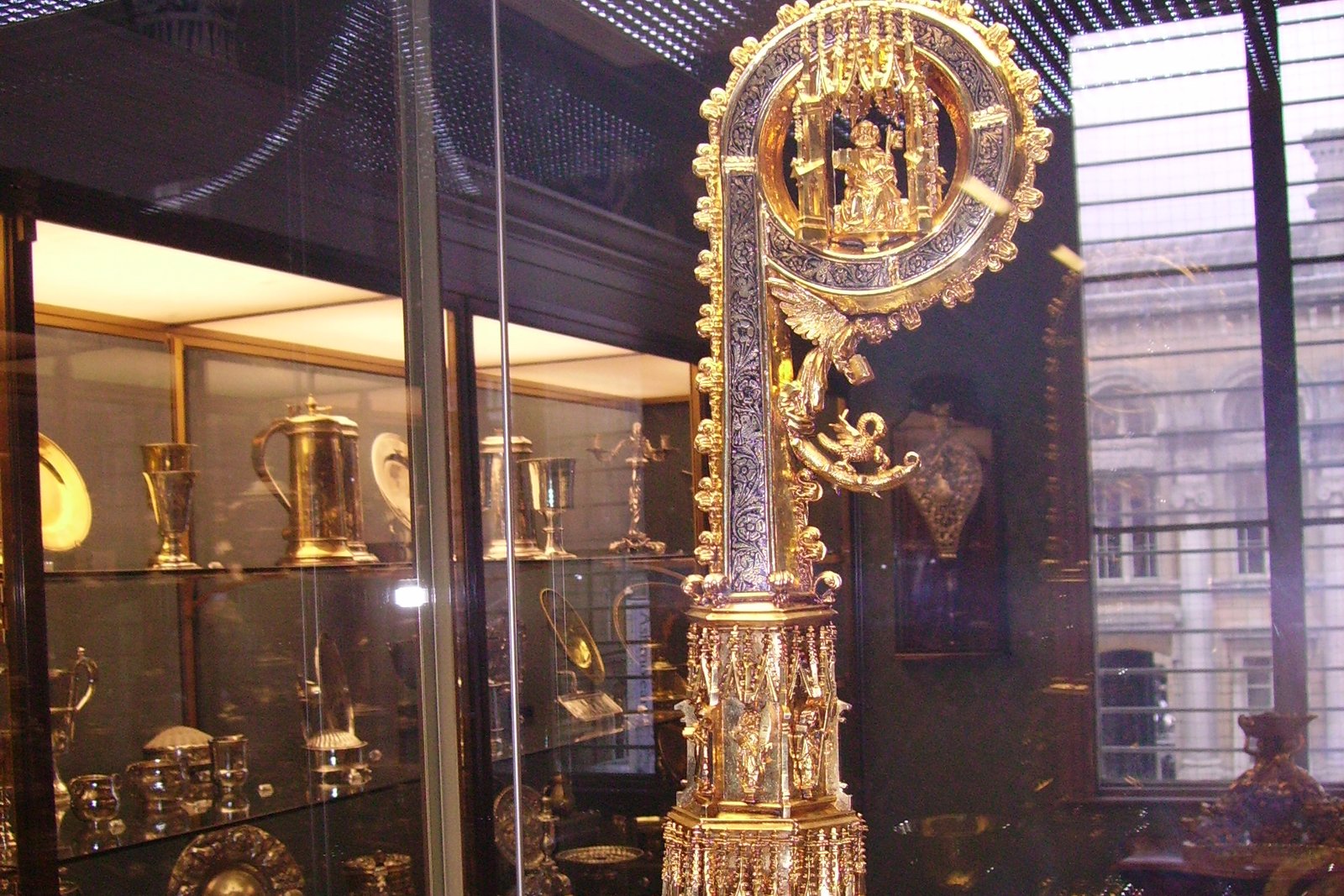
The Bishop's Crozier: Shepherd's Crook and Symbol of Authority
Why bishops carry a staff shaped like a shepherd's crook, how it evolved into gilded Gothic masterpieces, and what the crozier means at ordinations today.
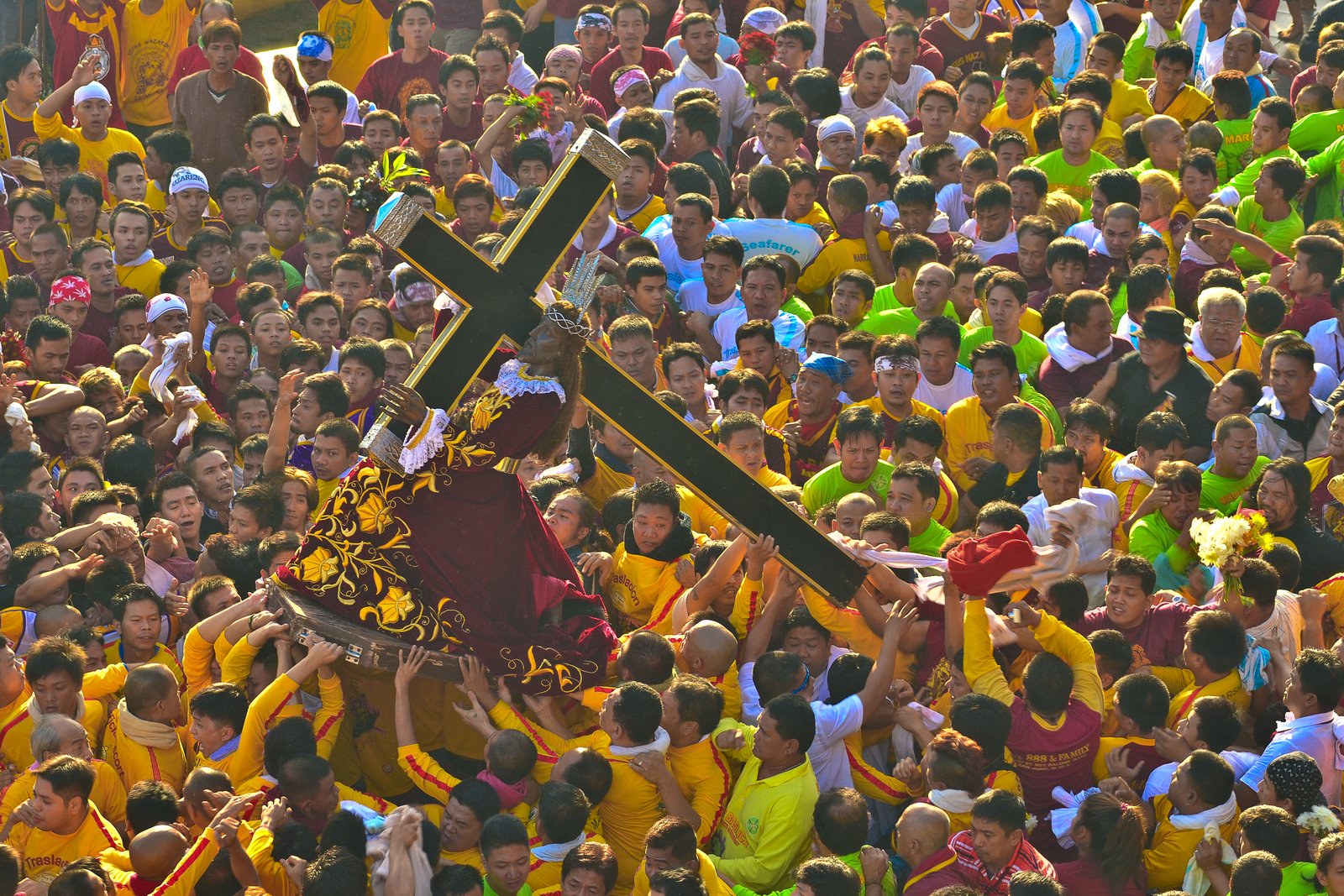
The Black Nazarene of Manila
A dark wooden Christ carved in Mexico centuries ago draws millions of barefoot devotees through Manila's streets each January, one of Catholicism's largest feasts.
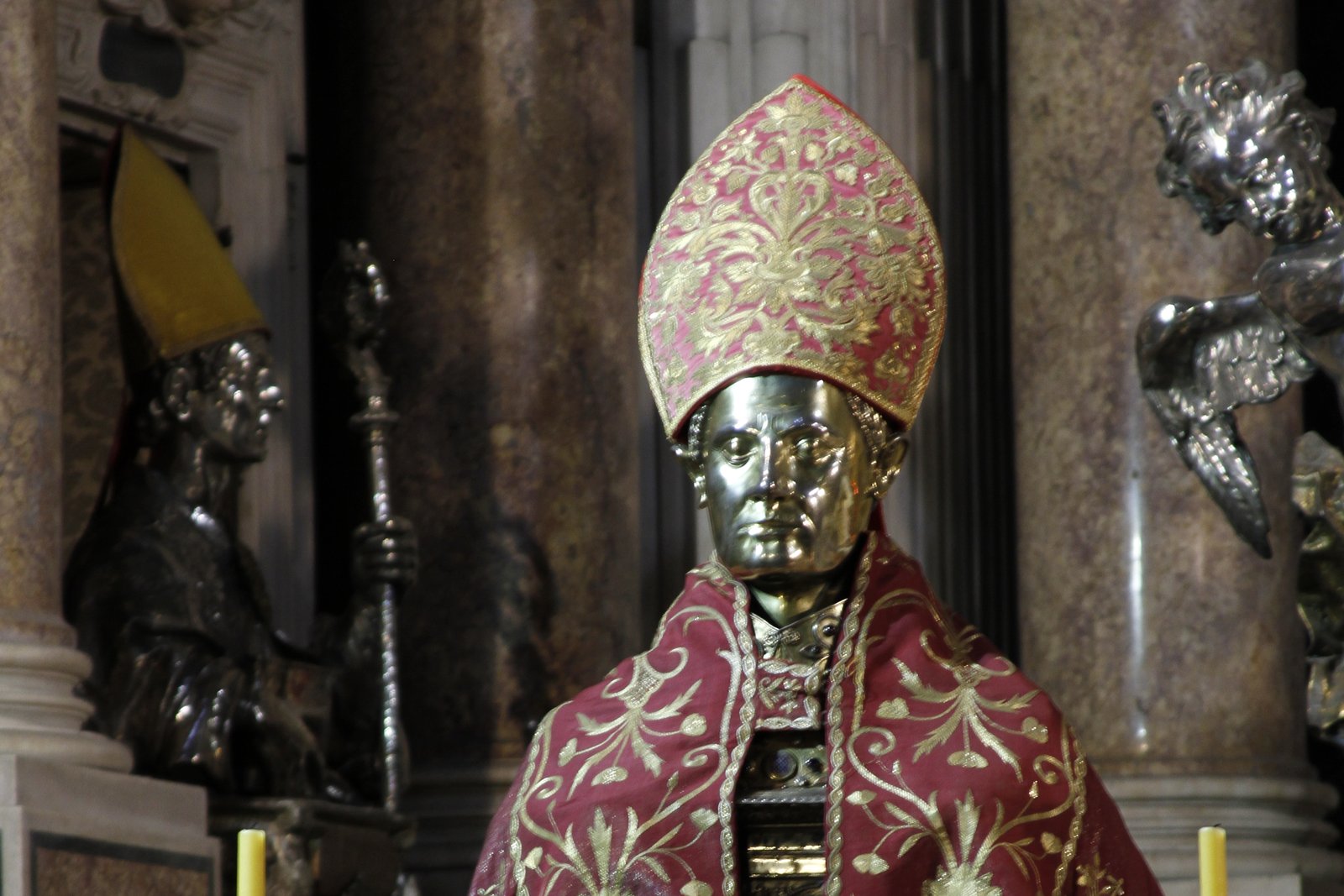
The Blood of Saint Januarius: Naples's Liquefying Relic
The blood relic of Saint Januarius in Naples Cathedral, its famous liquefaction, the 1991 scientific hypothesis, and what the Church actually teaches.
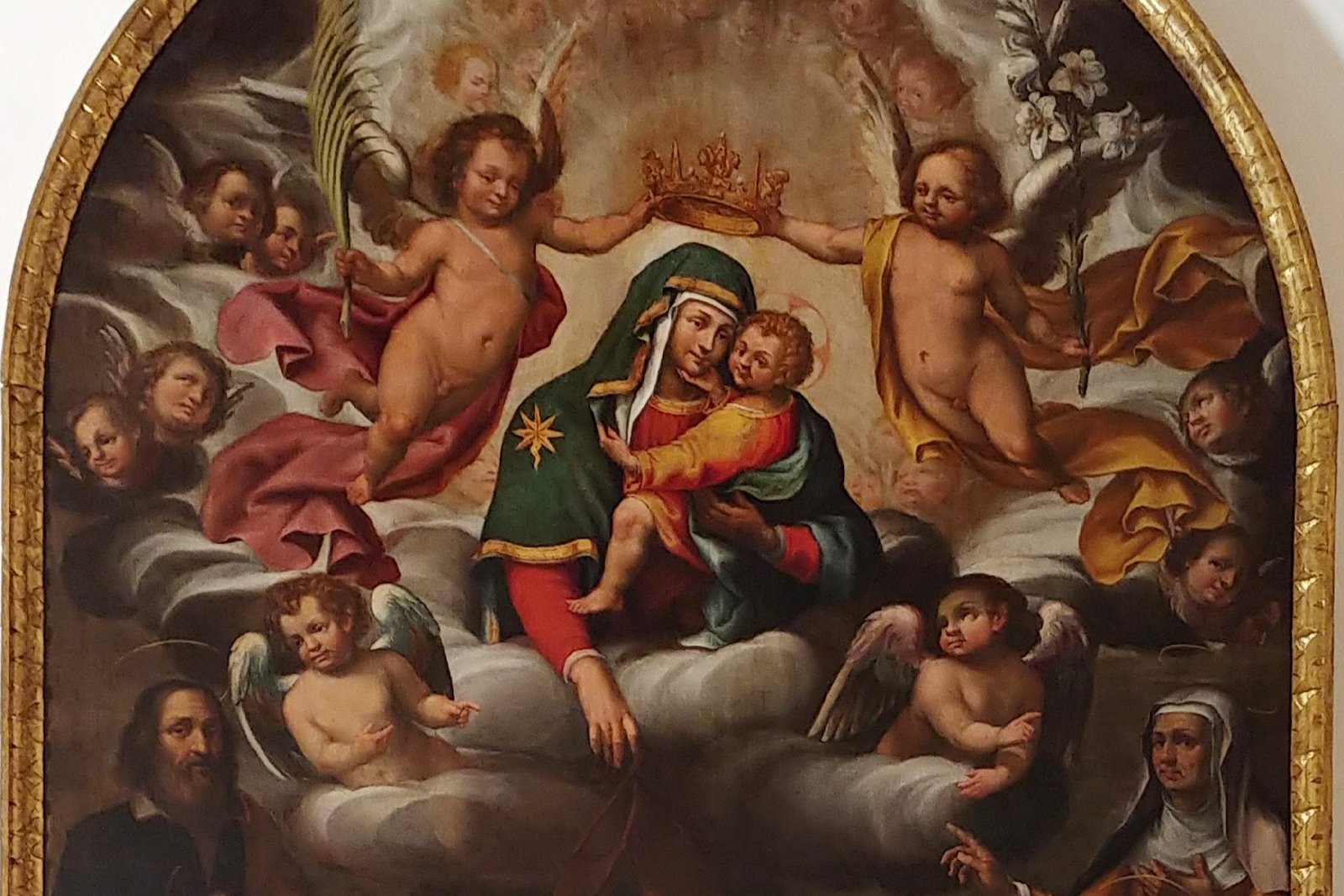
The Brown Scapular: Our Lady's Promise to Simon Stock
The 1251 Carmelite tradition behind the Brown Scapular, what the Church actually requires for its promises to apply, and why Catholics still wear it today.
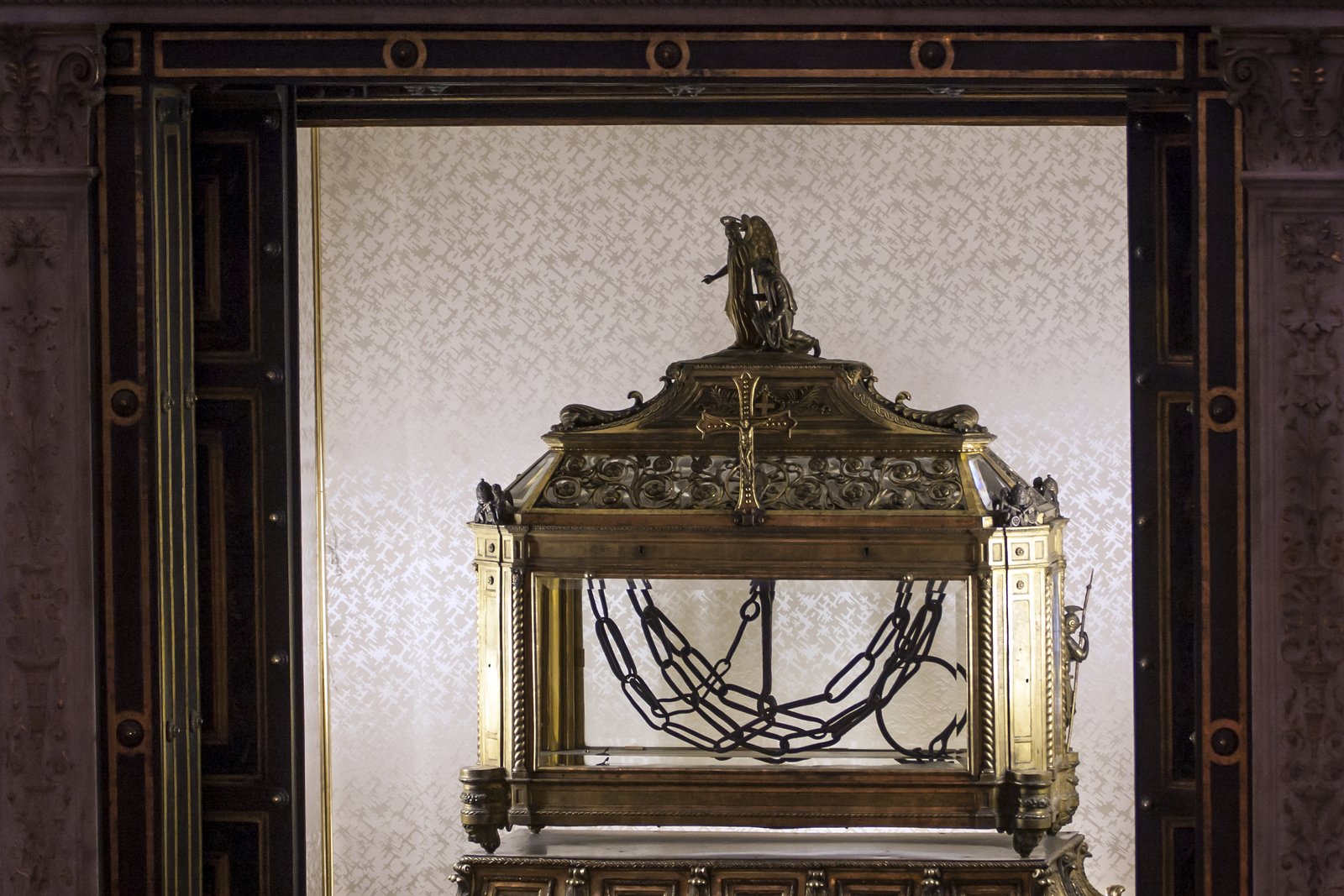
The Chains of Saint Peter: A Relic of Two Prisons
Why a basilica in Rome enshrines two sets of chains said to have bound Saint Peter — one from Jerusalem, one from Rome — fused, tradition holds, into one relic.
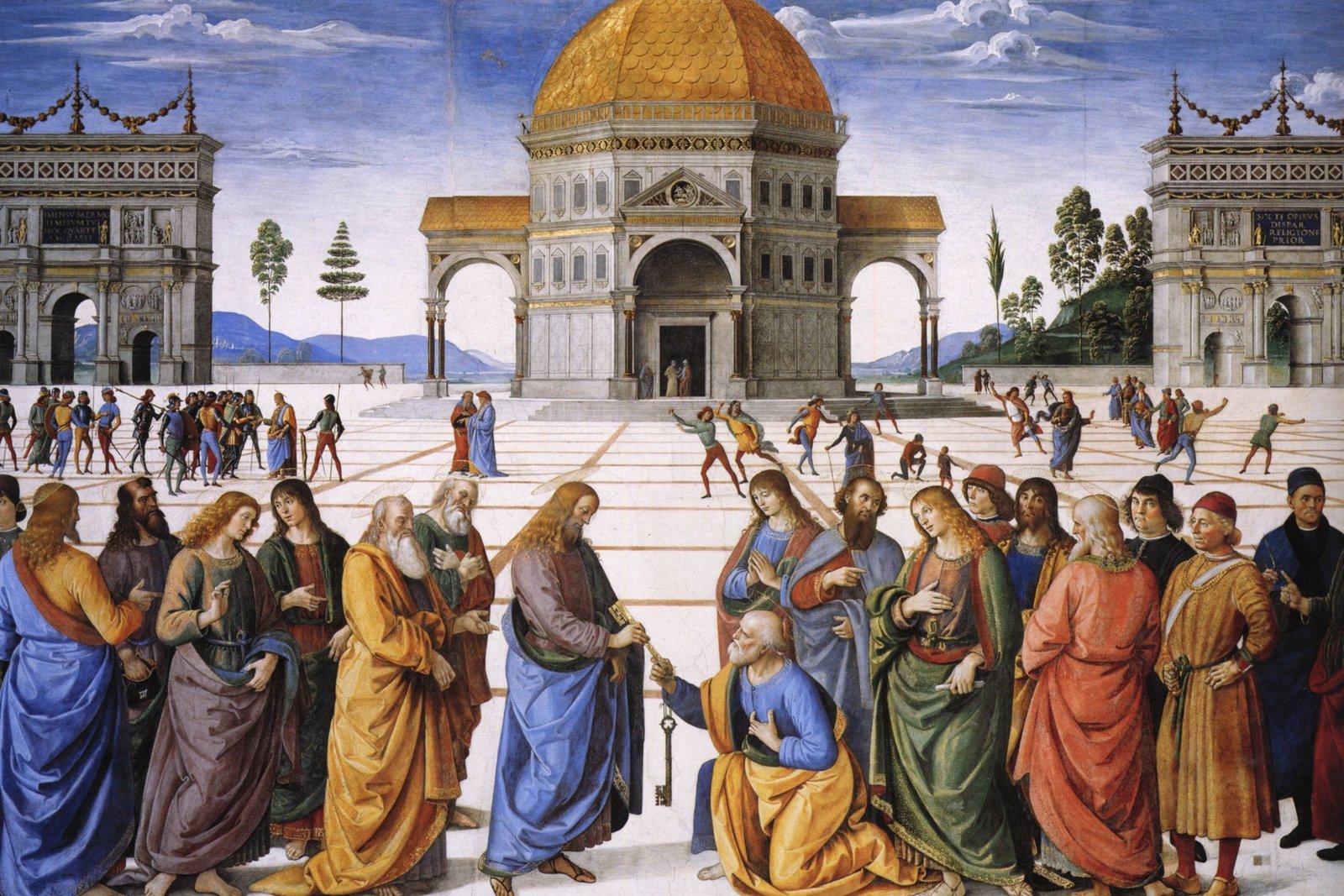
The Chair of Saint Peter: The Relic Inside Bernini's Bronze Masterpiece
Inside the bronze Cathedra Petri at St. Peter's Basilica sits an actual wooden chair — a 9th-century Carolingian relic venerated as Peter's seat since antiquity.
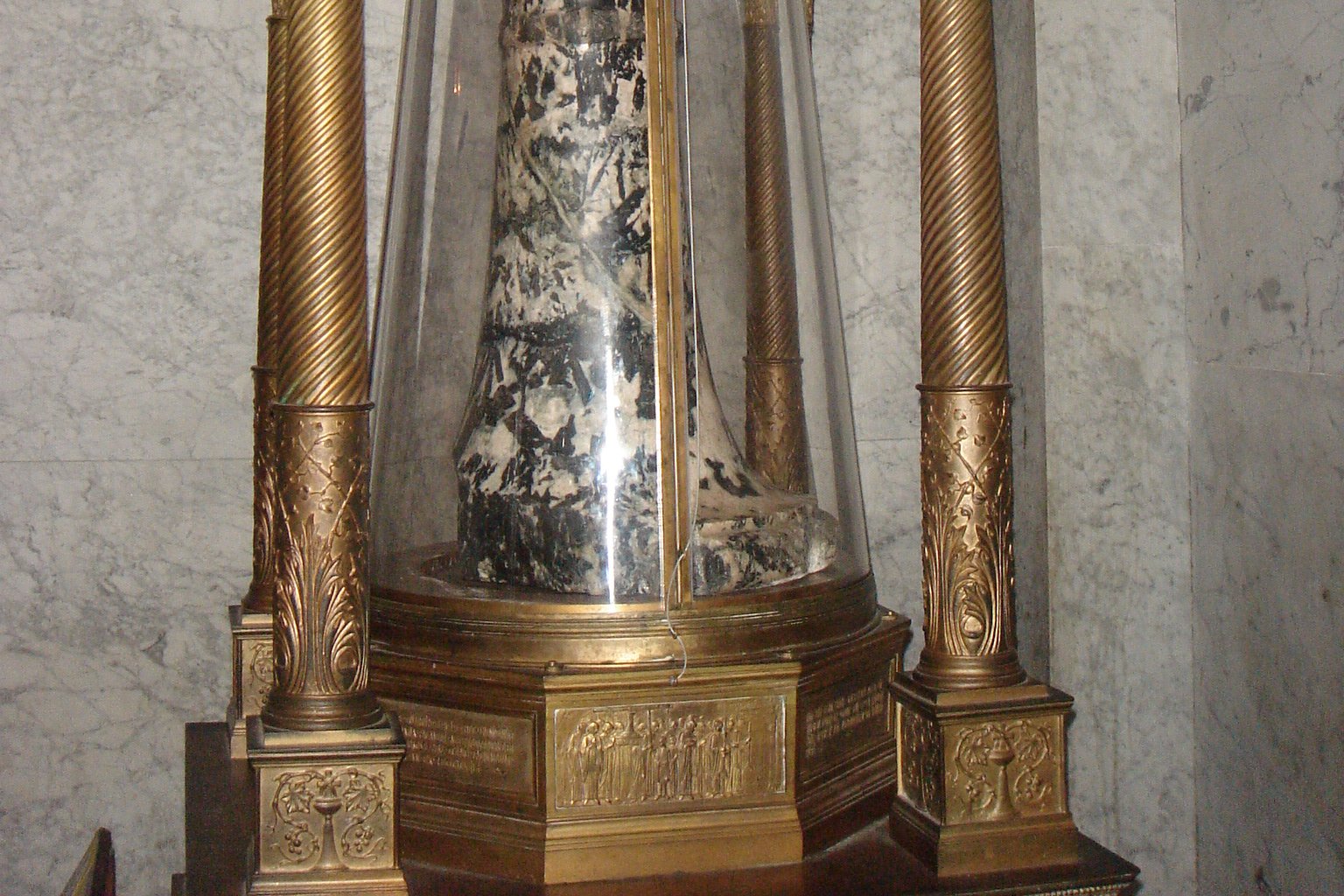
The Column of the Flagellation: The Pillar of Christ's Scourging
The relic tradition holds Christ was bound to during his scourging, venerated in fragments at Rome's Santa Prassede and at the Holy Sepulchre in Jerusalem.
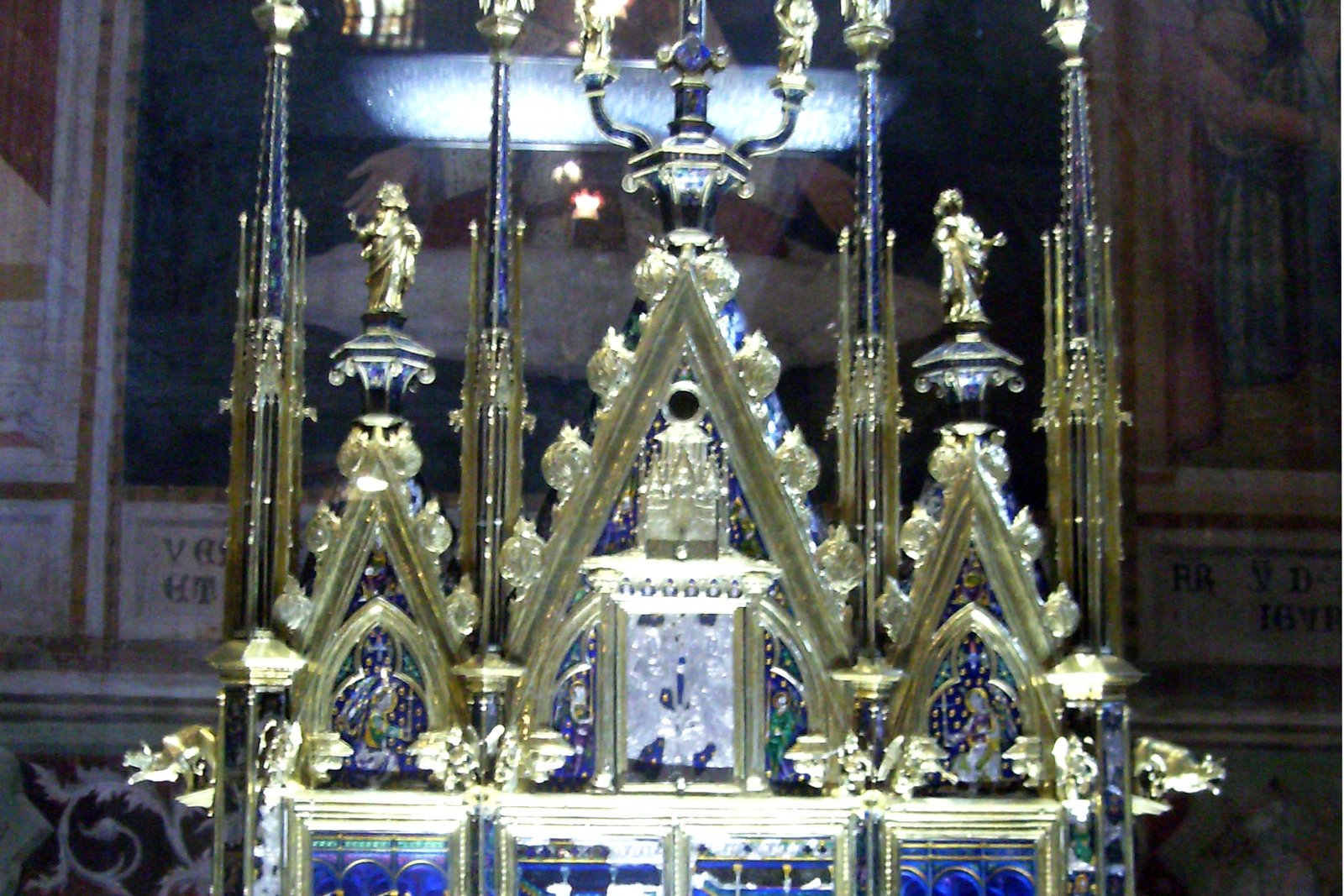
The Corporal of Bolsena: The Relic Behind Corpus Christi
The bloodstained altar linen from the 1263 Eucharistic miracle at Bolsena, preserved in Orvieto Cathedral, and the feast of Corpus Christi it inspired.
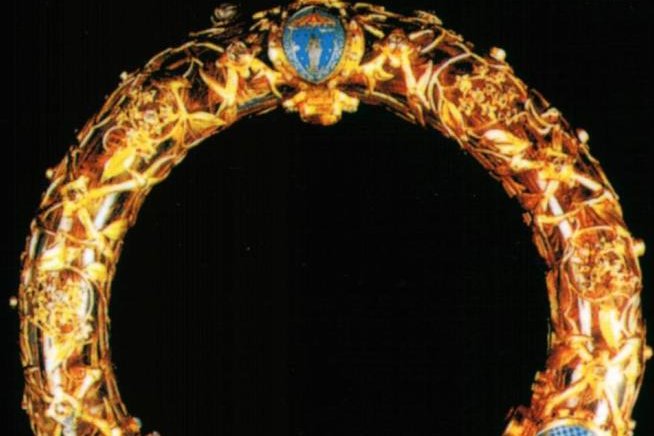
The Crown of Thorns of Notre-Dame: History of a Relic
How a relic venerated as Christ's Crown of Thorns traveled from Jerusalem to Constantinople, then to Paris in 1239 — and survived the 2019 Notre-Dame fire.
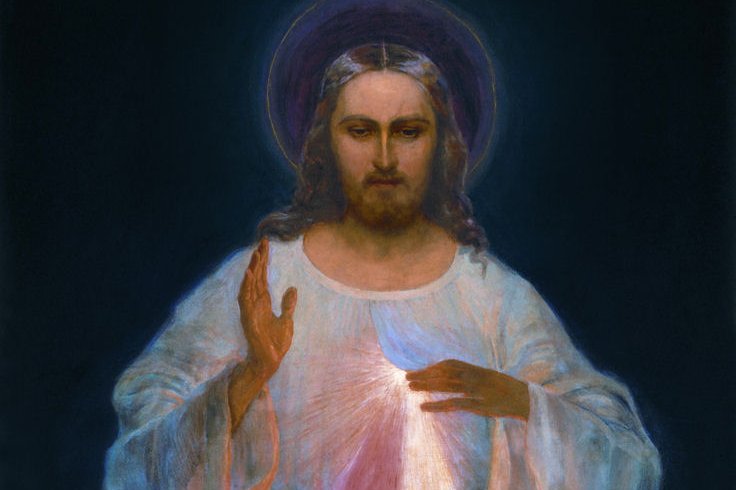
The Divine Mercy Image: Faustina's Vision and Its Two Paintings
How Saint Faustina Kowalska's 1931 vision of Christ produced two famous paintings, what the red and pale rays mean, and how the devotion won full Church approval.
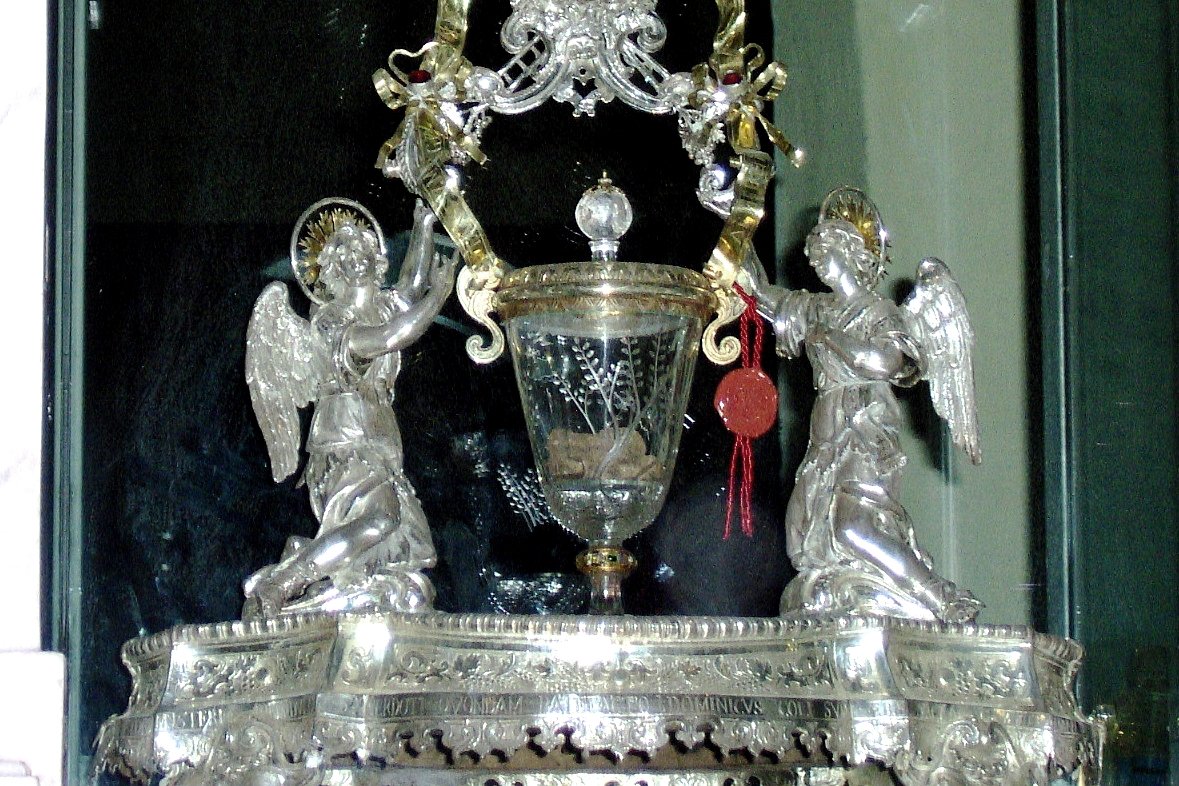
The Eucharistic Miracle of Lanciano: Flesh, Blood, and a Doubting Monk
The tradition of a doubting monk whose consecrated host turned to flesh in Lanciano, the 1971 analysis of the relic, and what the Church actually claims.
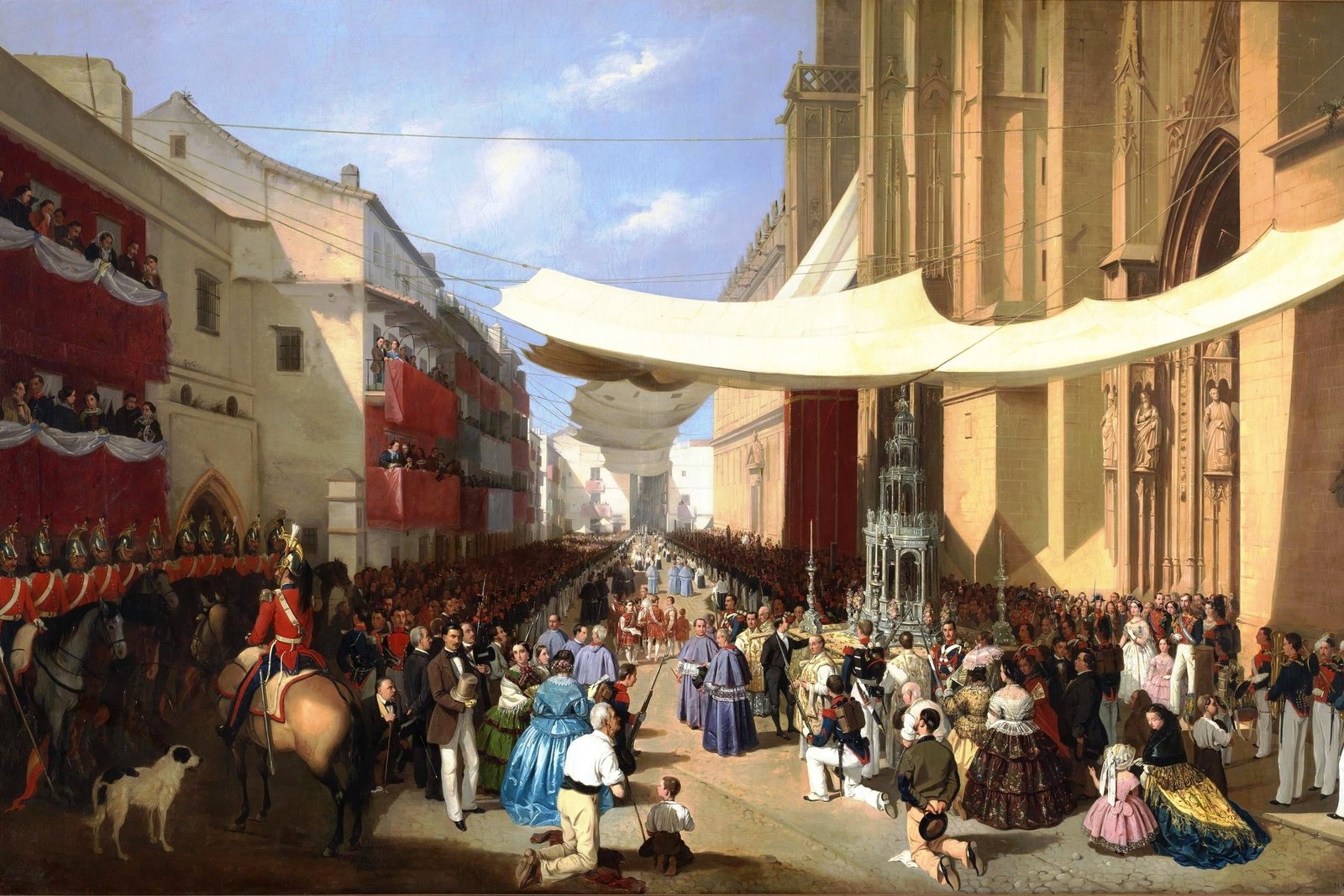
The History of the Monstrance: From Simple Pyx to Golden Sunburst
How a vessel for displaying consecrated bread became one of the most elaborate objects in Catholic art, from its medieval origins to Baroque sunbursts of gold.
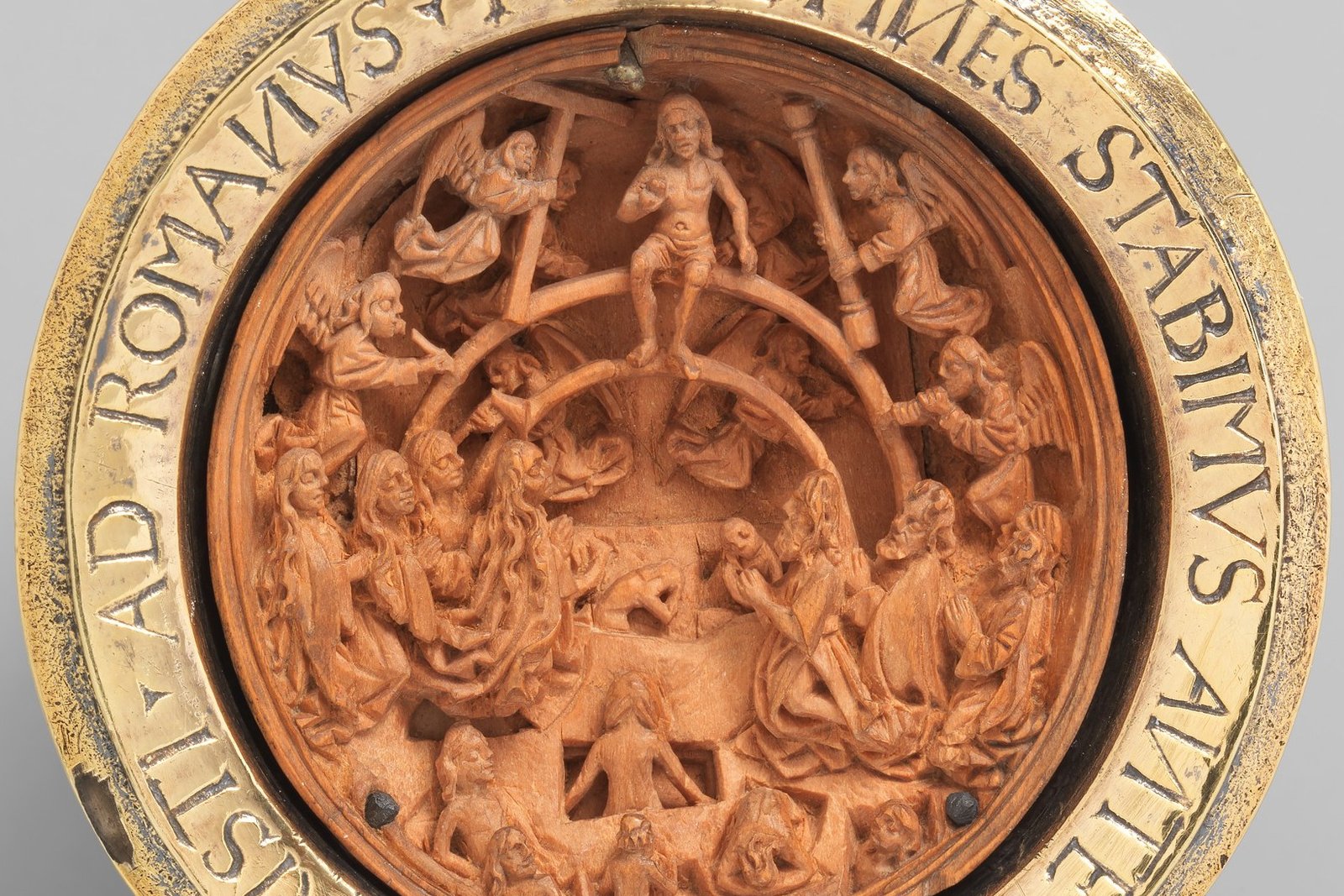
The History of the Rosary as an Object: From Knotted Cords to Strings of Beads
How the rosary went from knotted prayer-cords and counted pebbles to the familiar string of beads — its materials, legends, and life as a sacramental.
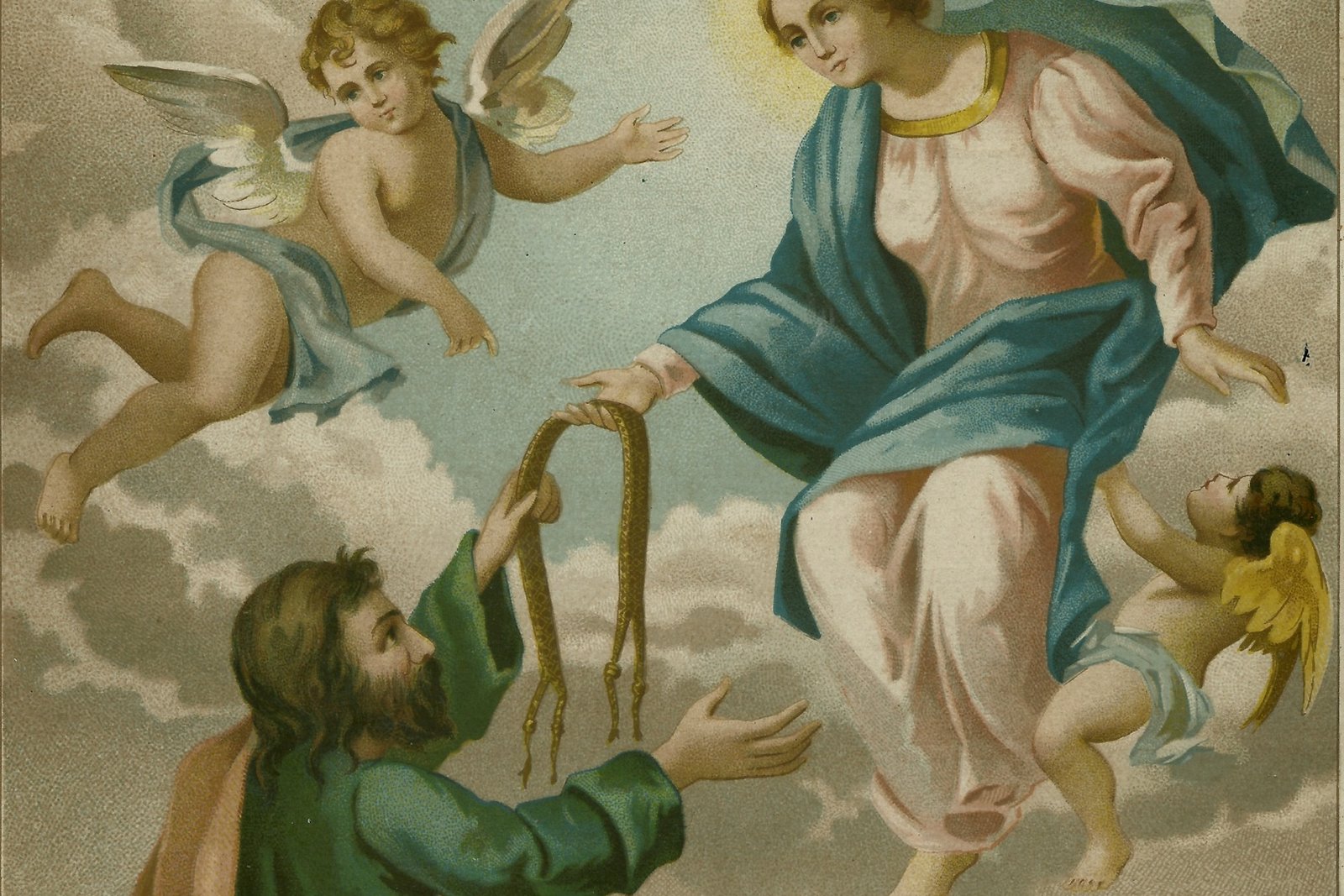
The Holy Girdle of Prato: Mary's Belt Given to Doubting Thomas
The medieval legend behind the Sacra Cintola, the belt tradition says Mary dropped to the Apostle Thomas at her Assumption, now kept in Prato Cathedral.

The Holy Grail: Legend, the Last Supper Cup, and Catholic Teaching
How a single line in Luke's Gospel grew into medieval Europe's greatest legend, and what the Church actually says about the chalices claimed as the real Grail.
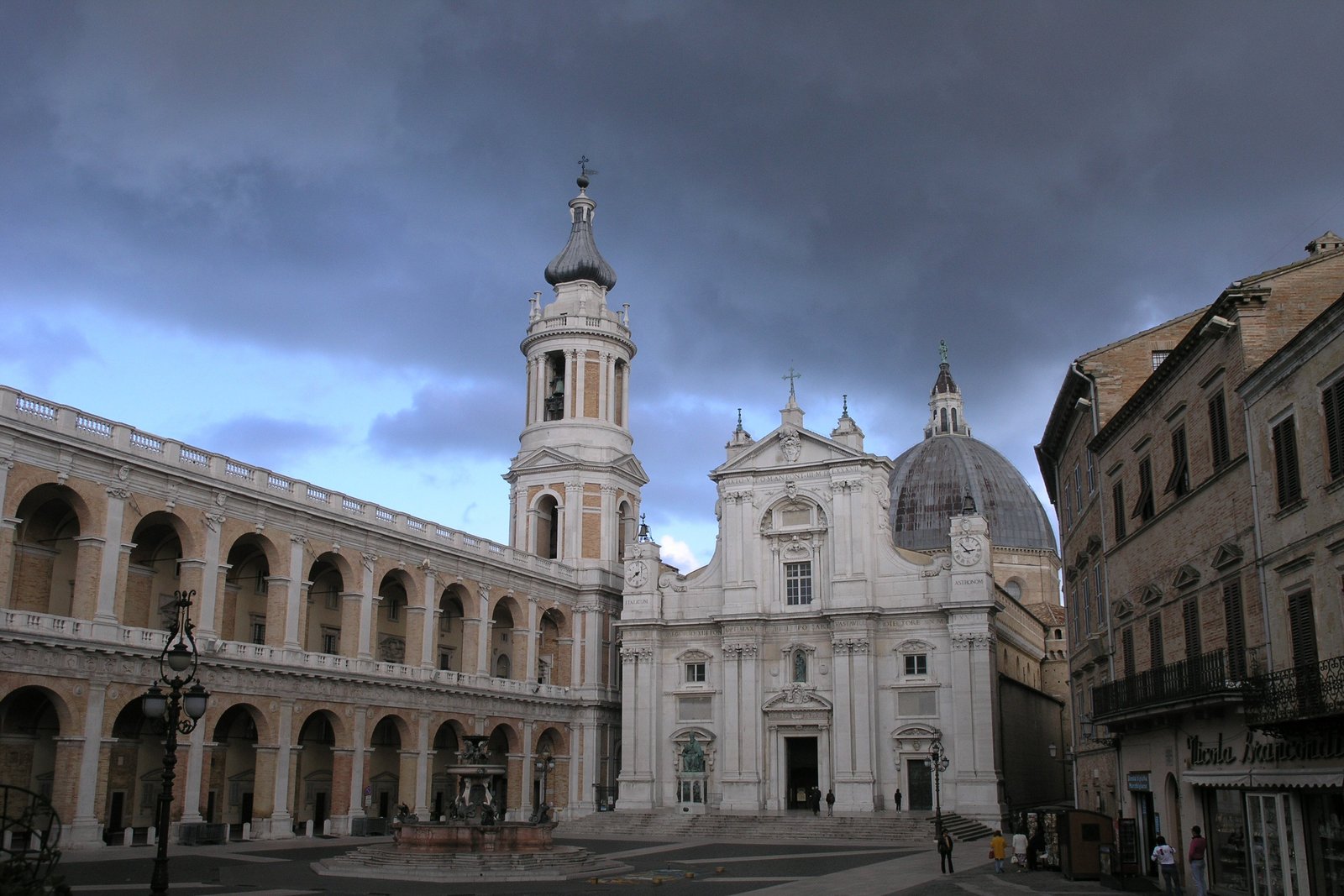
The Holy House of Loreto: A Nazareth Cottage Enshrined in Italy
Inside Loreto's basilica stands a small stone house venerated as the Nazareth home of the Holy Family — and a legend of angelic flight that archives complicate.
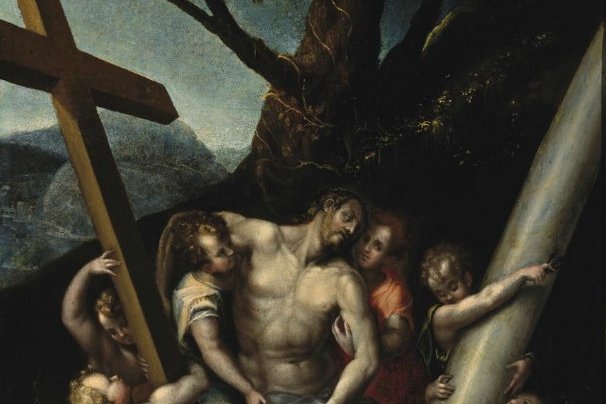
The Holy Nails: Relics of the Crucifixion Across Europe
Tradition holds that Saint Helena recovered the nails of the Crucifixion along with the True Cross. Today, several churches — Milan's Duomo among them — claim one.
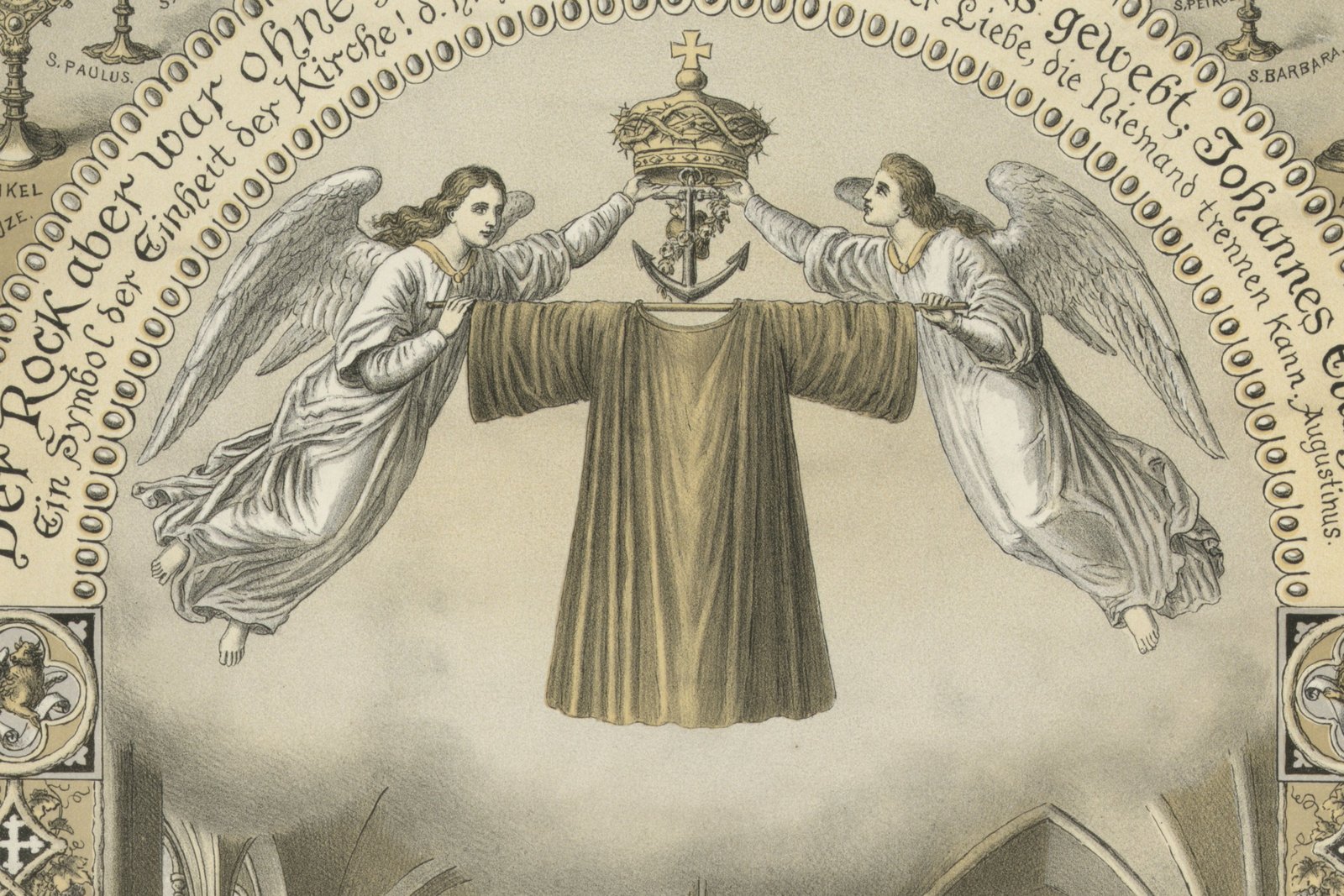
The Holy Tunic of Trier: The Seamless Robe Two Cities Both Claim
Two churches both guard a garment said to be the seamless robe Christ wore at his death — here's their rival histories, and why Rome never settled which is real.
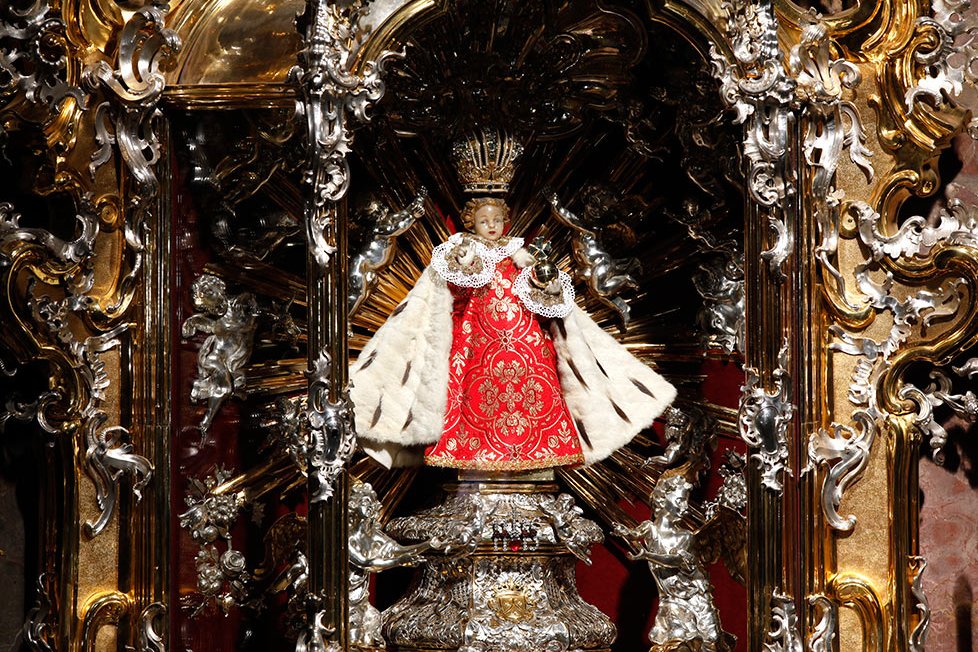
The Infant of Prague: A Statue's Journey from Spain to a Carmelite Altar
The history of the Infant of Prague statue, its Spanish origins, the Carmelite friar's legend of broken hands restored, and its famous wardrobe of liturgical robes.
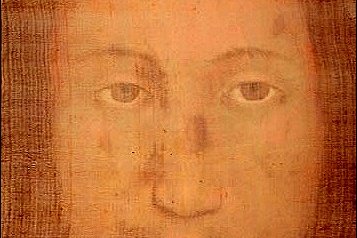
The Manoppello Image: The Holy Face Cloth and the Veronica Theory
The Manoppello Image is a face-bearing cloth some researchers link to the lost Veronica relic. Its history, the theory behind it, and unresolved questions.
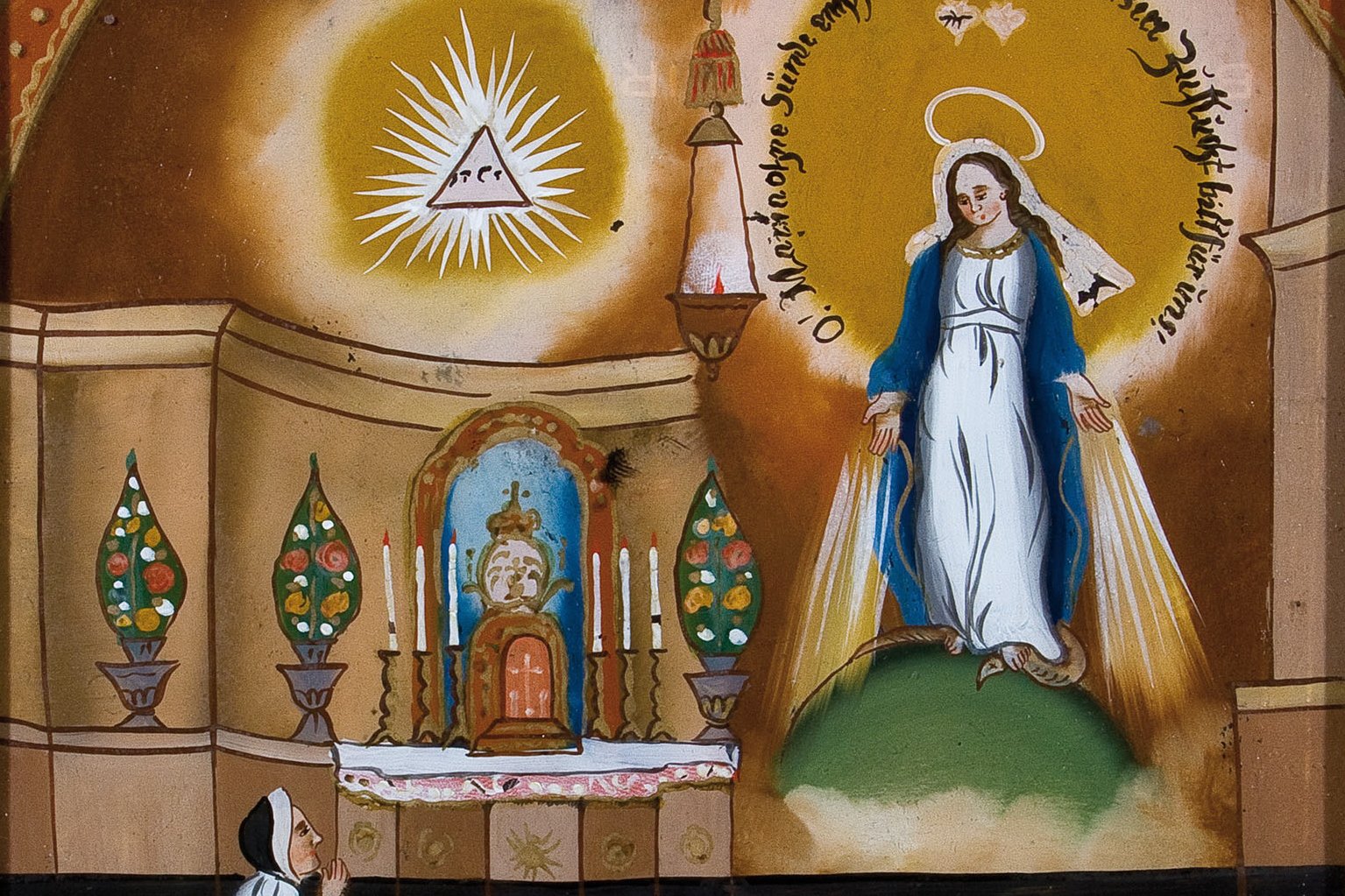
The Miraculous Medal: Catherine Labouré's Vision and Its Meaning
The 1830 apparition at Rue du Bac that gave the Church the Miraculous Medal, its prayer and symbols, and the dramatic conversion that made its name stick.
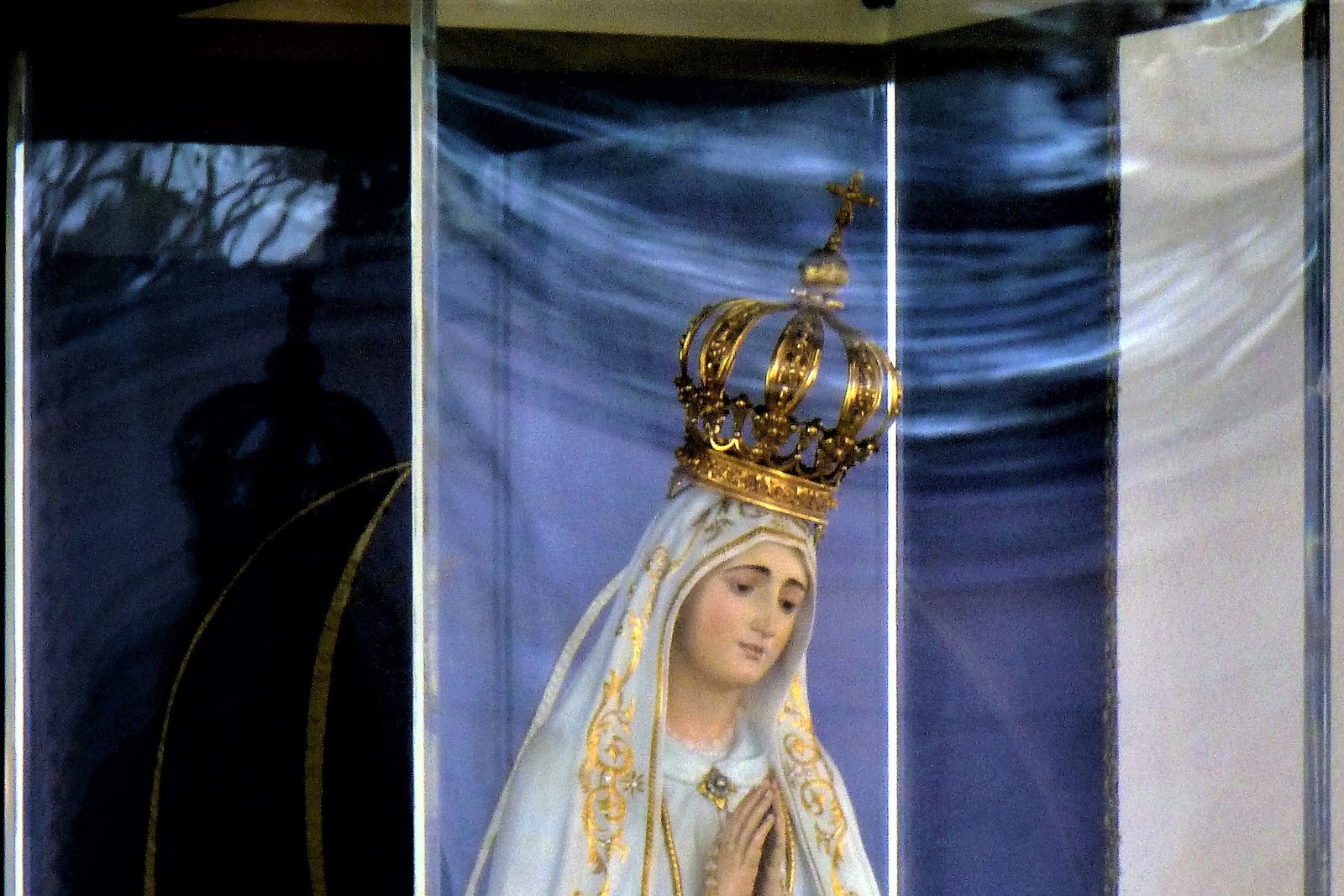
The Original Statue of Our Lady of Fatima
The 1920 cedar statue carved to Lúcia dos Santos's own description, crowned in 1946, and later fitted with the bullet from the 1981 attempt on John Paul II.
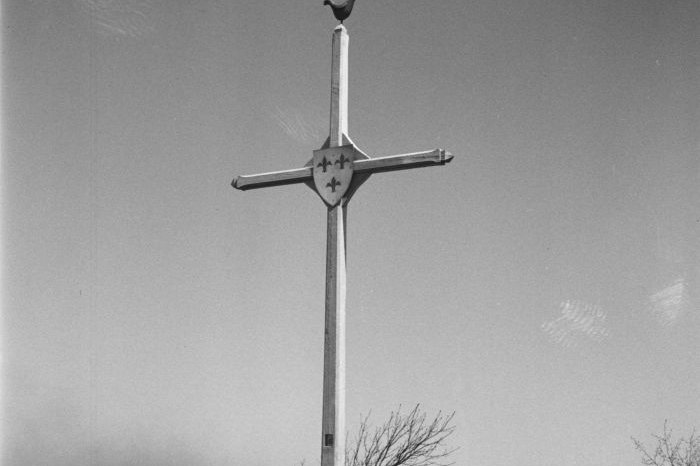
The Relics of Saint Kateri Tekakwitha
Witnesses said the smallpox scars on Kateri Tekakwitha's face vanished minutes after her death. Her bone relics now rest in a marble tomb at Kahnawake, Quebec.
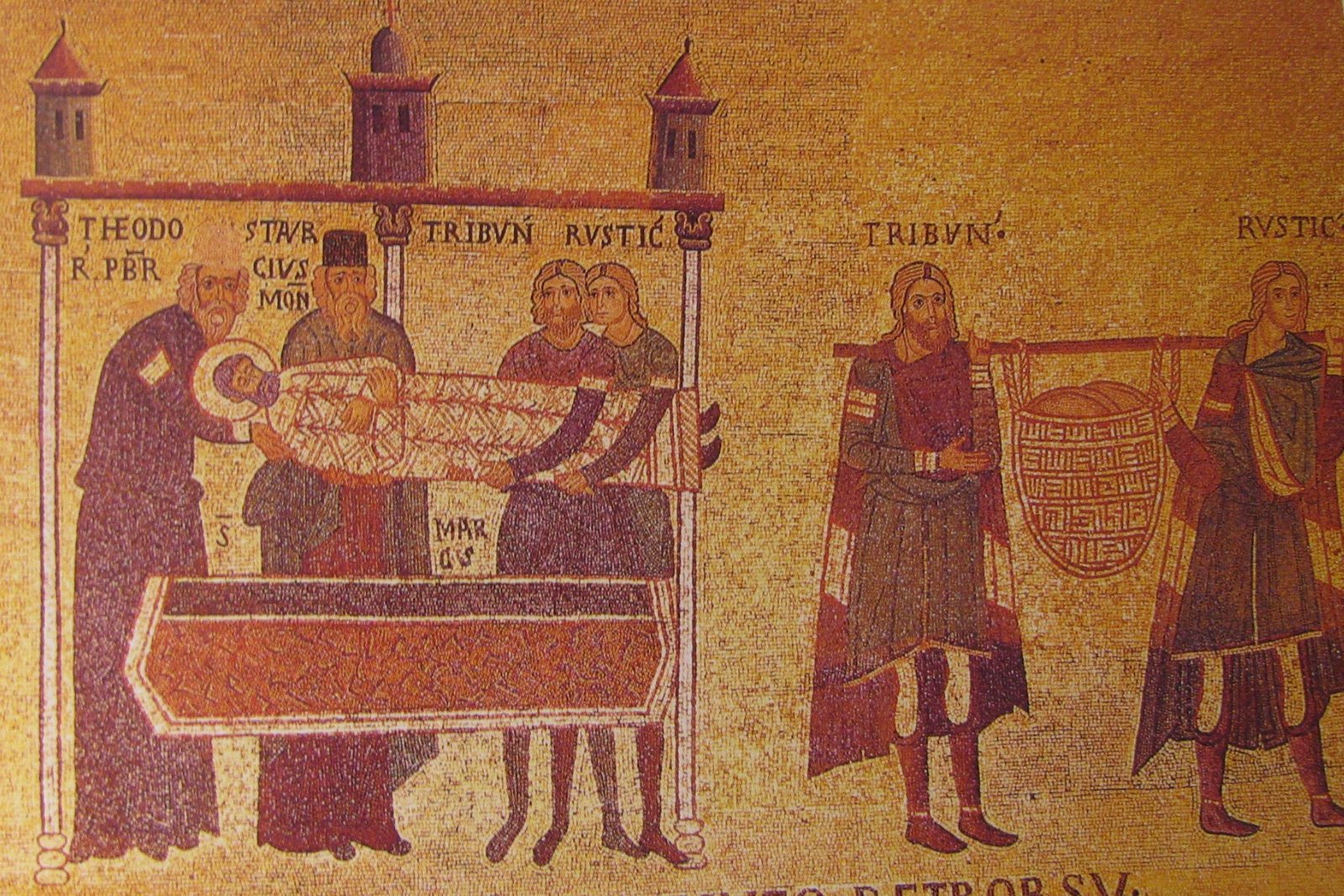
The Relics of Saint Mark in Venice: A Theft That Built a Basilica
How Venetian merchants reportedly smuggled Saint Mark's relics out of Alexandria under pork in 828 AD, and built a basilica and a civic identity around them.
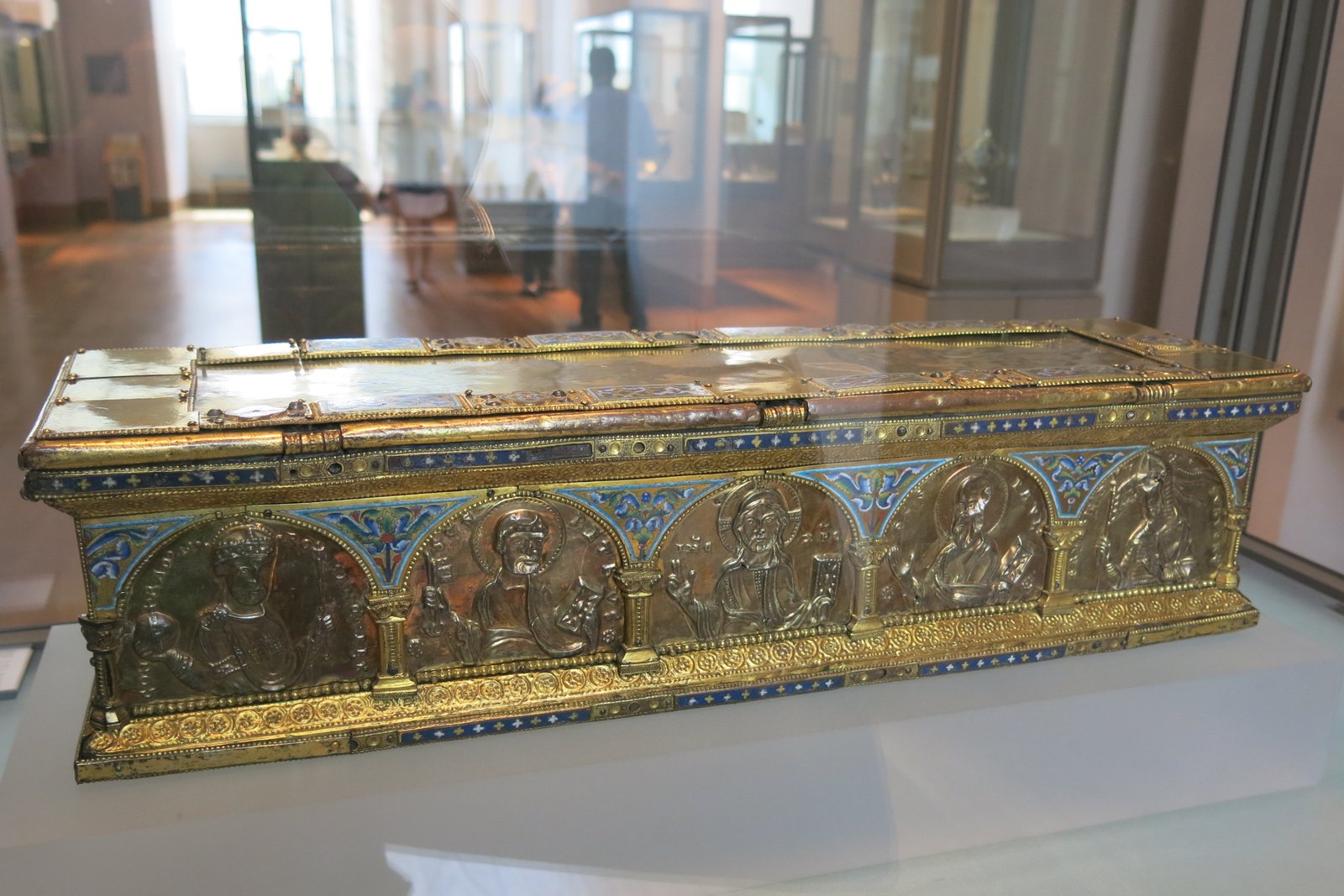
The Reliquary as an Art Form: Gold, Gems, and the Bones of Saints
How Catholic goldsmiths turned humble bone fragments into some of the most dazzling objects in Western art, from Byzantine box-shrines to Cologne's golden towers.
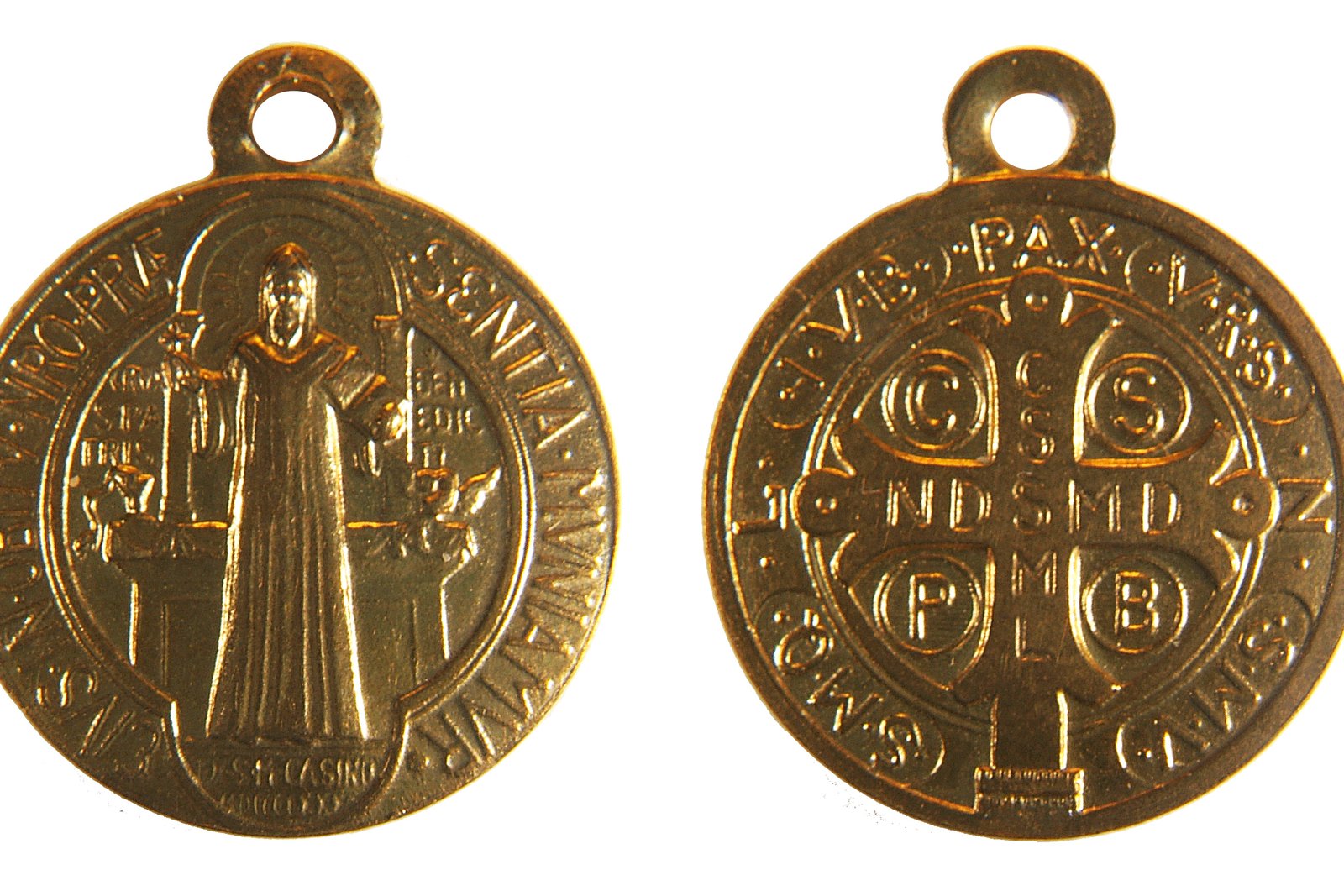
The Saint Benedict Medal: History, Symbols, and Meaning
How a 6th-century monk's cross became the Jubilee Medal of 1880, what its Latin letters and exorcism prayer actually mean, and how Catholics use it today.
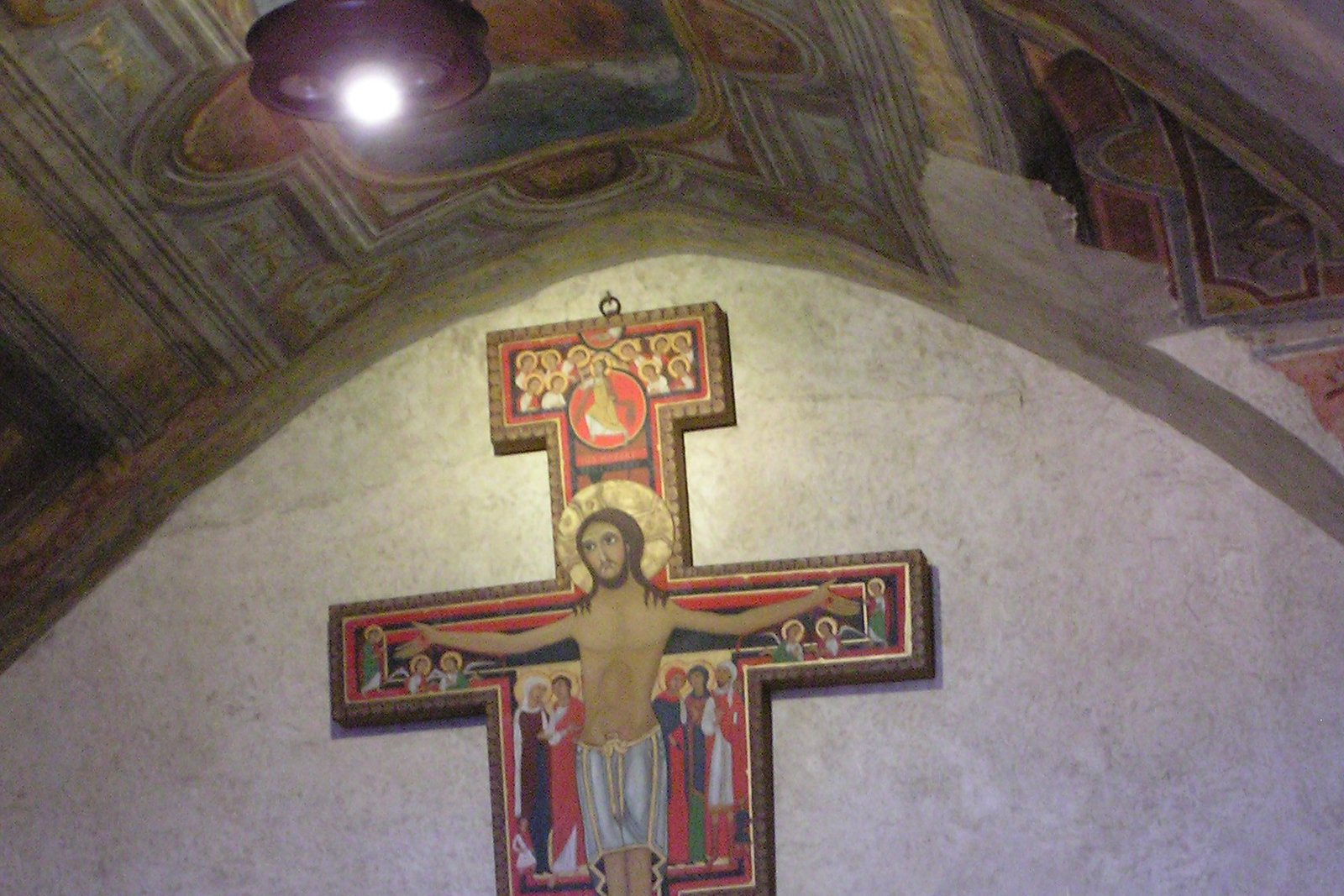
The San Damiano Cross: The Icon That Spoke to Saint Francis
The Romanesque crucifix before which Francis of Assisi prayed in 1205-06, its unique iconography, its journey to Assisi's Basilica of Saint Clare, and its legacy.
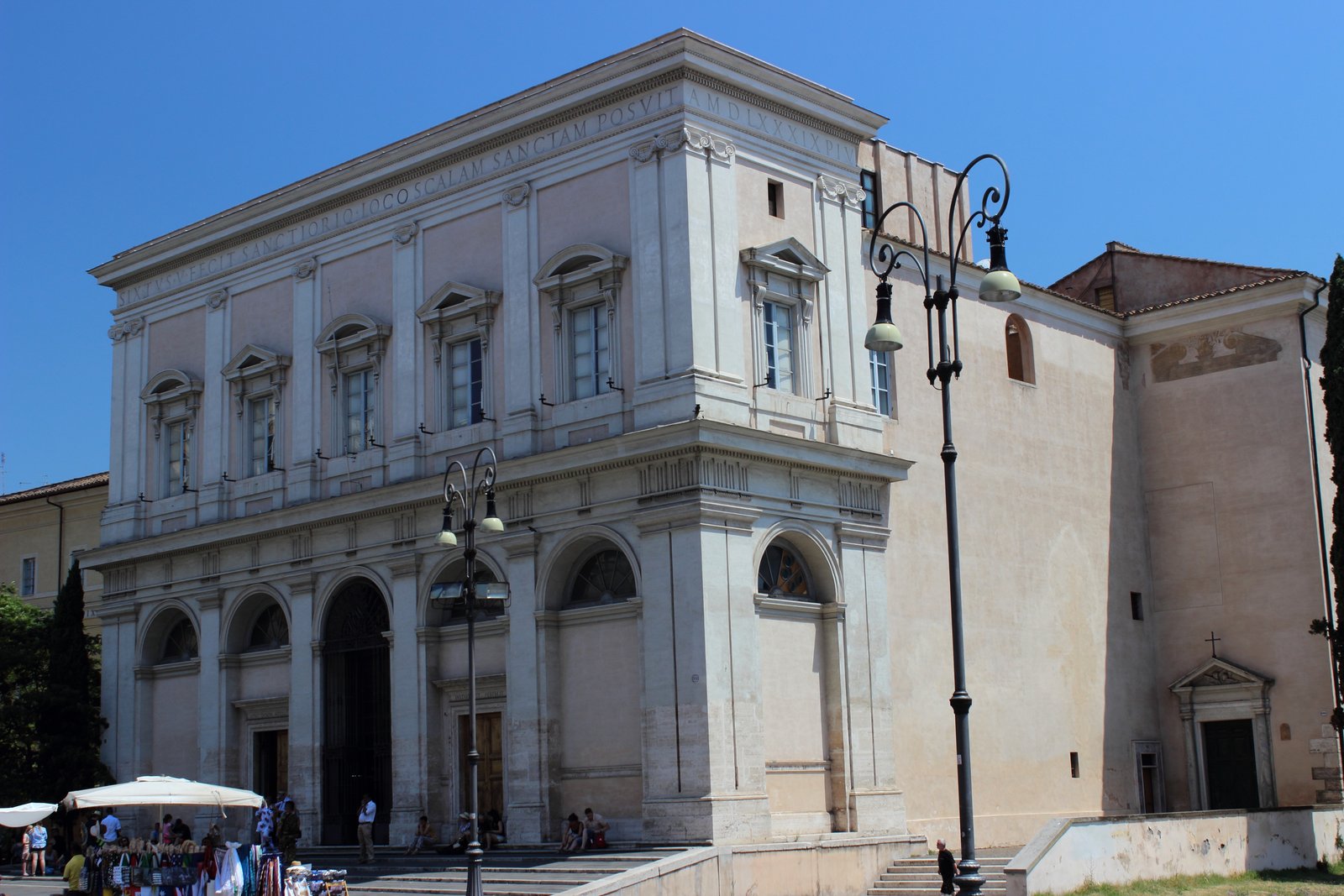
The Scala Sancta: The Holy Stairs Pilgrims Still Climb on Their Knees
Why pilgrims in Rome still ascend 28 marble steps on their knees — the tradition behind the Scala Sancta, the stairway said to come from Pilate's praetorium.
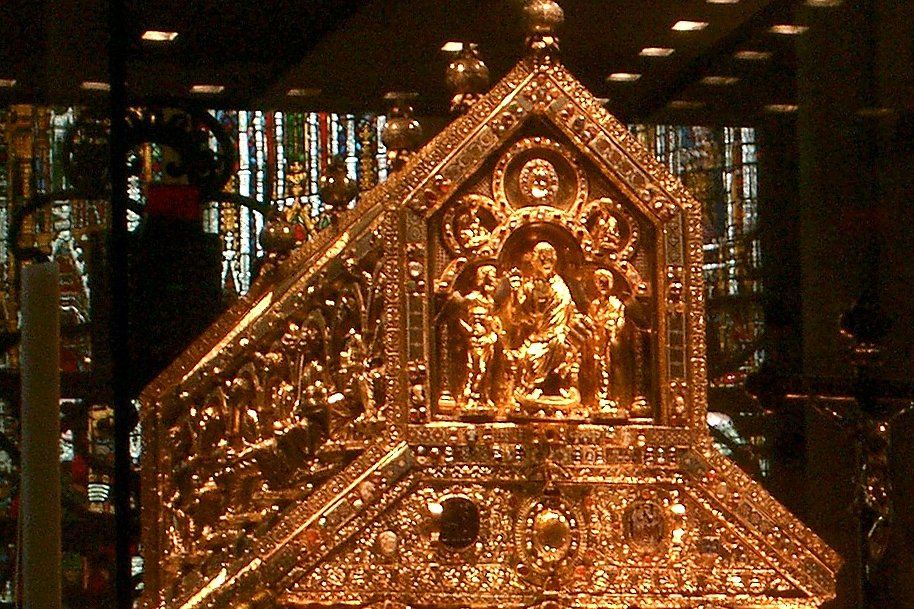
The Shrine of the Three Kings: Cologne's Golden Reliquary of the Magi
Inside Cologne Cathedral's Dreikönigenschrein, the largest reliquary in the Western world, built to house what tradition venerates as the bones of the Magi.
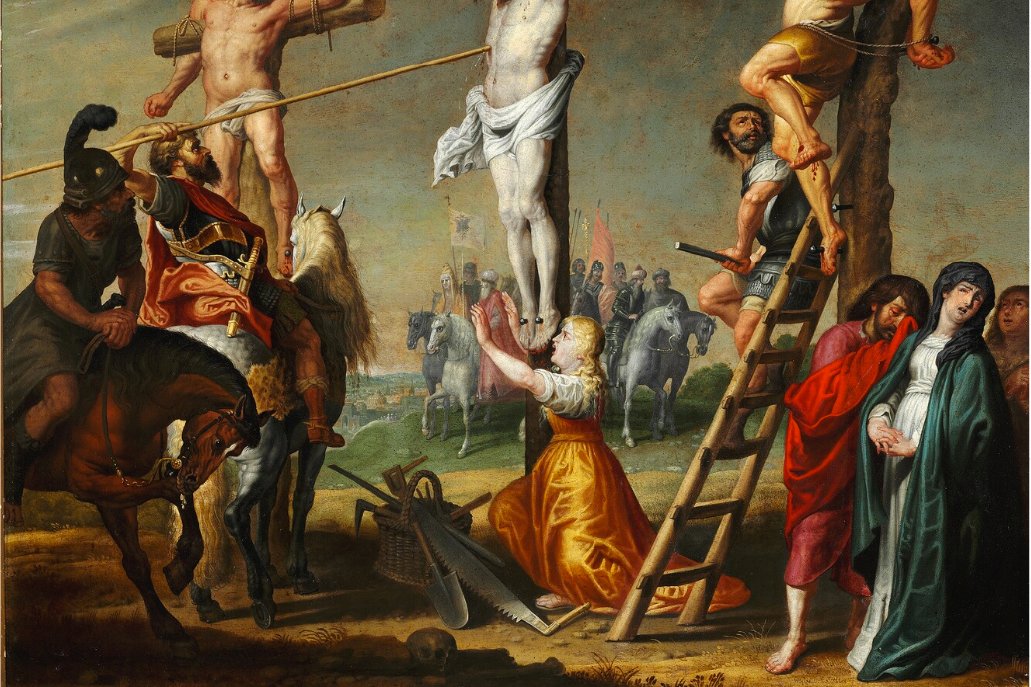
The Spear of Longinus: The Holy Lance That Pierced Christ's Side
Four rival relics claim to be the lance from John 19:34 — Rome's, Vienna's imperial lance, and Armenia's at Etchmiadzin. Here's what history can and can't confirm.
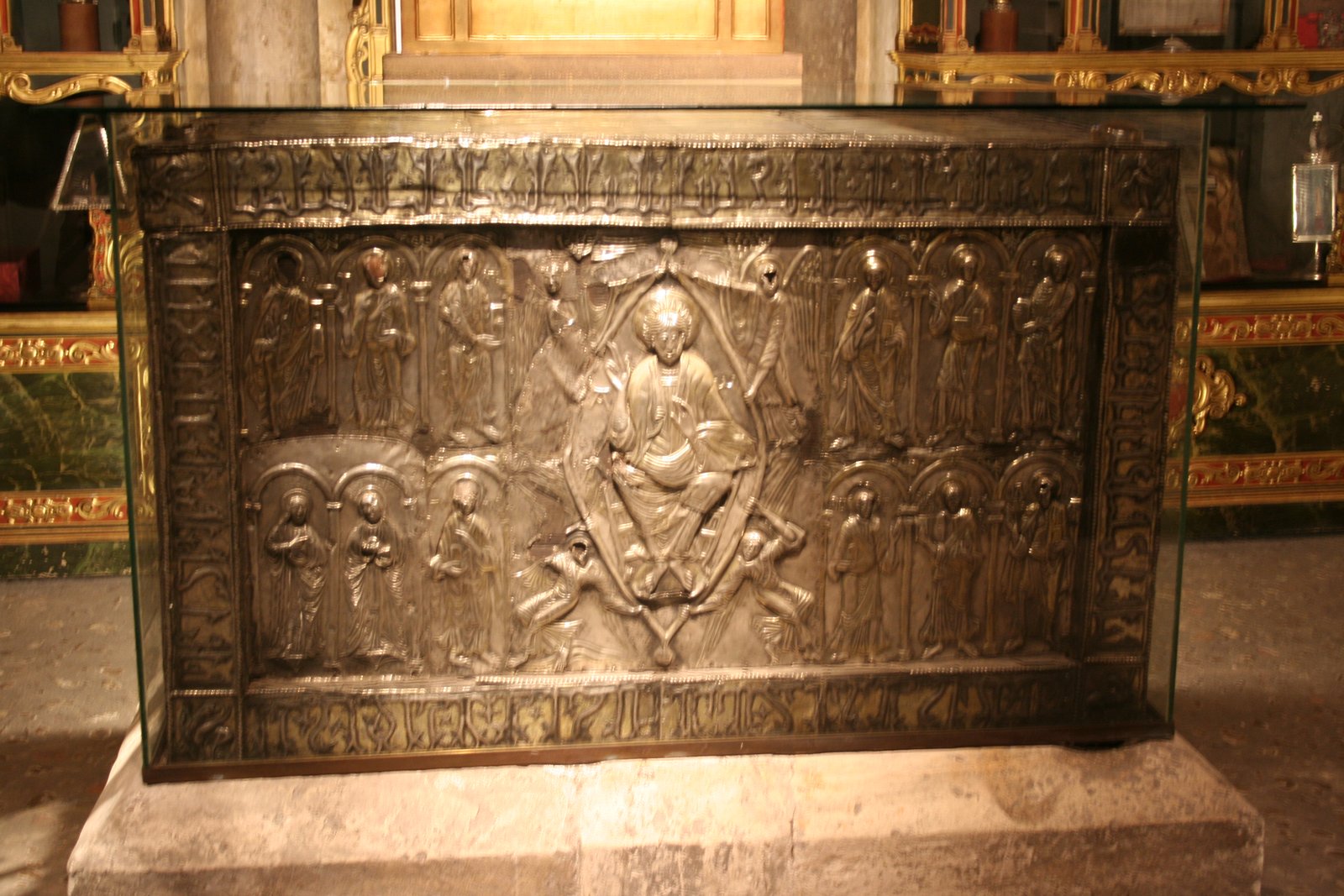
The Sudarium of Oviedo: The Face Cloth of Christ's Burial
The Sudarium of Oviedo is a bloodstained cloth in Spain, traditionally venerated as the face cloth from Christ's burial — and tied by some researchers to the Shroud.
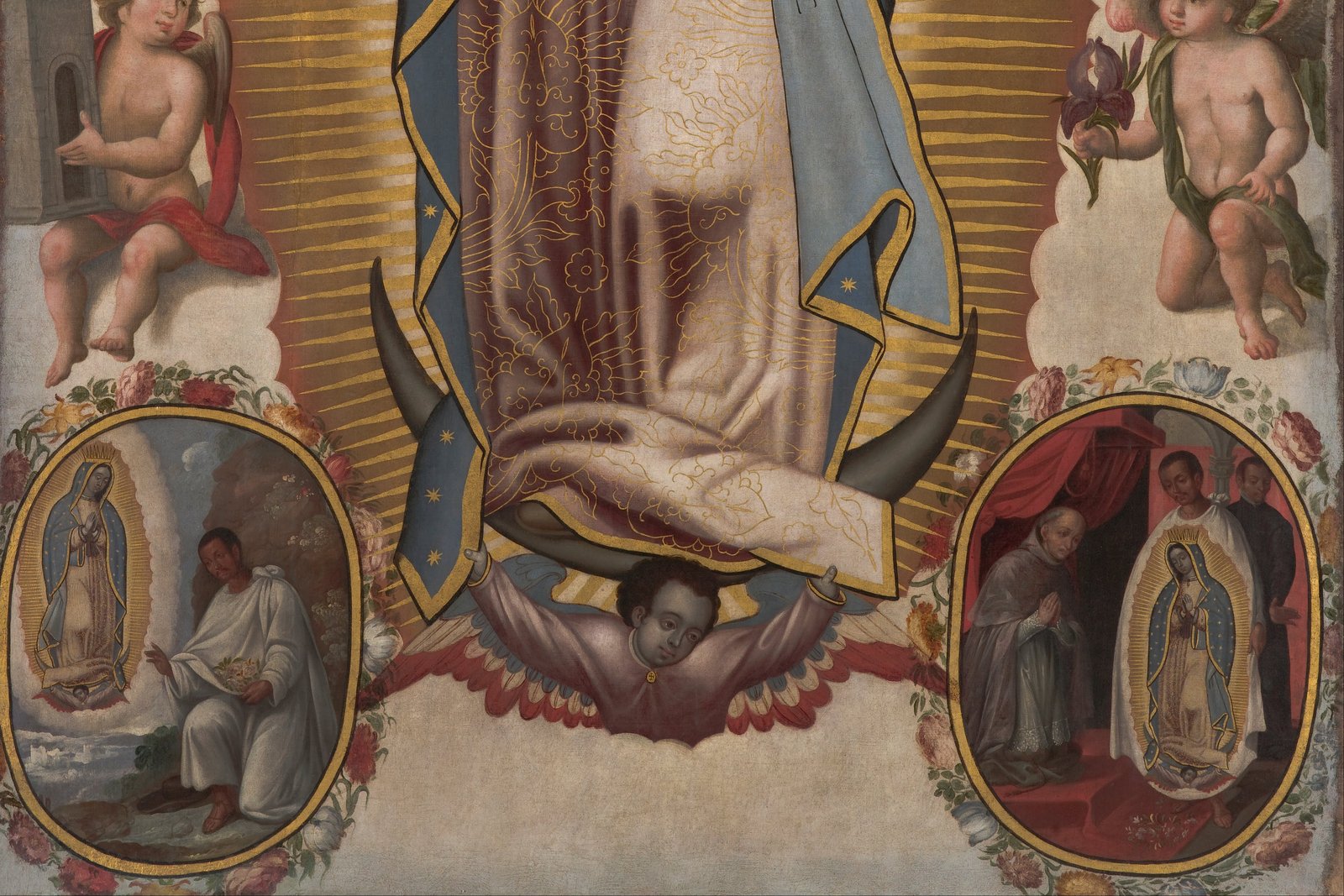
The Tilma of Guadalupe as a Scientific Mystery
Scientists have studied the Tilma of Guadalupe for decades — its cactus-fiber cloth, its pigments, and claims about its image. Here's what research actually shows.
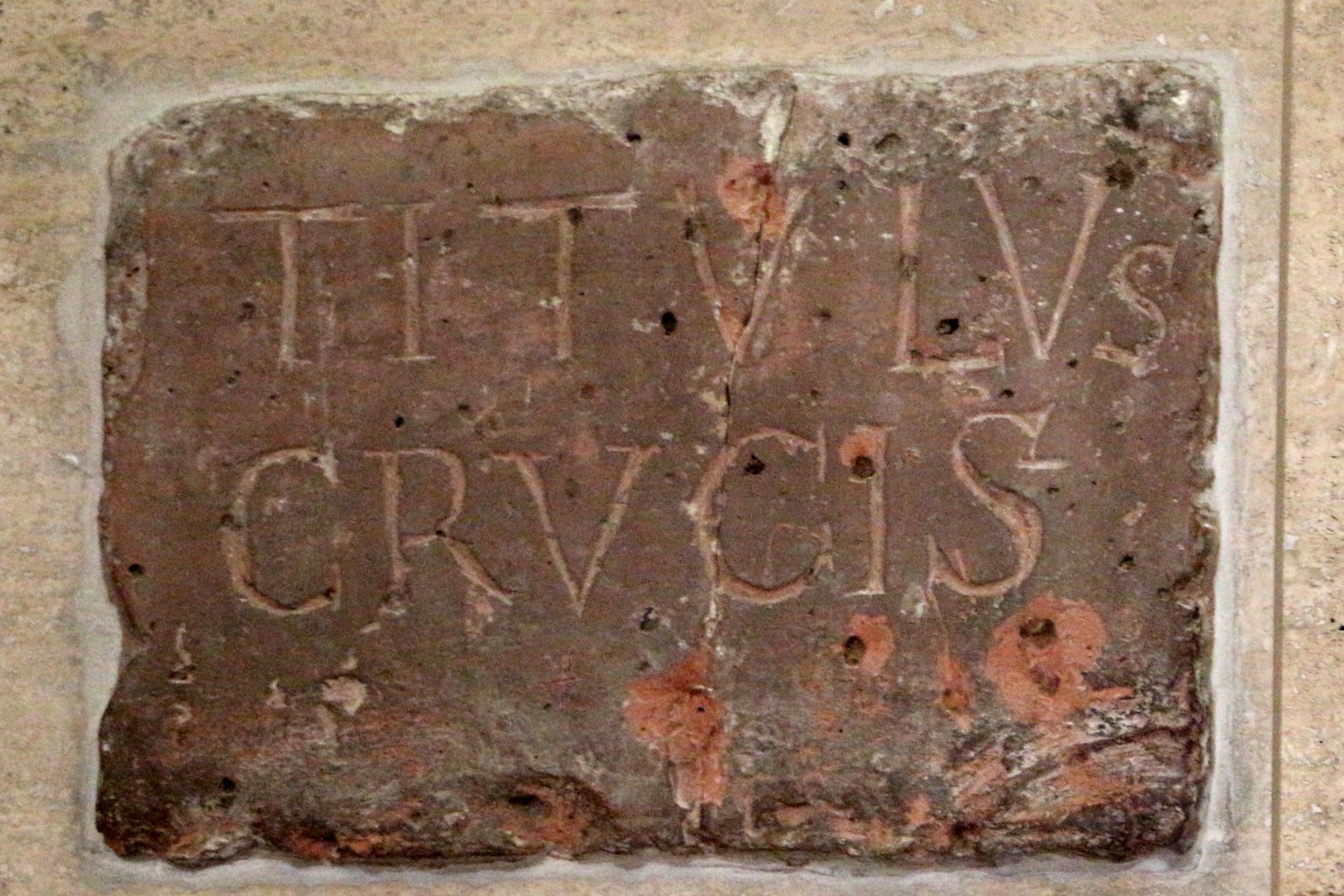
The Titulus Crucis: The Sign Above Christ's Head on the Cross
The inscription Pilate ordered nailed above the crucified Christ, the fragment venerated in Rome since 1492, and the centuries-old debate over how old it really is.
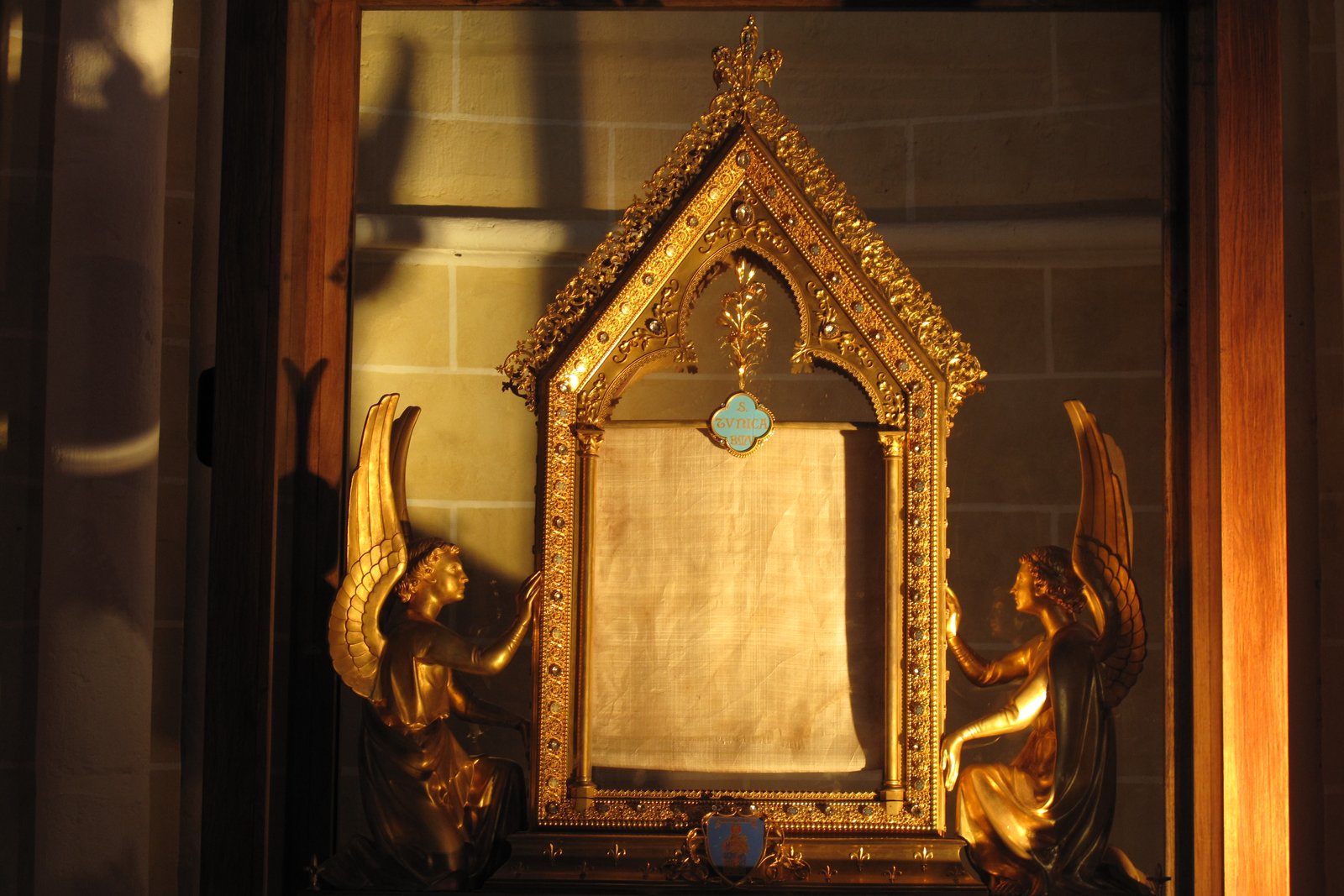
The Veil of the Virgin at Chartres: The Relic That Saved a Cathedral
The Sancta Camisia, a Marian relic venerated at Chartres since the 9th century, survived the 1194 fire that led to the Gothic cathedral standing there today.
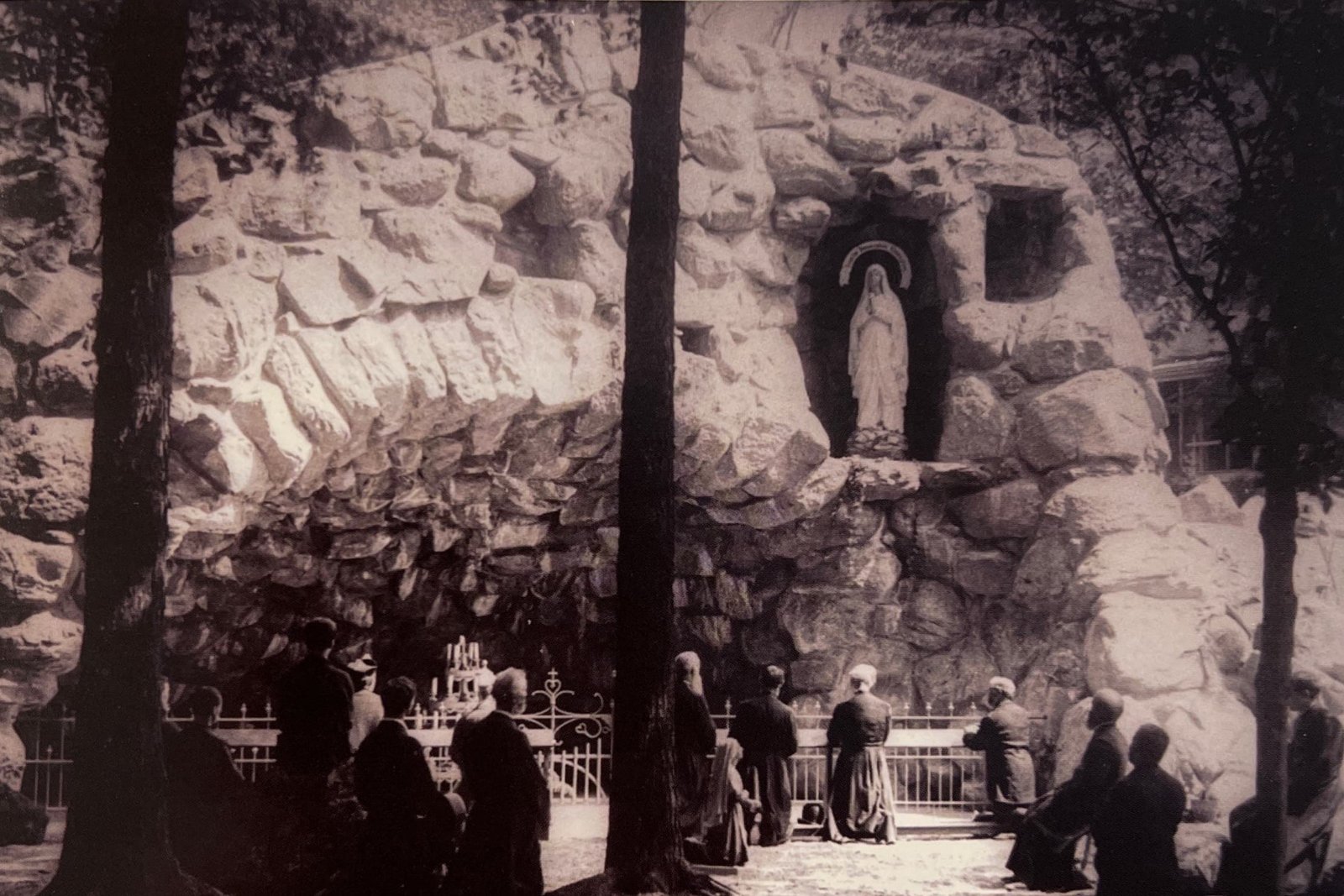
The Water of Lourdes: What the Spring Is and Isn't
The spring Bernadette Soubirous uncovered at Lourdes in 1858, how the Church's Medical Bureau investigates claimed healings, and what the water is for.
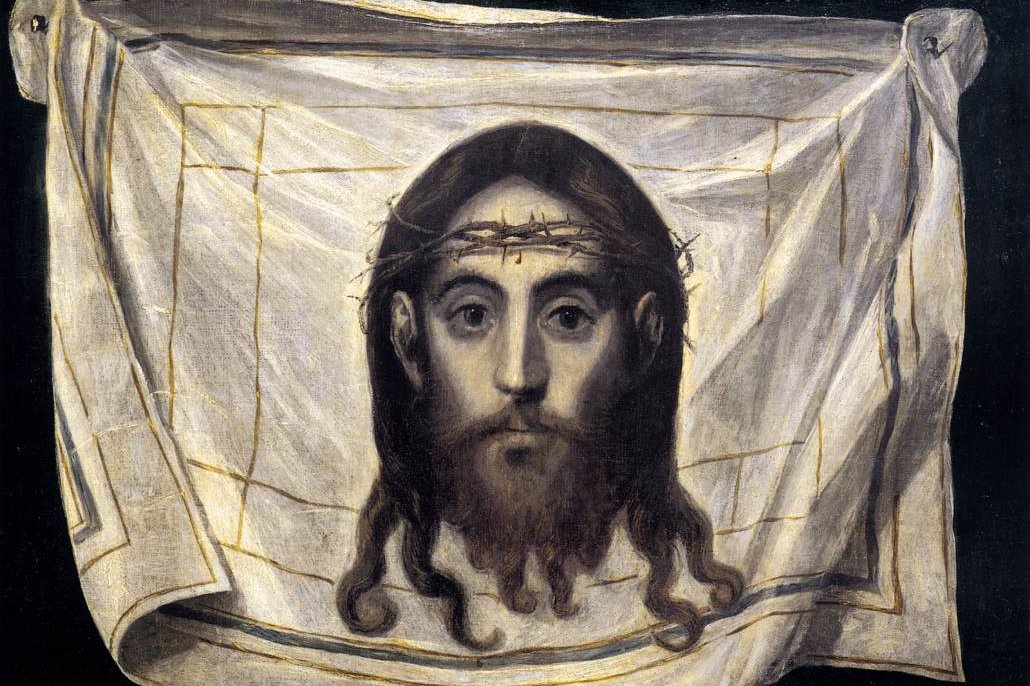
The Veil of Veronica: The Legend, the Relic, and the Face at Manoppello
The Veil of Veronica is a cloth tradition says Christ used to wipe His face en route to Calvary. Its legend, Roman relic, and Church stance explained.
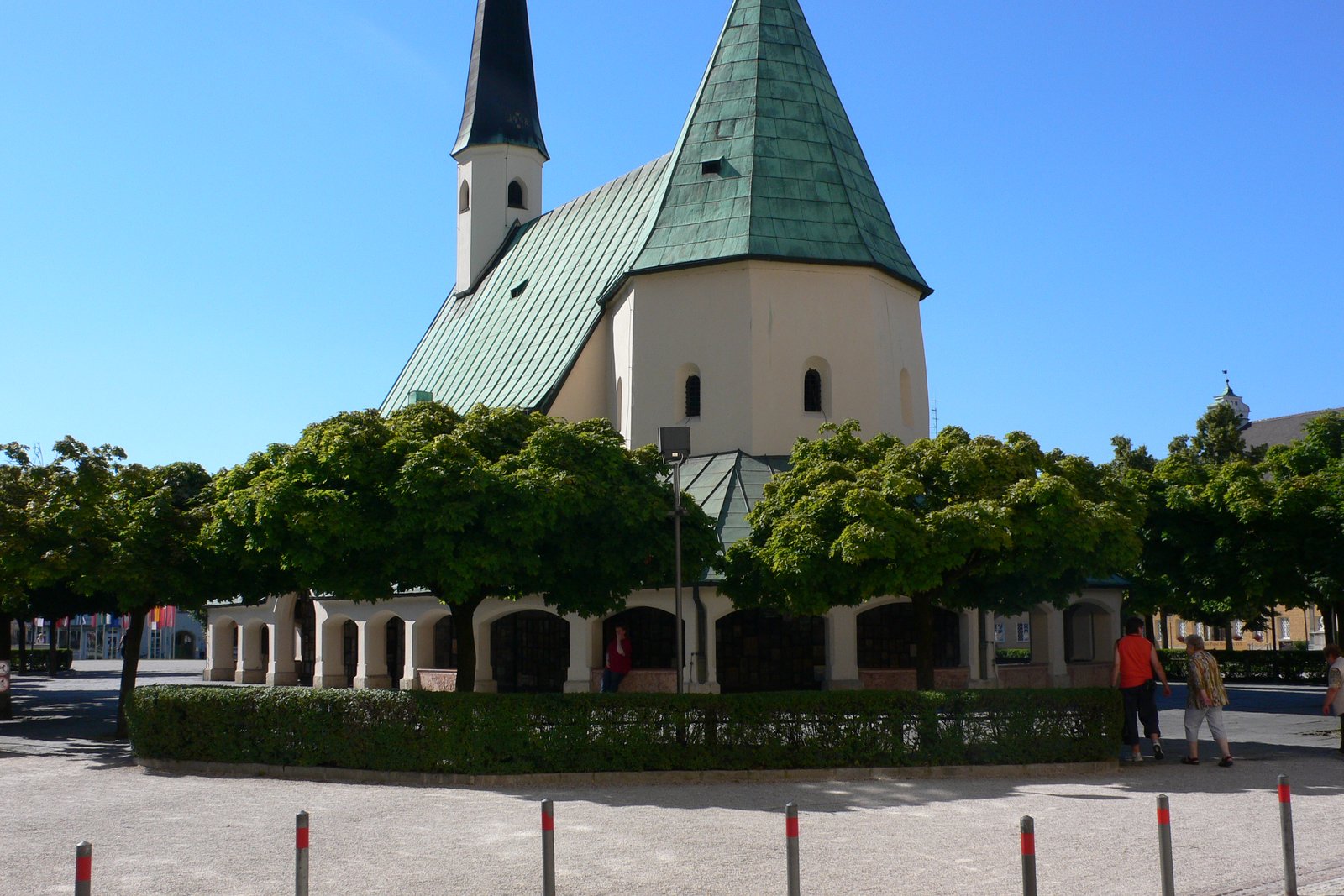
Our Lady of Altötting: Bavaria's Black Madonna and Its Heart Crypt
A small linden-wood Madonna, a 1489 miracle, and silver urns of royal hearts make Altötting's Gnadenkapelle Germany's most important Marian pilgrimage site.
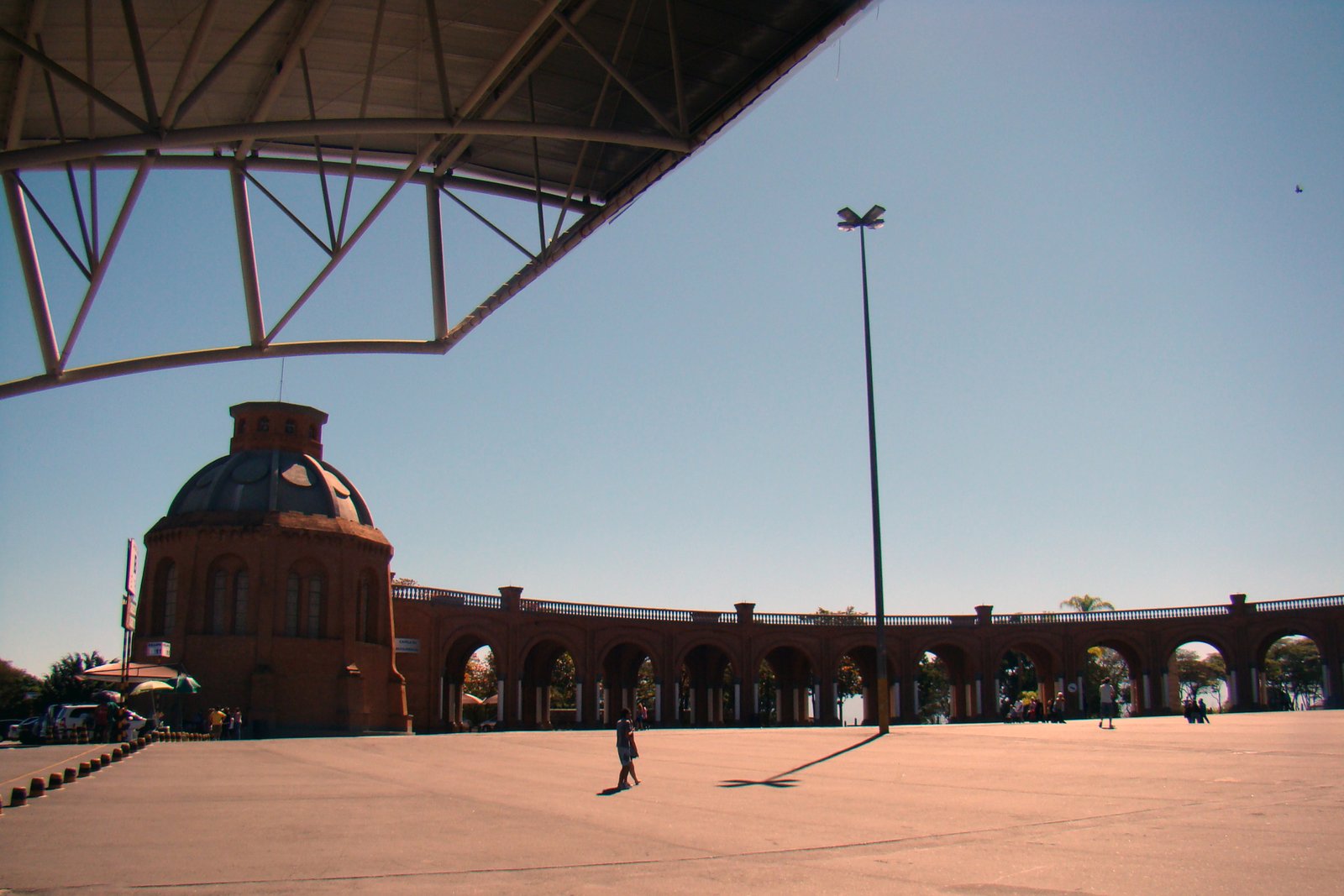
Our Lady of Aparecida: Brazil's Patroness Found in a Fishing Net
Three fishermen hauling an empty net in 1717 pulled up a broken clay statue — and their catch turned miraculous. Now Brazil's patroness, enshrined in a vast basilica
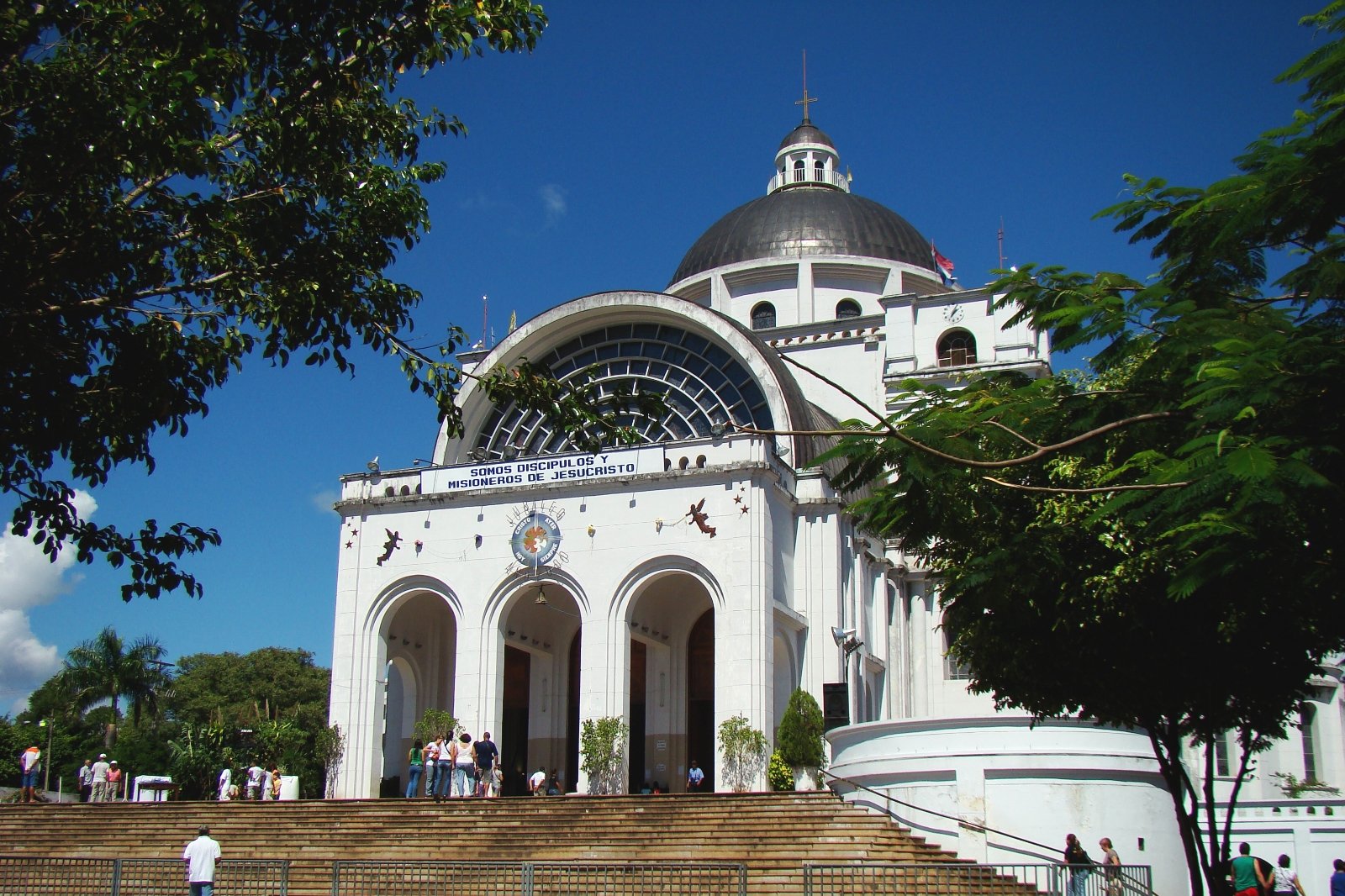
Our Lady of Caacupé: Paraguay's Patroness Carved from a Tree
The legend of Our Lady of Caacupé, carved from the tree that sheltered a fleeing Guarani man, and the December pilgrimage that draws Paraguay's largest crowds.
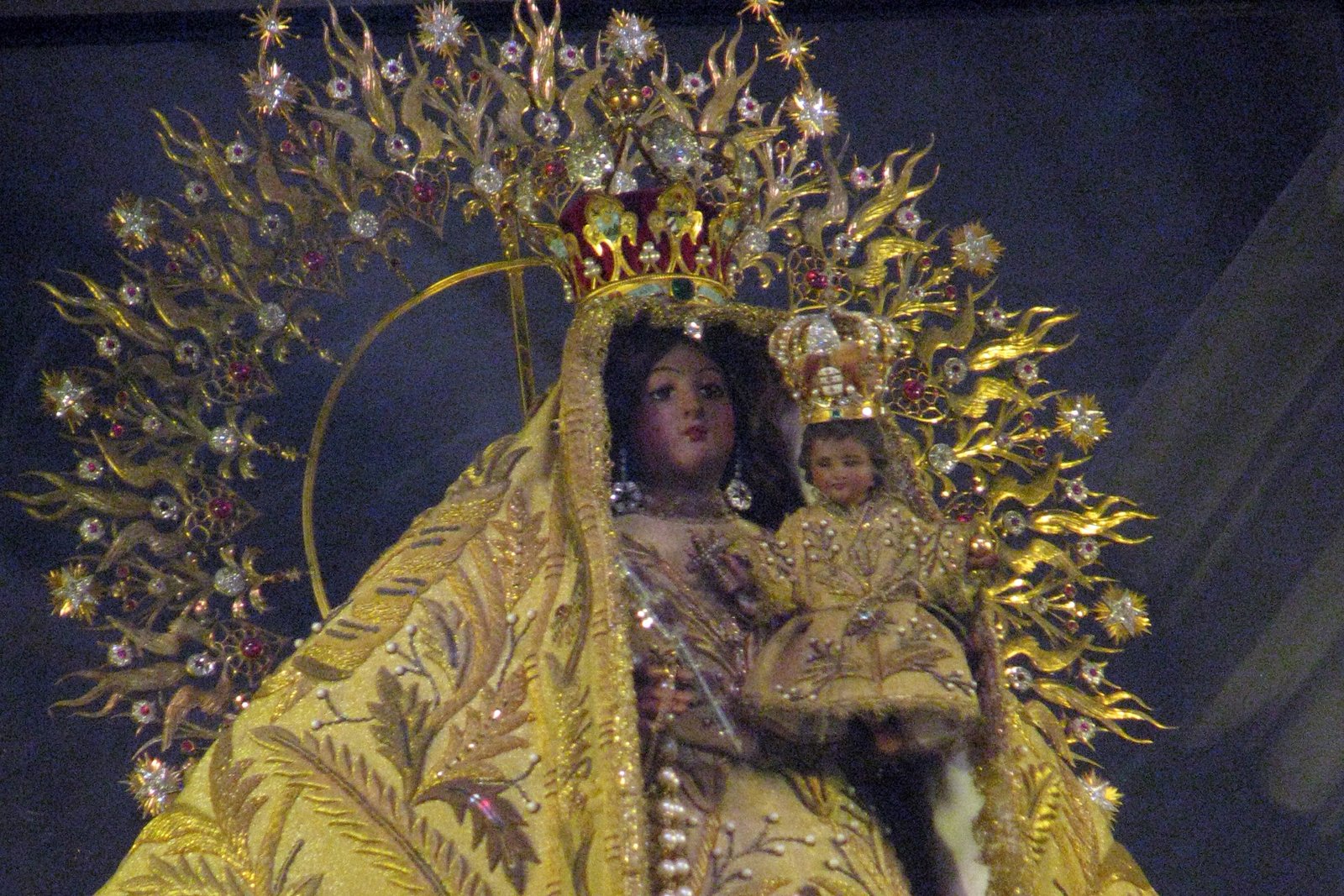
Our Lady of Charity of El Cobre: Cuba's Patroness from the Bay of Nipe
Three men battling a storm in the Bay of Nipe found a small floating statue of Mary around 1612 — she became Cuba's patroness, visited by Pope Francis in 2015.
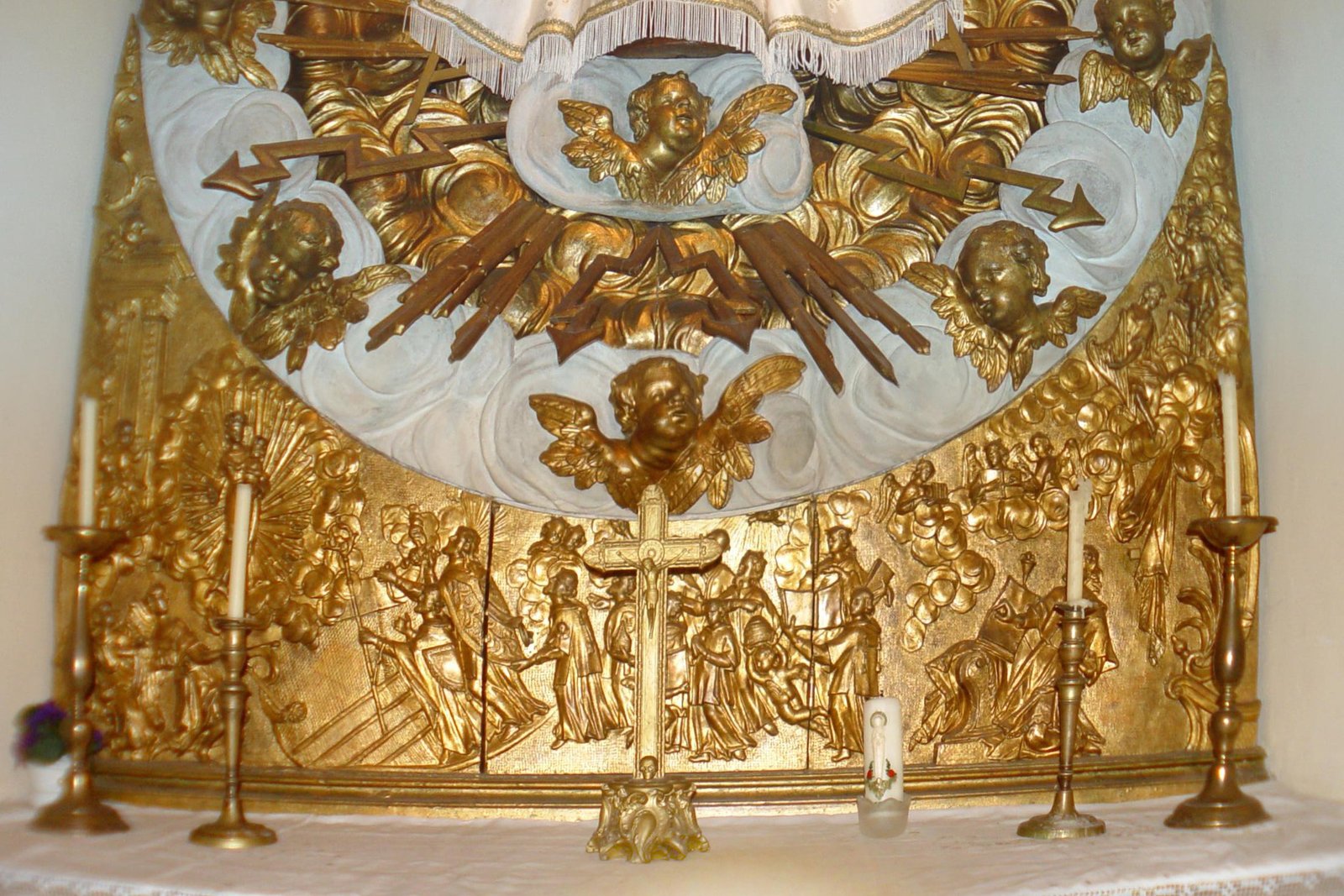
Our Lady of Einsiedeln: Switzerland's Black Madonna
A hermit's murder, a legend of Christ's own consecration, and centuries of candle smoke built the most visited Marian shrine in German-speaking Europe.
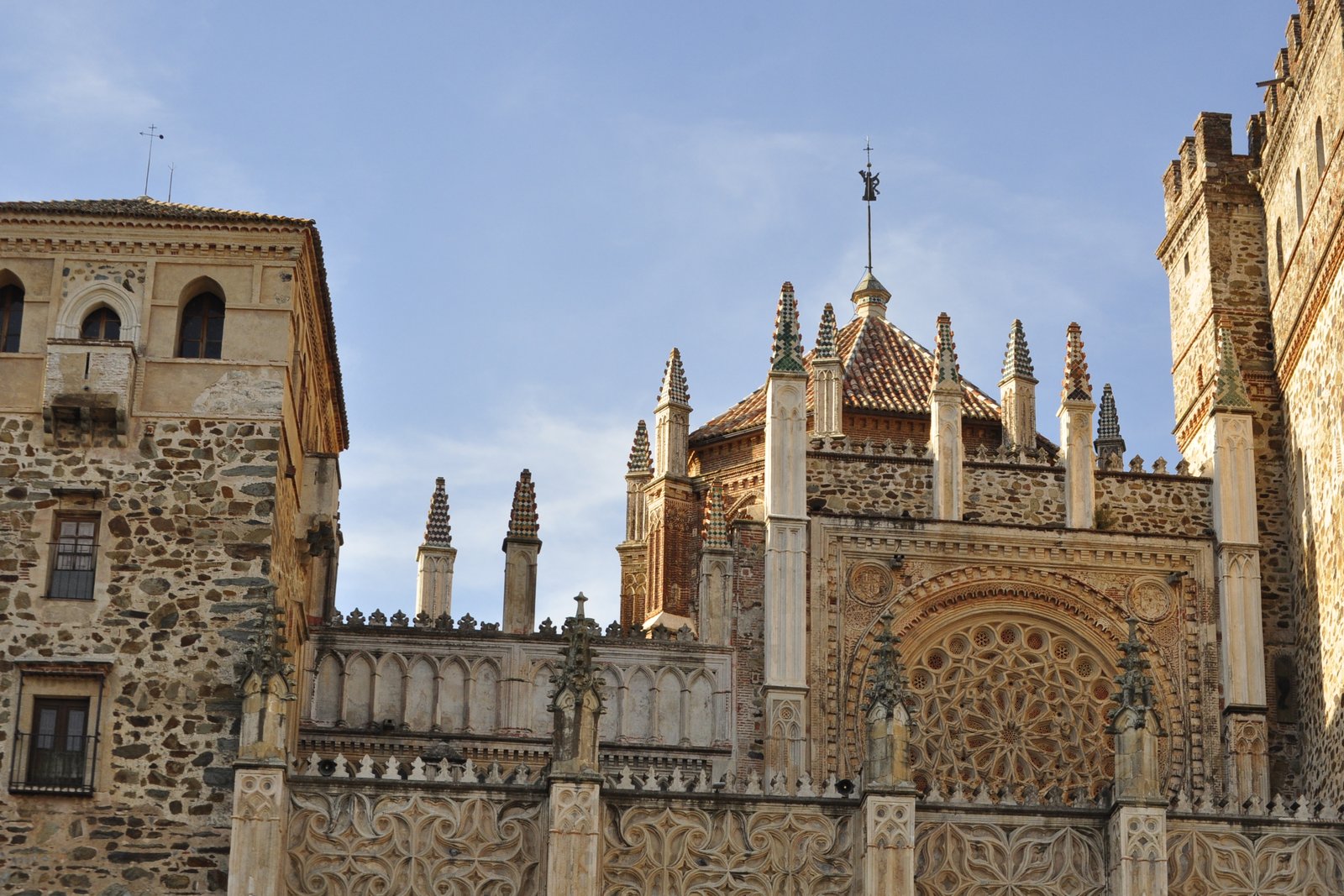
Our Lady of Guadalupe of Extremadura: The Original Black Madonna
Before Mexico's famous tilma, a shepherd's vision in medieval Spain led to a Black Madonna statue that Columbus prayed before — and gave the New World her name.
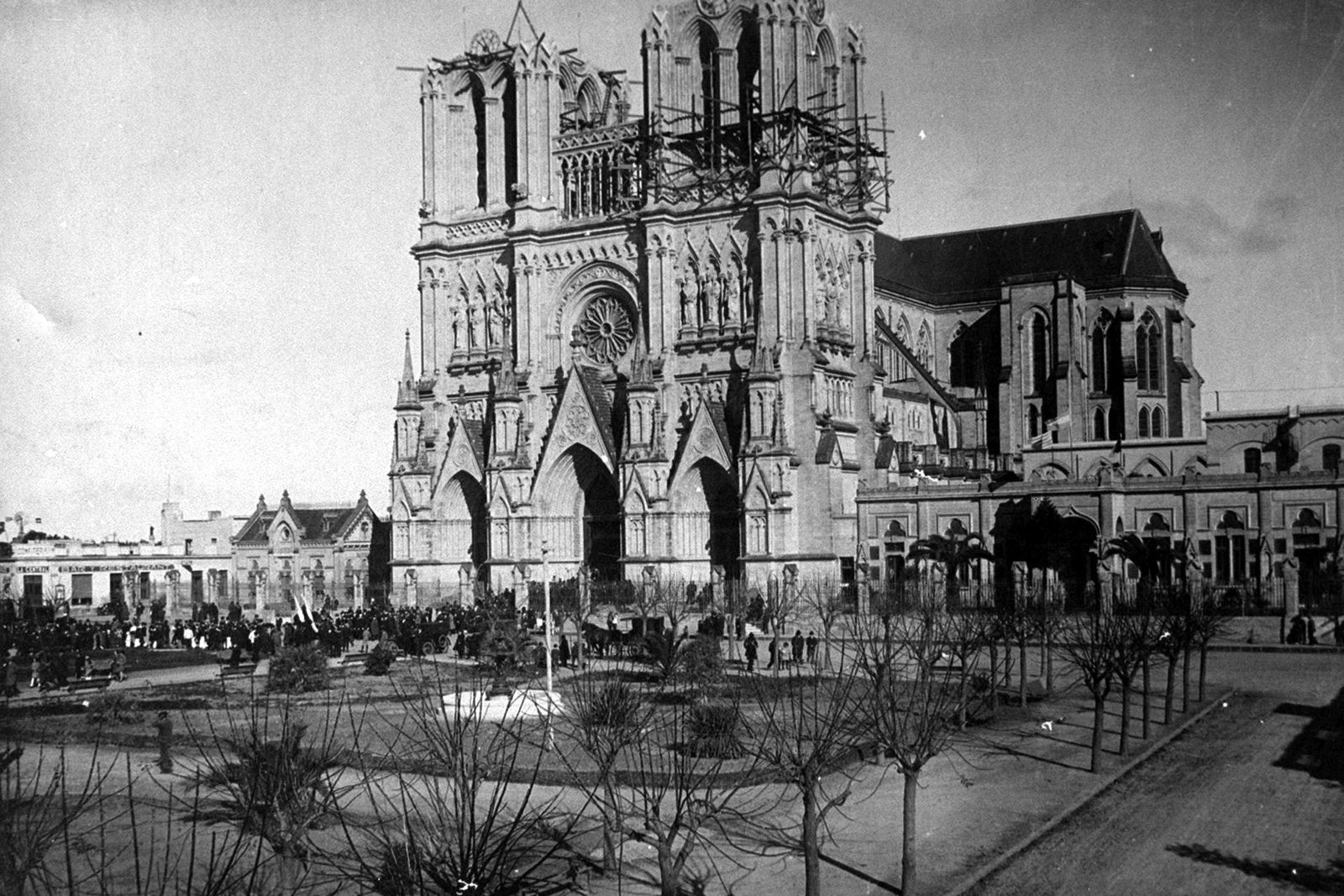
Our Lady of Luján: The Clay Statue That Would Not Be Moved
A small terracotta Virgin halted an ox-cart near the Luján river in 1630 and wouldn't move again — today she's Argentina's patroness, loved by Pope Francis.
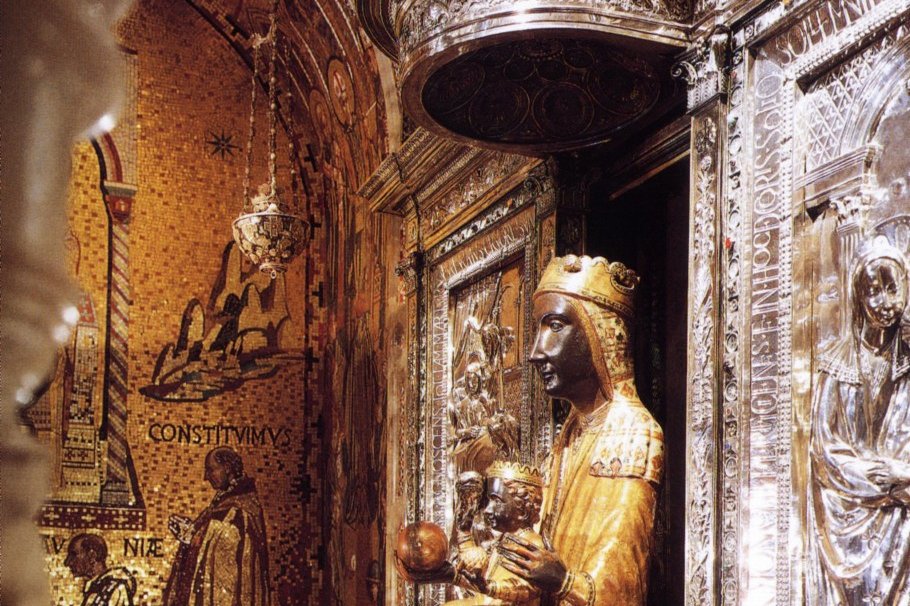
Our Lady of Montserrat: Catalonia's Black Madonna on the Mountain
The legend of La Moreneta, the Black Madonna statue found on a Catalan mountaintop, enshrined at the Benedictine Abbey of Montserrat since the Middle Ages.
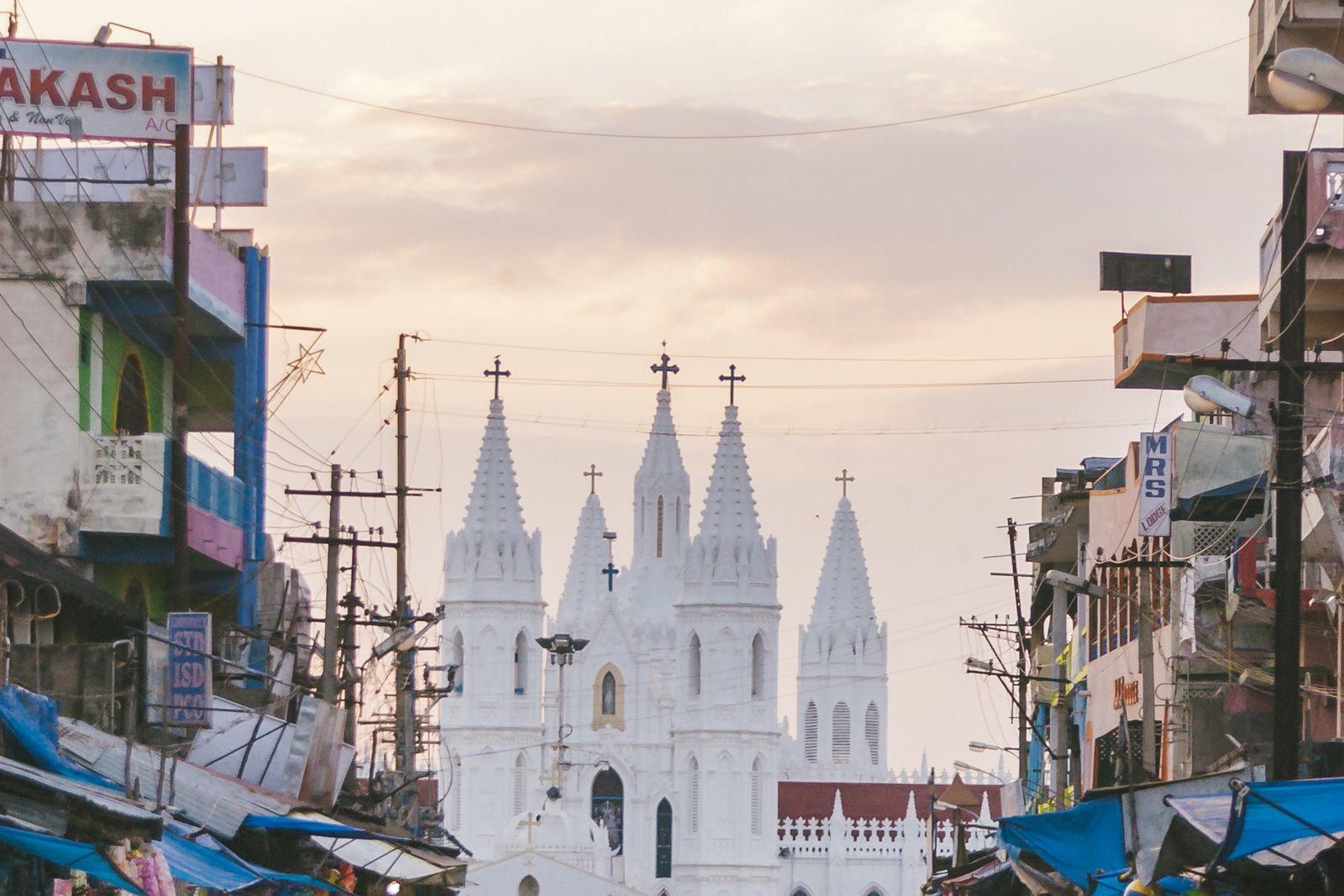
Our Lady of Vailankanni: The Lourdes of the East
A shepherd boy's vision, a cured buttermilk seller, and shipwrecked sailors built one shrine in Tamil Nadu, now among Asia's largest Christian gatherings.
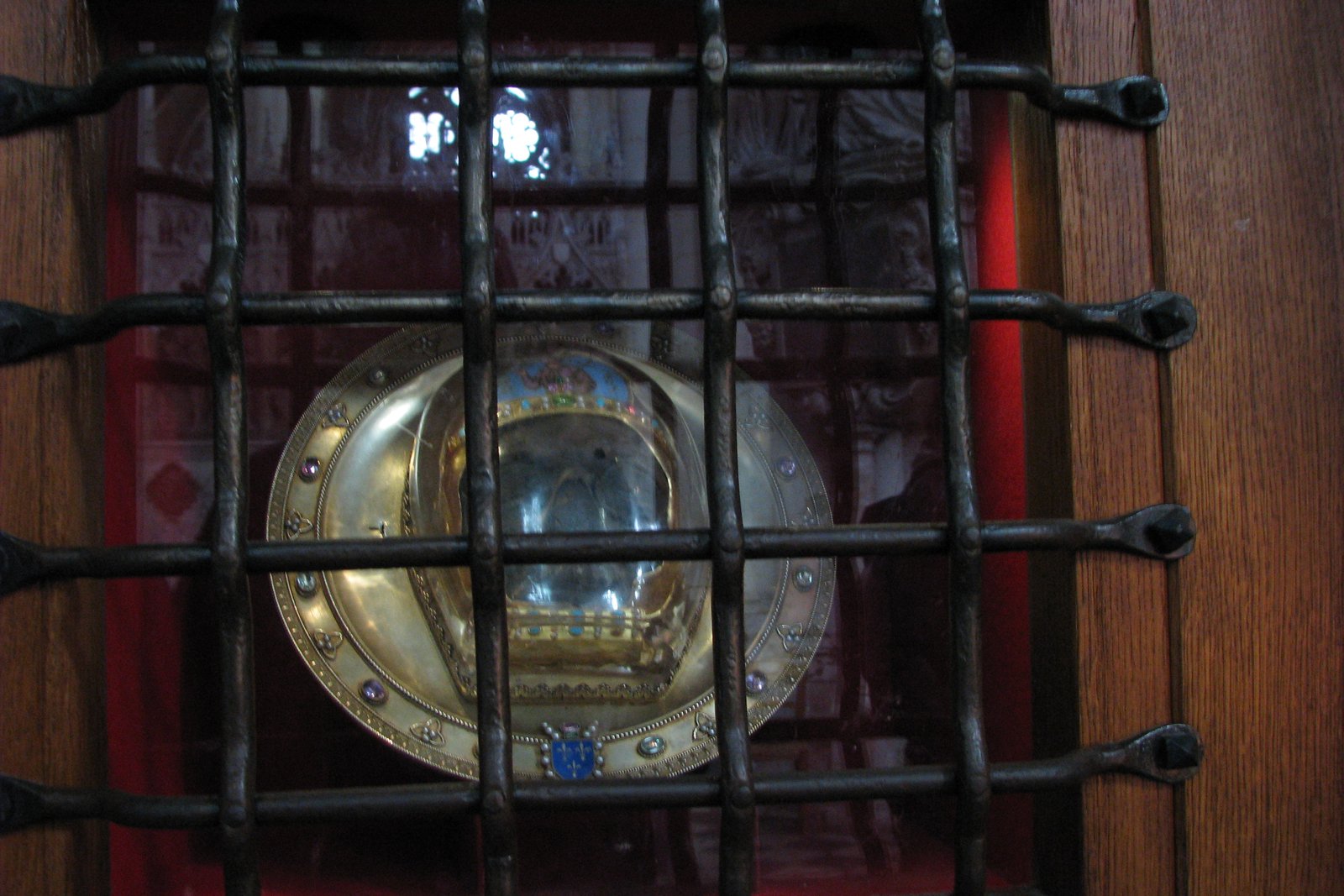
Relics of Saint John the Baptist: The Many Claims to His Head
Saint John the Baptist's beheading, and the multiple churches, including Amiens Cathedral and a Damascus mosque, that have long claimed relics of his head.
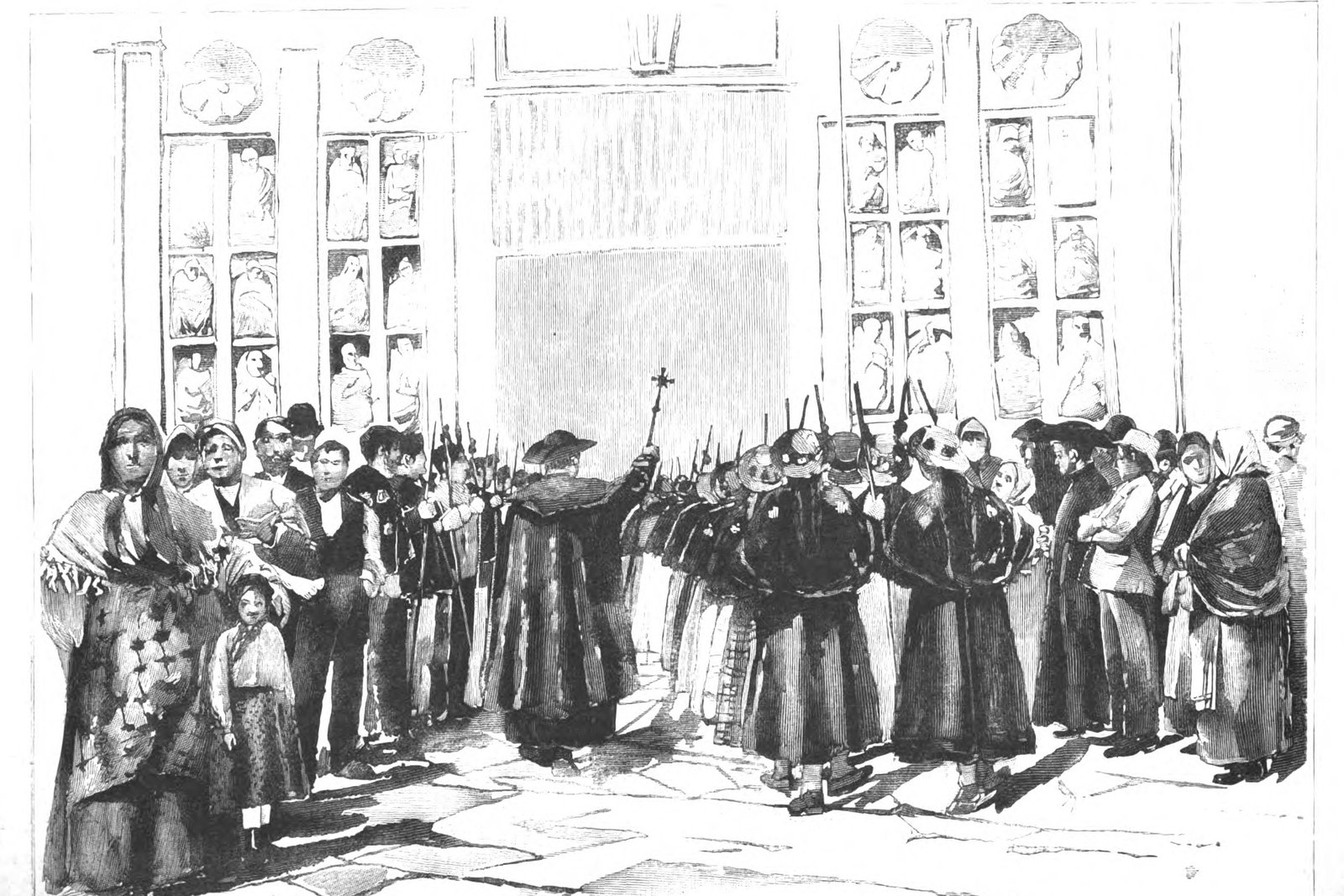
The Relics of Saint James at Santiago de Compostela
How a Galician cathedral came to hold the bones of the Apostle James, and why a medieval pilgrimage legend still draws millions of walkers there today.
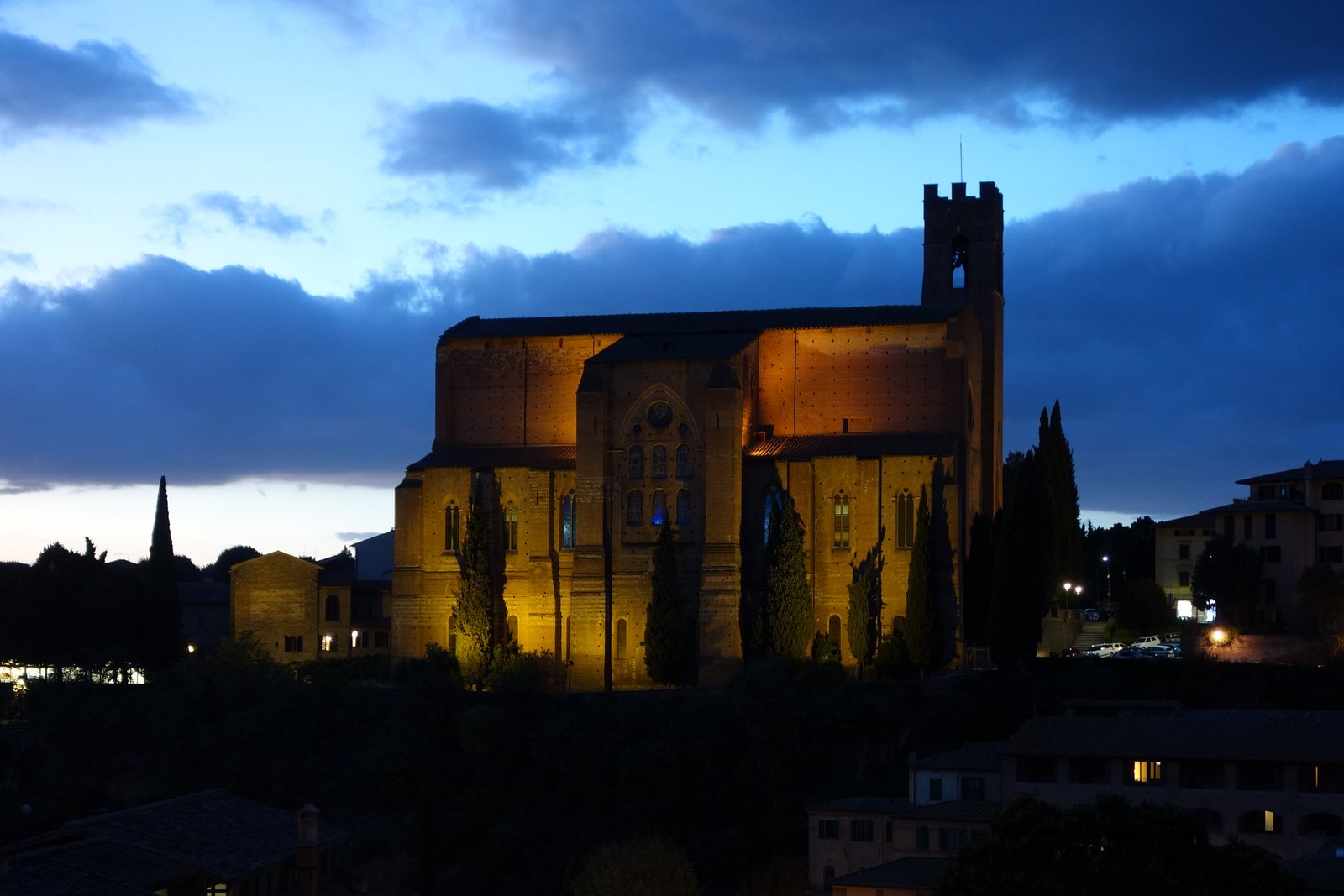
Saint Catherine of Siena's Head: A Relic Divided Between Two Cities
Catherine of Siena's body rests in Rome, but her head — and a thumb — were enshrined separately in Siena, a division tradition wraps in a smuggling legend.
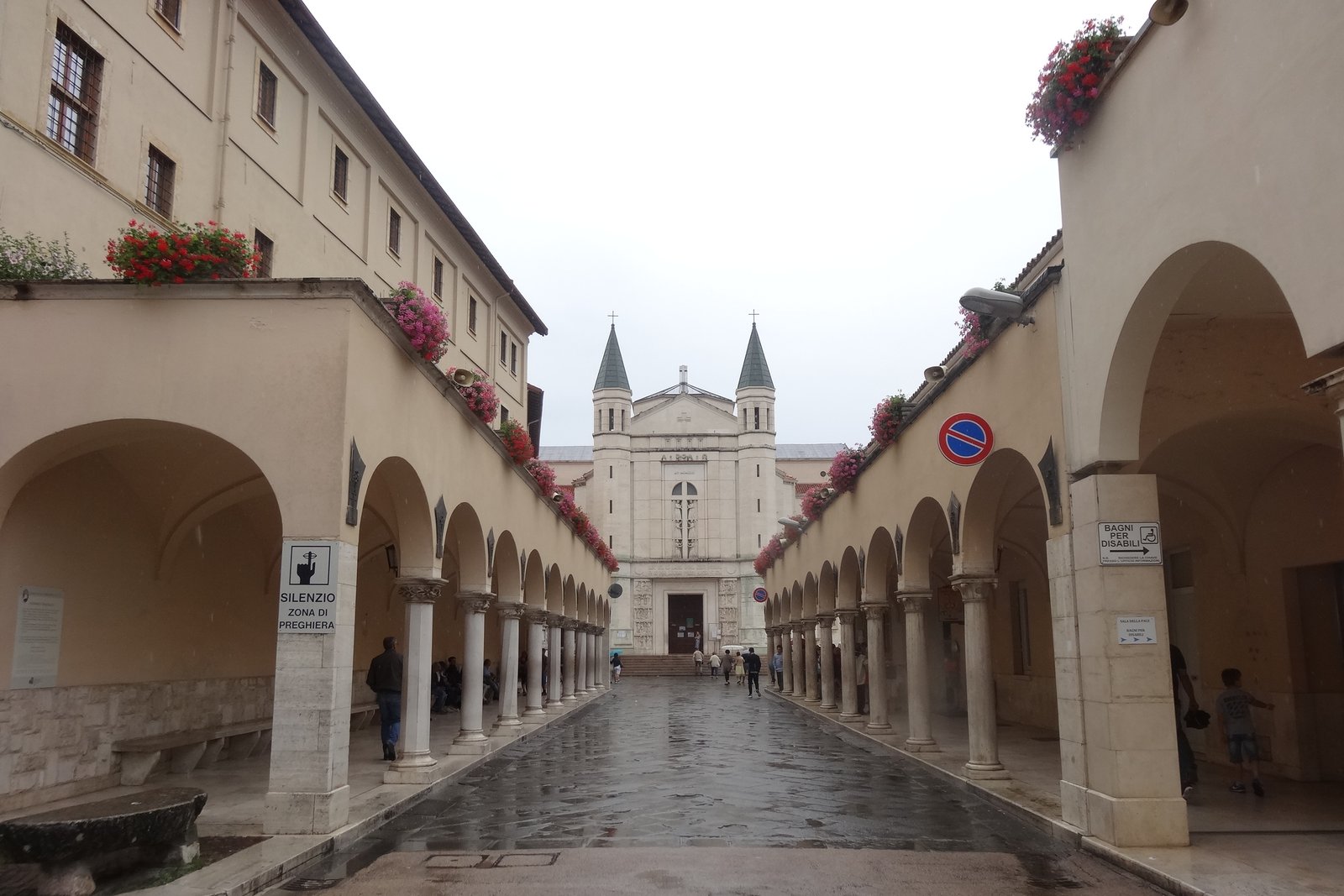
Saint Rita's Incorrupt Body: The Reliquary at Cascia
At the Basilica of Santa Rita in Cascia, a glass reliquary holds a body examined by doctors in 1743 and 1892 — and a forehead wound she bore for 15 years.
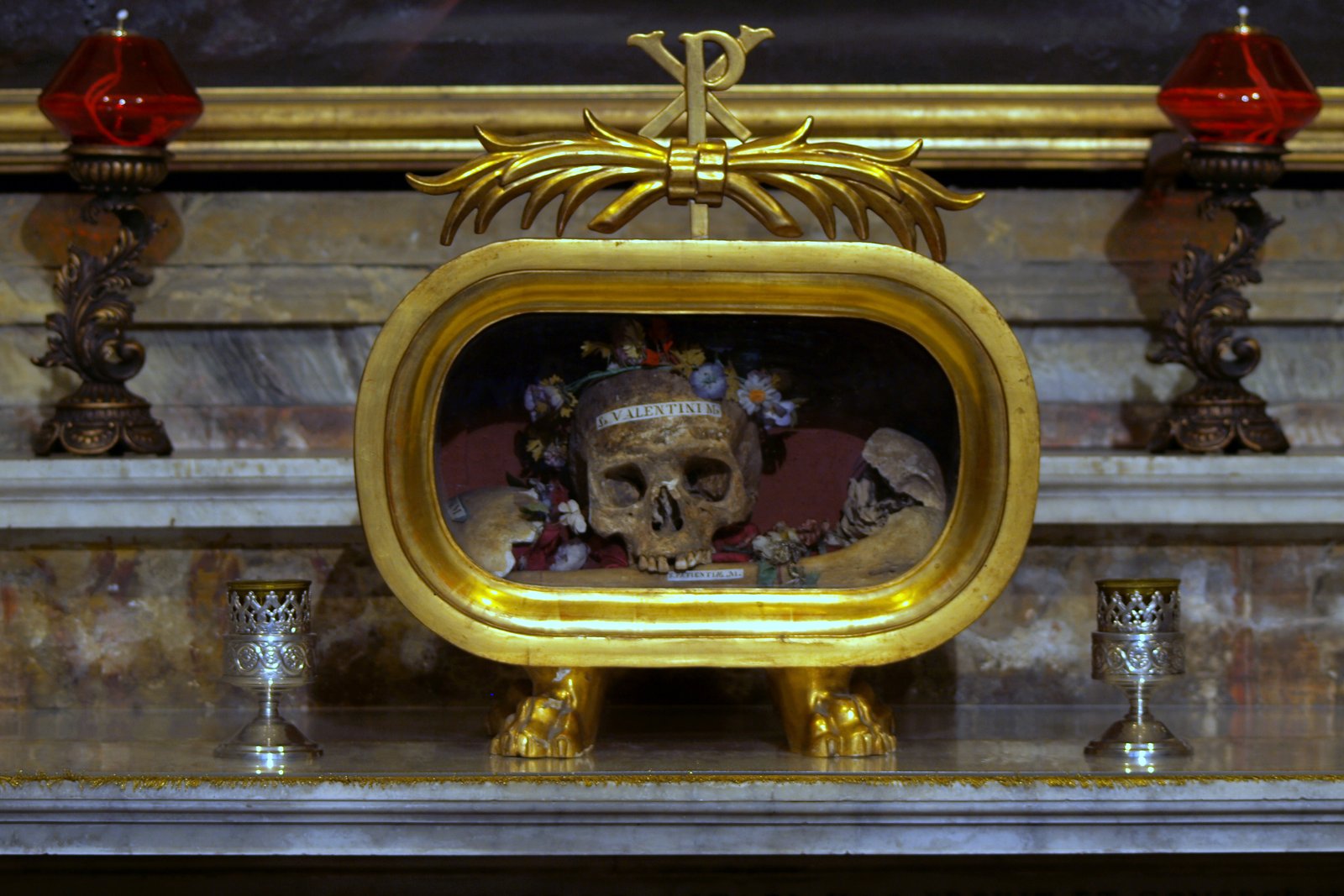
Saint Valentine's Relics: The Flower-Crowned Skull of Rome
A flower-crowned skull in Rome, a gift to Dublin in 1836, and a patron of lovers the Church itself admits may really be two or three different martyrs.
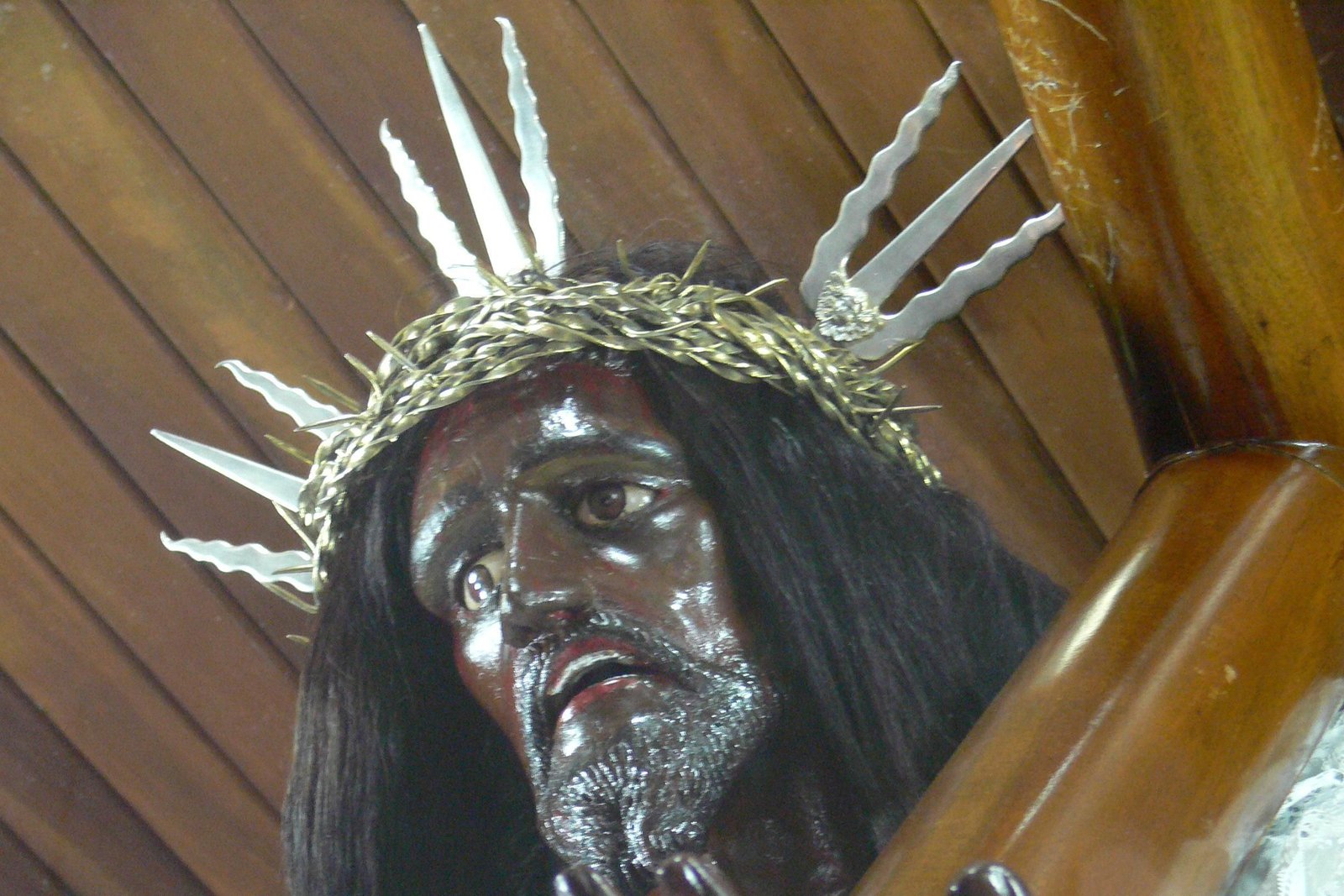
The Black Christ of Portobelo
A dark wooden Christ with an unresolved origin draws tens of thousands of pilgrims to a small Panamanian harbor town every October 21, many on their knees.
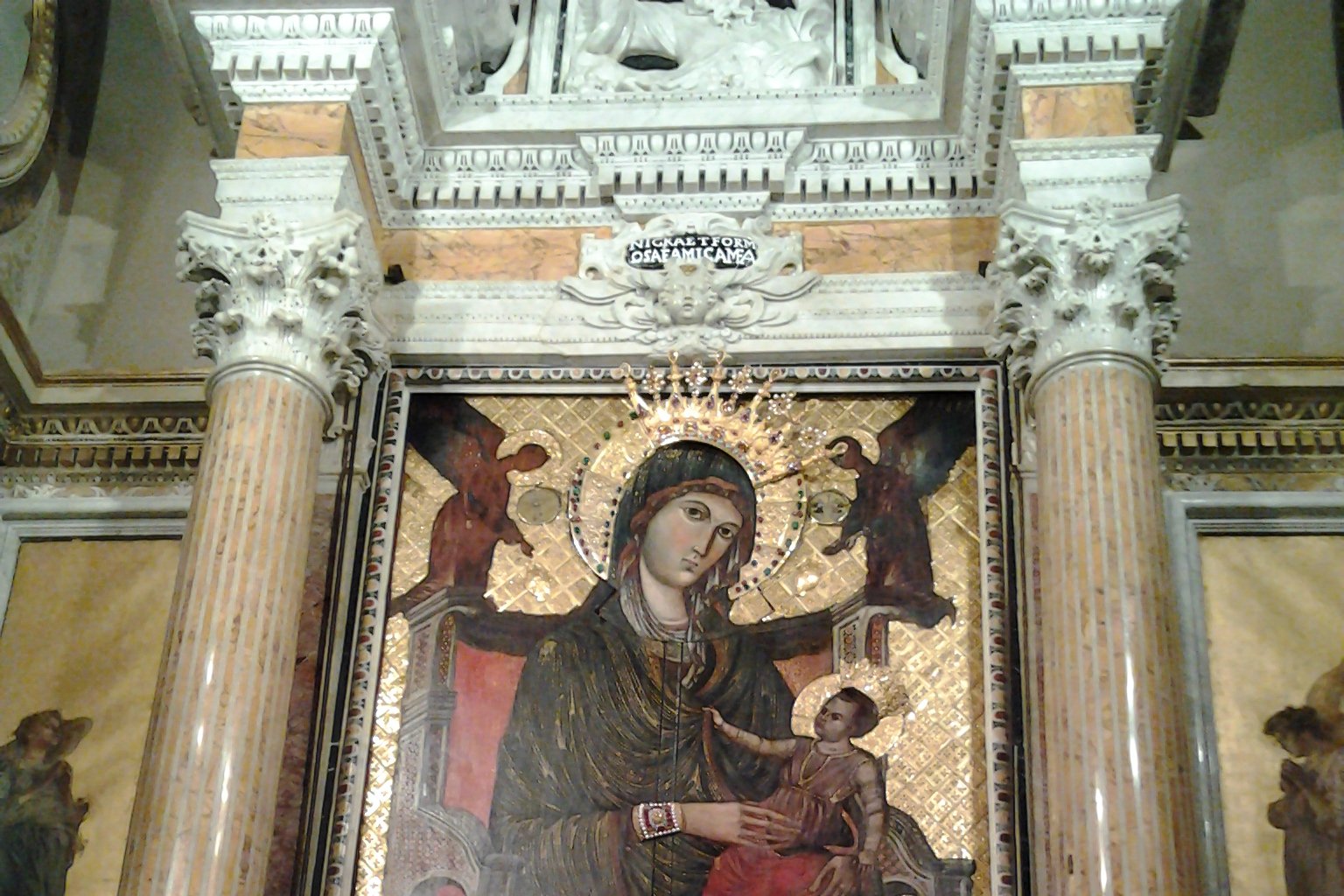
The Black Madonna of Montevergine: Mamma Schiavona
The Byzantine-style icon enshrined on Mount Partenio near Naples, its mountaintop sanctuary built over an ancient pagan temple, and its unique February devotion.
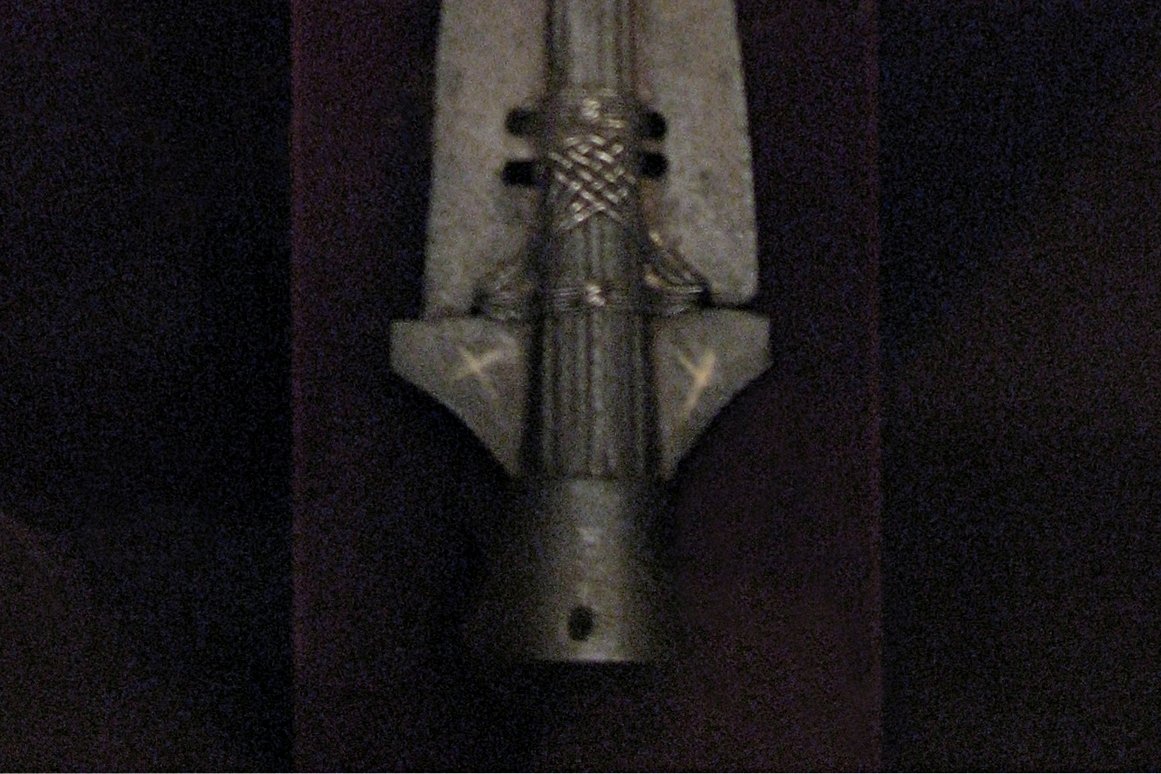
The Holy Lance of Vienna: Relic of the Holy Roman Emperors
Inside Vienna's Hofburg Treasury, a Carolingian lance tipped in gold once crowned Holy Roman Emperors — and was later seized by the Nazi regime for its legend.
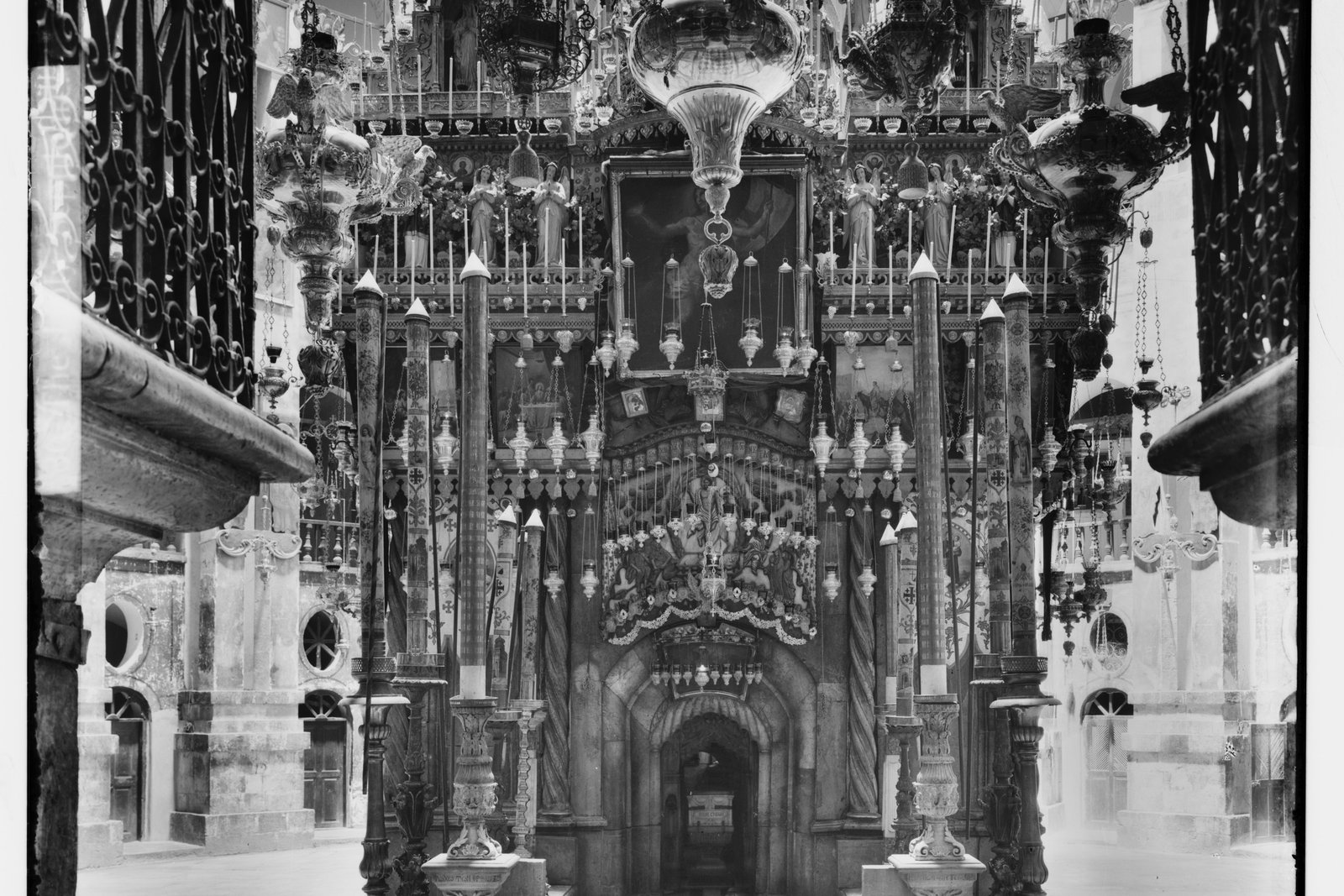
The Holy Sepulchre's Edicule: The Shrine Over Christ's Tomb
The Edicule shrine over the traditional tomb of Christ in Jerusalem, its long history of damage, and the landmark 2016-2017 restoration that reopened it.
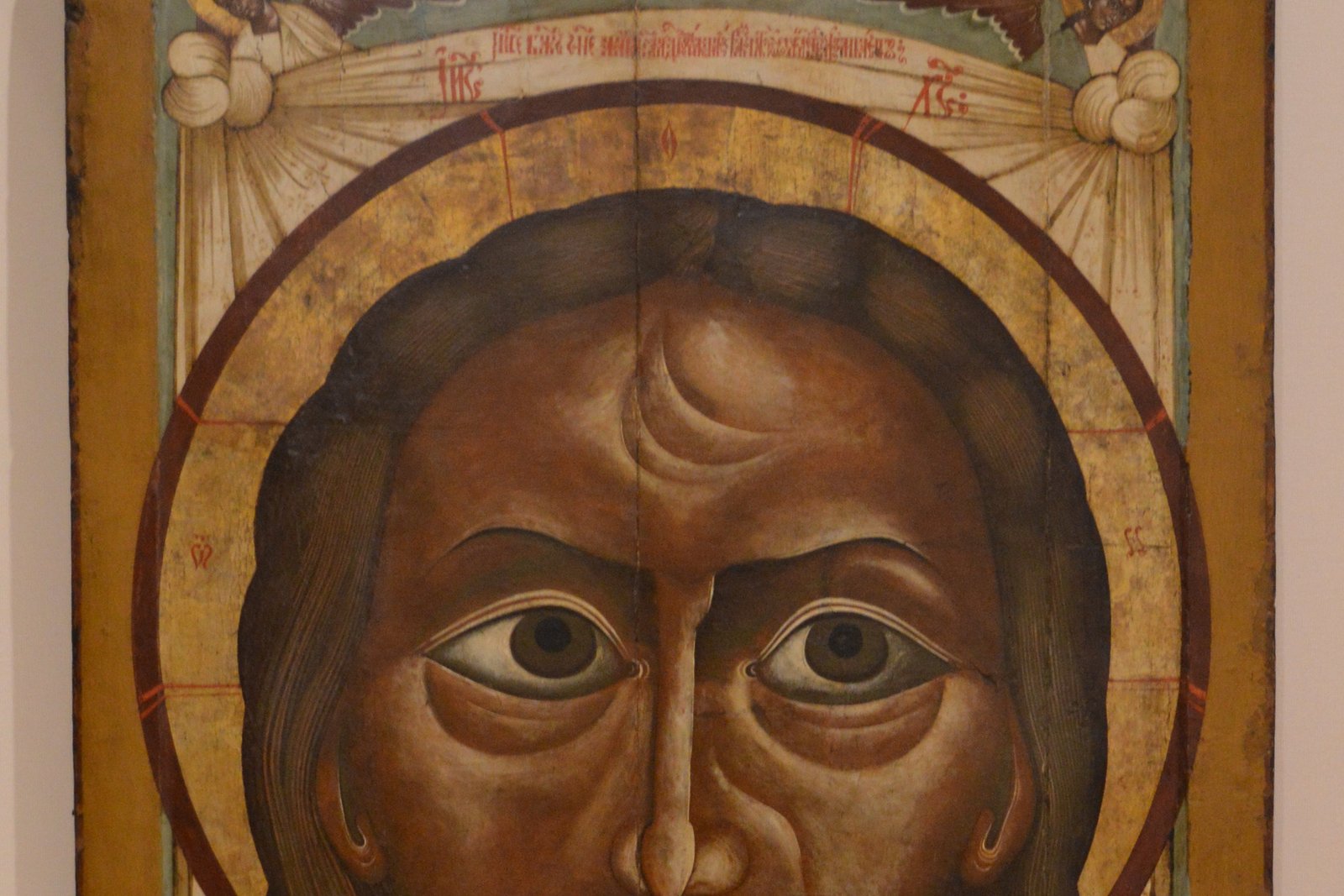
The Image of Edessa: Christianity's Oldest Miraculous Portrait
The legend of the Mandylion, the cloth bearing Christ's face sent to King Abgar of Edessa, its journey to Constantinople in 944, and its mysterious disappearance.
The Original Painting of Our Lady Undoer of Knots
How a quiet Baroque painting in a German church became one of the world's most beloved Marian images, carried to Argentina by a young Jesuit named Bergoglio.
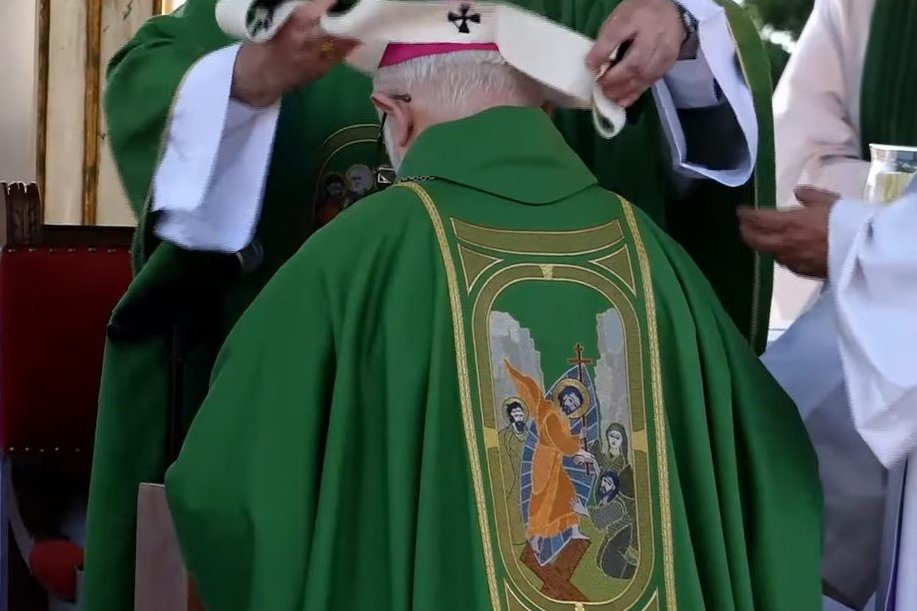
The Pallium: The Pope's Wool Band and What It Means
Woven from wool blessed on Saint Agnes's feast, the pallium marks an archbishop's bond with Rome — and in 2015, Pope Francis changed how it is conferred.
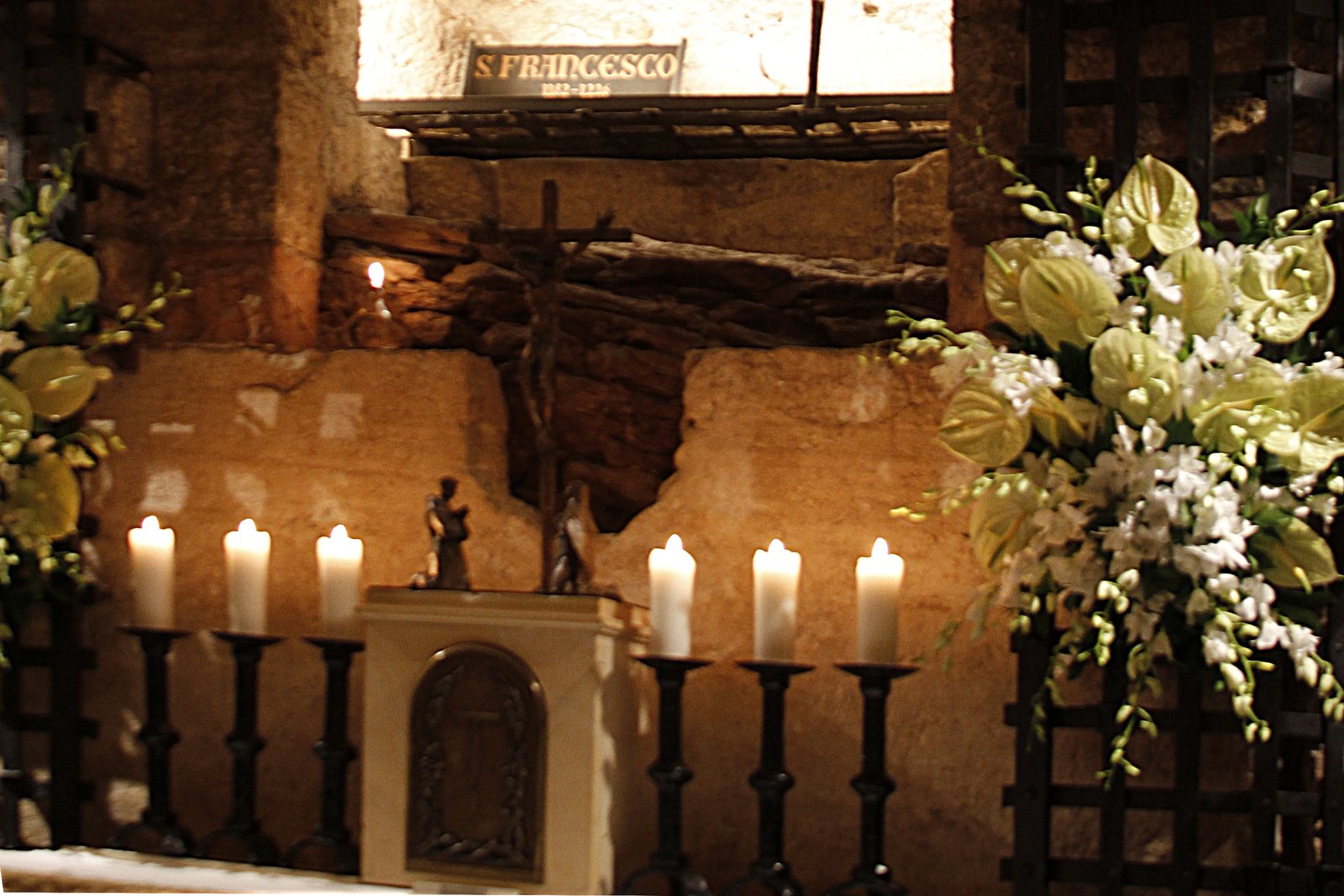
The Relics of Saint Francis of Assisi: Tunic, Tomb, and Stigmata
Saint Francis of Assisi's hidden tomb, rediscovered in 1818, and the tunic, cord, and stigmata relics kept in the Basilica of San Francesco in Assisi.
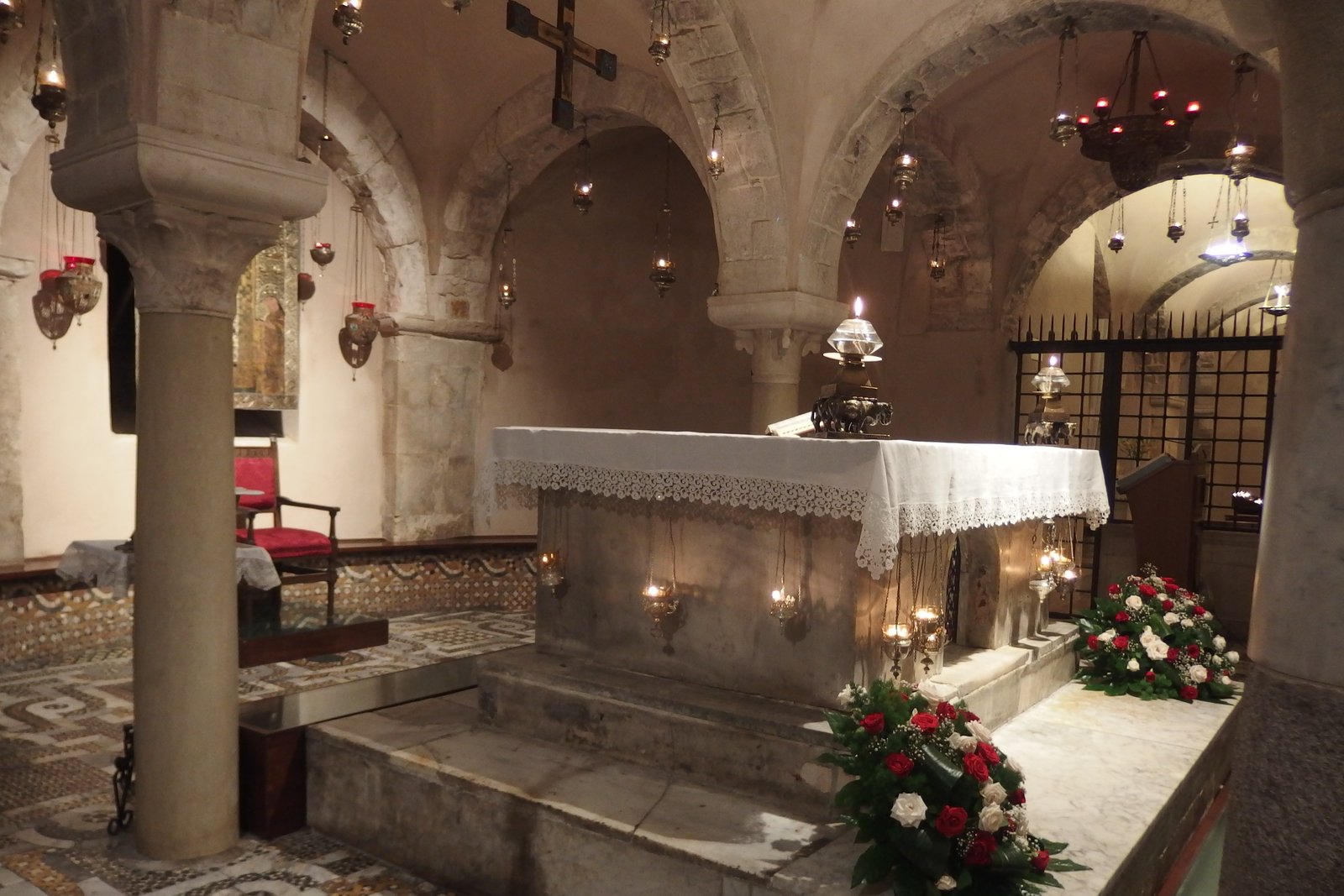
The Relics of Saint Nicholas of Bari and the Mystery of the Manna
How sailors from Bari took Saint Nicholas's bones from Myra in 1087, and the strange liquid still seeping from his tomb, venerated by Catholics and Orthodox alike.
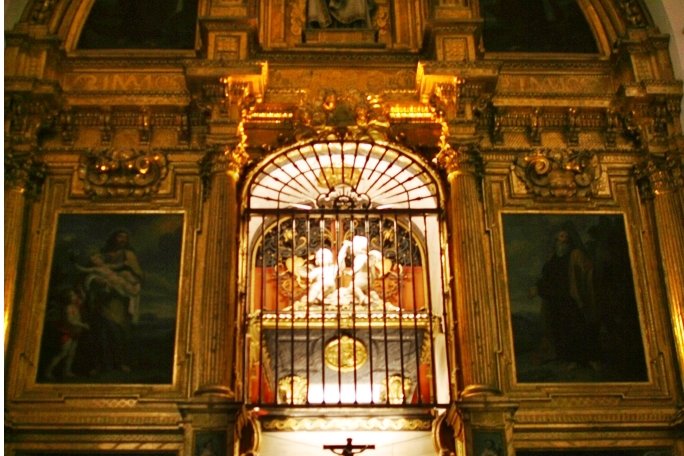
The Relics of Saint Teresa of Avila: A Body Divided Across Europe
Saint Teresa of Avila's body was unusually divided after death: heart and arm at Alba de Tormes, a hand once kept by Franco, and fragments scattered across Europe.
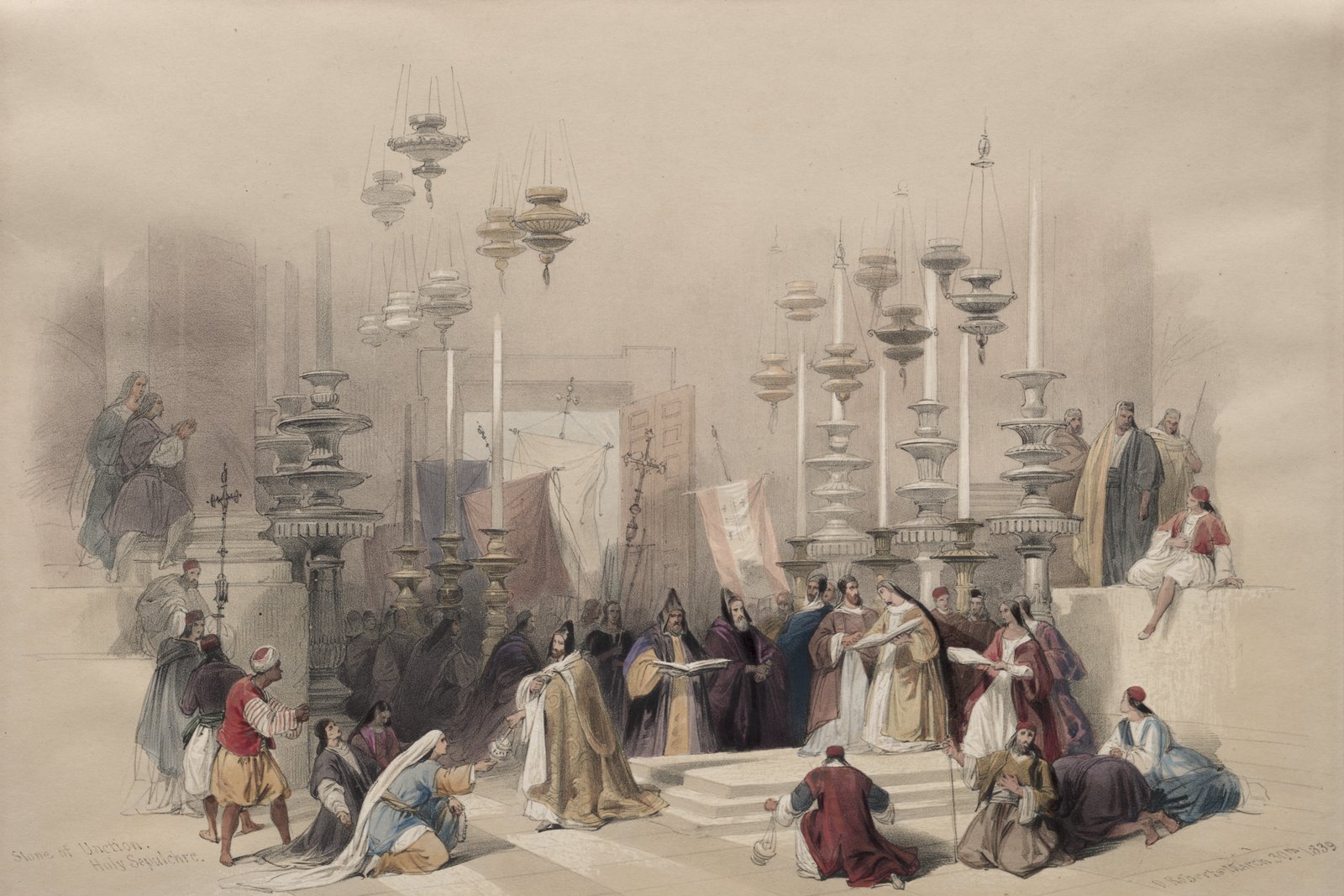
The Stone of Unction in the Church of the Holy Sepulchre
The pink limestone slab in Jerusalem venerated as the place Christ's body was anointed for burial, its 1810 restoration, and the Status Quo that protects it.
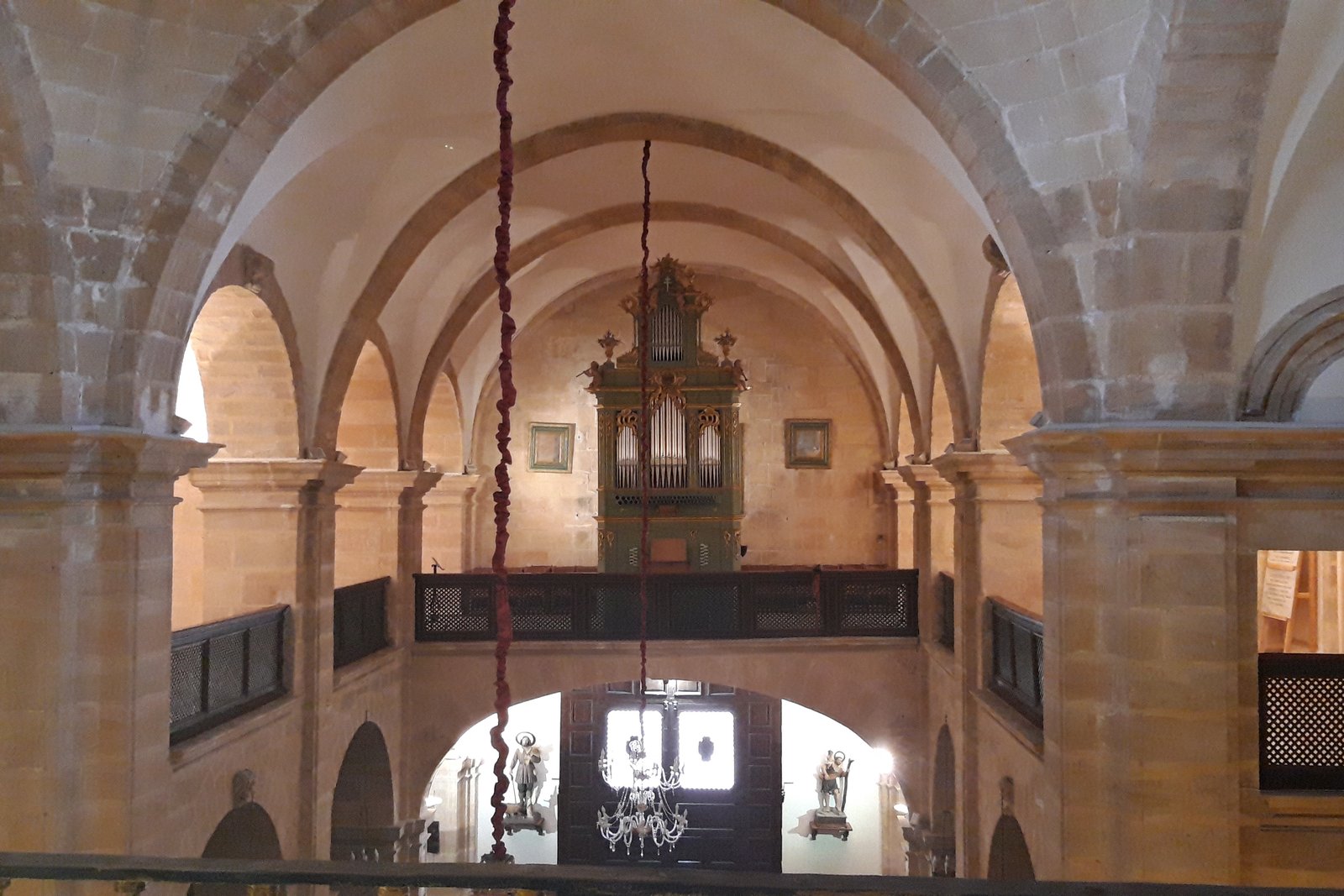
The True Cross of Caravaca: Spain's Double-Armed Relic
The legend of two angels, a captive priest, and a converted Moorish king behind the Vera Cruz de Caravaca — and the real story of its 1934 theft and replacement.
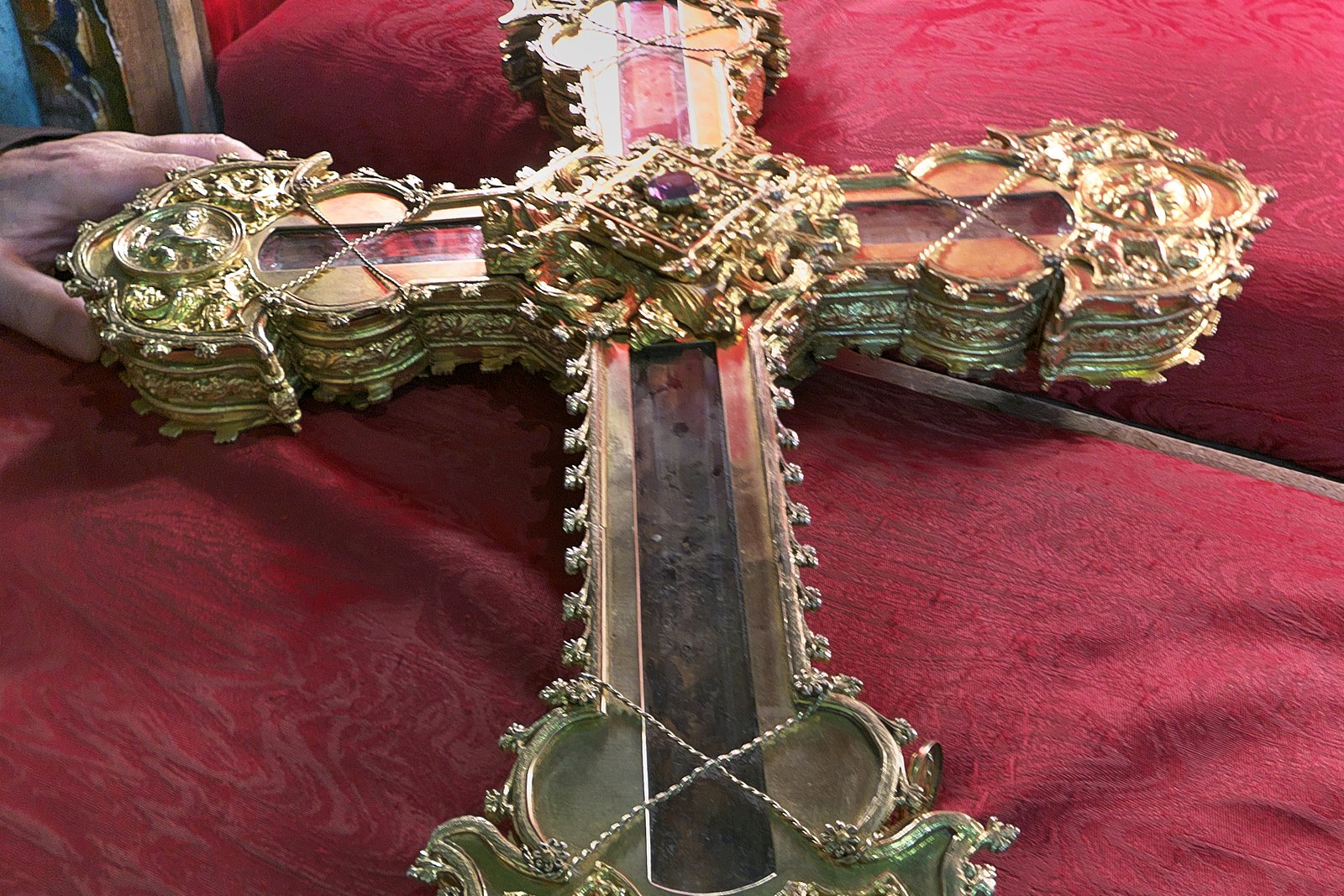
The True Cross of Santo Toribio de Liébana: Spain's Largest Fragment
A mountain monastery in Cantabria guards what tradition calls the largest surviving fragment of the True Cross — and a Jubilee privilege shared by only a few sites.
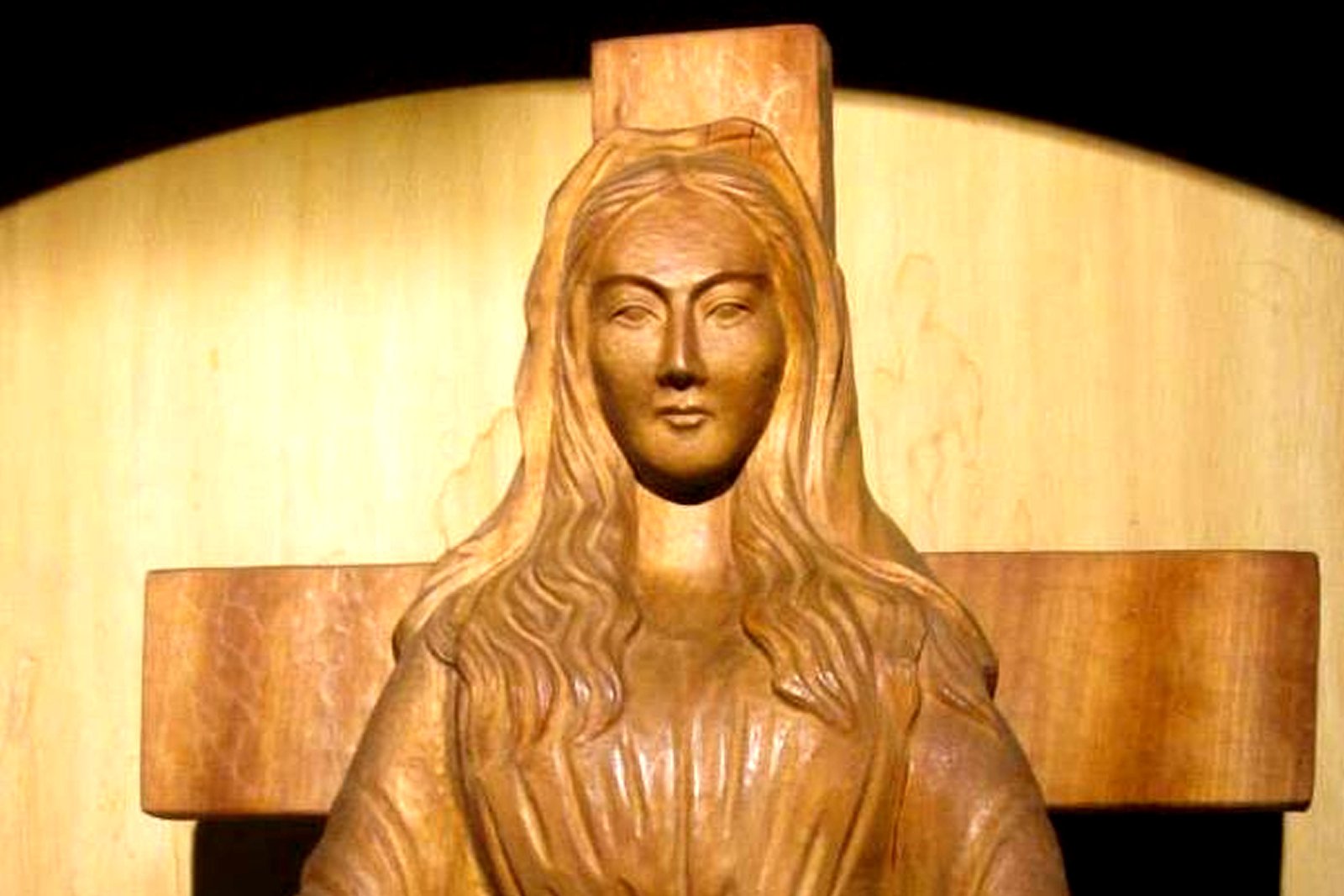
The Weeping Statue of Our Lady of Akita: A Vatican-Approved Marian Sign
How a plain wooden statue in a Japanese convent wept 101 times, what Bishop Ito's 1984 inquiry and Cardinal Ratzinger's 1988 letter actually declared.