The Angel Who Appeared to Cornelius


A devout man outside the fold
Acts 10 introduces Cornelius carefully, front-loading exactly the details that make what follows so unexpected. He is "a centurion of the Cohort called the Italica," a Roman military officer stationed in Caesarea, and Luke describes him as "devout and God-fearing along with his whole household," someone who "used to give alms generously to the Jewish people and pray to God constantly" (Acts 10:1-2, NABRE). He is, in other words, a man of real and consistent faith — but not a Jew, and not a convert in any formal sense recognized by the Jerusalem church at that point in its young history.
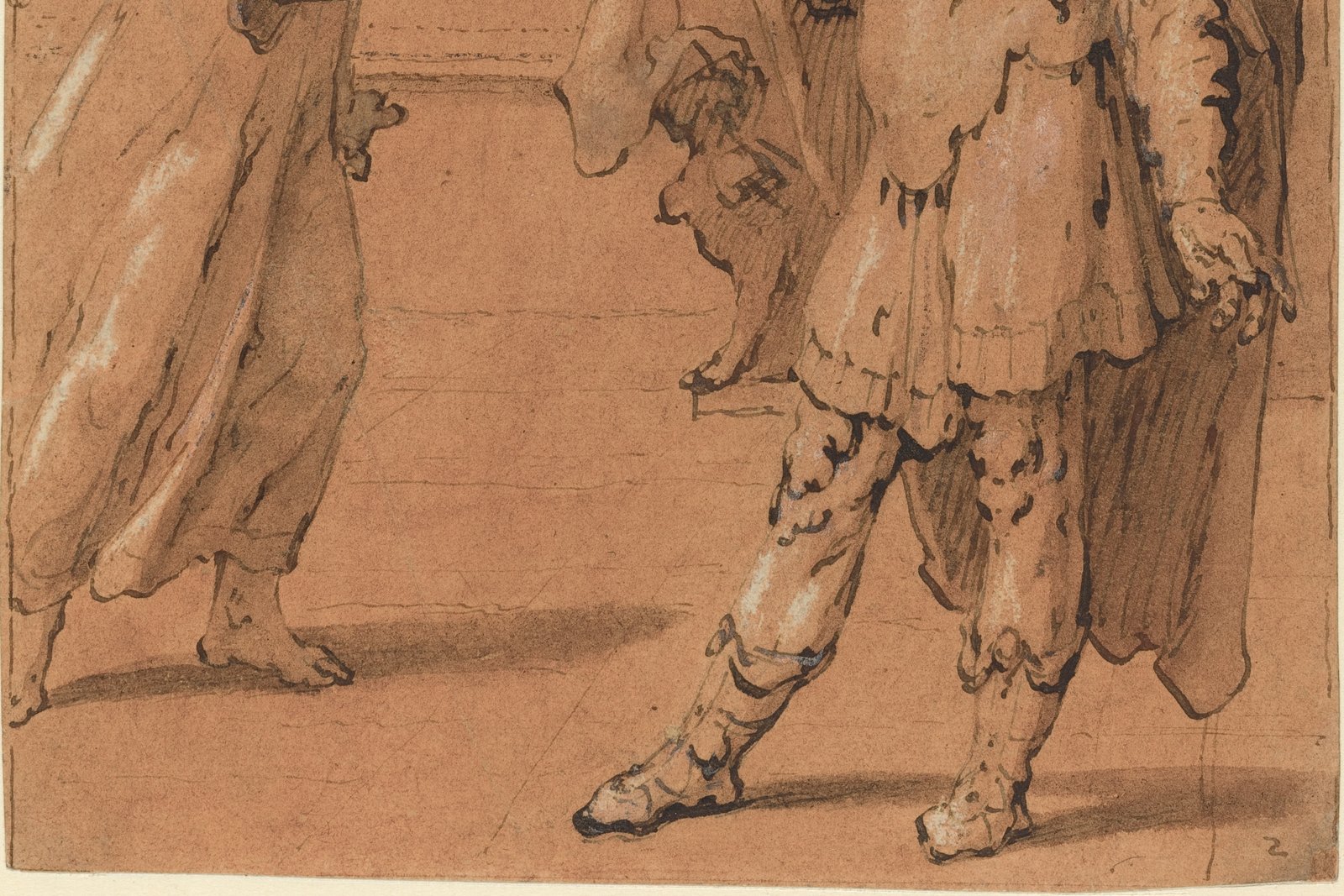
Cornelis Cornelisz van Haarlem, The Angel Appearing to the Centurion Cornelius (late 1590s), National Gallery of Art, public domain (CC0) via Wikimedia Commons
An angel in the middle of the afternoon
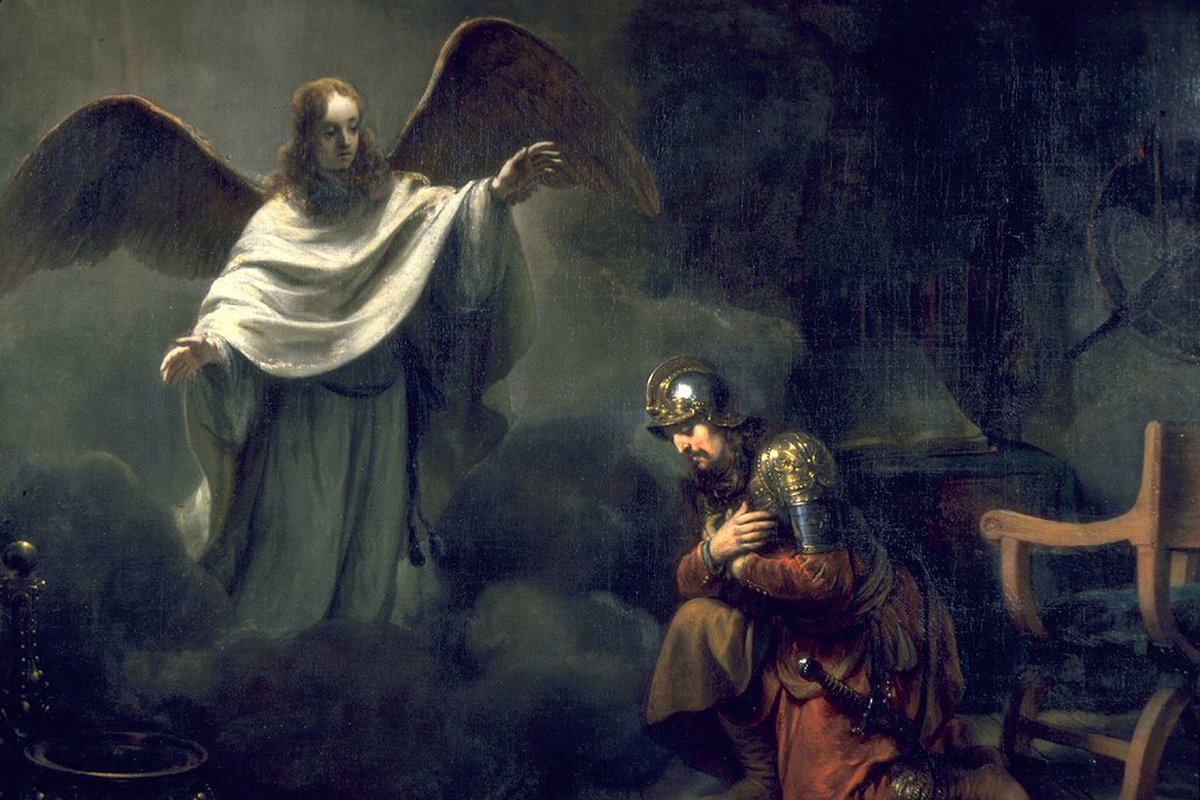
The vision itself comes without warning, in the middle of an ordinary day. "One afternoon about three o'clock, he saw plainly in a vision an angel of God come in to him and say to him, 'Cornelius'" (Acts 10:3, NABRE). Cornelius's reaction is immediate fear — he "looked intently at him and, seized with fear, said, 'What is it, sir?'" (Acts 10:4, NABRE) — the same unsettled response Scripture records again and again when a person encounters an angel directly. There is no gradual buildup here, no extended vision to interpret; just a name spoken aloud, and a man's sudden, frightened attention.
"Your prayers have been heard"
What the angel says next is the heart of the story: "Your prayers and almsgiving have ascended as a memorial offering before God" (Acts 10:4, NABRE). It's a striking assurance to give a man who, by the standards of the Jerusalem church at that moment, stood outside the covenant community entirely — yet the angel doesn't treat his devotion as somehow provisional or incomplete. The prayer has already been received; nothing in the text suggests Cornelius needed to become something else first for that to be true.
A specific, practical instruction
The angel's message isn't only reassurance — it comes with an errand. "Send therefore to Joppa and summon one Simon who is called Peter," the angel tells him, giving the exact detail needed to find him: staying with "another Simon, a tanner, who has a house by the sea" (Acts 10:5-6, NABRE). When Cornelius later retells the encounter to Peter directly, he recalls a "man in dazzling robes" appearing four days earlier at the same hour, repeating almost the identical instruction, and adds his own response: he sent for Peter immediately, and the household has gathered "in the presence of God to listen to all that you have been commanded by the Lord" (Acts 10:30-33, NABRE). The angel doesn't preach the Gospel to Cornelius himself — he directs him to the person who will.
A vision on both ends
What makes Acts 10 unusual is that Cornelius isn't the only one given a vision. While his messengers are on their way to Joppa, Peter himself falls into a trance and sees a vision of his own — a great sheet lowered from heaven filled with animals considered ritually unclean under Jewish law, along with a voice instructing him three times, "What God has made clean, you are not to call profane" (Acts 10:9-16, NABRE). Peter is still puzzling over the meaning of his own vision when Cornelius's messengers arrive at the door — a timing Luke clearly presents as coordinated by God, not coincidence, preparing both men simultaneously for a meeting neither would have otherwise expected to make.
What happened when they met
Peter travels to Caesarea, and once Cornelius explains what he experienced, Peter begins to preach — and before he even finishes speaking, Luke records that "the Holy Spirit fell upon all who were listening to the word," to the astonishment of the Jewish believers who had come with Peter, who "were astounded that the gift of the Holy Spirit should have been poured out on the Gentiles also" (Acts 10:44-45, NABRE). Peter has Cornelius and his household baptized on the spot, without imposing the requirements of the Jewish law that some in the early Church still assumed were necessary first.
A single vision with a lasting consequence
The angel's short appearance to Cornelius sets in motion far more than one household's conversion. Peter's account of the episode, when he returns to Jerusalem, becomes a central piece of evidence in the debate recorded in Acts 15 over whether Gentile converts needed to follow Jewish law to belong to the Church — a question the apostles and elders resolve, in large part, by pointing back to what happened at Cornelius's house. Later Christian tradition holds that Cornelius went on to serve the Church as a bishop in Caesarea, though Scripture itself says nothing about his life after this chapter, so that detail belongs to devotional memory rather than the biblical record. What Scripture does record is enough on its own: an angel's brief, specific message to one attentive, praying man, and a door it opened that the early Church could not close again.
Trivia
Who was Cornelius, and why does his story involve an angel?
What did the angel actually say to Cornelius?
Why was it significant that the angel appeared to a Gentile?
Did the angel baptize Cornelius or convert him directly?
Is Cornelius recognized as a saint?
Related Reading