
Sacred Art
Explore the meaning behind Catholic iconography and the history of the paintings and artists that have shaped how the faith is seen.
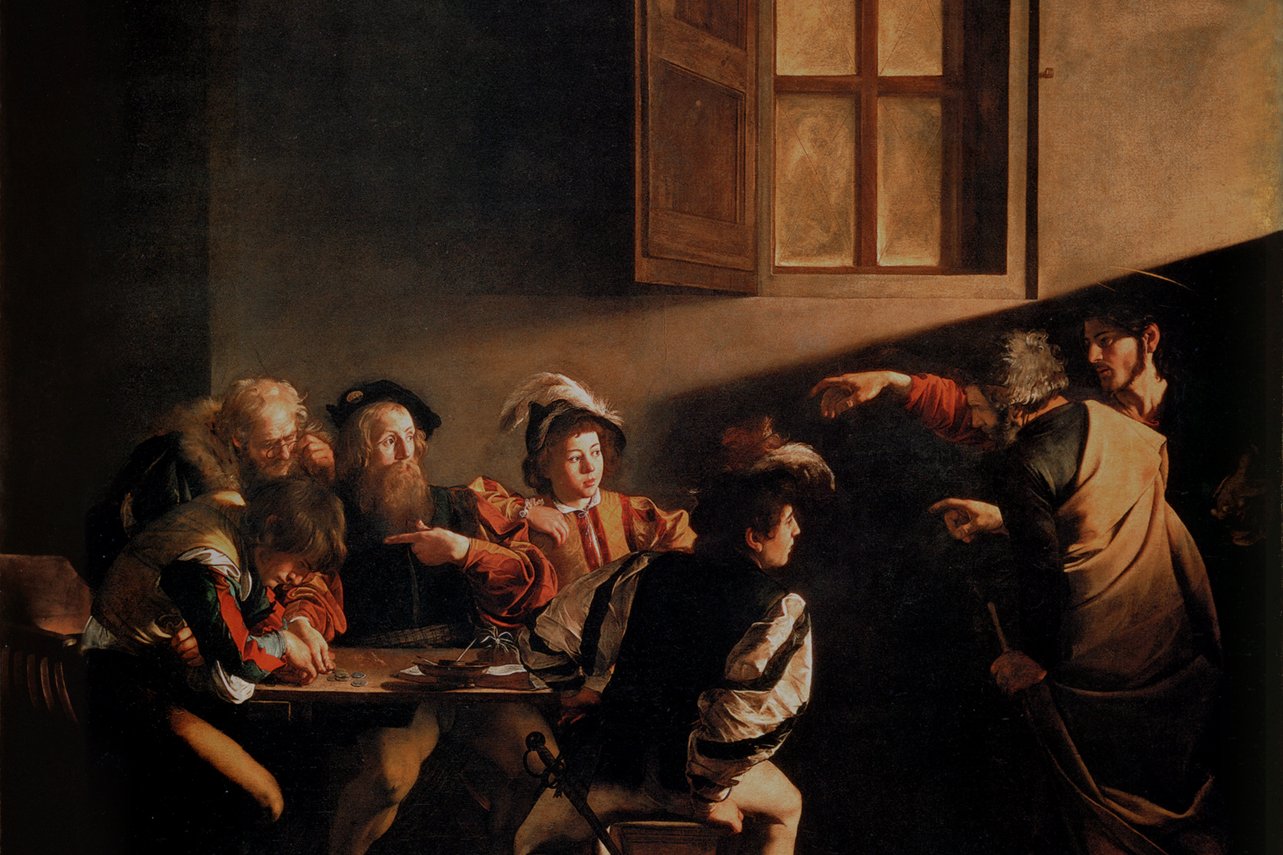
Baroque Drama in Religious Painting
Caravaggio painted saints like street brawlers caught in a single shaft of light, and it changed religious art permanently — here's how chiaroscuro built that drama.
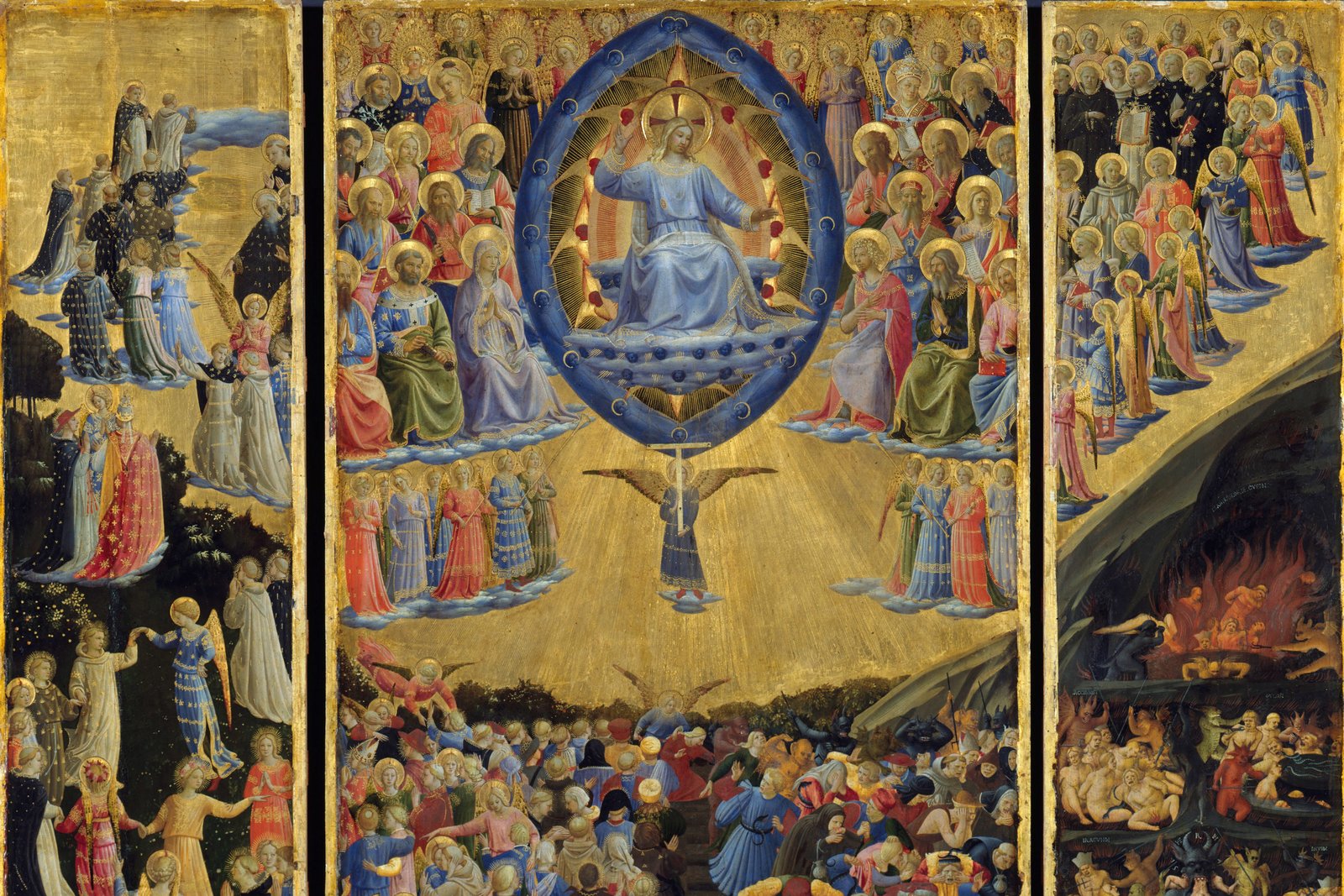
Fra Angelico as a Painter
Fra Angelico painted with a Dominican friar's discipline and a technical daring few contemporaries matched — here's what made his brushwork and workshop distinct.
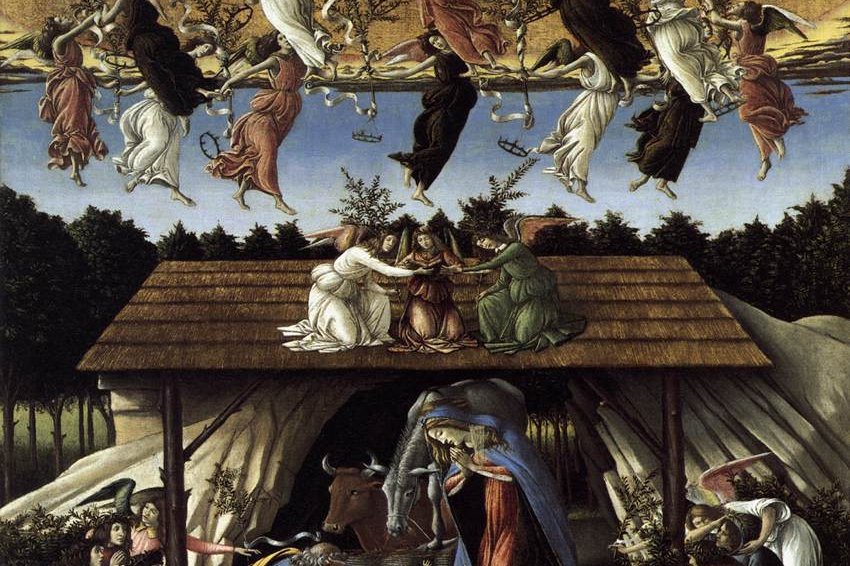
Botticelli's Mystic Nativity
The meaning behind Botticelli's Mystic Nativity painting in London, its cryptic Greek inscription, apocalyptic symbolism, and link to Savonarola's Florence.
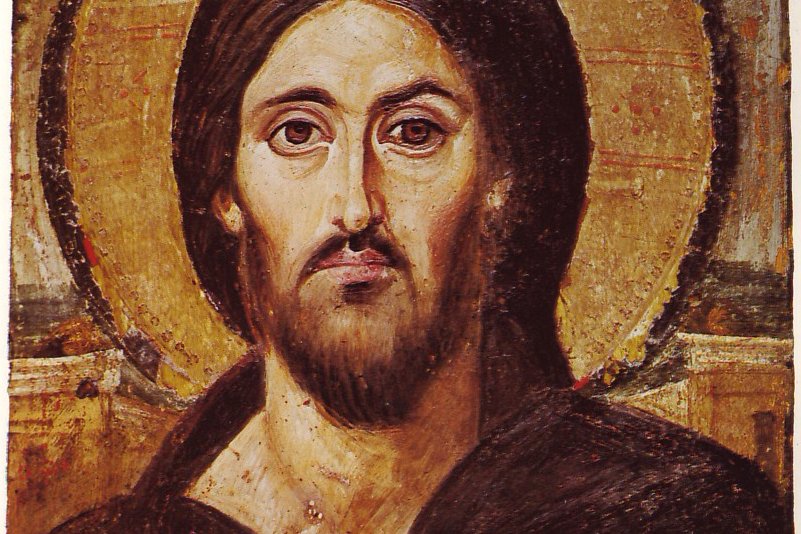
The Rules of Byzantine Icon Painting
Byzantine icons never use ordinary perspective — lines widen toward the viewer, gold replaces sky, and every proportion follows a canon meant to open onto heaven.
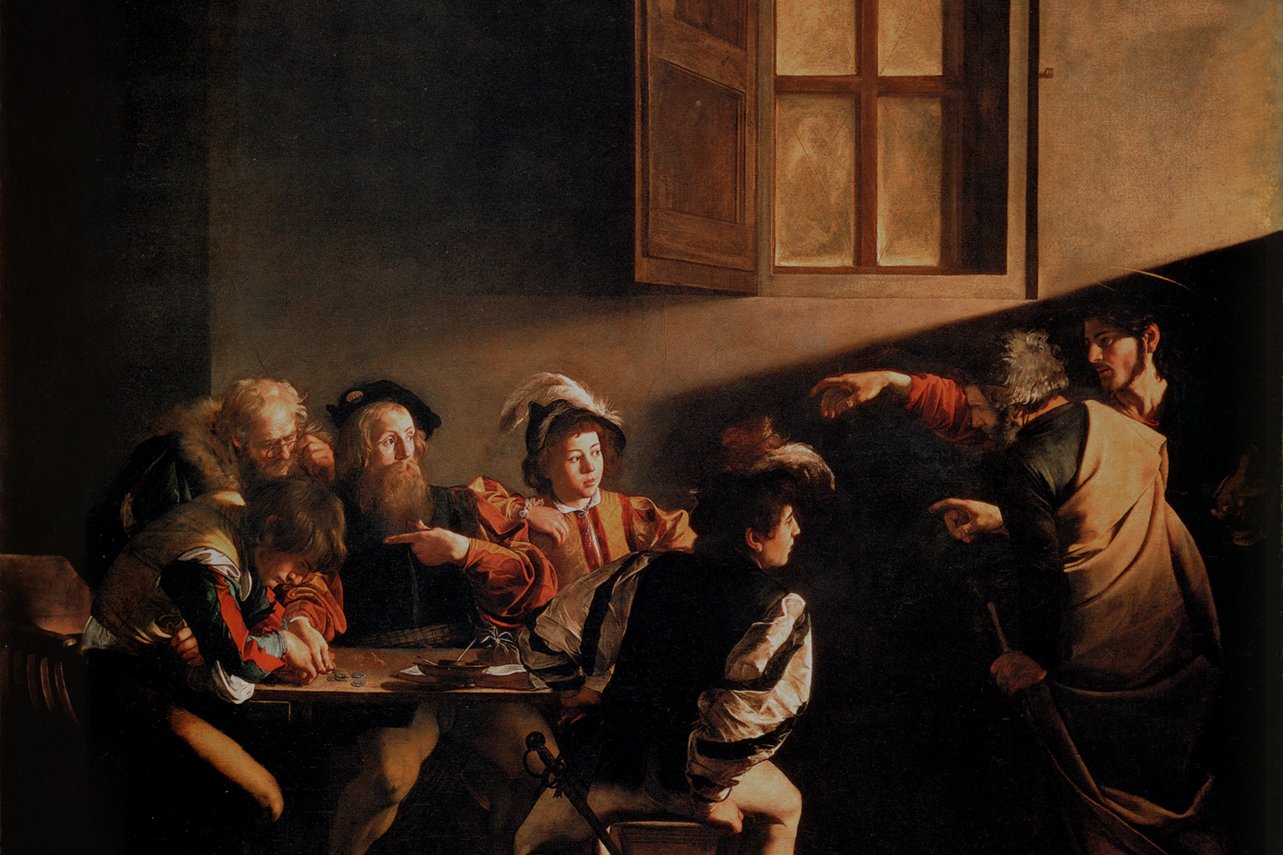
Caravaggio's The Calling of Saint Matthew
How Caravaggio's Calling of Saint Matthew in Rome's Contarelli Chapel used dramatic light, ordinary dress, and a pointing hand to reinvent sacred art.
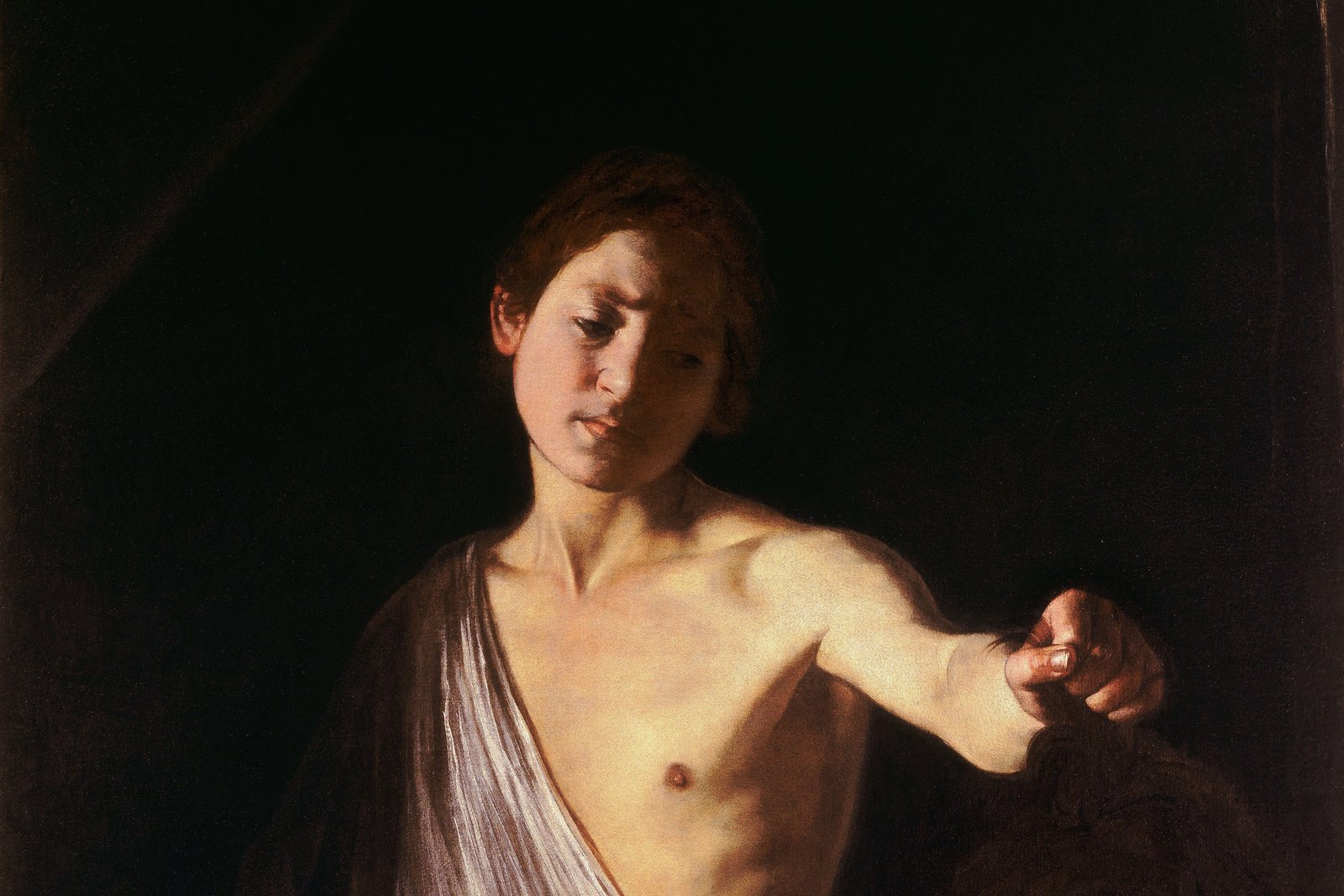
Caravaggio's Scandalous Life and Sacred Paintings
Caravaggio killed a man in a street fight, fled Rome as a fugitive, and kept painting altarpieces the whole time — his turbulent life shaped his religious art.
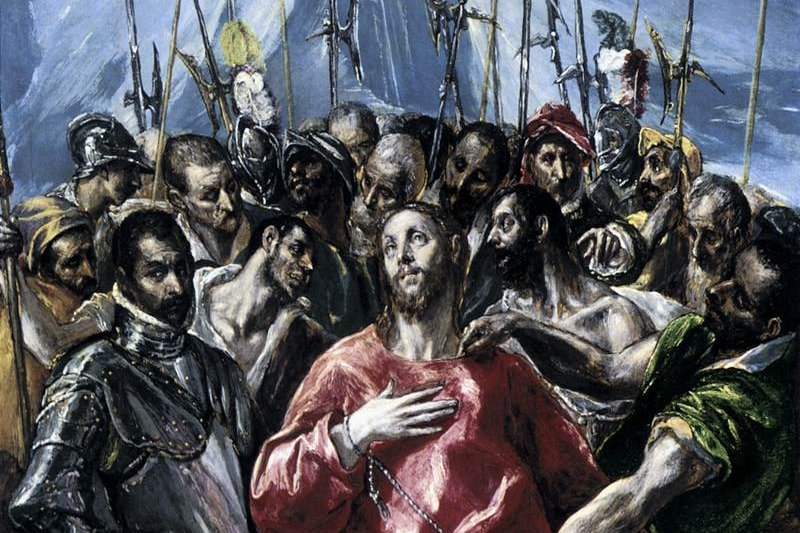
El Greco's The Disrobing of Christ
The history of El Greco's El Expolio altarpiece in Toledo Cathedral, the lawsuit over payment it sparked, its crowded composition, and Mannerist style.
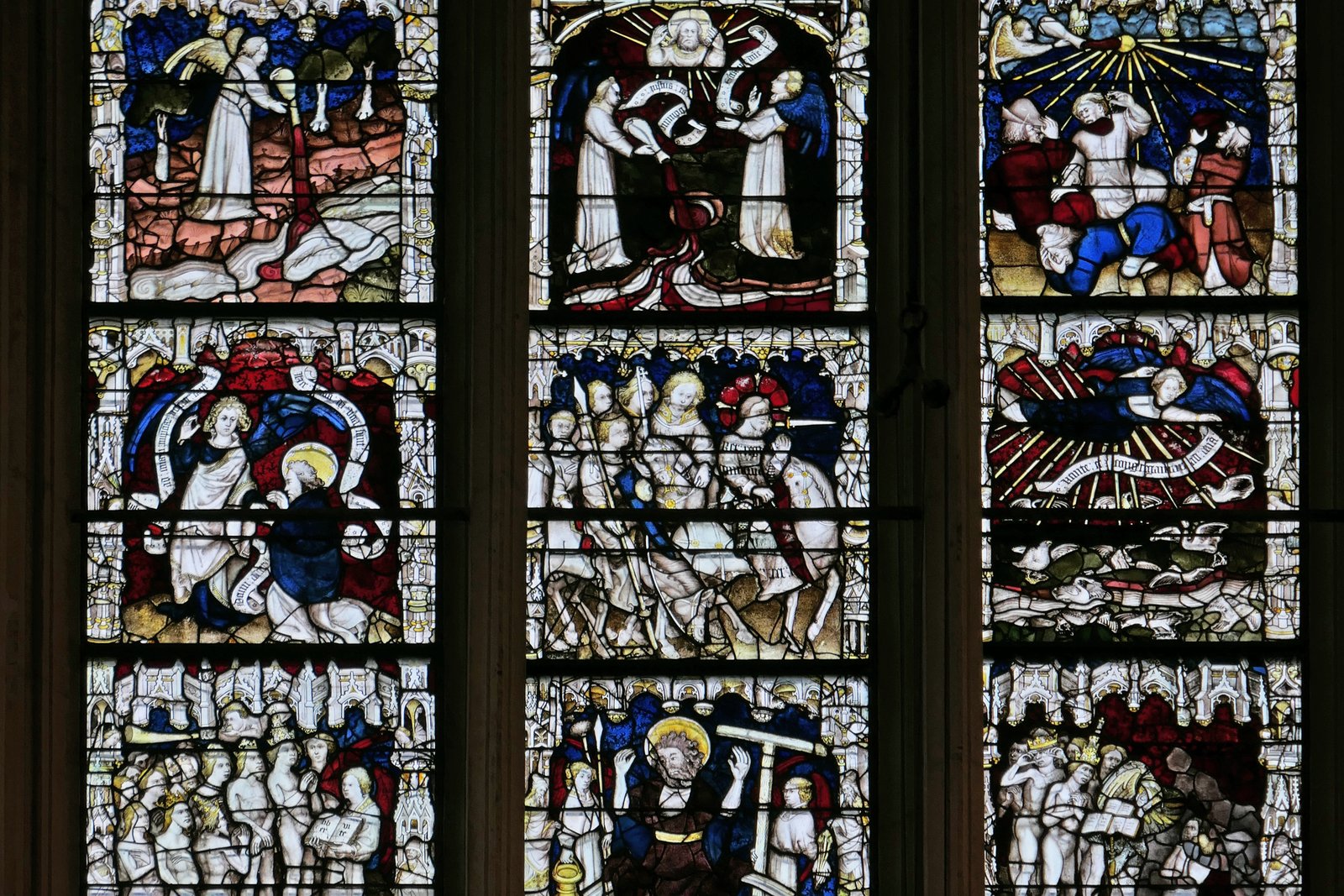
How Gothic Stained Glass Told Bible Stories
Medieval cathedrals used stained glass as picture-books for a congregation that couldn't read Latin, teaching Bible stories through sequenced, colored panels.
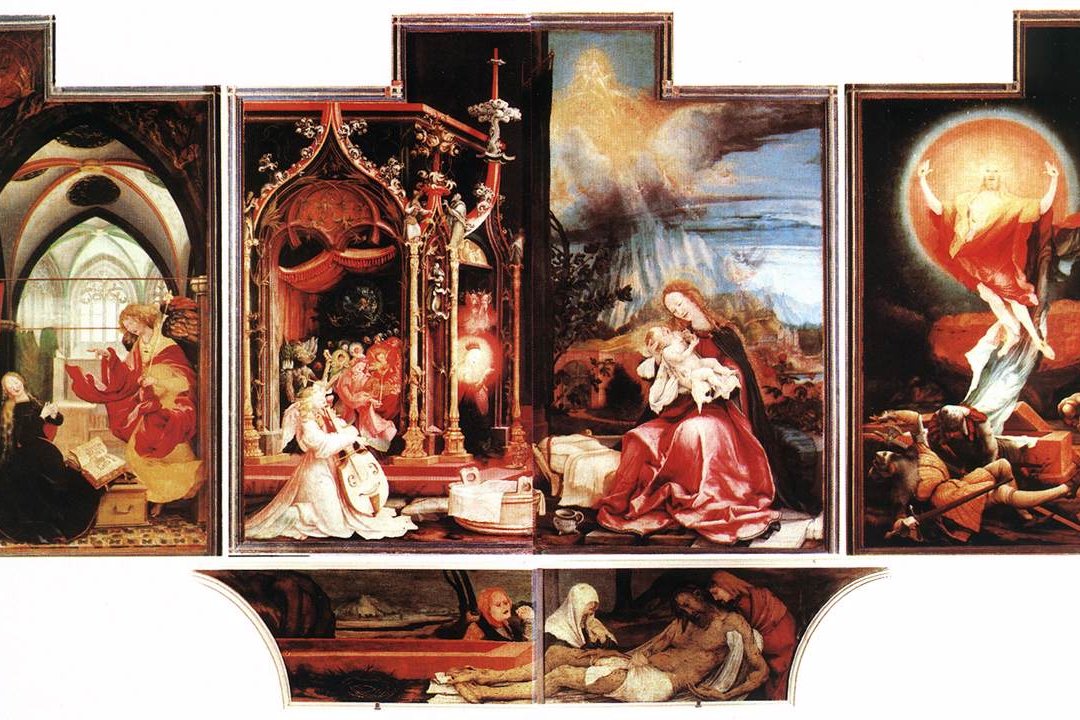
Grünewald's Isenheim Altarpiece
How Matthias Grünewald's Isenheim Altarpiece in Colmar, painted for a hospital treating plague and skin disease, used a brutal Crucifixion to console the sick.
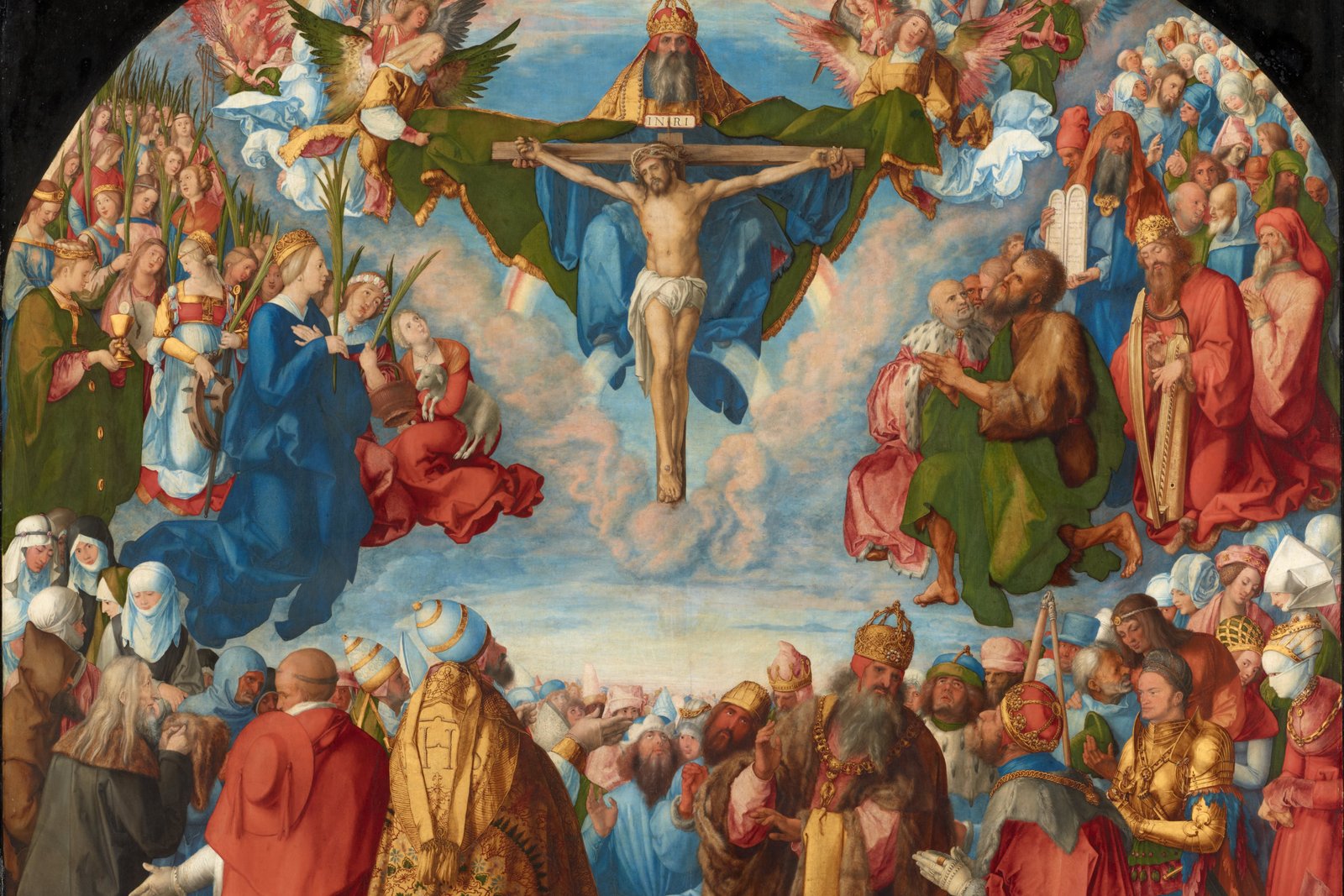
How to Identify Saints in Art
How to recognize saints in paintings by their attributes — the keys, swords, wheels, and arrows artists used for centuries as visual name tags for each one.
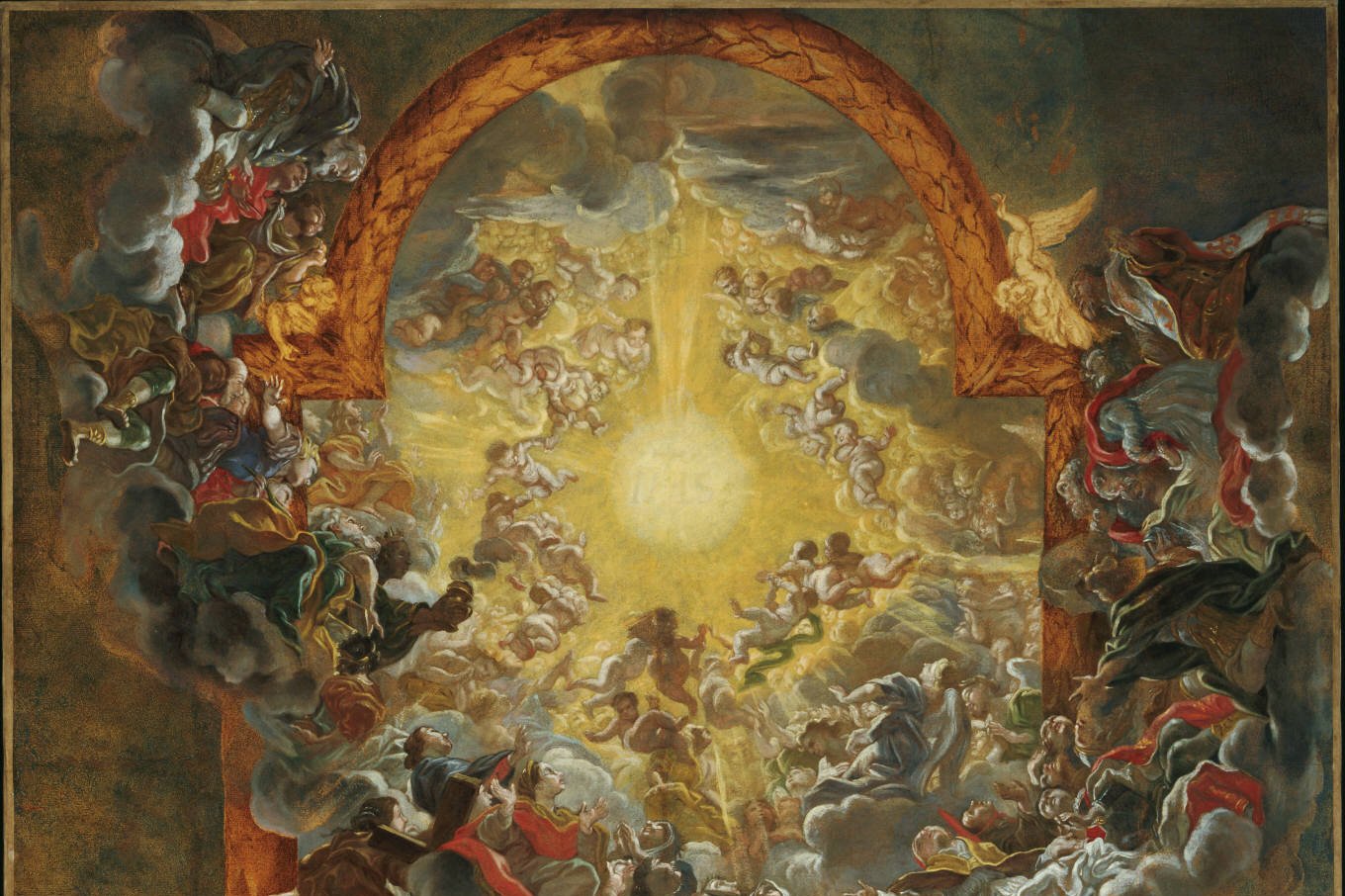
IHS and Christ Monograms Explained
What the IHS monogram, the Chi-Rho symbol, and the letters Alpha and Omega actually stand for, and why each became a lasting symbol for Christ in art.
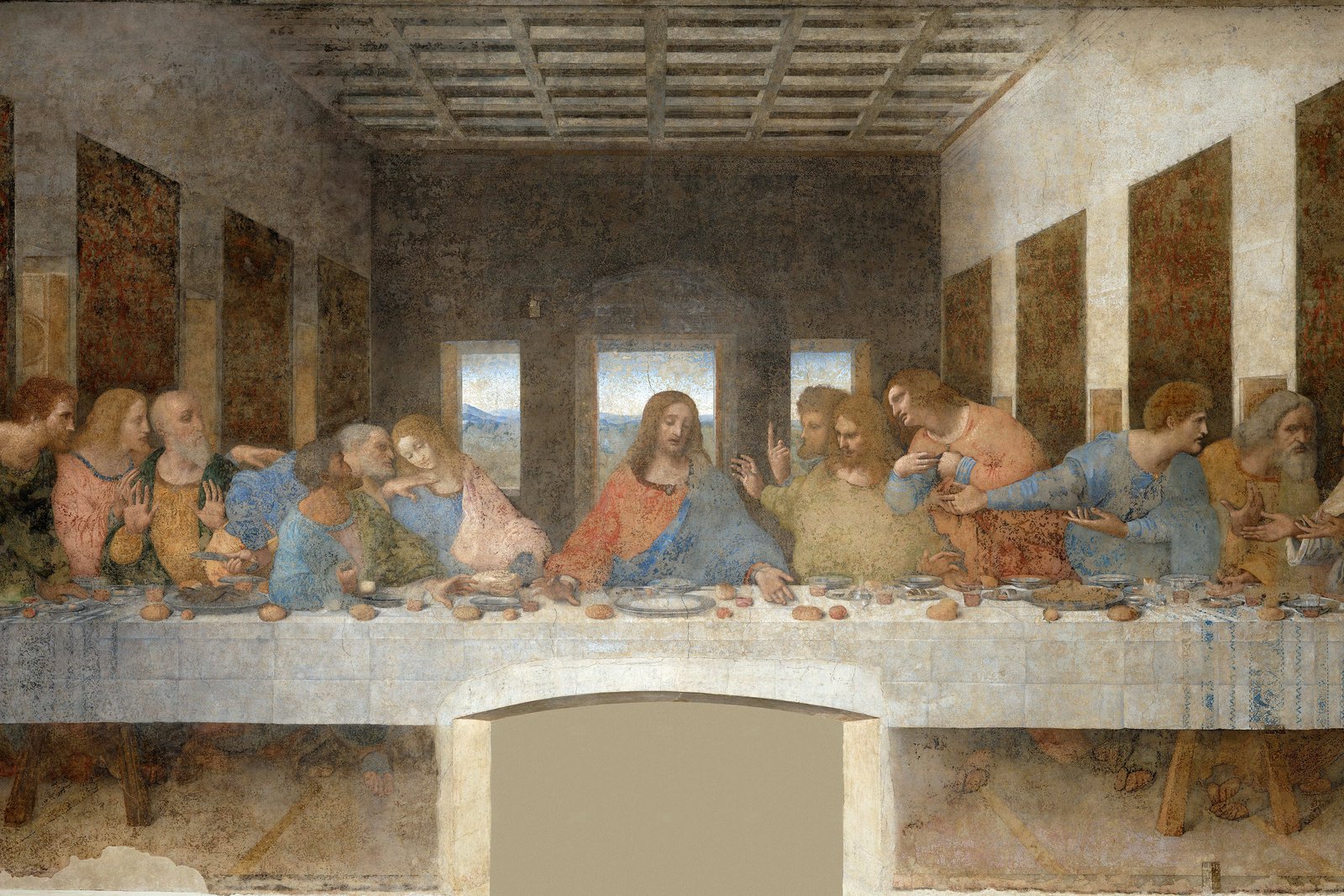
Leonardo da Vinci's The Last Supper
How Leonardo painted The Last Supper in Milan, why his experimental technique caused it to decay almost immediately, and what centuries of restoration revealed.
Michelangelo's Faith and Religious Work
Michelangelo carved and painted some of Christianity's most enduring images, and late in life wrote poems confessing that art itself had nearly cost him his soul.
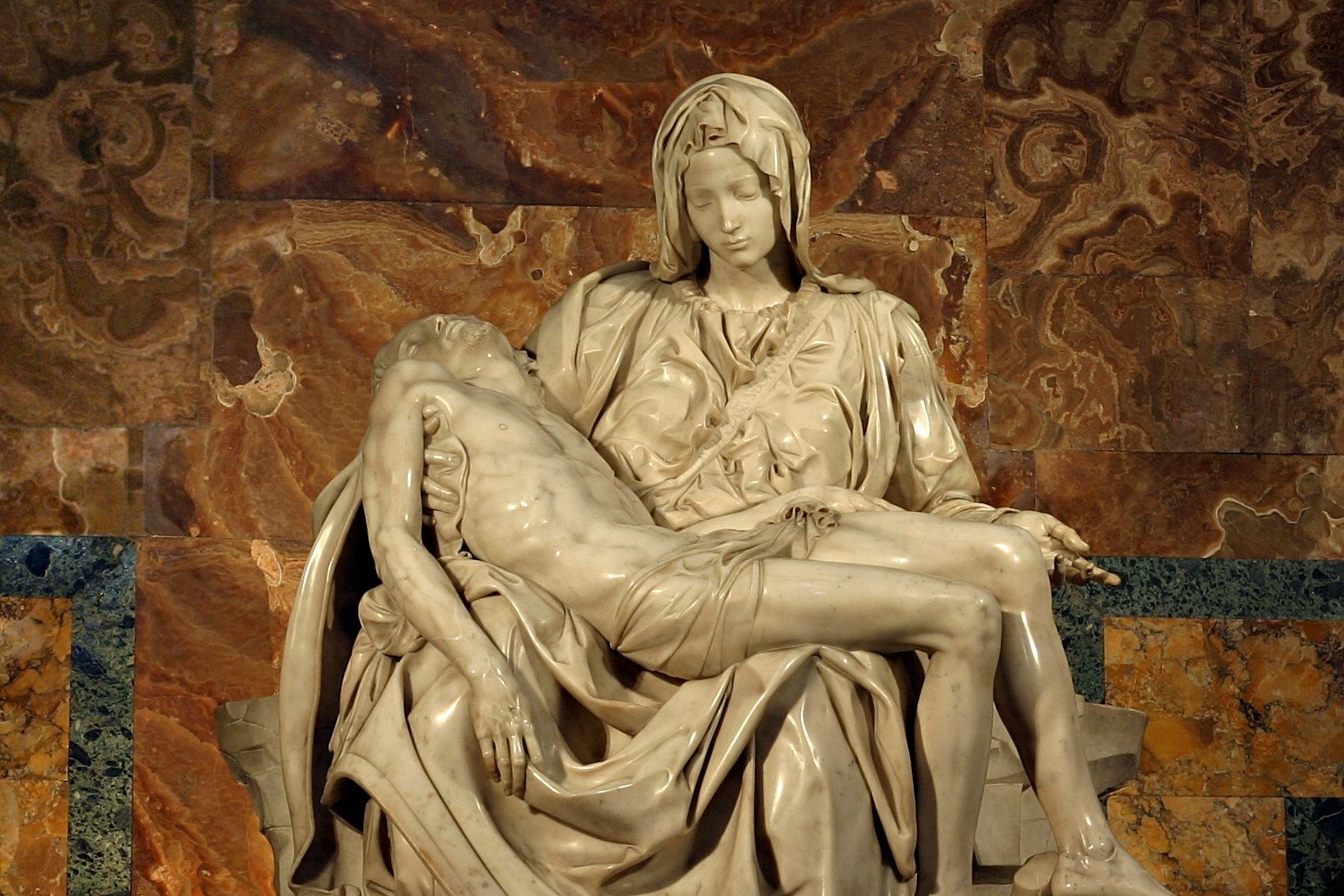
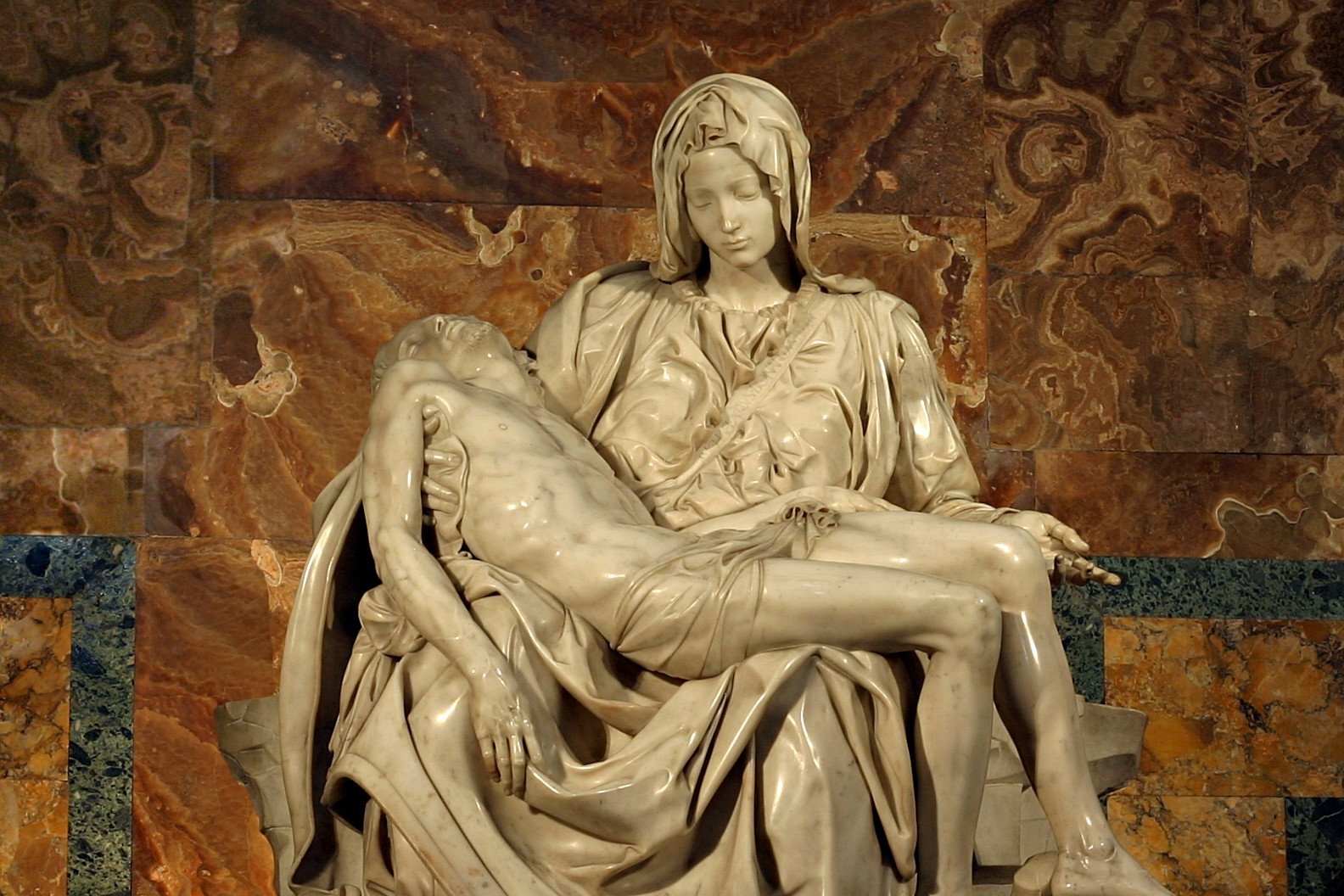
Michelangelo's Pietà
The history, composition, and meaning of Michelangelo's Pietà sculpture in St. Peter's Basilica, Vatican City — carved in 1499 by an artist barely 24 years old.
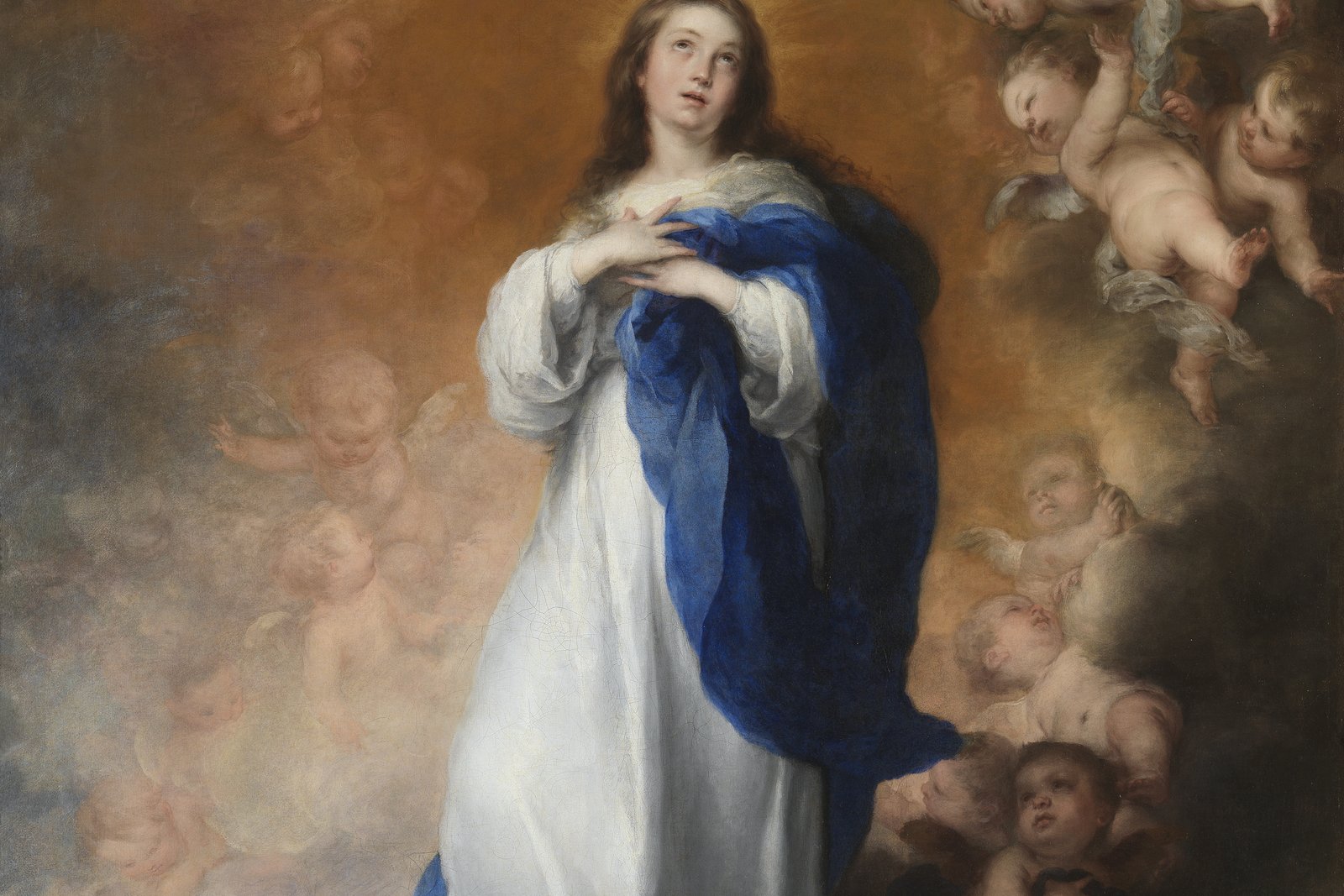
Murillo's Immaculate Conception
How Murillo defined the visual image of the Immaculate Conception in Baroque Seville, and the story behind his most famous version, the Soult Immaculate.
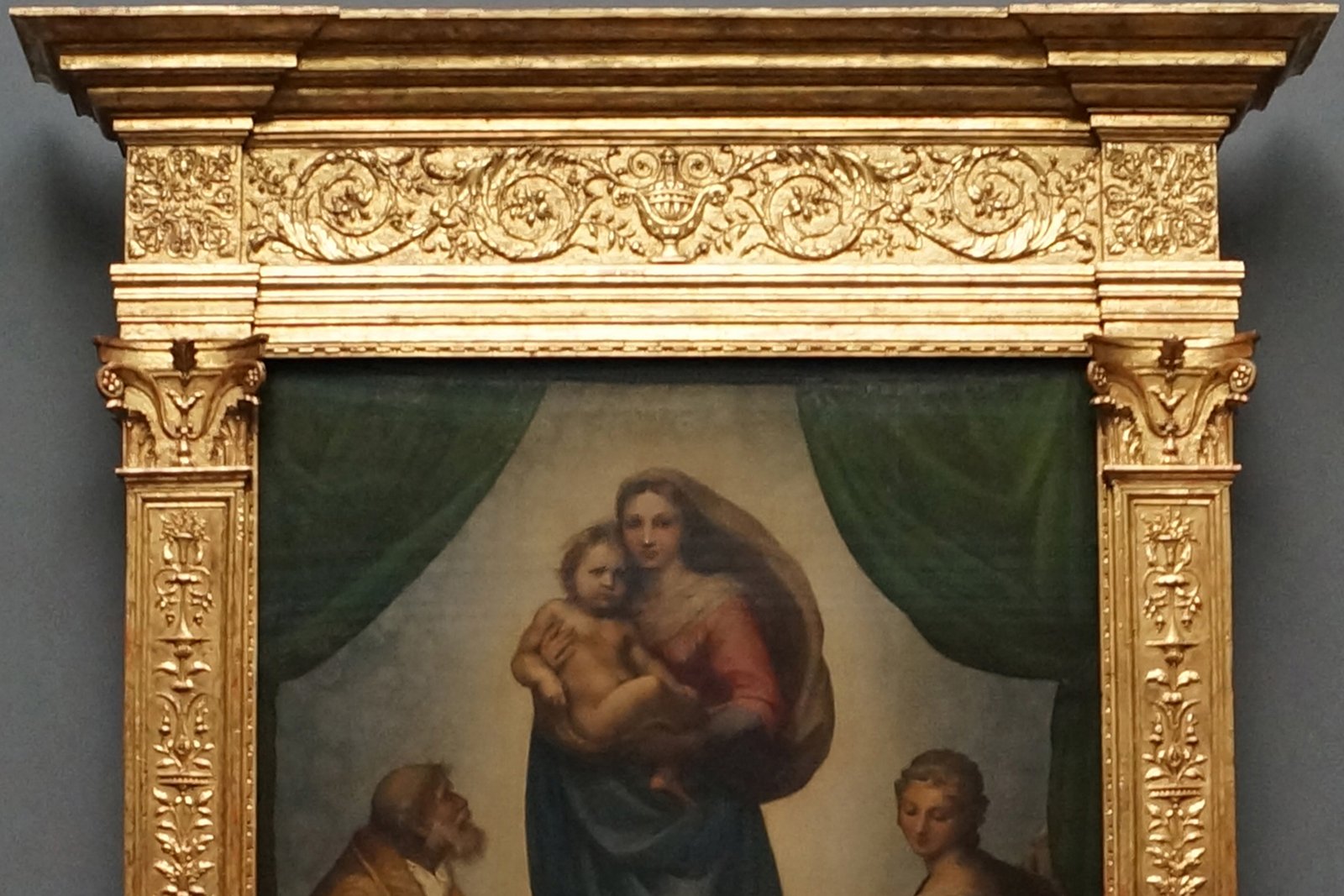
Raphael's Sistine Madonna
The story behind Raphael's Sistine Madonna in Dresden, the altarpiece's original monastery purpose, its famous winged cherubs, and why they became so iconic.
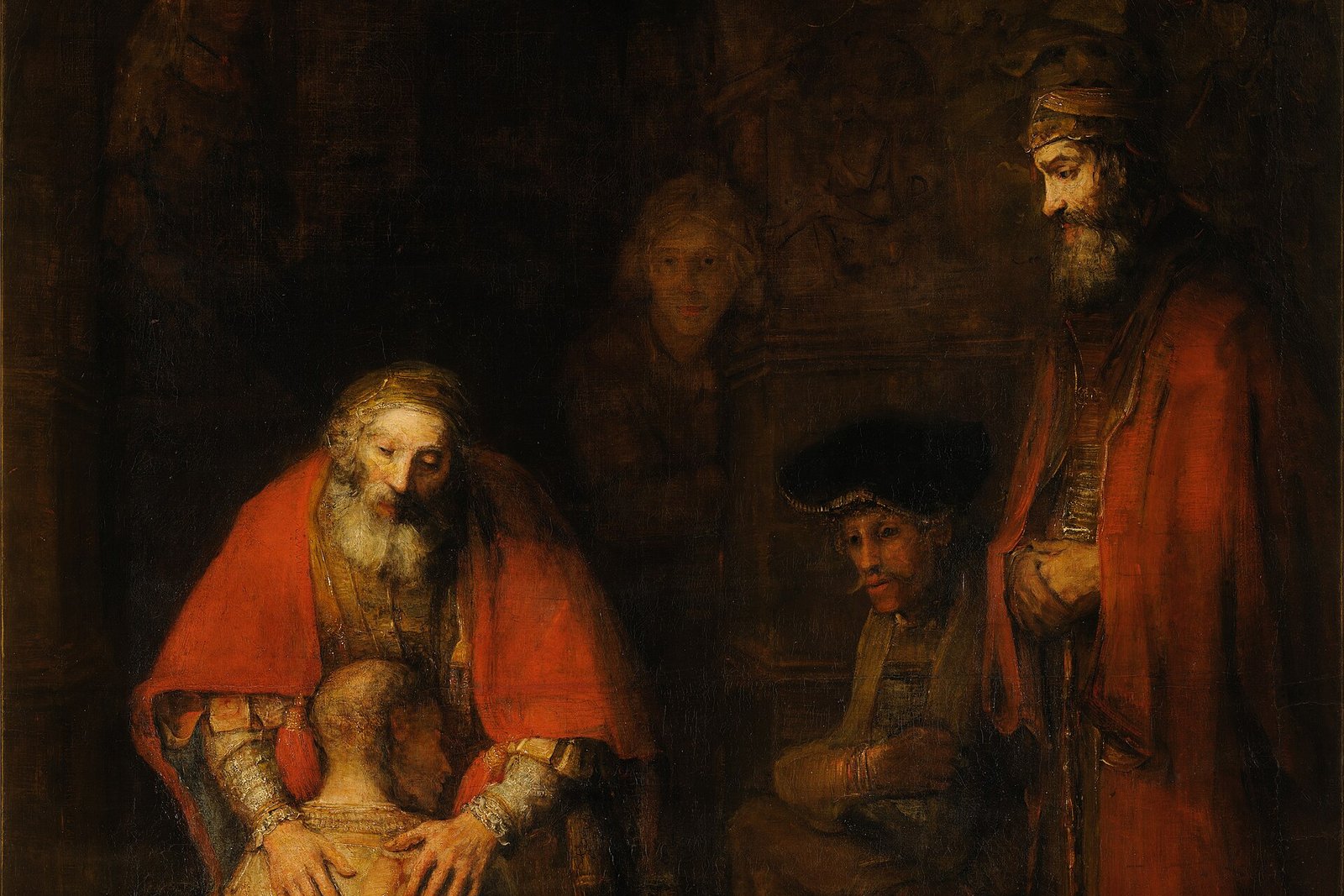
Rembrandt's The Return of the Prodigal Son
The history and meaning of Rembrandt's late masterpiece The Return of the Prodigal Son at the Hermitage, painted near the end of his own hard life story.
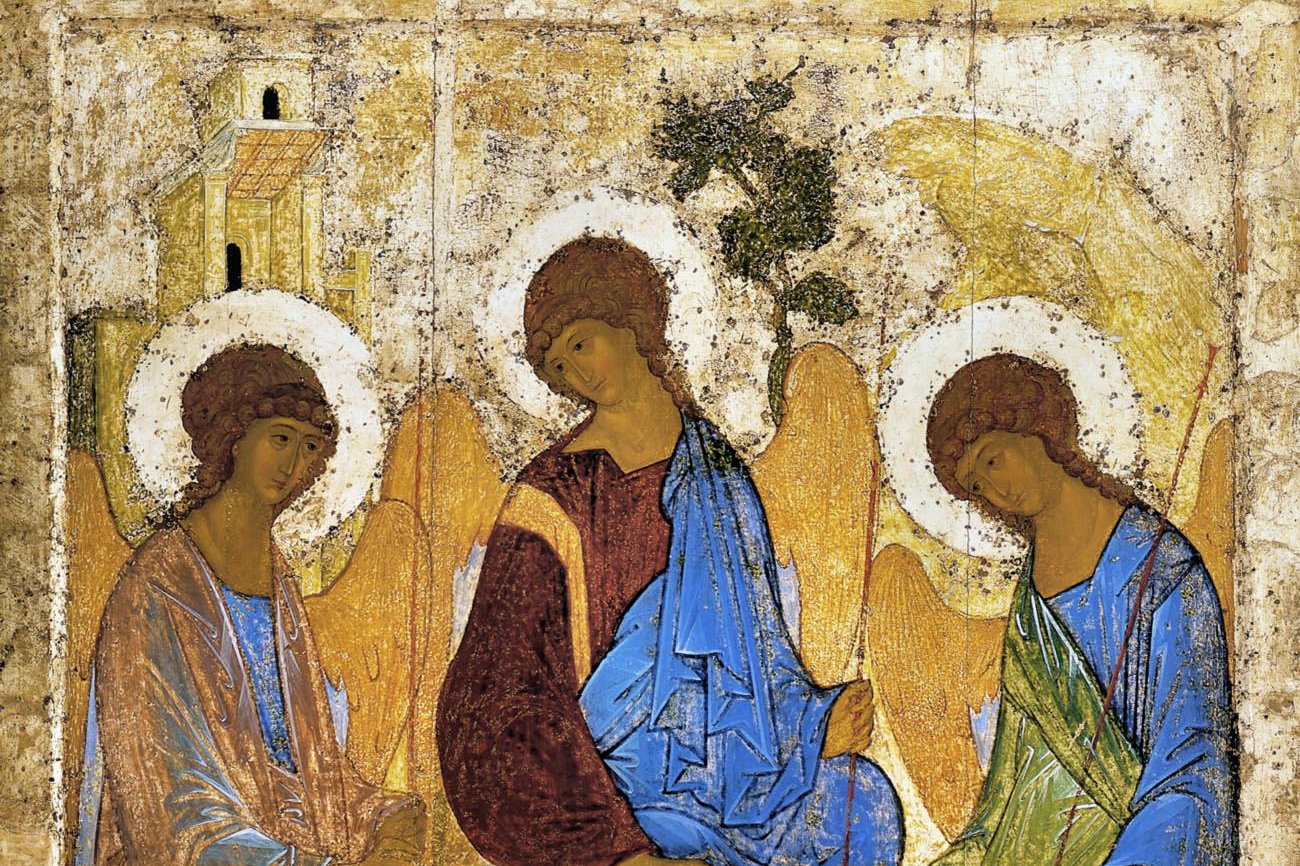
The Russian Icon Painting Tradition
Andrei Rublev painted three angels sharing a meal and made it the most celebrated icon in Russian history — a study in restraint that still shapes Orthodox art.
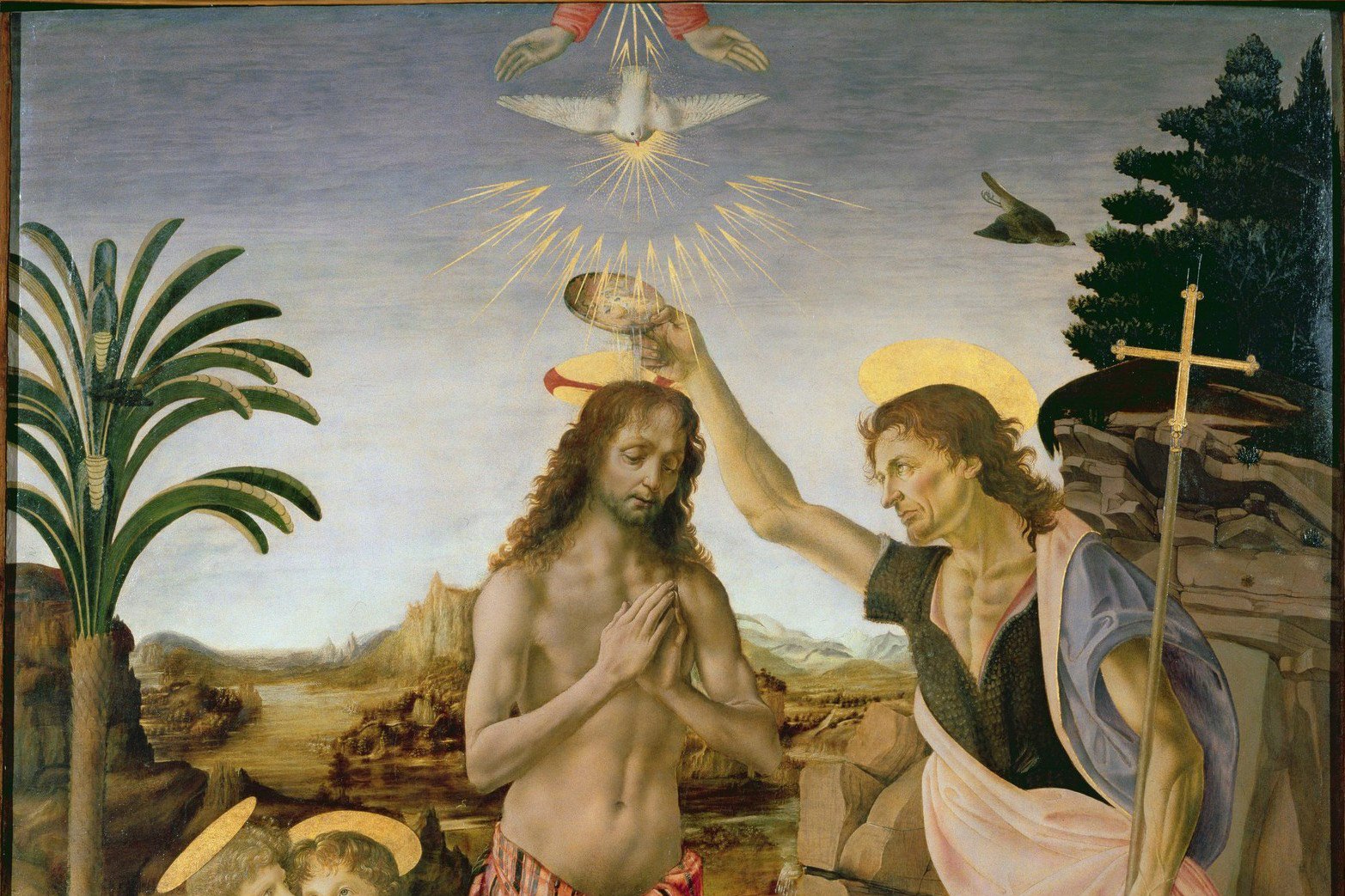
The Dove as a Symbol of the Holy Spirit
Why the Holy Spirit is shown as a dove in Christian art, tracing the image from Noah's ark through Christ's baptism to Pentecost and church architecture.
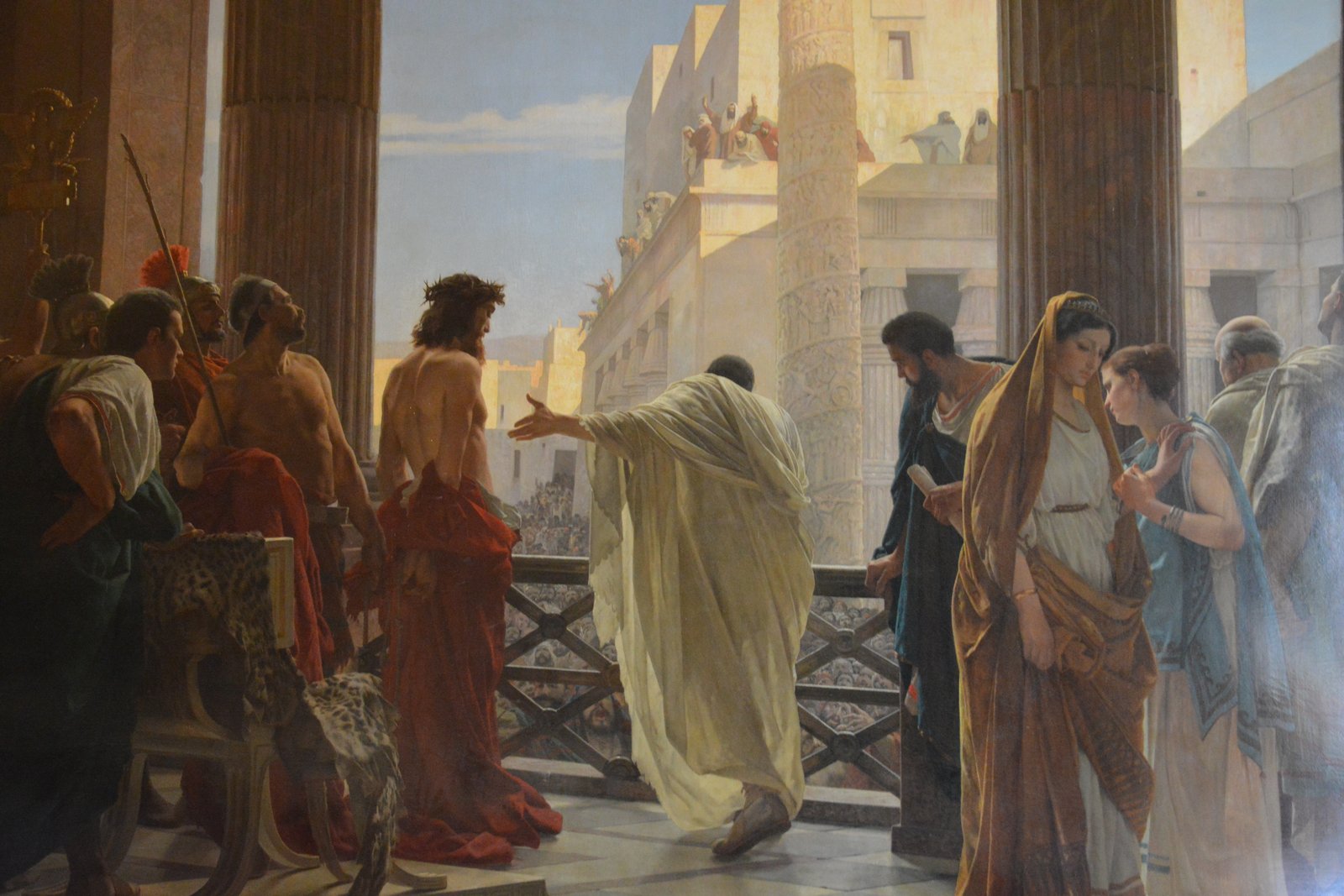
The Ecce Homo Motif in Art
"Behold the man" — Pilate's words to a hostile crowd became one of art history's most painted moments, reimagined across centuries from Bosch to Ciseri.
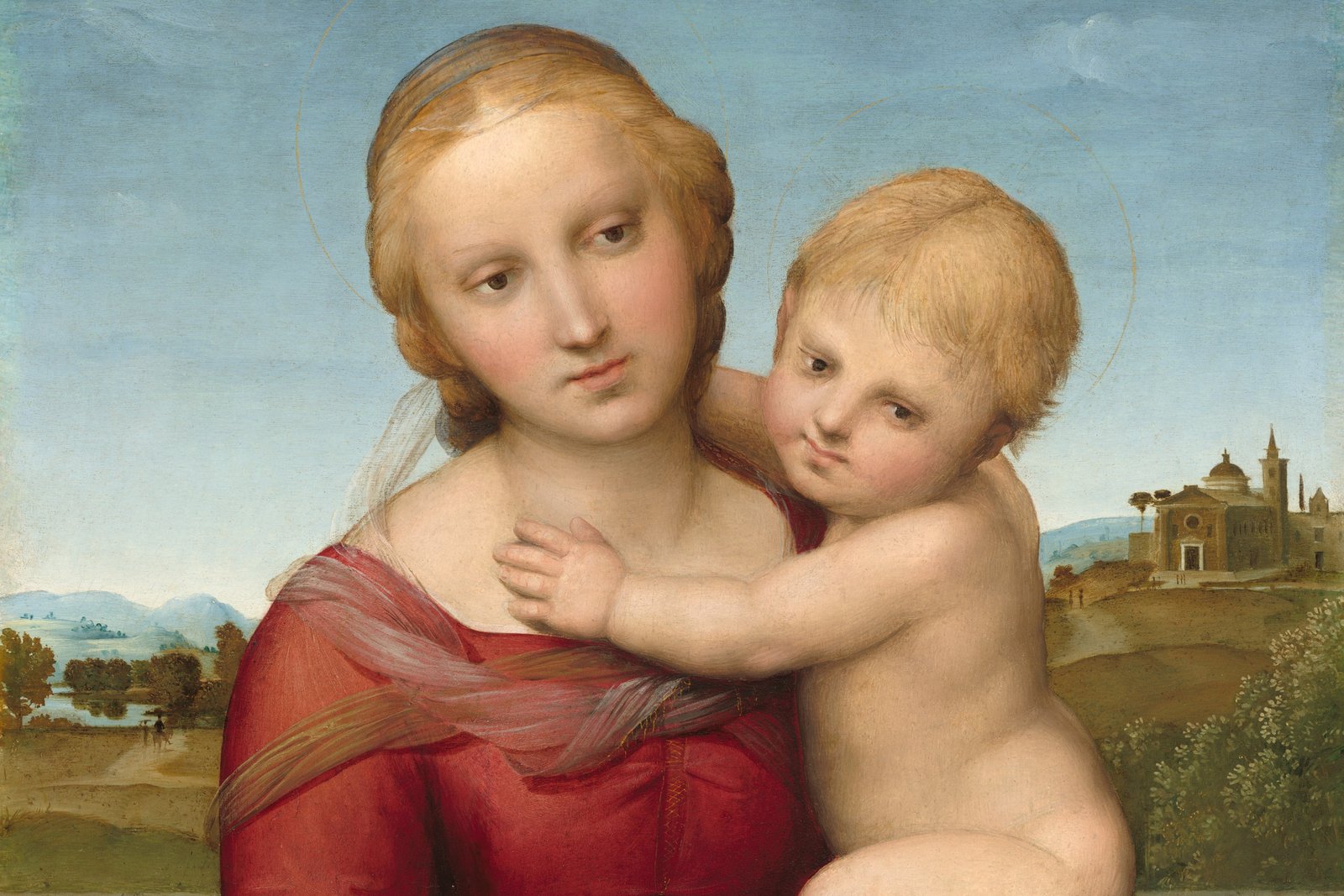
The Evolution of Renaissance Madonnas
Cimabue painted Mary enthroned and remote; a century later Raphael painted her cradling her son like any young mother. Here's how that shift happened.
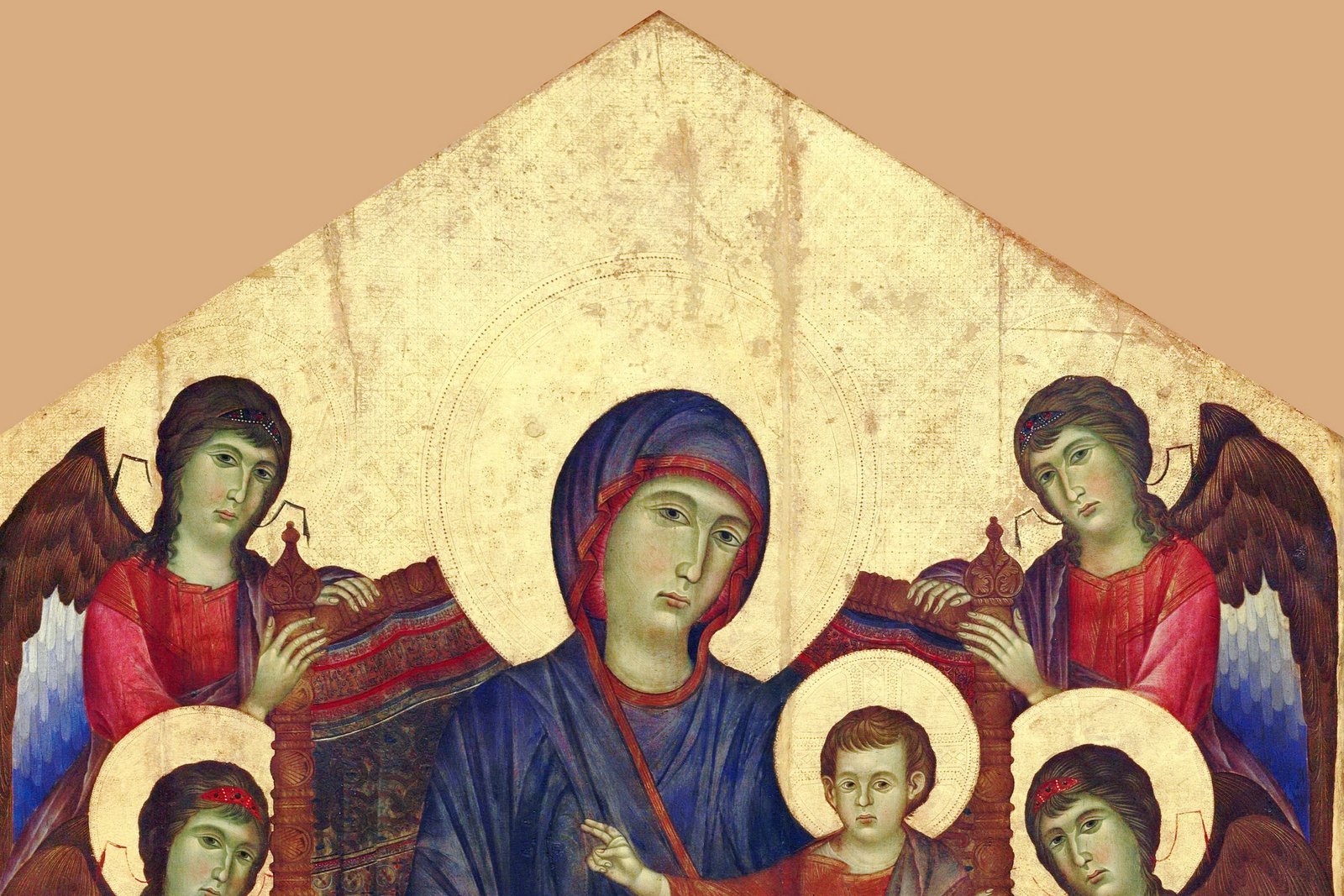
The Halo in Religious Art
Why saints and holy figures are shown with a glowing circle of light around the head, where the halo came from, and how its shape changed over time in art.
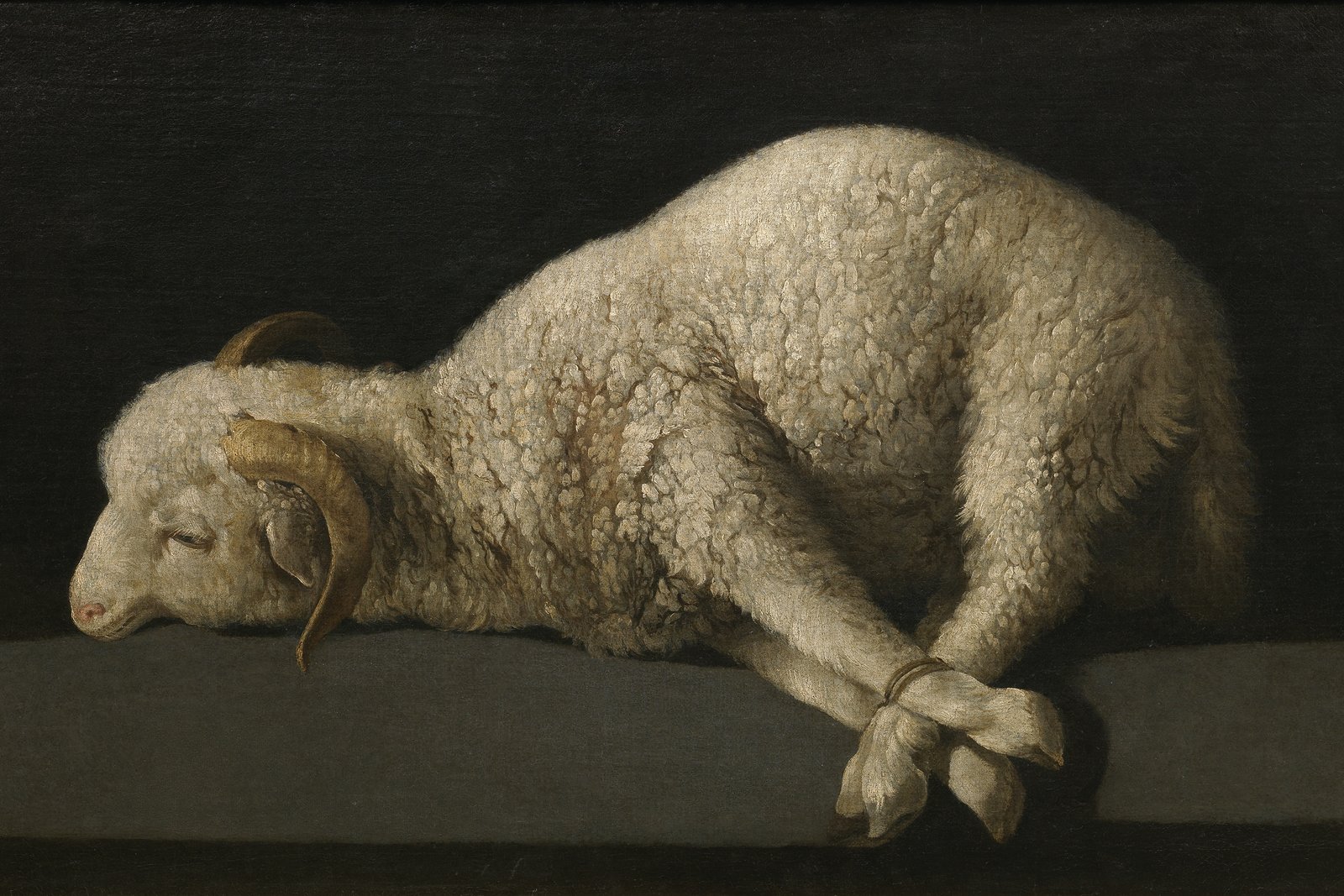
The Lamb of God Symbolism Explained
Why Christ is pictured as a lamb in Christian art, tracing the image from the Passover sacrifice through John the Baptist's words to the Mass said today.
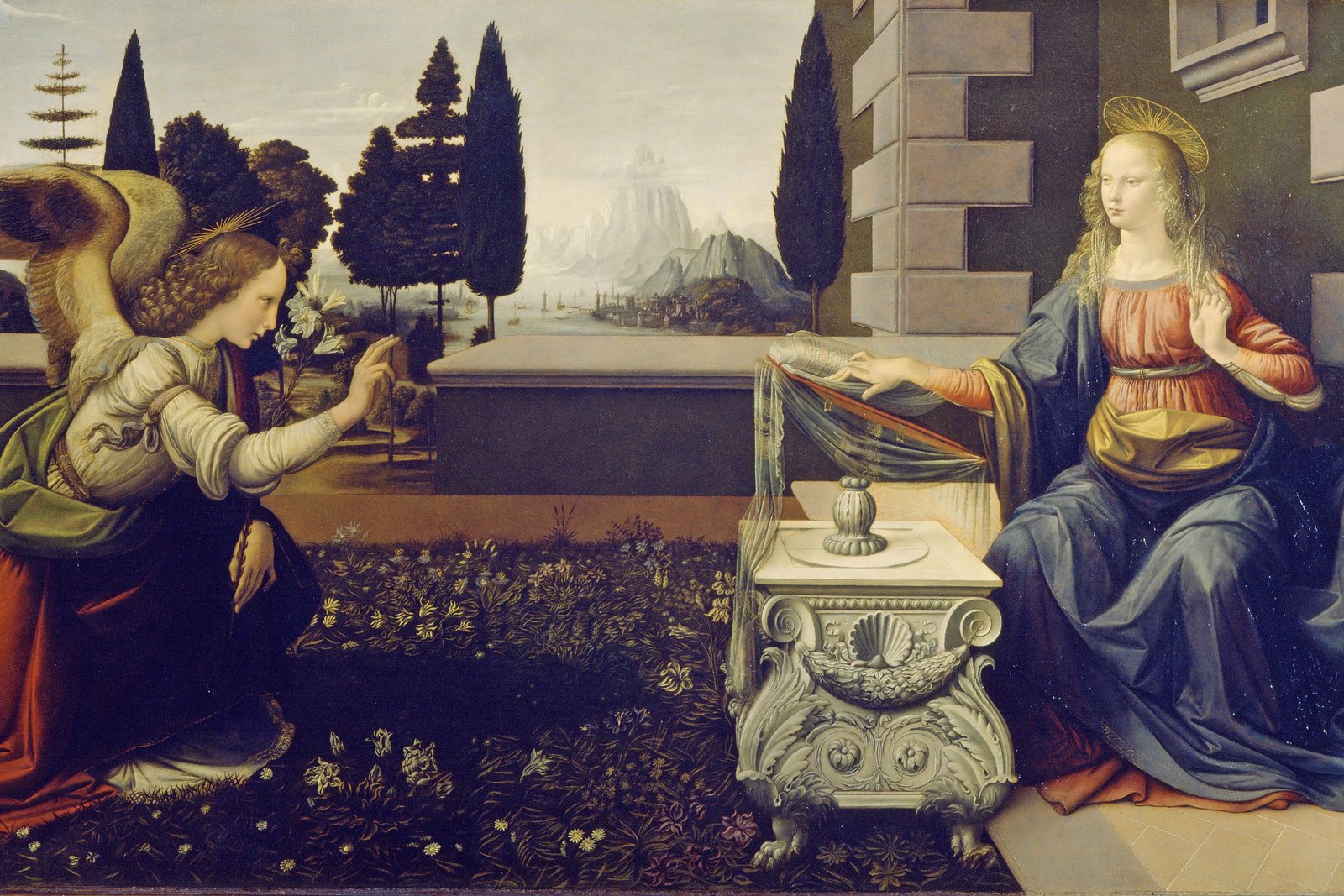
The Lily in Religious Art
Why white lilies appear beside the Virgin Mary and Saint Joseph in Christian paintings, and what the flower has meant in sacred art for centuries of use.
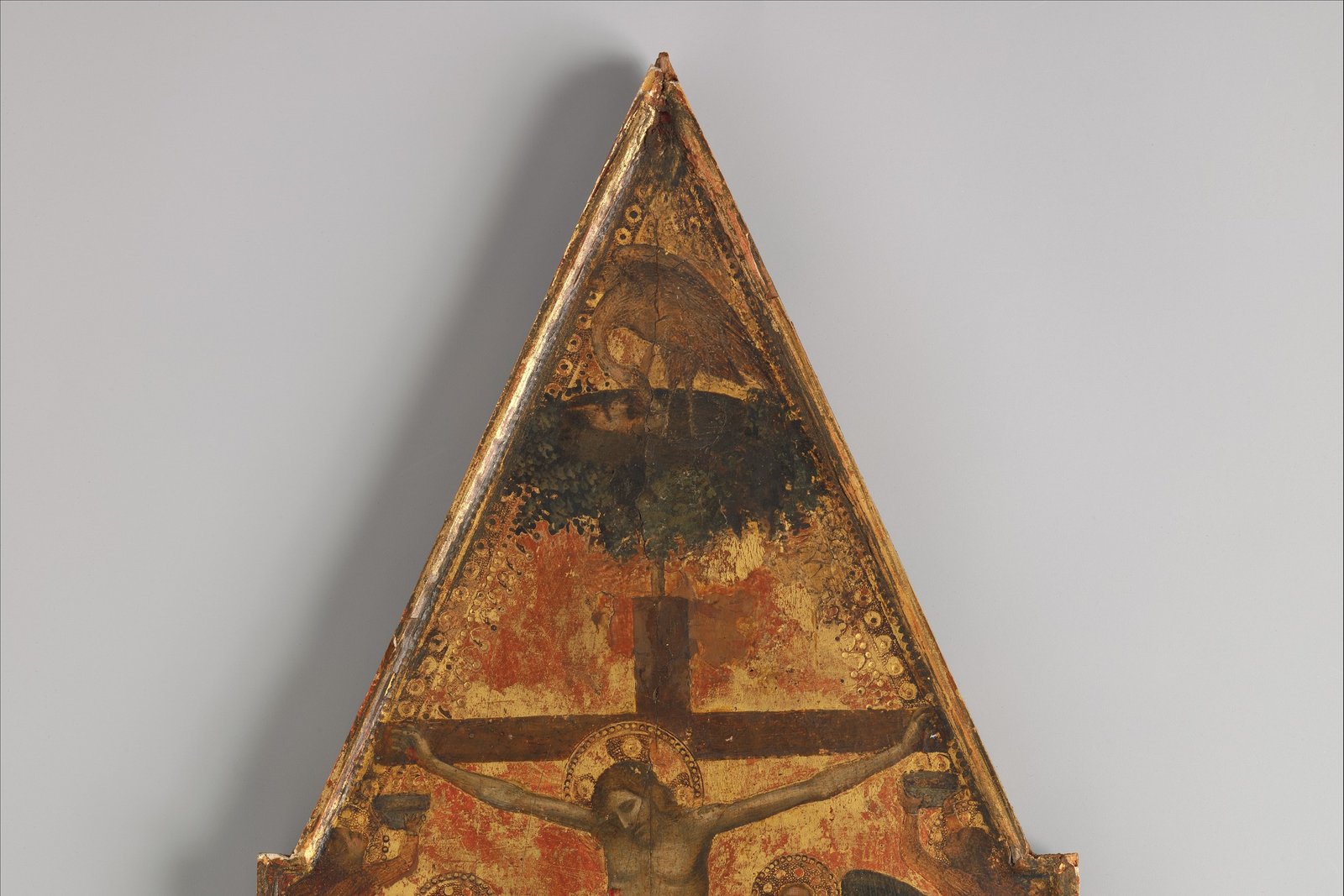
The Pelican as a Symbol of Christ
Why medieval Christian art shows a pelican wounding its own chest to feed its young, and how that legend became a lasting symbol of Christ's sacrifice.
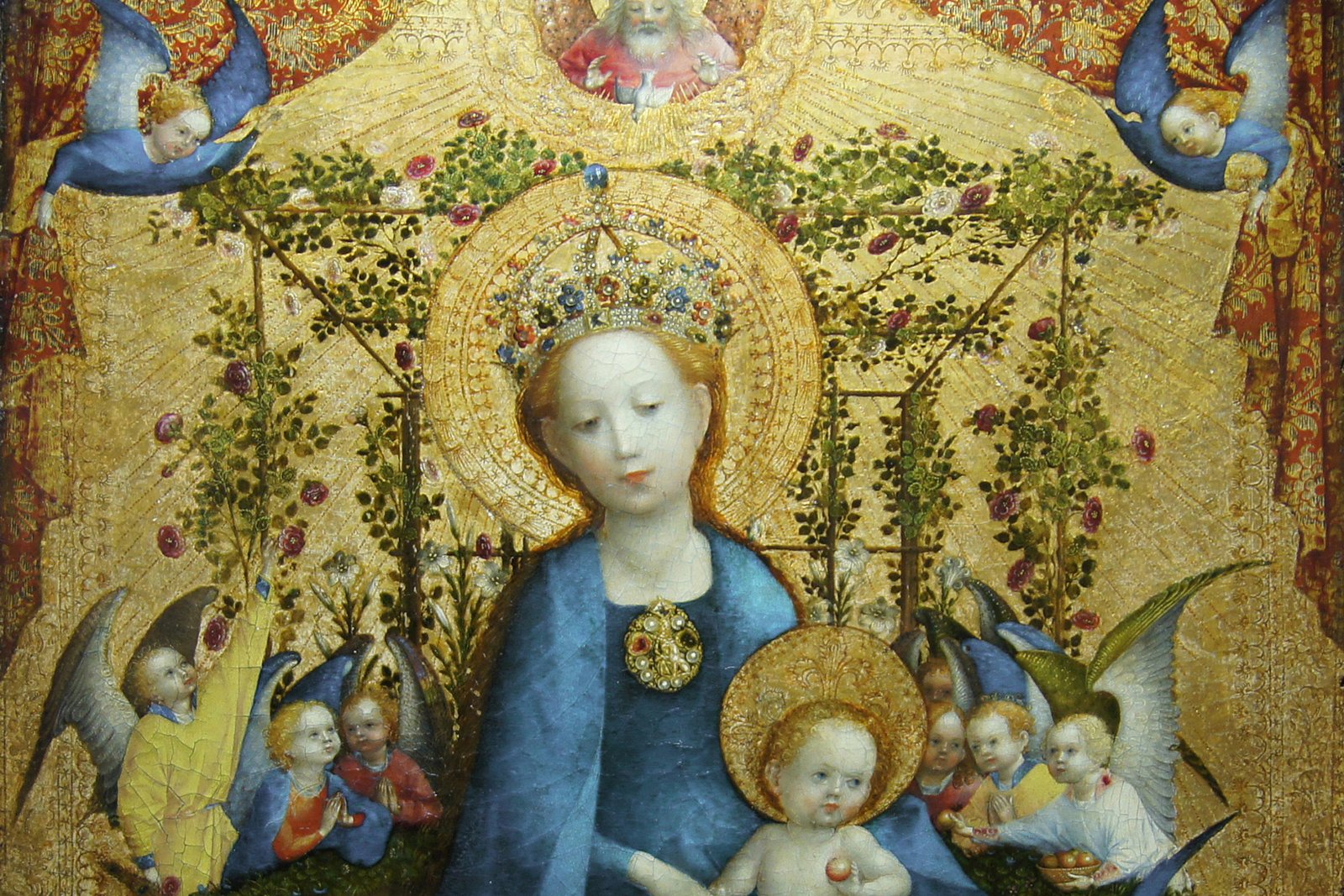
The Rose in Marian Art
Why roses surround the Virgin Mary in Christian paintings, from the "Mystical Rose" title to the roses of Our Lady of Guadalupe and the rosary itself.
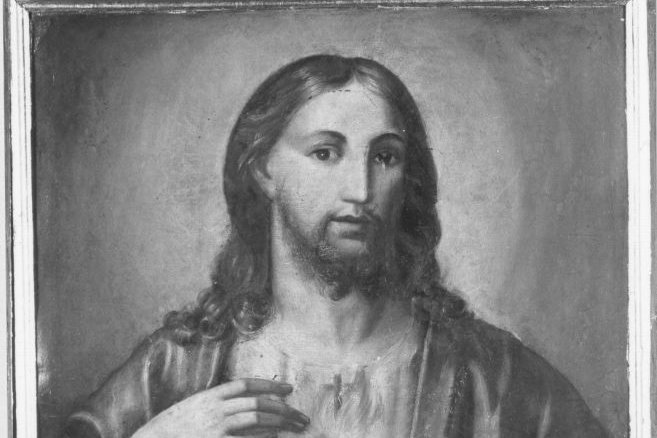
The Sacred Heart of Jesus in Art
How painters turned a private seventeenth-century vision into one of the most recognizable images in Catholic art, and what each visual detail means today.
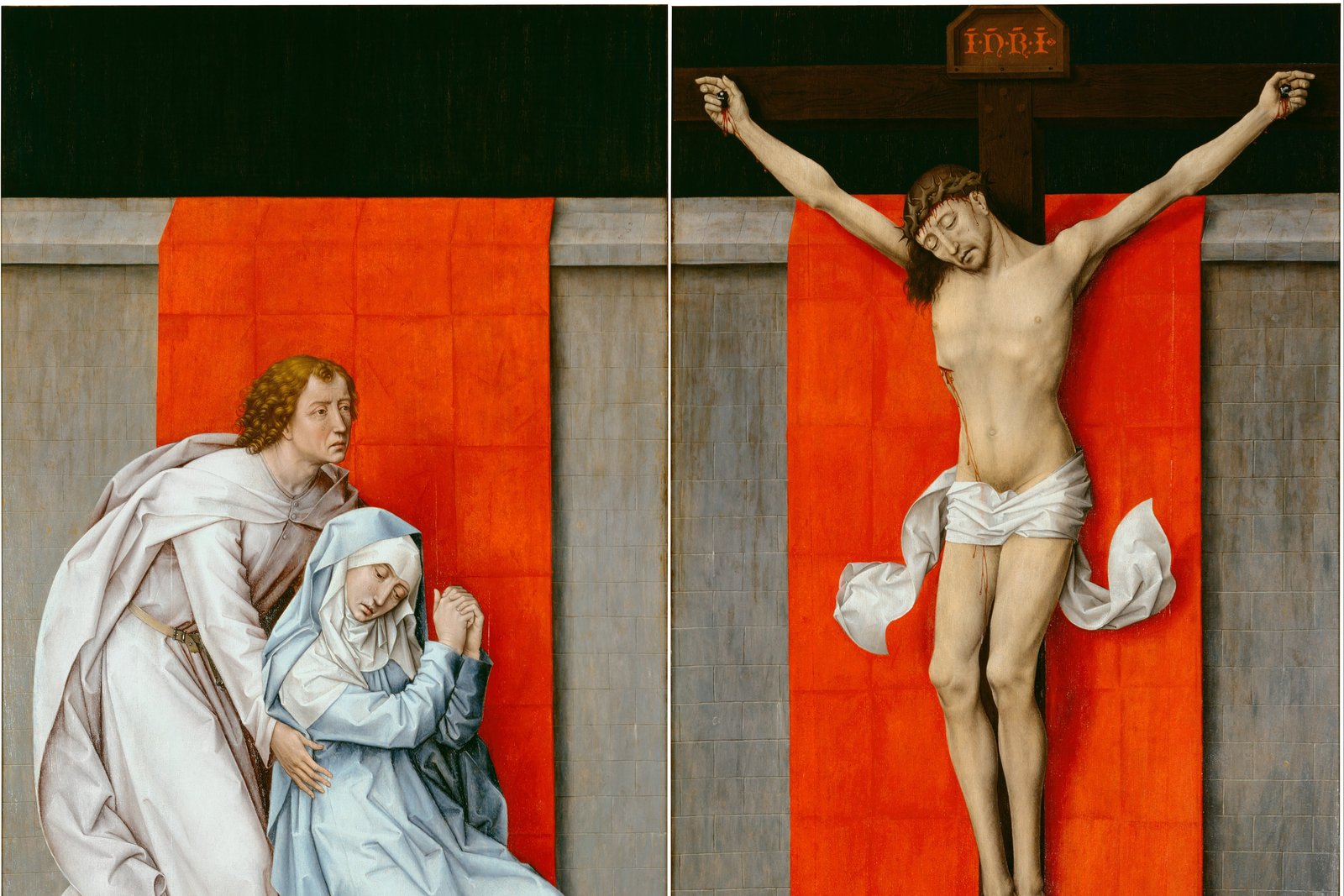
Types of Crosses Explained
The Latin, Greek, Celtic, papal, and patriarchal cross explained — what each shape means, where it comes from, and how to tell them apart in Christian art.
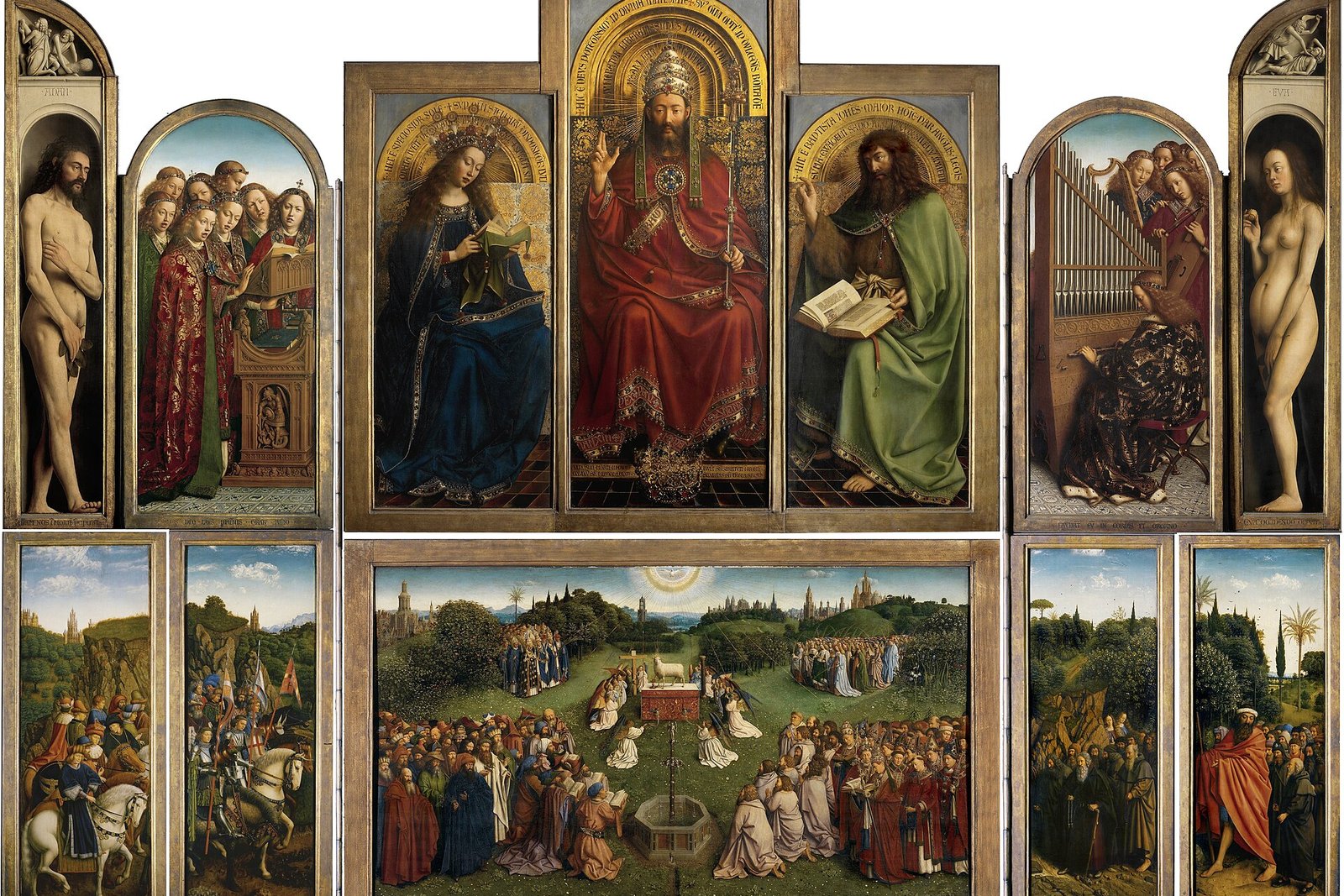
Van Eyck's Ghent Altarpiece
The history of the Ghent Altarpiece, the Mystic Lamb painting by Jan van Eyck, its innovative oil technique, and its remarkable survival through theft and war.
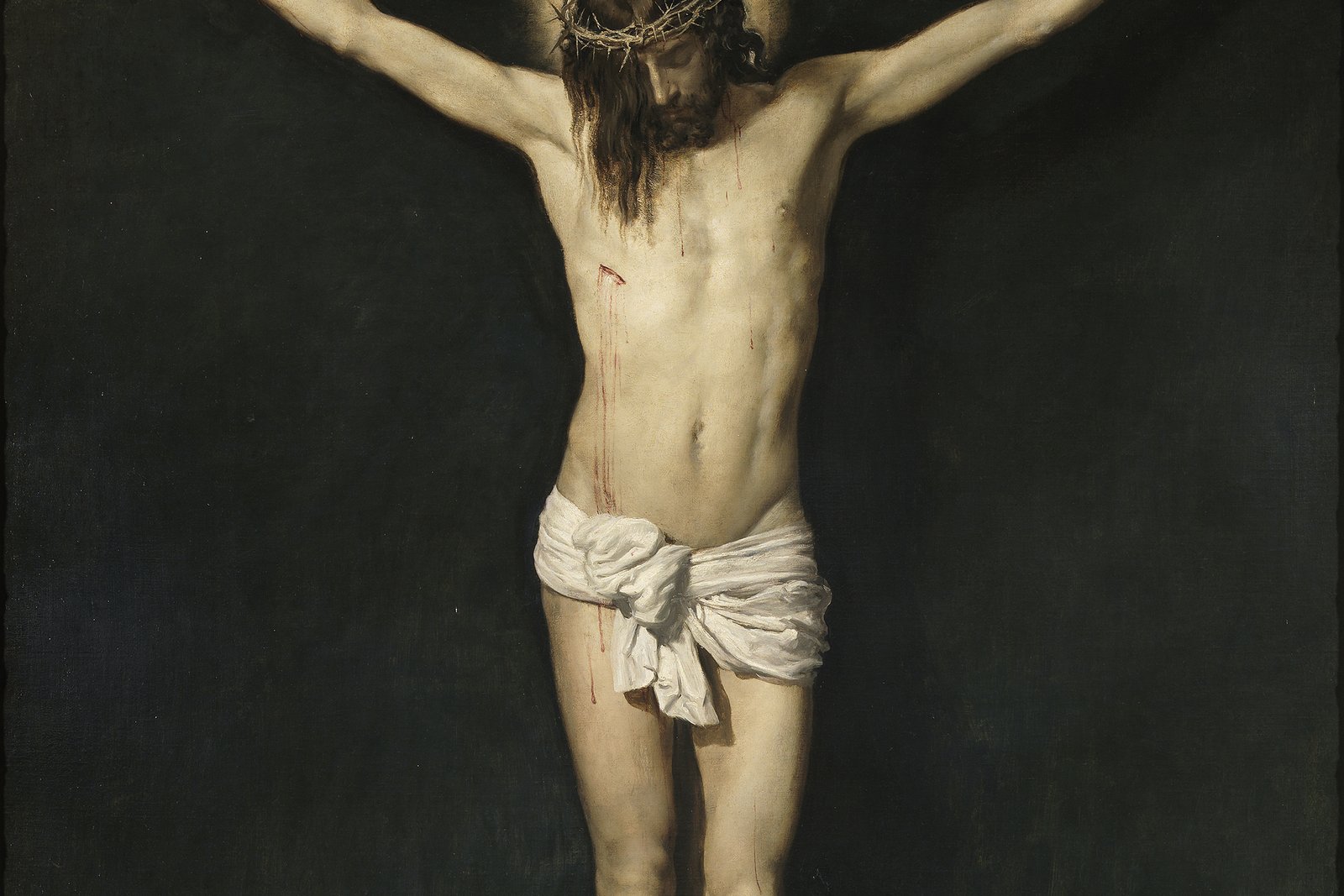
Velázquez's "Christ Crucified"
Diego Velázquez painted Christ alone against pure black, no crowd, no cross-beam crowding — a technique that turned one Crucifixion into a study in silence.
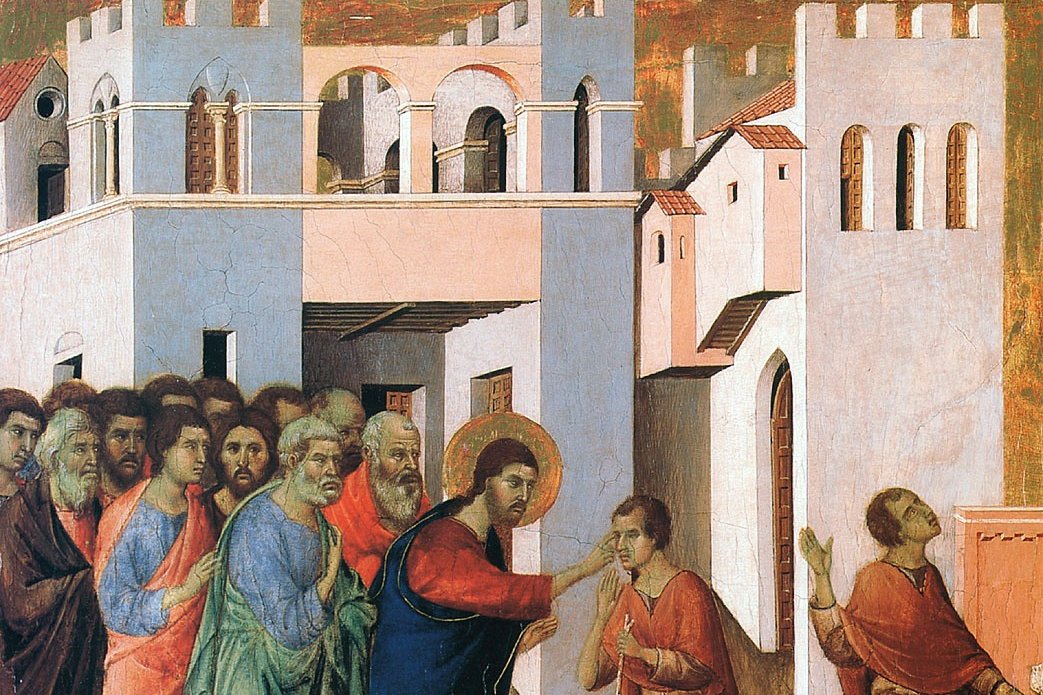
Duccio's Maestà: Siena's Greatest Altarpiece
The story of Duccio di Buoninsegna's Maestà, the massive double-sided altarpiece that made Siena Cathedral's Virgin Mary the city's celebrated protector.
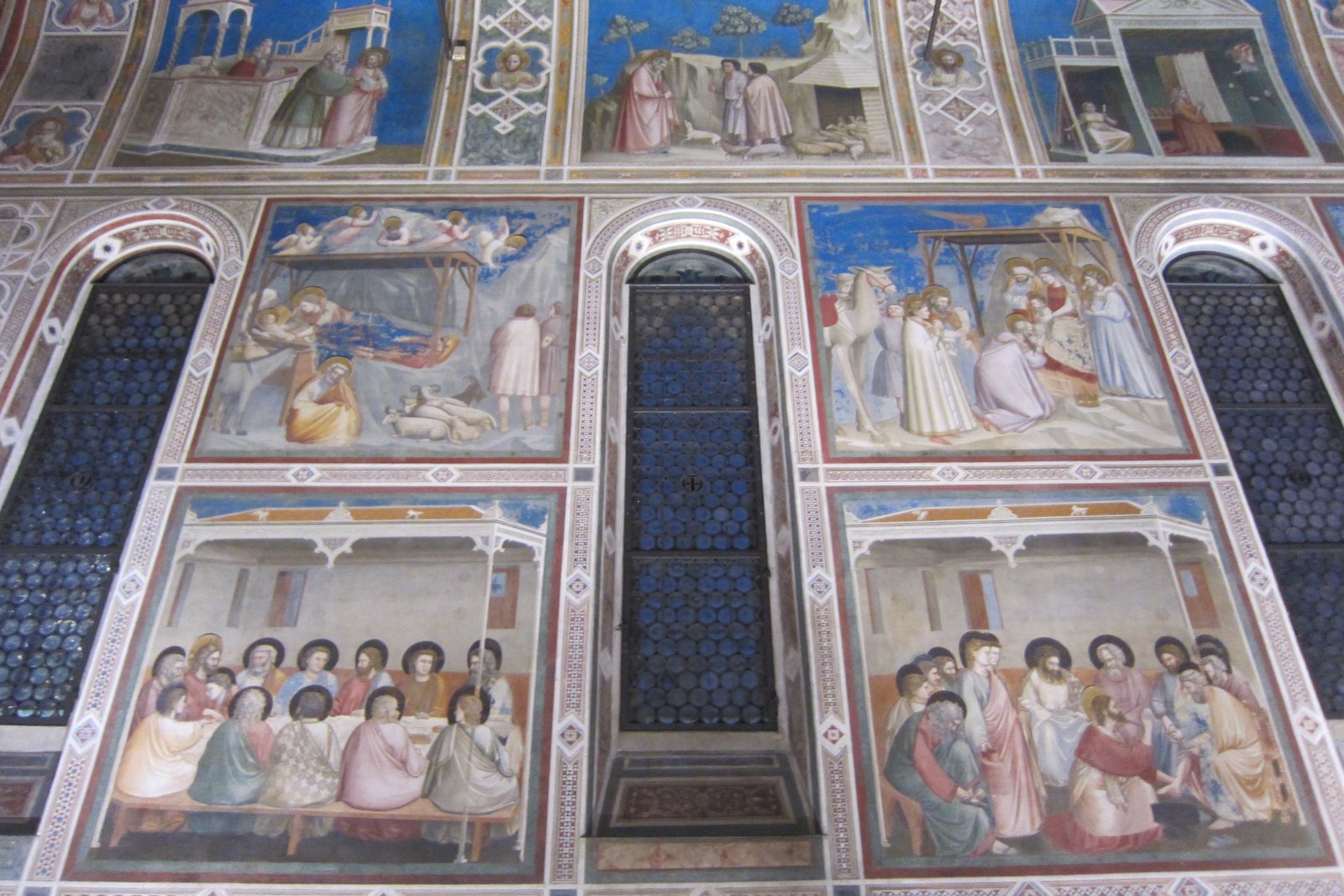
Giotto's Scrovegni Chapel Frescoes
How Giotto's fresco cycle in Padua's Scrovegni Chapel changed Western painting, through its Life of Christ scenes, its famed Lamentation, and its penitent patron.
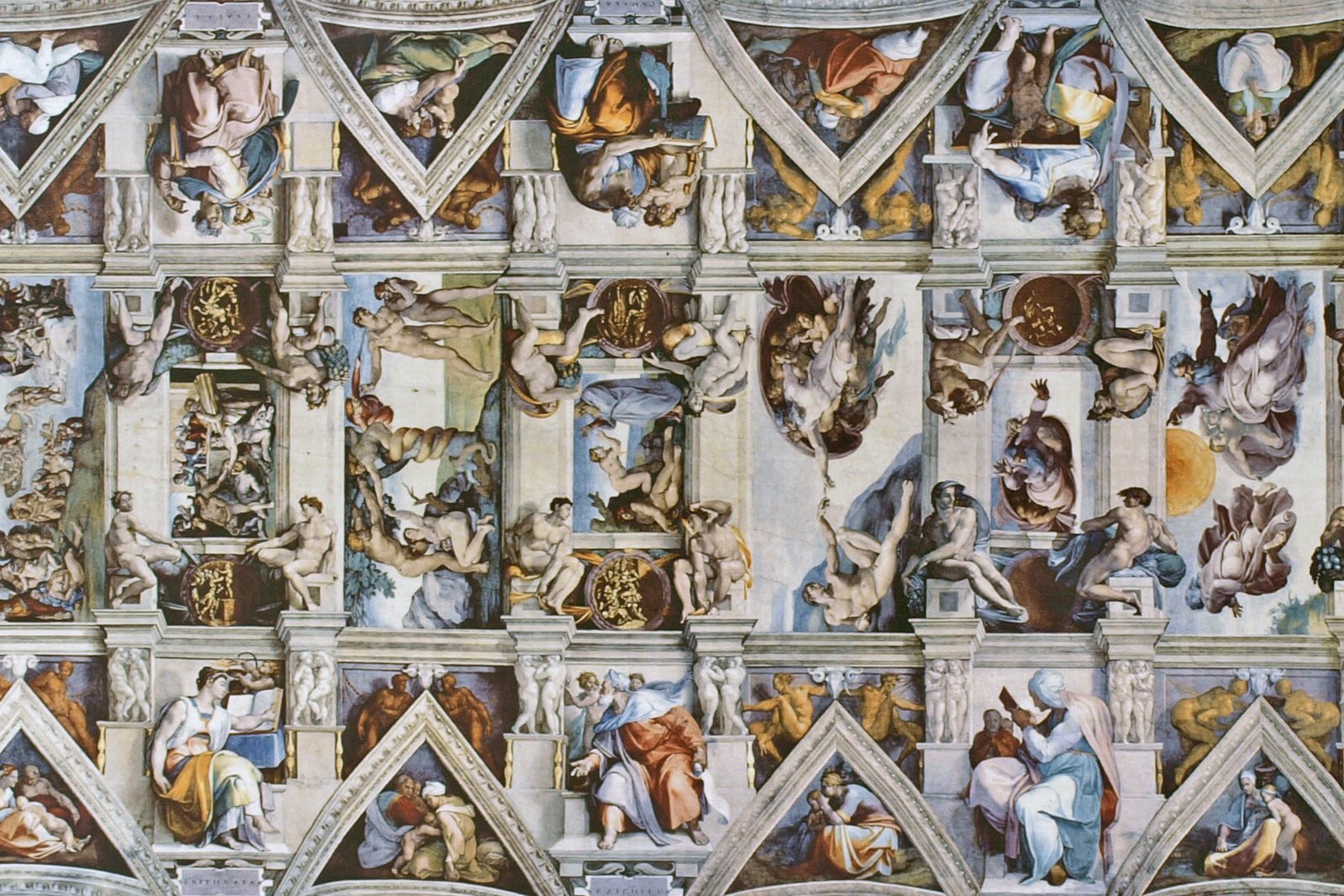
Michelangelo's Sistine Chapel Ceiling
How Michelangelo painted the Sistine Chapel ceiling's nine Genesis scenes, including the Creation of Adam, working almost alone over four grueling years.
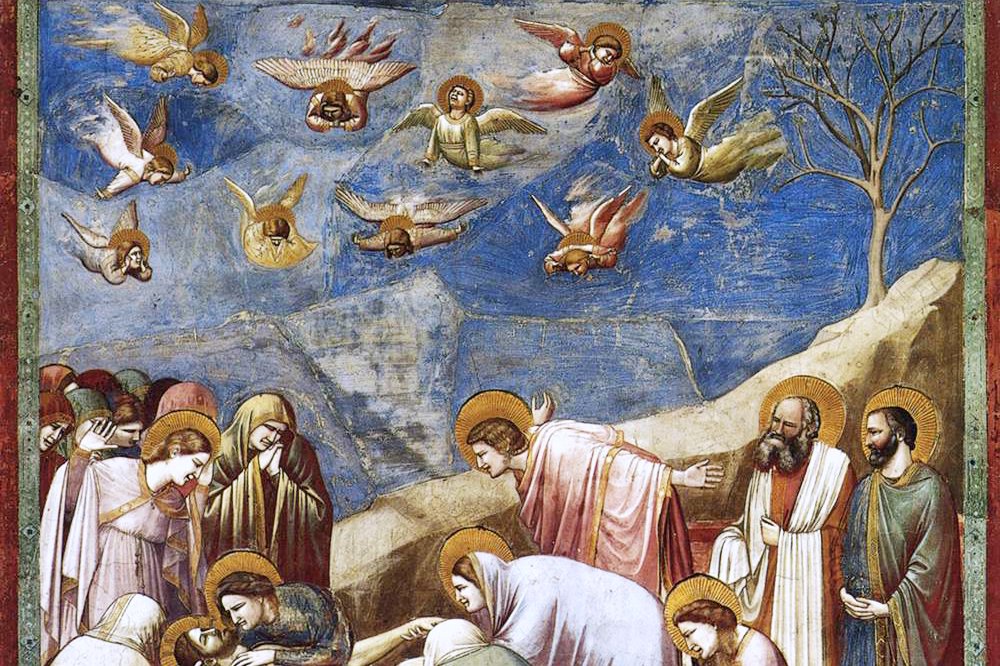
The Lamentation of Christ in Art
How the Lamentation of Christ, the mourning over his dead body before burial, became one of art history's most painted scenes, from Giotto through Van der Weyden.
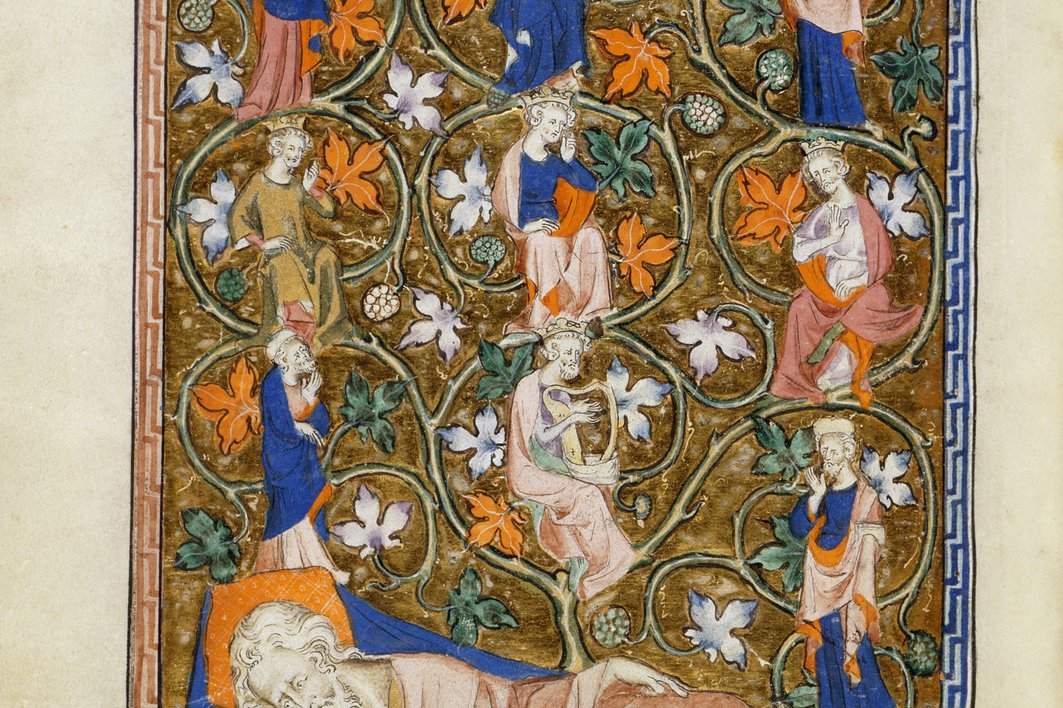
The Tree of Jesse in Art
How medieval artists turned a verse from Isaiah into the Tree of Jesse, a family tree showing Christ's royal ancestry growing from the sleeping figure of Jesse.
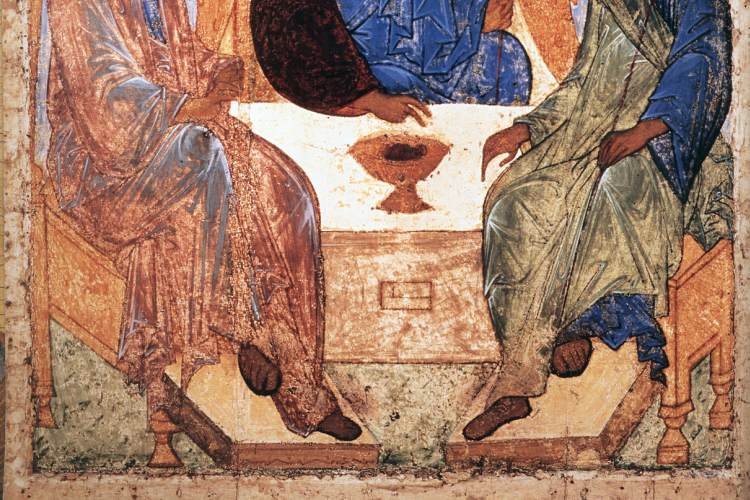
Andrei Rublev's Trinity: The Icon That Defines Icons
How a Russian monk's 15th-century icon of three angels seated at Mamre became the standard image of the Holy Trinity across the Orthodox Christian world.
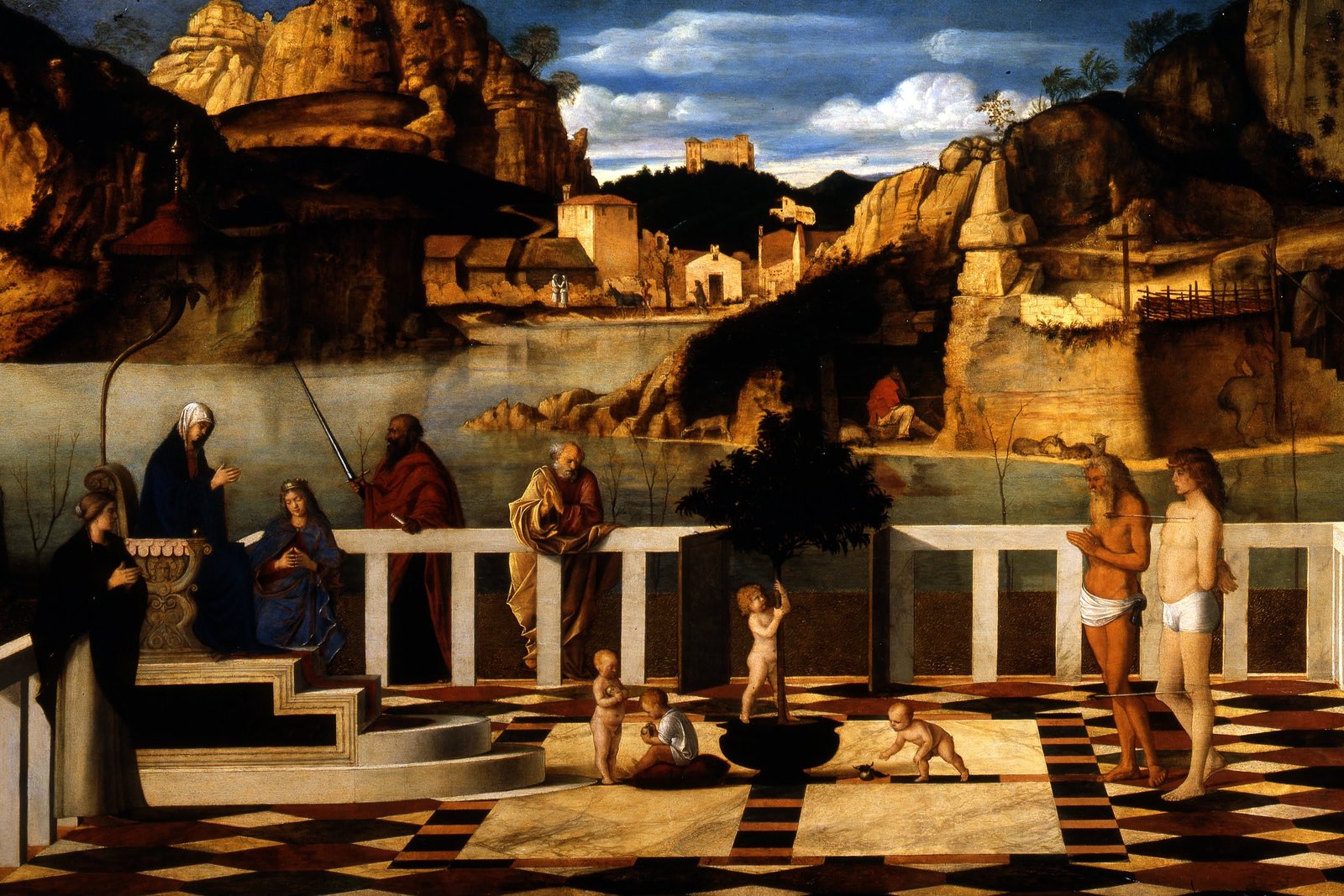
Bellini's Sacred Allegory: A Puzzle Nobody Has Fully Solved
Giovanni Bellini's Sacred Allegory gathers saints and mysterious figures on a marble terrace, and five centuries later its exact meaning is still debated.
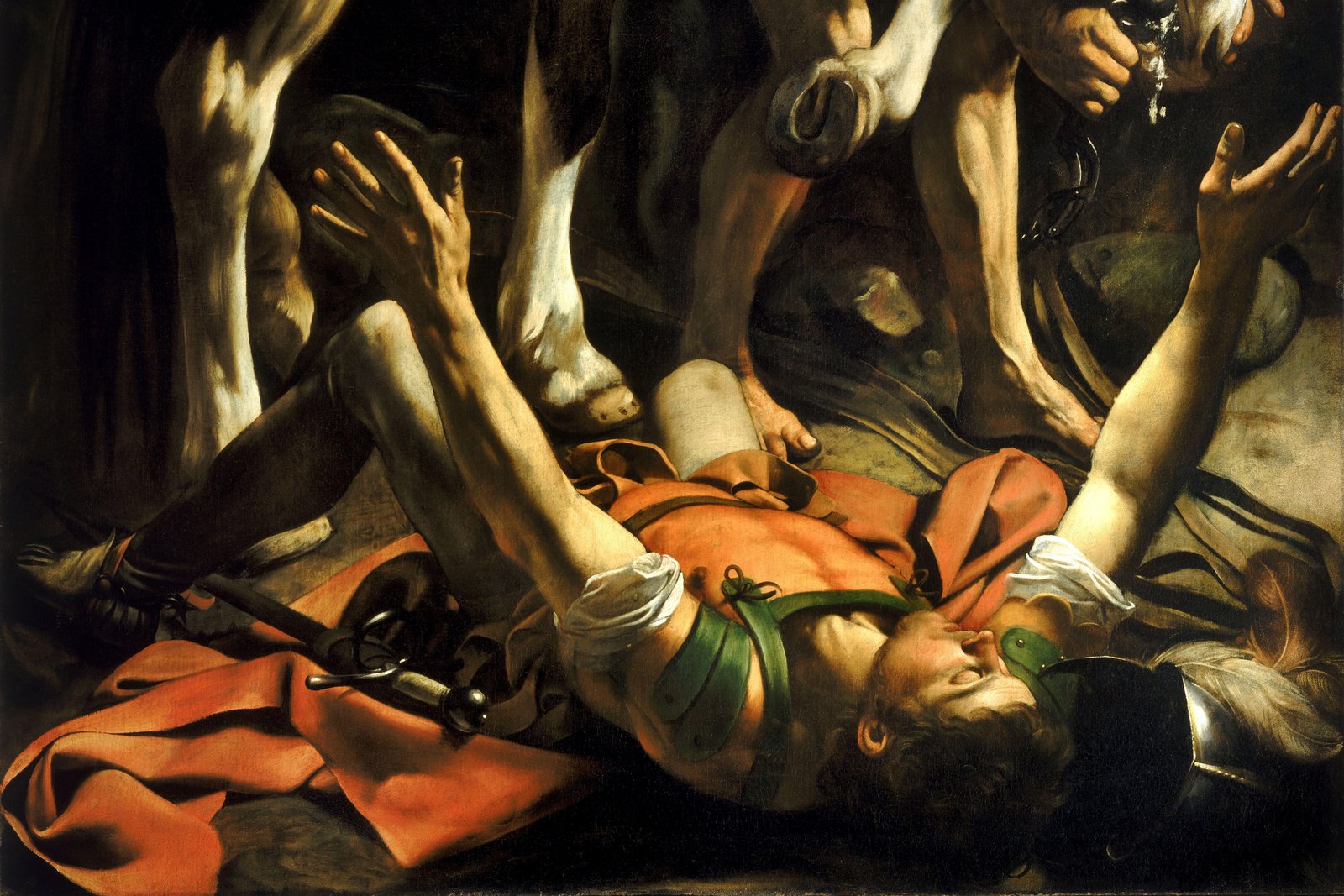
Caravaggio's Conversion on the Way to Damascus
How Caravaggio painted Saint Paul's conversion as a fallen man beneath a huge, ordinary horse for a Roman chapel, scrapping his first attempt entirely.
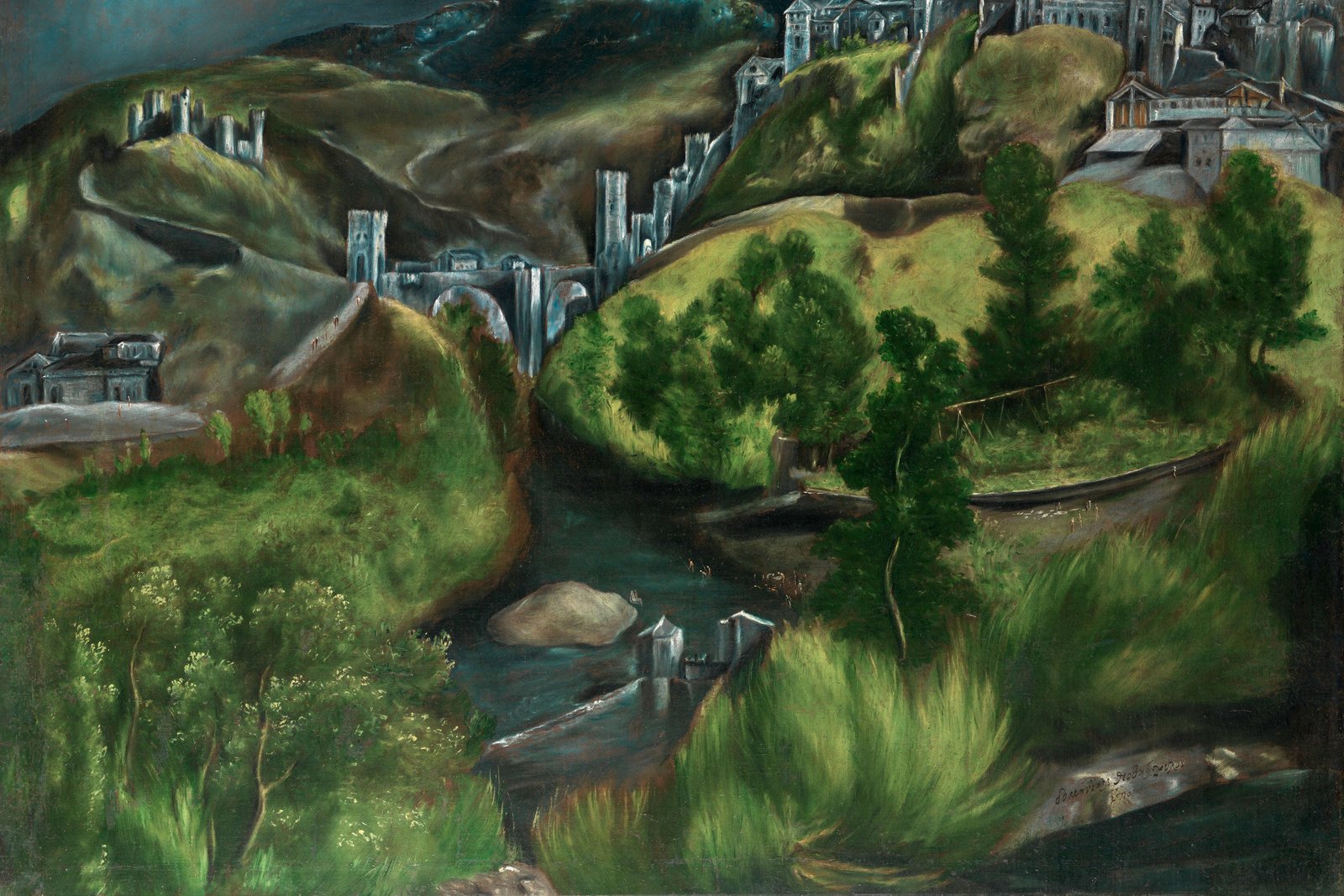
El Greco's View of Toledo and Its Religious Symbolism
Why El Greco's stormy, almost supernatural View of Toledo is read as more than a landscape, and how it reflects his deeply spiritual, visionary painting style.
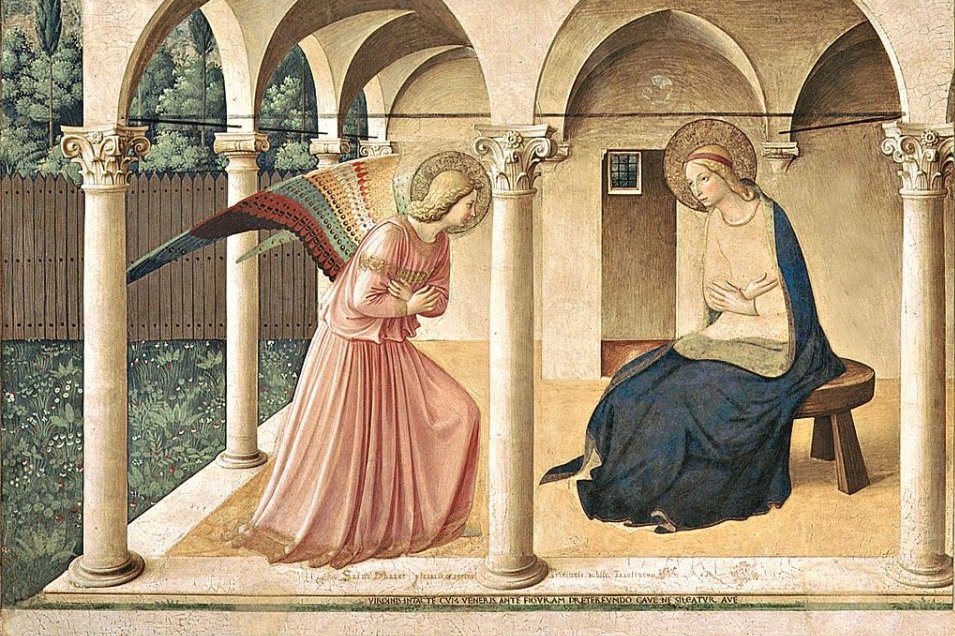
Fra Angelico's Annunciation: Prayer Painted on a Wall
How Fra Angelico's fresco of the Annunciation, painted on a monastery stairwell wall in Florence, became one of art history's quietest devotional images.
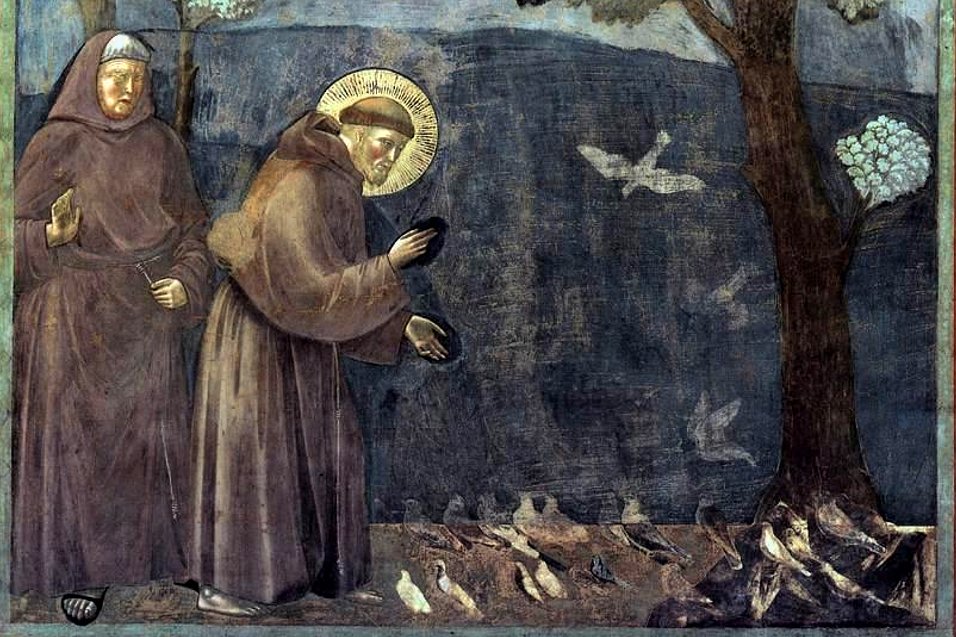
Giotto's Life of Saint Francis Frescoes at Assisi
How the 28-scene Saint Francis fresco cycle at Assisi's Upper Basilica, long credited to Giotto, helped change the whole direction of Western painting.
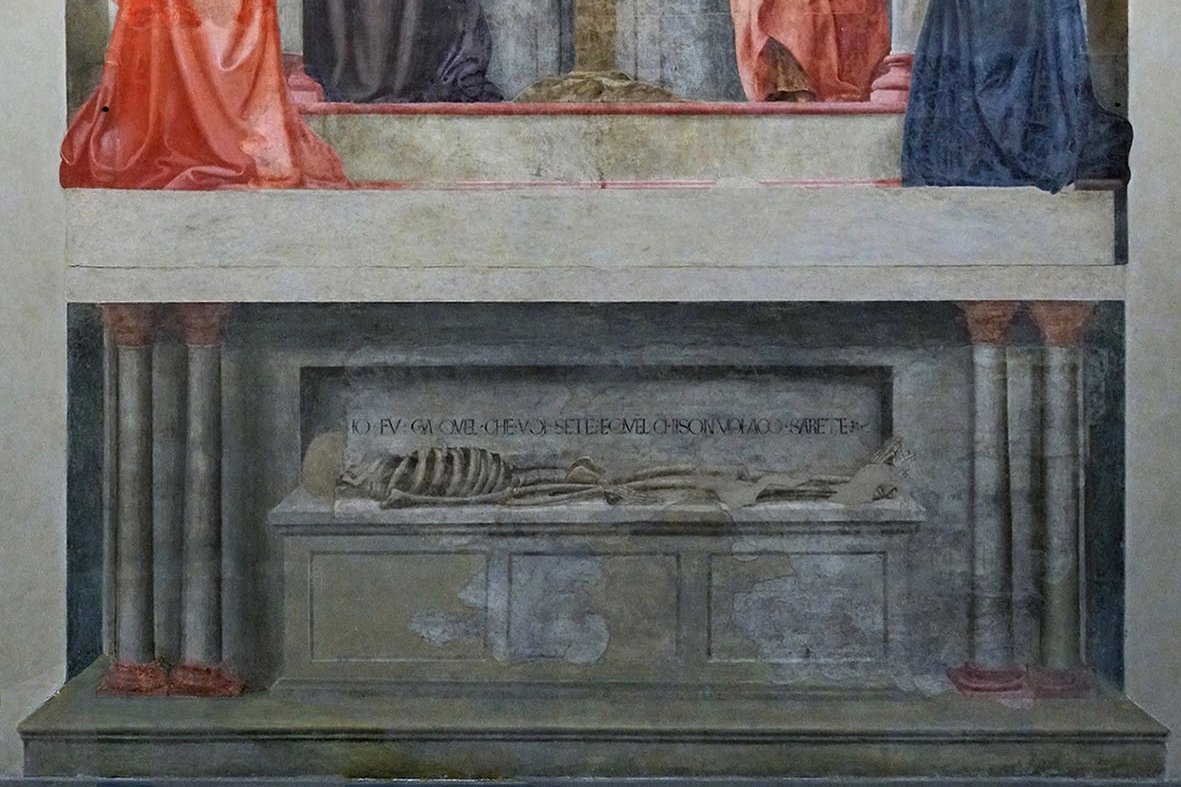
Masaccio's Holy Trinity: The Fresco That Invented a New Space
How a 25-year-old painter used mathematically precise linear perspective to punch a convincing painted chapel straight through a flat Florentine church wall.
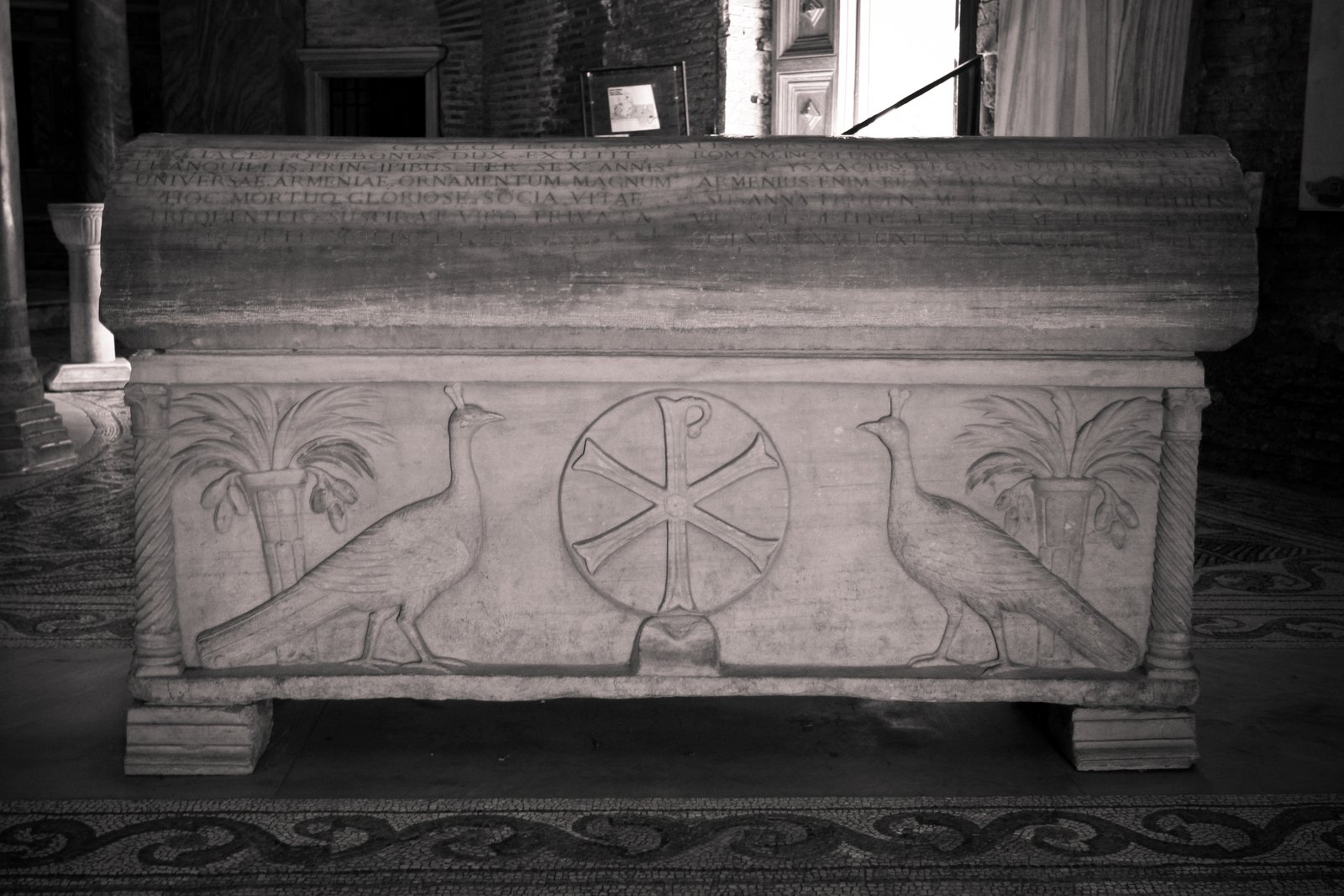
The Peacock: An Ancient Bird of Immortality
Why early Christians borrowed an ancient Roman belief about incorruptible peacock flesh to turn the bird into one of art's oldest symbols of resurrection.
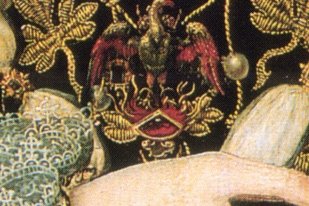
The Phoenix: A Pagan Myth Reborn as a Christian Symbol
How a mythical bird that consumes itself in flame and rises again, renewed, became an early Christian image for resurrection, cited by a first-century pope.
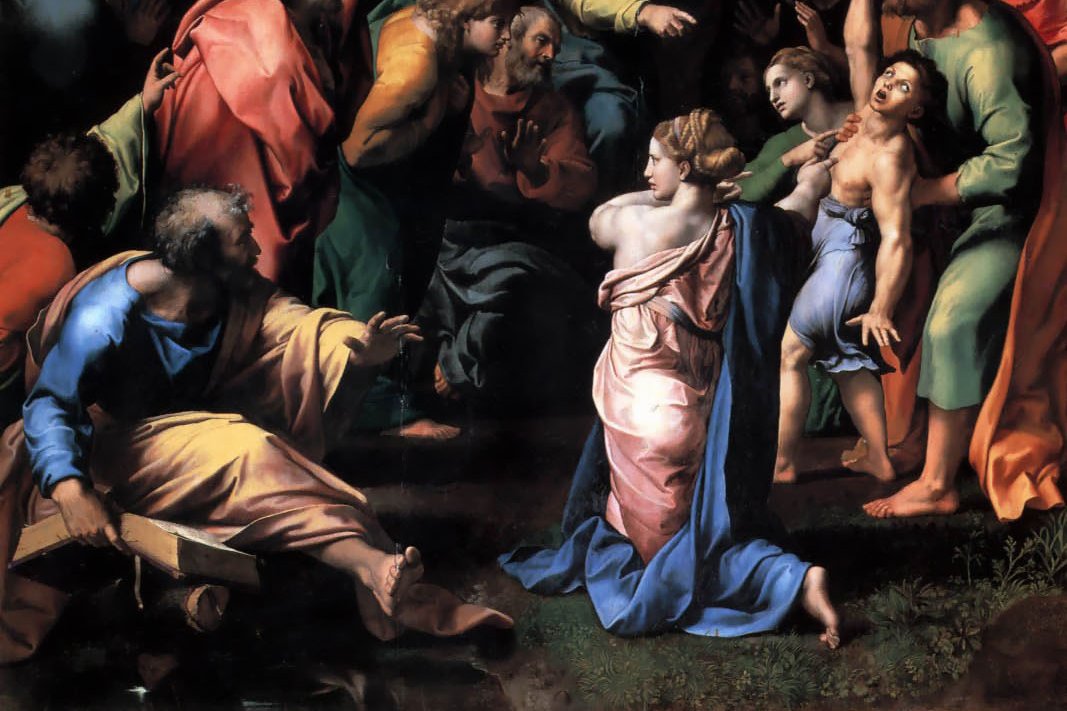
Raphael's Transfiguration: His Final, Unfinished Masterpiece
The story of Raphael's last, unfinished painting, the Transfiguration, carried above his coffin at his funeral in Rome and later moved to the Vatican.
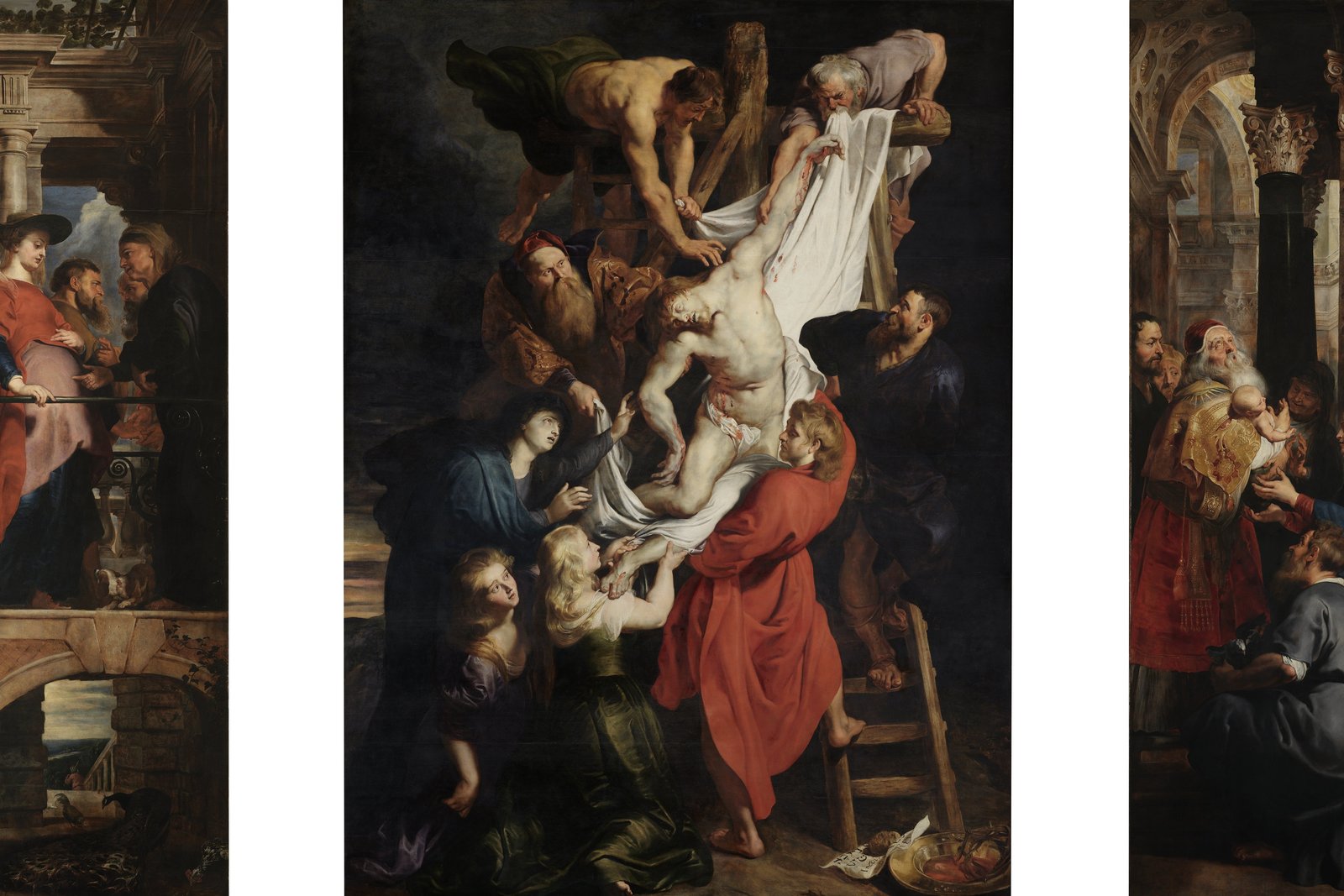
Rubens' Descent from the Cross: Grief Made Monumental
How Rubens painted Christ's body being lowered from the cross as a diagonal cascade of grief for Antwerp Cathedral, and why it still overwhelms viewers.
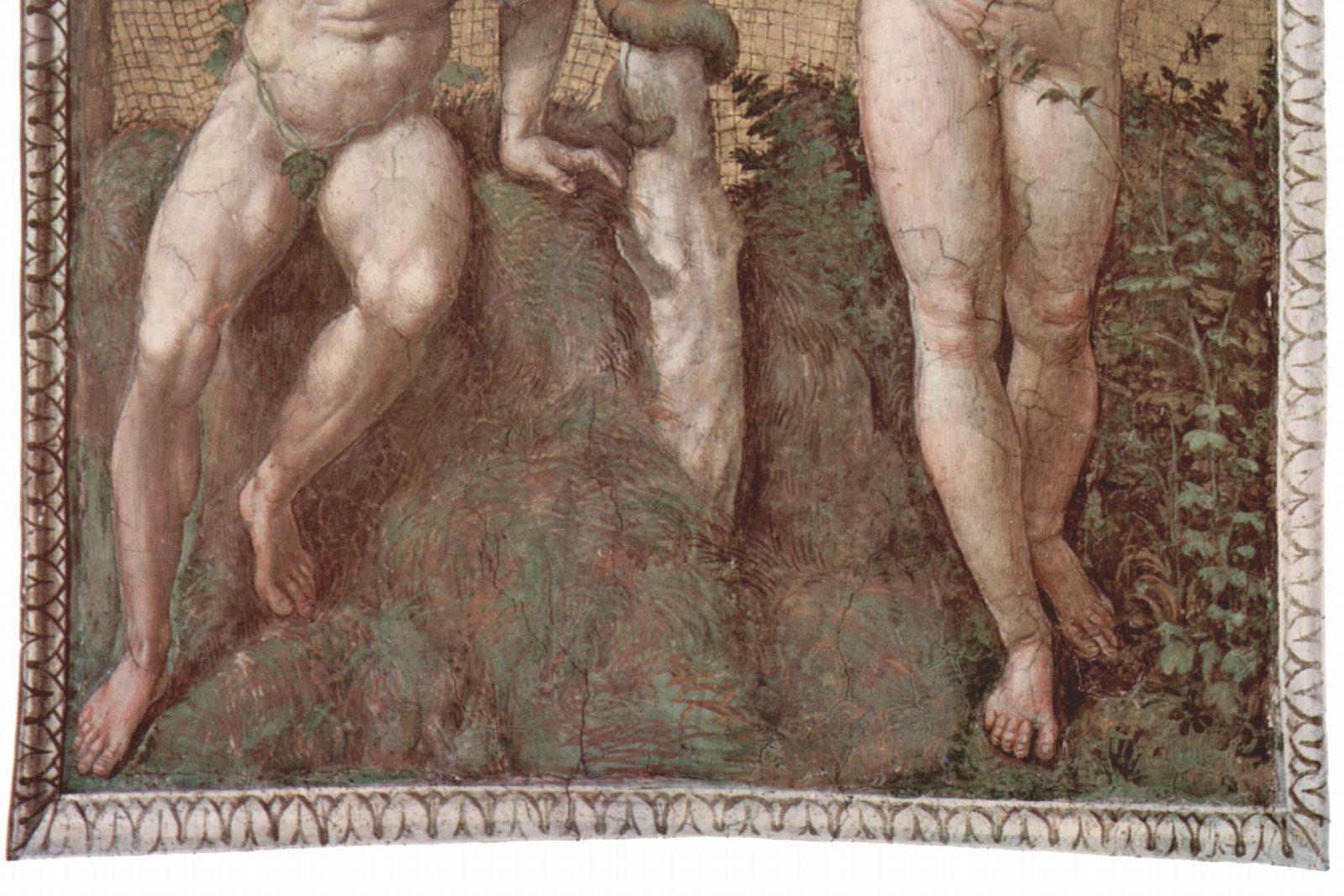
The Sistine Madonna's Two Cherubs: How They Escaped the Painting
How two small, bored-looking cherubs at the bottom of Raphael's Sistine Madonna became one of the most reproduced images in all of Western art history.
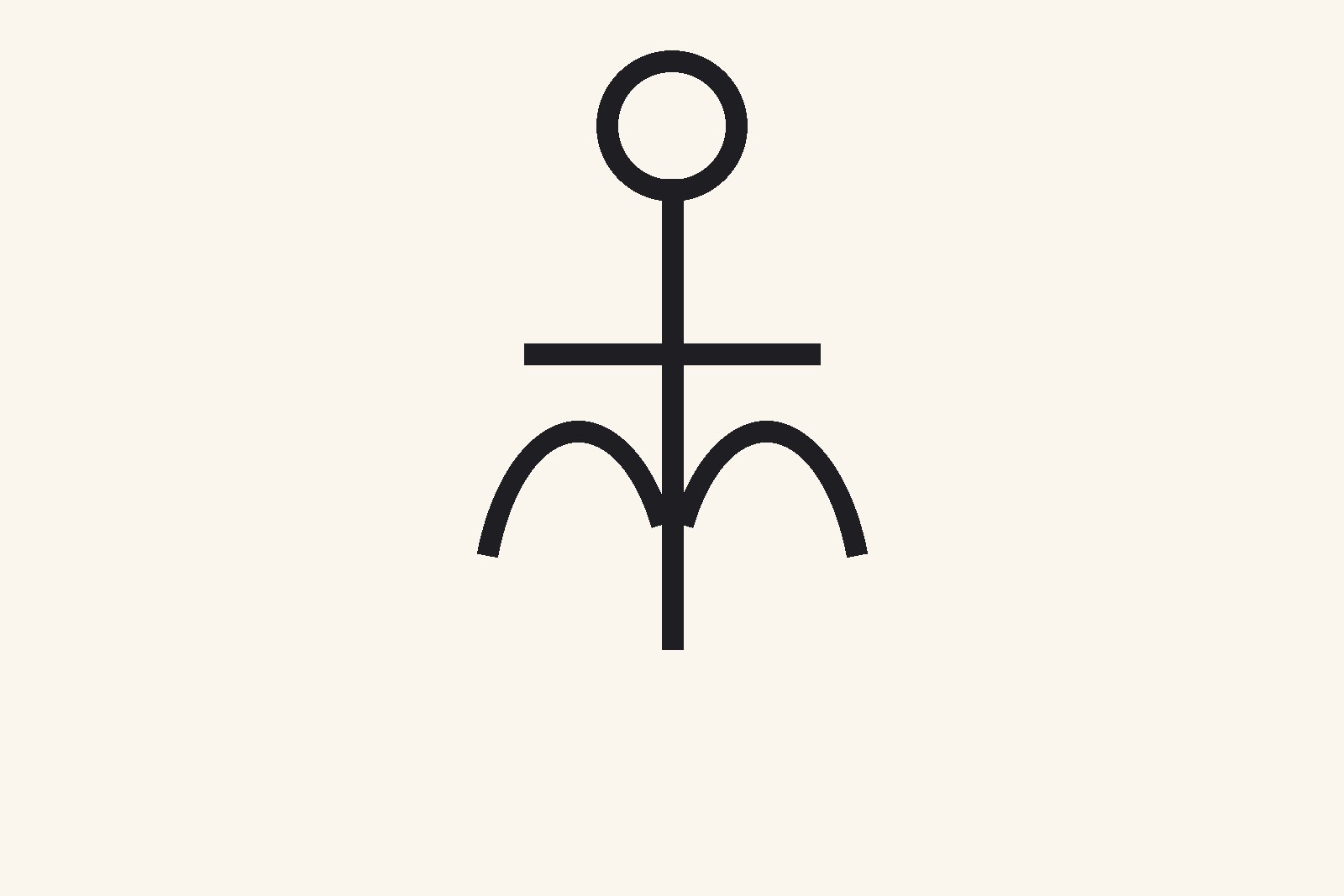
The Anchor: Christianity's Secret Cross
Long before the cross became a public Christian symbol, persecuted believers carved an anchor into catacomb walls and rings to signal their faith in secret.

Ichthys: The Fish That Became a Secret Christian Password
How a simple fish drawn quickly in the dirt became early Christianity's most effective code, spelling out a full statement of faith in one Greek acronym.
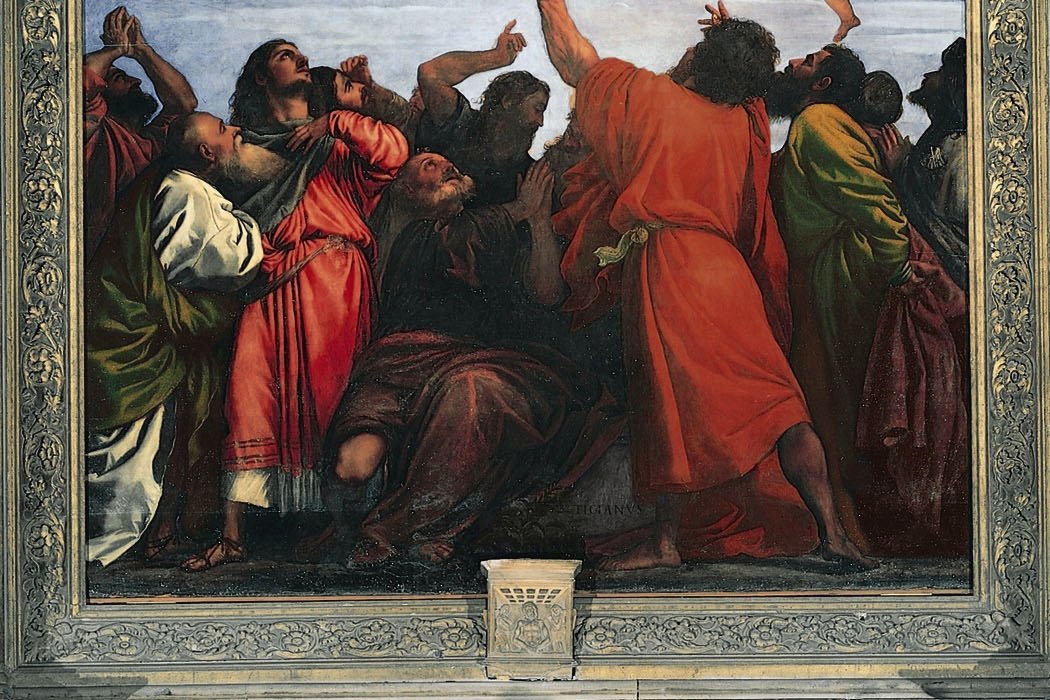
Titian's Assumption of the Virgin: A Church-Sized Miracle
How Titian's towering Assumption of the Virgin altarpiece, painted for a Venetian Franciscan church in 1518, redefined what a religious painting could achieve.
A Guide to Catholic Sacred Art
A curated tour of the Catholic Church's greatest paintings, frescoes, and symbols — from Byzantine icons to Baroque altarpieces — organized by era and theme.
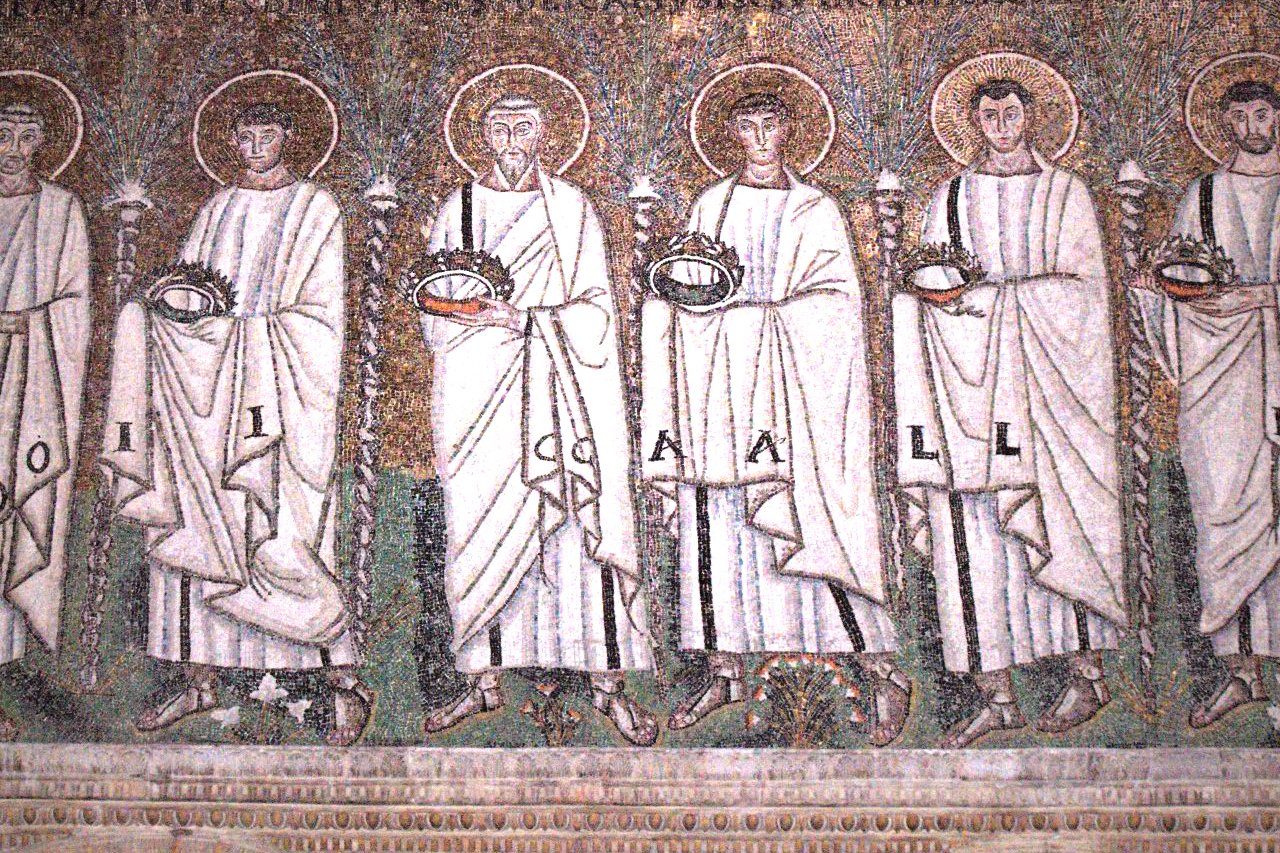
Byzantine Mosaics of Ravenna: Christian Art's Golden Age in Stone
How a small Italian city became home to the finest surviving Byzantine mosaics on earth, glittering with gold and telling Christ's story in colored glass.
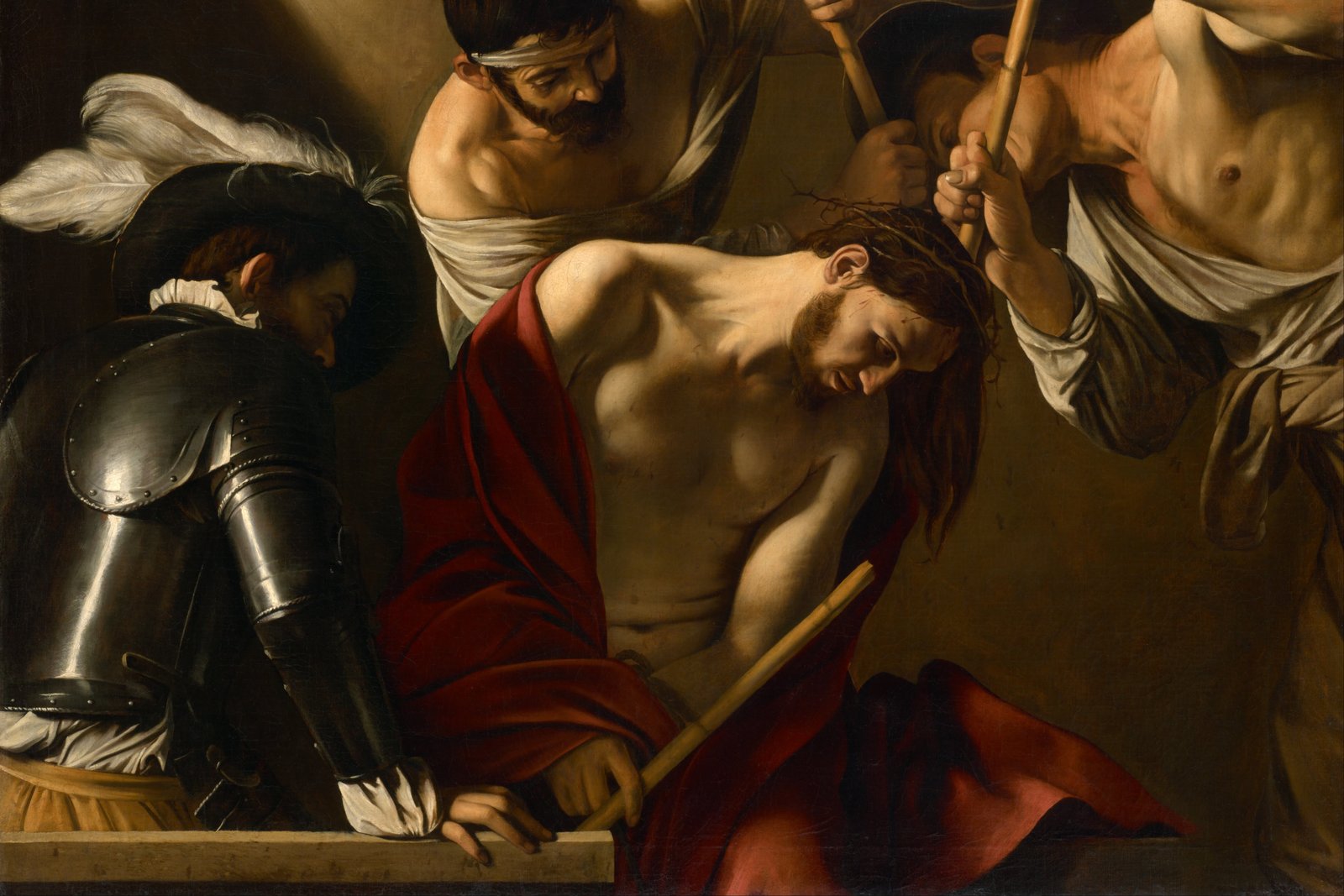
The Crown of Thorns in Christian Art: A Symbol of Mockery and Majesty
How painters from the early Church to Caravaggio turned a Roman soldier's cruel joke into one of Christianity's most recognizable symbols of suffering and kingship.
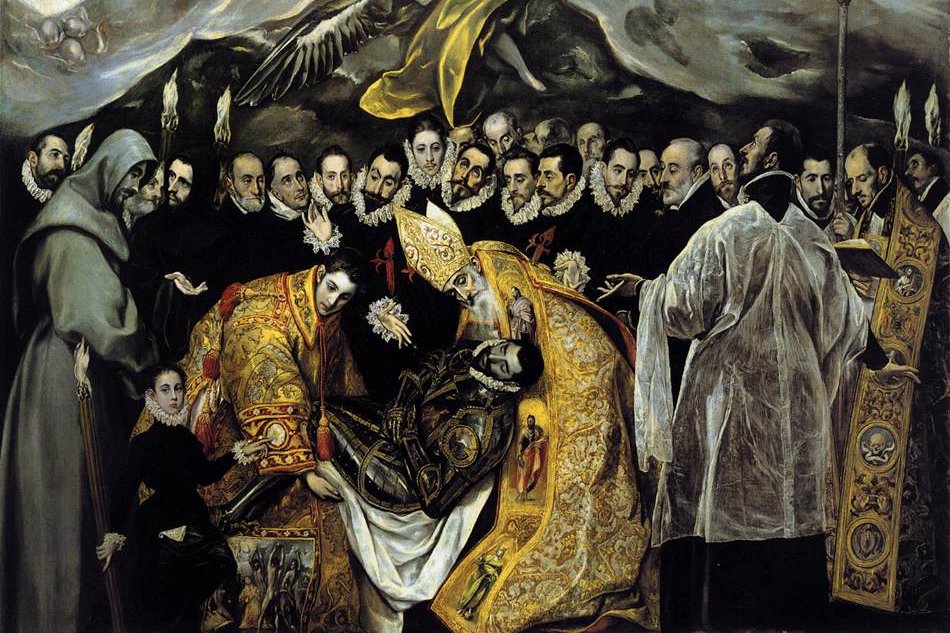
El Greco's Burial of the Count of Orgaz: Heaven Meets Toledo
How El Greco split one enormous canvas in half, painting an earthly funeral below and an ecstatic vision of heaven above, uniting them in a single miracle.
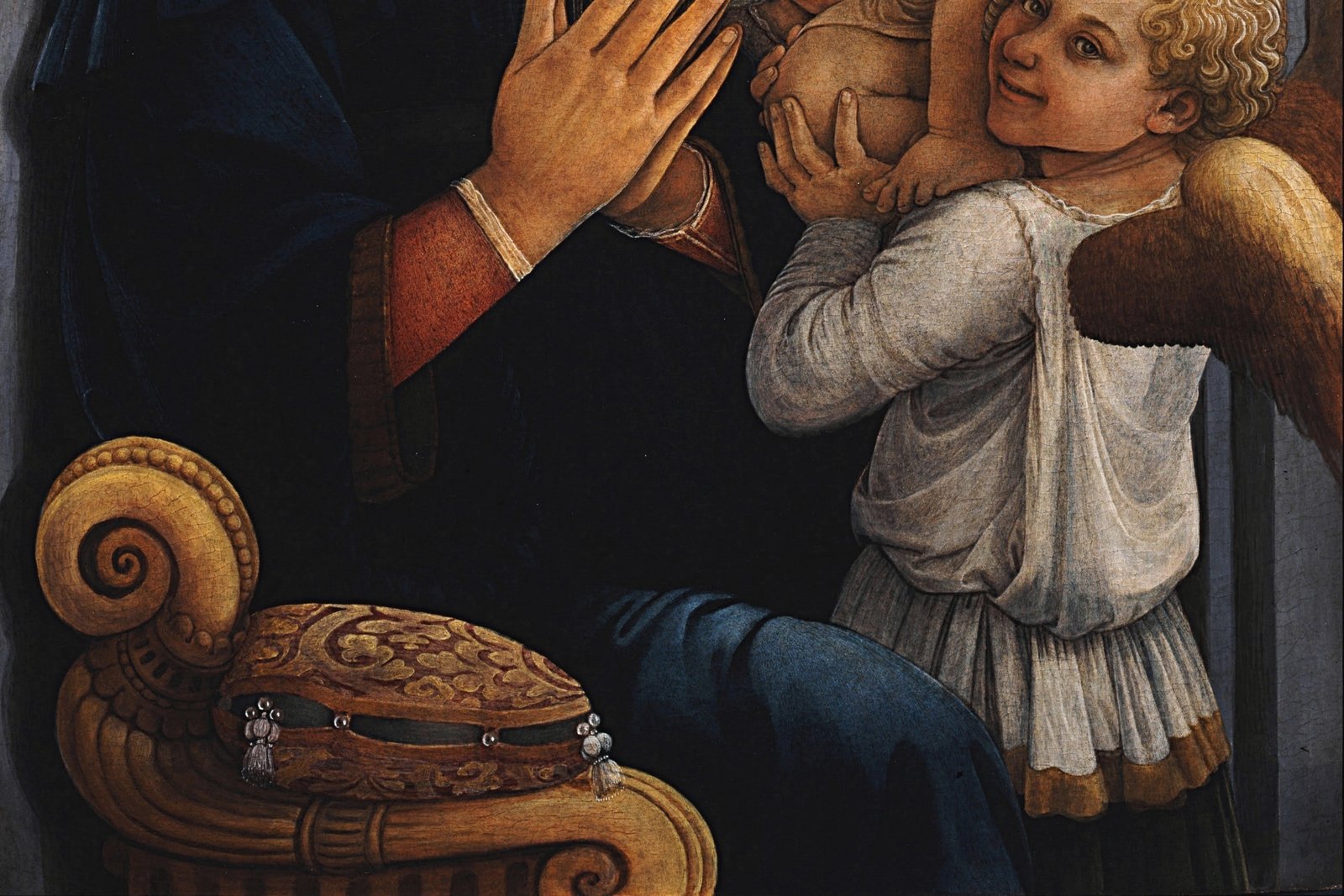
Fra Filippo Lippi's Madonnas: A Monk Who Painted Real Women
How a runaway friar with a scandalous personal life became one of the Renaissance's most tender painters of the Virgin Mary, giving her an unmistakably human face.
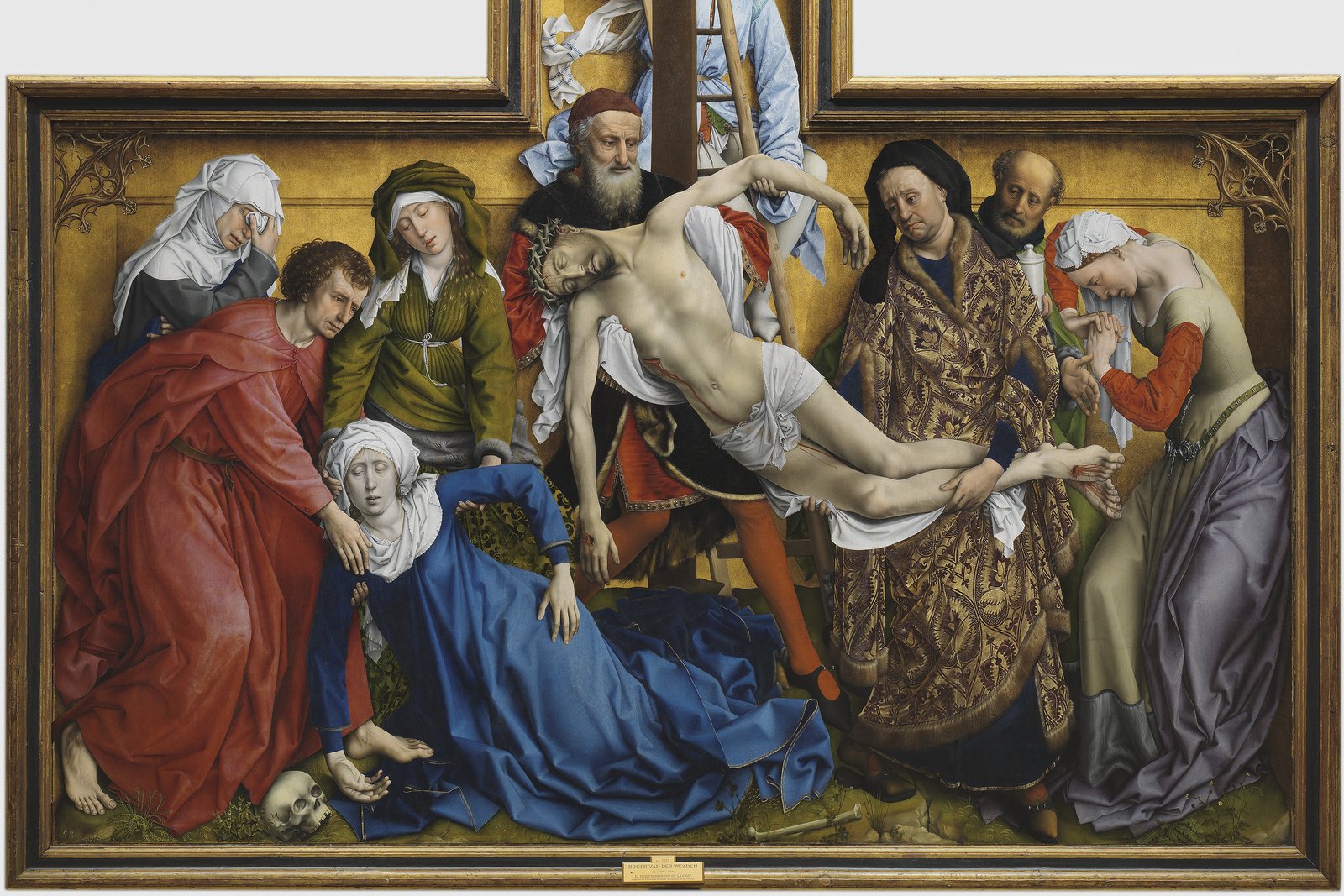
Rogier van der Weyden's Descent from the Cross: Grief in a Golden Box
How a Flemish master compressed ten mourning figures into a shallow, gilded stage to make the deposition of Christ feel unbearably close, human, and immediate.
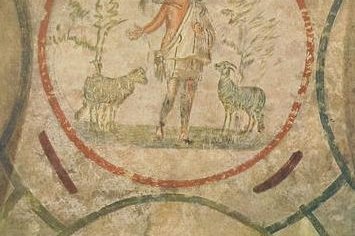
The Good Shepherd: Christianity's First Image of Christ
Long before the crucifix, Christians painted Christ as a beardless young shepherd carrying a lamb — the most common image of Jesus in the Church's first centuries.
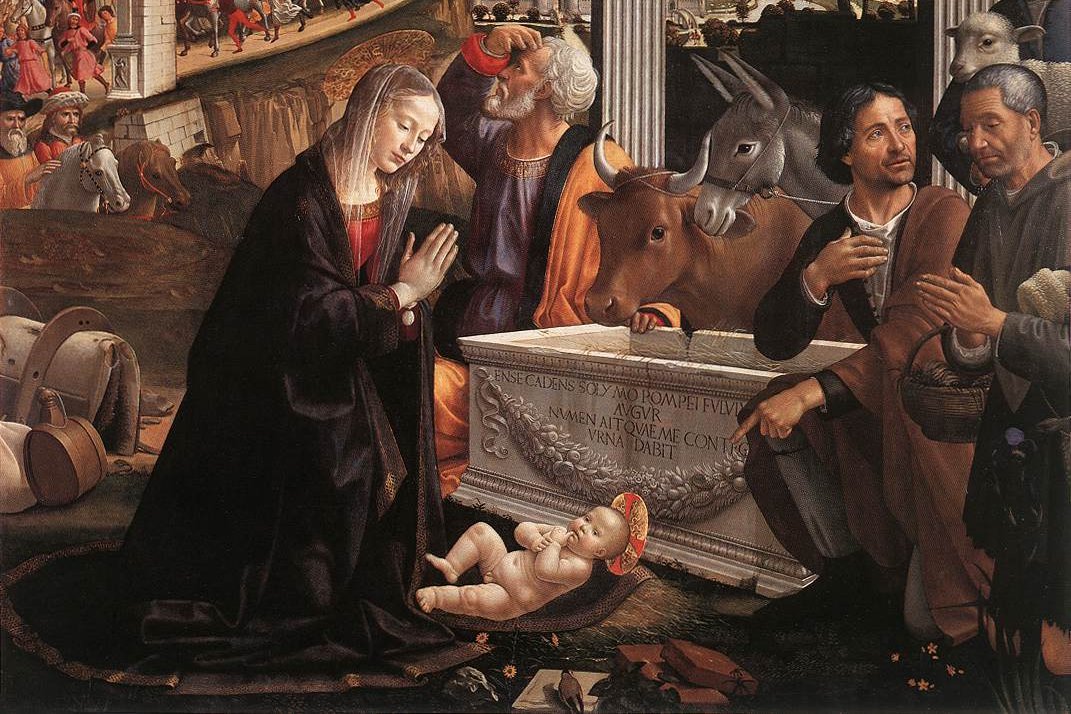
The Nativity in Renaissance Art: Reinventing the Manger
How Renaissance painters transformed the birth of Christ from a stiff, symbolic scene into an intimate human moment set in real light, landscape, and architecture.
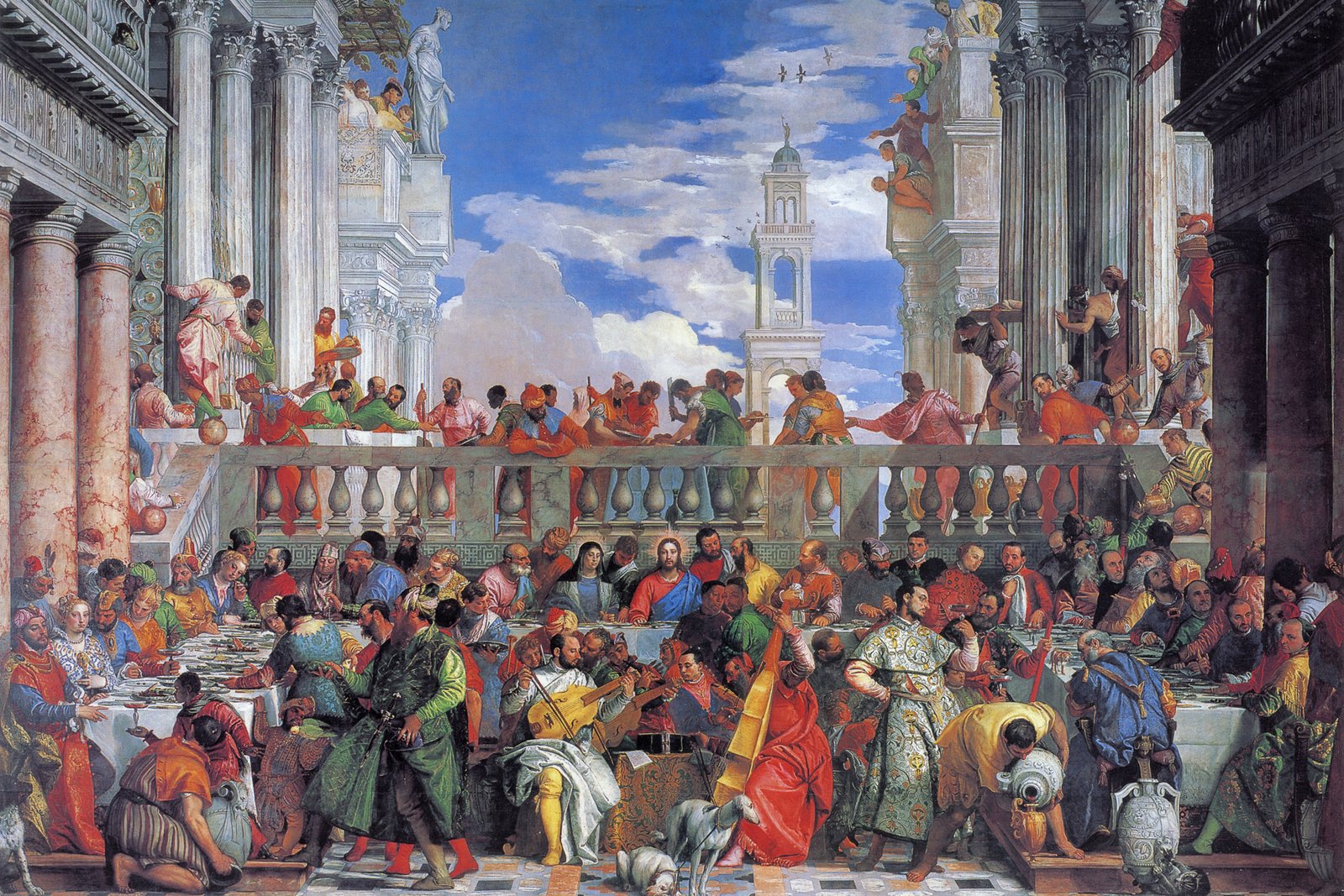
Veronese's Wedding at Cana: A Miracle Disguised as a Party
How Paolo Veronese turned Christ's first miracle into a vast Venetian banquet crowded with 130 figures, nearly burying the miracle itself in spectacle.
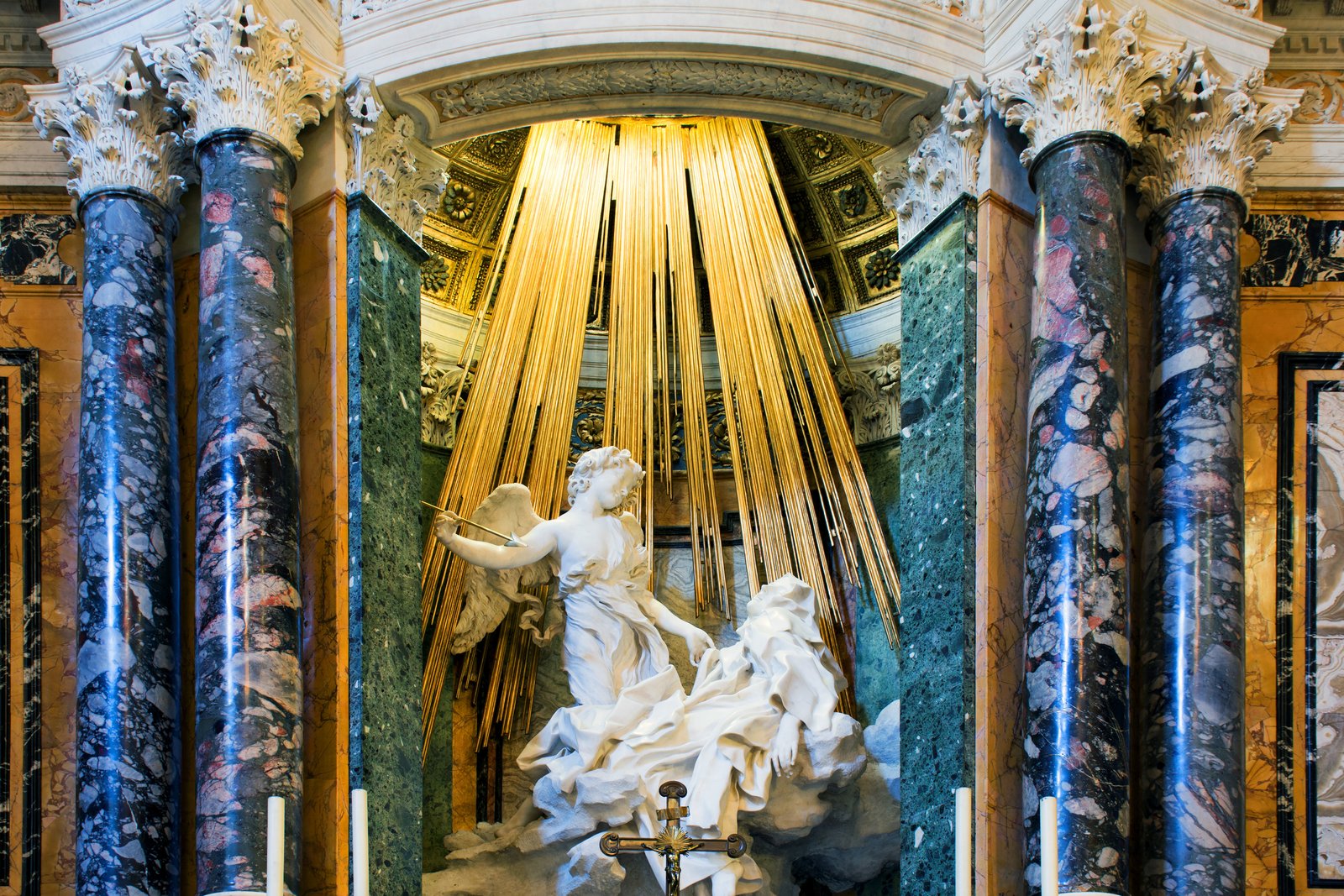
Bernini's Ecstasy of Saint Teresa: Sculpture as Divine Theater
Inside Rome's Cornaro Chapel, Bernini carved marble into billowing cloud and hidden light to visualize a Carmelite saint's own account of mystical union with God.
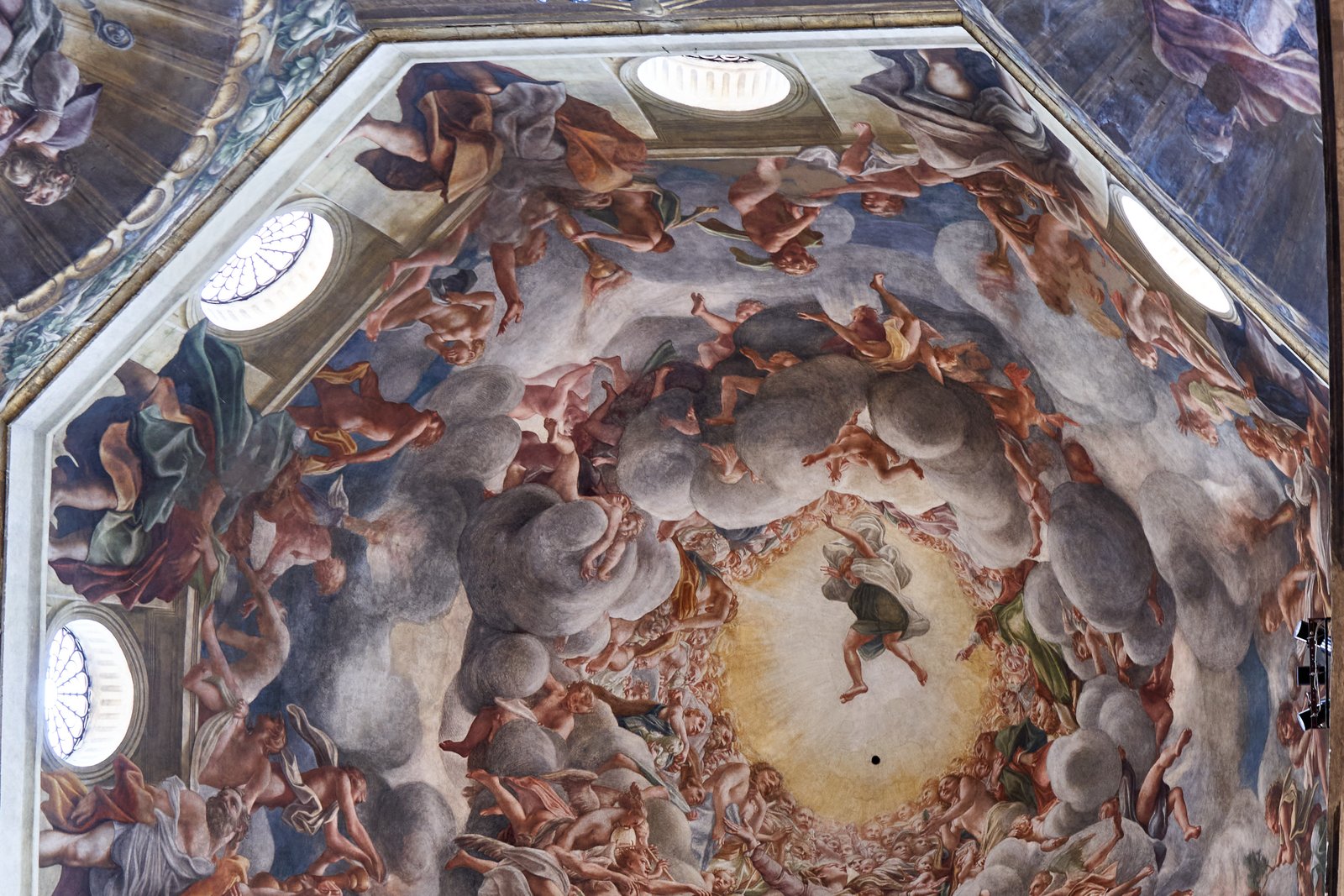
Correggio's Assumption: The Dome That Made Heaven Feel Close
How Correggio filled Parma Cathedral's dome with a swirling vision of Mary's ascent into heaven so radical one contemporary likened it to a stew of frogs.
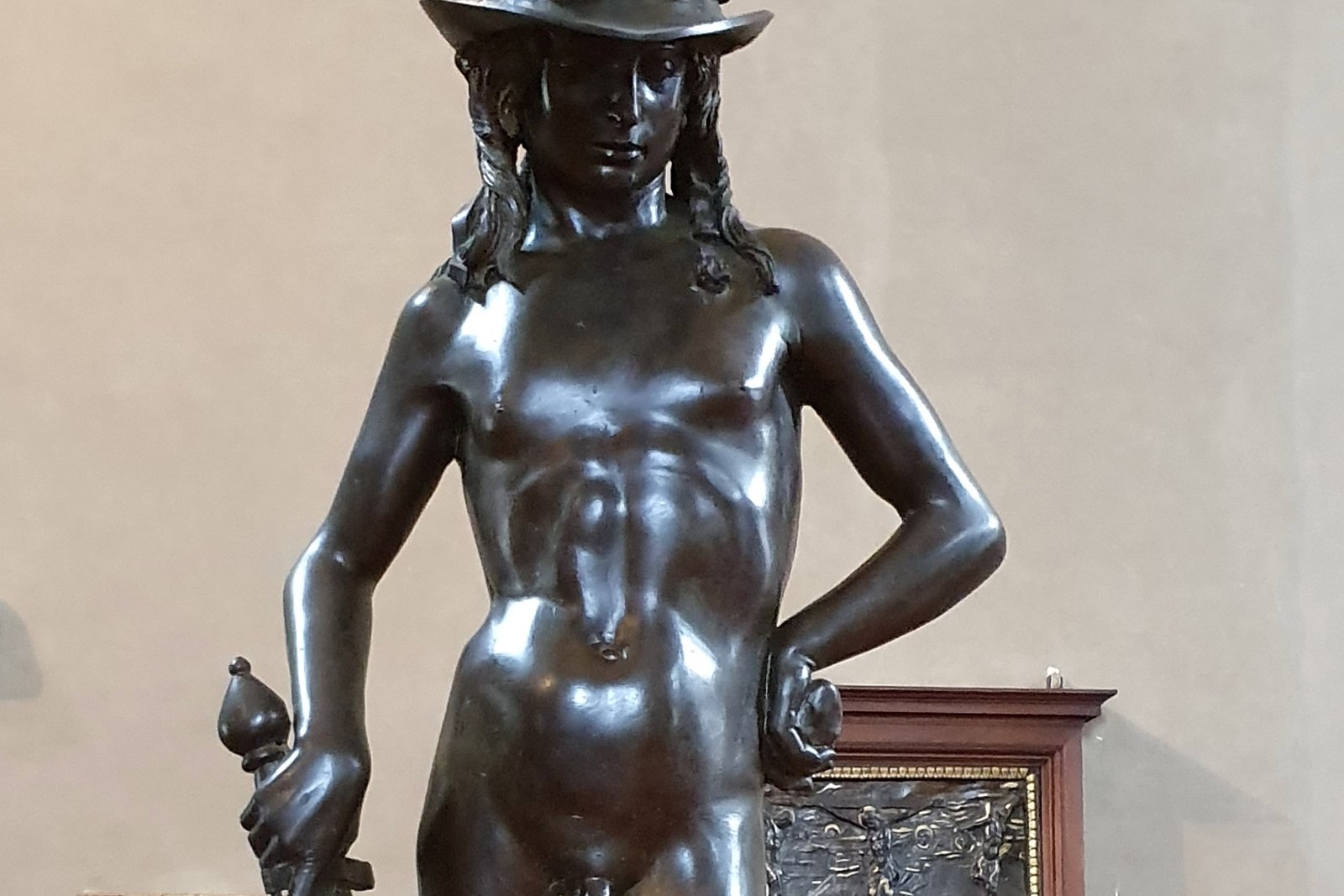
Donatello's David: The First Free-Standing Nude Since Antiquity
How a bronze statue of a barefoot shepherd boy quietly ended a thousand years of artistic tradition and became a symbol of Florentine political defiance.
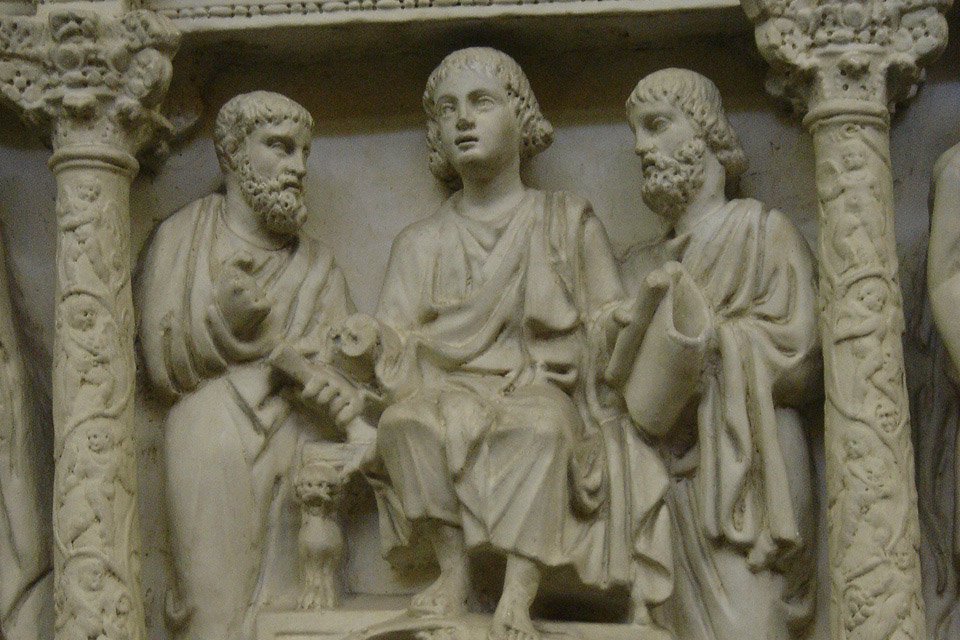
Early Christian Sarcophagi: Scripture Carved in Marble
How 4th-century Roman Christians turned stone coffins into densely carved narrative Bibles, packing miracle scenes and Apostles into a single marble box.
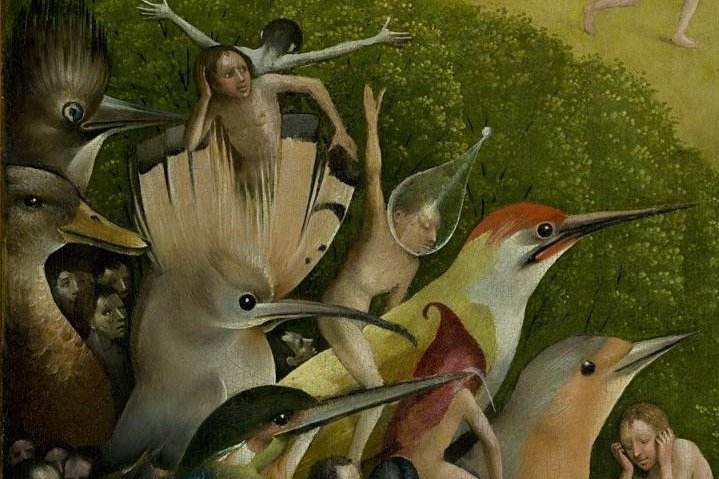
Bosch's Garden of Earthly Delights: A Triptych Nobody Fully Explains
Five centuries after it was painted, Bosch's triptych of paradise, pleasure, and punishment still resists a single agreed reading among art historians.
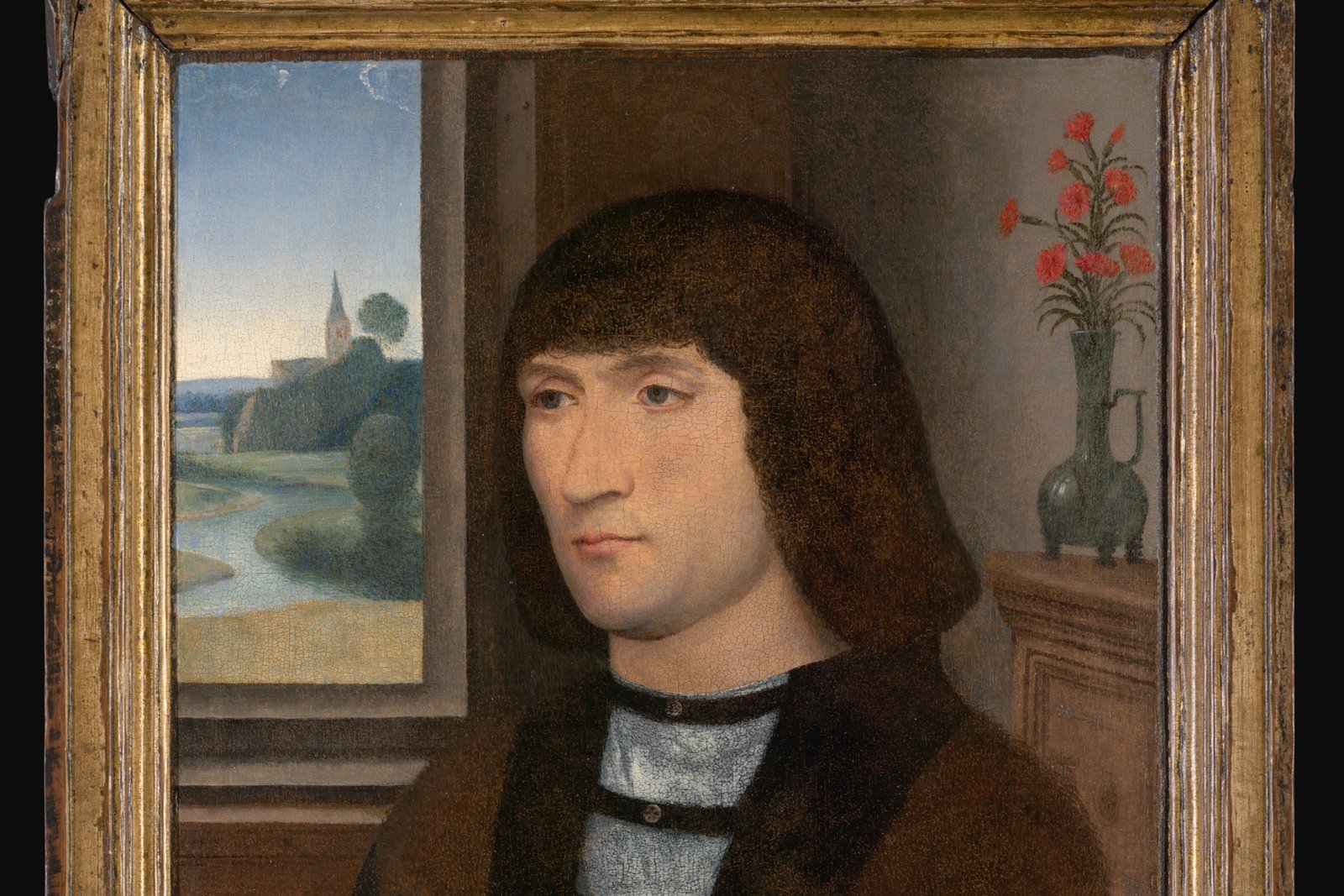
Hans Memling: The Quiet Master of Flemish Devotional Painting
How a German-born painter working in Bruges perfected a serene, jewel-like style of religious portraiture that made him one of the era's most sought-after artists.
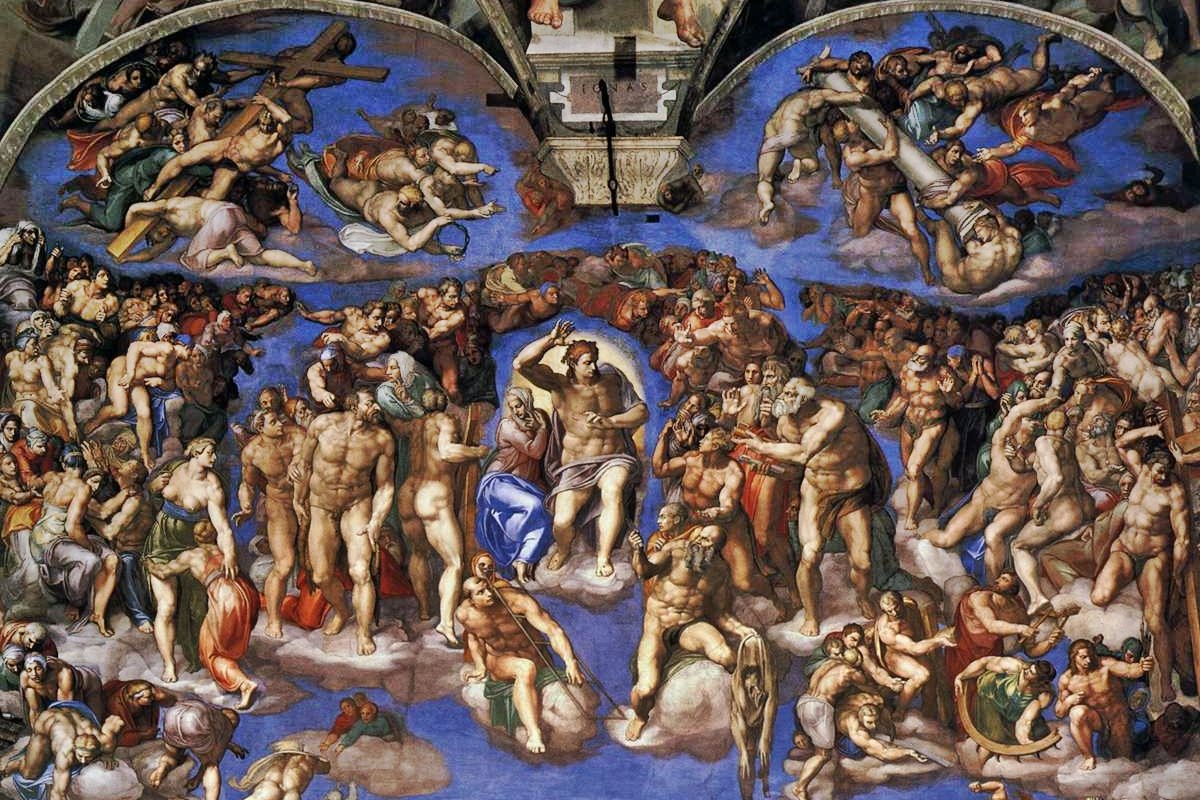
Michelangelo's Last Judgment: The Sistine Chapel's Second Act
Decades after the ceiling, an aging Michelangelo returned to paint the Sistine Chapel's altar wall with a vast vision of judgment that scandalized early viewers.
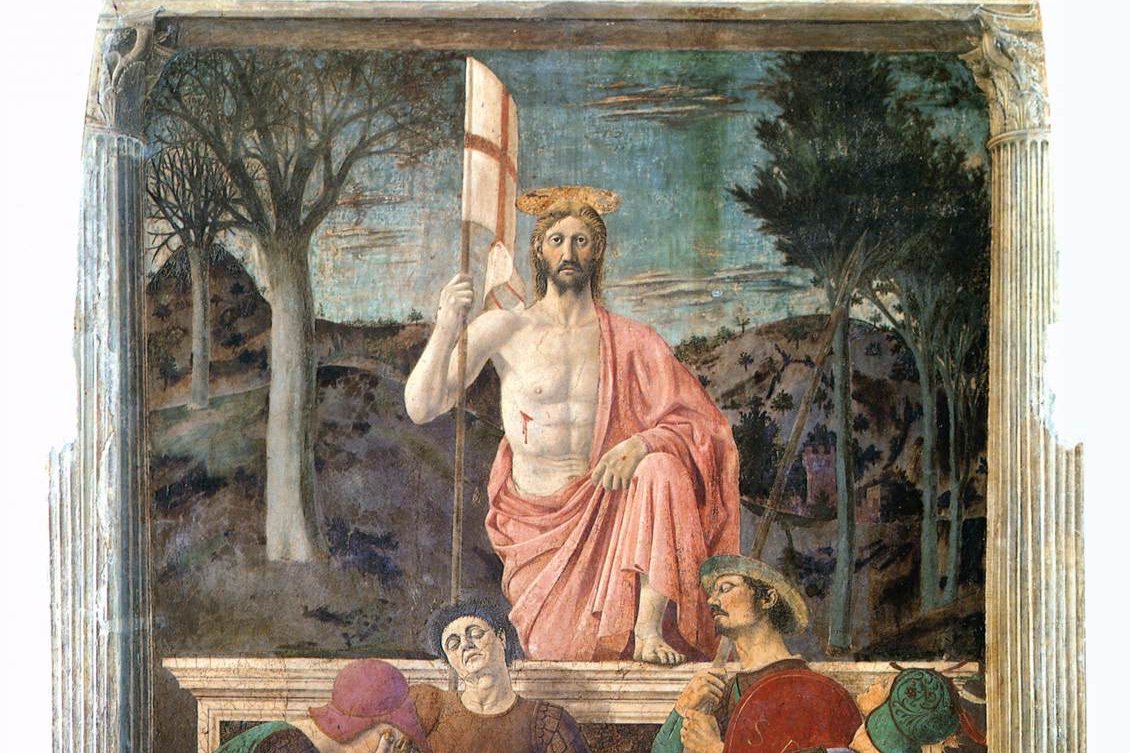
Piero della Francesca's Resurrection: A Fresco Saved by Its Own Fame
How a quiet Tuscan fresco of Christ rising from the tomb, praised by Aldous Huxley as the world's greatest painting, escaped destruction in World War II.
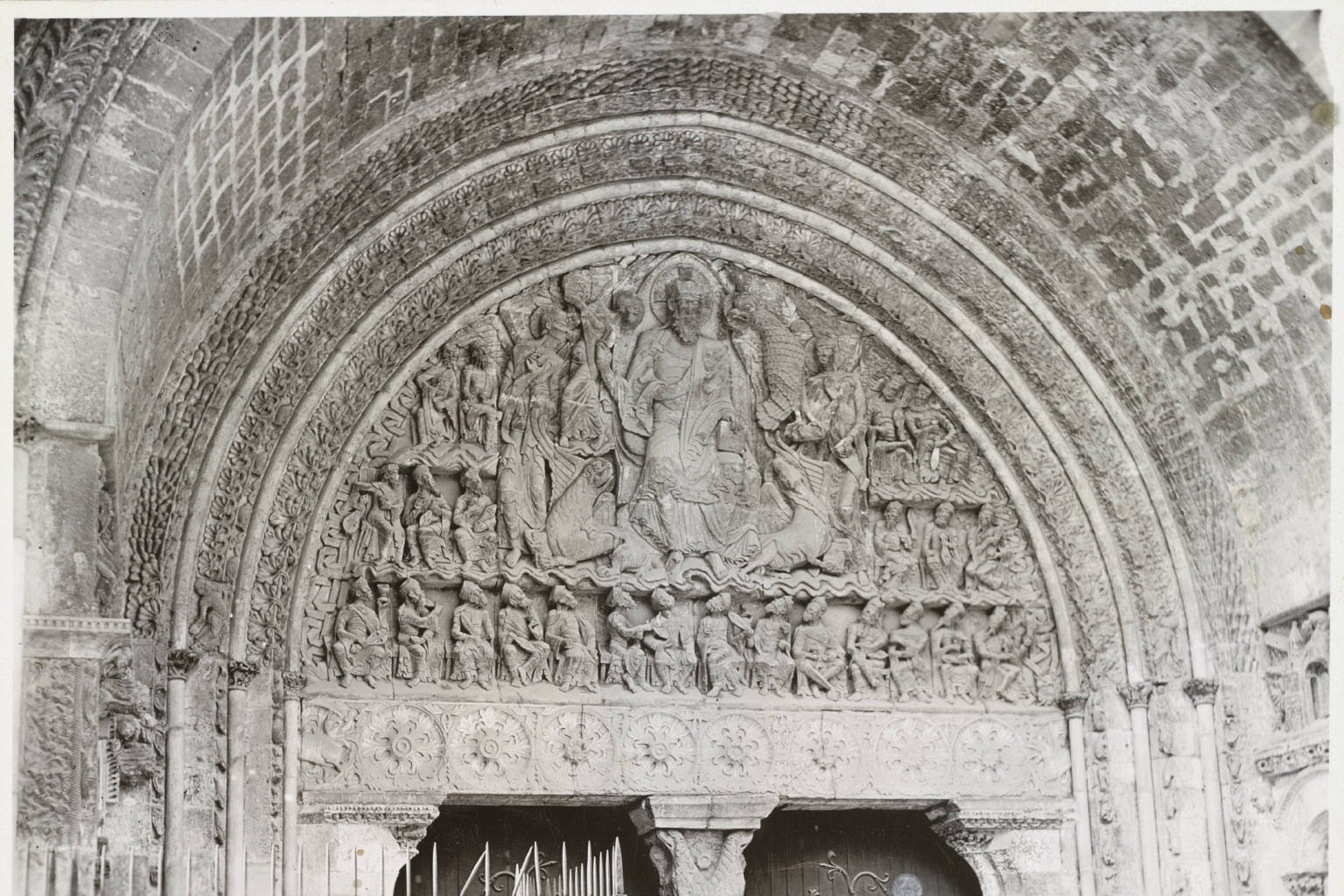
Romanesque Tympanums: Stone Sermons Above the Church Door
Why medieval builders carved terrifying visions of Christ's judgment into the stone directly above the doorways pilgrims walked through on their way into church.
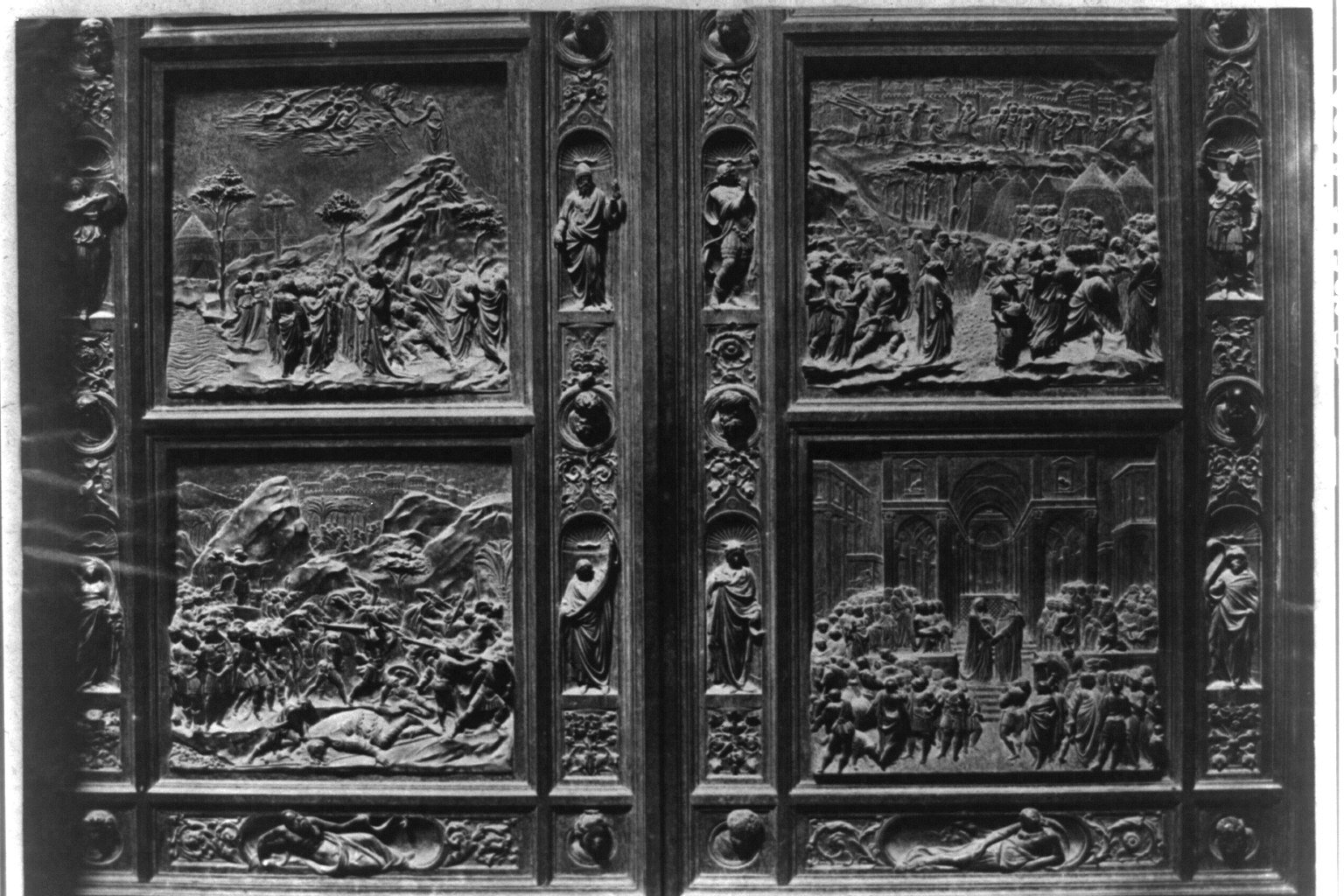
The Baptistery Doors of Florence: The Gates Michelangelo Called Paradise
How Lorenzo Ghiberti spent 27 years and won a legendary competition to cast the bronze doors that Michelangelo said were worthy of standing at the gates of Paradise.
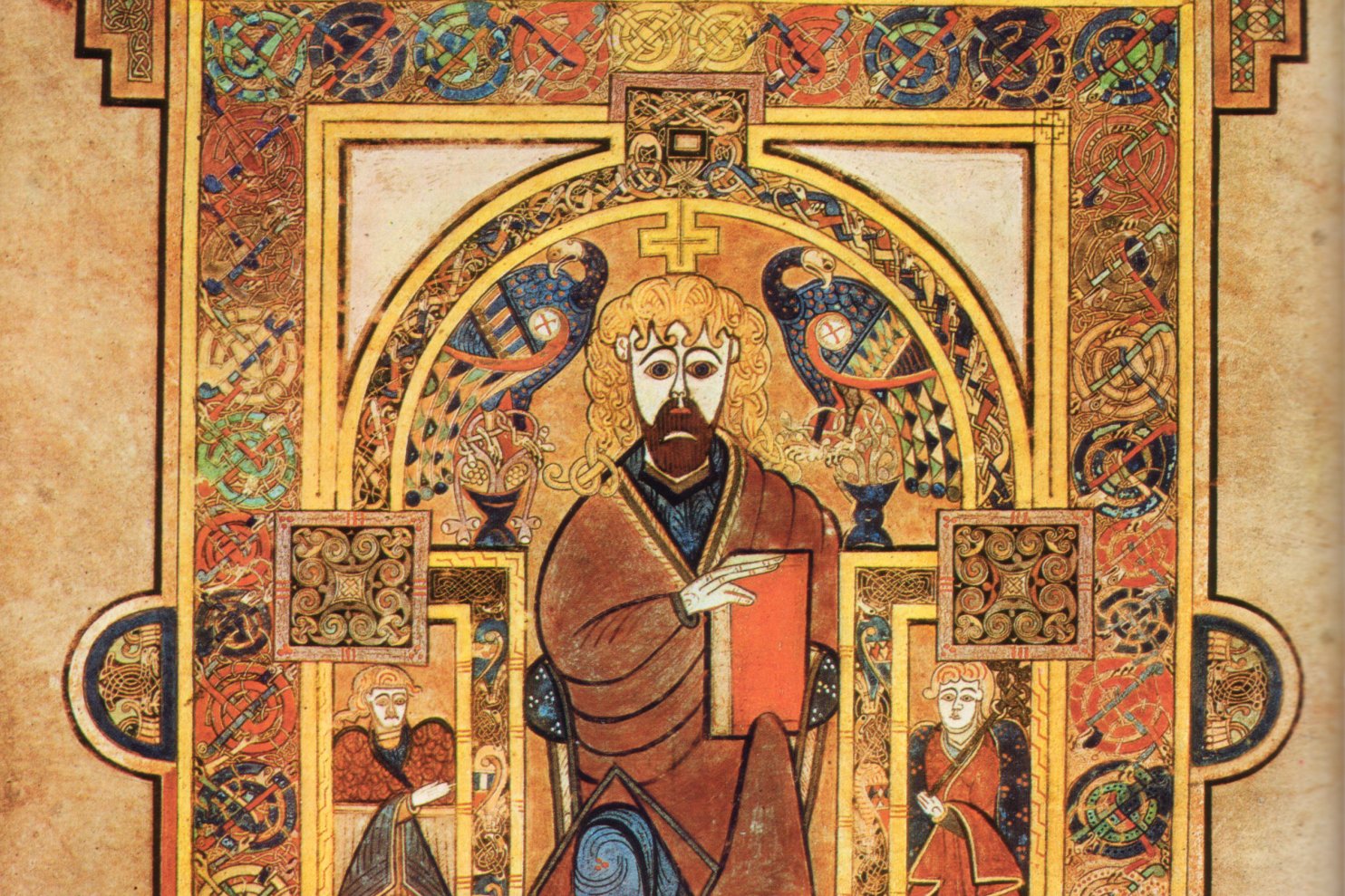
The Book of Kells: An Illuminated Gospel Made to Dazzle
Inside the intricately illuminated 9th-century Gospel manuscript so densely decorated that a 12th-century visitor called it the work of angels, not men.
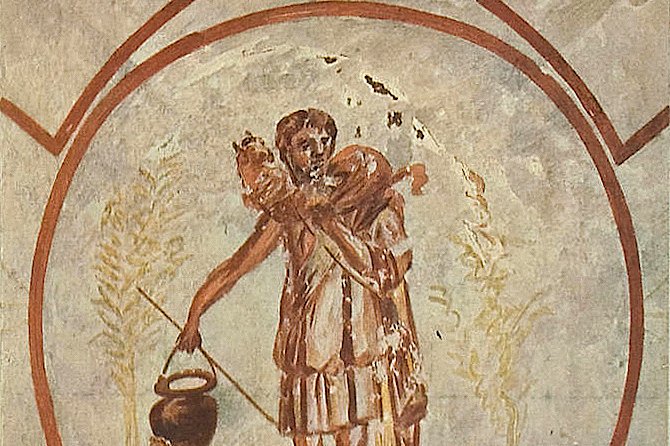
The Catacomb Paintings of Rome: Christianity's First Visual Language
Deep beneath ancient Rome, persecuted Christians painted the Good Shepherd and coded symbols of hope on tomb walls — the earliest surviving Christian art.
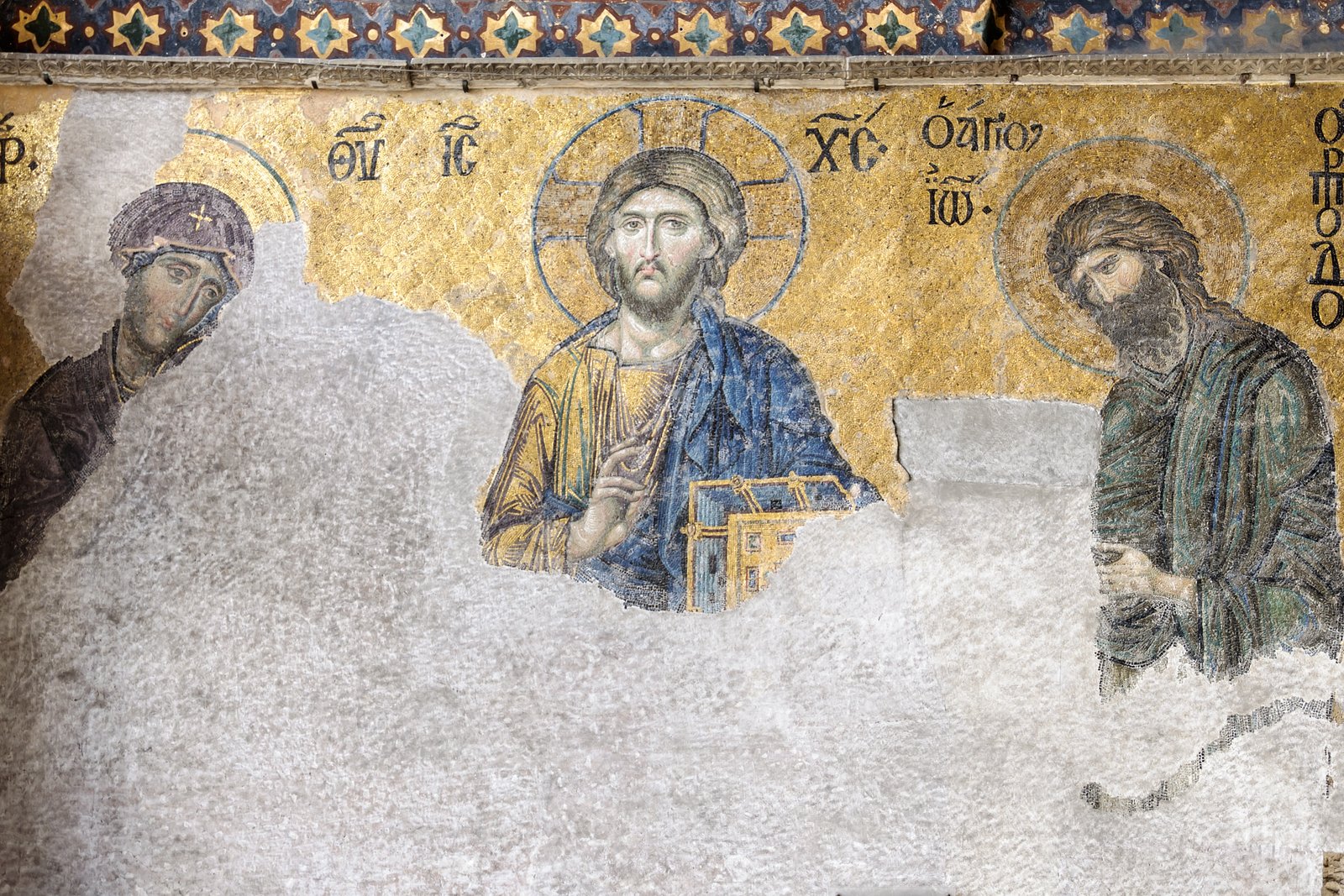
The Hagia Sophia Mosaics: Gold Ceilings Above Empires in Flux
How the mosaics of Constantinople's great cathedral survived iconoclasm, conquest, and conversion, buried and revealed again across fifteen centuries.
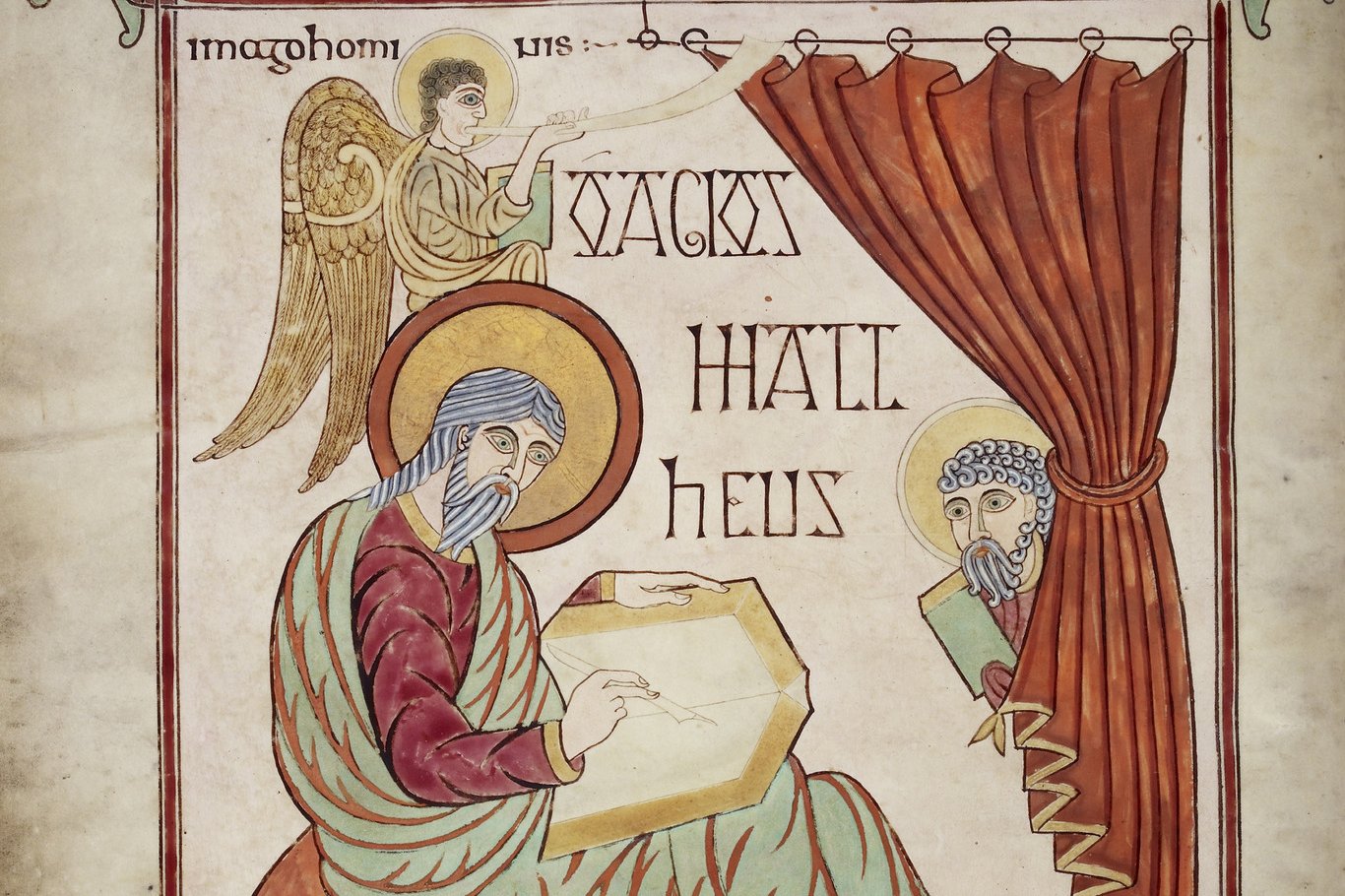
The Lindisfarne Gospels: One Monk's Solitary Masterpiece
How a single Northumbrian monk, working alone on a windswept tidal island, produced one of the most technically astonishing illuminated manuscripts in history.
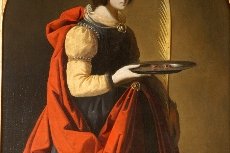
Zurbarán's Saints: Sculptural Stillness in Golden Age Spain
How Francisco de Zurbarán painted monks and virgin martyrs with sculptural stillness, becoming the favored painter of Spain's austere Golden Age religious orders.
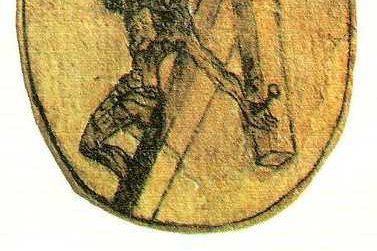
Salvador Dalí's Christ of Saint John of the Cross
Dalí painted Christ from directly above, floating over a dark bay — a composition he traced back to a tiny sixteenth-century sketch by a Spanish mystic.
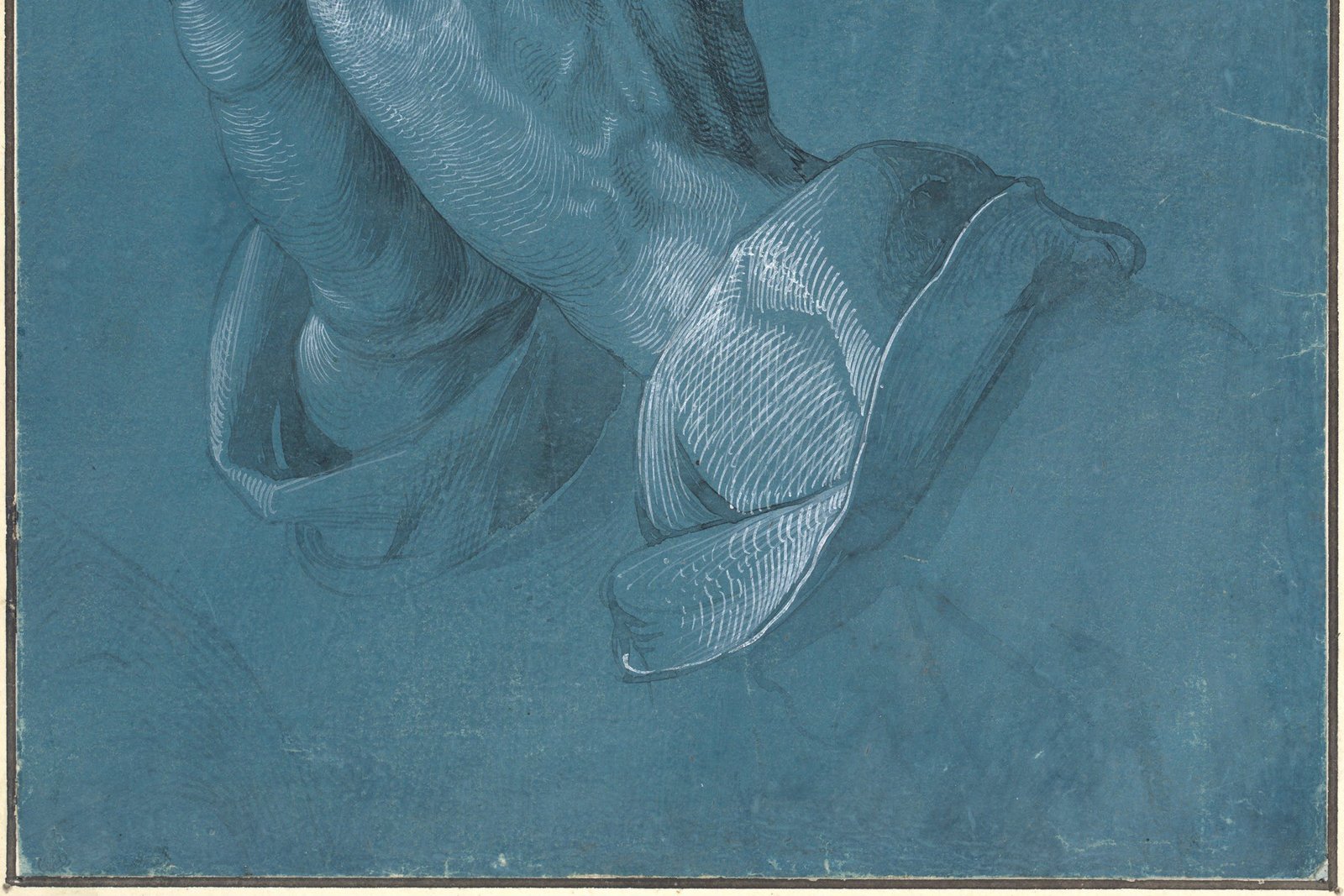
Dürer's Praying Hands
Albrecht Dürer's Praying Hands began as a small study for an altarpiece, then outgrew it to become one of the most reproduced religious images ever made.
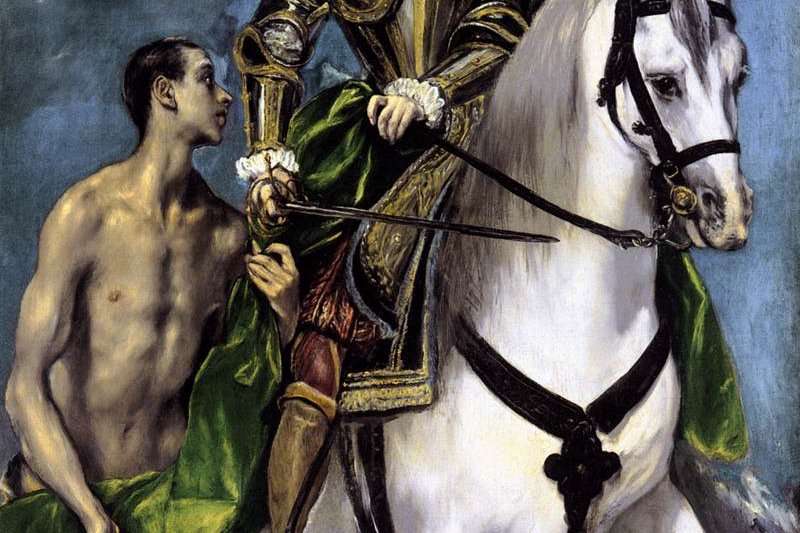
El Greco's Saint Martin and the Beggar
El Greco painted a Roman soldier's act of charity with Toledo rising in the background, stretching a fourth-century story across sixteenth-century Spain.
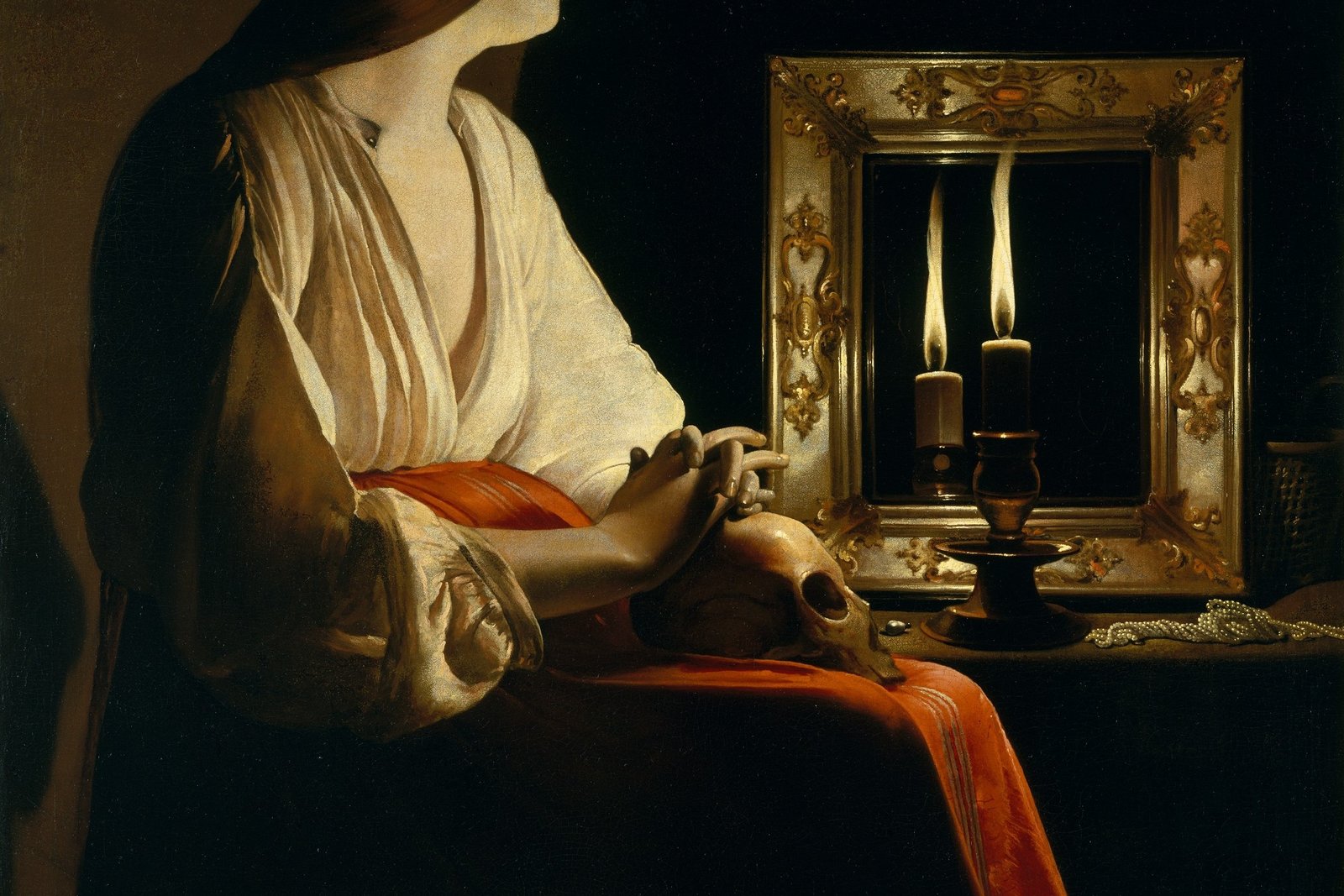
Georges de La Tour's Penitent Magdalene
Georges de La Tour painted Mary Magdalene alone by candlelight, staring into a mirror and a skull — repentance rendered in near-total, quiet darkness.
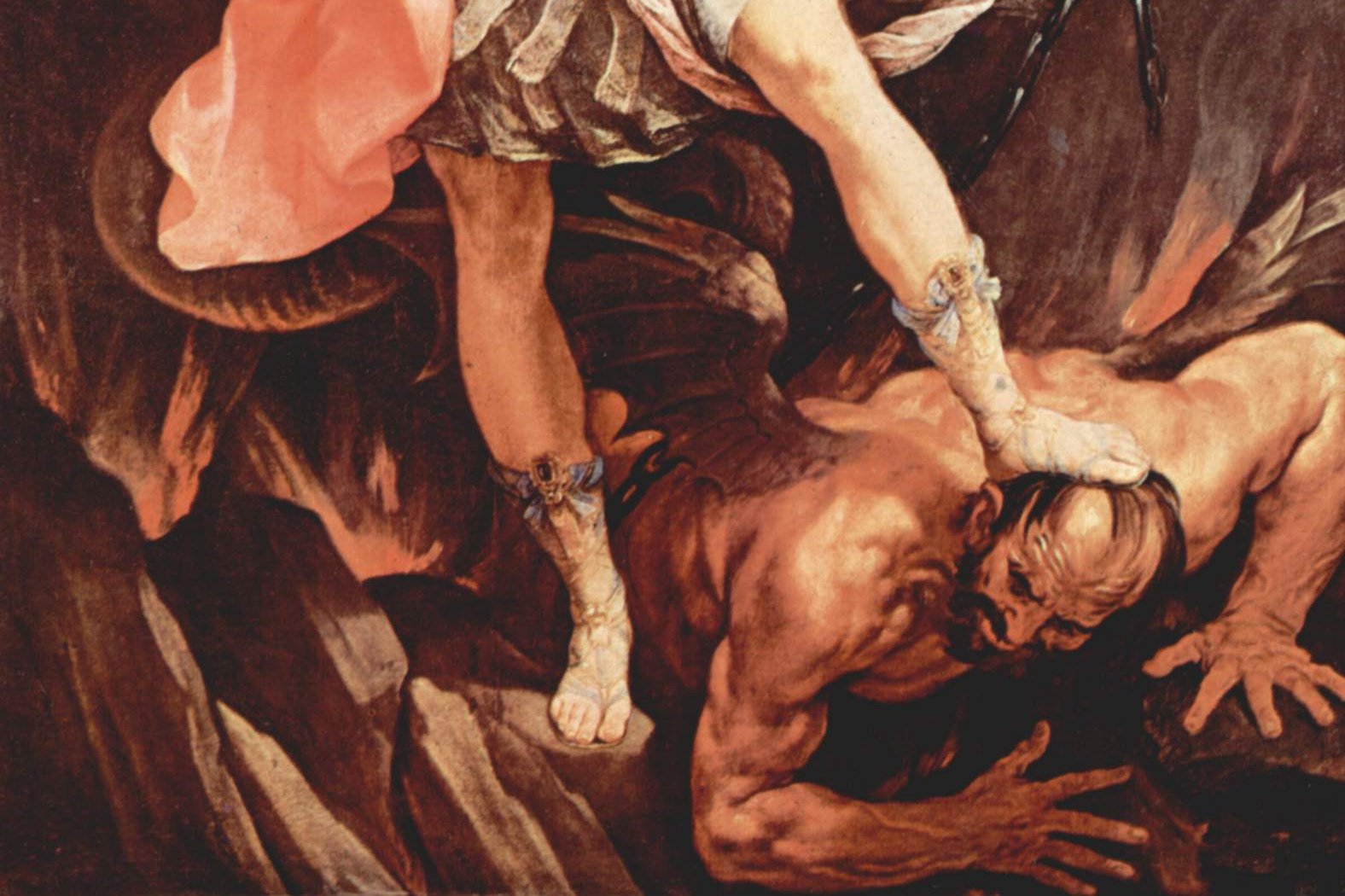
Guido Reni's Saint Michael the Archangel
Guido Reni's 1636 Archangel Michael became the standard image an entire tradition of devotional art copied — and reportedly settled a personal grudge along the way.
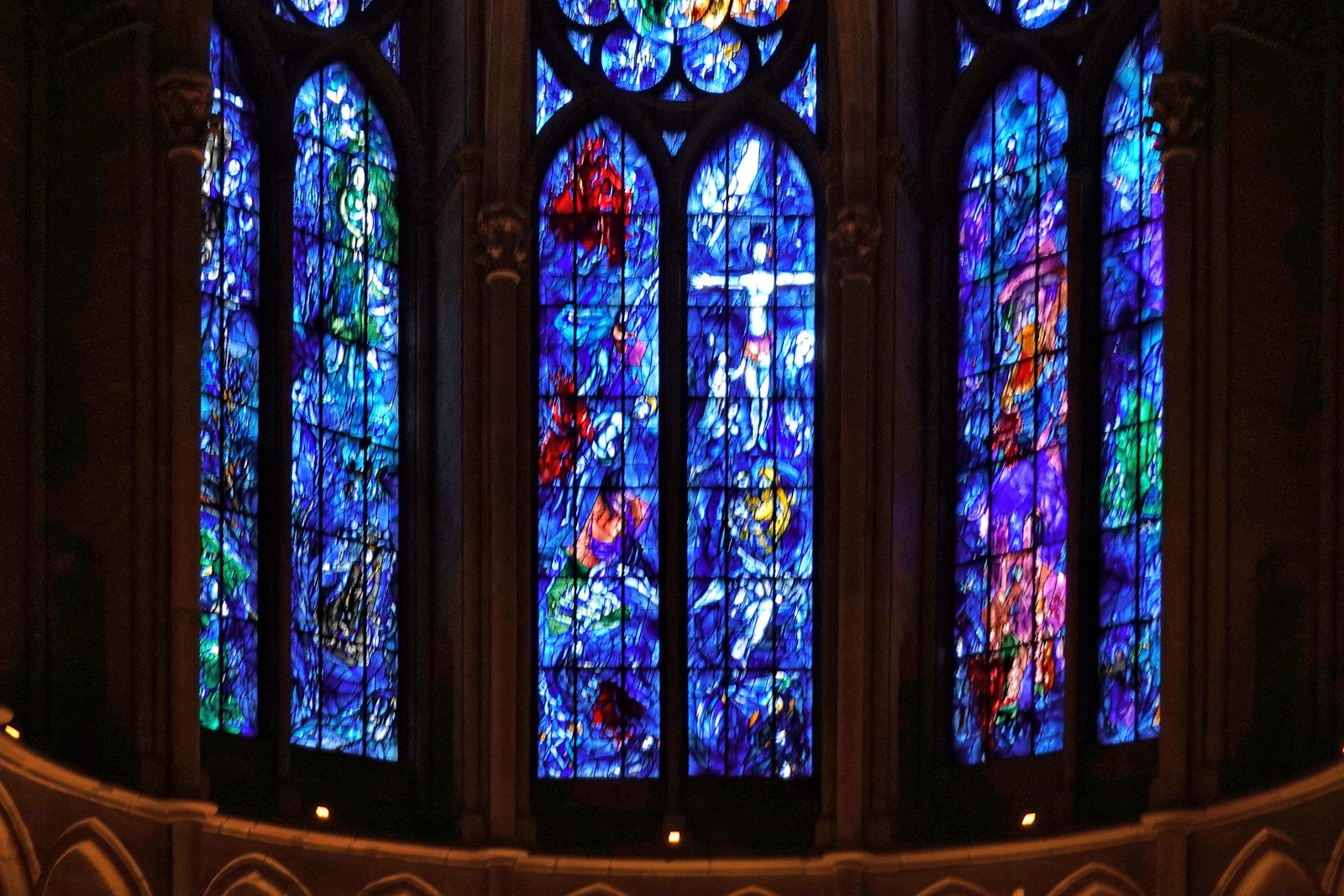
Marc Chagall's Stained Glass Windows
Marc Chagall spent his final decades designing stained glass for churches and synagogues across Europe and America, a medium he treated as painting with light.
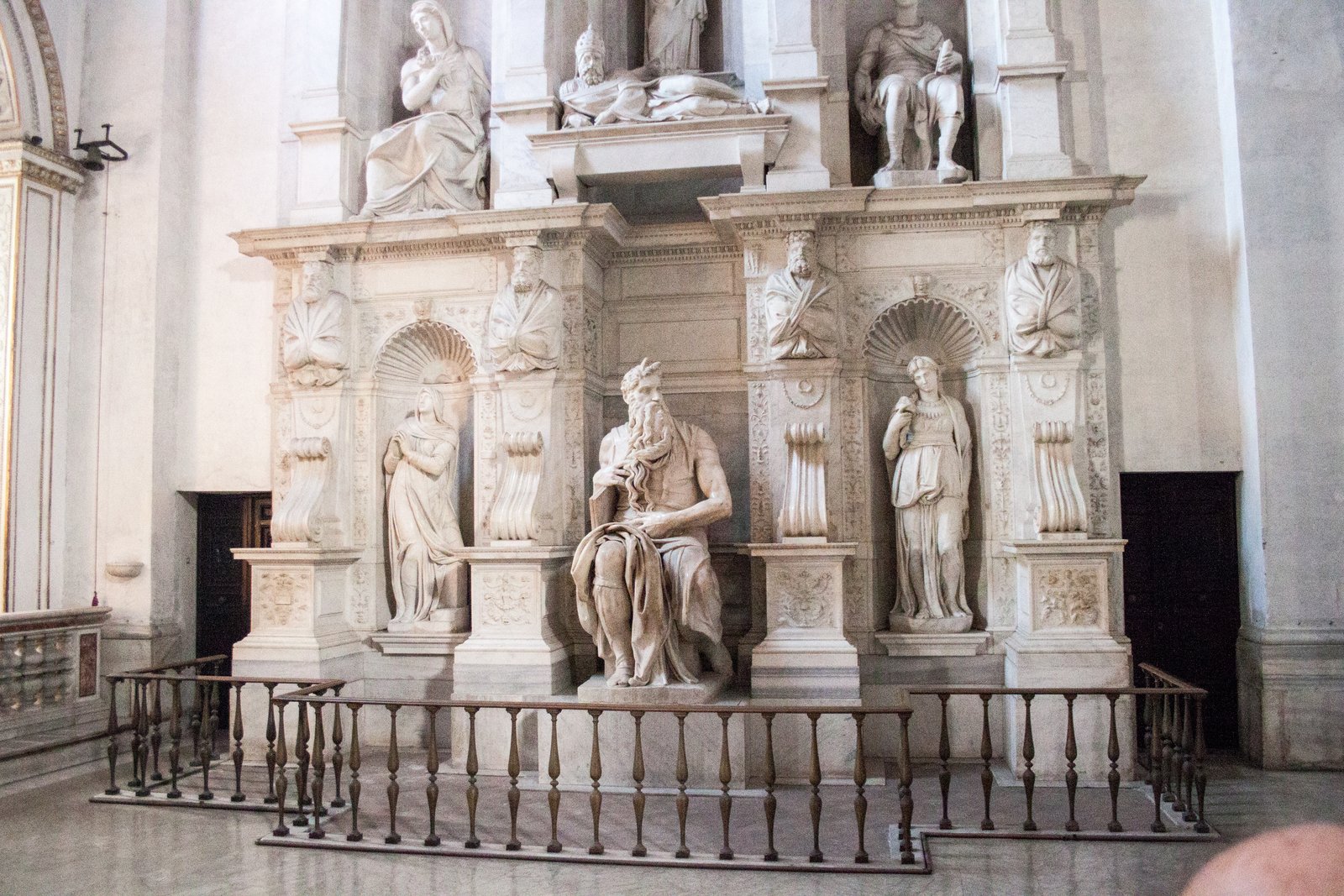
Michelangelo's Moses
Michelangelo carved a seated Moses with two small horns on his head — a detail traced not to legend, but to a centuries-old mistranslation of biblical Hebrew.
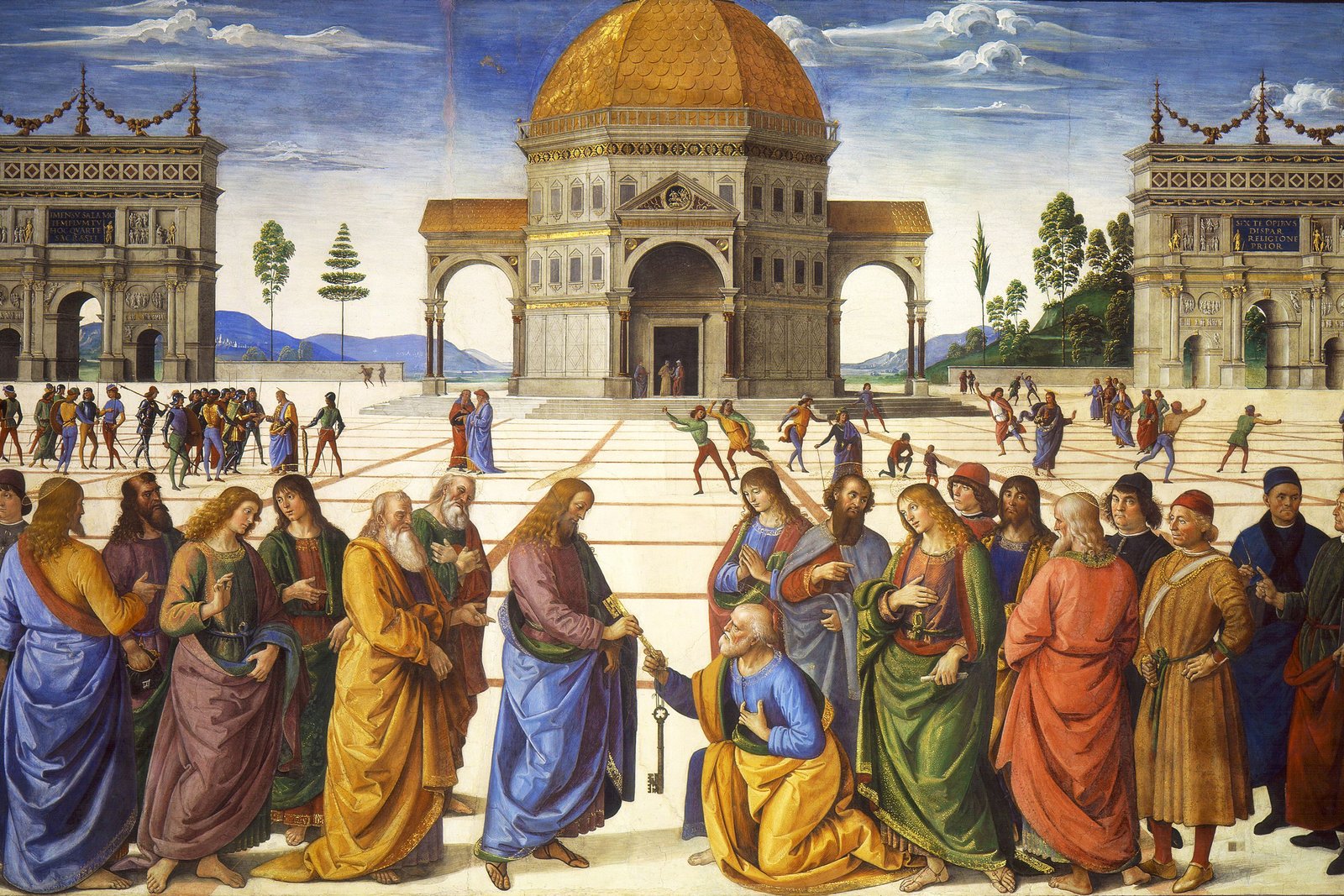
Perugino's Delivery of the Keys
Perugino's Sistine Chapel fresco shows Christ handing Peter the keys of the kingdom — a painting that helped shape how the papacy pictures its own authority.
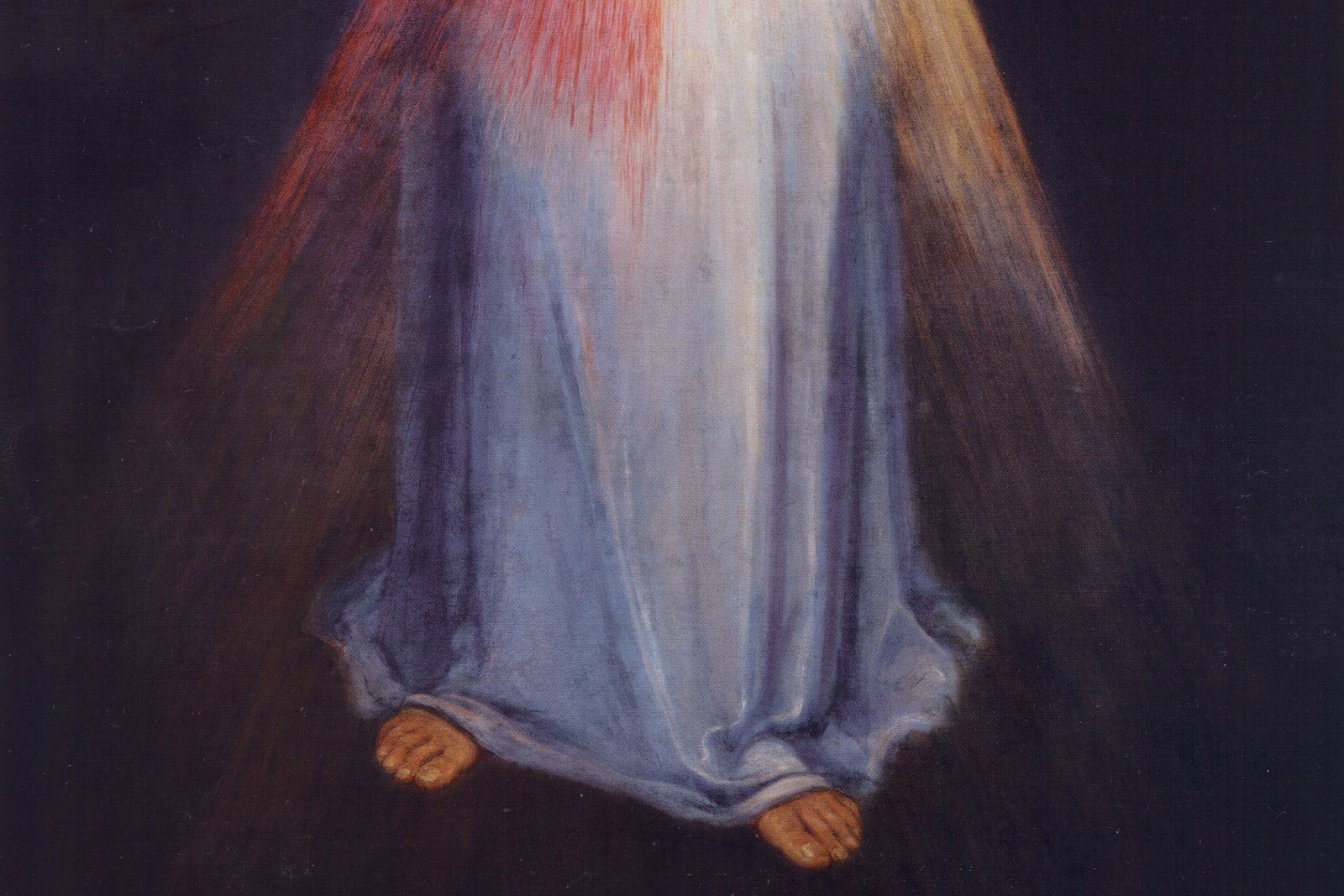
The Divine Mercy Image: History and Meaning
A convent painter followed a nun's exact instructions to paint Christ as she said she saw him — and the image became one of the century's most reproduced.
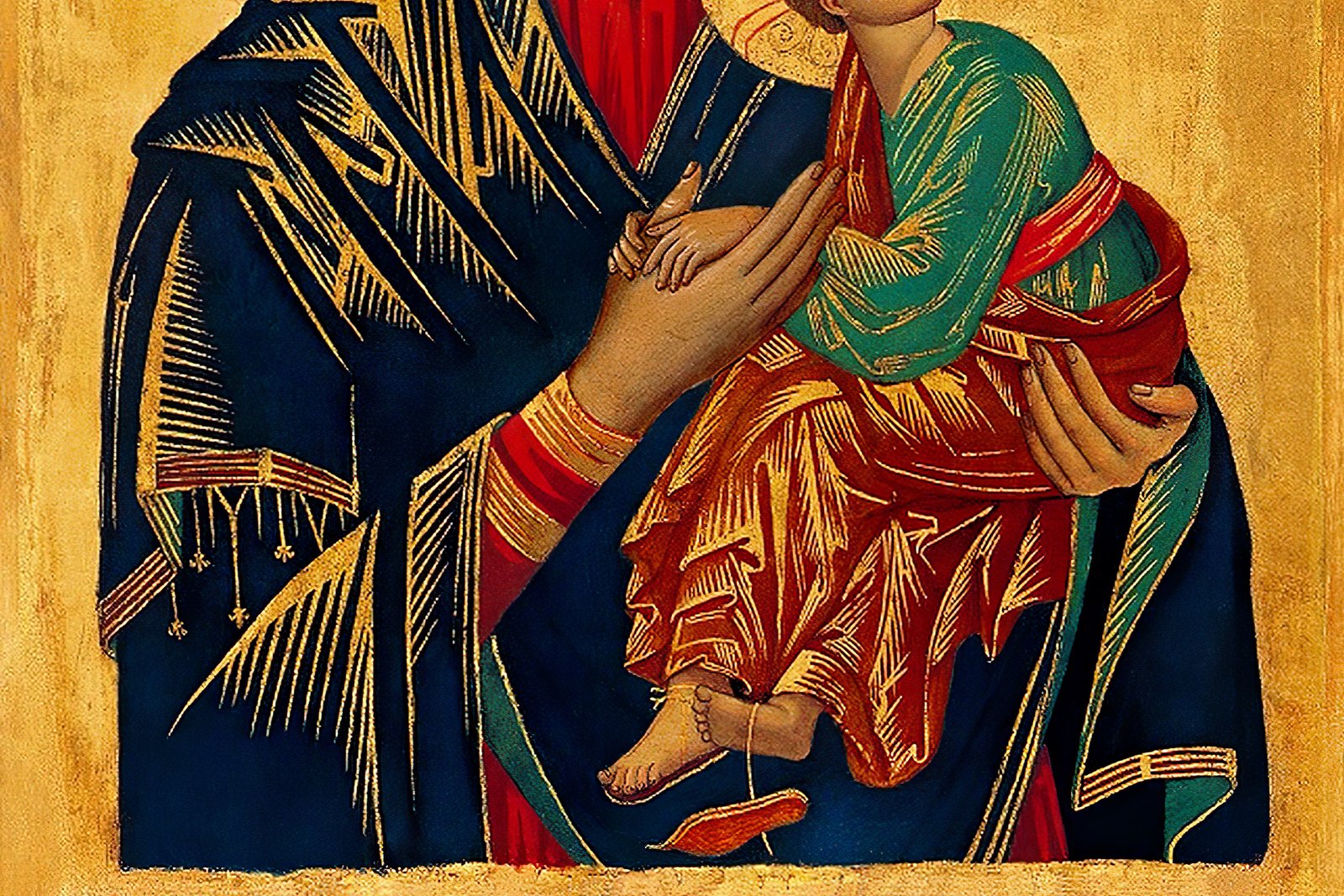
The Icon of Our Lady of Perpetual Help
A centuries-old Byzantine icon of Mary and the Christ Child hangs above a Roman altar today, its likeness reproduced in Catholic churches around the world.
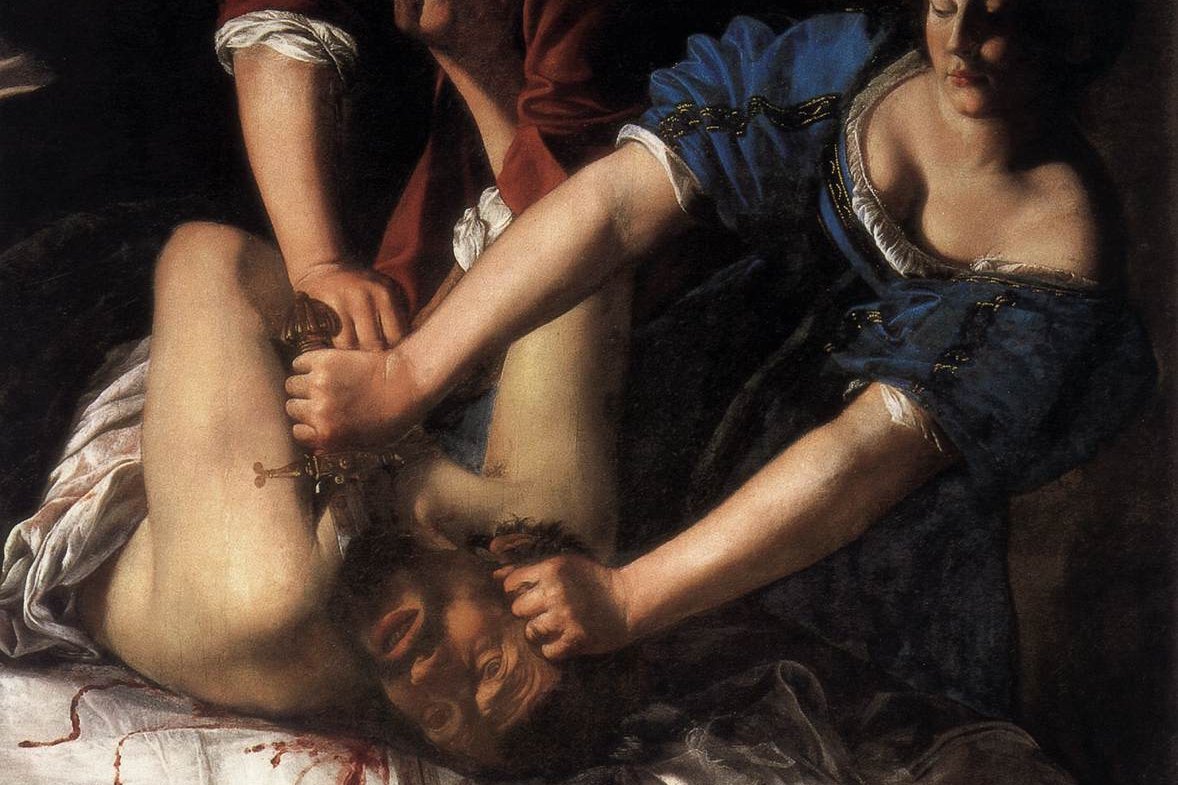
Artemisia Gentileschi's Judith Beheading Holofernes
Artemisia Gentileschi painted two versions of Judith beheading Holofernes, forceful works often read against her own biography as one of Baroque art's few women.
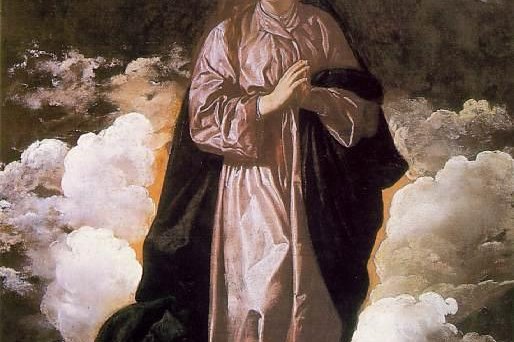
Diego Velázquez's Immaculate Conception
Velázquez painted the Immaculate Conception around age 19, using a strict visual formula for the doctrine decades before it became official Catholic teaching.
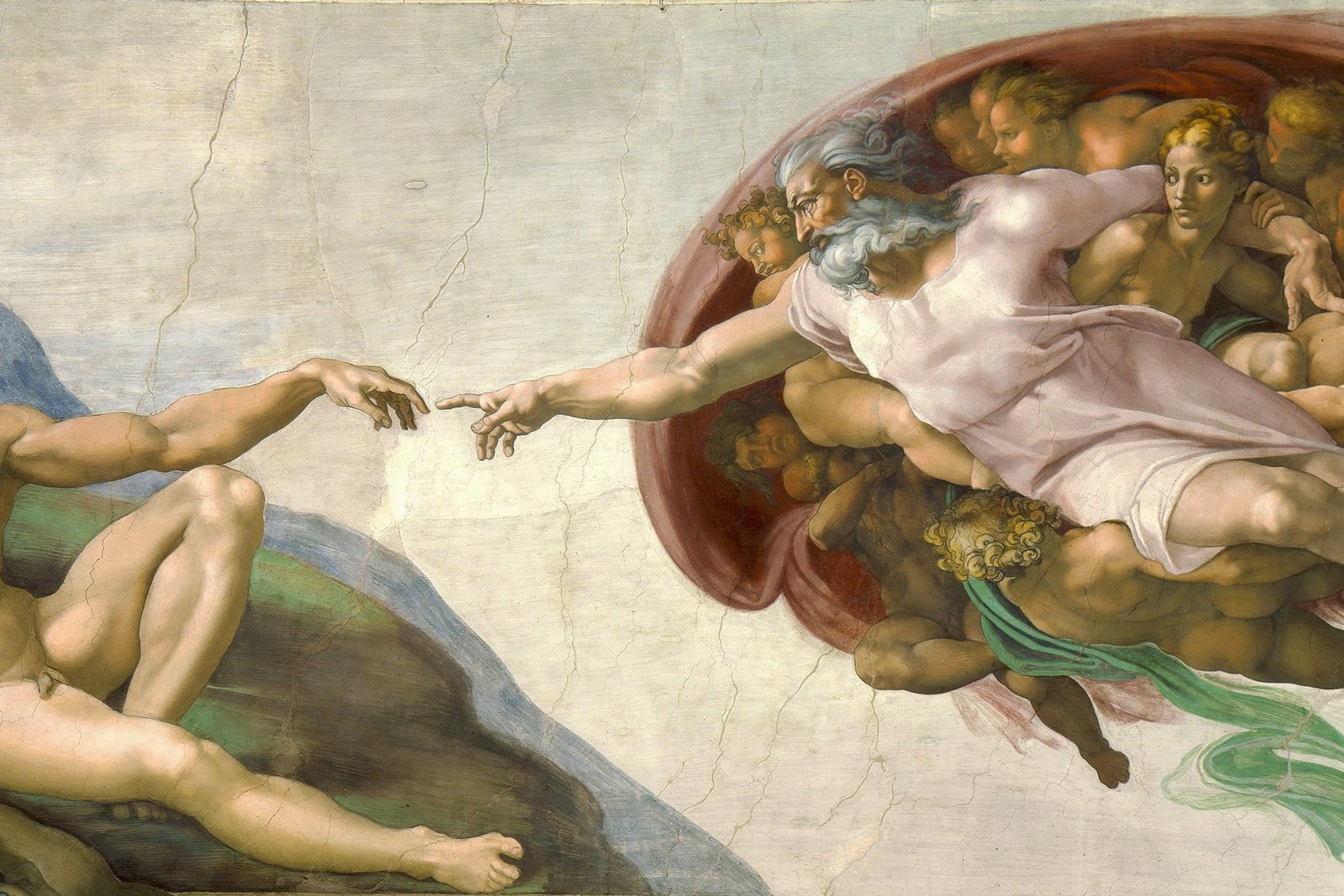
Michelangelo's Creation of Adam Explained
Inside the Sistine Chapel's most famous panel: the almost-touching hands, the mystery woman under God's arm, and the debated brain-shaped cloud theory.
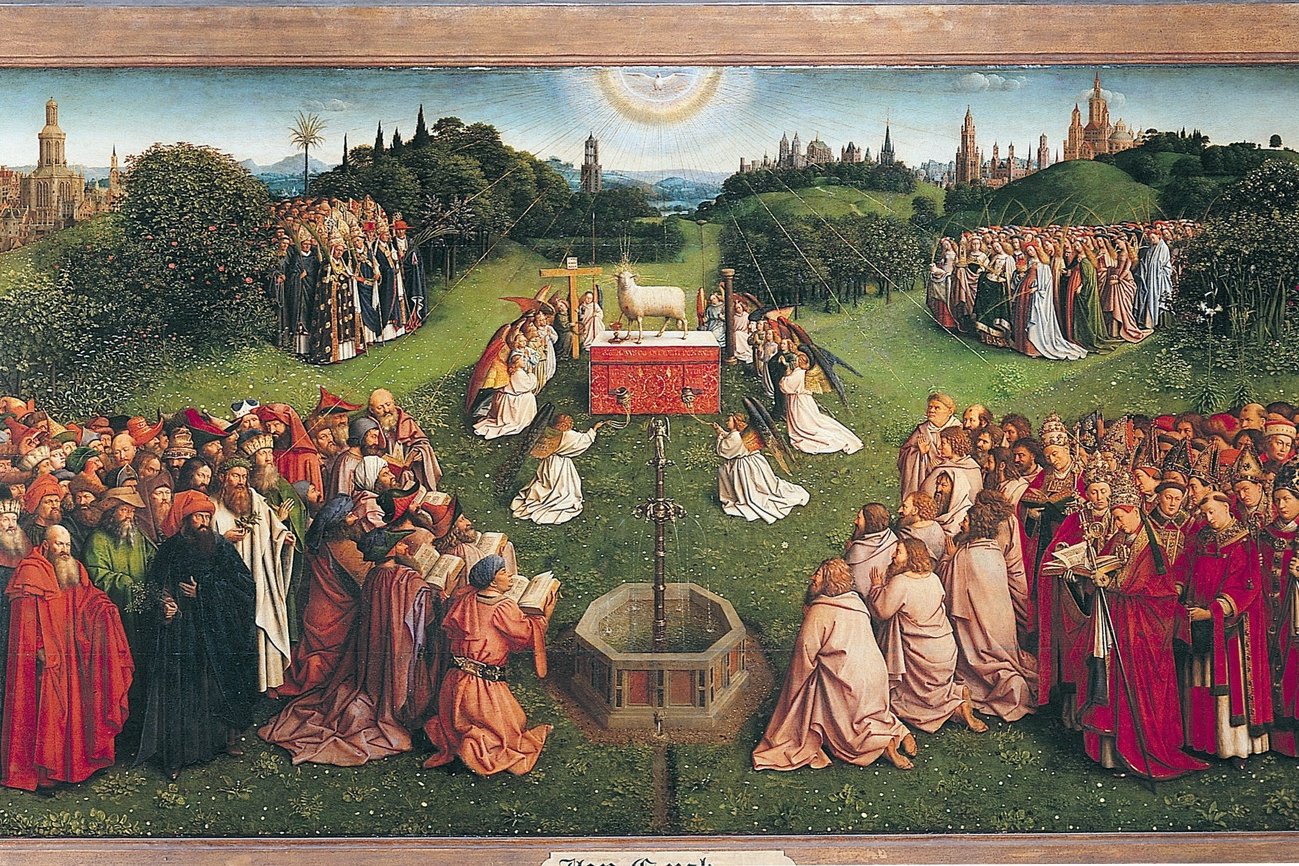
The Agnus Dei Symbol in Art History
From hidden Roman catacomb carvings to papal seals, how artists across fifteen centuries pictured Christ as a lamb in mosaics, altarpieces, and coins.
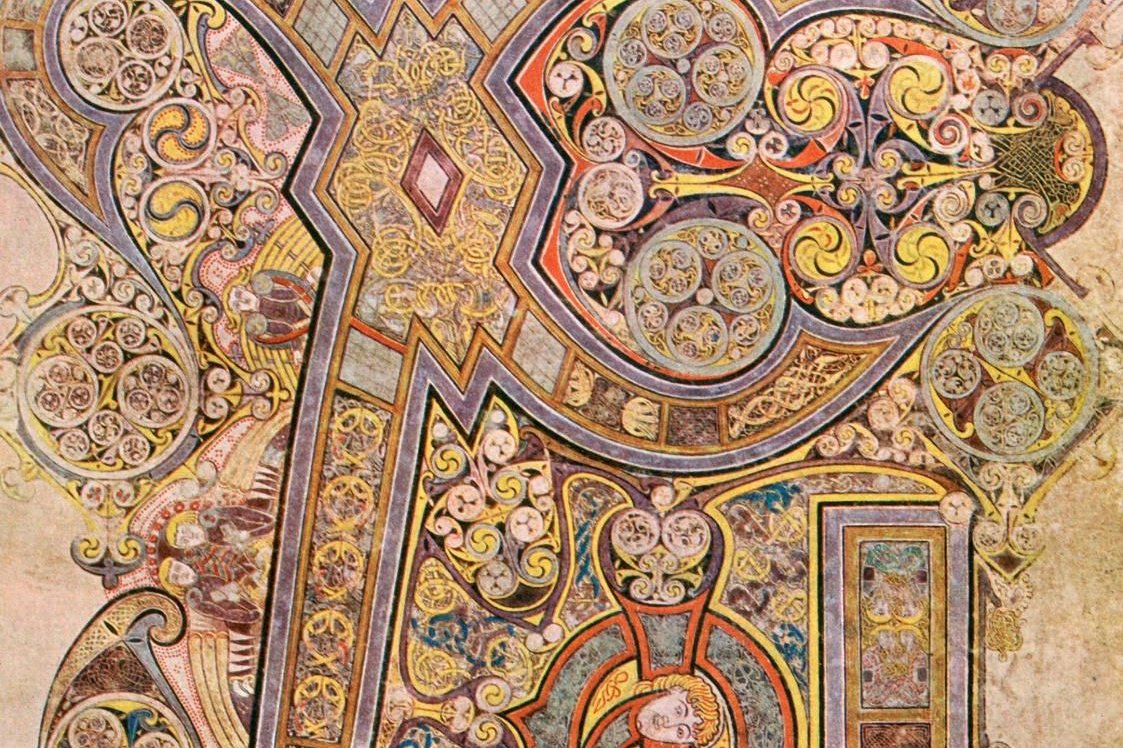
The Chi-Rho Symbol: History and Meaning
How two overlapping Greek letters became Christianity's first imperial emblem, tracing the symbol from Constantine's battlefield vision to the Book of Kells.
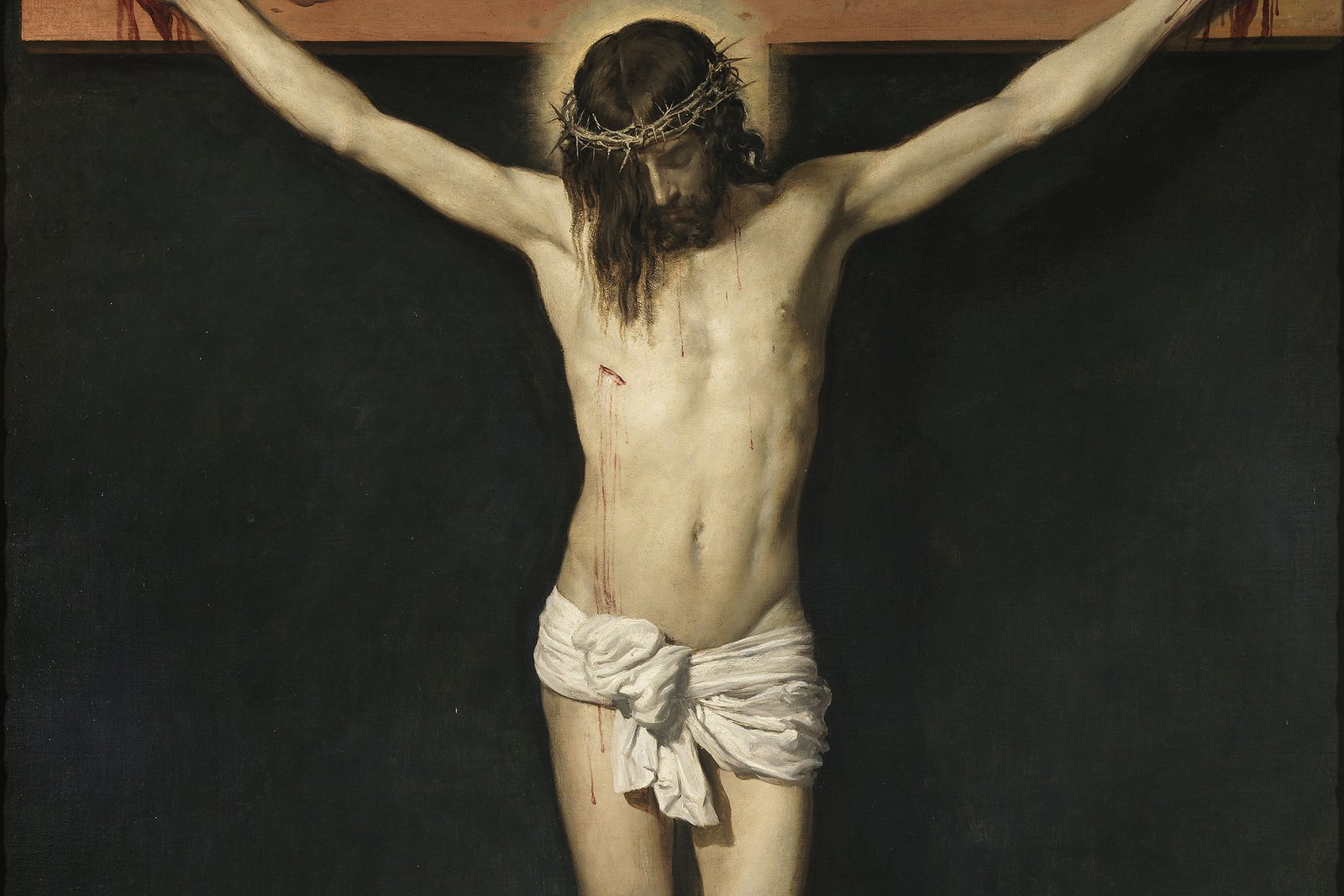
The Crucifixion in Christian Art
Why the earliest Christians avoided showing the cross at all, and how Crucifixion imagery evolved across Byzantine, Gothic, Renaissance, and Baroque art.
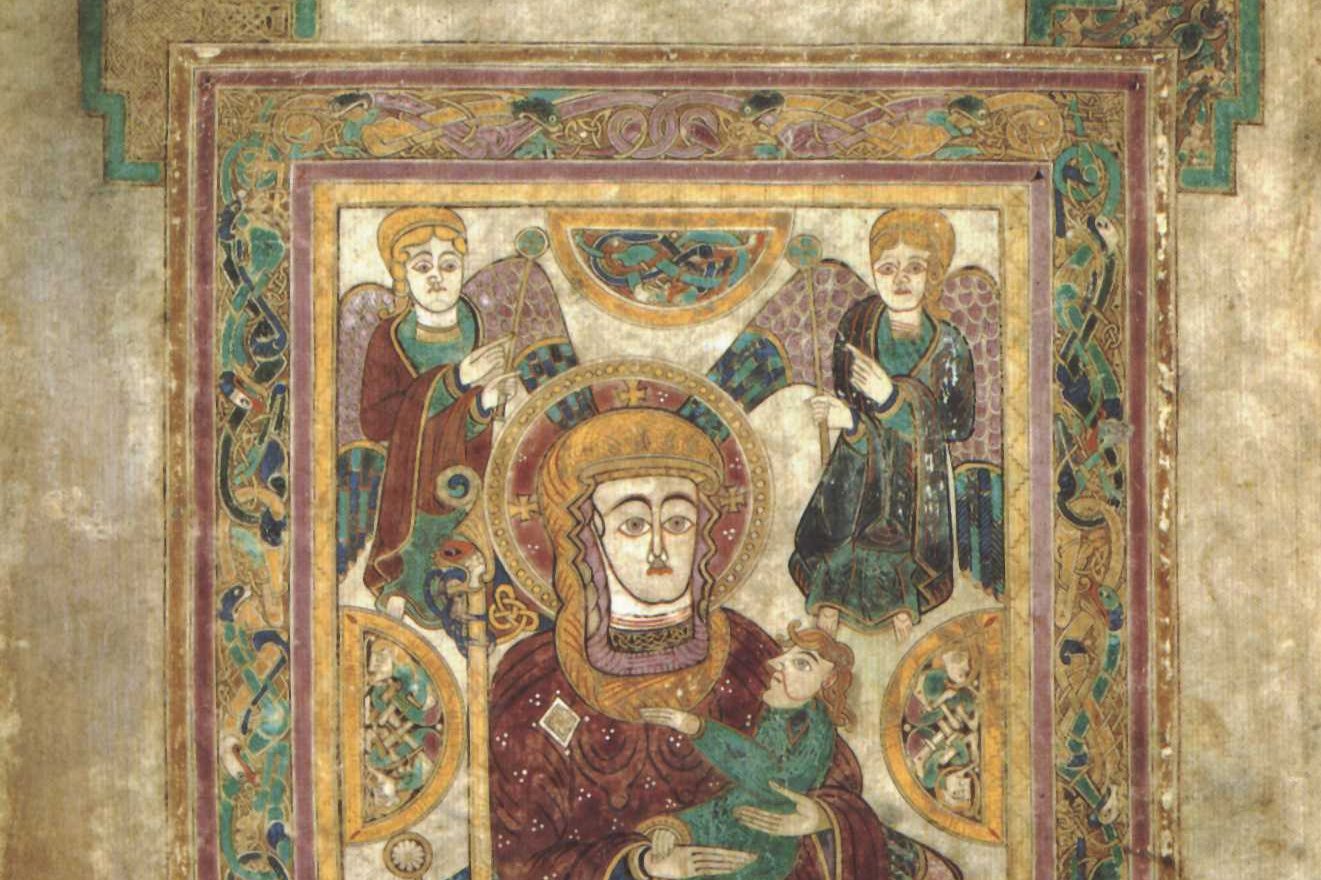
The Triquetra: History of the Trinity Knot
The triquetra's documented history in Celtic Christian manuscript art and the Book of Kells, and why claims of a pre-Christian pagan origin fall short.