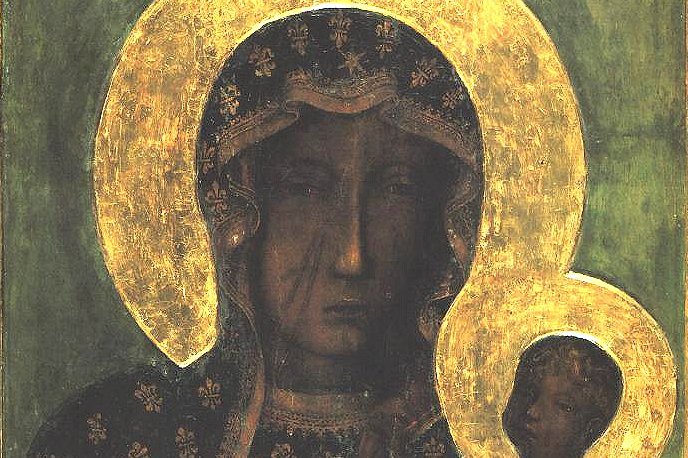
Our Lady of Altötting: Bavaria's Black Madonna and Its Heart Crypt

The smallest famous chapel in Germany
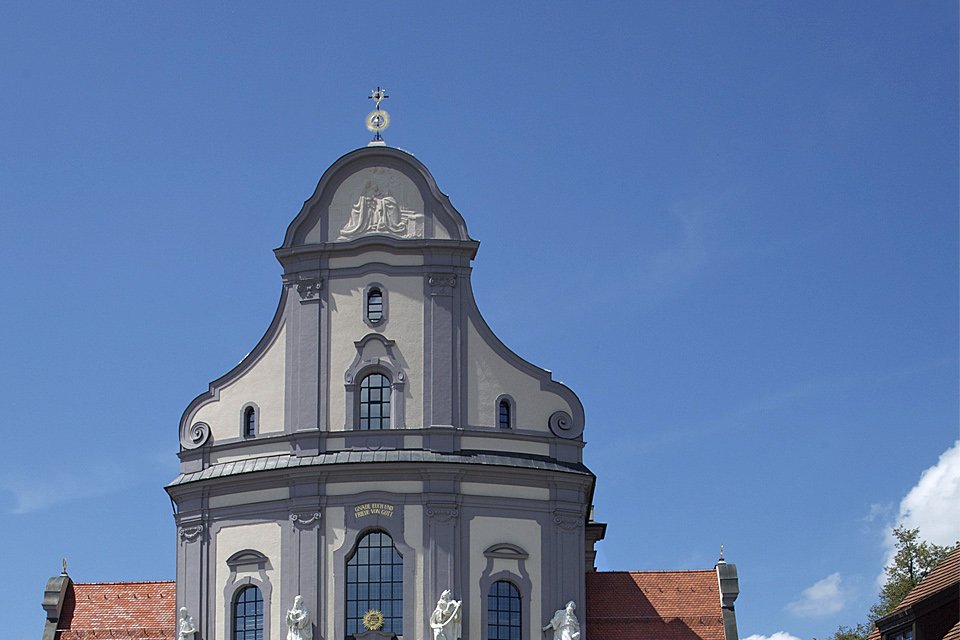
Altötting's Gnadenkapelle is easy to underestimate at first glance. It is a modest, octagonal building, the oldest structure in a modest Bavarian market town, nowhere near the scale of the great Gothic cathedrals that house some of Europe's other famous Marian images. And yet this one small chapel anchors the most important Marian pilgrimage site anywhere in the German-speaking world, drawing roughly a million visitors a year to pray before a carved wooden figure not much taller than a loaf of bread. The gap between the building's size and its reputation is itself part of the story — Altötting's fame was never built on architecture. It was built on what people believed happened there.
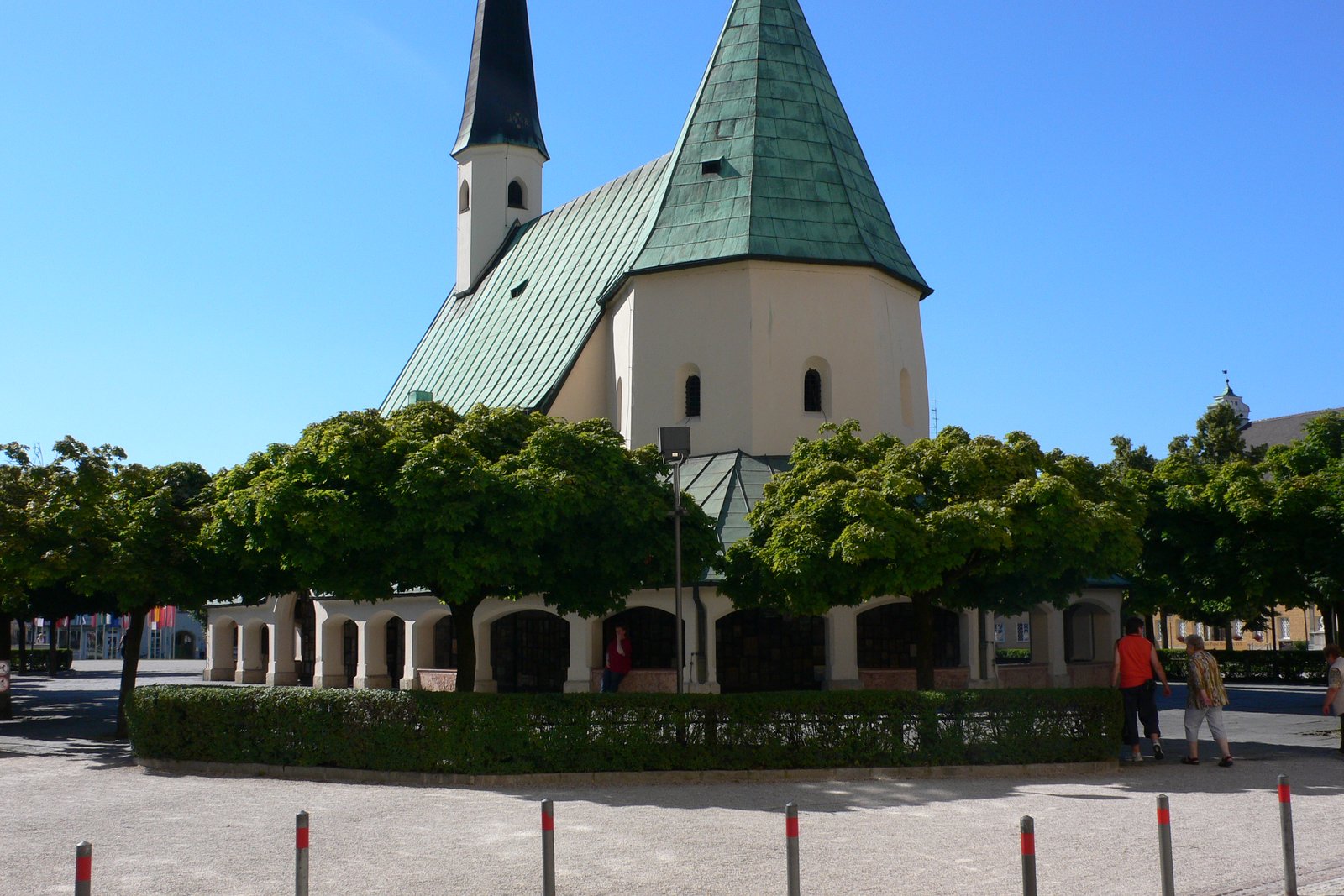
Photo by Heather Cowper (2010), via Wikimedia Commons, CC BY 2.0.
A small, dark figure of uncertain origin
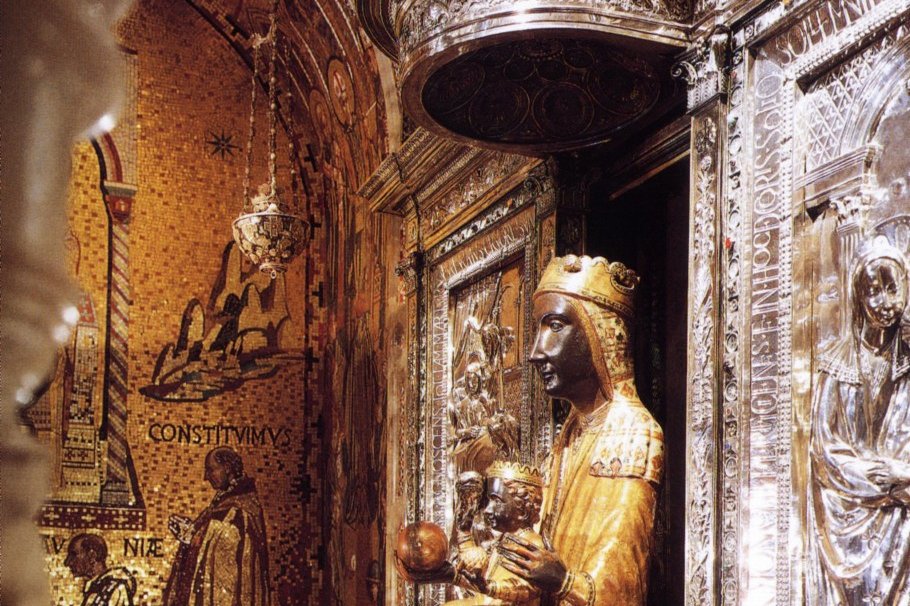
The statue venerated inside the Gnadenkapelle is a carved linden-wood image of Mary holding the Christ child, generally dated by historians to around the 13th century — making it, if that dating holds, one of the older surviving Black Madonna images venerated anywhere in Europe. Like Switzerland's Our Lady of Einsiedeln and a number of other such images, its dark coloring is most often attributed to centuries of exposure to smoke and soot from the candles and oil lamps pilgrims have burned before it, gradually darkening wood that was likely painted in lighter tones when first carved. The statue's exact origin — where precisely it was carved, and by whom — isn't settled with certainty, and it should be treated as genuinely uncertain rather than precisely documented, the way so much about objects this old inevitably is.
The 1489 miracle that built a pilgrimage
What turned a modest local shrine into one of Europe's great pilgrimage destinations was a single reported event. According to the tradition recorded at the shrine, in 1489 a three-year-old child drowned, and the grieving family brought the child's body to the Gnadenkapelle and laid it before the statue of the Virgin — and the child was restored to life. News of the reported miracle spread with extraordinary speed through Bavaria and beyond, and pilgrims began arriving in numbers the small chapel had never seen before. That surge of attention, more than any single later event, is what established Altötting's reputation and drew the steady stream of pilgrimage that has continued, with ebbs and resurgences, for more than five centuries since.
It's worth being clear about what can and can't be independently verified here. The 1489 account comes down through the shrine's own recorded tradition, compiled and preserved by the community that had every reason to treasure and retell it; it isn't documented by independent medical or civil records from the period that a modern historian could cross-check. That doesn't make the tradition false, but it does mean the story belongs, honestly described, in the same category as other medieval miracle accounts tied to Marian shrines: a pious tradition central to the devotion's history, rather than a scientifically adjudicated fact.
Royal hearts in silver urns
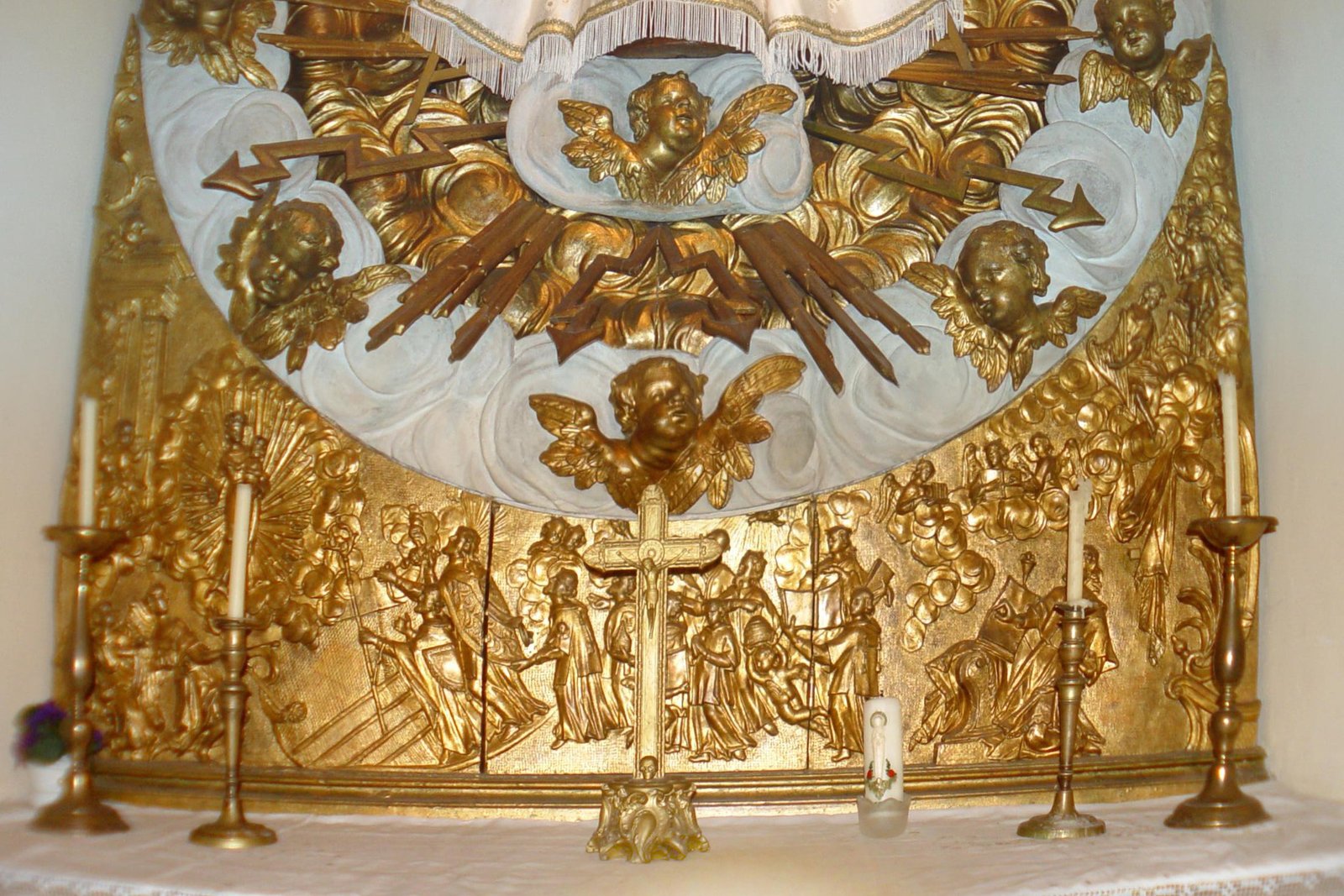
One of the more unusual features of the Gnadenkapelle has nothing directly to do with the statue at all, yet says a great deal about how seriously Bavaria's own rulers took this particular shrine. Within the chapel is a small crypt holding a row of silver urns, each containing the preserved heart of a member of the Wittelsbach dynasty, the family that ruled Bavaria for more than seven centuries, producing electors, dukes, and kings. Rather than being buried whole in a single dynastic tomb, as was common practice elsewhere, several Wittelsbach rulers chose to have their hearts specifically interred at Altötting, even when the rest of their remains rested in Munich or elsewhere — a deliberate gesture of devotion to the shrine that the family maintained across generations. The custom gives the Gnadenkapelle a double identity: a pilgrimage chapel built around a small miraculous image, and, quite literally, a resting place for the hearts of a royal house.
A pope's homecoming
Altötting's significance reached an unusually personal register in September 2006, when Pope Benedict XVI, born Joseph Ratzinger in the Bavarian town of Marktl am Inn, visited the shrine during an apostolic journey to his native region. Benedict XVI remains, as of this writing, the only pope of the modern era with roots in Bavaria, and his visit to Altötting was reported at the time as something closer to a personal homecoming than a standard papal itinerary stop — a German pope kneeling before the same small, dark statue that had drawn Bavarian Catholics, including presumably his own family, for generations before him.
What the devotion asks, and what it doesn't
As with other venerated images discussed across this site — Einsiedeln's own Black Madonna among them — the Catholic Church has never required belief in any specific miraculous account, including the 1489 story, as a matter of doctrine. The Catechism's teaching on sacred images (no. 1674) frames devotion of this kind as an encouraged form of popular piety, one in which the honor shown to an image passes through it to what it represents, not to the wood and paint considered as objects of power in themselves. What Altötting's million annual pilgrims come for, in the end, is not a verdict on a 15th-century miracle report. It's the same thing pilgrims have come for since long before any pope ever visited: a small, dark, centuries-old image of a mother holding her child, in a chapel built small enough that nothing about the architecture distracts from it.
Trivia
Where is the statue of Our Lady of Altötting kept?
How old is the statue, and why is it black?
What miracle made Altötting famous as a pilgrimage site?
What is the 'heart crypt' at Altötting?
Why did Pope Benedict XVI have a personal connection to Altötting?
Related Reading