Saint Padre Pio

From Pietrelcina to the Capuchins
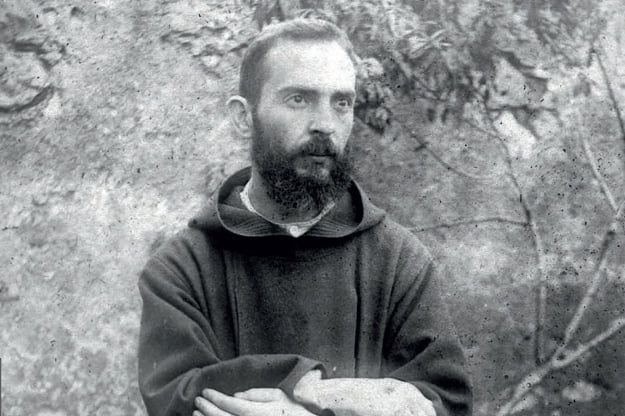
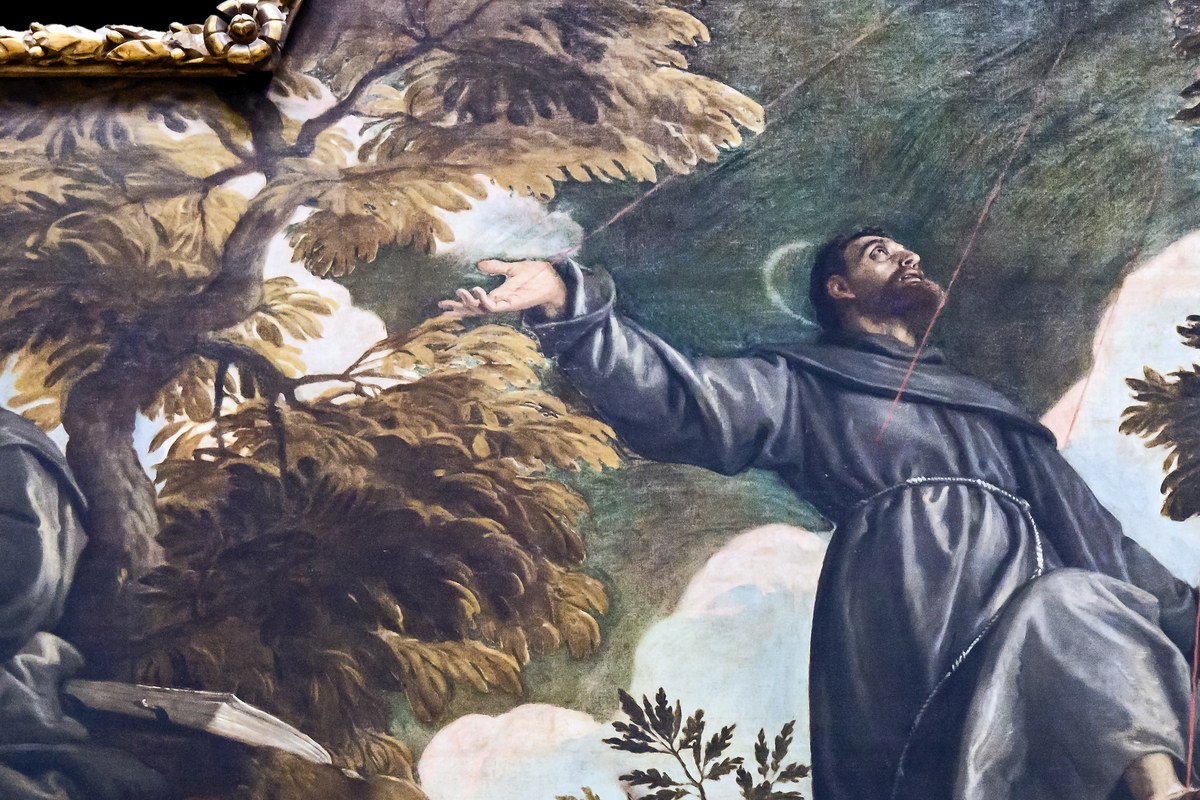
Padre Pio was born Francesco Forgione in 1887 in Pietrelcina, a small farming town in southern Italy, the son of a peasant family that worked the land to survive — his father even emigrated twice to the United States to earn money for the household. Francesco reported an unusually intense religious life from early childhood, describing visions and mystical experiences that he initially assumed every child had, only later realizing they were not shared by his playmates. At sixteen, he entered the Capuchins, a reform branch of the Franciscan order founded in the sixteenth century and known for its austere observance of poverty — the same spiritual family that traces its roots to Saint Francis of Assisi, whose own reported stigmata seven centuries earlier became the reference point for every subsequent case, including Padre Pio's. He took the religious name Pio in honor of Pope Pius I and was ordained a priest in 1910, the same year he experienced his first, brief encounter with the wounds of Christ.
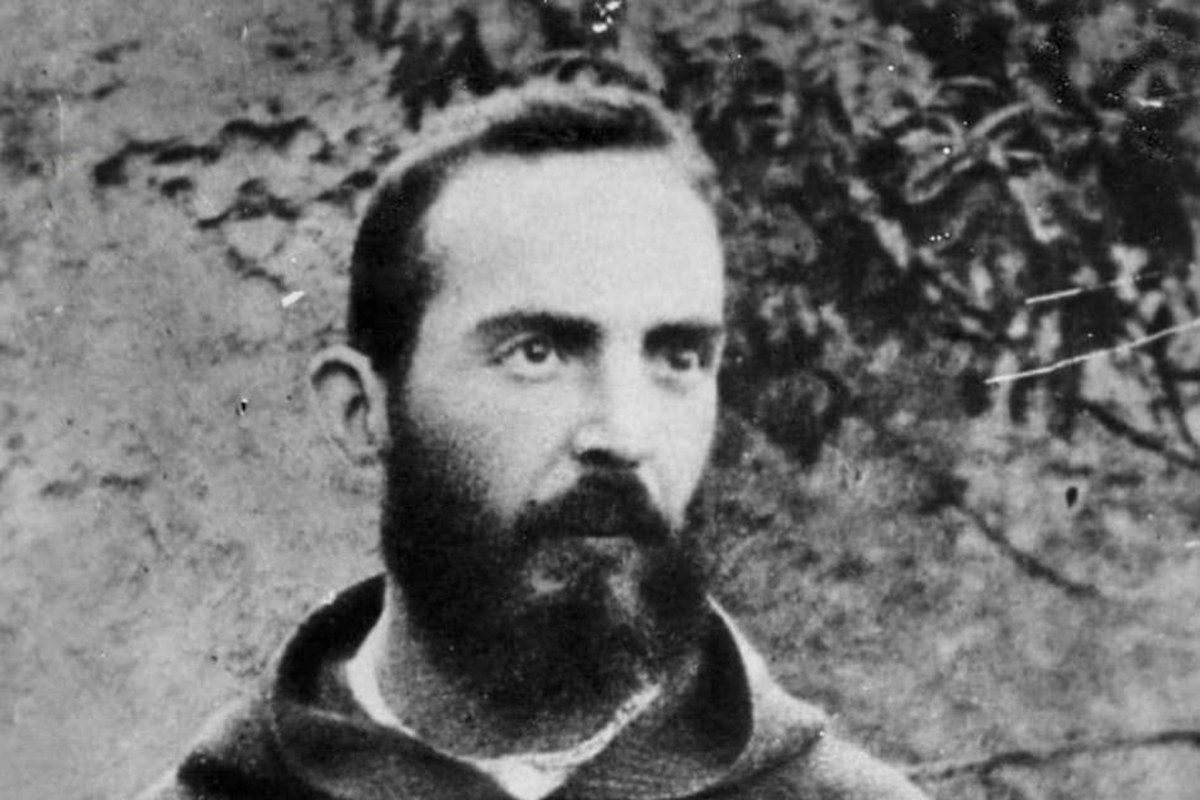
Placido Bux, photograph of Padre Pio, 19 August 1919 — public domain.
A stigmata that lasted fifty years
Most historical reports of stigmata, going back to Francis of Assisi in 1224, describe wounds documented briefly, often only in the final months or years of the person's life. Padre Pio's case stands apart for its sheer duration: after a first, temporary occurrence in 1910, the marks reappeared permanently on September 20, 1918, following a vision he reported during his thanksgiving after Mass, and remained visible on his hands, feet, and side for the next fifty years, until his death in 1968.
The wounds themselves reportedly bled daily and gave off, according to numerous witnesses, an unusual fragrance often described as a mixture of flowers and incense — a phenomenon associated with several reported mystics historically and sometimes called the "odor of sanctity." Padre Pio bandaged his hands for decades to manage the bleeding and, by most accounts, found the attention the wounds brought him a source of discomfort rather than pride; he reportedly asked in prayer that the visible marks be taken from him, while the interior suffering that accompanied them remain.
A life lived in public view
What separates Padre Pio's case from centuries of earlier accounts is how directly it was observed. He spent nearly his entire religious life at the monastery of San Giovanni Rotondo in southern Italy, where fellow friars, visiting physicians, and an enormous stream of pilgrims interacted with him daily for decades — not a solitary mystic reported on secondhand, but a public figure examined, questioned, and photographed across a very modern span of the twentieth century. That level of sustained, direct observation is part of why his reputation spread as widely as it did during his own lifetime, well before any formal Church process began.
Much of that daily contact happened in the confessional, where Padre Pio became known for spending as many as ten or twelve hours a day hearing confessions, drawing penitents who traveled from across Italy and eventually across Europe to see him. Visitors and biographers reported that he sometimes appeared to know details of a person's life or sins before they spoke them aloud, a gift some called the reading of souls. Other reported phenomena associated with him include bilocation — appearing to be present in two places at once — though, as with most mystical claims connected to his life, the Church has never required belief in these accounts as a condition of honoring him; they belong to the realm of popular tradition and eyewitness testimony rather than formal doctrine. Alongside the mystical reports, Padre Pio left a very concrete legacy: in 1956 he opened Casa Sollievo della Sofferenza ("House for the Relief of Suffering"), a hospital in San Giovanni Rotondo built with donations gathered from around the world, which remains one of the largest and most respected hospitals in southern Italy today.
His life was not without controversy inside the Church itself. In the 1920s and again later, some Church authorities, wary of the crowds and unable to fully verify the reported phenomena, restricted his public ministry and limited his contact with visitors for a period. Those restrictions were eventually lifted, and the Vatican's own investigations in the decades that followed found no grounds to doubt his sanctity — a reminder that even widely venerated mystics are typically subject to years of institutional caution before the Church commits to any formal judgment about them.
Canonization in front of hundreds of thousands
Padre Pio was beatified in 1999 and canonized by Pope John Paul II on June 16, 2002, in a ceremony at St. Peter's Square attended by an estimated 300,000 people — one of the largest crowds ever gathered for a canonization, reflecting how much devotion had already built around him in the decades since his death.
San Giovanni Rotondo today
The town where Padre Pio lived and is buried has become one of the most visited pilgrimage destinations in the Catholic world, drawing millions of visitors annually to the site associated with his life and ministry. His feast day, September 23, marks the anniversary of his death — the single most significant date on the shrine's calendar, and the date most associated worldwide with his memory. For many, his enduring appeal isn't really about the extraordinary phenomena connected to his story at all — it's that so much of it happened recently enough, and publicly enough, to feel within reach of living memory rather than distant legend.
Trivia
When did Padre Pio receive the stigmata?
Was Padre Pio widely observed by others during his life?
When was Padre Pio canonized?
Where is Padre Pio associated with today?
Related Reading