Our Lady of Vailankanni: The Lourdes of the East

Three stories, one shrine
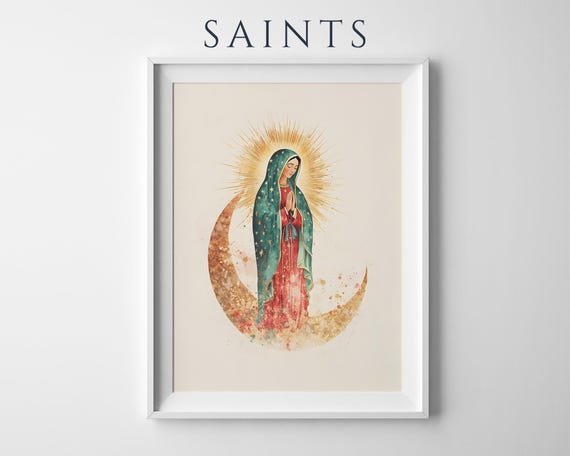
Unlike many famous Marian shrines, which trace their origin to a single, well-documented apparition, the devotion at Vailankanni — a small coastal town in Tamil Nadu, in southern India, on the Bay of Bengal — grew from three separate traditional stories, each contributing a piece to the shrine's identity and each pointing toward a different theme of Marian intercession: vision, healing, and rescue.
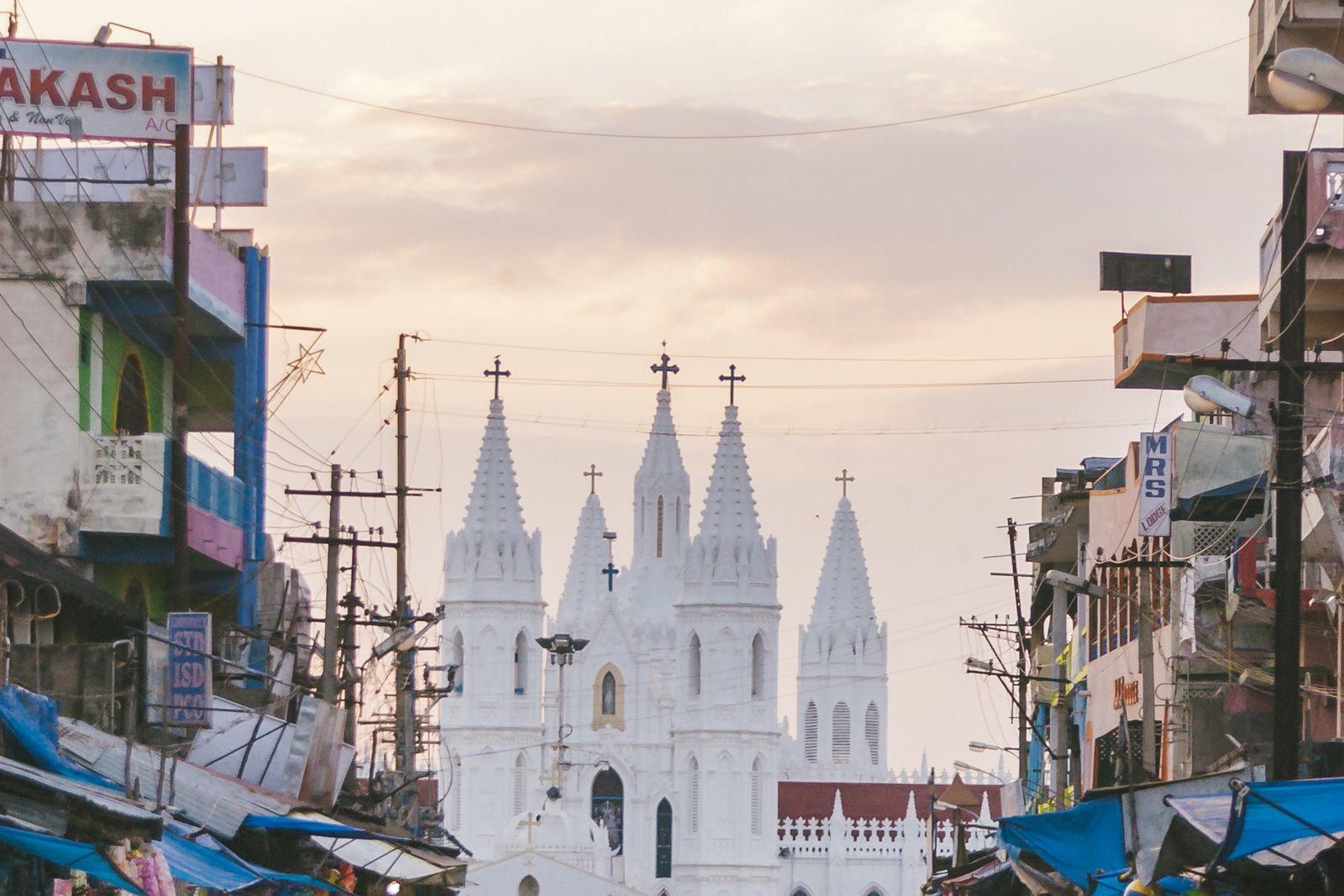
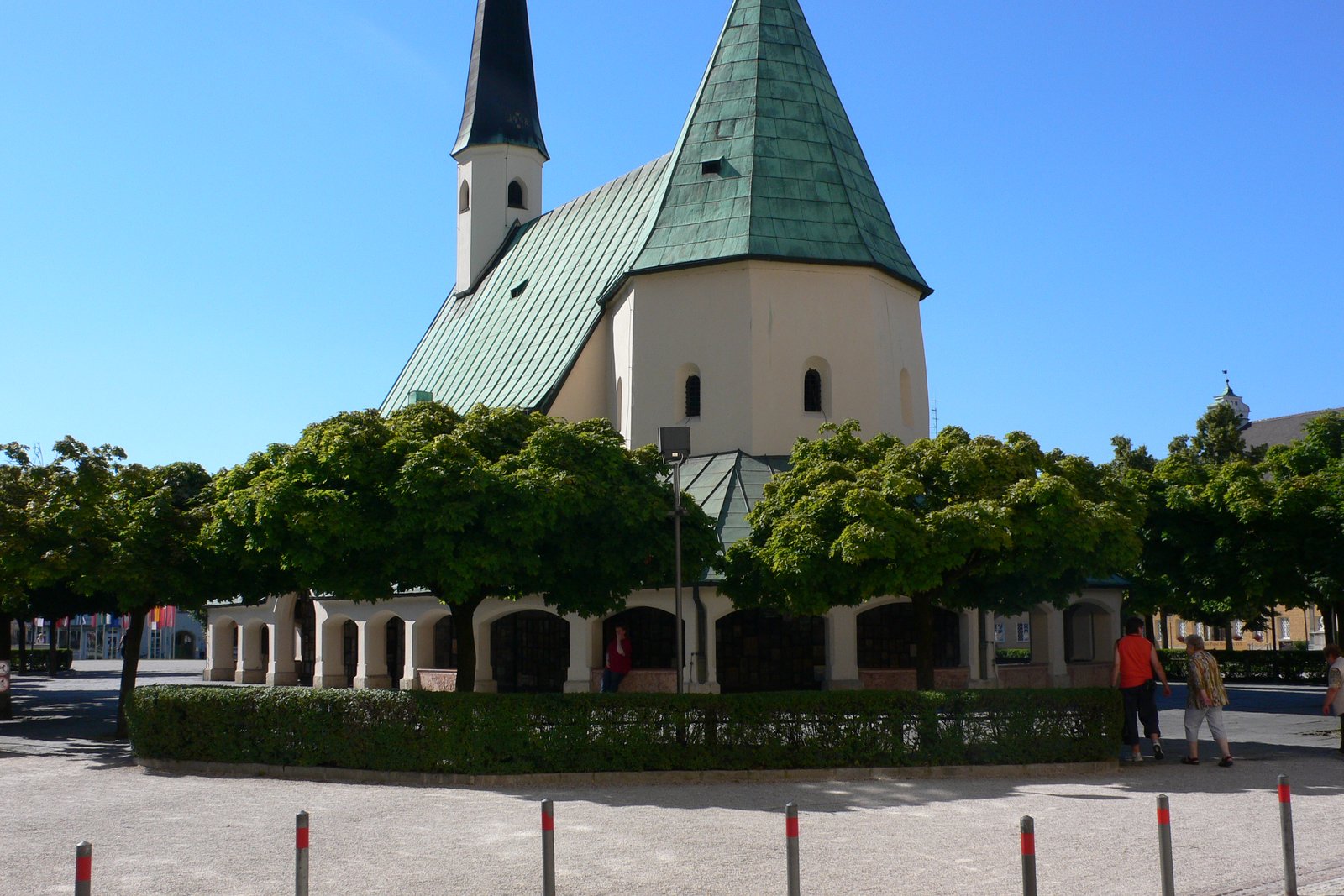
Photo by Matthew T Rader, Basilica of Our Lady of Good Health in Velankanni, Tamil Nadu (2010). CC BY-SA 4.0, via Wikimedia Commons.
The first centers on a Hindu shepherd boy, traditionally dated to the mid-16th century, who was carrying milk along a road near a pond to sell to a local customer. According to the story, a beautiful woman carrying an infant stopped him and asked for milk for her child, which he gave her. When he reached his buyer and apologized for arriving with less milk than promised, the buyer found the container miraculously full again — more milk than the boy had started with. The shepherd boy, by his own account, had no framework for identifying the woman who stopped him; the Christian community that later grew around the story identified her as Mary.
A second, closely related story describes a vision along that same road: a lame buttermilk vendor, struggling with his usual route, encountered a woman and child who asked for buttermilk, and found himself unexpectedly, completely cured of his lameness after the encounter. Local Catholic tradition ties both the shepherd's story and the vendor's healing to the same spot and roughly the same era, treating them as two episodes of the same gracious presence appearing along a quiet rural road.
The third story shifts the scene to the sea. According to tradition, in the 17th century, a group of Portuguese sailors caught in a violent storm in the Bay of Bengal prayed to Mary for deliverance, promising to build a chapel if they survived. They did survive, and — true to the promise — built a small chapel near the site associated with the earlier shepherd's vision in thanksgiving. That chapel became the seed of the much larger shrine complex that exists today.
What the Church does, and doesn't, claim
It's worth being direct about the nature of these stories: none of the three has undergone the kind of formal Church investigation and approval process applied to apparitions like Lourdes or Fatima. They rest on local oral tradition, carried forward by generations of pilgrims and the religious communities who built and maintained the shrine, rather than on a documented, Church-certified private revelation. That distinction matters, and it's one the Catechism of the Catholic Church addresses directly in its broader teaching on private revelation (no. 67): the faithful are never obligated to accept any private revelation, approved or not, as an article of faith. What the Church does fully embrace, without reservation, is the devotion itself — the shrine, the basilica, the feast, and the pastoral life built up around this title of Mary over more than four centuries.
A shrine where two faiths meet
One of the most distinctive, and most frequently remarked-upon, features of Vailankanni today is how thoroughly it draws visitors beyond the Catholic community. Hindu pilgrims visit the shrine in substantial numbers, participating in aspects of its devotional life — lighting candles, making vows, bringing offerings — alongside Catholic pilgrims, often drawn by the shrine's broader regional reputation for healing and blessing rather than by any specific Catholic doctrine. Local processions and festival customs at Vailankanni also blend Tamil cultural practices with Catholic liturgical forms in ways found at few other major Marian shrines worldwide, reflecting centuries of a genuinely shared regional religious culture in this part of Tamil Nadu.
This pattern of interfaith visitation is a real, widely observed social phenomenon at the shrine, documented by visitors and religious commentators alike, rather than any formal doctrinal position taken by either the Catholic Church or Hindu religious authorities. It reflects something notable about how devotion to Mary, and to this title of her specifically — Our Lady of Good Health — has taken root in the wider religious landscape of southern India over generations, crossing a religious boundary that remains firmly intact in official doctrinal terms even as ordinary believers cross it in practice.
From a thanksgiving chapel to a basilica
The small chapel the Portuguese sailors built in thanksgiving grew steadily over the following centuries, as word of the site's reputation for healing spread across the region and eventually well beyond it. The church structure seen today, with its distinctive white Gothic façade, pointed arches, and red-tiled roof, reflects substantial building campaigns carried out mostly in the 19th and 20th centuries, designed to accommodate pilgrim numbers that had long outgrown earlier, smaller buildings.
Recognition from Rome came in 1962, when Pope John XXIII elevated the church to the rank of minor basilica — a formal honor marking it as a site of particular religious significance within the wider Church. More recently, in 2024, further Vatican recognition affirmed the shrine's continuing stature ahead of its feast-day celebrations, underscoring how the devotion, centuries after its founding stories first circulated, continues to grow rather than fade.
One of Asia's largest religious gatherings
Today, the shrine's annual festival — held each September, centered on the feast of the Nativity of Mary on September 8 — draws pilgrims in numbers that swell into the millions over the full festival period, arriving by train, bus, and on foot from across Tamil Nadu and well beyond. Processions carry the image of Our Lady of Good Health through streets lined with vendors and pilgrims observing vows, some walking the final stretch barefoot or carrying candles as tall as a person, following practices of thanksgiving and petition that echo the shrine's original healing stories.
The scale of the gathering has earned Vailankanni a place among the largest annual Christian religious events anywhere in Asia — a remarkable outcome for a devotion that, by its own founding story, began with nothing more than a shepherd boy, a container of milk, and a quiet request for charity along a dusty coastal road.
Trivia
What are the three founding legends of Vailankanni?
Has the Catholic Church formally approved these apparitions?
Why is Vailankanni sometimes called 'the Lourdes of the East'?
Why do Hindus also visit a Catholic shrine in Vailankanni?
When did Vailankanni become a basilica, and how big is its annual festival?
Related Reading