Our Lady of Guadalupe of Extremadura: The Original Black Madonna

A statue buried, then found again
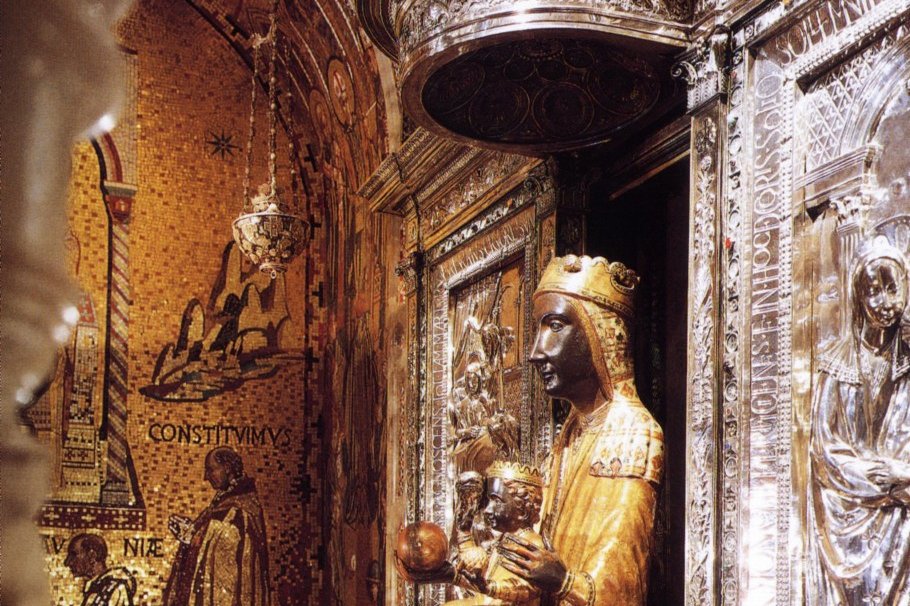
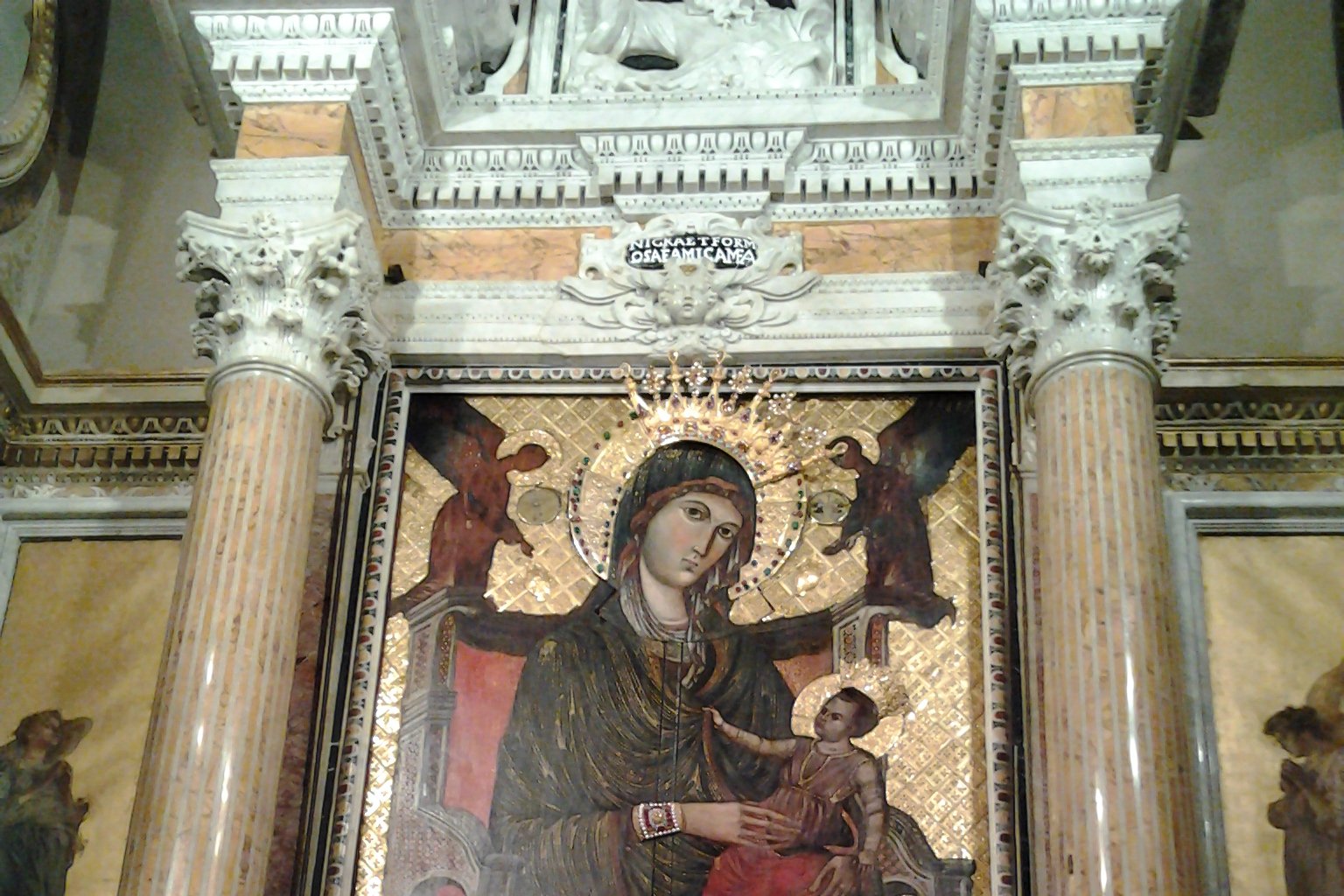
Centuries before anyone in the New World had heard the name Guadalupe, the title belonged to a quiet river valley in Extremadura, in western Spain, and to a small wooden statue of the Virgin Mary with a notably dark face and hands — what art historians and devotional writers alike call a Black Madonna. The founding legend, recorded by the monastery built around the statue, dates to the late 13th or early 14th century: a shepherd named Gil Cordero, tending his flock near the Guadalupe river, experienced a vision of Mary, who directed him to a specific spot and told him to dig. What he found there, according to the tradition, was a small statue that had apparently been buried and hidden away long before — exactly when, or by whom, the legend doesn't specify with any precision, though later retellings sometimes connect its hiding to periods of upheaval in Spain's long and complicated religious history.
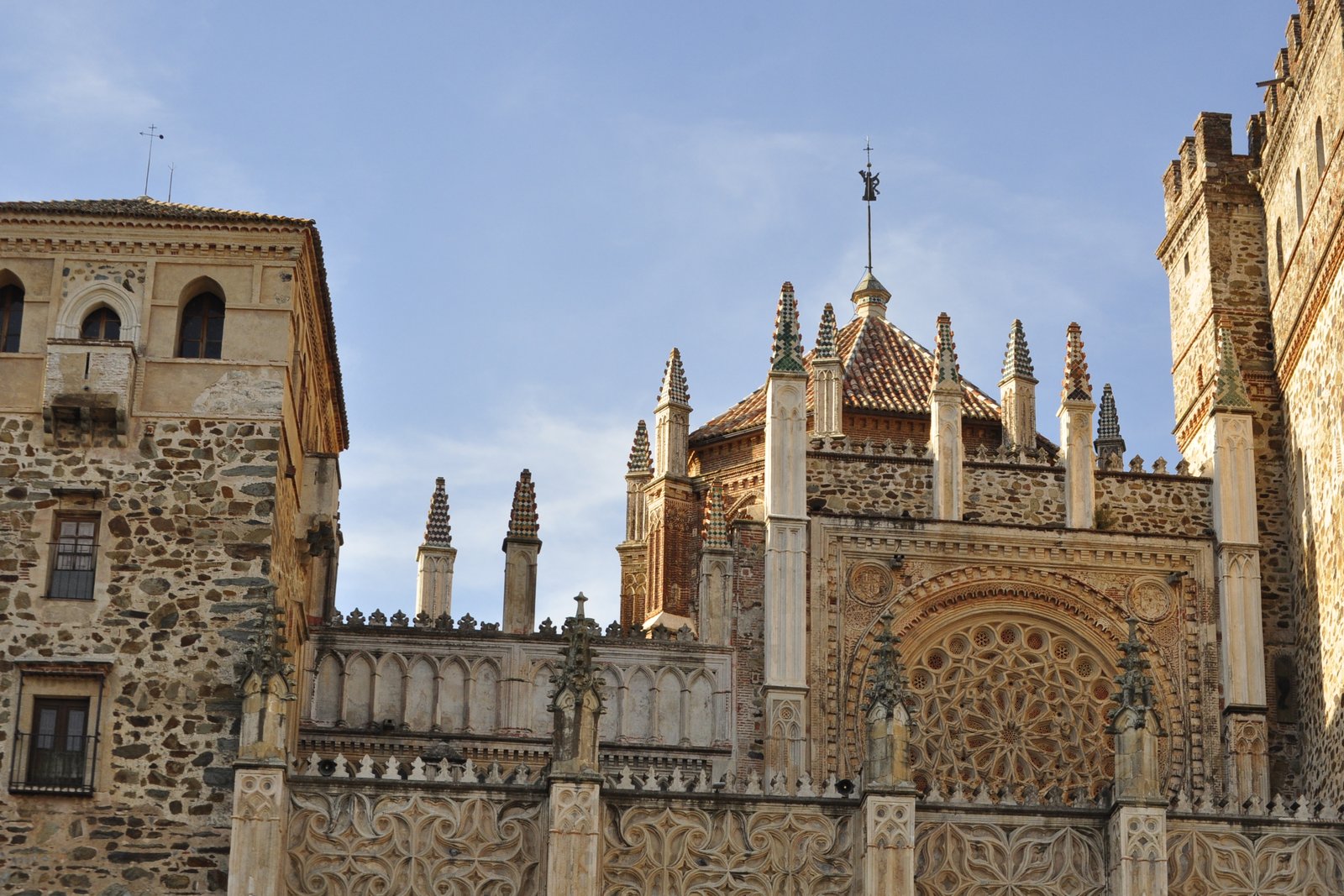
Photo by Vegafotoswiki, Real Monasterio de Santa María de Guadalupe (Cáceres) (2012). CC BY-SA 3.0, via Wikimedia Commons.
As with many medieval discovery legends of this kind, the documentary record supporting the precise details is considerably thinner than the story told today. What is certain is that devotion to the statue, whatever its exact origin, spread quickly through the surrounding region in the centuries that followed, and that a religious community grew up around the site specifically to house and care for it.
A possible, not certain, Byzantine connection
The statue's distinctive dark coloring and formal, iconic style have long invited speculation about where, exactly, its artistic roots lie. Some art historians have proposed a plausible line connecting the image's style to Byzantine-influenced devotional art that reached Spain during the early centuries of Christianity on the Iberian Peninsula, before the centuries of Islamic rule that followed the 8th-century conquest. It's worth being precise about the limits of this theory: it remains a scholarly hypothesis about artistic influence, built from stylistic comparison rather than documented provenance, and it has not been established as settled fact about the statue's specific date, origin, or maker. What can be said confidently is that the statue belongs to a broader tradition of dark-faced Marian images found across medieval Europe, several of which share this same kind of uncertain, debated early history.
From a shepherd's chapel to one of Spain's great monasteries
Whatever its exact artistic origins, the devotion that grew up around the Extremaduran Guadalupe became, over the following centuries, one of the most important religious and political centers in all of medieval and early modern Spain. The Hieronymite religious order took charge of the growing monastery complex in the 14th century, and under their stewardship it developed into a major center of pilgrimage, learning, and royal patronage — Spanish monarchs, including Isabella I of Castile, visited and supported the monastery directly, and it became closely associated with the Spanish crown's religious and political life during the very period Spain was completing its reconquest of the peninsula and beginning its push into the Atlantic.
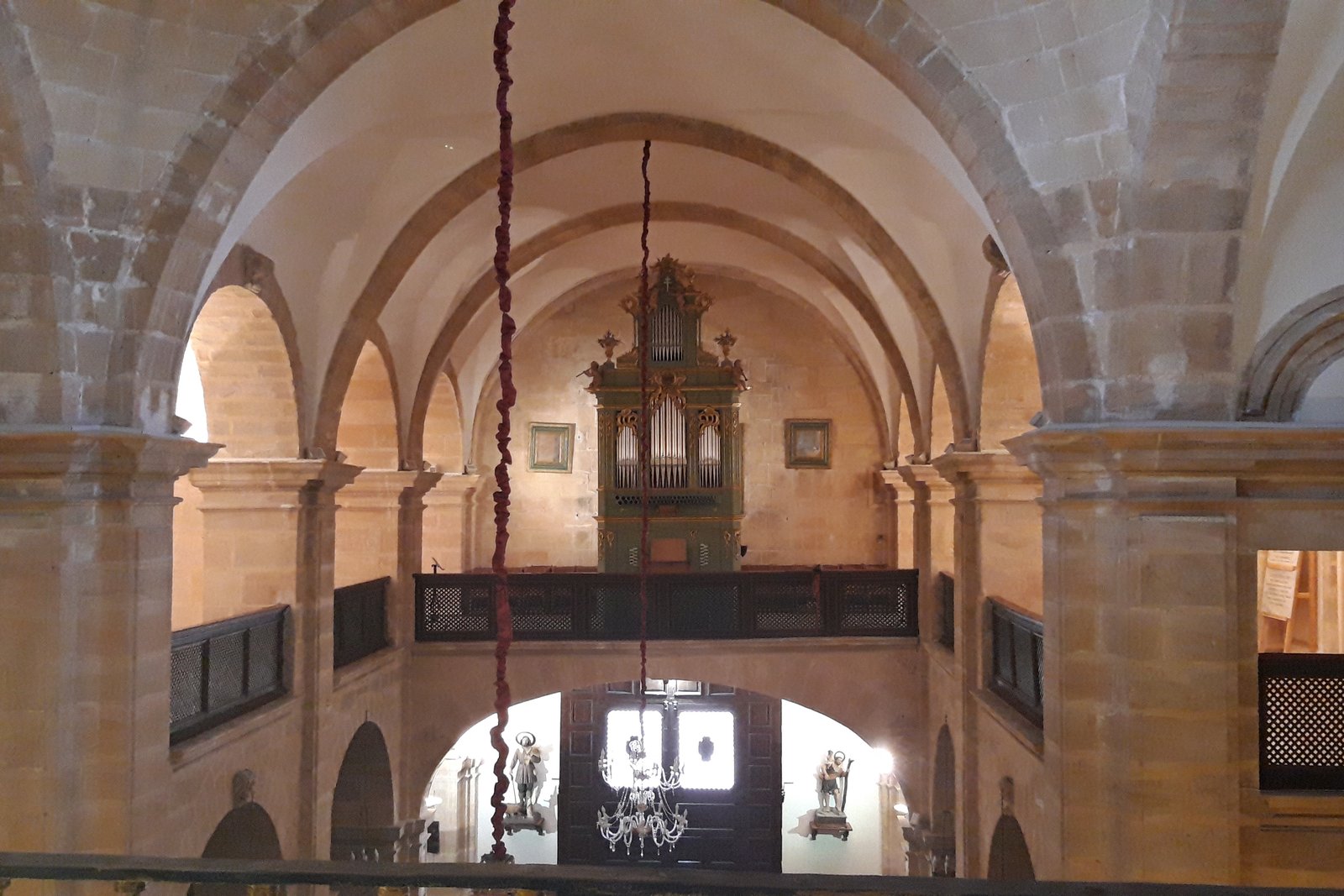
The monastery complex that survives today reflects that long, layered history directly in its architecture, with Gothic, Mudéjar (reflecting the Islamic-influenced craftsmanship common in medieval Spain), Renaissance, and Baroque elements built up over different centuries rather than constructed all at once. UNESCO recognized this architectural and historical significance in 1993, adding the Royal Monastery of Santa María de Guadalupe to its World Heritage List.
Columbus, an island, and a name that crossed an ocean
The detail that gives this Spanish devotion its most direct connection to the Americas involves Christopher Columbus himself. Historical accounts describe Columbus visiting the Extremaduran monastery both before and after his transatlantic voyages, seeking the Virgin's protection and giving thanks for his safe return — a pattern of devotion common among Spanish sailors and explorers of the era, for whom this particular image of Mary had become closely associated with protection on dangerous sea voyages. Columbus's own devotion to this Guadalupe is part of why he named an island he encountered in the Caribbean during his second voyage "Guadeloupe" — today the French overseas territory of Guadeloupe retains that name, a direct linguistic echo of the Extremaduran shrine.
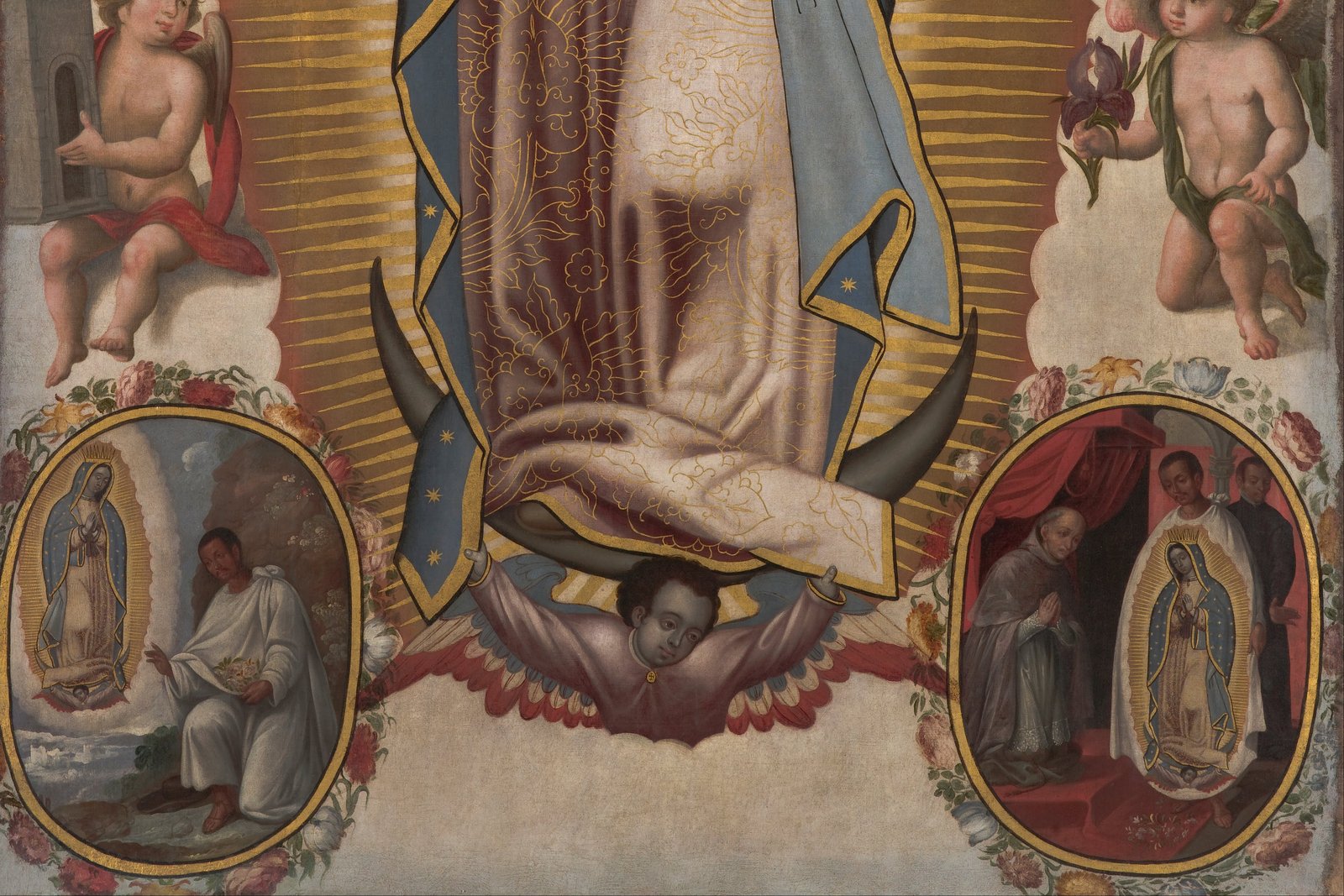
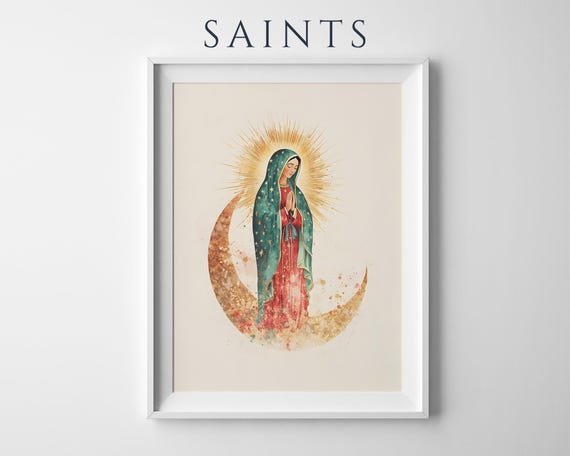
That same pattern — Spanish colonizers carrying devotion to this specific title of Mary with them across the Atlantic — helps explain a detail many visitors to Mexico find surprising: why the famous Mexican apparition associated with Juan Diego in 1531 came to be known by the same name, Guadalupe, despite describing an entirely separate, independent event on the other side of the ocean. Conquistadors including Hernán Cortés carried devotion to the Extremaduran Black Madonna with them to the newly conquered territories, and when the later Mexican devotion took shape, it inherited a name already deeply familiar to the Spanish clergy and colonists overseeing its early growth. (For the full story of that separate Mexican devotion and the tilma associated with it, see this blog's article on the Tilma of Guadalupe as a scientific mystery.) The two devotions — one Spanish, one Mexican — remain entirely distinct images with their own separate histories, linked only by a shared title and the chain of devotion that carried that title across the Atlantic.
What visitors find today
The statue itself, measuring roughly 59 centimeters, is enshrined today in the Camarín de la Virgen, an ornate Baroque chamber built specifically to display her, completed in the late 17th century and considered one of the monastery's artistic high points. Pilgrims and visitors can view the statue from within this chamber, continuing a tradition of veneration that predates Columbus's own visits by well over a century and has continued, largely uninterrupted, ever since.
As with every ancient Marian image discussed on this blog, the Church does not stake any doctrinal claim on the precise historical details of the discovery legend or the statue's exact artistic origin. What the monastery and its surrounding devotion preserve instead is something simpler and, in its own way, sturdier: a continuous chain of veneration stretching back more than seven hundred years, that happened — almost by accident of history — to hand its name across an ocean to one of the largest Marian devotions the world has ever known.
Trivia
How was the original statue of Our Lady of Guadalupe discovered?
Is the statue's wood or style actually Byzantine?
Why did Christopher Columbus have a connection to this specific Guadalupe?
What is the connection between this Spanish Guadalupe and the Mexican tilma?
Why is the monastery a UNESCO World Heritage Site?
Related Reading