The Angel Who Strengthened Jesus at Gethsemane

A prayer of real anguish
Luke places the scene carefully, right at the hinge point of the Gospel narrative. Jesus has just finished the Last Supper with his disciples, and instead of returning to safety, he leads them out to the Mount of Olives, to a place tradition has long identified as the garden of Gethsemane. There, withdrawing "about a stone's throw" from Peter, James, and John, he kneels to pray, and what follows is one of the most starkly human portraits of Jesus found anywhere in the Gospels.
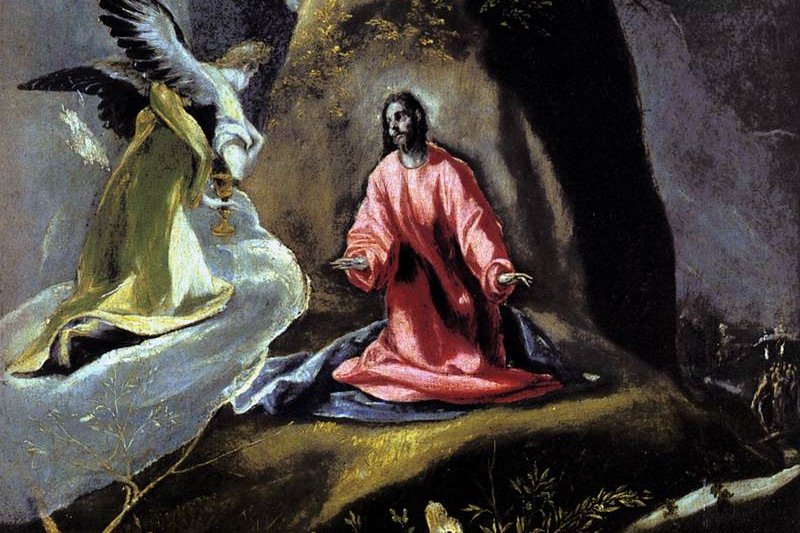
El Greco, The Agony in the Garden, c. 1600-1605 — public domain.
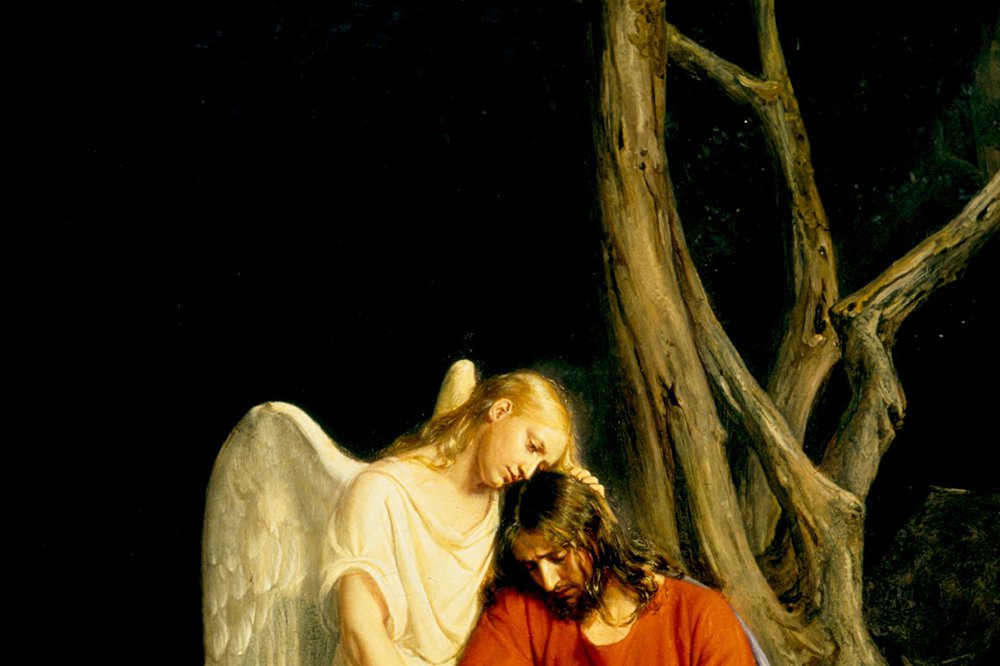
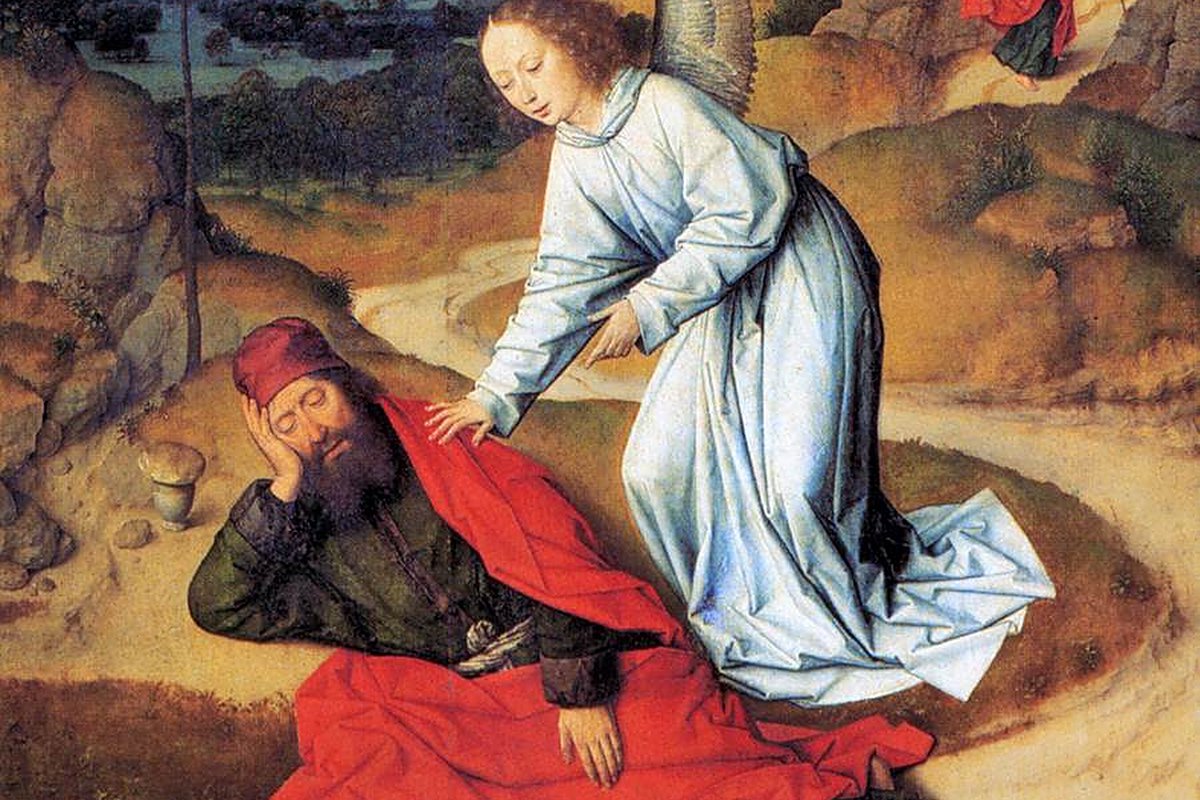
"Father, if you are willing, take this cup away from me; still, not my will but yours be done" (Luke 22:42, NABRE). It's a prayer that doesn't hide struggle behind composure. Jesus asks, directly, for the suffering ahead to be removed — and only after that honest request does he submit to the Father's will. Luke then adds a detail found nowhere else in Scripture: "And to strengthen him an angel from heaven appeared to him. He was in such agony and he prayed so fervently that his sweat became like drops of blood falling on the ground" (Luke 22:43-44, NABRE).
An angel that comforts, not rescues
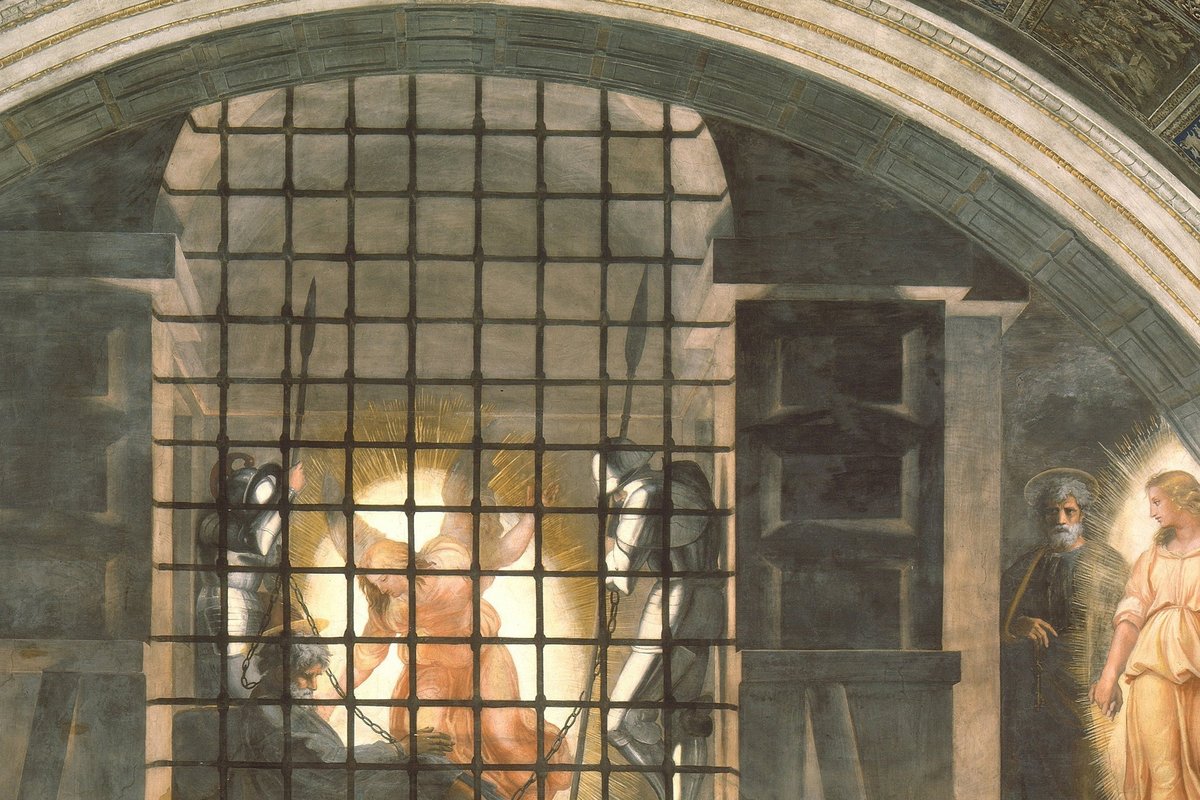
What makes this angelic appearance distinctive, compared to most others in Scripture, is what it doesn't do. Angels elsewhere in the Bible often deliver Israel or an individual from immediate physical danger — Peter is freed from prison by an angel later in the New Testament, for instance. Here, nothing changes about Jesus's circumstances. The arrest, the trial, and the crucifixion are all still coming, exactly as before. The angel's role, as Luke states plainly, is simply "to strengthen him" — offering support to endure what lies ahead, not a means of escaping it.
That distinction matters theologically. The scene at Gethsemane has long been read by Catholic tradition as one of the clearest windows in the Gospels into the full reality of Christ's human nature — genuinely capable of dread, genuinely in need of comfort, and genuinely choosing obedience while that dread was still present, rather than after it had passed. The Catechism of the Catholic Church treats this scene as central to understanding the Incarnation precisely because it resists any reading of Jesus's suffering as merely apparent or diminished by his divinity.
A textual puzzle scholars still debate
There's an important scholarly wrinkle worth being transparent about: Luke 22:43-44 is absent from a number of the oldest surviving Greek manuscripts of the Gospel, including some of the most highly regarded early witnesses to the text. This has led textual scholars to debate for well over a century whether these two verses were part of Luke's original composition or were added by a later scribe, drawing on a genuinely ancient oral tradition about the scene.
Most modern Catholic Bible translations, including the NABRE used throughout this article, retain the verses in the main body of the text, sometimes with an accompanying footnote noting the manuscript variation, reflecting the verses' very early and geographically widespread attestation among the manuscripts that do include them — evidence, even skeptical textual critics generally agree, of a tradition considerably older than any surviving manuscript itself. The Church has never treated this manuscript question as touching on any point of doctrine; the passage's presence or absence in a given ancient copy is a matter of textual history, not of the truth of what it describes.
Blood-like sweat and a medical detail that has drawn attention
The description of Jesus's sweat falling "like drops of blood" has attracted particular attention over the centuries, including from physicians who have noted its consistency with a rare but medically documented condition called hematidrosis, in which extreme physical or emotional stress can cause capillaries near sweat glands to rupture, mixing blood with perspiration. Scripture doesn't offer this as a clinical diagnosis, of course — Luke's purpose is theological and pastoral, not medical — but the detail has often been cited by commentators as evidence of just how physically real and severe Jesus's anguish in the garden was understood to be, not a merely poetic exaggeration.
Why this scene endures in Christian devotion
The Agony in the Garden became, over the centuries, one of the most frequently depicted scenes in Christian art and one of the most meditated-upon episodes in Catholic devotional practice — it forms the first of the Sorrowful Mysteries of the Rosary, inviting believers to sit with exactly this moment of anguish before moving through the rest of the Passion narrative. Part of what has kept the scene so central to Christian prayer across two thousand years is precisely its rawness: a Savior who does not perform serenity in the face of suffering, but asks honestly to be spared it, and who — even as fully divine — is shown here receiving strength from an angel, exactly as any human in agony might need to be strengthened, before walking forward into what came next.
Trivia
Where in the Bible is the angel at Gethsemane mentioned?
Why don't Matthew and Mark mention the angel at Gethsemane?
What did the angel actually do for Jesus?
Is Luke 22:43-44 found in all ancient manuscripts of the Gospel?
What does the scene at Gethsemane teach about the nature of Christ's suffering?
Related Reading