Ezra's Reading of the Law

A community rebuilt, but not yet reoriented
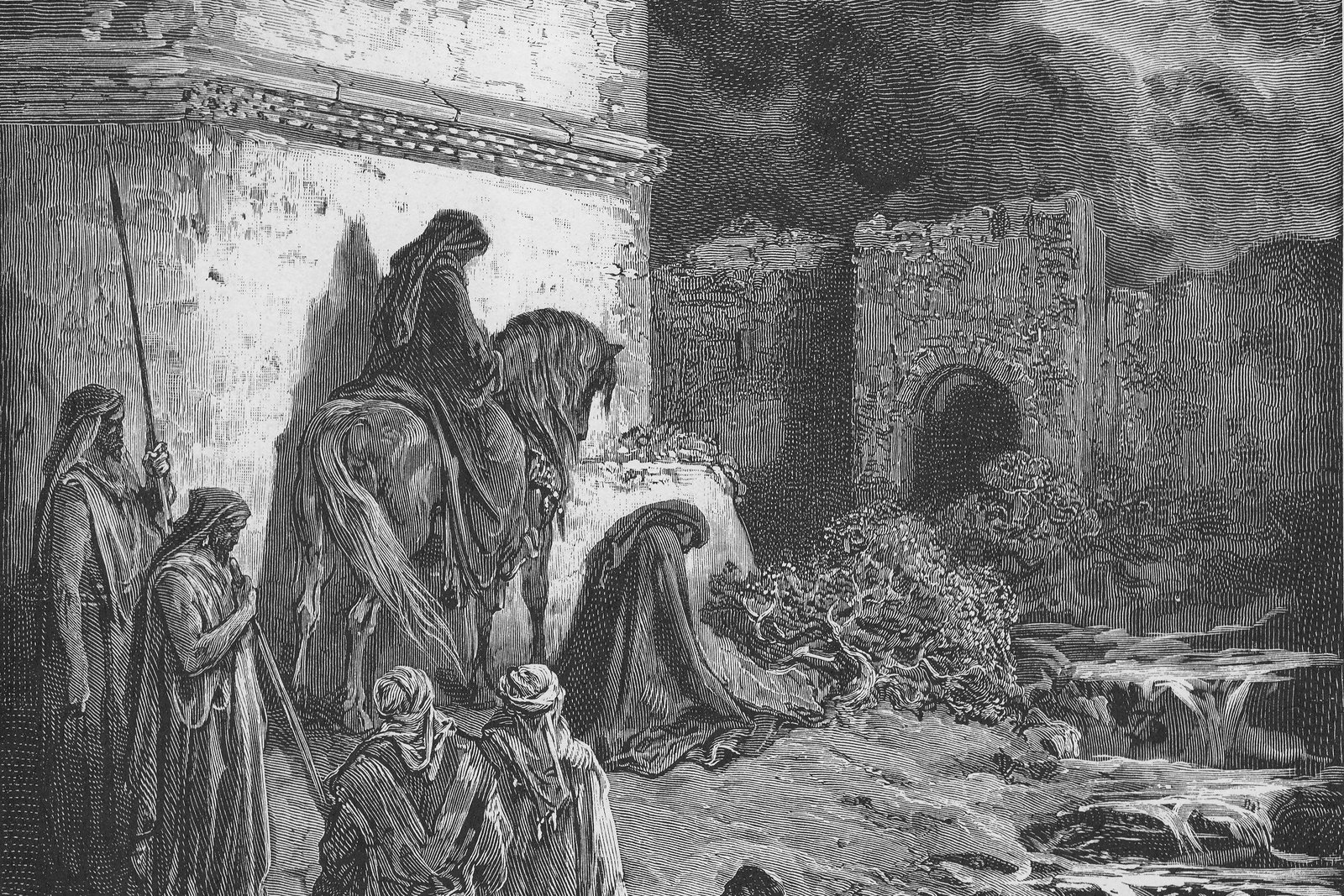
By the time Ezra stands before the assembled crowd in this scene, Jerusalem's walls have already been rebuilt under Nehemiah's leadership, following the community's return from decades of exile in Babylon. The physical city has been restored, but something else remains unfinished — a shared, clear understanding of the Law the community was meant to live by, much of which had likely gone unread or unexplained in full during the disruption of exile and reconstruction. It's this gap Ezra's public reading is meant to close.
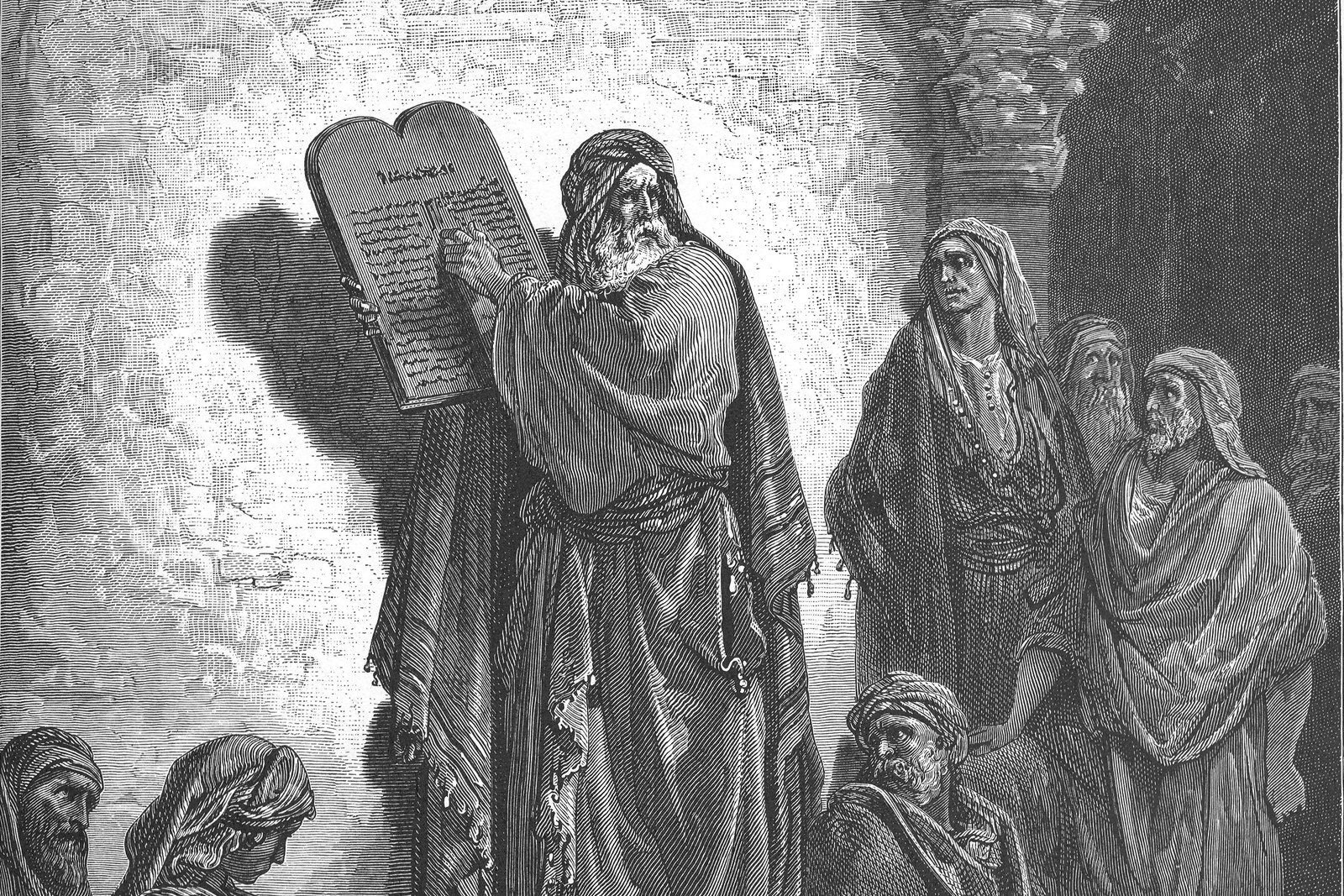
Gustave Dore, Ezra Reads the Law to the People (1866), public domain via Wikimedia Commons
Hours of reading, from daybreak to midday
What happens in the square before Jerusalem's Water Gate is remarkable simply for its sustained length. "Ezra the priest brought the law before the assembly, which consisted of men, women, and those children old enough to understand," and read "out of the book from daybreak till midday" (Nehemiah 8:2-3, NABRE) — hours of continuous public reading, with the text noting specifically that "all the people listened attentively to the book of the law" throughout. This isn't a brief ceremonial reading; it's a sustained, deliberate act of communal instruction, involving the entire community rather than a select group of leaders or priests alone.
Reading paired with explanation
Ezra's approach goes beyond simply reciting the text aloud. "Ezra read clearly from the book of the law of God, interpreting it so that all could understand what was read" (Nehemiah 8:8, NABRE) — a detail worth noting, since it suggests the goal wasn't ceremonial recitation for its own sake but genuine comprehension across a crowd that likely included people with varying degrees of familiarity with the text after years of displacement and disruption. The reading is paired with active interpretation, ensuring the Law actually landed as something understood, not merely something heard.
A crowd that weeps at what it hears
The people's reaction is immediate and strong: "all the people were weeping as they heard the words of the law" (Nehemiah 8:9, NABRE). The text doesn't fully explain every layer of that grief, but the context suggests it — hearing the Law read clearly and in full, after the disruption of exile, likely brought the community face to face with how far their history had drifted from what was being read to them, a realization arriving all at once rather than gradually.
"Do not weep — this day is holy"
What Nehemiah and Ezra do next is the detail that gives this scene its lasting character. Rather than letting the grief stand as the appropriate response, they redirect it firmly: "'Today is holy to the Lord your God. Do not lament, do not weep!'" they tell the people, and then instruct them toward celebration instead: "'Go, eat rich foods and drink sweet drinks, and allot portions to those who had nothing prepared; for today is holy to our Lord. Do not be saddened this day, for rejoicing in the Lord is your strength!'" (Nehemiah 8:9-10, NABRE). It's a striking pastoral choice — not denying the weight of what the people had just heard, but insisting that recommitment to the Law, on this particular day, should be marked by shared joy and generosity rather than mourning, including specifically ensuring that those without resources to prepare a feast of their own were given a portion by those who had more.
A scribe trained for exactly this moment
Ezra doesn't appear in Jerusalem without background. Scripture introduces him earlier, in the book that bears his name, as a priest who "came up from Babylon," described specifically as "a scribe, well-versed in the law of Moses given by the Lord, the God of Israel," with royal Persian backing for his mission and "the hand of the Lord, his God" visibly over him (Ezra 7:6, NABRE). That earlier description matters for understanding the Water Gate scene — Ezra wasn't simply a priest pressed into reading a text aloud for the occasion. He had spent years specifically devoted to studying and teaching the Law, and the public reading in Nehemiah 8 represents the culmination of that long preparation rather than an improvised ceremony.
Levites moving through the crowd
The reading itself wasn't a one-man performance. Nehemiah's account names a group of Levites who moved among the people as Ezra read, helping explain the text section by section so that no one in the vast crowd was left simply listening to unfamiliar words pass by. This detail reinforces exactly what made the day distinct from a purely ceremonial public reading: the leadership structured the event around actual comprehension, pairing the authority of the written Law with people physically present among the crowd to make sure its meaning reached everyone, not just those close enough to Ezra's own voice to catch every word clearly.
A feast that followed for a full week
The single day's reading wasn't the end of the episode. Once the people discovered in the Law instructions for the Feast of Booths, a harvest festival commemorating Israel's time in the wilderness after the Exodus, "the entire assembly of the returned exiles made booths and dwelt in them," and the text notes pointedly that "the Israelites had done nothing of this sort from the days of Jeshua, son of Nun, until this occasion; therefore there was very great joy" (Nehemiah 8:17, NABRE). Ezra kept reading from the Law "day after day" throughout the festival, "from the first day to the last," with the people keeping the feast seven full days followed by a solemn assembly on the eighth ( Nehemiah 8:18, NABRE). What began as a single morning's reading grew into a sustained week of worship, the community relearning not just what the Law said but how to live its rhythms in practice, together, for the first time in generations.
A community re-founded on a shared text
This episode marks a distinct turning point for the restored Jerusalem community — not simply the rebuilding of walls or the return of exiles, but a deliberate, communal recommitment to the Law as the shared foundation of who they were as a people going forward. The specific instruction to turn grief into celebration, generosity, and shared provision for those with less gives the scene a character that extends well beyond a single ceremonial reading: a community, freshly returned from exile, choosing to root its identity going forward not in what it had lost, but in what it had just heard read aloud, clearly and at length, and chosen together to live by.
Trivia
Who was Ezra, and what was he reading to the people?
Did Ezra just read the text, or explain it too?
Why did the people start weeping while Ezra read?
How did Nehemiah and Ezra respond to the people's weeping?
What is the significance of this scene in Israel's history?
Related Reading