Nehemiah Rebuilds the Walls of Jerusalem

A Cupbearer's Comfortable Distance from Jerusalem
Nehemiah's story opens not in Jerusalem but in Susa, one of the great capital cities of the Persian Empire, where Nehemiah held the position of cupbearer to King Artaxerxes I. It was a role that carried genuine trust and status: the cupbearer tasted the king's wine before he drank it, guarding against poison, and by necessity spent significant time in close proximity to the monarch — a position that could offer real influence to someone the king favored.
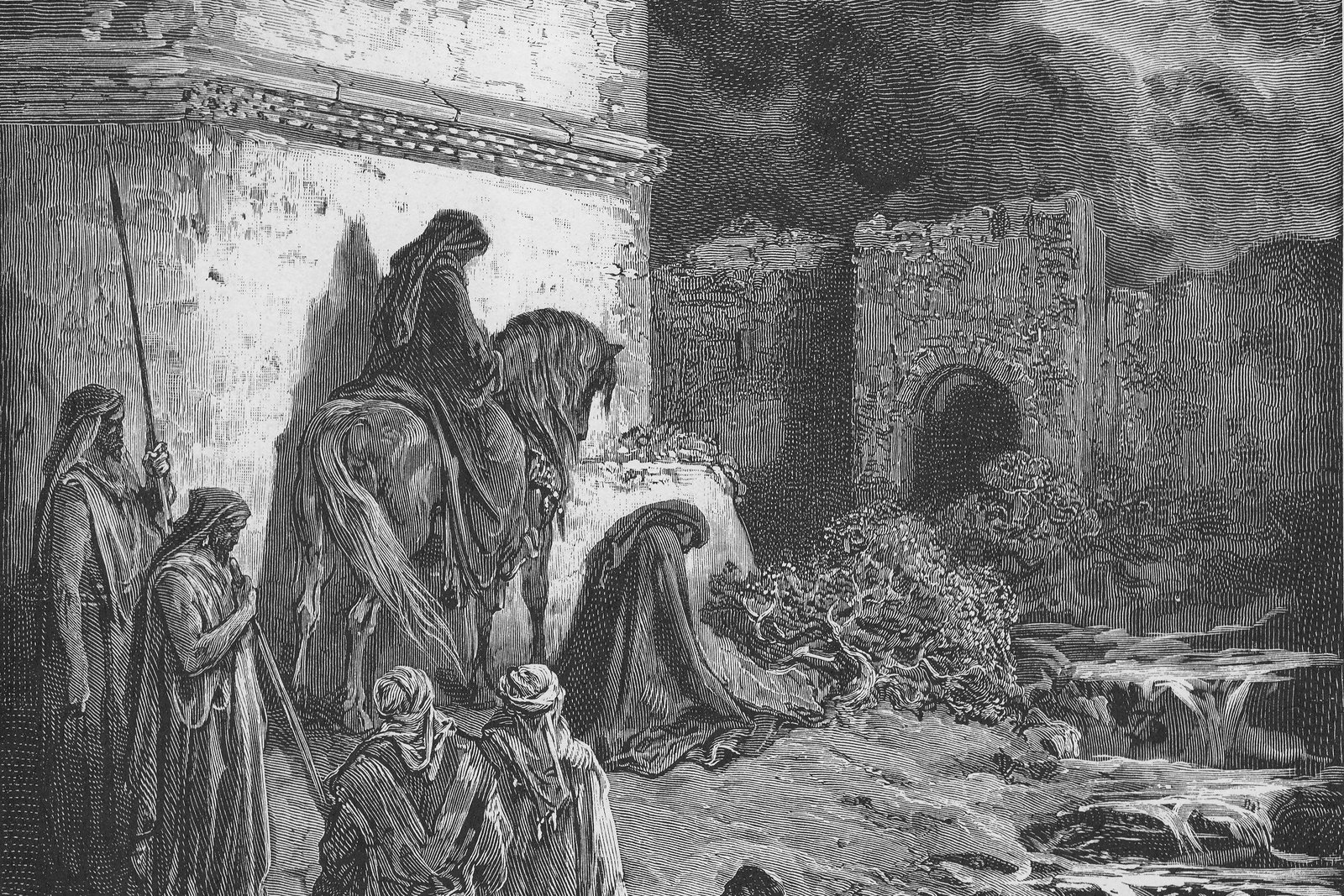
Gustave Doré, Nehemiah Views the Ruins of Jerusalem's Walls (1866) - Wikimedia Commons, public domain
By any ordinary measure, Nehemiah had built a secure and comfortable life for himself, generations removed from the community's traumatic exile from Judah. That comfort did not, however, mean indifference to what had happened to his people's homeland. When his brother Hanani and some other men arrived from Judah, Nehemiah's first question was about the state of "I asked them about the Jews, the remnant preserved after the captivity, and about Jerusalem." (Nehemiah 1:2) — a question asked, notably, before any news had prompted it.
News That Would Not Let Him Rest
The answer he received was bleak. "The survivors of the captivity are there in the province, in great distress and disgrace; Jerusalem's wall is broken down, and its gates have been destroyed by fire" (1:3). This was not fresh news of a recent catastrophe — the Babylonian destruction of Jerusalem's walls had taken place well over a century earlier, in 587 B.C. That the ruins Hanani described were still standing, unrepaired, generations later, tells its own story about how precarious and under-resourced the returned Jewish community in Judah remained, even decades after earlier waves of exiles had gone back to rebuild the temple itself.
Nehemiah's reaction was immediate and physical: "I sat down and wept, and mourned for days, fasting and praying before the God of heaven" (1:4). What follows in Nehemiah chapter 1 is an extended prayer, recorded in some detail, invoking God's covenant faithfulness and confessing the sins of his people — a prayer sustained, the text implies, over a period of months before Nehemiah takes any further action.
Risking Everything Before the King
The turning point comes almost by accident, or perhaps by providence: months after his initial grief, Nehemiah's sadness became visible enough while serving the king that Artaxerxes noticed and asked directly what was wrong. This was a genuinely dangerous moment. Appearing sorrowful in a Persian king's presence, without explicit permission, could be read as an offense in its own right, and Nehemiah records his own fear plainly: "I was seized with great fear" (2:2).
He explained the situation anyway — the ruined state of "the city of my ancestors' graves" (2:3) — and, after what he describes as a quick, silent prayer, made his request: leave to travel to Judah and rebuild it. Remarkably, the king not only granted the request but supplied letters guaranteeing safe passage through Persian territories and authorization to draw timber for the project from the king's own forest (2:7-8). Nehemiah attributes this favorable outcome directly to God: "the king granted my requests, for the favorable hand of my God was upon me" (2:8).
Organizing a City to Rebuild Itself
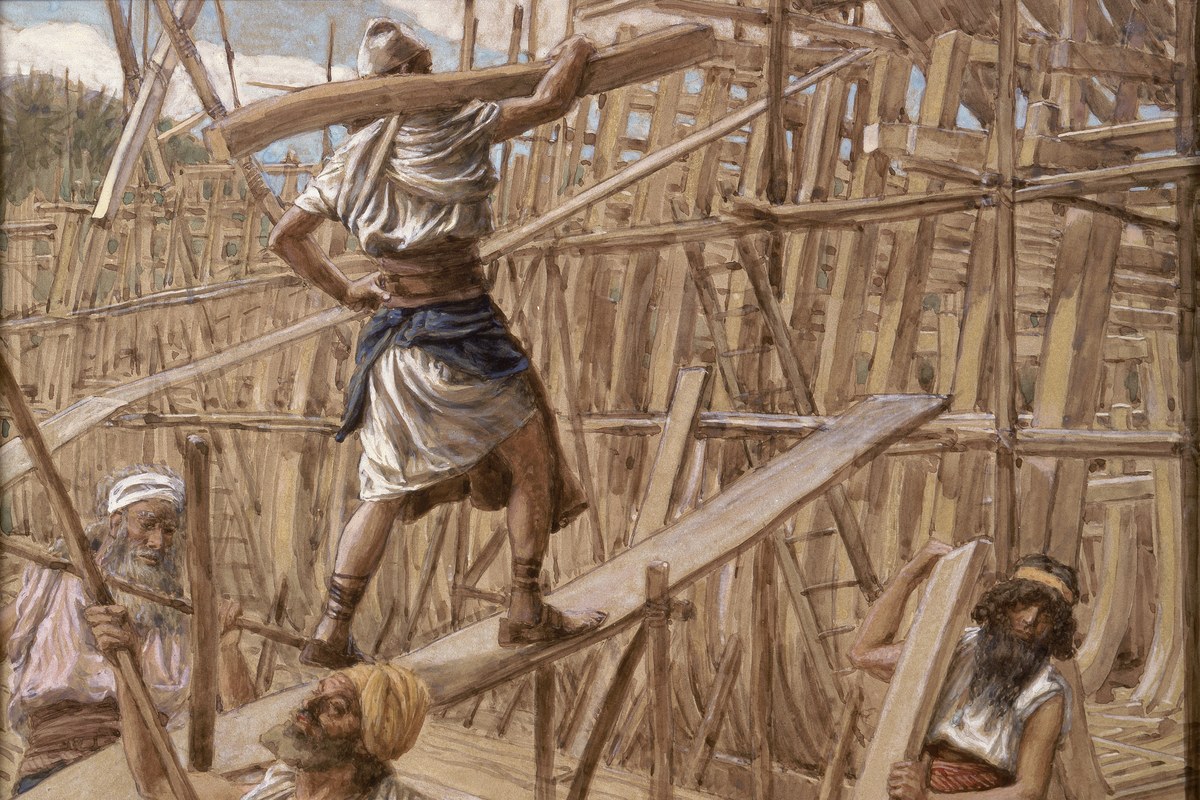
Once in Jerusalem, Nehemiah moved with notable practical efficiency. He first inspected the ruined walls secretly, by night, before revealing his plans to the local officials and priests (2:12-16) — a cautious approach that let him assess the true scope of the damage without prematurely alerting potential opponents. Nehemiah chapter 3 then records, in remarkable and specific detail, how the rebuilding work was divided among dozens of individuals, families, and groups, each assigned a particular section of wall or a specific gate to repair — priests, goldsmiths, perfumers, and rulers of surrounding districts all named individually alongside the portion of wall they took responsibility for.
This distributed structure, assigning ownership of specific, manageable sections to many different groups working simultaneously, is generally credited as a major factor in the project's astonishingly fast completion: "the wall was completed in fifty-two days" (6:15), a pace that stunned even the project's opponents, who "recognized that this had been accomplished by our God" (6:16).
Opposition From Sanballat and Tobiah
The rebuilding did not proceed without resistance. Two regional officials, Sanballat and Tobiah, mocked the effort from the outset — Sanballat reportedly scoffing, "What are these puny Jews doing?... Will they finish in a day? Will they revive the stones from the dust heaps, burned as they are?" (4:1-2). When mockery failed to stop the work, the opposition escalated to threats of armed attack, prompting Nehemiah to organize the workers so that "each of them worked with one hand and held a weapon in the other" (4:11, referencing the broader passage describing armed guards posted alongside the builders).
Later, Sanballat and Tobiah tried a different approach, repeatedly inviting Nehemiah to a meeting outside the city — almost certainly, the text implies, intending some form of ambush or trap. Nehemiah's refusal has become one of the more quoted lines from the book: "I am doing a great work, and I cannot go down. Why should the work stop, while I leave it to come down to you?" (6:3). He sent this same reply four separate times, refusing to be drawn away from the task at hand regardless of the pressure applied.
More Than a Wall
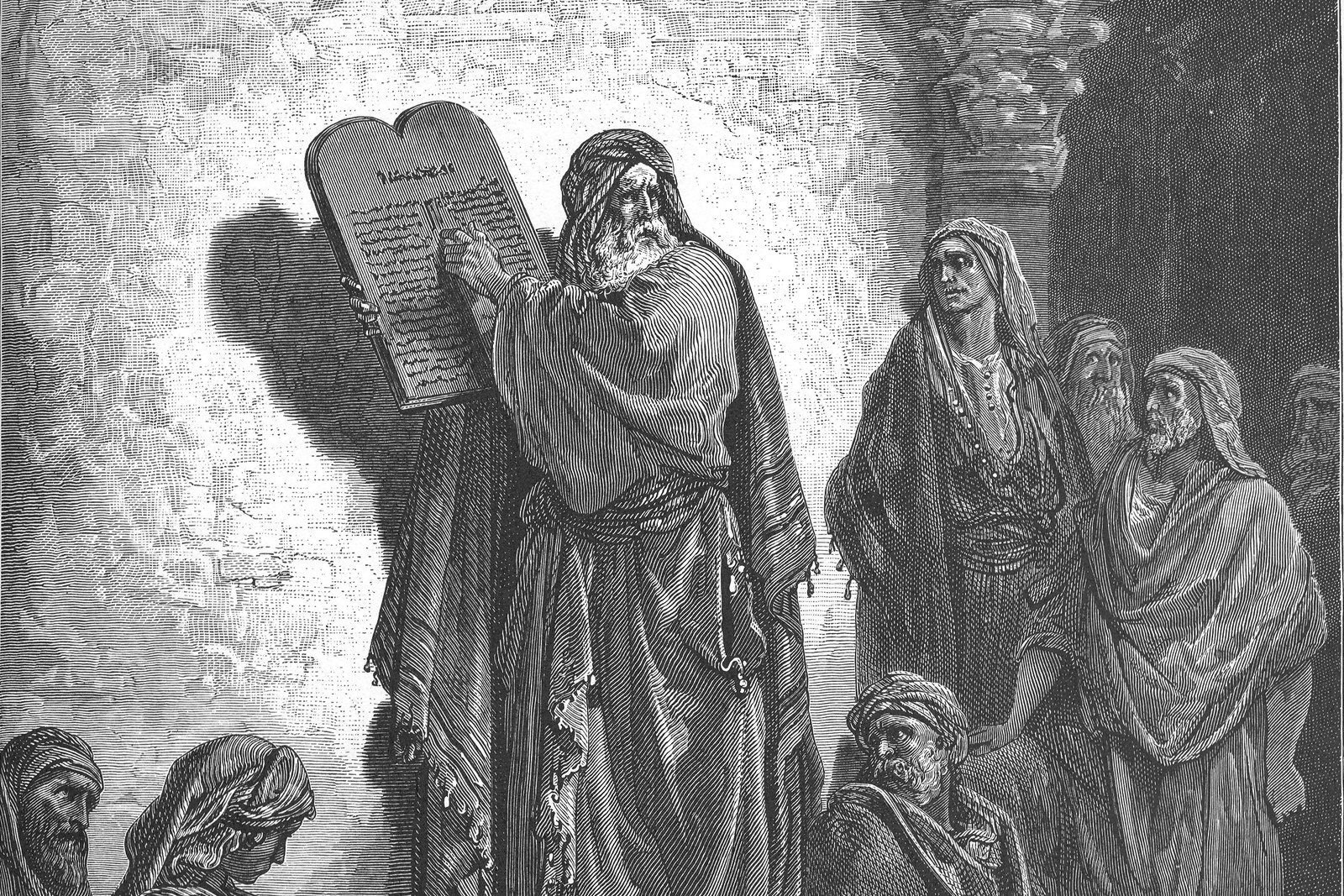
The physical wall's completion was not, in the book's own telling, the end goal in itself. Nehemiah chapter 8 records a pivotal public scene shortly after the wall's dedication: the priest and scribe Ezra brought out the Book of the Law and read it aloud before the assembled community from daybreak until midday, with the people listening attentively and weeping as they came to understand what had been read to them (8:1-9). Nehemiah and the Levites present urged the people not to mourn but to celebrate, since "rejoicing in the Lord must be your strength" (8:10) — turning the occasion into a renewal of covenant identity and communal life, not simply a technical achievement in masonry.
Read together, the rebuilt wall and the public reading of the Law represent two halves of the same restoration: physical security for a vulnerable community, and a recovered sense of shared identity and religious practice after generations of disruption. Nehemiah's willingness to risk a secure, comfortable position at the Persian court for the sake of a homeland he had perhaps never personally seen before undertaking the project remains one of Scripture's clearer examples of leadership motivated by grief translated into decisive, organized action.
Readers interested in more of the post-exilic period may also enjoy Esther Saves Her People, another story of a Jewish figure using a position of influence at a foreign court on behalf of their community, and The Dedication of Solomon's Temple, which describes the original structure whose destruction, centuries later, this same community was still recovering from.
Trivia
Who was Nehemiah, and what was his position before he went to Jerusalem?
What news moved Nehemiah to weep and pray for days?
How did Nehemiah get permission to leave the Persian court and rebuild Jerusalem's walls?
How long did it take to rebuild the walls, and what opposition did the project face?
What did the completed wall accomplish beyond physical protection?
Related Reading