Melchizedek Blesses Abraham


A Rescue Before a Blessing
To understand why Melchizedek meets Abraham at all, it helps to look at what immediately precedes their encounter in Genesis 14. A coalition of four regional kings had swept through the area, defeating a rival coalition of five kings and, in the process, capturing Abraham's nephew Lot along with his possessions, since Lot had settled near Sodom. When word reached Abraham, he assembled a force of 318 men from his own household, pursued the raiding kings, and won a decisive nighttime victory, recovering Lot, the other captives, and the plundered goods (Genesis 14:14-16).
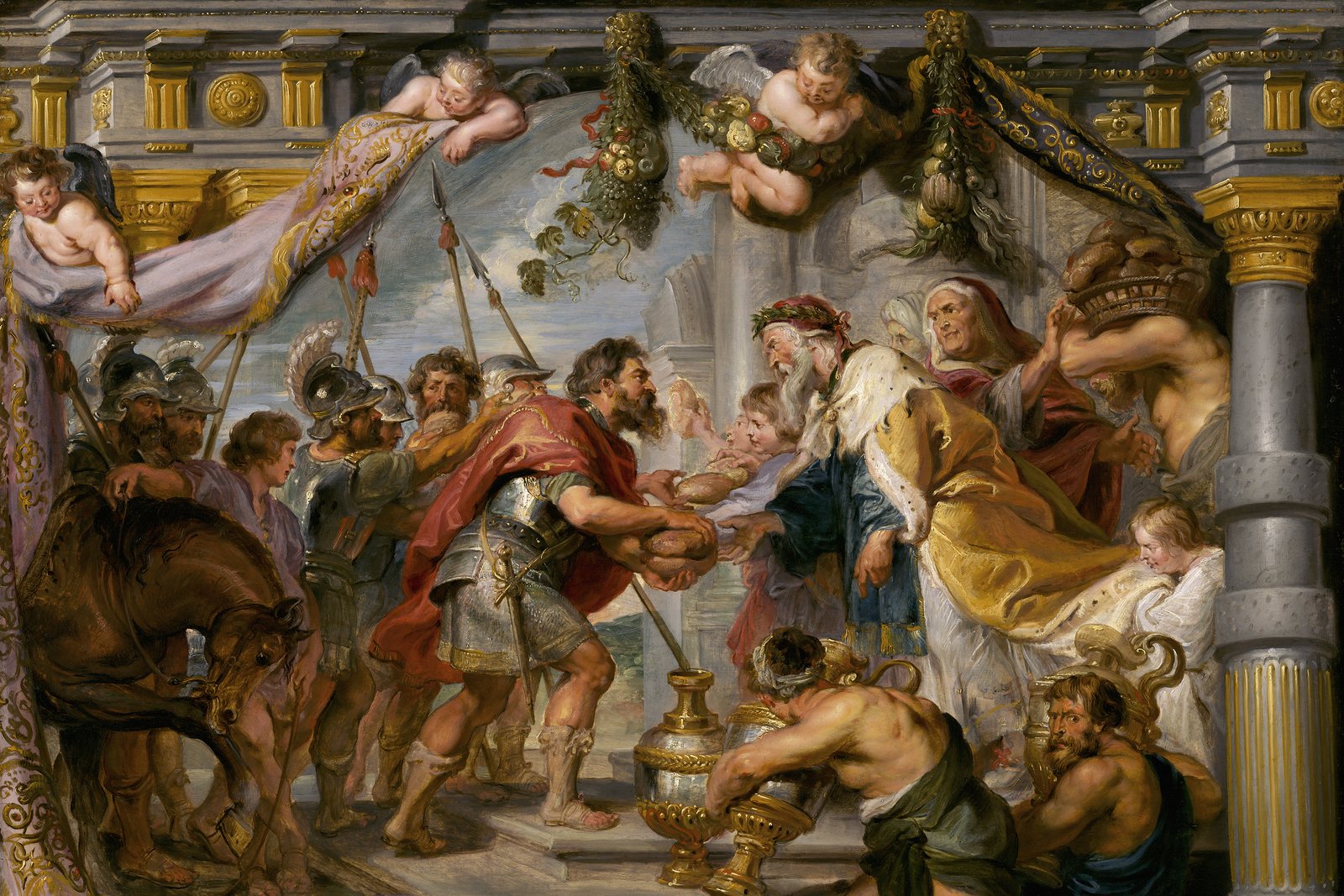
Peter Paul Rubens, The Meeting of Abraham and Melchizedek (c. 1626), National Gallery of Art - Wikimedia Commons, public domain
It is on Abraham's return from this military campaign — flush with victory but presumably also weary from battle — that Melchizedek makes his sudden, unexplained appearance. "Melchizedek, king of Salem, brought out bread and wine. He was a priest of God Most High" (14:18). No introduction precedes this verse; Genesis gives no account of where Melchizedek came from, how he became both king and priest of Salem, or why he chose this specific moment to meet Abraham.
Bread, Wine, and a Blessing
What Melchizedek does in his brief appearance is deliberate and layered with significance even in its simplicity. He brings out bread and wine — provisions, certainly, of practical value to a returning army, but also carrying a ceremonial weight given his identity as a priest, not merely a neighboring ruler offering hospitality. He then pronounces a blessing directly over Abraham: "Blessed be Abram by God Most High, the creator of heaven and earth; And blessed be God Most High, who delivered your foes into your hand" (14:19-20).
Notice the structure of this blessing: it praises both Abraham and God together, crediting the military victory not to Abraham's own strength or strategy but to God Most High. Abraham's response confirms he recognized Melchizedek's authority as genuine and significant: "Then Abram gave him a tenth of everything" (14:20) — a tithe, offered voluntarily, to a figure with no prior relationship to Abraham beyond this single meeting, and notably before any of the later Mosaic legislation establishing tithing as a formal religious obligation for Israel existed.
A Figure Without a Genealogy
Genesis 14 gives no family history for Melchizedek — no father, no lineage, no account of his birth or death, details that Genesis typically supplies for even minor figures through its careful genealogical record-keeping. This absence, whether simply an accident of the text's brevity or a deliberate narrative choice, became the basis for an enormous amount of later theological reflection, far outweighing the three verses in which Melchizedek actually appears.
His title — "king of Salem" combined with "priest of God Most High" — is itself unusual. Salem is widely identified with later Jerusalem by longstanding Jewish and Christian tradition, partly on the strength of Psalm 76:3, which parallels "Salem" with "Zion." Melchizedek's combination of royal and priestly roles in a single person, centuries before Israel's monarchy or Levitical priesthood as formal institutions existed, made him a genuinely singular figure even within the world of Genesis.
A Thousand Years of Silence, Then a Single Verse
After Genesis 14, Melchizedek disappears from Scripture almost entirely for roughly a thousand years, resurfacing only in a single verse of Psalm 110, a psalm traditionally understood in Jewish and Christian tradition as addressed to a coming royal, messianic figure: "The Lord has sworn and will not waver: 'You are a priest forever, in the manner of Melchizedek'" (Psalm 110:4). This is a striking claim on its own terms — establishing an eternal priesthood modeled not on Israel's own hereditary Aaronic priesthood, tied to descent from the tribe of Levi, but on this obscure, ancestry-less figure from Genesis who long predates Israel's formal religious institutions altogether.
Christ, Priest "in the Order of Melchizedek"
It is the Letter to the Hebrews that develops this connection most fully, dedicating substantial argument in chapter 7 to establishing why Christ's priesthood is superior to the Levitical priesthood precisely because it follows Melchizedek's pattern rather than Aaron's. The author draws directly on the silence of Genesis regarding Melchizedek's origins: "Without father, mother, or ancestry, without beginning of days or end of life, thus made to resemble the Son of God, he remains a priest forever" (Hebrews 7:3).
It is worth being precise about what this verse is and is not claiming, since it can be easily misread. The author of Hebrews is not asserting that Melchizedek was literally without human parents or that he never died — a claim nothing in Genesis supports or denies either way. Rather, the argument works from the text's silence: because Genesis records no genealogy, no birth, and no death for Melchizedek, he functions within the text as a fitting symbol, or type, for a priesthood that does not depend on biological inheritance — precisely the point Hebrews wants to make about Christ's own priesthood, which likewise does not derive from descent within the Levitical line.
Bread and Wine, Read Forward
One detail from the original Genesis account has carried particular weight in later Catholic liturgical and theological tradition: Melchizedek's specific offering of bread and wine, rather than some other form of tribute or hospitality. While Genesis 14 does not itself connect this offering to any sacrificial or Eucharistic meaning, Christian reflection from the early Church onward has long read it as an early prefiguration of the Eucharist, in which bread and wine become the sign of Christ's own priestly self-offering.
The Catechism of the Catholic Church makes this connection explicit, citing Melchizedek's offering (paragraph 1333) among the Old Testament foreshadowings of the Eucharistic sacrifice, and the traditional Latin text of the Roman Canon used at Mass names Melchizedek directly, asking God to accept the Church's offering as he once accepted "the offering of your high priest Melchizedek." This liturgical usage represents a theological and devotional development built on the New Testament's own reading of Melchizedek, rather than a claim about what Genesis 14 explicitly states or what Melchizedek himself understood his own actions to mean.
A Small Encounter, A Large Legacy
Few figures in Scripture achieve such lasting theological significance from so brief an appearance. Melchizedek speaks only two verses of blessing, receives a tithe, and vanishes from the narrative — yet Psalm 110 and the Letter to the Hebrews build an entire argument about the nature of Christ's priesthood on the pattern his brief appearance established. His story is a reminder that Scripture's deepest connections are not always found in its longest or most dramatic episodes, but sometimes in the smallest details a careful reader is invited to notice and follow forward across centuries of unfolding revelation.
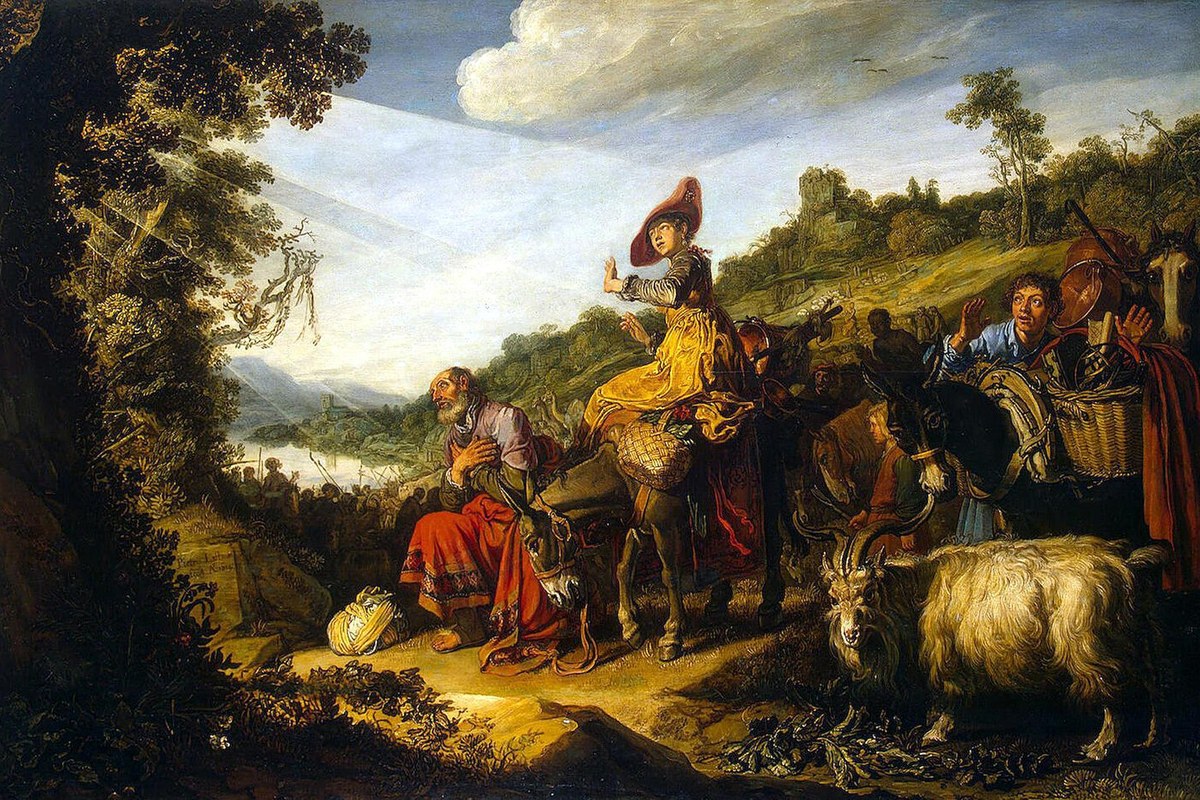
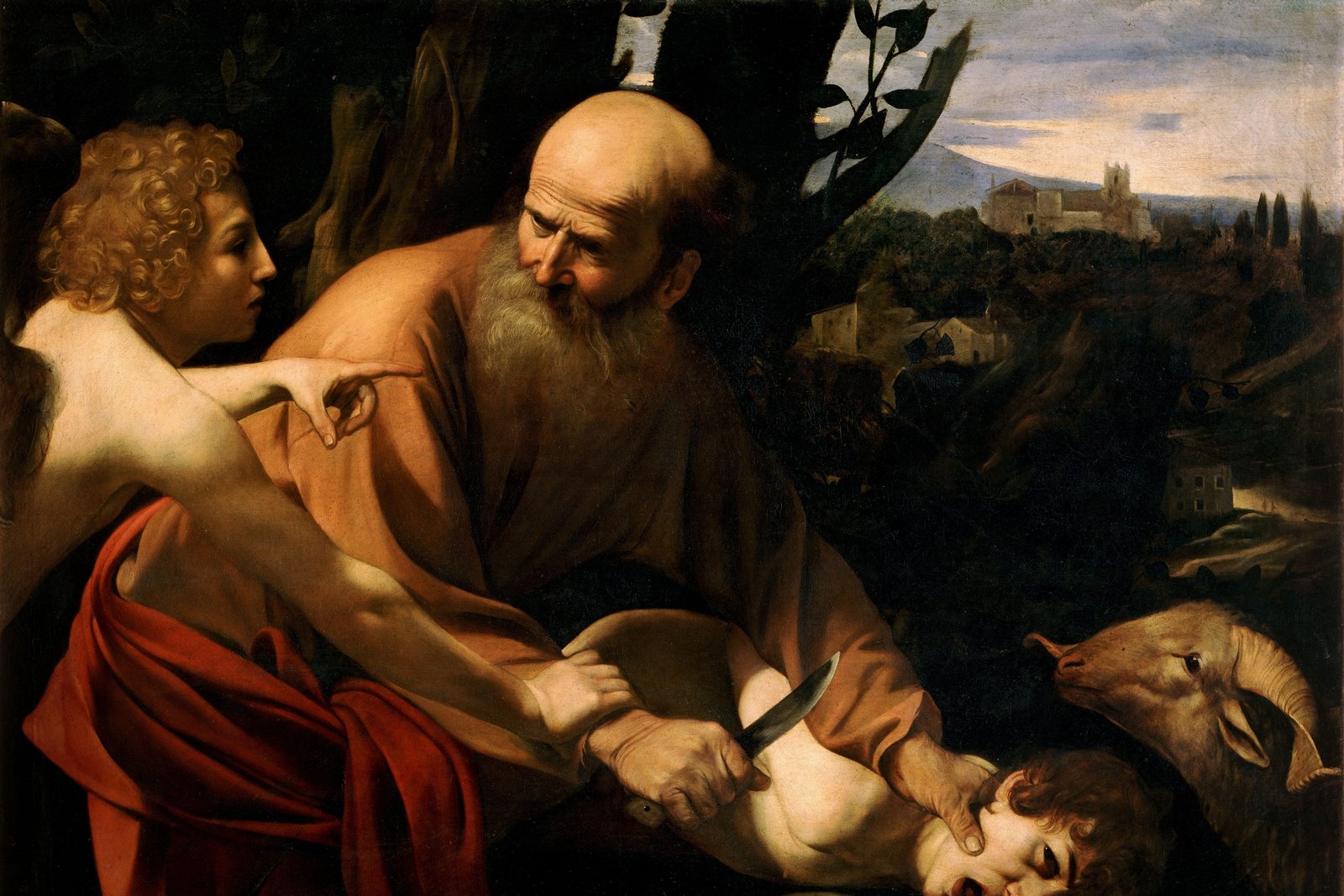
Readers interested in more of Abraham's story may also enjoy The Call of Abraham and The Binding of Isaac, two other pivotal episodes from the life of the man Scripture calls the father of faith.
Trivia
Where does Melchizedek first appear in the Bible, and in what context?
What does the name Melchizedek mean, and what is Salem?
Why does Melchizedek matter so much given how briefly he appears?
How does the Letter to the Hebrews use Melchizedek?
Is Melchizedek's offering of bread and wine connected to the Eucharist in Catholic tradition?
Related Reading