The Epiphany House Blessing, Chalk and All

A blessing with a year built into it
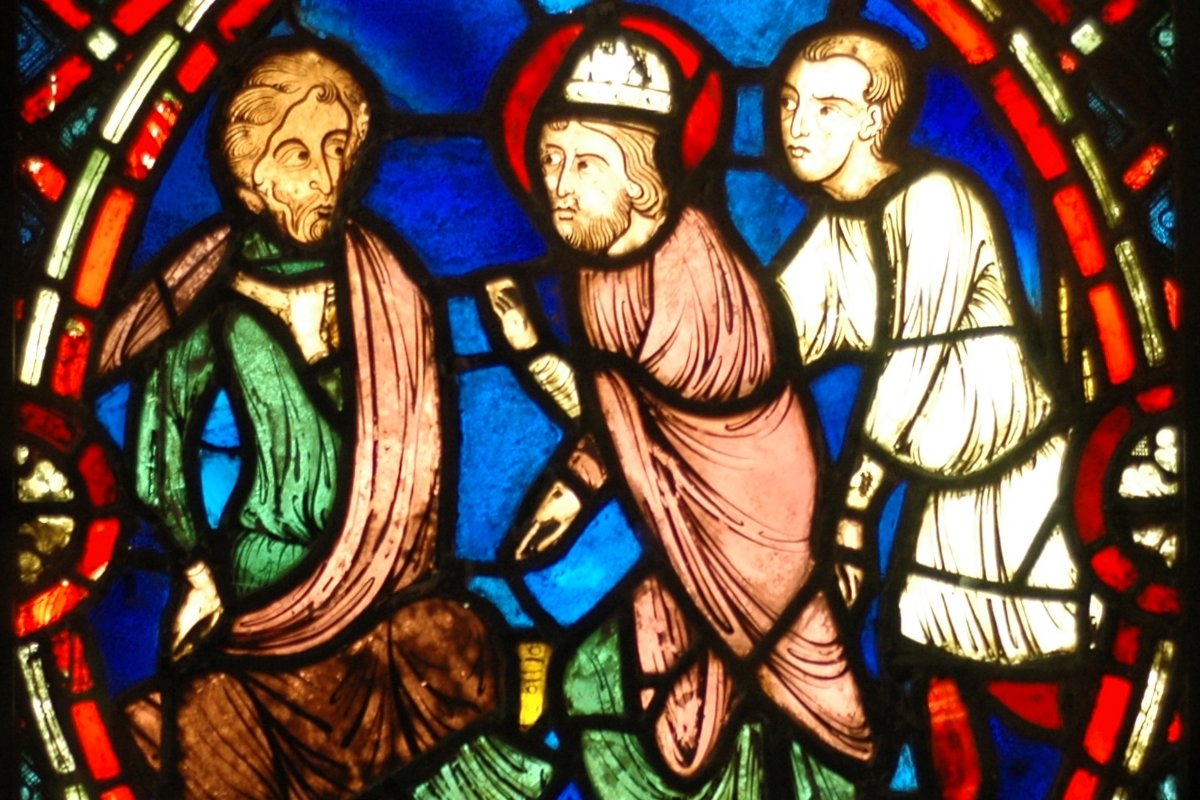
The custom looks cryptic to anyone encountering it for the first time: a short line of characters, written in chalk directly above a home's front doorframe, something like "20+C+M+B+26." Read correctly, it isn't a code at all — the numbers split around the letters mark the current year (20 and 26 framing 2026), while the three letters in the middle, C, M, and B, carry two meanings folded into one. They stand for the traditional names given to the Magi who visited the infant Jesus — Caspar, Melchior, and Balthasar — and at the same time abbreviate a Latin blessing, Christus mansionem benedicat: "May Christ bless this house." The crosses marked between each element represent the blessing itself being invoked over the home.
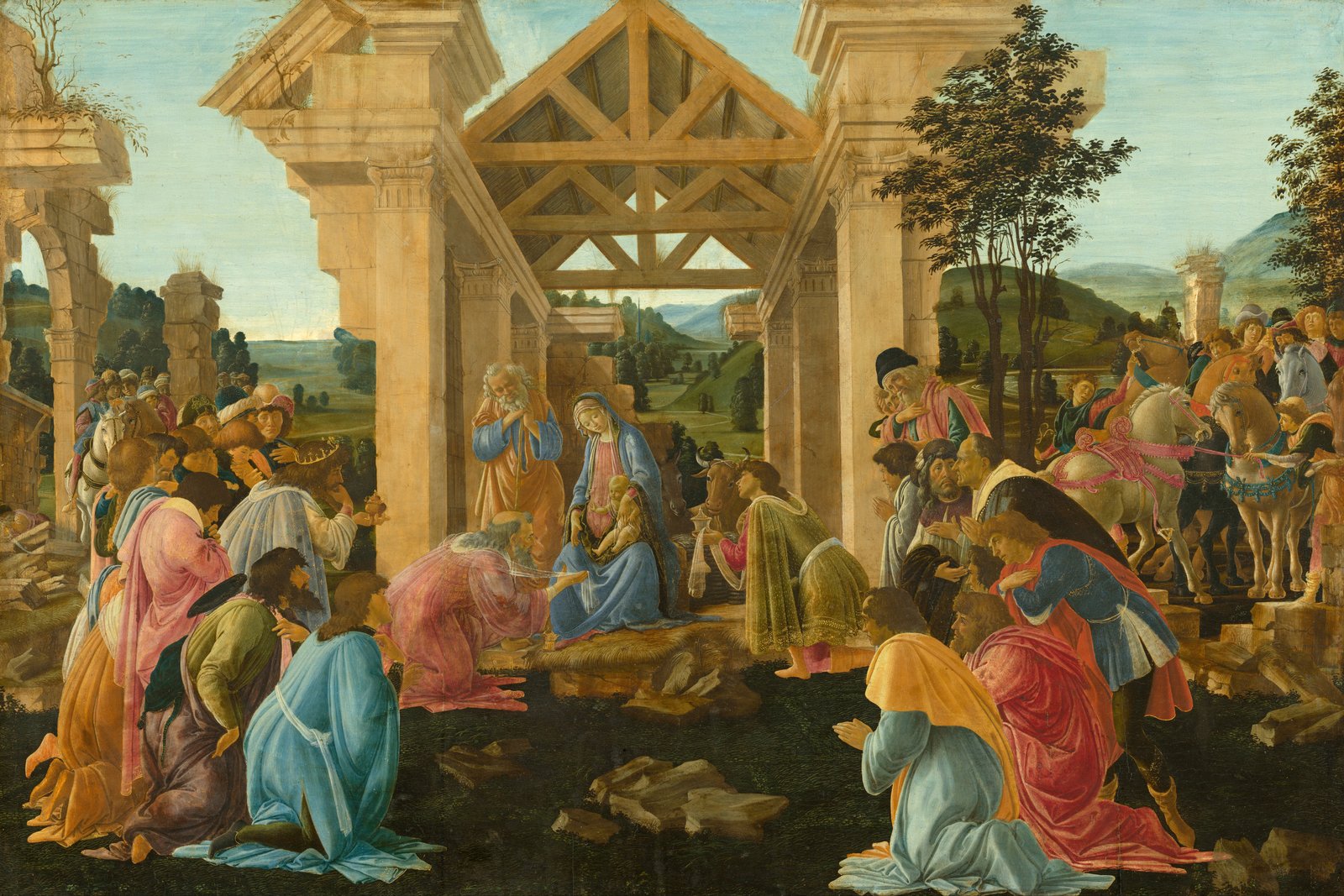
Sandro Botticelli, The Adoration of the Magi (c. 1475-1476), public domain via Wikimedia Commons
Tied to Epiphany for a reason
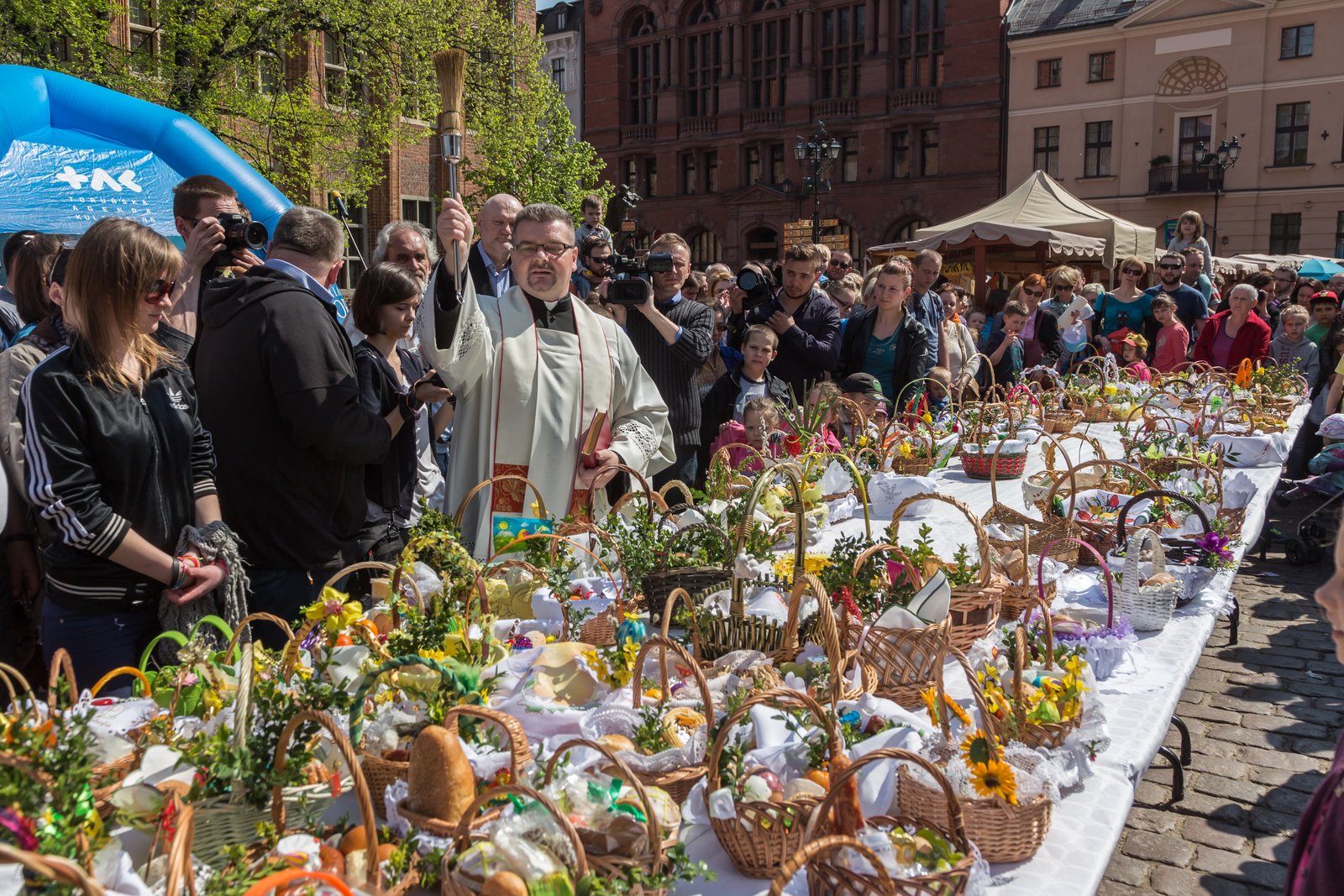
The custom is timed deliberately to the Feast of the Epiphany, celebrated on January 6th (or transferred to the nearest Sunday in many places), which commemorates the Magi's arrival to visit the newborn Jesus, following a star to find him. Chalk is blessed at Mass on or near that feast day, and families take a piece of it home specifically to mark their own doorway — connecting an ordinary household threshold to the same story of travelers following a sign to find Christ. The custom positions the doorway itself as a small, symbolic echo of the stable in Bethlehem: a threshold Christ is being invited to bless and, in a sense, to enter through, just as the Magi once entered the place where they found him.
From the priest's visit to the family's own hand
The custom's practical shape has shifted over time. Historical accounts describe parish priests traditionally visiting the homes of their parishioners in the days following Epiphany, blessing each household and marking the doorway themselves as part of that visit. As parishes grew too large for that kind of individual household visit to remain practical, the responsibility shifted largely onto families themselves — picking up chalk blessed at the parish on Epiphany Sunday and marking their own doorframe at home, sometimes with a short prayer or blessing read aloud by a parent as part of the process.
Not a formal rite, but not dismissed either
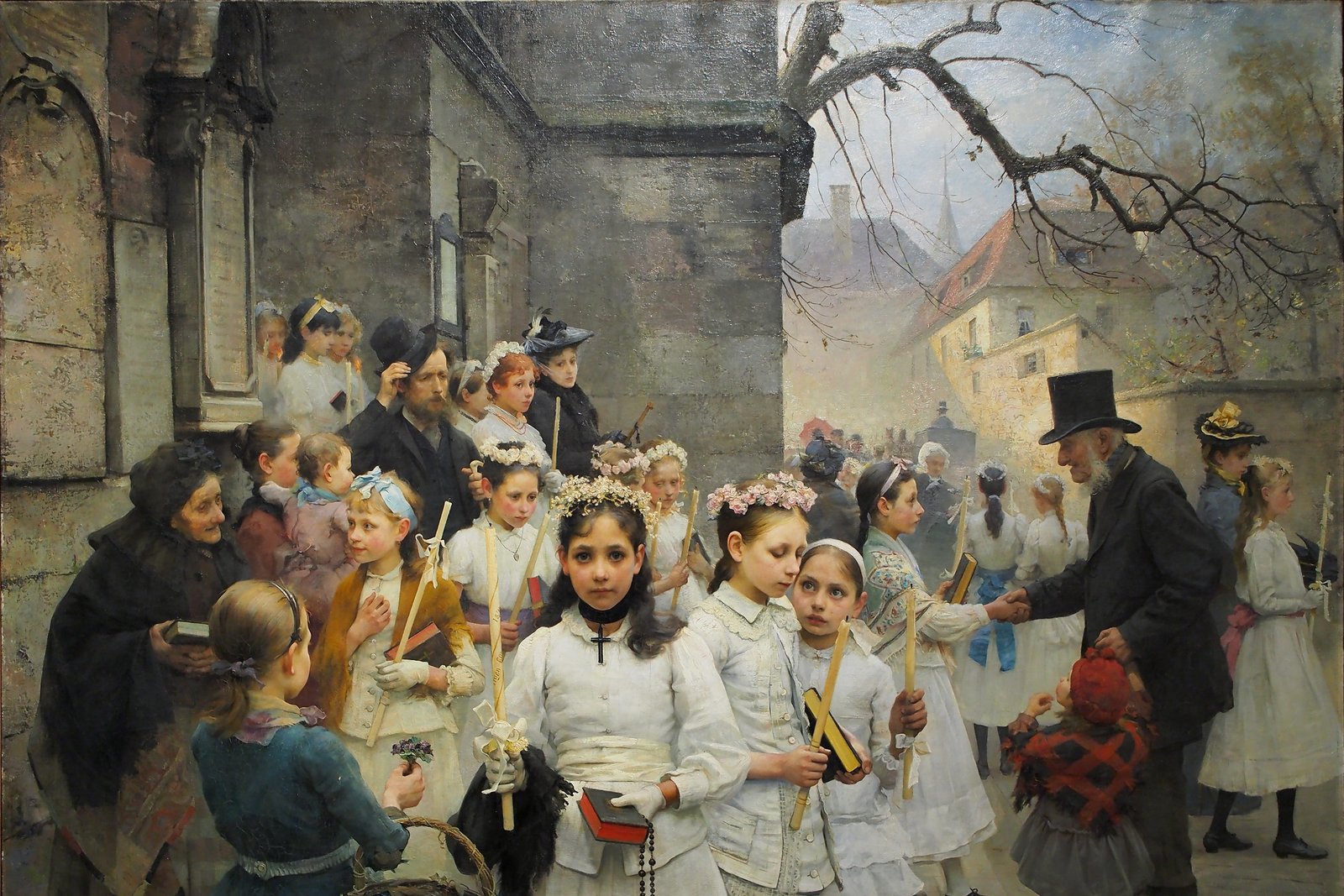
It's worth being precise about the custom's standing within the Church. It isn't one of the sacraments, and it isn't a liturgically mandated practice the way, say, receiving ashes on Ash Wednesday is tied directly into that day's Mass. It belongs instead to the broader category of sacramentals and popular devotional custom. That said, the custom has received a notable nod of official recognition: the Vatican's Congregation for Divine Worship and the Discipline of the Sacraments has described the practice — often carried out with children processing through a neighborhood accompanied by their parents — as expressing the blessing of Christ through the intercession of the Magi, treating it as a legitimate and valued expression of popular piety even though it remains optional rather than obligatory.
A small mark, kept up through the year
Families who observe the custom often leave the chalk marking above the doorway for the full year that follows, a quiet, visible reminder each time someone passes beneath it that the household has been specifically asked for and offered Christ's blessing. When the next Epiphany arrives, the old marking is typically erased and the ritual repeated, the year's numbers updated, the same three letters written again. It's a modest custom by most measures — a few minutes with a piece of chalk, no special equipment, no elaborate ceremony required — but it does something few other household devotions manage quite as directly: it turns the threshold of an ordinary home into a small, yearly renewed act of welcome, addressed to Christ himself.
Roots in Central European tradition
The chalking custom traces most directly to German-speaking Central Europe, where it developed alongside a related and still widely practiced tradition: the Sternsinger, or "star singers." Groups of children, often organized through their parish, dress as the three Magi and a star-bearer and go from door to door in the days around Epiphany, singing carols, offering a blessing, and collecting donations for missionary work abroad — then marking the visited home's doorway with the familiar chalk inscription as they go. That practice remains especially strong today in Germany, Austria, and parts of German-speaking Switzerland, where the Sternsinger collection ranks among the largest children's charitable fundraising efforts in the world, organized nationally through the churches each year. The custom spread from there into other European countries and, through emigration, into North American Catholic parishes, though usually in the simpler form of the family doing the marking themselves rather than the fuller caroling tradition.
A longer blessing, often read aloud
Many parishes distribute, alongside the blessed chalk, a short printed prayer meant to be read by a parent or head of household while marking the door, asking God's blessing on the home, on everyone who lives there or visits during the coming year, and specifically invoking the example of the Magi's own journey of faith — their willingness to follow a sign they didn't fully understand yet, trusting it would lead them to Christ. Reciting a version of this blessing turns the few minutes of chalking into something closer to a small household liturgy rather than a purely private gesture: often the family gathers together at the door, says the prayer aloud, and only then marks the frame, treating the moment deliberately rather than as an afterthought squeezed in before Mass.
One of several Epiphany blessings
The chalked door isn't the only blessing associated with the feast. Epiphany also traditionally includes the blessing of water, sometimes distributed for households to take home alongside the chalk, continuing a theme that runs through the feast's readings and liturgy: Christ revealed to the world, and the ordinary elements of a household — water, a doorway, chalk itself — made into carriers of that revelation in miniature. Taken together, these Epiphany customs share the same underlying logic as the chalk marking: a season built around showing, not just telling, that Christ has entered the world, extended in a small way into the physical fabric of an ordinary home.
Trivia
What does 20+C+M+B+26 actually mean?
When is the chalk blessing traditionally done?
Who is supposed to write the chalk marking — a priest or the family?
Is the chalk blessing an official Church liturgical requirement?
Does the chalk marking need to stay up all year?
Related Reading