The Blessing of the Throats on Saint Blaise's Feast

A martyr remembered for a single healing
Most of what's known about Saint Blaise comes down through tradition rather than contemporary documentation — accounts describe him as a bishop and physician in Sebaste, in the Roman province of Armenia, martyred for his Christian faith in the early fourth century, during a period of persecution under Emperor Licinius. Of everything attributed to his life, one episode became by far the most consequential for how he's remembered: while imprisoned, a mother is said to have brought him her son, who was choking on a fish bone and near death. Blaise prayed over the boy, and according to the traditional account, the child was healed. It's worth being clear-eyed about this story's source — like many accounts of early martyrs, it survives through pious tradition and later hagiography rather than a contemporary historical record, and should be understood that way rather than as documented history in the modern sense.
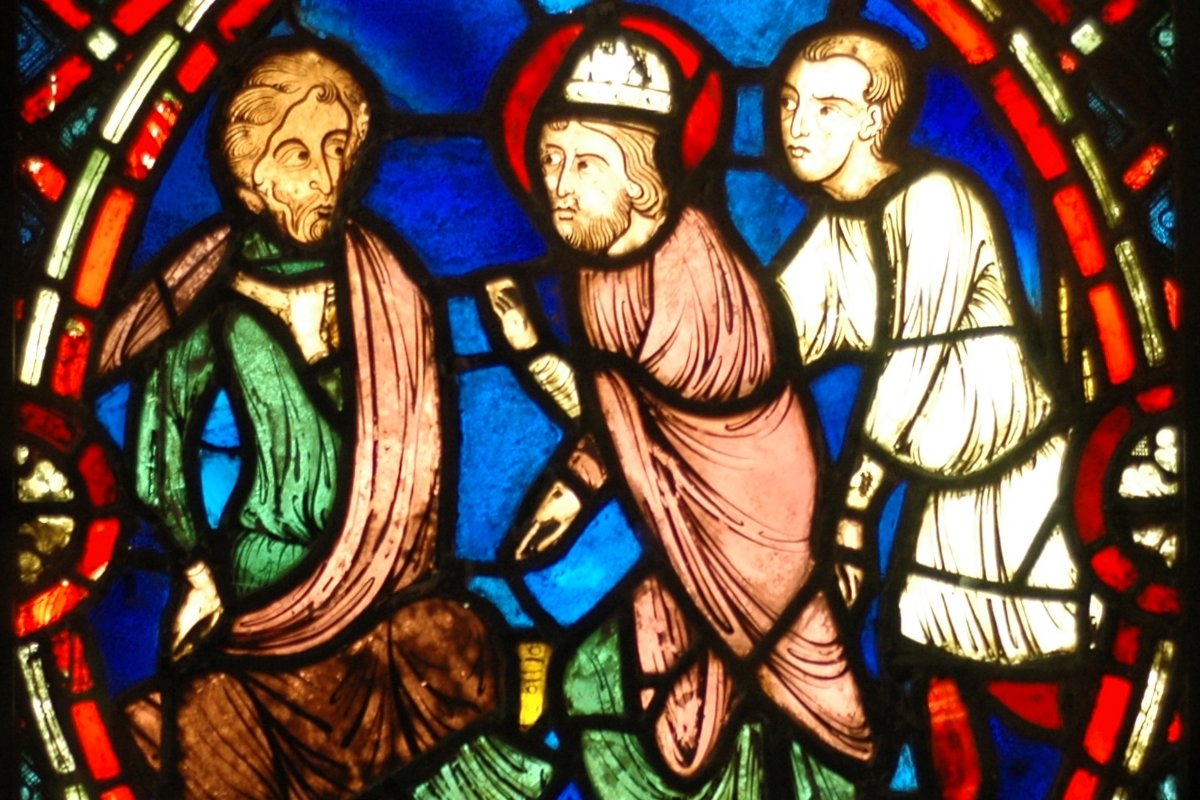
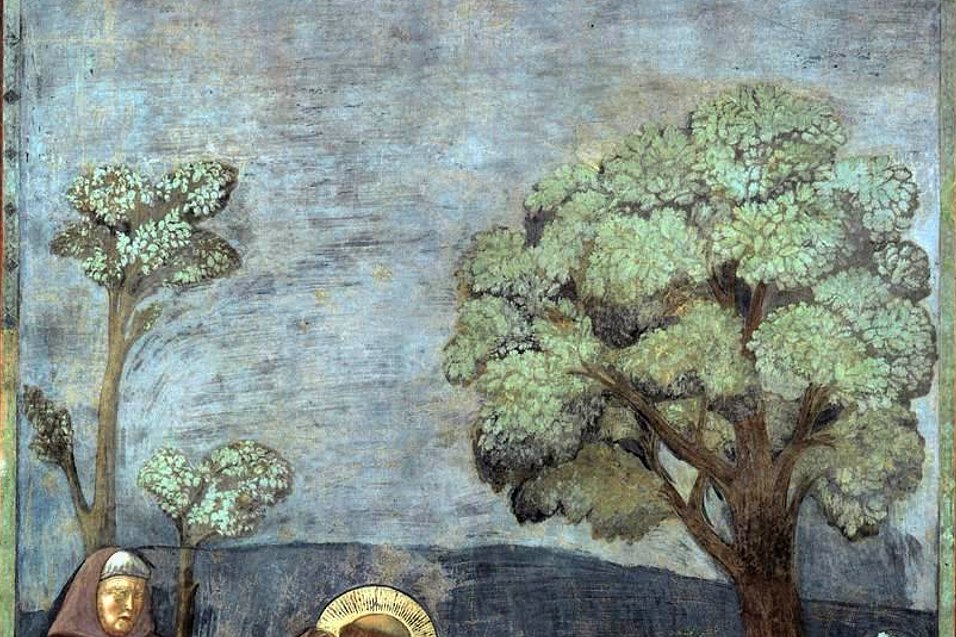
Saint Blaise, Louvre Museum, public domain via Wikimedia Commons
From one healing to a yearly blessing
That single episode is the thread that connects a fourth-century martyrdom to a ritual still performed in parishes every February. Sometime in the centuries that followed — sources describing the custom's history point to around the eighth century as when the practice took a recognizable shape — Christians began invoking Blaise's intercession specifically for ailments of the throat, and a formal blessing developed around his feast day. By the Middle Ages, the blessing of the throats had become widely practiced, especially valued during outbreaks of illness and contagious disease, when a blessing addressing exactly that fear carried real weight for ordinary people with few other defenses against sickness.
Why the candles are crossed
The blessing's most recognizable feature — two candles held crossed against the throat — has its own attached tradition. Popular accounts connect the crossed candles back to the same mother from the healing story, said to have brought Blaise candles to light his way in the prison cell out of gratitude. Practically, the candles used in the modern blessing are typically ones blessed the previous day, February 2nd, the Feast of the Presentation of the Lord, also known as Candlemas — linking the throat blessing to the older feast that immediately precedes it on the liturgical calendar, and giving the candles themselves a kind of continuity between the two days.
What kind of blessing this actually is
It's worth being precise about what the throat blessing is and isn't. It is not one of the Church's seven sacraments — it belongs instead to the broader category the Church calls sacramentals. The Catechism describes their function directly: "Sacramentals do not confer the grace of the Holy Spirit in the way that the sacraments do, but by the Church's prayer, they prepare us to receive grace and dispose us to cooperate with it" (CCC 1670). A sacramental doesn't work automatically or independently of a person's faith and disposition the way the sacraments are understood to; it works through the Church's prayer, preparing and disposing someone to receive grace rather than conferring it directly. The Catechism also notes that "every baptized person is called to be a 'blessing,' and to bless" (CCC 1669) — which is part of why lay people are permitted to lead certain blessings, even though this particular one, tied closely to a feast day ritual, is typically administered by a priest or deacon.
A blessing that still draws a line out the door
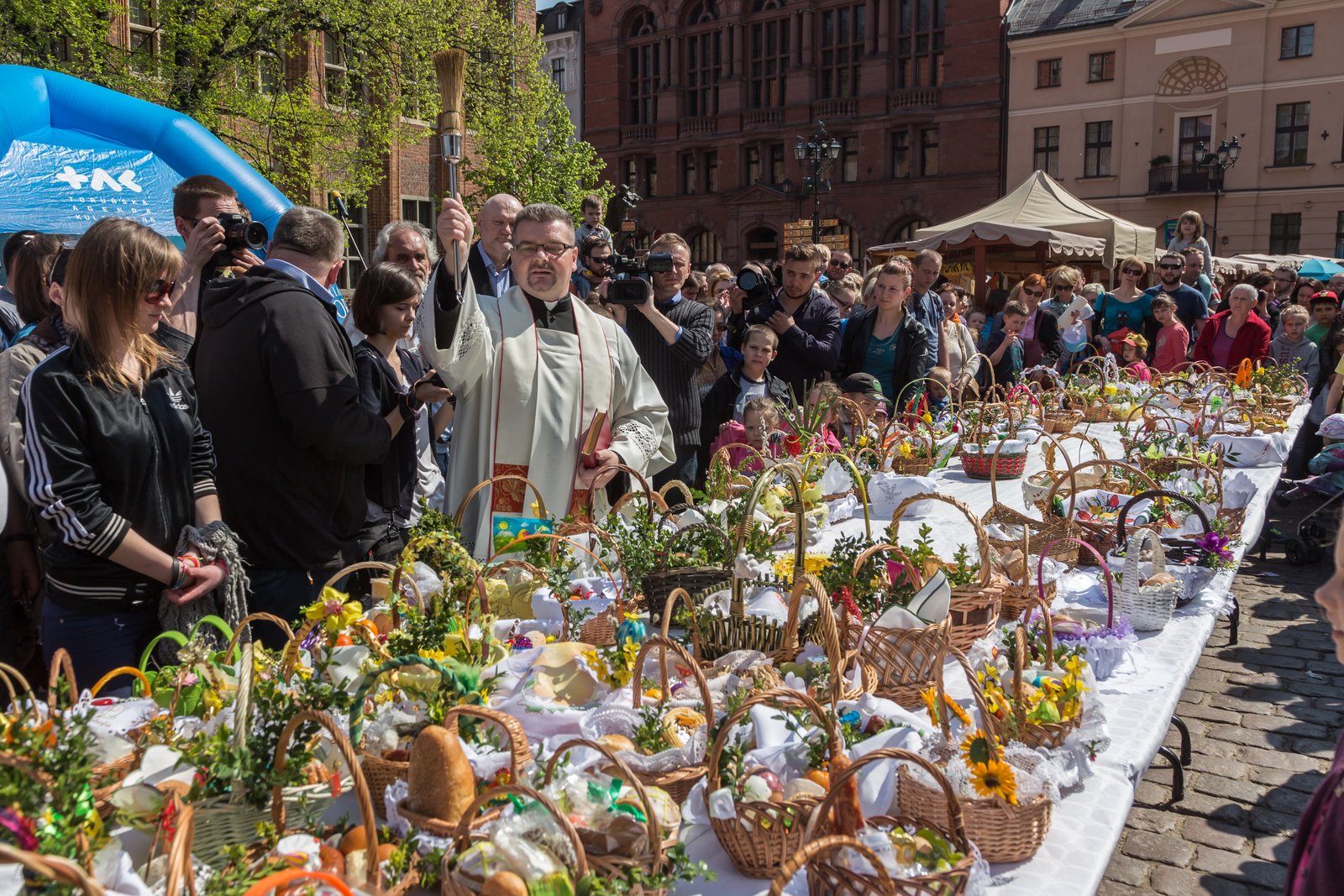
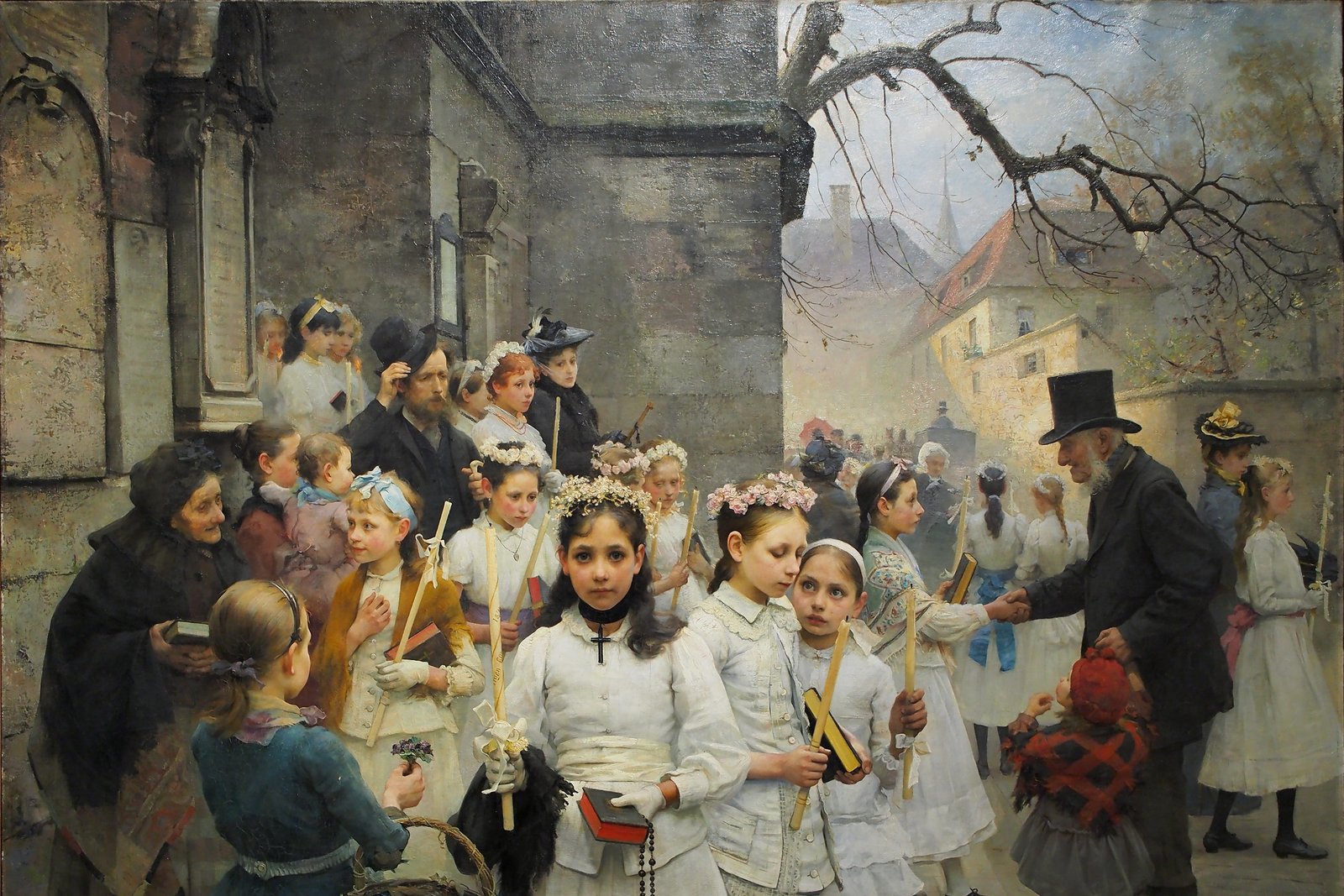
Anyone who has attended a Saint Blaise blessing knows the practical shape of it: a line forms after Mass, and the priest moves quickly but individually person to person, holding the crossed candles briefly at each throat while praying quietly. It's an unusually physical, personal sacramental in a Church calendar full of larger communal rites — no homily accompanies it, no readings are proper to it beyond the Mass it follows, just one candle-crossed moment repeated as many times as there are people willing to wait for it. That simplicity may be part of why it has endured so consistently across many centuries, largely unchanged in form: a short prayer, a physical gesture, and the memory of a bishop who, according to the story Christians have kept telling about him, once stopped a child from choking to death in a prison cell.
A small ritual with a long memory
The blessing of the throats belongs to a category of Catholic practice that rarely makes headlines and asks nothing complicated of the people who receive it — just a moment's pause, a crossed pair of candles, and a prayer. Its persistence across more than a thousand years says something about what Catholics have consistently wanted from their faith at the level of daily life: not only doctrine and sacrament, but small, concrete gestures of protection, offered freely, tied to a specific saint's specific, remembered act of mercy.
Trivia
What actually happens during the blessing of the throats?
Who was Saint Blaise, and why is he connected to throats?
Why are the candles crossed?
Is the blessing of the throats a sacrament?
How far back does this specific blessing go?
Related Reading