The Meaning of Ash Wednesday

The words, and where they come from
The most traditional formula spoken while ashes are applied to the forehead is direct and unadorned: "Remember that you are dust, and to dust you shall return." Those words come straight from the Book of Genesis, God's statement to Adam after the fall: "For you are dust, and to dust you shall return" (Genesis 3:19, NABRE). The Roman Missal — the official liturgical book governing the Mass — also permits a second, alternative formula: "Repent, and believe in the Gospel," echoing Christ's own opening words of public ministry in Mark's Gospel: "Repent, and believe in the gospel" (Mark 1:15). Priests may use either formula, and both point toward the same core message: mortality and the need for conversion, the two themes that anchor the beginning of Lent.

Photo: Oxh973 / Wikimedia Commons (Public domain)
Ashes with their own history
The ashes used on Ash Wednesday aren't simply generic — Catholic custom traditionally makes them by burning the blessed palm branches distributed the previous year on Palm Sunday, the feast commemorating Christ's triumphal entry into Jerusalem before his Passion. Those palms are gathered back, burned down to ash, and blessed again before Ash Wednesday Mass. This practice creates a direct, visible link between one year's Lenten season and the last: the same branches once waved in celebration return, transformed into ash, to mark the beginning of the somber season leading to Christ's death and resurrection.
Old Testament roots of ashes as penance
Using ashes as a sign of mourning, repentance, or humility before God has deep roots well before Ash Wednesday itself existed as a formal observance. Scripture records the practice repeatedly — Job famously repents "in dust and ashes" (Job 42:6), and the people of Nineveh, warned by the prophet Jonah, respond by proclaiming a fast and covering themselves with sackcloth and ashes (Jonah 3:5-6). The Christian practice of receiving ashes at the start of Lent draws directly on this older biblical vocabulary of penance, adapting an ancient gesture of mourning into a specifically Christian ritual marking the start of the Church's most intensive annual season of repentance and preparation.
Not a holy day of obligation, and yet the churches fill up
One detail that surprises many Catholics: Ash Wednesday does not appear among the Church's formal holy days of obligation — there is no canonical requirement to attend Mass that day. And yet parishes worldwide routinely report some of their highest attendance of the entire liturgical year on Ash Wednesday, frequently exceeding even certain obligatory feasts. This pattern reflects strong popular devotion rather than any formal Church mandate, and it makes Ash Wednesday something of an outlier: a day whose massive turnout comes entirely from voluntary participation.
The fasting rules, specifically
Ash Wednesday carries its own specific fasting and abstinence obligations, distinct from the general Friday abstinence observed throughout Lent. Catholics ages 18 through 59 are bound to fast — defined by current USCCB norms as one full meal, plus two smaller meals that together do not equal a full meal, with no eating between meals. Catholics 14 and older are additionally bound to abstain from eating meat entirely that day. Along with Good Friday, Ash Wednesday is one of only two days in the entire liturgical year carrying this specific combined fasting and abstinence obligation under current universal Church discipline.
How Eastern Christians mark the same season
The Latin Church's Ash Wednesday has no exact counterpart in the Eastern Catholic and Orthodox traditions, which begin their own Great Lent differently. Byzantine-tradition churches (Eastern Catholic and Orthodox alike) open Lent with Clean Monday — so named because it marks a fresh start of fasting and repentance — rather than a Wednesday, and mark the occasion with prostrations and the Rite of Forgiveness rather than an ash-marking ritual. The theological substance is closely related — both traditions treat the season's opening as a deliberate turn toward penance and self-examination before the celebration of the Resurrection — but the outward sign differs: ashes on the forehead are a distinctly Western Catholic custom, not a universal Christian one, even though the Genesis language about dust and mortality that grounds the practice is shared scripture across both traditions.
Purple vestments and a changed altar
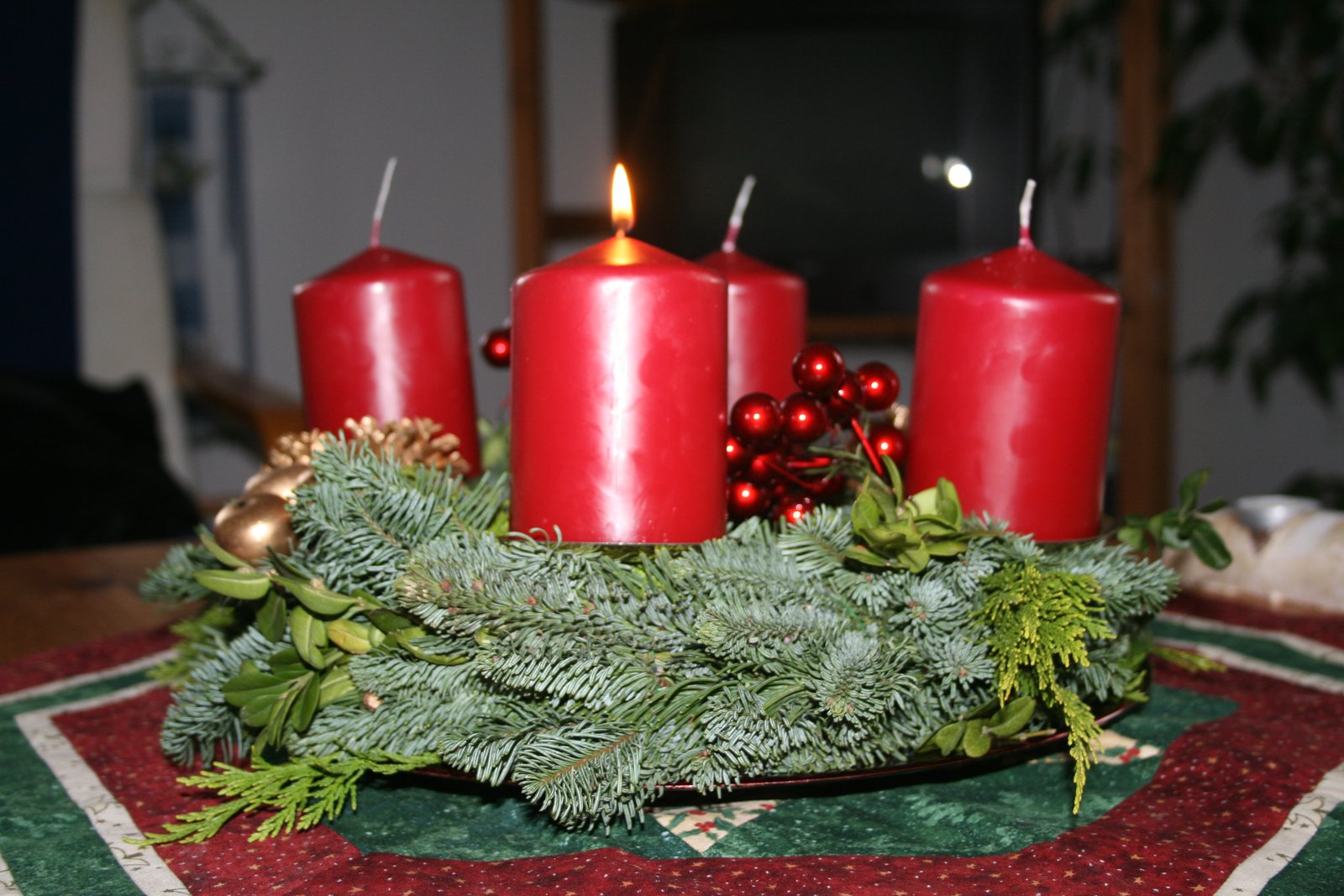
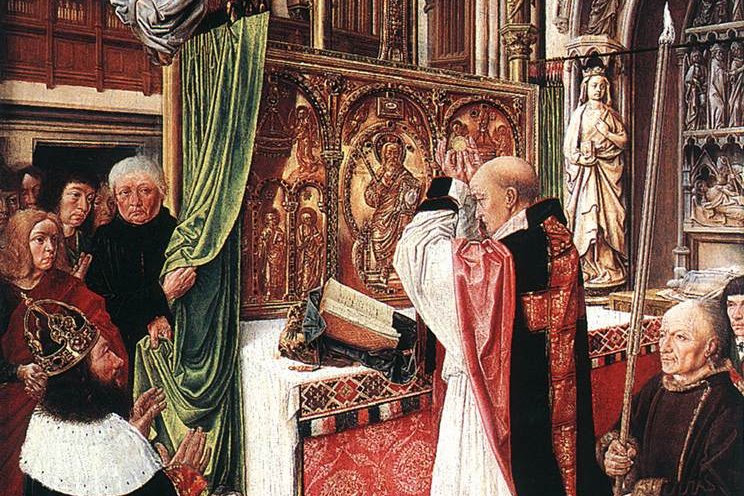
Ash Wednesday also marks a visible shift in the church building itself that lasts through the whole of Lent. The priest's vestments and the altar cloths change to violet (purple), the liturgical color the Church has long associated with penance and preparation — the same color used during Advent, though for a different reason there. Musical instruments are used more sparingly, the joyful acclamation "Alleluia" is dropped entirely from the liturgy until it returns at the Easter Vigil, and in many parishes flowers are removed from around the altar. None of this is incidental decoration; each change is meant to reinforce, visually and audibly, the same shift in tone that the ashes announce on the very first day: this is a season for stripping away rather than adorning.
A public sign, worn or not
Unlike most Catholic devotional practices, which happen privately or within a church building, ashes on the forehead are visibly worn out into daily life — the grocery store, the workplace, the school pickup line — making Ash Wednesday one of the most publicly identifiable days of Catholic practice in the entire year. There's no formal requirement to keep the ashes on through the day; washing them off after Mass carries no irreverence. But many Catholics choose deliberately to leave them visible, treating the mark itself as a quiet, public witness — a reminder, to themselves and to whoever notices, that Lent has begun and that mortality, however uncomfortable to name directly, is where the season starts.
Trivia
What are the exact words said when ashes are applied on Ash Wednesday?
Where do the ashes used on Ash Wednesday come from?
Is Ash Wednesday a holy day of obligation?
What are the specific fasting and abstinence rules for Ash Wednesday?
Is it required to keep the ashes on your forehead all day?
Related Reading